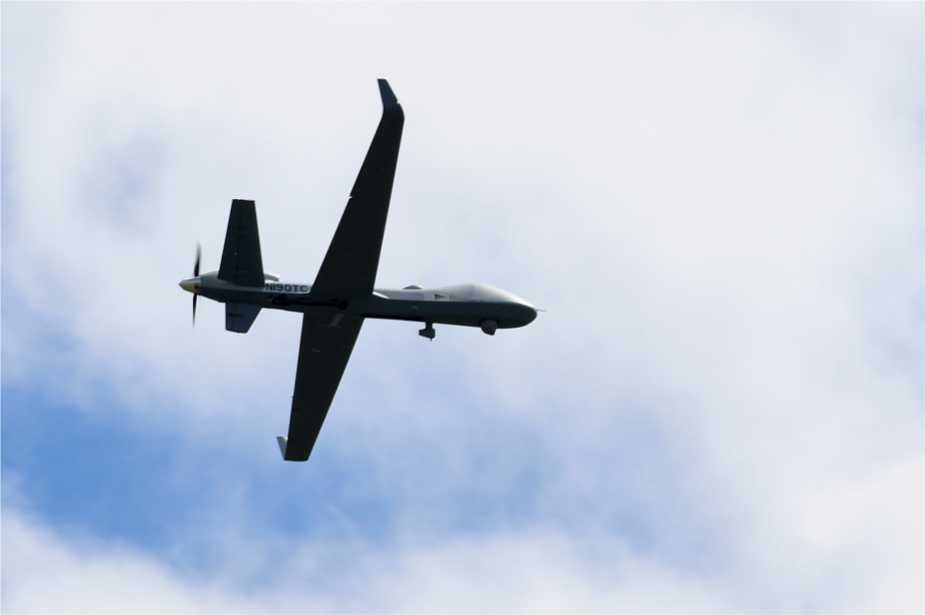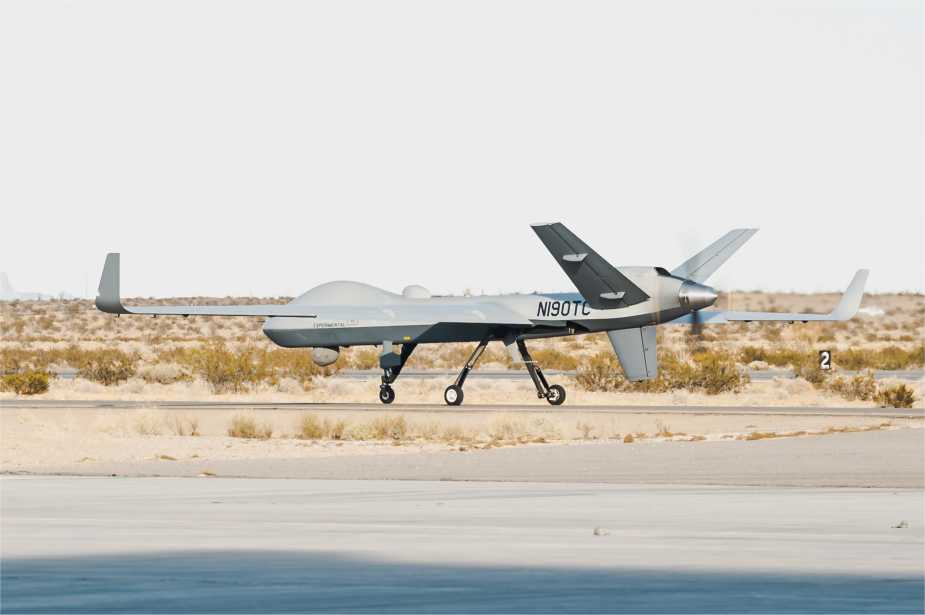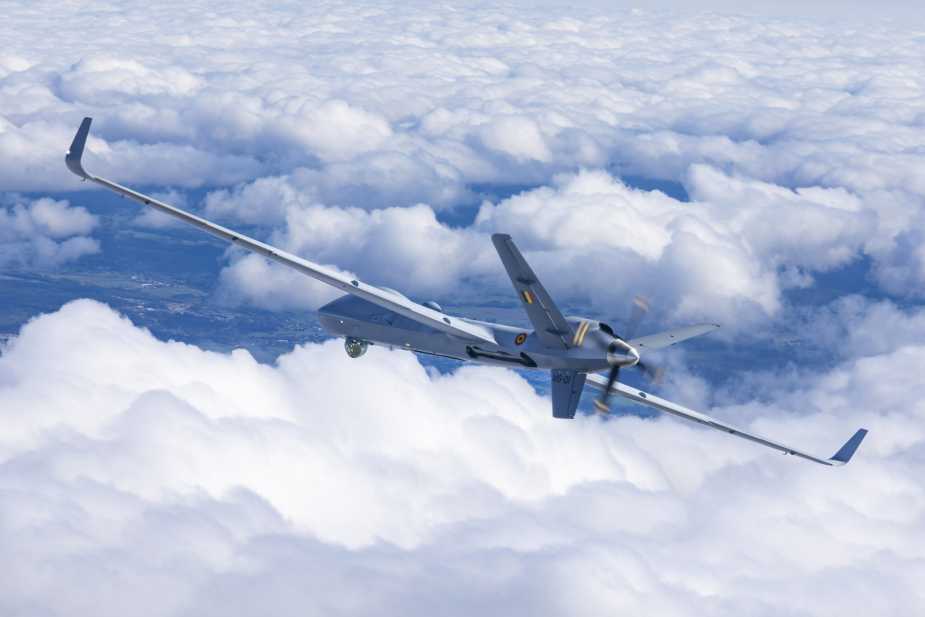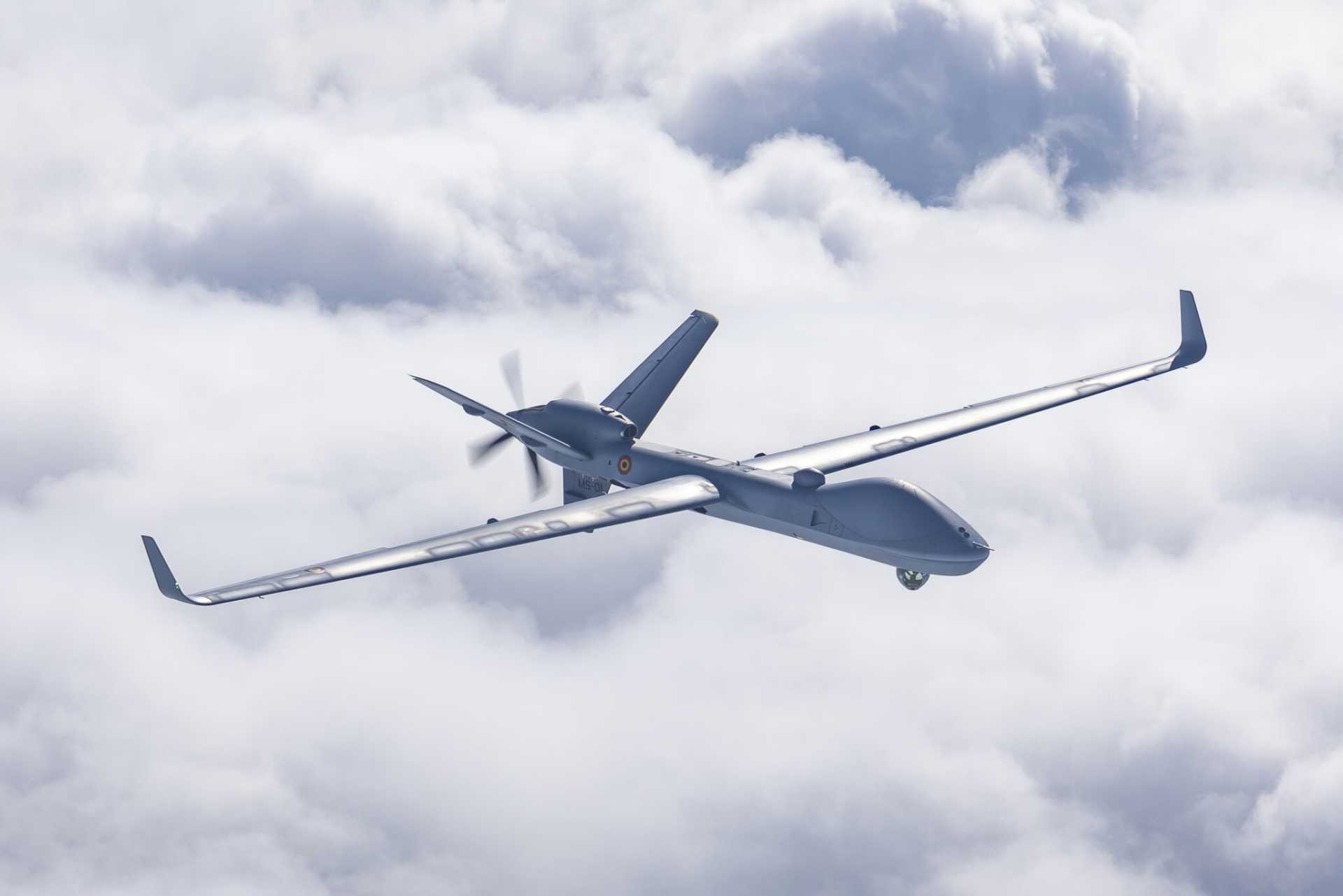
The General Atomics MQ‑9B SkyGuardian is a long-endurance remotely piloted aircraft developed for persistent intelligence, surveillance and reconnaissance. The Royal Air Force operates its version as Protector RG Mk1.
Country users: United Kingdom — Royal Air Force service as Protector RG Mk1. Belgium — Belgian Air Component service. Poland — purchase of three systems announced by GA‑ASI in December 2024.
Key Tactical Insight
- Main Roles and Missions Persistent intelligence, surveillance and reconnaissance. The RAF also lists maritime surveillance, search and rescue, and military aid to civil authorities among Protector’s potential roles.
- Firepower The RAF confirms that its Protector RG Mk1 carries the MBDA Brimstone 3A air-to-surface missile and the Raytheon UK Paveway IV 500 lb precision-guided bomb. These are UK-specific stores.
- Sensors and Survivability General Atomics lists Lynx multimode radar and high-definition electro-optical/infrared imaging for SkyGuardian. The RAF identifies the AN/DAS‑4 multispectral imaging system and synthetic-aperture radar with ground moving-target indication on Protector.
- Digital Architecture The system uses a remote ground station and satellite communications for beyond-line-of-sight flight. General Atomics lists automatic takeoff and landing, VHF/UHF radios and a detect-and-avoid suite with TCAS, ADS‑B and due-regard radar.
- Key Technical Specifications Honeywell TPE331‑10 turboprop, 210 KTAS maximum airspeed, 40,000 ft maximum altitude, 40 hours endurance and 6,000 nmi range in the cited datasheet.







Key Technical Specifications
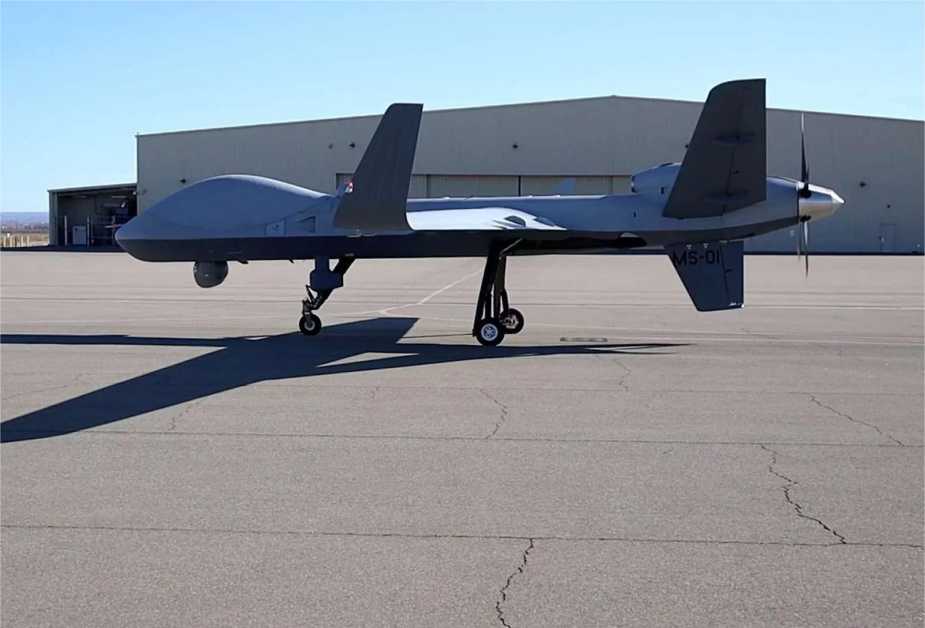
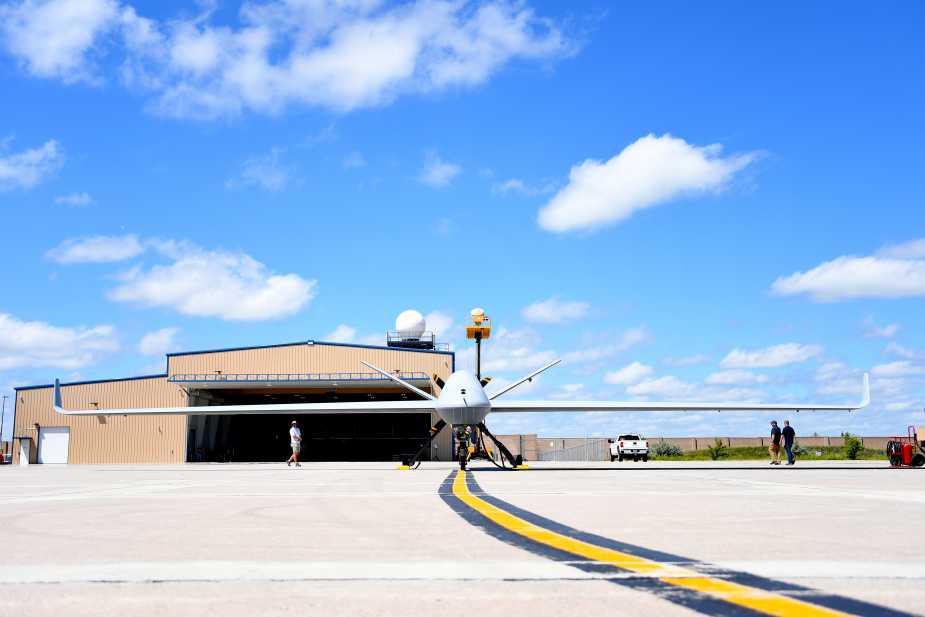
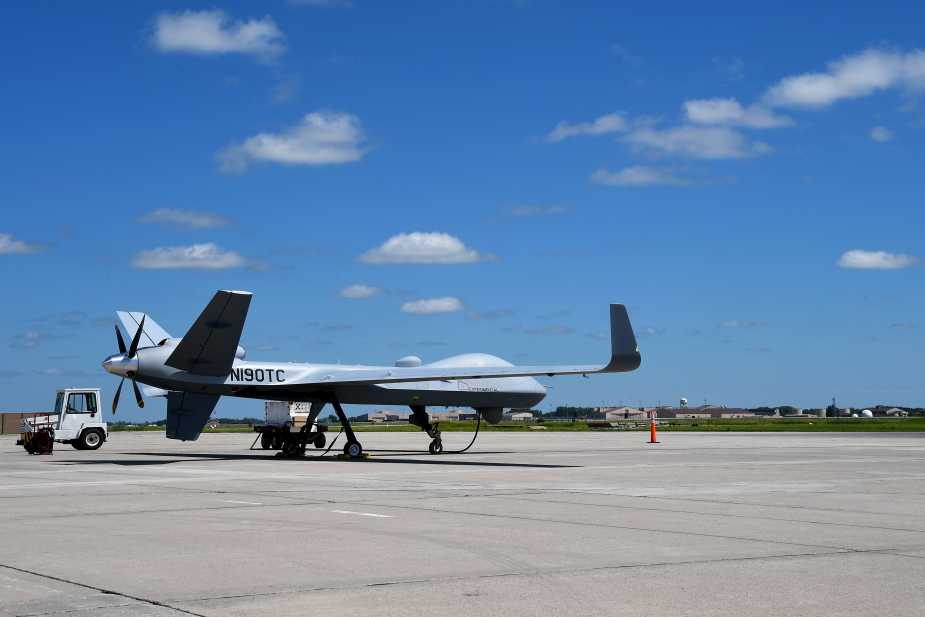
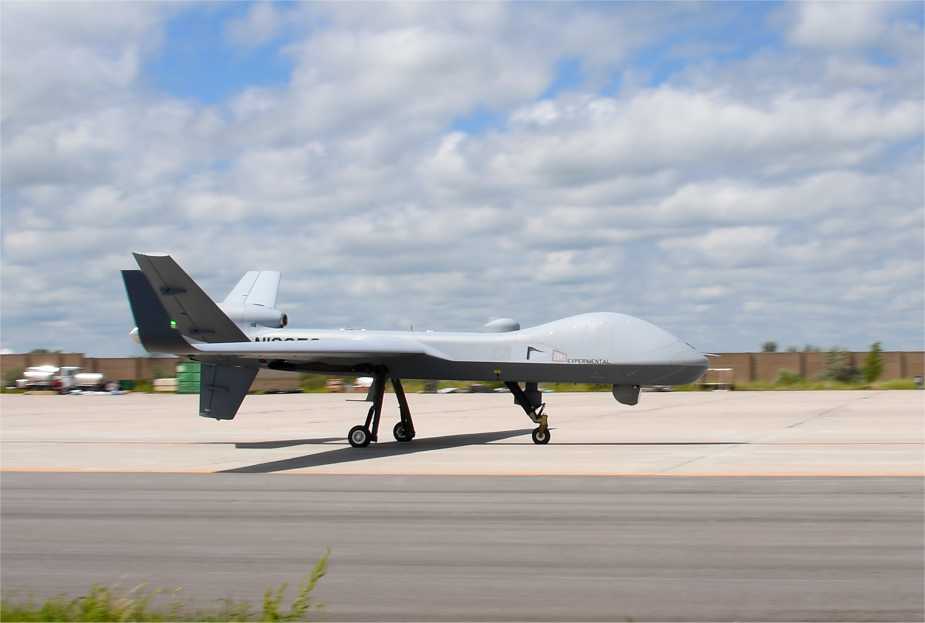
SkyGuardian has a long-span wing, a rear-mounted turboprop driving a pusher propeller and an inverted V-tail. The 79 ft (24 m) wingspan and 38 ft (11.6 m) fuselage length are the figures quoted in the March 2026 datasheet. General Atomics lists provisions for external payloads at eight wing stations and one centerline station.
General Atomics designed the airframe for fatigue and damage tolerance and published a design life of more than 40,000 flight hours. In October 2025 it completed a full-scale fatigue program representing three aircraft lifetimes. The results support structural certification and the development of in-service inspection schedules.
The design includes ice and lightning protection and provisions for automatic takeoff and landing. These features and the detect-and-avoid suite form part of the aircraft’s airspace integration design.
The RAF lists the MBDA Brimstone 3A air-to-surface missile and Raytheon UK Paveway IV 500 lb precision-guided bomb for Protector RG Mk1. Its November 2026 service update confirmed that Protector had begun carrying these stores. The weapons are part of the UK configuration.
General Atomics lists provision for precision-guided munitions in its SkyGuardian datasheet. The airframe also supports non-weapon mission payloads. The public sources cited for the Belgian and Polish aircraft confirm acquisition and service milestones but do not establish their weapons inventories.
Honeywell TPE331‑10 turboprop, 210 KTAS maximum airspeed, 40,000 ft maximum altitude, 40 hours endurance and 6,000 nmi range in the cited datasheet.
The SkyGuardian datasheet cited here lists a maximum gross takeoff weight of 12,500 lb (5,670 kg), internal payload capacity of 800 lb (363 kg) and external payload capacity of 4,000 lb (1,814 kg).
Both manufacturer datasheets list a fuel capacity of 6,000 lb. Endurance measures time aloft, whereas range measures distance. The published ceilings, ranges and endurance figures are individual limits, and the installed equipment and fuel load affect what a particular aircraft can achieve.
General Atomics lists Lynx multimode radar and a high-definition electro-optical and infrared sensor for SkyGuardian. The RAF separately identifies the AN/DAS‑4 multispectral system on Protector and lists synthetic-aperture radar and ground moving-target indication. Synthetic-aperture radar produces images of the terrain. Moving-target indication reports movement, while the optical and infrared system provides imagery in different spectral bands.
The control system combines a ground station, radios and satellite communications. The beyond-line-of-sight link extends command and control beyond the local radio horizon. General Atomics also lists automatic takeoff and landing, dual VHF/UHF radios and provisions for integrating customer equipment.
The published detect-and-avoid suite groups TCAS, ADS‑B and due-regard radar. TCAS and ADS‑B provide information about suitably equipped aircraft. Due-regard radar adds an onboard source of traffic observations. Airspace access depends on the applicable approval.
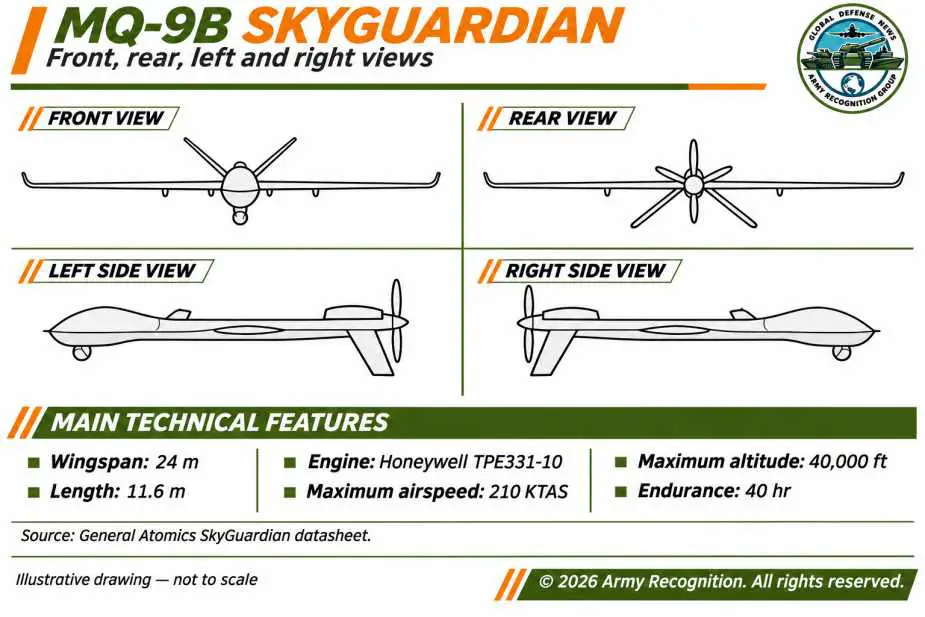
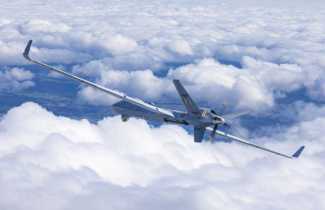
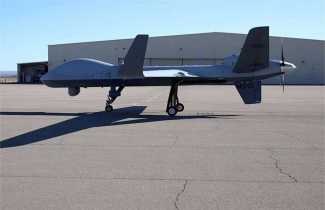
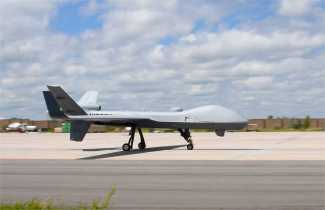
Photo Gallery