How MQ-25A Unmanned Refueling Aircraft Could Transform U.S. Navy Carrier in Future Pacific War

China’s expanding deployment of DF-21D and DF-26 anti-ship ballistic missiles is forcing the U.S. Navy to rethink how it fights in the Western Pacific, where aircraft carriers could face long-range precision strikes during a conflict near Taiwan or the South China Sea. The Boeing MQ-25A Stingray unmanned refueling aircraft, increasingly highlighted by the Pentagon as a critical force multiplier, is designed to solve that challenge by extending the combat reach of carrier-based aircraft while allowing U.S. carriers to operate farther from Chinese missile threat zones.

U.S. Navy News

Read more …How MQ-25A Unmanned Refueling Aircraft Could Transform U.S. Navy Carrier in Future Pacific War

  • Hits: 552

Taiwan Unveils Red Falcon II Anti-Tank Rocket to Counter Chinese Armored Vehicle Threats

Taiwan has publicly unveiled the Red Falcon II portable anti-armor rocket for the first time, signaling a major effort to strengthen frontline infantry defenses against growing Chinese armored threats and potential amphibious assault operations. Developed by the National Chung-Shan Institute of Science and Technology (NCSIST), the new disposable weapon improves Taiwan’s ability to counter modern tanks with a lighter, longer-range, and more mobile system that enters a market traditionally dominated by the U.S. FGM-148 Javelin and Sweden’s Carl Gustaf M4 recoilless weapon system.

Read more …Taiwan Unveils Red Falcon II Anti-Tank Rocket to Counter Chinese Armored Vehicle Threats

  • Hits: 293

U.S. Army and NATO Use Intelligence Balloons to Guide HIMARS Rocket Launchers

The U.S. Army and NATO allies demonstrated a fully integrated digital kill chain during Arcane Thunder 26, combining signal-sensing balloons, targeting drones, and M142 HIMARS launchers to accelerate battlefield detection and strike execution. Reported by the U.S. Mission to NATO on May 15, 2026, the exercise showed how allied forces are tightening the link between sensors and long-range fires to rapidly engage high-value threats in contested environments.

Read more …U.S. Army and NATO Use Intelligence Balloons to Guide HIMARS Rocket Launchers

  • Hits: 572

Ukraine unveils new Inguar-4 6x6 armored recovery vehicle to rescue NATO assets on battlefield

Ukraine has unveiled the Inguar-4, a new domestically built 6x6 armored recovery vehicle designed to extract damaged armored vehicles weighing up to 30 tons from contested battlefield zones, as demonstrated during testing released by Inguar Defence on May 11, 2026. The vehicle directly addresses one of Ukraine’s growing wartime vulnerabilities by improving the recovery speed of NATO-supplied and locally produced armored fleets before artillery or drone strikes can destroy repairable assets. The Inguar-4 combines a purpose-built military chassis, modular repair-friendly construction, and armored survivability systems tailored for high-intensity combat operations rather than civilian vehicle conversion. Its recovery configuration can support diverse fleets including M113s, MaxxPros, Kirpis, Roshel Senators, and Inguar-3 vehicles, reinforcing Ukraine’s broader push toward self-sustaining armored ecosystems focused on battlefield recovery, force regeneration, and long-term defense industrial independence.

Read more …Ukraine unveils new Inguar-4 6x6 armored recovery vehicle to rescue NATO assets on battlefield

  • Hits: 818

U.S. Army Converts Humvee into Drone Hunter with CROW Turret in Lithuania Near Russia

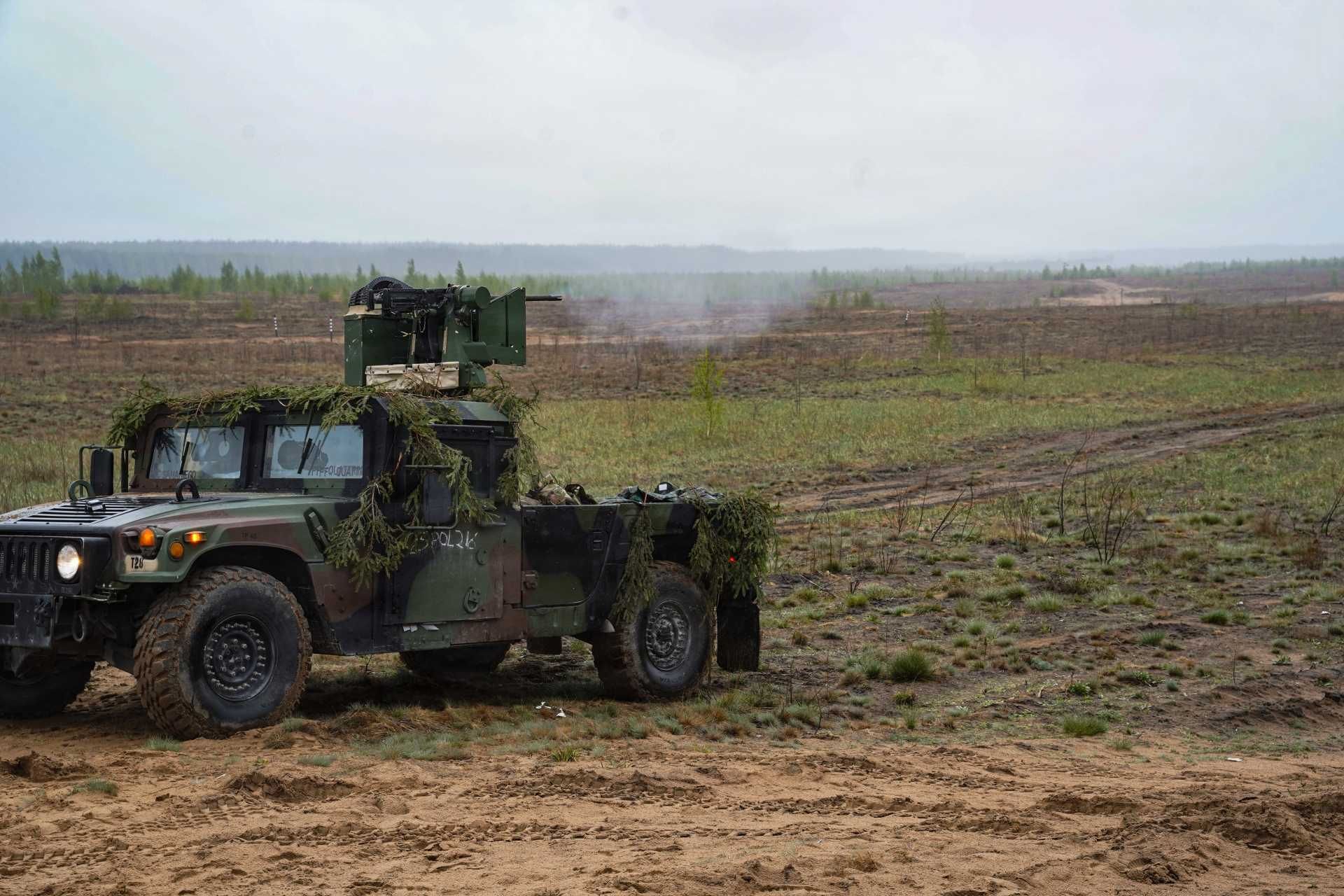
The U.S. Army has transformed a Humvee into a low-cost anti-drone combat vehicle armed with a remotely operated .50 caliber machine gun, as NATO races to counter the growing threat of Russian-style drone warfare spreading from Ukraine toward Europe’s eastern border. Tested during live-fire exercises in Lithuania near Russia on May 9, 2026, the improvised “drone hunter” was developed by soldiers from the 5th Battalion, 4th Air Defense Artillery Regiment to destroy low-flying attack drones without relying on expensive missile interceptors.

Read more …U.S. Army Converts Humvee into Drone Hunter with CROW Turret in Lithuania Near Russia

  • Hits: 1313

Ukraine's Tryzub laser weapon enters final testing stage to destroy Russian Shahed drones

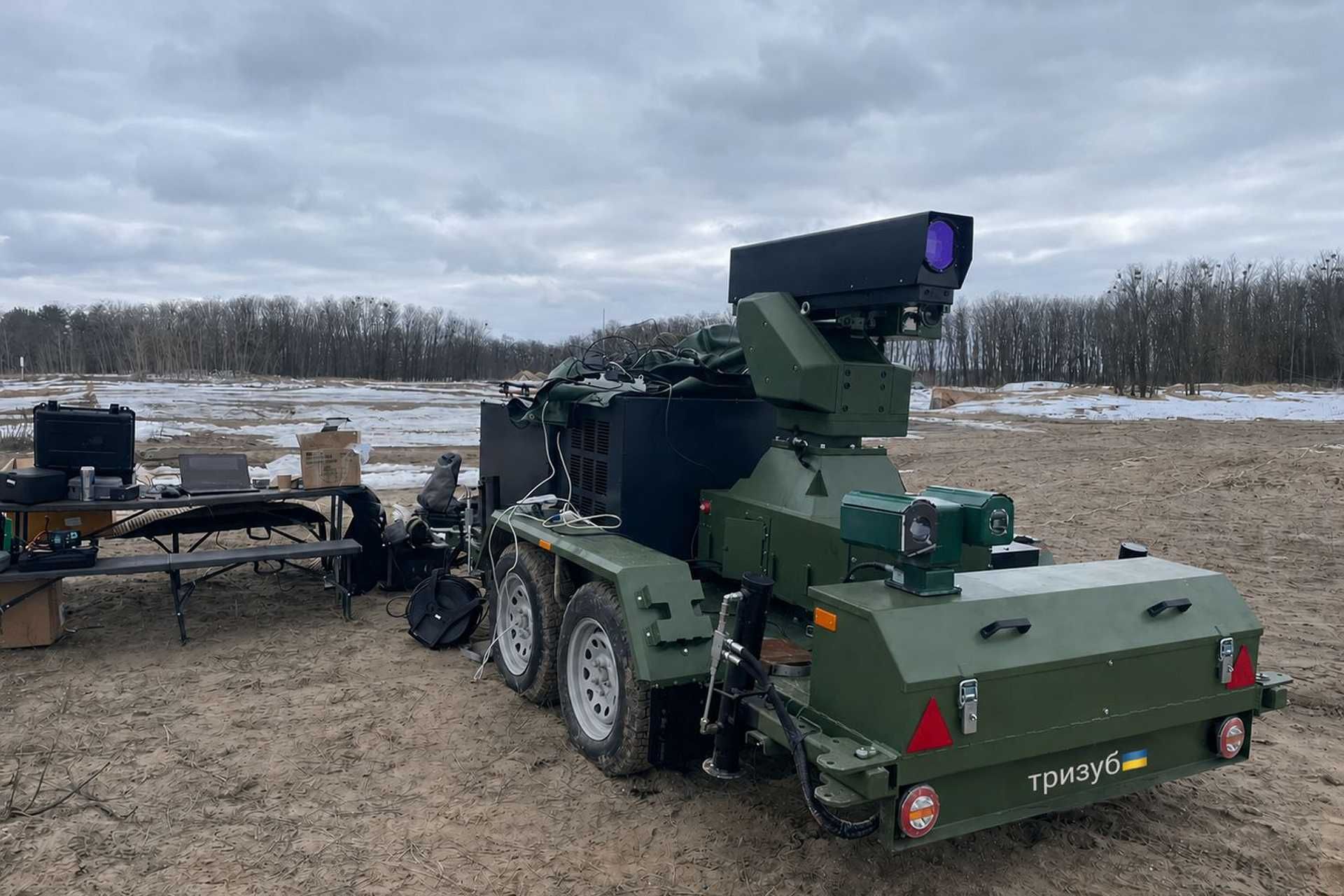
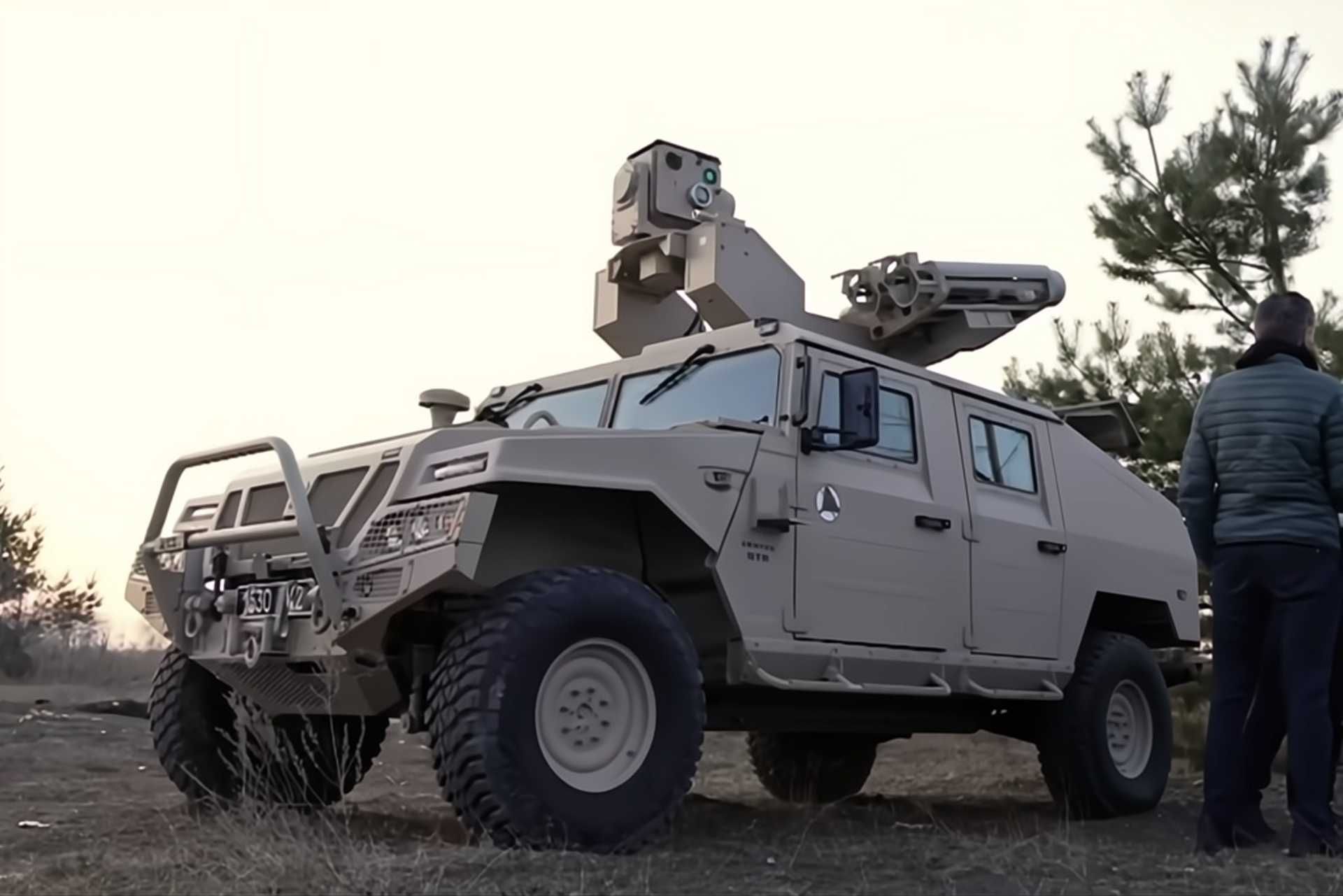
Ukraine is moving closer to deploying the Tryzub laser weapon against Russian Shahed drones, as Celebra Tech revealed on May 7, 2026, that the system has entered final testing with growing capability against FPV and reconnaissance UAVs. Also known as Trident, this laser weapon could give Ukraine a cheaper and faster response to Russia’s mass drone attacks by reducing dependence on costly air defense missiles while strengthening protection of critical infrastructure and rear area targets. The latest Tryzub configuration, mounted on a trailer, can destroy FPV drones at up to 900 meters and reconnaissance drones at 1,500 meters while testing continues for future interceptions of Shahed-type drones at ranges approaching 5 km. Equipped with AI-assisted targeting radar integration and automatic tracking, the Ukrainian system reflects the accelerating global shift toward directed energy weapons designed to counter large-scale drone warfare at lower operational cost.

Read more …Ukraine's Tryzub laser weapon enters final testing stage to destroy Russian Shahed drones

  • Hits: 1545

Ukraine unveils new Stash air defense system armed with Hellfire missiles during Russian drone attack

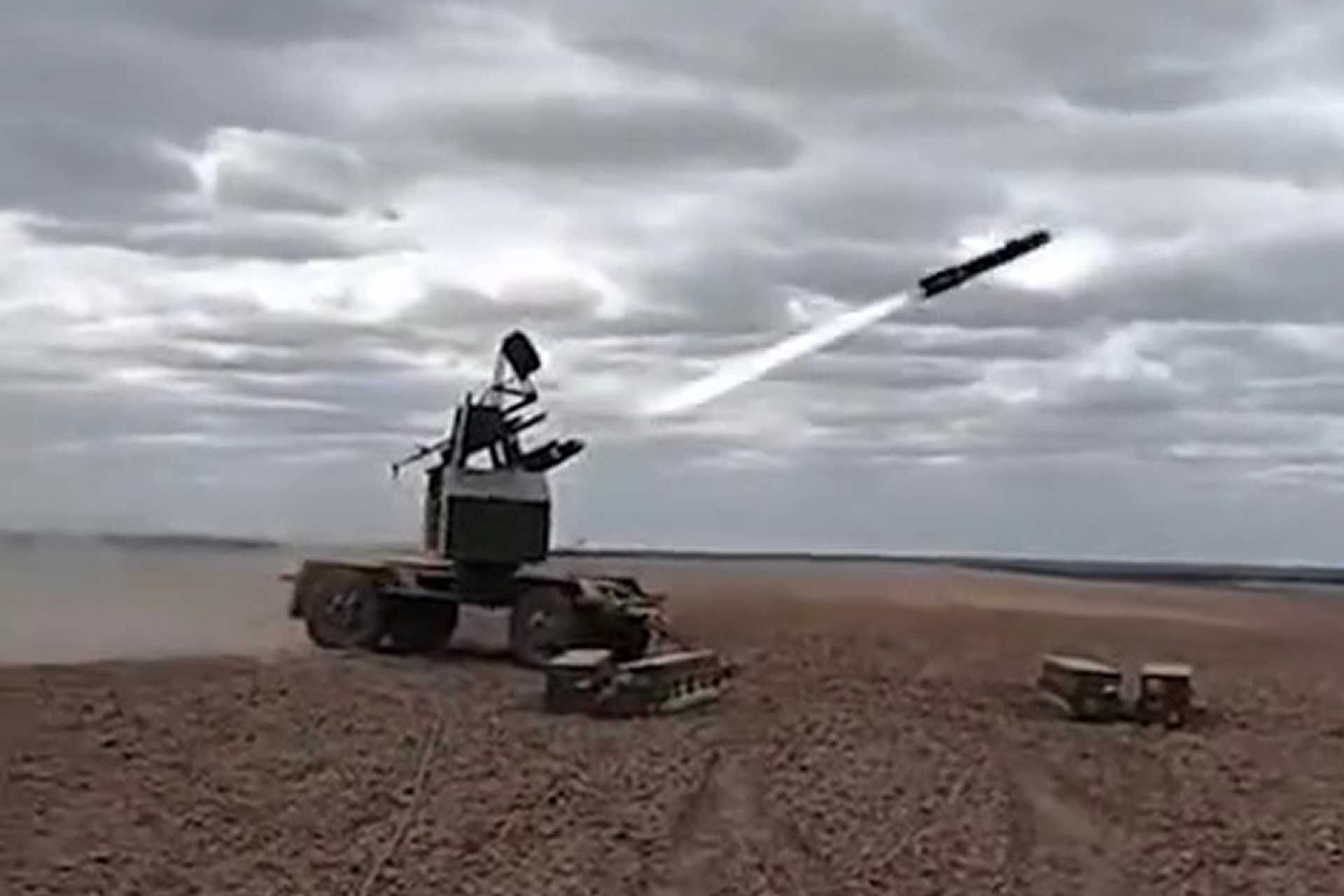
Ukraine has operationally deployed the previously undisclosed Stash short-range air defense system during a massive Russian drone assault involving more than 400 UAVs, according to footage released by Ukraine’s Air Command West on May 1, 2026. The system’s use during a saturation attack highlights Kyiv’s accelerating shift toward low-cost layered defenses designed to preserve high-end Patriot and NASAMS interceptors while sustaining continuous protection of critical infrastructure against large-scale Shahed drone raids. Stash uses AGM-114 Hellfire missiles mounted on a simple towable launcher equipped with a compact radar, creating a dispersed counter-drone network optimized for rear-area defense rather than frontline maneuver warfare. Its fire-and-forget Longbow Hellfire configuration allows rapid sequential engagements against multiple low-altitude UAVs, reflecting a broader NATO trend toward modular SHORAD systems built around existing missile inventories to counter the growing scale of drone warfare.

Read more …Ukraine unveils new Stash air defense system armed with Hellfire missiles during Russian drone...

  • Hits: 1464

Ukraine to receive 1,500 JDAM-ER guided bombs from US in $373 million sale for precision strikes

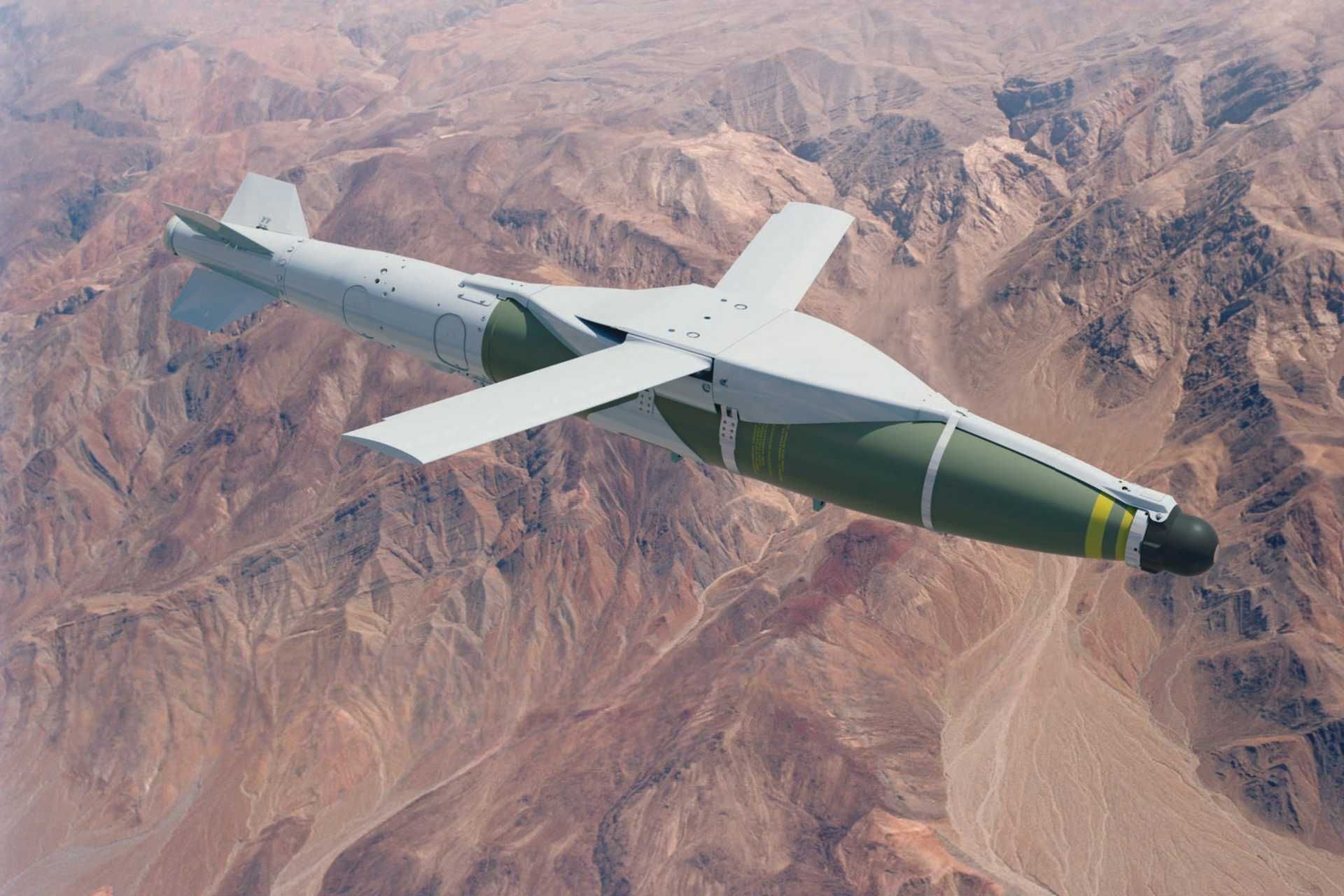
Ukraine is set to receive 1,500 JDAM-ER precision-guided bomb kits under a $373.6 million U.S. Foreign Military Sale approved on May 5, 2026, significantly expanding Kyiv’s ability to strike Russian bridges, depots, headquarters, and logistics corridors far behind the front line. The transfer, announced by the U.S. State Department, reinforces Ukraine’s growing stand-off strike capacity while allowing Soviet-era MiG-29 and Su-27 fighters to continue delivering precision attacks without relying on scarce cruise missile inventories or immediate replacement by Western combat aircraft. The package includes 1,200 KMU-572 and 332 KMU-556 JDAM-ER guidance kits optimized mainly for 500 lb-class bombs, a configuration better suited to Ukrainian fighter payload limits and repeated operational use. With glide ranges reaching roughly 72 km and accuracy measured within meters under stable GPS conditions, the JDAM-ER has become a key tool in Ukraine’s campaign to disrupt Russian sustainment networks, while also exposing the growing importance of electronic warfare as both sides compete to protect or deny satellite-guided strike systems on the modern battlefield.

Read more …Ukraine to receive 1,500 JDAM-ER guided bombs from US in $373 million sale for precision strikes

  • Hits: 1415

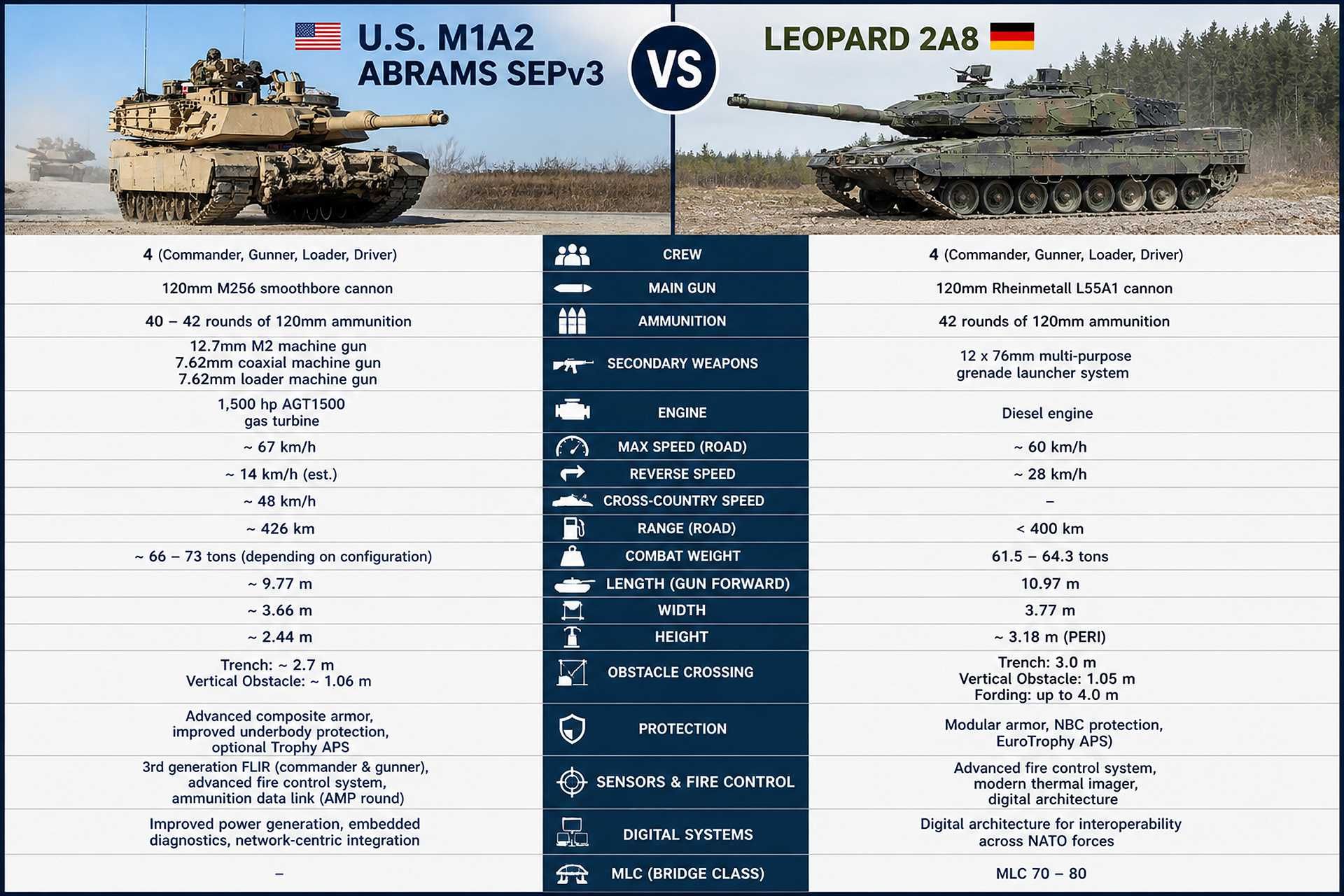
U.S. M1A2 SEPv3 vs. Leopard 2A8 Comparison Shows How US and NATO Tanks Differ in Modern Warfare

The U.S. M1A2 SEPv3 Abrams and Germany’s Leopard 2A8, recently introduced within NATO forces, are being directly compared as two of the most advanced main battle tanks designed for high-intensity warfare. This comparison highlights how the United States and its allies are prioritizing survivability, firepower, and mobility to counter advanced anti-armor threats and maintain battlefield superiority against near-peer adversaries. Both tanks reflect key lessons drawn from recent conflicts, such as Ukraine, where precision-guided munitions, drones, and layered defenses have significantly increased the risks to armored formations. Their evolving capabilities demonstrate how NATO is adapting its heavy forces to operate effectively in contested environments where protection, mobility, and sustained combat performance are critical to survival.

Read more …U.S. M1A2 SEPv3 vs. Leopard 2A8 Comparison Shows How US and NATO Tanks Differ in Modern Warfare

  • Hits: 1376

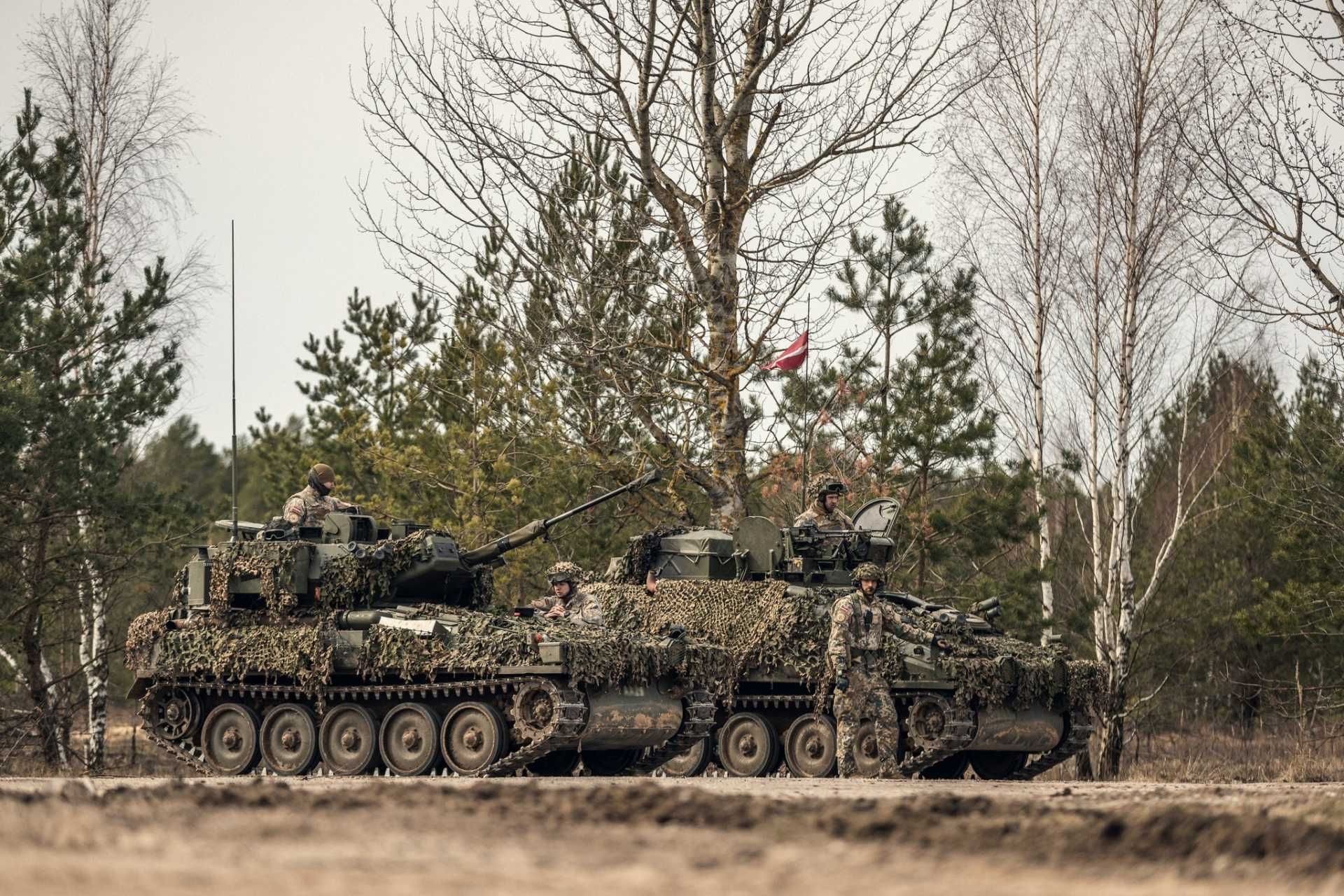
Latvia transfers more CVR(T) armored vehicles to Ukraine for rapid combat operations

Latvia has approved the transfer of additional CVR(T) armored vehicles to Ukraine, reinforcing frontline mobility and reconnaissance capacity as Kyiv adapts to fast-moving combat conditions. The transfer directly supports battlefield requirements by expanding Ukraine’s ability to maneuver, scout, and deploy light armored firepower without delaying operations. These tracked vehicles provide a mix of reconnaissance, troop transport, command, and fire support roles, allowing Ukrainian units to operate with greater flexibility at the tactical level. Their speed, low weight, and upgraded systems make them well-suited for rapid strikes, screening missions, and dispersed warfare, reflecting a broader shift toward mobility and survivability in modern conflict.

Read more …Latvia transfers more CVR(T) armored vehicles to Ukraine for rapid combat operations

  • Hits: 1083

Most Modern 5th Generation Fighter Jets as U.S. China Russia and Allies Compete for Air Dominance

The race for air dominance has become a global competition, driven by fifth-generation fighters designed to operate in heavily contested airspace through stealth, sensor fusion, and networked combat. From the United States and China to Europe and emerging aerospace powers, nations are investing in advanced aircraft and future combat systems to secure control of the skies in high-intensity conflict scenarios. This analysis examines the leading operational fighters and next-generation developments shaping the balance of air power worldwide. Fighter jets such as the F-35, F-22, J-20, and Su-57 demonstrate how advanced sensors and real-time data sharing enable faster detection and engagement, while emerging programs like NGAD, Tempest, and other international efforts signal a shift toward distributed, multi-domain air warfare. Together, they reflect a transformation in which global air superiority depends not only on aircraft performance but also on the ability to integrate stealth, connectivity, and decision speed across entire combat networks.

Read more …Most Modern 5th Generation Fighter Jets as U.S. China Russia and Allies Compete for Air Dominance

  • Hits: 3222

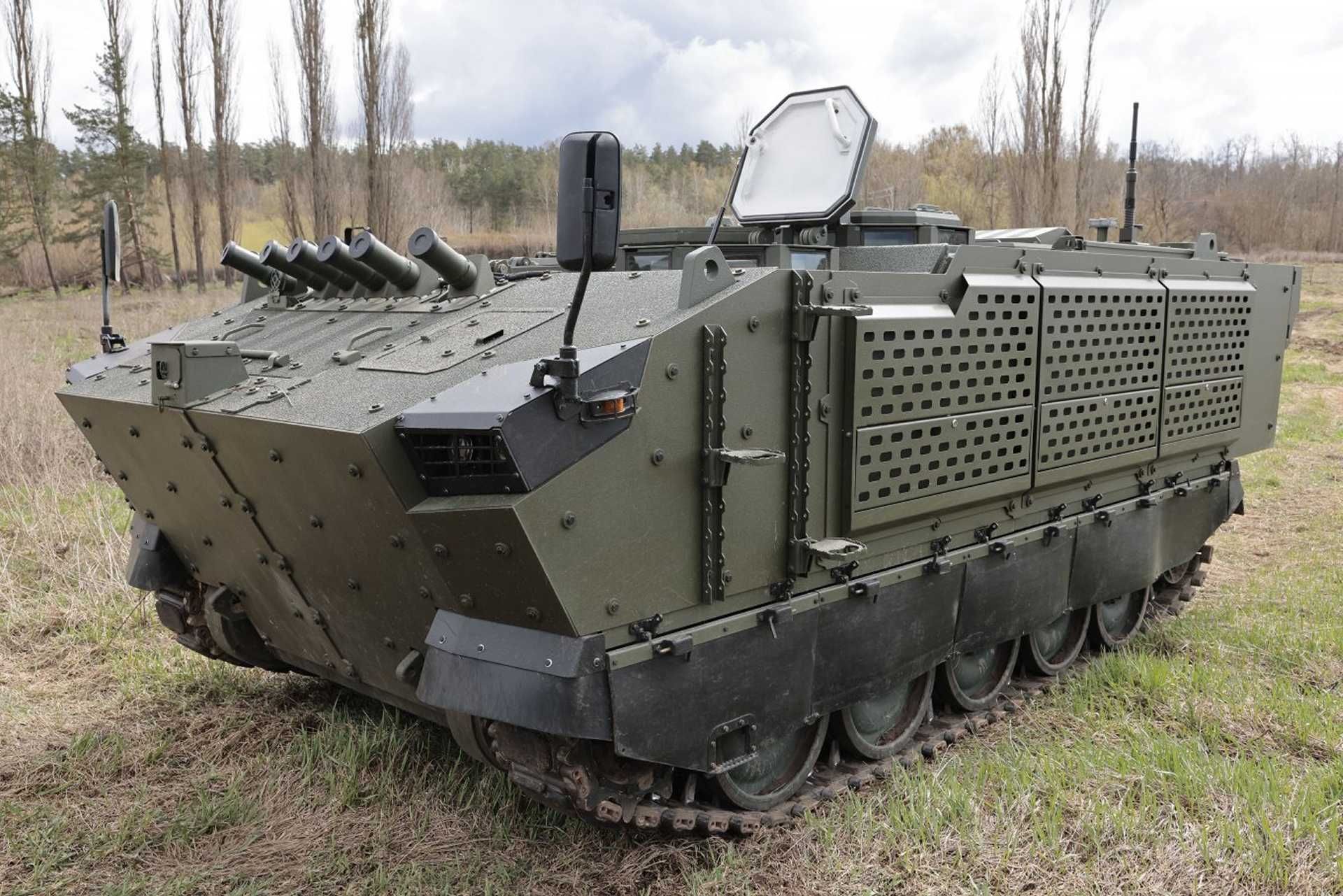
Ukraine tests new Skif tracked APC to move troops faster and safer than US-made M113s

Ukraine has begun testing a new tracked armored personnel carrier designed to move infantry faster and survive threats that have heavily damaged legacy vehicles like the M113. The development signals a push to improve battlefield mobility and protection in harsh terrain where tracked platforms remain critical for sustaining operations under fire. The Skif prototype combines cross-country performance comparable to the M113 with stronger armor, mine resistance, and a remotely operated weapon station that allows crews to fight without exposure. This mix of mobility, survivability, and protected firepower reflects a broader shift toward more resilient, domestically produced platforms built for high-intensity warfare and reduced dependence on foreign supply.

Read more …Ukraine tests new Skif tracked APC to move troops faster and safer than US-made M113s

  • Hits: 2943

Belgium transfers 15 Gepard anti-aircraft guns to Ukraine in new €1 Billion aid plan

Belgium will deliver 15 Gepard self-propelled anti-aircraft guns to Ukraine, strengthening its ability to counter drones and low-altitude threats in high-volume attack scenarios. The transfer, part of a new €1 billion aid, reinforces the country's short-range air defense capacity where missile systems are costly or insufficient, directly improving battlefield resilience and protection of critical infrastructure. The Gepard combines radar-guided targeting with twin 35 mm autocannons, enabling sustained, rapid-fire engagements against drones and cruise missiles at short range. Its return to active use highlights a broader shift toward layered air defense, where gun-based systems complement advanced missiles to provide cost-effective, continuous protection in modern warfare.

Read more …Belgium transfers 15 Gepard anti-aircraft guns to Ukraine in new €1 Billion aid plan

  • Hits: 1689

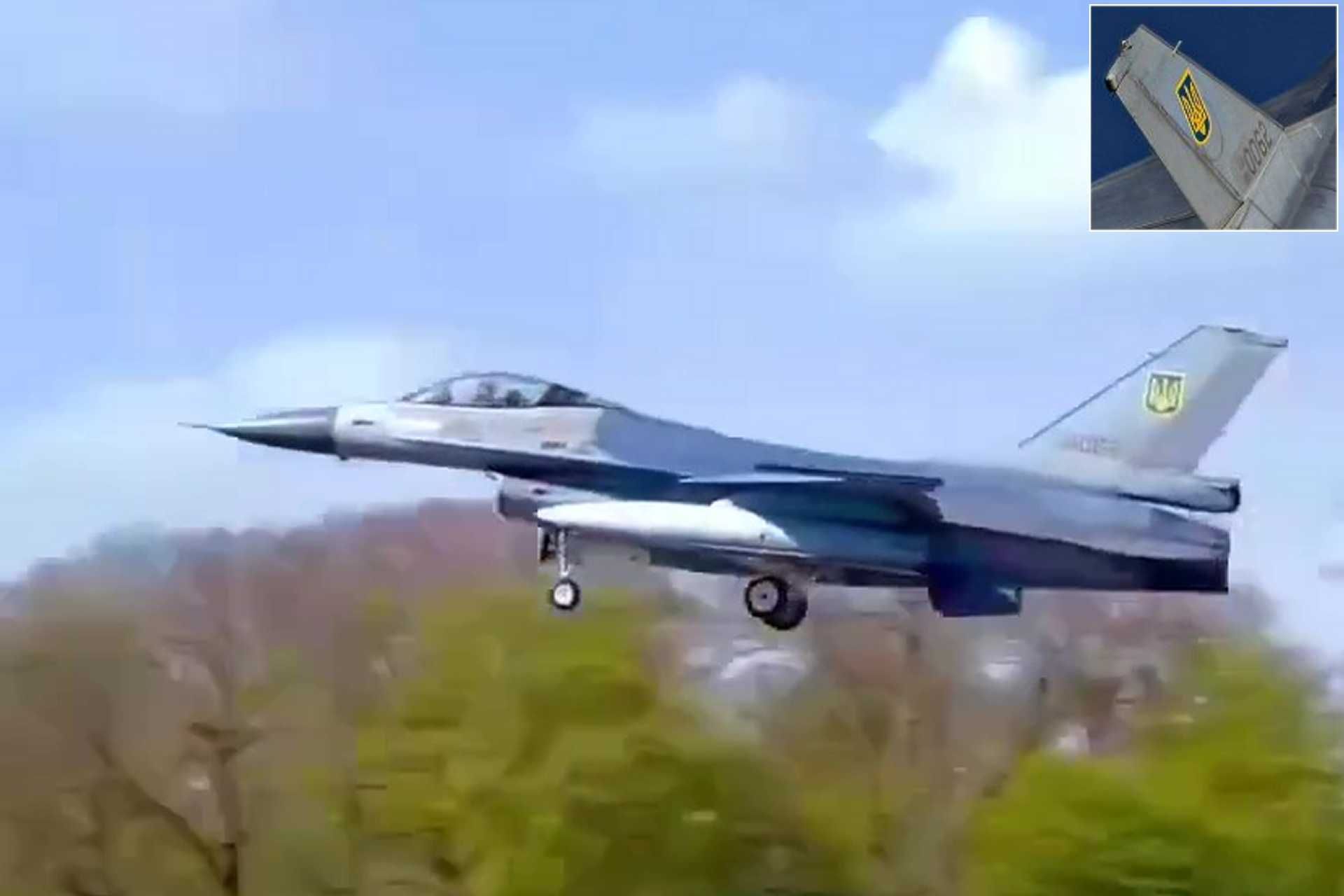
Ukrainian F-16 fighter jet transferred by Netherlands spotted departing Belgian airport

A Ukrainian-operated F-16 has been spotted departing a Belgian airport on April 16, 2026, nearly a year after delivery, underscoring that Western-supplied fighters remain actively managed across NATO territory rather than permanently based in Ukraine. This approach enhances survivability, sustainment, and readiness by reducing exposure to Russian strikes while keeping aircraft mission-capable. The sighted jet, the former Dutch F-16AM 86-0062, reflects a distributed support model where aircraft cycle through hubs like Belgium for maintenance, upgrades, and pilot training before forward deployment. This arrangement strengthens long-term combat effectiveness by integrating logistics, training, and operational dispersal into a single framework aligned with modern coalition warfare.

Read more …Ukrainian F-16 fighter jet transferred by Netherlands spotted departing Belgian airport

  • Hits: 1163

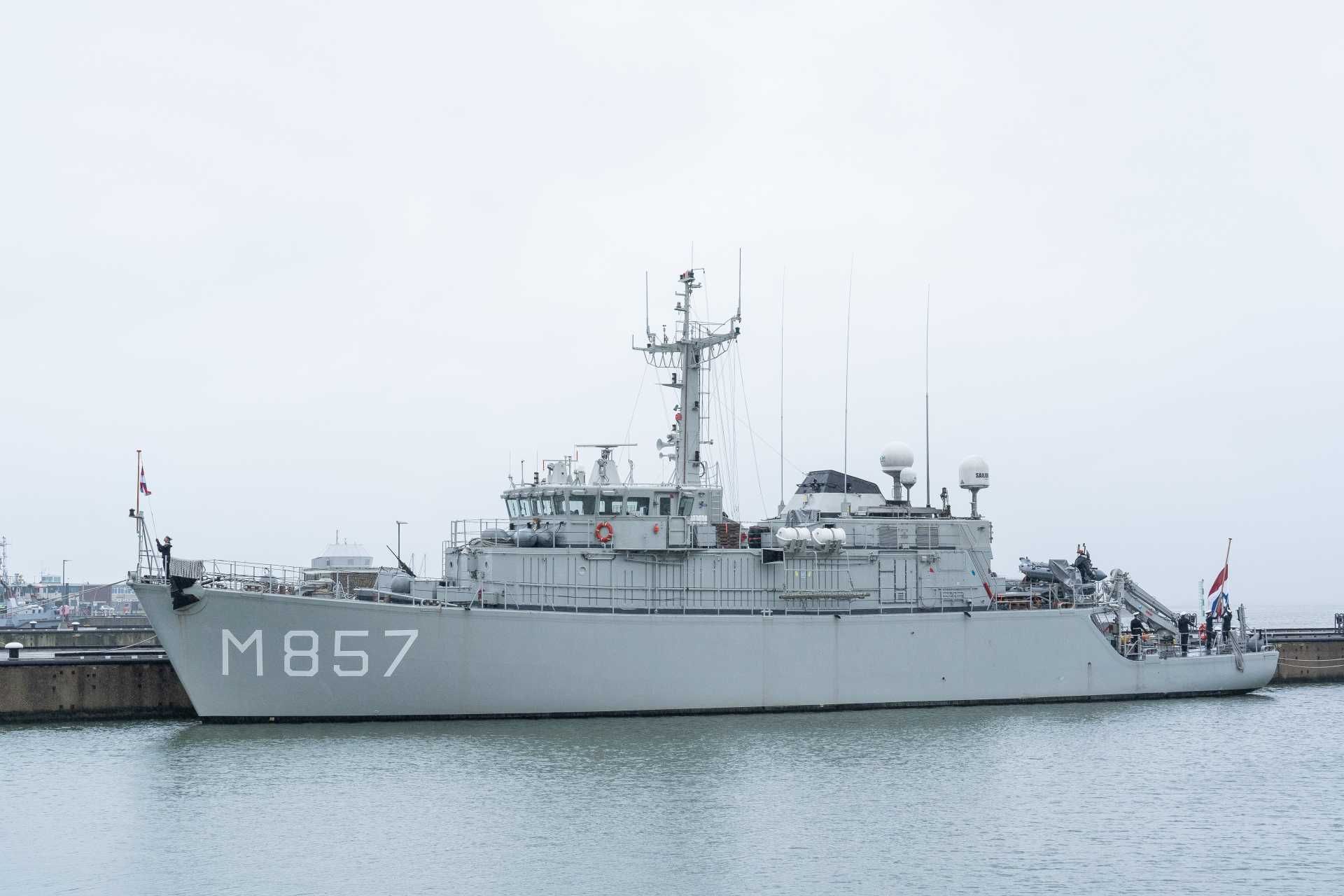
Netherlands transfers second Alkmaar-class minehunter Henichesk to Ukraine for Black Sea mine clearance

The Netherlands is strengthening Ukraine’s ability to secure its coastline and critical sea lanes by transferring an Alkmaar-class mine countermeasure vessel after fully training its crew. This directly enhances Ukraine’s capacity to detect and clear naval mines, a key requirement for protecting shipping routes, enabling amphibious operations, and sustaining economic lifelines in contested waters. The Alkmaar-class vessel brings specialized mine-hunting sensors and neutralization systems designed to operate in high-risk littoral environments where mines threaten both military and civilian traffic. Its addition to Ukraine’s growing fleet reflects a broader push toward restoring maritime freedom of movement and building resilient naval capabilities focused on survivability, precision, and post-conflict recovery of sea access.

Read more …Netherlands transfers second Alkmaar-class minehunter Henichesk to Ukraine for Black Sea mine...

  • Hits: 1119

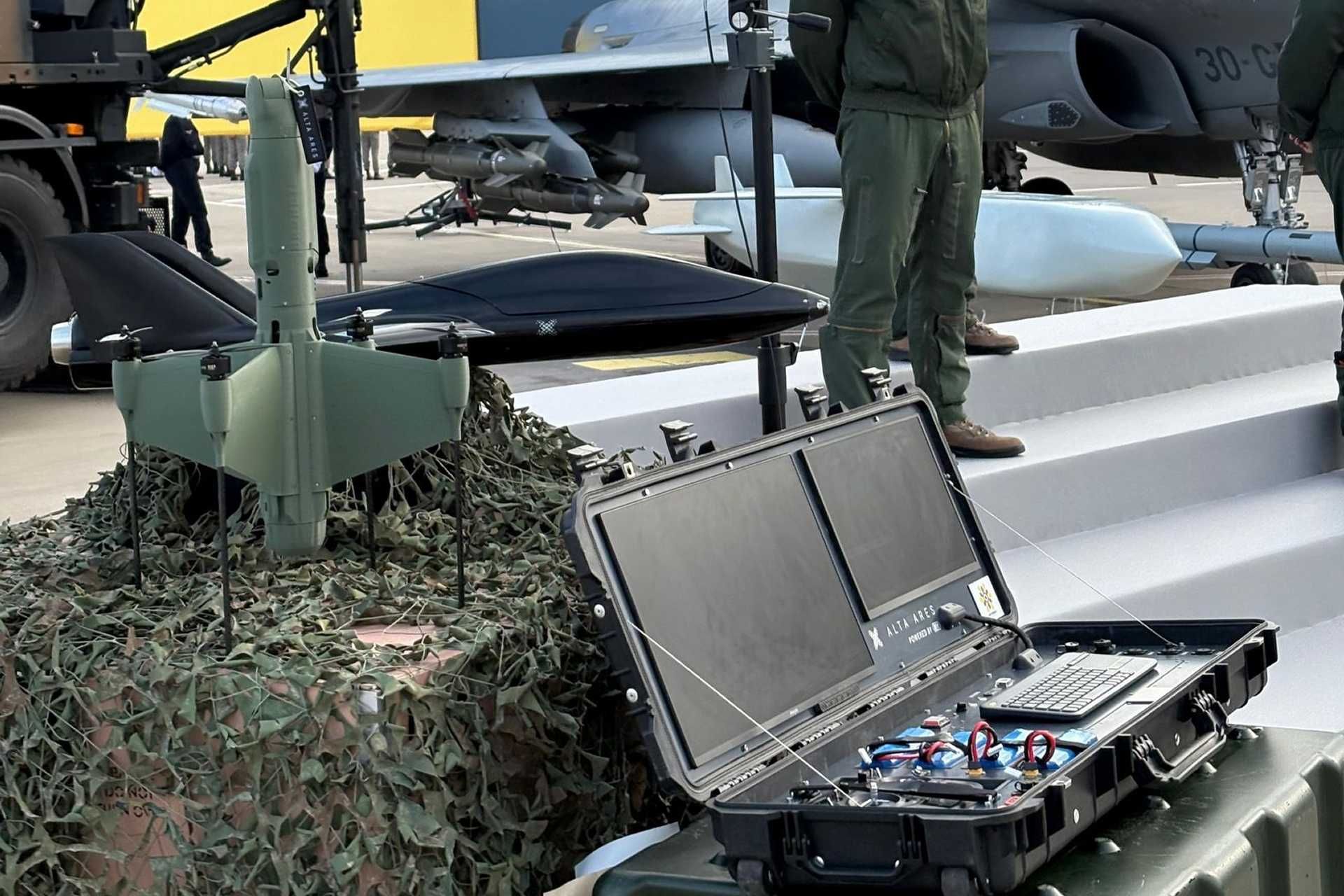
France's Alta Ares deploys X Wing and Black Bird interceptors to counter Shahed drone attacks in Ukraine

French company Alta Ares has deployed its X-Wing and Black Bird interceptor drones in Ukraine to counter Russian Shahed loitering munitions, demonstrating an AI-powered low-cost air defense capability against mass drone attacks. On April 13, 2026, CEO Hadrien Canter confirmed that both interceptor models are actively engaged in Ukraine under electronic warfare and adverse weather conditions, targeting high-volume drone threats. Their operational deployment addresses a critical imbalance in air defense economics, reinforcing battlefield resilience by reducing reliance on high-cost missile interceptors while maintaining engagement capacity against distributed aerial threats.

Read more …France's Alta Ares deploys X Wing and Black Bird interceptors to counter Shahed drone attacks in...

  • Hits: 1314

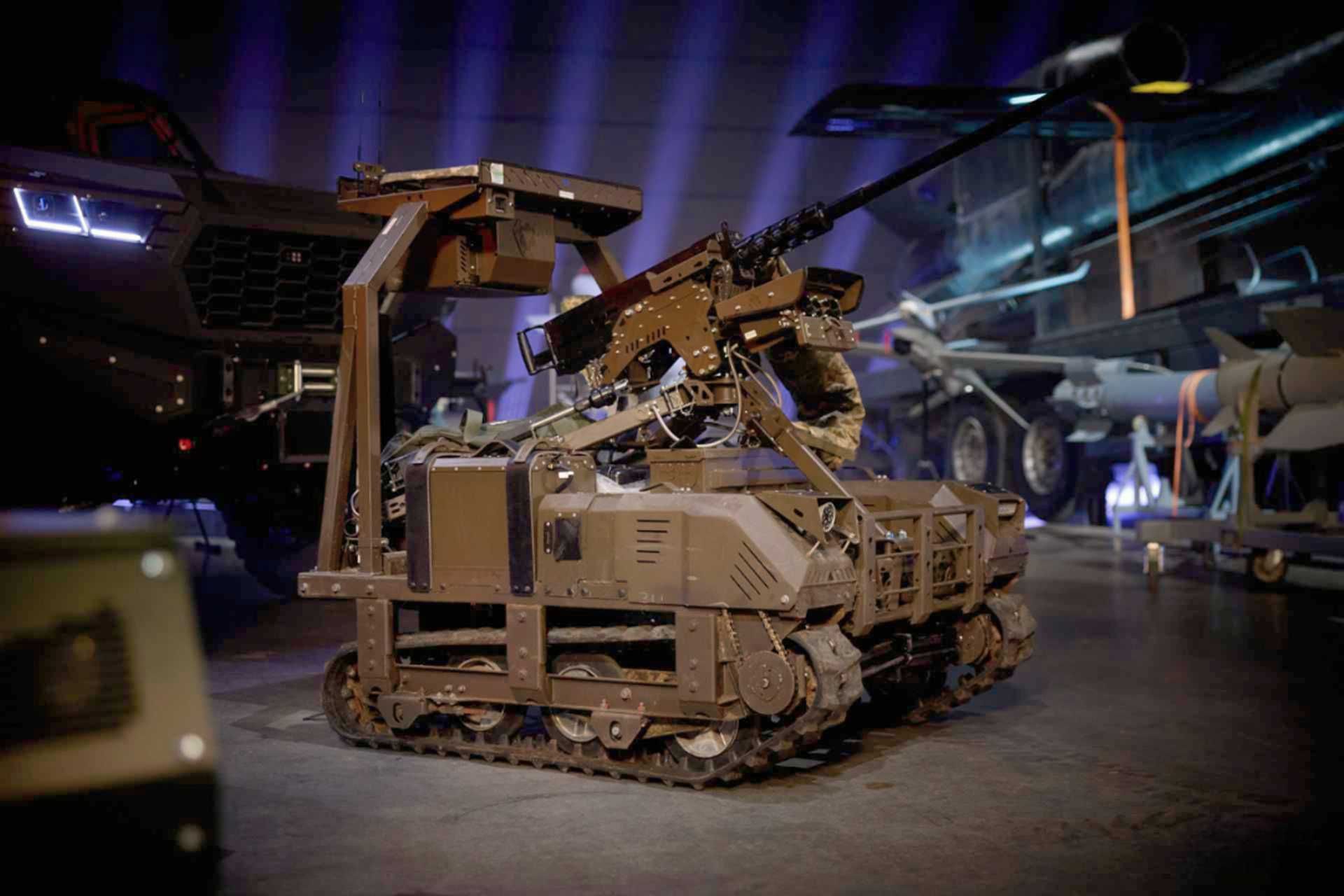
Ukraine captures Russian position using only drones in first-ever combat operation without soldiers

Ukrainian forces executed a first-of-its-kind unmanned assault operation, employing a suite of aerial drones and unmanned ground vehicles to seize a Russian-held position without any infantry involvement, as announced by Volodymyr Zelenskyy on April 13, 2026. The operation demonstrated a decisive shift in battlefield capability, with fully robotic systems conducting reconnaissance, strike, and position clearance, resulting in the surrender of Russian defenders and zero Ukrainian casualties. The mission likely involved drones such as Ratel, TerMIT, Ardal, Rys, Zmiy, Protector, and Volia, following over 22,000 robotic operations conducted in the previous three months. This development highlights a critical evolution in combat operations, where unmanned systems increasingly replace frontline troops at the point of contact, directly impacting force protection, tactical endurance, and the future structure of ground warfare.

Read more …Ukraine captures Russian position using only drones in first-ever combat operation without soldiers

  • Hits: 1870

U.S. Army Accelerates LUCAS Loitering Munition Deployment for Modern Battlefield Combat

The U.S. Army and the Indiana National Guard have taken a low-cost attack drone from a public demo to combat deployment in just seven months, a rare pace that signals a shift in how the military fields new weapons. Announced April 8, 2026, the Low-cost Uncrewed Combat Attack System, or LUCAS, has moved from concept to operational use, giving U.S. forces a fast, affordable strike option designed for real-world missions. The rapid rollout matters because it puts scalable firepower into the hands of commanders at a fraction of the cost of traditional systems, strengthening the Joint Force in high-risk, contested environments. By proving that autonomous strike systems can be developed and fielded in months rather than years, LUCAS sets a precedent for how the U.S. can outpace adversaries and expand combat capabilities without relying on expensive platforms.

Read more …U.S. Army Accelerates LUCAS Loitering Munition Deployment for Modern Battlefield Combat

  • Hits: 1739

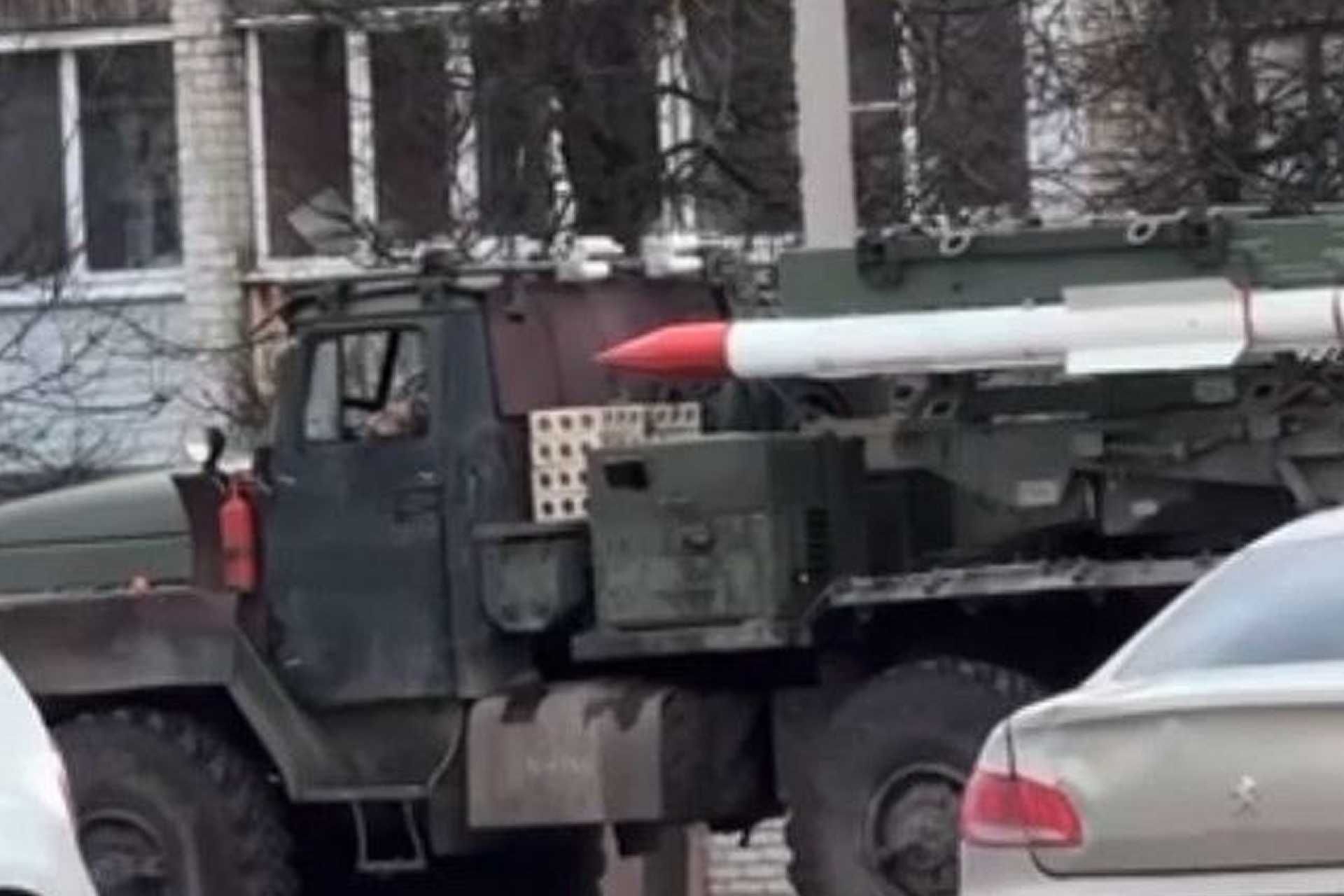
Russia deploys first R-77 FrankenSAM air defense system following repeated Ukrainian drone strikes

Russia has deployed its first improvised ground-based R-77-1 FrankenSAM air defense system in Oryol, adapting the R-77-1 air-to-air missile into a truck-mounted launcher to counter persistent Ukrainian drone and cruise missile strikes. The system, which reflects an urgent effort by Russia to restore short-range air defense coverage and protect rear-area infrastructure under sustained drone attacks from Ukraine, is a Ural-based launcher equipped with four missiles but lacking onboard radar or fire-control systems, indicating reliance on external targeting data. This deployment highlights degraded Russian air defense inventories and underscores a stopgap approach to maintain battlefield resilience and deterrence against increasingly frequent long-range Ukrainian strikes.

Read more …Russia deploys first R-77 FrankenSAM air defense system following repeated Ukrainian drone strikes

  • Hits: 1184

Russia's use of Belarusian-made Pantsir-S1 on MZKT chassis in Ukraine confirmed after new analysis

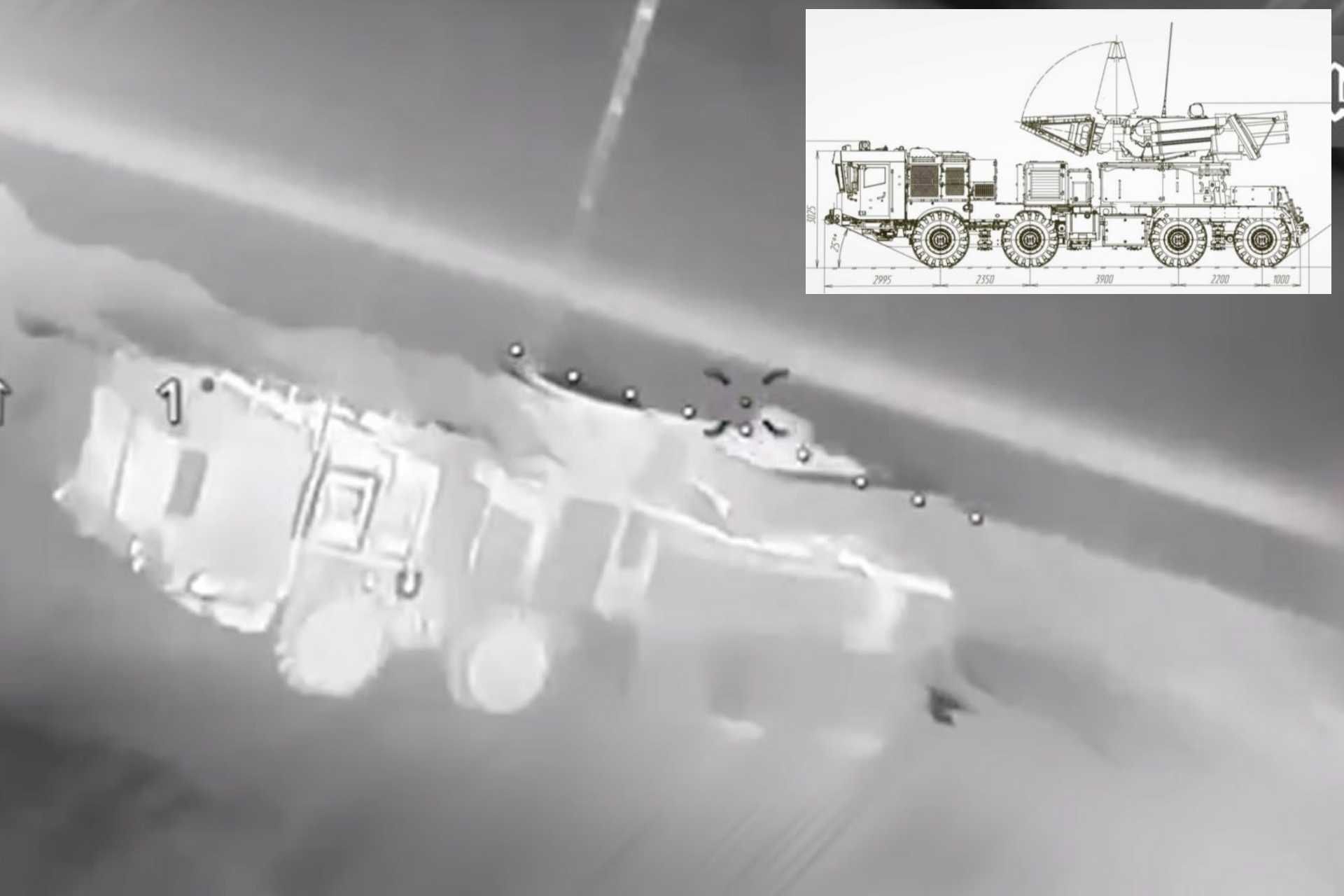
Russian forces have lost the first 96K6 Pantsir-S1 short-range air defense system mounted on a Belarusian MZKT-7930 chassis in combat operations in Ukraine, as confirmed by a new post-strike analysis. The system, destroyed by a Ukrainian drone near Mariupol on February 27, 2026, reveals an expanded integration of Belarusian-manufactured chassis for Russian operations against Ukraine, while sustaining Russia’s frontline air defense capacity under attrition pressure. The reassessment identified structural features unique to the MZKT chassis, and also confirmed the fielding of a variant ordered through a 2024 Belarusian contract.

Read more …Russia's use of Belarusian-made Pantsir-S1 on MZKT chassis in Ukraine confirmed after new analysis

  • Hits: 1663

Ukraine Claims Leopard 2A6 Tank Destroyed Russian T-72B3 Tank at 5.5 km Record Range

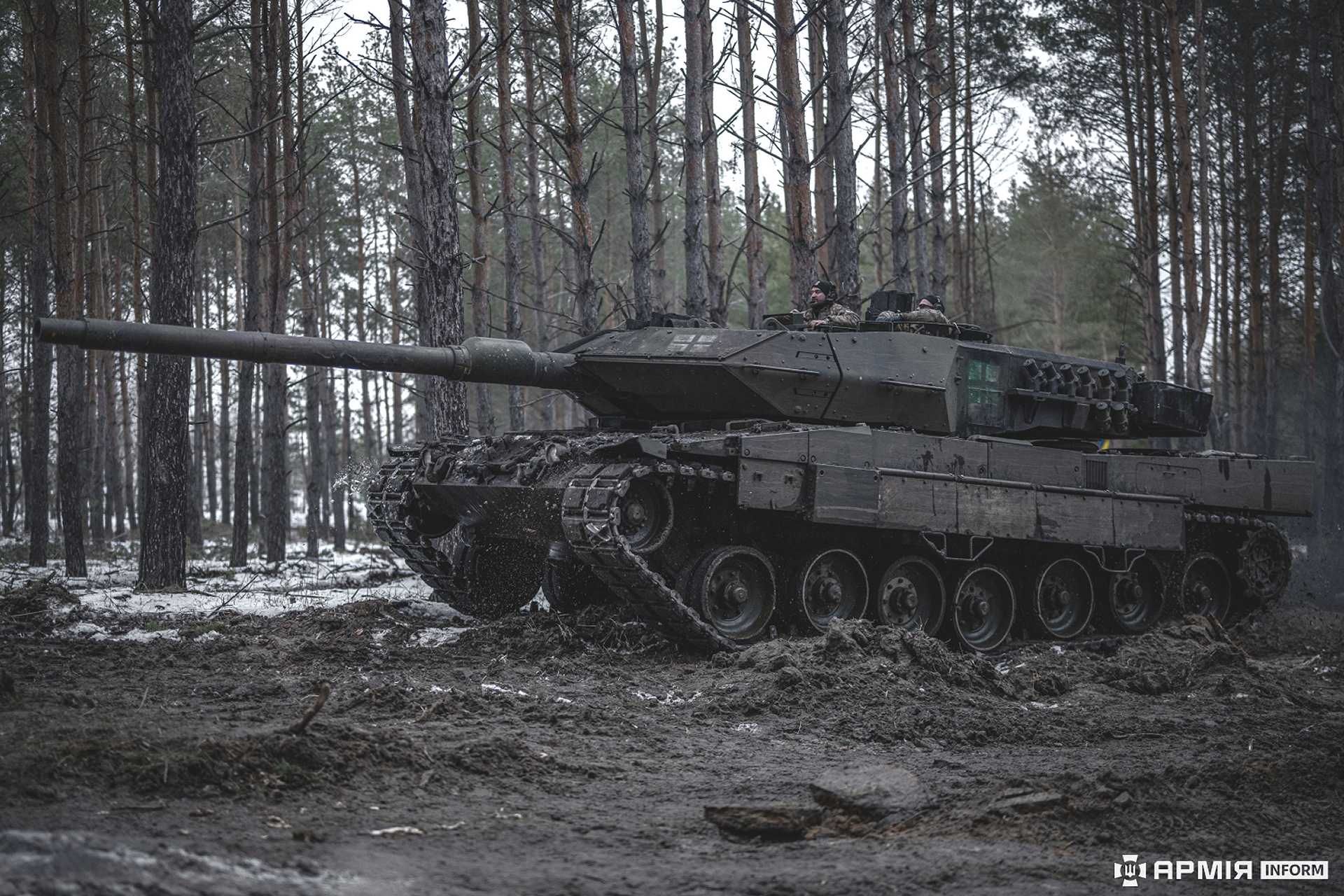
A battlefield claim circulating in defense circles asserts that a Ukrainian-operated Leopard 2A6 Main Battle Tank (MBT) destroyed a Russian T-72B3 tank head-on at a distance of 5.5 km, far beyond the typical range of tank engagements. If verified, the strike would mark one of the longest confirmed tank-on-tank kills and demonstrate exceptional accuracy and fire control under combat conditions. Such a feat would underscore the extended reach and lethality of Western-supplied armor in Ukrainian service, potentially reshaping expectations for the range and survivability of armored warfare. It would also signal a growing ability to engage and defeat adversaries before they can effectively return fire, shifting both tactical calculations and battlefield risk.

Read more …Ukraine Claims Leopard 2A6 Tank Destroyed Russian T-72B3 Tank at 5.5 km Record Range

  • Hits: 4512

Ukraine uses Swedish RBS 15 missile for first time to strike Russian Sivash offshore platform in the Black Sea

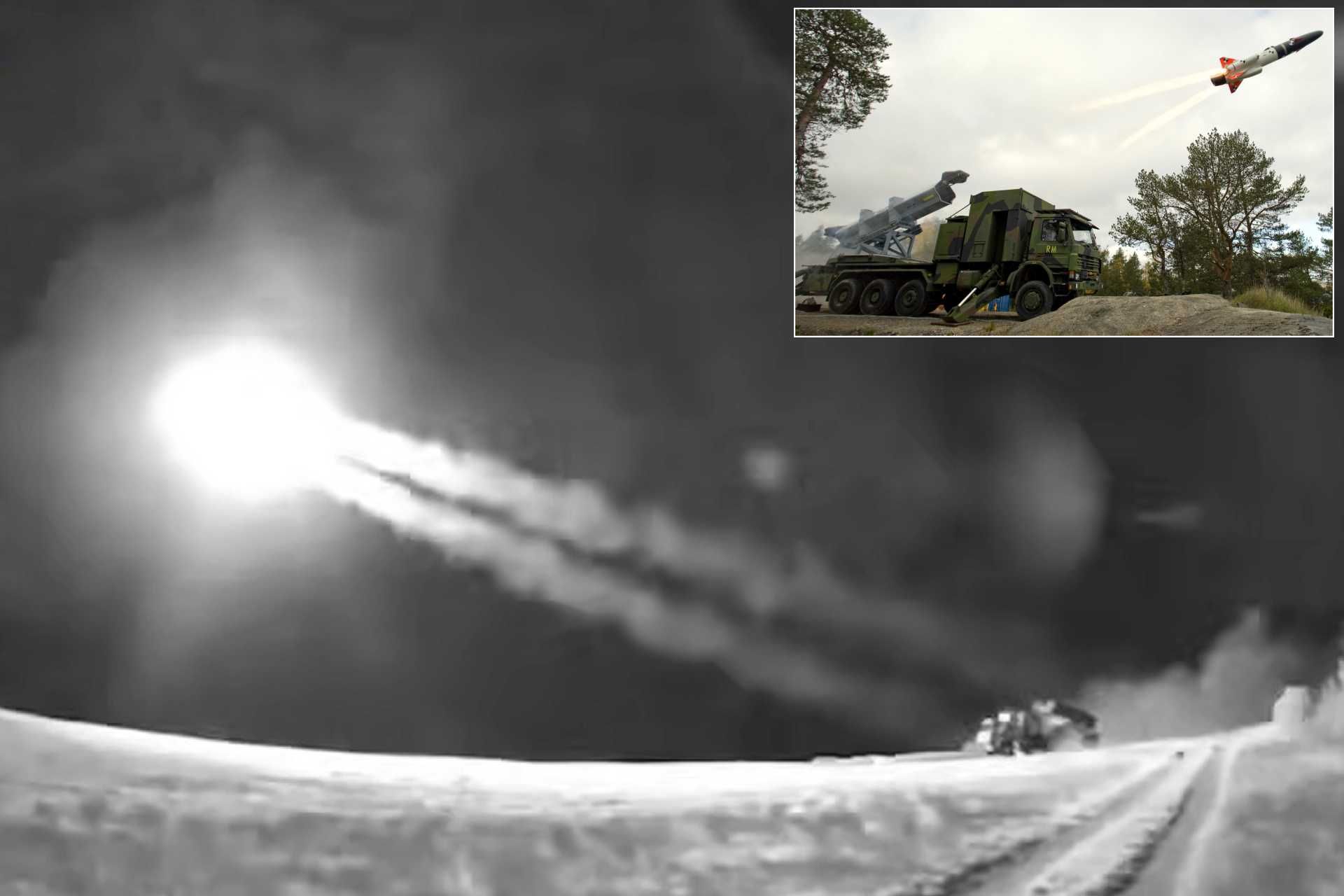
The Ukrainian Navy may have conducted its first confirmed combat use of the RBS 15 anti-ship missile during a strike against the Russian-controlled Sivash offshore platform in the Black Sea. Footage released on April 6, 2026, shows a truck-mounted coastal launcher firing the missile, confirming Ukraine’s growing ability to conduct precision maritime strikes alongside the Neptune system, strengthening its ability to disrupt Russian surveillance and logistics nodes while increasing coastal denial operations in the Black Sea theater. The RBS 15 missile, developed by Saab, also demonstrated its precision strike capability against maritime infrastructure, complementing its traditional anti-ship capability.

Read more …Ukraine uses Swedish RBS 15 missile for first time to strike Russian Sivash offshore platform in...

  • Hits: 1667

Ukraine conducts second strike on Russian frigate Admiral Makarov within five weeks to disrupt missile attacks

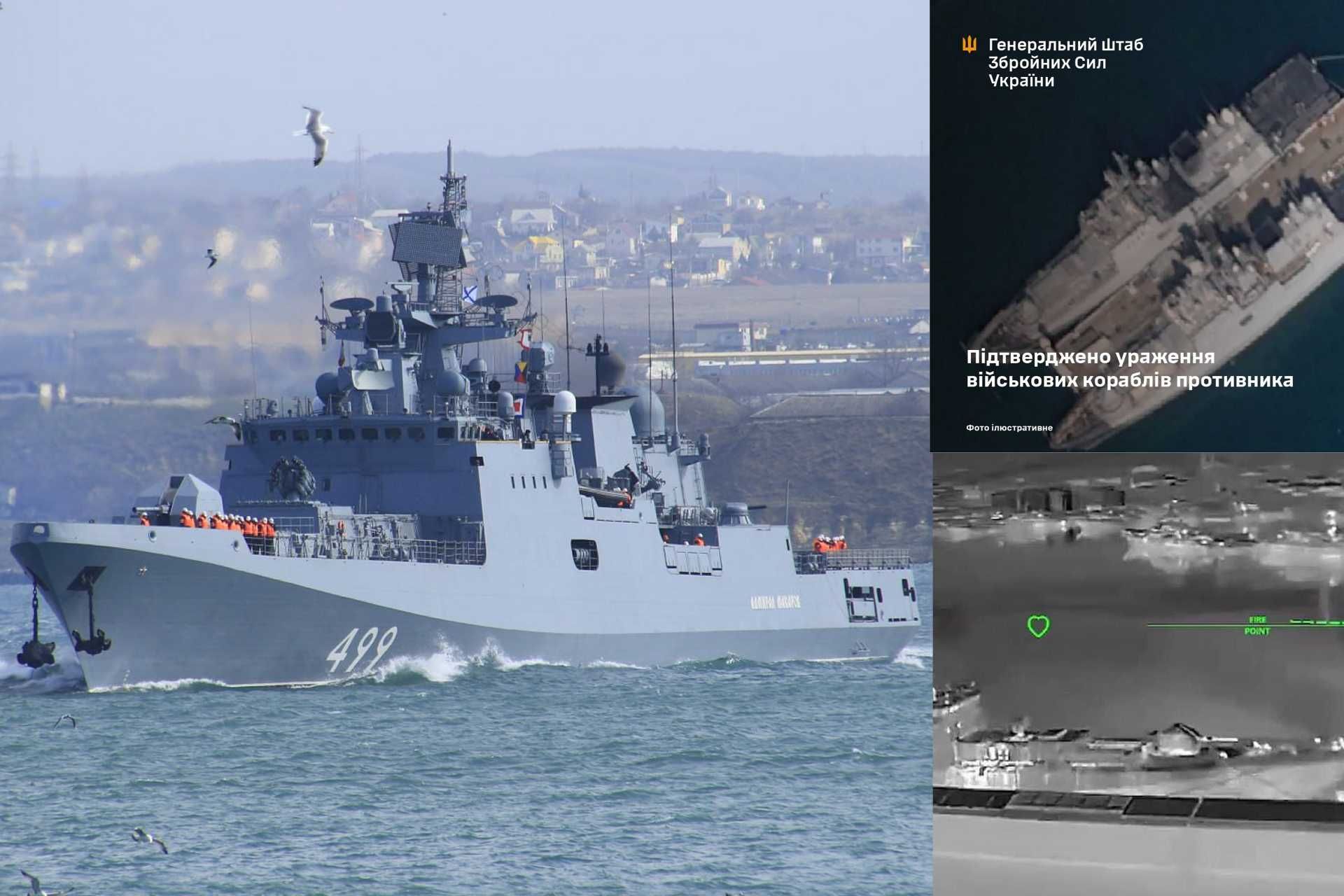
Ukraine conducted a second precision drone strike against the Russian Navy’s Admiral Grigorovich-class frigate Admiral Makarov at the Novorossiysk naval base, retargeting a key Kalibr cruise missile launch platform within five weeks. The April 6, 2026, operation, executed by Ukrainian unmanned systems forces, aimed to degrade Russia’s sea-based long-range strike capability and disrupt ongoing missile attack cycles against Ukrainian territory. The first strike, confirmed by the Ukrainian General Staff following earlier damage assessment inflicted on March 2, inflicted damage to both the Admiral Essen and Admiral Makarov frigates, reducing Russian launch capacity, weakening operational readiness, and increasing pressure on Black Sea Fleet survivability and deterrence posture.

Read more …Ukraine conducts second strike on Russian frigate Admiral Makarov within five weeks to disrupt...

  • Hits: 1492

UK's RapidRanger air defense systems now protect Ukraine from Russian drone attacks

British RapidRanger short-range air defense systems, developed by Thales UK, are now operationally deployed by Ukraine to counter Russian drone and low-altitude aerial threats, significantly enhancing mobile SHORAD capability on the battlefield. The system, confirmed in combat use during an official visit by Ukrainian and Lithuanian defense officials, is actively engaged within Ukraine’s layered air defense network, providing rapid-reaction interception against high-volume, low-signature targets that evade higher-tier systems. Integrated into mobile air defense units alongside systems such as Starstreak and Stormer, RapidRanger strengthens Ukraine’s ability to sustain continuous low-altitude coverage, improving resilience against drone saturation attacks and reinforcing frontline air defense readiness.

Read more …UK's RapidRanger air defense systems now protect Ukraine from Russian drone attacks

  • Hits: 1822

Ukraine strikes Russian Project 23550 combat icebreaker Purga in surprise attack over 1,000 km from war zone

Ukraine demonstrated its long-range strike capability by damaging a Russian Project 23550 Arktika-class icebreaking patrol ship, identified as the Purga, at the Vyborg shipyard deep inside Russian territory. The attack, conducted by Ukrainian forces using unmanned systems, damaged a strategic Arctic-capable vessel during a coordinated wave of drone operations targeting military and dual-use infrastructure in the Saint Petersburg region, which is over 1,000 km from the active front. By hitting a vessel in advanced construction for Russia’s FSB Border Guard, the operation directly impacts Russia's future Arctic force projection, undermines shipbuilding timelines, and expands the operational reach of Ukrainian multi-domain warfare into previously secure rear areas.

Read more …Ukraine strikes Russian Project 23550 combat icebreaker Purga in surprise attack over 1,000 km...

  • Hits: 1610
Copyright © 2019 - 2024 Army Recognition | Webdesign by Zzam