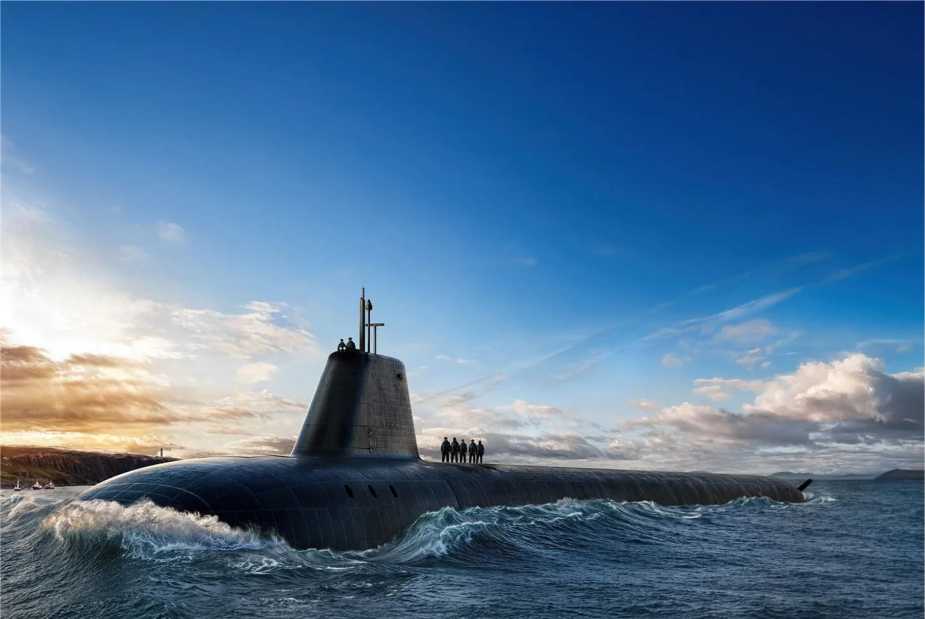
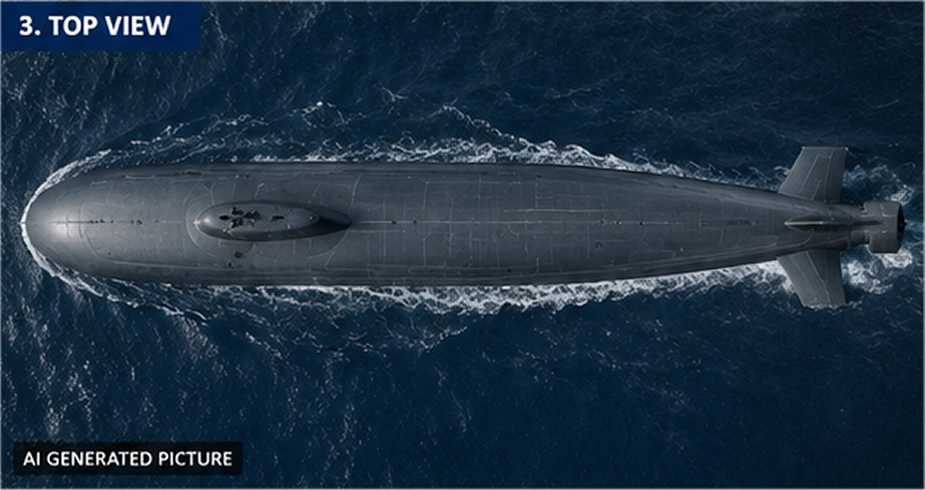
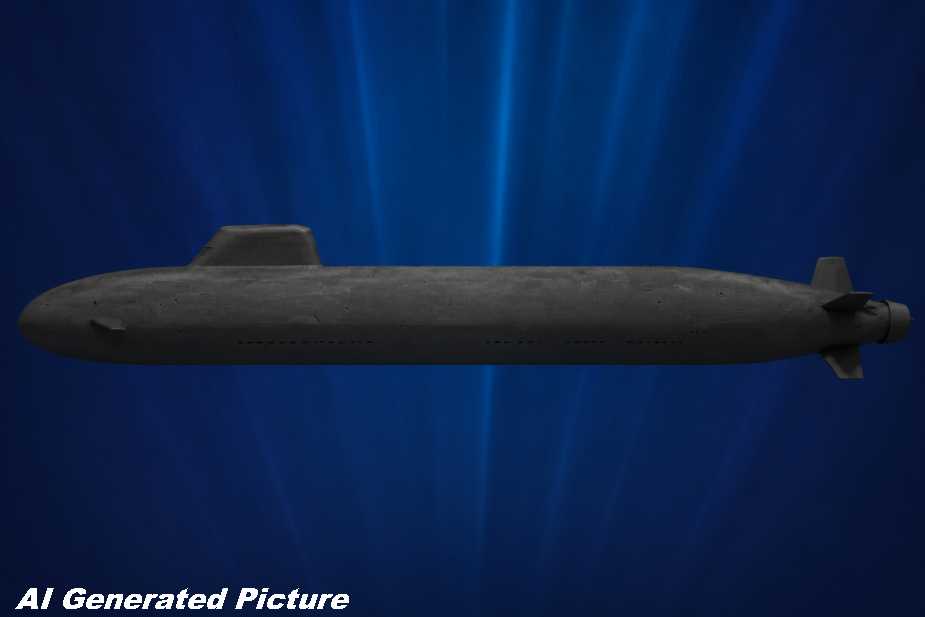
The Dreadnought-class is the future generation of British nuclear-powered ballistic missile submarines (SSBNs) developed by the Royal Navy to replace the Vanguard-class and preserve the United Kingdom’s Continuous At-Sea Deterrent. Built by BAE Systems Submarines, the class combines a large stealth-optimized hull, the Rolls-Royce PWR3 nuclear reactor, a low-noise turbo-electric propulsion system with pump-jet propulsor, advanced sonar systems, and the Common Missile Compartment carrying the Trident II D5 strategic missile system.
Country users: United Kingdom






Technical Data
-
Design
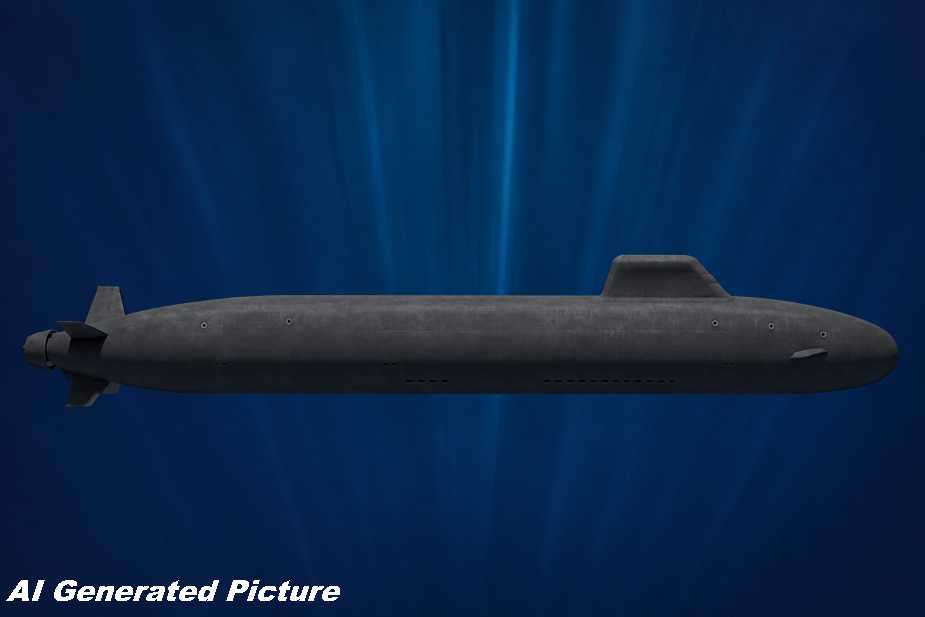
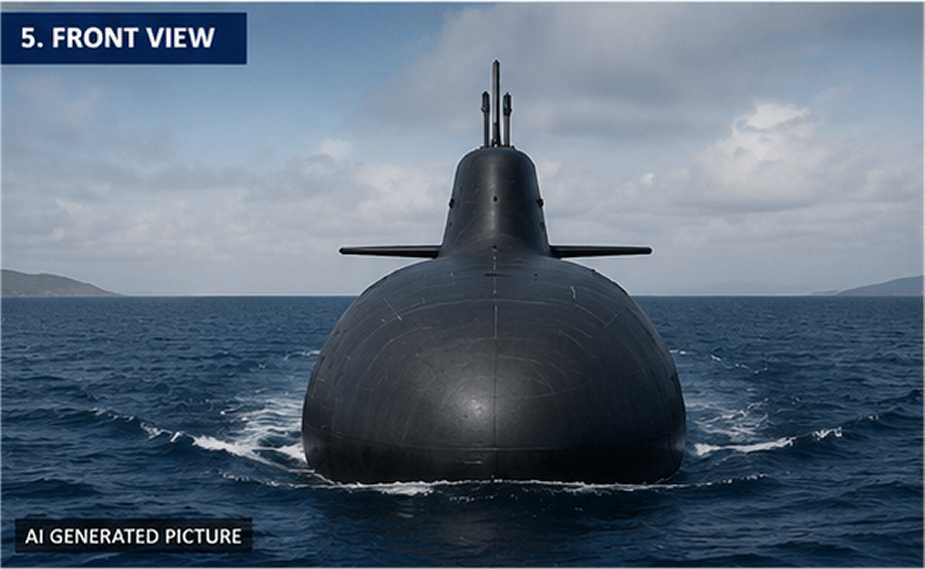
The Dreadnought-class uses a large, highly streamlined pressure hull optimized for low acoustic signature and long-duration submerged operations. The hull incorporates a whale-inspired hydrodynamic shape designed to reduce water resistance and improve underwater efficiency. The external configuration has been developed around the requirement that the submarine must remain difficult to detect during strategic patrols.
The submarine incorporates a layered stealth architecture consisting of acoustic isolation measures, external anechoic materials, and internal machinery treatments designed to reduce radiated noise. The illustrated design concept shows multiple acoustic reduction layers, including external sound-absorbing coatings and additional isolation between internal machinery spaces and the pressure hull.
The sail has been redesigned compared with previous Royal Navy SSBNs, featuring a smoother and more streamlined profile. The new configuration reduces hydrodynamic drag and improves efficiency during submerged transit. The sail contains sensor masts and associated equipment required for navigation, communications, and surface operations.
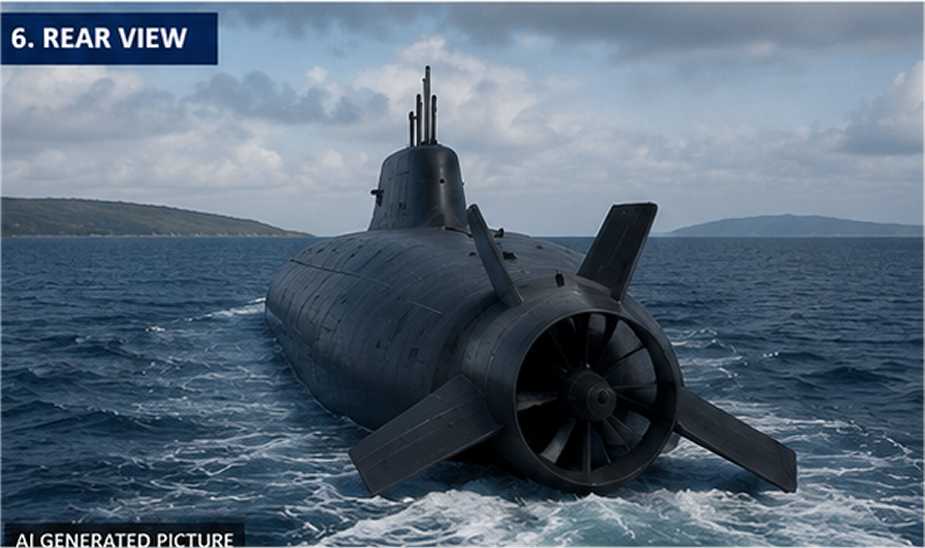
A major external difference is the adoption of X-form stern rudders. This arrangement provides improved control authority compared with conventional cruciform stern planes, particularly during deep diving and high-speed manoeuvring. It allows more precise control of submarine movement and improves safety margins during demanding underwater operations.
The submarine has a five-deck internal arrangement providing space for the reactor plant, accommodation areas, machinery spaces, command systems, weapons systems, and strategic missile compartment. The internal architecture is designed to improve crew living conditions, maintenance access, and operational efficiency.
The crew complement is approximately 130 personnel, including submarine command staff, nuclear engineers, sonar operators, weapons specialists, and technical personnel responsible for maintaining the submarine during extended deterrence patrols.
-
Armament
The primary weapon system of the Dreadnought-class is the UGM-133A Trident II D5 submarine-launched ballistic missile (SLBM). The missile system provides the United Kingdom’s strategic nuclear deterrent capability through its long-range performance, advanced guidance system, and ability to carry multiple independently targetable re-entry vehicles.
The submarine incorporates the Common Missile Compartment, which contains 12 missile launch tubes. The compartment architecture was developed jointly with the United States and represents a major element of the UK-US strategic submarine cooperation program.
The submarine also carries the Spearfish heavyweight torpedo, providing self-defence capability against hostile submarines and surface vessels. The torpedoes are launched through forward-mounted 533 mm torpedo tubes located in the bow section.
The combination of Trident ballistic missiles and Spearfish torpedoes allows the Dreadnought-class to perform its primary strategic deterrence mission while retaining defensive underwater combat capability.
-
Propulsion
The Dreadnought-class is powered by the Rolls-Royce PWR3 pressurized water reactor, a new generation nuclear propulsion system developed for future Royal Navy submarine operations. The reactor is designed to provide improved reliability, reduced maintenance requirements, and extended operational service.
The propulsion arrangement shown in the illustrated design incorporates a turbo-electric drive system in which the nuclear reactor generates electrical power used to drive the propulsion motor rather than relying on a traditional direct mechanical drive arrangement. This configuration contributes to improved acoustic performance by reducing mechanical noise transmission.
The submarine uses a pump-jet propulsor rather than a conventional propeller. Pump-jet propulsion reduces cavitation, lowers acoustic emissions, and improves efficiency during submerged operations, especially at higher speeds.
The submarine’s nuclear propulsion system allows effectively unlimited submerged endurance. Operational duration is determined mainly by crew endurance, food supplies, maintenance requirements, and mission planning.
Exact speed figures remain classified; however, the submarine is expected to achieve submerged speeds above 20 knots.
-
Sensors and Detection Systems
The Dreadnought-class incorporates an advanced integrated sensor architecture designed to provide underwater awareness while preserving acoustic stealth. The submarine uses sonar technology derived from recent Royal Navy nuclear submarine developments.
The bow section contains the primary sonar array, while the design also incorporates flank-mounted sonar arrays for extended acoustic coverage. The submarine is expected to employ advanced passive detection systems optimized for long-range underwater surveillance.
The sensor suite is integrated into a digital combat management system that combines sonar information, navigation data, tactical information, communications, and weapons control functions.
The submarine includes modern communication and electronic support systems required for strategic deterrence missions, including secure links with national command authorities and navigation systems designed for global submerged operations.


Photo Gallery