






Breaking News






US L3Harris focuses on C-UxS initiative with AI and electronic warfare against drone swarms.
On August 29, 2025, L3Harris Technologies unveiled a structured initiative dedicated to countering drones and other autonomous platforms, called Counter-Unmanned Systems (C-UxS). This effort aims to coordinate and accelerate the development of modular solutions capable of detecting, tracking, and neutralizing increasingly complex aerial, ground, and maritime threats. Follow Army Recognition on Google News at this link
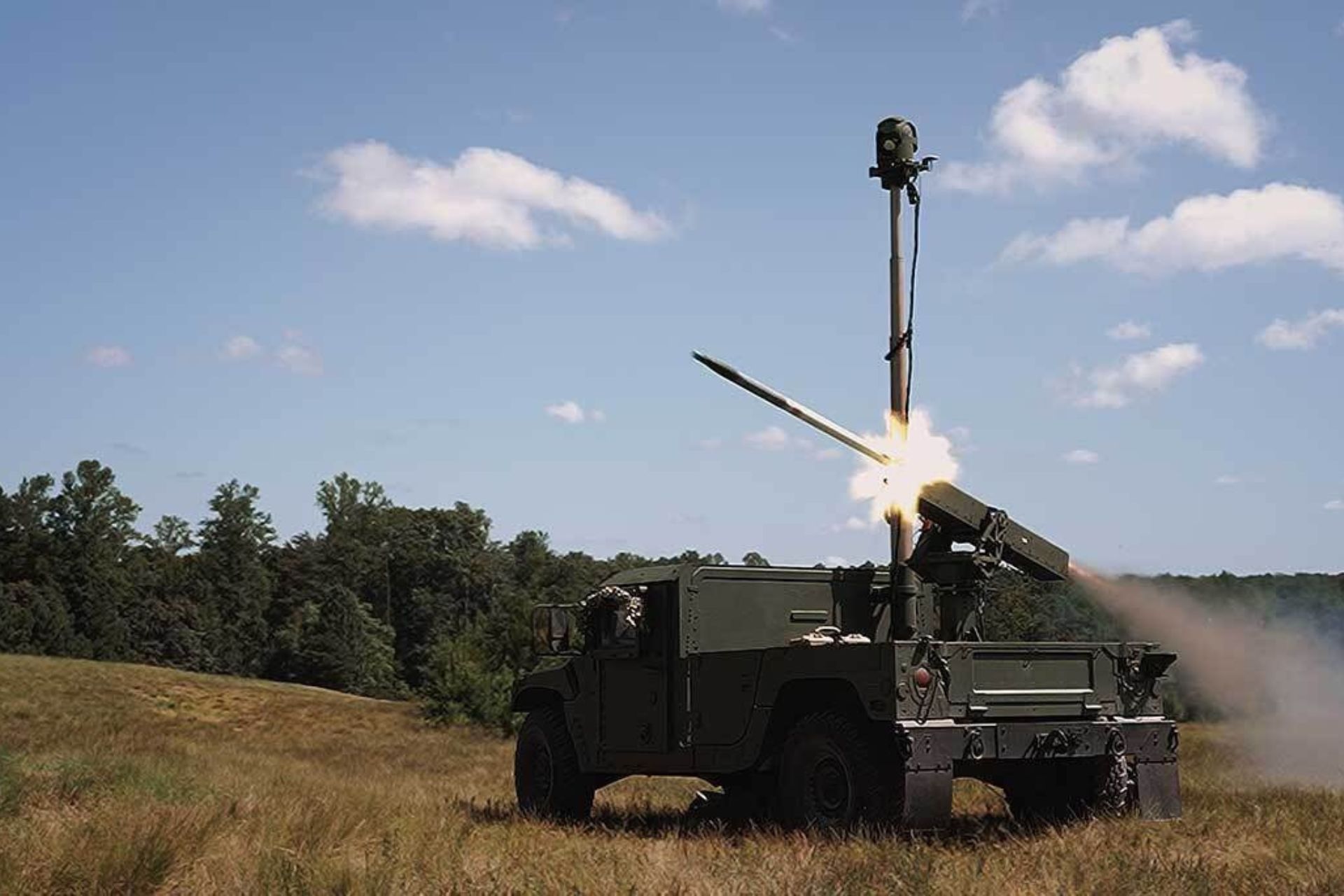
L3Harris seeks to deliver responsive technical solutions that integrate multiple layers of detection and interception(Picture source: L3Harris)
Small drones, widely accessible due to reduced production costs and the integration of advanced communication technologies, have become a major asymmetric threat. The combination of 5G networks, artificial intelligence, and machine learning has enabled the development of platforms capable of adaptive maneuvers and swarm operations. Faced with an extremely rapid innovation cycle, L3Harris seeks to deliver responsive technical solutions that integrate multiple layers of detection and interception.
One of the core elements of this initiative is the VAMPIRE system (Vehicle-Agnostic Modular Palletized ISR Rocket Equipment). Developed within months, it consists of a palletized weapon station equipped with the WESCAM MX-RSTA 10D sensor. This system combines electro-optical and infrared imaging, providing advanced surveillance, target acquisition, and automatic tracking capabilities. Integrated with an APKWS (Advanced Precision Kill Weapon System) rocket fitted with a proximity fuze designed by L3Harris, VAMPIRE can intercept small drones at short and medium ranges. Its connection to the Widow mission management software increases target acquisition speed and engagement efficiency, enabling the simultaneous handling of multiple threats.
The CORVUS-RAVEN system adds electronic warfare and jamming capabilities by targeting drone command links and GPS navigation. It is designed to disrupt control signals and disorganize swarms, reducing their coordination and operational effectiveness.
The Nimble Finch family (including Nimble Finch Pro) represents an interceptor drone approach. These aerial vehicles are designed for rapid maneuvers and direct engagement of hostile drones, either through kinetic interception or by carrying onboard payloads. Their agility and ability to operate in a network provide tactical support in scenarios involving low-altitude or urban threats.
The Drone Guardian system provides area defense by combining short-range radars, optical sensors, and electronic interception capabilities. It is intended for the protection of fixed sites such as military bases, critical infrastructure, or moving convoys.
The C-UxS initiative also builds on transversal technologies. WESCAM electro-optical and infrared sensors provide passive and discreet detection. AMORPHOUS swarm management tools use artificial intelligence to analyze the collective behavior of hostile drones and generate real-time countermeasures. The Next-Generation Multi-Mission Electromagnetic Countermeasures suite is designed to interfere with adversary communications while remaining resilient against enemy jamming attempts. Network resilience is further supported by hardened communication systems ensuring stable links between operators and platforms in contested environments.
The initiative’s purpose is to consolidate existing systems and integrate them into a coherent architecture that combines sensors, kinetic and non-kinetic effectors, and decision-support software. This multidisciplinary approach is directed by Tom Kirkland, Vice President of the Targeting and Sensor Systems division. The objective is to build a modular and scalable ecosystem adaptable to constantly evolving threats.
The next generation of VAMPIRE reflects this direction. It will incorporate advanced electronic warfare effectors, optimized sensors, and AI-enhanced targeting algorithms to extend interception ranges and improve reaction times against swarms. L3Harris also plans variants dedicated to maritime and aerial domains, further broadening the system’s operational spectrum.
The C-UxS initiative is based on a combination of multi-sensor detection technologies, modular interception systems, and integrated electronic warfare capabilities. This approach aims to provide armed forces with adaptive solutions to neutralize evolving threats across multiple domains, while ensuring a rapid and cost-effective response.