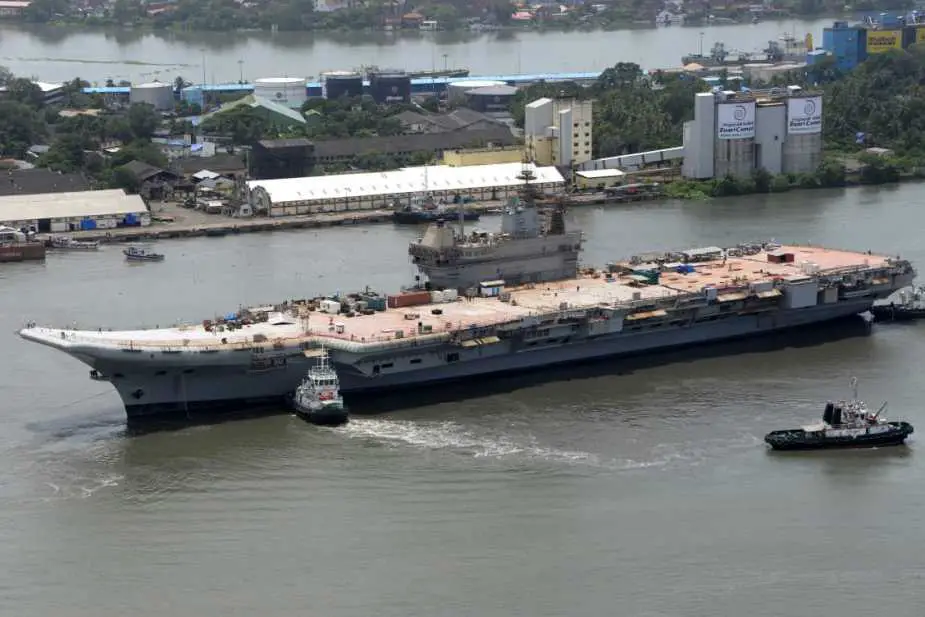
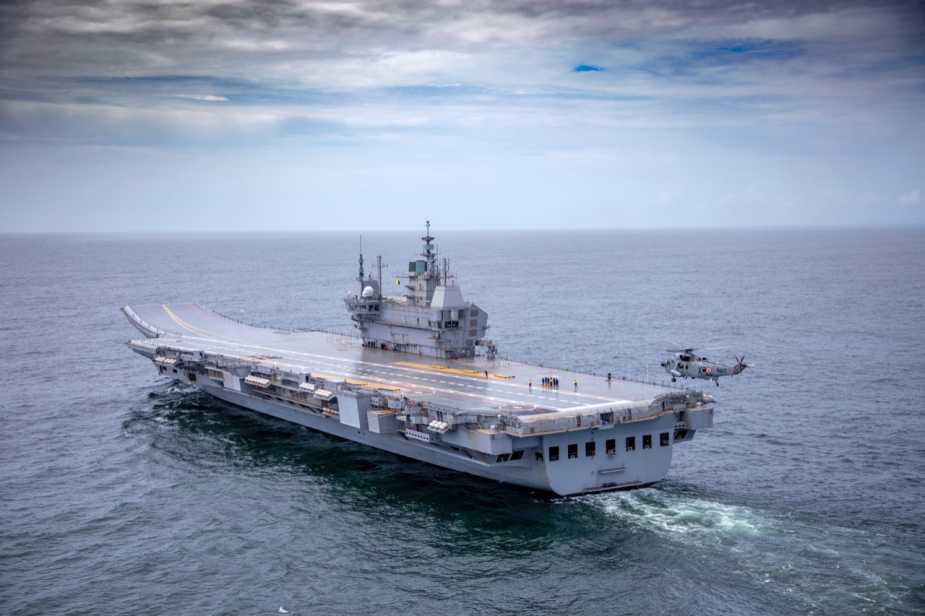
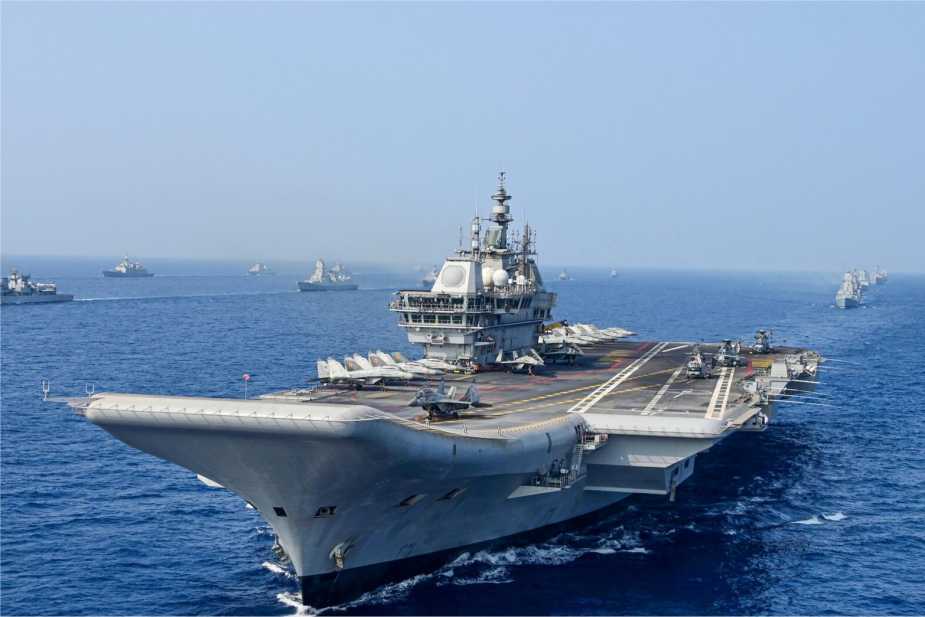
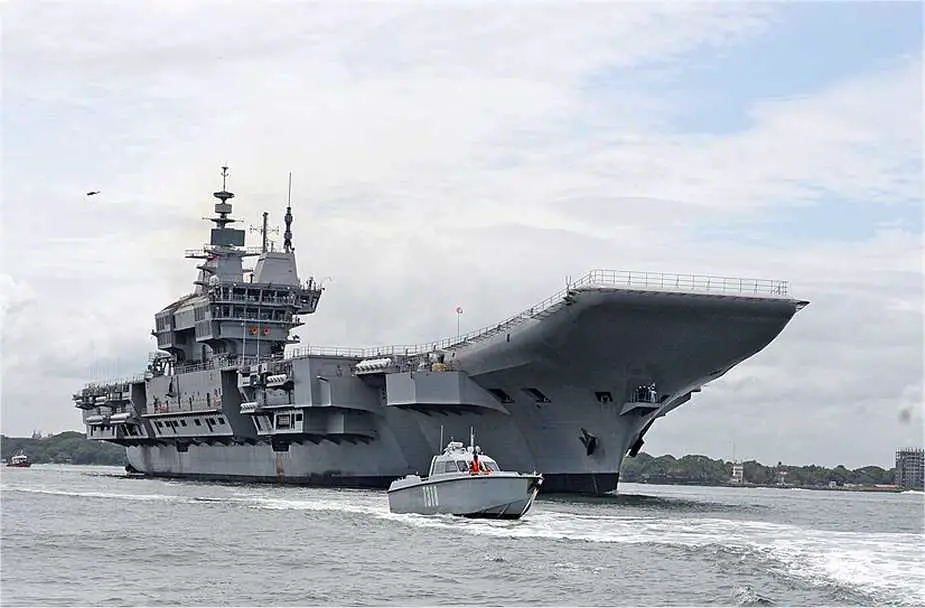
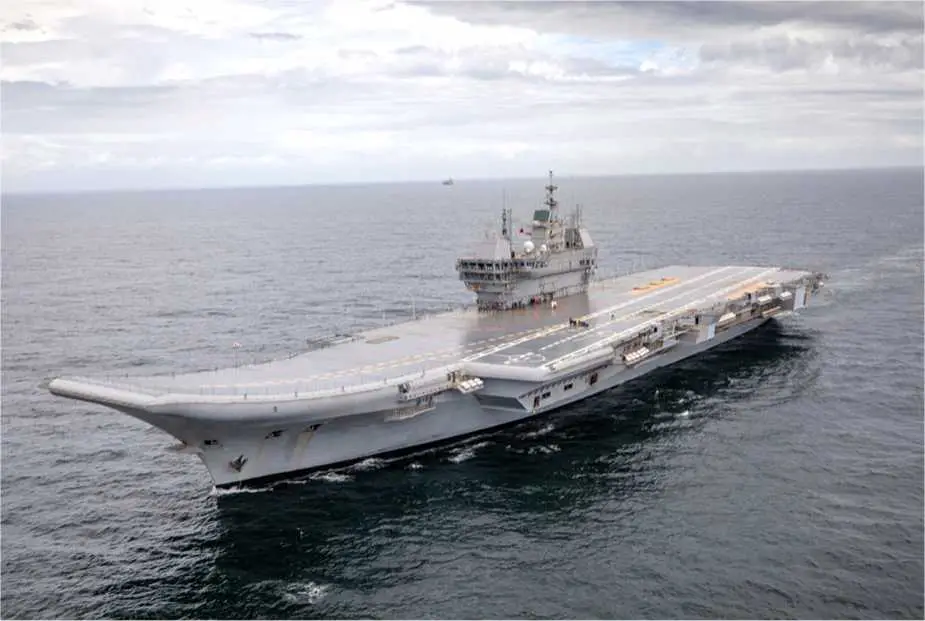
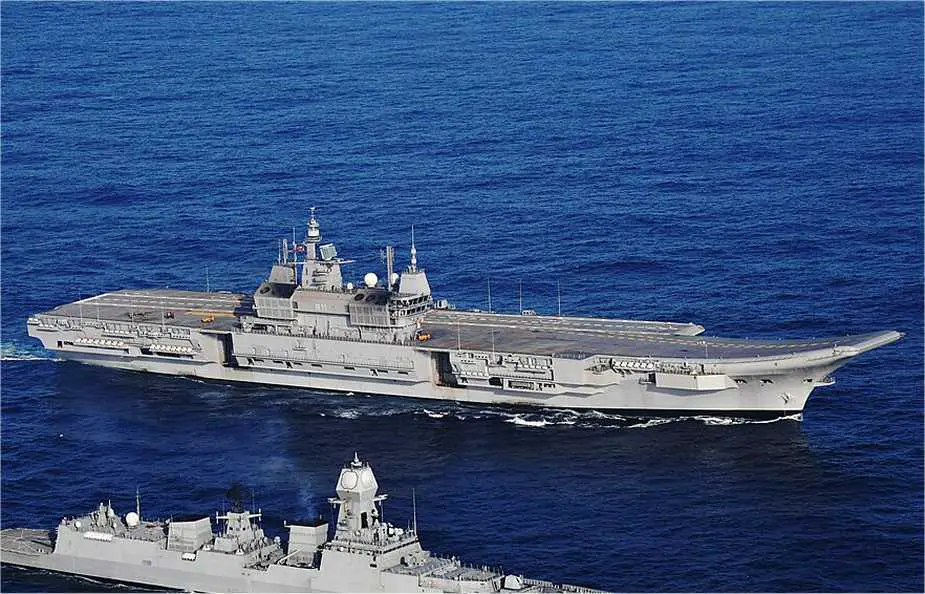
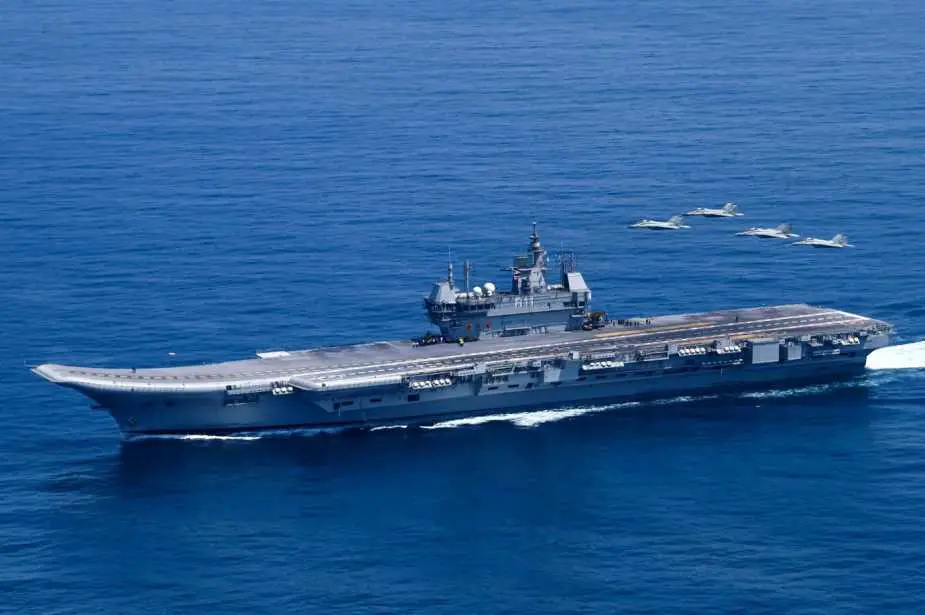
INS Vikrant is India’s first domestically designed and constructed aircraft carrier. Developed under the Indigenous Aircraft Carrier program, designated IAC-1 or Project 71, the ship provides the Indian Navy with a mobile aviation platform for fleet air defense, maritime strike and sustained operations beyond shore-based fighter coverage. Designed by the Indian Navy and built by Cochin Shipyard Limited at Kochi, Vikrant combines conventional gas-turbine propulsion with a Short Take-Off But Arrested Recovery, or STOBAR, aviation configuration. The carrier was commissioned on 2 September 2022.
Country users: India







Technical Data
-
Design
The INS Vikrant aircraft carrier is approximately 262 m long and about 62 m wide. Its configuration combines a broad flight deck, a starboard island and an angled landing area, with a bow ski-jump supporting fixed-wing departures. The ship has 14 decks, including five within the superstructure, with extensive automation for machinery operation, navigation and survivability. Official publications generally quote the INS Vikrant aircraft carrier's full-load displacement at approximately 45,000 tonnes. An earlier commissioning brief published in August 2022 gives approximately 43,000 tonnes, reflecting differences between published reference figures. It accommodates machinery, aviation support, stores, workshops and personnel within approximately 2,200 compartments, according to the commissioning brief. It provides accommodation for around 1,600 personnel, including facilities for women officers and sailors. Earlier trial-stage publications quoted approximately 1,700 personnel, so published complement figures remain approximate.
-
Onboard Equipment
The INS Vikrant aircraft carrier integrates navigation, communications, machinery monitoring, electrical distribution and aviation-support equipment into a highly automated shipboard architecture. Its acceptance trials covered these installations alongside deck machinery, lifesaving appliances and the Aviation Facilities Complex. The latter supports the carrier’s aircraft-operation cycle and was subsequently evaluated through embarked flight trials. The aircraft carrier incorporates an air-defence configuration associated with the EL/M-2248 MF-STAR multifunction radar and the Barak-8 family of surface-to-air missiles. MF-STAR is an S-band active electronically scanned array radar using four fixed antenna faces for all-round coverage. Its functions include surveillance, target tracking and support to air-defence engagements. The Indian naval MRSAM architecture comprises MF-STAR, a weapon-control system and vertical-launch equipment. It carries a substantial medical complex with operating theatres, an intensive-care unit, diagnostic laboratories, CT and X-ray equipment, dental facilities, an isolation ward and telemedicine capability. This installation supports both the embarked force and medical assistance during deployments.
-
Flight Capabilities
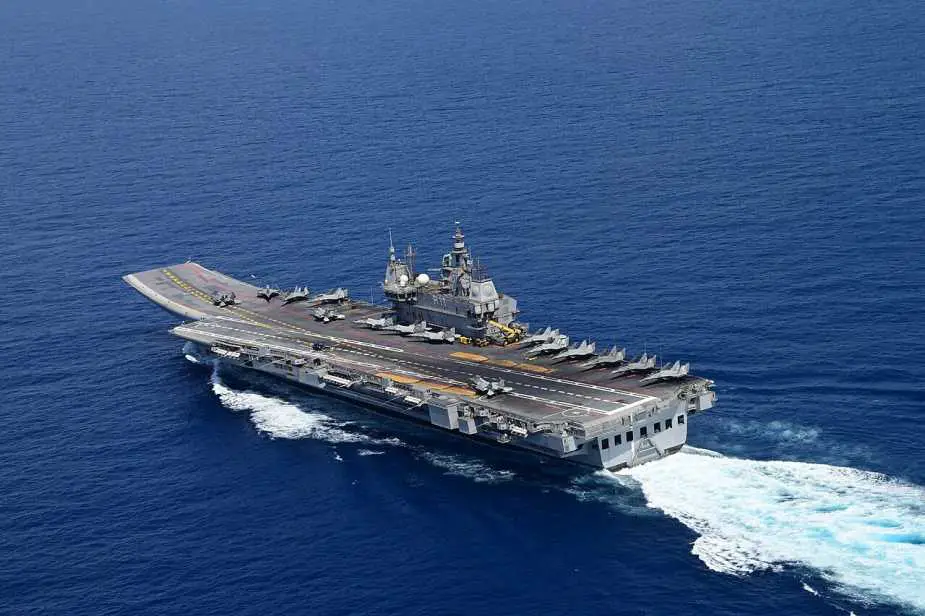
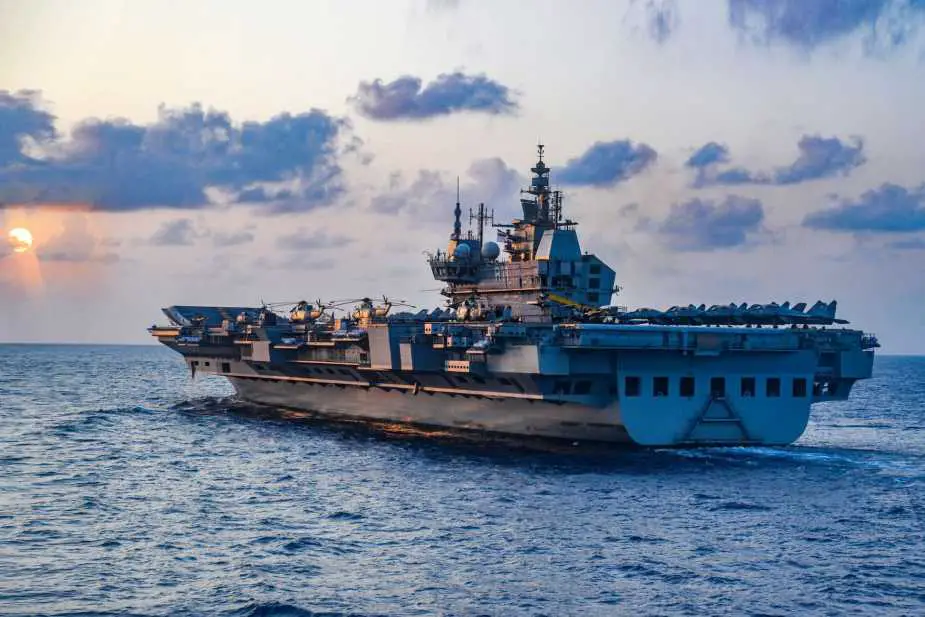
The INS Vikrant aircraft carrier employs the Short Take-Off But Arrested Recovery, or STOBAR, method of fixed-wing aviation. Aircraft accelerate under their own engine power and depart through the bow ski-jump. Returning fighters engage one of three arresting wires with their tailhooks. Aircraft launch weight depends on available take-off distance, aircraft performance, and wind over the deck. The INS Vikrant aircraft carrier is designed for an air group of approximately 30 aircraft, comprising a mission-dependent combination of fighters and helicopters. The MiG-29K provides the established carrier-fighter component. Publicly identified rotary-wing types include the Kamov Ka-31 airborne early-warning helicopter, MH-60R multirole helicopter, and indigenous Advanced Light Helicopter. The figure of 30 represents combined aviation capacity rather than a permanent allocation of 30 fighters. The INS Vikrant aircraft carrier supported the first onboard landing of the LCA Navy prototype in February 2023, demonstrating compatibility between an indigenous experimental naval fighter and its aviation facilities. This trial did not represent the operational embarkation of a frontline LCA Navy squadron. The INS Vikrant aircraft carrier is expected to benefit from the future introduction of Rafale Marine fighters into Indian naval aviation. India signed an agreement with France on 28 April 2025 for 26 Rafale aircraft for the Navy, comprising 22 single-seat aircraft and four twin-seat aircraft, with deliveries scheduled to be completed by 2030. This procurement total does not represent Vikrant’s permanent embarked fighter complement.
-
Propulsion
The INS Vikrant aircraft carrier is powered by four GE LM2500 marine gas turbines with a combined installed output of approximately 88 MW, providing a maximum ship speed of approximately 28 knots. The turbines were assembled and tested by Hindustan Aeronautics Limited using GE-supplied kits, linking the imported engine design to domestic production and support capability. The propulsion installation was developed with design and integration support from Fincantieri. Its published cruising speed is approximately 18 knots, with a range of approximately 7,500 nautical miles. High-speed operation also helps generate wind over the flight deck, supporting aircraft launch and recovery alongside prevailing weather conditions. Actual operational endurance depends on propulsion demand, aviation activity, embarked stores and replenishment arrangements, with sustained deployments requiring logistical support for both the ship and its air wing.
-
Protection
The INS Vikrant aircraft carrier combines shipboard defensive systems, damage-control provisions and protection from the wider carrier battle group. Its MF-STAR and Barak/MRSAM architecture provides surveillance and missile-engagement functions against airborne threats. The naval system supports both own-ship defence and protection of neighbouring task-group assets against aircraft and guided weapons. Exact carrier-specific missile quantities and engagement envelopes depend on the installed configuration. The carrier incorporates automated machinery and survivability functions to help sustain essential services during emergencies, while firefighting systems formed part of its sea-going trials. Publicly available information does not establish a complete armour specification or quantified resistance to underwater attack. An extended defensive screen provided by embarked fighters, surveillance helicopters and accompanying warships further strengthens its protection. Its combat protection therefore depends on coordinated surveillance, interception and defensive engagement across the carrier battle group, alongside its onboard systems.


Photo Gallery