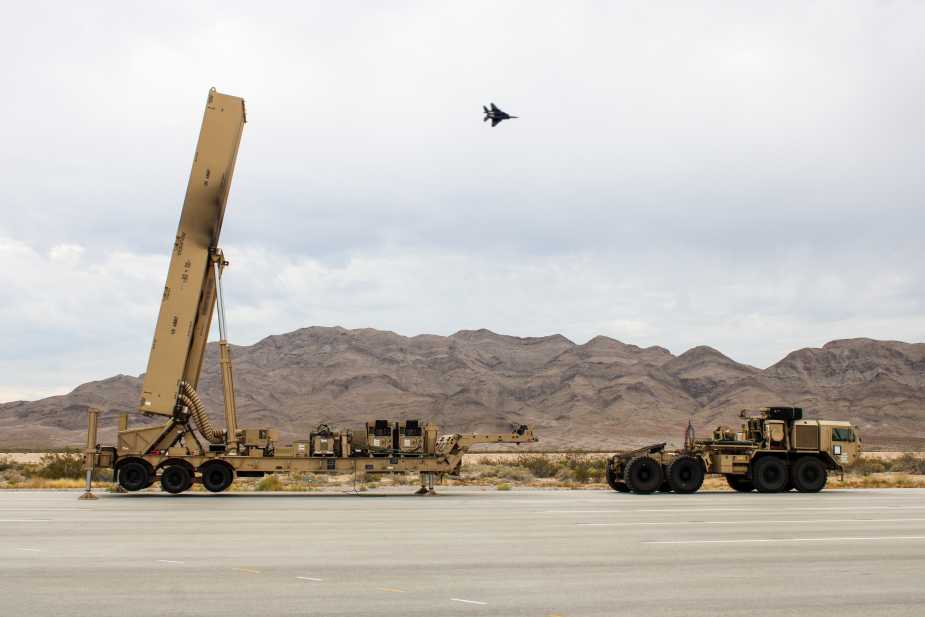
The Dark Eagle is the United States Army’s first operational hypersonic missile system, officially designated as the Long-Range Hypersonic Weapon (LRHW). This highly advanced missile system is designed to deliver precision strikes against high-value and time-sensitive targets at hypersonic speeds, exceeding Mach 5. Dark Eagle fills a critical strategic and tactical gap in U.S. long-range fires by providing a highly maneuverable, road-mobile, non-nuclear weapon system that can defeat modern integrated air defense systems and respond to adversaries’ advancements in hypersonic technology.
Country users: United States






Technical Data
-
Launcher System
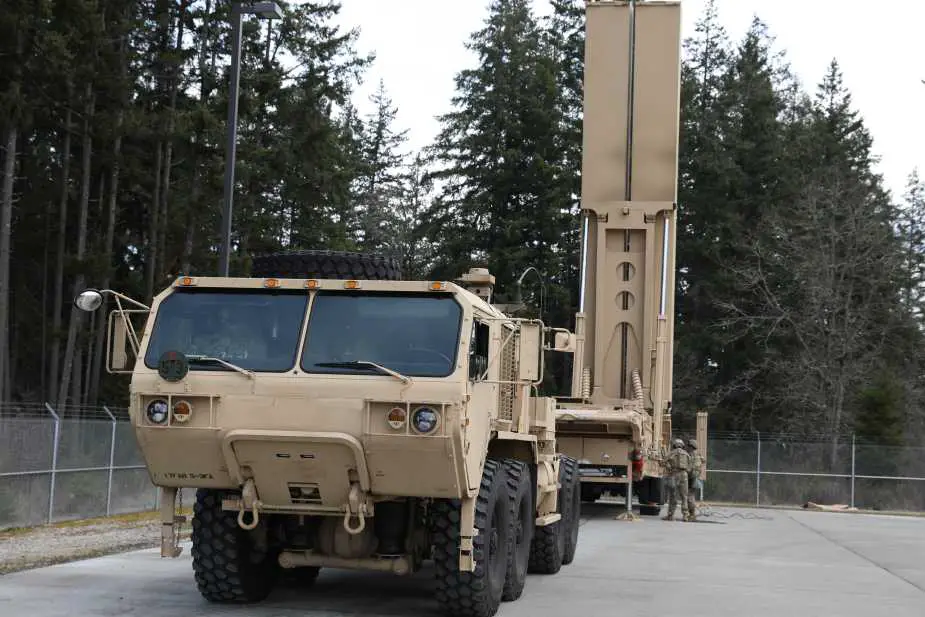
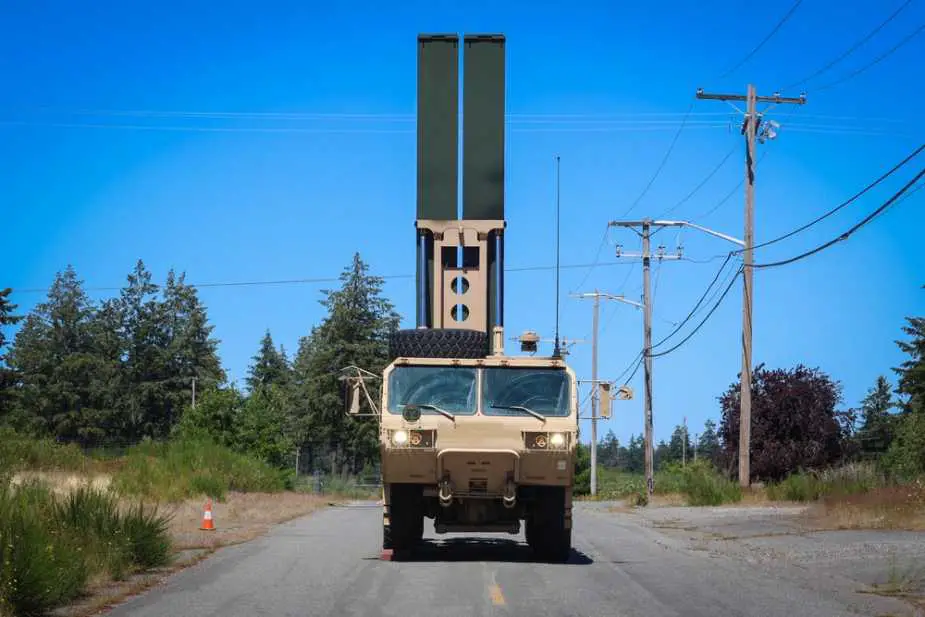
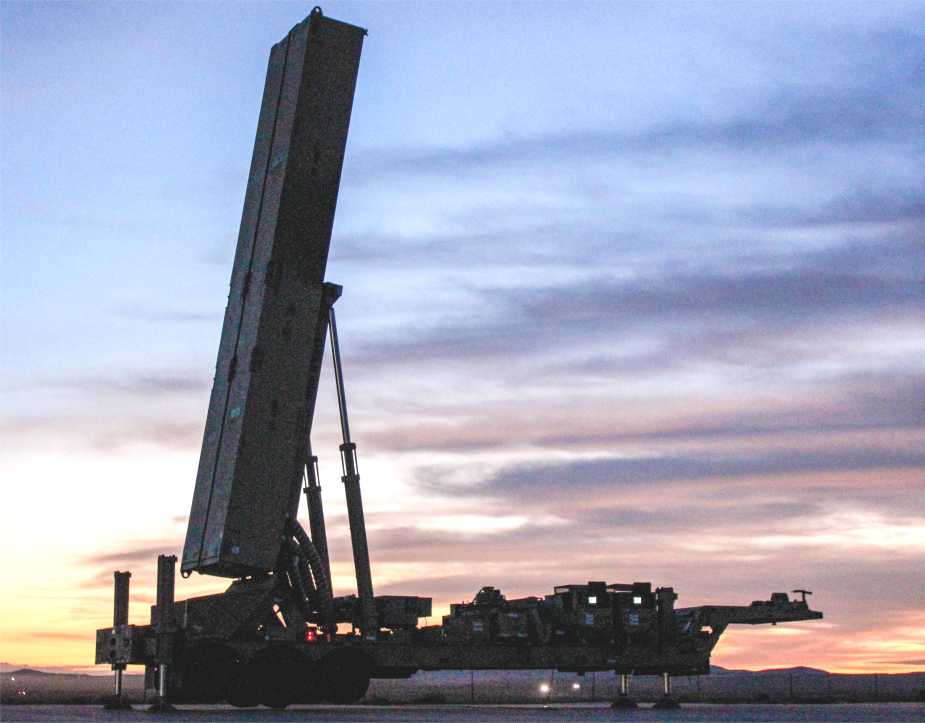
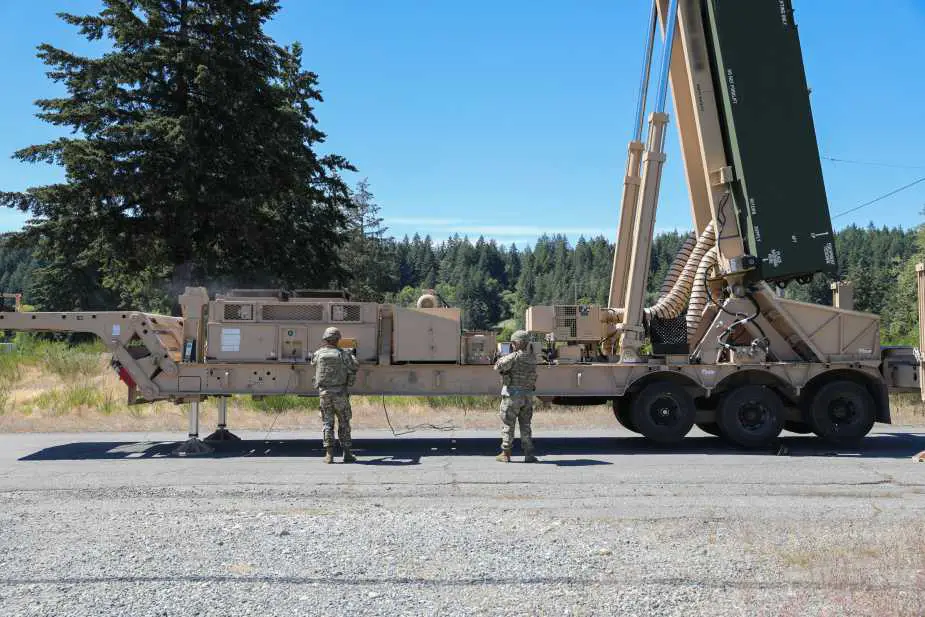
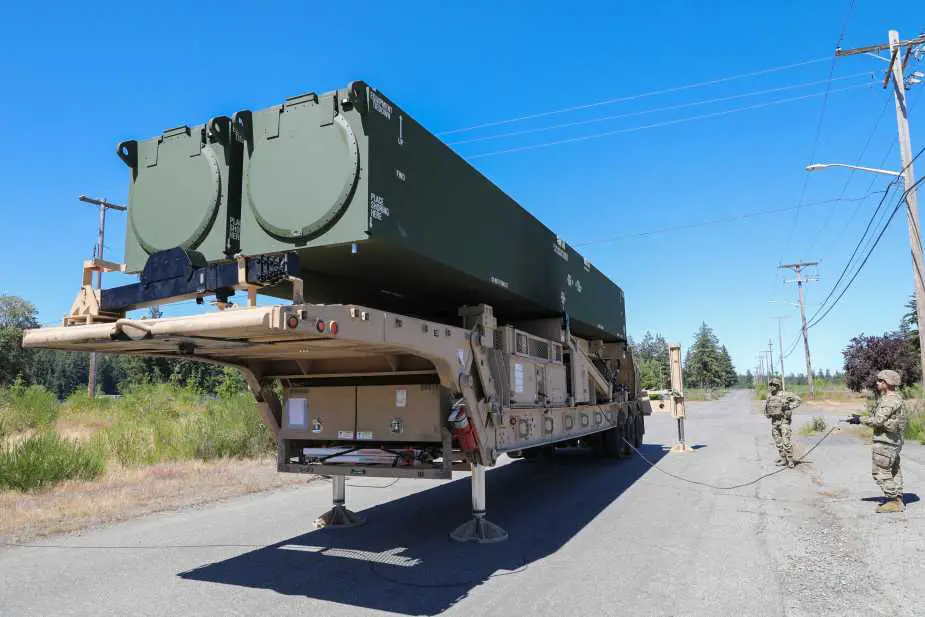
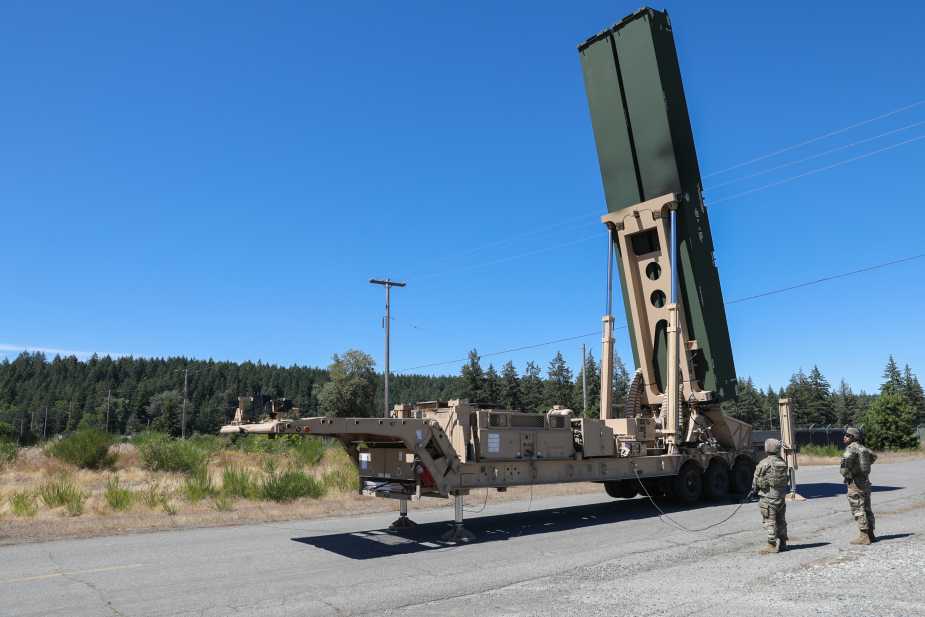
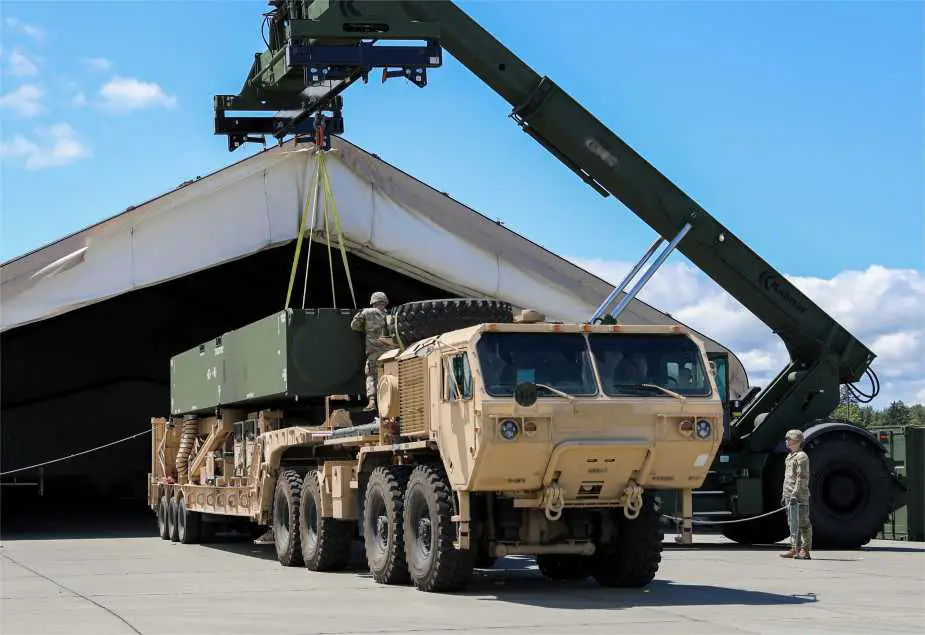
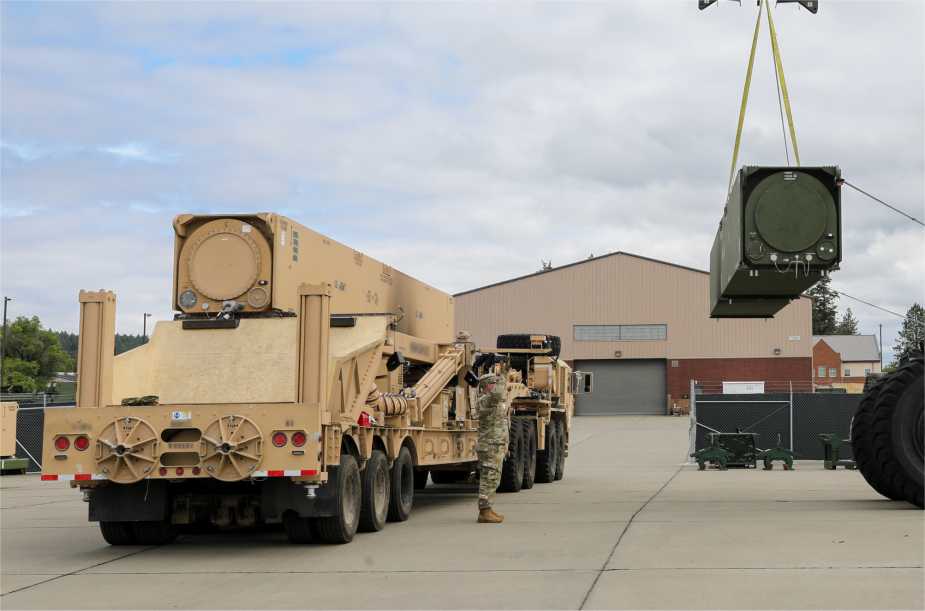
The Dark Eagle hypersonic missile is launched from a road-mobile Transporter Erector Launcher (TEL) based on a modified M870 trailer, towed by a HEMTT (Heavy Expanded Mobility Tactical Truck). Each TEL is equipped with two missile launch tubes, allowing for rapid successive launches. The launcher system is designed to be quickly deployed, repositioned, and concealed, maximizing operational flexibility and survivability on the battlefield.
Supporting elements of a Dark Eagle battery include the Battery Operations Center (BOC), which handles command, control, communications, and targeting; dedicated communications systems for networked fire coordination; and reload and resupply vehicles. This modular battery structure ensures that the LRHW can operate autonomously or as part of a joint strike network.
Mobility is a central feature of the launcher system. The ability to relocate launchers rapidly complicates adversary intelligence and targeting, allowing the system to be used offensively or in a standoff deterrent posture. These road-mobile platforms make the Dark Eagle deployable not only within the continental United States but also to forward-operating bases and allied territories, particularly in the Indo-Pacific and European theaters.
-
Missile
The Dark Eagle hypersonic missile consists of a two-stage solid-fuel booster rocket and the Common Hypersonic Glide Body (CHGB). Upon launch, the booster accelerates the missile to hypersonic speed before releasing the glide body, which then reenters the atmosphere and maneuvers toward its target. The glide vehicle’s shape and composition enable it to maintain stability and speed while maneuvering over long distances.
The C-HGB is a conical, unpowered glide body designed to glide at hypersonic velocity through the upper atmosphere. Its structure allows it to adjust its flight path midcourse, making it far less predictable than traditional ballistic missile trajectories. This makes it extremely difficult for current missile defense systems to detect, track, and intercept.
The glide body is equipped with a conventional high-explosive warhead, optimized for kinetic strike effects and capable of neutralizing hardened or deeply buried targets. Although it does not carry nuclear warheads, its extreme velocity and accuracy give it a strategic impact that nears nuclear-level effectiveness against select military targets. The missile carries a single C-HGB per launch, focusing on precision, penetration, and speed rather than saturation.
-
Engine
The propulsion for the Dark Eagle missile is provided by a two-stage solid-fuel booster rocket, responsible for accelerating the C-HGB to hypersonic speeds before separation. The booster is believed to share design principles with earlier strategic rocket motors, optimized for high thrust, short burn times, and resistance to thermal and structural stresses.
Once the glide body separates, it has no onboard propulsion. Instead, it relies on its altitude, angle of reentry, and aerodynamic shape to maintain lift and control through the atmosphere. Speeds achieved are estimated to be between Mach 5 and Mach 17, depending on flight path and mission parameters. Terminal velocities are high enough to generate significant kinetic energy upon impact.
This combination of rapid booster acceleration and unpowered glide provides a boost-glide trajectory, which offers both strategic range and evasive maneuverability. The system’s architecture ensures that the missile can reach its target in under 20 minutes at maximum range, outpacing any current intercept systems.
-
Guidance Systems
The guidance system of the Dark Eagle hypersonic missile incorporates a precision inertial navigation system (INS), likely augmented by GPS-based corrections during the boost and glide phases. Although technical details remain classified, the system is designed for high accuracy, especially in the terminal phase where final course corrections are made.
The Common Hypersonic Glide Body is expected to have onboard sensors capable of executing terrain-following or terminal guidance, potentially including imaging or infrared seekers. These systems allow the missile to hit targets with precision measured in meters, ensuring high effectiveness against both fixed and mobile targets.
The weapon's guidance architecture is hardened against jamming, spoofing, and electromagnetic interference, allowing for reliable targeting in heavily contested electronic environments. Retargeting may be possible pre-launch via secure command networks but is unlikely once the glide body separates and enters final flight phase.
-
Combat Use
The combat application of the Dark Eagle hypersonic missile system is centered around its ability to deliver devastating conventional strikes at intermediate strategic ranges, with unmatched speed, accuracy, and survivability. With an estimated operational range of between 1,725 to 2,775 kilometers, Dark Eagle provides the U.S. Army with a powerful new means to strike deep behind enemy lines while remaining entirely within the conventional rules of engagement.
Tactically, Dark Eagle is designed to target high-value enemy assets that are heavily defended, mobile, or time-sensitive. These include enemy radar and air defense nodes, command and control bunkers, mobile ballistic missile platforms, logistics depots, runways, and even naval port facilities. The missile's maneuverability during flight allows it to evade early-warning systems and terminal interceptors, granting it a high probability of successful strike in contested environments.
The destructive power of Dark Eagle is derived not from nuclear warheads, but from a combination of high-speed kinetic energy and precision explosive payload. At speeds exceeding Mach 10, the kinetic impact alone is capable of destroying hardened structures. When combined with a high-explosive warhead optimized for blast and fragmentation, the system becomes capable of neutralizing key targets critical to an adversary’s operational command, control, and force projection capabilities.
Strategically, Dark Eagle fills a conventional deterrence gap by offering a credible response option to aggressive enemy actions that do not warrant nuclear retaliation but require decisive intervention. Its ability to strike quickly, far, and with precision allows decision-makers to act on fleeting intelligence, target mobile launchers, and degrade enemy forces before they can engage. This capability is especially relevant in scenarios such as a Chinese move against Taiwan or a Russian advance into Eastern Europe.
Moreover, the weapon system’s mobility and rapid deployment profile enable its use in theater-level operations with minimal warning. Once deployed, launchers can frequently relocate, change positions, or adopt ambush firing positions, complicating enemy surveillance and counter-targeting efforts.


Photo Gallery