







Breaking News




Breaking News: Finland Allows More NATO Troops Amid Rising Russian Military Presence.
On June 25, 2025, Finland hailed the forthcoming deployment of allied NATO land forces on its territory, marking a decisive shift in Northern Europe's military posture. As reported by Reuters, Defence Minister Antti Häkkänen confirmed that six nations, including Sweden, the UK, France, Norway, Denmark, and Iceland, are set to contribute to the Forward Land Forces (FLF) structure in Finland. This move comes amid growing tensions with Russia, which continues to rearm and reactivate former Soviet military bases near the Finnish border. The plan underscores a strategic effort to bolster NATO's deterrence and operational readiness in both the Baltic and Arctic theatres.
Follow Army Recognition on Google News at this link
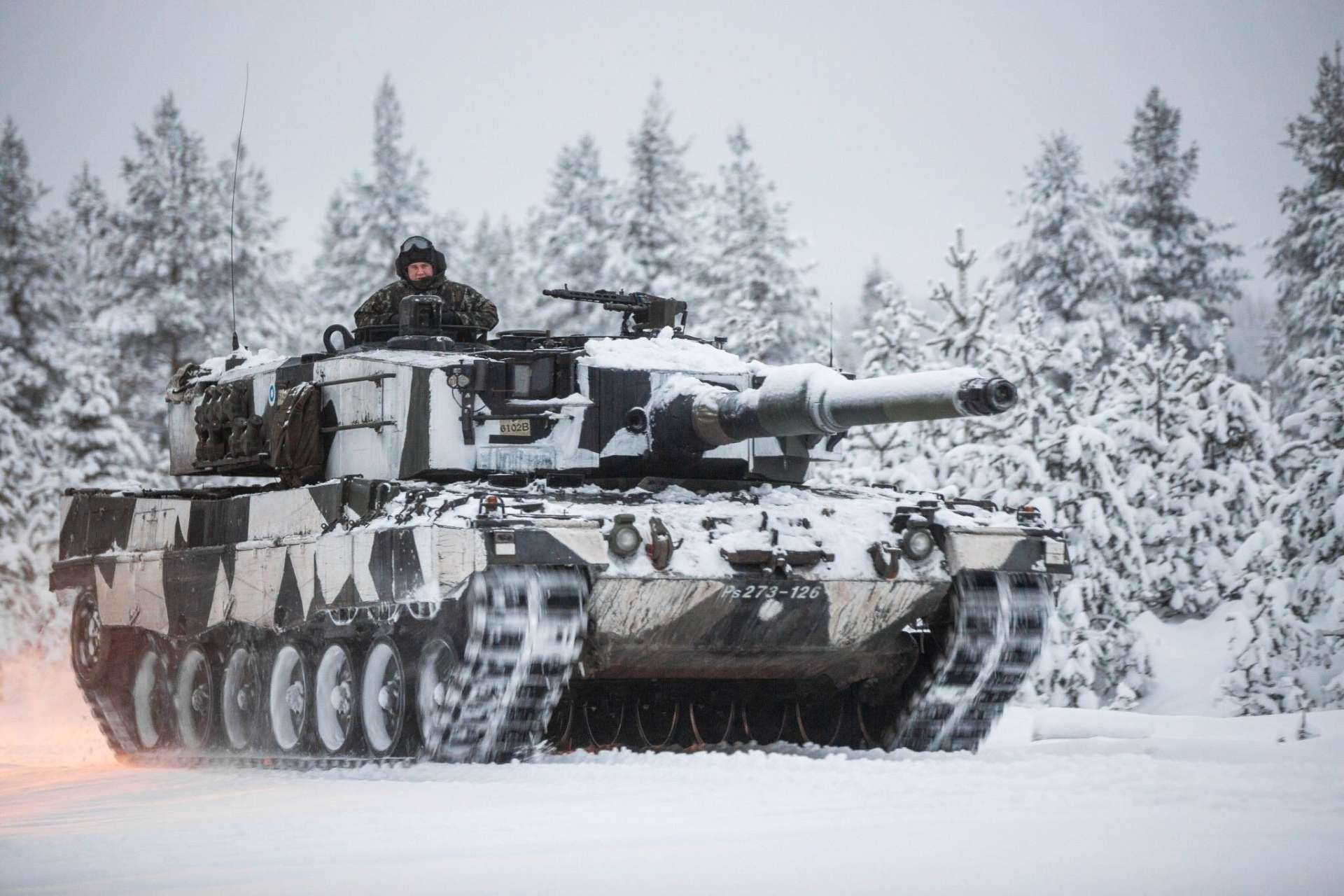
Finland’s embrace of a permanent NATO land presence marks a turning point for European deterrence. By opening its territory to allied troops and establishing key command infrastructure, Finland is not only shielding its borders but reinforcing NATO’s entire northern flank (Picture source: Finnish Army)
The Forward Land Forces Finland initiative is expected to include units from some of NATO’s most capable militaries. British and French contributions would bring battle-tested troops with expeditionary experience, while Sweden’s leadership role reflects its commitment to regional defense integration following its recent accession to NATO. Norway and Denmark, already active in Arctic operations, offer logistical and terrain expertise, while Iceland’s participation underlines alliance unity despite its lack of standing armed forces.
NATO’s land presence in Finland is the culmination of a historic transformation in Finnish defense policy. For decades, Finland maintained strict neutrality, but Russia’s 2022 invasion of Ukraine catalyzed its entry into NATO in 2023, followed by Sweden. Since then, Finland has rapidly deepened interoperability with NATO allies, participating in major exercises such as Nordic Response 2024 and hosting advanced training rotations near its 1,340-kilometer border with Russia.
This multinational land force initiative reflects not only Finland’s trust in allied solidarity but also its strategic vision. Positioned above the Arctic Circle in Rovaniemi and Sodankylä, the new NATO units will be in proximity to key Russian military infrastructure in the Murmansk region. Their presence enhances early warning, rapid reinforcement, and deterrence capabilities in a zone increasingly contested due to climate change and militarization. Meanwhile, the NATO land command headquarters planned for Mikkeli in southern Finland will ensure operational cohesion and swift decision-making less than 200 kilometers from Russia.
From a geopolitical standpoint, the deployment signals that NATO is not merely expanding in name, but in tangible, forward-deployed deterrence postures. As Army Recognition has previously reported, Russia continues to reorganize its forces, rearm its Western Military District, and reoccupy Soviet-era bases, moves perceived in Helsinki and Brussels as preparations for long-term confrontation. Finland’s readiness to host up to a brigade of allied troops underscores its understanding that security in Northern Europe now hinges on visible, credible, and integrated multinational defense.
More NATO boots on Finnish ground means a shift in the alliance’s center of gravity toward the north. It allows greater reach into the Arctic, reinforces the defense of the Suwałki Gap and the Baltic States, and complicates Russian military planning. This posture also strengthens NATO’s internal cohesion, showing that even recently joined members like Finland are not just beneficiaries of collective defense, but active enablers of it.
Finland’s embrace of a permanent NATO land presence marks a turning point for European deterrence. By opening its territory to allied troops and establishing key command infrastructure, Finland is not only shielding its borders but reinforcing NATO’s entire northern flank. In a region where Russian forces are again mobilizing near old Cold War frontlines, the message is clear: deterrence now means forward presence, and preparedness now means allied unity in action.