- Army
- Air Defense Systems
- Anti-tank systems and vehicles
- Armored Vehicles
- Armoured personnel carriers
- Artillery Vehicles and Weapons
- Command Post
- Communication Vehicles and Systems
- Electronic Warfare
- Engineer | Maintenance Vehicles
- Infantry Fighting Vehicles
- Main Battle Tanks
- Missiles
- Tactical and Logistic Vehicles
- Radars
- Unmanned Systems
- Weapons
- Navy
- Air











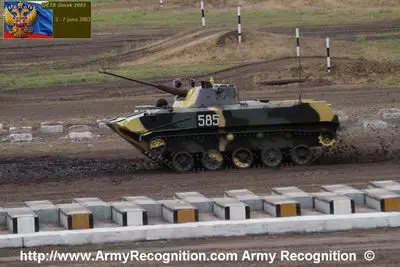
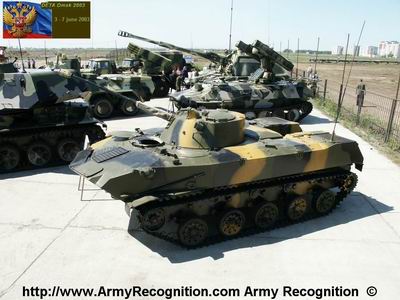
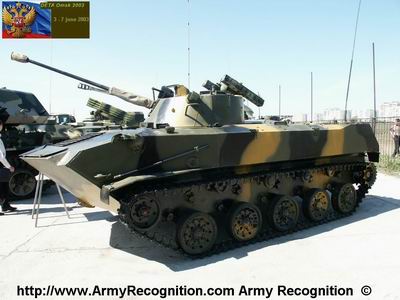
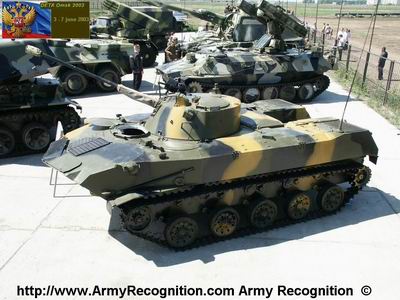
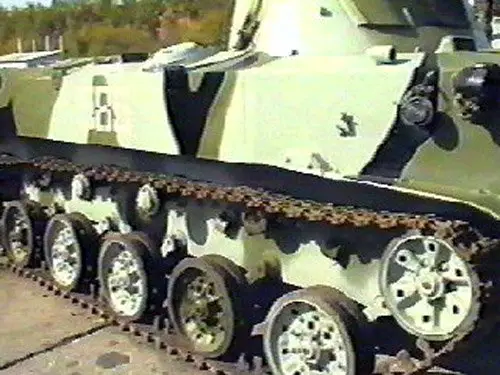
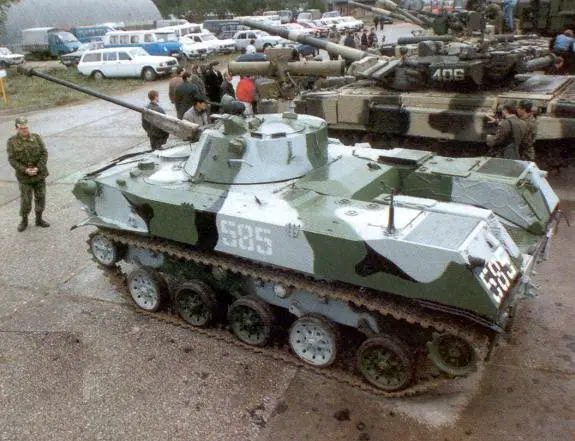
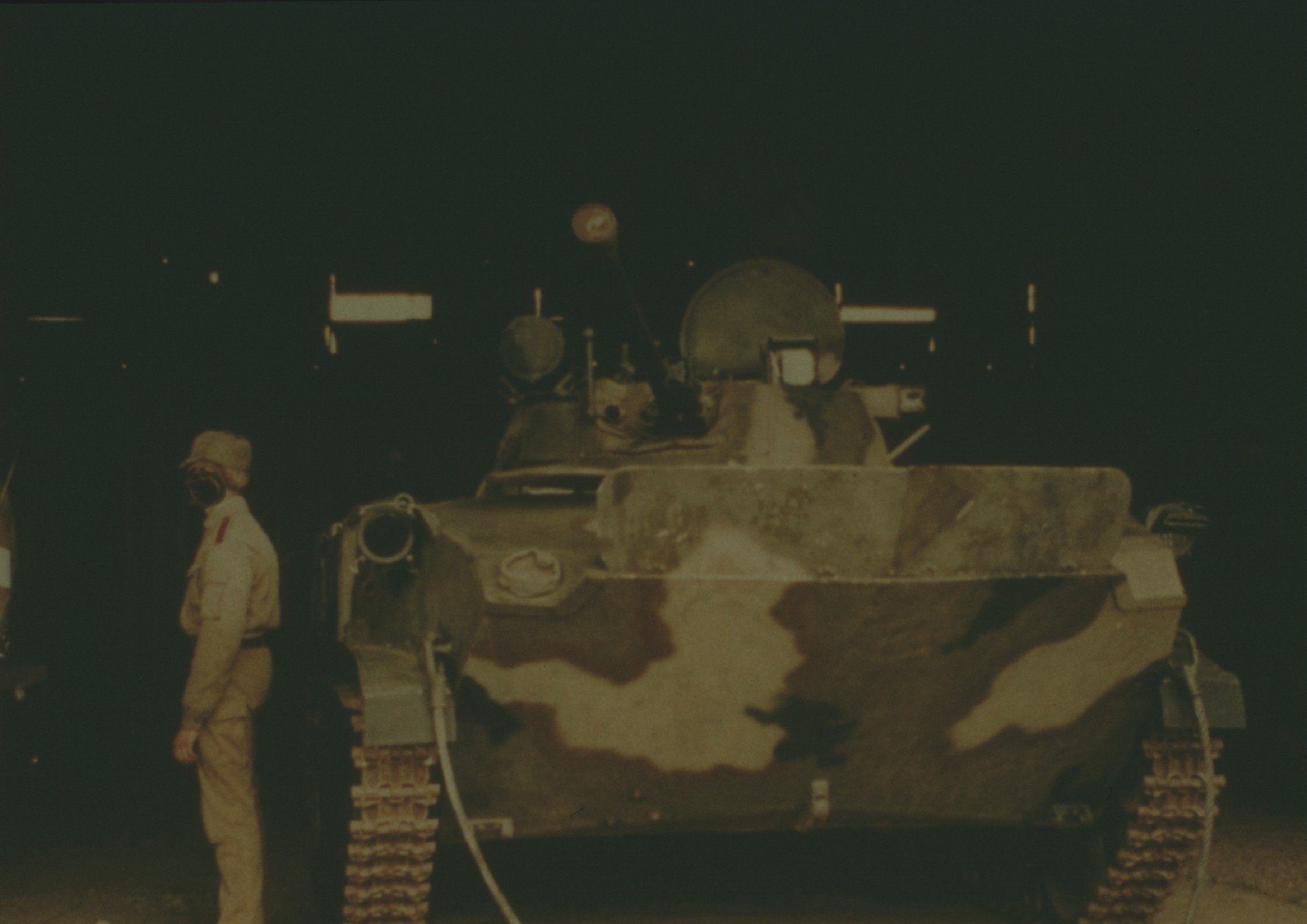
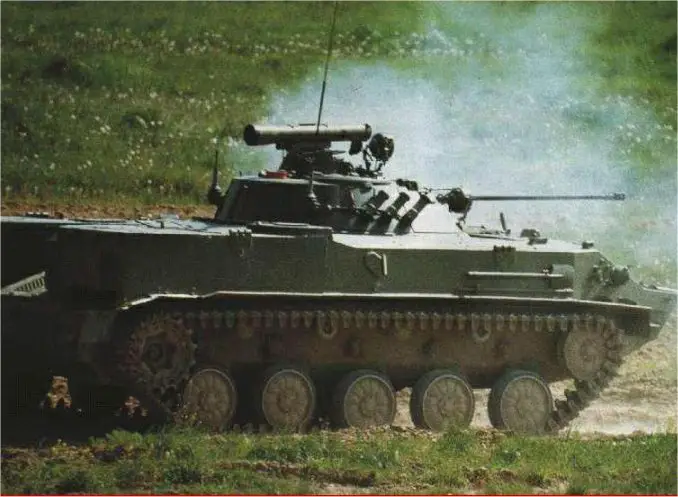
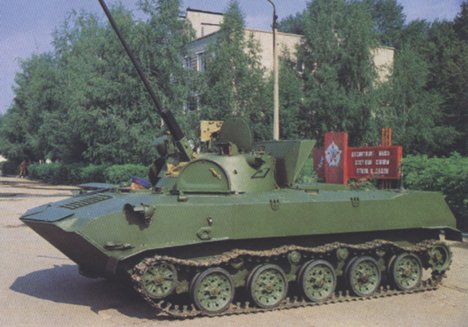
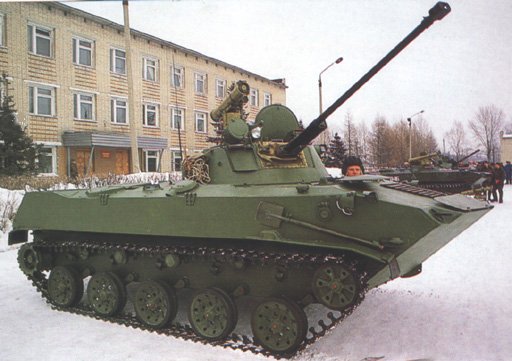
BMD-2
BMD-2 Airborne IFV
Airborne tracked armored Infantry Fighting Vehicle - Russia
Description
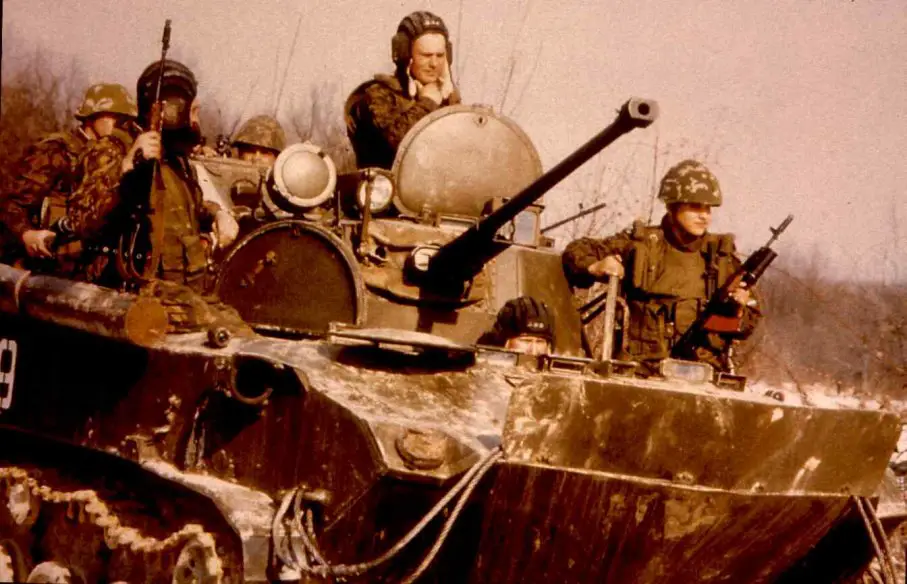
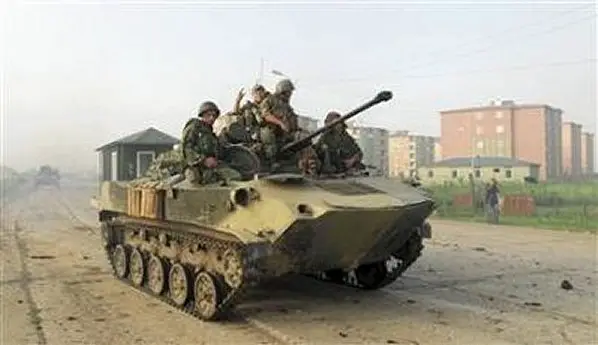
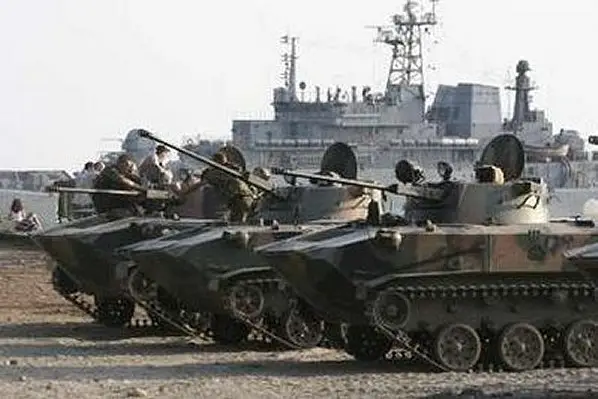
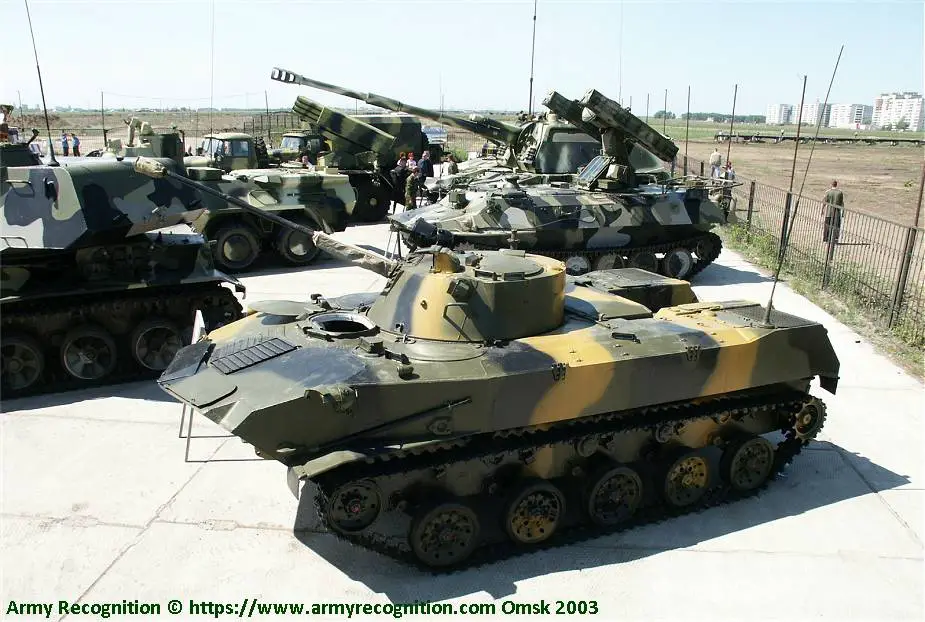
The BMD-2 (Boyevaya Mashina Desanta-2) is a Soviet-era airborne tracked infantry fighting vehicle (IFV) developed by the Volgograd Tractor Plant under the direction of chief designer Arkadyi Shabalin to succeed the earlier BMD-1 with improved firepower and tactical flexibility. Officially entering service in 1985, the BMD-2 was engineered for the Russian Airborne Forces (VDV), featuring a compact hull and a lightweight aluminum-alloy structure that enables high-altitude airdrop capability via parachute-deployed platforms such as the Il-76MD transport aircraft. Initial operational deployments saw the BMD-2 fielded in regimental sets of nine vehicles per unit across VDV divisions. Although full-rate production concluded in the early 1990s, the BMD-2 remains in widespread frontline service, having been extensively employed in recent combat operations in Ukraine, where its vulnerabilities to modern anti-armor munitions have been notably exposed.
To extend service viability, the platform has undergone a series of phased upgrades under the BMD-2M program, launched in the late 2010s. These upgrades include the integration of a modernized B05Ya01 "Berezhok" turret module, digital fire-control enhancements, thermal imaging sights, and enhanced protection kits, such as appliqué armor and internal spall liners. The BMD-2M variants have significantly improved lethality, particularly in urban and asymmetric warfare scenarios, though the vehicle's core ballistic protection remains limited by strict weight constraints for airborne deployment. While now being partially supplanted by newer-generation systems such as the BMD-4M, the BMD-2 continues to serve as a workhorse for rapid-deployment airborne units, especially within second-echelon and reserve formations.
BMD-2 Airborne IFV main variants:
- BMD-2K: command version with the same turret but no missile launcher, and equipped with additional radio.
- BMD-2M: upgrade of the basic version. It features a number of improvements including smoke grenade launchers on the side of the turret
Technical Data
| Armament |
|
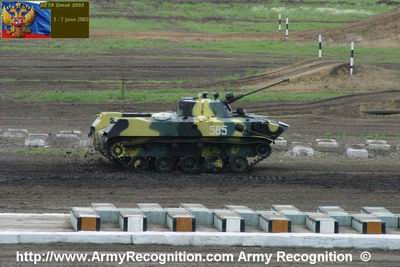
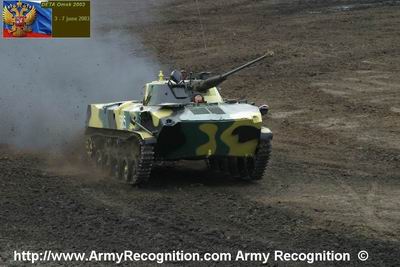
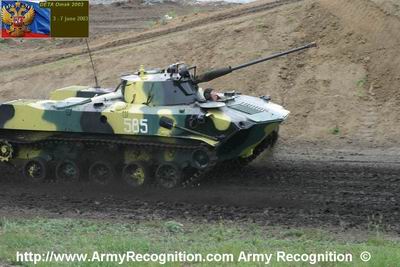
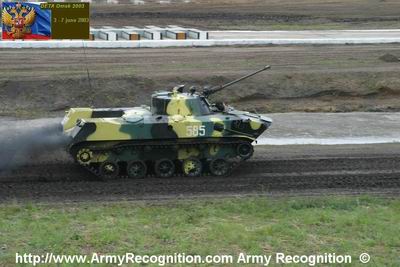
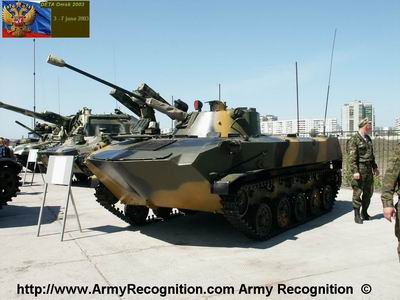
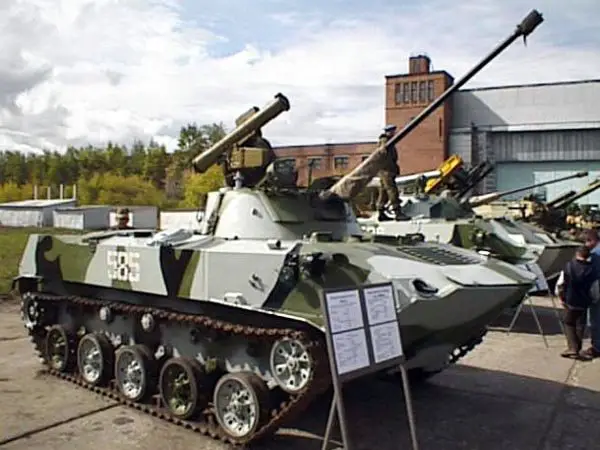
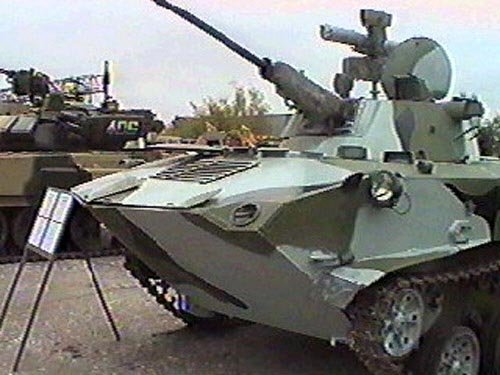
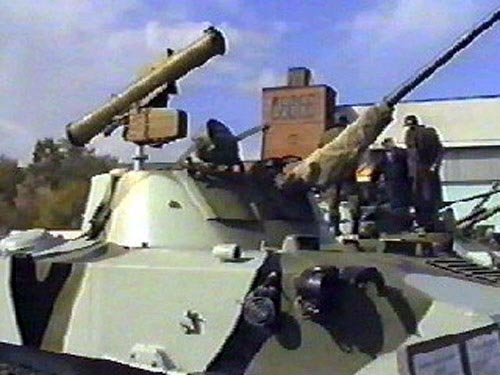
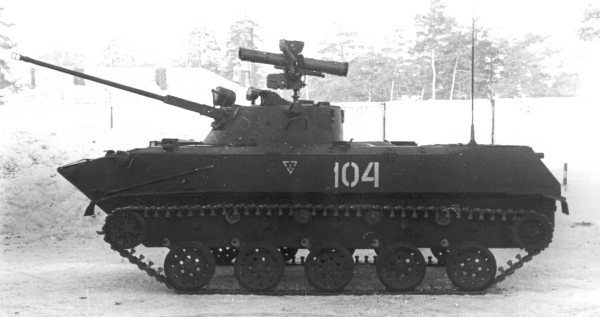
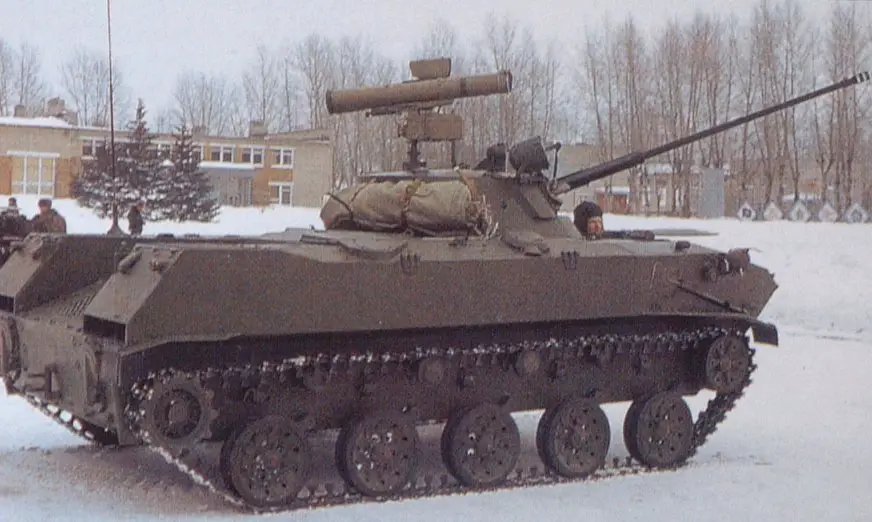
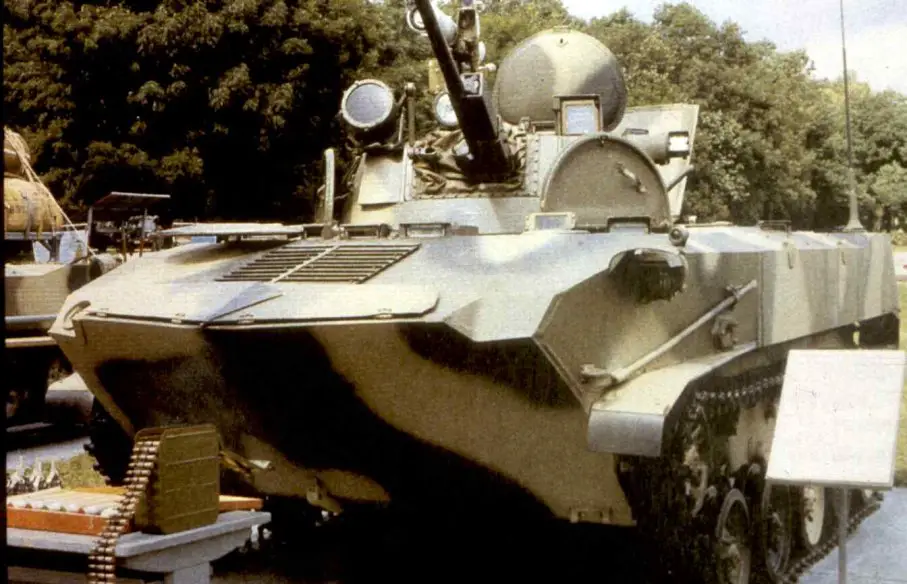
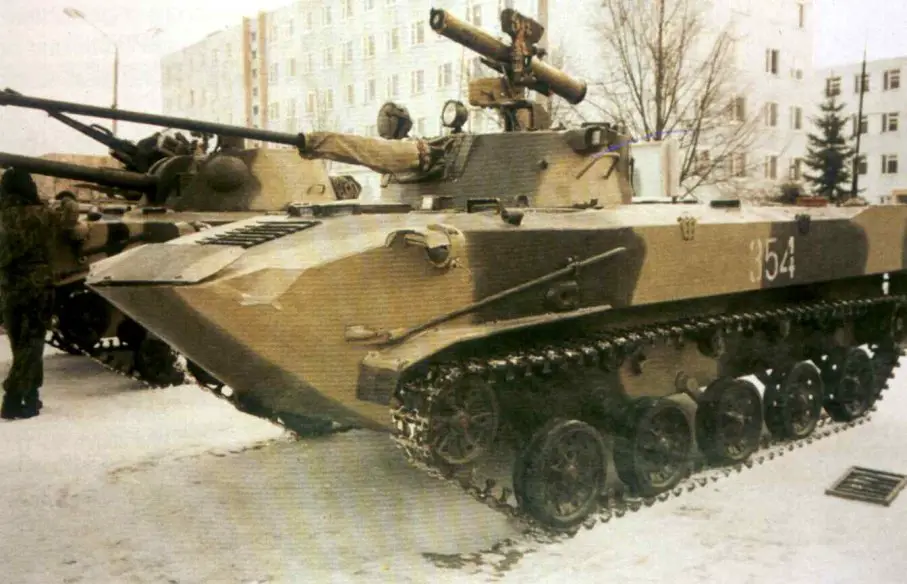
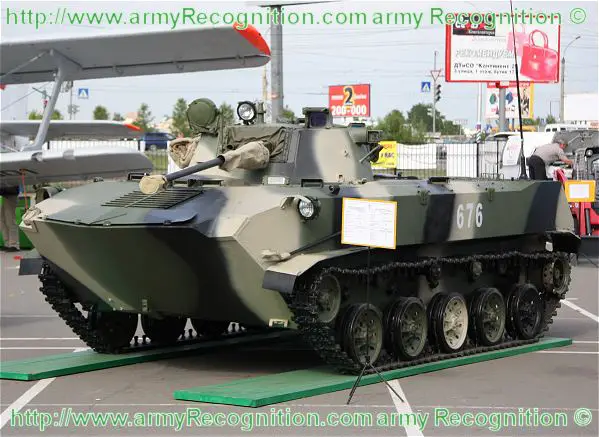
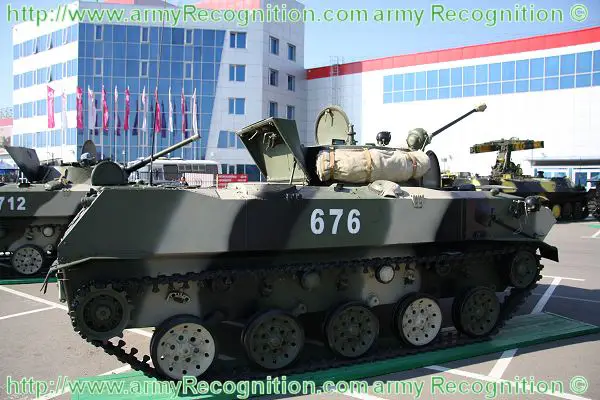
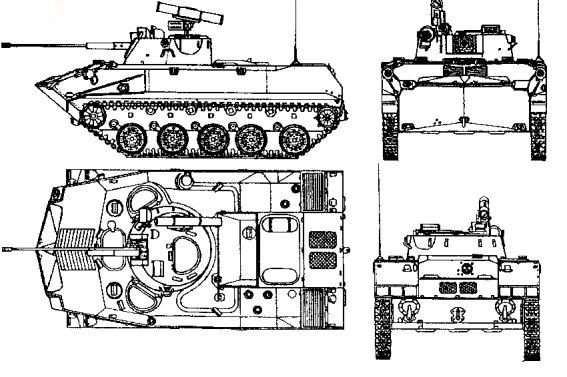
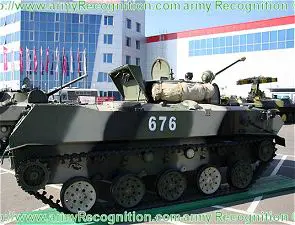
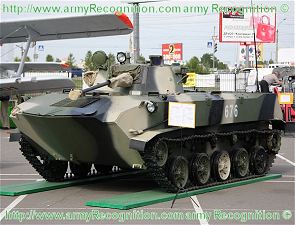
The BMD-2 is fitted with a one-man turret armed with a 30 mm 2A42 stabilized cannon, which is also used in the BMP-2 infantry combat vehicle, has an elevation of +75º and a depression of -5º. A coaxial 7.62 mm PKT machine gun is mounted to the right side of the main armament. An AT-4 Spigot or AT-5 Spandrel anti-tank guided missile launcher is mounted on the right side of the turret roof. a second 7.62mm PKT machine gun is mounted on the right side, at the front of the hull.
|
| Design and protection |
|
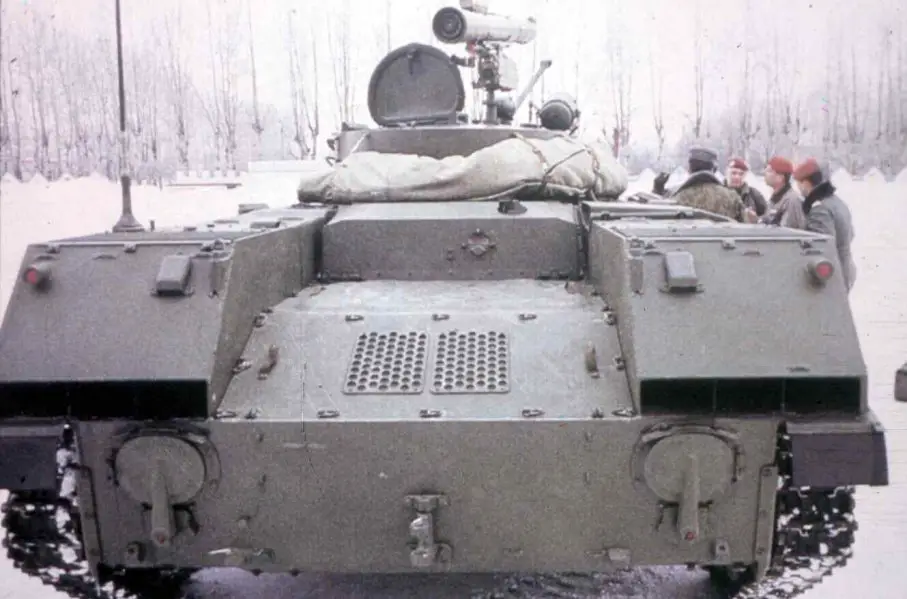
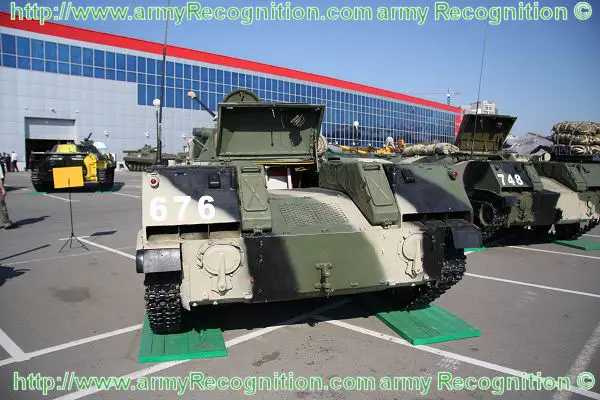
The layout of the BMD-2 consists of three main parts with the driver seat at the front of the hull in the center just forward of the turret. A one-man turret is mounted at the center of the hull and has a single-piece forward-opening hatch cover to the left of the turret. The rear part of the vehicle can accommodate up to four paratroopers. The hull and the turret of the BMD-2 are welded aluminum, which provides protection against the firing of small arms caliber and shell splinters on the battlefield.
|
| Mobility |
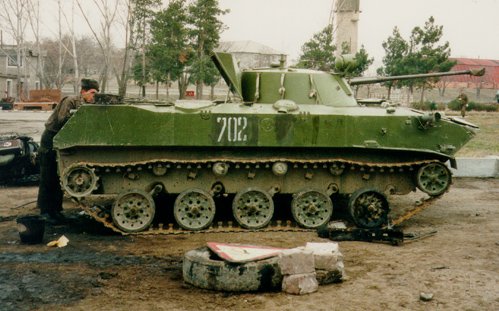
| The BMD-2 is powered by a 5D20 V-6 liquid-cooled diesel developing 240 hp, and manual transmission with 5 forward and 1 reverse gears. It can run at a maximum road speed of 60 km/h with a maximum cruising range of 500 km. The BMD-2 is equipped with a hydropneumatic suspension on either side consisting of five small road wheels with the idler at the front and the drive sprocket at the rear. There are four track-return rollers. The independent suspension combines a hydraulic system for altering the ground clearance and maintaining track tension with pneumatic springs, enabling the ground clearance to be altered from 100 to 450 mm. |
| Accessories |
| The BMD-2 is fully amphibious and is propelled in the water by two water jets mounted at the rear of the hull. Before entering the water a trim vane, which is stowed on the glacis plate when not in use, is erected at the front of the hull. In the water, the vehicle can reach a top speed of 10 km/h. |
Specifications
| Armament | Armor |
| One 30 mm gun, two 7.62 mm PKT machine guns, 1 anti-tank missile launcher for AT-4 or AT-5. | Welded aluminum alloy, 7 mm turret, 15 mm at 78° upper hull, 15 mm at 50° lower hull front, 10 mm rest of the hull. |
| Country users | Weight |
| Angola, Azerbaijan, Armenia, Belarus, India, Iraq, Moldavia, Russia, Ukraine, and Uzbekistan. | 8,225 kg |
| Designer Country | Speed |
| Russia | 60 km/h on road, 10 km/h on water |
| Accessories | Range |
| Fire control system, night vision, NBC protection system | 450 to 500 km |
| Crew | Dimensions |
| 3 + 4 paratroopers | Length: 5,91 m; Width: 2,63 m; Height: 1,97 m |
Details View
 |
|
 |
 |
 |
 |
Pictures - Video