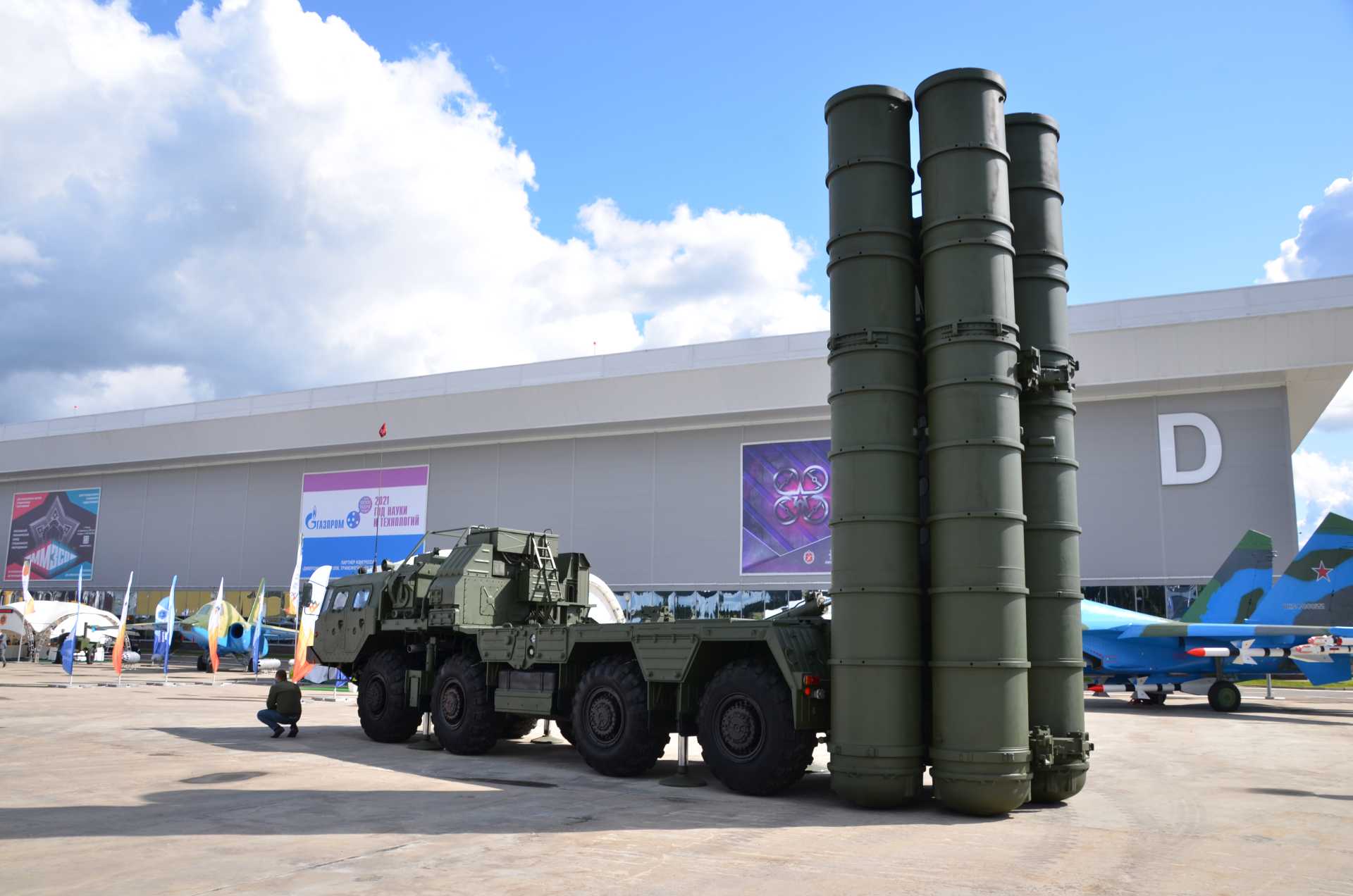
Türkiye could be moving to remove one of the biggest obstacles to restoring defense ties with the United States by exploring the sale of its Russian-made S-400 Triumf air defense missile systems to a Gulf Cooperation Council (GCC) member. Reported by the Turkish daily Hürriyet, the proposal could reopen discussions on Ankara's long-standing effort to rejoin the Lockheed Martin F-35 Lightning II program while accelerating its transition toward a NATO-compatible air defense architecture.
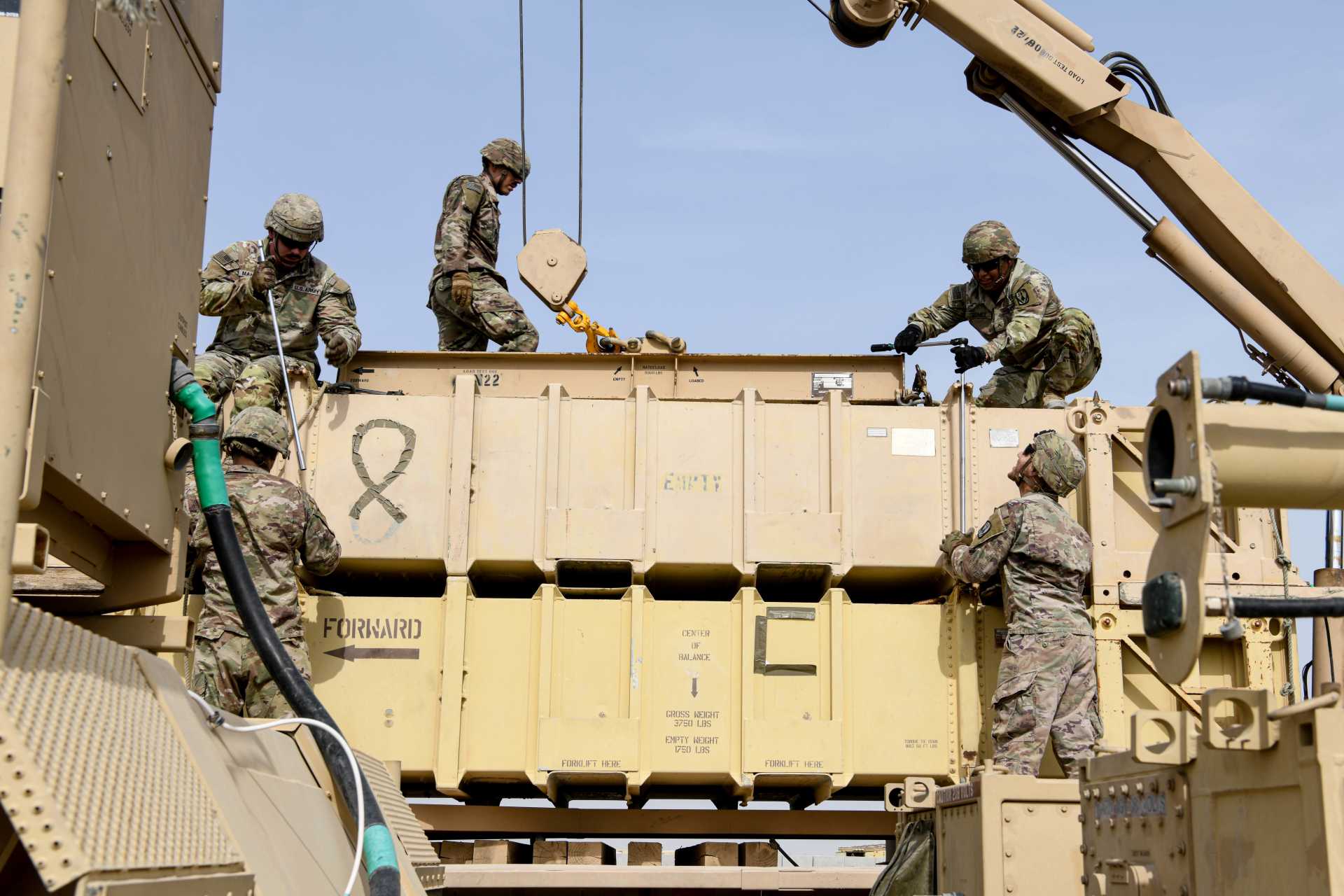
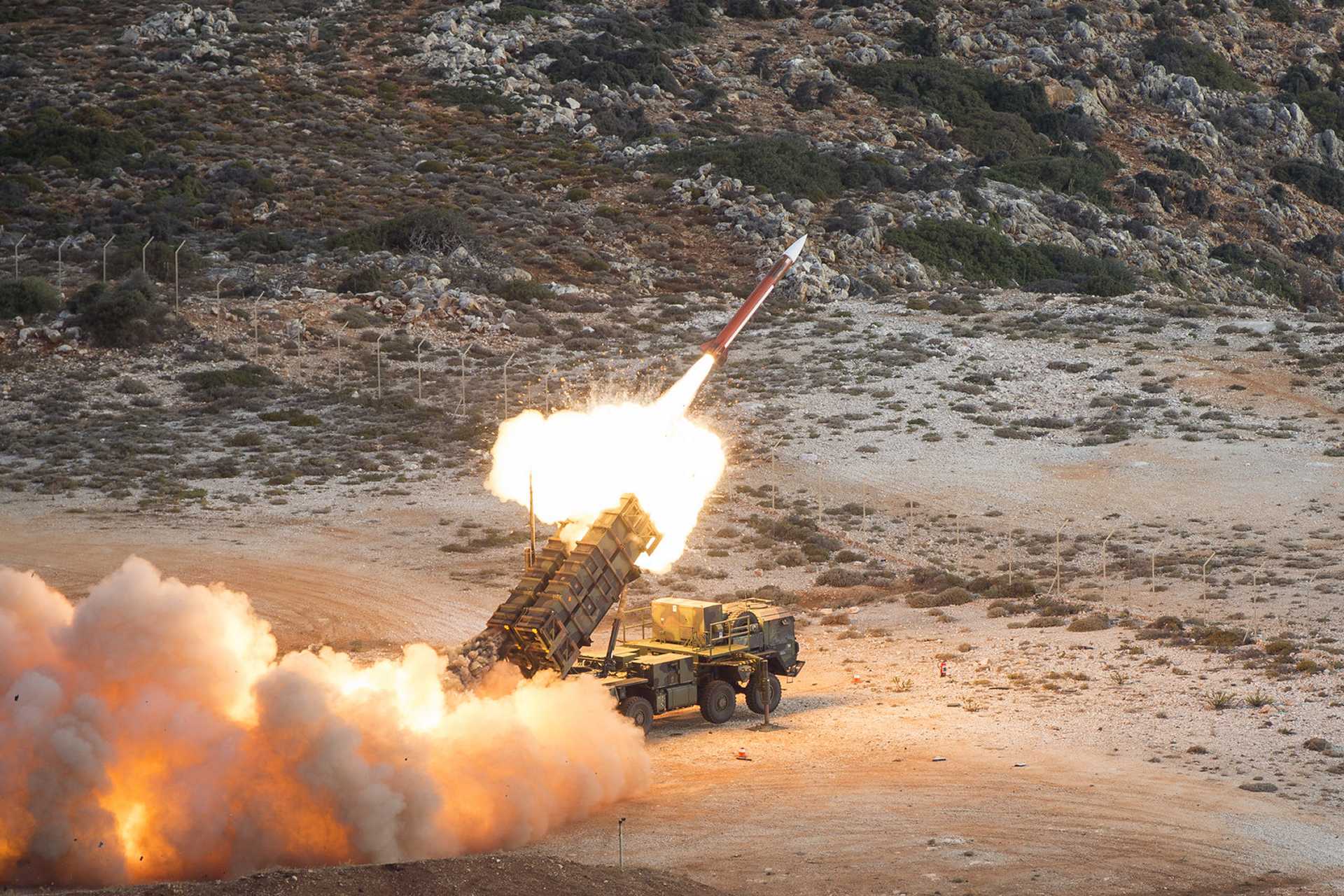
The American Company Raytheon, an RTX business, has secured a major contract from the NATO Support and Procurement Agency (NSPA) to supply Poland with a large quantity of Patriot GEM-T interceptor missiles, a move announced on July 7, 2026, during the NATO Summit Defense Industry Forum in Ankara. The deal significantly strengthens Poland's ability to defeat ballistic missiles, cruise missiles, aircraft, and evolving drone threats while reinforcing NATO's eastern flank against growing regional security challenges.
Turkish President Recep Tayyip Erdoğan presented personalized Gümüşay .357 Magnum revolvers and live ammunition to NATO heads of state at the conclusion of the Ankara summit. The diplomatic gesture was designed to showcase the historical foundations and current baseline capabilities of the Turkish defense industry, which has grown to become the world's third-largest exporter of small arms. However, the inclusion of functional firearms and cartridges created immediate regulatory, customs, and secure-storage obligations for the recipient governments under national firearms laws. The Gümüşay is a discontinued, six-shot double-action/single-action revolver produced by MKE in the 1990s as Türkiye's first domestically developed modern revolver. It possesses a cylinder and barrel manufactured from high-strength alloy steel to withstand chamber pressures exceeding 35,000 psi and visually closely resembles the Colt Python architecture.
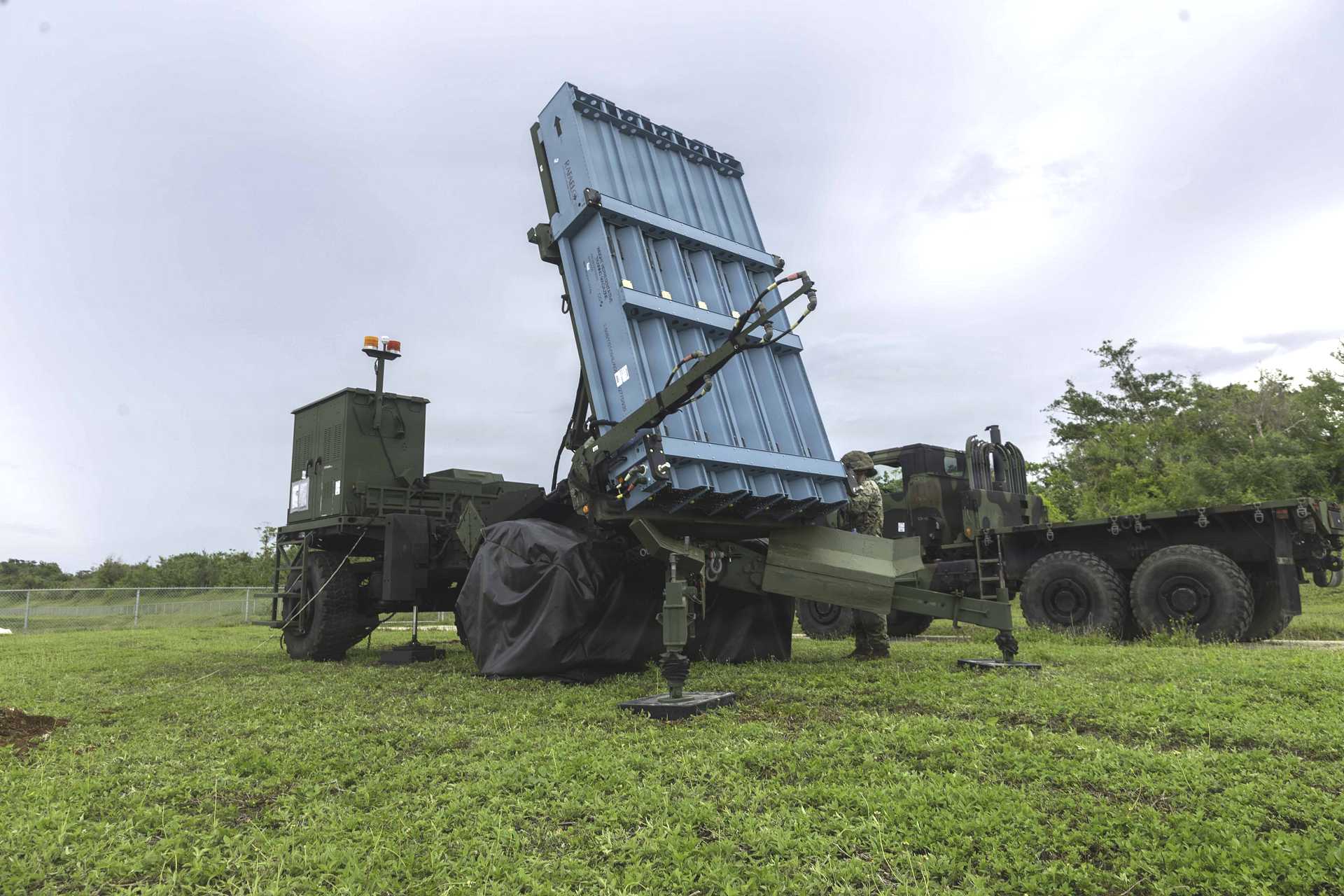
The U.S. Marine Corps has successfully validated its new Medium-Range Intercept Capability (MRIC) air defense system by intercepting an aerial target during a live-fire event at Exercise Valiant Shield 2026 in Guam and announced the achievement following the June 30, 2026, test. The milestone marks the first operational demonstration of the Corps' new medium-range ground-based air defense system under realistic combat conditions, strengthening the survivability of expeditionary forces operating across the Indo-Pacific.
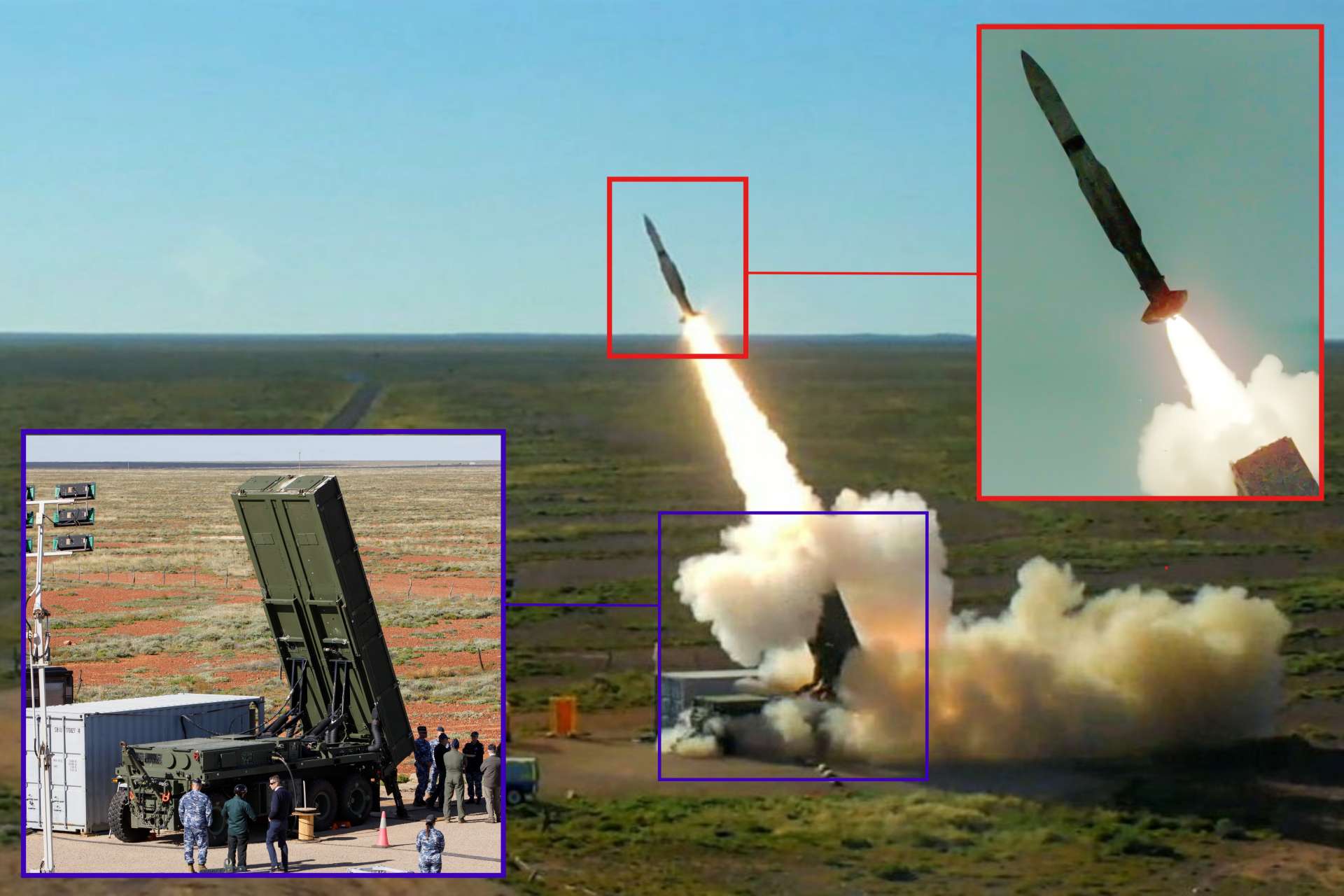
Australia has successfully intercepted a cruise-missile target using a prototype ground-based air-defence system during Exercise Taipan Strike 26 at the Woomera Test Range, marking a major step toward fielding a deployable medium-range shield against increasingly advanced aerial threats. The achievement, disclosed by the Australian Government on July 9, 2026, demonstrates that Australian sensors, a US-developed Aegis-derived weapon-control architecture and an Australian Standard Missile-2 can operate together to strengthen the protection of critical military bases and infrastructure.
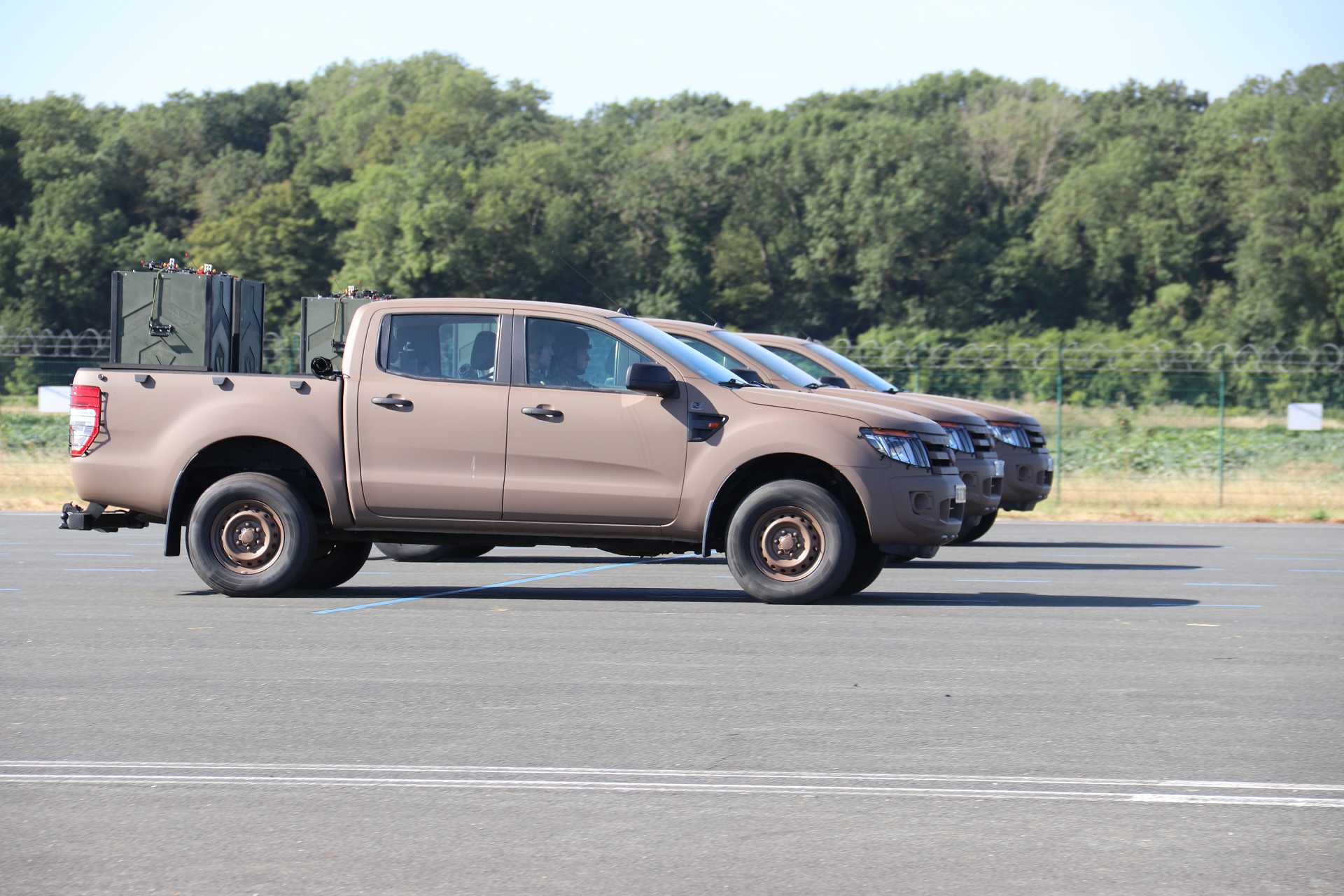
The unveiling of a dedicated mobile FPV (First Person View) attack-drone capability during the Bastille Day 2026 military parade marks a significant step in the French Army’s effort to embed low-cost precision-strike systems directly within front-line combat formations. Displayed in Paris on July 14, 2026, the new capability is operated by the 1er Régiment d’Infanterie de Marine (1er RIMa) and demonstrates how France is adapting lessons from recent conflicts to increase the lethality and operational reach of its maneuver forces.
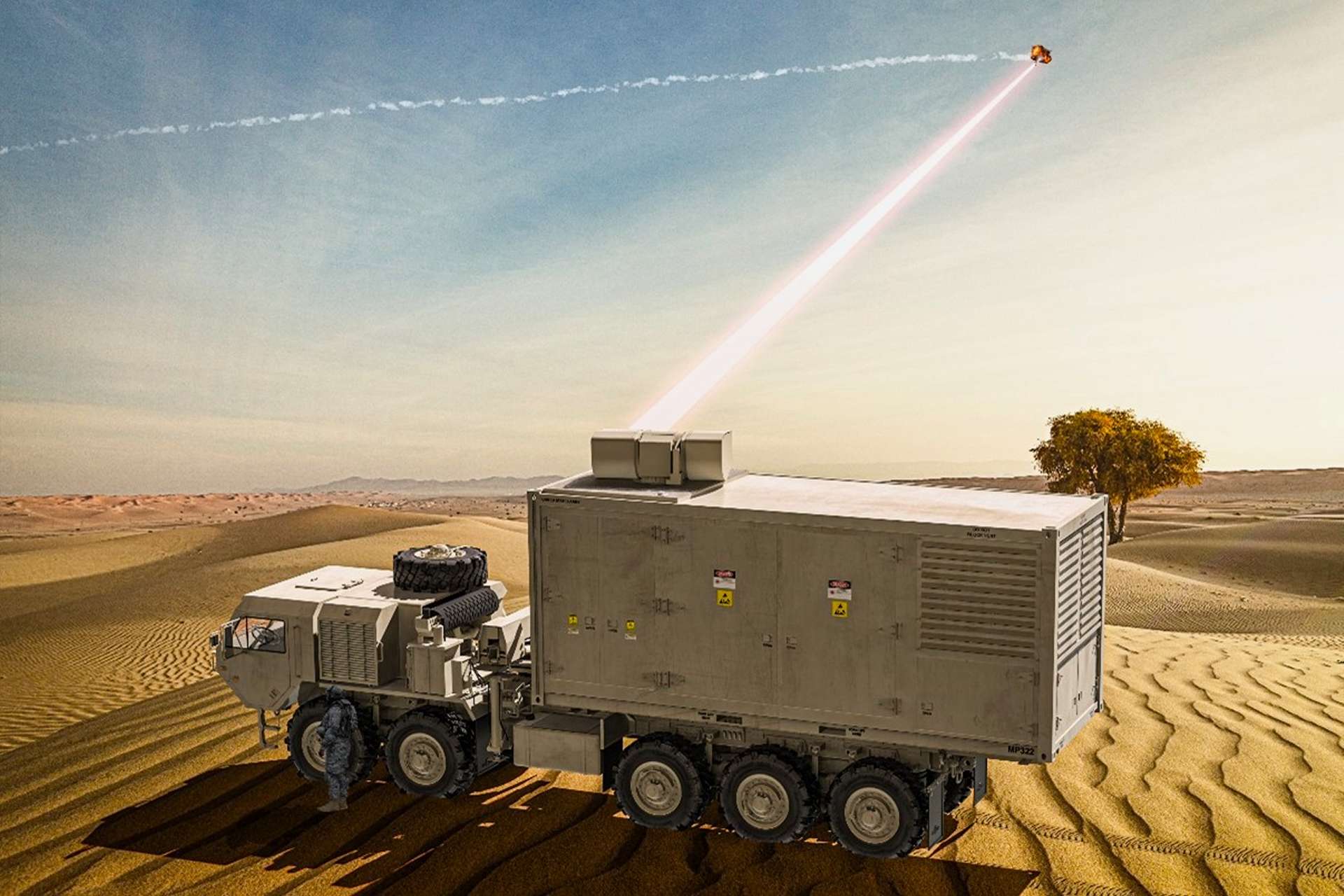
Lockheed Martin has been selected to develop a containerized 500-kilowatt Joint Laser Weapon System (JLWS), a major step toward giving U.S. forces a deployable high-energy laser capable of countering cruise missiles and large-scale drone attacks. Announced on July 9, 2026, by the U.S. Department of War and Lockheed Martin, the award reflects a shift toward operational directed-energy defenses that can reduce reliance on costly missile interceptors while strengthening protection of critical military assets.
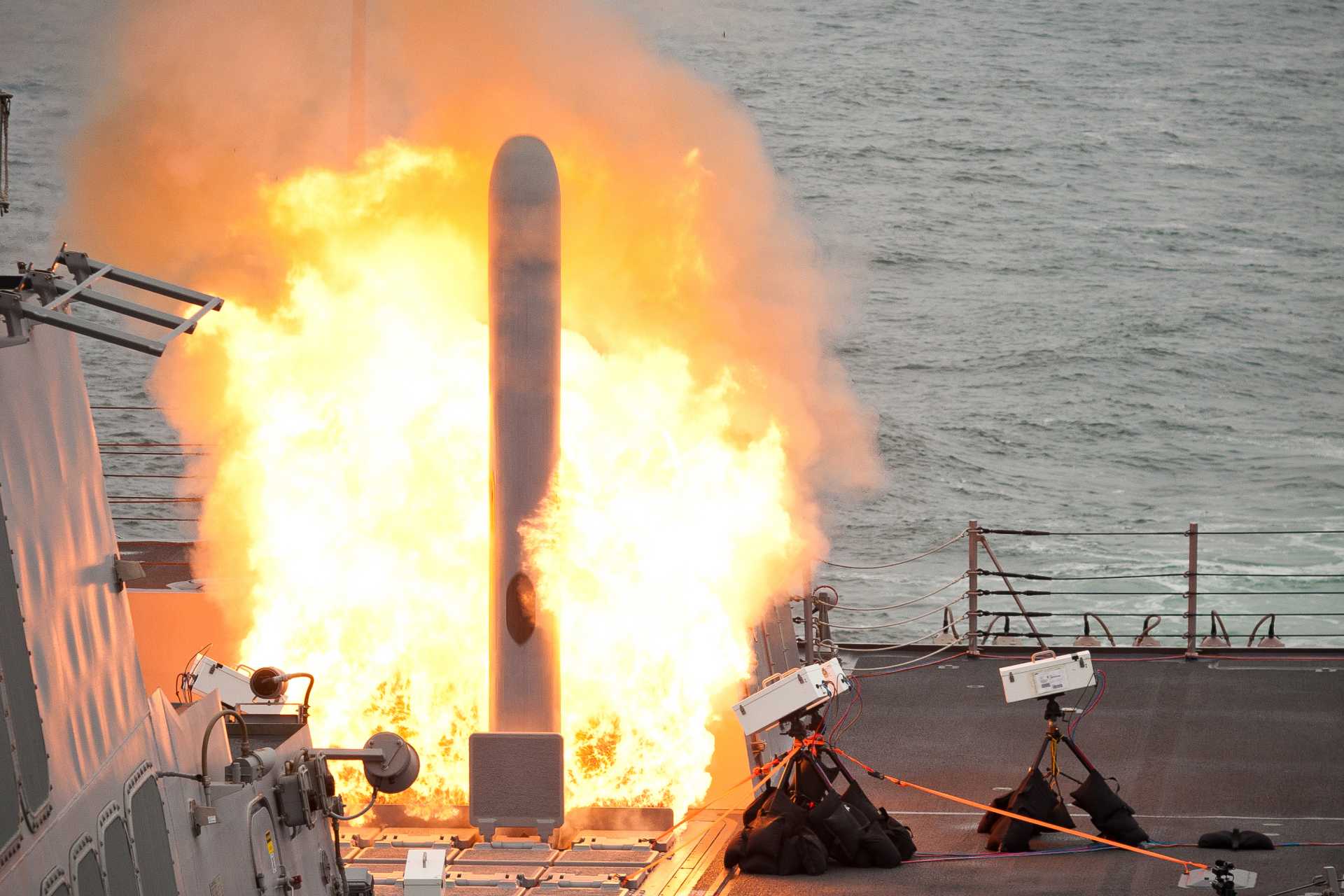
German Chancellor Friedrich Merz announced that Berlin has concluded an agreement with the United States to purchase Tomahawk conventional cruise missiles and ground-based Typhon Mid-Range Capability launchers for permanent deployment on German territory. The procurement agreement, formalized through a Letter of Intent signed at the NATO Summit in Ankara, establishes a sovereign, German-financed and German-operated long-range precision strike force to replace a halted U.S. Army deployment plan. This acquisition systematically expands the strike radius of the Bundeswehr up to 2,500 kilometers, filling a critical conventional deterrence gap against regional deep-depth infrastructure without relying on combat aircraft or allied launch authority. The bilateral procurement agreement secures upcoming U.S. export approval for subsonic, terrain-masking Tomahawk missiles and trailer-mounted Typhon Mk 41 infrastructure to be operated entirely by German personnel. While specific contract values, launcher quantities, and missile inventory counts remain classified, the deal shifts the comprehensive burden of logistics, mission-planning, software interfaces, and maintenance pipelines onto the Bundeswehr.
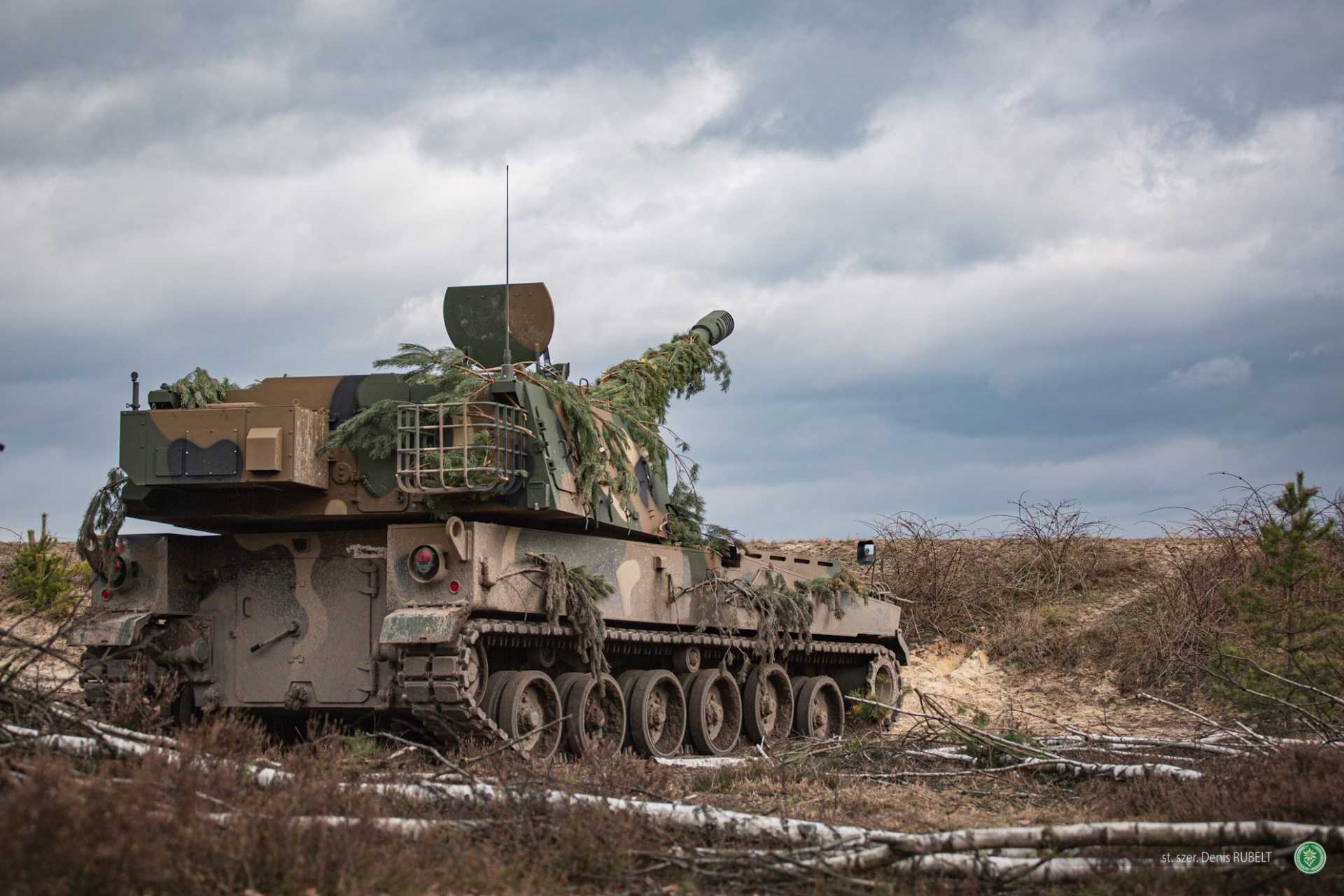
Hanwha Aerospace utilized the NATO Defence Industry Forum in Ankara on July 8, 2026, to advance its European industrial expansion strategy amid allied efforts to rebuild continental defense production capacity. The South Korean defense manufacturer detailed its "Built with Europe, for Europe" localized manufacturing framework, shifting its operational model from direct export deliveries to regional joint ventures, technology transfers, and domestic assembly hubs. This localized positioning directly aligns with South Korean President Lee Jae Myung's concurrent proposal for a Korea-NATO Defence Industry Partnership 2.0 to transition bilateral defense cooperation toward joint research, co-development, and long-term industrial co-production. The strategy focuses on expanding established artillery and rocket manufacturing networks in Poland and Romania into broader regional sustainment, missile production, and modular charge systems across Northern and Western Europe. By integrating assets like the K9 Thunder howitzer and K239 Chunmoo missile launcher into local supply chains, the initiatives aim to mitigate critical defense supply bottlenecks exposed by persistent high-intensity European conflicts.
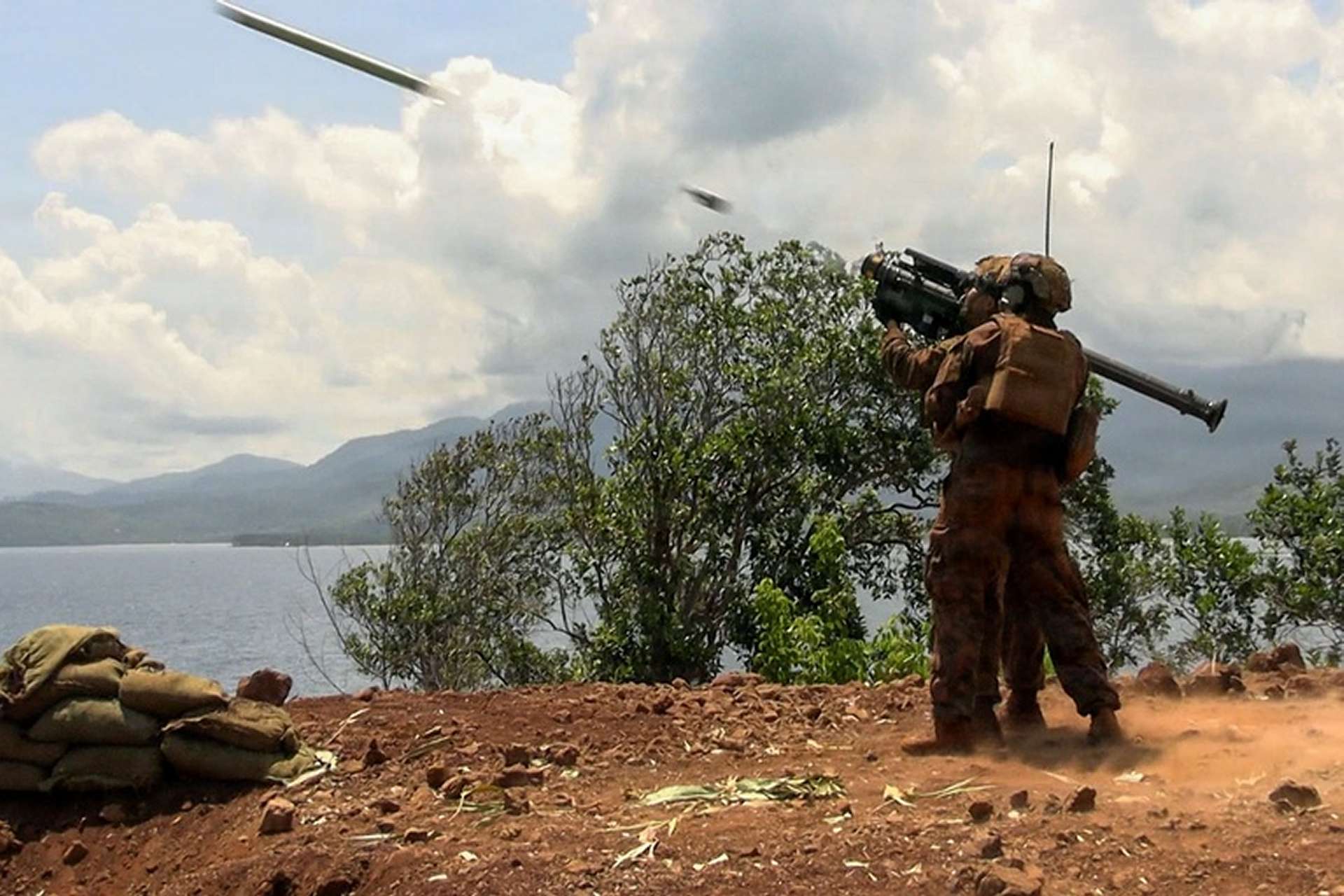
RTX’s Raytheon is expanding FIM-92 Stinger production in Europe to double global output of the short-range air defense missile, a move announced on July 7, 2026, in Ankara that strengthens NATO’s ability to replenish stocks and protect forces from low-altitude air threats. Diehl Defence will produce the missile’s guidance section in Germany, while Dutch suppliers will build major assemblies before final work in the Netherlands. The arrangement gives NATO a second production base for a weapon that remains critical against aircraft, helicopters, cruise missiles, and drones.
During the NATO summit in Ankara on July 8, 2026, U.S. President Donald Trump announced that the United States will grant Ukraine a production license to manufacture Patriot interceptor missiles. The decision directly addresses Ukraine’s acute shortage of PAC-3 interceptors required to counter an escalating campaign of Russian ballistic missile strikes targeting domestic infrastructure. This licensing framework aims to alleviate the structural strain on direct U.S. military stockpiles by establishing a long-term, independent manufacturing base within the Ukrainian defense-industrial network. The bilateral agreement authorizes the transfer of technical production rights for the Patriot air defense architecture to help meet Ukraine's estimated deficit of 2,000 interceptors per year. However, operational deployment remains subject to localized tooling, secure component supply chains across over 400 specialized suppliers, and formal coordination with prime defense contractors Lockheed Martin and RTX.