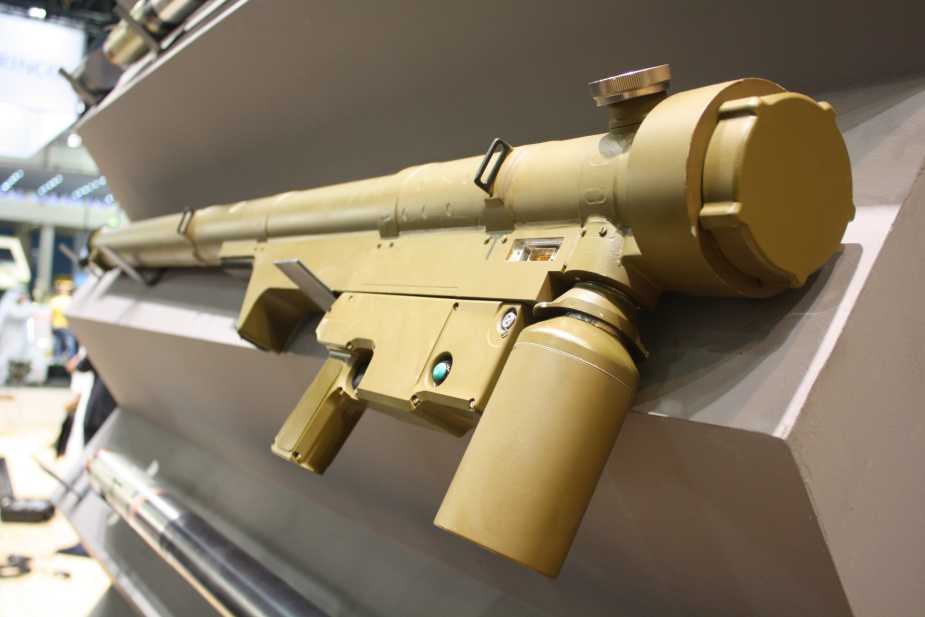
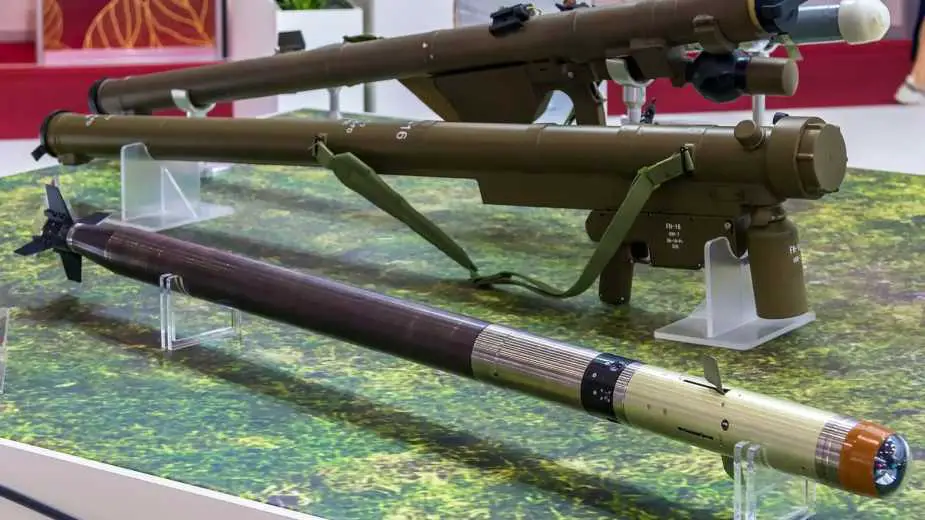
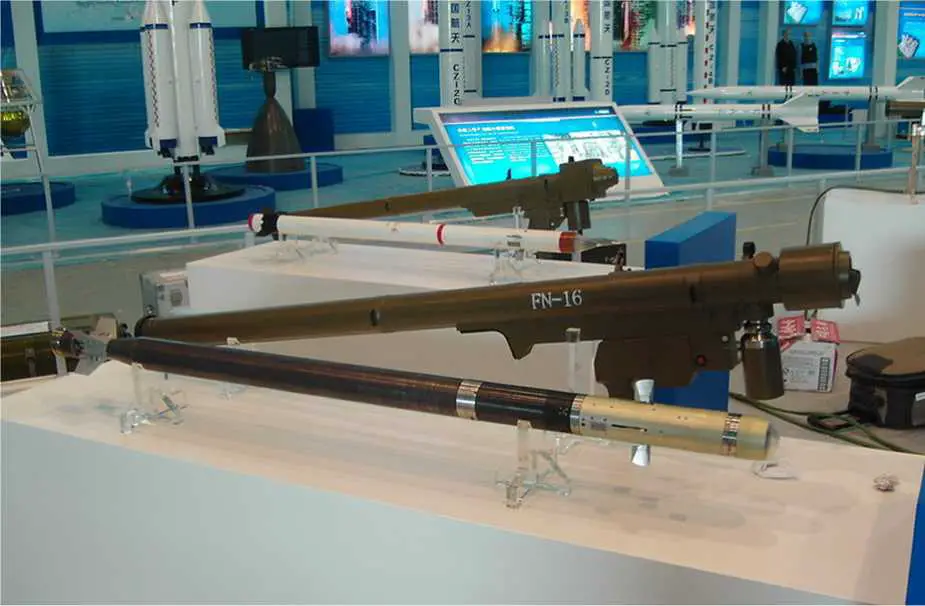
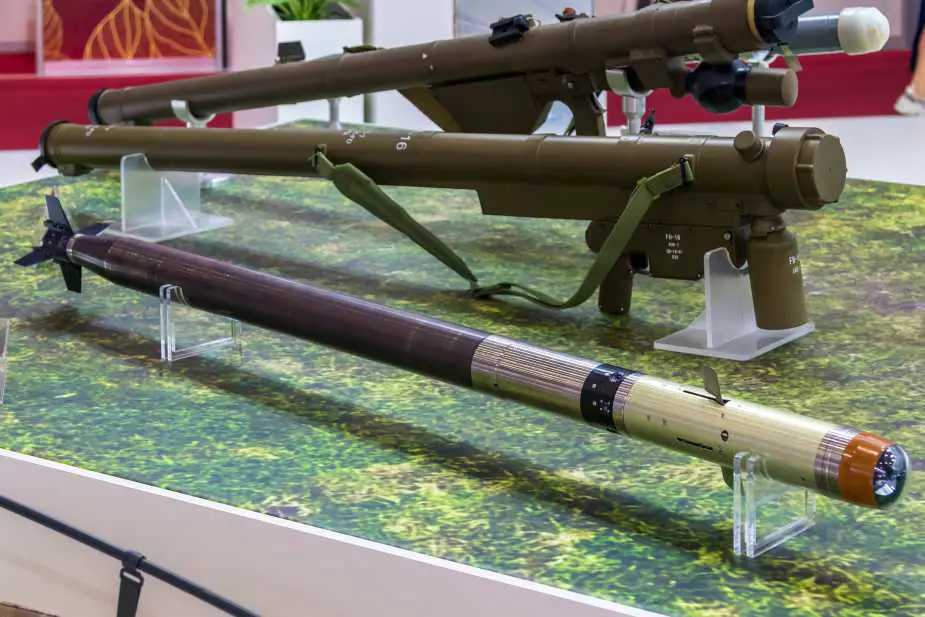
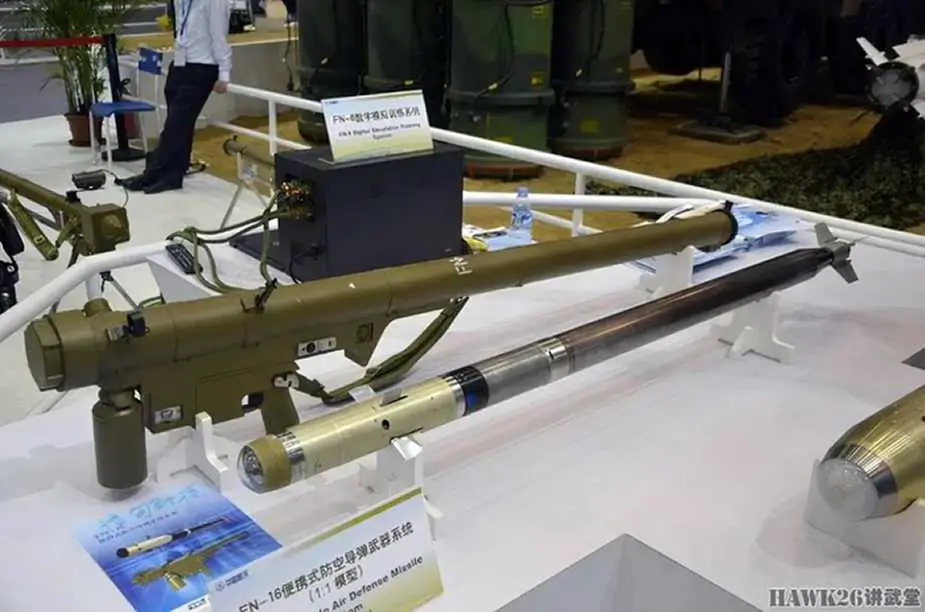
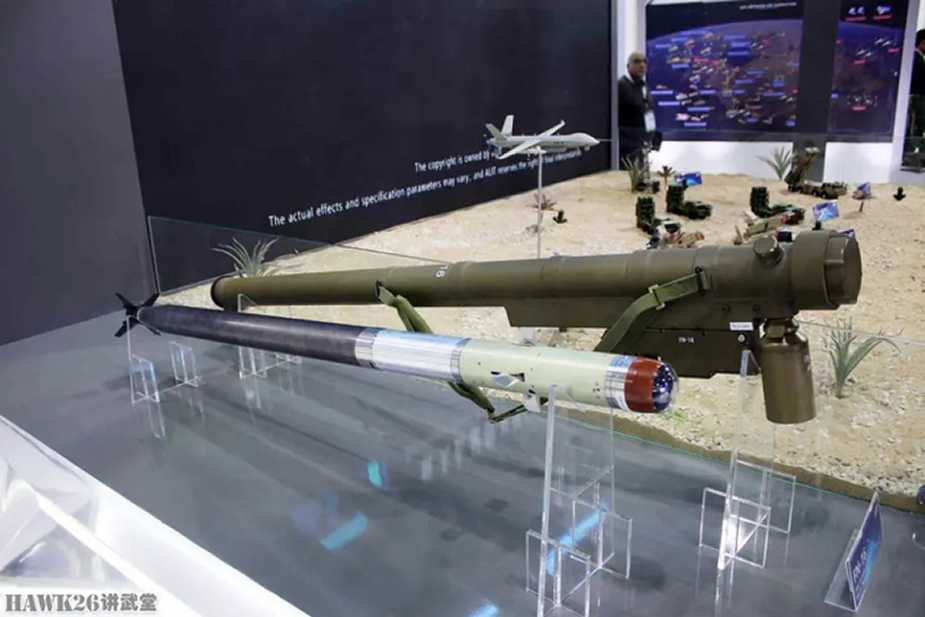
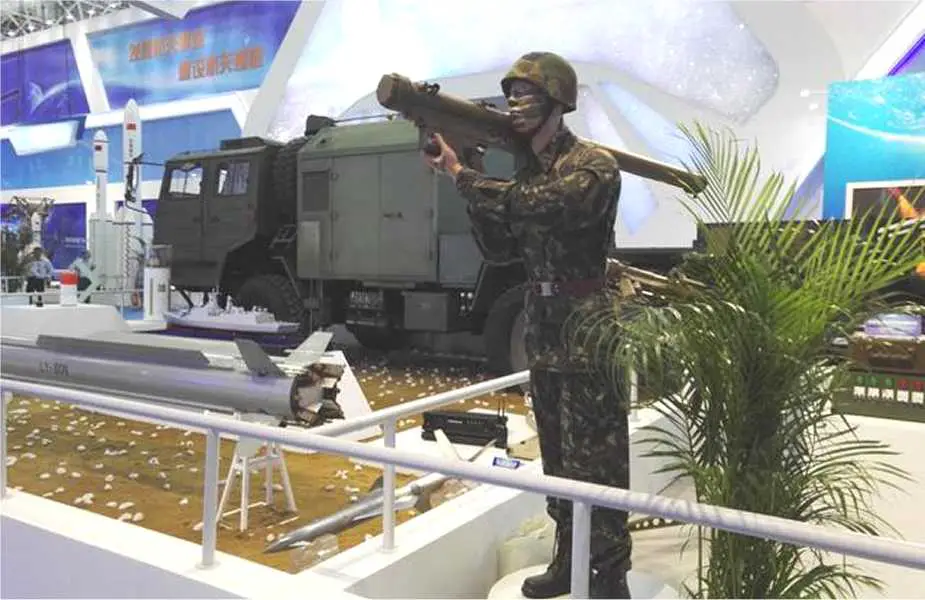
The FN-16 (FeiNu-16, Flying Crossbow-16) is a fourth-generation Chinese Man-Portable Air Defense System (MANPADS) developed to provide highly mobile, short-range air defense against helicopters, fixed-wing aircraft, cruise missiles, and unmanned aerial vehicles (UAVs). Designed as the successor to the FN-6, the system incorporates an advanced dual-band imaging infrared (IIR) seeker, improved resistance to infrared countermeasures, and enhanced engagement capability against maneuvering aerial threats. Its lightweight design, fire-and-forget guidance, and rapid deployment make it an effective point-defense weapon for infantry, airborne, and mechanized forces.
Country users: China (PLA equivalent), Pakistan, Cambodia, Malaysia, Sudan, Peru, Venezuela, and other reported export operators






Technical Data
-
Design
The FN-16 is built around a lightweight, shoulder-fired configuration designed to maximize mobility while maintaining high combat readiness. The weapon consists of a sealed disposable launch tube manufactured from composite materials that permanently houses the missile until launch. Attached beneath the launch tube is a reusable gripstock containing the trigger assembly, missile interface electronics, safety controls, and power connections. Prior to firing, the operator installs a disposable battery and coolant unit (BCU), which supplies electrical power to the fire-control electronics while cooling the missile's imaging infrared seeker to its operating temperature.
The launcher incorporates an optical day sight mounted above the gripstock for target acquisition and aiming. Depending on customer requirements, optional Identification Friend or Foe (IFF) equipment, thermal imaging sights, and night vision devices can be integrated without significant modification. Following missile launch, the empty launch tube is discarded while the reusable gripstock is attached to another missile canister for subsequent engagements.
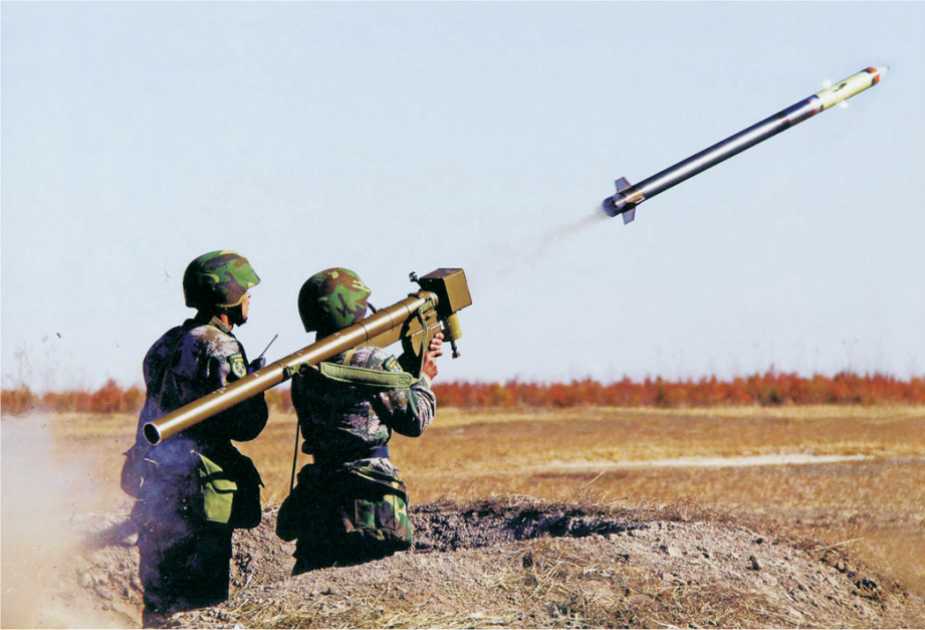
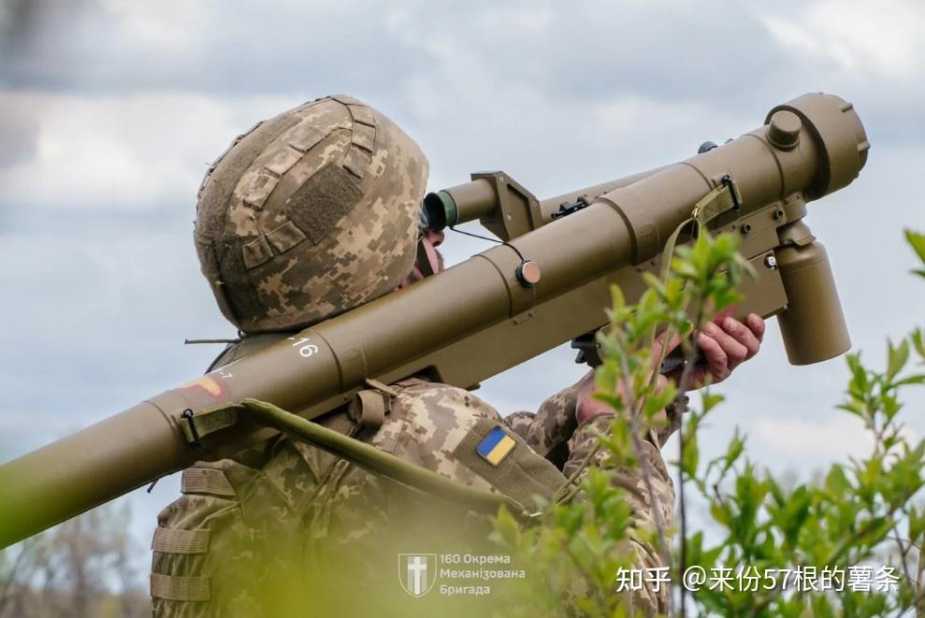
Unlike armored combat systems, the FN-16 has no armor protection, as survivability depends on concealment, operator mobility, and rapid displacement after firing. The system is normally operated by 1 soldier, although air-defense teams commonly consist of 2 personnel, with the assistant carrying additional missiles, spare BCUs, and supporting target observation and ammunition resupply.
-
Missile
The FN-16 missile is a single-stage interceptor powered by a solid-propellant rocket motor that provides rapid acceleration immediately after launch. It employs an advanced dual-band imaging infrared (IIR) seeker that combines modern detector technology with digital signal processing to improve target recognition and discrimination against infrared countermeasures. Unlike earlier generations of infrared-guided MANPADS, the seeker analyzes the target's infrared image rather than simply tracking the strongest heat source, significantly improving resistance to flare decoys.
Guidance is based on proportional navigation, enabling the missile to calculate an efficient interception trajectory against maneuvering aerial targets. The missile carries a high-explosive fragmentation (HE-FRAG) warhead equipped with both impact and laser proximity fuzes, ensuring effective target destruction even when a direct hit is not achieved. Once launched, the missile operates in a fully autonomous fire-and-forget mode without requiring additional operator guidance.
The FN-16 has an effective interception range of approx. 0.5–6 km and is capable of engaging targets flying at altitudes from approx. 15 m to 4 km. This engagement envelope enables interception of low-flying helicopters, strike aircraft, transport aircraft, cruise missiles, reconnaissance platforms, and a wide variety of UAVs. The missile's high maneuverability and advanced seeker allow successful engagements against crossing, receding, and, under favorable conditions, head-on targets while maintaining excellent resistance to modern infrared countermeasures.
-
Sight System
The FN-16 utilizes an integrated optical day sight that provides rapid target acquisition and accurate aiming during daylight operations. While the operator tracks the target through the sight, the missile's IIR seeker simultaneously searches for a valid infrared signature. Once the seeker achieves a stable lock, the launcher provides both audible and visual lock-on indications, confirming that launch conditions have been met.
The digital fire-control electronics continuously monitor seeker performance, BCU status, and overall launch readiness throughout the engagement sequence. Export versions may be equipped with optional thermal imaging sights for night operations, image intensification devices for low-light environments, and Identification Friend or Foe (IFF) interrogators to minimize the risk of engaging friendly aircraft. Following launch, the missile performs autonomous target tracking and guidance until interception.
-
Combat Use
The FN-16 is intended to provide highly mobile short-range air defense for infantry formations, mechanized units, airborne forces, special operations units, and strategic installations requiring protection against low-altitude aerial threats. Its lightweight construction enables rapid deployment across difficult terrain and allows operators to establish concealed firing positions with minimal preparation.
The system has a reaction time of approx. 5–10 s, depending on launcher readiness, target acquisition conditions, and operator proficiency. Once target lock has been achieved, the missile can be launched immediately. Depending on engagement geometry, target speed, and interception distance, the time from missile launch to target interception typically ranges from approx. 3–15 s.
During combat operations, the operator visually acquires the target, activates the launcher, and allows the seeker to lock onto the aircraft's infrared signature. After launch, the missile immediately transitions into autonomous guidance while the operator is free to relocate to another firing position, significantly reducing vulnerability to enemy counterfire and battlefield detection.
The FN-16 is optimized for engaging attack helicopters, close air support aircraft, fighter aircraft operating at low altitude, transport aircraft during takeoff and landing, cruise missiles, reconnaissance aircraft, UAVs, and loitering munitions. Under favorable engagement conditions, the system is reported to achieve a single-shot kill probability (SSKP) of approx. 70–85% against conventional aircraft targets. Actual combat effectiveness depends on target maneuvering, infrared countermeasures, environmental conditions, operator training, and tactical employment.


Photo Gallery