



| a | |||
Defense News - India |
|||
| Friday, February 10, 2012, 12:04 AM | |||
| India has tested successfully home-made supersonic ballistic missile interceptor. | |||
India
on Friday, February 10, 2012, tested a ballistic missile interceptor from
a defence base in Odisha to create a shield against incoming enemy missiles,
a senior defence official said. The indigenous Advanced Air Defence (AAD)
interceptor missile was fired from Wheeler Island off the state coast
near Dhamra in Bhadrak district, about 170 km from here. |
|||
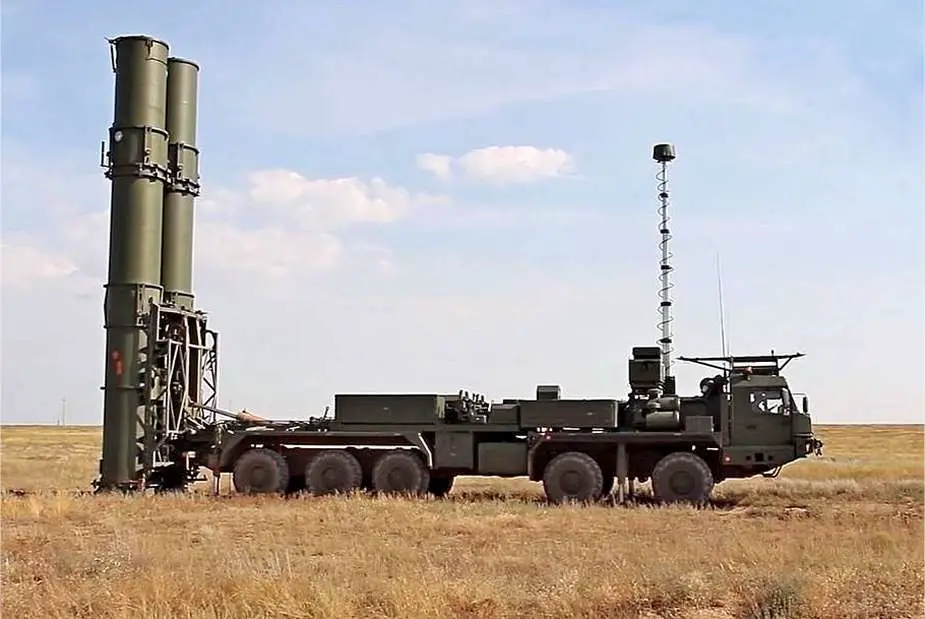
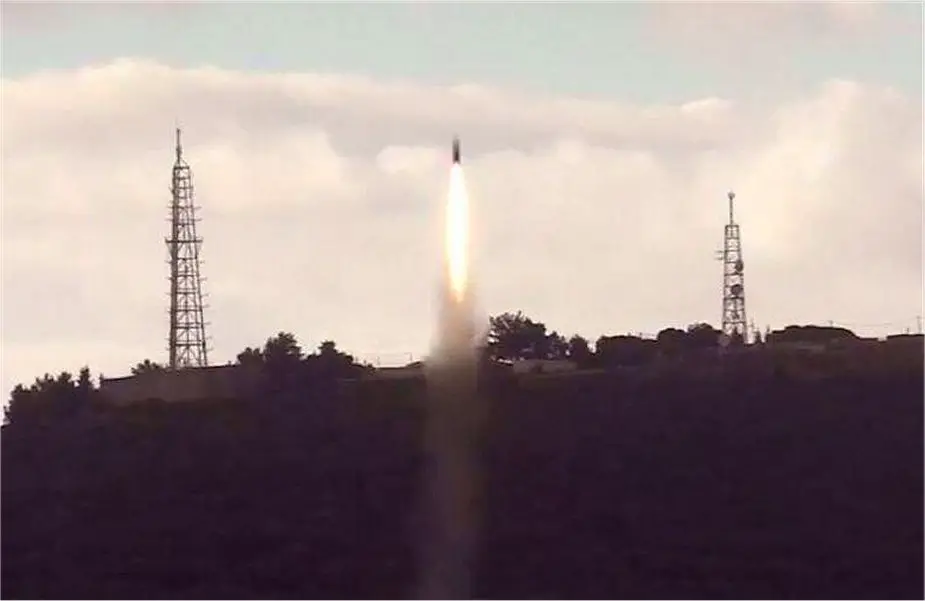
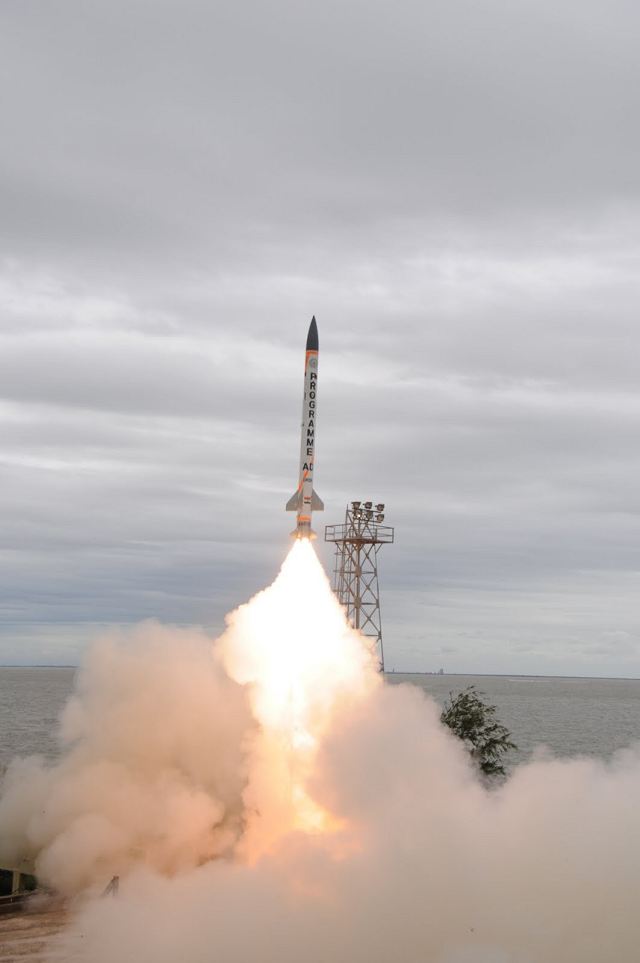 Indian ballistic missile interceptor during firing test (Archive image) |
|||
| |
|||
The target missile mimicked an incoming enemy missile with a range of more than 2,000 km. A few minutes after the ‘hostile’ missile, a modified surface-to-surface Prithvi, took off at 10.10 a.m. from Launch Complex-3 at Chandipur, the interceptor missile, Advanced Air Defence (AAD), was fired from the Wheeler Island. As the target missile climbed to a height about 100 km and began descending at rapid speed, the interceptor travelling at supersonic speed homed on to the target and smashed it to smithereens around 10.15 a.m. at a 15-km altitude in the endo-atmosphere. The crucial test was conducted as part of India’s plans to deploy a two-tiered BMD system to engage and kill incoming enemy missiles in the endo-atmosphere and exo-atmopshere. This was the seventh interceptor mission and the fifth endo-atmospheric interception. Six of the tests to date have been successful, including the first three in a row. Immediately after the modified Prithvi was launched, the Long Range Tracking Radars near Puri picked up the target missile as also the Multi Functional Radar at Paradip tracked the missile and passed on the information to guidance computer, which gave the command for launching of AAD after computing the target’s flight. Equipped with inertial navigation system, a hi-tech computer and a radio-frequency seeker the AAD locked on to the target missile and blasted it in the terminal phase. Scientific
advisor to Defence Minister V.K. Saraswat, Defence Research and Development
Organisation's (DRDO) Chief Controller for missiles and strategic systems,
Avinash Chander and other top missile scientists were present. |
|||
India has tested successfully home-made supersonic ballistic missile interceptor 1002124
- Posted On