

- Details
- Written by: Administrator
- Category: Defence & Security Industry Technology
- Hits: 10228










The Russian Tornado-G Multiple Rocket Launcher System (MRLS) represents a significant modernization of the iconic BM-21 Grad, marking a considerable leap in combat capabilities and operational efficiency. Designed for single and salvo strikes, the Tornado-G effectively targets command posts, artillery positions, enemy manpower, and armored vehicles in concentrated areas. Its versatility allows it to engage enemy forces on the move, during deployment to combat positions, and directly in active defense zones.
Follow Army Recognition on Google News at this link
A Russian Tornado-G MLRS with a visible GPS satellite antenna mounted on the crew cab roof, showcasing its advanced navigation and automated fire control capabilities. (Picture source: Vitaly Kuzmin Blog)
The most transformative improvements of the Tornado-G over the BM-21 Grad come from integrated satellite navigation and an automated guidance and fire control system (AGFCS). These state-of-the-art features enable Tornado-G crews to operate fully autonomously, dramatically reducing manual input and streamlining mission execution. Notably, the integration of automated systems has reduced control cycle durations by fivefold, ensuring that the launcher can move quickly into and out of combat positions. This substantial reduction in response time significantly enhances survivability on the battlefield. Furthermore, these innovations increase the effectiveness of strikes against enemy positions by 2.5 times, underscoring Tornado-G’s superior firepower and precision compared to its predecessor.
One of the most impressive advancements in the Tornado-G system is the introduction of new-generation ammunition. These advanced rockets deliver extended range and improved lethality. Depending on the specific munition variant, the Tornado-G can now engage targets at ranges between 30 to 40 kilometers. This represents a marked improvement over the BM-21 Grad, which had a maximum range of only 20 kilometers. The enhanced range not only allows the Tornado-G to strike deeper into enemy territory but also enables it to engage targets while maintaining a safer distance from counter-battery fire. Additionally, the modernized rockets improve accuracy and destructive capability, ensuring that strikes achieve maximum operational impact.
The Tornado-G’s improvements allow it to spend significantly less time in combat positions, reducing vulnerability to counterstrikes and increasing operational tempo. Combined with enhanced accuracy, range, and automation, the system provides commanders with a highly flexible and devastating tool for modern battlefield requirements. The system’s ability to operate autonomously also simplifies logistics and reduces the training burden for crews, while allowing for faster deployment and repositioning.
The Tornado-G multiple rocket launcher system (MRLS) retains the general appearance of the older BM-21 Grad, including its signature 40-tube launch system, but there are key visual distinctions that set it apart. Most notably, the Tornado-G features a GPS antenna mounted on the roof of the crew cab, which is absent on the standard BM-21. This antenna supports the system's advanced satellite navigation capabilities. Additionally, while the launcher structure closely resembles that of the BM-21, subtle modifications may be observed to accommodate the new ammunition and upgraded targeting systems. Some variants also feature protective housings for electronics or slight enhancements to the mounting frame. These visible upgrades reflect the Tornado-G's integration of modern automated systems, distinguishing it as a significantly improved and technologically advanced successor to the BM-21 Grad.
The Tornado-G has been actively deployed in the ongoing conflict in Ukraine, where its modernized capabilities have proven effective in artillery duels and precision strikes. Reports indicate that the Tornado-G is being utilized to target fortified Ukrainian positions, command centers, and troop concentrations with devastating accuracy. Its extended range and improved fire control systems enable Russian forces to strike Ukrainian positions while remaining out of reach of most counter-battery fire, further enhancing its battlefield effectiveness. The use of Tornado-G in Ukraine highlights its role as a key asset in modern, high-intensity conflicts where rapid mobility, precision, and firepower are critical.
As the direct successor to the legendary BM-21 Grad, the Tornado-G multiple rocket launcher system epitomizes the next generation of precision artillery firepower. With its advanced navigation, automation systems, and extended-range ammunition, the Tornado-G not only enhances the efficiency of battlefield operations but also delivers a significant increase in destructive capability. These improvements make it a powerful and versatile asset for modern military forces, ensuring it remains a critical component in artillery operations.
- Details
- Written by: Triffaux
- Category: Defence & Security Industry Technology
- Hits: 6927
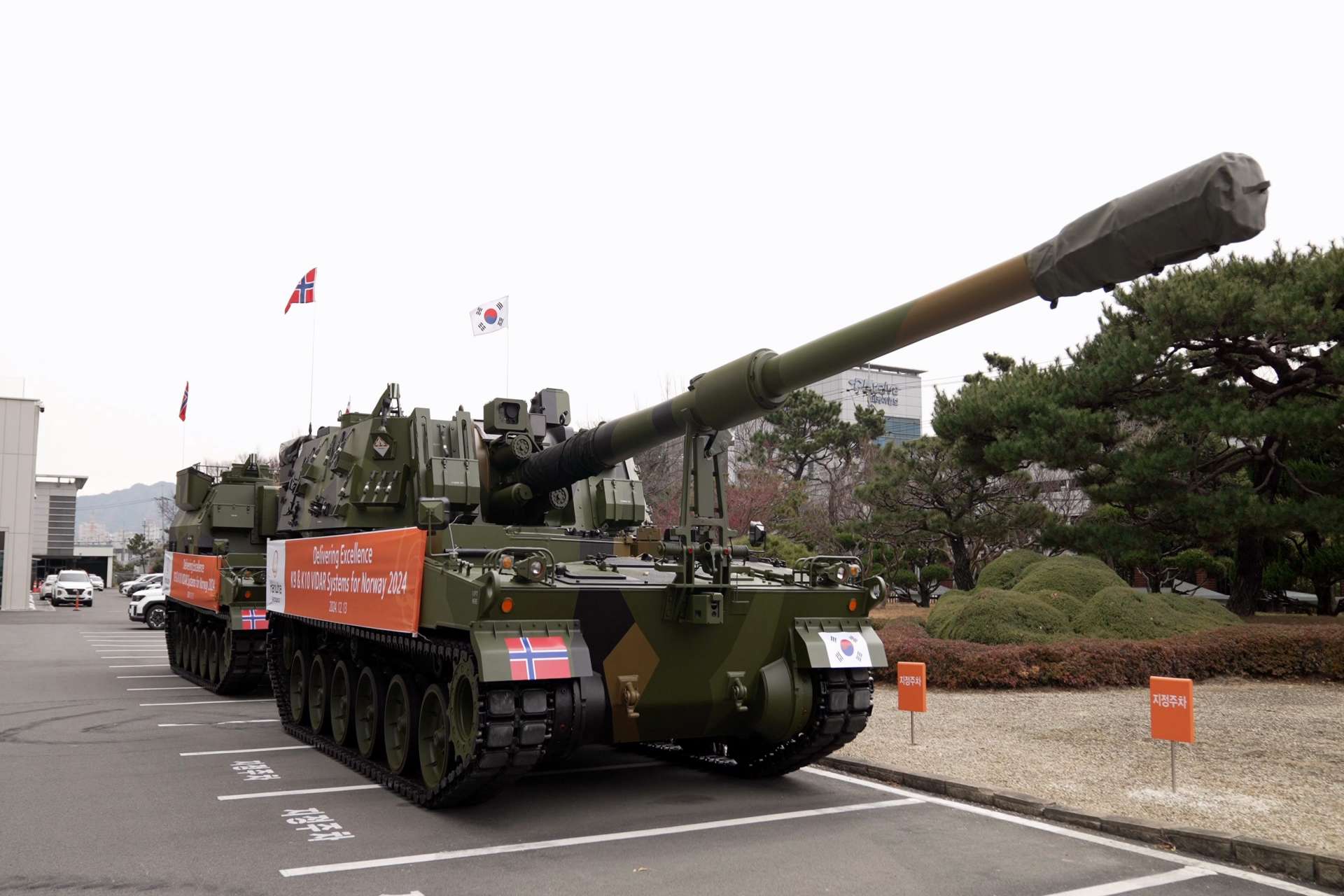
On December 17, 2024, Hanwha Aerospace successfully shipped a new batch of four K9 Thunder self-propelled howitzers and eight K10 ammunition resupply vehicles to Norway, reaffirming its commitment to enhancing Norwegian defense capabilities. This delivery is part of a contract signed in 2022, following the success of the first agreement in 2017, valued at $226.3 million, which included the delivery of 24 K9 VIDAR (Versatile Indirect Artillery) systems and six K10 vehicles. The newly dispatched systems are expected to arrive in Norway within two months, where they will undergo rigorous inspections before being officially handed over to the Norwegian Armed Forces.
Norway K9 Thunder self-propelled howitzer (Picture source: Hanwha Aerospace)
Kim Dong-hyun, head of the Land Systems Business Group at Hanwha Aerospace, emphasized the importance of this delivery, stating, "This shipment of K9 and K10 systems marks a key milestone in strengthening cooperation between Hanwha and Norway. We are fully committed to producing and delivering products that meet Norwegian requirements on time." He added that Hanwha aims to fulfill this contract while significantly contributing to Norway's defensive and operational posture.
The acquisition of the K9 Thunder self-propelled artillery systems and K10 ammunition resupply vehicles is part of Norway's strategy to modernize its artillery capabilities, replacing aging systems with proven and advanced solutions. In the 2010s, the Norwegian Armed Forces identified the need to replace their aging M109 howitzers, which had been in service for decades. These systems no longer met modern operational requirements, particularly in terms of range, rate of fire, and mobility. Norway, therefore, sought a robust and high-performing solution capable of adapting to the challenges of contemporary battlefields.
After an in-depth evaluation of the available options on the international market, Norway selected the K9 Thunder in 2017, produced by South Korean defense manufacturer Hanwha Aerospace (formerly Hanwha Land Systems). The decision was driven by the K9’s remarkable performance, including a firing range exceeding 40 km, enhanced mobility due to its tracked chassis, and its advanced “Shoot and Scoot” capability. The initial contract, signed in December 2017, included the delivery of 24 K9 VIDAR systems adapted to Norwegian specifications and 6 K10 ammunition resupply vehicles, valued at 1.8 billion Norwegian kroner (approximately $215 million USD). The first deliveries began in 2019 and were completed in 2021.
Building on this positive experience, Norway renewed its confidence in Hanwha Aerospace in 2022 by signing a second contract for the delivery of an additional four K9 howitzers and eight K10 vehicles. This new agreement further strengthens Norway's artillery capabilities while consolidating bilateral defense relations between South Korea and Norway. On December 17, 2024, Hanwha Aerospace announced the shipment of this latest batch of systems, which will arrive in Norway within two months. Upon arrival, the K9 and K10 systems will undergo rigorous inspections before being officially delivered to the Norwegian Armed Forces.
Norway remains an essential member of the K9 User Club, a collaborative platform for nations operating K9 artillery systems to exchange operational knowledge, maintenance practices, and training methods. Launched in 2001, the K9 system has been widely adopted across nine countries, including Turkey, India, Poland, Finland, Estonia, Australia, Egypt, and Romania, with approximately 1,800 K9 units currently in service worldwide. The K9 Thunder, a 155mm/52-caliber self-propelled howitzer, is renowned for its precision, firepower, and mobility, delivering consistent and accurate strikes at ranges exceeding 40 kilometers. Its advanced “Shoot and Scoot” capability enables it to execute rapid-fire missions and immediately reposition to avoid enemy counter-fire.
The K10 ARV complements the K9 Thunder as the world’s first automated ammunition resupply vehicle, designed to operate in combat conditions. Built on the same chassis as the K9, the K10 can carry 104 rounds of 155mm ammunition and 504 propellant charges. Its fully automated resupply system ensures fast and efficient reloading, improving operational endurance and survivability on the battlefield. Together, the K9 and K10 systems represent a proven and robust artillery solution, enabling Norway to bolster its artillery capabilities while maintaining interoperability with allied forces.
The development of the K9 Thunder and K10 ARV reflects South Korea's determination to modernize its artillery capabilities and establish itself as a leader in the global self-propelled artillery market. By the late 1980s, facing increasing threats from North Korea, the South Korean military needed to replace its aging M109 howitzers. In 1989, the South Korean government launched a national development program to design a new 155mm/52-caliber self-propelled howitzer. The project was assigned to Samsung Aerospace, which later became Hanwha Aerospace following corporate restructuring.
After nearly a decade of development, the first K9 Thunder prototype was completed in 1998, followed by rigorous testing to ensure its performance in diverse operational conditions. Mass production began in 1999, and the system officially entered service with the Republic of Korea Armed Forces. Recognized for its superior range, mobility, and Shoot and Scoot capability, the K9 quickly emerged as a modern and reliable artillery solution.
To further optimize the K9’s battlefield efficiency, development of the K10 ARV began in 2000. South Korean engineers sought an automated resupply vehicle to accelerate ammunition reloading during intense combat scenarios. Built on the K9 chassis for logistical compatibility, the K10 was unveiled in 2005, and mass production began in 2009. With its automated resupply system, the K10 has revolutionized artillery logistics.
From 2001 onward, South Korea began promoting the K9 Thunder internationally, leveraging its proven performance and cost competitiveness. Turkey became the first international customer, adopting a licensed version called the T-155 Fırtına. Over the years, the K9's success expanded to countries including Norway (2017), India (2018), Australia (2020), and Poland (2022), which signed one of the largest contracts for artillery modernization. To date, approximately 1,800 K9 units are in service globally, and the K10 ARV has become indispensable for rapid and secure ammunition resupply.
Today, the K9 Thunder is recognized as one of the world’s premier self-propelled howitzers, combining firepower, mobility, and survivability. The K10, as the first automated ammunition resupply vehicle, ensures optimized firing rates and continuous logistical support. Together, these systems provide a comprehensive and highly effective artillery solution, enabling South Korea, through Hanwha Aerospace, to strengthen its national defense while establishing itself as a major player in the global artillery market.
Read more: Norway Ramps Up Artillery Power with South Korean K9 Thunder Howitzers to Face Russia
- Details
- Written by: Triffaux
- Category: Defence & Security Industry Technology
- Hits: 8514
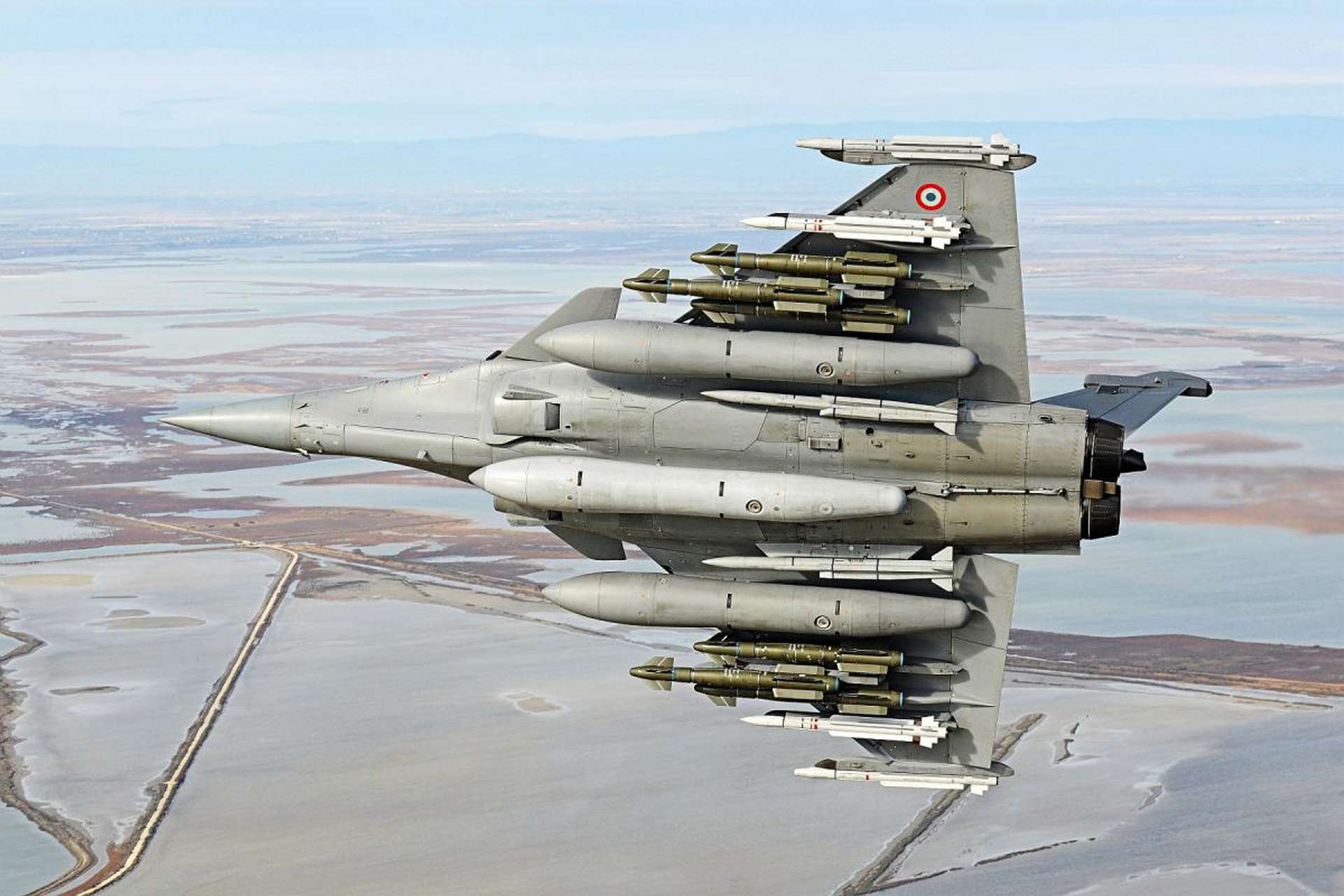
The Rafale F4 marks a crucial step in enhancing the offensive capabilities of the French military aviation with the upcoming integration of the 1,000 kg AASM, developed by Safran Electronics & Defense under the name Hammer. This optimized version of the AASM represents a major innovation, enabling the Rafale F4 to destroy targets with extreme precision, regardless of weather conditions and from a safe distance. Already proven with 250 kg bombs, this new standard now adapts the AASM to heavy munitions such as the Mk84, the BLU-109 "Bunker Buster," as well as the French BA84 and P1000 bombs, developed in partnership with Aresia and Eurenco. This advanced capability is expected to become operational in 2025.
French Rafale F4 Fighter Equipped with Safran's Hammer Precision Bomb. (Picture source: SAFRAN)
The Direction Générale de l’Armement (DGA) awarded Safran a €85 million contract in 2017 to adapt the AASM to 1,000 kg bomb bodies. Following successful trials in 2020, the qualification of the AASM 1000 GS with inertial/GPS guidance was confirmed, and its technical support was finalized to ensure smooth integration into the air forces. For nearly two years, the Centre d’expertise aérienne militaire (CEAM) in Mont-de-Marsan has conducted rigorous tests through the 1/30 “Côte d’Argent” Fighter and Experimentation Squadron to optimize employment procedures and improve the performance of this new munition. The full operational capability (FOC) of the AASM 1000 is now anticipated by late 2024, marking a decisive enhancement of the Rafale F4's precision strike capabilities.
During testing, demanding scenarios were performed to evaluate the limits of the weapon, including long-range launches and extreme off-axis firing angles. The commander of the ECE 1/30 highlighted that these experiments provided critical feedback (RETEX), particularly regarding the perception of firing events in the cockpit and the action of powerful impulse mechanisms ensuring a clean bomb separation. The Rafale F4 will be able to carry up to three AASM 1000 bombs—one in the central ventral position and two under the wings—with variable strike options, including surface detonation or deep penetration after impact, meeting the strategic requirements of modern theaters of operations.
The AASM (Armement Air-Sol Modulaire), also known as HAMMER (Highly Agile Modular Munition Extended Range), is a guided air-to-ground munition developed by Safran Electronics & Defense for the French military. This program began in the late 1990s, when the French armed forces sought to modernize their air-to-ground attack capabilities. The goal was to develop a precision munition capable of striking fixed and mobile targets at long range while minimizing collateral damage.
The development of the AASM began in 2000 under the supervision of the DGA. The solution involved adding guidance and propulsion kits to existing smooth bombs, such as the Mk 82 (250 kg), Mk 83 (500 kg), and Mk 84 (1,000 kg). These kits provide the AASM with high precision through multiple guidance systems: inertial, GPS, laser, or infrared, depending on the version. It also offers an extended range of up to 70 km, depending on the launch altitude, allowing combat aircraft to engage targets without entering high-risk zones.
Following successful trials in 2005, the AASM was qualified by the DGA in 2007 and integrated into the operational capabilities of the French military. It primarily equips the Dassault Rafale and Mirage 2000 D combat aircraft. The AASM was first used operationally in 2008 in Afghanistan, where it demonstrated its precision against fortified targets. The intervention in Libya in 2011 during Operation Harmattan marked a major milestone, as the AASM proved its effectiveness in striking both static and mobile targets in complex, well-defended environments.
To meet growing operational requirements, several versions of the AASM were developed: a laser-guided version for mobile targets, an infrared-guided version for thermal targets, and a long-range version with an additional propulsion motor to reach distances exceeding 70 km. In 2016, to enhance its export appeal, the AASM was renamed HAMMER, an English acronym more accessible to the international market.
Today, the HAMMER has become an indispensable tool for the French military, particularly in external operations such as in the Sahel during Operation Barkhane or in the Middle East. Its ability to combine modularity, precision, and range makes it a strategic asset for Rafale pilots. Furthermore, the munition is offered for export, particularly to Rafale clients such as India, Morocco, and the United Arab Emirates.
The AASM HAMMER has also been used in Ukraine to enhance the country’s military capabilities against Russian aggression. In January 2024, France announced the delivery of several hundred of these precision munitions, at a rate of approximately 50 units per month. The first confirmed use of the HAMMER by Ukrainian forces took place on March 5, 2024, during a targeted strike on a Russian position in the Kherson Oblast.
To fully exploit this new capability, Ukrainian forces adapted their combat aircraft, including the MiG-29 and Su-25, to deploy these French munitions. This technical innovation has significantly improved the precision of Ukrainian air strikes against fortified and strategic targets. The integration of the AASM HAMMER has enabled Ukraine to conduct more effective operations, particularly against Russian military installations, marking a turning point in their ability to strike enemy positions decisively and at range.
Similar systems to the AASM HAMMER have been developed by various defense industries worldwide to meet the growing demand for precision-guided air-to-ground munitions. In the United States, the JDAM (Joint Direct Attack Munition) program, launched in the 1990s by Boeing, converted conventional bombs into GPS/INS-guided munitions with a range of approximately 24 km. In Israel, Rafael Advanced Defense Systems developed the Spice (Smart, Precise Impact, Cost-Effective), a modular munition guided by GPS and electro-optical imagery, deployed in the early 2000s with a range of up to 100 km. In Europe, MBDA introduced the Brimstone, a precision munition capable of striking mobile targets, which entered service in the early 2000s and has been regularly upgraded. Meanwhile, Russia developed the KAB-500 and KAB-1500 guided bombs, introduced in the 1990s and 2000s, featuring laser, TV, or GPS guidance systems. These developments reflect the ongoing evolution of precision strike capabilities in modern aerial warfare worldwide.
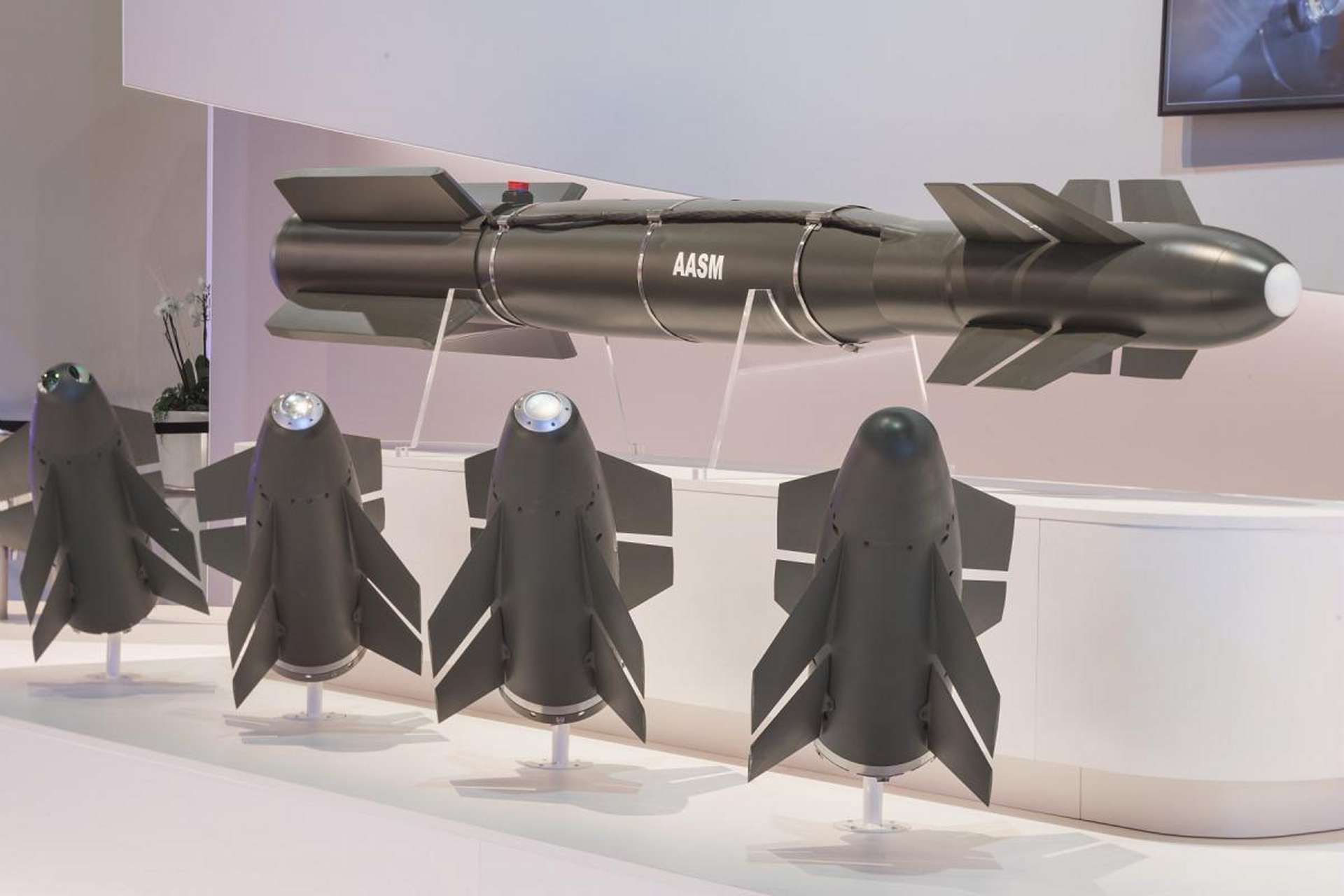
Safran's Hammer Precision Bomb (Picture source: SAFRAN)
Read more: Safran's Hammer Bomb Enhances French Rafale F4 Fighter's Precision Against Ground Targets

- Details
- Written by: Vandenbosch
- Category: Defence & Security Industry Technology
- Hits: 4655
The first Belgian flight of the F-35A, a fifth-generation fighter jet, took place on Thursday, December 12, 2024, at Luke Air Force Base in Arizona. This event marks a pivotal moment in the modernization of the Belgian Air and Space Component, as well as in the framework of Belgium’s commitment to the F-35 program. This historic milestone highlights the strategic importance of the aircraft for Belgium and its allies in addressing both current and future threats.
The first Belgian flight of the F-35A, a fifth-generation fighter jet, took place on Thursday, December 12, 2024, at Luke Air Force Base in Arizona. (Picture source: Belgian MoD)
The F-35 is one of the most advanced combat aircraft in the world, designed to ensure air superiority, protect allied forces, and neutralize enemy threats. With its stealth capabilities, it becomes nearly invisible to enemy radars, thereby enhancing its operational effectiveness.
The F-35 plays a crucial role in achieving air superiority, a vital condition to avoid prolonged and costly conflicts, such as those seen during World War I, where trench warfare prevailed due to the vulnerability of ground forces lacking control of airspace. The aircraft’s versatility allows it to protect ground troops while disrupting enemy operations, ensuring the safety and success of allied forces.
The first Belgian F-35 flight also marks the beginning of the conversion of Belgian pilots. This training takes place within Belgium’s F-35 conversion unit, integrated into the Belgian-American 312th Squadron, based at Luke Air Force Base. This unit is responsible for training the pilots as well as all personnel involved in the implementation of the F-35.
Alongside their foreign counterparts, Belgian pilots will learn to master the aircraft's sophisticated systems while strengthening interoperability with allied air forces. This training plays a key role in preparing Belgium’s forces for future joint operations.
By joining the F-35 program, Belgium integrates into a broad coalition of 20 countries, including several NATO members and 13 European countries. This international community promotes enhanced cooperation in the areas of training, deployment, and joint operations. Belgium will benefit from synergies with allies such as the Netherlands, Denmark, and the United States, thus improving its interoperability and its ability to carry out global joint missions.
The acquisition of the F-35 also strengthens Belgium's position within the European Air Force (EPAF) and the European Air Wing (EAW), key initiatives to ensure an integrated European defense strategy. As Belgium continues to reinforce its partnership with European air forces, the F-35 will play a central role in the development of collective defense and operational capabilities across the continent.
Read more: First Belgian Flight of F-35A Most Advanced Fighter Jet in the World
- Details
- Written by: Triffaux
- Category: Defence & Security Industry Technology
- Hits: 5501
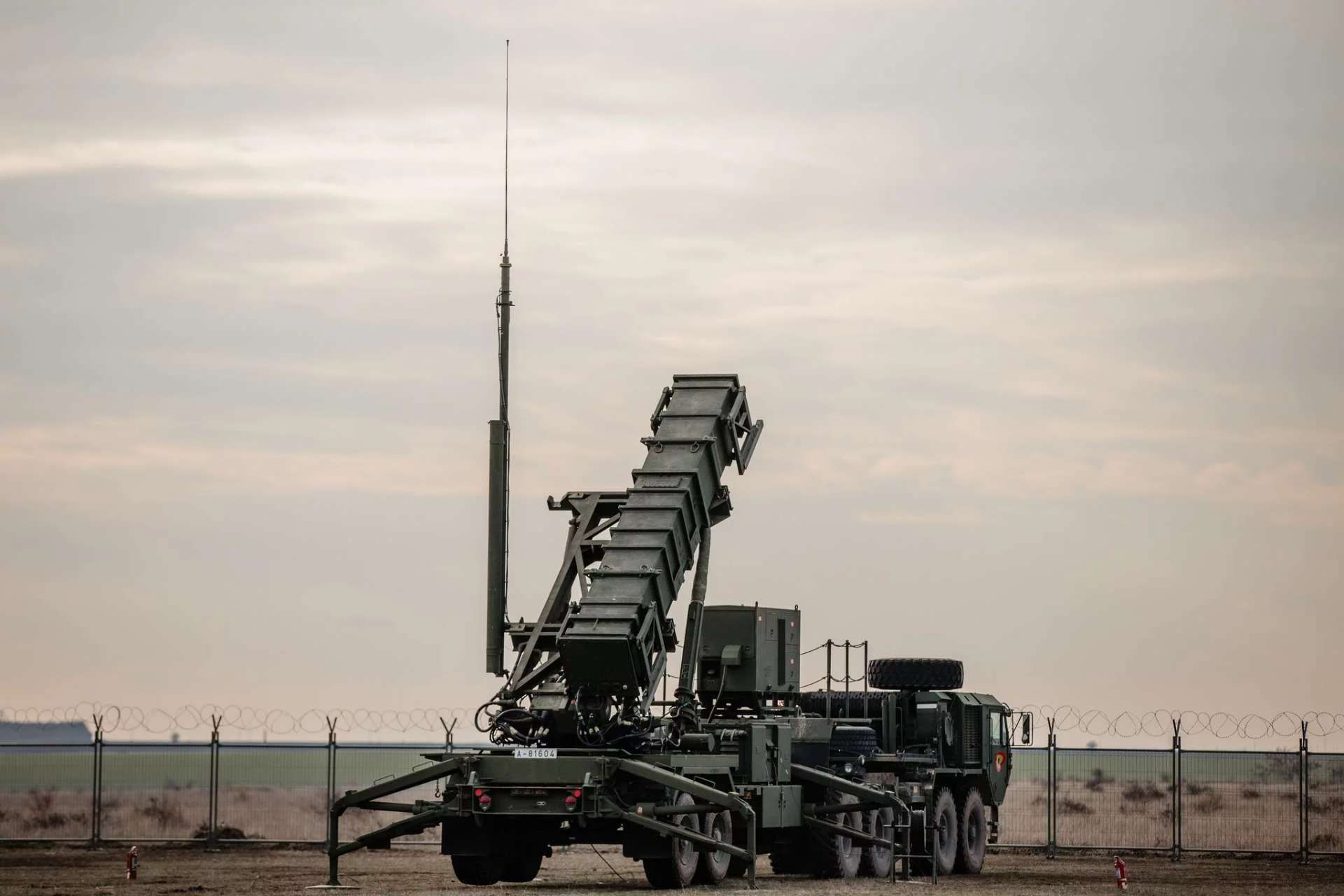
On December 12, 2024, the Romanian Ministry of National Defence announced a key milestone in strengthening its air defense capabilities: the declaration of full operational readiness for the 74th Anti-Aircraft Missile Regiment equipped with Patriot systems. This certification marks the integration of advanced surface-to-air defense technologies into Romania's national defense infrastructure and NATO's collective security system. This achievement follows a rigorous certification process, including live-fire exercises at the Capu Midia training range, located on the Black Sea coast.
Romania Patriot PAC-3 Air Defense System (Picture source: Romania MoD)
The final phase of certification took place during the "Patriot Spark 24.11" exercise, conducted from December 2 to 12. The exercise tested the combat readiness of PAC-2 missile systems, with live launches demonstrating the unit's ability to detect, track, and intercept aerial threats. Personnel from the 74th Regiment underwent training through the TAFT (Technical Assistance Field Training) program, enhancing their expertise in operating these advanced systems.
Romania's Patriot program began in September 2020 with the delivery of its first PAC-3+ fire unit under the U.S. Foreign Military Sales (FMS) program. In 2021, initial operator and technician training started to prepare for system integration into the national defense structure. By 2022, Romania received its second Patriot unit, followed by two more in 2023, bringing the total to four systems in service. These acquisitions have gradually strengthened the country’s ability to counter modern aerial threats, including ballistic and cruise missiles.
In October 2024, demonstrating its commitment to regional security and solidarity with its partners, Romania transferred one of its Patriot systems to Ukraine amid escalating tensions in Eastern Europe. This decision marked a significant contribution to Kyiv's air defense against increasing threats. Additionally, Romania confirmed plans to acquire three more units, with deliveries expected to begin in 2027, further enhancing its medium-term defense capabilities.
The Patriot system operates through several key stages to intercept aerial threats. It begins with the AN/MPQ-65 radar, an advanced electronically scanned radar capable of monitoring airspace over 150 kilometers. This radar detects, tracks, and identifies potential threats, including ballistic missiles, cruise missiles, aircraft, and drones. Once a threat is confirmed, data is transmitted to the ECS (Engagement Control Station), where the situation is analyzed, the target is locked, and a decision is made to launch an interceptor missile. The missile is then launched from one of the M901 launchers in the battery. These launchers can carry four PAC-2 missiles or up to 16 PAC-3 MSE missiles, the latter being more compact and specifically designed to intercept short- and medium-range ballistic missiles.
In flight, the interceptor missile is guided using a combination of radar data and onboard navigation systems. As it approaches the target, the PAC-3 MSE uses hit-to-kill technology to destroy the threat through direct impact, a highly effective method against ballistic missiles. Meanwhile, PAC-2 missiles use fragmentation warheads that detonate near the target, neutralizing aircraft or cruise missiles.
A Patriot battery consists of several essential components: the AN/MPQ-65 radar for detection and tracking, the ECS for controlling operations and engagements, an EPP-III generator for power supply, and up to eight M901 launchers, each armed with PAC-2 or PAC-3 MSE missiles. An integrated communication system allows the battery to operate within multi-layered defense networks, such as NATO's. Together, these components enable the Patriot system to effectively defend strategic areas against a wide range of aerial and ballistic threats.
Romania uses PAC-2 missiles during certification exercises, such as Patriot Spark 24.11, mainly for economic and practical reasons. PAC-2 missiles, being older and less expensive, allow for efficient validation of detection, targeting, and firing procedures without depleting valuable stocks of PAC-3 MSE missiles, which are technologically advanced and specialized for intercepting ballistic missiles. These exercises primarily test operator coordination and system functionality in simulated scenarios involving conventional targets, such as aircraft and drones. This approach ensures optimized ammunition management while preserving PAC-3 missiles for strategic missions and real-world operations where complex threats like ballistic missiles must be neutralized.
The Patriot air defense system, designed by Raytheon in the 1970s and deployed in 1981, has evolved into a critical strategic tool for air and missile defense. Initially designed to intercept enemy aircraft, it demonstrated its ballistic missile interception capabilities for the first time during the Gulf War in 1991 with the PAC-2 version. Over time, it was modernized with the introduction of the PAC-3 in the 2000s, which uses hit-to-kill technology to neutralize short- and medium-range ballistic missiles. The PAC-3 MSE (Missile Segment Enhancement), introduced in the 2010s, extends range, improves high-altitude interception, and enhances target tracking and discrimination. The Patriot system can intercept aircraft, ballistic and cruise missiles, and drones at ranges of up to 160 kilometers for aerial targets and 30 kilometers for ballistic missiles. The latest PAC-3+ version, integrating advanced electronically scanned radars and improved connectivity for integrated defense networks, represents the pinnacle of this evolution, solidifying its role as a key component of modern defense systems deployed by the United States, NATO, and their partners.
This operational milestone solidifies Romania's role as a cornerstone of NATO's eastern flank defense. The Patriot systems significantly enhance the country's air defense capabilities, providing precise and long-range interception against ballistic and cruise missiles. This certification strengthens not only Romania's national security but also NATO's collective deterrence posture in a region facing growing geopolitical challenges.
Before acquiring the Patriot systems, Romania relied on several Soviet-era air defense systems designed to meet Cold War-era requirements but which had become obsolete against modern threats. Among these systems was the S-75 "Dvina" (SA-2 Guideline), a medium-range surface-to-air missile system capable of intercepting high-altitude targets. This system was supplemented by the S-125 "Neva/Pechora" (SA-3 Goa), which was better suited for low-altitude and short-range targets.
For mobile troop defense, Romania used the 2K12 "Kub" (SA-6 Gainful), a medium-range missile system, and the 9K33 "Osa" (SA-8 Gecko), a mobile system designed to neutralize low-altitude aerial threats. For close-range defense, anti-aircraft guns such as the S-60 and the ZSU-23-4 "Shilka" were deployed to intercept low-flying aircraft and helicopters.
However, these systems, introduced between the 1960s and 1970s, were incapable of addressing technological advancements such as modern ballistic missiles, stealth aircraft, and drones. With the introduction of the Patriot systems, Romania has significantly modernized its air defense, replacing outdated equipment with an integrated solution capable of countering a wide range of threats while meeting NATO standards. The Patriot system not only provides extended range and improved precision but also offers effective interception capabilities against ballistic and cruise missiles, strengthening Romania's air security and its role in collective defense.
Read more: Romania Completes Patriot Air Defense Certification to Protect NATO Eastern Flank
- Details
- Written by: Triffaux
- Category: Defence & Security Industry Technology
- Hits: 5381
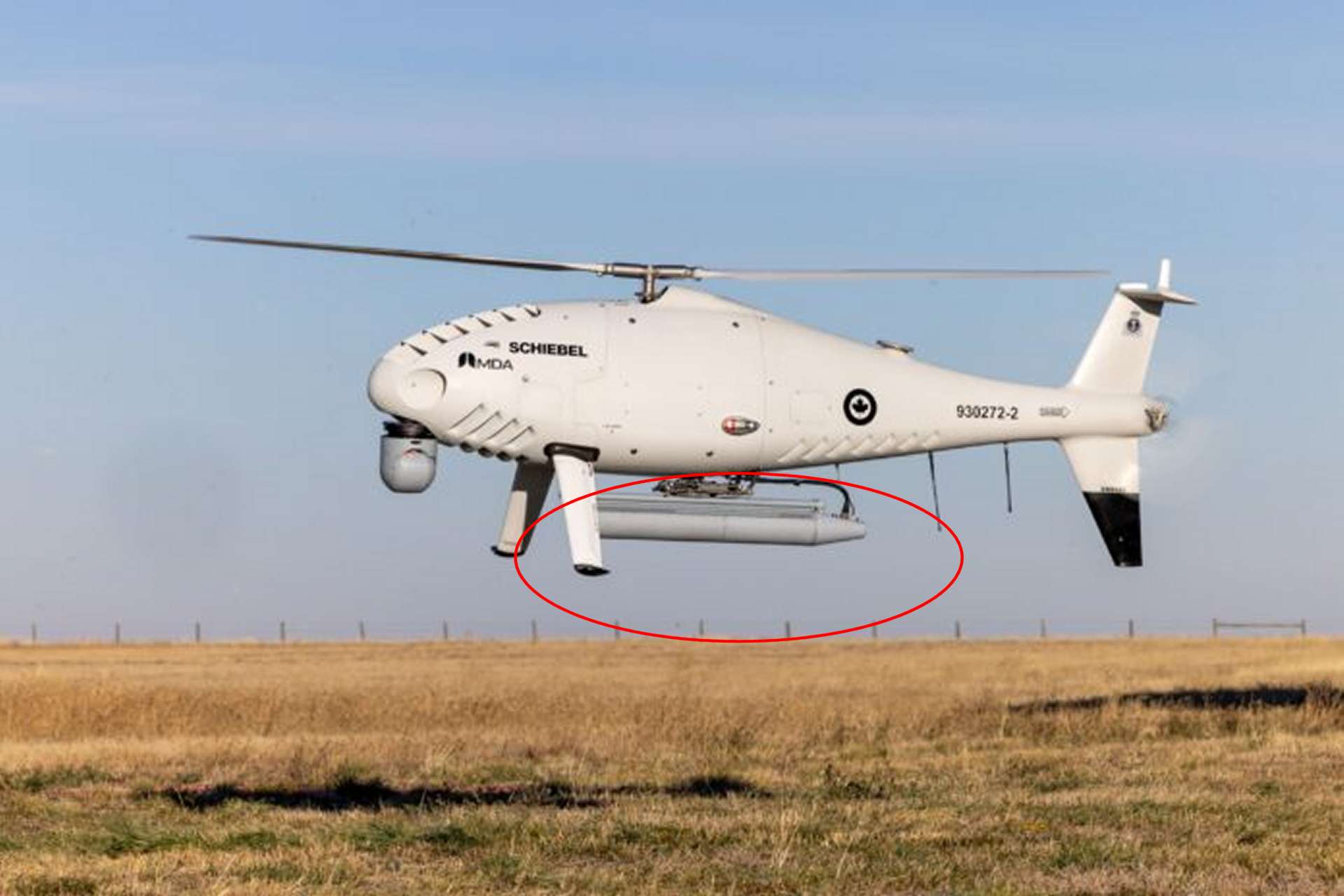
On December 10, 2024, Schiebel, in collaboration with MDA Space, successfully demonstrated the advanced capabilities of IMSAR’s NSP synthetic aperture radar (SAR) during an intensive trial at the Foremost UAS Test Range in western Canada. Conducted over a week, the demonstration highlighted the radar’s sophisticated ground and maritime moving target indicator (GMTI/MMTI) functions, seamlessly integrated into the CAMCOPTER S-100, a proven platform for military and civilian applications.
A Schiebel CAMCOPTER S-100 equipped with an IMSAR NSP synthetic aperture radar payload significantly enhances the platform’s capabilities for surveillance and target detection. (Picture source: Schiebel)
The integration of IMSAR’s NSP radar into the CAMCOPTER S-100 was completed ahead of schedule, with all radar electronics housed in a compact pod. Its onboard software enables simple and intuitive mission planning, allowing operators to upload radar flight plans directly to the platform. During the trials, the S-100, equipped with IMSAR’s NSP radar, Wescam’s MX-8 electro-optical/infrared sensor, anti-jamming GPS, and an automatic identification system (AIS), successfully conducted simulated ground and maritime missions. The system demonstrated exceptional performance both day and night, delivering high-resolution SAR imagery and precise GMTI tracking, even in challenging weather conditions and over distances exceeding 100 nautical miles. This project, initiated in 2023 as part of the Schiebel-IMSAR partnership, reflects Schiebel’s commitment to enhancing the drone’s capabilities to meet the growing demand for advanced surveillance solutions for VTOL platforms.
The integration of IMSAR’s NSP radar into the CAMCOPTER S-100 delivers crucial surveillance and detection capabilities for complex and hostile environments. For instance, in anti-maritime trafficking missions, the radar can detect and track small or fast-moving vessels in real-time, even under cover of darkness or adverse weather, which are often beyond the reach of conventional sensors. By combining GMTI/MMTI detection with high-resolution SAR imagery, operators can locate suspicious vessels over 100 nautical miles away, analyze their movements, and relay real-time data to intervention units. This level of precision and reliability in adverse conditions significantly enhances coordination and operational efficiency, whether for border security or search-and-rescue missions.
Neil Hunter, Global Sales Manager at Schiebel, praised the collaboration, stating: “The integration of IMSAR’s radar with the S-100, combined with a powerful electro-optical/infrared sensor, significantly broadens the platform’s surveillance and detection capabilities. These trials confirm the S-100’s ability to deliver actionable intelligence in real time across vast areas and in all weather conditions.” These successful tests further establish the S-100 as a cutting-edge multi-sensor platform capable of meeting the demands of complex operational environments.
The CAMCOPTER S-100 is renowned for its vertical takeoff and landing (VTOL) capability, requiring neither runways nor additional infrastructure. Built with a carbon-fiber and titanium fuselage, it can carry payloads of up to 34 kg (75 lbs) and offers an endurance of up to 10 hours. Its ability to operate beyond the line of sight and in GPS-denied environments makes the S-100 an indispensable asset for defense and commercial applications, ensuring superior performance and operational flexibility.
Schiebel began developing the CAMCOPTER S-100 in the 1990s when the Austrian company, originally specializing in mine detectors, expanded into unmanned aerial systems (UAS). Following several prototypes and tests, the S-100 was unveiled in 2003 as an innovative VTOL drone solution. Designed to meet both military and civilian needs, it quickly gained attention for its robustness and versatility. Operational deliveries started in 2006, and the S-100 has since undergone multiple technological upgrades, including improvements in sensors, endurance, and communication capabilities. Today, it is used by armed forces and civilian operators in over 40 countries, cementing its position as one of the world’s most reliable VTOL systems.
The CAMCOPTER S-100 has been sold to a wide range of military, civilian, and government customers since its launch. Early adopters included the United Arab Emirates, which acquired the system in 2006 to enhance its surveillance capabilities. Since then, it has been adopted by over 40 countries, including Germany, France, Australia, India, and China, primarily for reconnaissance, maritime surveillance, and border security missions. In 2010, the Italian Navy integrated it into its maritime operations, followed by the Egyptian Navy in 2020. Most recently, in 2023, Indonesia expanded its fleet of S-100s for exclusive economic zone surveillance. These sales highlight the S-100’s versatility and reliability in diverse operational contexts.
- Details
- Written by: Vandenbosch
- Category: Defence & Security Industry Technology
- Hits: 6882
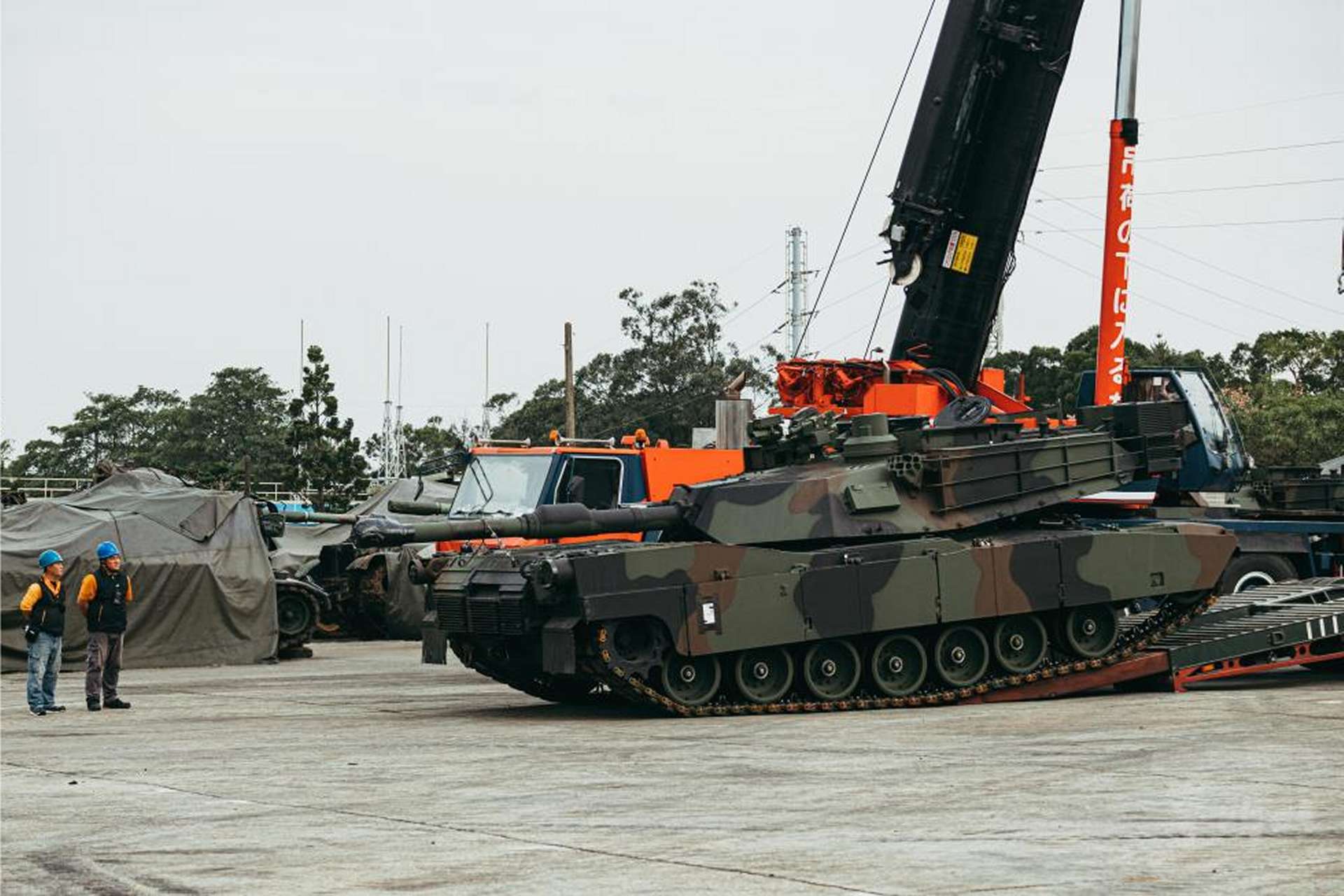
On the morning of December 16, 2024, Taiwan officially received its first batch of 38 M1A2T Abrams tanks, marking an important step in strengthening the country's defense capabilities. The tanks, purchased from the United States, arrived at Taipei Port early in the morning and were quickly unloaded for transport to the Army Armored Training Command.
The M1A2T is a specific version of the M1A2 Abrams main battle tank, designed to meet the needs of Taiwan. (Picture source: Taiwanese MoD)
By 8 a.m., the tanks had been successfully transferred to the command's facilities, revealing their distinctive appearance for the first time on Taiwanese soil. The tanks were carefully unloaded from heavy-duty trailers and moved under the supervision of personnel from the Equipment and Training Department, in collaboration with forklift manufacturers. These coordinated efforts ensured that the transportation operation was carried out without incident.
The M1A2T tanks, a version of the M1A2 Abrams specifically designed for Taiwan, are equipped with advanced features aimed at enhancing the country's armored warfare capabilities. While the full specifications and deployment plans for the tanks remain confidential, their arrival marks a critical step in strengthening Taiwan's defense posture in the face of regional security challenges.
This delivery of tanks is part of a broader initiative to modernize Taiwan's armed forces, which also includes upgrading existing equipment and acquiring new technologies. This acquisition underscores Taiwan's ongoing commitment to strengthening its defense capabilities, particularly with regard to its armored forces, which play a key role in deterring potential threats.
The delivery of these tanks was closely monitored by Taiwanese military officials and accompanied by extensive media coverage. This marks the beginning of a new chapter in Taiwan's military preparedness and signals the continuation of strong military ties between Taiwan and the United States.
The M1A2T is an export version of the M1A2 Abrams tank, designed specifically for Taiwan. While it shares many characteristics with the M1A2 SEPv2, it features some notable modifications tailored to meet the specific requirements of Taiwan's military.
One key distinction is the hull of the M1A2T, which is based on the older M1A1 design. This gives it certain features that differentiate it from the M1A2 SEPv2, such as the traditional tiedown eyes at the front and rear of the hull. These tiedown eyes are part of the older M1A1 style, as opposed to the modified tiedown eyes seen in newer versions like the SEPv3.
The turret of the M1A2T is nearly identical to that of the M1A2 SEPv2, but it has been adjusted with some modifications. For instance, the rear of the turret is fitted with an Auxiliary Cooling and Power System (ACPS), which helps to enhance the tank’s performance in various environments by managing the heat produced by the engine and onboard electronics more effectively.
The M1A2T also features a custom Taiwanese battle management system (BMS), which is different from the systems used in other countries’ versions of the Abrams tanks. This system integrates advanced capabilities to support Taiwan's operational requirements, such as battlefield management and communication networks. Additionally, the M1A2T tanks that were recently delivered to Taiwan were noted to have a tri-color camouflage, which is part of the distinctive design specific to Taiwan’s military needs.
While the M1A2T shares many of the same core components as the M1A2 SEPv2, it has been specifically adapted for Taiwan’s military with modifications to the hull, the cooling system, and the inclusion of a custom battle management system, ensuring that the tank meets the specific operational needs and environmental conditions of Taiwan.
The integration of the M1A2T into Taiwan’s defense strategy is expected to enhance the island’s ability to defend its territory, ensuring that it remains well-prepared for any potential threats in the region.
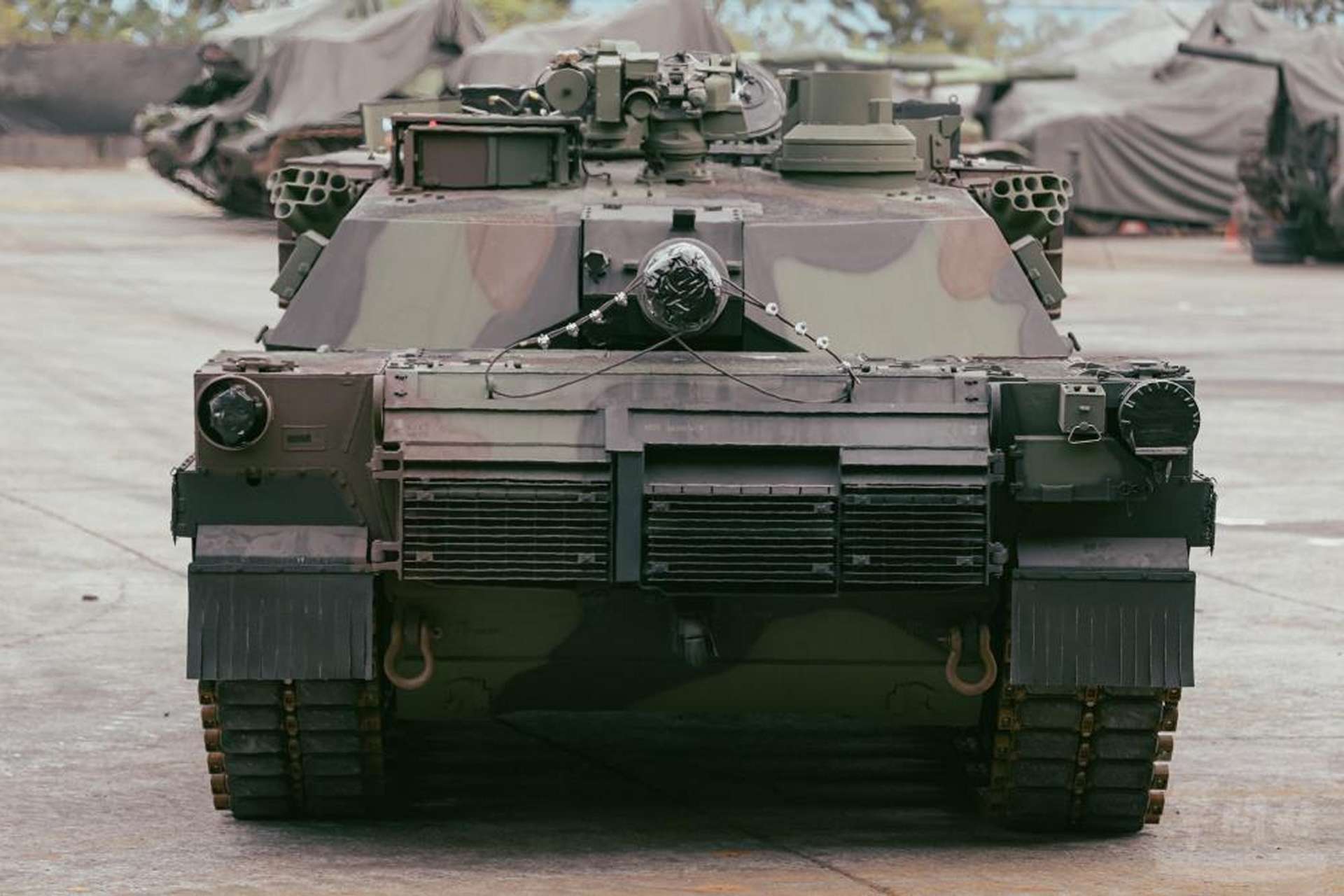
Taiwan officially received its first batch of 38 M1A2T Abrams tanks. (Picture source: Taiwanese MoD)
Read more: US Delivers First 38 M1A2T Main Battle Tanks to Taiwan Amid Rising Tensions with China
- Details
- Written by: Triffaux
- Category: Defence & Security Industry Technology
- Hits: 7797
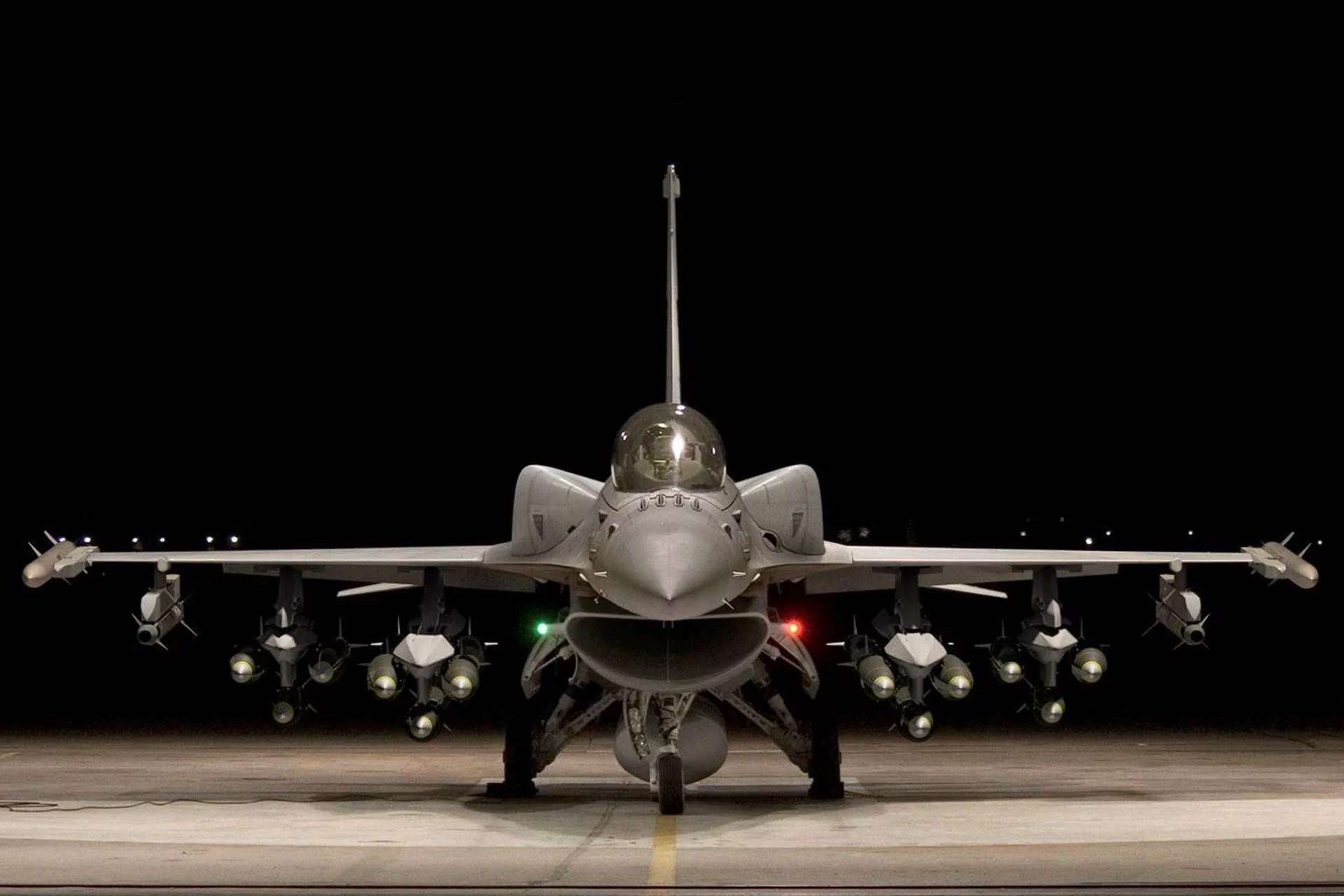
On December 11, 2024, Leidos Inc., based in Reston, Virginia, announced that it had secured a $987 million contract from the U.S. Air Force to provide maintenance and logistical support for the upgraded F-16A/B jets, now modernized into the F-16V (Viper) standard, which constitutes a significant portion of Taiwan's fleet. This contract, established under the Foreign Military Sales (FMS) program, ensures the operational readiness of these aircraft until May 31, 2034. Structured as an indefinite-delivery/indefinite-quantity (IDIQ) contract, it was initially funded with $1.6 million.
The F-16V is equipped with advanced avionics and weapons systems, enabling it to conduct a variety of missions, including air-to-air combat, ground attack, and multi-role engagements. (Picture source: US MoD)
This strategic maintenance program includes critical services such as component repair, technical and engineering support, and solutions to address material shortages and diminishing manufacturing sources. Leveraging modernized aircraft equipped with AN/APG-83 AESA radar and advanced electronic warfare systems, the contract enables Taiwan to maintain an air fleet capable of addressing growing regional threats while strengthening its defense partnership with the United States.
Taiwan, a key U.S. ally in the Indo-Pacific region, has been striving for years to modernize its air force to counter increasing military pressure from China. In 1992, Taipei acquired 142 F-16A/B jets, later upgraded to the F-16V standard. In 2019, Washington approved Taiwan’s purchase of 66 new F-16C/D Block 70 jets for $8 billion. With a total of 208 modernized and newly acquired aircraft, Taiwan’s fleet serves as a cornerstone of the island’s defense against potential Chinese invasion.
Simultaneously, Taiwan has enhanced its logistical support. In June 2024, the U.S. State Department approved a $300 million FMS program for spare parts and maintenance equipment for its F-16 fleet. This support aims to sustain the operational availability of the aircraft, critical to Taiwan's airspace defense. These initiatives are part of a broader military modernization strategy to counter increasing Chinese aerial incursions into Taiwan’s Air Defense Identification Zone (ADIZ).
The recently acquired F-16C/D Block 70 jets represent one of the most advanced variants of the renowned multirole fighter. Featuring the AN/APG-83 Active Electronically Scanned Array (AESA) radar, these aircraft provide enhanced detection and tracking capabilities, allowing simultaneous engagement of multiple air and ground targets, even in highly contested electronic warfare environments. They are equipped with a modernized cockpit featuring high-resolution displays, simplified systems management, and improved human-machine interface. Powered by the General Electric F110-GE-129 engine, the Block 70 offers enhanced performance and range. Additionally, its advanced avionics and electronic warfare systems make it well-suited for complex missions, whether air superiority or ground strikes. These jets are also compatible with a wide array of munitions, including AIM-120 AMRAAM air-to-air missiles and JDAM guided bombs.
The F-16V (Viper), derived from the modernization of Taiwan’s F-16A/B fleet, features capabilities comparable to the Block 70 standard. These aircraft are equipped with the same AN/APG-83 AESA radar, offering extended detection range and enhanced resistance to electronic countermeasures. The F-16V also includes improved data link systems (Link 16), a battle management system, and a fully modernized cockpit with multifunction displays and enhanced data processing capabilities. Its upgraded electronic warfare suite is designed to counter modern threats, including advanced surface-to-air missiles. Although modernized, the F-16V delivers performance close to that of new variants, retaining its legendary agility and versatility for air defense and strategic strike missions. Together, these platforms provide Taiwan with a modern air force capable of addressing escalating threats in the Indo-Pacific region.
The F-16 is critical to Taiwan’s defense, offering decisive capabilities to counter a Chinese invasion. In the event of an amphibious assault, these fighters equipped with AN/APG-83 AESA radars could detect and engage Chinese naval formations well before they reach Taiwan’s shores, using anti-ship missiles such as the Harpoon. In the air, F-16s armed with AIM-120 AMRAAM missiles would intercept Chinese fighters and bombers, preventing air strikes and establishing air superiority. With their agility and advanced communication systems via Link 16, they could effectively coordinate missions with other Taiwanese defense systems, such as Patriot PAC-3 surface-to-air missile batteries, to create a multilayered defense.
Practically, their extended range and ability to operate from dispersed bases across the island would enhance their resilience against Chinese missile strikes targeting military infrastructure. Moreover, their capability to conduct precision strikes on strategic targets, such as command centers or enemy landing zones, makes them indispensable for slowing down or disorganizing an invasion. The F-16 thus provides Taiwan with a combination of air defense and strategic strike capabilities essential to countering a numerically superior force like China’s.
Military relations between Taiwan and the United States are rooted in the Taiwan Relations Act (TRA), adopted in 1979, which guarantees U.S. support for Taiwan’s defense while avoiding formal diplomatic ties. This legal framework commits Washington to providing Taiwan with the means necessary for self-defense. Since then, several FMS agreements have been signed, enhancing Taiwan’s military capabilities. Major deliveries include 66 F-16C/D Block 70 jets (approved in 2019), the modernization of 142 F-16A/B aircraft to the F-16V configuration, Patriot PAC-3 air defense systems, Harpoon anti-ship missiles, and MQ-9B SeaGuardian drones approved in 2020 to bolster maritime surveillance capabilities.
In parallel, the U.S. has intensified military cooperation in response to increasing Chinese pressure. In 2022, the Biden administration approved a military training program enabling Taiwanese forces to train with U.S. units at discreet bases. More recently, in 2023, Washington included Taiwan in its Foreign Military Financing (FMF) program, providing $80 million in assistance—a first for the island. These agreements and deliveries underscore the crucial role of the United States in strengthening Taiwan’s military modernization and resilience against Chinese military incursions into Taiwan’s ADIZ.
In addition to the F-16s, Taiwan operates a diverse fleet of fighters to defend its airspace. The country employs approximately 103 Mirage 2000-5 jets of French origin, acquired in the 1990s, specializing in interception missions with advanced air-to-air capabilities and MICA missiles. Taiwan also fields around 130 domestically developed F-CK-1 Ching Kuo lightweight fighters, designed for air defense and ground attack missions, equipped with Tien Chien ("Sky Sword") air-to-air missiles and guided bombs. Although older compared to China’s modern fighters, these aircraft are continually upgraded to maintain their effectiveness. Combined with the modernized F-16s, this fleet constitutes a robust and versatile air defense system to counter Chinese incursions into Taiwanese airspace.
Read more: US to Upgrade Taiwan's F-16A/B Fighters to F-16V Standard to Boost Combat Capabilities
- Details
- Written by: Triffaux
- Category: Defence & Security Industry Technology
- Hits: 15673
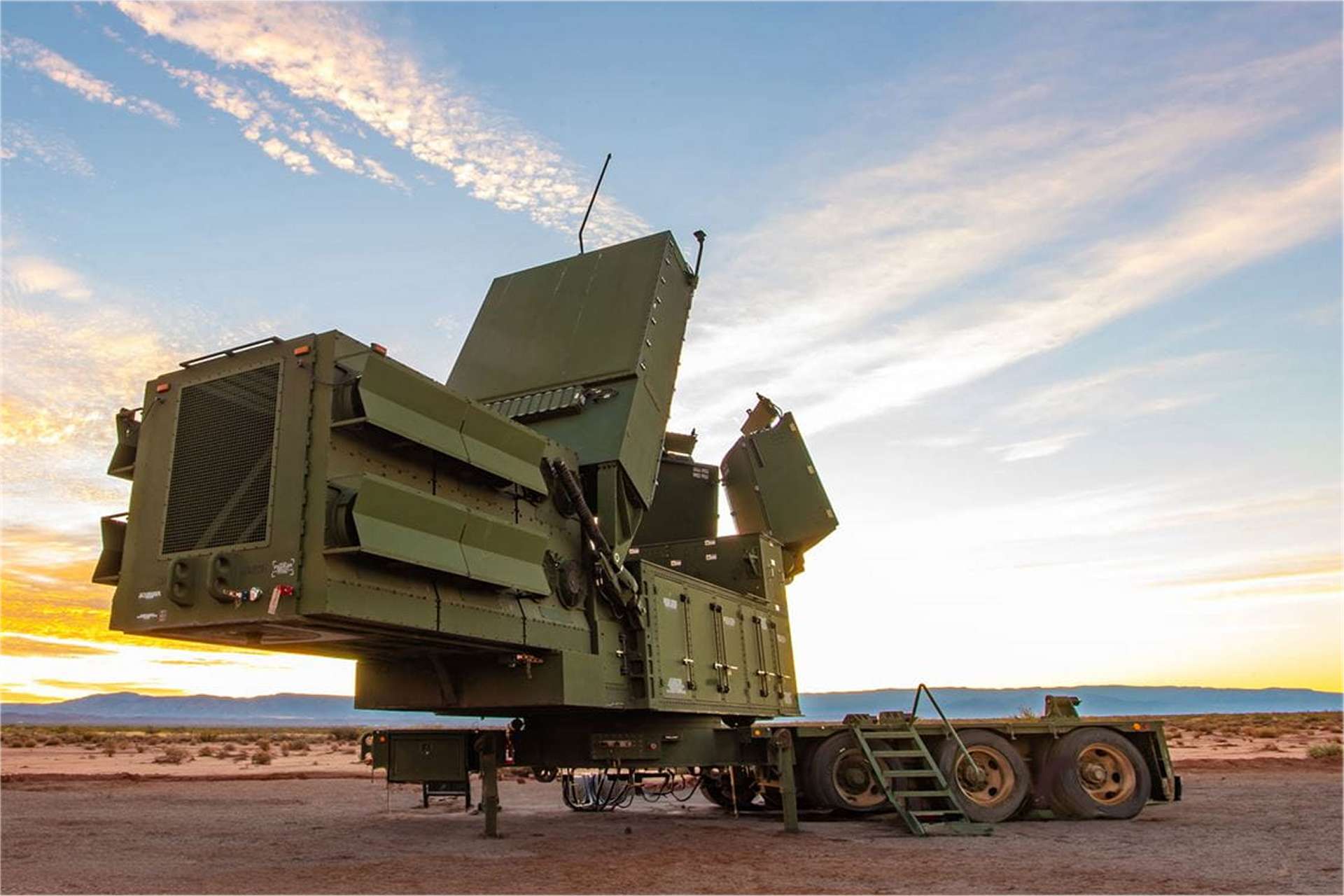
On December 11, 2024, Raytheon, a subsidiary of RTX, announced a significant milestone in the development of the Lower Tier Air and Missile Defense Sensor (LTAMDS). During an operational assessment at White Sands Missile Range in New Mexico, U.S. Army soldiers successfully utilized the LTAMDS to guide Patriot Advanced Capability-3 (PAC-3) interceptors in neutralizing simulated cruise and ballistic missile targets. This success marks a critical step toward deploying this advanced radar system, proving its ability to detect, track, and engage a variety of threats.
RTX Lower Tier Air and Missile Defense Sensor Radar (Picture source: RTX)
The Patriot PAC-3 interception system, combined with the advanced LTAMDS radar, provides robust defense against a wide range of Russian missiles, including ballistic, cruise, and hypersonic missiles. Tactical ballistic missiles like the Iskander-M can be intercepted at altitudes of up to 30 km with the PAC-3 MSE version, which employs hit-to-kill technology for precise destruction mid-flight. With an interception speed exceeding Mach 5, PAC-3 interceptors rapidly neutralize threats after detection. Against cruise missiles like the Kalibr, the LTAMDS offers 360-degree radar coverage, detecting and tracking low-altitude and maneuverable threats. The PAC-3, with its speed and multi-target capabilities, can engage these threats even in saturated environments, ensuring effective and responsive defense.
When facing hypersonic missiles such as the Kinzhal, the LTAMDS plays a crucial role in detecting these high-speed threats and tracking their complex trajectories, increasing the interception chances of the PAC-3. Additionally, the system is effective against other aerial threats, including armed drones and anti-ship missiles, due to its ability to engage multiple targets simultaneously. By integrating advanced detection and interception technologies, the Patriot PAC-3 combined with the LTAMDS provides a reliable and versatile response to the diverse and sophisticated threats posed by Russian arsenals, enhancing the security of strategic infrastructure and civilian populations.
The LTAMDS is a next-generation air and missile defense radar developed by Raytheon for the U.S. Army. This active electronically scanned array (AESA) radar provides full 360-degree coverage, enabling simultaneous detection and tracking of multiple threats, including tactical ballistic missiles, cruise missiles, manned and unmanned aircraft, and hypersonic weapons. Powered by Raytheon-produced Gallium Nitride (GaN) circuits, the LTAMDS delivers enhanced power and energy efficiency, improving detection range and operational reliability. Designed for seamless integration with the U.S. Army’s Integrated Air and Missile Defense Battle Command System (IBCS), LTAMDS replaces the AN/MPQ-53/65 radars used in the Patriot system, offering enhanced defense capabilities against modern aerial threats.
Development of the LTAMDS began to modernize and replace the Patriot system’s AN/MPQ-53/65 radars. In 2019, Raytheon was selected to design this next-generation radar, integrating advanced technologies like GaN to improve power and energy efficiency. The program advanced rapidly, with six prototypes produced for intensive testing. In August 2024, Raytheon secured a contract worth over $2 billion to deliver eight LTAMDS radars, including some destined for Poland, marking the system's first international sale. LTAMDS is designed to integrate into the U.S. Army’s IBCS, offering 360-degree radar coverage for detecting and tracking various aerial and ballistic threats.
Development of the Patriot Advanced Capability-3 (PAC-3) began in the 1990s to enhance the Patriot air defense system against emerging threats, including tactical ballistic and cruise missiles. The initial version, PAC-3 Cost Reduction Initiative (CRI), introduced hit-to-kill interception technology, enabling more effective target destruction. In 2015, the U.S. Army decided to produce the PAC-3 Missile Segment Enhancement (MSE), an upgraded version featuring a dual-pulse rocket motor and larger control surfaces for increased range and altitude. PAC-3 MSE achieved initial operational capability in 2016, with full production beginning in 2018. Since then, PAC-3 MSE has been adopted by several allied nations, enhancing their air and missile defense capabilities.
The Patriot PAC-3 is a cutting-edge interceptor designed to neutralize threats such as tactical ballistic missiles, cruise missiles, and aircraft. Capable of reaching targets at a maximum range of 35 km and an altitude of 20 km, it employs hit-to-kill technology, delivering kinetic energy for precise and effective destruction. The enhanced PAC-3 MSE version incorporates a dual-pulse rocket motor, extending its range by 50% to approximately 45 km. Equipped with an active Ka-band seeker and enlarged control surfaces, the PAC-3 can simultaneously engage up to nine targets per launcher, each capable of carrying 16 PAC-3 CRI or 12 PAC-3 MSE missiles, significantly boosting operational flexibility.
The Patriot PAC-3 offers interception capabilities at various altitudes depending on the configuration and type of target. The PAC-3 CRI version can intercept targets at altitudes of up to 20 km, while the upgraded PAC-3 MSE version can reach interception altitudes of 25 to 30 km, thanks to its dual-pulse rocket motor. These capabilities enable the PAC-3 to effectively neutralize a wide range of threats, from tactical ballistic missiles typically intercepted at high altitudes to cruise missiles and aircraft, generally intercepted at lower altitudes between 10 and 20 km.
The combination of the PAC-3 and LTAMDS represents a major advancement in air and missile defense. To put it simply, the LTAMDS acts as a highly advanced watchtower capable of scanning the skies in all directions with its 360-degree coverage. It can detect and track a wide variety of threats, including ballistic missiles, drones, and aircraft, well before they reach their target. Together, these systems provide unparalleled protection against modern threats.
Read more: US Successfully Tests Patriot PAC-3 with RTX LTAMDS Radar to Counter Russian Missiles
- Details
- Written by: Triffaux
- Category: Defence & Security Industry Technology
- Hits: 5200
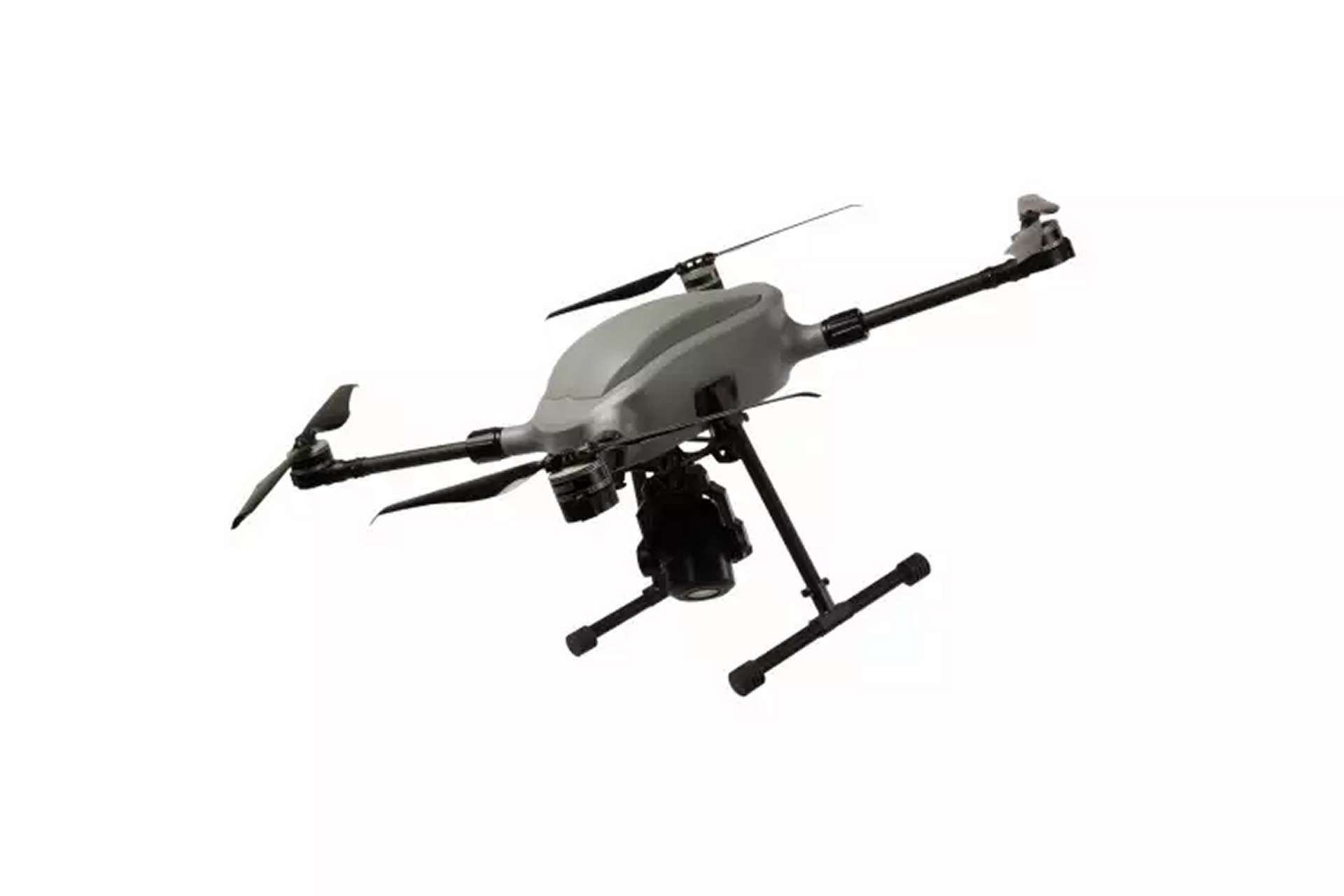
On December 13, 2024, STM announced that the TOGAN tactical multi-rotor reconnaissance drone, developed by Türkiye's defense industry, has officially entered service in two African countries, including Nigeria. Designed for surveillance and reconnaissance operations, the TOGAN has been delivered to the respective armed forces and is already conducting operational missions. This development marks a major milestone for STM’s export strategy, as the company is actively engaging with other African nations, with several negotiations reportedly nearing conclusion.
STM TOGAN tactical multi-rotor reconnaissance drone (Picture source: STM)
The TOGAN tactical multi-rotor drone, developed by STM (Savunma Teknolojileri Mühendislik ve Ticaret A.Ş), embodies Türkiye’s commitment to technological autonomy and its goal of addressing increasing surveillance and reconnaissance demands. The project was initiated in 2015 as part of a national program to enhance the tactical drone capabilities of the Turkish Armed Forces. Developed entirely with the company’s internal resources, TOGAN reflects STM's independent funding strategy and technical expertise.
In Nigeria, TOGAN plays a critical role in border security efforts and the fight against asymmetric threats such as armed groups and cross-border criminal activities. Its advanced surveillance capabilities, including infrared and electro-optical cameras, enable effective monitoring of large areas, even under challenging or nighttime conditions. By providing real-time intelligence, TOGAN supports Nigeria’s security forces in early detection of suspicious movements and facilitates swift responses. Compact and easily deployable, TOGAN is particularly well-suited for Nigeria’s diverse terrains, where it enhances internal security and protects critical infrastructure.
TOGAN’s development began in 2015 as part of a Turkish initiative to strengthen its tactical drone capabilities. In 2017, it was unveiled publicly at the International Defense Industry Fair (IDEF) in Istanbul, garnering attention for its advanced features and modern design. Between 2018 and 2021, TOGAN underwent multiple phases of testing and enhancement, integrating high-tech technologies in navigation, sensors, and data analysis. These upgrades resulted in a robust and high-performing system. In 2022, after rigorous testing, TOGAN officially entered the Turkish Armed Forces’ inventory, becoming a strategic asset for reconnaissance and surveillance missions.
In 2023, STM marked a milestone by exporting TOGAN to African countries, including Nigeria and Uganda. These deliveries represented the beginning of a new chapter for TOGAN, strengthening its international reputation and affirming its relevance in a growing market. This journey highlights STM’s ambitious vision to develop reliable, high-performing, and competitive drones that meet both domestic and international requirements.
TOGAN stands out for its advanced technical capabilities tailored to surveillance and reconnaissance missions. Compact and versatile, it offers a flight endurance of up to 30 minutes and an operational range of 10 kilometers. Equipped with a high-definition electro-optical camera and an infrared sensor, it ensures effective day-and-night surveillance with precise resolution. Weighing approximately 7 kilograms, TOGAN is easily transportable and deployable in the field. Its autonomous navigation system, enhanced by artificial intelligence, delivers high accuracy in target tracking and real-time intelligence gathering, making it a strategic asset for complex military operations.
Military ties between Türkiye and Nigeria have grown significantly in recent years, marked by the supply of Turkish military equipment to Nigeria. In February 2023, Nigeria received two T129 ATAK attack helicopters, followed by two additional units in September, part of a six-aircraft deal with Turkish Aerospace Industries (TAI). These helicopters are intended to bolster the Nigerian Air Force’s counterterrorism and anti-banditry efforts. In addition, other agreements signed in October 2021, including those in the defense sector, demonstrate the mutual commitment to enhancing Nigeria’s military capabilities through Turkish expertise and technology.
TOGAN has been exported to multiple African nations in recent years, showcasing Türkiye’s growing presence in the continent’s drone market. In 2023, Nigeria acquired TOGAN to strengthen border surveillance, followed by Uganda the same year, marking a significant milestone for STM’s expansion in Africa. Other Turkish drones, such as the Bayraktar TB2, have also gained popularity. In 2021, Niger procured these drones for counterinsurgency operations, while Togo and Burkina Faso followed suit in 2022. Mali, facing severe security challenges, integrated Bayraktar TB2 drones into its arsenal in 2023. These sales highlight the increasing demand for Turkish drones in Africa, addressing critical security needs and strengthening military ties between Turkey and African nations.
Nigeria, West Africa’s leading military power, faces multiple security challenges, including threats from the Islamic State West Africa Province, Boko Haram, and militants in the Delta region. The Nigerian government has launched military reforms to address operational weaknesses identified during counterinsurgency campaigns. These reforms focus on improving counterinsurgency tactics, enhancing forward-operating bases, and creating rapid reaction forces. A key player in the Multinational Joint Task Force and the ECOWAS Standby Force, Nigeria has also sought to expand its international partnerships. Alongside collaborations with Pakistan, Germany, the UK, and the US, Nigeria has deepened its defense ties with Turkey, acquiring equipment such as TOGAN drones and T129 ATAK helicopters.
To further enhance its capabilities, the Nigerian Air Force has established dedicated Air and Ground Training Commands, supported by external contractors for training and maintenance. The government has also prioritized modernizing its arsenal, including ground-attack aircraft, new tanks, howitzers, and upgraded naval assets to secure the Delta region. Nigeria is investing in its defense industry with local production facilities for small arms and armored patrol vehicles, enhancing its strategic autonomy and regional influence.
Read more: Türkiye Secures Nigeria's Border with STM TOGAN Surveillance Drones
- Details
- Written by: Triffaux
- Category: Defence & Security Industry Technology
- Hits: 7472
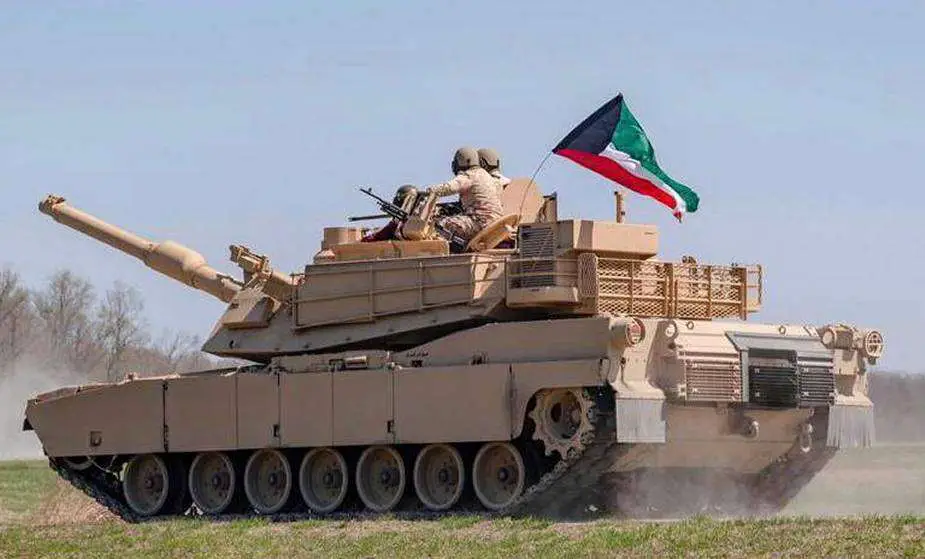
On December 12, 2024, the U.S. State Department approved a potential foreign military sale worth $300 million to Kuwait, aimed at strengthening the country's armored vehicle maintenance and repair infrastructure. This initiative will enhance Kuwait's military readiness by enabling the maintenance of critical platforms such as M1A2 and M1A2K Abrams main battle tanks, M88 Hercules recovery vehicles, and M113 armored personnel carriers.
Kuwait M1A2K Abrams Main Battle Tank (Picture source: X account of Kuwait Army GHQ)
The contract includes a comprehensive range of services and equipment to support and modernize Kuwait’s maintenance facilities. Key components include tools, spare parts, material handling equipment, and an initial two-year supply of repair items. Specialized capabilities, such as the TIGER process for advanced AGT1500 engine repairs, testing services for communication and fire control systems, and limited repairs for night vision and laser devices, are integral to the agreement. Additionally, the project provides hands-on training, five years of facility operations, and the deployment of qualified personnel, including technicians, mechanics, and field service representatives.
Kuwaiti armed forces are expected to benefit significantly from these upgrades, ensuring their ability to meet current and future operational requirements. The sale aims to modernize Kuwait’s capabilities without disrupting the existing military balance in the region. Notably, the Abrams M1A2 tank, equipped with a 120 mm main gun and advanced shoot-on-the-move technology, remains a centerpiece of Kuwait’s ground combat arsenal. The proposed maintenance enhancements will help ensure these platforms remain operationally effective over the long term.
This development aligns with Kuwait's steadily increasing defense budget, projected to reach $7.5 billion by 2029, according to GlobalData. The country’s acquisition spending is expected to double within the same period, reflecting a strong commitment to military modernization. Principal contractors for this project include BAE Systems, U.S. Ordnance, DRS Technologies, L3Harris, Northrop Grumman, and RTX, highlighting the breadth of expertise involved in this strategic defense partnership.
Kuwait began acquiring Abrams tanks under an agreement with the United States in the late 1990s to modernize its ground defense capabilities. Initially, the country purchased 218 M1A2 Abrams tanks in a deal valued at approximately $1.9 billion. These vehicles, known for their firepower featuring a 120 mm main gun and high mobility, were delivered in the early 2000s, significantly enhancing Kuwait's ability to address regional threats.
In 2017, a new agreement was signed to upgrade 218 M1A2 tanks to the M1A2K version, a variant specifically tailored to meet the requirements of the Kuwaiti Armed Forces. This modernization program, valued at approximately $1.7 billion, included upgrades to targeting systems, ballistic protection, and communication devices. These investments were further supplemented by a $250 million contract for ammunition and spare parts in 2022. These acquisitions underscore Kuwait’s ongoing commitment to maintaining a modern and operational armored force, well-equipped to address strategic challenges in the region.
Read more: US Modernizes Kuwait M1A2K Abrams for Superior Combat Readiness
- Details
- Written by: Triffaux
- Category: Defence & Security Industry Technology
- Hits: 5192
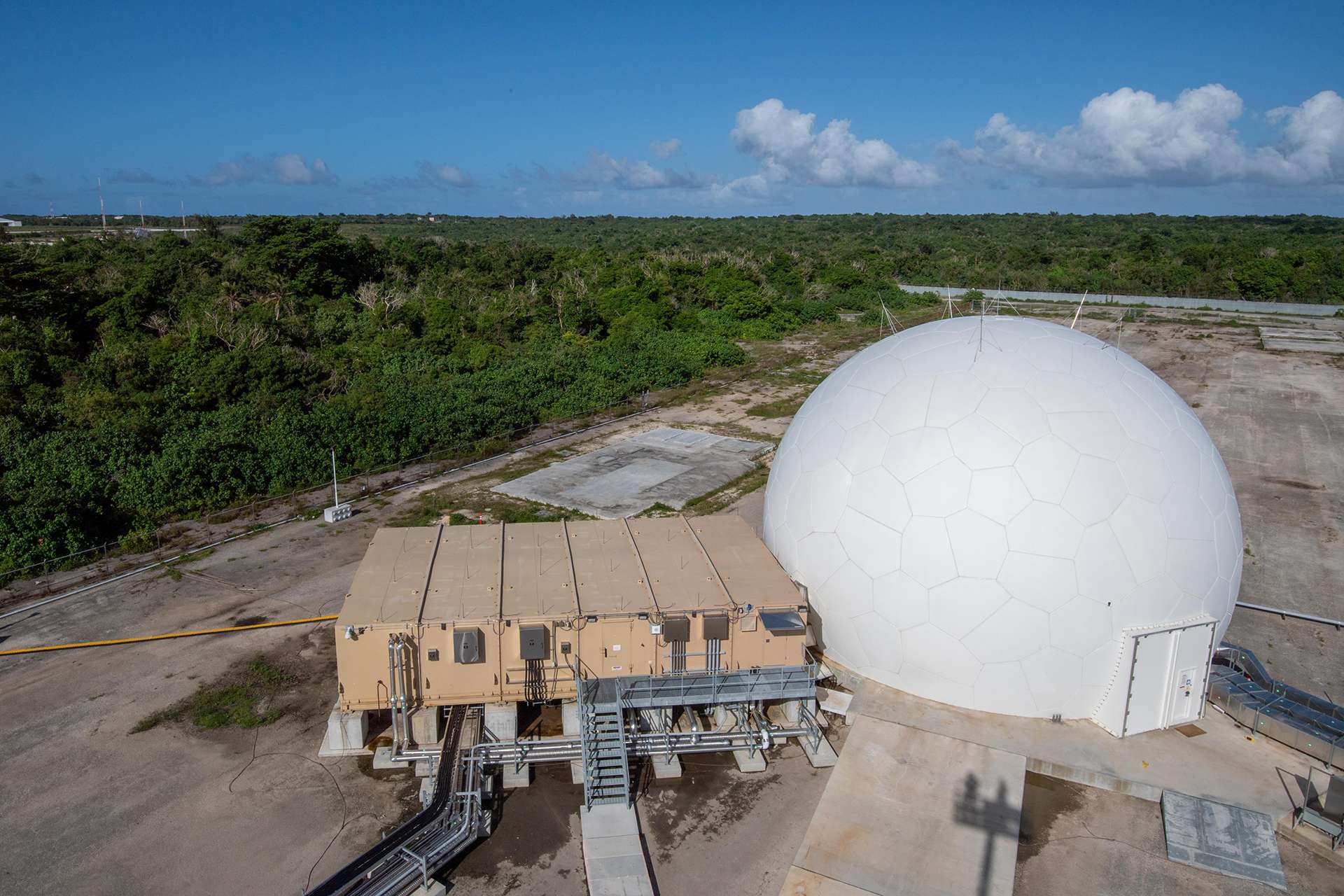
On December 11, 2024, Lockheed Martin and the Missile Defense Agency (MDA) achieved a critical milestone with the successful completion of Flight Experiment Mission (FEM)-02. Conducted at Andersen Air Force Base in Guam, this test demonstrated the capabilities of the Aegis Guam System (AGS) by intercepting a medium-range ballistic missile (MRBM) in the exo-atmosphere. This achievement marks a significant advancement in regional missile defense, enhancing Guam's protection against evolving threats in the Indo-Pacific region.
Aegis Guam System (AGS) Intercepts a Medium-Range Ballistic Missile (MRBM) in the Exo-Atmosphere. (Picture source: Lockheed Martin)
The FEM-02 test integrated the Aegis Guam system with the AN/TPY-6 radar, the Vertical Launching System (VLS), and Standard Missile interceptors. The rapid development, transitioning from contract award to operational flight tests in less than two years, underscores Lockheed Martin's commitment to delivering advanced defense solutions promptly. Paul Lemmo, Vice President and General Manager of Integrated Warfare Systems and Sensors at Lockheed Martin, praised the accomplishment: "This rapid integration of capabilities to demonstrate Guam's defense was made possible by leveraging proven systems and Lockheed Martin's engineering, production, and testing excellence."
The operation of the Aegis Guam system relies on sophisticated coordination among its components to intercept airborne threats. When an enemy missile is launched, the AN/TPY-6 radar detects and tracks its trajectory in real-time, utilizing its ability to scan a wide area. This information is transmitted to the Aegis system, which analyzes the threat and formulates an interception plan. Once the target is confirmed, the system commands the launch of an interceptor from the Vertical Launching System (VLS) located in Guam. The interceptor missile, such as the Standard Missile-3, is designed to engage and destroy the threat mid-flight, often in the exo-atmosphere, before it reaches its target. This process is fully automated for rapid response, though it can be supervised by human operators to validate critical decisions.
The exo-atmosphere refers to the region beyond Earth's atmosphere, generally above 100 kilometers, where the air is extremely thin. In this domain, conditions enable interceptors like the Standard Missile-3 (SM-3) to neutralize ballistic missiles during their midcourse phase before re-entry into the atmosphere. The SM-3 features a Kinetic Kill Vehicle (KKV) that destroys its target through direct impact at extremely high speed rather than using an explosive payload. Equipped with advanced sensors and precise guidance capabilities, the SM-3 can intercept fast-moving, distant targets, providing effective defense against short- to intermediate-range ballistic missiles.
The live exercise demonstrated AGS's ability to detect, track, and intercept MRBM threats launched from the air in a complex operational environment. Using the AN/TPY-6 radar, the system tracked the missile's trajectory, developed an engagement strategy, and successfully destroyed the target over the ocean. This demonstration not only validated AGS's effectiveness in defending Guam but also provided critical data for the Department of Defense (DoD) to refine and enhance its missile defense strategies.
The AN/TPY-6 radar, central to the Aegis Guam system, represents an evolution of ballistic threat detection and tracking technologies developed by Lockheed Martin. Designed to detect and track missiles in flight over long distances with exceptional precision, this radar is part of a newer generation that significantly enhances the capabilities of earlier AN/TPY-2 radars. Developed in the 2020s, the system was optimized to operate in conjunction with integrated defense networks, ensuring better coordination with allied sensors. In 2023, it was incorporated into Aegis Guam system testing, proving its reliability in demanding operational scenarios.
The Vertical Launching System (VLS) used in AGS is based on technology initially introduced in the 1980s for warships. However, Lockheed Martin has modernized the VLS to meet land-based defense needs. This terrestrial version, tailored to Aegis Guam's architecture, underwent intensive testing in 2022 and 2023 to validate its ability to launch missiles rapidly in a multi-threat environment. Its modular design ensures quick installation and compatibility with various interceptor types, including the latest Standard Missile models.
The Standard Missiles employed in the FEM-02 test are part of a family of interceptors that have evolved over decades. The version tested for Aegis Guam, likely the Standard Missile-3 (SM-3) or a recent variant, is designed to intercept targets in the exo-atmosphere. Since 2021, these interceptors have undergone updates to enhance their agility and ability to counter modern ballistic threats, including hypersonic missiles. The latest iteration was deployed for real-world testing starting in 2023, validating its performance in complex scenarios.
The integrated development of these systems, from contract signing in 2022 to successful testing in 2024, showcases Lockheed Martin's capability to expedite the deployment of complex solutions. By leveraging existing technologies while incorporating specific innovations, the company rapidly adapted to Guam's strategic defense needs. Close collaboration with the Missile Defense Agency and extensive testing in 2023 ensured optimal system coordination, enabling the success of the FEM-02 test.
The success of FEM-02 represents a significant step forward in protecting U.S. and allied interests in the Indo-Pacific region. As the area faces a variety of emerging threats, the integration of advanced systems like AGS into multi-domain operations underscores Lockheed Martin and MDA's commitment to maintaining a decisive technological edge.
The United States has been developing missile defense systems since the 1980s, with programs like the Strategic Defense Initiative (SDI), initially aimed at countering Soviet intercontinental ballistic missiles (ICBMs). In the 1990s, efforts shifted toward more practical solutions, such as the Aegis Ballistic Missile Defense (BMD) system, designed to counter short- and medium-range missiles. Following the September 11, 2001 attacks and the rise of ballistic threats from nations like Iran and North Korea, the U.S. accelerated the development of systems like THAAD, SM-3, and AN/TPY-2 radar. Since the 2010s, the focus has been on modern threats, including hypersonic missiles and saturation attacks, leading to innovations such as the Aegis Guam System and the AN/TPY-6 radar to defend strategic areas like Guam amidst growing Indo-Pacific tensions.
Starting in the 2000s, the U.S. began deploying systems capable of exo-atmospheric interception to counter ballistic missiles in their midcourse or terminal phases. The Standard Missile-3 (SM-3), first deployed in 2005, was designed to operate well beyond Earth's atmosphere, intercepting missiles in the exo-atmosphere. Another key system, THAAD (Terminal High Altitude Area Defense), initially tested in 1995 and deployed since 2008, provides capabilities at the edge of the exo-atmosphere and in the upper endo-atmosphere. These sophisticated systems reflect the growing priorities of the U.S. and its allies in responding to emerging threats, including medium- and long-range ballistic missiles, in diverse strategic contexts.
Exo-atmospheric-capable systems are rare and represent specific technological advancements. The Arrow 3, developed by Israel Aerospace Industries (IAI) in partnership with Boeing, has been operational since 2017. It is designed to intercept ballistic missiles during their midcourse phase at very high altitudes in the exo-atmosphere, providing essential strategic defense for Israel. In Russia, the S-500 Prometey, developed by Almaz-Antey, represents the latest generation of missile defense. Recently introduced, it can neutralize long-range ballistic missiles in the exo-atmosphere while engaging certain hypersonic targets. Though differing in design, these systems stand out for their ability to operate in space, addressing higher-order strategic threats.
Most missile defense systems worldwide operate primarily in the endo-atmosphere, within Earth's atmosphere. The Patriot PAC-3, developed by Raytheon and introduced in the 1990s, specializes in intercepting short-range ballistic missiles at medium altitudes. Despite numerous upgrades, it is not designed for exo-atmospheric operations. Similarly, the Iron Dome, developed by Rafael Advanced Defense Systems and deployed by Israel in 2011, is exclusively intended to counter rockets, shells, and short-range missiles at low altitudes, remaining limited to the endo-atmosphere. The SAMP/T system, designed by MBDA and Thales and operational since 2011, intercepts short- and medium-range ballistic missiles but remains confined to endo-atmospheric interceptions at medium altitudes. Lastly, the S-400 Triumf, developed by Almaz-Antey and operational since 2007, can engage high-altitude and long-range targets but is limited to the boundary between the atmosphere and space.
- Details
- Written by: Triffaux
- Category: Defence & Security Industry Technology
- Hits: 6354
On December 11, 2024, Saab announced that it had secured a $48 million contract from BAE Systems for the delivery of multiple Giraffe 4A radars to the United States Air Forces in Europe. Deliveries of these advanced radar systems are scheduled to begin in 2027, enhancing air defense and surveillance capabilities for U.S. forces operating in the European theater.
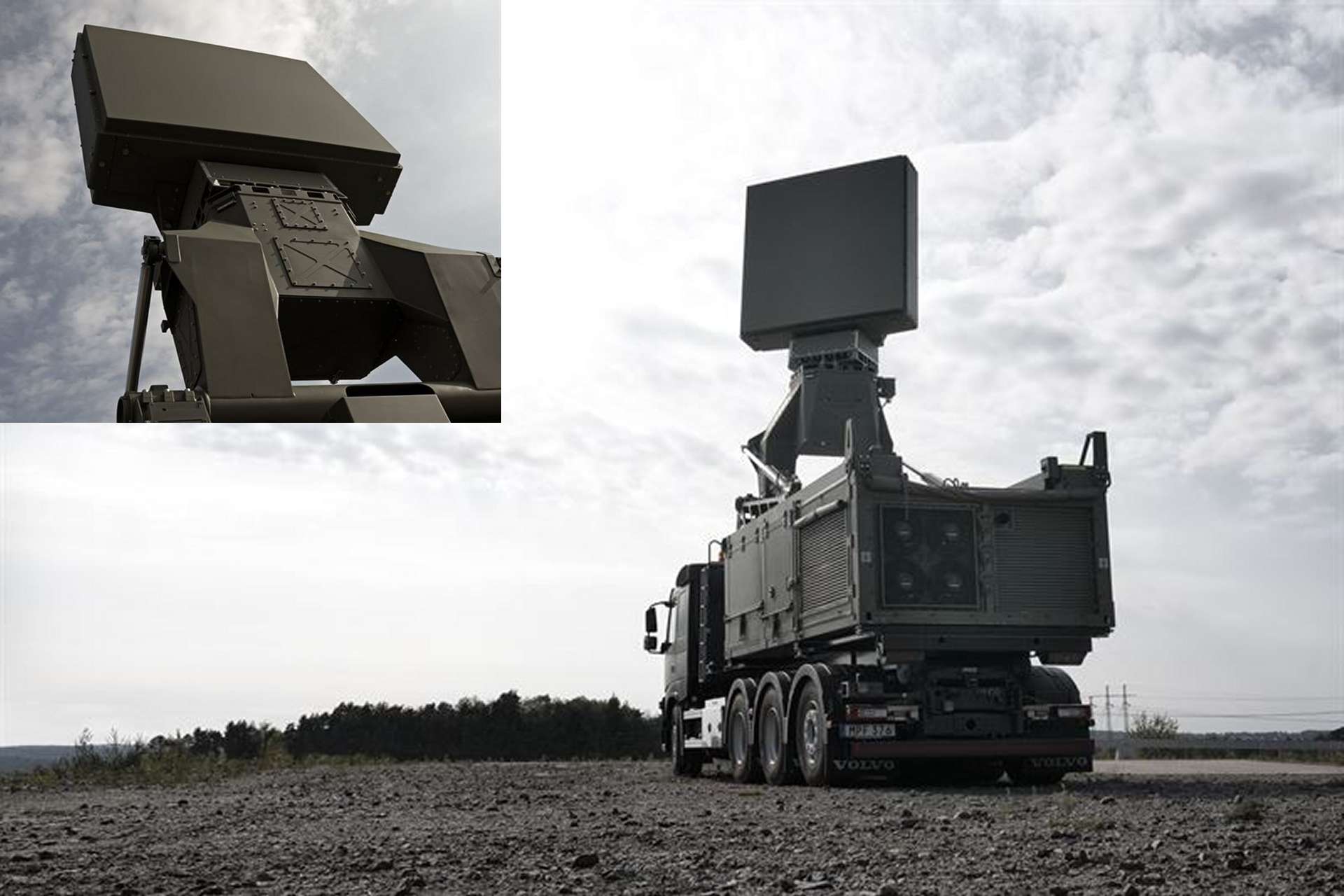
Saab Giraffe 4A Radars Air Defense System (Picture source: SAAB)
The contract announced on December 11, 2024, builds on a long-standing collaboration between Saab and the U.S. military. This partnership dates back to 2005, when Saab began providing Giraffe-series radars for testing and integration in the U.S. In 2014, Saab secured a major contract for the Giraffe AMB, deployed to strengthen air surveillance at American bases in conflict zones. In 2019, cooperation deepened with an agreement focused on modernizing radar detection systems in expeditionary environments. This latest agreement for Giraffe 4A radars represents a key milestone in the collaboration, incorporating cutting-edge technological advancements to meet the growing strategic needs of U.S. forces deployed in Europe. It underscores a strategic partnership founded on Saab’s reliability and performance.
The Giraffe 4A radar is a state-of-the-art digital multifunction system employing Active Electronically Scanned Array (AESA) technology. Renowned for its highly mobile and versatile configuration, this technology delivers long-range surveillance and comprehensive air base defense. Erik Smith, President and CEO of Saab in the U.S., emphasized the importance of this system, stating, "The Giraffe 4A will modernize the U.S. Air Force’s expeditionary combat airfield surveillance operations and enhance detection capabilities, addressing a critical need overseas."
The Giraffe 4A radar integrates AESA technology, providing 3D long-range surveillance with 360-degree coverage. Designed for rapid and accurate threat detection, it boasts a maximum range of 300 kilometers for conventional aerial targets and can simultaneously track hundreds of threats, including drones, missiles, and high-speed aircraft. Highly mobile, it can be mounted on land or maritime platforms and features advanced multi-channel digital processing, ensuring resilience against electronic jamming. Its modular architecture facilitates integration into existing defense systems, while its rapid deployment capability makes it an essential asset for expeditionary operations. With standalone or networked functionality, the Giraffe 4A addresses the demands of modern combat environments.
Thanks to its innovative multi-channel digital architecture, the Giraffe 4A offers robust surveillance capabilities to meet modern air defense requirements. The radars will be manufactured and delivered by Saab teams based in the United States and Sweden, ensuring cutting-edge technical expertise and operational excellence. This technology represents a major leap in radar performance, enabling more effective detection, tracking, and management of potential aerial threats.
In the event of an aerial attack, the Giraffe 4A radar acts as an advanced sentinel, quickly detecting and identifying threats within its operational range. Using AESA technology, it continuously scans the airspace over a 360-degree field of view, with a maximum range of 300 kilometers. When a missile, drone, or hostile aircraft enters its detection zone, the radar captures its signal, analyzes its trajectory, and relays precise real-time information to a command center or directly to defense systems.
The radar can prioritize threats, such as a rapidly approaching ballistic missile, over less dangerous objects like civilian aircraft. Its advanced multi-channel processing allows it to track hundreds of targets simultaneously, even in saturated or electronically jammed environments. Once a threat is confirmed, the data is used to trigger a response, such as launching surface-to-air missiles or coordinating with air units to neutralize the attack.
This automated and rapid process provides operators with a clear situational overview and critical reaction time to protect infrastructure or troops. To an observer, the radar functions as an "electronic eye" that detects invisible dangers, ensuring immediate and effective responses to aerial threats.
The development of the Giraffe 4A radar system builds on decades of Saab’s expertise in surveillance and air defense technologies. Designed in the early 2010s, this radar incorporates the latest AESA technology for fast and precise detection of modern threats. First unveiled in 2015, the Giraffe 4A has been adopted by several armed forces, including those of Sweden, the United Kingdom, and Australia, attracted by its mobility and high performance. Since then, Saab has continued to enhance the system, particularly its multi-channel digital processing and integration into complex operational environments, meeting the specific needs of military users worldwide.
In addition to Saab, several companies have developed radar systems similar to the Giraffe 4A, incorporating advanced technologies for surveillance and air defense. Thales introduced the Ground Master 400 (GM400) in 2008, an AESA system offering 3D long-range surveillance, adopted by France and Canada. Lockheed Martin launched the AN/TPQ-53 in 2010, a mobile radar designed to detect and track aerial threats like drones and missiles. Raytheon’s iconic Patriot Radar AN/MPQ-65, integrated into the Patriot defense system since the 1980s, has undergone continuous improvements to intercept ballistic missiles. More recently, in 2016, Leonardo unveiled the Kronos Grand Mobile High Power (GMHP), a multifunction radar capable of managing complex electronic warfare environments, used by several European countries. These systems, developed at key moments in technological evolution, illustrate the ongoing race for innovation to meet the growing demands for air defense and global surveillance.

South Korea to Boost KF-21 Fighter Jet Firepower with MBDA's Advanced Air-to-Air Missile Integration
- Details
- Written by: Triffaux
- Category: Defence & Security Industry Technology
- Hits: 7769
On December 6, 2024, MBDA announced the successful integration of the Meteor missile, the world’s most advanced beyond-visual-range air-to-air missile (BVRAAM), onto the Republic of Korea’s next-generation KF-21 Boramae fighter. This project, a model of exemplary international collaboration, combines cutting-edge technical expertise and industrial innovation. Equipped with a unique ramjet engine, the Meteor stands out for its ability to maintain propulsion until impact, ensuring unmatched range and kinematic performance that makes it nearly impossible for targets to evade.
MBDA Meteor air-to-air missile equips Next-Gen South Korean KF-21 Fighter Jet (Picture source: MBDA)
In November 2024, South Korea’s Defense Acquisition Program Administration (DAPA) signed a contract with MBDA for the procurement of 100 Meteor air-to-air missiles to equip the KF-21 Boramae fighters. This agreement aims to provide the South Korean Air Force with state-of-the-art air combat capabilities, aligning with the phased introduction of the KF-21 beginning in 2026. While the exact contract value has not been officially disclosed, comparable deals in other countries for similar quantities of Meteor missiles have been estimated at approximately €200 million. This acquisition is part of South Korea's broader military modernization strategy, strengthening its ability to counter contemporary aerial threats.
Integrating the Meteor onto the KF-21 presented a significant technical challenge, requiring expertise in areas such as aerodynamics, radar engineering, embedded software, and data links. Through close collaboration among MBDA, Korea Aerospace Industries (KAI), and DAPA, these challenges were successfully overcome. A historic milestone was reached in July 2022 when the KF-21 conducted its first flight equipped with four Meteor missiles—a first for a developmental fighter aircraft.
The project advanced rapidly, moving to ejection tests in 2023 and a series of successful live-fire trials in early 2024, confirming the Meteor’s exceptional performance on the KF-21. Production has now commenced, ensuring that the Republic of Korea Air Force (ROKAF) will receive its first operational Meteor missiles in line with the KF-21’s initial deployment schedule. Additionally, the ROKAF benefits from streamlined logistics, as the Meteor is also compatible with the F-35, enabling a more homogeneous and interoperable fleet.
The integration of the Meteor air-to-air missile with the KF-21 Boramae provides the South Korean armed forces with significant air superiority capabilities. With a maximum range of 200 km and speeds reaching Mach 4, the Meteor allows engagement of distant targets before they pose a direct threat. This capability is further enhanced by the KF-21’s AESA radar, which effectively detects and tracks targets at long range, optimizing missile performance. The Meteor is designed to be effective against a wide range of targets, including fighter jets and cruise missiles, enhancing the operational flexibility of the South Korean Air Force. By integrating the Meteor, the KF-21 positions itself among the most advanced combat platforms, reinforcing South Korea’s aerial defense posture against regional threats.
The Meteor missile, which will equip the KF-21 Boramae, is a next-generation air-to-air missile designed for beyond-visual-range engagements with unmatched performance. Featuring a ramjet engine, it achieves an operational range exceeding 150 km and maintains speeds over Mach 4 throughout its flight thanks to sustained propulsion. Unlike conventional missiles, which lose energy during their terminal phase, the Meteor retains high kinetic energy until impact, ensuring lethal effectiveness against maneuvering targets. It is equipped with an active radar seeker for precise target acquisition and tracking, along with a bidirectional data link that enables real-time updates from the host aircraft. With a length of 3.7 meters and a weight of approximately 190 kg, the Meteor is optimized for internal carriage on the KF-21, preserving the aircraft’s stealth characteristics while providing South Korea with advanced air superiority through cutting-edge technology.
The partnership between MBDA, Korea Aerospace Industries (KAI), and DAPA builds on years of strategic cooperation aimed at enhancing South Korea’s military capabilities with state-of-the-art systems. Officially launched in November 2019, when MBDA signed a contract to integrate the Meteor onto the KF-X (now KF-21 Boramae), this ambitious project included knowledge transfer, support for Meteor integration, and the development of testing equipment for trials. Beyond the Meteor, MBDA has collaborated on other programs, including discussions on the Taurus KEPD 350 cruise missile for precision strikes and the CAMM (Common Anti-Air Modular Missile) system to strengthen air defenses. Thanks to exemplary technical coordination between MBDA, KAI, and DAPA, the KF-21’s first flight carrying four Meteors occurred in July 2022. This success was followed by ejection tests in 2023 and a successful live-fire campaign in early 2024, solidifying a collaboration essential for modernizing South Korea’s armed forces.
Developed by MBDA, the Meteor is the result of decades of technological innovation in long-range air-to-air missiles. Its development began in the 1990s to meet NATO’s requirement for a missile surpassing existing systems like the U.S. AMRAAM. In 2003, MBDA was selected to lead this multinational program, involving six European nations: the United Kingdom, Germany, France, Italy, Spain, and Sweden. The Meteor was designed to deliver exceptional range and the ability to engage maneuvering targets at extreme distances, leveraging its advanced ramjet propulsion system. Initial flight tests began in 2005, and after extensive trials, the missile became operational in 2016, first with the Royal Air Force’s Typhoons. Since then, it has been integrated into other advanced platforms, such as the Rafale and Gripen, and continues to play a central role in modernizing allied air forces worldwide.
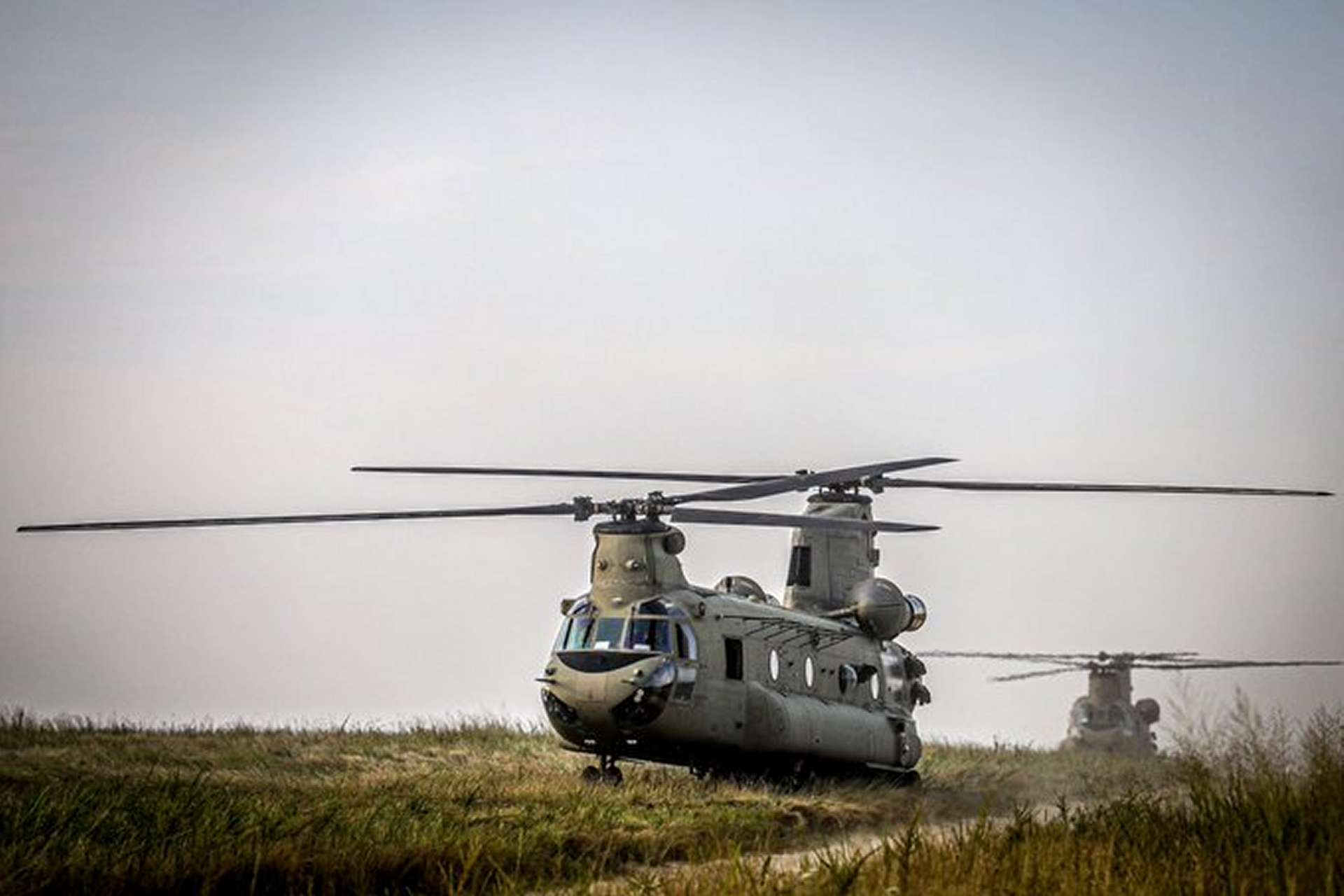
- Details
- Written by: Triffaux
- Category: Defence & Security Industry Technology
- Hits: 3754
Northrop Grumman announced on December 4, 2024, via its official X account, that the United Kingdom has become the first international customer for the Common Infrared Countermeasures (CIRCM) system. This next-generation infrared countermeasure system will be installed on the Royal Air Force’s (RAF) fleet of 14 new extended-range Chinook helicopters, which will replace the oldest Chinooks in service.
Northrop Grumman next-generation infrared countermeasure system will be installed on the Royal Air Force’s fleet of 14 new extended-range Chinook helicopters. (Picture source: Northrop Grumman)
The CIRCM system is a high-tech defensive technology designed to protect both rotary and fixed-wing aircraft from heat-seeking missiles. Using laser-based directional jamming capabilities, CIRCM enhances survivability in contested environments by neutralizing infrared-guided threats. The adoption of this technology marks a significant upgrade for the United Kingdom's air mobility and tactical support operations, ensuring that the RAF's extended-range Chinooks remain effective in modern conflict scenarios.
The CIRCM system functions by employing a directional laser to counter infrared-guided missiles, often used to target aircraft by tracking the heat emitted from their engines. When a missile approaches, onboard infrared sensors detect the threat and relay the information to the CIRCM system. The system then quickly aims a laser at the incoming missile and emits a series of complex light signals. These signals confuse the missile's guidance system, causing it to lose track of its target and veer off course. This system is precise, fast, and designed to operate even in intense combat environments where multiple threats may appear simultaneously.
Northrop Grumman’s CIRCM system is composed of several advanced technological components that enable it to detect, analyze, and effectively neutralize infrared threats. At its core are infrared (IR) warning sensors, which continuously monitor the aircraft's surroundings for suspicious heat signatures, such as those from infrared-guided missiles. The data collected is processed by a central control unit that rapidly analyzes potential threats and determines the optimal response.
To counter these threats, CIRCM employs a directional laser emitter mounted on a stabilized turret. This emitter directs a high-precision laser beam toward the incoming missile, disrupting its sensors and forcing it off course. The system remains accurate even when the aircraft is in motion, thanks to advanced stabilization. CIRCM is also equipped with integrated control systems, allowing it to work seamlessly with other onboard defense systems, such as flares or radar warning systems. Additionally, it relies on sophisticated software with algorithms that adapt to evolving threats.
On the UK’s Chinook H-47 helicopters, CIRCM is mounted primarily on the upper structure of the aircraft, near the main rotor. This strategic placement provides a wide field of view to detect threats from all directions while remaining protected from damage caused by debris or impacts during flight. This integration ensures optimal protection for the crews and enhances the operational capabilities of British forces.
The CIRCM program was initiated by the U.S. Army in the 2000s to develop a lightweight, modular, and cost-effective infrared protection system for rotary and fixed-wing aircraft. The primary goal was to replace older systems, such as the Advanced Threat Infrared Countermeasures (ATIRCM), by providing effective defense against infrared-guided missiles, including man-portable air defense systems (MANPADS). In 2015, Northrop Grumman was awarded the contract to develop CIRCM. The company delivered the first systems to the U.S. Army in 2016, marking a crucial milestone in modernizing infrared countermeasures. After a successful phase of initial operational tests in 2019, CIRCM was declared ready for full-rate production in 2021. By February 2023, the system had achieved Initial Operational Capability (IOC) with the U.S. Army, enabling its deployment on platforms such as the AH-64E Apache, CH-47F Chinook, HH-60M Medevac, and UH-60M Black Hawk helicopters.
This contract underscores the United Kingdom's commitment to equipping its armed forces with cutting-edge defense technologies. By becoming the first export customer for the CIRCM system, the UK strengthens its long-standing partnership with Northrop Grumman, a company renowned for its advanced aerospace and defense solutions. This purchase aligns with broader modernization efforts for the RAF’s rotary-wing fleet, aimed at improving operational readiness and mission effectiveness.
The CIRCM system already equips the U.S. Army and serves as one of its primary infrared countermeasure systems for protecting aircraft. It was declared ready for full-rate production in 2021 and achieved Initial Operational Capability (IOC) in 2023. Currently, CIRCM is deployed on several key platforms within the U.S. Army, including the UH-60 Black Hawk, CH-47 Chinook, HH-60M Medevac, and AH-64 Apache helicopters. The system is used to protect these aircraft against infrared-guided missiles, particularly in complex combat environments where threats from man-portable air defense systems (MANPADS) are prevalent.
Additionally, Northrop Grumman’s CIRCM system has demonstrated its operational effectiveness through over 30,000 flight hours on U.S. Army helicopters such as the AH-64 Apache, CH-47 Chinook, and UH-60 Black Hawk.
Finally, several companies are developing similar directional infrared countermeasure (DIRCM) systems. For example, BAE Systems offers the AN/ALQ-212 Advanced Threat Infrared Countermeasures (ATIRCM), deployed on U.S. Army CH-47 Chinook helicopters. Similarly, Leonardo S.p.A. has developed the Miysis DIRCM system, suitable for various fixed-wing and rotary-wing platforms. In Israel, Elbit Systems provides the Multi-Spectral Infrared Countermeasure (MUSIC), designed to protect both military and civilian aircraft from infrared-guided missiles. These systems utilize advanced technologies to detect and neutralize missile threats, enhancing aircraft protection in hostile environments.
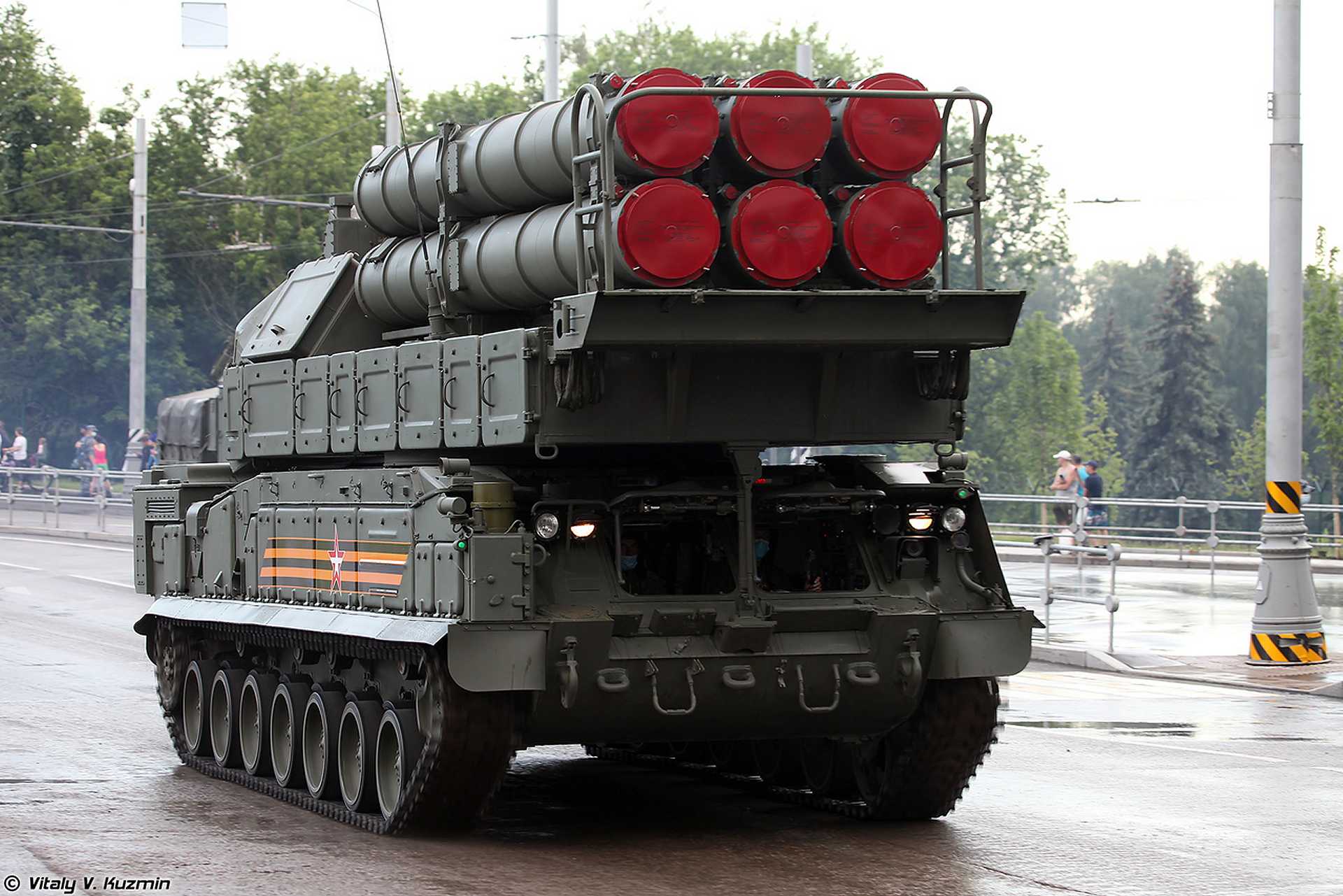
Focus: Russian Buk-M3 air defense missile system able to Intercept US F-35 and F-22 Stealth Fighters
- Details
- Written by: Administrator
- Category: Defence & Security Industry Technology
- Hits: 99339
According to new information released by the Russian State Defense Company Rosoboronexport on December 3, 2024, the Buk-M3 Viking, NATO code-named SA-27 Gullum, the latest generation of Russia's Buk family of air defense missile systems, is capable of intercepting a wide range of advanced threats. These include stealth aircraft like the F-35 and F-22 Raptor, tactical ballistic missiles, cruise missiles, high-precision weapons, and even hovering helicopters.
Follow Army Recognition on Google News at this link
The Russian Buk-M3 Viking air defense system can intercept advanced threats, including stealth fighters like the F-35, ballistic missiles, and high-precision weapons, with a range of up to 65 km and an altitude coverage of up to 25 km. (Picture source: Vitaly Kuzmin)
With these enhanced capabilities, the Buk-M3 Viking represents a significant leap in Russia's air defense technology, offering a robust solution for countering modern aerial threats at extended ranges and various altitudes.
One of the standout features of the Buk-M3 Viking, SA-27 Gullum, is its extended firing range, which allows it to target and intercept various aerial threats. The system can engage air targets at distances of up to 65 kilometers (approximately 40 miles), significantly enhancing its operational footprint. This extended range ensures the Buk-M3 Viking can protect stationary defense positions and mobile and high-value assets, offering multi-layered defense capabilities. Additionally, the system can intercept tactical ballistic missiles at ranges of up to 50 kilometers, providing crucial defense against short-range missile threats aimed at critical infrastructure or military targets.
In terms of altitude coverage, the Buk-M3 Viking can engage targets across a wide vertical spectrum, from as low as 10 meters—perfect for intercepting low-flying cruise missiles, UAVs, or hovering attack helicopters—to altitudes as high as 25 kilometers (approximately 82,000 feet). This means the system can defend against both low-altitude, fast-moving threats as well as high-altitude, slower-moving aircraft like bombers and reconnaissance platforms. The ability to track and intercept targets across such a vast range of altitudes positions the Buk-M3 as an extremely versatile air defense asset.
The Buk-M3 Viking is equipped with an advanced multi-function radar system that can simultaneously track up to 36 targets and guide up to 12 missiles to their respective targets. This enables it to deal with multiple threats in a single engagement, making it highly effective in saturated attack scenarios. The radar system is particularly noteworthy for its ability to detect and track even stealth aircraft—such as the F-35—which are designed to evade detection by conventional radar. The X-band radar incorporated into the Buk-M3 can filter out clutter and pinpoint low radar cross-section (RCS) targets, thus overcoming one of the most challenging aspects of modern air defense: the ability to engage stealth technology. This makes the Buk-M3 a key tool for countering next-generation fighter jets and other radar-evading platforms.
Regarding its missile capabilities, the Buk-M3 Viking uses the upgraded 9M317M missile, which features a more powerful two-stage propulsion system and a radar-homing seeker. This missile can reach high speeds and maneuver to intercept fast-moving targets, such as ballistic missiles and hypersonic threats. The Buk-M3 Viking can launch up to 6 missiles simultaneously, ensuring rapid response to multiple threats from different directions and altitudes. The 9M317M missile's enhanced maneuverability and extended range make it a highly effective solution for intercepting not only traditional aircraft but also modern precision-guided munitions.
The Buk-M3 Viking also stands out for its ability to engage stealth targets, including the F-35, which poses a significant challenge to many traditional air defense systems. The radar and guidance systems of the Buk-M3 are specifically designed to detect and neutralize stealth aircraft, providing a significant advantage over earlier Buk models. This capability positions the Buk-M3 as a critical asset for countering air superiority platforms equipped with advanced low radar cross-section technology.
The Buk-M3 Viking’s flexibility extends beyond aerial threats, as it is also capable of targeting high-precision weapons, such as guided bombs, air-to-ground missiles, and other advanced ordnance used by modern fighter jets and bombers. This versatility makes it an essential part of a broader air defense network, capable of defending against a wide array of air and missile threats, from low-level attack helicopters to high-altitude strategic bombers.
Regarding mobility and deployment, the Buk-M3 Viking uses a tracked chassis that provides exceptional mobility in challenging terrains, allowing the system to reposition as required quickly. This mobility is crucial in dynamic combat environments, where rapid redeployment can make the difference between effective interception and failure. The system’s mobile transport erector launchers (TELs) can carry up to 12 missiles—a significant increase from earlier models—and launch them simultaneously, providing rapid response capability. The Buk-M3 Viking’s ability to move and respond quickly makes it a highly survivable and flexible air defense solution, particularly in fluid battlefields or high-intensity conflict zones.
Furthermore, the Buk-M3 Viking integrates seamlessly into Russia’s air defense network, enabling it to operate in coordination with other missile defense systems like the S-400 and S-500. This allows for a multi-layered, integrated defense system capable of responding to multiple types of threats across different ranges and altitudes. Its command and control systems allow for real-time data exchange with higher-level defense platforms, ensuring that the Buk-M3 Viking operates as part of a larger, coordinated air defense effort.
In conclusion, the Buk-M3 Viking is a highly advanced, multi-role air defense system that enhances Russia's ability to protect its territory and military assets from a wide array of modern and emerging threats. Its long-range, high-altitude capability, advanced radar and missile guidance systems, and ability to engage stealth aircraft and high-precision weapons make it a formidable force in modern air defense. The Buk-M3 Viking represents a critical element of Russia’s strategy to maintain air superiority and counter advanced aerial threats on the battlefield.
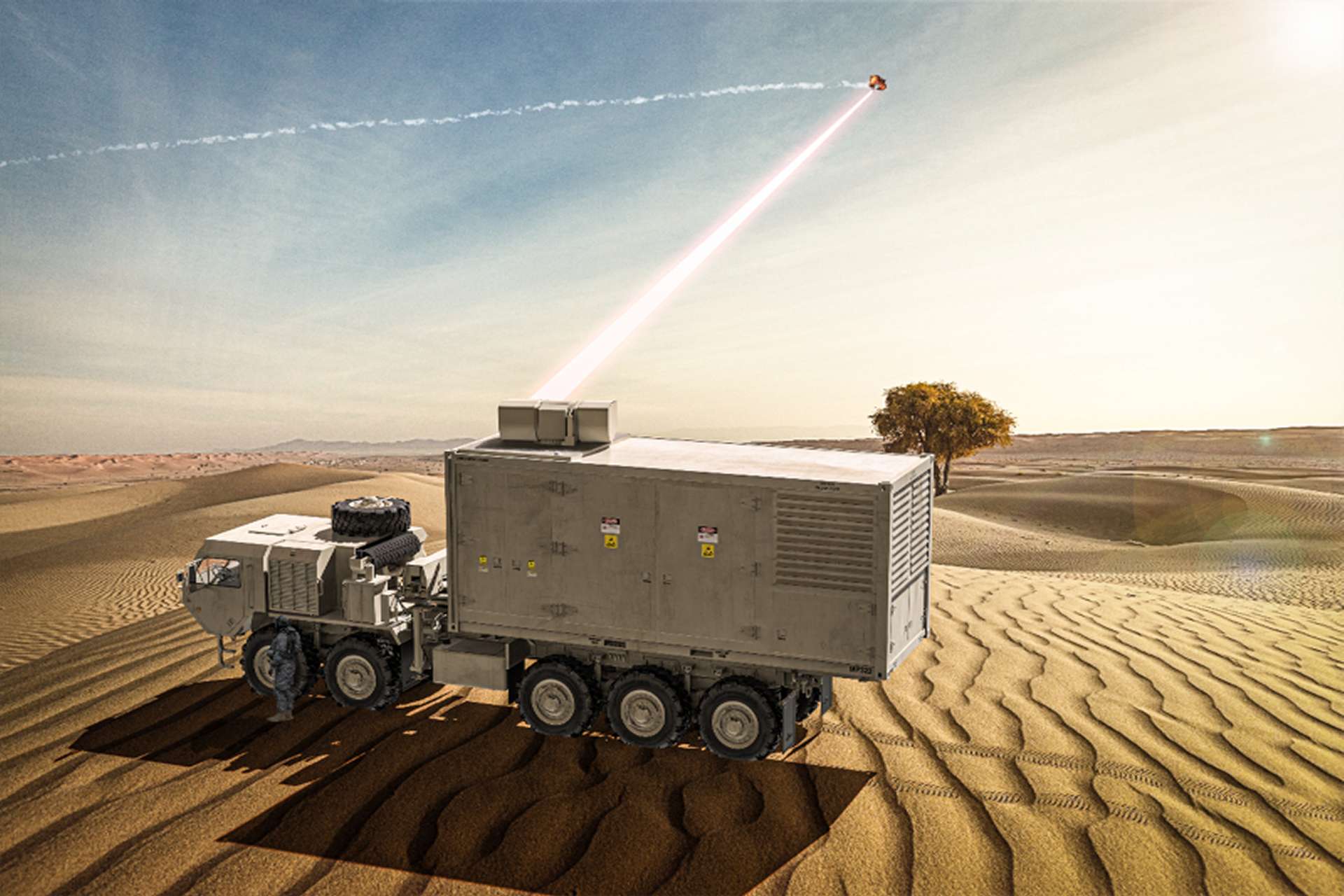
- Details
- Written by: Triffaux
- Category: Defence & Security Industry Technology
- Hits: 5189
The United States Department of Defense (DoD) announced on December 2, 2024, the adoption of a Strategy to Counter Unmanned Systems, signed by Secretary of Defense Lloyd J. Austin III. This key strategy addresses the growing threat posed by Unmanned Aerial Systems (UAS), commonly known as drones, which are transforming battlefields while creating vulnerabilities both in the United States and abroad. By consolidating its efforts, the DoD aims to adopt a unified and forward-looking approach to counter these ever-evolving threats across multiple domains.
High Energy Laser Weapon C-UAS (Picture source: Lockheed Martin)
Drones currently represent the most pressing challenge among unmanned systems, posing a significant danger to U.S. personnel, infrastructure, and strategic resources. Thanks to rapid advancements in technologies such as artificial intelligence, autonomy, and connected networks, these systems have become increasingly accessible and sophisticated. Used by states and non-state actors, they disrupt traditional operational principles by facilitating surveillance, attacks, and the disorganization of adversary forces. By reducing the human, financial, and reputational costs of conflicts, they democratize precision strike capabilities and increase the risk of unpredictable escalations, making deterrence more complex. The new strategy builds on existing initiatives like the creation of the Joint Counter-Small UAS Office, the establishment of the Warfighter Senior Integration Group to address urgent operational needs, and the launch of the Replicator 2 initiative to protect critical installations against small aerial systems.
The Joint Counter-Small UAS Office (JCO), established in 2019, was designed to centralize and coordinate the Department of Defense's (DoD) efforts in addressing the growing threats posed by small drones. These systems, widely used by armed groups and states since the mid-2010s, have become particularly concerning in conflict zones such as Ukraine, where their role has been amplified since the Russian invasion in 2022. These drones enable adversaries to monitor, disrupt, or attack sensitive forces and installations at a lower cost. The JCO plays a key role in developing technical and operational solutions to detect, neutralize, or destroy these systems while ensuring the rapid integration of innovations into the armed forces. In partnership with civilian agencies and international allies, it has been contributing since its inception to defining global standards and improving the interoperability of countermeasure systems.
Meanwhile, the Warfighter Senior Integration Group (WSIG), established in 2021, was created to address urgent operational needs related to the increasing use of unmanned systems in conflict zones, a phenomenon widely observed in recent clashes in Ukraine. Since 2022, drones have played a crucial role in the war between Russia and Ukraine, redefining military tactics by enabling precision strikes and constant surveillance. This group brings together multidisciplinary experts to rapidly design and deploy solutions tailored to on-the-ground challenges. Launched in 2023, the Replicator 2 initiative specifically focused on defending critical installations against drones, incorporating lessons learned from the fighting in Ukraine and leveraging advanced detection and neutralization technologies. Together, these programs provide a comprehensive and proactive response to the evolving drone landscape, thereby enhancing the security of U.S. armed forces and strategic infrastructures.
A key element of this strategy is the designation of the NORTHCOM and INDOPACOM commanders as the primary coordinators of efforts against UAS on national territory, ensuring a harmonized and effective response. This measure reflects the DoD's commitment to developing an integrated defense capable of addressing threats in all theaters of operation while leveraging emerging technologies.
This strategy is structured around five main pillars. The first involves understanding and anticipating trends in unmanned systems, notably by enhancing threat detection and analysis capabilities. The second aims to disrupt the networks supporting these technologies by targeting the production and proliferation chains of UAS through coordinated campaigns with other U.S. agencies. The third pillar emphasizes active and passive defense against these systems, with clarification of command chains and integration into military doctrines, training, and infrastructures. The fourth seeks to accelerate innovation and the implementation of effective countermeasures through modular solutions, agile approaches, and strengthened cooperation with allies and partners. Finally, the fifth pillar focuses on adapting future forces by integrating UAS countermeasures into the structure and capabilities of the armed forces to respond to new methods of warfare.
To ensure the success of this strategy, the DoD adopts a continuous campaign approach, collaborating with government partners, international allies, and the defense industry to align resources, capabilities, and usage standards for unmanned systems. This strategy marks a decisive step in responding to the challenges posed by these technologies, although its effectiveness will require constant reassessment in the face of rapidly evolving threats. It thus lays the foundation for a coherent and proactive action plan to protect the strategic interests of the United States.
Since 2019, the Department of Defense (DoD) has collaborated with defense companies to develop and deploy several systems designed to counter drones and the threats posed by unmanned systems. Among the technologies already operational, the Coyote Block 2, an interceptor drone designed by Raytheon Technologies, has been in service since 2021. Equipped with advanced sensors and high speed, it is particularly effective in neutralizing enemy drones in mid-flight, including those used in swarms. Additionally, directed energy-based systems, such as the HELWS (High Energy Laser Weapon System) anti-drone laser developed by Northrop Grumman, offer an economical and effective single-shot solution. Used since 2022 to protect sensitive military bases, these systems complement radio frequency jammers like the DroneDefender designed by Battelle, which disrupt enemy drone communications by immobilizing them or forcing them to land.
In parallel, several ongoing development projects aim to address emerging threats. The Replicator 2 initiative, launched in 2023, focuses on modular systems capable of countering autonomous and sophisticated drones, including swarms. It incorporates solutions such as Northrop Grumman's AN/TPS-80 G/ATOR radar, which enhances drone detection in complex and varied environments. Finally, the Valkyrie project, a stealth drone under development since 2020 by Kratos Defense & Security Solutions, is tasked with countering adversary drones while supporting electronic warfare operations. These systems, the result of collaborations between the DoD and key defense industry players, illustrate a proactive technological response to the rapidly evolving threats associated with unmanned systems.
Read more: US Conceives Integrated Strategic Plan to Combat Modern Aerial Drone Threats

- Details
- Written by: Triffaux
- Category: Defence & Security Industry Technology
- Hits: 3670
On November 7, 2024, the U.S. Air Force’s new tactical air-to-surface weapon, known as the Stand-in Attack Weapon (SiAW)developped by Northrop Gruman, reached a major milestone in its development. An unpowered version of the SiAW, called the Jettison Test Vehicle (JTV), was successfully released from an F-16 Fighting Falcon of the 40th Flight Test Squadron during a test over the Gulf of Mexico. This successful separation test demonstrates the missile's compatibility with its carrier aircraft and paves the way for further testing phases.
Follow Army Recognition on Google News at this link
Northrop Grumman prepares the Stand-in Attack Weapon (SiAW) test missile for delivery to the U.S. Air Force.
(Picture source: Northrop Grumman)
Developed from the AGM-88G Advanced Anti-Radiation Guided Missile-Extended Range (AARGM-ER), the SiAW is designed to neutralize high-value, mobile targets such as enemy cruise missile launchers, anti-ship systems, and electronic warfare platforms. Although the missile used in this test was not equipped with a motor or electronics, the data from its separation provides critical insights to ensure safe deployment in operational scenarios. The SiAW aims to surpass its predecessor in terms of speed, range, and precision, representing a key focus of its development.
The development of the Stand-in Attack Weapon (SiAW) began in the late 2010s as part of a modernization effort by the U.S. Air Force to counter emerging threats, including mobile cruise missile launchers, anti-ship systems, and electronic warfare platforms. Building on the AGM-88G AARGM-ER as a foundation, the SiAW was designed to offer enhanced range, speed, and precision, meeting the demands of rapidly evolving combat environments. Early design and integration efforts focused on adapting the AARGM-ER framework while ensuring compatibility with advanced aircraft like the F-16 Fighting Falcon.
In September 2023, the U.S. Air Force awarded Northrop Grumman the contract for the SiAW program. The company is advancing the weapon’s development, carrying out platform integration, and executing the flight test program to enable rapid prototyping and fielding by 2026. The F-35A Joint Strike Fighter is expected to become the first operational launch platform for the SiAW. This missile is being developed to deliver high-speed strike capabilities against various time-sensitive ground targets. The Air Force has stated that the SiAW could also equip "future stealth aircraft," including the B-21 Raider stealth bomber and various uncrewed platforms, in addition to the F-35A.
The Stand-in Attack Weapon (SiAW) is a next-generation air-to-surface missile derived from the AGM-88G AARGM-ER, designed to neutralize mobile and time-sensitive threats. It features an advanced guidance system for precision strikes, likely integrating GPS and inertial navigation, along with enhanced resistance to modern electronic warfare. While official specifications remain classified, the SiAW is expected to exceed the AARGM-ER’s Mach 4 speed and 180-mile (290 km) range, offering extended standoff strike capabilities. Its design ensures compatibility with various aircraft, including the F-16, and guarantees safe separation and reliable performance in contested environments.
The SiAW provides significant advantages for armed forces by enabling precision strikes against high-value, mobile targets such as cruise missile launchers, anti-ship systems, and electronic warfare platforms. Its advanced design, based on the AGM-88G AARGM-ER, ensures improved range, speed, and precision, allowing threats to be neutralized from safer distances. Compatibility with platforms like the F-16 enhances operational flexibility, making the SiAW a versatile and effective tool for modern combat scenarios where agility and rapid response are essential. This system equips armed forces to counter emerging threats and maintain superiority in dynamic and contested environments.
The test involved multiple units from the 96th Test Squadron, with operations coordinated through Eglin’s Central Control Facility. Engineers meticulously planned the event, monitored the separation in real time, and will conduct a thorough post-flight analysis to refine the missile’s design. Mission pilots and photographers captured aerial footage critical for evaluating the test's success.
In practical terms, the SiAW is especially useful in scenarios where an enemy force uses mobile cruise missile launchers to threaten a naval fleet or allied bases. These launchers, often equipped with electronic jamming capabilities, frequently relocate to evade detection and destruction.
With the SiAW, an aircraft like the F-16 can engage these targets without directly exposing itself to enemy defenses, thanks to the missile’s extended range and supersonic speed. For example, a pilot can identify a launcher using real-time intelligence, fire the SiAW while remaining outside the danger zone, and neutralize the threat before the enemy can reposition. Furthermore, the missile’s resistance to electronic jamming ensures it will hit its target despite countermeasures. This capability protects troops and infrastructure while minimizing risks to pilots and their aircraft.

- Details
- Written by: Triffaux
- Category: Defence & Security Industry Technology
- Hits: 9786
On December 4, 2024, the Belgian Air Component unveiled the first official images of its F-35 fighter jet in Belgian colors. The aircraft, which recently arrived at Luke Air Force Base in Arizona, United States, marks a decisive step in the transition to Belgium’s new combat capability. While this milestone supports the modernization of the Air Component and strengthens its role in defending national airspace and NATO’s collective security framework, it also symbolizes the imminent end of an era for the iconic F-16s, which have served Belgium with distinction for decades. This chapter, soon to close, paves the way for a new era of advanced technology and enhanced operational readiness.
Belgium's first fifth-generation F-35 Fighter Jet (Picture source: Belgium MoD)
The delivery of Belgium's first fifth-generation F-35 fighter jet marks a critical milestone in the country’s efforts to modernize its air force. Approved by the Belgian government in 2018, the F-35 program replaces the aging fleet of F-16s, representing a substantial investment in national defense capabilities. This acquisition aligns with Belgium’s commitments to NATO and the European Union, ensuring its capacity to operate in complex and contested environments while enhancing both national security and collective defense.
From a technical standpoint, the F-35A surpasses the F-16 in nearly every domain. Powered by a Pratt & Whitney F135 engine, it generates a thrust of 43,000 pounds compared to the F-16’s 29,000 pounds with its General Electric F110 engine. This gives the F-35A a maximum speed of Mach 1.6 and a combat range of 1,200 nautical miles (2,200 km) with internal fuel tanks, significantly extending its operational reach. The F-35’s stealth is based on an integrated design and radar-absorbing materials, making it up to 10 times less detectable than the F-16. Additionally, it features an advanced sensor fusion system that compiles real-time data from various onboard sensors (AESA radar AN/APG-81, infrared sensors AN/AAQ-37, and electro-optical targeting system AN/AAQ-40). This data is displayed to pilots through the revolutionary Gen III HMDS helmet, providing a 360° view and unprecedented targeting capabilities.
The F-16, while effective in its time, is limited in its ability to execute high-intensity modern missions. It performs well in air-to-ground and air superiority roles but requires costly modifications for each specific mission. In contrast, the F-35 is designed as a truly versatile multirole platform, capable of simultaneously executing precision strikes, advanced reconnaissance, and electronic warfare operations. For instance, its integrated AN/ASQ-239 electronic warfare system enables it to neutralize sophisticated enemy defenses—an impossible task for the F-16 without external support.
Finally, the F-35 significantly enhances operational availability. Its ALIS (Autonomic Logistics Information System), which is transitioning to ODIN (Operational Data Integrated Network), automates maintenance management, reducing intervention times. By contrast, the F-16, nearing the end of its operational life, faces rising maintenance costs and logistical constraints.
The F-35A Lightning II, now featuring the advanced Technology Refresh 3 (TR-3) upgrade, offers significantly enhanced capabilities. This upgrade includes improved computing power, expanded memory, and compatibility with Block 4 advancements, such as modernized sensors, precision weapon systems, and upgraded electronic warfare tools. These features boost the aircraft's ability to detect, engage, and counter sophisticated threats across air, land, and cyber domains, providing pilots with a decisive edge in multi-domain operations.
Equipped with cutting-edge stealth technology, network connectivity, and a versatile weapons suite, the F-35A is capable of executing a broad spectrum of missions, including tactical support, air-to-ground strikes, and strategic deterrence. Its AN/APG-81 radar and Distributed Aperture System (DAS) ensure unmatched situational awareness, enabling long-range threat detection and 360-degree coverage. As a cornerstone of modern airpower, the F-35A strengthens allied air forces' capabilities, ensuring air superiority and enhanced interoperability.
The arrival of the first Belgian F-35 also signals a significant technological and operational transition. Belgian pilots and technicians will undergo training at Luke Air Force Base in Arizona, an international hub for F-35 expertise, where allied air forces collaborate closely. This environment ensures comprehensive preparation for operating and maintaining the aircraft's advanced systems, reinforcing Belgium's integration into the global F-35 network alongside European partners such as the Netherlands, the United Kingdom, Norway, and Denmark.
Belgium plans to acquire 34 F-35 aircraft, although the delivery timeline has faced delays, with completion now anticipated by mid-2025. These delays, attributed to industrial and logistical challenges faced by Lockheed Martin, have prompted discussions in the Belgian parliament regarding operational impacts. Financial penalties outlined in the contract aim to address these setbacks. Despite these challenges, the program remains a critical pillar of Belgium's defense strategy, offering transformative capabilities and strengthening its role within NATO and European security frameworks.
Read more: Focus F-35 vs. F-16: What Fifth-Generation Fighter Brings to Belgium's Air Force ?
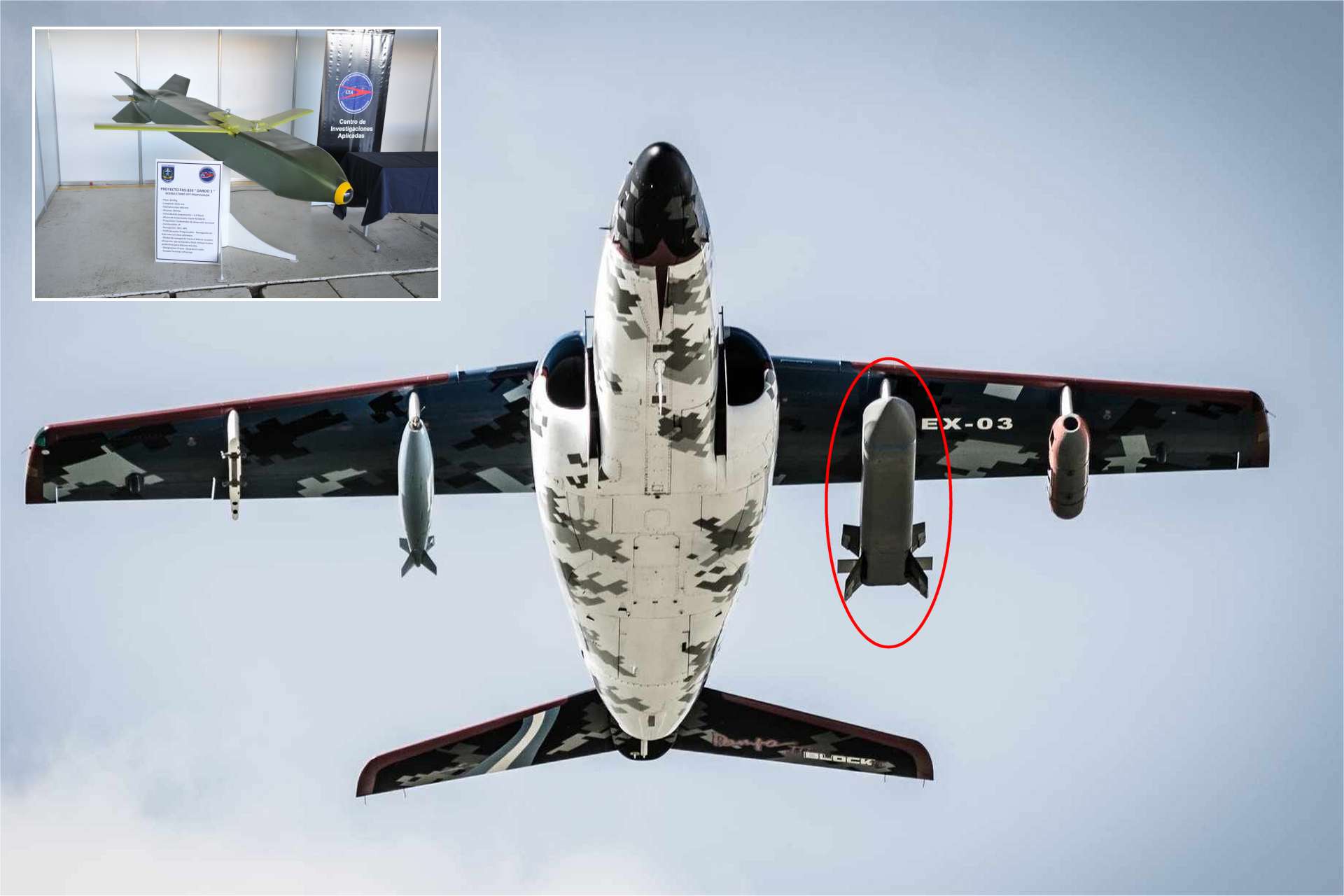
- Details
- Written by: Triffaux
- Category: Defence & Security Industry Technology
- Hits: 5673
The Argentine Air Force has officially relaunched the FAS 850 Dardo 3 glide bomb project, which was previously suspended, in collaboration with the Applied Research Center (CIA) of the General Directorate of Research and Development (DGID) and the Flight Test Center (CEV). This project, which had been dormant for a decade, has now been revived with flight tests using a prototype of the Pampa III (registration EX-03) light attack aircraft. The aircraft conducted a flight with an inert bomb envelope fixed under the wing, accompanied by a container equipped with cameras to analyze its performance. These tests mark a crucial first step toward reintegrating the Dardo into the operational capabilities of the armed forces.
Pampa III Light Attack Aircraft armed with Fabricaciones Militares Dardo 3 Glide Bomb (Picture source: Argentina MoD and Wikimedia)
The objective of the tests is to assess the safe separation of inert bombs from the Pampa III by 2025, before progressing to the launch of powered bombs. This process will culminate with the integration of GPS guidance systems and explosive warheads. Historically, the Dardo has evolved since the 1980s Dardo I, a conventional bomb equipped with a rocket engine. Its successor, the Dardo II, introduced deployable wings and a GPS guidance system. Initial tests with a Mirage IIIC showed promising results, but work was interrupted several times over the years.
The Dardo system is a glide bomb developed by Argentina. It was designed by the Argentine company Fabricaciones Militares, a state-owned enterprise specializing in the production of armaments and munitions. Fabricaciones Militares is under the supervision of the Argentine Ministry of Defense and plays a key role in the development and production of military equipment for the country's armed forces.
The program resumed in 2007 with tests on A-4AR Fightinghawk and Dassault Super Étendard aircraft. The development of the FAS-850 Dardo 2-B variant incorporated innovations such as an inertial navigator and GPS guidance, achieving a range of 60 km and a launch speed of up to Mach 0.9. Meanwhile, the Dardo 2-C variant, powered by a turbine from a Mirage APU, achieved an impressive range of 200 km before being renamed Dardo III. However, the project was suspended in 2012.
Now, the Applied Research Center (CIA) and the Flight Test Center (CEV) are working on its integration into the Pampa III, with tests planned through 2025. The program's revival opens new perspectives. If successful, the Pampa III could become a long-range strike platform, capable of accurately destroying targets while avoiding enemy air defenses. Although challenges remain, including potential integration with the F-16, subject to U.S. approval, the resumption of serial production of Dardo bombs could significantly enhance the Argentine military's tactical and strategic capabilities.
Furthermore, the Dardo system offers the Argentine armed forces a significant tactical advantage by enabling long-range precision strikes while minimizing exposure to enemy air defenses. With its guidance system combining inertial navigation, GPS, and an infrared camera for the final flight phase, the Dardo III can reach targets up to 200 km away. This capability extends the operational range of aircraft like the Pampa III, allowing them to effectively neutralize strategic targets from a secure distance, thus strengthening national defense while reducing risks to personnel and equipment.
The Dardo glide bomb, in its most advanced version, has impressive technical capabilities that make it a strategic asset for the Argentine Air Force. Equipped with a GPS guidance system coupled with an inertial navigator, it can hit targets with great precision. Its range varies depending on the version: the Dardo II reaches 60 km, while the Dardo III, equipped with a small turbine derived from a Mirage APU, can strike at a distance of 200 km. The bomb is designed to be released from a maximum altitude of 40,000 feet, at speeds of up to Mach 0.9. It can carry payloads such as a Mk.82 bomb or a 500-pound Expal BK-BR, with sophisticated guidance devices and proximity fuses. These features allow the carrying aircraft to make precision strikes while staying out of range of enemy air defenses, thus enhancing its operational effectiveness.
Armed forces around the world are currently using various laser-guided bomb systems to improve the precision of their airstrikes, and these technologies have also found crucial applications in the Ukraine conflict. For instance, the GBU-12 Paveway II bomb, based on a 500-pound Mk 82 bomb, is widely used by the U.S. Air Force, U.S. Navy, and other air forces. It uses a laser seeker mounted on the nose and tailfins for guidance, enabling a precise trajectory to the designated target. Similarly, the Paveway IV, an advanced version with GPS/INS and laser guidance, is in service with the Royal Air Force and the Royal Saudi Air Force. In France, the Armement Air-Sol Modulaire (AASM), also known as "Hammer," is a modular air-to-ground precision weapon used by the French Air and Space Force and the French Navy. This system, which combines inertial/GPS guidance with an option for terminal infrared or laser guidance, has also been used in Ukraine. In this conflict, laser-guided munitions, including those supplied by allies, have enabled Ukrainian forces to carry out precise strikes against strategic Russian targets, although sometimes hindered by enemy electronic countermeasures. These systems illustrate the widespread adoption of laser guidance technologies for precise airstrikes, even in complex electronic warfare environments.
Read more: Argentine Air Force Revives Dardo 3 Glide Bomb Program
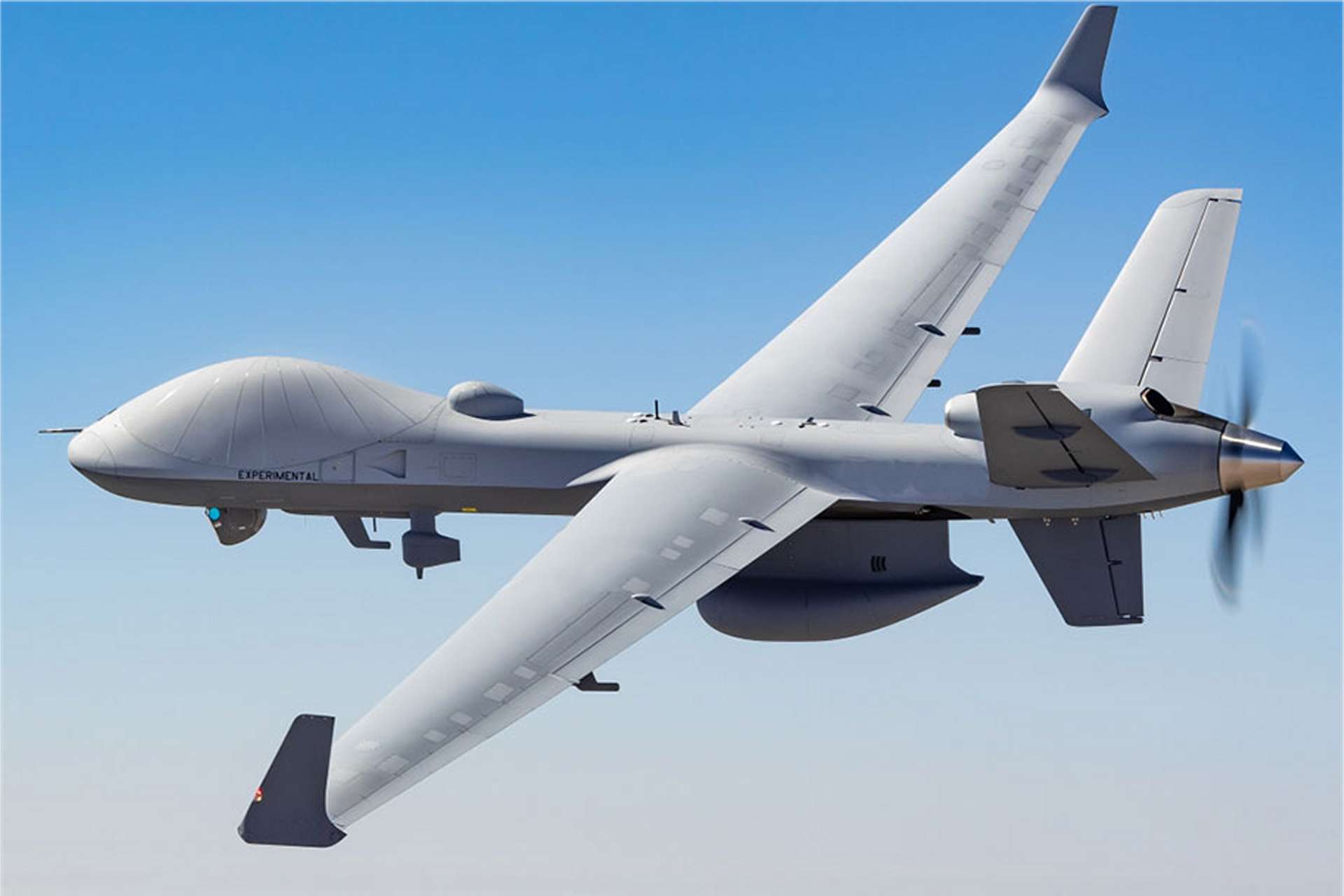
- Details
- Written by: Triffaux
- Category: Defence & Security Industry Technology
- Hits: 4073
On December 3, 2024, the Japan Maritime Self-Defense Force (JMSDF) announced the selection of the SeaGuardian® remotely piloted aircraft (RPA) system from General Atomics Aeronautical Systems, Inc. (GA-ASI) as part of its long-endurance drone program. This decision follows a series of trials conducted since May 2023 under the Medium-Altitude Long-Endurance (MALE) systems project, aimed at assessing the performance of drones for missions traditionally handled by manned aircraft. The trials demonstrated the SeaGuardian’s ability to meet the JMSDF’s maritime surveillance requirements.
Japan selects GA-ASI SeaGuardian long-endurance drone. (Picture source: General Atomics)
The SeaGuardian is a MALE RPA capable of extended flights exceeding 24 hours, depending on its configuration. Its advanced Maritime Wide Area Surveillance (MWAS) capabilities, enhanced by GA-ASI's Optix+ software suite, provide operators with a complete real-time operational picture. Optix+ integrates data from the SeaGuardian’s sensors and other intelligence sources, enabling automatic detection and analysis of unusual behavior across vast oceanic areas. This feature supports the JMSDF’s mission to ensure maritime security and enhances Japan’s intelligence, surveillance, and reconnaissance (ISR) capabilities in a complex geopolitical context.
Equipped with state-of-the-art technology, the SeaGuardian features two multi-mode maritime surface-search radars with Inverse Synthetic Aperture Radar (ISAR) imaging, an Automatic Identification System (AIS) receiver, high-definition optical and infrared cameras, and electronic intelligence receivers. These systems enable real-time detection, tracking, and identification of surface vessels over thousands of square nautical miles. The system can also automatically correlate AIS data with radar and electronic intelligence tracks, delivering unparalleled maritime situational awareness.
The JMSDF’s selection of the SeaGuardian® system reflects a strategic effort to modernize its maritime surveillance capabilities through the integration of high-performance drones. The process began in May 2023 when the JMSDF initiated trials under the MALE systems project, aimed at evaluating drones as an alternative or complement to manned aircraft missions.
During these trials, the SeaGuardian showcased exceptional capabilities in various operational scenarios, including continuous surveillance over large maritime areas and automatic target detection. Its performance underscored its suitability for the JMSDF’s specific needs, such as real-time intelligence collection, tracking anomalous maritime behavior, and correlating multi-source data. These trials also confirmed the SeaGuardian’s operational endurance of over 24 hours, a critical factor for long-duration maritime missions.
The final decision, announced on December 3, 2024, was driven by several factors: the SeaGuardian’s advanced technology, its ability to detect and identify maritime targets with a comprehensive sensor suite, and its integration with GA-ASI's Optix+ software. This software rapidly correlates collected data and provides clear visualization for operators, facilitating real-time decision-making.
This acquisition aligns with the JMSDF’s long-term vision of bolstering maritime security within a complex geopolitical environment in the Asia-Pacific region. By integrating SeaGuardian drones into its fleet, Japan is equipping itself with a high-performance tool to monitor its vast territorial waters and anticipate emerging threats while reducing risks to human crews.
This acquisition highlights the JMSDF’s commitment to adopting innovative unmanned solutions for maritime security. By leveraging the SeaGuardian’s extended operational endurance and advanced ISR suite, Japan enhances its capability to monitor and protect its maritime domain, contributing to regional stability and advancing its strategic defense objectives. The partnership between GA-ASI and the JMSDF reflects a shared vision of integrating unmanned technologies to address emerging threats and challenges in the Indo-Pacific region.
The development of the SeaGuardian® by General Atomics Aeronautical Systems, Inc. (GA-ASI) began as an extension of its MQ-9 series, with a focus on maritime operations. Introduced in the late 2010s, it was designed to meet the growing demand for unmanned systems capable of persistent, wide-area maritime surveillance. By 2020, the SeaGuardian had integrated advanced sensor technologies, including multi-mode radars, an Automatic Identification System (AIS), and high-definition electro-optical/infrared cameras, tailored for naval and coastal security missions. In 2023, its capabilities were tested extensively in operational scenarios, such as during the JMSDF’s MALE trials, confirming its suitability for replacing or augmenting manned surveillance aircraft. The JMSDF's selection in December 2024 marks a significant milestone in its operational adoption for maritime security.
Japan has explored several options for its long-endurance drone program. In addition to the SeaGuardian from General Atomics, the Japan Air Self-Defense Force acquired three RQ-4 Global Hawk High-Altitude Long-Endurance (HALE) drones, with the first delivery taking place in March 2022. Furthermore, in December 2023, Japan obtained observer status in the European MALE (Medium-Altitude Long-Endurance) drone program, led by Airbus, Dassault Aviation, and Leonardo, signaling interest in potential future collaboration in this domain. These initiatives highlight Japan's strategy to diversify and modernize its surveillance and reconnaissance capabilities.
Military relations between the United States and Japan have strengthened over the past decade in response to growing tensions in the Asia-Pacific region. Since 2017, Japan has deepened its cooperation with the United States by acquiring advanced systems to modernize its defense capabilities. These include F-35A and B fighter jets for its air force and converted helicopter carriers, as well as the Aegis Ashore missile defense system (partially suspended) and the AN/SPY-7 radar to protect against ballistic missile threats. This technological and operational partnership underscores the United States' pivotal role in enhancing Japan's defensive posture, particularly amid China’s military expansion and North Korea’s provocations.
Read more: Japan Increases Maritime Surveillance with SeaGuardian High-Endurance Drone Selection
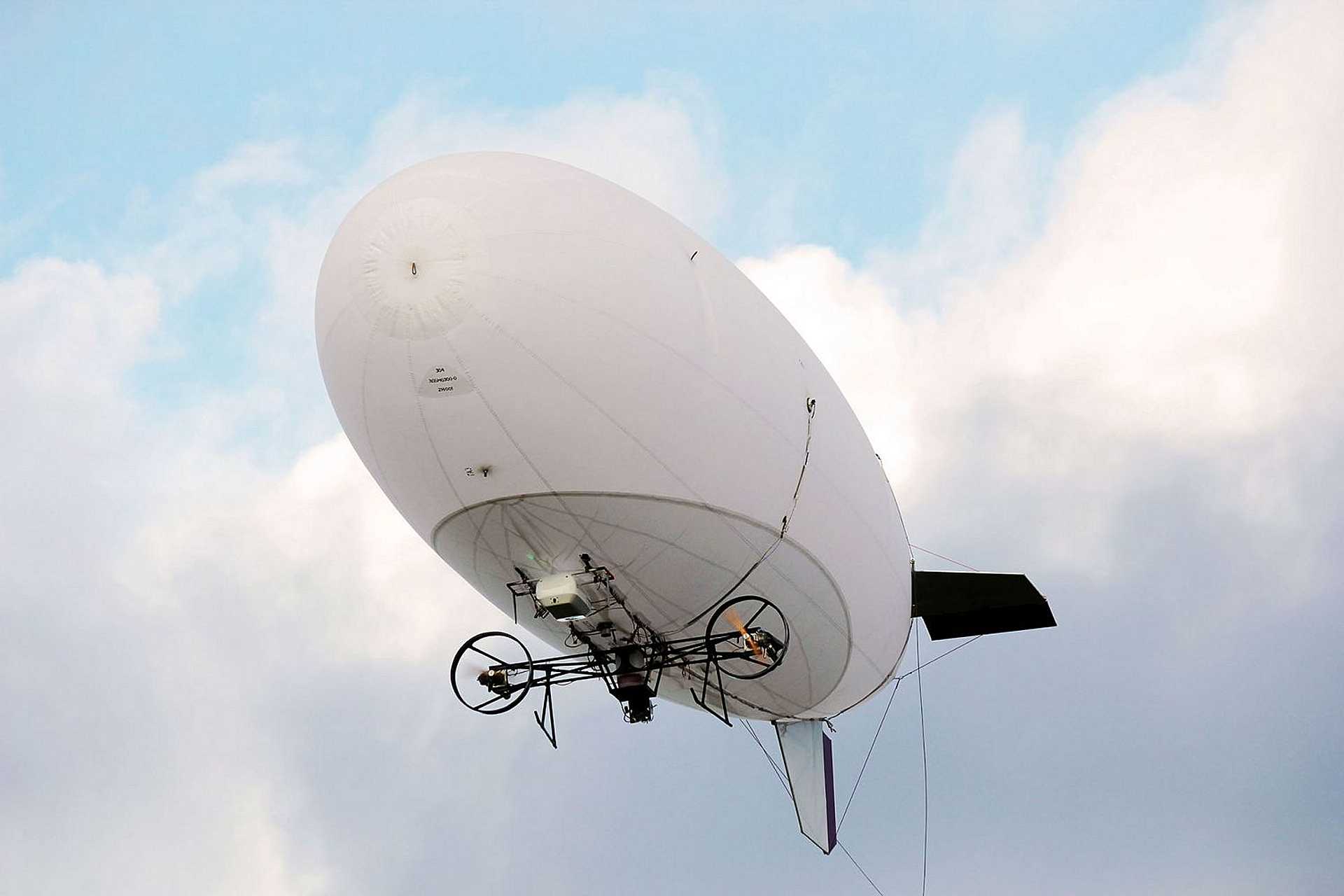
- Details
- Written by: Administrator
- Category: Defence & Security Industry Technology
- Hits: 14088
The Russian Company Dolgoprudny Design Bureau of Automation (DKBA), part of Rostec's Russian state defense Group, has partnered with Bauman Moscow State Technical University to develop cutting-edge long-duration stratospheric balloon platforms. The collaboration, announced on December 2, 2024, aims to enhance Russia’s capabilities in aerospace technology, with applications spanning military reconnaissance, communications, and surveillance.
Follow Army Recognition on Google News at this link
A stratospheric balloon equipped with advanced surveillance technology designed for extended operations at high altitudes. These platforms are emerging as cost-effective solutions for military reconnaissance and intelligence gathering. (Picture source: ROSTEC)
The agreement, signed by Mikhail Kalinin, CEO of DKBA, and Mikhail Gordin, Rector of Bauman Moscow State Technical University, outlines the joint effort to develop a free-flying balloon system that can remain in the air for extended periods. The balloons will feature an automated pneumatic balancing system that regulates the pressure inside the balloon, maintaining its shape and altitude in response to changes in external temperature, pressure, and altitude. This technology ensures long-term flight stability, an essential feature for continuous reconnaissance and surveillance missions.
The project’s core objective is to develop a tethered balloon complex with a volume capacity of up to 5,000 cubic meters. This platform will be equipped with a power supply system and winches for safe and efficient deployment and operation at high altitudes. The project will be overseen by Bauman Moscow State Technical University’s Youth Engineering Center (YEC), a key body responsible for transforming advanced engineering solutions into practical, scalable systems.
The balloon systems currently under development are tailored for surveillance and reconnaissance missions, offering substantial advantages over traditional satellite or aerial platforms. Their low production and operational costs make them a cost-effective and scalable solution, particularly as they approach industrial-scale deployment. This affordability makes them well-suited for prolonged surveillance missions. Additionally, these balloons can operate stably across a broad range of altitudes, enabling critical military tasks such as border monitoring, tracking enemy movements, and providing communication relays in remote areas. Their capacity to maintain a fixed position at high altitudes for extended periods enhances their utility for persistent surveillance.
Stratospheric balloons also offer unique flexibility and stealth. Unlike satellites, which are bound by orbital paths, these balloons can be deployed on-demand and stationed over target areas for extended durations, ranging from hours to days. This on-demand capability, coupled with a lower radar signature than conventional aircraft, provides a tactical advantage for intelligence gathering. Furthermore, they are effective platforms for relaying communications across vast distances, particularly in contested or communication-denied environments. By acting as mobile communication hubs, they can support military units in the field or in remote locations lacking traditional infrastructure, making them a versatile and reliable asset for modern military operations.
These balloons are being developed in the context of Russia's growing interest in enhancing its reconnaissance and monitoring capabilities, especially given the complex geopolitical climate and the ongoing conflicts where persistent, low-cost surveillance tools are invaluable.
The Russian push to develop long-duration stratospheric balloons follows a trend observed in other global powers, notably China, which has used similar technologies for both military surveillance and civilian purposes.
In recent years, China has conducted several high-profile surveillance missions using high-altitude balloons, including its infamous spy balloon incident earlier in 2023, when a Chinese balloon was detected flying over the United States. These incidents sparked debates on the efficacy and risks associated with using stratospheric balloons for intelligence gathering.
China's use of balloons for surveillance missions is motivated by their ability to operate at altitudes beyond the reach of most conventional air defense systems, making them harder to detect or intercept than drones or aircraft. These balloons can carry payloads including surveillance cameras, signal interceptors, and radar systems. By staying in the stratosphere (around 30-40 km), they remain outside the reach of most fighter jets and anti-aircraft missiles, allowing them to provide uninterrupted surveillance over vast areas.
In addition to military espionage, such balloons can also serve for geospatial monitoring, weather data collection, and communication relays, creating a versatile tool in China’s civil-military integration strategy.
The Russian efforts in this domain build on decades of expertise in aerostatic technology. DKBA, which has been at the forefront of developing aerostats, airships, and special-purpose aerial systems, has been involved in several projects related to space and aeronautical equipment. The recent collaboration with Bauman Moscow State Technical University reflects the growing focus on long-endurance flight systems for both civilian and military applications.
Notably, Russia has already demonstrated significant progress in this field. In 2023, a 65-cubic-meter unmanned airship was successfully launched, staying aloft for over 10 hours and covering a distance of 200 km. Furthermore, a stratospheric balloon was launched to an altitude of 4,000 kilometers, remaining in the air for more than 100 hours, proving the viability of long-duration missions in extreme conditions.
The development of these long-duration stratospheric balloons aligns with broader goals for persistent surveillance and advanced communication technologies in military operations. As these systems mature, they could complement existing platforms like satellites and drones, filling gaps in real-time intelligence, border control, and military readiness.
As the project progresses, the Dolgoprudny Design Bureau of Automation and Bauman Moscow State Technical University are poised to become key players in Russia's expanding aerospace capabilities, offering a new, cost-effective option for long-term surveillance and aerial intelligence gathering. With Russia’s growing interest in these technologies, we may soon see stratospheric balloons playing a key role in modern military operations, providing aerial presence without the cost and risk associated with traditional aircraft or satellites.
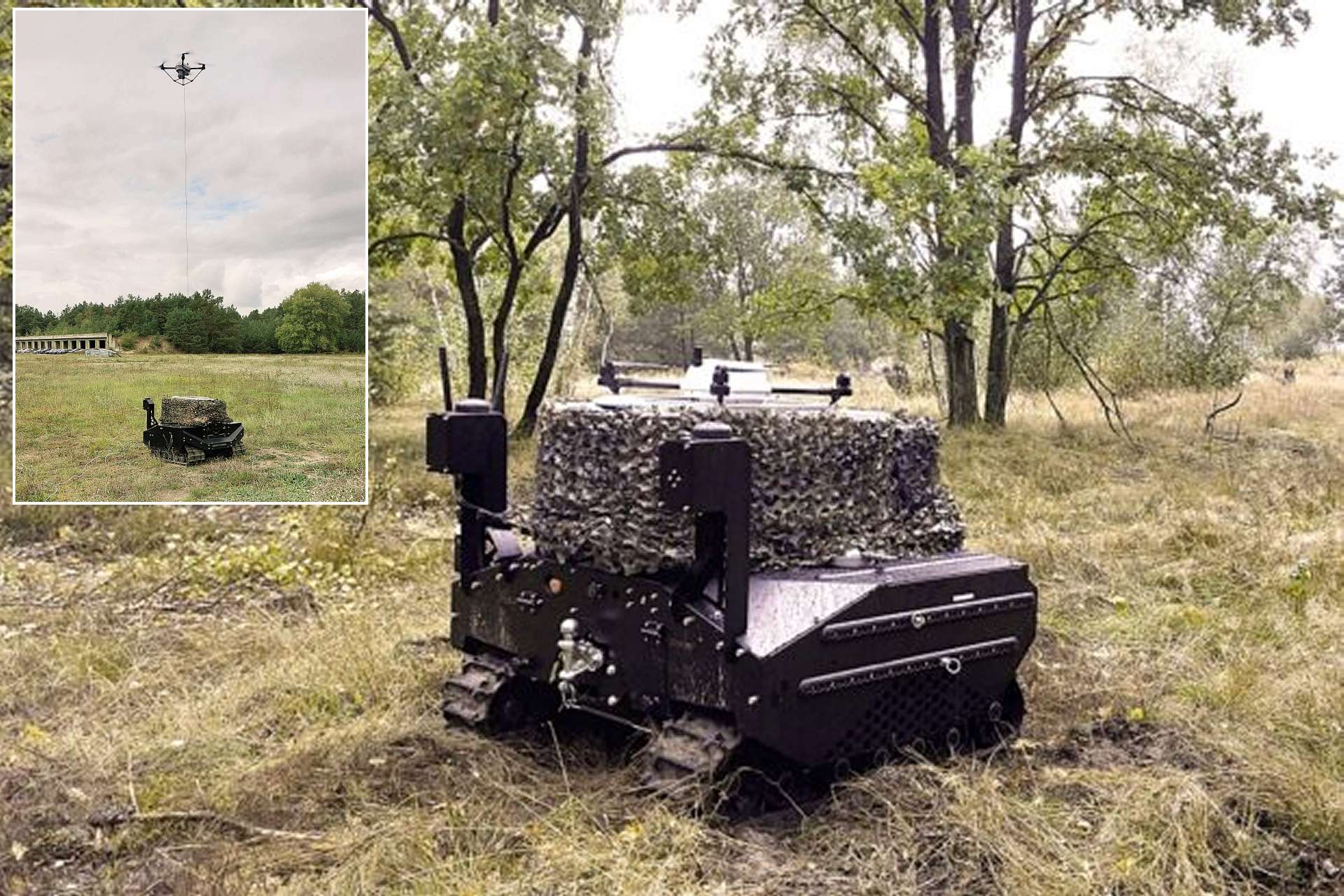
- Details
- Written by: Triffaux
- Category: Defence & Security Industry Technology
- Hits: 3313
On November 27, 2024, Elistair announced that the German Army successfully tested a solution combining two advanced Intelligence, Surveillance, and Reconnaissance (ISR) systems: Elistair's KHRONOS DroneBox and ARX Robotics' GEREON RCS autonomous ground vehicle (UGV). These tests were conducted over three weeks as part of an experimentation series organized by the Bundeswehr's Army Concepts and Capabilities Development Center. The goal was to assess the effectiveness of these technologies in various tactical scenarios.
With a combined system like the KHRONOS DroneBox and the GEREON RCS UGV, the tethered drone can remain airborne for extended periods, continuously powered by a cable attached to the UGV. (Picture source: Elistair)
The KHRONOS DroneBox by Elistair provides a tethered aerial platform capable of continuous surveillance in contested environments, while ARX Robotics' GEREON RCS delivers autonomous ground mobility and real-time data transmission. Together, these systems enable extended ISR coverage over large areas, enhancing situational awareness while reducing risks to soldiers.
Marc Wietfeld, CEO of ARX Robotics, stated, "By integrating the DroneBox with our GEREON RCS UGV, we have created a sustainable and effective solution that ensures real-time intelligence and rapid response. This combination significantly enhances multi-domain coverage, optimizing modern military operations." Steve Allcock, Head of Partnerships at Elistair, added, "This partnership represents a breakthrough in integrating autonomous systems, meeting current defense needs while minimizing troop exposure to threats."
The trials demonstrated the versatility and reliability of this solution for applications such as border surveillance and field reconnaissance. Through this collaboration, Elistair and ARX Robotics mark a significant step toward the adoption of autonomous ISR systems to meet the growing demands of modern military operations.
The German Army's interest in adopting combined tethered drone and autonomous ground vehicle systems, like those from Elistair and ARX Robotics, reflects lessons learned from the conflict in Ukraine, where autonomous ISR technologies have proven their effectiveness. These systems allow for prolonged and continuous surveillance, even in contested environments, while reducing soldiers' exposure to direct threats. Their ability to provide real-time intelligence and adapt to dynamic tactical scenarios greatly enhances situational awareness and responsiveness—key advantages against adversaries employing hybrid tactics or offensive drones.
In a practical scenario, imagine a military unit needing to monitor a high-risk border area where enemy infiltrations are suspected. With a conventional drone, the unit could monitor the area, but only for a limited time before the drone's battery is depleted, requiring it to return for recharging. This causes interruptions in surveillance and exposes soldiers to risks during redeployment.
With a combined system like the KHRONOS DroneBox and the GEREON RCS UGV, the tethered drone can remain airborne for extended periods, continuously powered by a cable attached to the UGV. The GEREON, mobile on the ground, acts as a base for the drone while moving within the area, transmitting the collected data in real time. This provides the unit with uninterrupted aerial surveillance over a large area while keeping soldiers safely stationed at a remote control post. Such a system is invaluable for detecting enemy movements or monitoring dangerous areas, as demonstrated by Ukraine's tactical needs in the face of hybrid and unpredictable threats.
The KHRONOS DroneBox by Elistair is a tethered drone system designed to offer prolonged and continuous aerial surveillance, ideal for complex tactical environments. Its tether allows the drone to operate for up to 24 hours uninterrupted, transmitting real-time data to a control station. It can reach an altitude of 60 meters, providing a strategic aerial view over wide areas. Fully automated, the DroneBox can be quickly deployed and requires minimal supervision, reducing operational constraints. Its ability to function in harsh weather conditions and contested zones makes it a highly sought-after solution for surveillance, security, and defense missions.
The GEREON RCS by ARX Robotics is a robust, modular autonomous ground vehicle designed for versatile tactical missions. Weighing 450 kg, it can carry a payload of up to 600 kg, enabling it to integrate various equipment such as communication systems or ISR sensors. With a range of 40 km and a top speed of 20 km/h, it is well-suited for extended operations. Equipped with advanced sensors, including GPS receivers and a LIDAR system, the GEREON RCS can navigate autonomously in complex environments, map its surroundings, and avoid obstacles. Its role as a mobile platform for systems like the DroneBox makes it a key element of modern ISR solutions, particularly in scenarios where mobility and autonomy are critical.
Read more: German Army Improves Battlefield Intelligence with Elistair's ISR-Focused UGVs
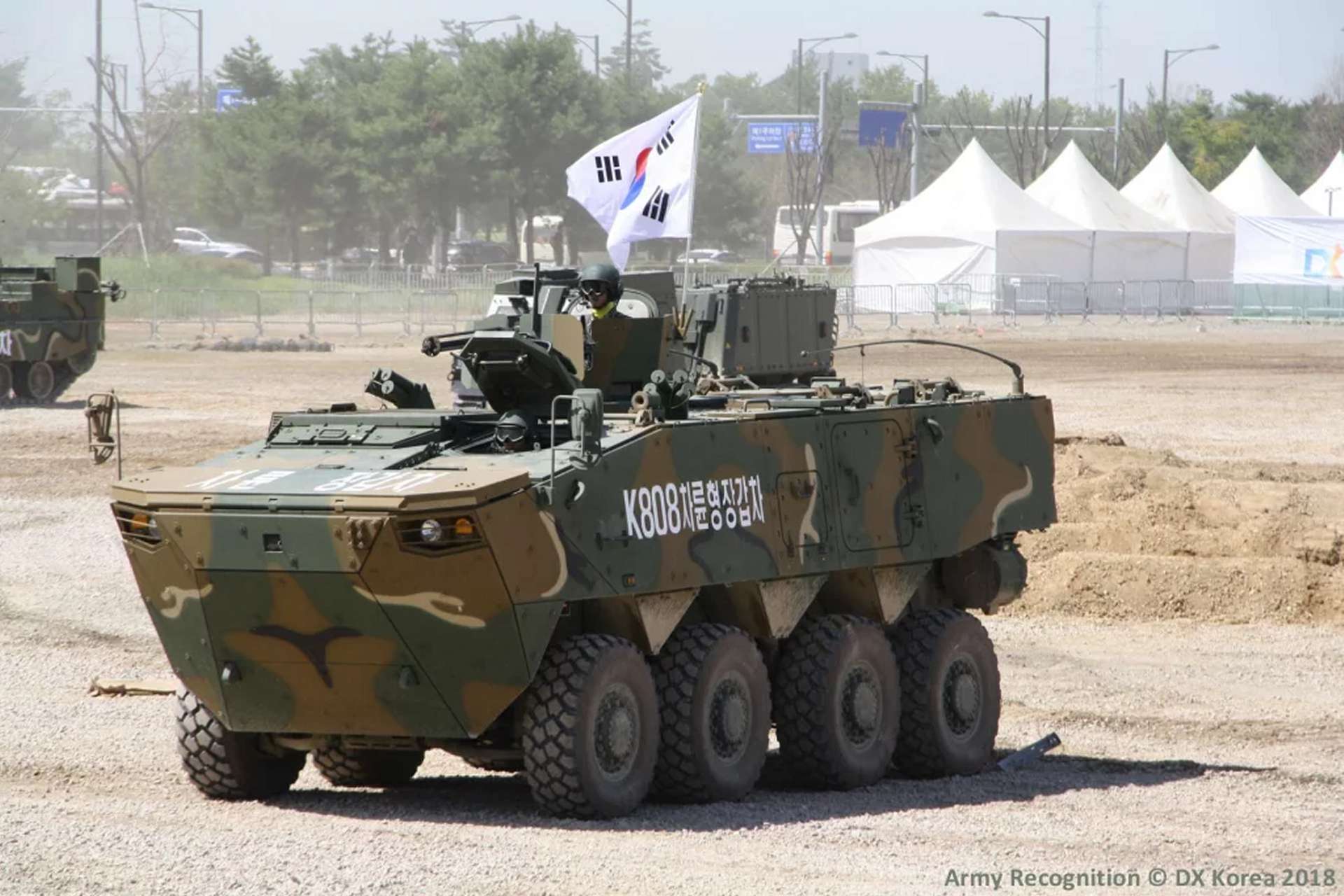
- Details
- Written by: Triffaux
- Category: Defence & Security Industry Technology
- Hits: 4968
On November 15, 2024, South Korean trading company STX Corp. officially announced the signing of a $60 million contract with the Peruvian Army Arsenal for the supply of 30 K808 White Tiger armored vehicles. The agreement, signed on November 16 in Lima, marks the first export of South Korean combat armored vehicles to Latin America.
Hyundai Rotem K808 White Tiger Combat Armored Vehicle (Picture source: Army Recognition)
Discussions for this agreement began several years ago, supported by South Korea’s sustained diplomatic efforts. In 2023, South Korean President Yoon Suk-yeol sent a letter to Peruvian President Dina Boluarte commemorating 60 years of bilateral relations and highlighting the potential for increased defense cooperation. Between 2023 and 2024, Peruvian military delegations visited South Korea to attend demonstrations showcasing the capabilities of the K808 in scenarios simulating mountainous operations and counter-terrorism missions.
The K808, also known as "Baekho" (White Tiger), was designed in 2003 and has since proven its reliability in the South Korean Army, with over 500 units delivered. Capable of overcoming obstacles 40 cm high, crossing 1.5-meter trenches, and navigating watercourses with its jet propulsion system, it is perfectly suited for Peru’s geographical challenges. Its Central Tire Inflation System (CTIS) and advanced mobility features make it a key asset for Peru’s armed forces. This contract is part of a broader modernization program for Peru’s armored fleet, which currently relies on outdated main battle tanks such as the 1950s-era T-55 and AMX-13.
With this initial order, long-term prospects look promising. STX and Hyundai Rotem are already in talks for additional orders and expanded technical collaboration with FAME S.A.C., Peru’s state-owned weapons manufacturer. This partnership, which could extend over several years, strengthens South Korea’s strategic presence in Latin America’s defense market. A Hyundai Rotem representative affirmed the company’s commitment to leveraging its technological expertise to ensure the success of this collaboration and support Peru’s defense objectives in the coming years.
The partnership between Hyundai Rotem and FAME S.A.C. aims to establish a long-term collaboration, paving the way for future contracts and supporting Peru’s defense modernization efforts. This agreement also reinforces South Korea’s position as a competitive player in Latin America’s growing defense market, aligning with its global strategy for growth in the sector.
The Peruvian Army’s current armored fleet mainly comprises Soviet-era T-55 main battle tanks and French-made AMX-13 light tanks, totaling approximately 300 T-55s and 110 AMX-13s. Despite their durability, these vehicles, designed in the 1950s, are considered obsolete by modern standards, with limitations in protection, mobility, and firepower.
In addition to these tanks, the Peruvian Army uses armored personnel carriers (APCs) such as the American-made M113 and the German-made UR-416. The M113, introduced in the 1960s, is a tracked vehicle offering basic protection against small arms fire and shrapnel. The UR-416, developed in the 1960s, is a wheeled vehicle providing enhanced road mobility. However, these APCs offer limited protection and are less effective against contemporary threats.
For infantry fighting vehicles (IFVs), Peru operates models such as the Soviet-designed BMP-1. The BMP-1, also developed in the 1960s, is equipped with a 73 mm cannon and an anti-tank missile launcher, but its armor and weapon systems are outdated by today’s standards.
This reliance on aging equipment underscores the need for the Peruvian Army to modernize its armored fleet to meet the demands of contemporary battlefields and provide better protection and operational efficiency for its troops.
A Hyundai Rotem representative emphasized the company’s commitment to the success of this agreement, highlighting the use of advanced technology and expertise to support Peru’s defense goals. This collaboration not only strengthens Hyundai Rotem’s global presence in the defense industry but also deepens the strategic ties between South Korea and Peru.
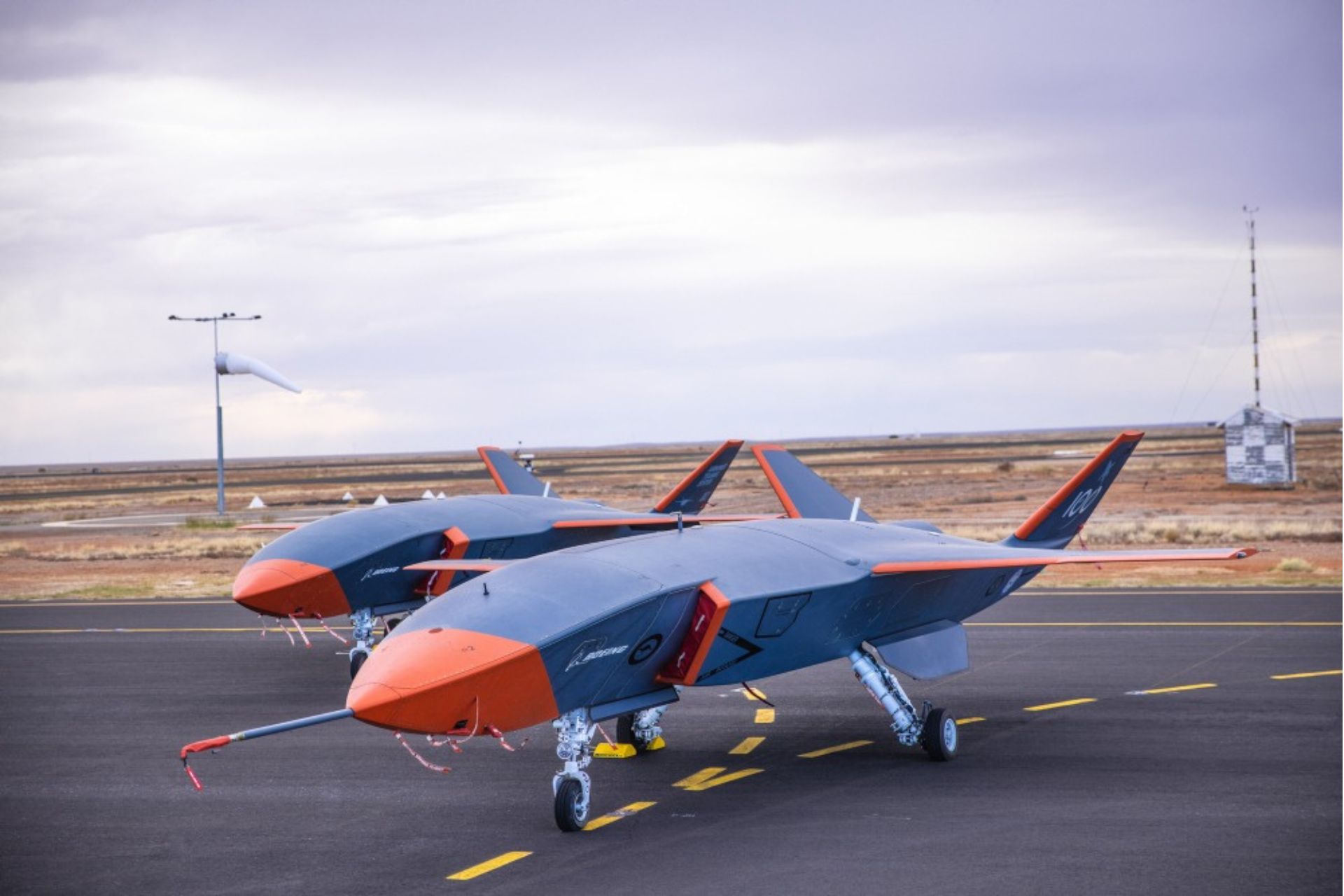
- Details
- Written by: Halna du Fretay
- Category: Defence & Security Industry Technology
- Hits: 4704
The MQ-28A Ghost Bat project, developed by Boeing Defence Australia (BDA) in collaboration with the Australian Department of Defence, continues to demonstrate its strategic potential and importance for modern defense operations. This Collaborative Combat Aircraft (CCA) is designed to enhance the Royal Australian Air Force's (RAAF) capabilities and has recently achieved significant milestones, cementing its role in both national and international defense strategies. According to Australian Defence Magazine, part of its production is expected to conclude by late 2025.
Originally named the Airpower Teaming System, the MQ-28 Ghost Bat is an autonomous combat drone designed to operate alongside crewed aircraft (Picture source: Australian MoD)
The MQ-28A Ghost Bat is manufactured at Boeing’s Fishermans Bend facility in Victoria, where the production of three additional Block 2 aircraft is underway. These will complement the eight prototypes already built, with completion planned by the end of 2025. An image released by Boeing highlights the fourth and fifth prototypes, showcasing the program's progress. Glen Ferguson, the global director of the MQ-28 program at Boeing, noted that these aircraft represent a significant advancement in operational capability development, with the company aiming to deliver full operational capability to the RAAF in the near future.
Originally named the Airpower Teaming System, the MQ-28 Ghost Bat is an autonomous combat drone designed to operate alongside crewed aircraft. It incorporates artificial intelligence to carry out missions such as reconnaissance, electronic warfare, and potentially combat operations. Measuring 11.7 meters in length with a wingspan of 7.3 meters, it has a range exceeding 2,000 nautical miles, enabling effective operations over vast distances.
Advanced manufacturing technologies, including robotics and composite materials, are used at Fishermans Bend to optimize production. Innovations such as robotic drilling, shimless assembly, and full-size determinant assembly have significantly reduced manufacturing costs compared to traditional methods. The Ghost Bat has achieved major developmental milestones, with several prototypes built and flight testing ongoing since February 2021. Despite challenges, such as being excluded from the US Air Force’s collaborative combat aircraft program, Australia continues to invest in the platform, recognizing its potential as a force multiplier and a key component of national defense strategies.
In February 2024, the Australian government reinforced its commitment to the program by allocating an additional AUD 399 million (USD 258.8 million) for further development, including the production of three Block 2 aircraft. Boeing is contracted to produce 10 Block 1 drones for the RAAF as part of the Loyal Wingman-Advanced Development program, a joint initiative aimed at enhancing Australia’s strategic defense capabilities. This partnership is seen as essential for increasing the RAAF's flexibility and force projection while minimizing risks to crewed platforms.
The MQ-28 Ghost Bat is intended to operate autonomously alongside crewed aircraft, strengthening the RAAF’s capabilities in intelligence, surveillance, and reconnaissance (ISR) missions. While initially envisioned for combat roles, its use has shifted toward ISR functions, including electronic warfare and acting as a decoy to protect crewed aircraft. This adjustment aligns the platform with current Australian defense needs while avoiding complexities related to rules of engagement for armed drones.
The Australian Department of Defence has emphasized that the MQ-28A program is a core element of its strategy to integrate collaborative autonomous systems within a combined force of crewed and uncrewed platforms. These systems enhance the lethality and survivability of existing assets, contributing to Australia’s “strategy of denial.” The department has also outlined plans for trials in 2025 to fully evaluate the integration and performance of these autonomous technologies within a combined force structure.
Internationally, the program has faced hurdles. In April, Anduril and General Atomics were selected to advance in the US Air Force’s collaborative combat aircraft program, limiting the Ghost Bat's market opportunities in the United States. Although Boeing opted not to submit the MQ-28A for this phase, instead focusing on a solution tailored to US requirements, this outcome represents a challenge for the platform’s export prospects.
Nonetheless, the program benefits from close collaboration with the United States under a 2023 agreement for the development of emerging technologies. Boeing has stated that the capabilities being developed to meet Australia’s defense needs position the MQ-28 as a versatile platform with potential for a wide range of missions as technology evolves. Ferguson remains optimistic about the program’s future, citing significant progress over the past two years as a strong foundation for upcoming developments.
The MQ-28’s development aligns with a global trend toward integrating autonomous combat drones alongside crewed aircraft to enhance military capabilities while reducing risks to personnel. Comparable programs include the XQ-58 Valkyrie by Kratos in the United States and Dassault’s nEUROn in Europe, each exploring manned-unmanned teaming for diverse missions. Boeing initiated the MQ-28 project to address specific RAAF requirements, marking the first military aircraft designed and manufactured in Australia in over 50 years. The program positions Boeing as a leader in the emerging field of autonomous combat systems, capitalizing on the growing importance of such technologies in modern defense strategies.
Read more: Focus: Boeing's Ghost Bat Signals Strategic Leap in Australian Air Force Technology
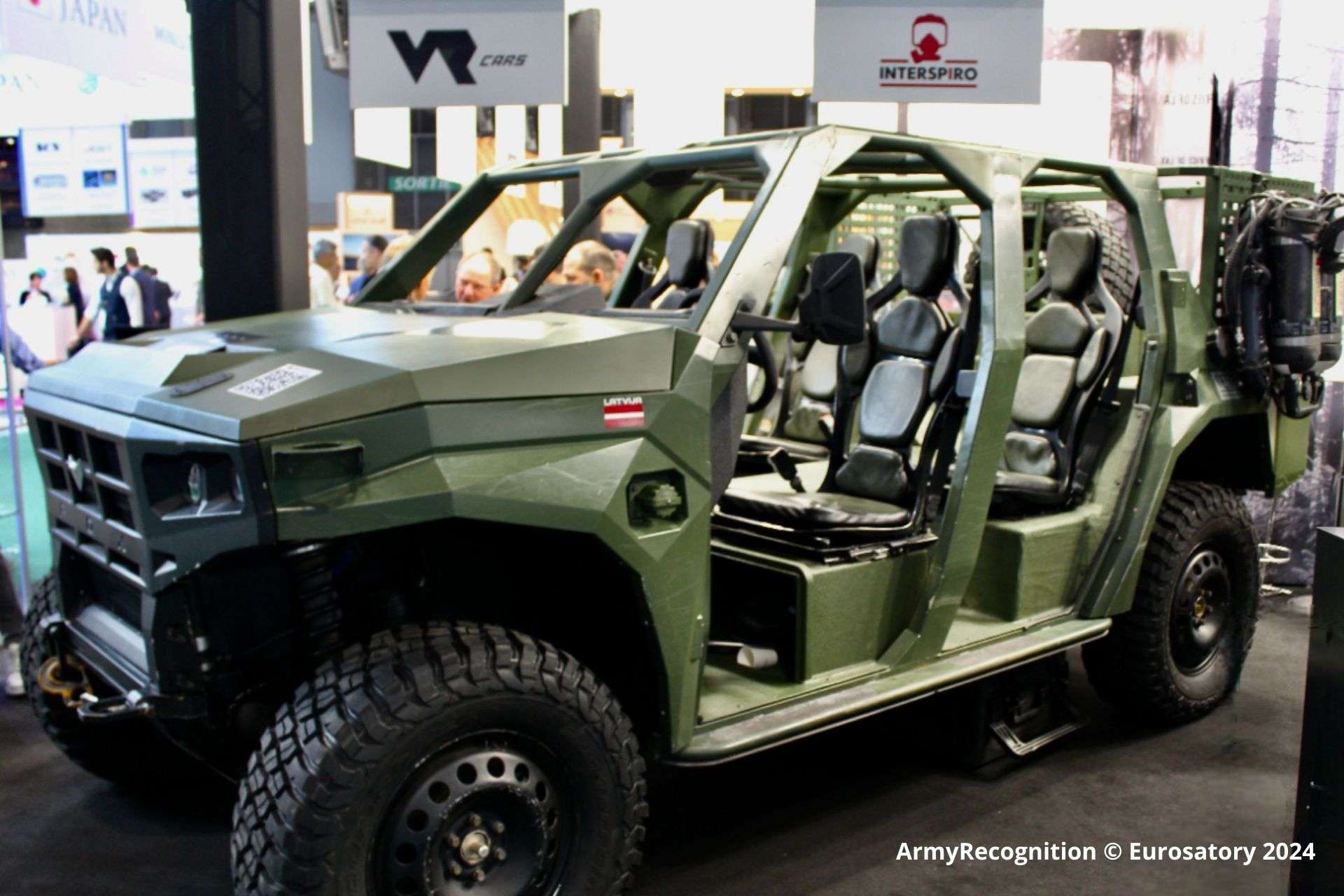
- Details
- Written by: Triffaux
- Category: Defence & Security Industry Technology
- Hits: 4595
According to the Latvian Ministry of Defense on December 2, 2024, in an initiative aimed at strengthening national defense and boosting the local industry, the Latvian Armed Forces announced the advancement of their plan to purchase 30 new VR FOX 4×4 tactical vehicles, entirely manufactured in Latvia by the company VR CARS, under a contract whose amount has not been disclosed. This move is part of a comprehensive strategy to modernize military equipment while supporting the country’s technological and economic development. The VR FOX, designed to meet the demands of the varied terrains of the Baltic region, represents an important step for the Latvian army in terms of mobility and functionality.
VR FOX 4×4 All-Terrain Vehicle (Picture source: Army Recognition)
On November 26, the Latvian Ministry of Defense confirmed that the Council of Ministers approved the initial acquisition of 30 VR FOX vehicles. These vehicles, developed by VR Cars, a specialized Latvian company, are designed to operate effectively in complex environments such as dense forests, swamps, and wetlands. Influenced by lessons learned from the conflict in Ukraine, the VR FOX incorporates innovative solutions in transmission and suspension, as well as a 2.0-liter diesel engine provided by Ford, ensuring robustness and an impressive range of 900 kilometers.
The development of the 4×4 VR FOX tactical vehicle by the Latvian company VR Cars was strongly influenced by recent events in Ukraine, prompting Latvia to strengthen its national defense capabilities. The project began in early 2022, in response to lessons learned from the Ukrainian conflict, with the objective of designing a robust all-terrain vehicle suitable for varied environments such as dense forests and swamps. In 2023, the prototyping phase commenced, including rigorous testing that optimized the transmission and suspension and integrated a 2.0-liter diesel engine provided by Ford, ensuring a range of 900 kilometers. By summer 2024, the technical specifications and modular configurations of the VR FOX were finalized, including advanced systems such as optional rear steering and the central tire inflation system (CTIS). On November 26, 2024, the Latvian Ministry of Defense announced the approval of the initial acquisition of 30 VR FOX vehicles, marking the start of large-scale production planned for early 2025. At the Eurosatory 2024 exhibition, VR Cars publicly presented the VR FOX, highlighting its exceptional capabilities and compatibility with NATO standards.
The adoption of the VR FOX by the Latvian Armed Forces offers considerable tactical and strategic advantages. Tactically, the vehicle's exceptional mobility and its ability to operate in complex terrains allow for increased flexibility during military operations, facilitating rapid and effective deployments in hostile environments similar to those observed in Ukraine. The modularity of the VR FOX allows for quick adaptation to various missions, such as troop transport, command posts, or drone control. Strategically, local production strengthens Latvia’s defense autonomy, reducing dependence on foreign suppliers and stimulating the national defense industry. Furthermore, compatibility with NATO standards facilitates integration with allied forces, enhancing coordination and collective response to regional security threats. In summary, the VR FOX represents a significant advancement for Latvia, combining technological innovation and the strengthening of national defense while directly addressing the challenges posed by contemporary conflicts such as the one in Ukraine.
The Latvian Armed Forces wish to adopt the locally manufactured 4×4 VR FOX tactical vehicles to strengthen their operational capabilities in the face of challenges posed by the conflict in Ukraine. By relying on vehicles designed to withstand the varied and difficult terrains observed in Ukraine, Latvia gains a significant tactical advantage through the VR FOX’s superior mobility and modularity, enabling rapid and effective deployments in hostile environments. Strategically, the use of this local system enhances defense autonomy, reduces dependence on foreign suppliers, and stimulates the national defense industry. Additionally, the VR FOX’s compatibility with NATO standards ensures seamless integration with allied forces, thereby improving coordination and collective response to regional security threats. In summary, the VR FOX offers a robust and adaptable solution that directly addresses the lessons learned from the Ukrainian theater, optimizing the preparedness and effectiveness of the Latvian forces in complex military operations.
The technical specifications of the VR FOX include a maximum speed of 160 km/h, a manual or automatic transmission, and a 24 V electrical system. The vehicle is distinguished by its modularity, being configurable as an ambulance, command post, weapon transporter, or drone control center. With a payload capacity of one ton and the ability to transport up to four soldiers equipped with weapons, ATGMs, mines, and drones, the VR FOX offers essential versatility for modern military operations. Additionally, the doorless design and the use of composite materials facilitate maintenance and enhance survival in the field.
VR Cars plans to commence production of the VR FOX next year and is already exploring partnerships with potential clients in the region. A 6×6 version is also under development, sharing many mechanical components with the 4×4 version, which will simplify maintenance and spare parts management. By prioritizing exceptional mobility and stealth, the VR FOX addresses the challenges posed by current threats such as anti-tank guided missiles and drones, thereby positioning Latvia as a key player in the European defense sector.
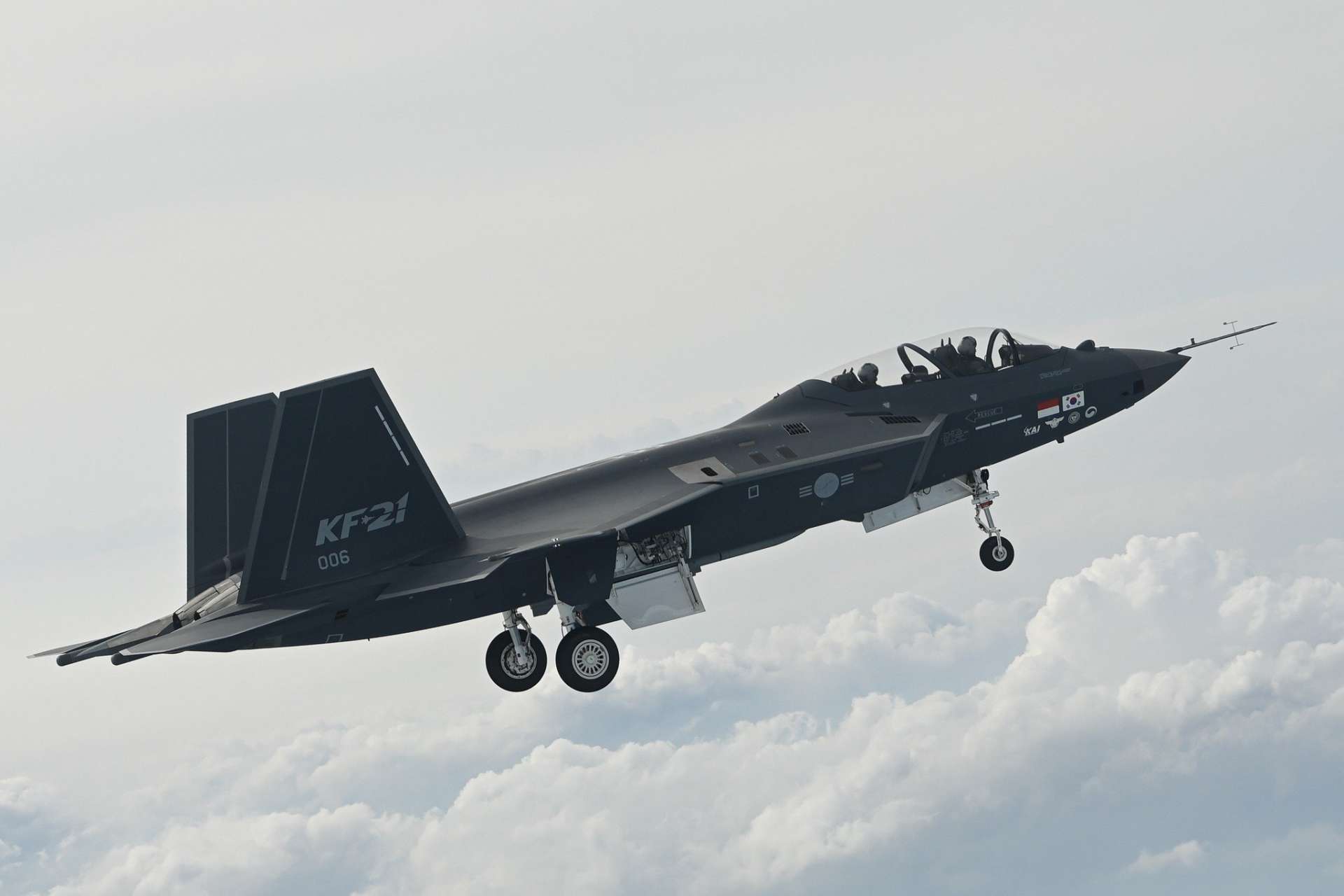
- Details
- Written by: Triffaux
- Category: Defence & Security Industry Technology
- Hits: 31028
On November 29, 2024, Korea Aerospace Industries (KAI) announced a major achievement for the KF-21 Boramae, which successfully completed 1,000 test flights without any incidents. This accomplishment underscores the exceptional safety and reliability of the fighter jet as it undergoes rigorous testing to achieve operational readiness.
Korea Aerospace Industries (KAI) Fifth-Gen KF-21 Boramae Fighter Jet (Picture source: KAI)
Since its maiden flight in July 2022, the KF-21 has undergone a diverse range of tests, including supersonic speed evaluations, high-altitude maneuvers, and advanced avionics assessments. These tests highlight the pivotal role the aircraft plays in South Korea's ambitions to strengthen its domestic aerospace capabilities.
The KF-21 program aims to enhance South Korea's self-reliance in defense manufacturing, reduce dependence on foreign suppliers, and expand its export potential for high-tech technologies. Achieving 1,000 accident-free flights not only attests to the safety of the aircraft but also reflects the technical expertise of KAI’s engineering and testing teams. This milestone demonstrates South Korea’s commitment to stringent quality assurance and the development of world-class military aircraft.
As the KF-21 enters its next testing phases, including weapons integration and operational evaluations, it remains a symbol of South Korea's ambition to lead in 4.5-generation fighter technology. The program’s progress strengthens KAI’s confidence in delivering a state-of-the-art aircraft capable of meeting modern defense challenges while fostering regional and international security partnerships.
The development of the KF-21 Boramae highlights South Korea's strategic intent to enhance its defense autonomy and minimize reliance on foreign suppliers. Launched in the early 2000s as the KF-X project, the program aimed to replace the aging F-4 and F-5 fighters in the Republic of Korea Air Force (ROKAF). After a decade of planning and feasibility studies, the project gained momentum in 2011 with $8.8 billion in funding and a strategic partnership with Lockheed Martin for technology transfers. Indonesia joined the program in 2015, contributing 20% of the costs in exchange for technology transfers and fighter jets for its air force.
The first KF-21 prototype was unveiled in April 2021, followed by a successful maiden flight on July 19, 2022. Since then, the aircraft has logged thousands of flight hours, validating its supersonic speed capabilities, maneuverability, and weapons integration. Designed to compete with other 4.5-generation fighters like the Dassault Rafale and the Eurofighter Typhoon, the KF-21 incorporates advanced technologies such as an Active Electronically Scanned Array (AESA) radar, versatile weapon systems, and stealthy design features.
After achieving 1,000 accident-free sorties in November 2024, the KF-21 solidified its reputation for reliability and technological maturity. Serial production is scheduled to begin in 2026, with an initial order of 120 units for the ROKAF. The aircraft is also positioned for export to markets in Southeast Asia and the Middle East, representing a significant milestone for South Korea’s aerospace industry. The KF-21 exemplifies the country’s goal to become a global leader in aerial defense while enhancing national security and technological independence.
Globally, the race to develop fifth-generation fighter jets has intensified, with countries investing in advanced technologies to rival or surpass established platforms like the U.S. F-35. Russia’s Sukhoi Su-57 emphasizes stealth, super-maneuverability, and hypersonic weaponry for air superiority and strike missions. China’s Chengdu J-20 prioritizes stealth and long-range engagements, underpinning its military modernization. Meanwhile, Turkey’s TAI KAAN and South Korea’s KF-21 Boramae (with potential fifth-generation upgrades) reflect regional aspirations for indigenous designs with advanced avionics and stealth features. India’s HAL AMCA is slated to introduce a twin-engine stealth fighter by the 2030s, leveraging AI-driven systems. These initiatives underscore varying levels of technological advancement and strategic priorities in the competitive domain of next-generation air combat.
The KF-21 Boramae is a 4.5-generation multirole fighter developed by KAI, with potential for fifth-generation upgrades. It features a twin-engine configuration powered by General Electric F414-GE-400K engines, enabling a maximum speed of Mach 1.8 and a combat range of 2,900 km. The aircraft incorporates cutting-edge avionics, including an AESA radar for superior situational awareness and target tracking, and an integrated electro-optical targeting system (EOTS). Stealth elements, such as a reduced radar cross-section, enhance survivability in contested environments. The KF-21 is designed to carry a wide array of armaments, from AIM-120 AMRAAM missiles to precision air-to-ground weapons, with plans for internal weapon bays in future variants.
With six prototypes currently undergoing extensive testing, the KF-21 is on track for full production by 2026. This next-generation fighter is poised to modernize South Korea’s air force and elevate its defense export profile, symbolizing a major step forward in the nation’s aerospace ambitions.
Read more: South Korea's KAI KF-21 Set to Become World's Safest Fifth-Gen Fighter Jet
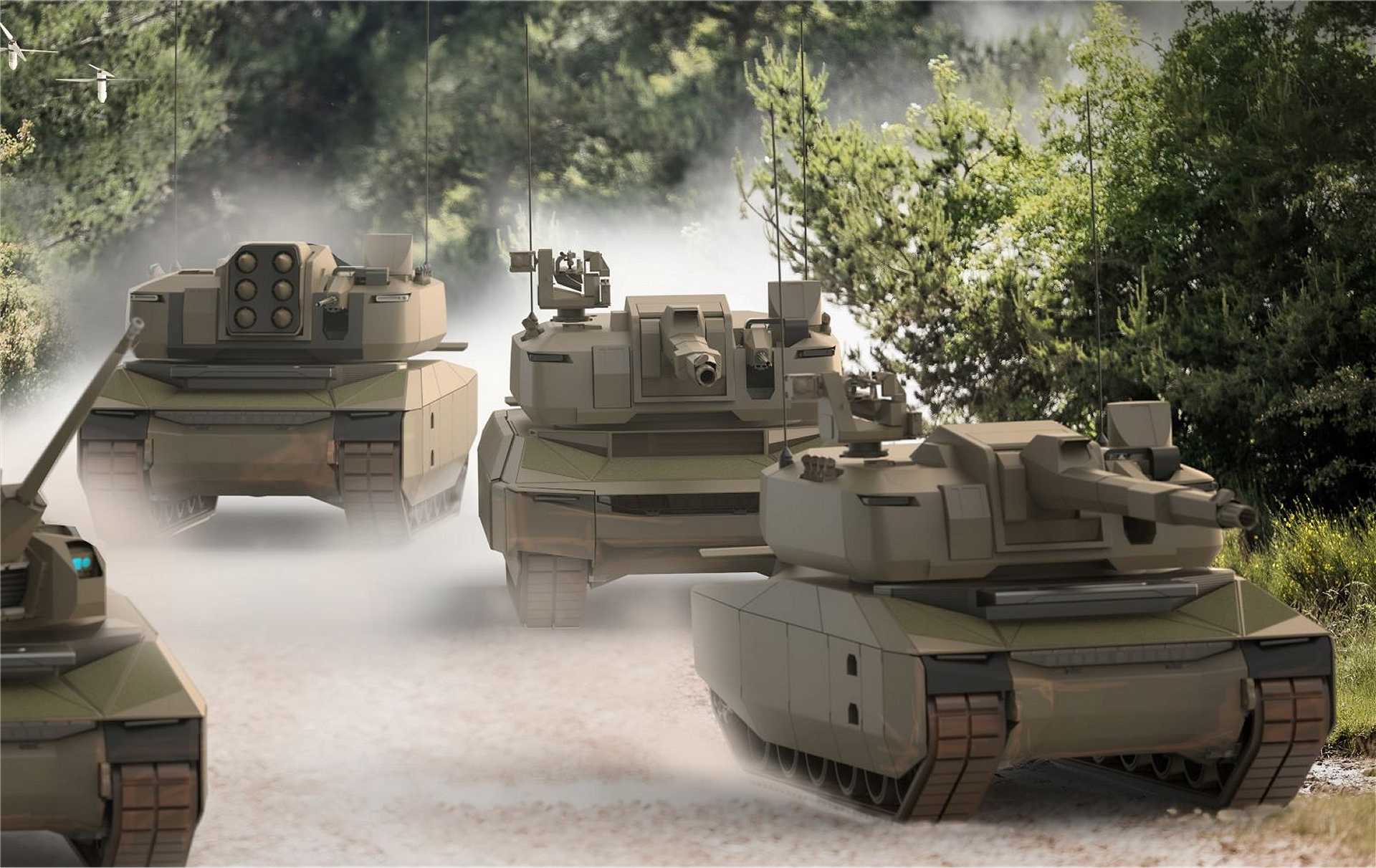
- Details
- Written by: Administrator
- Category: Defence & Security Industry Technology
- Hits: 9275
The Main Ground Combat System (MGCS) program represents a bold step forward in the evolution of modern ground warfare. Its goal is to create a next-generation tank to replace legacy platforms like the Leopard 2. This joint development initiative is a collaboration between Germany, France, and Spain, three key NATO allies with a long history of cooperation in defense technology.
Follow Army Recognition on Google News at this link
Concept design of the futuristic MGCS (Main Ground Combat System): A next-generation tank featuring advanced AI, autonomous capabilities, and cutting-edge sensor fusion for modern ground warfare. (Picture source: Social Network)
Set to revolutionize the battlefield, the MGCS (Main Ground Combat System ) is not just a new tank, but an entire technological ecosystem, incorporating Artificial Intelligence (AI), autonomous combat systems, and sensor fusion to ensure that future ground forces are ready to meet the challenges of modern and future warfare. The program aims to deliver a highly flexible, networked, and integrated combat vehicle that is far more than just a replacement for the Leopard 2—it is a platform designed to dominate the battlefield in the years ahead.
The MGCS program comes in response to the growing demands of modern warfare, where advancements in technology, asymmetric warfare, and hybrid threats are rapidly outpacing traditional battle tactics and hardware. While the Leopard 2 has been a formidable force on the battlefield for decades, its capabilities in autonomy, sensor fusion, and robotics are now considered outdated compared to the increasing sophistication of modern combat systems. In light of new challenges posed by anti-tank missiles, drones, and cyber warfare, NATO's collective defense strategy is evolving toward digitally interconnected platforms that are autonomous and capable of making decisions in real-time without the need for constant human oversight.
The MGCS will address these needs, combining cutting-edge technologies with the strategic foresight of NATO’s long-term defense objectives. By replacing older tanks like the Leopard 2 and the French Leclerc, the MGCS will provide NATO forces with a versatile, more survivable, and more lethal tank platform capable of adapting to various scenarios, from traditional armored warfare to modern hybrid conflicts.
One of the defining features of the MGCS will be its integration of artificial intelligence (AI) to enhance combat effectiveness and survivability. AI will not only assist in target recognition and battlefield management, but will also enable autonomous decision-making in certain combat scenarios. This reduces the cognitive load on the crew, allowing them to focus on higher-level tactical decisions while the tank's AI assists in real-time decision-making processes, including targeting and threat assessment.
AI will play a pivotal role in sensor fusion, helping to process data from various onboard sensors, including radar, thermal imaging, and cameras. By combining all this data, the MGCS will create a more complete picture of the battlefield, allowing commanders to respond faster and with greater precision. The AI’s ability to analyze and predict enemy movements will also improve the vehicle’s ability to engage targets with exceptional accuracy, while minimizing exposure to enemy fire.
The MGCS will also introduce an unprecedented level of autonomy to modern armored warfare. In keeping with the trend of robotics and unmanned systems in military applications, the MGCS will integrate robotic technologies for both offensive and defensive operations. For instance, autonomous drones and ground robots could be deployed in tandem with the tank to conduct reconnaissance, detect and neutralize threats, or even provide additional support for battlefield logistics.
Robotic systems could assist the crew by performing tasks like maintenance, resupply, and threat detection in high-risk environments. In combat situations, robots could be used to clear obstacles, defuse explosive devices, or provide security in urban environments. This enhances the overall combat flexibility of the MGCS, making it adaptable to a variety of combat situations while reducing human exposure to danger.
The degree of autonomy expected from the MGCS is considerable, and the future vehicle could likely be operated in a manned-unmanned teaming configuration, where the crew controls key aspects of the tank’s operations while autonomous systems carry out routine tasks. This innovative combination will enable the tank to adapt to increasingly complex battlefield environments.
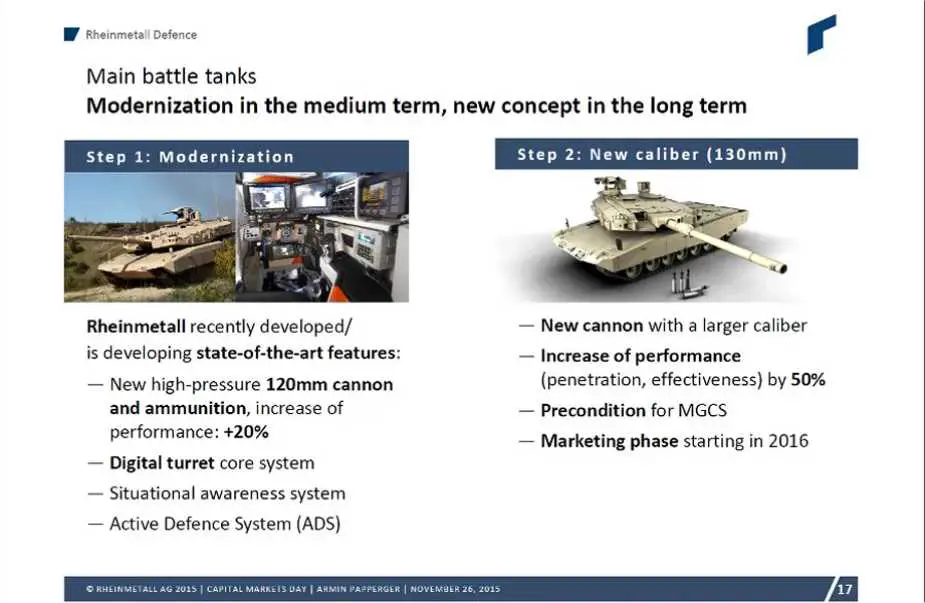
MGCS (Main Ground Combat System) offers advanced mobility, autonomous combat features, AI-driven decision-making, and enhanced sensor fusion for superior situational awareness and battlefield dominance in future ground operations. (Picture source Rheinmetall)
One of the most significant upgrades in the MGCS (Main Ground Combat System ) will be its sensor fusion capabilities. The integration of advanced sensors, including radar, electro-optical systems, and infrared cameras, will provide commanders with an unparalleled level of situational awareness. These sensors will not only offer superior target detection, but also allow the MGCS to operate in low-visibility environments, such as fog or smoke, by providing a clearer picture of the battlefield.
The data from these systems will be fused and processed by onboard AI, which will generate real-time intelligence reports to inform decision-making. With improved target tracking and predictive analytics, the MGCS will be able to engage targets faster and with greater accuracy, whether in close combat or long-range engagements. Moreover, the system’s ability to detect threats like drones, anti-tank missiles, or even electromagnetic pulses (EMPs) will further increase its survivability on future battlefields.
The MGCS will be a key component of NATO’s future land forces, ensuring interoperability with both current systems and future developments. It will be fully integrated into NATO’s networked battlefield environment, allowing it to communicate seamlessly with other allied platforms, including air and ground forces, in real time. This interoperability is crucial for multinational operations, where the coordination between different NATO forces is key to success.
In terms of mobility, the MGCS will be optimized for rapid deployment and maneuverability across a wide range of environments, from urban settings to more traditional open battlefield scenarios. The vehicle’s ability to traverse difficult terrain while maintaining speed and firepower will ensure that NATO forces remain agile and responsive, even in the most demanding operational theaters.
Additionally, the MGCS will be compatible with NATO’s evolving logistics and communication networks, ensuring that it can be easily integrated into joint operations and shared assets. This integration with NATO forces will enhance the overall cohesion and effectiveness of allied ground operations, ensuring that the MGCS plays a critical role in collective defense strategies.
Germany’s MGCS program is a visionary effort to create the next-generation tank, blending cutting-edge technologies like AI, sensor fusion, robotics, and autonomy to redefine modern ground warfare. By offering unprecedented levels of situational awareness, robotic assistance, and autonomous decision-making, the MGCS will provide NATO forces with a decisive edge on the battlefield.
As NATO's collective defense strategy continues to adapt to new and emerging threats, the MGCS will ensure that Germany, France, Spain, and other NATO partners are prepared for future challenges. With its focus on interoperability, mobility, and advanced combat technologies, the MGCS will be a cornerstone of NATO’s armored forces for decades to come, ensuring that the alliance remains ready and resilient in the face of evolving threats.
Ultimately, the MGCS is more than just a new tank—it is a transformative platform that will shape the future of ground combat, enhance NATO’s defense capabilities, and ensure that Western allies can confront modern threats with a highly capable, networked, and adaptable force. The MGCS represents not just the future of armored warfare, but also the evolving nature of modern military strategy.
Read more: Analysis: Germany's MGCS program developing the next-gen tank for modern ground warfare
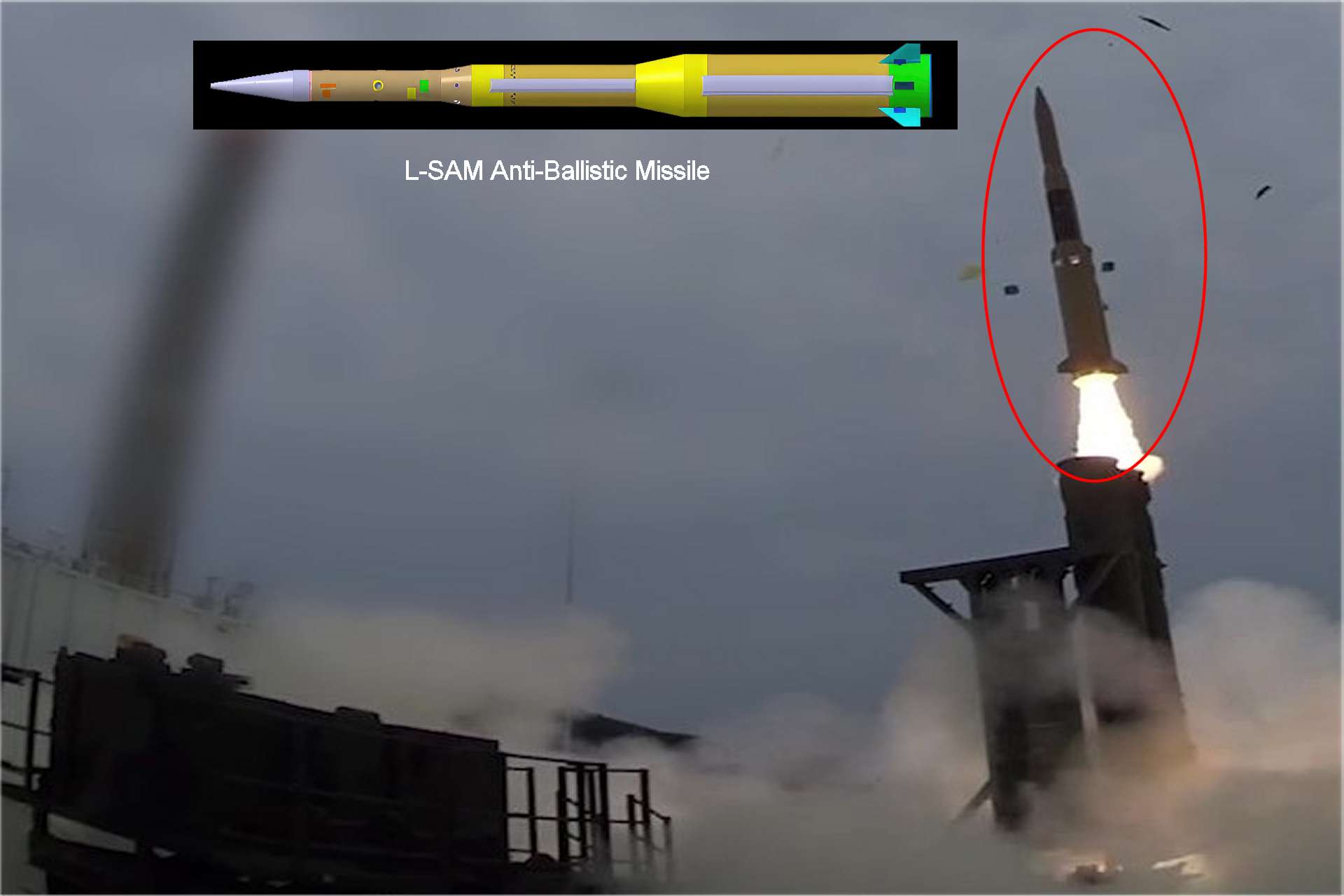
- Details
- Written by: Triffaux
- Category: Defence & Security Industry Technology
- Hits: 5990
On November 29, 2024, South Korea officially announced the completion of its Long-range Surface-to-Air Missile (L-SAM) system, according to Yonhap News Agency. This milestone represents a major step in strengthening the country’s national defense against North Korea’s nuclear and ballistic missile threats. The announcement was made during a ceremony at the Agency for Defense Development in Daejeon, approximately 140 kilometers southeast of Seoul.
South Korea's L-SAM long-range sufare-air-to-air missile is fired from a platform located in the West Sea of the Korean Peninsula to shoot down an incoming ballistic missile target during an interception test. (Picture source: Agency for Defense Development )
The L-SAM system is designed to intercept targets at altitudes above 40 kilometers, with an operational range estimated between 50 and 60 kilometers. It incorporates advanced technologies, including sophisticated radar for early detection and tracking, a mobile launcher for flexible deployment, and high-precision interceptor missiles capable of neutralizing threats in mid-course or terminal flight phases. Its deployment will significantly enhance South Korea’s ability to protect its territory and population from emerging ballistic threats. The system integrates seamlessly into the country’s multi-layered air defense architecture, alongside existing systems like the Patriot Advanced Capability-3 and M-SAM II, while reinforcing the Korea Air and Missile Defense (KAMD) framework.
Defense Minister Kim Yong-hyun highlighted the strategic importance of the L-SAM during the event, stating that it strengthens South Korea’s resilience against potential ballistic provocations from North Korea. “Even if North Korea attempts a missile provocation, it cannot penetrate our military’s robust defense system,” Kim said, warning that any aggression would result in a high cost, potentially leading to the “end of its regime.” This development reflects South Korea’s commitment to advancing indigenous defense technologies, reducing reliance on foreign systems, and enhancing operational flexibility for its military.
The L-SAM is expected to enter production next year, with deployment to the South Korean military planned by the mid-to-late 2020s. Once operational, it will play a central role in South Korea’s missile defense shield, known as KAMD. This system is a critical pillar of the nation’s three-axis deterrence strategy, which also includes the Kill Chain preemptive strike platform and the Korea Massive Punishment and Retaliation (KMPR) system. While the Kill Chain and KMPR focus on offensive capabilities, KAMD is designed to enhance defensive measures, particularly against high-altitude missile threats.
Additionally, South Korea is developing a Block-II version of the L-SAM, designed to intercept targets at even higher altitudes, further strengthening its air defense capabilities. This upgrade reflects a continuous effort to stay ahead of North Korea’s advancing missile technology and ensure the security of South Korean airspace. By integrating advanced domestic technologies into its defense infrastructure, South Korea is taking decisive steps to bolster its deterrence against growing regional threats.
The development of the L-SAM system began in 2015 as part of South Korea’s ambitious program to enhance air defense capabilities using fully indigenous technology. In 2019, the project reached a key milestone with the development of prototypes for initial testing, followed in 2020 by successful interception trials. By 2022, performance tests intensified, demonstrating the system’s effectiveness in intercepting high-altitude targets. After multiple rounds of testing and technical improvements, the project reached its final stage in November 2024, paving the way for mass production in 2025 and operational deployment expected by the late 2020s.
The L-SAM system is crucial for South Korea due to the persistent and growing nuclear and ballistic threats from North Korea. With North Korea’s advancements in ballistic missile technology, including intercontinental ballistic missiles (ICBMs) and submarine-launched ballistic missiles (SLBMs), South Korea must strengthen its defense capabilities. The L-SAM adds a high-altitude interception layer, filling a critical gap in the country’s multi-layered missile defense system. By intercepting threats at altitudes of 50 to 60 kilometers, the L-SAM improves South Korea’s ability to neutralize missiles before they endanger populated areas or critical infrastructure.
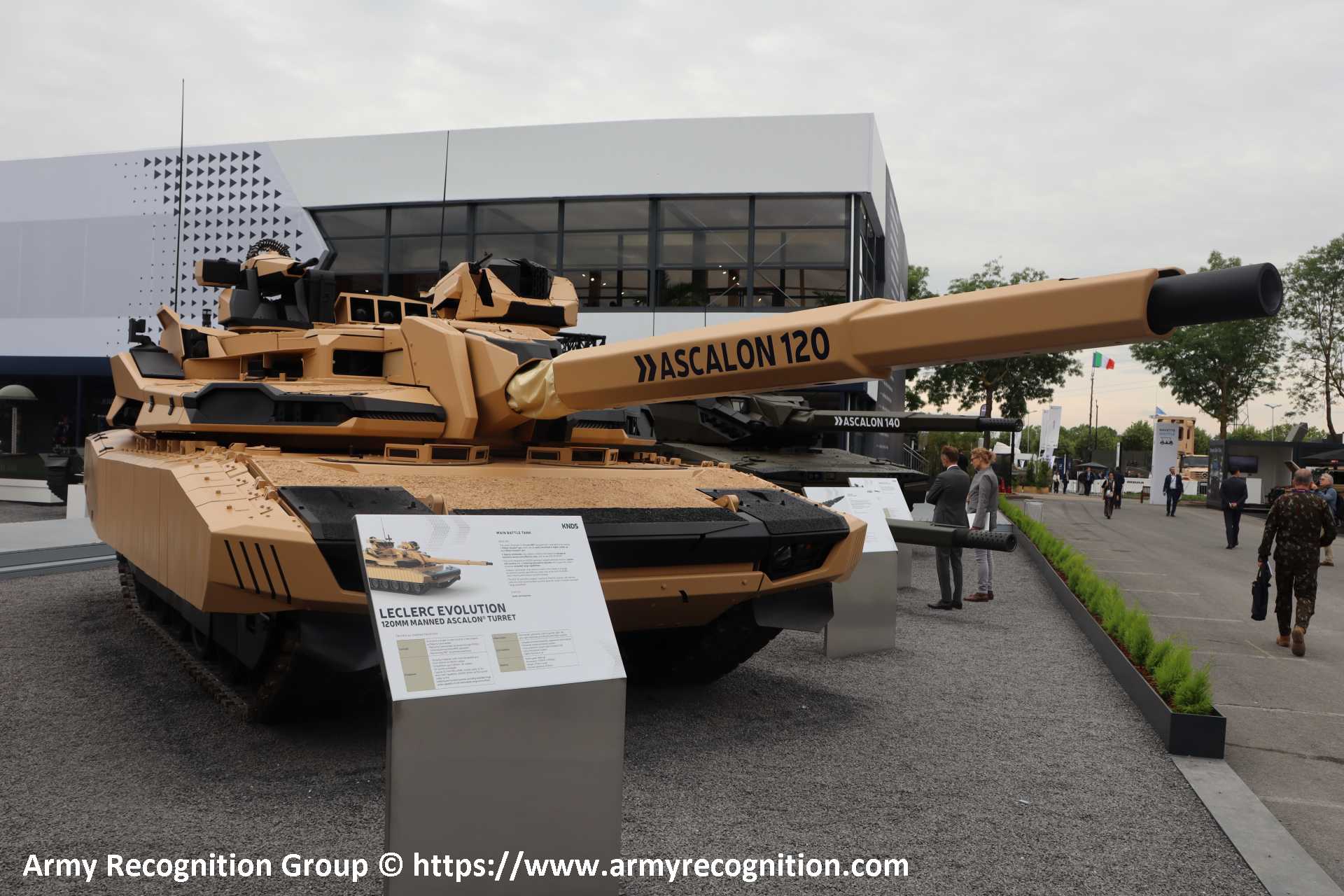
- Details
- Written by: Administrator
- Category: Defence & Security Industry Technology
- Hits: 7103
The Leclerc Evolution, unveiled by the Defense Company KNDS during the Eurosatory defense exhibition in June 2024 in Paris, France, is equipped with the ASCALON® turret hosting a 120mm gun that can be easily retrofitted with a 140mm ASCALON® gun. This capability places the ASCALON® technology at the core of the tank’s adaptability, making it the centerpiece of innovation in the Leclerc Evolution. The ability to integrate a higher-caliber gun underscores the tank’s focus on staying ahead of evolving battlefield threats and maintaining superiority against advanced armored adversaries.
Follow Army Recognition on Google News at this link
Leclerc Evolution tank unveiled at Eurosatory 2024 in Paris, featuring the cutting-edge ASCALON® turret capable of retrofitting from 120mm to 140mm, showcasing next-generation firepower and adaptability. (Picture source: Army Recognition Group)
At the heart of the Leclerc Evolution’s adaptability lies the ASCALON® (Autoloading System for Caliber and Load Optimization) technology. This advanced system underpins the tank's ability to future-proof its armament capabilities. The Leclerc Evolution is equipped with a 120mm gun, but thanks to ASCALON® technology, this weapon can be seamlessly replaced with a higher-caliber gun of up to 140mm. This modularity ensures that the tank remains a formidable force against emerging threats and can engage adversaries equipped with increasingly advanced armor.
ASCALON® also integrates advanced recoil management systems and optimized energy distribution to ensure stability and precision during firing, even with higher-caliber ammunition. The system supports extended barrel lifespans and reduced maintenance requirements, making it an ideal solution for prolonged deployments in harsh combat environments. Additionally, ASCALON®'s autoloading mechanism ensures rapid reloading and consistent firing rates, significantly enhancing the tank's overall firepower and battlefield effectiveness.
The Leclerc Evolution's turret has been meticulously designed to align with the demands of tomorrow’s conflicts. The manned turret not only houses state-of-the-art targeting and firing systems but also incorporates advanced protection measures. These features ensure crew safety in high-intensity combat scenarios while enhancing the tank’s offensive and defensive capabilities. This evolutionary design makes the turret a critical component of the tank's adaptability. It supports the integration of new technologies and weapon systems, allowing the Leclerc Evolution to maintain battlefield dominance over its lifecycle.
The introduction of a four-crew configuration—a notable departure from the traditional three-crew setup of the original Leclerc MBT—offers significant advantages. The additional crew member enhances the tank’s operational versatility by facilitating specialized roles, such as system operation and battlefield coordination. This setup not only improves situational awareness but also increases the survivability of the crew and the tank itself in complex combat environments.
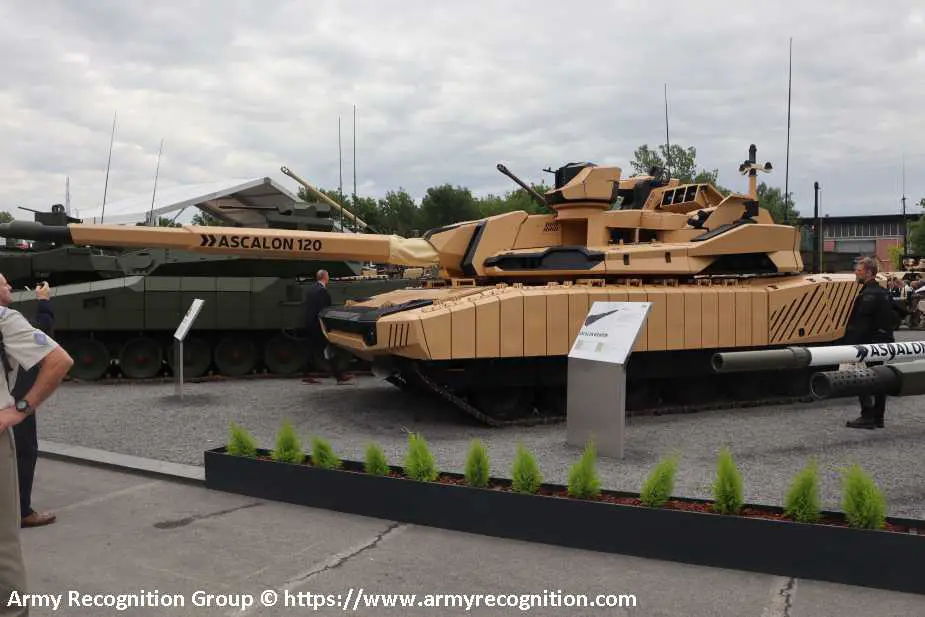
The Leclerc Evolution integrates the advanced ASCALON® turret, designed to host a 120mm gun with the capability to be upgraded to a 140mm caliber, ensuring unmatched firepower and adaptability for future battlefield challenges. (Picture source Army Recognition Group)
The Leclerc Evolution is built on an innovative concept featuring a two-crew turret and a two-crew chassis with a Deputy Commander station. This setup reduces the commander’s workload by integrating Remote-Controlled Weapon Systems (RCWS), loitering ammunition, and a Battlefield Management System (BMS), all while maximizing situational awareness for battlefield coordination.
The tank’s firepower includes a versatile armament system that can switch from a 120mm smoothbore gun to a 140mm caliber. It incorporates an autoloading system with 22 rounds ready to fire and a coaxial 12.7mm machine gun with 680 rounds. Additionally, it boasts anti-UAV capabilities through the ARX 30 remote-controlled weapon station, equipped with a 30mm gun and 150 rounds and a loitering ammunition launcher for extended-range action capabilities.
Observation and targeting are bolstered by a commander panoramic sight and a gunner sight, both day and night stabilized to support hunter-killer operations. The tank’s survivability is enhanced through complete armored protection, regenerative and modular enhancements, an advanced chassis protection system, and a close protection system using Galix smoke and active protection systems. Furthermore, it includes CBRN filtration and air systems to defend against chemical, biological, radiological, and nuclear threats. Mobility is a key strength, with the Leclerc Evolution capable of reaching speeds up to 68 km/h, powered by a 1,100 kW (1,500 hp) powerpack, offering an operational range of 470 km on-road and ground clearance of 475 mm for optimized terrain navigation.
The Leclerc Evolution MBT is more than a modernized version of its predecessor; it represents a paradigm shift in armored vehicle design. Integrating ASCALON® technology and an adaptable turret system ensures compatibility with future weapons systems and battlefield requirements. The four-crew concept further underscores its focus on operational efficiency and resilience. As global threats evolve and the nature of warfare shifts, the Leclerc Evolution positions itself as a tank ready to dominate in current and future war theaters. Its innovations exemplify a commitment to maintaining superiority on the battlefield, ensuring allied forces have a decisive edge in any conflict.
- US Marines' MQ-9A Reaper Combat Drone Completes Qualification Flight Under MAGTF Program
- Analysis: Iran's Expanding UAVs Aerial Drones Arsenal Threatens Global Security
- Norway Strengthens its NASAMS Air Defense System with an Expanded Spare Parts Inventory
- US Army Tests Upgraded M1A2 Abrams Tank to Enhance Performance and Prepare for M1E3 Development