
- Details
- Written by: Triffaux
- Category: 2024
- Hits: 7530










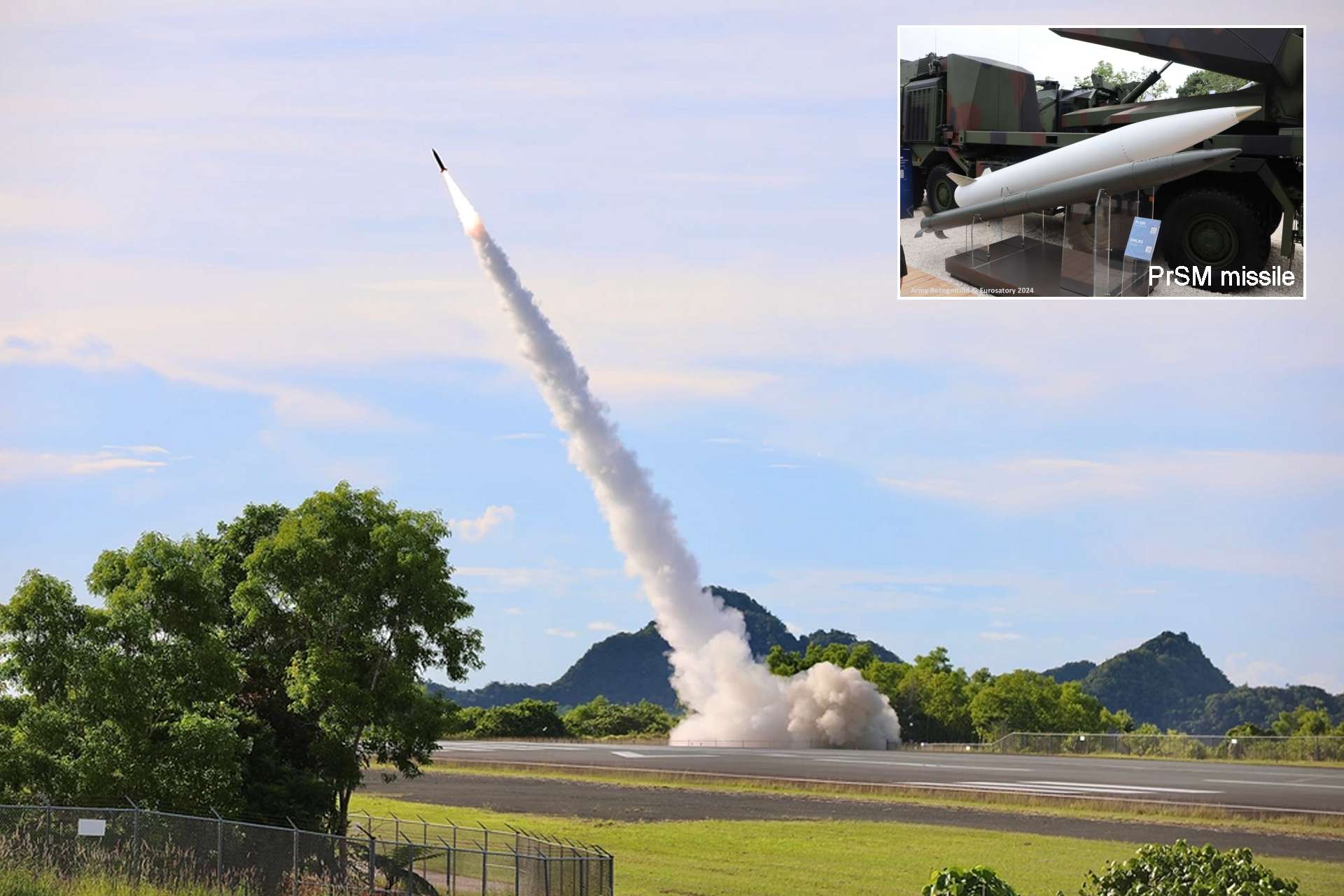
On November 19, 2024, Lockheed Martin, in collaboration with the U.S. Army, announced the successful completion of a production qualification flight test for its Precision Strike Missile (PrSM), marking an important milestone for large-scale production. The test, conducted at White Sands Missile Range in New Mexico, once again demonstrated the system’s performance and production readiness.
Lockheed Martin advances PrSM production validation through qualification testing as it nears a full-rate production decision. (Picture source: Lockheed Martin and Army Recognition)
During the exercise, a High Mobility Artillery Rocket System (HIMARS) launcher fired two PrSM missiles in a mid-range flight scenario, engaging designated targets with precision. This dual-shot trial confirmed the missile’s ability to deliver reliable and accurate long-range strikes, an essential feature for modern military operations.
“The PrSM continues to demonstrate exceptional performance and reliability,” said Carolyn Orzechowski, Vice President of Precision Fires Launchers and Missiles at Lockheed Martin. She emphasized the system’s role as a credible deterrent while highlighting technological advancements. “By integrating 21st Century Security® technologies into the PrSM, we ensure its adaptability for cross-domain and maritime operations, meeting the evolving needs of modern conflicts.”
This qualification test marks a significant step following the fourth Early Operational Capability (EOC) contract awarded in March, reflecting the U.S. Army’s confidence in the PrSM’s operational readiness. These advancements underscore the importance of this next-generation missile for precision long-range strikes.
Designed to replace the Army Tactical Missile System (ATACMS), the PrSM offers a range exceeding 400 kilometers, making it a key component of the U.S. Army’s modernization strategy. With an open architecture, it ensures cost-effective scalability for future updates and operational flexibility. Its modular design also enables compatibility with existing platforms, such as the HIMARS launcher and the Multiple Launch Rocket System (MLRS) M270A2.
The Precision Strike Missile represents a significant advancement in modern military technologies, particularly in long-range artillery. Designed to replace aging systems like the ATACMS, it is distinguished by an extended range exceeding 500 kilometers, offering greater operational flexibility and enabling strikes deep within enemy territory while remaining outside their immediate counterattack range.
Its accuracy is another major asset, achieved through advanced guidance systems that combine GPS and inertial navigation, reinforced with anti-jamming capabilities. This technology ensures resilience against electronic warfare tactics and allows precise targeting, reducing collateral damage while maximizing combat effectiveness.
The PrSM’s lethality lies in its high-performance explosive warhead, capable of neutralizing a wide range of targets, including fortified structures, air defense systems, and armored vehicles. Its modularity also allows for the integration of various warhead types to meet specific mission requirements.
The PrSM has already been delivered to the U.S. armed forces, marking a major step in modernizing their artillery capabilities. In December 2023, the Army received its first batch of these long-range precision missiles, designed to replace the ATACMS system. This delivery strengthens the U.S.’s strike capabilities in contested environments, leveraging advanced technologies to address modern threats. The PrSM is now fully operational, significantly enhancing the range and precision of surface-to-surface strikes.
These new tests aim to validate production and demonstrate the continued operational reliability of the PrSM before large-scale deployment. By simulating realistic scenarios, such as a dual launch from a HIMARS system against designated targets, the tests confirm the system’s accuracy, effectiveness, and integrity under varied conditions. They are also essential to ensure the missile meets the armed forces' requirements, including compatibility with existing platforms and adaptability to future missions, such as cross-domain and maritime operations. In summary, these tests bolster confidence in the weapon’s reliability and validate its capabilities for integration into modern military strategies.
Read more: Lockheed Martin Validates Precision Strike Missile for Full-Scale Production Approval

- Details
- Written by: Administrator
- Category: 2024
- Hits: 3800
According to a report published on November 19, 2024, by Indian Business Newspaper "The Hindu BusinessLine", Bharat Forge Limited, a Pune-based multinational company, has entered contract negotiations with India’s Ministry of Defence (MoD) for the supply of the Advanced Towed Artillery Gun System (ATAGS) and accompanying Gun Towing Vehicles for the Indian Army.
Follow Army Recognition on Google News at this link
The Advanced Towed Artillery Gun System (ATAGS) is a 155mm/52 caliber towed artillery system designed in India, featuring an extended range, high rate of fire, and advanced automation for enhanced battlefield performance. (Picture source: Bharat Forge)
The Advanced Towed Artillery Gun System (ATAGS) development is a significant step in India's efforts to enhance its indigenous defense manufacturing under the "Make in India" initiative. The negotiations follow the Ministry’s *Acceptance of Necessity* issued in March 2023 to acquire 155mm/52 caliber ATAGS. Bharat Forge was selected for these negotiations after successfully completing the technical evaluation and commercial bidding processes, demonstrating the capability of its artillery system to meet the Army's requirements.
The Advanced Towed Artillery Gun System, commonly known as ATAGS, is a state-of-the-art artillery platform developed under the Defense Research and Development Organization (DRDO) program in collaboration with private industry partners, including Bharat Forge and Tata Advanced Systems. The ATAGS is designed as a 155mm/52 caliber towed artillery system, capable of delivering exceptional performance on the modern battlefield. It features an extended range of over 48 kilometers with specialized ammunition, surpassing the range of traditional artillery systems. It
The ATAGS is also equipped with advanced automation technologies, including automated gun-laying and ammunition handling, which enhance operational efficiency and reduce crew workload. The system's high rate of fire, which supports both sustained and burst firing modes, makes it a versatile and powerful asset for the Indian Army. Furthermore, its modular design ensures flexibility across various terrain types, and it is compatible with diverse munitions. The accompanying Gun Towing Vehicles facilitate rapid mobility, ensuring swift deployment and repositioning during combat.
The ATAGS has undergone rigorous trials in diverse conditions, including desert landscapes and high-altitude environments, demonstrating its reliability and robustness under extreme operational scenarios. The current negotiations between Bharat Forge and the Ministry of Defence represent a critical milestone for the program and a major opportunity for the Indian defense industry to contribute to the modernization of the Army’s artillery. Bharat Forge has stated that it expects to conclude these talks by the end of the financial year 2024-25. While the final value of the contract remains undisclosed, the deal emphasizes the Indian Army's commitment to strengthening its artillery capabilities with indigenous solutions.
The successful implementation of this contract would not only boost Bharat Forge’s position in the defense sector but also mark a significant achievement for India’s self-reliance in defense manufacturing. The ATAGS program reflects India’s strategic efforts to reduce dependence on foreign suppliers while showcasing the growing competitiveness of its domestic defense industry. Moreover, the induction of ATAGS is expected to enhance the Army’s firepower significantly, while the system’s proven capabilities could open avenues for export opportunities, establishing it as a strong contender in the global artillery market. This development is being closely watched, as it could lay the groundwork for further orders and broader adoption of indigenous military technologies.
- Details
- Written by: Administrator
- Category: 2024
- Hits: 3087
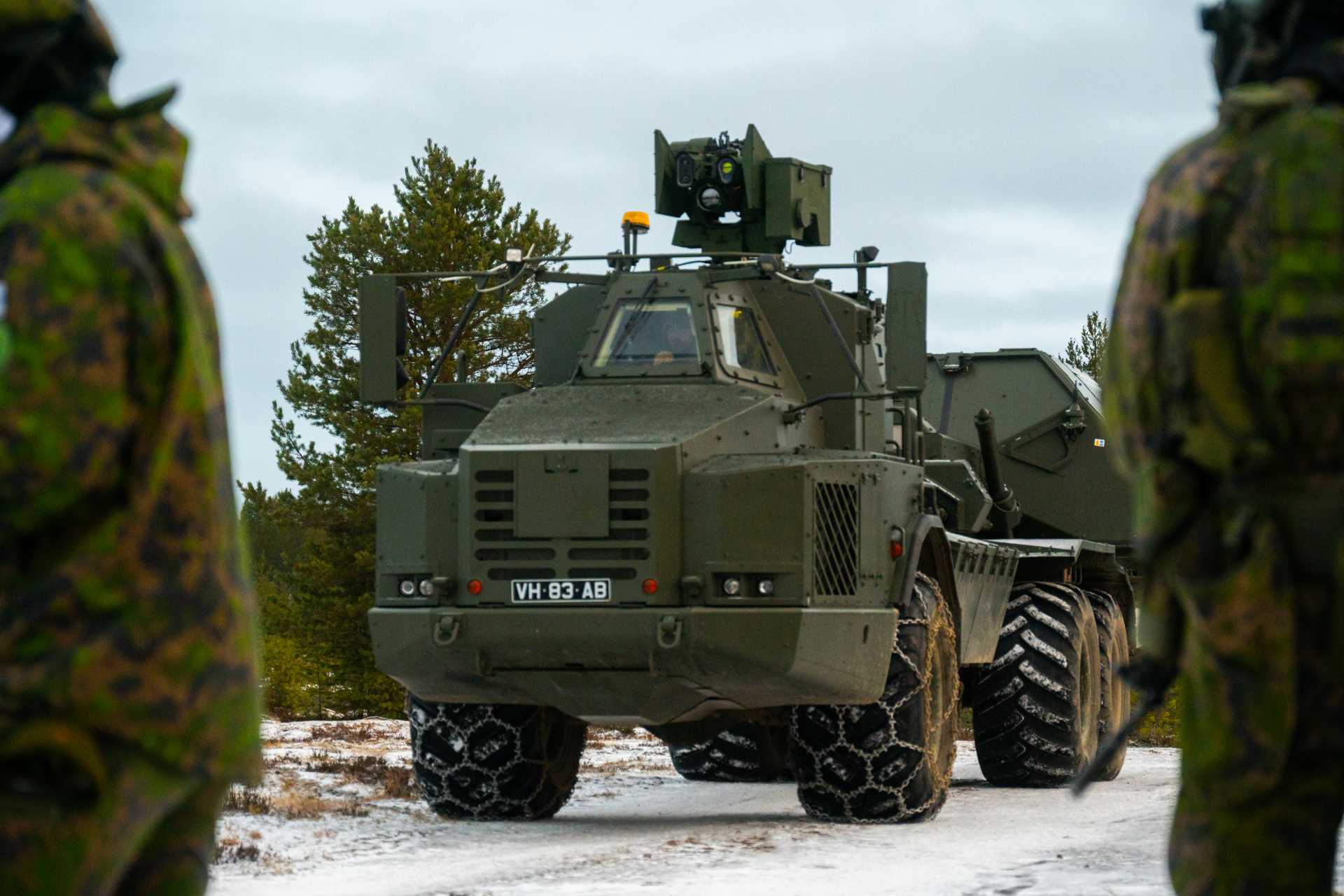
In a demonstration of NATO’s commitment to interoperability and long-range firepower, a British Army Archer self-propelled howitzer moved into position at the Ravajarvi Training Area in Rovaniemi, Finland, on November 18, 2024. The activity was part of Exercise Dynamic Front 25, a major NATO-led exercise taking place from November 4 to 24 across multiple locations, including Finland, Estonia, Germany, Poland, and Romania.
Follow Army Recognition on Google News at this link
A British Army Archer self-propelled howitzer advances to its firing position during Exercise Dynamic Front 25 at the Ravajarvi Training Area in Rovaniemi, Finland, on November 18, 2024. (Picture source: U.S. DoD)
Dynamic Front highlights NATO’s advanced capability to integrate and synchronize artillery fire missions, share real-time target information, and exchange operational graphics across vast geographical areas, from the Arctic to the Black Sea. These efforts underline the Alliance’s ability to deliver precise, lethal long-range fires in a complex, joint, and multinational operational environment.
The British Army’s participation in Dynamic Front 25 with the Archer self-propelled howitzer also reflects the UK’s recent investment in modernizing its artillery capabilities. In 2023, the UK Ministry of Defence announced the acquisition of 14 Archer artillery systems from Sweden to replace the aging AS90 tracked self-propelled howitzer fleet. This purchase was part of a broader effort to rapidly enhance the British Army's artillery firepower and mobility, especially given the increased focus on high-intensity conflict in Europe. The Archer system’s proven reliability, automation, and precision make it a critical asset for the UK, as it aligns with NATO’s emphasis on interoperability and advanced artillery platforms.
The Archer self-propelled howitzer, developed by BAE Systems, is renowned for its mobility, rapid-fire capability, and precision. Mounted on a 6x6 chassis, the Archer system is armed with a 155mm/L52 gun capable of firing various ammunition types, including Excalibur GPS-guided shells with ranges up to 50 km. Its fully automated loading and firing system allows it to fire multiple rounds within seconds, significantly enhancing battlefield effectiveness. The system can quickly "shoot and scoot," enabling it to evade counter-battery fire in high-threat environments.
The Archer howitzer deployed by the British Army during Dynamic Front exemplifies NATO’s emphasis on cutting-edge artillery systems that provide enhanced lethality and survivability in both Arctic and temperate climates. Its role in the exercise underscores the growing reliance on advanced artillery platforms for multinational operations.
Dynamic Front 25 involves over 1,800 U.S. personnel and 3,700 service members from 28 Allied and partner nations. The exercise emphasizes seamless cooperation among NATO forces, focusing on long-range fires, interoperability, unit readiness, and leveraging host nation capabilities. Including Arctic locations, such as Rovaniemi, highlights NATO's ability to adapt and operate effectively in challenging environments. This aligns with the Alliance’s strategic focus on defending its northern and eastern flanks against evolving threats.
Exercises like Dynamic Front 25 are critical in demonstrating NATO’s deterrence capabilities. By integrating advanced platforms like the Archer howitzer and conducting multinational drills, the Alliance reaffirms its commitment to collective defense. The operational data and lessons learned from this exercise will further refine NATO's artillery doctrines and enhance future cooperation among member states.
As the exercise concludes on November 24, the participation of advanced systems and multinational forces serves as a testament to NATO’s ability to respond decisively to any potential threats, ensuring the security of its member nations and reinforcing the principle of collective defense.
- Details
- Written by: Triffaux
- Category: 2024
- Hits: 2567
On November 19, 2024, in Brussels, Lithuanian Defense Minister Laurynas Kasčiūnas and his Swedish counterpart Pål Jonson signed a letter of intent marking a new phase in their bilateral defense cooperation. This strategic agreement aims to strengthen industrial ties between the two countries and develop joint initiatives in air and ground defense. It specifically includes the deployment of Swedish air defense systems in Lithuania and Vilnius's acquisition of Swedish infantry fighting vehicles, thereby enhancing both nations' defense capabilities.
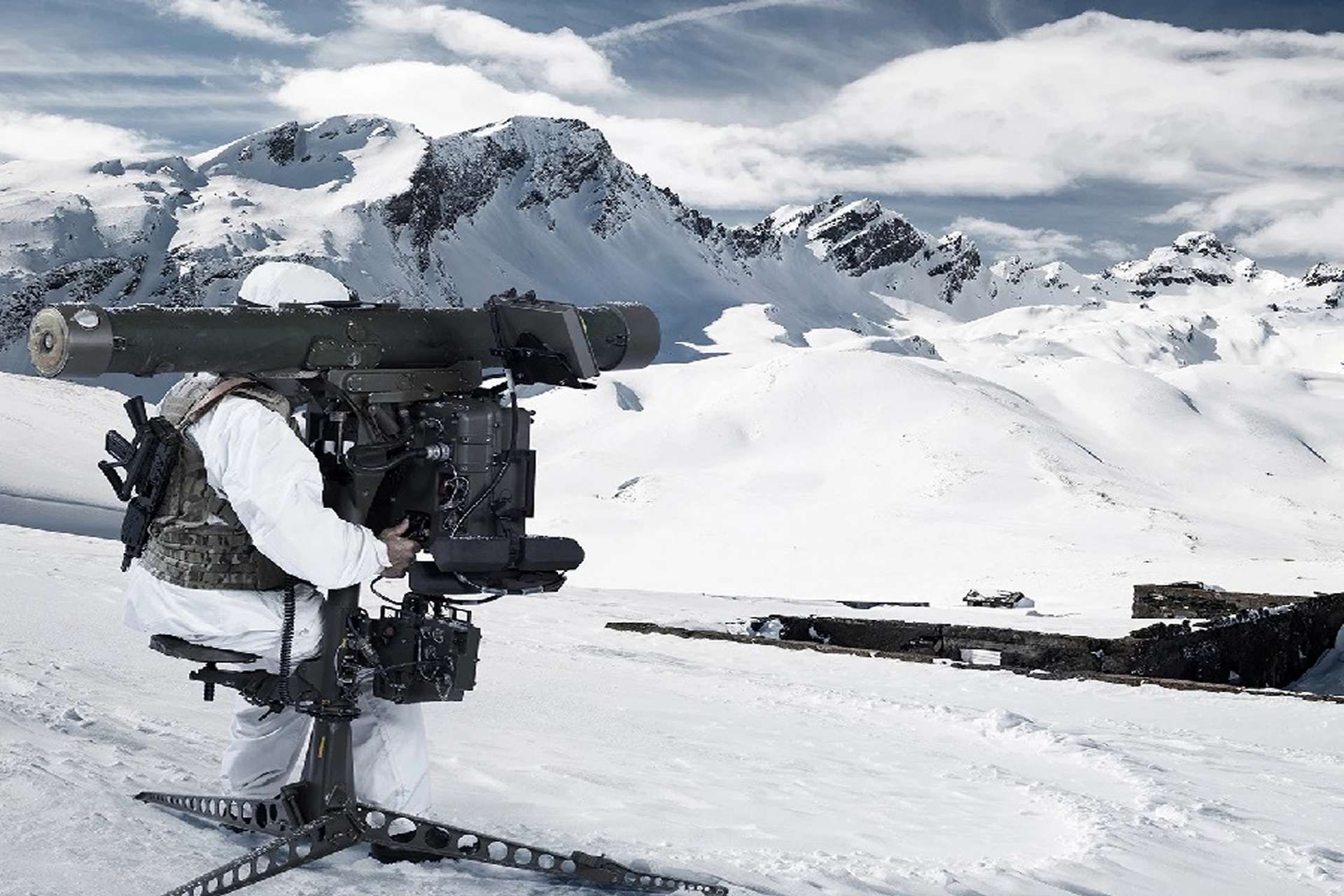
SAAB RBS 70 NG short-range air defence system (Picture source: SAAB)
One of the key aspects of this agreement involves Swedish air defense systems. Sweden boasts advanced technologies, such as the RBS 70 NG, a portable surface-to-air missile system, and the RBS 98, based on the IRIS-T missile, which offer effective protection against aerial threats. These systems would enable Lithuania to bolster its air coverage, a critical aspect given the increasing tensions in the Baltic region, particularly due to Russia's heightened military activity in the Kaliningrad enclave and the Baltic Sea. These discussions build on previous agreements, including one in December 2023, when Lithuania secured Swedish contractual terms to acquire the RBS 70 NG. In July 2024, Lithuania ordered these systems under a framework agreement with the Swedish Defense Materiel Administration (FMV), highlighting the deepening cooperation between the two nations.
Another key component of the agreement is Lithuania's acquisition of CV90 infantry fighting vehicles. These armored vehicles, produced by BAE Systems Hägglunds, are renowned for their modularity, exceptional mobility, and high level of protection. Already in service with several European armies, the CV90 has demonstrated its effectiveness in various combat environments. In October 2024, Lithuania formalized its interest in equipping two mechanized battalions with over 100 CV90 units, and the National Defense Council mandated Minister Kasčiūnas to begin acquisition procedures while ensuring collaboration with the local industry. This effort would enable Lithuania to modernize its ground forces, enhancing their maneuverability and firepower.
However, the agreement goes beyond mere equipment acquisition. It reflects a long-term strategic vision aimed at establishing a sustainable industrial collaboration between the two countries. Projects include joint research programs to enhance threat detection systems, the transfer of critical technologies, and the co-production of specific CV90 variants tailored to the needs of Baltic forces. These initiatives bolster Lithuania's strategic autonomy, allowing it to position itself as a regional player in the defense sector.
This partnership also has significant implications for regional security. By enhancing their respective capabilities, Lithuania and Sweden are improving the interoperability of their armed forces, a crucial element under NATO commitments. With Sweden's accession to NATO in March 2024, this bilateral cooperation directly contributes to securing NATO’s eastern flank while addressing the challenges posed by an unstable geopolitical environment.
At the same time, this collaboration fosters economic development, particularly by creating opportunities for Lithuanian companies involved in the production and maintenance of equipment. This stimulates innovation and strengthens national industrial expertise while reducing Lithuania's dependence on external suppliers.
The next steps include finalizing industrial agreements to fully integrate local companies into these projects. The first deliveries of RBS 70 NG systems are expected as early as 2025, while CV90 vehicles could enter service in the following years. Rigorous monitoring will assess the outcomes of this cooperation and explore new opportunities, such as the development of drones or electronic warfare systems.
In summary, this collaboration between Lithuania and Sweden represents an exemplary model of strategic and industrial partnership in the defense sector. It combines innovation, autonomy, and collective security while contributing to regional stability in an increasingly complex geopolitical context.
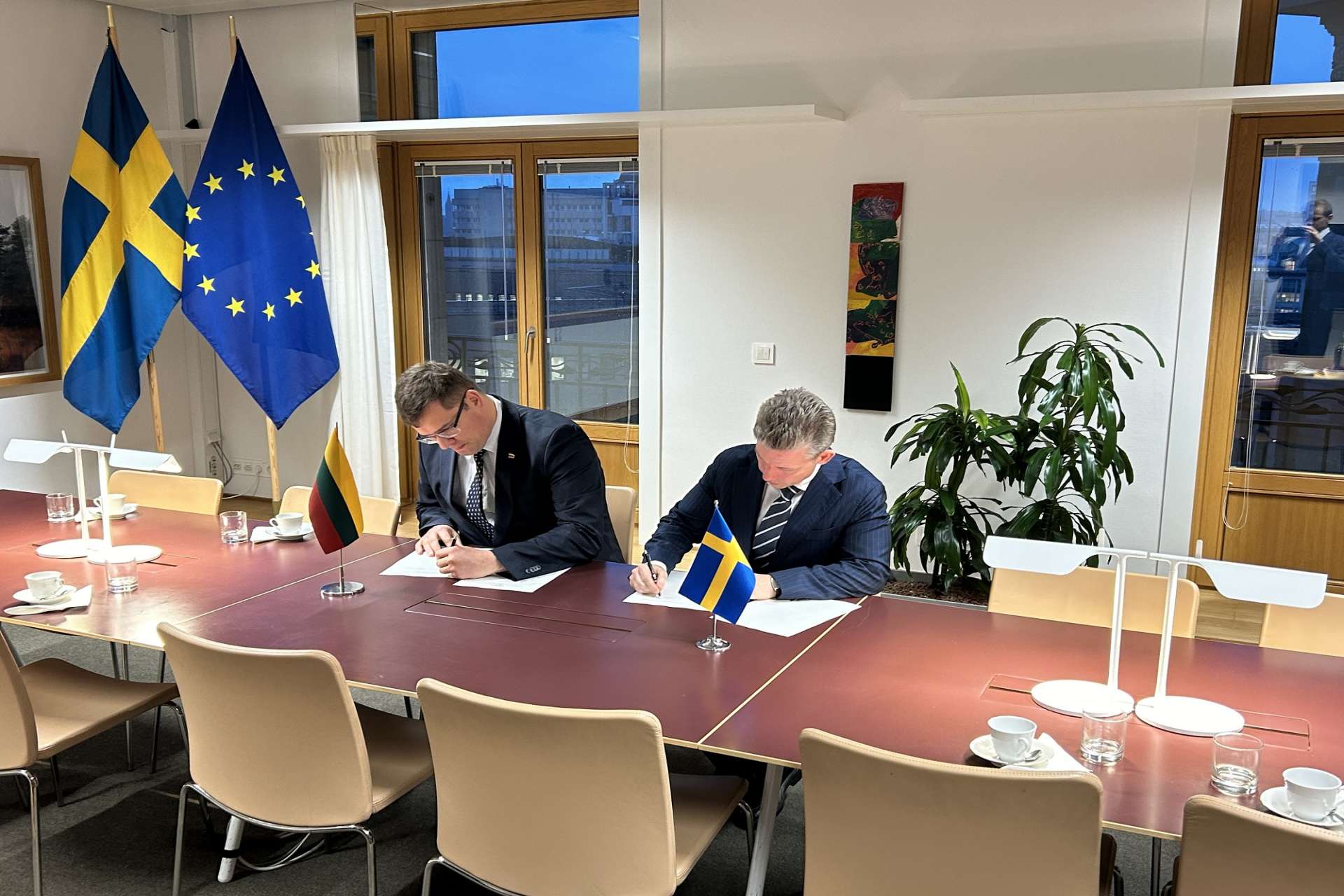
Lithuanian Defense Minister Laurynas Kasčiūnas and his Swedish counterpart Pål Jonson signed a letter of intent marking a new phase in their bilateral defense cooperation. (Picture source: Lithuanian MoD)
Read more: Lithuania and Sweden Sign Strategic Defense Cooperation Agreement to counter Russia
- Details
- Written by: Administrator
- Category: 2024
- Hits: 4680
The European Commission has approved the joint procurement of IRIS-T SLM advanced air defense missile systems under the 'Joint Air Missile Defence Initiative in Europe' (JAMIE). This significant decision, revealed on November 14, 2024, aims to strengthen the air defense capabilities of six European Union Member States—Germany, Slovenia, Bulgaria, Austria, Estonia, and Latvia—in response to potential threats from Russia.
Follow Army Recognition on Google News at this link
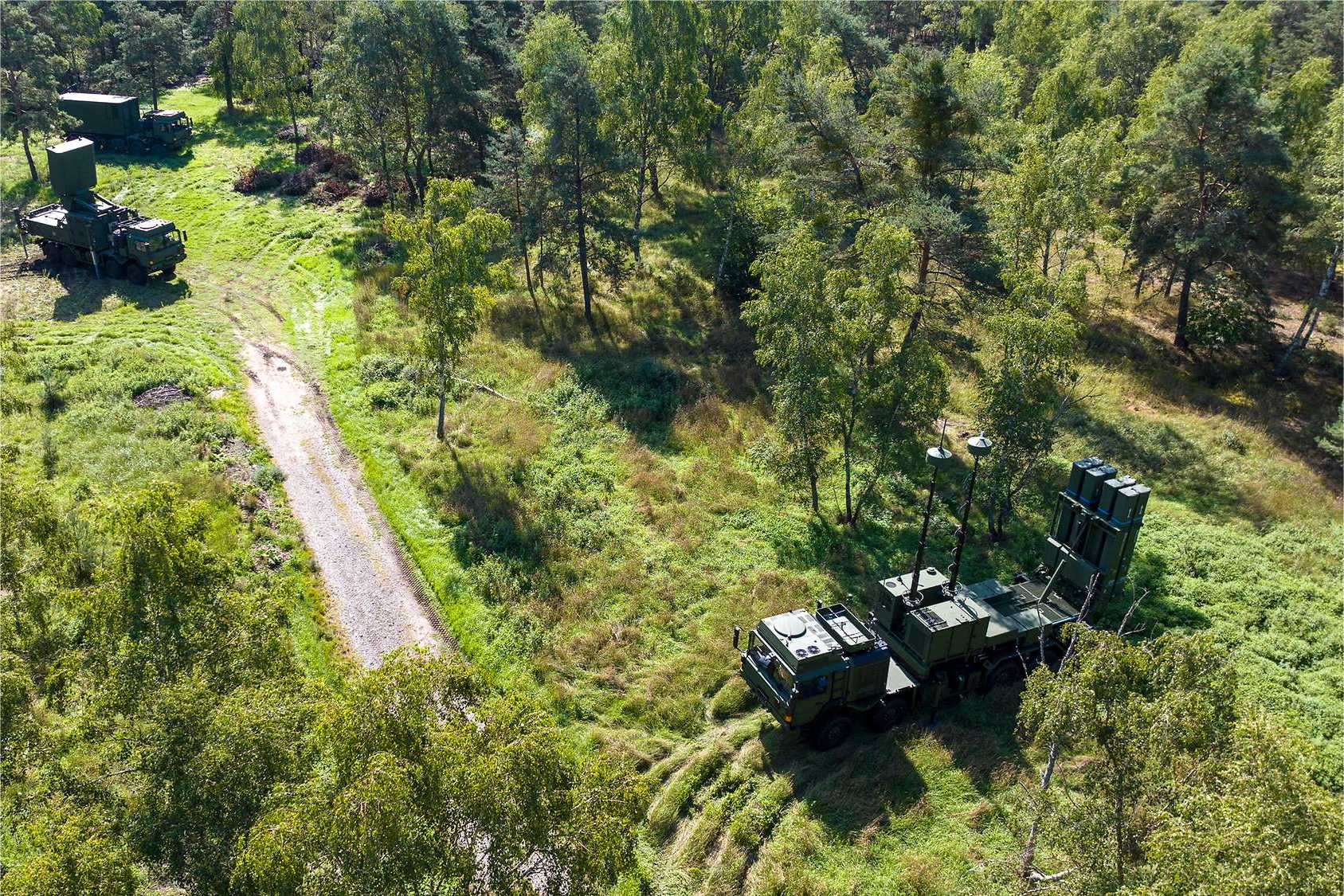
The German IRIS-T SLM air defense system during military exercise showcased its advanced radar and missile capabilities for intercepting aerial threats. (Picture source: German MoD)
The centerpiece of this initiative is the acquisition of the IRIS-T SLM (Surface-Launched Medium-range) air defense systems, a state-of-the-art solution developed by the German defense manufacturer Diehl Defence. The IRIS-T SLM systems are engineered to counter various aerial threats, including combat aircraft, attack helicopters, cruise missiles, ballistic missiles, and unmanned aerial systems (UAS).
The IRIS-T SLM is a fully networked, mobile system designed for high-performance air defense. It combines radar, a fire control system, and mobile launchers to create a versatile and scalable solution. At its core, the system utilizes the IRIS-T SL missile, a derivative of the IRIS-T air-to-air missile, enhanced for ground-based launch. These missiles are equipped with advanced infrared seekers for high precision, allowing them to track and engage highly agile and maneuvering targets even in dense electronic warfare environments. With an operational range of up to 40 kilometers and an altitude coverage of 20 kilometers, the IRIS-T SLM provides layered defense and can seamlessly integrate with larger air defense networks.
Another standout feature of the system is its advanced radar suite, capable of detecting and tracking multiple targets simultaneously. The 360-degree coverage ensures comprehensive protection, while its open architecture allows integration with NATO-standard command and control systems, making it highly interoperable with allied forces. Additionally, its mobile configuration ensures rapid deployment and redeployment, which is critical in modern, fast-evolving combat scenarios.
The decision to procure the IRIS-T SLM under the JAMIE initiative is rooted in the growing security challenges in Europe, particularly following Russia's aggressive posturing in the region. The collaborative procurement reflects the EU's strategic shift toward enhancing shared defense capabilities and improving interoperability among Member States, ensuring cohesive responses to evolving threats.
The IRIS-T SLM’s effectiveness has been validated in real combat conditions during its deployment in Ukraine. Since its introduction to support Ukrainian air defenses in 2023, the system has proven its capability in neutralizing Russian aerial threats. Ukrainian forces successfully used the IRIS-T SLM to intercept advanced cruise missiles, loitering munitions, and unmanned aerial vehicles (UAVs) launched by Russian forces. Its precision targeting and robust electronic counter-countermeasure (ECCM) capabilities have allowed it to operate effectively despite heavy electronic interference. The system’s high interception rate and low collateral damage make it a critical asset in defending urban centers and critical infrastructure. This combat performance has reinforced the confidence of European nations in its operational reliability.
Germany, a key innovator in European defense, will lead the integration and deployment of these systems, with its defense industry providing the technological foundation for training and logistics support. Each participating nation is expected to deploy the IRIS-T SLM systems to protect critical infrastructure, military installations, and civilian populations. Germany’s leadership will be complemented by training programs to ensure swift adoption by Slovenia, Bulgaria, Austria, Estonia, and Latvia. The Baltic nations, located on NATO’s eastern flank, consider the deployment particularly vital given their proximity to Russia.
The joint procurement under the JAMIE initiative marks a major step toward European strategic autonomy in defense. By reducing reliance on external suppliers and enhancing interoperability among EU nations, this move bolsters the region's resilience against aerial threats. It aligns with broader European efforts to modernize defense capabilities, including NATO’s Air and Missile Defense Strategy and the EU’s Permanent Structured Cooperation (PESCO) framework.
Given the urgency of the security environment, delivery timelines for the IRIS-T SLM systems are expected to be expedited. Training programs and integration efforts are slated to begin in 2025, with operational deployment anticipated within two to three years.
The JAMIE initiative represents a significant milestone in collective European defense, showcasing the EU's commitment to safeguarding its citizens and territories. It further demonstrates how collaborative procurement and deployment of cutting-edge technology can enhance the security and operational readiness of EU Member States in an era of evolving threats.
- Details
- Written by: Triffaux
- Category: 2024
- Hits: 6846
On November 14, 2024, the European Commission announced funding of €60 million to support the Common Armoured Vehicle System (CAVS) project under the EDIRPA program (European Defense Industry Reinforcement Instrument through Joint Procurement). This ambitious project aims to develop a modern and common armored vehicle designed to enhance the operational capabilities of the armed forces of four European states: Finland, Latvia, Sweden, and Germany. The objective of the CAVS is to address the growing needs for troop mobility and protection while fostering cooperation between European countries and standardizing military equipment.
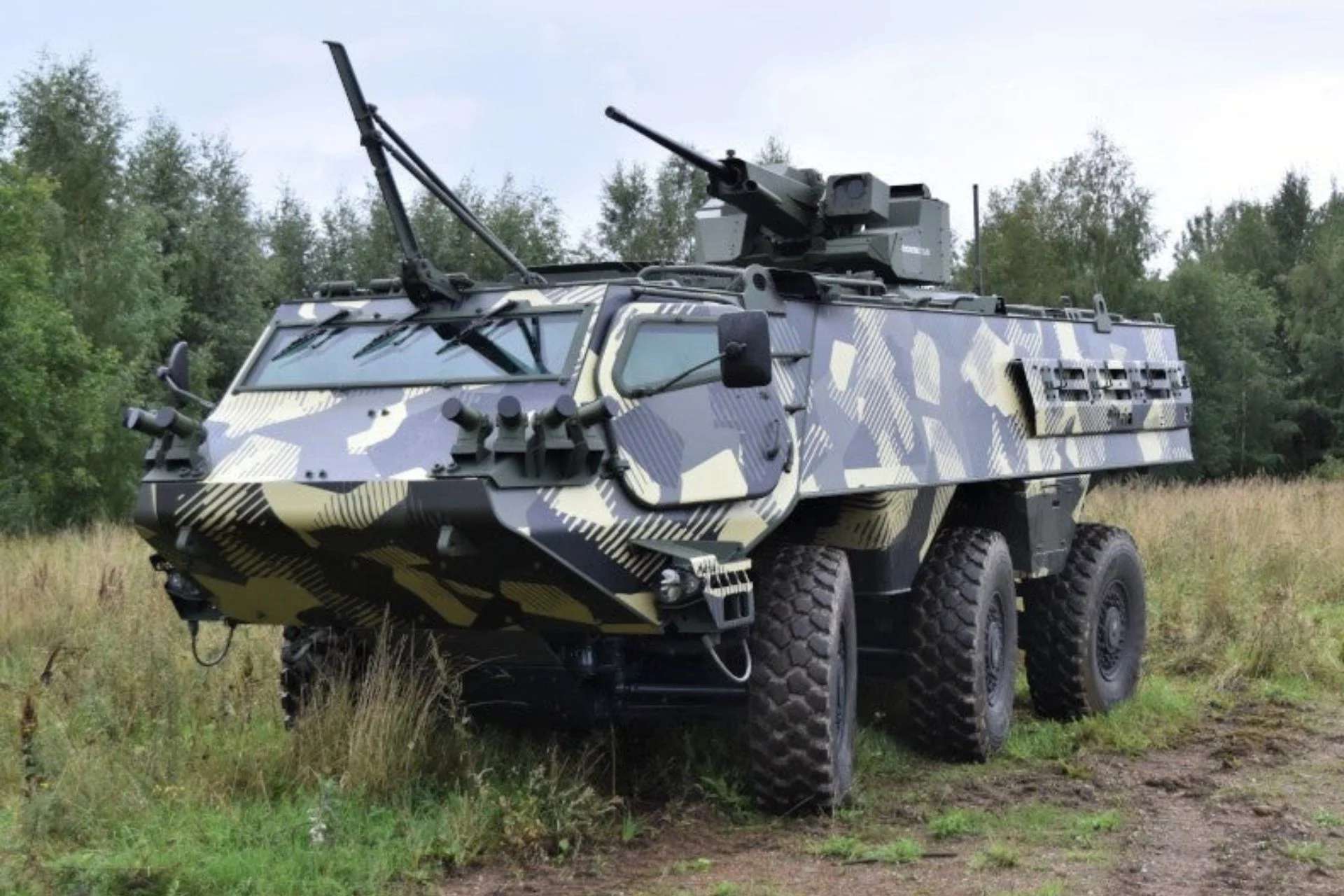
European CAVS project could be based on a proven platform such as the Patria 6x6 Armored Vehicle (Picture source: Patria)
The CAVS (Common Armoured Vehicle System) project seeks to support the joint acquisition of modern 6x6 armored vehicles within the framework of a multinational program for the development, procurement, and lifecycle management of modern armored vehicle systems. This project is based on similar capability needs among the participating member states, thereby creating a foundation for enhanced cooperation and added value. The CAVS program has already revitalized the serial production of 6x6 wheeled armored vehicles in Europe and continues to increase production capacity on the continent. The project is supported by four entities from EU member states: the Finnish Defence Forces, the Latvian Ministry of Defence, Sweden’s Försvarets Materielverk, and Germany’s Bundeswehr. The initiative benefits from a maximum EU contribution of €60,000,000 under the EDIRPA instrument for 2024.
The primary goal of the CAVS project is to design and produce a common armored vehicle optimized for the protected transport of troops while meeting the varied operational needs of the participating states. This vehicle will integrate advanced technologies to ensure superior protection against ballistic threats, mines, and improvised explosive devices (IEDs). Its modular design will allow it to be adapted for various missions, such as troop transport, medical evacuations, logistical support, reconnaissance, and combat operations. Additionally, its exceptional mobility, enabled by a design suited to difficult terrains and optimized off-road capabilities, will ensure the vehicle's high autonomy in complex environments.
The CAVS project also aims to promote a standardization approach that would reduce the current fragmentation of military equipment within the European Union. By opting for a common vehicle, the participating states will benefit from economies of scale through centralized production and harmonized maintenance. This standardization will also facilitate increased interoperability between the armed forces of different countries, simplifying joint operations and logistical exchanges. Furthermore, the project will support the European defense industry by fostering the design and manufacturing of the vehicle within the EU, thus contributing to strengthening Europe’s autonomy in this strategic domain.
The development of the CAVS also aligns with a broader context of strengthening European strategic sovereignty, particularly emphasized by the geopolitical tensions related to Russia’s aggression against Ukraine. This conflict has highlighted the need to modernize the EU's military capabilities and reduce its dependence on external suppliers. It is within this dynamic that the EU has chosen to invest heavily in projects like the CAVS, symbolizing a commitment to enhancing collective defense capabilities while asserting sovereignty in the face of external challenges.
Once designed and deployed, the CAVS armored vehicle will not only enhance the operational capabilities of the four participating states but will also establish a common standard for future collaborations among EU member states. This project represents a key step toward a more integrated and resilient European defense, capable of addressing current and future strategic challenges in a coherent and coordinated manner.
Under the international Common Armoured Vehicles System (CAVS) programme Patria will be the prime contractor if Germany decides to procure Patria vehicles. Patria will lead the design and development of the system, while DSL in Freisen and FFG in their units in Flensburg (FFG) and Kirchen (JWT) will provide local engineering, production, and life-cycle support in Germany. Along with the now starting more detailed localization preparation, the team will engage also other German companies to the programme effort.
Interestingly, the vehicle developed under the CAVS project could be based on a proven platform such as the Patria 6x6, already used by several European armies. This armored vehicle, produced by the Finnish company Patria, is renowned for its robustness, modularity, and ability to fulfill a wide range of missions, making it an ideal foundation for a European standardization project. The Patria 6x6 offers excellent protection against ballistic threats and mines while being capable of navigating difficult terrains thanks to its independent suspension and high off-road mobility. Moreover, its modularity allows the vehicle to be easily adapted for different roles, such as troop transport, armored ambulance, or even configurations for command or reconnaissance missions. By choosing an already proven and widely used platform, the EU could accelerate the development of the CAVS while leveraging existing technologies and logistics, thus facilitating the transition to a common armored vehicle for its armed forces.
The objective of the CAVS program is the development of a 6x6 armored vehicle system to meet the needs of the member countries. Sweden joined the CAVS program in 2022, followed by Germany in 2023. Finland has ordered 164 Armored Personnel Carriers (APCs) under the project and has also signed an agreement for HAPC vehicles intended for crisis management. Latvia, involved in the program from the beginning, has ordered over 200 APCs and recently signed a contract for 56 C2 vehicles. Last spring, Sweden signed a contract for a total of 321 CAVS vehicles.
The Patria 6x6 stands out for its modularity, enabling it to adapt to a wide variety of military and security missions. It can be configured for troop transport, with a capacity to accommodate 10 fully equipped soldiers, or for medical evacuations through an ambulance module equipped with stretchers and patient stabilization equipment. The vehicle can also serve as a mobile command post, integrating advanced communication systems and workstations for strategic operations. In a logistical support role, it can carry up to 8,500 kg of equipment, with an option to integrate a handling crane. For combat missions, it can be equipped with remotely operated turrets, anti-tank missiles, or air defense systems. Its reconnaissance capabilities include optical and infrared sensors, surveillance radars, and even onboard tactical drones. Finally, technical support configurations allow for field maintenance and towing of damaged vehicles. This versatility makes the Patria 6x6 an essential platform to meet the varied needs of European armed forces while enhancing interoperability and operational efficiency.
Read more: EU funds new armored vehicle development for four member countries under CAVS program
- Details
- Written by: Halna du Fretay
- Category: 2024
- Hits: 21189
Amid the rapidly evolving landscape of modern threats, the U.S. military is exploring advanced technological solutions to address the rise of low-cost weaponized drones. Among these efforts, the development of the autonomous robotic system "Bullfrog," designed by Allen Control Systems (ACS), marks a significant step forward in counter-drone defenses.
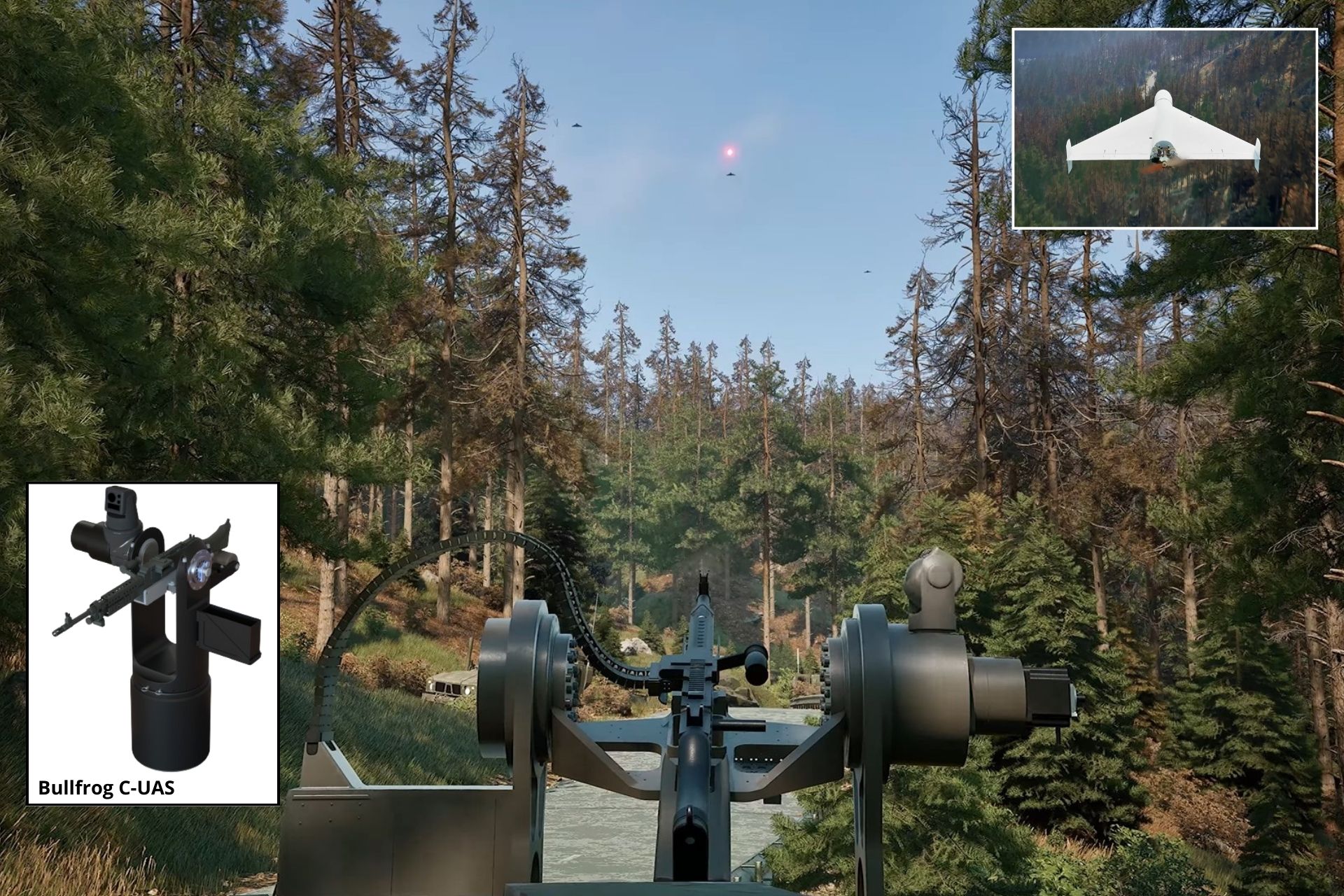
The Bullfrog Gun Turret is an autonomous system designed to detect, identify, and neutralize hostile drones, including Class 1 to Class 3 UAVs (Picture source: Allen Control Systems)
The Bullfrog Gun Turret is an autonomous system designed to detect, identify, and neutralize hostile drones, including Class 1 to Class 3 UAVs. Equipped with the standard M240 7.62mm machine gun, it combines proven kinetic firepower with advanced detection and autonomous engagement technologies. Compact and lightweight, weighing less than 400 pounds, the system is well-suited for mobile operations or the protection of strategic sites, such as critical infrastructure. Operating on a standard 24V DC power supply, the Bullfrog integrates easily with NATO vehicles and can operate in passive mode to reduce detection risks during deployment.
The system operates using advanced Linux-based software, which supports integration with third-party command-and-control (C2) systems and radars. This open architecture enables bidirectional data and target track communication. Using a database trained on millions of annotated images, the system ensures exceptional detection accuracy with a false negative rate of less than 2%. It also features semi-autonomous and fully autonomous operational modes, with "human-in-the-loop" and "human-on-the-loop" mechanisms to prevent unauthorized engagements. Additionally, its shot prediction capability ensures a high probability of success before firing, enhancing operational efficiency and safety.
The Bullfrog leverages advanced artificial intelligence to detect, track, and neutralize drones with high precision. Unlike human-operated systems, it achieves superior accuracy in engaging aerial targets, increasing the effectiveness of counter-drone operations. This development reflects the growing need for military forces to adapt to emerging threats, which are often characterized by low costs and significant battlefield impact.
Recent conflicts have underscored the strategic implications of drones, particularly their ability to disrupt military operations and inflict disproportionate damage relative to their cost. These developments have led to a growing demand for systems capable of rapidly detecting and neutralizing such threats. The Bullfrog addresses this need through machine learning algorithms and advanced sensors that reliably identify drones, even in complex or interference-heavy environments.
ACS has prioritized the autonomy of the Bullfrog, enabling it to operate with minimal human intervention. This reduces response times and enhances overall combat effectiveness. Initial tests of the system have yielded promising results, demonstrating its ability to outperform existing counter-drone technologies.
During the Technology Readiness Experimentation 2024 (TREX 24-2) event, held by the U.S. Department of Defense (DoD) at Camp Atterbury, Indiana, from August 19–26, the Bullfrog showcased its capabilities. As the only system in the DoD arsenal capable of autonomously detecting, tracking, identifying, and neutralizing drones, it completed the critical kill chain with precision. The integration of advanced artificial intelligence, computer vision, and ACS’s proprietary software enabled the Bullfrog to effectively utilize the standard M240 machine gun while maintaining a low size, weight, and power profile (Low SWaP).
Demonstrations included engagements against multiple drone swarms at various distances, capturing the attention of over 30 key stakeholders, including members of Congress, DoD officials, and senior representatives from special forces, the Marines, and counter-drone programs. The consistent performance of the Bullfrog at TREX generated significant interest from government stakeholders, indicating potential for expedited operational deployment. Notable attendees included Congressman Greg Pence, the Honorable Heidi Shyu, Under Secretary of Defense for Research and Engineering, and senior representatives from Army Futures Command and the Joint Counter-small Unmanned Aircraft Systems Office.
While the adoption of autonomous systems raises questions about increasing reliance on such technologies in combat environments, the rapid proliferation of weaponized drones highlights the necessity of innovations like the Bullfrog. These solutions offer a critical response to modern military challenges, ensuring enhanced defense capabilities against emerging threats.
Read more: US Turns to AI-Powered Bullfrog Turret to Address Growing Threat of Low-Cost Drones
- Details
- Written by: Vandenbosch
- Category: 2024
- Hits: 10207
MBDA Germany has initiated the expansion of its facilities in Schrobenhausen, Bavaria, with a groundbreaking ceremony attended by prominent figures, including German Defense Minister Boris Pistorius, MBDA Germany CEO Thomas Gottschild, and Luftwaffe Inspector General Ingo Gerhartz. This strategic investment aims to enhance production capabilities for key defense systems, including Patriot PAC-2 GEM-T missiles, PARM anti-tank mines, and Enforcer anti-tank missiles.
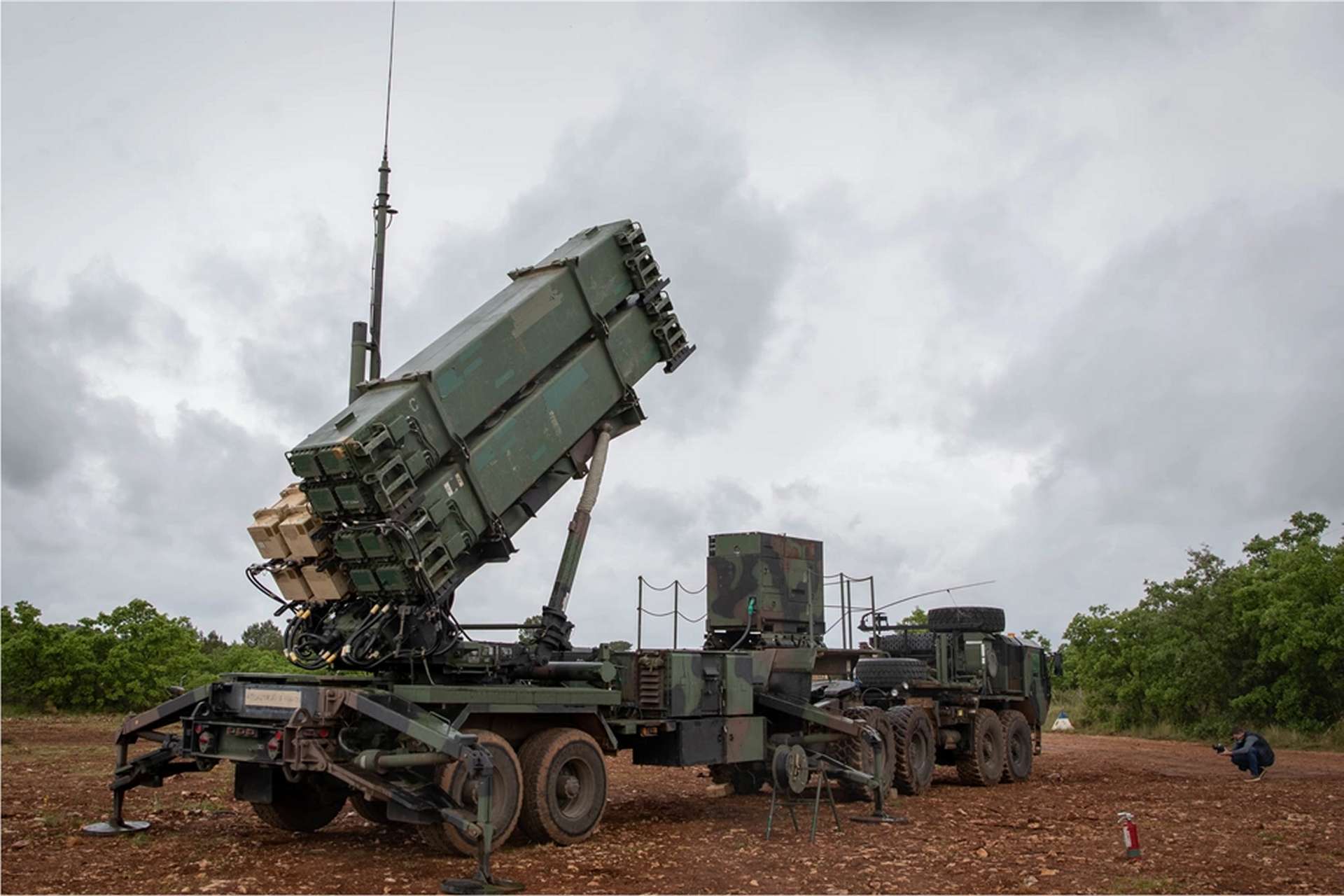
The MBDA facility in Schrobenhausen, Germany, will become the first in Europe to produce Patriot missiles. (Picture source: US DoD)
The MBDA facility in Schrobenhausen, Germany, will become the first in Europe to produce Patriot missiles, specifically the GEM-T model. This initiative follows a $5.5 billion contract awarded to COMLOG, a joint venture between Raytheon and MBDA, to establish a Patriot missile production capacity in Germany. This decision aims to strengthen supply security and contribute to replenishing the Patriot missile stockpiles of European nations.
With a total investment of €250 million, the expansion includes the construction of a 31,000-square-meter production hall and a 1,400-square-meter bunker with a storage capacity of 80 tons. Scheduled for completion by September 2026, this facility will represent a significant milestone as Europe’s first Patriot GEM-T missile production site. This development also reflects MBDA’s commitment to bolstering its global manufacturing capacity to meet increasing defense demands.
Thomas Gottschild, CEO of MBDA Germany, highlighted the project's significance, stating: “Our commitment is firmly directed toward Europe’s security and, in particular, supporting defense efforts in Ukraine. This investment will enable MBDA to grow by 25% over the next three years, creating approximately 300 new jobs.” He also emphasized the importance of close cooperation between industry and government, stressing that investments rely on continued contracts and public support.
The ceremony underscored the facility's role in addressing Germany’s "Zeitenwende" or strategic turning point in defense. Minister Pistorius acknowledged the site as one of Europe’s most advanced technological centers for missile systems and air defense. He praised integrating research, development, production, and testing capabilities at Schrobenhausen, which will now see a significant capacity boost.
“The groundbreaking today is not only a testament to the strength of the German defense industry but also a vital contribution to the security of Europe and its allies. The investments here directly enhance the operational readiness and resilience of ground-based air defense systems, which are proving crucial in the conflict in Ukraine,” Pistorius said. He also linked this development to the European Sky Shield initiative, launched by Germany to strengthen collective air defense across the continent.
The expansion of the Schrobenhausen site continues a legacy of innovation established 65 years ago. Originally focused on research into shaped charges and explosive physics, the site has evolved into a high-tech hub for advanced defense systems. This investment reinforces MBDA’s position as a leader in European defense and aligns with Germany’s broader strategic goals to modernize its defense industry through regulatory reforms and financial incentives.
As construction progresses, MBDA’s commitment to supporting NATO and European defense remains evident. The facility will not only address current demands but also position MBDA to tackle future challenges in a rapidly evolving security landscape. This expansion clearly aligns with industrial capabilities, political will, and strategic defense objectives.
The ceremony concluded with a renewed commitment from all stakeholders to continue strengthening Germany’s defense capabilities while supporting allied operations worldwide.
Read more: Germany Enhances Patriot Missile Production Capacity With New MBDA Facility in Europe
- Details
- Written by: Triffaux
- Category: 2024
- Hits: 3435
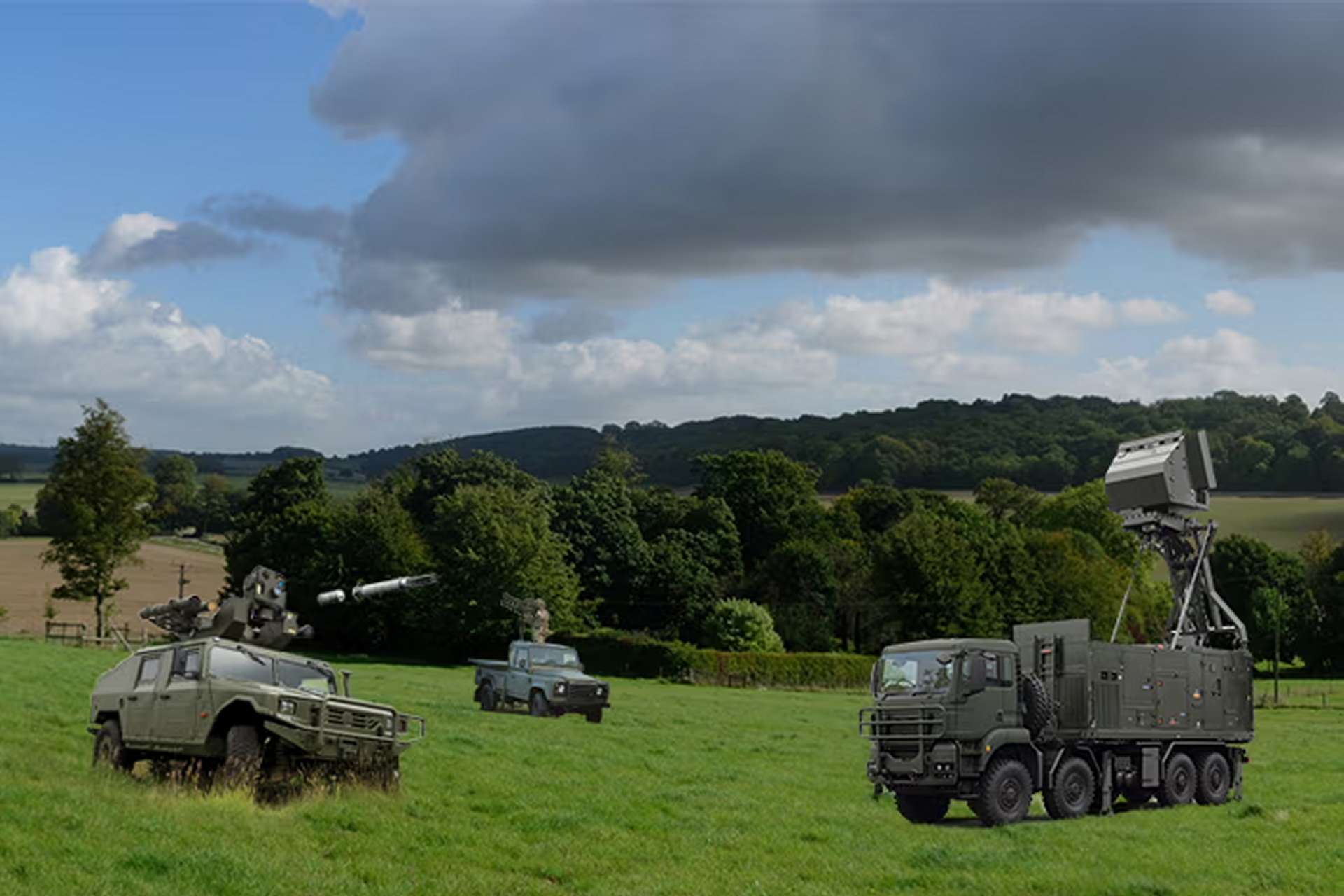
On October 28, 2024, Thales UK announced it had secured a major contract to supply the Portuguese Armed Forces with next-generation short-range air defense systems, specifically the ForceShield system. This announcement was made during Expo Exército 2024 in Lisbon, where Thales' RapidRanger system was officially presented as Portugal's chosen solution for modernizing its air defense capabilities.
UK Thales Next-Gen ForceShield Short-Range Air Defense System (Picture source: UK Thales)
Portugal is thus set to bolster its very short-range air defense (VSHORAD) capabilities with the acquisition of the ForceShield system, developed by the French group Thales. This contract, signed through the NATO Support and Procurement Agency (NSPA), marks a first for a European Union country, highlighting the strategic importance of these systems in the current context of modernizing European armed forces.
This acquisition aligns with NATO recommendations urging its members to enhance their VSHORAD capabilities to better protect sensitive areas, reinforce operational theaters' security, and counter emerging aerial threats. Thales, a key player in defense and security, emphasizes the efficiency of the ForceShield system in protecting armed forces, critical infrastructure, and populations from a wide range of aerial threats, including drones, low-altitude helicopters, cruise missiles, and tactical fighters.
Thales UK has significantly enhanced its defense collaboration with Portugal through several key initiatives. In September 2024, Thales engineers collaborated with the Royal Navy during NATO's REPMUS '24 exercises in Portugal, integrating AI-enabled software and sensing technology into the XV Patrick Blackett vessel to test uncrewed maritime systems. This partnership was further strengthened in October 2024 when Thales UK secured a contract to supply Portugal's armed forces with the RapidRanger short-range air defense system, underlining Portugal's commitment to modernizing its air defense capabilities. These developments reflect a growing defense partnership between Thales UK and Portugal, focusing on advancing naval and air defense systems through innovative technological solutions.
The acquisition of the ForceShield system includes a suite of advanced components designed to work seamlessly together. At the core of this system is the Ground Master 200 aerial surveillance radar, a state-of-the-art technology capable of detecting and tracking multiple targets simultaneously. This radar provides sustained threat tracking, ensuring optimal precision for defensive responses. This capability delivers continuous and in-depth situational awareness, analyzed by the ControlView command-and-control center. ControlView assesses threats and coordinates appropriate responses, relying on modern tools such as portable terminals for tasking available weapons.
The system also includes RapidRanger vehicles equipped with Starstreak and LMM (Lightweight Multirole Missiles), which offer exceptional versatility in neutralizing both aerial threats and ground targets. These units are designed to be lightweight, mobile, and highly automated, ensuring maximum responsiveness and effective protection even in complex operational environments. This configuration enables the system to flexibly and adaptively safeguard strategic areas against the challenges posed by modern threats.
The ForceShield system is specifically designed for short- and medium-range air defense, protecting critical infrastructure, military bases, and deployed forces against a broad spectrum of threats, including aircraft, helicopters, drones, and cruise missiles. For example, when securing an advanced military base in a conflict zone, ForceShield can establish a robust security perimeter. Radars such as the Ground Master 200 detect low-altitude threats, while the command-and-control system (C2) analyzes the data, identifies priorities, and deploys the most suitable effectors. Starstreak or LMM missiles can then neutralize these threats before they reach their target.
A key advantage of ForceShield lies in its interoperability. The system can be integrated into larger air defense networks using standardized communication protocols like Link 16, widely adopted by NATO forces. This capability enables real-time data sharing with allies and ensures coordinated responses to threats. For instance, during NATO joint exercises, a unit equipped with ForceShield could leverage surveillance data provided by other allied nations' radars. If a threat is detected by a partner, ForceShield can quickly react, synchronizing its actions with other systems integrated into the network. In summary, ForceShield is a modern and versatile air defense solution, well-suited to a wide range of operational scenarios and fully integrated into today’s collective defense architectures.
The integration of this system into the Portuguese Armed Forces represents a significant leap forward in the country's air defense capabilities. Modern threats, such as autonomous drones or cruise missiles with complex trajectories, require sophisticated and adaptable responses. With the ForceShield system, Portugal is equipping itself with a cutting-edge technological solution that meets current and future defense requirements.
Beyond its technical capabilities, ForceShield fully aligns with European collaborative defense initiatives. By adopting this system, Portugal becomes the first EU country to take this step with Thales, potentially paving the way for other EU members to modernize their own defense capabilities.
The ForceShield system represents a strategic advance not only for Portugal but also for Europe as a whole. As global security challenges multiply, investments in technological solutions like those developed by Thales underscore the importance of cooperation among NATO and European Union members to ensure effective and sustainable collective defense.
Read more: Portugal Strengthens Short-Range Air Defense Capabilities with Thales ForceShield System
- Details
- Written by: Vandenbosch
- Category: 2024
- Hits: 5653
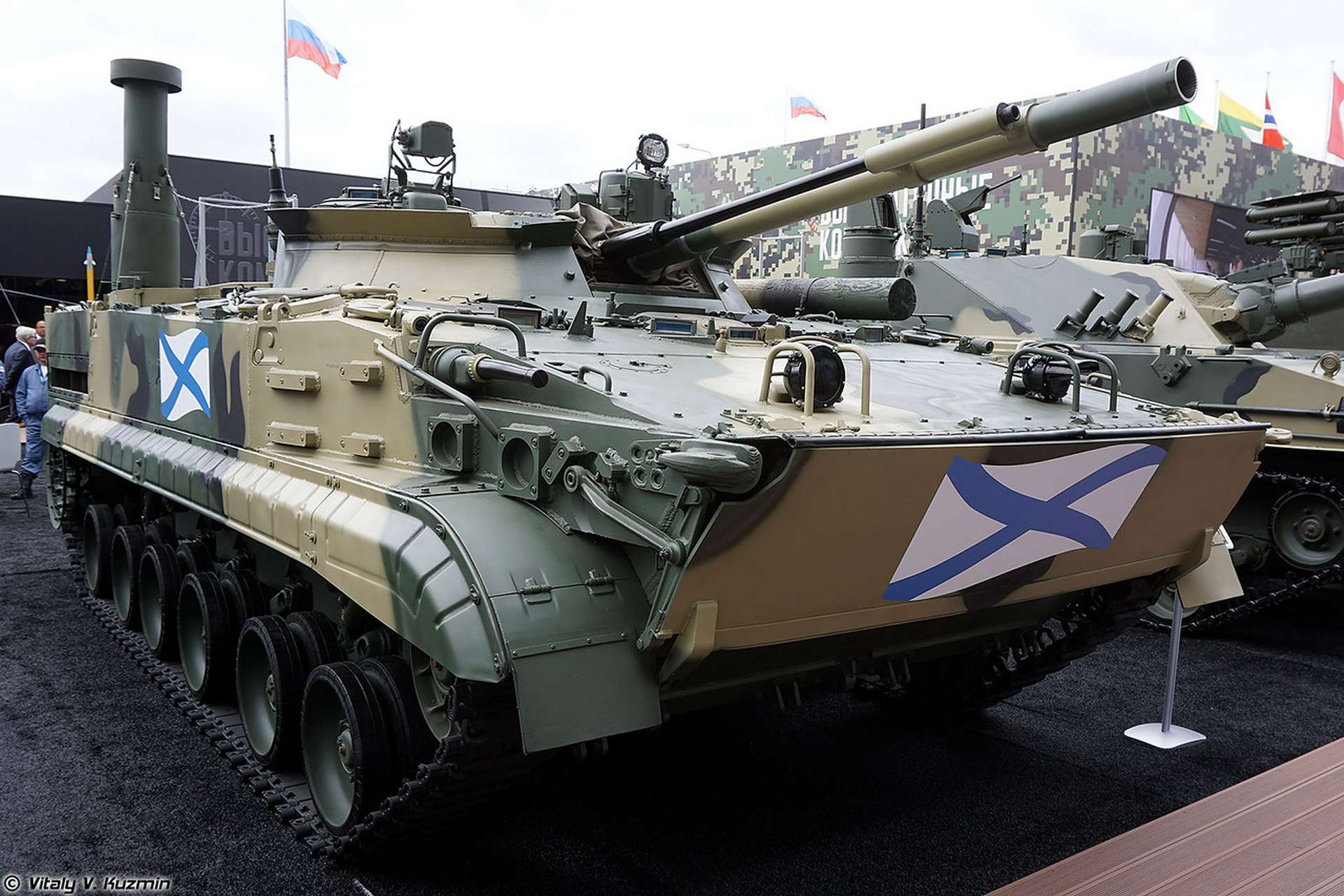
Russia has confirmed the receipt of an official request from Indonesia regarding the acquisition of weapons and military equipment for the 2025-2030 period. This request, currently under review, was announced by Vladimir Bulavin, head of the Federation Council Committee on Defense and Security. Bulavin also noted that the two countries are currently collaborating on seven contracts within the framework of military-technical cooperation.
The BMP-3F is specially designed for operations at sea, with improved seaworthiness and high fire accuracy at sea. This can endure continuous amphibious operation for seven hours. (Picture source: Vitaly Kuzmin)
These contracts, focused on the supply of weapons and military equipment, are at various stages of implementation. “We have received an official request from Indonesia for deliveries between 2025 and 2030. Proposals from Russia to address this request are being prepared,” stated Bulavin, highlighting the dynamism of the military-technical partnership between the two nations.
In addition to supplying equipment, Russia continues to support Indonesia through the training of its military personnel. According to Bulavin, Russian instructors have trained over 6,000 Indonesian specialists over years of collaboration. More recently, several dozen Indonesian pilots were trained on a Su-27 flight simulator, illustrating the breadth of this bilateral cooperation.
The cooperation also extends to joint military exercises. Earlier this month, from November 4 to 8, the two countries conducted their first joint naval exercises, titled "Orruda-2024," in Surabaya. These maneuvers mark a significant step in strengthening maritime security collaboration.
Discussing future collaboration prospects, Bulavin expressed optimism. “There is mutual willingness and interest to continue our military contacts. The Indonesian side has even expressed interest in participating in our naval parades,” he added.
Military relations between Russia and Indonesia date back to the Soviet era, when the Soviet Union provided support to Indonesia in the 1950s and 1960s, notably in the form of arms and military equipment to bolster the capabilities of the Indonesian armed forces. After a period of cooled relations during the Cold War, cooperation resumed in the 2000s, marked by significant contracts, including the delivery of Su-27 and Su-30 fighters and BMP-3F armored vehicles.
The relationship has been further strengthened through military training agreements and joint exercises, with a focus on technology transfer and the training of Indonesian forces. More recently, the two countries have continued to collaborate through defense contracts and joint naval exercises, consolidating their partnership in a geopolitical context where Indonesia aims to diversify its arms suppliers.
This robust partnership reflects the deepening military-technical relations between Russia and Indonesia, paving the way for increased cooperation in the coming years.
Read more: Indonesia Seeks Weapons and Military Equipment from Russian Defense Industry
European Commission Approves Joint Procurement of MISTRAL Air Defense Systems to Bolster EU Security
- Details
- Written by: Administrator
- Category: 2024
- Hits: 3212
On November 14, 2024, the European Commission announced its approval for the procurement of advanced air and missile defense systems under the European Defence Industry Reinforcement through Common Procurement Instrument (EDIRPA). Among the projects included in this initiative, the MISTRAL system stands out as a key asset for enhancing the collective air defense capabilities of nine European Union Member States: France, Belgium, Cyprus, Estonia, Spain, Hungary, Slovenia, Romania, and Denmark.
Follow Army Recognition on Google News at this link
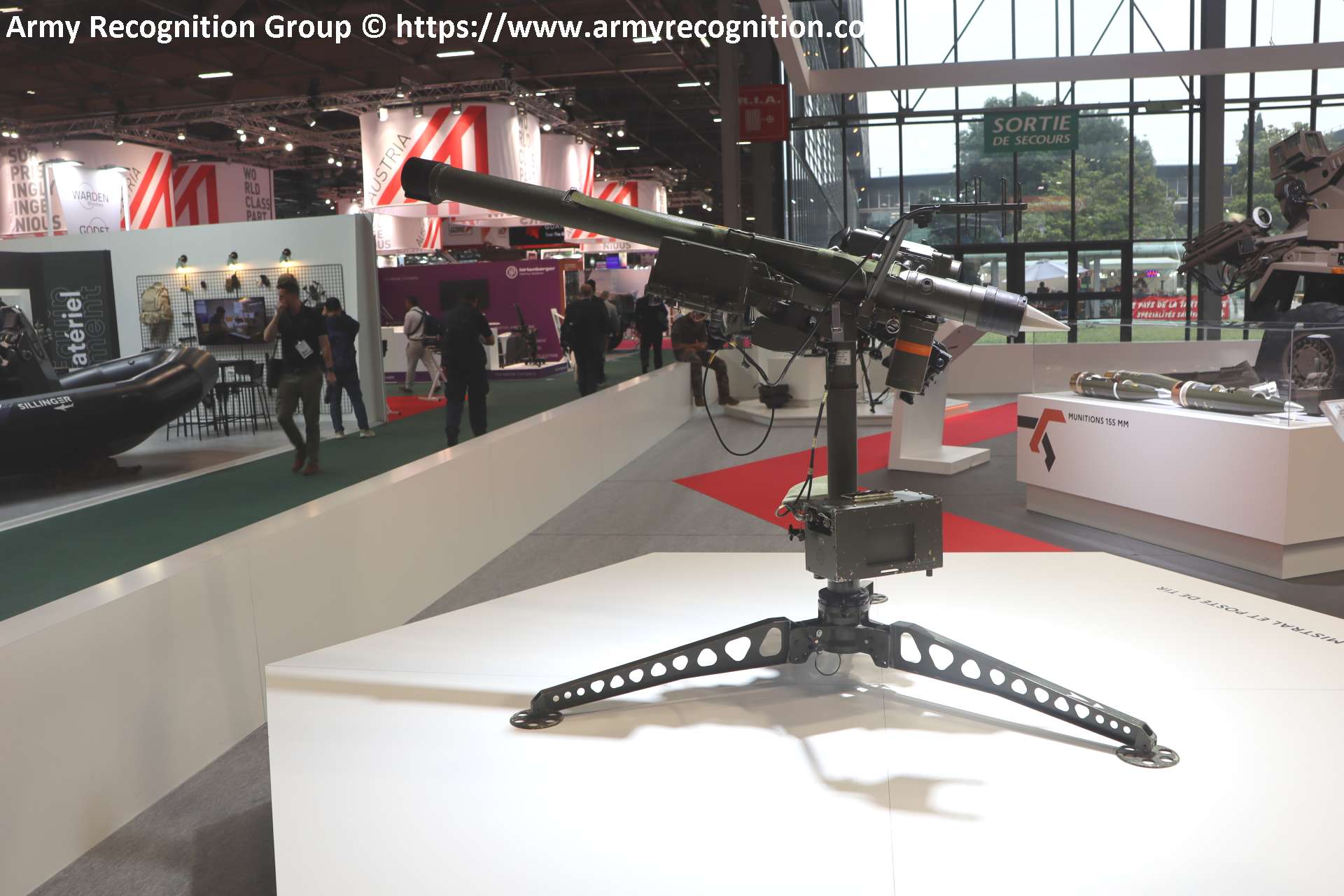
The MISTRAL 3, a state-of-the-art man-portable air defense system (MANPADS), provides highly effective protection against aerial threats, including aircraft, drones, and cruise missiles. (Picture source: Army Recognition Group)
The MISTRAL system, developed by the French defense company MBDA, is a highly capable Very Short-Range Air Defense (MANPADS) missile system designed to neutralize various aerial threats, including fixed-wing aircraft, helicopters, drones, and cruise missiles. Known for its reliability and versatility, the MISTRAL has been in service with numerous armed forces worldwide and is regarded as a cornerstone for modern short-range air defense.
The MISTRAL missile employs advanced infrared guidance technology, enabling it to engage targets with high precision even in adverse weather conditions and against targets with low thermal signatures. Each missile is equipped with a high-explosive fragmentation warhead designed to maximize lethality against a wide range of aerial targets. The system can be deployed from a variety of platforms, including man-portable launchers, vehicle-mounted systems, naval vessels, and even integrated into larger air defense networks.
In its current iteration, the MISTRAL 3 represents the most advanced version of the system. It features enhanced range, improved guidance systems, and greater resistance to countermeasures. The MISTRAL 3 missile has an effective range of up to 7 km and can engage targets at altitudes of up to 3 km. Its seeker boasts superior lock-on capabilities and can handle multiple engagements in a high-threat environment.
The approval of the MISTRAL project under EDIRPA highlights the European Union’s commitment to enhancing collective security and fostering defense cooperation among its members. The initiative aims to strengthen Europe’s defense industry while addressing the growing challenges of modern aerial threats by standardizing procurement and ensuring interoperability between Member States.
The nine participating nations' joint procurement of MISTRAL systems will ensure that their armed forces benefit from state-of-the-art air defense technology, bolstering their readiness and ability to respond to regional and global security challenges. This collaborative effort underlines the importance of shared defense initiatives in ensuring the safety and sovereignty of the European Union.

- Details
- Written by: Halna du Fretay
- Category: 2024
- Hits: 10949
Hyundai Rotem, a South Korean subsidiary of the Hyundai Motor Group specializing in defense manufacturing, has achieved a key milestone in its global expansion with a strategic defense agreement signed with Peru. The partnership, formalized on November 16, 2024, in Lima, in the presence of both nations' leaders, outlines the delivery of K2 tanks and K808 wheeled armored vehicles as part of Peru’s armed forces modernization program.
Hyundai Rotem will supply Peru with advanced K2 tanks and K808 armored vehicles, boosting Peru’s military modernization and South Korea’s defense exports (Picture source: Poland MoD)
The K2 Black Panther, a next-generation main battle tank (MBT), was developed by Hyundai Rotem to modernize the capabilities of the South Korean Army by replacing the aging fleet of M48 Patton tanks. This cutting-edge platform integrates advanced firepower, exceptional mobility, and state-of-the-art protection systems. At its core, the K2 is equipped with the Hyundai WIA CN08 120mm 55-caliber smoothbore gun, which has been designed to deliver superior firepower. This gun, supported by an automatic loader, allows the tank to achieve a high rate of fire of up to 10 rounds per minute. The CN08 is compatible with a diverse range of munitions, including tungsten armor-piercing shells and multi-purpose HEAT rounds, ensuring adaptability to various combat scenarios.
In addition to its main armament, the K2 is outfitted with a 7.62mm coaxial machine gun and a 12.7mm heavy machine gun mounted on the turret, providing robust secondary firepower for engaging infantry and light vehicles. By incorporating the domestically developed CN08 gun, the K2 Black Panther exemplifies South Korea’s technological independence and innovation in modern tank design, cementing its role as a formidable force on the battlefield.
In terms of protection, the K2 features composite armor reinforced with explosive reactive armor (ERA) blocks and integrates an active missile defense system. Its propulsion system, powered by a 1,500-horsepower MTU 883 diesel engine and Renk transmission, enables a top speed of 70 km/h on roads. The tank can handle challenging terrain, including 60-degree slopes and 5-meter-deep rivers, using a snorkel system. The K2’s adaptability is showcased in specialized models such as the K2PL for Europe and the K2ME, designed for hot climates. Already in service in South Korea and exported to Poland, the K2 has demonstrated its operational versatility and reliability.
The agreement between Hyundai Rotem President Lee Yong-bae and FAME S.A.C. President Jorge Zapata marks an important step in Peru’s procurement process. This preliminary agreement defines the program’s scope and scale, with future contracts expected to specify delivery timelines, technical details, training programs, and maintenance requirements.
This development builds on Hyundai Rotem’s prior success in May 2024 when it secured a contract with FAME to supply wheeled armored vehicles. The new agreement expands this collaboration to include K2 tanks, related variants, and additional armored vehicles, highlighting Peru’s commitment to modernizing its military capabilities with advanced defense systems.
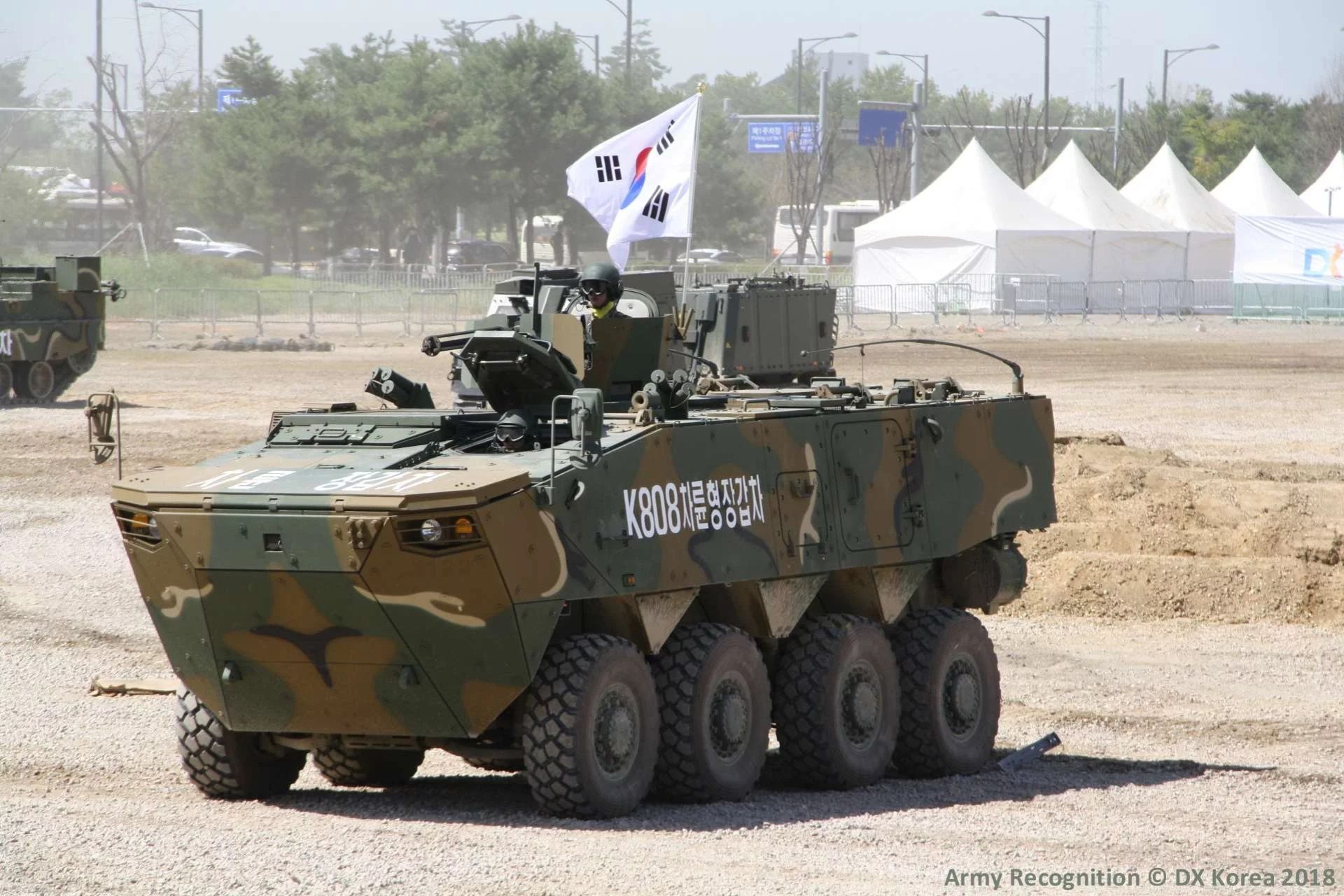
The K808 wheeled armored vehicle, designed for infantry transport, is particularly well-suited for Peru’s challenging mountainous terrain (Picture source: Army Recognition)
South Korea’s government has played a vital role in facilitating this agreement through active diplomatic support. Initiatives included a letter from President Yoon Suk-yeol to Peruvian President Dina Boluarte commemorating the 60th anniversary of bilateral relations and emphasizing the potential for increased defense collaboration. The South Korean Embassy in Peru provided further assistance, acting as a key mediator during negotiations.
To demonstrate the capabilities of its defense systems, South Korea hosted a Peruvian military delegation to showcase the K808 wheeled armored vehicle in simulated high-mobility and counter-terrorism scenarios. The Defense Acquisition Program Administration (DAPA) also presented a detailed analysis of the K2 and K808 vehicles’ operational advantages to Peruvian officials.
The K808 wheeled armored vehicle, designed for infantry transport, is particularly well-suited for Peru’s challenging mountainous terrain. It can traverse obstacles up to 40 cm, cross 1.5-meter trenches, and navigate shallow rivers using its water jet system. Equipped with a Central Tire Inflation System (CTIS), the K808 adapts to rugged environments, ensuring high mobility and reliability. Since its development in 2003, over 500 K808 units have been delivered to the South Korean Army, including variants equipped with advanced battle management systems.
This strategic partnership between Hyundai Rotem and FAME S.A.C. aims to establish a long-term collaboration, laying the groundwork for future contracts and contributing to Peru’s defense modernization. The agreement also reinforces South Korea’s position as a competitive player in Latin America’s growing defense market, aligning with its global expansion strategy in the defense industry.
The Peruvian Army currently operates a fleet of main battle tanks primarily composed of Soviet-era T-55 tanks and French-made AMX-13 tanks. The country possesses approximately 300 T-55 tanks and 110 AMX-13 tanks. While durable, these vehicles are considered outdated by modern standards. For instance, the T-55, introduced in the 1950s, has limitations in protection, mobility, and firepower. Similarly, the AMX-13, also designed in the 1950s, is equipped with a 75 mm cannon and offers limited armor protection.
A Hyundai Rotem representative affirmed the company’s commitment to ensuring the agreement’s success, stating that the company will leverage its advanced technology and expertise to support Peru’s defense initiatives. This collaboration strengthens Hyundai Rotem’s position in the global defense sector while deepening strategic ties between South Korea and Peru.
- China extends DF-100 supersonic missile range to 4,000 km for strategic strikes
- German Army Now Equipped with Leopard 2A7A1 One of the Most Protected Tanks in the World
- Croatia Continues to Modernize Armed Forces with Bayraktar TB2 Drones from Türkiye
- Breaking News: Germany Confirms Delivery of 4,000 HX-2 Karma Loitering Munitions to Ukraine