
- Details
- Written by: Administrator
- Category: 2024
- Hits: 7588










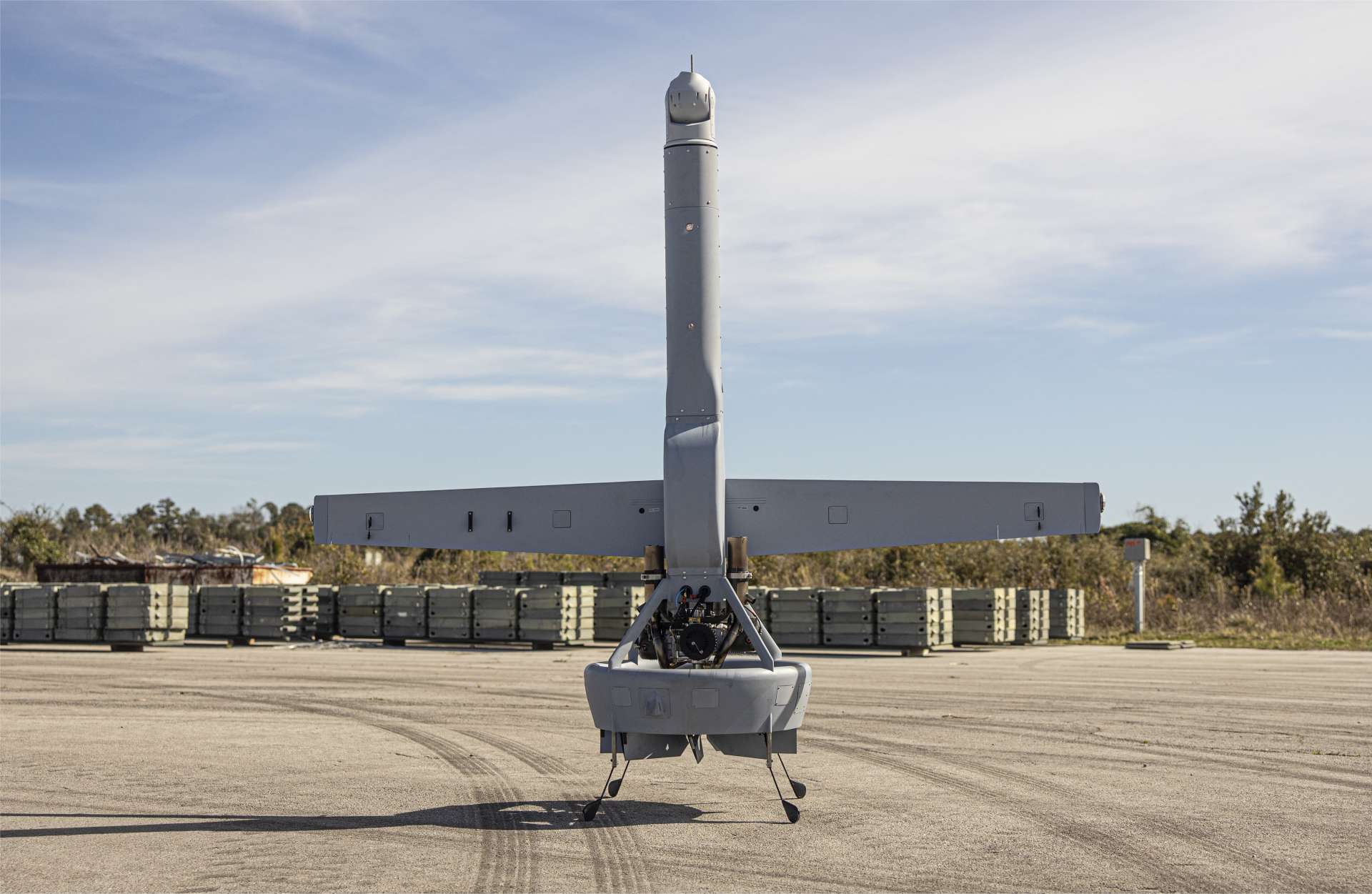
According to information from the Defense One website published on October 31, 2024, Ukraine has secretly received advanced V-BAT aerial drones to bolster its battlefield intelligence and precision strike capabilities. The V-BAT, developed by the American-based company Shield AI, has been deployed to assist Ukrainian forces in locating and targeting a Russian SA-11 BuK-M1 mobile air defense missile system for destruction by HIMARS MLRS (Multiple Launch Rocket System). Brandon Tseng, president and co-founder of American Company Shield AI, revealed the drone's performance in a recent mission.
Follow Army Recognition on Google News at this link
A V-BAT unmanned aerial system is positioned after completing flight operations during Exercise III with the 26th Marine Expeditionary Unit (MEU) at Marine Corps Auxiliary Landing Field Bogue, North Carolina, on March 8, 2023. (Picture source: U.S. DoD)
According to information revealed by Brandon Tseng, president and co-founder of Shield AI and published by the Defense One website, in August 2024, Ukrainian special operators near Dnipro encountered a critical challenge when Russian electronic warfare (EW) systems disrupted their traditional reconnaissance drones. As a solution, they employed the V-BAT, a drone specifically designed to endure the heavy electronic interference that has become prevalent on the Ukrainian battlefield.
Operating from 40 kilometers behind the front line, the V-BATs flew beyond enemy lines to locate and track a SA-11 Buk-M1 air defense missile system over 100 kilometers away. Once targets were identified, the drones relayed precise coordinates to artillery units, enabling the HIMARS Multiple Launch Rocket System to execute successful strikes.
The V-BAT's mission marked a significant test of its operational capability, as the drone not only collected and transmitted targeting data but did so under severe EW conditions. According to Tseng, this coordination—gathering real-time intelligence and relaying it to long-range artillery systems—demonstrated the V-BAT's unique adaptability in a modern electronic warfare environment. Unlike other drones capable of evading EW systems through onboard autonomy, the V-BAT offers data transmission over extended ranges, making it ideal for coordinating with high-powered artillery like the Lockheed Martin HIMARS.
The V-BAT’s extended range of up to 483 km (300 miles) and prolonged loitering capabilities gave Ukrainian forces a tactical advantage. Tseng emphasized that the Ukrainian troops previously relied on drones with limited endurance and range, often restricted to 60 to 100 kilometers and operational durations as brief as 10 to 15 minutes. In contrast, the V-BAT can loiter for eight to 11 hours, allowing for sustained surveillance and the ability to identify multiple targets over a single deployment.
The V-BAT is an advanced vertical take-off and landing (VTOL) unmanned aerial system (UAS) developed by Shield AI, a San Diego-based technology company specializing in autonomous defense solutions. Designed for reconnaissance, surveillance, and precision targeting, the V-BAT is particularly suited for contested environments where electronic warfare (EW) interference is common, such as the current battlefield in Ukraine.
One of the V-BAT's standout features is its VTOL capability, which allows it to launch and land vertically. This design enables it to operate in confined spaces, such as dense urban settings or narrow clearings, without needing a traditional runway. Such flexibility allows military units to deploy the V-BAT closer to the front lines, making it highly effective in mobile, constrained environments.
The V-BAT can stay airborne for 8 to 11 hours, monitor targets over long distances, and maintain continuous surveillance. This extended loitering capability far surpasses that of many conventional drones, offering tactical advantages by allowing operators to observe and track targets for prolonged periods.
A crucial feature of the V-BAT is its resilience against electronic warfare. In modern conflict zones where EW systems are deployed to disrupt communications and reconnaissance, the V-BAT’s design makes it highly resistant to jamming and other interference tactics. This EW resistance is vital for maintaining reliable communication and data transmission, especially when it comes to gathering intelligence and designating targets in active, contested airspace.
The V-BAT is also distinguished by its ability to transmit real-time data over long distances, enabling it to provide actionable intelligence directly to artillery and missile systems. This capability allows it to support coordinated precision strikes by relaying accurate targeting information to systems like HIMARS (High Mobility Artillery Rocket System), thereby enhancing the effectiveness of these strikes in battlefield operations.
Compact and lightweight, the V-BAT is easy for small teams to transport and deploy, making it ideal for missions where portability and quick setup are essential. Additionally, the V-BAT features a modular payload system that can be outfitted with various sensors and equipment, such as electro-optical/infrared (EO/IR) sensors, communications relays, and electronic warfare modules. This modularity makes it adaptable to various mission requirements, whether for reconnaissance, surveillance, or target designation.
Lastly, the V-BAT incorporates advanced autonomy features from Shield AI’s software, allowing it to operate independently and navigate complex environments without direct operator input. This autonomy also enables it to perform reliably in GPS-degraded conditions, ensuring that it can complete missions even in challenging operational scenarios.
The V-BAT's performance underscores the critical role that cutting-edge drone technology can play in modern conflicts, where electronic warfare and air defense systems are increasingly sophisticated. By integrating the V-BAT into its operational framework, Ukraine is enhancing its intelligence and strike capabilities and demonstrating the effectiveness of unmanned systems in countering advanced enemy defenses.
- Details
- Written by: Administrator
- Category: 2024
- Hits: 5298
On November 1, 2024, the United States Department of Defense unveiled a new military aid package aimed at bolstering Ukraine’s defense against Russian forces. The package includes advanced air defense systems, anti-tank munitions, and a fresh batch of Stryker wheeled armored vehicles. This announcement marks a continuation of the U.S.’s unwavering support as the conflict with Russia persists, offering Ukraine key assets to defend against air and ground threats.
Follow Army Recognition on Google News at this link
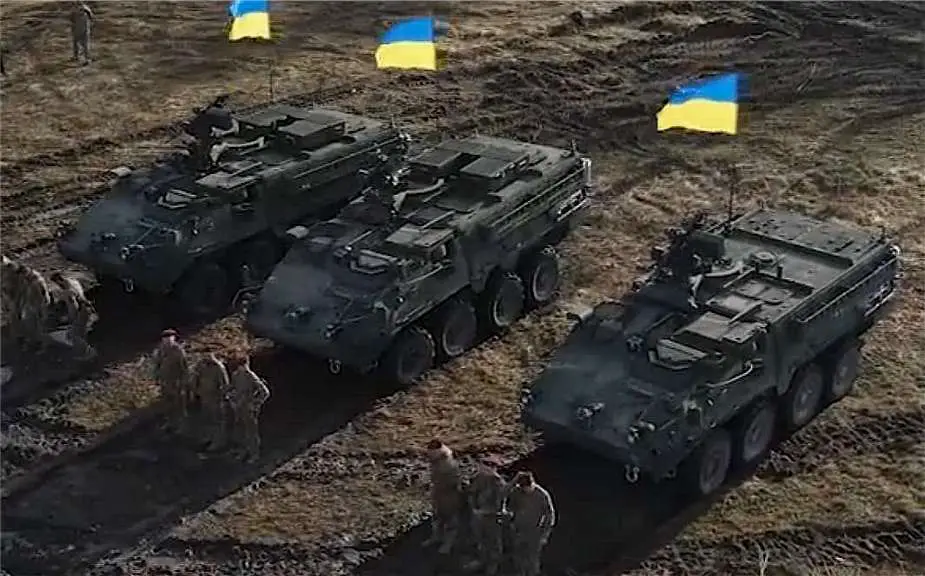
Ukraine now fields 400 Stryker armored vehicles from the United States, boosting its defenses against Russian forces. (Picture source: Ukrainian MoD)
The latest aid package places a strong emphasis on air defense, underscoring Washington’s priority to protect Ukrainian infrastructure and troops from frequent Russian missile and drone attacks. The United States will supply Ukraine with NASAMS and Stinger air defense missiles in this new package.
Also included in the package is an unspecified amount of anti-tank ammunition, critical for Ukrainian ground forces as they continue to counter Russian armored units. Previous deliveries have included Javelin and TOW missiles, which have been instrumental in Ukrainian operations against enemy tanks and fortified positions. By adding these anti-armor munitions, the U.S. aims to enhance Ukraine’s capability to resist and disrupt Russian armored advances on the battlefield.
The package also delivers a dozen additional Stryker 8x8 armored vehicles, a tactical asset that has proven invaluable to Ukraine’s ground operations. The Stryker armored vehicle is an eight-wheeled, highly mobile infantry carrier developed by General Dynamics Land Systems for the U.S. Army. Designed to bridge the gap between heavy tracked vehicles and lighter wheeled transports, the Stryker combines advanced armor protection with versatile mobility, making it suitable for a wide range of military roles. Its speed, quiet operation, and all-terrain capability allow it to rapidly transport troops while providing protection against small arms fire, shrapnel, and some types of improvised explosive devices (IEDs). The Stryker family includes multiple configurations, such as the M1126 Infantry Carrier Vehicle (ICV), the M1128 Mobile Gun System (MGS), and the M1135 NBC Reconnaissance Vehicle, allowing forces to tailor the vehicle to specific mission needs.
In Ukraine, the Stryker has become a valuable asset on the front lines, providing Ukrainian forces with a reliable, well-protected platform to conduct troop movements, reconnaissance, and even offensive operations. Its wheeled design makes it particularly suited for the challenging mix of urban, rural, and muddy terrain that characterizes much of the Ukrainian battlefield. The Stryker’s armor has proven beneficial in protecting troops from small arms fire and shrapnel in intense engagements, while its mobility allows for rapid redeployment, enabling Ukrainian forces to adapt swiftly to Russian tactical movements.
This new aid package reinforces the U.S. Department of Defense’s commitment to supporting Ukraine’s resilience and military capability. By strengthening Ukraine’s defenses in multiple domains, the U.S. aims to enable effective countermeasures against Russian forces while helping Ukrainian forces sustain their strategic momentum. Since the start of the invasion, U.S. support for Ukraine has included a broad array of systems and equipment, from HIMARS artillery and M777 howitzers to M1A1 Abrams tanks and M2A2 Bradley infantry fighting vehicles. These contributions have allowed Ukrainian forces to maintain adaptability and endurance in the face of a well-equipped Russian military.
As winter approaches, this aid package arrives at a crucial time, addressing Ukraine's logistical and operational challenges in colder conditions. This latest package's combination of air defense, anti-armor munitions, and armored vehicles underscores the United States’ intent to support Ukraine’s ongoing defensive and offensive operations. The continuing aid further cements the defense partnership between the U.S. and Ukraine and demonstrates Washington’s dedication to Ukraine’s sovereignty and regional stability amid the prolonged conflict.
- Details
- Written by: Administrator
- Category: 2024
- Hits: 5102
Thales Belgium has entered into a Memorandum of Understanding (MoU) with a leading Ukrainian defense company to co-produce Counter-Unmanned Aerial System (C-UAS) missiles. This agreement, announced On November 2, 2024, by the Ukrainian Ministry of Strategic Industries, paves the way for increased collaboration and technology sharing between the two parties, focusing on countering aerial threats through locally manufactured solutions.
Follow Army Recognition on Google News at this link
Thales Belgium, a subsidiary of the global Thales Group, specializes in advanced defense and security technologies, including air defense systems, counter-drone solutions, secure communication networks, and missile components (Picture source: Thales)
According to the MoU (Memorandum of Understanding), Thales Belgium and its Ukrainian partner will work together to develop and produce C-UAS (Counter-Unmanned Aerial System) missile systems specifically designed to intercept and neutralize drones. With Ukraine facing an intensifying threat from UAVs amid ongoing conflict, the partnership aims to expedite the protection of critical infrastructure across the country. The framework also envisions the gradual transfer of advanced technologies and specialized equipment, empowering Ukraine's defense sector with the capabilities needed to produce and sustain C-UAS missile systems independently.
Herman Smetanin, Ukraine's Minister of Strategic Industries, expressed his appreciation for Thales’ commitment to supporting Ukraine’s defense needs in the face of the Russian invasion. “The signed MoU sets up a framework for the joint production of C-UAS missiles. In the future, both sides expect to deepen cooperation and conduct the transfer of technologies and equipment for the production of C-UAS components. I am grateful to THALES for cooperating with the Ukrainian defense industry and for its assistance in our struggle against Russian armed invasion,” Smetanin stated.
The production of C-UAS missiles is a critical component of Ukraine's air defense strategy, aiming to reduce the risk of UAV attacks on essential infrastructure. The partnership reflects Ukraine's continued drive to strengthen its domestic defense industry while benefitting from the expertise of established international defense firms like Thales. This cooperation is anticipated to expedite the deployment of these systems in the field, offering swift reinforcement to Ukraine’s defensive capabilities.
Through this collaboration, Thales Belgium and Ukraine’s defense sector are expected to contribute to a resilient defense infrastructure that can adapt to emerging threats. As the MoU unfolds, the partnership could serve as a model for other defense alliances aimed at rapid technological and production advancements in wartime settings.
Read more: Thales Belgium and Ukraine Sign MoU for Joint Production of Counter Drone Missiles

- Details
- Written by: Administrator
- Category: 2024
- Hits: 5453
Amid rising tensions and recent threats from Iran targeting Israel, the U.S. Department of Defense announced on November 1, 2024, that it is deploying additional military assets to the Middle East to bolster regional stability and safeguard U.S. and allied interests. These deployments include advanced ballistic missile defense destroyers, additional fighter squadrons, tanker aircraft, and B-52 long-range bombers, further expanding the U.S. military presence in the area. This strategic reinforcement aligns with the planned departure of the USS Abraham Lincoln Carrier Strike Group from the region.
Follow Army Recognition on Google News at this link
The Nimitz-class aircraft carrier USS Abraham Lincoln prepares for deployment to strengthen U.S. naval presence and readiness in response to rising Middle East tensions. (Picture source: U.S. DoD)
The Middle East is witnessing heightened tensions primarily due to the escalating hostilities between Israel and Iran, as well as the involvement of various regional proxy groups. Iran has issued threats against Israel, condemning its recent military actions and its stance on Palestinian territories, while also signaling support for groups like Hezbollah and other allied militias in Lebanon, Syria, and Gaza. The situation has intensified following several cross-border incidents, including rocket attacks and skirmishes along Israel’s northern border, raising concerns of a broader regional conflict. In response, the U.S. has reinforced its military presence in the area to deter aggression and safeguard its allies, signaling its commitment to regional stability amid these rising threats.In response, the U.S. is reinforcing its military presence in the area to deter aggression and safeguard its allies, signaling its commitment to regional stability amid these rising threats.
The statement, released by the Department of Defense on November 1, 2024, emphasized a multi-layered approach to maintaining regional stability, deterring potential aggression, and ensuring the defense of Israel and U.S. personnel stationed across the Middle East. The deployments follow recent decisions to reinforce Israel’s defensive capabilities with the Terminal High Altitude Area Defense (THAAD) missile system and maintain the Amphibious Ready Group/Marine Expeditionary Unit (ARG/MEU) in the Eastern Mediterranean.
The deployment includes ballistic missile defense destroyers equipped with the Aegis Ballistic Missile Defense (BMD) system, capable of intercepting short- to intermediate-range ballistic missiles. These ships enhance missile defense for both U.S. forces and allied assets, particularly in areas facing high threats from potential adversarial missile activity.
The U.S. Air Force has also assigned extra fighter squadrons to the region, alongside tanker aircraft to support aerial refueling operations. This measure will improve air patrol and rapid response capabilities, allowing for extended air operations, sustained patrols, and increased mission readiness over a wide operational area.
B-52 long-range bombers, known for their extensive reach and large payload capacity, are also part of the deployment. These bombers are versatile assets that serve both strategic deterrence and precision strike roles. Their presence acts as a visible deterrent to hostile forces, reinforcing the U.S. commitment to defending its assets and allies. With capabilities for various missions—from surveillance to high-impact precision strikes—the B-52 bombers underscore the U.S. strategic posture in the Middle East.
This latest military movement illustrates the adaptability and responsiveness of the U.S. global defense strategy, which aims to address and de-escalate potential threats to both American and allied interests worldwide. The ongoing deployment of the THAAD system to Israel and the ARG/MEU stationed in the Eastern Mediterranean reflects a layered defense approach that leverages ground-based and maritime resources to protect against potential missile attacks.
Secretary of Defense Lloyd Austin reiterated the U.S. stance regarding Iran and its associated entities. “Should Iran, its partners, or its proxies use this moment to target American personnel or interests in the region, the United States will take every measure necessary to defend our people,” he stated, highlighting the U.S. commitment to respond decisively to any act of aggression. This statement reinforces the ongoing deterrence and diplomacy efforts designed to prevent further escalation in an already volatile region.
The Pentagon’s latest deployments are part of an ongoing effort to adapt to dynamic security challenges and threats worldwide. In recent months, the U.S. has made several rapid, targeted deployments, demonstrating its capability to position forces strategically at short notice. This commitment is especially critical given the evolving security landscape in the Middle East, where proxy forces and regional adversaries remain a persistent challenge to U.S. and allied interests.
These new deployments will offset the departure of the USS Abraham Lincoln Carrier Strike Group, ensuring that the U.S. maintains a robust defense posture in the region. The versatility and reach of assets such as the B-52 bombers and Aegis-equipped destroyers will provide layered defenses, complementing on-the-ground assets and enhancing the security of both American personnel and regional allies.
This substantial reinforcement of military assets underscores the U.S. resolve to protect its interests, allies, and personnel in the Middle East. The multidimensional force deployment—encompassing missile defense, air superiority, refueling, and long-range strike capabilities—serves as both a deterrent and a direct message to adversaries. As these forces arrive over the coming months, the U.S. aims to continue supporting stability in the region through a strong defense posture and diplomatic engagement.
- Details
- Written by: Administrator
- Category: 2024
- Hits: 6006
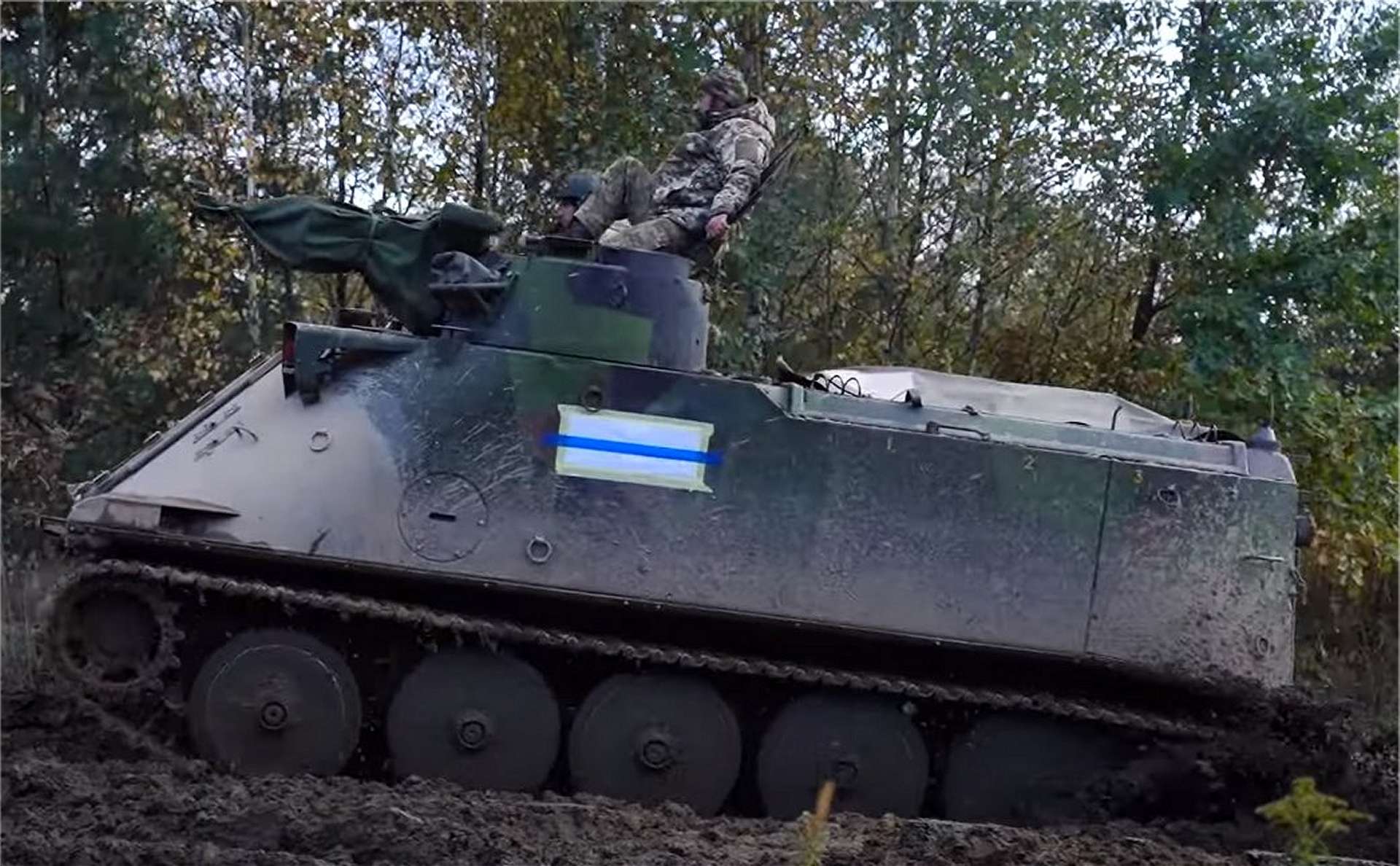
According to a video released by the Ukrainian Ministry of Defense on October 31, 2024, Swedish-donated PBV 302 tracked Armored Personnel Carriers (APCs) have officially entered service with the Ukrainian Armed Forces, with Ukrainian soldiers already training on these vehicles. This deployment follows a September 2024 announcement by the Swedish Ministry of Defense, confirming the transfer of 200 PBV 302 armored tracked personnel carriers to Ukraine as part of Sweden's extensive military aid package.
Follow Army Recognition on Google News at this link
Ukrainian soldiers conduct training exercises with the Swedish-donated PBV 302 Armored Personnel Carriers (APCs), recently deployed by the Ukrainian Army in its fight against Russian forces. (Picture source: Ukrainian MoD)
The PBV 302, a Swedish-designed tracked APC known for its mobility across difficult terrain, enhances Ukraine's infantry transport capabilities. Armed with a 20mm Hispano-Suiza Type 804 cannon and accommodating a crew of three with space for eight infantry soldiers, the PBV 302 blends protection with combat support, essential for safely delivering troops to active zones. The recent training for Ukrainian soldiers focuses on operational and maintenance skills to ensure seamless integration into active duty. This comes as Sweden’s support efforts continue to evolve in response to Ukraine’s changing battlefield needs, reinforcing its defense with critical equipment and resources.
In addition to the PBV 302, Sweden has supplied a wide range of military equipment that has proven valuable in Ukrainian operations. In September 2024, Sweden delivered 50 Combat Vehicle 90 (CV90) units, a sophisticated tracked infantry fighting vehicle equipped with advanced armor and a 40mm autocannon, ideal for both transport and frontline engagements. The CV90s have proven highly effective for Ukraine’s forces, and to maintain their combat readiness, Sweden has committed to procuring additional 40mm ammunition specifically for these vehicles.
Sweden’s latest aid packages have further expanded Ukraine’s armored capabilities. Support Package 16 included over 200 PBV 302s, significantly strengthening the volume of armored personnel carriers available to Ukrainian forces. Meanwhile, in an effort to enhance operational security, Sweden's upcoming Support Package 17 will include specialized camouflage equipment tailored for both PBV 302 and CV90 vehicles. This camouflage technology is intended to provide Ukrainian units with better concealment in diverse operational environments, boosting their capacity to execute covert maneuvers and improve battlefield survivability.
Since February 2022, Sweden’s total military aid to Ukraine has reached close to €2 billion, covering a comprehensive range of needs. In addition to the PBV 302 and CV90s, Sweden’s contributions include Stridsvagn 122 main battle tanks, RBS 70 air defense systems, Archer 155mm self-propelled howitzers, and Robot 17 anti-ship missiles. By addressing Ukraine’s operational requirements through various aid packages, Sweden has consistently bolstered Ukraine’s defenses, enhancing its mobility, firepower, and strategic advantage.
The provision of these armored vehicles, combined with camouflage equipment and sustained ammunition support, highlights Sweden’s commitment to maintaining Ukraine’s defensive resilience amid ongoing hostilities. Sweden’s defense support not only strengthens Ukraine’s military capacity but also reflects a broader partnership, aligning with NATO-aligned nations in upholding Ukraine’s sovereignty and security.
- Details
- Written by: Administrator
- Category: 2024
- Hits: 4539
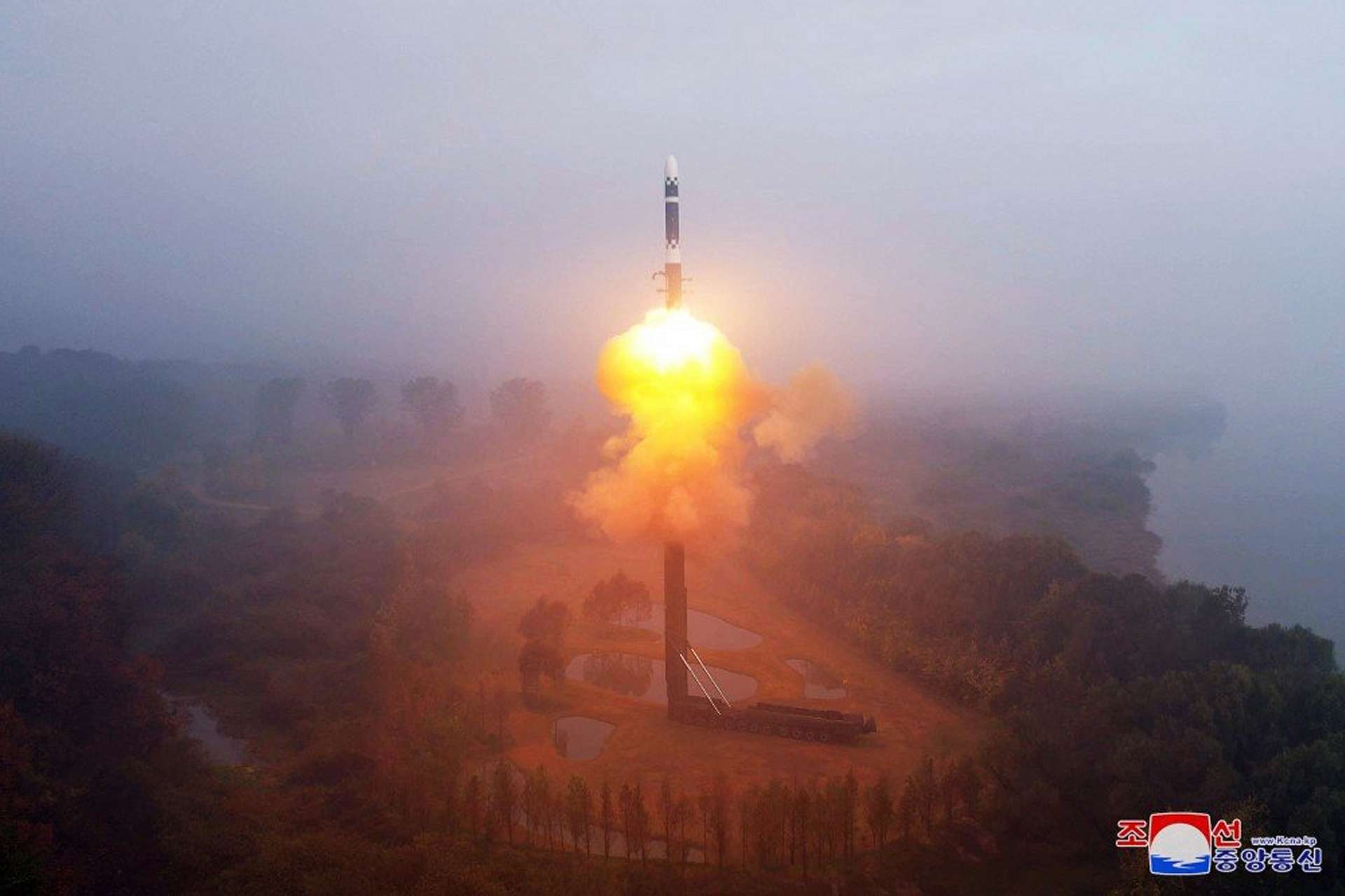
On October 31, 2024, North Korea conducted a significant test of its newly developed solid-fuel intercontinental ballistic missile (ICBM), known as the Hwasong-19. This advanced missile is reportedly capable of reaching the continental United States, marking it as one of the most powerful ICBMs in North Korea's arsenal. According to North Korean state media, the test successfully validated the missile’s capabilities and demonstrated the country's expanding range of long-distance, solid-fuel missiles.
Follow Army Recognition on Google News at this link
North Korea's newly developed Hwasong-19 ICBM launches in a test-fire on October 31, 2024, demonstrating unprecedented range and power, with the capability to reach the U.S. mainland, according to North Korean state media. (Picture source: North Korean Press agency KCNA)
The Hwasong-19’s ICBM (InterContinental Ballistic Missile) development highlights North Korea's strategic focus on solid-fuel technology, which provides operational advantages over older liquid-fuel systems. Solid-fuel ICBMs can be launched with minimal preparation, enabling rapid deployment and reducing vulnerability to preemptive strikes. These attributes, combined with its purported extended range, position the Hwasong-19 as a pivotal asset in North Korea's military strategy aimed at deterring perceived threats, particularly from the United States and its allies.
Kim Jong-un personally supervised the launch, which North Korean media labeled as a "strategic demonstration." The missile was launched on a high-angle, lofted trajectory to maximize safety and minimize the risk of escalation by ensuring it did not fly over neighboring territories. Analysts estimate that if launched on a standard trajectory, the Hwasong-19 could cover distances exceeding 13,000 kilometers, enough to target the U.S. mainland. North Korea’s continued development and testing of solid-fuel ICBMs indicate an accelerated effort to achieve reliable, long-range strike capabilities amidst heightened regional tensions.
The launch has intensified regional security concerns, prompting swift reactions from neighboring countries and international stakeholders. Both the United States and South Korea condemned the test, underscoring it as a violation of United Nations resolutions that prohibit North Korea from testing ballistic missile technology. The test represents North Korea’s latest step in bolstering its missile arsenal and enhancing its strategic deterrent, as it showcases an increasingly sophisticated approach to missile mobility, reliability, and rapid deployment capabilities.
In recent years, North Korea has steadily advanced its intercontinental ballistic missile (ICBM) capabilities, transitioning from early liquid-fuel systems to cutting-edge solid-fuel technology. This evolution, marked by successive tests and incremental improvements, underscores a shift in North Korea’s nuclear and strategic missile posture. The Hwasong-19 launch on October 31, 2024, is part of this trend, showcasing Pyongyang's enhanced missile range, readiness, and operational flexibility, which align with its stated goals of countering perceived U.S. and allied threats.
Historically, North Korea’s earlier liquid-fuel ICBMs, such as the Hwasong-15 and Hwasong-17, demonstrated its long-range strike potential. However, these systems were slower to deploy and required extensive preparation time, making them susceptible to detection and preemptive strikes. The recent development of solid-fuel ICBMs like the Hwasong-18, tested multiple times in 2023, and now the Hwasong-19, signals a notable leap in North Korea’s missile capabilities. Solid-fuel missiles are faster to launch, more mobile, and easier to conceal, allowing North Korea greater operational agility. These advancements enable a "launch-on-demand" capability that significantly reduces the time needed for ICBM launch preparation, thus enhancing North Korea's strategic deterrence.
The progression from the Hwasong-18 to the Hwasong-19 reflects North Korea's rapid technological strides in missile systems. The Hwasong-18, first tested in early 2023, demonstrated an estimated range of 15,000 km, enough to cover the entire continental United States if launched on a standard trajectory. The Hwasong-19, reportedly an evolution of the Hwasong-18, may incorporate similar or extended range capabilities, placing nearly all North America within reach depending on its payload configuration. Such improvements suggest a potential for multiple independently targetable reentry vehicles (MIRVs). This technology would enable a single missile to strike various targets, further complicating missile defense efforts in the region.
Regionally, North Korea’s advancements have amplified security concerns among neighboring countries and the United States. Both South Korea and Japan have bolstered their missile defense systems and conducted joint exercises with the U.S. in response to North Korea’s increasingly sophisticated ICBMs. This recent test also follows increased cooperation between North Korea and Russia, signaling potential technological or strategic exchanges that could accelerate further advancements in North Korean missile technology.
These developments underscore an evolving nuclear landscape in East Asia, where North Korea's shift to highly survivable, road-mobile, solid-fuel ICBMs enhances its deterrence posture and increases the risks and complexities of regional security dynamics. With each successful test, North Korea inches closer to a fully operational, flexible, and deployable ICBM force capable of presenting a continuous strategic threat to U.S. territories and allies across the Pacific.
As North Korea advances its missile program, the Hwasong-19 test underscores a shift in its nuclear posture, marked by an increased readiness to deploy advanced missile systems in a more flexible and survivable form, raising the stakes in the ongoing geopolitical dynamics in East Asia.

- Details
- Written by: Administrator
- Category: 2024
- Hits: 8954
Poland is set to receive its first M1A2 Abrams SEP V3 tanks from the United States by the end of this year, a significant acceleration in the delivery schedule initially set for 2025. This update, recently confirmed by General Dynamics Land Systems (GDLS), marks an important milestone in Poland’s military modernization, with the latest M1A2 SEP V3 Abrams tanks expected to strengthen the armored capabilities of the Polish Army amid escalating regional security concerns. Transported by sea, these tanks are anticipated to arrive in Poland within weeks, though GDLS has withheld specific delivery dates and the number of units being shipped, citing security considerations.
Follow Army Recognition on Google News at this link
An M1A2 SEP v3 with Bravo Company, 1st Battalion, 9th Cavalry Regiment, 2nd Armored Brigade Combat Team, 1st Cavalry Division returns to the range after receiving ammunition, at Fort Hood, Texas, on October 4th, 2022. (Picture source: U.S. DoD)
This delivery follows Poland’s substantial 2022 order for 250 U.S. M1A2 SEP V3 Abrams tanks in a contract valued at $4.75 billion. The order also includes 26 M88A2 HERCULES recovery vehicles and 17 M1110 JAB bridge layers. Moreover, GDLS has confirmed that Poland’s 116 M1A1 Abrams tanks, acquired earlier, will be upgraded to the SEP V3 standard, aligning the entire Abrams fleet with the latest battlefield capabilities.
The M1A2 Abrams SEP V3, or System Enhanced Package version 3, offers considerable advancements over its predecessors. It integrates cutting-edge systems significantly enhancing combat effectiveness, survivability, and logistical efficiency. Among these advancements is an improved fire control system and an upgraded 120mm main gun capable of handling the new advanced multipurpose rounds (AMP). This ammunition allows operators to switch between firing modes, improving flexibility in combat and equipping the V3 better to handle diverse targets from infantry positions to fortified vehicles.
Protection and survivability have also been significantly improved, with the M1A2 SEP V3 featuring the latest armor enhancements to counter kinetic and explosive threats. It includes reactive and passive armor layers and supports integrating active protection systems (APS) designed to intercept incoming projectiles. Additionally, the SEP V3 introduces an Auxiliary Power Unit (APU) for better energy management, which powers essential systems without running the main engine, reducing both the tank’s heat and acoustic signatures.
The M1A2 SEP V3 also offers advanced communication and networking capabilities, facilitating real-time data exchange with Army battlefield management systems and enhancing situational awareness. These digital upgrades enable units to share information quickly, supporting coordinated operations and tactical planning. Additionally, the tank’s diagnostics systems are optimized for predictive maintenance, identifying potential issues early and reducing repair times for improved operational availability. Its modular components also streamline replacements and repairs, enhancing logistical support.
The accelerated arrival of these tanks will bolster the Polish Army’s operational capabilities, enhancing NATO’s defense posture along its eastern flank amid heightened geopolitical tensions. With the combined power of the SEP V3 tanks and the forthcoming upgrades to the M1A1FEP fleet, Poland is rapidly developing one of the most advanced armored forces in the region. Expected to complete delivery by 2026, Poland’s new Abrams fleet not only reinforces its national defense capacity but also highlights its commitment to operational readiness and its key role as a strategic NATO ally.
Read more: Poland to Receive First US M1A2 Abrams SEP V3 Tanks Ahead of Schedule This Year
- Details
- Written by: Halna du Fretay
- Category: 2024
- Hits: 2982
On October 30, 2024, the Swedish defense technology group MilDef announced a major contract with BAE Systems Hägglunds to supply rugged IT equipment for operator stations in CV90 combat vehicles. Initially valued at €17 million, this contract could reach €24 million with options, marking MilDef's largest deal of the year. This strategic agreement highlights the close collaboration between the two companies in modernizing military equipment for Central Europe.
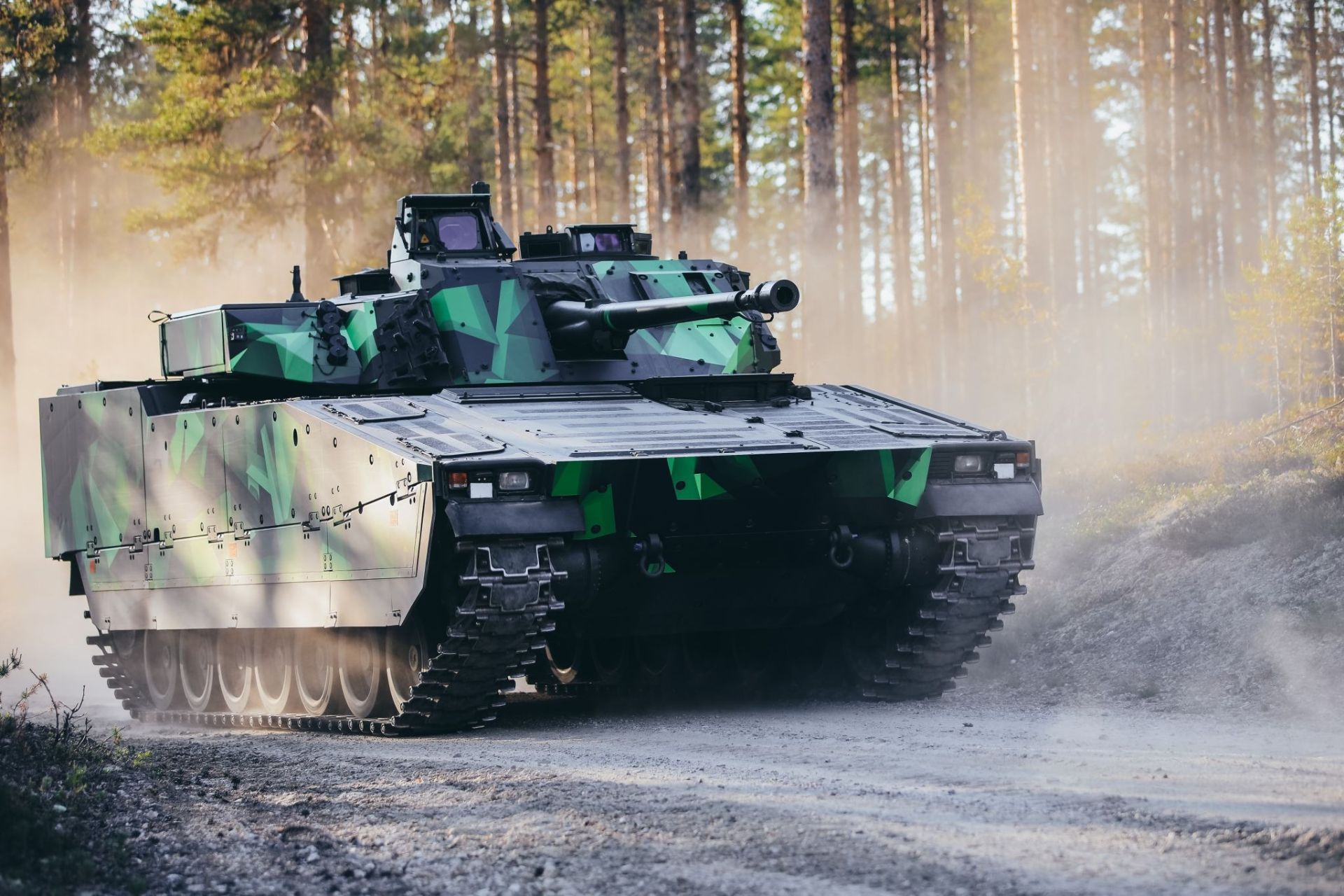
MilDef's IT equipment will play a key role in the digital transformation of the CV90 fleet, intended for NATO nations in Central Europe (Picture source: MilDef)
The CV90 IFV, also known as the Stridsfordon 90 (Strf90), is an infantry fighting vehicle series developed in Sweden by BAE Systems Land Systems Hägglunds and Saab Bofors Dynamics. Created in 1984, the CV90 platform entered service in 1993 with the delivery of the first Strf 9040 to the Swedish Army. Since then, it has evolved to meet modern requirements, with variants equipped with 30 to 40-mm automatic cannons and even 105 or 120 mm cannons for lighter versions. Designed for versatile roles, the CV90 family includes models for troop transport, anti-aircraft operations, and artillery support. It is currently in use by European forces such as those in Sweden, Norway, Denmark, Finland, and, more recently, Ukraine, which received an order of 50 vehicles from Sweden in 2023.
In terms of mobility and protection, the CV90 is powered by a Scania DI 14 engine producing 550 horsepower, reaching a maximum speed of 70 km/h with a range of 320 km. Its welded steel structure provides basic protection against 14.5 mm projectiles, and it can carry three crew members along with eight soldiers. With fire control systems, day and night vision, and NBC (nuclear, biological, and chemical) protection, the CV90 operates effectively in various combat environments. The latest version, the CV90 Mk IV, includes substantial improvements in mobility, protection, and armament, maintaining its relevance for modern conflicts.
MilDef's IT equipment will play a key role in the digital transformation of the CV90 fleet, intended for NATO nations in Central Europe. Designed to perform under intense combat conditions, these vehicles will benefit from advanced digital integration. This contract represents a further step in MilDef and BAE Systems Hägglunds' long-term cooperation, a partnership rooted in proven technology and ongoing innovation, strengthening Europe's defense capabilities and supply chain security.
By upgrading CV90 operator stations with rugged IT systems, MilDef enhances the vehicles’ real-time management, communication, and analytical capabilities. These digital features improve operational efficiency and facilitate integration of data from various sensors and control systems. Enhanced situational awareness also allows the crew to make faster, more accurate decisions, boosting the CV90's agility in facing modern threats.
Daniel Ljunggren, President of MilDef, expressed his satisfaction with this collaboration, underscoring the importance of long-term relationships and co-developed innovations with BAE Systems Hägglunds. Peter Sedin, Production Director at BAE Systems Hägglunds, also emphasized the importance of strategic partners like MilDef in meeting client requirements and commitments reliably.
The CV90 has achieved significant international success, demonstrating versatility and resilience. In Ukraine, the CV90 has proven its durability in intense combat conditions, offering robust protection for crews against modern threats such as drones. This success is also reflected in recent adoption by the Netherlands, Slovakia, and the Czech Republic, with modernization programs underway to keep this vehicle at the forefront of European military capabilities.
Read more: MilDef Secures Major Contract for IT Upgrades on BAE Systems CV90 IFVs
- Details
- Written by: Halna du Fretay
- Category: 2024
- Hits: 8864
As Poland intensifies its efforts to strengthen its defense capabilities, Polish military officials are preparing to enter negotiations to acquire over 100 HIMARS (High Mobility Artillery Rocket System) units from the American defense company Lockheed Martin. This acquisition falls within a broader framework agreement that could make up to 486 HIMARS units available to the Polish Army, following a commitment signed in September 2023. This first concrete order represents a significant step in strengthening Poland’s long-range strike capabilities as a key NATO member on the alliance's eastern flank.
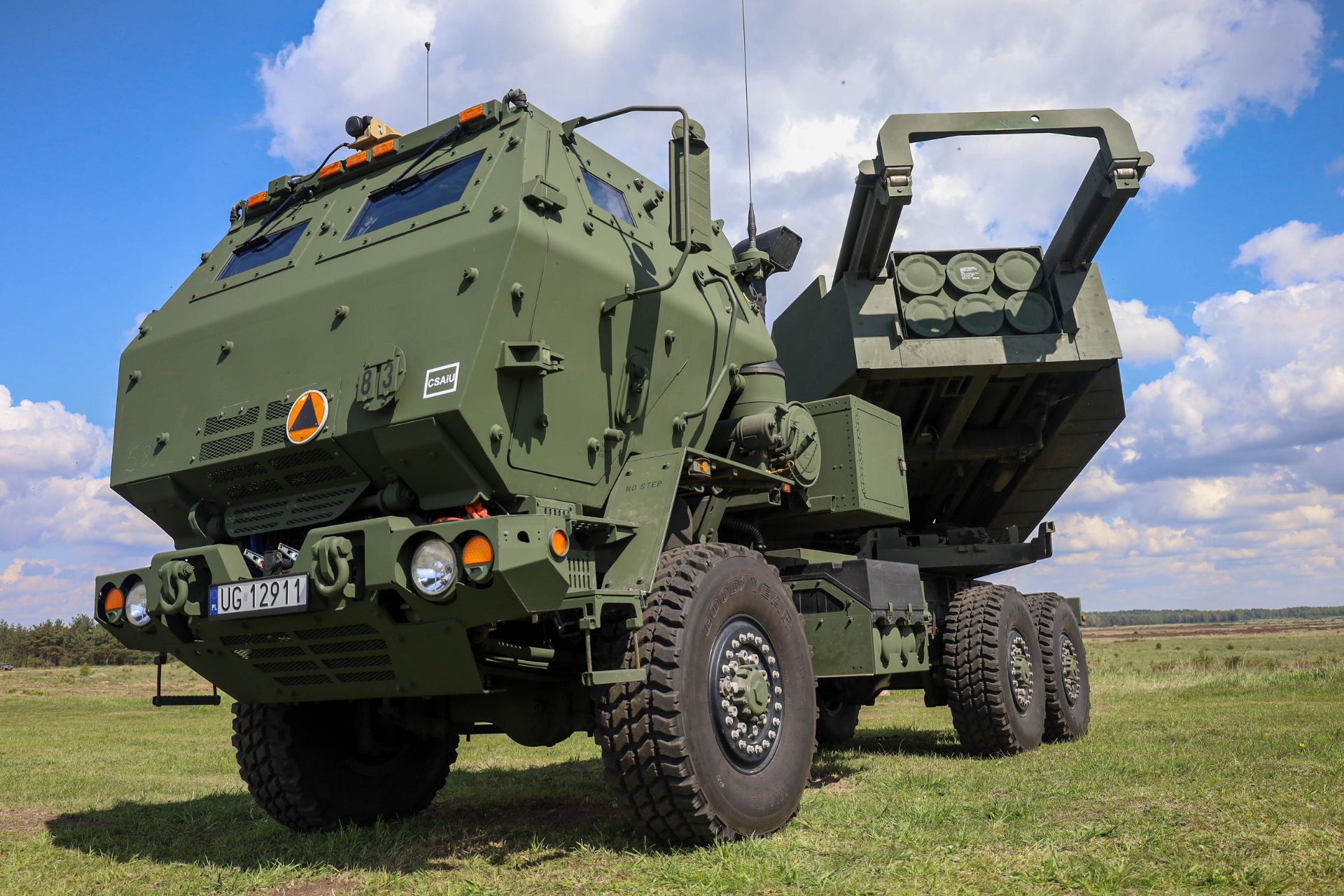
Poland’s acquisition of HIMARS is a key element in its broad armed forces modernization program, supported by a 2024 defense budget allocation of 4.1% of GDP(Picture source: US DoD)
The M142 HIMARS, a rocket-launch system mounted on a 6x6 FMTV truck chassis, was designed by Lockheed Martin to provide high-precision strikes with rapid mobility. Capable of deploying a variety of MLRS munitions, including GMLRS guided rockets with a 70 km range and ATACMS tactical missiles reaching up to 300 km, HIMARS allows for rapid repositioning after firing. Operated by a three-person crew, the system features an automated fire control system manageable by a single operator, and its armored cabin provides protection against small arms fire and 155mm artillery fragments.
With its self-loading and autonomous capabilities, HIMARS is compatible with the M270A1 system and transportable via C-130 aircraft, allowing rapid deployment to remote areas. In serial production since 2003, HIMARS is currently in service with several nations, including the United States, Poland, and, more recently, Ukraine. Weighing 10,886 kg and reaching a top speed of 85 km/h, the HIMARS is powered by a Caterpillar C7 engine coupled with an Allison 3700SP transmission, offering a range of 480 km, making it a versatile and strategic asset for modern armed forces.
General Artur Kuptel, head of the Polish Armaments Agency within the Ministry of Defense, confirmed in an interview with Reuters that negotiations for this initial order are expected to commence soon. “In the near future, we will initiate discussions for the first contract for the HOMAR-A system,” he noted, referring to Poland’s designation for the M142 HIMARS. This move aligns with Warsaw’s strategy to strengthen military resilience amid heightened regional tensions, exacerbated by Russia's invasion of Ukraine.
The HIMARS acquisition is part of an extensive modernization program for Poland’s armed forces, with a 2024 defense budget commitment of 4.1% of GDP, the highest among NATO members for a second consecutive year, with a projected increase to 4.7% in 2025. Before advancing in negotiations with Lockheed Martin, however, the Armaments Agency must conclude agreements on acquiring similar precision rocket systems ordered from South Korea. In April, Poland ordered 72 K239 Chunmoo rocket launchers, customized under the HOMAR-K designation, mounted on locally-produced Jelcz truck chassis, reflecting Warsaw’s commitment to integrating local components in its defense projects.
When asked about HIMARS delivery timelines, Kuptel did not specify if initial units could arrive as early as 2025, noting that U.S. prioritization of deliveries to Ukraine might affect Poland’s supply timeline. He emphasized Poland’s interest in manufacturing a significant portion of its military equipment domestically, acknowledging that this ambition must align with national production capacities. Polish defense firms, including WB, are partnering with South Korea’s Hanwha Aerospace to produce munitions for the Chunmoo rocket launchers, further strengthening Poland’s national production capabilities.
Poland already has HIMARS units in service; initial units were delivered in May 2023 under a contract signed in 2019, which included 20 launchers and GMLRS rockets, as well as ATACMS tactical ballistic missiles. These systems are currently operated by the 1st Missile Brigade, based in Toruń and Ożyš, as part of Poland’s 16th Mechanized Division.
This strategic increase in Poland’s defense capabilities is part of a series of large-scale agreements, with approximately 100 military contracts signed in 2024 and additional orders expected by year’s end. As Poland prepares for critical negotiations with Lockheed Martin, it continues to position itself as a key and independent player in defense, ready to address security challenges in a region marked by increased tensions.
- Details
- Written by: Tkuhn
- Category: 2024
- Hits: 18148
In a thorough analysis of Army Recognition, the editorial team highlights why the Iranian-made Fattah-1 hypersonic missile stands out as a transformative development in Iran’s military arsenal, marking significant advancements in the region's defense landscape. Unveiled by the Islamic Revolutionary Guard Corps (IRGC) in June 2023, the Fattah-1 is Iran’s first hypersonic missile, notable for its speed, precision, and maneuverability, as well as its ability to evade even the most advanced missile defense systems, including Israel’s Iron Dome and Arrow. The October 1 deployment of Fattah-1 missiles against Israeli targets demonstrated its effectiveness; multiple missiles reportedly penetrated Israel's defense networks, bypassing the multi-layered protections that have traditionally shielded the country.
Follow Army Recognition on Google News at this link
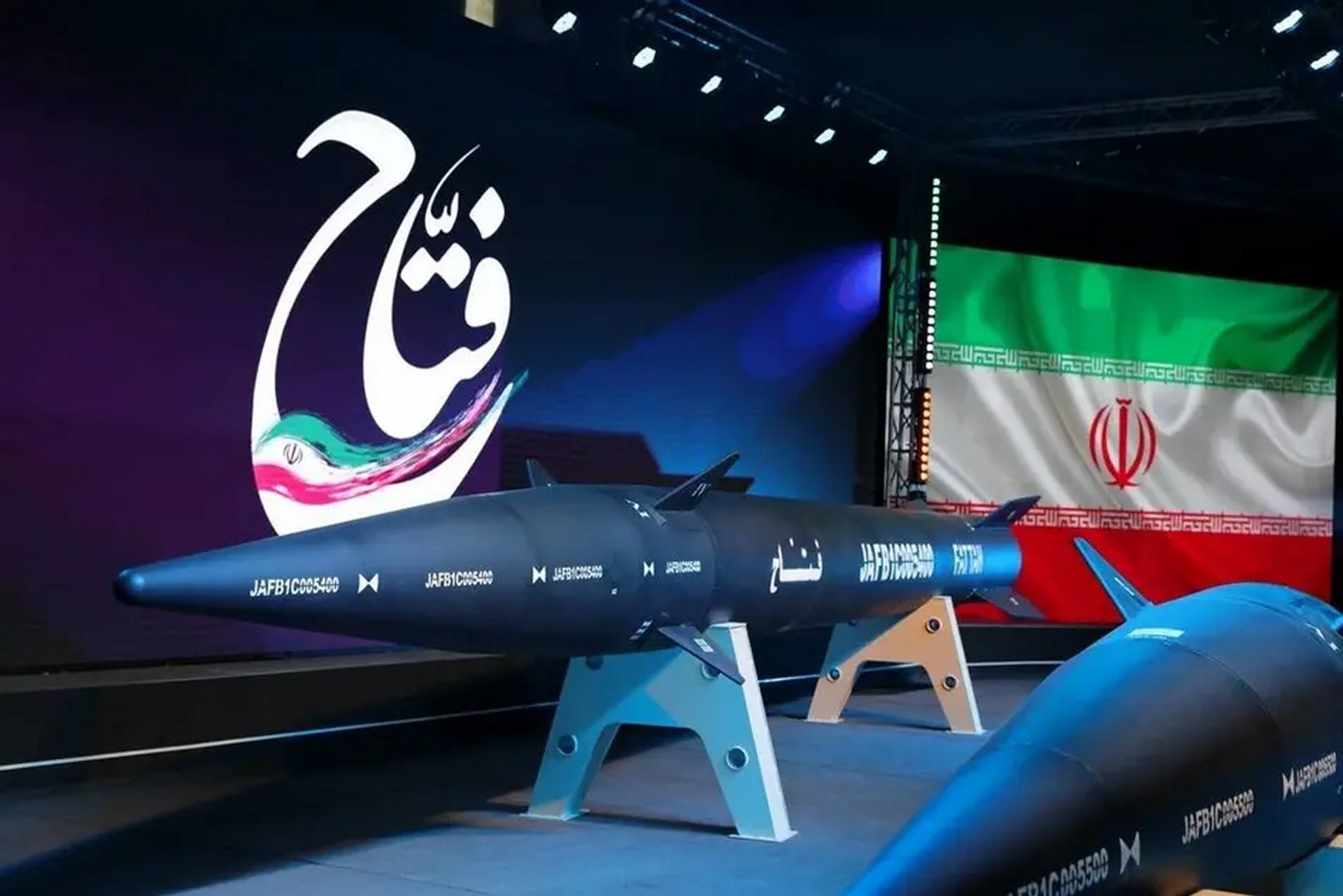
Iran’s Fattah-1 Hypersonic Missile Poses Unprecedented Challenge to Israeli Defenses. (Picture source: TINN)
The Iranian Fattah-1 hypersonic missile, introduced in June 2023, is a significant development in Iran’s military capabilities, integrating speed, maneuverability, and range to challenge conventional missile defense systems. Designed by the Islamic Revolutionary Guard Corps (IRGC), Fattah-1 is tailored for hypersonic travel, achieving speeds between Mach 5 and Mach 15, and offers an impressive range of about 1,400 kilometers. Unlike traditional ballistic missiles, which follow a predictable arc, the Fattah-1 is capable of in-flight course adjustments. This means it can glide and alter its trajectory within the atmosphere, making it difficult for missile defense systems like Israel’s Iron Dome and Arrow to intercept successfully.
The Fattah-1’s propulsion system is based on solid-fuel technology, allowing for rapid acceleration and high speed from launch. This solid-fuel engine not only facilitates the missile’s hypersonic speed but also enhances its agility in the air, offering crucial maneuverability to evade defensive interception. There are indications that the Fattah-1 may employ a dual-stage motor to provide controlled bursts of speed at specific phases of flight, further complicating its interception. This agility, combined with its hypersonic speed, positions the Fattah-1 as a significant threat to even advanced air defense systems.
In terms of payload, Iran has not fully disclosed the maximum warhead capacity of the Fattah-1, though its design suggests versatility, allowing it to carry a range of payloads. This includes conventional warheads, as well as a potential capacity for nuclear payloads if Iran chooses to develop this capability. Unofficial estimates place the warhead weight between 350 and 450 kg. This flexibility significantly enhances the missile’s strategic versatility, making it suitable for striking both military installations and critical infrastructure targets. Although unconfirmed, the Fattah-1’s alleged potential to carry nuclear warheads heightens its deterrence factor, indicating Iran’s focus on increasing its strategic threat level in the region
The Fattah-1’s guidance system is another area of interest. Although specific technical details are classified, the missile’s ability to adjust its course implies sophisticated guidance technology. This ensures greater targeting precision, essential for hitting high-value targets with accuracy. The combination of high-speed maneuverability, a solid-fuel propulsion system, and advanced guidance make Fattah-1 particularly challenging for defensive systems to counter.
For Israel’s armed forces, the Iranian Fattah-1 hypersonic missile represents a profound strategic challenge due to its speed, maneuverability, and penetration capabilities. Designed to reach speeds between Mach 5 and Mach 15, the Fattah-1 compresses Israel’s response time for interception to mere seconds, far below the time available for slower ballistic missiles. The missile’s hypersonic nature and its ability to alter its trajectory in-flight make it particularly difficult to detect and track, as traditional ballistic defenses like Iron Dome and Arrow are optimized to intercept missiles that follow predictable paths. The Fattah-1’s deployment in October demonstrated its capacity to bypass Israel’s defense systems, showcasing Iran’s ability to reach high-value or strategic targets deep within Israeli territory, posing a serious threat to national security.
Intercepting the Fattah-1 or similar hypersonic threats requires Israel to consider technological upgrades and alternative countermeasures. Hypersonic missiles demand advanced detection, tracking, and interception technologies capable of responding at extreme speeds. Israel could accelerate its research into directed energy weapons, which offer the rapid engagement necessary for high-speed threats, or explore kinetic interceptors specifically tailored for hypersonic maneuvering targets. Additionally, Israel’s defense industry may need to look into advanced radar systems with real-time data fusion capabilities to detect and intercept these missiles at different stages of flight. Enhanced collaboration with allies such as the United States, which has been investing heavily in hypersonic defense solutions, could also provide Israel with access to new countermeasures suited to intercepting missiles with unpredictable trajectories.
As hypersonic missiles emerge as a disruptive threat, Israel’s layered missile defense strategy will need to evolve, incorporating newer detection and interception systems that can track and neutralize hypersonic targets to effectively counter the growing capabilities showcased by systems like the Fattah-1.

- Details
- Written by: Halna du Fretay
- Category: 2024
- Hits: 3283
On October 22, 2024, the Indian Army concluded the extensive Swavlamban Shakti exercise at the Babina firing range near Jhansi. This intensive six-day training, beginning on October 17, mobilized over 1,800 military personnel and a wide array of resources, including armored vehicles and aviation support. The exercise was designed to test new technologies developed by India’s defense industry, aligning with the national Aatmanirbhar Bharat initiative for self-reliance. It also demonstrated the Indian Army’s incorporation of lessons from the Ukraine conflict, integrating swarm drones, anti-drone jammers, and resilient communication systems to adapt to modern warfare tactics and enhance troop resilience against contemporary threats.
The Indian Army adopted swarm and kamikaze drones, automated logistics solutions, and anti-drone jammers, aligning with technologies used in the Ukraine conflict to bolster defense against aerial threats (Picture source: Indian Army)
Organized by the White Tiger Division and the Sudarshan Chakra Corps, a strike unit based in Bhopal, Swavlamban Shakti received notable attention from high-ranking military officials, including Lieutenant Generals Dhiraj Seth and Prit Pal Singh. Their presence underscored the strategic importance of this event for the Indian Army’s future combat doctrines, signaling high-level support for the adoption of new battlefield technologies.
Among the advanced technologies tested were over fifty systems provided by major industry partners, such as DRDO and Tata Advanced Systems, alongside several emerging defense startups. Key technologies included swarm and kamikaze drones for precision strikes and reconnaissance missions. Additionally, logistics drones were deployed for rapid troop resupply in contested areas, while hand-held anti-drone jammers provided defense against aerial threats.
One notable technology showcased was the Tracked Hybrid Modular Infantry System (THeMIS), an unmanned ground vehicle (UGV) procured from Estonia's Milrem Robotics in 2022. This versatile UGV demonstrated its potential across various combat scenarios, particularly in evacuating injured soldiers. The exercise also emphasized advanced communication systems, including software-defined radio networks for secure real-time communication and laser-based systems resistant to jamming. Other notable technologies, such as directed energy weapons and long-endurance UAVs, enhanced surveillance and aerial defense capabilities. On the ground, robotic mules and all-terrain vehicles were deployed to support troop mobility and logistics.
These technologies were integrated into combat simulations focusing on Tactics, Techniques, and Procedures (TTPs), aiming to revolutionize the Indian Army’s approach to modern battle scenarios. An additional event, the “Southern Star Drone Fair” held on October 21 and 22, showcased drones and anti-drone technologies developed by MSMEs, startups, and defense innovators.
Swavlamban Shakti reflects a deliberate analysis of Ukraine’s conflict, where new technologies play a central role. Inspired by these insights, the Indian Army adopted swarm and kamikaze drones, automated logistics solutions, and anti-drone jammers, aligning with technologies used in the Ukraine conflict to bolster defense against aerial threats. The significance of reconnaissance and precision strike capabilities observed in Ukraine drove the Army to test long-endurance UAVs and automated logistical support for contested zones. Furthermore, the deployment of jam-resistant communication systems mirrors the need to maintain secure communication lines in electronic warfare—a prevalent aspect of the Ukrainian battlefield.
This close collaboration between the Indian Army and private sector, particularly local enterprises, is part of a broader modernization strategy to anticipate and counter future threats. The emphasis on technological self-reliance under Aatmanirbhar Bharat positions India as a key player in defense innovation. By incorporating these advanced technologies into its operations, the Indian Army demonstrates its commitment to tackling the challenges of contemporary warfare and enhancing its strategic autonomy in a rapidly evolving security environment.

- Details
- Written by: Triffaux
- Category: 2024
- Hits: 15392
On October 30, 2024, the official Twitter account of SİYAH SANCAK (@siyahsancakx) reported a significant development in combat drone technology by TUSAŞ (Turkish Aerospace Industries). The ANKA-3, a stealth unmanned combat drone developed by TAI, became the first drone in history to be controlled by another aircraft, representing an advancement in remote control capabilities for military aviation.
Turkish TAI’s ANKA-3 Next-Gen Stealth Combat Drone (Picture source: TAI)
The ANKA-3 is a stealth combat drone that embodies the latest generation of unmanned technologies, combining stealth, autonomy, and advanced combat capabilities. Its aerodynamic design and radar-absorbing materials allow it to reduce its radar signature, enhancing its survivability in conflict zones. Its ability to be controlled from another aircraft opens new operational perspectives for air forces, facilitating complex missions in high-risk areas while reducing vulnerabilities associated with ground control.
TAI's ANKA-3 stealth drone has been in development for several years as part of Türkiye's efforts to strengthen its autonomous and technological defense capabilities. Designed for surveillance, reconnaissance, precision strikes, and operations in hostile environments, this drone is intended to complement and diversify the Turkish army's combat capabilities in areas where human presence is risky. Supported by the Turkish government within a national strategy of military independence, the ANKA-3 also benefits from collaborations with local industries specializing in avionics and stealth, thus strengthening Turkey's defense technology ecosystem and reducing its dependence on foreign technology in the field of advanced drone systems.
From a purely technical perspective, the ANKA-3 is equipped with a single AI-322 engine, allowing the drone to reach a maximum speed of 450 knots. Its service ceiling is 12,000 meters (39,000 feet), with a maximum ceiling of 40,000 feet (12,000 meters). The future version of the ANKA-3 is likely to be larger and capable of carrying a heavier payload, with a shape that will need to be revised and optimized for supersonic speeds.
The integration of stealth drones like the ANKA-3, controllable from other aircraft, represents a considerable strategic interest for the armed forces. This technology maximizes flexibility and operational efficiency, responding to the growing demand for remote and autonomous combat solutions in an environment where threats are increasingly sophisticated. Controlling a drone from another aircraft opens the door to "loyal wingman" missions, where drones operate in concert with manned fighters. This approach combines the advantages of drones—stealth, autonomy, and no human risk—with the computing power and precision of pilots, offering more varied and redundant tactical options.
The ANKA-3 enables air forces to conduct surveillance, reconnaissance, and precision strike missions in highly contested areas without endangering a human pilot. This technology is particularly valuable for deep missions in well-defended areas, where radar and missile defense systems make traditional incursions riskier. Additionally, the ability to control these drones from manned aircraft increases responsiveness in the event of a tactical change and ensures that drones can be rapidly deployed, coordinated with combat aircraft, for targeted strikes or enemy defense suppression missions.
Similar projects are under development by countries like the United States and China, each pursuing "wingman" drone concepts to accompany their air forces.
The United States has invested in several similar programs, the most well-known being the Skyborg program, led by the US Air Force and aimed at developing embedded AI for drones capable of coordinating and interacting with manned aircraft in real-time. An example of an advanced drone in this program is the Kratos XQ-58A Valkyrie, designed to operate alongside manned fighters like the F-35 or F-22, providing surveillance, attack, or enemy defense suppression missions. Unlike the ANKA-3, American drones are designed for complete autonomy in case of loss of connection with the pilot, with enhanced AI capabilities to enable independent decision-making.
China, for its part, is developing "swarming" drone systems and stealth companion drones, such as the GJ-11 Sharp Sword. The latter, a stealth combat drone, aims to operate in coordination with fifth-generation fighters like the J-20. Although less advanced in terms of direct control from another aircraft, Chinese drones incorporate AI technologies to coordinate swarm operations, offering tactical advantages for saturating enemy defenses. China also emphasizes stealth and penetration capability in heavily defended environments, seeking to compensate for control center vulnerability through increased drone autonomy.
Unlike the American and Chinese systems, TUSAŞ's ANKA-3 stands out for its ability to be entirely controlled from another aircraft, ensuring immediate interoperability and operational flexibility without requiring comparable levels of autonomy in AI. This type of control favors communication security and allows direct responsiveness to the intentions of a partner aircraft pilot. Furthermore, the ANKA-3, designed to be stealthy, combines advanced radar evasion technologies with an aerodynamic design that makes it an effective tool in high-threat environments.
The ANKA-3 is thus a valuable asset for the Turkish armed forces, offering an intermediate solution between the complete autonomy of American and Chinese drones and direct collaborative control. The ability of this platform to operate in tandem with manned aircraft places Türkiye ahead in the field of jointly controlled drone operations, while aligning with a global trend toward increasing stealth and autonomy in unmanned combat systems.
- HDT Global’s Hunter WOLF Selected by US Army to Boost Robotic Tactical Mobility and Logistical Support
- US Marine Corps completes first live-fire exercise with Israeli Iron Dome air defense system
- Italy Launches Ambitious Project for Next-Generation Tanks and Reinforced Ground Forces
- Elbit Systems Introduces Next-Generation E-LynX SR Radio for Enhanced Tactical Communications