
- Details
- Written by: Administrator
- Category: 2024
- Hits: 2592










Donald Trump's return to the White House is set to bring significant changes to U.S. military and foreign policy, with major implications for the ongoing conflict in Ukraine. Throughout his campaign, Trump repeatedly questioned the scale and focus of American support for Ukraine, suggesting he would reduce or reevaluate aid to Kyiv. His previous administration had a complex relationship with Russia and NATO, leading to uncertainty among allies about America’s long-term commitments. Now, his re-election suggests a shift towards a more isolationist approach that prioritizes U.S. interests over international military engagements.
Follow Army Recognition on Google News at this link
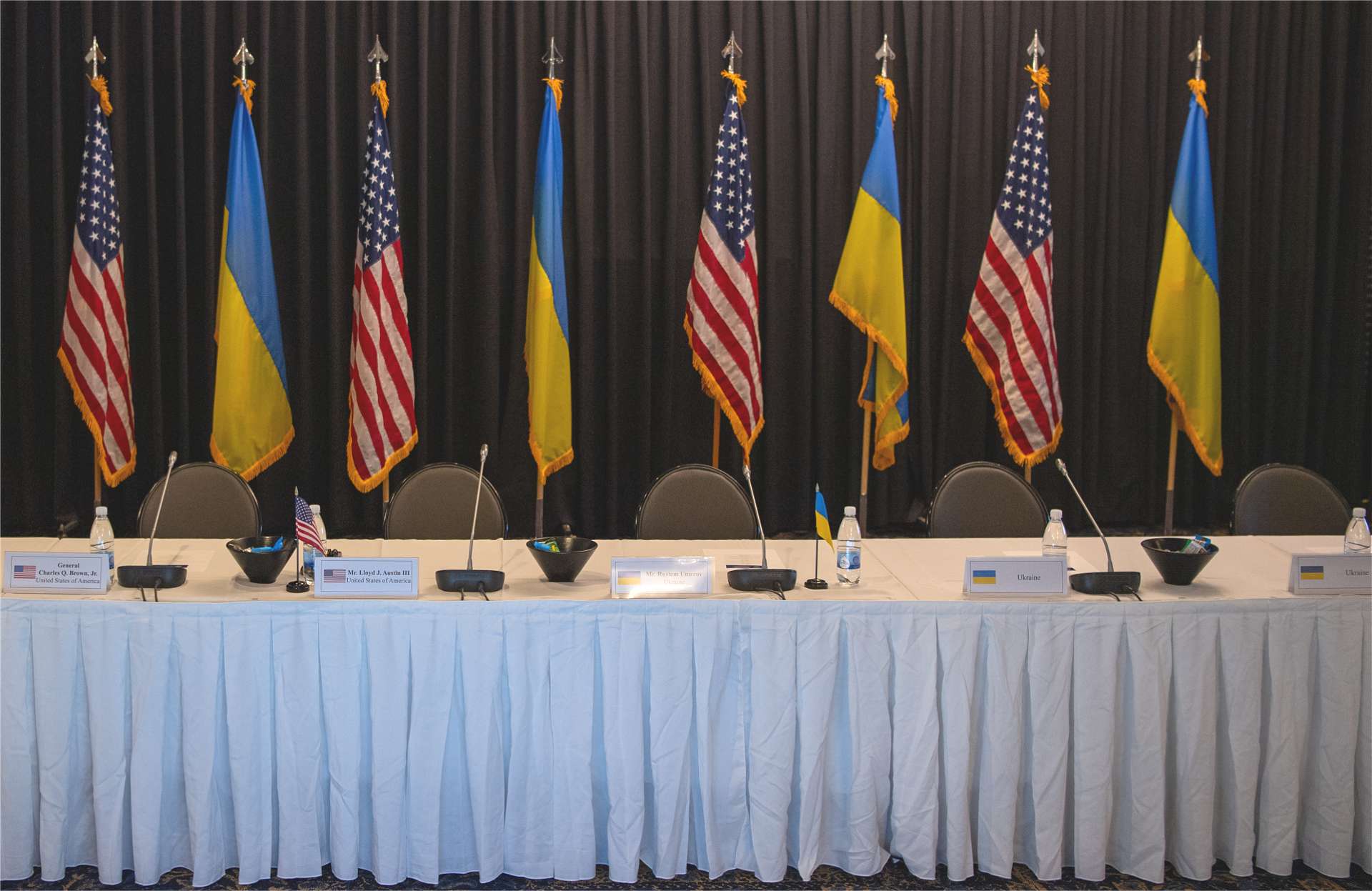
The Ukraine Defense Contact Group attendees are welcomed at Ramstein Air Base, Germany, on March 19, 2024, with Ukrainian and U.S. flags symbolizing the strong international support for Ukraine's defense efforts. (Picture source: U.S. DoD)
Since Russia’s full-scale invasion of Ukraine in February 2022, the United States has become Kyiv's leading military supporter, committing over $54 billion in security assistance to bolster Ukraine's defense against Russian forces. This support includes sophisticated systems such as Patriot missile batteries, HIMARS rocket artillery, Abrams tanks, and a range of air defense and anti-tank weapons essential for countering Russian advancements. The aid has been crucial in strengthening Ukraine's defensive capabilities on multiple fronts, allowing it to push back against Russian troops and protect vital urban areas. Despite bipartisan support in Congress for Ukraine funding, Trump’s return to office signals a potential reevaluation of this strategy, with the former president indicating that he would convert some aid to loans and possibly reduce overall funding, a move that has drawn both support and criticism from NATO allies and within U.S. political circles concerned about maintaining Ukraine’s resilience.
Trump has pledged to bring a quick end to the Ukraine-Russia conflict, asserting he could negotiate a peace settlement "within 24 hours" of taking office. However, the details of this strategy still need to be clarified. His stated approach involves high-stakes negotiations with both Moscow and Kyiv, potentially including cuts to U.S. military assistance as a means to pressure both sides toward an agreement. While this aligns with the preferences of some of Trump’s voter base—many of whom support reducing aid to Ukraine—critics warn that such a move could embolden Russian ambitions and potentially destabilize the region further if it compromises Ukraine’s territorial sovereignty.
Trump’s stance on foreign aid comes amid a broader reorientation of U.S. defense priorities, with the fiscal year 2024 defense budget projected to be a record $842 billion. This budget reflects a shift toward modernization and high-priority technologies to counter China’s growing influence in the Indo-Pacific. For example, significant funding has been allocated to nuclear arsenal upgrades, advanced cyber capabilities, and expanding U.S. military presence in Asia. Under Trump, this trend may accelerate, potentially reducing the American military footprint in Europe while focusing on domestic and Indo-Pacific security interests. NATO allies, already preparing for a potential reduction in U.S. support for Ukraine, are exploring mechanisms to ensure continuity in assistance independent of American aid to maintain Ukraine’s defenses in the face of these potential shifts.
Trump’s re-election has spurred NATO and European allies to prepare for potential shifts in the U.S.-led support structure. During his previous term, Trump urged NATO members to increase their defense contributions, and he is expected to renew those demands. Recently, NATO has been working to assume a more direct role in coordinating military aid for Ukraine, a step seen as a means of maintaining consistent support even if U.S. contributions are curtailed. European allies, including Germany and France, have expressed a commitment to uphold assistance for Ukraine’s defense, regardless of the U.S.’s level of engagement. However, Trump’s approach may strain transatlantic relations, as allies brace for possible adjustments in U.S. defense strategy.
As Trump’s administration prepares to reenter the global stage with new policies, Ukraine’s allies are weighing how these changes might impact Kyiv’s ongoing fight against Russian aggression. European governments are poised to fill potential gaps in military aid, and NATO is adjusting its strategy to ensure continuity in Ukraine’s defense. Meanwhile, Ukrainian leaders brace for potentially significant shifts in the diplomatic relationship with Washington, anticipating that the coming months may bring both challenges and new avenues in their efforts to secure peace.
- Details
- Written by: Halna du Fretay
- Category: 2024
- Hits: 7387
In the context of strengthening the military arsenal of the Republic of Cyprus in response to Turkish ambitions, France is working to maintain a significant influence within the Cypriot National Guard, as reported by the Cypriot daily Kathimerini on October 13, 2024. Competing directly with Germany, Paris is promoting several advanced weapon systems for Cyprus, including Leclerc tanks and Mistral missiles. Now reaching the end of its operational cycle within the Cypriot forces, the latter system could be removed from the island's arsenal and redirected to Ukraine, thereby allowing partial renewal with more modern French equipment.
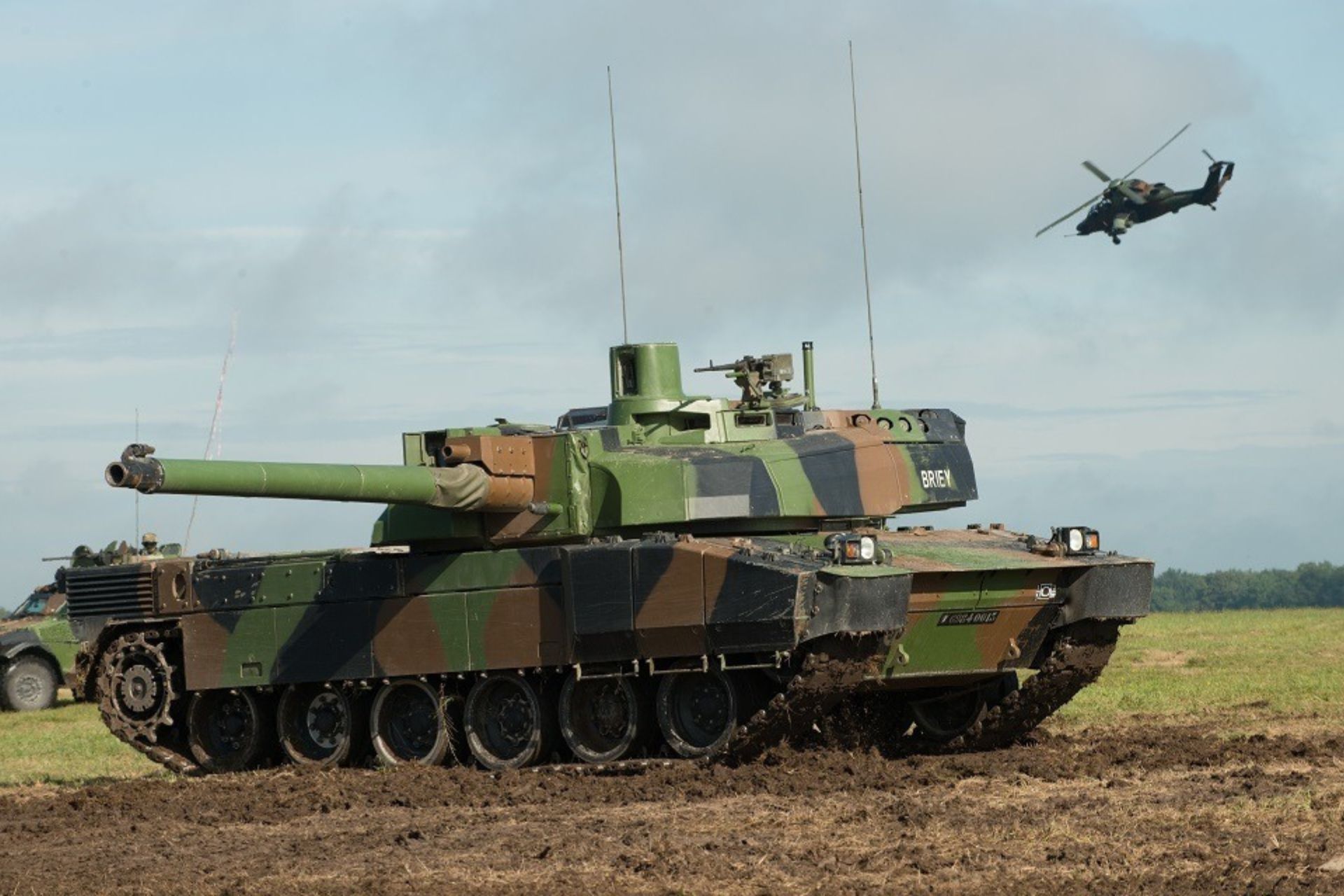
France is also urging Cyprus to consider acquiring Leclerc tanks, competing directly with Germany’s military industry for a potential €250 million contract (Picture source: French MoD)
Among the French equipment already supplied to Cyprus are attack helicopters, marking an initial step in military cooperation between the two nations. France now also targets the market for Cypriot battle tanks, aiming to replace the T-80U of Russian origin. This market is particularly competitive, with Germany offering its Leopard tanks. To reinforce its position, France has extended a broader offer that includes additional military systems.
A key element of the negotiation revolves around Mistral missiles, acquired forty years ago and primarily used for training. Paris has proposed reclaiming these now-obsolete missiles to reallocate them to Ukraine, where they could see a second operational life. Currently, the National Guard possesses between 150 and 170 of these short-range anti-aircraft systems, which have reached the end of their operational life. In exchange, France would offer Cyprus financial benefits, such as discounts on new Mistral missiles or other French-made equipment. Although this offer appears attractive, Cypriot officials have expressed their intention to negotiate better terms, particularly in terms of compensation, before making a final decision.
Beyond the Mistral systems, France is also urging Cyprus to consider acquiring Leclerc tanks, competing directly with Germany’s military industry for a potential €250 million contract. The exact nature of the proposed Leclerc tanks, whether new or used, remains unclear, but France may consider providing second-hand units from a lot previously sold to the United Arab Emirates. Drawing on its past support during the U.S. arms embargo on Cyprus, when France was one of the few countries supplying modern weapons, Paris hopes to leverage this privileged relationship to secure a position in this market.
France and Cyprus have a longstanding military cooperation, with several French systems holding an important place within the National Guard's arsenal. Over the past decade, Cyprus has invested approximately €310 million in French military equipment. Recent acquisitions include upgraded Mistral and Exocet systems, along with anti-tank missiles and French armored vehicles.
The range of French systems, including attack helicopters, rocket systems, tanks, and self-propelled guns, underscores France's commitment to securing long-term defense contracts with Nicosia. The competition to renew Cypriot military equipment is intensifying as Germany, with its Leopard tanks, competes with Paris for strategic contracts. However, France relies on its historic support during the U.S. embargo, hoping to persuade Nicosia to choose French equipment for its next acquisitions.
These proposals, submitted before last summer, have not yet received a formal response. However, they could enable Cyprus to continue modernizing its forces in response to Turkey's growing ambitions in the region, marked by frequent military exercises and regular reinforcement of Turkish forces on the island. Beyond simply providing armaments, France views this military cooperation as an opportunity to affirm its influence in the Eastern Mediterranean, where strategic interests are increasingly contested.
- Details
- Written by: Triffaux
- Category: 2024
- Hits: 3738
On November 2, 2024, Ukraine identified Malaysia as a strategic partner for enhancing collaborations in the drone sector in Southeast Asia. This announcement was made during the visit of Taras Kachka, Ukraine's Deputy Economy Minister, to Malaysia, where he co-chaired the inaugural meeting of the Joint Trade Committee (JTC) with Malaysia’s Deputy Minister of Investment, Trade, and Industry, Liew Chin Tong.
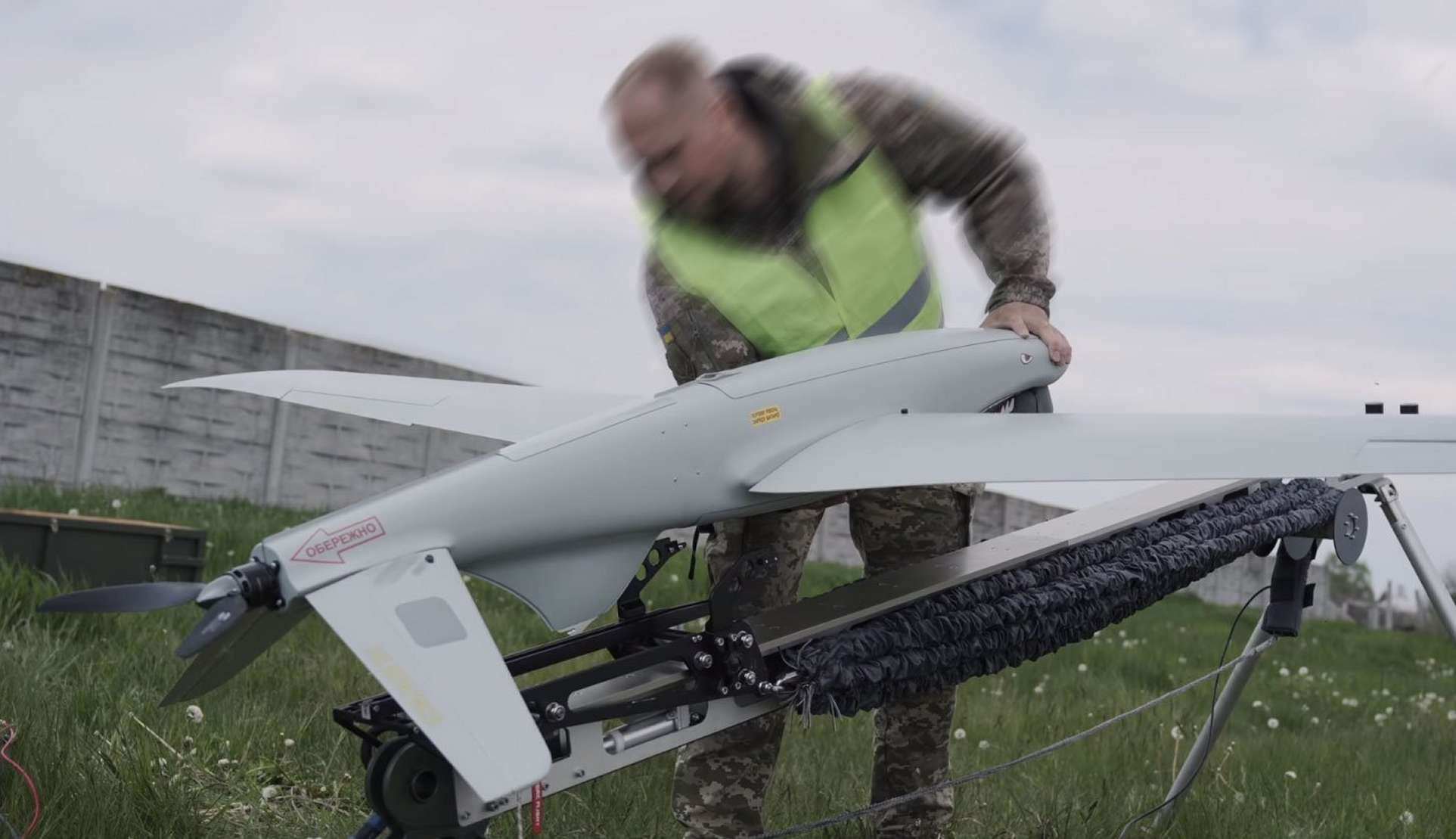
Ukrainian Shark Unmanned Aerial Vehicle (Picture source: UkrSpecSystems)
During the visit, Kachka highlighted Malaysia’s importance as a gateway to ASEAN markets for Ukraine’s drone technologies. The Deputy Minister emphasized Malaysia's advanced position in terms of digital infrastructure, semiconductor spare parts supply, and skilled labor, which are crucial for supporting the unmanned aerial vehicle (UAV) sector. “Malaysia is the most advanced country in ASEAN regarding technological infrastructure, and its strong digital economy makes it an ideal partner for our regional collaboration ambitions,” Kachka stated.
Military relations between Malaysia and Ukraine have strengthened in recent years, notably through technical collaborations and expertise exchanges in defense. Ukraine, with extensive experience in drone and armored vehicle technology, views Malaysia as a strategic partner in Southeast Asia. Recently, the two countries have begun discussions to enhance cooperation on unmanned aerial vehicles (UAVs), with a focus on civil and military surveillance applications suited to Malaysia’s specific challenges, particularly in dense jungle areas that are hard to access. Furthermore, Malaysia has shown interest in Ukrainian defense technologies, drawn to innovations developed in response to recent conflicts. This partnership promises to evolve towards deeper cooperation, with Malaysia seeking to diversify its defense alliances and modernize its national security capabilities.
To date, Malaysia and Ukraine have not developed any specific drones jointly. However, recent discussions between the two nations have highlighted a mutual interest in collaboration in the unmanned aerial vehicle (UAV) field. During his visit to Malaysia from October 31 to November 2, 2024, Taras Kachka, Ukraine’s Deputy Economy Minister, emphasized Malaysia’s role as a strategic partner for expanding Ukrainian drone technologies in Southeast Asia. He underscored Ukraine’s expertise in developing drones for both civilian and military purposes, as well as Malaysia’s capabilities in infrastructure and skilled labor. Although discussions are ongoing between companies from both countries, no concrete joint drone development project has been officially announced at this time.
Malaysia has intensified its drone development efforts with local companies such as Aerodyne Group and DefTech (DRB-HICOM Defence Technologies), which focus on solutions tailored to the country's specific needs, including surveillance, agriculture, and disaster management. Aerodyne Group, a global leader in drone services and analytics based in Kuala Lumpur, develops drones equipped with advanced technologies for long-duration surveillance missions, designed to operate in the region’s tropical conditions. DefTech, on the other hand, specializes in drones for military and security applications, including border surveillance and combating illegal activities in dense jungle areas. These drones, like the DT UAV developed by DefTech, enable real-time detection and tracking operations. The Malaysian government actively supports innovation in the UAV sector by fostering partnerships between these local companies and foreign actors, aiming to position Malaysia as a technological hub for drones in Southeast Asia.
Kachka highlighted the rapid development of UAVs in Ukraine, where their use extends from defense to civilian applications, notably in agriculture. “The development of UAVs in Ukraine is naturally linked to defense and security, but their usage has also expanded to civilian purposes like agriculture. Currently, UAV usage in Ukraine is so intensive that it mobilizes all engineering resources... which is why Ukrainian expertise is applied in Malaysia,” he explained at a press conference. This increased demand in Ukraine has enabled the accumulation of significant expertise, which the country now seeks to leverage in international markets such as Malaysia.
Ukraine has demonstrated an impressive capacity to develop and export drones despite the wartime context. Thanks to growing expertise and rapid innovation in drone technologies, Ukraine has been able to diversify applications to include surveillance, reconnaissance, and attack missions, used both on the battlefield and for export. Although Ukrainian legislation is strictly regulated regarding the export of sensitive military technologies, the government has relaxed certain restrictions to promote international partnerships and respond to the growing demand for its drones. This adaptive legislative framework allows Ukraine to support its defense industry while ensuring rigorous export control. The experience gained in conflict situations has also helped boost the competitiveness of Ukrainian drones, which are now sought after by several countries for their proven performance in wartime conditions.
The Charge d’Affaires ad interim of the Ukrainian Embassy in Malaysia, Denys Mykhailiuk, specified that Malaysian companies are primarily interested in surveillance drones, which are particularly useful for border control operations in dense jungle areas where human patrolling remains difficult. Mykhailiuk emphasized that these are not military attack drones but surveillance devices. “We are not talking about attack drones, but rather surveillance drones adapted to local needs,” he stated, adding that discussions are already underway between Ukrainian and Malaysian companies to assess concrete opportunities.
Surveillance drones are of particular interest to Malaysia, which is seeking solutions adapted to the challenges of border control in its dense jungle regions. This specific need directs the interest of Malaysian companies toward drones capable of conducting reconnaissance operations over vast and hard-to-access areas. Ukrainian drone models, such as the PD-2 and the Shark UAV, are well-suited to these needs due to their extended autonomy and ability to operate in demanding environments. These devices are equipped with high-definition cameras and advanced sensors, enabling continuous and precise surveillance. The PD-2, in particular, is known for its long-range detection performance and real-time data transmission capabilities—key features for monitoring difficult areas where human patrols are limited. These unarmed surveillance drone models align with Malaysia's priorities to enhance border security while avoiding military attack devices. Discussions between Ukrainian and Malaysian companies are underway to explore the potential of these systems in local security operations.
Read more: Ukraine Could Open Its Drone Export Market to Malaysia for First Time
- Details
- Written by: Halna du Fretay
- Category: 2024
- Hits: 2926
The British Royal Navy recently enhanced its aerial defense capabilities by successfully downing a target drone with the Martlet missile. This innovative test, conducted off the Welsh coast, marked the first autonomous engagement of an aerial target by the Wildcat HMA.2 helicopter squadron.
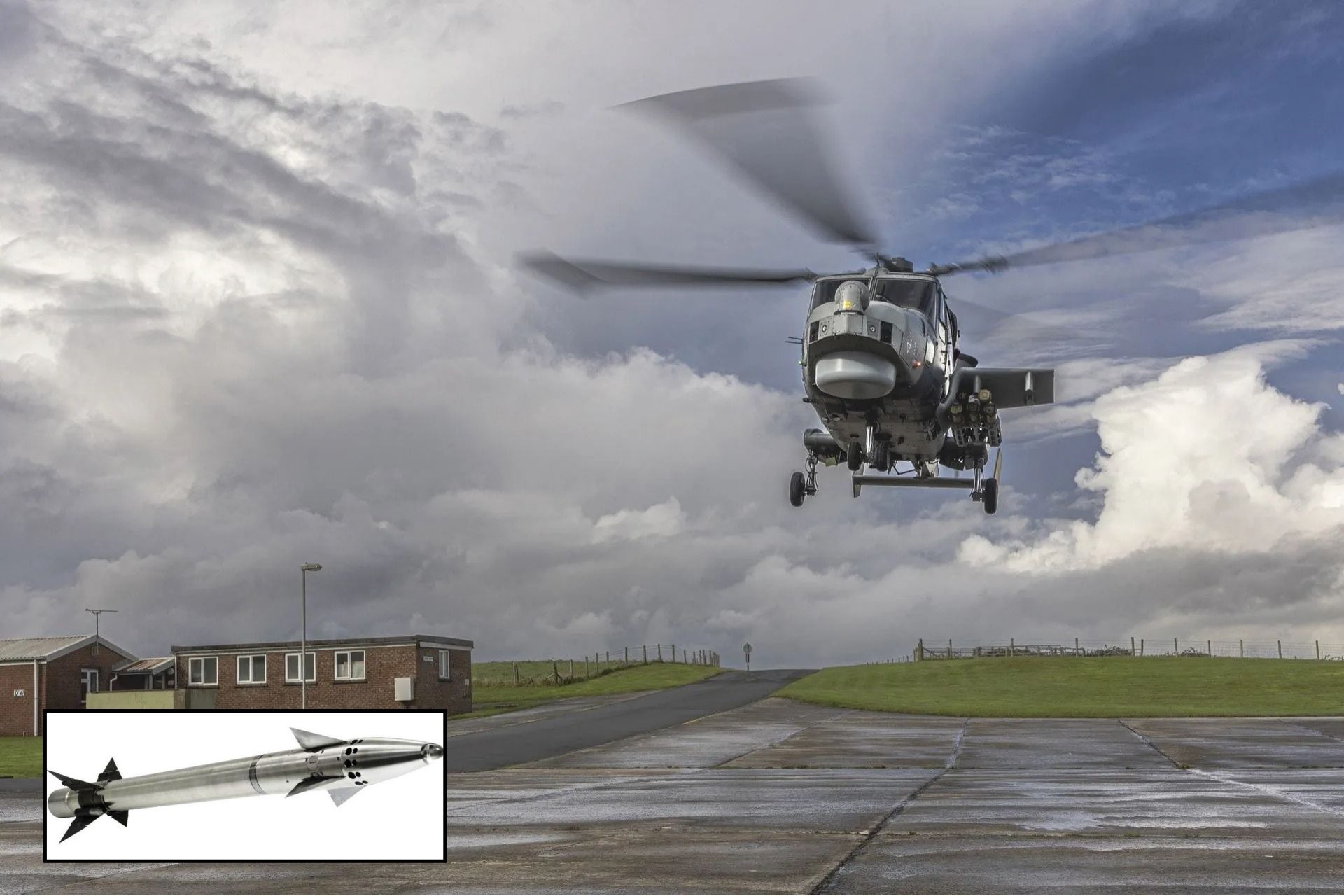
The Martlet, a lightweight, multi-role missile guided by laser, was initially designed to neutralize surface threats, including fast boats and other small, maneuverable targets (Picture source: British MoD)
During the exercise, a Wildcat helicopter, operating without external support, detected, tracked, and destroyed a Banshee drone traveling at high speed over the Bristol Channel. This achievement highlights the British fleet’s growing efficiency in countering uncrewed systems, a threat increasingly prevalent in modern conflict zones, notably in the Red Sea.
The Martlet, a lightweight, multi-role missile guided by laser, was initially designed to neutralize surface threats, including fast boats and other small, maneuverable targets. However, Royal Navy experts quickly identified its potential in air-to-air scenarios, confirmed by the recent trials. The Wildcat, primarily assigned to Royal Navy frigates, destroyers, and aircraft carriers, thus advances in its strike capabilities, enhancing its versatility for search and rescue operations, troop transport, and anti-smuggling missions at sea.
For these trials, the Royal Navy employed the Banshee drone, launched by ramp, as a training target for the Wildcat. After acquiring and tracking the drone, the helicopter crew launched the Martlet missile, which intercepted and destroyed the target within seconds, reducing it to a fireball. Wildcat pilot Lieutenant Dave Guest underscored the importance of this capability, which enables the helicopter to respond to aerial threats independently, without requiring additional support. He described the Martlet as a “highly effective and cost-efficient” weapon, ideally suited for this role.
Commander James Woods, leader of the 815th Naval Air Squadron, described this exercise as a “fantastic development” for the Wildcat HMA.2, emphasizing a significant advance in the Royal Navy’s maritime strike capacity. The Wildcat’s newly enhanced capability bolsters maritime security in sensitive areas and expands options for neutralizing drones, especially Banshee-type targets frequently encountered in operational theaters such as the Red Sea and the Gulf of Aden, where rebel groups increasingly employ drones.
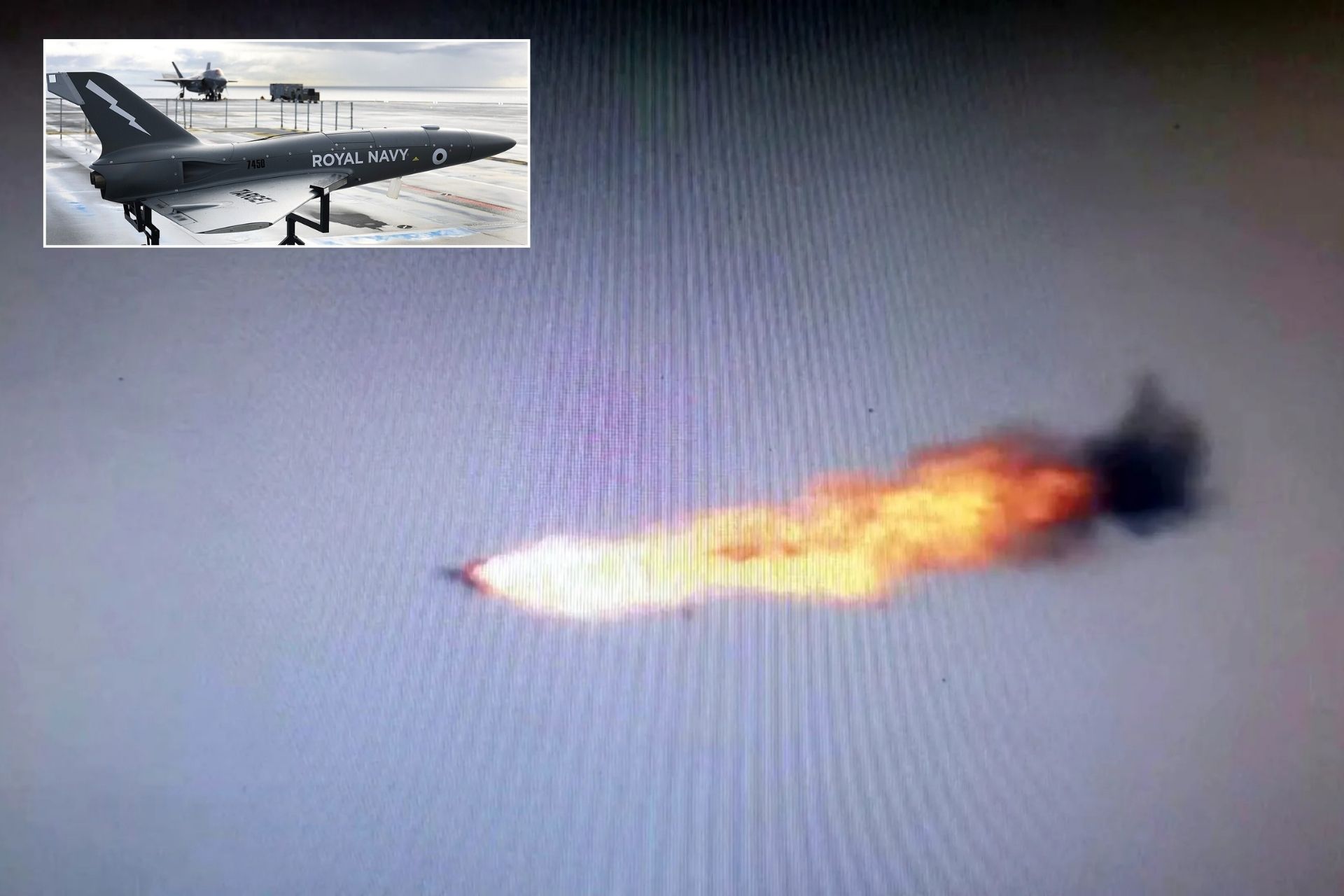
For these trials, the Royal Navy employed the Banshee drone, launched by ramp, as a training target for the Wildcat (Picture source: British MoD)
In the exercise, the Wildcat was outfitted with five Martlet missiles, though the helicopter can carry up to 20. Alternatively, a load of 10 Martlets combined with two Sea Venom anti-ship missiles is possible, offering increased flexibility for missions requiring dual air-to-air and air-to-surface capabilities. The Seaspray 7400E surveillance radar and the Wescam MX-15Di optical unit supported target acquisition and missile guidance, ensuring optimal targeting accuracy.
Beyond the Royal Navy, other military forces are exploring the use of helicopters for drone interception missions. For example, Israel employs AH-64 helicopters to counter drones launched by Hezbollah. Ukraine, in turn, has deployed Mi-8 and Mi-24 helicopters, both transport and combat variants, to intercept drones using onboard cannons and machine guns, reflecting the growing interest in this form of aerial defense.
Currently, the Martlet missile has yet to reach full operational capability within the Royal Navy, with a target date set for 2025. However, ongoing trials aim to seamlessly integrate this versatile weapon with existing systems to address modern threats, particularly those posed by small drones. With a range of up to 10 km, the Martlet represents a valuable advancement for the British fleet.
The increasing use of drones in contemporary conflicts, such as in Ukraine and Yemen, has driven armed forces to develop innovative solutions to counter these threats. Helicopters equipped with suitable missiles, like the Martlet, provide a flexible and effective response to adversaries deploying increasingly sophisticated technologies. This evolution underscores the continuous adaptation of military strategies to the challenges posed by technological advancements on the battlefield.
Read more: UK Royal Navy Enhances Drone Defense Capabilities with Successful Martlet Missile Test

- Details
- Written by: Jérôme Brahy
- Category: 2024
- Hits: 15984
As reported by David Wang on November 5, 2024, the HQ-19 surface-to-air missile system, also known as Hongqi-19, will be presented to the public for the first time at the 2024 Zhuhai Airshow. This Chinese-developed anti-ballistic missile (ABM) interceptor is designed to engage ballistic missile threats both within and beyond the atmosphere, comparable in concept to the U.S. THAAD-ER system. Although this is its first public display, the HQ-19 is already in operational use by the People’s Liberation Army Air Force (PLAAF) and has previously appeared in reports.
Follow Army Recognition on Google News at this link
Observers have noted that the HQ-19 may serve as a countermeasure against ballistic missiles in the South Asian region, particularly against systems such as India’s Agni-4 and Agni-5. (Picture source: Twitter/David Wang)
The HQ-19 system is built on an 8x8 high-mobility truck, featuring a six-missile launcher configuration. It employs a cold-launch mechanism at a steep angle, which enables it to intercept incoming ballistic missiles effectively. The system’s radar technology, including the 610A information radar, is reported to detect targets at ranges up to approximately 4,000 kilometers, covering areas from northern South Asia to China’s inland regions, such as the Tibetan Plateau. The HQ-19’s command-and-control system integrates this radar data to enhance target tracking and interception.
Development of the HQ-19 dates back to the late 1990s as part of China’s 863 Program, which prioritized advancements in high-tech defense capabilities. The HQ-19’s guidance system includes an infrared seeker with side windows, designed to reduce atmospheric interference and provide accurate targeting at high altitudes. The missile is powered by a two-stage solid rocket engine, incorporating carbon-fiber construction and the N-15B solid propellant. This configuration delivers a specific impulse of 260 seconds, supporting high maneuverability for intercepting warheads in motion. The missile’s engine design features a double-pulse capability, which reportedly improves terminal kinetic effectiveness and extends the missile’s operational range. Enhanced by innovations in composite materials, this configuration allows the missile to maneuver at forces of up to 60g during interception.
The HQ-19’s intercept range reportedly spans up to 3,000 kilometers, allowing it to engage ballistic missiles within that range, including their reentry warheads. The system’s kinetic kill warhead places it among the few systems globally equipped with such a mechanism, alongside the U.S.’s kinetic kill vehicles (KKV). China achieved early capability in kinetic kill technology, reportedly completing a successful test flight in 1999, making it the second nation to develop this approach after the U.S. Multiple tests have validated the HQ-19’s functionality, including an interception at over 200 kilometers altitude and relative speeds of up to 10,000 meters per second. In February 2021, China’s Ministry of National Defense reported a trial that confirmed the HQ-19 met all expectations. China has conducted several such tests from 2010 to 2021, emphasizing their defensive nature and stating that the system is not directed at any specific country.
The HQ-19's display at the airshow may also indicate its availability for potential export, with markets in regions such as the Middle East possibly being a focus. China’s defense industry has shown interest in expanding its customer base beyond key clients like Pakistan, Saudi Arabia, and Egypt, aiming to establish a larger footprint in emerging markets. The HQ-19’s capabilities in missile interception may present an option for countries seeking similar defense systems. This approach reflects China’s broader interest in strengthening its military export sector alongside its global economic reach, with defense cooperation viewed as an avenue for building closer bilateral ties.
In addition to the HQ-19, China’s ballistic missile defense framework includes complementary systems like the HQ-9 and HQ-26. The HQ-26, with its multi-pulse solid motor, is designed to enhance terminal kinetic performance, extending its range and allowing it to target a variety of missile threats. The HQ-19’s phased array radar, intended to work in concert with these systems, offers early warning capabilities that support multi-layered missile defense. The system’s radar coverage and intercept capabilities also position it as a countermeasure against potential regional threats, including ballistic missile systems from neighboring countries.
Overall, the HQ-19 exemplifies a continuation of China’s efforts to advance its missile defense capabilities. The system’s comparison with the U.S. THAAD and SM-3 systems has garnered interest, and its reported abilities may impact regional security dynamics. Observers have noted that the HQ-19 may serve as a countermeasure against ballistic missiles in the South Asian region, particularly against systems such as India’s Agni-4 and Agni-5. By unveiling the HQ-19 at this airshow, China underscores its strategic emphasis on expanding its missile defense capabilities in response to shifting global power structures and regional security concerns.

- Details
- Written by: Halna du Fretay
- Category: 2024
- Hits: 7039
On November 5, 2024, Switzerland took a decisive step toward modernizing its artillery capabilities by selecting a new system. Armasuisse, the Federal Office for Defence Procurement, concluded its evaluation and now recommends acquiring the AGM (Artillery Gun Module) mounted on the Piranha IV vehicle from Germany’s KNDS. This funding request will be presented to Parliament as part of the 2025 Army Message to initiate the replacement process.
The AGM system on KNDS's Piranha IV was selected as the most favorable option, fulfilling Armasuisse's tactical, technical, logistical, economic, and sustainability requirements (Picture source: Armasuisse )
The AGM, integrated with the Piranha Heavy Mission Carrier (HMC), represents a significant advancement in modern artillery by combining mobility and firepower. Developed jointly by KNDS Deutschland and General Dynamics European Land Systems (GDELS), this system is defined by its fully automated, crewless 155mm (caliber 52) artillery piece mounted on the Piranha HMC. Weighing 40 tons and boasting a turning radius of less than 18 meters thanks to its four-axle steering, the system provides exceptional tactical mobility. The Piranha HMC's 10x10 multi-link chassis platform allows it to fire on the move without deploying stabilizing supports—an uncommon capability among wheeled self-propelled artillery systems. The vehicle is operable by a two-person crew, with an option to add a third member or additional storage.
The AGM module offers advanced capabilities, including 360º firing, "Shoot & Scoot" functionality, and MRSI (Multiple Rounds Simultaneous Impact), enabling simultaneous strikes on multiple targets. With its ability for both direct and indirect fire and its capacity to engage moving targets on land and sea, the AGM on Piranha HMC is a versatile and resilient solution. Its command, navigation, and fire control systems operate autonomously, reducing crew workload through integrated robotic intelligence. The AGM module is also compatible with the 8x8 Boxer vehicle, enhancing NATO interoperability and facilitating cooperation among member forces.
Switzerland's artillery modernization project comes as the current self-propelled M109 howitzer, in service for over 50 years, nears the end of its operational life. Recognizing the need to maintain and enhance medium-range indirect fire capabilities with improved precision and mobility, the Swiss Army, led by Armasuisse, launched the "Artillery Platform and Equipment" (WPWM) project. This initiative, which began with a project contract in 2019, aims to identify a solution that meets the army’s needs through a wheeled vehicle suited for modern battlefield requirements.
This renewal project is extensive and multifaceted, encompassing not only the artillery platform replacement but also its integration with the Swiss Army’s communication, command, and fire control systems. It also includes training and simulation solutions and a complete logistics support framework to ensure system maintenance. An initial munitions procurement is also planned to guarantee full operational readiness upon deployment.
The candidate evaluation process began with a call for tenders from multiple international manufacturers. Based on Swiss military requirements, Armasuisse shortlisted two candidates in 2022: the Archer Mobile Howitzer from Sweden’s BAE Systems Bofors and the KNDS-proposed 155mm AGM artillery module, mounted on two possible platforms, Boxer and Piranha. This selection led to rigorous testing, including logistical, technical, and operational evaluations conducted in close cooperation with the industry and several army units, such as the Army Logistics Base, the Training Command, and the Operations Command.
From January 2023 to June 2024, both systems underwent in-depth testing, including logistical trials, technical assessments of the main weapon abroad, mobility tests on Swiss road networks and rough terrain, as well as exercises involving both professional soldiers and Swiss militia members. Live demonstrations and firing tests were conducted in collaboration with foreign military forces and other defense authorities.
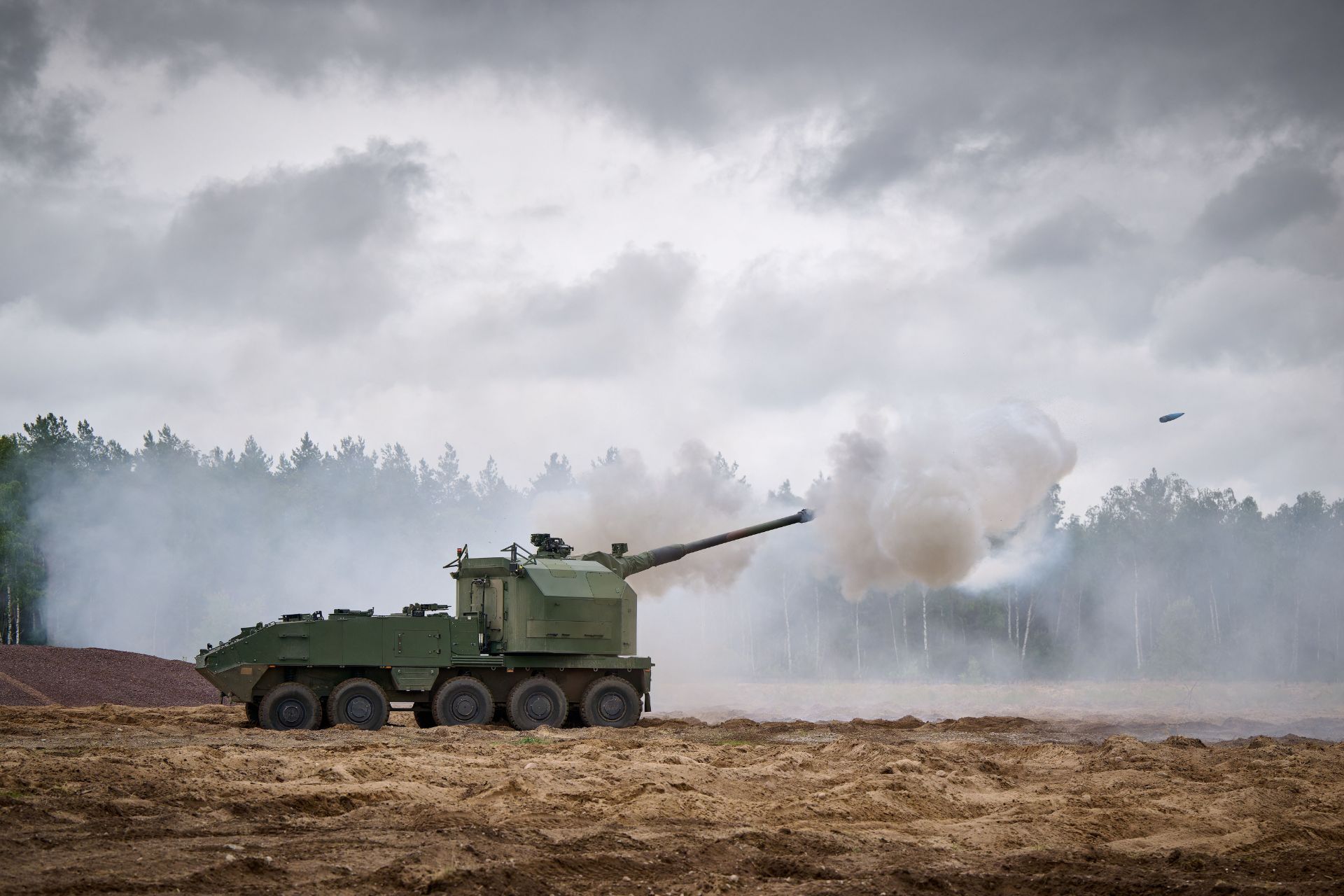
These new howitzers strengthen interoperability with NATO forces, supporting joint exercises and multinational missions (Picture source: Armasuisse )
Following this evaluation phase, the AGM system on KNDS’s Piranha IV emerged as the most advantageous offering, meeting Armasuisse’s tactical, technical, logistical, economic, and sustainability criteria. This selection marks a turning point for Swiss artillery equipment, providing a modernized indirect fire capability on a platform meeting the highest technological standards. In the coming months, the project team will focus on integrating the AGM's communication and command systems with the Piranha IV. Preparations for the 2025 Army Message funding proposal are also underway to ensure prompt financial support.
Switzerland’s M109 self-propelled howitzers, officially designated as "15.5 cm Self-Propelled Howitzer M109 KAWEST WE," have been acquired in several phases since 1968, forming the backbone of the Swiss motorized artillery. While they have been periodically upgraded, with combat improvements in 1995 and updates in 2012, this system—recently granted a usage extension in 2021—now shows signs of obsolescence. Acquiring the AGM artillery module on Piranha IV opens a new era for the Swiss Armed Forces, equipping them with a more mobile, precise artillery capability suited to modern conflict requirements.
The acquisition of the new AGM-mounted Piranha IV howitzers will bring several advantages to the Swiss Army. First, these systems offer increased mobility due to their 10x10 wheeled chassis, allowing rapid redeployment and greater operational flexibility compared to the older tracked M109 howitzers. This mobility is further enhanced by the ability to fire while on the move, reducing vulnerability to counter-battery fire.
Secondly, the fully automated 155mm caliber 52 AGM reduces crew workload and improves firing rates. The system's enhanced range and accuracy enable more effective medium-range strikes, meeting modern battlefield demands. Additionally, integration with Swiss communication and command systems ensures better coordination and optimized response times during operations.
Lastly, these new howitzers strengthen interoperability with NATO forces, supporting joint exercises and multinational missions. Overall, introducing the AGM on Piranha IV modernizes Swiss artillery, offering a combination of mobility, firepower, and technological compatibility to address contemporary challenges.
Read more: Switzerland Selects AGM Artillery Module on Piranha IV to Replace M109 Howitzers
- Details
- Written by: Vandenbosch
- Category: 2024
- Hits: 3378
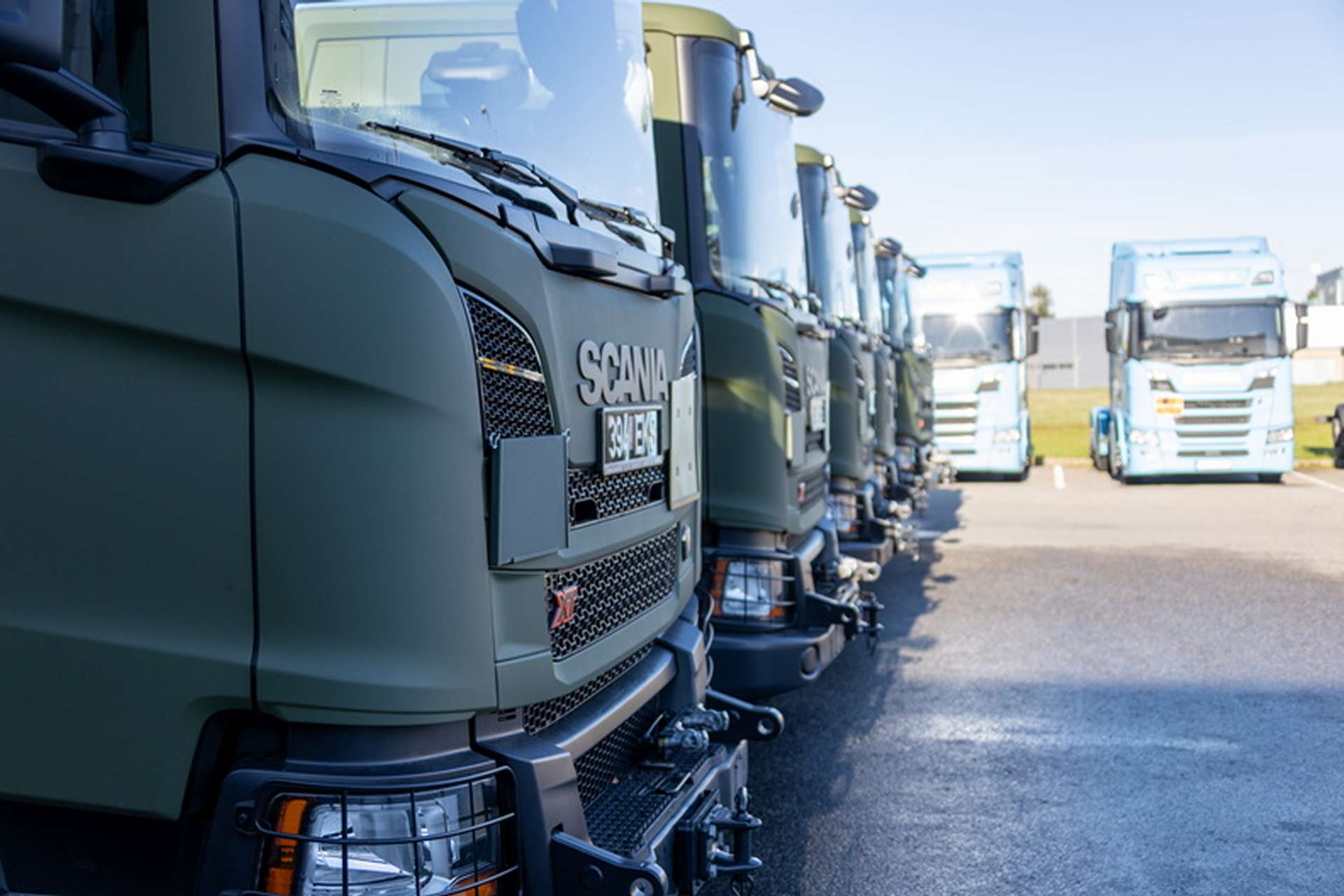
The Estonian Defence Forces are equipping themselves with Scania G410 6x4 trucks, versatile vehicles that bring enhanced autonomy for complex missions, as announced by Estonia on November 4, 2024. Acquiring these trucks, known for their reliability and power, is a strategic investment to support military operations by ensuring continuous and secure supplies.
The Estonian Defence Forces are equipping themselves with Scania G410 6x4 trucks. (Picture source: Estonian MoD)
The Scania G410 6x4 model, part of the Scania lineup, is equipped with a 13-liter engine delivering 410 horsepower. This powerful engine is essential for transporting heavy loads over long distances. With this power, the Estonian Defence Forces can transport various equipment, from construction materials to tactical supplies, all while maintaining a rapid and efficient deployment pace. Its 6x4 configuration, with two driving axles, ensures optimal traction on rough terrain and in challenging weather conditions, making it indispensable for operations in the often unpredictable and demanding Nordic environment.
In terms of economy, the Scania G410 integrates advanced fuel management systems. This technology helps reduce fuel consumption, thus optimizing operating costs and allowing for extended autonomy during prolonged missions—a major asset in situations where the ability to maintain continuous operations with limited supplies is crucial. The advanced braking technology of these vehicles also ensures high safety for sensitive cargo, minimizing accident risks that could jeopardize missions.
Driver comfort, often overlooked in military vehicles, has also been considered. The Scania G410’s interior is designed to reduce crew fatigue during long hours on the road, offering an ergonomic driving environment. This comfort is particularly important in the military context, where driver alertness plays a critical role in mission success and cargo safety.
Introducing Scania G410 6x4 trucks into the military fleet marks a significant advancement for the Estonian Defence Forces in military logistics. By bolstering their fleet with modern, robust trucks, Estonia enhances its logistical resilience and flexibility. These trucks are not only used to transport military equipment but are also essential assets for the speed and efficiency of the military supply chain. In a strategic environment where the ability to respond quickly can determine the outcome of operations, these new Scania trucks provide Estonia with a distinct advantage.
Beyond logistics, these trucks contribute to Estonia's capacity to support its armed forces amid growing regional security challenges. The Scania G410 6x4 thus becomes a cornerstone of the Estonian Defence Forces’ logistics, supporting operations across varied terrains and strengthening essential supply chains needed to maintain an operational and responsive defense force. Logistics is often overlooked by armed forces, yet it is crucial in times of conflict or operations; Estonia’s focus on this aspect of its military is a clear reinforcement of its operational capability.
Read more: Estonian Defence Forces Strengthen Logistics with New Scania G410 6x4 Trucks
- Details
- Written by: Halna du Fretay
- Category: 2024
- Hits: 3773
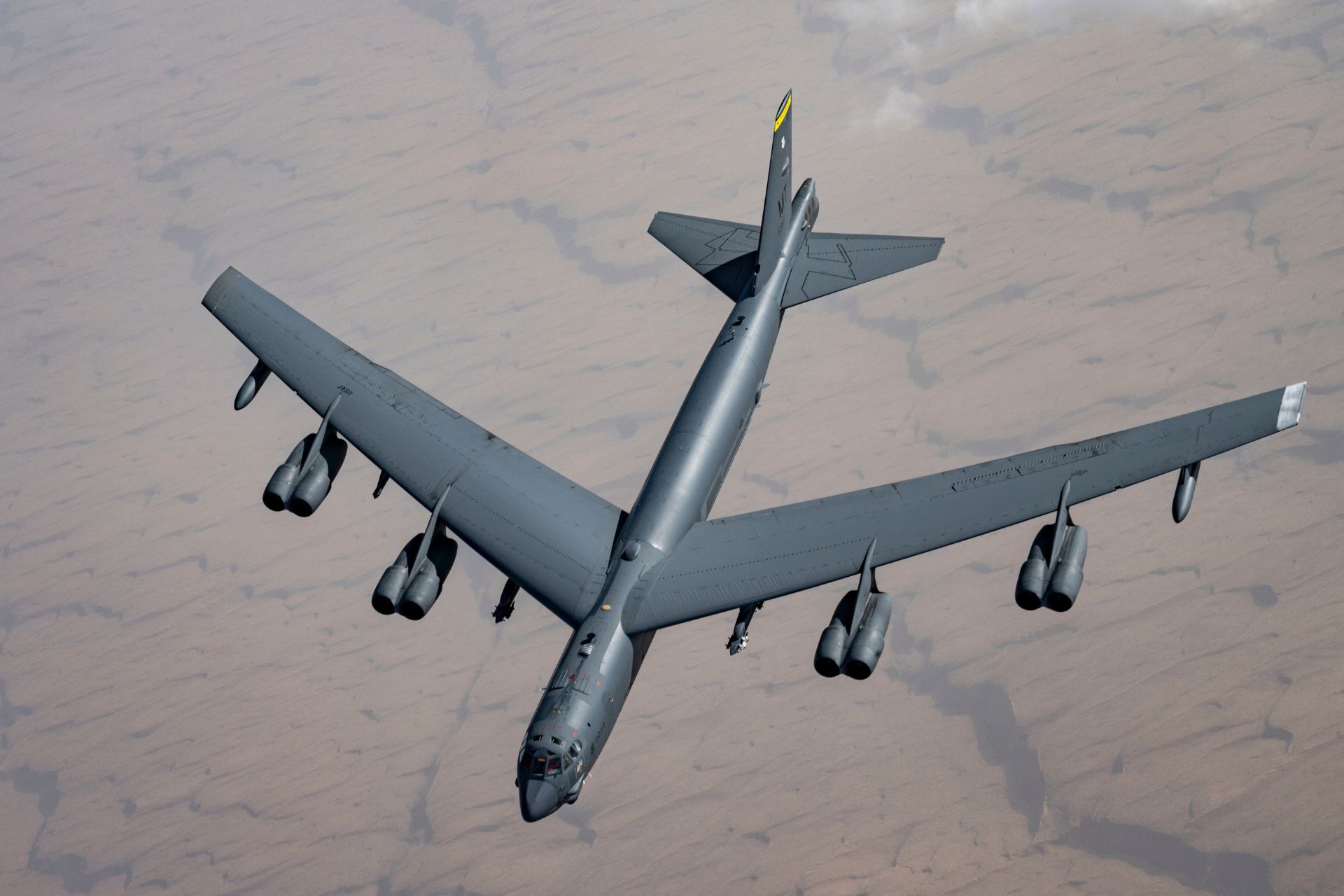
On November 4, 2024, the U.S. Department of Defense announced the deployment of two additional B-52H Stratofortress bombers to Al Udeid Air Base in Qatar, increasing the total number of these strategic bombers in the region to six. These long-range aircraft, from the 5th Bomb Wing at Minot Air Force Base in North Dakota, join an expanding U.S. military arsenal in the Middle East as tensions with Iran and its allies intensify.
A U.S. Air Force B-52H Stratofortress aircraft, assigned to the 23rd Expeditionary Bomb Squadron, flies a mission in support of the Resolute Support Mission in Afghanistan, April 30, 2021 (Picture source: US DoD)
The B-52H Stratofortress, designed by Boeing, is a long-range multirole bomber in service since 1961, known for its capability to conduct nuclear deterrence missions as well as conventional strikes. With a maximum speed of 1,000 km/h and an operational ceiling of 15,240 meters, the B-52H is equipped with eight Pratt & Whitney TF33 turbofan engines, which are set to be replaced by Rolls-Royce F130 engines to extend the aircraft's service life beyond 2040. With a payload capacity of over 31,751 kg, the B-52 can carry a wide array of missiles, bombs, and mines, including advanced cruise missiles and precision-guided munitions, making it a key asset for U.S. power projection operations.
Outfitted with advanced defense systems, such as the AN/ALQ-172 electronic countermeasures suite, the B-52H also incorporates a Northrop Grumman strategic radar for navigation and targeting precision. Upgrades like the CONECT program have enhanced its network-centric capabilities and in-flight mission retasking. Additionally, the modernization of its radar and electronic warfare systems, in partnership with Northrop Grumman, bolsters its capability to operate in highly contested environments. These attributes make the B-52H a central element in U.S. strategic strike capabilities, with global reach supported by aerial refueling.
This deployment is part of a broader strategy recently outlined by the Pentagon, which includes the addition of fighter aircraft, tankers, and Arleigh Burke-class destroyers equipped with Aegis ballistic missile defense systems. Pentagon spokesperson Major General Pat Ryder stated that this increased military presence aims to deter Iran and its allies from any hostile actions against U.S. personnel or interests, with the assurance that any attacks would prompt a decisive response.
The Middle East has seen several notable incidents this year, including repeated strikes between Iran and Israel. In April, an Iranian attack followed an Israeli strike on its consulate in Damascus, and in October, further actions purportedly in retaliation for targeted eliminations of Iranian-aligned leaders raised concerns over potential escalation. In response, the U.S. aims to strengthen its deterrent posture in the region, with the B-52s playing a central role due to their long-range strike capacity.
The presence of B-52 bombers underscores the strategic flexibility of the U.S., as these aircraft can deliver both conventional and nuclear payloads and perform a variety of missions such as strategic attack, close air support, air interdiction, and maritime operations. This heightened military presence comes at a time of increased regional tensions, with Israel recently deploying approximately 100 fighter jets, including F-35s, in strikes targeting Iranian bases, and Iran responding in October with a substantial missile strike against Israel, claiming it as retaliation for attacks on Hezbollah and Hamas leaders.
The deployments are expected to continue over the coming months, even as the USS Abraham Lincoln Carrier Strike Group, stationed in the region since August, is set to depart. Meanwhile, the U.S. has bolstered Israel's missile defense capabilities with the deployment of a THAAD system, designed to intercept ballistic missiles in their terminal phase, and accompanied by 100 U.S. service members for operation support.
The B-52 is not the only strategic bomber currently mobilized. In parallel, the U.S. deployed the B-1B Lancer to the Korean Peninsula, conducting trilateral exercises with South Korean and Japanese fighters in response to North Korea's recent intercontinental ballistic missile test. This deployment alongside Asian allies also emphasizes a shared commitment to counter North Korea’s nuclear and missile programs.
The increased presence of strategic bombers in both regions demonstrates the U.S.'s rapid deployment capability to deter adversaries in sensitive global areas, including Iran, North Korea, and China. In June 2024, B-52s were deployed to Guam for a live-fire test involving the AGM-183 hypersonic weapon, highlighting their strategic role in the Pacific.
In summary, the deployment of B-52 bombers to the Middle East reflects the U.S.'s commitment to maintaining regional stability amid persistent threats from Iran and its allies. Secretary of Defense Lloyd Austin’s message remains clear: any attack on U.S. interests will be met with prompt and proportionate defensive measures. These actions underscore the U.S.'s resolve to protect its interests and support its partners during a period of heightened regional tensions.
- Details
- Written by: Jérôme Brahy
- Category: 2024
- Hits: 5392
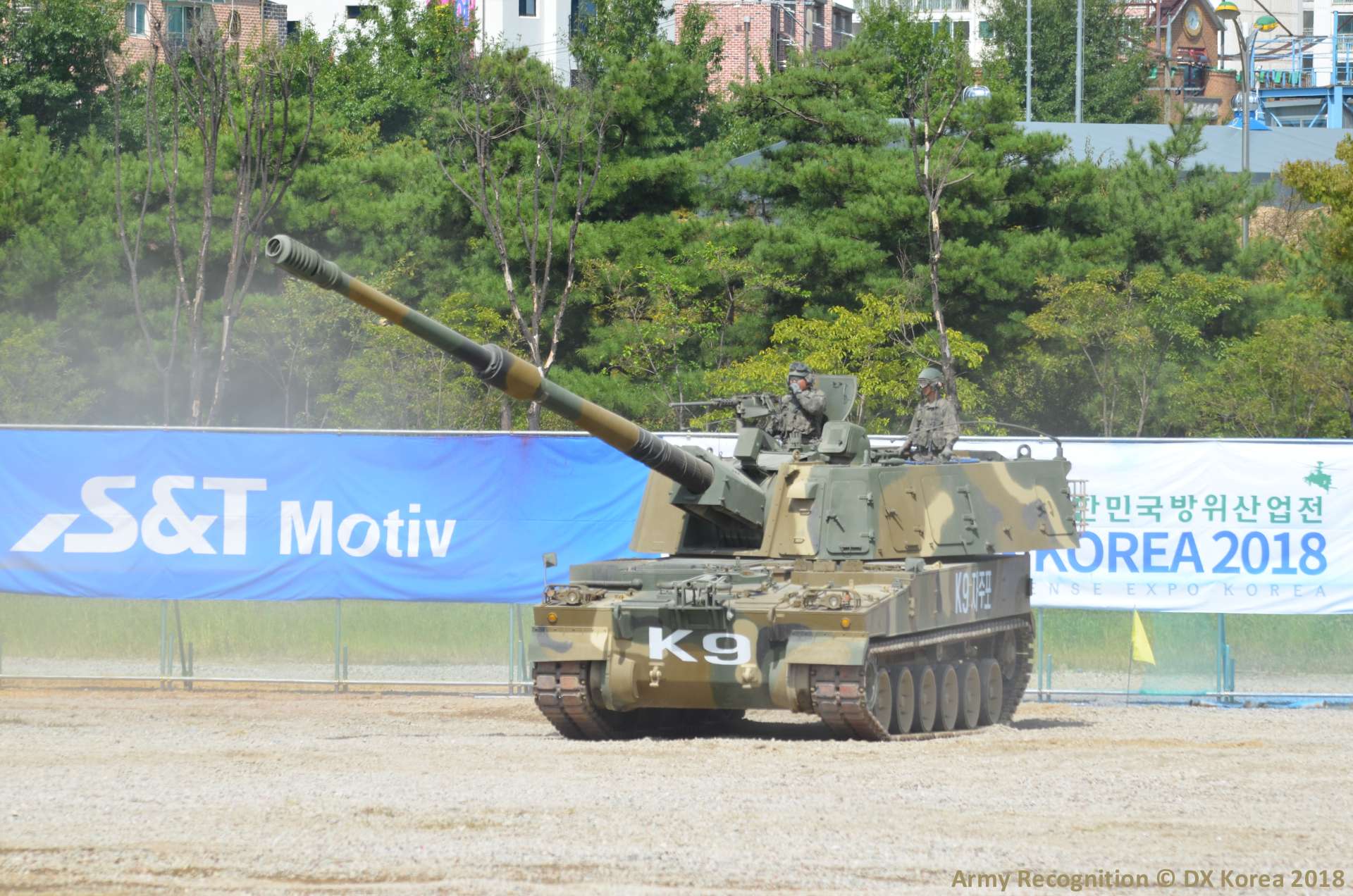
On November 1, 2024, a delegation of retired U.S. Forces Korea (USFK) and South Korean Army generals, organized by the Korea Defense Veterans Association (KDVA) and the Korea-U.S. Alliance Foundation (KUASF), visited Hanwha Aerospace’s Changwon production facility. The group examined the production lines for key systems, including the K9 self-propelled howitzer (SPH) and the K10 Ammunition Resupply Vehicle (ARV), reflecting ongoing discussions around strengthening defense industry cooperation between South Korea and the United States. Among the delegates were Retired Generals Curtis M. Scaparrotti, Walter L. Sharp, Robert B. Abrams, Leem Ho-young, and Major General Shin Kyung-soo, who discussed ways to advance defense collaboration between the allies.
Follow Army Recognition on Google News at this link
General Sharp, speaking on the utility of the K9 SPH and K10 ARV, indicated that these systems could add value to U.S. defense resources beyond the alliance’s shared interests. (Picture source: Army Recognition)
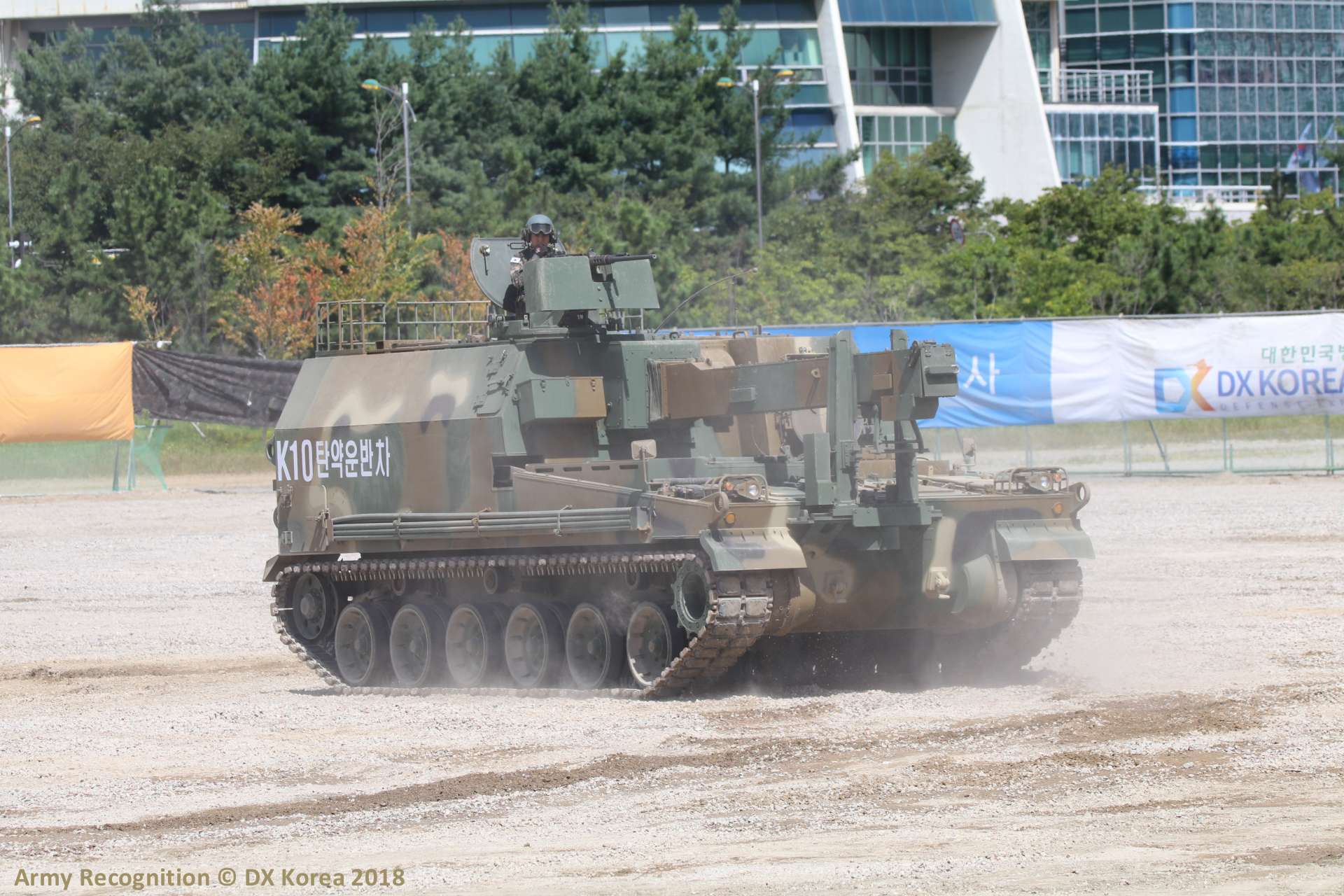
Shin Hyun-woo, President of Hanwha Aerospace’s Public Affairs Office, welcomed the generals and underscored the significance of such exchanges in adapting the ROK-U.S. alliance to shifting security requirements. The American retired generals noted the facility’s manufacturing capacity and its ability to meet international demand through automation. General Sharp, speaking on the utility of the K9 SPH and K10 ARV, indicated that these systems could add value to U.S. defense resources beyond the alliance’s shared interests. Retired General Abrams referenced his direct experience with the K9A1 during his tenure as USFK commander, describing its capabilities and highlighting the K10’s robotic ammunition resupply system as an innovative feature.
These discussions coincided with Hanwha Defense USA (HDUSA), a subsidiary of Hanwha Aerospace, currently participating in the U.S. Army’s Self-Propelled Howitzer Performance Demonstration program. The U.S. Army is considering new self-propelled howitzer systems, with the K9A2 among the candidates. Hanwha Aerospace USA CEO Mike Smith stated, “The K9 is the world’s most proven self-propelled howitzer solution. It not only delivers long-range firepower but also can be used in manned and unmanned combined operations, making it ideal for meeting the U.S. Army’s performance requirements.” The K9 artillery system, first developed in 1999, remains recognized for its firepower, mobility, and extended range of over 40 kilometers. A recent upgrade includes a fully automatic ammunition handling system, which would allow the K9 to fire at a rate exceeding nine rounds per minute with a minimal crew.
Supporting the K9, the K10 ARV provides logistical support under combat conditions, using the same chassis as the K9. The K10 can transport and transfer 104 rounds of 155mm ammunition at a maximum rate of 12 rounds per minute, enhancing operational efficiency for the K9.

General Sharp and Retired General Abrams emphasized the value of the K9 SPH and K10 ARV for U.S. defense, with Abrams noting the K10’s robotic resupply system as a notable innovation. (Picture source: Hanwha Aerospace)
Hanwha was recently awarded the ROK-U.S. Alliance Award by the KDVA and KUSAF for its role in promoting South Korea-U.S. defense and economic collaboration. Hanwha Aerospace CEO Son Jae-il accepted the award, reiterating the company’s role in supporting security interests shared by both nations.
At the Association of the United States Army (AUSA) 2024 exhibition, Hanwha Defense USA (HDUSA) presented the K9A2, an upgraded version of the K9 featuring an automatic turret and a firing rate of up to 10 rounds per minute. The K9A2 can integrate with Raytheon’s M982A1 Excalibur guided munitions, achieving precision engagement at distances nearing 50 kilometers. Additional improvements, such as composite rubber tracks from Soucy Defense, reduce vehicle weight and improve crew comfort, positioning the K9A2 as a suitable option for U.S. Army artillery modernization efforts.
Hanwha Aerospace also showcased the Grunt unmanned ground vehicle (UGV), a next-generation model of the Arion-SMET. The Grunt UGV offers a range of 290 kilometers and a payload capacity up to 900 kilograms. Hanwha Systems exhibited its Integrated Warfare System (IVS) and an advanced MRO platform to explore potential entry into the U.S. defense market.
The K9 series holds over 50% of the global market share for self-propelled howitzers, with around 2,000 units in service across multiple countries. The extensive use of the K9 reflects sustained demand for this artillery system in diverse operational contexts.
Future developments for Hanwha’s artillery systems include the K9A3, an unmanned, long-range variant with a 58-caliber barrel for precision strikes at over 80 kilometers. The K9A3 is designed to support Manned-Unmanned Teaming (MUM-T) operations and meet various strategic artillery requirements. Hanwha also introduced the K11A1 Fire Direction Control Vehicle at the KADEX 2024, built to control K9A3 units remotely, enhancing operational safety and efficiency. The K11A1, equipped with reinforced armor and a Remote Controlled Weapon Station (RCWS), enables autonomous coordination of up to three K9A3 howitzers.
With its expanding presence in global defense markets, Hanwha Aerospace’s technological advancements in artillery systems, unmanned vehicles, and integrated warfare systems reflect South Korea’s ongoing contributions to allied defense initiatives within the ROK-U.S. partnership.
Retired General Abrams referenced his direct experience with the South Korean self-propelled howitzer during his tenure as USFK commander, describing its capabilities and highlighting the K10’s robotic ammunition resupply system as an innovative feature. (Picture source: Army Recognition)
- Details
- Written by: Triffaux
- Category: 2024
- Hits: 3551
On November 3, 2024, the U.S. Department of State approved a major military sale to Poland, aimed at enhancing the country’s air traffic control capabilities and strengthening airspace security within NATO. This sale, valued at $105 million, involves mobile ground control approach (GCA-2000) systems and a range of complementary equipment designed to increase the autonomy and responsiveness of Polish forces against aerial threats.
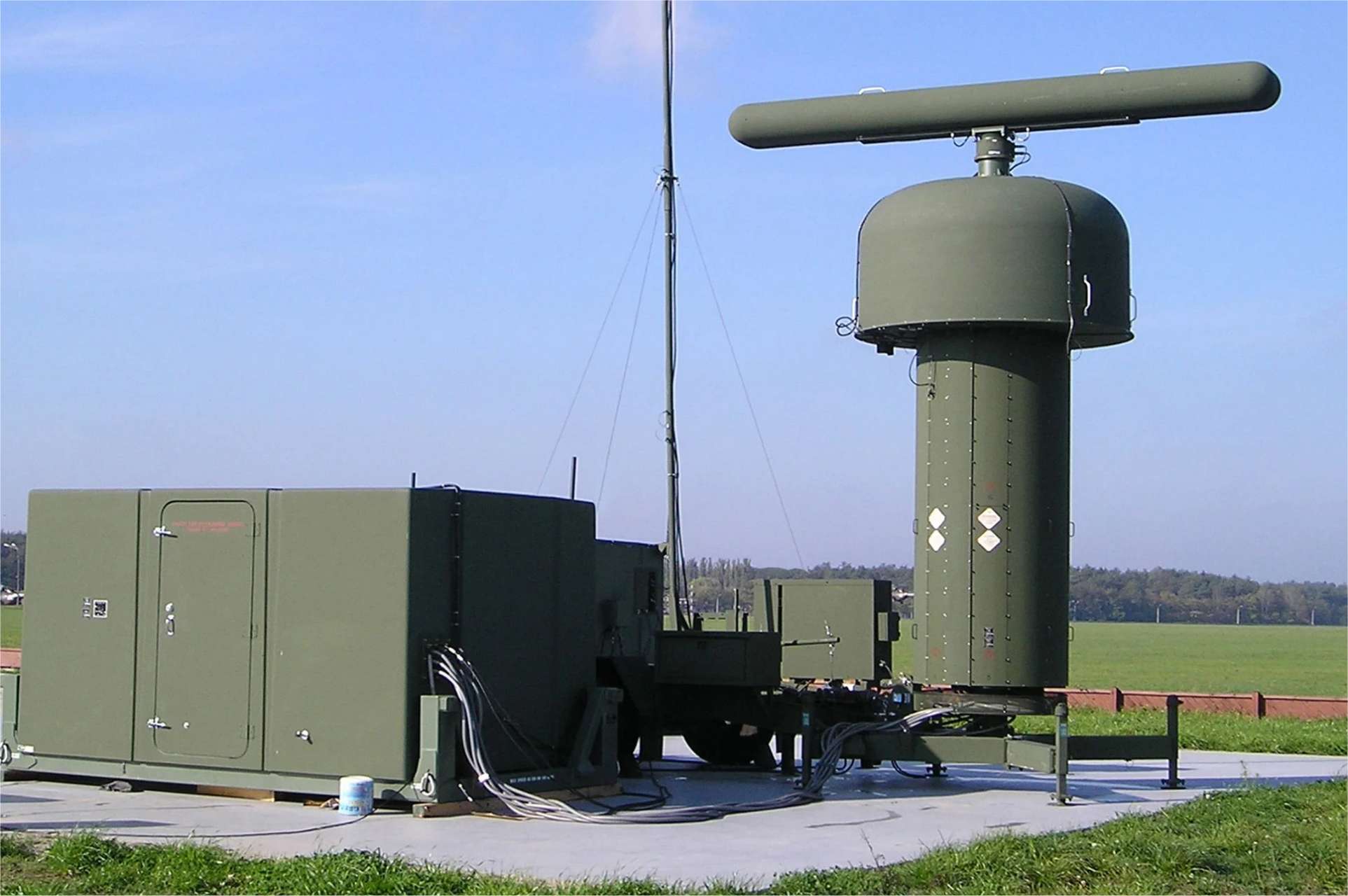
L3Harris GCA-2000 Mobile Ground Control Approach System (Picture source: L3Harris)
Poland has requested several essential components to support and optimize its military air control system. In addition to the GCA-2000 systems, the sale includes AN/UPX interrogators, precision navigation systems, radio navigation equipment, test equipment, spare parts, and consumables. The transaction also provides extended warranties and comprehensive training services for Polish personnel to facilitate the integration and optimal use of these new technologies within existing military infrastructure.
The primary equipment, the GCA-2000 ground control approach system, offers an advanced guidance solution for aircraft during approach and landing phases, particularly under adverse weather conditions. This system uses ultra-high frequency (UHF) radios, which are essential for maintaining robust, secure communications and precise air traffic control, especially in areas with limited radar coverage.
By increasing its air traffic control capabilities, Poland is addressing a strategic need to ensure airspace security, particularly in light of current geopolitical tensions in Eastern Europe. This enhancement of its air infrastructure aligns with NATO's broader goal of strengthening regional security by equipping its members with modern, interoperable equipment.
As a NATO member, Poland plays a critical role in the alliance’s collective defense strategy in Central Europe. Upgrading its air traffic control capabilities with U.S. support not only bolsters its own security but also contributes to political stability and economic balance in Europe.
L3Harris, a defense company based in Melbourne, has been designated as the primary contractor for the delivery and implementation of this transaction. A leader in advanced communication and surveillance technologies, L3Harris has long-standing partnerships in international defense, and this collaboration with Poland reflects its growing role within NATO. The American company had previously played a key role in a $255 million military sale in 2023, providing communication equipment for the Polish armed forces.
This prior agreement modernized Poland’s communications infrastructure with sophisticated radio systems, enhancing the country’s ability to coordinate military operations. The partnership with L3Harris underscores the continuity of the defense relationship between Poland and the United States, a crucial element in advancing Polish military capabilities.
The GCA-2000 system is a strategic asset for the Polish armed forces, offering advanced air traffic control capabilities essential for the security and effectiveness of military operations. By providing precise guidance to aircraft during approach and landing, even in low-visibility conditions, the GCA-2000 strengthens the security of Polish airbases and improves mission coordination. This capability is especially critical for Poland, positioned on NATO's front line in Eastern Europe. The GCA-2000 also enables greater responsiveness, offering Polish forces the flexibility needed to deploy and operate their aircraft safely, thus contributing to preparedness and interoperability within the Alliance.
- Details
- Written by: Jérôme Brahy
- Category: 2024
- Hits: 10394
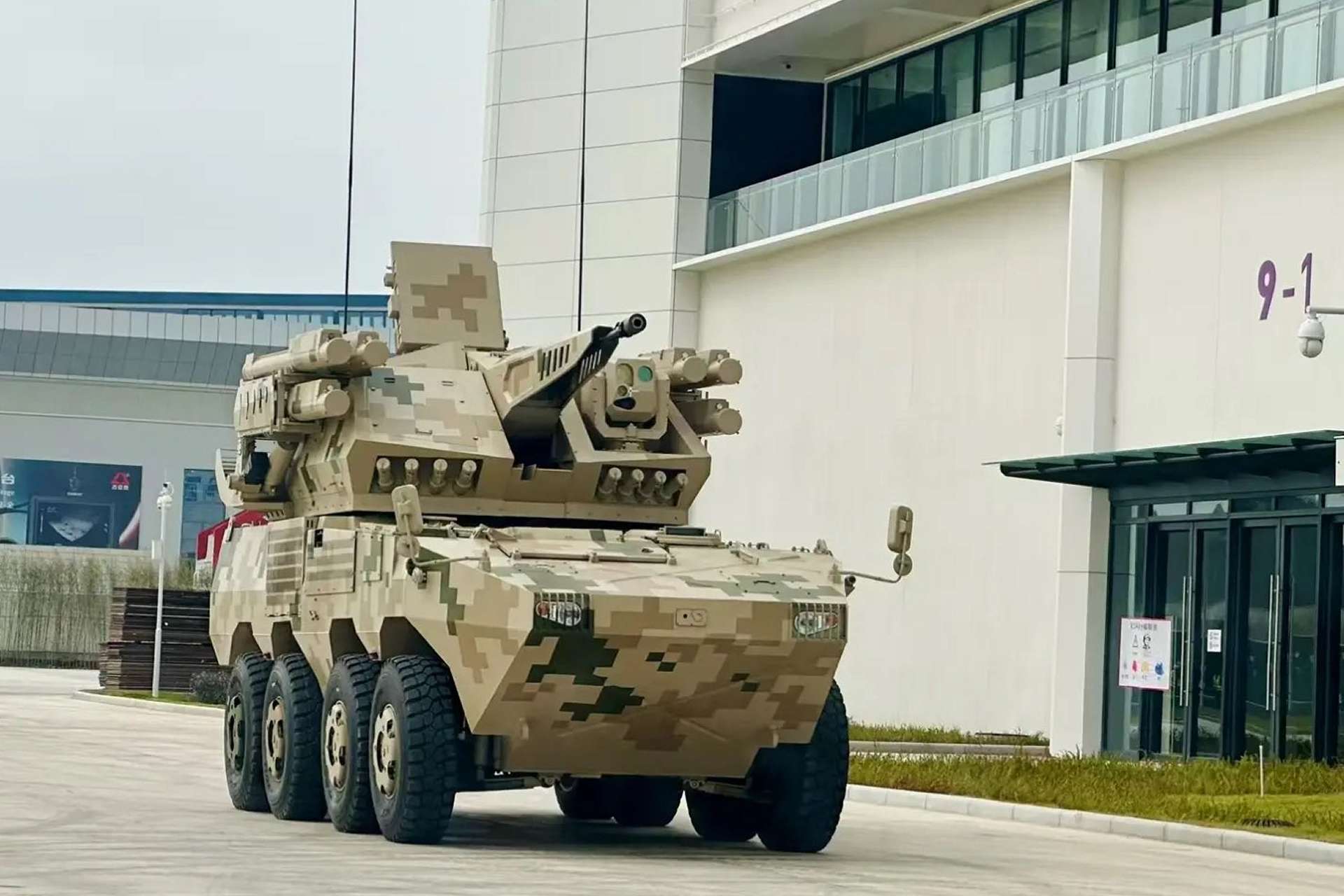
As reported by ArmaduraXXI on November 4, 2024, at the Zhuhai Air Show 2024, China North Industries Corporation (NORINCO) is set to introduce the latest version of its SWS2 35mm self-propelled anti-aircraft gun (SPAAG), combining artillery and missile components to counter a range of aerial threats. Built on the VN-1 8x8 armored vehicle platform, this modified SWS2 system likely integrates additional technologies and subsystems to enhance mobility, firepower, and targeting precision, with a primary focus on countering drones, cruise missiles, and low-flying aircraft.
Follow Army Recognition on Google News at this link
Also known as the LD35, the SWS2 is armed with a 35mm single-barrel revolving cannon mounted in an enlarged, remote-controlled turret, which now includes up to six surface-to-air missiles (SAMs), boosting the system’s capacity to target both air and ground threats. (Picture source: Twitter/ArmaduraXXI)
Also known as the LD35, the SWS2 SPAAG is equipped with a 35mm single-barrel revolving cannon mounted in an enlarged, remote-controlled turret—an improvement likely addressing ammunition limitations observed in previous models. The turret now includes up to six surface-to-air missiles (SAMs), boosting the system’s capacity to target both air and ground threats. It can rotate 360 degrees, with the 35mm cannon elevating from -2° to 85° and the SAMs from -5° to 70°. Optimized for close-range air defense, the cannon has a maximum effective altitude of 3,000 meters and a range of 4,000 meters.
The SWS2 integrates radar and electro-optical sights for guided targeting, enabling precision engagement of small aerial threats. The 23-ton vehicle’s turret emphasizes modularity, allowing it to accommodate various missile types depending on user requirements. Automated ammunition handling systems support the 35mm cannon’s firing rate of up to 1,000 rounds per minute, achieved through a revolver-style mechanism designed to streamline firing and improve reliability.
The SWS2 addresses challenges associated with older towed anti-aircraft systems, which lacked mobility and effective engagement range. The VN-1 platform, based on the ZBL-08 chassis, features a rear-mounted engine, a front-driving cabin layout, and is engineered for all-weather, autonomous operations. The VN-1 operates across diverse terrains, with a maximum road speed of 90 kilometers per hour, slightly reduced due to the turret’s increased weight. Its fully-welded light armor offers basic protection against small arms fire and artillery fragments, enhancing survivability in operational settings.
NORINCO’s advancements in 35mm ammunition technology are evident in the SWS2’s ammunition options, which include high-explosive incendiary (HEI) and programmable fragmentation rounds suited for drones and small airborne targets. These programmable rounds contain tungsten submunitions, optimized for performance against smaller threats. Compatibility with other Chinese air defense platforms, such as the PGZ-07 and CS/SA-1, reflects NORINCO’s approach to adaptable ammunition systems across its defense portfolio.
Internationally, NORINCO positions the SWS2 as an export-ready alternative to similar air defense systems, like Russia's Pantsir S1. With an estimated lower cost and a modular turret configurable with different chassis and missile systems, the SWS2 may attract export customers seeking adaptable air defense options. NORINCO’s display of the system at the Zhuhai Air Show suggests potential export interest, with regions like Southeast Asia identified as prospective markets. Earlier versions of this system underwent limited trials within the Chinese military; with recent technical upgrades and successful testing, the SWS2 appears poised for broader deployment both domestically and internationally.
- Details
- Written by: Tkuhn
- Category: 2024
- Hits: 4440
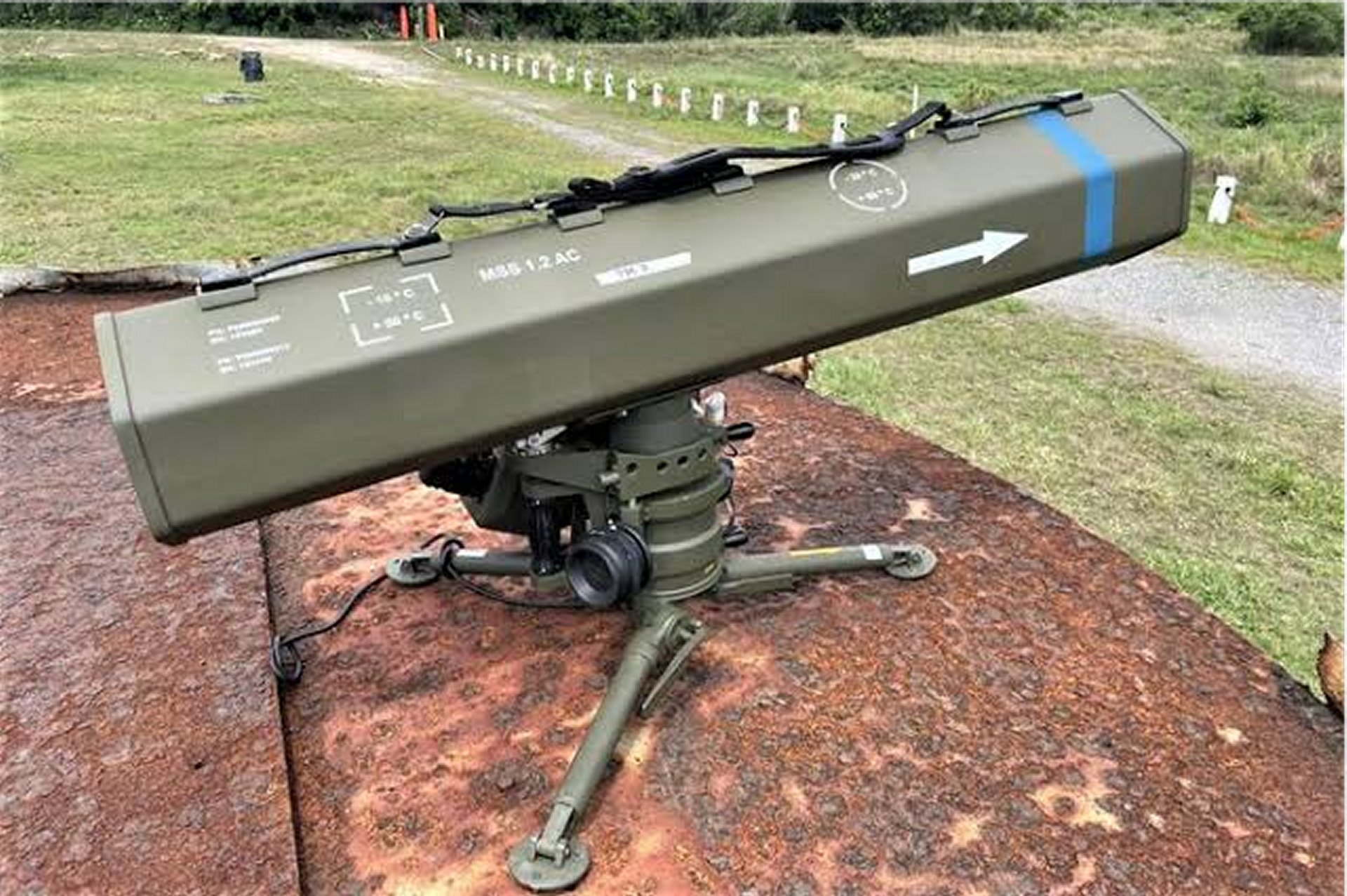
The Brazilian defense firm SIATT (Sistemas Integrados de Alto Teor Tecnológico) is making significant strides in anti-tank missile technology with its cutting-edge MSS (Míssil Superfície-Superfície) Anti-Tank Guided Missile (ATGM) platform. As the platform evolves, it is set to redefine Brazil’s anti-tank and precision strike capabilities for land forces, positioning itself as a critical element of the Brazilian Army’s future combat operations.
Follow Army Recognition on Google News at this link
SIATT’s MSS ATGM platform, with advanced armor-penetration and extended-range capabilities, represents the future of Brazilian anti-tank weaponry, poised to deliver precision and fire-and-forget technology to the battlefield. (Picture source: Brazilian MoD)
SIATT’s MSS ATGM platform is currently under development, with plans to incorporate advanced fire-and-forget technology that will enable operators to launch the missile and immediately relocate, thus minimizing their exposure on the battlefield. The anticipated capabilities of the MSS ATGM are impressive: the system is expected to pierce more than 1,000mm of Rolled Homogeneous Armor (RHA), effectively neutralizing a wide array of modern main battle tanks (MBTs) and armored vehicles. This level of penetration places the MSS ATGM in the same class as some of the world's most powerful anti-tank missiles, addressing critical threats posed by heavily armored and reactive armor-protected targets.
In addition to its high penetration capability, the MSS ATGM’s future fire-and-forget model will boast a range of over 4 kilometers, providing Brazilian forces with substantial stand-off capability. This extended range will be vital for Brazil’s defense operations, especially in open or rugged terrains where longer-range engagements are necessary for tactical advantage.
While the fire-and-forget version represents the ultimate goal of the MSS ATGM project, SIATT’s immediate focus is on the development of a laser-guided extended-range variant of the missile. This variant is designed to enhance the precision and operational reach of the Brazilian Army’s anti-tank forces, delivering effective engagement capabilities at considerable distances. The laser guidance system enables precise targeting of both stationary and moving targets, granting operators greater control over the missile’s flight path and reducing the chances of countermeasures interrupting its trajectory.
The MSS ATGM platform marks a milestone in Brazil’s ambitions to develop indigenous, high-performance defense solutions, reducing dependency on foreign technology. Furthermore, the platform’s compatibility with various tactical vehicles and potential for integration with other defense systems highlight its versatility. These capabilities enhance the system's export potential, as nations looking to enhance their anti-tank defenses are likely to be drawn to the MSS ATGM’s advanced specifications and multi-platform integration flexibility.
Read more: Brazilian SIATT MSS ATGM to offer next-gen anti-tank capability with fire-and-forget
- Breaking News: Poland to Send Remaining MiG-29s Fighter Jets to Ukraine After Receiving NATO Replacements
- Exclusive: Israeli Army Explores Formation of Anti-Tank Units with Seized Hezbollah Kornet and Almas Missiles
- Pakistan Enters into an Agreement with Thailand for 100 Chaiseri First Win MRAP Vehicles
- Russia Completes Testing of AM-17 Compact Assault Rifle in Preparation to Replace AKS-74U in Russian Army