
- Details
- Written by: Vandenbosch
- Category: 2024
- Hits: 8732










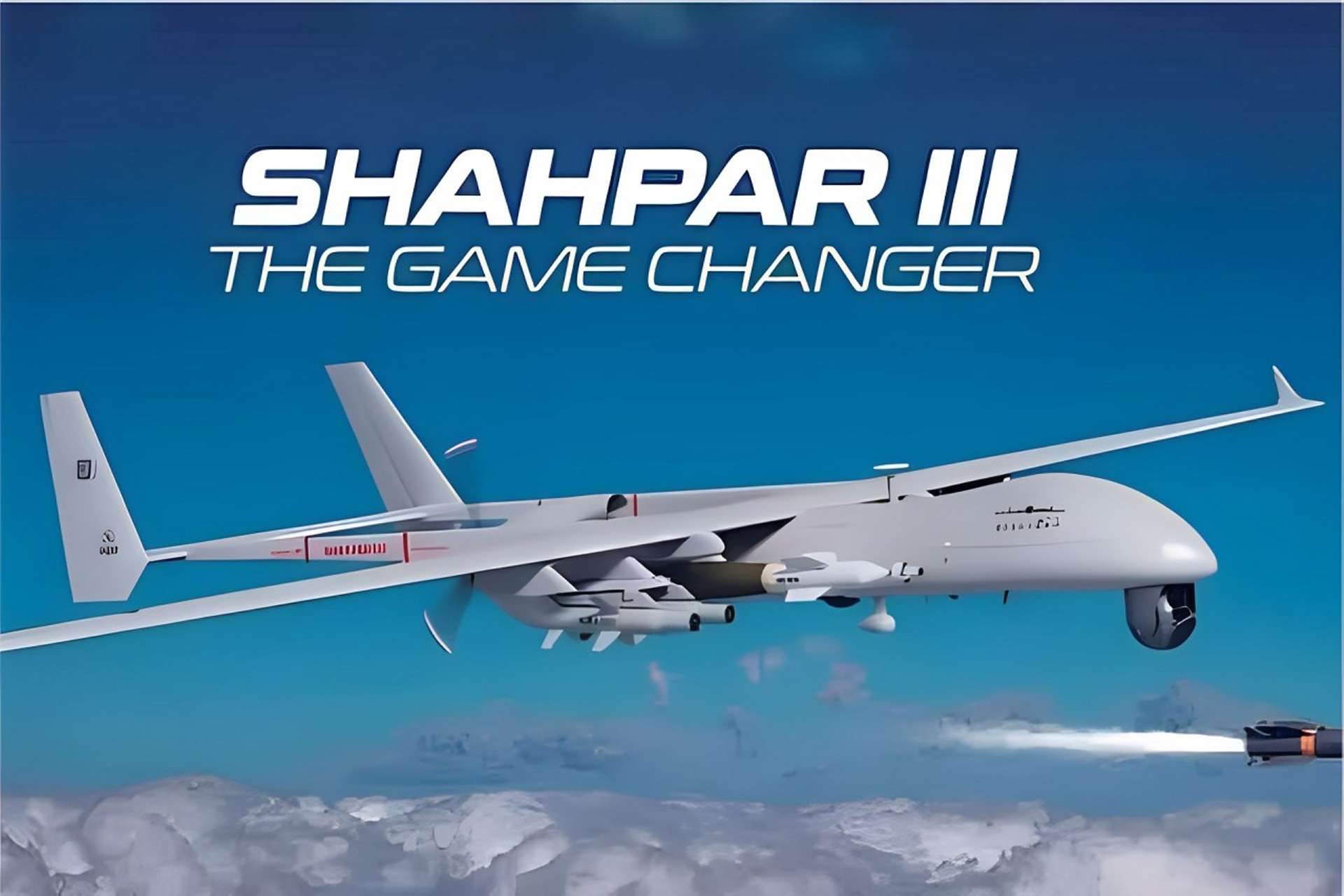
Pakistan marked the opening of the 12th edition of the International Defence Exhibition and Seminar (IDEAS 2024), held from November 19 to 22 at the Karachi Expo Centre, by introducing an innovation in its defense arsenal. The Shahpar-III drone, developed by the national organization Global Industrial and Defence Solutions (GIDS), highlights the country’s ability to design systems in the domain of unmanned combat aerial vehicles. This drone positions Pakistan among the international players capable of competing with platforms such as the American MQ-9 Reaper and the Turkish AKINCI.
The Shahpar-III drone was developed by the national organization Global Industrial and Defence Solutions. (Picture source: Pakistan MoD)
Classified as a MALE drone, standing for Medium Altitude Long Endurance, it is capable of conducting prolonged surveillance and reconnaissance missions while offering precision strike capabilities. With a flight endurance of up to 30 hours, it can cover extensive geographical areas for diverse missions ranging from intelligence gathering to the neutralization of strategic targets.
The development of this drone is based on a local production strategy, underlining Pakistan’s commitment to achieving technological autonomy. The Shahpar-III integrates advanced avionics, high-performance sensor systems, and precision flight control. These components, entirely designed and manufactured within Pakistan, demonstrate the expertise and skill of local engineers. For GIDS, this achievement represents the culmination of three decades of effort, as highlighted by Asad Kamal, CEO of the organization, who emphasized the importance of this innovation for national security and sovereignty.
The presentation of the Shahpar-III comes at a time when drones play a central role in modern military operations. Recent conflicts have shown that these systems have become essential for armed forces seeking to maximize their capabilities while minimizing risks to human forces. By bringing to market a product capable of competing with the most advanced drones globally, Pakistan positions itself as a key player in the defense industry and a potential partner for countries interested in robust and affordable technological solutions.
IDEAS 2024 serves as an ideal international platform to showcase this technological advancement. The event brings together delegations from 55 nations, including new participants such as Iran, Italy, and the United Kingdom. With the participation of 224 local companies and 333 international exhibitors, this edition highlights Pakistan’s growing contribution to the global defense industry. A dedicated start-up hall is also a key feature of the exhibition, aimed at encouraging young enterprises to propose innovative solutions and stimulating the development of new technologies.
The Shahpar-III represents a significant milestone for Pakistan’s defense strategy. It is not only a technological breakthrough but also a strategic tool to reduce the country’s dependence on arms imports. In a regional context marked by growing tensions, particularly between Pakistan and India, this drone could bolster the country’s deterrence capability while contributing to regional stability. This advancement could also create new opportunities in the international arms market, where drones play an increasingly crucial role.
The unveiling of the Shahpar-III at IDEAS 2024 clearly demonstrates Pakistan’s ambition to establish itself as a technological and strategic leader in the field of defense. This drone embodies a combination of performance, innovation, and sovereignty, qualities that could strengthen the country’s position on the international stage and meet the growing needs of modern armed forces.
- Details
- Written by: Halna du Fretay
- Category: 2024
- Hits: 4314
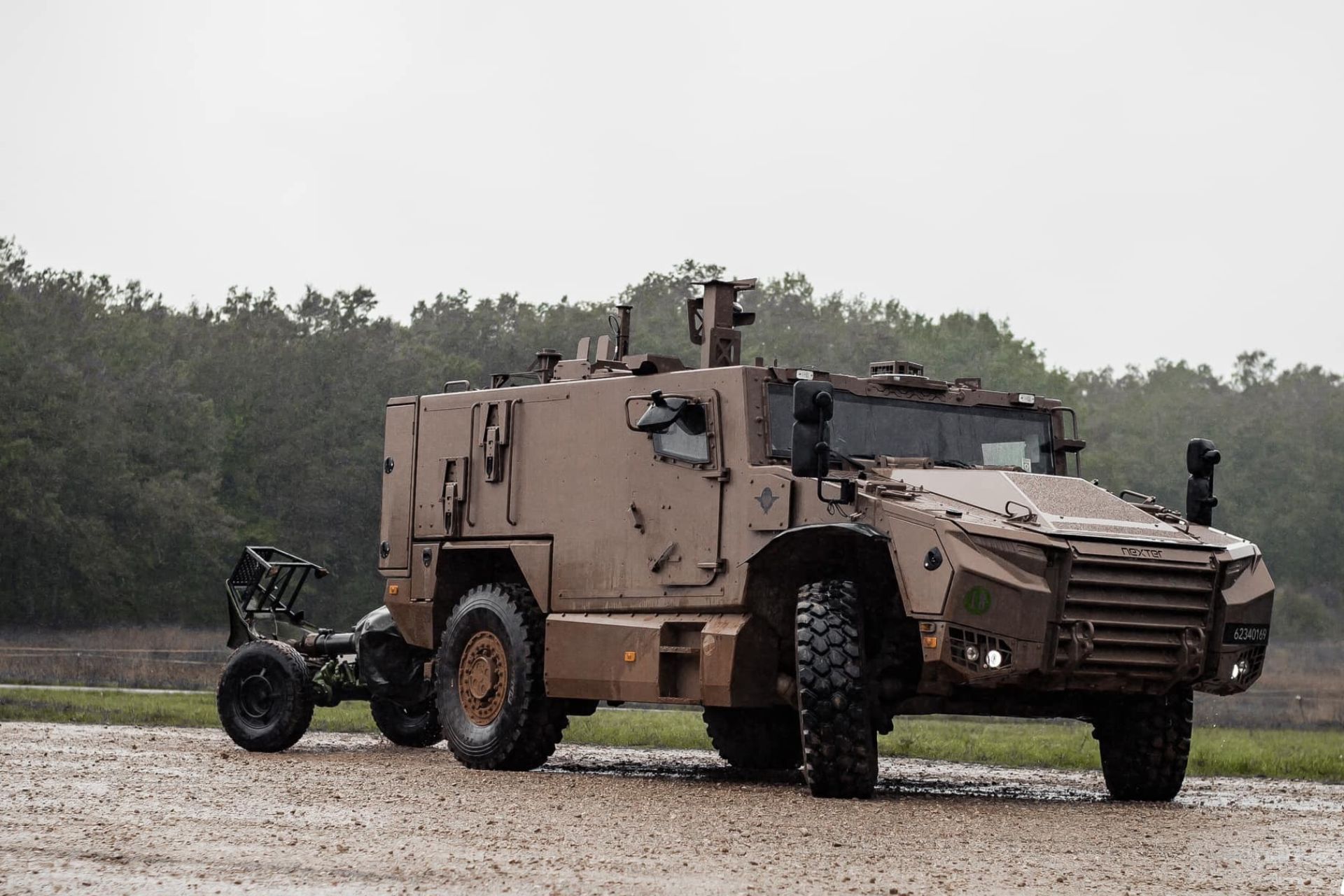
As part of the French Army’s ongoing transformation, the 3rd Marine Infantry Parachute Regiment (3e RPIMa) has emerged as a pioneer within the 11th Parachute Brigade (BP). It is the first regiment to combine 120mm heavy mortars with the mobility and protection capabilities provided by Serval light armored vehicles. This innovative configuration enables airborne infantry units to enhance emergency fire support close to contact zones, increasing their responsiveness on operational theaters.
The 3e RPIMa's integration of 120mm mortars with Serval vehicles boosts mobility, protection, and firepower for rapid response in modern operations (Picture source: French MoD)
The 120mm mortar is a key tactical asset, offering a maximum range of 13,000 meters with rocket-assisted projectiles. Operated by a crew of six, it can sustain a firing rate of six rounds per minute or a rapid rate of up to 20 rounds per minute. Its firepower, combined with the Serval’s mobility, provides adaptable and responsive fire support, even in challenging environments.
The 120mm mortar, including the MO 120 RT model developed in France since 1973, is designed for indirect fire support to infantry units. It can launch explosive rounds up to 12,850 meters with rocket-assisted munitions or 8,140 meters with standard rounds. The system can also fire smoke and illumination shells, offering versatility in various tactical scenarios. Typically towed by vehicles like the VAB or Serval, the mortar allows for rapid deployment and high mobility on the battlefield. Its use is aimed at delivering effective indirect fire support to neutralize enemy positions, obscure movements, or illuminate targets, thus enhancing the operational capacity of infantry units.
The use of heavy mortars within infantry regiments was gradually phased out in the 2000s, transferring this capability to artillery regiments. However, increasing demands for immediate fire support have prompted a reevaluation under the Military Programming Law (LPM) 2024–2030. The plan includes creating 21 120mm mortar sections in infantry regiments, restoring their autonomy in indirect fire support. Meanwhile, artillery units will receive integrated systems such as the Mortiers Embarqués pour l’Appui au Contact (MEPAC) mounted on Griffon vehicles.
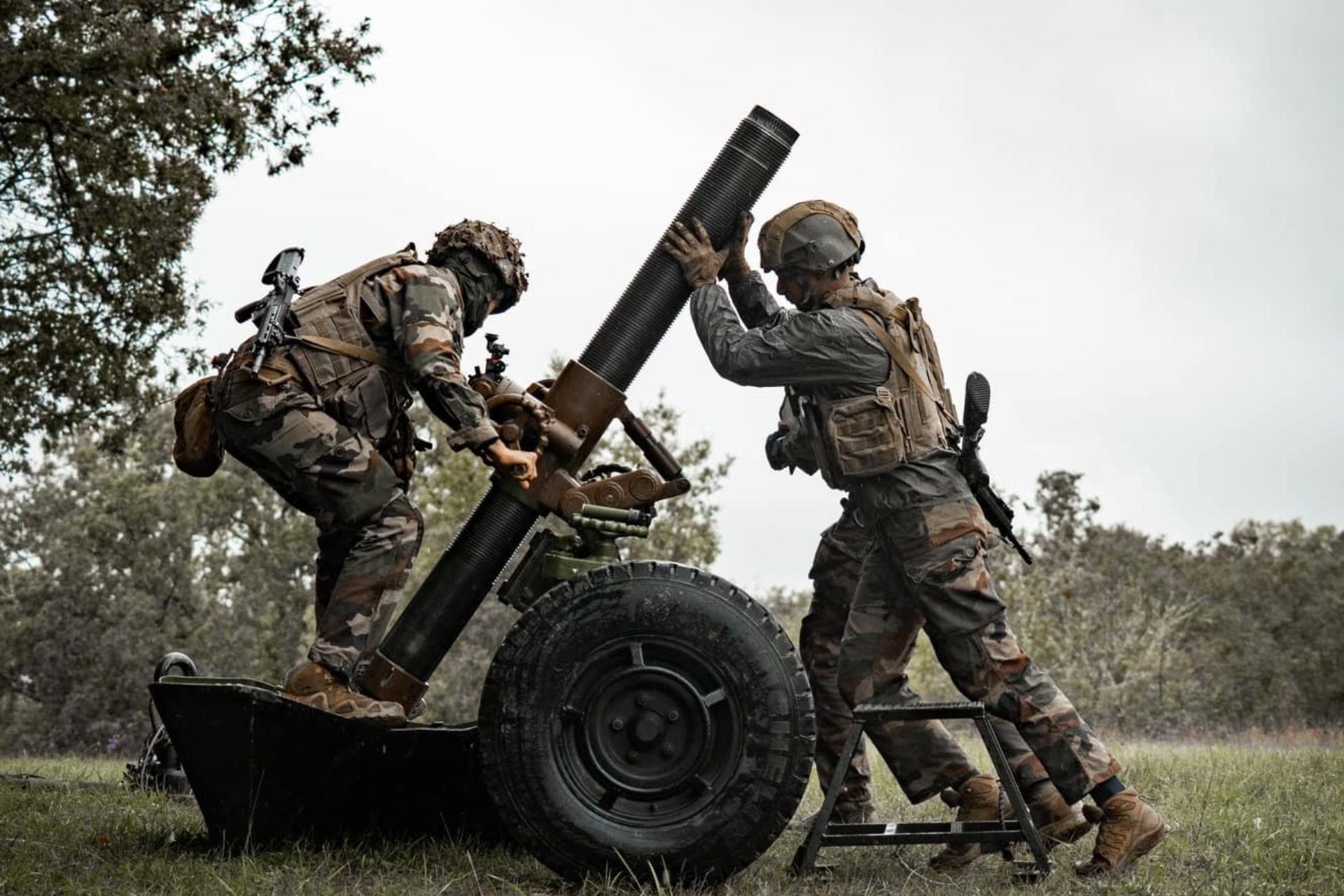
The 120mm mortar, including the MO 120 RT model developed in France in 1973, is designed for indirect fire support to infantry units. (Picture source: French MoD)
For the 3e RPIMa, this shift is more than a return to previous capabilities. The novel integration of 120mm mortars with Serval vehicles represents a strategic evolution. This combination enhances the mobility, protection, and firepower of the Parachute Infantry’s Reconnaissance and Support Company (CEA), offering greater operational flexibility crucial in modern engagements where rapid reaction is essential.
Reintroduced in 2024, the 3e RPIMa’s heavy mortar section is advancing through intensive exercises conducted at various national training grounds. According to a message shared on Instagram, the regiment emphasized its teams’ commitment to mastering this capability. An upcoming live-fire campaign will conclude a comprehensive training cycle, solidifying the skills developed.
As a leading force in the transformation of the 11th BP, the 3e RPIMa exemplifies the evolution of airborne infantry capabilities. This tactical innovation meets the demands of contemporary conflicts, where speed, adaptability, and protection are critical.
Integrating the 120mm mortar with the Serval is a relevant development because it combines the mortar’s firepower with the mobility and protection offered by the light armored vehicle. The Serval enables rapid mortar deployment, a crucial feature for operations requiring immediate fire support. Its versatility and ability to function in difficult environments also ensure mobile and responsive support on demanding theaters. This integration enhances infantry units’ autonomy by providing powerful indirect fire capabilities while improving their ability to reposition swiftly to meet changing battlefield requirements.
Read more: French Army Integrates 120mm Mortars with Serval Vehicles for Fire Support

- Details
- Written by: Administrator
- Category: 2024
- Hits: 6412
The Finnish Army showcased the combat capabilities of its K9 "Moukari" (Sledgehammer) 155mm tracked self-propelled howitzers during NATO’s multinational artillery exercise, Dynamic Front 25, held from November 4 to 24, 2024. On November 18, 2024, the K9 Moukari demonstrated its effectiveness in extreme Arctic conditions at the Ravajärvi Training Area near Rovaniemi, Finland. This event marked Finland's first participation in Dynamic Front since becoming a NATO member earlier this year.
Follow Army Recognition on Google News at this link
A Finnish Army K9 Moukari self-propelled howitzer positions for a live-fire exercise during Dynamic Front 25 at the Ravajärvi Training Area in Rovaniemi, Finland, on November 18, 2024. (Picture source: U.S. DoD)
The K9 "Moukari," derived from South Korea’s K9 Thunder and tailored for Finland, is a 155mm tracked self-propelled howitzer capable of delivering precise long-range fire in harsh environments. Finland's version integrates systems designed to operate in extreme cold, including enhanced insulation, heating systems, and specialized lubricants to ensure optimal performance even in sub-zero temperatures.
The K9 Moukari has a firing range of over 40 km with standard ammunition and up to 50 km with rocket-assisted projectiles. The system boasts a rapid-fire capability of three rounds in 15 seconds and a sustained rate of eight rounds per minute. Powered by a 1,000-horsepower diesel engine, the K9 Moukari achieves a top speed of 67 km/h and features advanced hydropneumatic suspension for superior maneuverability in Arctic terrain.
Dynamic Front 25 spans operations across Finland, Estonia, Germany, Poland, and Romania, focusing on improving NATO’s ability to synchronize multinational artillery missions. The Finnish K9 Moukari units participated in live-fire drills, coordinated fire missions, and interoperability tests alongside other advanced artillery systems, including the U.S. M777 howitzers and HIMARS rocket systems. At Ravajärvi, the K9 Moukari demonstrated its “shoot-and-scoot” capability, rapidly deploying to firing positions, executing precision strikes, and relocating to evade counter-battery fire. The Arctic setting tested the unit’s ability to maneuver through snow-covered terrain while maintaining accuracy and operational efficiency.
Finland began its K9 acquisition program in 2017, purchasing 48 units under a €145 million contract with South Korea's Hanwha Aerospace. Additional orders expanded the fleet to 96 howitzers. Deliveries commenced in 2018, with full operational capability achieved in 2020 after extensive modifications to adapt the system for Finnish conditions. The "Moukari" has become a cornerstone of Finland’s heavy artillery, replacing aging systems and providing NATO-compatible firepower. Its deployment during Dynamic Front 25 reinforces its critical role in Finland’s artillery modernization strategy and highlights Finland’s commitment to NATO’s collective defense initiatives.
The successful demonstration of the K9 Moukari in Arctic conditions showcases Finland’s growing role in NATO’s northern flank. This exercise underscores the Alliance’s ability to project coordinated firepower from the Arctic to the Black Sea, strengthening its defense posture amid rising geopolitical tensions in Europe. The Finnish Army’s contribution to Dynamic Front 25 highlights not only its forces' combat readiness but also Arctic-optimized military equipment's effectiveness in NATO’s expanding arsenal.
- Details
- Written by: Administrator
- Category: 2024
- Hits: 4920
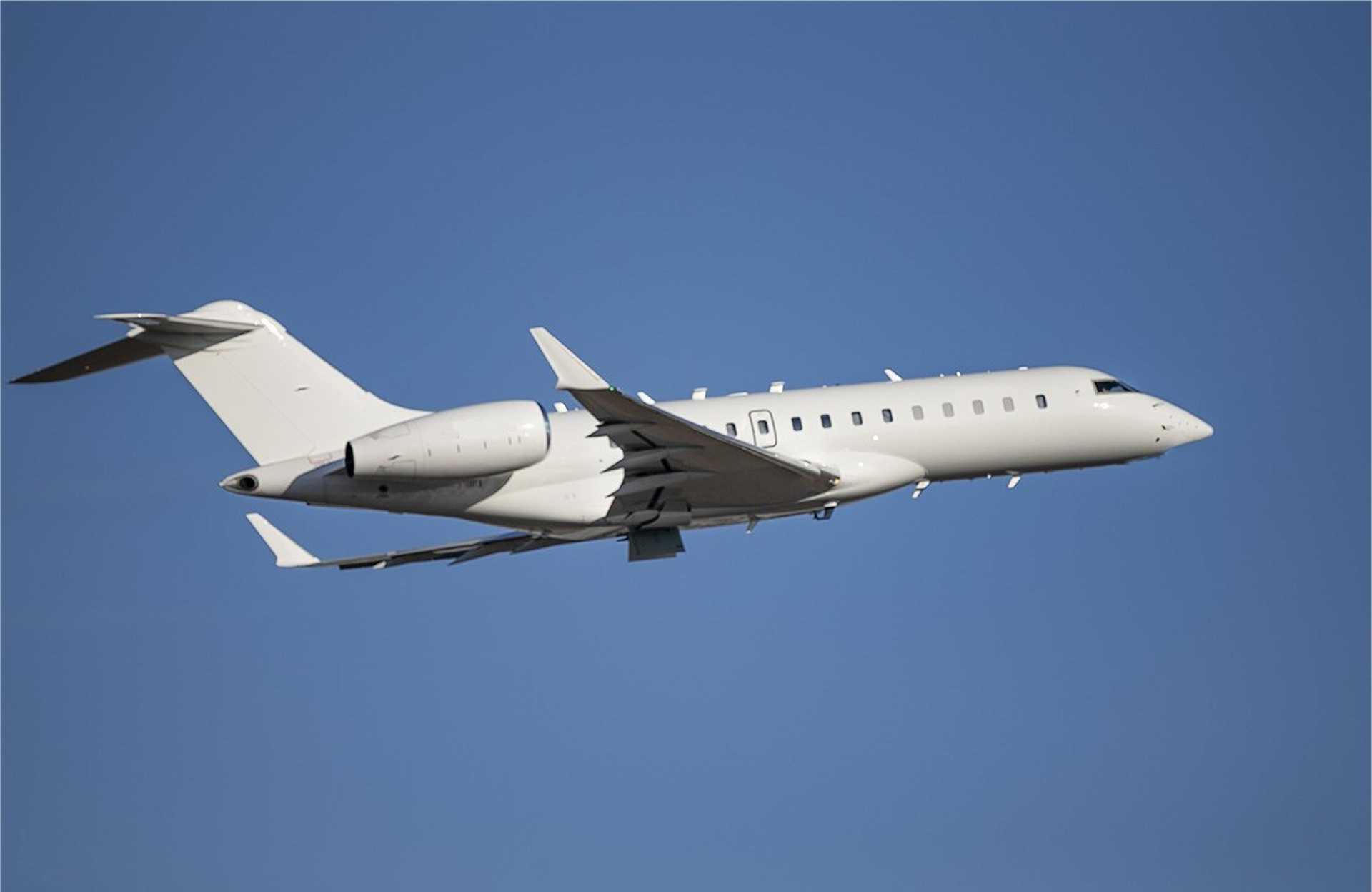
The U.S. Army continues to enhance its intelligence, surveillance, and reconnaissance (ISR) capabilities with the Airborne Reconnaissance and Electronic Warfare System (ARES), a state-of-the-art spy plane developed and operated by L3Harris Technologies. Based on a modified Bombardier Global 6000 aircraft, ARES represents a significant leap forward in the Army's efforts to modernize and expand its ability to gather, process, and exploit critical intelligence in real-time.
Follow Army Recognition on Google News at this link
U.S. Army Spy Plane: The ARES aerial technology demonstrator, a modified Bombardier Global 6000 operated by L3Harris, advances reconnaissance and electronic warfare capabilities. (Picture source: U.S. DoD)
The ARES aircraft recently surpassed 5,000 flight hours, highlighting its reliability and effectiveness in demanding operational environments. ARES is designed for long-endurance missions and combines high-altitude performance, advanced sensor integration, and electronic warfare capabilities to meet the U.S. Army’s growing need for persistent and accurate battlefield intelligence. Operating at altitudes exceeding 12,000 m for up to 14 hours, the aircraft provides a survivable, flexible platform that enhances the range and resolution of its onboard systems, making it a crucial asset for modern multi-domain operations.
Technologically, ARES is equipped to host and operate the most sophisticated ISR payloads available today. It features a scalable architecture capable of supporting up to 6,350 kg of mission equipment, including radar systems, electro-optical/infrared (EO/IR) sensors, signals intelligence (SIGINT) suites, and electronic warfare modules. These tools enable ARES to detect, track, and classify targets over vast distances, including in heavily contested environments. The aircraft's advanced communication systems allow seamless integration into multi-domain operations by transmitting real-time data to ground, air, and space-based systems.
As a technology demonstrator for the Army’s High Accuracy Detection and Exploitation System (HADES) program, ARES serves as the foundation for future ISR development. HADES aims to enhance the Army's ability to collect high-value intelligence by using advanced ground moving target indicator (GMTI) radar, hyperspectral imaging, and high-fidelity SIGINT capabilities. ARES also supports long-range targeting and dynamic mission adaptability, ensuring it remains relevant across a wide range of combat scenarios.
The aircraft’s role as a Sensor-to-Shooter (S2S) enabler is pivotal. ARES not only collects intelligence but also plays a critical part in accelerating the decision-making process by relaying actionable data directly to units in the field. This streamlined process ensures that frontline forces have the situational awareness needed to respond effectively to threats. The platform’s ability to operate from secure, long-range locations enhances its survivability while providing continuous surveillance over target areas.
By investing in cutting-edge systems like ARES, the U.S. Army is reinforcing its commitment to maintaining technological superiority and operational readiness. In an era where threats are increasingly asymmetric and complex, platforms like ARES ensure that intelligence gathering and electronic warfare capabilities remain a step ahead. This type of aircraft is vital for gaining a comprehensive understanding of the battlefield, enabling precision operations, and protecting U.S. and allied forces.
The significance of ARES goes beyond its technical achievements; it symbolizes the U.S. Army's determination to adapt and innovate in response to evolving global threats. By integrating advanced ISR platforms like ARES into its operational framework, the Army is not only enhancing its intelligence capabilities but also shaping the future of modern warfare, ensuring its forces remain agile, informed, and dominant in any environment.
Read more: US Army boosts intelligence as ARES spy plane surpasses 5,000 flight hours

- Details
- Written by: Jérôme Brahy
- Category: 2024
- Hits: 4906
As reported by the Telegram account China Army on November 19, 2024, Dongfeng EQ2050 armored vehicles in service with the PLA Western Command have been observed equipped with a rotating 16-barrel rocket launcher. Recent reports suggest that China is testing the integration of various combat modules and rocket launcher systems on existing vehicles. This operational approach emphasizes mobility and maneuverability, enabling rapid deployment: vehicles arrive, fire, and promptly vacate the position.
Follow Army Recognition on Google News at this link
This new MLRS could enable the remote deployment of smoke munitions to obscure troop movements or provide cover during air raids, as well as launching incendiary munitions to target personnel or equipment. (Picture source: Telegram/China Army)
This multiple launch rocket system (MLRS) appears related to an earlier version observed in 2020. During a live-fire artillery exercise conducted by the 77th Group Army at an altitude of 4,500 meters, a 16-tube rocket launcher was mounted on a Mengshi chassis. The launcher was identified as part of the chemical defense units. The Mengshi chassis, introduced in 2008, has a top speed of 130 kilometers per hour, a range exceeding 600 kilometers, and the ability to climb 60% grades. While widely used across the PLA, it is being phased out in some roles due to relatively weak armor. The launcher platform includes a stabilizing jack at the rear to ensure firing stability.
The 16-tube rocket launcher consists of two rows of fixed directional tubes mounted on a turntable with electric elevation and steering mechanisms. It supports both manual and remote aiming, as evidenced by videos showing soldiers using a manual sight and an LCD screen for targeting. The platform utilizes the Dongfeng Mengshi chassis and is primarily linked to chemical defense operations, deploying explosive, incendiary, and smoke munitions.
The system's design is based on the FHJ01 62mm individual rocket launcher, first developed in 1983 and introduced into service in 1985. The FHJ01 features a double-tube design and is equipped with optical sights for engaging targets within 500 meters. It can fire three types of rockets: the FYD02 smoke bomb, the FRS02 incendiary bomb, and the 84-type incendiary bomb. The FYD02 creates a 25-meter-wide smoke screen lasting over 30 seconds, interfering with infrared targeting and causing physical irritation. The FRS02 contains a flammable agent with a burn radius exceeding 8 meters, while the 84-type delivers phosphorus-based effects over an 80-square-meter area. These rockets share similar structures, including safety fuses and folding tail fins.
The Mengshi-based launcher extends the range and accuracy of these munitions beyond the original FHJ01’s 800-meter range. Modifications include lengthened directional tubes and enhanced rocket engines, improving precision. A 2012 military newspaper article highlighted tests of vehicle-mounted chemical defense rockets, which aimed to improve mobility and response times. The platform was designed to integrate legacy handheld rockets into a vehicle-mounted system.
Advancements have also been made in ammunition technology. Researchers developed a combustion agent to address incomplete fuel combustion at low temperatures and introduced an electronic time fuze. This fuze calculates detonation timing automatically, enhancing accuracy and operational flexibility. Operational footage shows the rocket launcher being deployed during exercises, including those conducted by the Tibet Military Region. One video revealed a technical issue where a roof hatch was not properly secured during firing, resulting in misalignment. However, the rockets’ safety mechanisms prevented further complications.
The platform enables the remote deployment of smoke munitions to obscure troop movements or provide cover during air raids. It can also launch incendiary munitions to target personnel or equipment. However, the system’s range and rocket caliber remain limited. Adjustments to these parameters could enhance its utility in future operations.
Read more: China reinforces artillery capabilities with new Dongfeng EQ2050 rocket launcher variant

- Details
- Written by: Vandenbosch
- Category: 2024
- Hits: 17845
JSC Concern Kalashnikov has successfully fulfilled its contractual obligations for the production and delivery of AK-12 assault rifles, model 2023, to its primary client. These deliveries, part of a 2024 procurement agreement, were completed on schedule and in full compliance with the contract terms.
The AK-12 is a modern assault rifle designed to meet the contemporary demands of the Russian armed forces. (Picture source: Kalashnikov)
The AK-12 model has undergone significant updates, incorporating feedback and observations from military personnel deployed in conflict zones, particularly during the ongoing special military operation. The 5.45 mm assault rifle has been optimized to enhance its performance in real combat conditions. Improvements include increased compatibility with various optoelectronic devices, enabling effective use in diverse conditions, including nighttime operations and adverse weather.
The latest version of the AK-12 emphasizes ergonomics and ease of use in combat situations while maintaining the reliability and durability characteristic of Kalashnikov weapons. According to the manufacturer, these updates position the 2023 model as one of the most advanced individual automatic weapons currently in service with the Armed Forces of the Russian Federation.
Alan Lushnikov, president of JSC Concern Kalashnikov and a member of the Bureau of the Union of Machine Builders of Russia, highlighted the company's commitment to national security through timely and high-quality production. “Timely fulfillment of obligations to the state is a strategic task that Kalashnikov has accomplished,” said Lushnikov. “A responsible approach to the work of a team of thousands and impeccable production quality are our contribution to national security.”
The AK-12, developed by Kalashnikov Concern, is a modern assault rifle designed to meet the contemporary demands of armed forces. Entering service in 2018, it represents a significant evolution in the renowned Kalashnikov rifle lineage, combining ergonomics, modularity, and enhanced performance. Primarily chambered for 5.45 × 39 mm M74 ammunition, it also offers variants adapted to 7.62 × 39 mm (AK-15) and 5.56 × 45 mm NATO (AK-19) calibers, making it suitable for diverse operational needs and theaters of operation.
This assault rifle stands out for its light weight and maneuverability. Weighing 2.9 kg when empty and 3.2 kg when loaded, it is easy to handle, even in demanding combat situations. Its total length of 945 mm, combined with a 415 mm barrel, ensures an optimal balance between precision and mobility. The AK-12’s conventional architecture guarantees proven mechanical reliability, staying true to the reputation of Kalashnikov firearms.
Technically, the AK-12 offers various firing modes, including automatic, single shot, and a unique two-shot burst mode, the latter providing increased control during close engagements. With a firing rate of 700 rounds per minute in automatic mode and 1,000 rounds per minute in three-shot bursts, it is well-suited to a wide range of tactical scenarios. Its effective range of 800 meters, coupled with a maximum range of 2,500 meters, positions it among the top-performing assault rifles for medium and long-range engagements. The initial velocity of its projectiles, reaching 900 to 915 m/s, ensures stable trajectories and high accuracy.
The AK-12 is compatible with various magazine types, including standard models of 30 to 60 rounds, 95-round drum magazines, and magazines from previous weapons such as the AK-74 or RPKS-74. This logistical versatility allows for effective integration into existing arsenals. For aiming, the rifle is equipped with a mechanical sight, with the option to mount modern optical devices, providing enhanced precision for both day and night operations.
Designed under the supervision of Sergey Urzhumtse, the AK-12 addresses the demands of modern conflicts, such as those observed in the ongoing Russo-Ukrainian war. With its legendary reliability, modern features, and adaptability, it has established itself as a weapon of choice for several armed forces, including those in Russia, Belarus, Kazakhstan, and even regions as distant as Qatar and Syria. The AK-12 embodies both the continuity and innovation of Kalashnikov weaponry in the field of small arms.
The popularity of the AK-12 has also extended beyond the military. In 2024, the rifle was officially adopted by the Russian Ministry of Internal Affairs and the National Guard, further solidifying its status as the most widely used combat rifle in the country. These adoptions highlight the versatility and effectiveness of this weapon across a variety of operational contexts.
Read more: Kalashnikov Completes Delivery of AK-12 Model 2023 Assault Rifles to Russian Armed Forces
- Details
- Written by: Jérôme Brahy
- Category: 2024
- Hits: 3404
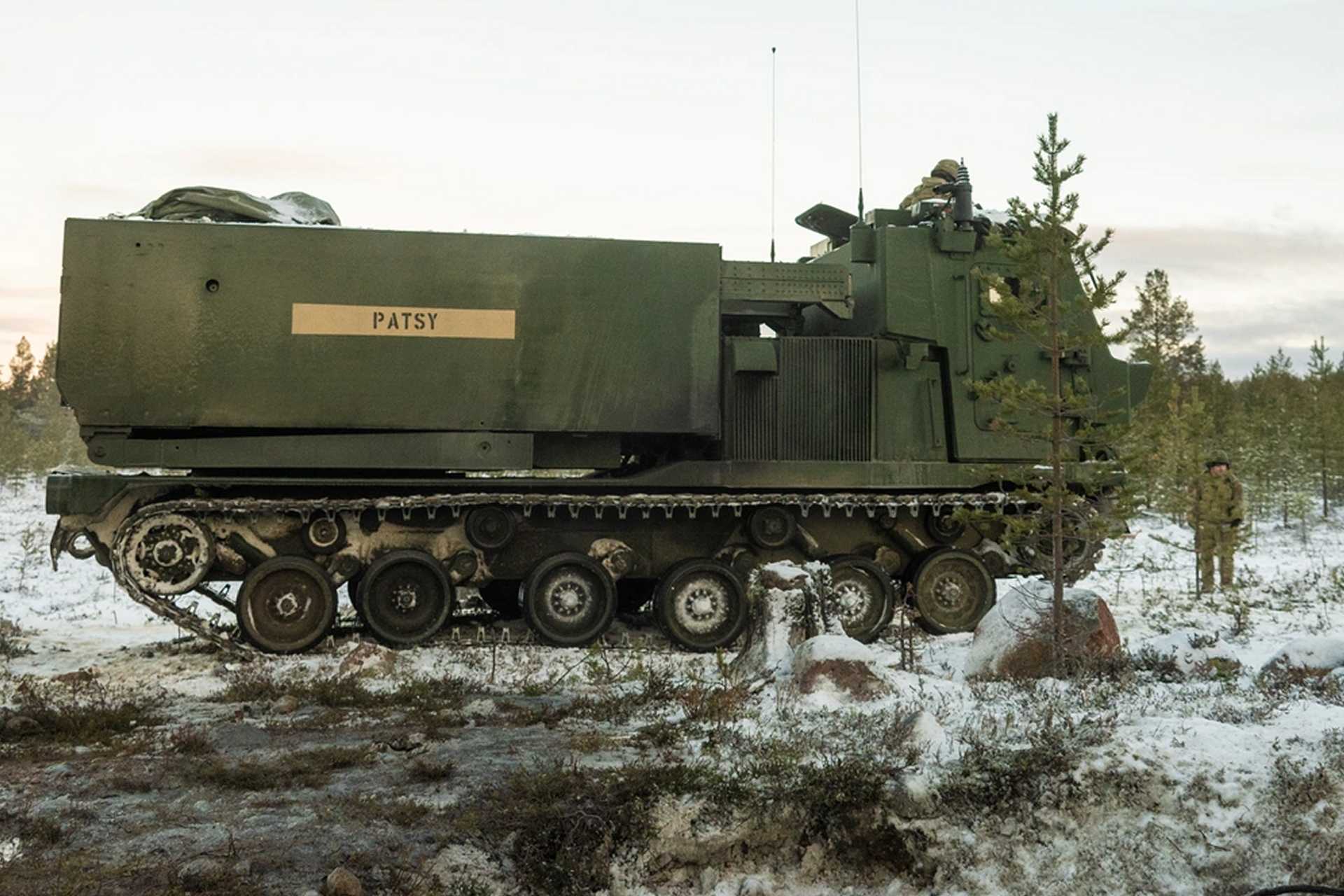
On November 11, 2024, the US Department of Defense (US DoD) announced that the upgraded M270A2 Multiple Launch Rocket System (MLRS) made its international debut during NATO's Dynamic Front 25 exercise, held at the Ravajarvi Training Area in Rovaniemi, Finland. U.S. soldiers from the 41st Field Artillery Brigade operated the M270A2, firing it successfully to demonstrate its capabilities. The launcher is designed to engage various targets, including artillery concentrations, air defense units, and light armored vehicles, at longer ranges than previous systems.
Follow Army Recognition on Google News at this link
The exercise emphasized the M270A2's ability to integrate into NATO’s multinational fire missions and contribute to the long-range precision fire strategy. (Picture source: US DoD)
The Dynamic Front 25 exercise, conducted from November 4 to 24, 2024, also took place in Estonia, Germany, Poland, and Romania. It demonstrated NATO's capability to share fire missions, target information, and operational graphics across a wide geographic area from the Arctic to the Black Sea. The event involved over 1,800 U.S. service members and 3,700 multinational personnel from 28 Allied and partner nations. The exercise aimed to improve interoperability, operational readiness, and the ability to integrate multinational units into a complex joint operational environment.
Dynamic Front 25 provided an opportunity to observe the M270A2’s updated features as part of the U.S. Army’s 2019 modernization program. The upgrades include the integration of the Common Fire Control System (CFCS), which enables compatibility with advanced munitions such as the Precision Strike Missile (PrSM) and the Extended-Range Guided Multiple Launch Rocket System (ER-GMLRS). Additional enhancements include a 600-horsepower engine, an improved transmission, and reinforced cabin armor to increase crew protection. These updates aim to ensure the system’s operational effectiveness and service life through 2050. The U.S. Army plans to modernize 225 M270A1 units and refurbish 160 decommissioned M270A0 launchers to the A2 standard.
The first upgraded M270A2 launcher was delivered on July 9, 2022, by Lockheed Martin at its Precision Fires Center of Excellence in Camden, Arkansas, in partnership with the Red River Army Depot. The modernization is designed to improve the system’s mobility and precision capabilities, including its ability to relocate rapidly after firing to reduce susceptibility to counterattacks. The M270A2 is also transportable by C-17 and C-5 aircraft, allowing for flexible deployment.
The upgrades incorporated into the M270A2 aim to ensure that the system remains effective in addressing current and emerging threats. International operators such as Finland and the United Kingdom have also committed to upgrading their fleets. Finland plans to upgrade its 41 M270D1 launchers to the A2 standard. The United Kingdom is modernizing nine of its M270 units as part of a $32 million program, which is intended to increase its operational fleet to 85 by 2030.
The M270 Multiple Launch Rocket System (MLRS) has been in service since 1983, primarily with the United States and various allied nations. Its first combat use occurred during the Gulf War, where it was employed for long-range artillery support. The system has been used in numerous conflicts, including the Gulf War, the Iraq War, the War in Afghanistan, the Russo-Ukrainian War, and the 2023 Israel-Hamas conflict.
The platform has undergone several upgrades, such as integrating GPS-guided GMLRS rockets and ATACMS missiles, allowing for improved range and precision. The M270 has been operated by NATO and non-NATO countries, including the UK, Germany, and Ukraine. It has been used for various roles, including counter-battery fire and precision engagement. Contributions from countries like the UK and Germany have supported its deployment in Ukraine, while other nations, such as Finland and France, continue to upgrade their systems to maintain operational capabilities.
Read more: US Army deploys improved M270A2 rocket launcher in NATO exercise for the first time
Czech Republic to expand tank fleet with 14 additional Leopard 2A4 units to modernize armored forces
- Details
- Written by: Jérôme Brahy
- Category: 2024
- Hits: 3581
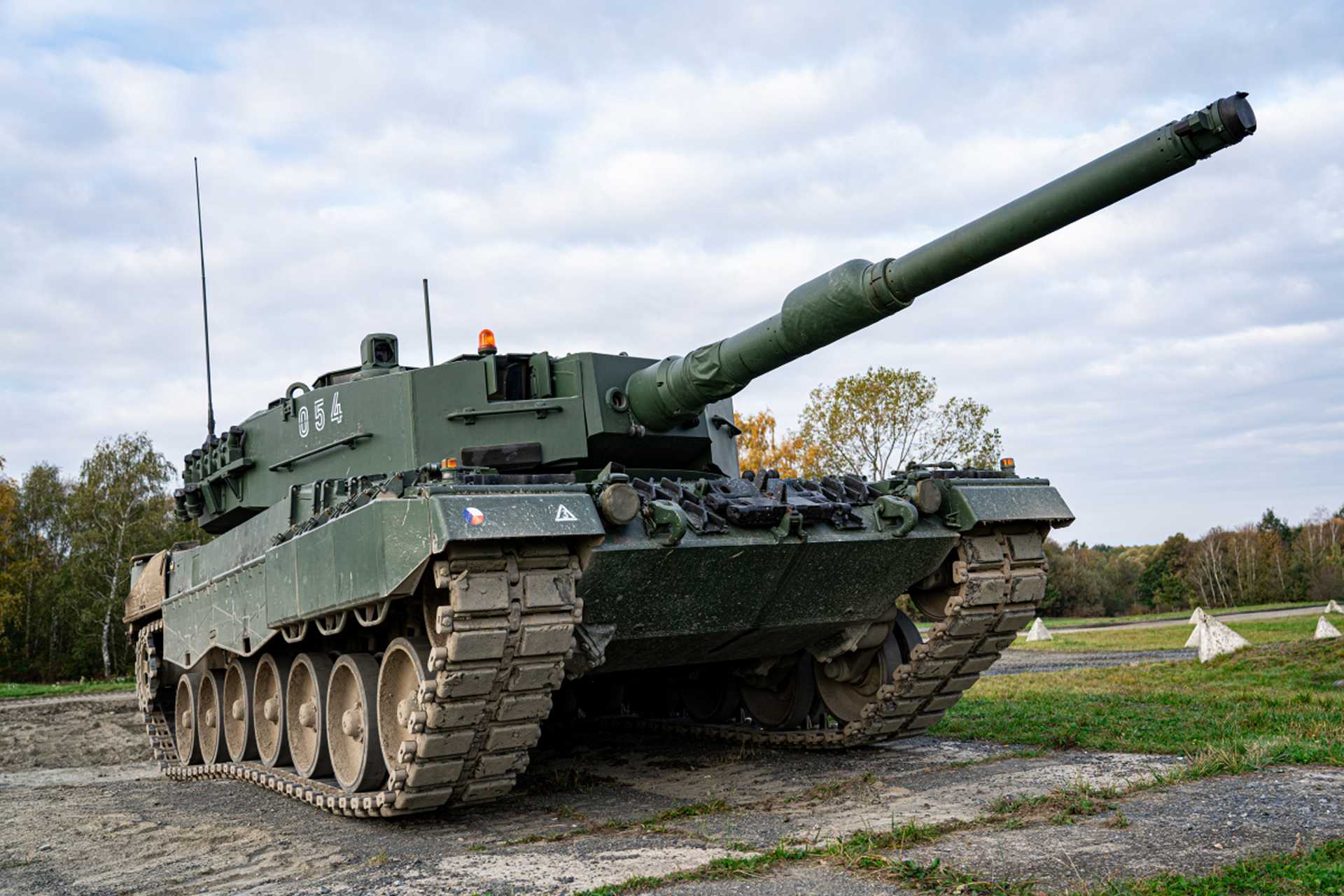
According to CZ Defence on November 20, 2024, the Czech government is planning to deliberate on a public contract for the acquisition of 14 additional Leopard 2A4 main battle tanks. This purchase includes the integration of communication and information systems, workshop facilities, related materials, and an initial stock of ammunition. Rheinmetall Landsysteme has been selected as the supplier for this contract, valued at CZK 4.2 billion (approximately €168 million) excluding VAT. Delivery is expected by 2026, which will increase the total number of Leopard 2A4 tanks in the 73rd Tank Battalion to 42 units.
Follow Army Recognition on Google News at this link
The 42 Leopard 2A4 tanks procured by the Czech Republic will offer enhanced crew protection, interoperability, and firepower compared to the Soviet-era T-72M4 CZ. (Picture source: 73rd Tank Battalion)
The Czech Republic has been modernizing its armored forces through both donations and acquisitions of Leopard tanks. In October 2022, under Germany's "Ringtausch" equipment exchange program, the Czech Ministry of Defense signed an agreement with Rheinmetall Landsysteme to receive 14 Leopard 2A4 tanks and one Büffel armored recovery vehicle. In exchange, the Czech Republic provided Soviet-era equipment to Ukraine. This donation package included spare parts, ammunition, three years of service support, and training for Czech personnel, with an estimated value of just under CZK 4 billion (approximately €160 million). Additionally, Germany pledged another 14 Leopard 2A4 tanks and one Büffel 3 recovery tank in 2024, with deliveries scheduled between late 2024 and April 2025.
The cost estimate for the latest purchase of 14 Leopard 2A4 tanks is consistent with the financial framework of the October 2022 donation contract. Once completed, the 73rd Tank Battalion will operate 42 Leopard 2A4 tanks by 2026. This procurement is part of the Czech Republic’s effort to meet NATO Capability Targets by modernizing its defense capabilities and improving interoperability within the alliance. The Ministry of Defense has identified the enhancement of technological compatibility as a priority, citing the security situation in Ukraine as a key factor.
In addition to this contract, the Czech government has approved plans to acquire up to 77 Leopard 2A8 tanks from Germany. This decision, finalized in June 2024, is part of a joint procurement effort intended to replace the Czech Republic's T-72M4 CZ tanks and involve domestic industry in production and maintenance. The estimated cost of these tanks is approximately CZK 52 billion (around €2.08 billion), with deliveries expected by 2030. This acquisition supports the Czech Republic’s objectives to fulfill NATO’s heavy brigade requirements while replacing its aging fleet of T-72M4 CZ main battle tanks.
The Leopard 2A4 and T-72M4 CZ differ significantly in their design and modernization. The Leopard 2A4, introduced by Germany in the 1980s, is equipped with a 120 mm smoothbore gun, composite armor, and a four-person crew. It is powered by a 1,500 hp MTU MB 873 Ka-501 diesel engine, which provides a maximum speed of 68 km/h. The T-72M4 CZ, a Czech upgrade of the Soviet-era T-72M1, features a 125 mm 2A46M smoothbore gun, a 1,000 hp Perkins CV12-1000 engine, enhanced armor protection, and a modernized fire control system. It retains the original three-person crew configuration.
Operational data indicates differences in capabilities between the two models. The Leopard 2A4 has been assessed as effective against advanced threats such as modern Russian tanks, though its size and weight may present mobility challenges in certain terrains. The T-72M4 CZ, while incorporating improvements, retains design limitations such as restricted internal space and ammunition vulnerability. Its lighter weight, however, may allow for improved mobility in specific scenarios. The Czech Army currently operates both types of tanks, with Leopard 2A4 units being integrated into active service and T-72M4 CZ units undergoing further evaluation.
- Details
- Written by: Administrator
- Category: 2024
- Hits: 4283
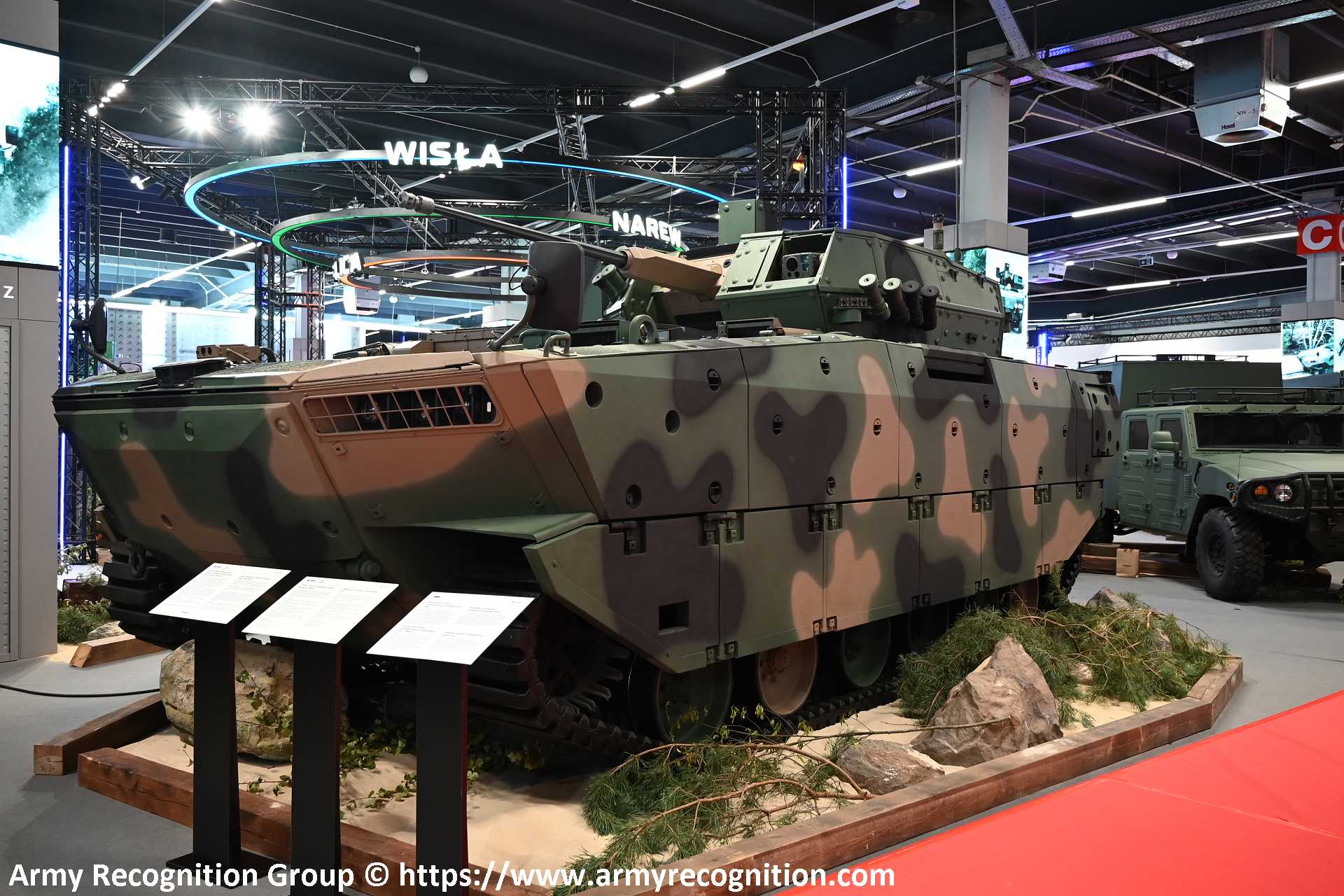
The Brazilian Armed Forces have expressed interest in the Polish Infantry Fighting Vehicle (IFV) BWP Borsuk and the Man Portable Anti-Aircraft Missile System (MANPADS) Piorun. The announcement, made through a post by the X account of Krystian Pograniczny on November 20, 2024, highlights Brazil's ongoing efforts to modernize its armed forces with cutting-edge military equipment.
Follow Army Recognition on Google News at this link
The BWP Borsuk Infantry Fighting Vehicle was showcased at MSPO 2024, highlighting its advanced modular design and state-of-the-art combat capabilities. (Picture source Army Recognition Group)
Polish defense products, known for their technological sophistication and effectiveness, are gaining increasing attention on the international stage. Brazil's potential acquisition aligns with its strategy to enhance its forces' mobility, combat effectiveness, and operational independence.
The BWP Borsuk, developed by the Polish Armaments Group (PGZ) and its subsidiary Huta Stalowa Wola (HSW), is a state-of-the-art tracked Infantry Fighting Vehicle designed to replace the aging BWP-1 in the Polish Armed Forces. Development of the Borsuk began in 2014, with the first prototype revealed in 2017 and tested extensively in various environments to ensure its readiness for modern battlefield challenges. In 2022, the vehicle entered pre-production, and in 2023, the Polish Ministry of Defense signed a major contract to deliver over 1,000 units by 2035.
Borsuk's design emphasizes modularity and adaptability. It features advanced composite armor and mine protection systems, providing excellent survivability against ballistic and explosive threats. The vehicle is powered by a 720-horsepower diesel engine, enabling high mobility even in challenging terrains such as forests, wetlands, and plains. Its ZSSW-30 turret, equipped with a 30mm automatic cannon, Spike LR anti-tank guided missiles, and an advanced fire control system, ensures precise engagement of enemy personnel, armored vehicles, and low-flying aircraft. Combined with its amphibious design, these capabilities make the Borsuk highly suitable for operations in South America’s diverse geographical conditions.
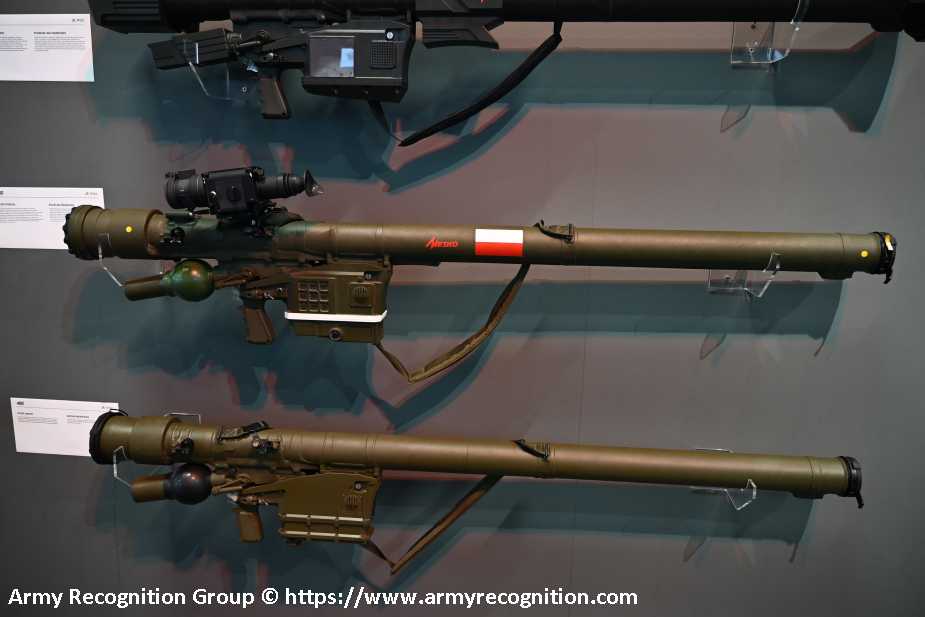
The Polish PPZR Piorun MANPADS is a cutting-edge portable anti-aircraft missile system designed to engage low-altitude aerial threats with precision and reliability. (Picture source Army Recognition Group)
The Piorun, also known as the Grom-M, is an advanced portable air-defense missile system developed by MESKO, a subsidiary of PGZ, in collaboration with CRW Telesystem-Mesko. Building on the legacy of the Grom system, the development of the Piorun began in 2010 to address emerging aerial threats. The system entered production in 2016 and quickly became a vital component of Poland's air defense. In 2022, the Polish government finalized a contract for the delivery of 3,500 Piorun missiles and 600 launchers to bolster its defense capabilities. Additionally, the system gained international recognition, with exports to nations such as the United States and Ukraine, where it has demonstrated effectiveness in combat operations.
With remarkable precision, the Piorun is designed to target low and very low-altitude threats, including drones, helicopters, and low-flying aircraft. Compared to its predecessor, it features improved sensors and guidance systems, allowing for superior performance even in adverse weather and electronic warfare conditions. Its portability and ease of operation make it an ideal solution for infantry units requiring quick deployment and high mobility.
In the South American context, where aerial threats and asymmetric warfare scenarios pose significant risks, both the Borsuk and Piorun could significantly enhance Brazil's operational capabilities. These systems not only address current defense needs but also align with Brazil's goal of developing a modern and independent military force capable of addressing diverse security challenges.
This development signifies a potential strengthening of defense ties between Brazil and Poland. If formalized, the acquisition of the BWP Borsuk and PPZR Piorun would mark a significant step in Brazil’s modernization efforts, leveraging advanced technologies from Poland to meet the unique operational requirements of the Brazilian Armed Forces.
The interest in Polish military technology underscores Brazil's commitment to equipping its forces with versatile, reliable, and effective systems. Moreover, it reflects the increasing global reputation of Polish defense manufacturers, whose products are being recognized for their innovative design and battlefield performance.
As Brazil evaluates these systems, further collaboration between the two nations could pave the way for broader defense cooperation, technology transfer, and joint development opportunities. This aligns with both countries’ objectives of enhancing their defense capabilities and expanding their influence in the global defense market.
- Details
- Written by: Halna du Fretay
- Category: 2024
- Hits: 4800
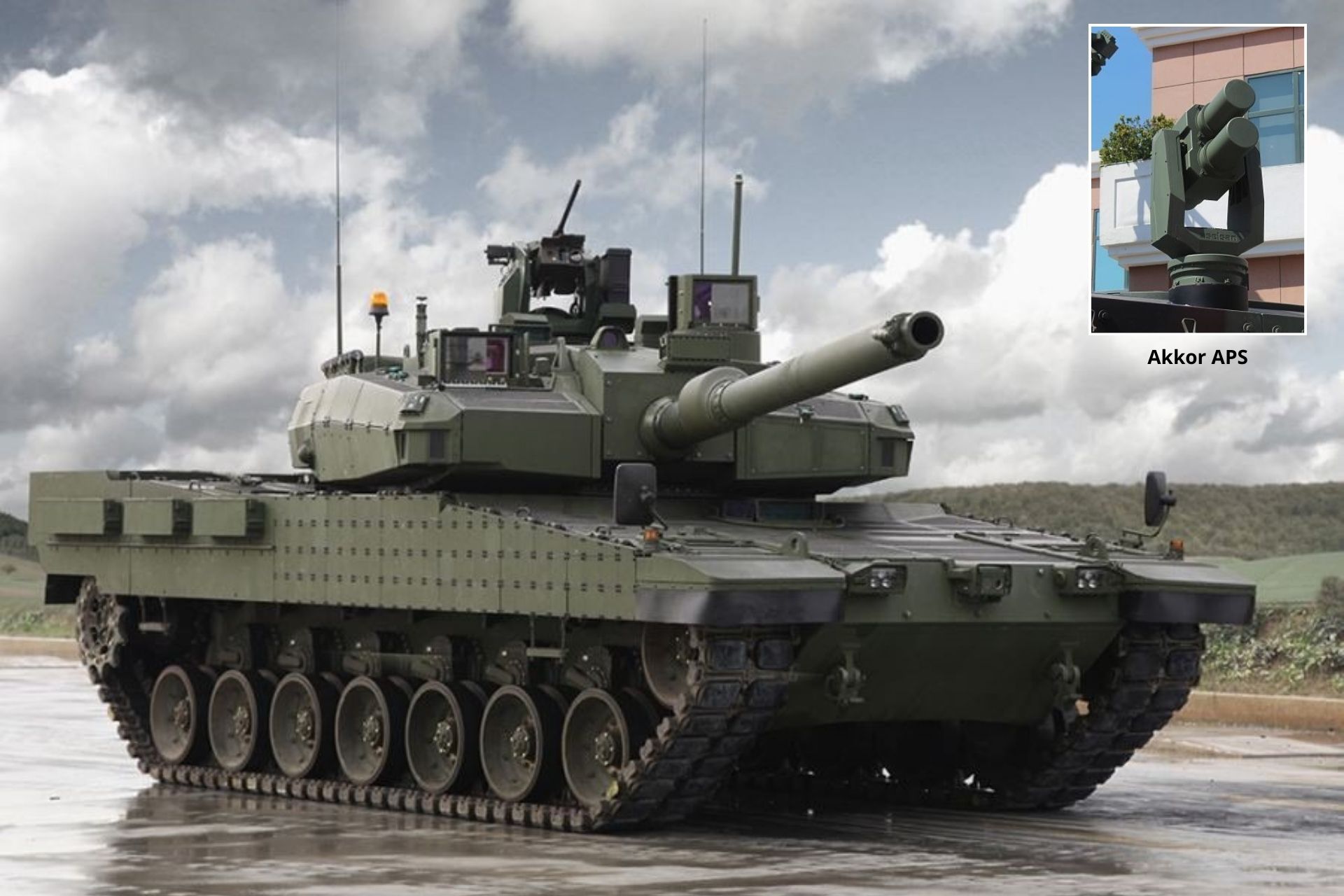
At the Future Armoured Vehicles Survivability (FAVS) 2024 conference, held in London from November 11 to 13, Türkiye confirmed that its Akkor active protection system (APS) will become operational on its Altay main battle tanks (MBTs) by 2025, as reported by Turkiye today. This development represents a significant step in modernizing Türkiye's armored fleet, addressing increasing tactical and strategic challenges posed by modern anti-tank threats.
Aselsan's AKKOR Active Protection System is designed to protect the Altay main battle tank, particularly against anti-tank missiles (Picture source: Turkish Defence Industry Agency)
The Altay MBT, developed in collaboration with Turkish companies Otokar, Aselsan, and Roketsan, is designed to meet modern operational requirements while enhancing Türkiye's defense self-reliance. It is equipped with a 120 mm 55-caliber smoothbore gun that is highly precise against moving targets, a coaxial 7.62 mm machine gun, and a remote-controlled weapon station for either a 7.62 mm or 12.7 mm machine gun.
Its advanced fire control system integrates thermal imaging, laser rangefinding, target tracking, and stabilized optics for high accuracy. Powered by BMC Power's locally developed Batu V12 engine delivering 1,500 horsepower, the Altay achieves a maximum speed of 65 km/h with a range of 500 km, making it highly adaptable for various terrains.
The tank's protection features include modular composite armor developed by Roketsan, enhanced by the Akkor APS, which intercepts threats in real-time. It also incorporates CBRN (chemical, biological, radioactive, and nuclear) defense, anti-spall liners, fire suppression systems, and 360-degree situational awareness capabilities.
These systems work together to significantly improve the survivability of the Altay in combat scenarios. According to Abdulmenaf Erdem, project engineer at the Turkish Defense Industry Agency (SSB), Akkor successfully completed its trials and is now ready for deployment. Alongside its integration into the Altay, Akkor will also be fitted on Türkiye's Leopard 2A4 tanks and Korhan light armored vehicles, reflecting its modularity and adaptability to various platforms.
The Akkor system comprises a high-resolution radar, hard-kill munitions to intercept incoming threats, and rapid-response launchers, providing comprehensive 360-degree protection. Additionally, Türkiye has implemented the Pulat APS on an entire battalion of upgraded M60T tanks under the Fırat project, completed in 2020. Pulat features countermeasure modules, a control panel, and a power distribution unit, serving as a transitional step in Türkiye's active protection capabilities.
The deployment of Akkor follows a broader effort to strengthen Türkiye's military capacities, spurred by recent conflicts where anti-tank weapons posed significant challenges. Upgrades to Leopard 2A4 tanks began in 2023, with the first deliveries of Akkor-equipped tanks expected by the end of 2024.
With an initial production contract for 250 Altay units and plans to expand to 1,000, Türkiye is positioning the Altay as a cornerstone of its armored capabilities. By leveraging indigenous technologies like Akkor, Türkiye not only modernizes its fleet but also reduces dependence on foreign suppliers, enhancing both national security and its competitiveness in the global defense industry.
Read more: Akkor Active Protection System to be Deployed on Türkiye’s Altay Tanks by 2025
- Details
- Written by: Vandenbosch
- Category: 2024
- Hits: 3463
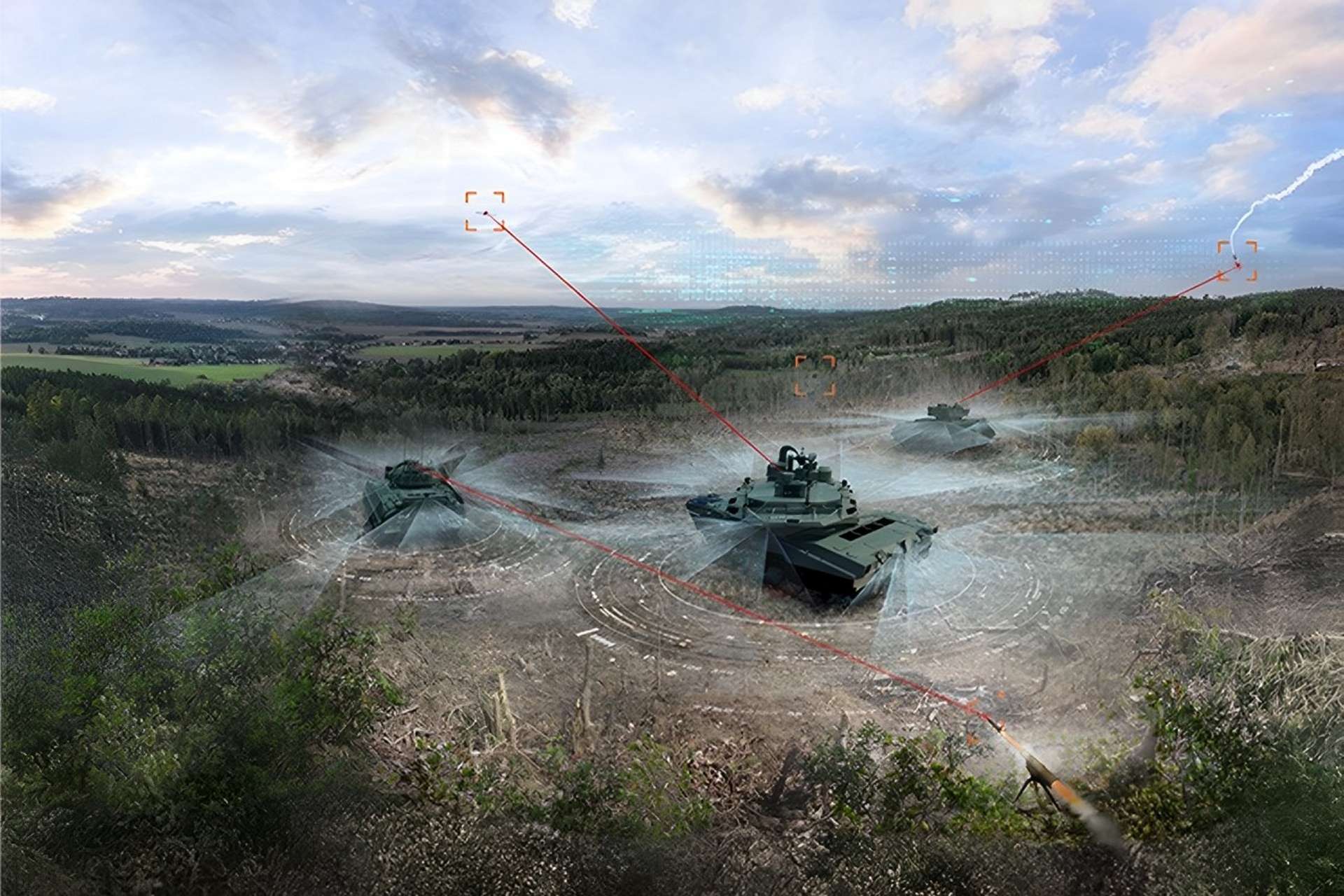
BAE Systems has secured a follow-on contract from the U.S. Army to develop its Multi-Class Soft Kill System (MCSKS), an advanced electronic warfare technology designed to enhance the survivability of ground combat vehicles against guided missiles and nearby threats. This program aims to significantly strengthen vehicle protection systems, thereby increasing mission success in complex and high-risk environments.
BAE Systems develops its Multi-Class Soft Kill System, an advanced electronic warfare technology designed to enhance the survivability of ground combat vehicles. (Picture source: BAE Systems)
At the heart of the MCSKS program is the improvement of two laser-based countermeasure systems: Stormcrow and TERRA RAVEN, which are key components of the Army’s efforts to deploy a robust Active Protection System (APS). These technologies neutralize threats while optimizing the use of kinetic countermeasures, ensuring a more effective defense for combat vehicles.
Jared Belinsky, Director of Integrated Survivability Solutions at BAE Systems, emphasized the importance of these advancements, stating, “Today’s combat vehicles require active protection systems capable of countering modern threats quickly and effectively. Missile countermeasures are an integral part of our comprehensive approach to electromagnetic warfare, forming an Intrepid Shield around our customers’ platforms and enhancing their performance on the battlefield.”
The technology underpinning these active protection systems stands out for its next-generation capabilities. Leveraging advanced technologies in the electro-optic/infrared (EO/IR) and radio-frequency (RF) spectrums, these systems are designed to operate in challenging conditions, including adverse weather, low visibility, and complex terrains. Lightweight, modular, and cost-efficient, they integrate multifunction sensors, intelligent processing, and electromagnetic emitters, enabling real-time situational awareness and rapid threat response.
BAE Systems brings considerable expertise to this project, having provided combat-proven survivability solutions to the U.S. Department of Defense and its allies for decades. This new contract builds on the success of previous programs, including the Advanced Layered Soft Kill System (ALSKS) and the Layered Soft Kill System (LSKS), which demonstrated their effectiveness in several major trials.
The production and development of the MCSKS countermeasure systems are being carried out at BAE Systems’ state-of-the-art facility in Austin, Texas, with research and development support from its FAST Labs division located in Merrimack, New Hampshire. These sites are at the forefront of innovation in full-spectrum electromagnetic warfare, solidifying BAE Systems’ position as a leader in this field.
As battlefield threats evolve, the development of advanced systems like the MCSKS underscores the U.S. Army's commitment to protecting its combat vehicles and ensuring operational superiority.
- Details
- Written by: Vandenbosch
- Category: 2024
- Hits: 3543
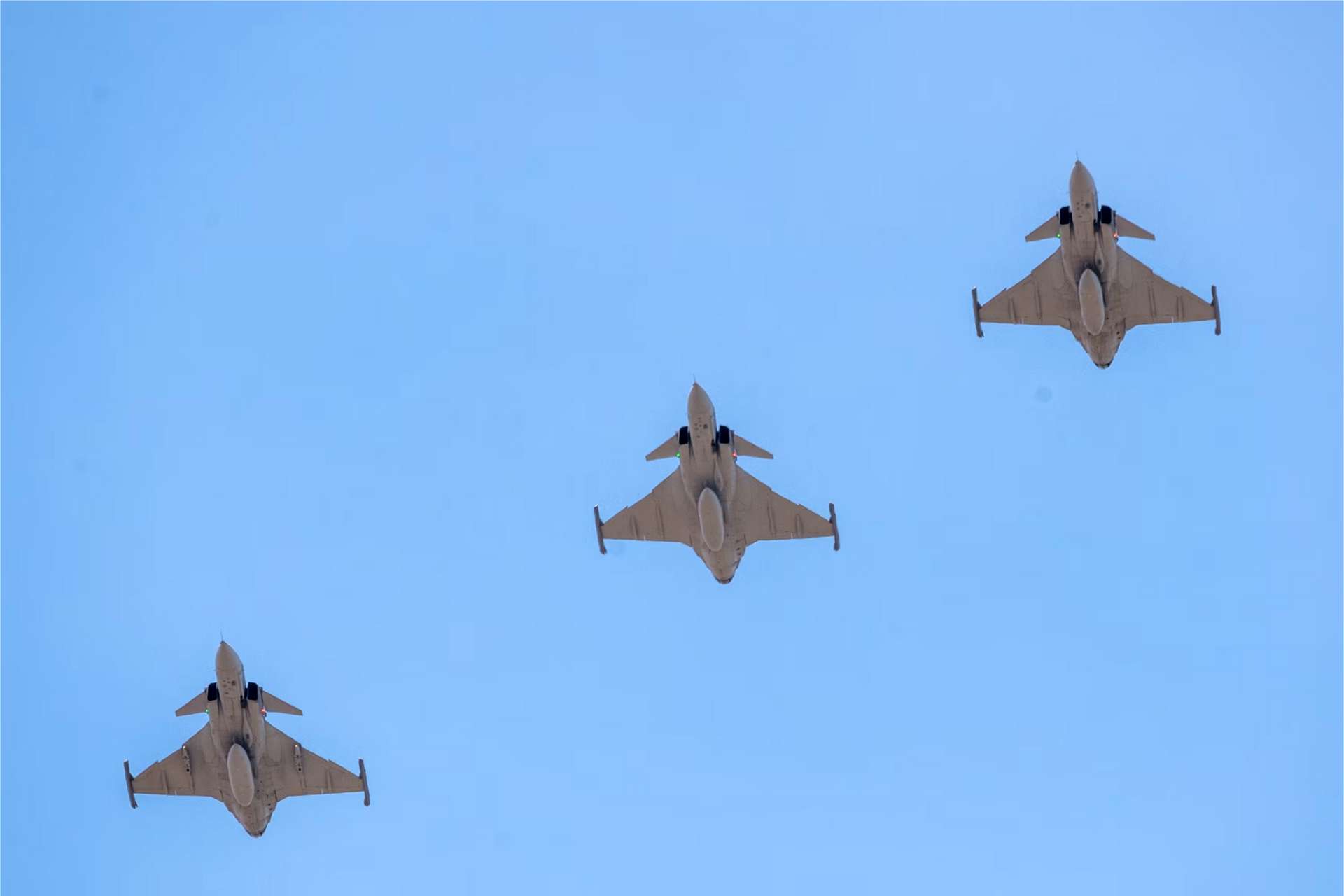
The F-39E Gripen fighter jet has once again proven its effectiveness as a modern weapons platform during recent exercises conducted by the 1st Air Defense Group (1º GDA). Acting either as an Allied or Opposing Force, the aircraft displayed exceptional performance, highlighting its advanced integration and operational capabilities.
The Saab JAS 39 Gripen is a multirole fighter aircraft developed by the Swedish manufacturer Saab. (Picture source: Saab)
CRUZEX (Exercise Cruzeiro do Sul) is a multinational military exercise organized by the Brazilian Air Force (FAB) since 2002. Primarily held at the Natal Air Base, this event aims to strengthen interoperability among the air forces of various participating nations by simulating complex wartime scenarios. Recognized as the largest multinational air training exercise in Latin America, CRUZEX brings together thousands of military personnel and hundreds of aircraft, providing a vital platform for experience sharing and enhancing the operational capabilities of the involved nations.
According to Lieutenant Colonel Fórneas, commander of the 1º GDA, the aircraft’s sophisticated systems, including its electronic warfare suite, Active Electronically Scanned Array (AESA) radar, and passive Infra-Red Search and Track (IRST) targeting sensor, performed flawlessly during the exercises. “The electronic warfare system, threat detection, AESA radar, and passive IRST targeting sensor all worked perfectly. We were able to simulate missile launches with excellent results,” Fórneas stated, emphasizing the aircraft’s state-of-the-art technologies.
The F-39E Gripen’s seamless interaction with other aircraft in formation was also a key factor in its success during the Combined Air Operations (COMAO). These large-scale exercises involved dozens of aircraft operating simultaneously within shared airspace, requiring precise coordination and top-tier performance. The Gripen not only ensured air superiority but also provided essential protection to transport and attack aircraft formations, showcasing its versatility and reliability in complex operational scenarios.
The Saab JAS 39 Gripen is a multirole fighter aircraft developed by the Swedish manufacturer Saab. Designed to meet the modern needs of air forces, it has been in service since 1996 and continues to be produced and enhanced, with over 180 units delivered out of 306 ordered. Its design aims to combine versatility, agility, and efficiency, making it an ideal platform for air defense, ground attack, and reconnaissance missions.
The Gripen stands out for its advanced aerodynamics and powerful engine. Initial versions are equipped with the Volvo Aero RM12 turbofan engine, while more recent variants, such as the Gripen E and F, are powered by the General Electric F414 engine, which delivers an increased thrust of 98 kN with afterburner. These features enable the Gripen to achieve a maximum speed of Mach 2, approximately 2,125 km/h, and a cruising speed above Mach 1. The aircraft can operate at altitudes of up to 15,800 meters for the latest versions, with an extended range of 1,300 km, making it suitable for a variety of missions, including extended deployments.
Its compact dimensions, with a wingspan of 8.4 to 8.6 meters depending on the version and a length of up to 15.9 meters for the Gripen F, facilitate deployment from restricted airbases or even adapted roadways. With a maximum takeoff weight of 16,500 kg for the most modern models, it can carry a significant payload while maintaining exceptional maneuverability. This payload, distributed across up to 8 external pylons and 2 wingtip missile rails for Gripen NG versions, reaches 5,300 kg, allowing for the integration of a wide range of weaponry, including air-to-air missiles, air-to-ground missiles, and guided bombs. Additionally, it is internally equipped with a Mauser BK-27 27 mm cannon, enhancing its close-combat attack capabilities.
The aircraft also benefits from cutting-edge avionics and sensor systems. The E and F versions integrate technologies such as AESA radar, IRST tracking and detection sensors, and advanced electronic warfare systems, optimizing its ability to detect and counter modern threats. These innovations enable the Gripen to integrate effectively within complex formations while ensuring air superiority.
The exceptional performance of the F-39E Gripen during these exercises reinforces its position as an indispensable asset for modern air defense, capable of meeting the challenges of contemporary conflicts through advanced technology and operational excellence.
Read more: Gripen Demonstrates Its Capabilities In Brazil's CRUZEX Exercise Ahead Of Potential Sale
- Lockheed Martin Validates Precision Strike Missile for Full-Scale Production Approval
- India’s Bharat Forge Negotiates ATAGS 155mm Towed Guns Contract with Indian Ministry of Defence
- British Army's Archer Howitzer Proves Their Strength in Arctic Conditions During NATO Exercise in Finland
- Lithuania and Sweden Sign Strategic Defense Cooperation Agreement to counter Russia