
- Details
- Written by: Administrator
- Category: 2024
- Hits: 4170










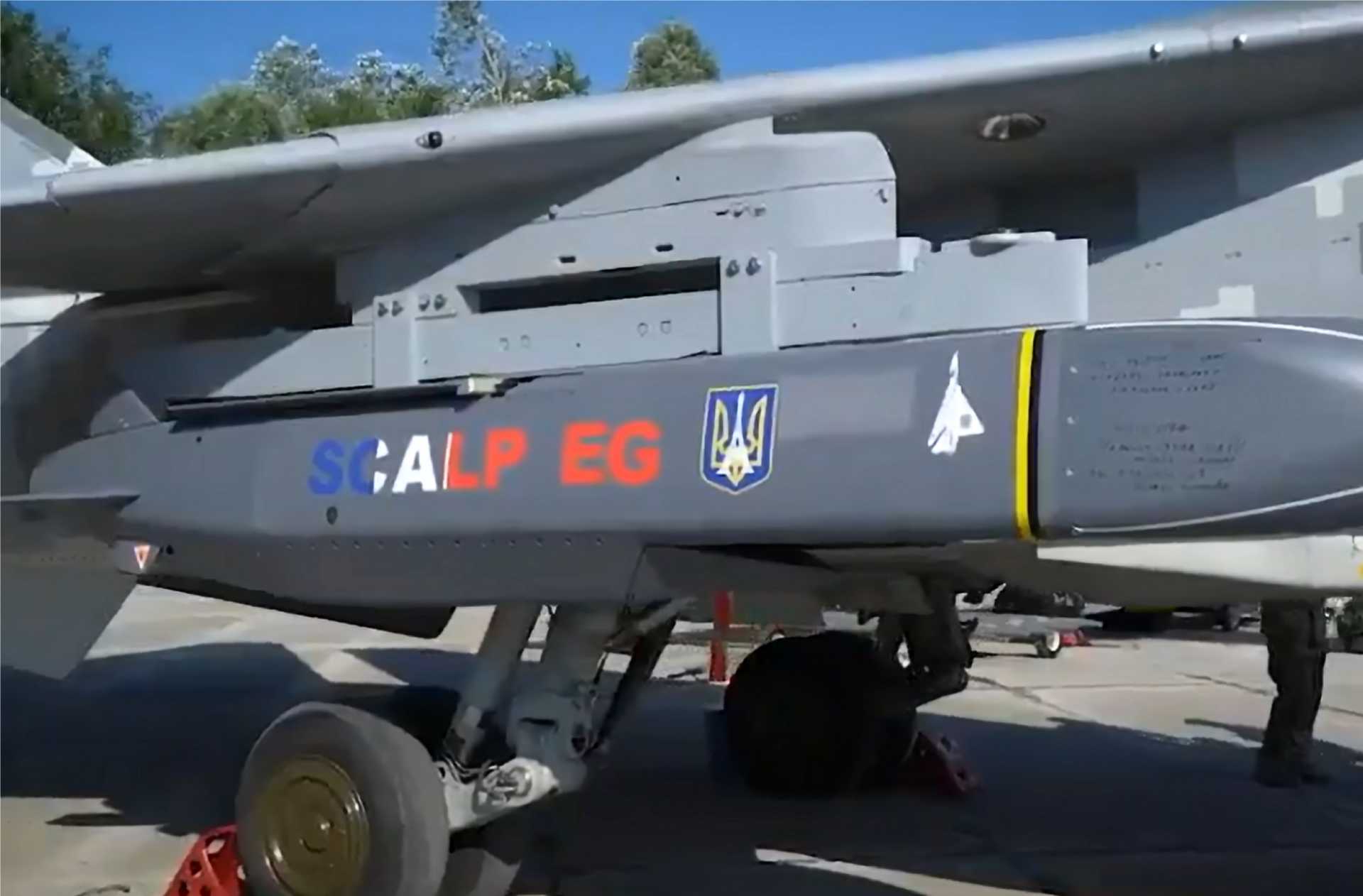
During an interview with the BBC, the United Kingdom's national broadcaster and one of the world’s most respected news organizations, on November 23, 2024, French Foreign Minister Jean-Noël Barrot affirmed that France recognizes no "red lines" when it comes to supporting Ukraine in its defense against Russian aggression. Barrot stressed that Ukraine is within its rights to use French-supplied SCALP long-range missiles to strike targets inside Russia as part of its self-defense. However, he refrained from confirming whether these French weapons had already been utilized in such operations.
Follow Army Recognition on Google News at this link
A French SCALP long-range cruise missile mounted on a Ukrainian Su-24 strike aircraft symbolizes France's commitment to bolstering Ukraine's defense capabilities in its conflict against Russian aggression.(Picture source: Ukraine MoD)
The SCALP missile, known internationally as the Storm Shadow, is a highly advanced, long-range cruise missile developed by France and the United Kingdom. It has a range of over 250 kilometers and is equipped with precision-guided technology, allowing it to strike high-value targets with minimal collateral damage. Designed to evade enemy air defense systems, the SCALP missile is an invaluable asset for operations against heavily fortified or remote locations. It is fired from aircraft, and its stealth capabilities enable it to penetrate deep into enemy territory, making it a critical component of Ukraine's ability to disrupt Russian logistics and command centers.
Since the beginning of the war in February 2022, Ukraine has received unprecedented military support from Western allies. This assistance has evolved from initial deliveries of small arms, ammunition, and humanitarian aid to the provision of advanced weaponry and training. Key contributions have included U.S.-supplied HIMARS rocket systems, Patriot air-defense batteries, and artillery systems such as the French Caesar howitzers. Tanks, including the German Leopard 2 and British Challenger 2, have bolstered Ukraine's ground forces, while modern drones and counter-drone systems have enhanced its aerial capabilities. Additionally, NATO countries have provided training, logistical support, and intelligence-sharing to strengthen Ukraine’s resistance and its ability to conduct complex operations.
Barrot’s comments come in the wake of the first confirmed strikes using U.S. and U.K. SCALP/Storm Shadow missiles on Russian soil, highlighting a turning point in the conflict. His remarks follow similar indications from French President Emmanuel Macron earlier this year, who suggested that French missiles could be used against Russian targets under the logic of self-defense. Barrot’s unequivocal stance now solidifies France’s position, reinforcing the message that arbitrary limitations will not constrain Western support for Ukraine.
During his visit to London, where he held talks with British Foreign Secretary David Lammy, Barrot emphasized the importance of sustained and unrestricted aid for Ukraine. “Western allies should not set and express red lines,” he declared, underlining the need for unity and determination among NATO members. This rhetoric aligns with France’s broader strategy of ensuring Ukraine has the resources necessary to counter Russian advances, while simultaneously preparing for a potentially prolonged conflict.
The dramatic escalation of events on the ground underscores the significance of Barrot’s statement. Recent reports indicate that U.S. and U.K. SCALP/Storm Shadow missiles were used for the first time to target Russian military sites. Meanwhile, Russia has reportedly deployed a new type of missile, and President Vladimir Putin has warned of the risk of global conflict. These developments underscore the high stakes of maintaining robust Western support for Ukraine.
France’s contributions are part of a broader NATO effort to sustain Ukraine’s resistance. Western nations are increasingly focused on long-term financial and military aid packages, with one source highlighting the need for a comprehensive “war chest” to support Ukraine through 2025 and beyond. European countries are also considering intensified measures, such as seizing Russian assets to fund Ukraine’s defense.
Additionally, intelligence suggests that Ukraine has been conducting effective drone operations, targeting Russian ammunition depots far behind enemy lines. In mid-September, drones reportedly destroyed four depots stocked with Russian and North Korean-supplied munitions, representing one of the most significant blows to Russia’s logistical network during the war. While it remains unclear whether these drones were provided by the U.K., France, or other allies, the strikes illustrate the growing sophistication of Ukraine’s capabilities, supported by Western technology and expertise.
France’s unwavering support since the onset of the war has been instrumental in Ukraine’s ability to withstand Russian aggression. By removing so-called "red lines" and providing advanced weaponry like the SCALP missile, France demonstrates its commitment to ensuring Ukraine’s sovereignty and territorial integrity. This approach, echoed by other Western nations, sends a clear message that the alliance is resolute in its determination to counter Russian aggression and support Ukraine for as long as it takes.
- Details
- Written by: Administrator
- Category: 2024
- Hits: 25760
A new frontier in military technology is reshaping global security dynamics as hypersonic missiles emerge as the centerpiece of a high-stakes arms race between Russia, China, and the United States. These advanced weapons, capable of traveling at speeds greater than Mach 5 while maneuvering unpredictably, alter modern warfare's strategic calculus. Their development has prompted a rush to innovate and countermeasure, with NATO allies scrambling to adapt to this game-changing threat.
Follow Army Recognition on Google News at this link
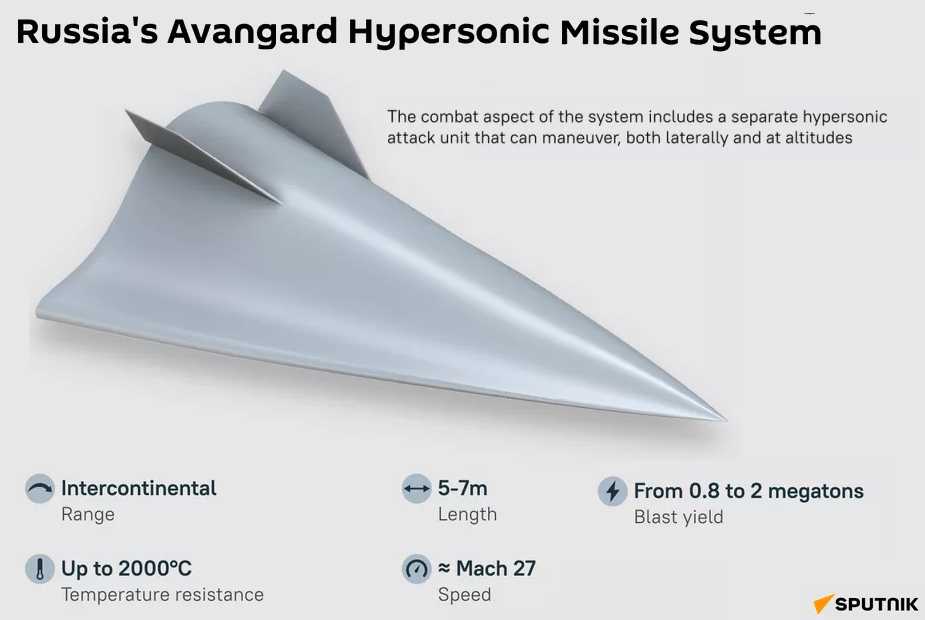
A rendering of Russia's Avangard hypersonic glide vehicle in flight. Capable of reaching speeds up to Mach 27, the Avangard is designed to evade missile defenses with its unpredictable trajectory, solidifying Russia's lead in hypersonic weaponry. (Picture source: Sputnik)
Russia has positioned itself as a leader in hypersonic weaponry, boasting systems it claims are already operational. The Avangard hypersonic glide vehicle (HGV), for instance, is mounted on intercontinental ballistic missiles (ICBMs) and reportedly capable of reaching speeds up to Mach 27. Moscow asserts that Avangard’s ability to maneuver during flight makes it virtually impossible to intercept, providing a decisive advantage in bypassing traditional missile defense systems.
In addition to Avangard, Russia has developed the Kinzhal missile, an air-launched system deployed from MiG-31K fighter jets. The Kinzhal, with a range of approximately 2,000 kilometers, has been employed in combat during the Ukraine war, signaling its operational readiness. Another key program is the Zircon hypersonic cruise missile, designed for ship-launched deployment against naval and land-based targets. Tests have demonstrated Zircon’s speed exceeding Mach 8, and Russian officials claim it has already been integrated into the navy.
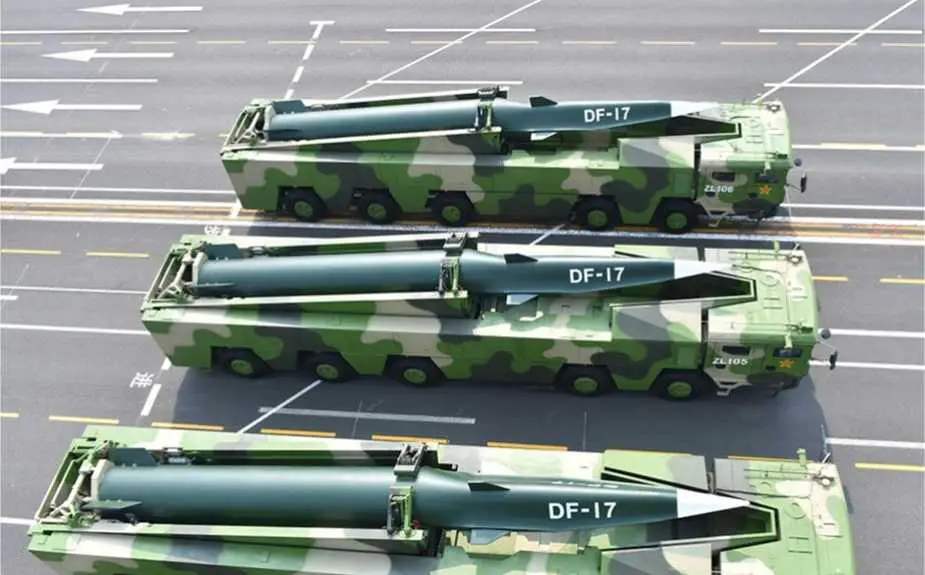
China's DF-17 hypersonic missile system mounted on a mobile launcher during a military parade. Equipped with a hypersonic glide vehicle, the DF-17 has a range of approximately 2,000 kilometers, making it a key component of China’s regional strike capabilities. (Picture source China MoD)
China is also accelerating its hypersonic ambitions, leveraging its vast industrial resources to close the gap with Russia and the U.S. During its testing phase, the DF-ZF, known as WU-14, has been a cornerstone of Beijing’s efforts. Mounted on the DF-17 medium-range ballistic missile, the DF-ZF offers a range of about 2,000 kilometers, representing a serious challenge to U.S. bases and naval assets in the Indo-Pacific.
Another key development in China’s arsenal is the DF-27, an intercontinental hypersonic missile reportedly capable of striking targets up to 8,000 kilometers away. Although less publicized, it underscores Beijing’s intent to expand its strategic reach. Complementing these systems is the Starry Sky-2, a scramjet-powered vehicle that represents a breakthrough in hypersonic cruise missile technology. This program could pave the way for a new generation of precision-strike weapons.
For China, hypersonics are integral to its anti-access/area denial (A2/AD) strategy. By targeting U.S. carrier strike groups and key installations, Beijing aims to assert dominance in contested regions like the South China Sea and deter intervention in a potential Taiwan conflict.
Meanwhile, the United States is working to regain its footing in the hypersonic race after initially lagging behind its rivals. The Air-Launched Rapid Response Weapon (ARRW), developed by Lockheed Martin, is a hypersonic glide vehicle designed to achieve speeds above Mach 20. Although the program has faced testing delays, it remains a priority for U.S. military planners.
The Conventional Prompt Strike (CPS) initiative, intended for deployment on Zumwalt-class destroyers and Virginia-class submarines, represents another key effort. This program seeks to provide the U.S. with the capability to strike any target in the world within minutes. Additionally, DARPA’s Tactical Boost Glide (TBG) program aims to develop air-launched hypersonic systems for tactical and operational use.
For Washington, hypersonic weapons are seen as essential for neutralizing time-sensitive targets and maintaining strategic parity with adversaries. However, their high development costs and technological hurdles have slowed deployment compared to Russia and China.
As these powers advance their hypersonic programs, NATO is scrambling to develop effective countermeasures. Traditional missile defenses are largely ineffective against hypersonic weapons due to their speed and maneuverability, necessitating innovative approaches. Upgraded early warning systems, including space-based sensors, are critical to tracking these fast-moving threats.
Directed energy weapons, such as high-powered lasers, are emerging as a potential solution to neutralize hypersonic missiles during their glide phase. The U.S. and European allies are heavily investing in these technologies, aiming for deployment by the late 2020s. To address the hypersonic challenge, NATO is also enhancing its Integrated Air and Missile Defense (IAMD) systems, including adaptations of the U.S. Aegis Ballistic Missile Defense platform.
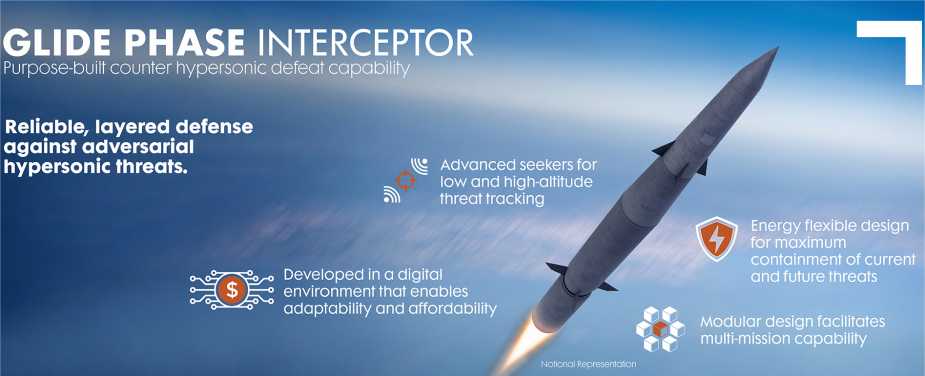
A conceptual illustration of the Glide Phase Interceptor (GPI) in action. Designed by the United States, the GPI aims to intercept hypersonic threats during their glide phase, providing a critical defense against advanced missile systems. (Picture source Northrop Grumann)
Additionally, the U.S. Glide Phase Interceptor (GPI) program aims to intercept hypersonic missiles during their most vulnerable stage, offering hope for a robust defense against these emerging threats.
The Glide Phase Interceptor (GPI) represents a cutting-edge solution to counter the growing threat of hypersonic missiles. Unlike traditional missile defense systems, which are optimized to target ballistic missiles in their predictable flight paths, the GPI is specifically designed to engage hypersonic glide vehicles during the critical glide phase of their trajectory. This phase, characterized by high speeds and unpredictable maneuvers, presents unique challenges that demand advanced tracking and targeting capabilities.
The GPI program, spearheaded by the U.S. Missile Defense Agency (MDA) in collaboration with industry leaders like Raytheon and Northrop Grumman, leverages next-generation sensors, enhanced propulsion systems, and advanced seeker technology to neutralize hypersonic threats. Set to integrate with existing missile defense platforms like the Aegis Combat System, the GPI will play a pivotal role in safeguarding critical infrastructure and allied forces from emerging hypersonic weapons.
The hypersonic race reflects a broader struggle for military dominance in an increasingly multipolar world. As Russia, China, and the U.S. push the boundaries of missile technology, the strategic landscape grows more volatile. While these weapons offer unparalleled speed and precision, they also heighten the risk of miscalculation and escalation in conflicts. NATO’s ability to innovate and adapt will be critical in maintaining global stability as the race for speed continues unabated.
Read more: Analysis Hypersonic Missile Race: Russia, China, and the US in the Battle for Speed
- Details
- Written by: Administrator
- Category: 2024
- Hits: 12424
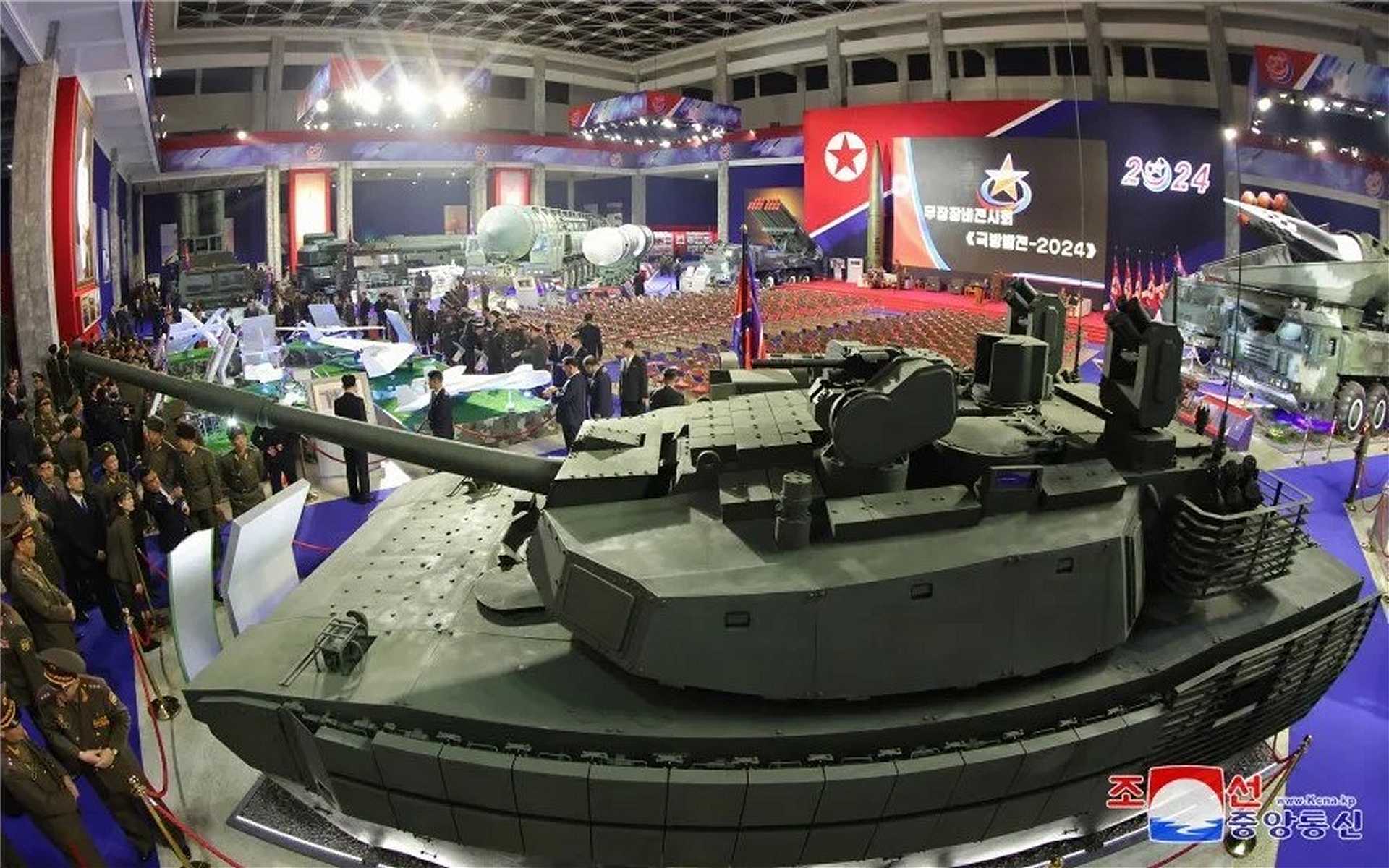
During a defense exhibition held in Pyongyang, North Korea revealed an upgraded version of its locally made Cheonma-2 main battle tank, the Tianma-2. The event, which commenced on November 21, 2024, showcased the latest advancements in North Korean military technology, and this enhanced tank design has drawn significant attention.
Follow Army Recognition on Google News at this link
The newly unveiled Tianma-2 main battle tank was on display at a defense exhibition in Pyongyang, North Korea, showcasing its advanced armor, Active Protection System (APS), and modernized design on November 21, 2024.(Picture source: North Korea Press Agency)
According to our first analysis of the picture released by the North Korean press agency, the Tianma-2 exhibits a design closely resembling modern Western and U.S. main battle tanks, with notable similarities to the German Leopard 2A7/A8. The layout features a front-left driver position, a centrally located turret, and a rear-mounted powerpack. The tank is operated by a three-person crew, supported by an automatic loading system for its primary weapon, a 125mm smoothbore cannon.
The turret design now integrates modular composite armor, offering enhanced protection against kinetic energy projectiles (APFSDS rounds) and shaped charges (HEAT rounds). The modular construction enables swift replacement of damaged armor sections in the field, a characteristic of many advanced main battle tanks. Additionally, Explosive Reactive Armor (ERA) covers the front and sides of the hull, while wire cage armor is installed at the rear to defend against rocket-propelled grenades and other shaped charge threats.
One of the most striking updates is the integration of an Active Protection System (APS), which bears similarities to the Trophy APS from Israel and its European counterparts. The APS system on the Tianma-2 includes radar sensors on each side of the turret for threat detection, along with countermeasures designed to intercept incoming anti-tank missiles and projectiles. To bolster the tank's defenses further, the turret roof is outfitted with a counter-drone anti-tank launcher system, a feature that reflects North Korea's emphasis on countering emerging aerial threats.
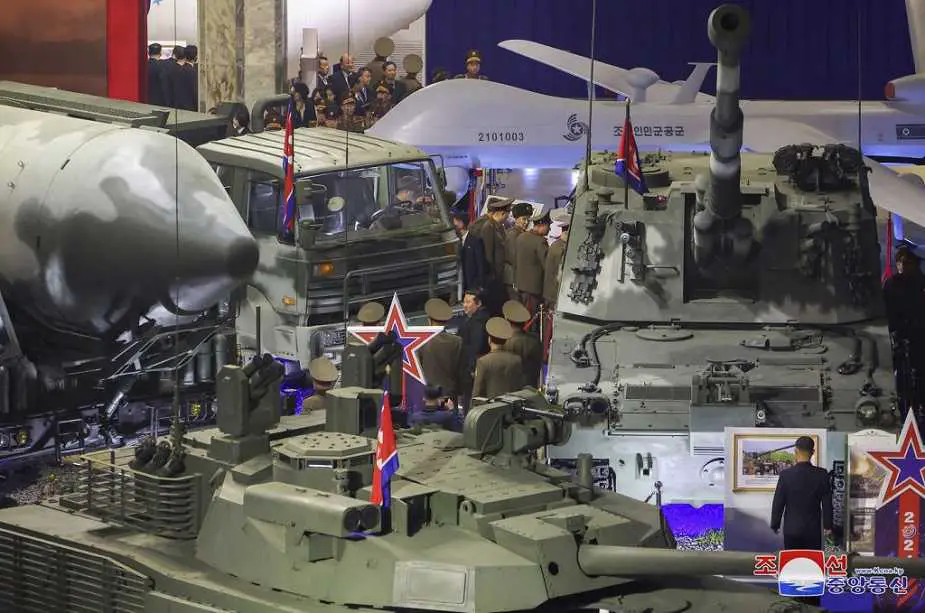
The upgraded turret also includes a remotely operated weapon station (ROWS) equipped with a 12.7mm heavy machine gun, as well as launchers capable of firing anti-tank guided missiles (ATGMs). The tank features a panoramic sight system for battlefield awareness and engagement for the commander and gunner, providing enhanced target acquisition and tracking capabilities.
The Cheonma-2, initially introduced as the M2020 during a military parade on October 10, 2020, has undergone significant developments since its first public appearance. It was officially named "Cheonma-2" following a visit by North Korean leader Kim Jong-un to the Academy of Defense Development on May 29, 2024. The original Cheonma-2 showcased North Korea’s ambition to modernize its armored forces, and the new Tianma-2 version builds on that foundation by integrating advanced technology and enhanced battlefield survivability.
The unveiling of the Tianma-2 highlights North Korea’s continued focus on developing indigenous military technology capable of rivaling global standards. The inclusion of advanced features such as APS, modular armor, and drone countermeasures signals a shift towards equipping its forces with tanks designed for high-intensity, modern combat scenarios.
Given the technological leaps displayed in its design, the emergence of the Tianma-2 in North Korea's arsenal is likely to draw close scrutiny from regional and global military analysts. While North Korea has not provided official specifications or performance data, the visual evidence from the exhibition underscores its aspirations to field a capable and modern main battle tank. This development adds a new dimension to the regional security landscape, as the Tianma-2 could potentially bolster North Korea’s armored forces, influencing tactical and strategic calculations in the Korean Peninsula and beyond.
Read more: Breaking News: North Korea Secretly Unveils Tianma-2 New Locally Made Main Battle Tank
- Details
- Written by: Administrator
- Category: 2024
- Hits: 5564
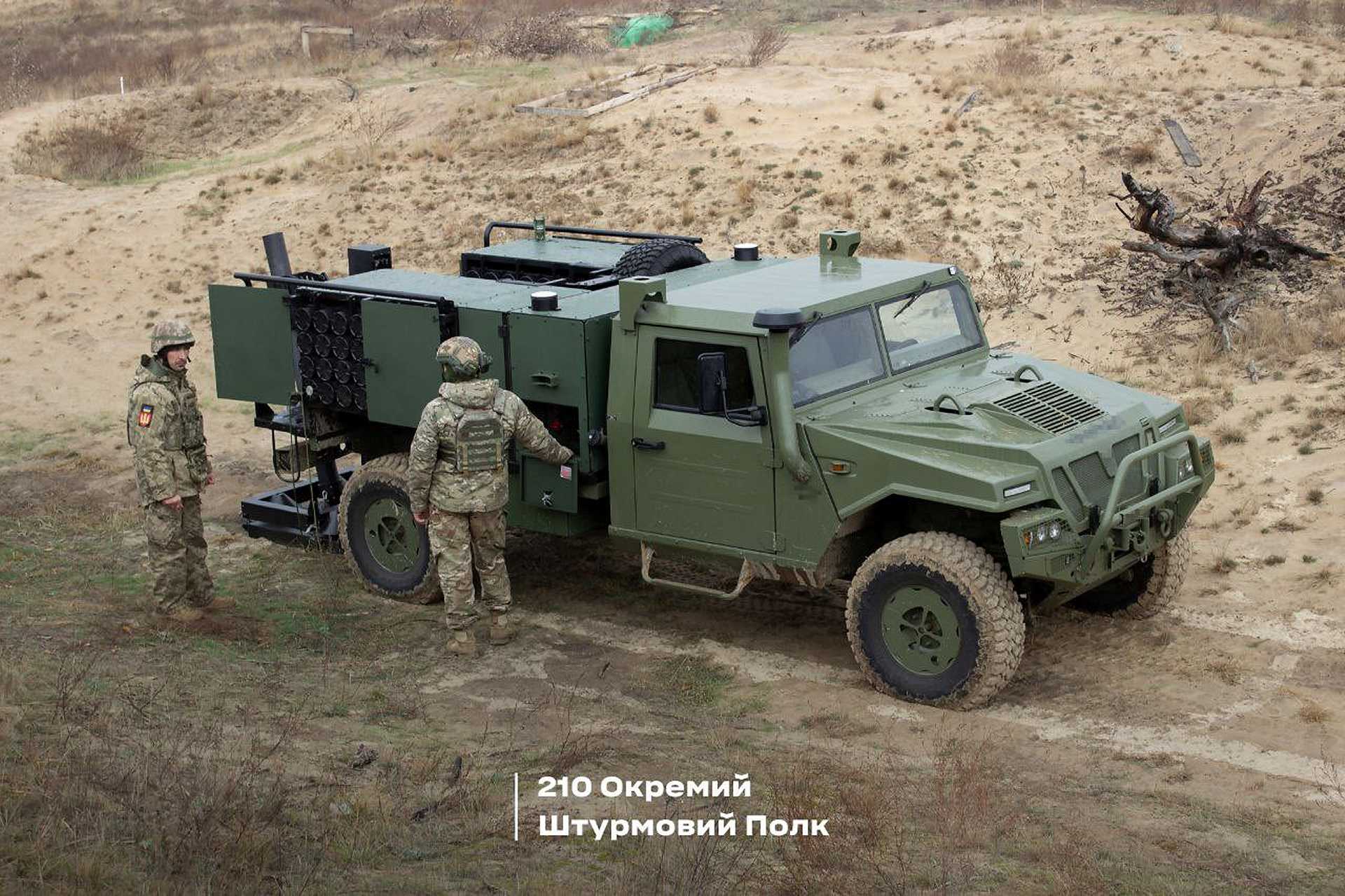
The Ukrainian Army now utilizes the Spanish-made Alakran self-propelled mortar system, marking its first-ever use in active military operations. These state-of-the-art mortar systems, integrated into URO VAMTAC 4x4 tactical vehicles and supplied by Spain, are currently operated by Ukraine's 210th Separate Assault Regiment, significantly boosting their mobile artillery capabilities on the battlefield.
Follow Army Recognition on Google News at this link
Ukrainian soldiers operate the Spanish-made Alakran self-propelled mortar system mounted on a URO VAMTAC 4x4 tactical vehicle. (Picture source: Ukrainian army)
The URO VAMTAC (Vehículo de Alta Movilidad Táctico) is a versatile 4x4 light tactical vehicle designed and manufactured by the Spanish company UROVESA (URO Vehículos Especiales S.A.). Known for its exceptional off-road capabilities, high mobility, and robust design, the VAMTAC is often compared to the U.S. Humvee in terms of performance and versatility. It is widely used by military forces for a variety of roles, including troop transport, reconnaissance, command and control, and as a platform for weapons systems like the Alakran self-propelled mortar. The vehicle is powered by a reliable turbocharged diesel engine, providing both speed and durability in challenging environments, with a payload capacity that supports mission adaptability. The VAMTAC's modular design allows for rapid configuration to meet different operational requirements, making it a key asset for modern armed forces.
The Alakran is recognized as the world’s lightest mobile mortar carrier system, engineered for high firepower, extreme precision, and ultra-mobility. It is specifically designed to address the critical tactical challenges encountered on high-intensity battlefields. The system features dual compatibility, capable of integrating 120mm and 81mm smoothbore or rifled mortars. One of its standout features is its patented barrel cooling system, allowing for sustained fire at a rate of 16 rounds per minute without time limitations.
The Alakran is equipped with a fully digital Fire Control System (FCS) that ensures precise and accurate strikes. This includes automatic aiming and re-aiming after each shot, achieving an accuracy of less than 2 mils, which translates to a deviation of only 2 meters at a range of 1 kilometer. Its lightweight design and high mobility make it suitable for rapid deployment, allowing integration onto almost any 4×4 vehicle and enabling helicopter transport.
The Alakran system is developed by Milanion NTGS, an integrated technology and engineering company serving the global defense and security sectors. Headquartered in the UK, with R&D, engineering, and manufacturing facilities in Spain and the UAE, Milanion NTGS specializes in designing and delivering advanced multi-platform mobile mortar systems. The company’s solutions are combat-proven and utilized by international defense forces.
The integration of the Alakran mortar systems into the Ukrainian Armed Forces represents a significant enhancement of their artillery capabilities. The adoption of these systems by the 210th Separate Assault Regiment highlights Ukraine’s commitment to modernizing its military assets amid ongoing regional tensions. This deployment not only marks the first combat use of the Alakran system but also underscores the strengthening defense cooperation between Spain and Ukraine. The provision of such advanced military technology is expected to bolster Ukraine’s operational effectiveness in a variety of combat scenarios.
As the situation develops, the performance of the Alakran in active combat will offer valuable insights into its operational effectiveness and potential future applications within the Ukrainian Armed Forces.
Since the onset of the conflict in Ukraine, Spain has progressively escalated its military support to bolster Ukraine's defense capabilities. In May 2024, Spain and Ukraine formalized a bilateral security agreement, committing €1 billion in military aid for the year. This package encompasses a range of military equipment, including Leopard 2A4 tanks, artillery systems, and Patriot missiles.
By November 2024, Spain had delivered armaments valued at €600 million, with an additional €300 million slated for future dispatch. The delivered assets comprise armored vehicles, ammunition, and air defense systems. Notably, Spain has supplied 10 Leopard 2A4 tanks and multiple M113 armored personnel carriers to enhance Ukraine's armored capabilities.
Beyond equipment, Spain has contributed to training Ukrainian military personnel. In early 2023, Spain trained 55 Ukrainian tank crew members and technicians on the operation and maintenance of Leopard 2 tanks, facilitating effective integration of these systems into Ukraine's armed forces.
This sustained support underscores Spain's commitment to Ukraine's sovereignty and territorial integrity, reflecting a broader European effort to assist Ukraine amid ongoing hostilities.
Read more: Exclusive: Ukraine Deploys Spanish-Made Alakran Mortar Systems in First-Ever Combat Use

- Details
- Written by: Administrator
- Category: 2024
- Hits: 5573
On November 20, 2024, the German Ministry of Defense announced the delivery of four additional Panzerhaubitze 2000 (PzH 2000) 155mm tracked self-propelled howitzers to Ukraine. This latest shipment raises the total number of PzH 2000 units supplied by Germany to 24, including spare parts sourced from both Bundeswehr and industry stocks. These howitzers are vital in Ukraine's defense against Russian forces, offering superior firepower and tactical flexibility.
Follow Army Recognition on Google News at this link
Ukrainian forces operate a PzH 2000 howitzer, a key asset provided by Germany to bolster artillery capabilities on the frontlines. (Picture source: Ukrainian army)
The PzH 2000 is renowned for its advanced design and formidable battlefield performance. Its primary armament is the Rheinmetall 155mm L52 artillery gun, compatible with standard NATO 155mm ammunition. The system can engage targets at a range of up to 30 km using standard rounds, with extended ranges achievable when employing assisted projectiles.
The howitzer’s rate of fire is another standout feature, capable of firing three rounds in nine seconds and sustaining a rate of 8–10 rounds per minute. This rapid-fire capability allows it to deliver overwhelming firepower in critical moments. Mobility is ensured by an MTU 881 Ka-500 engine, which generates 1,000 PS (986 hp) and allows the vehicle to reach speeds of up to 67 km/h (41 mph).
The PzH 2000 boasts armor designed to withstand 14.5mm machine-gun fire and shell splinters, with additional roof armor to protect against mortar rounds. The system is operated by a five-person crew, including the commander, driver, gunner, and two loaders.
Since its deployment in Ukraine in mid-2022, the PzH 2000 has proven to be a game-changer on the battlefield. Ukrainian artillery units have effectively utilized these howitzers to counter Russian military advances and destroy fortified positions. The system’s precision, combined with its rapid-fire capability, has been highly effective in disrupting enemy operations.
Ukrainian soldiers have praised the PzH 2000 for its accuracy and versatility, highlighting its significant impact in both defensive and offensive operations. Its advanced targeting systems have enabled operators to engage high-value targets with minimal collateral damage.
However, the intense pace of combat in Ukraine has placed additional stress on the PzH 2000 units. The howitzer is designed to fire up to 100 rounds per day, a limit that Ukrainian forces frequently exceed in their operations. This high rate of fire has accelerated wear and tear on the systems, necessitating frequent maintenance. Repairs have been facilitated through specialized maintenance hubs established in neighboring countries, underscoring the need for logistical support to sustain these advanced systems.
Despite these challenges, the German PzH 2000 howitzer has solidified its reputation as a critical asset for Ukraine's artillery forces. Its mobility, firepower, and advanced targeting make it a formidable tool against Russian forces. Germany’s ongoing commitment, as evidenced by the latest delivery, underscores the strategic importance of the PzH 2000 in Ukraine's continuing struggle for sovereignty.
Germany’s delivery of an additional four PzH 2000 howitzers highlights its unwavering commitment to supporting Ukraine’s defense against Russian aggression. Since the beginning of the war, Germany has been a pivotal ally, providing a broad range of military equipment essential for Ukraine's resilience and combat effectiveness.
This support has included advanced air defense systems like the IRIS-T SLM, Gepard anti-aircraft tanks, and Patriot air defense missile systems to counter aerial threats. Additionally, Germany has supplied Leopard 2 main battle tanks, infantry fighting vehicles like the Marder, and various forms of artillery, including the PzH 2000 and precision-guided munitions. These contributions have played a crucial role in bolstering Ukraine's ability to defend its territory and reclaim key areas under occupation.
The ongoing provision of advanced weaponry, spare parts, and logistical support reflects not only Germany’s military commitment but also its solidarity with Ukraine in the face of a protracted conflict. As Ukraine continues its fight for sovereignty, the continued support from Germany and other allied nations will be instrumental in sustaining its defense capabilities and securing a just and lasting resolution.
- Details
- Written by: Administrator
- Category: 2024
- Hits: 3554
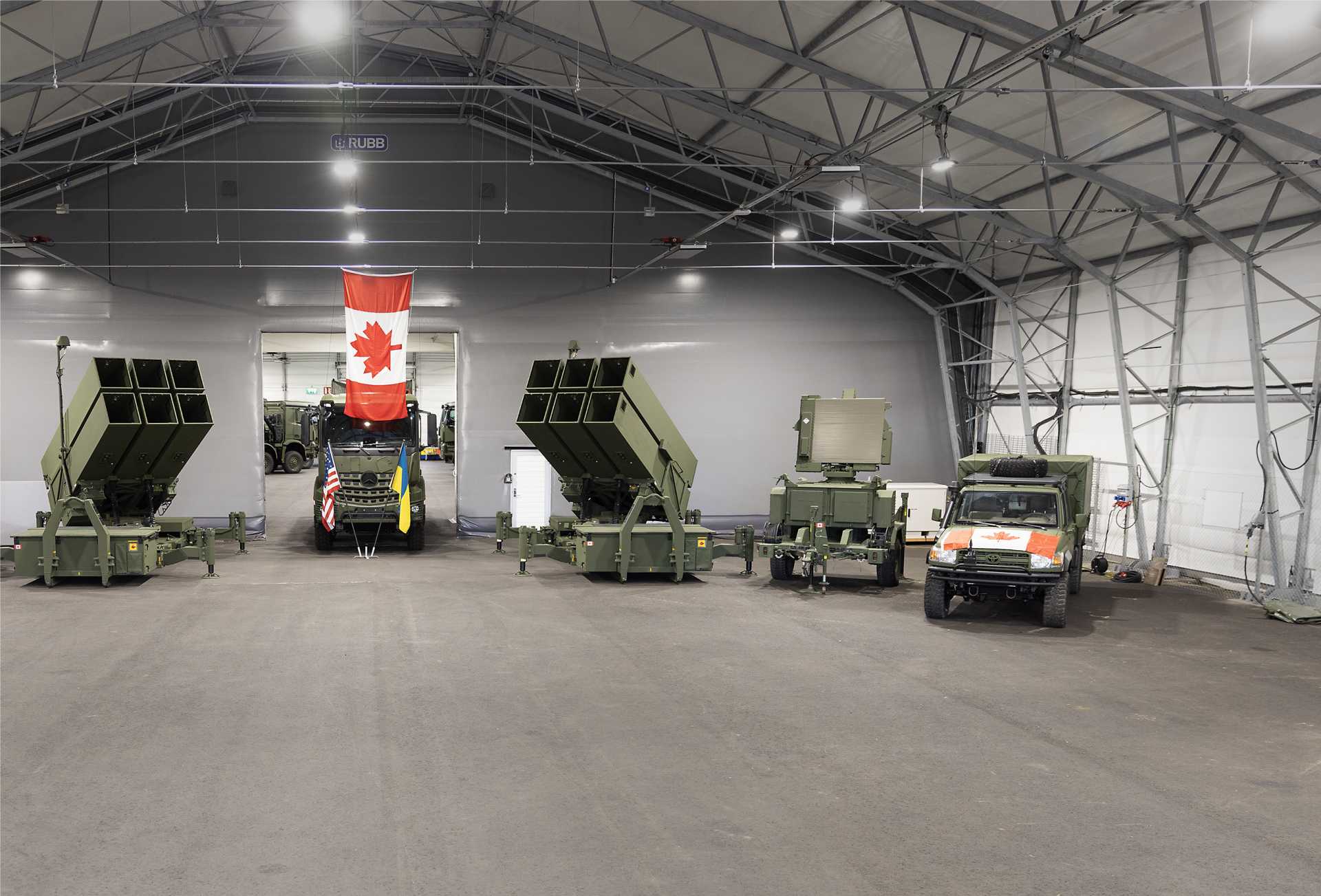
On November 22, 2024, Bill Blair, Canadian Minister of National Defence, announced the arrival of Canada’s donated National Advanced Surface-to-Air Missile System (NASAMS) in Ukraine. This advanced air defense system is expected to play a pivotal role in strengthening Ukraine’s ability to counter aerial threats, including missiles, drones, and aircraft, which have increasingly targeted military sites, critical infrastructure, and civilian areas. The NASAMS donation underscores Canada’s commitment to bolstering Ukraine’s defenses against ongoing Russian aggression.
Follow Army Recognition on Google News at this link
The Canada-donated NASAMS air defense missile system, now operational in Ukraine, enhances the country’s ability to intercept aerial threats such as drones, missiles, and aircraft, providing critical protection for civilian and military infrastructure. (Picture source: Canada MoD)
The NASAMS air defense missile system, developed by Raytheon Technologies in collaboration with Norway’s Kongsberg Defence & Aerospace, is a highly advanced and versatile solution designed to counter various aerial threats. It features a 360-degree coverage capability, enabled by the AN/MPQ-64 Sentinel radar, which provides exceptional detection and tracking of incoming targets. The system is known for its high mobility, allowing for rapid deployment and adaptability across different operational environments. NASAMS employs a layered defense approach, capable of simultaneously engaging multiple targets, including low-flying drones, high-speed cruise missiles, and aircraft.
The system utilizes the AIM-120 Advanced Medium-Range Air-to-Air Missile (AMRAAM), which offers an operational range of up to 50 kilometers and an interception altitude of up to 21 kilometers. This combination of range and altitude allows NASAMS to effectively neutralize threats in both medium and low-altitude environments, making it particularly effective against the modern aerial challenges posed by drones, missiles, and aircraft.
This adaptability and reliability make NASAMS a preferred choice for many NATO and allied nations, including the United States and Norway, which have already delivered systems to Ukraine. The United States has provided two NASAMS batteries to Ukraine since 2022 and continues to commit additional units to bolster Ukraine's air defenses. With Canada now joining these efforts, the arrival of the NASAMS system in Ukraine represents a significant enhancement to its air defense capabilities amid escalating Russian air raids.
NASAMS has become a preferred choice among NATO and allied countries for its reliability and effectiveness. The system has already been donated to Ukraine by other nations, including the United States and Norway, with the U.S. leading the effort by providing two NASAMS batteries in 2022 and committing to additional units as part of its military aid packages.
Canada’s latest contribution builds on its ongoing support for Ukraine, which includes over 300 air defense missiles from Canadian Armed Forces (CAF) stockpiles, armored vehicles, artillery, drone cameras, and winter gear. These efforts are complemented by Operation UNIFIER, Canada’s training mission for Ukrainian forces, and logistical support from the Royal Canadian Air Force (RCAF) in transporting military aid from Canada and allied nations.
As Ukraine continues to face intensified air raids from Russia, the NASAMS system is expected to enhance the country’s integrated air defense network significantly. Canadian Defense Minister Bill Blair emphasized Canada’s unwavering support, stating that Canada stands united with Ukraine in its fight for sovereignty and against Russia’s illegal and unjustifiable aggression.
The addition of NASAMS to Ukraine’s arsenal is not only a testament to Canada’s solidarity but also part of a broader international effort to provide Ukraine with cutting-edge military technology to defend its sovereignty and protect its people.
Read more: Canada-Donated NASAMS Air Defense Missile System Now Operational in Ukraine

- Details
- Written by: Administrator
- Category: 2024
- Hits: 6368
Citing a report by Russian media outlet Sputnik, on November 22, 2024, President Vladimir Putin stated that the new Russian-made Oreshnik hypersonic ballistic missile system had already been employed to target Ukraine, signaling its transition from development to active deployment.
Follow Army Recognition on Google News at this link
A depiction of the potential impact of the Oreshnik hypersonic ballistic missile, illustrating its devastating power and precision. Capable of carrying multiple independently targetable warheads, the missile’s Mach 10 speed and advanced technology make it a formidable challenge for modern missile defense systems. (Picture source: Russian Social Network VK)
The announcement marks a significant milestone in modern military technology and follows a reported missile strike on the Ukrainian city of Dnipro just a day earlier, allegedly involving an RS-26 "Rubezh" ICBM (InterContinental Ballistic Missile). While these claims remain unverified, the unveiling of Oreshnik underscores the central role of advanced missile systems in Russia’s current military doctrine, showcasing its focus on next-generation strategic and tactical weaponry.
President Putin emphasized that Oreshnik is a wholly new development, not a modification of existing technology, and represents a culmination of work by Russia’s leading scientists. Capable of reaching speeds of Mach 10—ten times the speed of sound—Oreshnik is claimed to be virtually immune to current missile defense systems. Putin also highlighted its destructive potential, stating that, when used in a massive coordinated attack, its effectiveness rivals that of a strategic nuclear weapon. The system is reportedly capable of carrying multiple independently targetable re-entry vehicles (MIRVs), allowing a single missile to strike several distinct targets simultaneously with either conventional or nuclear warheads.
A hypersonic ballistic missile like Oreshnik combines elements of both ballistic and hypersonic flight. Traditional ballistic missiles follow a high-arc trajectory and rely on sheer speed and altitude to evade interception. Hypersonic missiles, on the other hand, travel at sustained speeds exceeding Mach 5 and often employ advanced maneuvering capabilities to outpace and evade defense systems. Oreshnik appears to merge these features, achieving hypersonic speeds while maintaining ballistic properties, making it an especially challenging weapon for existing missile defenses to counter.
The inclusion of MIRV technology further enhances the system's threat profile. MIRVs allow a single missile to carry multiple warheads, each capable of independent targeting upon re-entry into the atmosphere. This capability not only increases the efficiency of a single missile launch but also complicates interception efforts. A missile equipped with MIRVs can overwhelm missile defense systems by presenting multiple incoming warheads, effectively saturating defensive capabilities.
With a reported range of approximately 5,000 kilometers (3,100 miles), Oreshnik is designed for versatility, suitable for both regional and long-range missions. Russian military sources have confirmed that it can deliver six to eight warheads per missile, underscoring its strategic value. According to Anatoly Matviychuk, a Russian military expert, the missile is likely already in service, given the scale of Russia's missile stockpiles and the decision to move forward with mass production.
Putin also revealed that additional systems of similar design are currently being developed, with several prototypes being tested. These new systems aim to expand Russia's hypersonic missile arsenal, including medium- and shorter-range platforms, ensuring the country maintains its edge in this rapidly evolving domain of military technology.
The Oreshnik system’s announcement comes amid reports of an intensifying conflict in Eastern Europe, with missile technology playing a growing role. The alleged strike on Dnipro by the RS-26 “Rubezh” raises concerns about deploying such advanced systems in active conflict zones. If confirmed, the use of these weapons would mark a significant escalation, emphasizing the need for renewed international dialogue on arms control.
The global implications of the Oreshnik missile are profound. Its claimed ability to evade interception while delivering devastating payloads poses a challenge to nations reliant on advanced missile defense systems. The inclusion of MIRVs adds an additional layer of complexity, making it a key component in Russia’s strategic deterrence arsenal. As tensions continue to rise, the deployment of hypersonic weapons like Oreshnik underscores the urgent need for international efforts to address the emerging challenges of hypersonic and MIRV-equipped ballistic technologies.
- Details
- Written by: Halna du Fretay
- Category: 2024
- Hits: 6736
A military exercise, named "Yellow Guardian," is currently mobilizing 600 soldiers and 180 vehicles from four European nations: Belgium, France, the Netherlands, and Luxembourg. Organized by the Belgian Battalion of Chasseurs à Cheval -- Jagers te Paard, this training operation, running from November 20 to 29 between Neufchâteau and Elsenborn, aims to enhance the interoperability of reconnaissance, intelligence, and electronic warfare units while refining tactical and logistical procedures. It also seeks to facilitate knowledge exchange and evaluate logistical practices among participating nations.
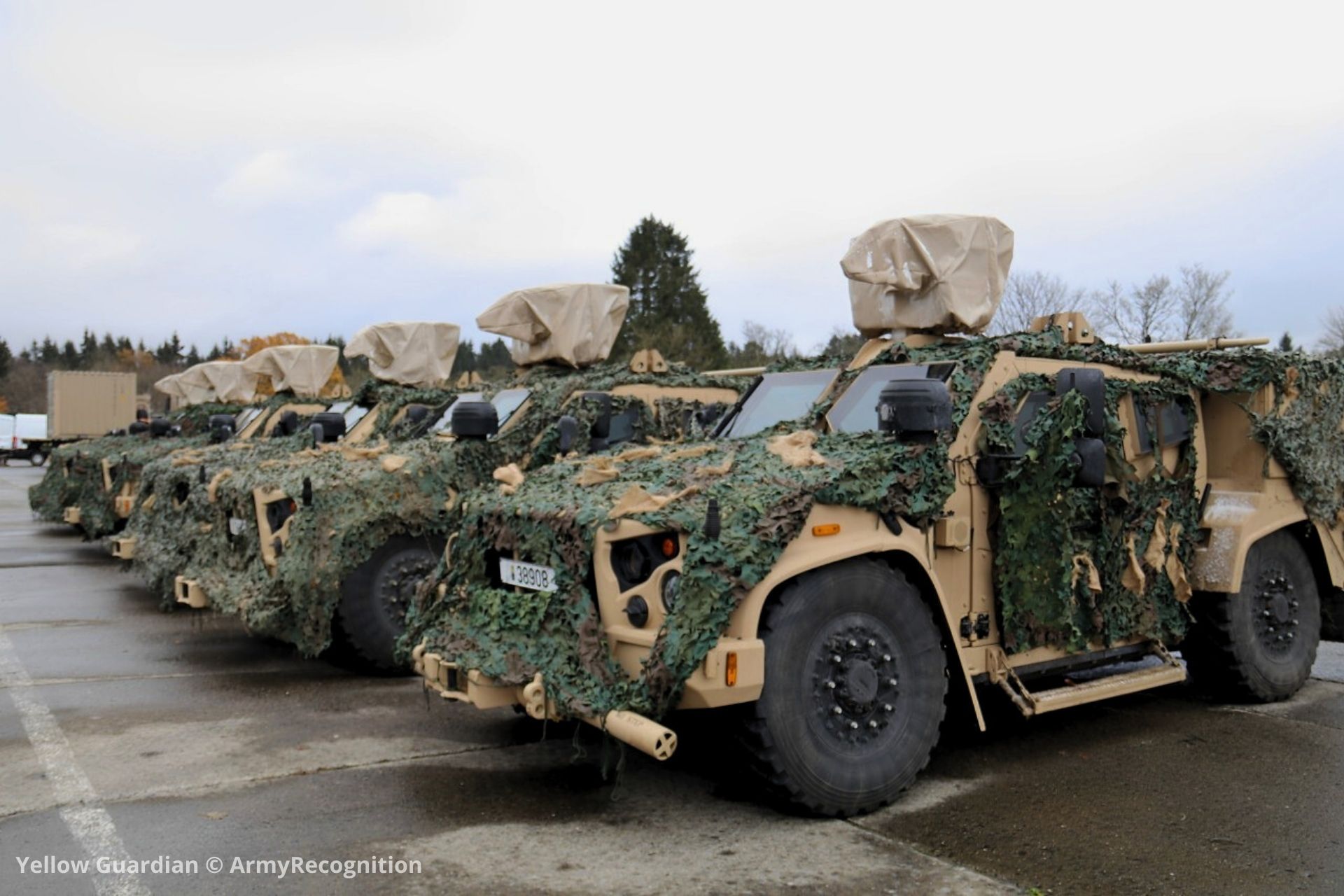
The Belgian contribution to "Yellow Guardian" also includes the Falcon Command and Liaison Vehicle (CLV), a versatile and modern multirole platform designed for enhanced protection, off-road mobility, speed, transportability, and seamless interoperability with NATO allies. (Picture source: Army Recognition)
The exercise spans ten days and is divided into three main phases. The first phase, lasting two days, involves infiltration maneuvers. From the Neufchâteau area, multiple squadrons are conducting reconnaissance missions heading northeast towards the Elsenborn camp. This phase, critical for intelligence gathering, will conclude on November 25, followed by simulated counteroffensive scenarios involving fictional enemy forces.
A variety of specialized equipment is deployed, reflecting each nation’s expertise in reconnaissance and intelligence operations. These advanced tools enable effective exploration, surveillance, and real-time data collection essential for intelligence missions.
The Belgian Pandur MLU, a wheeled armored vehicle, is designed for troop transport, and updated for reconnaissance missions. It is armed with an FN Herstal Defender Medium remote control weapon station (RCWS), with a 12.7mm heavy machine gun. With modular armor that provides protection against small arms fire and mines, the Pandur also offers high off-road mobility and can carry up to five soldiers. The French Panhard VBL PVR is a light armored vehicle suitable for rapid reconnaissance and patrol missions. Agile and discreet, it can be equipped with 7.62 mm or 12.7 mm machine guns, or even anti-tank missiles in certain configurations. Its armor protects against small arms fire and shrapnel.
The Belgian contribution to "Yellow Guardian" also includes the Falcon Command and Liaison Vehicle (CLV), a versatile and modern platform designed for enhanced protection, off-road mobility, speed, transportability, and seamless interoperability with NATO allies. This vehicle features advanced mobility, making it highly effective in off-road environments. The Falcon CLV is equipped with a modular protection system, offering resistance against small arms fire, improvised explosive devices (IEDs), and mines. They are armed with a Light RCWS mounting a 7.62mm machine gun. Its compact size and adaptability make it ideal for a variety of tactical scenarios.
Also part of the Belgian fleet is the Dingo, a Multi- Purpose Protected Vehicle (MPPV) designed for reconnaissance, convoy escort, and troop transport. Known for its high level of survivability, the Dingo features advanced mine and blast protection, as well as a reinforced hull to withstand IEDs and roadside ambushes. It is typically armed with a roof-mounted machine gun and can accommodate up to eight personnel, offering flexibility for different mission profiles. Its robust construction and superior protection make it a vital asset for operations in high-risk environments.
The Dutch Fennek armored reconnaissance vehicle is equipped with long-range observation systems and advanced communication tools for real-time data transmission. It is armed with either a 12.7 mm machine gun or a 40 mm automatic grenade launcher and is designed for surveillance, intelligence gathering, and target designation. It offers high autonomy and effective protection against anti-personnel mines.
In addition to ground vehicles, drones play a vital role in intelligence collection. The Reader RAVEN, PUMA Long Endurance (LE), and the French PUMA All Environment (AE). Though unarmed, these drones enhance the reconnaissance and intelligence capabilities of the deployed units.
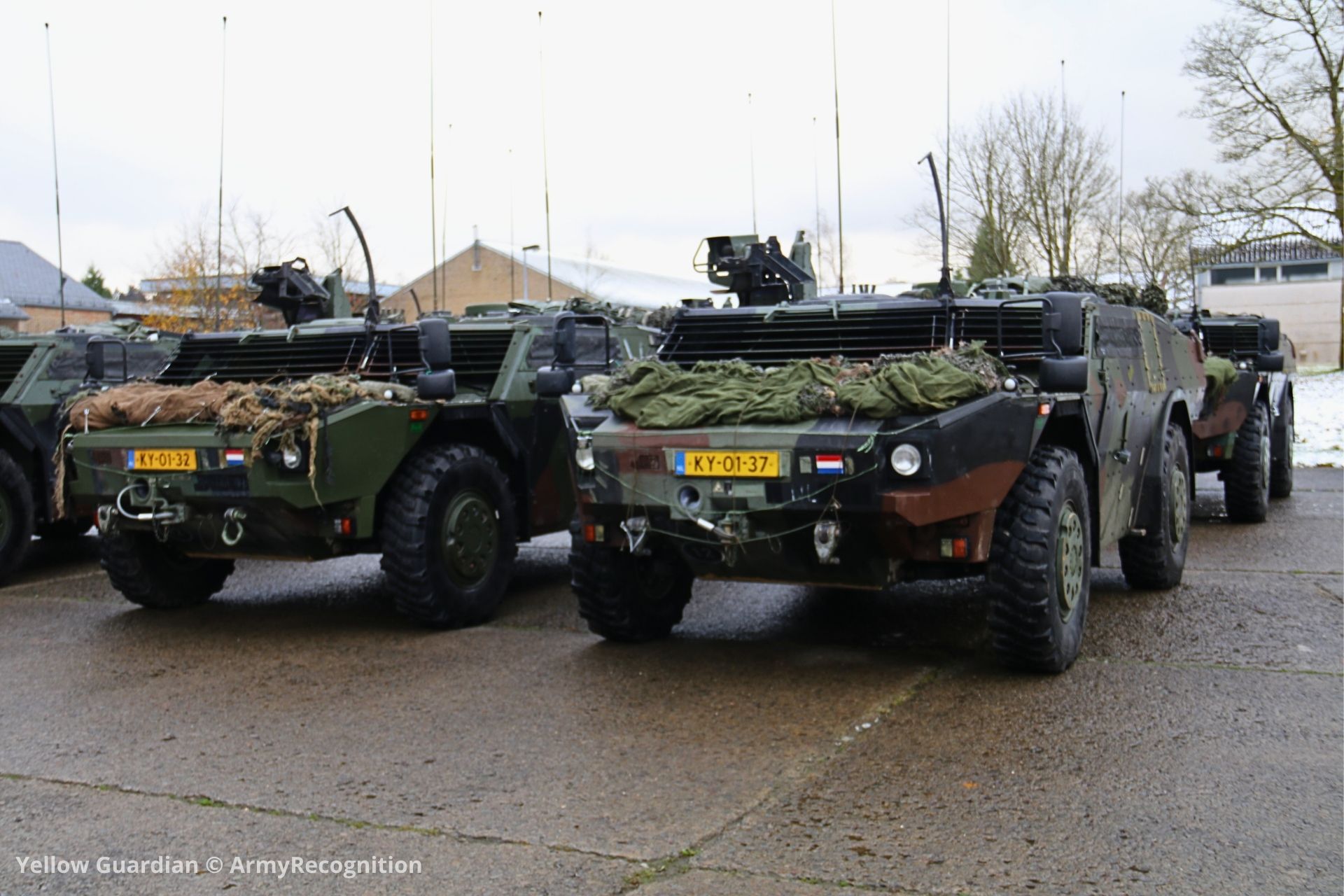
The Dutch Fennek armored reconnaissance vehicle is equipped with long-range observation systems and advanced communication tools for real-time data transmission (Picture source: Army Recognition)
The Battalion of Chasseurs à Cheval - Jagers te Paard, also known as ISTAR (Intelligence, Surveillance, Target Acquisition, and Reconnaissance), serves a pivotal role in the exercise. Under the leadership of Lieutenant Colonel Jean-François Verheust, the unit focuses on gathering and analyzing raw data to produce actionable intelligence. These tasks include monitoring strategic crossing points, identifying enemy positions, and transmitting data to fire-support units such as artillery and air forces.
French units bring their expertise to the exercise with specialized contributions from the 2nd Hussar Regiment (2e RH), the 54th Transmission Regiment (54e RT), the 1st Spahi Regiment (1er RS), and the 61st Artillery Regiment (61e RA). These units collaborate with their Belgian, Dutch, and Luxembourg counterparts to maximize coordination and operational efficiency. The onset of snowfall during the exercise adds a layer of complexity, testing the troops’ ability to perform in a winter environment.
This intensive training demonstrates the commitment of European armed forces to enhancing interoperability in key areas such as reconnaissance, intelligence, and logistics. By testing unit capabilities and fostering the exchange of knowledge, "Yellow Guardian" strengthens cohesion among international partners while preparing armies to address modern defense challenges. The scale of the operation, involving 600 soldiers and 180 vehicles, as well as the variety of deployed equipment, underscores the importance of this exercise in the context of European military collaboration.
- Details
- Written by: Jérôme Brahy
- Category: 2024
- Hits: 5331
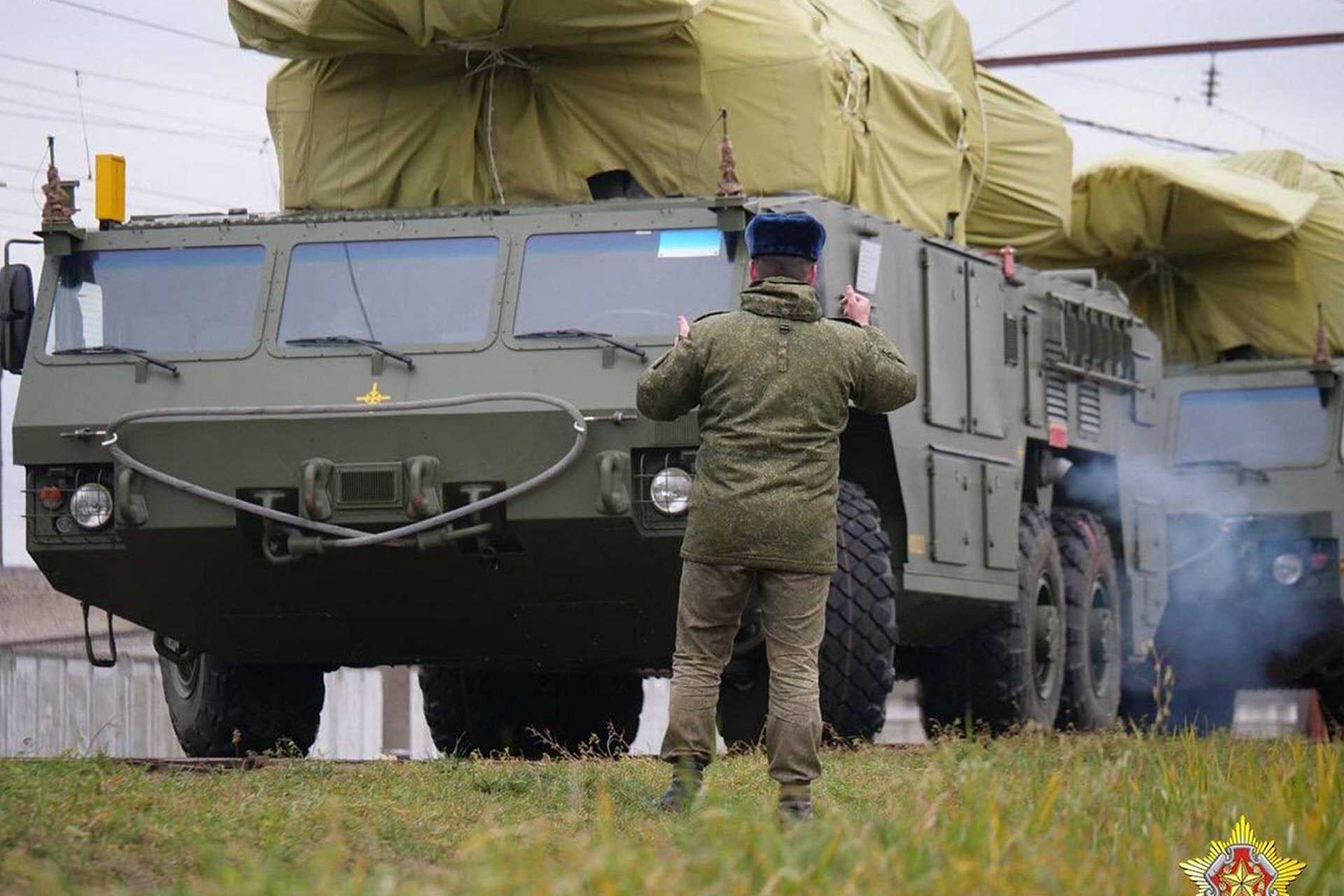
On November 21, 2024, the Belarussian Ministry of Defense Belarus announced that the country received another battery of Tor-M2E surface-to-air missile systems from Russia. The systems, delivered by rail, were modified by Russian designers based on operational experience, following lessons learned during recent military operations against Ukraine, including adjustments for countering small-sized aircraft. The new battery will be deployed to provide air defense coverage for Minsk and is expected to assume combat duty shortly.
Follow Army Recognition on Google News at this link
These new Tor-M2E systems were modified by Russian designers based on operational experience, following lessons learned during recent military operations against Ukraine, including adjustments for countering small-sized aircraft. (Picture source: Belarus MoD)
Major General Andrei Lukyanovich, Commander of the Air Force and Air Defense Forces, highlighted that the systems have been adapted to counter small-sized aircraft and other threats based on their operational use. Colonel Andrei Severinchik, Chief of the Anti-Aircraft Missile Troops Directorate, noted that the systems feature short reaction times, high mobility, and the capability to target a wide range of aerial threats. He described the delivery as an example of military-technical cooperation between Belarus and Russia to strengthen the unified regional air defense system.
This delivery is part of broader defense cooperation between the two countries, which includes joint training and exercises. Russian forces have also trained Belarusian personnel in the use of the Iskander-M short-range ballistic missile system, which is reportedly capable of carrying tactical nuclear payloads. Belarus has emphasized its alignment with Russia in regional security matters, including its role in the Collective Security Treaty Organization (CSTO).
Belarus has been acquiring Tor systems since 2010, with the most recent deliveries expanding its inventory to 21 Tor-M2E units as of 2023. These systems are equipped with 16 9M338K missiles, which feature increased accuracy, a wider engagement range, and reduced size and weight compared to earlier versions. The missiles are designed to operate in environments with electronic countermeasures and to defend against massed aerial attacks.
The Tor-M2E systems are integrated into Belarus’s air defense network, which also includes S-400 and Buk medium- to long-range systems, as well as older Osa and Strela platforms for short-range and point defense. The Air Force and Air Defense Forces, consisting of approximately 10,700 personnel, operate under a structure designed to coordinate with Russian forces. Belarus and Russia follow a joint defense strategy formalized in the Military Doctrine of the Union State, revised in 2021.
The Tor-M2E system is designed to provide short-range air defense for critical installations. It is capable of engaging up to 16 targets simultaneously from any direction, including objects traveling at speeds of up to 730 meters per second. The system operates effectively at ranges of up to 12 kilometers and altitudes of up to 10 kilometers, under any weather conditions and at any time of day. Key features include high mobility, short reaction times, and automated combat functionality.
The systems are expected to enhance Belarus’s air defense capabilities, particularly for the protection of the capital, Minsk. They contribute to the country’s broader defense objectives, which include adapting to modern threats and maintaining territorial security. Belarus’s defense industry focuses on manufacturing vehicles, guided weapons, and electronic warfare systems but relies on Russian technology for advanced air defense systems such as the Tor-M2E.
Read more: Belarus strengthens air defense with upgraded Tor-M2E missile systems from Russia
- Details
- Written by: Administrator
- Category: 2024
- Hits: 3110
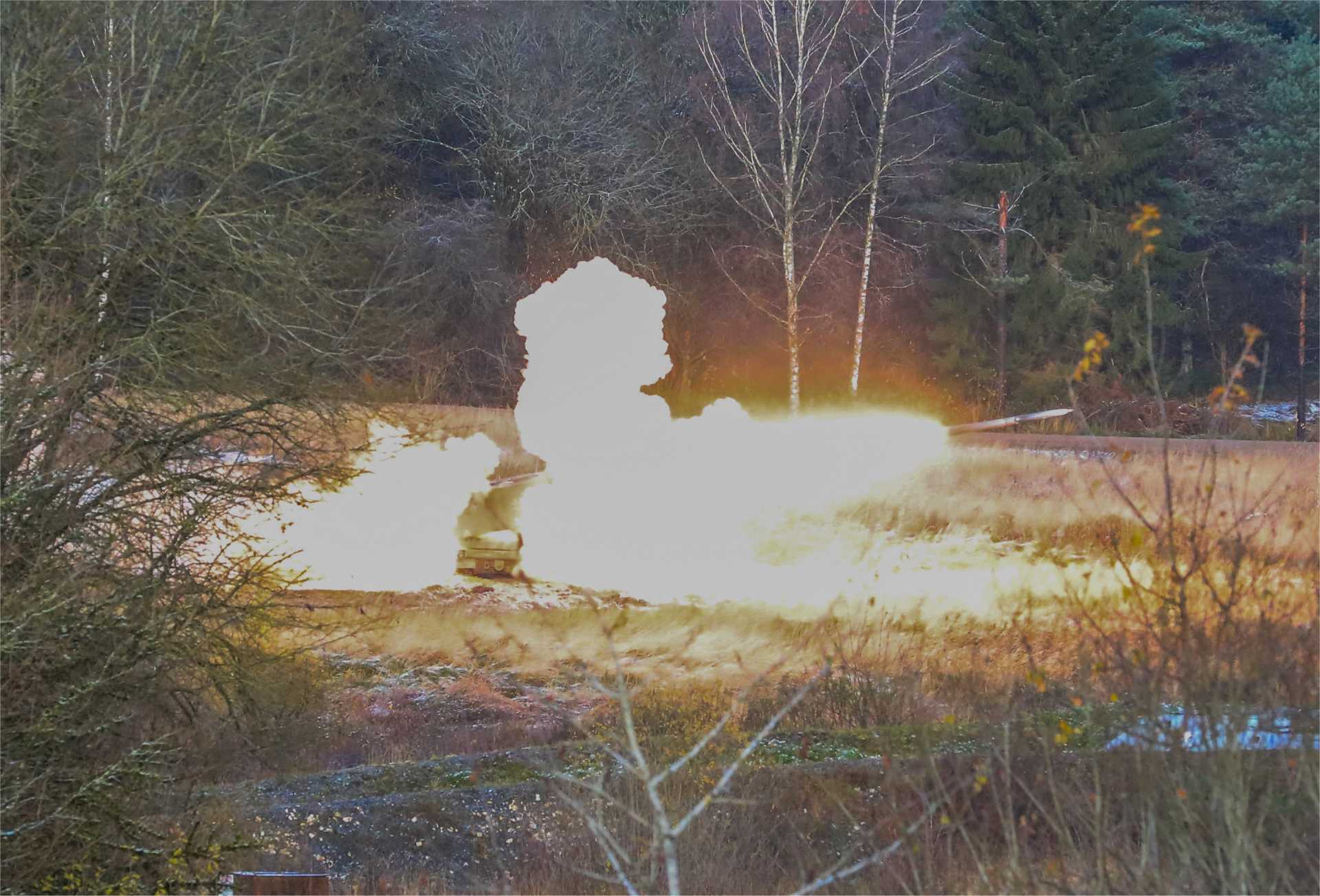
Grafenwoehr Training Area in Bavaria, Germany, was the scene of an impressive live-fire demonstration as German Army soldiers from the 295th French-German Brigade employed the Medium Artillery Rocket System II (MARS II) during Exercise Dynamic Front 25 on November 20, 2024. The exercise, a key annual NATO event, underscores the alliance's commitment to enhancing long-range fires and fostering interoperability among Allied and partner nations.
Follow Army Recognition on Google News at this link
German Army soldiers from the 295th French-German Brigade conduct a fire mission using the MARS II weapon system during a live-fire exercise at Grafenwoehr Training Area, Bavaria, Germany, as part of Dynamic Front 25, on November 20, 2024. (Picture source: U.S. DoD)
The MARS II, Germany's modernized variant of the U.S.-developed M270 Multiple Launch Rocket System (MLRS), stood out as a critical tool in the exercise. Compared to the original M270, the MARS II incorporates significant upgrades tailored to European operational needs. It features an advanced European Fire Control System (EFCS) that provides precise targeting capabilities, compatibility with the GPS-guided M31 GMLRS rockets, and the capacity to employ cluster munition alternatives in compliance with the Convention on Cluster Munitions (CCM). This differs from the baseline M270, which lacks these software modifications and often operates with legacy munitions not compliant with international agreements.
Additionally, the MARS II is equipped with enhanced mobility systems and a reinforced structure designed for extended operational longevity. During the exercise, German soldiers leveraged these capabilities to deliver concentrated firepower, showcasing the system's effectiveness in supporting multinational operations.
Exercise Dynamic Front 25 brought together over 5,500 troops from 28 Allied and partner nations, including 1,800 U.S. service members and 3,700 multinational forces. This extensive exercise focuses on integrating long-range fires and artillery assets in a simulated, complex battlefield environment. Conducted under the leadership of the U.S. Army Europe and Africa (USAREUR-AF), the exercise plays a crucial role in strengthening NATO's collective defense posture. By conducting realistic training scenarios, Dynamic Front 25 enables participating forces to refine their operational readiness, improve coordination, and enhance their ability to execute joint missions effectively.
A key feature of Dynamic Front 25 is the use of host nation infrastructure, such as the Grafenwoehr Training Area, to enhance NATO’s operational reach. By conducting such exercises in a multinational context, participating forces can capitalize on shared expertise, logistics, and infrastructure to simulate realistic operational challenges.
The 295th French-German Brigade’s participation added a significant dimension to the exercise. This unique bi-national military unit, a symbol of Franco-German defense cooperation, demonstrated its readiness and integration into NATO's operational framework. Their involvement underscores the enduring importance of European defense collaboration and highlights the brigade's role as a vital component of NATO's collective security efforts.
Dynamic Front 25 also served as a testing ground for the integration of advanced systems like the MARS II into joint operations. Coordinating fire missions across multiple platforms and national forces remains a critical challenge in modern warfare. The live-fire demonstrations, including the deployment of the MARS II, illustrated how cutting-edge systems and joint training initiatives can enhance the alliance's overall lethality and cohesion. The precision and reliability of the MARS II showcased its potential to be a force multiplier in NATO’s artillery arsenal.
The successful execution of MARS II fire missions during Exercise Dynamic Front 25 highlights Germany's ongoing efforts to strengthen NATO's capabilities in long-range fires and joint operations. As the global security landscape evolves, training events like Dynamic Front ensure that Allied forces remain agile, interoperable, and prepared to counter emerging threats on the modern battlefield. .
- Details
- Written by: Jérôme Brahy
- Category: 2024
- Hits: 6155
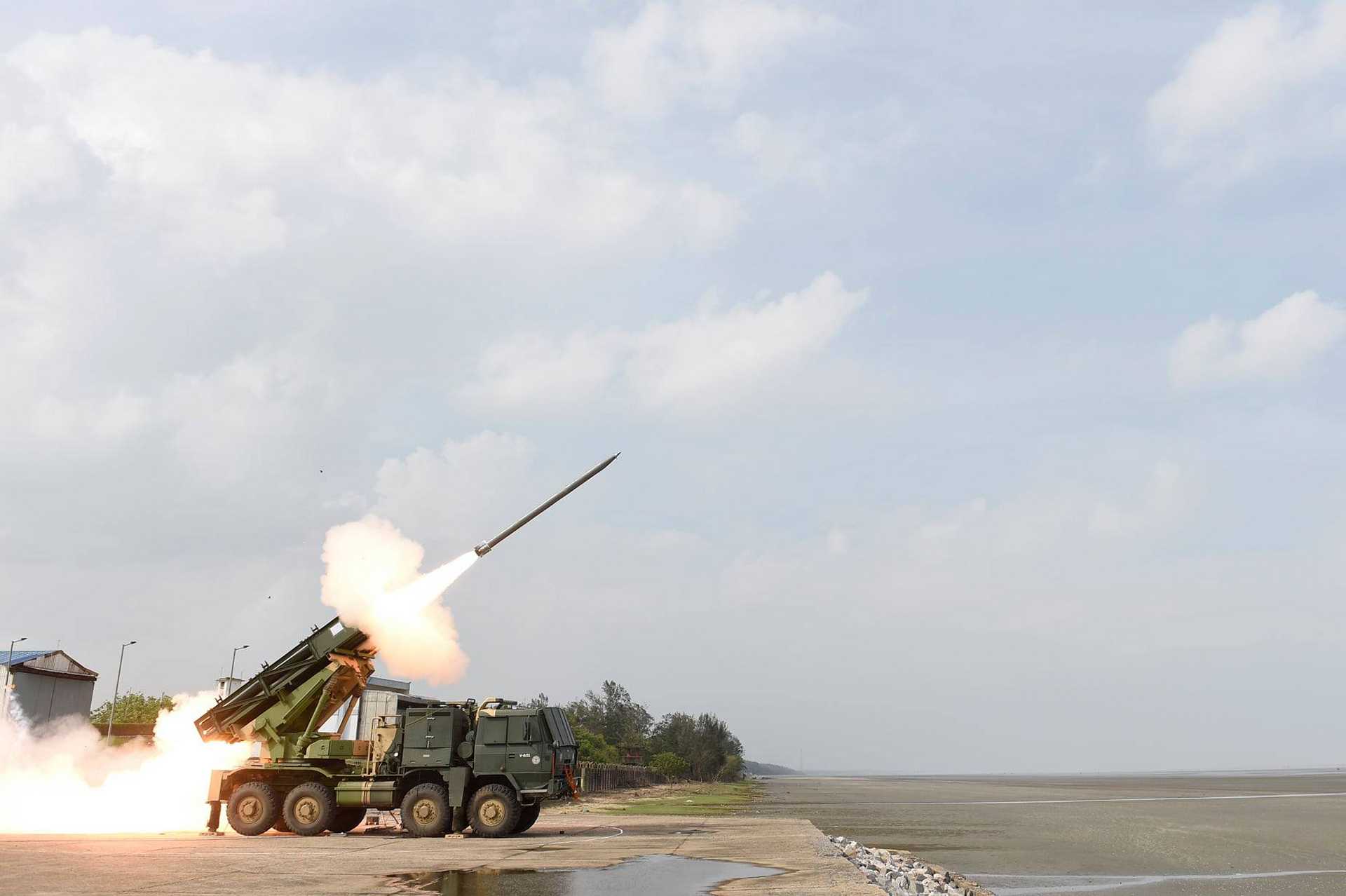
On November 14, 2024, India’s Defence Research and Development Organisation (DRDO) announced the successful completion of flight tests for the Guided Pinaka Multiple Launch Rocket System (MLRS) during validation trials. Conducted in three phases across various field firing ranges, the tests evaluated the system's range, accuracy, consistency, and rate of fire for multiple target engagements in salvo mode. The system is now ready for mass production and deployment as part of the Indian Army's artillery modernization efforts.
Follow Army Recognition on Google News at this link
Compared to the original Pinaka MLRS, the Guided Pinaka extends the firing range to approximately 75 kilometers while adding precision targeting capabilities, making it suitable for high-value targets like command centers or fortified positions. (Picture source: DRDO)
The Guided Pinaka is a precision-strike variant of the Pinaka MLRS, designed and developed entirely within India. Its development involved collaboration between the Armament Research and Development Establishment (ARDE), Research Centre Imarat (RCI), Defence Research and Development Laboratory (DRDL), High Energy Materials Research Laboratory (HEMRL), and Proof & Experimental Establishment (PXE). Rockets are manufactured by Economic Explosives Limited (EEL) and Munitions India Limited (MIL), while Tata Advanced Systems Limited (TASL) and Larsen & Toubro (L&T) produce the launchers and Battery Command Posts. The system integrates advanced navigation, guidance, and control technologies, utilizing inertial navigation with GPS/NavIC for accuracy within 30 meters.
The original Pinaka MLRS employs unguided rockets with a range of about 40 kilometers, designed to target large areas such as troop concentrations or infrastructure. The Guided Pinaka, in contrast, extends the range to approximately 75 kilometers while adding precision targeting capabilities, making it suitable for high-value targets like command centers or fortified positions. Payloads also differ: the Pinaka MLRS delivers a variety of warheads, including high-explosive and submunitions, whereas the Guided Pinaka uses specialized warheads for minimized collateral damage. Both systems share a common platform but are optimized for different operational needs, with the Guided Pinaka offering enhanced range and accuracy.
The Pinaka MLRS, originally developed to replace the Russian BM-21 Grad, has undergone significant upgrades since its inception in 1986. Early models, such as the Pinaka Mk-I, had a range of 37.5 kilometers, while newer versions like the Enhanced Mk-I and Mk-II extend the range to 75 kilometers. The Guided Pinaka variant further increases this to 90 kilometers with trajectory correction systems, and current efforts aim to extend the range to 120 and 300 kilometers.
The system comprises several components, including six launcher vehicles per battery, each equipped with 12 rockets, six loader-replenishment vehicles, six additional replenishment vehicles, and two command post vehicles with fire control systems. A battery of six launchers can fire 72 rockets in 44 seconds, covering an area of approximately 1,000 by 800 meters. Operational modes include autonomous, stand-alone, remote, and manual, providing deployment flexibility. The launchers, mounted on high-mobility vehicles such as Tatra trucks, feature NBC (nuclear, biological, chemical) protection and shoot-and-scoot capabilities.
The Pinaka system has been operational since the Kargil War, where it effectively targeted enemy positions. Since then, the Indian Army has steadily inducted the system, with production shared between private and public sector entities, including Yantra India Limited, Solar Industries, Bharat Earth Movers Limited (BEML), TASL, and L&T. Efforts to boost production have included partnerships with private firms under technology transfer agreements.
Recent developments include extended-range and guided variants. The Mk-II offers a maximum range of 75 kilometers, while ongoing trials for Enhanced and Guided versions aim to standardize the Mk-II for broader deployment. The system accommodates various warheads, including high-explosive fragmentation, cluster munitions, and anti-tank types, with detonation mechanisms ranging from contact to proximity fuses.
The Indian Army currently operates four Pinaka regiments, with additional regiments planned. Six regiments of the Mk-II variant were ordered in 2020, and more are set to replace older systems like the BM-21 Grad. The Pinaka has also drawn international interest; Armenia has procured four batteries and guided rockets under a recent contract. Other countries, including Indonesia, Nigeria, and France, have shown interest, with the French Army evaluating the system for potential inclusion in its arsenal.
- Details
- Written by: Jérôme Brahy
- Category: 2024
- Hits: 7249
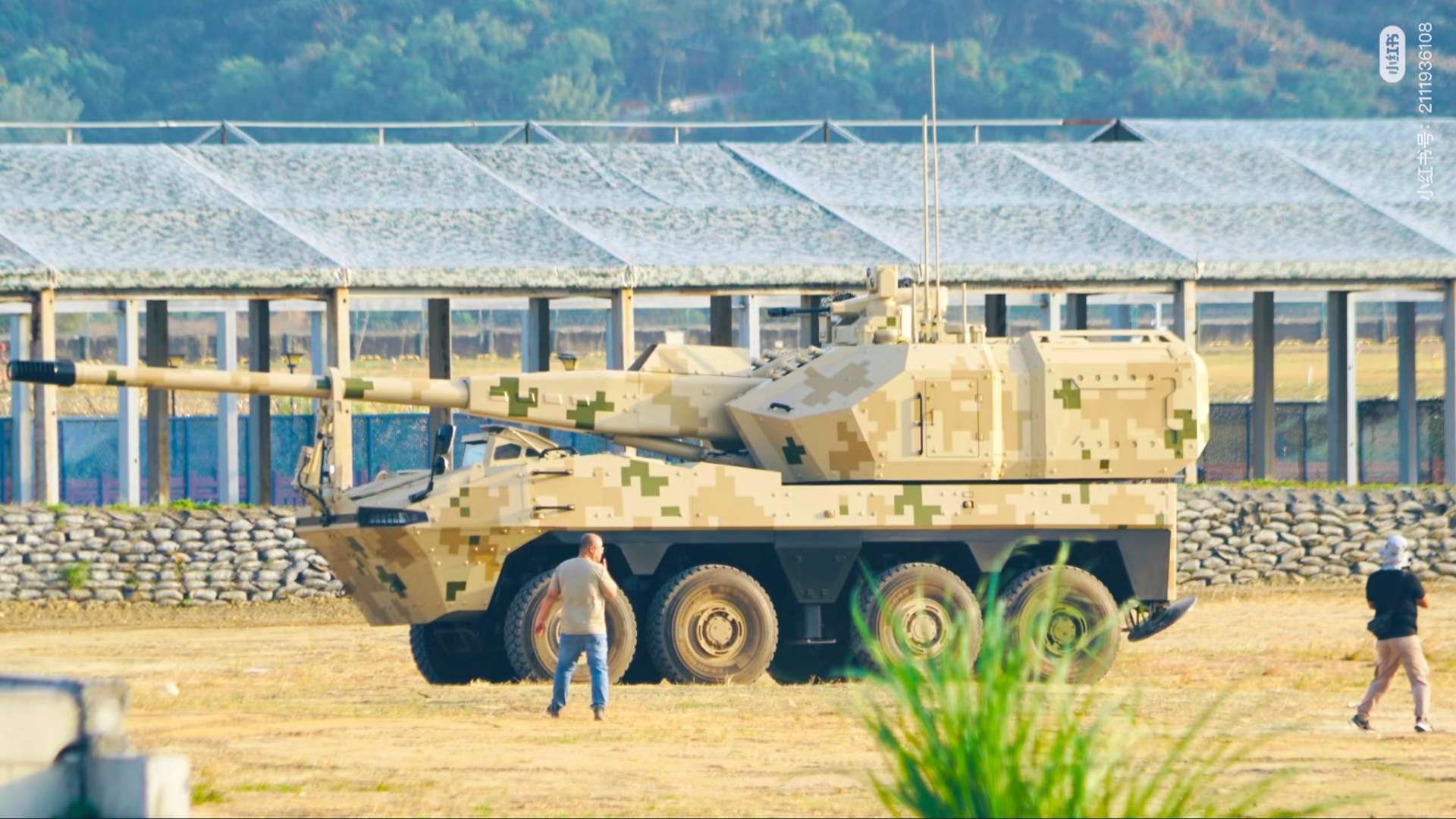
At the 15th China Air Show, the Chinese state-owned company Norinco officially presented the new SH16A 155mm wheeled self-propelled howitzer, based on the VN-22 8×8 chassis. This system is described as an evolution of China's artillery capabilities, designed to replace earlier models, increase load capacity, enhance protection, and support modular weapon systems. Furthermore, this advanced self-propelled howitzer could represent a new milestone, by incorporating a pioneering laser ignition system.
Follow Army Recognition on Google News at this link
The turret of the SH16A, weighing 14 tons, is compatible with various chassis types, including both tracked and wheeled platforms, enabling operational flexibility. (Picture source: Chinese social media)
The SH16A's updated chassis has a carrying capacity exceeding 15 tons, compared to the seven or eight tons of its predecessor. This increased capacity enables the integration of heavier weapon systems, improved armor, and enhanced protection. The chassis also features a top speed of 110 kilometers per hour and the ability to perform in-situ turning, enhancing agility. Its height-adjustable suspension system improves mine protection and mobility across varied terrain.
The SH16A is equipped with an unmanned turret that can be controlled remotely. All operational functions, including deployment, loading, firing, and withdrawal, can be managed from outside the vehicle. This design reduces risks for operators while maintaining full system functionality. The turret features a magazine-style ammunition system with a capacity of approximately 30 rounds, allowing quick reloads by swapping out magazines.
One of the system’s key innovations is its laser ignition technology, a first for howitzers of this type. This technology provides more stable and synchronized ignition compared to traditional methods. It offers two modes: direct ignition, where the laser directly ignites the charge, and multi-point network ignition, where laser energy is transmitted through an optical fiber system to ignite multiple points simultaneously.
The SH16A builds on the design of the SH16 model but incorporates several advancements. The turret, weighing 14 tons, is compatible with various chassis types, including both tracked and wheeled platforms, enabling operational flexibility. The 52-caliber 155mm gun is capable of firing multiple types of ammunition, including extended-range projectiles. When using bottom-bleed rocket-assisted rounds, its maximum range is reported to reach 56 kilometers.
Additionally, the SH16A uses automated systems for firing, loading, and ammunition management. Its fire control system integrates multiple tasks, such as gun adjustment, fuse setting, and projectile loading. These automation features streamline operations and reduce crew workload. The turret design allows for modular integration, making it adaptable to various platforms.
The system's protection level is rated at STANAG 4569 Level 4, allowing it to withstand 14.5mm armor-piercing rounds from all directions. Additional features include a V-shaped hull for mine protection and built-in anti-drone capabilities, all designed to increase survivability in modern combat environments.
The SH16A is based on the VN-22 8×8 armored vehicle chassis, which was introduced in 2021 by the Norinco Group. The VN-22 chassis is modular and supports various roles, including troop transport, reconnaissance, and artillery. It is equipped with an adjustable suspension system, active protection systems, and additional armor for enhanced mobility and survivability. This platform has been exported to countries such as Iraq, Ivory Coast, and Senegal, with Iraq customizing the design to meet specific operational requirements.
Read more: China's SH16A 155mm self-propelled howitzer sets new standards with laser ignition system
- Polish Army Strengthens Tank Power with Second Delivery of K2 Black Panther Tanks
- Poland Enhances Special Forces Capabilities with New S-70i Black Hawk Helicopters
- UK Army Looks Ahead with Major Defense Reforms and Strategic Investments
- Breaking News: Germany Delivers First 8 Caracal Air Assault Vehicles to Ukraine for Frontline Operations