
- Details
- Written by: Vandenbosch
- Category: 2024
- Hits: 4815










The Russia-Ukraine conflict, which began in February 2022, took an unexpected turn in early August 2024 with a major Ukrainian ground offensive in Russia's Kursk region. This operation, marked by advances on Russian territory, has opened a new front in the conflict, challenging Russia's defensive strategy and exacerbating tensions within the Kremlin. This article tries to provide a detailed analysis of this breakthrough, examining the known facts, Ukrainian perspectives, Russian reactions, and potential implications for the future of the conflict.
Follow Army Recognition on Google News at this link
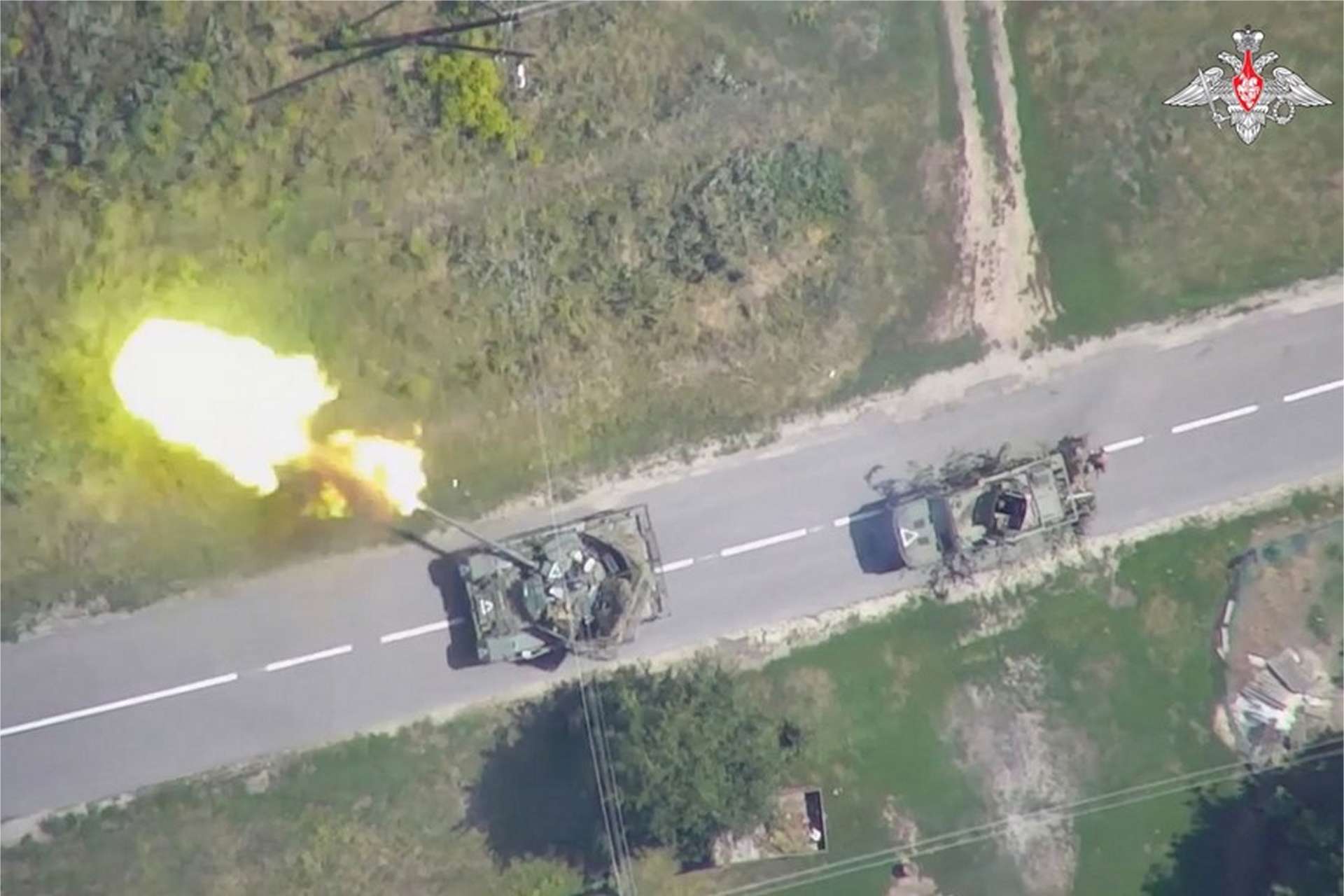
Russian combat footage in the Kursk region shows Ukrainian armed forces. (Picture source: Russian MoD)
What We Know
Since the start of the war in Ukraine, the Russian invasion has been characterized by intense fighting and a war of attrition on multiple fronts. However, on August 6, 2024, Ukraine shifted its strategy by launching a large-scale ground offensive in Russia's Kursk region. This operation marked a major turning point in the conflict, forcing thousands of Russian civilians to flee and exposing unexpected weaknesses in Russia's defenses.
The Ukrainian operation began with a massive troop incursion into the Kursk region, a Russian border area, on August 6, 2024. After six days of fighting, Ukrainian forces claimed control of 74 localities over an area of approximately 1,000 km², a territory 12 km deep and 40 km wide. Ukrainian troops advanced up to 25 km in some places, taking control of strategic points such as the town of Sudzha, a crucial hub for the transit of Russian gas to Europe.
Russian authorities confirmed that over 120,000 civilians had fled the region, while the Kremlin, in an attempt to regain control, ordered an anti-terrorist operation led by the FSB under the direction of Alexander Bortnikov and also repositioned several thousand troops. This Ukrainian offensive exposed flaws in Russia's defense and led to a strategic upheaval that could have lasting repercussions on the conflict's dynamics.
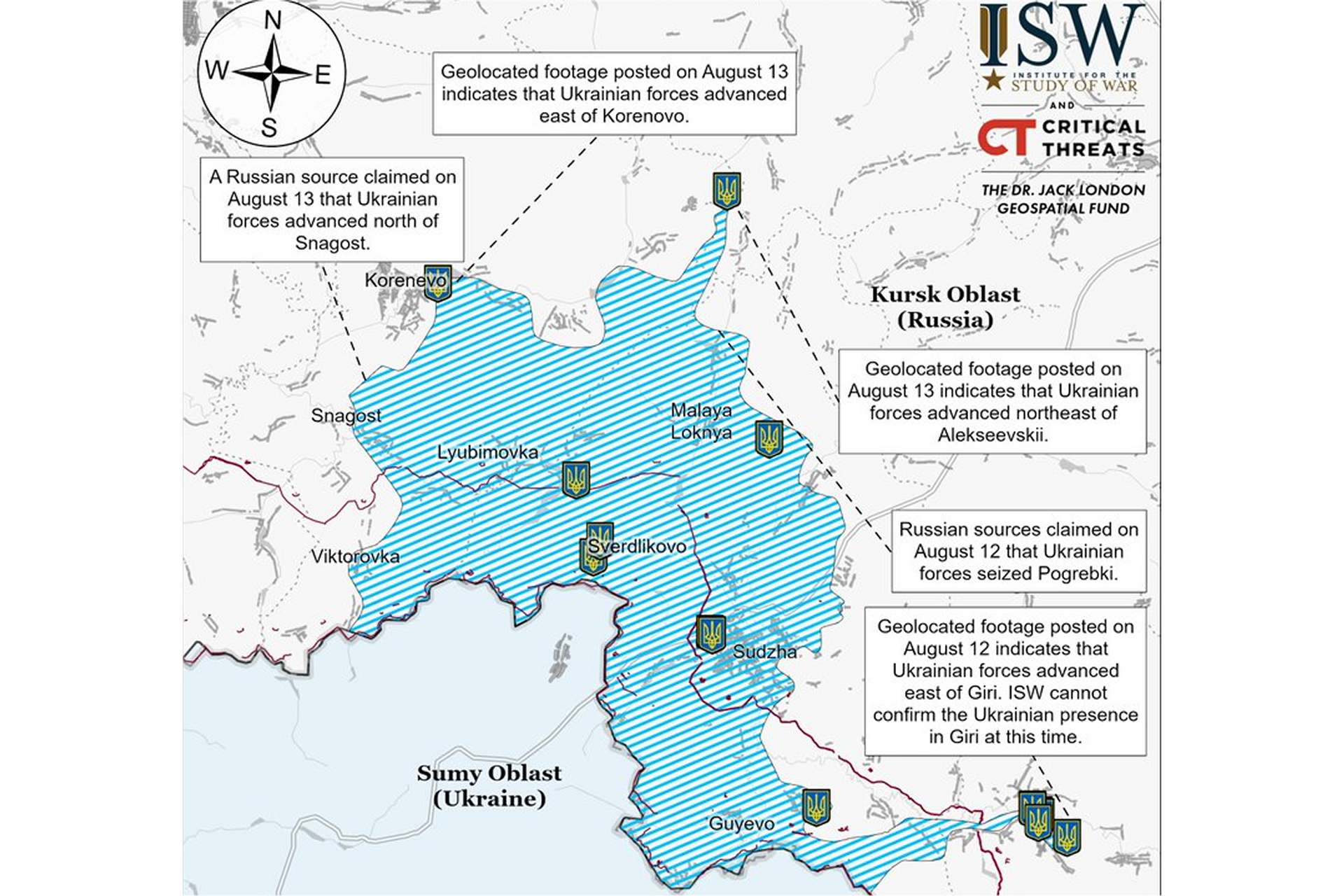
Map of Ukrainian breakthrough in Russia. (Picture source: Institute for the Study of War)
Ukrainian Perspectives
For Ukraine, this offensive represents an attempt to redefine the terms of the conflict. President Volodymyr Zelensky made it clear that the main objective of this incursion was to neutralize threats from Russian positions in Ukrainian territory. Indeed, the Kursk region has served as a launch base for numerous attacks against Ukraine, including more than 2,000 strikes since June 2024.
This offensive also allowed Ukraine to strengthen its "exchange fund" by capturing Russian soldiers who could be exchanged for Ukrainian prisoners. Furthermore, by forcing Russia to redeploy troops to defend its own territory, Ukraine hopes to relieve pressure on other fronts and gain a strategic advantage in future negotiations.
Zelensky also emphasized that this operation was aimed at demonstrating Ukraine's ability to bring the war to the aggressor's territory, a strategy that could both demoralize the enemy and galvanize international support for Ukraine. This aggressive approach reflects a desire to overturn the conflict's dynamics, shifting from a defensive posture to a proactive offensive strategy.

Combat footage in Russia. (Picture source: Social Media)
Russian Reaction
The Kremlin's reaction was marked by a combination of public denial and military countermeasures. Vladimir Putin quickly ordered an anti-terrorist operation to contain the incursion while deploying military reinforcements to the Kursk region. Despite these efforts, the situation on the ground remains critical for Russia, with reports of significant losses among Russian forces and an inability to completely repel Ukrainian forces.
Moscow's failure to protect its borders has led to a crisis of confidence among the Russian population. Many civilians in the affected areas feel abandoned by their government, as evidenced by accounts of disillusioned civilians due to the chaotic response of local authorities in Kursk. The testimonies collected show a deep sense of disarray, with poorly organized evacuations and a breakdown in communication between authorities and the population.
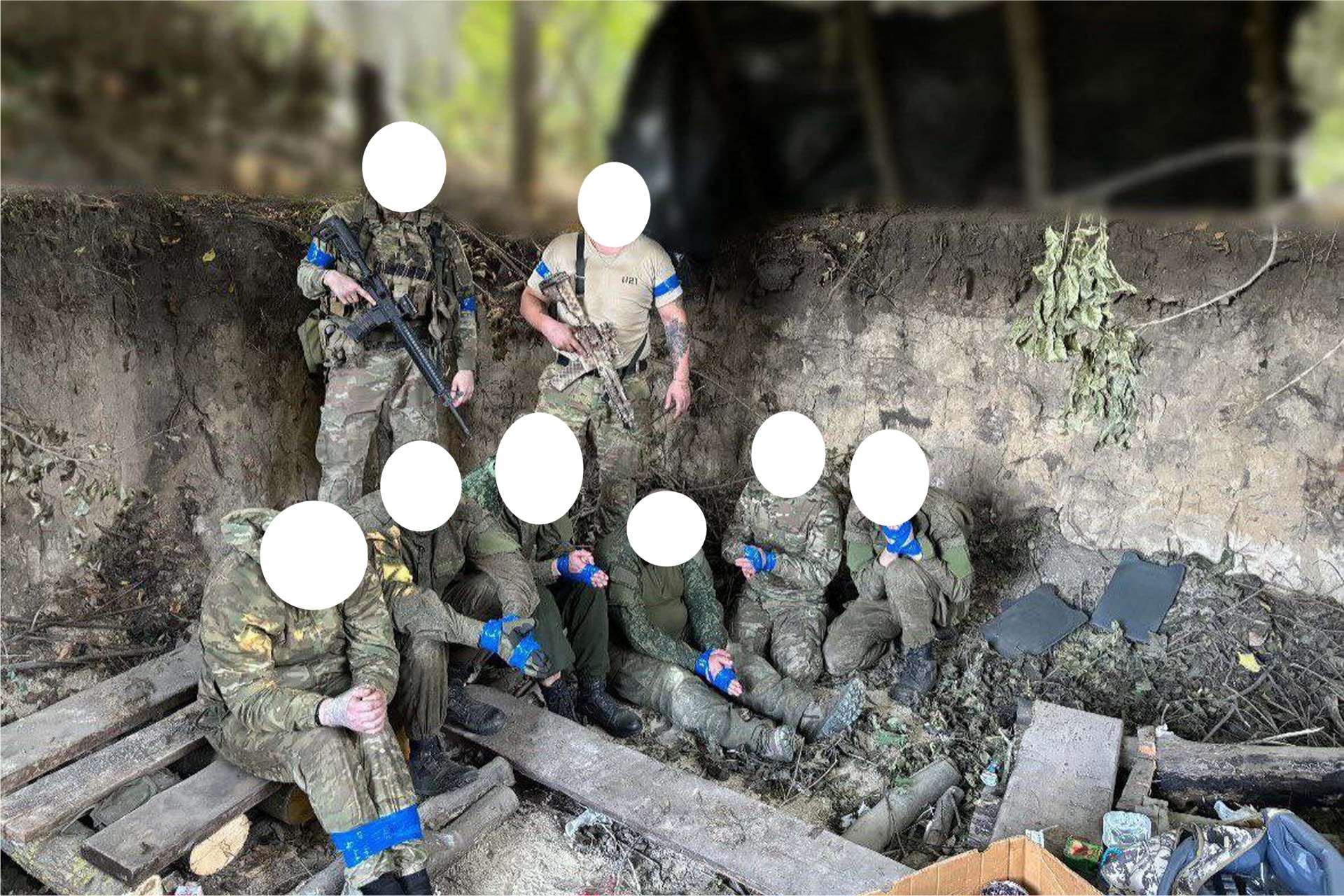
This offensive allowed Ukraine to strengthen its "exchange fund" by capturing Russian soldiers who could be exchanged for Ukrainian prisoners. (Picture source: Social Media)
Strategic Implications
The Ukrainian offensive in Kursk could have major repercussions on the conflict's future. On one hand, it forces Russia to divert military resources from other fronts, thereby weakening its offensive capabilities in Ukraine. On the other hand, it demonstrates Ukraine's ability to conduct offensive operations on enemy territory, which could alter strategic calculations on both sides.
For Ukraine, this operation could also strengthen its position in potential peace negotiations. By showing that it is capable of taking decisive action on enemy territory, Kyiv could secure greater concessions from Moscow. Moreover, this offensive could galvanize international support, particularly among Western allies, by demonstrating the effectiveness and resilience of the Ukrainian armed forces.
In contrast, for Russia, the inability to repel this incursion could weaken Vladimir Putin's position, both domestically and internationally. Questions about the competence of Russian military leaders and the country's defense solidity could exacerbate tensions within the Kremlin and among the Russian population.
Conclusion
The Ukrainian offensive in the Kursk region marks a new phase in the Russia-Ukraine conflict, with potentially profound implications for the conflict's future. As fighting continues, the coming days will be crucial in determining whether Ukraine can consolidate its gains or if Russia will be able to mount an effective counter-offensive. Regardless of the outcome, this incursion has already demonstrated Ukraine's ability to surprise and destabilize its adversary, challenging the dynamics established since the war began in 2022.
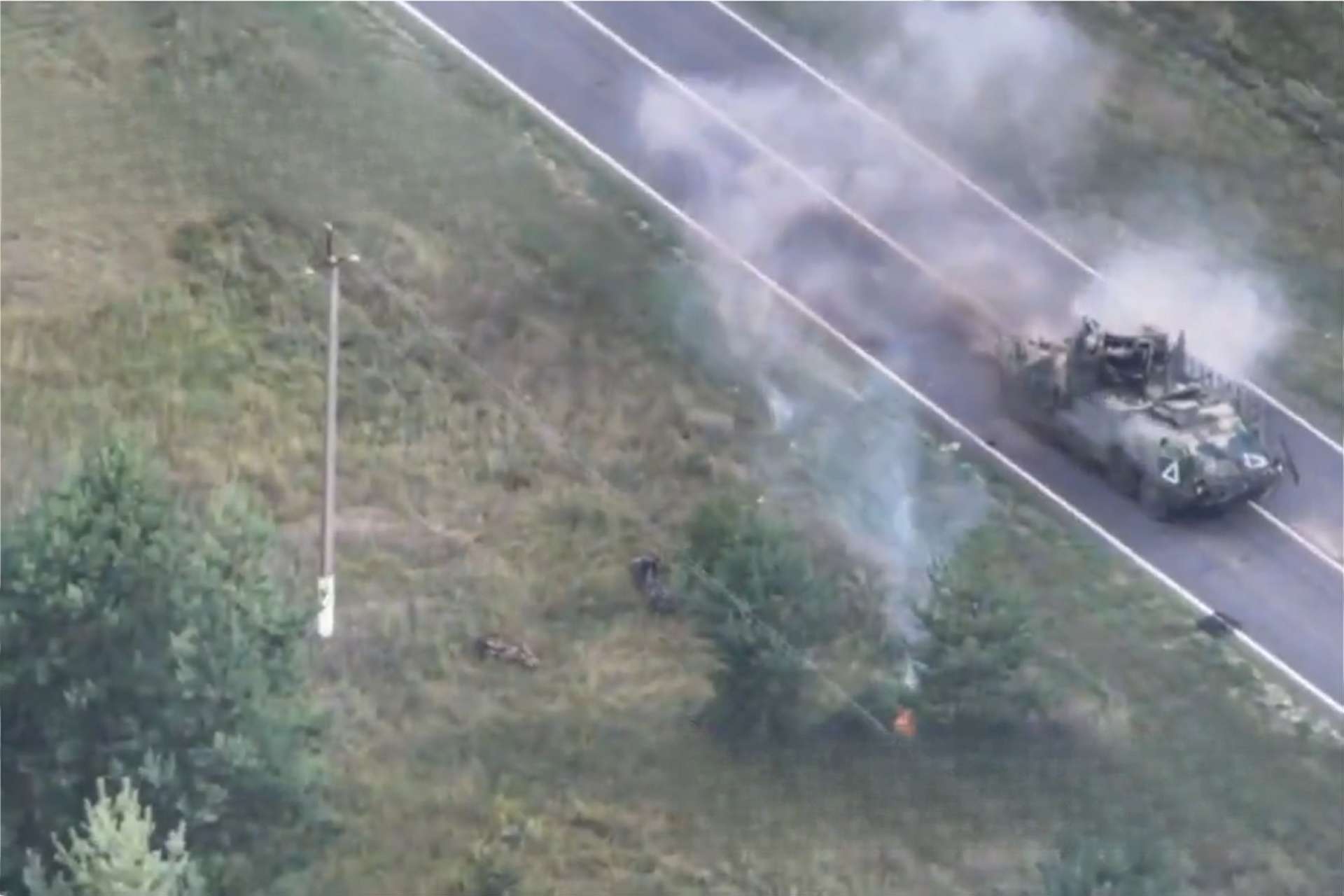
The Russia-Ukraine conflict, which began in February 2022, took an unexpected turn in early August 2024 with a major Ukrainian ground offensive in Russia's Kursk region. (Picture source: Social Media)
Read more: Ukrainian Breakthrough in Russia: Current Situation Overview
- Details
- Written by: Jérôme Brahy
- Category: 2024
- Hits: 17650
As reported by TASS on August 13, 2024, the Russian Armed Forces are set to enhance their armored capabilities with the delivery of modernized T-90M Proryv-3 tanks equipped with the hard-kill Arena-M active protection system (APS). This development was formalized during the Army-2024 forum, held at Patriot Park in the Moscow region. During the event, Colonel General Anatoly Gulyayev, Chief of the Main Directorate of Armaments of the Russian Armed Forces, presented state contracts to Dmitry Semizorov, Deputy General Director of Uralvagonzavod, the company responsible for producing these upgraded tanks.
Follow Army Recognition on Google News at this link
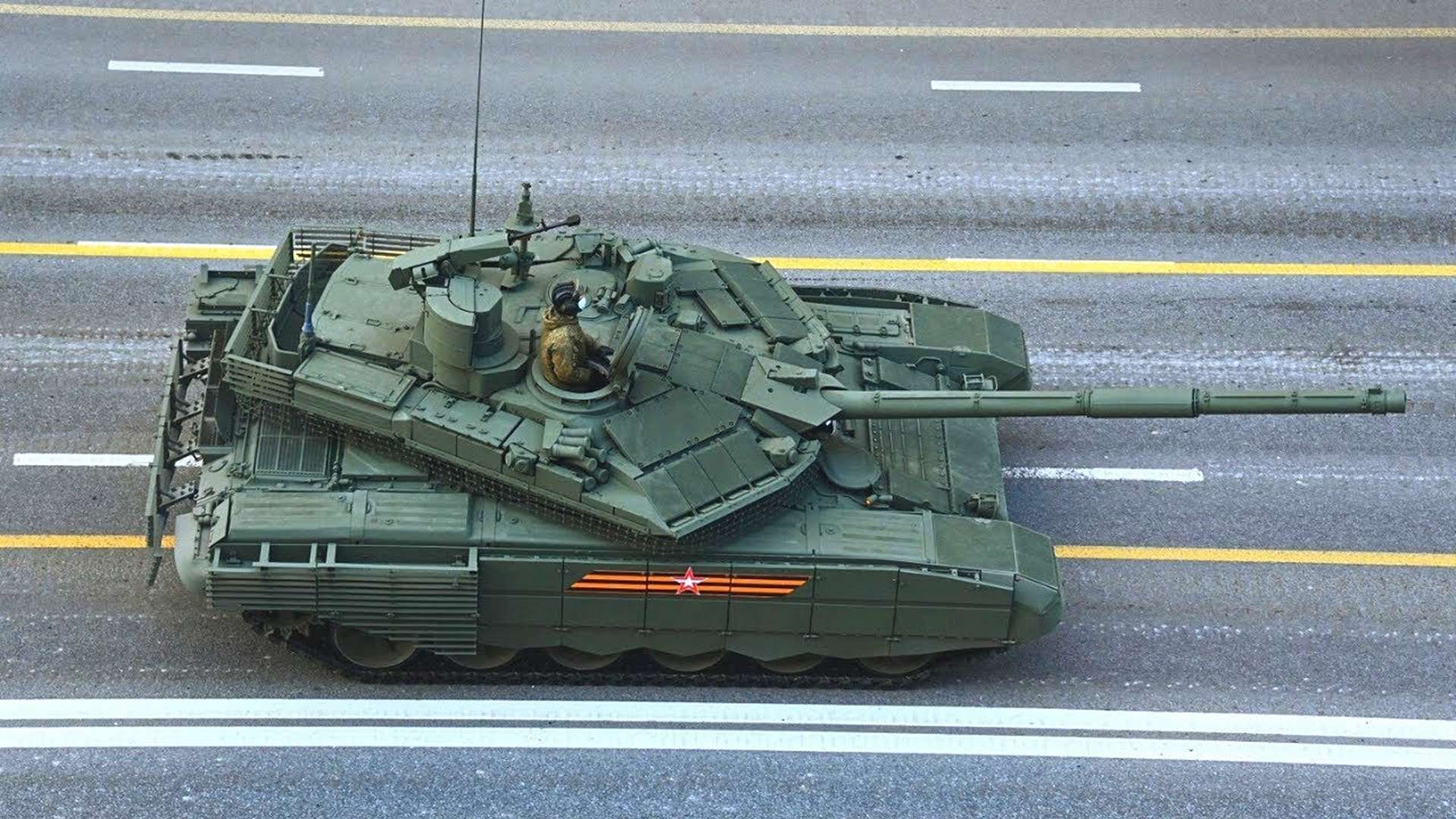
In addition to passive defense measures, the T-90M includes the Shtora-1 Electro-Optical Countermeasures System, a soft-kill APS that disrupts the guidance systems of incoming missiles. (Picture source: Russian social media)
The T-90M Proryv-3 tanks will be equipped with the T09-A6-1 Arena-M active protection kit, designed to improve the survivability of these tanks in combat. However, it is important to note that not all T-90M tanks have been equipped with this hard-kill active protection system (APS). While there have been reports and plans to equip some T-90M and T-80BVM tanks with the Arena-M system, the implementation has been inconsistent.
The primary reasons for this include the high cost and logistical challenges associated with producing and installing these systems, especially given the current economic constraints and sanctions affecting Russia. As a result, the Arena-M system, while installed on some tanks, has not been universally deployed across all T-90M units.
Uralvagonzavod, an entity within the Rostec State Corporation, is responsible for delivering these tanks as part of Russia's ongoing efforts to modernize its armored forces. The Arena-M system is compatible with various Russian-made tanks, including the T-72, T-80, and T-90. This hard-kill system is designed to intercept and neutralize incoming anti-tank guided missiles (ATGMs) and rocket-propelled grenades (RPGs).
This hard-kill APS operates using Doppler radar, providing 360-degree coverage to detect threats. Upon detection, the system launches explosive interceptors that detonate near the incoming projectile, neutralizing it before impact. The Arena-M system has a reaction time of approximately 0.07 seconds, offering a 270-degree arc of coverage focused on the frontal and lateral aspects, providing defense against various attack angles. Despite these capabilities, the limited deployment means that many T-90M tanks still rely primarily on their advanced armor and other defensive measures without the added protection of a fully integrated APS.
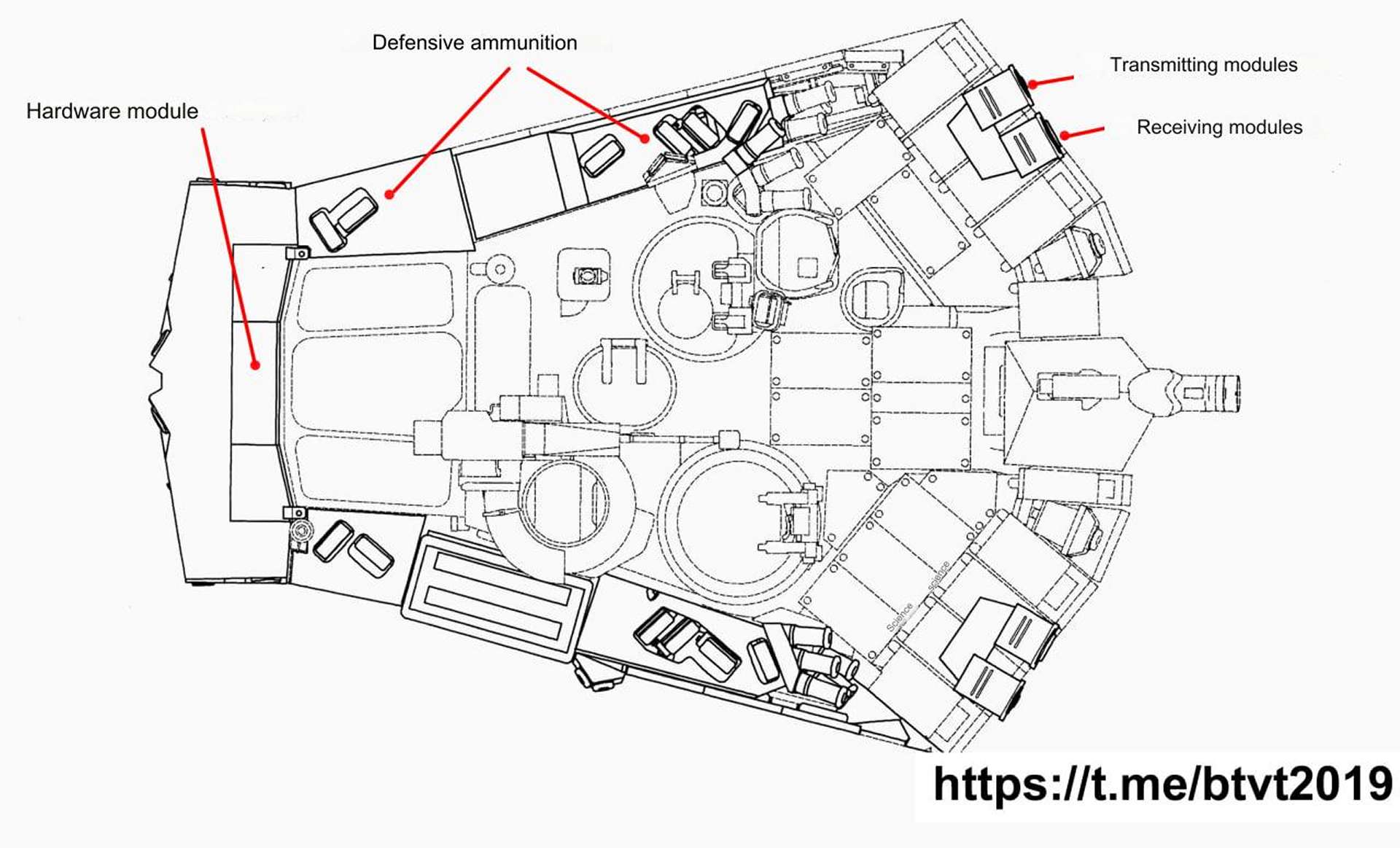
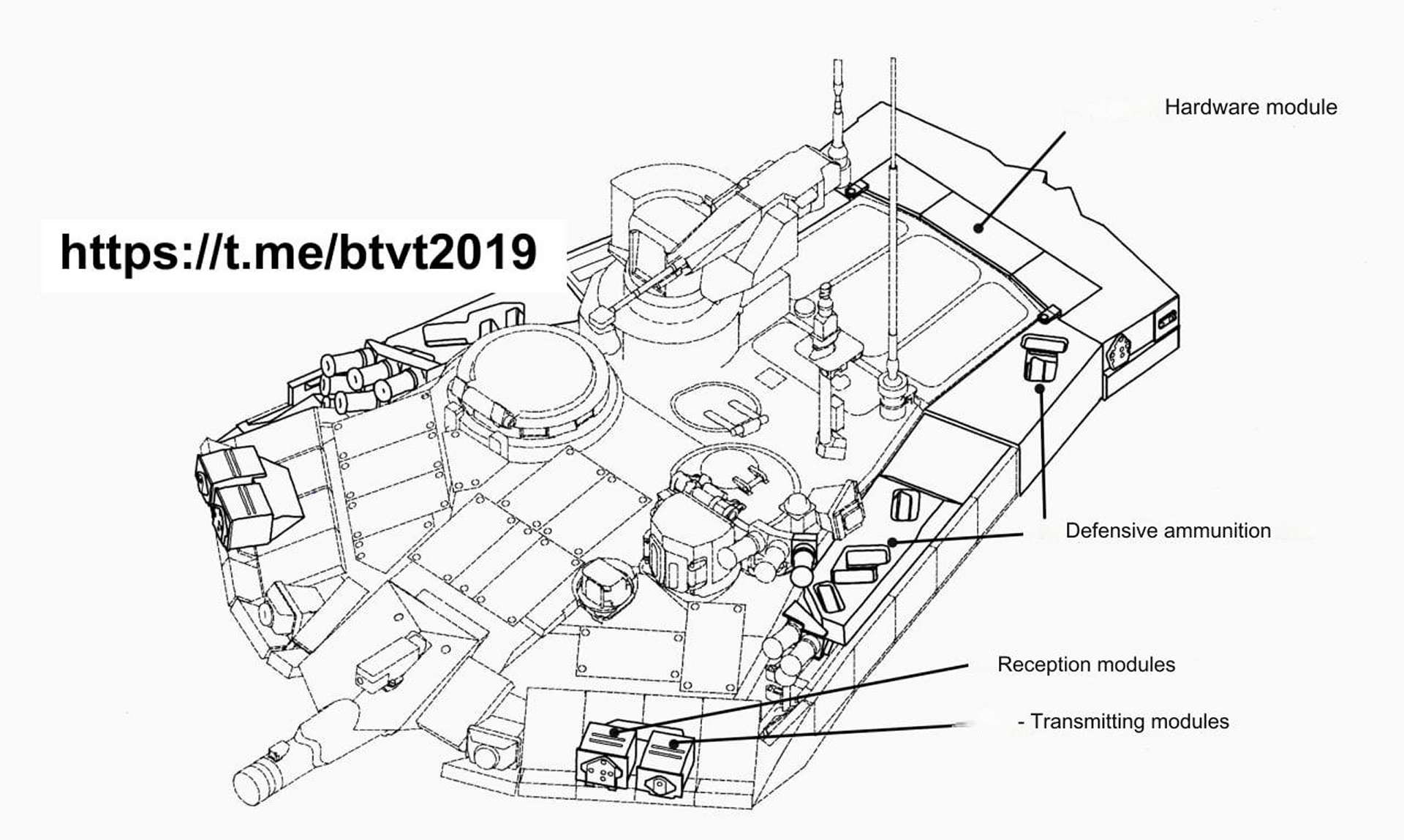
The Arena-M system has a reaction time of approximately 0.07 seconds, offering a 270-degree arc of coverage focused on the frontal and lateral aspects, providing defense against various attack angles. (Pictures source: Telegram/BTVT.info)
The Arena-M system is the latest development in a series of protective technologies that began in the late 1980s. Initially developed by the Design Bureau of Machine Building (KBM) in Kolomna, the original Arena system was designed to detect and destroy incoming threats automatically. The first version of this system was completed in the 1990s, with an export variant developed at the same time. The system has been continuously refined, with significant updates introduced in 2012, leading to the current Arena-M iteration.
In January 2017, Arena-M entered testing with an updated layout and enhanced capabilities. Recent inspections by Defense Minister Sergei Shoigu in February 2024 at the Scientific and Production Corporation KBM noted the system's progress. Shoigu highlighted the need to accelerate the project, reflecting the Ministry of Defense's intention to finalize and implement the system swiftly.
According to leaked files, the T-90M Proryv main battle tank is equipped with various protection systems designed to increase its survivability in different combat environments. The tank's primary defense mechanism is its advanced composite armor, a multilayered structure comprising high-hardness steel, composite materials, and ceramics. This armor is reported to provide protection equivalent to 950 mm Rolled Homogeneous Armor (RHA) against kinetic energy projectiles and up to 1350 mm RHA against shaped charges. Additionally, the T-90M is outfitted with modular armor panels that can be replaced or upgraded as needed, allowing for adjustments in the field to address evolving threats or to facilitate repairs.
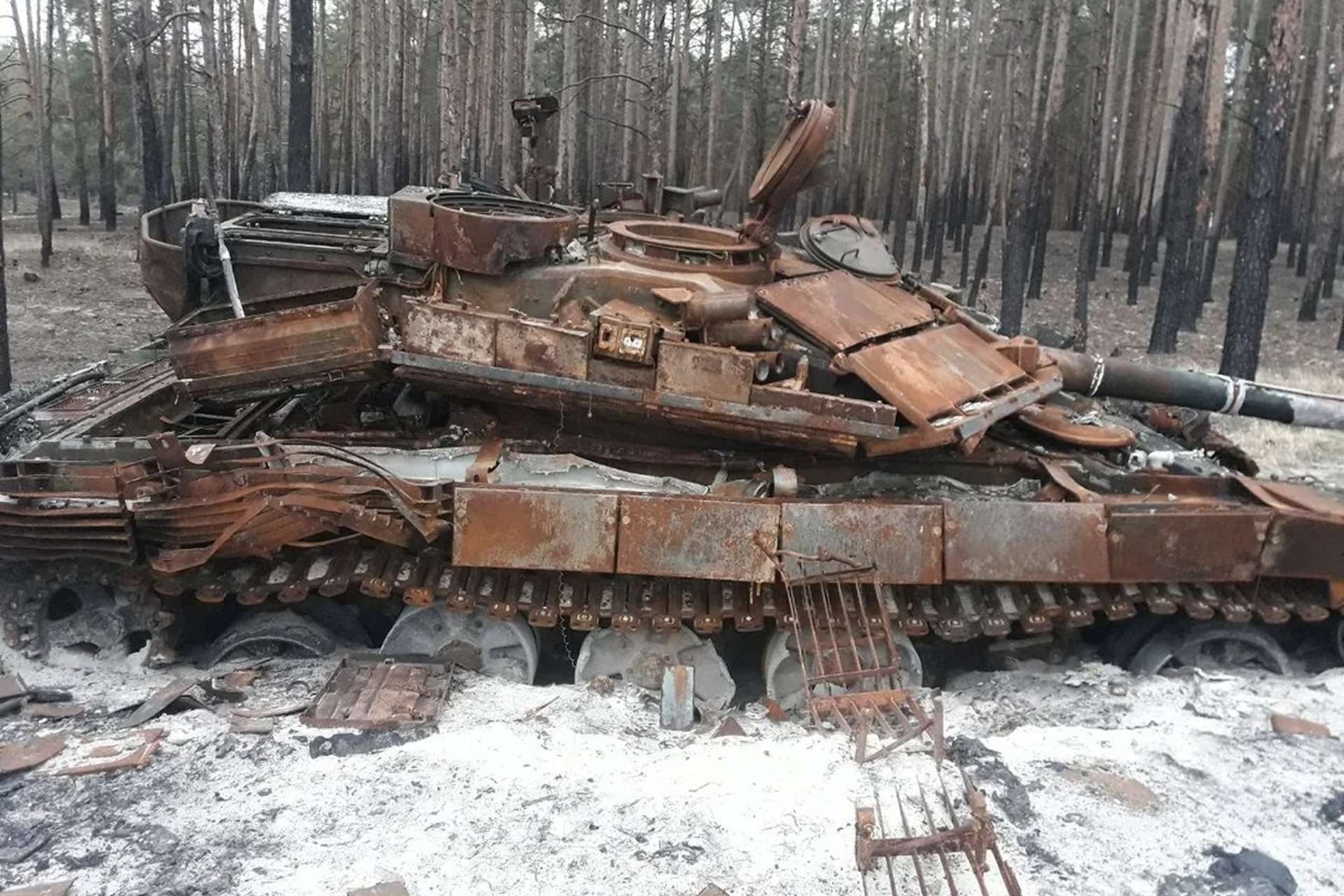
Russia has recently lost its 100th T-90M main battle tank in the ongoing conflict in Ukraine. Each T-90M tank is valued at approximately $4.5 million, meaning Russia has lost at least $450 million in Ukraine solely due to the loss of these specific tanks since the war began. (Picture source: Twitter/Naalsio)
The tank also incorporates the Relikt Explosive Reactive Armor (ERA), a dual-layered system intended to counter modern threats, including tandem warheads and advanced kinetic energy projectiles. The Relikt ERA is designed to reduce the penetration capabilities of such munitions and is deployed on the turret front, sides, and hull front, providing coverage against various forms of attack.
In addition to these passive defense measures, the T-90M includes the Shtora-1 Electro-Optical Countermeasures System, a soft-kill APS that disrupts the guidance systems of incoming missiles. This system consists of laser warning receivers, infrared jammers, and smoke grenade launchers, which work together to obscure the tank and interfere with the targeting of guided munitions. This system adds another layer of defense by reducing the likelihood of successful missile strikes.
The T-90M is also equipped with advanced fire suppression and Nuclear, Biological, and Chemical (NBC) protection systems. The 3ETs13-1 automatic fire suppression system is designed to detect and extinguish fires rapidly, protecting the crew and critical systems. Meanwhile, the NBC protection system ensures that the tank remains sealed against external contamination, maintaining a safe environment for the crew in the presence of hazardous materials.
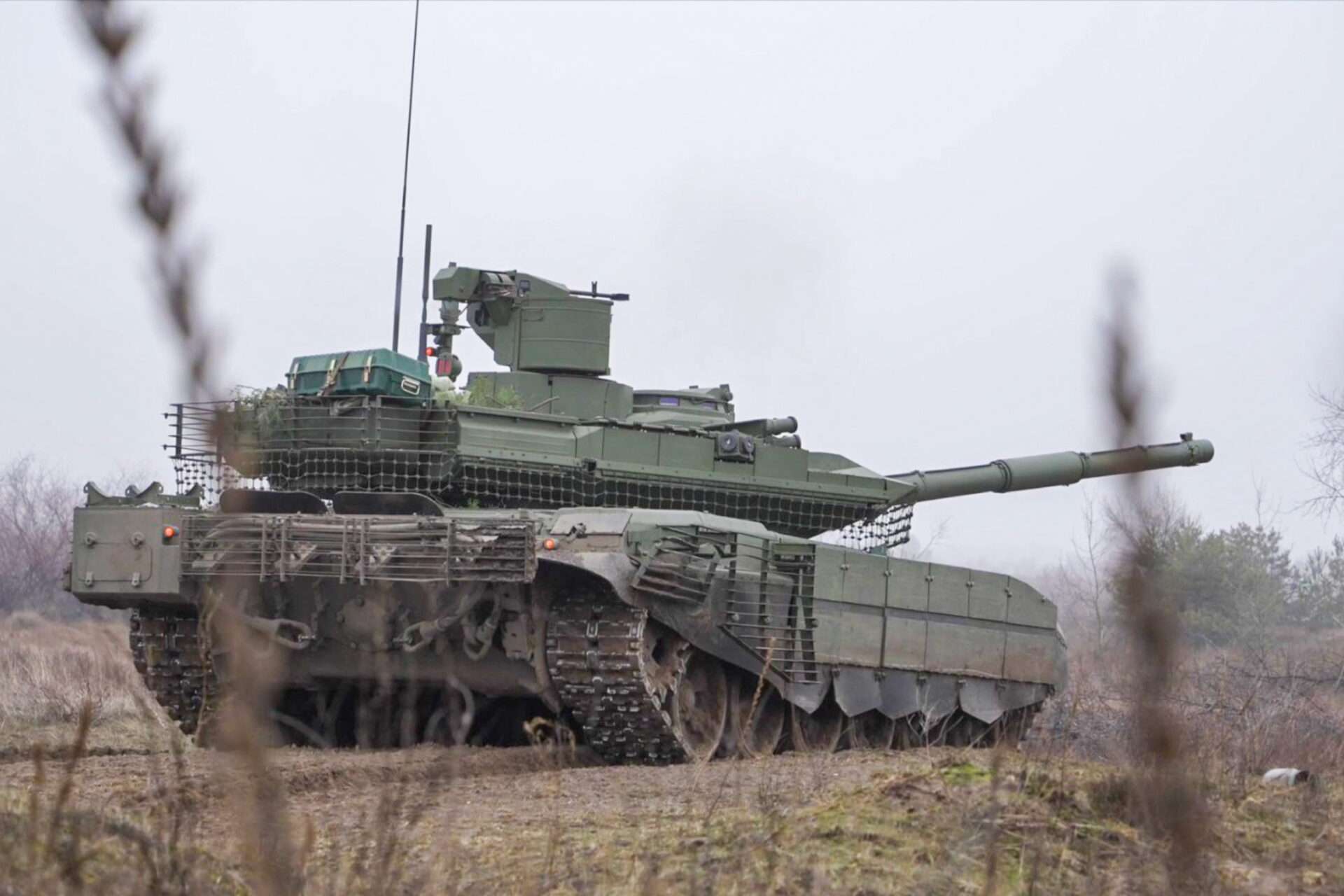
The tank's primary defense mechanism is its advanced composite armor, a multilayered structure comprising high-hardness steel, composite materials, and ceramics. This armor is reported to provide protection equivalent to 950 mm Rolled Homogeneous Armor (RHA) against kinetic energy projectiles and up to 1350 mm RHA against shaped charges. (Picture source: Russian social media)
Read more: Russian Army to finally receive more T-90M Proryv-3 tanks with long-awaited Arena-M APS

- Details
- Written by: V.Saint
- Category: 2024
- Hits: 18848
The Italian shotgun specialist Benelli has developed a long-range weapon for short-range drone defense based on its proven M4 platform. The company announced this in a statement on August 12. The semi-automatic shotgun, called the M4 Advanced Impact (AI) Drone Guardian, is designed to be used with 6.1 mm buckshot (No. 4 buckshot). This weapon is intended to be low-cost and particularly effective while adapting to the shooter. Given the complexity of neutralizing drones in flight, this modified M4 is designed to be simple to use, with the point aimed at being the point hit within a range of about 50 meters.
Follow Army Recognition on Google News at this link
Press release of M4 AI Drone guardian (Picture source: Benelli)
According to the statement, the massive use of drones carrying reconnaissance weapons and armaments in future conflicts is evident. With the Drone Guardian shotgun, Benelli aimed to develop a simple and effective weapon for short-range defense of dismounted forces and the protection of assets. The manufacturer places the shotgun in the category of personal defense weapons, similar to the HK MP7, but against unmanned aerial vehicles.
It is not surprising that Benelli chose the semi-automatic M4 shotgun as the base for its new development. Developed more than two decades ago, the short-stroke gas piston with an auto-regulating gas system has become a success with many armed forces and authorities. This weapon is also already used in drone defense roles, for example by the Belgian armed forces and notably by Ukraine; moreover, a recently discussed video shows that the 12-gauge shotgun is being used on the front line.
The effective combat range of the Drone Guardian is estimated at 50 meters according to Benelli, with a maximum combat range of up to 100 meters. According to the manufacturer, the uniqueness of the AI version is that, thanks to a modified choke, the buckshot can be effective even at distances of 50 meters and beyond, maintaining a high level of speed and energy. The sight, mounted on the full-length MIL-STD-1913 Picatinny rail, consists of a front sight and aperture sight. A Steiner MPS red dot sight is also mounted depending on the shooter’s preference. The shotgun is offered in two different barrel lengths. The 18.5-inch version is intended for self-protection of dismounted forces, while the 26-inch longer-range version targets the asset protection sector and thus also the police market.
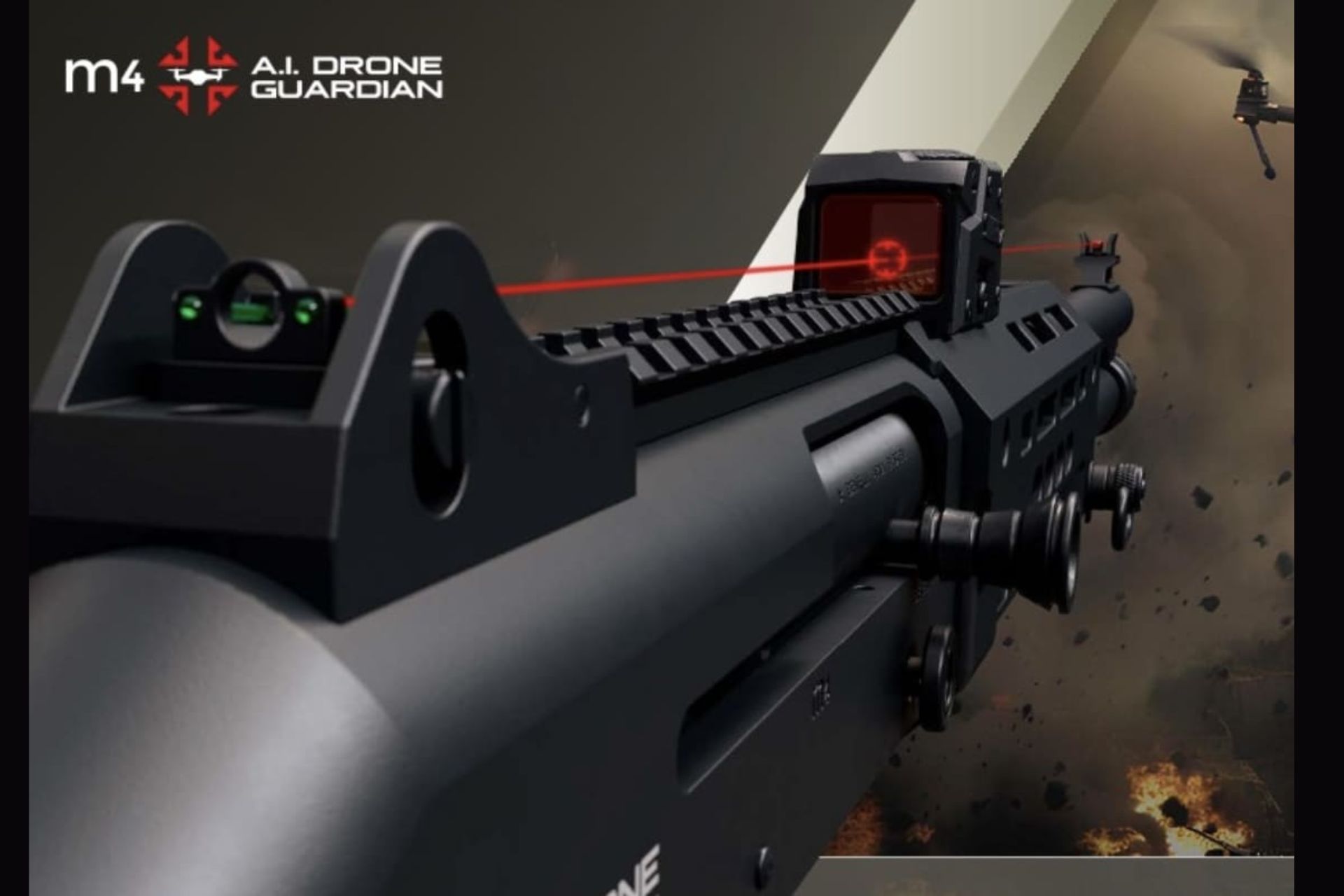
Concept of Benelli's enhanced aiming system mounted on A.I drone Guardian (Picture source: Benelli)
The advantage of kinetic weapons for drone defense lies in the fact that, compared to jamming systems, even electronically hardened or fully autonomous drones can be combated. Moreover, shotguns, in particular, are inexpensive to purchase and use. The drawback lies in the extremely short time available for defense and the detection and tracking issues that have so far been barely resolved. Nevertheless, shotguns have proven to be a useful complement to current short-range drone defense means on both sides of the war in Ukraine.
The 12-gauge shotgun is a weapon that is massively used by all military units, not only for anti-drone efforts, as we have seen, but also for various uses such as breaching, neutralizing traps, or combating natural environments. The 12-gauge shotgun is frequently used for various purposes by the military, often considered more of a tool than a weapon. Its variety of ammunition allows it to breach doors, stop light vehicles, or cover a large area with a spread of pellets. Consequently, the Belgians and French have experimented with using this tool, already in use by conventional and non-conventional forces, for anti-drone efforts. France uses standard-issue weapons as an effective means against aviation. In conventional armies, slug rounds and buckshot are commonly used.
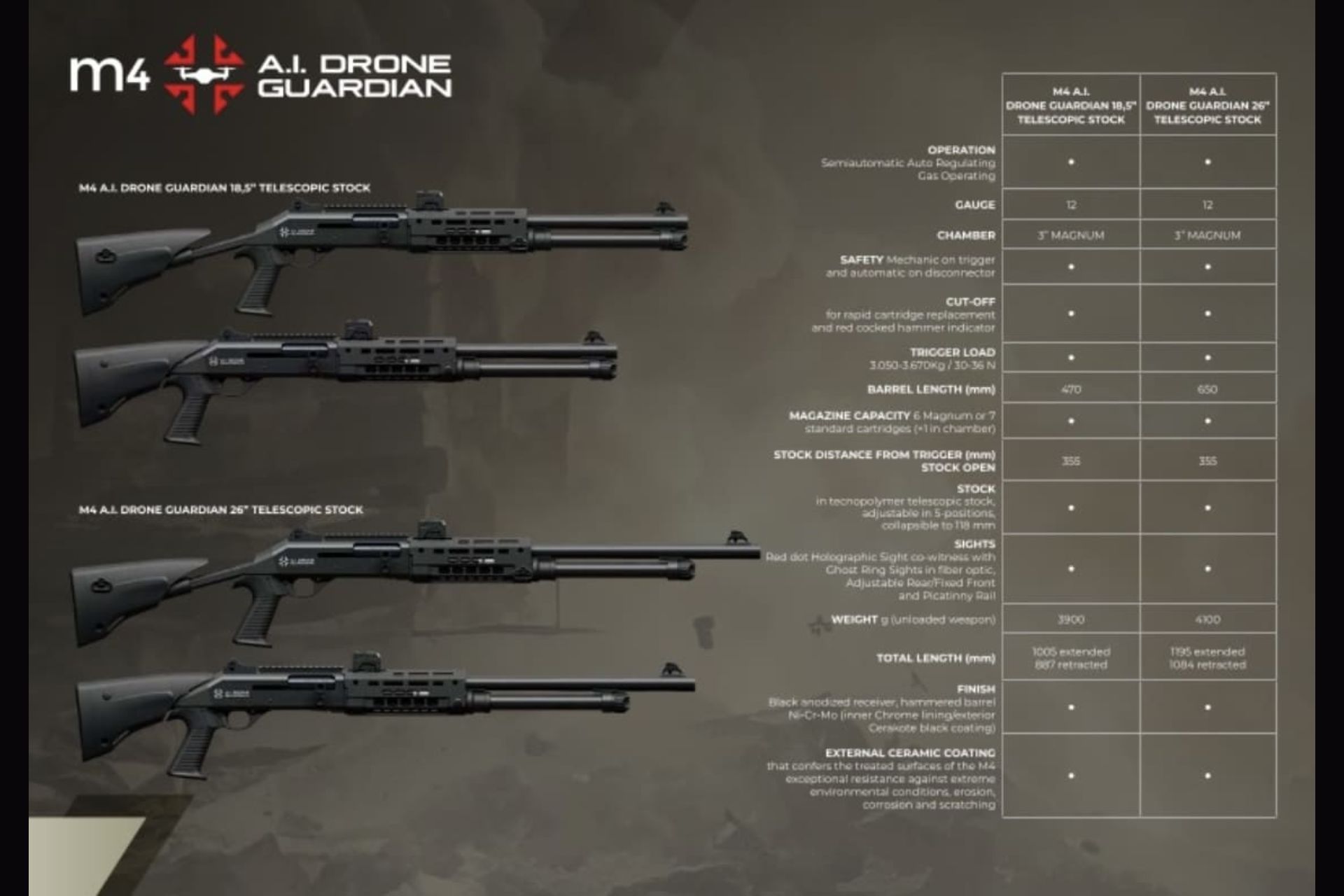
Data sheet of M4 A.I drone guardian according to version (Picture source: Benelli)
- Details
- Written by: V.Saint
- Category: 2024
- Hits: 3927
Lockheed Martin and General Dynamics have announced the signing of a strategic partnership agreement for the production of solid rocket motors that will enhance the security and resilience of a vital national supply chain. According to Tim Cahill, President of Lockheed Martin Missiles and Fire Control, maintaining a robust and diversified supply chain for solid rocket motors is essential to advancing our vision of 21st-century security, which aims to strengthen and fortify the defense industrial base to enable our customers worldwide to stay ahead of emerging threats. This agreement allows Lockheed Martin and General Dynamics to accelerate the production of highly demanded solutions in the future.
.
Follow Army Recognition on Google News at this link
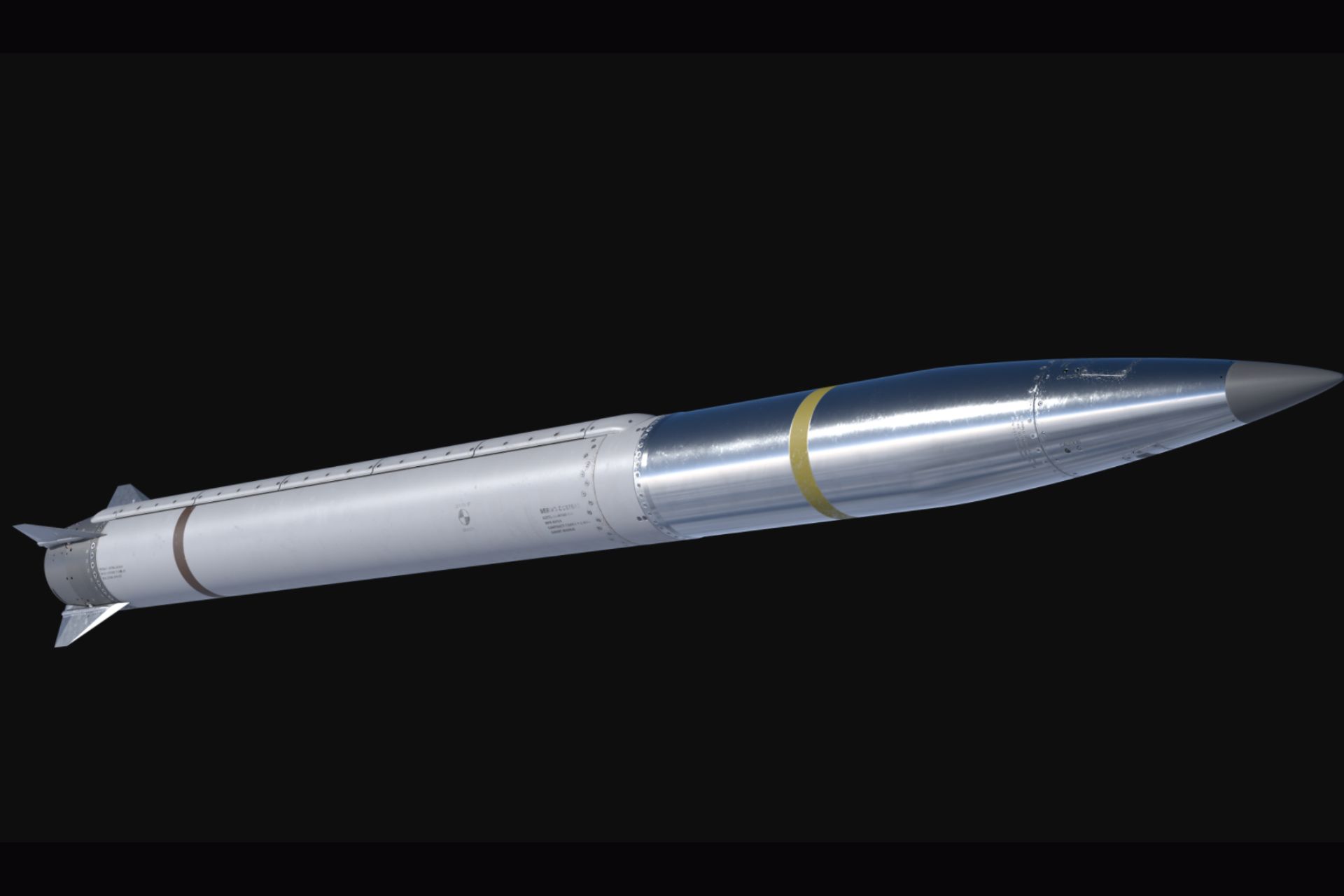
Lockheed Martin's extended-range Guided Multiple Launch Rocket System during World premiere in 2020 (Picture source: Lockheed Martin)
Firat Gezen, President of General Dynamics Ordnance and Tactical Systems (GD-OTS), stated that the company is proud to leverage its expertise in missile subsystems to provide new capabilities that will enhance the resilience of the national supply chain. "The collaboration between GD-OTS and Lockheed Martin underscores our shared commitment to strengthening the defense industrial base and providing essential capabilities to warfighters."
The initial work will focus on the production of solid rocket motors for the Guided Multiple Launch Rocket System (GMLRS) and will be carried out at the General Dynamics facility in Camden, Arkansas, starting in 2025. This project will be followed by a phased planning approach for transitioning to other products.
The GMLRS (Guided Multiple Launch Rocket System) is a guided rocket system developed by the United States, primarily for use with the M270 MLRS (Multiple Launch Rocket System) and the HIMARS (High Mobility Artillery Rocket System). This system was designed to provide increased precision compared to traditional unguided rockets, allowing for long-range strikes with near-surgical accuracy. The GMLRS uses a combination of GPS (Global Positioning System) and INS (Inertial Navigation System) guidance, significantly improving targeting accuracy. Thanks to this guidance technology, GMLRS rockets can strike targets with remarkable precision, even at distances exceeding 70 kilometers. This makes the system particularly effective for neutralizing high-value targets such as enemy infrastructure, troop concentrations, or artillery positions.
Over the years, several variants of the GMLRS have been developed, each tailored to specific missions, including versions with unitary warheads and versions capable of delivering submunitions for broader effects on the battlefield.
GD-OTS will expand its operations in Camden by leveraging advanced manufacturing to provide affordable and reliable solid rocket motors at production scale.
This initiative follows the recent establishment of Lockheed Martin’s solid rocket motor product center, designed to enhance the security of supply for cost-effective propulsion systems. This aligns with the nations' intent to pool resources at various levels to minimize manufacturing times and deliver the best products as quickly as possible. In the context of renewed global conflicts and international uncertainty, an arms race and technological innovation in defense are logical responses.
- Details
- Written by: Halna du Fretay
- Category: 2024
- Hits: 3593
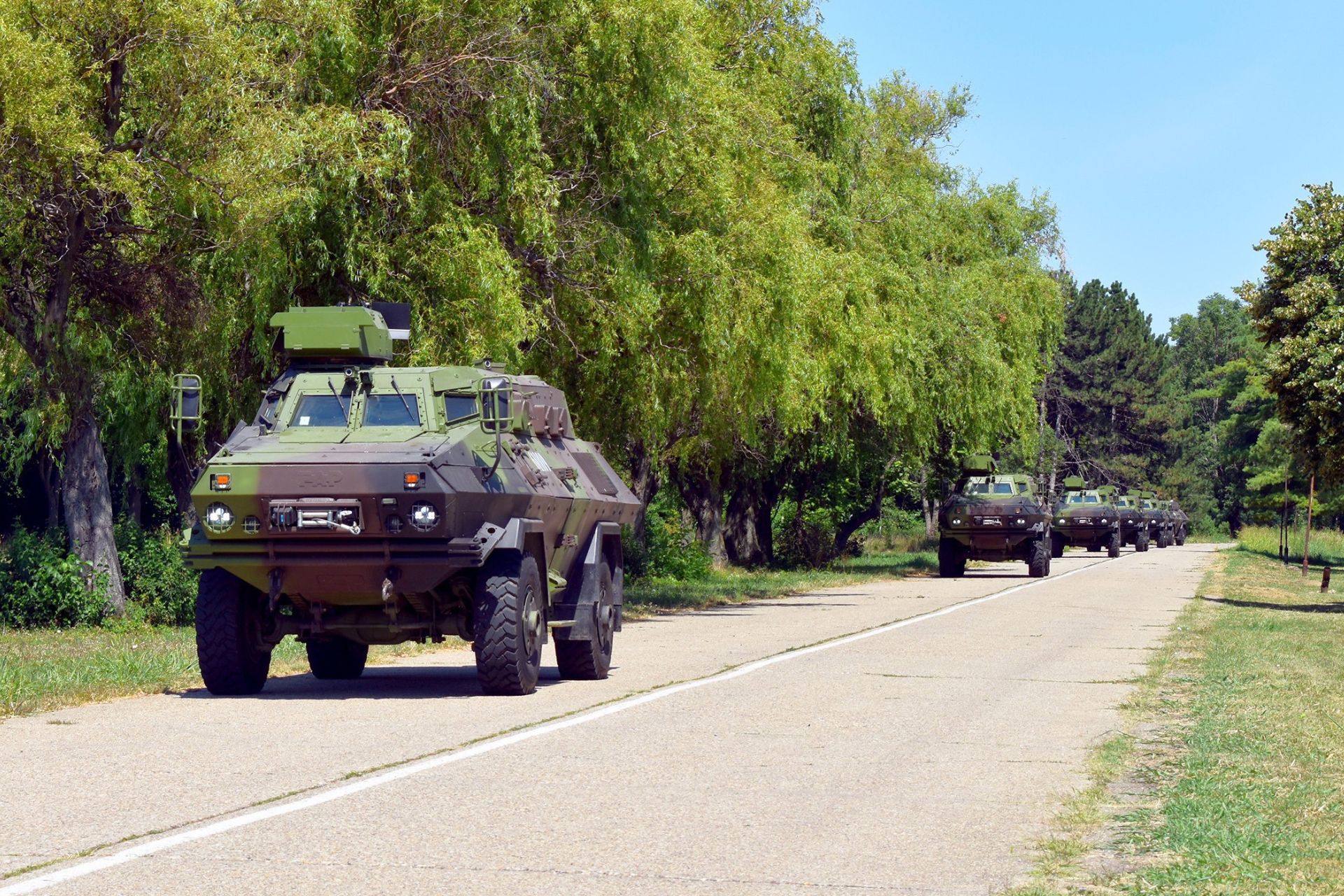
The Serbian Armed Forces (SAF) are actively enhancing their military capabilities with the introduction of new equipment and comprehensive training programs. Among the recent additions to their arsenal is the BOV OT M-21, a new locally developed armored personnel carrier. This vehicle, equipped with advanced anti-mine protection and a 4x4 configuration, is designed to safely transport soldiers across various terrains and under varying weather and tactical conditions. The BOV OT M-21 features a 12.7 mm turret, side loopholes for small arms fire, and smoke grenade launchers, providing increased protection and enhanced firepower for infantry units.
Follow Army Recognition on Google News at this link
The BOV OT M-21, first deployed in 2023, marks a significant advancement in the series, offering improved protection and mobility (Picture source: Serbian MoD)
Training on the use and maintenance of the BOV OT M-21 is currently underway, primarily within the First Brigade of the Land Army. The initial phase of training focuses on the permanent crew, consisting of the commander (who also serves as the gunner) and the driver.
This will be followed by training with the embarked infantry units, leading to tactical exercises in real conditions and combat shooting drills. These comprehensive training sessions aim to fully prepare SAF personnel for the effective use of the BOV OT M-21, both in independent operations and in coordinated efforts with other military forces.
The BOV OT M-21 represents the latest evolution in the long-standing BOV series, initially developed in the former Yugoslavia and still produced in Serbia. Since its introduction in 1985, the BOV series has been a crucial component of the Serbian military, with various specialized variants developed to meet different operational needs.
The BOV OT M-21, first deployed in 2023, marks a significant advancement in the series, offering improved protection and mobility. It is powered by a Cummins ISB 6.7 EU 3 engine, delivering 285 horsepower, and features a seven-speed automatic transmission with a 4x4 drive system capable of locking all three differentials for better off-road performance.
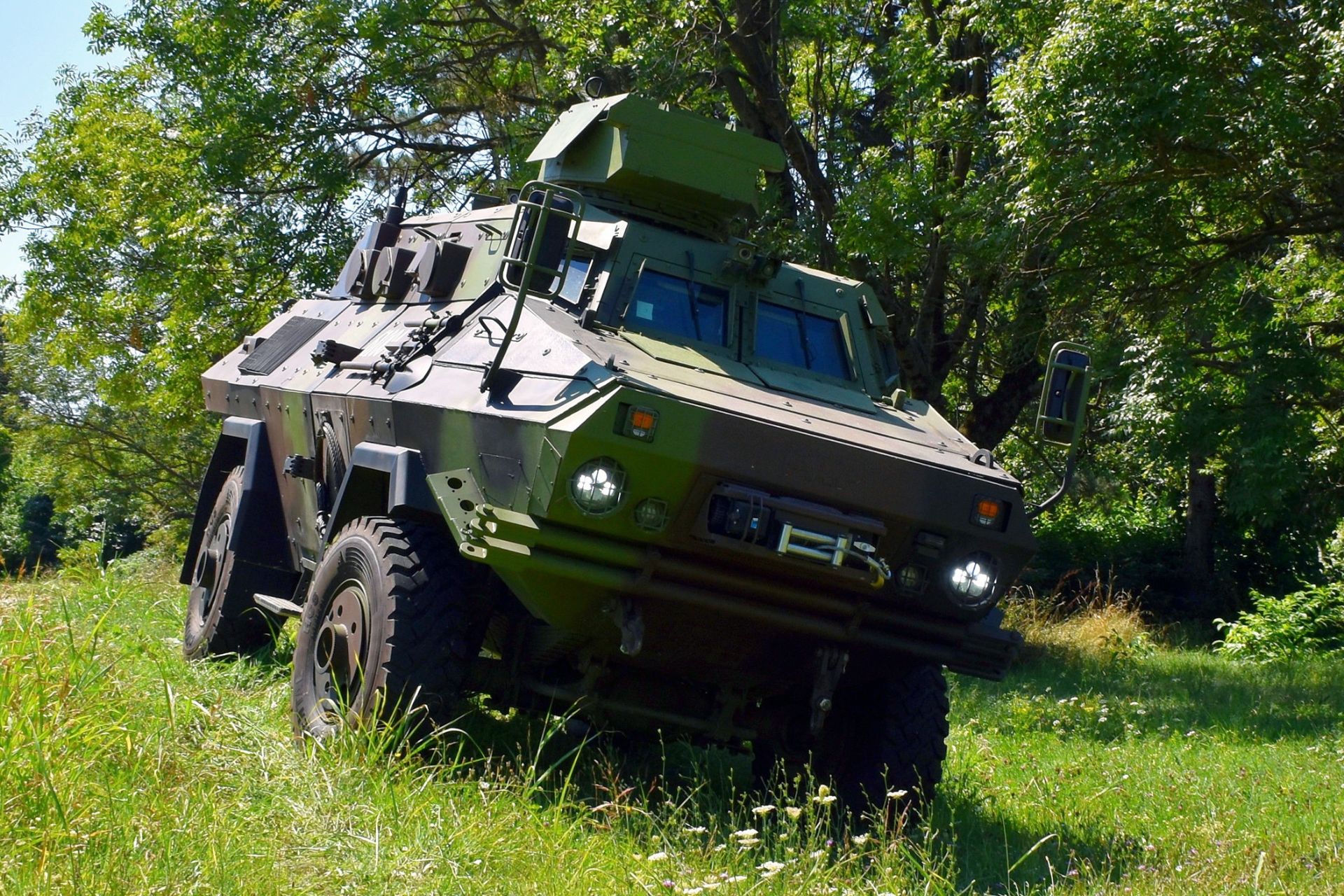
The BOV OT M-21, first deployed in 2023, marks a significant advancement in the series, offering improved protection and mobility (Picture source: Serbian MoD)
To date, more than ten units of the BOV OT M-21 have been produced and are currently in service. These vehicles have been integrated into the First Brigade, where ongoing training ensures that personnel are prepared to use the BOV OT M-21 effectively in various combat scenarios.
The introduction of the BOV OT M-21 is part of a broader effort by the SAF to modernize their military capabilities, as demonstrated by the recent presentation of new and modernized weapons and equipment at the SAF's Weapons and Military Equipment Test Centre in Nikinci on 14 November 2023.
The SAF’s modernization efforts also include the addition of Miloš 4x4 armored combat vehicles, modernized BVP M-80AB1 infantry fighting vehicles, and PASARS anti-aircraft systems.
These new acquisitions are expected to improve the SAF’s operational effectiveness across various terrains and combat situations. Additionally, SAF infantry units have received new M20 modular automatic machine guns, 40/6 grenade launchers, and EZ-9 pistols, further enhancing their firepower and precision.
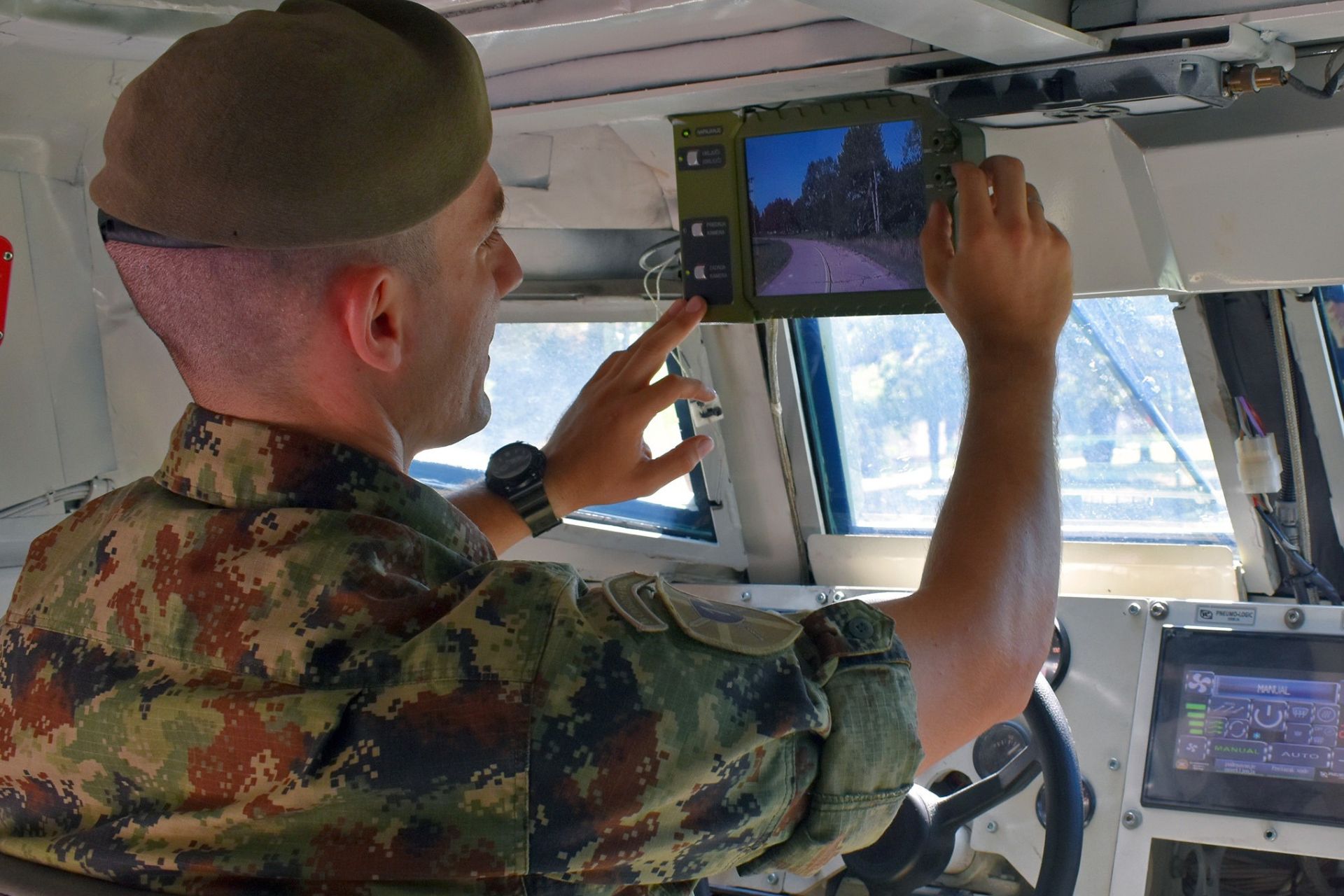
These new acquisitions are expected to improve the SAF’s operational effectiveness across various terrains and combat situations (Picture source: Serbian MoD)
Read more: Serbian Armed Forces Enhance Infantry Protection with Locally Developed BOV OT M-21
- Details
- Written by: Administrator
- Category: 2024
- Hits: 4862
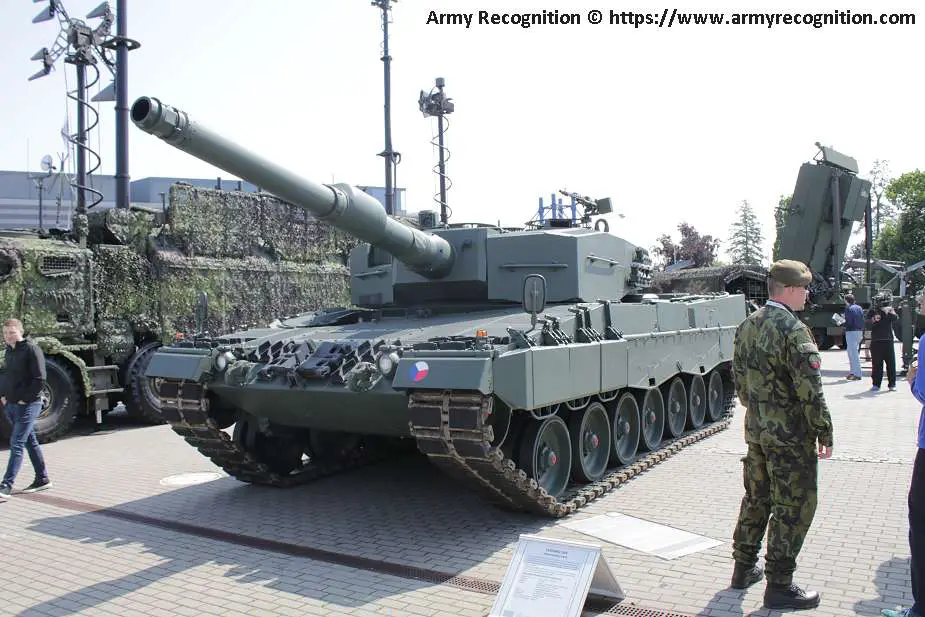
Rheinmetall, a Germany-based defense company, has secured a significant contract to supply the Czech Republic with 14 Leopard 2A4 main battle tanks and one Buffalo armored recovery vehicle as part of an ongoing 'ring swap' initiative, which involves the Czech Republic donating Soviet-era combat vehicles to Ukraine.
Follow Army Recognition on Google News at this link
German Leopard 2A4 tanks are now in service with the Czech Army. (Picture source: Army Recognition)
The Czech Republic's armed forces have traditionally been equipped with Soviet-made combat vehicles, including BMP-1 and BMP-2 infantry fighting vehicles (IFVs) and T-72 tanks. These legacy systems, which have served the country for decades, are now set to be replaced as part of a broader modernization effort. The Czech military is transitioning to European-made combat vehicles, such as the advanced CV90 infantry fighting vehicles and Leopard 2 tanks, to enhance their capabilities and align more closely with NATO standards. This shift reflects the Czech Republic's commitment to upgrading its military assets and strengthening its defense posture in cooperation with European allies.
The Leopard 2A4 is a renowned main battle tank (MBT) known for its exceptional firepower, advanced armor protection, and superior mobility. Equipped with a 120mm smoothbore cannon, the Leopard 2A4 can effectively engage both armored and soft targets at long ranges. It features a sophisticated fire control system and composite armor, making it one of the most formidable tanks in modern military service. The Buffalo armored recovery vehicle (ARV), based on an enhanced Leopard 2 chassis, is a state-of-the-art recovery system designed to tow and repair damaged tanks and other armored vehicles on the battlefield. It is equipped with a powerful crane, winch, and other specialized tools to perform recovery operations under combat conditions.
The agreement, which was finalized at the end of July 2024 in Prague, involves the delivery of these advanced military vehicles to the Czech armed forces. In exchange, the Czech military will transfer its Soviet-era military equipment to Ukraine, further enhancing Ukraine's ability to counter Russian aggression.
The total value of the contract is in the low three-digit million euro range, underscoring the scale and importance of this military cooperation. This deal marks the second such "ring swap" between Germany and the Czech Republic, following a similar agreement in October 2022.
The first of the Leopard 2A4 tanks is expected to arrive in the Czech Republic by the end of 2024, with the remaining tanks scheduled for delivery by April 2025. The delivery of the ARV 3 Buffalo, a state-of-the-art recovery vehicle built on an enhanced Leopard 2 chassis, will be completed by early 2026.
Rheinmetall has already commenced work on these vehicles, which are being upgraded from former inventories of various user states. The Leopard 2A4 MBTs, known for their advanced armor and firepower, will provide the Czech military with a significant boost in capability, while the ARV 3 Buffalo will enhance its ability to recover and maintain armored units in the field.
The "Ringtausch" initiative is a strategic approach developed by the German government in collaboration with NATO allies to support Ukraine. By facilitating the exchange of Soviet-era heavy equipment with readily available Western military systems, this initiative ensures that Ukraine can continue to defend its sovereignty with modern and effective weaponry.
The swift negotiation and implementation of this latest agreement reflect the close cooperation between Rheinmetall, the German Federal Ministry of Defence, and the Czech authorities. As the war in Ukraine continues, this deal represents a critical step in the ongoing effort to support Ukraine while strengthening the defense capabilities of NATO allies.
- Details
- Written by: V.Saint
- Category: 2024
- Hits: 2123
On August 3rd this year, the Ministry of National Defense of Poland signed an agreement with the United States government for the purchase of 96 AH-64E Apache helicopters. The acquisition is being made through the Foreign Military Sales (FMS) purchase procedure along with the application of an offset aimed at the Polish defense industry, particularly companies within the Polish Armaments Group (PGZ).
Follow Army Recognition on Google News at this link
AH-64E presented in poland , illustration of PGZ press release (Picture source: PGZ )
In this program, the offset providers are American companies The Boeing Company, Lockheed Martin, and General Electric. Following the negotiated agreements, these companies will transfer technologies to two aviation companies within the PGZ domain. The next step will involve the signing of execution contracts that these American companies will sign with the companies of the PGZ Capital Group.
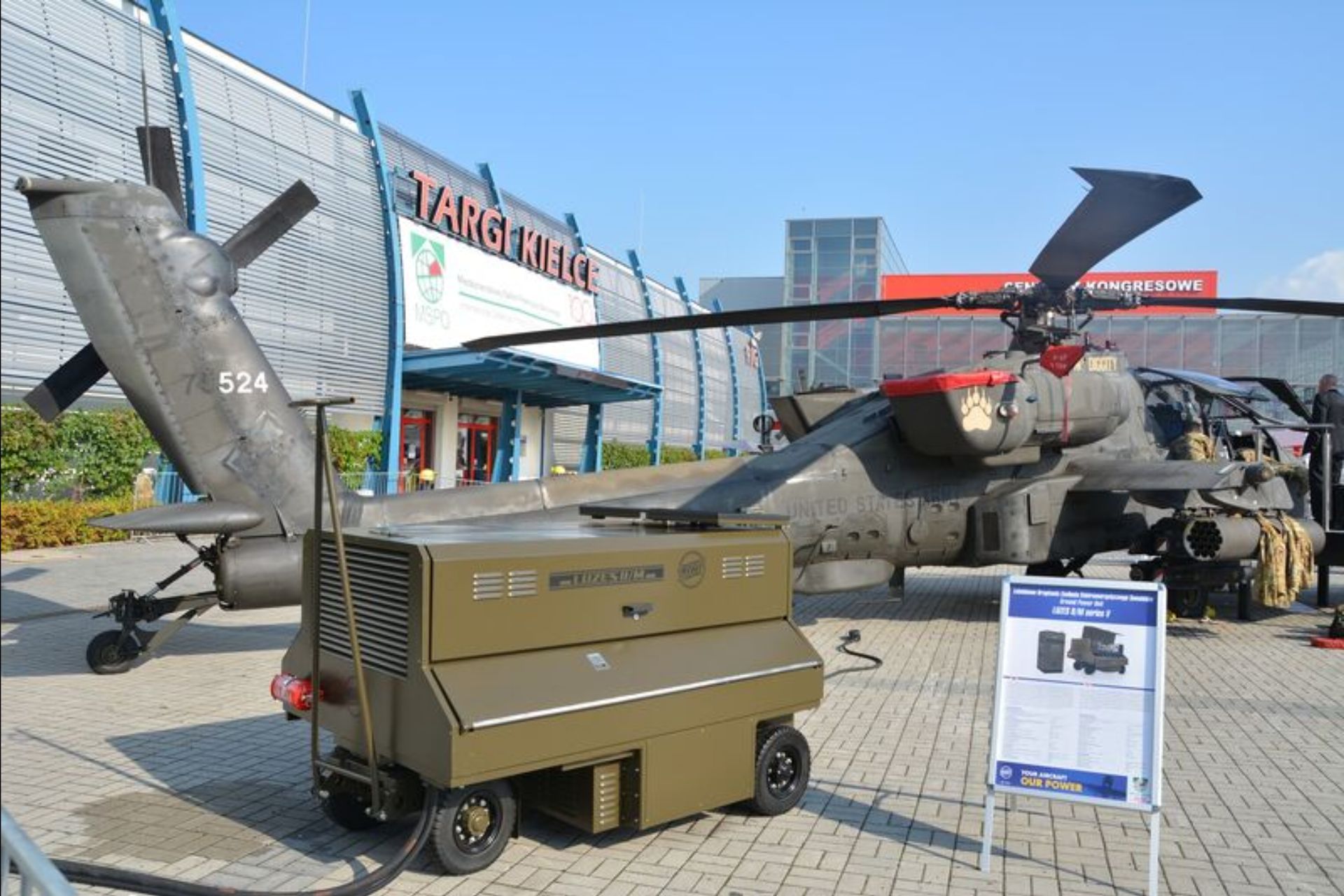
The Military Aviation Works No. 1 S.A. in Łódź will establish a Support Center for the Operation of AH-64E Apache Helicopters for the Polish Armed Forces. This center will have the capability to conduct maintenance at level O (Organizational), I (Intermediate), and D (Depot) for selected helicopter components; perform repairs and renovations of selected platform elements; and handle specialized helicopter equipment (e.g., radar, targeting systems). A Center for the Operation of T700/CT7 family engines, which equip the AH-64E Apache helicopters, will be established at the Military Aviation Works No. 1 S.A., Branch in Dęblin. The workshop will have the capability to conduct maintenance, repairs, and renovations of the engine. Helicopters equipped with T700/CT7 family engines also include other helicopters in service with the Polish Armed Forces (e.g., AW101, AW149, Black Hawk).
Another company from the PGZ Capital Group involved in this process is the Military Central Bureau of Construction and Technology S.A. in Warsaw. The equipment produced by WCBKT S.A. for ground handling of aircraft will be tested and certified by the manufacturer for compatibility with AH-64E Apache helicopters. The certificate obtained from the manufacturer will enable the use of locally produced equipment in the operation process of AH-64E Apache helicopters by the Polish Armed Forces.
Read more: Poland will buy 96 Apaches attack helicopters to reinforce east flank of NATO
- Details
- Written by: Halna du Fretay
- Category: 2024
- Hits: 3481
Hensoldt, a German defense technology company, has secured a new contract from the Federal Office of Bundeswehr Equipment, Information Technology, and In-Service Support (BAAINBw). Announced on August 13, 2024, the contract involves the delivery of advanced "Dynahawk" fire control sights, with deliveries scheduled for 2024 and 2025. The agreement also includes an option for additional systems in 2026, with the total contract value in the multi-million Euro range.
Follow Army Recognition on Google News at this link
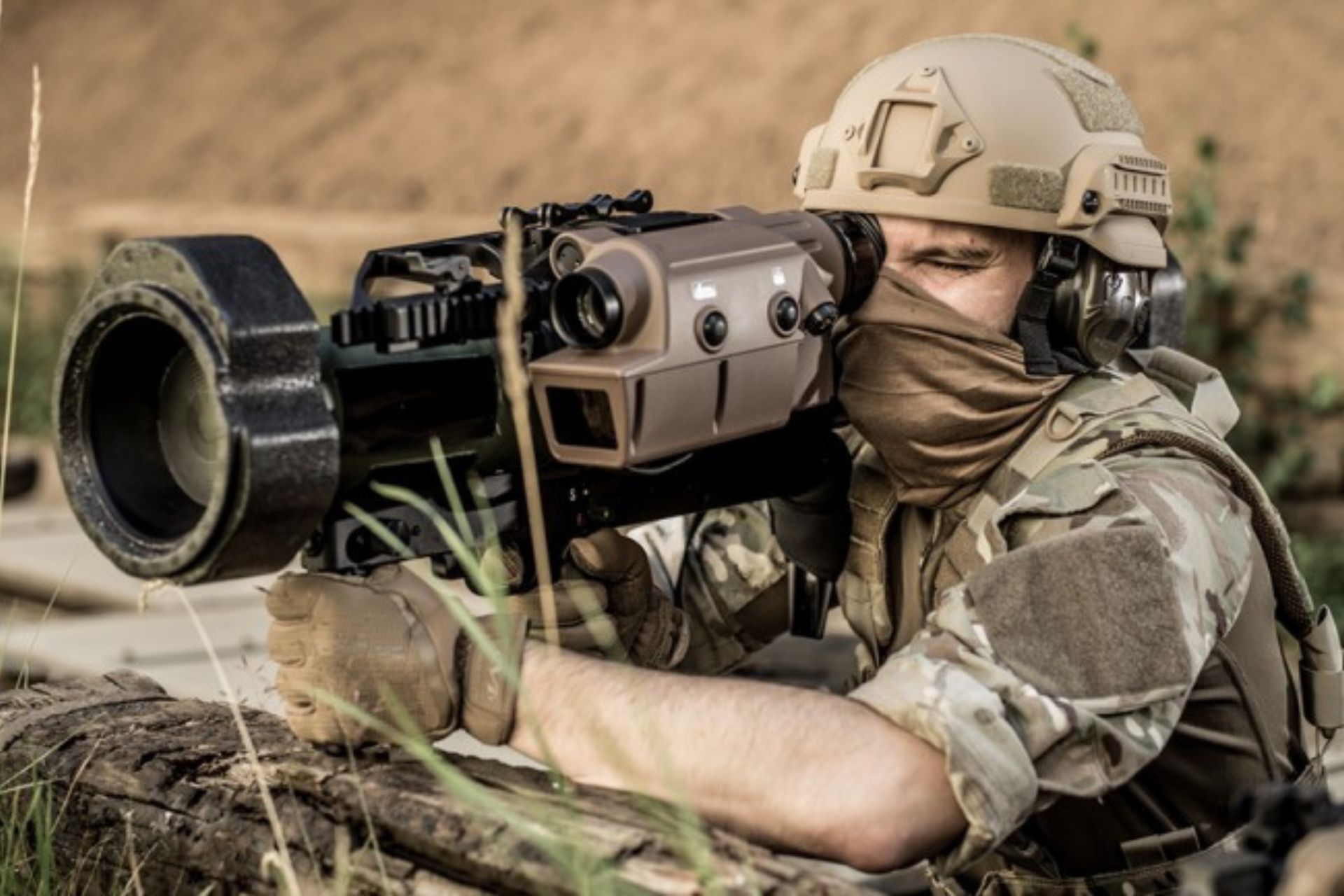
The Dynahawk fire control sight is a sophisticated system that enhances the precision of anti-tank weapons, especially when engaging moving and long-range targets (Picture source: Hensoldt)
This contract highlights the Bundeswehr’s ongoing efforts to modernize its equipment, particularly by enhancing the effectiveness of its infantry forces in modern combat scenarios. The Dynahawk system is designed to significantly improve the accuracy and performance of anti-tank and anti-structure weaponry. This is crucial for the Bundeswehr, which aims to better equip its troops to meet the demands of contemporary warfare.
The Dynahawk fire control sight is a sophisticated system that enhances the precision of anti-tank weapons, especially when engaging moving and long-range targets. Key features include a 5.5x optical magnification, a laser rangefinder, and an advanced ballistics computer that factors in environmental variables such as temperature, air pressure, and angular movement. Additionally, it automatically detects the type of ammunition loaded and adjusts ballistic calculations accordingly, ensuring optimal accuracy.
A notable feature of the Dynahawk is its ability to program the firing point, which is particularly useful for deploying air-burst ammunition. This capability enhances the versatility of the weapon systems it integrates with, allowing for more precise and effective operations in diverse combat situations.
The Dynahawk is fully interoperable with two key weapon systems in the Bundeswehr’s arsenal: the "Wirkmittel 90," a long-range variant of the MATADOR-AS, and the "Leichte Wirkmittel 1800+," also known as the MBDA Enforcer. The Wirkmittel 90, based on the MATADOR-AS platform, is a versatile shoulder-fired weapon system designed for both anti-armor and anti-structure roles. This system is a joint development between Germany, Israel, and Singapore, aimed at providing infantry units with a portable yet powerful solution for engaging a variety of targets. The integration with the Dynahawk sight further enhances its precision, particularly when targeting moving or distant threats.
The Leichte Wirkmittel 1800+, or MBDA Enforcer, is a lightweight, man-portable guided missile system designed for infantry use, offering precise engagement capabilities against light-armored vehicles and fortifications. The interoperability of these weapons with the Dynahawk sight system, without requiring modifications, simplifies operations and increases battlefield flexibility.
According to Josef Reif, Sales Manager in Hensoldt’s Sights division, the Dynahawk significantly increases the first-hit probability on dynamic and distant targets. Additionally, the integration of the Dynahawk with Hensoldt’s IRV-MR night vision attachment ensures operational capability during nighttime engagements.
This new order builds on Hensoldt's previous successful deliveries of fire control sights, reinforcing the company’s role as a key supplier of advanced defense technology to the Bundeswehr. As deliveries proceed in 2024 and 2025, with the potential for further orders in 2026, the Dynahawk system plays a crucial role in enhancing the operational effectiveness of Germany's infantry forces.
Read more: Hensoldt Wins Major Bundeswehr Contract for Dynahawk Fire Control Sights
- Details
- Written by: Jérôme Brahy
- Category: 2024
- Hits: 4452
At the Army-2024 exhibition, Rostec introduced the Karakal unmanned ground vehicle (UGV), a new development within Russia's military robotics sector. This light-class robotic platform, developed by Kurganmashzavod, a subsidiary of the High-Precision Systems holding within Rostec, is designed to perform a variety of tasks in diverse operational environments. The platform is adaptable, allowing for the installation of different tools and equipment based on operational requirements.
Follow Army Recognition on Google News at this link
Bekkhan Ozdoyev, the industrial director of the arms cluster at Rostec, noted that the Karakal's universal platform is particularly relevant in urban environments, where traditional military equipment may face limitations due to space constraints and the need for enhanced maneuverability. (Picture source: Russian social media)
Bekkhan Ozdoyev, a member of the bureau of the Union of Mechanical Engineers of Russia and the industrial director of the arms cluster at Rostec, noted that the Karakal's universal platform is a key feature, enabling it to be tailored for a wide range of tasks. This adaptability is particularly relevant in urban environments, where traditional military equipment may face limitations due to space constraints and the need for enhanced maneuverability. Ozdoyev also highlighted the robot's compact and agile design, which supports its use in environments that are challenging for conventional equipment.
The Karakal has a load-carrying capacity exceeding 500 kilograms and is equipped with a remote control system (RTK-L). This system includes multiple cameras, a thermal imager, a navigation system, and a noise-proof radio transmitter, providing an operational range of up to 150 kilometers. The robot can be controlled from a distance of up to two kilometers, including in nighttime conditions, thereby expanding its potential applications.
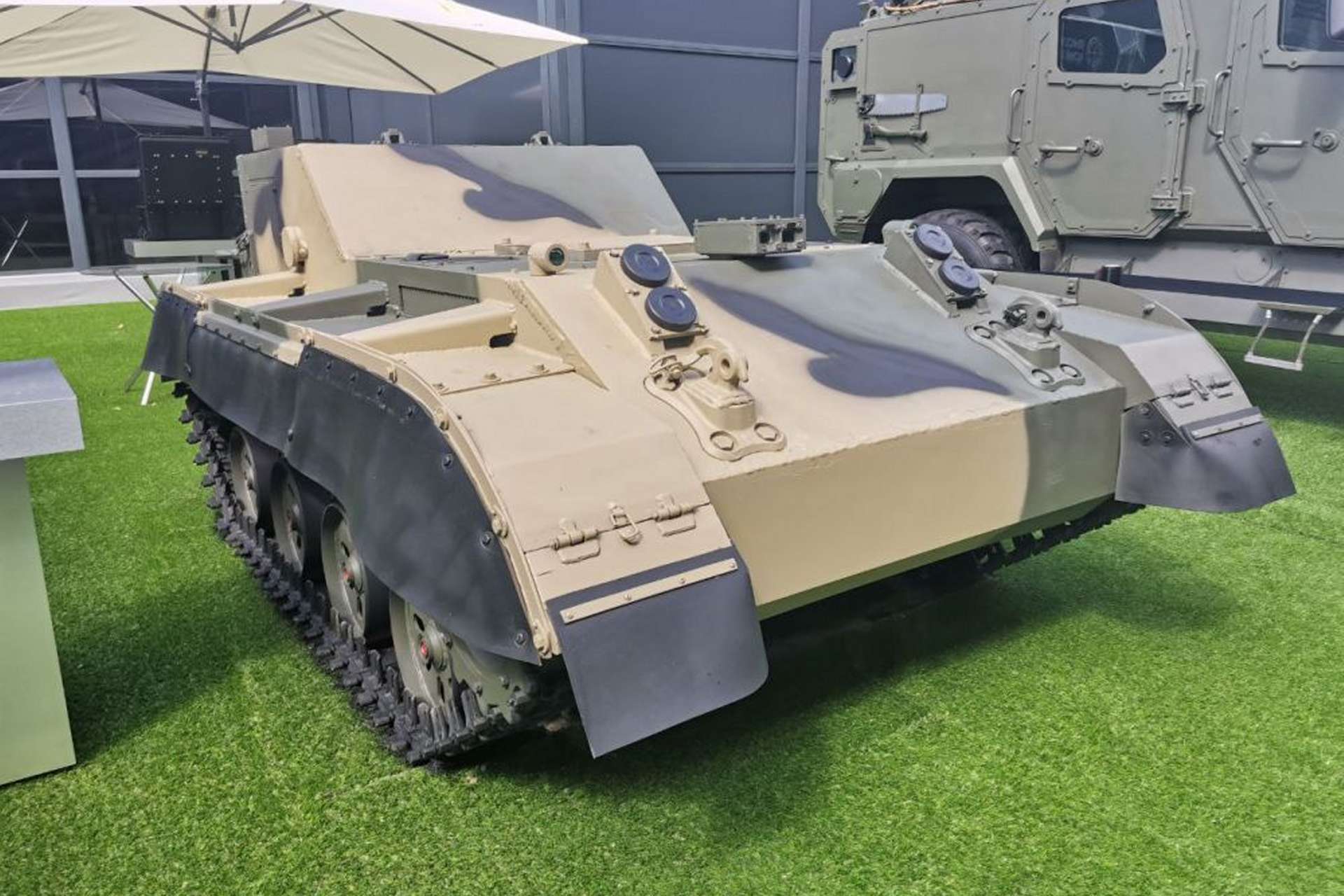
During the Army-2024 forum, the Karakal's design was demonstrated, showcasing its four-support tracked chassis, which contributes to its stability and mobility across various terrains. The platform is also fitted with four grenade launchers capable of deploying aerosol smoke screens, offering a level of protection suited to its operational class.
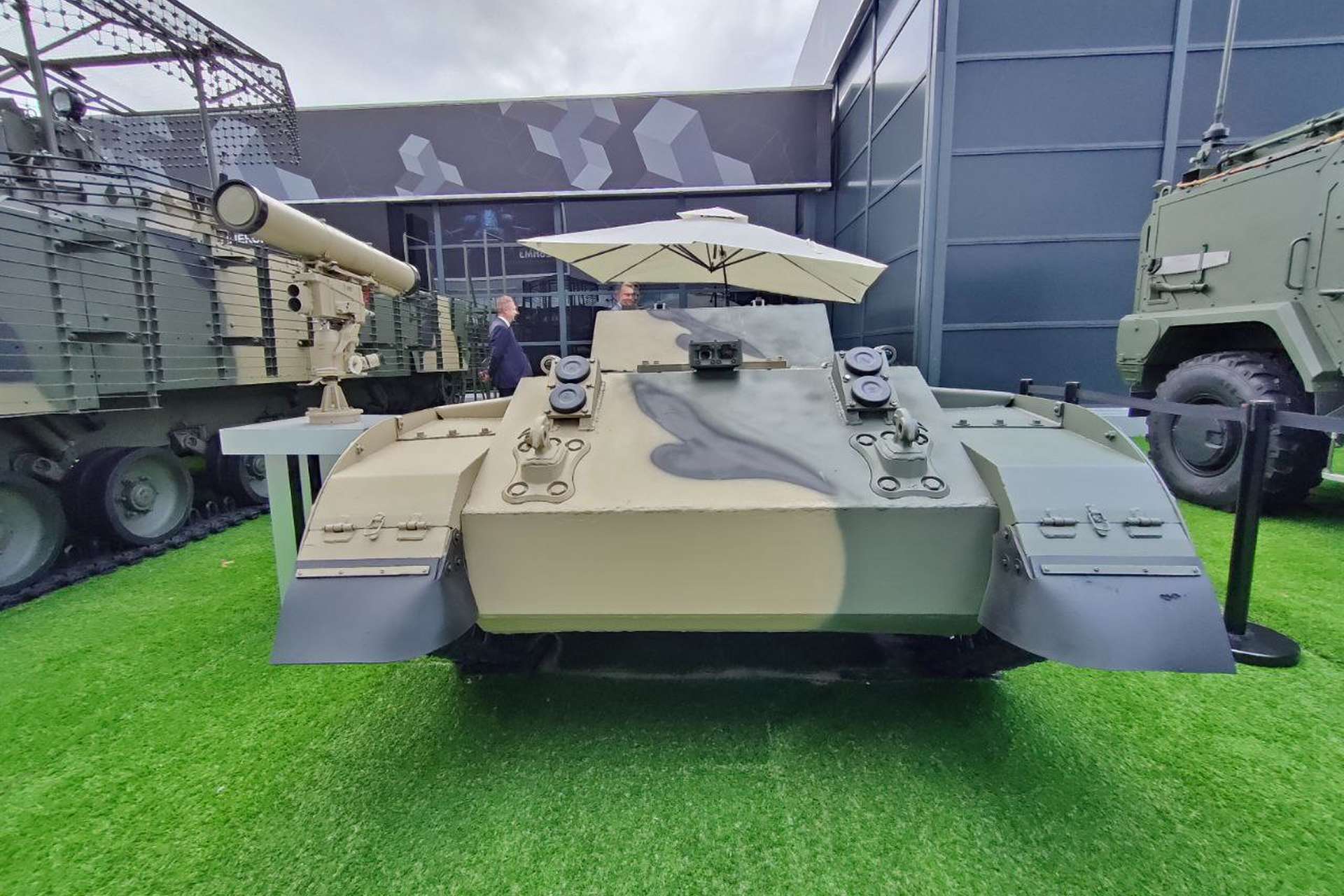
At the Army-2024 forum, the Karakal's platform is also fitted with four grenade launchers capable of deploying aerosol smoke screens, offering a level of protection suited to its operational class. (Picture source: Russian social media)
The introduction of the Karakal at the Army-2024 forum is part of a broader effort by Rostec to develop a range of unmanned systems, including ground drones and remote mine clearance vehicles. As demand for such systems grows within military and industrial sectors, developments like the Karakal reflect Russia's focus on advancing its capabilities in this area, particularly in creating platforms that can operate in a wide range of conditions.
The Army-2024 International Military-Technical Forum, held at Patriot Park near Moscow, also featured various drones, including the Lancet-E, the Grom-U, and the Iranian Mohajer-10. However, Russia's drone industry faces challenges, particularly due to Western sanctions that have disrupted supply chains, complicating domestic production of necessary components. This has resulted in a continued reliance on imported technology and foreign-made drones to maintain UAV capabilities, a reliance that has become more apparent in the context of the ongoing conflict in Ukraine, where the demand for drones has increased.
In response to these challenges, Russia has increased its training efforts, planning to expand the number of training centers for UAV operators from 16 in 2022 to 139 in the coming years. Despite these efforts, integrating drones into cohesive operational strategies remains a challenge, particularly in ensuring these systems operate effectively alongside other military assets.
Read more: Russia presents Karakal UGV to deploy smoke screens at Army 2024
- Details
- Written by: Halna du Fretay
- Category: 2024
- Hits: 1871
The United States is set to provide Israel with $3.5 billion for the acquisition of American weapons and military equipment, releasing the funds several months after their approval by Congress, according to CNN. This decision comes as tensions between Israel and Iran continue to escalate, following a series of targeted assassinations of senior Hamas and Hezbollah leaders in Tehran and Beirut earlier this month.
Follow Army Recognition on Google News at this link
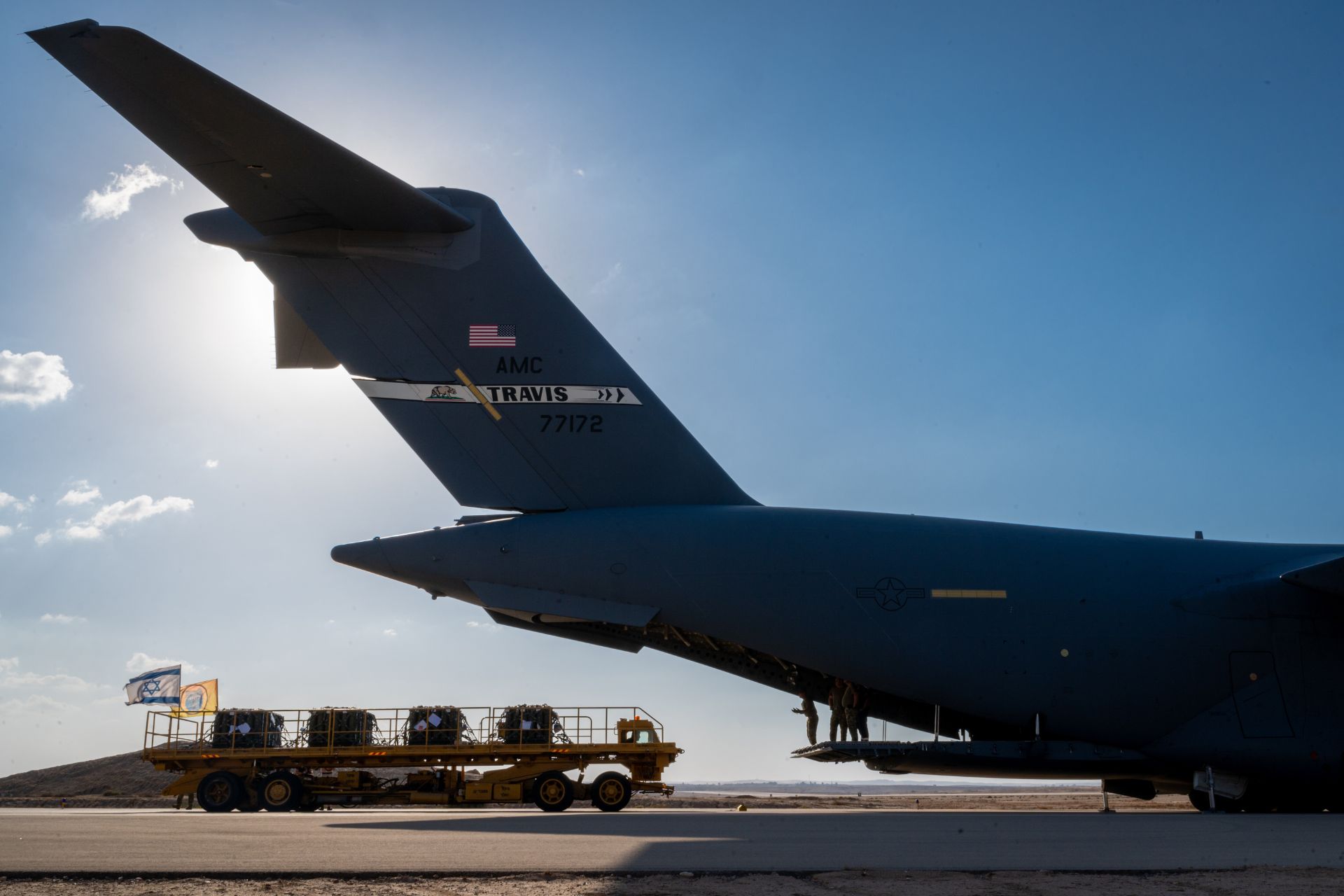
U.S. Air Force Airmen assigned to Ramstein Air Base, Germany, offload cargo to the Israeli military, Oct. 15, 2023, at Nevatim Base (Picture source: US DoD)
The Biden administration, through the State Department, informed lawmakers on August 8, 2024, of its intention to release this substantial military financing for Israel. This funding is part of the $14.1 billion supplemental funding bill passed by Congress in April, specifically aimed at strengthening Israel's defense capabilities.
The funds, provided under the Foreign Military Financing program, will allow Israel to purchase advanced weapons systems and other military equipment from the United States. However, these systems are currently in production and are not expected to be delivered to Israel for several years. In the meantime, the Pentagon has been allocated billions of dollars to draw from its own stockpiles, enabling a faster delivery of military equipment directly to Israel.
The release of these funds occurs amid heightened tensions in the Middle East, with Israel and its neighbors preparing for potential retaliatory actions from Iran and Hezbollah. The situation has worsened following the recent killings of high-profile figures in Tehran and Beirut, raising concerns of a broader regional conflict.
As Israel prepares to bolster its military capabilities, U.S. diplomats and the Biden administration have been actively engaged in peace efforts in the region. Secretary of State Antony Blinken has held multiple discussions with Jordanian Foreign Minister Ayman Safadi, focusing on efforts to reduce tensions and promote an immediate ceasefire. These diplomatic efforts underscore the broader U.S. strategy of balancing military support for Israel with ongoing initiatives to stabilize the region.
In the context of these developments, the State Department has not provided additional comments on the release of the funds. The current situation in Gaza, where thousands have been killed and a humanitarian crisis is unfolding, adds urgency and complexity to U.S. involvement in the region.
- Details
- Written by: V.Saint
- Category: 2024
- Hits: 3771
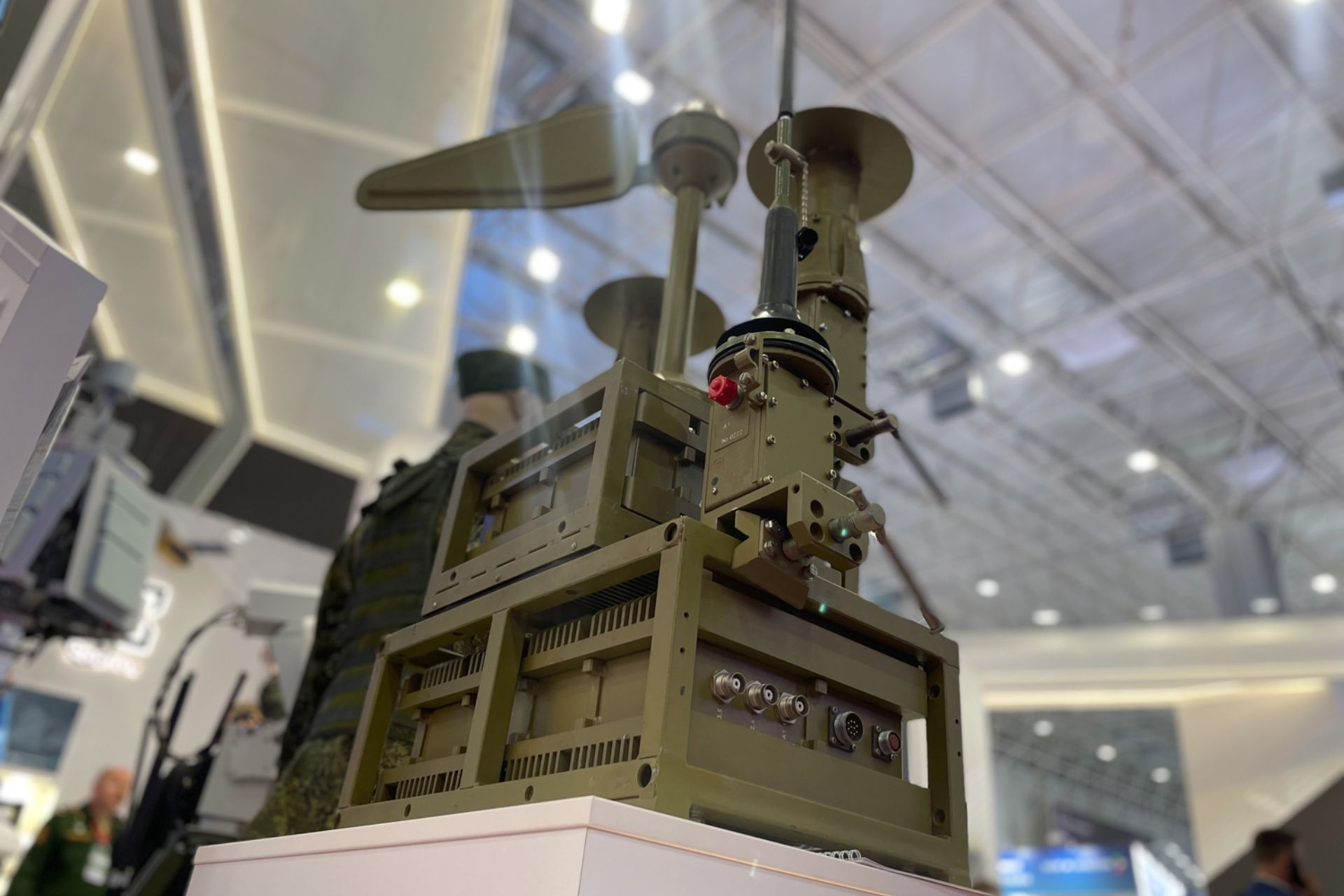
At the Army-2024 forum, the Ruselectronics holding company of the state corporation Rostec is presenting for the first time the modernized electronic warfare system, Lesochek. In the new modification, the product not only protects armored vehicles against radio-controlled explosive devices but is also capable of jamming the navigation and control channels of commercial drones, which are also used for frontline tasks.
Follow Army Recognition on Google News at this link
Lesochek anti drone system, modernized and presented at Armly-2024 forum (Picture source: Ruselectronics consortium)
- Details
- Written by: Halna du Fretay
- Category: 2024
- Hits: 5703
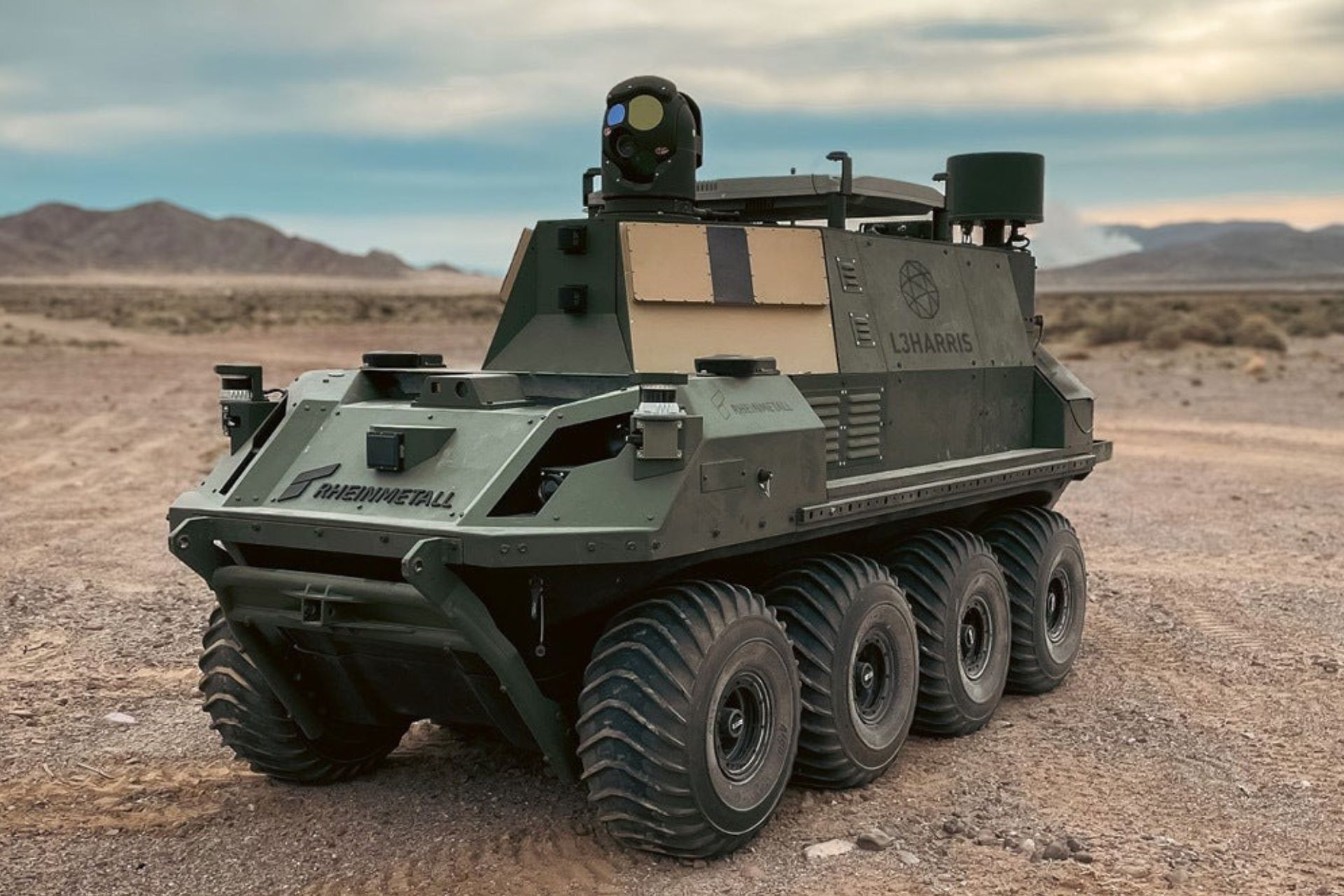
On August 7, 2024, L3Harris announced the successful testing of a new autonomous air defense prototype during the Project Convergence Capstone 4 (PC-C4) exercise. This prototype, developed by the company’s Agile Development Group, integrates long-range surveillance and electronic warfare capabilities onto an autonomous combat vehicle based on a Rheinmetall UGV chassis, aimed at enhancing ground-based air defense with beyond-line-of-sight (BLOS) operations.
Follow Army Recognition on Google News at this link
The prototype's tests also included evaluations of its reconnaissance, surveillance, and target acquisition capabilities using the WESCAM MX-10D multi-sensor imaging system (Picture source: L3 Harris)
The tests were conducted over six days, covering approximately 175 kilometers of varied terrain, and evaluated the prototype in various mission scenarios. These scenarios included electronic warfare and surveillance against unmanned aerial systems (UAS), where the system used an autonomous multi-sensor cross-cueing payload to detect aerial threats at distances exceeding 26 kilometers.
Jennifer Lewis, President of Airborne Combat Systems at L3Harris, commented on the test results, noting that the adaptability and innovation of the team led to a successful demonstration of the prototypes, providing valuable insights for future developments and operational decisions.
The prototype's tests also included evaluations of its reconnaissance, surveillance, and target acquisition capabilities using the WESCAM MX-10D multi-sensor imaging system. Additionally, various communication solutions were tested, such as the RASOR modular communications chassis and the Mobile Ad Hoc Network WRAITH, to assess their integration and performance in mission-relevant scenarios.
The results of these tests suggest that autonomous air defense systems could potentially offer more flexible and responsive protection for ground units, with the ability to operate over extended ranges beyond the traditional constraints of data links. The development also indicated that automating certain payload functions could be crucial in maintaining mission effectiveness in the event of communication disruptions.
While the prototype demonstrated promising capabilities, further analysis and development will be necessary to determine how such systems can be effectively integrated into existing defense frameworks and whether they can meet the evolving needs of future military operations.
Through this project, L3Harris demonstrates a promising path forward for the evolution of air defense systems, aiming to enhance capabilities while reducing risks for soldiers.
Read more: L3Harris Unveils Autonomous UGV Air Defense Prototype at Project Convergence Capstone 4
- Rostec showcases new Sprut-SDM1 light tank with upgraded armor kit at Army-2024
- Bulgarian Defense Company Samel-90 Launches Full Production of its SAMJET Kamikaze Drone
- NRTK Courier: Ukraine's New Tech Weapon with AGS-17 and Mine Carrier Showcased at Army 2024
- Belarus prepares support to Russia amid to Ukrainian advance in Kursk region and Ukraine answers