
- Details
- Written by: V.Saint
- Category: 2024
- Hits: 6598










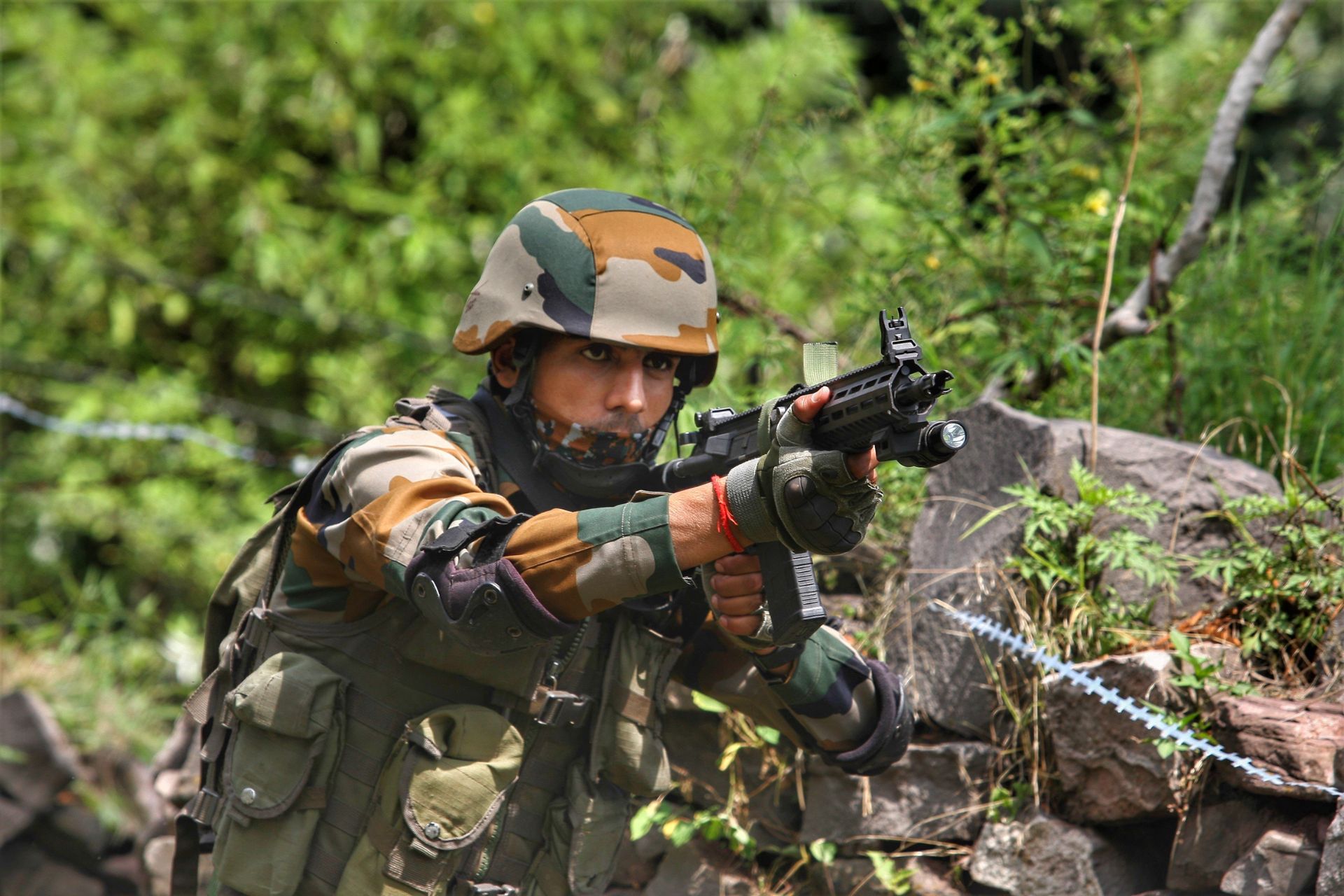
SIG SAUER, Inc. recently announced a second supply contract with the Indian government, through the Ministry of Defence, to deliver an additional 73,000 SIG716 rifles. Once this order is completed, the Indian Army will have a total of 145,400 SIG716 rifles, marking a significant milestone in the modernization of its military equipment.
Follow Army Recognition on Google News at this link
This collaboration between SIG SAUER and the Indian Army began in 2019 when the Ministry of Defence placed an initial order for 72,400 SIG716 rifles. These rifles quickly won over the Indian troops due to their exceptional performance and reliability on the field. This positive reception led to the decision to further strengthen the Indian Armed Forces' equipment with a new substantial order.
The SIG 716 is designed to deliver exceptional performance in a variety of military and security contexts, thanks to its robust design and capability to fire the 7.62x51mm NATO caliber. This caliber choice makes it ideal for long-range engagements, while also having the capability to penetrate tougher targets than those typically engaged with smaller calibers. Its gas piston system enhances reliability and reduces maintenance needs, a significant advantage in hostile environments or during extended operations. Additionally, the modularity of the SIG 716 allows for easy adaptation to various roles through the simple addition of accessories on its Picatinny rail, making this rifle extremely versatile for armed forces and specialized tactical units. The ergonomics of the weapon also ensure easy and quick handling, crucial for responsiveness and effectiveness in combat situations.
The SIG 716 is favored by various military and security entities around the world for its robust performance and reliability. In the United States, it is used by certain special forces units as well as local police departments. In India, the army has extensively integrated the SIG 716 into its ranks, particularly for troops operating in mountainous areas and critical border regions, replacing older equipment with this more modern model. In Germany, the rifle has found its place among some special forces units who value its firepower and adaptability. The Colombian national police, facing complex security challenges, also rely on the SIG 716 for their anti-terrorism operations and guerrilla warfare. These diverse uses demonstrate the versatility and reliability of the SIG 716, which is used as a DMR (Designated Marksman Rifle), a medium-range precision rifle, or as an individual long-range weapon useful in mountain combat or areas with vast open spaces.
Ron Cohen, President and CEO of SIG SAUER, Inc., expressed his pride in being a key partner in the modernization efforts of the Indian Army, which is the second-largest army in the world. According to him, the strength of the partnership with the Indian Ministry of Defence and the renewed trust in SIG SAUER products are testaments to the quality and performance of the SIG716 on the field.
This new order also echoes recent border incidents between Indian and Pakistani, as well as Chinese, frontiers, where tensions have been rising over the past several months.
Read more: Indian Army Orders thousands Additional SIG716 Rifles for Army services.

- Details
- Written by: Halna du Fretay
- Category: 2024
- Hits: 3050
The U.S. Air Force is modernizing infrastructure for the Sentinel intercontinental ballistic missile (ICBM) system, actively engaging the public through town hall meetings in Great Falls and Lewistown to provide updates on the program. Scheduled for September 4 and 5, these meetings aim to inform the public about the transition from the aging Minuteman III ICBM system to the new Sentinel system. This modernization effort is significant, impacting not only Air Force bases like Malmstrom but also the surrounding communities and infrastructure.
Follow Army Recognition on Google News at this link
The LGM-35A Sentinel is a next-generation intercontinental ballistic missile designed to replace the aging Minuteman III (Picture source: Northrop Grumman)
In service since the 1970s, the Minuteman III system has undergone various upgrades, but much of its fundamental infrastructure remains from the original system. The Sentinel program will replace this with a more advanced system across three bases, including Malmstrom, covering a wide area with 400 deployed missiles, 450 silos, and over 600 related facilities across six states.
The LGM-35A Sentinel is a next-generation intercontinental ballistic missile designed to replace the aging Minuteman III. It features a three-stage solid-fuel engine, providing it with the range necessary to reach targets worldwide. The missile is guided by an advanced astro-inertial navigation system supplemented by GPS, ensuring precise targeting. The Sentinel can carry multiple warheads, including the W87 mod 0 thermonuclear warhead with a yield of 300 kilotons of TNT, and the W87 mod 1 warhead, although the yield of the latter remains unspecified. The missile can perform both ground and air detonations, offering flexibility in its deployment. The Sentinel will be launched from missile silos, maintaining the strategic deterrent capability of the U.S. nuclear triad.
In preparation for the Sentinel system, both on-base and off-base infrastructure projects are underway. On base, the Air Force is constructing and renovating facilities to support command, communications, maintenance, and training related to the Sentinel system. Off base, significant construction efforts include the renovation of 15 missile alert facilities, 150 launch facilities, and the construction of 31 new communication towers. Additionally, there will be a substantial expansion of utility corridors, with more than 1,200 miles of new utility lines being installed.
The Sentinel project has also required the creation of workforce hubs in Great Falls and Lewistown, where thousands of workers will temporarily reside during peak construction years. In parallel, staging areas are being established in several locations to support construction efforts.
The impact of this project extends to local infrastructure, particularly in the Lewistown area. The Montana Department of Transportation (MDT) and the Department of Defense (DOD) have agreed to replace 11 bridges near MT 81 as part of the Sentinel project. These updates are essential to accommodate the increased weight and size of the equipment that will be used for the Sentinel missile system.
As the project progresses, the Air Force is committed to coordinating with local authorities to ensure that all necessary permits are obtained and that local communities are informed and involved in the decision-making process. This collaboration is seen as crucial to addressing the logistical and infrastructural challenges posed by the Sentinel project.
- Details
- Written by: Administrator
- Category: 2024
- Hits: 5276
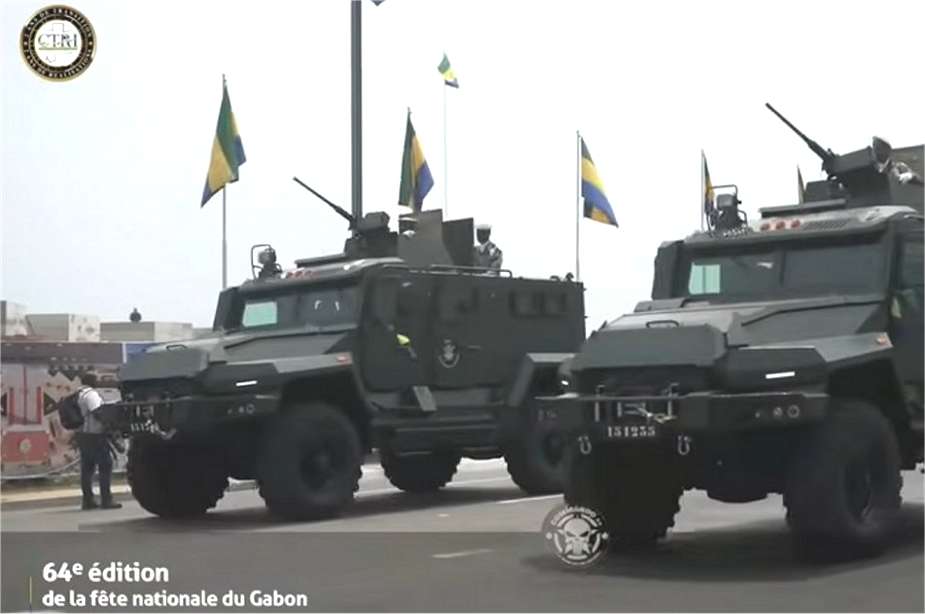
On August 17, 2024, during Gabon’s Independence Day military parade in Libreville, the country unveiled the Russian-made Spartak Mine-Resistant Ambush Protected (MRAP) vehicles for the first time. This display marked a significant moment, showcasing Gabon’s growing military capabilities. However, no official information has been released regarding the acquisition of these vehicles, leaving questions about the details of the military sale and further highlighting the evolving defense relationship between Gabon and Russia.
Follow Army Recognition on Google News at this link
The Gabonese army showcased new Spartak MRAP vehicles, delivered by Russia, for the first time during a military parade held on August 17, 2024. (Picture source: Gabon National TV)
The Spartak is a Russian wheeled armored vehicle developed by VPK that is classified as a Mine-Resistant Ambush Protected (MRAP) vehicle. It was first unveiled at the Army-2019 defense exhibition in Russia and deployed by Russian special forces during the invasion of Ukraine. Some units were captured and subsequently used by Ukrainian forces.
The Spartak was developed in response to lessons from Russia's military intervention in Syria. The design prioritizes the protection of both the crew and the vehicle's critical components. A key feature of the Spartak is its modularity, which allows for easy customization to meet the specific needs of different missions.
The vehicle's frontal armor and roof have been reinforced to withstand 12.7 mm rounds to enhance protection. Additionally, the Spartak can be fitted with additional armor to resist against firing of 14.5 mm rounds. To counter the threats posed by mines and improvised explosive devices (IEDs), the VPK-Ural is constructed with a V-shaped hull typical of MRAP vehicles, capable of withstanding explosions equivalent to 6 to 8 kilograms of TNT.
The Spartak is typically fitted with an open turret, protected by 360-degree armor plates. The turret is most commonly armed with a 12.7 mm Kord machine gun, though it can also mount a PK/PKP machine gun or even an AGS-17/30/40 automatic grenade launcher. VPK says the Spartak can be outfitted with a remotely operated turret like the Arbalet-DM.
The relationship between Gabon and Russia has seen significant developments in both economic and defense spheres, particularly following negotiations between Russian Foreign Minister Sergey Lavrov and Gabonese Foreign Minister Pacome Moubelet-Boubeya in 2021. These discussions laid the groundwork for enhancing bilateral trade, with a particular focus on finalizing an intergovernmental customs cooperation agreement aimed at facilitating expanded trade between the two nations. Once completed, this agreement is expected to boost economic ties by simplifying trade procedures and fostering greater economic cooperation.
In addition to economic collaboration, the two countries have deepened their defense relationship. Gabon has been receiving military products from Russia, and further deliveries are anticipated, reflecting a growing partnership in military procurement. The Russian government has also committed to continuing its support in training Gabonese military personnel. This includes not only the provision of military equipment but also the expansion of training opportunities for Gabonese soldiers and officers at Russian institutions.
Gabon’s acquisition of the Spartak MRAPs is part of a broader trend in Africa, where countries are increasingly looking to diversify their sources of military equipment. Russia, in particular, has been actively expanding its influence on the continent by offering military hardware, training, and technical support. For Gabon, this partnership with Russia represents a strategic move to enhance its defense readiness and ensure its military is equipped with advanced technology capable of addressing both domestic and regional threats.
- Details
- Written by: Triffaux
- Category: 2024
- Hits: 3513
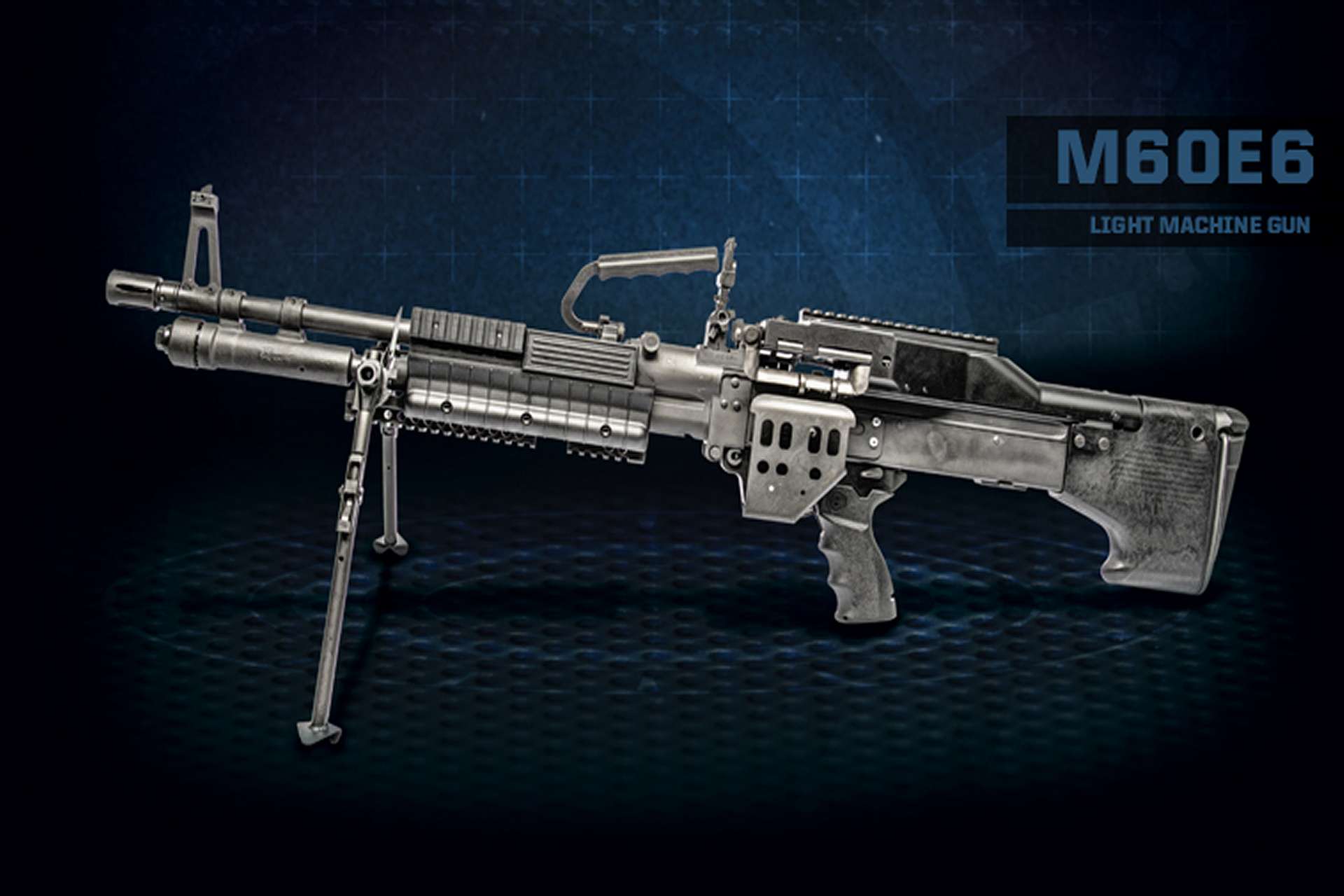
According to an article from the Spanish journal Infodefensa, dated August 25, 2024, the Colombian National Army has announced the acquisition of 460 M60-E6 light machine guns, an advanced model designed by American manufacturer US Ordnance. This purchase, valued at $7.4 million, is part of the direct contract process No. 032-DIADQ-ARM-2024, with US Ordnance Inc. represented locally by Global Mark SAS.
Follow Army Recognition on Google News at this link
US Ordnance M60-E6 Light Machine Gun (Picture source: US Ordnance)
These new 7.62x51 mm caliber machine guns will enhance the arsenal of the Colombian infantry, which already includes 2,797 units, 120 of which are of this specific model. This armament update comes at a crucial time as new professional soldiers begin to integrate into the army's ranks this year.
According to Alex Carrillo, a specialist in acquisition processes, the Army will visit the US Ordnance manufacturing facilities to ensure that the purchased units are new and meet the required quality standards. Quality control will include a verification of the production process, the materials used, and fire tests on randomly selected samples.
Once delivered, the machine guns will undergo a series of rigorous tests to evaluate their performance, interchangeability, and resilience under extreme conditions, including immersion in water, sand, static dust, and mud, as well as temperature and lubrication tests.
In addition to advanced tactical features such as a short barrel with a unique rate of fire, integrated MIL-STF-1913 Picatinny rails for accessories, and a tactical stock with a hydraulic shock absorber, these weapons come with a three-year warranty and a ten-year supply of spare parts. The manufacturer also guarantees a useful life of 50,000 shots for each machine gun, with 18,000 shots for the barrel.
The M60-E6, an evolution of the M60 series, is a lightweight and enhanced weapon designed for optimal maneuverability and reliability in combat. This 9.27 kg model operates with a gas system and fires 7.62x51 mm NATO caliber ammunition from a disintegrating belt. Equipped with a 558 mm barrel, it can achieve a firing rate of 550 rounds per minute, with an effective range of 1,200 meters and a maximum range of 3,725 meters under ideal conditions.
The M60-E6 is equipped with a machined aluminum feed cover incorporating a Picatinny M1913 rail for optics installation. A handguard also equipped with Picatinny rails allows the attachment of infrared sighting devices and other sensors, making the weapon operational both day and night.
Innovations in this model include a simplified gas system with a reversible piston, and an offset barrel handle that provides better visibility and avoids the need for protective gloves during barrel changes. The lightweight, one-hand operable bipod, and the forearm/pistol grip enhance control over the weapon.
The operating piston tube is treated with hard chrome and induction hardening to facilitate cleaning and extend the receiver's life. The machine gun also benefits from a 30% improved belt pull, ensuring increased reliability in harsh environments.
Additional features include a forged 7075 aluminum top cover with a Picatinny rail, an ergonomic grip with a storage compartment, and an improved trigger suitable for use with gloves. A pin-lock system secures the trigger assembly to the receiver, while a receiver-mounted ammunition hanger provides a stable and secure mounting point for the ammunition pouch and protects the feed tray.
The lightweight and ergonomic buttstock features a hinged shoulder rest and quick-detach sling mounting points. Finally, all major components are interchangeable with other M60 configurations, and the weapon can be directly mounted or adapted to all standard NATO tripod and vehicle mounts. The compact design of the M60-E6, combined with its multiple mounting options and a barrel lined with a chromium-cobalt alloy, makes it a versatile and robust solution for various combat scenarios.
Read more: Colombian National Army to Acquire 460 M60-E6 Light Machine Guns
- Details
- Written by: Halna du Fretay
- Category: 2024
- Hits: 4741
On August 27, 2024, Turkish defense companies Aselsan and Roketsan announced that they had signed strategic agreements with Indonesia under the leadership of Türkiye's Presidency of Defense Industries (SSB). The signing took place in Jakarta, marking a significant step in the strengthening of defense ties between Türkiye and Indonesia. The agreements include the delivery of air defense systems, air defense missiles, and cruise missiles.
Follow Army Recognition on Google News at this link
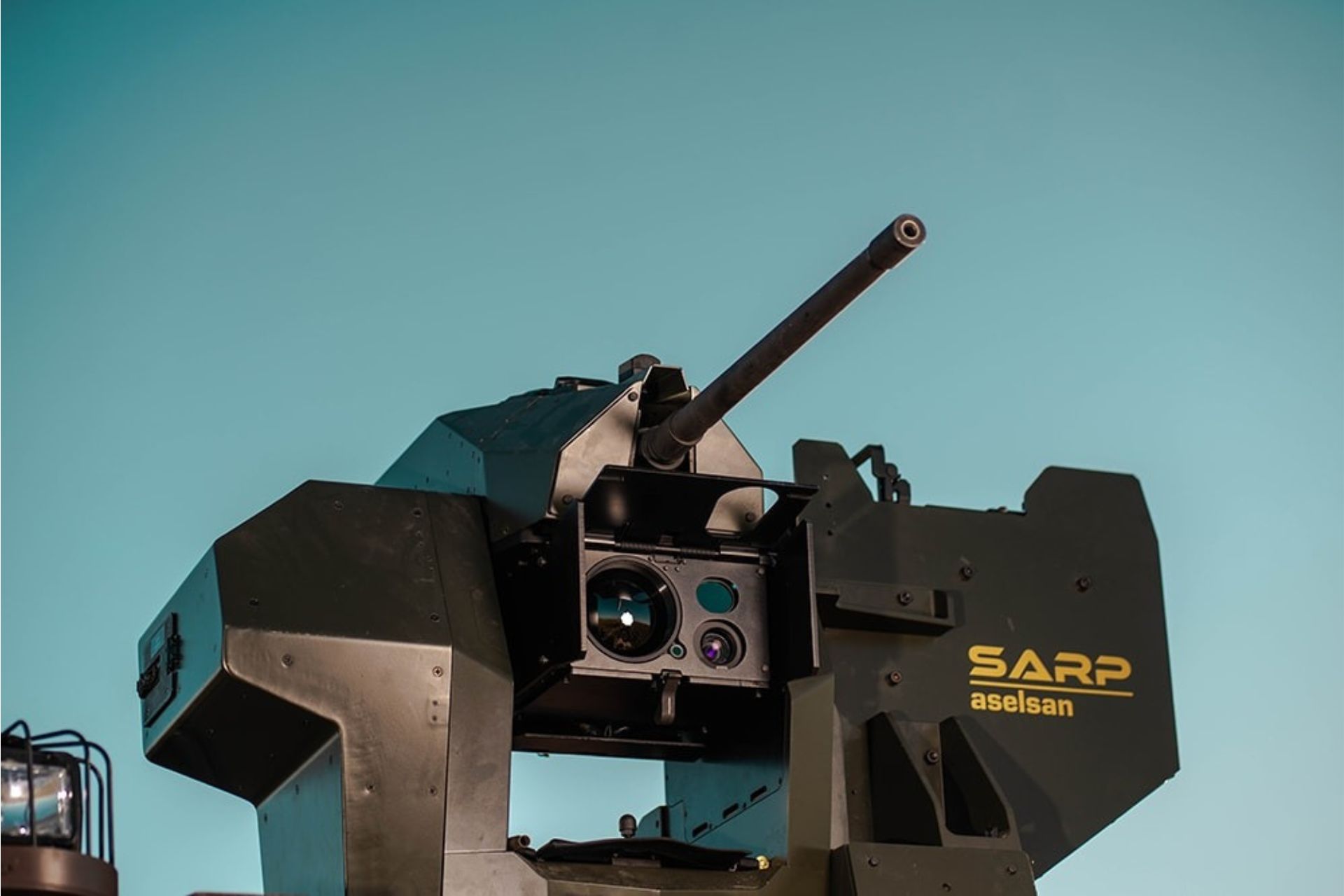
The agreements involve the transfer of a range of advanced defense technologies and systems. Aselsan will provide Indonesia with its Stabilized Advanced Remote Weapon Platform (SARP), the four-dimensional search radar "CENK," a fire control system, and the company's Data Link (Picture source: Aselsan)
The agreements involve the transfer of a range of advanced defense technologies and systems. Aselsan will provide Indonesia with its Stabilized Advanced Remote Weapon Platform (SARP), the four-dimensional search radar "CENK," a fire control system, and the company's Data Link. Roketsan, another major Turkish defense company, will supply Indonesia with its "SUNGUR" air defense missile system, the "ÇAKIR" cruise missile, and the "MAM-L" smart micro munition.
The SARP system by ASELSAN is a remotely operated weapon platform designed for land-based platforms, combining precision reconnaissance and significant firepower. The Next Generation (SARP NG) version of this system is equipped with advanced features such as automatic target tracking, day/night imaging, and ballistic computation. It supports various weapon configurations, including a 12.7 mm machine gun, a 40 mm grenade launcher, or a 7.62 mm machine gun. SARP is particularly effective in asymmetric warfare scenarios, enhancing situational awareness and operator survival.
Roketsan's SUNGUR air defense missile system is a short-range air defense solution designed to protect both mobile and stationary targets. It can be deployed on land and naval platforms, as well as integrated into unmanned aerial vehicles (UAVs). With a maximum range of 8 km and an altitude reach of up to 4 km, SUNGUR features a semi-armor-piercing explosive warhead and operates on a "fire-and-forget" basis, utilizing an infrared seeker for terminal guidance. The system is designed for quick response and is resistant to countermeasures.
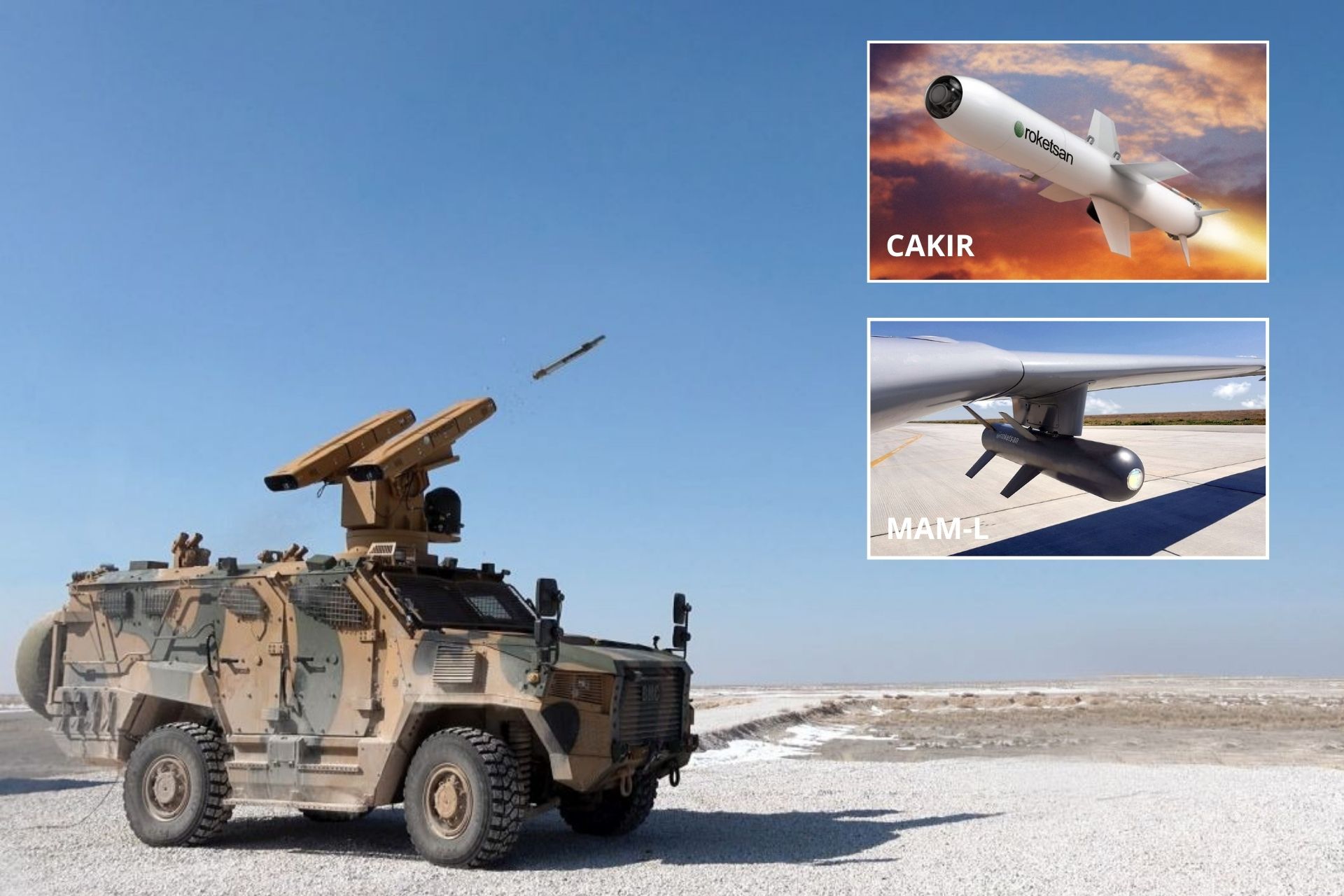
Roketsan, another major Turkish defense company, will supply Indonesia with its "SUNGUR" air defense missile system, the "ÇAKIR" cruise missile, and the "MAM-L" smart micro munition. (Picture source: Rokestan)
The ÇAKIR cruise missile by Roketsan is a next-generation missile designed for deployment from various platforms, including fixed and rotary-wing aircraft, UAVs, and naval vessels. It boasts a range exceeding 150 kilometers and is capable of engaging a variety of surface and land targets. Equipped with advanced mid-phase and terminal guidance systems, including infrared and RF seekers, ÇAKIR is optimized for precision strikes under all weather conditions. Notably, it features swarm capabilities, allowing coordinated attacks with multiple missiles, enhancing its effectiveness against complex enemy defenses.
The MAM-L, or smart micro munition, is a lightweight precision-guided bomb designed for UAVs and light attack aircraft, optimized for air-to-ground missions. Weighing 22 kg with a range of up to 15 km, the MAM-L uses laser guidance and can carry various types of warheads, including armor-piercing, explosive, or thermobaric options. This versatility makes it effective against a wide range of targets, from main battle tanks to lightly armored vehicles and personnel. Its precision and efficiency make it a key tool in modern combat scenarios.
In addition to these transfers, memorandums of understanding were signed covering the provision of unmanned surface vehicles, tank modernization, and missile system maintenance. These agreements are part of broader efforts to enhance Indonesia's defense capabilities through collaboration with Turkish companies.
Türkiye's defense and aerospace industry has experienced significant growth over the past two decades, with export revenues increasing dramatically. From $248 million in 2002, the industry's export revenues exceeded $1 billion for the first time in 2011. Last year alone, Turkish defense and aerospace companies generated record export revenues of $5.55 billion. The industry's overall turnover has also increased, rising from just over $1 billion in 2002 to $12.2 billion in 2022. The number of projects undertaken by local companies has expanded from 62 in 2002 to over 1,000 by 2024.
This recent agreement between Türkiye and Indonesia represents another important step in the growing influence and capabilities of Türkiye's defense sector on the global stage.
- Details
- Written by: Halna du Fretay
- Category: 2024
- Hits: 4718
According to information from Defence24, the Polish Armament Group is considering accelerating the development of its heavy infantry fighting vehicles, a decision that could mark a significant step in improving the country's defense capabilities. This program, launched in 2023, aims to meet the Polish Army's needs for armored vehicles capable of supporting the Abrams tanks recently integrated into the 18th Mechanized Division. The experience of the conflict in Ukraine has highlighted the importance of a heavier and better-armored vehicle than the floating Borsuk Infantry Fighting Vehicle (IFV) already in service.
Follow Army Recognition on Google News at this link
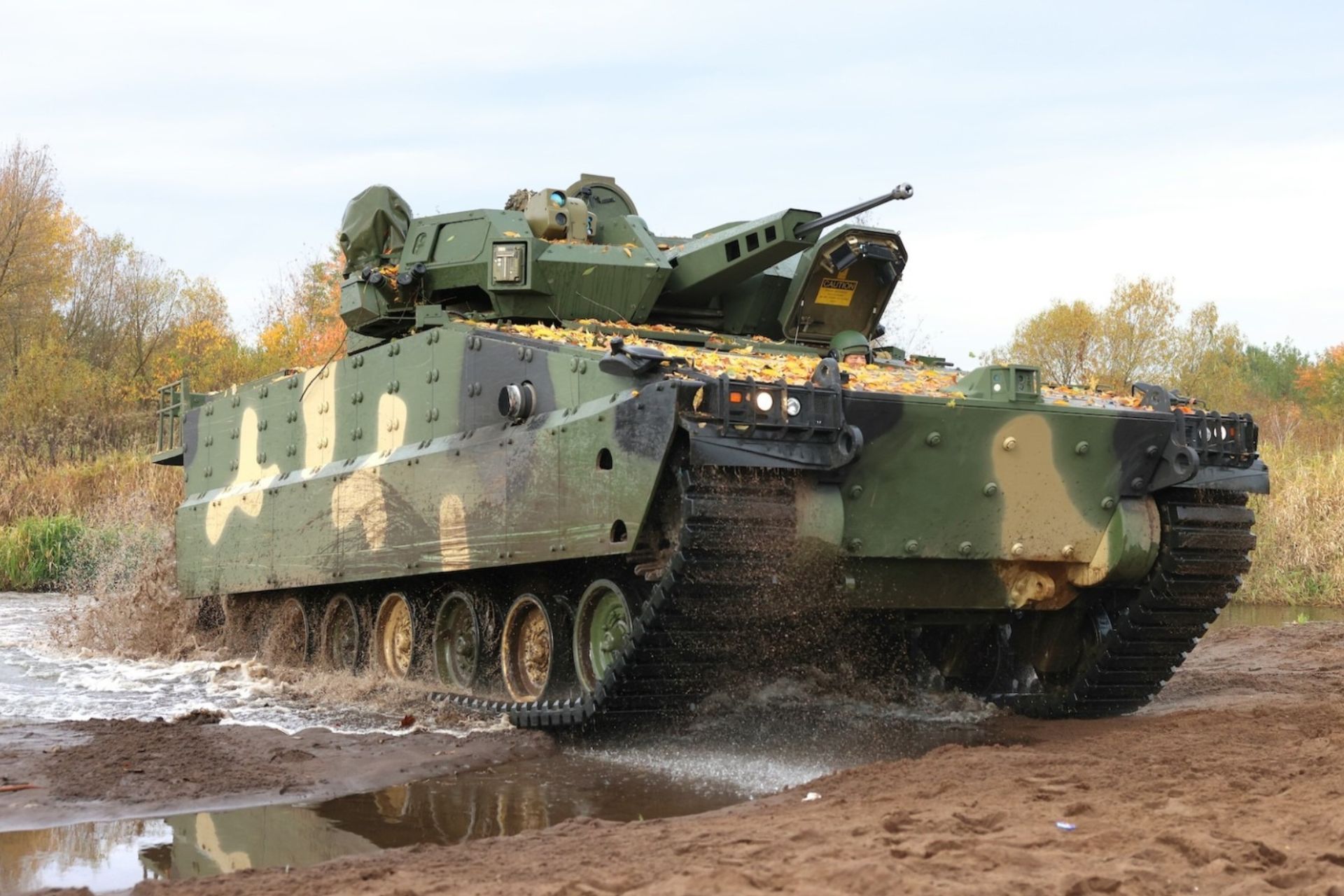
For many, the best option seems to be the Redback with the ZSSW-30 turret, forming the PL21(Picture source: Hanwha)
The ZSSW-30 is a Polish remotely controlled turret developed by Huta Stalowa Wola (HSW) in partnership with WB Electronics, designed to replace the Hitfist-30P turret on Rosomak APCs and to be mounted on the Borsuk IFV. Development began in response to maintenance and modernization issues with existing turrets, leading to the creation of the ZSSW-30, which offers better integration with domestic components. The turret is equipped with a 30mm Mk44S Bushmaster II automatic cannon, a coaxial UKM-2000C machine gun, and two Spike-LR anti-tank missiles. It also features eight 81mm smoke grenade launchers and a sophisticated fire control system with "hunter-killer" capabilities. The system includes advanced optics, laser rangefinders, and night vision, improving target acquisition and engagement capabilities.
Production of the ZSSW-30 began in 2022, with its official entry into service in December 2023, when it was first deployed on Rosomak IFVs within the 21st Podhale Rifle Brigade. Initial orders included 70 units, with a total of 341 turrets planned for production. The turret has undergone significant development, including the integration of artificial intelligence to improve targeting and coordination with drones. Its design offers enhanced modular protection and capabilities for engaging both ground and air targets, making it a crucial element in modernizing Poland's armored combat vehicles.
The current concept for these new vehicles is inspired by the model used for the Krab howitzer, which combines a Polish turret with a foreign-licensed chassis. Instead of developing an entirely new chassis, a solution that would take too much time, the Polish Armament Group plans to use an existing chassis provided by a foreign partner, on which the Polish ZSSW-30 turret would be mounted. This accelerated development model has already proven effective with the Krab howitzer and could be a viable solution to quickly meet the army's needs.
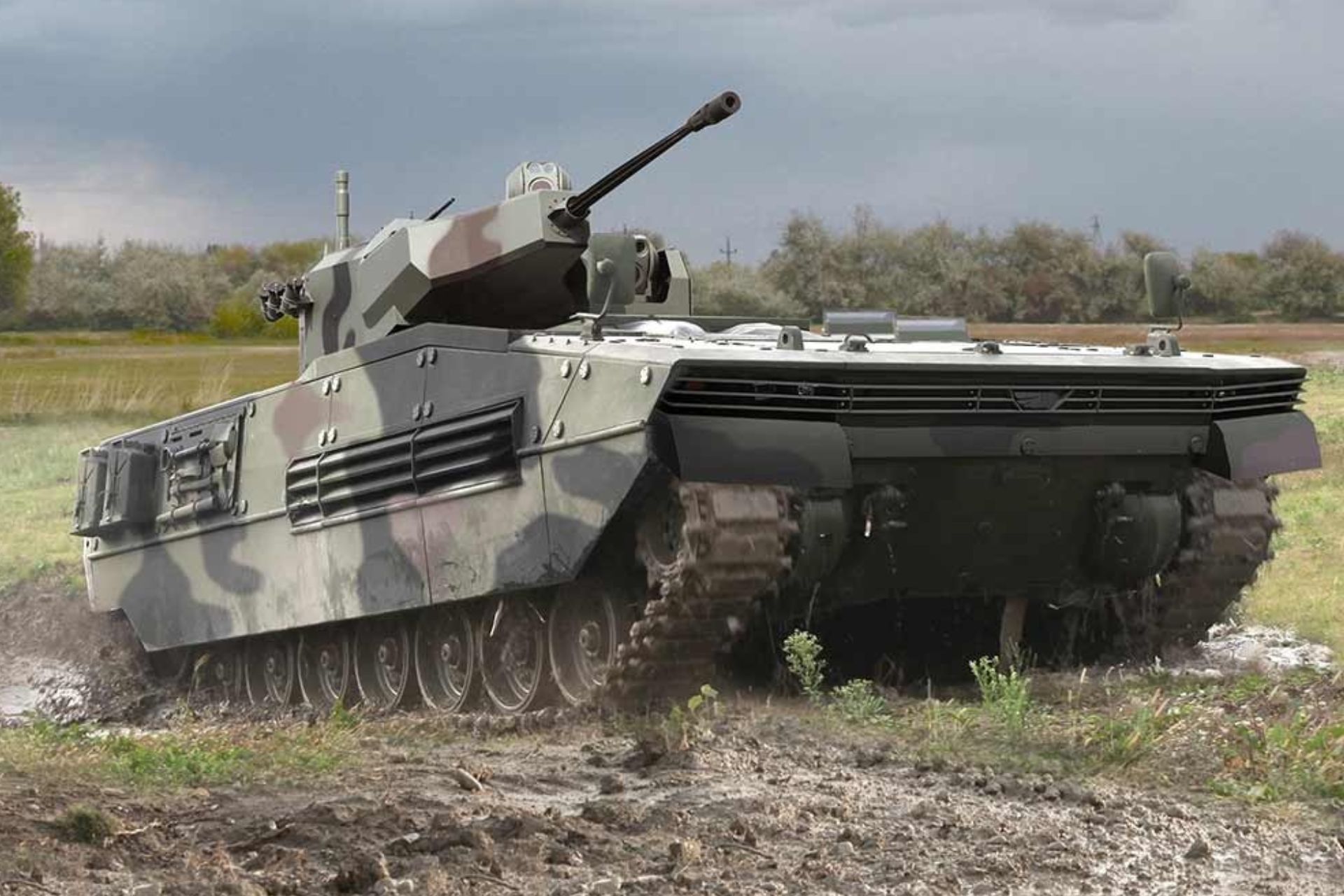
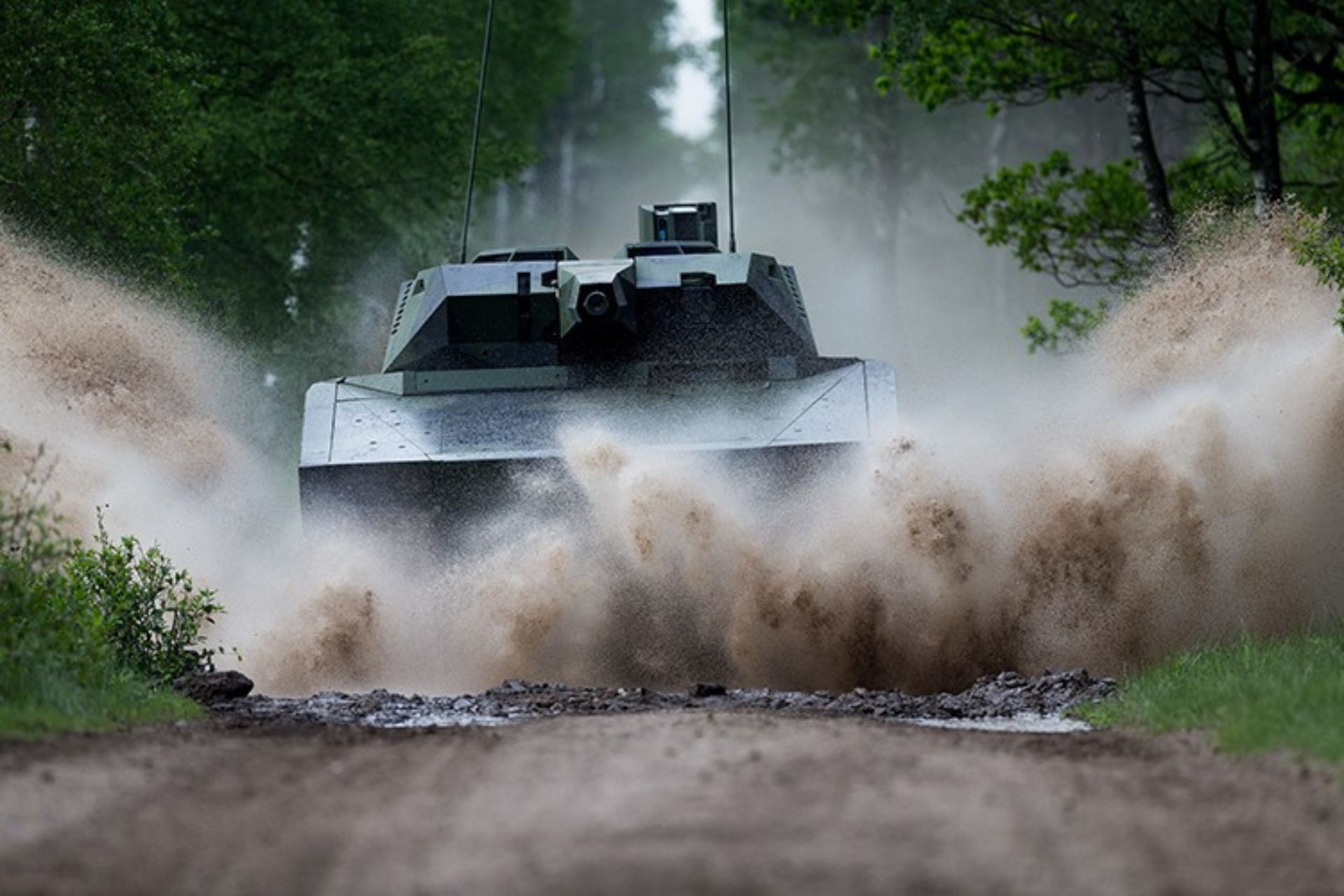
Three main bidders are competing for this lucrative contract: Rheinmetall Lynx, Otokar Tulpar, and Hanwha Redback. Each of these vehicles offers a chassis that could accommodate the ZSSW-30 turret.
- Rheinmetall Lynx: The Lynx is a next-generation infantry fighting vehicle designed to offer great modularity and maximum protection. It can carry up to 9 soldiers in addition to its crew of 3. Its standard armament includes a 30mm or 35mm automatic cannon with options for anti-tank missiles. The Lynx is powered by a Liebherr engine, which is unfamiliar to the Polish army and could be a disadvantage. While it offers excellent protection against mines and improvised explosive devices (IEDs), recent reports of ammunition delivery failures could play against it.
- Otokar Tulpar: The Tulpar is a Turkish vehicle designed to be highly mobile and versatile. It is equipped with a 30mm automatic cannon and can be fitted with missile systems. The Tulpar stands out for its excellent power-to-weight ratio, offering exceptional mobility across various terrains. However, while its defense capabilities are solid, its armor may be inferior to that of its competitors, especially against heavier threats.
- Hanwha Redback: The Redback is a South Korean infantry fighting vehicle known for its robustness and advanced technology. It is equipped with a 30mm cannon, and its protection includes active defense systems, modular armor, and strong resistance to IEDs. The Redback is powered by a proven engine and is already well-integrated into the South Korean defense industry. It is widely regarded as the favorite for this contract, especially with the ZSSW-30 turret, forming the PL21 model. Its excellent protection, ability to engage multiple targets simultaneously, and technological integration make it a strong choice for the Polish army.
However, Polish PGZ will not develop a new heavy infantry fighting vehicle on its own, as it would take too long. The plan is to mount the Polish ZSSW-30 turret on the chassis of a ready-made infantry fighting vehicle from a foreign manufacturer. And for many, the best option seems to be the Redback with the ZSSW-30 turret, forming the PL21. On the other hand, the Rheinmetall Lynx, with its Liebherr engine unfamiliar to the Polish army and recent difficulties in ammunition delivery, may face obstacles in winning this competition.
Read more: Acceleration of Polish Defense Program: Foreign Chassis Equipped with ZSSW-30 Turret?
- Details
- Written by: V.Saint
- Category: 2024
- Hits: 5710
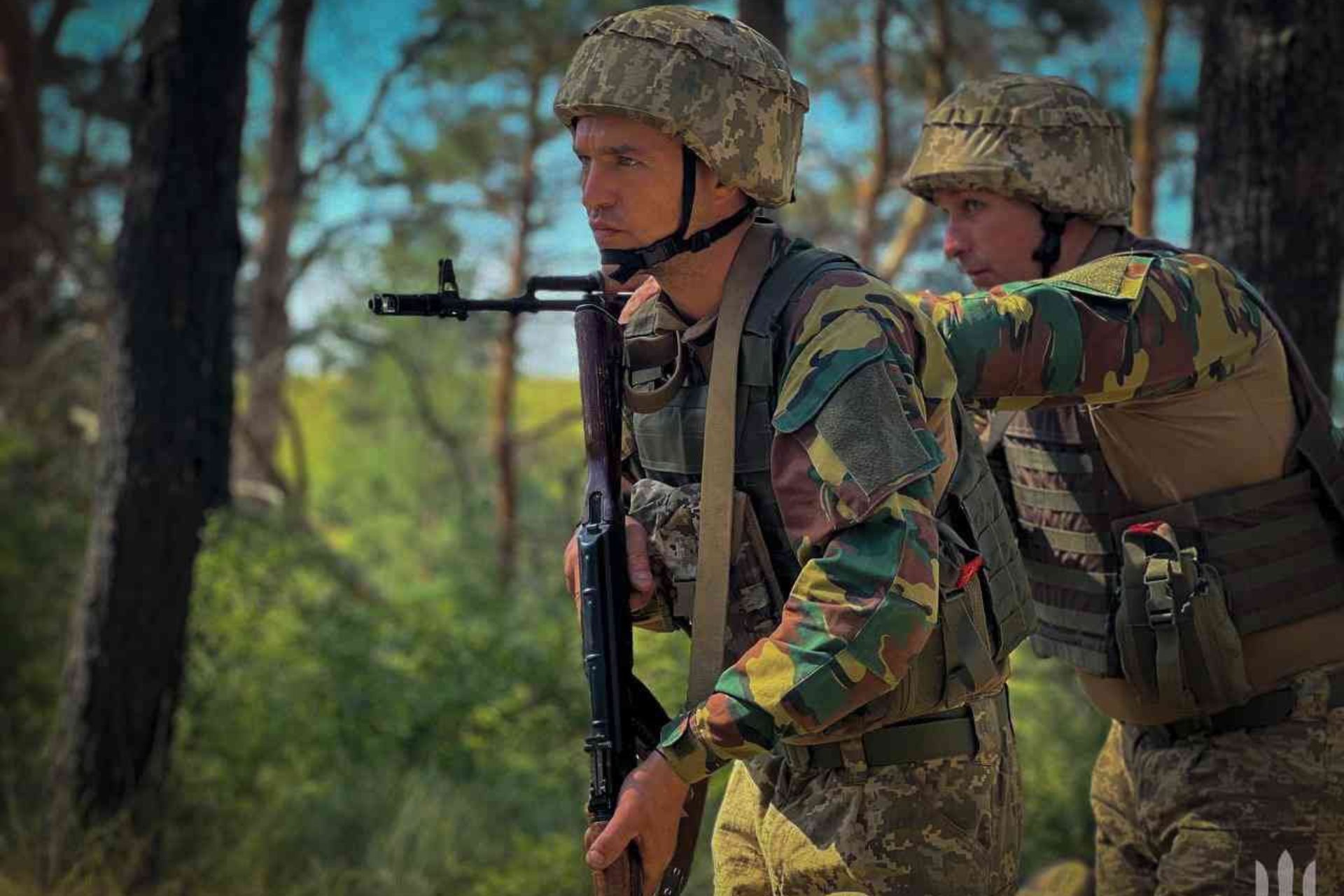
Ukraine uses Belgian camouflage for its military units. Faced with an increased number of recruitments, Ukraine resorts to foreign camouflages to equip its soldiers. Currently, these are seen in training images. We do not have combat scene images showing this foreign camouflage; its use is somewhat unclear in terms of the laws of war, but let's try to clarify.
Follow Army Recognition on Google News at this link
Ex-Belgian Jigsaw camouflage uniforms in use with Ukraine's 17th Separate Tank Brigade.(Picture source: Ukraine MoD)
Jigsaw pattern
The Jigsaw camouflage, also known as "puzzle camouflage," is a distinctive pattern originally developed by the Belgian army in the 1950s. This type of camouflage is recognized for its complex pattern of interlocking irregular shapes, reminiscent of puzzle pieces. The colors used typically vary between greens, browns, and blacks, making it particularly suitable for wooded or densely vegetated environments. The primary purpose of this design is to break up the wearer's silhouette, thus making them less visible in natural settings.
Over the years, the Jigsaw camouflage and its tricolor derivatives have been adopted and modified by several other armed forces around the world. Each country and unit may have variations in the color palette and pattern layout, tailored to the specific environments in which they operate. In Belgium, this camouflage was extensively used until it was gradually replaced by more modern patterns that offer better concealment in a broader range of environments.
Today, although less common in the ranks of modern armies, the Jigsaw camouflage remains emblematic and is often seen in military surplus and among collectors. In Ukraine, former Belgian Jigsaw uniforms have found new utility, providing an interesting example of the reuse of military equipment. This highlights the importance of flexibility and adaptability of military equipment in contemporary conflicts, where resources can often be limited.
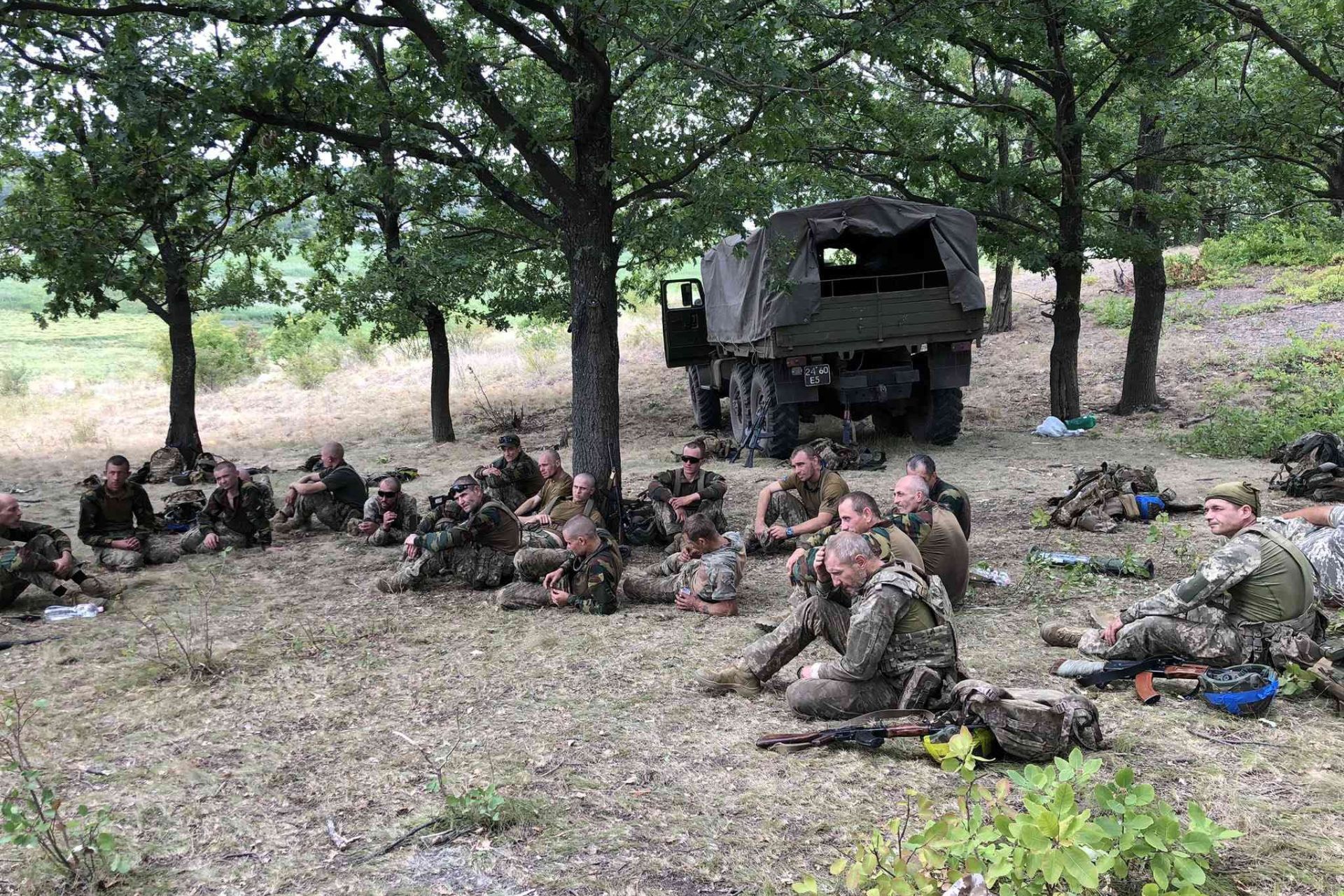
Jigsaw camo shirts in use with the 93rd Mechanised Brigade. ( Picture source : Ukrainian MoD)
Jus in bello
The laws of war require combatants to be identified by a uniform, which may seem trivial but is not. Imposed by Additional Protocol 1 (Article 44), wearing a uniform guarantees the soldier the status of combatant and thus, when captured, that soldiers are eligible for prisoner of war status. This status confers several protections, such as the right to humane treatment and protection against violence, insult, and public curiosity. In contrast, combatants who do not wear a uniform or who use civilian clothes for camouflage can be considered as snipers or mercenaries.
Furthermore, it is specified that the wearing of the uniform must be fixed, meaning that all combatants must wear the same uniform, according to the nation. This guarantees protection of the environment of combat and the misidentification of targets.
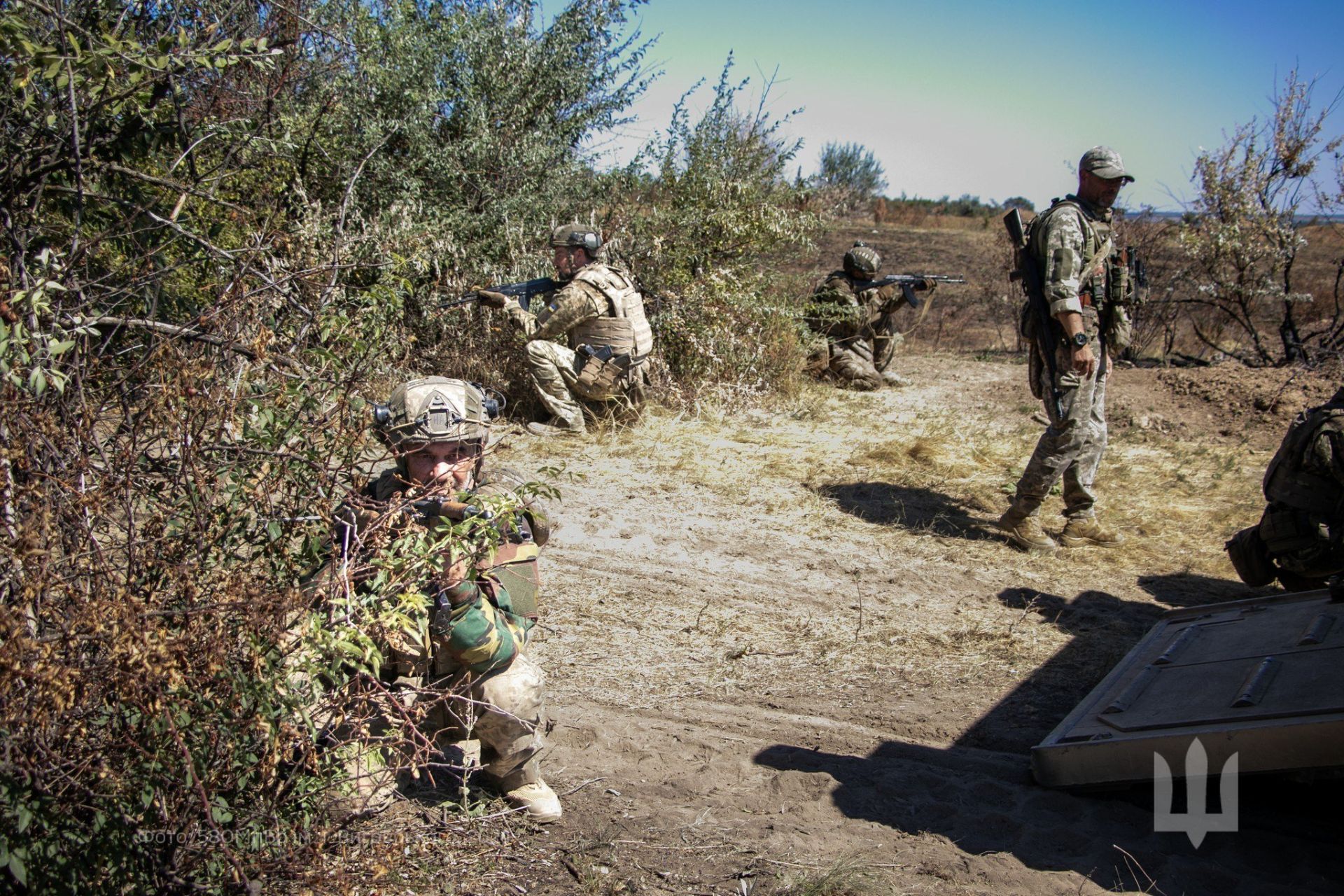
Another sighting of Jigsaw in use with the 58th Motorized Brigade.(Picture source : Ukrainian MoD)
A violation of the laws of war?
Not really, states are not obliged to use other uniforms for their training. For example, France wears a digital blue uniform to simulate opposing forces during exercises. However, there are reasons for wearing a different uniform.
Firstly, uniforms are worn in situations quite harsh for the fabrics, particularly during movements and very dynamic phases of combat. We know that Ukrainians enroll their civilians at a high speed, and as a result, the stock of available uniforms simply runs out. Therefore, during training phases, wearing a uniform that is equally resistant but of a different color, although no longer really worn—the Belgians having adopted multicam for their military—does not constitute a violation of international humanitarian law, the official name for the laws of war.
Read more: Ukraine wearing Belgian camouflage: a violation of laws of war?
- Details
- Written by: Jérôme Brahy
- Category: 2024
- Hits: 6254
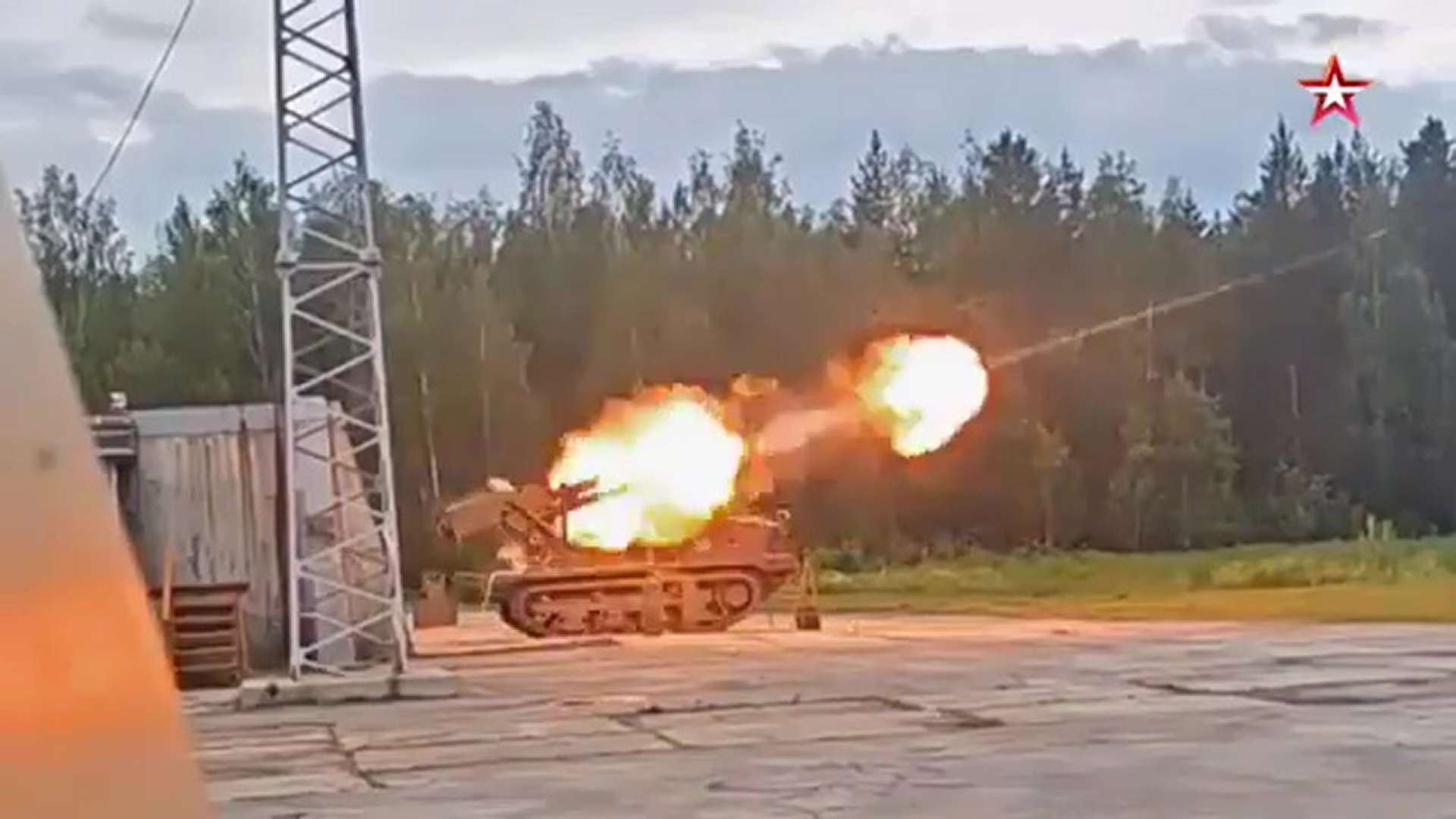
On August 25, 2024, the Russian Defense Ministry released the first video footage of the MTS-15 Klever, an unmanned ground vehicle (UGV) designed as a 122mm tracked self-propelled howitzer. This footage marks the first public demonstration of the MTS-15 Klever, which is scheduled for deployment in Ukraine for full-scale testing under combat conditions. This deployment is anticipated to take place soon, providing an opportunity to evaluate the system's capabilities in a real-world combat condition.
Follow Army Recognition on Google News at this link
One of the key features of the MTS-15 Klever is its automatic loader, capable of firing four shots in quick succession, enabling the system to transition to and from combat positions in approximately 30 seconds. (Picture source: Russian MoD)
The D-30 howitzer, the central component of the MTS-15 Klever, has a long history. Developed in the late 1950s to replace the older M-30 howitzer, the D-30 was introduced into service in the early 1960s. It became a standard artillery piece for Soviet and Warsaw Pact military forces, known for its three-leg mounting system that allows for 360-degree traverse. This design offered stability and flexibility, making it a widely used artillery piece in various conflicts, including the Iran-Iraq War, the Afghan-Soviet War, and the Syrian Civil War. The D-30's operational reliability and adaptability to different combat environments and platforms have contributed to its continued use by many nations today, such as Ethiopia.
The MTS-15 Klever builds on the D-30's legacy by integrating modern technology with this established artillery platform. The unmanned system can be remotely controlled from a distance of up to 500 meters, allowing for operation in potentially dangerous environments. The prototype has already undergone testing at a proving ground and is now set to demonstrate its performance in combat. The Klever has a top speed of 12 kilometers per hour and a cruising range claimed by developers to be 400 kilometers, though other sources suggest it may be closer to 120 kilometers.
One of the key features of the MTS-15 Klever is its automatic loader, capable of firing four shots in quick succession. This automation enables the system to transition to and from combat positions in approximately 30 seconds. Despite these autonomous features, human intervention remains necessary for making adjustments after each shot to maintain accuracy in varying combat scenarios.
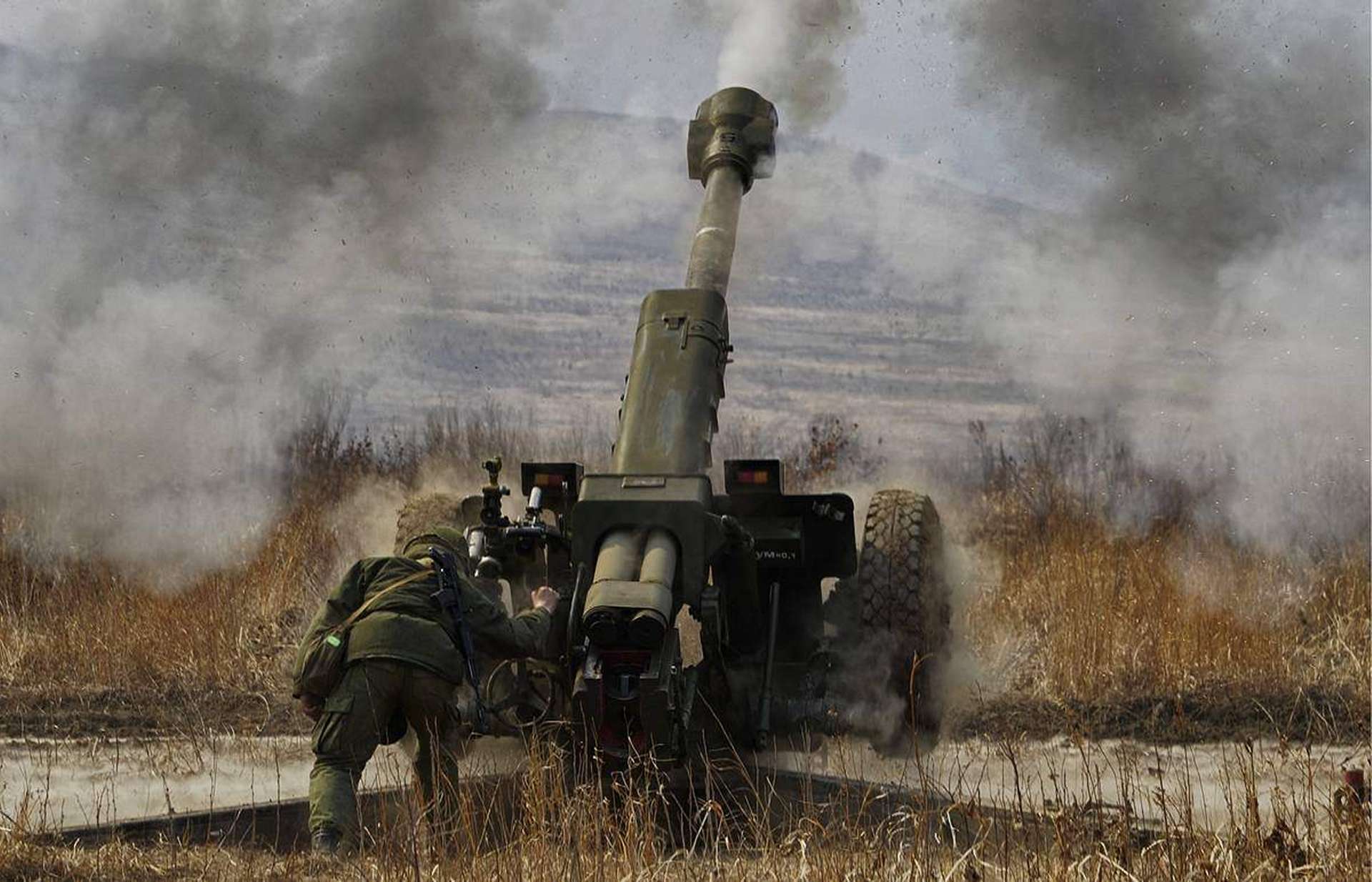
Weighing approximately 3.2 tons and with a barrel length of 4.875 meters, the D-30 has a maximum range of 15.4 kilometers with standard high-explosive fragmentation (HE-Frag) shells, extendable to 21.9 kilometers with rocket-assisted projectiles. (Picture source: Russian social media)
In practice, the MTS-15 Klever moves to a firing position under remote control, with the crew positioning the gun and then taking cover. The system then opens fire, and any necessary adjustments can be made remotely. Once the ammunition is depleted, the robot autonomously moves to reload, with the crew following on an ATV or buggy. This semi-autonomous operation combines unmanned technology with human oversight to achieve operational goals.
The D-30 howitzer remains relevant in modern military operations. Weighing approximately 3.2 tons and with a barrel length of 4.875 meters, the D-30 has a maximum range of 15.4 kilometers with standard high-explosive fragmentation (HE-Frag) shells, extendable to 21.9 kilometers with rocket-assisted projectiles. Its firing rate of 7-8 rounds per minute, combined with the stability provided by its three-leg carriage design, enhances its performance in the field. Additionally, the multi-slotted muzzle brake on the D-30 manages recoil, contributing to its effectiveness.
The MTS-15 Klever, with its remote-controlled, self-propelled howitzer design, is conceptually reminiscent of the ZIS-30, a Soviet tank destroyer developed during World War II. The ZIS-30 was an improvised solution that mounted a 57 mm anti-tank gun on the chassis of the Komsomolets artillery tractor, representing an early attempt by the Soviet military to create a mobile, self-propelled artillery piece. Although quickly assembled and produced in limited numbers, the ZIS-30 demonstrated the utility of combining rapid deployment with firepower, a principle also seen in the MTS-15 Klever's design.
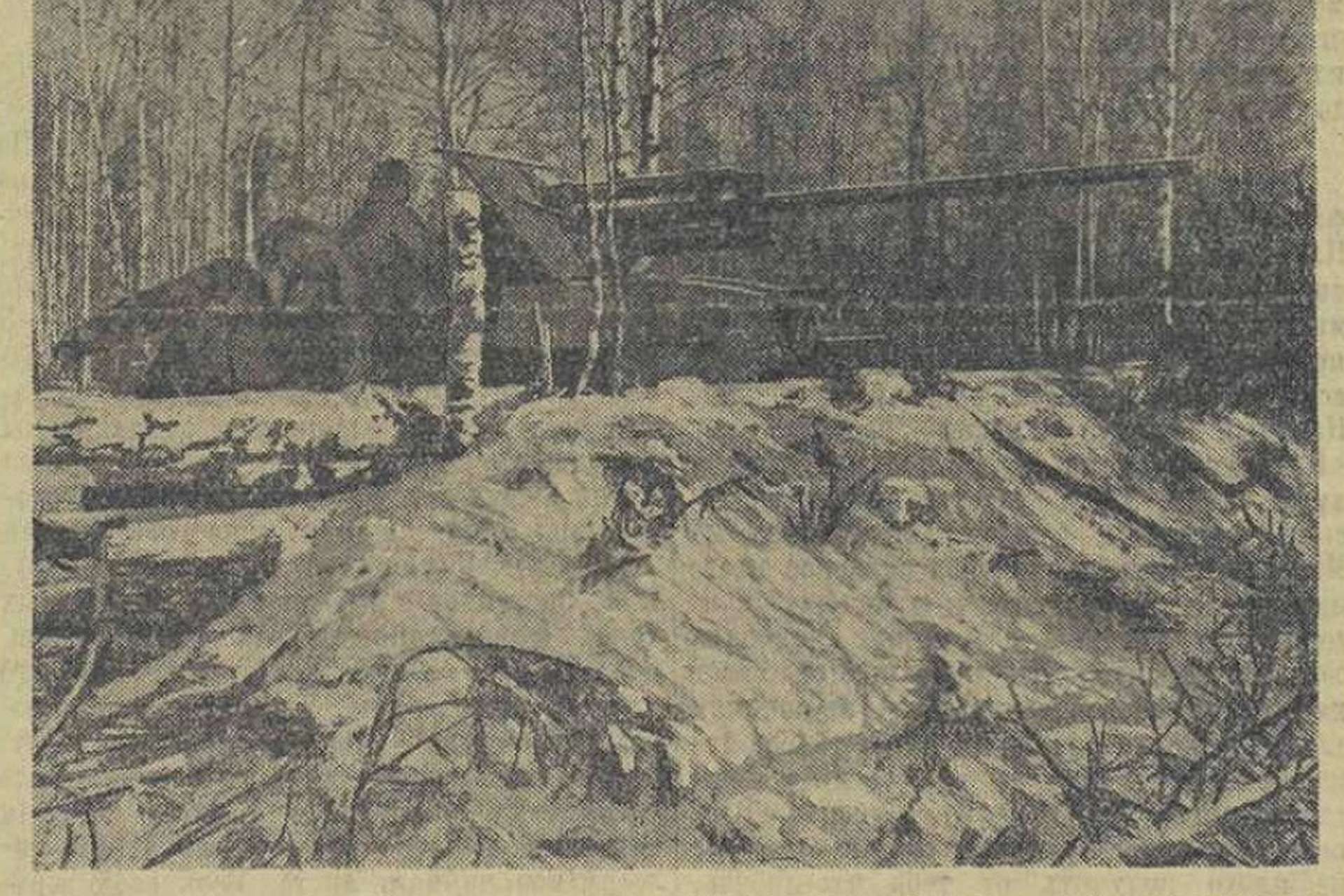
Although quickly assembled and produced in limited numbers, the ZIS-30 demonstrated the utility of combining rapid deployment with firepower, a principle also seen in the MTS-15 Klever's design. (Picture source: Wikimedia)

- Details
- Written by: Triffaux
- Category: 2024
- Hits: 5706
The US Army has received the first prototypes of its Robotic Combat Vehicle-Light (RCV-L), developed as part of the Next Generation Combat Vehicle (NGCV) initiative. These deliveries, made by Textron Systems on August 15 and Oshkosh Defense on August 19, 2024, mark the beginning of the testing phase at Aberdeen Proving Ground.
Follow Army Recognition on Google News at this link
US Army Nex-Gen Robotic Combat Light Vehicle (Picture source: Oshkosh Defense)
These prototypes are part of the Middle Tier Acquisition – Rapid Prototyping program, which aims to accelerate the adoption of advanced technologies in the military.
Textron's RIPSAW M3 model is equipped with a hybrid electric powertrain and an innovative suspension system, allowing for silent surveillance over a range of more than 225 kilometers. Its modular design facilitates adaptation to various payloads.
The Oshkosh prototype, designed for high mobility, can be configured to support various missions thanks to its modularity. Soldier feedback has been integrated into the design to meet the army's specific requirements.
General Dynamics Land Systems and McQ/HDT Global are also participating in the competition, each offering vehicles that emphasize interoperability, modularity, and the use of advanced materials. Features include hybrid-electric propulsion and artificial intelligence capabilities.
The US Army plans to evaluate the performance, mobility, durability, and reliability of these vehicles' systems over the coming months. A supplier will be selected in 2025 to develop and deliver up to nine complete system prototypes in 2026, with a production decision scheduled for 2027.
This program is part of the army's strategy to transition to a more electrified and effective force by 2030, in line with its modernization goals and carbon footprint reduction. RCVs are envisioned for reconnaissance and escort roles, enhancing the security of manned vehicles on the battlefield.
The integration of these robotic vehicles is seen as a key step in enhancing the army's ability to conduct operations more autonomously and securely.
- Details
- Written by: V.Saint
- Category: 2024
- Hits: 5422
Over the past decade, Croatia has nearly doubled its military spending to €1.5 billion, though it has not yet reached the 2% NATO target, which it joined in 2009. This increase has already allowed it to modernize its fighter aviation by acquiring 12 second-hand Rafales from France, and to bolster its maneuver helicopter fleet with a total of 12 UH-60M Black Hawks, thanks to financial aid from the United States and payment facilities.
Follow Army Recognition on Google News at this link
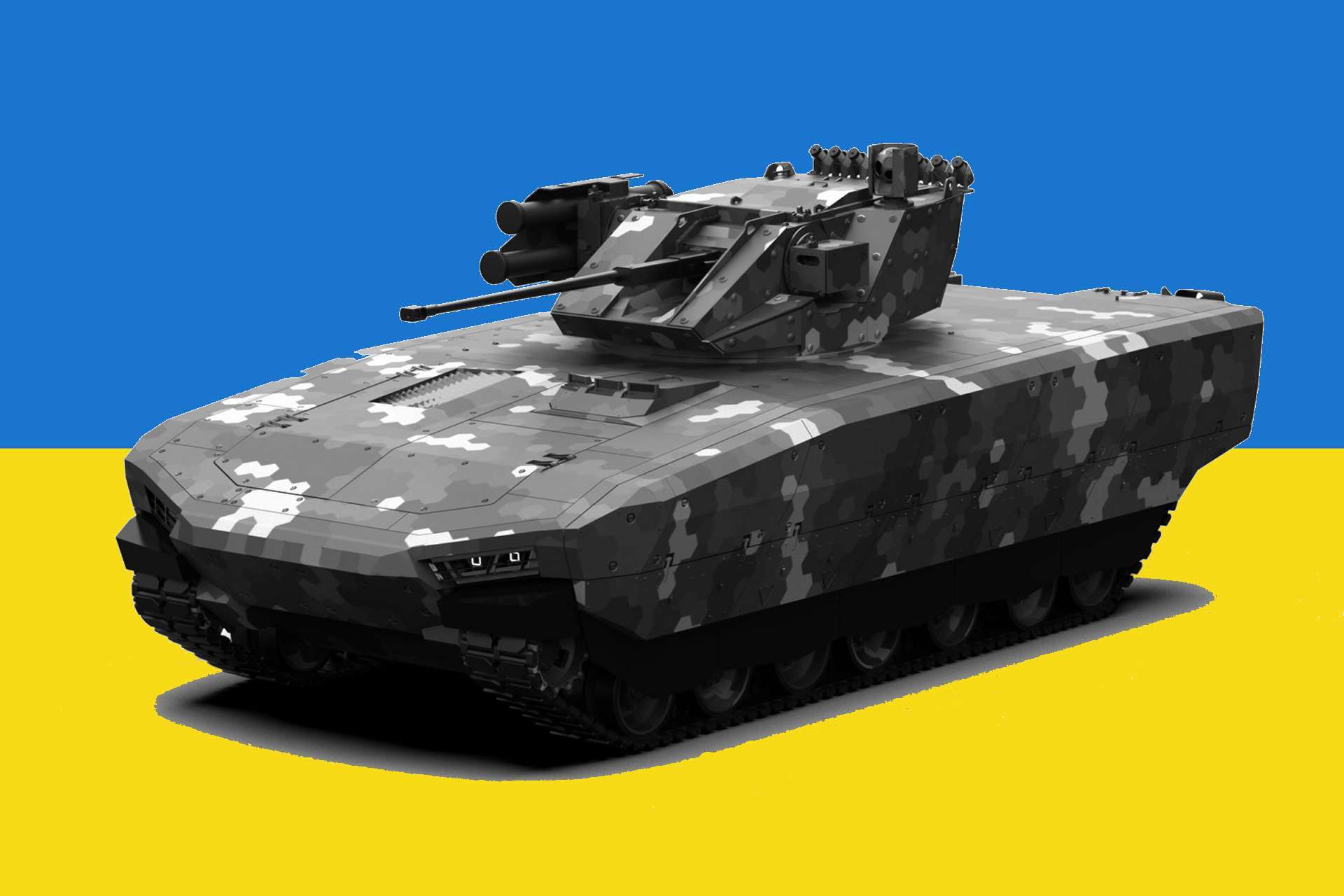
HIMARS equipped with GMLRS rocket at White Sands Missile Range during a test in 2005. (Picture source: US MoD)
However, it is likely that Zagreb will need to make further efforts to allow its ground forces to complete their transformation by replacing their last Yugoslav [and Soviet] origin equipment with Western systems.
Up to now, these forces have relied on American aid to acquire M2A2 Bradley ODS [Operation Desert Storm] infantry fighting vehicles. They have also partially renewed their artillery capabilities by acquiring PzH2000 self-propelled howitzers from the Bundeswehr's stock. But more acquisitions are planned in the coming months.
Firstly, the Croatian Ministry of Defense will need to fund the order of an additional 30 Patria AMV combat vehicles [126 units had already been acquired in 2007/08], confirmed in March 2023 for a total of €158 million.
But one of the priority issues for the Croatian army is the replacement of its 70 M-84 tanks, which are based on the Soviet T-72 design. This was highlighted by Croatian Prime Minister Andrej Plenković in a speech in early August, during the anniversary of Operation Storm, which was launched in 1995 to take control of the territory of the [self-proclaimed] Serbian Republic of Krajina. On this occasion, Mr. Plenković indicated that Zagreb's goal was to acquire a "modern Western tank." A few days later, the newspaper Jutarnji List revealed that discussions were underway with KNDS Deutschland for the purchase of a first batch of 30 Leopard 2A8 tanks. In total, 75 units are planned for acquisition.
Furthermore, the Croatian army plans to enhance its artillery capabilities. At the latest edition of the EuroSatory land and air armament fair, Zagreb expressed its intention to join the French joint acquisition program of CAESAr [Truck equipped with an artillery system]. But it aims to go even further, with deep fire capabilities.
Indeed, the Croatian Ministry of Defense plans to acquire American M142 HIMARS [High Mobility Artillery Rocket System] systems, through the FMS [Foreign Military Sales] program. Croatia plans to "equip and modernize its armed forces with M142 HIMARS, for which a memorandum of understanding with the U.S. government is expected by the end of 2024," confirmed a spokesperson for the Croatian Minister of Defense. The number of systems Zagreb intends to acquire has not been specified yet… It will likely depend on the quote provided by the Defense Security Cooperation Agency [DSCA], which handles American military equipment exports.
- Details
- Written by: Jérôme Brahy
- Category: 2024
- Hits: 6395
On August 20, 2024, Inguar Defence presented the concept for a new Ukrainian infantry fighting vehicle (IFV) named Inguar-7. Although the company has not provided detailed specifications, the concept suggests that the Inguar-7 might follow a development trajectory similar to previous projects like the Inguar-3, which also began as a conceptual illustration.
Follow Army Recognition on Google News at this link
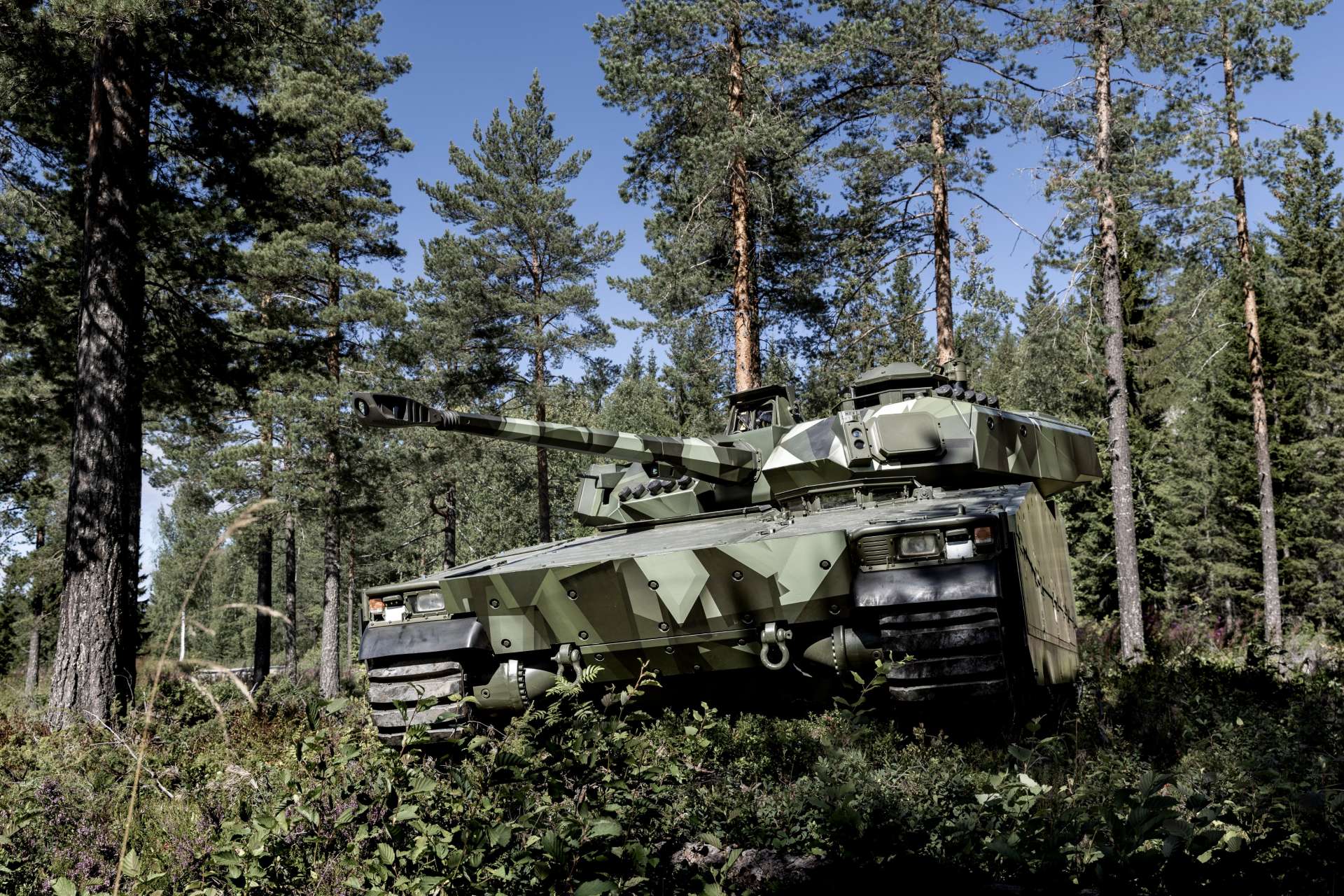
The released imagery of the Inguar-7 concept indicates a platform intended for use as a modern IFV or light tank, comparable to the ASCOD and CV90 armored vehicles. (Picture source: Inguar Defence and Wikimedia)
The released imagery of the Inguar-7 concept indicates a platform intended for use as a modern IFV or light tank, comparable to the ASCOD and CV90 armored vehicles. The vehicle appears to be equipped with a combat module featuring an automatic cannon, likely of 30mm caliber, a standard armament for targeting infantry and lightly armored vehicles. The concept also includes a launcher for two guided anti-tank missiles, which would enable the vehicle to engage heavier armored targets at extended ranges.
The turret of the Inguar-7 is depicted with a multi-channel thermal imaging sight, protected by shielding, and a rear-mounted smoke grenade launcher for creating aerosolized smoke screens to obscure the vehicle. The design also features a squad compartment and additional body armor on both sides, which likely consists of modular composite materials. This modularity could allow for armor upgrades based on mission-specific requirements. There is also the possibility that the vehicle might be equipped with an Active Protection System (APS) to intercept incoming threats before they reach the vehicle.
The concept of the Inguar-7 includes a tracked suspension system, which would provide the vehicle with off-road capabilities necessary for navigating various terrains. The design places the engine and transmission at the front of the vehicle, a layout similar to that of the Israeli Merkava main battle tank. This arrangement is intended to provide added protection in frontal engagements by absorbing some of the impact from incoming projectiles, thereby enhancing the safety of the crew. Additionally, this configuration increases storage space at the rear of the vehicle.
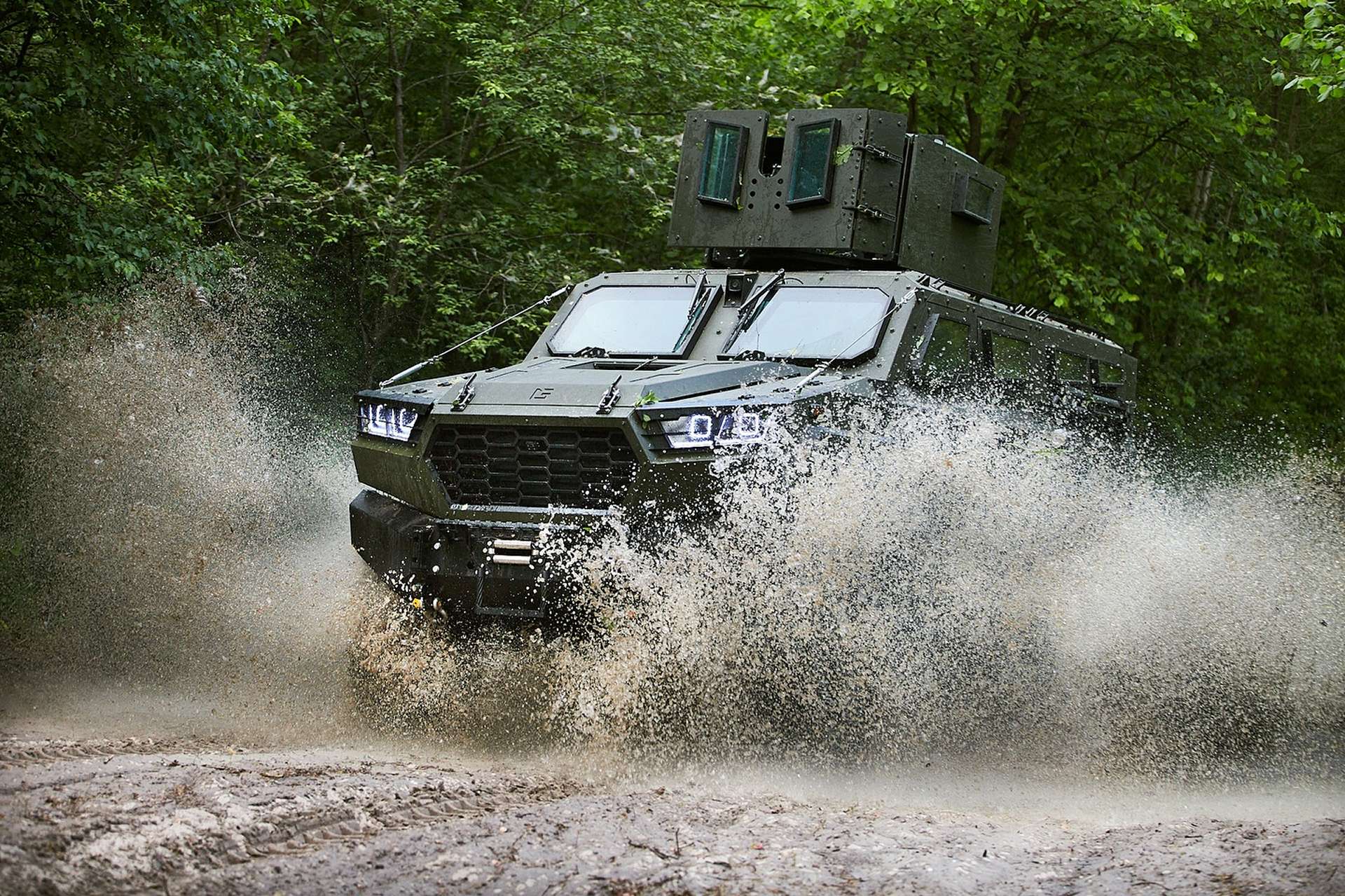
Inguar Defence's recent activities also include the introduction of the Inguar-3 in March 2024, which is Ukraine’s first Mine-Resistant Ambush Protected (MRAP) vehicle. (Picture source: Inguar Defence)
The design also suggests efforts to reduce the vehicle's radar cross-section, with a low-profile, angular build and digital camouflage intended to enhance its ability to blend into different environments. The vehicle likely includes modern optics, such as thermal imaging and laser rangefinders, aimed at improving target detection and engagement capabilities in various weather conditions.
Inguar Defence's recent activities also include the introduction of the Inguar-3 in March 2024, which is Ukraine’s first Mine-Resistant Ambush Protected (MRAP) vehicle. The Inguar-3 is equipped with STANAG Level 3 blast and ballistic protection and is designed to be highly modular, available in both 4x4 and 6x6 chassis configurations. This modularity allows the vehicle to be adapted to various military roles, including combat, tactical operations, medical evacuation, and logistical support. The vehicle's armor consists of a combination of aluminum and steel, aimed at balancing weight reduction with ballistic protection.
The Inguar-3 incorporates several technological features, such as a 360-degree camera system, an automatic fire extinguishing system, and a centralized tire inflation system, which are designed to enhance its operational capabilities across different environments. The vehicle's off-road capabilities are supported by an independent suspension system and a Deutz engine paired with an Allison automatic transmission.
The unveiling of the Inguar-7 IFV concept, alongside the earlier introduction of the Inguar-3 MRAP, is part of a broader effort within Ukraine to modernize its armored vehicle fleet. This trend is also evident in other projects, such as the BMP-V by Ukrarmor. The BMP-V is an amphibious tracked IFV designed to strengthen Ukraine's armored capabilities. It is depicted with features such as a 30mm cannon, enhanced lateral armor, and a 360-degree video camera system. The BMP-V is designed to accommodate various armament configurations and has the potential to serve as the basis for multiple vehicle derivatives.
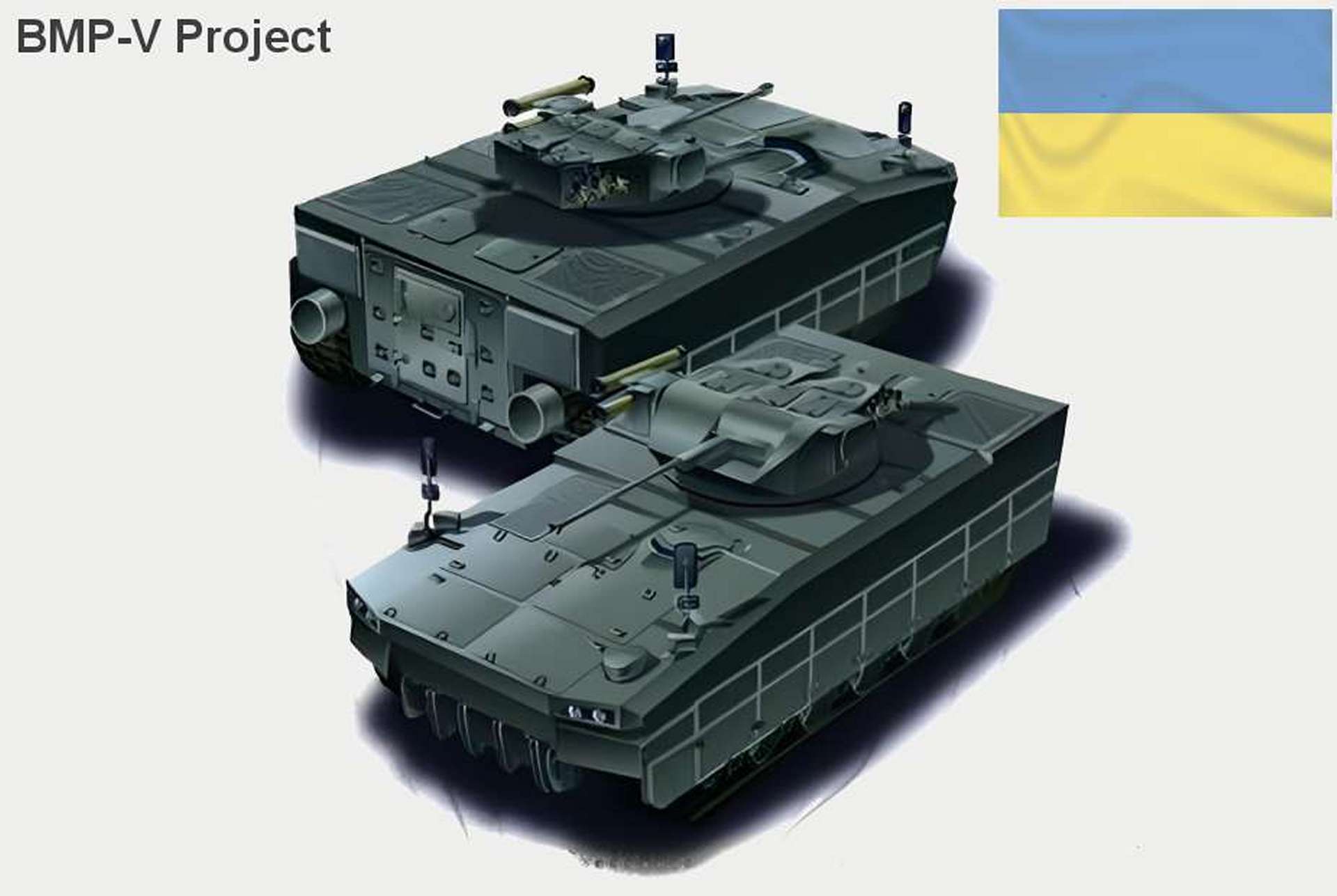
The BMP-V is designed to accommodate various armament configurations and has the potential to serve as the basis for multiple vehicle derivatives. (Picture source: Ukrarmor)
Read more: Inguar Defence reveals Inguar-7 IFV concept to strengthen Ukraine’s armored forces
- Details
- Written by: Jérôme Brahy
- Category: 2024
- Hits: 9127
On August 22, 2024, the Danish Ministry of Defence Acquisition and Logistics Organization awarded a contract to BAE Systems Hägglunds AB for the procurement of 115 CV9035 MKIIIC infantry fighting vehicles (IFVs). The contract is valued at approximately DKK 9.975 billion (€1.337 billion) and is part of Denmark’s ongoing efforts to enhance its military capabilities, particularly through the development of a heavy brigade.
Follow Army Recognition on Google News at this link
The CV9035 MkIIIC variant, which Denmark is acquiring, is equipped with a Bushmaster III 35mm autocannon, offering different capabilities compared to the 40mm Bofors gun used in earlier models like the CV9040C. (Picture source: BAE Systems)
The decision to negotiate this contract without prior competition was based on the specific technical and operational requirements of the Danish Armed Forces. According to the Danish Ministry, no alternative suppliers were capable of meeting these requirements, leading to the decision to engage directly with BAE Systems Hägglunds AB. The contract’s timeline is estimated at five years, with deliveries scheduled across various military locations in Denmark. The final duration of the contract will extend until all vehicles are delivered, ensuring that Denmark’s operational needs are addressed.
This contract is connected to a broader initiative to modernize Denmark’s fleet of armored vehicles, which includes the Mid-Life Update (MLU) of the country’s existing CV9035 Infantry Fighting Vehicles (IFVs). Announced in March 2024, this update aims to upgrade the fleet, which has been in service since 2007 and has been deployed in international missions, including operations in Afghanistan. The MLU project, initiated with an agreement signed on March 20, 2024, is expected to be completed by 2029.
The MLU involves upgrades to all 44 vehicles in the Danish fleet, including the installation of a new turret with hunter-killer capabilities, increased firepower, enhanced protection, advanced sensors, and improved crew ergonomics. Additionally, the vehicles will be fitted with rubber tracks instead of steel, reducing weight and minimizing noise and vibrations, thereby improving operational efficiency and crew comfort.
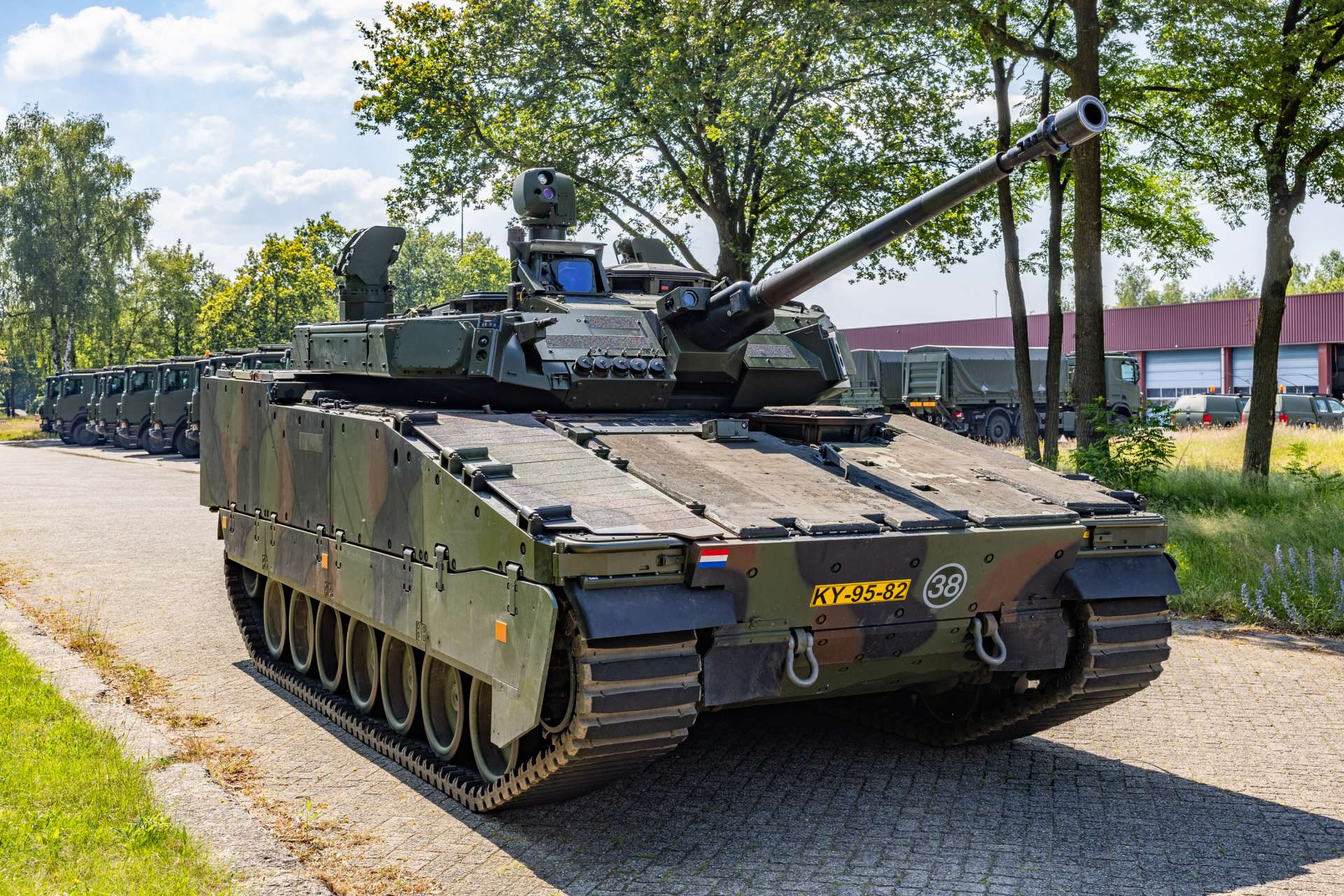
These new CV9035 MkIIIC combat vehicles are constructed to the same standards as those in the Netherlands' latest mid-life upgrade program, featuring a newly designed turret with ergonomic enhancements for the crew. (Image source: Twitter/Daniel of Bohemia)
The CV9035 MkIIIC variant, which Denmark is acquiring, is equipped with a Bushmaster III 35mm autocannon, offering different capabilities compared to the 40mm Bofors gun used in earlier models like the CV9040C. The CV9035 MkIIIC is designed with a focus on survivability and mobility and incorporates an electronic architecture that supports future upgrades. The vehicle has a gross weight of approximately 32 tonnes, with the potential to increase to 35 tonnes, and includes the E35 turret, similar to that used on the AMV35 Combat Reconnaissance Vehicle (CRV), which provides enhanced ergonomics and targeting systems.
The CV90 family, which includes the CV9035, has a long history of development. It was created in the mid-1980s by the Swedish Defence Materiel Administration (FMV) in collaboration with Hägglund & Söner and Bofors to meet the Swedish Army's requirements for a mobile platform capable of air defense and anti-tank roles. The CV90 entered service in the mid-1990s and has undergone multiple iterations, from the initial Mk 0 to the current Mk IV, incorporating advancements to meet changing battlefield needs.
The CV90 is designed for various terrains, particularly those common in the Nordic subarctic climate. It features a turret system with different armaments depending on the variant: the Swedish version uses a 40mm Bofors autocannon, while export versions are equipped with either a 30mm or 35mm Bushmaster autocannon.
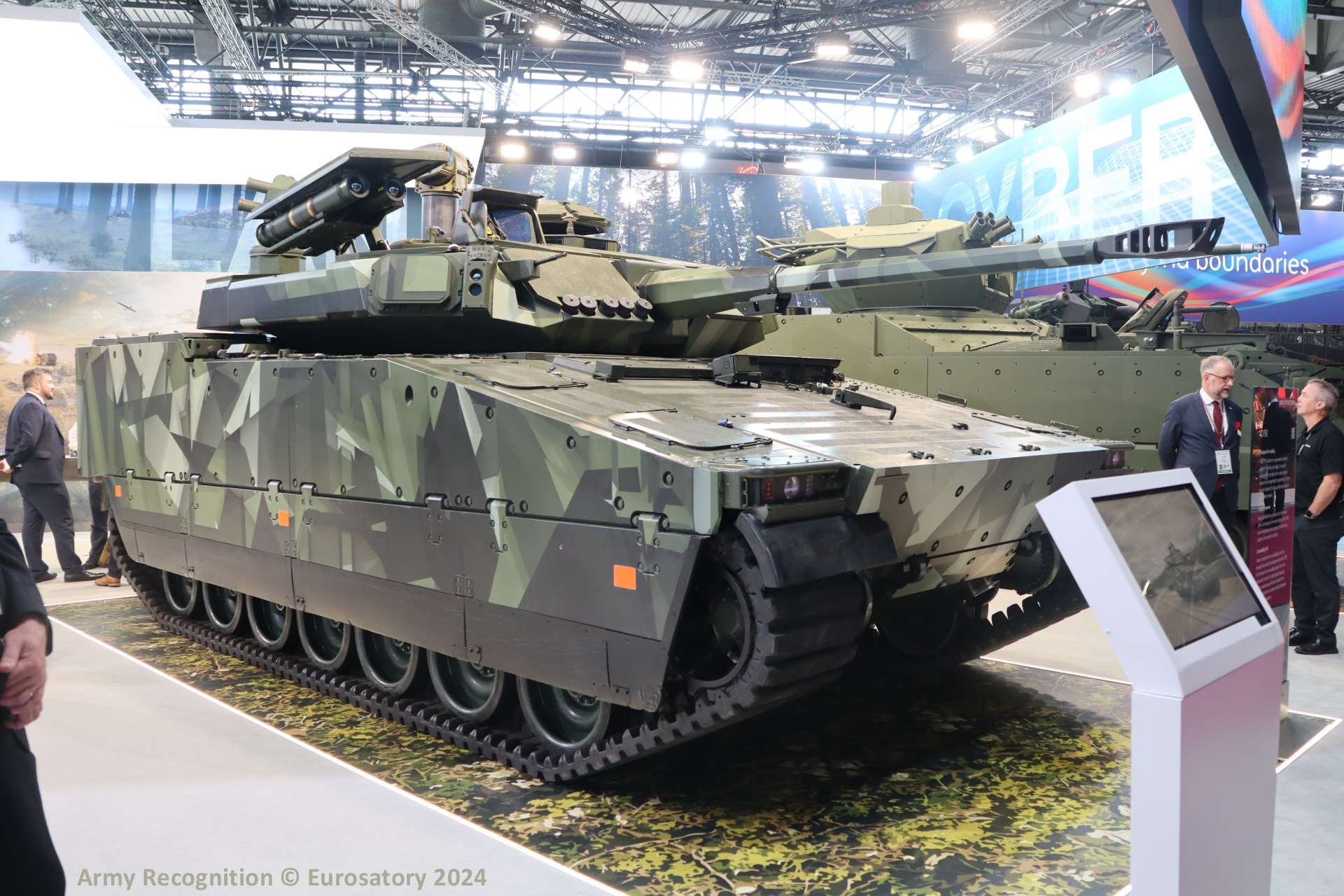
The CV90 entered service in the mid-1990s and has undergone multiple iterations, from the initial Mk 0 to the current Mk IV, incorporating several technological advancements to meet new battlefield needs. (Picture source: Army Recognition)
The vehicle's modular design allows it to perform various roles, including air defense, reconnaissance, and electronic warfare. It weighs between 20 to 37 tonnes, depending on configuration, and is powered by a diesel engine that provides a high power-to-weight ratio, enabling it to operate in challenging terrains such as snow and wetlands.
There are multiple variants of the CV90, each tailored to specific operational needs. These include the CV9040 (standard infantry fighting vehicle), CV9030 (export variant with a 30mm cannon), CV9035 (with a 35mm cannon for the Dutch Army), and specialized versions such as the Forward Command Vehicle, Forward Observer Vehicle, Anti-Aircraft Vehicle, and Armored Recovery Vehicle. The latest Mk IV version includes a more powerful engine, improved survivability, and a fully digital architecture to integrate with modern combat systems.
The CV90 is used by several countries in Europe, including Sweden, Norway, Finland, Switzerland, the Netherlands, Estonia, Slovakia, and the Czech Republic. Norway was the first export customer, and the platform remains in use across these nations, with recent developments such as a joint production agreement with Ukraine, indicating its continued relevance in meeting contemporary defense needs.
Read more: Denmark orders 115 CV9035 MKIIIC IFVs from BAE Systems for €1.3 Billion
- Breaking News: Chechen Special Forces Destroy First French Crotale NG Air Defense System in Ukraine
- Russia Plans to Deploy Latest Generation 2S38 Air Defense Vehicles in Ukraine To Counter Drones
- US Approves $405 Million Sale of AMRAAM-ER Missiles to Norway
- Focus| Chinese Flying Grenade: Surprising Outcomes from an Unusual Development Process