

- Details
- Written by: Vandenbosch
- Category: 2024
- Hits: 12046




Breaking news






The once-vaunted reputation of the US-supplied Abrams tanks is now under scrutiny as Ukrainian soldiers highlight weaknesses and flaws in these American vehicles. Indeed, in several interviews, some Ukrainian soldiers have complained about the M1A1 Abrams tanks sent by the US to Ukraine.
Follow Army Recognition on Google News at this link
The US M1A1 Abrams Main Battle Tank has come in for criticism in Ukraine. (Picture source: Social Media)
The M1A1 Abrams tanks were deployed to strengthen Kyiv's resistance against Russian forces. However, the reality of combat has raised serious doubts about their effectiveness. Despite a prolonged campaign by Ukrainian officials, which led the US to send 31 Abrams tanks to Ukraine in January 2023, these tanks have encountered several obstacles. These tanks took some time to appear on the front lines as if their appearance had been meticulously prepared; however, this preparation did not prevent the criticisms from emerging.
The Abrams tanks, each costing around $10 million, were considered essential for breaking through Russian defensive lines. By October 2023, all 31 tanks had arrived in Ukraine. Yet, after their appearance on the front lines, they quickly encountered considerable challenges, particularly from Russian drones, which have destroyed at least five tanks.
In a recent interview with CNN, Ukrainian tank crews who trained in Germany expressed their concerns about the Abrams tanks' performance. They criticized the armor's inability to withstand modern weapons. "The tank's armor is not sufficient for this moment," said a crew member known as Joker. "It doesn't protect the crew. Today, this is the war of drones. So now, when the tank rolls out, they always try to hit them."
Another crew member, Dnipro, emphasized that Abrams tanks are the "number one target" on the battlefield. "Without defense, the crew doesn’t survive on the battlefield," he noted. These statements highlight the tanks' vulnerability and the increased risk to soldiers.
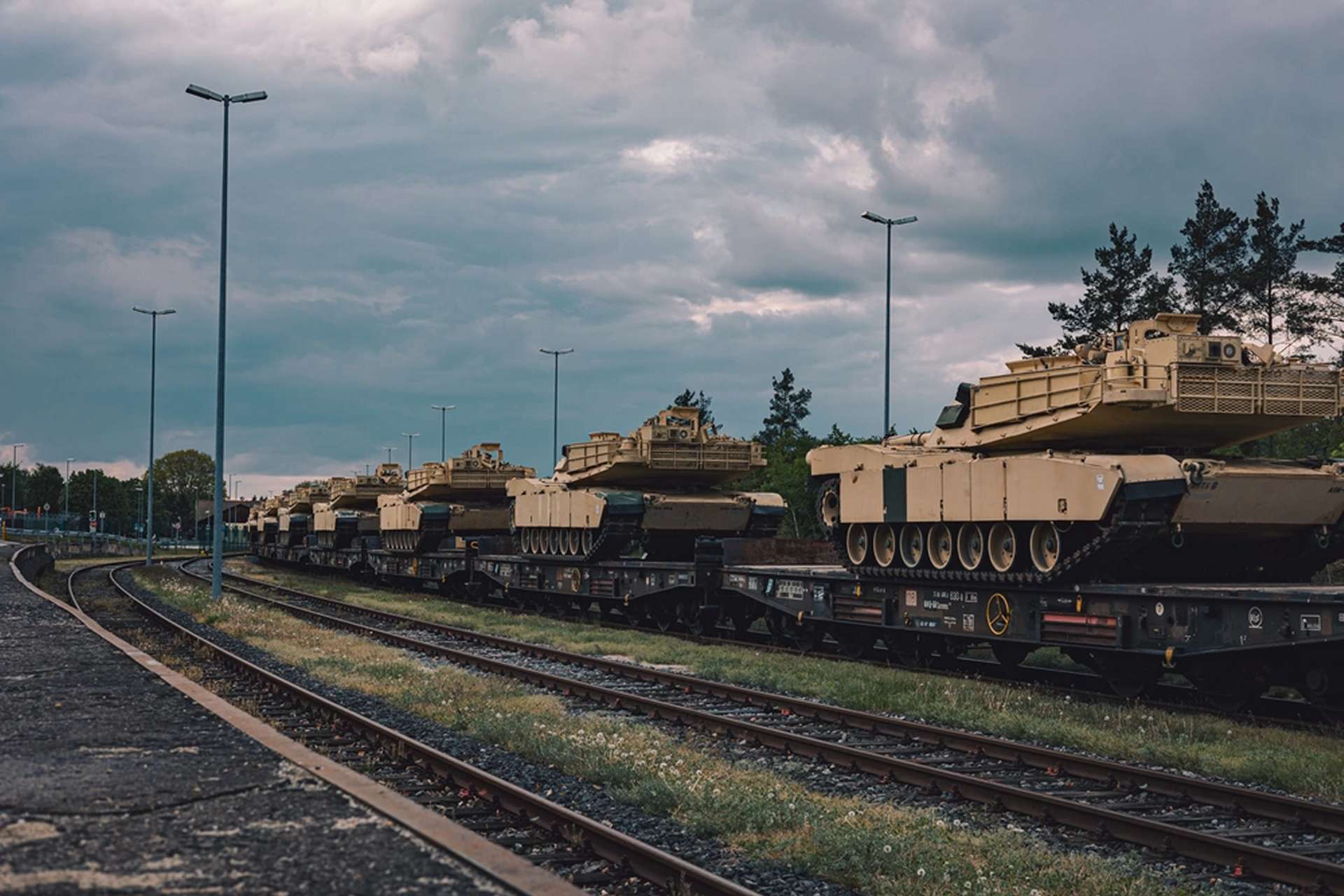
US M1A1 Abrams tanks needed for training the Armed Forces of Ukraine arrive by rail at Grafenwoehr, Germany. ( Picture Source: US DoD)
Despite reports indicating that Ukraine had withdrawn Abrams tanks from the front lines, officials from the 47th Mechanized Brigade insisted that all Abrams tanks remained stationed near the eastern front.
Technical problems have further complicated the challenges faced by the Abrams tanks. During a CNN visit, one tank was immobilized due to an engine problem, despite its recent shipment from Poland. Crew members also reported that rain or fog could cause condensation, potentially damaging the vehicle's electronics. Additionally, the crews face ammunition issues, with current supplies being unsuitable for their combat needs.
"What we have is more suited for direct tank-to-tank fights, which happens very rarely," explained Joker. "More often, we work like artillery. We had a case where we fired 17 rounds into a house, and it was still standing."
The effectiveness of the Abrams tanks has also been hampered by the lack of crucial air support, essential for modern armored warfare. Ukrainian tank crews highlighted the difference between NATO and Ukrainian battlefield conditions. The Abrams tanks were designed for a NATO style of warfare, heavily reliant on air power and artillery to prepare the battlefield before tanks and infantry advanced.
Photos from Ukraine's 47th Mechanized Brigade show Abrams tanks with added anti-FPV screens and Kontakt-1 ERA bricks. "They would never do it," said Joker, referring to NATO soldiers undertaking similar advances without air support. "We have no aviation and artillery. We have only tanks. And that's the problem."
Regardless, the Ukrainians cannot exploit the full capabilities of the Abrams tanks. Furthermore, the Abrams tanks constitute a prime target for the Russian armed forces. Additionally, the main battle tank is no longer a central element of the battlefield due to drones. However, not everything can be attributed to the conditions, and it is legitimate to question the effectiveness and relevance of sending a tank that is ultimately becoming outdated, especially in such a small number. Thirty-one tanks are not enough to have an impact on the battlefield. More should be sent, and it should be accepted that these tanks are simply not invincible.
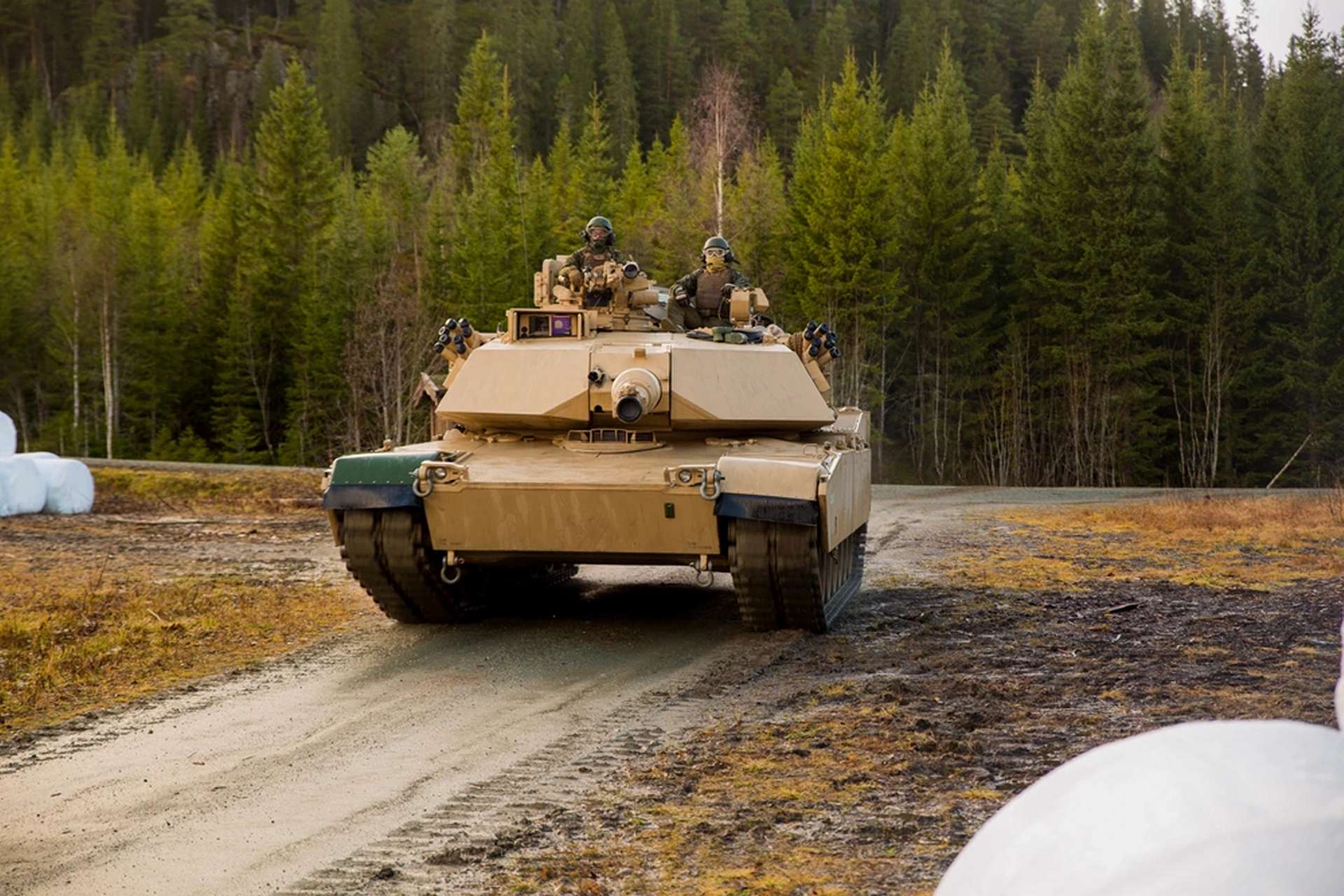
A US M1A1 Abrams Main Battle Tank during an exercise. ( Picture Source: US DoD)
Read more: After F-16s Ukrainians Criticize US M1A1 Abrams Tanks

- Details
- Written by: Halna du Fretay
- Category: 2024
- Hits: 5540
Breaking news
France and Germany are considering enhanced collaboration in the field of long-range strikes. This initiative follows a series of shared European defense efforts, despite recent criticisms about the effectiveness of Franco-German partnerships in this sector. In a report titled "The Defense Industry, Provider of Strategic Autonomy in Europe?", two French deputies argued that France had relied too heavily on cooperation with Germany over the past decade. They advocated for diversifying partnerships with other European countries, such as Sweden and Poland.
Follow Army Recognition on Google News at this link
Germany plans to order EuroPULS systems proposed by the KNDS Germany (formerly Krauss Maffei Wegmann) and Elbit Systems tandem (Picture source: Elbit System)
The parliamentarians highlighted that three of the five major programs launched in 2017 by President Macron and Chancellor Merkel have been abandoned or suspended. The future maritime patrol aircraft program (MAWS) was effectively abandoned after Germany acquired five P-8A Poseidons from Boeing. Additionally, the Germans withdrew from the Tiger helicopter modernization program to standard 3, and the future artillery program "Common Indirect Fire System" (CIFS) was postponed indefinitely, with realization not expected before 2045.
However, French and German industries continue to work together on projects funded by the European Commission, notably FIRES (Future Indirect fiRes European Solutions) and E-COLORSS (European COmmon LOng Range indirect Fire Support System). The latter aims to prepare a European solution for a new multiple launch rocket system.
In parallel, France and Germany have each undertaken initiatives to renew their ground-based deep strike capabilities. The French Directorate General of Armament (DGA) announced the launch of an innovation partnership to develop a "Long-Range Strike" capability and acquire at least 13 systems by 2030. For this project, Safran has partnered with MBDA, while Thales has collaborated with ArianeGroup, targeting strikes on targets located between 150 and 500 km away.
On the German side, according to Bundestag documents, Germany plans to order EuroPULS systems proposed by the KNDS Germany (formerly Krauss Maffei Wegmann) and Elbit Systems tandem. MBDA Deutschland has also developed the Joint Fire Support Missile (JFS-M), with a range of over 300 km and network-capable.
During the recent Franco-German Defense and Security Council, which concluded President Macron's state visit to Germany, Paris and Berlin expressed their intention to strengthen European and Euro-Atlantic security with solid and credible European defense capabilities. The joint declaration from the Élysée emphasized that France and Germany will continue to contribute to discussions on the development of the European defense industry, addressing strategic gaps and reducing technological and industrial dependencies. The two countries announced their intention to launch a general and inclusive long-term cooperation in the field of long-range strikes, aiming to strengthen the European industrial and defense base to improve their military capabilities.
Defense Minister Sébastien Lecornu provided few details on this cooperation, despite usually conveying presidential intentions. His German counterpart, Boris Pistorius, mentioned in a joint press conference in March regarding the Main Ground Combat System (MGCS) that he had received a mandate to advance the development of long-range strike missiles, but the German Defense Ministry did not provide further details when asked.
Lastly, France and Germany reaffirmed the essential role of nuclear deterrence in the security of Europe and NATO, as well as the significant contribution of French independent strategic nuclear forces to the Alliance's overall security. There are also plans to integrate the Franco-German brigade into NATO's plans.
Read more: France and Germany Aim for Cooperation in Long-Range Strikes
- Details
- Written by: Halna du Fretay
- Category: 2024
- Hits: 4861
Breaking news
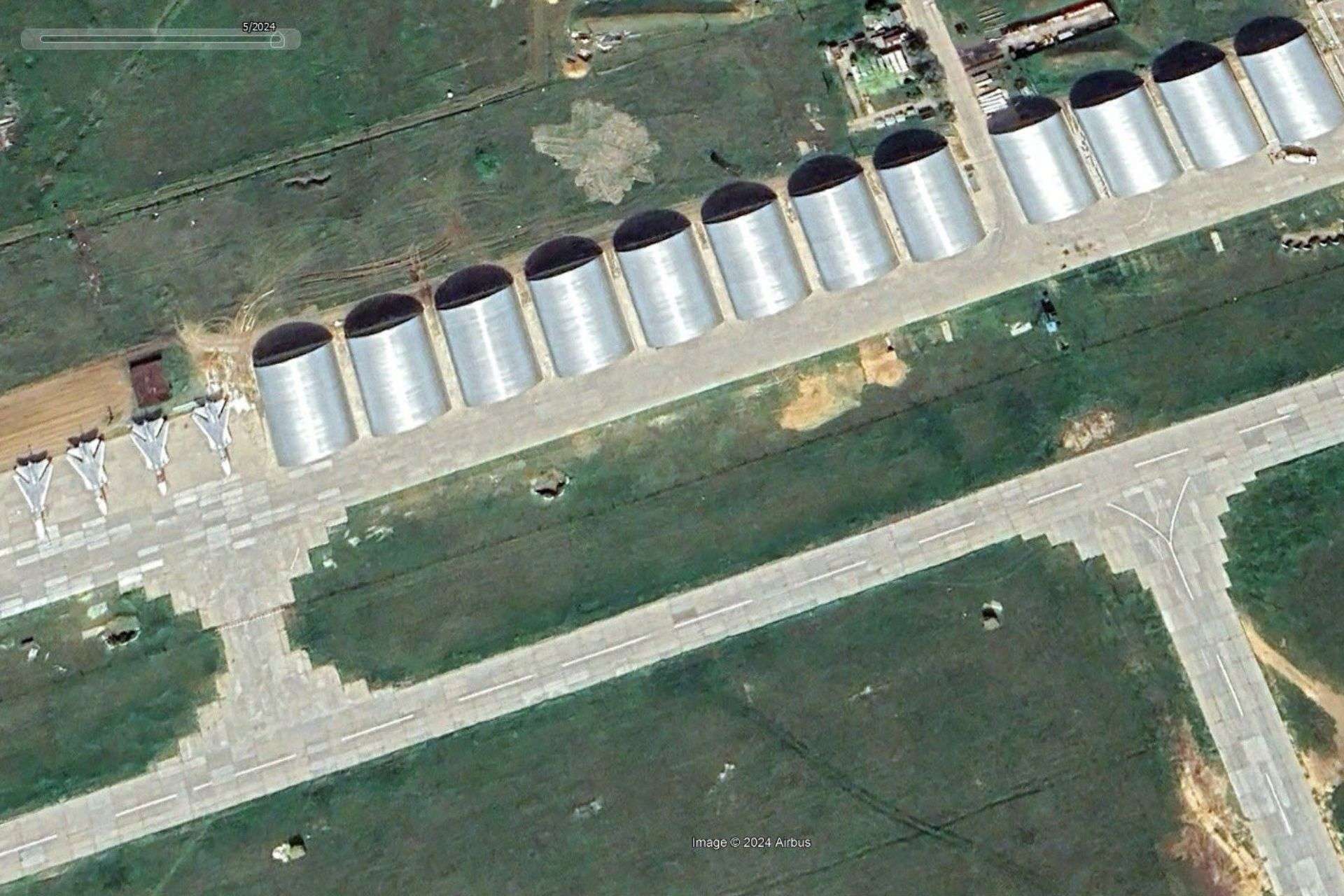
The Russian Federation has begun constructing protective hangars at the Marinovka airfield in the Volgograd region, approximately 300 kilometers from the Ukrainian border. This initiative aims to shield Russian aircraft from potential drone and missile attacks. Recent satellite images, shared on the social network X by @MilAvia, show new hangar structures designed to protect Su-24 frontline bombers and Su-34 fighter bombers.
Follow Army Recognition on Google News at this link
The photo shows 12 new hangars that provide shelter for Su-24 frontline bombers and Su-34 fighter-bombers (Picture source: Channel X by @MilAvia)
This move follows increased threats from Ukrainian attack drones and missiles. According to sources, the hangars are intended to protect aircraft from ATACMS ballistic missile submunitions. Additionally, these structures prevent satellites and other optical detection systems from determining whether a hangar is empty or occupied, enhancing operational security.
The materials used for these hangars are unspecified, but their appearance suggests minimal protection against debris. Historically, Russia has suffered significant aviation losses due to drone and missile strikes, with aircraft being destroyed in unprotected air parking lots. Previous protective efforts involved shelters covered with profiled sheets, which proved inadequate due to their limited thickness and debris protection.
The construction of these hangars reflects a shift in Russian defensive strategies, possibly in response to past incidents such as the attack on an airfield in Krasnodar Krai, which led to the dispersal of about 40 aircraft to various airfields further from the front line. Despite these efforts, the absence of specialized reinforced concrete shelters continues to leave Russian aviation vulnerable.
Military analyst Oleksandr Kovalenko commented on the situation, noting the paradoxical timing. He stated that if Ukraine had been able to strike Russian airfields earlier, the Russian Aerospace Forces might have been significantly weakened. The recent construction of protective hangars suggests a delayed but necessary adaptation to ongoing threats.
The installation of these structures occurs as several European countries have authorized Ukraine to strike bases in Russia. Poland recently expressed support for Ukraine's use of Western-supplied weapons to attack targets on Russian territory. Cezary Tomczyk, Poland's Deputy Defense Minister, asserted that Kiev should be free to use these weapons without restrictions, including those provided by Poland.
However, this position is not universally shared among European allies. German Chancellor Olaf Scholz has clearly opposed Ukraine's use of Western-supplied weapons to strike Russian territory. Scholz emphasized that German arms deliveries are conditioned by strict rules to prevent the conflict from escalating into a major war.
Conversely, other European countries support allowing Ukrainian strikes on Russian territory. Latvia, for example, has revealed that some allies have already permitted Ukraine to use weapons without public restrictions for strikes in Russia. Latvian Foreign Minister Baiba Braze indicated that while this approach is not always publicly announced, it is applied in some cases to allow Ukraine to defend against legitimate targets in Russia, particularly military installations.
Additionally, NATO Secretary General Jens Stoltenberg has urged allies to reconsider restrictions on the use of weapons supplied to Ukraine for strikes in Russia. He stressed that these restrictions limit Ukraine's ability to defend itself effectively, especially against attacks originating just across the border.
Thus, although European positions are divided, there is a growing trend to lift certain restrictions to enable Ukraine to respond more effectively to military threats from Russian territory.
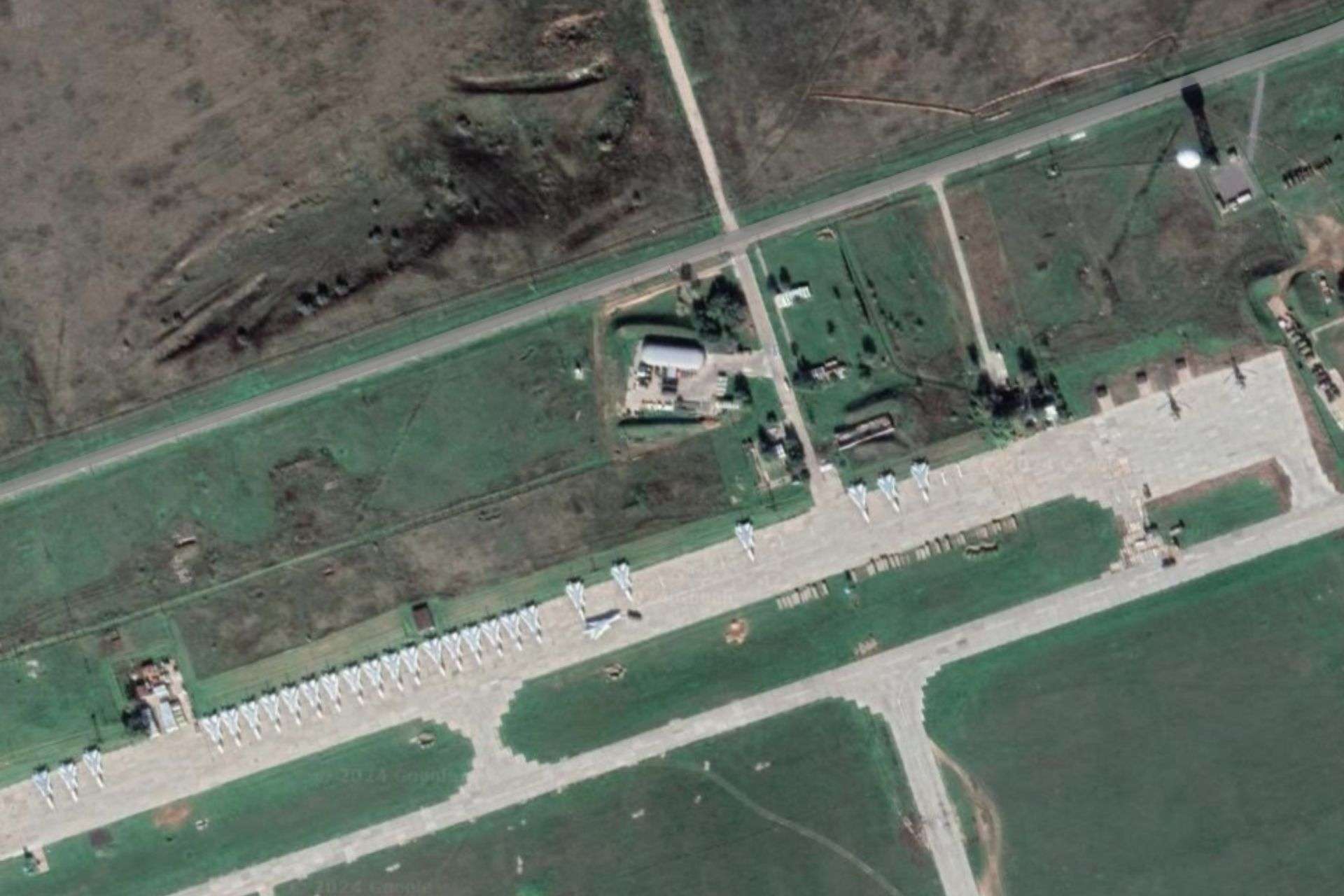
The first photo shows Su-24 bombers and Su-34 fighter-bombers before the hangars were built (Picture source: Channel X by @MilAvia)
Read more: Russia Fortifies its Airfields with Hangars While Europe Backs Ukrainian Strikes
- Details
- Written by: Halna du Fretay
- Category: 2024
- Hits: 6661
Breaking news
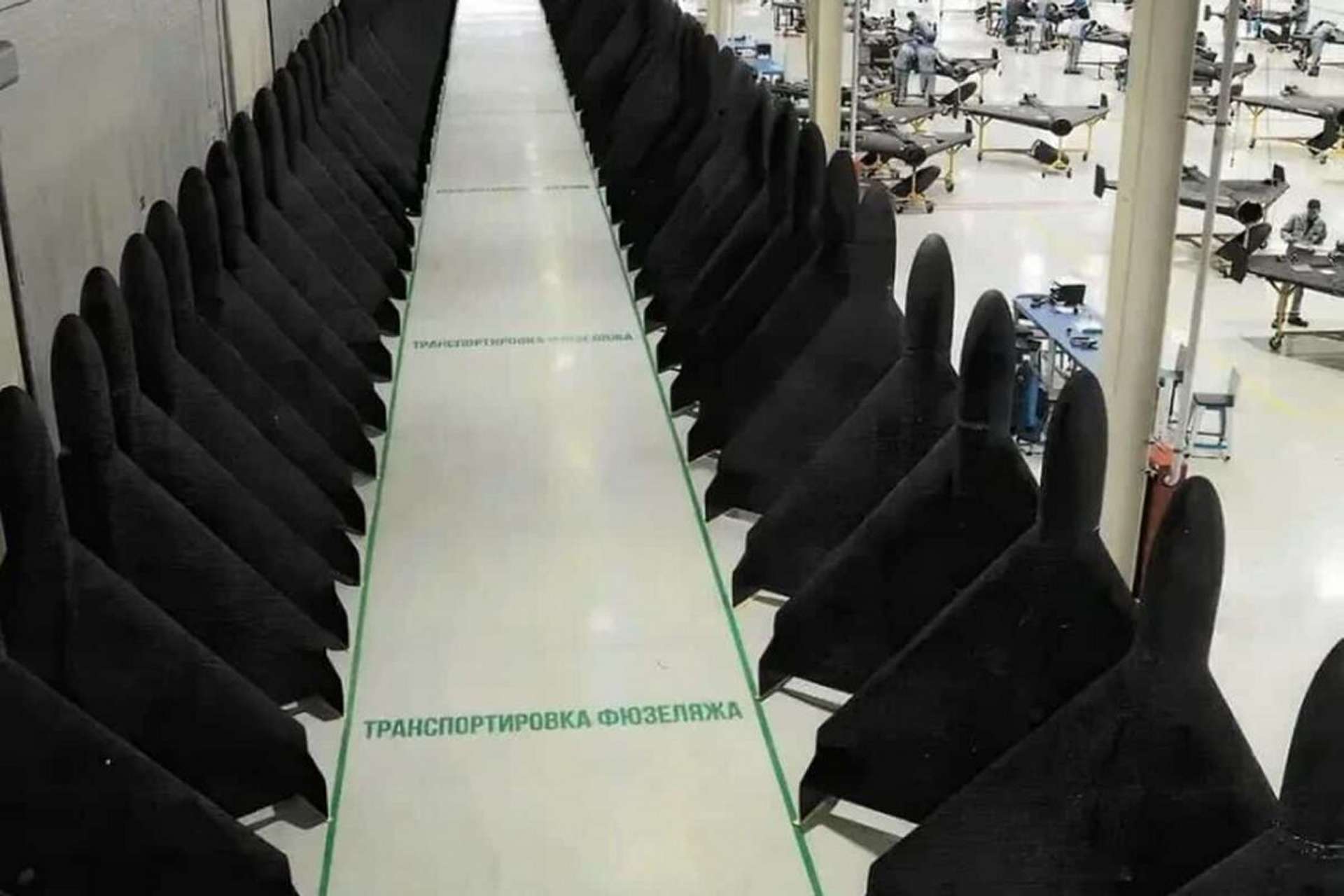
In the context of the ongoing war in Ukraine, Russia is significantly boosting its drone manufacturing capabilities. According to a report by The Wall Street Journal on May 28, 2024, Russia plans to produce 6,000 Shahed-type drones annually at a new facility located in the Alabuga Special Economic Zone in Tatarstan. This expansion follows a contract disclosed by the hacker group Prana Network, which was initially leaked in February. The contract details a collaboration between Russia and Iran, supported by a $1.7 billion deal, partially paid in gold bars. This development underscores Russia's commitment to enhancing its drone warfare capacity amid the conflict.
The Shahed-136, also known by its operational name "Geranium-2" when used by Russian forces, is an Iranian-made loitering munition drone (Picture source: Russian MoD)
The Alabuga factory, strategically located on a tributary of the Volga River, aims not only to produce thousands of Shahed attack drones annually but also surveillance drones like the M3 Albatross, which have been crucial in gathering intelligence on Ukrainian military positions. These drones have played a significant role in repelling Ukrainian military actions near the Belgorod region, demonstrating their effectiveness in modern warfare. The factory's production has already exceeded expectations, with 4,500 drones produced by April, surpassing the projected numbers.
The Shahed-136, also known by its operational name "Geranium-2" when used by Russian forces, is an Iranian-made loitering munition drone. It was first observed in operational use around 2021, although its development and production likely started earlier. The Shahed-136 is designed primarily for kamikaze attacks, where it loiters over an area before diving into a target to detonate its explosive payload. The drone features a simple design conducive to low-cost production and operation, with a distinctive blunt nose and a rear-mounted propeller, powered by a small piston engine.
It can carry a warhead of up to 50 kilograms and has a range of approximately 2,500 kilometers, allowing it to cover significant distances. Its deployment in conflicts, notably in the Ukraine war by Russian forces, underscores its strategic role in modern warfare, offering a cost-effective means to conduct strikes against critical infrastructure and troop concentrations with a degree of standoff capability.
Russian efforts to increase domestic drone production are facilitated by technological and logistical support from Iran, incorporating Iranian military technology and leveraging Tehran's sophisticated logistics networks. This collaboration has enabled Russia to accelerate its drone manufacturing pace to meet the growing demands of its military engagements. Additionally, the Russian government is reportedly enhancing its capabilities by producing its own warheads, thereby reducing reliance on foreign technology and speeding up the readiness of combat drones.
To meet labor demands, Russian manufacturers have expanded their recruitment efforts internationally. In the previous year, they launched a recruitment campaign in Kampala, Uganda, targeting young female students with offers of well-paid skilled jobs, free accommodation, and educational opportunities, attracting over a thousand women from Africa to the Alabuga zone. This initiative is part of a broader strategy to build a skilled workforce capable of supporting Russia's ambitious drone production goals.
This expansion in drone production underscores Russia's strategic shift towards more autonomous warfare technologies and highlights the complex international collaborations underpinning modern military advancements. As the Alabuga facility continues to ramp up its production, the geopolitical implications of enhanced drone capabilities are expected to be significant, particularly influencing the ongoing war in Ukraine and tensions with Eastern Europe
Read more: Russia Ramps Up Shahed Drone Production with $1.7 Billion Iran Deal Amid Ukraine Conflict

- Details
- Written by: Jérôme Brahy
- Category: 2024
- Hits: 16974
Breaking news
On May 29, 2024, the French Minister of Defense, Sébastien Lecornu, announced that Luxembourg would contribute €5 million to the artillery coalition to fund the purchase of a CAESAR 6x6 155 self-propelled howitzer for Ukraine. As of the latest reports, Ukraine has received or been pledged a total of 147 CAESAR howitzers from France and Denmark.
Follow Army Recognition on Google News at this link
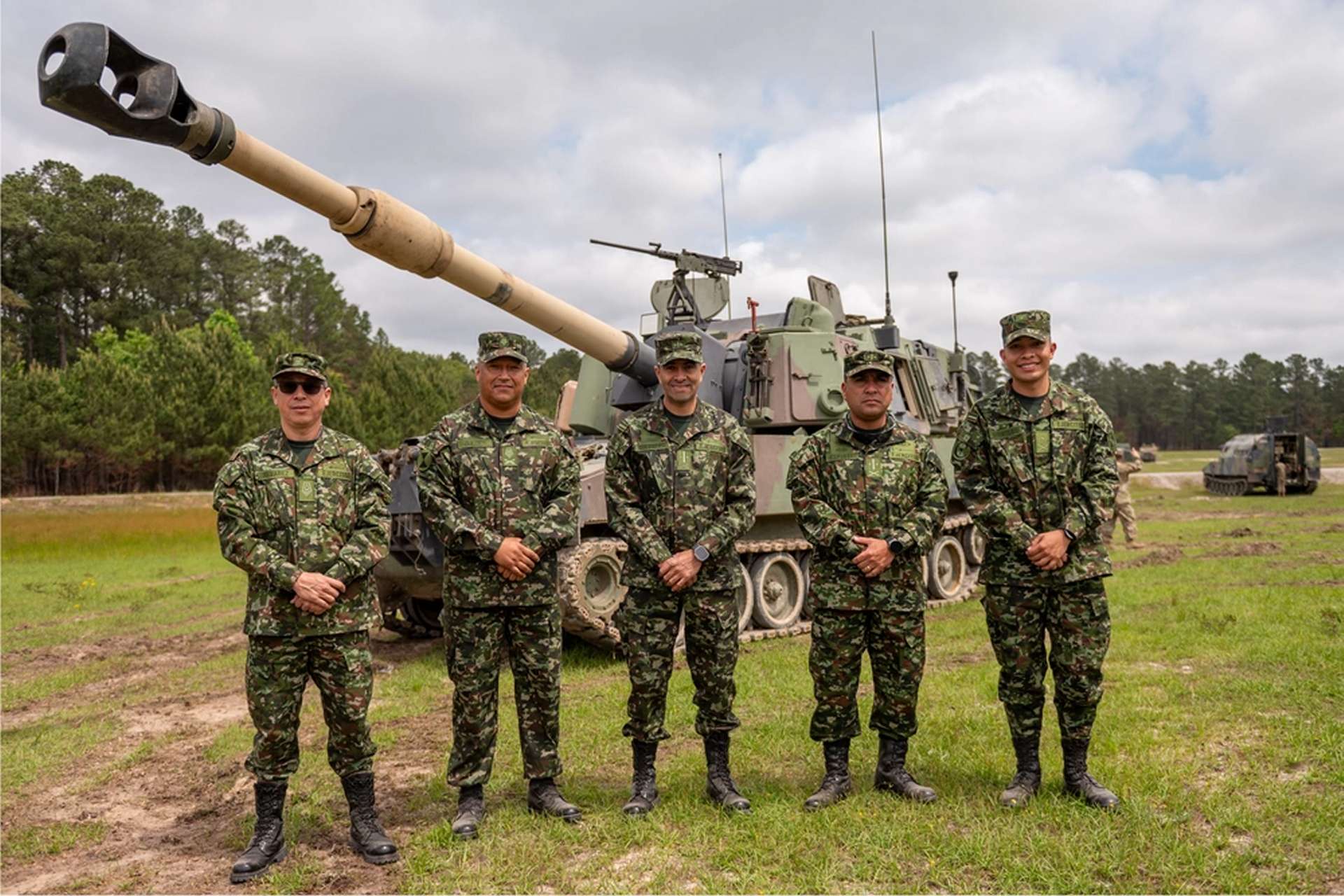
The CAESAR 6x6 howitzers are noted by Ukrainian forces for their mobility, precision, and range of up to 40 kilometers, particularly in counter-battery fire situations. (Picture source: Facebook/55oabr)
France has committed to delivering 78 CAESAR 155mm howitzers throughout 2024, including a recent pledge to produce these howitzers specifically for Ukraine, with the first batch of six expected soon. Previously, France had donated 36 CAESAR howitzers to Ukraine. Denmark has contributed 19 CAESAR 8x8 howitzers, including some that were still on order at the time of the pledge.
The CAESAR howitzers are noted by Ukrainian forces for their mobility, precision, and range of up to 40 kilometers, particularly in counter-battery fire situations. Their ability to quickly deploy and retreat is seen as enhancing their survivability and operational effectiveness, despite some challenges with maintenance and mobility in muddy conditions. Ukrainian artillery units have reported that the CAESAR system has significantly impacted Russian forces, leading to a focus on its destruction by Russian units.
The CAESAR howitzers' "shoot-and-scoot" capability allows them to fire quickly and relocate rapidly, minimizing exposure to counter-battery fire. This mobility has contributed to a lower loss rate, with less than 10% of the CAESARs lost in combat. Ukrainian forces have used these howitzers in various operations, including the targeting of Russian artillery and command vehicles. The inclusion of CAESAR howitzers in Ukraine's artillery units has provided additional firepower and operational flexibility, allowing for precise strikes against Russian positions.
Luxembourg has been actively supporting Ukraine with military aid since the onset of the Russian invasion. For 2024, Luxembourg has allocated €69.5 million for military aid to Ukraine, following nearly €90 million in 2023, which represented 17% of its defense budget. Luxembourg has supplied a variety of military equipment, including 6,000 155mm shells, 4,000 submachine guns, 500,000 units of 12.7mm ammunition, 102 NLAW anti-tank weapons, 28 HMMWV vehicles with 20 12.7mm machine guns, and 15 large tents. Additional supplies have included body armor, helmets, gas masks, communication terminals, night vision equipment, unmanned aerial vehicles, and 3D scanners for documenting war crimes.
Luxembourg is part of several coalitions supporting Ukraine, including the IT Coalition, the Air Force Capability Coalition, and the Artillery Coalition, which focuses on providing 155mm cannons and shells, along with training for Ukrainian forces. Luxembourg also participates in the EU EUMAM Ukraine training mission, aiming to train 15,000 Ukrainian soldiers. In addition to military aid, Luxembourg has provided humanitarian support, including emergency vehicles and financial aid to NGOs and UN agencies working in Ukraine.
The CAESAR 6x6 is a French self-propelled howitzer developed by Nexter Systems (formerly GIAT Industries). Introduced in 1994 and officially entering service with the French Army in 2008, the CAESAR system provides mobile artillery support with rapid deployment capabilities. The 6x6 variant, mounted on a truck, can be transported by various means, including aircraft, ships, and trains, enhancing its strategic flexibility. The CAESAR has been used in various international conflicts and peacekeeping missions, demonstrating its reliability and effectiveness in different environments.
The CAESAR 6x6 is equipped with a 155mm/52-caliber gun capable of firing a wide range of NATO-standard artillery munitions, with a maximum range of up to 40 kilometers using extended-range munitions. It can fire six rounds per minute, and its advanced fire control system allows for rapid targeting and accuracy. The "shoot-and-scoot" capability enables the CAESAR to quickly relocate after firing to avoid counter-battery fire. Its high-speed wheeled chassis allows it to travel at speeds up to 100 km/h on roads while maintaining off-road capabilities. Weighing around 18 metric tons and capable of being deployed in less than a minute, the CAESAR is a versatile asset on the modern battlefield.
Read more: Luxembourg purchases 148th CAESAR 6x6 self-propelled howitzer for Ukraine
- Details
- Written by: Vandenbosch
- Category: 2024
- Hits: 3612
Breaking news
On April 26, 2024, Colombian Army officers visited the McCrady Training Center in South Carolina. This visit aimed to observe firsthand the capabilities of this artillery system, currently deployed by the 1st Battalion of the 170th Field Artillery Regiment of the U.S. Army, which uses the M109A6 model. Photos of this visit were made public on May 18, 2024.
Follow Army Recognition on Google News at this link
During a visit to the United States, Colombian officers showed interest in the U.S. self-propelled howitzer, the M109A6 Paladin. (Picture source: US DoD)
During a visit to the United States, Colombian officers showed interest in the U.S. self-propelled howitzer, the M109A6 Paladin. The U.S. government shared a series of photos from this visit, showing several Colombian officers taking a keen interest in the M109A6.
It is worth noting that in the recent past, the EJC and BAE Systems have engaged in discussions about the possible transfer of the M-109A5+ howitzer. This version is equipped with advanced features, including initial velocity measurement radars and a remote tube blocker (compatible with the Paladin A6); a digital fire control system; inertial navigation and GPS (enabling automated procedures and real-time integration with digital maps); Harris Falcon III digital radios, used by other armored troop vehicles; and Thales Sotas intercoms. These enhancements make it a cutting-edge system with the latest technological advancements available on the market.
The M109A6 Paladin is a self-propelled howitzer with a 155 mm M284 cannon and a 12.7 mm machine gun. Its design is based on a fully welded aluminum chassis, with Kevlar armor for the turret, providing increased protection for the crew and internal components. This vehicle, used primarily by Ukraine and the United States, weighs 35,380 kg and can reach a maximum road speed of 62 km/h.
Developed in the United States, the Paladin incorporates several advanced accessories, including a Fire Extinguishing System (AFES), a Transparent Armored Gun Shield (TAGS), a computerized fire control system, and an automatic projectile loader. It has an operational range of 322 km, allowing it to move efficiently on the battlefield.
The M109A6 Paladin measures 9.70 meters in length, 3.91 meters in width, and 3.7 meters in height. It is designed to be operated by a crew of five, providing the rapid maneuvering and firing capabilities essential for modern military operations.
Colombia possesses 155 mm howitzers of the towed GDELS 155/52 APU/SBT type and has recently acquired Elbit System Atmos 6x6 self-propelled howitzers. However, the country is considering adding a third-tracked armored model, such as the M-109A6, to its artillery arsenal.
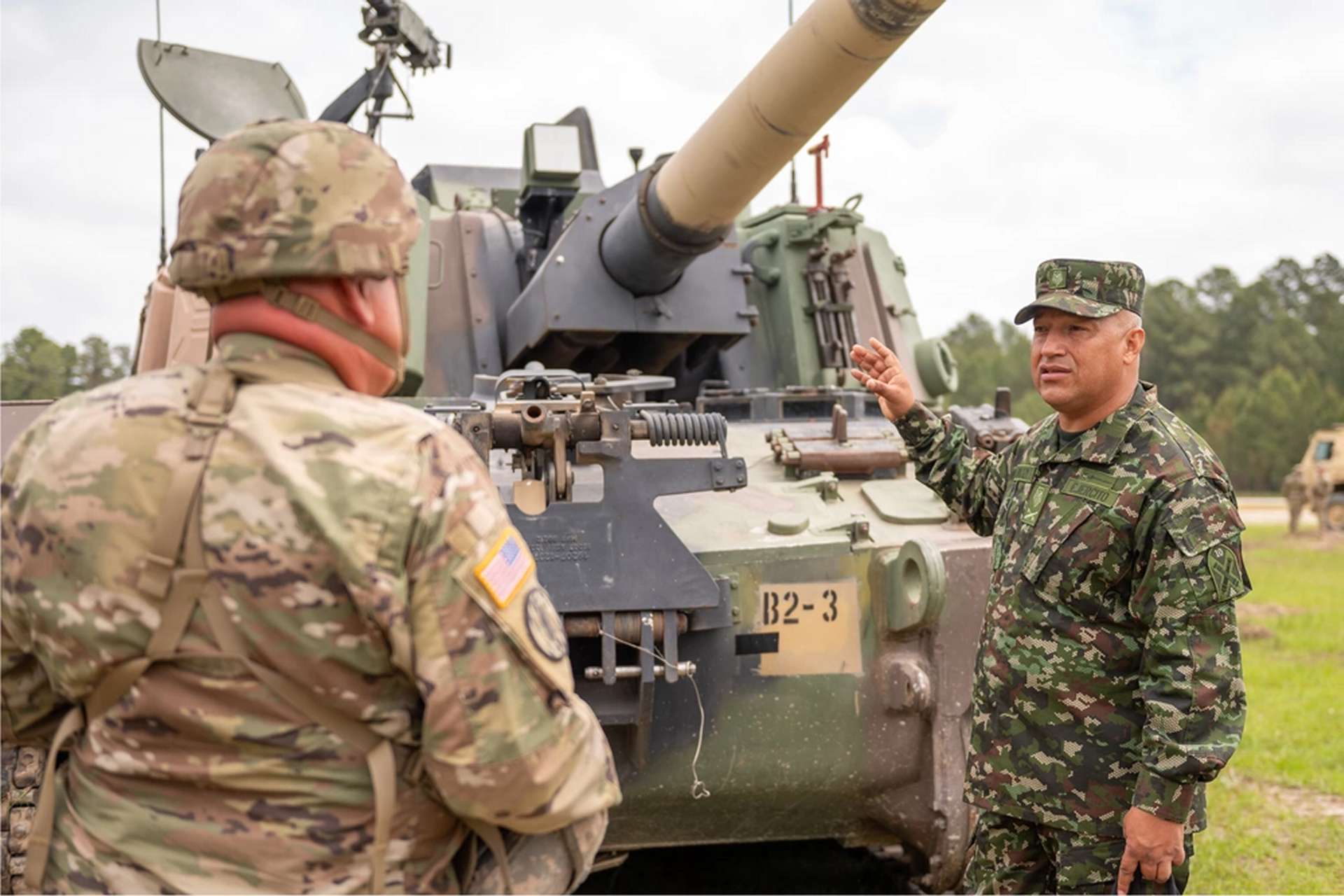
Colombian officers in front of the US M109A6 Paladin self-propelled howitzer. (Picture source: US DoD)
Read more: Colombia Shows Interest in US M109A6 Self-Propelled Howitzer
- Details
- Written by: V.Saint
- Category: 2024
- Hits: 5651
Breaking news
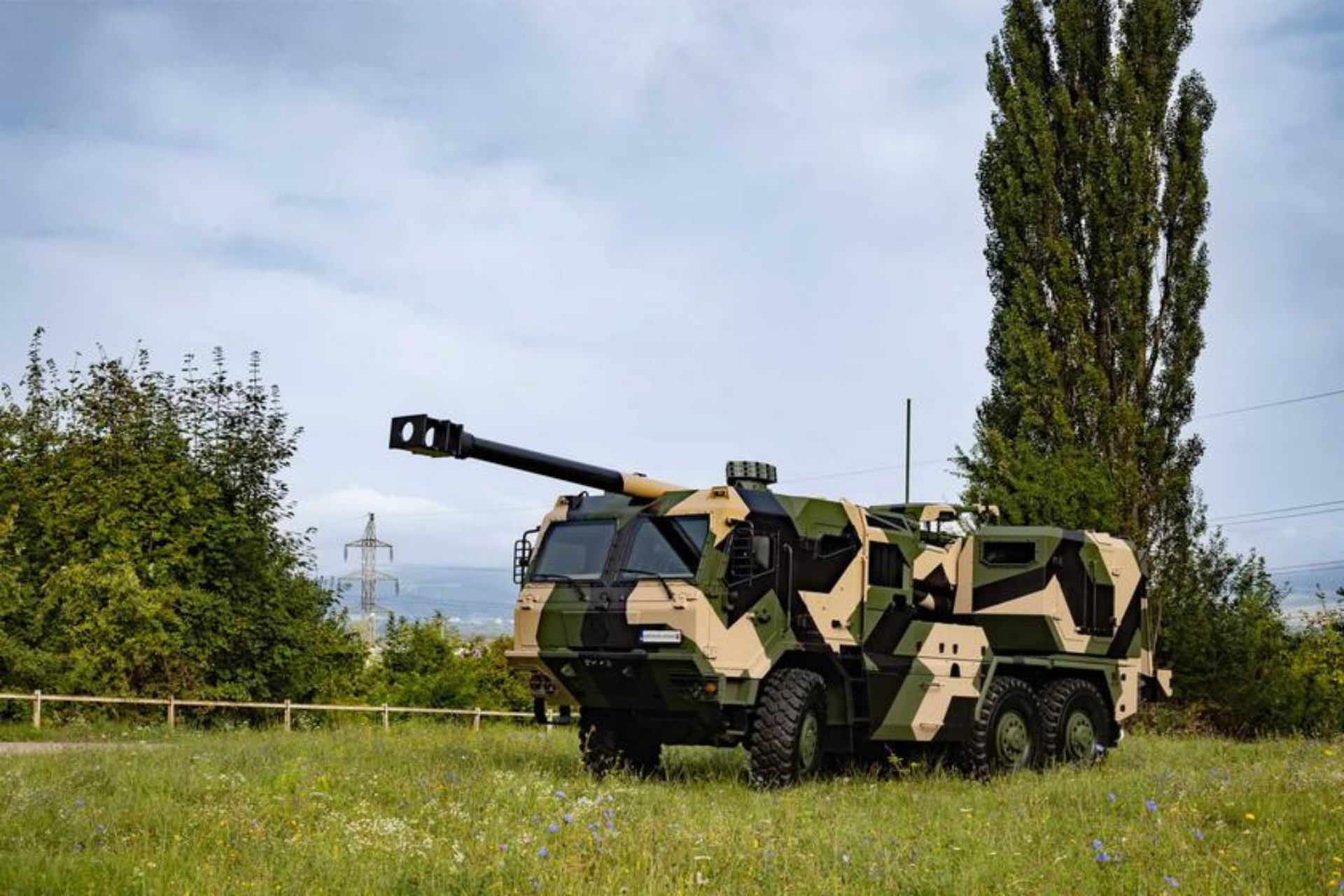
At the Malaysian DSA 2024 exhibition, visitors had the opportunity to see a model of the BIA artillery system, which is being presented by Excalibur International as part of the self-propelled artillery acquisition program for the Royal Malaysian Forces.
Follow Army Recognition on Google News at this link
Bia static display in Slovakia during a official presentation. (Picture source: Konštrukta Defence)
The appearance of this Czechoslovakian "cousin" of the DANA model at the DSA exhibition is not coincidental, as it is one of the two models currently most likely to win a contract in Malaysia. It was previously reported that the older self-propelled howitzer Eva was proposed, but it turns out that what is being offered here is a newer artillery unit based on the EVA cannon and the much heavier Zuzana 2. Therefore, the BIA cannon is presented as a favorite, even though historically it is the French CAESAR cannon that has been more favored by the local military.
Malaysia does not have self-propelled gun artillery systems in its armed forces. Local gunners only have towed howitzers of 105 and 155 mm, among others: Melary Mod 56 cannons of 105 mm, 40 M102 cannons of the same caliber, and 18 French LG1 Mk. III cannons also of 105 mm caliber. Purchasing self-propelled artillery from Slovakia could allow for the retirement of some towed systems and significantly enhance the capabilities of Malaysian gunners.
The BIA is a Slovakian 155 mm wheeled artillery system based on KONŠTRUKTA – Defense's experience in creating the EVA and Zuzana 2 howitzers. Work began in 2021 based on the requirements of potential clients. This design is to have the same firepower as Zuzana 2, but it must be lighter and more mobile. Compared to the EVA, the new system has a much larger firing unit, greater automation, and a higher level of crew protection. In addition to using the solutions of the above structures, the development of BIA involved using the knowledge gained during military operations in Ukraine, where, among other things, Zuzany 2. Furthermore, conclusions were drawn from NATO exercises in Latvia, where the aforementioned Slovak construction was also praised.
The main armament is a 155 mm howitzer with a barrel length of 52 calibers. It can hit targets at a distance greater than 50 km using the appropriate type of ammunition, and in the case of conventional effectors with a gas generator, it is the "classic" 40-41 km. The angles of elevation of the armament range from -3.5° to +75°. BIA is equipped with an automatic loader ensuring a firing rate of 5 shots in the first minute and maintaining a firing rate of 13 shots in three minutes. In manual mode, it can fire 2 rounds per minute. The firing unit in the vehicle includes up to 20 missiles (in the case of the EVA, there were only 12).
The vehicle chassis is the Tatra T815-7 6x6 truck with an armored cabin designed to protect the crew against small arms fire up to 7.62 mm caliber and artillery shell fragments. The vehicle, weighing a total of 27 tons, is powered by a 402 HP V8 Tatra T3C-928.90 engine, coupled with an Allison 4500SP transmission. This allows it to accelerate up to 90 km/h with an operational range of 600 km. The manufacturer plans to start trying to integrate other types of chassis with BIA, probably also 8x8. This will result in greater interest from potential clients who may not necessarily be willing to purchase a new type of truck for their army. The BIA crew consists of 3 to 5 soldiers, depending on customer requirements.
Currently, the two finalists are the Slovak BIA and the French César. The result of this consultation should be known next June.
Read more: Malaysia looks to buy Slovak BIA or French Caesar

- Details
- Written by: V.Saint
- Category: 2024
- Hits: 3802
Breaking news
In the United States, a factory will be established to produce 155 mm shells intended to supply the Ukrainian armed forces, as reported by the New York Times. The document states that the plant will be built in Mesquite, Texas. At the same time, the article's authors emphasize that this facility will be the first to be built from scratch by the Pentagon since the beginning of the conflict in Ukraine.
Follow Army Recognition on Google News at this link
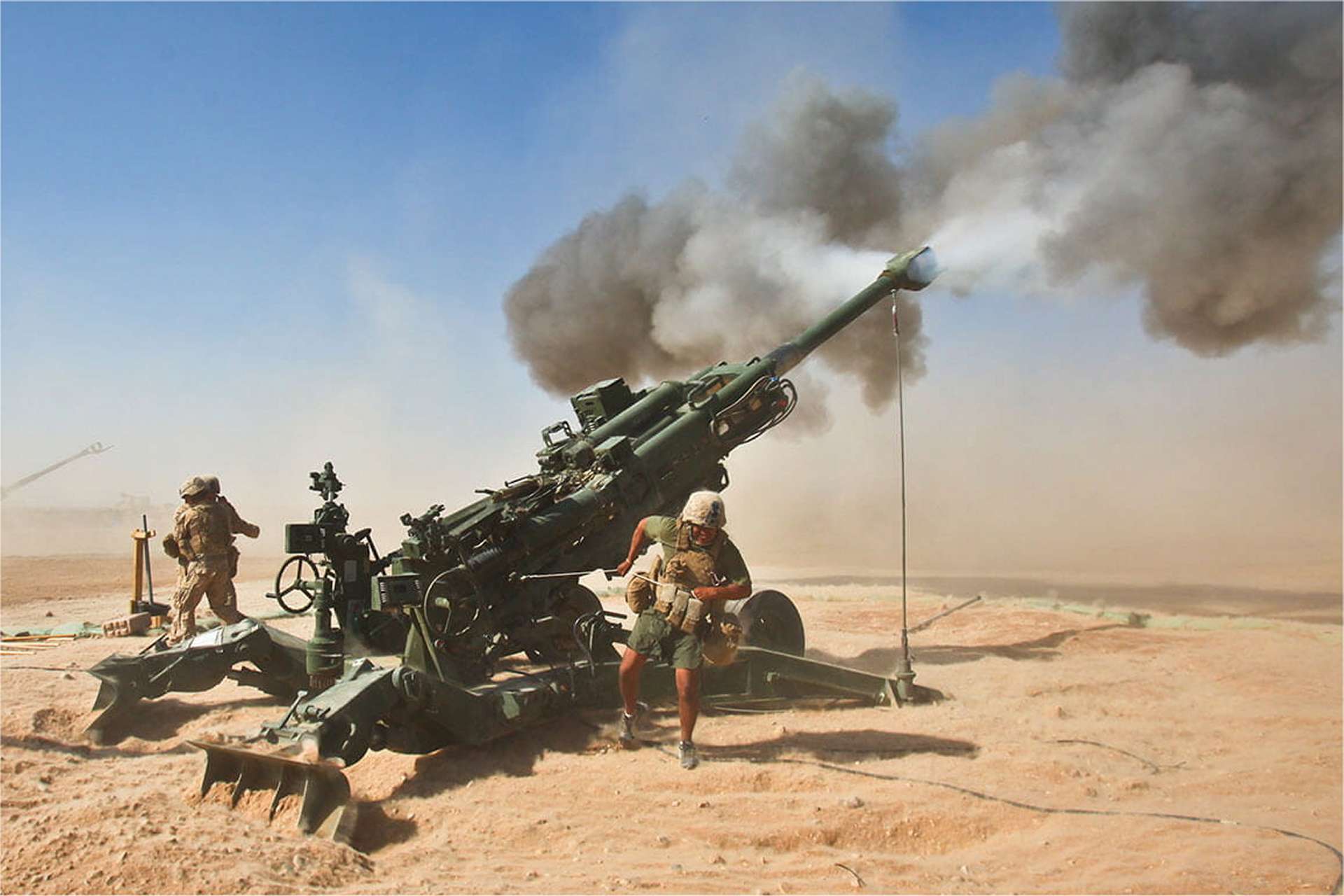
Illustration of 155mm shells production in a modern company, date and place unkown. (Picture source: opensource )
According to American journalists, the plant's production capacity will be 30,000 munitions per month. Experts say that this is double the current production in the United States, but the Ukrainian military, depending on the intensity of operations, will barely have enough shells for a week.
To support their statements, the authors of the article cite statistics announced by the NATO Secretary General in his commentary on the Ukrainian counteroffensive in September 2024, which indicate that the troops from Kyiv spent 4,000 to 6,000 shells per day.
At the same time, it is important to understand that the weekly demand of the Ukrainian Armed Forces will be met by a single factory in Texas. However, American partners are not the only ones transferring weapons to Kyiv.
Furthermore, it is unlikely that the American administration decided to build a brand-new factory solely to meet the needs of the Ukrainian armed forces. After all, President Joe Biden previously stated that all funds allocated to Ukraine remain within the United States and serve the American economy. In other words, by building factories for weapon production, ostensibly to support Kyiv, Washington is "accelerating" its industry, creating additional jobs for its citizens and ensuring an increase in its GDP.
Thus, this factory represents an asset for the American economy that produces on its soil and retains its capital but also fuels the dynamics of the increasing power of armaments. The Pentagon has set a minimum production target of 100,000 shells per month by the end of 2025. However, this Mesquite plant will initially be aimed at production for the Ukrainian armed forces.
Read more: US creates new company to improves 155mm Shells production
- Details
- Written by: Vandenbosch
- Category: 2024
- Hits: 7485
Breaking news
The US Army is actively seeking manufacturers from the United States and Canada to develop the 155mm extended-range artillery projectile, according to an announcement by the US government on May 24, 2024. This initiative encompasses the stages of design, qualification, and production.
Follow Army Recognition on Google News at this link
The Excalibur projectile increases precision, minimizes collateral damage, and reduces the logistical burden for artillery forces. (Picture source: Raytheon)
Low-rate production is expected to begin in the second quarter of fiscal year 2029, with initial operational capability anticipated by fiscal year 2030. Production rates initially set at 300 shells per year are expected to increase to 1,500 shells annually by the sixth year.
The new projectile aims to hit moving targets such as main battle tanks, self-propelled howitzers, multiple rocket launchers, air defense targets, and maritime threats at greater distances than current shells.
The projectile must be able to operate effectively in environments where GPS is unavailable, using an alternative navigation system. Additionally, it must be compatible with current and future weapon systems, including 39 caliber and 52 caliber cannons.
With a 39-caliber cannon, the minimum expected range is 65 kilometers (40 miles), while with a 52-caliber cannon, the range should exceed 70 kilometers (43 miles). For comparison, the standard 155mm M982 Excalibur shell currently has a range of about 40 kilometers (25 miles).
The US Army's efforts to extend the range of its 155mm projectiles faced a setback earlier this year with the cancellation of the Extended Range Cannon Artillery (ERCA) program due to technical challenges. The ERCA cannon, measuring 9 meters (30 feet) long and 58 caliber, was designed to achieve a range of 70 kilometers (43 miles).
In response to the cancellation of the ERCA program, Major General Karl Gingrich, deputy chief of staff for programs, emphasized adapting existing technologies to achieve the required ranges and lethality. He highlighted the potential to improve the shells themselves rather than developing entirely new systems. According to Gingrich, leveraging existing cannon configurations, such as the 39 calibers and the NATO-standard 52 caliber, can meet the army's needs without requiring longer gun tubes.
The US Army's focus on improving the range and effectiveness of its 155mm artillery projectiles reflects a strategic shift towards innovation within existing frameworks, ensuring enhanced capabilities while navigating the challenges of modern warfare.
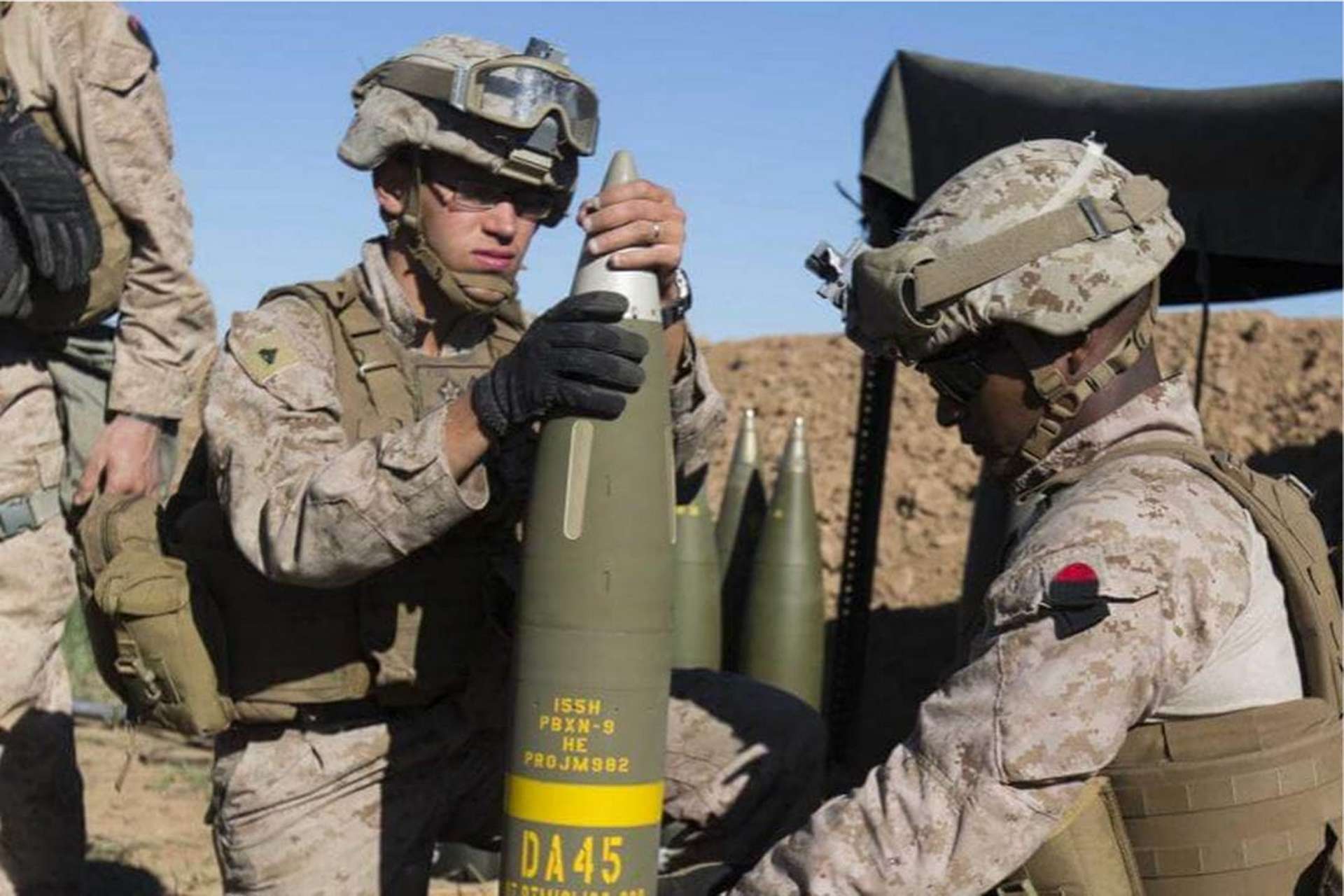
An Excalibur projectile. ( Picture Source: US Marines)
Read more: US Pursues Development of Extended-Range 155mm Anti-Armor Artillery Shell
- Details
- Written by: Jérôme Brahy
- Category: 2024
- Hits: 10770
Breaking news
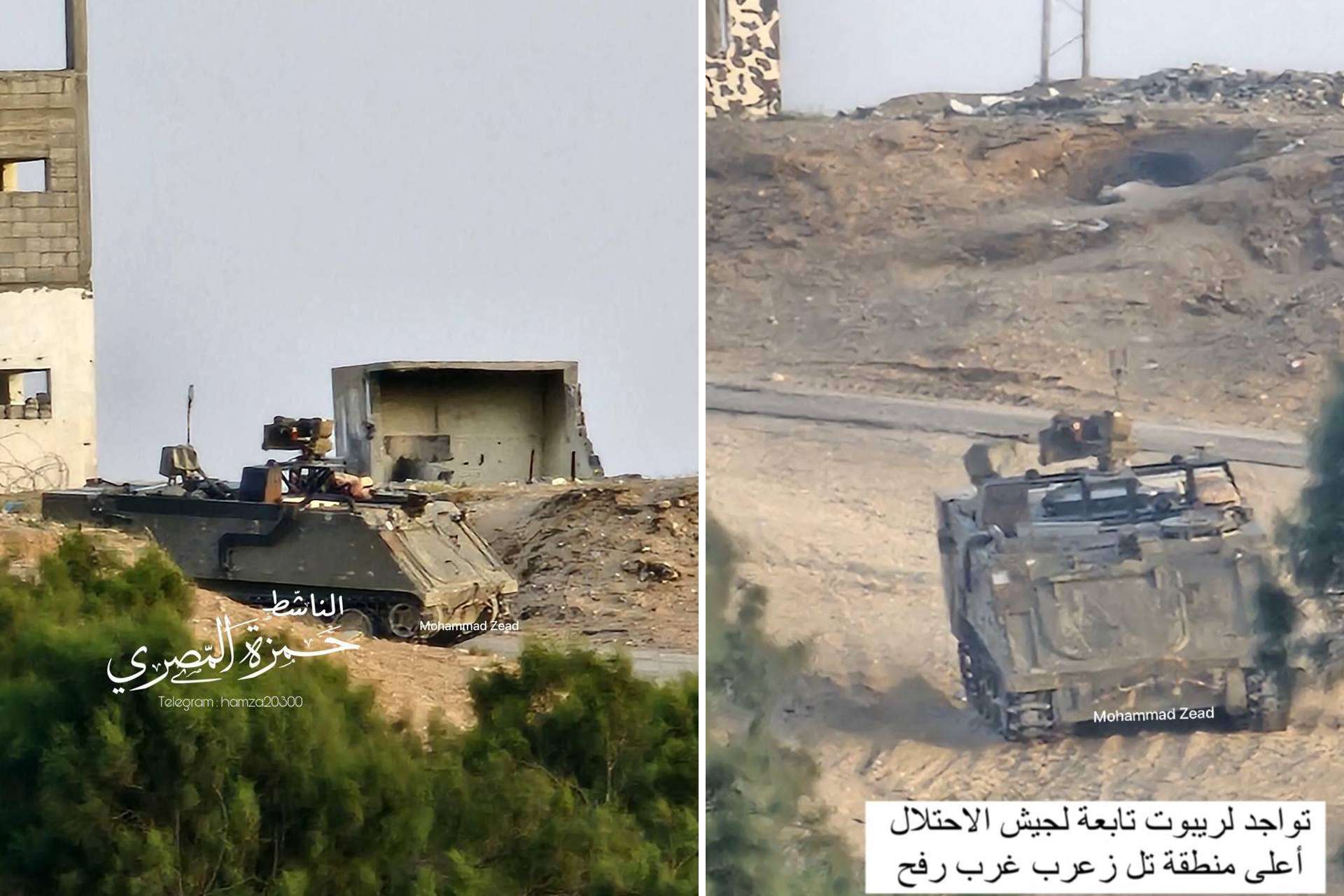
According to information from the Twitter account Gaza War Unit Tracker on May 27, 2024, the Israeli Defense Forces (IDF) could have deployed unmanned M113 "Zelda" armored personnel carriers (APCs) in Rafah. Noting their reported presence on Zaruub Hill, these remotely controlled vehicles are said to be equipped with remote-controlled weapons and can carry up to four tons of payload. This information may be plausible, given the IDF's previous known use and development of unmanned vehicles.
Follow Army Recognition on Google News at this link
These images are reportedly showing the deployment of remote-controlled M113 armored personnel carriers (APCs) in Rafah by the Israeli Defense Forces in May 2024. (Picture source: Twitter/Gaza War Unit Tracker)
Videos and accompanying photos purportedly showed the M113, considered an obsolete and vulnerable platform, moving slowly in semi-urban terrain. Comments on the social media platform X, formerly known as Twitter, suggested that these unmanned APCs have played a key role in the battle for the Philadelphi corridor in Rafah, a strategic area running along the border of Gaza and Egypt that served as a resupply line for Hamas. The unmanned APCs have reportedly been used to move further west along the corridor, extending operations towards the sea.
This unverified use of these unmanned vehicles could address the vulnerabilities of manned APCs like the M113, which has aluminum armor that provides limited protection against small arms and is ineffective against RPG rockets and heavy machine gun fire. Historical incidents highlighting these vulnerabilities include the deaths of five engineering soldiers in May 2004 when a Zelda APC loaded with explosives exploded on the Philadelphia route near the Egyptian border, and another incident where six soldiers were killed in the Zeytun neighborhood. During Operation Tzuk Eitan in 2014, seven soldiers were killed when a Zelda APC got stuck in the Sja'aiya neighborhood and was destroyed by RPG fire.
The M113 "Zelda" is an Israeli modification of the American M113 APC, adapted for the region’s hot climate. This vehicle can mount a 12.7 mm machine gun and four 7.62 mm machine guns. The unmanned version, created in 2014, is remotely controlled and can reach speeds of up to 50 km/h. It is designed to transport supplies to front-line positions and support various military tasks without endangering personnel.
The IDF has sought ways to repurpose the aging M113s, introduced in the 1960s, which are small, slow, and vulnerable to anti-armor weapons. Despite these limitations, they can fulfill various auxiliary roles, particularly in rear areas. Back in January, an Israeli media noted that some developed devices could enable armored vehicles to be operated by remote control. One such system, manufactured by several companies including Elbit, can be mounted on heavy vehicles like APCs, allowing them to be driven remotely, especially in terrorist-infested environments. It is not clear if this is related to the latest reports from Rafah.
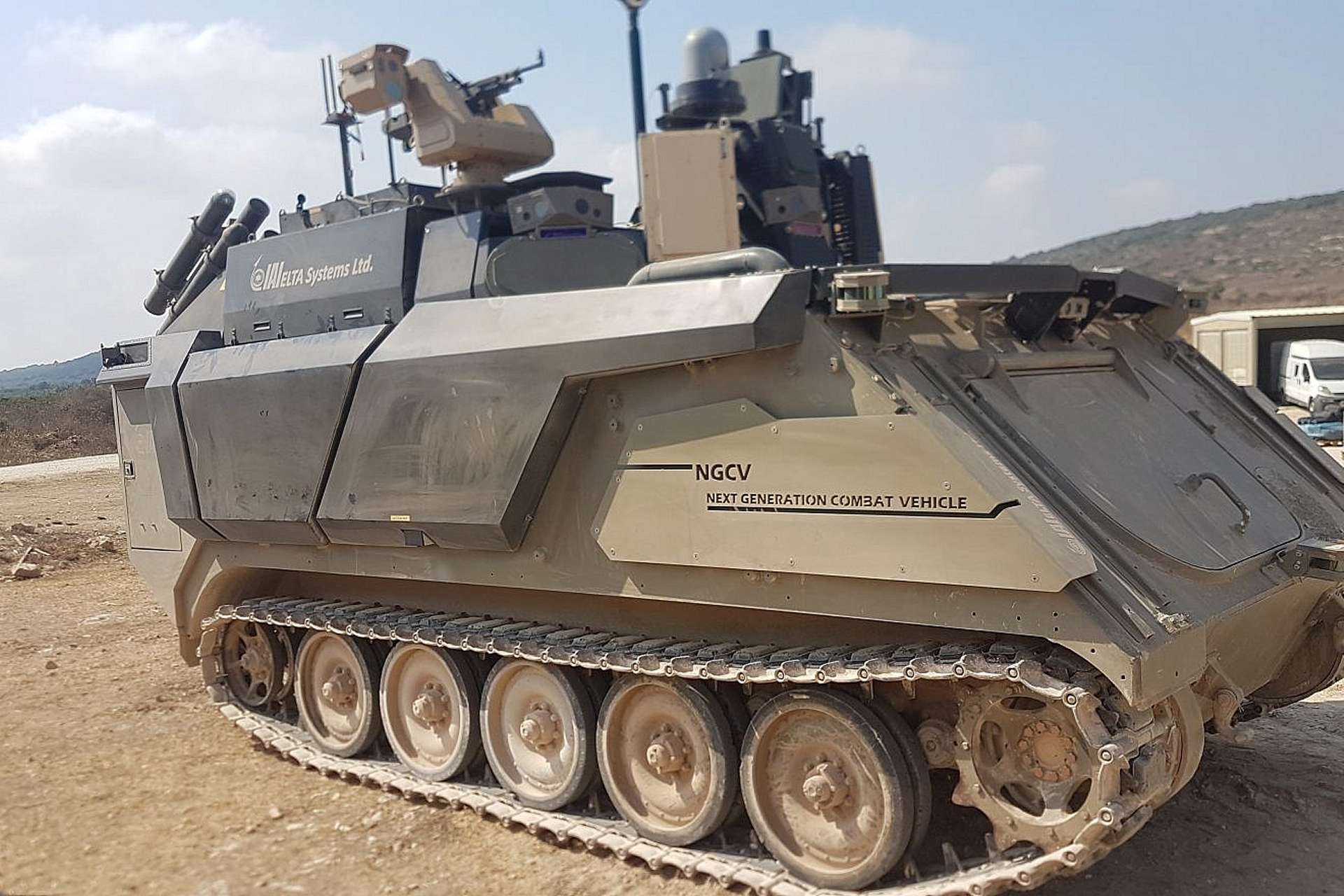
In 2019, the Israeli Defense Forces (IDF) started the development of the M113-based Carmel armored fighting vehicle (AFV) program, which focused on the integration of advanced autonomous capabilities, artificial intelligence, and sophisticated sensors. (Picture source: JNS/Yaakov Lappin)
Since 2013, the IDF has been experimenting with remote-controlled M113 prototypes, and by February of this year, these vehicles were actively used in Gaza. They transport significant military equipment and other warfare necessities without endangering soldiers. In 2019, the Israeli Defense Forces (IDF) started the development of the M113-based Carmel armored fighting vehicle (AFV) program. Led by Israel Aerospace Industries (IAI), the program focuses on integrating advanced autonomous capabilities, artificial intelligence, and sophisticated sensors into combat vehicles. The goal is to create an agile, effective, and easy-to-maneuver vehicle with significantly enhanced operational capability. The Carmel AFV is designed to be operated by just two soldiers, thanks to its advanced "glass cockpit" system, which allows for closed-hatch operations and provides a 360-degree situational awareness using augmented reality.
The Carmel AFV utilizes a combination of autonomous systems and AI to handle various combat tasks, such as navigation, target detection, and threat analysis, thereby reducing the cognitive load on the crew. The vehicle’s autonomous capabilities are akin to those of unmanned aerial vehicles (UAVs) that have transformed air combat. The onboard AI, named Athena, uses data from multiple sensors to assist in real-time decision-making, route planning, and threat engagement. This approach is expected to revolutionize ground combat operations, much like UAVs have done for aerial combat, by enhancing situational awareness and operational efficiency while minimizing the risk to personnel.
The IDF's history of converting vehicles for unmanned operations extends beyond APCs. The Corps of Engineers has utilized remotely piloted D9 bulldozers, known as "Dawn Thunder," since the early 2000s. These bulldozers were first used in Gaza during Operation Cast Lead. Over the years, more advanced versions have been developed, including the "Panda," which was first operated in enemy territory during the Iron Swords War in 2017. Similarly, Robattle is a versatile engineering vehicle that can adjust its size and capabilities based on mission requirements, enhancing its maneuverability and operational efficiency in various environments.
The Guardium series of UGVs, including the Guardium MK III and Avantguard MK II, further exemplify the IDF's advancements in this area. These vehicles are designed for reconnaissance and weapon operation without exposing personnel to danger. The Guardium MK III is fully autonomous, aimed at responding to threats and performing missions in hostile areas. Additionally, the IDF has deployed the Border Patroller, a UGV based on the Ford F-350 Super Duty Truck, for surveillance and patrol duties along the Gaza border.
Read more: Did the Israeli Defense Forces send remote-controlled M113 Zelda APCs to Rafah?
- Details
- Written by: Halna du Fretay
- Category: 2024
- Hits: 26278
Breaking news
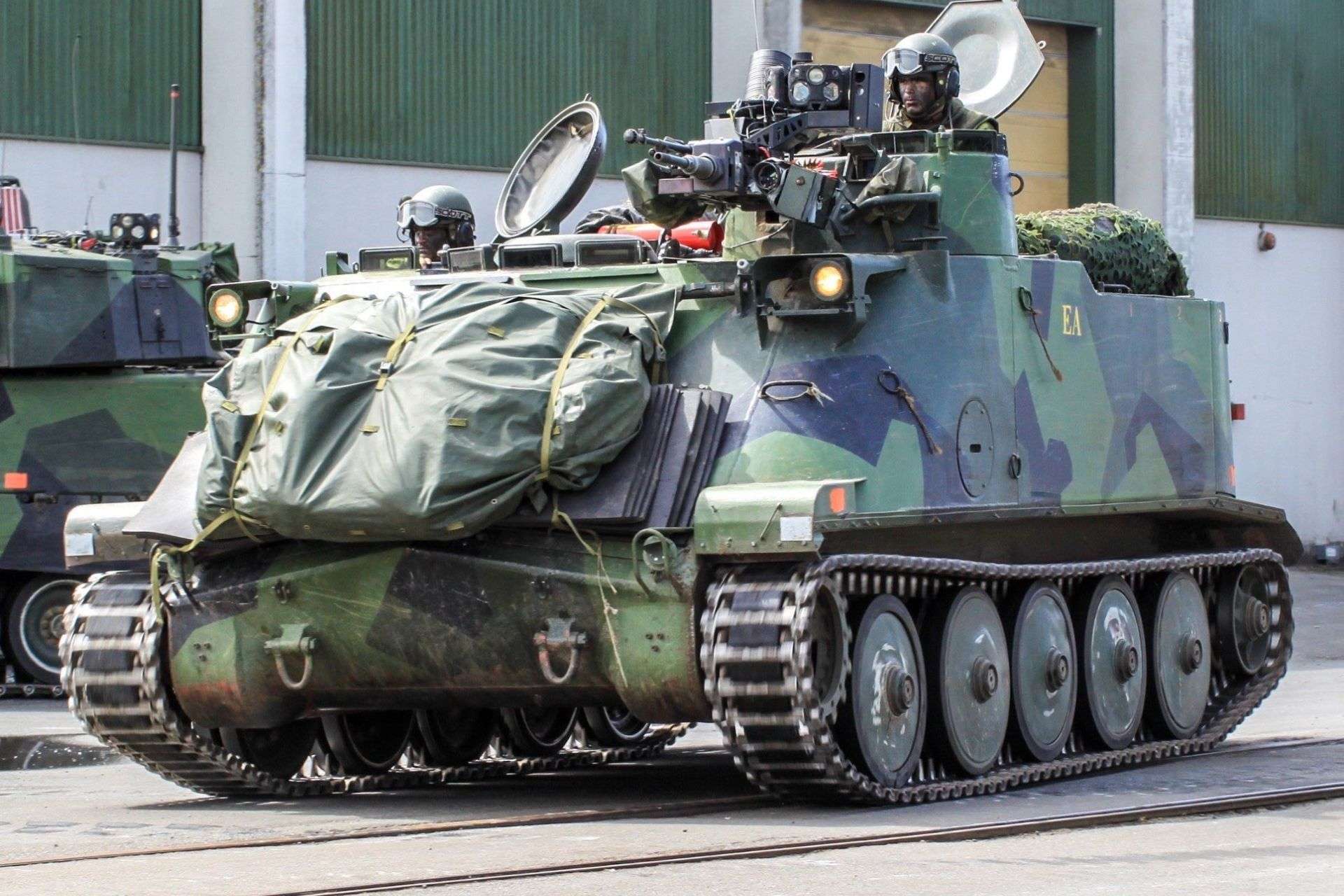
Sweden has confirmed the transfer of 239 vehicles, as its entire fleet of Pansarbandvagn 302 Pbv 302 armored vehicles to Ukraine as part of its 16th defense aid package. Developed in the 1960s by Hägglund & Söner, the Pbv 302 was introduced into the Swedish armed forces in 1966 and served as the primary armored personnel carrier until it retired from active service in 2014.
Follow Army Recognition on Google News at this link
Equipped with a single-seat turret armed with a 20 mm HS804 automatic cannon positioned at the front left of the chassis, the Pbv 302 provides effective defense capabilities (Picture source: Swedish MoD)
The vehicle features a distinctive design with its engine and transmission positioned under the floor, allowing for an optimized interior layout for troop transport. The cockpit is centrally located at the front, flanked by positions for the vehicle commander and the gunner. The rear section is specifically designed to transport up to eight infantrymen.
Equipped with a single-seat turret armed with a 20 mm HS804 automatic cannon positioned at the front left of the chassis, the Pbv 302 provides effective defense capabilities. The vehicle is powered by a 280-horsepower Volvo-Penta Model THD 100B engine, sharing mechanical components with the Ikv 91 light tank. This setup enables a maximum speed of 66 km/h and an amphibious speed of 7.5 km/h.
A total of 647 units of the Pbv 302 were produced between 1965 and 1972, comprising 518 infantry combat versions and 129 specialized versions including command posts, artillery fire observation, medical evacuation, and recovery. The vehicle underwent several upgrades over the years, resulting in the Pbv 302A, Pbv 302B with enhanced protection, and Pbv 302C with improved engine and suspension.
In addition to the vehicles, Sweden will provide spare parts, maintenance equipment, and ammunition to support the new brigades Ukraine is currently forming. This support initiative is further complemented by the provision of tanker trucks and other resources necessary for maintaining previously supplied equipment, reflecting Sweden's ongoing commitment to supporting regional stability and Ukrainian defense efforts, while planning to acquire new armored vehicles to temporarily compensate for the diminished capabilities of its own armed forces.
Read more: Overview of Pbv 302 Armored Vehicles as Sweden Transfers Entire Fleet to Ukraine

- Details
- Written by: Vandenbosch
- Category: 2024
- Hits: 35754
Breaking news
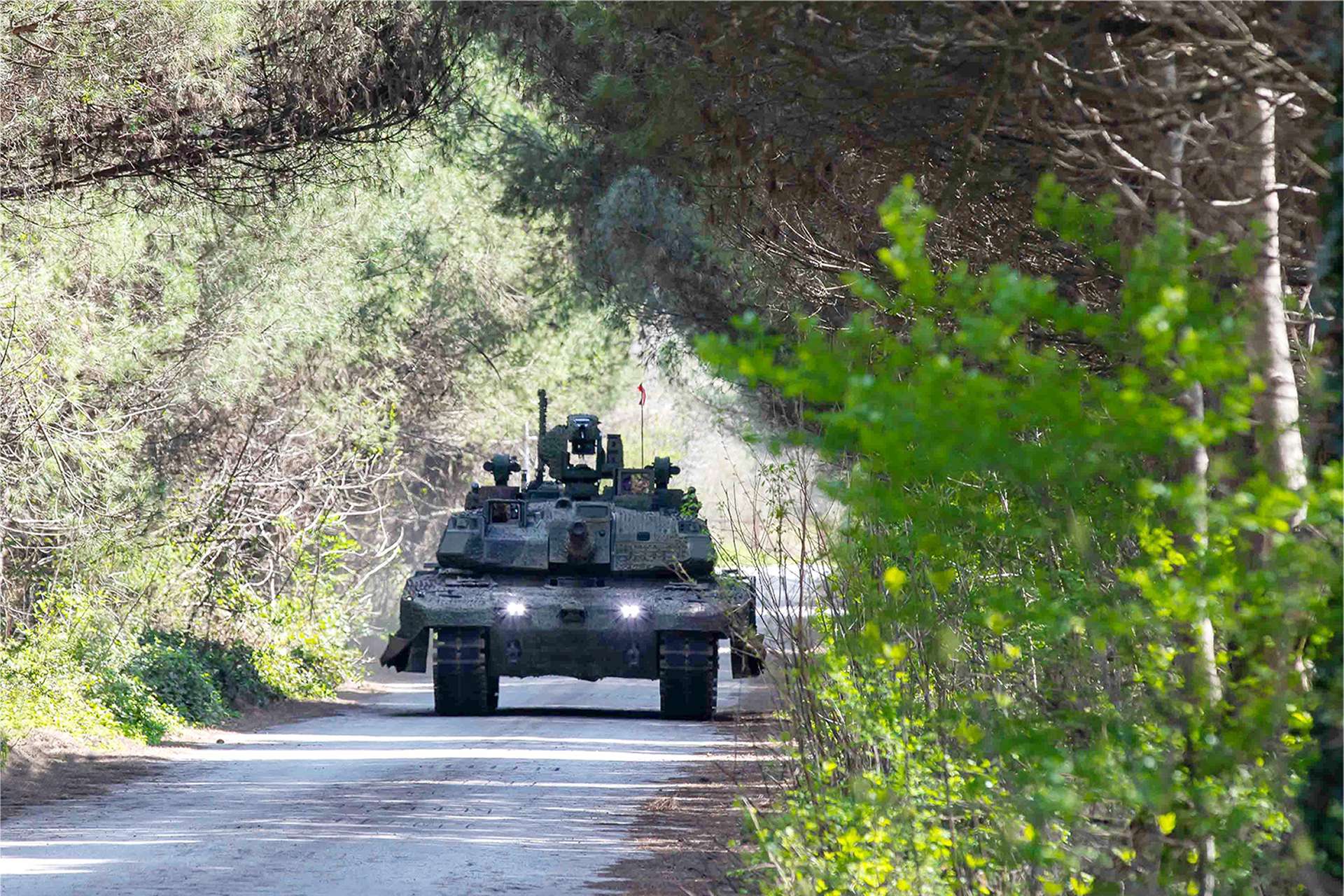
Türkiye's defense industry has started mass production of the Altay battle tank, a new-generation vehicle designed to meet the demands of modern warfare. This announcement was made by the president of Turkish Defense Industries, Haluk Gorgun, on May 29, 2024.
Follow Army Recognition on Google News at this link
Türkiye has started mass production of the Altay Main Battle Tank. ( Picture Source: BMC)
The president of Turkish Defense Industries, Haluk Gorgun, announced on May 29, 2024, the start of mass production of the Altay tank. "We have launched the mass production of our national tank," Gorgun said. "Several countries are interested in collaborating with us on this project, and we are actively negotiating with them."
Produced by BMC Defence under the auspices of the Presidency of Defense Industries, the Altay tank has undergone important updates to align with contemporary combat requirements. "Many subsystems have been localized, and the latest technologies and innovations have been incorporated to enhance its combat capabilities," Gorgun explained.
Drawing from the recent operational experiences of the Turkish Armed Forces, the Altay tank is equipped with additional features. "Digital technologies have been increasingly integrated into the Altay, allowing for more precise and rapid detection, targeting, and engagement of enemy elements," Gorgun added.
Highlighting Turkey's expertise in land vehicles, Gorgun said: "Our country excels in the field of land vehicles, with numerous companies exporting internationally. Their products offer competitive advantages on the global stage."
The Altay is a Turkish modern battle tank equipped with powerful armament. ( Picture Source: BMC)
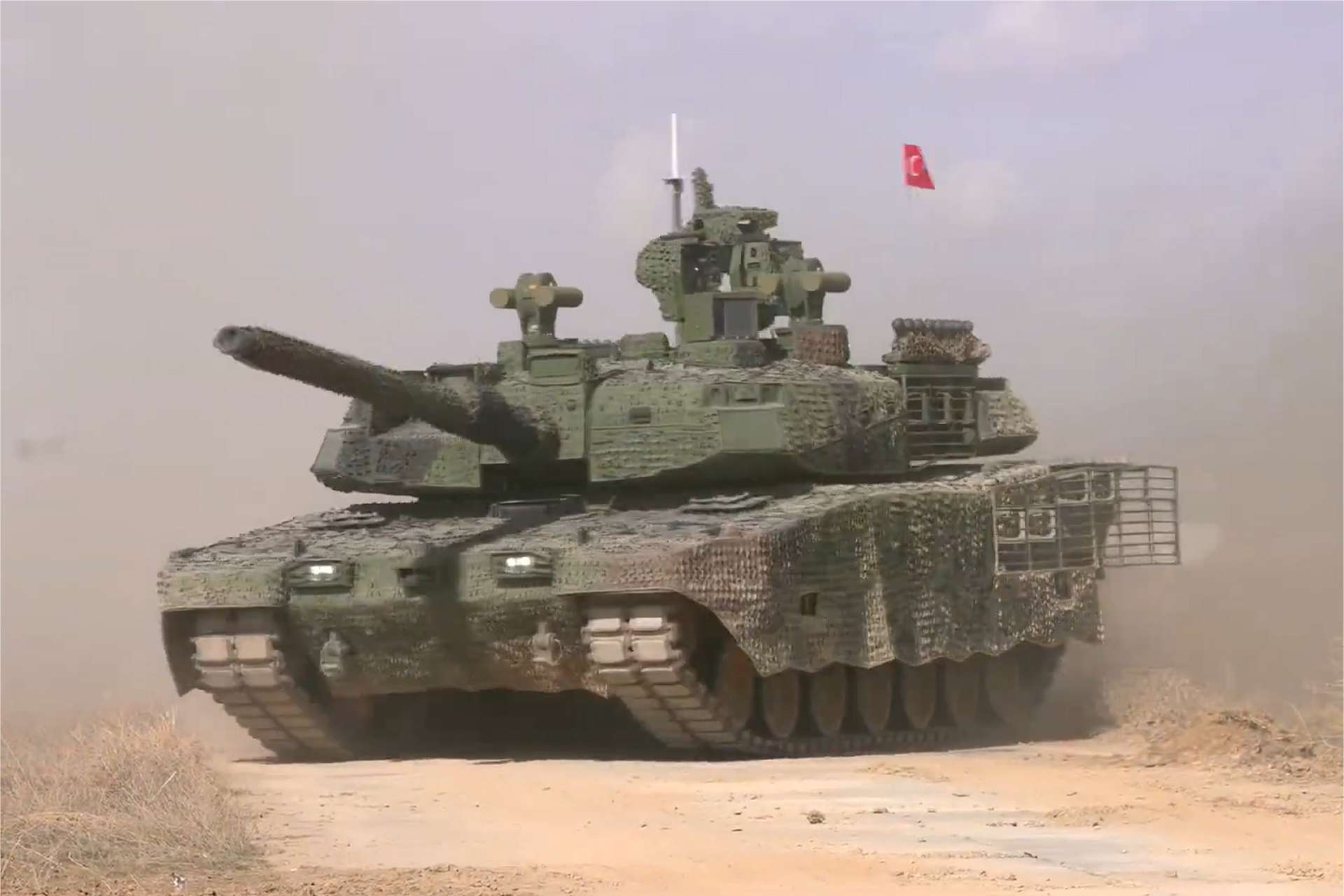
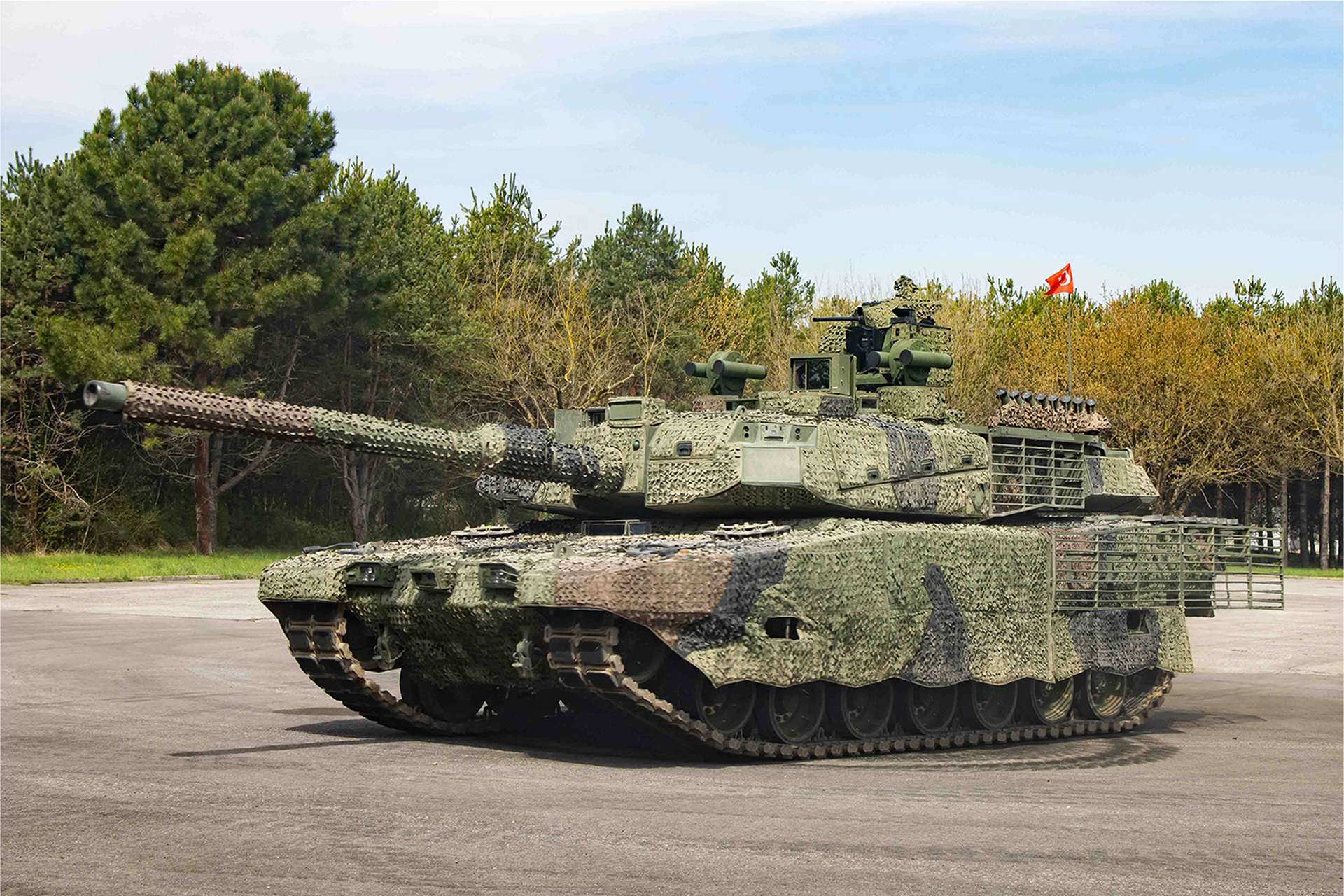
The Altay is a modern battle tank equipped with powerful armament, including a main 120 mm 55-caliber gun, a remote weapon station with a 7.62 mm or 12.7 mm machine gun, and a 7.62 mm coaxial machine gun. Its protection relies on modular composite armor, allowing it to effectively withstand battlefield threats.
Designed in Türkiye and used in that country, the Altay weighs 65,000 kg. It can reach a maximum speed of 70 km/h and has an operational range of 500 km, thanks to its fire control system, C3I system (command, control, communications, and intelligence), laser warning system, battlefield target identification system, CBRN (chemical, biological, radiological, and nuclear) protection, fire-extinguishing and explosion suppression system. It is also equipped with a 360-degree situational awareness system, providing a comprehensive and detailed view of its surroundings.
The Altay is operated by a crew of four and has dimensions of 7.3 meters in length, 3.9 meters in width, and 2.6 meters in height. These characteristics make it a heavily armed, well-protected combat tank capable of moving quickly across various terrains.
The history of the Altay main Battle Tank began in Türkiye, in 1996. ( Picture Source: BMC)
The history of the Altay tank began in 1996 when the need for a new main battle tank for the Turkish Land Forces led to the decision to develop and produce such a tank domestically. In 1999, this decision was concretized into a specific project.
In 2000, at the request of the Turkish General Staff, a tender was launched for the domestic production of a foreign-origin tank. Competing companies imported tanks to Turkey for rigorous testing over two years. In 2004, in response to a request from the Presidency of Defense Industries, three Turkish companies created BOF A.Ş. to conduct a feasibility study on the production of an original main battle tank in Turkey.
The project took a significant step in 2007 with the launch of the Phase I tender for the design and production of Altay tank prototypes by the Presidency of Defense Industries. Ten years later, in 2017, the Altay tank prototypes completed their tests and were delivered to the Presidency of Defense Industries.
In 2018, the Phase II tender for the project, dedicated to the mass production of the Altay tank, was launched and won by BMC. In 2023, BMC delivered the "NEW ALTAY" main battle tank, an improved version with modernized and localized systems, including a new power group, to the Turkish Armed Forces for mass production tests.
Gorgun also mentioned a recent major procurement and hinted at upcoming acquisitions. He emphasized that NATO countries in Europe have opted for their products and hinted at new advancements in personnel carriers and armored vehicles.
The Altay Main Battle Tank. ( Picture Source: BMC)
Read more: Türkiye Begins Mass Production of Locally-made Altay Main Battle Tanks
- US Army Awards Oshkosh Defense Contract for FMTV A2 Low-Velocity Air Drop Cargo Vehicles
- Ukraine to Receive Million Artillery Shells Through Czech-Led Initiative
- Russia Replenishes 9M333 Missile Reserves for Strela-10M3 Air Defense Systems
- Russia Launches 40 KAB Laser Guided Bombs at Ukraine in One Day