
- Details
- Written by: Triffaux
- Category: 2024
- Hits: 4383










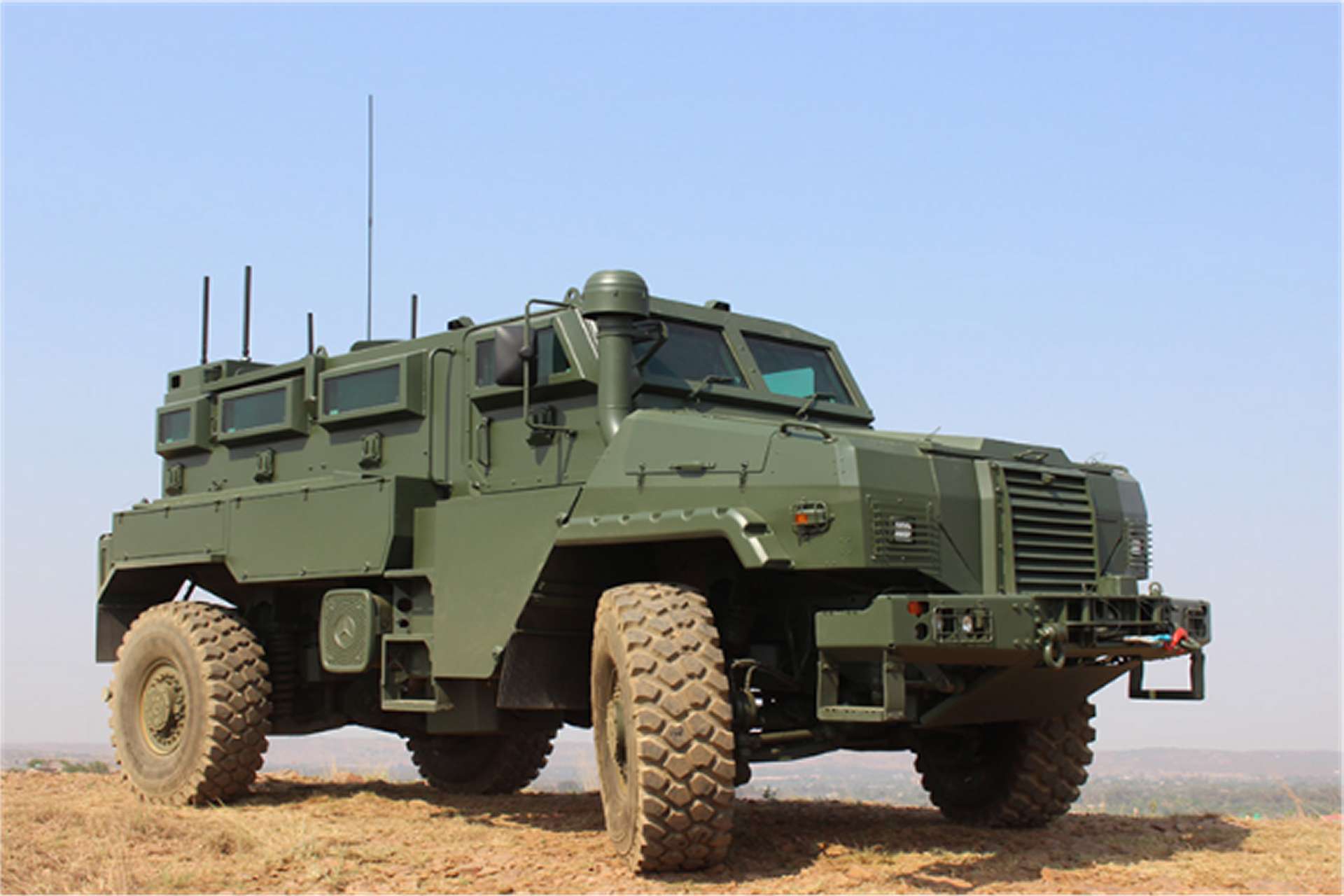
On November 27, 2024, the United States officially handed over military equipment valued at an estimated 3.5 billion CFA francs (5.9 million USD) to the Beninese Armed Forces (FAB) during a ceremony at the Allada military camp. This donation includes twelve Puma M36 mine-resistant, ambush-protected (MRAP) vehicles, 280 ballistic plates, and 35 L3Harris Falcon III tactical radios. These assets aim to strengthen the operational capabilities of Beninese soldiers amid growing security challenges.
OTT-USA 4X4 Puma M36 MRAP Vehicle (Picture source: OTT-USA)
The twelve Puma M36 vehicles delivered to Benin are Mk 6 versions manufactured by United Manufacturing Technologies (OTT-USA). Originally part of a batch of 38 units intended for Niger, their allocation was reassigned following the suspension of U.S.-Niger military cooperation. Of this batch, Benin will receive 12 vehicles, while Ghana and Côte d’Ivoire will each receive 13. This redistribution seeks to bolster the capacities of these three countries to address regional security threats.
The redeployment of Puma M36 vehicles to Benin, Ghana, and Côte d’Ivoire occurs against the backdrop of shifting U.S. security priorities in West Africa. After halting military cooperation with Niger following the July 2023 coup, the U.S. sought to strengthen ties with other strategic nations in the region. Benin, Ghana, and Côte d’Ivoire, situated along the Gulf of Guinea, play critical roles in combating the expansion of terrorist groups operating in the Sahel and border regions. By equipping these nations with modern assets such as the Puma M36, the U.S. aims to stabilize a strategically important region for maritime trade and global energy security while countering competitors like China and Russia, who are also expanding their influence in Africa.
The Puma M36 MRAP is a robust and versatile vehicle designed for high-risk environments. Capable of accommodating up to 12 personnel, it offers advanced ballistic protection against small arms fire, improvised explosive devices (IEDs), and artillery shrapnel, meeting EN 1063 B7 standards. Its V-shaped monocoque hull provides mine protection at STANAG 4569 Level 4, ensuring high survivability in asymmetric warfare scenarios. Variants of the Puma include roles such as command vehicles, demining units, and ambulances, showcasing its adaptability to hostile regions like Somalia.
The development of the Puma M36 Mk6 addresses the growing need to protect troops operating in asymmetric and high-risk environments. Designed by United Manufacturing Technologies (OTT-USA), the vehicle was launched in the 2010s to meet the demands of military and internal security forces combating IEDs and ambushes. From its inception, the Puma M36 incorporated a V-shaped monocoque hull, a proven technology for deflecting explosion shockwaves, and was designed with modular solutions for rapid mission adaptation.
In 2015, the first Puma M36 units were deployed in conflict zones like Somalia, where they proved effective against IED threats. By 2018, enhancements to ballistic armor standards, reaching EN 1063 B7 and B6 levels, were introduced to address the increasing demands of modern operations. Since then, the Puma M36 has been adopted by numerous military and security forces worldwide, establishing itself as a reliable platform for command, logistics, demining, and medical evacuation missions. These developments reflect OTT-USA’s commitment to innovation and addressing global security challenges.
The Puma M36 is utilized by several armed forces and security agencies globally, demonstrating its reliability and versatility. Notable users include African countries like Somalia, where it has been employed in counter-insurgency and route clearance missions. In West Africa, it has recently been supplied to Benin, Ghana, and Côte d’Ivoire to enhance protection against growing cross-border threats. Additionally, Middle Eastern and Asian nations have integrated the Puma M36 into their fleets for peacekeeping operations, logistical missions, and demining efforts. The vehicle is also favored by internal security agencies for urban patrols and counter-terrorism due to its durability, modularity, and adaptability to various operational environments.
These vehicles, alongside ballistic plates and advanced tactical radios, will enhance the security and communication efficiency of the Beninese Armed Forces, enabling them to address regional threats more effectively.
Beyond equipment, the United States actively supports the FAB through extensive training programs. In 2024, over 2,000 Beninese soldiers were trained under the BORSEC project, while around 30 officers participated in specialized training programs in the U.S.
The U.S. donation is part of a broader international effort to strengthen Benin’s defense capabilities. France has supplied 41 armored personnel carriers (APCs) over the past two years, alongside pickups and Puma transport helicopters. The European Union has also contributed by reallocating two Mamba armored vehicles to Benin through the European Union Security and Defense Initiative in the Gulf of Guinea (EUSDI GOG) following the suspension of its support to Niger. Benin’s inclusion in the European Peace Facility has unlocked €5 million in funding aimed at improving the military’s effectiveness.
Earlier in 2024, the U.S. provided equipment worth 1.8 billion CFA francs, including fuel trucks and spare parts. In November, another donation valued at approximately $2 million included Toyota LandCruiser pickups, medical kits, and portable GPS systems. These contributions reflect a coordinated effort by international allies to bolster Benin’s resilience against regional instability.
Since 2023, this partnership has intensified with military deliveries such as individual protective kits in August 2024 and all-terrain vehicles in November 2024, aimed at enhancing the FAB’s capacity to counter cross-border threats, including terrorism and maritime piracy. The May 2024 visit of AFRICOM commander General Michael Langley underscored U.S. interest in establishing a strategic presence in southern Sahel as cooperation with Niger was suspended. By supporting Benin, the U.S. seeks to secure a stable and strategic ally in a region marked by rising tensions.
The Beninese Armed Forces primarily focus on border and internal security but face growing challenges in northern regions due to worsening security conditions. To address these threats, the government has established a military base in the north and increased border patrols to counter regional Islamist groups. Maritime security is also a priority, given the persistent piracy threat in the Gulf of Guinea. In response to growing counter-terrorism needs, Benin has created a National Guard and is working to improve soldiers’ living conditions. The country has forged international partnerships, including a security cooperation agreement with Rwanda in 2022, military support from France – comprising armored vehicles and training to enhance border surveillance – and armored vehicle deliveries from China. U.S. support has included training for the army and national police as well as the provision of a patrol boat. While Benin contributes personnel to the Multinational Joint Task Force to combat Islamist terrorism, its external deployment capability remains limited without international assistance, as the country lacks a substantial defense industry beyond maintenance capacities.
According to the Military Balance 2024, the Beninese Armed Forces maintain a diverse arsenal of armored vehicles from various international suppliers. Their fleet includes 18 Soviet-made PT-76 light tanks and 24 reconnaissance vehicles, comprising 3 French AML-90s, 14 Soviet BRDM-2s, and 7 American M8 Greyhounds. In terms of armored personnel carriers (APCs), the army operates 49 units, including 22 U.S.-made M113 tracked APCs and 17 wheeled vehicles, such as 2 French-designed Bastion APCs and 15 French VABs. For protected patrol vehicles (PPVs), Benin has 10 South African Casspir NGs, renowned for their robustness. Finally, its fleet of 19 armored utility vehicles (AUVs) includes 9 Chinese Dongfeng Mengshi and 10 French VBLs, used for multipurpose reconnaissance and support missions. This array of vehicles highlights Benin’s reliance on international procurement to meet its operational needs.
Read more: US Supplies Benin with Modern Puma 4x4 MRAPs to Counter Sahel Threats
- Details
- Written by: Halna du Fretay
- Category: 2024
- Hits: 4625
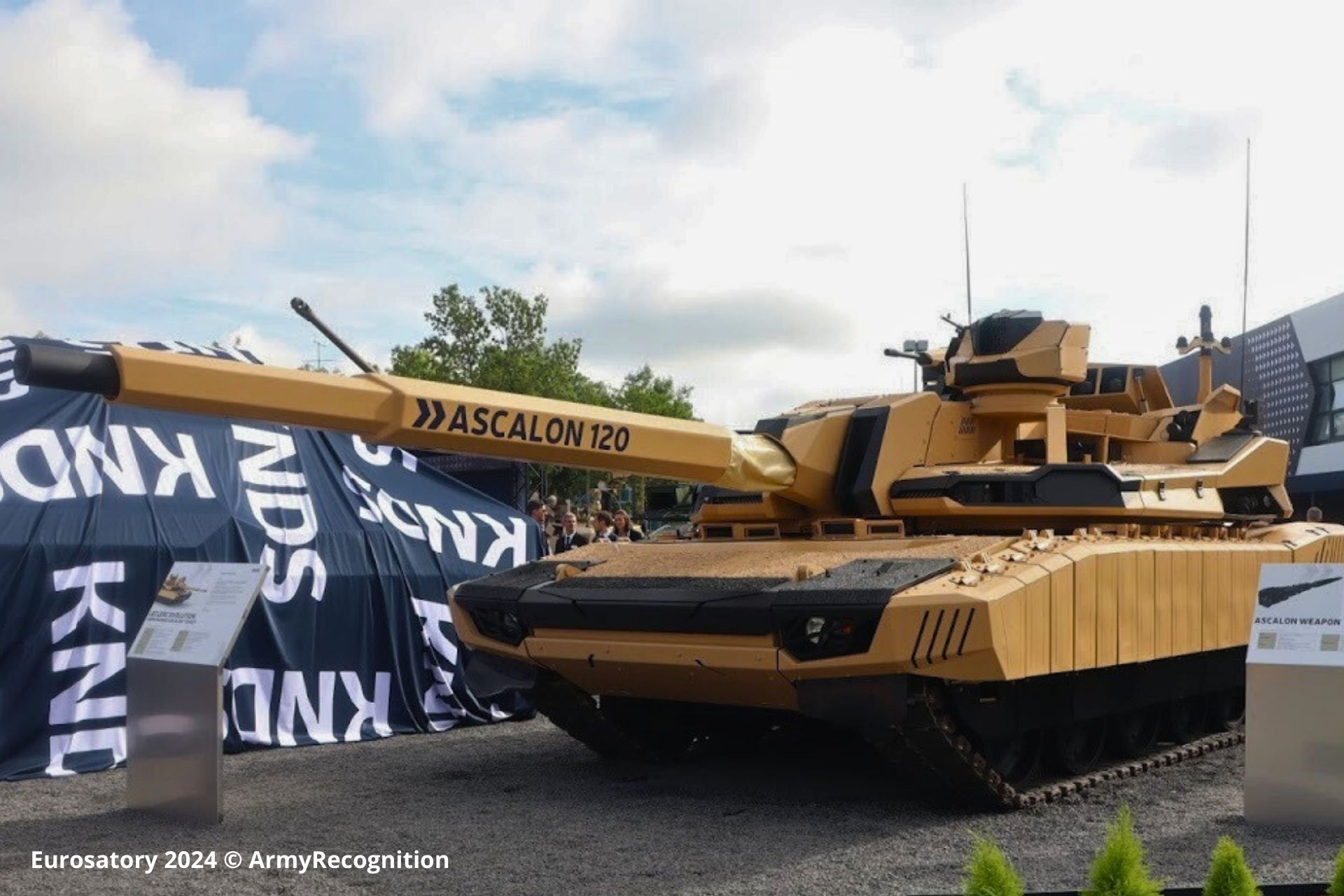
On December 4, 2024, during a parliamentary hearing on wartime economy, Emmanuel Chiva, France's General Delegate for Armament (DGA), addressed questions about the future of the Main Ground Combat System (MGCS). This joint Franco-German initiative represents an ambitious but complex program designed to replace the French Leclerc and German Leopard 2 tanks. However, it continues to face persistent uncertainties, including industrial disagreements and distant timelines.
Leclerc Evolution tank unveiled at Eurosatory 2024 in Paris, featuring the cutting-edge ASCALON turret capable of retrofitting from 120mm to 140mm, showcasing next-generation firepower and adaptability. (Picture source: Army Recognition)
Chiva highlighted that the MGCS is not merely about developing a new heavy tank. It aims to create an interconnected family of systems, including tanks, drones, and robots, integrated into a "combat cloud." Despite its ambitious vision, the project, expected to become operational around 2040, presents significant challenges, especially concerning the maintenance of current operational capabilities until its deployment.
The MGCS was launched in 2017 to deliver a next-generation tank, with France's Nexter (part of KNDS) and Thales working alongside Germany's Krauss-Maffei Wegmann (also in KNDS) and Rheinmetall. The project received renewed momentum in April 2024 through an agreement to organize it around eight technological pillars divided equally between the two nations.
Nevertheless, the program has encountered multiple obstacles, including disagreements over technology choices and responsibility sharing, causing notable delays. These tensions raise questions about the viability of Franco-German defense cooperation. Additionally, competing developments, such as Rheinmetall’s partnership with Italy’s Leonardo to produce the Panther KF51 tank, add further pressure, challenging MGCS’s relevance within Europe’s defense landscape.
To address these delays, Chiva confirmed that efforts are underway to extend the operational lifespan of the Leclerc tank to 2040. He also mentioned a potential "intermediate solution," already proposed by KNDS France, involving an upgraded Leclerc model equipped with advancements like the ASCALON cannon.
The DGA also raised the possibility of France and Germany developing separate heavy tanks within a shared architecture. This approach could meet each nation’s specific needs while maintaining collaborative elements. However, such an initiative would require national funding, which could reflect a degree of strategic independence, particularly for France.
Despite the challenges, Chiva expressed support for French innovation, citing ASCALON as a major technological achievement. He emphasized that the French Military Programming Law was designed to avoid capability gaps, although restarting production lines remains a complex issue. While no details were provided on a potential "Plan B," he stressed the importance of fostering innovation and overcoming logistical hurdles.
Both the MGCS and the Future Combat Air System (SCAF) embody Franco-German ambitions to strengthen Europe’s strategic autonomy in defense. These programs aim to integrate advanced technologies, such as artificial intelligence and interconnected systems, into next-generation combat platforms. However, since their inception in 2017, both have faced industrial and political challenges, delaying progress and raising concerns over their future.
These difficulties highlight broader issues in building an effective European defense framework. Disputes over MGCS and SCAF underline the complexity of multinational cooperation in defense, where national interests can conflict with collective goals. Achieving meaningful strategic autonomy for Europe will require aligning member states' priorities, fostering industrial cohesion, and overcoming existing barriers. Success in projects like MGCS and SCAF is crucial for Europe's defense aspirations and its role on the global stage.
Read more: France's Uncertainty Amid Challenges for Future Main Ground Combat System
- Details
- Written by: Vandenbosch
- Category: 2024
- Hits: 3479
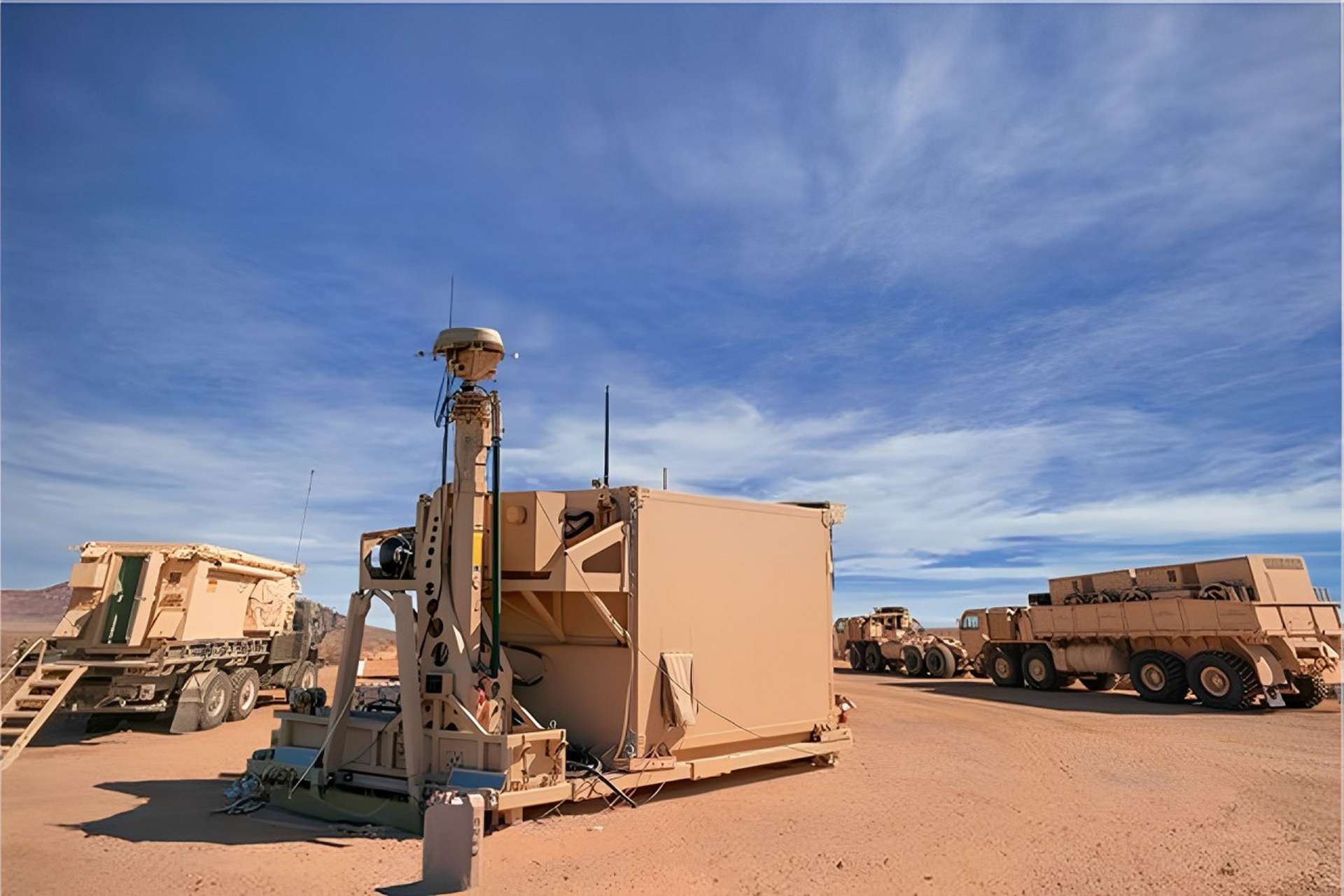
The U.S. Army has successfully integrated its Integrated Battle Command System (IBCS) with the new Indirect Fire Protection Capability (IFPC) weapon system. Developed by Northrop Grumman, IBCS is designed to serve as a mission command and fire control system, consolidating various sensors and effectors for enhanced battlefield management. This integration highlights the system's ability to connect diverse resources across the Army’s defense network.
The U.S. Army has successfully integrated its Integrated Battle Command System with the new Indirect Fire Protection Capability weapon system. (Picture source: US DoD)
The IFPC system, a ground-based solution, is primarily aimed at protecting strategic assets, such as command centers and airfields, from incoming threats. During flight tests conducted at the White Sands Missile Range in New Mexico, IBCS demonstrated its advanced capabilities by detecting, identifying, and tracking two surrogate uncrewed aerial vehicle (UAV) targets, as well as a surrogate cruise missile. The system then engaged and neutralized these targets using the IFPC weapon system.
IBCS operates with a modular, open, and scalable architecture, connected to a network, enabling the fusion of sensor data from various sources. This capability enhances situational awareness and provides warfighters with a more comprehensive view of the battlefield. By integrating data from multiple sensors, IBCS supports improved decision-making, offering a better response time to counter threats, and serves as a critical asset for joint and coalition multi-domain operations.
Kenn Todorov, Vice President and General Manager of Global Battle Management and Readiness at Northrop Grumman, emphasized IBCS's transformative role in modernizing air and missile defense capabilities. “Thanks to IBCS's innovative, game-changing technology, the U.S. Army can test emerging systems like IFPC, which will help modernize air and missile defense,” Todorov stated. “IBCS’s ready-now capabilities connect any sensor and any effector across the battlefield, allowing the most effective weapon to take out the threat.”
Currently in production, IBCS has already been deployed in Poland and is expected to be deployed in Guam as part of the U.S. Army’s integrated air and missile defense modernization program. The system has been integrated with a wide range of sensors and shooters, including the Patriot, Sentinel, F-35, Common Anti-Air Modular Missile, Giraffe, and Lower Tier Air and Missile Defense Sensor.
In June 2024, Northrop Grumman delivered the first IBCS Engagement Operations Centre and Integrated Fire Control Network relay to the U.S. Army. This delivery, along with the Integrated Collaborative Environment provided in December 2023, completes the first set of IBCS units delivered under the low-rate initial production contract. These advancements position IBCS as a central pillar of the U.S. Army’s air and missile defense modernization efforts.
Read more: US Army Increases Air Defense Against Drones and Missiles with New Battle Command System
- Details
- Written by: Halna du Fretay
- Category: 2024
- Hits: 6542
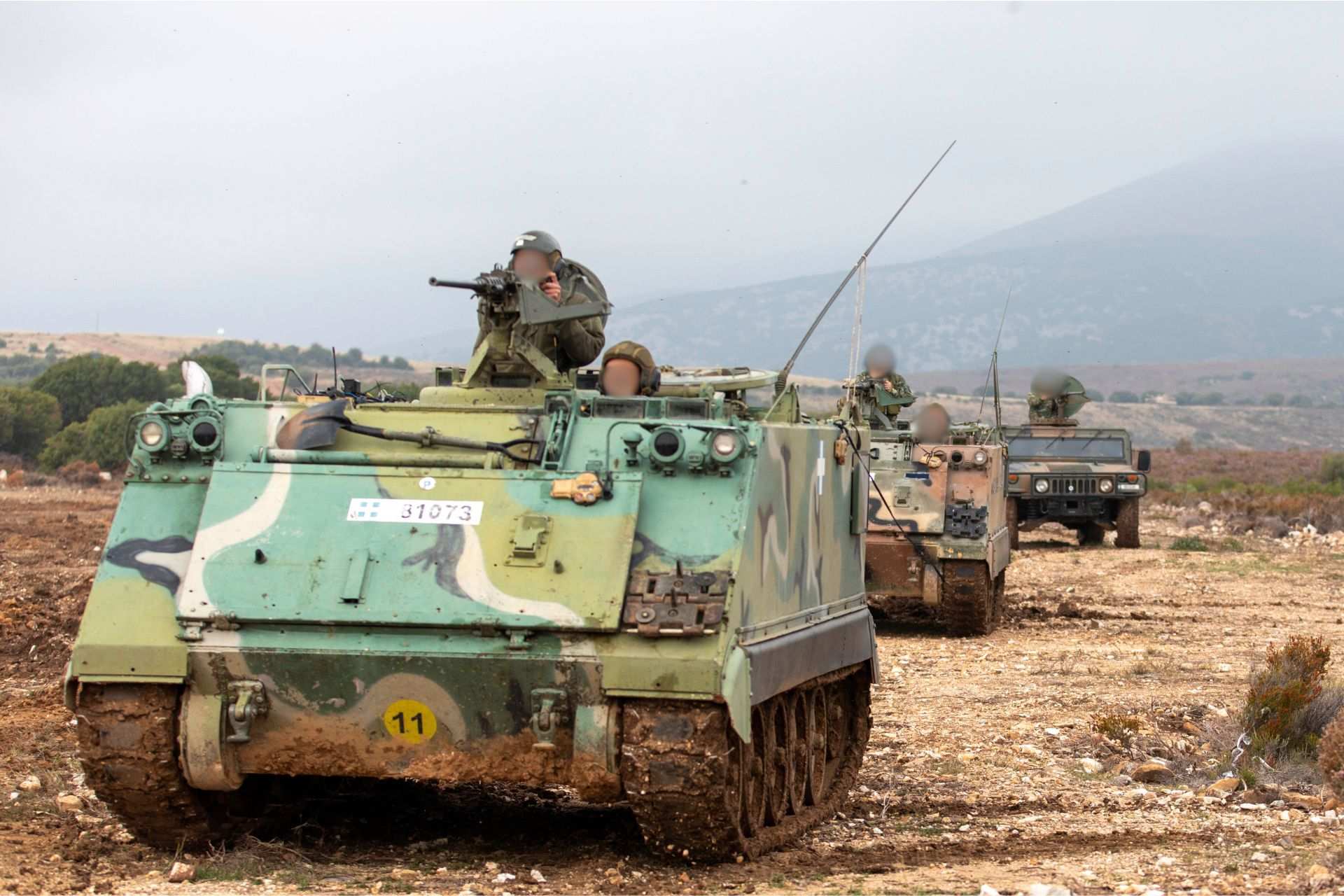
According to information published by the specialized website OnAlert on December 9, 2024, the Greek military has decided to modernize its fleet of M113 armored personnel carriers (APCs) rather than acquire new vehicles like the American M2 Bradleys or the French VBCIs. This decision, driven by budgetary constraints and operational requirements, represents a significant move in Greece's efforts to upgrade its armored vehicle fleet while addressing its military needs.
Hellenic Army soldiers conducted a convoy operation to an objective during force-on-force training at Petrochori Range, Triantafyllides Camp, Greece, as part of Olympic Cooperation 2021 (Picture source: US DoD)
For years, the Greek General Staff has sought to modernize its mechanized infantry, which has faced growing obsolescence in its equipment. The Kentauros Infantry Fighting Vehicle (IFV) project, launched in the 2000s, was abandoned, leaving Greece without a viable replacement for its aging vehicles. In 2020, a proposal was made to acquire M2A2/M2A2OD Bradleys from the United States. Although approved in 2023 for the transfer of 300 units, the refurbishment costs of the vehicles proved prohibitive. Even an offer involving 62 Bradleys free of charge and 102 more under favorable financial terms was deemed unaffordable by Athens due to budgetary limitations.
Simultaneously, France proposed a compelling alternative: the immediate delivery of 120 VBCIs, with an additional 250 units to be co-produced with Greek industry. However, this option was also considered too costly. A competing offer from Rheinmetall for its KF-41 Lynx failed to secure interest for similar reasons.
Ultimately, the Greek military opted for a more economical solution by modernizing its M113 fleet. This program, a collaboration between the Israeli company Rafael and the Greek firm METKA, involves upgrading over 500 M113 vehicles. The modernization includes the installation of remote-controlled weapon stations with 30mm cannons, enhanced armor, a new, more powerful propulsion system, advanced communication systems, and modern optronic sensors. The upgrades will be conducted at METKA’s facility in Magnesia, with costs significantly lower than the alternatives proposed, making this option particularly attractive for Athens.
However, M113s remain APCs with a weight of 12 tons, which is significantly lighter than modern IFVs like the Bradley and VBCI, which weigh nearly twice as much and offer superior firepower. The standard M113 armament includes a 12.7mm heavy machine gun, suitable for defense against infantry and lightly armored threats. In contrast, the VBCI is equipped with a 25mm cannon mounted on a remote turret, while the Bradley boasts a 25mm M242 cannon and can be fitted with TOW anti-tank missiles, providing substantial offensive capabilities against heavily armored targets.
Regarding protection, the M113 features aluminum armor designed to withstand small arms fire and shell fragments but remains vulnerable to modern anti-tank weapons. By contrast, the VBCI and Bradley provide more robust protection against ballistic threats and improvised explosive devices. Both IFVs also incorporate advanced detection and communication systems, enhancing their battlefield efficiency. While the M113 fulfills its primary role as a troop carrier, the VBCI and Bradley surpass it in firepower, protection, and operational versatility.
This choice reflects a pragmatic approach by Greece to extend the lifespan of existing equipment while addressing immediate operational needs. Modernizing the M113 fleet offers a cost-effective alternative to acquiring modern IFVs, especially considering the purchase, maintenance, and training costs associated with new vehicles. Moreover, the program supports local industry through partnerships like that with METKA, contributing to the Greek defense economy.
Modernizing the M113 allows Greece to respond swiftly to operational demands. While these vehicles do not match the capabilities of Bradleys or VBCIs, upgrades such as remote weapon stations, improved armor, and advanced communication systems enhance their battlefield utility. This approach also enables Greece to deploy a larger number of modernized vehicles, reinforcing its mechanized forces quantitatively, even if qualitatively they remain behind modern IFVs.
Currently, the Greek military possesses approximately 2,900 M113 APCs, including various variants acquired over decades to meet operational requirements. The decision to modernize these vehicles underscores Greece’s commitment to strengthening its military capabilities within strict budgetary limits. Although economical, this strategy raises questions about its long-term viability in addressing evolving threats and operational challenges.
Read more: Greece Prioritizes M113 Modernization Over US Bradleys and French VBCIs

- Details
- Written by: Administrator
- Category: 2024
- Hits: 3976
British Veterans Minister Al Carns, a former Royal Marine colonel, has issued a grave warning about the readiness of the British Armed Forces. He cautioned that in a conflict of the scale and intensity of the ongoing war in Ukraine, the British Army could be “expended in six months to a year.” This stark assessment underscores significant limitations in the UK’s capacity to sustain prolonged, high-intensity military engagements, raising pressing questions about its ability to fulfill national defense obligations and meet NATO commitments.
Follow Army Recognition on Google News at this link
British soldiers during training exercises, highlighting efforts to maintain readiness as the Army faces historic reductions in troop numbers and challenges in sustaining prolonged high-intensity conflicts. (Picture source: British MoD)
Data released earlier this year by the British Ministry of Defence (MoD) lends weight to these concerns. British troop numbers have plummeted to their lowest levels since the early 1800s, with a 38% decline in recruits over the past two decades. Total personnel in the armed forces has dropped from 207,000 in 2000 to just 131,000 in 2024. The British Army now fields approximately 73,000 regular soldiers—the smallest force in its modern history—while the Royal Navy and Royal Air Force stand at 29,000 and 33,000 personnel, respectively. This dramatic erosion contrasts sharply with the Cold War, when the UK maintained robust military forces designed to counter large-scale threats such as the Soviet Union.
During the Cold War, the British Army was one of NATO’s strongest and most capable forces. Though smaller than the U.S. military, the UK played a pivotal role in the alliance’s defense strategy, particularly in Europe. Its reputation rested on a combination of highly trained personnel, modern equipment, and strategic positioning, bolstered by its independent nuclear deterrent. The British Army of the Rhine (BAOR), stationed in West Germany, exemplified this strength, consisting of four armored divisions equipped with over 800 Chieftain and Challenger 1 tanks, advanced artillery, and air defense systems like the Rapier missile.
The UK’s global reach further enhanced its military power. The Royal Navy operated over 130 combat vessels, including aircraft carriers, destroyers, frigates, and a formidable submarine fleet. Meanwhile, the Royal Air Force fielded more than 850 aircraft, including Tornado, Harrier, and Jaguar fighters, alongside robust reconnaissance and transport capabilities.
Today, this once-formidable capability has been significantly diminished. The British Army now operates only 227 Challenger 2 tanks, with upgrades to Challenger 3 underway. Artillery inventories have been severely reduced, and the British Army’s ability to sustain high-volume, long-range firepower in prolonged engagements falls short of modern requirements. The Royal Navy, once boasting 130 vessels, now operates just 73, including two Queen Elizabeth-class carriers but with only 19 frigates and destroyers to escort them. Similarly, the Royal Air Force’s fleet has declined to around 500 aircraft, even as advanced platforms like the Typhoon and F-35 Lightning II have entered service.
The war in Ukraine vividly illustrates the resources and resilience required for sustained, high-intensity conflict. Ukraine’s ability to resist Russia has depended on continuous supplies of tanks, artillery, drones, and ammunition, much of it provided by NATO allies. If the UK faced a similar-scale conflict, the British Armed Forces would likely struggle to sustain operations beyond a few months. Insufficient ammunition stockpiles, aging equipment, and gaps in critical systems such as air defense are significant vulnerabilities. British ammunition reserves, in particular, would be quickly exhausted, given the consumption rates observed in Ukraine, where thousands of artillery rounds are fired daily.
Logistical endurance remains a critical challenge. The lack of robust air defense systems capable of countering drones and precision missile strikes further exposes vulnerabilities in prolonged engagements. These deficiencies underscore the UK's challenges as it seeks to modernize its forces and rebuild its capacity.
Efforts to address these issues are underway. The Future Soldier initiative aims to restructure the British Army into smaller, agile Brigade Combat Teams with enhanced digital capabilities. Procurement projects, including upgrades to Challenger 3 tanks, the acquisition of Archer self-propelled howitzers, and investments in counter-drone technologies, represent steps in the right direction. However, the pace of modernization has been slow, and the gap between current capabilities and the demands of high-intensity warfare remains substantial.
Financial constraints further complicate these efforts. The UK’s defense budget for the 2023/24 fiscal year was £53.9 billion, with planned increases to £56.9 billion in 2024/25 and £59.8 billion in 2025/26. This represents an annual real-terms growth rate of 2.3%. While former Prime Minister Rishi Sunak pledged to increase defense spending to 2.5% of GDP by 2030—potentially delivering an additional £75 billion—specific plans to achieve this target remain unclear. Current allocations may be insufficient to address existing capability gaps and modernization needs.
The warnings from Veterans Minister Al Carns, coupled with British MoD data and lessons from the Ukraine war, highlight the urgent need for a reassessment of the UK’s defense priorities. The sharp decline in personnel, equipment, and logistical endurance underscores a critical challenge in maintaining a credible deterrent. Heavy weaponry, robust air defenses, and sustained logistical support are essential areas for investment if the British Armed Forces are to remain effective in modern warfare. Without decisive action and adequate funding, the UK risks further erosion of its military capabilities and its standing as a global military power.
- Details
- Written by: Jérôme Brahy
- Category: 2024
- Hits: 5111
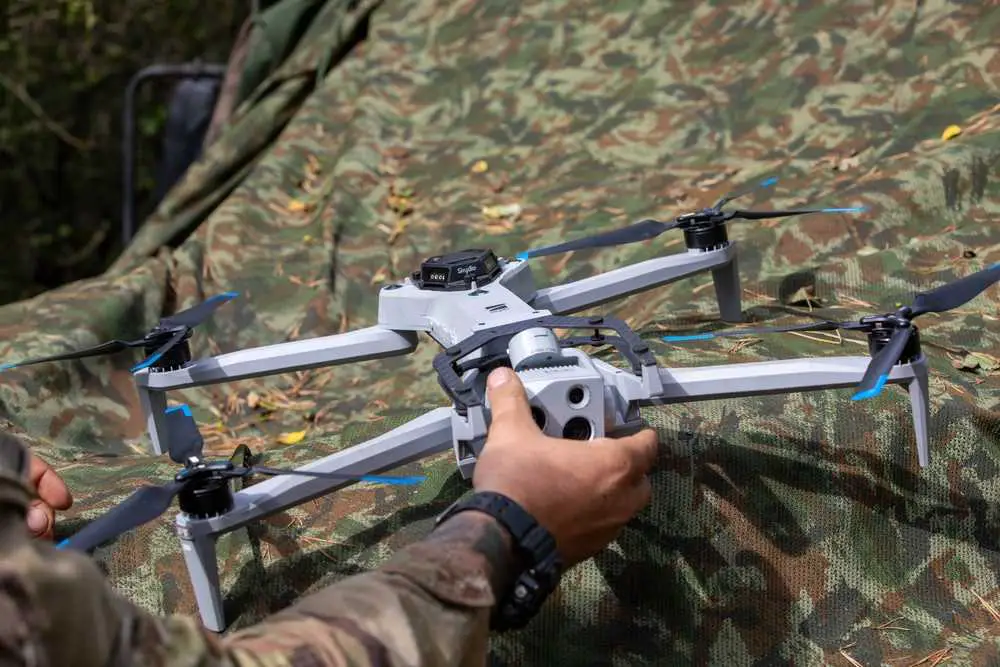
On November 26, 2024, the French Army announced that it had recently tested the US-made Skydio X10D micro-drone at the Urban Warfare Training Center (CENZUB) in Sissonne. The Technical Section of the French Army (STAT), along with a detachment from the School of Engineering, conducted the first operator training session and examined its potential military applications. The drone’s AI-enabled obstacle avoidance system allows navigation in both indoor and outdoor environments, regardless of lighting conditions, making it particularly suitable for urban reconnaissance.
Follow Army Recognition on Google News at this link
The Skydio X10D’s AI-enabled obstacle avoidance system allows navigation in both indoor and outdoor environments, regardless of lighting conditions, making it particularly suitable for urban reconnaissance. (Picture source: US DoD)
The Skydio X10D is a micro-drone designed for military and public safety applications, weighing slightly over 2 kilograms and offering a flight endurance of approximately 40 minutes. It operates in temperatures ranging from -20°C to +45°C and features modular sensors, including the Teledyne FLIR Boson+ thermal imaging module with a resolution of 640 x 512 and thermal sensitivity below 30mK. Other camera options include narrow, wide-angle, and telephoto lenses, enabling high-resolution data capture. Its AI-based navigation system ensures autonomous obstacle avoidance in both indoor and outdoor environments, regardless of lighting conditions. Additional features include NightSense for low-light navigation and Blackout Mode to disable visible lights during operations requiring discretion.
The X10D is built with a lightweight magnesium and carbon fiber frame, certified to IP55 standards for dust and water resistance, and capable of withstanding wind gusts of up to 43 km/h. It supports dynamic channel switching to mitigate electronic interference and stores mission data directly on the drone, with an option for AES-256 encryption. The modular design allows for quick payload adjustments, and the system complies with MAVLINK and RAS-A protocols. The X10D is included on the U.S. Department of Defense’s Blue UAS Cleared List, confirming its compliance with cybersecurity protocols and suitability for sensitive operations. It is used for applications such as reconnaissance, mapping, and combat missions, with compatibility for third-party controllers and onboard processing capabilities for mapping and modeling.
Skydio has also started hiring a small team in Ukraine, currently comprising fewer than ten employees focused on engineering and customer support roles, as part of its strategy to expand operations in the region. CEO Adam Bry described Ukraine as a critical testing ground for drones due to its extensive use of small, commercial-style UAVs in electronic warfare conditions. Since 2022, Skydio has delivered approximately 1,000 drones to Ukraine, with the Ministry of Interior requesting additional units, including the X10D, which features multi-band radio modules, frequency-hopping technology, and modular sensor packages for thermal and radiometric imaging.
The French Armed Forces have recently expanded their fleet of micro-drones to enhance reconnaissance and intelligence capabilities. In October 2022, the French Defense Procurement Agency (DGA) received 200 Anafi micro-drone systems, increasing the total to 450 units delivered. In June 2024, the French company Novadem secured a significant order for NX70 micro-drones, bringing the total number in service with the French Army to over 440. Additionally, in January 2021, the DGA ordered 300 micro-drones from the French manufacturer Parrot for use in reconnaissance and intelligence operations.
These purchases align with the French Armed Forces’ objectives of modernizing operational capabilities to meet the demands of contemporary conflicts. Micro-drones provide discreet, real-time surveillance, enabling critical information gathering while minimizing risks to personnel. Their efficiency in close-range intelligence enhances unit protection and tactical advantages. Moreover, their cost-effectiveness compared to traditional combat aircraft and their proven utility in recent conflicts underscore the strategic importance of these technologies in modern military operations.
Read more: US-made Skydio X10D micro-drone proves potential for urban warfare in French Army trials
- Details
- Written by: Jérôme Brahy
- Category: 2024
- Hits: 4716
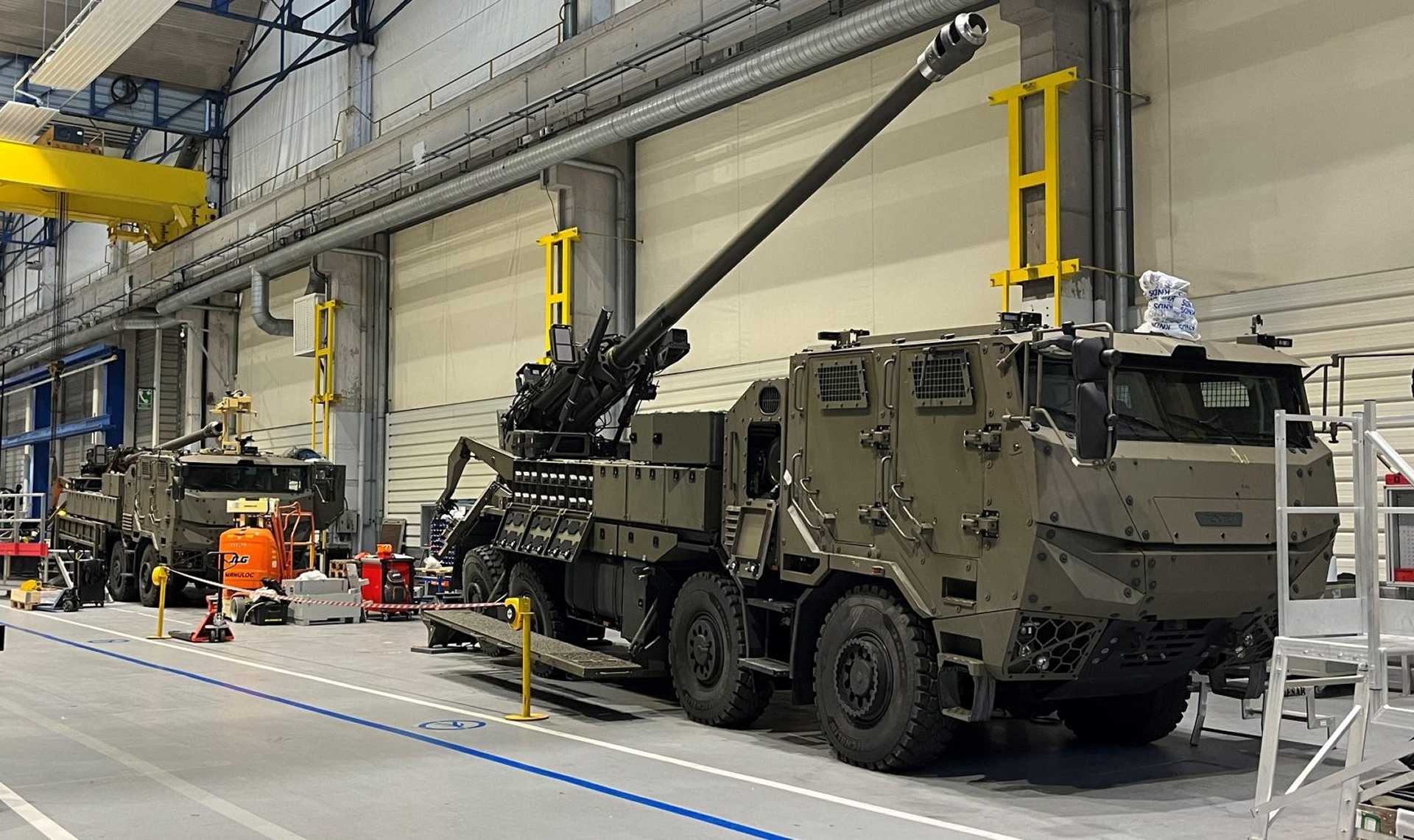
As reported by iRozhlas on November 29, 2024, KNDS has completed the first two Caesar 8x8 self-propelled howitzers for the Czech Army under a contract for 62 units. These howitzers are undergoing testing at the production facility in France, with firing trials scheduled before their delivery to the Czech Republic by March 2025. All units are expected to be delivered by the end of 2026, as part of the Czech Republic’s effort to modernize its artillery capabilities.
Follow Army Recognition on Google News at this link
While the first four units are being assembled in France by Nexter Systems, the remaining 58 will be manufactured in the Czech Republic. (Picture source: Český rozhlas)
The contract initially included 52 Caesar systems ordered in September 2021 and was expanded with an additional 10 units in December 2022, raising the total contract value to CZK 10.3 billion (approximately $451 million). While the first four units are being assembled in France by Nexter Systems, the remaining 58 will be manufactured in the Czech Republic. Domestic companies involved include Excalibur Army, which handles assembly, and Tatra Trucks, which supplies the 8x8 chassis.
The Czech variant of the Caesar howitzer is mounted on a Tatra 8x8 chassis, which allows for improved mobility and a higher ammunition capacity compared to the standard 6x6 version. It is equipped with a 155mm/52-caliber gun capable of firing NATO-standard shells up to 40 kilometers using Extended Range, Full Bore (ERFB) ammunition and up to 55 kilometers with specialized projectiles. The system also features automated fire control and communication systems.
The modernization initiative includes the integration of the Caesar system with the ADLER automated fire control system and NATO’s Program of Artillery System Coordination Activities (ASCA) to enable centralized fire support and data sharing. The howitzers are capable of Multi-Round Simultaneous Impact (MRSI) operations. Supporting systems include command posts on Titus chassis, meteorological tools, ammunition vehicles, and C4ISTAR integration to improve connectivity and operational capabilities.
Production of the Caesar systems emphasizes local industry involvement, with 40% of the work undertaken by Czech companies. Retia supplies communication systems, Explosia provides ammunition, and STV Group is tasked with delivering tens of thousands of 155mm shells by 2029. These shells will replace the older 152mm munitions used with the DANA howitzers and align with NATO standards.
Initial testing and integration of the Caesar 8x8 self-propelled howitzers, originally planned for 2023, were delayed to 2024 due to supply chain adjustments. The tests, which will be conducted in the Czech Republic, include evaluations of firing precision and operational reliability. The Czech Armed Forces plan to achieve initial operational capability by 2026 and full operational capability by 2028. The additional 10 Caesar units will enable the creation of an Active Reserve fire battery to account for potential losses during wartime.
The modernization initiative also includes logistical upgrades, such as new ammunition vehicles for faster resupply and expanded radar reconnaissance capabilities provided by the Arthur system for counter-battery operations. The Czech Armed Forces are transitioning to NATO-standard ammunition with initial supplies from Nexter Systems, followed by local production managed by STV Group. The modernization effort is intended to replace the aging 152mm DANA howitzers and improve interoperability with NATO forces.
KNDS has also confirmed plans to deliver 80 Caesar systems to Ukraine by the end of 2024. Ukrainian forces have adapted to the operation and maintenance of these systems through training and spare parts provided by KNDS. Global demand for artillery systems has increased due to the conflict in Ukraine, but production has been constrained by raw material shortages and rising costs, including a fivefold increase in gunpowder prices, as noted by Hervé Le Breton, head of the KNDS ammunition plant.
The Czech Armed Forces’ modernization program is part of the Development Concept 2030, aimed at aligning national defense capabilities with NATO requirements. It includes efforts to enhance radar detection ranges beyond 40 kilometers, improve operational readiness in degraded environments, and implement autonomous systems for decentralized operations. This initiative seeks to address lessons from the ongoing conflict in Ukraine while meeting NATO interoperability standards.
- Details
- Written by: Jérôme Brahy
- Category: 2024
- Hits: 5957
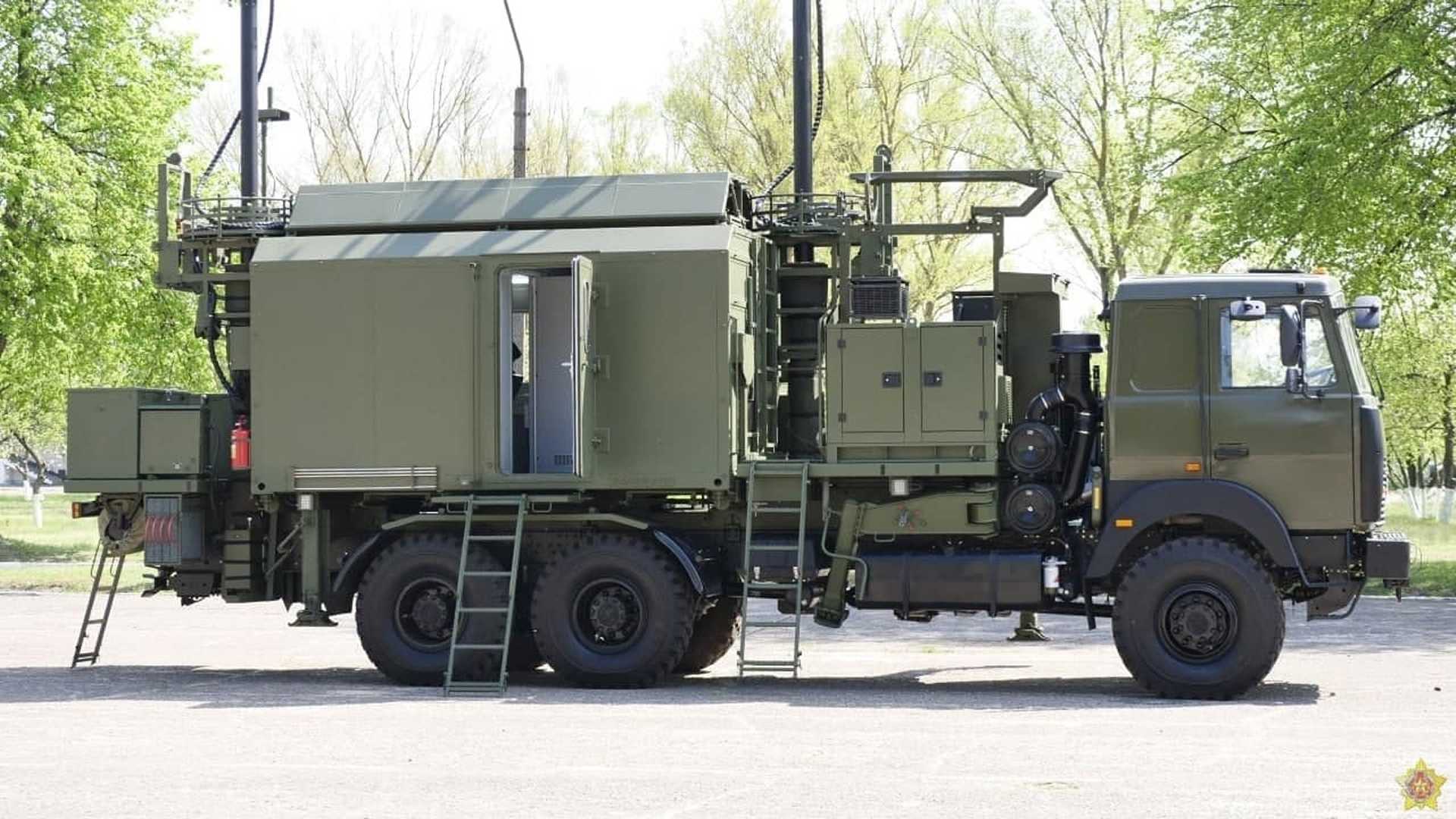
On November 28, 2024, the State Military Industrial Committee of Belarus announced the delivery of an additional batch of R-934UM2 automated jamming stations to the Ministry of Defense. These systems, developed and produced by KB Radar, are designed for detecting, locating, and suppressing radio communication lines on both ground and airborne platforms. Their effectiveness against unmanned aerial vehicles (UAVs) is attributed to the emitted signal power and the height of the antennas.
Follow Army Recognition on Google News at this link
Systems such as the R-934UM2 are used to disrupt and suppress radio communication networks, including those used by UAVs, by detecting, locating, and jamming their signals. (Picture source: Belarus MoD)
The R-934UM2, referred to as "Groza-6" or "Navalnitsa-6" in Belarusian, is part of the "Groza" series of electronic warfare (EW) systems. It is intended to target VHF and UHF communication lines, including those operating on fixed frequencies or using frequency-hopping techniques. The system includes a detector-direction finder with an antenna-feeder system, two automated operator workstations, and a nine-channel radio transmitter equipped with seven transmitting antennas. Additional equipment includes communication and data transmission systems, power supplies, and a mobile chassis with two integrated power generators.
The system operates across a frequency band of 30 to 3,000 MHz, with some configurations extending to 6,000 MHz. It can simultaneously jam up to 28 fixed-frequency communication lines and counter frequency-hopping signals at rates of up to 1,000 hops per second. The system’s antenna design allows for rapid deployment and dismantling. It is capable of storing up to 40 fixed-frequency values and 800 frequency-hopping values for jamming purposes. The transmitting antennas provide gains of at least 4.5 dB in the 30-290 MHz band and 6 dB in the 290-3,000 MHz range, with automated rotation for operational flexibility.
The R-934UM2 entered service with the Belarusian Armed Forces in 2015 and has been produced domestically using components and software sourced within Belarus. Exported to countries including the United Arab Emirates, Azerbaijan, and Libya, the system has been associated with operational use. Reports indicate that in Libya, units of the "Groza-6" system neutralized at least 11 UAVs, including Bayraktar TB-2 and MQ-9 Reaper drones. The system was also reportedly deployed during the Second Karabakh War for counter-UAV operations.
These electronic warfare systems are used to disrupt and suppress radio communication networks, including those used by UAVs, by detecting, locating, and jamming their signals. Such deployments have been observed in conflicts like those in Libya and the Caucasus, where systems like the R-934UM2 were used to neutralize UAV models including the Bayraktar TB-2 and MQ-9 Reaper. By jamming communication signals, these systems reduce the operational capabilities of adversary platforms.
The development of the R-934UM2 began in 2015, with serial production starting after a five-year period. Belarus has focused on modernizing its electronic warfare capabilities, particularly to address threats posed by UAVs and other technologies reliant on communication and GPS systems. Domestically, enterprises like KB Radar have prioritized creating systems to counter these threats, including through measures to suppress GPS navigation and control channels.
Belarus has also pursued collaboration with other nations to advance its electronic warfare systems. In 2015, the country established a joint venture with Russia, REB Technology, aimed at upgrading existing EW systems. Domestically, Belarusian enterprises have continued to provide advanced electronic warfare equipment to the armed forces. For example, additional systems were delivered in December 2017 to improve operational capabilities. More recently, EW deployments near the border with Ukraine reflect a response to regional security developments.
Belarusian electronic warfare systems, including the R-934UM2, are part of ongoing efforts to address contemporary military challenges. The increasing use of UAVs and precision-guided munitions on the battlefield has driven the domestic industry to enhance electronic warfare technologies. Systems such as the R-934UM2 provide capabilities designed to meet these challenges by targeting communication and navigation systems essential to adversary operations.
Read more: Belarus strengthens electronic warfare capacities with new locally-made R-934UM2 vehicles
- Details
- Written by: Administrator
- Category: 2024
- Hits: 5383
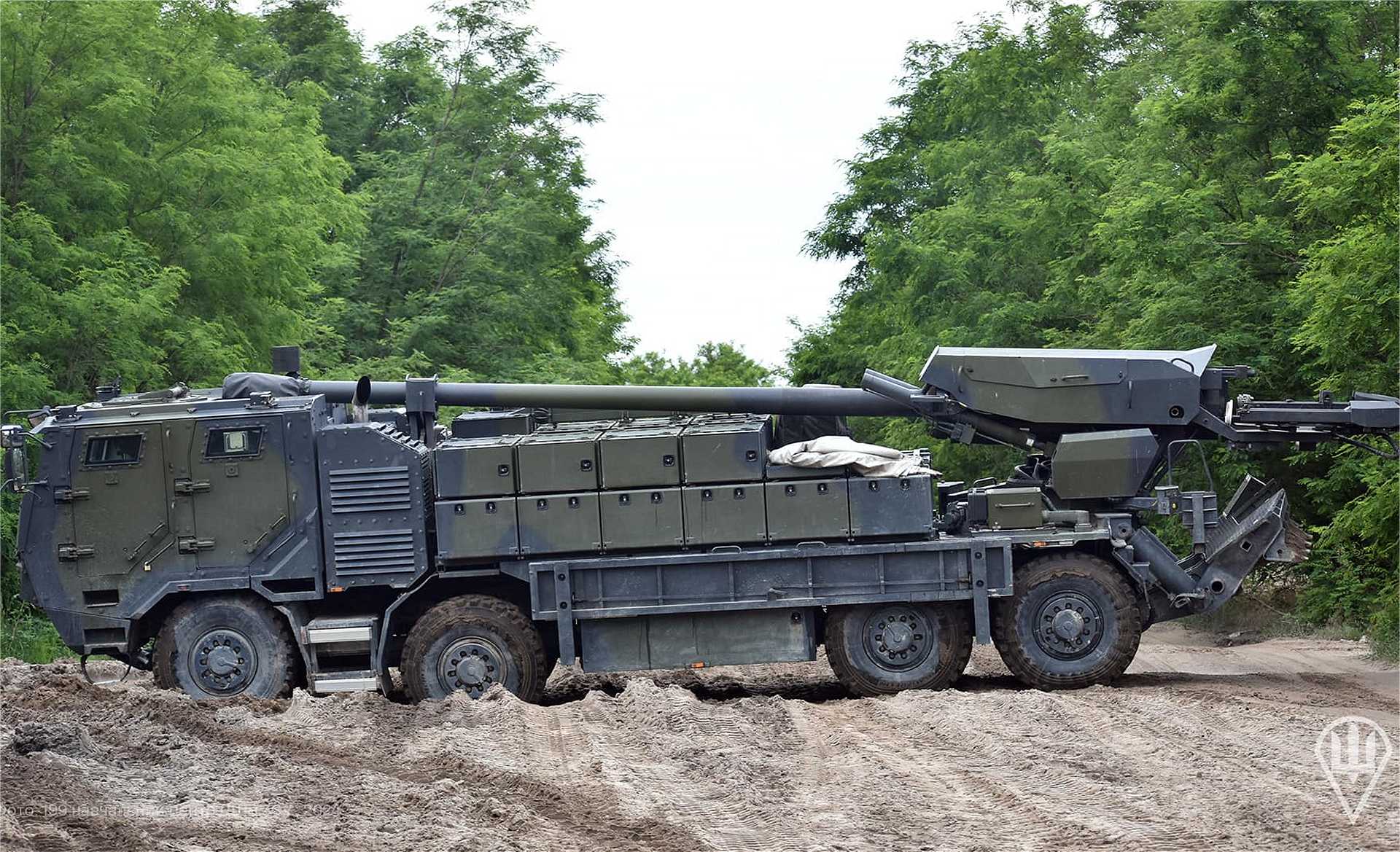
On December 6, 2024, the Danish Ministry of Defense, in cooperation with France, announced a major acceleration in the timeline for the delivery of CAESAR 155mm wheeled self-propelled howitzers to Ukraine. Originally planned for delivery in 2026, the advanced artillery systems will now be sent as early as 2025. This development highlights the commitment of European allies to bolster Ukraine’s military capabilities in the face of the ongoing conflict with Russia.
Follow Army Recognition on Google News at this link
Danish CAESAR 8x8 howitzer in action during training exercises for Ukrainian forces. (Picture source: Ukraine MoD)
The CAESAR howitzers, manufactured by French defense company KNDS, have already proven their value on the battlefield in Ukraine, where they have been used effectively against Russian forces since their initial deployment in 2022.
The decision to expedite the delivery follows a March 2024 announcement by French Armed Forces Minister Sébastien Lecornu, who confirmed a joint procurement agreement involving 78 CAESAR 155mm/L52 self-propelled howitzers. This agreement includes contributions to Ukraine, Denmark, and France itself, showcasing a shared effort to reinforce artillery capabilities across NATO-aligned forces.
Denmark has already delivered 19 CAESAR 8x8 systems to Ukraine in April 2023, alongside other artillery systems, including the Zuzana 2 and Bohdana SPGs (Self-Propelled Guns), further strengthening Ukraine’s firepower in the ongoing conflict. France’s earlier contributions included the delivery of 48 CAESAR 6x6 variants, along with tens of thousands of advanced shells such as LU 211 HE and BONUS munitions, which have been instrumental in the precision strikes carried out by Ukrainian forces.
The CAESAR (CAmion Équipé d’un Système d’ARtillerie - Truck Equipped with Artillery System) is a 155mm/L52 self-propelled howitzer mounted on a wheeled chassis, making it highly mobile and suitable for rapid deployment in diverse combat environments. The system’s range extends up to 42 kilometers with standard ammunition and beyond 50 kilometers with rocket-assisted shells, ensuring effective long-range engagement. It features an advanced fire control system that allows for precise targeting, semi-automatic loading, and a high rate of fire, capable of delivering six rounds per minute. Its wheeled configuration offers logistical advantages, enabling swift movement between firing positions, which enhances survivability against counter-battery attacks. This makes the CAESAR an indispensable asset in modern artillery operations.
The CAESAR also has a digital onboard command system that integrates with NATO artillery networks, improving coordination and response times during joint operations. Its versatility allows it to engage various targets, including fortifications, enemy artillery, and armored units, providing a significant tactical advantage. Designed to operate in challenging terrains, the CAESAR has demonstrated exceptional performance in high-stakes combat scenarios, combining mobility with precision firepower.
Since its deployment in Ukraine, the CAESAR has been a cornerstone of the country’s artillery strategy against Russian forces. Ukrainian operators have praised its mobility, which allows them to strike enemy positions and relocate quickly to avoid retaliation. The howitzer’s precision has been instrumental in counter-battery operations, effectively neutralizing Russian artillery and disrupting enemy supply lines. Its ability to deliver rapid and accurate fire has helped Ukrainian forces maintain pressure on advancing Russian units and hold critical defensive positions. This combat experience has validated the CAESAR’s reputation as a reliable and adaptable artillery system, earning it widespread recognition among Ukrainian forces and their allies. The expedited delivery of additional CAESAR units is expected to further enhance Ukraine’s operational capabilities in 2025.
Artillery systems like the CAESAR are vital for the Ukrainian Army in the framework of the ongoing war against Russia, as they provide the firepower and precision necessary to counterbalance the numerical and material superiority of Russian forces. Long-range artillery enables Ukraine to strike critical enemy positions, disrupt supply lines, and weaken advancing units before they reach frontline engagements. Additionally, systems like the CAESAR, with their mobility and adaptability, allow Ukrainian forces to conduct hit-and-run operations, reducing vulnerability to counter-battery fire.
As the conflict evolves, modern artillery not only enhances Ukraine’s ability to defend its territory but also bolsters its strategic posture, ensuring it can sustain prolonged operations and repel aggressive offensives effectively. The timely delivery of advanced systems like the CAESAR strengthens this capability and underscores the crucial role of international support in securing Ukraine's sovereignty and stability.
- Details
- Written by: Halna du Fretay
- Category: 2024
- Hits: 5339
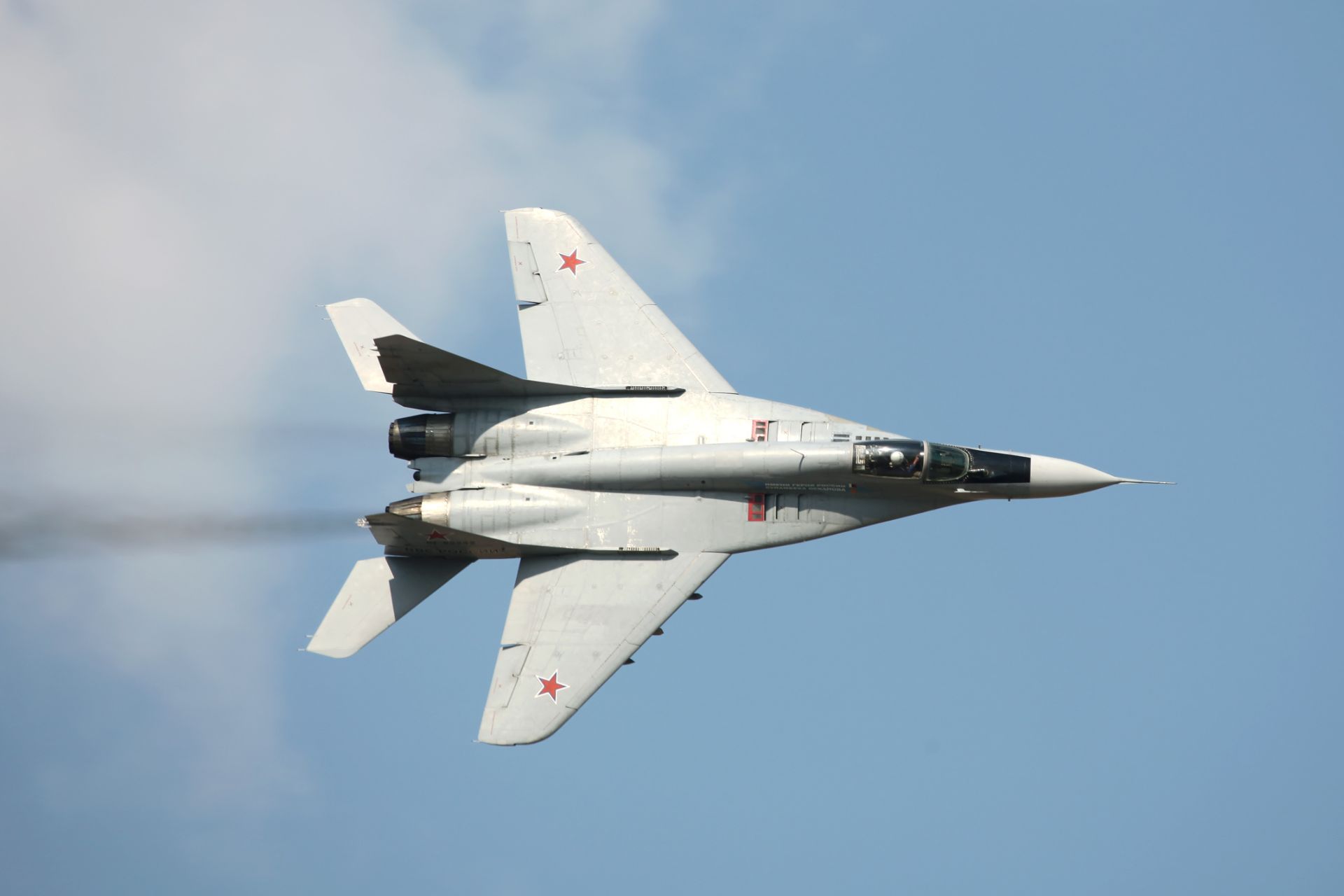
Russia and North Korea have reportedly reached a strategic agreement marking a significant step in their military cooperation. This deal aligns with Moscow’s strategy to strengthen its alliances amidst Western sanctions, while Pyongyang sees a rare opportunity to modernize its outdated air force. According to information disclosed by Admiral Samuel Paparo at the Reagan National Defense Forum on December 7, 2024, North Korea would receive Russian MiG-29 and Su-27 fighter jets. In return, North Korea is believed to have sent approximately 12,000 soldiers to support Russian military operations in Ukraine. These troops, though not directly involved in combat, are reportedly deployed in conflict zones.
This agreement offers North Korea a critical upgrade from its outdated second-generation aircraft fleet to more advanced MiG-29 and Su-27 fighters (Picture source: Vitaly V. Kuzmin)
The delivery of MiG-29 and Su-27 fighter jets is part of Russia’s broader strategy to leverage its allies to counter international pressures. While the exact number of aircraft to be transferred remains unclear, their inclusion in North Korea’s fleet would significantly bolster Pyongyang’s military capabilities. However, these jets are technically inferior to fifth-generation fighters like South Korea’s F-35s. This agreement comes as North Korea’s air force, historically reliant on Soviet and Chinese support, struggles with decades of stagnation and international sanctions. Its current fleet is largely composed of Soviet-era aircraft from the 1980s, many of which are no longer operational.
The MiG-29, developed by Mikoyan-Gurevich, is a twin-engine, fourth-generation fighter designed for air superiority. It is equipped with a Phazotron N019 radar capable of "look-down/shoot-down" operations. The jet’s armament includes a 30mm cannon and air-to-air missiles such as the medium-range R-27 and short-range R-73. Renowned for its exceptional maneuverability, the MiG-29 features advanced aerodynamics and a high thrust-to-weight ratio, reaching speeds of Mach 2.3 and operating at altitudes up to 17,000 meters.
The Su-27, designed by Sukhoi, is a long-range air superiority fighter equipped with a Phazotron N001 Myech radar, also capable of "look-down/shoot-down" targeting. It is armed with a Gryazev-Shipunov GSh-30-1 30mm cannon and up to ten hardpoints for air-to-air missiles like the R-73 and R-27. Known for its agility, the Su-27 incorporates advanced fly-by-wire controls and can execute complex maneuvers such as the "Cobra." It achieves speeds of Mach 2.35 and operates at altitudes up to 18,500 meters.
For North Korea, this agreement addresses a major strategic gap. Its air force currently includes over 400 combat aircraft, but a significant portion belongs to the second generation, such as the Chinese-made J-5 and J-6, copies of the Soviet MiG-17 and MiG-19. Adding MiG-29 and Su-27 fighters from the 1980s would represent a considerable technological upgrade. These jets, equipped with relatively modern radars and weapon systems for their era, would enhance Pyongyang’s defensive capabilities against advanced South Korean forces.
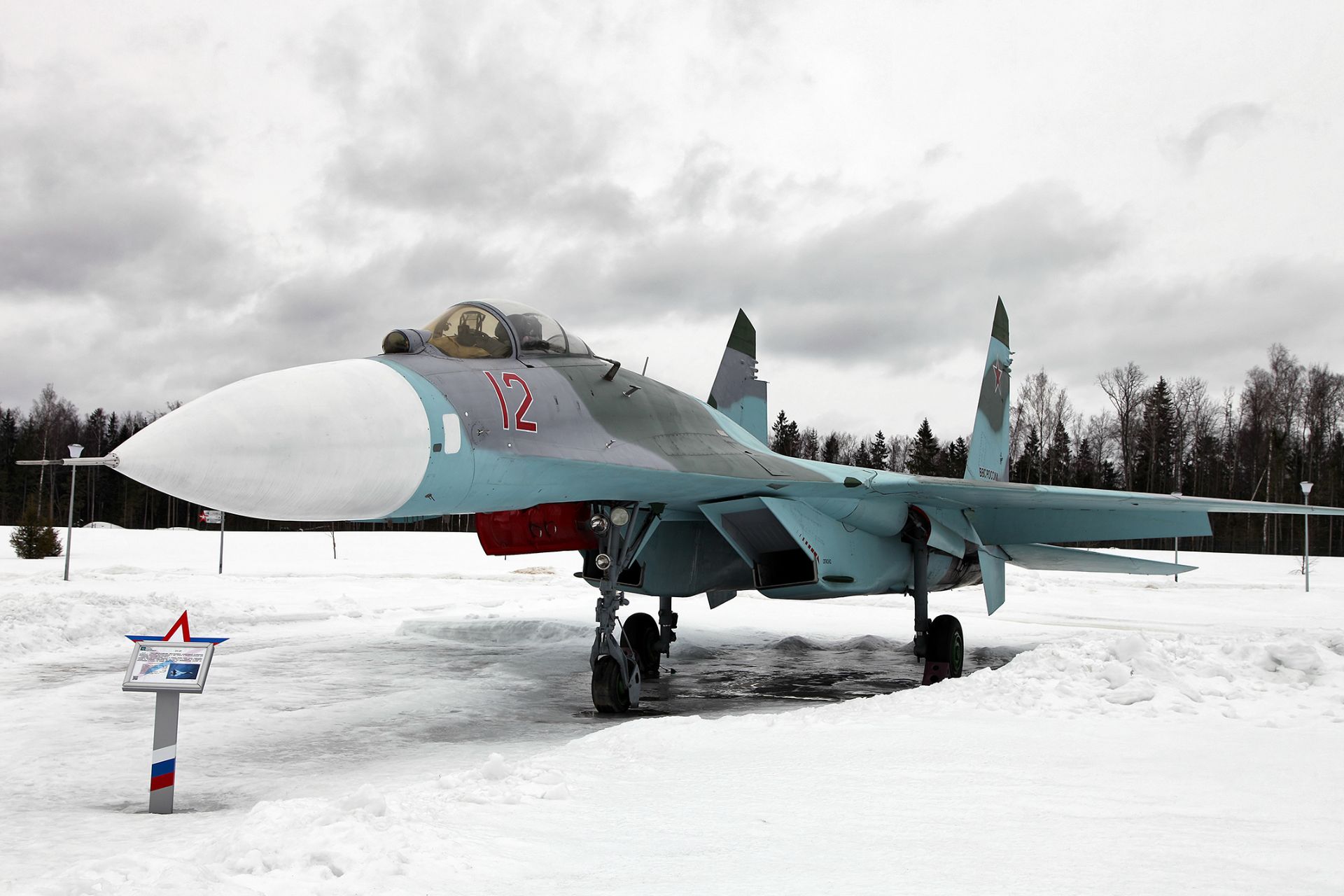
Russia’s collaboration with Pyongyang aligns with its broader military partnerships with other U.S. adversaries, such as Iran and China (Picture source: Vitaly Kuzmin)
The deal also underscores Pyongyang’s broader interest in advanced military technologies. In addition to fighter jets, North Korea may seek Russian expertise in ballistic missile re-entry vehicles, modern submarines, and air defense systems. This cooperation could help North Korea counter South Korea’s "three-axis" doctrine, which focuses on neutralizing North Korean threats through preemptive, defensive, and offensive measures.
This exchange occurs amid heightened regional tensions between the two Koreas. In June 2024, North Korean soldiers crossed into South Korea before retreating under warning shots from South Korean forces. More recently, in October 2024, North Korea destroyed sections of roads symbolizing reunification efforts and bolstered defensive structures along the border. These incidents highlight escalating tensions, marked by border clashes and military threats.
Integrating MiG-29 and Su-27 jets into North Korea’s air force could improve its air defense and air superiority capabilities. However, these aircraft remain outclassed by fifth-generation fighters like South Korea’s F-35s. Additionally, the operational effectiveness of these jets will depend on pilot training and maintenance, areas where North Korea faces significant challenges. While this agreement strengthens North Korea’s air fleet quantitatively, it is unlikely to shift the aerial power balance significantly in the Korean Peninsula.
Russia’s collaboration with Pyongyang aligns with its broader military partnerships with other U.S. adversaries, such as Iran and China. Recently, Iran received Su-35 jets and Mi-28 helicopters, while China has benefited from increased Russian technological support in sensitive areas like submarines and missiles. These partnerships reflect Russia’s growing reliance on allies to sustain its military capabilities under international sanctions.
- Details
- Written by: Halna du Fretay
- Category: 2024
- Hits: 3573
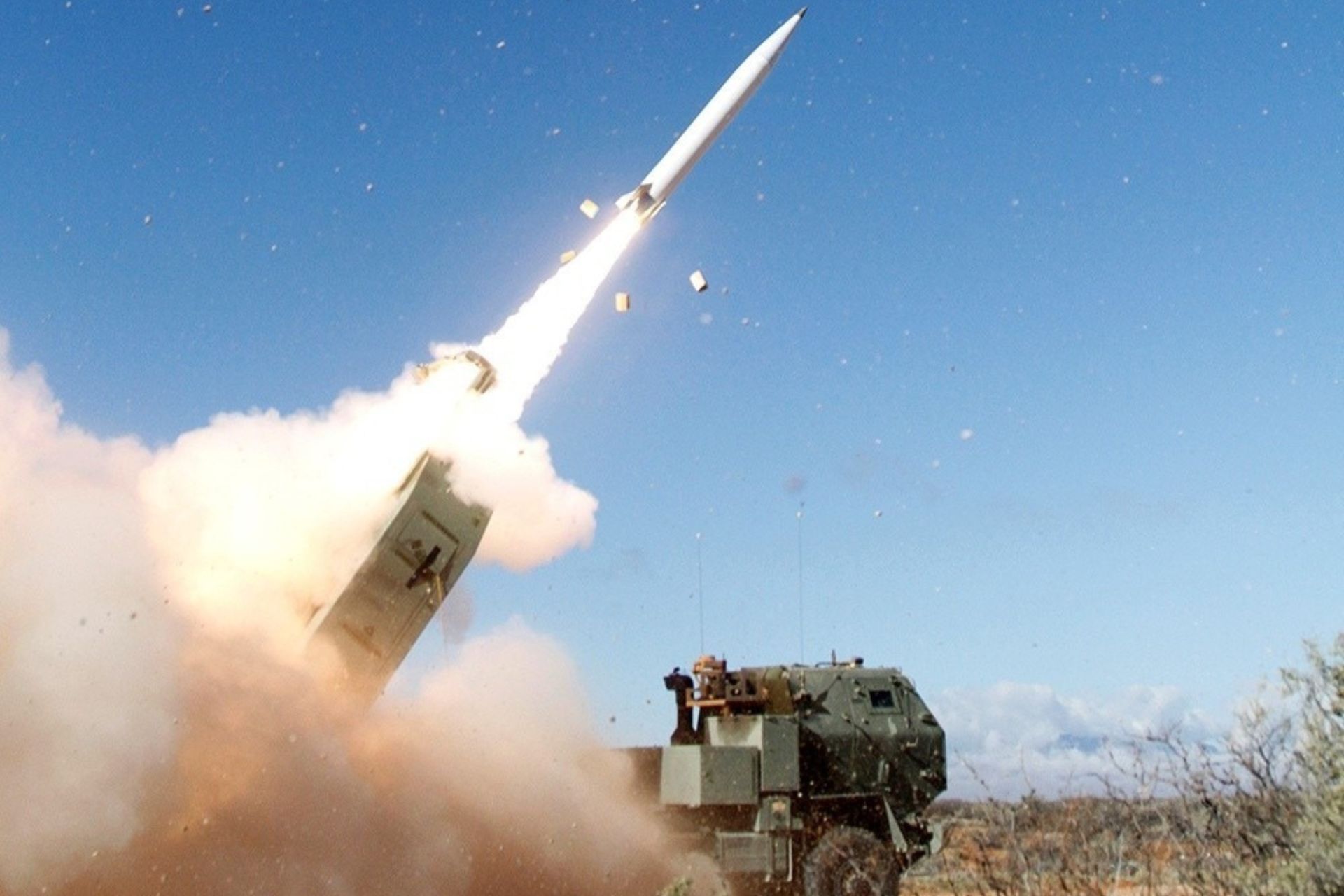
The US Army is advancing its technological capabilities in long-range precision strikes with plans to develop a fifth iteration of the Precision Strike Missile (PrSM), designed to hit targets beyond 1,000 kilometers. During a December 3, 2024 event hosted by the Association of the US Army, two senior military officials shared insights into this project, which could significantly enhance the Army's strike range capabilities.
Major General Winston Brook, commander of the Fires Center of Excellence, presented a slide that identified the PrSM Increment 5 as a prospective future capability. Brigadier General Rory Crooks, director of the Long-Range Precision Fires Cross-Functional Team, explained that preliminary work on this fifth version of the PrSM has commenced, with a formal science and technology development initiative scheduled for fiscal year 2026.
According to Brig. Gen. Crooks, the primary goal of Increment 5 is to develop a missile that can be launched from an autonomous platform, departing from traditional systems like the M142 HIMARS and M270 MLRS. This innovation involves creating a launcher without a cab, allowing for potentially larger and longer-range munitions. "If you’re familiar with an MLRS pod, it’s about 13 feet long. With an autonomous system, you might be able to use something longer," Crooks noted, suggesting the possibility of achieving ranges currently deemed unrealistic.
Although the program has received initial funding for science and technology research, Crooks clarified that there is no definitive timeline for formal competition or development. This highlights the program's exploratory nature, with its future depending on results from these early stages.
For several years, the Army has been developing earlier versions of the PrSM to replace the MGM-140 Army Tactical Missile System (ATACMS) and ensure compatibility with current launch systems like HIMARS and the M270A2 MLRS. Currently, Increment 1 missiles, produced by Lockheed Martin, are being fielded and are capable of striking targets at distances of at least 500 kilometers.
Subsequent increments include Increment 2, which features a multimode seeker known as the Land-Based Anti-Ship Missile (LBASM) seeker, and Increment 3, which is designed to incorporate enhanced lethality payloads. Meanwhile, Lockheed Martin and a Raytheon Technologies-Northrop Grumman team are working on competing designs for Increment 4, which aims to double the range of earlier versions, surpassing 1,000 kilometers.
The development of Increment 5 represents a pivotal step toward integrating autonomous technologies for advanced military operations. Despite significant technical challenges, the initiative underscores the Army’s commitment to extending the boundaries of precision long-range strikes. If successful, the PrSM Increment 5 could offer substantial strategic advantages in future military scenarios.
Though the PrSM Increment 5 remains conceptual, it reflects the Army's clear ambition to modernize its arsenal through innovative technology. The program's trajectory will depend on the progress achieved in the coming years, with potential implications for the future of warfare.
Read more: US Army Explores PrSM Inc. 5 Missile for Autonomous Launchers Exceeding 1000 km
- Details
- Written by: Halna du Fretay
- Category: 2024
- Hits: 3895
In response to evolving modern military tactics, Taiwan's armed forces are drawing lessons from recent drone warfare, as seen in conflicts such as the Russia-Ukraine war. On December 6, 2024, during a visit to a military training center in Tainan, Taiwan’s Defense Minister Gu Lixiong reviewed technological advancements integrated into the military’s equipment and tactics. This initiative reflects Taiwan’s efforts to modernize its defense capabilities and bolster autonomy amid growing regional security challenges.
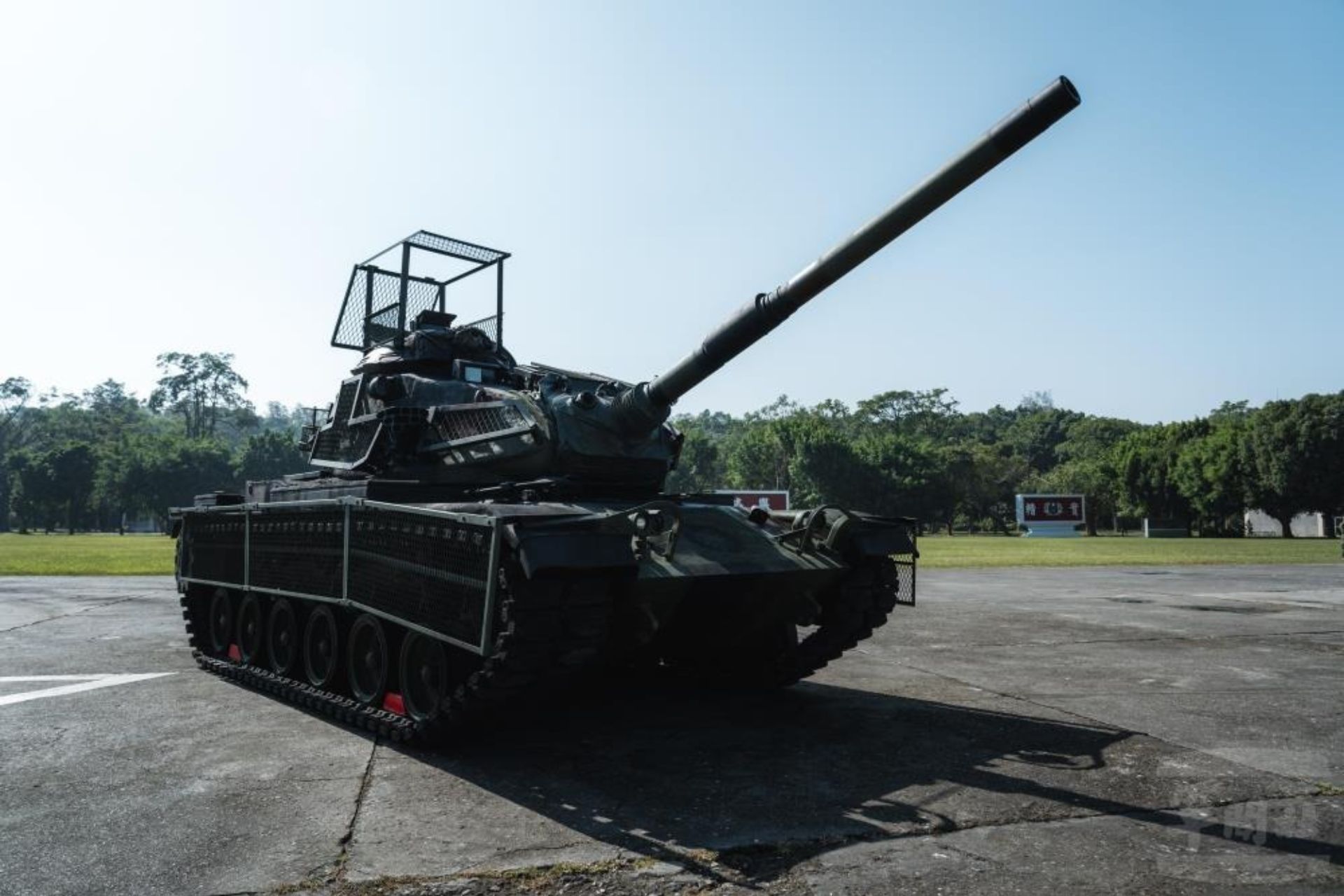
These upgrades demonstrate Taiwan’s focus on enhancing the survivability of armored vehicles in a combat environment increasingly influenced by autonomous aerial technologies (Picture source: Taiwanese MoD)
Among the innovations showcased was the anti-drone protection system installed on American-made M60A3 TTS tanks. These tanks have been equipped with additional defensive structures, including protective nets along their sides to shield the tracks partially, as well as reinforced armor for the sides, front, and turret. The turret also features a hinged grill cover, commonly referred to as a "barbecue" grille, designed to counter drone threats effectively. These upgrades demonstrate Taiwan’s focus on enhancing the survivability of armored vehicles in a combat environment increasingly influenced by autonomous aerial technologies.
The Taiwanese military is also emphasizing the deployment and integration of FPV (First Person View) drones in its operations. These drones, capable of reconnaissance and precision strikes, have become a key element of Taiwan’s military strategy. Since mid-2024, soldier training on these systems has intensified, aiming to develop independent and proficient drone operators for multi-domain scenarios. At the training center, exercises were conducted simulating future battlefields, combining reconnaissance and coordinated drone strikes. These exercises highlighted the military’s capability to gather real-time intelligence and execute precise attacks on enemy targets.
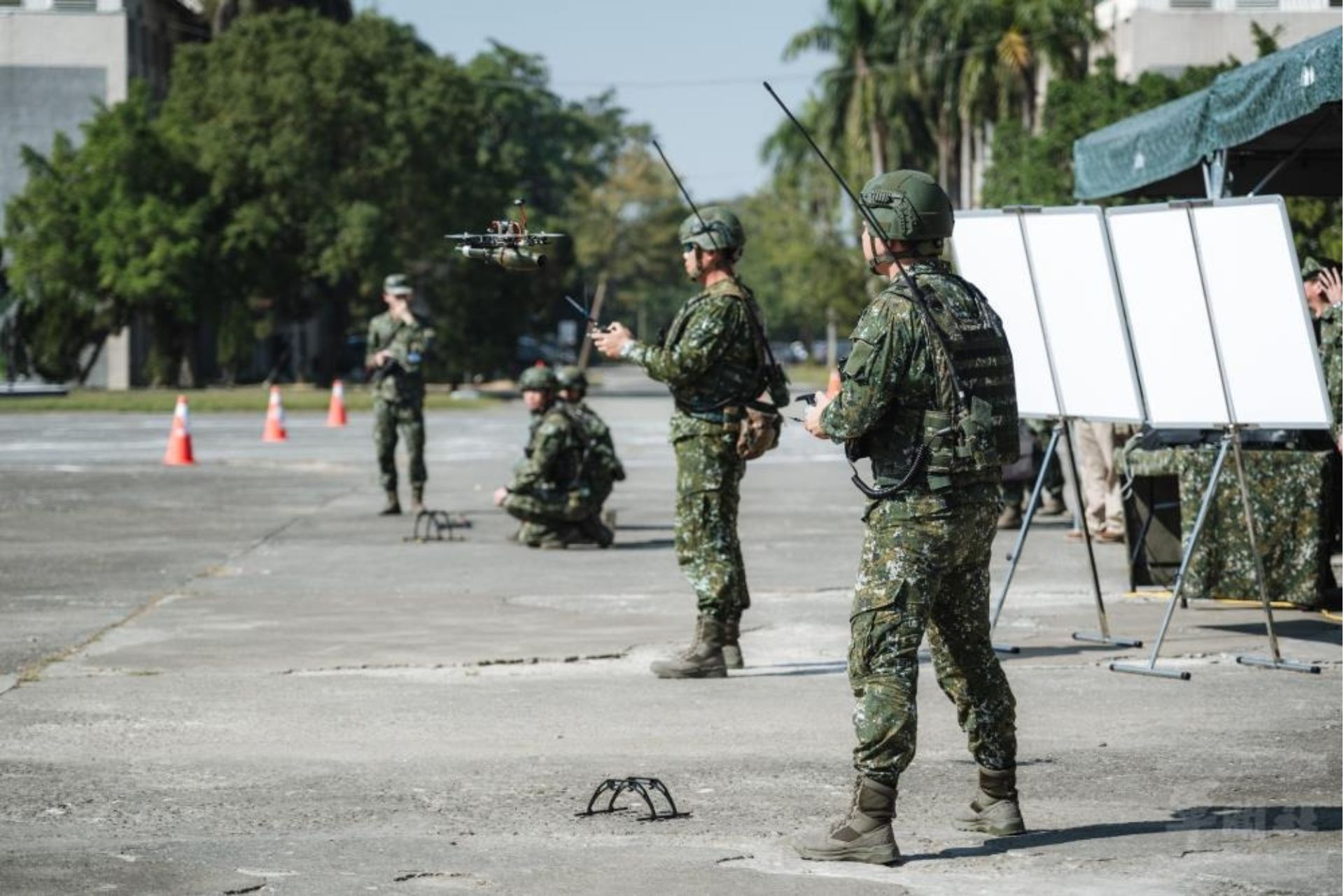
The Taiwanese military is also emphasizing the deployment and integration of FPV (First Person View) drones in its operations (Picture source: Taiwanese MoD)
Additionally, Taiwan has invested in digital management systems to enhance training, logistics, and data security. Minister Gu observed progress in integrating these systems, including modular management tools that enable more efficient resource allocation and reinforce the resilience of critical systems against cyber threats.
Taiwan’s technological advancements reflect its goal to strengthen defensive capabilities while developing independent national defense mechanisms. In parallel, the Taiwanese government continues to enhance military cooperation with the United States, including plans to acquire F-35A fighter jets to counter China’s J-20 aircraft. This cooperation underlines the joint modernization efforts aimed at maintaining strategic balance in the region.
The demonstrations during the visit underscored Taiwan’s commitment to adopting innovations tailored to modern combat realities. Equipment upgrades, drone integration, and the optimization of management processes signify a strategic shift toward a smarter, more effective defense posture. Amid rising security challenges, Taiwan remains focused on safeguarding its sovereignty and promoting regional stability through comprehensive modernization efforts.
- France boosts SCALP missile production to support Ukraine and enhance Air Force readiness
- Czech Republic to reinforce anti-tank capabilities with 10,000 Finnish Sentry mines
- Ecuador Deploys Israeli MDT David and South African Mbombe 6 Armored Vehicles to Combat Narco-Terrorism
- Peru Modernizes Armored Fleet with South Korean 4x4 K808 IFVs and K2 Tanks to Replace Soviet-Era Vehicles