
- Details
- Written by: Halna du Fretay
- Category: 2024
- Hits: 4151










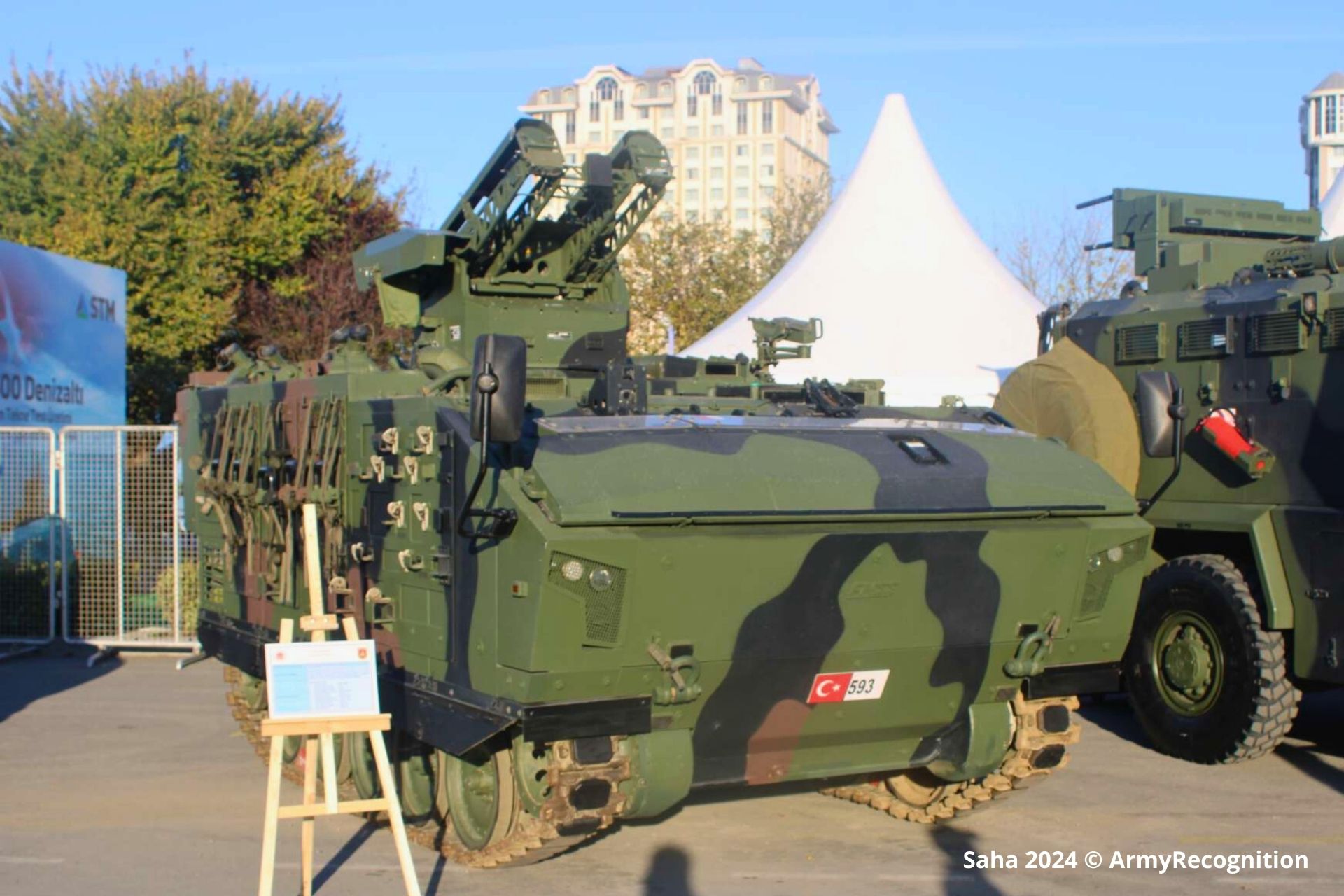
At the SAHA 2024 exhibition in Istanbul, FNSS Savunma Sistemleri showcased the KAPLAN-10, equipped with the OMTAS anti-tank missile system from Rokestan. This next-generation armored combat vehicle is designed to accompany main battle tanks in the field. Its compact design and advanced suspension enable it to perform a wide range of missions while maintaining high mobility across various terrains and weather conditions.
Developed by FNSS Savunma Sistemleri, the KAPLAN-10 is an armored combat vehicle with amphibious capabilities, ensuring high mobility across challenging terrains and conditions (Picture source: Army Recognition)
The KAPLAN-10 features a compact silhouette, paired with a sophisticated suspension system, allowing it to maneuver quickly on different terrains under diverse weather conditions. Personnel enter and exit the vehicle through a rear door, and the maintenance of the power unit is facilitated by an access hatch in the cabin. For optimal balance, the two fuel tanks are located at the rear of the vehicle, fully armored and isolated to ensure crew safety.
Developed by FNSS Savunma Sistemleri, the KAPLAN-10 is an armored combat vehicle with amphibious capabilities, ensuring high mobility across challenging terrains and conditions. It measures 5.6 meters in length and 3 meters in width, capable of transporting a crew of five, including a commander, driver, gunner, assistant gunner, and additional personnel. With a power-to-weight ratio of 21 horsepower per ton and a maximum road speed of 65 km/h, the KAPLAN-10 can overcome gradients of 70% and trenches up to 1.8 meters wide. Its diesel engine and fully automatic transmission enable it to cover distances of over 525 km, while its amphibious system allows it to reach speeds of 6.3 km/h in water.
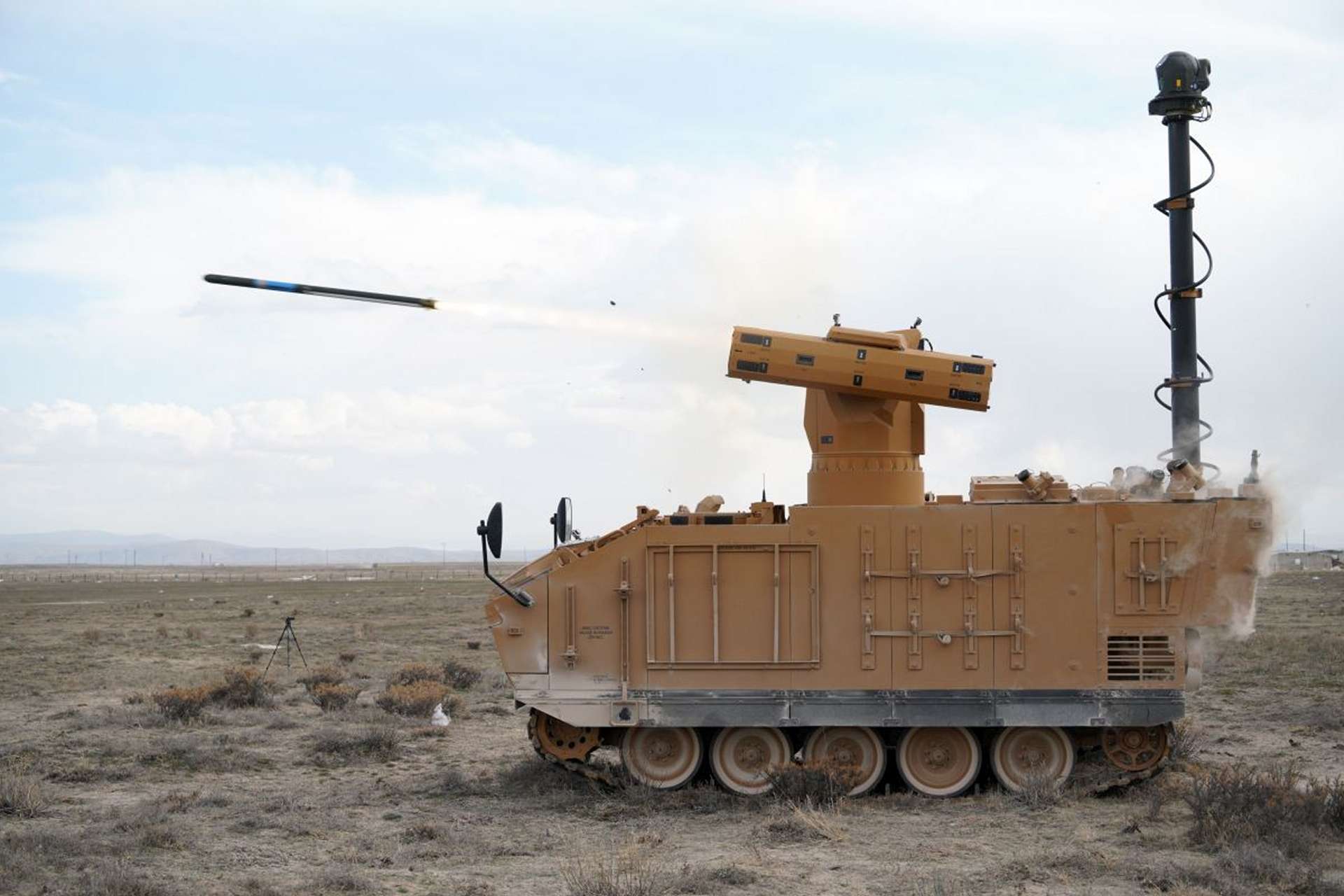
In terms of armament, the KAPLAN-10 is equipped with a remote-controlled ARCT turret compatible with Kornet-E, Mizrak-O, and Skif anti-tank missiles. At SAHA, it was presented with the OMTAS system. OMTAS is a medium-range anti-tank weapon specifically designed to counter armored threats on the battlefield. With its infrared seeker (IIR), OMTAS is effective day and night, regardless of adverse weather conditions. This feature provides operational flexibility, ensuring effectiveness against both stationary and moving targets.
OMTAS stands out for its RF data link between the launcher and missile, allowing it to operate in fire-and-forget or fire-and-update modes. This system enables target locking before or after launch, with the capability to adjust the impact point or switch targets mid-flight. This tactical flexibility is enhanced by its ability to fire from concealed positions. The missile’s tandem warhead, equipped with high-explosive and thermobaric fragmentation capabilities, is highly effective against armored targets, ensuring strong armor penetration.
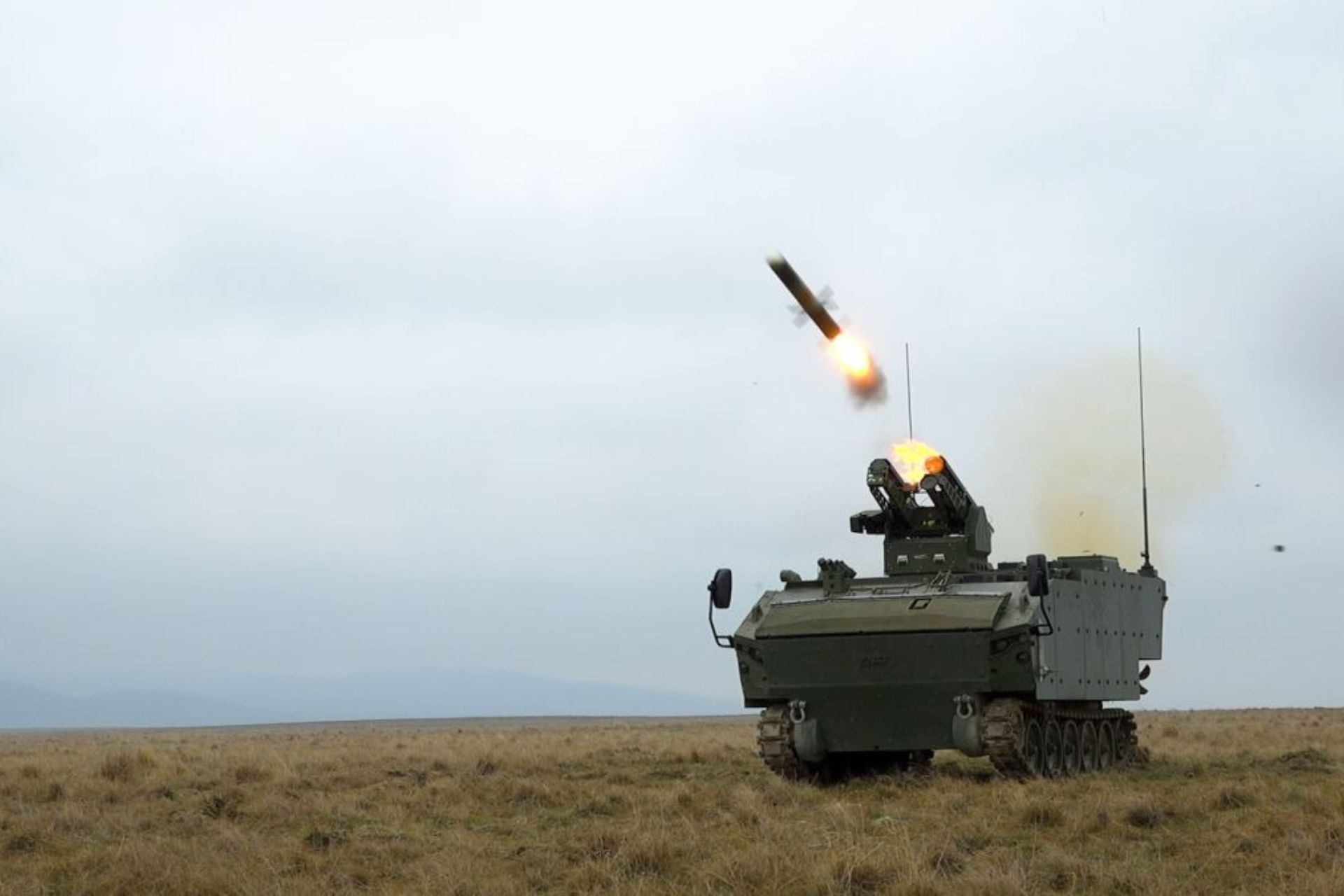
The KAPLAN-10 is one of the few armored vehicles with amphibious capabilities (Picture source: FNSS)
The OMTAS system can be deployed from a portable tripod or integrated into land platforms, whether with open or enclosed turrets, increasing its versatility on the battlefield. A 7.62 mm coaxial machine gun complements this armament.
The vehicle is also fitted with an advanced fire control system, including thermal cameras, a laser rangefinder, and turret stabilization for increased accuracy. In terms of protection, the KAPLAN-10 meets STANAG 4569 standards for ballistic and mine protection. It is equipped with an automatic fire suppression system and a chemical, biological, radiological, and nuclear (CBRN) protection system, ensuring the crew’s safety in various operational environments.
The KAPLAN-10 is one of the few armored vehicles with amphibious capabilities. Its propulsion in water is provided by two rear-mounted propellers, enabling it to navigate deep and fast-flowing waters with ease. The driver can enter water without prior preparation, enhancing the vehicle’s responsiveness in the field.
The hull of the KAPLAN-10 is constructed using a ballistic welding technique, ensuring robustness. The power unit and driver are located at the front, while the commander and gunner are positioned in the center. At the rear, space is provided for the assistant gunner and additional crew members. The vehicle is equipped with laser-protected periscopes offering optimal peripheral vision for the driver. Integrated night vision systems come standard in all variants of the KAPLAN-10, ensuring operational readiness in any condition, day or night.
Currently in active service with the Turkish Land Forces in its anti-tank configuration, the KAPLAN-10 plays a strategic role in supporting and protecting main battle tanks.
Read more: OMTAS Anti-Tank Weapon Mounted on Kaplan 10 Armored Vehicle of Turkish Army at SAHA
- Details
- Written by: Jérôme Brahy
- Category: 2024
- Hits: 4674
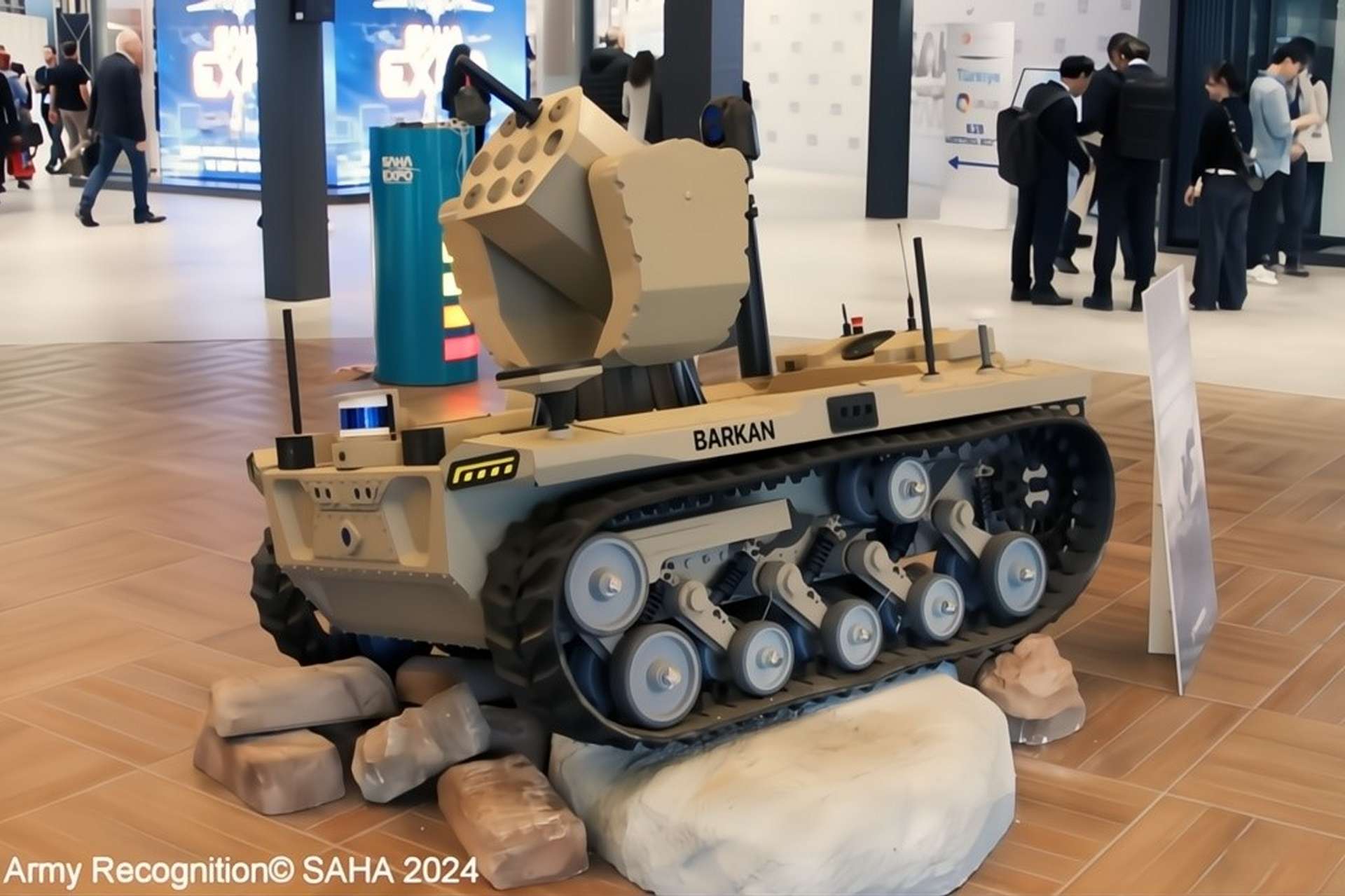
At the SAHA 2024 exhibition, the Turkish company Havelsan presented the Barkan 2, an unmanned ground vehicle (UGV) equipped with autonomous features that enable it to perform tasks such as launching loitering munitions, transporting equipment and wounded personnel, destroying IEDs, conducting surveillance and reconnaissance, and performing damage assessments. The vehicle also has swarm capabilities, allowing it to operate in coordination with other autonomous systems.
Follow Army Recognition on Google News at this link
The Barkan 2 includes several autonomous navigation features, such as obstacle avoidance, dynamic route planning, autonomous patrol, and a return-to-home function in case of signal loss. (Picture source: Army Recognition)
Türkiye has been recently expanding its unmanned systems capabilities across air, land, and sea platforms. In the aerial domain, beyond the well-known Bayraktar TB2 and Akinci, Türkiye recently introduced the ANKA-III stealth drone. This UAV is designed for reduced radar visibility and long-endurance missions, and it successfully completed a significant test involving gear retraction during flight. Additionally, the Akinci UCAV has integrated the new Alpagut loitering munition from Roketsan, enhancing its operational flexibility by allowing it to deploy these munitions during flight.
On the ground, Türkiye has developed a variety of unmanned ground vehicles (UGVs), such as the Otokar Alpar, the Aselsan ZMA-X, and the Hidroan Azman UGV. Otokar also collaborated with Estonia's Milrem Robotics to develop new unmanned robotic vehicles. These vehicles are designed for reconnaissance, logistics, and combat roles, with ongoing efforts to increase their operational autonomy and integration with other military platforms. The focus is on modularity, enabling customization for various missions through different payloads.
In the maritime sphere, Türkiye’s ULAQ unmanned surface vessel (USV), developed by ARES Shipyard and Meteksan, is designed for reconnaissance, surveillance, and combat missions. It is capable of operating in coastal waters or open sea environments, allowing for a broad range of naval operations. These examples reflect Türkiye’s commitment to establishing itself as a leader in unmanned systems both regionally and globally.
The Barkan 2 is powered by an electric motor, offering a maximum speed of 13 km/h and a working time of more than five hours. It has a compact structure with dimensions of 180 cm by 125 cm by 100 cm and a weight of 750 kg without payload. Its payload capacity ranges from 200 to 600 kg, depending on the configuration. The UGV is capable of functioning in temperatures ranging from -20°C to 52°C. It includes several autonomous navigation features, such as obstacle avoidance, dynamic route planning, autonomous patrol, and a return-to-home function in case of signal loss.
Originally, the Barkan 2 could be armed with either a 7.62 mm machine gun or a 40 mm grenade launcher. However, this UGV is modular, enabling it to carry out specific missions such as bomb disposal, cargo transportation, and medevac operations. For bomb disposal tasks, the vehicle is equipped with a robotic arm. It also supports the integration of kamikaze drones with a flight range of up to 15 kilometers, as demonstrated at SAHA 2024. Earlier in the year, the Barkan 2 also successfully launched the Roketsan METE laser-guided mini missile system, highlighting its compatibility with different payloads.
The Barkan 2 is capable of crossing various obstacles, including barriers up to 25 cm in height and trenches as wide as 70 cm. It can handle side slopes of over 40% and steep slopes of up to 60%, as well as fording water up to 40 cm deep. Communication capabilities include a tactical data link range of 5 km in line of sight, with the option for GSM or wired communication via fiber optic cable.
The UGV's autonomous capabilities also include leader follow-up, convoy operations, and GPS standalone tasks. Its modular platform allows it to be adapted for different operational roles, such as cargo towing or armed reconnaissance, depending on mission requirements. The Barkan 2 is already in service with the Turkish Armed Forces, and its combination of autonomous functions and adaptability to different mission types makes it a flexible option for military operations.
- Details
- Written by: Administrator
- Category: 2024
- Hits: 3844
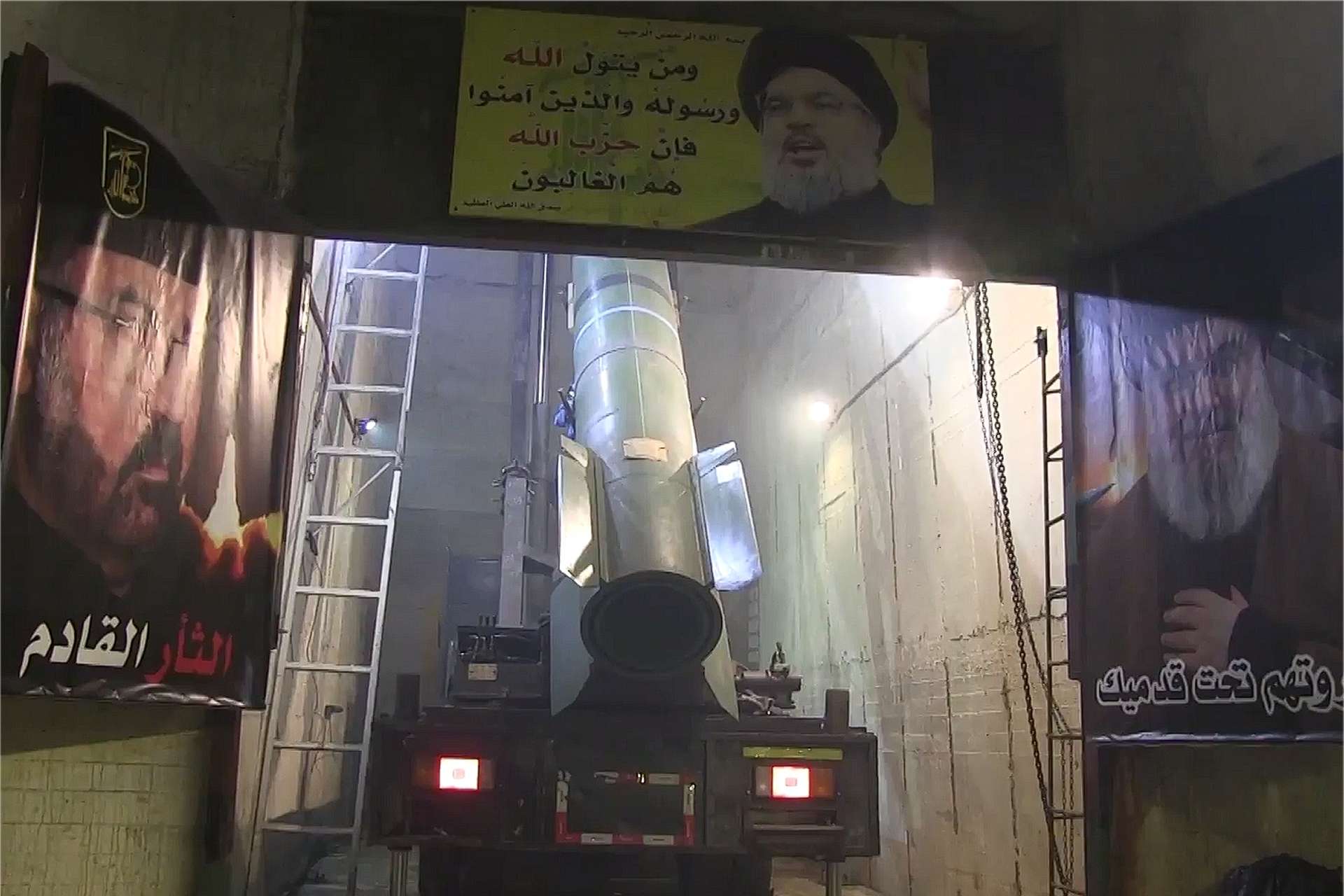
According to a video published on X (formerly Twitter) on October 23, 2024, Hezbollah combatants launched Iranian-made Qader-2 surface-to-surface cruise missiles from underground silos, targeting Israeli territory. This marked a significant escalation in the ongoing conflict, showcasing Hezbollah's growing missile capabilities and its increasing reliance on advanced military technology.
Follow Army Recognition on Google News at this link
Hezbollah fighters launch a Qader-2 missile from a concealed underground silo to target Israeli territory. (Picture source: Social Network)
The current situation between Hezbollah and Israel has intensified, with Hezbollah significantly increasing its missile attacks on Israeli territory. In recent weeks, the militant group has launched a series of missile barrages, targeting key Israeli cities and military installations. These attacks have escalated in both frequency and intensity, with Hezbollah deploying more advanced missiles such as the Qader-2 and Nasr 1. The use of underground launch sites has made these strikes harder to detect and intercept, challenging Israel’s air defense systems.
The Qader-2, an upgraded version of Iran's Qader-1 missile, was specifically engineered for precision strikes and enhanced destructive capability. It boasts a maximum range of approximately 300 kilometers, surpassing the 200-kilometer range of its predecessor, making it more versatile in targeting deeper Israeli territory. The missile's pinpoint accuracy, reportedly within five meters, gives Hezbollah a tactical advantage in hitting strategic and critical infrastructure targets with high precision.
According to the Iranian Press Agency, Hezbollah launched these missiles in response to air strikes on Lebanese territory in recent days. The Qader-2 missiles were part of a broader missile barrage that included Nasr 1 missiles, aimed at the outskirts of Tel Aviv.
Iran has been a critical supporter of Hezbollah, providing the group with financial, military, and logistical backing for decades. This support includes the supply of advanced weaponry, such as the Qader and other ballistic missiles, which significantly enhance Hezbollah’s military capabilities. Iran's Revolutionary Guard plays a pivotal role in training Hezbollah fighters and aiding in the development of their missile programs, including the construction of underground launch sites. This relationship allows Hezbollah to maintain a robust arsenal and operational infrastructure, enabling it to challenge Israeli forces and carry out sophisticated attacks. Iran’s support of Hezbollah is part of its broader strategy to exert influence in the region and confront Israel indirectly through proxy forces.
What makes this attack particularly concerning is the method of deployment. The Qader-2 missiles were fired from underground silos, demonstrating Hezbollah's increasing reliance on concealed and hardened launch sites. This tactic complicates efforts to detect and intercept such missiles, making it more difficult for Israel's missile defense systems to neutralize before launch. The use of underground missile sites underscores Hezbollah's capability to strike while minimizing exposure to counterstrikes.
The Qader-2 missile represents a significant leap in Hezbollah's military technology, enhanced to meet the group’s specific operational needs. With an increased range, accuracy, and destructive power, these missiles enable Hezbollah to carry out more precise attacks on Israeli territory, including heavily fortified areas.
This latest round of missile strikes marks a new chapter in the Israel-Hezbollah conflict, intensifying regional tensions as both sides continue to escalate their military actions. As Hezbollah deploys more advanced weaponry like the Qader-2 from underground silos, the threat to Israeli cities and infrastructure grows, raising the stakes in the ongoing confrontation.
The key threat to Israel from Hezbollah's missile attacks lies in the advanced technology and tactics the group employs. Missiles like the Qader-2, with an extended range of up to 300 kilometers and precision targeting within five meters, can strike deep into Israeli territory, including densely populated cities and critical infrastructure. Hezbollah's use of underground silos for launching these missiles makes detection and pre-emptive strikes difficult, reducing Israel's ability to neutralize threats before launch. Despite Israel's sophisticated air defense systems, such as Iron Dome and David’s Sling, the sheer volume of missile barrages combined with Hezbollah's ability to conceal launch sites strains these defenses, increasing the likelihood of successful strikes and further complicating Israel’s military response.
Read more: Exclusive: Hezbollah Launches Qader-2 Missiles from Underground Silos Targeting Israel
- Details
- Written by: Halna du Fretay
- Category: 2024
- Hits: 3193
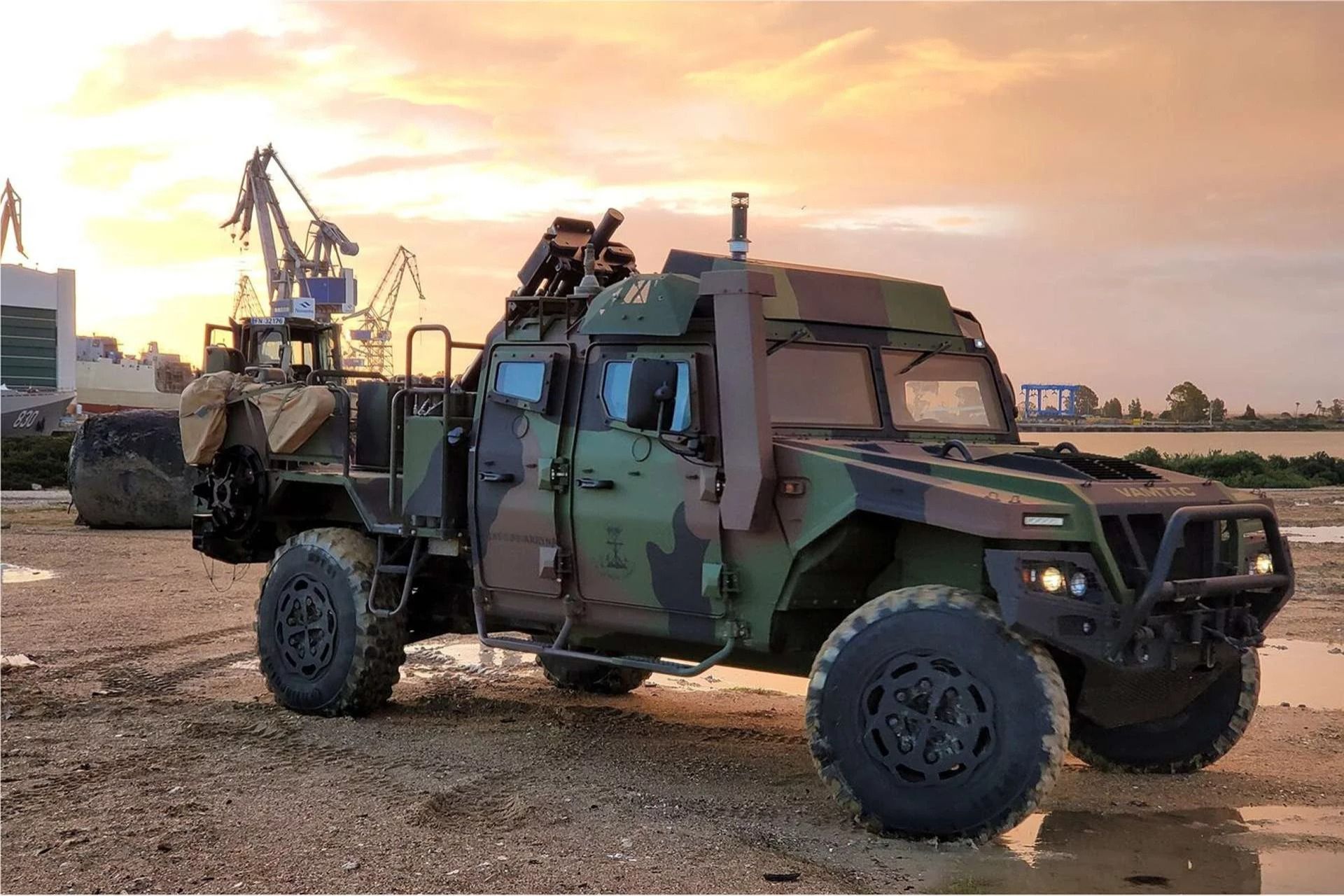
Rheinmetall, through its subsidiary Rheinmetall Expal Munitions, has been awarded a contract by the Spanish government to deliver 84 EIMOS 81mm mortar systems. The deal, valued at €150 million ($162 million), was announced on October 23, 2024, with deliveries expected to continue until the end of 2027.
The EIMOS system is slated for inclusion in the Spanish Army’s Fuerza 35 project, which aims to modernize the capabilities of cavalry units in the coming years (Picture source: Rheinmetall)
Although the exact number of units is not explicitly stated in the contract, it is expected that over 80 systems will be delivered. The agreement not only covers the acquisition of the mortar systems but also includes Urovesa Vamtac vehicles, which will serve as platforms for the mortars. The contract also encompasses the integration of these systems onto the vehicles, ensuring a comprehensive deployment capability for the Spanish Armed Forces.
The contract was managed by the Army’s Logistics Support Command (MALE) through a negotiated procedure without public notice, which allows for the direct selection of a contractor without the need for a public tender. This approach was justified by the Army on the grounds of technical necessity, stating that only a specific economic operator could fulfill the contract requirements.
Deliveries of the mounted mortars are set to commence shortly after the formalization of the contract, which is expected in the second half of October 2024. This vehicle-mounted mortar system is considered one of the Ministry of Defense's flagship projects as part of its new investment cycle. The importance of this initiative was underscored by the Secretary of State for Defense, Amparo Valcarce, during the third edition of Feindef in May 2023.
The EIMOS system, also known as the Dual EIMOS, was developed as part of a research and development program initiated by the Spanish Ministry of Defense to meet the needs of the Marine Infantry and the Spanish Army. It features an automatic fire control system and 360° aiming capabilities without the need to reposition or reorient the vehicle, enabling quick and efficient "shoot and scoot" operations. The Vamtac ST5 vehicle, which hosts the mortar system, is capable of crossing waters up to 1.5 meters deep without prior preparation and is equipped with a stress absorption system to enhance performance.
Additionally, the system includes a new-generation Inertial Navigation Unit (INU) for increased precision, and it is integrated with the Army's command and control system for artillery, known as Talos. The EIMOS system is slated for inclusion in the Spanish Army’s Fuerza 35 project, which aims to modernize the capabilities of cavalry units in the coming years. The system has already been in service with the Spanish Navy's Marine Infantry for two years, and the first units for the Spanish Army were delivered in late 2023, with deployment within the Paratrooper Brigade.

- Details
- Written by: Halna du Fretay
- Category: 2024
- Hits: 2251
On October 23, 2024, during a press conference, U.S. National Security Council spokesperson John Kirby confirmed the deployment of these 3,000 North Korean soldiers to eastern Russia. According to reports, these soldiers traveled by ship from the Wonsan region in North Korea to Vladivostok, a major port in eastern Russia. They were then transferred to various military training centers in eastern Russia, where they are currently undergoing intensive training.
The final destination of these North Korean soldiers remains uncertain, but the likelihood of them joining Russian forces on the Ukrainian front is considered highly probable and concerning (Picture source: KNCA)
The final destination of these North Korean soldiers remains uncertain, but the likelihood of them joining Russian forces on the Ukrainian front is considered highly probable and concerning. Fears of these troops engaging in combat alongside Russian forces have heightened concerns about further escalation in the war in Ukraine. U.S. Secretary of Defense Lloyd Austin echoed this concern, stating that this development would be a “serious step” after North Korea had already supplied arms to Russia. The exact nature of the North Korean soldiers' mission, who are currently in training, remains unclear.
This situation arises as Russia seeks to bolster its military capabilities in a conflict that has become protracted. Since the Russian invasion in February 2022, the war has escalated, causing significant casualties on both sides, while remaining largely focused on the eastern front of Ukraine. The potential arrival of North Korean soldiers could mark a significant shift in this war of attrition.
The U.S. government is closely monitoring the situation and has briefed Ukrainian authorities as well as international partners. Kirby added that should these North Korean soldiers enter combat, they would become “legitimate targets” for the Ukrainian forces. The deployment of North Korean soldiers to Russia is seen by many observers as a sign of weakness on the part of the Kremlin. The decision to turn to Pyongyang, a largely isolated state on the international stage, reflects the difficult position in which Moscow finds itself after more than two years of conflict. Relying on North Korean human resources further highlights Russia’s growing dependence on marginal alliances, even as its losses on the battlefield continue to mount.
The South Korean government, for its part, has expressed concern about the potential military technology Russia might offer North Korea in exchange for this military support. Some experts suggest that Moscow could provide advanced military technologies to Pyongyang, particularly in the areas of nuclear weapons and ballistic missiles, which would significantly enhance the threat posed by North Korea to the Korean Peninsula and East Asia. South Korea’s National Intelligence Service has also indicated that this deployment could involve up to 10,000 North Korean soldiers by the end of the year.
Despite denials from both Moscow and Pyongyang regarding troop deployments or arms transfers, the international community, especially NATO, views this growing military alliance between Russia and North Korea as a major concern. South Korean President Yoon Suk Yeol has been invited to Brussels to share intelligence on these developments with NATO.
Read more: US confirms 3000 North Korean soldiers moved to Russia for military training
- Details
- Written by: Triffaux
- Category: 2024
- Hits: 3372
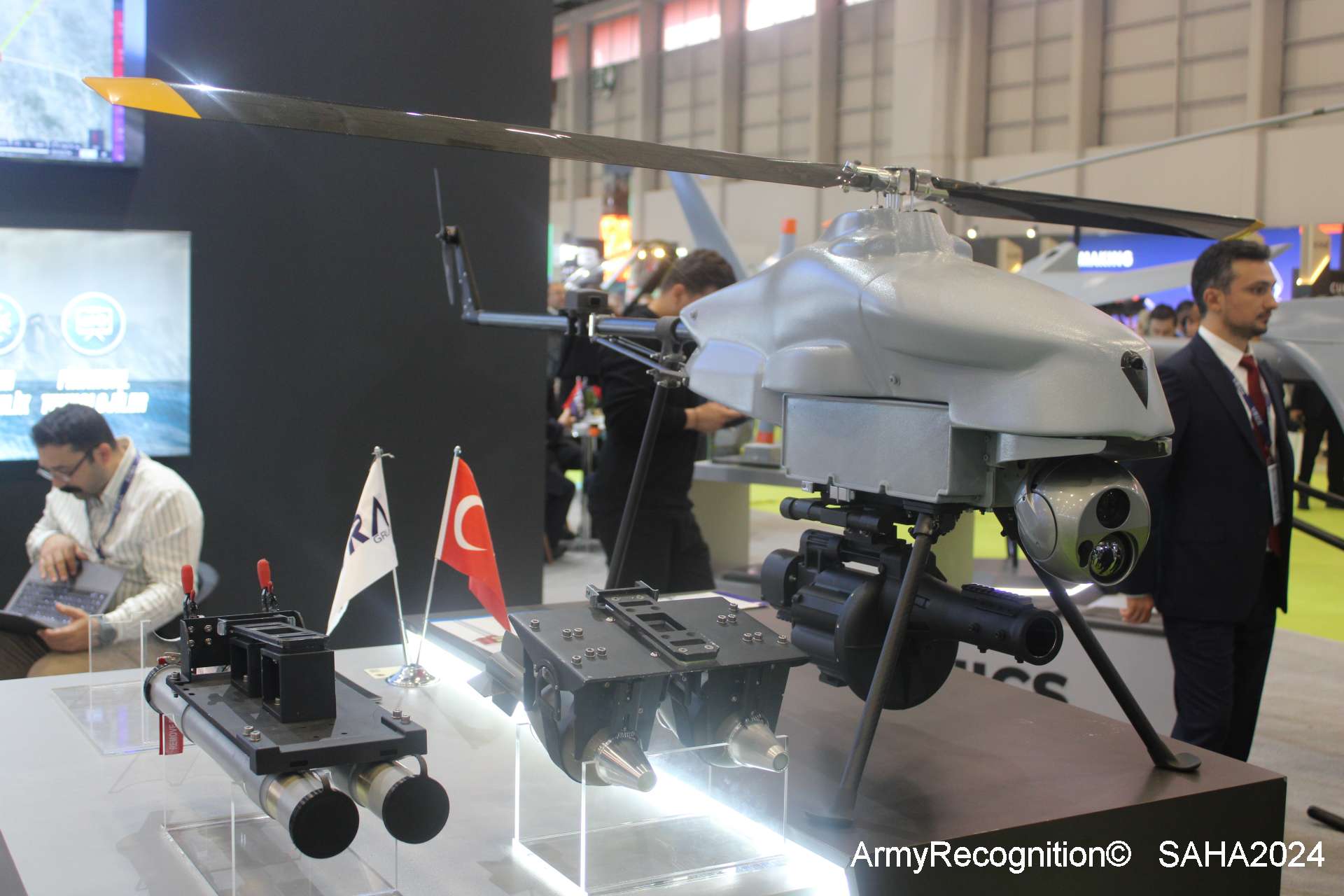
The Dumrul Mini UCAV, a combat drone developed by TITRA, is being showcased at the SAHA 2024 defense exhibition, held in Istanbul from October 25 to 28, 2024. This unmanned system, designed for reconnaissance and precision strike missions, is part of the innovative solutions presented by the Turkish company to meet the needs of armed forces.
TITRA Dumrul Mini Combat Drone Designed for Reconnaissance and Strike Missions (Picture source: Army Recognition)
In the constantly evolving landscape of modern warfare, unmanned systems have become essential assets, offering flexibility, precision, and reduced risk to soldiers. The Dumrul Mini UCAV (Unmanned Combat Aerial Vehicle), developed by Pasifik Teknoloji, embodies this trend with a design that incorporates advanced technology for various mission profiles. Equipped with state-of-the-art capabilities and technical specifications tailored to the needs of modern military forces, the Dumrul Mini UCAV stands out for its versatility and operational efficiency.
At the heart of the Dumrul Mini UCAV system is its ability to deliver a range of offensive and defensive payloads with precision. Designed to operate effectively in diverse environments, the platform features a service ceiling of 12,000 feet, providing flexibility for both high-altitude surveillance and low-altitude tactical engagements.
With a payload capacity of 8 kg, this UCAV can carry a variety of mission-critical munitions. Key payload options include ISR (Intelligence, Surveillance, and Reconnaissance) systems, dual 81mm mortars, laser-guided mini missiles, and a 40mm rotary gun capable of holding up to six rounds. This range of payloads makes the Dumrul Mini UCAV not only a versatile reconnaissance platform but also a formidable tool in both offensive and defensive roles, capable of responding to various threats.
Two remarkable features of the Dumrul system are its mortar and grenade launcher capabilities, both engineered for precision and efficiency. The 81mm mortar has a total round weight of 1,900 grams and a length of 337mm, filled with 550g of Comp B explosive and supported by a durable composite body. The mortar’s fragmentation capacity – 1,296 fragments – ensures significant impact over a 50m diameter, making it a powerful tool for suppressive fire and area denial. The MKE MOD 128 fuze provides reliable detonation, with specialized UAV ammunition ensuring compatibility with unmanned systems.
Additionally, the 40mm grenade launcher adds further tactical versatility. Capable of firing both 40x46mm and 40x51mm rounds, the launcher operates with a gas recoil system and a rotary cylinder holding six rounds. With a maximum effective range of 800m (using medium-speed ammunition), this launcher is optimized for both close-quarters engagements and long-range attacks, allowing the UCAV to strike targets from a safe distance. Its semi-automatic and manual operation modes, coupled with robust safety features such as a double-sided safety latch and drum locking pin, make the grenade launcher a reliable asset during combat.
Endurance is a crucial factor for any UAV, particularly in tactical scenarios requiring prolonged operation. The Dumrul Mini UCAV boasts an impressive endurance of 30+ minutes per mission, ensuring it can support long-duration engagements and provide continuous overwatch in complex operational environments.
In addition to endurance, the Dumrul system is designed to withstand challenging weather conditions, with wind resistance of 25 knots. This allows the UCAV to operate in environments where other systems might be grounded due to adverse conditions.
One of the defining characteristics of the Dumrul Mini UCAV is its adaptability across a range of missions. The platform’s modular design enables it to switch roles seamlessly, offering ISR capabilities for reconnaissance missions, direct strike capabilities with its mortar and grenade launcher systems, and logistics support with its cargo transport capability. This flexibility makes the Dumrul system a valuable asset in both conventional and asymmetric warfare.
The UCAV’s control radius of 10 km, extendable up to 60 km with additional communication equipment, allows operators to deploy the system deep into hostile territory while maintaining secure control from a safe distance. This extended operational range increases the UCAV’s utility in both urban and rural combat zones, enabling it to engage targets or conduct surveillance far beyond the immediate vicinity of its operators.
The Dumrul UCAV is also a key component of the METE Mission Concept, which integrates unmanned aerial and ground-based systems for synchronized battlefield operations. This concept enhances the Dumrul system’s effectiveness by allowing it to work in conjunction with ground control stations equipped with advanced missile management software, airborne and ground-based designation systems, and laser-guided mini missiles.
Integration with FPV goggles ensures real-time situational awareness for operators, providing them with a direct feed from the UCAV’s sensors, thereby enhancing mission accuracy and decision-making in dynamic combat situations.
TITRA, a Turkish company specializing in technology and defense, has rapidly established itself as a key player in the field of autonomous systems and innovative solutions for armed forces. Its expertise is primarily focused on developing unmanned systems, including drones and autonomous aerial vehicles. Among its notable achievements is the Togan, a tactical drone designed for surveillance and reconnaissance missions, capable of providing real-time intelligence to forces on the ground. In addition to the Togan, TITRA has also developed other systems such as the METE, a laser-guided mini missile, and missile management solutions tailored for both ground and aerial environments. The company plays a crucial role in modernizing the Turkish armed forces and expanding its influence internationally, leveraging innovation to meet the complex demands of modern conflicts.
The development of the Dumrul Mini UCAV began in the 2010s, a period during which Turkey intensified its efforts to modernize its armed forces, particularly after conflicts in Syria and growing tensions with armed groups in the region. By 2016, the need for autonomous and versatile defense technologies became more pressing as the country faced increasingly complex asymmetric threats. It was in this context that TITRA, an emerging company in the defense technology sector, began designing the Dumrul Mini UCAV. In 2020, Turkey accelerated its drone programs following the successes observed during operations in Libya and Nagorno-Karabakh, demonstrating the effectiveness of unmanned systems in modern conflicts. Officially launched in 2022, the Dumrul represents the culmination of these efforts, with advanced reconnaissance and strike capabilities, reflecting both the country’s immediate operational needs and its strategic goal to position itself as a major player in drone technology.
Read more: TITRA Enhances Türkiye’s Reconnaissance and Strike Power with Dumrul Mini Combat Drone
- Details
- Written by: Vandenbosch
- Category: 2024
- Hits: 7798
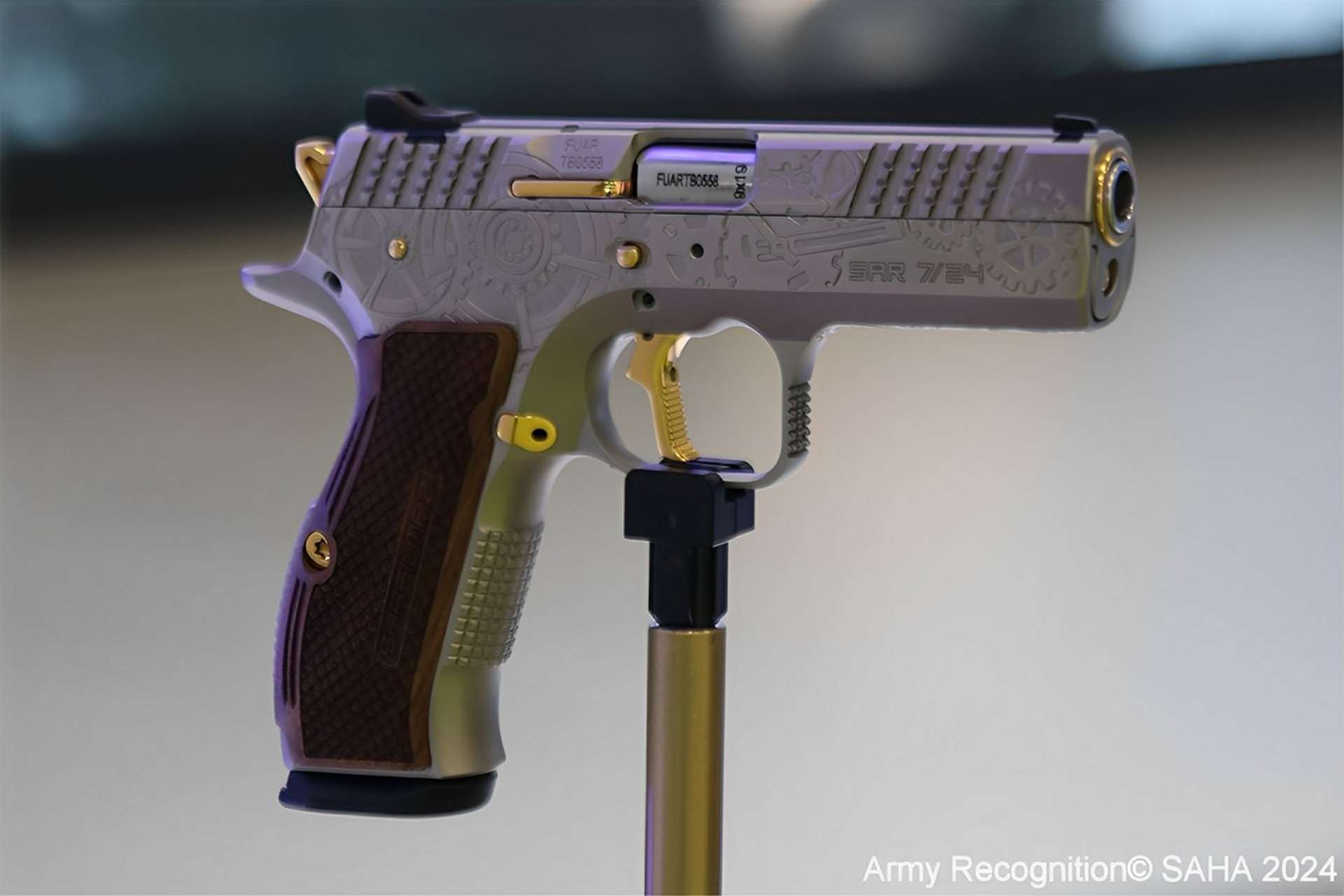
At the 2024 edition of the SAHA Expo in Istanbul, Sarsilmaz, one of Turkey's oldest arms manufacturers, introduced its latest pistol model, the SAR7/24. This innovative firearm combines the company’s extensive technical expertise gained over the years with the latest advancements in firearm design and technology. Designed to cater to a wide range of needs, from personal security to competitive shooting, the SAR7/24 aims to establish itself as a versatile model capable of meeting the demands of various users.
The standard version of the SAR7/24 features a flat trigger with both single and double-action firing options. (Picture source: Army Recognition)
The SAR7/24 reflects Sarsilmaz’s continuous effort to improve the ergonomics and performance of light firearms. The standard version of the SAR7/24 features a flat trigger with both single and double-action firing options, providing enhanced trigger control. This feature contributes to greater shooting accuracy, as well as a quicker response time between shots. Additionally, the trigger feel is more refined, allowing shooters to have a clear and precise perception of every pull, a crucial advantage in fast-paced shooting scenarios or precision shooting competitions.
Another key aspect of the SAR7/24 is its ergonomic design, which appeals to both light firearm enthusiasts and professionals. The compact version, the SAR7/24 C, is specifically designed for concealed carry, with a compact and lightweight body that facilitates discreet use. The body lines have been optimized to offer a comfortable and stable grip, both during handling and shooting. This focus on ergonomics is intended to ensure quick weapon handling in high-stress situations while maintaining consistent shooting accuracy.
In addition to the compact model aimed at personal defense, Sarsilmaz also unveiled a specific version for sports shooting enthusiasts: the SAR7/24 SPORT. This model is equipped with a Magwell, which allows for quick magazine changes, a highly sought-after feature in competitions where speed and efficiency are paramount. Moreover, the SAR7/24 SPORT comes with an adjustable rear sight, enabling users to customize their aim for more precise shots. This level of customization and adaptability to individual needs makes it a compelling choice for professional shooters looking to optimize their performance.
The SAR7/24 SPORT also offers advantages in terms of flexibility and precision, making it a favored choice for those participating in dynamic or precision shooting competitions. Thanks to the combination of a robust design and modular features, this model aims to meet the demands of even the most discerning shooters, offering a firearm capable of adapting to different configurations and competition types.
Sarsilmaz, founded in 1880, is recognized as one of Turkey’s leading arms manufacturers, with a reputation as a pioneer in the development of both military and civilian firearm technologies. The company produces a wide range of weapons, from pistols to heavy machine guns, and is also a significant player on the international stage, supplying its products to security forces and military units worldwide.
The SAR7/24 is part of this tradition of innovation and quality, echoing Sarsilmaz’s vision of becoming a global leader in defense technology. The company’s participation in the 2024 SAHA Expo further demonstrates its commitment to positioning itself at the forefront of advanced weapons systems development, while meeting the specific needs of its clients, whether civilian or military.
The unveiling of the SAR7/24 by Sarsilmaz at SAHA 2024 marks a new chapter in the evolution of modern pistols, combining unique features of safety, ergonomics, and performance. Whether for personal defense, concealed carry, or sports shooting, the SAR7/24 offers solutions tailored to different scenarios, with a strong emphasis on precision, shooting comfort, and reliability. With this new model, Sarsilmaz strengthens its position as a key player in the arms industry, both in Turkey and internationally.
Read more: Sarsilmaz Unveils Brand-new SAR7/24 Pistol at SAHA 2024 in Türkiye
DeltaV contributes to Turkiye’s Advanced Ballistic Missile Capabilities with SORS Rocket Innovations
- Details
- Written by: Triffaux
- Category: 2024
- Hits: 5058
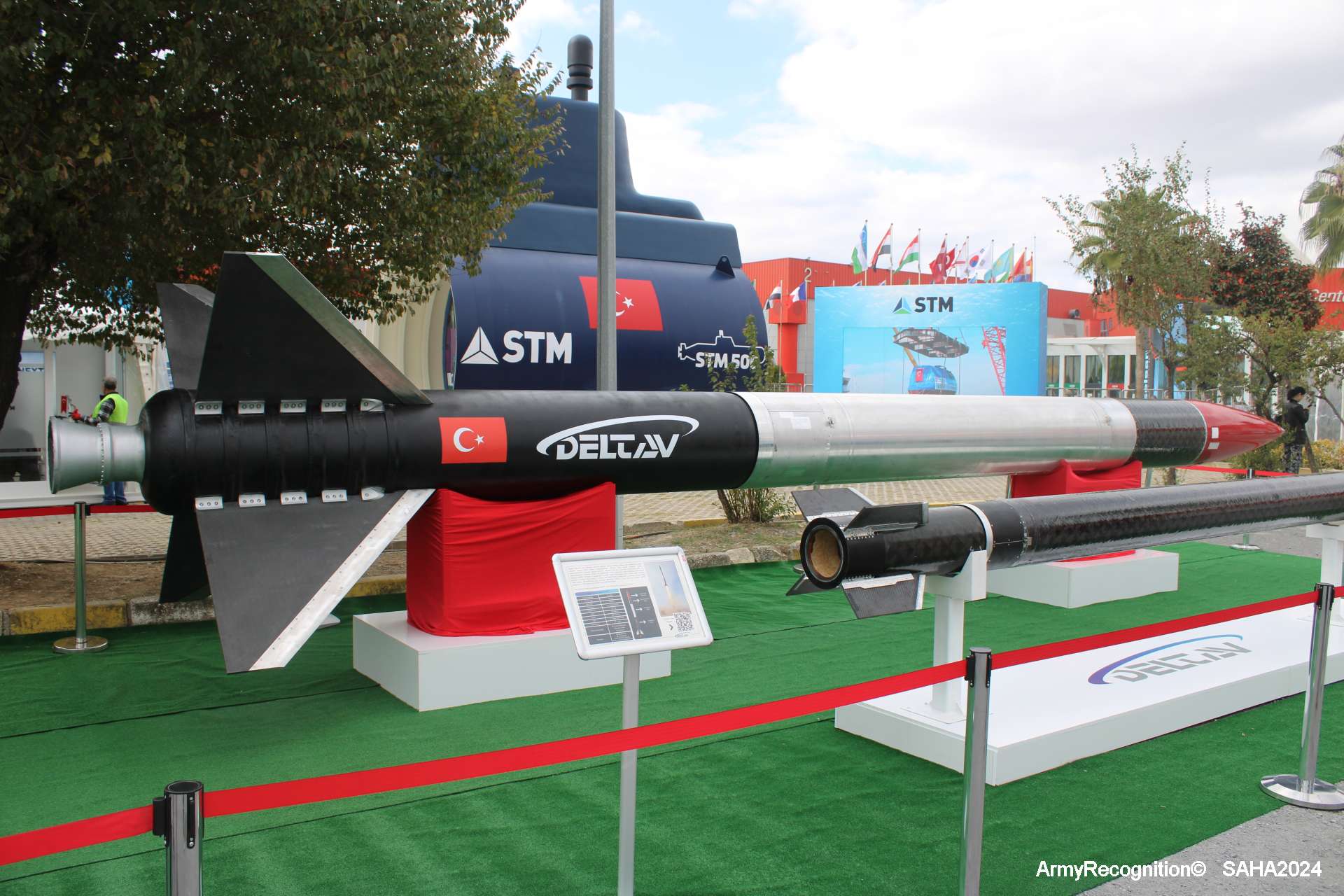
The company Deltav is currently presenting the Sounding Rocket System (SORS) at the SAHA 2024 exhibition, held in Istanbul from October 25 to 28, 2024. This event allows Deltav to showcase its technological advancements in rocket systems and defense solutions.
DeltaV Sounding Rocket System, SORS (Picture source: Army Recognition)
The development of the Sounding Rocket System (SORS) by the Turkish company Deltav is part of a military strategy aimed at strengthening national defense capabilities and achieving technological independence. Launched in 2018, this project addresses Türkiye's need for a tool to collect high-altitude atmospheric data, essential for military applications, particularly in the fields of surveillance, communications, and ballistic defense.
The SORS is a technology measuring over 12 meters in length with a diameter of 630 mm. It uses a paraffin-based solid fuel combined with liquid oxygen (LOX) as an oxidizer and can carry a payload of more than 50 kg to altitudes ranging from 100 to 300 km. The total weight of the rocket varies between 2000 and 3500 kg, providing a robust solution for high-altitude military needs.
The SORS is capable of reaching hypersonic speeds, ranging from Mach 4 to Mach 7+, with a burn time of over 60 seconds. The system is equipped with a flight control computer, telemetry system, and ground station, enabling real-time flight monitoring and control.
The SORS features adjustable propulsion, allowing thrust to be adapted according to mission requirements. It can also conduct multiple soundings during flight and adjust the payload's speed with precise acceleration control.
The rocket's design is based on the use of composite materials for several components, including the nose, pressurized tank, and engine, reducing weight while improving durability. The SORS is designed to be secure, efficient, and cost-effective, incorporating environmentally friendly technologies.
By carrying a payload of more than 50 kg to altitudes between 100 and 300 km, the SORS can contribute to critical missions, such as detecting ballistic threats or establishing communication infrastructure in case of conflict. The use of a paraffin-based solid fuel, combined with liquid oxygen (LOX), ensures reliable performance while maintaining rapid and efficient launch capabilities. This project, which aligns with Türkiye’s ambitions for strategic independence, is expected to see its first tests by 2023, marking a significant step in the consolidation of the country’s military aerospace capabilities.
Delta V is a company specializing in aerospace and defense sectors, recognized for its advanced propulsion systems, navigation solutions, and satellite technologies. It is distinguished by its innovations in space exploration and missile technology, serving both military and civilian sectors. Delta V’s main expertise lies in the development of advanced propulsion systems for rockets, spacecraft, and military-grade missiles. The company also collaborates with various defense organizations to provide customized solutions for space missions, satellite launches, and high-precision navigation systems, thus contributing to national security and advancements in the space domain.
Deltav, one of Türkiye's leading developers of propulsion systems, has played a crucial role in the design of several strategic military missiles. One of the most prominent projects the company contributed to is the Bora ballistic missile, known as Khan for export. This short-range ballistic missile (SRBM) is capable of striking targets at a distance of about 280 kilometers, making it a critical asset for the Turkish armed forces. The Bora is designed for high-precision strikes against land-based targets, equipped with an advanced guidance system that enhances its accuracy while carrying powerful warheads.
Another major project in which Deltav has been involved is the development of the SOM cruise missile. Designed for long-range strikes against fortified targets, the SOM has a range of 250 to 300 kilometers. It is equipped with a GPS/INS guidance system and an infrared seeker, allowing it to hit targets with high precision. The SOM is designed to be launched from combat aircraft such as the F-16 and F-4 and is a key component of Türkiye’s long-range strike capabilities.
In response to Türkiye's growing needs for strategic defense, Deltav also contributed to the development of the Tayfun ballistic missile. This missile, with a range of about 1,000 kilometers, is a medium-range ballistic missile (MRBM) system intended to enhance Türkiye’s strategic capabilities. Tayfun can strike long-distance targets with exceptional accuracy, marking a significant advancement in Türkiye’s ballistic defense ambitions.
In addition to these ballistic and cruise missile systems, Deltav has also worked on air-to-air missiles such as the Gökdoğan and Bozdoğan. The Gökdoğan is a medium-range missile with a strike capability ranging from 65 to 100 kilometers. Designed for long-range aerial combat, it is equipped with an active radar guidance system, enabling it to lock onto enemy targets from a distance. The Bozdoğan, on the other hand, is a short-range missile capable of engaging targets in close-range aerial combat, with a range of 25 kilometers and an infrared guidance system, making it effective against highly maneuverable enemy aircraft.
These contributions by Deltav to missile systems strengthen Türkiye’s ability to develop an autonomous defense industry and assert itself on the international stage. With the company’s expertise in propulsion systems and high-precision navigation, Türkiye continues to diversify its military capabilities while preparing to address modern threats in the aerospace and ballistic domains.
- Details
- Written by: Vandenbosch
- Category: 2024
- Hits: 3926
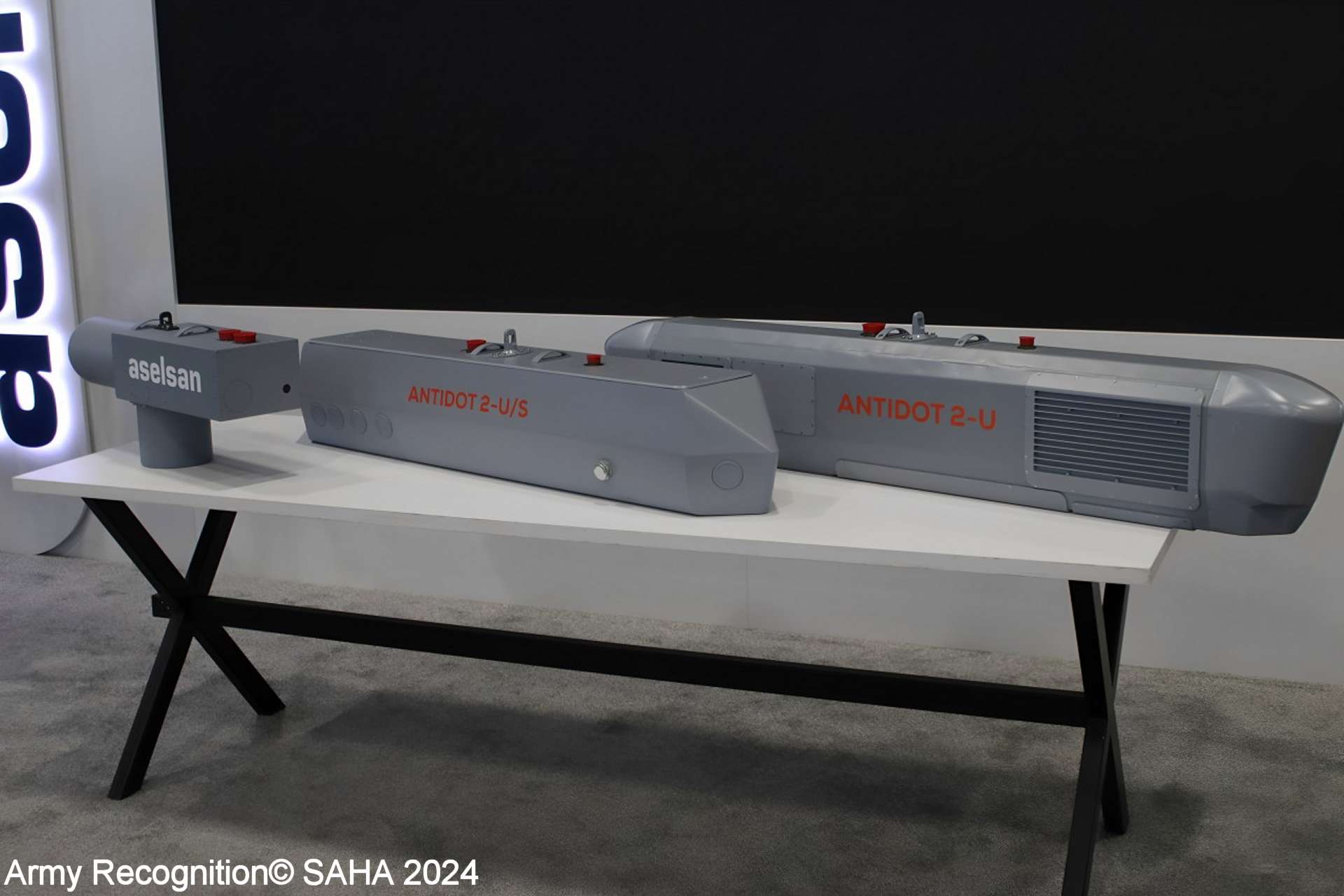
During the second day of SAHA EXPO 2024, the Turkish defense leader ASELSAN presented its latest innovations in electronic warfare by launching its new ANTIDOT 2-U pod series. This series includes the ANTIDOT 2-U LB/MB/HB, ANTIDOT 2-U, and ANTIDOT 2-U/S pods, transforming unmanned aerial vehicles (UAVs) into powerful electronic warfare platforms.
ASELSAN presented its latest innovations in electronic warfare by launching its new ANTIDOT 2-U pod series. (Picture source: Army Recognition)
The unveiling was highlighted by the participation of the President of the Defense Industry, Prof. Dr. Haluk Görgün, as well as ASELSAN’s President and CEO, Ahmet Akyol. ASELSAN’s pods provide UAVs with enhanced capabilities to detect, classify, and neutralize air defense threats, demonstrating the company’s expertise in electronic warfare systems.
The ANTIDOT 2-U series significantly enhances the operational capabilities of drones, allowing them to protect themselves and other friendly platforms operating nearby. These electronic warfare pods are designed to detect and jam enemy air defense radars, making UAVs essential assets in electronic warfare operations. In particular, the ANTIDOT 2-U LB/MB/HB variant is tailored for different frequency environments, offering escort jamming capabilities to protect drones and allied air platforms.
In addition to detecting and defending against air defense threats, the ANTIDOT 2-U series ensures maximum mission flexibility. These systems can be integrated into UAVs capable of carrying munitions such as MAM-L, allowing operators to choose between mounting munitions or the electronic warfare pod depending on mission requirements. This flexibility ensures that UAVs retain their operational versatility without compromising mission effectiveness.
The ANTIDOT 2-U system is distinguished by its fully autonomous electronic attack capabilities, enabling UAVs to suppress and deceive enemy air defense radars. With a high output power of 1100W, a wide frequency range, and full-angle coverage, the system effectively protects drones and allied assets from radio frequency (RF) threats. Weighing just 45 kg, the system is designed to be installed on tactical drones without needing to convert them into specialized mission platforms.
The ANTIDOT 2-U LB/MB/HB version is a compact and lightweight system with both support and attack capabilities. It allows UAVs to approach targets undetected, significantly increasing mission success rates. The system can be mounted flexibly according to mission requirements, with the option to deploy multiple pods to adapt to various threat environments. Weighing just 11 kg and operating at 380W, the LB/MB/HB version is suitable for a wide range of drones equipped with MAM-L munitions, offering a modular solution for electronic warfare missions.
The ANTIDOT 2-U/S variant is dedicated to electronic support operations, designed to detect, identify, and record signals from enemy air defense radars. This data is crucial for real-time threat identification and is instantly transmitted to the ground control station via the drone's communication system. With its lightweight design (30 kg, 400W), the ANTIDOT 2-U/S system integrates easily with tactical drones, enhancing their ability to operate in the electromagnetic spectrum without risking human lives. This system offers a cost-effective solution to improve situational awareness and mission outcomes in complex electromagnetic environments.
By equipping drones with these cutting-edge electronic warfare pods, ASELSAN continues to expand its portfolio of advanced defense technologies. The ANTIDOT 2-U series promises to play a key role in future aerial operations, offering unparalleled protection and operational flexibility for drones operating in contested environments.
Read more: ASELSAN Unveils Advanced Electronic Warfare Pods for Drones at SAHA EXPO 2024 in Türkiye
- Details
- Written by: Vandenbosch
- Category: 2024
- Hits: 3799
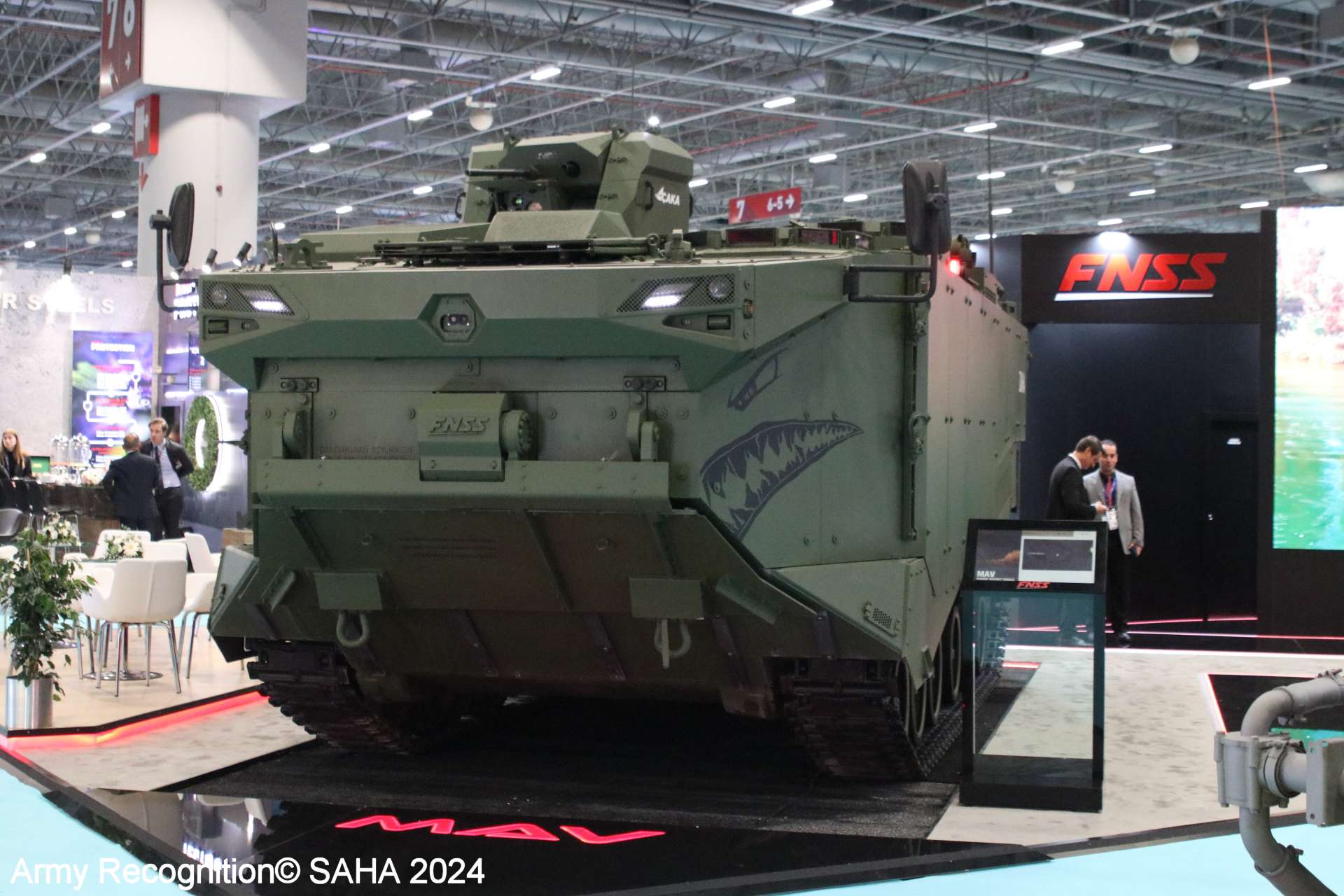
During the SAHA 2024 exhibition in Istanbul, FNSS showcased one of its most advanced vehicles, the ZAHA, an amphibious assault vehicle specifically designed for naval landing operations. This vehicle, also known as the Marine Assault Vehicle (MAV), stands out for its ability to transport troops between ships and shore while providing armored protection throughout the mission.
The ZAHA is powered by a 600-horsepower diesel engine coupled with rear-mounted water jets, enabling it to navigate sea conditions up to Sea State 4. (Picture source: Army Recognition)
Designed to meet the needs of the Turkish Navy, the ZAHA is intended to support marine units during amphibious missions, allowing for rapid landings under armored protection. Thanks to its robust design and impressive performance, the ZAHA was quickly integrated into the Turkish naval forces, becoming one of the fastest amphibious vehicles in their inventory, with a speed of 70 km/h on land and 7 knots in amphibious mode.
The ZAHA is powered by a 600-horsepower diesel engine coupled with rear-mounted water jets, enabling it to navigate sea conditions up to Sea State 4. Its sealed hydrodynamic hull ensures self-righting in case of capsizing and offers exceptional mobility on both land and water.
This amphibious vehicle can carry a crew of three (driver, gunner, and commander) along with 18 fully equipped soldiers. It is also equipped with a remotely operated turret armed with a 12.7 mm heavy machine gun and a 40 mm automatic grenade launcher, providing sufficient firepower to support disembarking troops. Additionally, the 5000 series aluminum alloy armored hull offers advanced protection against ballistic threats and mine explosions.
The ZAHA was designed not only for maritime operations but also to function effectively on land. Once ashore, it can take on the role of an armored combat vehicle, operating alongside other armored vehicles in hostile environments. Its modular design also allows for the development of multiple variants, including command and recovery vehicles.
This dual capability, functioning as both a naval and land vehicle, makes it a strategic asset for modern amphibious operations, particularly in geopolitically sensitive areas such as the Aegean Sea and the Eastern Mediterranean.
The unveiling of the ZAHA at SAHA 2024 reaffirms FNSS's expertise in developing defense solutions tailored to the complex needs of modern operations. The ZAHA positions itself as a key vehicle for the Turkish armed forces, combining mobility, armored protection, and firepower, with a design specifically adapted to the challenges of amphibious and terrestrial environments. This vehicle could also attract the attention of many foreign naval forces seeking versatile amphibious solutions for their future operations.
Read more: ZAHA Is A Next-Generation Amphibious Vehicle Unveiled at SAHA 2024 by FNSS
- Details
- Written by: Jérôme Brahy
- Category: 2024
- Hits: 10565
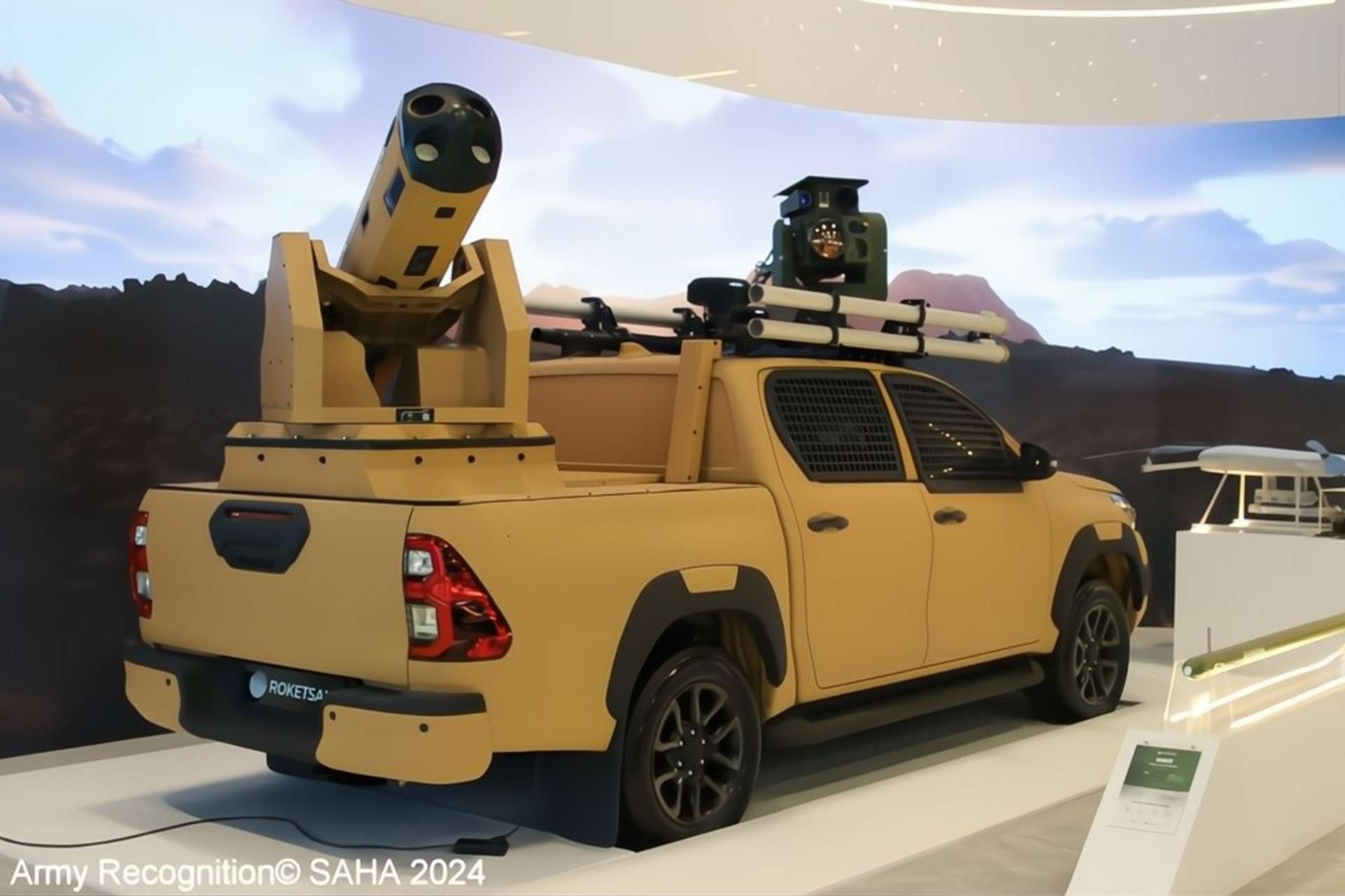
At the SAHA 2024 exhibition, the Turkish company Roketsan introduced a new configuration of its Cirit 70 mm laser-guided missile mounted on an eighth-generation Toyota Hilux. This development offers a lower-cost option for military operations where affordability and mobility are essential factors. This technical vehicle, also referred to as a non-standard tactical vehicle (NSTV), was presented during a visit by Nigerian officials in July 2024.
Follow Army Recognition on Google News at this link
In this setup, the Hilux-based Cirit system could be effective against lighter targets, providing an alternative to traditional military vehicles. (Picture source: Army Recognition)
The Toyota Hilux is known for its durability and reliability in conflict zones, often serving as a weapon carrier or "technical" (an improvised light fighting vehicle typically based on a pickup) in asymmetric warfare. Its widespread use is due to its robustness, ease of repair, the availability of parts globally, and its ability to operate in difficult terrain. This makes it a practical option for both insurgent groups and military forces with limited access to more advanced vehicles.
The Hilux became prominent during the 1980s in the Chadian-Libyan conflict, later known as the "Toyota War," where it played a role in Chad's success against Libya’s conventional forces. Since then, it has been commonly used in modern conflicts, often equipped with heavy machine guns, anti-tank missiles, and other weaponry, providing a mobile firepower option. Its usage has been observed across various groups, from rebel forces in Africa and the Middle East to special operations forces from different countries.
The Toyota Hilux in this configuration has been modified to carry a turret on its flatbed, equipped with four Cirit missiles. Aselsan’s Karakurt electro-optical and infrared (EO/IR) system is installed on top of the cabin, which includes a laser designator for target acquisition. This EO/IR system improves the vehicle's capability to identify and engage targets, offering a cost-effective alternative to more expensive and heavily armed systems like the KMC, which fires UMTAS anti-tank guided missiles (ATGMs). In this setup, the Hilux-based system could be effective against lighter targets, providing an alternative to traditional military vehicles.
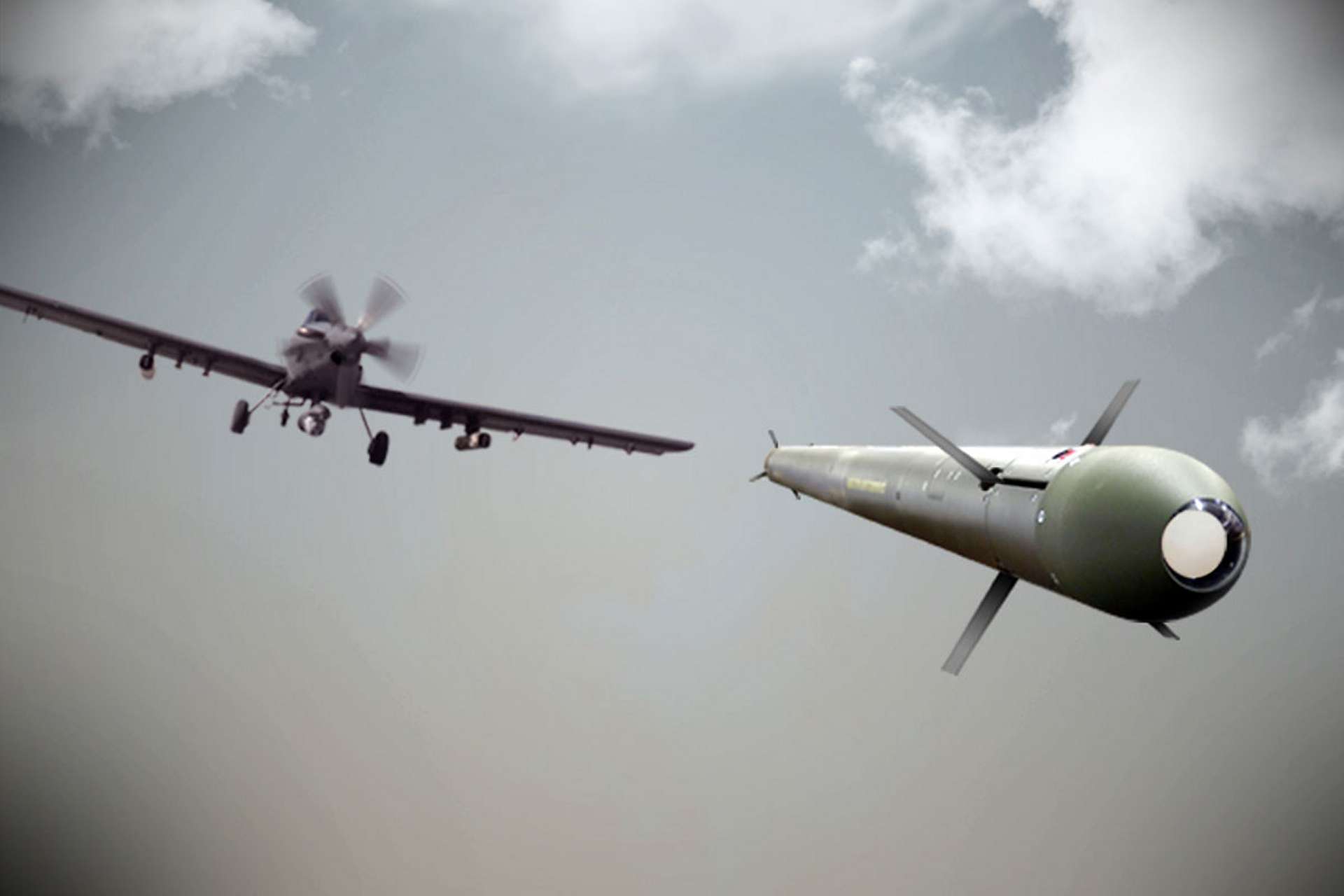
The Cirit missile is designed to bridge the gap between unguided 70 mm rockets and more expensive guided anti-tank systems. (Picture source: Roketsan)
The Cirit missile offers three types of warheads: anti-personnel/incendiary/shaped charge, high-explosive, and thermobaric. It is designed to bridge the gap between unguided 70 mm rockets and more expensive guided anti-tank systems. The missile can be fired from specially developed pods, like the four-missile pods mounted on the Hilux, or from launchers compatible with standard Hydra 70 rockets.
The Cirit system is already in use on multiple Turkish platforms, including the T129 ATAK attack helicopter, ULAQ unmanned surface vessels (USVs), and land combat vehicles such as the Kaplan with KMC launchers. The missile has been employed in various conflicts, including the Kurdish-Turkish conflict, the Syrian Civil War, and the 2020 Nagorno-Karabakh conflict.
This configuration demonstrated by Roketsan aligns with similar concepts seen in other nations. For instance, the U.S. has developed a system called VAMPIRE, which fires APKWS II laser-guided rockets from civilian or commercially available vehicles. Both systems emphasize the use of relatively simple platforms to deploy advanced weaponry, providing cost-effective firepower, especially in situations where traditional armored vehicles may be financially prohibitive.
The Cirit system is already in use on multiple Turkish platforms, including the T129 ATAK attack helicopter, ULAQ unmanned surface vessels (USVs), and land combat vehicles such as the Kaplan with KMC launchers. (Picture source: Roketsan)
Roketsan's integration of the Cirit missile onto a civilian pickup truck reflects a shift toward more affordable and mobile military solutions. The Hilux-based configuration shows how lower-cost systems can meet the needs of modern asymmetric warfare. By offering a platform that is less expensive than standard military armored vehicles and can be equipped with precision-guided munitions such as the Cirit, Roketsan addresses the demand for adaptable and cost-efficient military systems.
This development coincides with increasing demand for flexible and affordable combat systems, particularly in regions like Africa and the Middle East, where such systems can provide both mobility and firepower without the financial cost of traditional military vehicles.
As presented at the SAHA 2024 exhibition, Roketsan continues to offer adaptable missile systems for both Turkey and international customers. The integration of the Cirit missile onto the Toyota Hilux provides an option for forces seeking precision firepower without relying on more expensive traditional armored vehicles.
Read more: Roketsan integrates Cirit 70mm laser-guided missile launcher onto Toyota Hilux
- Details
- Written by: Halna du Fretay
- Category: 2024
- Hits: 3407
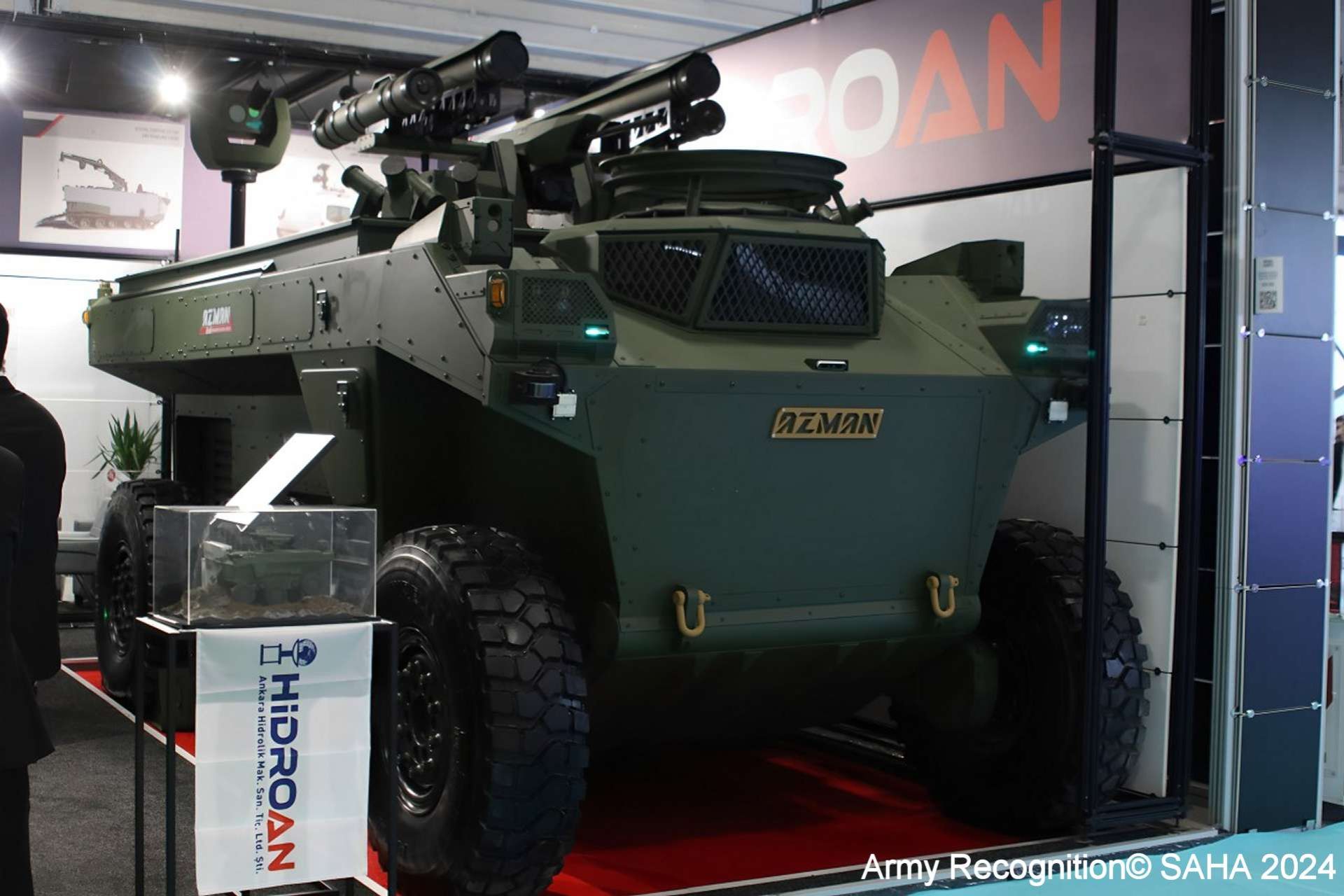
At the SAHA 2024 exhibition in Istanbul, HİDROAN presented its latest development, the AZMAN, an optionally manned-unmanned ground vehicle (UGV). This 6x6 tactical vehicle is specifically designed for operation in difficult terrain, where traditional armored vehicles often face mobility challenges. Thanks to its flexible wheel configuration, AZMAN maintains effective movement in the most demanding conditions, enhancing its performance for military missions.
One of the most distinctive aspects of AZMAN is its capability to be converted into a manned combat vehicle by incorporating a control cockpit (Picture source: Army Recognition)
The development of the AZMAN is rooted in HİDROAN’s extensive experience in hydraulic systems, honed through previous projects such as the ALKA directed energy system, ROKETSAN’s multiple launch rocket system (MLRS), and ASELSAN’s GÖKSUR defense system. Tested at Nurol facilities before its debut at SAHA 2024, AZMAN's capabilities were thoroughly evaluated, ensuring that the vehicle was ready for the exhibition. One of the most distinctive aspects of AZMAN is its capability to be converted into a manned combat vehicle by incorporating a control cockpit. This internal cockpit design, featuring windows, is notably rare among UGVs, making AZMAN a unique addition to its category.
HİDROAN is also exploring various weapon configurations for the AZMAN. While the final armament is still under evaluation, the focus is currently on a turret equipped with anti-tank guided missiles (ATGMs) and a machine gun, which would provide the vehicle with substantial firepower. Additionally, AZMAN is equipped with a mast-mounted electro-optical/infrared (EO/IR) system, designed to enhance its observational and targeting capabilities, especially in concealed positions, further bolstering its tactical advantage in the field.
In terms of size and function, AZMAN is the fourth heavy UGV to be developed in Turkey, joining a lineup that includes FNSS's Shadow Warrior, ASELSAN’s ZMA-X, and Otokar’s ALPAR. This latest addition to the Turkish unmanned systems portfolio underscores the country’s growing expertise and leadership in the field of autonomous military technologies. The creation of AZMAN reflects Turkey’s ongoing commitment to expanding its defense capabilities and leveraging advanced technologies to enhance the effectiveness of its military forces, particularly in complex and hostile environments.
HİDROAN has emphasized that the vehicle's development was entirely localized, with all software, hydraulic, and electronic systems produced in Turkey. This project received significant backing from the Ministry of Industry and Technology, along with TÜBİTAK's support for research and development. AZMAN represents a long-term commitment to technological innovation, positioning Turkey as a significant player in the global defense industry. The company is now focused on exporting the AZMAN, with plans to produce it in various configurations, including 6x6, 4x4, and 8x8 models, tailored to meet the operational needs of the Turkish Armed Forces as well as potential international clients.
Read more: Hidroan Unveils AZMAN UGV Convertible Into Manned Combat Vehicle at SAHA 2024
- Poland introduces SA-35MM counter-drone air defense system using programmable ammunition
- Türkiye introduces Gürhan hybrid 155mm self-propelled howitzer for export market
- China develops new 155mm self-propelled howitzer based on VN-22 8x8 armored vehicle
- IDDEA Launches MEGA App Update with Free One-Day Trial Offering Full Access to All Features