

- Details
- Written by: Vandenbosch
- Category: 2024
- Hits: 5140










On November 7, 2024, the Slovak Ministry of Defence announced the acquisition of nine multipurpose VTV 4x4 tactical vehicles from three different manufacturers: MSM Land Systems, Zetor Engineering, and DefTech. This initiative involves purchasing three vehicles in three distinct versions from each manufacturer, to evaluate their capabilities across various operational roles. These vehicles are intended to meet the needs of the Slovak armed forces in different contexts and could lead to a larger acquisition in the coming years.
Slovak Ministry of Defence announced the acquisition of multipurpose VTV 4x4 tactical vehicles from three different manufacturers. (Picture source: Zetor Engineering)
The models selected for this acquisition include the Patriot II from Excalibur Army (represented in Slovakia by MSM Land Systems, with both entities part of the Czechoslovak Group), the Gerlach from Zetor Engineering, and the Wolf from DefTech. Each company will supply its vehicles in three specific configurations: a standard Armored Personnel Carrier (APC), a model equipped with a Remote-Controlled Weapon Station (RCWS), and another version fitted with an advanced Communication and Information System (KIS). The Ministry has stipulated that the initial vehicles must be delivered to the Slovak army by December 20, 2024, with the fully equipped RCWS and KIS versions to be ready by the end of 2025.
The Patriot II, designed by Excalibur Army and offered in Slovakia by MSM Land Systems, represents a modern and versatile solution for troop transport and tactical missions. This APC version is built to provide advanced ballistic protection, capable of withstanding mine explosions and small-arms fire. MSM Land Systems, part of the Czechoslovak Group (CSG), highlights the Patriot II as a fast, maneuverable vehicle with modular armor. The RCWS-equipped model provides defensive coverage without exposing the crew, while the KIS-equipped version incorporates next-generation command and coordination equipment, allowing for real-time tactical management on the field.
The Gerlach from Zetor Engineering is another VTV 4x4 variant designed to meet the Slovak forces' operational needs in mobility and protection. This armored vehicle stands out for its robust design, optimized for challenging terrains, and provides high-level protection for the crew. The APC version of the Gerlach is well-suited for infantry missions, offering effective armor and good cargo capacity. Equipped with a remote-controlled weapon station, this variant enables effective response while minimizing crew risk. Additionally, the KIS model of the Gerlach is equipped with a sophisticated communication system designed to meet modern military operations' requirements, ensuring enhanced connectivity and coordination in the field.
The Wolf from DefTech is a third option presented to the Slovak Ministry of Defence, offering advanced mobility and protection features in a compact format. The APC model from DefTech is designed to be both lightweight and resilient, allowing for agility on the field while ensuring crew safety against ballistic threats. The RCWS version of the Wolf integrates a modern weapon station, providing remotely controlled firepower, while the KIS version enables effective coordination through improved communication capabilities, essential for tactical operations. DefTech positions the Wolf as an adaptable platform capable of meeting various needs of the Slovak forces, from troop transport to convoy protection and reconnaissance missions.
The total cost of this initial batch of nine vehicles is approximately €17 million, underscoring Slovakia’s commitment to modernizing its defense equipment while carefully evaluating potential options through rigorous testing phases. These vehicles will be tested by the newly established 11th Separate Regiment, created in August 2024. This regiment will play a crucial role in assessing the performance, adaptability, and resilience of each vehicle configuration in realistic operational conditions, providing valuable feedback to guide future acquisitions.
Upon completion of these evaluations, the Slovak Ministry of Defence plans to select the most suitable platform(s) for a larger purchase, potentially comprising several hundred units. This additional acquisition is tentatively scheduled for 2026, with the possibility of incorporating vehicles from multiple suppliers, depending on the evaluation process results.
This strategic approach demonstrates Slovakia's commitment to strengthening its defense capabilities through diversified equipment testing, ensuring the selection of the most suitable tactical vehicles for its armed forces.
Read more: Slovakia to Test Three Versions of VTV 4x4 Tactical Vehicles

- Details
- Written by: Jérôme Brahy
- Category: 2024
- Hits: 3159
On November 5, 2024, Hensoldt South Africa launched the Bushbaby 200, a long-range electro-optical surveillance system announced at the Africa Aerospace and Defence (AAD) 2024 exhibition. This system, designed for extended day and night surveillance, builds on the earlier Bushbaby 100, used for medium-range monitoring in military, border control, and commercial sectors. The Bushbaby 200 aims to support defense, security, and civil applications by advancing situational awareness and monitoring capabilities.
Follow Army Recognition on Google News at this link
The new Bushbaby 200 system, designed for extended day and night surveillance, builds on the earlier Bushbaby 100, used for medium-range monitoring in military, border control, and commercial sectors. (Picture source: Hensoldt)
The Bushbaby 200 integrates panoramic electro-optical, thermal imaging, and laser rangefinder capabilities, allowing continuous 360° azimuth rotation with an elevation range from -45° to +95°. The gyro-stabilized 2-axis mount enhances stability for clearer long-range imagery, while its real-time video processing includes sensor fusion, target tracking, and image stabilization functions. Built to MIL-STD standards, the sensor modules are sealed to IP67, and the pan-tilt unit (PTU) is sealed to IP65 or IP66, ensuring durability across varied deployment platforms.
Tailored for ground-based applications like long-range surveillance, force protection, and forward observation, the Bushbaby 200 can detect vehicles up to 36.7 kilometers away, recognize them at 29 kilometers, and identify them at 24 kilometers. For human detection, it reaches distances over 25 kilometers, with identification possible at 13 kilometers. Its integrated laser rangefinder, accurate to within three meters, measures distances up to 30 kilometers.
The Bushbaby 200, alongside the Bushbaby 100, meets the needs of sectors requiring scalable surveillance capabilities, supporting missions like border protection, anti-poaching operations, and infrastructure monitoring. Both systems aim to enhance operational effectiveness against smuggling and asymmetric threats. According to Sunette van Rensburg, Optronics Head of Sales at Hensoldt South Africa, the Bushbaby 200 extends the capabilities of the Bushbaby 100 for advanced long-range surveillance demands.
Key features of the Bushbaby 200 include geo-pointing functionality, artificial intelligence (AI) integration, and a real-time video processor capable of merging daylight and infrared feeds into a single video stream. Its modular design, with extreme narrow fields of view, enables customization for varied operational needs, making it suitable for stationary masts, structures, man-portable tripods, and mobile platforms. A digital interface allows for platform integration while maintaining cost efficiency.
Additional specifications include a spectral response of 3-5 µm for the mid-wave infrared (MWIR) thermal imager, with 1280x720 resolution and a field of view (FOV) from 36° to 1.2°. The daylight electro-optical camera offers a spectral response from 430 nm to 680 nm and near-infrared (NIR) capabilities from 680 nm to 920 nm, with Full HD resolution and a stabilized optical zoom FOV from 21° to 0.27°. The laser rangefinder operates at 1535 nm with an eye-safe Class 1 rating, covering ranges from 80 meters to 30 kilometers and achieving accuracy within ±3 meters.
The Bushbaby 200 is built to endure challenging environmental conditions, with IP67-sealed (nitrogen-purged) sensor modules and a PTU meeting IP65 or IP66 standards. Constructed with aluminum housing, the Bushbaby 200 withstands impacts like branch collisions at speeds up to 20 kilometers per hour and operates in temperatures from -25°C to +55°C.
As part of Hensoldt South Africa, the Bushbaby 200 aligns with the company’s broader portfolio in defense and security electronics. The organization, employing over 700 staff across five South African locations, offers a variety of products and services, including electronic warfare, spectrum monitoring, security solutions, radar, identification friend or foe (IFF), and data links. The Bushbaby 200 reinforces Hensoldt South Africa’s commitment to producing surveillance systems for diverse operational needs.
- Details
- Written by: Administrator
- Category: 2024
- Hits: 3974
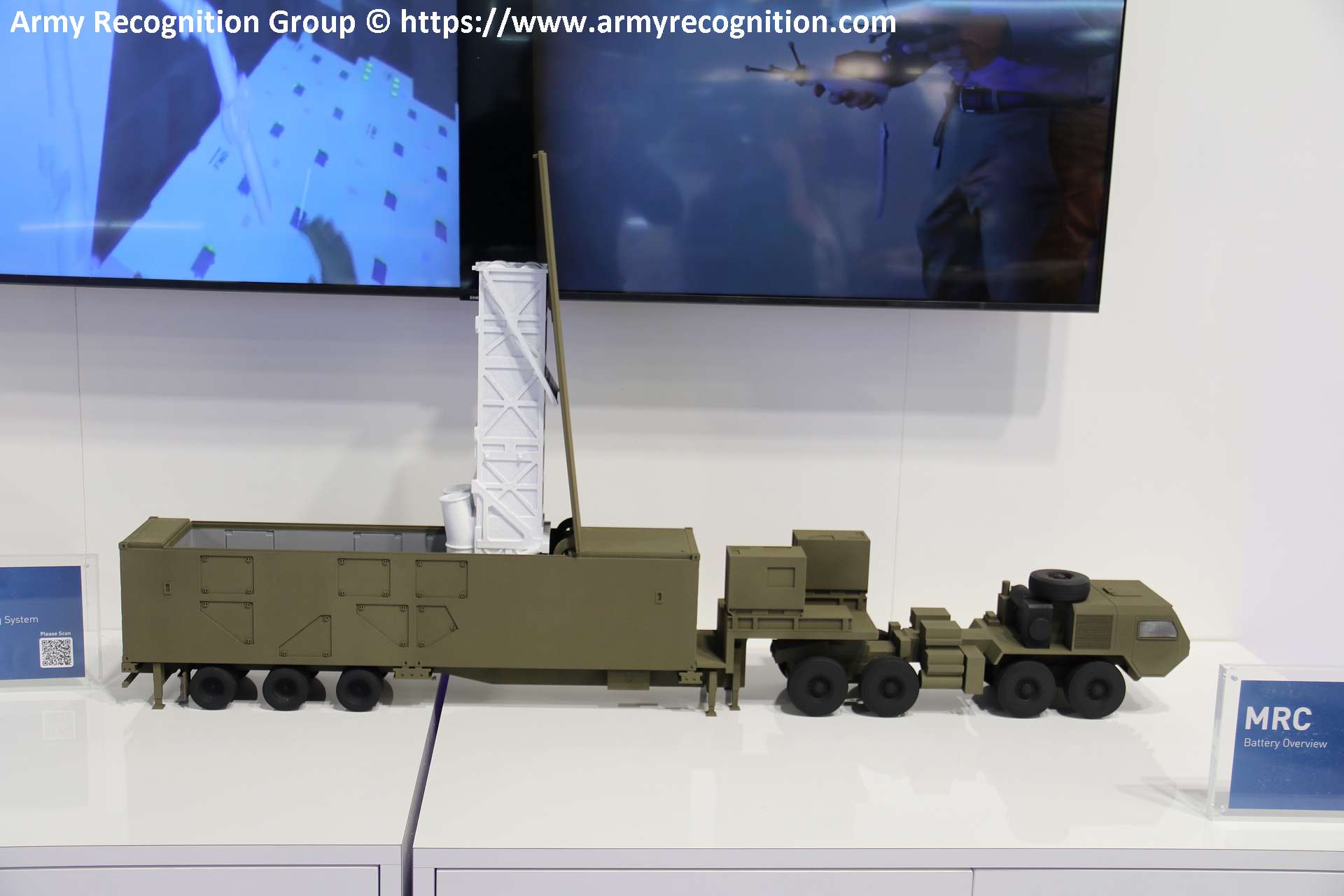
American Company Lockheed Martin has made a significant impression at Euronaval 2024, one of the world’s premier naval and defense exhibitions, by unveiling a scale model of its cutting-edge Mid-Range Capability (MRC) system, also known as the Typhon Weapon System. This advanced surface-to-surface missile system boasts a maximum firing range of 1,500 km, capturing the keen interest of industry leaders, defense officials, and international delegations eager to learn more about its sophisticated capabilities. Designed to enhance long-range precision fires and mid-range strike options, the MRC system serves the U.S. Army and has potential applications for allied forces around the world.
Follow Army Recognition on Google News at this link
Lockheed Martin's Mid-Range Capability (MRC) system scale model on display at Euronaval 2024. This advanced surface-to-surface missile system, also known as the Typhon Weapon System, features a 1,500 km range, offering enhanced precision strike capabilities for modern defense needs. (Picture source: army Recognition Group)
The showcase marks the first time the MRC (Mid-Range Capability) surface-to-surface missile system has been featured at a major European defense exhibition, highlighting Lockheed Martin’s commitment to broadening awareness of this innovative platform on the global stage. The MRC, an essential component of the U.S. Army’s modernization strategy, has become central to the joint force’s approach to countering advanced threats in contested environments, including the Indo-Pacific region. This focus on the Indo-Pacific region has already seen the MRC system achieve its historic first deployment. On April 11, 2024, the 1st Multi-Domain Task Force successfully deployed the MRC missile system to Northern Luzon, Philippines, as part of Exercise Salaknib 24. This landmark deployment represents a significant milestone for the capability, enhancing interoperability, readiness, and defense collaboration with the Armed Forces of the Philippines. Lockheed Martin’s display at Euronaval underscores the strategic importance of such deployments, particularly in the context of regional stability and security.
In addition to its recent deployment, the MRC system has also seen growth within the U.S. Army. Earlier this year, on January 11, 2024, the 5th Battalion, 3rd Field Artillery Regiment—the Army’s first Long Range Fires Battalion—conducted a formal activation ceremony for its second MRC battery. This battery is part of the Army’s strategy to support multi-domain operations and boost long-range strike capabilities in coordination with joint forces.
The Mid-Range Capability (MRC) weapon system, or Typhon Weapon System, aims to strengthen the U.S. Army’s precision strike capabilities within the mid-range distance of approximately 500 to 1,500 kilometers. As part of the Army’s modernization efforts, the MRC system serves to counter a range of critical threats, including enemy naval vessels, air defenses, and land targets. By bridging the gap between shorter-range missile systems and long-range hypersonic capabilities, the MRC ensures flexible and effective deterrence options across various scenarios. Its key objectives are deterrence and defense, operational flexibility, and increased precision strike options, enabling the Army to address emerging threats in complex, contested environments.
The MRC system brings a range of advanced features and combat capabilities. Its two primary missiles, the Standard Missile-6 (SM-6) and the Tomahawk Land Attack Missile (TLAM), provide significant versatility. The SM-6 offers multi-mission capabilities, engaging both air and surface targets, making it suitable for air defense and anti-ship roles. The ability to counter aircraft, cruise missiles, and ballistic missiles fortifies the Joint Force’s air and missile defense operations. The Tomahawk, optimized for long-range precision strikes, enables the MRC to target high-value installations on land, such as command centers and critical infrastructure. Additionally, the system supports rapid redeployment and flexibility, allowing it to adapt to various battlefield scenarios, including anti-access and area-denial (A2/AD) environments.
An MRC battery, designed to provide mobility and adaptability, includes multiple launchers, a Battery Operations Center (BOC), prime movers, and modified trailers. The BOC acts as the command hub, coordinating target engagement and overseeing the launch process. Each launcher is configured to carry and deploy a combination of SM-6 and Tomahawk missiles, maximizing the battery’s strike capabilities. The system’s modular structure facilitates integration within existing Army units, enhancing joint force interoperability and allowing it to coordinate with other long-range assets.
Lockheed Martin showcased the MRC system as a promising future asset for European armed forces, highlighting its potential to support NATO’s integrated deterrence strategies and enhance the capabilities of partner nations. As adversaries increasingly advance anti-access and area-denial (A2/AD) strategies, the MRC offers a crucial solution, enabling allied forces to carry out precise, impactful strikes while remaining adaptable to evolving threats. High interest from attendees underscored the system’s appeal among international military organizations, many of whom are exploring the integration of MRC into their defense structures.
The MRC system is one element of the U.S. Army’s broader efforts to modernize its artillery and missile forces, addressing the need for various capabilities to keep pace with emerging threats. Lockheed Martin’s partnership with the Army reflects a dedication to pushing the boundaries of long-range precision fires and mid-range capabilities, aligning with a broader vision for multi-domain operations where joint forces coordinate across land, sea, and air.
As Euronaval 2024 unfolds, Lockheed Martin’s MRC system display is a testament to the strategic importance of long-range precision fires and international collaboration. With strong interest from defense representatives worldwide, the MRC system appears poised to influence the future of precision fires, offering a flexible and adaptable response to today’s complex and contested environments.
- Details
- Written by: Halna du Fretay
- Category: 2024
- Hits: 6315
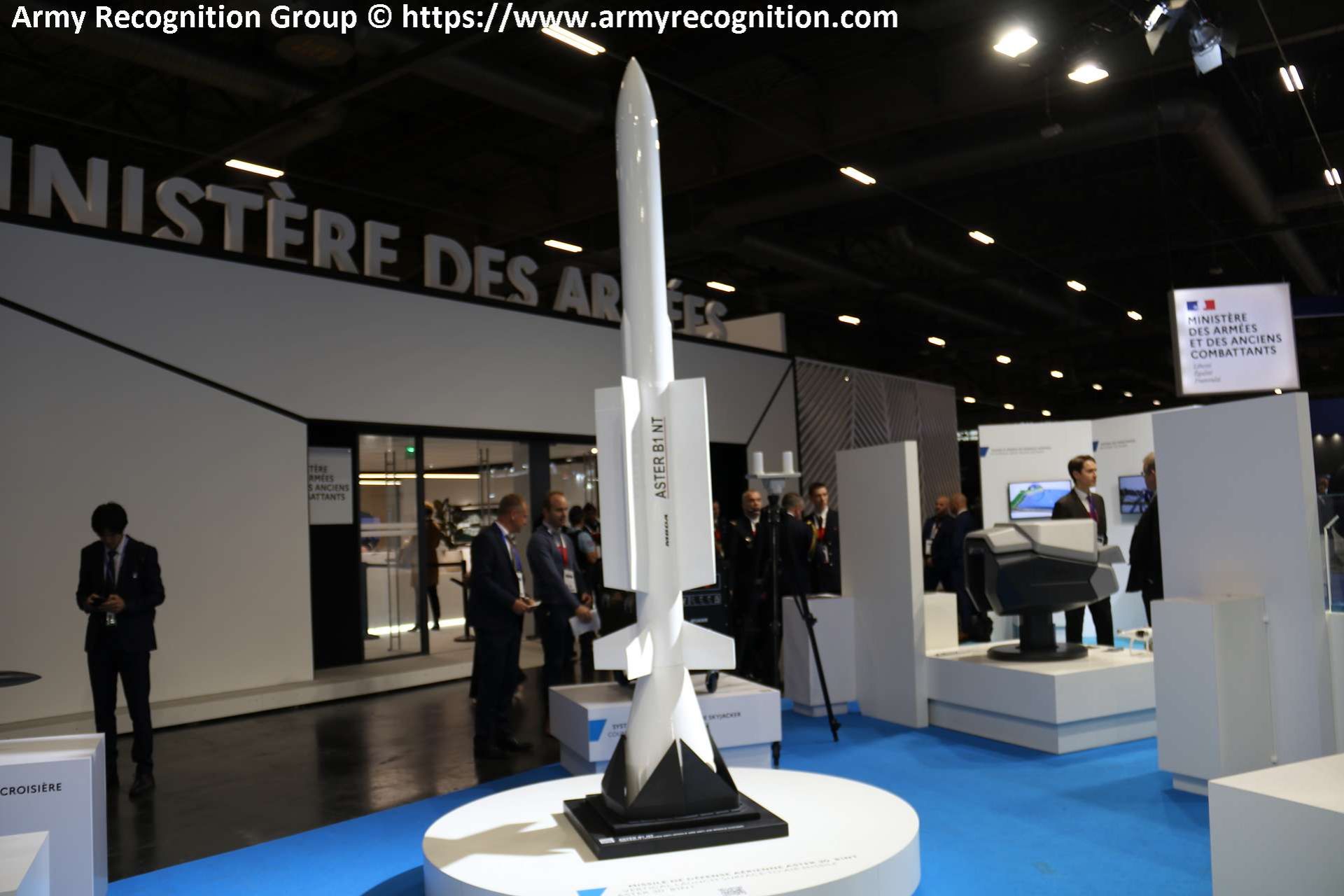
At Euronaval 2024, the Aster 30 B1NT, a next-generation missile jointly developed by France and Italy, emerges as a central component of the SAMP/T-NG land system and the naval PAAMS framework. Designed to provide advanced protection against sophisticated airborne threats, including ballistic missiles, this missile marks a significant asset in Europe’s defense strategy. In a recent live demonstration at the Biscarrosse testing site, the Aster 30 B1NT successfully intercepted simulated complex threats, underscoring its capability in high-intensity scenarios.
Compared to foreign systems such as the US Patriot PAC-3, the Aster 30 B1NT offers specific advantages that are particularly appealing to European countries (Picture source: Army Recognition)
Intended for deployment with both the SAMP/T-NG ground system and naval systems such as PAAMS, the Aster 30 B1NT stands out with interception capacities against high-speed targets at ranges exceeding 150 kilometers and altitudes up to 25 kilometers. Equipped with a high-precision Ka-band radar, it is capable of engaging both ballistic and hypersonic missiles, representing a significant advancement in air defense capabilities. This capacity positions the Aster 30 B1NT as a credible European alternative to comparable systems like the American Patriot, widely considered a leading global option in missile defense.
Compared to foreign systems such as the US Patriot PAC-3, the Aster 30 B1NT offers specific advantages that are particularly appealing to European countries. While the Patriot, extensively adopted within NATO forces, is well-regarded for its effectiveness against short-range ballistic and cruise missiles, the Aster 30 B1NT offers broader versatility and intercepts medium-range ballistic threats and high-altitude targets, including hypersonic missiles. Moreover, the SAMP/T-NG system, deployable either autonomously or in complement with other NATO defense systems, provides enhanced flexibility in interoperability and rapid response. This is especially valuable for European countries seeking an integrated defense solution, strengthening Europe’s missile defense sovereignty.
Countries such as Belgium, which has recently indicated interest in acquiring the SAMP/T-NG system, highlight the growing appeal of the Aster 30 B1NT within Europe. By opting for a European system over an American one, Belgium could shift towards greater strategic autonomy, while also easing the integration of its defense capabilities with those of France and Italy, both current users of the system. The adoption of the Aster 30 B1NT would also allow Europe to streamline its defense capabilities and optimize resources within the EU, supported by enhanced cooperation programs like the European Intervention Initiative and the European Defence Fund.
Through the development of the Aster 30 B1NT, European companies MBDA and Thales demonstrate their ability to compete with global leaders, contributing to Europe’s technological sovereignty and advancing autonomous defense solutions. This missile thus aligns with Europe’s objective of reducing dependence on American systems, while maintaining high levels of protection against sophisticated threats.
As other European nations may soon join France and Italy in adopting the Aster 30 B1NT, this missile could become a cornerstone of European air defense, bolstering the continent’s security against diverse threats. The recent election of Donald Trump as President of the United States on November 6 has raised concerns among European countries regarding the reliability of American support in defense. This uncertainty underscores the relevance of systems like the Aster 30 B1NT, capable of addressing potential gaps in the event of US disengagement. Furthermore, the adoption of this missile could drive increased cooperation and coordination within European defense, encouraging other nations to join the initiative and strengthen Europe’s strategic autonomy.
- Details
- Written by: Jérôme Brahy
- Category: 2024
- Hits: 4127
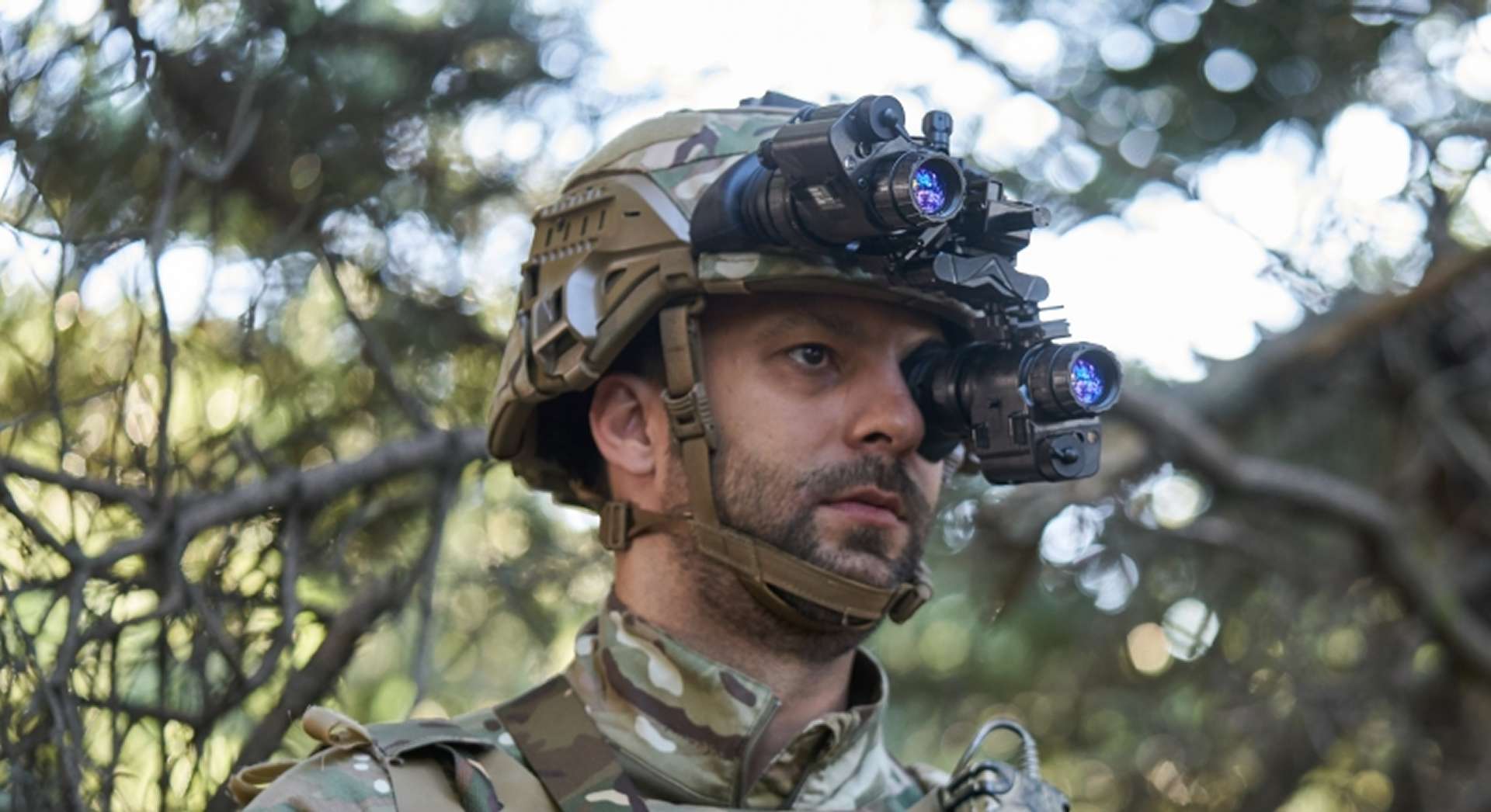
On November 7, 2024, the Cypriot company Theon International announced an increase in order intake and a rise in its soft backlog, totaling approximately $50 million within the first week of November. This growth in sales is primarily attributed to Theon’s established range of night vision goggles, particularly the Nyx binocular family, as well as the recent introduction of the Iris thermal clip-on system—a thermal imaging solution designed to enhance existing night vision technologies. The orders reflect growing interest in Theon’s products across markets in the United States, Europe, and the Middle East.
Follow Army Recognition on Google News at this link
This $50 million growth in sales is primarily attributed to Theon’s established range of night vision goggles, particularly the Nyx binocular family, as well as the recent introduction of the Iris thermal clip-on system. (Picture source: Theon)
The Iris clip-on system has garnered initial orders from three NATO-member countries and two Middle Eastern nations, suggesting its potential to set a new standard in thermal imaging for military and security applications. Designed for compatibility with various third-party monocular and binocular night vision systems, Iris performs optimally when paired with Theon’s own Nyx, Mikron, and Argus models. This clip-on enables users to add a thermal image overlay to their existing night vision view, transforming standard night vision devices into fused systems that improve situational awareness in challenging environments.
In its advanced configuration, the Iris is capable of projecting Augmented Reality (AR) information and integrates with Battle Management Systems such as the Atak, enhancing its utility in mission-critical scenarios where real-time data and environmental information are essential. Philippe Mennicken, Theon’s Business Development Director, noted that with over 180,000 of Theon’s night vision monoculars and binoculars in global service, the company is well-positioned to address the increasing demand for integrated night vision and thermal imaging systems.
In parallel with the Iris, Theon has recently launched the Orion, a dedicated fused binocular system designed to offer enhanced imaging capabilities. Although the Iris is priced above Theon’s existing night vision products, it is positioned as a cost-effective alternative to the Orion, offering an additional choice for both new and existing customers.
Theon Sensors, a subsidiary of Theon International, has expanded from its origins in Greece to become a prominent supplier in the global defense sector. Since its establishment in 1997, Theon has grown its presence to include offices in Greece, Cyprus, the United States, the UAE, Switzerland, and Singapore, alongside production facilities in Athens, Wetzlar (Germany), and Plymouth (USA). Over 180,000 Theon systems are currently in use across more than 70 countries, including 24 NATO members, reflecting the company’s international footprint and service to military and security clients.
In recent years, Theon has achieved notable success with the Nyx night vision binocular, securing contracts with various European militaries, including the German Special Forces, and advancing its reach through strategic partnerships. For instance, Theon’s collaboration with Safran-Vectronix has facilitated local assembly of the Nyx binocular for the Swiss Army. Additionally, the company’s partnership with Harris (now part of Elbit Systems of America) enabled the assembly and marketing of the Nyx in the United States under the designation F5032, leading to a contract with the U.S. Marine Corps, where the Nyx was adopted as the AN/PVS-31A.
Theon’s recent developments underscore its focus on expanding product offerings and international partnerships. Through the Iris and ORION systems, Theon aims to address the evolving needs of military and security clients worldwide, with solutions that integrate advanced imaging technologies into existing systems. As Theon continues to expand its product portfolio, its network of international facilities and partnerships positions it to meet the growing demand for night vision and thermal imaging solutions.
- Details
- Written by: Jérôme Brahy
- Category: 2024
- Hits: 3263
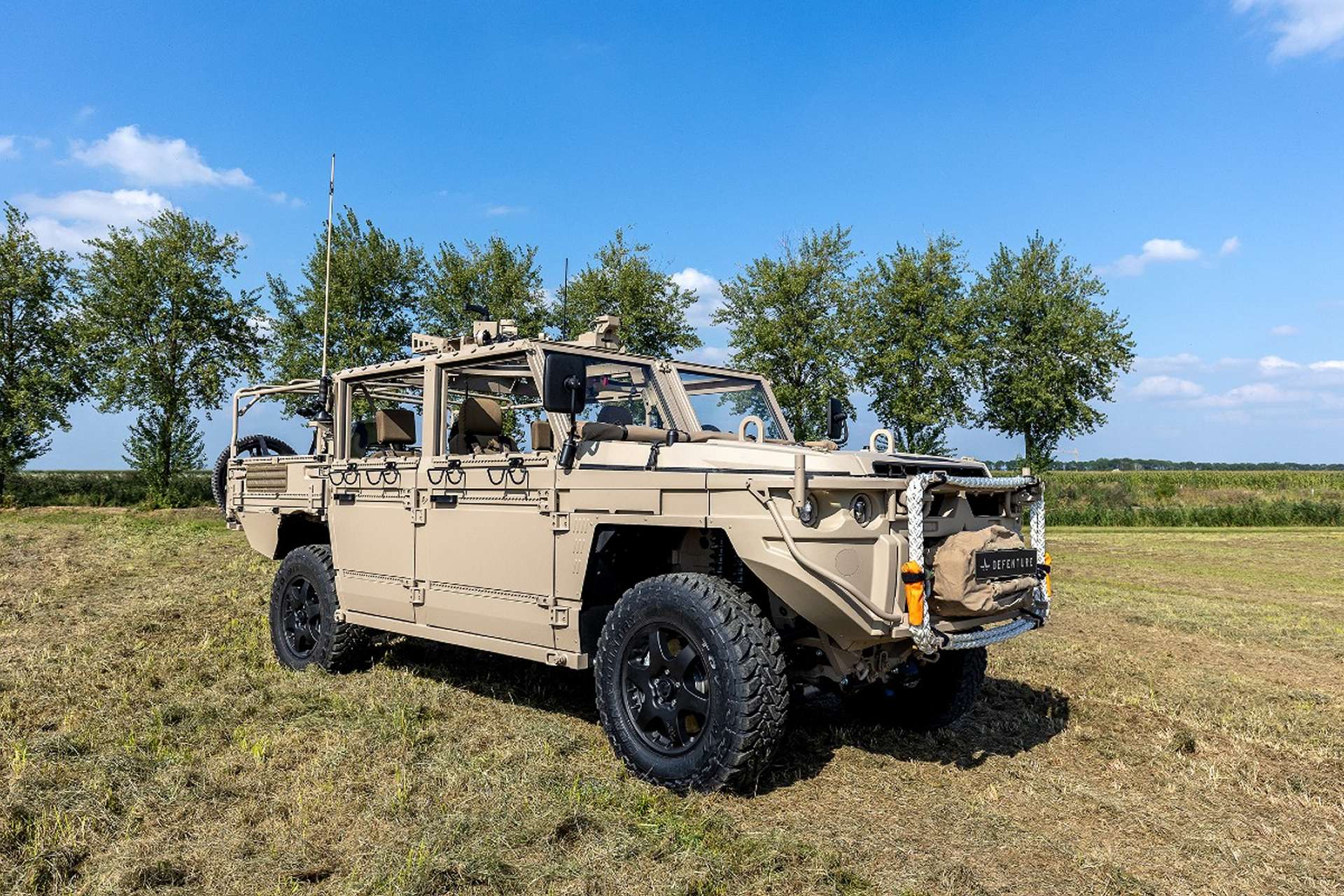
On November 6, 2024, Defenture and the Polish Defence Force formalized a multi-year contract for the supply of Defenture's GRF platform. The Polish Defence Force’s selection of the GRF platform aims to enhance both mobility and safety. Known for its modularity and agility, the GRF platform adapts well to various military contexts. Key features include four-wheel steering, suitability for air transport, and strong fording capabilities, qualities essential for missions demanding rapid deployment and performance across challenging terrains.
Follow Army Recognition on Google News at this link
The Defenture GRF’s compatibility with air transport is an essential feature, with dimensions that allow it to be transported by a CH-47 Chinook helicopter, either inside the cabin or as an external load. (Picture source: Defenture)
This contract with the Polish Defence Force highlights a broader European trend toward modular, scalable military platforms. Countries such as the Netherlands, Germany, Switzerland, and Austria have already adopted Defenture’s vehicle solutions. The GRF platform is designed for versatile operational scenarios, supporting vehicle weights from one to ten tons. This range provides European countries with adaptable mobility options that prioritize durability and functionality.
Defenture’s approach to vehicle design prioritizes innovation, collaboration, and customization. Its platforms integrate insights from military operations with a focus on usability and modularity, enabling Defenture to deliver vehicles that meet stringent technical and operational standards for both current and future requirements.
Based in the Netherlands, Defenture serves as an Original Equipment Manufacturer (OEM) specializing in tactical vehicles that are light and air-transportable, with a weight range up to ten tons. Drawing from expertise in rally sports, the GRF's design incorporates an independent suspension system for enhanced off-road capability, making it suitable for rugged terrain. The inclusion of four-wheel steering further improves maneuverability, allowing efficient navigation in confined spaces and reducing the need for complex maneuvers in operational settings.
The GRF’s compatibility with air transport is another essential feature, with dimensions that allow it to be transported by a CH-47 Chinook helicopter, either inside the cabin or as an external load. Measuring 1,800 mm in width, 5,100 mm in length, and 1,870 mm in height, the GRF meets rapid deployment requirements, aided by lifting brackets for secure transport to critical mobility areas.
The vehicle’s central spine chassis enhances mobility, offering fording capabilities to cross water obstacles up to 750 mm deep, with an optional increase to 860 mm. This feature expands the operational reach of the platform, particularly for missions requiring movement through water or muddy terrain. A standout feature of the GRF platform is its modular design, allowing for varied configurations to meet specific operational needs. It operates in extreme temperatures, from -32°C to +49°C, with an option to extend its lower limit to -40°C. The vehicle also meets electromagnetic compatibility standards, such as STANAG 4370 and AECTP 500, providing protection against electromagnetic interference.
The GRF includes optional modular ballistic protection, meeting STANAG level 1 standards. Its electrical systems are waterproof (IP67 rated) and divided into 24V circuits for vehicle and communication functions, with a switchable recovery mode that ensures reliable performance in critical conditions. These features underscore the GRF’s capability to deliver consistent performance across a variety of mission profiles.
Read more: Poland chooses Dutch Defenture GRF as modular all-terrain vehicles
- Details
- Written by: Vandenbosch
- Category: 2024
- Hits: 3969
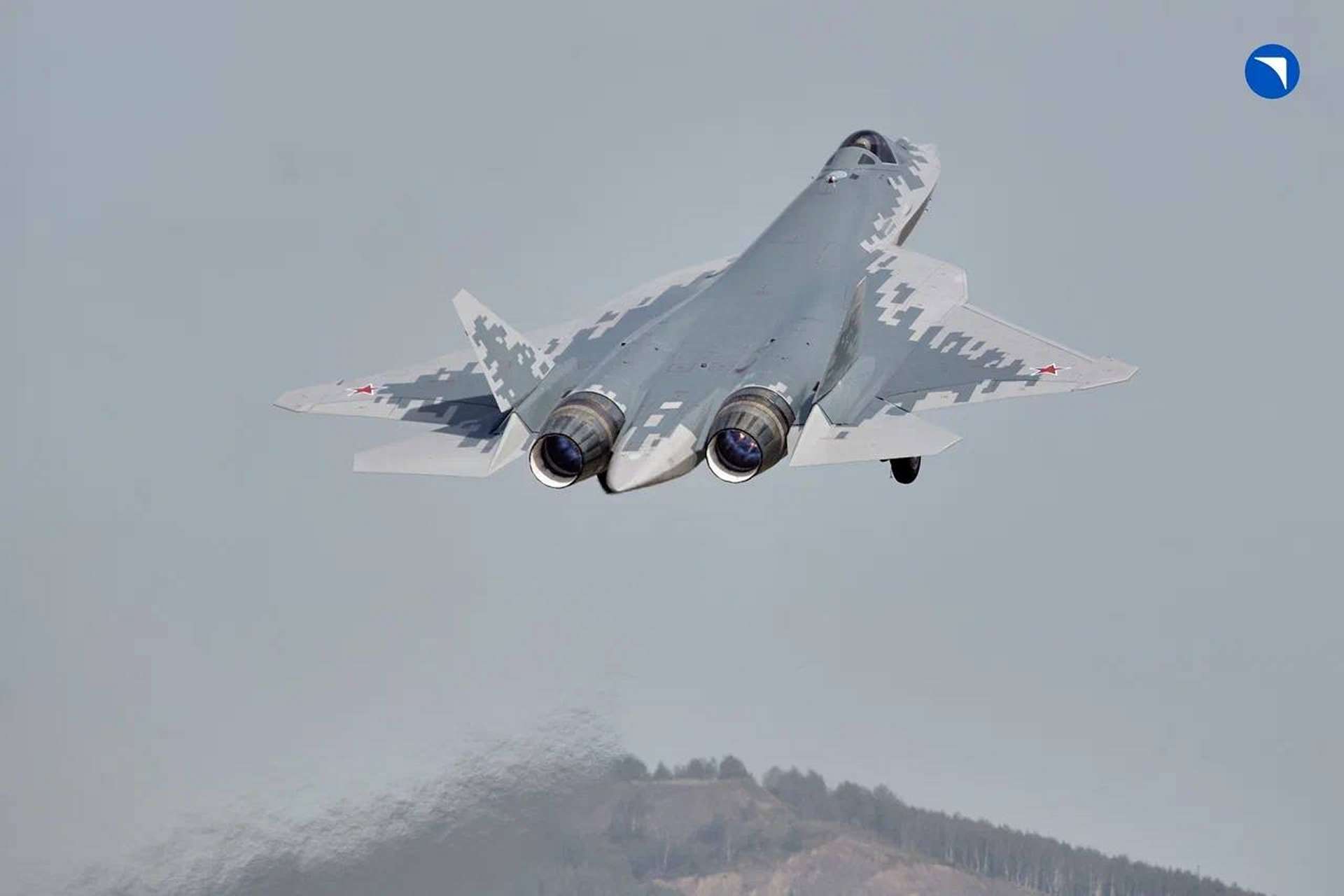
The Russian defense conglomerate Rostec State Corporation is set to unveil its latest aviation advancements at Airshow China 2024 in Zhuhai, marking a significant milestone with the first international flight demonstration of the fifth-generation Su-57E multirole fighter. This highly anticipated event, which will take place from November 12 to 17, will showcase Russia’s cutting-edge military technologies to an international audience.
The Su-57E is an export version of the Su-57, a fifth-generation multirole fighter developed by Russian manufacturer Sukhoi. (Picture source: Russian Media)
Visitors at Airshow China will have the opportunity to explore a range of advanced Russian aviation systems at the Rosoboronexport pavilion. The exhibit will feature products from prominent defense entities such as United Aircraft Corporation, United Engine Corporation, High-Precision Systems, and Russian Helicopters. The centerpiece of the display will be the Su-57E, an export variant of Russia’s fifth-generation fighter, designed for high-precision, multi-role combat missions. Known for its low radar visibility and extensive use of stealth technology, the Su-57E will be displayed both on the ground and in flight, demonstrating its agility and advanced capabilities through an acrobatic flight program.
The Su-57E boasts sophisticated avionics and a high-precision arsenal, including the X-69 stealth cruise missile, which the company claims has been tested against advanced air defense systems such as Patriot, NASAMS, and IRIS. According to Sergey Chemezov, CEO of Rostec, the Su-57 stands out as the only fifth-generation fighter that has proven its combat effectiveness against modern air defense networks. The aircraft's debut in China is expected to attract significant interest from defense specialists and potential buyers, reflecting its strong export potential.
The Su-57E is an export version of the Su-57, a fifth-generation multirole fighter developed by Russian manufacturer Sukhoi. In service since December 2020, this aircraft represents the pinnacle of Russian aerospace technology. Designed for diverse missions, the Su-57E combines air superiority capabilities with flexibility for ground attack missions. Its maiden flight, conducted on January 29, 2010, marked the start of an ambitious program to equip Russia with a stealthy and powerful aircraft suited to modern conflict theaters.
The Su-57E is powered by two AL-41F1 turbofan engines with afterburners and thrust vectoring nozzles, delivering 149 kN of thrust. A future engine, the Izdeliye 30, is expected to provide even greater thrust. These engines allow the aircraft to reach an impressive top speed of 2,600 km/h, or about Mach 2.45, and an operational ceiling of 20,000 meters. Highly agile, the Su-57E also features a climb rate of 21,000 meters per minute, enabling rapid interception capabilities.
In terms of dimensions, the Su-57E spans 14 meters in wingspan, measures 19.7 meters in length, and stands 4.8 meters tall, with a wing area of 78.8 m². This fighter has an empty weight of 18,500 kg, with a maximum takeoff weight of 37,000 kg. It can carry up to 10,300 kg of fuel, granting it a combat range of 1,800 km and a flight endurance of 5.3 hours, allowing it to cover vast distances without frequent refueling.
The Su-57E’s weaponry is notably versatile and adaptable. It is equipped with an internal 30 mm GSh-30-1 cannon and two main weapon bays located in tandem between the engines, capable of carrying precision-guided missiles and bombs. In addition, two auxiliary bays can house air-to-air missiles on the flanks. Six pylons under the wings allow for additional weaponry, including nuclear-capable payloads, enhancing its effectiveness on combat fronts and its adaptability against various threat types.
The avionics suite of the Su-57E includes the Sh121 AESA radar, an advanced active electronically scanned array radar that ensures high-precision target detection and extensive radar coverage, even in hostile environments with active jamming systems. This suite of technologies provides the Su-57E with low radar visibility, making it an ideal stealth fighter for deep penetration missions behind enemy lines.
Overall, the Su-57E is a versatile combat platform designed to meet the needs of various armed forces worldwide. Its high-altitude performance, speed, and weapon capabilities allow it to maintain air superiority, while its sophisticated avionics enable it to remain stealthy and formidable against modern defense systems.
Alexander Mikheev, General Director of Rosoboronexport, expressed confidence in the event’s potential to reinforce defense cooperation between Russia and China. He emphasized that the record number of new Russian defense products on display is likely to attract considerable interest from international delegates and defense experts.
Airshow China, one of the world’s largest exhibitions for civil and military aviation, is expected to host a wide range of innovations from aerospace companies around the globe. Rostec’s participation underscores Russia’s commitment to expanding its international defense partnerships and highlights its position as a significant player in the global aerospace industry.
Read more: Russia to Present Su-57E Multirole Fighter Internationally for First Time in China
- Details
- Written by: Halna du Fretay
- Category: 2024
- Hits: 6296
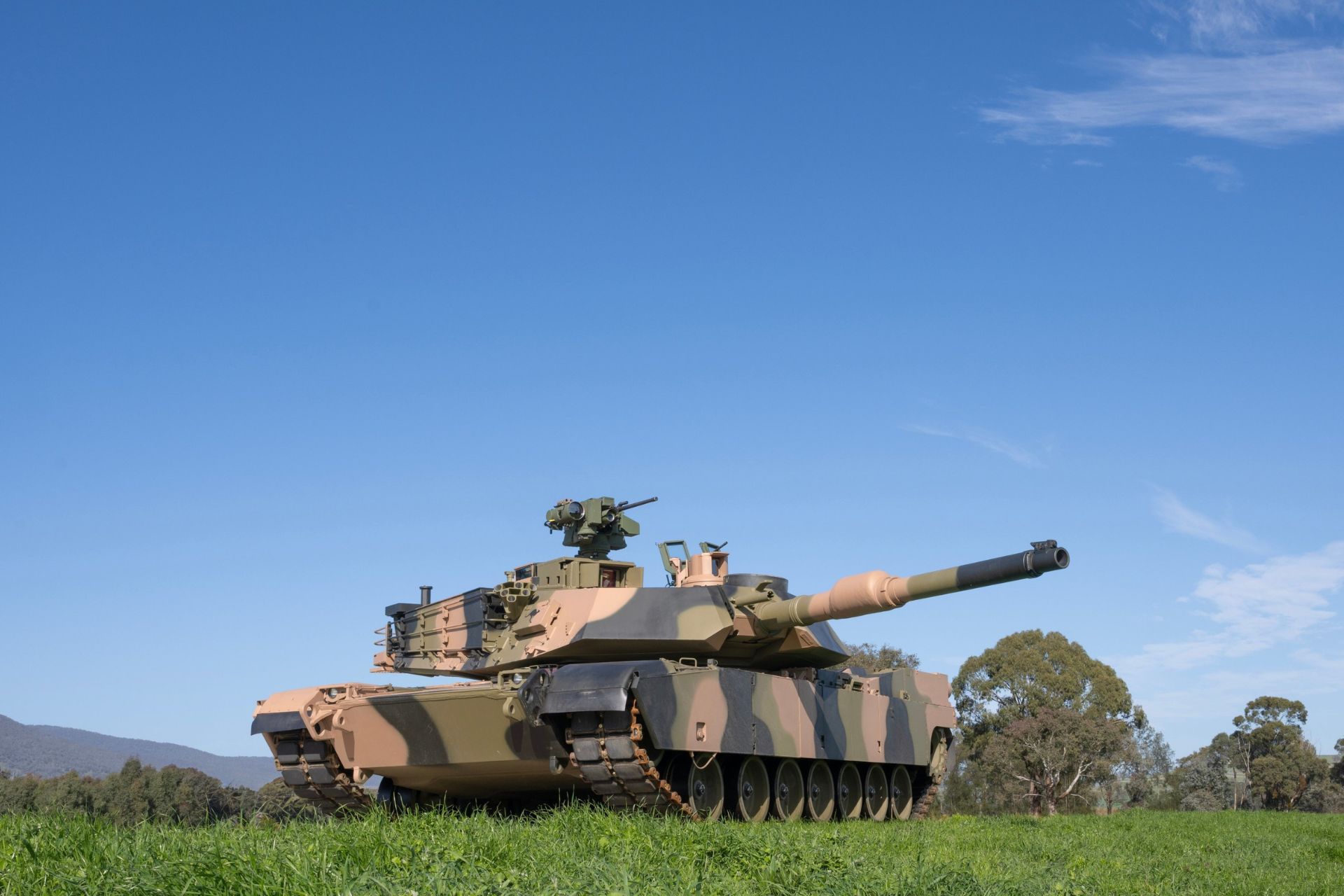
On November 6, 2024, the Australian Ministry of Defence released official photos of the M1A2 SEPv3 Abrams main battle tank during live-fire exercises at Puckapunyal, Australia's major military training site. Though the images have since been removed from the official website, they circulated widely on social media, marking a significant step in integrating this advanced combat vehicle into the Australian Army. In parallel with this acquisition, Australia has strengthened its support for Ukraine by supplying 49 M1A1 tanks to upgrade its defensive capabilities, replacing older models while awaiting the arrival of new equipment.
Australia plans to acquire a total of 75 M1A2 SEPv3 tanks, as part of a broader program that also includes 29 M1150 Assault Breacher Vehicles, 17 M1074 Joint Assault Bridges, and six additional M88A2 armored recovery vehicles
(Picture source: Australian MoD)
The M1A2 SEPv3 represents one of the most modern iterations of the Abrams tank, known for its advanced combat capabilities and enhanced battlefield protection. This model features next-generation armor, including active protection systems like the Trophy, designed to intercept enemy projectiles. The tank is also armed with a 120mm M256 smoothbore gun, capable of firing high-energy kinetic and multi-purpose rounds with an effective range of up to 4,000 meters.
Powered by a Honeywell AGT1500 gas turbine engine, the M1A2 SEPv3 can reach a top speed of 67 km/h and has an operational range of 426 km, providing high mobility on the field. Weighing 68 tons in combat configuration, this tank combines power and durability. The integration of vehicle health management systems and replaceable modules also streamlines maintenance, facilitating repairs in operational settings.
Australian models combine newly manufactured turrets with refurbished hulls, making the M1A2 SEPv3 around five tons heavier than the M1A1 AIM models previously in service. During its appearance at the Land Forces 2024 exhibition, the floor under the tank had to be reinforced to support its impressive weight.
Under Project 907, Australia plans to acquire a total of 75 M1A2 SEPv3 tanks, as part of a broader program that also includes 29 M1150 Assault Breacher Vehicles, 17 M1074 Joint Assault Bridges, and six additional M88A2 armored recovery vehicles.
These heavy armored vehicles will primarily be assigned to the 2nd Cavalry Regiment of the 3rd Brigade in Townsville, a central unit in the restructuring effort undertaken last year through the Defence Strategic Review. The new Abrams tanks are expected to arrive at the School of Armour in Puckapunyal by the end of the year, with deployment to Townsville planned for 2025. Meanwhile, the M1150 and M1074 vehicles are scheduled to join the 3rd Combat Engineer Regiment from March 2025.
With six additional M88A2 HERCULES armored recovery vehicles from BAE Systems, Australia will have 19 such systems in service, further strengthening the Army's logistical support capabilities.
Despite the proliferation of anti-tank missiles and loitering munitions, the Australian Army remains confident in the strategic relevance of main battle tanks. According to representatives, the M1A2 SEPv3 is "highly lethal, resilient, networked, and mobile. Its accuracy, protection, off-road mobility, and situational awareness make it unmatched by any other platform."
The future of the 59 M1A1 AIM tanks currently in service remains uncertain, although the Army has already salvaged some parts from these existing models. In this upgrade effort, Australia joined other U.S. allies, such as Poland and Romania, which also strengthened their forces with M1A2 SEPv3 tanks. In a climate of growing international tensions, this modern tank is proving to be a major strategic asset for both the Australian military and its partners.
Read more: Australian Ministry of Defence Unveils First Images of M1A2 SEPv3 Abrams in Action
- Details
- Written by: Vandenbosch
- Category: 2024
- Hits: 2865
In light of the growing security challenges in today’s world, international cooperation has become more crucial than ever. Since the Russian aggressions in 2014 and 2022 in Ukraine, NATO has reinforced its deterrence measures along its eastern flank, notably by deploying several multinational tactical groups. In Romania, troops from various nations work together to bolster both their collective security and interoperability, particularly that of Belgium.
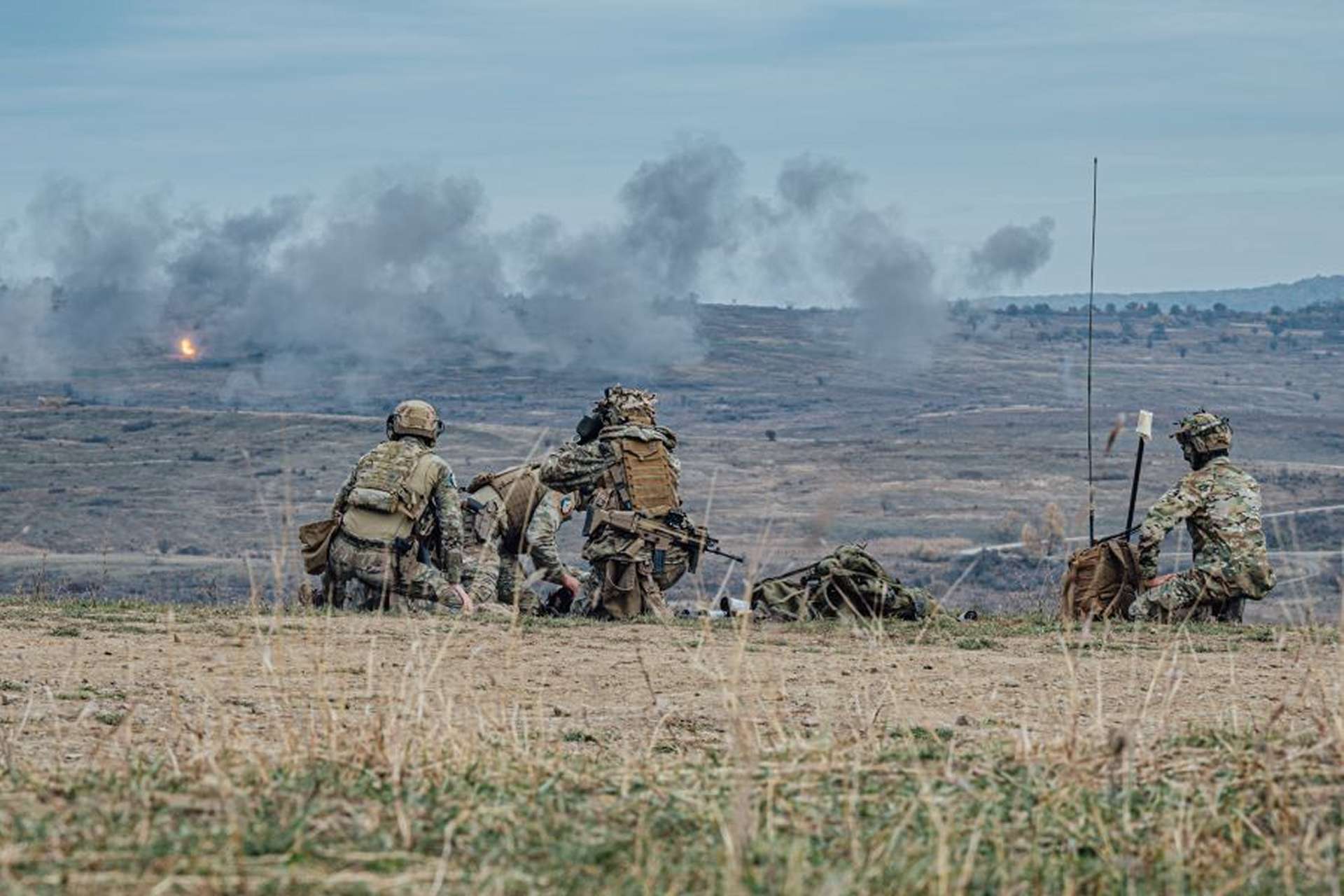
Belgian battalion showcased the operational strength of a NATO multinational tactical group. (Picture source: Belgian MoD)
During a recent demonstration in Cincu, Romanian Puma helicopters, French Leclerc tanks, and Belgian mortar units from the Prince Baudouin - Grenadiers Carabiniers Battalion showcased the operational strength of a NATO multinational tactical group. This display highlighted the capability of this unit to mobilize forces that combine expertise and firepower on the field.
The tactical group in Romania, led by France, currently includes Belgian units, with plans to integrate a Spanish company in the future. Since June 2024, the Belgian 1C/1Gr Infantry Battalion, reinforced by specialized engineering, artillery, communication, medical, and logistics elements, has represented the core of Belgium’s contribution.
According to French Colonel Jean Michelin, the commander of the unit, this multinational group has two essential missions. On the one hand, it aims to deter any potential aggression on NATO’s eastern flank. On the other, it must be ready to immediately adopt a defensive posture if there is a direct threat to Alliance territory, particularly in Romania.
Each contingent brings specific skills based on its capabilities. The French contingent, comprising a heavy mechanized infantry unit, complements the light infantry of the Belgian interarms company. This diversity creates a complementarity that strengthens the group’s efficiency and versatility.
Colonel Michelin underscores the importance of this multinational structure, which enables NATO to demonstrate advanced tactical cooperation. This collective presence helps solidify the Alliance’s deterrent stance by showing that its members can operate in a coordinated manner when faced with potential threats.
France, as the leader of this group, is also Belgium’s partner in the Motorized Capability (CaMo) program. This bilateral project aims to harmonize the motorized capacities of both nations, resulting in strengthened integration on Romanian soil.
Belgian Lieutenant Colonel Van Dyck, commander of the 1C/1Gr and Senior National Representative of the Belgian detachment, explains that by integrating the Belgian company within the French-led tactical group, the goal is to achieve a level of cooperation comparable to a purely national structure. “Working together over the long term allows us to overcome challenges, such as language differences or unaligned IT systems. After four months, we’ve achieved complete integration within the group, thus embodying the spirit of the CaMo program.”
For the Belgian detachment, this demonstration marks the culmination of their mission in Romania. “The rotation has been a success. In four months, we have reached an operational level that allows us to conclude our deployment with pride,” stated Lieutenant Colonel Van Dyck. The 1C/1Gr Battalion will soon be relieved by soldiers from the 12/13th Line Battalion, continuing Belgium’s commitment to this collective deterrence mission.
By showcasing the capability of allied forces to operate together, this deployment strengthens European security and consolidates the ties between NATO nations during a period of heightened geopolitical tensions.
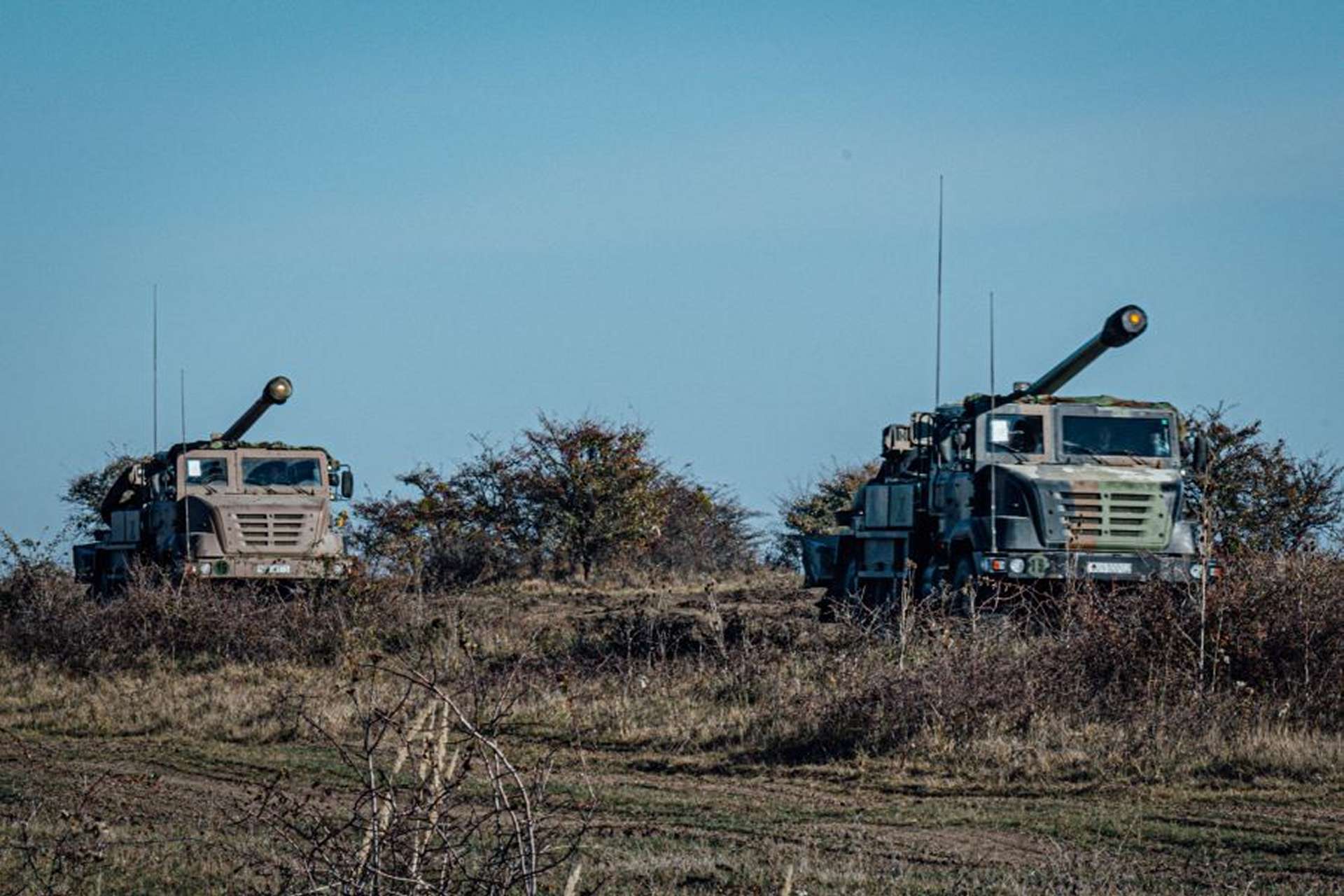
Two French CAESAR as a part of a NATO multinational tactical group. (Picture source: Belgian MoD)
Read more: Belgium Strengthens Cooperation with NATO Through a Multinational Exercise in Romania
- Details
- Written by: Halna du Fretay
- Category: 2024
- Hits: 4501
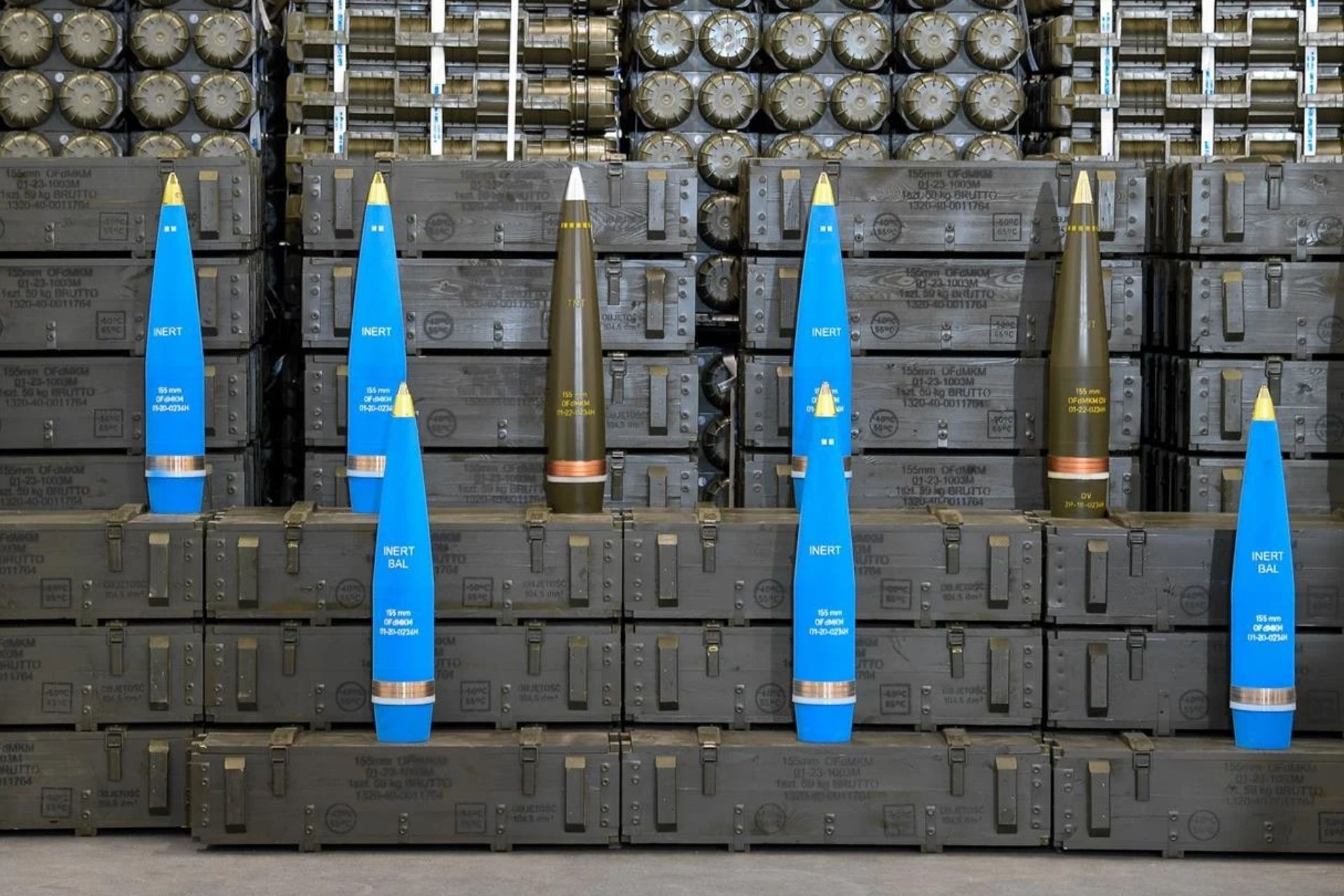
Amid growing tensions in Eastern Europe and the threat of conflict, Poland is preparing to enhance its ammunition production capabilities. The Polish government recently announced a draft law to allocate 3 billion zlotys (approximately 750 million dollars) to increase the production of large-caliber ammunition, essential for national defense. Published on Monday, November 4, this draft law is expected to be adopted by the end of 2024. It addresses pressing security needs, notably the importance of maintaining sufficient reserves to handle potential conflict scenarios, especially with Russia.
Polish companies are closely collaborating to integrate new technologies that support increased industrial production of munitions (Picture source: PGZ)
In a context that emphasizes the need to diversify and strengthen Poland's industrial defense base, the bill outlines substantial financial support for the defense sector. This law is designed to create a financing mechanism for this strategic industry, with particular support for Polish ammunition manufacturers to scale up their production of large-caliber rounds. According to the government, this production boost aims to ensure the Polish Armed Forces have the necessary stockpiles for national defense.
Funding for this initiative will primarily come from the Capital Investment Fund, which will receive around 3 billion zlotys through this legislation. The Ministry of National Defense will contribute 2 billion zlotys from its budget, while the Ministry of State Assets will facilitate the transfer to the Capital Investment Fund. Part of this amount will come from state securities currently held by the Strategic Reserves Agency, which will be reallocated to support this industrial expansion. Through this arrangement, the Ministry of State Assets will acquire equity in the relevant companies on behalf of the State.
This increase in ammunition production capacity aligns with Poland’s broader goal of achieving autonomy in its strategic munitions and arms supplies. In October, Poland’s WB Group signed an agreement with South Korea’s Hanwha Aerospace to establish a joint venture focused on missile production. This partnership, based on a memorandum of intent signed in September, aims to manufacture surface-to-surface missiles, potentially for K239 Chunmoo launchers, known as Homar-K in Poland. Although initially dedicated to missile production, the plant may eventually extend to artillery shell production.
Poland’s efforts to strengthen its ammunition production capabilities not only address domestic needs but also explore export opportunities. Polish companies are closely collaborating to integrate new technologies that support increased industrial production of munitions. Current projects, such as the factory with Hanwha Aerospace, reflect a commitment to innovation and self-sufficiency in a sector critical to national security.
Poland has undertaken a significant modernization of its defense industry, raising military spending to nearly 4% of GDP in 2024. This initiative aims to bolster military capabilities amid increasing geopolitical threats. Warsaw has forged strategic partnerships with countries like South Korea, particularly for the production of K2 Black Panther tanks. Additionally, Poland has invested heavily in military equipment acquisitions, including Leopard 2A5 tanks and Patriot missile defense systems.
These efforts are intended to modernize the Polish Armed Forces and strengthen the national defense industry. The threat from Russia, heightened by the invasion of Ukraine, poses a direct risk to Poland, which borders the Russian enclave of Kaliningrad. The November 2024 election of Donald Trump has raised concerns over a potential reduction in U.S. aid to Ukraine, which could embolden a more aggressive Russian stance in the region. In response to these challenges, Poland is reinforcing its defense capabilities and diversifying international partnerships to ensure national security.
- Details
- Written by: Jérôme Brahy
- Category: 2024
- Hits: 4783
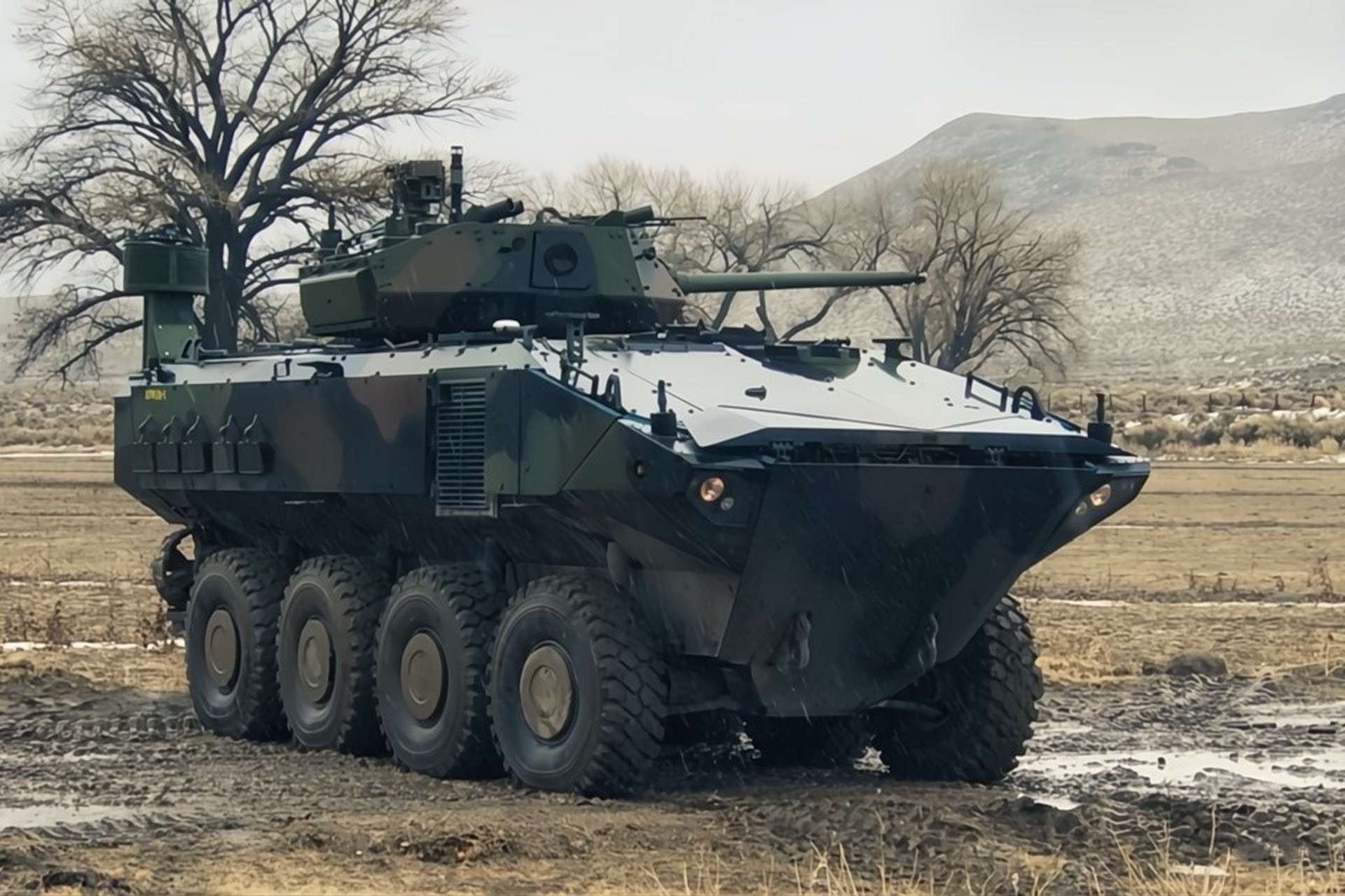
On November 4, 2024, the Norwegian company Kongsberg Defence & Aerospace was awarded a $329 million contract to supply 175 Protector Remote Turret 20 systems for the U.S. Marine Corps' Amphibious Combat Vehicle 30 (ACV-30). The Protector’s design, which does not require an internal basket, provides additional internal space and may reduce the ACV-30’s weight. This procurement is part of the Marine Corps’ plan to gradually replace the AAV-7A1 amphibious assault vehicles that have been in service since 1971.
Follow Army Recognition on Google News at this link
The Protector’s network capabilities support remote and wireless operation and can facilitate Hunter-Killer functions and target sharing among multiple vehicles, aligning with the Marine Corps’ multi-platform engagement needs. (Picture source: BAE Systems)
The ACV-30, a variant within the U.S. Marine Corps’ Amphibious Combat Vehicle family, is currently being tested with the Kongsberg RT-20 turret. BAE Systems, the primary contractor for the ACV program since its selection in 2018, delivered the first production representative test vehicle (PRTV) of the ACV-30 equipped with this turret in early 2024. The ACV-30 is designed to support Marine Corps operations on both land and in amphibious environments, integrating a stabilized, remotely operated 30mm cannon that aims to enhance operational efficiency without compromising troop or equipment capacity.
The Kongsberg RT-20 turret is a remotely operated weapon system developed to be compatible with various platforms, including wheeled, tracked, and robotic vehicles. According to Kongsberg Defence & Aerospace Vice President Jørgen Bull, the RT-20 turret is modular and digital, supporting the integration of new technologies. The turret’s design, which eliminates the need for an internal basket commonly found in legacy turret systems, creates additional space within the vehicle for personnel or equipment and potentially reduces vehicle weight to enhance mobility.
As part of Kongsberg’s Integrated Combat Solution (ICS), the RT-20 turret includes a fire control system capable of adjusting for variables such as firing angle, inclination, and vehicle movement to assist targeting during complex operational scenarios. The system’s network capabilities support remote and wireless operation and can facilitate Hunter-Killer functions and target sharing among multiple vehicles, aligning with the Marine Corps’ multi-platform engagement needs.
The ACV-30 is the third variant in the ACV vehicle family, following the Personnel (ACV-P) and Command and Control (ACV-C) versions, both of which are currently in full-rate production. The ACV-C, delivered in early 2024, functions as a mobile command center with situational awareness features designed for tactical operations. The ACV Recovery (ACV-R) variant is also in development, with plans to provide support and recovery capabilities to the ACV fleet by 2025.
The Marine Corps plans for the ACV-30 to achieve Initial Operational Capability (IOC) by the third quarter of FY 2026, allowing at least one unit to be deployed with sufficient vehicles, spare parts, and training. In line with its modernization objectives, the Marine Corps has allocated $557.5 million in its FY-24 budget to procure 80 additional ACVs, with the total expected to surpass 100 by FY-25. These new ACVs, including the ACV-30, are part of a broader effort to replace the aging AAV-7A1 amphibious assault vehicle, which has been in service since 1971.
The ACV platform, based on IVECO Defence Vehicles’ SuperAV 8x8 amphibious armored vehicle, includes a monocoque steel hull that offers protection from small arms fire, artillery shell fragments, landmines, and IEDs. BAE Systems and IVECO collaborated on a design that provides amphibious capabilities, allowing the ACV to reach speeds of up to 11 km/h in water with propulsion from two rear-mounted propellers. When combat-loaded, the vehicle family has a gross weight of approximately 32,000 kg and includes add-on armor kits for enhanced protection.
Currently, the ACV family includes four primary variants: ACV-P, ACV-C, ACV-R, and the ACV-30 with the 30mm Remote Turret System. The ACV Program Office’s primary focus remains on the personnel variant (ACV-P), which can transport 13 Marines and a crew of three, as well as on the newly delivered ACV-C. Designed for both open-ocean and ship-to-shore operations, the ACV program is structured to address the Marine Corps’ current and future mission needs, especially within the Indo-Pacific region. As part of BAE Systems’ production strategy, these vehicles incorporate features to support the integration of future mission-critical technologies, including advanced communications, multi-domain targeting, and potential for Manned-Unmanned Teaming (MUM-T).
- Details
- Written by: Halna du Fretay
- Category: 2024
- Hits: 4655
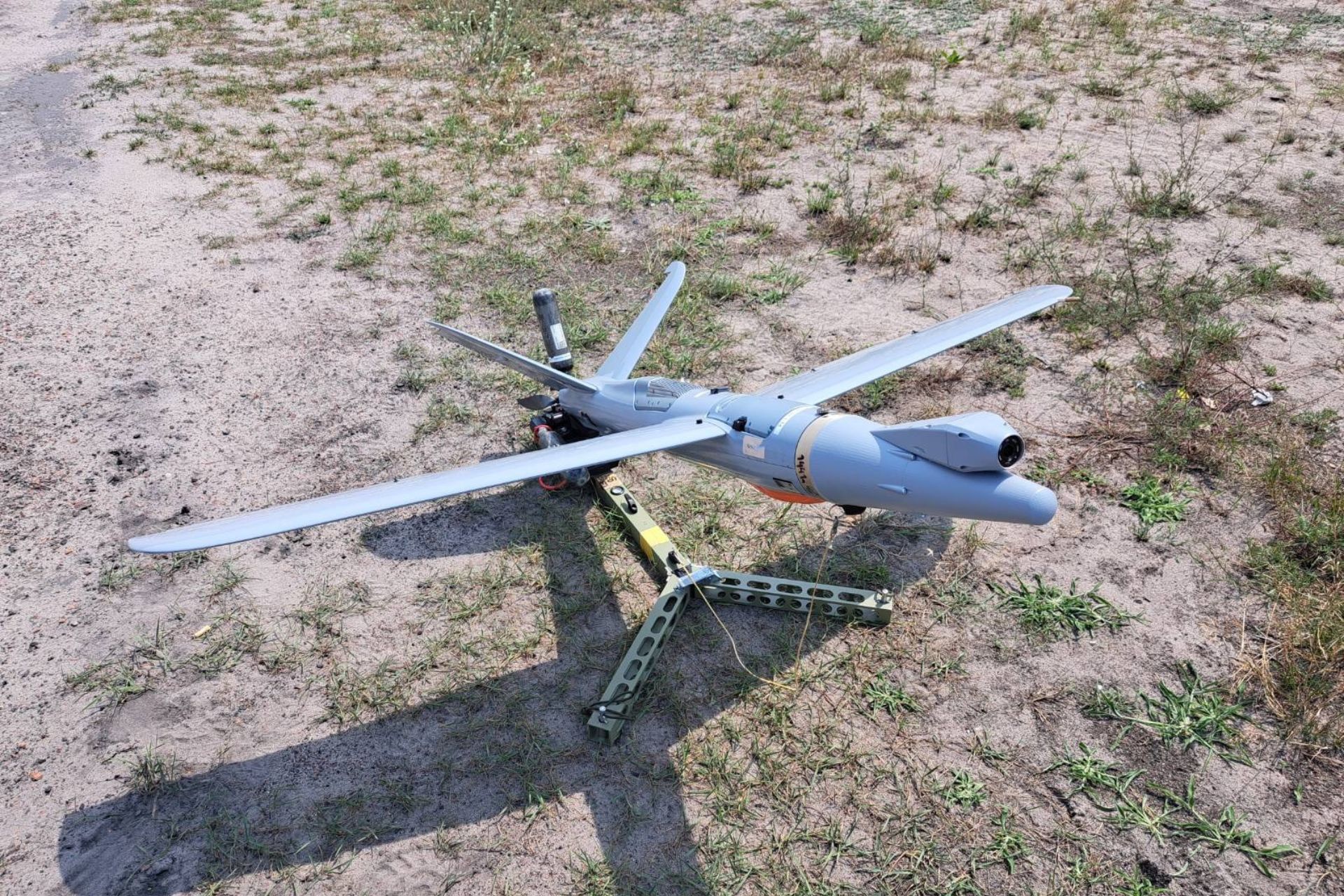
On November 6, 2024, WB Group announced that it had tested a new anti-tank warhead for its Warmate loitering munition, developed in collaboration with the Military Institute of Armament Technology (WITU). This innovation aims to enhance strike effectiveness against armored vehicles, meeting the increasing demands of modern combat against Soviet-era tanks. The series of tests, conducted under various climatic and operational conditions, confirmed the newly shaped charge's capability to penetrate armor, thereby reinforcing Warmate's appeal for armed forces seeking versatile, high-performance solutions.
Warmate on a launcher, with a new anti-tank warhead (Picture source: WB Group)
The testing of this new warhead occurred in two phases: initially in static conditions with the standalone warhead, followed by dynamic conditions simulating direct attacks by the loitering munition on selected targets. WB Group sought to evaluate the function and formation of the shaped charge jet during strikes from various angles. The tests were rigorous, subjecting the munition to strong crosswinds and precipitation to assess its precision and effectiveness in demanding environments. Despite modifications to shape and sensor placement compared to previous versions, the results adhered to precision standards for this type of weapon, with a CEP (circular error probable) rating ensuring 50% of hits within a defined radius around the target center.
The Warmate’s warhead, weighing around 2 kg, offers penetration capabilities exceeding 300 mm of rolled homogeneous armor (RHA) thickness. This significantly strengthens its destructive potential against armored vehicles, particularly those based on Soviet technology. By targeting vulnerable areas such as the rear, sides, or top of vehicles, this penetration capacity increases the probability of damage or destruction. Additionally, this new warhead allows for not only vertical but also frontal attacks, expanding its effectiveness across a range of vehicles, including tanks, infantry fighting vehicles, troop transporters, and support units.
The Warmate system, produced on a large scale by WB Group, has seen approximately 5,000 units manufactured in recent months, featuring interchangeable warheads and adaptable reconnaissance modules. Although the anti-tank warhead has a specific shape and sensor configuration, it remains compatible with earlier munition versions, enabling integration without significant modifications. Deployed in combat situations in Ukraine, the Warmate system is also used by the Polish Territorial Defense Forces and by NATO countries such as Turkey, as well as other nations like Georgia, India, and, most recently, South Korea.
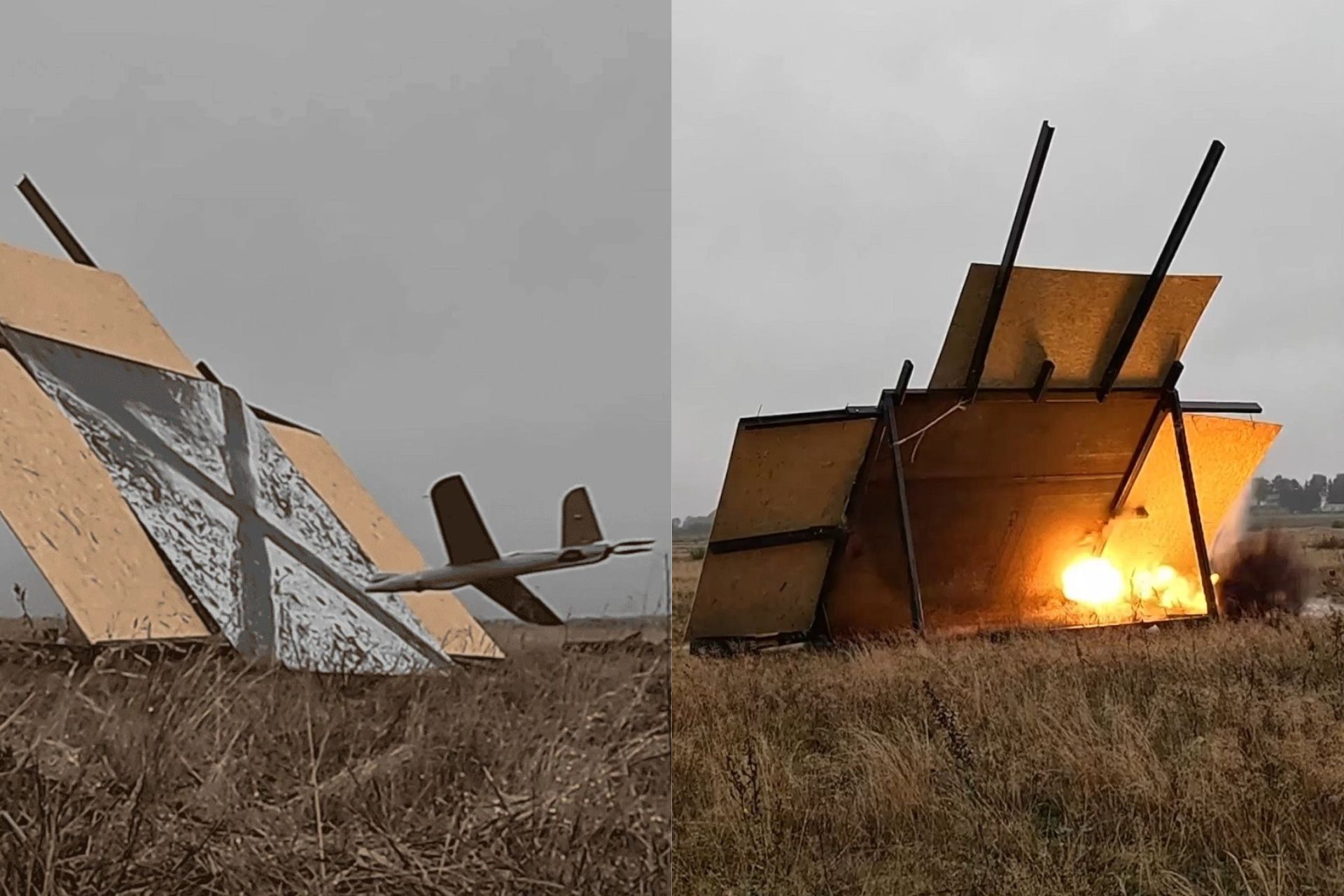
Despite modifications to shape and sensor placement compared to previous versions, the results adhered to precision standards for this type of weapon, with a CEP (circular error probable) rating ensuring 50% of hits within a defined radius around the target center. (Picture source: WB Group)
The WARMATE, developed by the Polish WB Group, has gained notable traction internationally as an efficient loitering munition. Besides its use by Polish armed forces, it has been acquired by several countries, including Turkey, Georgia, India, and South Korea. In October 2024, South Korea signed a contract to purchase more than 100 WARMATE 3 units, marking the first export of Polish military equipment to this country. This growing adoption highlights the confidence placed in this system across diverse operational environments.
Loitering munitions like the WARMATE have seen increased usage, particularly in Ukraine, where they play a critical role in modern military operations. Their ability to monitor an area before engaging a specific target makes them especially suited to asymmetrical conflicts and urban settings. In Ukraine, these systems have been used to neutralize strategic targets, demonstrating their effectiveness and relevance on today’s battlefields. This trend underscores the shift in military doctrines toward more flexible, precise solutions, addressing the challenges of modern conflicts.
- Breaking News: Trump Elected President Signals Shift in US Military Strategy and Ukraine Aid
- France Positions to Equip Cyprus with Leclerc Tanks and Mistral Missiles in Response to Turkish Ambitions
- Ukraine Could Open Its Drone Export Market to Malaysia for First Time
- UK Royal Navy Enhances Drone Defense Capabilities with Successful Martlet Missile Test