

- Details
- Written by: Administrator
- Category: 2024
- Hits: 17382




Breaking news






On May 16, 2024, The European Commission announced a significant investment in defense, with a list of 54 ambitious industrial projects backed by a budget of over one billion euros. Two key initiatives focus on the development of advanced main battle tanks (MBTs), including the MARTE (Main ARmored Tank of Europe) led by a German Company, and the FMBTech (Technologies for existing and Future MBTs) led by a French Company.
Follow Army Recognition on Google News at this link
In June 2022, KNDS unveiled its new EMBT European Main Battle Tank during the Eurosatory defense exhibition that was held in Paris, France (Picture source KNDS)
The first project, MARTE, is a testament to the power of collaboration. Spearheaded by the MARTE ARGE GbR consortium, it brings together defense industries from Germany, Italy, Sweden, Estonia, Lithuania, Spain, Belgium, Norway, Greece, Romania, Finland, and the Netherlands. This diverse group is united by a common goal: to create a new MBT platform that integrates innovative and disruptive technologies to meet current and future threats and requirements.
Key players in this consortium include Germany's Krauss-Maffei Wegmann [KNDS Deutschland], and Rheinmetall with its five subsidiaries, Hensoldt and Renk. Belgium’s John Cockerill Defence and FN Herstal, Sweden’s Saab and BAE Bofors, Finland’s Patria, and Italy’s Leonardo and Iveco are also integral to the project.
Scheduled to run for 24 months, the MARTE project will focus on designing a new combat tank platform incorporating advanced technologies to enhance protection, detection, and firepower. According to the European Commission, the project also aims to improve cost-effectiveness and lifecycle management compared to existing solutions.
MARTE will research and design a new Main Battle Tank (MBT) platform that integrates innovative and disruptive technologies to address current and future threats and requirements. It will also explore applying these technologies to upgrade existing MBTs when suitable. The project aims to provide superior protection, detection, and firepower capabilities while improving cost-effectiveness and lifecycle efficiency compared to current MBT solutions.
While France is not involved in the MARTE project, it plays a significant role in another key initiative called FMBTech. Coordinated by France and led by Thales, this project includes partners from Belgium, Germany (represented by Scertas GmbH), Finland, Norway, Italy, Greece, Spain, Slovenia, Slovakia, Poland, Ireland, the Czech Republic, and Cyprus.
The FMBTech project, with a budget of 20 million euros, is a beacon of innovation. It aims to enable existing and future European MBTs to achieve the highest operational effectiveness and mission success. The project will define and specify innovative technologies for a combat tank system architecture, with an emphasis on digital capabilities, interactions with robotic systems, and the integration of artificial intelligence.
Notable industry participants in FMBTech include KNDS France, Arquus (soon to be acquired by John Cockerill Defence), MBDA, Safran, and the French subsidiary of Germany's Hensoldt.
FMBTech will define and specify the best innovative technologies within a modular Main Battle Tank (MBT) system architecture. Its goal is to enable existing and future European MBTs to achieve the highest operational effectiveness and mission success in future land combat scenarios. The MBT will serve as the core of a digitized capabilities envelope by delivering cutting-edge, through-life capabilities. This will enhance its ability to interface with unmanned systems and increase crew efficiency through the use of artificial intelligence.
- Details
- Written by: Jérôme Brahy
- Category: 2024
- Hits: 15637
Breaking news
According to Hartpunkt on May 13, 2024, the German Army will procure 148 Boxer RCT30 infantry fighting vehicles equipped with a turret already used by the SPz Puma, the successor of the Marder 1A3. This decision aims to provide the Bundeswehr's Grenadier units with vehicles that offer high protection and advanced armament, including anti-drone capabilities.
Follow Army Recognition on Google News at this link
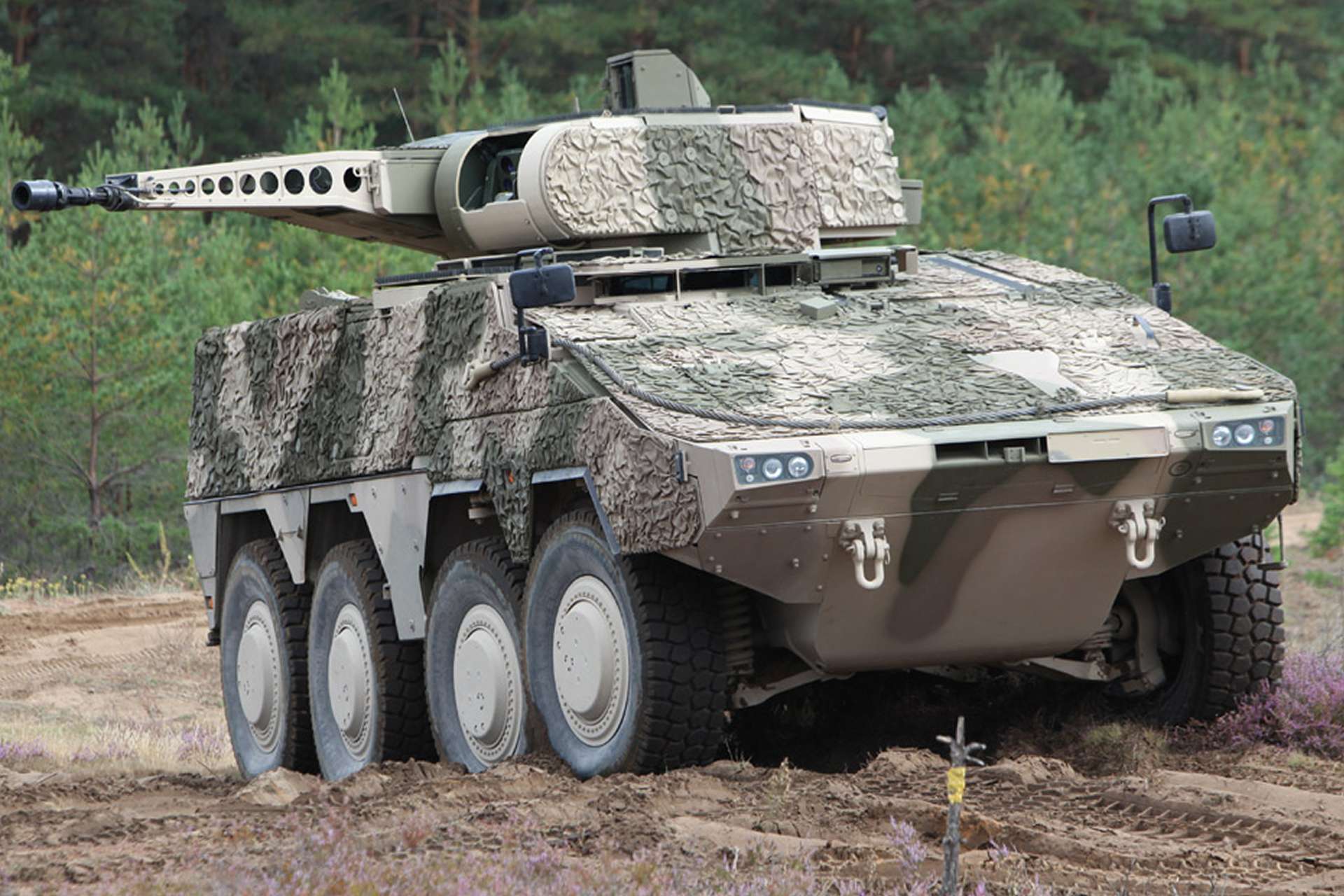
The Boxer RCT30 IFV, despite its resemblance to the Australian Boxer sWaTrgInf Heavy Weapons Carrier, is a distinct variant of the Boxer GTK specifically made for the German Army. (Picture source: KNDS)
The German Army intends to procure the Boxer RCT30, also known as PuBo (Puma Boxer), an 8x8 infantry fighting vehicle featuring a turret derived from the Puma infantry fighting vehicle, for its new "Medium Forces" category. This decision has been verified by multiple sources and is aimed at reinforcing the capabilities of the Bundeswehr's grenadier units. A request for proposals to the industry is anticipated soon, focusing solely on an unmanned turret system, excluding the previously considered manned 30mm Lance Block II turret from Rheinmetall.
The selection of the Boxer RCT30 turret, developed by KNDS Deutschland, means that the vehicle will incorporate the sophisticated turret system utilized in the SPz Puma tracked infantry fighting vehicle, the successor of the Marder 1A3. This choice is motivated by strategic considerations. Unlike the Puma SPz, which lacks dismount capability and is used for direct tactical fire support with a smaller combat space, the Boxer RCT30 offers a larger combat space necessary for accommodating fully equipped grenadier squads. This capability aligns with the operational requirements of the grenadier units, which need a vehicle serving as both a mobile base and a highly protected, lethal combat platform.
The urgency for rapid deployment and the imperative to mitigate technical risks also played a role in the decision. The seamless integration of the PuBo with the "Infantryman of the Future - Enhanced System" (IdZ-ES) is anticipated, drawing upon the extensive integration knowledge gained from the Puma infantry fighting vehicle. This approach minimizes the risks and complexities associated with the vehicle's operational readiness, an area where the Australian Boxer sWaTrgInf Heavy Weapons Carrier would have posed significant challenges due to its lack of compatibility with the IdZ-ES system.
According to Hartpunkt, the procurement process will be facilitated through the European arms agency OCCAR, aiming for cost efficiencies and enhanced interoperability through larger order volumes. The German Army has identified a requirement for 148 wheeled infantry fighting vehicles, and potential orders from other nations could augment the project's scale. The project is scheduled for parliamentary approval later this year, with a contract conclusion expected in 2024, ensuring timely introduction in accordance with the German Army's schedule for establishing the Medium Forces.
Other nations, notably the Netherlands, have expressed interest in the Boxer RCT30/PuBo. The Netherlands, which announced its intention to join OCCAR in November 2023, faces NATO criticism for its current infantry brigade's firepower. Upgrading their Boxer units with a 30mm cannon system to meet NATO requirements has become a priority. Close collaboration between the Dutch and German armies is ongoing to determine operational requirements for a compatible Boxer turret system, aiming for increased equipment interchangeability.
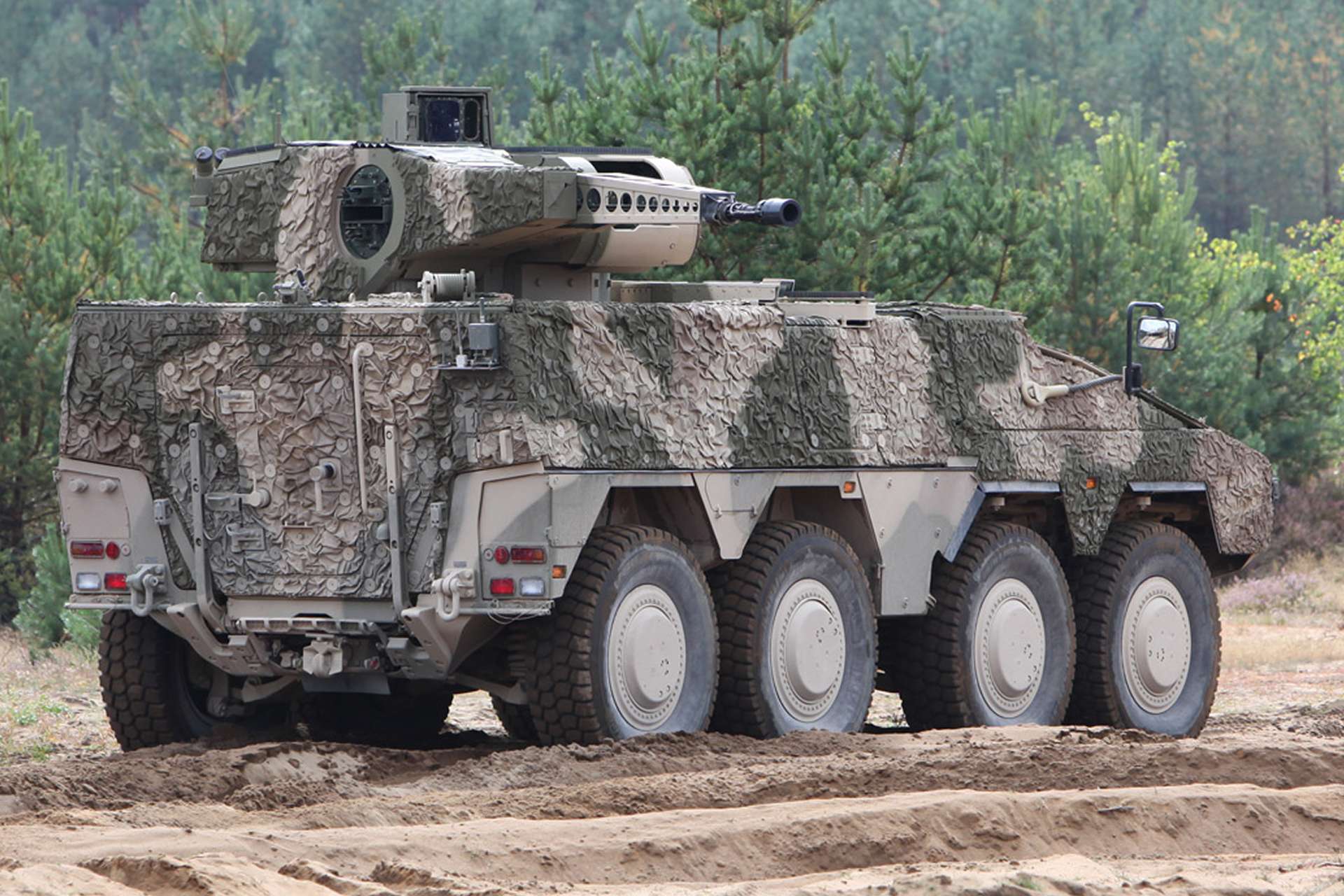
The PuBo is armed with a stabilized MK30-2/30mm ABM automatic weapon system, capable of engaging targets at distances of up to 3,000 meters, an MG 5 coaxial machine gun and Spike LR anti-tank guided missiles. (Picture source: KNDS)
Although the specific launcher system for the Bundeswehr's procurement is not confirmed, KNDS Deutschland introduced a variant during the Eurosatory 2022 defense exhibition, optimized for the PuBo with a narrower profile that minimizes protrusion beyond the mission module. Additionally, the RCT30 turret has been enhanced to address the growing drone threat, positioning it as a critical asset for both the Bundeswehr's Medium Forces and its possible Drone Army.
The Boxer RCT30, or PuBo (Puma Boxer), developed by the ARTEC consortium (a collaboration between Rheinmetall and Krauss-Maffei Wegmann), is an infantry fighting vehicle (IFV) based on the Boxer GTK platform. Featuring the Puma IFV's remote-controlled RCT30 turret, the PuBo is armed with a stabilized MK30-2/30mm ABM automatic weapon system, capable of engaging targets at distances of up to 3,000 meters, both stationary and on the move. With a firing rate of 200 rounds per minute, it also has an MG 5 coaxial machine gun and the ability to launch SPIKE LR anti-tank guided missiles while moving, enhancing its effectiveness on the battlefield.
Based on the Boxer GTK 8x8 platform, the PuBo can reach speeds exceeding 100 km/h on roads and has a range of over 750 km, powered by an MTU 8V199 TE21 engine producing up to 815 hp. Like any other modern vehicle, it can handle steep gradients and obstacles such as trenches and steps, and with a turning radius of 21 meters, the PuBo provides notable maneuverability in tight spaces. Its modular design facilitates adaptation and maintenance, enhancing its efficiency for different missions.
In terms of technical specifications, the Boxer RCT30 has a combat weight of 38.5 tons and a ground clearance of 0.5 meters. It measures 7.9 meters in length, 2.99 meters in width, and 3.5 meters in height, with a crew compartment accommodating up to 10 personnel. Basic protection includes armor against anti-personnel mines, all-round heavy machine guns, and artillery shrapnel, with additional protection against medium-caliber rounds and bomblets available.
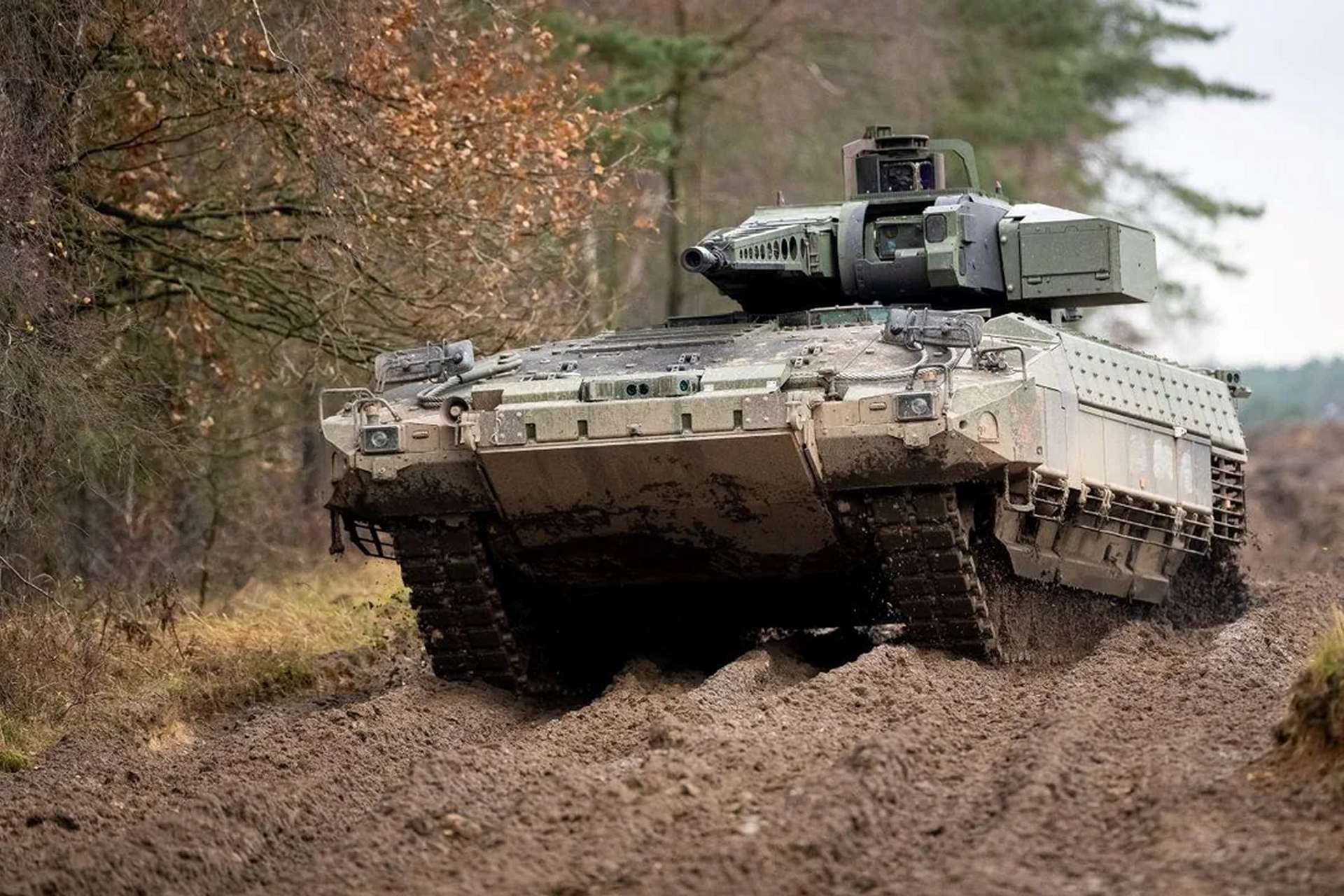
The RCT30 turret also equips the Puma SPz tracked infantry fighting vehicle (IFV), designed to replace the aging Marder 1A3. (Picture source: Rheinmetall)
Read more: German Army to acquire 148 Boxer RCT30 IFVs equipped with the turret of the SPz Puma
- Details
- Written by: Administrator
- Category: 2024
- Hits: 23763
Breaking news
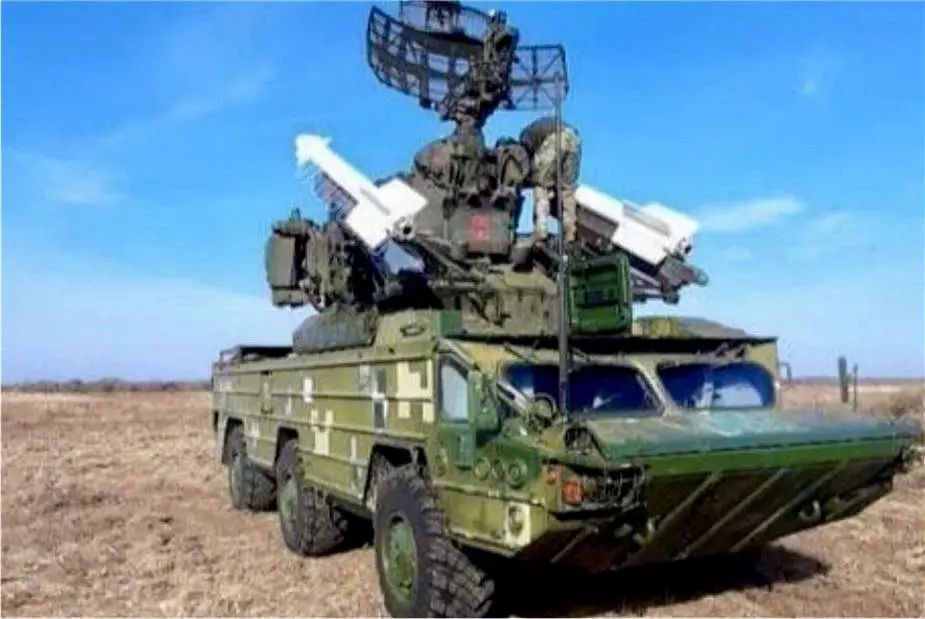
To meet the need for more air defense systems in the face of numerous air attacks by Russian forces and delays in military aid from Europe and the United States, Ukrainian forces have reportedly adapted their 9K33M Osa (Sa-8B) Surface-to-Air Missile (SAM) systems to fire R-73 Air-to-Air Missiles (AAMs). This innovative modification, revealed through a picture shared on X Account OSINTtechnical on May 18, 2024, signifies a strategic enhancement of Ukraine's air defense capabilities.
Follow Army Recognition on Google News at this link
Ukrainian forces have reportedly modified several 9K33M Osa (Sa-8B) SAM systems to fire R-73 air-to-air missiles (AAMs) sourced from Ukrainian Air Force stockpiles.(Picture source: X Account OSINTtechnical)
The SA-8 Gecko , also known by its Russian designation 9K33 Osa, is a highly mobile, short-range, tactical surface-to-air missile (SAM) system developed by the Soviet Union. The system can engage aircraft, helicopters, and drones to provide air defense for ground forces. It is mounted on an amphibious, wheeled vehicle, making it highly maneuverable across various terrains.
Initially, it was equipped with 9M33 missiles housed in canisters, capable of engaging targets at altitudes up to 5 km and ranges up to 10 km. The system features an integrated radar for target acquisition and tracking, enabling autonomous operation without the need for external radar support. It can operate in various weather conditions and is equipped for rapid deployment and redeployment. Typically, the SA-8 is operated by a crew of four, including the driver, commander, gunner, and radar operator.
According to the image, each modified SA-8 Osa system now holds a pair of rail-launched R-73 missiles, replacing the standard canisterized 9M33 missiles. The R-73, known for its high maneuverability and infrared homing capabilities, is originally part of the Ukrainian Air Force's arsenal, typically deployed by fighter aircraft.
The R-73, known by its NATO reporting name AA-11 Archer, is a highly maneuverable, short-range, air-to-air missile developed by the Soviet Union and later Russia. It was introduced into service in the early 1980s and remains used today. The R-73 is designed to engage enemy aircraft in close combat and is renowned for its agility and advanced infrared homing capabilities.
Key characteristics of the R-73 include its ability to lock onto targets after launch (LOAL), allowing it to engage highly maneuverable and fast-moving aerial targets. The missile has a thrust-vectoring system, which enhances its maneuverability, making it highly effective in dogfights. It has an operational range of up to 30 kilometers and can engage targets at altitudes from 500 meters to 20 kilometers. The R-73 is equipped with a high-explosive fragmentation warhead and an infrared seeker, providing all-aspect targeting capability, allowing it to strike targets from any angle.
The R-73 can be mounted on various aircraft, including fighters and interceptors, and is compatible with helmet-mounted sight systems. This enables pilots to target enemy aircraft simply by looking at them, making the R-73 a formidable weapon in short-range aerial engagements.
The integration of R-73 AAMs into the Osa platforms is a strategic move that showcases the resourcefulness of Ukrainian forces. By utilizing existing military assets, they are bolstering their air defense systems. This adaptation could potentially enhance the effectiveness of Ukraine's short-range air defense, providing a versatile and mobile solution against aerial threats.

- Details
- Written by: Administrator
- Category: 2024
- Hits: 18434
Breaking news
During an open public day at Victory Day Park near Moscow, the Russian armed forces displayed a captured American Abrams M1A1 Main Battle Tank (MBT), which the United States donated to the Ukrainian Army as part of the support provided following the invasion by Russian troops in February 2022.
Follow Army Recognition on Google News at this link
During an open public day at the Victory Day Park near Moscow, the Russian armed forces displayed a captured American Abrams M1A1 Main Battle Tank of the Ukrainian army. (Picture source Vitaly Kuzmin)
The delivery of M1A1 Abrams tanks by the United States to Ukraine marked a significant milestone in the country's ongoing conflict with Russian forces. The United States began supplying these advanced tanks as part of its military aid to bolster Ukraine's defenses. The M1A1 Abrams, renowned for its superior firepower, armor, and mobility, is a significant upgrade from the Soviet-era tanks that Ukraine had been using.
The delivery of M1A1 Abrams tanks to Ukraine was a carefully planned operation that began in September 2023. U.S. officials announced that 31 of these Main Battle Tanks have been supplied to bolster Ukraine's defense against Russian aggression. The first batch of tanks arrived in Ukraine in late September, and the delivery was completed by mid-October 2023. This comprehensive effort was part of a broader U.S. military aid package, which also included essential spare parts and ammunition to support the operational readiness of the tanks.
The M1A1 Abrams is equipped with a 120mm M256 smoothbore cannon, which is capable of firing a variety of advanced munitions, including armor-piercing fin-stabilized discarding sabot (APFSDS) and high-explosive anti-tank (HEAT) rounds, allowing it to engage a wide range of targets effectively. In addition to its main gun, the M1A1 features a coaxial 7.62mm M240 machine gun and a 12.7mm M2HB heavy machine gun mounted on the turret, providing substantial secondary firepower. The tank's advanced fire control system, including a laser rangefinder and thermal imaging sights, ensures high accuracy and effectiveness in targeting stationary and moving targets under various conditions (Army Recognition) (Army Recognition).
In terms of protection, the M1A1 Abrams is renowned for its advanced composite armor, which includes depleted uranium layers that significantly enhance its resistance against kinetic and chemical energy threats. The tank's mobility is powered by a 1,500-horsepower AGT1500 gas turbine engine, offering exceptional speed and maneuverability on and off the road. This engine allows the Abrams to reach speeds of up to 72 km/h (45 mph) on road and around 48 km/h (30 mph) off-road. The robust armor, powerful armament, and superior mobility make the M1A1 Abrams one of the most modern main battle tanks in the current modern military arsenals.
Despite the arrival of the American-made Abrams M1A1 tanks, the conflict's unpredictable nature meant that not all equipment could be safeguarded from capture. In a notable incident in early 2024, Russian forces managed to capture the first Ukrainian M1A1 Abrams. This event occurred during a fierce battle in the eastern regions, where intense combat resulted in the tank being isolated and subsequently seized by Russian troops. The capture of the M1A1 Abrams was a propaganda victory for Russia, showcasing their ability to overcome advanced Western-supplied weaponry.
The capture of the first Ukrainian M1A1 Abrams by Russian forces in early 2024 raised valid concerns about the potential for reverse-engineering or studying the tank's advanced technology. This could potentially compromise some of its strategic advantages. However, the delivery of the M1A1 Abrams to Ukraine remains a crucial element of Western support, aimed at ensuring Ukraine remains capable of defending its territory against ongoing aggression.
- Details
- Written by: Administrator
- Category: 2024
- Hits: 71617
Breaking news
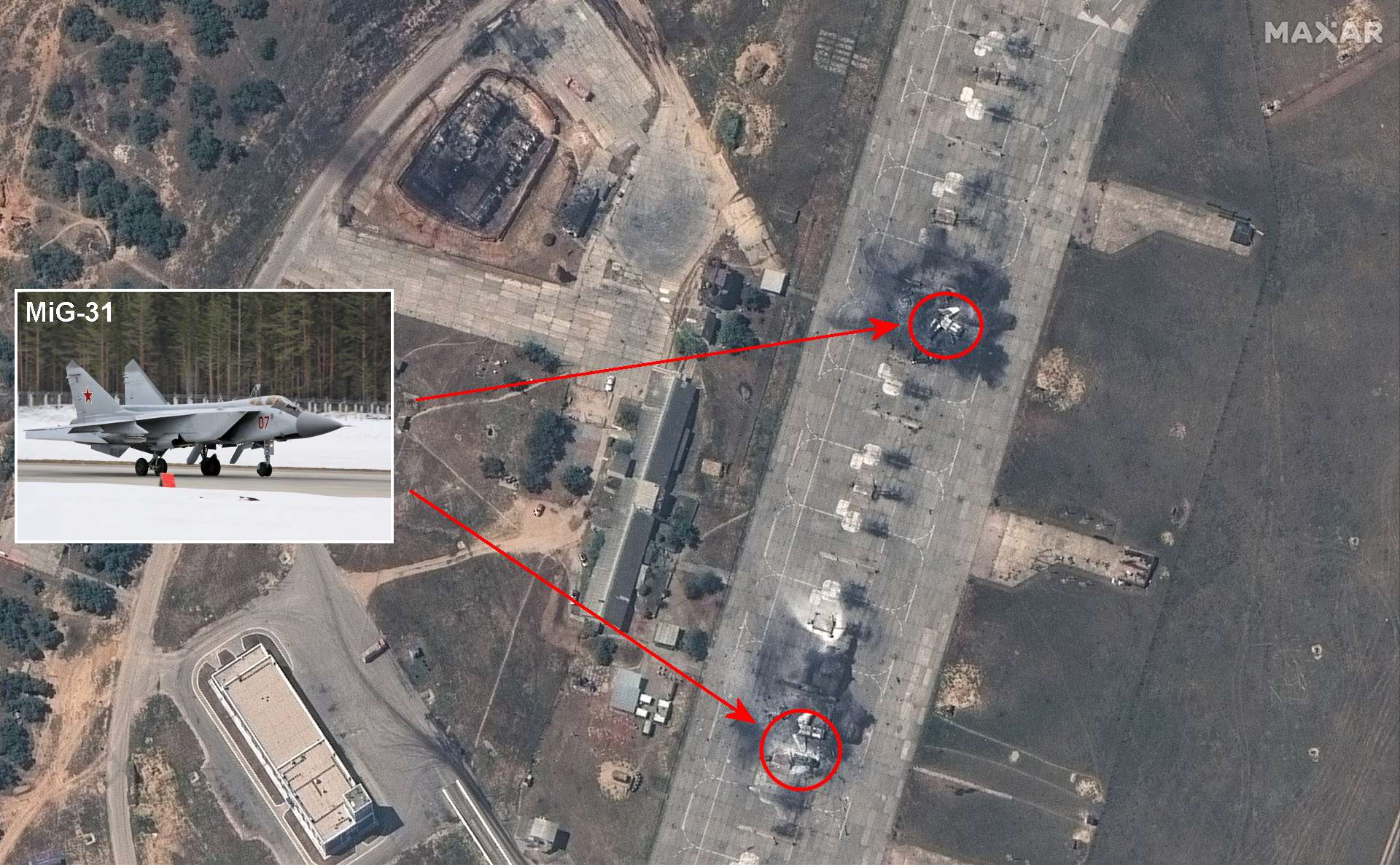
The British Army Intelligence Services reported on May 18, 2024, significant damage to Russian military aircraft and air defense systems in Crimea following a series of targeted attacks by Ukrainian forces on May 14, 2024. The strikes, aimed at Russian military installations on the illegally occupied territory, resulted in the destruction of advanced air defense systems and high-value aircraft. Specifically, elements of an SA-21 Air Defense missile battery, including the sophisticated GRAVE STONE radar and multiple missile launchers, were destroyed at Belbek Airfield. Additionally, at least two MiG-31BM FOXHOUND C aircraft, known for their high-speed interception capabilities, were destroyed on the ground during the operation.
Follow Army Recognition on Google News at this link
Satellite images published on X after the Ukrainian ATACMS strikes reveal the destruction of at least two MiG-31 aircraft, as well as significant damage to infrastructure at the Russian Belbek Air Force Base in Crimea. (Picture source: MAXAR via X Account Christiaan Triebert)
According to public sources, the successful attack was carried out using ATACMS missiles. These precision-guided missiles have a long-range capability, allowing Ukrainian forces to strike high-value targets deep within enemy-held territory. The use of ATACMS in this operation underscores Ukraine's increasing ability to conduct precise, long-range attacks, significantly impacting Russian military operations and infrastructure in Crimea.
In response to the recent Russian offensive against Kharkiv, Ukrainian forces have conducted strategic attacks on Russian military targets in Crimea. This escalation follows increased Russian military activities in the Kharkiv region, which began on May 10, 2024. The Russian offensive aimed to capture key positions in Kharkiv Oblast, but Ukrainian defenses have managed to stabilize the situation despite heavy fighting and significant Russian losses.
These operations are part of Ukraine's broader strategy to degrade Russian military capabilities in occupied Crimea. Ukrainian forces have increasingly utilized long-range drones and missiles to hit strategic targets, significantly impacting Russian air defense and operational readiness in the region (Wikipedia). The ongoing conflict in Kharkiv and subsequent Ukrainian strikes in Crimea illustrate the escalating tensions and the complex military dynamics in the region.
Initial reports indicate that elements of an S-400 NATO-code named SA-21 Triumf Air Defence missile battery at Belbek Airfield were destroyed, including a GRAVE STONE radar and multiple launchers. Additionally, at least two MiG-31BM FOXHOUND C aircraft were destroyed on the ground during the operation.
Satellite imagery taken on May 16, 2024, corroborates these findings, showing the complete destruction of two MiG-31 fighter jets and a Su-27 fighter jet. The imagery also indicates that a MiG-29 fighter aircraft was damaged. Pictures released on May 17, 2024, by Christian Triebert via X, using Maxar imagery, confirmed the destruction at Belbek Airbase, including a destroyed nearby fuel storage facility, with debris still burning in the aftermath.
This strategic attack marks a significant escalation in Ukraine's use of long-range drones and missiles to target critical Russian military infrastructure far behind the front lines, specifically in Crimea, which has been under Russian control since its annexation in 2014.
This incident represents the fourth significant loss for Russian Air Defense in Crimea over the past month. Previous successful actions by Ukrainian forces targeted the Ai-Petri Air Defence Radar site on May 12, 2024, and the Dzhankoy airfield on April 16 and April 29, 2024. These continuous strikes have collectively degraded Russia's capability to defend its airspace around Crimea and highlighted Ukraine's increasing ability to disrupt Russian Air Defense operations.
Military analysts suggest that the cumulative impact of these strikes will likely force Russia to disperse its air assets to mitigate further losses. This redistribution could reduce the presence of A-50U MAINSTAY aircraft, thereby increasing the burden on fighter aircraft patrols to fill the coverage gaps. Such adjustments are expected to elevate maintenance demands on the Russian fleet, potentially compromising their operational readiness.
As the conflict continues, the ability of Ukrainian forces to strike deep into occupied territories poses a significant challenge to Russian military strategy, potentially altering the dynamics of air defense and aerial superiority in the region.
- Details
- Written by: Jérôme Brahy
- Category: 2024
- Hits: 6581
Breaking news
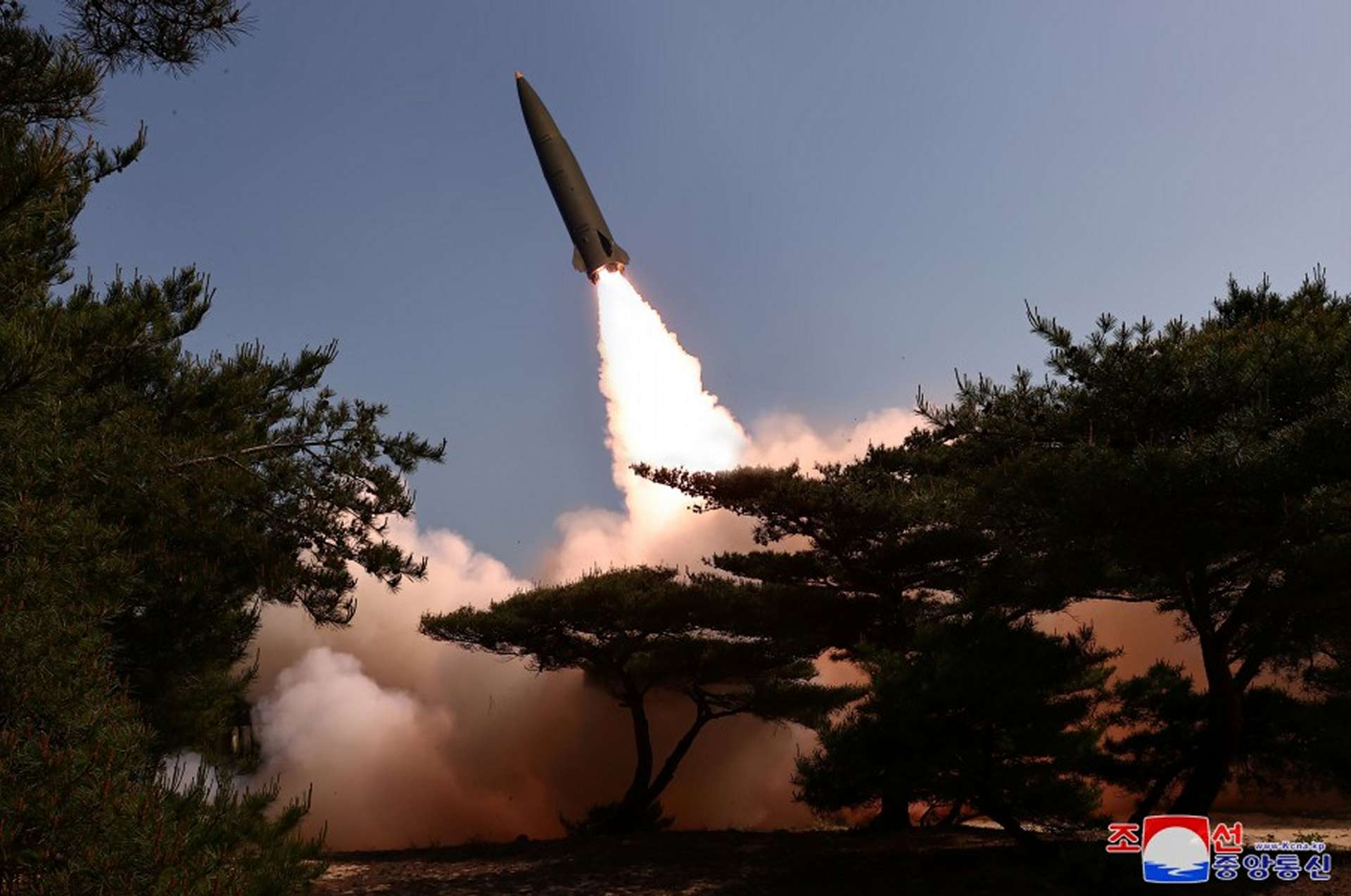
On May 18, 2024, North Korea announced the test-firing of a tactical ballistic missile equipped with a new autonomous navigation system, describing it as part of efforts to enhance its military capabilities. According to the Korean Central News Agency (KCNA), North Korean leader Kim Jong-un supervised the test, although specific details such as the number of missiles fired were not disclosed.
Follow Army Recognition on Google News at this link
North Korea announced the test-firing of a tactical ballistic missile equipped with a new autonomous navigation system, although specific details such as the number of missiles fired were not disclosed. (Picture source: KCNA)
The Korean Central News Agency (KCNA) reported that the accuracy and reliability of the new autonomous navigation system were confirmed through the test firing. The South Korean military also detected the launch, identifying it as several short-range ballistic missiles fired from Wonsan, a city on North Korea’s eastern coast. The missiles reportedly traveled approximately 300 kilometers before landing in the East Sea.
This recent test indicates an advancement in North Korea's missile technology. Previously, the range of North Korea's tactical guided weapons was believed to be between 100 to 110 kilometers. Shin Jong-woo, a senior researcher at the Korea Defense and Security Forum, noted that the 300-kilometer flight distance suggests that the missiles could target significant military facilities in South Korea. The test is part of North Korea's regular activities to advance its weapons systems, according to the North Korean Missile General Directorate. Kim Jong-un acknowledged the strategic value of the new guidance system and recognized the defense science and technology teams for their contributions.
This test follows the joint formation drill conducted by the U.S. and South Korea at Kunsan Air Base, which North Korea alleges was "inciting war fever" with an average of 100 sorties per day. The drills, which ran from April 12 to April 26, were portrayed as targeted at North Korea. Additionally, there were claims of a joint airborne infiltration drill by U.S. and South Korean Special Operations Forces (SOF) on Thursday, purportedly aimed at swiftly infiltrating any region to eliminate a target.
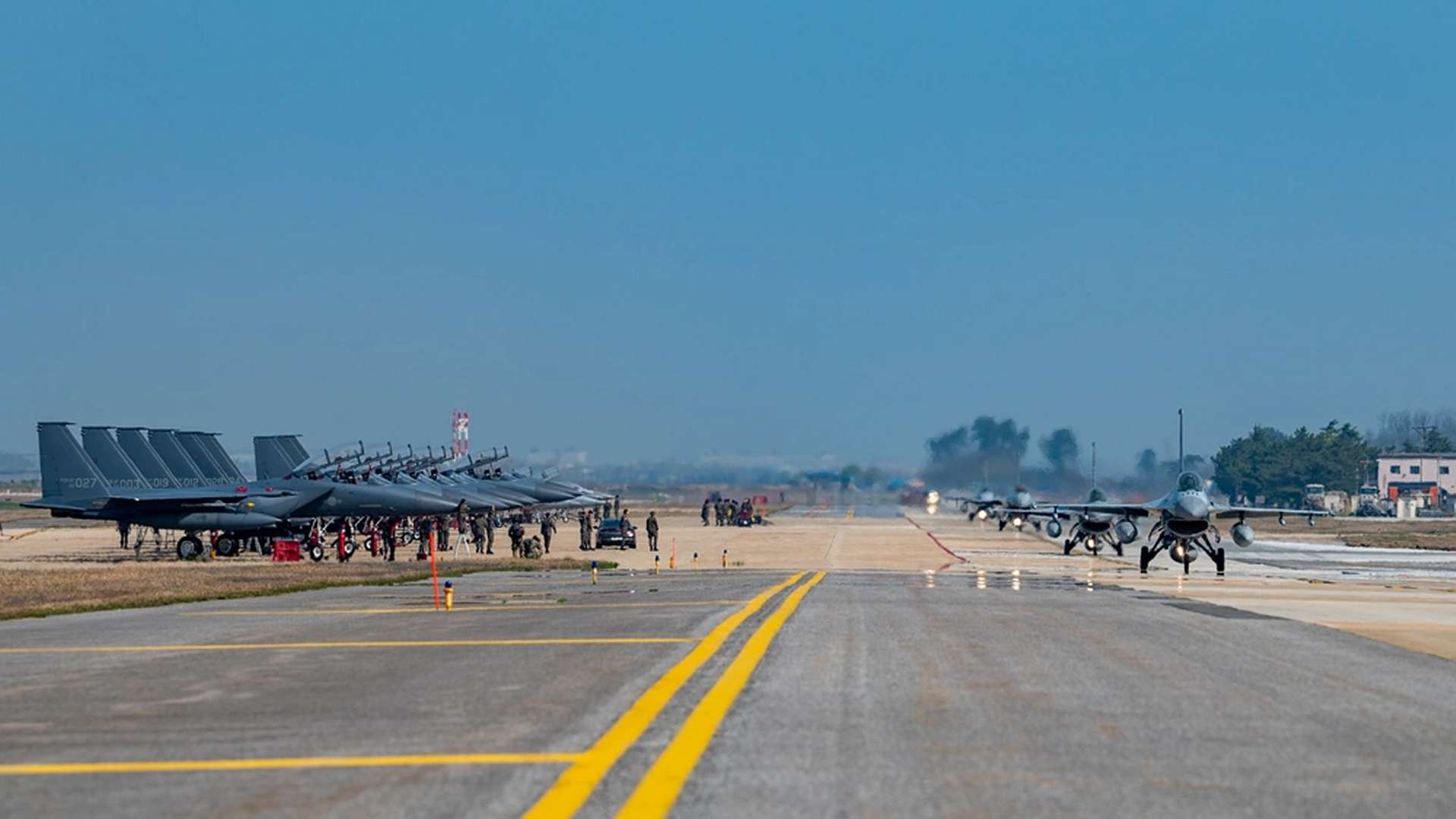
The exercise, named Korea Flying Training 2024 (KFT 24), involved various aircraft, including F-16 Fighting Falcons, F-35B Lightning IIs, A-10 Thunderbolt IIs, and E-3 Sentries. (Picture source: US DoD)
The exercise, named Korea Flying Training 2024 (KFT 24), involved personnel and aircraft from the U.S. Army, U.S. Air Force, U.S. Marine Corps, and the Republic of Korea Air Force. It formed part of the 7th Air Force’s annual training schedule, emphasizing the strength of the ROK-U.S. Alliance. Various aircraft, including F-16 Fighting Falcons, F-35B Lightning IIs, A-10 Thunderbolt IIs, E-3 Sentries, and others from both U.S. and ROKAF were showcased during KFT 24. The exercise aimed to enhance flying interoperability, readiness, and lethality, demonstrating the joint force's ability to deter, defend, and defeat any potential adversary.
North Korea's increased military activities, including the recent launch of cruise missiles, tactical rockets, and hypersonic weapons, suggest a strategic display of its capabilities as well as a response to these perceived threats from the United States and South Korea. Since January 2024, North Korea has introduced several new weapon systems, such as a new 240mm multiple rocket launcher system in February. In March, North Korea introduced the M2024 main battle tank, an upgraded version of the M2020 model. The new tank incorporates advanced technologies inspired by the U.S. M1A2 Abrams and the Russian T-14 Armata, including enhanced explosive reactive armor and anti-tank guided missile systems.
In April, North Korea conducted a test of a new hypersonic missile, the Hwasong-16B. Equipped with a hypersonic glide vehicle and powered by a solid-fuel engine—a shift from previous liquid-fuel engines—the test aimed to validate the missile system's technical specifications and reliability. The glide vehicle's advanced maneuverability and evasion capabilities were a particular focus. This development marks a significant stride in North Korea's missile technology and strategic military capacities.
Furthermore, as reported on May 16, 2024, North Korea has also increased its production of ballistic missiles, including the Hwasong-11D, following a possible request from Russia, as North Korea has recently supplied various military equipment to support Russian operations in Ukraine. The Hwasong-11D, a modified version of the KN-23 missile, has a range of 100 to 180 kilometers and features a quasi-ballistic trajectory for increased accuracy and evasion of missile defenses. State media reported the development of new tactical missile systems for the Korean People's Army, expected to be operational by the end of the year, which aim to enhance war readiness.
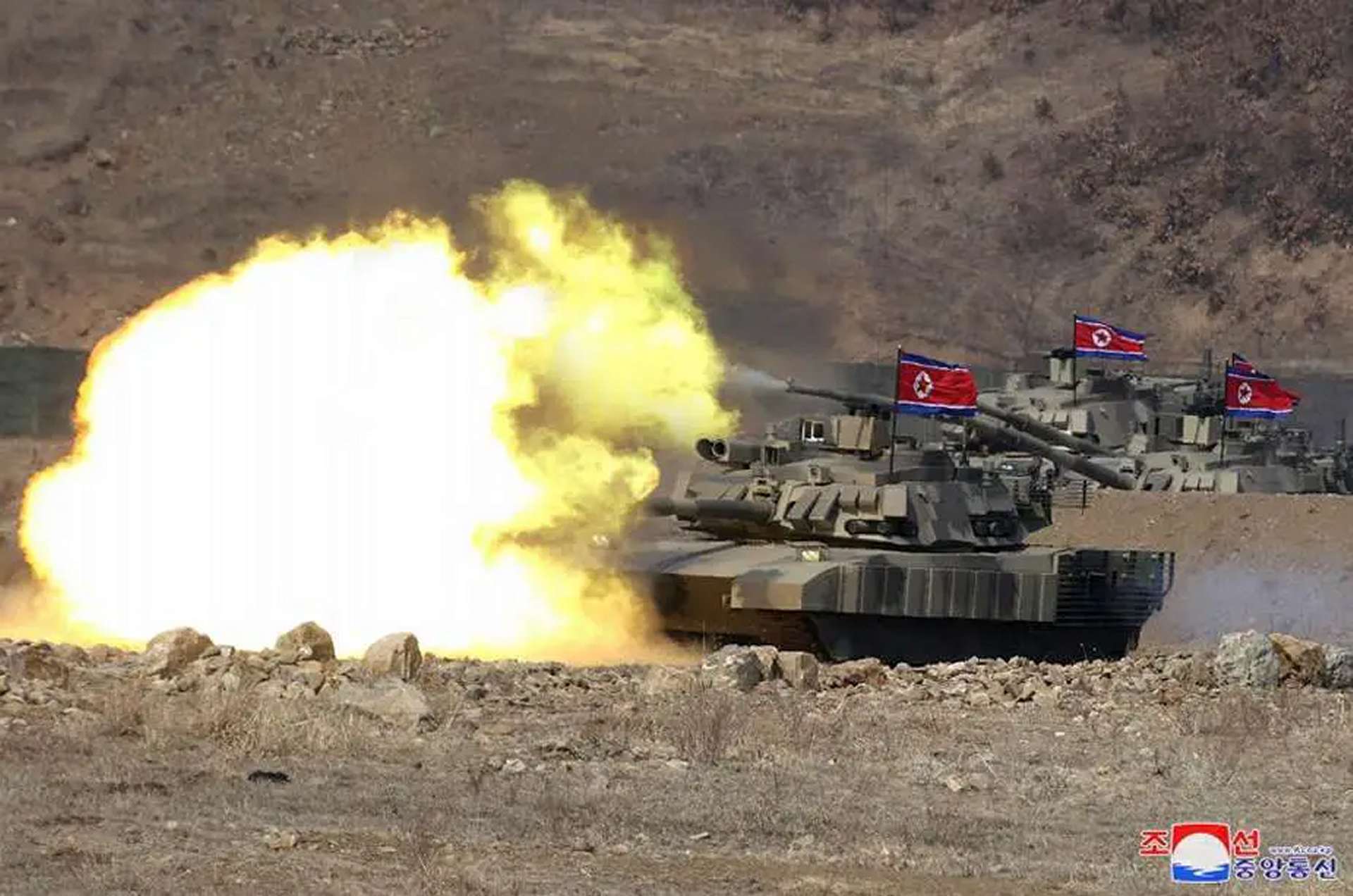
In March, North Korea introduced the M2024 main battle tank, an upgraded version of the M2020 model, incorporating enhanced explosive reactive armor and anti-tank guided missile systems. (Picture source: KCNA)
Read more: North Korea tests new tactical ballistic missile with autonomous navigation system
Breaking News: Iranian Missiles Sayyad-2C Found in Hezbollah Arsenal After Israeli Strike in Lebanon
- Details
- Written by: Administrator
- Category: 2024
- Hits: 9153
Breaking news
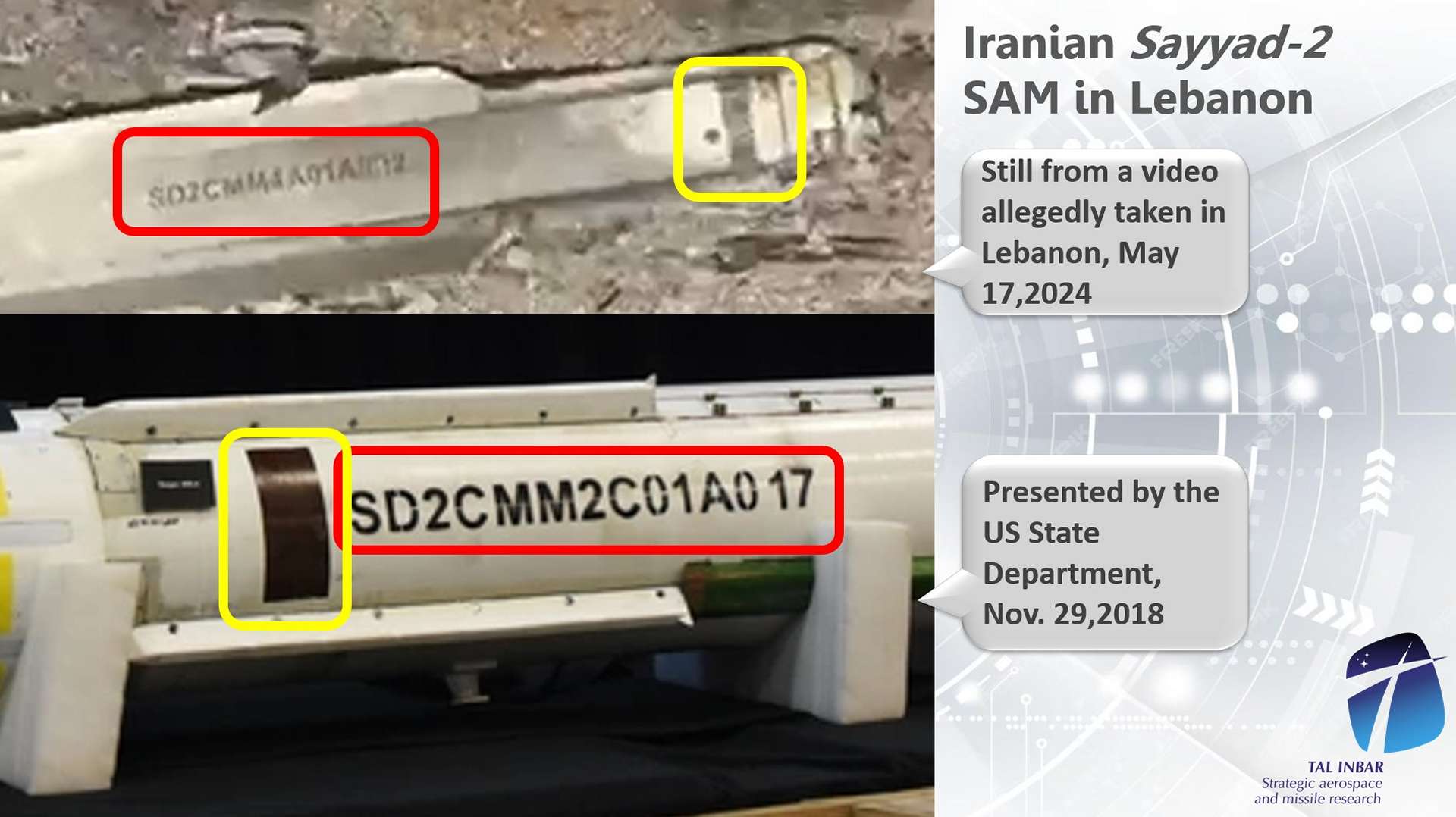
A video and pictures circulating on social media on May 17, 2024, reveal the presence of Iranian Sayyad-2C anti-aircraft missile fragments at the site of an Israeli strike in the Najjarieh area of Lebanon. This discovery marks the first direct evidence that Hezbollah possesses sophisticated Iranian SAM (Surface-to-Air Missile) systems, specifically from the Raad, Tabas, and 3rd Khordad families.
Follow Army Recognition on Google News at this link
Comparison of a missile discovered in Lebanon with a Sayyad-2C missile presented by the US DoD in November 2018. (Picture source X Account Tal Inbar)
The images, verified by defense experts, show the remnants of the Sayyad-2C missile, part of Iran's advanced air defense technology. These missiles are known for their capability to engage various aerial targets at medium to high altitudes, posing a significant threat to aircraft operating in the region.
The implications of this find are profound, as it confirms longstanding suspicions about the extent of Iran's military support to Hezbollah. The presence of such advanced weaponry in Lebanon indicates a potential shift in the balance of power in the Middle East, raising concerns about the escalating military capabilities of non-state actors in the region.
Israeli officials have yet to comment on the findings, but the discovery is likely to heighten tensions between Israel, Hezbollah, and Iran. This development underscores regional conflicts' complex and volatile nature, where advanced military technology is increasingly accessible to militant groups.
The Sayyad-2C is an Iranian surface-to-air missile (SAM) designed for air defense purposes. Iran's broader effort is to develop indigenous missile technology to enhance its defensive capabilities. The Sayyad-2C is a variant of the Sayyad-2 missile, which is itself derived from earlier versions in the Sayyad missile family. These missiles are based on the American Standard Missile (SM-1) design, which Iran acquired before the 1979 Islamic Revolution.
The Sayyad-2C is designed to engage various aerial targets, including aircraft, drones, and potentially some ballistic missiles. It operates at medium to high altitudes and can engage targets at significant distances. The missile is equipped with a solid-fuel propulsion system, providing a substantial range and quick reaction time. Its guidance system allows for precise targeting, making it a formidable component of Iran's air defense network.
This missile's advanced capabilities represent a significant technological achievement for Iran, showcasing its ability to produce sophisticated defense systems domestically. The presence of the Sayyad-2C in Hezbollah's arsenal, as recently evidenced by fragments found in Lebanon, underscores the strategic implications of Iran's missile technology proliferation in the region.
- Details
- Written by: Halna du Fretay
- Category: 2024
- Hits: 2816
Breaking news
As Taiwan prepares for the inauguration of President-elect Lai Ching-te on May 20, the island anticipates heightened provocations from Beijing. Lai's election, perceived as strongly opposed to China, triggered a sharp response from the Chinese government. The Chinese Foreign Ministry reiterated that Lai's presidency does not alter their stance that Taiwan is part of a singular China.
Follow Army Recognition on Google News at this link
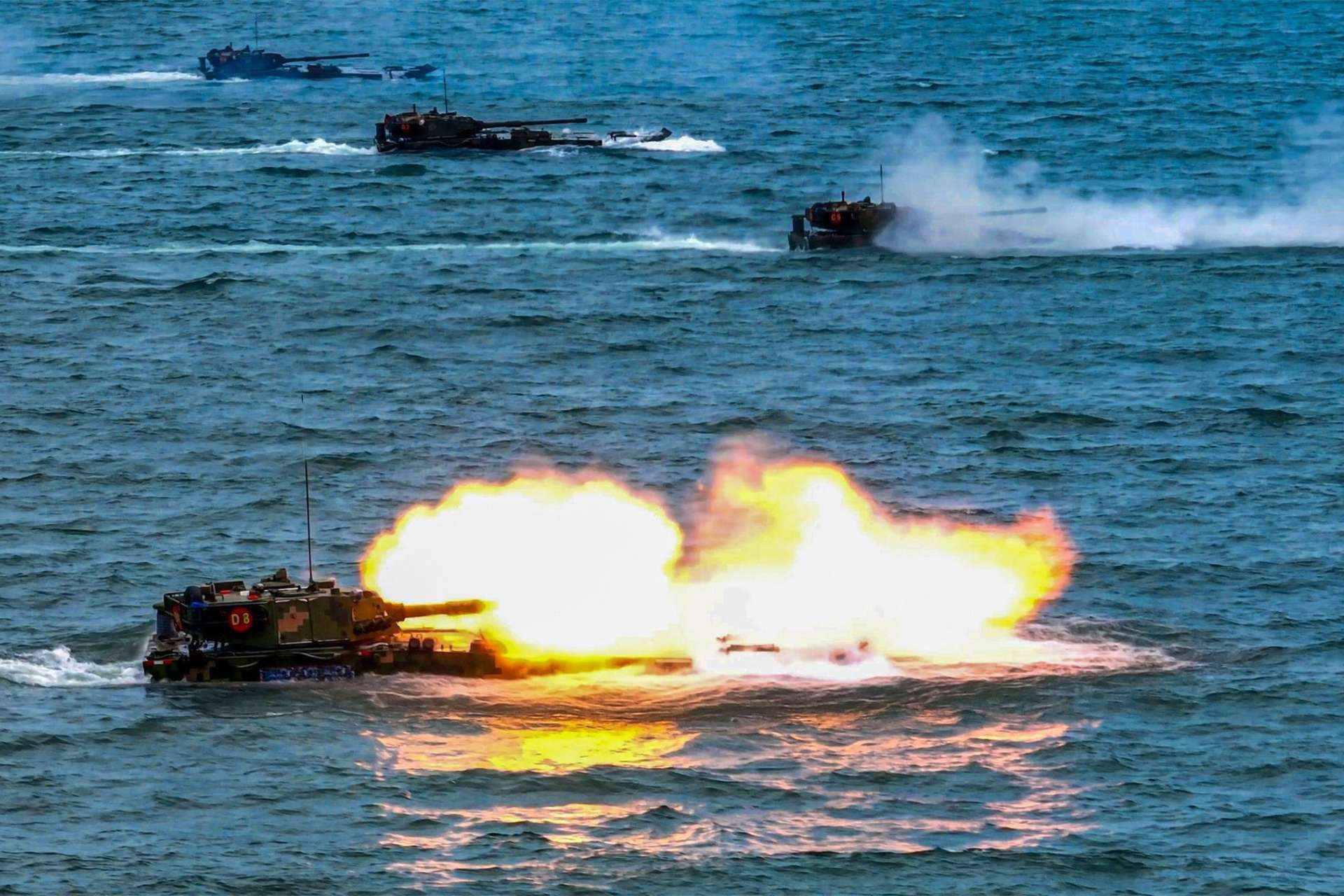
Amphibious assault vehicles attached to a brigade under the PLA 73rd Group Army fire at mock targets during a live-fire training exercise in 2023 (Picture source: China MoD)
Geopolitical tensions between China and Taiwan are escalating, marked by frequent Chinese military activities near Taiwan. Throughout 2023, over 1,700 Chinese aircraft breached Taiwan's Air Defense Identification Zone (ADIZ), with 703 of these incursions crossing the median line of the Taiwan Strait. The intrusions included a variety of fighter jets, bombers, drones, and spy balloons, showcasing persistent Chinese military pressure. Moreover, Chinese warships and aircraft carriers regularly maneuver around Taiwanese waters, further intensifying regional tensions.
In this context, the United States has expressed its support for Taiwan, reaffirming its commitment to assist Taiwan in defending against aggressions. This support is vital as Taiwan faces growing threats, particularly from naval and aerial intrusions. To counter these provocations effectively, Taiwan is adapting its defense strategies. Frequent violations by Chinese military aircraft require swift responses from Taiwanese officials, who often have just minutes to react due to the proximity of Chinese forces. This situation has necessitated changes in how Taiwan’s Ministry of National Defense communicates incidents to enhance clarity and reduce public confusion about these geopolitical tensions.
The challenges of maintaining a robust defense are compounded by regular sightings of Chinese vessels near Taiwanese waters, including combat ships and potentially submarines, raising the stakes for any military misunderstanding or escalation. Taiwan's strategic response has evolved from intercepting each incursion to a more measured approach, focusing on tracking Chinese aircraft with surface-to-air missiles and issuing radio warnings. This shift reflects both the financial burden of continuous interceptions and the wear on Taiwan's limited fleet of military aircraft.
To improve its defensive posture, Taiwan now prioritizes transparency and timeliness in its military reports. These reports aim to provide clear and detailed information about Chinese military activities, keeping local and international communities well-informed about the challenges Taiwan faces. This approach not only helps manage domestic concerns but also aids in gathering international support against the threats posed by Chinese military maneuvers near the island.
Although well-trained, Taiwan’s military is substantially outclassed by Chinese forces. Taiwan's air force notably includes upgraded F-16 fighters, and Taiwan has recently begun receiving new F-16V Viper jets, enhanced versions capable of carrying a variety of advanced weapons and equipped with the latest generation radars. Taiwan also has its own combat tanks, the locally designed and manufactured CM-32 "Clouded Leopard," capable of operating in various island environments. On the naval front, Taiwan is modernizing its fleet with the acquisition of submarines and frigates capable of countering enemy submarines and surface ships. Additionally, Taiwan regularly conducts island defense simulations, including sea invasion scenarios, where armed forces practice coastal defense maneuvers and rapid counter-attack operations. These exercises aim to strengthen Taiwan’s preparedness for a hypothetical invasion, improving coordination among different military branches and testing combat strategies in real-life situations.
Conversely, China boasts one of the world's largest and most advanced armies, with significant capabilities in all areas of modern warfare. The People's Liberation Army (PLA) includes a massive land force equipped with the latest generation tanks such as the Type 99, along with a broad range of armored vehicles. The PLA also possesses formidable aerial capabilities, with advanced fighters such as the Chengdu J-20, a fifth-generation aircraft designed to compete with American stealth jets. The Chinese navy has undergone substantial development and modernization, including guided missile destroyers, nuclear and conventional submarines, and aircraft carriers like the Liaoning and Shandong, which extend the reach of China's projectable force.
China’s long-range strike capability is also noteworthy, with an arsenal of ballistic and cruise missiles capable of targeting Taiwan from the mainland. This includes missiles like the DF-16, specifically designed to reach targets in Taiwan, capable of carrying conventional and nuclear payloads. Additionally, China continues to develop its amphibious warfare capabilities, with vessels like the Type 071, a Yuzhao-class landing ship, enabling the rapid deployment of troops and equipment onto beaches in conflict scenarios.
This complex military dynamic between Taiwan and China underscores the need for Taiwan to continually maintain and enhance its defense capabilities while seeking international support to deter potential aggression. From an economic perspective, Taiwan's semiconductor production reinforces allied nations' support intentions, even as several Taiwanese companies build facilities in the United States with the aim of filling the void created by a potential Chinese invasion.
Taiwan’s new President, Lai Ching-te, thus confronts a complex scenario under constant threat from China, necessitating the maintenance of national security and economic stability.
Read more: Inauguration of Taiwan's New Leader Amid Increased Pressure from China
- Details
- Written by: Triffaux
- Category: 2024
- Hits: 5356
Breaking news
On May 16, 2024, the British government announced a notable development in defense technology: a Radio Frequency Directed Energy Weapon (RFDEW) designed to effectively counter drone swarms and disable enemy electronics, as part of Project Ealing. This announcement coincides with a planned increase in the defense budget, paving the way for substantial enhancements in the nation's military capabilities amid evolving technological warfare.
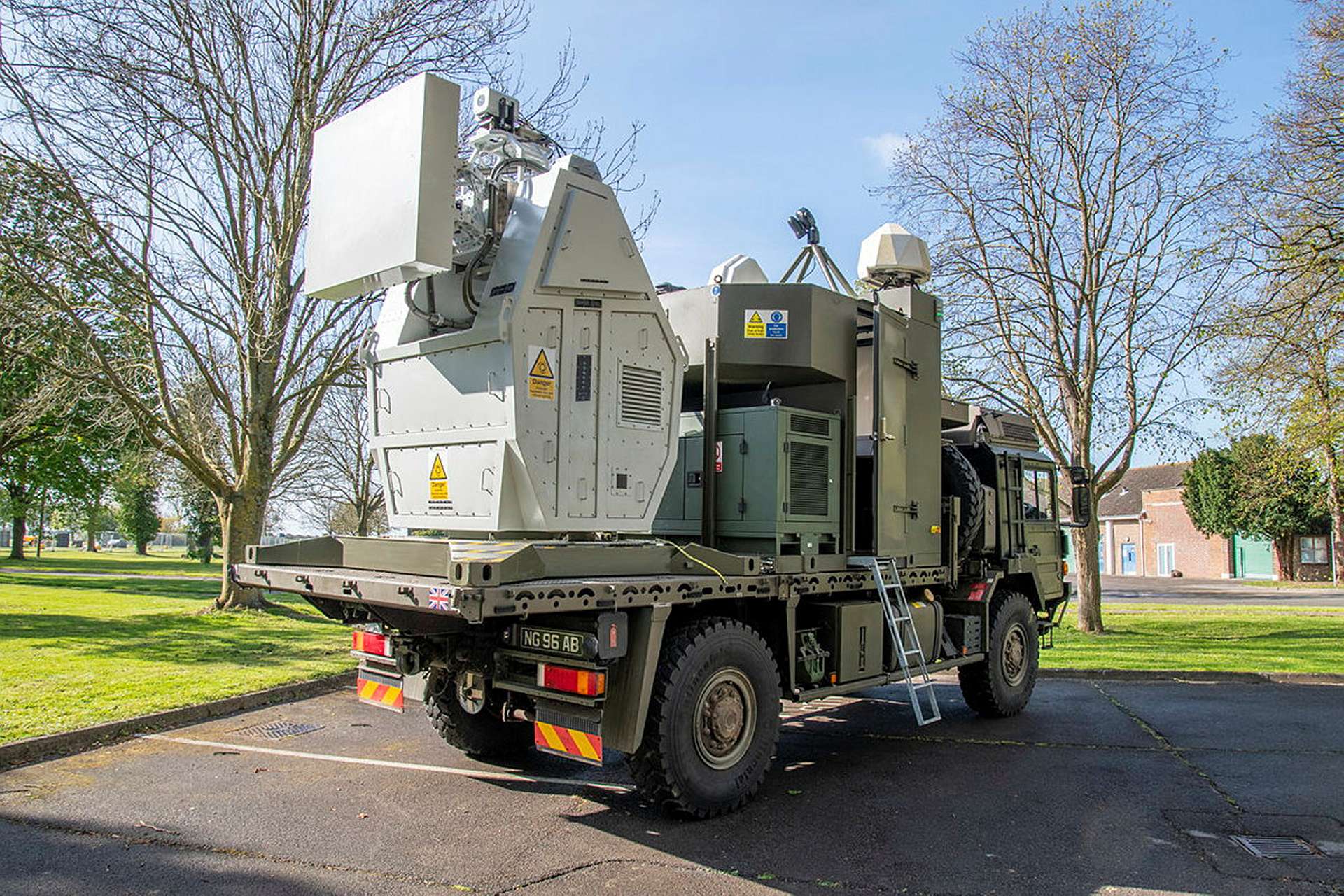
Dstl Radio Frequency Directed Energy Weapon mounted on British HX60 Military Truck (Picture source: Twitter Gabriele Molinelli)
Defense Procurement Minister James Cartlidge emphasized the strategic importance of this innovation, stating, "Developments like the RFDEW not only make our personnel more lethal and better protected on the battlefield but also ensure the UK's status as a global leader in innovative military equipment.
"The RFDEW system operates by emitting targeted radio waves that disrupt the electronic components of drones and other enemy devices, rendering them inoperative. This technology has an effective range of one kilometer, with ongoing efforts to extend this range further. Notably, the system's cost efficiency is a major advantage, with each activation costing only 10 pence, providing a very economical solution compared to traditional missile systems.
Similar in concept to the Epirus LEONIDAS system used by the U.S. Army, Ealing’s technology also includes its own detection sensors, enhancing its operational independence.
Dstl Chief Executive Paul Hollinshead highlighted the potential impact of the RFDEW, "These revolutionary systems will give our armed forces a decisive operational advantage, saving lives and neutralizing serious threats." Developed under Project Hersa through a collaboration between the Defence Science and Technology Laboratory (Dstl), Defence Equipment & Support (DE&S); and the UK industry, the system is now progressing through rigorous field testing.
With the ability to be mounted on various military vehicles and powered by a mobile source, the RFDEW can fire multiple sequenced shots or a broad beam to simultaneously engage multiple targets. This technology is poised to become a cornerstone in the UK's strategy to defend against unmanned systems, echoing the necessity highlighted by recent global conflicts.
As a reminder, the costs associated with missiles used to destroy enemy drones are exceptionally high, ranging from one to two million pounds per launch. This expenditure is disproportionate compared to the cost of the target, a simple drone valued at around 20,000 dollars. Therefore, for every dollar spent by an attacker, the defenders must spend between 63 and 126 dollars. In this context, the RFDEW system was developed to significantly reduce this expense ratio. This system lowers the cost of each shot to just 13 cents, significantly influencing the economics of warfare and impacting enemy strategies. Indeed, with the RFDEW, an assailant ends up spending 150,000 times more than the cost of their target to carry out an attack.
Read more: UK Officially Unveils its New Radio Frequency Cannon Designed to Counter Drone Swarms
- Details
- Written by: Halna du Fretay
- Category: 2024
- Hits: 4667
Breaking news
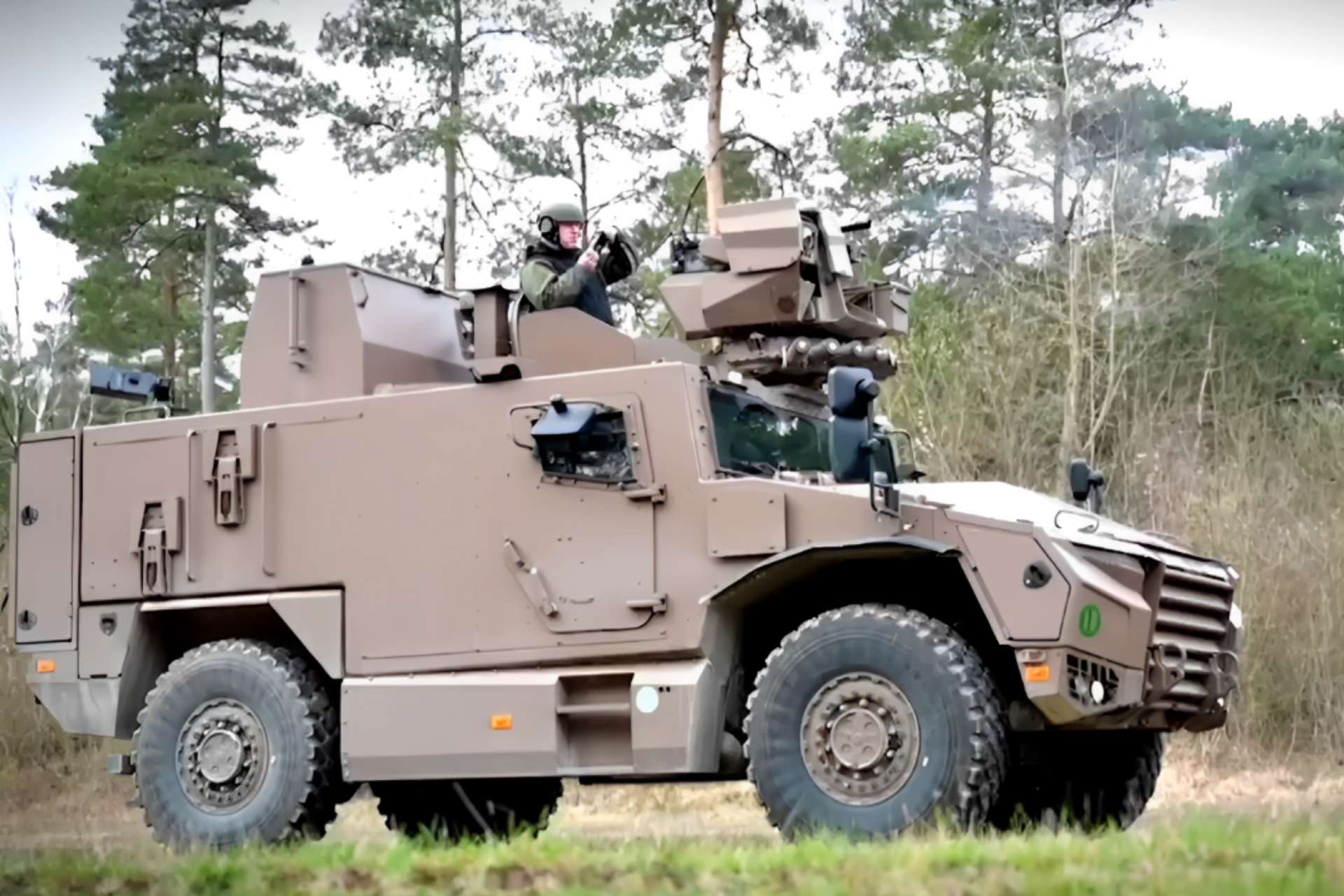
The French Army conducted tests on May 15, 2024, to integrate an automatic grenade launcher on its multi-role armored vehicles, the Griffon and Serval, as part of its SCORPION program. These vehicles are equipped with a remotely operated turret (TTOP) that can accommodate either a 12.7 mm or 7.62 mm machine gun or a 40 mm automatic grenade launcher (LGA).
Follow Army Recognition on Google News at this link
The evaluations highlighted the potential benefits of the 40 mm grenade launcher mounted on the remotely operated turret, noting its ease of use, precision, and effectiveness (Picture source: Technical Section of the Army)
The Griffon and the Serval are central elements of the French Army's SCORPION program, aimed at modernizing its armored vehicle fleet. The Griffon, which began production in 2017 and entered service in 2019, is a multi-role armored vehicle designed to replace the older VAB (Véhicule de l'Avant Blindé) used by the French military since the 1970s. It features advanced armor protection, a remote weapons station, and cutting-edge battlefield network capabilities. The Griffon accommodates up to eight soldiers and is intended for a variety of missions, including reconnaissance, command, medical evacuation, and troop transport.
The Serval, another key component of the SCORPION program, is a lighter multi-role armored vehicle, which began production more recently with entry into service planned for the early 2020s. It is designed to fulfill roles similar to the Griffon but in a more compact and agile form, making it suitable for operations requiring rapid mobility and flexibility. Like the Griffon, the Serval incorporates advanced communication systems, and modular armor, and can be equipped with various weapons systems. Both vehicles represent significant steps in the modernization of the French Army, offering enhanced protection, mobility, and network-centric warfare capabilities.
Although these armored vehicles are progressively becoming standard within various regiments, they have not yet been equipped with the 40 mm LGA. The Technical Section of the Army (STAT), along with the General Directorate for Armament (DGA), the Scorpion Combat Expertise Force (FECS), and the Unique Training and Perception Center (CPFU), managed by the Support and Preparation Center for Joint Combat – 51st Infantry Regiment, shared their evaluations on social media, including LinkedIn.
The evaluations highlighted the potential benefits of the 40 mm grenade launcher mounted on the remotely operated turret, noting its ease of use, precision, and effectiveness. STAT announced that a new weapon adaptation kit, including the grenade launcher, would soon be available for the Griffon and Serval vehicles.
Additionally, the army emphasized that the TTOP would soon feature an enhanced capability to "mask, neutralize, and destroy," thereby augmenting the operational capabilities of the forces.
It should be noted that the Griffon and Serval are equipped with the “Hornet T1” and “Hornet S” turrets, respectively. Developed by Arquus, these turrets share several features such as automatic loading, electronic firing control, and shell recovery. They can also be fitted with the HK GMG (Granatmaschinengewehr or grenade machine gun) provided by Heckler & Koch.
The SCORPION program (Synergy of Contact Reinforced by Versatility and Information Enhancement) is a crucial initiative for the modernization of the French Army, aiming to enhance the operational capability of ground forces. This program seeks to replace older vehicles such as the VAB (Véhicule de l'Avant Blindé) with more modern and versatile vehicles like the Griffon and Serval.
Moreover, SCORPION includes the modernization of existing equipment to strengthen connectivity and cooperation among different units on the battlefield through the introduction of advanced weapon systems and next-generation communication technologies. This ambitious program is not only aimed at adapting the Army's capabilities to contemporary threats but also at ensuring better interoperability with the forces of other NATO nations.
- Details
- Written by: Triffaux
- Category: 2024
- Hits: 4294
Breaking news
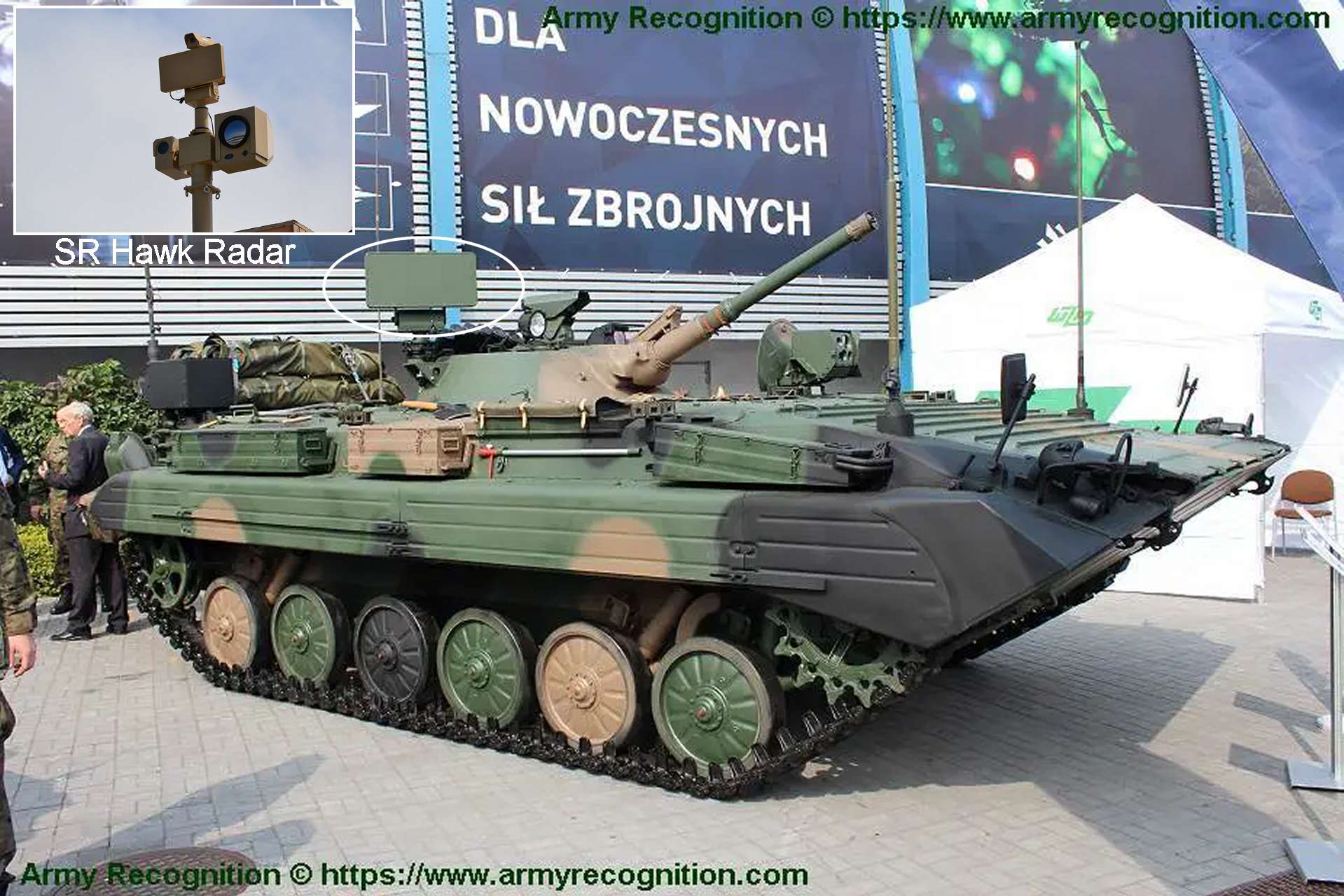
On May 16, 2024, SRC, Inc., a U.S.-based defense contractor, announced a contract to equip an additional 15 Polish BWR-1D/S Reconnaissance Fighting Vehicles with its advanced SR Hawk surveillance radars. This announcement follows a previous upgrade series in 2021 where 25 BWR-1 vehicles were similarly equipped, highlighting ongoing modernization efforts within the Polish military.
Follow Army Recognition on Google News at this link
SRC SR Hawk surveillance radar mounted on Polish BWR-1D/S Reconnaissance Fighting Vehicle (Picture source: Army Recognition Group and SRC)
The SR Hawk radar system is recognized for its ability to detect and monitor personnel, land vehicles, and marine vessels, making it exceptionally suitable for a variety of military applications, including border surveillance and artillery spotting. The latest enhancements underscore the system’s adaptability and effectiveness in improving the operational capabilities of military forces.
Kevin Hair, President and CEO of SRC, Inc., expressed pride in the company's contributions to the defense initiatives of Eastern European allies. "As we continue to advance the capabilities of our military partners, SRC is proud to support the modernization efforts of our Eastern European allies through the integration of our SR Hawk technology," said Hair.
To date, SRC has delivered over 500 SR Hawk units worldwide, enhancing situational awareness and operational effectiveness across various military setups. These setups include vehicles, towers, and other expeditionary emplacements. Ongoing hardware and software updates from SRC ensure that the SR Hawk radar remains at the forefront of surveillance technology. The collaboration between SRC and the Polish military underscores an important step in strengthening defense capabilities in Eastern Europe, showcasing a successful international partnership in the defense sector.

- Details
- Written by: Jérôme Brahy
- Category: 2024
- Hits: 6510
Breaking news
On May 14, 2024, during a session of the German Bundestag, the CDU/CSU parliamentary group advocated for the establishment of a dedicated drone branch within the German Army. In their proposal, the CDU/CSU calls on the federal government to create a drone army tailored to the needs of the air force, land forces, and navy, considering both strategic and tactical impacts.
Follow Army Recognition on Google News at this link
The prominence of drones has led to significant organizational changes within the Ukrainian military, as these UAVs are cheaper and easier to deploy than ever before, with Ukraine reportedly using up to 10,000 drones monthly. (Picture source: Ukrainian MoD)
This proposed drone army would draw on the experiences of the Ukrainian armed forces, ensuring sufficient drones for reconnaissance and combat, and include specialists for defending against drones and drone swarms. The proposal states that over two years into the conflict between Ukraine and Russia, the war has significantly changed both offensive and defensive military strategies. Civilian and dual-use technologies, particularly drones of various sizes and their combination with Artificial Intelligence (AI), are playing an increasingly pivotal role on the battlefield.
The CDU/CSU points out that the conflict has revealed the challenge of maneuvering large mechanized formations due to the omnipresence of drones. Hundreds, even thousands, of drones in the sky at any given time track, observe, and counteract movements, making traditional offensive operations exceedingly difficult. This has been observed in both the Ukrainian counteroffensive in the summer of 2023 and recent Russian attempts to advance, where attacks were quickly halted due to immediate counteractions facilitated by drones.
The prominence of drones has led to significant organizational changes within the Ukrainian military, which now has dedicated drone units. These unmanned aerial vehicles (UAVs) are cheaper and easier to deploy than ever before, with Ukraine reportedly using up to 10,000 drones monthly. AI-enhanced drone swarms, capable of autonomously classifying, recognizing, and attacking targets, represent the next stage of development, despite current limitations due to sensor performance and data transmission rates.
Chancellor Olaf Scholz stressed the need to counter Russia's capabilities in his Zeitenwende speech on February 27, 2022. Both Defense Minister Boris Pistorius and Chief of Staff Carsten Breuer have stated that Germany must become war-capable within five years, given the Kremlin's open expression of imperial ambitions. Experts predict that within five to eight years, Russia could conventionally challenge NATO. The CDU/CSU asserts that the federal government has inadequately responded to these changes, noting that Chancellor Scholz's directive to develop capabilities against the Russian threat has not been effectively implemented in the realm of military drones and their defense.
The CDU/CSU's proposal includes several key measures. Firstly, the parliamentary group proposes that every combat military unit from platoon strength upwards should be capable of combating drones, with supporting forces equipped accordingly. They also call for the establishment of a new branch within the Bundeswehr dedicated to unmanned systems and drone defense. This "drone army" would be cross-dimensional, involving the air force, land forces, and navy, and modeled after the experiences of the Ukrainian armed forces.
The proposal indicates the need for sufficient drones for reconnaissance and combat, and for specialists in drone and drone swarm defense. It also stresses the importance of adapting the basic Bundeswehr training to ensure all soldiers acquire the skills necessary to handle, defend against, and combat drones, explicitly including loitering munition.
Furthermore, the proposal advocates for guaranteed procurement agreements with the German security and defense industry and investment in drone development across air, land, and sea domains, along with the creation of a foundational stockpile of essential hardware and spare parts. This includes various drone classes and deployment levels, such as High Altitude Long Endurance (HALE), Medium Altitude Long Endurance (MALE), Unmanned Combat Aerial Vehicles (UCAV), and others. It also mentions the importance of AI, swarm technology, autonomy, and other advanced technologies.
The proposal underlines the need for cybersecurity and technological sovereignty, ensuring all components of manufactured drones come from NATO or NATO-equivalent states, preferably from domestic industry. It also calls for investment in defense systems against drones, including laser-based weapons, electromagnetic warfare capabilities, jamming, spoofing, and advanced detection systems.
To support innovation, the proposal suggests promoting competitions, innovation labs, demonstrator projects, and start-ups, leveraging NATO and EU resources. It includes integrating drone technologies into national key technologies and establishing clear legal frameworks for drone defense, including liability issues for collateral damage.
Additionally, the proposal calls for continuous development and adaptation of the Bundeswehr's strategic documents and procurement programs. It emphasizes Germany's participation in NATO and EU projects to develop and provide drone capabilities, and advocates for a Centre of Excellence within NATO to advance the conceptual and technological development of drones. Finally, the CDU/CSU parliamentary group argues that these measures are critical for developing a war-ready Bundeswehr capable of protecting critical civil and military infrastructure against sabotage and terrorist attacks.
Read more: Germany seeks to establish a drone army inspired by Ukraine's combat experience