
- Details
- Written by: Triffaux
- Category: 2024
- Hits: 8996




Breaking news






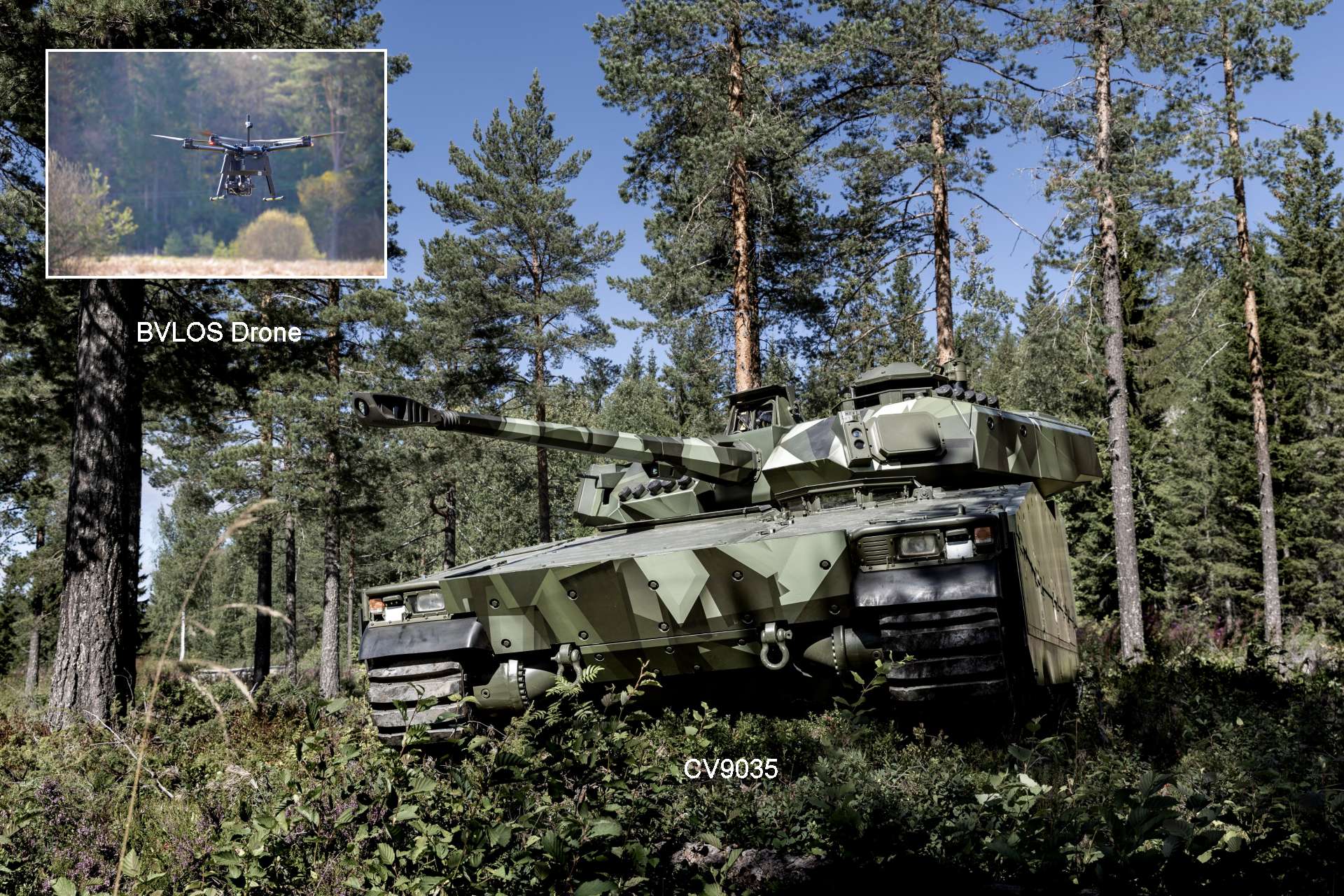
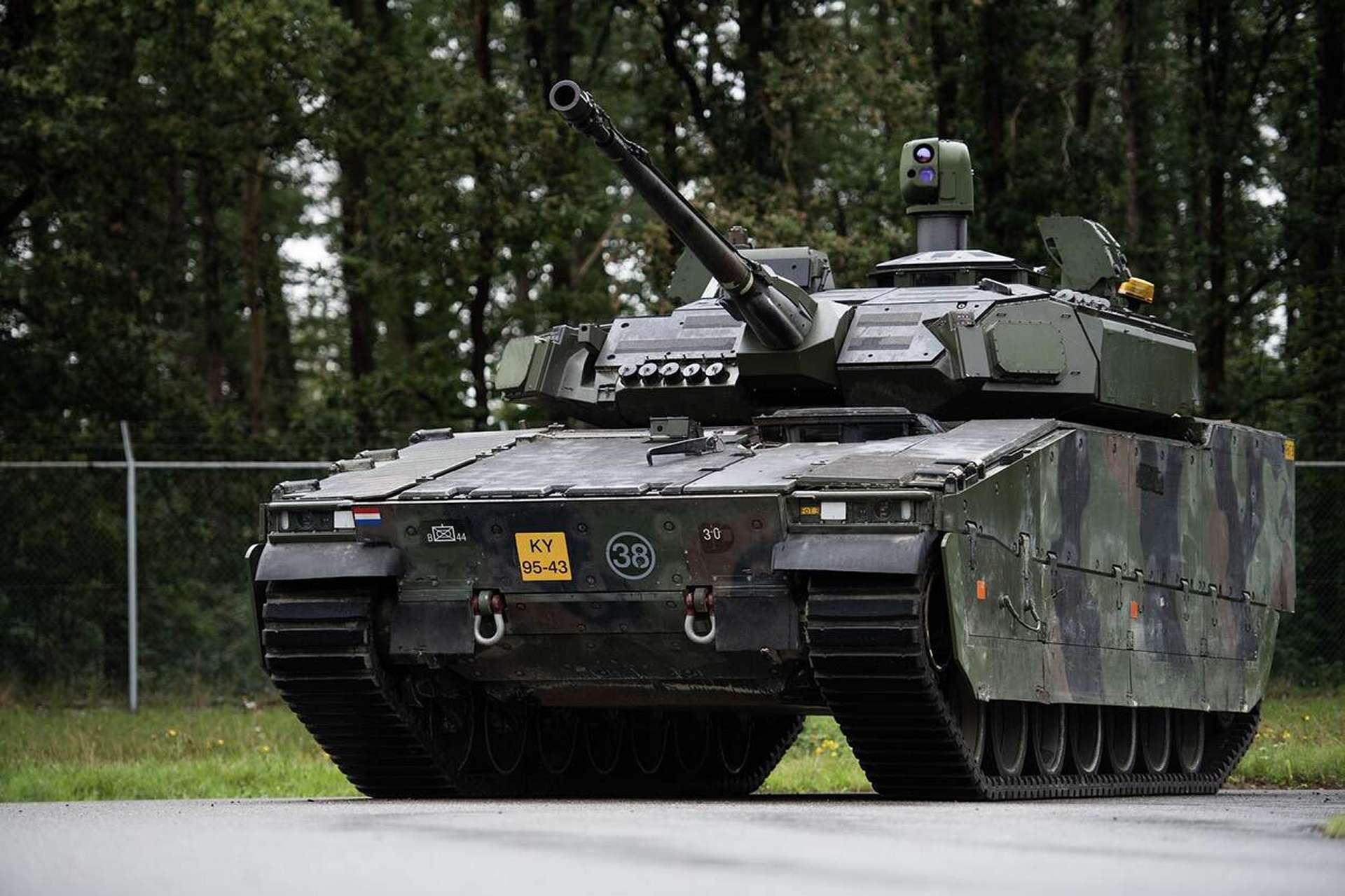
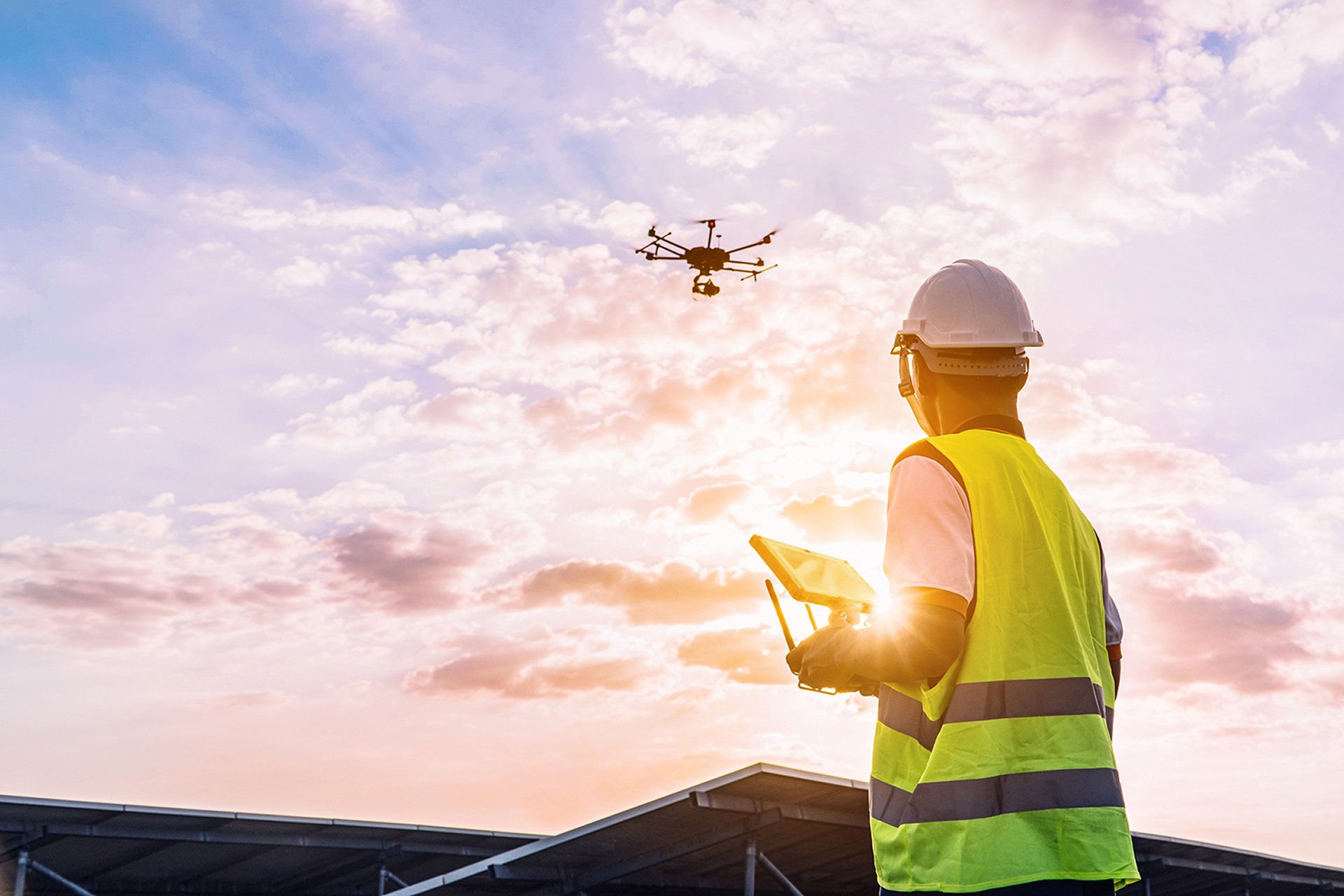
Carmenta, BAE Systems Hägglunds, and UAV manufacturer Airolit have joined forces to integrate autonomous drone surveillance capabilities into the CV90 combat vehicle. This collaboration aims to enhance situational awareness on the battlefield and extend the vehicle's sensor range.
Follow Army Recognition on Google News at this link
BAE Systems CV90 IFV to be fitted with Airolit Beyond Visual Line of Sight (BVLOS) drones (Picture source: Airolit and BAE Systems)
The project involves equipping the CV90 with Beyond Visual Line of Sight (BVLOS) drones, allowing for silent, pre-programmed surveillance missions and the collection of real-time video intelligence. A demonstrator developed by Carmenta has already shown the effectiveness of these drones during test flights, confirming their transformative potential in modern military operations.
Stefan Thelin, Chief Technology Officer at BAE Systems Hägglunds, highlights the strategic importance of this integration: "Autonomous drones provide vital real-time data that are crucial for rapid and informed decision-making on the battlefield." These drones act as autonomous loyal wingmen, projecting captured visual data directly onto a 3D map.
Users can analyze this information in real-time using mixed-reality VR headsets produced by Varjo, creating an immersive and collaborative experience. This enhanced analytical capability is essential for decisions in critical situations.
Torbjörn Lönnqvist, CEO of Carmenta, expresses pride in this collaboration: "We have developed adaptable and scalable technology for the tactical management of drones, which has made us a key partner for BAE Systems Hägglunds in this avant-garde project."
The project leverages Carmenta's expertise in geospatial technologies to create concealed routes for the drones, thereby improving the operational efficiency and safety of the CV90's combat missions. The technology enables drones to navigate by following terrain and avoiding enemy threats, thus enhancing the vehicle's tactical and strategic capabilities.
The successful integration of autonomous drones into the CV90 represents an important step in reconnaissance and surveillance operations. By improving the range of sensors and the quality of intelligence gathered, this project positions BAE Systems Hägglunds and its partners at the forefront of defense technology, ready to meet the modern challenges of the battlefield with innovative and effective solutions.
- Details
- Written by: Vandenbosch
- Category: 2024
- Hits: 13697
Breaking news
In his first management report presented to the Argentine Senate on May 16, 2024, Chief of the Cabinet of Ministers Nicolás Posse announced that the Argentine Army already has two completed and evaluated TAM2C A2 tanks, with plans to add three more in the coming months.
Follow Army Recognition on Google News at this link
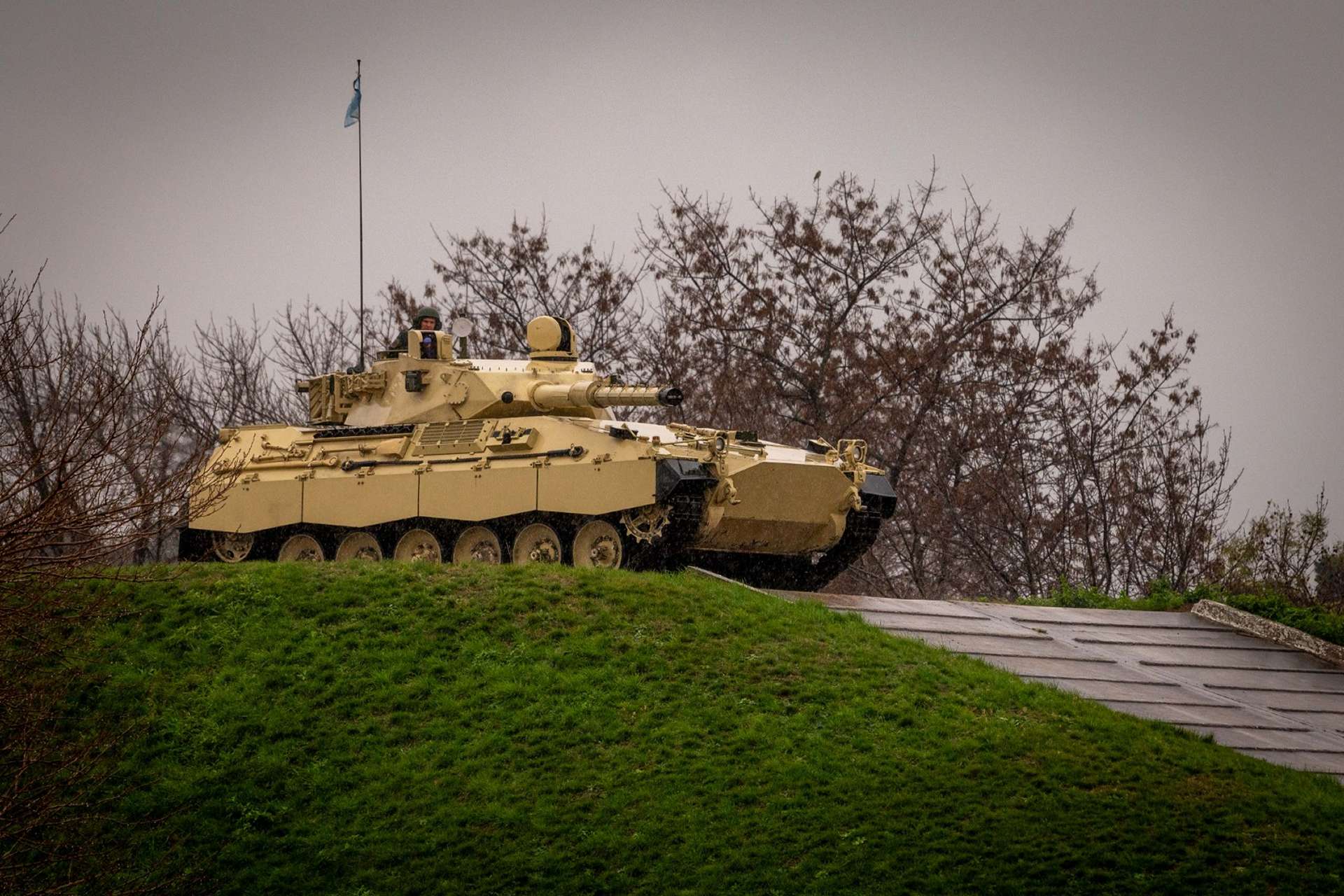
The TAM 2C project aims to modernize 74 tanks over five years, with an additional stage to upgrade 30 more units. (Picture source: Argentine MoD)
The Argentine Army, in collaboration with the Israeli company Elbit Systems, has begun an instructor training course on the new Medium Argentine Tanks 2C A2 (TAM 2CA2). This training, conducted at the 602nd Arsenal Battalion in Boulogne-sur-Mer, Argentina, aims to provide instruction on the latest updates incorporated into the TAM 2CA2.
The agreement with Israel covers the entire modernization process of the tank turret, including the addition of new technological components. Meanwhile, the Argentine Army is responsible for refurbishing the vehicle hulls, which involves replacing many mechanical components and spare parts.
To date, the engineering phase of the project is fully completed. The process engineering phase is ongoing, with pre-series production and testing underway, following the successful evaluation of the prototype's technical and operational performance.
The TAM 2C project aims to modernize 74 tanks over five years, with an additional stage to upgrade 30 more units, ultimately producing over 100 tanks within the projected timeframe. Former Argentine Army Deputy Chief General Diego López Blanco stated that "the TAM will be the most modern tank in the region." Despite progress, the project has faced delays, with expectations to have between 10 and 12 tanks delivered by December 2023. However, as of May 2024, the Argentine Army only possesses two TAM2C A2 combat tanks.
The TAM2C A2 is a modernized version of the Argentine medium tank TAM. It is armed with a main 105 mm gun, a coaxial 7.62 mm machine gun, and a 7.62 mm machine gun mounted on the roof. Intended for use by the Argentine Army, this tank benefits from several technological improvements.
To optimize its combat performance, the TAM2C A2 is equipped with a sophisticated fire control system, an optical sight and rangefinder, and a ballistic computer. It also features an air filtering device, a fire suppression system, and a battle management system coupled with smoke grenades. For communication and coordination, the tank integrates an intercom system and an advanced communication system.
The tank is designed for a crew of four and has armor capable of withstanding small arms fire, shell splinters, and armor-piercing ammunition up to 20 mm. Weighing 30,000 kg, the TAM2C A2 can reach a speed of 75 km/h and has a range of 940 km, making it both fast and enduring on the battlefield.
In terms of dimensions, the TAM2C A2 measures 8.23 meters in length, 3.29 meters in width, and 2.71 meters in height. These specifications contribute to its maneuverability and operational efficiency in various terrain conditions.
Despite initial delays, the development of the Argentine combat tank continues inexorably. If all goes as planned, Argentina should possess around one hundred modernized tanks, representing a significant force in the region.
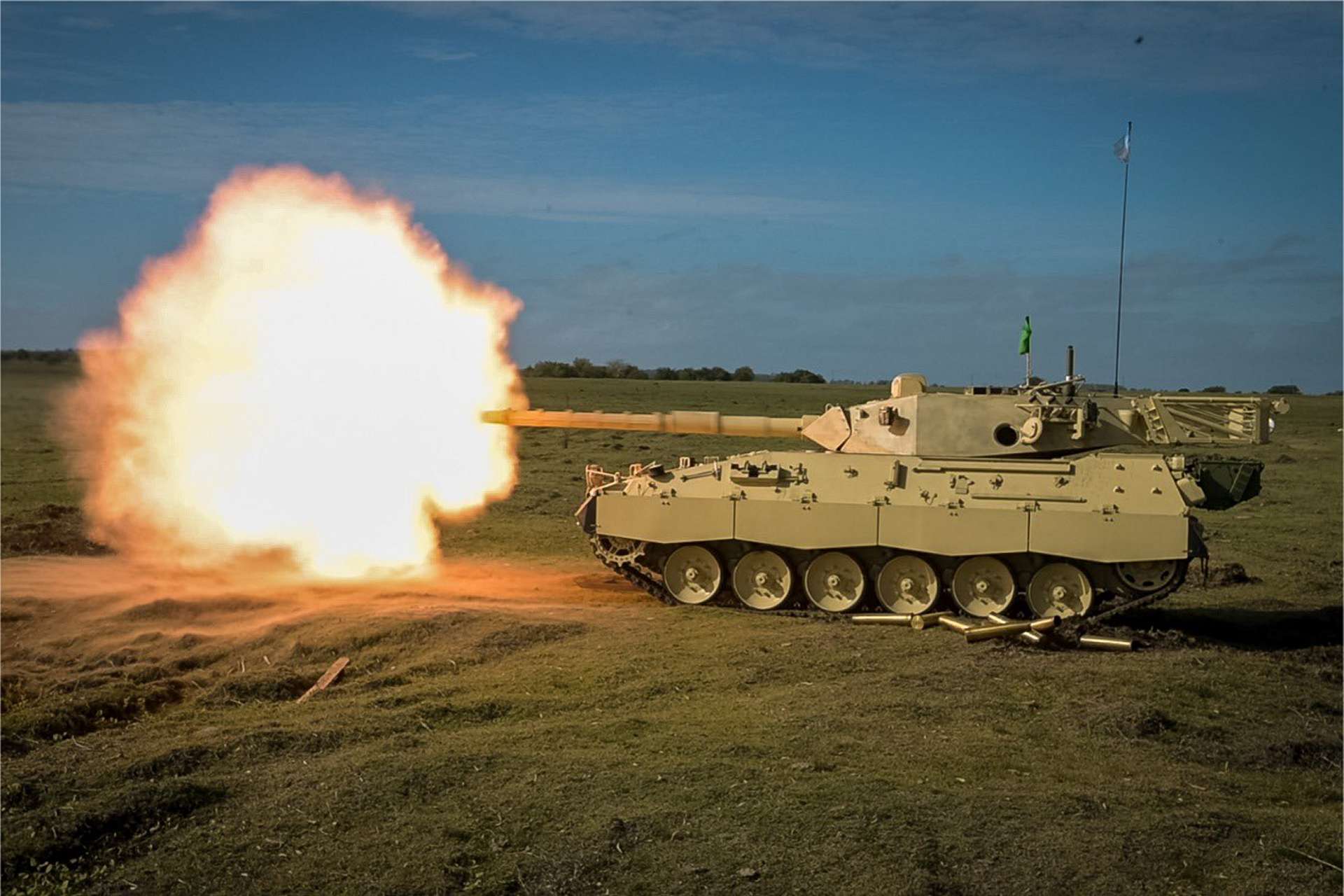
The TAM2C A2 is a modernized version of the Argentine medium tank TAM. ( Picture Source: Argentine MoD)
Read more: Argentina to Add New TAM2C A2 Main Battle Tanks to Its Arsenal
- Details
- Written by: Halna du Fretay
- Category: 2024
- Hits: 11655
Breaking news
Hanwha Aerospace, a South Korean aerospace and defense company, participates in the Black Sea Defence & Aerospace (BSDA) 2024 exhibition and showcases it’s K21 Redback Infantry Fighting Vehicle (IFV). This marks Hanwha Aerospace's first participation in this Black Sea region defense expo, showcasing the company's ambitious initiatives to build and expand partnerships with Romania and neighboring countries.
Follow Army Recognition on Google News at this link
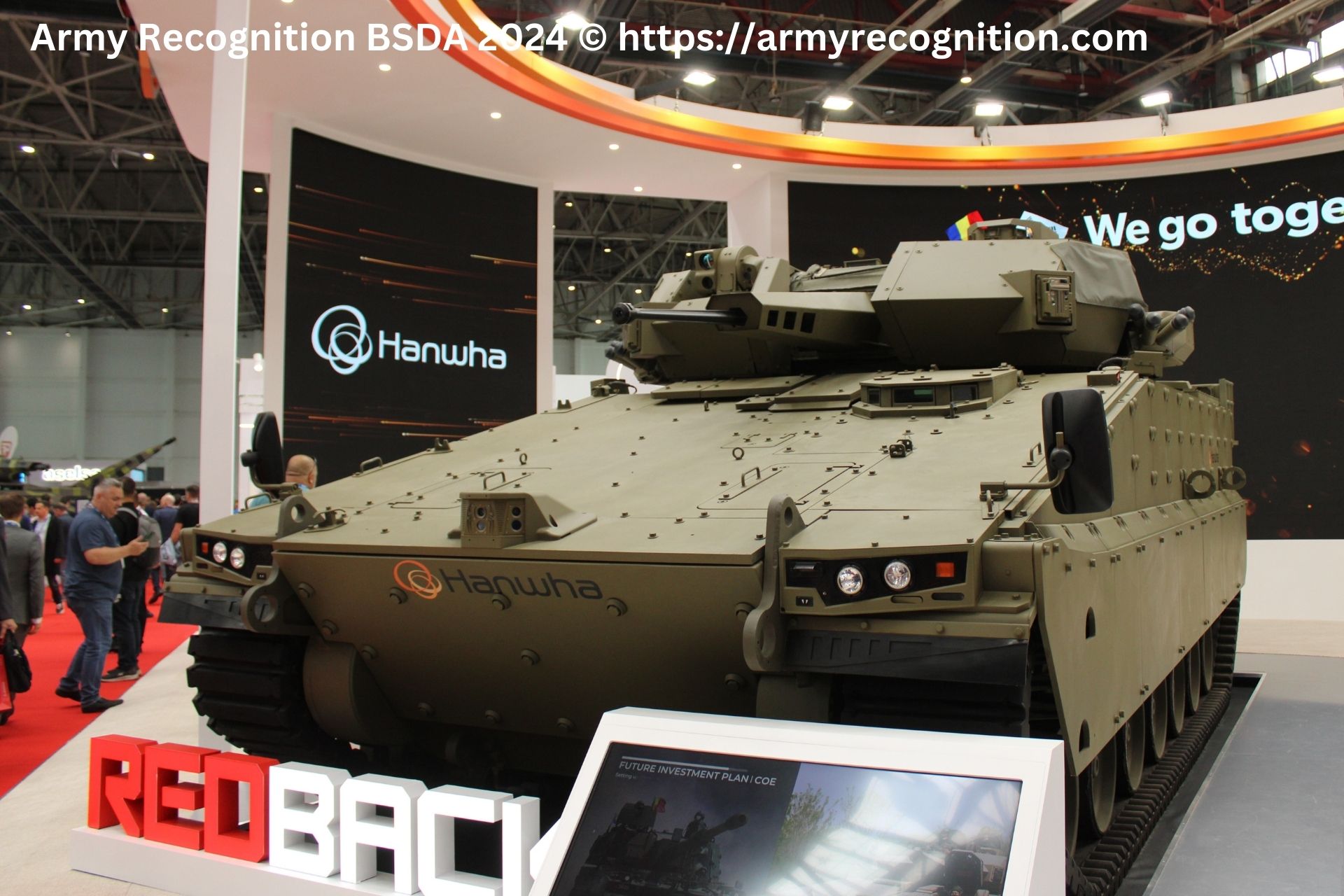
Developed based on South Korea's K21 IFV, the Redback incorporates cutting-edge technologies and capabilities, including in-arm suspension units, composite rubber tracks, an anti-assault active protection system, and a helmet-mounted situational awareness display (Picture source: Army Recognition)
At the expo, Hanwha Aerospace is presenting a range of advanced capabilities, focusing on combat vehicles and precision-guided weapons. The Redback Infantry Fighting Vehicle (IFV) will be a focal point, as it features a series of innovative technologies that meet the requirements of Romania's military modernization plans. According to the company, the Redback is the most advanced IFV in the world, offering top-tier armored protection, mobility, and lethality. In addition, the Redback IFV solution is expected to contribute to significant mass production capabilities in the Romanian market through active industrial partnerships.
Developed based on South Korea's K21 IFV, the Redback incorporates cutting-edge technologies and capabilities, including in-arm suspension units, composite rubber tracks, an anti-assault active protection system, and a helmet-mounted situational awareness display. In 2023, the Redback was selected by Australia for the LAND 400 Phase 3 program, which involves the delivery of 129 IFVs, with substantial involvement from Australian supply chains. The Redback is also considered a reference model for developing the next generation of South Korean army IFVs.
Hanwha Aerospace is fully committed to delivering high-quality products and services to support Romania's military modernization plans. The company also plans to contribute to Romania's industry and economy through local production, employment, technology transfer, joint research and development, and export commercialization.
Other products showcased at BSDA include the K10 ammunition resupply vehicle, the Chunmoo multiple launch rocket system, and the Chungum tactical guided missile for manned and unmanned vehicles. The AS21 Redback represents the next generation of tracked IFVs, incorporating advanced technologies for superior firepower, enhanced protection, and unmatched mobility. Its Integrated Vetronics System (IVS) enables seamless information sharing among various systems and components, improving operational efficiency.
Constructed by Hanwha Aerospace, the AS21 Redback comprises three main components: the hull, turret, and powertrain. The hull features modular armor for protection against various threats, including mines, improvised explosive devices, and kinetic energy projectiles. This modularity allows adaptability to diverse threat environments.
The AS21 Redback is armed with a two-seater turret equipped with a 30 mm Bushmaster MK44S automatic cannon, a 7.62 mm coaxial machine gun, eight 76 mm multi-barrel smoke grenade launchers, and two SPIKE LR2 anti-tank missile launchers. Optional armaments include the EOS R400S Mk2 HD or R150 remote weapon system and Javelin anti-tank missiles. The vehicle offers STANAG 4569 level 5 ballistic protection for the hull and level 4a/4b mine protection. The Iron Fist active protection system further enhances its defense against a broad range of threats.
In terms of mobility, the AS21 Redback is powered by an 8-cylinder 1000 hp MTU diesel engine, enabling it to reach speeds over 65 km/h and an operational range of 520 km. Its composite rubber track system provides superior maneuverability on challenging terrains.
Read more: Hanwha Aerospace presents its K21 Redback IFV at BSDA 2024
- Details
- Written by: Halna du Fretay
- Category: 2024
- Hits: 5735
Breaking news
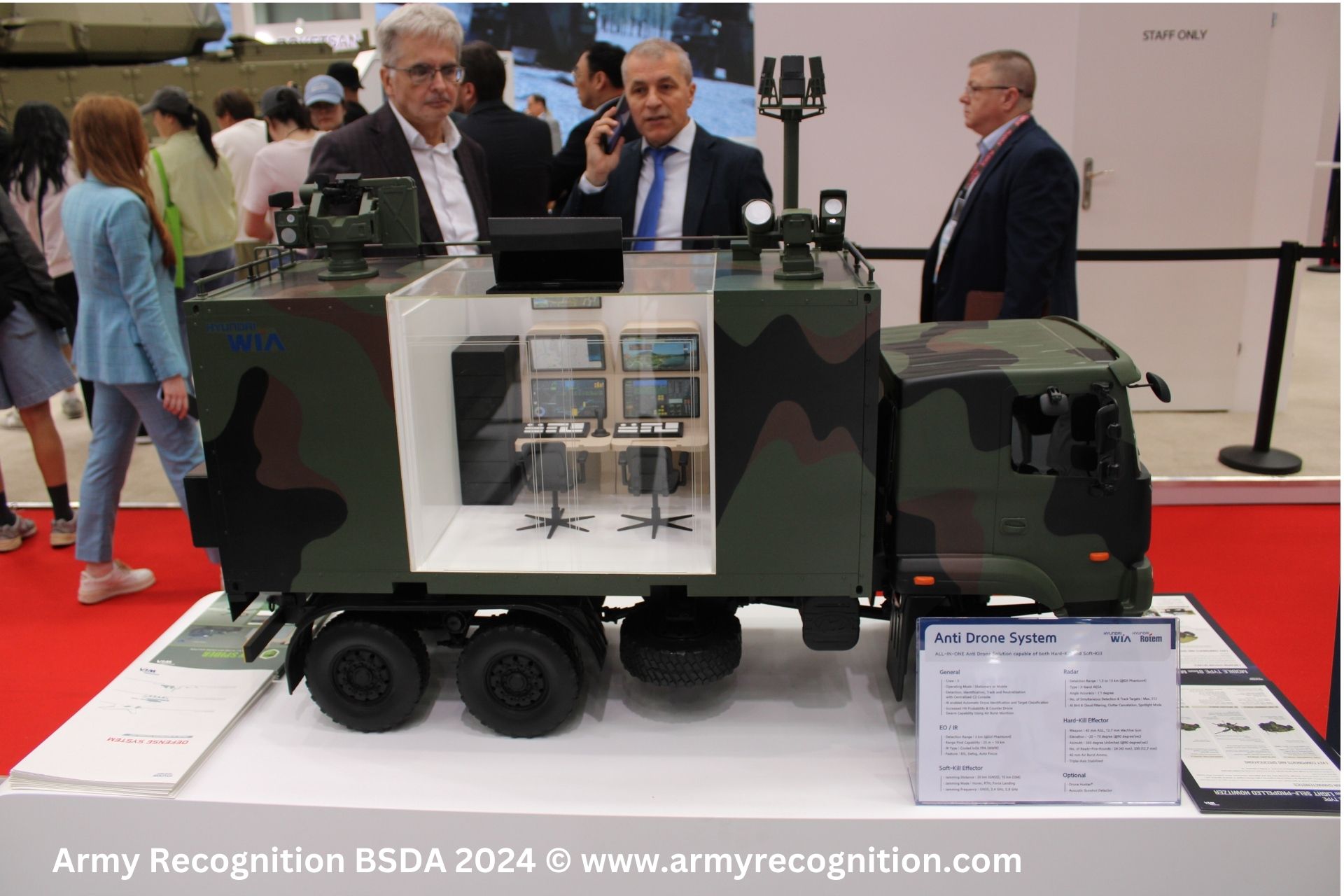
At the Black Sea Defense and Aerospace 2024 exhibition in Bucharest, Romania, Hyundai presents its advanced Anti-Drone System (ADS), marking a significant development in drone countermeasure technology. The event, held from May 22 to 24, provided Hyundai with a platform to demonstrate the capabilities of its comprehensive solution against drone threats. This system, capable of both hard-kill and soft-kill operations, addresses the growing concern over drones being used as weapons.
Follow Army Recognition on Google News at this link
A mockup of the Hyundai WIA Anti-Drone at BSDA 2024 (Picture source: Army Recognition)
Hyundai WIA's Anti-Drone System is designed to detect, identify, track, and neutralize drones using a centralized command and control console. It is equipped with an X-band AESA radar with a detection range of 1.5 to 13 kilometers for drones like the DJI Phantom4. This radar system offers high angular accuracy and can simultaneously detect and track up to 512 targets, integrating AI for automatic drone identification, target classification, and clutter cancellation.
The ADS includes electro-optical/infrared (EO/IR) systems with a detection range of 3 kilometers and a range-finding capability from 25 meters to 10 kilometers. These systems use cooled infrared sensors and feature electronic image stabilization, defogging, and auto-focus, enhancing the system's ability to track and engage targets in various conditions.
For neutralization, the ADS offers both soft-kill and hard-kill effectors. The soft-kill component can jam signals at distances up to 20 kilometers for GNSS and 10 kilometers for ISM bands, using multiple jamming modes to disrupt drone operations. The hard-kill component includes a 40 mm automatic grenade launcher and a 12.7 mm machine gun, both with significant elevation and azimuth capabilities for engaging drones in various positions. The system is also equipped with 40 mm air burst ammunition to increase hit probability and effectively counter drone swarms.
Hyundai WIA's presentation at BSDA 2024 follows the initial unveiling of the ADS at the Defense Expo Korea 2022. The company has integrated long-range radar and optical monitoring devices with AI software technology, enabling precise identification and tracking of drones. This system is designed to intercept drones regardless of their operating frequency, with ongoing research to improve the accuracy of predicting drone movements.
Hyundai WIA continues to invest in the development of advanced defense products, in line with the evolving needs of the defense industry. The company's efforts aim to enhance South Korea's defense capabilities and expand its presence in the global defense market. A Hyundai WIA official emphasized the company's commitment to innovation and export promotion, reflecting its strategic approach to addressing modern defense challenges.
Read more: Hyundai WIA Showcases Advanced Anti-Drone System at BSDA 2024
- Details
- Written by: Halna du Fretay
- Category: 2024
- Hits: 14230
Breaking news
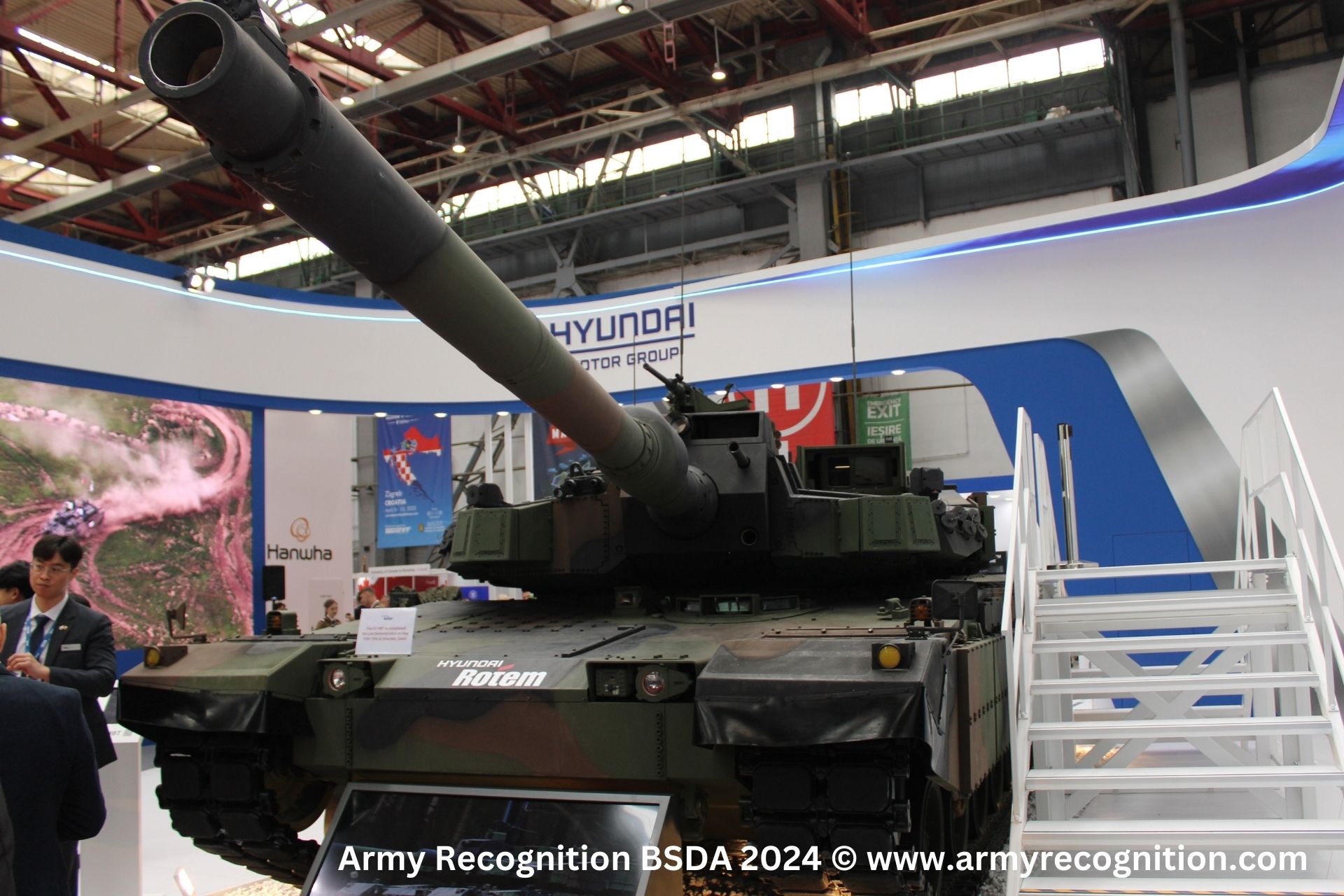
South Korean company Hyundai Rotem showcases its K2 Black Panther main battle tank at the Black Sea Defense and Aerospace 2024 exhibition in Bucharest, Romania, held from May 22 to 24. A demonstration took place the previous week at the military training range near Galați. The Romanian Ministry of National Defence plans to acquire new main battle tanks for up to six battalions, totaling more than 300 tanks, to replace the aging Soviet-era TR-85 and T-55 tanks.
Follow Army Recognition on Google News at this link
The K2 Black Panther MBT presented by Hyundai Rotem at Black Sea Defense & Aerospace 2024 (Picture source: Army Recognition)
Hyundai Rotem’s proposal includes technology transfer and collaboration with the local industry, potentially involving partial participation of the Romanian defense industry in the production, maintenance, and lifecycle services of the tanks. Specific details of the South Korean offer have not been publicly disclosed.
The K2 Black Panther is a high-tech, third-generation tank that has seen significant interest and recent acquisitions both domestically and internationally. Developed by Hyundai Rotem, the K2 Black Panther has been part of South Korea's armored forces since 2014, designed to replace older tanks like the M48 Patton in the Republic of Korea Army (RoKA). It features advanced armament, including a 120 mm L/55 smoothbore gun, a coaxial 7.62 mm machine gun, 12 turret-mounted smoke grenade launchers, and a roof-mounted 12.7 mm machine gun. This tank is noted for its firepower, mobility, and protection technologies.
Recent developments include the South Korean Defense Acquisition Program Administration (DAPA) approval for the mass production of a fourth batch of K2 MBTs. This project, spanning from 2024 to 2028, is allocated a budget of approximately USD 1.46 billion. While the exact number of tanks to be produced in this batch wasn't disclosed, the additional units are expected to enhance the mobile corps' ability to perform offensive maneuvers. Historically, South Korea has ordered around 260 K2 tanks across the initial three production batches, with a potential total requirement that could reach about 600 units.
The K2 Black Panther's main armament consists of a German-made Rheinmetall 120-mm L/55 smoothbore gun produced under license in South Korea. The gun is fitted with an automatic loader that ensures the loading of projectiles on the move, even on uneven surfaces. The 120mm gun can fire about 10 rounds per minute, and with a total supply of 40 various rounds, the Black Panther can sustain fire for nearly three minutes before needing resupply. A total of 16 rounds are stored in the autoloader and 24 rounds are stored inside the hull. The K2 can fire a wide range of munitions, including indigenously developed and improved tungsten APFSDS kinetic energy penetrators and multi-purpose HEAT chemical energy rounds similar to the American M830A1 HEAT MP-T, effective against personnel, unarmored and lightly armored vehicles, and low-flying helicopters. A 7.62 mm coaxial machine gun is mounted to the left side of the main armament, and a 12.7 mm K-6 heavy machine gun is mounted on the top right of the turret. Visual and Infrared Screening Smoke (VIRSS) grenade launchers mounted on each side at the front of the turret complement the defensive capabilities of the Black Panther.
The layout of the K2 MBT is conventional, with the driver's compartment at the front, fighting compartment in the center, and engine and transmission at the rear. The armor on the Black Panther consists of an unknown type of composite armor and an Active Defense System utilizing Explosive Reactive Armor blocks. The K2 has a crew of three with a driver at the front center of the hull and the commander and gunner in the turret. Systems protection of the K2 includes a millimeter band radar system mounted on the turret, used as a Missile Approach Warning System (MAWS). The tank's computer can triangulate incoming projectiles, immediately warn the vehicle crew, and fire off VIRSS grenades, effectively blocking optical, infrared, and radar signatures. Once the hard-kill AMS is installed, the radar system will also track and target incoming missiles for the AMS. The K2 also has a Radar Warning Receiver (RWR) and radar jammer. Four all-bearing Laser Warning Receivers (LWR) alert the crew if the vehicle is targeted, and the computer can fire off VIRSS grenades in the direction of the beam.
The K2 Black Panther is powered by a license-built German MTU 883 diesel engine and a Renk transmission system. The engine generates 1,500 hp and provides a power-to-weight ratio of 27.3 hp/t. The fully automatic transmission includes five forward and three reverse gears. The K2 can reach a maximum speed of 70 km/h on surface roads and maintain speeds up to 48 km/h off-road. It can accelerate from 0 to 32 km/h in 7 seconds and can climb 60-degree slopes and vertical obstacles 1.3 meters in height. The suspension system, called the In-arm Suspension Unit (ISU), allows individual control of every bogie on the tracks, enabling the tank to kneel so the main armament can be depressed to -10º.
The K2 Black Panther is equipped with an advanced fire-control system (FCS) linked to a millimeter band radar system deployed on the frontal arc of the turret, along with a traditional laser range-finder and crosswind sensor. The system is capable of a "lock-on" mode, acquiring and tracking specific targets up to 9.8 km using thermal optics. This allows the crew to fire accurately while moving and effectively engage low-flying aircraft. The gunner sight includes the Gunner's Primary Sight (KGPS), and the commander is equipped with the Korean Commander's Panoramic Sight (KCPS), allowing the commander to override the gunner's controls. The K2 Black Panther is fitted with a collective nuclear, biological, and chemical (NBC) protection system. The ammunition compartment has a blow-off panel to protect the crew against ammunition explosions, and an automatic fire suppression system detects and extinguishes internal fires. Atmospheric sensors alert the crew if the tank enters a hazardous environment. The K2 can cross rivers as deep as 5 meters using a snorkel system, which also serves as a conning tower for the tank commander. The system takes approximately 30 minutes to prepare. The turret becomes watertight while fording, and the chassis can take in 500 gallons of water to prevent excessive buoyancy, keeping the tracks planted firmly on the ground. The tank can enter combat-ready status as soon as it resurfaces.
The K2 Black Panther, developed by Hyundai Rotem, is designed to offer superior performance with advanced features such as an improved suspension system, advanced fire-control systems, and a series of modern defensive measures. This tank is considered among the most advanced in the world, with various versions tailored for specific operational needs and environments. The proliferation of the K2 across different countries underscores Hyundai Rotem's strategic approach to expanding its market presence and influence within the global defense industry.
- Details
- Written by: Vandenbosch
- Category: 2024
- Hits: 3608
Breaking news
The British Defense Secretary, Grant Shapps, has accused China of providing or preparing to provide lethal aid to Russia for its ongoing war in Ukraine. Speaking at a conference in London on May 22, 2024, Shapps cited American and British defense intelligence, suggesting that "lethal aid is currently being shipped or will soon be shipped from China to Russia and Ukraine." He described this development as significant.
Follow Army Recognition on Google News at this link
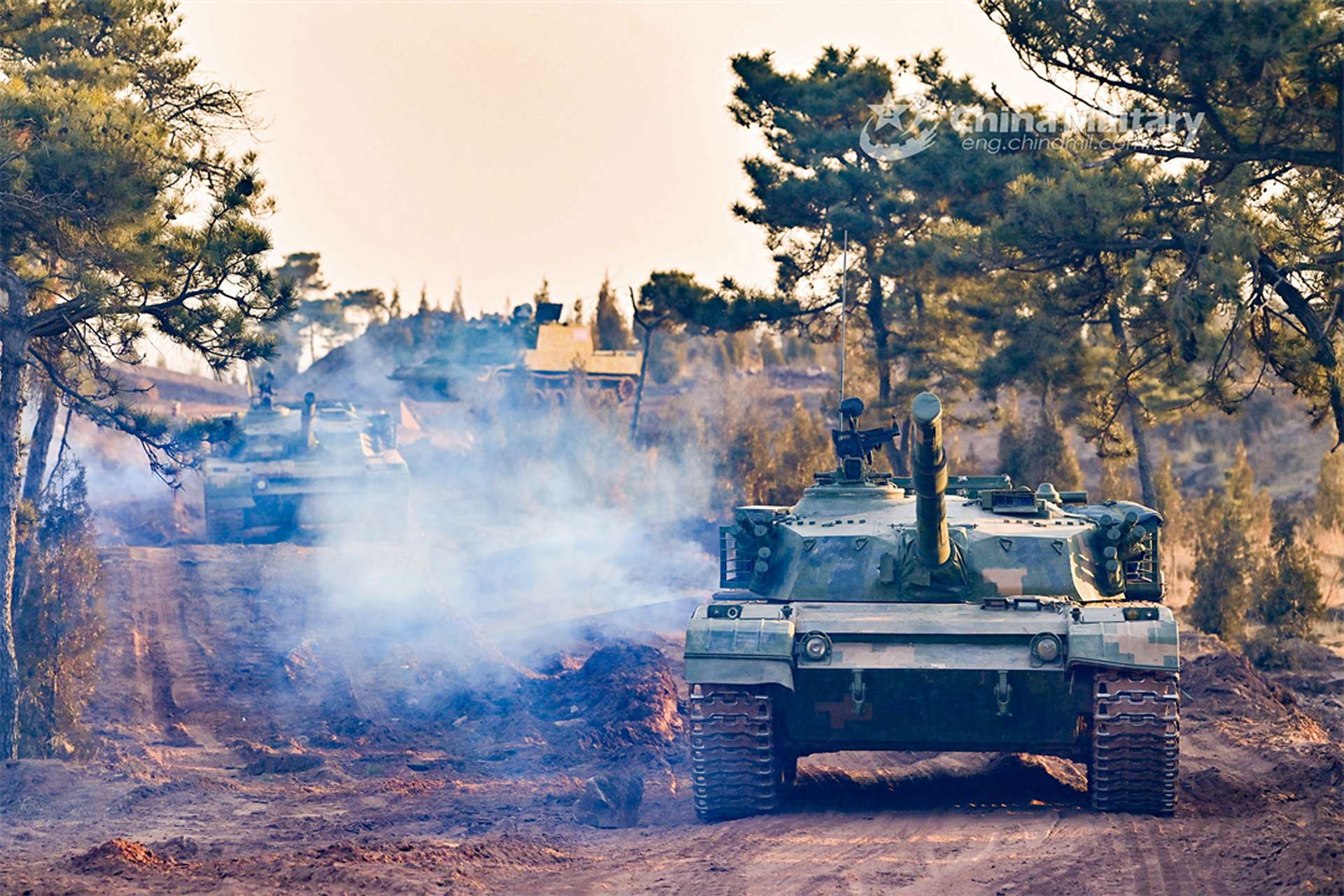
A column of Chinese main battle tanks and armored vehicles (Illustrative image). (Picture source: Chinese Media)
Shapps, the British Defense Secretary, made a startling announcement during the conference, stating that British and American intelligence services have evidence of China delivering lethal weapons to Russia, which are or would be used in the conflict in Ukraine. However, Shapps did not provide any evidence to support his claims and did not specify what types of weapons might be involved.
"We should be concerned about this, as in the early days of this war, China wanted to present itself as a moderating influence on Russian President Vladimir Putin," Shapps added.
This statement comes amid growing international tensions regarding China's potential involvement in the conflict. The United States has already warned China against providing such aid, indicating that significant consequences would follow such an action.
In response to the United States, the Chinese embassy stated that it had not supplied any weapons, emphasizing that it is "neither a producer nor a participant involved in the Ukrainian crisis." The Chinese embassy in London has yet to respond to requests for comments.
Following North Korea, China could very well also provide military assistance to Russia; however, this aid could vary greatly depending on the materials sent. No current statements allow for the precise identification of the aid being sent by China to Russia.
Undoubtedly, if this information were verified, it would have a huge impact on international relations and particularly on the course of the conflict in Ukraine. Russia would be strengthened, benefiting from the industrial power of its Chinese neighbor. However, even if this information is true, it remains to be seen to what extent the Chinese government is aiding Russia. This story is still in development and should be kept under review.
Read more: United Kingdom Accuses China of Supplying Arms to Russia

- Details
- Written by: Vandenbosch
- Category: 2024
- Hits: 31440
Breaking news
The Slovak Ministry of Defense announced its intention to acquire 104 new main battle tanks during the Future Armored Vehicles Central & Eastern Europe conference, held from May 13 to 14, 2024, in Budapest.
Follow Army Recognition on Google News at this link
Slovak Leopard 2A4 Main Battle Tank. (Picture source: Slovak MoD)
Slovakia has expressed interest in acquiring new main battle tanks, though specific details remain scarce. Many manufacturers will certainly be eager to compete for this potential new market.
Currently, the Slovak armored forces use two types of main battle tanks: the more numerous T-72M1 and the newer Leopard 2A4. For years, there were plans to upgrade the T-72M1s to varying extents. However, Captain Jakub Murcek from the Slovak Ministry of Defense’s modernization department confirmed that this plan had been abandoned. The T-72M1s are expected to be retired around 2030, coinciding with the arrival of the new tanks, as their combat capabilities and maintainability are currently low.
In addition to the T-72M1s, Slovak armored units have 15 Leopard 2A4 tanks received from Germany under the Ringtausch program. This exchange was in return for Slovakia’s transfer of 30 BVP-1 infantry fighting vehicles to Ukraine. Although much more modern than the Soviet-era T-72M1s, the Leopard 2A4s may face long-term maintenance issues due to limited spare parts availability. According to current NATO standards, these tanks are becoming obsolete, mainly suitable for support roles or as training vehicles. However, they represent a unified platform shared by both Slovakia and the Czech Republic, which are striving for greater uniformity in their military equipment purchases, such as the CV90 infantry fighting vehicles.
So what tanks can the Slovak armed forces buy? We can imagine several different scenarios, but we'll settle for three.
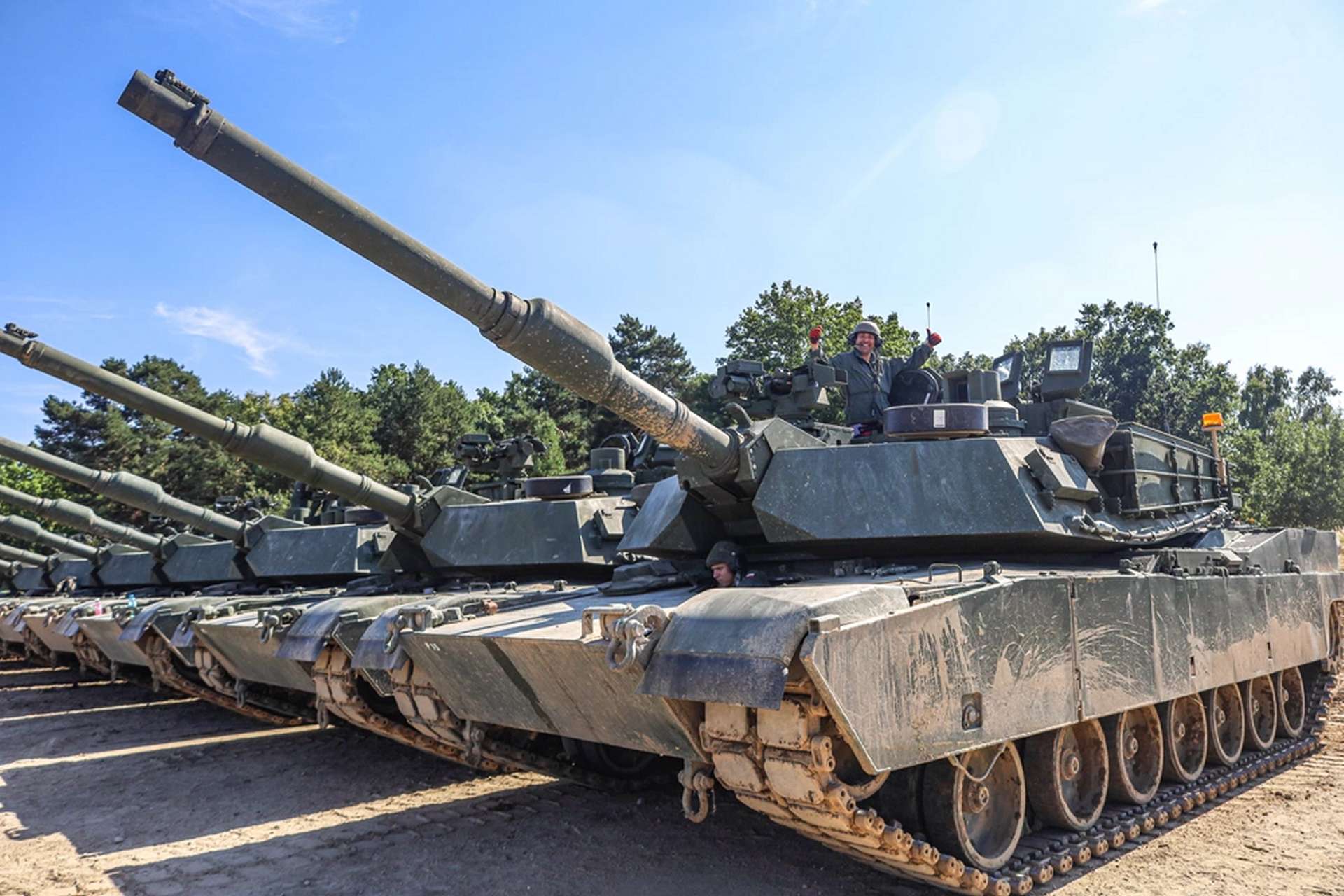
A Polish M1A2 Abrams Main Battle Tank in Poland. ( Picture Source: US DoD)
The first scenario involves purchasing American Abrams tanks. The key advantages are immediate availability and interoperability with Romania and Poland, which already operate Abrams tanks. The M1A2 Abrams is a third-generation American main battle tank used by the U.S. Army and several other countries. Weighing around 68 tons, it is equipped with a 120 mm smoothbore gun, a computerized fire control system, and advanced composite armor, providing high mobility and increased battlefield protection.
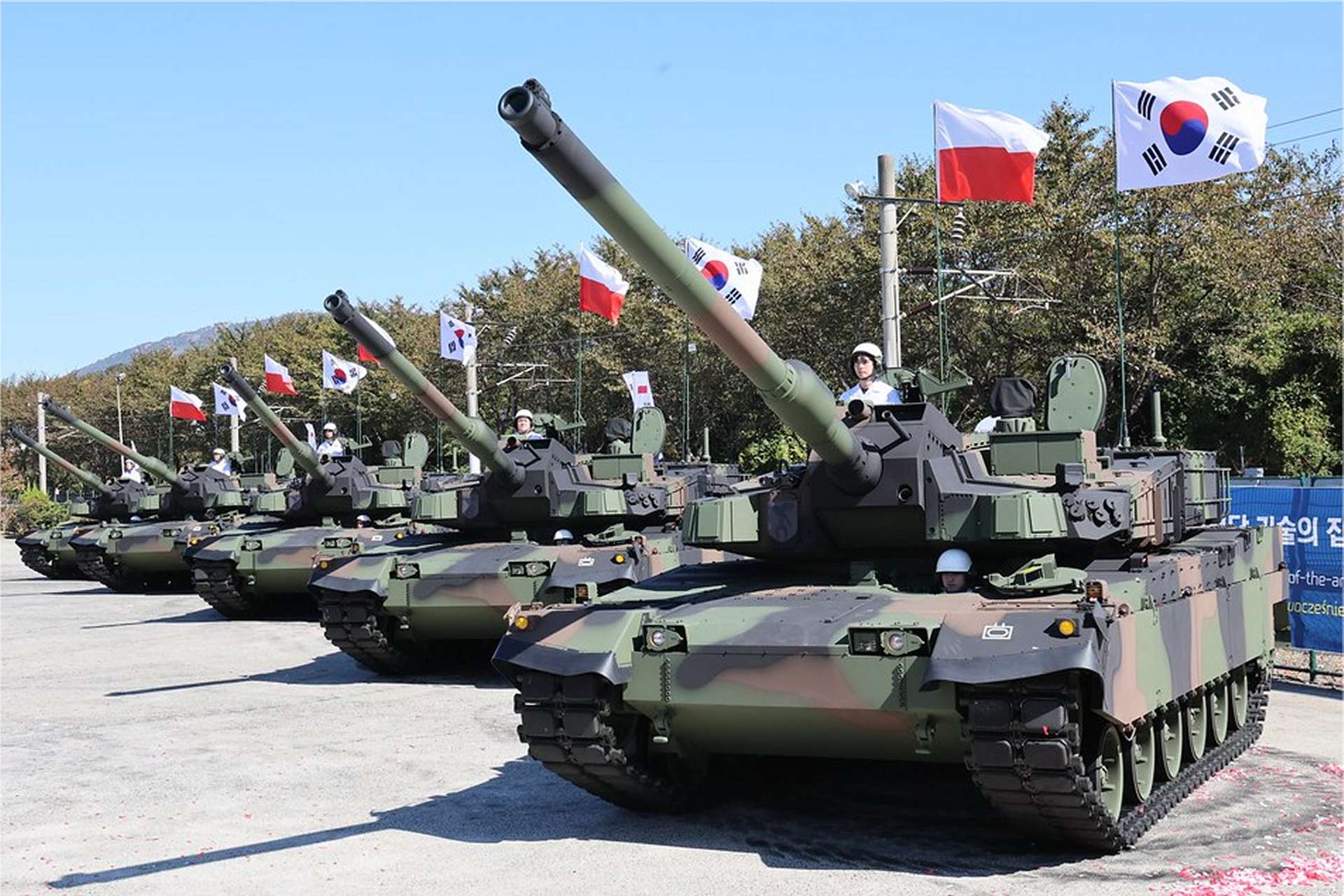
A Polish K2 Black Panther. ( Picture Source: Hyundai Rotem)
The second scenario considers purchasing the K2 Black Panther. The deliveries would be rapid, and the price more attractive for Slovakia, which may not have a colossal budget. Poland has also opted for the K2. The K2 Black Panther is a new-generation main battle tank developed by Hyundai Rotem for the South Korean army. Introduced in service in 2014, this tank features a 120 mm smoothbore gun with an automatic loader, allowing it to fire up to 10 rounds per minute. The K2 incorporates advanced technologies such as independent suspension systems for better maneuverability and a millimeter-band radar to detect incoming projectiles. It is also equipped with a 1,500-horsepower diesel engine, enabling it to reach a maximum speed of 70 km/h on the road.
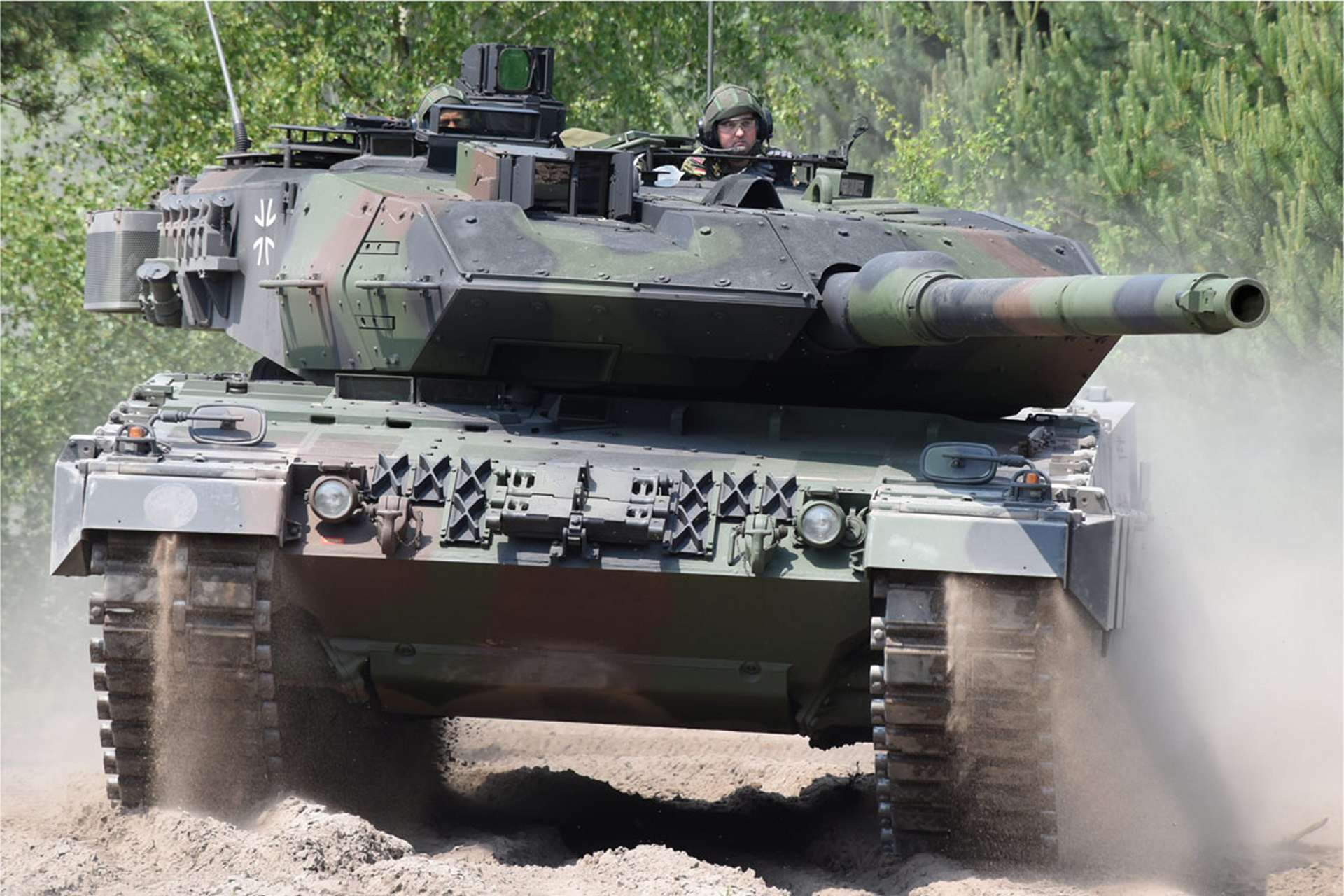
The Leopard 2A7 is a Main Battle Tank designed and produced in Germany. ( Picture Source: KNDS)
Finally, the third scenario involves the famous German Leopard 2A7, adopted by the Hungarians. The price would likely be higher, but Slovakia and Germany have close ties, and this could further strengthen the relationship between Slovakia and Germany. The Leopard 2A7 is a new-generation main battle tank developed by Krauss-Maffei Wegmann (KMW) for the German armed forces. Entering service in 2014, it represents a significant improvement over previous models, with enhanced protection, a digital battlefield management system, and increased capabilities for both high- and low-intensity conflicts. It is equipped with a 120 mm smoothbore gun, and advanced composite armor, and can reach a maximum speed of 72 km/h with a range of 450 km.
It will be interesting to see which tank Slovakia chooses in the future. There is no doubt that several manufacturers will compete in this market, and perhaps an unexpected contender will emerge as the winner.
Read more: Slovakia to Acquire Over 100 New Main Battle Tanks
- Details
- Written by: Jérôme Brahy
- Category: 2024
- Hits: 6340
Breaking news
According to Janes on May 21, 2024, the Monitor Lizard all-terrain vehicle (ATV), developed by the Chinese company Sichuan Jinjia Special Equipment Technology (SJSET), is undergoing trials with the People's Liberation Army (PLA). The development of the Monitor Lizard, unveiled by Zhejiang Xuanjia Defense Technology at the DSA 2024 exhibition, was aimed at meeting the PLA's requirement for a lightweight ATV suitable for deployment in high-altitude and cold mountainous regions.
Follow Army Recognition on Google News at this link
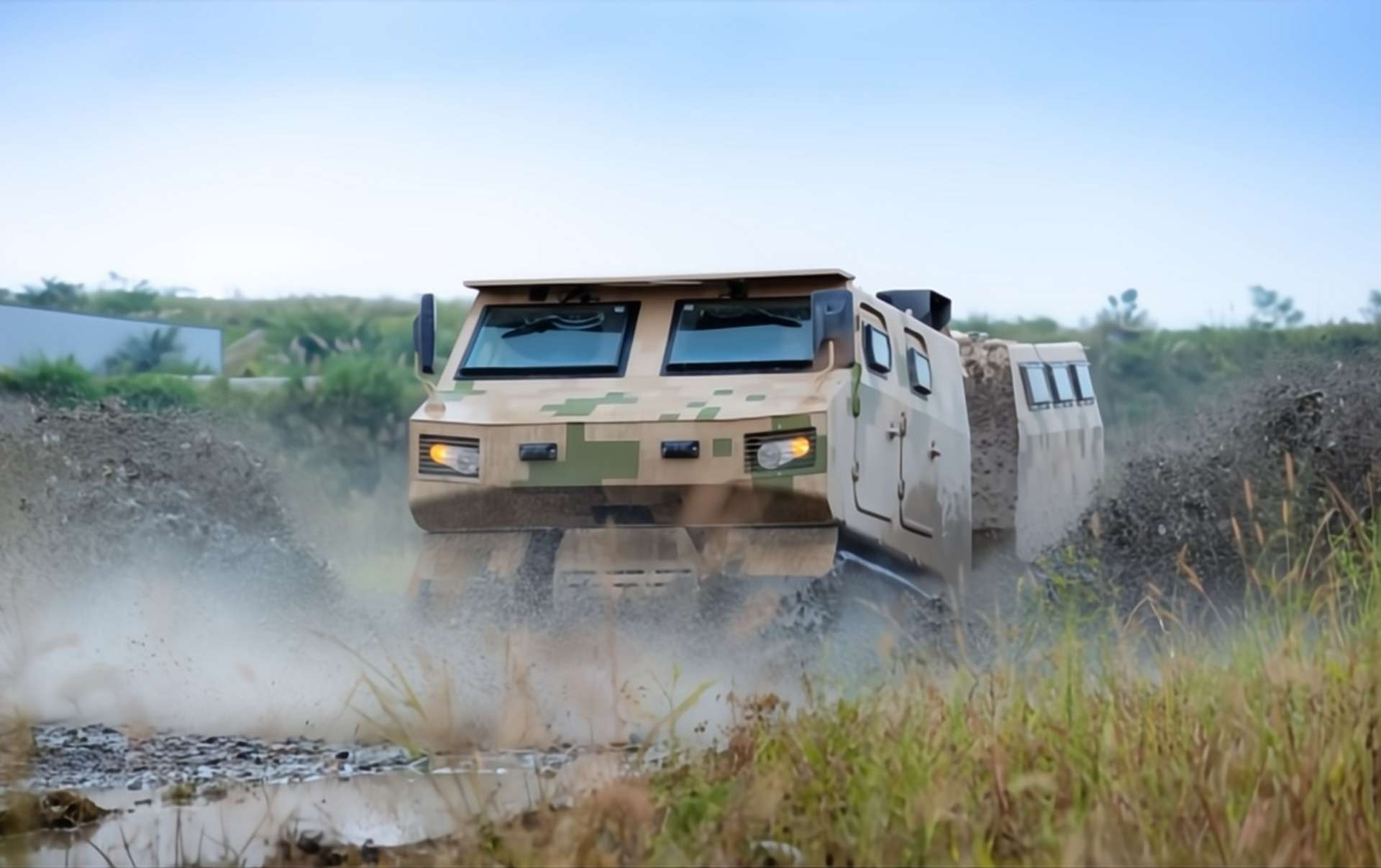
The Monitor Lizard all-terrain vehicle is the first domestically produced 17-ton class fully protected dual-body tracked all-terrain vehicle with independent intellectual property rights in China. (Picture source: Zhejiang Xuanjia Defense Technology)
The Monitor Lizard is the first domestically produced 17-ton class fully protected dual-body tracked all-terrain vehicle with independent intellectual property rights in China. The vehicle, also referred to as the 'Giant Lizard,' appears to be an advanced version of the Jonyang JY813, which was previously used by the PLA for logistics support missions in plateau regions above 5,000 meters. The Monitor Lizard's modular framework is designed to meet various operational needs across different environments in China, including deserts, snowy regions, marshes, mudflats, and inland waters.
Comparable to other international all-terrain vehicles such as the Swedish Bv 206, the Singaporean Bronco, and the Russian DT-30 Vityaz, the Monitor Lizard's design includes various rear-mounted functional modules that allow it to undertake roles such as rocket artillery deployment. This adaptability is intended to make the Monitor Lizard suitable for a range of operations including counter-terrorism, stability maintenance, emergency rescue missions, and polar scientific research. It can also support military tasks such as transportation, communication, medical support, and fire suppression.
The Monitor Lizard incorporates several patented technologies to meet both domestic and international defense standards. These technologies include dual-body vehicle attitude adjustment technology, specialized independent four-wheel drive mechanical transmission technology, energy-efficient control technology with thermal management systems, and independent vibration reduction technology for tracked multi-wheel systems. These innovations are intended to ensure the vehicle's performance and compliance with globally recognized standards.
The Monitor Lizard tracked all-terrain amphibious carrier measures 9.1 meters in length, 2.45 meters in width, and 2.6 meters in height. It has a combat weight of 17,000 kg and a maximum payload capacity of 5,400 kg, distributed between the first cabin (400 kg) and the second cabin (5,000 kg). The vehicle can achieve a maximum road speed of 65 km/h and an amphibious speed of 5 km/h. It provides protection against Chinese Type 56 7.62mm standard ammunition and accommodates a crew of fourteen, with four in the front cabin and ten in the rear.
Additional technical capabilities include a minimum turning radius of 7.8 meters, a maximum gradeability of 35°, a side slope angle of 25°, and the ability to cross obstacles up to 1 meter in height and trenches up to 1.6 meters wide. The Monitor Lizard is designed to operate in temperatures ranging from -43°C to +50°C and includes a self-recovery winch capable of pulling up to 8,000 kg, ensuring its functionality in various conditions.
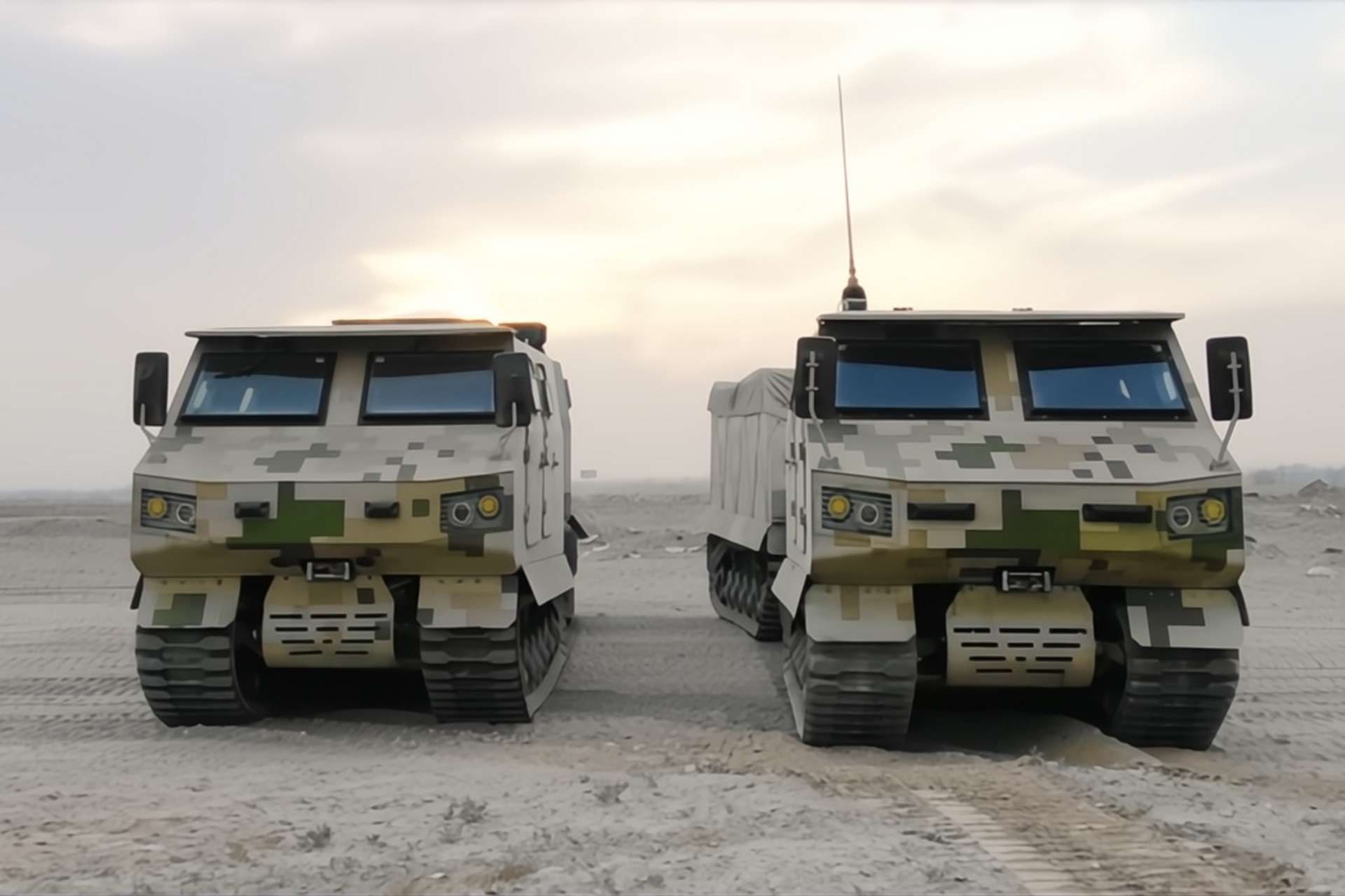
The Monitor Lizard incorporates several patented technologies, including dual-body vehicle attitude adjustment technology, specialized independent four-wheel drive mechanical transmission technology, energy-efficient control technology with thermal management systems, and independent vibration reduction technology for tracked multi-wheel systems. (Picture source: Zhejiang Xuanjia Defense Technology)
Read more: China's new Monitor Lizard all-terrain vehicle enters military trials
- Details
- Written by: Jérôme Brahy
- Category: 2024
- Hits: 10952
Breaking news
On May 21, 2024, BAE Systems announced the signing of a contract with the Swedish Defense Materiel Administration (FMV) for the delivery of new CV9035 MkIIIC combat vehicles and integrated logistic support. The exact number of vehicles and the contract's value were not disclosed, but it is speculated that an initial order of around 50 CV9035 MkIIIC units could be valued at up to $360 million, with deliveries expected between 2025 and 2027.
Follow Army Recognition on Google News at this link
These new CV9035 MkIIIC combat vehicles are built to the same standards as those in the latest mid-life upgrade program for the Netherlands, featuring a newly designed turret with ergonomic improvements for the crew. (Picture source: Wikimedia)
As the original manufacturer and long-time operator of the CV90 IFV, Sweden has maintained a continuous fleet since the 1990s. Despite the recent donation of 50 CV90 40Cs to Ukraine, Sweden still possesses a considerable number of these vehicles, with an estimated 459 units remaining in service. The new CV9035 MkIIIC vehicles will replace the CV9040 models that Sweden donated to Ukraine, and the contract also includes provisions for additional new-build CV90s intended to further support Ukraine. This initiative not only benefits the Swedish and Ukrainian armies but also opens the door for other nations to join in procuring these advanced combat vehicles.
This agreement was formalized by Tommy Gustafsson-Rask, Managing Director of BAE Systems Hägglunds, and Brigadier General Jonas Lotsne, Director of Land Systems at the Swedish Defense Materiel Administration (FMV). Tommy Gustafsson-Rask stated that the new CV9035 MkIIICs will enhance the capabilities of both the Swedish and Ukrainian armies, providing crews with improved combat awareness, mobility, protection, and lethality. These vehicles are built to the same standards as those in the latest mid-life upgrade program for the Netherlands, featuring a newly designed turret with ergonomic improvements for the crew.
Key features of the CV9035 MkIIIC include a Bushmaster III 35mm autocannon, which offers greater firepower than the 40mm Bofors gun used in the CV9040C. The vehicle is designed with enhanced survivability and mobility, integrating the latest electronic architecture to support future upgrades. The gross weight of the CV9035 MkIIIC is approximately 32 tonnes, with the potential to increase to 35 tonnes. The vehicle also includes the E35 turret seen on the AMV35 Combat Reconnaissance Vehicle (CRV), which provides improved ergonomics and targeting systems.
With 1,700 units ordered in 17 variants since its creation, the CV90 family has accumulated over eight million kilometers in service. The Combat Vehicle 90 (CV90) is a Swedish family of tracked armored vehicles developed by the Swedish Defence Materiel Administration (FMV) in collaboration with Hägglund & Söner and Bofors. Initiated in the mid-1980s to address the Swedish Army's need for a highly mobile, air-defense capable, and anti-tank platform, the CV90 entered service in the mid-1990s. The vehicle has undergone several iterations, evolving from the initial Mk 0 to the current Mk IV, to incorporate advancements in technology and meet diverse battlefield requirements.
The CV90 is designed for adaptability and effectiveness in various terrains, especially those found in the Nordic subarctic climate. It features a turret system with different armaments depending on the variant: the Swedish version uses a 40mm Bofors autocannon, while export versions are equipped with either a 30mm or 35mm Bushmaster autocannon. The vehicle's modular design supports various roles, including air defense, reconnaissance, and electronic warfare. It weighs between 20 to 37 tons, depending on the configuration, and is powered by a diesel engine that provides a high power-to-weight ratio, allowing it to perform well in difficult terrains such as snow and wetlands.
There are multiple variants of the CV90, each tailored to specific operational needs. These include the CV9040 (standard IFV), CV9030 (export variant with a 30mm cannon), CV9035 (with a 35mm cannon for the Dutch Army), and specialized versions such as the Forward Command Vehicle, Forward Observer Vehicle, Anti-Aircraft Vehicle, and Armored Recovery Vehicle. The latest Mk IV version features enhancements such as a more powerful engine, improved survivability, and a fully digital architecture for better integration with modern combat systems.
The CV90 is currently in use by several countries, making it a widely adopted infantry fighting vehicle in Europe. Sweden, Norway, Finland, Switzerland, the Netherlands, Estonia, Slovakia, and the Czech Republic all operate various CV90 models. Norway was the first export customer, and recent developments included a joint production agreement with Ukraine, indicating the platform's continued relevance and adaptability to current defense needs.
Read more: Sweden orders both new CV9035 MkIIICs combat vehicles and additional CV90s for Ukraine
- Details
- Written by: Tkuhn
- Category: 2024
- Hits: 2919
Breaking news
In the age of tablets and advancing Artificial Intelligence, industries such as manufacturing, defense, transportation, logistics, and public safety are increasingly seeking ways to enhance productivity. Rugged devices are especially in demand in challenging environments like large warehouses, logistics centers, and demanding workplaces. To address this need, Getac, a specialist in rugged computing solutions, introduces its new rugged Android tablet.
Follow Army Recognition on Google News at this link
Getac ZX80 tablet. (Picture source: Getac)
The new ZX80 8" tablet, with its lightweight and customizable design, is durable and lightweight, making it ideal for use in demanding environments. It is suitable for extreme temperatures and features a hot-swappable battery. Configurable with dual SIM and Bluetooth v.5.2, it is powered by the high-performance Qualcomm QCS6490 processor, ensuring energy efficiency for various IoT applications.
A standout feature of this new tablet is its "AI-Ready" capability, compatible with a wide range of accessories, peripherals, and software, facilitating integration into numerous industrial operations. Pre-installed software solutions such as Log Tool, Driving Safety Utility, and enrollXpress offer easy management for each user. The ZX80 8” fully rugged Android tablet is designed for AI applications, providing real-time analytics, facilities management, and UAV piloting in a lightweight, robust package.
Weighing just 1.3 lbs, the ZX80 meets military standards (MIL-STD-810H) to resist shock, spills, vibrations, and withstand a six-foot drop. It endures temperature extremes from -20°F to 145°F (-29°C to +63°C) and is IP67-certified, capable of being submerged in up to one meter of water for 30 minutes. The 1,000nit screen and 16:10 display ensure optimal performance and reliability for critical tasks like forklift truck operation and UAV control.
The ZX80 empowers manufacturers, utilities, transport providers, and security services to upgrade and future-proof their mobile operations with AI. Its Qualcomm neural processor unit (NPU) and 8” ultra-widescreen display make it ideal for facilities management, UAV control, real-time analytics, and electronic logging device (ELD) duties, all within a sleek yet rugged design.
The ZX80’s 8” WUXGA (1900x1200 resolution) widescreen with 1,000 nits of brightness ensures clear visibility even in bright sunlight. Its powerful front speaker, noise-canceling microphones, and high-quality camera specs (8MP front/16MP rear) enable effective remote guidance and conferencing. With a dual-battery setup, including a hot-swappable second battery, it supports all-day work. An optional digitizer pen enhances precision for data entry and signature capture.
The ZX80’s dual SIM capabilities (one physical SIM + one eSIM) facilitate easy network switching, with optional 4G LTE or 5G Sub-6 with 4X4 MIMO for ultra-broadband data transfer. It also supports local private networks like the CBRS band in the US. Wi-Fi 6E and Bluetooth 5.2 enhance short-range wireless capabilities, with optional dedicated GPS (L1/L5) for precise geolocation even in remote areas.
Powered by Android™ 13, the ZX80 is verified by Google as an Android Enterprise Recommended Rugged Device. Android™ 13 offers diverse features, including application-level language settings, granular control over app permissions, and built-in data safeguards. The ZX80 will receive at least five years of security updates and three Android OS versions over its lifecycle, with various feature enhancements.
The ZX80’s battery life can be extended with a high-capacity second battery. It can integrate NFC or a laser barcode reader within its chassis. Accessories include a 65W USB-C AC adapter, office dock, stylus, and hand straps. Third-party vehicle dock compatibility ensures easy deployment and use in trucks, vans, or forklift cabins.
Read more: Introducing the ZX80: Getac's new rugged AI-ready tablet
- Details
- Written by: Triffaux
- Category: 2024
- Hits: 5562
Breaking news
On May 21, 2024, the U.S. State Department approved a significant military sale to the Government of Canada. Canada has acquired Joint Direct Attack Munition (JDAM) tail kits, with an agreement that also includes elements of logistics and program support, for an estimated amount of $96.4 million.
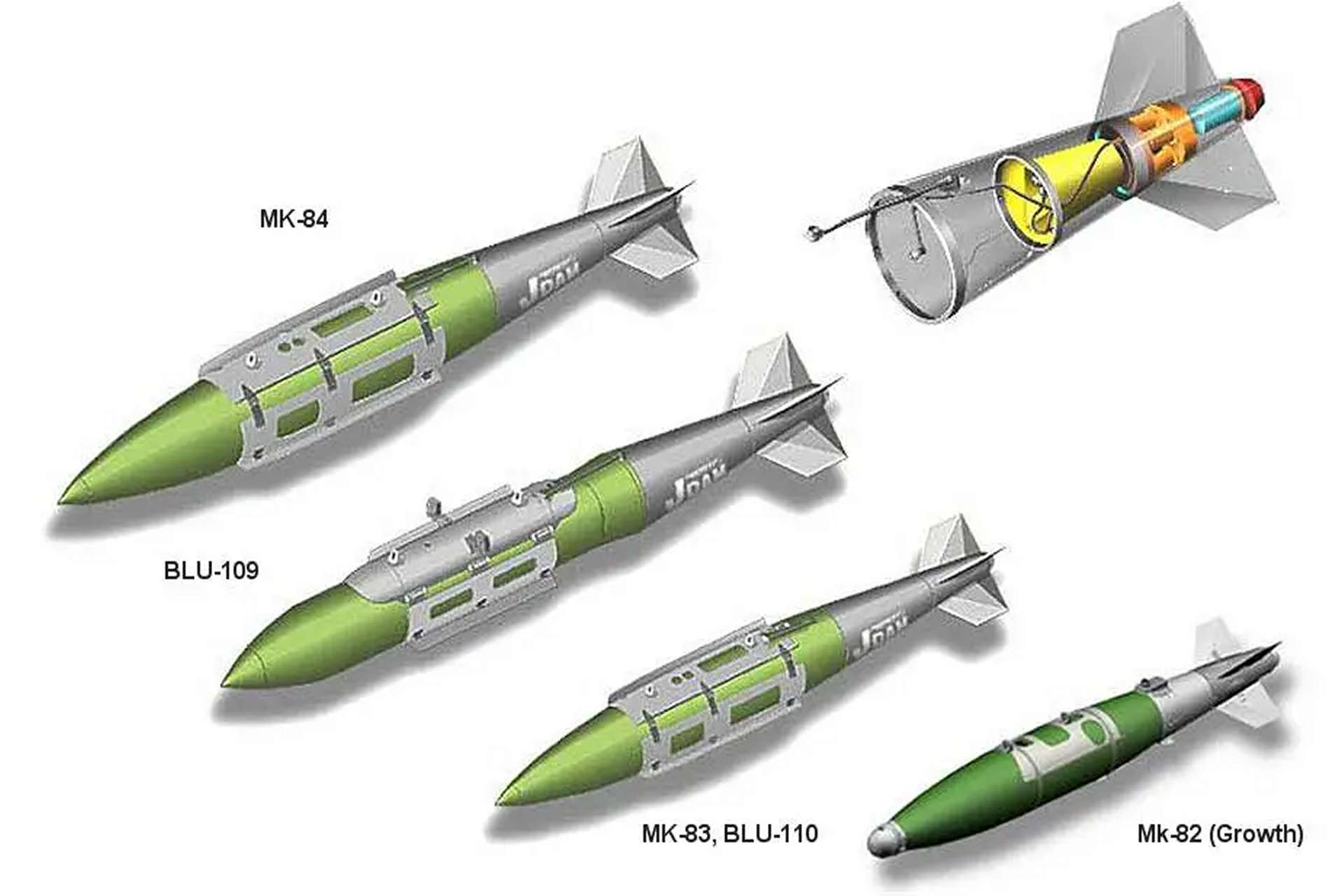
Boeing JDAM Tail Kites used to transform unguided bombs into precisely guided munitions (Picture source: Boieng)
The Defense Security Cooperation Agency (DSCA) has officially notified Congress of this potential sale, aimed at enhancing the operational capabilities of the Canadian military. This acquisition includes 690 JDAM KMU-572 tail kits, 75 KMU-556 kits, and 25 KMU-557 kits. These kits will be added to a previous order that remained below the congressional notification threshold, bringing the total to 900 KMU-572 kits, 125 KMU-556 kits, and 50 KMU-557 kits.
JDAM systems transform unguided bombs into precisely guided munitions, thereby increasing the effectiveness of aerial operations. Canada, which already has these systems in its inventory, will use these new kits to increase its munitions stock, thus enhancing its ability to address current and future threats.
KMU-572 JDAM Tail Kit:
This kit is designed for medium-sized bombs, such as the Mk-82, a bomb widely used by the U.S. Air Force and other air forces. The KMU-572 allows these bombs to receive GPS signals and navigate to their targets with high precision, which is crucial for striking specific targets while minimizing collateral damage.
KMU-556 JDAM Tail Kit:
Suited for larger bombs, like the Mk-84 or similar caliber munitions, the KMU-556 offers the same GPS guidance capability as the KMU-572 but for heavier payloads. These kits are typically used for strikes requiring greater impact, capable of destroying more robust structures or heavily fortified targets.
KMU-557 JDAM Tail Kit:
This kit is used to convert large-sized bombs, specifically the BLU-109 (bunker-buster bombs). The KMU-557 is particularly suited for attacking hardened or underground targets, such as bunkers or subterranean shelters, thanks to its ability to guide bombs designed to penetrate reinforced defenses before detonating.
The sale also includes laser-illuminated target detectors, FMU-139 fuses, weapons support equipment, as well as spare parts and repair services. Additionally, publications and technical documentation, as well as U.S. government and contractor technical, engineering, and logistics support services, are part of the package.
This transaction aligns with the foreign policy and national security objectives of the United States by supporting a key ally of the North Atlantic Treaty Organization (NATO). Canada plays a crucial role in global political stability and economic progress and regularly contributes to military, peacekeeping, and humanitarian operations worldwide.
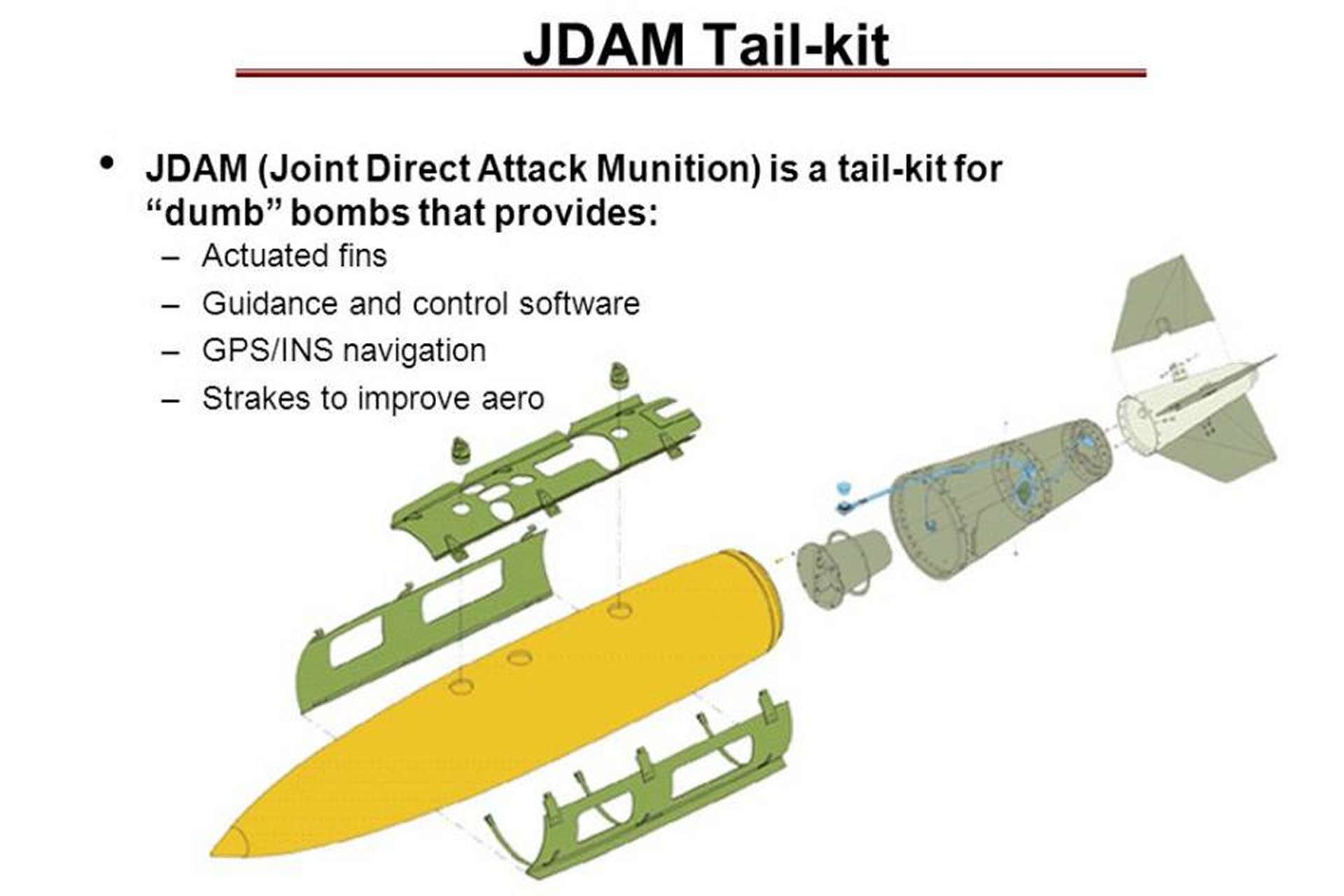
Boeing JDAM Tail Kites used to transform unguided bombs into precisely guided munitions (Picture source: Boieng)
Read more: US Approves $96.4 Million JDAM Tail Kit Sale to Enhance Canadian Military Capabilities
- Details
- Written by: V.Saint
- Category: 2024
- Hits: 3722
Breaking news
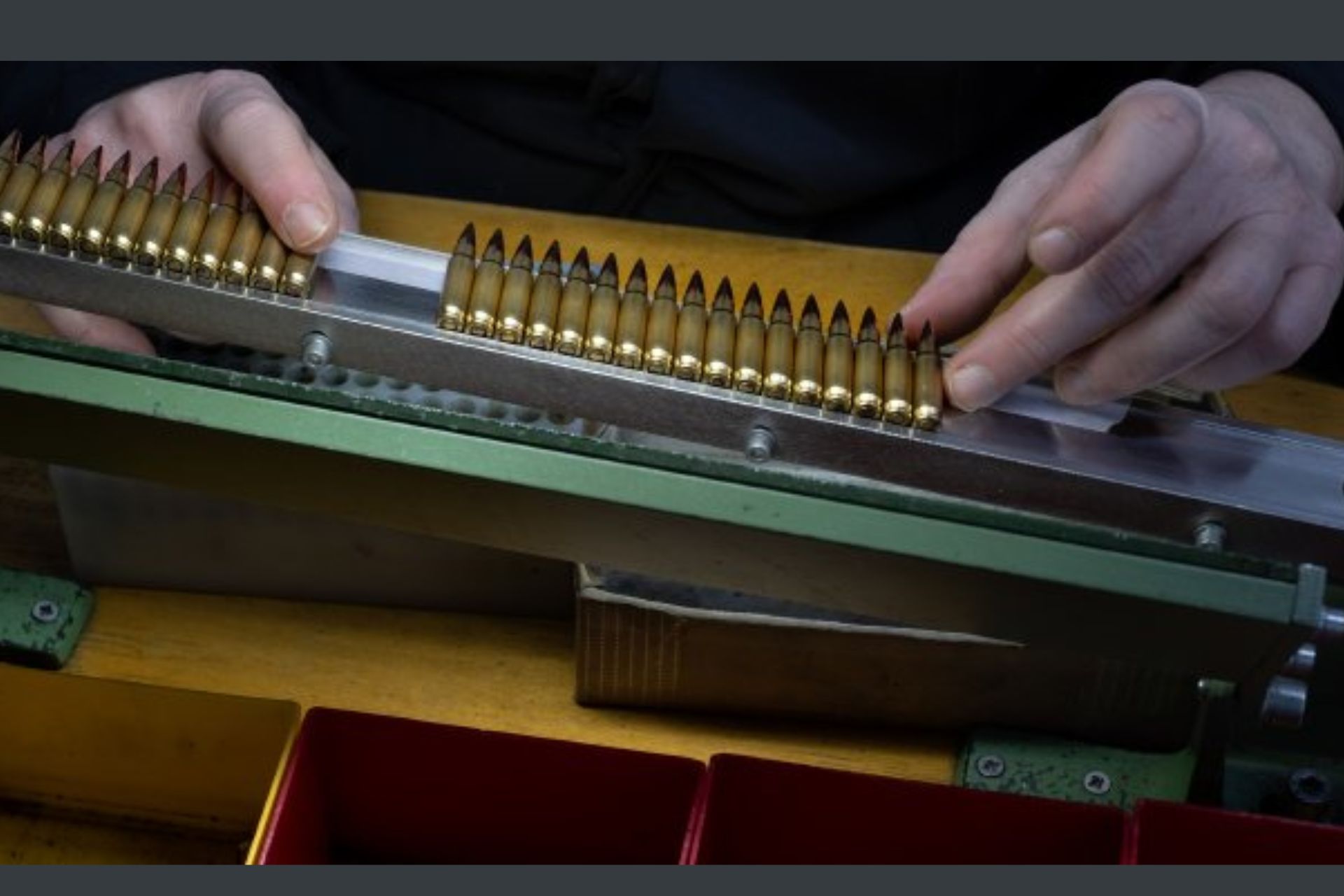
France and Belgium signed an agreement in Paris on Tuesday for the production of small-caliber ammunition and announced their intention to deepen their strategic partnership in land armaments. France will purchase small-caliber ammunition from the Belgian company FN Herstal, which will then help establish an assembly line in France to address its "dependence situation," announced the Defense Ministers of both countries, Sébastien Lecornu and Ludivine Dedonder, following a meeting in Paris.
Follow Army Recognition on Google News at this link
Small arms ammunition control after production (Picture source: ©Gert Jochems)
The French Minister of the Armed Forces explained that there is a segment where France has been vulnerable for fifteen years, which is the small-caliber ammunition sector. He stated that past decisions have placed the country in a "situation of dependence on many providers," a situation that has become evident since the beginning of the war in Ukraine. According to the minister, this production line, whose location and start date have not been specified, should ensure "supplies between the two countries" for these munitions. More broadly, France and Belgium, linked since 2018 by a partnership called "CaMo," aimed at equipping their armies with similar land equipment, want to deepen their "operational intimacy."
For about 20 years, France has been purchasing its ammunition from the Israeli company IWI (Israeli Weapon Industry) and the Brazilian company CDC, which acquired the MEN ammunition factory in Nassau, Germany in 2007 and the Sellier & Bellot ammunition factory in Vlašim, Czech Republic in 2009.
Consequently, France is dependent on supplies from these two nations and their subsidiaries worldwide. The global international context makes the sustainability of these ammunition partnerships uncertain. Therefore, it is crucial for France to secure a more stable partnership that is less susceptible to global geopolitical changes.
The installation of a production line in France and purchases from FN Herstal will allow "the gradual cessation of acquisitions of small-caliber ammunition from outside the European Union," added the Minister of the Armed Forces. The approach is strategic both industrially and militarily. Not only are the two countries jointly engaged in several operations from the Middle East to Central Europe, but relying on a neighboring ally for rapid ammunition supply is "common sense," according to Sébastien Lecornu.
The supply of small-caliber powders should not cause major concerns either, as three days of production at the Belgian EURENCO site are sufficient to cover France's annual need, explained a European specialist in energetic materials.
Thus, the CaMo partnership, which originally involved Belgium acquiring Griffon and Jaguar armored vehicles, will now be extended to include Serval vehicles and Caesar cannons. The two ministers also discussed the Belgian company John Cockerill's project to acquire the French armored vehicle manufacturer Arquus, which is "progressing well," according to Mr. Lecornu. Ludivine Dedonder welcomed this project, stating that it would create a "European land champion and strengthen European defense."
Read more: Armored Vehicles and Ammunition: France and Belgium Put European Defense into Practice
- Netherlands Sends Modified YPR-765 Infantry Fighting Vehicles to Ukraine
- Capture of French-Made AMX-10RCR of Ukrainian army Gives Russia Access to Western Defense Technologies
- Walther Signs Contract with Germany to Equip Special Forces with New Pistol
- Ukraine purchases 8,200 Chinese DJI Mavic 3 drones in $27.5 Million agreement