
- Details
- Written by: Halna du Fretay
- Category: 2024
- Hits: 3869




Breaking news






Newly leaked photos from Ukrainian soldiers have unveiled the presence of FrankenSAM surface-to-air missile systems in Ukraine's defense arsenal, as reported on X by @UkraineNewsLive. This development highlights a U.S.-led initiative aimed at enhancing Ukraine’s air defense capabilities by integrating modern Western components and interceptors with existing Soviet-era systems.
Follow Army Recognition on Google News at this link
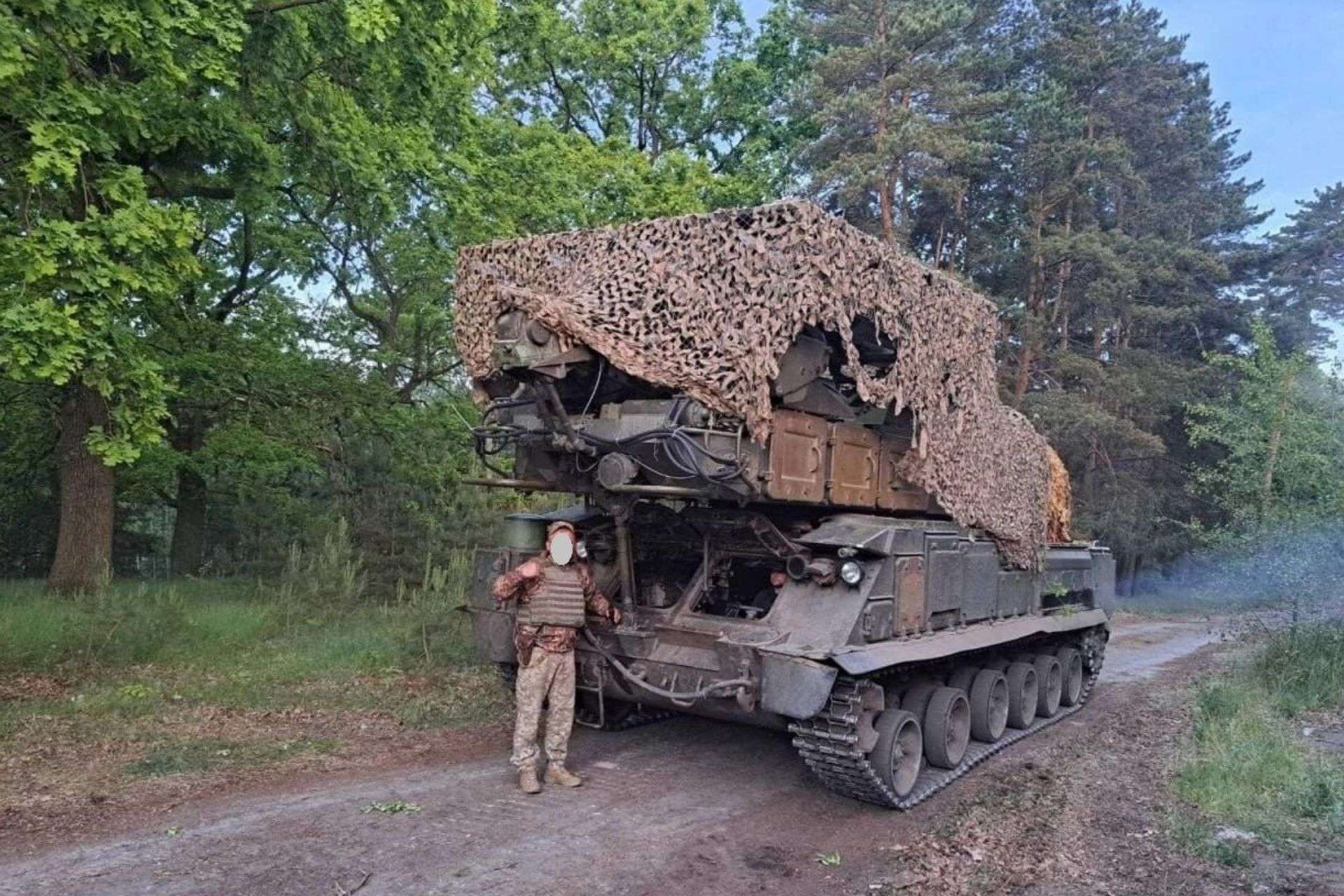
Newly shared photos by Ukrainian soldiers show the FrankenSAM surface-to-air missile systems in Ukrainian service (Picture source: X Channel @UkraineNewsLive)
The FrankenSAM project gained attention in October 2023, focusing on modifying Soviet-era Buk (SA-11 Gadfly) medium-range surface-to-air missile launchers to fire U.S.-made radar-guided AIM-7 Sparrow and RIM-7 Sea Sparrow missiles, as well as U.S.-supplied heat-seeking AIM-9M Sidewinder air-to-air missiles. This hybrid approach allows Ukraine to leverage its existing infrastructure while incorporating advanced Western technology.
The feasibility of integrating Western missiles with Soviet systems was previously explored in Poland and the Czech Republic, where attempts were made to mount RIM-7 and RIM-162 ESSM missiles on Kub (SA-6 Guideline) surface-to-air missile systems. Building on these experiments, the Ukrainian Air Force Command confirmed in November 2023 the successful integration of the Buk-M1 system with the RIM-7 missile.
The FrankenSAM systems demonstrate a blend of old and new technologies, enhancing Ukraine’s defensive capabilities amid ongoing conflict. This innovative strategy maximizes the use of available resources while significantly bolstering Ukraine's air defense network with advanced Western technology. The FrankenSAM project, a collaborative effort between Ukraine and the U.S., has been of interest since its inception. This advanced surface-to-air missile system marked a significant milestone in January 2024 when it successfully downed its first target. Despite its successes, official visuals of the system were not available until recently.
The East Operational Command has now unveiled the Buk SAM system modified with RIM-7 Sea Sparrow missiles. Although the 9A310 self-propelled firing unit was covered with a camouflage net, certain details of the integration are now publicly known. Key insights into the FrankenSAM project reveal that the launch mechanism of the Buk system has remained largely original, with minor modifications to accommodate the same number of RIM-7 missiles in transport-launch containers as it did with Soviet-era 9M38 missiles.
Photos also show that the radar equipment of the 9A310 has not undergone significant changes, with the radome of the 9S35 radar station intact. It remains uncertain whether the original Soviet radar system, responsible for detection, tracking, and target illumination, has been replaced or upgraded. However, it is likely that the 9S35 system remains functional, operating in the centimeter range similar to the RIM-7 missile’s target illumination radar. This suggests that while fundamental frequencies and modulations may have required adjustment, the core radar system remains unchanged.
The effectiveness of the FrankenSAM is further highlighted by markings of destroyed targets visible in the photos, indicating the system’s capability to neutralize even small, agile targets such as reconnaissance UAVs and the Lancet drone. Despite its success, the adaptation to the RIM-7 missiles has slightly reduced the Buk’s operational range.
The RIM-7 missile offers a range of around 20 km, compared to the Soviet 9M38 missile’s range of up to 30 km. However, the primary challenge lies in the availability of 9M38 missiles, which, if still in production, are only manufactured in Russia. Therefore, the transition to the RIM-7 missile is not only pragmatic but has proven to be a swift and effective solution. Without this adaptation, the Buk systems, faced with a shortage of compatible missiles, might have been rendered obsolete or repurposed for non-combat roles.
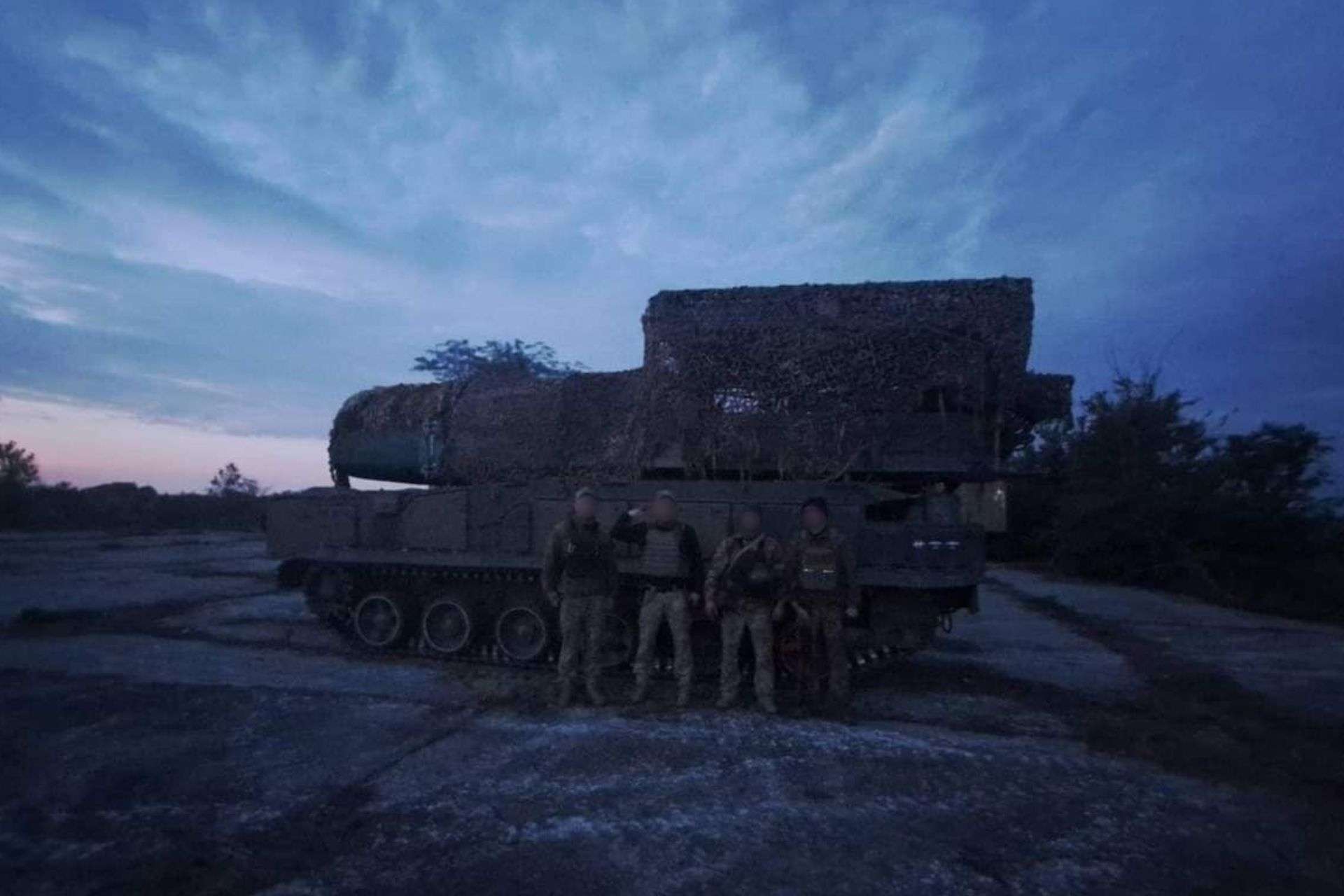
The FrankenSAM project, gaining attention in October 2023, modifies Soviet-era Buk launchers to fire U.S.-made AIM-7 Sparrow, RIM-7 Sea Sparrow, and AIM-9M Sidewinder missiles (Picture source: X Channel @UkraineNewsLive)
Read more: Leaked Photos Unveil FrankenSAM Defense System in Ukraine’s Defense Arsenal
- Details
- Written by: V.Saint
- Category: 2024
- Hits: 2672
Breaking news
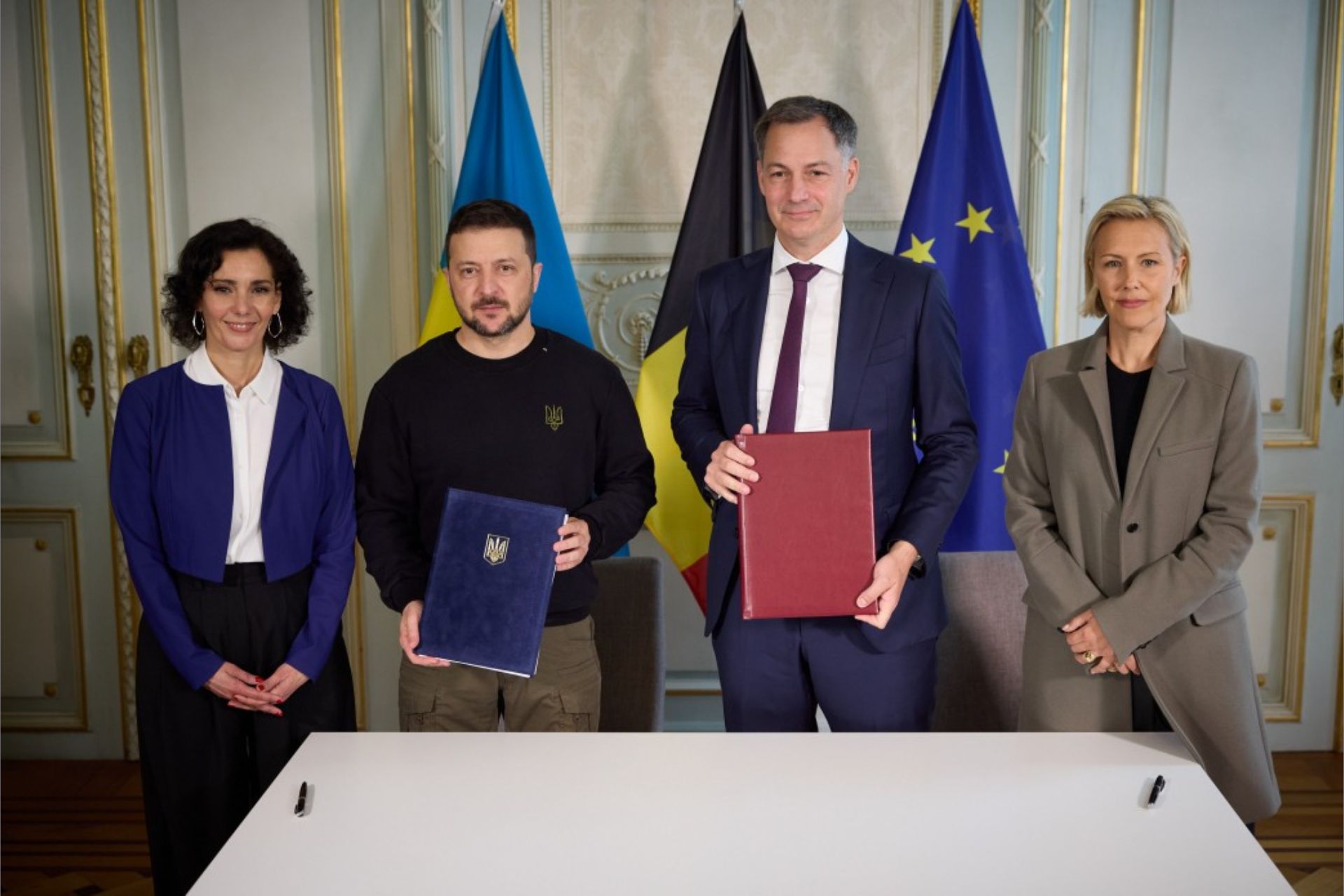
During the state visit of the Ukrainian president to Brussels on May 28, 2024, a security agreement was signed between Ukrainian President Volodymyr Zelensky and Belgian Prime Minister Alexander De Croo. The document, like other recently signed bilateral agreements, is valid for ten years from the date of its signing. Let's take a look at its contents.
Follow Army Recognition on Google News at this link
Volodymyr Zelenskyi and Alexander De Croo during the signing of the agreement between Ukraine and Belgium. May 28, 2024. (Picture source: Ukrainian Presidency office)
Military Aid
The agreement specifically provides for Belgium to supply military aid to Ukraine amounting to at least 977 million euros this year, as well as the obligation for Brussels to support Kyiv for the duration of the agreement. Support will also be provided through the dispatch of military equipment.
Belgium will continue efforts to improve the capability of Ukrainian security and defense forces to protect themselves against Russian aggression today, deter further aggression in the future, and enhance the compatibility of Ukrainian forces and means with NATO standards.
Belgian support will cover both short-term military needs and the long-term capacity building of Ukraine's future Defense Forces.
Additionally, Belgium will support efforts to equip the Ukrainian Armed Forces' Air Force, including F-16 aircraft, munitions, pilot and technical personnel training, long-term fighter maintenance, and the creation of appropriate conditions for their operation in Ukraine.
The security agreement also commits Belgium to deliver a total of 30 F-16s this year. It is likely that this number includes the F-16 fighters already promised, as it is specified that the first of these 30 should be delivered as early as this year.
Scientific, Technological, and Industrial Defense Collaboration
Separate sections of the document are dedicated to bilateral cooperation in the field of defense. The document states that Ukraine and Belgium will implement joint projects aimed at increasing the potential and production volume of the Ukrainian defense industry.
A technological cooperation is also planned to equip Ukraine with industries and technologies comparable to European levels. The cooperation will include potential technology transfer, partnerships, joint ventures, and investments.
Similar to the agreement signed between Ukraine and France, there will be a dominant cooperation between Belgium and Ukraine in the fields of intelligence, cybersecurity, and combating disinformation.
In response to the escalating situation, Operation "Crabe" was launched between January 30 and February 8, 2024, deploying tracked vehicles HT 270 for the first time to combat illegal gold mining. Previously, the 3rd Foreign Infantry Regiment (3 REI) relied on Bandvagn 206 (BV 206) vehicles. The decision to integrate HT 270 vehicles, acquired through the Union of Public Procurement Groups and militarized by Technamm, reflects a strategic shift in tackling the challenge posed by illegal mining activities.
The HT 270, equipped with a 169hp diesel engine and capable of carrying up to 16 infantrymen, marks a significant upgrade in mobility and firepower. Its deployment during Operation "Crabe" underscores the military's commitment to adapt and utilize advanced technology to combat illicit activities effectively. With a maximum speed of 58 km/h and a mount for a 7.62mm MAG 58 machine gun, the HT 270 enhances the operational capabilities of the Armed Forces in confronting the complex and evolving threat posed by illegal gold mining.
Despite these efforts, the persistence of illegal mining activities fueled by high gold prices and transnational networks underscores the need for sustained and coordinated action to address the root causes of the issue and safeguard the environment and local economies in French Guyana.
Read more: Ukraine and Belgium Signs 10 years long security agreement
- Details
- Written by: Vandenbosch
- Category: 2024
- Hits: 12163
Breaking news
A major challenge for Ukraine’s armed forces is Russia’s ability to produce artillery shells about three times faster and at a quarter of the cost compared to Ukraine's Western allies, according to an analysis by Sky News and CNN. This information is crucial in the context of the conflict in Ukraine as it provides an advantage to Russian forces.
Follow Army Recognition on Google News at this link
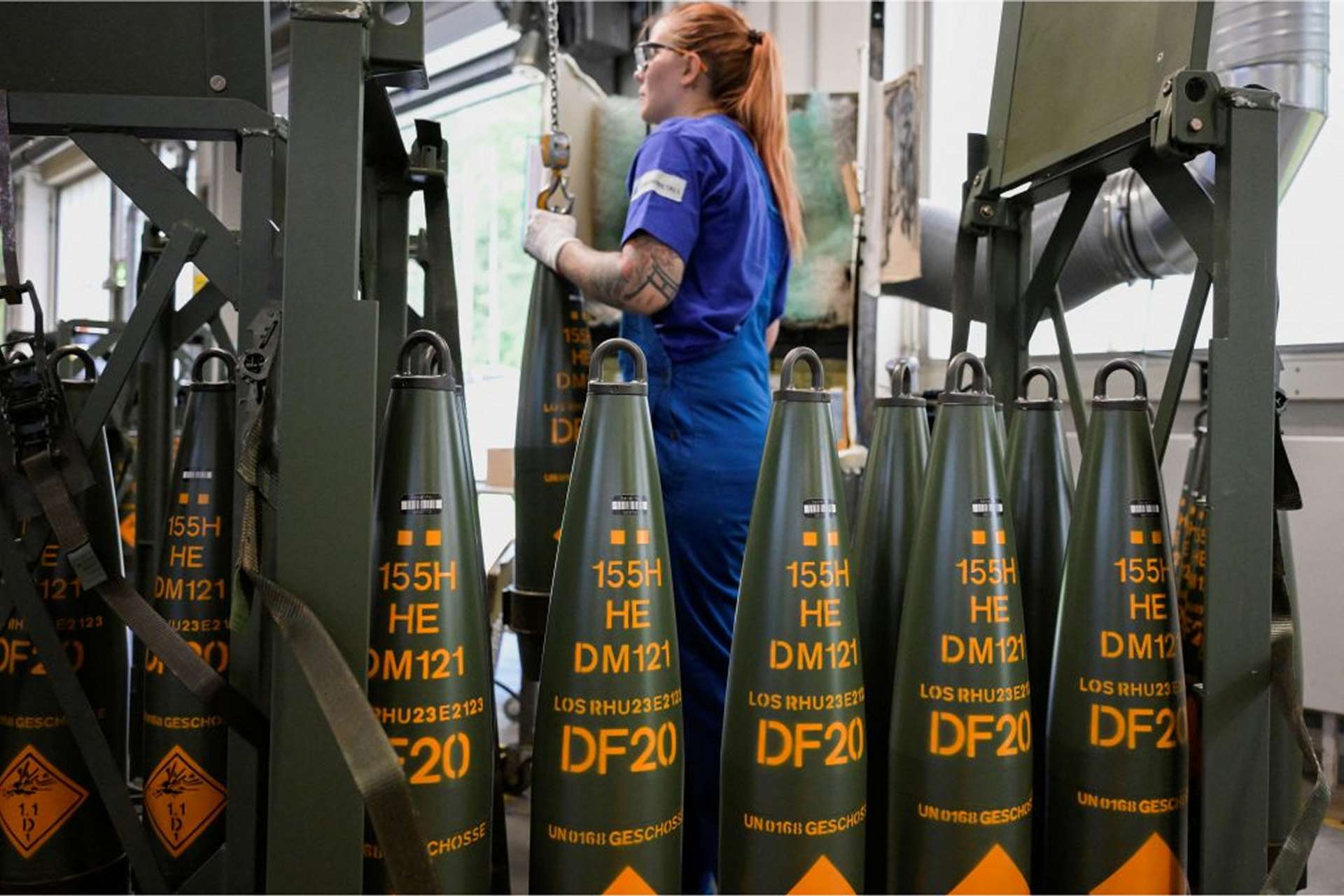
155mm artillery ammunition production plant. (Picture source: Rheinmetall)
Management consulting firm Bain & Company highlighted this issue, noting that Ukraine heavily relies on ammunition supplies from the United States and Europe to combat Russia's large-scale invasion. This war has been described as a “battle of fires” due to the massive volume of artillery used. Ukrainian soldiers on the front lines report that for every shell they fire at Russian positions, the invading troops can launch about five shells back.
Senior Lieutenant Kostiantin, commander of an artillery battery in the 57th Brigade, explained that they can often destroy a target with just one, two, or three shells. However, he also emphasized the importance of continuing to repel the Russians and making every meter of land they tried to take cost them hundreds of lives.
Research by Bain & Company, based on public information, indicates that Russian factories are expected to manufacture or refurbish about 4.5 million artillery shells this year. In contrast, the combined production of European nations and the United States is estimated at 1.3 million shells.
The analysis also revealed that the average production cost per 155 mm shell, the type produced by NATO countries, is about $4,000 (£3,160) per unit, although this cost varies significantly between countries. In comparison, the production cost of a 152 mm shell used by the Russian armed forces is about $1,000.
Despite sanctions, Russia has intensified its production by working continuously and expanding its defense workforce to 3.5 million people. Russia uses about 10,000 shells per day compared to 2,000 for Ukraine, increasing the pressure on Ukrainian forces. Russia also imports ammunition from Iran and North Korea to supplement its domestic production and possibly from China, according to recent UK declarations.
The artillery production gap could influence the course of the conflict. European nations are striving to increase their ammunition production, with plans for new factories in Germany and Ukraine. However, the US goals of producing 100,000 shells monthly by the end of 2025 seem unrealistic without continuous funding from the US Congress, currently stalled.
Western military officials insist that capitalist nations will eventually outproduce Russia’s managed economic model. However, some caution that Moscow currently holds the upper hand, which could pressure Ukraine’s negotiating position if Western aid weakens.
Russia’s artillery production capacity, combined with the importation of ammunition from Iran and North Korea, gives it a significant strategic advantage. The outcomes of the conflict could largely depend on the quantity of available shells, highlighting the crucial importance of artillery production in this prolonged war.
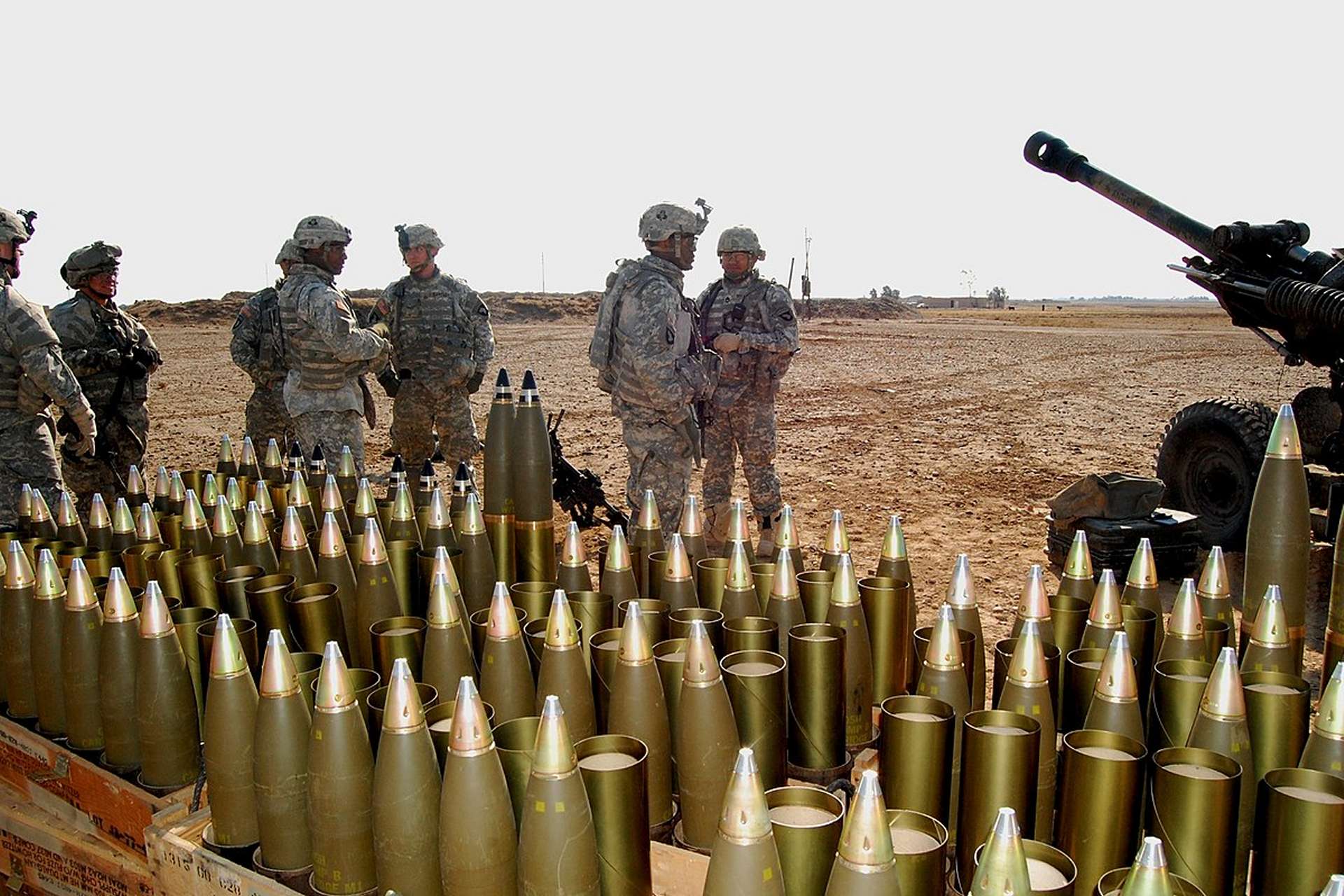
US Army 155mm Artillery Ammunition. ( Picture Source: US DoD)
Read more: Russia Produces Artillery Shells Three Times Faster than Ukraine’s Allies
- Details
- Written by: Halna du Fretay
- Category: 2024
- Hits: 5701
Breaking news
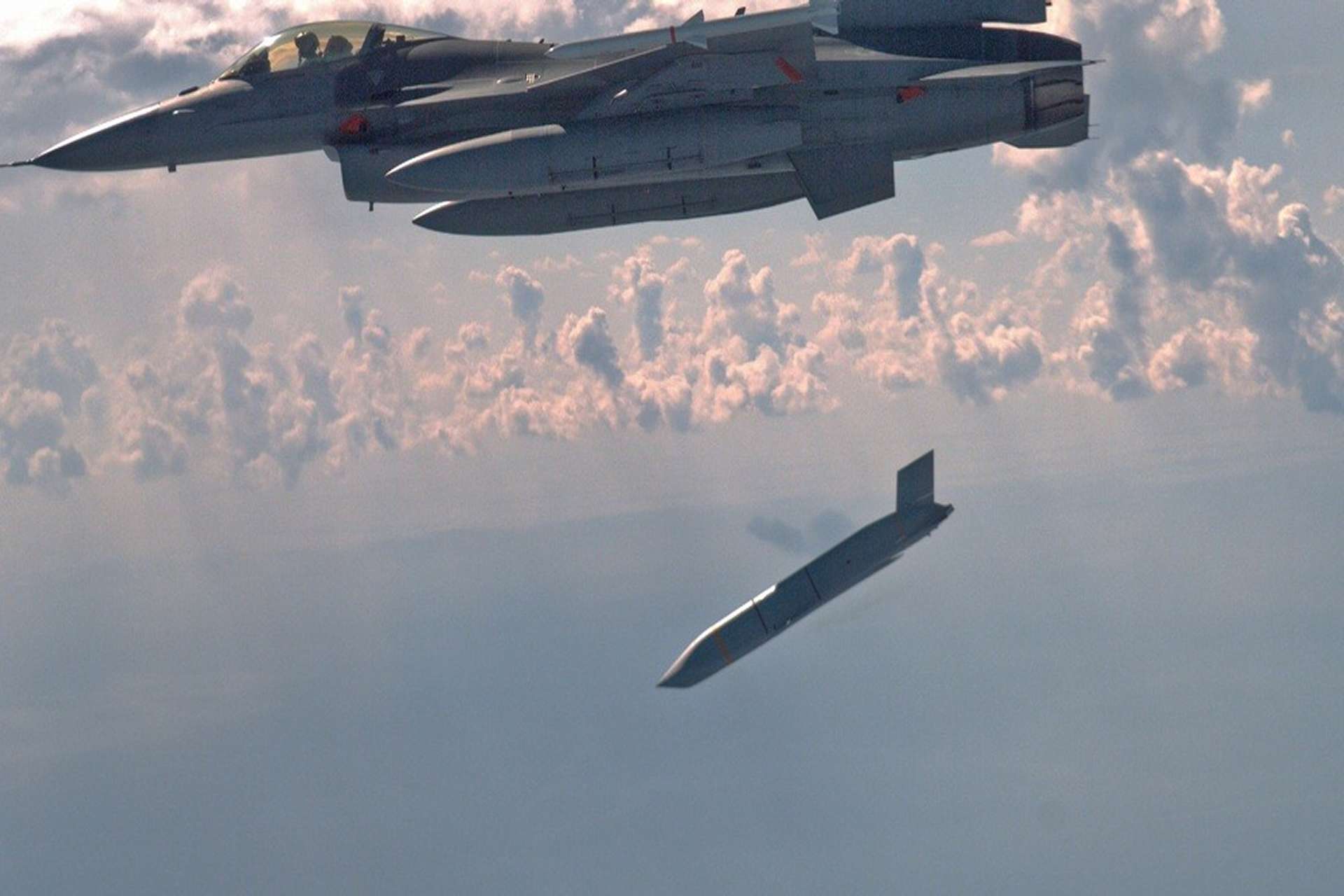
On May 28, 2024, Poland announced its decision to purchase long-range JASSM-ER air-to-surface missiles from the United States for $735 million, marking a significant step in bolstering its defense capabilities. This acquisition, part of the rapid modernization of the Polish army, comes amid heightened security concerns due to the ongoing conflict between Russia and Ukraine. The contract, to be signed by Polish Deputy Prime Minister and Defense Minister Władysław Kosiniak-Kamysz, outlines deliveries of these missiles from 2026 to 2030.
Follow Army Recognition on Google News at this link
US Air Force Major Jacob Rohrbach of the 40th Flight Test Squadron at Eglin AFB, Florida, released the first JASSM-ER from an F-16 over the Gulf of Mexico on September 19, 2018 (Picture source: US DoD)
The JASSM-ER missiles, with a range of approximately 1,000 km, are intended to enhance Poland's ability to target threats far from the front lines, a capability deemed crucial by the Polish Ministry of Defense. This decision is part of a broader strategy to strengthen Poland's deterrence capabilities against potential Russian aggression. The US Congress approved the sale of various air defense missiles to Poland in March, following the US State Department’s approval earlier that month.
The Defense Security Cooperation Agency (DSCA) published three approvals from the US Department of State for the potential sale to Poland of nearly 1,800 air missiles of three types for a total value of $3.7 billion. The first approval involves the sale of 821 AGM-158B-2 JASSM-ER cruise missiles, including classified test equipment, weapon system support, integration support and equipment, test delivery and support for classified software, unclassified publications, technical documentation, transport, and engineering, technical, and logistics support from Lockheed Martin, with an estimated total cost of $1.77 billion.
The second approval covers the potential sale of 745 AIM-120C-8 AMRAAM medium-range air-to-air missiles, 16 AIM-120C-8 AMRAAM guidance sections, and 50 LAU-129 weapon racks. This package includes AIM-120 CATM training missiles, missile transport containers and spare control section parts, built-in ammunition testing equipment, computer test set adapters, ammunition support and auxiliary equipment, spare and repair parts, consumable materials, accessories, and support for repairs and returns, contract logistics support, delivery and support for classified software, classified and unclassified publications and technical documentation, personnel training and training support, transport support, surveys and studies, and engineering, technical, and logistics support services from RTX, with an estimated total cost of $1.69 billion.
The third approval involves the potential sale of 232 AIM-9X Sidewinder Block II short-range tactical missiles and an additional 16 guidance sections. This package includes missile transport containers, training aids, active optical target detectors, spare parts, auxiliary equipment, missile support, technical support from RTX, and other related logistics and program support elements, with an estimated total cost of $219.1 million.
In addition to the JASSM-ER missiles, Poland has also requested other advanced military equipment from the United States, including up to 745 AIM-120C-8 Advanced Medium Range Air-to-Air Missiles (AMRAAM) and 232 AIM-9X Sidewinder Block II Tactical Missiles, bringing the total estimated cost to $3.68 billion. US President Joe Biden reaffirmed America's commitment to Poland during a meeting with Polish leaders in March, emphasizing that Poland remains a critical NATO ally. He also announced a new $2 billion Foreign Military Financing (FMF) direct loan to Poland to support its defense modernization.
The JASSM-ER missile, developed by the US for the Air Force and international partners, features advanced capabilities, including a low-observable airframe designed to penetrate enemy air defenses and a range allowing for strategic strikes from safe distances. Poland already operates JASSM missiles with a range of 370 km, integrated with its US-made F-16 combat aircraft. The new acquisition of JASSM-ER missiles will significantly extend Poland's strike capabilities.
Amid Russia's invasion of Ukraine, which began on February 24, 2022, Poland has been accelerating its defense initiatives, including increasing its defense budget to around 4% of GDP, the highest among NATO countries. This budgetary increase has facilitated several billion-dollar military equipment purchases from the United States and South Korea, aimed at strengthening Poland’s defense infrastructure and operational readiness.
Read more: Poland to Purchase Long-Range JASSM-ER Missiles for F-16s from US
- Details
- Written by: Triffaux
- Category: 2024
- Hits: 6876
Breaking news
On May 27, 2024, the Ministry of Defense of Thailand officially handed over a fleet of 10 armored tactical vehicles (ATVs) to the Royal Bhutan Police during a solemn ceremony held at the ministry's headquarters.
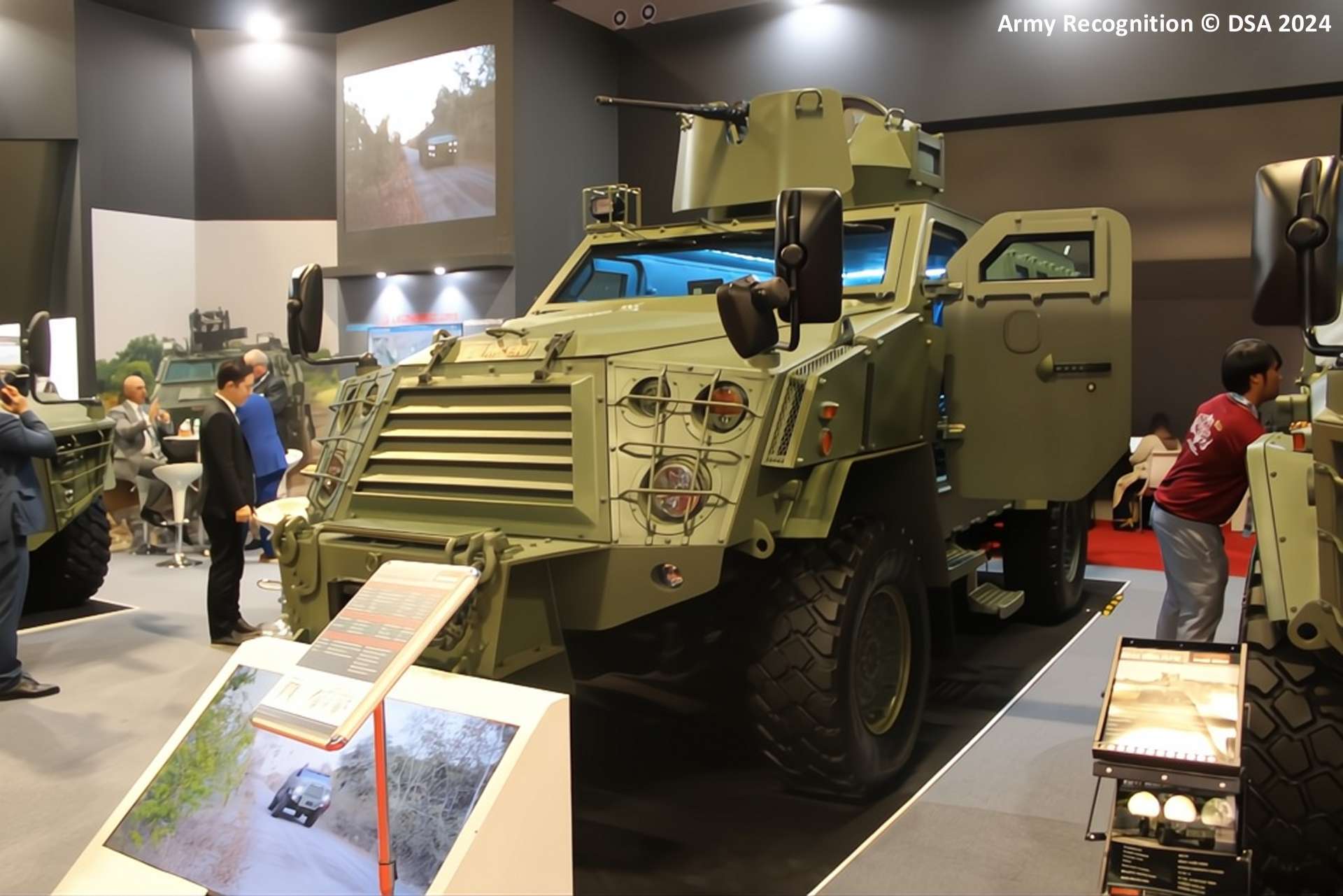
Thai Company Chaiseri First Win 4X4 Armored Tactical Vehicle (Picture source: Army Recognition)
The ceremony, presided over by Defense Minister Sutin Klungsang, saw the attendance of dignitaries such as General Porphol Maneerin, chairman of the Defense Technology Institute (DTI), and Nopparat Kulhiran, chairman of Chaiseri Metal & Rubber Co Ltd. Representatives from the Bhutanese embassy in Bangkok were also present to receive the equipment on behalf of the Himalayan kingdom's police force.
The Chaiseri First Win is an advanced defense vehicle, equipped with numerous high-end specifications to meet the rigorous demands of modern missions. This vehicle is powered by a 300-horsepower engine, offering ballistic and mine protection compliant with STANAG 4569 level 2 standards, with an option for level 3.
Designed to accommodate ten people (9+1), the First Win features a right-hand drive and a monocoque structure without a chassis, optimizing safety and maneuverability. It also includes a run-flat system that allows it to continue driving up to 50 km even after a tire puncture.
The vehicle's dimensions include a length of approximately 6,100 mm, a width of 2,400 mm, and a similar height of 2,400 mm, with a ground clearance of 450 mm. The curb weight is about 11,000 kg, with a payload of 1,500 kg and a gross weight of approximately 12,500 kg. The vehicle is also equipped with a 200-liter fuel tank, providing a combat range of 650 km.
In terms of performance, the First Win ATV can reach a maximum speed of 110 km/h, with the ability to climb slopes of 60% and side slopes of 30%. It can overcome vertical obstacles up to 500 mm and ford water depths of 1,000 mm.
The vehicle is armed with a 12.7 mm heavy machine gun, a 40 mm automatic grenade launcher, and a 7.62 mm medium machine gun, with the option to install a Remote Controlled Weapon Station (RCWS). Optional features include a Central Tire Inflation System (CTIS), thermal night driving capability, an automatic fire suppression system, VHF tactical communication, an intercommunication system, a Mobile Assault Ramp System (MARS), and a Laser Warning System (LWS).
The vehicle is also equipped with an 18,000 lbs self-recovery winch, an ABS braking system, and a situational awareness system including day and infrared cameras, ensuring optimal survival and superior performance in all conditions.
The introduction of the First Win ATVs, equipped to meet high protection standards, demonstrates Thailand's commitment to helping Bhutan modernize its police forces and enhance its preparedness for emergency situations, including natural disasters and internal security operations. These vehicles enable Bhutanese forces to access difficult terrains and better protect their operators in hostile environments.
This cooperation is also manifested through regular exchanges and training programs, highlighting the importance of regional security collaboration. This initiative aligns with Bhutan's economic and social development goals while strengthening regional stability.
According to the CIA Factbook 2023, the Royal Bhutan Army is estimated to have about 8,000 active military and security service personnel. The military equipment inventories and acquisitions of the Royal Bhutan Army are primarily provided by India, which has supplied most of the equipment used by Bhutanese forces. This ongoing support underscores the strong defense and security relationship between Bhutan and India, which is critical for Bhutan's military readiness and operational capabilities.
Additionally, these same Chaiseri First Win armored tactical vehicles provided by Thailand are being used by a Bhutanese contingent deployed in the Central African Republic for the United Nations mission (MINUSCA). At the request of the UN, Bhutan deployed its first-ever peacekeeping military contingent, a Light Quick Reaction Force (LQRF), to MINUSCA in October 2022. This contingent will complete its year-long mission by November 2023 and will be replaced by a second contingent from the Royal Bhutan Army.
Read more: Thailand Delivers 10 Chaiseri First Win 4X4 Armored Tactical Vehicles to Bhutan
- Details
- Written by: Vandenbosch
- Category: 2024
- Hits: 8347
Breaking news
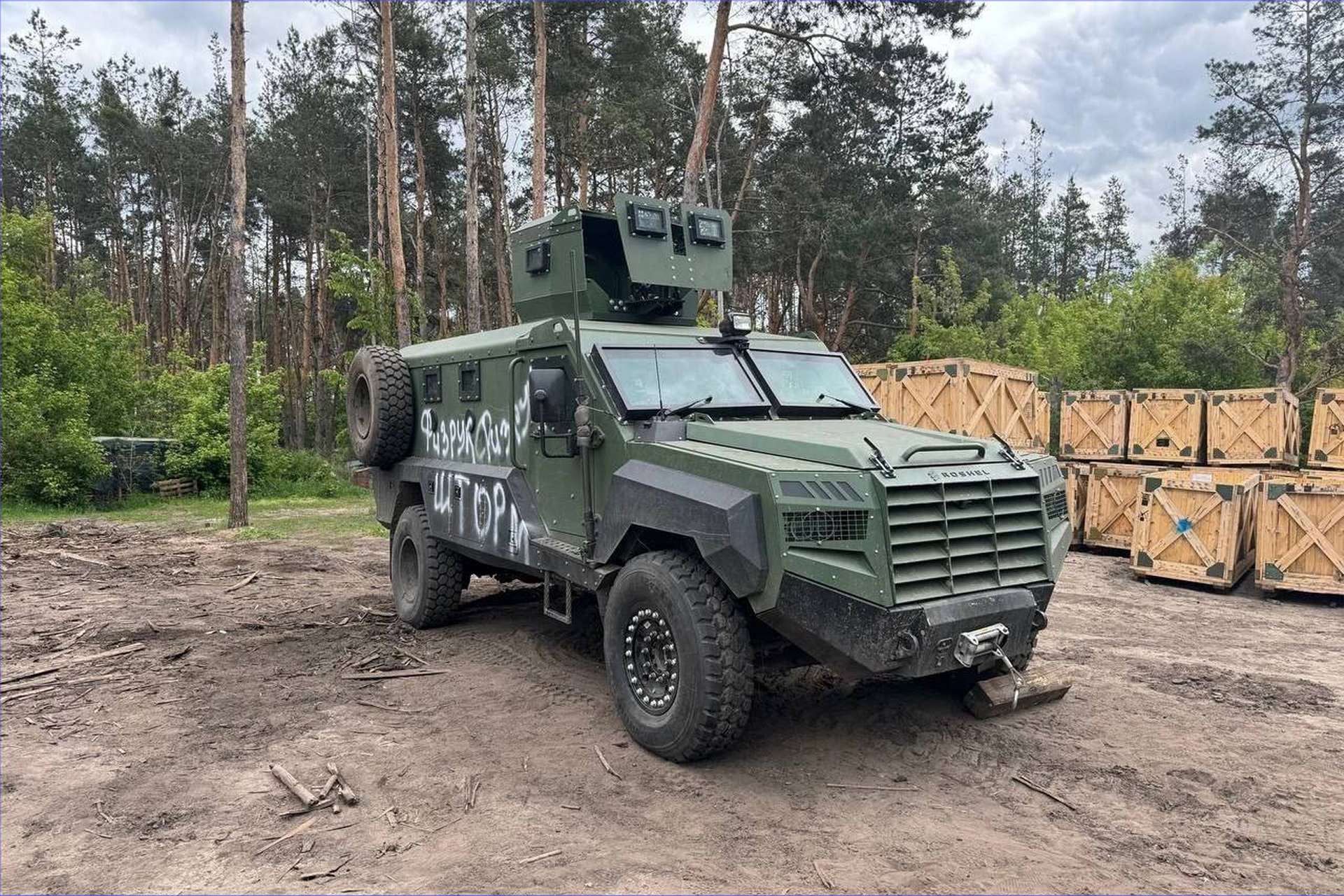
Several sources on Russian social media report that Russian armed forces have captured a Canadian-made Roshel Senator armored vehicle, initially delivered to the Ukrainian Armed Forces (AFU), in Volchansk. The Telegram channel "Military Informant" highlighted photos of this military trophy dated May 27, 2024.
Follow Army Recognition on Google News at this link
Senator armored vehicle captured by Russian armed forces in Ukraine (Picture source: Russian Social Media)
The images show Russian soldiers posing in front of the armored vehicle, which appears to be in perfect condition. The Roshel Senator was equipped with a heavy DShK machine gun. Canada delivered 208 Roshel Senators to Ukraine: 8 in May 2022, 78 in June 2023, and 122 in the second half of 2023.
Additionally, in the same month, a Senator vehicle was spotted in Ukraine, equipped with solid grilles to protect against drones. These structures provide protection for the roof, sides, front, and rear of the vehicle. It is noteworthy that the Senator captured by Russian forces is perfectly intact, with no visible bullet impacts in the images of the capture.
This is not the first capture of a Roshel Senator, but Russian armed forces have never captured a Canadian armored vehicle in such good condition. Undoubtedly, Russia could study this vehicle and engage in reverse engineering. Unlike other captures of Western vehicles, which can sometimes be outdated and not pose a technology theft risk, this is quite the opposite. The Senator, dating from 2018, represents the latest iteration of Canadian armored vehicles.
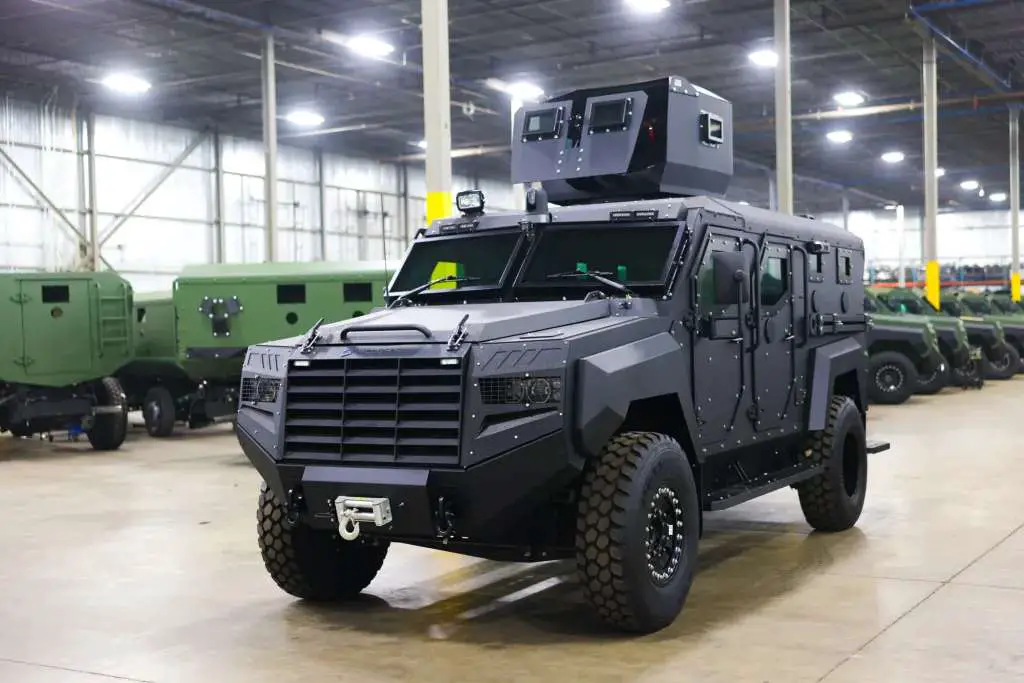
The Roshel Senator is an armored personnel carrier designed and manufactured in Canada by Roshel. ( Picture Source : Roshel)
The Roshel Senator is an armored personnel carrier designed and manufactured in Canada by Roshel. Introduced to the market in 2018, this vehicle has been used by various armed forces and security units worldwide, proving its versatility and operational effectiveness.
Weighing 8 tons, the Roshel Senator measures 5.6 meters in length, 2.4 meters in width, and 2.75 meters in height. It is designed to transport a crew of two and can accommodate up to ten additional passengers, providing significant total capacity for troop or security personnel transport.
Under the hood, the Roshel Senator is equipped with a 6.7-liter Power Stroke diesel engine, capable of producing 330 horsepower and 750 Newton-meters of torque. This power is managed by a ten-speed TorqShift automatic transmission, ensuring smooth driving and excellent maneuverability even in the most challenging conditions. The vehicle features four-wheel drive (4x4), enhancing its off-road capabilities and mobility on various terrains.
The payload capacity of the Roshel Senator ranges from 1.2 to 2 tons, allowing it to transport passengers and essential equipment for various missions. With its robust armor and advanced security systems, this vehicle provides optimal protection against ballistic threats and explosions, ensuring the safety of its occupants.
The capture of enemy material is never good news, but here, a vehicle in such good condition and so recent is even more concerning. It will be necessary to study the context in which the vehicle was captured to avoid such occurrences in the future.

The images show Russian soldiers posing in front of the armored vehicle. ( Picture Source: Social Media)
Read more: Russia Captures Intact Canadian Senator Armored Vehicle in Ukraine
- Details
- Written by: Halna du Fretay
- Category: 2024
- Hits: 9520
Breaking news
At the Black Sea Defense & Aerospace 2024 exhibition held in Bucharest from May 22 to 24, significant progress was made in the Romanian Piranha 5 program. General Dynamics European Land Systems (GDELS) and Uzina Mecanică București (UMB), a subsidiary of ROMARM, announced the completion of 47 Romanian-produced Piranha 5 8×8 armored fighting vehicles, with 68 more in production and an additional order for 150 vehicles.
Follow Army Recognition on Google News at this link
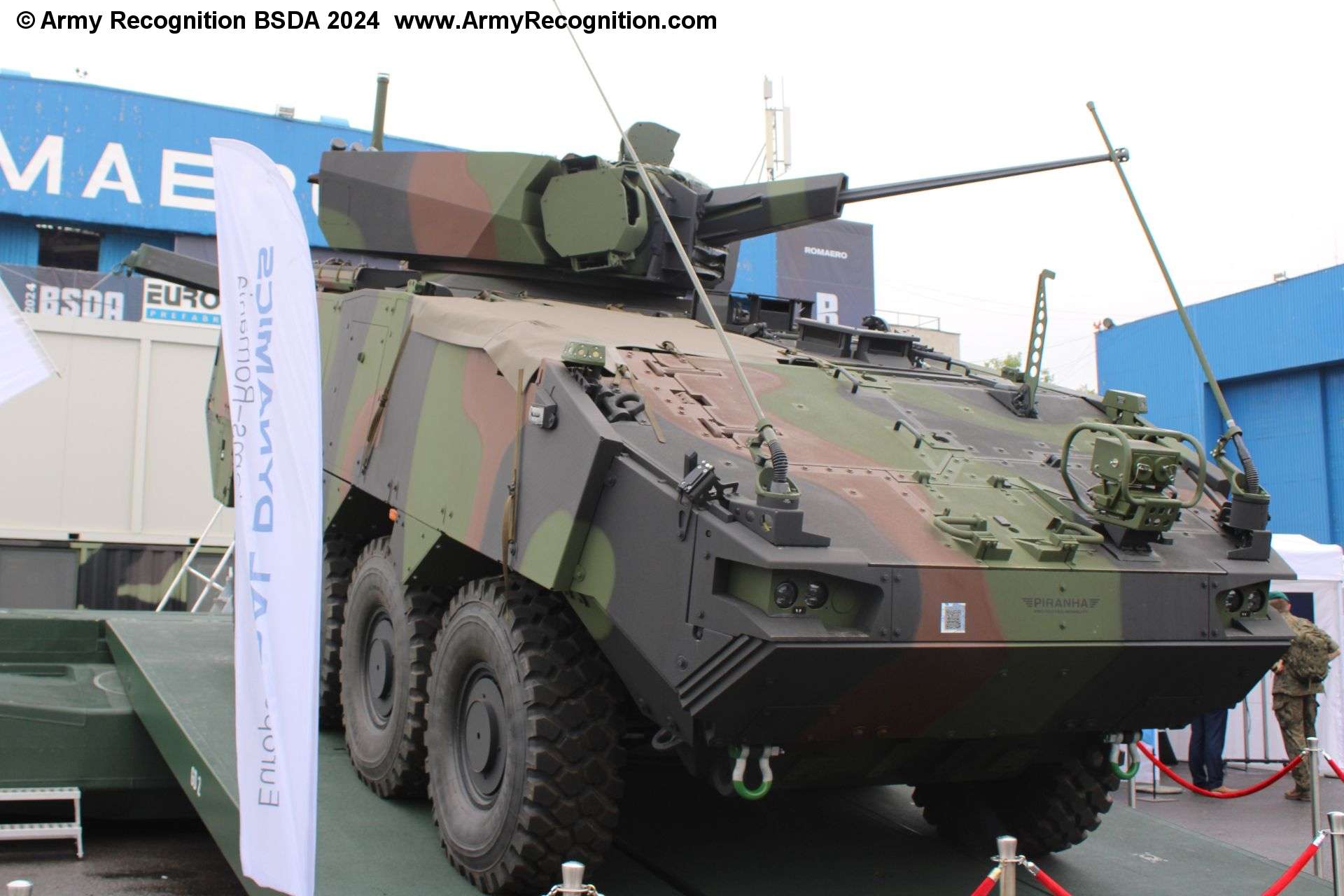
The Piranha V on M3 Amphibious Bridging and Ferrying System from General Dynamics at BSDA 2024 (Picture source: ArmyRecognition)
The initial order of 227 vehicles, contracted by the Romanian Ministry of National Defence (MND) on January 12, 2018, is divided into three phases. The first phase involved the production of 30 vehicles by GDELS-Mowag in Switzerland. The second phase saw the assembly of 64 vehicles in Romania under the direction of GDELS using UMB's facilities. The third and current phase will result in 133 vehicles being entirely produced in Romania by UMB, which achieved full production readiness in April 2019.
Romania's transition to full domestic production of the Piranha V 8×8 platform marks an important step in modernizing its military-industrial capacity. This progress is attributed to foreign direct investments from GDELS-Mowag and Elbit Systems as part of the programme. On January 12, 2018, Romania signed a multistage framework agreement valued at EUR 868 million (USD 930 million) for 227 Piranha V vehicles in six different variants: armored personnel carrier (APC), command, mortar carrier, chemical, biological, radiological, and nuclear (CBRN), recovery, and medical evacuation. The contract included technology transfer and an 80% production offset, ensuring that the majority of the vehicles and their components would be produced domestically.
The production and final assembly of the complete vehicle are conducted by the GDELS-RO and UMB joint venture, while the turrets are produced by Elmet, a local branch of Elbit Systems. Various local companies provide key subsystems: CSR supplies the communication system, Interactive delivers the battle management system, and Pro Optica provides the day and thermal sights, multifunctional displays, and 76 mm smoke launchers. Although Pro Optica develops most of its system components locally, thermal sensors are sourced from third parties such as FLIR and Lynred.
Globally, there is an increasing demand for vehicles like the Piranha V that bridge the gap between deployable light forces, with their inherent low survivability, and more survivable heavy forces that are difficult to deploy and costly to maintain. The Piranha V, developed by the Swiss subsidiary of General Dynamics European Land Systems, addresses this need by leveraging the latest technologies to offer superior survivability, capacity, and mobility with low life-cycle costs and inherent growth capacity. Unveiled during the International Defense Exhibition in Paris, Eurosatory 2010, the Piranha V has since been acquired by various countries, including Denmark and Spain.
The Piranha V sets a new standard in survivability for wheeled armored combat vehicles, offering high levels of protection against mines, improvised explosive devices (IEDs), and ballistic threats. Its next-generation, full-coverage modular survivability system is designed to be replaceable or upgradable to counter emerging threats. The vehicle also features advanced crew ergonomics, energy-absorbing seating, and occupant restraint systems.
Another strength of the Piranha V is its mobility, which uses an 8x8 chassis with an MTU 6V199 diesel engine and height-adjustable McPherson strut suspension. This combination ensures exceptional cross-country mobility and agility. The vehicle can achieve a maximum speed of 100 km/h with a range of 550 km. Additional systems enhancing performance and flexibility include a digital CAN backbone, fuel-efficient drivetrain technology, integrated heating, air conditioning, and NBC protection system.
Read more: Romanian Piranha 5 Program Shows Major Progress at BSDA 2024
- Details
- Written by: Vandenbosch
- Category: 2024
- Hits: 6596
Breaking news
A coalition of countries, including Poland, the Baltic states, Norway, and Finland, has committed to building a "drone wall" to secure their borders. On May 24, 2024, the Lithuanian government announced that it and five other NATO members neighboring Russia had agreed to create a "drone wall" to protect their borders from potential "provocations."
Follow Army Recognition on Google News at this link
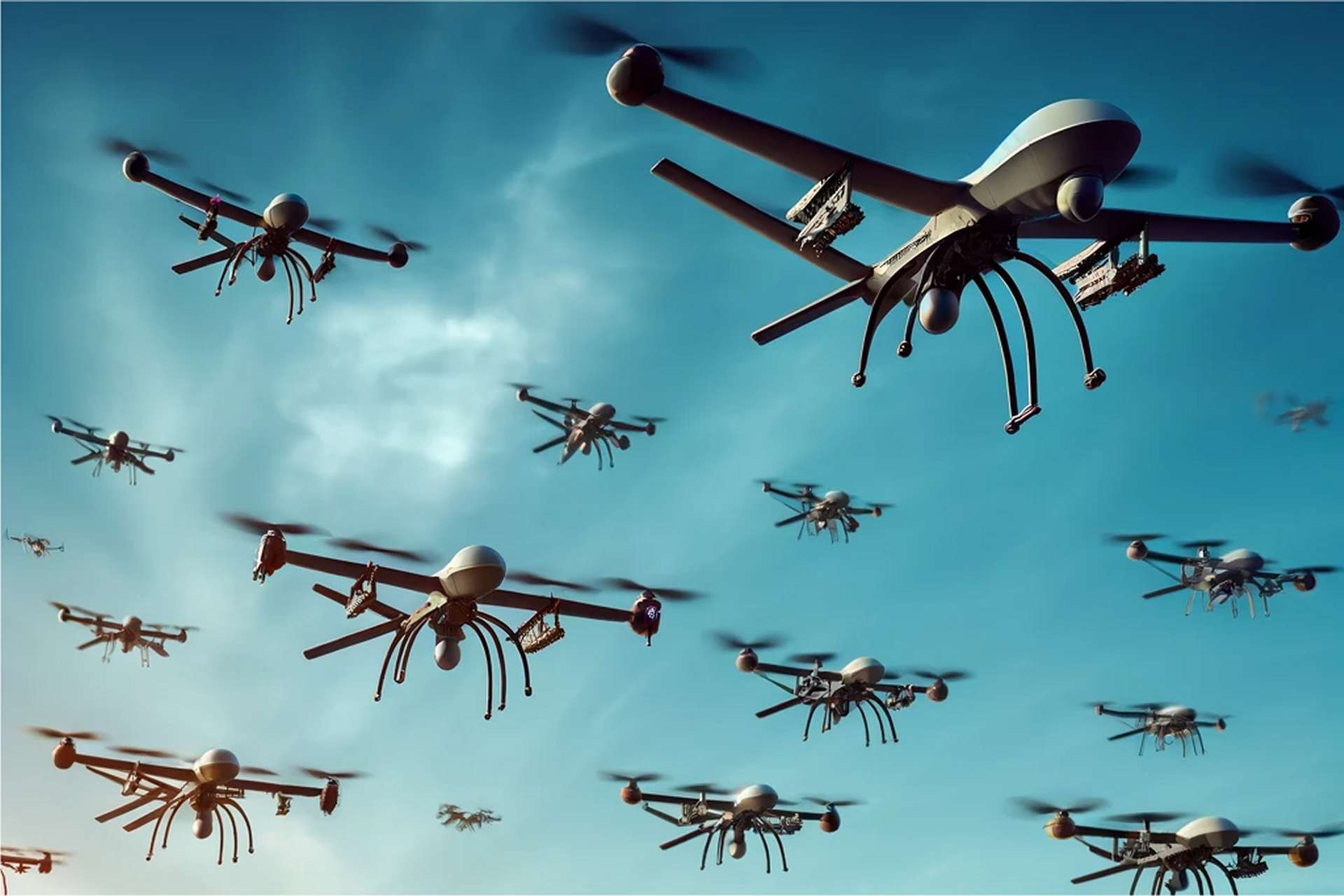
AI-generated image of a swarm of drones representing the future Drone Wall. (Picture source: Army Recognition)
Lithuanian Interior Minister Agne Bilotaite revealed the plan to deploy unmanned aerial vehicles (UAVs) for border protection following discussions with her counterparts from Estonia, Latvia, Finland, Norway, and Poland. "This initiative is unprecedented, a drone wall extending from Norway to Poland, designed to utilize drones and advanced technologies for border security," Bilotaite told the BNS news agency.
The plan includes the use of physical infrastructure and surveillance systems, as well as drones and other technologies, to prevent provocations from hostile nations and curb smuggling activities.
The participating countries have agreed to evaluate the required measures and, with expert guidance, national authorities will draft a plan for implementing the "drone wall." While Bilotaite could not specify a timeline for the project's completion, she emphasized the potential use of EU funds to support this initiative.
The initiative to build the "drone wall" marks a significant advancement in the defense strategy of the Baltic countries and their Nordic allies against potential threats. These countries also aim to create specialized units within their border services dedicated to using UAVs for surveillance and defense against hostile drones. Lithuania has already established a special unit within its State Border Guard Service for these operations.
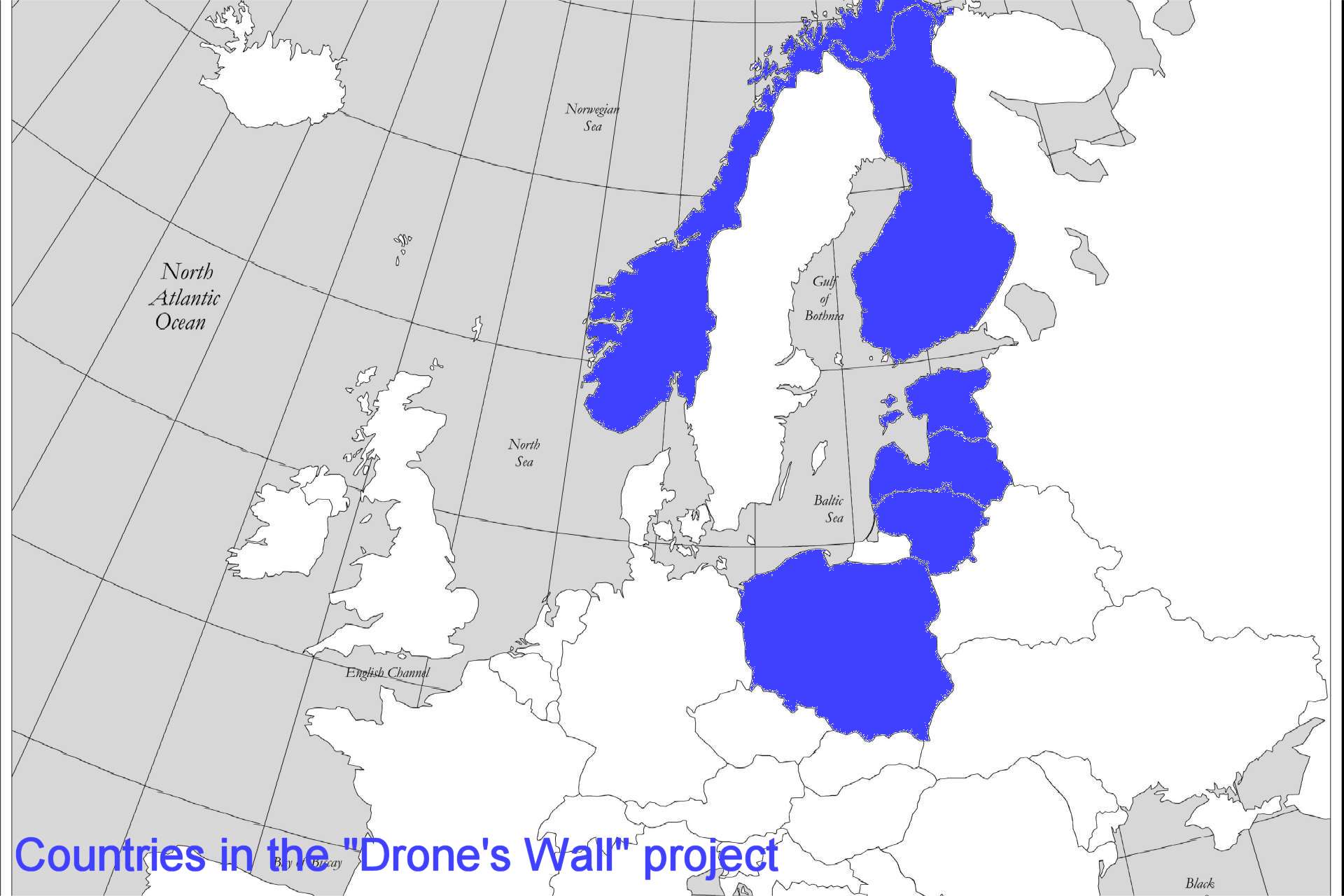
Map of countries potentially participating in the "Drone's Wall" project. ( Picture Source: Army Recognition)
Lithuanian officials indicated that other nations would need to invest more to prepare for this new form of defense. European Union funding could be crucial for implementing this initiative. If joint solutions are approved, a request for European funds will be submitted, increasing the chances of financing by the European Commission.
In addition to this initiative, the Baltic states have announced the construction of over 1,000 concrete bunkers along their borders with Russia and Belarus. This project, known as the "Baltic Defense Line," will include anti-tank mines, trenches, barbed wire, concrete obstacles for tanks, and ammunition depots near the borders. Construction is set to begin in January next year.
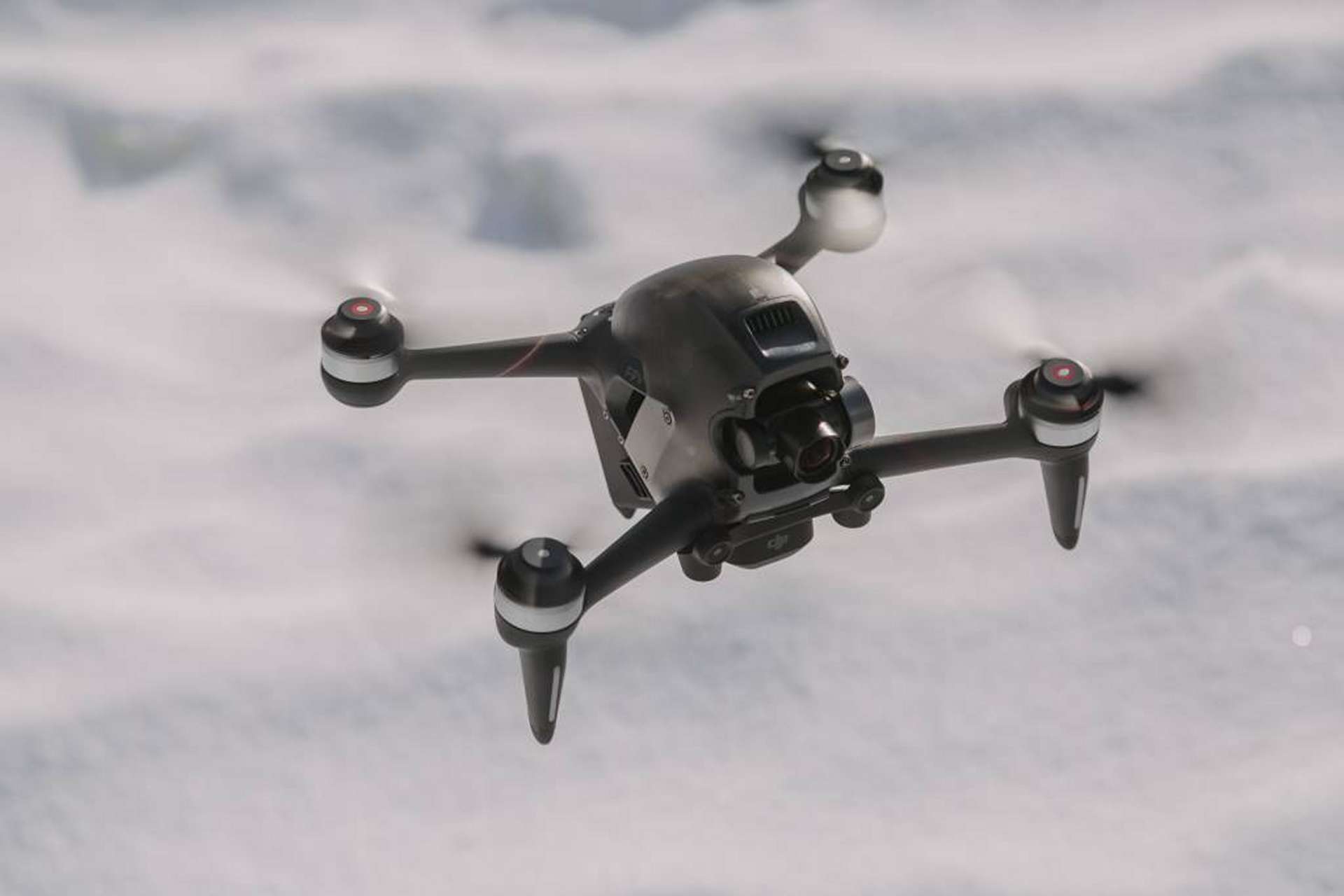
Drones have proven their effectiveness during the conflict in Ukraine, making it unsurprising to see an association of countries aiming to counter this new threat. Army Recognition reported on various solutions developed against this threat on May 27, 2024.
While this plan seems highly relevant given regional tensions and the formidable efficiency of drones, the Lithuanian minister did not provide further details about the wall, particularly technical details regarding its concrete implementation. More information from other countries and confirmation of their participation in this project will be needed. This is an ongoing story to watch.
A Norwegian Drone during an exercise. ( Picture Source: Norwegian MoD)
Read more: Several NATO Countries Including Poland Aim to Build Drone Wall
- Details
- Written by: V.Saint
- Category: 2024
- Hits: 2557
Breaking news
Alexandre Syrski, head of the Ukrainian armed forces, has signed a decree granting French instructors access to Ukrainian bases. He also indicated that the deployment of French instructors is a matter of time. What are the consequences of such a decision?
Follow Army Recognition on Google News at this link
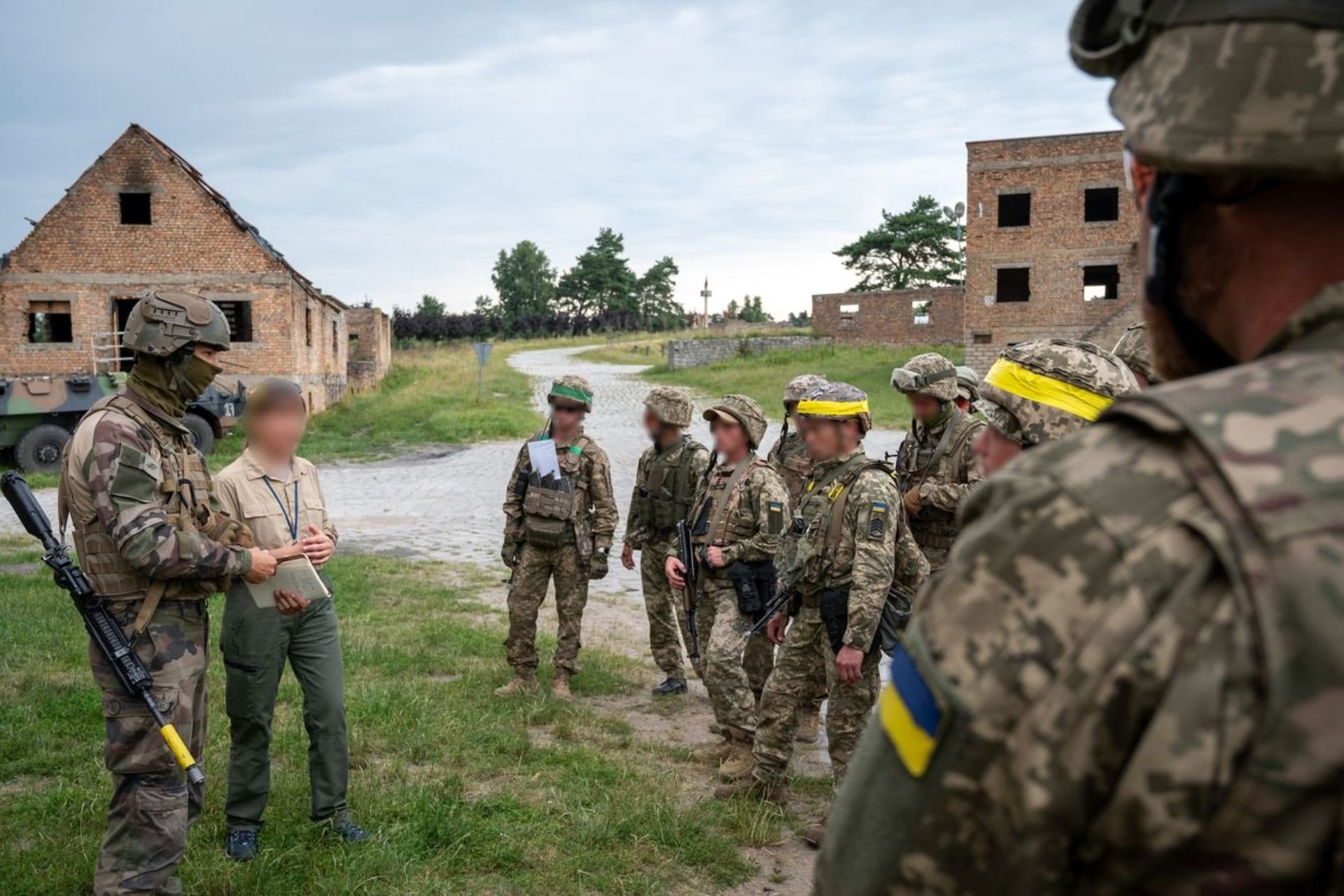
French instructor training Ukrainian Soldier in Urban training center in France (Picture source: French MoD)
Firstly, it is important to note that the French military's general staff has not confirmed that a decision to send military instructors has been made. However, they have stated that this is among the "projects under discussion" by the two general staffs. In the current context of this war, such an event would require an address by the minister or perhaps even the president.
What is the mission of military instructors in Ukraine?
The mission of military instructors is multifaceted. They train Ukrainian soldiers in combat techniques, weapon usage, and modern military tactics. This includes specific training on the use of equipment provided by France or other NATO countries. They offer advanced training in areas such as demining, electronic warfare, combat medicine, and special operations, all adapted to the NATO equipment deployed on site.
Additionally, instructors may provide advisory roles to officers, offering valuable advice on the planning and execution of military operations. Their expertise in Western military doctrines and strategies is a significant asset for the Ukrainian armed forces. They also provide essential technical assistance for the maintenance and repair of military equipment supplied, ensuring maximum operational efficiency and proper maintenance of the equipment in service.
Beyond individual soldier training, French instructors focus on strengthening the institutional capacities of the Ukrainian army. They work on establishing more effective command and control structures, fostering better internal organization. Furthermore, they contribute to the development of long-term training programs aimed at further professionalizing the Ukrainian armed forces and ensuring continuous and thorough preparation of troops for future challenges.
International consequences
Unlike intelligence officers, these instructional units are not intended to be near the front lines. However, these units are armed and can advise officers during operations, thus being considered combatants. Therefore, it is expected that casualties might occur, and Russia might view this action as a belligerent move by France.
A range of national and international consequences are expected. Additionally, Russia, which in its martial rhetoric already claims to be fighting NATO on the Ukrainian front, could more easily justify this stance. The risk of escalation is therefore very high.
Read more: Kyiv announces imminent arrival of French instructors on battlefield
- Details
- Written by: Halna du Fretay
- Category: 2024
- Hits: 5149
Breaking news
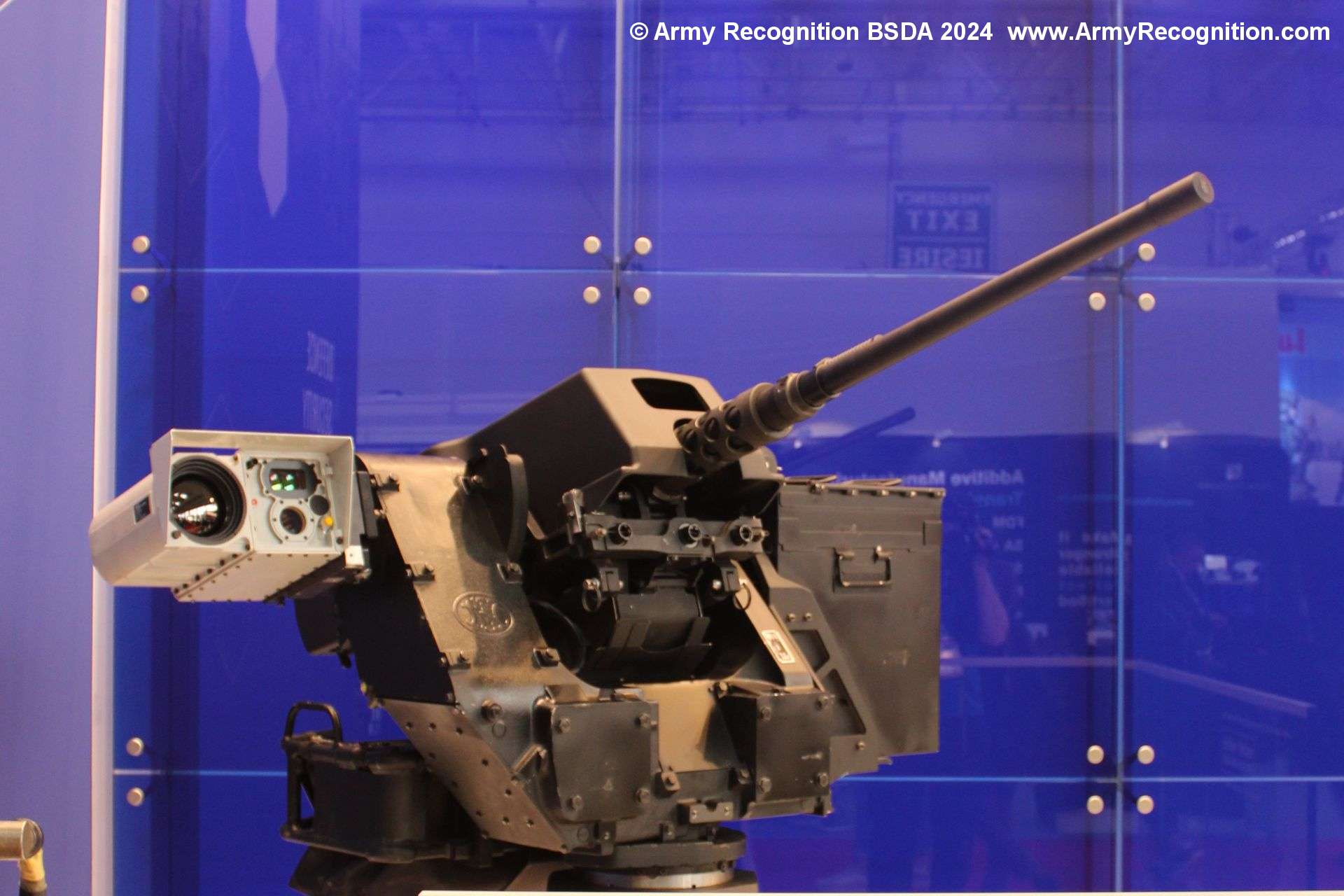
At the Black Sea Defense & Aerospace 2024, FN Herstal showcased its latest advanced Remote Weapon Station (RWS), the deFNder Medium. This system is designed to enhance remote firing capabilities 24 hours a day, ensuring that operators remain fully protected under armor. The deFNder Medium is part of FN Herstal's well-known RWS family and supports a wide range of machine guns up to .50 caliber, including the unique FN M3R machine gun, which boasts an impressive firing rate of 1,100 rounds per minute.
Follow Army Recognition on Google News at this link
The Remote Weapon Station deFNder Medium presented by FN Herstal at BSDA 2024 (Picture source: ArmyRecognition)
The modular architecture of the deFNder Medium allows it to be adapted to various self-defense or collective mission requirements. Key features of the system include 24/7 operational capability with day and night cameras, gyroscopic stabilization, target tracking, and image stabilization. It also incorporates a laser range finder for precise ballistic calculations and offers wide angles of operation. The system is equipped with a round counter, burst limitation, and can interface with other sensors and battle management systems (BMS).
Additionally, the deFNder Medium includes a manual backup mode, ballistic protection, and a built-in test system. It is designed to meet the highest military standards, ensuring reliability and durability in various operational scenarios. The system also features a links and cases collector and smoke grenade launchers for additional tactical flexibility.
One of the most notable aspects of the deFNder Medium is its compatibility with FN Herstal's machine guns, particularly the high-rate-of-fire FN M3R. The system's traverse angles offer a full 360-degree range, and its elevation angles vary from -40° to +70°, depending on the weapon. The RWS stands at a height of less than 630 mm and weighs approximately 200 kg when fully loaded, excluding additional options. The ammunition box capacity supports 300 rounds of 12.7 mm or 600 rounds of 7.62 mm ammunition.
FN Herstal's innovative approach to designing remote weapon stations is evident in the deFNder Medium, reflecting the company's commitment to providing advanced defense solutions. The deFNder Medium exemplifies FN Herstal's ability to offer highly effective and adaptable RWS platforms, which are increasingly proliferating across various defense sectors worldwide.
FN Herstal has supplied the Romanian Army with a diverse range of high-tech equipment designed to enhance its combat capabilities and support its military modernization. Among the delivered equipment are the FN MAG, FN M2HB-QCB, and FN M3R machine guns, known for their reliability and effectiveness in various operational conditions. These weapons are integrated into armored vehicles and used by infantry units, providing superior firepower and high accuracy.
Furthermore, FN Herstal has provided remote weapon stations (RWS) such as the deFNder Medium, which allows secure remote operation thanks to its advanced systems of gyroscopic stabilization, target tracking, and ballistic calculation. These weapon stations are designed to operate 24 hours a day, equipped with day and night cameras, enabling continuous surveillance and target engagement while keeping operators protected inside armored vehicles.
The collaboration between FN Herstal and the Romanian Army also includes specialized training programs for operators and technicians, ensuring optimal use of the provided equipment. These training initiatives cover maintenance, weapon system management, and operational tactics, guaranteeing that the Romanian Armed Forces can maximize the efficiency of their new arsenal.
Through this cooperation, the Romanian Army has been able to modernize its forces with cutting-edge technologies, thereby enhancing its defense capabilities and operational readiness. FN Herstal continues to play a key role in improving Romania's military capabilities by supporting long-term projects and participating in local defense forums to promote innovation and strategic cooperation.

- Details
- Written by: Halna du Fretay
- Category: 2024
- Hits: 5877
Breaking news
Rheinmetall has announced a significant contract to supply a European client with a three-digit number of L52 gun barrel systems for the Panzerhaubitze 2000 (PzH 2000) self-propelled howitzer. This order, valued at several hundred million euros, marks a substantial step in Rheinmetall's ongoing efforts to expand its gun and weapon production capabilities. Deliveries are scheduled between 2024 and 2029, aligning with the company's strategy to meet the growing demand for advanced armaments.
Follow Army Recognition on Google News at this link
Rheinmetall supplies L52 gun barrel systems for the PzH 2000 self-propelled howitzer in the low three-digit million euro range to European customer countries (Picture source: Rheinmetall)
The PzH 2000 is a 155mm self-propelled howitzer developed by the German company Krauss-Maffei Wegmann (KMW) in collaboration with Rheinmetall Defence. Serial production of the vehicle began in 1996, following a contract for 185 units for the German Army. Known for its exceptional long-range firepower and advanced technological capabilities, the PzH 2000 can fire ten rounds per minute, achieving ranges of 30 to 40 kilometers with standard ammunition and up to 67 kilometers with range-enhanced shells. The system's design includes a 155mm 52 cal. gun with a chromium-plated barrel, an automatic shell loading system, and a stable firing platform, enabling precise and effective operations in various combat scenarios.
The PzH 2000 features welded steel armor, providing protection against small arms fire and shell splinters. The vehicle's chassis and turret configuration enhances mobility, powered by an MTU 881 diesel engine producing 1,000 hp. This engine, combined with a Renk HSWL 284 automatic transmission, allows the PzH 2000 to reach speeds of up to 60 km/h with a range of 420 km. The advanced fire control computer, integrated with a panoramic day/night sight and laser range-finder, enables precise target engagement and quick relocation after firing (shoot & scoot). Additionally, the PzH 2000 is equipped with an NBC protection system and a fire warning and extinguishing system, ensuring the safety of its five-member crew.
The PzH 2000 is in service in several countries, including Germany, Greece, Italy, the Netherlands, and more recently Ukraine. The system has undergone continuous upgrades and modifications to meet the specific needs of different users, such as the Italian variant PzH 2000M, which includes enhanced cooling systems and improved crew safety features. The PzH 2000's ability to integrate new country-specific ammunition types and its compatibility with NATO standards has solidified its position as a leading artillery system. Its extensive deployment and proven effectiveness in various operational contexts underscore its status as a top product of the German defense industry.
This new order highlights Rheinmetall's leading technological position in gun production and its essential role in supplying advanced military equipment to various nations. The company's expertise extends to the 120mm smoothbore gun used in main battle tanks, further establishing its prominence in gun and associated ammunition technologies. Rheinmetall's commitment to innovation and quality has earned the trust of many user nations worldwide, reinforcing its position as a global leader in weapon technology. This major contract for PzH 2000 gun systems underscores the ongoing demand for Rheinmetall's high-performance systems and the company's ability to provide cutting-edge solutions to meet the evolving needs of modern armed forces.
Read more: Rheinmetall Secures Major Contract for L52 Gun Barrel Systems for PzH 2000
- Details
- Written by: Halna du Fretay
- Category: 2024
- Hits: 5767
Breaking news
At the Black Sea Defense & Aerospace (BSDA) 2024 exhibition held in Bucharest from May 22 to 24, the Turkish company Otokar confirmed that it is offering its Cobra II 4×4 protected patrol vehicle to the Romanian Army. The proposal includes a technology transfer agreement allowing the vehicle to be produced in Romania in partnership with Automecanica SA in Mediaș, Transylvania.
Follow Army Recognition on Google News at this link
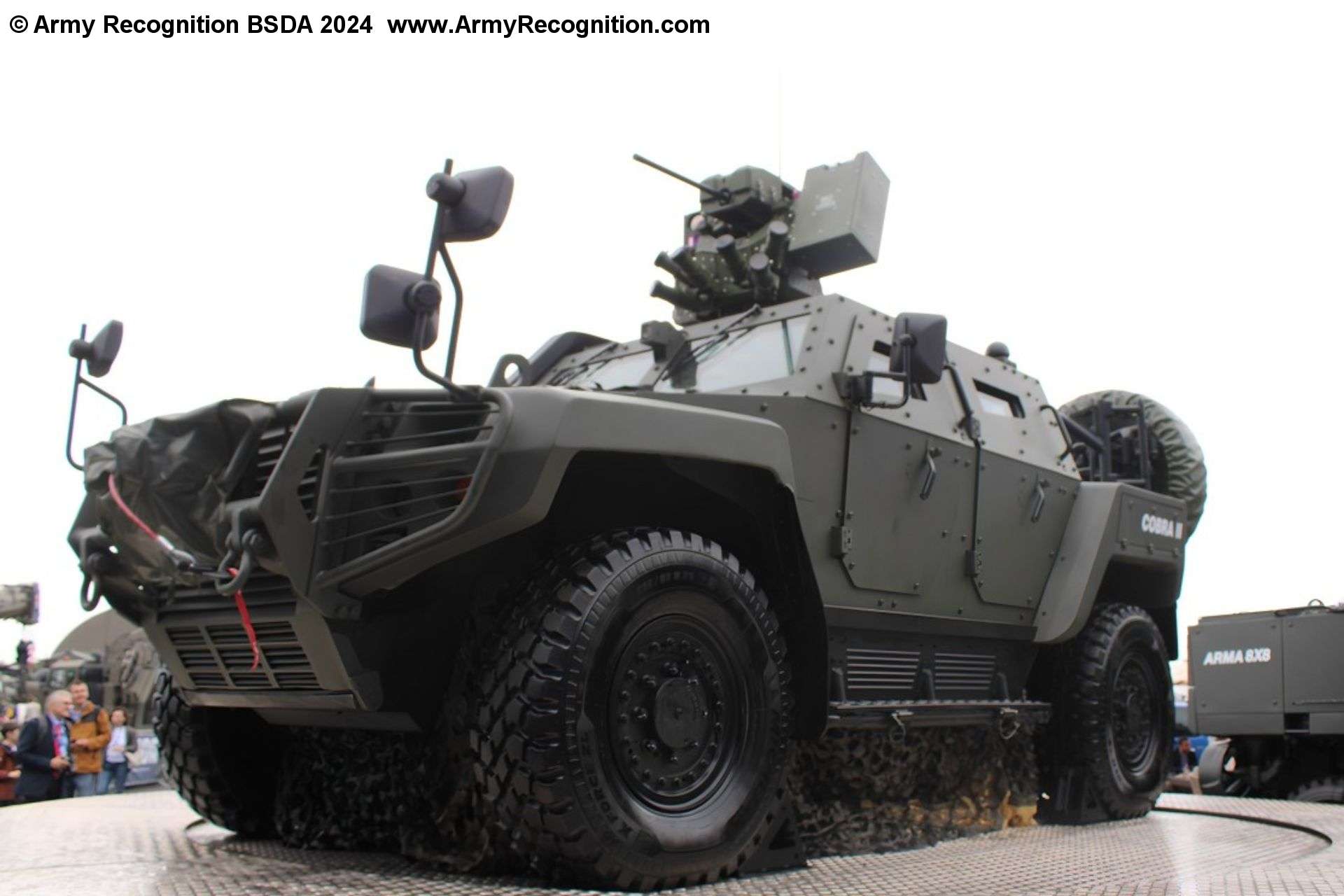
At BSDA 2024, Otokar displayed a pickup-style configuration of the Cobra II on a revolving pedestal, equipped with an Anubis 3.0 ROWS from Pro Optica(Picture source: ArmyRecognition)
During a press conference, Sedef Vehbi, head of Otokar's military cluster, emphasized that Otokar would do “more than what is required” by supporting research and development as well as manufacturing at its Romanian facility, which could potentially serve as a hub for other European users of Otokar products. In line with Romanian requirements, Otokar will also offer offset contracts to local suppliers. One of these Romanian partners is Pro Optica, which showcased its Anubis 3.0 remotely operated weapon system (ROWS) mounted on a Cobra II presented by Otokar at the exhibition.
Otokar did not provide further details regarding the procurement program, such as the number of vehicles offered, the potential market value, or the delivery schedule. However, it is understood that the offer pertains to the Light Armoured Tactical Vehicle (Autovehicule Tactice Blindate de Tip Ușor: ATBTU) program, for which the Romanian Ministry of National Defence (MND) expressed a total requirement for 1,059 vehicles in a document published in December 2021. Otokar's proposal for the Cobra II underscores its strategy to integrate local production capabilities and support the development of national defense industries. The company's commitment to exceeding baseline requirements and fostering local partnerships reflects its intent to proliferate its products across European markets.
Unveiled in 2013, the Cobra II is a light 4x4 tactical armored vehicle developed by the Turkish company Otokar. It is a highly versatile and modular platform, known for its exceptional technical and tactical features. The Cobra II is an evolution of the Cobra I, offering superior mobility, enhanced levels of ballistic and mine protection, increased payload capacity, and a spacious internal volume, making it a substantial improvement over its predecessor. Accommodating up to 11 personnel, including the driver and commander, the Cobra II ensures robust protection against ballistic, mine, and improvised explosive device (IED) threats.
The adaptability of this vehicle is one of its standout features, with various weapon integration options and mission equipment, allowing it to excel in roles such as border protection, internal security, and peacekeeping missions for different users. The Cobra II's modular design enables it to serve multiple purposes, including troop transport, reconnaissance, and support roles. Its reputation as a versatile and capable armored vehicle has made it a valuable asset in a wide range of military and security operations.
The Otokar Cobra II can be configured in several configurations, including anti-aircraft missile launching platform, anti-tank vehicle, command and control vehicle, field ambulance/medical evacuation vehicle, internal security vehicle, jammer platform, Mine-Resistant Ambush Protected Vehicle (MRAP), mobile Satcom, mortar fire detection radar vehicle, personnel carrier with dual RCWS, personnel carrier with open cupola, reconnaissance and surveillance vehicle, and recovery vehicle.
The Otokar Cobra II can be equipped with a remote control weapon station mounted on the roof, armed with a 7.62 mm or 12.7 mm machine gun or an automatic cannon of up to 25 mm caliber. The vehicle can also be equipped with smoke grenade launchers. The Cobra II has a conventional design with the engine at the front, a four-door armored compartment in the middle, and a cargo area at the rear. The vehicle's hull is constructed from welded steel, offering protection against 7.62 mm rounds, artillery shell fragments, mines, and IEDs. The crew compartment's floor can accommodate additional removable armor. Bulletproof windows are located at the front and sides of the driver and commander, with front windows equipped with washers and wipers. The hull has two doors on each side that open forward. The Cobra II can carry 11 soldiers along with their equipment, including the driver and commander.
The Otokar Cobra II is equipped with a six-cylinder turbocharged diesel engine developing 360 hp at 2,650 rpm and 1,100 Nm of torque at 1,400 rpm. The vehicle can reach a maximum road speed of 110 km/h and has a cruising range of 700 km. It can negotiate a gradient of 60% and a side slope of 30%. The Cobra II has a fording depth of 1 meter and can climb vertical obstacles up to 500 mm in height and trenches up to 1 meter wide.
The Otokar Cobra II is equipped with a central tire inflation system, radial tires with run-flat inserts, an anti-lock braking system (ABS), air conditioning and heating, a floating floor design, roof hatches, gun ports, vision blocks, and towing eyes at the front and rear. The vehicle's ARMATRONICS system manages its electronics and includes a driver's vision enhancement system and integrated display. Additionally, there's a blackout lighting system with a NATO-type blackout feature, a logging and replay system for both video and vehicle data, embedded diagnostics, a jump start socket, fog lights, and provisions for the radio. Moreover, the Otokar Cobra II offers a range of optional equipment that can be tailored to specific operational needs. This includes a winterization kit, self-recovery winch, CBRN filtration system, automatic fire extinguishing and explosion suppression system, radio/intercom system, smoke grenade launchers, auxiliary power unit, navigation system (GPS/INS), and additional features like a ramp door with an emergency exit and a barricade remover.
Read more: BSDA 2024: Otokar Presents Cobra II Proposal for Romania
- Elmet International Presents UT30MK2 Turret and Multiple Remote-Controlled Weapon Stations at BSDA 2024
- RAFAEL Unveils the Iron Lance Interceptor et BSDA 2024
- ASELSAN Presents Korkut Anti-Aircraft Air Defense System at Black Sea Defense & Aerospace 2024
- China delivers three more CH-4 drones to support Democratic Republic of Congo to fight M23 rebels