
- Details
- Written by: Halna du Fretay
- Category: 2024
- Hits: 6829




Breaking news






On May 29, the Department of Defense announced the inauguration of the Universal Artillery Projectile Lines (UAPL) facility in Mesquite, Texas. Operated by General Dynamics Ordnance and Tactical Systems, this new facility is a pivotal element in the modernization program of the Army's industrial base. The $576 million facility was funded through the fiscal year 2022 and 2023 budget supplements and the reallocation of funds from the Department of Defense. Follow Army Recognition on Google News at this link
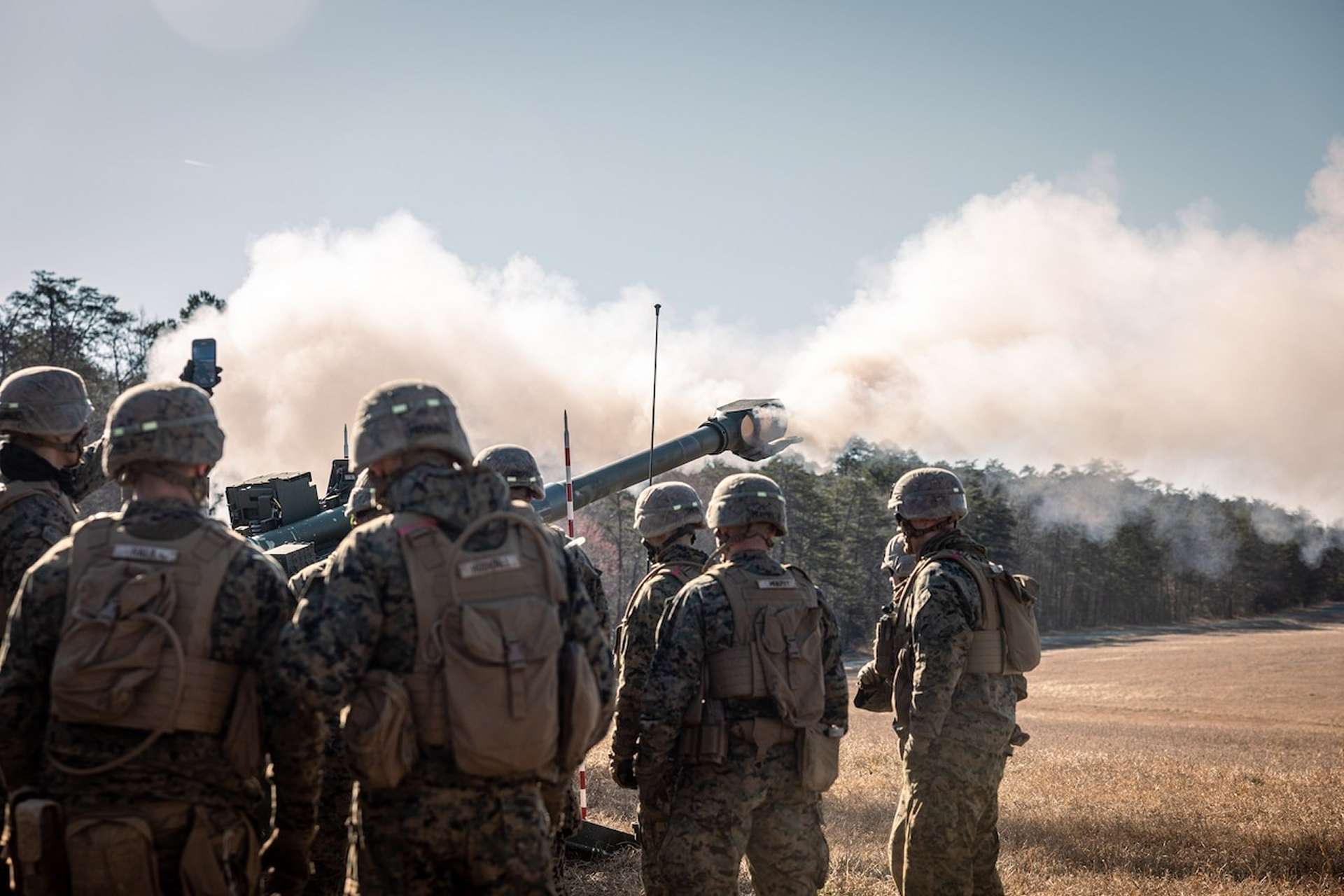
On February 29, 2024, Marines at The Basic School demonstrated the operation of an M777 towed 155 mm Howitzer to newly commissioned officers at Marine Corps Base Quantico, Virginia (Picture source: US DoD)
On May 29, the Department of Defense announced the inauguration of the Universal Artillery Projectile Lines (UAPL) facility in Mesquite, Texas. Operated by General Dynamics Ordnance and Tactical Systems, this new facility is a pivotal element in the modernization program of the Army's industrial base. The $576 million facility was funded through fiscal year 2022 and 2023 budget supplements and the reallocation of funds from the Department of Defense.
Christine Wormuth, the Secretary of the Army, emphasized the significance of this modern facility in updating the organic industrial base from the World War II era. "This plant is a significant example of how we are updating our World War II-era organic industrial base. The Army spends over a billion dollars annually to make these critical improvements," Wormuth stated. She highlighted the new production lines and expanded contracts that will enhance production speed and capacity.
Designed to produce a wide variety of large caliber metal parts ranging from 60 mm to 155 mm with minimal changeover requirements, the facility integrates long-stroke, high-tonnage forging capabilities, automation, modern manufacturing practices, and digital data capture capabilities.
During a press briefing, Deputy Pentagon Press Secretary Sabrina Singh pointed out that the aim is to produce 100,000 artillery shells per month by the end of 2025. "Current and future Army modernization efforts necessitate modernization that leverages new technologies, advanced manufacturing equipment and processes, and surge capabilities to enable large-scale production," Singh added, noting that these efforts will substantially enhance U.S. munitions production capabilities and serve as a credible deterrent to adversaries.
Once construction is completed, the capital equipment will be owned by the Army, which will then lease it back to General Dynamics through a government-furnished material agreement. This initiative is a testament to the dedication, patriotism, and pride of the workers Wormuth encounters with each factory visit.
The acceleration of artillery development and production in the United States is crucial in today's geopolitical context, particularly marked by the conflict in Ukraine. Since the war began, the U.S. has shipped substantial quantities of munitions, totaling thousands of tons and costing several billion dollars. These massive munitions transfers, necessary to support Ukraine against Russian aggression, have notably depleted American stockpiles.
In this context, the rapid replenishment of stockpiles becomes a strategic priority for the United States, not only to meet the immediate needs of its allies but also in anticipation of potential future conflicts where U.S. intervention might be necessary. The opening of new production facilities like the one in Mesquite, Texas, is thus essential to ensure that the U.S. Army can maintain optimal readiness levels. The bolstering of artillery production capabilities clearly demonstrates the need for a robust and responsive defense industry, capable of supporting national and international defense efforts on a large scale.
Read more: US Army Inaugurates High-Volume 155mm Artillery Production Facility
- Details
- Written by: Triffaux
- Category: 2024
- Hits: 6289
Breaking news
Argentina continues the modernization of its tank fleet with the TAM 2C-A2 program, in collaboration with the Israeli company Elbit Systems. This ambitious program plans to modernize 74 tanks over five years, with a potential extension for an additional 30 units, bringing the total to over 100 modernized tanks within the projected timeframe.
Follow Army Recognition on Google News at this link
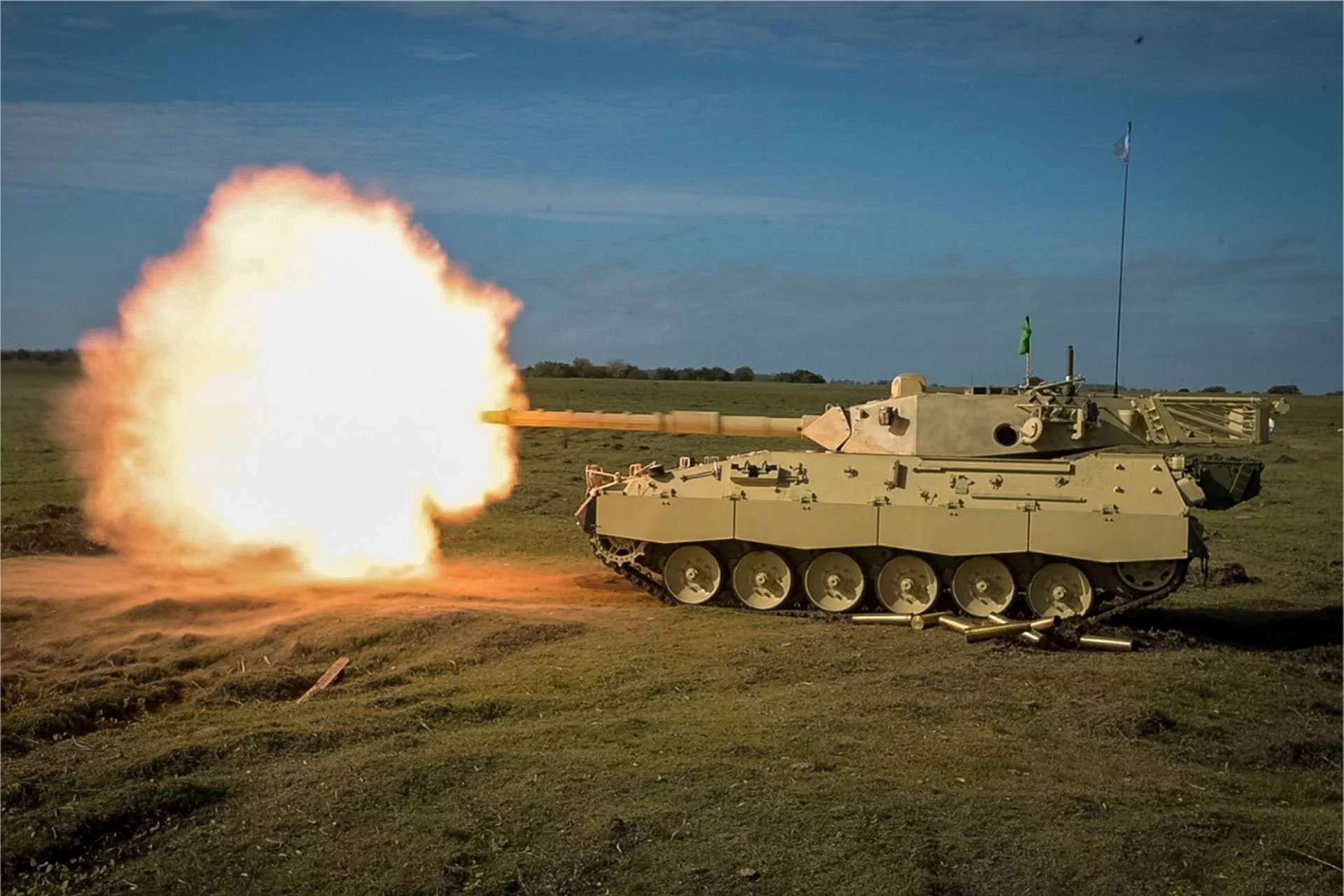
Argentina TAM 2C A2 Medium Tank (Picture source: Argentina Army)
The Army's Arsenal Directorate has already completed the product engineering phase and is currently working on process engineering, pre-series production, and testing, following the successful evaluation of the prototype's technical and operational performance. To date, two TAM 2C A2 tanks have been completed and evaluated, with plans to add three more in the coming months. These first units have also facilitated the training of instructors at the 602nd Arsenal Battalion, where training on the new engine will be conducted.
The TAM 2C A2 tanks, which incorporate cutting-edge technology, are equipped with a Commander Open Architecture Panoramic Sight (COAPS) similar to those used on Merkava tanks and Dutch CV90s. Enhancements include a sophisticated fire control system, an optical sight with a rangefinder, and a ballistic computer, as well as air filtration devices, a fire suppression system, and a battle management system paired with smoke grenades. These technological improvements are complemented by the integration of Elbit E-LAWS laser warning systems, which replace the older Threat Detection Systems (TDS).
Work on the TAM 2C-A2 also includes the addition of a new Auxiliary Power Unit (APU) and new panels, primarily carried out by the Argentine company IMPSA. According to Report No. 139 from the Office of the Chief of Cabinet of Ministers to the National Congress, the product engineering phase is complete, and the project is now in the phases of process engineering and preliminary testing.
The TAM 2C A2 is armed with a main 105 mm gun, a coaxial 7.62 mm machine gun, and a 7.62 mm machine gun mounted on the roof. Designed for a crew of four, it has armor capable of withstanding small arms fire, shell splinters, and armor-piercing ammunition up to 20 mm. Weighing 30,000 kg, the TAM 2C A2 can reach speeds of up to 75 km/h and has a range of 940 km.
Despite initial delays in the project, where only two tanks had been delivered in 13 years, significant progress has recently been made. Former Argentine Army Deputy Chief General Diego López Blanco stated that "the TAM will be the most modern tank in the region." This modernization comes at a critical time as neighboring Chile also undertakes the modernization of its Leopard tank fleet with the help of Turkish industrialists, signaling a regional arms race in armored capabilities.
According to Report No. 139 from the Office of the Chief of Cabinet of Ministers to the National Congress, regarding the progress of the TAM 2C-A2 project, it was stated: “To date, the product engineering stage has been completely concluded and work is underway on process engineering and the pre-series stage and tests, which began once the prototype was evaluated for its technical-operational performance. Currently, two tanks have been completed and evaluated, with the forecast to add three tanks in the coming months. It is worth noting that this project began in 2010 and in the last 13 years, only 2 completed vehicles had been delivered. This year, more combat vehicles will be received than those delivered since the beginning of the project.”
Read more: Argentina and Elbit Systems Continue TAM 2C Medium Tank A2 Modernization Program

- Details
- Written by: Vandenbosch
- Category: 2024
- Hits: 6145
Breaking news
Discussions between the French and Belgian armies for the acquisition of a major order of Evolys machine guns from FN Herstal are underway, according to information from La Lettre. Developed by the Belgian arms manufacturer, the FN Evolys is an ultralight machine gun that combines the firepower of a machine gun with the ergonomics and maneuverability of an assault rifle.
Follow Army Recognition on Google News at this link
France and Belgium are reportedly in talks to acquire a major order of Evolys machine guns from FN Herstal. (Picture source: FN Herstal)
The interest in the Evolys is major, and its adoption by all units of the French Army would represent an important step in modernizing military equipment. This massive order could also signal strengthened cooperation between the two nations in defense and military technology, continuing their recent announcement of a collaboration for the production of various caliber munitions.
The FN Evolys is an ultralight machine gun of a new generation developed by the Belgian company FN Herstal. Designed to meet the current needs of military forces, this weapon stands out for its lightweight, maneuverability, and technical innovations. It is available in two calibers, 5.56x45 mm, and 7.62x51 mm NATO, combining the firepower of a machine gun with the ergonomics of an assault rifle.
One of the most notable features of the FN Evolys is its reduced weight, reaching only 5.5 kg for the 5.56 mm caliber model and 6.2 kg for the 7.62 mm caliber model. To achieve this lightness, FN Herstal used next-generation materials and advanced technologies without compromising the weapon's reliability, safety, and durability. Its design allows firing from any position and facilitates transitions between different firing positions thanks to a well-thought-out sling attachment interface.
The Evolys also stands out for its open and innovative architecture. It is equipped with a monolithic Picatinny rail on top, allowing multiple optics to be mounted in-line without removing the mechanical sights. Additionally, the weapon integrates a patented lateral feeding system that helps the ammunition belt to be loaded with one hand, providing great assurance for the user in case of improper belt positioning.
This machine gun features an ambidextrous fire selector with a semi-automatic position for precision shooting and an automatic position for suppressive fire. The rate of fire is about 750 rounds per minute, and the effective range varies from 800 meters for the 5.56 mm caliber to 1,000 meters for the 7.62 mm caliber. The FN Evolys is also equipped with an adjustable buttstock in length and height, similar to that of FN SCAR assault rifles, and can be fitted with various accessories, including a bipod for increased firing stability.
Finally, the FN Evolys is designed for intensive use with a suppressor, with no loss of performance or excessive fouling. This feature, combined with its other innovations, makes it a revolutionary weapon in the field of ultralight machine guns.
In conclusion, the Evolys from FN Herstal, thanks to its innovative features and field performance, is potentially on its way to becoming standard equipment not only for special forces but for all regiments of the French Army as well as those in Belgium, marking a key step in the evolution of European military armament.
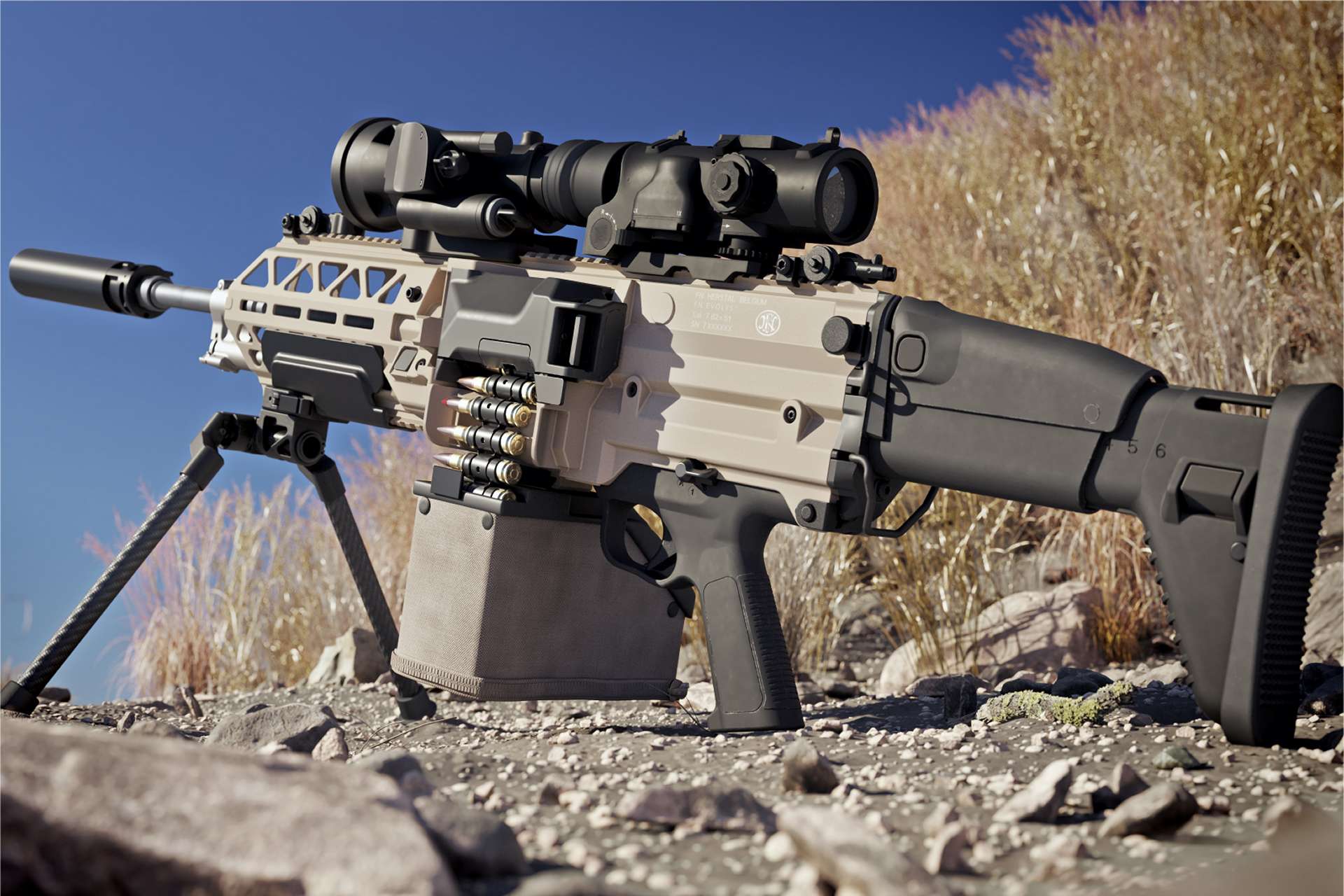
The FN Evolys is an ultralight machine gun of a new generation developed by the Belgian company FN Herstal.( Picture Source: FN Herstal)
Read more: France and Belgium Considering Major Order of Evolys Machine Guns from FN Herstal

- Details
- Written by: Jérôme Brahy
- Category: 2024
- Hits: 35902
Breaking news
During Kim Jong-un's visit to the North Korean Academy of Defense Development on May 29, 2024, it was announced that the new tank, previously known under the pseudonyms M2020 and M2024, has been officially named "천마-2호", which can be translated as "Cheonma-2" or "Cheonma-No.2". This development proves that North Korea's tank development has evolved since the Korean War, initially relying on Soviet and Chinese models such as the T-34 and Type 59.
Follow Army Recognition on Google News at this link
On March 14, 2024, North Korea showcased the M2024 variant of the Cheonma-2 main battle tank during combined exercises involving tank and mechanized units of the North Korean Army. (Picture source: KCNA)
In the 1970s and 1980s, North Korea started producing its own tanks with the Chonma-ho series, based on the Soviet T-62. This series saw several iterations with improvements in armor, firepower, and mobility. In the 1990s, the introduction of the Songun-915, which incorporated features from the Russian T-72 and Chinese Type 88, marked a shift towards greater self-reliance in defense production, though foreign technologies were still integrated.
In the 21st century, North Korea introduced the Pokpung-ho and more recently the M2020/M2024 models, now named Cheonma-2. The Pokpung-ho, appearing in the early 2000s, included upgrades influenced by the Soviet T-80 and Chinese Type 96. The Cheonma-2's development traces back to October 2020, when the M2020 model was revealed during a military parade marking the 75th anniversary of the Worker’s Party of Korea. Accelerated production of the new tank has been observed, with significant renovations at the Kusong tank plant in North Korea, including a doubling of production capacity.
On March 14, 2024, North Korea showcased the M2024 variant of the Cheonma-2 main battle tank during combined exercises involving tank and mechanized units of the North Korean Army. This demonstration occurred amid joint military drills between South Korea and the United States. The M2024 model incorporates features aimed at improving operational capabilities and highlights North Korea's tank design principles.
The Cheonma-2 features a redesigned turret, similar to the American M1A2 Abrams, equipped with 21 explosive reactive armor (ERA) blocks at the front to counteract incoming projectiles. It also has six smoke grenade launchers to create a smokescreen, a hole on the left side of the gun likely for an observation or vision device, and components resembling an active protection system (APS) to intercept threats.
The turret includes a launcher for two anti-tank guided missiles (ATGMs), which can pivot like the TOW launcher on the American Bradley. These are believed to be Bulsae-3 missiles, similar to the Russian Kornet. Each side of the turret features ERA components, smoke grenade launchers, and APS units. The top of the turret has meteorological equipment, antennas, observation systems, a commander’s panoramic sight, a gunner sight, an episcope, blowout panels, and a storage basket.
The tank is powered by an engine with at least 1,200 hp, allowing a maximum speed of 65 km/h and an estimated weight of 50 to 55 tons. It likely includes modern fire control and communication systems. The main armament is a 125mm smoothbore gun, similar to the Soviet 2A46, capable of firing various projectiles and potentially coupled to an automatic loading system. Secondary armament includes a 7.62mm coaxial machine gun and a 30mm automatic grenade launcher.
The hull, similar to the Russian T-14 Armata, features ten ERA blocks on each side, steps for the crew, periscopes for the driver, large engine heat evacuation grilles, and a modified exhaust system. The suspension system consists of seven road wheels per side, with protective armor plates and polymer or rubber skirts. Wire cage armor on the rear of the turret and sides provides added protection, though the rear of the hull lacks this armor, indicating a potential vulnerability.
Read more: Discover North Korea's New Main Battle Tank the Cheonma-2
- Details
- Written by: Vandenbosch
- Category: 2024
- Hits: 6069
Breaking news
The US military recently conducted a tunnel warfare exercise in Tifnit, Morocco, as part of African Lion 2024 (AL24), a premier joint exercise led by the US Army Southern European Task Force, Africa (SETAF-AF). Photos of this exercise were published on May 24, 2024, by the US Department of Defense.
Follow Army Recognition on Google News at this link
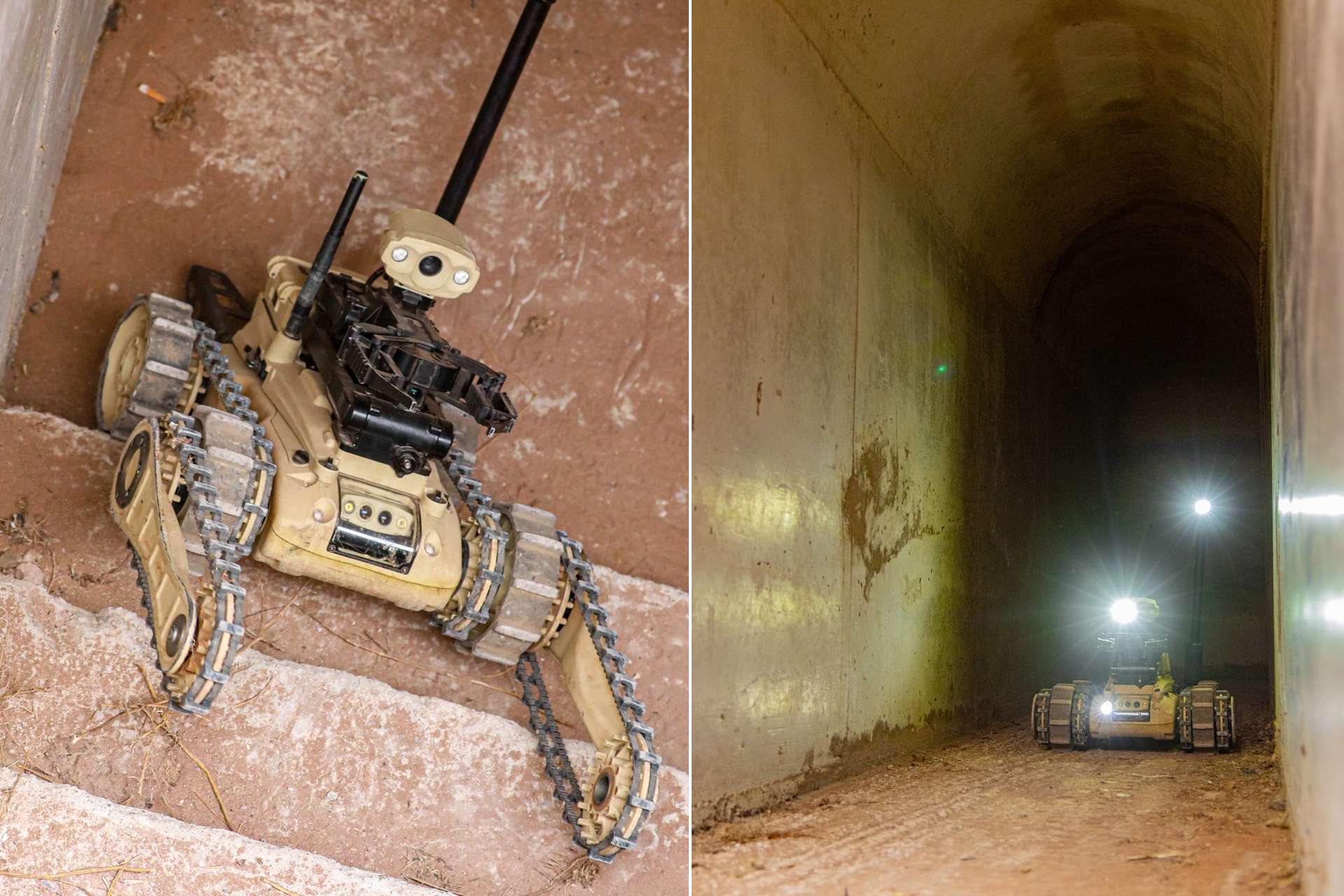
A remotely controlled micro tactical ground robot is piloted through a dark subterranean passage. (Picture source: US DoD)
The exercise, which took place from April 19 to May 31, involved over 8,100 participants from 27 nations, including NATO contingents.
Tunnel warfare involves the use of tunnels and underground cavities for military operations, both offensive and defensive. This includes creating underground facilities for attack or defense, using existing natural caves, and constructing artificial underground structures. Tunnels can be used to undermine fortifications, launch surprise attacks, facilitate ambushes, conduct counterattacks, and move troops covertly. They also serve as shelters from enemy attacks.
The use of tunnels during the Israel-Hamas conflict demonstrated the importance of preparing for this type of warfare. Despite being an ancient tactic, it remains relevant today. Developing techniques and training, especially using UGVs, is crucial to minimize human casualties often associated with such conditions.
The AL24 exercise not only included scenarios such as subterranean warfare but also psychological operations, building clearing, combined assaults, fast-rope insertion, rappelling, and hostage rescue. These exercises are essential for preparing forces to operate in diverse and challenging environments.
During the training, a remotely controlled Micro Tactical Ground Robot navigated a subterranean passage. Green Berets from the 19th Special Forces Group (Airborne), Utah National Guard, trained alongside partner forces near Tifnit, Morocco.
For many years, Hamas has developed an extensive network of tunnels under Gaza, used for various military activities. These tunnels allow Hamas to launch surprise attacks, move discreetly, and store weapons safe from Israeli airstrikes. Some tunnels even extend under the border with Israel, enabling infiltrations behind Israeli lines.
In 2023, the Israel Defense Forces intensified efforts to detect, capture, and destroy these tunnels. This operation, often referred to as the "Tunnel War," involved advanced technologies such as underground robots (similar to those used in the exercise), geophysical detection systems, and specialized drones.
The tunnels built by Hamas are often very sophisticated, with lighting, ventilation systems, and infrastructure to support prolonged underground stays. They are used to store munitions, launch rockets, and prepare cross-border attacks. Building these tunnels requires significant expertise and resources, often obtained through diverted construction materials.
The tunnel warfare had a significant impact on the conflict in 2023. Efforts to destroy these tunnels disrupted Hamas operations and reduced the frequency of cross-border attacks. However, the clandestine and adaptable nature of the tunnels makes this a complex and ongoing challenge.
Therefore, it is crucial to prepare for such tactics, and the US military appears to have recognized this with the exercise in Morocco.
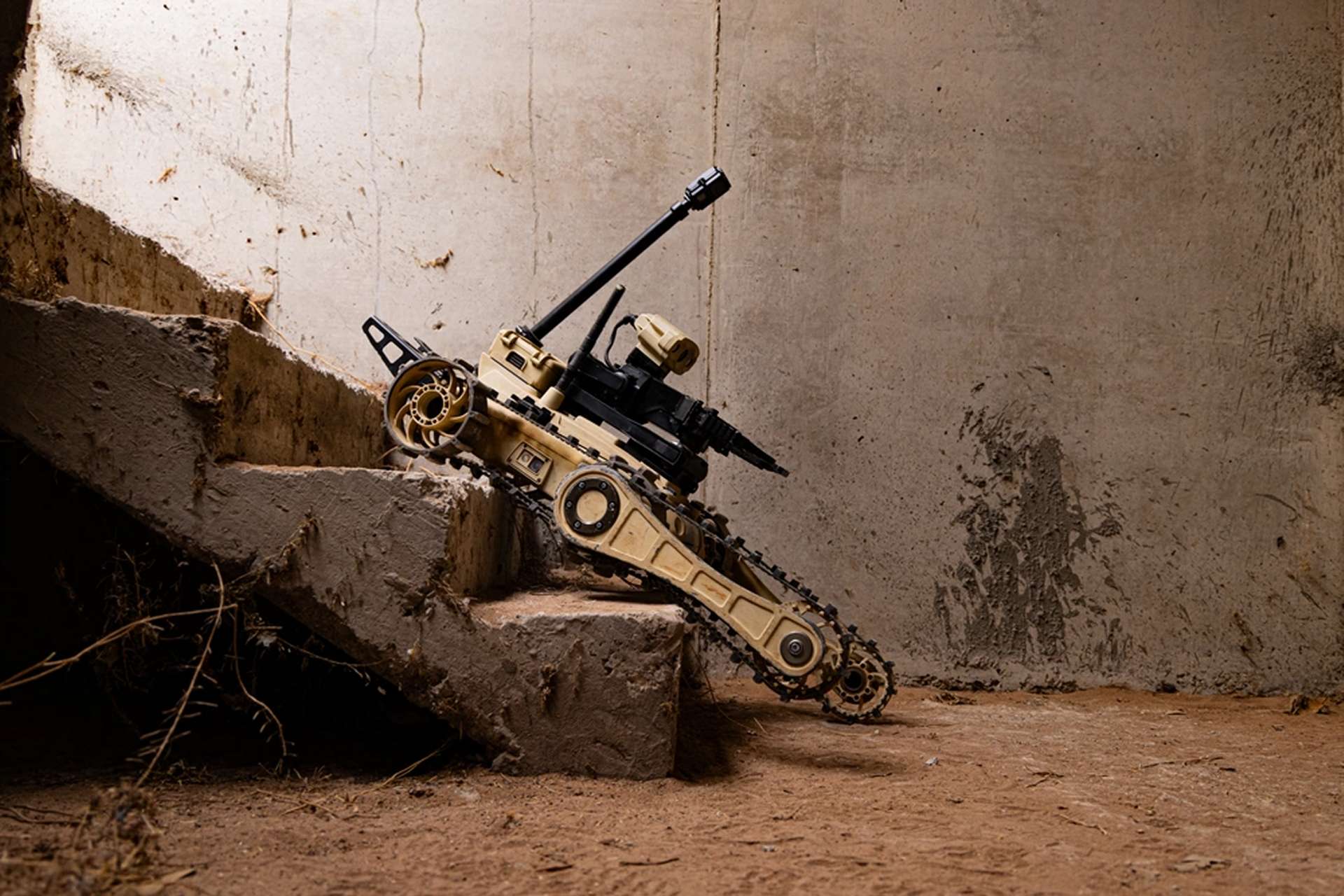
A remotely controlled Micro Tactical Ground Robot navigates the steps leading into a subterranean passage during exercise African Lion 2024 (AL24). ( Picture Source: US DoD)
Read more: US Conducts Tunnel Warfare Exercise in Morocco with UGV Unmanned Ground Vehicles
- Details
- Written by: Halna du Fretay
- Category: 2024
- Hits: 10577
Breaking news
On May 30, 2024, the defense authorities of Japan, France, and Germany signed the "Implementation Guidelines for Cooperation in Railgun Technology," marking a significant step in international collaboration on advanced weapon systems. The Acquisition Technology & Logistics Agency (ATLA) of Japan announced on X the conclusion of the Terms of Reference (TOR) for this cooperation with France and Germany, aimed at exploring collaborative opportunities in developing railgun technology.
Follow Army Recognition on Google News at this link
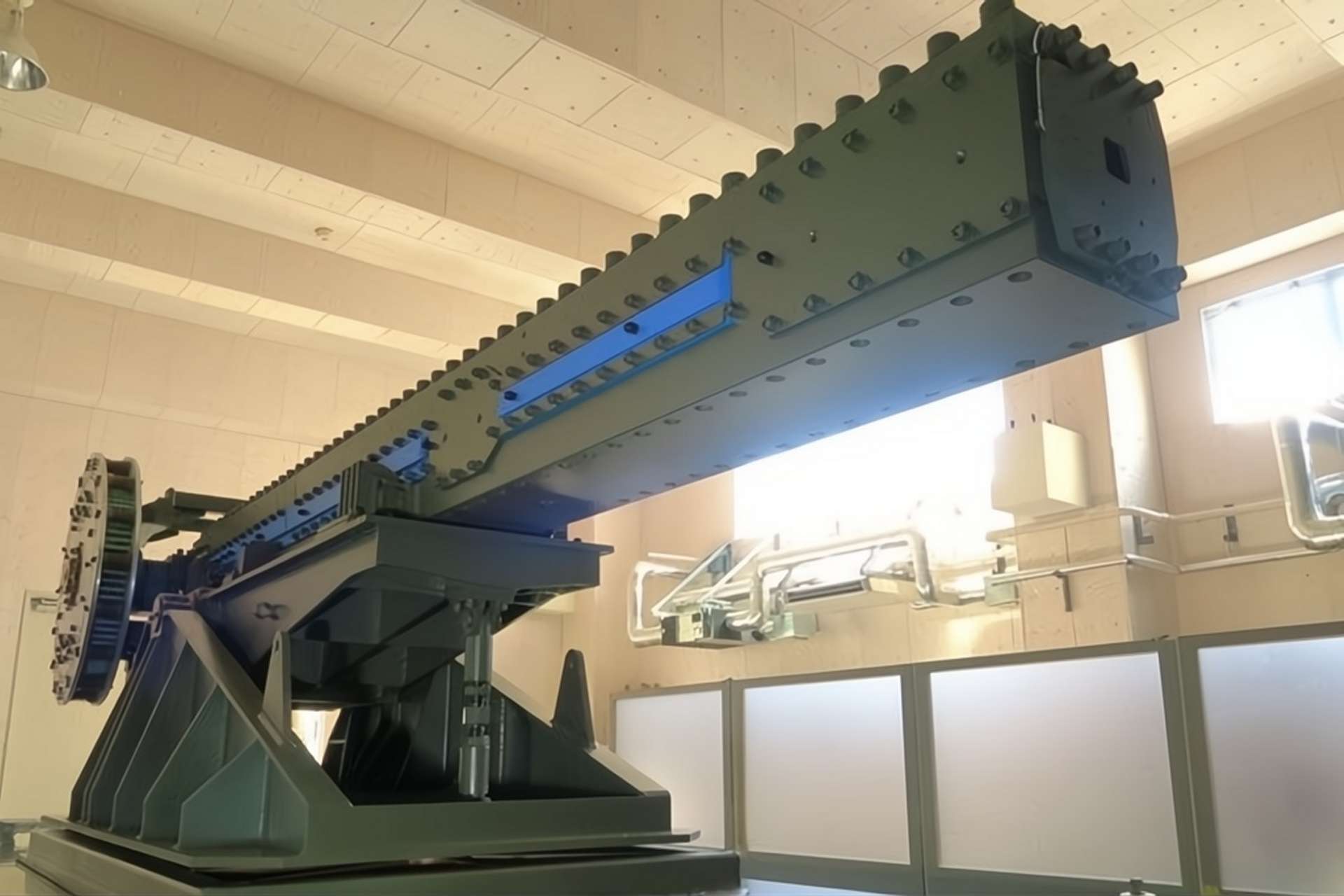
This is a prototype of the 40mm-calibre railgun that Japan has been testing in 2023 (Picture source: ATLA)
Japan's Ministry of Defense is actively pursuing the rapid deployment of railgun technology, which represents a significant leap in military capabilities through the use of high-speed projectiles. Recently, ATLA sent personnel to the U.S. Navy to leverage American expertise in railgun development, accelerating the practical application of this technology. Previously, Japan had developed a medium railgun capable of launching a 320g projectile at an initial velocity of 2,230 meters per second (Mach 6.5), with an endurance of over 120 shots and a current charge energy of 5MJ, aiming for future advancements targeting a 20MJ charge energy.
France and Germany are working on railgun technology through the Research Institute of Saint-Louis (ISL). The trilateral agreement with Japan will allow these countries to combine their expertise in power sources, railguns, and hypersonic projectiles. ISL is developing a 25 mm railgun prototype named RAFIRA, capable of firing five rounds in a single salvo and accelerating 100g projectiles to a speed of Mach 7.35. This prototype serves as a test model for research into using railguns as air defense weapons.
The railgun initiative is part of Japan's broader strategy to enhance its defense capabilities against aerial and maritime threats. The Japanese Ministry of Defense has been conducting fundamental research on railgun technology for the past decade and is seeking to partner with U.S. defense contractors to overcome challenges related to guidance systems and power storage. Japanese officials have engaged in discussions with companies such as BAE Systems and General Atomics, which have previously worked on railgun projects for the U.S. Navy and Army.
Railguns require significant power and generate considerable heat, posing technical challenges such as energy requirements and structural integrity under extreme electromagnetic forces. Despite these challenges, the potential applications of railguns are vast, including missile defense and long-range strike capabilities. The collaboration between Japan, France, and Germany aims to overcome these obstacles and bring this futuristic technology closer to operational deployment.
In addition to the trilateral agreement, Japan continues to seek partnerships with other nations, including the United States, to strengthen its defense capabilities. Japan's proactive stance on international defense cooperation reflects its commitment to addressing emerging threats and advancing military technology, particularly in the face of threats from China and North Korea.
Read more: Japan, France, and Germany Collaborate to Develop Railgun Technology
- Details
- Written by: V.Saint
- Category: 2024
- Hits: 2823
Breaking news
North Korea declared on Friday that it conducted a firing exercise involving very large multiple rocket launchers to demonstrate its determination to carry out a preemptive strike against South Korea if provoked. North Korean leader Kim Jong-un supervised a "power demonstration firing" exercise on Thursday involving 600mm multiple rocket launchers, according to the Korean Central News Agency (KCNA)
Follow Army Recognition on Google News at this link
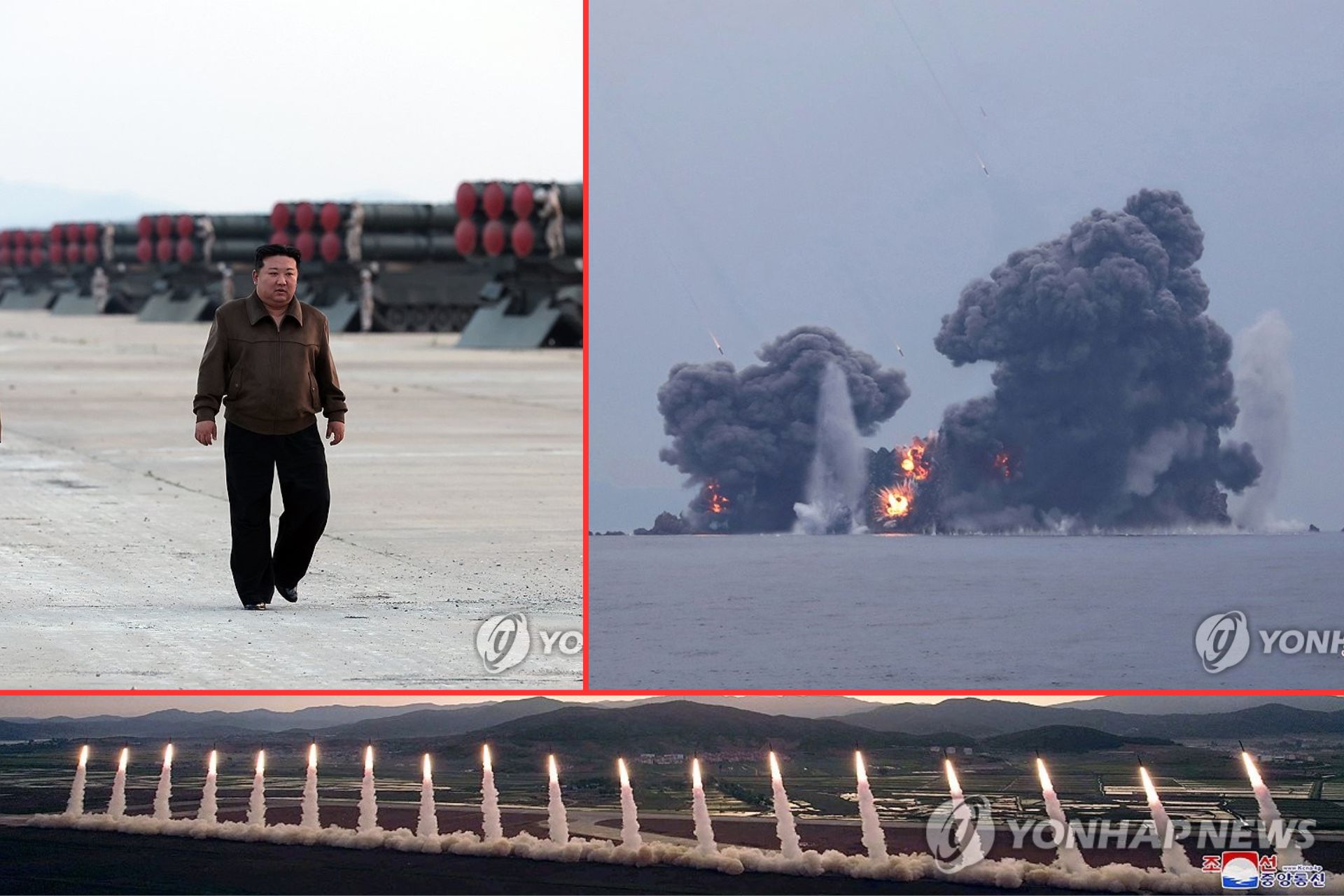
Officials pictures of conducted exercises on May 30, 2024 (Picture source: KCNA)
The South Korean military stated on Thursday that it had detected the North launching about ten short-range ballistic missiles toward the East Sea. It was unusual for Pyongyang to fire a salvo of ten missiles simultaneously. The KCNA stated that the exercise aimed to show North Korea’s readiness to conduct a preemptive attack, invoking the right to self-defense at any moment when enemies attempt to use military force against it.
The North’s multiple rocket launcher system is classified as a short-range missile that could bring the entire South Korean territory within its range. Pyongyang claimed that a tactical nuclear warhead could be mounted on such a weapon.
“These launches will be an opportunity to clearly show the consequences our rivals will face if they provoke us,” Kim said, as quoted by KCNA.
He emphasized that North Korea’s nuclear forces should be more “thoroughly” prepared to swiftly and accurately carry out their mission of deterring a war.
Photos released by state media showed 18 artillery shots from multiple rocket launchers on transporter erector launchers (TELs).
The provocation came as North Korea unsuccessfully attempted to launch a spy satellite on Monday. The North also sent hundreds of balloons carrying waste and manure to the South earlier this week as a "tit-for-tat" action against South Korean activists' campaign to send anti-Pyongyang leaflets across the border.
The KCNA stated that South Korea had organized a "clumsy response to a dangerous armed demonstration" against the North's legitimate exercise of its sovereign right, apparently referring to the South’s recent air exercises.
The South Korean military conducted an air exercise involving about twenty fighter jets near the border with North Korea on Monday, hours after North Korea notified Japan of its intention to launch a satellite by June 4.
North Korea claimed that developing a spy satellite was its sovereign right to pursue a space development program. However, any launch using ballistic missile technology by the North constitutes a violation of multiple United Nations Security Council resolutions against North Korea’s nuclear and ballistic programs.
Read more: North Korea conducts Live fire exercice in Sea of Japan with heavy guided rockets
- Details
- Written by: Triffaux
- Category: 2024
- Hits: 8015
Breaking news
On May 29, 2024, Allen Control Systems (ACS), a defense technology company, developed an anti-drone robotic weapon system called Bullfrog. This system will be showcased at the Technology Readiness Experimentation 2024 (T-REX 24-2) event, organized by the U.S. Department of Defense and the Indiana National Guard. The event will take place from August 19 to 26 at Camp Atterbury, Indiana.
Follow Army Recognition on Google News at this link
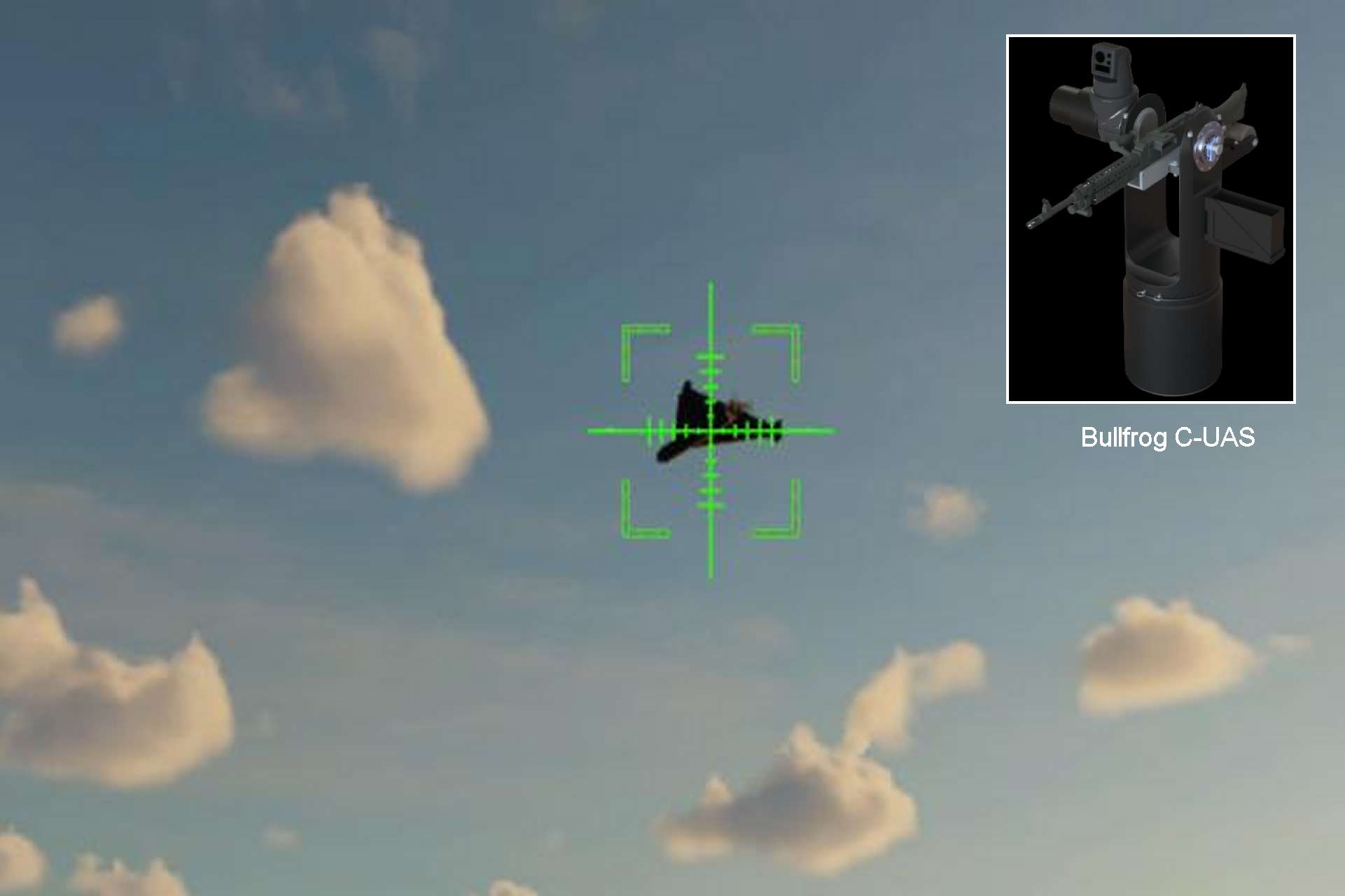
Allen Control Systems Bullfrog Counter-Drone Robotic Weapon System (Picture source: Allen Control Systems)
The Bullfrog system incorporates an M240 machine gun with advanced technologies such as computer vision and artificial intelligence. This system aims to efficiently and economically neutralize enemy drones. Bullfrog is designed as a kinetic defeat solution, an alternative to more expensive missile-based methods.
Steven Simoni, co-founder and CEO of ACS, mentioned that Bullfrog is currently the only kinetic defeat solution that will be presented at T-REX 24-2. The event serves as a platform to evaluate and accelerate the integration of new technologies deemed essential by the Department of Defense.
The development of Bullfrog addresses the need to counter drones that have become more resistant to radio frequency jamming techniques. These drones are often used by enemy forces and pose increased risks on battlefields.
The T-REX 24-2 event is part of the Rapid Defense Experimentation Reserve (RDER), a process aimed at encouraging the experimentation of military technologies and accelerating the transition from concept to field application. The Bullfrog system will be evaluated for its ability to enhance defense operations against drones.
The Bullfrog™ Gun Turret is an autonomous defense system designed to detect, identify, and neutralize enemy UAVs. It is lightweight, weighing under 400 lbs, and operates on 24V DC, making it easy to integrate with standard NATO vehicles. The system is suitable for both mobile operations and stationary defense of critical infrastructure, such as power substations.
Bullfrog™ can operate in both autonomous and semi-autonomous modes, targeting Class 1-3 UAVs using standard M240 7.62mm rounds. It features a fully passive detection system, which does not emit detectable signals, enhancing its operational safety. Additionally, the turret's open architecture supports integration with existing command and control systems and radar, which can be customized to enhance its capabilities. Its detection accuracy is supported by vision technology trained on millions of images.
- Details
- Written by: Jérôme Brahy
- Category: 2024
- Hits: 7600
Breaking news
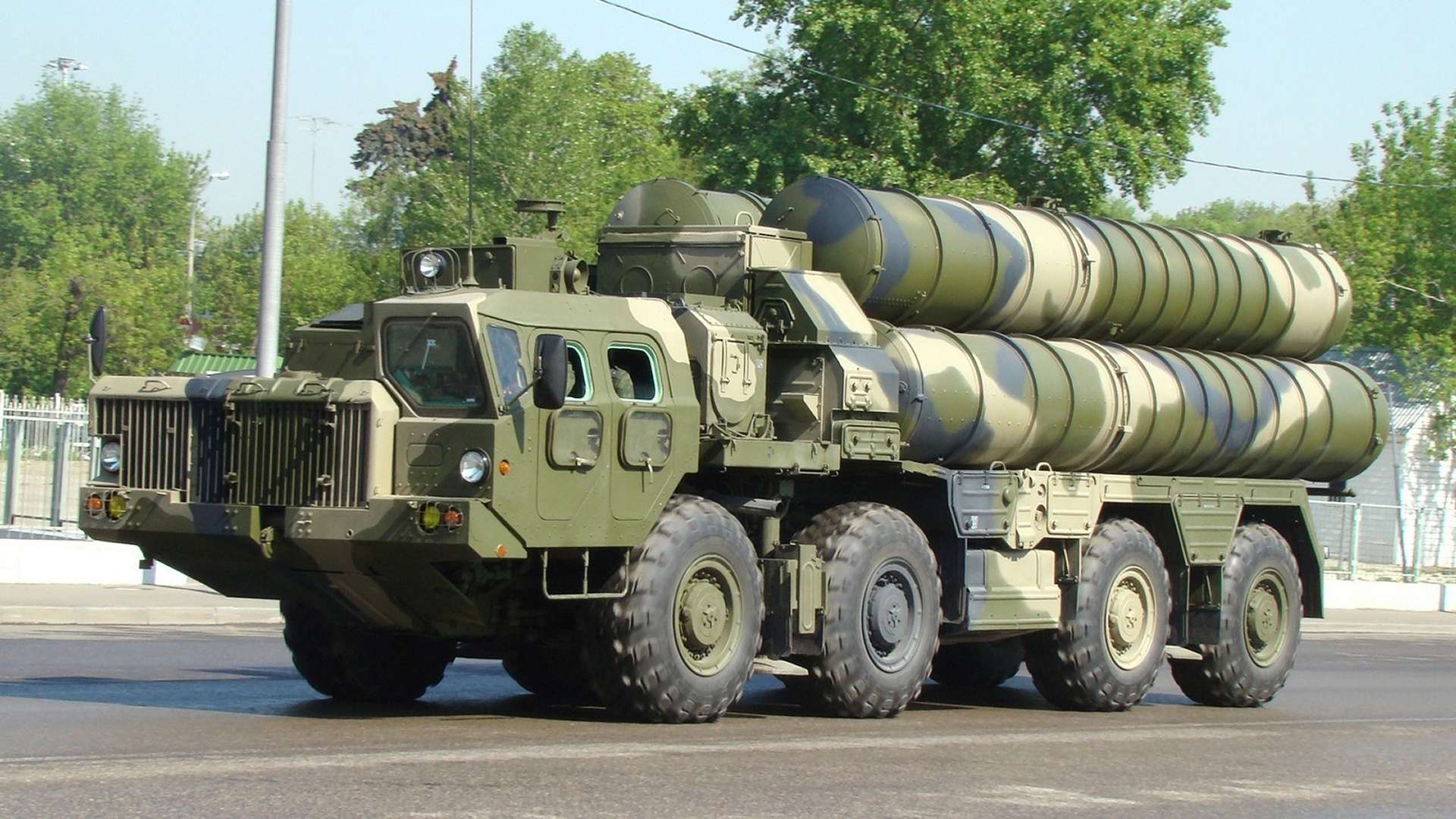
On May 29, 2024, Ruslan Mukambetov, the Chief of the General Staff of the Ministry of Defense of Kyrgyzstan, confirmed that his country will soon receive the S-300 air defense system from Russia. Mukambetov also mentioned that negotiations are ongoing for the procurement of additional air defense systems, with the delivery of the S-300 system expected in the coming months.
Follow Army Recognition on Google News at this link
Initially intended to protect critical military and industrial sites, the S-300 system has evolved through several variants, including the S-300P for the Air Defense Forces and the S-300V for the Ground Forces. (Picture source: Russian social media)
Kyrgyzstan's current air defense capabilities primarily consist of Soviet-era systems, including the 9K32 Strela-2 and 9K35 Strela-10 short-range surface-to-air missile systems, the ZSU-23-4 Shilka self-propelled anti-aircraft gun, and the S-60 and S-75M3 Dvina anti-aircraft guns. The country also operates the S-125 Neva/Pechora missile system, which has been in service for decades.
In recent years, Kyrgyzstan has started modernizing its air defense infrastructure. This includes acquiring the Pechora-2BM air defense missile system from Belarus in 2023 and various drones from Turkey, such as the Bayraktar TB2, Akıncı, Aksungur, and Anka UAVs. Additionally, Kyrgyzstan is negotiating with Russia to acquire systems like the S-300 and potentially the S-400 in the future, aiming to integrate into a regional air defense network with Russia and neighboring countries.
Russia and Kyrgyzstan have been working towards establishing a joint regional air defense system under the Commonwealth of Independent States (CIS) and the Collective Security Treaty Organization (CSTO). This system aims to improve the collective defense capabilities of CIS member states, particularly in Central Asia, where air defense infrastructure has historically been less developed. Russia has similar agreements with other CIS countries, including Kazakhstan, Belarus, and Tajikistan.
Mukambetov referenced recent conflicts to highlight the importance of this acquisition: “Events in Ukraine and Israel have shown that this task must be taken seriously to ensure security. We are studying the experience of the air defense of Russia, Ukraine, and Israel. Experts conduct an analysis, noting all the pros and cons.”
This agreement is part of a broader military-technical cooperation established during President Sadyr Japarov's visit to Russia in February 2021, which included discussions about future defense collaborations and indicated an enhanced military relationship between Kyrgyzstan and Russia, as well as Russia's interest in maintaining a military presence in Central Asia amidst ongoing geopolitical developments. The agreement builds on an intergovernmental accord on military-technical cooperation signed eight years ago, under which Russia agreed to supply Kyrgyzstan with modern weapons and military equipment worth $1 billion.
The S-300 air defense system was developed by the Soviet Union in the late 1970s and has been continuously upgraded by Russia. Designed by the Almaz Central Design Bureau, it was one of the earliest integrated air defense systems capable of tracking multiple targets and engaging them with various missiles. Initially intended to protect critical military and industrial sites, the system has evolved through several variants, including the S-300P for the Air Defense Forces and the S-300V for the Ground Forces. These upgrades have kept it integral to Russia's air defense strategy, making it a key component of their military infrastructure.
The S-300 system's capabilities include tracking and engaging multiple targets simultaneously, detecting targets at ranges up to 300 kilometers, and operating at altitudes up to 27 kilometers. It can intercept aircraft, cruise missiles, and ballistic missiles, with missiles reaching speeds of up to Mach 6. The system's launchers can be reloaded in five minutes, allowing for a rapid response to threats. It operates in all weather conditions and is highly mobile, with components mountable on vehicles for quick deployment. These features make the S-300 a versatile air defense system, widely exported and used by various countries.
Read more: Russia to deliver a S-300 air defense missile system to Kyrgyzstan
- Details
- Written by: Halna du Fretay
- Category: 2024
- Hits: 3484
Breaking news
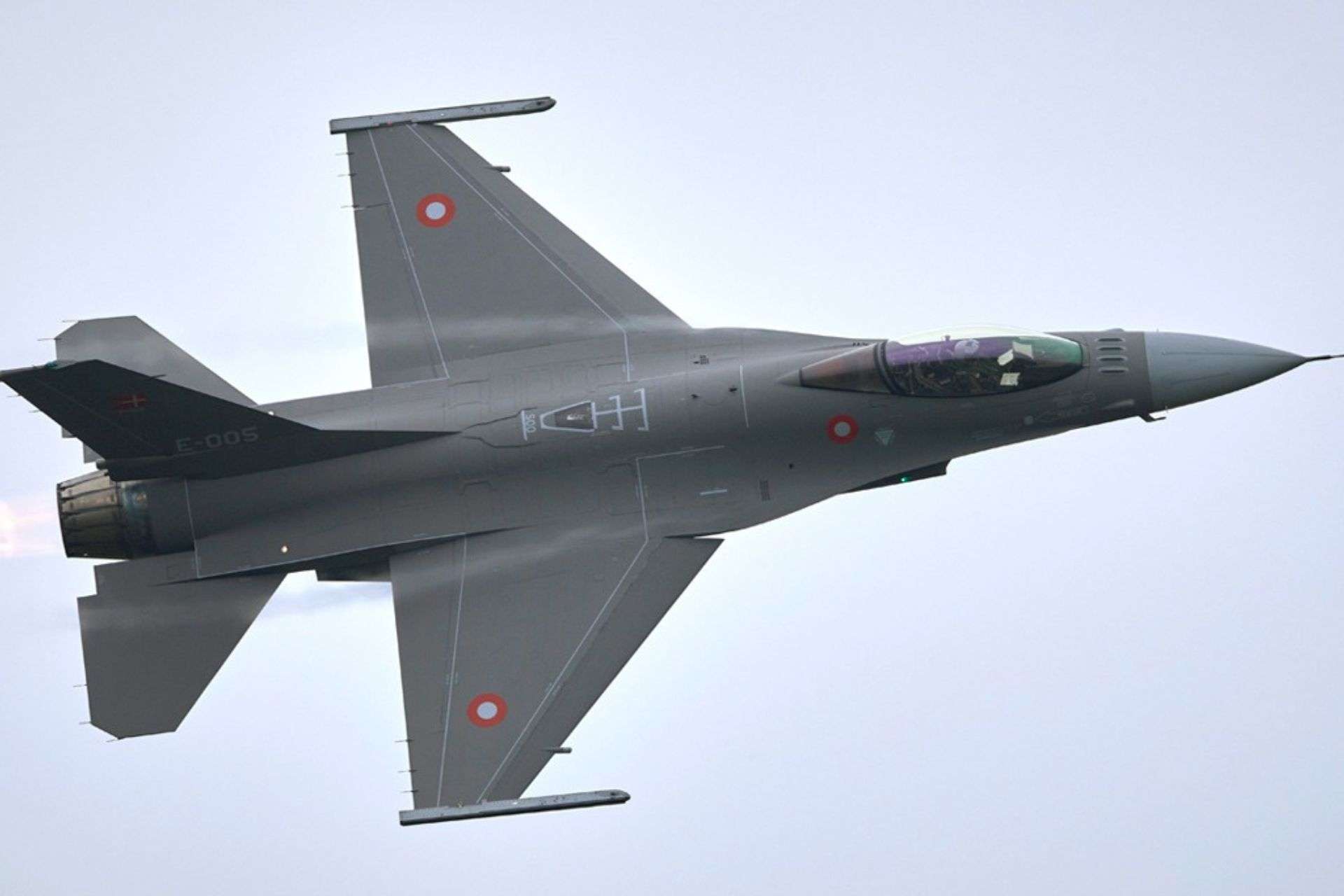
Danish Foreign Minister Lars Løkke Rasmussen announced that Ukraine would be allowed to use Danish-supplied F-16 fighter jets to strike military targets inside Russia. This statement was made during a meeting with journalists in Brussels, as reported by European Pravda.
Follow Army Recognition on Google News at this link
Norway and Belgium, among other countries, have announced their intention to provide Ukraine with F-16s, with Belgium pledging to provide 30 fighter jets by 2028. (Picture source: Forsvarsministeriet )
When asked whether Copenhagen would permit Ukraine to use the F-16s transferred by Denmark to strike targets on Russian territory, Rasmussen replied, "The short answer is yes." He explained that this position was not new and had been part of the initial transfer agreement. "We made it clear from the very beginning when we discussed this with our Foreign Affairs Committee in the Danish Parliament that this is part of self-defense so that it would also be possible to attack military targets on the aggressor's territory," he clarified.
Belgian Prime Minister Alexander De Croo recently affirmed that Ukraine would be able to use the F-16 fighter jets donated by his country within its own territory. According to the Evening Standard, citing a "high-ranking military source," Ukraine is expected to receive the first F-16 fighter jets "within weeks."
A coalition of Western countries, led by Denmark and the Netherlands, has formed to supply Kyiv with modern aircraft and train pilots and support staff. Norway and Belgium, among other countries, have announced their intention to provide Ukraine with F-16s, with Belgium pledging to provide 30 fighter jets by 2028.
This decision, supported by nations such as Denmark, Belgium, the Netherlands, and Norway, has been reiterated by the Danish Foreign Minister. France and the United Kingdom also play a crucial role in this initiative by supplying SCALP cruise missiles, also known as Storm Shadow, allowing Ukraine to conduct long-range precision strikes on critical targets in Russia.
French President Emmanuel Macron has expressed support for the idea of not ruling out sending troops or other forms of military assistance to Ukraine. France, in collaboration with other European countries, is also preparing to send military instructors to train Ukrainian soldiers, enhancing their ability to effectively use the provided weapons.
Potential targets for Ukrainian strikes include military bases located at the Russian-Ukrainian border, air defense installations, and critical logistical infrastructure. For example, Ukraine recently conducted an attack on a Voronezh-M radar system in Orenburg, over 1,800 kilometers from the Ukrainian border, demonstrating its capability to strike deep into Russian territory.
Other targets include ammunition depots, command centers, and weapons production facilities in border regions such as Belgorod and Bryansk, which have already been hit by previous strikes. These actions aim to weaken Russian offensive capabilities and disrupt their logistical operations, complicating Moscow's efforts to maintain military superiority.
Read more: Denmark Authorizes Ukraine to Use F-16s for Strikes in Russia

- Details
- Written by: Jérôme Brahy
- Category: 2024
- Hits: 6404
Breaking news
On May 19, 2024, the Venezuelan National Guard added two restored variants of the French AMX-VCI armored combat vehicles (an AMX-13M56-VTT/VCI armored infantry combat vehicle and an AMX-13M56VTT/TB ambulance) to its units in Puerto La Cruz, Anzoátegui. This initiative began in mid-2022, with fifty units transferred from the Venezuelan Army to the National Guard, as part of a strategy to boost Venezuela's fourth military component amid sanctions and trade blockades.
Follow Army Recognition on Google News at this link
The AMX-13M56-VTT is part of the AMX-VCI series, which is based on the French AMX-13 light tank developed in the early 1950s. (Picture source: Venezuelan National Guard)
Venezuela has struggled to maintain its Western combat systems due to international sanctions limiting access to spare parts and technical support. These sanctions, led by the United States and supported by other Western countries, have targeted various sectors of the Venezuelan economy, including defense, leading to a shortage of necessary components and maintenance services.
The sanctions intensified in 2014 due to concerns over Venezuela's political and human rights situation under President Nicolás Maduro. Initially targeting individuals and entities involved in human rights abuses, the sanctions expanded under the Trump administration to broader economic sectors, including the financial system, oil exports, and the defense industry. Measures included blocking Venezuela's access to the U.S. financial system, freezing assets, and stopping oil imports.
These restrictions have hampered Venezuela's ability to maintain military equipment, degrading the operational readiness of systems like the French tracked armored vehicles. In the early 1970s, Venezuela purchased over fifty AMX-13 light tanks and AMX-VCI (Véhicule de Combat d'Infanterie) armored personnel carriers from France. The AMX-13, with its oscillating turret and 75mm gun, was integrated into an armored brigade, while the AMX-VCI variants, based on the AMX-13 chassis, served roles including command posts, mortar carriers, and ambulances.
In response, Venezuela implemented an import substitution program to develop domestic capabilities for restoring and maintaining military equipment independently. This program aims to reduce dependence on foreign parts and services, creating local production and repair facilities. The first batch of fifty refurbished AMX-13M56-VTT vehicles was transferred to the National Guard in May 2022, with more units following in smaller quantities.
The AMX-VCI, a variant of the AMX-13 light tank developed by France in the early 1950s, was designed as an armored personnel carrier (APC) and evolved into specialized versions for various military needs. Used by multiple countries, Venezuela acquired these vehicles in the early 1970s to enhance its armored brigade capabilities, using them for roles such as infantry transport, command posts, medical evacuation, and artillery support.
The AMX-13M56-VTT/VCI is an infantry combat vehicle based on the AMX-13 chassis, designed to transport and support infantry units in combat. It typically features a turret-mounted machine gun, either an AA-52 7.5 mm machine gun or a 12.7 mm M2 Browning machine gun, and can carry ten infantrymen. Variants include command post vehicles, mortar carriers with 81 mm or 120 mm mortars for indirect fire support, and anti-tank guided missile (ATGM) launchers.
The AMX-13M56-VTT/TB (Transport Blessés) is an ambulance variant for medical evacuation on the battlefield. It can transport up to four stretcher patients or several seated wounded soldiers, providing armored protection for patients and medical personnel. The vehicle retains the base model's mobility and durability, operating effectively in combat zones, but features interior lighting and medical equipment storage to support immediate care en route to medical facilities.
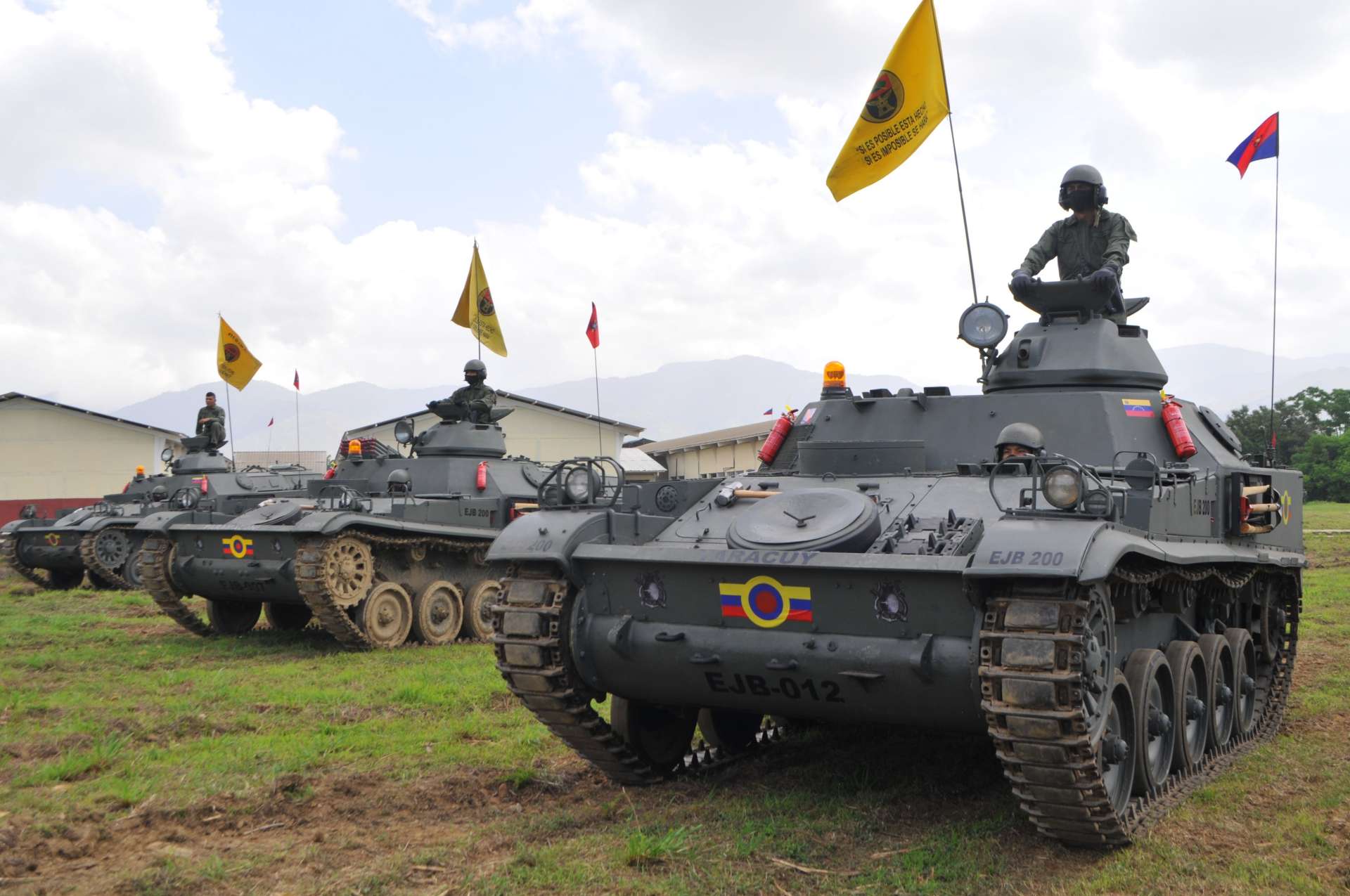
In the early 1970s, Venezuela purchased over fifty AMX-13 light tanks and AMX-VCI (Véhicule de Combat d'Infanterie) armored personnel carriers from France. (Picture source: Twitter/FAV-Club)
Read more: Venezuelan National Guard receives two restored French AMX-VCI armored combat vehicles
- Details
- Written by: Triffaux
- Category: 2024
- Hits: 5570
Breaking news
The Canadian government, through National Defence Minister Bill Blair, announced on May 29, 2024, the formal award of a massive contract for its Logistics Vehicle Modernisation (LVM) project. The Power Team consortium, comprising industry leaders such as General Dynamics Land Systems-Canada (GDLS-Canada), Marshall Canada, Mercedes Benz, Soframe, and Manac, has been selected to provide a new fleet of logistics vehicles in a deal valued at 2.8 billion Canadian dollars, approximately 1.8 billion US dollars.
Follow Army Recognition on Google News at this link
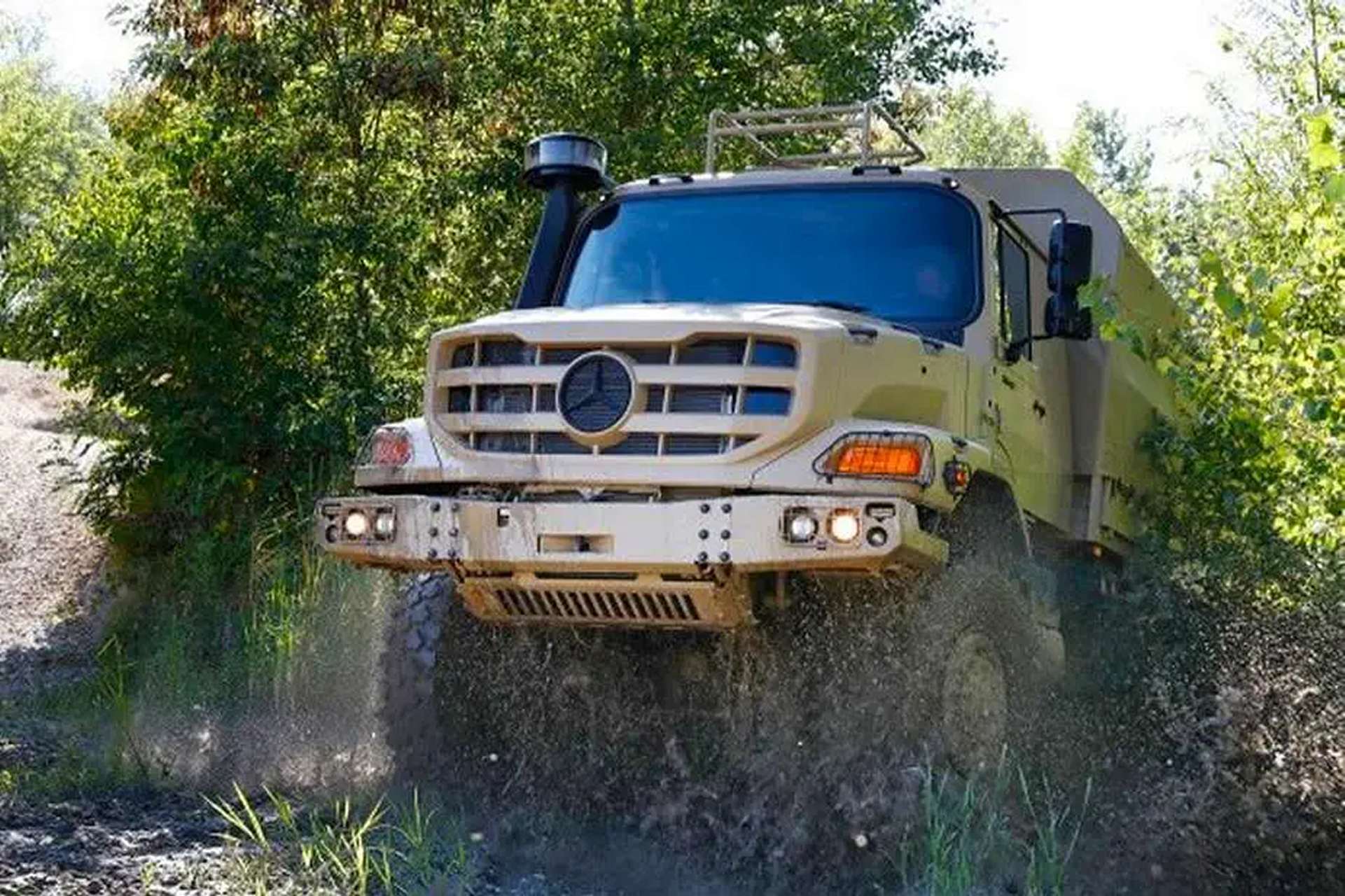
Mercedes Benz Zetros highly off-road-capable truck (Picture source: Mercedes Benz)
This ambitious program aims to acquire 1,500 new vehicles, including light and heavy trucks, trailers, vehicle modules, and armored protection kits. These vehicles are designed not just for transport but will serve various roles such as cargo space, troop transport, ambulances, workshops, and command posts, thereby enhancing the versatility and responsiveness of the Canadian Armed Forces.
The first phase of the contract, worth 1.5 billion Canadian dollars, will cover the acquisition of over 1,000 light trucks and about 500 heavy trucks. A second contract also provides for in-service support over 25 years, with a potential total value of 1.08 billion Canadian dollars, ensuring effective maintenance and management of this new fleet, including the light trucks mounted on the highly off-road-capable Zetros chassis from Mercedes Benz.
Mission modules, which can be mounted on Mercedes-Benz Zetros truck chassis, will be produced by Marshall and are designed to be interchangeable between light and heavy configurations. This modularity will allow for quick adaptation to the varying needs of military operations, whether they are logistics, medical, or command missions.
This project continues the Canadian military's modernization efforts, highlighting the importance of modern and effective logistics in contemporary defense strategies. With previous purchases of Zetros vehicles by the German army and ongoing support to Ukraine, Mercedes-Benz confirms its role as a reliable supplier for global armed forces, thereby strengthening Canada's position on the international defense stage.
To note, the Zetros is an off-road truck by Mercedes-Benz, designed to operate in challenging environments. It was first introduced at the Eurosatory Trade Fair in Paris in 2008. Starting in 2012, 110 Zetros trucks have been equipped to the Bundeswehr (German army). The truck is designed to be transportable by C-130 Hercules.
The Mercedes-Benz Zetros off-road specialist is engineered for harsh conditions. It's designed to navigate soft ground, forests, and steep terrains with ease. Equipped with a powerful engine, a 16-speed transmission, and a two-stage transfer case, the Zetros can traverse terrain that might otherwise necessitate detours. For high payload transportation over rough terrain, drivers benefit from the truck's large slope and gradient angles, as well as its fording capability. Engageable differential locks provide traction even when some wheels lose grip. The seating position behind the front axle offers a relatively smooth driving experience and good vehicle control at high speeds and in poor road conditions.