

- Details
- Written by: Triffaux
- Category: 2024
- Hits: 3546










On July 26, 2024, India's Defence Research and Development Organisation (DRDO) announced the development of an advanced Man-Portable Air Defense missile. According to Defense Minister Sanjay Seth, this new system could match and even surpass the capabilities of the well-known American FIM-92 Stinger missile.
Follow Army Recognition on Google News at this link
KBM 9K310 Igla-1 Man-Portable Air-Defense System (Picture source: Ukraine MoD)
The missile, an adaptation of the Very Short Range Air Defence Missile System (VSHORADS), will benefit from technological advancements and subsystems developed for its larger counterpart. Currently, the VSHORADS is a 4th generation system requiring a tripod, while the Stinger is a 3rd generation system with a 4th generation variant in development.
The most promising feature of this new missile is its imaging infrared (IIR) guidance system, which provides an effective range of 6 km and the ability to precisely discriminate between targets and decoys. This advanced sensor technology enables more effective detection and tracking of targets, even under conditions of sophisticated countermeasures.
In terms of maneuverability, the Indian missile is equipped with aerodynamic surfaces and a reactive thrust vectoring system, allowing for complex and unpredictable movements. Additionally, it utilizes a dual-pulse engine that allows for thrust variation for optimal acceleration throughout its flight path.
Despite these advancements, the DRDO faces significant challenges, particularly in reducing the size and weight of the missile to facilitate shoulder launching. The current dimensions of the VSHORADS, 2 meters in length and a weight of 21 kg, require substantial lightening to make the system portable.
Overall, with its improvements in technology and capabilities, the new DRDO shoulder-fired missile could become a crucial element of India's air defense and a potentially lucrative export product, marking a significant advancement in modern warfare and defense.
The development of new shoulder-fired missile systems by India is a strategic response to fill gaps in air defense, particularly along the borders with China and Pakistan. This initiative is part of a broader project by the Indian government to modernize its military equipment and reduce reliance on foreign systems, notably by replacing older Russian Igla-1M systems.
The projects, collectively valued at over 6,800 crore rupees (approximately 840 million dollars), involve the development of Very Short Range Air Defence Systems (VSHORADS). These systems are being developed by the DRDO in collaboration with private sector partners, reflecting India's commitment to achieving self-sufficiency in defense technology. The development includes both a laser beam riding system and an infrared-guided VSHORADS. These efforts are considered crucial due to increased tensions and the heightened perception of aerial threats along sensitive border areas with China and Pakistan.
Read more: India Develops New Man-Portable Air Defense Missile
- Details
- Written by: Halna du Fretay
- Category: 2024
- Hits: 13176
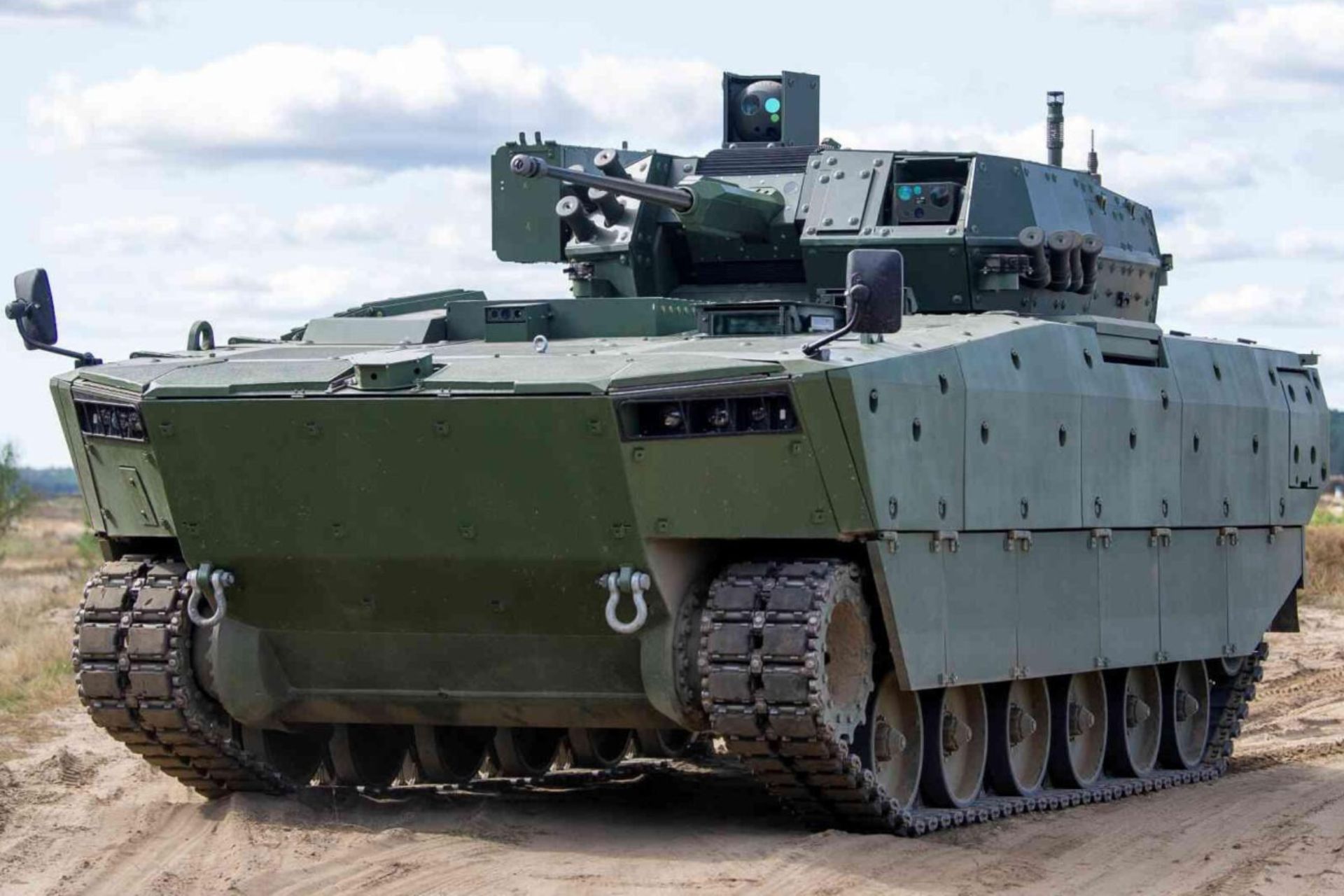
Unofficial sources have indicated to Defence24 that negotiations for the executive contract concerning the purchase of the first 159 Borsuk (Badger in English) infantry fighting vehicles (IFVs) will begin in early August 2024. This procurement will cover the needs of two mechanized infantry battalions, each with 58 vehicles, plus additional vehicles for training purposes.
Follow Army Recognition on Google News at this link
The Borsuk is equipped with the ZSSW 30mm unmanned weapon station armed with a 30 mm Bushmaster Mk 44 automatic cannon (Picture source: Polish MoD)
The framework agreement for the Borsuk IFVs was signed between the Armament Agency and the consortium of the Polish Armaments Group and Huta Stalowa Wola at the end of February 2023. This agreement covers over a thousand Borsuk IFVs and approximately 400 specialized vehicles of various classes based on its chassis. These include Żuk tracked reconnaissance vehicles, Oset tracked command vehicles, the Gotem MEDEVAC platform, Gekon ARVs, and the Ares CRBN reconnaissance platform.
The Borsuk IFV is a modern tracked vehicle designed for mechanized infantry. Its crew consists of a commander, a gunner, and a driver. The vehicle is amphibious, which sets it apart from many counterparts. It offers protection to the crew and troops inside against small arms fire, anti-tank grenade launchers, and improvised explosive devices (IEDs)/mines. The vehicle can reach a top speed of 65 kph on roads and up to 8 kph in water, and it weighs 28 tonnes in its base variant.
The Borsuk design is led by HSW S.A. and involves a consortium of Polish companies, including Ośrodek Badawczo-Rozwojowy Devices Mechanicznych OBRUM Sp.z o.o., Wojskowe Zakłady Motoryzacyjne S.A., ROSOMAK S.A., Military Electronic Works S.A., War Studies University, Military University of Technology, the Military Institute of Armoured and Automotive Technology, and Warsaw University of Technology. The Borsuk represents the next generation of tracked armored IFVs for the Polish army.
The Polish Armament Group (PGZ) has presented the Borsuk, equipped with the ZSSW 30mm unmanned weapon station armed with a 30 mm Bushmaster Mk 44 automatic cannon. This vehicle is intended to replace the BWP-1, a Polish version of the Soviet-made BMP-1 produced under license in Poland. The Borsuk project began in 2014, and the first version was unveiled in September 2017. Prototypes of the Borsuk began their first fire, endurance, and technical tests in September 2020, with the aim of delivering the first serial production vehicles by 2023/2024.
The Borsuk features a modular armor design that can be configured according to mission requirements. In its standard configuration, the hull and turret provide protection against small arms fire, artillery shell splinters, and IED blasts. The IFV version of the Borsuk is equipped with the ZSSW-30 unmanned weapon station developed by a consortium led by HSW, with support from WB Electronics. The turret includes a 30 mm Bushmaster Mk 44/S gun, a coaxial 7.62 mm machine gun, and a dual Spike ATGM launcher. It also features an advanced fire control system with an auto tracker and two optronic systems for the gunner and the commander.
The Borsuk is powered by an MTU 8V199 TE20 diesel engine developing 8720 hp, developed by Wojskowe Zakłady Motoryzacyjne. The vehicle's suspension includes six road wheels on either side, with a drive sprocket at the front and an idler at the rear. It uses a composite rubber track system supplied by Canadian company Soucy Defense. The Borsuk can achieve a maximum road speed of 70 kph and has a cruising range of 600 km.
Read more: Poland Begins Negotiations for 159 Borsuk Infantry Fighting Vehicles

- Details
- Written by: Vandenbosch
- Category: 2024
- Hits: 8432
Tuareg rebels in northern Mali have claimed to have inflicted heavy losses on Malian soldiers and Wagner Group mercenaries over two days of fighting near the Algerian border. While the Malian army reported losing two soldiers and killing about 20 rebels, the rebels stated they had seized armored vehicles, trucks, and tankers in the border town of Tinzaouaten.
Follow Army Recognition on Google News at this link
Recently released images from the Tuareg rebels show that at least one of these VP11 MRAPs has been captured by them. (Picture source: Social Media)
In March 2023, around 100 Norinco VP11 Mine-Resistant Ambush-Protected (MRAP) vehicles, including VP11 4×4 Light MRAPs and Lynx CS/VP11 ATVs, were delivered to Mali to support their efforts against insurgents. Recently released images from the Tuareg rebels show that at least one of these MRAPs has been captured by them. Additionally, the rebels reported damaging a helicopter, which subsequently crashed in Kidal, a town located hundreds of kilometers away.
According to the Malian army, two soldiers were killed and ten injured. They confirmed a helicopter crash in Kidal on Friday during a routine mission but reported no casualties from the crash.
Several Russian military bloggers stated on Sunday that at least 20 Wagner Group mercenaries were killed in an ambush near the Algerian border. Semyon Pegov, a Russian military blogger known as War Gonzo, reported that Wagner PMC members moving in a convoy with government troops were killed, with some captured. The Baza Telegram channel, linked to Russian security structures, confirmed the information, reporting at least 20 Wagner fighters killed.
The VP11 is a lightweight 4x4 MRAP (Mine-Resistant Ambush-Protected) armored vehicle developed by NORINCO, a Chinese company under the China North Industries Group Corporation (CNGC). This vehicle was designed to meet the increased requirements for 4x4 tactical vehicles, offering high protection not only against bullets but also against mines and improvised explosive devices (IEDs). Compared to heavy-duty MRAPs, the VP11 has better mobility and cross-country capability, with a lower center of gravity, making it more stable on difficult terrains, especially in mountainous areas.
Regarding ballistic protection, the VP11 complies with STANAG 4569 Level 1 standards but can achieve Level 2 with additional applique armor. For explosive protection, it can shield the crew from a 10 kg TNT explosion under the wheels or an 8 kg TNT explosion under the hull. Its lightweight and compact structure provide good tactical and strategic mobility, and it can be equipped with either a UW1 remote weapon station or an open gun turret.
The VP11 measures 5300 mm in length, 2500 mm in width, and 2400 mm in height. It can accommodate a crew of 1 and transport up to 7 soldiers. With a ground clearance of 350 mm and a fording depth of 800 mm, the VP11 can reach a maximum road speed of 120 km/h. It can tackle gradients of 60% and side slopes of 30%. The vehicle operates effectively within a temperature range of -25°C to 50°C. With a primary weapon caliber of 800 mm and a magnification ratio of 12.7, the VP11 is a versatile and robust vehicle suited for various tactical missions.
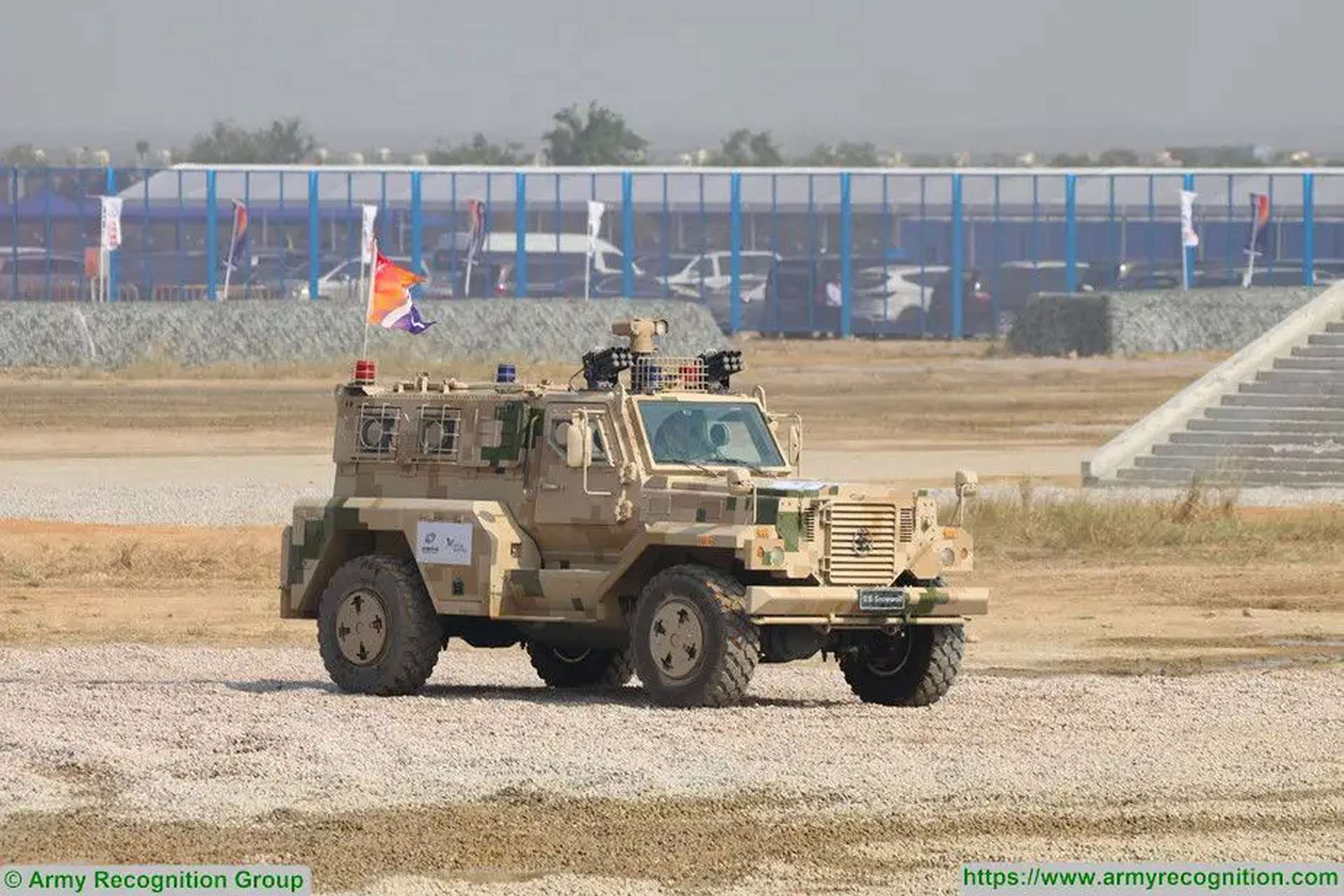
Photo of the VP11 during an outdoor presentation in China. (Picture source: Army Recognition)
The CSP-PSD (Permanent Strategic Framework for Peace, Security, and Development) rebel group released another statement on Sunday, claiming victory over a Malian army battalion supported by Wagner forces. They declared that the enemy had been "annihilated," with the few surviving soldiers and mercenaries taken prisoner. The CSP-PSD reported seven of their fighters killed and 12 injured.
The future of the Wagner Group has been uncertain since the death of its leader, Yevgeny Prigozhin, in a plane crash in August, two months after leading a brief mutiny against the Russian defense establishment. Despite this, according to Baza's report, the Wagner Group has played a significant role in Mali since at least 2021.
The Tuaregs, an ethnic group in the Sahara, including northern Mali, have long felt marginalized by the Malian government. They initiated a separatist insurgency in 2012, which Islamist groups later hijacked. Despite signing a peace agreement with Bamako in 2015, the CSP-PSD withdrew from peace talks at the end of 2022.
The capture of these vehicles is significant, marking a first in the region, and comes just over a year after their delivery to the Malian government.
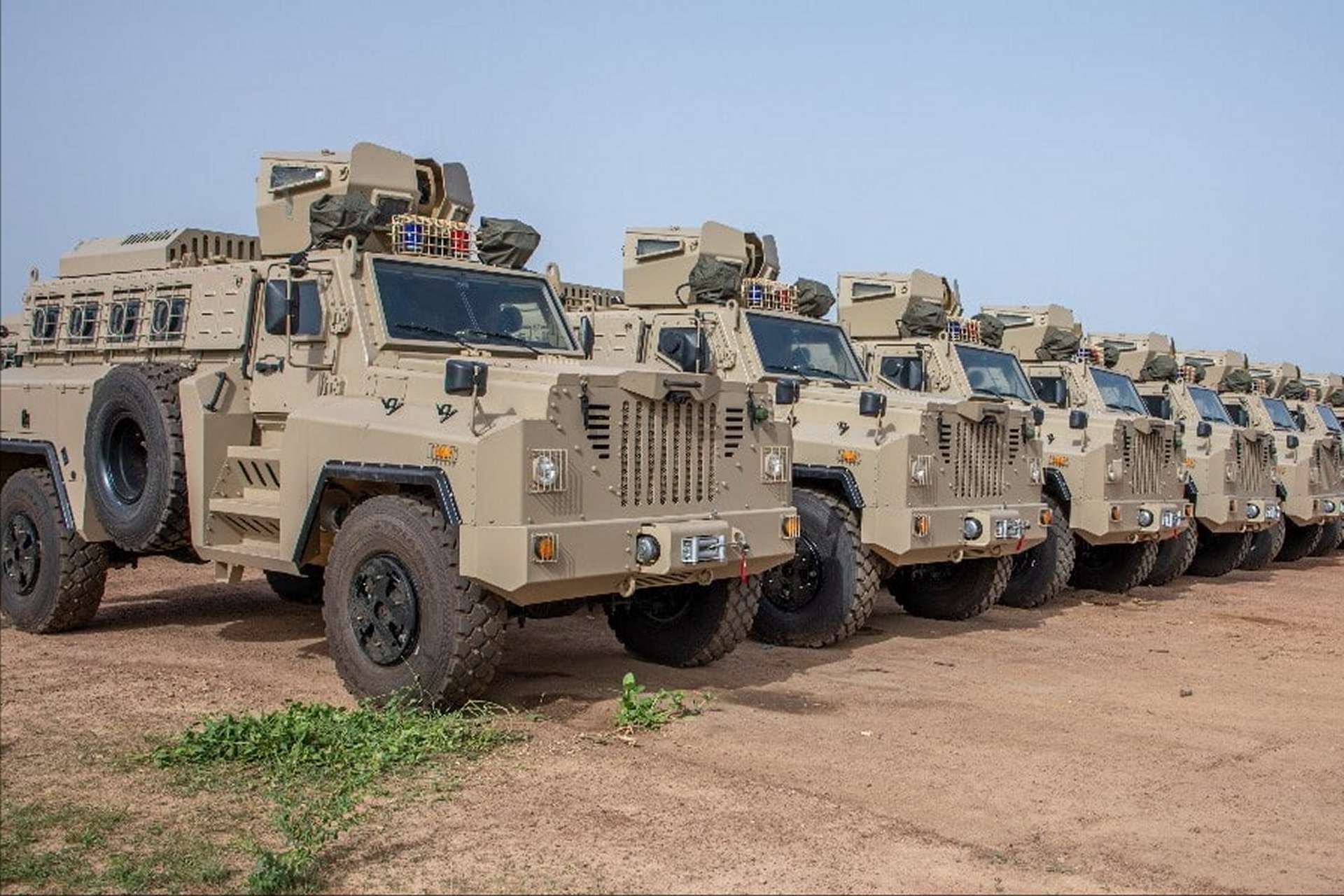
Delivery of Chinese VP11 MRAP vehicles to the government of Burkina Faso, which is also fighting rebels. (Picture source: Burkinabé MoD)
Read more: Tuareg Rebels Capture Chinese Norinco VP11 MRAP in Combat Against Wagner Forces in Mali
- Details
- Written by: Administrator
- Category: 2024
- Hits: 9326
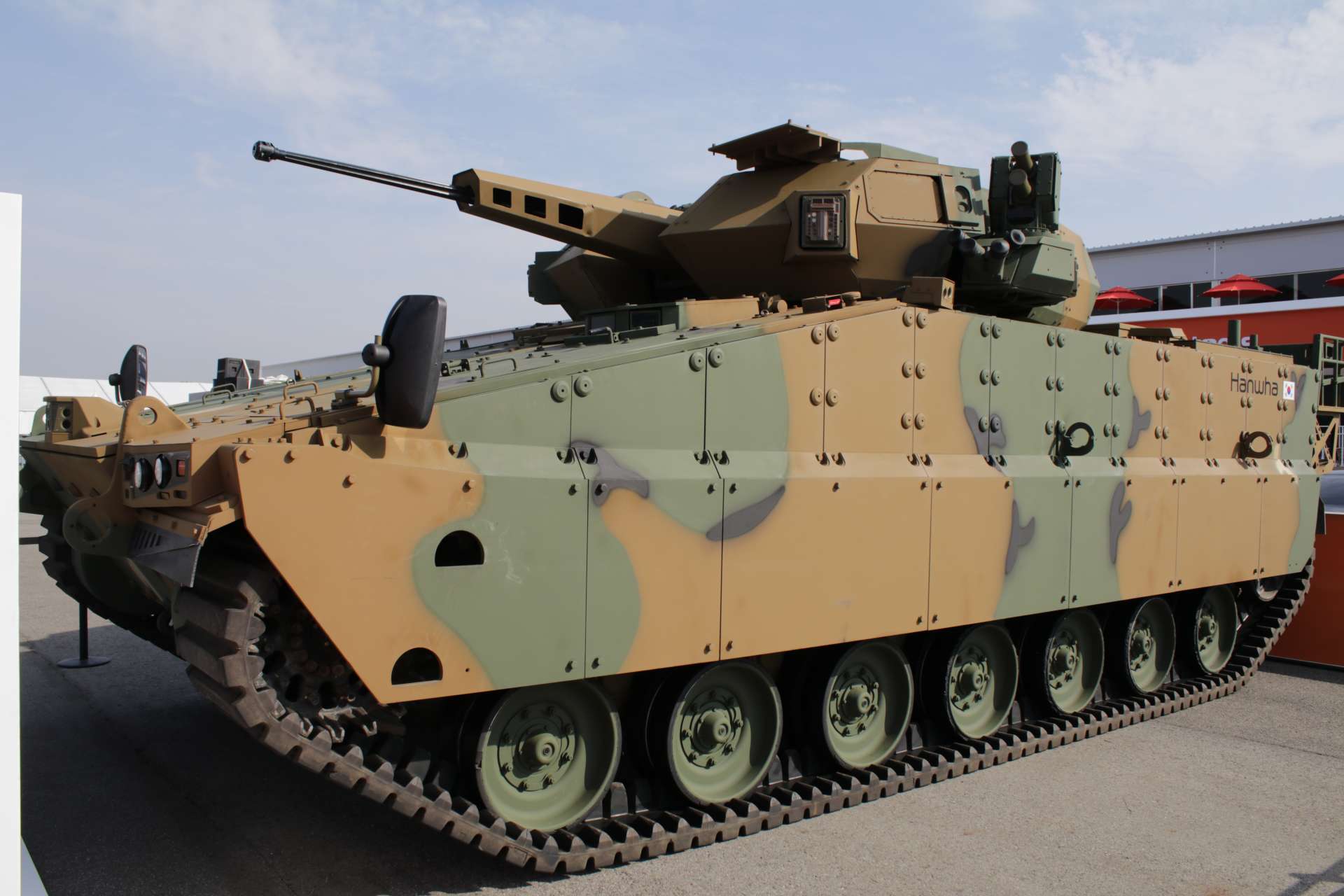
According to recent information released by the South Korean Defense Company Hanwha Aerospace, after the signature of a contract with Romania on July 10, 2024 for the supply of 54 K9 155mm self-propelled howitzer and 36 K10 Ammunition Resupply Vehicles, as part of efforts to broaden its partnership with Romania, Hanwha Aerospace is offering the Redback tracked armored Infantry Fighting Vehicle (IFV) for Romania’s IFV modernization program.
Follow Army Recognition on Google News at this link
The AS-21 Redback is the latest development of modern tracked armored IFV Infantry Fighting Vehicle full designed and developed by the South Korean Defense Company Hanwha Aerospace. (Picture source: Army Recognition Group)
In 2023, the Redback was selected for Australia’s next-generation IFV under the LAND 400 Phase 3 program for the delivery of 129 vehicles, most of which are to be built at a facility in Geelong, Victoria. To win the high-profile Australian IFV (Infantry Fighting Vehicle) contest, the Redback successfully went through the world’s most competitive IFV tests and evaluations, proving its overwhelming maneuverability and lethality compared to other armoured combat vehicles.
Currently, the Romania army is equipped with 142 tracked armored IFVs including 41 MLI-84 and 101 MLI-84M Jderul. The MLI-84 Romanian Infantry Fighting Vehicle (IFV) was developed in the late 1970s and early 1980s. It officially entered into service in 1985.
The MLI-84 is Romanian-made IFV based on the tracked chassis of the Soviet-made BMP-1 but is somewhat larger and heavier, featuring a 12.7 mm anti-aircraft machine gun mounted on the left side of the rear troop compartment. This vehicle is fully amphibious, propelled through water by its tracks, and equipped with an NBC system and night vision equipment for the commander, gunner, and driver. Unlike the BMP-1, which has four rectangular roof hatches, the MLI-84 has three. The left rear rectangular hatch has been replaced with a circular hatch cover, on which the 12.7 mm anti-aircraft machine gun is mounted.
The MLI-84M is a Romanian armored infantry fighting vehicle, developed by Uzina Mecanică Mizil between the 1990s and 2000s. It was officially introduced into service in 2005. It is an upgraded version of the MLI-84 infantry fighting vehicle, featuring a 25mm automatic cannon, a coaxial 7.62mm machine gun, and two Spike LR anti-tank missiles.
The Romanian Ministry of Defense is planning to replace its aging MLI-84 Infantry Fighting Vehicles (IFVs). This replacement program will occur in two stages. The first stage, spanning from 2023 to 2031, involves the acquisition of 246 new IFVs, including training simulators and initial logistical support, with a budget of approximately 2.545 billion euros. The second stage, beginning in 2031, aims to procure an additional 52 IFVs for 450 million euros.
Several contenders have shown interest in supplying the new IFVs. These include the ASCOD from General Dynamics European Land Systems, the AS21 Redback from Hanwha, and the Lynx from Rheinmetall. The ASCOD 2 and AS21 Redback are among the leading candidates, with the ASCOD being displayed in 2022 in Romania.
This significant modernization effort is part of a broader defense renewal program for the Romanian Armed Forces, estimated to be worth around 10 billion euros until 2030.
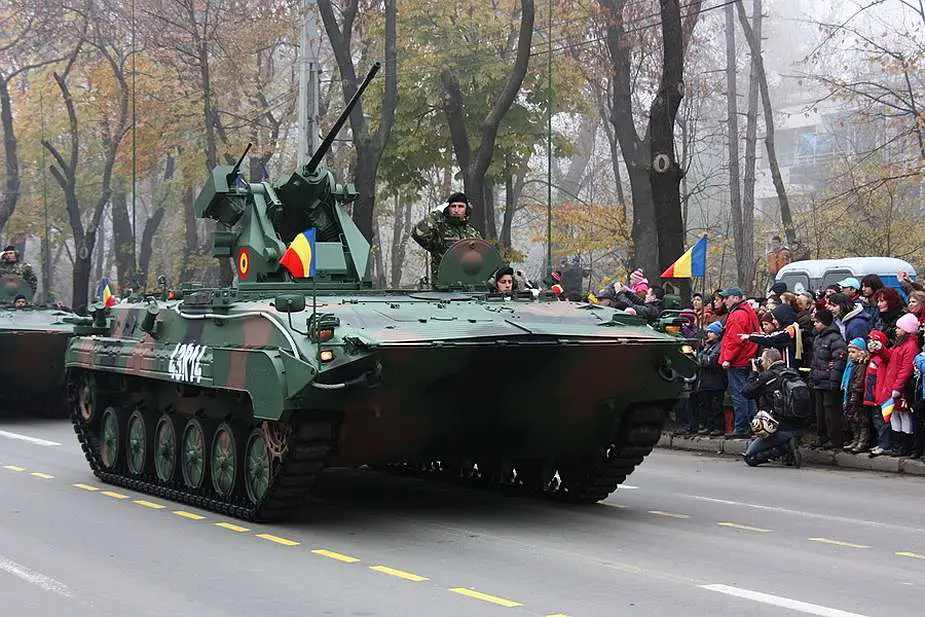
Romania has planned to replace its old MLI-84 Infantry Fighting Vehicle (IFV) with a new generation of combat vehicles. In this image, you can see the MLI-84M. (Picture source: Wikimedia).
The Redback Infantry Fighting Vehicle (IFV) from Hanwha Defense was developed as an advanced variant of South Korea's K21 IFV to compete for international contracts, particularly for the Australian Army’s Land 400 Phase 3 project. The development of the Redback began around 2019, with its first prototype unveiled at the Seoul International Aerospace & Defense Exhibition in October 2019.
The Australian Army selected the Redback IFV in July 2023 after extensive trials and evaluations, awarding Hanwha a multi-billion-dollar contract. The first production vehicles are expected to be delivered by early 2027, with the final deliveries completed by 2028. The Redback is designed to offer enhanced protection, mobility, and firepower, featuring modular armor, advanced active protection systems, and superior crew comfort. It is equipped with a 30mm Bushmaster II cannon and can carry three crew members and up to eight infantry soldiers.
The Redback is tailored to meet modern combat requirements, integrating technologies such as the Iron Fist Active Protection System and a digital battle management system, making it a formidable addition to any military force. The vehicle's production will involve facilities in both South Korea and Australia, highlighting the deepening defense cooperation between these two countries.
The Redback Infantry Fighting Vehicle (IFV) excels in mobility, firepower, and protection, making it a versatile and formidable asset for modern militaries. In terms of mobility, the Redback is powered by a 1,000 horsepower MTU eight-cylinder diesel engine, paired with an Allison automatic transmission, which allows it to reach speeds of up to 65 km/h. Its advanced hydropneumatic suspension system, featuring in-arm independent suspension units (ISU), provides exceptional off-road capability and ride stability, enabling the vehicle to traverse difficult terrain with ease. The one-piece rubber tracks further enhance mobility by reducing noise and vibration while simplifying maintenance and repairs.
In terms of firepower, the Redback is equipped with a Mk44S Bushmaster II 30mm chain gun, which can be upgraded to a 40mm variant if required. This main armament is complemented by a coaxially mounted 7.62mm machine gun, providing comprehensive lethality against a range of targets. The vehicle's turret, based on Elbit's MT30 Mk 2 design, integrates advanced fire control systems, electro-optics, and situational awareness tools, ensuring precise targeting and effective engagement in combat scenarios. The Redback's protection is equally impressive, featuring modular armor that can be configured to provide protection levels from STANAG Level 2 to Level 6. Additionally, the vehicle is equipped with the Iron Fist Active Protection System (APS), which offers superior defense against guided anti-tank missiles and projectiles, further enhancing its survivability on the battlefield.
Read more: Hanwha Aerospace from South Korea Offers Romania Advanced Redback IFV combat vehicles
- Details
- Written by: Administrator
- Category: 2024
- Hits: 7479
The Indian armed forces conducted their first military exercise with the newly acquired Russian-made S-400 air defense missile system. According to the South Asia News Agency ANI, the system, now designated as the "Sudarshan" by the Indian Air Force (IAF), demonstrated exceptional performance in the exercise.
Follow Army Recognition on Google News at this link
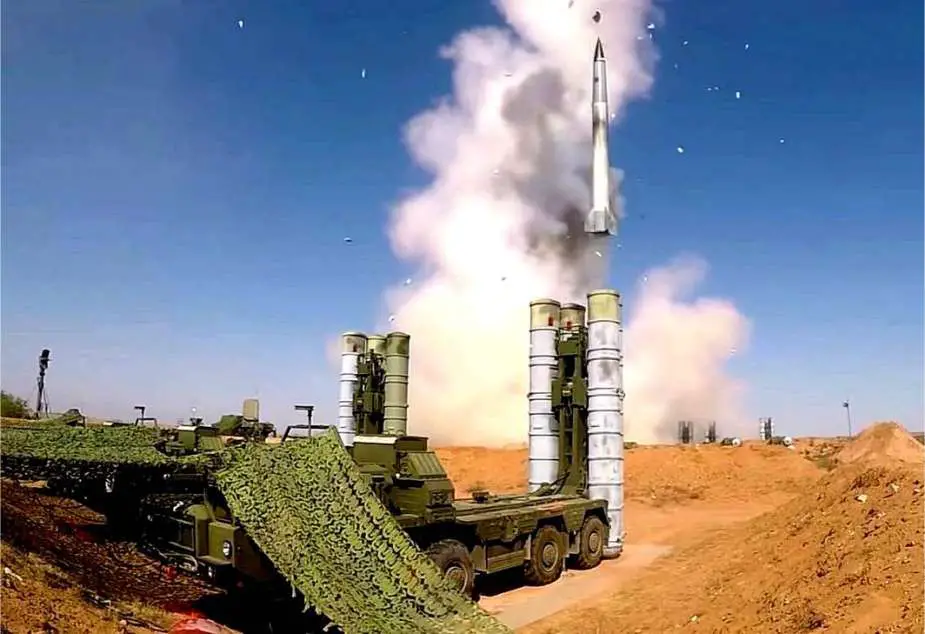
Archive image of Russian S-400 air defense missile system firing test. (Picture source: Russian Media Topcor)
The Sudarshan S-400 system achieved a remarkable success rate, effectively 'shooting down' 80% of the simulated 'enemy' fighter aircraft and compelling the remaining aircraft to retreat and abort their missions. The exercise took place in a theater where one of the IAF's squadrons has deployed the long-range air defense missile system, marking a significant enhancement of India's air defense capabilities.
India signed the contract for the acquisition of the S-400 air defense missile system with Russia in October 2018. The deal, valued at approximately $5.43 billion, included the purchase of five S-400 batteries. The first delivery of the system arrived in India in December 2021, following which the Indian Air Force began integrating and testing the new technology.
The S-400 Triumf (NATO designation: SA-21 Growler) is one of the most advanced long-range air defense systems in the world. It is designed to detect, track, and destroy aircraft, drones, and ballistic and cruise missiles up to a range of 400 kilometers and at an altitude of up to 30 kilometers. The system can engage multiple targets simultaneously with a variety of missile types, providing a multi-layered defense shield.
The key features of the S-400 include its extensive range and altitude capabilities, allowing it to target aerial threats at ranges of up to 400 kilometers and altitudes of up to 30 kilometers. It has a multi-target capability, able to track and engage up to 80 targets simultaneously. Equipped with advanced radar systems, the S-400 can detect stealth aircraft and other low-observable targets. Additionally, the system is mobile and can be rapidly deployed and re-deployed to different locations as needed.
The successful exercise of the Sudarshan S-400 air defense missile system underscores India's growing defense capabilities and its strategic preparedness to counter aerial threats. The integration of such advanced systems into the IAF is expected to significantly enhance the country's air defense and deterrence posture in the region.
Read more: India Successfully Tests New Russian S-400 Air Defense Missile System for the First Time

- Details
- Written by: Administrator
- Category: 2024
- Hits: 8476
According to information reported on the X Account of "Chuck Pfarrer" on July 27, 2024, the United States has provided Ukraine with the ADM-160 Miniature Air Launched Decoy (MALD), a sophisticated decoy missile equipped with electronic countermeasures to actively jam early warning and target acquisition radars. The report highlights that Ukraine has successfully adapted the ADM-160 MALD to be mounted on its legacy MiG-29 fighter aircraft, significantly enhancing its aerial combat capabilities.
Follow Army Recognition on Google News at this link
A Miniature Air-Launched Decoy (MALD) ADM-160 is mounted onto a U.S. Force B-52 Stratofortress bomber. (Picture source: U.S. DoD)
Although the United States has not officially confirmed the delivery of ADM-160 MALD missiles to Ukraine, open-source information sheds some light on the matter. In May 2023, wreckage of an ADM-160 MALD decoy missile were reportedly discovered in Luhansk after a Ukrainian strike on a Russian target in the occupied city. A label on the wreckage identified it as an ADM-160B model, indicating that Ukraine has likely been using these decoy missiles for some time.
The provision of the ADM-160 MALD to Ukraine, if confirmed, represents a significant boost to Ukraine's military capabilities. The ability to deceive and jam enemy air defenses allows Ukrainian aircraft to operate with greater freedom and reduced risk, potentially shifting the balance of power in the region. As the conflict continues, the deployment of such advanced technologies will likely play a crucial role in the strategies employed by both sides.
The ADM-160 Miniature Air-Launched Decoy (MALD) is a sophisticated decoy missile designed to enhance the effectiveness of air combat operations. Its key features include a length of approximately 2.84 meters and a weight of around 45 kilograms, making it relatively lightweight and compact. The MALD boasts an impressive range of over 930 km (500 nautical miles), allowing it to reach distant targets, and its turbojet engine provides high-speed flight and maneuverability. One of its most notable attributes is its modularity, enabling it to be configured for various missions such as decoy, jamming, and reconnaissance. Additionally, its advanced flight control systems allow for programmable flight paths, enabling it to mimic the radar signature and flight profiles of different aircraft.
In combat, the ADM-160 MALD excels at deception, confusing enemy air defenses by mimicking larger, more valuable aircraft. This capability forces adversaries to misallocate their resources, targeting the decoys instead of actual combat aircraft. The MALD also plays a crucial role in Suppression of Enemy Air Defenses (SEAD) by drawing out and depleting enemy surface-to-air missiles (SAMs) and other air defense assets, thus facilitating easier penetration of defended airspace by friendly aircraft.
The MALD-J variant enhances this capability with jamming functions, disrupting enemy radar and communication systems and providing electronic attack support to other aircraft. Its ability to operate autonomously once launched, following a pre-programmed flight path, adds to its operational efficiency.
Compared to other conventional missiles, the main advantages of the ADM-160 MALD are its low cost, versatility, and compact size. Unlike larger, more complex unmanned systems or manned aircraft, the MALD is relatively inexpensive, allowing for widespread deployment to overwhelm enemy defenses. Its modular design supports multiple roles on the battlefield, from deception to electronic warfare, making it a valuable multipurpose asset. The compact size and lightweight design enable a single aircraft to carry multiple MALDs, significantly increasing the number of decoys that can be deployed in a mission. Moreover, its integration with modern aircraft like the F-16 Fighting Falcon and the B-52 Stratofortress provides flexibility in mission planning and execution, enhancing overall combat effectiveness.
In summary, the ADM-160 MALD's blend of deception capabilities, autonomous operation, cost-effectiveness, and versatility gives it a distinct edge over conventional missiles, making it an essential component of modern aerial warfare strategies.

- Details
- Written by: Triffaux
- Category: 2024
- Hits: 7644
The Paris Olympic and Paralympic Games will see the deployment of advanced anti-drone systems, including the Helma-P laser system developed by the Compagnie industrielle des lasers (CILAS). This technology will be integrated into the specially designed aerial security apparatus for the event.
Follow Army Recognition on Google News at this link
Cilas High-Tech Helma-P Laser Counter-Drone System (Picture source: Army Recognition)
The PARADE system (Programme de protection déployAble modulaiRe Anti-DronEs), developed by Thales and CS Group, has overcome initial challenges during the Coubertin 1 and 2 trials. After critical revisions required by the Directorate General of Armaments (DGA) and the Senate Foreign Affairs and Armed Forces Committee, the system appears ready for action.
Helma-P, a key component of the PARADE system, is a directed energy weapon designed to neutralize small and micro-sized drones within seconds, through dazzling or physical destruction. A prototype of this system was successfully tested on the Forbin air defense frigate and was recently presented by the Minister of the Armed Forces, Sébastien Lecornu, at the Villacoublay air base.
General Arnaud Bourguignon, in charge of aerial security for the Games, emphasized the importance of this technology in facing potential threats of terrorism, protest, or individuals attempting to film events with their drones. "We are preparing to face all threats," he stated, adding that the apparatus will represent 20,000 hours of surveillance during the Games.
In practice, the Helma-P system, mounted on a Sherpa Light vehicle, can detect, track, and neutralize drones up to a distance of 1,000 meters. Its effectiveness is estimated at 100%, although it is weather-dependent.
Furthermore, the deployed systems, including Helma-P, will be interconnected via the SAP (Shared Aerial Situation) software, developed by the National Office for Aerospace Studies and Research (ONERA) and Thales. This software allows for the synthesis of data from various sensors for optimized management of security operations in real time.
The Helma-P system stands out as a high-performance neutralization solution for aerial threats such as UAVs. Designed to operate effectively in both operational theaters and urban environments, this counter-air measure system can detect, identify, follow, and neutralize agile targets with extreme precision. This technology offers a decisive operational advantage to the forces equipped with it.
The extended range of Helma-P allows for effective operations over distances ranging from one to several kilometers. The system offers a progressive effect, capable of transitioning from optical jamming to neutralization or even total destruction of the target, thus providing significant tactical flexibility. Additionally, Helma-P is particularly economical in terms of logistics, requiring no ammunition and incurring zero firing costs, making it ideal for prolonged field use.
In terms of discretion, Helma-P is both invisible and silent, allowing operators to conduct missions without alerting the adversary or disturbing the surrounding environment. The surgical precision of laser impact point control on the target also ensures precise and controlled neutralization, minimizing collateral damage.
Helma-P is also capable of targeting a variety of threats, including drones of all sizes, robots used in military or security operations, and enemy radar systems, compromising their surveillance and defense capabilities. It can also remotely disable improvised explosive devices (IEDs), thereby reducing the risk to demining teams, and offers defense against long-range projectile attacks such as rockets, artillery, and mortars.
Thus, Helma-P represents an essential component of modern defense strategies, combining cutting-edge technology and advanced operational capabilities to effectively protect against a wide range of threats.
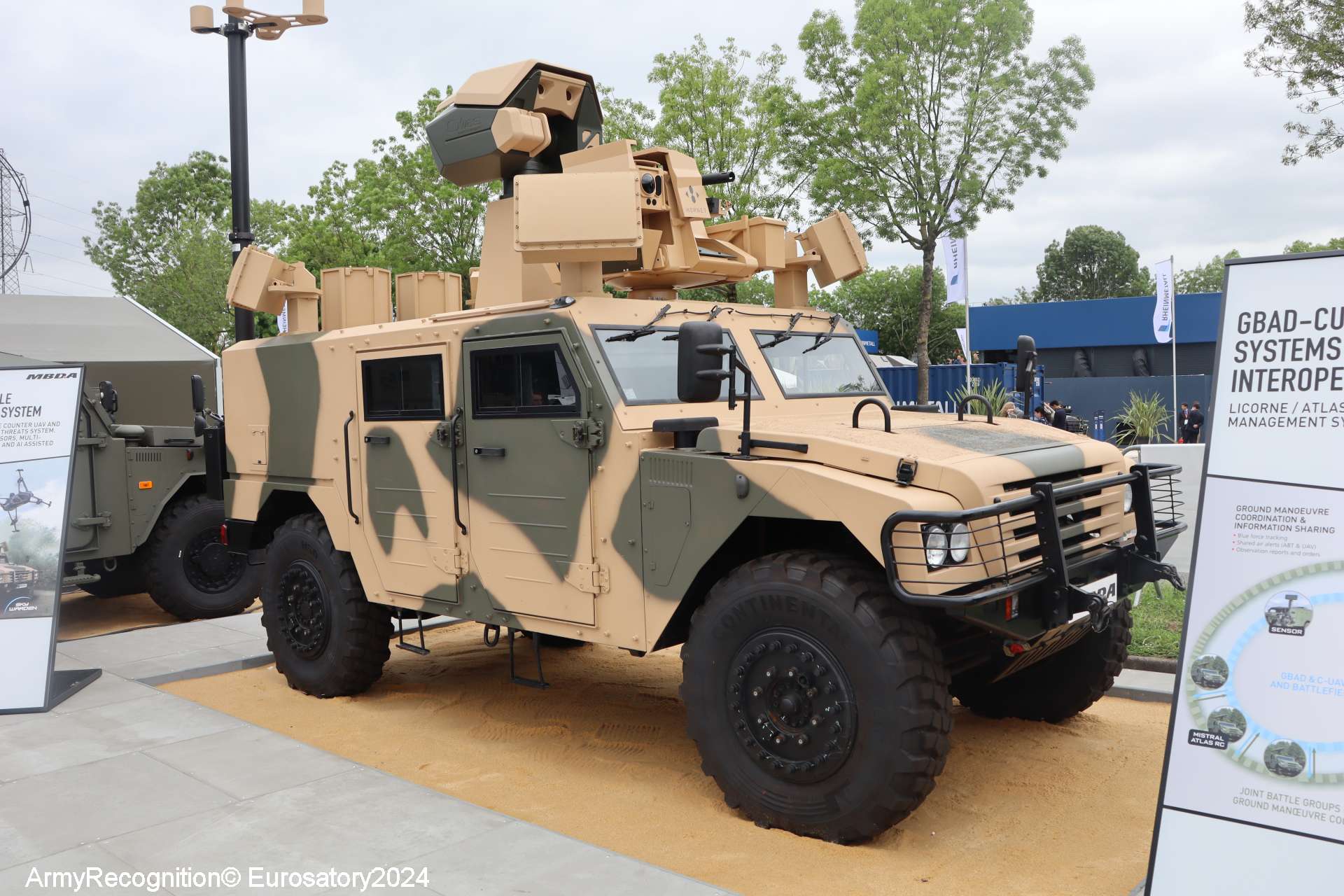
Cilas High-Tech Helma-P Laser Counter-Drone System mounted on Sherpa Light vehicle (Picture source: Army Recognition)
Read more: France to Deploy High-Tech Helma-P Laser Counter-Drone System to Secure Paris Olympics
- Details
- Written by: Vandenbosch
- Category: 2024
- Hits: 4309
Lithuania and Poland have announced their intention to jointly acquire the Piorun short-range man-portable air defense system (MANPADS) to enhance their air defense capabilities. This purchase will be partially funded through the European Defence Industry Reinforcement through the Common Procurement Act (EDIRPA), with both countries and two other European nations seeking support from the European Union.
Follow Army Recognition on Google News at this link
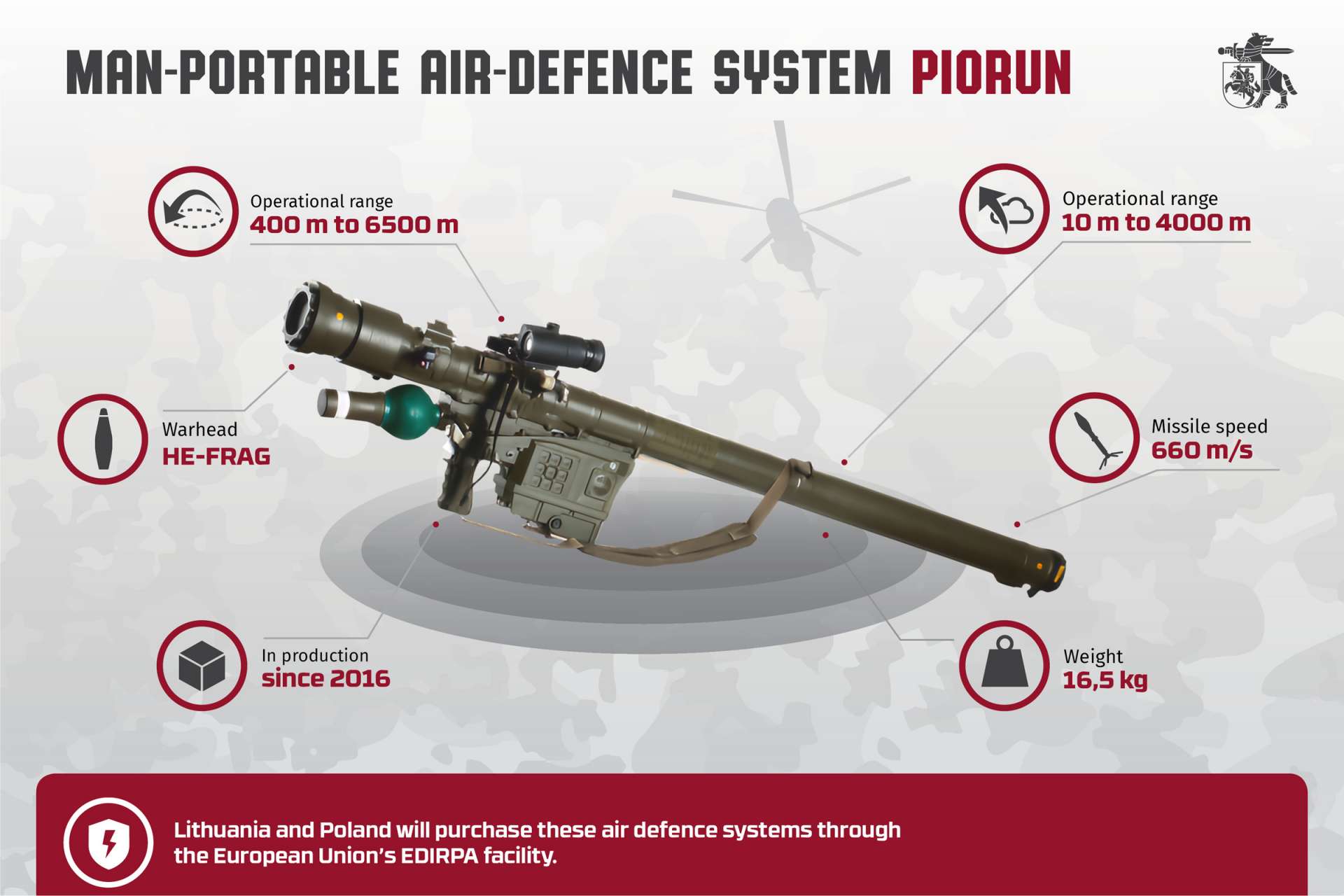
Lithuania and Poland have announced their intention to jointly acquire the Piorun short-range man-portable air defense system. (Picture source: Lithuanian MoD)
The Lithuanian Minister of National Defence, Laurynas Kasčiūnas, expressed his satisfaction with this collaboration, highlighting the crucial importance of strengthening air defenses. "Strengthening air defence is one of the most critical objectives on our agenda, therefore the purchase is welcome as much as collaboration with our close Ally Poland," Kasčiūnas stated during a press briefing. The cooperation was formalized during a visit to Vilnius by the Polish Minister of National Defence, Władysław Kosiniak-Kamysz.
Currently, Lithuania uses an older version of the Polish-made Grom air defense system. These older systems will be transferred to Ukraine, necessitating their replacement with the more advanced Piorun systems. Kasčiūnas noted that the Piorun systems align well with Lithuania's defence planning, making them suitable for the national military division, national volunteer forces, and the protection of critical infrastructure.
This joint acquisition project underscores the growing cooperation between Lithuania and Poland in defense matters, reflecting their shared concerns about regional security and the need to bolster air defence capabilities in response to potential threats.
The Piorun system, also known as "Thunderbolt," is designed to destroy drones, helicopters, aircraft, and winged missiles. It can reach targets at an altitude of up to 4 kilometers and has a maximum range of 6.5 kilometers, according to data from the manufacturer, the Polish Armaments Group. This modernization of air defense capabilities is particularly relevant in the context of increasing tensions in Eastern Europe and ongoing concerns about Russian aggression beyond Ukraine.
Furthermore, Lithuania plans to use these new systems to establish a national division within the Lithuanian military, strengthen national volunteer forces, and ensure better protection of critical infrastructure. Cooperation with Poland, a key NATO ally, is seen as a strategic step to enhance regional defense resilience.
The joint defense initiative between Lithuania and Poland also aligns with a broader trend in Europe, where several countries are seeking to strengthen their collective defense through joint acquisitions and industrial collaborations. This approach not only allows for cost-sharing but also enhances interoperability between the armed forces of different countries, a crucial aspect for the collective security of the European Union.
Finally, the decision to transfer the older Grom systems to Ukraine is part of a broader support framework for Ukraine's defense capabilities, a country on the front line of tensions with Russia. This support is essential to help Ukraine maintain its sovereignty and territorial integrity in the face of ongoing aggression.
In summary, this joint acquisition of Piorun air defense systems by Lithuania and Poland represents a significant step forward in strengthening the air defense capabilities of these two countries, while enhancing their defense collaboration and contributing to regional security in Eastern Europe.
Read more: Lithuania and Poland to Jointly Acquire Piorun Air Defence Systems
- Details
- Written by: Triffaux
- Category: 2024
- Hits: 2990
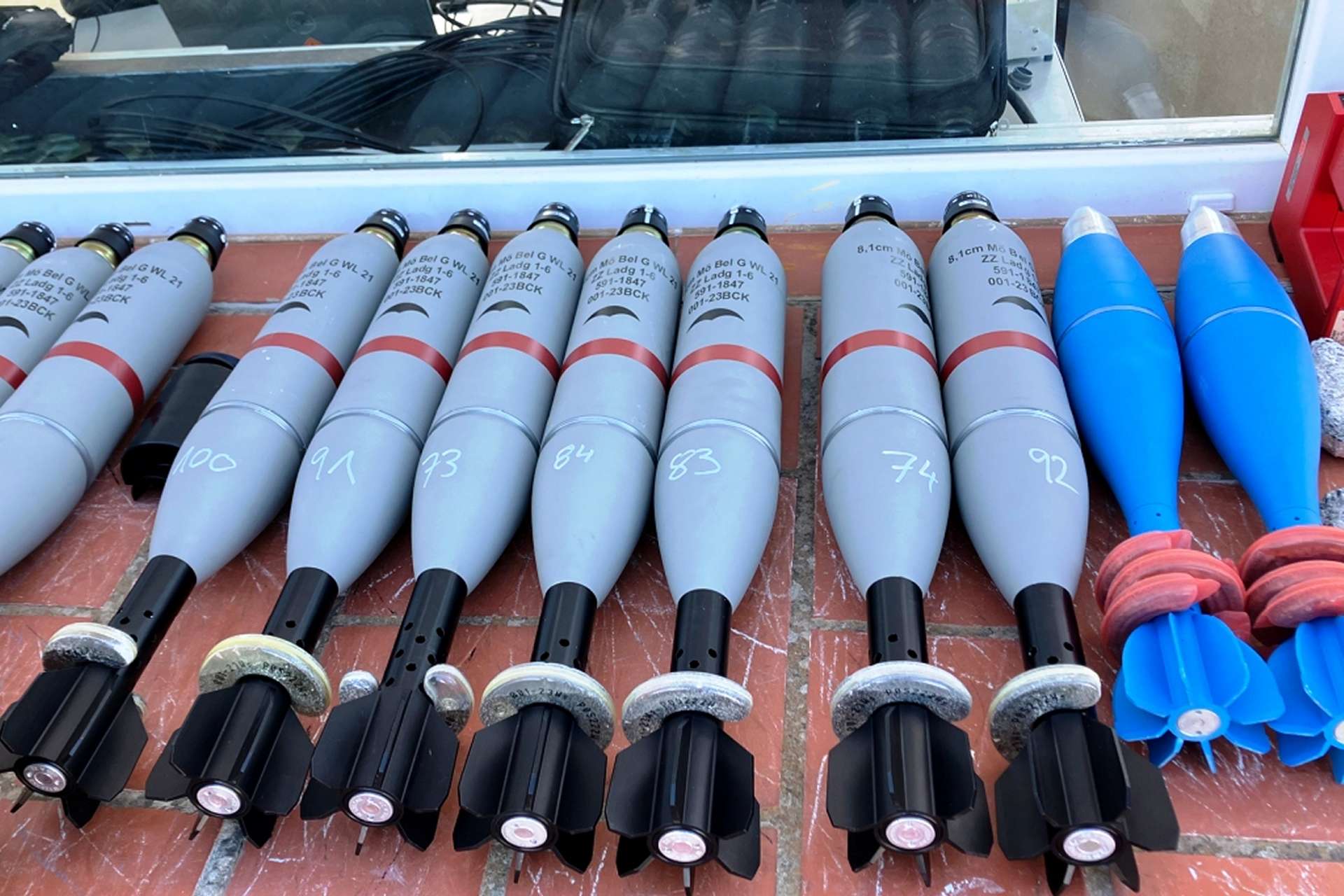
On July 26, 2024, Rheinmetall confirmed securing a substantial contract with the Swiss Confederation to manufacture and deliver 81mm mortar ammunition. The total value of the order is in the mid double-digit million euro range.
Follow Army Recognition on Google News at this link
Rheinmetall 81mm mortar ammunition (Picture source: Rheinmetall)
According to Rheinmetall's press release, the contract includes the production of 81mm MX2-KM mortars as well as various types of mortar cartridges, including for white light illumination, infrared illumination, and smoke discharge, which are being produced at the Neuenburg am Rhein plant. These munitions use Red Phosphorus (RP) as a base for smoke operations, highlighting Rheinmetall’s commitment to innovation in munitions technologies.
The ammunition delivery is scheduled to be completed by the end of 2025, also including additional services related to the product launch. These specially adapted munitions for the MX2-KM mortar will be integrated into the Swiss Armed Forces, forming a coherent and efficient weapon system.
Qualification tests for these munitions took place at a testing site in Spain, where the cartridges were tested under operational conditions to ensure their performance and reliability. The success of these tests confirms Rheinmetall's position as a leader in the production of high-precision mortar ammunition.
This contract not only illustrates Switzerland's confidence in Rheinmetall's technology but also highlights the growing importance of international defense and security collaborations. With increasing tensions on several international fronts, the demand for sophisticated and reliable defense equipment is higher than ever, placing Rheinmetall at the forefront of the global defense market.
Read more: Rheinmetall to Supply 81mm Mortar Ammunition to Swiss Army
- Details
- Written by: Jérôme Brahy
- Category: 2024
- Hits: 4975
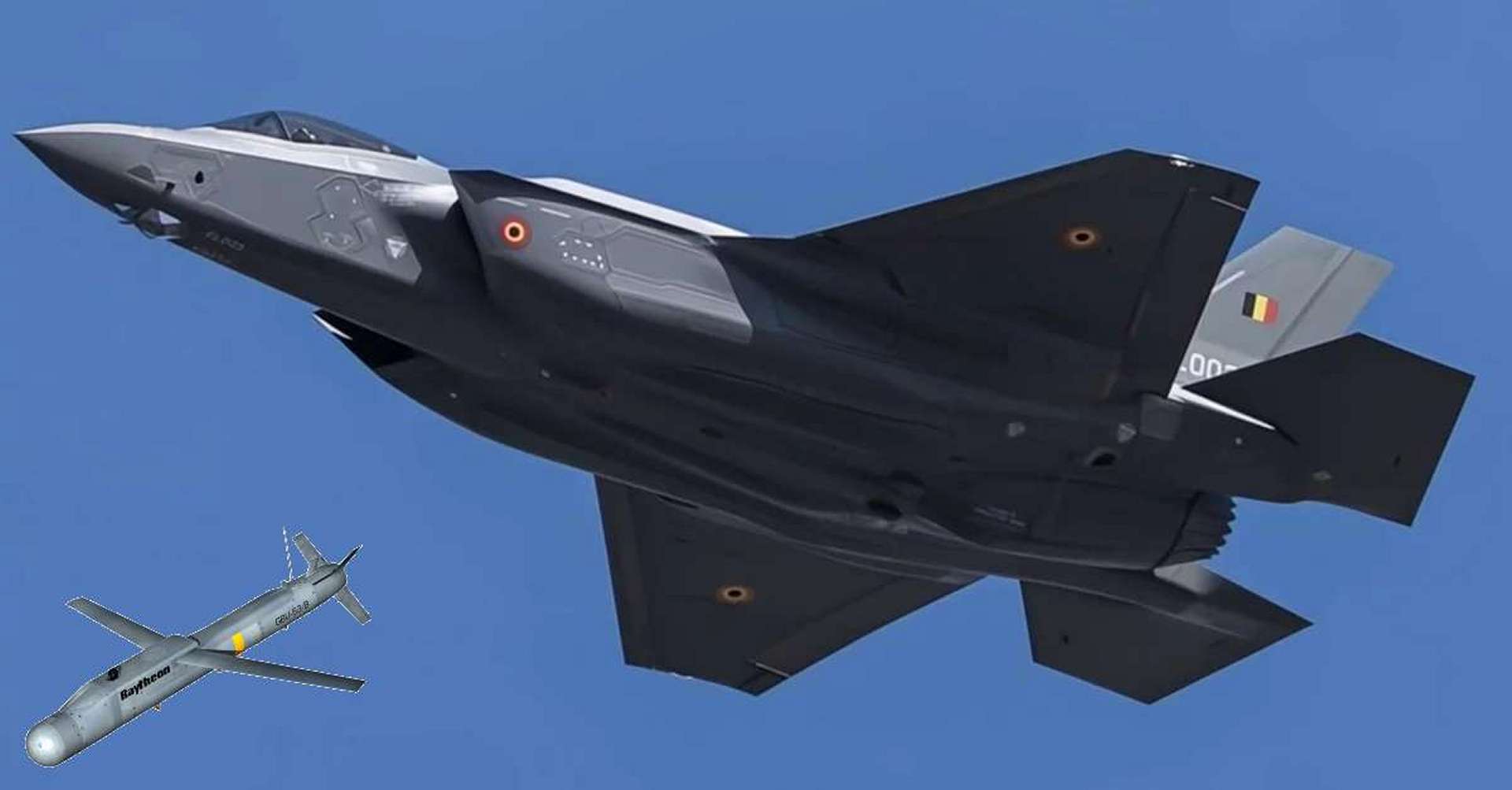
On July 25, 2024, the US State Department approved a potential Foreign Military Sale to Belgium for the purchase of up to 196 GBU-53/B SDB-II All-Up-Rounds (AURs) Small Diameter Bomb-Increment II (SDB-II) and related logistics and program support, with an estimated cost of $115 million. Belgium's acquisition of the SDB-II aligns with the introduction of their new F-35A Lightning II stealth fighters, which are capable of carrying this bomb.
Follow Army Recognition on Google News at this link
Belgium will purchase up to 196 GBU-53/B SDB-II small-diameter bombs at an estimated cost of $115 million, likely for their new F-35A Lightning II stealth fighter.s (Picture source: Air Power Australia and Facebook/The military aviation pictures and history)
The GBU-53/B SDB-II, also known as StormBreaker, is an air-launched precision-guided glide bomb developed by Raytheon. It is designed for use in adverse weather conditions and can engage both moving and stationary targets. The bomb is equipped with a GPS/INS guidance system that allows it to receive updated target coordinates mid-flight via Link-16 or UHF communications. This capability enables airborne or ground controllers to provide in-flight target updates and abort missions if necessary. The SDB-II can be guided using imaging infrared, millimeter-wave radar, and digital semi-active laser, making it a versatile weapon in various combat scenarios.
The SDB-II weighs 93 kilograms and measures 1.78 meters in length and 18 centimeters in diameter. Its operational range is approximately 111 kilometers for stationary targets and 74 kilometers for moving targets. The bomb's warhead, weighing 48 kilograms, combines blast and fragmentation effects, making it effective against a range of targets, including infantry, armor, buildings, and patrol boats. The weapon's innovative use of uncooled imaging infrared technology reduces costs and enhances its effectiveness.
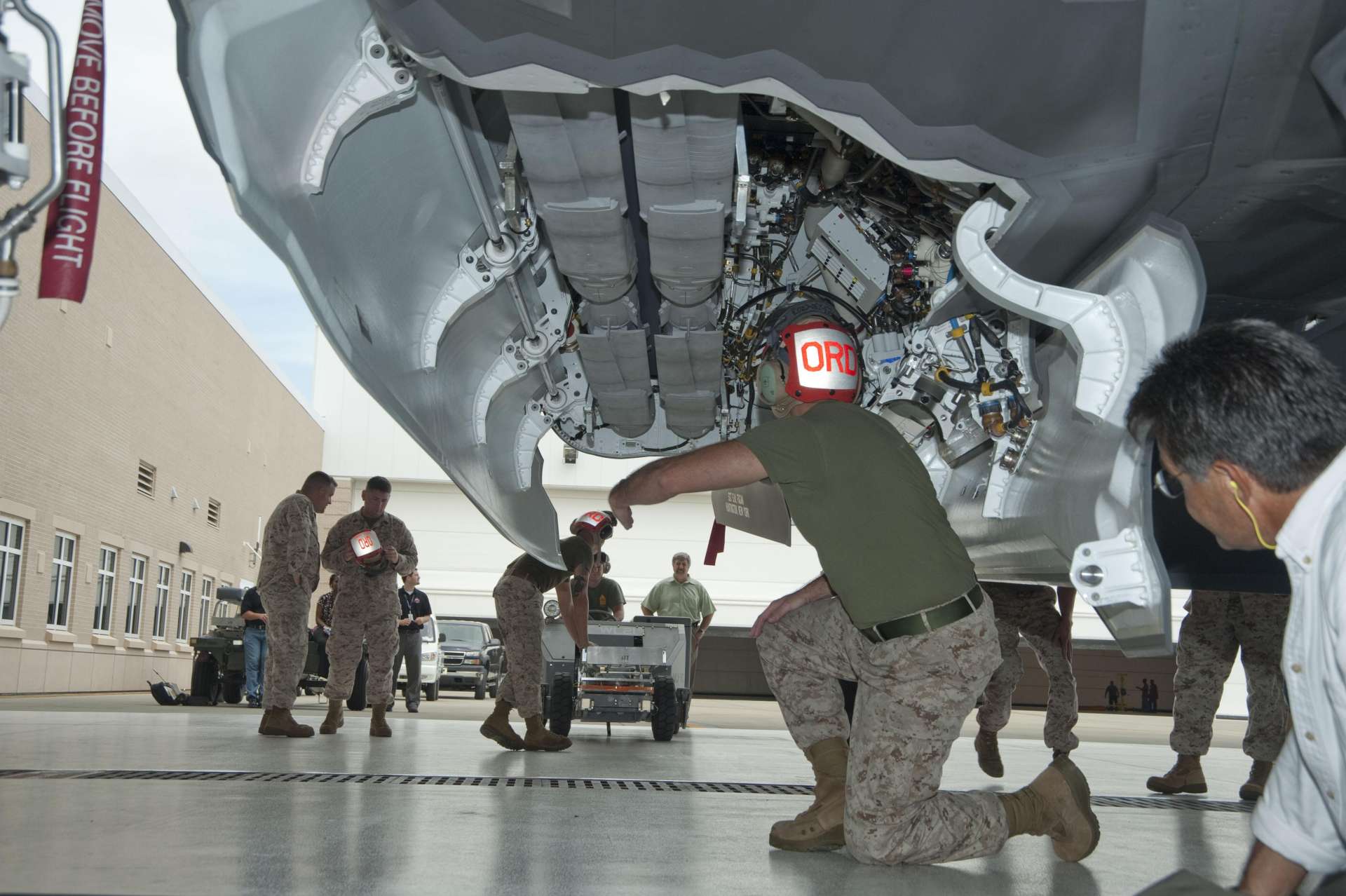
The SDB-II can be guided using imaging infrared, millimeter-wave radar, and digital semi-active laser, making it an interesting weapon for various combat scenarios. (Picture source: US Navy)
Belgium's acquisition of the SDB-II coincides with the introduction of their new F-35A Lightning II stealth fighters. The Belgian Air Force recently celebrated the inaugural flight of its first F-35A, part of a 34-aircraft order aimed at replacing the aging fleet of F-16 Fighting Falcons. The new aircraft features the Belgian roundel and national flag, following a subdued color scheme for operational purposes.
Belgium's acquisition of the F-35A includes not only the aircraft but also engines, mission simulators, and training programs for pilots and maintenance crews, with a total investment of $6.53 billion. The delivery schedule, initially planned for four jets per year from 2023 to 2030, was delayed due to the COVID-19 pandemic, affecting production. The first two jets were expected by the end of 2023, with two more in early 2024. The first batch of Belgian F-35s is currently undergoing testing at Luke Air Force Base in Arizona.
Belgium opted for subdued national markings on its F-35s, similar to those used by Denmark and Poland, to enhance operational stealth. The aircraft will initially be used for training in the U.S., with the first F-35 expected to arrive in Belgium at Florennes Air Base in 2025 and additional jets at Kleine-Brogel starting in 2027. With this purchase, Belgium joins twelve other European countries in operating the F-35, contributing to NATO's aerial defense strategy.
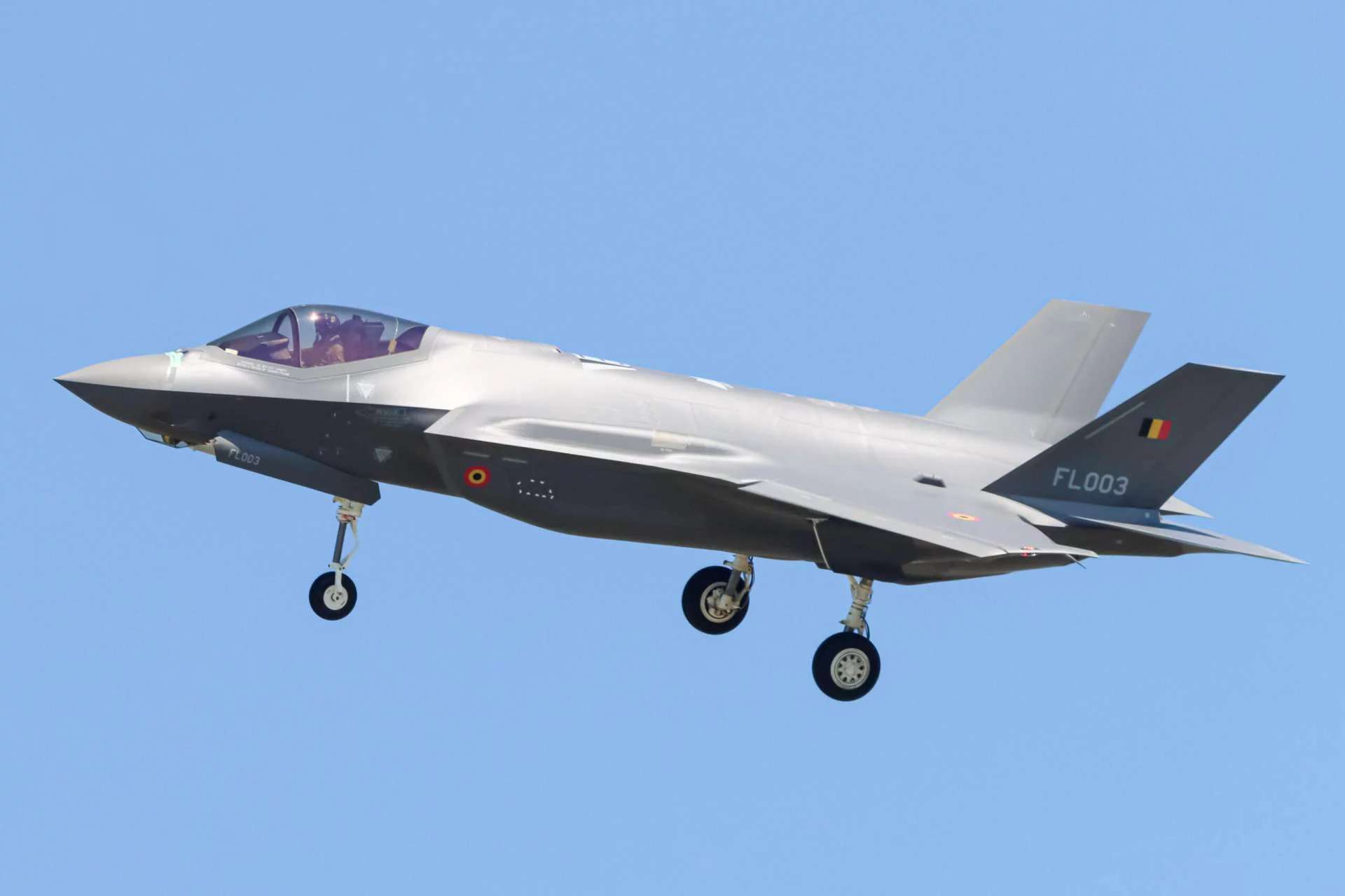
The F-35A Lightning II, the Conventional Take-Off and Landing (CTOL) variant of the F-35 series, is the smallest, lightest, and fastest among the F-35 variants, intended to replace older aircraft such as the F-16 Fighting Falcon and the A-10 Thunderbolt II. (Picture source: Instagram/Gherardo Fontana)
The F-35A Lightning II, the Conventional Take-Off and Landing (CTOL) variant of the F-35 series, is the smallest, lightest, and fastest among the F-35 variants, intended to replace older aircraft such as the F-16 Fighting Falcon and the A-10 Thunderbolt II. The F-35A features stealth capabilities using low-maintenance structural fiber mats instead of traditional stealth coatings, reducing its radar cross-section and making it less detectable by enemy radar.
The F-35A includes the Autonomic Logistics Global Sustainment (ALGS) and the Autonomic Logistics Information System (ALIS), along with a Computerized Maintenance Management System (CMMS), aimed at ensuring high aircraft availability with minimal maintenance manpower. Its flight control system uses electro-hydrostatic actuators and a power-by-wire flight control system, reducing the need for traditional hydraulic systems and increasing reliability. The aircraft is powered by the Pratt & Whitney F135 mixed-flow after-burning turbofan engine, delivering a maximum thrust of 43,000 lbf and an intermediate thrust of 28,000 lbf, with an integrated power package that combines auxiliary power, emergency power, and environmental control.
The F-35A's cockpit includes a Helmet-Mounted Display System (HMDS) that projects critical flight data directly onto the pilot's visor, eliminating the need for a traditional head-up display. The aircraft integrates data from onboard and off-board sensors to enhance situational awareness and target identification, supported by advanced avionics such as the AN/APG-81 AESA radar and the AN/AAQ-37 Distributed Aperture System (DAS). Designed for air superiority and strike missions, the F-35A is capable of air-to-air combat, air-to-ground attacks, and close air support, with capabilities in stealth, payload, range on internal fuel, avionics, operational effectiveness, supportability, and survivability.
Read more: Belgium to purchase $115 Million worth of US GBU-53/B bombs for its F-35 fighter jets
- Details
- Written by: Triffaux
- Category: 2024
- Hits: 4319
On July 22, 2024, the Brazilian Army Commission in Washington (CEBW), under the Office of the Commander, announced a Request for Quotation (RFQ) for the procurement of eighteen robust special engineering vehicles (VE ENG). This initiative aims to bolster the army's infrastructure construction and maintenance capabilities.
Follow Army Recognition on Google News at this link
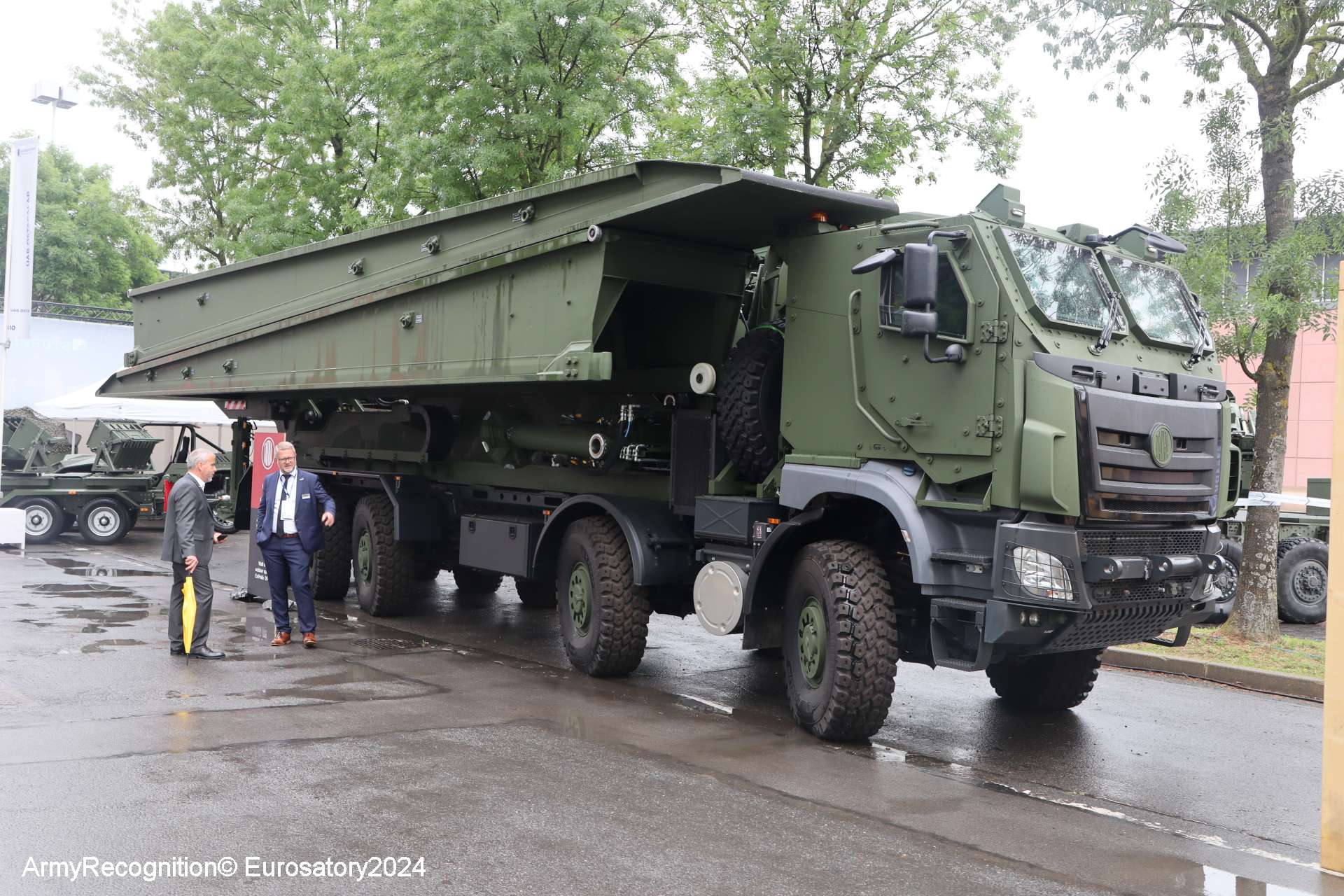
Tatra Phoenix 10x10 with KNDS’ LEGUAN bridging system at Eurosatory 2024 (Picture source: Army Recognition)
These new vehicles, based on the TATRA T-815 type 7T3R41 chassis, are designed to operate under extreme conditions with an 8x8.1 drive configuration. They will be used to transport heavy bridge modules, maneuver boats, and other essential equipment for the rapid deployment of temporary structures such as floating bridges.
The TATRA T-815 type 7T3R41 is a prime example of Czech automotive engineering adapted to military needs. Equipped with a powerful diesel engine, it can generate significant force, crucial for transporting heavy loads across rough terrains. Its robust chassis and sophisticated suspension system ensure optimal stability even under significant loads, essential for the secure transport of heavy military equipment like bridge modules and maneuvering gear.
The Improved Ribbon Bridge (IRB) system represents an innovation in military engineering, designed for the rapid deployment of temporary bridges over water bodies. This modular system can be assembled in various configurations to cross rivers and ravines of varying widths. The IRB modules are designed to be lightweight, robust, and easily transportable, enabling quick setup in combat situations or during disaster relief missions. Each bridge segment can support heavy loads, making the system suitable not only for personnel movement but also for heavy vehicles and equipment.
The Logistic Support Bridge (LSB) is a modular bridging system designed to provide a quick and reliable means of crossing water bodies and ravines for military operations and disaster relief missions. This system allows for the creation of bridges of various lengths by assembling prefabricated segments, offering maximum flexibility in the field. The components of the LSB are designed to be lightweight, robust, and easily transportable, enabling rapid deployment by a small number of personnel without the need for additional heavy equipment. Once assembled, the LSB can support heavy loads, including military vehicles and equipment, facilitating troop and material movement across natural or artificial obstacles in various operational environments.
The tender also specifies detailed requirements for these vehicles, including a uniform military green paint and extended rearview mirrors to enhance visibility. A notable feature of this request is the flexibility to easily convert standard cabins to armored models, thus adapting the vehicles for combat environments if necessary.
These vehicles will be integrated into the army's Improved Ribbon Bridge (IRB) and Logistic Support Bridge (LSB) systems, significantly enhancing the mobility and responsiveness of the forces across various operational theaters.
The procurement process will be conducted via an Electronic Reverse Auction, where the contract will be awarded to the lowest bidder, emphasizing cost as a selection criterion. Companies wishing to participate must pre-register in the International Contracting System (SICOI) of the CEBW and submit their offers before August 29, 2024.
- Details
- Written by: Vandenbosch
- Category: 2024
- Hits: 7292
The Hungarian Defence Forces celebrated a major milestone with the rollout of the first locally produced Lynx KF41 infantry fighting vehicle at the Rheinmetall factory in Zalaegerszeg. This significant event, held on Wednesday, July 24, was marked by a speech from Defence Minister Kristóf Szalay-Bobrovniczky.
Follow Army Recognition on Google News at this link
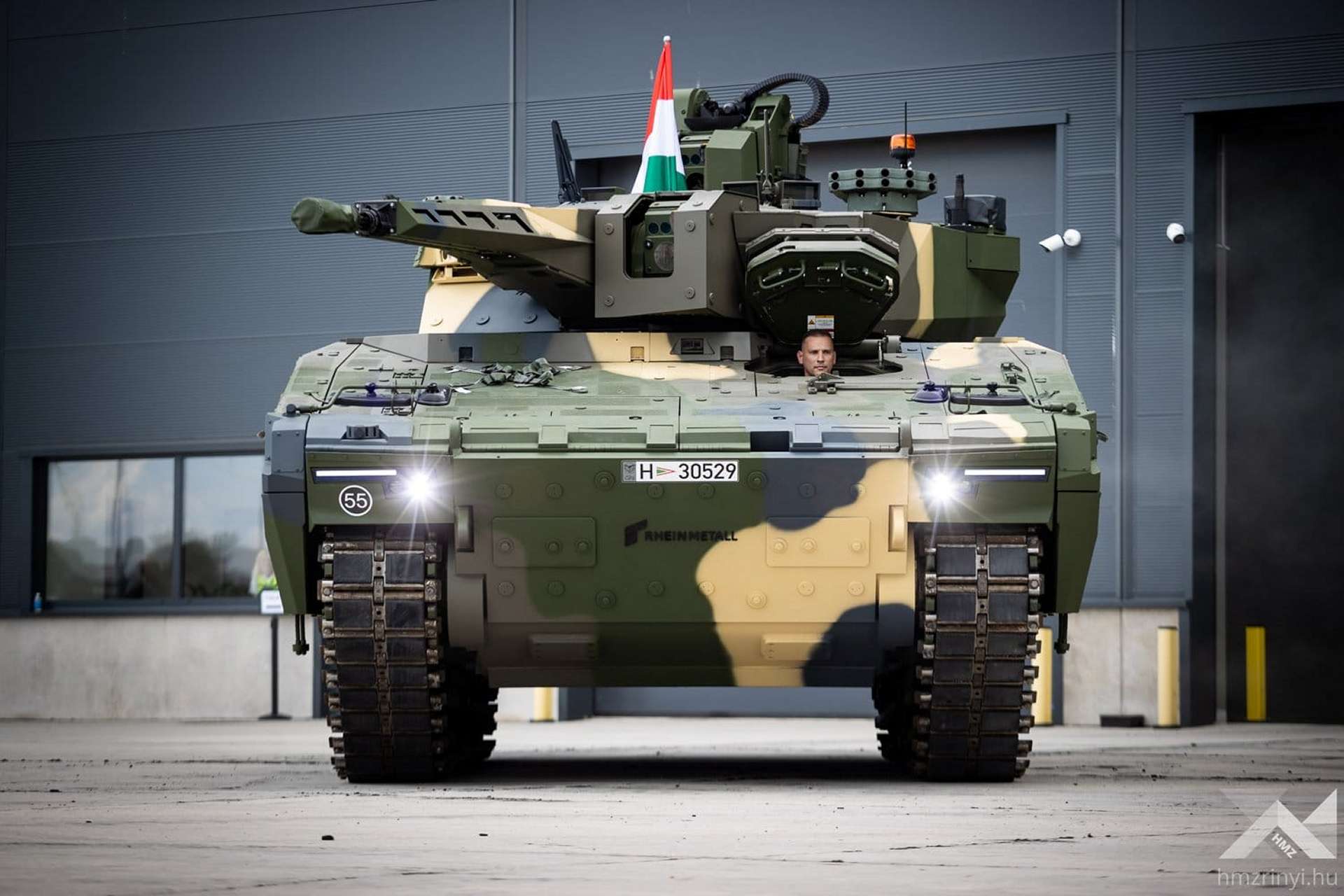
First Hungarian-made Lynx KF41 Infantry Fighting Vehicle.
(Picture source: Hungarian MoD)
During the handover ceremony, Szalay-Bobrovniczky emphasized the importance of a robust and autonomous defence industry, highlighted by the ongoing conflict in Ukraine. He insisted on the need for a well-developed national defence industry capable of consistently providing essential military equipment, noting that such capabilities cannot be hastily assembled but require long-term planning and investment.
The Defence Minister highlighted Hungary's rich history in defence manufacturing and stressed the necessity of rebuilding this capacity. He called for leveraging Hungary's strengths and establishing strategic partnerships with allies to fill current gaps. He also emphasized the integration of new plants into the national economy and the potential benefits of defence research and development for civilian applications. According to Szalay-Bobrovniczky, Hungary is gradually reclaiming its status in the "professional league" of defence, citing examples like the cutting-edge Gidráns and various drones. He also mentioned the upcoming opening of Rheinmetall Hungary Munitions Zrt. in Várpalota as a testament to the country's growing defence capabilities.
Szalay-Bobrovniczky stressed Hungary's ambition to produce all necessary military equipment locally, which requires reliable and forward-thinking partners. He praised Rheinmetall's contributions to global and European security, noting that Hungary has gained significant strength from this collaboration. He also acknowledged the exceptional performance of Hungarian engineers, developers, workers, welders, and technicians, calling them the future of Hungary's defence industry.
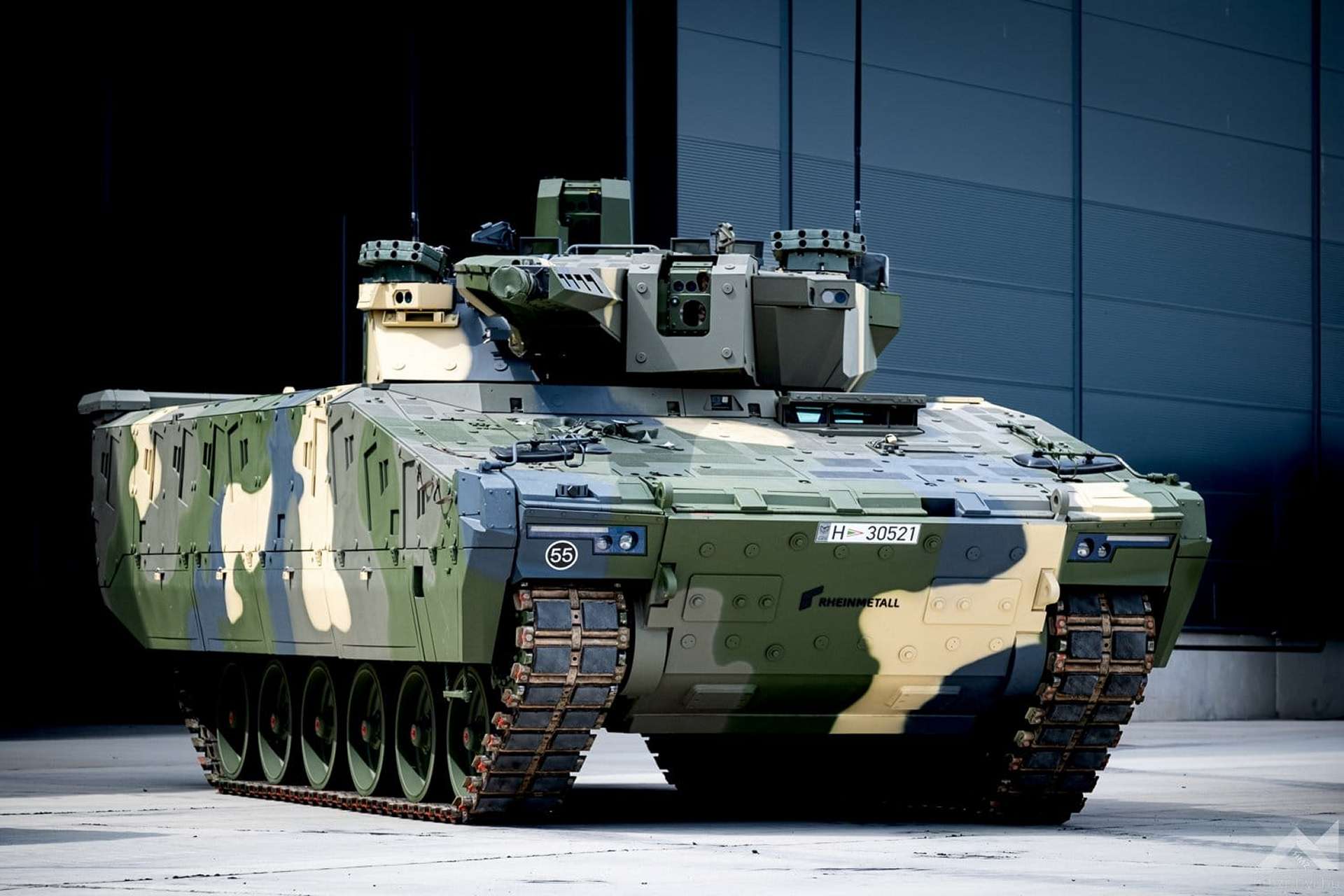
The Lynx KF41 is a modern infantry fighting vehicle designed in Germany. (Picture source: Hungarian MoD)
The Lynx KF41 is a modern infantry fighting vehicle designed to provide significant firepower and maximum protection on the battlefield. Its primary armament includes a 30 or 35 mm automatic cannon, accompanied by a 7.62 mm coaxial machine gun, offering a combination of firepower and flexibility for various combat situations.
This vehicle is used by Hungary and was designed in Germany, reflecting an international collaboration in defence. It is equipped with sophisticated combat systems, including a 360° independent digital commander’s sight (SEOSS-P) and a digital gunner’s sight (SEOSS-S). A network of 360° TV/IR cameras integrated with the sighting systems provides automatic target recognition and tracking. The Lynx also features a shooter locating system, laser and acoustic warning, and a battle management and tactical system, enhancing its operational effectiveness in hostile environments.
The vehicle can transport a crew of two and up to eight soldiers, providing sufficient capacity for infantry missions. Its modular armor design allows it to withstand anti-tank weapons, medium-caliber ammunition, artillery shrapnel, improvised explosive devices (IEDs), and artillery shell splinters, ensuring robust protection for its occupants.
The Lynx's weight ranges from 34,000 to 50,000 kg, depending on its configuration and level of protection. Despite its impressive size, with a length of 7.7 meters, a width of 3.6 meters, and a height of 3.3 meters, it can reach a road speed of 70 km/h and has a range of 500 km, providing remarkable mobility for a vehicle of its class.
The Minister compared the Lynx to previous models, stating that it represents a significant technological advancement. He emphasized the need for well-trained soldiers to operate this high-tech equipment and mentioned the success of the "Man to the Steel" recruitment campaign, which has formed a dedicated professional military unit.
Björn Bernhard, CEO of Rheinmetall Landsysteme GmbH, noted that the Zalaegerszeg factory, inaugurated less than a year ago, had produced the first Lynx KF41, the world's most modern infantry fighting vehicle. He highlighted the significant behind-the-scenes developments over the past few years, including the establishment of Rheinmetall Hungary Zrt. and the construction of the state-of-the-art Zalaegerszeg factory. He revealed plans for producing various combat vehicle variants and a new air defence system, enhancing Hungary's and Europe's security.
Paul Walf, CEO of Rheinmetall Hungary, remarked on the changing global security landscape and Hungary's proactive stance in strengthening its defence capabilities. He praised the partnership between the Hungarian government and Rheinmetall, noting that no other European country has developed its defence capabilities to this extent. He highlighted that the Zalaegerszeg factory, Europe's most modern with development and testing capacities, can produce over 100 vehicles annually and currently employs over 220 people, with plans to hire an additional 200 Hungarian employees in the coming years.
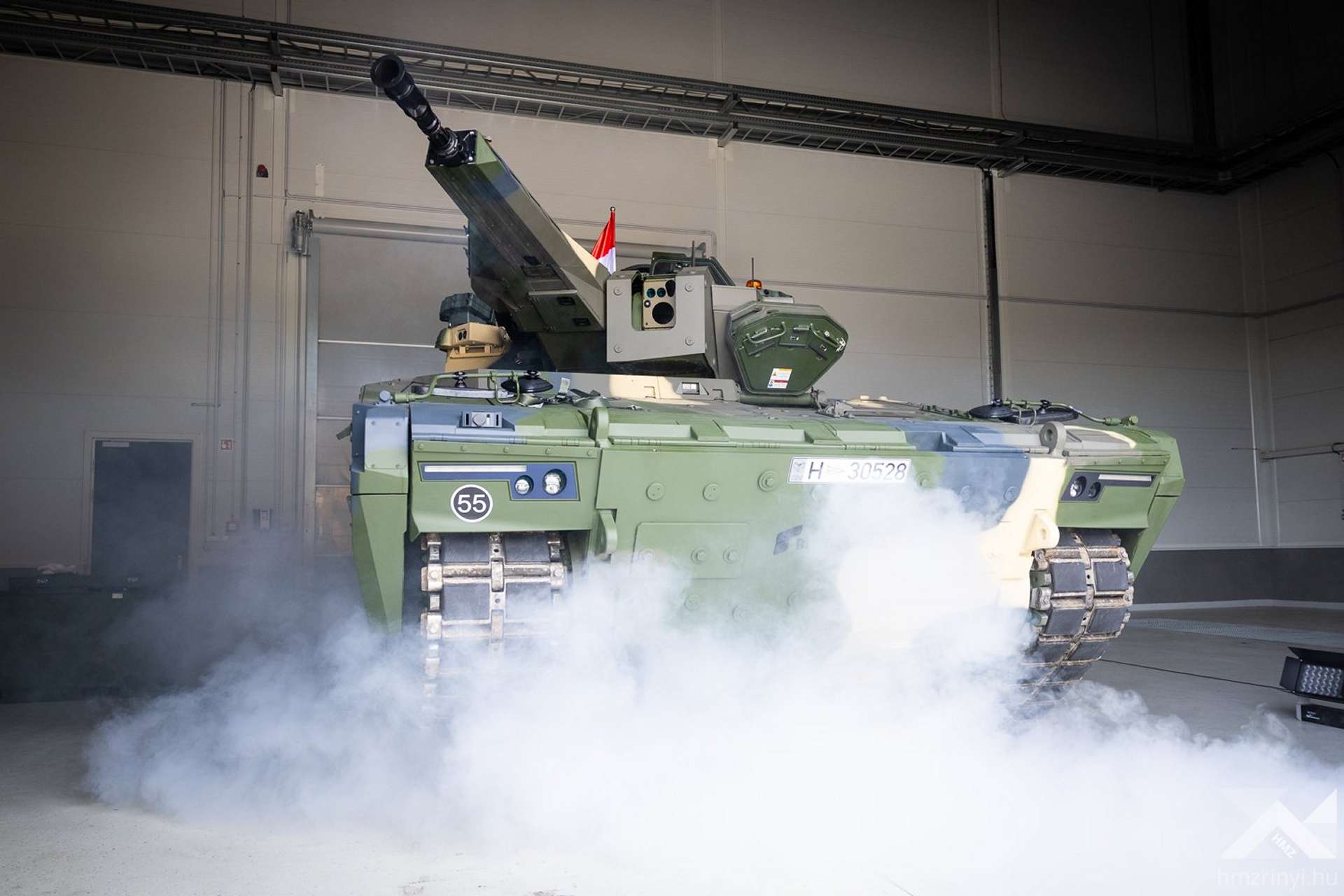
The first Hungarian-made Lynk IFV. (Picture source: Hungarian MoD)
Read more: First Hungarian-made Lynx KF41 Infantry Fighting Vehicle Rolls off Production Line