
- Details
- Written by: Administrator
- Category: 2024
- Hits: 10299










Major General Apty Alaudinov, the commander of the Chechen Akhmat Special Forces, working under the umbrella of the National Guard of Russia, has reported via its telegram account the destruction of a French-donated Crotale NG air defense missile system. According to the information disclosed by Major General Alaudinov, the incident took place in the Kursk direction, marking the first time that this French advanced air defense system has been reportedly destroyed in combat.
Follow Army Recognition on Google News at this link
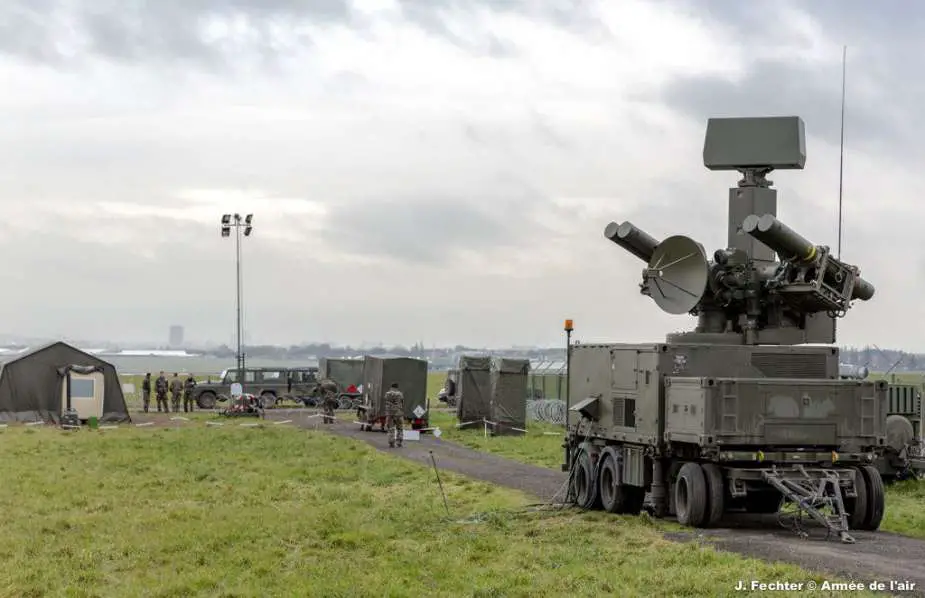
French Air Force Crotale NG air defense missile system. (Picture source: French Air Force)
The Crotale NG (Nouvelle Génération – New Generation), a modernized version of the French-made Crotale air defense system, was provided to Ukraine as part of the Western military aid packages to increase the country’s defense capabilities. France donated two Crotale NG batteries to Ukraine in November 2022, as part of its broader commitment to support Ukraine's defense against Russian invasion.
The Crotale NG is a highly advanced air defense missile system designed to engage and destroy a wide range of aerial threats, including low-altitude aircraft, helicopters, drones, and cruise missiles. Equipped with a state-of-the-art radar and infrared tracking system, the Crotale NG can detect, track, and engage multiple targets simultaneously. It has an effective range of up to 15 km and can engage targets at altitudes ranging from very low levels up to 9,000 m. The system's high precision and rapid response capabilities make it particularly effective in defending against fast-moving, low-altitude threats in complex combat environments.
The destruction of the Crotale NG system was reportedly carried out by an FPV (First Person View) drone, a type of unmanned aerial vehicle that allows the operator to control the drone from a first-person perspective, using a camera mounted on the drone. FPV drones are increasingly used in modern warfare due to their versatility and ability to precisely strike targets. These drones are often equipped with explosives and can be flown directly into enemy positions or equipment, making them a highly effective tool in asymmetric warfare. FPV drones have seen a dramatic rise in the Russian-Ukrainian conflict, as they offer a low-cost, high-impact solution to taking out enemy assets.
In the video released on his Telegram channel, Major General Alaudinov detailed how the Crotale NG was initially deployed to intercept Russian helicopters that were poised to strike the area of Martynovka.
The Akhmat special forces, commanded by Major General Apty Alaudinov, are a Chechen military unit that operates under the Russian National Guard. Named after Akhmad Kadyrov, the former president of the Chechen Republic and father of current leader Ramzan Kadyrov, the Akhmat special forces are known for their elite training and involvement in some of Ukraine's most intense combat operations. They have gained a reputation for their effectiveness in urban warfare and their loyalty to the Kremlin, playing a crucial role in Russia’s regional military strategy.
The destruction of the Crotale NG air defense missile system by an FPV drone highlights the evolving nature of the conflict in Ukraine, where traditional and advanced military equipment is increasingly vulnerable to newer, more agile forms of attack. This incident underscores the growing threat posed by FPV drones on the battlefield, as they can neutralize even the most sophisticated air defense systems.
As the conflict continues in Ukraine, the proliferation and deployment of FPV drones present a significant challenge for both sides. These small, hard-to-detect devices are capable of causing disproportionate damage to critical military assets. The successful strike against the Crotale NG system raises concerns about the effectiveness of traditional air defense mechanisms in the face of rapidly advancing drone technology, which is likely to play an even more prominent role in future military engagements.
- Details
- Written by: Administrator
- Category: 2024
- Hits: 11495
Russia has announced plans to deploy the advanced 2S38 air defense vehicle in Ukraine, a significant move that could shift the dynamics of the ongoing conflict. The 2S38 Derivatsiya-PVO is a tracked anti-aircraft vehicle designed to counter unmanned aerial vehicles (UAVs), high-precision weapons, and lightly armored targets. This deployment is expected to bolster Russia's military capabilities in a region where such threats have become increasingly common.
Follow Army Recognition on Google News at this link
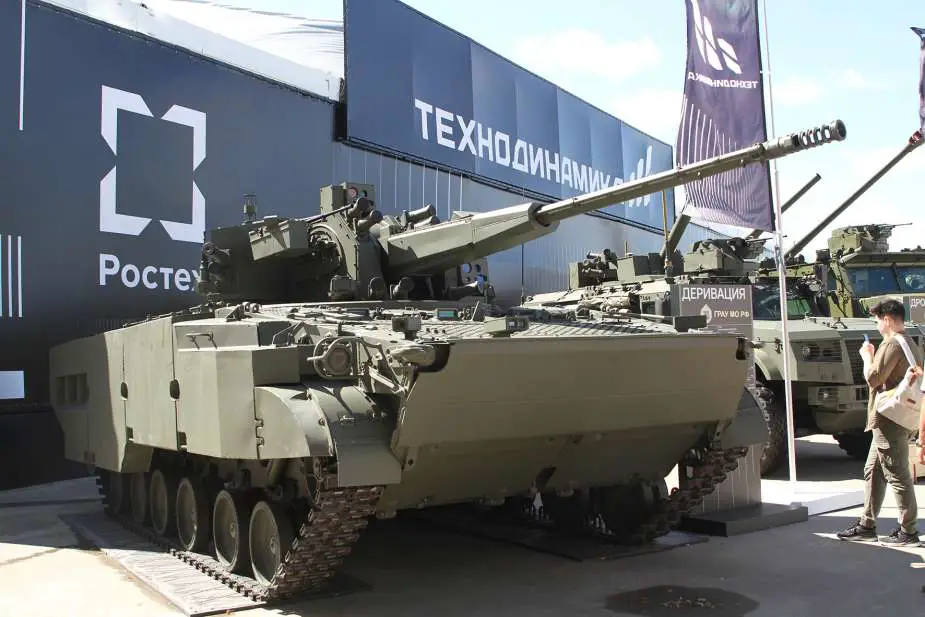
The 2S38 was displayed at Army-2024, an international defense exhibition that was held in Kubinka, near Moscow, Russia. (Picture source: International Defense Industry Magazine)
The 2S38 is a versatile and sophisticated self-propelled anti-aircraft system. It is built on a modified BMP-3 IFV (Infantry Fighting Vehicle) tracked chassis, which enhances its mobility across various terrains. The vehicle's primary weapon is one 57mm automatic cannon, supported by an advanced fire control system that includes a target tracking radar, electro-optical sensors, and a ballistic computer. These systems enable the 2S38 to engage targets with high accuracy and at considerable ranges, making it a formidable presence on the battlefield.
One of the 2S38's most notable features is its effectiveness against UAVs. Drones have become a key component of modern warfare, particularly in the conflict zones of Ukraine, where both sides have relied heavily on these systems for reconnaissance and targeted strikes. The 2S38's 57mm cannon can fire at a high rate, and its sophisticated targeting systems allow it to track and destroy drones at various altitudes, including low-flying ones that are often challenging to intercept with conventional anti-aircraft systems.
In addition to its anti-UAV capabilities, the 2S38 is equipped to intercept and destroy high-precision weapons, such as cruise missiles. This capability is particularly relevant in Ukraine, where precision-guided munitions have been extensively used. By neutralizing these threats, the 2S38 provides Russian forces with a significant tactical advantage, potentially altering the balance of power in contested areas.
The 2S38 is also effective against lightly armored targets, such as armored personnel carriers (APCs) and other support vehicles commonly used by Ukrainian forces. This versatility makes the 2S38 a multi-role asset on the battlefield, capable of engaging both aerial and ground threats with equal efficiency.
The decision to deploy the 2S38 in Ukraine is seen as part of Russia's broader strategy to enhance its anti-access/area denial (A2/AD) capabilities in the region. The introduction of this advanced system is likely to strengthen Russia's defensive and offensive operations against Ukrainian forces, particularly in areas where UAVs and precision-guided weapons have been heavily utilized.
Military analysts suggest that the Russian 2S38 could pose a significant challenge to Ukrainian forces, especially those relying on drone reconnaissance and precision strikes. The system's ability to engage multiple types of targets with high accuracy.
The impact of this deployment, however, will depend on various factors, including the scale of the deployment, the specific regions where the 2S38 is deployed, and the countermeasures that Ukrainian forces may employ. The introduction of the 2S38 could lead to a new phase in the conflict, characterized by intensified efforts to gain air superiority and protect ground assets.
As the conflict in Ukraine continues to evolve, the introduction of advanced systems like the 2S38 underscores the ongoing arms race and the importance of technological superiority in modern warfare. The coming weeks and months will likely reveal more about the 2S38's role in the conflict and its impact on the broader geopolitical landscape in Eastern Europe.
- Details
- Written by: Halna du Fretay
- Category: 2024
- Hits: 4991
The U.S. State Department has approved a potential Foreign Military Sale to Norway, involving AMRAAM-ER (Extended Range) air-to-air missiles and related equipment. The sale, valued at $405 million, was confirmed by the Defense Security Cooperation Agency (DSCA) on August 22, 2024, following the required certification to Congress. RTX Corporation, based in Tucson, Arizona, will be the main contractor for this contract.
Follow Army Recognition on Google News at this link
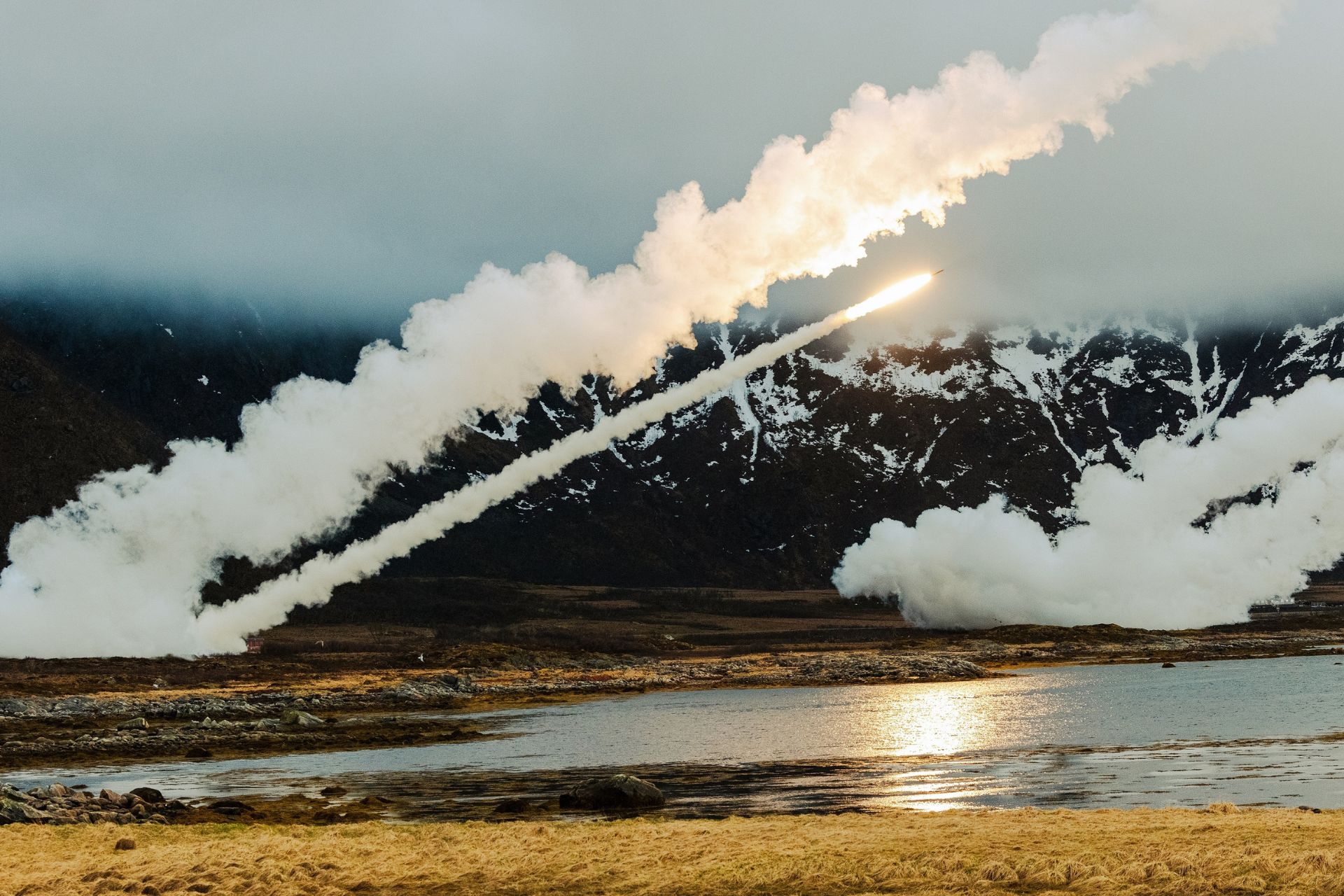
U.S. High Mobility Artillery Rocket Systems (HIMARS) and Norwegian National Advanced Surface-to-Air Missile System (NASAMS) units, worked together to counter a simulated threat at sea (Picture source: US DoD)
Norway has requested 100 AMRAAM-ER missiles and four AIM-120C-8 guidance sections. These missiles will be integrated into Norway’s NASAMS (Norwegian Advanced Surface to Air Missile System), enhancing its defense capabilities against current and future threats. The AMRAAM-ER, specifically designed for ground-based operations, provides extended range and improved interception capabilities, making it a significant upgrade over Norway's current inventory of AIM-120B AMRAAM missiles.
The package also includes various support elements, such as containers, spare parts, consumables, and classified software, as well as training and logistics services. This sale is expected to bolster Norway's air defense while supporting U.S. security objectives in Europe. No offset agreements are associated with this sale, and it will not impact U.S. defense readiness.
The AMRAAM-ER is designed to intercept targets at longer distances and higher altitudes, thanks to an enhanced rocket motor and optimized flight control algorithms. This new variant, equipped with the AIM-120C-8 guidance section and improved components from Kongsberg Defence & Aerospace, has proven its effectiveness through successful flight tests, reinforcing its role in modern air defense systems.
The AMRAAM-ER missiles will be integrated into Norway's NASAMS, a medium-range air defense system developed by Raytheon and Kongsberg Defence & Aerospace. NASAMS has been operational since 1994 and is used by several countries, including the U.S., Spain, and Australia, to protect high-value assets and populated areas from a wide range of aerial threats.
In addition to upgrading its own defense capabilities, Norway has decided to provide two additional NASAMS units to Ukraine in cooperation with the United States. This delivery aims to strengthen Ukraine's air defense against Russian missile attacks. These units will supplement those already provided by the U.S. in 2022. Norway's Ministry of Defense has also indicated that these systems will come with training for Ukrainian operators to ensure their effective use.
Read more: US Approves $405 Million Sale of AMRAAM-ER Missiles to Norway
- Details
- Written by: V.Saint
- Category: 2024
- Hits: 6810
The Chinese industry is actively developing the production of various unmanned aerial vehicles, including loitering munitions. Recently, a "flying grenade" was created—a compact and lightweight model intended for infantry and special forces. This product has several interesting features that may attract the attention of potential customers.
Follow Army Recognition on Google News at this link
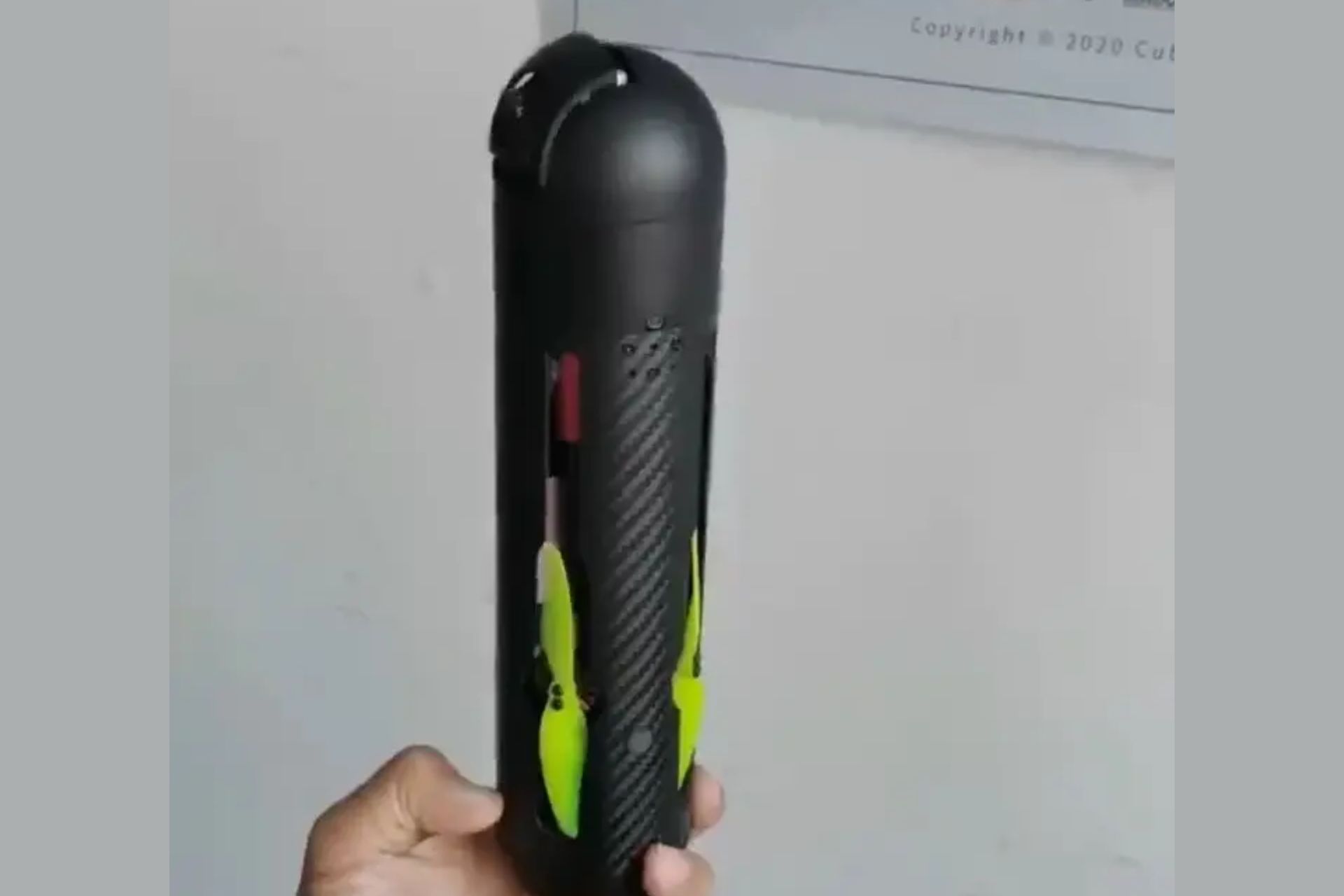
Flying grenade in transport configuration (Picture source: Hunan Luobing Aviation Technology)
urrently, under the auspices of the Chinese Communist Party, the strategy of "military-civil fusion" is being implemented. Its goal is to enhance interaction between defense and civilian industries, exchanging experiences and technologies. The private company Hunan Luobing Aviation Technology, based in Changsha, Hunan Province, is participating in this strategy. In August 2023, the company unveiled its new development, the "flying grenade."
This is a light and compact drone designed for use by soldiers of various units. It is proposed as a more effective replacement for a hand grenade in situations where the target is too distant or obscured by obstacles.
In its new project, Hunan Luobing Aviation Technology utilized a number of modern technologies widely used in the civilian sector. Based on this, the drone's hardware and software components were constructed. As a result, they managed to achieve special capabilities that not all modern drones possess. The "flying grenade" already exists in prototype form. Initial tests have been conducted, including with the participation of potential operators. The new product was tested by the Chinese military on a training ground, where drones were launched and attacked a training target.
The current state of the project and its prospects remain unknown. It is possible that the development company will attract the interest of the People's Liberation Army or security forces, which may then place an order for production.
Quadrotor Grenade
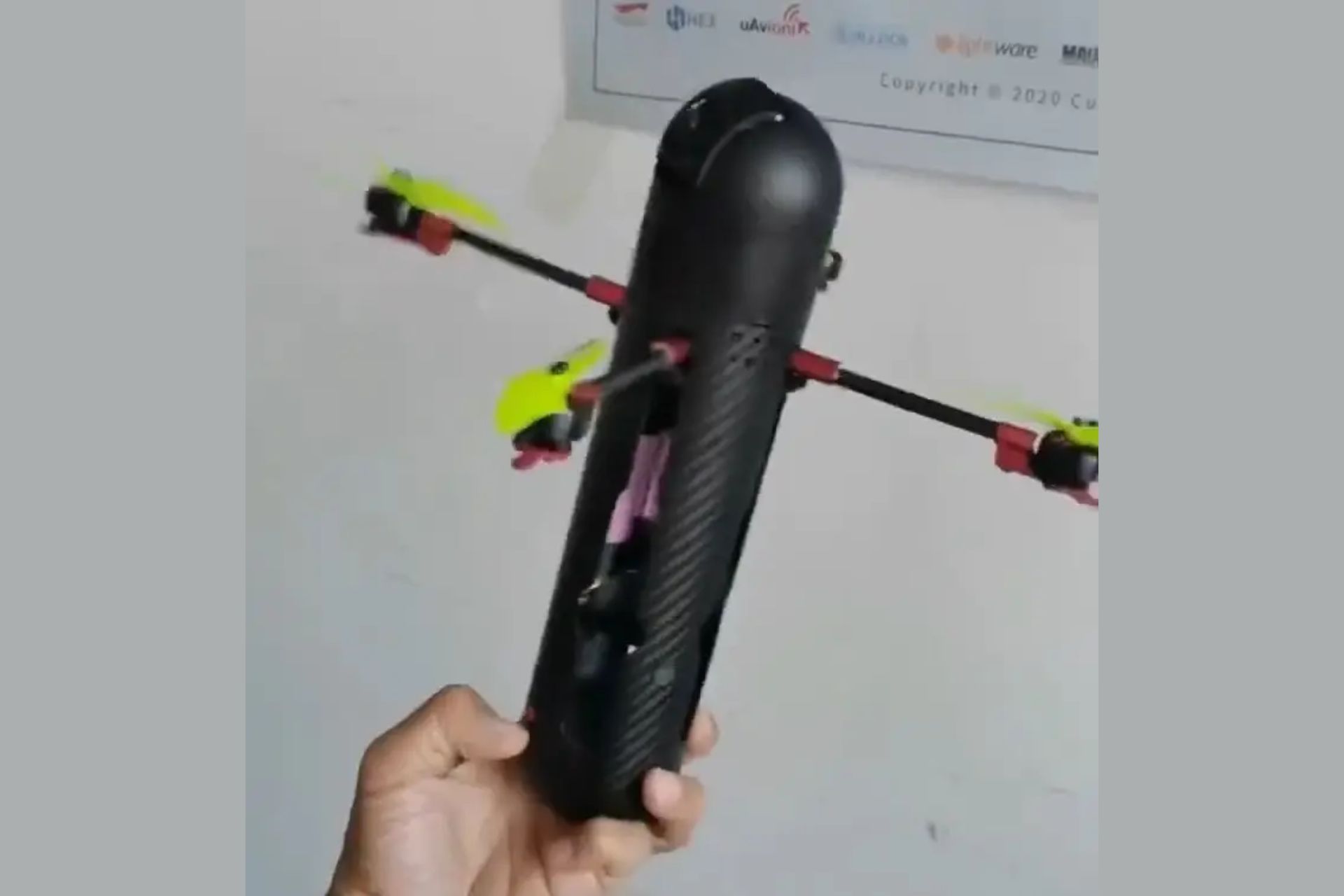
Hunan Luobing Aviation Technology's loitering munition is designed as a quadrotor. It features a specific layout that allows all necessary components to be housed within the limited space of the casing.
In transport mode, the "flying grenade" takes the form of a cylinder about 250 to 300 mm in height and 50 to 70 mm in diameter. The product weighs only 600 grams.
The drone is built in a cylindrical plastic body with hemispherical covers on both ends. The cylinder's side surface has four longitudinal recesses to accommodate beams with propeller-motor groups. When switching to operational mode, the beams open under spring action, forming an X-shaped structure. The "flying grenade" is equipped with compact, low-power electric motors of an anonymous type. The motors are powered by a limited-capacity battery, allowing for several minutes of flight. The drone's flight characteristics have not yet been disclosed.
It is reported that the drone has a control system with two operating modes. In the first mode, it follows the commands of an operator using a standard control panel. The second mode is partially autonomous. The operator must locate the target and put it into automatic tracking, after which the drone flies independently to it and explodes.
A video camera, located in the upper hemispherical cover, is used for in-flight observation and target search. The camera's base is mobile and can move it vertically, allowing the drone to "look" both forward and downward.
In terms of combat qualities, the loitering munition is comparable to existing hand grenades. It carries an explosive charge weighing no more than a few tens of grams. It is possible that the warhead has a casing that breaks into fragments. In the published videos after the explosion, only fragments of the drone are visible, making it difficult to study the warhead in detail.
The combat crew of the "flying grenade" consists of a single operator, who must carry up to 10 drones and a control panel. If necessary, the operator can deploy one of the drones into operational mode and send it for reconnaissance or attack.
Flying grenade in flying conf iguration (Picture source: Hunan Luobing Aviation Technology)
Integrated Use in Modern Combat
The concept of loitering munitions emerged and was successfully implemented long ago. Today, modern systems of this class are actively used in real combat operations and demonstrate their potential in combating personnel, equipment, and other targets.
One of the development directions for loitering munitions is the creation of small-sized kamikaze drones. These systems should be in service with small units and carry out reconnaissance and strike missions within a range of several hundred meters to several kilometers.
The "flying grenade," developed by the Chinese company Hunan Luobing Aviation Technology, belongs to this class of weapons. The main goal of the project was to reduce the size of the drone for greater ease of use. At the same time, the combat charge was reduced to the level of hand grenades.
Despite the reduced size, the loitering munition has fairly advanced onboard electronics, capable of operating not only according to the operator's commands. It has joined the narrow circle of modern systems equipped with artificial intelligence elements and capable of acting independently.
One of the notable features of the Chinese loitering munition/UAV is a camera mounted on a rotating base. Thanks to this simple solution, the developers have provided good visibility during horizontal flight and the ability to attack more accurately while hovering. Given the limited power of the warhead, such an opportunity would not be superfluous.
An important feature of the "grenade" is its limited size and weight. It is reported that an operator can carry a dozen of these products and use them sequentially. In this case, a detachment or unit may have several operators.
It is likely that each subsequent loitering munition can be launched immediately after the previous one enters autonomous control. In this case, sufficiently high complex performance and corresponding impact on the target will be ensured.
It is worth noting that the loitering munition was created as part of the "Military-Civil Fusion" strategy. This new development is one of the proofs that the interpenetration of the two fields is not only possible but also capable of producing very interesting and useful results.

On board camera feed during flight, it's based on FPV technology and equipped with AI softwar to aim and lock targets ( Picture source: Hunan Luobing Aviation Technology)
A True Strategic Use?
The ambition of this prototype is to be used by any combatant, thereby providing new firepower. The idea emerged from feedback from the early phases of the war in Ukraine. Indeed, the frozen front lines quickly became fortified positions. As a result, it was impossible for combatants to take these positions without monstrous losses. The Chinese idea behind this "flying grenade" is to provide every infantryman with a limited artillery capability while maintaining significant precision. By increasing firepower and offering each infantryman a new attack direction, China hopes to prevent blockages in its combatants' advances. Ukraine has shown that a properly fortified position can effectively stop a hostile column's advance.
Moreover, in urban combat, which involves three-dimensional warfare, such a projectile allows for gaining an advantage over a entrenched enemy without risking soldiers' lives. On paper, theoretically, the concept is particularly interesting, especially if used at the scale of a combat group, rather than individually as FPVs are currently used. Indeed, the small amount of explosive carried by the flying grenade affects its effectiveness, but this can be compensated for by using it in swarms.
Read more: Focus| Chinese Flying Grenade: Surprising Outcomes from an Unusual Development Process
- Details
- Written by: V.Saint
- Category: 2024
- Hits: 10691
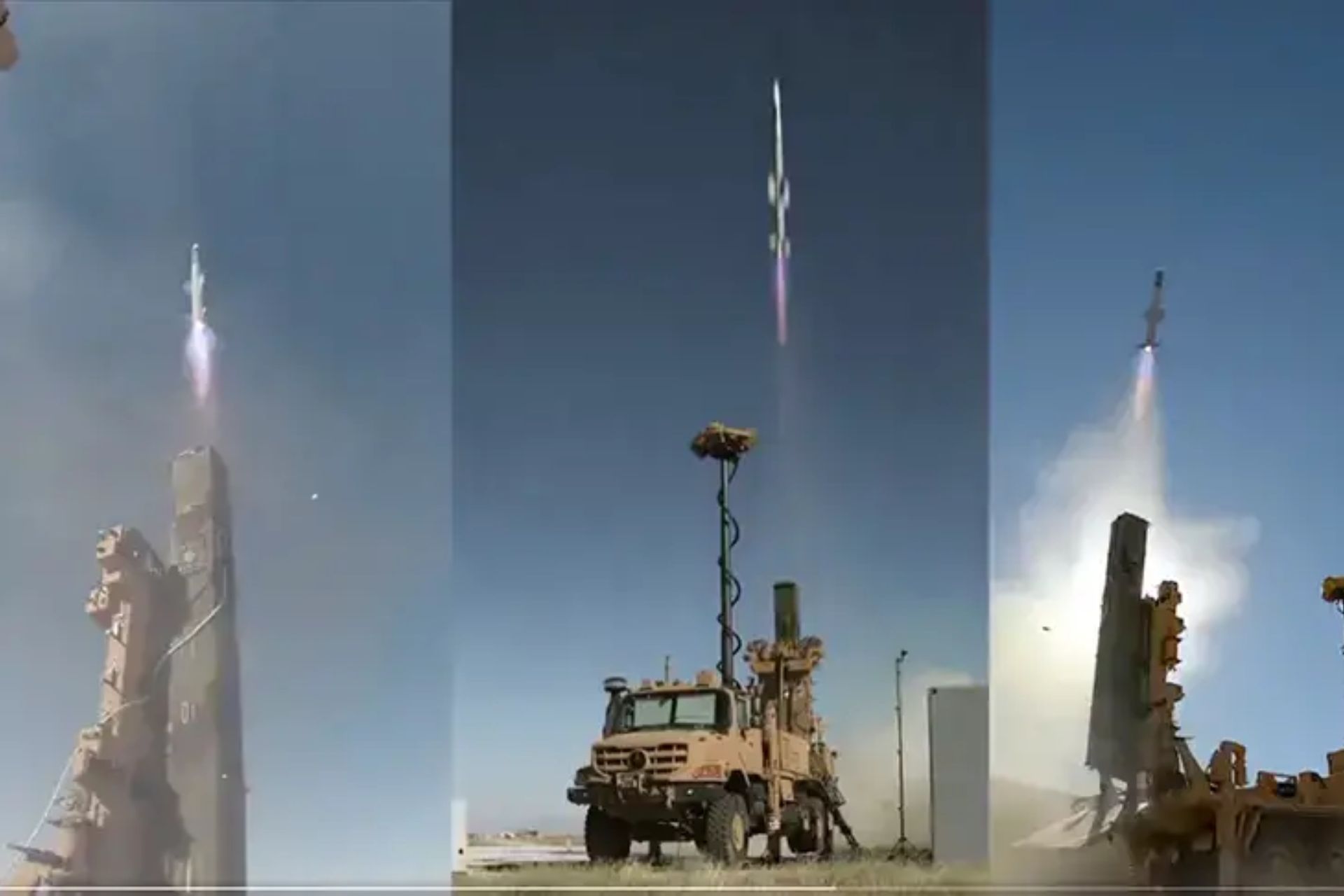
Turkey has successfully conducted a long-range test of its medium-range surface-to-air missile (SAM) system, Hisar-O, showing a step forward in the development of the country’s national air defense network, "Steel Dome." During the test, a Hisar-O battery launched a missile that hit a target over 40 kilometers away with extreme precision, demonstrating the advanced capabilities of the system. The Hisar-O SAM is expected to become a cornerstone of Turkey’s multi-layered air defense strategy, with plans to enhance its range and effectiveness through next-generation technological advancements. The first batch of these air defense systems, in their next-generation configuration, is expected to be delivered by the end of 2024.
Follow Army Recognition on Google News at this link
Live feed capture druing the test on August 18th 2024 (Picture source: Aselsan)
The Turkish "Steel Dome" project, approved by the Defense Industry Executive Committee under the presidency of Recep Tayyip Erdoğan, aims to integrate the country’s various air defense assets into a unified, real-time operational network. This network will rely on artificial intelligence to provide decision-makers with precise and up-to-date data, thereby improving response times to potential threats. The project is led by Aselsan, Turkey’s leading defense electronics manufacturer, which will play a crucial role in developing the key components of the Steel Dome. Aselsan's expertise will be critical in the initial defense layer, designed to counter short-range threats within a 10-kilometer radius.
The Hisar missile family, which includes the short-range Hisar-A and medium-range Hisar-O missiles, has been developed by Roketsan and Aselsan since 2007. While Roketsan focuses on missile development, Aselsan is responsible for creating sensors and electronic systems. The family also includes the long-range Hisar-U missile, which has evolved into the Siper long-range air defense system. Turkey has sought to develop an independent air defense system due to dissatisfaction with its NATO allies, particularly the lack of sufficient support in missile defense. This frustration led to the controversial acquisition of the Russian-made S-400 missile system, causing a rift with the United States and resulting in Turkey's exclusion from the F-35 fighter jet program.
Hisar-O is a medium-range SAM system that is vertically launched and mounted on a Mercedes-Benz Zetros chassis. The missile has a minimum range of 3 kilometers and can engage targets over 25 kilometers away using an Imaging Infrared (IIR) seeker, while the radio frequency (RF) seeker variant extends the range to over 40 kilometers. With a maximum altitude of 15 kilometers, it is capable of engaging a wide spectrum of aerial threats, including fighter jets, cruise missiles, and drones. The Hisar-O is equipped with a detection and tracking range for fighters between 40 to 60 kilometers, and the system can track more than 60 targets simultaneously. At the battery level, the system deploys three missile launcher vehicles with a combined total of 18 ready-to-fire missiles. When scaled up to the battalion level, the system includes nine missile launcher vehicles, extending its firepower to at least 54 missiles.
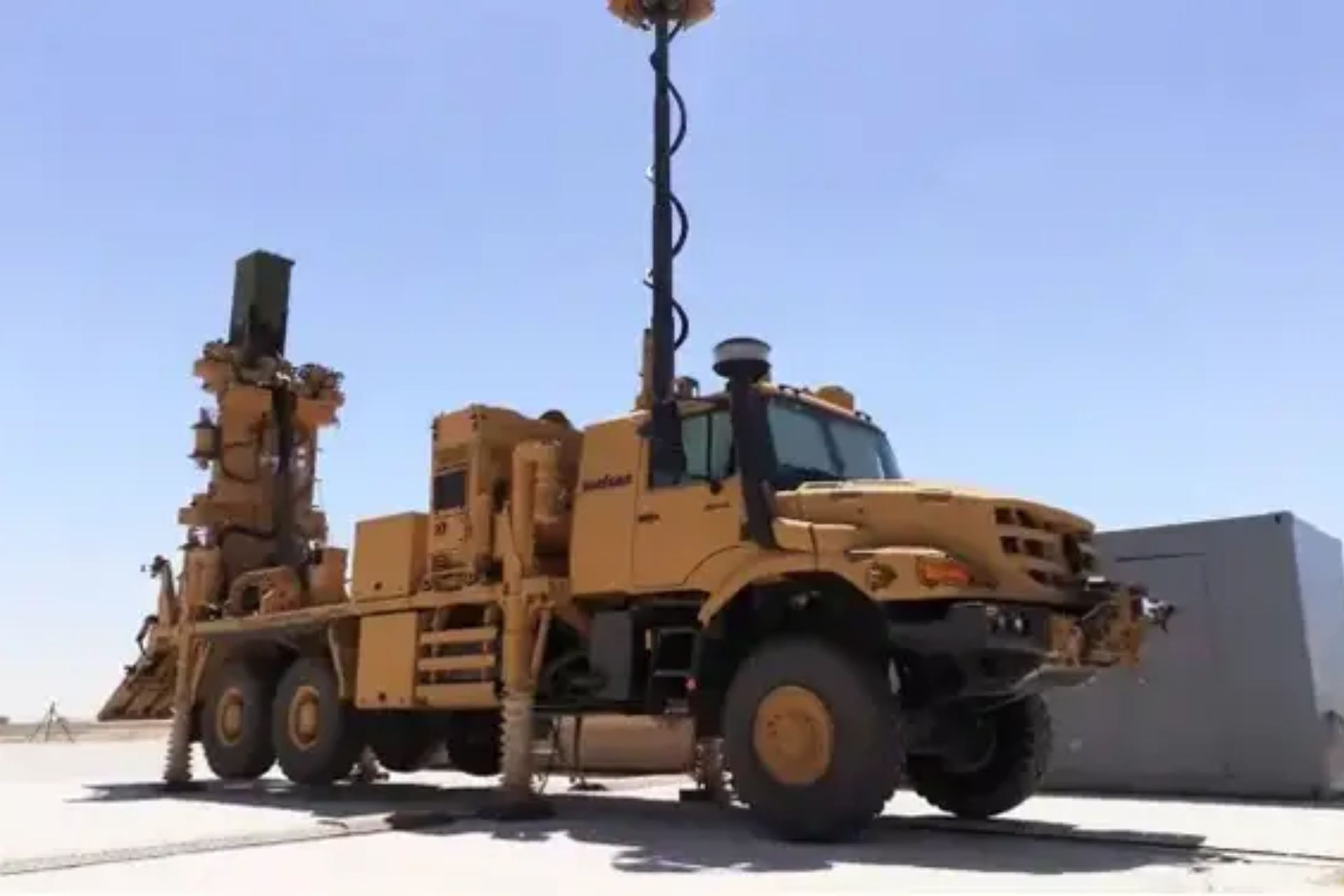
HIsar-O launcher system during video persentation by aselsan ( Picture source: Aselsan live feed)
Read more: Turkey Successfully Tests Hisar-O Medium-range Surface-to-air Missile
- Details
- Written by: Triffaux
- Category: 2024
- Hits: 3567
On August 22, 2024, the U.S. State Department approved a potential foreign military sale to Romania, which includes Advanced Medium-Range Air-to-Air Missiles (AIM-120 AMRAAM) and associated equipment, for an estimated cost of $592 million. This certification, necessary for the sale's progression, was formally transmitted to Congress today by the Defense Security Cooperation Agency.
Follow Army Recognition on Google News at this link
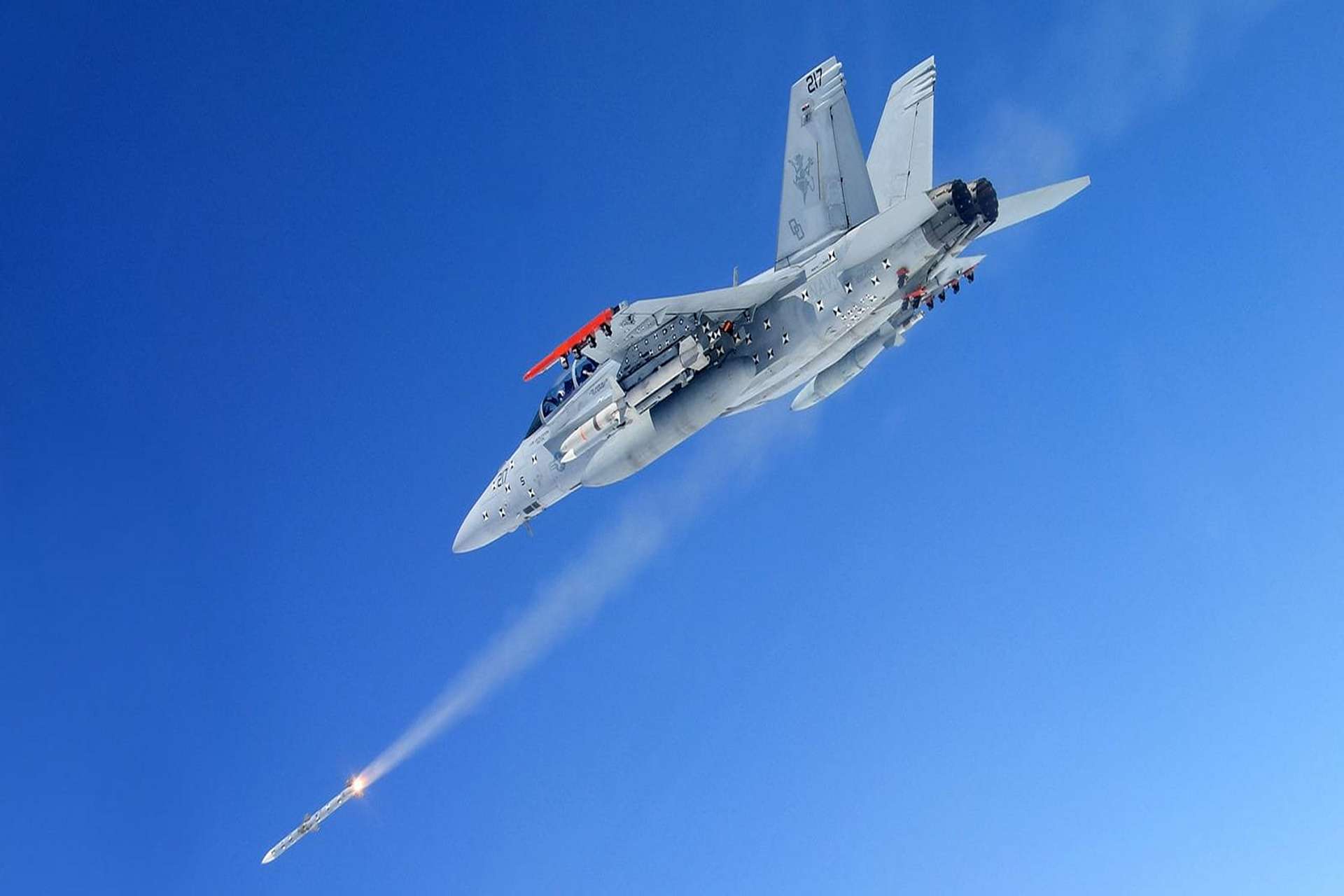
Raytheon AIM-120C-8 AMRAAM Air-to-Air Missile (Picture source: Raytheon)
Romania seeks to bolster its defense capabilities with the acquisition of one hundred eighty-six AIM-120C-8 AMRAAMs, as well as four guidance sections for the same missile type. These missiles are part of a broader defense package that includes various types of training missiles, missile containers, propulsion sections, control sections, telemetry kits, and warhead spares. Additional components of the sale not related to the missiles include KGV-135A Cryptographic Devices, Common Munitions Built-In-Test/Reprogramming Equipment (CMBRE), and ADU-891 Computer Test Set Adapter Groups.
The equipment and support services requested by Romania also include spare parts, consumables, accessories, and repair and return support; ammunition support and support equipment; various classified and unclassified publications and technical documentation; software delivery and support; warranties; and comprehensive studies and surveys. The logistical and program support elements outlined in the sales proposal are designed to enhance Romania's operational readiness and maintenance capabilities.
RTX Corporation, based in Tucson, AZ, is named as the principal contractor for the deal, and no offset agreements are currently associated with this proposed sale.
The AIM-120 Advanced Medium-Range Air-to-Air Missile (AMRAAM) is a modern air-air missile used by the US Air Force and Navy as well as several NATO allies and other countries. This missile is designed to exceed the capabilities of older air-air missiles, offering extended range and the ability to strike targets well beyond visual range (BVR). The missile's propulsion system enables it to achieve supersonic speeds, thus increasing its effectiveness against fast and maneuverable targets.
In terms of guidance, the AIM-120 AMRAAM is equipped with an autonomous active radar that allows it to track and engage targets with high precision, independent of the launching aircraft's systems after firing. The missile can also be guided to its target via data links, allowing for in-flight updates or re-targeting based on information from the launching aircraft or other platforms. This flexibility in guidance and the ability to operate in various environments make it a key element in the modern air defense arsenal, capable of responding to a multitude of aerial threats in combat.
Read more: US Approves Major Contract for Romania AIM-120 AMRAAM Air-to-Air Missiles
- Details
- Written by: Halna du Fretay
- Category: 2024
- Hits: 4100
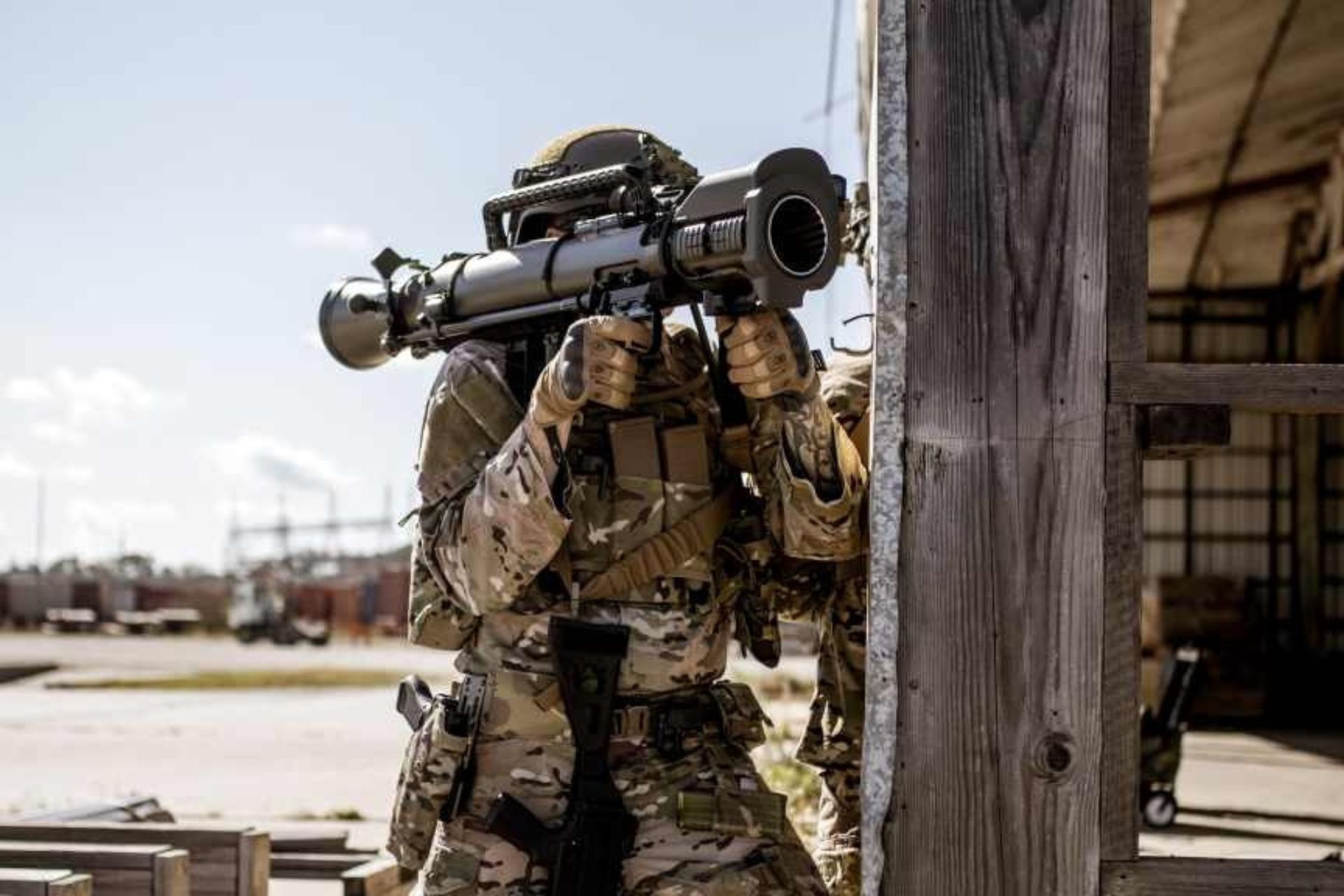
Saab has received a new order from the U.S. Air Force for its Carl-Gustaf M4 systems, valued at $7.8 million, with deliveries scheduled for 2026. This is the first time the U.S. Air Force has ordered this system, joining other branches of the U.S. armed forces, such as the Army, Marine Corps, and Special Operations Command (SOCOM), which have long utilized the weapon.
Follow Army Recognition on Google News at this link
The Carl-Gustaf M4 system is currently in service with numerous military forces worldwide, although specific numbers in service are often classified or vary by country (Picture source: Saab)
The Carl-Gustaf M4 is a modern version of the portable, multi-role recoilless rifle developed by Saab. In service since the early 2010s, it builds on the legacy of earlier models like the M2 and M3. The M4 is designed to offer increased tactical flexibility, allowing soldiers to effectively address a wide range of battlefield challenges.
It is lightweight, weighing under 7 kg, and measures less than one meter in length, making it highly maneuverable for rapid deployment in various combat scenarios. The M4 is compatible with a broad range of ammunition, including anti-armor, anti-structure, and anti-personnel rounds, and can be equipped with various sights, such as red dot sights, telescopic sights, and advanced fire control devices.
The Carl-Gustaf M4 system is currently in service with numerous military forces worldwide, although specific numbers in service are often classified or vary by country. Its primary capabilities include engaging armored vehicles, fortified positions, and enemy troops, as well as support tasks such as creating smoke screens or illuminating areas during nighttime operations. The M4's compatibility with advanced programmable ammunition and fire control systems further enhances its effectiveness, making it a versatile and reliable weapon for modern infantry units.
The Carl-Gustaf system, known as MAAWS in the United States, has been in service with the U.S. military since 1990 and was designated as a Program of Record for the U.S. Army in 2013. This multi-purpose, reloadable system has proven effective in various combat scenarios, providing soldiers with the necessary tactical flexibility on the modern battlefield.
Erik Smith, President and CEO of Saab in the U.S., expressed confidence in the system's ability to meet the needs of the U.S. Air Force. He emphasized that this order reflects Saab's ongoing commitment to evolving its products to meet the diverse requirements of its customers, ensuring that U.S. airmen are equipped with a versatile weapon system that offers a tactical advantage in various combat situations.
Read more: Saab Secures $7.8 Million Order for Carl-Gustaf Systems from US Air Force
- Details
- Written by: Jérôme Brahy
- Category: 2024
- Hits: 8763
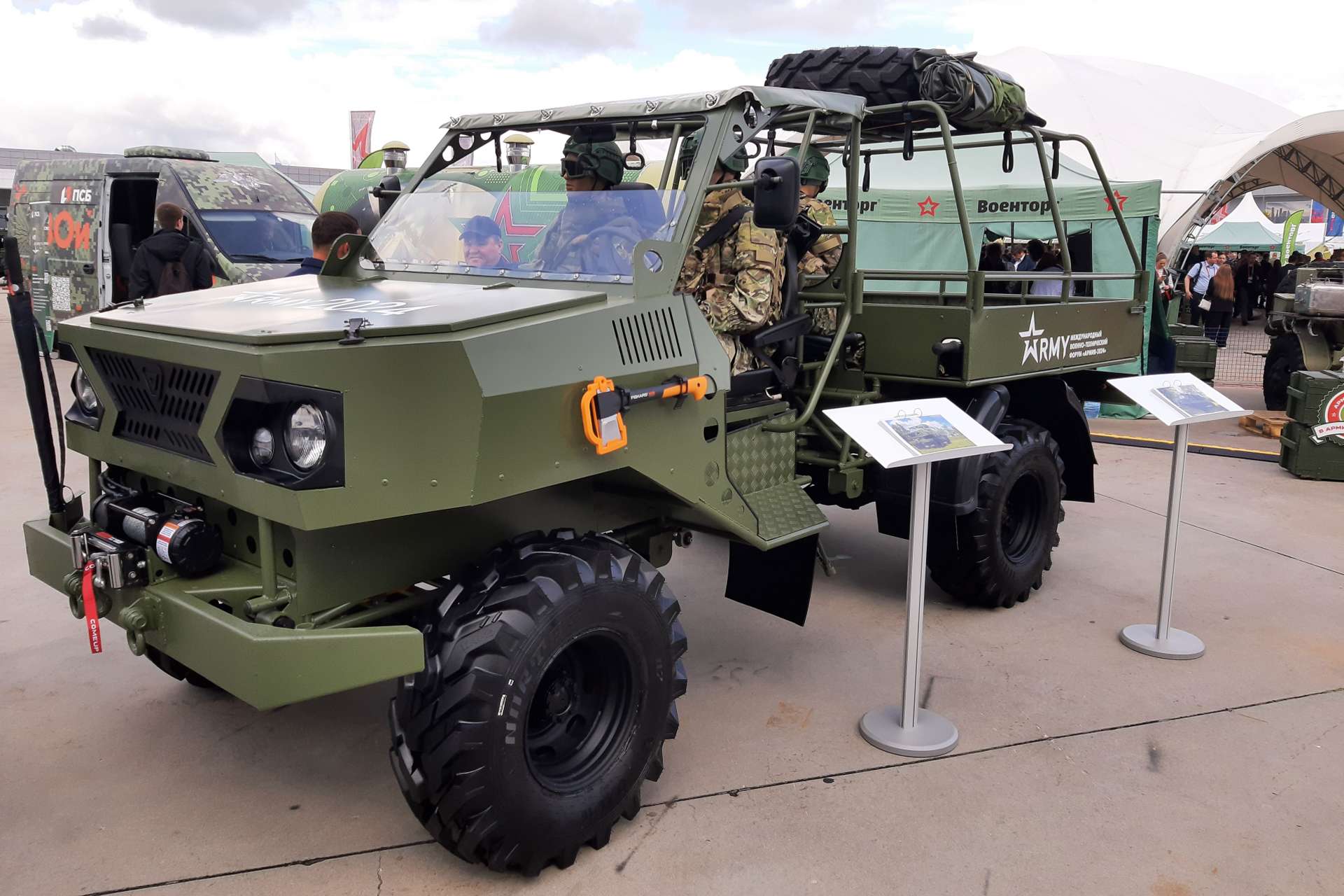
At the Army-2024 exhibition, the Russian company Plastun presented its new Plastun-TT articulated all-terrain vehicle (ATV), designed to meet specific requirements of the Russian armed forces, particularly for light and maneuverable transport in challenging conditions. Discussions are ongoing regarding the possible deployment of the Plastun-TT to Russian military units in Ukraine. This new ATV is being considered as an alternative or complement to the Chinese Desertcross 1000-3s, which were first deployed by the Russian Army in November 2023.
Follow Army Recognition on Google News at this link
This new Plastun-TT ATV is being considered as an alternative or complement to the Chinese Desertcross 1000-3s, which were first deployed by the Russian Army in November 2023. (Picture source: Russian social media)
By mid-November 2023, the Russian Armed Forces had integrated 537 Desertcross vehicles, with plans to expand this number to 1,590 by March 2024. The need for additional vehicles has led to consideration of the Plastun-TT as a domestically produced option, especially since Ukrainian FPV drones seem to have developed a particular appetite for Desertcross ATVs. The development of the Plastun-TT is part of an expansion of Plastun's existing product line, which includes the Plastun-SN family of multi-purpose tracked vehicles, which comprises a new electronic warfare variant.
The primary objective of the Plastun-TT project was to create a vehicle capable of transporting personnel, cargo, and specialized equipment across terrains with low bearing capacity, such as those found in Ukraine. The design relies on domestic components, with key elements such as the engine, transmission, and axles sourced from Russian-made vehicles, while other parts were specifically developed for this model. The engine, gearbox, and transfer case are believed to be sourced from the Lada Niva series, specifically the Niva Legend and Niva Travel models. The axles are from the Gazelle vehicle, with drive shafts supplied by the Ulyanovsk Automobile Plant (UAZ).
The need for additional vehicles has led to consideration of the Plastun-TT as a domestically produced option, especially since Ukrainian FPV drones seem to have developed a particular appetite for Chinese-made Desertcross 1000-3 ATVs. (Picture source: Russian social media)
The prototype of the Plastun-TT is currently undergoing testing in both on-road and off-road conditions in one of Russia's regions, with involvement from civilian specialists and military personnel. Reports indicate that the vehicle has met expectations, with no significant issues identified. The ATV features an articulated frame constructed from stainless steel pipes, composed of two sections connected by a hinge that allows the Plastun-TT to maneuver in tight spaces and navigate difficult terrains. According to some Russian media, this articulated chassis can rotate up to 30°.
The vehicle is powered by a 1.6 BPR 11146 gasoline engine, paired with a VAZ 21213 gearbox with five manual speeds, located in the front half of the frame, which also contains a two-seat cabin. The engine delivers a power output of 57.4 kW (75 horsepower) and a torque of 116 Nm, allowing for a maximum speed of 100 km/h and a range of 400 km. The drivetrain includes a VAZ 21213 transfer case with a reduction gear and inter-axle differential lock, as well as a GAZ 3302 rear axle with a locking differential.
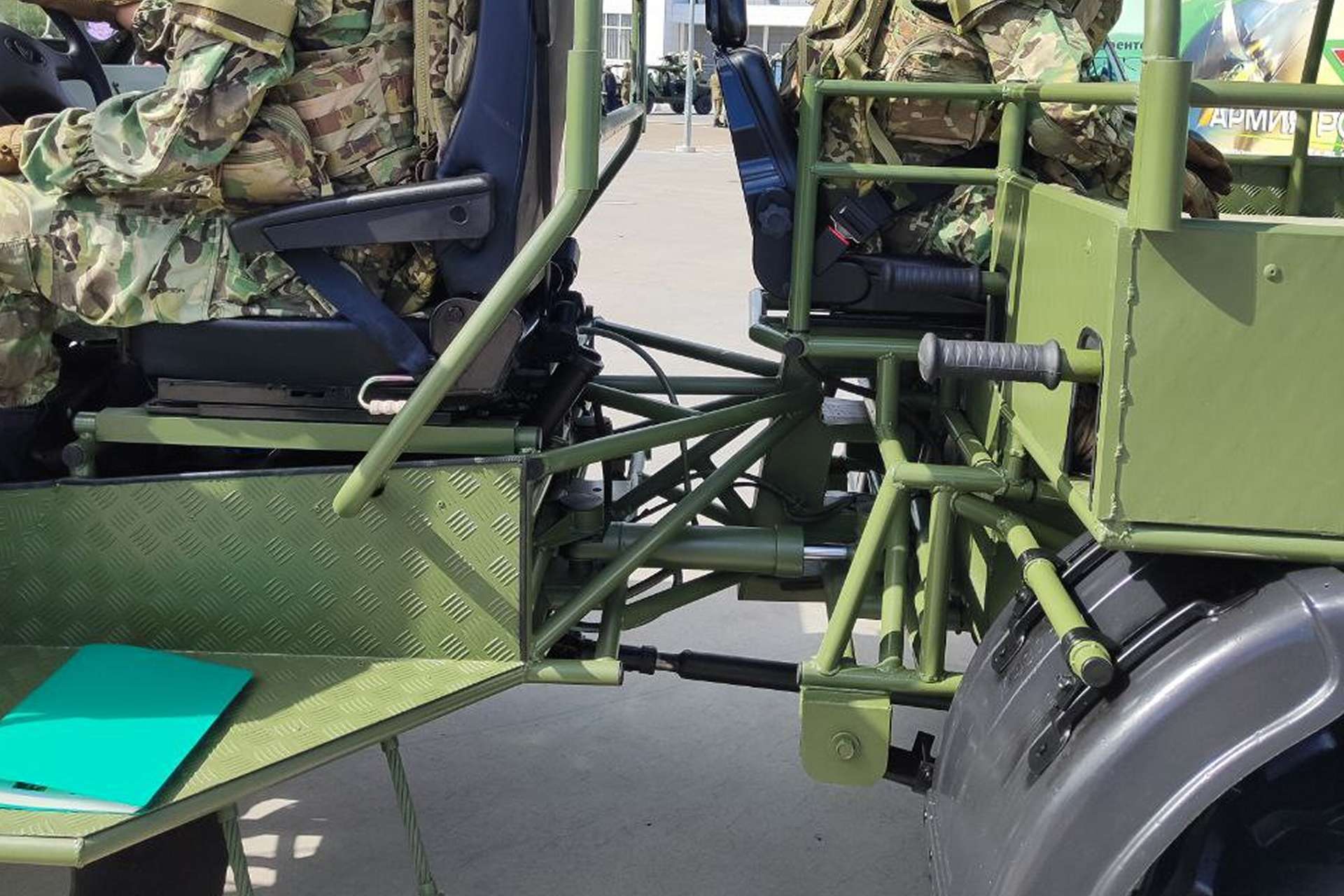
The ATV features an articulated frame constructed from stainless steel pipes, composed of two sections connected by a hinge that allows the Plastun-TT to maneuver in tight spaces and navigate difficult terrains. (Picture source: Russian social media)
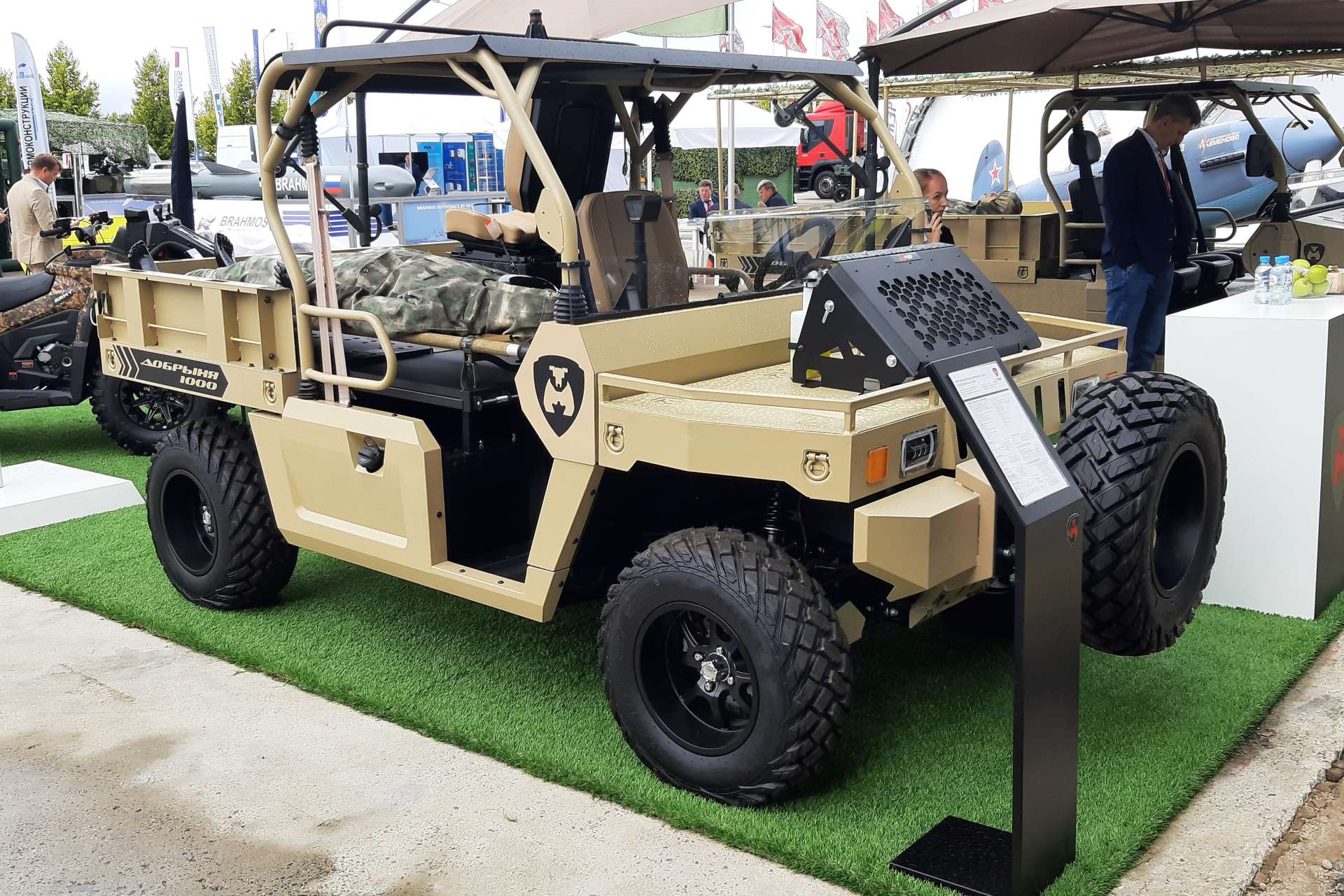
The rear half of the frame includes a second axle, connected by a cardan shaft, and a flatbed body designed to carry cargo or passengers. The vehicle can transport up to one ton of cargo and accommodate 6-8 passengers or two bedridden wounded individuals with an accompanying person. The rear body is equipped with benches along the sides, an additional front seat, and a folding rear side for ease of loading.
The Plastun-TT has an empty weight of 1,850 kg, which increases to 2,850 kg when fully loaded. The vehicle's body and frame are constructed from 2 mm thick aluminum sheets, reinforced with stainless steel pipes of 32 mm diameter and 2.5 mm wall thickness. The vehicle's dimensions include a length of 5,150 mm, a width of 1,990 mm, a height of 2,100 mm, and a ground clearance of 280 mm. It has a wheelbase of 3,300 mm, with track widths of 1,460 mm at the front and 1,655 mm at the rear.
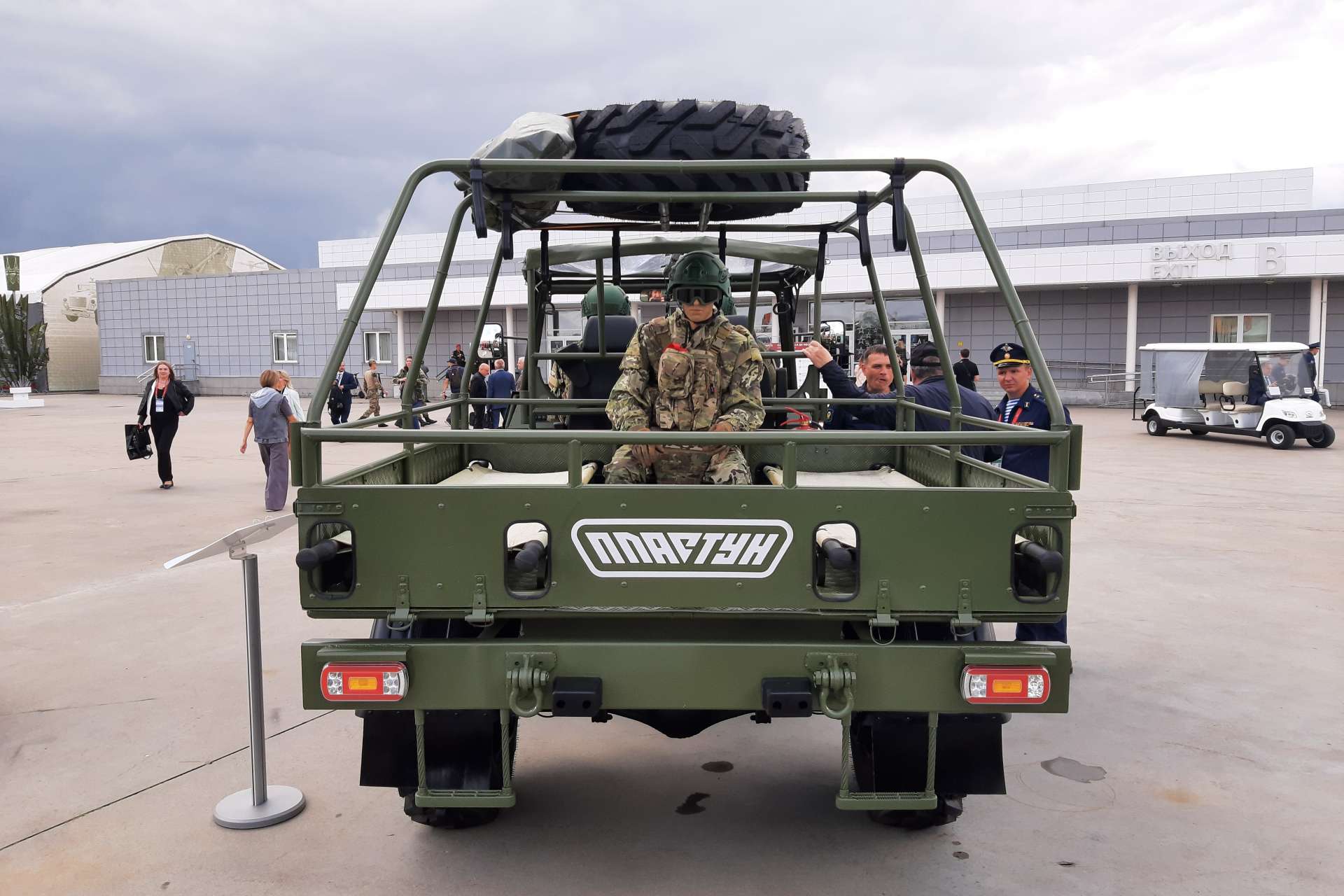
The Plastun-TT can transport up to one ton of cargo and accommodate 6-8 passengers or two bedridden wounded individuals with an accompanying person. (Picture source: Russian social media)
The suspension system of the Plastun-TT consists of double-leaf springs from the GAZ Gazelle, along with hydro twist shock absorbers. The braking system uses components welded from two disks, sourced from the GAZ Gazelle. The vehicle is equipped with a 75 Ah battery and an 8 kW generator, which could be either a Bosch or Zenit-2 model.
Furthermore, the Plastun-TT features a full-time all-wheel-drive system, providing traction to all four wheels. The steering system is based on components from the GAZ Gazelle, and the vehicle's cabin can be configured to accommodate between 2 to 10 seats, depending on the specific modification. Additional equipment includes a stretcher for transporting casualties, an electric winch with a capacity of 3.6 tons, and tools such as a crowbar, shovel, and axe.
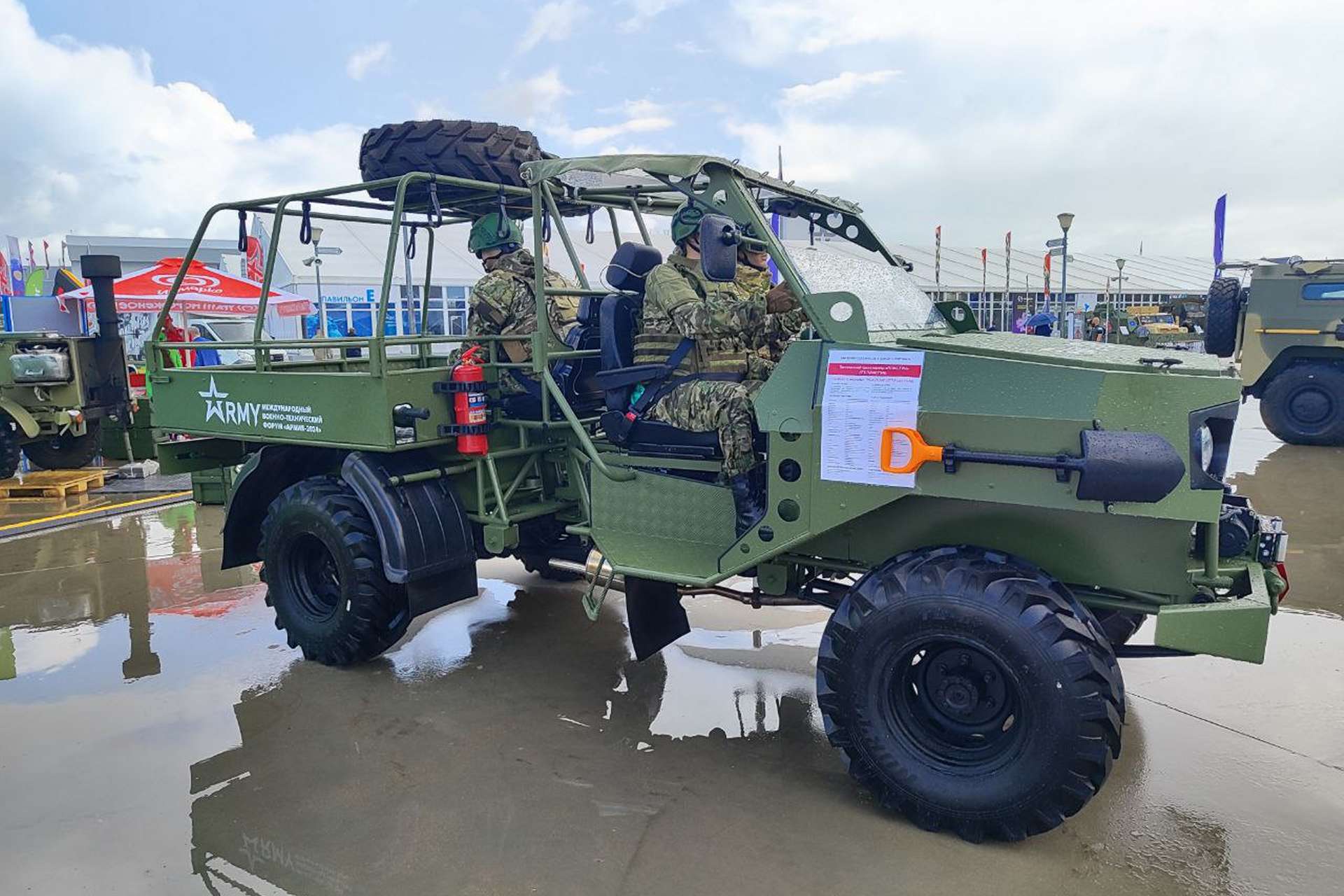
Additional equipment includes a stretcher for transporting casualties, an electric winch with a capacity of 3.6 tons, and tools such as a crowbar, shovel, and axe. (Picture source: Russian social media)
According to several Russian sources, Plastun is preparing for serial production of the Plastun-TT. The production facilities are reportedly capable of manufacturing up to 20 vehicles per month. If the Ministry of Defense places an order, it is estimated that at least 40 vehicles could be delivered by the end of the year, with deployment in Ukraine being a possibility. Should a larger contract be secured, production could potentially increase to 40-50 vehicles per month by spring 2025. A formal agreement is expected to be reached soon, which would initiate serial production of the vehicle.
While the Plastun-TT does not have built-in structural protection or standard weapon mounts, its intended use in non-frontline roles suggests these features are not immediately necessary. However, like the Chinese-made Desertcross ATV, it could potentially be employed by Russian assault units in future operations against Ukrainian positions.

The production facilities are reportedly capable of manufacturing up to 20 Plastun-TTs per month. If the Ministry of Defense places an order, it is estimated that at least 40 vehicles could be delivered by the end of the year, with deployment in Ukraine being a possibility. (Picture source: Plastun)

- Details
- Written by: V.Saint
- Category: 2024
- Hits: 2056
The NATO air base in the German town of Geilenkirchen remained on maximum alert on Friday, a spokesperson said, after the security level was raised overnight 'based on intelligence information indicating a potential threat'. 'We are still at Charlie,' said a base spokesperson, referring to the second highest alert state of four. The Charlie security level is defined as 'an incident has occurred or intelligence has been received indicating that some form of terrorist action against NATO organizations or personnel is highly probable'
Follow Army Recognition on Google News at this link
A screen displays a message in front of the main gate after the NATO air base in the German town of Geilenkirchen increased its security level 'based on intelligence information indicating a potential threat', in Geilenkirchen, Germany. (Picture source: Local residents )
The Geilenkirchen base is one of the most important bases in the American setup within NATO. Indeed, it not only houses AWACS aircraft, which are dedicated to high-altitude radar surveillance and communication relay between aircraft, but also encompasses all command centers and control stations, as well as all personnel who may be deployed on the E3-Sentry AWACS
The spokesperson stated that the base, housing NATO's fleet of AWACS surveillance aircraft, was operating with minimal personnel as a precaution, while operations continued as planned.
She added that there was no connection with an incident that occurred last week, when the base's security level was briefly raised while a military base near Cologne was investigating a suspected sabotage of the water supply.
On the same day, the Geilenkirchen base also reported an attempted intrusion which led to a thorough search of the premises.
Regarding the suspected sabotage at the Cologne base, the German military later gave the all-clear, stating that test results showed that the tap water was not contaminated.
NATO has previously warned against a campaign of hostile activities by Russia, including acts of sabotage and cyberattacks. Russia regularly accuses NATO of threatening its security.
In June, NATO Secretary General Jens Stoltenberg said that the western military alliance had observed an escalation in the situation and that recent attacks were the result of increased activity by Russian intelligence services.
Several incidents on NATO territory have been considered suspicious by analysts in recent years, including the severing of a vital submarine cable connecting Svalbard to mainland Norway in 2022, as well as several fires in armaments factories or depots storing weapons destined for Ukraine.
Read more: NATO air base in Germany remains on maximum alert due to suspicion of a foreign threat.
- Details
- Written by: Administrator
- Category: 2024
- Hits: 6115
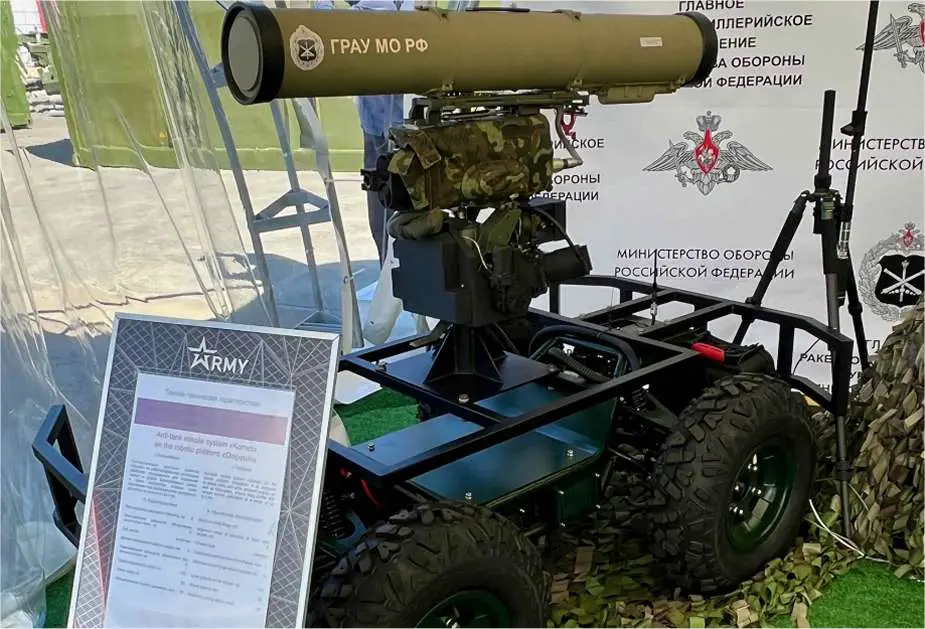
In the face of escalating drone and loitering munition threats on the Ukrainian battlefield, a new development by the Russian defense industry in robotic combat vehicles is drawing significant attention. The "Dispatch" 4x4 wheeled robotic platform, armed with the "Kornet" anti-tank guided missile system, has emerged as a new autonomous anti-tank combat system. Designed for the destruction of tanks, armored vehicles, and even helicopters, this cutting-edge system could soon see deployment in Ukraine, where the ongoing conflict has highlighted the vulnerability of traditional combat vehicles such as tanks and infantry fighting vehicles to aerial threats.
Follow Army Recognition on Google News at this link
Russia unveils at Army-2024 its new anti-tank robotic system based on the Dispatch 4x4 UGV armed with Kornet anti-tank guided missile launcher. (Picture source: Defense Industry News Magazine)
This latest innovation from the Russian defense sector combines advanced robotics with the powerful "Kornet" anti-tank guided missile system, offering a formidable defensive and offensive tool for modern warfare. The "Kornet" anti-tank guided missile (ATGM), known in Russian as the "9M133 Kornet," is a highly effective and versatile weapon system designed to defeat a wide range of armored targets, including main battle tanks, infantry fighting vehicles, and fortified positions. Developed by the KBP Instrument Design Bureau and introduced in the late 1990s, the Kornet has been widely exported and used in various conflicts, proving its effectiveness on the battlefield.
The Kornet is a sem-iautomatic command-to-line-of-sight (SACLOS) system that requires the operator to maintain the crosshairs on the target while the missile is in flight. The missile is guided by a laser beam emitted from the launcher, which it follows to the target. This guidance method makes the Kornet highly accurate, with a claimed hit probability of over 90% under ideal conditions.
The Kornet missile system on the "Dispatch" platform has a firing range of up to 5 km, providing substantial standoff capability. The platform can detect "tank" targets up to 6 km away, ensuring early engagement opportunities. In terms of armor destruction capabilities, the Kornet is equipped with a tandem-charge High-Explosive Anti-Tank (HEAT) warhead, designed to penetrate explosive reactive armor (ERA) before engaging the main armor of the target. The Kornet can penetrate up to 1,200 mm of Rolled Homogeneous Armor (RHA) behind ERA, making it effective against even the most heavily armored modern main battle tanks.
Built on a four-wheeled chassis, the "Dispatch" can operate continuously for up to 3 hours, with a maximum control range of 2 km without a repeater. The chassis can carry up to 150 kg, allowing for the transportation of additional armament or supplies. With a power reserve enabling a range of 300 km and a maximum speed of 40 km/h, the "Dispatch" is both swift and enduring.
As the conflict in Ukraine continues, the threat posed by drones, loitering munitions, and FPV (First-Person View) drones for Russian forces has grown. These technologies have demonstrated the ability to devastate traditional armored formations, making the battlefield increasingly hostile for conventional tanks and infantry fighting vehicles. The potential deployment of the "Dispatch" robotic platform to Ukraine could address these challenges head-on. The platform's remote control capability and the extended range of the "Kornet" missiles would enable Russian forces to engage enemy tanks, vehicles, and aerial threats from a safe distance, minimizing the risk to personnel. Moreover, the "Dispatch" can operate in environments that may be too dangerous for manned systems, such as areas under constant surveillance by enemy drones.
Drones and loitering munitions have become a significant concern for Russian armored units deployed in Ukraine. These aerial threats can deliver precision strikes, often bypassing traditional defenses. The "Dispatch," with its robotic autonomy and powerful missile armament, is well-suited to countering these threats. The system's mobility allows it to reposition quickly, avoiding detection and destruction by enemy drones. Additionally, the "Dispatch" can be deployed in areas where drones and loitering munitions are prevalent, using its advanced detection capabilities to spot and eliminate these threats before they can strike. This proactive approach could significantly reduce the effectiveness of enemy drone operations and provide much-needed protection to Ukrainian armored units.
The introduction of the "Dispatch" robotic platform equipped with the "Kornet" anti-tank missile system represents a significant advancement in modern warfare technology and highlights the ongoing innovations in the Russian defense industry. Its potential deployment in Ukraine could provide a crucial edge in the ongoing conflict, particularly in countering the growing threat from drones and loitering munitions. As Russia continues to adapt to the evolving battlefield, systems like the "Dispatch" may prove essential in maintaining the balance of power and ensuring the safety of its forces.
- Details
- Written by: Vandenbosch
- Category: 2024
- Hits: 5643
Since the 1980s, the Waffenträger Wiesel, a light armored vehicle, has been integral to the Bundeswehr's arsenal. Designed for extreme mobility, the Wiesel has served with distinction within light infantry units, including the hunters, mountain troops, and paratroopers. Today, this vehicle continues to evolve to meet modern battlefield requirements, as demonstrated by the recent introduction of the Wiesel 1A5 MK, a modernized version that marks a turning point in the equipment of the German Armed Forces.
Follow Army Recognition on Google News at this link
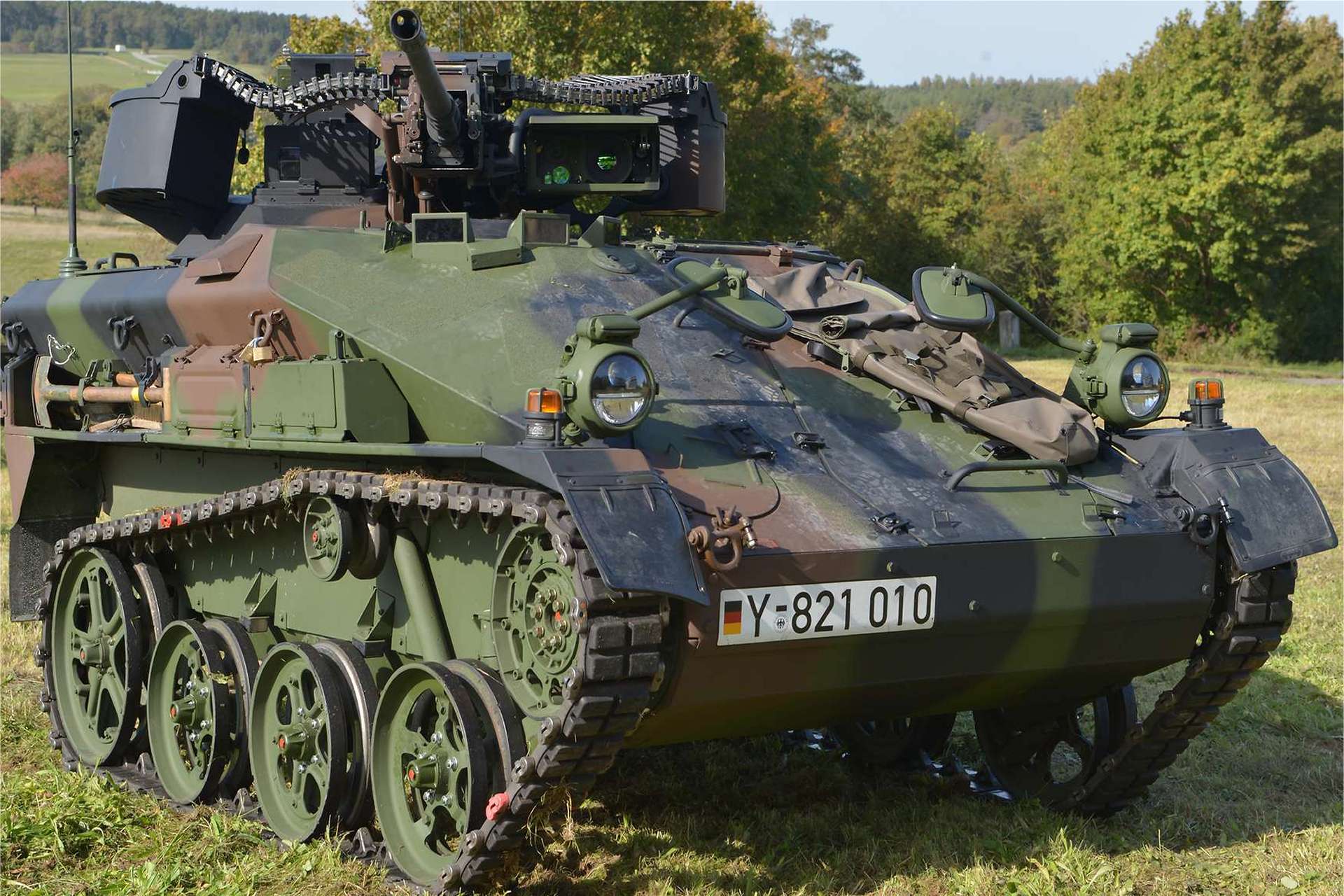
The Wiesel 1A5 MK. (Picture source: Bundeswehr)
The Wiesel 1 was initially introduced in 1990 in two main versions: one equipped with a 20 mm machine gun (MK 20 DM 6 A1) and the other with a TOW anti-tank missile system. These vehicles quickly established themselves as essential tools for the troops, thanks to their unique combination of mobility and firepower. Their ability to be air-transported makes them particularly suited for rapid operations and challenging terrains.
Over the years, the Wiesel has been regularly modernized to remain relevant in contemporary challenges. The A1 and A2 versions saw the addition of night vision systems and combat information management, while the A3 version introduced improvements in communication and command.
However, with the Wiesel 1A5 MK, the Bundeswehr is taking a new step. This modernized version is gradually replacing all previous variants. Equipped with the EOPTRIS system (Electro-Optical Ranging and Imaging System), the Wiesel 1A5 MK now has enhanced capabilities to detect and engage targets, day or night. This system includes a thermal imaging device, a digital zoom camera, and a laser rangefinder, providing real-time data to the vehicle commander.
The Wiesel 1A5 MK is not just a modern combat vehicle; it also incorporates improvements that enhance the safety and efficiency of the crew. These include new LED headlights, a camera-based reverse system, a new domed driver's hatch, and an improved harness seat for the driver. Additionally, extra armor and an upgraded braking system ensure better protection and maneuverability in the field.
The Wiesel's five-cylinder diesel engine, capable of generating 87 horsepower, allows this 3.3-ton vehicle to reach a top speed of 80 km/h. With a range of 286 kilometers, it can operate over significant distances without frequent refueling.
The Waffenträger Wiesel 1A5 MK represents the latest stage in the evolution of a vehicle that has proven its worth over decades. Its ability to engage targets at a distance of 1,500 meters, combined with its mobility and air transport capability, makes it a valuable asset for modern missions.
The introduction of the Wiesel 1A5 MK demonstrates the Bundeswehr's commitment to maintaining a modern military force, capable of meeting contemporary challenges while drawing on lessons from the past. With this new version of the Wiesel, the German Armed Forces have an even more powerful vehicle, ready to be deployed in the most demanding missions.
Read more: Germany Introduces Modernization of Waffenträger Wiesel 1A5 MK in Its Army
- Details
- Written by: Halna du Fretay
- Category: 2024
- Hits: 4656
The Turkish Army has begun integrating a state-of-the-art remote command and control system into its operations, utilizing specially trained dogs to assist soldiers in high-risk environments. This system, designed to enhance both the safety and efficiency of military personnel, is currently in the testing and refinement phase.
Follow Army Recognition on Google News at this link
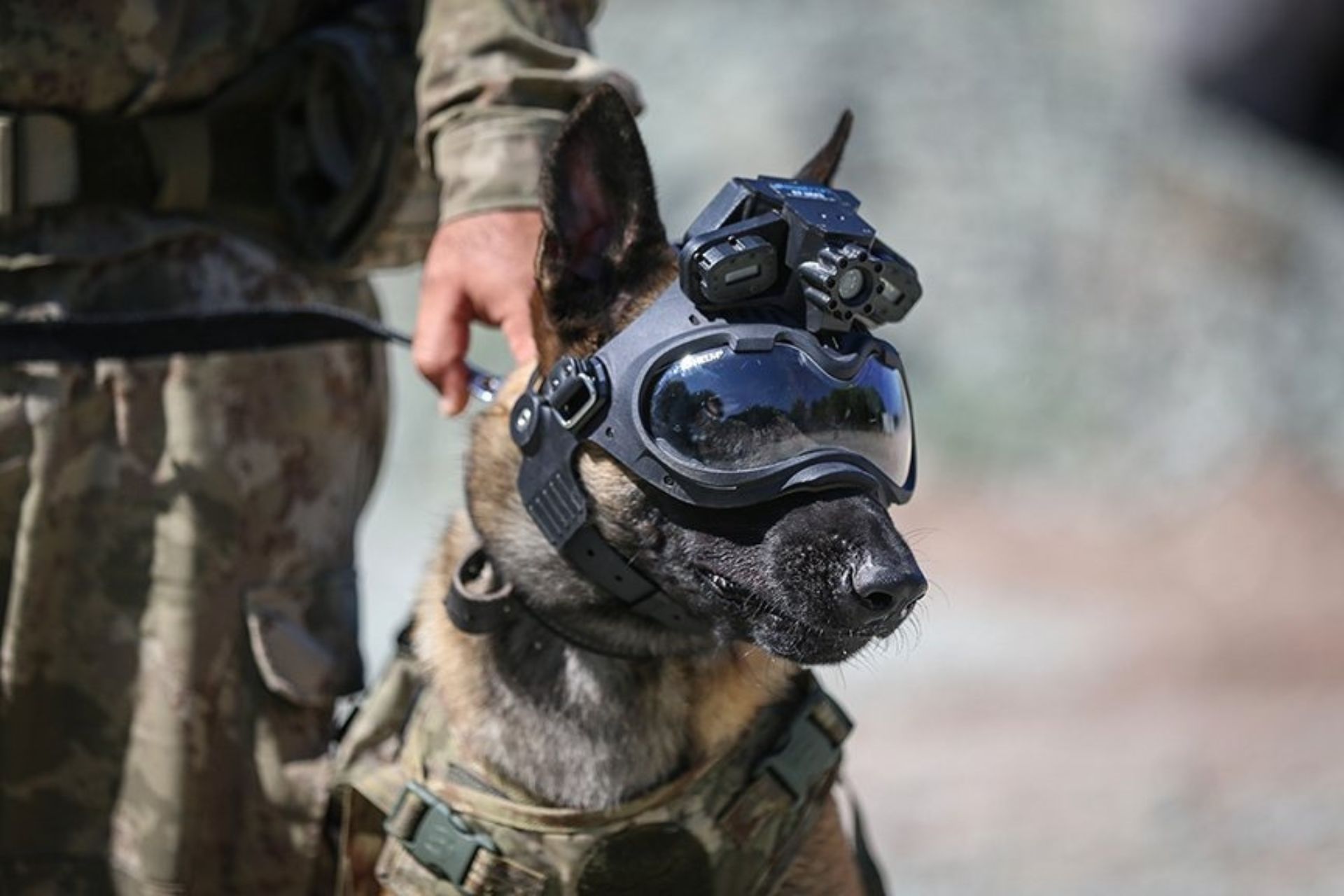
The dogs, primarily Belgian Malinois, German Shepherds, and Labradors, undergo rigorous training in eight specialized areas, including explosives detection, mine clearance, narcotics detection, search and rescue, reconnaissance, patrolling, and tracking. (Picture source: Turkish Army)
Specifically developed for the Turkish Armed Forces (TSK), this system will be employed on dogs trained at a military veterinary center in Gemlik, Bursa. The dogs, primarily Belgian Malinois, German Shepherds, and Labradors, undergo rigorous training in eight specialized areas, including explosives detection, mine clearance, narcotics detection, search and rescue, reconnaissance, patrolling, and tracking.
After approximately 20 months of intensive preparation, these dogs are deployed in both domestic and international operations, playing a crucial role in counter-terrorism efforts. During a demonstration, a three-year-old Belgian Malinois named "Parka" was equipped with the device during a training exercise in caves and tunnels. Parka successfully neutralized a simulated threat, while TSK personnel monitored the dog's movements via a live feed from an integrated camera.
Veterinary Captain Serkan Özgen, commander of the 1st Dog Training Battalion, explained that the system is designed for reconnaissance, mine detection, and explosives search dogs during operations. It allows personnel to guide their dogs more effectively in dangerous situations and contribute to mission success. Still in development, the system is expected to be mass-produced and added to the TSK inventory after enhancements. The equipment includes a special vest, camera, goggles, and helmet, providing real-time visual feedback from the dogs' perspective.
Additionally, the dogs are equipped with a headset that allows them to receive remote commands, ensuring they can safely return to their handlers if a situation becomes too dangerous. The remote command system was demonstrated during an exercise in Gemlik, where "Parka" was equipped with the device and sent into a cave for a simulation. Personnel followed the dog's movements in real time through the integrated camera, showcasing the system's effectiveness for complex missions.
Read more: Turkish Army Develops a Remote Command System for Military Dogs