

- Details
- Written by: Tkuhn
- Category: 2024
- Hits: 2852










According to information published by the French government on October 7, 2024, the two nations elevated their bilateral relationship to a "Global Strategic Partnership." This move, building on over five decades of diplomatic ties, emphasizes enhanced defense collaboration and regional stability.
Follow Army Recognition on Google News at this link
French Navy Floréal-class frigate Vendémiaire during a port call in Vietnam. (Picture source: French MFA)
The partnership agreement commits France and Vietnam to strengthening defense relations with a focus on autonomy and mutual capability development. Key initiatives include advancing defense industry cooperation through joint projects and fostering exchanges in military medicine, peacekeeping operations, and humanitarian assistance.
Amid growing tensions in the South China Sea, both countries reaffirmed their commitment to maintaining peace and stability in the region. They emphasized adherence to international law, particularly the United Nations Convention on the Law of the Sea (UNCLOS), and opposed any use of force that violates these principles. France and Vietnam support efforts to establish an effective and substantial Code of Conduct in the South China Sea. To enhance naval cooperation, Vietnam will support French naval port visits, fostering the exchange of maritime expertise between the two countries.
Vietnam Armes Forces
Vietnam's defense procurement strategy is currently characterized by efforts to diversify its weapons suppliers and reduce dependence on traditional partner Russia. Historically, around 60-70% of Vietnam's military equipment has been sourced from Russia, due to longstanding Cold War ties.
This includes a wide range of Soviet-era systems such as fighter jets, tanks, and coastal defense missiles. However, recent geopolitical shifts, including Russia's war in Ukraine and the need for modernized equipment, have prompted Vietnam to explore alternatives.
Key players in Vietnam's diversification strategy include Israel, South Korea, the United States, and several European countries. For instance, Israel has supplied advanced air defense systems, such as the Spyder system, and helped upgrade Vietnam's older military assets. Additionally, the United States has become a more prominent defense partner since the lifting of the arms embargo in 2016. Recent procurements include Textron T-6 Texan II trainer aircraft, marking one of the most significant transfers of U.S. military hardware to Vietnam.
Vietnam is also focusing on building its domestic defense industry, with state-owned Viettel playing a significant role in producing weapons and electronic warfare systems. The country is increasingly manufacturing small arms, drones, and other equipment domestically.
Read more: New Strategic Defense Agreement Signed Between France and Vietnam
- Details
- Written by: Administrator
- Category: 2024
- Hits: 5784
According to information published on the "German Aid to Ukraine" X account (formerly Twitter), October 9, 2024, Major General Christian Freuding, head of the Situation Centre Ukraine in the German MoD (Ministry of Defense), confirmed that last week, Germany supplied Kyiv with an IRIS-T SLM fire unit and two IRIS-T SLS launchers.
Follow Army Recognition on Google News at this link
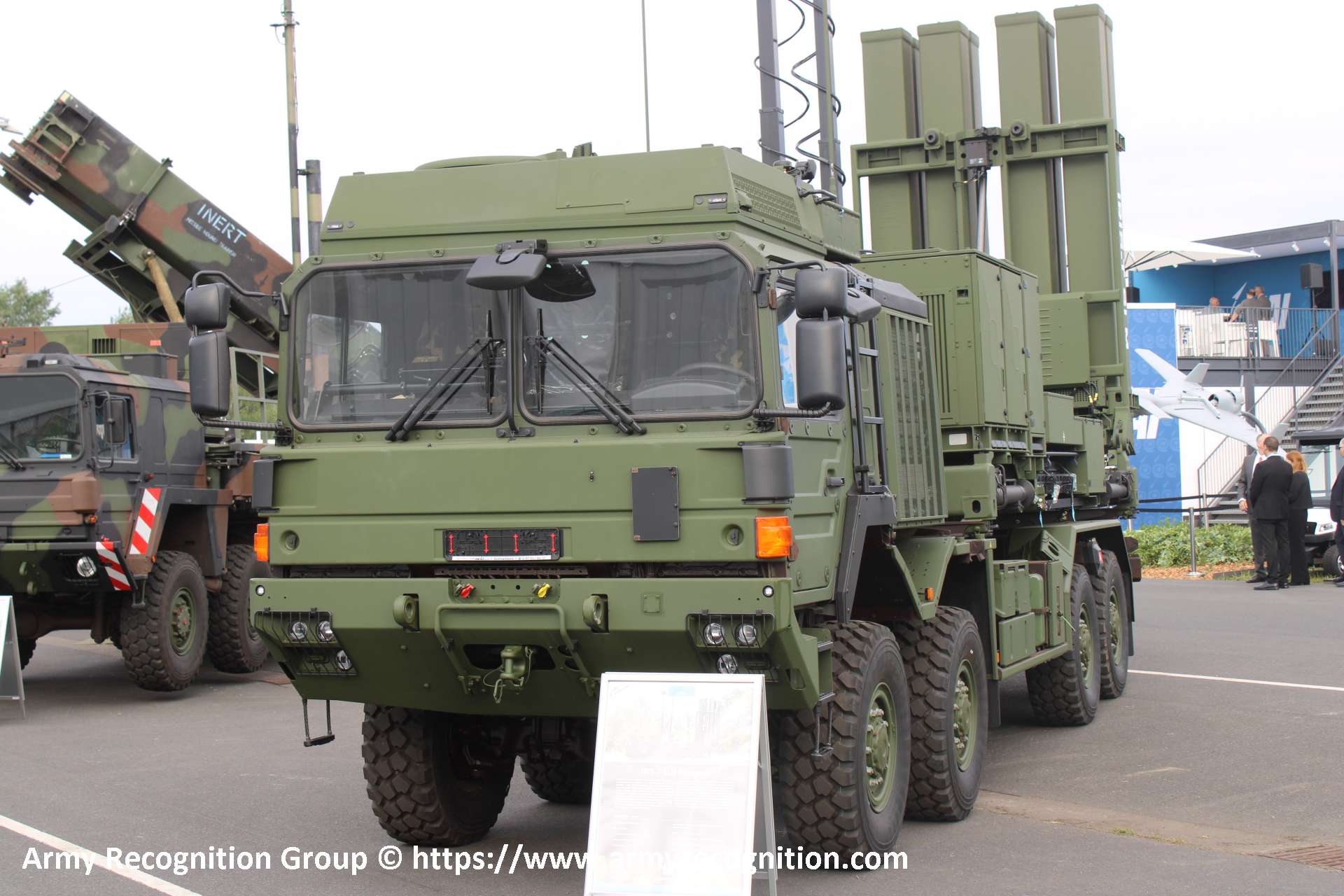
Launcher unit of IRIS-T SLM German-made air defense missile system at ILA 2024 in Germany. (Picture source: Army Recognition)
This delivery underscores Germany's commitment to strengthening Ukraine's ability to defend itself amid its prolonged war with Russia. The IRIS-T air defense systems, strategically significant due to their advanced capabilities, are some of the most advanced of their kind in the world, capable of neutralizing a wide array of aerial threats, from aircraft to cruise missiles. The IRIS-T SLM (Surface-Launched Medium-Range) fire unit, delivered as part of this aid, was co-financed by Norway through the German Immediate Action on Air Defence initiative, a joint effort to address Ukraine's pressing needs for air defense equipment.
Major General Freuding, in an interview with “RedaktionsNetzwerk Deutschland” (RND), expressed the significance of this latest delivery. As Head of the Planning and Command Staff and Head of the Situation Centre Ukraine within the German Ministry of Defense, Freuding is one of the highest-ranking officials responsible for coordinating Germany’s military support to Ukraine. His position reflects Berlin's ongoing strategic effort to help Ukraine resist Russian aggression by providing cutting-edge defense technologies.
The IRIS-T SLM (Surface-Launched Medium-Range) system has an engagement range of up to 40 kilometers (25 miles) and can intercept targets at altitudes of up to 20 kilometers (65,000 feet). It is designed to counter a wide variety of threats, including fighter jets, helicopters, unmanned aerial vehicles (UAVs or drones), cruise missiles, and other precision-guided munitions. The system's radar-guided missiles and sophisticated tracking technology allow it to engage multiple aerial threats simultaneously over a broad area, providing robust mid-range air defense.
The IRIS-T SLS (Surface-Launched Short-Range) system, on the other hand, has a shorter engagement range of around 10-12 kilometers (6-7.5 miles) and can target threats at altitudes of up to about 8 kilometers (26,000 feet). It is specifically designed for engaging low-flying and close-range threats, such as helicopters, UAVs, and short-range projectiles like smaller missiles. The SLS system offers a rapid response to nearby threats and is an effective second layer of defense, complementing the longer-range capabilities of the IRIS-T SLM.
Germany has been a key player in Ukraine’s defense buildup since the Russian invasion began in February 2022, supplying a wide range of weapons, from Leopard 2 tanks to Gepard anti-aircraft systems. The arrival of the IRIS-T systems marks a critical enhancement to Ukraine's air defense, especially as the conflict sees continued heavy bombardment of civilian areas by Russian missile strikes and drone attacks.
Norway's co-financing is a testament to the growing role of international cooperation in supporting Ukraine’s defense. This involvement not only underscores the broader European commitment to resisting Russian advances but also reassures the audience about the global commitment to assisting Ukraine in defending its sovereignty.
This latest delivery of the IRIS-T air defense systems signifies an important milestone in Germany's military assistance. It not only reflects the urgency of the situation in Ukraine but also the commitment of Germany and its allies to provide sustained and effective support, making the audience feel the gravity of the conflict.
- Details
- Written by: Tkuhn
- Category: 2024
- Hits: 1726
According to a PR published by Galvion on October 10, 2024, the leader in integrated power management and head protection systems, has received new orders from the U.S. Department of Defense (DoD) for its MAX-8 Mission Adaptive Charging Station™ and Squad Power Manager™ (SPM).
Follow Army Recognition on Google News at this link
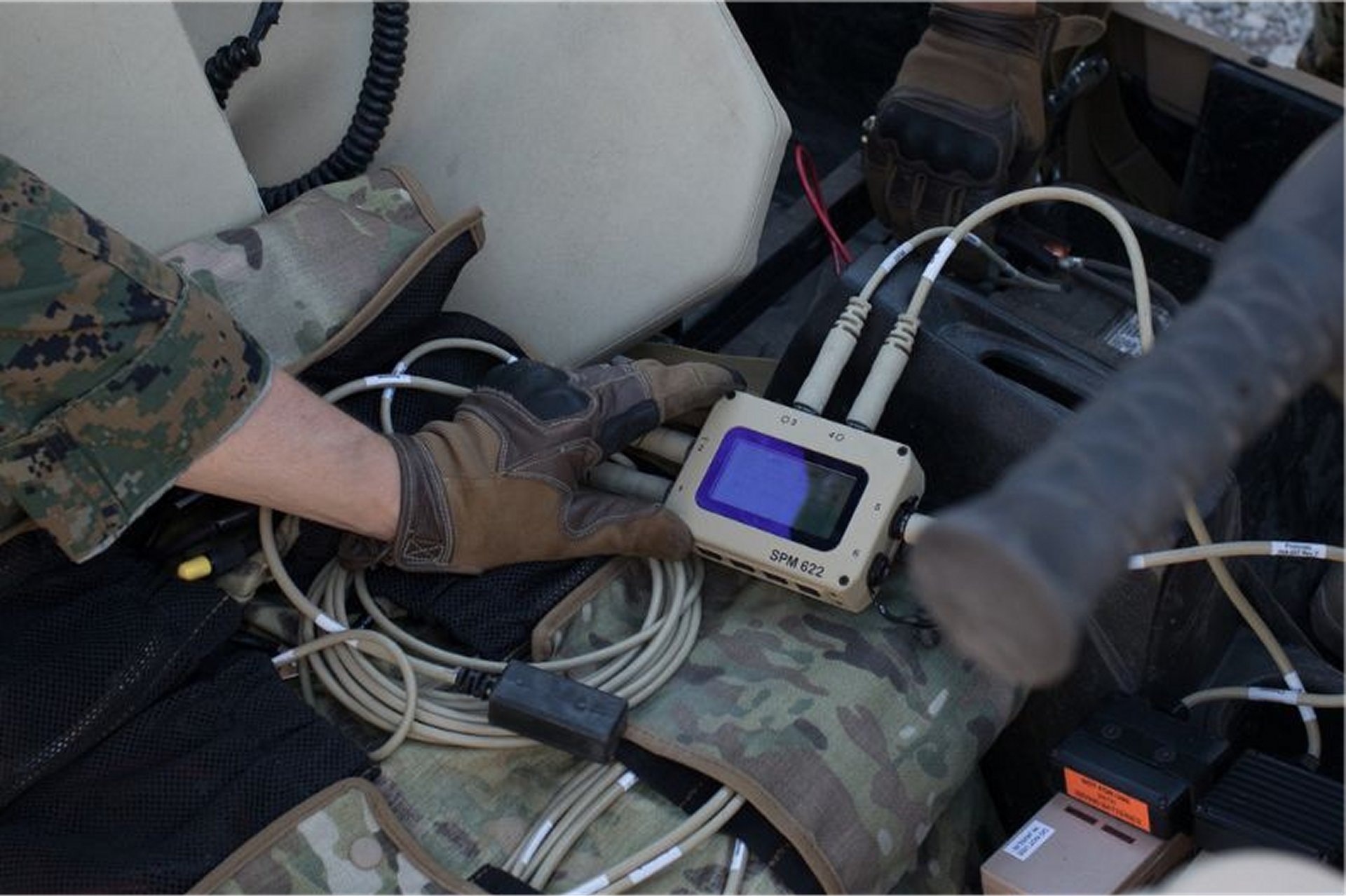
Galvion’s Nerv Centr® Squad Power Manager™ or SPM. (Picture source: Galvion)
These systems are part of a System Modernization Program (SMP) for the Joint Program Executive Office for Chemical, Biological, Radiological, and Nuclear Defense (JPEO-CBRND) Dismounted Reconnaissance Sets, Kits, and Outfits (DRSKO) Program of Record.
The announcement coincides with Galvion's participation at the Association of the United States Army (AUSA) Annual Meeting in Washington, D.C., from October 14-16, 2024, where the company will exhibit at booth 733.
The new orders include 124 combined MAX-8 and SPM systems to support the Army and National Guard's DRSKO requirements. Deliveries will begin in late 2024, following successful user evaluation trials completed in late 2023. The DoD is expected to place additional orders to meet the CBRND DRSKO requirements of other service branches, such as the Air Force and Marines, pending future fiscal year funding.
Galvion’s Nerv Centr® power management solutions offer lightweight, portable systems that optimize energy management from multiple sources, including solar, AC, DC, military batteries, NATO plugs, and vehicles.
The Squad Power Manager™ allows for efficient power scavenging, distribution, and conversion, ensuring that devices and batteries are consistently charged. Meanwhile, the MAX-8 charging station, designed for rugged field conditions, can simultaneously charge various battery types without manual adjustments, enhancing logistical efficiency.
SMP and JPEO-CBRND
The SMP's focus is on modernizing equipment to ensure the U.S. military can operate effectively in environments contaminated by chemical, biological, radiological, or nuclear agents.
This includes the development and deployment of advanced sensors, protective gear, medical countermeasures, and information management systems to enable real-time threat detection, hazard assessment, and operational decision-making. A notable aspect of the program is its emphasis on integrating digital technologies for enhanced situational awareness, which allows commanders to make faster and more informed tactical decisions in CBRN-threatened areas.
Read more: Galvion secures US DoD orders for MAX-8 charging station and Squad Power Manager
- Details
- Written by: Halna du Fretay
- Category: 2024
- Hits: 7350
The upcoming launch of a KamAZ production plant in Senegal marks a significant milestone in economic cooperation between Senegal and Russia. The announcement was made during a press conference in Moscow, where Senegalese Foreign Minister Yassine Fall confirmed the development alongside Russian Foreign Minister Sergey Lavrov. This initiative aligns with Russia's broader investment strategy across Africa, aiming to bolster economic and industrial exchange between the two regions. Fall highlighted the strategic importance of the KamAZ plant, noting that it represents a pivotal step in advancing Senegal’s industrial sector.
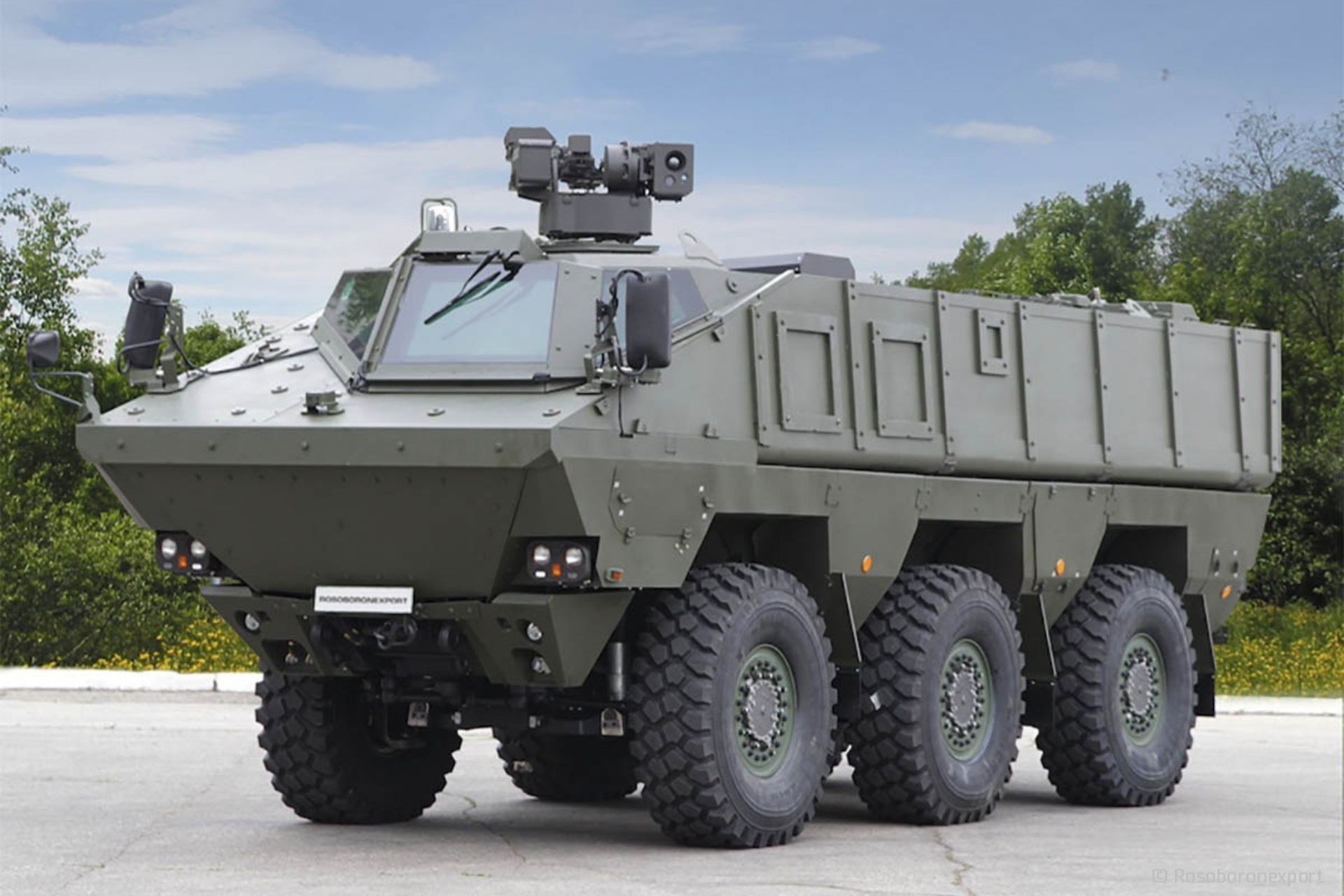
Senegal has procured several KamAZ vehicles for its armed forces, including the KamAZ Typhoon MRAP (Picture source: Rosoboronexport)
The partnership between Senegal and KamAZ has been evolving over recent years. In July 2023, former Senegalese President Macky Sall expressed a strong interest in deepening cooperation with KamAZ during a meeting with Rustam Minnikhanov, the head of Russia’s Tatarstan region. Relations were further solidified in 2022 when Minnikhanov visited Senegal as part of the “Tatarstan-Senegal” forum, an event focused on strengthening trade ties between Tatarstan and West Africa. Discussions covered several industries, including mechanical engineering and agriculture, underscoring the mutual interest in expanding commercial connections.
KamAZ, founded in 1969 in Tatarstan, is a leading Russian manufacturer of trucks, buses, and engines, with an annual production output exceeding 53,000 vehicles. Known for its robust cab-over-engine trucks and vehicles designed for challenging terrains, KamAZ has already delivered 167 trucks to Senegal, primarily KAMAZ-5460 models for container transport from Dakar’s port. In 2021, KamAZ organized training programs for Senegalese drivers and mechanics, both on-site and at the KamAZ training center in Naberezhnye Chelny, showcasing its commitment to building local technical expertise in vehicle operation and maintenance.
Alongside this expansion, KamAZ has diversified its offerings to meet the needs of the Senegalese military. Following a 2019 agreement at the first Russia-Africa summit, Senegal has procured several KamAZ vehicles for its armed forces, including the KamAZ Typhoon MRAP, a heavily armored troop transport designed to withstand landmine explosions and ballistic threats.
The KAMAZ-63969, a 6x6 armored vehicle from the Typhoon-K series, is designed for secure transport and logistical support for military units, including peacekeeping forces. Its off-road capabilities allow effective navigation on varied terrains, powered by a 450-horsepower diesel engine with an automatic transmission that enables it to reach 100 km/h with a 1,000 km range. Equipped with a hydropneumatic suspension system, the KAMAZ-63969 offers a smooth ride with automatic adjustments to ground clearance based on speed and road quality. Its layered "sandwich" armor, combining conventional steel with advanced ceramic plating, offers robust protection, capable of withstanding an 8 kg TNT explosion under any wheel. Designed to carry up to 12 personnel, it includes an option for a remote-controlled weapon station, making it versatile for troop transport, medical evacuations, and tactical operations.
Beyond Senegal, KamAZ has expanded its presence across Africa, exporting vehicles to countries like Libya, Egypt, Kenya, Uganda, and South Africa. Despite sanctions from Western nations, KamAZ continues to uphold partnerships across the continent, strengthening its foothold by establishing a service network to support the long-term maintenance of its vehicles. KamAZ has committed to providing technical assistance and infrastructure for ongoing logistical support in the region.
In addition to Russian involvement, other international actors have recently expanded operations in Senegal. Chinese defense company Norinco opened a new office in Dakar, signaling China’s interest in enhancing its defense and security collaboration with Senegal and further engaging in broader African markets.
Read more: Russian Company KamAZ Opens Production Plant in Senegal for Trucks and MRAPs

- Details
- Written by: Vandenbosch
- Category: 2024
- Hits: 3044
On October 9, 2024, Northrop Grumman unveiled the M230LF Dual Feed Bushmaster, a medium-caliber dual-feed chain gun that, for the first time, allows operators to instantly switch between two types of ammunition suited for uncrewed aerial threats (C-UAS) and ground engagements. This innovation enhances operational efficiency and accuracy by eliminating the need for mixed ammunition belts.
The M230LF Dual Feed Bushmaster allows operators to instantly switch between two types of ammunition. (Picture source: Northrop Grumman)
Northrop Grumman Corporation, a leading manufacturer of medium-caliber cannons, introduced the M230 Link Fed (M230LF) Dual Feed Bushmaster Chain Gun. Designed to meet modern demands for ground combat and defense against uncrewed aerial threats, this new 30x113 mm cannon offers a dual-feed capability for the first time, a significant technical advancement that lets operators seamlessly switch between two types of ammunition based on the target. This innovation removes the need for mixed ammunition belts in a single feed, thus increasing engagement efficiency and precision.
The M230LF’s dual-feed technology allows operators to switch easily between two recommended rounds: the XM1211 proximity-fused rounds, optimized to counter uncrewed aerial threats, and the XM1198 high-explosive, dual-purpose rounds for anti-armor ground capabilities. This system simplifies logistics by allowing better ammunition management and enhances the forces’ ability to adapt to various threats in real time. Currently, the M230LF has reached Technology Readiness Level 6 (TRL 6), marking its operational maturity and paving the way for live-fire demonstrations scheduled for early 2025.
Dave Fine, vice president of armament systems at Northrop Grumman, emphasized that the M230LF Dual Feed Bushmaster represents a significant advancement in flexibility for the armed forces: “By combining advanced technology and five decades of combat-proven experience, this next-generation cannon will enable operators to respond faster to threats, with the reliability the Bushmaster line is known for.” According to Fine, this innovation is the latest example of Northrop Grumman’s ability to adapt to the evolving tactical needs of the battlefield.
With a design that maintains a similar weight to the single-feed M230LF model, the new dual-feed cannon shares 60% of its parts with existing models. This continuity in design ensures simplified maintenance, allowing for an easy transition for those already using M230LF systems, minimizing maintenance costs. Northrop Grumman will continue to produce the single-feed version to accommodate the preferences of certain users.
As a global leader in the aerospace and defense sectors, Northrop Grumman strives to provide innovative solutions to today’s security challenges. By offering operators new capabilities for rapid adaptation and response to modern threats, the M230LF Dual Feed Bushmaster is positioned as a key element in Northrop Grumman’s strategy to equip armed forces with reliable, high-performance tools tailored to tomorrow’s challenges.
Read more: Northrop Grumman Unveils M230LF Dual Feed Bushmaster Chain Gun
- Details
- Written by: Vandenbosch
- Category: 2024
- Hits: 13118
Anduril Industries has been awarded a significant contract valued at $249,978,466 by the Department of Defense to bolster air defense capabilities within U.S. military services. This contract will facilitate the delivery of over 500 Roadrunner-M units, alongside Pulsar electronic warfare systems, to counter the growing threat of unmanned aerial systems (UAS) targeting U.S. forces.
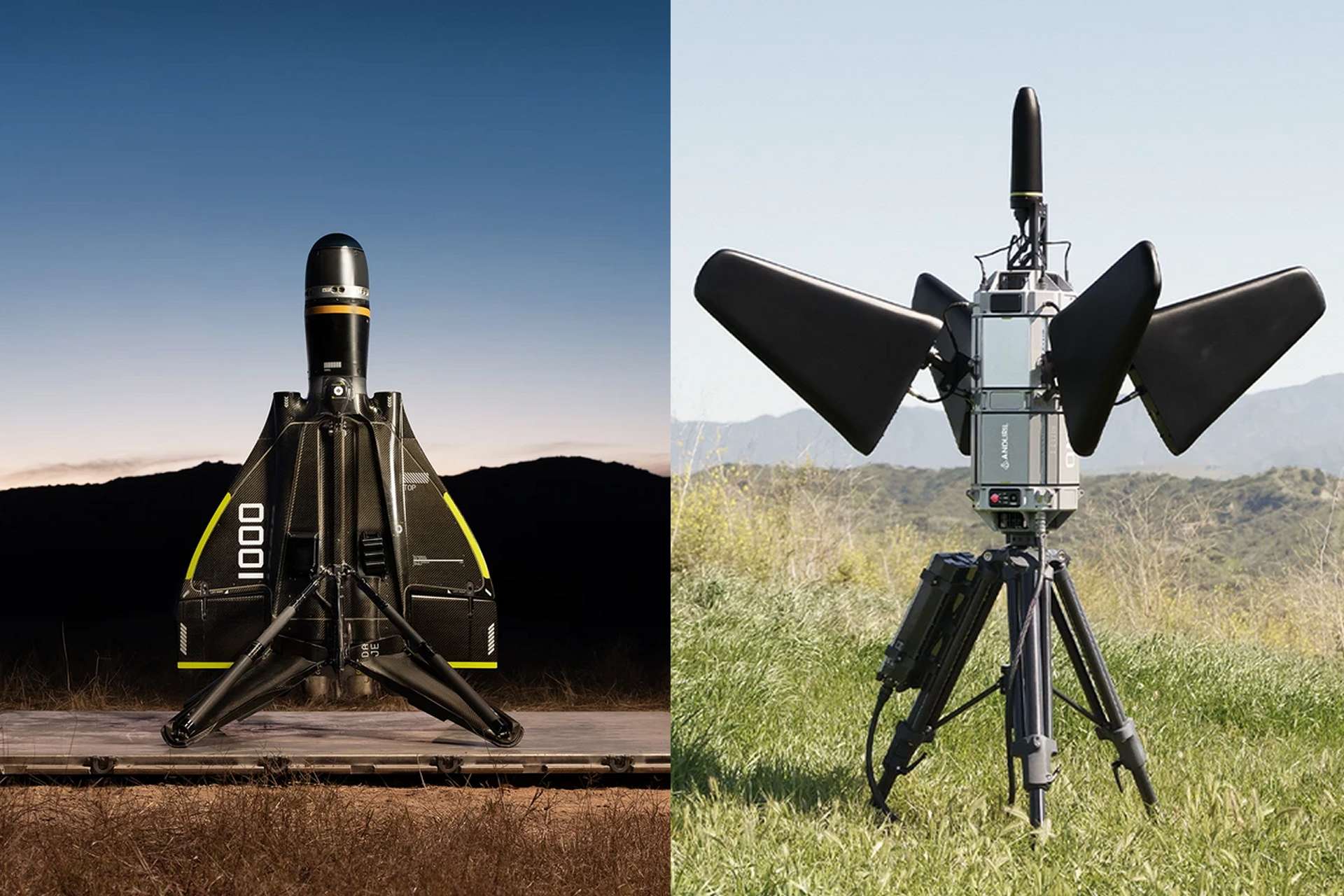
The Roadrunner-M alongside Pulsar electronic warfare systems. (Picture source: Anduril)
Deliveries under this contract are scheduled to begin in the fourth quarter of 2024 and continue through the end of 2025.
The Roadrunner system, an explosive vertical takeoff and landing (VTOL) interceptor introduced last year, is designed to intercept and neutralize large UAS threats with unmatched speed, agility, and cost-efficiency. Combined with Anduril’s Pulsar range of artificial intelligence-based electronic warfare solutions, this next-generation defense capability is expected to be deployed in strategically prioritized areas where U.S. forces face significant UAS threats, thereby strengthening air defense at critical operational sites.
Roadrunner has been under combat evaluation since January 2024, while Pulsar has been operational in several regions since August 2023. This new contract underscores Anduril’s commitment to self-funding its research and development, aimed at accelerating defense innovation and delivering adaptable, scalable solutions to protect U.S. personnel. The rapid development of Roadrunner, validated in combat and ready for deployment in under two years, marks a reduction compared to the usual timelines for defense contractors. As the first-ever recoverable explosive weapon, Roadrunner embodies the advanced capabilities essential for countering increasingly complex threats.
Since the public launch of its Roadrunner and Pulsar systems, Anduril Industries has secured nearly $350 million in contracts to provide sophisticated air defense solutions to various branches of the U.S. Department of Defense. These contracts cover operational deployments, system validation testing, experimentation, and integration with existing defense systems, ensuring seamless performance across the services.
Anduril Industries is an American company specializing in advanced defense technologies, founded in 2017 by Palmer Luckey, also the creator of Oculus Rift. It stands out for its innovative approach to artificial intelligence (AI) and automation, providing security and defense solutions particularly focused on threat detection and neutralization, as exemplified here with the Roadrunner and Pulsar range. Anduril designs autonomous systems, including drones, sensors, and electronic warfare systems, integrated into its Lattice AI software platform, enabling automated surveillance and defense. Its solutions are primarily intended for U.S. security and military forces, with a strong focus on innovation and a model based on the rapid deployment of cutting-edge technologies.
Read more: Anduril Industries Secures Huge Contract with US Army for Air Defense Systems
- Details
- Written by: Halna du Fretay
- Category: 2024
- Hits: 4125
The war in Ukraine, marked by intensive air-to-air missile usage, has increased pressure on U.S. munitions stockpiles, prompting Washington to explore alternatives to maintain its deterrent capability. In response, the U.S. and Japan agreed to initiate a feasibility study in the coming days to accelerate the co-production of AIM-120 air-to-air missiles, known as AMRAAM (Advanced Medium-Range Air-to-Air Missile). These discussions followed an October 7, 2024, meeting in Hawaii, where the two nations formalized their commitment to enhancing defense cooperation, especially in the context of sustained Western military support for Ukraine.
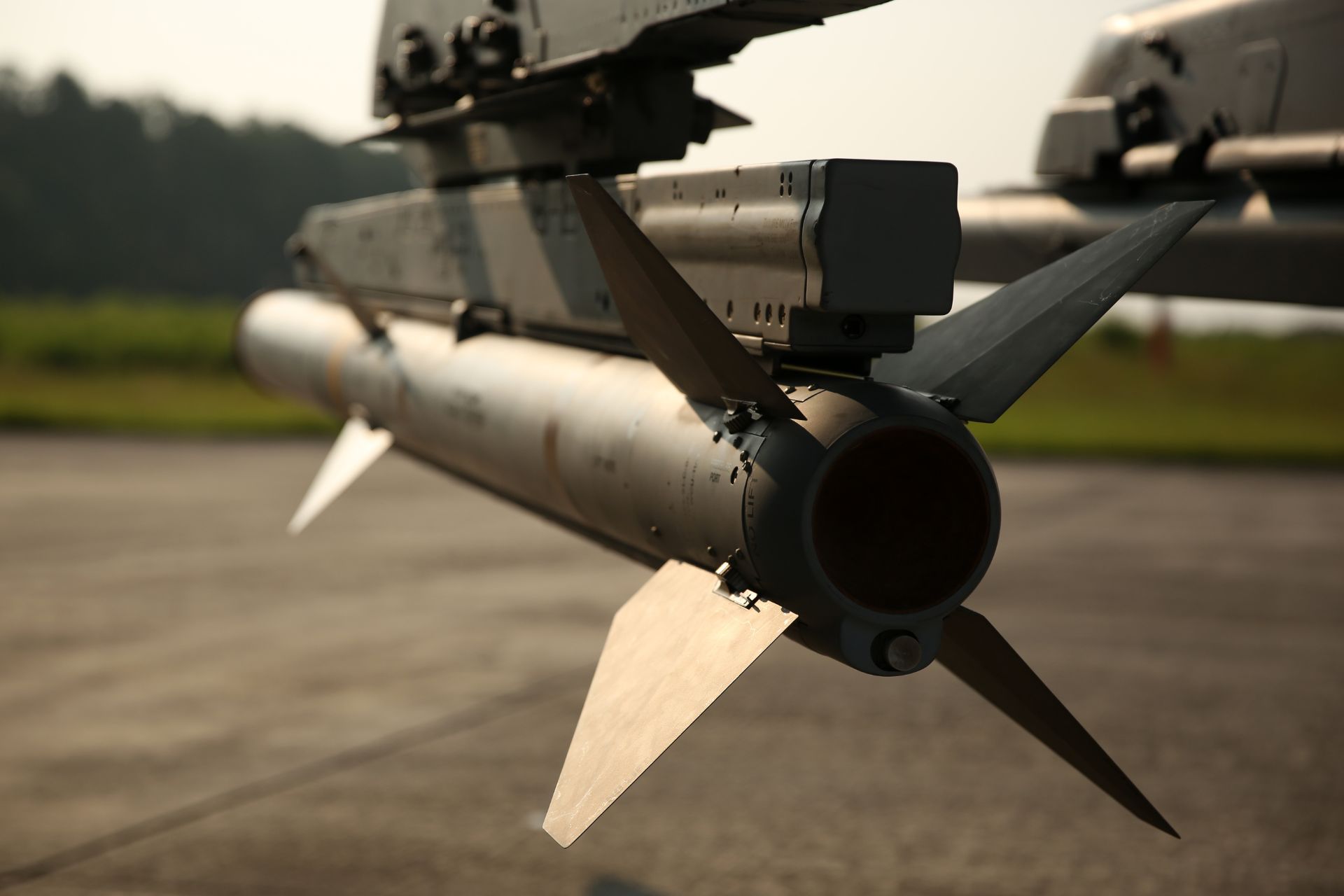
An AIM-120A advanced medium-range air-to-air missile is secured aboard an AV-8B Harrier with Marine Attack Squadron 223 at Marine Corps Air Station Cherry Point, N.C., Aug. 7, 2014 (Picture source: US DoD)
The AIM-120 AMRAAM represents a sophisticated advancement over the AIM-7 Sparrow series, providing improved capabilities for aerial combat under all weather conditions, day or night. Faster, more compact, and lighter than its predecessor, AMRAAM is designed to intercept low-altitude targets with its integrated active radar, inertial reference system, and micro-computer, making it less dependent on the aircraft's fire-control system. Its active radar enables autonomous guidance to the target, allowing the pilot to launch multiple missiles simultaneously at various objectives while performing evasive maneuvers.
AMRAAM is deployed on several U.S. military aircraft, including the Air Force’s F-15, F-16, F-22, and F-35A, as well as the Navy and Marine Corps’ F/A-18, F-35B/C, EA-18G, and AV-8B. Its inertial guidance system allows it to home in on long-range targets, receiving course updates via data link from the launch aircraft. As it nears the target, the missile uses its monopulse radar for autonomous guidance, with a "home-on-jam" mode for countering electronic jamming. Upon target proximity, a proximity fuse activates the warhead to neutralize the threat, underscoring AMRAAM's value in maintaining air superiority.
AMRAAM’s advanced radar guidance and medium range make it a key asset for air forces. Demand has surged, driven by Ukraine's need to defend its airspace from Russian strikes, leading to urgent replenishment requirements for U.S. arsenals. AIM-120 production is currently centralized in the U.S., managed by the Air Force and defense industry partners, yet co-production with Japan could diversify supply chains and enhance strategic availability.
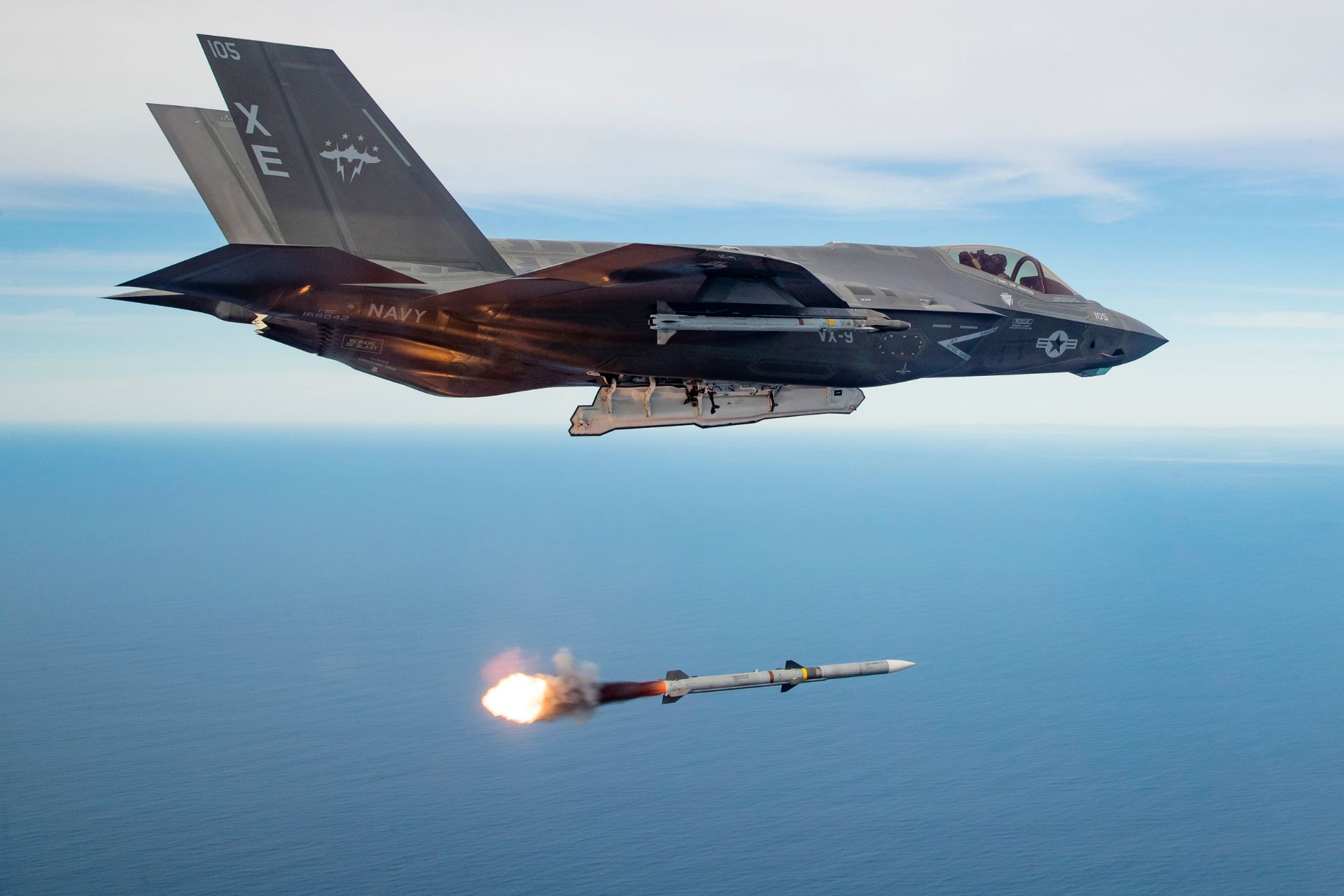
An F-35C Lightning II from Naval Air Station China Lake's Air Test and Evaluation Squadron Nine (VX-9) conducts the first live-fire test of an AIM-120 missile from an operational Joint Strike Fighter. (Picture source: US DoD)
Japan, which has escalated its national security and military modernization efforts, views this collaboration as strategically advantageous. This bilateral cooperation would strengthen U.S. aerial defense capabilities while enhancing Japan’s military posture amid rising tensions in the Indo-Pacific. Although Japan already possesses advanced air defense capabilities, co-production could be a significant step toward improved interoperability and integration of defense systems between the two nations, providing a timely response to global stock requirements.
According to industry sources, AMRAAM production in Japan will be managed by Mitsubishi Electric under a license from Lockheed Martin, the leading air-to-air missile manufacturer, with Mitsubishi expected to expand its manufacturing lines to accommodate AMRAAM production. The feasibility study will also explore funding-related aspects.
This project is part of broader efforts to expand technological and military cooperation between Tokyo and Washington, especially in high-tech munitions sectors. This development reinforces the co-production agreement signed between the two countries on July 29, 2024, which also included the co-production of Patriot PAC-3 missiles, for which Japan already has production capabilities.
Co-production not only addresses logistical obstacles but also further integrates Japanese supply chains into high-grade munitions production. This initiative simultaneously strengthens relations between the two countries' defense industries, which have grown closer amid evolving global geopolitical dynamics.
In the coming months, the feasibility study will provide insights into the technical, financial, and regulatory challenges associated with the co-production project. This process is part of broader security collaboration initiatives between the U.S. and Japan in response to concerns over China’s regional influence. More broadly, Washington aims to strengthen alliances in the Indo-Pacific, particularly with Australia, India, South Korea, and the Philippines.
Read more: US and Japan Make Progress on AIM-120 Missile Production to Meet Ukraine's Needs
- Details
- Written by: Vandenbosch
- Category: 2024
- Hits: 5215
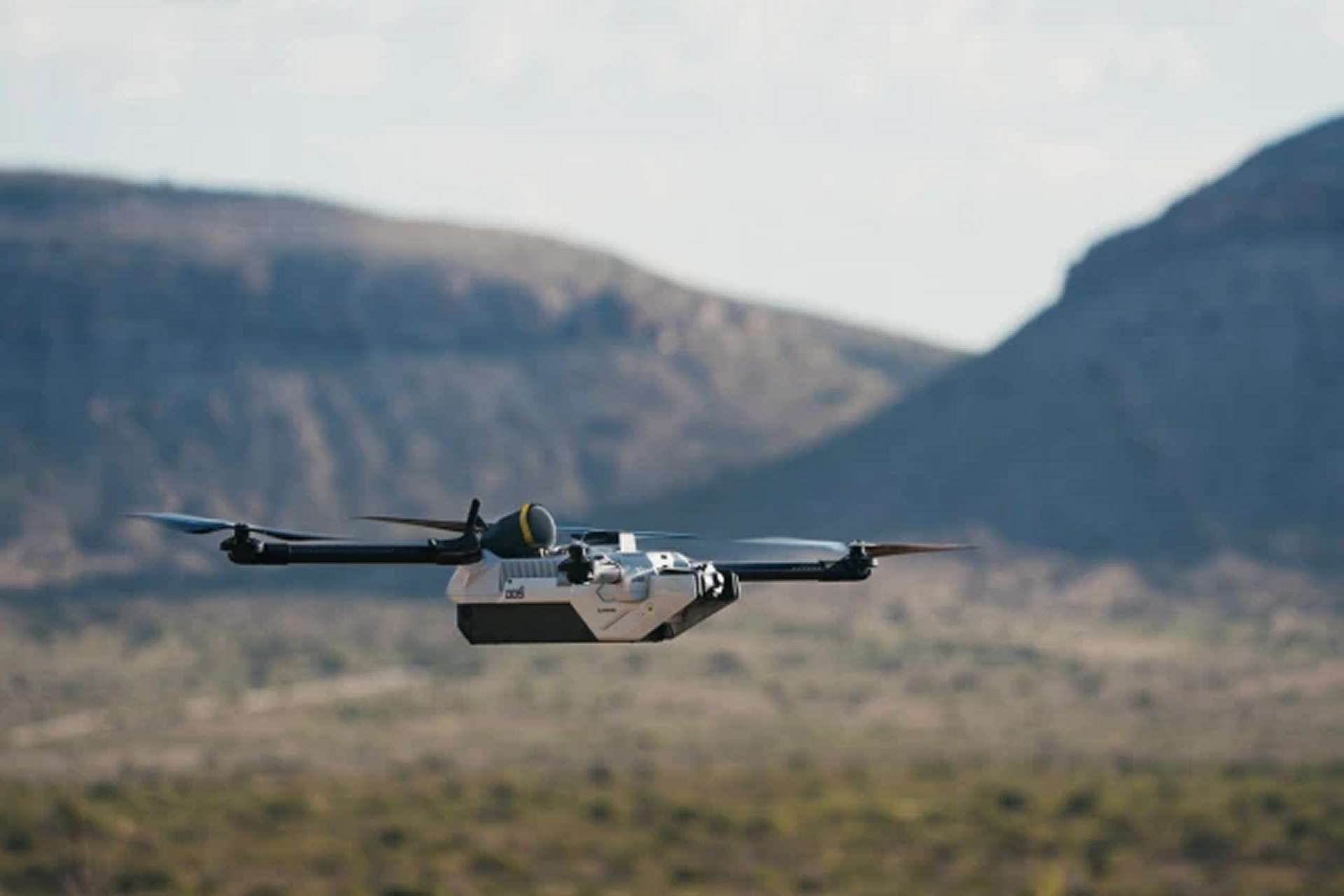
On October 10, 2024, Anduril Industries unveiled the Bolt family, a series of portable, single-operator vertical takeoff and landing (VTOL) autonomous aerial vehicles designed to meet various operational needs. This lineup includes the Bolt, which is dedicated to intelligence, surveillance, and reconnaissance (ISR) missions as well as search and rescue operations, and the Bolt-M, an advanced variant that offers precision firepower with automated tracking and strike capabilities. Both models are user-friendly, allowing operators to focus on strategic decisions rather than navigation, thereby supporting a wide range of tactical operations.
Anduril Industries unveiled the Bolt family. (Picture source: Anduril)
The Bolt-M system was developed in response to the growing demand for loitering munitions that are low-cost and easy to handle, leveraging commercial drone technologies to cut costs and simplify production. This variant reduces the need for specialized training by automating complex piloting tasks for target location and engagement, enabling operators to concentrate on decision-making while minimizing the cognitive load typical of first-person view (FPV) drones.
With a robust operational range of 20 kilometers and a flight endurance exceeding 40 minutes, Bolt-M enhances ground forces’ capabilities with lethal precision. Capable of carrying a military payload of up to 1.4 kilograms, it targets static or mobile ground entities, including light vehicles and fortified positions. Operators can customize engagement strategies with flexible options such as waypoint navigation, target tracking, and adjustable engagement distances, enhancing responsiveness on the battlefield.
At the core of Bolt-M’s efficiency is its integration with Anduril's Lattice platform, which provides advanced artificial intelligence and machine learning capabilities for automated target tracking and engagement. A simple touch interface allows operators to adjust Bolt-M’s navigation and tracking in real time, adapting to the dynamic battlefield environment. By drawing a box around any visible target, operators can direct Bolt-M to follow it, maintaining visual or acoustic coverage and ensuring a precise strike when needed.
The platform provides enhanced situational control, allowing operators to set a standoff position to monitor targets from a distance, even when they move or are partially concealed. During engagement, users can define the optimal strike angle, while advanced vision algorithms maintain terminal guidance, even in cases of connectivity loss.
Bolt-M further expands the potential of interconnected battlefield technologies. As a software-defined platform, it integrates into a broader ecosystem via Lattice, sharing data with both Anduril and third-party platforms to offer commanders a unified and actionable view of the operational theater.
The Bolt family is designed for ease of operation, reliability, and enhanced security. The Bolt-M ground control station (GCS) is compact and optimized for intuitive use, combining essential functions such as training, mission planning, and weapons systems integration in a handheld device familiar to operators. Its modular structure allows adaptation to various munitions, including warheads co-developed with Kraken Kinetics, enabling operators to configure Bolt-M for anti-personnel or anti-materiel missions as needed. Batteries can be swapped quickly, allowing for rapid redeployment and mission continuity.
Safety is also a priority, with integrated physical and software safety mechanisms. An electronic safe and arm device (ESAD) allows operators to disarm the system for secure transport, return to base, or redeployment.
The Bolt series is designed for rapid deployment in varied environments. With its lightweight and compact design, any operator can carry and deploy Bolt or Bolt-M in under five minutes, enabling ground forces to access immediate precision firepower. As a VTOL AAV, Bolt requires no launch equipment and operates effectively in cluttered or confined environments, equipped with cameras that switch between EO and IR modes for 24-hour operational capability.
- Details
- Written by: Halna du Fretay
- Category: 2024
- Hits: 14393
In 2025, Russia is set to complete the delivery of its S-400 air defense systems to India, as recently confirmed by the Chief of the Indian Air Force, Air Marshal Amar Preet Singh, on October 4, 2024. This acquisition, finalized in 2018 for $5.43 billion, includes providing 20 units intended to equip five air defense squadrons. However, delays due to the war in Ukraine and international sanctions have hindered initial delivery timelines.
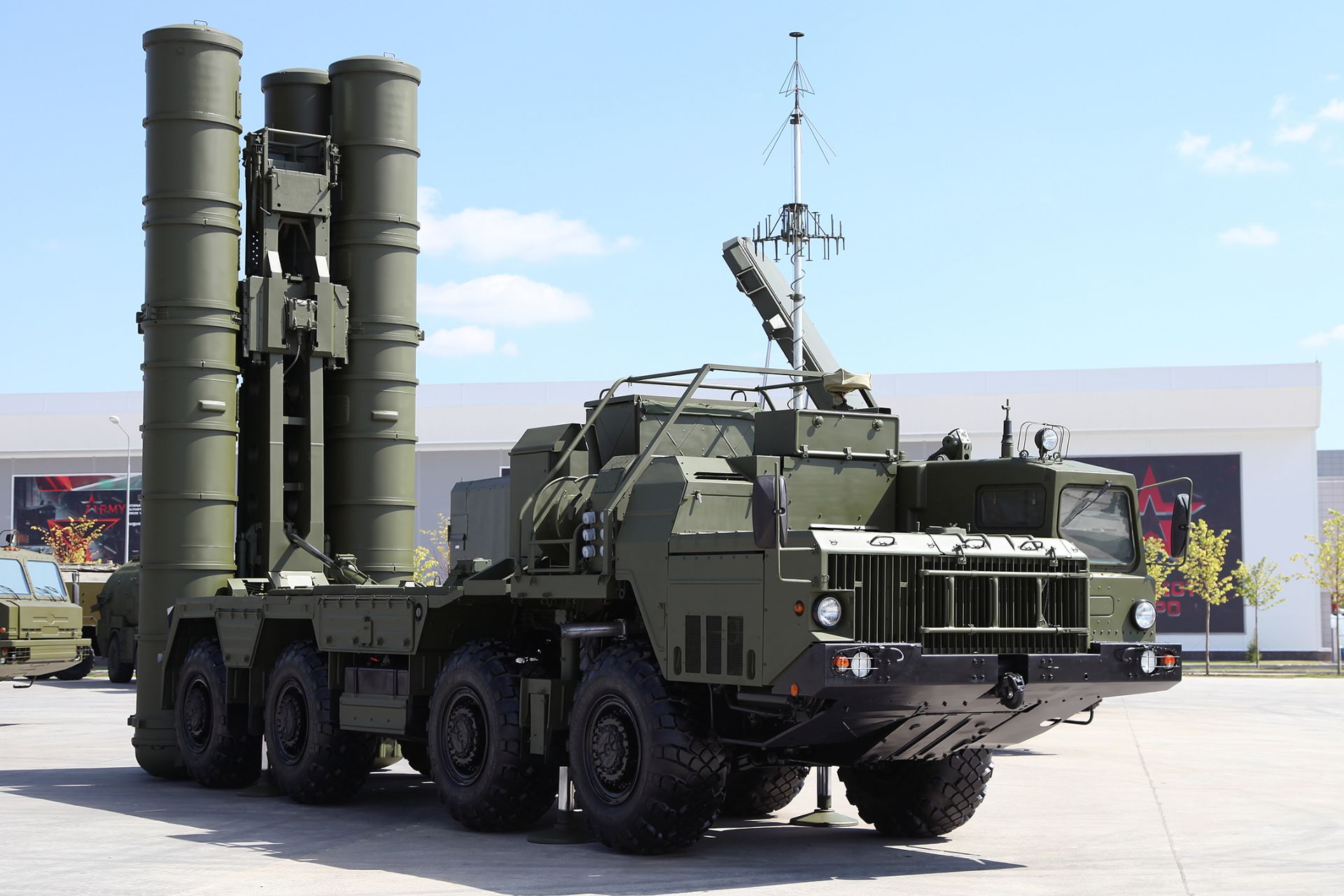
With missiles ranging from 40 to 400 km, the S-400 can engage up to 36 targets simultaneously at altitudes reaching 30 km (Picture source: Vitaly V. Kuzmin)
The S-400 Triumf, also known by NATO as the SA-21 Growler, is a long-range surface-to-air missile system developed by Russia to intercept a broad array of airborne threats, including strategic and tactical aircraft, ballistic and cruise missiles, and stealth targets. With missiles ranging from 40 to 400 km, the system can engage up to 36 targets simultaneously at altitudes reaching 30 km, incorporating advanced detection technologies such as the 92N2E Grave Stone tracking radar and the 96L6 Cheese Board acquisition radar.
The S-400 utilizes various missile types, including the 9M96E and 40N6E, enabling layered air defense against diverse threats. Its mobile platform, towed by vehicles like the BAZ-6402-015, offers operational flexibility, while its 55K6E command post on a Ural 532301 truck coordinates air surveillance, threat prioritization, and battery management. Additionally, the system works with specialized radars, such as the Nebo SVU for stealth detection, and is compatible with legacy S-300 missiles, ensuring modularity and resilience in jamming environments.
The initial S-400 units were delivered progressively, beginning in December 2021. To date, India has received three squadrons, strategically deployed along its borders with Pakistan and China as part of a deterrent strategy aimed at enhancing territorial security. These deployments enable India to respond swiftly to potential threats in a region with historical tensions.
Delays in delivery stem partly from logistical challenges within the supply and transport chains, exacerbated by the international context and the Russo-Ukrainian conflict. The S-400, designed for medium- and long-range air defense, is a critical asset in Russia's arsenal, capable of neutralizing targets at distances from 120 to 400 kilometers. Since its introduction in 2006, the system has been used in various operational theaters, including Syria, and more recently, the conflict in Ukraine.
Delivery to India is further overshadowed by revelations from the "BaumankaLeaks," a series of disclosures from the cyber activist group Cyber Resistance in collaboration with InformNapalm, an international intelligence community. In July 2024, this group released confidential documents exposing sensitive details of Russo-Indian defense contracts, including the S-400. Originating from hacked emails of senior Russian officials, these leaks reveal specific codes, component quantities, and munitions planned for India.
Signed during a 2018 visit by Vladimir Putin to India, the S-400 Triumf contract marked a milestone in military cooperation between the two nations and facilitated enhanced training for Indian personnel. Despite the delays caused by Russia’s engagements in Ukraine, Moscow remains committed to completing the deliveries, underscoring its determination to maintain influence among strategic partners such as India.
These disclosures raise questions about the security of Russia’s military information, exposing potential risks for its partners due to the sensitive nature of defense contracts amid geopolitical tensions. Correspondence from a high-ranking Russian defense official, Vladimir Chervakov, validates the complete S-400 inventory designated for India, highlighting the inherent risks of collaboration with Russia in defense matters under increasing external and internal pressures.
Russia’s continued delivery of S-400 systems to India, despite the ongoing conflict in Ukraine, is notable, as Moscow might prioritize resources to strengthen its military presence in Ukraine and bolster domestic defense. Nonetheless, this situation emphasizes Russia’s strategic priorities to uphold its international commitments and preserve essential alliances, particularly with India. India, adopting a neutral stance and pursuing a policy of multi-alignment, carefully balances relationships with global powers, leveraging military cooperation with Russia while remaining uninvolved in the Ukrainian conflict. Completing the S-400 deliveries to India by 2025 is a crucial step in Russo-Indian cooperation, despite logistical and political challenges encountered.
Read more: India and Russia Set for Final S-400 Delivery in 2025 Despite Ukraine War

- Details
- Written by: Vandenbosch
- Category: 2024
- Hits: 4440
Steadicopter has unveiled the Golden Eagle HS (Heavy Strike) Rotary Unmanned Aerial System (RUAS), developed in collaboration with Rafael Advanced Defense Systems Ltd. This latest addition to the Golden Eagle family integrates Rafael’s Spike missile, enhancing its operational profile and reinforcing its proven performance in combat scenarios.
The Golden Eagle HS (Heavy Strike) Rotary Unmanned Aerial System. (Picture source: Steadicopter)
Equipped with Rafael’s powerful Spike missiles, the Golden Eagle HS is designed for precision strike missions across diverse environments, from tactical conflict zones to border protection, perimeter security, and urban operations. These capabilities enable battlefield dominance, providing a strategic advantage and significant deterrence, even in complex or congested spaces.
With the Spike missile integration, the Golden Eagle HS delivers rapid and precise strikes against high-value, evolving threats, allowing ground forces to operate from safe, stand-off positions, regardless of time or visibility conditions. The RUAS offers long-range attack angles and maximizes firepower while minimizing risk to infantry, marines, special forces, and other ground units.
The Golden Eagle HS uses Spike missiles, renowned for their precise guidance and fire-and-forget capabilities. Equipped with powerful explosive warheads, this platform combines enhanced discretion with extensive lethality, covering vast operational areas and extending the tactical reach of assault forces. The tandem formation configuration allows each RUAS to carry an individual missile, ensuring mission continuity even in compromised situations. With a total takeoff weight of 50 kilograms, the Golden Eagle HS is compatible with Rafael’s SR missile, with a range of 2.5 kilometers, and the LR2, capable of reaching 5.5 kilometers, providing flexible sensor-to-shooter solutions across large operational perimeters.
The Golden Eagle HS is also equipped with an advanced sensor suite, featuring a high-definition EO/IR payload for day and night use and target tracking capabilities. Integrated with SightX’s advanced AI technology, the system can seamlessly acquire, track, and classify targets even in adverse weather or complex terrain. This advanced AI can distinguish between various target types, whether human or vehicular, providing real-time situational awareness and actionable intelligence for ground forces.
“The launch of the Golden Eagle HS in partnership with Rafael Advanced Defense Systems Ltd., a global leader in missile technology, represents an important milestone for Steadicopter,” stated Itai Toren, CEO of Steadicopter. “This RUAS delivers a modern tactical solution that meets today’s operational demands with exceptional precision and stand-off strike capability while protecting troops. Combining Steadicopter’s RUAV expertise with Rafael’s extensive defense experience creates a solution that enhances battlefield effectiveness.”
A Rafael representative added, “Our collaboration with Steadicopter on this advanced RUAS addresses the evolving needs of modern combat, where innovation and advanced capabilities are crucial. This partnership allows current and future Spike missile users to deploy them more versatile and lethally, potentially redefining the modern battlefield.”
Read more: Steadicopter Unveils Golden Eagle HS UAV Equipped with Rafael’s Spike Missiles
- Details
- Written by: Halna du Fretay
- Category: 2024
- Hits: 8133
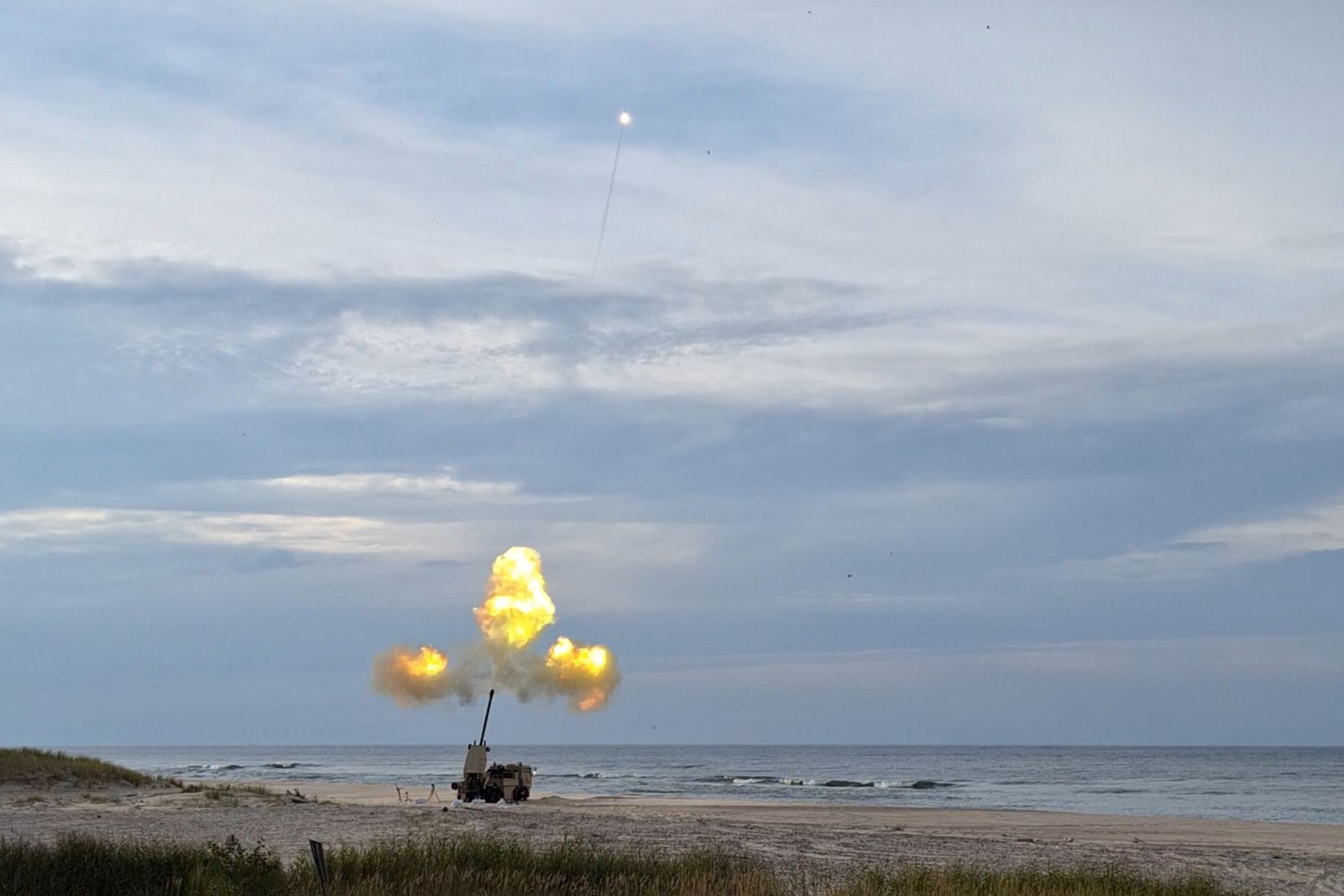
In September 2024, KNDS, the European group formed by the alliance between Krauss-Maffei Wegmann and Nexter, conducted significant trials of its 155mm ammunition to test the range and accuracy of the CAESAR 8x8 howitzer. During these tests at the Ustka firing range in Poland, the CAESAR 8x8, equipped with KNDS Ammo shells, achieved firing distances exceeding 42 kilometers. This performance not only demonstrates the howitzer's ability to accurately reach distant targets but also highlights KNDS's technical expertise in optimizing the pairing between cannon and ammunition.
Beyond this technical demonstration, KNDS sees Poland as a strategic partner for developing European ammunition production capabilities (Picture source: KNDS)
The CAESAR 8x8 is a 155mm self-propelled howitzer developed by the French company Nexter Systems, now part of KNDS in partnership with Germany's Krauss-Maffei Wegmann (KMW). As a modernized version of the wheeled CAESAR howitzer, this 8x8 model meets contemporary operational requirements for mobility and firepower. Mounted on a T-815 military chassis designed by Tatra, it is powered by a V8 turbo diesel engine generating 410 horsepower, enabling a maximum road speed of 100 km/h.
Its armament system features a 155mm/L52 caliber cannon, similar to the 6x6 version, but with an automatic loading system that allows for a firing rate of 6 rounds per minute. Alongside its accuracy, the CAESAR 8x8 includes a computerized fire control system and a thermal camera for direct firing, giving it the capability to operate independently or in coordination with an artillery command post.
The CAESAR 8x8 can fire a wide range of 155mm ammunition, including high-explosive, illuminating, and smoke rounds, as well as the smart BONUS munition designed to engage armored enemy vehicles. With a maximum range of 42 km using ERFB (Extended Range Full Bore) rounds and up to 55 km with VLAP (Velocity-enhanced Long-range Artillery Projectile) rounds, it is highly effective for long-range operations.
Currently used by countries such as Denmark, Ukraine, and more recently France, the CAESAR 8x8 is known for its adaptability, as it can be mounted on various military chassis depending on client requirements. Nexter also offers an armored cabin version, providing ballistic protection for the crew against small arms fire and mine explosions. This flexibility and proven capability in high-intensity operations make the CAESAR 8x8 a widely utilized artillery solution within NATO forces.
Beyond this technical demonstration, KNDS sees Poland as a strategic partner for developing European ammunition production capabilities. With its industrial assets, Poland represents a favorable environment for new manufacturing capacities. KNDS is ready to offer its comprehensive expertise in 155mm ammunition production, including shells, propellant charges, fuzes, and primers, thus supporting the growth of this industry in Poland. KNDS ammunition, already validated for effectiveness and accuracy in the Ukrainian conflict, has been used on various 155mm/52 caliber self-propelled howitzer systems such as the PzH 2000, K9, and Archer.
With over 600 CAESAR 155mm/52-cal howitzers delivered or in production, KNDS offers a range of artillery solutions widely deployed within NATO, proving their effectiveness in high-intensity operations. The resilience and performance of these artillery systems in extreme combat contexts underscore KNDS's ability to meet the most demanding operational needs. KNDS aims to support Polish artillery development programs to strengthen Europe’s eastern flank, thus addressing the region's security concerns.
Read more: KNDS Tests CAESAR 8x8 Howitzer Range in Poland for Potential Ammunition Production

- Details
- Written by: Tkuhn
- Category: 2024
- Hits: 3591
According to information published by Infodefensa on September 26, 2024, the German defense company Rheinmetall has continued its campaign to integrate the Skyranger 30 (SR30) and Skyranger 35 (SR35) anti-aircraft systems onto various platforms. The latest vehicle undergoing testing with this weapon is the Piranha V.
Follow Army Recognition on Google News at this link
Mowag Piranha V Infantry Fighting Vehicle IFV fitted with Rheinmetall Skyranger 30 Mobile Air Defense System. (Picture source: GDELS)
Rheinmetall conducted a live-fire demonstration of the Skyranger 30 mounted on a Piranha V 8x8 armored vehicle. The presentation took place at the Ochsenboden firing range in Switzerland, showcasing a configuration similar to the one Denmark is reportedly acquiring.
Denmark has initiated a significant upgrade to its air defense capabilities by procuring 16 Rheinmetall Skyranger 30 mobile air defense systems, which will be integrated onto the Piranha V 8x8 armored vehicles, already in use by the Danish Army. This contract, signed on September 27, 2024, involves collaboration between Rheinmetall and Denmark’s Defence Acquisition and Logistics Organisation (DALO).
The integration of the SR30 system onto the Piranha V platform reflects a strategic response to lessons learned from contemporary conflicts. The widespread use of drones and unmanned aerial vehicles (UAVs) in Ukraine has exposed vulnerabilities in traditional air defense systems, which are often ill-equipped to counter low-altitude, agile aerial threats. Rheinmetall's solution offers a mobile, flexible, and effective countermeasure against these modern challenges.
The Piranha V armored vehicle provides an optimal platform for the SR30 system due to its mobility, protection, and modularity. As an 8x8 wheeled vehicle, it offers superior off-road capabilities and speed, enabling rapid deployment and repositioning on the battlefield. The vehicle's design allows for the integration of various mission modules, making it a versatile asset for armed forces seeking to enhance their air defense capabilities without procuring entirely new systems.
The deployment of systems like the Skyranger 30 on platforms such as the Piranha V represents a shift towards more adaptable and responsive defense strategies. As aerial threats become more sophisticated and accessible to a wider range of actors, including non-state entities, militaries must prioritize agility and technological advancement. Rheinmetall's approach aligns with this need, offering a system capable of engaging various targets, from drones to helicopters, thereby enhancing force protection and operational effectiveness.
Read more: Rheinmetall presents Skyranger 30 on Piranha V 8x8 in Switzerland
- New Success for Indian Army with 4th Generation VSHORADS Trials to Counter Aerial Threats
- Chile Acquires Colombian Hunter TR-12-24 MRAPs in Strategic Regional Alliance
- US Army Awards $4.1 Billion Contract to Lockheed Martin for GMLRS Rocket Production
- Canada supports Ukrainian troops with training on new ACSV 8x8 armored ambulances