
- Details
- Written by: Vandenbosch
- Category: 2024
- Hits: 3474




Breaking news






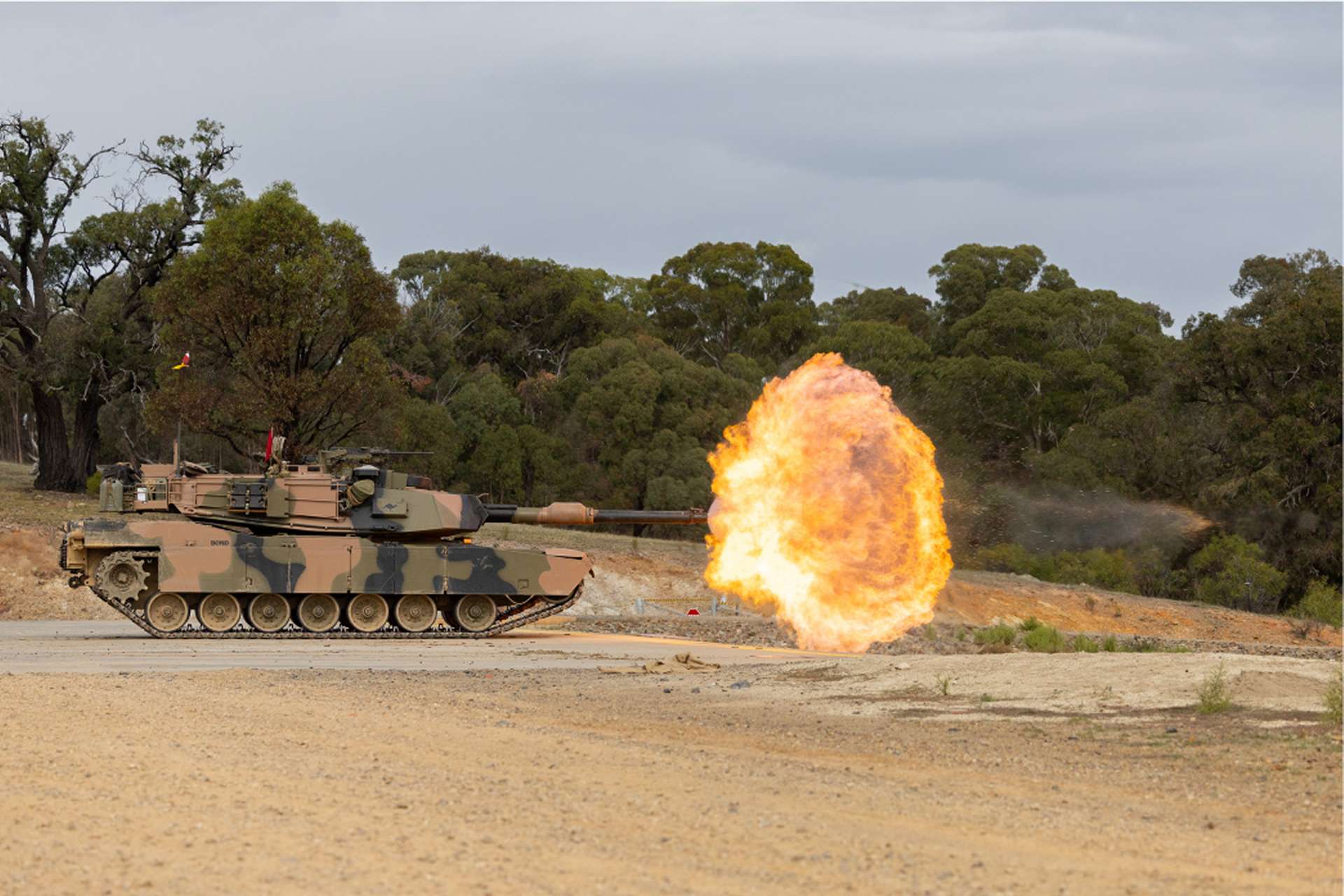
On May 16, 2024, the Australian Army conducted a live-fire exercise as part of the Coral Balmoral Cup 2024, featuring M1A1 Abrams tanks and light armored vehicles. This event, held at the Shoalwater Bay Training Area in Queensland, showcased the operational readiness and capabilities of the Australian Defence Force.
Follow Army Recognition on Google News at this link
The Coral Balmoral Cup 2024 live-fire exercise featuring M1A1 Abrams tanks. (Picture source: Australian MoD)
The Coral Balmoral Cup, named after two battles from the Vietnam War, is an annual competition designed to test and enhance the combat effectiveness of Australian Army units. This year's edition included a series of rigorous exercises aimed at refining the skills of the 7th Brigade, which is at the forefront of integrating heavy armored units into its combat teams.
The M1A1 Abrams is a main battle tank designed by the United States, and used by several countries including Australia, Egypt, Iraq, Poland, Saudi Arabia, and Ukraine. It is equipped with powerful armament including a 120mm main gun, a 7.62mm coaxial machine gun, a 7.62mm top turret machine gun, and a 12.7mm anti-aircraft machine gun. This tank is protected by Chobham armor reinforced with uranium plates, providing exceptional protection against various threats.
The M1A1 Abrams weighs 62,000 kg and can reach a maximum speed of 68 km/h, offering great mobility on the battlefield. It is equipped with numerous advanced accessories, such as a fire control system, laser range finder, night vision, thermal sight, NBC (nuclear, biological, chemical) protection system, heater, and automatic fire extinguishing system. These features enable the crew to maintain maximum efficiency in various combat conditions.
The tank has a range of 426 km and its crew consists of four members: a commander, a gunner, a loader, and a driver. In terms of dimensions, the tank measures 9.83 meters in length, 3.65 meters in width, and 2.89 meters in height.
Brigadier Rawlins emphasized the importance of incorporating tanks into brigade operations, insisting that this reaffirms the army's ability to maintain heavy combat power and adaptability in contemporary battle spaces. This year's event also marked an important milestone as it was one of the first times the Australian Army conducted joint exercises with their American counterparts, enhancing interoperability between allied forces.
The live-fire serial, vividly captured by CPL Johnny Huang, offers a glimpse into the intense and dynamic nature of modern military exercises. As the Australian Army continues to evolve and integrate new technologies and tactics, events like the Coral Balmoral Cup play a crucial role in honing the skills of its personnel and demonstrating its formidable capabilities.
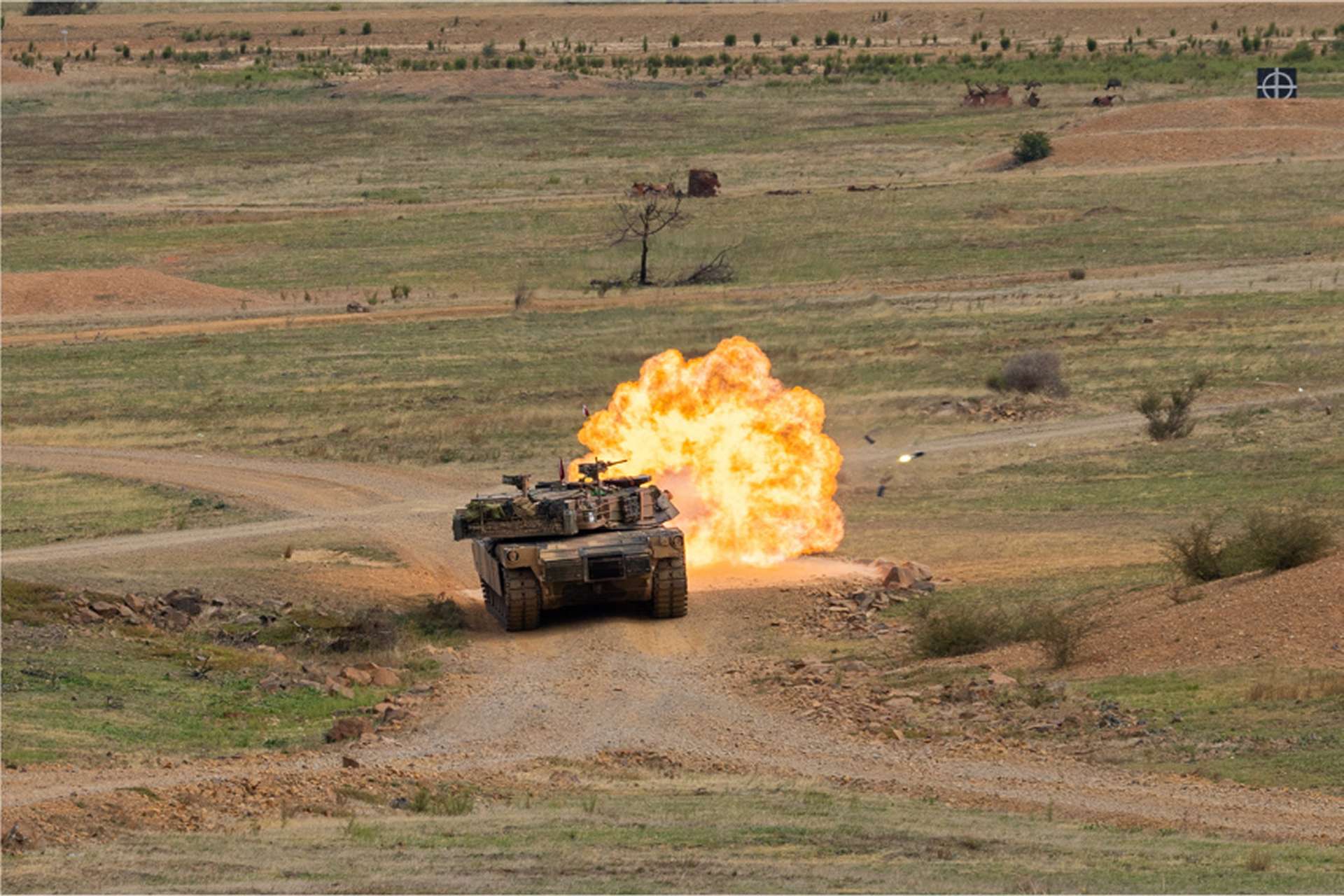
The M1A1 Abrams is a main battle tank designed by the United States. (Picture source: Australian MoD)
- Details
- Written by: V.Saint
- Category: 2024
- Hits: 6924
Breaking news
An improved anti-FPV drone system for the Triton tank, easy to install and operate, has arrived for Russian troops in the special military operations zone in Ukraine, TASS agency reported Tuesday, quoting Denis Oslomenko, CEO of the PPSh laboratory developer of the system.
Follow Army Recognition on Google News at this link
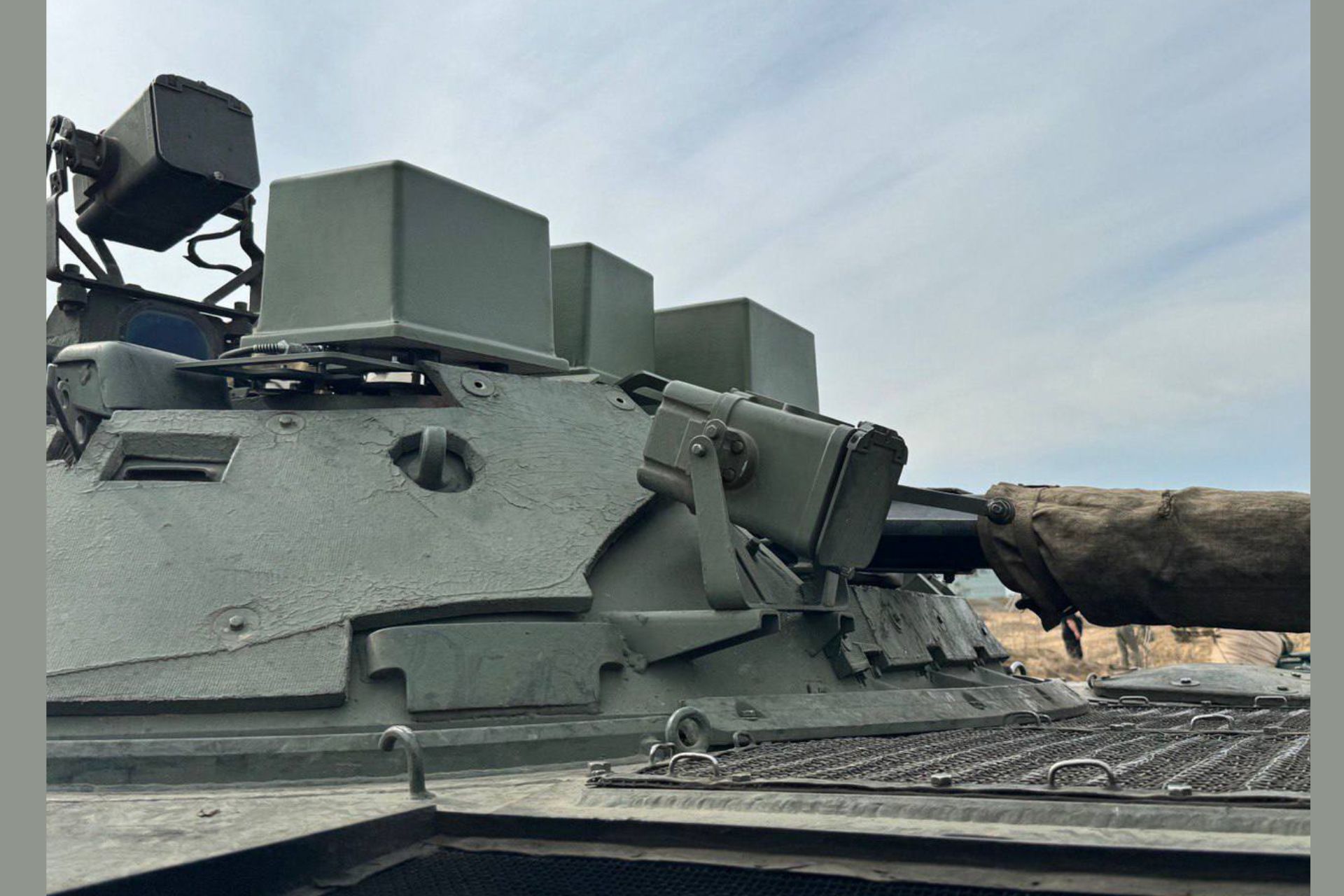
Triton Anti FPV system mounted on BMP-2M allegedly in Ukraine (Picture source: PPSh laboratory Лаборатория ППШ )
The enhanced modules are assembled in a pyramid shape, which conceals their number and parameters from the enemy compared to the previous Triton drone suppression systems, the CEO stated.
The system was developed with the idea of offering a standardized solution for armor, very compact and convenient. It includes six to eight magnets, allowing as many modules as necessary to be installed on the tank. All these equipments are interconnected and the tank driver has a control panel. Deploying this system takes about five minutes, or up to ten minutes if another power supply option is required. There are already many new Triton systems, several thousand, already in service in the Russian armed forces deployed in Ukraine.
The new Triton drone suppression systems can be mounted on armored vehicles and quads, boats, and any object requiring protection against FPV drones.
By the end of 2023, Oslomenko had announced the success of the tests, stating that the Triton drone suppression systems had been successfully tested on the armored vehicles Tigr, Taifun, and Kamaz as part of the special military operation in Ukraine.
The Triton anti-drone system creates a protection field of at least 300 meters in diameter. The system's configuration can be easily modified by adding modules to suppress the new frequencies that the enemy starts using to control FPV drones. The complex includes an anti-drone gun that suppresses frequencies of 1.6-2.4-5.8 GHz and two suppression modules behind the back, LGSh-608 and LGSh-609, for frequencies 800 and 900 MHz, respectively. In theory, the complex is capable of disrupting the control lines of quadcopters and FPV drones.
Laboratory PPSh is a Russian company that provides information security services and products, including telephone line protectors, wireless communication blockers, and drone suppressors, particularly the anti-drone guns LPD-801 and LPD-802 and the Triton electronic warfare system.
Read more: Recently tested Improved anti-FPV systems are arriving for Russian troops in Ukraine
- Details
- Written by: Halna du Fretay
- Category: 2024
- Hits: 3856
Breaking news
According to North Korea's KCNA news agency, North Korean leader Kim Jong-un has inspected the latest advancements in missile technology for the Korean People's Army (KPA). During his visit to the military-industrial complex on May 14, 2024, Kim expressed satisfaction with the production results of the first half of the year and emphasized the importance of meeting the 2024 military production plan to improve the army's war readiness substantially.
Follow Army Recognition on Google News at this link
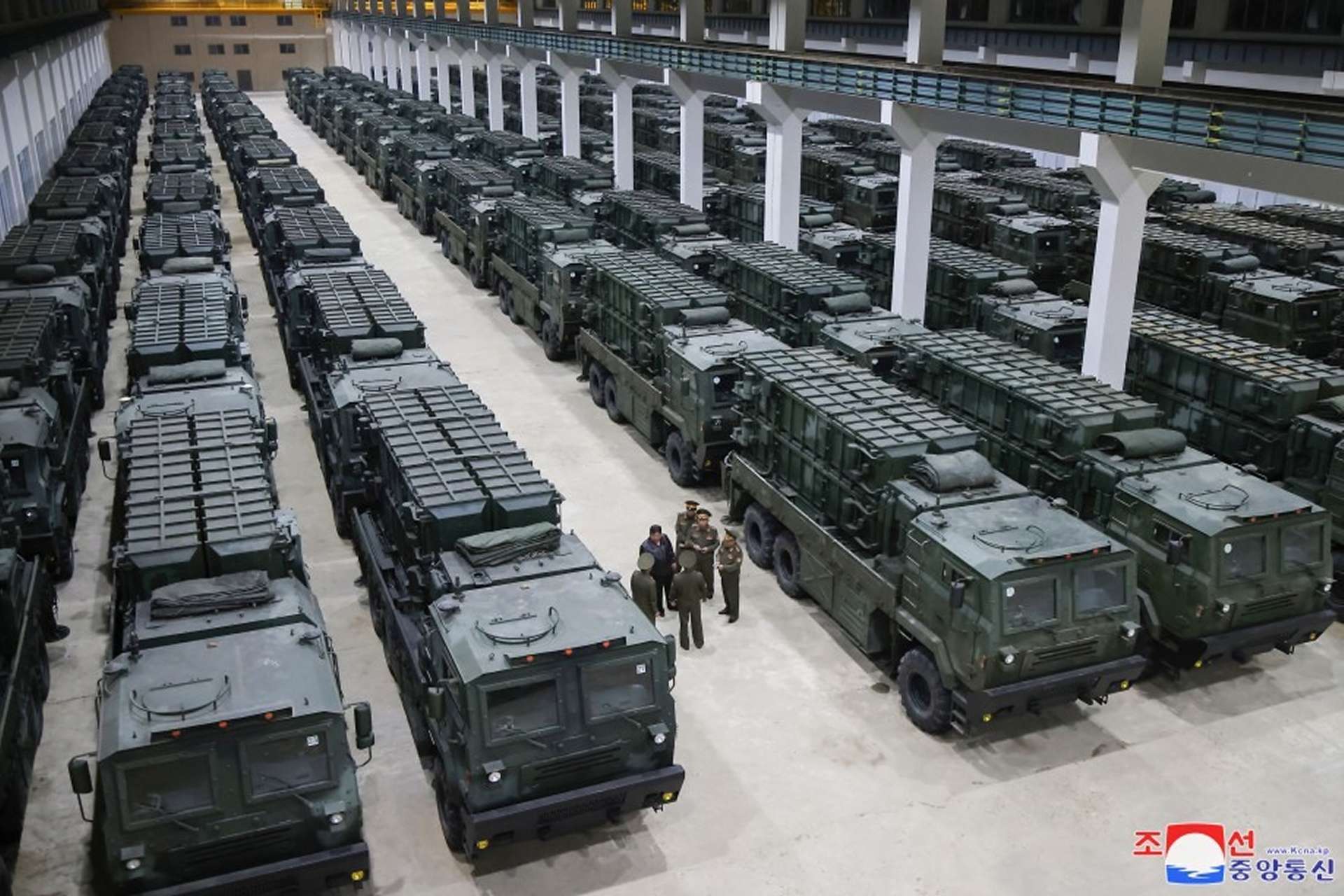
State media reported that the visit highlighted the introduction of a new series of tactical missile weapon systems expected to be operational by the end of the year (Picture source: KNCA)
State media reported that the visit highlighted the introduction of a new series of tactical missile weapon systems expected to be operational by the end of the year. These systems are particularly intended for KPA artillery units, which perform critical firing duties. The inspection focused on the production scale of transporter erector launchers (TEL) for the Hwasong-11D short-range ballistic missiles. The Hwasong-11D is a modified, smaller variant of the KN-23 missile, known locally as Hwasong-11Ga. It has an estimated range of 100 to 180 kilometers and can deploy four missiles per launcher.
The missile follows a quasi-ballistic trajectory, reaching an altitude of about 50 kilometers where the atmosphere is still dense enough to allow mid-flight course adjustments via its fins. This low apogee, combined with a brief flight time and terminal maneuvering capabilities, makes it difficult for traditional missile defense systems to detect and intercept. Additionally, the increased accuracy of the Hwasong-11D means fewer missiles may be needed to effectively neutralize a target.
North Korea has recently intensified its deliveries of arms and ammunition to Russia, thereby supporting Russian military efforts in the war in Ukraine. According to diplomatic sources and intelligence services, Pyongyang has shipped various types of military equipment, including artillery shells, rockets, and light ammunition. Moreover, it is believed that North Korea has also supplied short-range missiles and anti-tank missiles, significantly bolstering Russia's offensive capabilities.
This cooperation between the two nations is part of a broader context of strengthening bilateral ties and mutual support in the face of international sanctions and diplomatic isolation. The supply of these weapons by North Korea aims to help Russia overcome its logistical and resupply challenges on the Ukrainian front while consolidating the strategic alliance between Moscow and Pyongyang.
In addition, the geopolitical situation of North Korea in its immediate environment is marked by persistent tensions with its neighbors, particularly South Korea and Japan. Relations with South Korea are characterized by an alternation of dialogue and confrontation, exacerbated by Pyongyang's frequent nuclear and ballistic missile tests. These tests are perceived as direct provocations, threatening the stability of the Korean Peninsula and prompting reinforced military responses from Seoul.
Additionally, Japan, also within the reach of North Korea's military capabilities, maintains a heightened state of vigilance, intensifying its defense cooperation with the United States to counter the North Korean threat. North Korea's missile tests, often launched towards the Sea of Japan, worsen already tense relations and strengthen regional alliances aimed at containing Pyongyang's military influence. These geopolitical dynamics create a climate of insecurity and uncertainty in the region, with potential implications for global security.

- Details
- Written by: Vandenbosch
- Category: 2024
- Hits: 2732
Breaking news
MBDA has signed a grant agreement with the Organisation for Joint Armament Cooperation (OCCAR) and secured a linked procurement contract to launch the concept phase of the HYDIS² project. This agreement, signed on May 15, marks the beginning of a three-year endeavor to develop a defense missile system against hypersonic and ballistic threats on a European scale.
Follow Army Recognition on Google News at this link
Signature of the HYDIS² project between OCCAR and MBDA. (Picture source: MBDA)
The HYDIS² project, an acronym for Hypersonic Defence Interceptor Study, was selected for funding by the European Commission in July 2023. This initiative has received co-funding commitments from the governments of France, Germany, Italy, and the Netherlands.
This concept phase aims to identify the most effective defense strategies against hypersonic and ballistic threats, as well as the corresponding weapon architecture. Under the coordination of MBDA, the project focuses on collecting and harmonizing operational scenarios and weapon system interfaces, taking into account European and NATO guidelines. The collaboration will also focus on defining threats, consolidating weapon system requirements, and integrating these systems into the broader engagement chain.
The primary objectives of this phase include selecting the interceptor concept against hypersonic and ballistic threats that is most suited to European defense needs, with a view to an evaluation phase aimed at achieving operational status by 2035. The phase also aims to advance the necessary technologies for implementing the counter-hypersonic defense concept in future program phases and to establish an industrial network to develop next-generation hypersonic missile systems.
The HYDIS² consortium, led by MBDA, brings together 19 partners and more than 20 subcontractors from 14 European countries. Key partners include MBDA entities in France, Germany, Italy, and Spain, as well as ArianeGroup, AVIO, Avio Aero, Bayern-Chemie, CIRA, DLR, GKN Fokker, LYNRED, OHB System AG, ONERA, ROXEL France, THALES LAS France, TDW, THALES Netherlands, and TNO.
The project represents a crucial element of European defense strategy, particularly in the face of emerging hypersonic threats that pose a significant challenge beyond the capabilities of traditional ballistic missiles. Through this collaboration, European states aim to enhance their defense capabilities, thereby ensuring the protection of their populations and armed forces against these advanced threats.
Read more: MBDA Receives European Contract to Develop HYDIS² Project Concept Phase
- Details
- Written by: Vandenbosch
- Category: 2024
- Hits: 22138
Breaking news
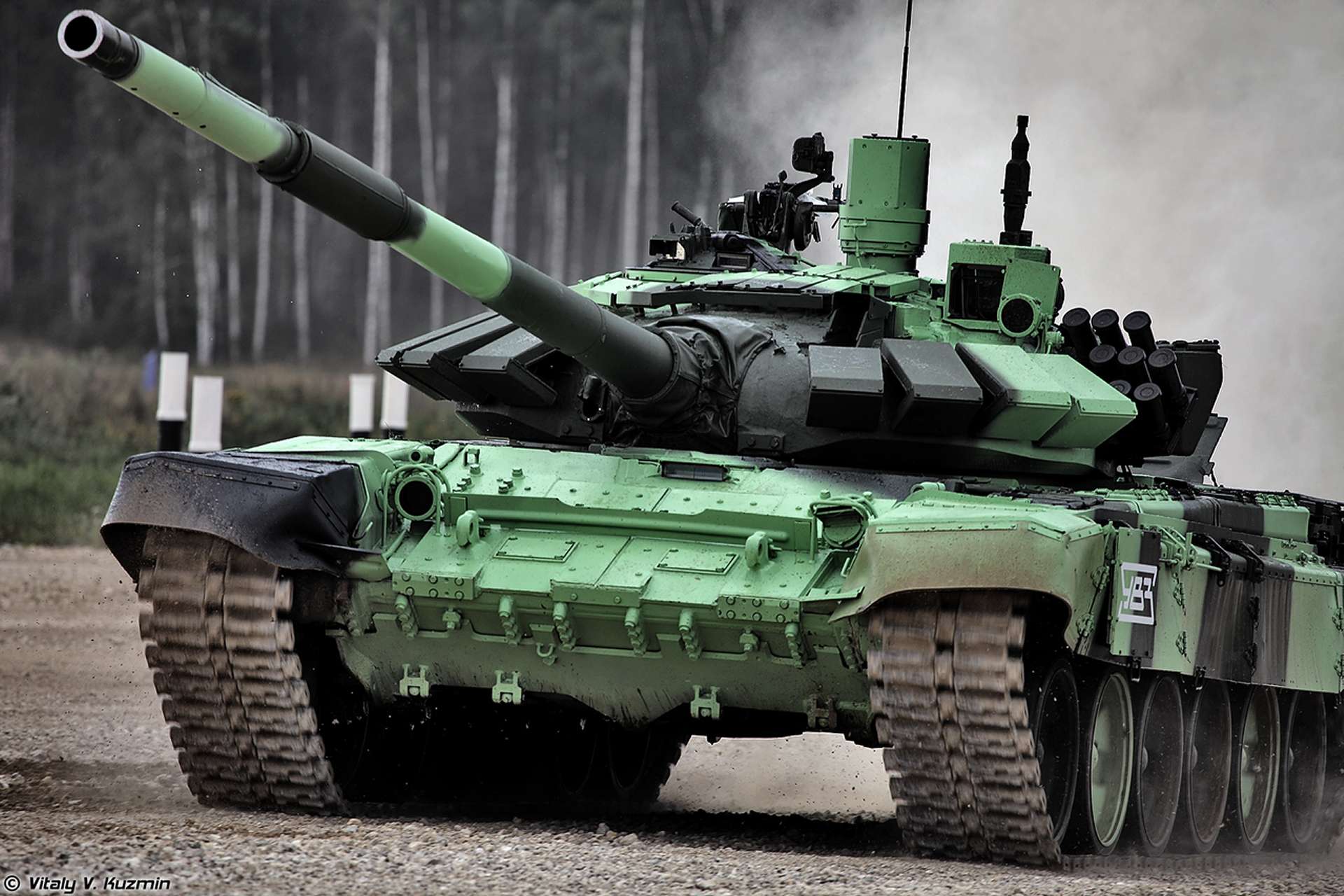
Russia announced on its state media on May 15, 2024, the delivery of 10 T-72B3M Main Battle Tanks to a mechanized infantry unit in the Urals. First showcased at the 2014 Tank Biathlon, the T-72B3M remains a crucial yet problematic asset in the Russian military arsenal, highlighting both advancements and vulnerabilities. In response to ongoing losses in Ukraine, Russia has accelerated the production of upgraded T-72B3M main battle tanks.
Follow Army Recognition on Google News at this link
The T-72B3M is a modernized version of the T-72 main battle tank. (Picture source: Vitaly V.Kuzmin)
Russia has increased its production of tanks and other armored vehicles to offset significant losses in Ukraine. Recently, Russian state media reported that a motor rifle formation—a mechanized infantry division—received a batch of 10 upgraded T-72B3M main battle tanks. This unit is based in the Orenburg Region in the Urals. It is unclear whether it will be deployed to the conflict.
Russia has significantly ramped up its production of combat tanks, largely through upgrades rather than new production. The T-72B3M follows this trend, likely being upgraded from older models. However, it is surprising to see these tanks sent far from Ukraine, where they would be most effective.
The T-72B3M is a modernized version of the T-72 main battle tank, used primarily by Russia and Belarus. This tank is armed with a 2A46M5 125 mm smoothbore gun, a PKTM 7.62 mm coaxial machine gun, and a 12.7 mm NSV heavy machine gun. In terms of protection, it is equipped with standard armor and Relikt explosive reactive armor.
Weighing 45 tons, the T-72B3M can reach a maximum speed of 60 km/h and has a range of 550 km. Designed in Russia and Belarus, this tank is equipped with various sophisticated accessories, including night vision, a fording kit for crossing water bodies, an overpressure NBC protection system, a laser range finder, a thermal sight, a ballistic computer, a panoramic sight, and an image intensifier.
The tank is operated by a crew of three, comprising a driver, a gunner, and a commander. In terms of dimensions, the T-72B3M measures 9.53 meters in length, 3.59 meters in width, and 2.22 meters in height. These combined characteristics make it a formidable combat machine, though not without weaknesses and vulnerabilities.
Despite improved armor and other upgrades, the T-72B3M tanks have a critical design flaw: the autoloader and ammunition storage. Munitions in the turret can be triggered by an indirect hit to the hull, resulting in a "jack-in-the-box" effect where the turret is blown off the tank's body. This flaw has been known for decades, first encountered during the Gulf War in 1991. Russia has largely failed to address it, but experts suggest that few options are available apart from changing the tank's layout. The T-72 was once the world's most feared main battle tank, but the war in Ukraine has highlighted its shortcomings, which likely remain true for this upgraded model.
The delivery of new battle tanks is always good news for the Russian armed forces, but it is quite surprising that these tanks will not be sent to Ukraine, given the material losses suffered on the front lines.
Read more: Russia Delivers Batch of T-72B3M Main Battle Tanks to Its Armed Forces

- Details
- Written by: Halna du Fretay
- Category: 2024
- Hits: 4642
Breaking news
On May 15, 2024, Pakistan announced the successful test of its locally developed short-range rocket system named Fatah-II. This development comes as the nation actively seeks to boost its strategic defense capabilities in response to ongoing military advancements by its neighboring rival, India.
Follow Army Recognition on Google News at this link
The Fatah-II rocket is initially powered by a single-stage dual-thrust solid rocket motor, which then detaches, allowing the rocket to glide at supersonic speeds towards its target (Picture source: Pakistan MoD/ ArmyRecognition)
The Fatah-II Guided Rocket System, with a range of 400 kilometers, is designed to engage strategic targets with high precision. Equipped with advanced navigation systems, unique trajectory characteristics, and maneuverability, the rocket system can effectively counter and defeat any missile defense system, including the sophisticated Russian S-400 system deployed by India. The Pakistani military emphasizes that this capability is crucial for maintaining strategic parity in the region.
The test was conducted on Wednesday, aiming to perfect the launch procedures and exercises of the rocket system. The event was observed by senior army officers, scientists, and engineers. The successful test prompted congratulatory messages from Pakistan’s top leaders, including President Asif Ali Zardari and Prime Minister Shehbaz Sharif, as well as senior military officials, who praised the efforts of the troops and scientists involved.
In addition to its military applications, the Fatah-II is being integrated into Pakistan’s Artillery Divisions to provide a stand-off capability for the precise engagement of deep targets, enhancing the reach and lethality of the Pakistan Army’s conventional arsenal. The development of this missile began in early 2021, with its first successful test firing occurring in late December 2023.
Revealed at the WDS 2024 exposition, the Fatah-II is developed by Global Industrial & Defence Solutions (GIDS), a state-owned Pakistani enterprise, and features an inertial navigation system (INS), global navigation satellite services (GNSS), auto-aiming capability, and a leveling, positioning, and orientation system. With a circular error probability (CEP) of less than 50 meters, the Fatah-II represents a significant advancement in Pakistan's artillery capabilities. The missile measures 7.5 meters in length and can carry a 365 kg warhead.
This development follows shortly after Indian Foreign Minister S Jaishankar reiterated India's claim over Pakistan-occupied Kashmir (PoK), stating that it is an integral part of India. The test of the Fatah-II is seen as part of Pakistan's broader strategy to ensure preparedness against any potential aggression from its eastern neighbor.
Read more: Pakistan Tests New Fatah-II Short-Range Rocket System Amid Tensions with India

- Details
- Written by: Vandenbosch
- Category: 2024
- Hits: 18446
Breaking news
During a parliamentary session on May 15, 2024, Shadow Secretary of State for Defence John Healey questioned the Ministry of Defence about the acquisition and deployment of the Boxer RCH 155 Self-Propelled Howitzer for the British Army. James Cartlidge, Minister of State for the Ministry of Defence, responded with detailed information on the current state and plans of the artillery programme.
Follow Army Recognition on Google News at this link
The RCH 155 is a German self-propelled artillery piece developed between 2014 and 2024. (Picture source: KNDS)
John Healey inquired about the measures taken to accelerate the delivery of the Boxer RCH 155, the number of self-propelled howitzers the Army plans to acquire, the value of the acquisition programme, and the expected service entry date for the Boxer RCH 155.
James Cartlidge explained that the Boxer RCH 155 would be developed through a jointly led collaborative procurement process between the United Kingdom and Germany. Collaborating on a joint assessment and qualification plan will leverage the combined capabilities of the test centres in both nations, enabling faster and more cost-effective delivery. The certainty of platform choice also allows for the early acquisition of ammunition and other critical enablers during the assessment phase. Concurrently, opportunities to accelerate the delivery of the RCH 155 to the Army will be explored where possible, in line with the new Integrated Procurement Model.
Regarding specific programme details, Cartlidge added that the assessment phase would determine the most appropriate manufacturing approach and confirm the number of platforms needed by the British Army. The Army aims to achieve a minimum deployable capability of the Mobile Fires Platform by the end of this decade.
He also highlighted the financial and strategic importance of the programme, indicating that the joint programme could potentially be worth upwards of £3 billion, representing a significant step towards a deeper industrial and defence relationship between the United Kingdom and Germany. Considering the unit cost of the RCH 155, which is €12 million, the purchase of 250 RCH 155 units is estimated.
The RCH 155 is a German self-propelled artillery piece developed between 2014 and 2024. Weighing less than 39 tonnes, the RCH 155 measures 10.40 meters in length, 2.99 meters in width, and 3.60 meters in height. It is operated by a crew of two: a commander and a driver. The primary armament is a Rheinmetall 155 mm L/52 artillery gun, capable of elevation from -2.5° to +65° and 360° traverse with up to six modular charges. This system can fire up to nine rounds per minute, with an effective range of 40 km for base bleed rounds and up to 54 km for velocity-enhanced long-range artillery projectiles (V-LAP).
The RCH 155 is equipped with an MTU 8V199 TE21 engine delivering up to 816 horsepower (600 kW), giving it a power-to-weight ratio of 20.9 horsepower per tonne at maximum weight. It also has a payload capacity of 30 fused rounds and can be fitted with a remote-controlled weapon station as secondary armament. Its suspension system uses double-wishbone coil springs and shock absorbers, ensuring optimal mobility. With an operational range of 700 km on roads and a maximum speed of 103 km/h, the RCH 155 combines firepower and mobility, making it suitable for rapid and effective deployments in the field.
The purchase of these RCH 155 units by the United Kingdom has generated significant interest, and while detailed information is limited, it remains an intriguing development to follow closely.
Read more: United Kingdom Accelerates Artillery Programme to Acquire German RCH 155 howitzer
- Details
- Written by: Triffaux
- Category: 2024
- Hits: 6210
Breaking news
On May 13, 2024, Brigadier General Ali Reza Balali, advisor to the Islamic Revolutionary Guard Corps Aerospace Force, highlighted the operational expertise of the 3rd Khordad system during an interview with the Iranian news agency Fars News. Balali emphasized its mobility and tactical design, tailored to effectively confront American forces in the region.
Follow Army Recognition on Google News at this link
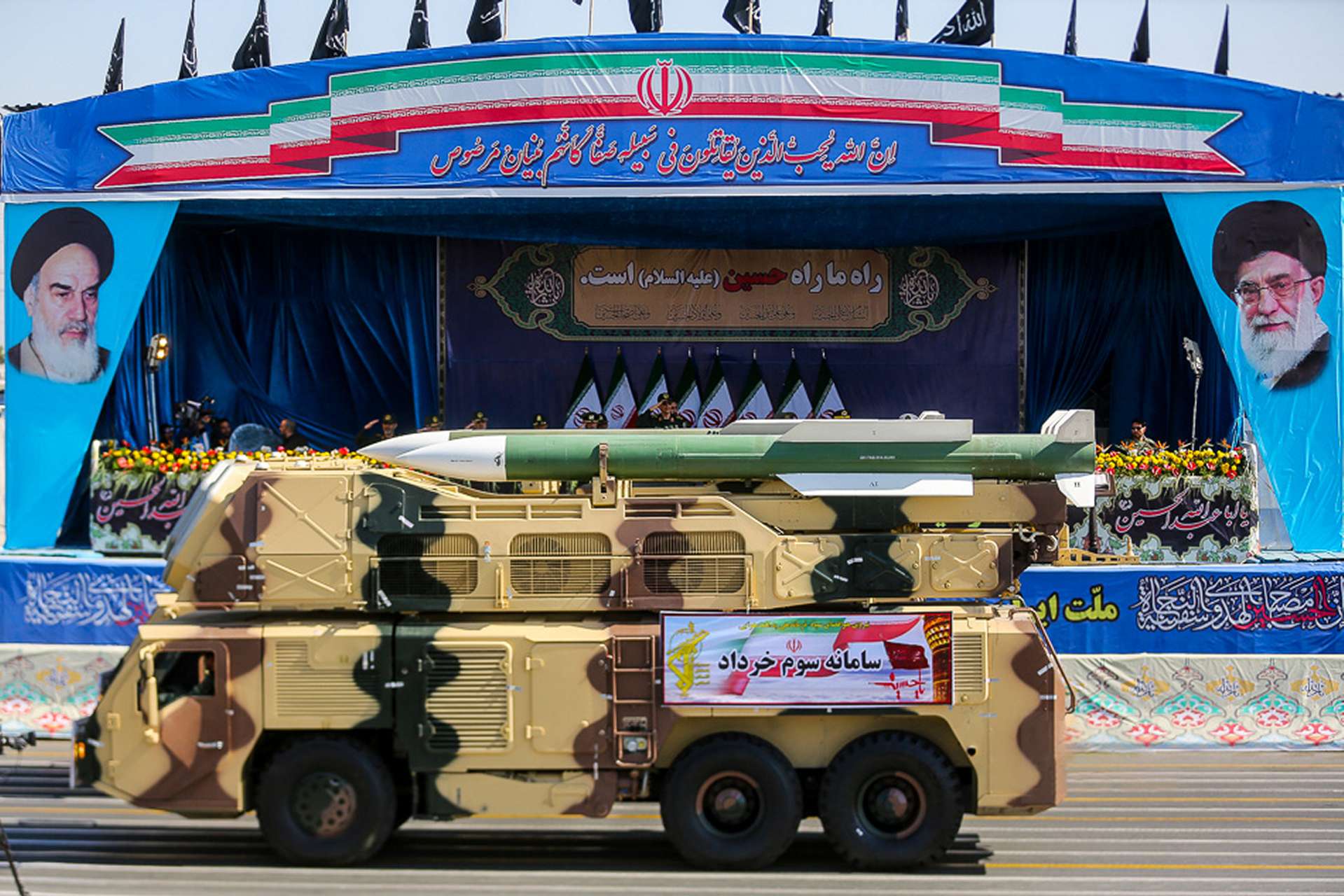
Iran's 3rd Khordad Surface-to-Air Missile Defense System (Picture source: Wikimedia)
The ongoing tensions between the United States and Iran remain palpable on the international stage. In this context, Brigadier General Ali Reza Balali revealed a new advancement in Iran's defense capabilities. Iran has enhanced its defenses with the development of the 3rd Khordad Tactical Air Defense System, specifically designed to counter American aircraft. The efficacy of Iran's Khordad system garnered significant attention following its successful interception of an American RQ-4 Global Hawk drone over the Strait of Hormuz in 2019.
The 3rd Khordad system, also known as Sevvom Khordad, is a road-mobile, medium-range air defense missile system, first unveiled at the IRGC achievements exhibition in 2014. Initially boasting a range of 75 kilometers, this has been extended to 200 kilometers due to advancements in missile and radar technologies. The inclusion of the 9 Dey missile has further expanded the operational capabilities of the Sevvom Khordad system, enabling it to address a broader range of threats. Currently utilized by the Islamic Revolutionary Guard Corps Aerospace Force and the Syrian Air Defense Force, this system was developed by the Radar Defense Studies Center of the Iranian Revolutionary Guard after Iran did not receive the S-300 system from Moscow.
The Sevvom Khordad system bears similarities to the Russian Buk-M2EK wheeled air defense system, with operational characteristics often likened to those of the Russian Buk family. Its utility was demonstrated when it successfully downed an American Northrop Grumman RQ-4 Global Hawk drone near the Strait of Hormuz on June 20, 2019. The system derives its name from the date of the liberation of Khorramshahr, corresponding to the 3rd of Khordad in the Persian calendar.
The Sevvom Khordad system employs an X-band Active Phased Array engagement radar. Its Transporter Erector Launcher And Radar (TELAR) can carry three Taer-2B missiles with ranges of 50 to 105 kilometers and engage targets at altitudes between 25 and 30 kilometers. It can detect up to 100 targets, engage four, and guide two missiles towards a target simultaneously. A standard configuration comprises one TELAR and two additional Transporter Erector Launchers (TELs), enabling the firing of nine missiles. Each battalion, consisting of four batteries, can thus engage 16 targets simultaneously. Additionally, the system includes a Bashir 3-D S-band Phased Array Surveillance radar with a detection range of 350 kilometers and a Command and Control (C2) unit for coordination with other air defense systems, facilitating integrated networked operations and providing a Data link to counter radar jamming.
Technically, the Sevvom Khordad system can engage aerodynamic targets within a range of 2 kilometers to 105 kilometers and cruise missiles from 2 kilometers to 15 kilometers. It can track and engage aerodynamic targets moving at speeds up to 800 meters per second at altitudes ranging from 40 meters to 27 kilometers. The system can be readied for operation in under three minutes and is equipped with an IVECO diesel engine, allowing for a maximum road speed of approximately 65 kilometers per hour and a range of around 500 kilometers.
Read more: Iran Boosts Air Defense Capabilities with Fully Operational 3rd Khordad Missile System
- Details
- Written by: Jérôme Brahy
- Category: 2024
- Hits: 4104
Breaking news
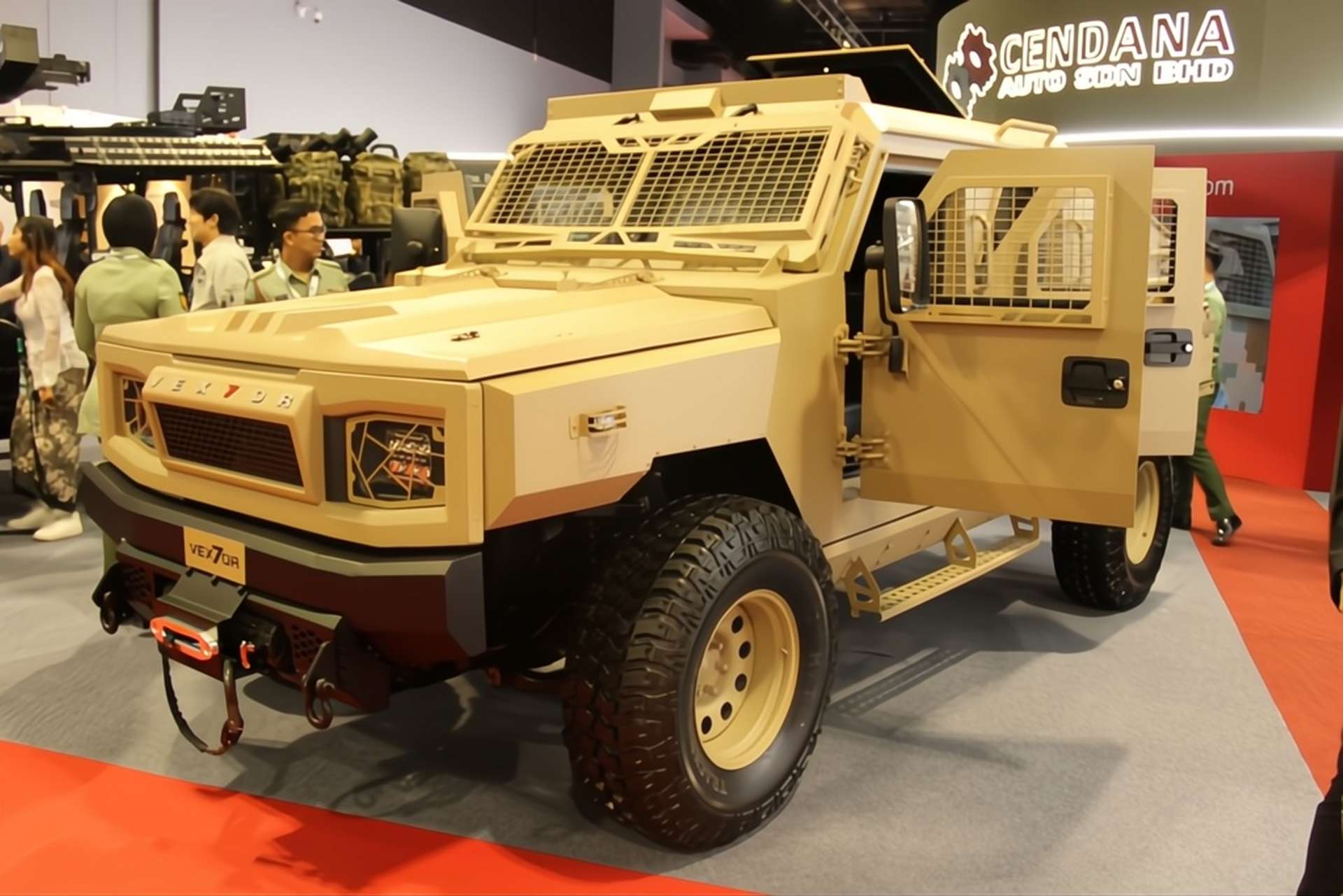
At the DSA 2024 exhibition in Malaysia, the Malaysian company Cendana Auto unveiled its new Vextor 4×4 light tactical troop transporter, also referred to as Vex7or. Although the Vextor might initially appear to be an armored vehicle, it is designed as a light vehicle without military requirements for armoring, and will provide improved mobility to the Malaysian Army's light infantry battalions.
Follow Army Recognition on Google News at this link
Information indicates that the roof structure is designed to install a light remotely controlled weapon station, with the console positioned inside the vehicle as per customer requirements. (Picture source: Army Recognition)
According to the program's senior engineer, the serial production model will differ from the prototype showcased at DSA 2024. This prototype, the seventh to date, will be used to develop the vehicle, and several changes have already been identified, and will be incorporated into the following prototypes for testing. Named VEX7OR, or Vextor as the name is meant to be read (the number 7 is a graphic artifact), this new vehicle will probably serve a role similar to the original HMMWV (Humvee), essentially acting as a modern Jeep Willys MB. Like the Humvee, the payload capacity of 800 kg will probably allow to use some additional ballistic protection.
Cendana Auto, a Malaysian firm established in 2007, specializes in the production of military and tactical vehicles, particularly 4x4 models designed to meet various operational demands. The company's portfolio includes the Cendana Auto 4x4, which is comparable in function to the US-made Humvee and could be noted for its modular design. Recent years have seen Cendana Auto expanding its offerings, and the company has secured various contracts to supply the Malaysian Army with vehicles designed for different purposes including the SF-21X special operation vehicle (SOV) and the MT-815 mortar carrier, indicating the company's role as a regular supplier to national defense forces.
The Vextor's specifications include a length of 5,639 mm, a wheelbase of 3,085 mm, a width of 2,056 mm, and a height of 2,064 mm. Its curb weight is 2,500 kg, and the gross vehicle weight is 3,300 kg. Regarding mobility, its ground clearance of 300 mm allows it to ford a depth of up to 650 mm without preparation. Additionally, the approach angle is 28°, the departure angle is 31°, and the turning radius is 6.5 meters.
To transport its four passengers, the Vextor uses a 4-cylinder 2.0-liter VGT turbo intercooler diesel engine, provided by the Chinese company Jiangling Motors Corporation, delivering 139 hp at 3,600 rpm and 340 Nm of torque between 1,500 and 2,600 rpm. This results in a power-to-mass ratio of 42.1 hp per ton, which, combined with the vehicle's small size and 37-inch mud terrain tires, must provide some agility in off-road conditions. The chassis features a frame with axles, double wishbone front suspensions with coil springs, and leaf spring rear suspension, a simple and cost-effective solution.
The vehicle has a 68-liter fuel tank, although no performance data in terms of speed and range were provided. However, the high power-to-mass ratio combined with the vehicle's small size should ensure good mobility both on-road and cross-country. This is also supported by the mud-terrain 37×12.5R17 tires, a BorgWarner 4WD system, and an Eaton differential lock, which ensures maximum traction in muddy terrains. In case of necessity, the vehicle is equipped with a 13,000 lbs automatic winch.
The Vextor's braking system includes ventilated discs at the front and drum brakes at the rear. Braking assistance systems include an Anti-Lock Braking System (ABS) and Electronic Brake-Force Distribution (EBD). Driving assistance features are Hill Start Assist (HSA), Hill Descent Control (HDC), and a Traction Control System (TCS). All windows and lighting are secured with netting. The vehicle is equipped with driving and braking assistance, while the steering uses a hydraulic rack and pinion system.
The windscreen and windows on the side doors are protected by a security steel net, and the same protection is provided for the lighting. The vehicle has four front-hinged side doors for crew access, and the top hatch access allows crew members to fire RPGs from the vehicle, according to the company. Information indicates that the roof structure is designed to install a light remotely controlled weapon station, with the console positioned inside the vehicle as per customer requirements.
Read more: Cendana Auto unveils Vextor 4x4 light tactical transporter for Malaysian Army
- Details
- Written by: Administrator
- Category: 2024
- Hits: 4311
Breaking news
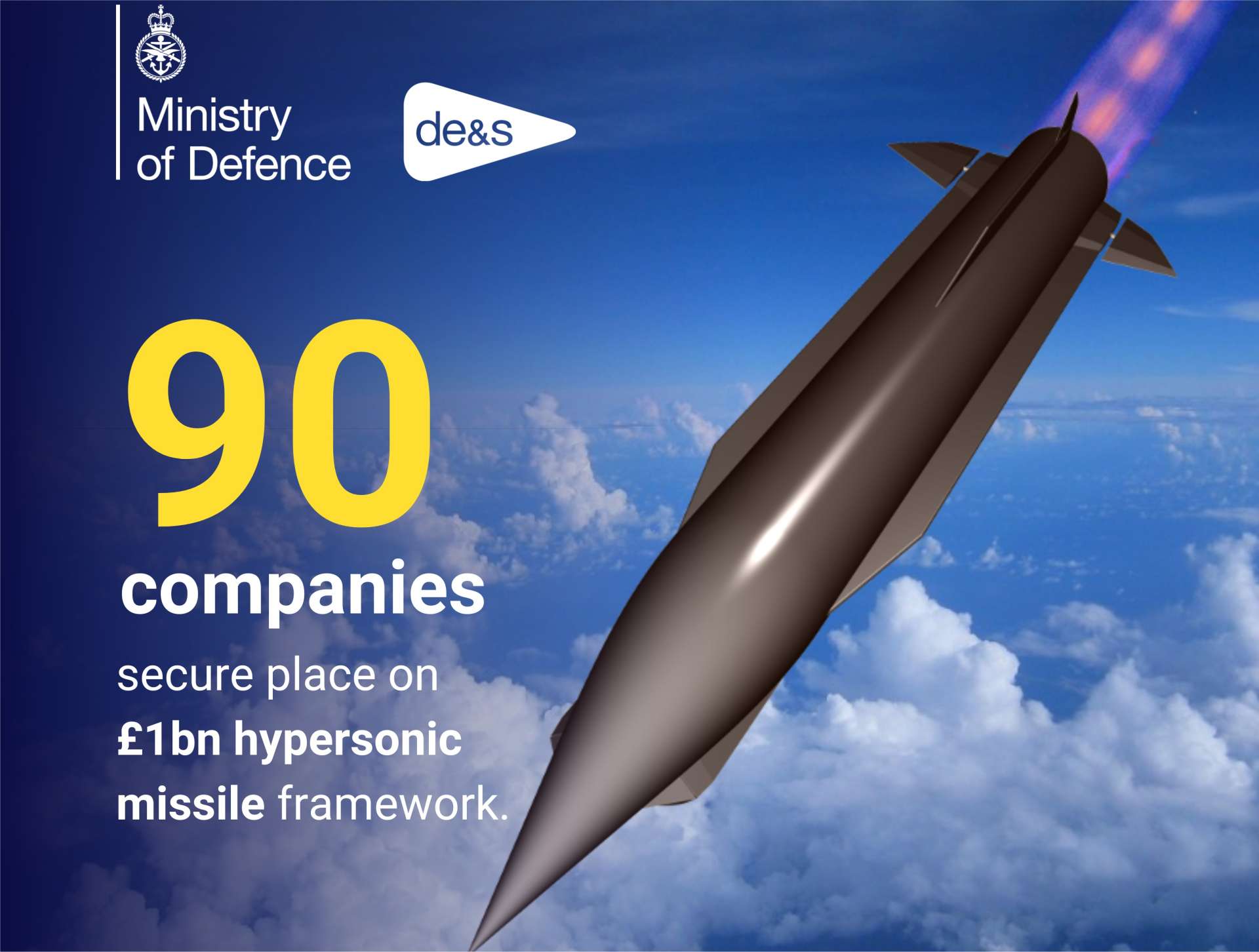
The British Ministry of Defense (MoD), through its Defence Equipment & Support (DE&S) organization, has unveiled on May 13, 2024, a significant initiative aimed at bolstering the UK's defense capabilities. The British MoD announced a £1 billion contract dedicated to the rapid development of advanced hypersonic missile technologies.
Follow Army Recognition on Google News at this link
British Ministry of Defense will invest £1 billion in developing advanced hypersonic missile technologies. (Picture source UK MoD)
This strategic move underscores the UK's commitment to enhancing its defense systems in response to evolving global threats. Hypersonic missiles, which can travel at speeds exceeding five times the speed of sound, represent a significant advancement in military technology. These missiles are designed to be highly maneuverable, making them challenging to detect and intercept.
One of the primary advantages of hypersonic missiles is their extreme speed. These missiles travel at speeds greater than Mach 5, which is five times the speed of sound, and can reach up to Mach 25. This incredible speed drastically reduces the reaction time for enemy defenses, making interception extremely difficult. The sheer velocity at which hypersonic missiles travel allows them to strike targets much faster than traditional missiles, giving adversaries minimal time to respond or deploy countermeasures.
In addition to their speed, hypersonic missiles are highly maneuverable. Unlike traditional ballistic missiles that follow a predictable, parabolic trajectory, hypersonic missiles can perform evasive maneuvers during flight. This high degree of maneuverability enables them to avoid detection and interception by enemy missile defense systems. By constantly changing their flight path, hypersonic missiles can outmaneuver conventional anti-missile defenses, increasing their likelihood of reaching their intended targets.
Precision targeting is another critical capability of hypersonic missiles. They are equipped with advanced guidance systems that allow for highly accurate targeting. These systems use a combination of satellite navigation, inertial measurement units, and advanced onboard sensors to ensure the missile stays on course and hits its target with great precision. This level of accuracy is crucial for minimizing collateral damage and ensuring that specific, high-value targets are effectively neutralized.
The destructive potential of hypersonic missiles is also enhanced by their kinetic energy upon impact. Due to their high speeds, even conventional warheads can cause significant damage without the need for explosives. The kinetic energy released upon impact is sufficient to destroy or incapacitate hardened targets such as bunkers, command centers, and aircraft carriers.
According to the British Ministry of Defense, the framework will facilitate the swift development and deployment of these cutting-edge capabilities. The initiative will involve collaboration with leading defense contractors, research institutions, and technology firms. The goal is to ensure that the UK remains at the forefront of military innovation and maintains a robust deterrent against potential adversaries.
The framework is expected to encompass various aspects of hypersonic missile technology, including propulsion systems, guidance and control mechanisms, and advanced materials capable of withstanding extreme conditions. The DE&S will oversee the awarding of contracts, ensuring that projects are aligned with the strategic goals of the British Ministry of Defense.
This announcement marks a pivotal moment in the UK's defense strategy, reflecting a proactive approach to addressing the challenges posed by the rapid pace of technological advancements in the military sector. With this significant investment, the UK aims to enhance its defense readiness and maintain a position of strength on the global stage
- Details
- Written by: Administrator
- Category: 2024
- Hits: 4575
Breaking news
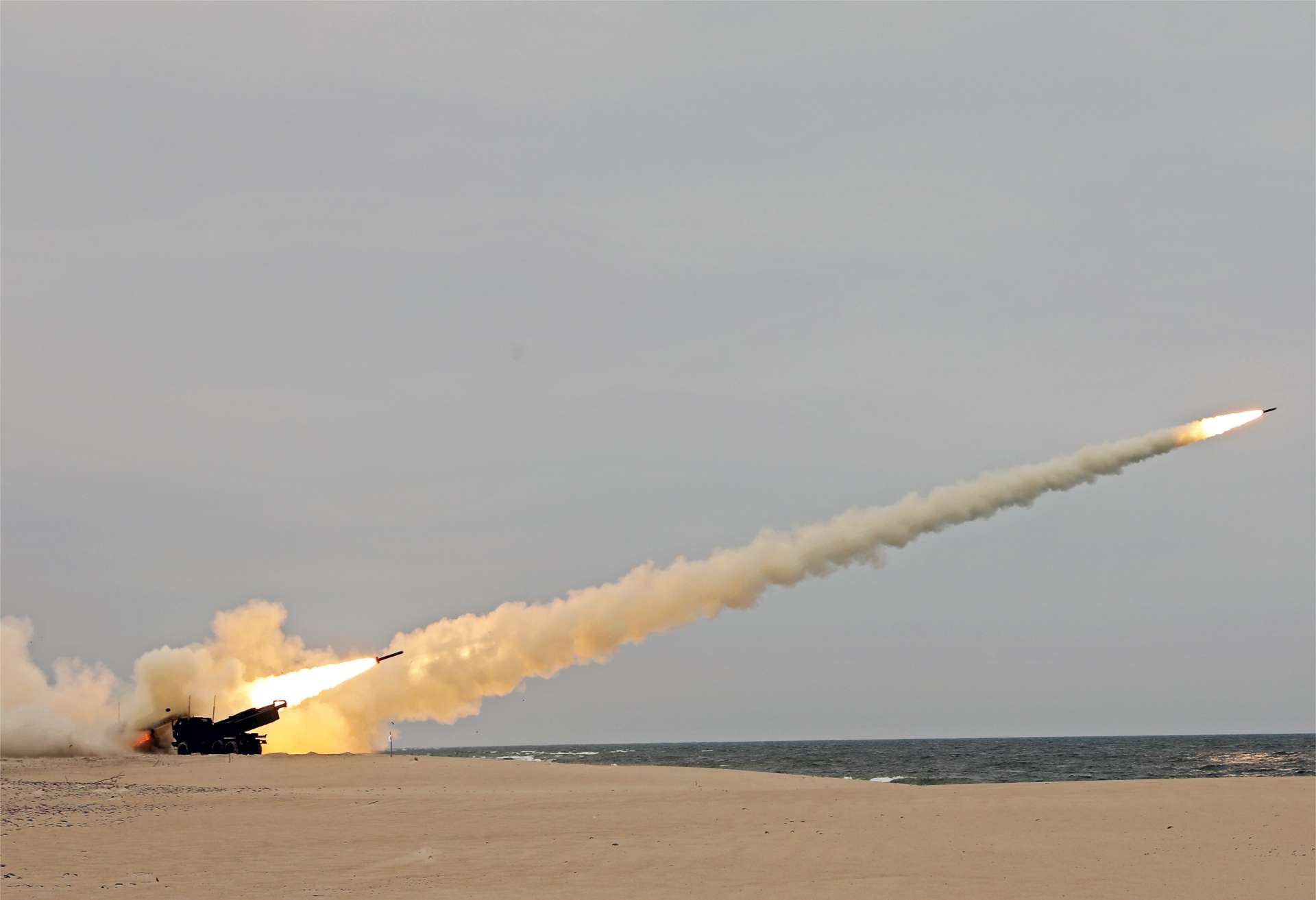
The U.S. Army's 1st Battalion, 14th Field Artillery, conducted live firing exercises with the High Mobility Artillery Rocket System (HIMARS) in Ustka, Poland, as part of the Immediate Response segment of Defender 24. The exercises showcased the HIMARS' capabilities, which include firing both guided and unguided rockets as well as long-range Army Tactical Missile System (ATACMS) missiles. Poland and several other NATO allies also utilize the HIMARS weapons system.
Follow Army Recognition on Google News at this link
The 1st battalion, 14th Field Artillery of the U.S. Army, conducts a live firing with the High Mobility Artillery Rocket System (HIMARS) in Ustka, Poland. (Picture source U.S. DoD)
Poland has recently secured a significant contract with the United States to acquire High Mobility Artillery Rocket Systems (HIMARS), marking a substantial enhancement in its military capabilities. Approved by the U.S. State Department in early 2023, the deal is valued at $10 billion. It includes 18 M142 HIMARS launchers, 45 ATACMS missile systems, and various guided multiple launch rocket systems and warheads.
Defender 24, Europe's largest U.S. Army exercise, is a comprehensive demonstration of NATO's commitment to deterrence and readiness. This year, the exercise involves over 17,000 U.S. service members and 23,000 multinational troops from more than 20 Allied and partner nations. Participating countries include Croatia, Czechia, Denmark, Estonia, Finland, France, Germany, Georgia, Hungary, Italy, Latvia, Lithuania, Moldova, Netherlands, North Macedonia, Norway, Poland, Romania, Slovakia, Spain, Sweden, and the United Kingdom.
DEFENDER exercises, including Saber Strike, Immediate Response, and Swift Response, are part of the Dynamic Employment of Forces to Europe for NATO Deterrence and Enhanced Readiness. Defender 24 is linked to NATO’s Steadfast Defender exercise and the Department of Defense's Large Scale Global Exercise, running from March 28 to May 31.
The presence and readiness of HIMARS in Poland come at a crucial time, as the system is also currently employed by the Ukrainian armed forces in their ongoing conflict with Russia, which began with Russia's invasion of Ukraine in February 2022.
Since the onset of Russia's invasion in February 2022, Ukrainian soldiers have relied heavily on the High Mobility Artillery Rocket System (HIMARS) to defend their country and repel advancing Russian forces. This advanced weaponry has proven to be a game-changer on the battlefield, offering unparalleled precision and effectiveness in targeting enemy positions.
Serhiy, a commander in the Ukrainian artillery division, highlights the significant impact HIMARS has had on their operations. "Before HIMARS, our artillery strikes were effective but not as precise. With HIMARS, we can hit high-value targets with pinpoint accuracy, which has been crucial in our defensive and offensive strategies," he says. The ability to strike accurately at long distances has allowed Ukrainian forces to disrupt Russian supply lines, command centers, and artillery positions, significantly slowing the enemy's advance.
The versatility of HIMARS, capable of firing both guided and unguided rockets and long-range Army Tactical Missile System (ATACMS) missiles, has been precious. Oleksandr, a soldier operating the HIMARS, recounts an operation where they successfully neutralized a high-value target deep within enemy territory. "We received intelligence about a Russian command post. Using HIMARS, we launched a precision strike from a safe distance, which took out the command post and caused significant disarray among the Russian forces in that area."
The live firing exercises in Ustka underline the ongoing collaboration and solidarity among NATO allies, enhancing collective security and preparedness in the region.
Read more: US Soldiers Demonstrate Combat Capabilities of HIMARS Rocket Launcher System in Poland
- Details
- Written by: Administrator
- Category: 2024
- Hits: 3785
Breaking news
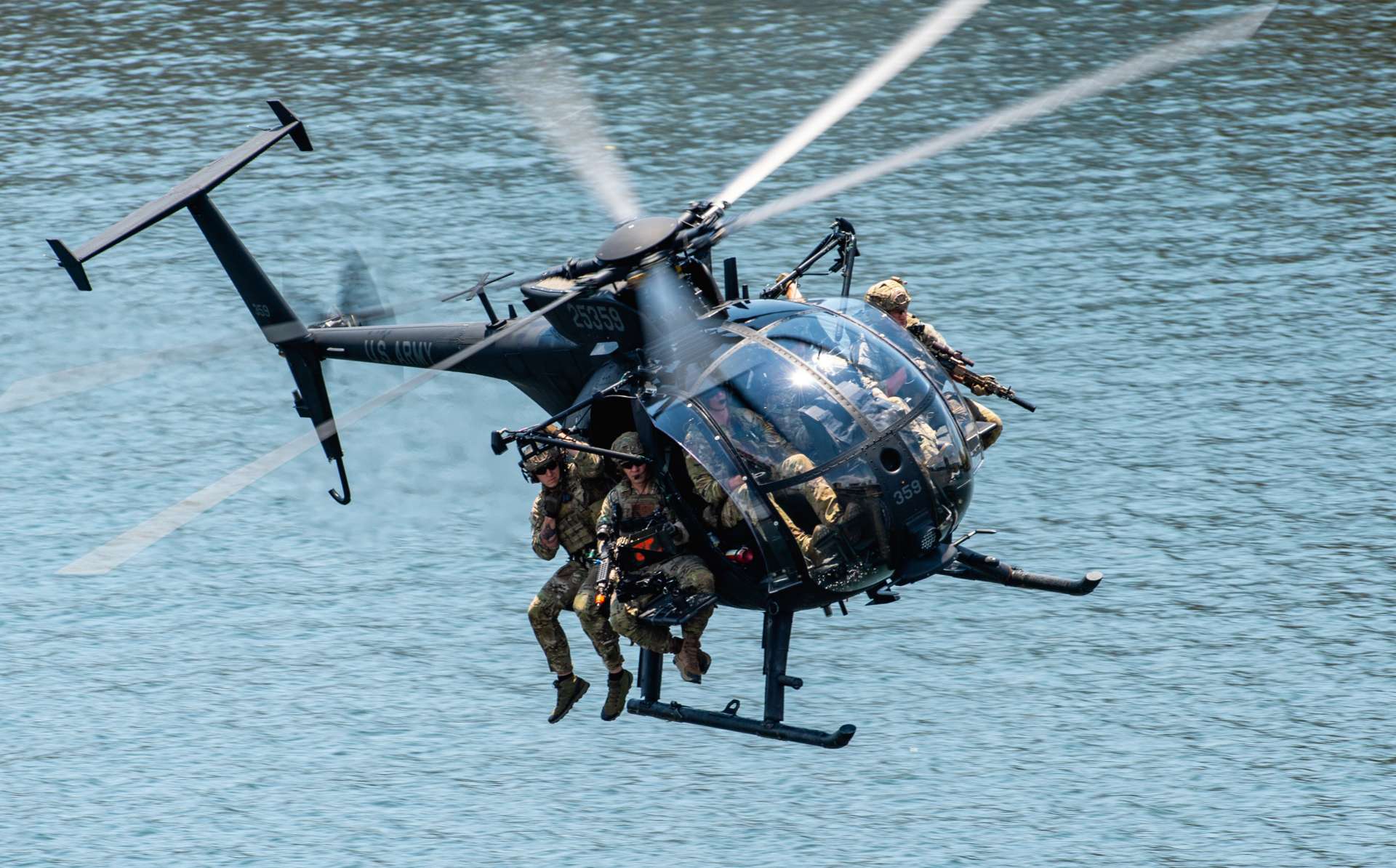
The skies over Tampa Bay, along Florida’s Gulf Coast, were filled with the roar of helicopter blades as U.S. Special Operations Forces (SOF) members demonstrated their skills using MH-6 and MH-60 helicopters during a live demonstration. The thrilling display was part of SOF Week, the premier event for the special operations community and industry partners.
Follow Army Recognition on Google News at this link
U.S. Special Operations Forces members fly over Tampa Bay in a U.S. Army MH-6 helicopter during a SOF capabilities demonstration May 18, 2022 in Tampa, Florida. (U.S. DoD)
SOF Week, held annually in Tampa, Florida, United States, is a vital forum for the global SOF (Special Operations Forces) community. This year's event drew more than 11,000 attendees, including representatives from over 100 countries. The gathering provides a unique opportunity for collaboration as participants work together on new initiatives and capabilities essential for SOF professionals to remain competitive and successful in future operations.
The event features a range of activities, including live demonstrations, discussions, and exhibitions, all aimed at fostering innovation and cooperation within the SOF community. Attendees have the chance to engage with the latest technological advancements and operational strategies, ensuring that SOF forces worldwide are equipped to handle emerging threats and challenges.
This year's demonstration over Tampa Bay highlighted the precision and agility of U.S. SOF members, showcasing their ability to operate in complex environments. The MH-6 helicopter, known for its versatility and effectiveness in special operations missions, provided an impressive backdrop for the display.
The MH-6 is a light utility helicopter used primarily by the United States Army for special operations missions. Known as the "Little Bird," it is renowned for its agility, speed, and versatility in various operational environments. The MH-6 can be configured for multiple roles, including personnel transport, reconnaissance, and light attack. Its compact size and ability to operate in confined spaces make it ideal for insertion and extraction of special operations forces. The helicopter's advanced avionics and maneuverability allow it to perform precision missions, often under challenging conditions, making it a critical asset for U.S. Special Operations Forces.
The MH-60, a variant of the Black Hawk helicopter, is a multi-mission aircraft extensively used by U.S. Special Operations Forces (SOF) for its versatility, durability, and advanced capabilities. Equipped for missions such as direct action, insertion and extraction, medical evacuation, and logistical support, the MH-60 is designed to operate in challenging environments, day or night. Its advanced avionics, survivability features, and ability to carry a variety of payloads make it an invaluable asset for SOF, enabling rapid and effective responses to a wide range of operational demands.
The United States Special Operations Forces (SOF) represent the elite military units within the U.S. Armed Forces, trained to perform high-risk missions that are critical to national security. These highly skilled operators are drawn from various branches, including the Army, Navy, Air Force, and Marine Corps, and are known for their specialized training in unconventional warfare, counterterrorism, direct action, and intelligence gathering. SOF units, such as the Navy SEALs, Army Rangers, Green Berets, and Air Force Pararescuemen, are often deployed in the most challenging and hostile environments, executing missions that require precision, stealth, and advanced tactical expertise.
The significance of SOF in the U.S. military cannot be overstated, as they are frequently at the forefront of the nation's defense efforts, tackling some of the most complex and sensitive operations. Their versatility and capability to respond rapidly to emerging threats make them an indispensable asset in modern warfare. By integrating advanced technology, rigorous training, and close cooperation with intelligence agencies, SOF units are able to conduct operations that range from high-profile raids and hostage rescues to strategic reconnaissance and sabotage. Their contributions not only bolster national defense but also enhance global stability by working closely with allied forces and engaging in multinational training and operational partnerships.
As the SOF community continues to evolve, events like SOF Week are crucial in maintaining the edge needed for success. By bringing together military personnel, industry leaders, and international partners, SOF Week ensures that the special operations forces remain at the forefront of innovation and excellence.
Read more: US Special Operations Forces Showcase Capabilities in Live Demonstration at SOF Week