

- Details
- Written by: Halna du Fretay
- Category: 2024
- Hits: 7655




Breaking news






At the Black Sea Defence and Aerospace (BSDA) exhibition held from May 22-24 in Bucharest, General Dynamics European Land Systems (GDELS) unveiled the ASCOD infantry fighting vehicle equipped with the Trophy active protection system, developed by the Israeli company Rafael.
Follow Army Recognition on Google News at this link
GDELS presented the ASCOD infantry fighting vehicle equipped with the Trophy APS for the first time (Picture source: ArmyRecognition)
The Romanian Ministry of National Defence is currently preparing to launch the procurement of a new fleet of tracked infantry fighting vehicles (IFVs). Bucharest intends to purchase more than 250 IFVs for the Romanian land forces. Although the tender for the new Romanian infantry fighting vehicle has not yet been initiated, the program has already attracted considerable interest from European and South Korean defense industries.
General Dynamics European Land Systems (GDELS) is among the state-of-the-art land system providers participating in the BSDA exhibition. During the event, the company presented the ASCOD infantry fighting vehicle equipped for the first time with the Trophy APS. This system is integrated with the UT30 Mk2 unmanned turret, provided by another Israeli defense company, Elbit Systems.
The turret of the ASCOD vehicle displayed at BSDA is, in addition to the Trophy APS, equipped with a launcher for Spike anti-tank guided missiles, manufactured by Rafael. The integration of the Trophy APS and Spike missiles with the ASCOD vehicle’s turret makes it a much better-protected and more lethal vehicle, well-equipped to face the challenges and threats of the modern battlefield. The Trophy APS is a combat-proven protection system, having achieved over 90% effectiveness during operations conducted by the Israel Defence Forces (IDF).
To date, the system has intercepted hundreds of rockets and other threats aimed at tanks and armored vehicles operated by the IDF, saving numerous soldiers' lives. It provides vehicle protection against threats such as anti-tank guided missiles, anti-tank grenade projectiles (including those equipped with tandem charges), loitering munitions, and first-person view drones.
The BSDA exhibition provides a platform for GDELS to showcase this cutting-edge technology to military officials and defense industry representatives. As Romania prepares to modernize its fleet of infantry fighting vehicles, the ASCOD vehicle equipped with the Trophy APS emerges as a strong contender, promising enhanced protection and operational effectiveness for the Romanian land forces.
In conclusion, General Dynamics European Land Systems, as the manufacturer of this vehicle, demonstrates its continued commitment to integrating advanced technologies to improve the safety and operational effectiveness of armed forces. The proliferation of the ASCOD vehicle equipped with the Trophy APS reflects a growing trend toward the adoption of active protection systems in modern combat vehicles worldwide, underscoring the importance of ongoing innovation in the defense sector.
Read more: GDELS Increases Protection of its ASCOD IFV Armored Vehicle with Trophy APS System
- Details
- Written by: V.Saint
- Category: 2024
- Hits: 14653
Breaking news
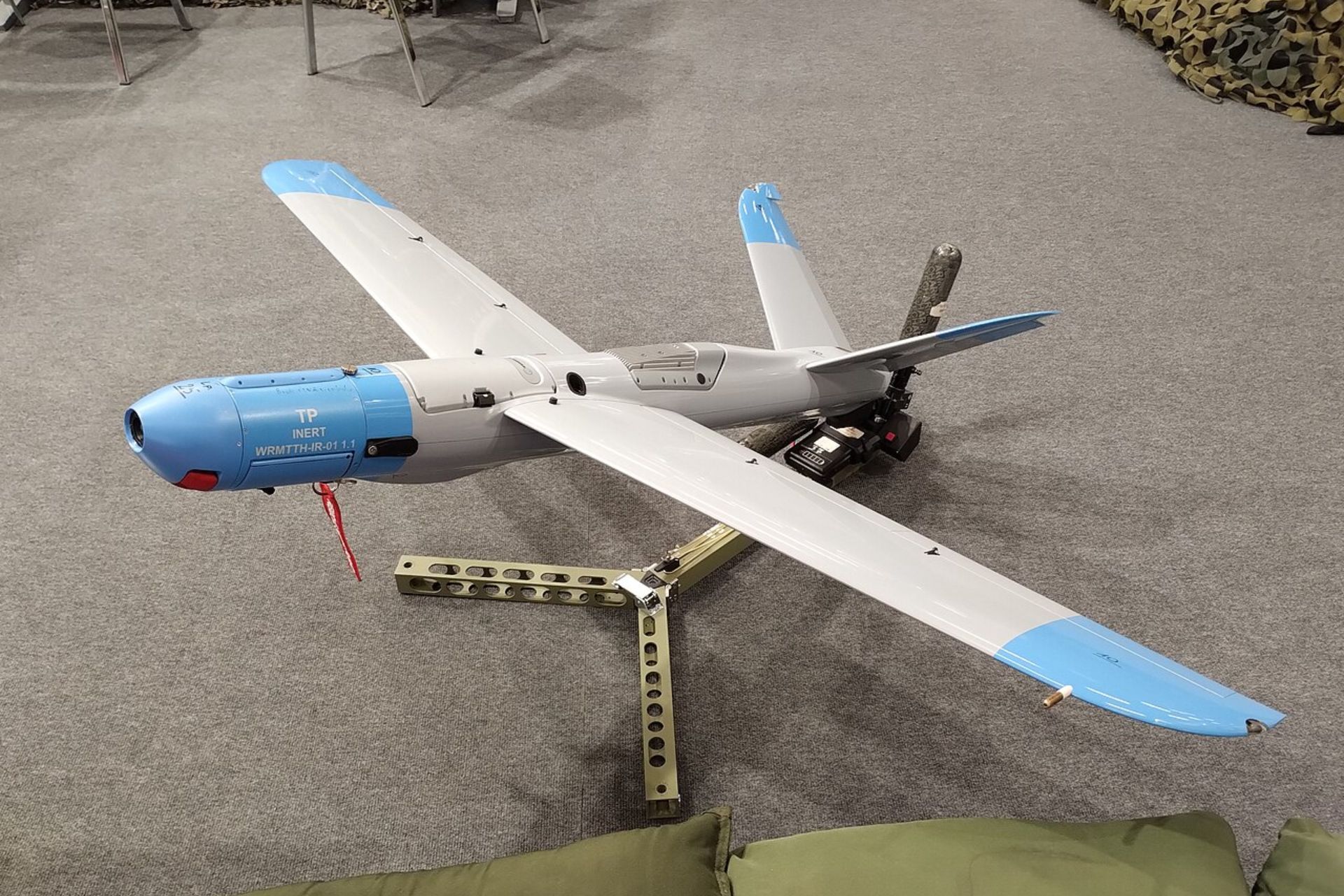
The Polish defense industry has developed a new attack drone, WARMATE 5.0. According to a statement from the company Grupa Wb, which develops the Warmate series of kamikaze drones, the development of Version 5.0 is now complete. This enhanced version will gradually join the Polish ranks and replace the currently deployed Warmate 3.0. This aligns with a very current Polish strategy.
Follow Army Recognition on Google News at this link
Warmate plateform loitering munition at International Defence Industry Exhibition 2023 in Kielce (Picture source: Michał Derela)
Read more: Poland Launches Warmate 5.0 Loitering Munition to Rival Russia's Lancet
- Details
- Written by: Triffaux
- Category: 2024
- Hits: 4918
Breaking news
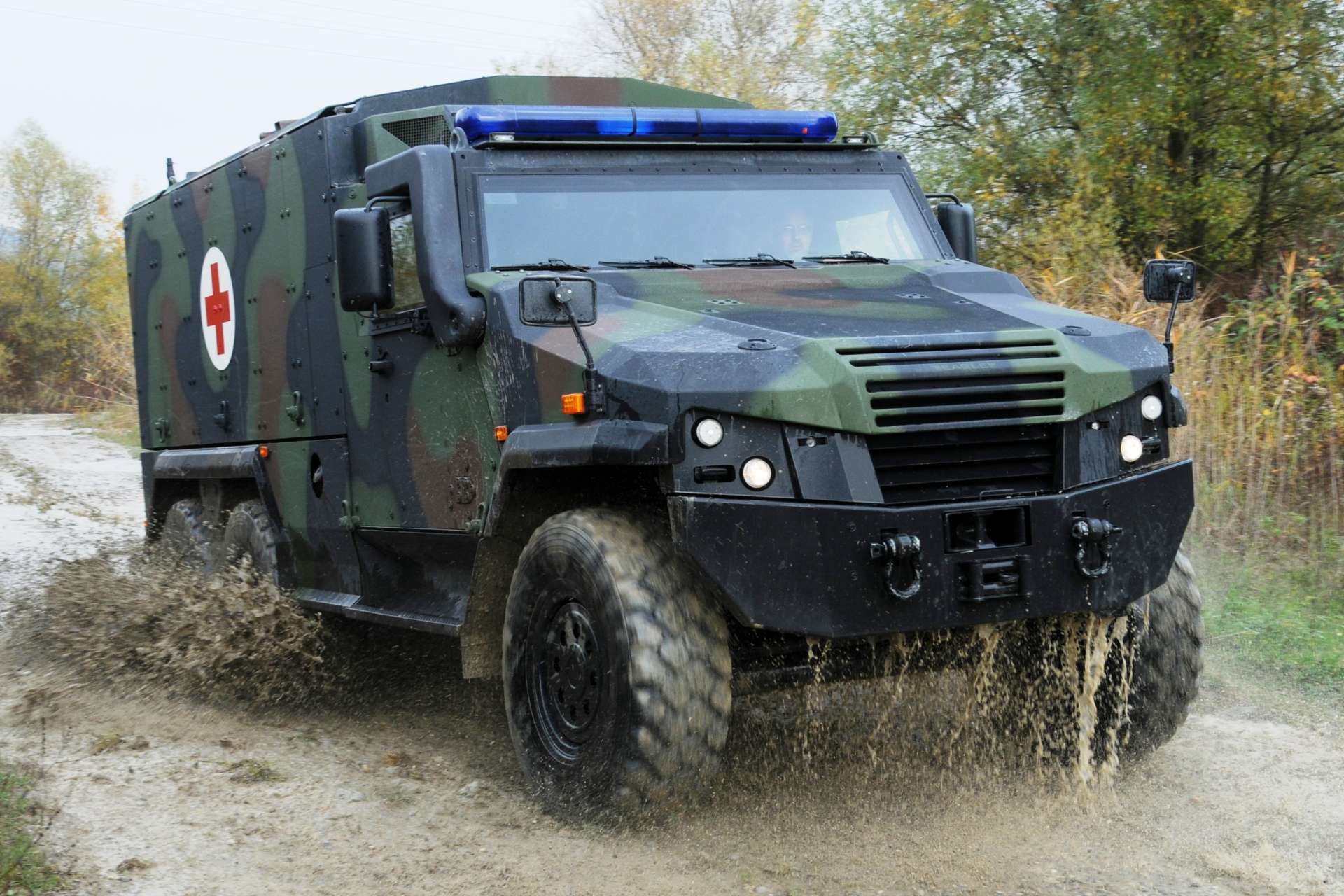
According to the specialized journal "Europäische Sicherheits- und Technik" in its edition of May 27, 2024, the Bundeswehr, the German military, is experiencing significant delays in the delivery of its new medical vehicles, the Eagle V 6x6, developed by General Dynamics European Land Systems (GDELS). Although delivery of these highly specialized vehicles was initially scheduled to begin in 2021, it will not actually start until November 2024, with completion expected by the end of 2025.
Follow Army Recognition on Google News at this link
GDELS Eagle V 6X6 Medium Protected Medical Vehicles (Picture source: GDELS)
These 80 new all-terrain vehicles will replace the Duro 3 Yak, previously used by the army's mobile medical teams. They are designed to enhance the army's ability to safely transport patients requiring intensive care, even in hostile environments. The Eagle V 6x6 ranks as a "Medium Protected Medical Vehicle," and complements a fleet that already includes heavy, light, and unprotected medical transport vehicles.
As a reminder, in April 2020, Germany awarded a contract worth 159 million US dollars to General Dynamics European Land Systems (GDELS) for the supply of vehicles.
The delivery delays were revealed in a report on the Bundeswehr's website, although the specific reasons for these delays were not disclosed. The initial announcement had anticipated that the vehicles would be gradually deployed between 2021 and 2024, a timeline confirmed by both the Bundeswehr and GDELS.
The Bundeswehr's Health Service Command has expressed confidence in the capabilities of the new vehicle, describing it as one of the most advanced medical vehicles in the world. Protected against mines and gunfire, the Eagle V 6x6 has enough space to treat up to two lying patients, with medical equipment that meets the highest civilian standards.
Of the 80 units ordered, 77 will be assigned to the transport companies of the army's medical regiments, while the remaining three will be delivered to the German Navy. This equipment update is crucial for enhancing the operational capabilities of the German armed forces, especially in the current context where field medical operations are becoming increasingly demanding.
This substantial investment in military medical equipment underscores the growing importance that the Bundeswehr places on the health and safety of its troops, particularly in conflict scenarios where access to quick and effective medical care can make the difference between life and death.
The EAGLE family, including the 4x4 and 6x6 models, is designed to meet a wide range of operational needs on modern and future battlefields. The EAGLE 6x6, a compact all-terrain vehicle, is powered by a 6-cylinder turbo diesel engine with a five-speed automatic transmission and a two-stage transfer case, allowing for permanent all-wheel drive. Its running gear includes a torsion-resistant chassis, suspension struts, De-Dion axles, and a patented roll stabilizer, providing maximum off-road traction and reducing body roll in curves. The automatic Torsen differentials, automatic transmission, and automatic tire pressure control system simplify driving, allowing the driver to fully focus on the environment without worrying about the complexities of vehicle functions.
The protected cabin of the EAGLE 6x6, made of high-strength armored steel, offers significant internal volume and can be reinforced with modular armor made of steel or composite materials to meet specific requirements, ensuring high protection against mines, improvised explosive devices (IEDs), and ballistic threats, while maintaining a high payload capacity of up to 6,000 kg and a protected volume of up to 16 cubic meters. Based on a vehicle concept with a basic frame design and a defined interface for attaching superstructures, the chassis allows for the installation of various superstructures while always maintaining an optimal center of gravity. This facilitates the creation of protected cabins for 2, 4, or 5 crew members, combined with various types of load floors or mission modules, including specialized versions such as troop carriers, ambulance variants, recovery vehicles, and many more.
Medically, the Eagle V 6x6 is equipped to provide intensive care on the move, offering advanced medical facilities on board. The spacious interior is designed to accommodate up to two lying patients, with all the necessary equipment for emergency interventions, including life support systems, medical monitoring devices, and secure storage for medicines and equipment. The vehicle's ergonomics have been carefully thought out to maximize the efficiency of care by allowing quick and easy access to all essential equipment while ensuring the comfort and safety of the medical crew. This combination of tactical mobility and medical capability makes the Eagle V 6x6 a crucial element in the army's healthcare response strategy.
Read more: German Army to receive Advanced GDELS Eagle V 6X6 Medium Protected Medical Vehicles

- Details
- Written by: Jérôme Brahy
- Category: 2024
- Hits: 10001
Breaking news
According to Hankyung on May 27, 2024, South Korean Minister of National Defense Shin Won-sik is scheduled to visit Romania next month to support the final negotiations for Hanwha Aerospace's arms export contract, valued at 1.4 trillion won ($1,025,625,986). This visit, set for June 17th to 21st, will also include discussions in Poland to enhance defense industry cooperation with local officials. According to a high-ranking military official, Minister Shin's primary objective is to finalize Hanwha Aerospace's export deal with the Romanian government.
Follow Army Recognition on Google News at this link
The contract involves the sale of 54 K9 self-propelled howitzers and 36 K10 armored ammunition carriers, with an estimated value of 1.4 trillion won ($1,025,625,986). (Picture source: Army Recognition)
According to this article, the South Korean company Hanwha Aerospace is finalizing the detailed export provisions with the Romanian government. The contract involves the sale of 54 K9 Thunder self-propelled howitzers and 36 K10 Ammunition Resupply Vehicles (ARVs), an associated armored ammunition carrier, with the goal of signing the agreement within the first half of the year. Hanwha Group Chairman Kim Seung-yeon recently visited the company's Changwon site, encouraging employees to work towards securing the Romanian order. If the contract is successfully concluded, Hanwha Aero's defense order backlog will exceed 30 trillion won (approximately $21,978,261,000), marking a first for any Korean defense firm.
In Romania, Hanwha Aerospace held an Industry Day on May 17th, inviting numerous local defense industry figures. The company is considering holding a press conference for local media in conjunction with Minister Shin's visit next month. Viorel Manole, President of the Romanian Defense Industry Association, expressed Romania's interest in cooperating with Hanwha, stating that Romania will cooperate as much as Hanwha decides.
The company has received positive reviews locally not only for exporting weapons but also for its partnership approach, including technology transfers, local manufacturing, and joint research and development targeting the European market. Hanwha Aerospace is focused on building broad partnerships that extend beyond arms exports.
As of early 2024, the K9 Thunder self-propelled howitzer accounts for over 50% of the global market share for self-propelled howitzers. The K9 has been widely adopted due to its technical specifications, such as a high firing rate, long firing range, and effective mobility in different terrains. These attributes have made it a popular choice for modernizing artillery systems in several national armies. The market share of the K9 is likely to increase further with ongoing and future orders, as the potential export of K9 self-propelled howitzers to Romania would contribute to a growing trend among NATO member countries, with five nations, including Norway, Estonia, Türkiye, Poland, and Finland, having either procured or are in the process of procuring the South Korean self-propelled howitzers. Additionally, these systems were also exported to Australia and Egypt.
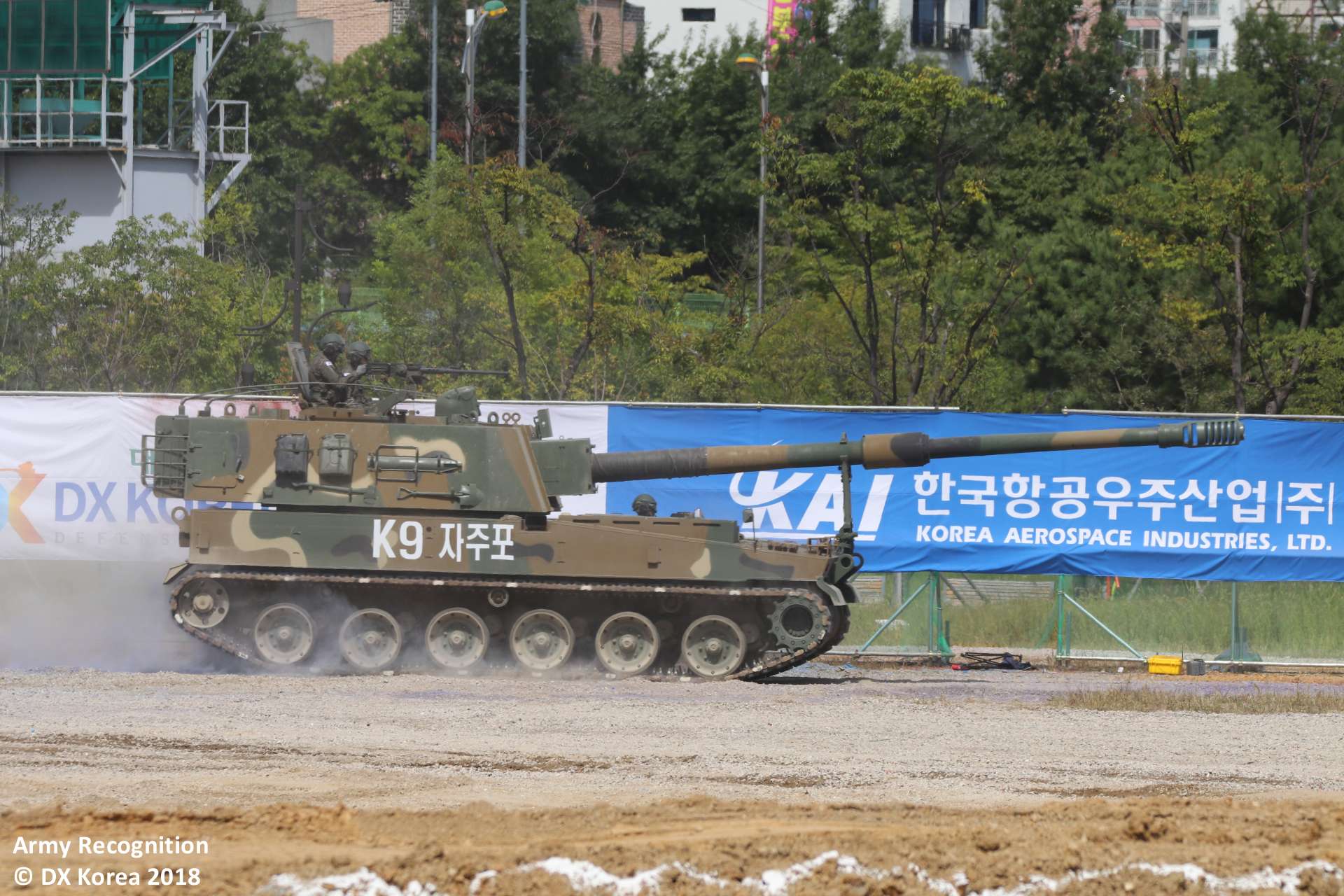
The K9 Thunder was introduced into service in 1999, providing a significant enhancement in range, firepower, and mobility compared to previous artillery systems like the K55 self-propelled howitzers. (Picture source: Army Recognition)
Approximately 1,700 K9 Thunder 155mm self-propelled howitzers have been produced to date. Its development began in 1989 as a response to North Korea's extensive artillery systems. The project was led by the Agency for Defense Development (ADD) and involved several South Korean companies, including Samsung Aerospace Industries (now Hanwha Defense). The K9 Thunder was introduced into service in 1999, providing a significant enhancement in range, firepower, and mobility compared to previous artillery systems like the K55 self-propelled howitzers. The design focused on rapid fire and quick relocation, which are crucial for modern artillery operations.
The K9 Thunder features a 155mm L52-caliber main gun capable of firing various NATO-standard munitions. Its maximum firing range varies from 18 km to 50 km, depending on the ammunition type. The howitzer can achieve a firing rate of three rounds in 15 seconds and sustain a rate of 6-8 rounds per minute. The K9 is equipped with MIL-12560H steel armor, providing protection against 155mm projectile fragments, 14.5mm armor-piercing rounds, and anti-personnel mines. Its engine, a 1,000 horsepower STX-MTU MT881 Ka-500, allows for a top speed of 67 km/h and an operational range of approximately 480 km. Advanced navigation and fire control systems enhance its operational effectiveness.
Introduced in the early 2000s, the K10 Ammunition Resupply Vehicle (ARV) shares the same chassis, powertrain, and suspension as the K9, ensuring compatibility and logistical efficiency. It is equipped with an automated ammunition transfer system that reduces the time and manpower required to resupply the K9 howitzers, thus allowing it to transfer up to 12 rounds per minute and carry 104 rounds of 155mm ammunition along with 504 units of charges. The vehicle operates with a crew of three and has advanced protection measures, including armor capable of withstanding 155mm shell fragments and 14.5mm projectiles.
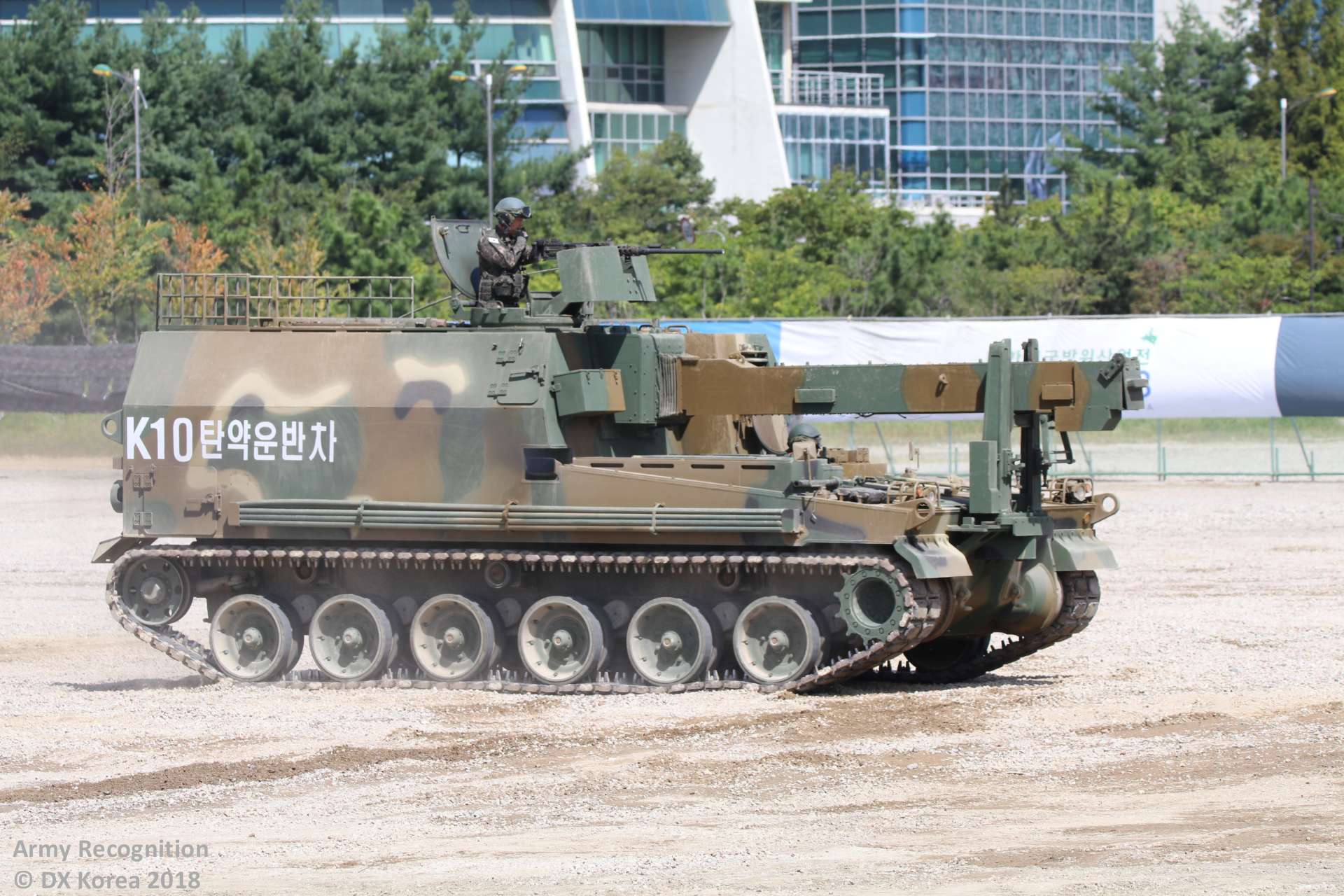
The K10 Ammunition Resupply Vehicle (ARV) is equipped with an automated ammunition transfer system that reduces the time and manpower required to resupply the K9 howitzers, thus allowing it to transfer up to 12 rounds per minute. (Picture source: Army Recognition)
- Details
- Written by: Administrator
- Category: 2024
- Hits: 3724
Breaking news
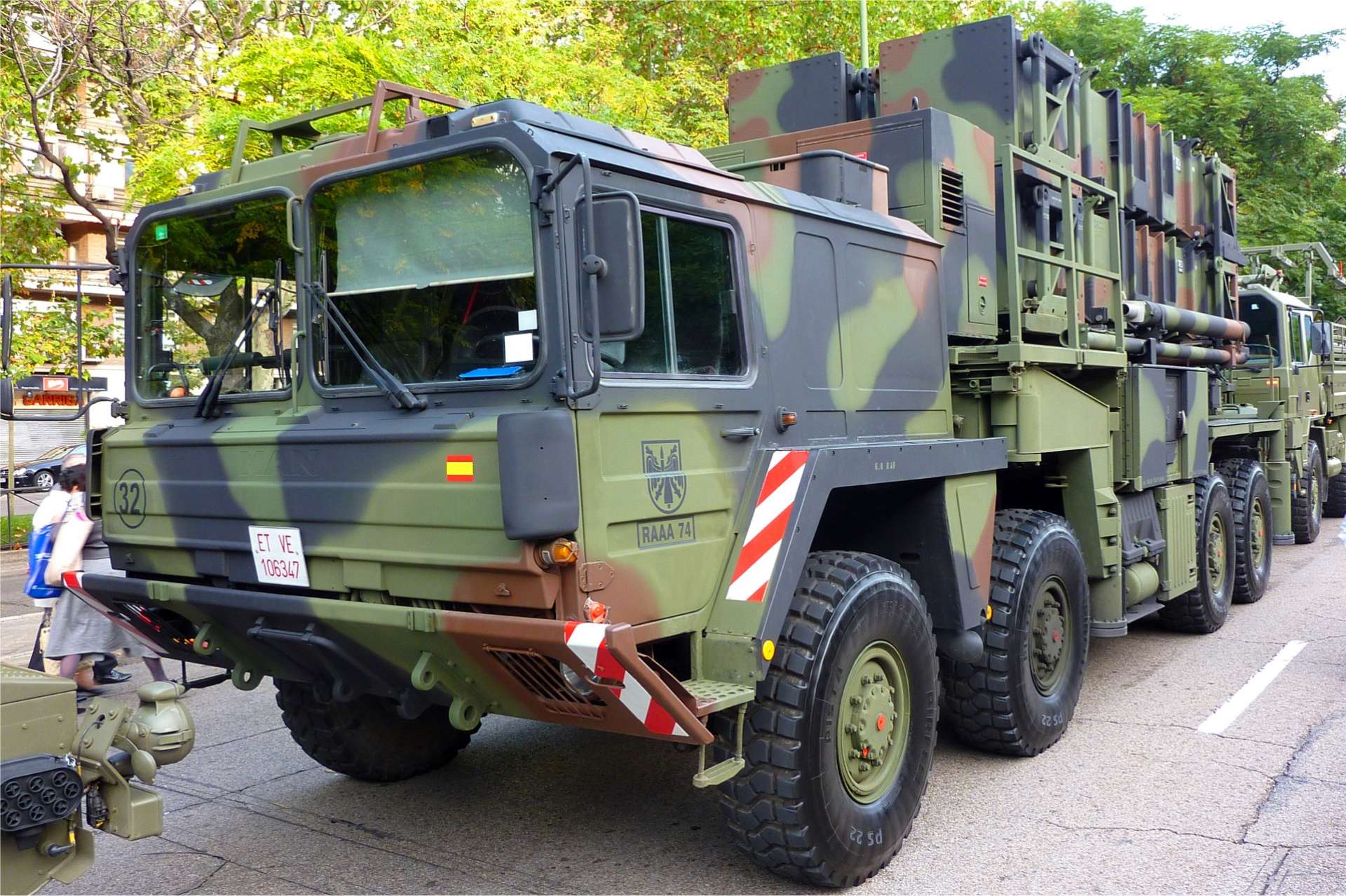
Spain has committed to providing military support to Ukraine worth 1 billion euros ($1.08 billion) this year, following an agreement signed on May 27, 2024, between Ukrainian President Volodymyr Zelenskiy and Spanish Prime Minister Pedro Sanchez in Madrid. This substantial pledge, reported by El Pais newspaper, includes various military equipment such as Patriot anti-aircraft missiles and Leopard 2A4 tanks, highlighting Spain's continued support for Ukraine amidst the ongoing conflict with Russia.
Follow Army Recognition on Google News at this link
Spanish army launcher truck of Patriot Air Defense Missile System. (Picture source: Wikimedia)
Since the beginning of the Russian invasion, Spain has been a steadfast supporter of Ukraine, delivering a variety of military hardware. Spain has already supplied 10 Leopard 2A4 tanks between April and June 2023. In addition, 60 M113 armored personal carriers were sent before December 2022, and in February, April, and June 2023.
Different types of combat vehicles have also been delivered to Ukraine, including 20 URO VAMTAC armored vehicles and an RG-31 Nyala mine-resistant vehicle configured as an ambulance in April 2022. Eight light military vehicles were sent in October 2022, followed by a pledge for an additional 12 vehicles. Spain also delivered 40 trucks and off-road vehicles in April or May 2022, nine heavy transport trucks in late 2022, 11 vehicles later that year, four or more Land Rover 4x4 SUVs between late 2022 and July 2023, and two Pegaso BMR armored ambulances.
Since the beginning of the war, Spain's total military aid to Ukraine has included various commitments, with the recent pledge bringing the total to approximately 2.3 billion euros. This figure reflects both delivered aid and planned allocations, covering a wide range of military equipment and support measures to bolster Ukraine's defenses (Kiel Institute) (Atlantic Council) (CEPR) (Real Instituto Elcano).
Ukrainian President Volodymyr Zelensky has urgently called for increased air defense support for Ukraine following a significant escalation in Russian aerial attacks. In recent months, Russia has intensified its bombardment, deploying over 3,200 guided aerial bombs, 300 Shahed-type drones, and numerous missiles. These attacks have caused severe damage to Ukraine's infrastructure and inflicted heavy civilian casualties across various regions, including Sumy, Odesa, Dnipropetrovsk, Kharkiv, Donetsk, Mykolaiv, and Kherson.
The recent wave of assaults, one of the largest since the full-scale invasion began, involved more than 158 types of weapons targeting civilian areas such as homes, hospitals, and schools. This attack resulted in at least 30 deaths and hundreds of injuries.
President Zelensky emphasized that the continued onslaught demonstrates the urgent need for additional air defense systems to protect Ukrainian cities and civilians. He praised the international community's support so far, highlighting the lifesaving impact of air defense systems provided by allies. However, he stressed that without further aid, Ukraine's ability to defend itself remains compromised
- Details
- Written by: Administrator
- Category: 2024
- Hits: 5366
Breaking news
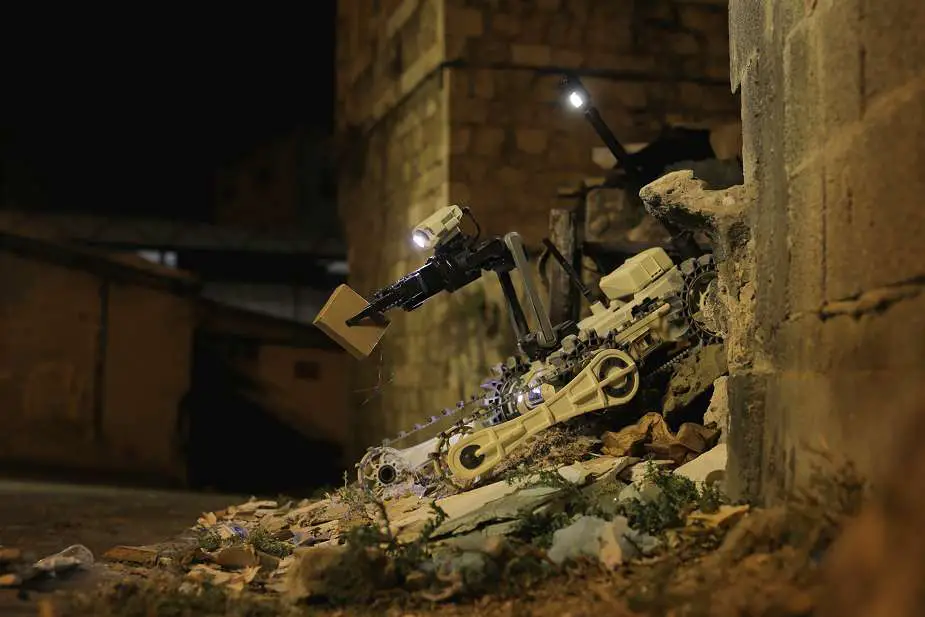
Roboteam, a prominent developer and manufacturer of tactical unmanned platforms for defense and security missions, has announced a significant milestone with the receipt of an initial purchase order to deliver over 130 Micro Tactical Ground Robot (MTGR) systems to the United States Marine Corps. This order, part of a larger agreement, is valued at approximately $30 million and will see Roboteam supplying around 200 MTGR units in total, along with spare parts and maintenance services.
Follow Army Recognition on Google News at this link
The MTGR robot from Roboteam is a lightweight, versatile, tactical ground robot designed for reconnaissance, surveillance, and remote operations in challenging environments. (Picture source: Roboteam)
The contract was facilitated through Roboteam's collaboration with its U.S. partner, Mistral Inc. The manufacturing of these systems is being conducted locally in the U.S., with final assembly at Mistral’s White Marsh production facility. Roboteam has already delivered the first batch of MTGR systems and aims to complete the full delivery by the first quarter of 2025.
This contract marks Roboteam’s first penetration into the U.S. Marine Corps market, highlighting the growing demand for the company’s advanced robotic solutions within U.S. defense sectors. Previously, Roboteam has successfully supplied hundreds of MTGR systems to the U.S. Air Force under a Program of Record valued at over $25 million, demonstrating the effectiveness and reliability of these systems in operational environments.
The MTGR is known for its high maneuverability, lightweight design, and portability. It features advanced capabilities such as stair-climbing and self-righting, making it suitable for a variety of missions including Explosive Ordnance Disposal (EOD), special operations, and tactical maneuvers. Its robust design and versatile performance ensure it can navigate and overcome a wide range of field challenges, both indoors and outdoors.
Roboteam’s family of robotic systems, ranging from 1.5 kg to 1.2 tons, has been successfully deployed by Tier-1 defense and law enforcement agencies in over 30 countries. These platforms are powered by advanced software and algorithms and utilize MESH communication technology, enabling centralized control via a single unit. This technology allows operators to manage multiple systems with ease, enhancing operational efficiency and effectiveness.
"We are honored that the US Marine Corps has selected the MTGR to enhance their arsenal of combat engineering robotics," said Matan Shirvi, CEO of Roboteam. "Proudly selected by Tier-1 customers globally, our unmanned platforms empower defense forces to execute missions efficiently while prioritizing soldier safety. We have customized the MTGR to meet the U.S. Marine Corps' operational needs, enabling them to maintain unmatched battlefield supremacy while enhancing their daily operational capabilities. We are delighted to collaborate with Mistral to bring this advanced robotic solution to the US Marine Corps, reaffirming our commitment to providing innovative solutions tailored to the demands of modern warfare."
This achievement underscores Roboteam's consistent track record of success in the United States and reaffirms its position as a leading provider of tactical unmanned systems for defense applications.
- Details
- Written by: V.Saint
- Category: 2024
- Hits: 2883
Breaking news
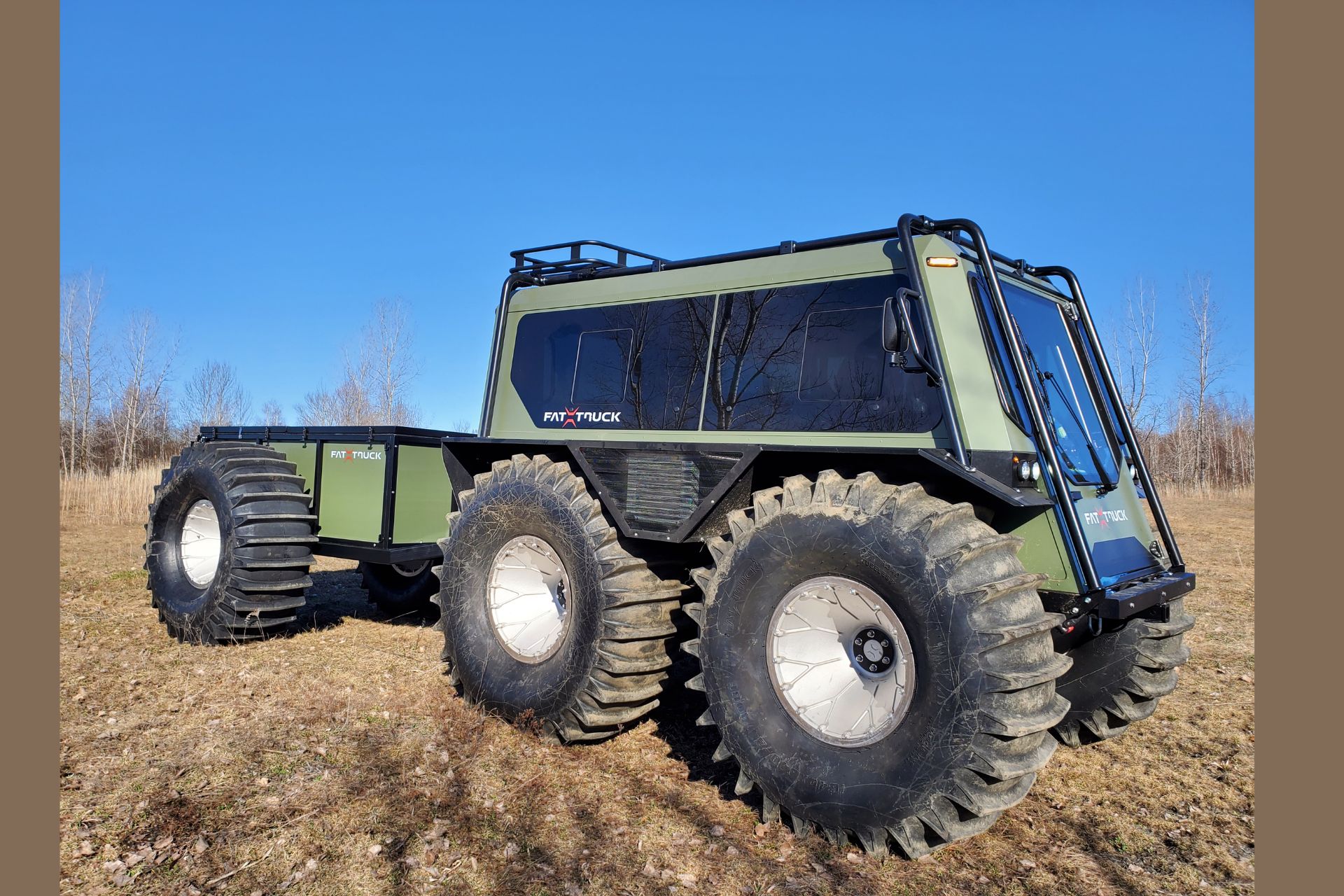
Zeal Motor Inc., the manufacturer of the renowned FAT TRUCK®, proudly announces the official launch of its new division, FAT TRUCK® DEFENSE, dedicated to supporting the defense sector. This initiative marks a significant expansion of Zeal Motor's commitment to innovative mobility solutions in various demanding environments, including energy infrastructure, mining exploration, search and rescue operations, and military operations.
Fat truck presented (Picture source: Fat truck Defense)
The creation of the FAT TRUCK® DEFENSE division is driven by two main objectives: enhancing mobility capabilities in Arctic conditions with models specifically configured for cargo logistics, personnel transport, and search and rescue operations; and strengthening the exclusive partnership with leading defense supplier Rheinmetall Canada. This collaboration integrates Rheinmetall's cutting-edge autonomous vehicle technology into the Mission Master family of uncrewed ground systems (UGSs) based on the FAT TRUCK® platform.
Maxim O'Shaughnessy, President of Zeal Motor, commented that the FAT TRUCK® was tested in the Arctic, where it performed exceptionally at temperatures as low as -46°C. Capable of traveling at 40 km/h on Arctic land and 5 km/h on water, as well as climbing steep icy hills and vertical walls, the FAT TRUCK® meets rigorous safety standards and adds remarkable capabilities to operational readiness.
Zeal Motor Defense's ambition is to support the defense market with innovative mobility solutions. By creating a new factory to meet the growing demand, it is committed to providing responsive support for its products and users in the field. The creation of a dedicated defense division aligns with the strategic plan to further develop innovative off-road vehicle solutions and expand production capacity.
Zeal Motor continues to invest in its research and development center and has inaugurated a new manufacturing plant to ensure it can meet the fast-growing demand for its pioneering off-road products.
Read more: Zeal Motor Inc. Launches FAT TRUCK DEFENSE Division to Support the Defense Sector
- Details
- Written by: Halna du Fretay
- Category: 2024
- Hits: 7744
Breaking news
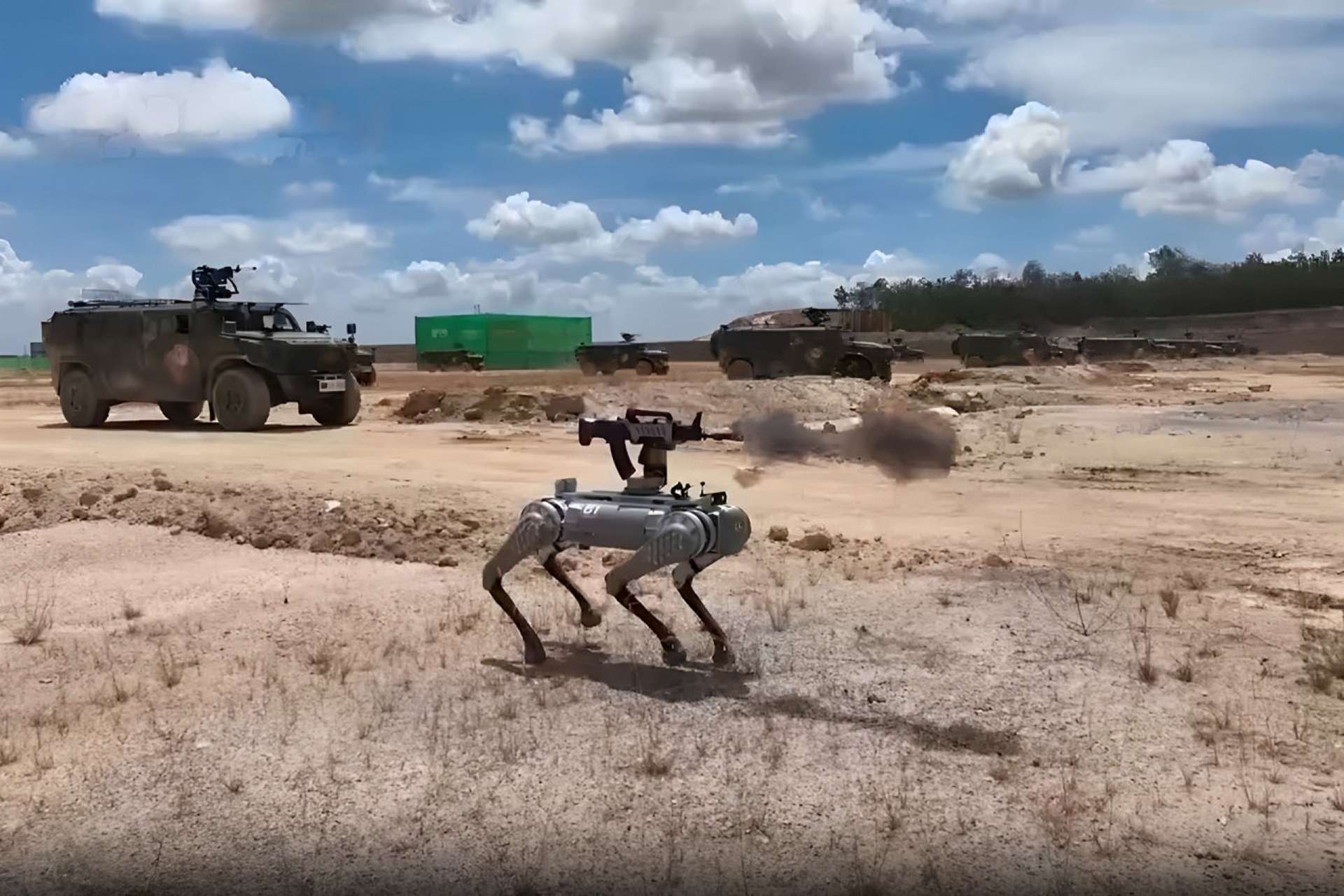
During the "Golden Dragon 2024" exercise, the People's Liberation Army (PLA) of China showcased its latest advancements in robotic technology, including machine gun-equipped robotic dogs developed by the Chinese company Unitree Robotics. These robots are designed for real-time reconnaissance and combat. This annual military exercise, held in 2016, involves the Royal Cambodian Armed Forces (RCAF) and the PLA.
Follow Army Recognition on Google News at this link
Screenshot of the video broadcast by the Chinese army during the joint China-Cambodia ‘Golden Dragon 2024’ exercise, where a range of intelligent unmanned equipment was deployed (Picture source: China MoD)
In mid-May, the PLA deployed two robotic dogs in Cambodia, one weighing around 15 kg and the other approximately 50 kg. The smaller robotic dog is equipped with a 4D wide-angle sensing system and has an endurance of two to four hours. It can transmit real-time reconnaissance images to command posts, autonomously plan routes, avoid obstacles, and approach targets. Its batteries and power system are located in its abdomen, enabling it to move forward and backward, lie down, and jump.
The larger 50 kg robotic dog can also be used for reconnaissance and target strikes. During the demonstration, it was shown carrying an assault rifle, illustrating its potential to replace human teammates in urban combat scenarios. According to China Central Television (CCTV), this robot was used in a simulated urban environment to lead an attack on a building where mock terrorists were hiding.
The presence of Vong Pisen, commander-in-chief of the Royal Cambodian Armed Forces, and Gao Xiucheng, deputy chief of staff of the PLA's Southern Theater Command, underscored the significance of this demonstration. The capabilities of these robotic dogs, including real-time reconnaissance and combat engagement, represent a significant advancement in military technology.
Additionally, other new equipment, including drones designed for armed reconnaissance and transport tasks, were integrated into key sections of the exercise. This deployment of intelligent unmanned equipment highlights the evolving landscape of modern warfare, where robotic and autonomous systems play an increasingly crucial role.
Analysts have noted that these robotic dogs can greatly enhance combat efficiency and reduce casualties, marking a notable shift in military operations. The "Golden Dragon 2024" exercise, which began on May 16 and will continue until the end of the month, emphasizes the ongoing collaboration between China and Cambodia in developing and testing new military technologies.
The growing use of robotic dogs by armies worldwide reflects a significant advancement in military technology. These robots are designed to perform dangerous tasks such as reconnaissance, demining, and even combat, thereby reducing risks for soldiers. Similarly to China, the United States Army has tested the capabilities of the Spot robot, developed by Boston Dynamics, for reconnaissance and surveillance missions.
In Europe, several countries are also integrating robotic dogs into their military arsenals. For instance, France has conducted trials with robotic dogs from Ghost Robotics, particularly Vision 60, for patrol and security missions. These robots are equipped with advanced sensors and can be armed for combat operations. Additionally, Russia has unveiled its own robotic dog model, the M-81, capable of carrying light weapons and other essential equipment on the battlefield. These developments indicate a global trend towards the adoption of advanced robotic technologies, aiming to improve the efficiency and safety of military operations.
- Details
- Written by: Jérôme Brahy
- Category: 2024
- Hits: 3456
Breaking news
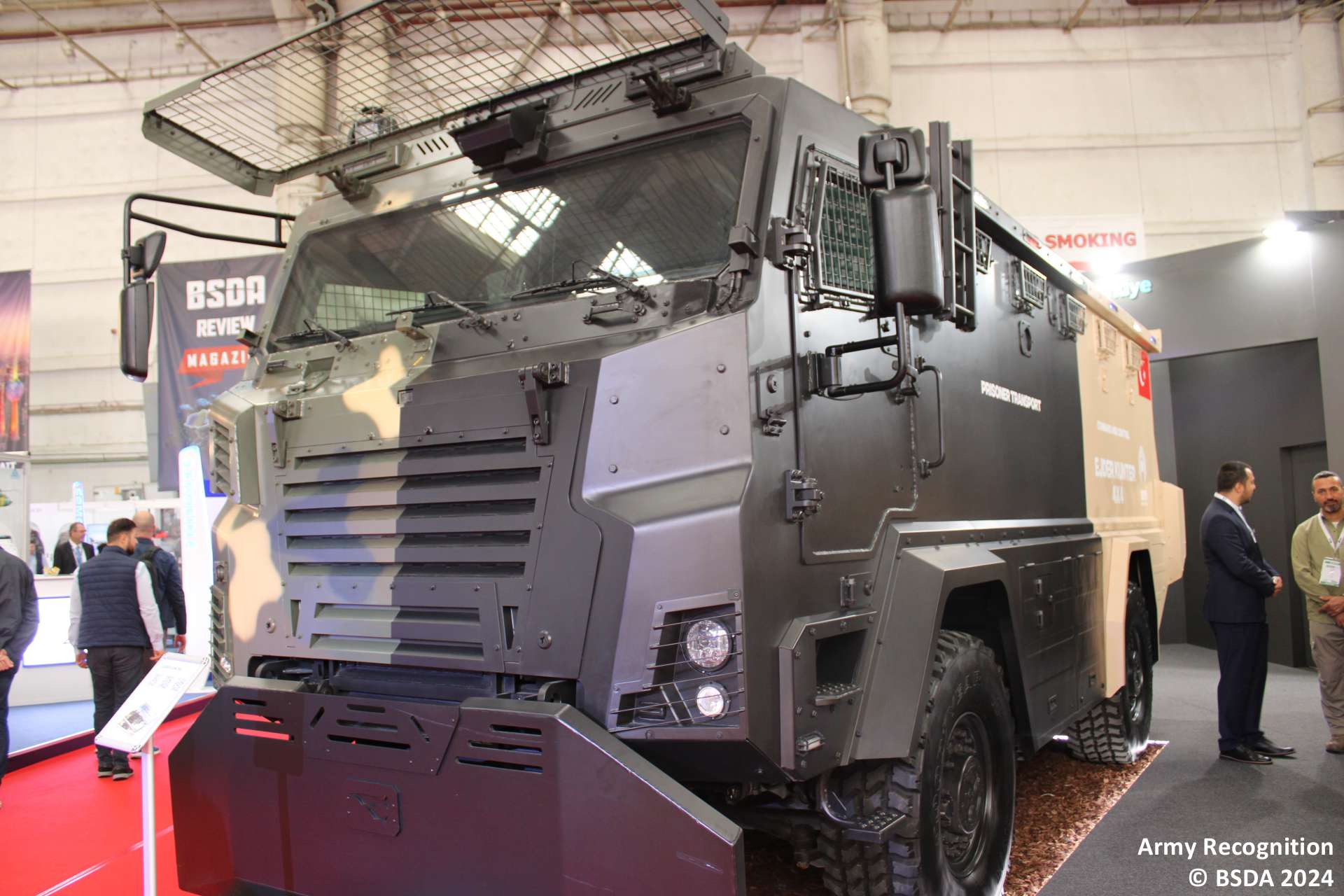
At the BSDA 2024 exhibition in Bucharest, Romania, the Turkish company Nurol Makina showcased the latest version of the Ejder Kunter 4x4 special-purpose vehicle, which was first introduced at the International Defense Industry Fair (IDEF) in May 2015. The Ejder Kunter was displayed as a single vehicle demonstrating its capability to be configured as an ambulance, command and control vehicle, prisoner transport vehicle, and personnel carrier simultaneously.
Follow Army Recognition on Google News at this link
For safety and protection, the Ejder Kunter is equipped with a high ballistic protection cabin, fire suppression systems for the tires and engine compartment, and an explosion suppression system in the cabin. (Picture source: Army Recognition)
These configurations highlight the Ejder Kunter's adaptability and advanced features, providing Nurol Makina with an opportunity to demonstrate the vehicle's capabilities and explore new business opportunities in the defense sector. This builds on recent export successes, including sales to Qatar, Estonia, and Nigeria.
The Ejder Kunter 4x4, developed by Nurol Makina, is designed for military and internal security applications. It features a fully independent suspension system that allows it to operate effectively in both rural and urban terrains. The vehicle has an indigenous chassis that can be customized to meet specific operational needs, providing a platform for integrating various mission-specific equipment. It includes a high ballistic protection cabin and can accommodate up to 14 personnel.
The vehicle's mobility features include a full independent suspension system, lockable latitudinal and longitudinal differential locks, and large diameter tires with a wide tread area. It can function in temperatures ranging from -32°C to +55°C. The Ejder Kunter has high approach and departure angles, fording capabilities up to 0.9 meters, obstacle climbing ability up to 0.9 meters, and can handle gradients and side slopes of 30%.
For safety and protection, the Ejder Kunter is equipped with a high ballistic protection cabin, fire suppression systems for the tires and engine compartment, and an explosion suppression system in the cabin. It also includes hydraulic power-assisted steering and adjustable ergonomic seats for the driver and operators. An engine preheating system is included for reliable start-up in cold conditions.
Optional features available for the Ejder Kunter include advanced electro-optical camera and mast systems, a 360-degree driver vision enhancement system, intercom, and long-range acoustic devices. It can also be equipped with command control and computer systems, tactical ground inertial navigation systems, jammer systems, and additional equipment such as a siren and announcement system, CBRN protection (pressure type), a laser warning system, and a hydraulic bulldozer. These features enable the vehicle to be used in a wide range of military and security operations.
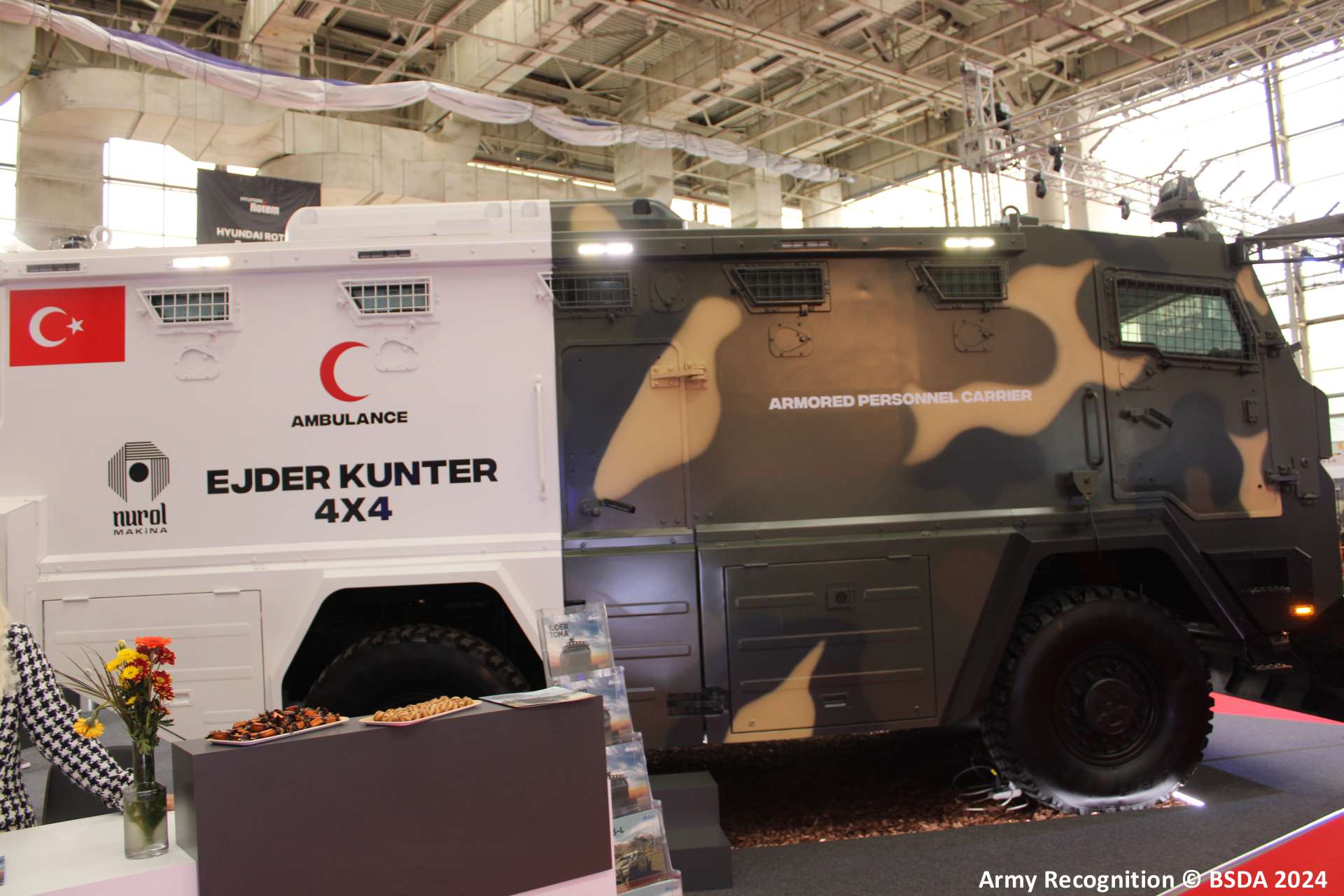
The Ejder Kunter was displayed as a single vehicle demonstrating its capability to be configured as an ambulance, command and control vehicle, prisoner transport vehicle, and personnel carrier simultaneously. (Picture source: Army Recognition)
- Details
- Written by: V.Saint
- Category: 2024
- Hits: 6075
Breaking news
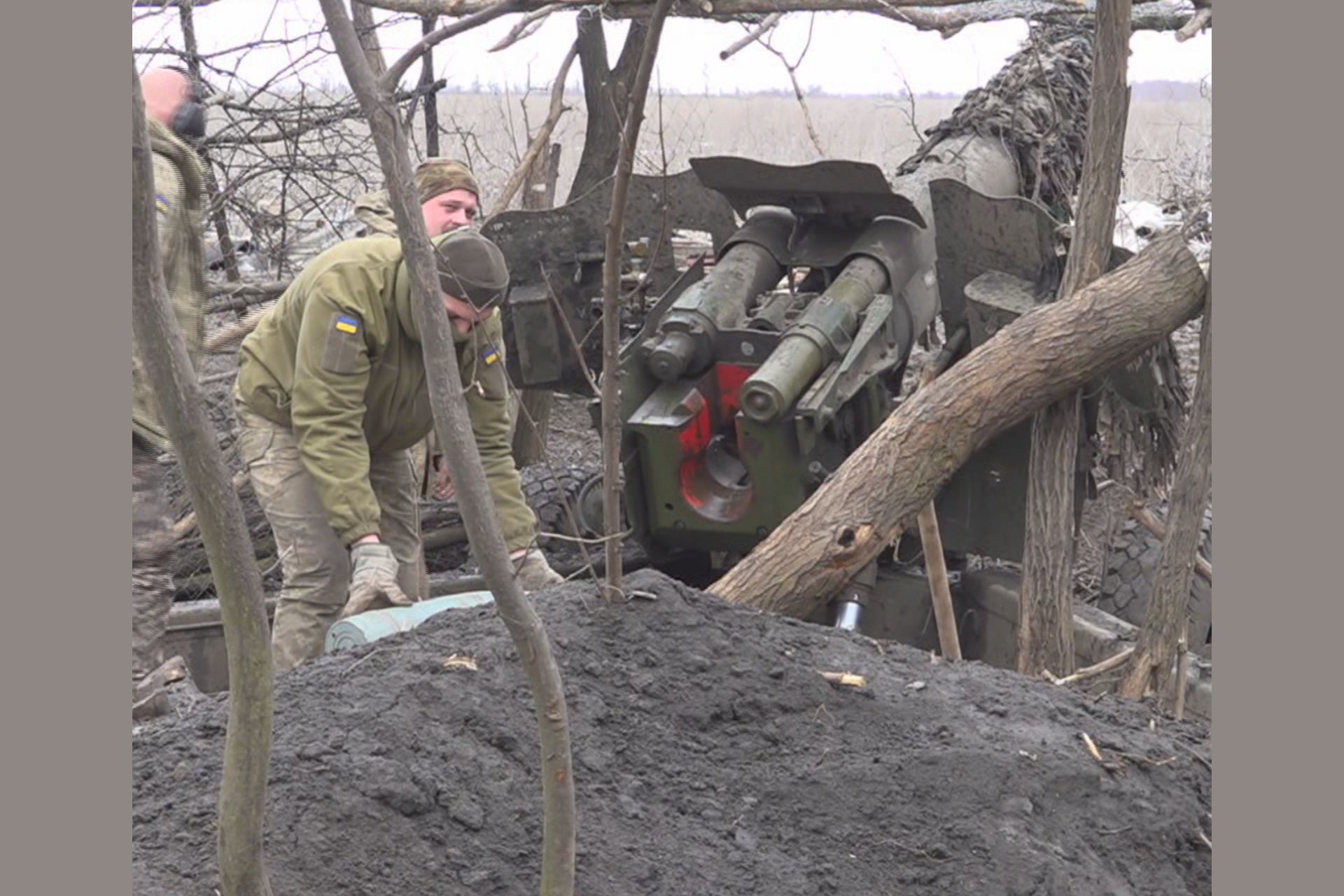
For several weeks, Ukraine has been calling for international assistance in the form of equipment and munitions deliveries. The delay in American aid allowed Russia to open a new front in the northeast, heading towards Kharkiv. However, with the arrival of American aid, Ukraine's artillery fire ratio has improved from 10:1 to 5:1, meaning for every 10 Russian shells, Ukraine can now fire 2 in response. This improvement is crucial for Ukraine's combat effectiveness against a numerically superior Russian army. Despite this, Ukraine can only slow or occasionally stop the Russian advance, not mount a counteroffensive.
Follow Army Recognition on Google News at this link
Video capture of France 24 docs in donbass (Picture source: France 24)
Situation in Ukraine
Ukraine faces a significant need for munitions, consuming Western aid rapidly due to the pressure from Russian forces aiming to break Ukrainian defense lines. The high consumption rate has led to a shortage, limiting the use of artillery shells and missiles. For instance, artillery units of the 57th Ukrainian Brigade report being limited to 1, 2, or sometimes 3 shells per target to conserve ammunition.
Previously, Ukraine's artillery fired one shell for every ten Russian shells. With Western aid, this ratio has improved to five to one. However, these supplies are limited. Combined, the US and Europe produce about 100,000 artillery shells per month, or approximately 3,333 per day. The NATO recently ordered 220,000 155mm shells to replenish stocks and support Ukraine, but this production will take time. In France, production of 155mm shells is increasing, aiming to deliver 2,000 shells per month to Ukraine. Overall, Western production capacities are under pressure to meet the increasing demands due to the conflict, but still fall short of Russian production levels.
Situation in Russia
Russian factories currently produce between 10,000 and 20,000 artillery shells per day. At times, with aid from North Korea, this production can reach up to 60,000 shells per day. This sustained pace results from a massive industrial effort, with factories operating 24/7.
Additionally, Russia's preparation for this conflict, ongoing since 2014, has streamlined production systems, significantly lowering production costs. A 152mm shell in Russia costs about 1,000 USD, whereas a 155mm shell in the West costs around 4,000 EUR (approximately 4,300 USD).
In conclusion, Russia can afford a low cost for a high number of shells and has mastered this production. It has substantial artillery capabilities tailored for this conflict. The war in Ukraine appears poised to be prolonged.
- Details
- Written by: Halna du Fretay
- Category: 2024
- Hits: 3194
Breaking news
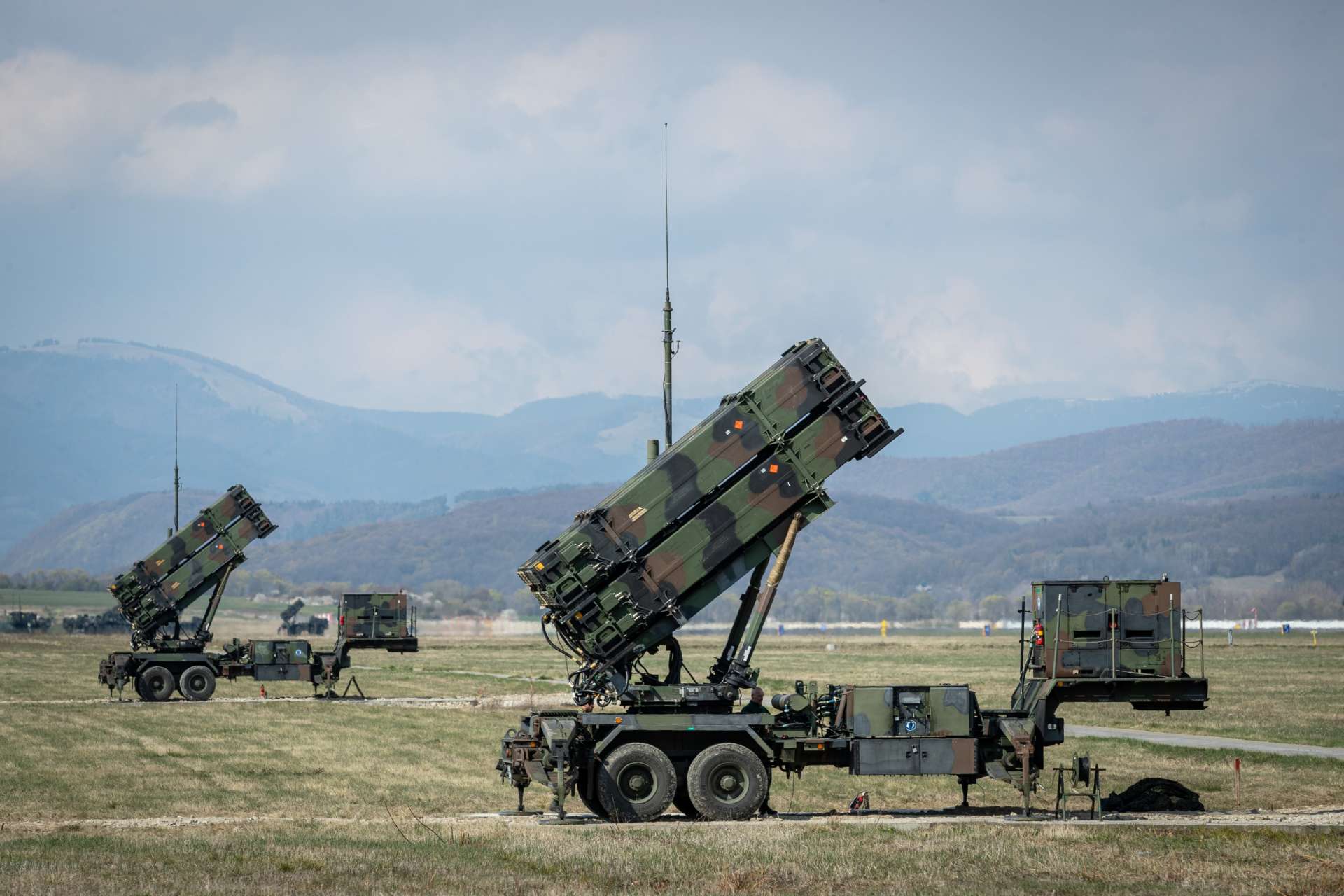
The Netherlands announced on May 28, 2024, that it has taken the initiative to provide Ukraine with a Patriot air defense system, urging other European nations to contribute to this effort. The Dutch government proposes to rapidly assemble the system in collaboration with several partners, contributing components and parts from its own stock. It has also identified other European countries that could offer additional parts and munitions for the system and is calling on these nations to make contributions from their existing inventories.
Follow Army Recognition on Google News at this link
The goal is to provide Ukraine with at least one fully operational system in a short time frame by consulting with partner countries that can supply several key parts and munitions (Picture source: Royal Netherlands Army)
Dutch Defense Minister Kajsa Ollongren emphasized the importance of this initiative, stating that the Netherlands is in talks with partners to compile a Patriot system, including training for Ukrainian crews. The goal is to provide Ukraine with at least one fully operational system in a short time frame by consulting with partner countries that can supply several key parts and munitions.
Recognizing the scarcity of Patriot systems, the Dutch government highlighted the urgency of supporting Ukraine, which is currently under daily attacks targeting its combat capabilities, energy production, and vital infrastructure. Ollongren pointed out that NATO Secretary General Jens Stoltenberg recently mentioned that NATO countries could temporarily operate below the alliance’s capability targets to support Ukraine. Industrial suppliers have pledged to speed up production and delivery of replacement systems to ensure this initiative's success.
The Netherlands aims to have the Patriot system operational in Ukraine as soon as possible, acknowledging the critical need to strengthen air defense in the context of ongoing conflicts.
The MIM-104 Patriot is a highly advanced air defense missile system used primarily by the United States Army and several allied nations, including the Netherlands. The system employs sophisticated aerial interceptor missiles and high-performance radar systems, offering a modular and highly mobile air defense solution. Notable features of the Patriot system include its ability to be deployed in less than an hour, its capability to engage multiple targets simultaneously, and its resilience against electronic jamming. The system was first deployed by U.S. forces in the mid-1980s and has since evolved to counter various threats, incorporating advanced technologies such as the PAC-3 missile with hit-to-kill capability.
In the context of the ongoing conflict between Russia and Ukraine, the United States announced plans to supply Patriot missile systems to Ukraine as part of a significant military aid package. This package, which includes $20 billion in military assistance, aims to bolster Ukraine's defenses against Russian aggression. Various sources confirmed the delivery of Patriot systems to Ukraine, including American TV News Channel CNN and several American newspapers.
Germany also announced the delivery of one Patriot battery to Ukraine, with official confirmation following on January 12, 2023. The Netherlands joined the United States and Germany in supporting Ukraine, announcing plans on January 17, 2023, to deliver a Patriot air defense missile system from its military inventory. These efforts highlight the international support for Ukraine's defense capabilities amidst the ongoing war.
In addition to the Patriot systems, the Netherlands has been proactive in providing various forms of military aid to Ukraine. This includes supplying advanced weaponry, logistical support, and training for Ukrainian forces. Specific examples of Dutch military aid to Ukraine include the delivery of Stinger anti-aircraft missiles, Panzerfaust 3 anti-tank weapons, and additional ammunition.
The Netherlands has also contributed armored vehicles, such as the YPR-765 infantry fighting vehicles, and has been involved in training Ukrainian soldiers in the use of these systems. This collaborative approach underscores the commitment of NATO allies to support Ukraine by enhancing its air defense network with state-of-the-art technology and equipment.
Read more: Netherlands Leads Initiative to Supply Patriot System to Ukraine
- Details
- Written by: Triffaux
- Category: 2024
- Hits: 8313
Breaking news
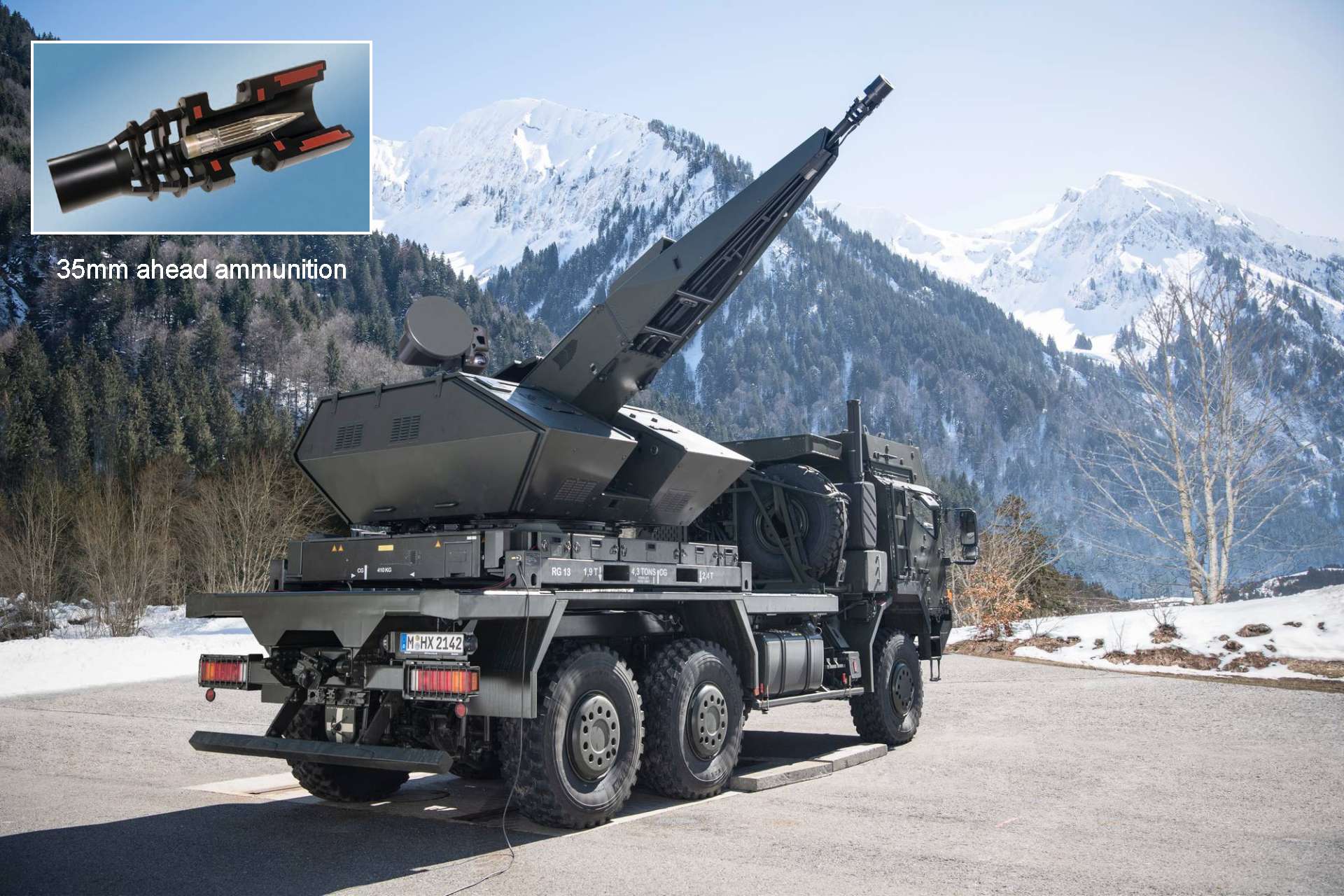
On May 27, 2024, Rheinmetall announced that it had received a significant order from a European country for the supply of 35mm AHEAD munitions, intended for the Skynex air defense system. The total value of this order is in the low three-digit million-euro range. In total, a six-figure number of cartridges will be produced, thereby enhancing the client country's armed forces' protection capabilities against aerial threats.
Follow Army Recognition on Google News at this link
Skynex uses 35mm programmable AHEAD munitions (Picture source: Rheinmetall)
This new order once again confirms Rheinmetall's technological leadership in the development and production of highly effective munitions for air defense in Europe. The Skynex system, based on cannon-based anti-aircraft defense, is particularly suited for short-range protection where guided missiles may not be effective.
Skynex uses 35mm programmable AHEAD munitions, specifically developed by Rheinmetall. These munitions offer several advantages over guided missile systems. They are significantly less expensive and have increased resilience against electronic countermeasures. Once fired, it is impossible to influence or divert these munitions using electronic countermeasures, thus ensuring reliable and effective protection.
The choice of the Skynex system and AHEAD munitions by the European client highlights the growing importance of short-range air defense systems in the current context of aerial threats. Rheinmetall continues to demonstrate its expertise and innovation in this crucial area, providing advanced and reliable defense solutions for its international partners.
Additionally, the Oerlikon 35mm Revolver Gun Mk3 used with the Skynex air defense system has an effective range of 4,000 meters and a rate of fire of 1,000 rounds per minute. The gun module is equipped with an X-Band tracking radar that allows an autonomous sector search function, making target designation simple, fast, and reliable. Tracking and engagement are calculated and executed automatically by the integrated fire control processor. The target designation and engagement are overseen and checked by the Oerlikon Skymaster Command & Control System, which can be remotely controlled from another position.
The Oerlikon Skymaster® is a versatile command and control (C2) solution for different levels of command that significantly enhances ground-based air defense operational capabilities. Its main operational benefits include the display of a common comprehensive air picture based on all available information sources, effective real-time threat evaluation and smart weapon assignment algorithms, coordination of heterogeneous weapon systems, and fire control in flexible system architecture.
Read more: Rheinmetall Enhances European Nation's Air Defense with 35mm AHEAD Munitions Contract