
- Details
- Written by: Triffaux
- Category: 2024
- Hits: 5414




Breaking news






On May 29, 2024, Wisconsin-based Oshkosh Defense announced that it had won a substantial contract to supply medium tactical vehicles to the U.S. Army. The $108.9 million contract encompasses the production and delivery of the new generation of Family of Medium Tactical Vehicles A2 (FMTV A2) and corresponding trailers.
Follow Army Recognition on Google News at this link
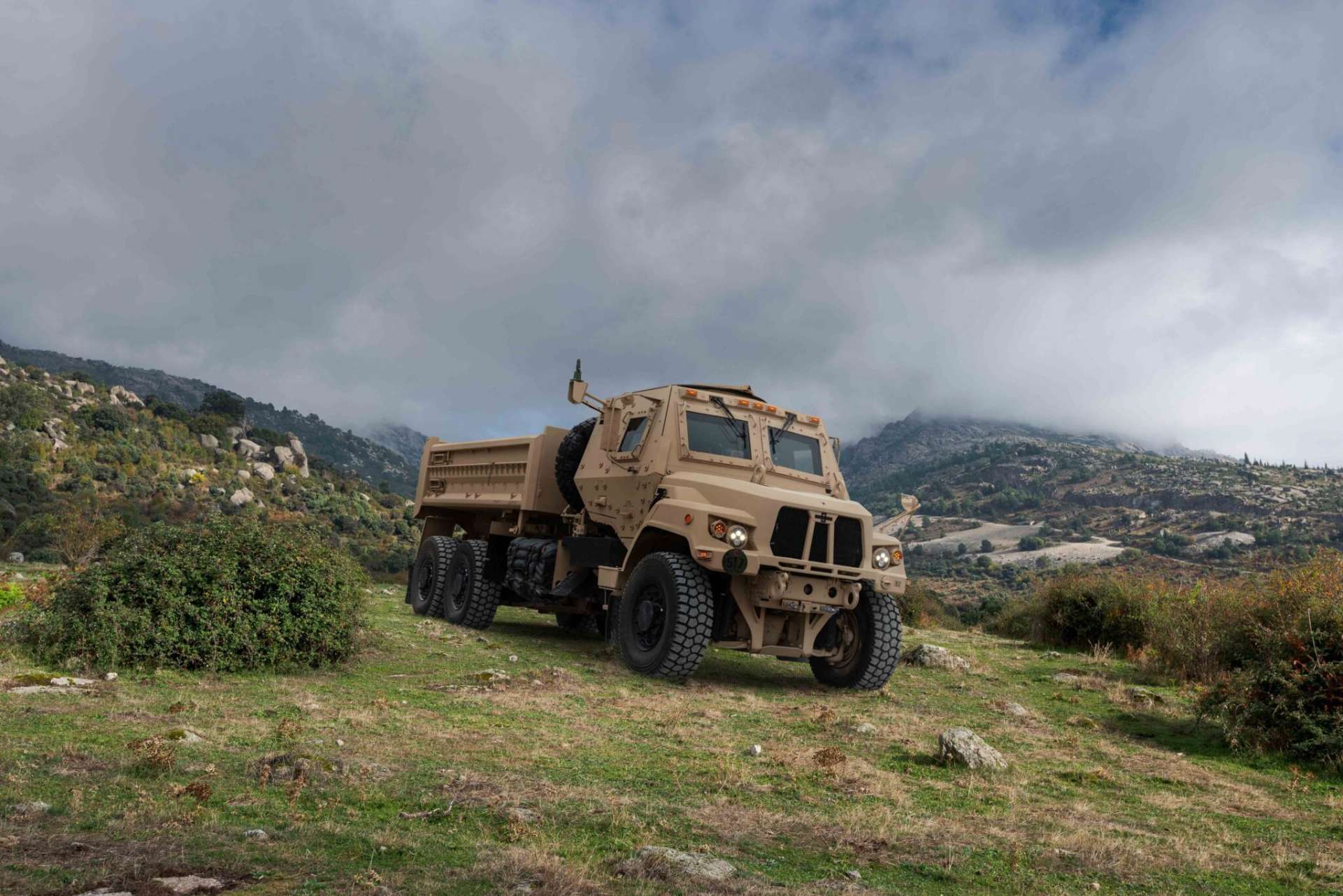
Oshkosh Defense FMTV A2 Cargo 6x6 Low-Velocity Air Drop Tactical Vehicle (Picture source: Oshkosh Defense)
The company specified that these systems would be utilized by the U.S. Army and in projects supporting international military sales. The FMTV A2 is an enhanced version of the FMTV A1P2 model, which has been in service with the U.S. military since the 1980s. This upgrade includes reinforced armor for crew protection, increased engine power, enhanced alternator capacity, and a strengthened underbody chassis and suspension for improved resilience in the field.
The vehicles are available in various configurations, including tractors, wreckers, dump trucks, load handling systems, and cargo transport models in both 4x4 and 6x6 versions.
Pat Williams, Chief Programs Officer at Oshkosh Defense, emphasized the importance of this renewed partnership with the U.S. Army: "Our ongoing collaboration with the U.S. Army reflects our commitment to providing our nation's warriors with the most advanced tactical wheeled vehicles, supporting the modernization of the armed forces."
One of the standout models under this new contract, the FMTV A2 Cargo 6x6 LVAD (Low-Velocity Air Drop), is specifically designed to meet the logistical and transport needs of the U.S. Army. This robust tactical vehicle is equipped with a 7.2-liter Caterpillar C7 diesel engine and a 7-speed Allison automatic transmission with an integrated transfer case, optimizing torque and traction management. Its suspension system, featuring parabolic leaf springs and telescopic shock absorbers, ensures maximum comfort even on very rough terrain. Additionally, its armor, compliant with the U.S. Army's Long-Term Armor Strategy (LTAS), provides enhanced protection for the crew against ballistic threats and improvised explosive devices. The payload capacity of this model is also a major asset, allowing for the transportation of significant volumes of materials and supplies.
The year 2023 was particularly successful for Oshkosh, with several major contracts signed. Besides the current contract, the company secured a $201 million deal to supply FMTV A2s in 16 different configurations, as well as a $57 million contract to develop 116 trailers for the Enhanced Heavy Equipment Transporter System. Later in the year, Oshkosh also signed a $342 million contract to provide Medium Equipment Trailers and another $89 million deal for Heavy Equipment Transporter tractors.
These agreements underscore the U.S. Army's renewed confidence in Oshkosh and reinforce the critical role of the company in supporting and modernizing the nation's defense capabilities.
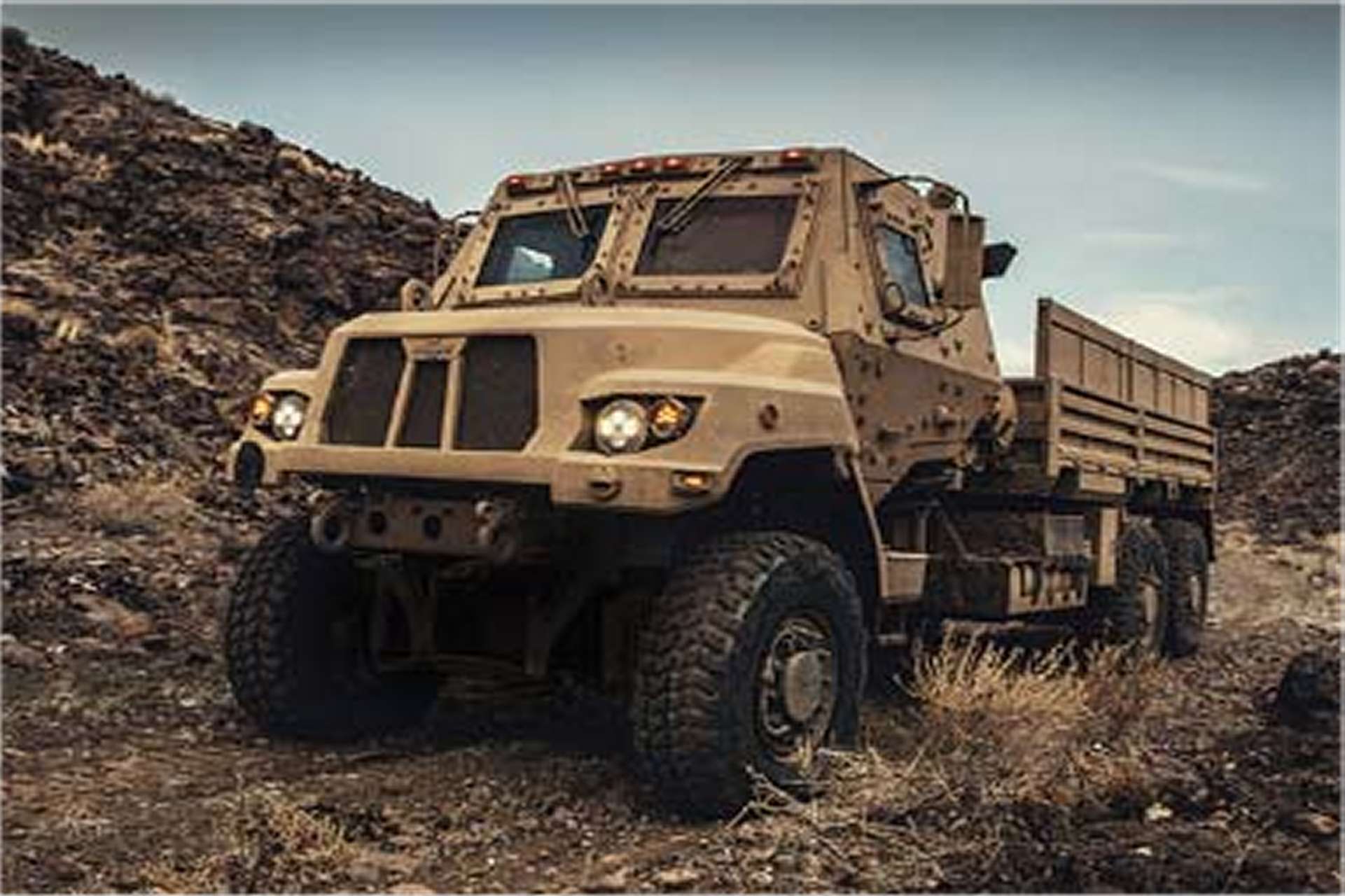
Oshkosh Defense FMTV A2 Cargo 6x6 Low-Velocity Air Drop Tactical Vehicle (Picture source: Oshkosh Defense)
Read more: US Army Awards Oshkosh Defense Contract for FMTV A2 Low-Velocity Air Drop Cargo Vehicles
- Details
- Written by: Halna du Fretay
- Category: 2024
- Hits: 6877
Breaking news
A Czech-led initiative to procure artillery ammunition for Ukraine has successfully raised over €1.6 billion, announced Ukrainian Prime Minister Denys Shmyhal on May 28, 2024. This initiative aims to supply Ukraine with nearly a million artillery shells sourced from non-EU countries to bolster its defense against Russian aggression.
Follow Army Recognition on Google News at this link
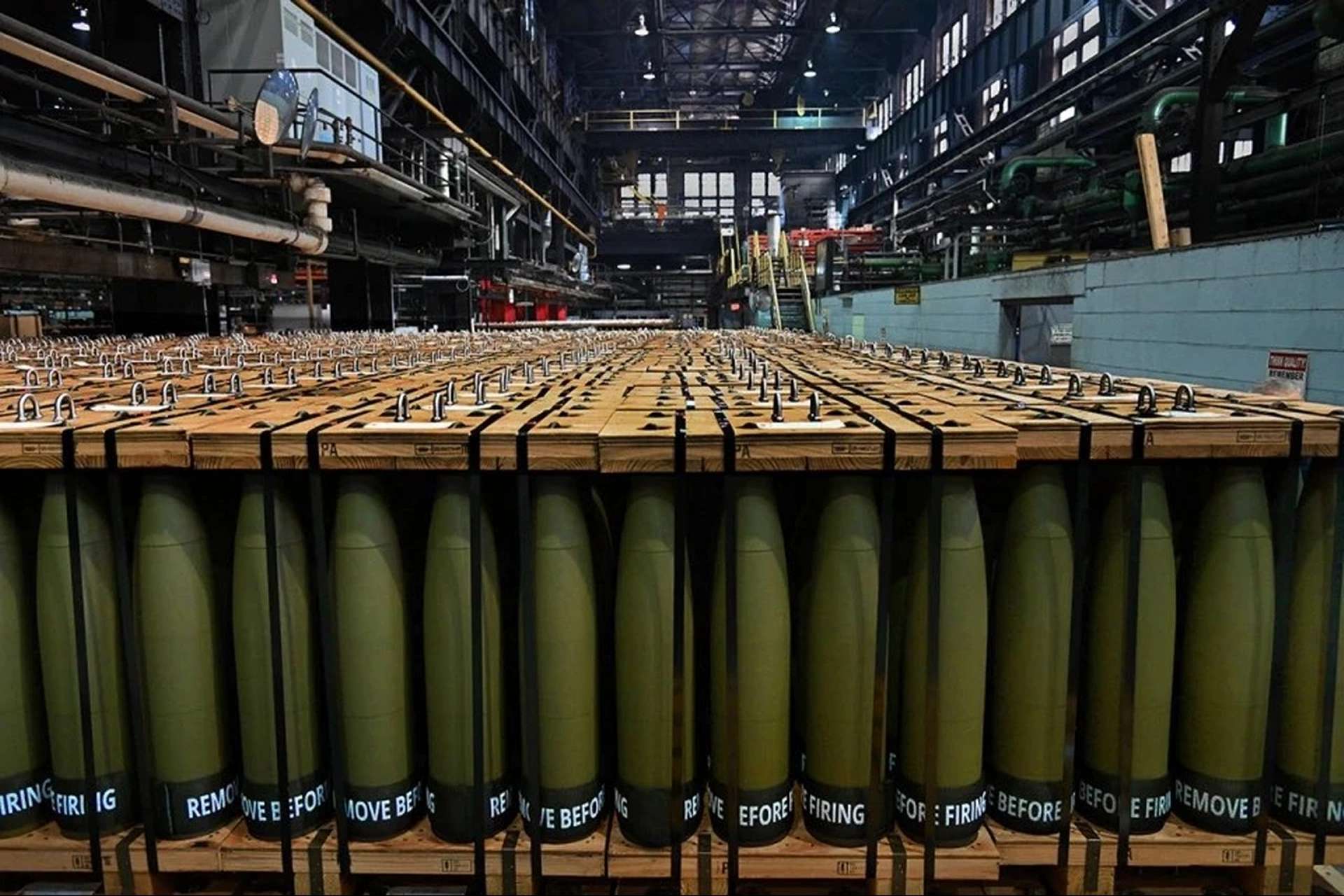
On March 11, an image showing pallets of 155mm artillery shells being prepared for shipment at a European production facility (Picture source: Ukrainian Front information group)
During an official visit to Prague, Shmyhal engaged in talks with various European leaders, including Polish President Andrzej Duda and Czech Prime Minister Petr Fiala. Discussions focused on implementing the artillery initiative, with Shmyhal emphasizing the importance of timely and systematic delivery of the ammunition starting from June. The initiative has garnered support from a coalition of 20 countries, reflecting significant international effort.
Czech Prime Minister Petr Fiala confirmed that the first deliveries of 155mm calibre ammunition, amounting to tens of thousands of rounds, are expected to arrive in Ukraine by June. Leaders involved in the initiative aim to ensure the delivery of half a million artillery shells by the end of the year. The funding has primarily come from 15 EU and NATO members, including the Netherlands, France, and Germany.
This effort is crucial as Ukraine faces a shortage of munitions amid ongoing Russian offensives, particularly in the eastern regions. President Duda highlighted the strategic importance of artillery in Ukraine’s defense, warning of a potential major Russian offensive. Meanwhile, Hungary’s pro-Russian government continues to block EU attempts to send additional military aid to Ukraine, causing frustration among other EU leaders. Hungary’s veto on EU military assistance has now reached approximately €6.5 billion.
The initiative underscores the collaborative efforts of European nations to support Ukraine, despite internal EU challenges. The Czech Republic’s role as a mediator in this initiative highlights the importance of international cooperation in addressing Ukraine’s urgent defense needs.
Since the Russian invasion began, Ukraine has received significant deliveries of 155mm artillery shells from Western allies to sustain its defense efforts. This ammunition has been crucial in countering Russian advances, but the high rate of usage has outpaced production. Despite efforts by countries like the United States and France to increase production, meeting the demand remains challenging. For instance, the U.S. has awarded contracts worth $522 million to boost artillery shell production, and France has committed to tripling its production to support Ukraine.
One major difficulty in producing sufficient 155mm shells is the complex manufacturing process, which requires specialized facilities and materials. The scale of demand due to intense conflict has exacerbated supply chain issues, leading to shortages. Western countries are also cautious about depleting their own stocks to avoid compromising their military readiness. Unlike Russia, which has streamlined production processes and often prioritizes quantity over precision, NATO countries maintain rigorous quality standards, which slows down the rate of production.
Moreover, while Russia continues to produce and deploy a large volume of ammunition, Western countries must balance supporting Ukraine with maintaining their own defense capabilities. This delicate balance has led to strategic decisions about what can be supplied without significantly impacting their own operational readiness, illustrating the complexities and challenges in sustaining long-term military support in a high-intensity conflict.
Read more: Ukraine to Receive Million Artillery Shells Through Czech-Led Initiative
- Details
- Written by: Halna du Fretay
- Category: 2024
- Hits: 10997
Breaking news
The Russian Ground Forces continue to replenish their reserves of 9M333 anti-aircraft missiles for the Strela-10M3 air defense systems, thanks to the latest delivery by Kalashnikov. This was highlighted in a statement released by the state consortium Rostec on May 24.
Follow Army Recognition on Google News at this link
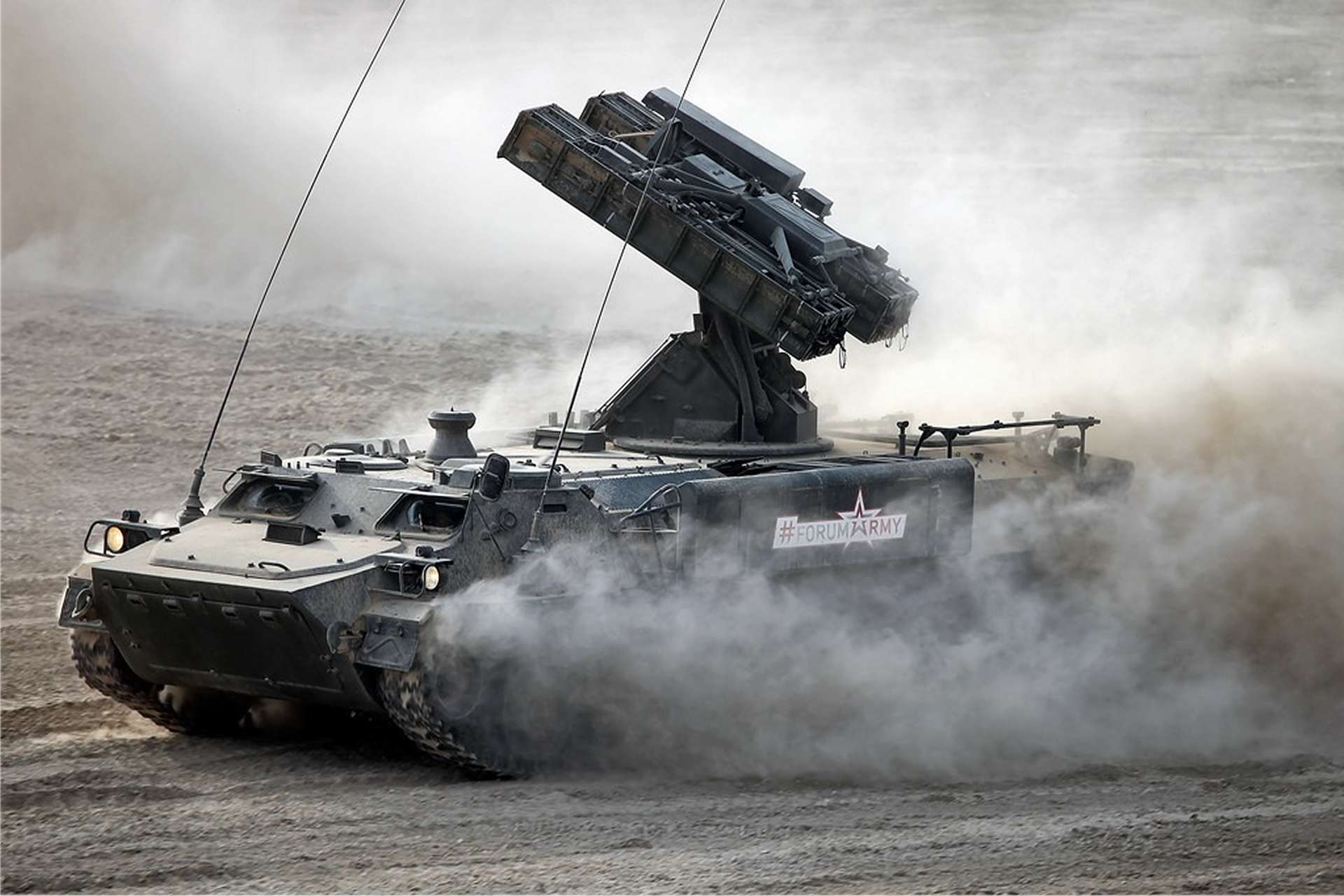
The 9K35M3 Strela-10M3 SAM system during the Military Technical Forum 2017 (Picture source: Vitaly Kuzmin)
Although no additional details were provided, Kalashnikov and Rostec emphasized that this new batch of guided anti-aircraft missiles (or ZUR in Russian) corresponds to the order placed for 2024 by the Russian Ministry of Defense. A similar delivery of this type of guided weaponry occurred in October 2023. However, as with the previous occasion, the consortiums did not provide further details other than the delivery report and some technical characteristics of the 9M333.
The 9M333 is a short-range guided anti-aircraft missile currently designed and manufactured by the Russian company Kalashnikov, intended to counter aircraft and unmanned aerial vehicles operating at low altitudes. It can engage targets at altitudes ranging from 10 to 3,500 meters, with a 2.6-kilogram warhead. Widely used by the Ground Forces, it is currently deployed by various mobile air defense systems such as the Strela-10 and its derivatives.
The high-precision, upgraded 9M333 guided anti-aircraft missile is used in the Strela-10M3 surface-to-air missile (SAM) system. This missile defense system can shoot down helicopters and planes, even with the use of thermal decoys, as well as cruise missiles and drones. The missile's guidance head is multispectral and has three operating modes; the missile was initially designed to hit targets under conditions of optical interference. The Ukrainian theater allows for the assessment of the success and effectiveness of these weapons, currently showing an efficiency rate of 80%. The main targets are Su-25 attack aircraft and helicopters of the Ukrainian armed forces.
The 9M333 guided anti-aircraft missile entered production at the end of 2020, with its modernization carried out by the Kalashnikov company starting in 2018. The missile has three operating modes for the seeker head: photo-contrast, infrared, and jamming. The 9M333 missile defense system allows for fire-and-forget shooting. The missile's average speed is 550 m/s, and it can hit targets at a distance of up to 5,000 meters. This is the only data available on this missile for now.
The Strela-10, designated by NATO as SA-13 "Gopher," uses the 9M333 missiles and is a Soviet-origin air defense system still in service with the Russian Ground Forces. Despite various replacement projects over the years, the Strela remains operational, and its use has been reported in the Ukrainian conflict. One of its future replacements is the so-called Ptitselov anti-aircraft system, which uses the 9M337 Sosna-R missile launch system for the Russian airborne forces. One detail noted in the May 24 statement is that the missile deliveries are intended for the "M3" version of the Strela-10. Based on data sources, this variant of the Gopher includes improvements to counter cruise missiles and unmanned aerial vehicles.
Designed to protect troops on the move from low-altitude aircraft, helicopters, precision-guided munitions, and reconnaissance RPVs (Remotely Piloted Vehicles), the system was first introduced into service in the early 1980s. It features combat vehicles 9A34 and 9A35 and uses 9M37 anti-aircraft missiles. The system is mounted on the MT-LB light armored tracked vehicle, which provides excellent cross-country capabilities and amphibious mobility. The SA-13 is equipped with four ready-to-launch missiles on its turret and can carry eight additional reloads inside the vehicle, with reloading taking approximately three minutes.
For self-protection, a 7.62 mm machine gun is mounted at the commander's hatch. The system's armor provides protection from small arms fire and shell splinters. The SA-13 is used by various countries, including Afghanistan, Algeria, Bulgaria, and India, among others. It remains a versatile and effective low-altitude air defense system.
Read more: Russia Replenishes 9M333 Missile Reserves for Strela-10M3 Air Defense Systems
- Details
- Written by: Halna du Fretay
- Category: 2024
- Hits: 8629
Breaking news
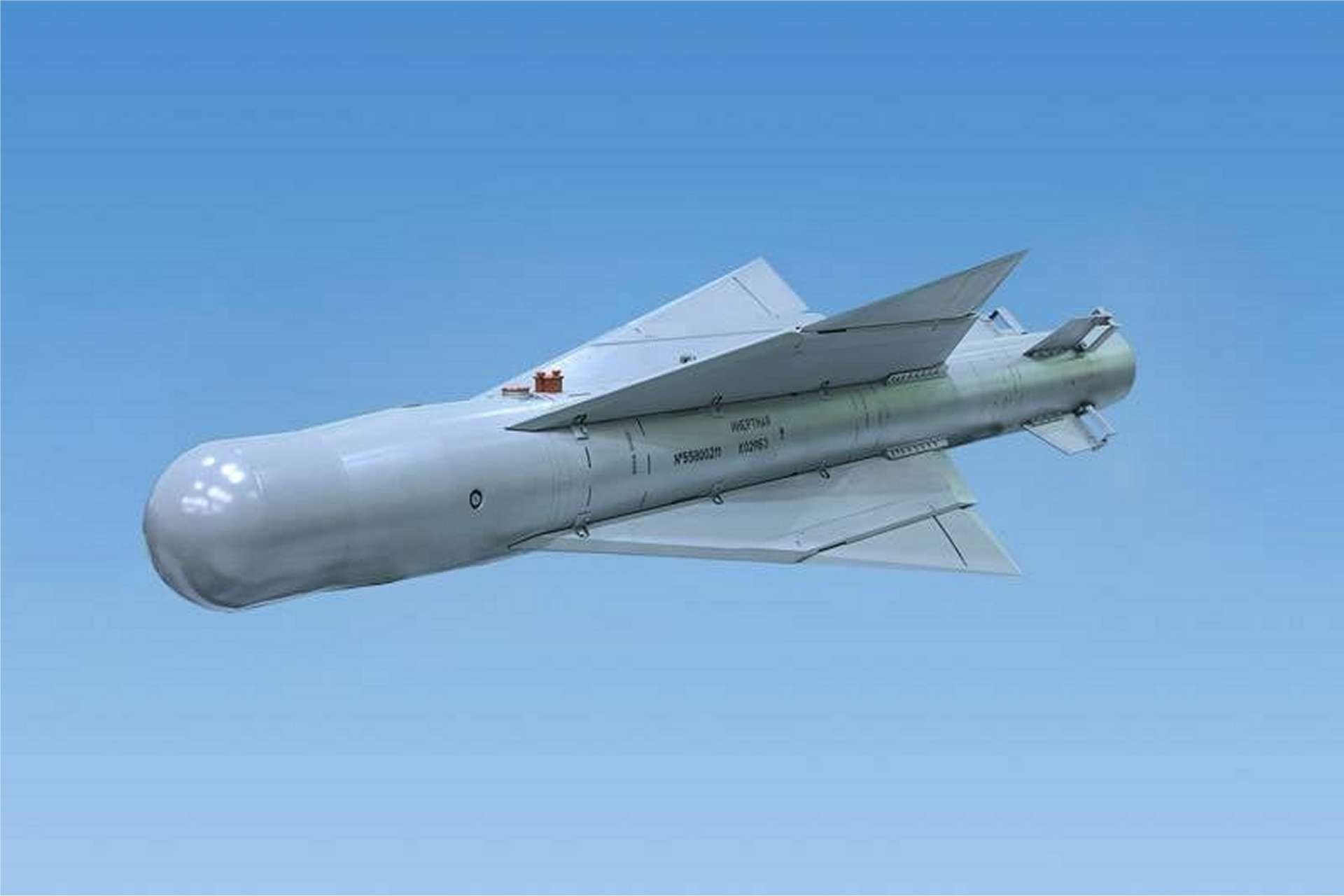
On May 25, 2024, Russia launched nearly 40 KAB aerial-guided bombs on Ukrainian positions and civilian infrastructure, according to the General Staff of the Armed Forces of Ukraine. The number of enemy offensive and assault efforts reached 99, marking an escalation of hostilities along the front lines.
Follow Army Recognition on Google News at this link
The KAB-1500S-E, also Know as UPAB-1500B, in flight configuration (Picture source: Rosoboronexport)
All day on May 25, 2024, Russian forces relentlessly attacked Ukrainian positions across almost the entire front line. Kharkiv experienced four major attacks involving rockets and aerial guided bombs. Central parks and dense residential areas were hit by missiles, and a hypermarket was struck by two KAB bombs. In total, six missiles and two aerial guided bombs were deployed. The total number of aerial guided bombs targeting Ukrainian units and infrastructure reached about 40.
The KAB series of laser-guided bombs, developed by Russia, are designed to be dropped from aircraft and guided to their targets with high precision using laser guidance systems. The KAB-500L is a lightweight variant of the KAB-500 family, effective against stationary targets like buildings and bridges. It has a maximum range of 30 kilometers and carries a high-explosive fragmentation warhead. Introduced in 1975, the KAB-500L remains in service with various air forces, including Russia, India, and Malaysia, and has been used in conflicts such as the Syrian Civil War.
Another variant, the KAB-500KR, is an electro-optical TV-guided bomb that operates on a fire-and-forget principle. Developed in the 1980s, it uses Scene Matching Area Correlation (SMAC) technology for guidance, allowing it to target low-contrast objects effectively. The KAB-500KR has a 380 kg armor-piercing warhead and is designed to penetrate up to 1.5 meters of reinforced concrete.
The KAB-1500LG-F-E, a much larger bomb in the KAB series, was introduced in the 1990s. Weighing 1,525 kg, it features a semi-active laser guidance system and is capable of targeting and destroying a wide range of military and industrial facilities. Compatible with advanced Russian aircraft like the Su-30, Su-34, and Su-35, the KAB-1500 has seen use in major conflicts, including Chechnya, Syria, and the Russia-Ukraine War.
The heaviest clashes were recorded in the Kupiansk, Pokrovsk, and Kurakhiv directions. On the Kharkiv axis, Ukrainian troops successfully repelled six attacks, while four more are still ongoing. In Kupiansk, despite increased pressure from Russian forces, half of the 14 recorded assaults were repelled, with seven continuing. In the Lyman direction, Russia launched five attacks, one of which is still ongoing.
On the Siversk axis, Russian forces attempted to storm Ukrainian positions in Bilohorivka and Verkhnokamyanske, resulting in nine clashes, with five still ongoing. The Kramatorsk direction saw 11 combat clashes, with one still ongoing, as Russian forces continued their assaults near Klishchiivka, Nove, Ivanivske, and Andriivka.
Pokrovsk remains the hottest point on the front line, with 23 enemy attacks recorded. Ukrainian forces are holding their ground, inflicting significant losses on the enemy, and successfully downed another Russian Su-25 warplane. In Kurakhove, 14 clashes occurred, with eight attacks repelled and four ongoing. On the Orikhiv axis, the enemy attempted three assaults near Robotyne and Novoadriivka without success. On the Prydniprovska axis, attacks increased to nine, but none succeeded in suppressing Ukrainian units in the Krynky area. In other areas, the situation remains largely unchanged.
Read more: Russia Launches 40 KAB Laser Guided Bombs at Ukraine in One Day

- Details
- Written by: Jérôme Brahy
- Category: 2024
- Hits: 10827
Breaking news
According to a recent report by Al-Jarida on May 27, 2024, the Lebanese militant group Hezbollah is preparing to test an Iranian surface-to-air missile capable of downing US-supplied Israeli fighter jets and is also preparing for potential operations, including ambushes, infiltrations into Israeli positions, and the capture of soldiers. The group continues its military activities in support of Gaza and is committed to prolonged engagement regardless of the conflict's duration.
Follow Army Recognition on Google News at this link
Given Hezbollah's close ties with Iran and their shared strategic interests, such advancements in missile technology could be disseminated among Iran's network of allied groups, thereby enhancing their ability to counter US and allied air operations in the Middle East, including the Gulf region. (Picture source: Russian social media)
Hezbollah’s strategy involves increasing military pressure on Israel, which it believes could intensify internal pressure on Prime Minister Benjamin Netanyahu's government, potentially leading to negotiations to end the conflict. Concurrently, Hezbollah is preparing for the possibility that negotiations may fail, especially if Netanyahu continues with prolonged military operations. The duration of the conflict remains uncertain, with expectations that it could last beyond the upcoming U.S. elections in November.
These scenarios were discussed at a recent meeting in Tehran, attended by leaders of various factions within the "Axis of Resistance." Sources close to Hezbollah reported that the directive from Tehran is to provide full support to allied forces across the region, with preparations for further escalation if ceasefire efforts fail.
Following this meeting, Hezbollah and the Palestinian movement Hamas coordinated their efforts, emphasizing the need to synchronize their escalation and negotiation strategies. They urged Hamas to maintain a firm stance in negotiations without making concessions. Hamas has informed intermediaries that its position is to end the war and secure the withdrawal of Israeli forces from Gaza, with the hostage release process extended over time to prevent an immediate resumption of hostilities.
Hezbollah and Hamas believe that Israel will face challenges regarding the hostage situation, especially with increased pressure from Washington as the U.S. presidential elections approach. The Tehran meeting also discussed military escalation from supporting fronts and the importance of Hamas diversifying its military operations within Gaza to demonstrate its continued operational capabilities across the region.
Hezbollah sources revealed that the group is preparing significant actions against Israel, involving the use of long-range precision missiles and surface-to-air missiles capable of targeting Israeli warplanes. The missile, originally Russian-made and modified with Iranian technology, is expected to be tested. Successful deployment of this missile could impact Israel significantly, similar to previous instances where Hezbollah downed Israeli drones.
Hezbollah's tactical plans include ambushing Israeli patrols, surrounding them with fire, infiltrating Israeli positions, and capturing soldiers. Based on these informations, the group seems to have developed a comprehensive operational plan and will execute these actions as needed, without haste.
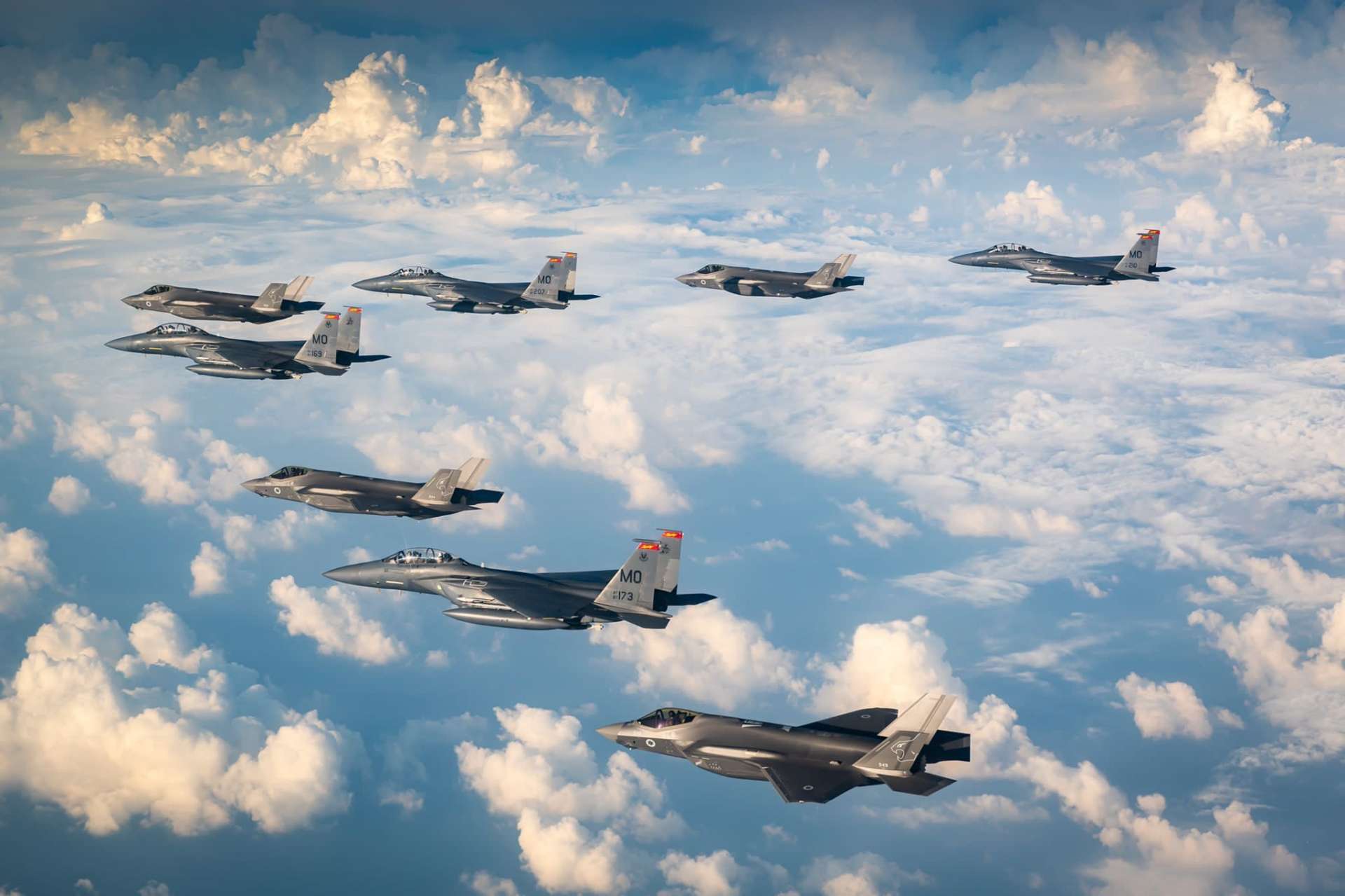
The Israeli Air Force (IAF) operates some of the world's most advanced fighter jets, including the F-35I Adir, F-15I Ra'am, and F-16I Sufa, each based on a well-known US fighter jet. (Picture source: Israeli MoD)
Given Hezbollah's close ties with Iran and their shared strategic interests, such advancements in missile technology could be disseminated among Iran's network of allied groups, thereby enhancing their ability to counter US and allied air operations in the Middle East, including the Gulf region. This capability extension represents a significant shift in the regional power dynamics, potentially deterring US air operations and complicating military strategies for the US and its allies.
Iran has developed several missile systems capable of targeting Israeli fighter jets, each designed to counter different types of aircraft used by the Israeli Air Force. To date, the Israeli Air Force (IAF) operates some of the world's most advanced fighter jets, including the F-35I Adir, F-15I Ra'am, and F-16I Sufa, each based on a well-known US fighter jet.
For targeting the F-35I Adir, a variant of the F-35 Lighting II stealth fighter jet, Iran relies on the Bavar-373 and Khordad 15 systems. The Bavar-373, similar to the Russian S-300 and S-400, is designed to intercept aircraft, drones, and missiles at high altitudes and long ranges. It uses Sayyad-4 missiles capable of engaging stealth aircraft like the F-35. This system has been deployed in Syria specifically to counter Israeli F-35s, showcasing its advanced capabilities in intercepting modern stealth technology. Similarly, the Khordad 15, unveiled in 2019, uses passive phased array radar systems to detect and engage stealth targets. It can track and destroy six targets simultaneously, including fighter jets, drones, and cruise missiles, making it a formidable opponent against the F-35.
For engaging the F-15I Ra'am, a variant of the F-15E Strike Eagle, Iran utilizes the Sayyad-2 and Sayyad-3 missiles as part of the Talash air defense system. These medium to long-range missiles have been upgraded to improve their accuracy and effectiveness against high-speed and high-altitude targets. Additionally, the S-200, an older Soviet-era missile system that has been significantly upgraded by Iran, remains a threat due to its long-range capabilities and effectiveness against large aircraft.
The F-16I Sufa, a variant of the F-16 Fighting Falcon, faces threats from systems like the Tor-M1 and Fateh-110. The Tor-M1 is a highly mobile short to medium-range surface-to-air missile system designed to engage aircraft, helicopters, and precision-guided munitions at lower altitudes. Its mobility and quick reaction time make it particularly effective against the agile F-16I. The Fateh-110, while primarily a surface-to-surface missile, can be adapted for anti-aircraft purposes and is equipped with a precision guidance system, enhancing its capability to target moving aircraft.
Other Israeli aircraft are targeted by systems such as the Mersad, based on the American Hawk missile system. The Mersad is a medium-range air defense system integrating modern radar and electronic warfare capabilities, making it effective against a variety of aerial threats, including fighter jets, drones, and cruise missiles.
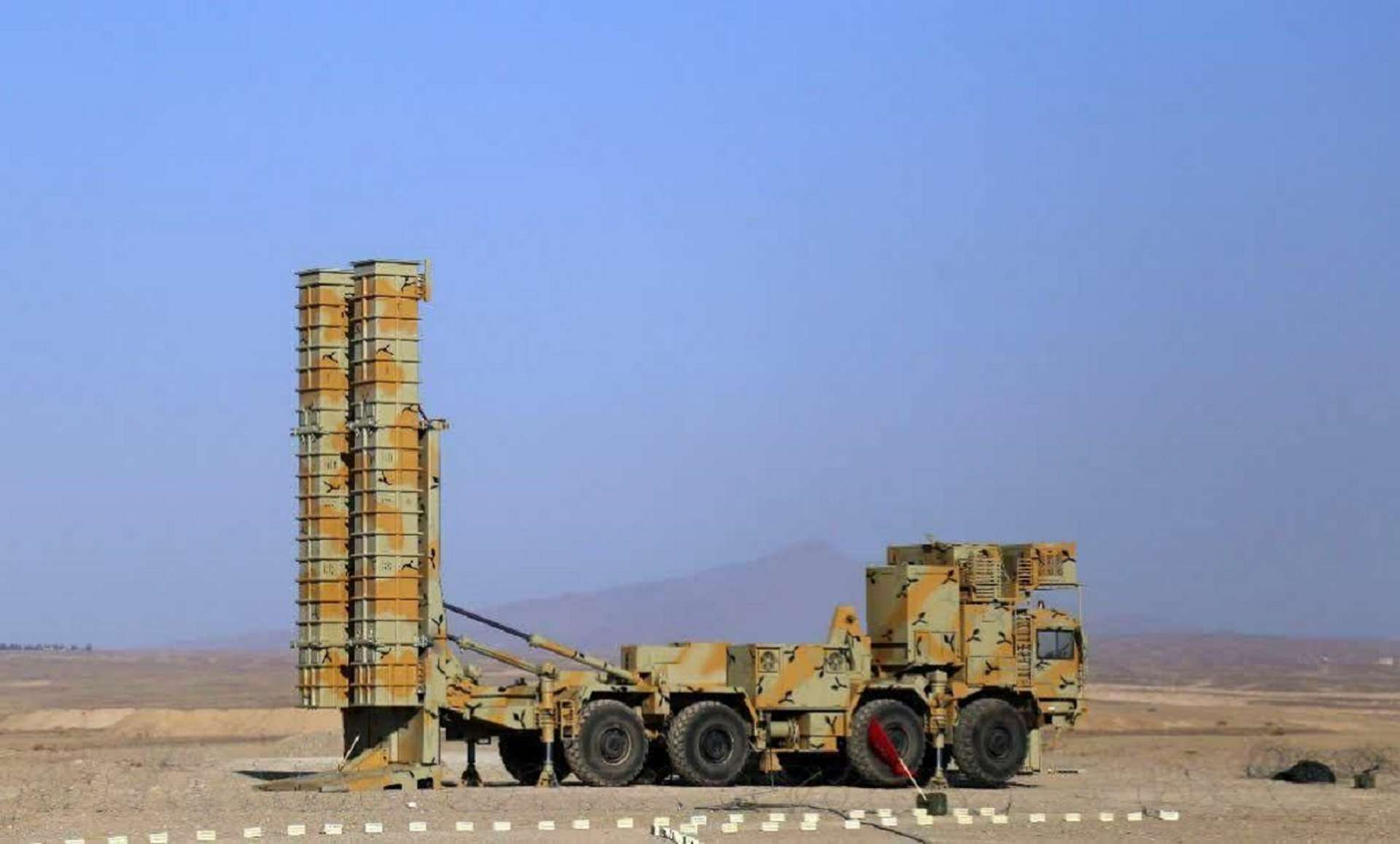
The Bavar-373 air defense system has already been deployed in Syria, specifically to counter Israeli F-35s by using Sayyad-4 missiles capable of engaging such stealth aircraft. (Picture source: Mehr News Agency)
Iran has recently developed an array of long-range missiles that significantly enhance its strategic military capabilities and could be potentially handed over to Hezbollah. One of the most notable long-range missiles in Iran's arsenal is the Khorramshahr-4. Unveiled in 2023, the Khorramshahr-4 has a range of approximately 2,000 kilometers and can carry a warhead weighing up to 1,500 kilograms. This missile is designed to evade radar detection and penetrate enemy air defense systems due to its low radar signature. It represents an advancement in Iran's missile technology, with origins linked to North Korean missile designs.
Another addition is the Sejjil missile, a two-stage solid-fuel missile with a range of around 2,000 kilometers. The Sejjil's solid-fuel technology allows for quicker launch times and greater mobility compared to liquid-fueled missiles, making it less vulnerable to pre-emptive strikes. The Emad missile, with a range of 1,700 kilometers, is another component of Iran's long-range missile capabilities. It is an intermediate-range ballistic missile (IRBM) that features a maneuverable reentry vehicle, improving its accuracy and making it more challenging to intercept. The Emad can carry a payload of approximately 750 kilograms.
Iran has also demonstrated its ability to launch long-range ballistic missiles from naval platforms. In February 2024, the Islamic Revolutionary Guard Corps (IRGC) launched ballistic missiles from the Shahid Mahdavi warship. These missiles are capable of striking targets up to 1,700 kilometers away, showcasing Iran's capacity to deploy long-range missiles from both land and sea. The Ghadr missile, another key asset, has a range of around 1,600 kilometers and is derived from the Shahab-3 missile. The Ghadr is a single-stage, liquid-fueled missile that has been in service for several years, known for its reliability and accuracy improvements over earlier designs.
Additionally, the Paveh cruise missile has been reported with a range of 1,650 kilometers. It is a turbojet-powered missile designed for precision strikes, further extending Iran's reach and ability to conduct long-range operations.
Iran has recently made notable advancements in its missile technology, notably with the development of hypersonic missiles. The most prominent among these is the Fattah-1, which was unveiled in June 2023. This missile is claimed to achieve speeds between Mach 13 and Mach 15, making it capable of traveling at 15,000 to 18,500 kilometers per hour. The Fattah-1 has a range of 1,400 kilometers (870 miles) and is designed to penetrate sophisticated missile defense systems due to its high speed, stealth design, and maneuverability within and outside the Earth's atmosphere.
Iran has also introduced an upgraded version, the Fattah-2, which continues to build on the capabilities of its predecessor. Although the Fattah-2 is yet untested in operational conditions, it is claimed to have enhanced maneuverability and the ability to evade advanced air defense systems. This missile incorporates a movable nozzle and a solid-fuel propellant system, allowing it to change its trajectory mid-flight and perform complex maneuvers, making interception challenging.
Read more: Iran arms Hezbollah to shoot down US fighter jets in Israel with surface-to-air missiles
- Details
- Written by: Halna du Fretay
- Category: 2024
- Hits: 8595
Breaking news
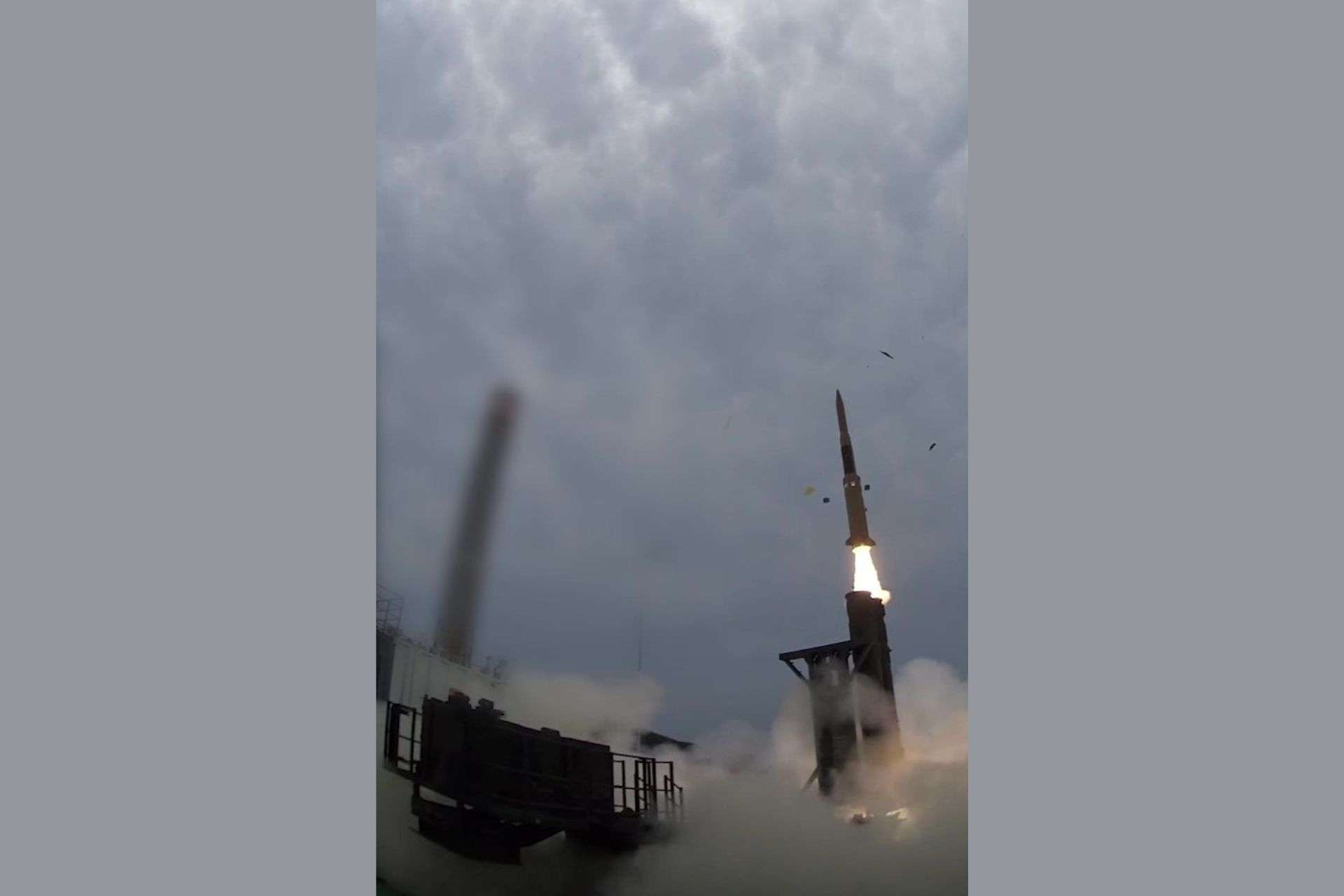
On May 27, 2024, South Korea's Defense Acquisition Program Administration (DAPA) announced the completion of the long-range surface-to-air missile (L-SAM) system, marking a significant advancement in the country's missile defense capabilities. The Ministry of National Defense (MND) confirmed that the L-SAM has achieved its technical development goals and has been deemed combat-ready following a successful test conducted by DAPA.
Follow Army Recognition on Google News at this link
South Korea's homegrown long-range surface-to-air missile, known as the L-SAM interceptor (Picture source: South Korean Agency for Defense Development)
The L-SAM is a critical component of South Korea's air and missile defense system, designed to intercept missiles from North Korea at various altitudes. The L-SAM can intercept missiles at altitudes of 50 to 60 kilometers, complementing other systems like the Patriot and Cheongung II, which intercept missiles at around 40 kilometers altitude. Production of the L-SAM is set to begin in 2025, with deployment to the military scheduled for the late 2020s. The system has been under development since 2019, a collaborative effort between DAPA's subsidiary, the Agency for Defense Development (ADD), and local military technology firm LIG Nex1.
DAPA announced the approval of the "Long-Range Surface-to-Air Attack Weapon-II" (L-SAM-II) development plan, also known as the Korean version of THAAD, on May 29, 2024. The basic plan for the development of the L-SAM-II was approved during the 162nd Defense Acquisition Program Promotion Committee meeting. The L-SAM-II aims to secure high-altitude interceptors with enhanced interception altitudes compared to existing missiles. This project, running from 2024 to 2032, has a total budget of approximately 1.0664 trillion won. Once completed, the L-SAM-II will enhance South Korea's air defense network by providing a multi-layered defense system.
The committee also discussed and approved the development plan for the midrange surface-to-air missile (M-SAM) Block-III system, which aims to improve interception performance and engagement capabilities compared to the existing M-SAM Block-II system. This project, with a budget of approximately 2.8015 trillion won, is scheduled to run through 2034. The M-SAM Block-III, developed by the ADD, will strengthen South Korea's ability to deter North Korean nuclear and ballistic threats.
Additionally, the committee reviewed and approved the project for the development of advanced chemical, biological, and radiological (CBR) protective clothing. This project aims to develop CBR protective gear with improved performance through national research and development, enhancing the protection capabilities of South Korean military personnel.
The L-SAM and M-SAM systems are designed to play a crucial role in South Korea's multilayered missile shield, enhancing the country's air defense capabilities against North Korean threats and ensuring robust protection against a range of missile attacks.
Read more: South Korea Completes Development of L-SAM and Approves L-SAM-II Amid North Korean Threat
- Details
- Written by: Jérôme Brahy
- Category: 2024
- Hits: 22540
Breaking news
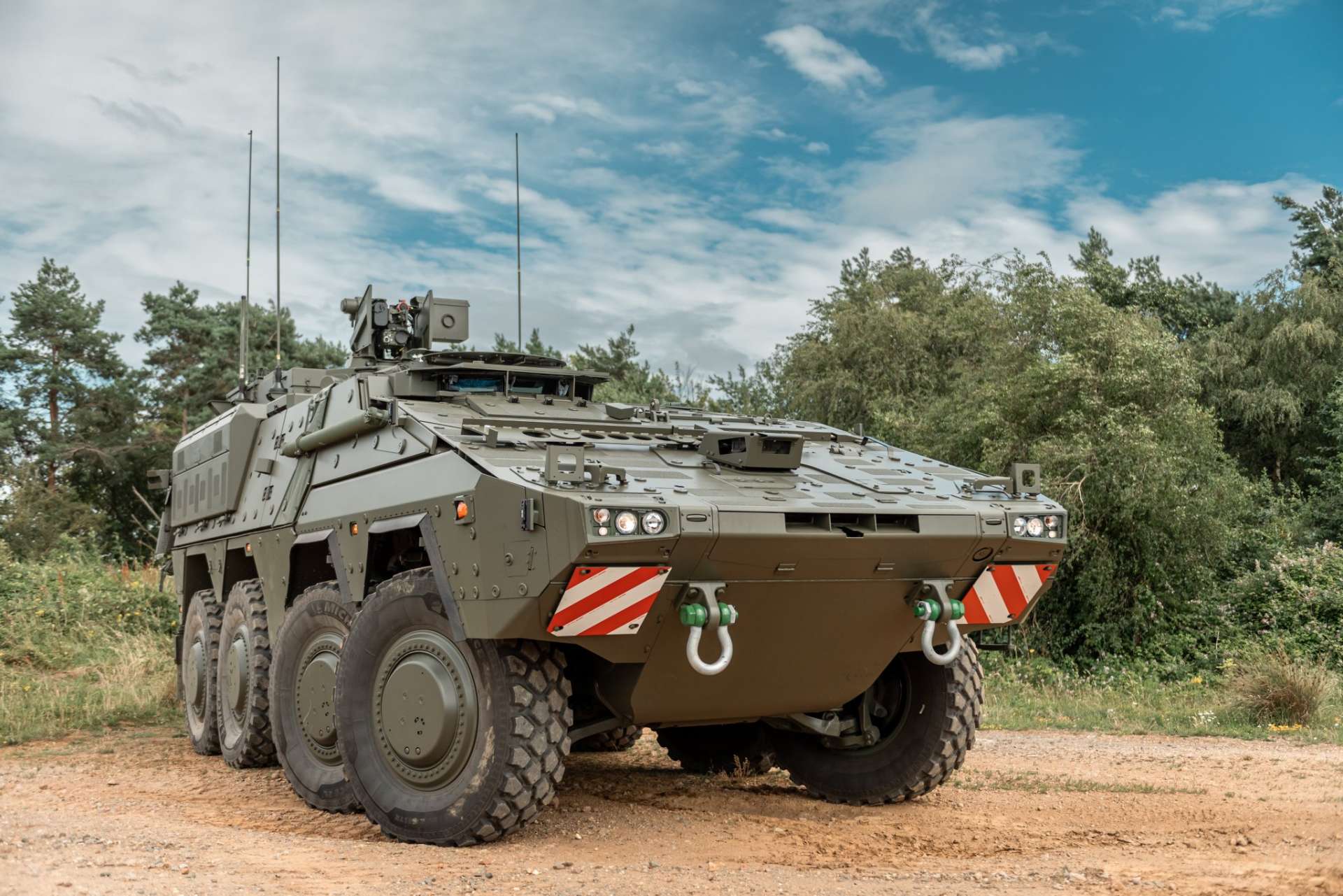
On May 25, 2024, the Twitter account German Aid to Ukraine announced that Germany is set to deliver an unspecified number of Boxer 8x8 armored vehicles to Ukraine. This information was provided by the Ukrainian Ambassador to Germany, Oleksiy Makeev, in an interview with the German newspaper BILD. However, there remains some uncertainty surrounding the specifics of this delivery, particularly regarding a vehicle variant referred to as "AITO" or "EITO."
Follow Army Recognition on Google News at this link
The Boxer armored vehicle, developed by the ARTEC consortium (Rheinmetall and Krauss-Maffei Wegmann), emerged from a 1990s initiative to create a next-generation multirole vehicle for European armies. (Picture source: British MoD)
This designation has not been identified among existing Boxer variants or mission modules, leading to speculation. The ambiguity around this variant suggests it could either be a new, undisclosed model or a misunderstanding of the vehicle's designation or capabilities. If it represents a new or specialized configuration, it might be a recent development tailored to meet specific operational needs in Ukraine. The Ukrainian Ambassador noted that these vehicles are in addition to the 36 Boxer RCH 155 self-propelled howitzers already received from Germany, indicating a broader scope of equipment transfer and support.
The Boxer 8x8 armored vehicle, developed by the ARTEC consortium (Rheinmetall and Krauss-Maffei Wegmann), emerged from a 1990s initiative to create a next-generation multirole vehicle for European armies. Entering service in the 2010s, its design includes a standardized drive module and various mission-specific modules that can be exchanged quickly. This design supports roles such as infantry transport, medical evacuation, command and control, and combat engineering. Notable features include high mobility, comprehensive protection systems, and advanced capabilities like 360-degree threat detection and NBC protection. The modular approach allows for quick reconfiguration and minimizes downtime, enhancing operational flexibility and reducing logistical demands.
Therefore, the Boxer platform has led to significant interest and development across various defense programs worldwide. For example, the UK Ministry of Defence has outlined plans to expand its Boxer fleet by acquiring 523 vehicles in four main variants: Armoured Personnel Carriers (APCs), Equipment Support, Command and Control (C4I), and ambulances.
Future variants may include the Armoured Mortar Vehicle, Armoured Vehicle Launched Bridge, and specialized anti-tank configurations like the Mounted Close Combat Overwatch (MCCO) vehicle equipped with Brimstone missiles. These enhancements aim to replace older vehicles such as the Warrior Infantry Fighting Vehicle, improving the UK's mechanized infantry capabilities, and in April 2022, 100 new units were purchased.
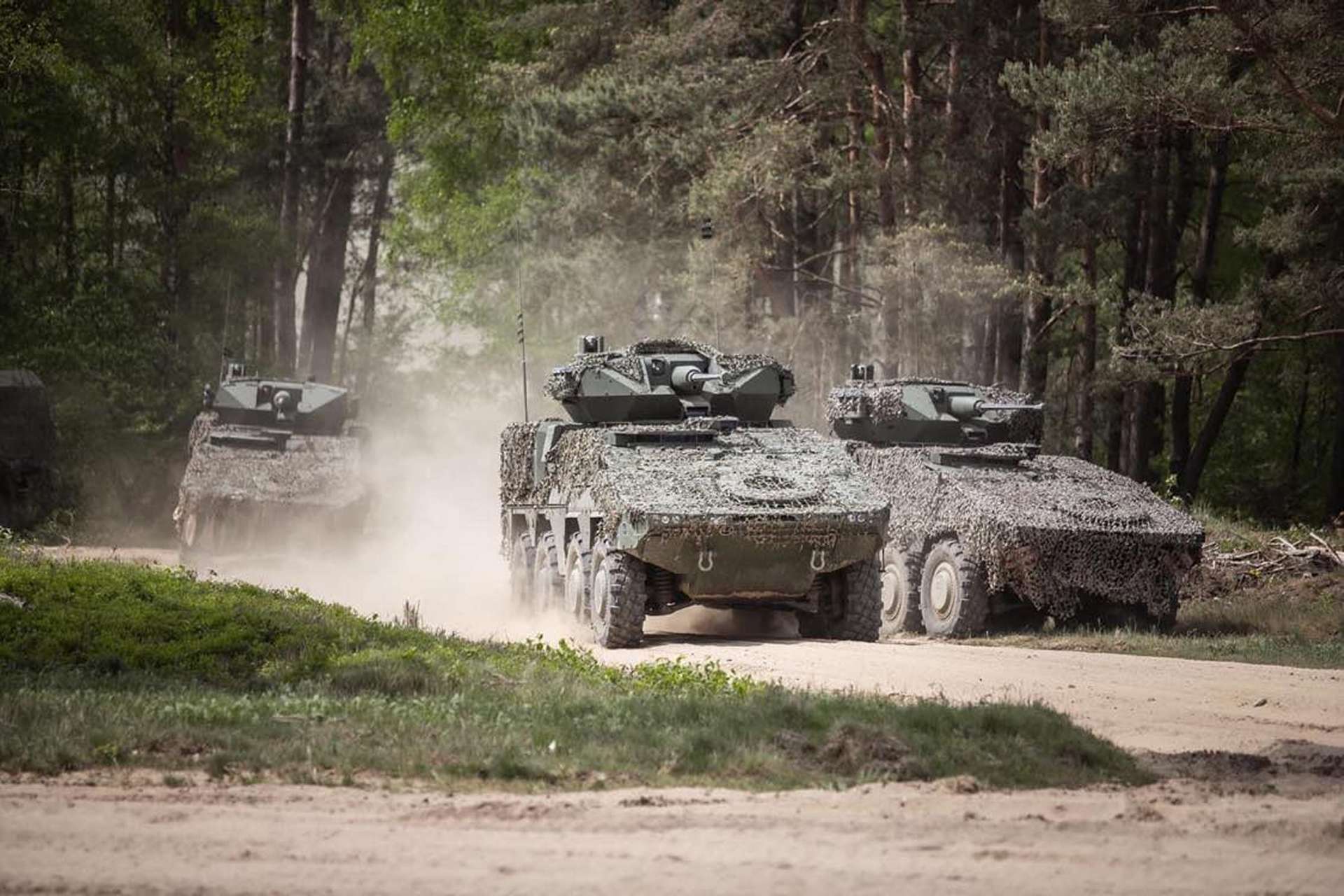
Known as "Vilkas" (Wolf), the Lithuanian Boxer variant combines anti-tank and infantry fighting capabilities, featuring a Samson Mk II unmanned turret equipped with a 30mm Mk44 Bushmaster II cannon, a 7.62mm coaxial machine gun, and dual Spike-LR anti-tank guided missile launchers. (Picture source: Lithuanian MoD)
Australia has also advanced its Boxer program, achieving initial operational capability for its Boxer Combat Reconnaissance Vehicles (CRVs). The Australian fleet will include five variants designed for reconnaissance and other specialized roles as part of the LAND 400 Phase 2 project. This modernization effort seeks to provide the Australian Defence Force with armored vehicles capable of various mission profiles. Some configurations feature a manned turret with a 30mm cannon, similar to those explored by other Boxer operators like Lithuania, highlighting the vehicle's adaptability and potential for increased firepower.
Known as "Vilkas" (Wolf), the Lithuanian Boxer variant combines anti-tank and infantry fighting capabilities. It features a Samson Mk II unmanned turret equipped with a 30mm Mk44 Bushmaster II cannon, a 7.62mm coaxial machine gun, and dual Spike-LR anti-tank guided missile launchers. The vehicle's protection system includes modular armor, which can be upgraded to withstand various threats, including up to 30mm armor-piercing rounds. Its V8, 720hp diesel engine allows a top speed of 103 km/h and a range of 1,050 km. The Vilkas also incorporates safety features such as internal spall liners and external fuel tanks.
Germany has also developed unique variants of the Boxer GTK platform to meet their specific defense requirements. The German Army, as one of the primary developers of the Boxer, has deployed several variants, including the Armoured Personnel Carrier (APC), Command Post, Heavy Armoured Ambulance, and Cargo variants. Germany has also integrated advanced weaponry and technology into the Boxer, such as the RCH 155 self-propelled artillery system, enhancing its artillery capabilities, and air defense systems like the Oerlikon Skyranger 35 for engaging aerial threats.
Three new significant variants include the Boxer RCT30, which is equipped with the turret from the SPz Puma IFV; the sWaTrgInf, or Schwerer Waffenträger Infanterie, an Australian-made heavy weapon carrier focusing on deploying heavy weaponry; and the FlaRakPz (Flugabwehrraketenpanzer), which mounts four IRIS-T surface-to-air missiles along with advanced radar systems. This flexibility and modularity have established the Boxer as a key component of Germany's mechanized infantry units, providing support in various operational roles.
Read more: Germany to supply Ukraine with mysterious new Boxer EITO 8x8 armored vehicles
- Details
- Written by: Vandenbosch
- Category: 2024
- Hits: 7797
Breaking news
The US Air Force has awarded Boeing an important contract valued at nearly $7.5 billion to produce kits that transform conventional bombs into precision-guided munitions, known as Joint Direct Attack Munitions (JDAM). This announcement was made by the United States on May 24, 2024.
Follow Army Recognition on Google News at this link
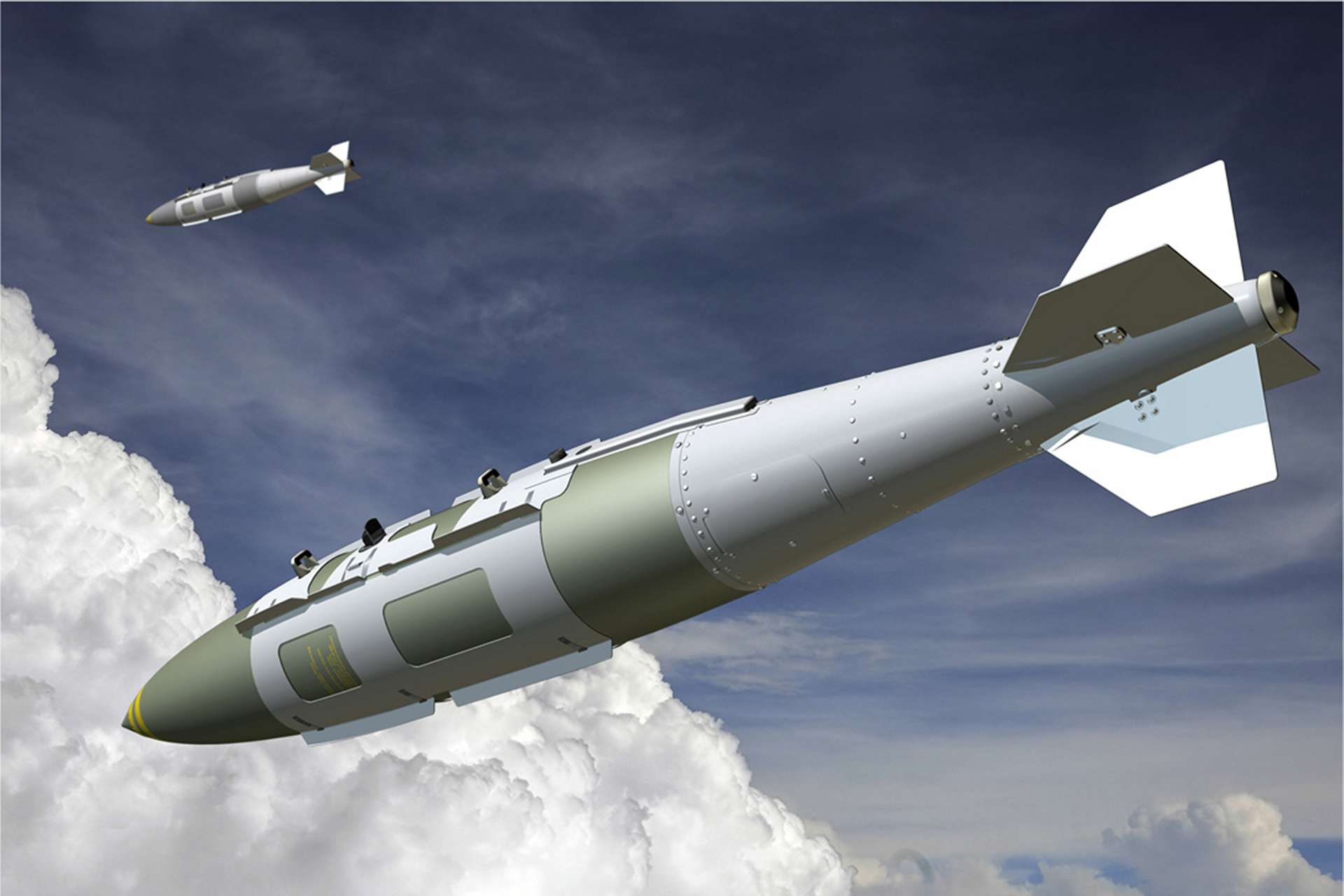
Boeing will supply JDAM tail kits and other components necessary to convert unguided bombs into guided weapons. (Picture source: Boeing)
Under this fixed-price, indefinite-delivery/indefinite-quantity contract, Boeing will supply JDAM tail kits and other components necessary to convert unguided bombs into guided weapons. The agreement also includes spare parts, repairs, technical assistance, and laser JDAM sensor kits, all of which will be manufactured at Boeing’s facilities in St. Louis, Missouri, until the end of February 2030, according to the Pentagon's announcement on Friday, May 24, 2024.
The exact number of JDAM kits to be produced under this contract has not yet been determined. Boeing referred detailed questions to the US Air Force.
The Navy will also benefit from this contract, contributing financially, while foreign military sales account for approximately $228.2 million of the contract value, indicating that international customers will receive some of these JDAM supplies.
JDAMs are created by attaching guidance tail kits to unguided bombs weighing between 500 and 2,000 pounds. These tail kits include a navigational system and a GPS guidance control unit, enabling the bomb to be accurately directed from an aircraft to its target, even in adverse weather conditions. The cost of a JDAM kit ranges from $25,000 to $84,000, depending on the annual quantity ordered by the Air Force.
This contract comes amid growing concerns within the US military about maintaining sufficient munitions stockpiles to meet its own needs as well as those of allies such as Ukraine, Taiwan, and Israel. The defense industry's capacity to quickly increase production is currently limited by shortages of workers and materials.
In March, Chairman of the Joint Chiefs of Staff, General CQ Brown, emphasized that the US rigorously assesses its own munitions reserves before approving weapon requests from close allies to ensure that readiness is not compromised.
The Air Force previously faced challenges in maintaining an adequate supply of munitions, including JDAMs, during the campaign against the Islamic State. JDAM purchases surged to 30,872 in 2019, 24,794 in 2020, and 17,300 in 2021, but have since drastically decreased.
In September 2021, Boeing also received a contract modification worth $344.6 million from the Navy to supply up to 24,000 precision laser guidance sets for the laser JDAM program. In January 2023, the Air Force awarded Boeing another contract valued at $40.5 million for JDAM wing kits.
This impressive contract highlights the interest in transforming unguided bombs into guided bombs, with the US not being the only nation utilizing such systems. The Russian armed forces, for instance, have used similar systems in Ukraine.
Read more: Boeing Secures $7.5 Billion Contract with US Air Force for Guided Bomb Kits
- Details
- Written by: V.Saint
- Category: 2024
- Hits: 3182
Breaking news
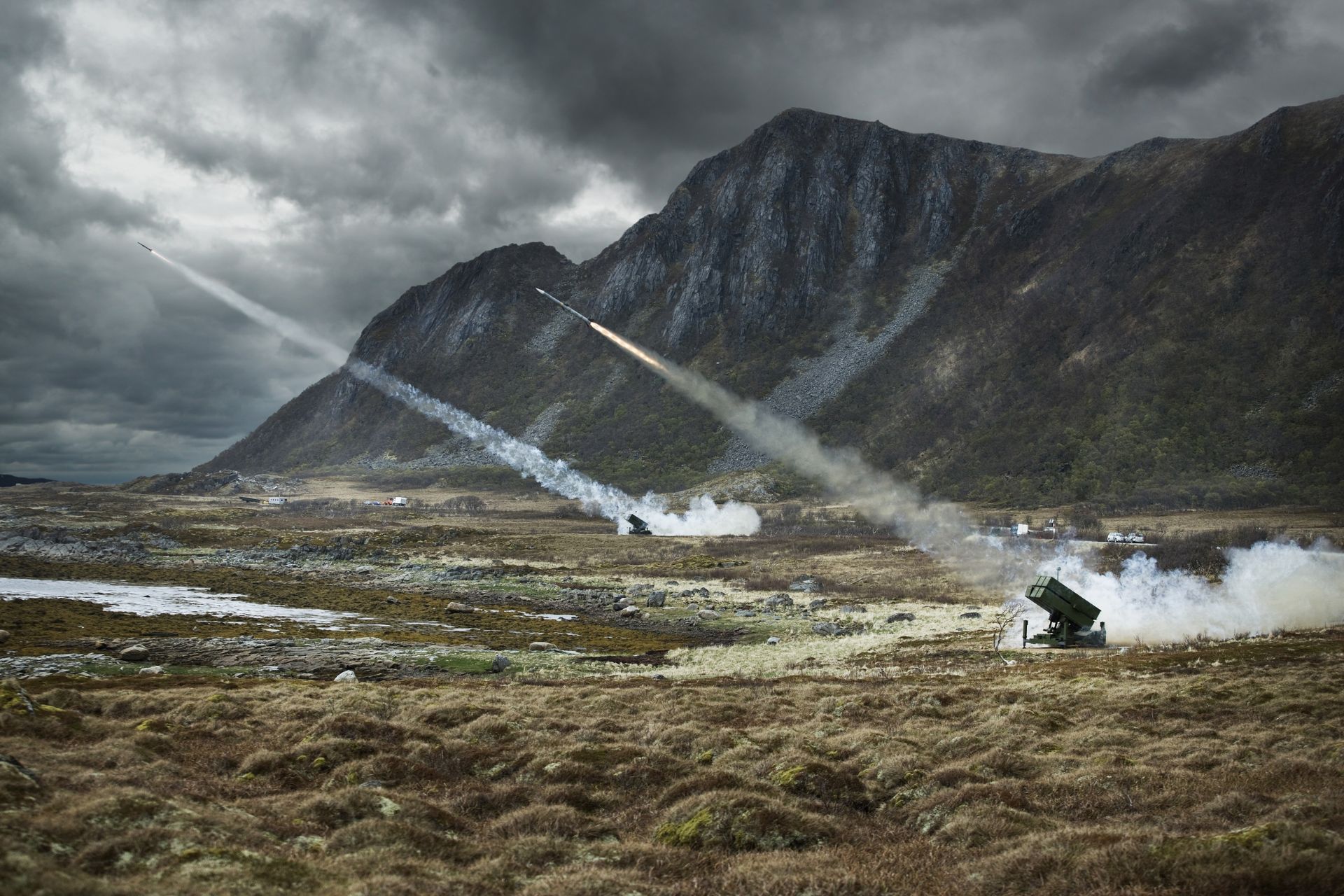
Kongsberg Defence & Aerospace ("KONGSBERG") has signed a contract with the Spanish government for the delivery of the latest generation of the NASAMS air defense system as part of the Spanish Armed Forces' air defense modernization program. The contract is valued at approximately 410 million euros.
Follow Army Recognition on Google News at this link
NASAM Coordinated Fire on multiplee target (Picture source: Kongsberg)
Read more: Spain orders Modernized NASAMS systems to territorial Air Defense
- Details
- Written by: Vandenbosch
- Category: 2024
- Hits: 7159
Breaking news
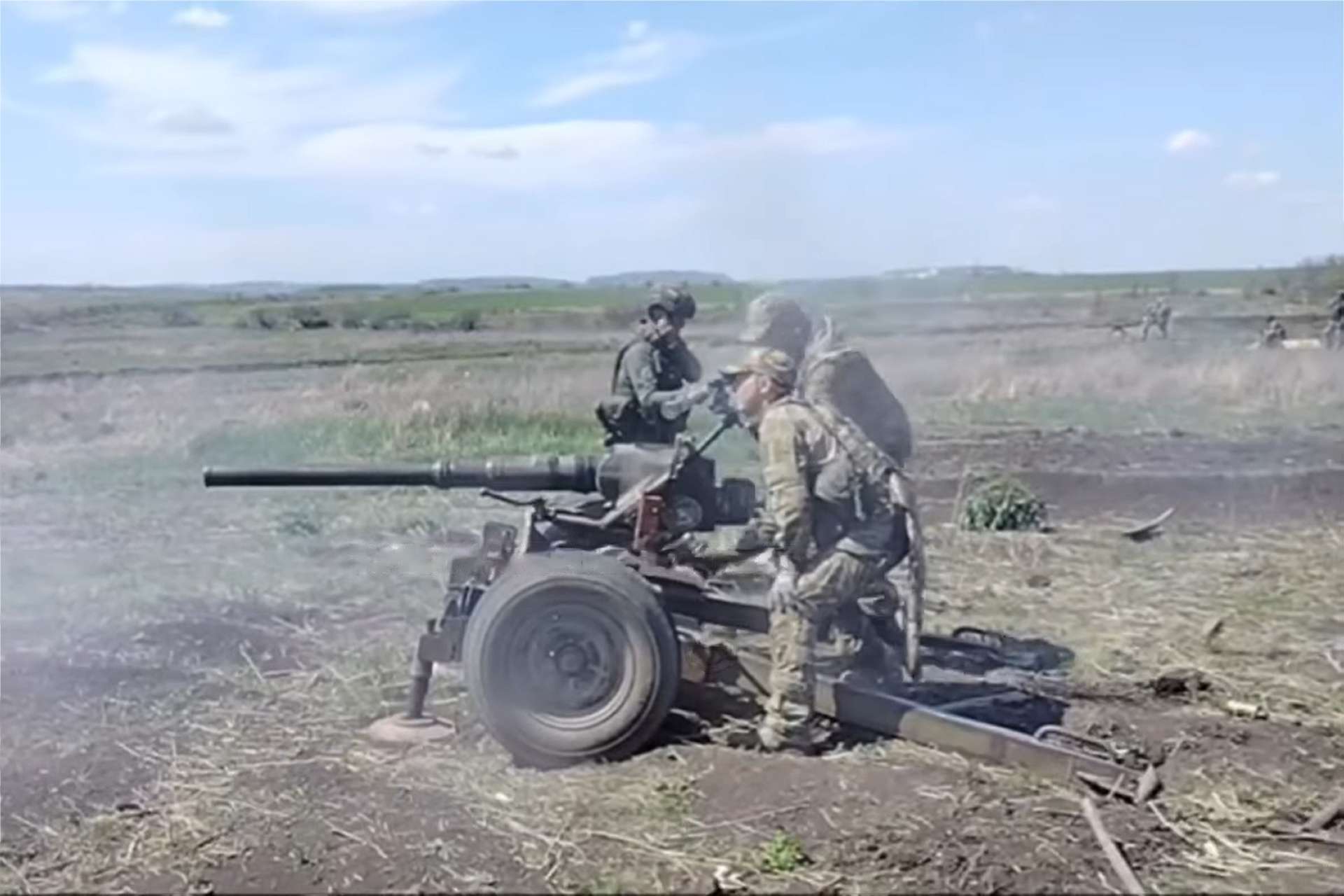
Russian craftsmen have begun repurposing the remains of BMP-1 infantry fighting vehicles (IFVs) into towed guns. The Telegram group "Russia no context" shared footage of a test involving one of these trailer-mounted guns on May 28, 2024.
Follow Army Recognition on Google News at this link
The Russian armed forces extracted a 73-mm 2A28 Grom smoothbore gun from a BMP-1 and mounted it on a wheeled base. (Picture source: Russian Social Media)
The Russian armed forces extracted a 73-mm 2A28 Grom smoothbore gun from a BMP-1 and mounted it on a wheeled base, likely sourced from a 2B9 Vasylok automatic mortar. These guns might have been salvaged from BMP-1s destroyed in Ukraine.
The Russian military is expected to deploy this wheeled version of the 2A28 Grom gun to support infantry and in defensive operations. However, there is a shortage of highly explosive fragmentation OG-15V ammunition, and the armor-piercing PG-15Vs are unlikely to cause significant damage to Ukrainian positions.
The BMP-1 gun, designated as the 2A28 Grom, is a 73-mm smoothbore cannon. It was designed to provide sufficient firepower for light armored vehicles and to support infantry, which will likely be its role here. The 2A28 gun can fire two main types of ammunition: armor-piercing PG-15V projectiles and explosive OG-15V projectiles. PG-15V ammunition is designed to penetrate enemy armor, while OG-15V is intended for high-explosive fragmentation effects, which would be more advantageous in this case.
The cannon has a direct fire range of about 750 meters, allowing reasonable accuracy for short-range targets. The cannon can reach a maximum range of 1300 meters for long-range firing using a parabolic trajectory. With a well-trained crew and precise adjustments, particularly using drones for fire correction, the maximum range can be extended up to 4 kilometers from closed positions.
The 2A28 Grom is mounted in a monoblock configuration, meaning the cannon is made from a single piece, providing increased durability and strength. The cannon is screwed into a breech equipped with a wedge bolt, a robust and reliable locking mechanism. Ejectors are installed in the breech to ensure efficient extraction of spent cases after firing, a detail visible in the video demonstrating the cannon's operation.
The 2A28 Grom has been widely used on BMP-1 infantry fighting vehicles. Although the technology is relatively old, it remains effective in certain combat conditions, particularly when modified and used as a towed weapon for infantry support or defensive operations, as demonstrated by the recent Russian adaptations on the 2B9 Vasylok automatic mortar bases. These adaptations show ingenuity in reusing military equipment, although effectiveness against well-defended positions may be limited by ammunition availability and terrain.
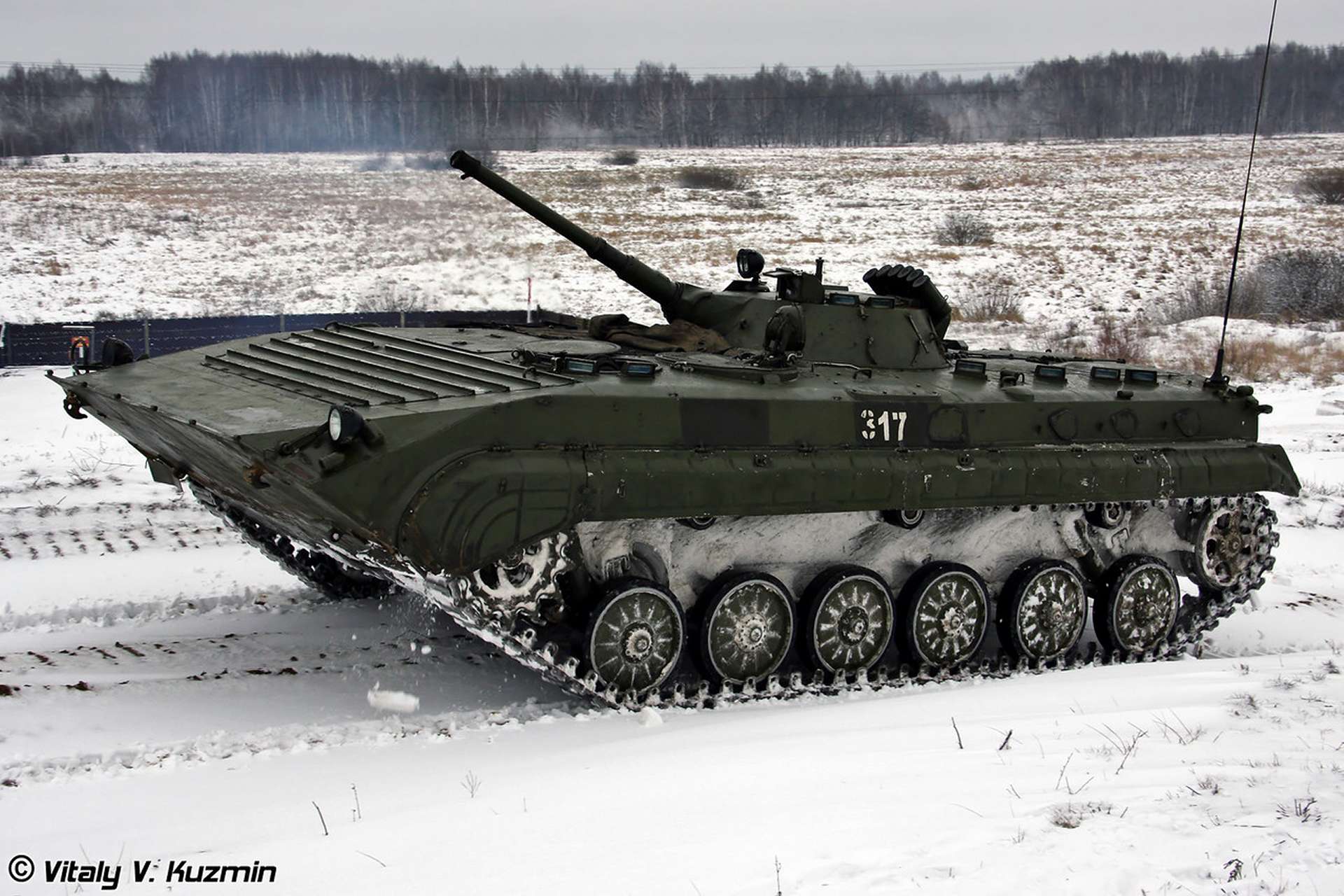
A Russian BMP-1 Infantry Fighting Vehicle. ( Picture Source: Vitaly V.Kuzmin)
Read more: Russia Transforms BMP-1 73mm Cannon into Powerful Towed Artillery
- Details
- Written by: Jérôme Brahy
- Category: 2024
- Hits: 8987
Breaking news
As reported by ZBIAM on May 28, 2024, the Polish company Huta Stalowa Wola S.A. unveiled the first prototype of the Heron 6×6 wheeled armored vehicle, named P1, in the command vehicle variant during the XIII International Scientific Conference EKSPLOBALIS_2024, which began on May 27 in Jachranka near Warsaw. This prototype, which joins the list of vehicles based on the Czech Tatra 815-7 chassis, is designed for use as a command vehicle at the battalion commander level for mechanized battalions or artillery units.
Follow Army Recognition on Google News at this link
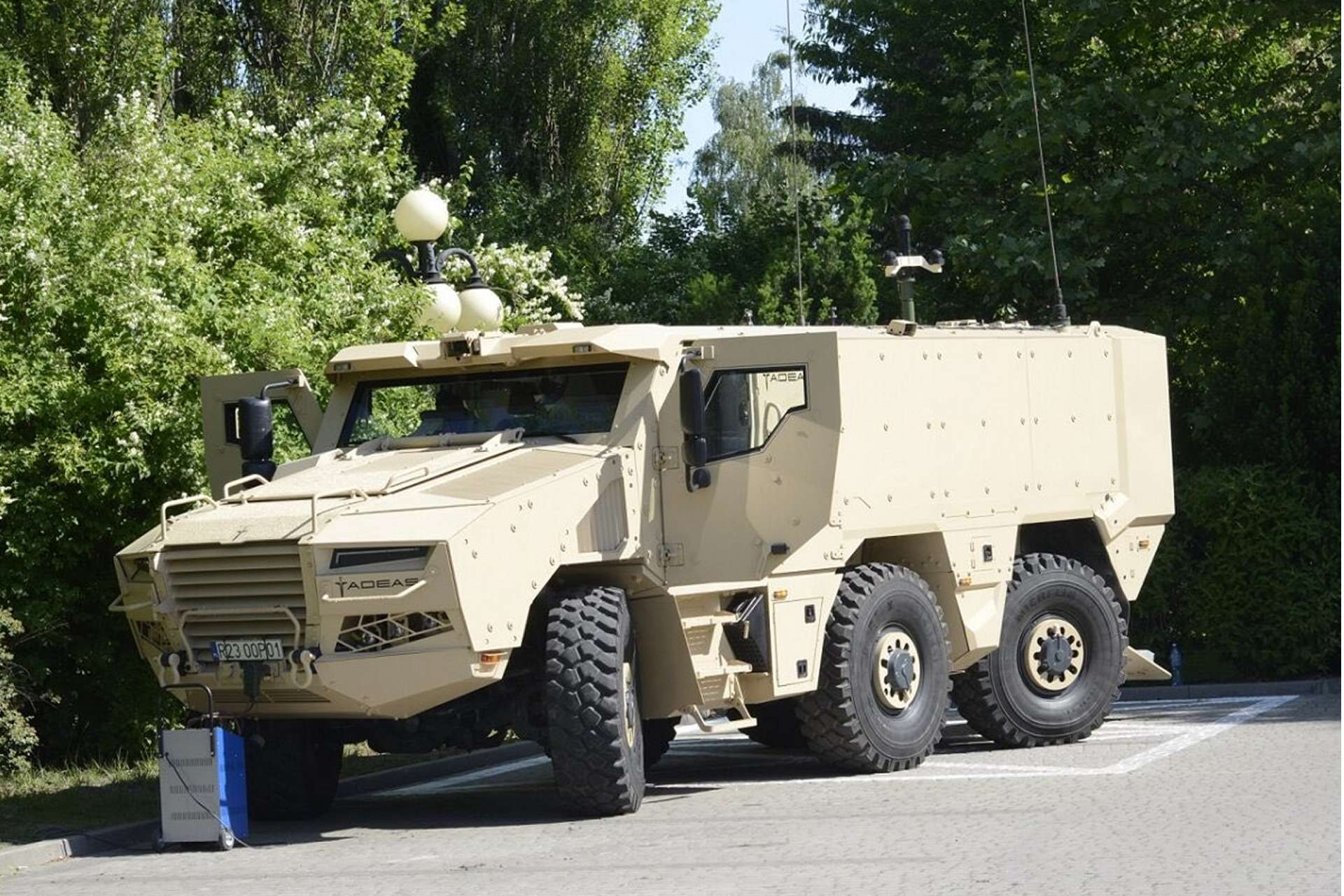
This variant of the future Heron 6x6, which joins the list of vehicles based on the Czech Tatra 815-7 chassis, is designed for use as a command vehicle at the battalion commander level for mechanized battalions or artillery units. (Picture source: ZBIAM)
This vehicle, similar to its smaller counterpart, the Waran 4×4, is the result of a collaboration between Huta Stalowa Wola S.A. and the Czech holding Czechoslovak Group, specifically Tatra Export s.r.o. This partnership was formalized through an agreement in September 2020, focusing on providing solutions for the Polish Armed Forces. The Heron 6x6 is equipped with internal communication and data processing equipment from TELDAT, including the BMS JAŚMIN Battle Management System for Battalion, Company, Platoon, and Squad Command, and the VIS JAŚMIN Onboard Communication System.
The Heron 6×6 is based on the TADEAS 6×6 armored vehicle (Tatra Defence Armoured Solution), utilizing the Tatra Force T 815-7 chassis and featuring two steerable axles – the first and third – which enhance maneuverability, even in difficult terrain. The drivetrain has been standardized with the one used in the serial Waran 4×4 vehicles. The Heron 6×6 prototype has armor rated at level 3 according to STANAG 4569A/B and a combat weight of up to 22 tons. The P1 prototype was adapted to Polish requirements and assembled in the Czech Republic, while the next prototype, P2, expected to be ready by autumn, will feature a higher degree of Polish integration.
The Heron 6x6 P1 prototype, completed just a few weeks prior, participated in the Field Experimentation Exercise (FEX 2024) held at the Land Forces Training Center in Nowa Dęba between May 20 and May 24, 2024. The purpose of this exercise was to verify solutions and technologies offered by the defense industry for the Future Task Force (FTF) concept. During these exercises, Huta Stalowa Wola S.A., along with its partners TELDAT and WB Group, showcased command vehicles at the battalion/brigade level on the Heron 6×6 and at the company/battery level on the Waran 4×4.
Access to the working compartment of the Heron 6×6 is facilitated by a rear ramp and two hatches in the roof, a design feature verified during the FEX 2024 exercises. The Heron 6×6, in its command vehicle variant equipped by TELDAT with data processing and internal communication equipment, is said to have made its debut during these exercises. The vehicles performed alongside the Waran 4×4 command vehicles, demonstrating the capabilities of both systems in an operational environment. A more detailed description of the new vehicle from Huta Stalowa Wola S.A. is expected to be published soon in the monthly magazine "Wojsko i Technika."
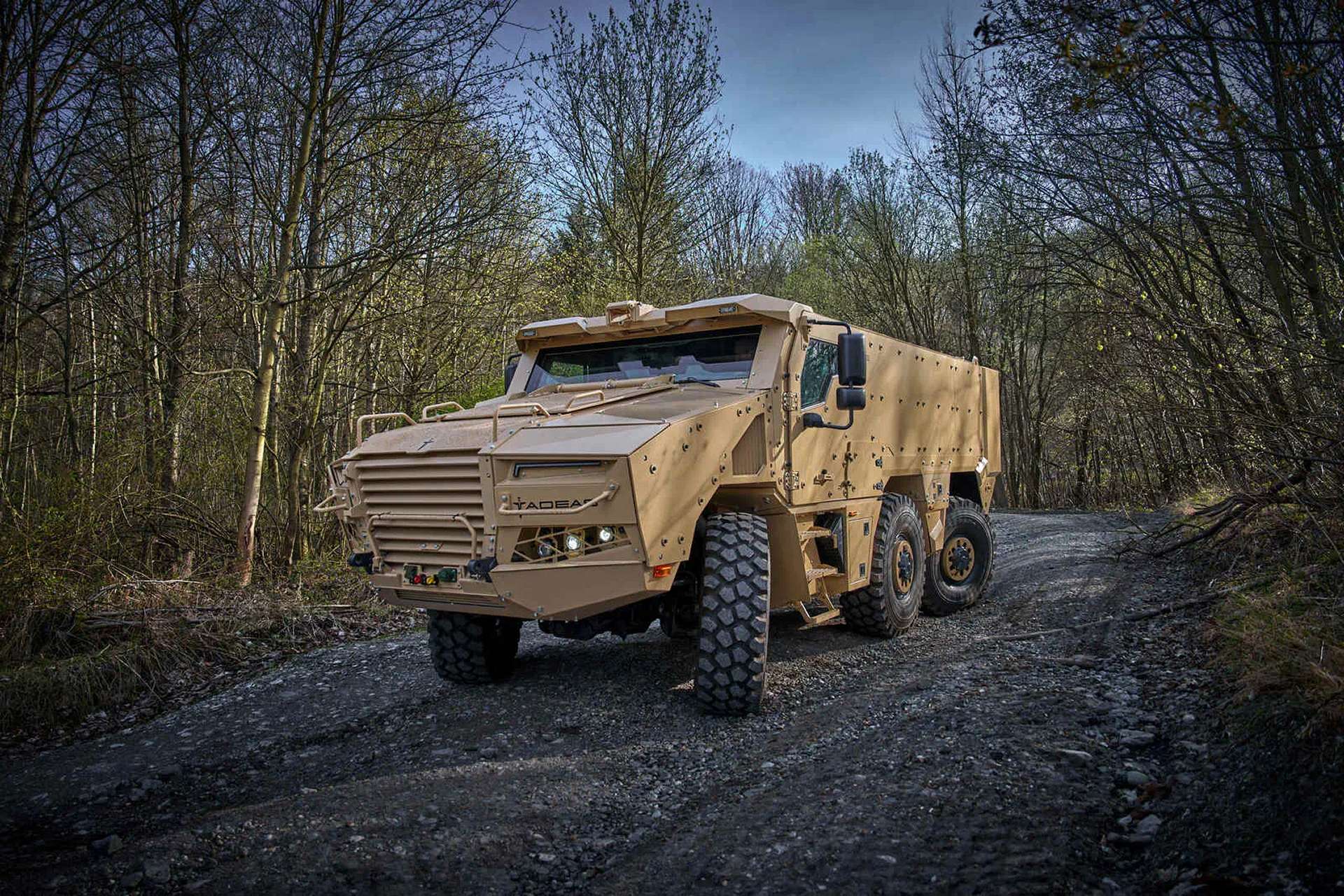
Based on a Tatra Force T815-7 chassis, the TADEAS 6x6 features independent suspension and steerable first and third axles, enhancing its off-road capabilities. Additionally, it can accommodate a driver, commander, and up to 11 crew members. (Picture source: Tatra Defence)
The base for the Heron 6x6, the Czech TADEAS (Tatra Defence Armoured Solution) 6x6 armored vehicle, is designed for a variety of operational requirements, including firefighting, ambulance services, and military operations. Based on a Tatra Force T 815-7 chassis, the TADEAS 6x6 features independent suspension and steerable first and third axles, enhancing its off-road capabilities. It can accommodate a driver, commander, and up to 11 crew members, offering substantial space for coordinated operations. The vehicle can be equipped with ballistic protection up to level 4 and anti-mine protection levels M4a/M4b as per STANAG 4569 standards. Powered by a Caterpillar engine, the TADEAS 6x6 can achieve a top speed of 120 km/h, a maximum range of 700 km, and a load capacity of up to 10 tons.
This vehicle is based on the Tatra 815-7 Force chassis, which serves as the foundation for a diverse range of military and specialized vehicles, leveraging its renowned design for various operational needs. These include armored personnel carriers like the Autosan in Poland and the Fahd 300 in Egypt, Mine-Resistant Ambush Protected (MRAP) vehicles such as the Vega in the Czech Republic, and self-propelled howitzers including the CAESAR 8x8 and the Ukrainian 2S22 Bohdana. The chassis is also used in multiple launch rocket systems (MLRS) like the Brazilian Astros II and the Czech RM-70 Vampire.
The Tatra 815-7 Force chassis is characterized by its central load-carrying tube and independent suspension, providing high torsional rigidity and improved off-road capabilities. Available in configurations from 4x4 to 12x12, it supports diverse operational requirements. Engines from Tatra, Cummins, or Deutz, along with various transmission options, enhance its adaptability. Features include all-wheel drive, optional additional armor, and a tire inflation system, designed to meet the demands of military operations.
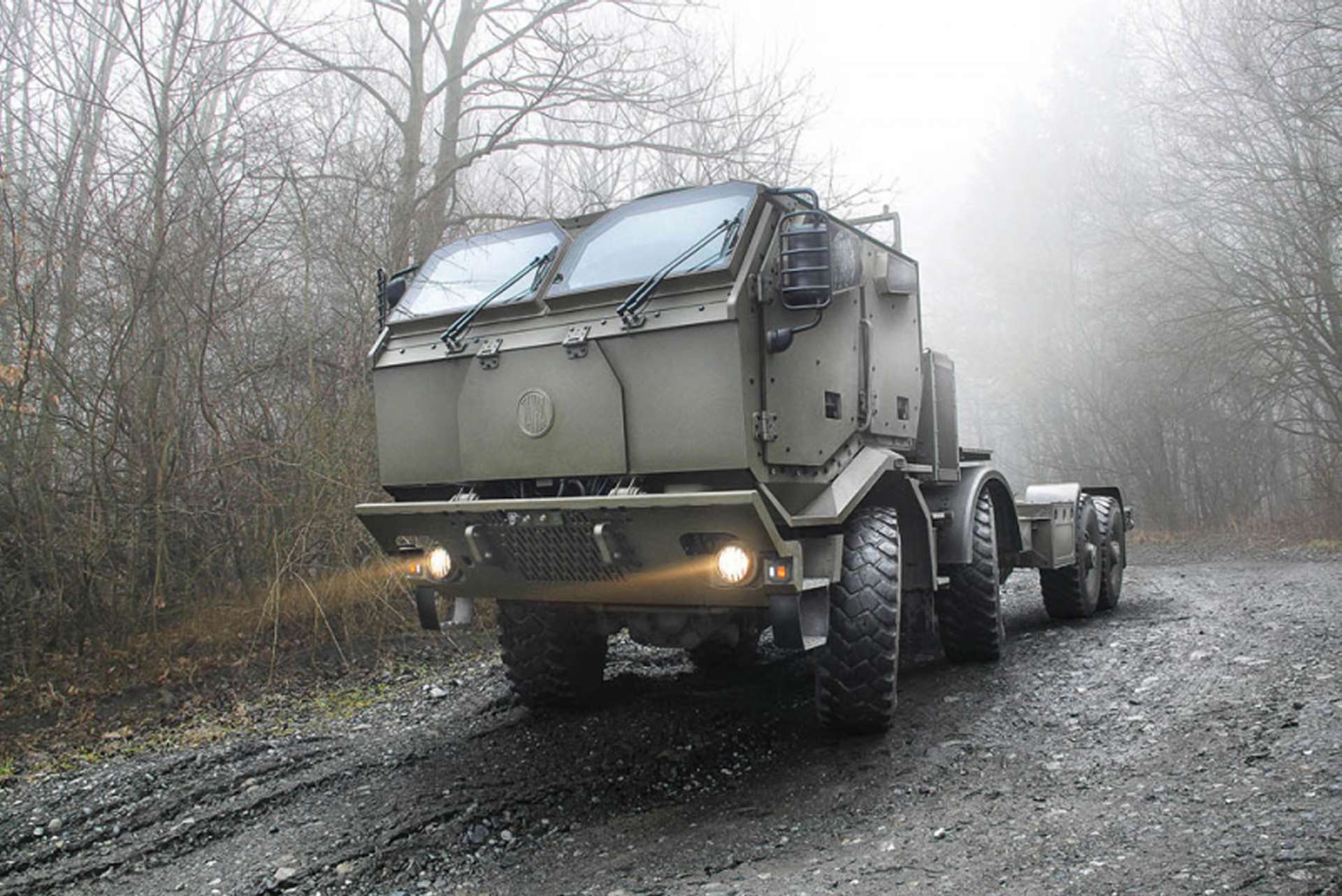
The Tatra 815-7 Force chassis serves as the foundation for a diverse range of military and specialized vehicles, including armored personnel carriers, mine-resistant vehicles, self-propelled howitzers, and multiple launch rocket systems (MLRS). (Picture source: Tatra Defence)
Read more: Poland unveils first prototype of Tatra-based Heron 6×6 armored command vehicle
- Details
- Written by: V.Saint
- Category: 2024
- Hits: 3519
Breaking news
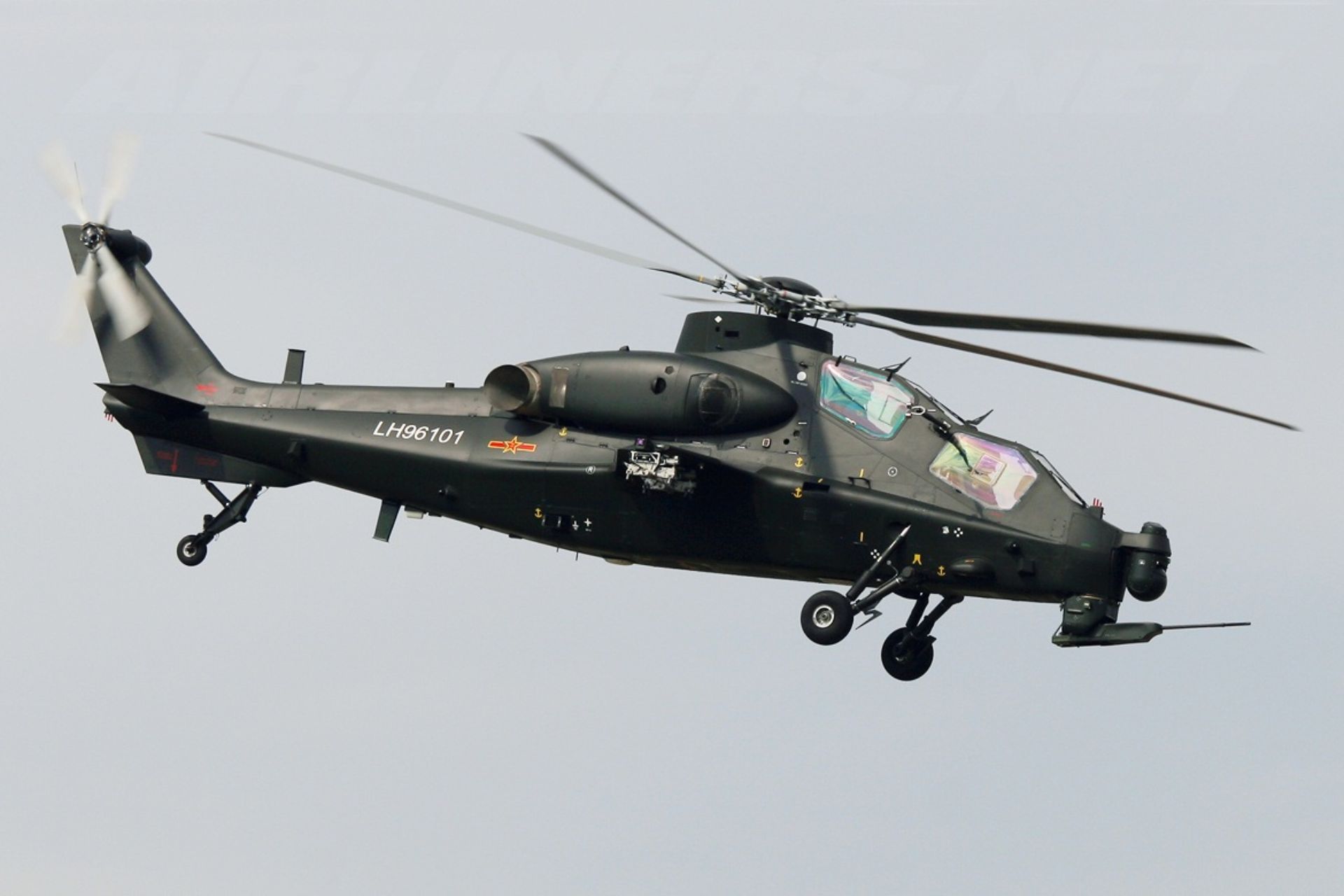
According to a video report from CCTV's military program, the Tibet Military Region recently organized a three-day live-fire exercise on the Tibetan Plateau at an altitude of over 4,400 meters, involving a fleet of Z-10 helicopters.
Follow Army Recognition on Google News at this link
A Z-10 displaying at the 2012 China International Aviation & Aerospace Exhibition.(Picture source: Commons)
The exercise included firing various types of live ammunition, such as launching air-to-air missiles aimed at targeting a drone moving at a speed of 85 kilometers per hour.
The Z-10 is an attack helicopter developed by the People's Republic of China. It is manufactured by Changhe Aircraft Industries Corporation (CAIC) in collaboration with the Harbin Aircraft Industry Group. The development of the Z-10 began in the 1990s as part of a project to equip the People's Liberation Army (PLA) with a modern attack helicopter. The design was heavily influenced by the PLA's need for a platform capable of attacking armored vehicles, providing close air support, and offering limited anti-aircraft capabilities. The standard armament of the Z-10 includes a 23mm cannon mounted under the nose, pods for unguided rockets, HJ-10 anti-tank guided missiles, and TY-90 air-to-air missiles. Designed to be effective in various combat conditions, the Z-10 is equipped with night vision systems and can operate in adverse environments thanks to its advanced avionics and electronic countermeasure systems. It also features a fire control radar and optical sensors for improved weapon accuracy and targeting assistance. Unlike its Western counterparts, the Z-10's cockpit is armored to protect the crew from small arms fire.
The Z-10 is often compared to other attack helicopters such as the American AH-64 Apache and the European Eurocopter Tiger. Although considered less sophisticated in terms of avionics technology and engine power compared to its Western counterparts, the Z-10 has a higher service ceiling. For example, the EC665 Tiger, in service with the French Army, struggles to reach a ceiling of 4,000 meters. The Z-10 has been utilized on the Tibetan Plateau at an altitude of 4,400 meters.
Read more: Chinese PLA conducts first high altitude live fire exercises with Z-10 attack helicopter
- GDELS Increases Protection of its ASCOD IFV Armored Vehicle with Trophy APS System
- Poland Launches Warmate 5.0 Loitering Munition to Rival Russia's Lancet
- German Army to receive Advanced GDELS Eagle V 6X6 Medium Protected Medical Vehicles
- Romania and South Korea negotiate $1 Billion contract for 54 K9 self-propelled howitzers and 36 K10 ammunition carriers