
- Details
- Written by: Vandenbosch
- Category: 2024
- Hits: 3773




Breaking news






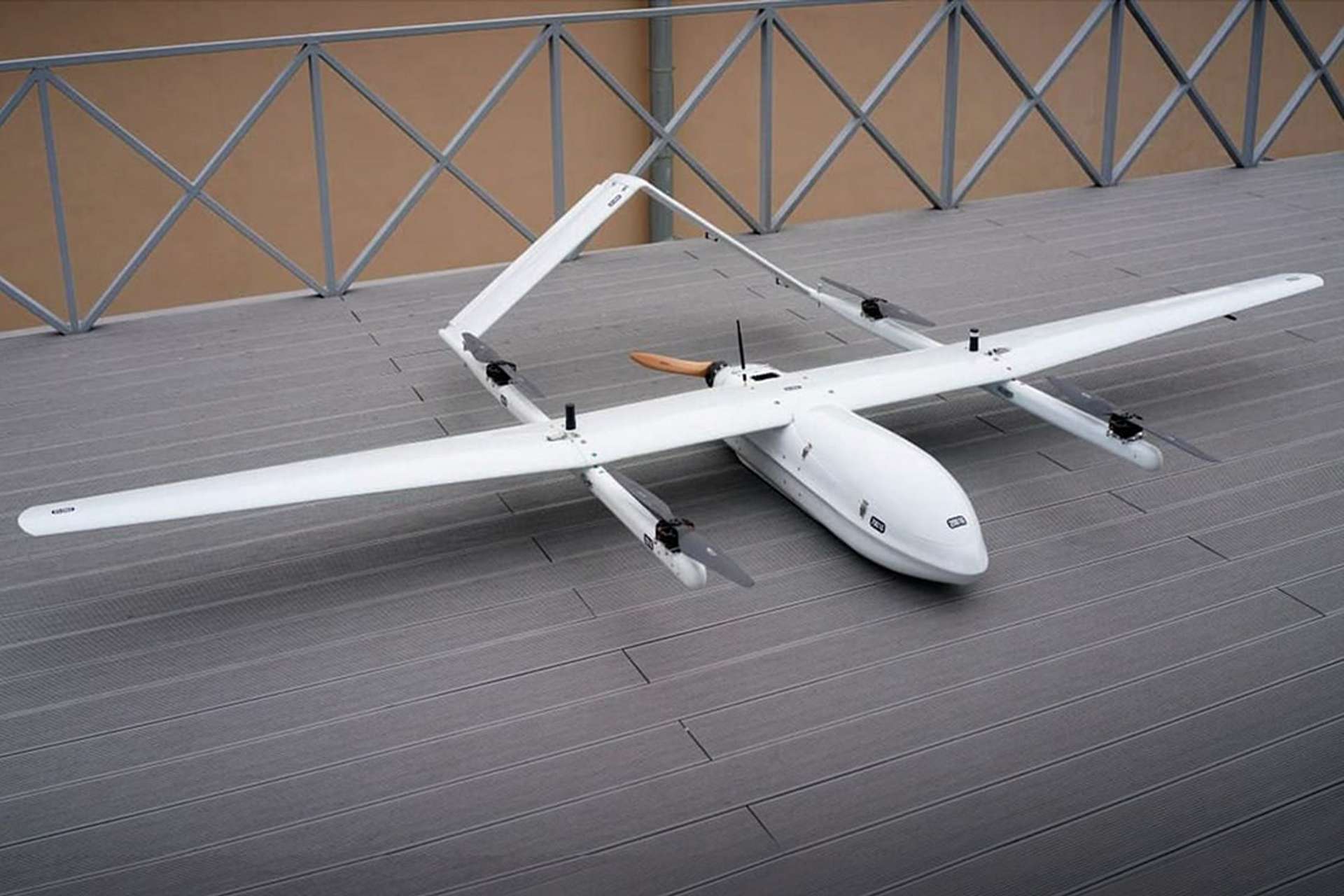
Kalashnikov recently unveiled its new electric vertical take-off and landing (VTOL) drone, the "Legionnaire-E33K," at the 15th International Security Equipment Exhibition, "Global Security 2024." This drone is designed for remote sensing and cargo delivery, with advanced capabilities making it a major asset for rescue and surveillance operations.
Follow Army Recognition on Google News at this link
Kalashnikov unveiled its new electric vertical take-off and landing drone, the Legionnaire-E33K. (Picture source: Kalashnikov)
The "Legionnaire-E33K" is equipped with electric motors that allow it to perform vertical take-offs and landings, facilitating its use in hard-to-reach or urban areas. This VTOL feature is particularly useful for missions requiring quick and precise landings and take-offs without runway infrastructure. Additionally, this drone is designed for remote sensing, meaning it can collect precise data on soil and environmental conditions using advanced sensors, making surveillance and reconnaissance operations much more efficient.
The drone is also capable of carrying payloads, making it a valuable tool for delivering emergency supplies to areas affected by natural disasters. For example, it can be used to transport food, water, and medicine to areas inaccessible by conventional means. This cargo delivery capability is crucial for rapid emergency interventions, allowing for the saving of lives and providing essential aid without delay.
In terms of technical performance, the "Legionnaire-E33K" is optimized to offer significant flight autonomy and high reliability in various operational conditions. Recent developments include aerodynamic improvements and advanced control systems that enhance its mechanical robustness and operational reliability. The drone is also equipped with automatic target capture capabilities, making it effective for precise and autonomous reconnaissance missions.
In addition to the "Legionnaire," Kalashnikov continues to develop sophisticated drones such as the SKAT 350 M, a UAV designed for aerial surveillance and object detection in optical and infrared ranges. This model was presented at the 2024 World Defense Show in Riyadh, Saudi Arabia, and is the result of an extensive modernization of the Supercam 350 UAV. Improvements include new wing designs and control elements, increasing mechanical strength and operational reliability.
Kalashnikov is also developing kamikaze drones like the KUB-BLA, designed to destroy ground targets with precision and discretion. These drones offer advantages in terms of concealed launch, precision, and maneuverability, making them an important innovation in modern combat.
These developments demonstrate Kalashnikov's commitment to advancing drone technologies to meet various military and rescue needs, integrating advanced capabilities to enhance surveillance, reconnaissance, and emergency response operations.
Read more: Kalashnikov Presents Legionnaire Drone at Global Security 2024 Exhibition
- Details
- Written by: Administrator
- Category: 2024
- Hits: 6636
Breaking news
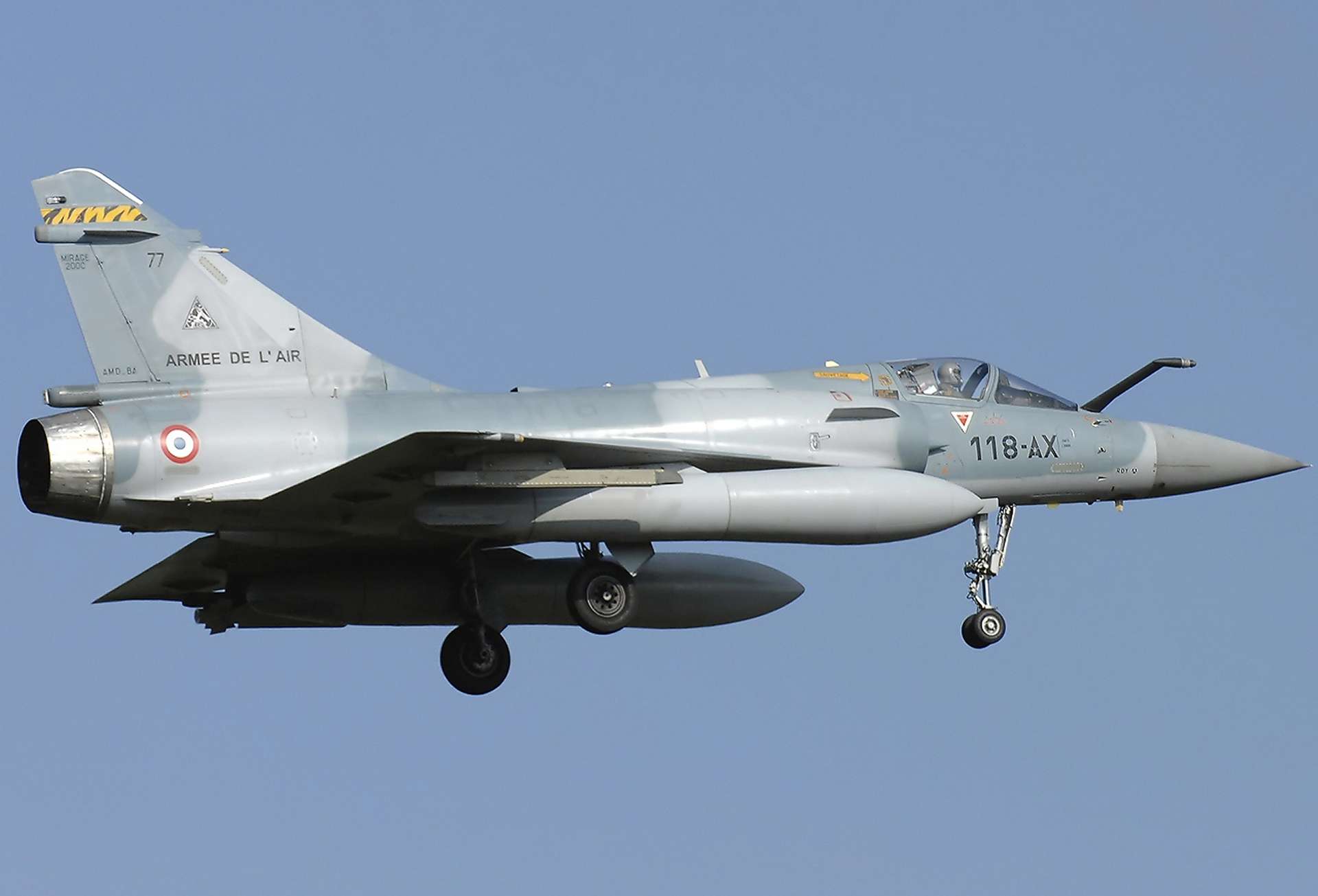
Paris, France, June 6, 2024 — During an interview with French television TF1, French President Emmanuel Macron announced that France would supply Ukraine with Mirage 2000-5 fighter jets to support the country in its ongoing war against Russia.
Follow Army Recognition on Google News at this link
The Mirage 2000-5 is a French multirole fighter jet known for its advanced avionics, superior maneuverability, and versatile armament, making it effective in both air-to-air and air-to-ground combat missions. (Picture source: Wikimedia)
French President Macron, in a significant strategic move, announced the transfer of Mirage 2000-5 jets during President Volodymyr Zelensky's visit to France. This timing, coinciding with the Ukrainian president's visit, underscores the careful consideration and importance of this decision.
French President Macron's announcement came at the end of a day commemorating the June 6, 1944, D-Day landings, an event at which the Ukrainian president was also present. The French President specified that the pilots of these fighter jets would be trained in France. He also revealed that France plans to train 4,500 Ukrainian soldiers. He emphasized that, as of now, no French military instructors are present on Ukrainian soil.
Since the onset of the Russian invasion of Ukraine in February 2022, France has been dynamically supporting Ukraine through various forms of military aid. This evolving support, adapting to the changing dynamics of the conflict and the needs of the Ukrainian armed forces, has been a testament to France's commitment.
Initially, France provided Ukraine with defensive military equipment, including helmets, body armor, and medical supplies, which were crucial in helping Ukrainian forces withstand the initial onslaught. In addition to these supplies, France also sent MILAN anti-tank guided missiles, which proved essential in countering Russian armored advances.
France increased its support as the conflict continued by supplying more advanced military hardware. This included CAESAR self-propelled howitzers, which significantly enhanced Ukraine's artillery capabilities. The Caesar howitzers, known for their precision and mobility, enabled Ukrainian forces to effectively target and disrupt Russian positions.
In a further show of support, France also provided a range of military equipment, including armored vehicles and air defense systems. These additions, such as the VAB armored personnel carriers, have significantly bolstered Ukraine's ability to protect its territory and respond to Russian air and ground attacks, improving the mobility and protection of Ukrainian troops on the battlefield.
Moreover, France has committed to training Ukrainian soldiers. French military instructors have been involved in training programs to enhance the skills and capabilities of the Ukrainian armed forces. This training has included various aspects of modern warfare, ranging from tactical operations to the maintenance and use of sophisticated military equipment.
Ukrainian President Volodymyr Zelensky has urged allied countries to provide modern fighter aircraft to support Ukraine in its ongoing conflict with Russian forces. Zelensky's appeal emphasizes the critical need for advanced military equipment to bolster Ukraine's defense capabilities. This request is part of broader efforts to strengthen Ukraine's military and enhance its ability to repel Russian advances and protect its sovereignty.
The provision of modern fighter jets would significantly enhance Ukraine's aerial combat capabilities, allowing for more effective air defense and offensive operations. This move could also serve as a strategic deterrent against further Russian aggression. However, the decision to supply such advanced weaponry involves complex considerations, including logistical challenges, training requirements, and geopolitical implications.
The Mirage 2000-5 is a French multirole fighter jet developed by Dassault Aviation, designed to perform various roles such as air superiority, ground attack, and reconnaissance. It features advanced avionics, including a Thales RDY radar, which provides greater target detection and tracking capabilities, allowing it to engage multiple air and ground targets simultaneously. The Mirage 2000-5's aerodynamic design and fly-by-wire control system enhance its maneuverability and combat effectiveness, making it a versatile asset in modern aerial warfare.
In terms of armament, the Mirage 2000-5 is equipped with a range of weaponry suitable for different mission profiles. It carries two DEFA 554 autocannons for close-range combat and a variety of air-to-air missiles, such as the MICA and Magic II, for long and medium-range engagements. For ground attack missions, it can be outfitted with precision-guided munitions, unguided bombs, and rockets. The aircraft also supports in-flight refueling, extending its operational range and endurance, making it a formidable presence in both defensive and offensive operations.
Read more: Breaking News: France to Supply Ukraine with Mirage 2000-5 Fighter Jets
- Details
- Written by: Administrator
- Category: 2024
- Hits: 7466
Breaking news
Berlin, Germany, June 6, 2024 — At the ILA Air Show in Berlin, German Company Diehl Defence's CEO announced a significant increase in the IRIS-T air defense missile production, driven by escalating international demand and the ongoing war in Ukraine.
Follow Army Recognition on Google News at this link
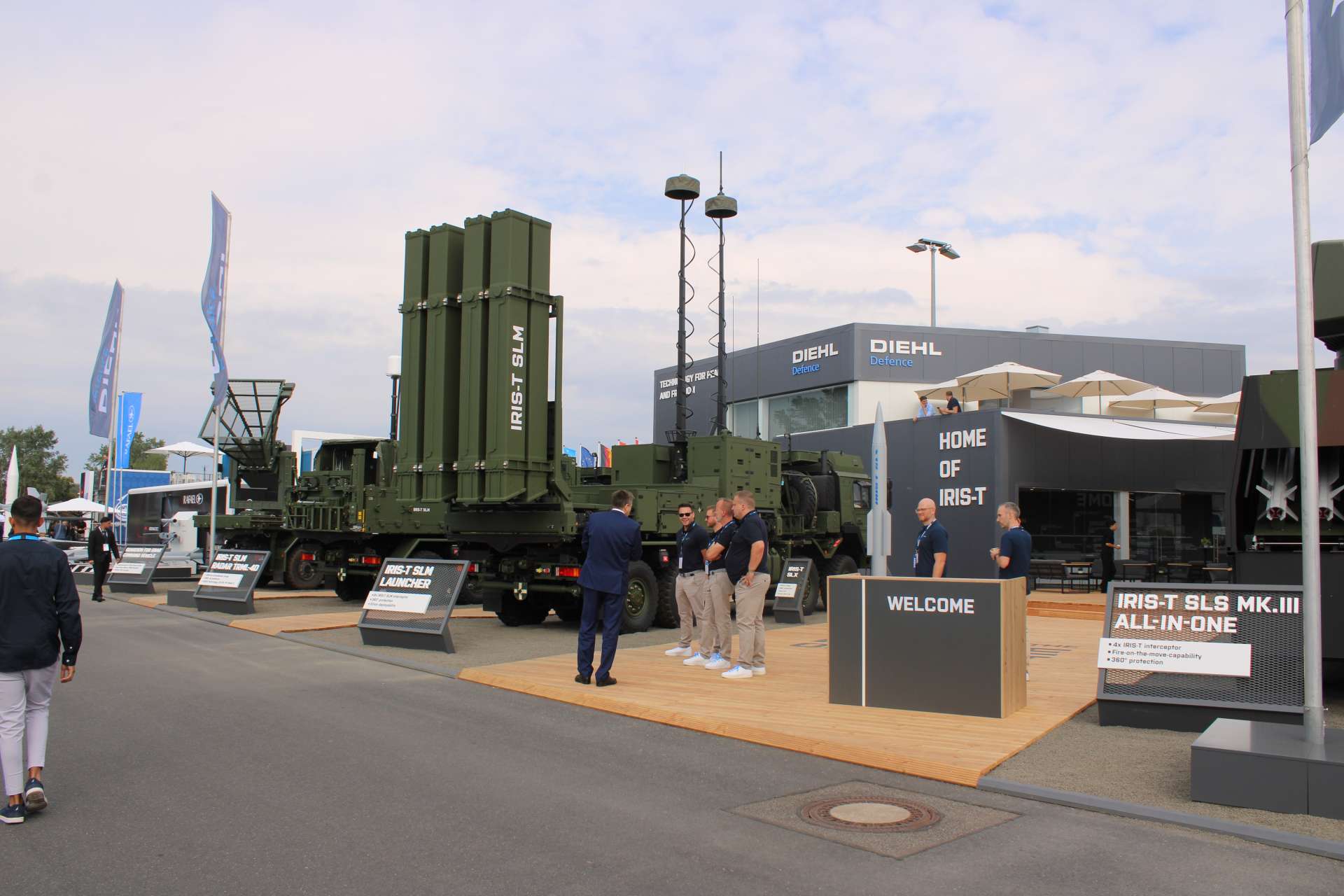
Truck launcher unit of German-made IRIS-T SLM air defense missile system at ILA 2024, Berlin, Germany. (Picture source: Army Recognition Group)
The CEO of Diehl Defence, amid a backdrop of heightened security concerns, outlined plans to produce a minimum of 10 firing units annually starting in 2026 and to double the production of IRIS-T medium-range missiles from 2025. This marks the second announcement in nine months regarding increased IRIS-T production, reflecting Germany's commitment to bolstering its defense capabilities in response to growing threats from Russia's continued advance in Ukraine.
To date, Germany has supplied two IRIS-T units to Ukraine, where they are deployed primarily to defend Kyiv against Russian missile attacks. Germany has pledged to deliver an additional six IRIS-T units to Ukraine. In addition to supporting Ukraine, Germany is preparing to enhance its own defense forces, expecting the first delivery of six systems for its air force in October 2024.
This strategic move by Diehl Defence not only underscores the increasing reliance on advanced missile defense systems amid global security tensions but also highlights Germany's proactive steps in strengthening its military capabilities. The increased production of IRIS-T missiles is anticipated to meet the growing needs of international allies and support ongoing efforts to safeguard European airspace.
As global defense dynamics evolve, Diehl Defence's expansion plans position the company at the forefront of air defense technology, contributing significantly to both national and international security frameworks.
The IRIS-T SLM air defense system is designed with an impressive array of technical features that enhance its combat capabilities. The system's engagement range extends up to 40 kilometers, providing a substantial protective buffer against incoming threats. It is capable of intercepting targets at altitudes ranging from very low to high, up to 20 kilometers, ensuring comprehensive coverage across various threat profiles. This versatility allows the IRIS-T SLM to effectively engage and neutralize a wide range of aerial targets, including fast-moving aircraft, helicopters, drones, cruise missiles, and even other ballistic missiles.
Key technical features include its advanced infrared seeker, which offers high sensitivity and precision in target detection and tracking, even in adverse weather conditions and countermeasure environments. The missile's high agility is achieved through thrust vector control, enabling rapid maneuvering to intercept agile targets. The system is equipped with a multi-function phased array radar that provides 360-degree coverage, high-resolution tracking, and discrimination capabilities, allowing for the detection and engagement of multiple targets simultaneously.
Additionally, the IRIS-T SLM features a highly automated command and control unit that facilitates seamless integration with other defense systems, ensuring coordinated and efficient threat response. The system's modular design enables rapid deployment and scalability, making it suitable for both fixed installations and mobile operations.
- Details
- Written by: Halna du Fretay
- Category: 2024
- Hits: 5566
Breaking news
On May 27, 2024, Polish defense officials announced plans for the "Eastern Shield," a major project aimed at enhancing anti-drone surveillance and ground defense along approximately 700 kilometers of Poland's eastern border with Russia and Belarus. This initiative involves constructing a series of fortifications and barriers designed to protect Polish territory, restrict the mobility of opposing forces, and facilitate the movement of Polish forces, while also safeguarding civilians.
Follow Army Recognition on Google News at this link
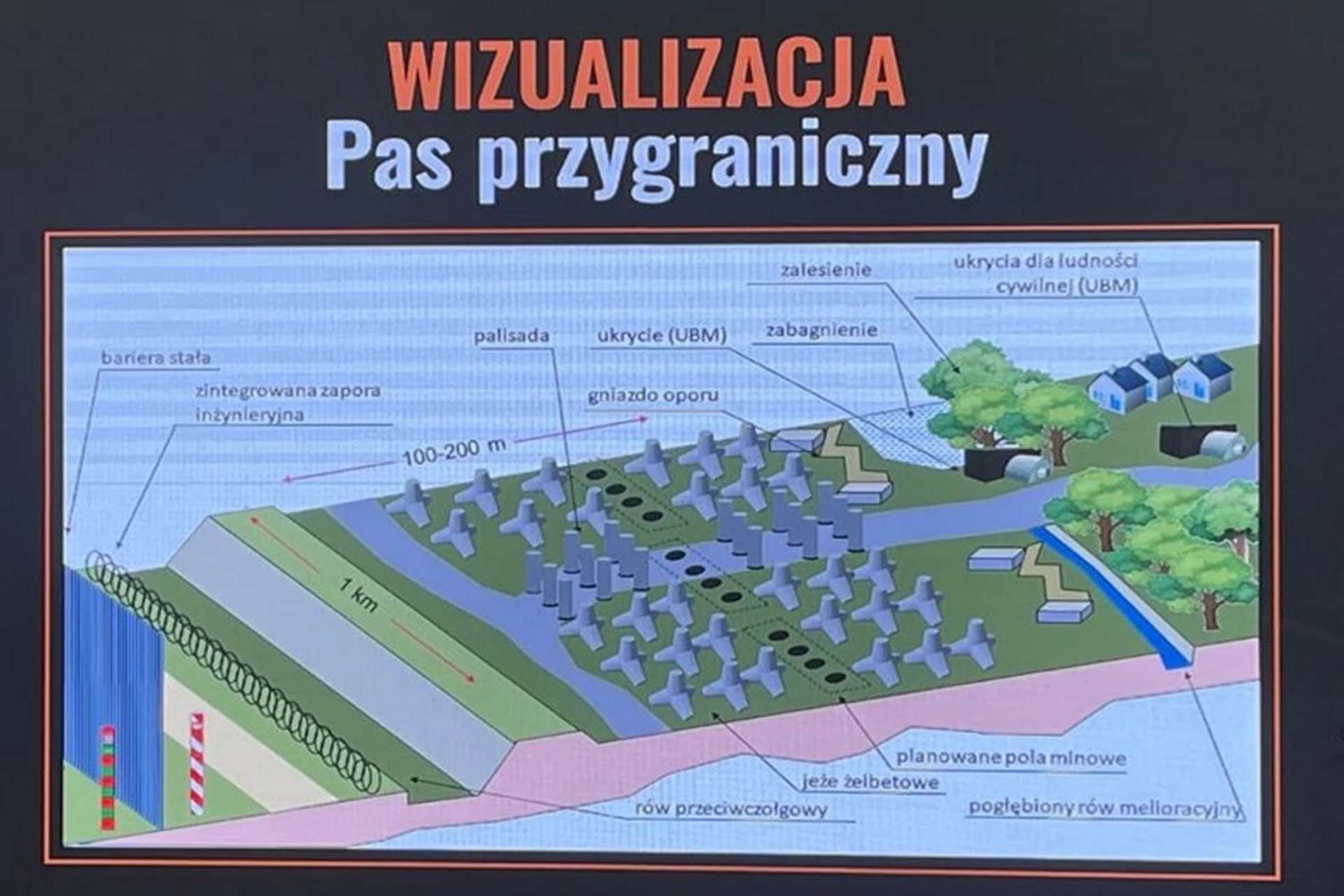
Diagram from Poland's Ministry of National Defence that shows planned border defenses (Picture source: Poland MoD)
The Eastern Shield is part of a broader response to increasing tensions and perceived threats, such as cyberattacks, arson attempts, and the illegal pushing of migrants across the border, which Polish authorities view as efforts to destabilize the European Union.
The Polish government, led by Prime Minister Donald Tusk, has unveiled a comprehensive security strategy that includes investing in cybersecurity and allocating over $2.5 billion to bolster surveillance and defense capabilities along the eastern border. Defense Minister Władysław Kosiniak-Kamysz described the Eastern Shield as encompassing various types of fortifications, barriers, comprehensive airspace surveillance, and upgrades to existing systems, integrated into the national defense system. This program, according to the minister, represents the largest strengthening of NATO's eastern flank since World War II.
General Wiesław Kukuła, the Chief of Staff, outlined that the Eastern Shield would include a network of surveillance towers, anti-drone defenses, anti-tank barriers and ditches, bunkers, and potential minefield areas, primarily aimed at deterring any potential aggressor. The funding for this extensive defense infrastructure, which will also involve collaboration with the Baltic states of Lithuania, Latvia, and Estonia, will come from the Polish government, which spends over 4% of its GDP on defense, with additional support sought from the EU.
Previously, a right-wing government had built a $400 million wall at the border with Belarus in 2021 to stem a massive influx of migrants. The current pro-EU government plans to reinforce this wall, though it will be a separate project from the Eastern Shield. The Eastern Shield itself includes a vast array of military infrastructures such as bunkers, shelters, warehouses, and base stations, with total project costs expected to reach several billion zlotys, including an estimated 10 billion zlotys for materials alone. Construction began in April 2024 and is expected to be completed by 2028.
This project is part of a comprehensive approach to strengthen the country’s defense capabilities, with the main objectives being to improve detection capabilities, hinder enemy mobility, enhance the mobility of Polish forces, and protect civilians. To achieve these goals, Poland will utilize a combination of advanced surveillance technologies, physical fortifications, and modifications to the natural terrain.
Read more: Poland Fortifies NATO Border Against Potential Russian Invasion
- Details
- Written by: Vandenbosch
- Category: 2024
- Hits: 3344
Breaking news
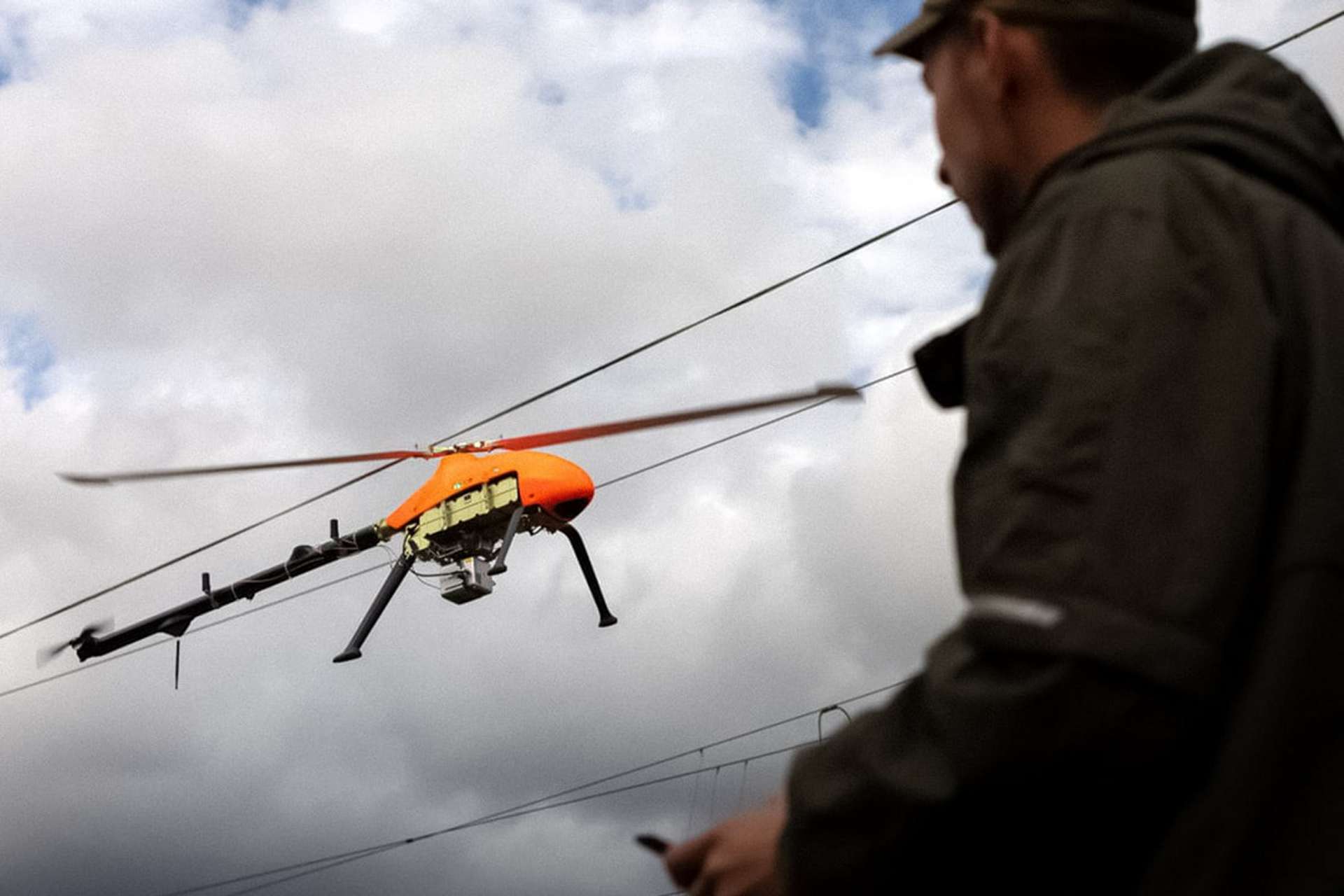
On June 4, 2024, Kalashnikov successfully completed a pilot project in Bashkiria using the Alpha-E drone for comprehensive terrain imaging. This project employed various payloads for the benefit of a collective client.
Follow Army Recognition on Google News at this link
Kalashnikov tests the Alpha-E drone for a comprehensive terrain imaging project. (Picture source: Kalashnikov)
Kalashnikov successfully conducted this pilot project, using the 'Alpha-E drone for complete terrain imaging, integrating various payloads for the benefit of a collective client. One can easily imagine the different applications of this project, particularly from a military perspective.
"Thanks to its versatile payloads, we obtained deeper and more comprehensive information, suitable for seamless analytical processing, on objects in the surveillance area," commented a company representative.
Preliminary data suggests that the Republic of Bashkiria will make significant savings on remote terrain monitoring services using the 'Alpha-E' drone. Additionally, the region will receive an increased volume of high-resolution data, available for further processing, interpretation, and storage concerning the monitored areas.
The 'Alpha-E drone is a universal electric helicopter capable of hovering. Its technical characteristics allow it to perform tasks such as aeromagnetic surveys, aerial laser scanning, aerial photography, and video surveillance.
Naturally, one can immediately think of the military implications; this project could be used for battlefield surveillance in Ukraine. However, it is not the only measure the Russians have implemented in Ukraine. Indeed, the Russian military has implemented several advanced battlefield surveillance methods in Ukraine to enhance their operational effectiveness. These methods include a range of technologies and tactics designed to provide real-time intelligence and improve situational awareness.
Drones play a crucial role in Russia's surveillance strategy. Various types of unmanned aerial vehicles (UAVs), including reconnaissance drones and first-person-view (FPV) kamikaze drones, are extensively deployed. Reconnaissance drones collect real-time images and videos, essential for monitoring troop movements and identifying targets. FPV drones, equipped with cameras, are often used for precise attacks on high-value targets and can effectively disable or destroy enemy vehicles when combined with artillery fire.
In parallel, electronic warfare (EW) is a sophisticated capability employed by Russia to disrupt Ukrainian communications and radar systems. This includes signal jamming, communication interception, and deploying cyber operations to gather intelligence and counter enemy surveillance efforts. These EW capabilities are crucial for blinding enemy sensors and ensuring the security of Russian communications.
Additionally, satellites and aerial reconnaissance provide large-scale surveillance, capturing detailed images over vast regions, allowing Russian forces to track movements and changes in the battlefield environment. The integration of satellite data with ground-based intelligence helps form a comprehensive operational picture, while ground surveillance systems, such as radars, monitor aerial and ground movements, detecting incoming threats and helping to coordinate defensive and offensive operations.
Read more: Russia Implements Surveillance Project Using Alpha-E Aerial Drone

- Details
- Written by: Halna du Fretay
- Category: 2024
- Hits: 5378
Breaking news
Skyeton, a Ukrainian drone company with 17 years of experience in producing dual-use aircraft, will participate in Eurosatory 2024, a leading event in the defense and security sector held in Paris from June 17 to 21. A major highlight at the Skyeton booth will be the opportunity for visitors to operate the Raybird unmanned aerial vehicle (UAV) over Ukraine, more than 2000 km away, using an actual ground control station. Participants will receive brief instructions before the flight and a certificate afterward, emphasizing the practical experience of piloting the UAV under real conditions.
Follow Army Recognition on Google News at this link
Currently, the Raybird-3 is actively engaged in reconnaissance missions in the Zaporizhzhia region of Ukraine, operating at altitudes between 2,500 and 4,500 meters to evade detection and targeting by enemy air defense systems (Picture source: Skyeton)
The Raybird is a small fixed-wing UAV known for its extended mission capabilities, with over 28 hours of continuous flight time, a range exceeding 2500 km, and a maximum flight altitude of up to 5500 meters. These features enable the Raybird to perform extended surveillance, long-range reconnaissance, and continuous target tracking. The UAV is launched via a mechanical catapult, allowing takeoff from rough terrain and in strong winds, distinguishing it particularly where vertical takeoff and landing (VTOL) systems may not be feasible. It is designed to withstand extreme temperatures, harsh weather conditions, and electronic warfare threats, ensuring mission success under challenging circumstances.
Currently, the Raybird-3 is actively engaged in reconnaissance missions in the Zaporizhzhia region of Ukraine, operating at altitudes between 2,500 and 4,500 meters to evade detection and targeting by enemy air defense systems. During a mission in Zaporizhzhia, while another drone was shot down at a lower altitude, the Raybird-3 managed to ascend to 2,300 meters and evade attacks, successfully gathering and relaying enemy coordinates to Ukrainian artillery units for effective counterstrikes.
The Raybird-3 is equipped to withstand electronic warfare, featuring sophisticated software, control mechanisms, and the ability to switch frequency channels to avoid electronic interference. It boasts long flight times of up to 24 hours and a range exceeding 2,000 kilometers per flight, allowing it to perform deep reconnaissance into enemy territory and support multiple fronts simultaneously. Originally a commercial drone maker, Skyeton has refocused its efforts towards enhancing the Ukrainian military's capabilities, with the Raybird-3 proving to be a vital asset capable of conducting numerous sorties and achieving multiple mission objectives in a single flight.
Moreover, Skyeton will present the latest updates to its unmanned aviation systems at Eurosatory, including a variety of payloads for UAVs, demonstrating the adaptability of the Raybird for both civilian and combat applications. The UAV's flexibility is highlighted by its rapid assembly and user-friendly operation, with tool-free setup in under 25 minutes and automatic takeoff and landing functions.
Skyeton continues to innovate in the field of unmanned aviation, with the Raybird drone exemplifying the company's commitment to developing resilient and versatile unmanned systems. The ongoing development and deployment of the Raybird indicate Skyeton's growing role in the global market for tactical unmanned aerial systems, strengthening its presence in both military and civilian sectors.
Read more: Skyeton from Ukraine to Showcase Raybird Aerial Drone at Eurosatory 2024

- Details
- Written by: Triffaux
- Category: 2024
- Hits: 4643
Breaking news
The "Azov" brigade, active in Ukrainian defense, has recently incorporated a new unit of ground drones, the Sirko-S1, developed by Ukrainian company SkyLab UA. These drones, designed to support various ground operations, represent a significant advancement in the use of robotic technology in conflict zones.
Follow Army Recognition on Google News at this link
SkyLab UA Sirko-S1 Unmanned Ground Vehicle (Picture source: SkyLab UA)
Volunteer Ihor Lachenkov revealed that the 6th Battalion "Azov" received these ground drones following a successful fundraising campaign that raised 11.7 million UAH. "All these assets, including the Sirko-S1, have been added to the battalion's arsenal," he stated, emphasizing the importance of these new assets for the brigade.
The Sirko-S1 drones are designed to perform a variety of tasks. Capable of carrying up to 200 kg of goods over a distance of 2.5 km, they facilitate the delivery of ammunition, provisions, and medicines to the front line. Additionally, they can be used for evacuating wounded from the battlefield, a crucial role that can potentially save lives by enabling rapid and secure evacuation.
Equipped with high-tech equipment, the Sirko-S1 features a thermal camera, a laser rangefinder system, and a standard camera, which together enable effective reconnaissance of enemy positions. The flexibility of the platform is further enhanced by the ability to quickly add compatible modules, thus transforming the drone into a versatile tool suitable for various military uses.
The resilience of the Sirko-S1 in extreme conditions is also noteworthy, with features such as encrypted communication for control and video transmission, as well as four-wheel electric drive with energy regeneration modes.
After six months of intensive development, the Sirko-S1 has reached the stage of mass production. This development underscores Ukraine's commitment to incorporating advanced technologies to support its armed forces. As a source from the Brave Inventors platform states, "The complex is multifunctional and assists our defenders in reconnaissance, observation, evacuating the wounded, transporting goods, and even demining."
This initiative is part of a series of demonstration tests that have been recently conducted in Ukraine for Western partners, aimed at showcasing the capabilities of medical evacuation equipment and strengthening international defense collaborations.
Read more: Ukraine Forces use Home-made SkyLab UA Sirko-S1 Unmanned Ground Vehicle
- Details
- Written by: Halna du Fretay
- Category: 2024
- Hits: 3086
Breaking news
Running Brains Robotics, a key player in autonomous robotics in France, announces its participation at Eurosatory 2024, where it will present its new autonomous security robot, the GR100. The event is scheduled to take place at the Parc des Expositions de Paris Nord Villepinte from June 17 to 21, 2024.
Follow Army Recognition on Google News at this link
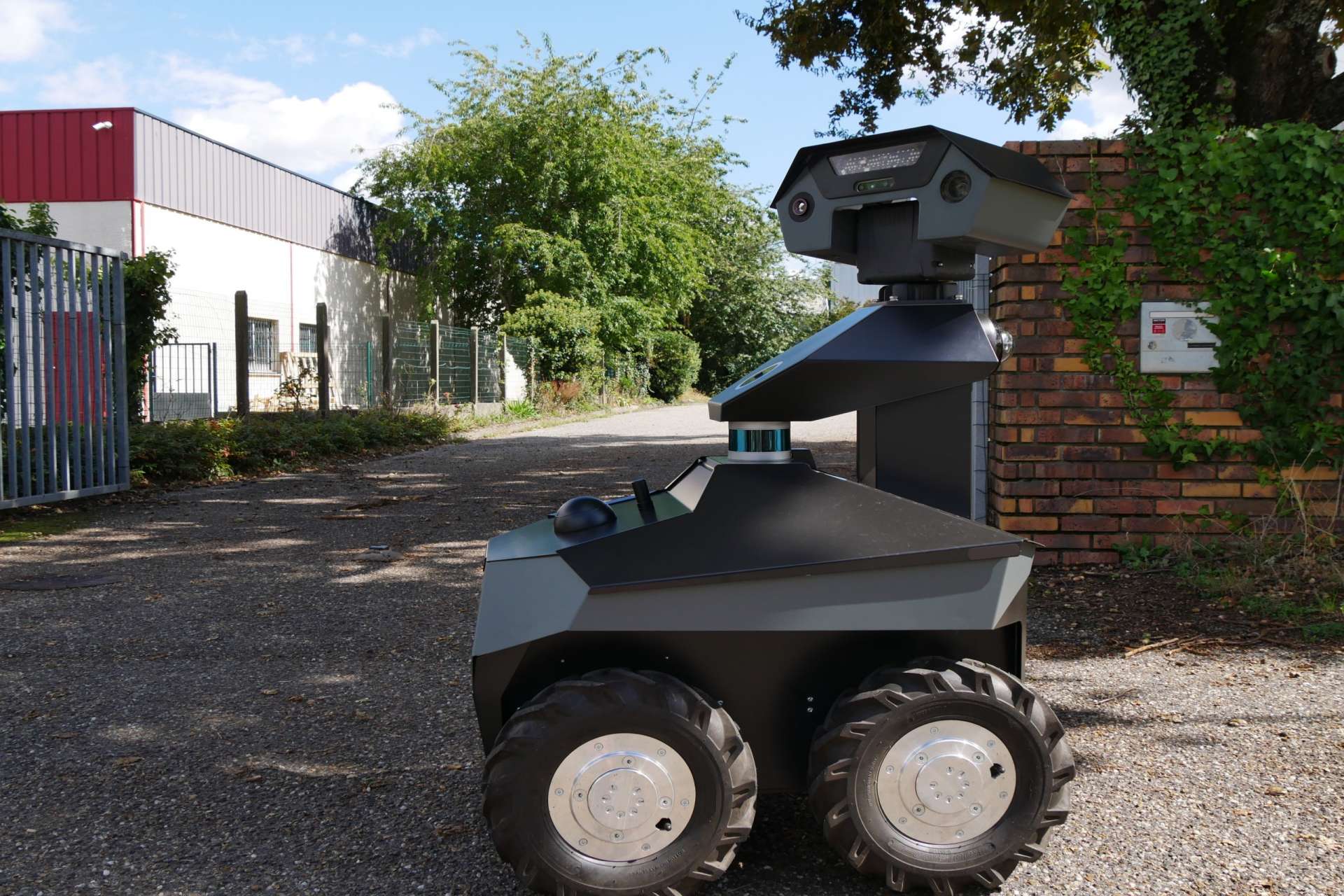
The GR100 is equipped with five cameras, including one thermographic for heat detection, it also features a microphone and loudspeaker for communication (Picture source: Running Brains Robotics)
The GR100 is primarily designed for the surveillance of industrial and sensitive sites and operates effectively outdoors. This robot incorporates advanced technologies, including data fusion algorithms and artificial intelligence, enabling it to monitor vast areas, detect anomalies, and proactively intervene to prevent incidents.
Technical features of the GR100 include high autonomy in outdoor environments, equipped with cutting-edge sensors and real-time analysis systems for continuous monitoring. The robot can be customized to meet the specific security and safety mission needs of each client.
The robot has a weight capacity of 130 kilograms and can reach a maximum speed of 2.5 meters per second, equivalent to 5-6 kilometers per hour. It offers an operational autonomy of 4.5 hours on a single charge. Equipped with five cameras, including one thermographic for heat detection, it also features a microphone and loudspeaker for communication. The robot operates efficiently in temperatures ranging from -10°C to 40°C. It requires a charging power of 1000 watts and can be fully charged in just 1.5 hours.
Proudly developed and manufactured in France, the GR100 exemplifies Running Brains Robotics' commitment to promoting French innovation and expertise. The robot meets high standards of quality in both software and hardware, ensuring close technical support.
Running Brains Robotics positions itself at the forefront of autonomous surveillance technology with the GR100, demonstrating a strong commitment to innovation and French quality. The development of this robot could play a significant role in advancing the security of sensitive and industrial sites, enhancing the company's presence in the international security robotics market.
Read more: Running Brains Robotics to Showcase GR100 Security Robot at Eurosatory 2024
- Details
- Written by: Vandenbosch
- Category: 2024
- Hits: 4632
Breaking news
A universal tracked platform equipped with a combat module featuring an anti-tank missile system has been developed with the participation of the state corporation "Rostec" and is currently undergoing field tests. This was announced by Alexander Gavrilov, CEO of the developing company "Gumich," to TASS on June 4, 2024.
Follow Army Recognition on Google News at this link
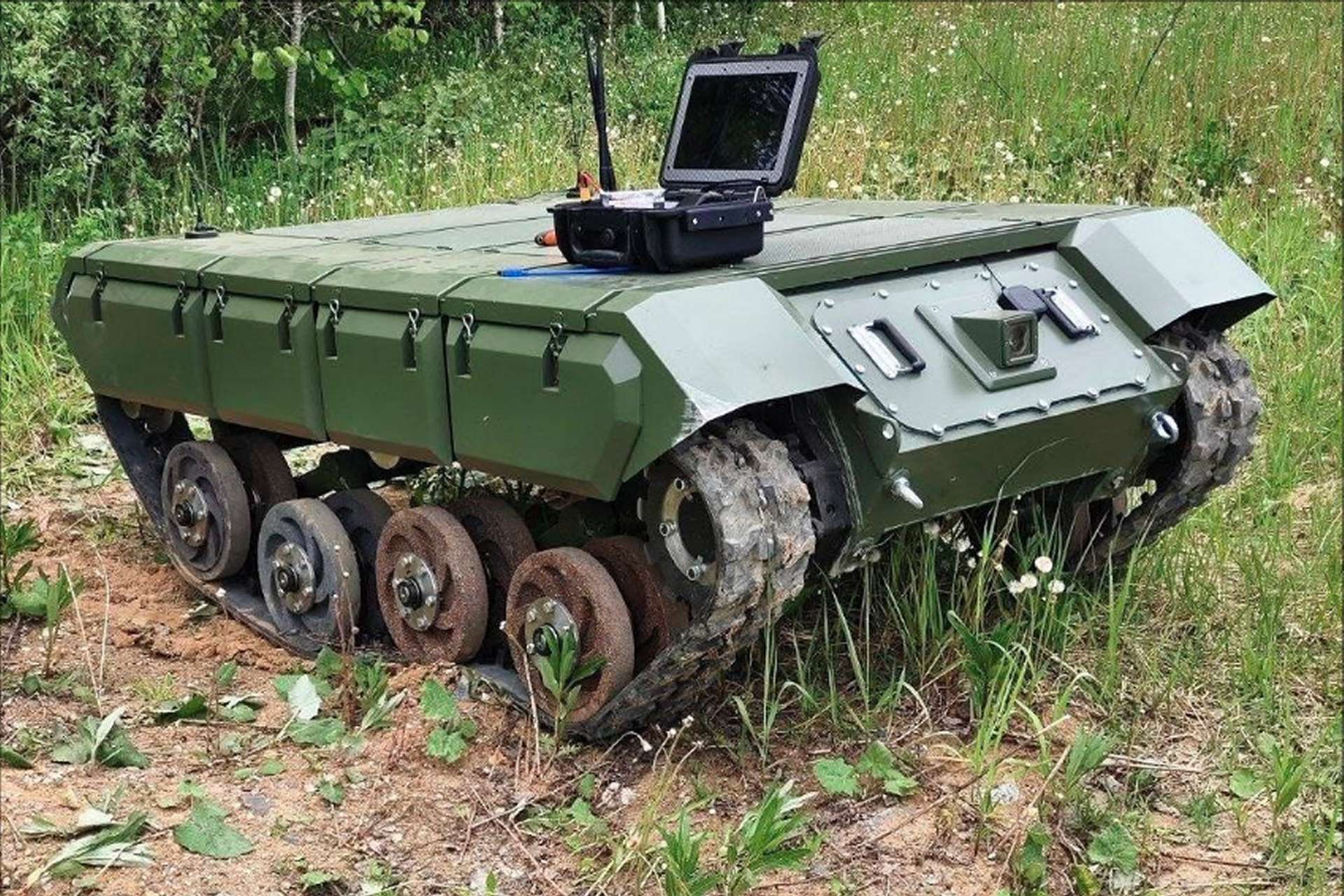
The new platform has potential civilian applications due to its modular design and the ability to be quickly adapted for various payloads. (Picture source: Rostec)
"In collaboration with the state corporation 'Rostec,' we have created the latest multipurpose robot 'Impulse-M,' which, in its configuration as a versatile battlefield missile robot equipped with a combat module featuring an anti-tank missile system, is currently undergoing field tests," Gavrilov told TASS.
The new platform has potential civilian applications due to its modular design and the ability to be quickly adapted for various payloads. The robot's software allows it to perform a wide range of tasks.
Gavrilov noted that the robotic complex (RTC) features a tracked chassis with a load capacity of about 1 ton, capable of transporting 500 kg of cargo up a 30-degree incline and towing 1.5 tons on a trailer. The platform is universal and can be used with a wide range of combat modules, including mine laying, cargo transport, and medical evacuation. One of the key advantages of the new complex is its entirely Russian-made control system with artificial intelligence elements, enabling the RTC to operate autonomously in both combat and logistical missions.
The RTC has a multi-variant communication system between the combat vehicle and the operator, which virtually eliminates the risk of electronic jamming. Additionally, in the event of communication loss, the robot's navigation system allows it to automatically return to base using points stored in its computer.
At the core of the robotic complex is a universal tracked platform that can be equipped with various combat and other modules depending on the mission. The design of the complex allows for rapid module changes and offers high repairability in field conditions.
A reduced prototype of this complex was previously successfully tested in combat operations. Based on this experimental model and incorporating all the data obtained in combat conditions, a fully operational combat platform has been created.
Russian military experts estimate that these RTCs are necessary in Ukraine, as they can engage the enemy effectively while minimizing personnel losses. The new platform, with its combat modules, allows for flexible and effective use against enemy armor and fortifications. A robot equipped with ATGM is more resilient to enemy retaliatory fire and could influence military operations if supplied in large quantities.
- Details
- Written by: Triffaux
- Category: 2024
- Hits: 12323
Breaking news
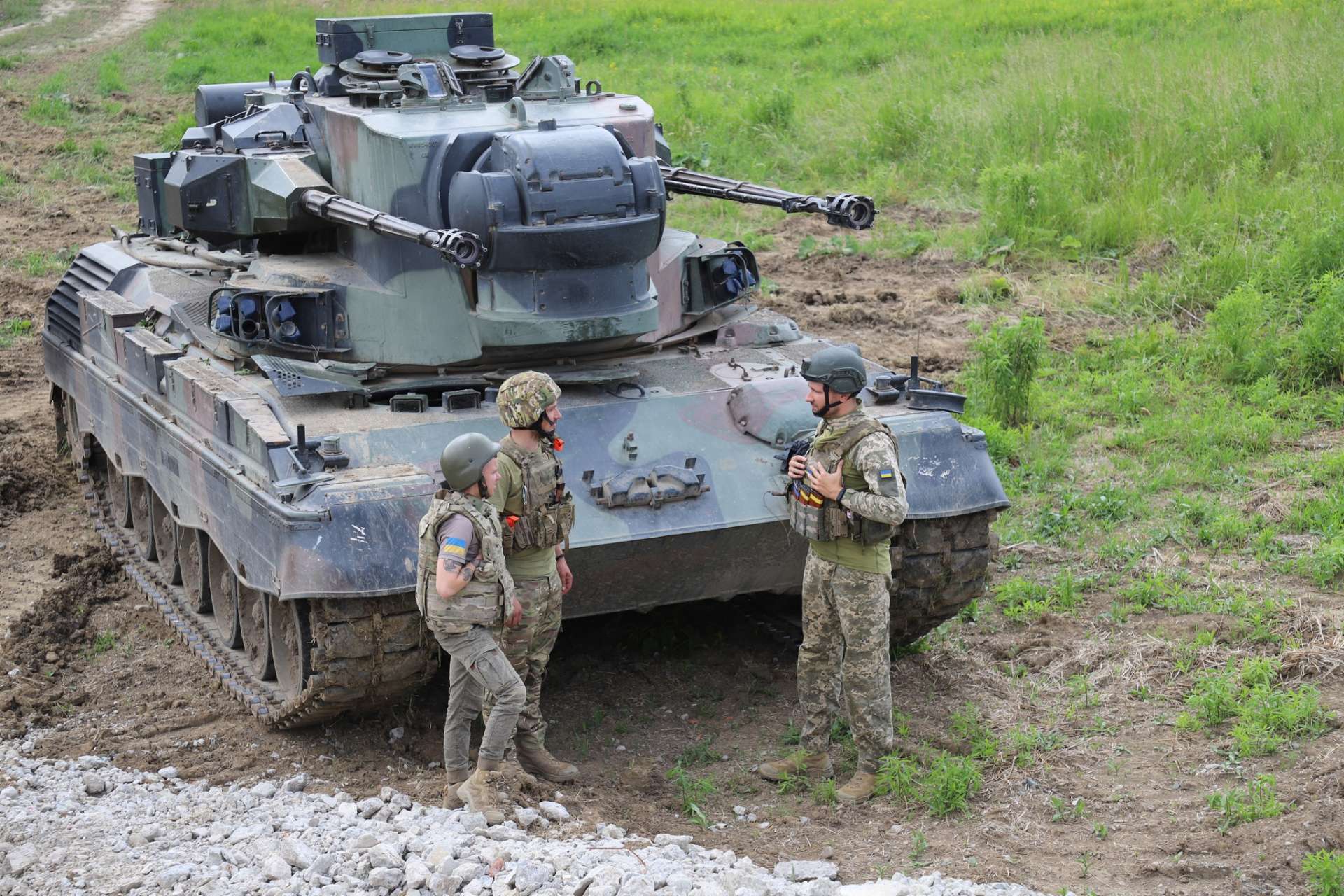
On June 5, 2024, the Ukrainian forces shared images on their social media of the first 60 Gepard Cheetah air defense systems, purchased by the United States from Jordan in November 2023. This delivery is set to double the close-range air defense capabilities of the Ukrainian forces, significantly bolstering their ability to protect against aerial threats.
Follow Army Recognition on Google News at this link
United States provides Gepard Cheetah air defense systems (Picture source: Ukraine MoD)
According to Ukrainian forces, the team underwent intensive training in Germany for two months and continues to hone their skills through regular training and developing algorithms for various operational situations. Currently, they are targeting Russian BPLA drones and cruise missiles, enhancing their effectiveness in neutralizing aerial attacks and maximizing target destruction, as indicated by the deputy chief of current operations at the Western Air Command. During a recent exercise, their training aircraft, simulating a cruise missile, was detected and destroyed in a controlled scenario, demonstrating the crew's ability to engage and neutralize aerial threats. On June 2nd, within their area of responsibility, the units destroyed 18 Russian X-101/X-555 and "Kalibr" cruise missiles and 6 Shahed-131/136 type drones during an attack on critical infrastructure, confirming the efficiency and professionalism of these air defense groups.
The United States recently completed the purchase of 60 Gepard 1A2 35 mm air defense systems from Jordan for a total amount of $118,375,740 (approximately €110 million). Originally, these systems, known as Cheetahs or 'pruttels', were sold to Jordan by the Netherlands in 2013 for €21 million (approximately $22.4 million). The transfer of these vehicles by the Dutch armed forces marked the end of their use of these systems, which were shipped from Eemshaven to Jordan. This operation not only generated funds for Dutch defense but also provided training to Jordanian instructors on the operation and maintenance of these systems.
The contract with the United States was finalized on May 31, 2023, when the U.S. Department of Defense placed an order worth nearly $118.4 million with Global Military Products (GMP), a company specializing in defense procurement. Based in Tampa and Sarasota, Florida, with a logistics hub in Sarasota, GMP is a veteran-owned small business and positions itself as a leading system integrator, specializing in the supply and delivery of ammunition, supplies, weapons, and platforms that meet both U.S. standards and others.
Dutch Gepards utilize a radar operating in X-band with circular polarization and a target acquisition antenna in X/Ka bands, allowing for target detection up to 13 km. In comparison, the German Gepard systems function with an S-band radar and only horizontal polarization, with an antenna in Ku bands and a detection range of 15 km. Operationally, this difference means that Dutch Gepards could be slightly more effective in conditions of weak or disrupted signals, thanks to their ability to adjust frequencies at six points, as opposed to only two for the German systems. This could allow the Dutch Gepards to be more flexible and responsive when facing varied targets or in complex operational environments.
The Jordan Gepard 1A2, also known as the Cheetah, is a 35 mm self-propelled anti-aircraft system developed by the German company Krauss-Maffei Wegmann (KMW) between 1976 and 1980. It is built on the chassis of the Leopard 1 Main Battle Tank and features a two-man turret armed with two 35 mm Oerlikon Contraves KDA cannons. Each cannon is loaded with 310 rounds of anti-aircraft ammunition and 20 rounds of armor-piercing ammunition. The Gepard boasts a maximum road speed of 65 km/h and a road cruising range of 550 km, enhancing its operational mobility.
One of the distinguishing features of the Gepard is its sophisticated radar systems, which provide continuous airspace surveillance. This capability is crucial for its effectiveness in targeting and engaging aerial threats. The 35mm cannons have a cyclic rate of fire of 550 rounds per minute, making the Gepard particularly effective against various airborne threats, including drones like the Iranian Shahed-136. Additionally, the Dutch variant of the Gepard, known as PRTL (PantserRupsTegenLuchtdoelen), includes an X-band search radar with a 15 km range and an X/Ka-band tracking radar with a 13 km range. Defensive features include six smoke grenade dischargers on each side of the turret.
In 2022, the performance of the Gepard in Ukraine was notably praised. A Ukrainian defense attaché in the United States reported that a single Gepard effectively neutralized more than ten Shahed-136 drones and two cruise missiles. Such operational success demonstrates the Gepard’s cost-effectiveness and operational viability, making it a preferred choice over more sophisticated and expensive air defense systems like NASAMS or IRIS-T missiles. This preference is due to the lower cost per engagement and the higher availability of munitions compared to surface-to-air missile systems and MANPADS.
From an armament perspective, the Gepard is equipped with a two-man turret that houses two externally mounted Oerlikon Contraves 35 mm KDA cannons on either side. The ammunition for the anti-aircraft guns is fed via fixed and moving chutes, hermetically sealed from the fighting compartment. The turret, powered by an electrically driven 40 kW generator driven by a 4-cylinder, 3.8-liter Mercedes-Benz OM 314 multi-fuel engine, allows for the firing of a wide range of munitions. These include HEI (High-explosive incendiary), HEI-T (High-explosive incendiary Tracer), SAPHEI-T (Armor Piercing/High Explosive/Incendiary with Tracer), FAPDS (Frangible Armor Piercing Discarding Sabot), and more. The cannons can reach a maximum firing range of 5,500 m with FAPDS ammunition, with additional defense provided by four 76 mm smoke grenade dischargers mounted on each side of the turret.
One of the key features of the Gepard is its radar systems, ensuring continuous airspace surveillance and contributing to its effectiveness in engaging targets. The 35mm cannons exhibit a cyclic rate of fire of 550 rounds per minute, making it highly effective against various threats, including drones such as the Iranian Shahed-136 drone. It's worth noting that the Dutch variant of the Gepard, denoted as PRTL (PantserRupsTegenLuchtdoelen), incorporates an X-band search radar with a 15 km range and an X/Ka-band tracking radar with a 13 km range. Additionally, the turret is outfitted with six smoke grenade dischargers on each side, adding to its defensive capabilities.
Currently, Ukraine has 67 Gepard systems supplied by Germany. With the imminent arrival of the first batch of 60 Gepard Cheetahs purchased from Jordan by the United States, the close-range air defense capabilities of the Ukrainian forces could soon double. This significant increase in their anti-aircraft arsenal will allow them to maximize their defense in a cost-effective manner.
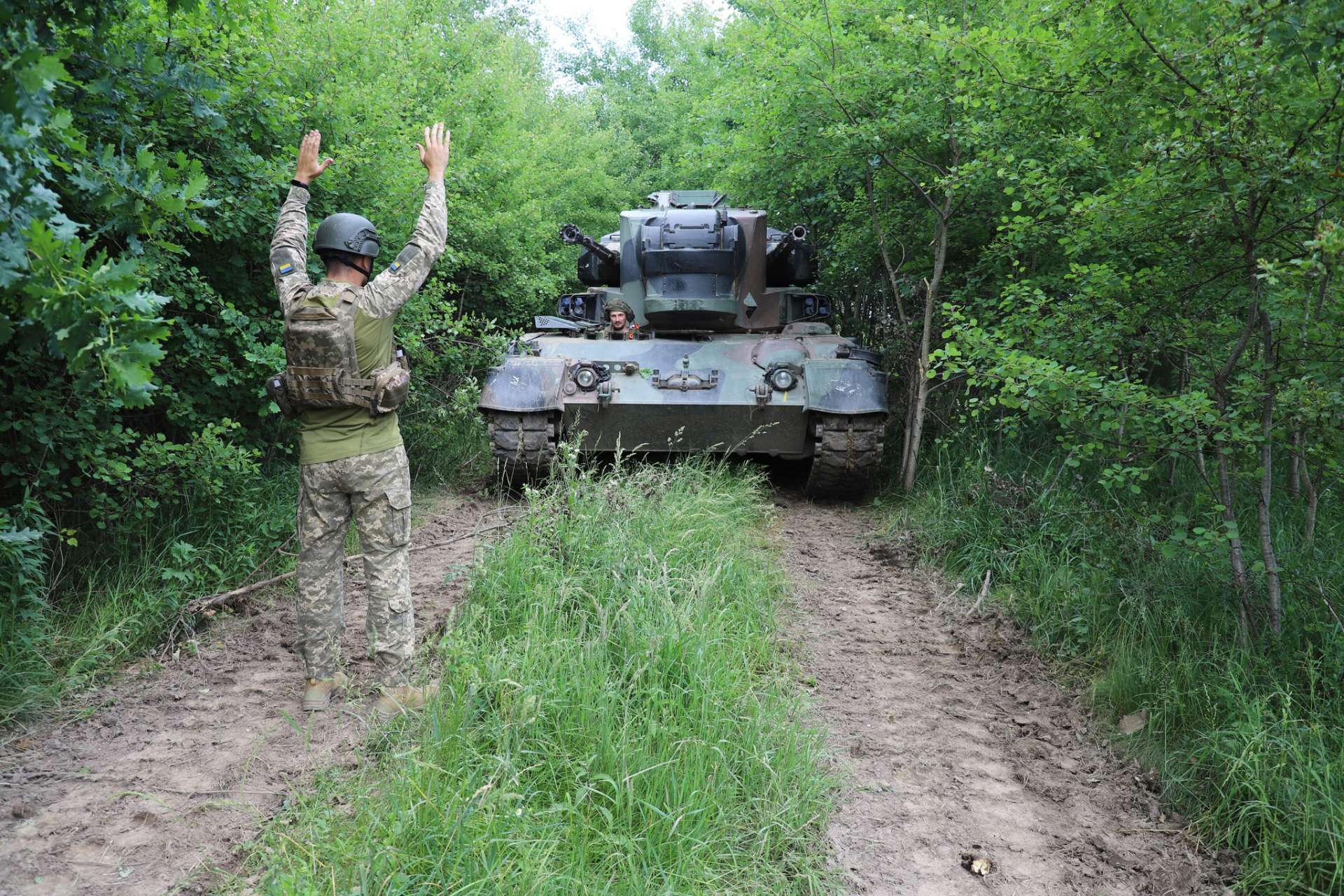
United States provides Gepard Cheetah air defense systems (Pictures source: Ukraine MoD)
Read more: Ukraine Receives First US-Purchased Jordanian Gepard Cheetah Anti-Aircraft Guns
- Details
- Written by: Vandenbosch
- Category: 2024
- Hits: 6243
Breaking news
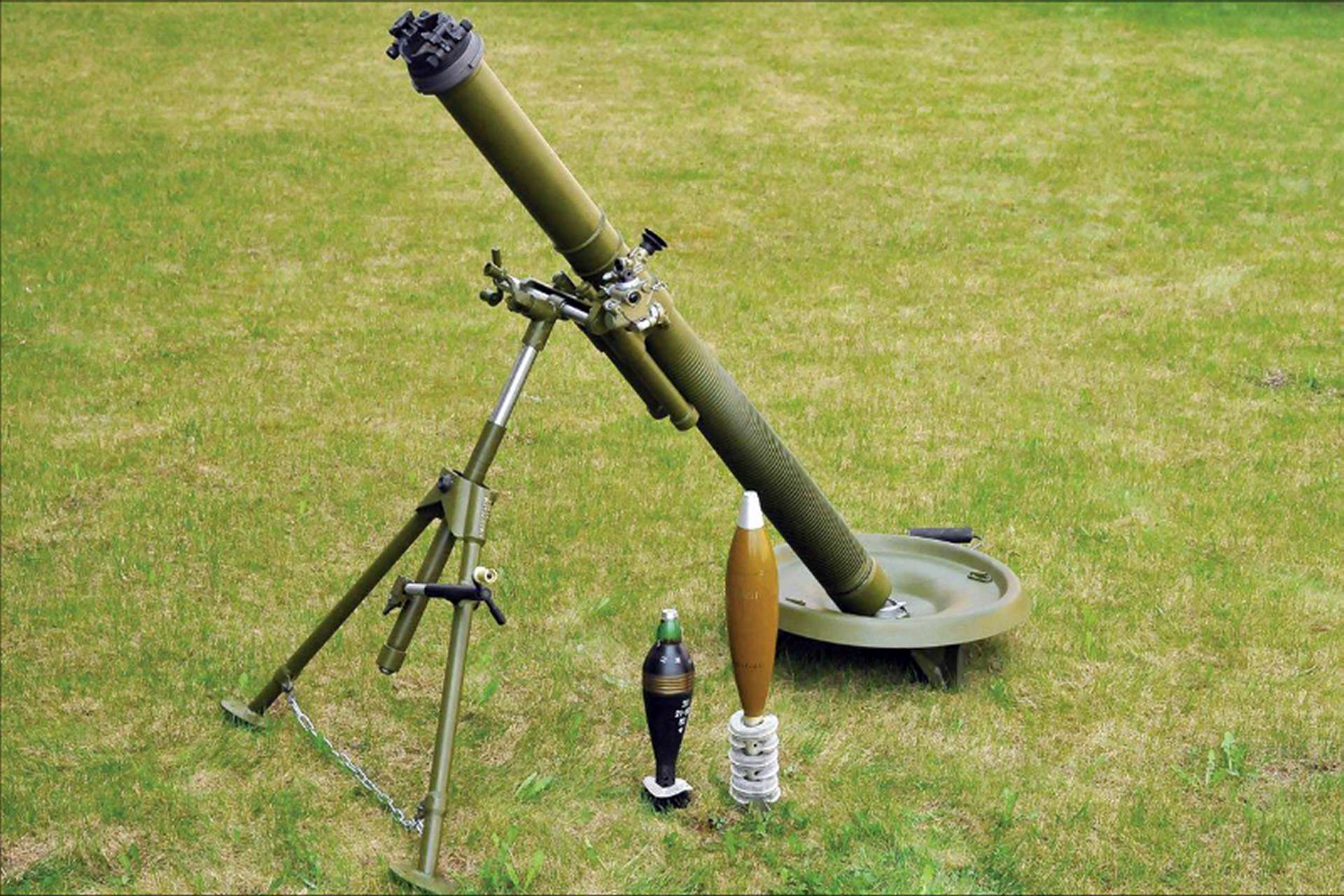
The Russian state corporation Rostec has announced the delivery of a new batch of 2B24 82mm light mortars to the Russian Armed Forces. Known for their simple, functional design and lightweight, these mortars are well-suited for infantry units, including mountain infantry.
Follow Army Recognition on Google News at this link
The 2B24 is a Russian 82mm mortar designed to engage enemy forces and their firepower. (Picture source: Rostec)
The design of the 2B24 mortars incorporates modern materials, significantly reducing their weight. This allows a small team to transport both the mortar and its ammunition without the need for additional vehicles. Consequently, non-motorized infantry units can effectively use these mortars in challenging terrains such as forests and mountains. Notably, the 2B24 can be deployed in just 30 seconds, ensuring rapid readiness.
"Despite its simplicity, the 2B24 mortar is a highly effective antipersonnel, anti-shelter, and anti-armor weapon. It features a rotator that allows it to fire from any type of soil. The efficiency of the mortar is further enhanced when used in conjunction with modern guidance and live recording systems, such as drones," said Bekhan Ozdoev, Industrial Director of the Conventional Weapons and Special Chemicals Cluster at Rostec.
We can assume that these mortars will be sent to the Russian armed forces present in Ukraine.
The 2B24 is an 82mm mortar designed to engage enemy forces and their firepower. This mortar stands out due to its capability to perform its firing missions effectively and swiftly, thanks to the increased power of its bomb, high rate of fire, low weight, and the possibility for quick disassembly.
With an operational weight, including sight and double-loading prevention mechanism, of 45 kg ± 4%, it can be handled by a crew of five. Its firing range varies from a minimum of 100 meters to a maximum of 6000 meters, using a 3-0-26 type bomb. The 2B24 can achieve a firing rate of at least 20 rounds per minute.
In terms of mobility and flexibility, the mortar offers a bipod traverse range of ± 4 degrees and allows for a 360-degree movement by repositioning the bipod. The elevation range of the barrel is between 45 and 85 degrees. The transition from traveling to firing position, and vice versa, is accomplished in less than 30 seconds, ensuring high responsiveness on the field.
The 2B24 is a valuable tool for infantry units, providing mobile and adaptable firepower in various combat conditions. Rostec's product range includes other fire systems and ammunition, such as the Msta-S and Malva self-propelled guns, the Drok self-propelled mortar, and the 2B11 towed mortar.
Read more: Russia Deploys New Batch of 2B24 Light Mortars in Ukraine
- Details
- Written by: Halna du Fretay
- Category: 2024
- Hits: 2621
Breaking news
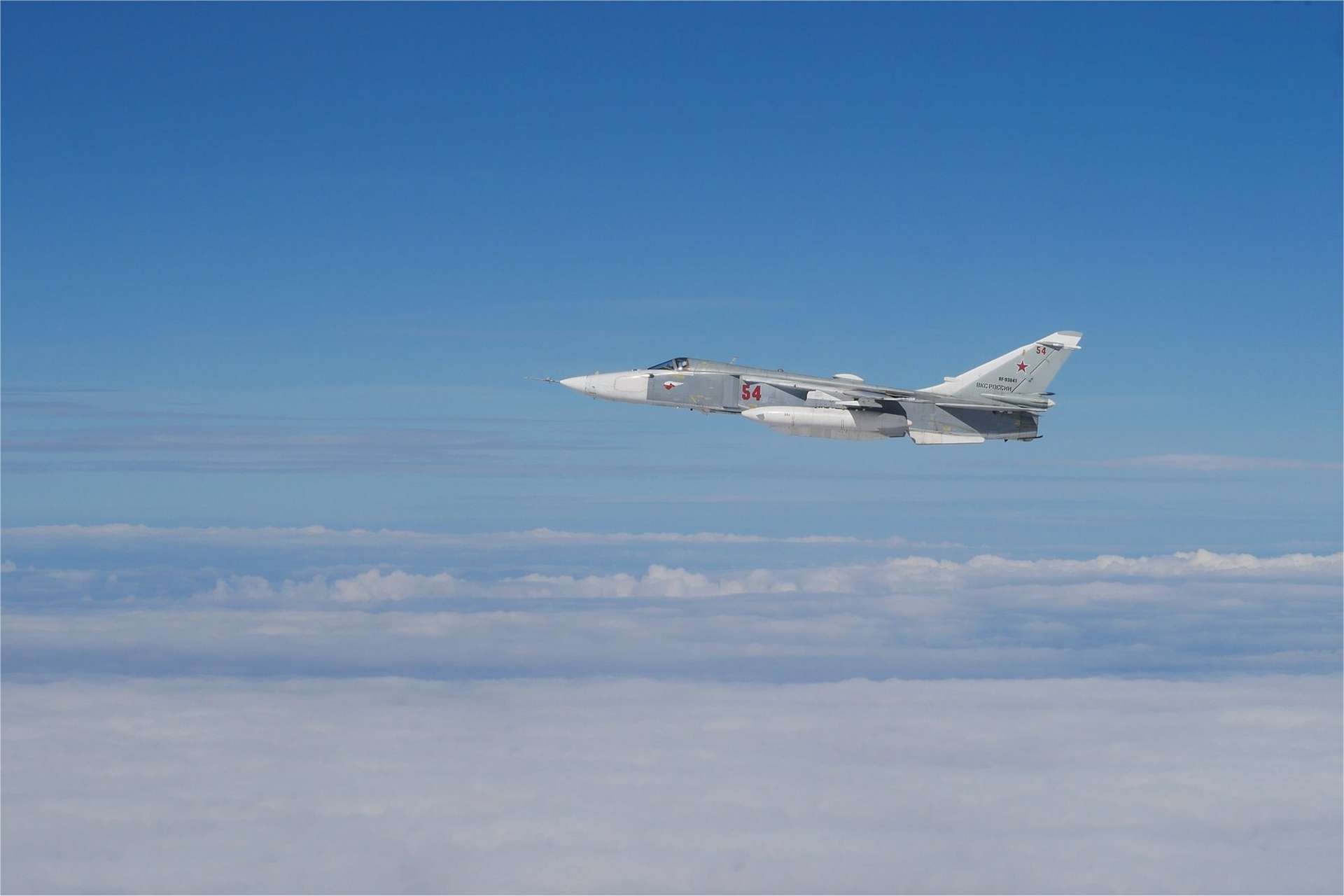
On June 1, 2024, German Air Force Eurofighter Typhoons intercepted a Russian Su-24MR tactical reconnaissance aircraft near Latvian territorial waters. Team Luftwaffe reported the incident and shared photos on social media. The Russian aircraft, identified as a Su-24MR, a specialized reconnaissance variant of the Su-24 tactical bomber, was operating without a flight plan or radio communication, typical for such missions but raising airspace security concerns.
Follow Army Recognition on Google News at this link
The interception occurred from Lielvārde Air Base in Latvia, where German forces are stationed as part of NATO's Baltic Air Policing mission (Picture source: Team Luftwaffe on X)
The Su-24MR, introduced in the mid-1980s following the entry into service of the original Su-24 in 1974, is designed for all-weather, day-night operations. It meets the need for a dedicated reconnaissance platform, capable of high-speed, low-altitude flight to evade enemy defenses. Equipped with sophisticated electronic intelligence systems, including side-looking airborne radar (SLAR) and other sensors, the Su-24MR gathers a wide range of tactical data from the battlefield. Unlike its bomber counterpart, it carries cameras, infrared, and electronic reconnaissance equipment instead of an extensive arsenal, making it highly effective for intelligence-gathering missions behind enemy lines.
The interception occurred from Lielvārde Air Base in Latvia, where German forces are stationed as part of NATO's Baltic Air Policing mission. Operational since 2004, this mission is crucial for maintaining the security of the airspace over the Baltic states—Estonia, Latvia, and Lithuania—which lack full capabilities to monitor their skies. Germany has been an active participant since 2005, demonstrating ongoing commitment to NATO and the security of its eastern allies.
This incident takes place against a backdrop of increased NATO aerial surveillance over the Baltic states following Russia's annexation of Crimea in 2014. The enhanced military presence aims to deter potential aggression and reassure NATO's eastern members. German forces, along with other NATO members, regularly contribute to the Reinforced Air Policing of Baltic States, providing jets and support personnel for several months each year.
Such interceptions are not isolated; NATO forces frequently intercept Russian military aircraft near Baltic airspace, often identifying aircraft flying without transponders and failing to communicate with air traffic control. These interceptions are standard international procedure, intended to prevent incidents that could escalate into larger conflicts.
As tensions continue in the region, especially following Russian activities in Ukraine, NATO remains vigilant in monitoring Russian military operations near its borders. These interceptions underscore the ongoing complexities in Russian-Western relations and the crucial role of NATO air policing in maintaining regional stability.
Read more: German Eurofighters Intercept Russian Spy Aircraft Near Latvian Waters