
- Details
- Written by: Administrator
- Category: 2024
- Hits: 8536




Breaking news






Paris, France, June 7, 2024 - Under the auspices of the French Ministry of the Armed Forces, Thales has announced the signing of a new contract with the Ukrainian Ministry of Defence for the delivery of a second complete Thales Air Defence system. This acquisition aims to bolster Ukraine's defensive capabilities in the face of ongoing threats.
Follow Army Recognition on Google News at this link
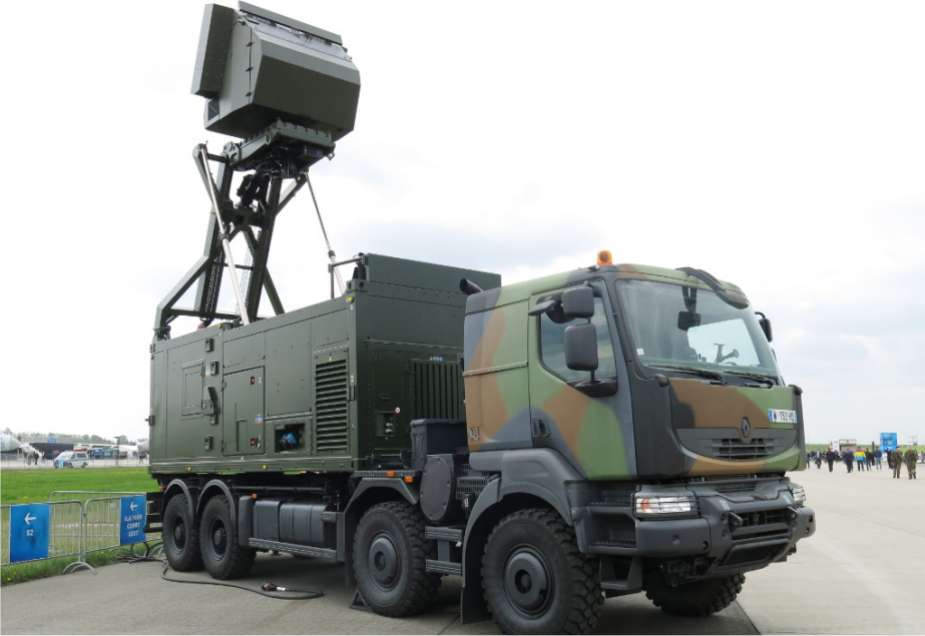
The Thales CM200 is an Advanced air defense system integrating radar, command-and-control, and weapon allocation for comprehensive aerial threat protection. (Picture source: Wikimedia)
The newly contracted short-range air defence system includes several state-of-the-art components: the ControlMaster 200 (CM200) integrated with a Ground Master 200 air surveillance radar, a sophisticated radio communications network, the ControlView Air Defence command-and-control centre, and portable weapon allocation terminals.
As Europe's leading integrator of air defence systems, Thales continues to advance technologies that offer comprehensive protection against various aerial threats. Their systems span the entire decision-making chain, from the initial detection and identification of threats to their neutralisation, ensuring robust defence across all levels of airspace.
Following the successful deployment and proven battlefield efficiency of the first air defence system supplied in 2023, the Ukrainian Ministry of Defence has acquired a second system. This decision underscores the reliability and effectiveness of Thales’ technologies in real combat scenarios.
The CM200 is designed to detect and track targets at various altitudes in diverse environments, coordinating air defence weapons for Very Short Range Air Defence (VSHORAD) to Extended Short Range Air Defence (E-SHORAD). The Ground Master 200 radar component enhances situational awareness by establishing and maintaining target tracks more efficiently. This rapid tracking capability provides critical time for the ControlView system to assess threats and allocate appropriate firing units through its weapon terminals.
Ensuring the safety of both civilians and military personnel, the CM200 system offers early and reliable threat detection, whether threats emerge from the sea, air, or land. With this advanced air defence system, Ukraine is better equipped to manage and neutralise potential aerial threats, enhancing overall national security.
French Company Thales remains committed to supporting Ukraine’s defence needs with cutting-edge technology, contributing to the stability and security of the region.
Read more: Thales From France Delivers Second CM200 Air Defence System to Ukraine
- Details
- Written by: Administrator
- Category: 2024
- Hits: 7713
Breaking news
Bucharest, Romania – June 7, 2024 – South Korean company Hyundai Rotem recently unveiled its first live demonstration of K2 tanks in Romania. Romania has negotiated with the South Korean defense company to acquire the advanced K2 Black Panther Main Battle Tanks. This initiative, led by the Romanian Directorate General for Armaments, aims to procure approximately 300 new combat tanks to modernize and enhance the effectiveness of Romania's armed forces.
Follow Army Recognition on Google News at this link
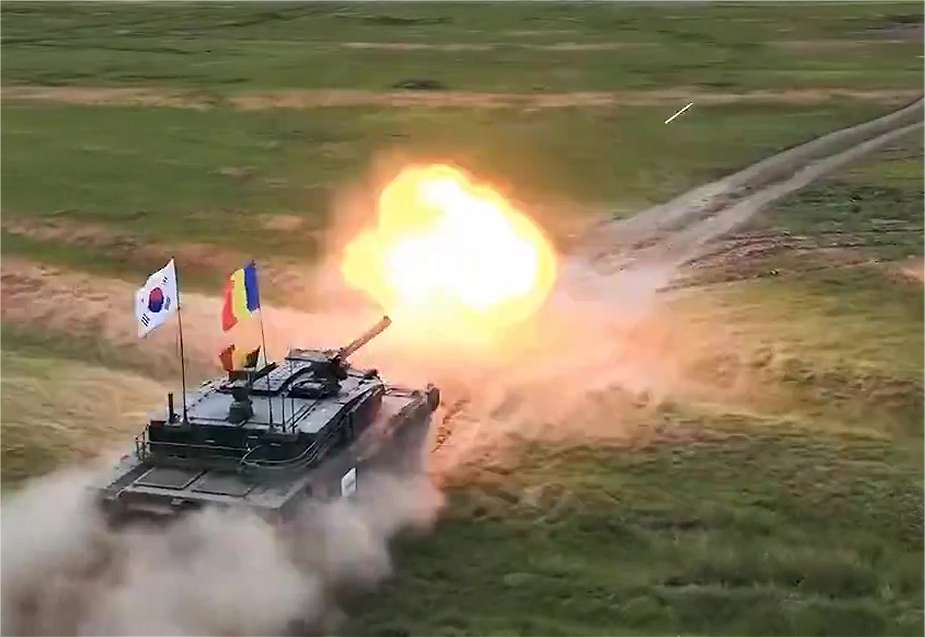
South Korean Company Hyundai Rotem, recently conducted a live firing demonstration with its K2 Black Panther Main Battle Tank in Romania. (Picture source: Hyundai Rotem video)
The discussions began in July 2023 and marked a critical step in Romania's defense strategy. The K2 Black Panther, known for its state-of-the-art technology and superior battlefield performance, was recently demonstrated live in Romania, showcasing its capabilities to Romanian military officials and defense experts.
The K2 Black Panther, developed by South Korean defense company Hyundai Rotem, entered service in 2014. It is primarily used by the Republic of Korea Army. Recently, Poland has also become a user, having signed agreements to acquire the K2 tanks to enhance its own military capabilities. Known for its cutting-edge technology and superior battlefield performance, the K2 features advanced armor protection, a 120mm smoothbore gun, and state-of-the-art fire control systems. Its hydropneumatic suspension allows for excellent maneuverability across various terrains, while its powerful engine ensures high mobility and speed. Additionally, the K2 is equipped with an automatic target tracking system and can fire a variety of munitions, making it one of the most formidable and versatile tanks in the world.
The live demonstration by Hyundai Rotem was a critical event, allowing Romanian officials to observe the advanced features of the K2 tanks in action. These features include advanced armor, superior firepower, and cutting-edge mobility, which collectively represent a significant leap in military technology for Romania.
The potential deal with Hyundai Rotem is seen as a pivotal moment for Romania's defense industry, potentially leading to increased collaboration and further modernization projects. As negotiations continue, the Romanian government remains committed to strengthening its national defense and ensuring the armed forces are equipped with the best available technology.
This move aims to replace the country's aging fleet of 377 tanks, which includes older models like the T-55AM and TR-85. The K2 tanks, known for their advanced technology and superior battlefield performance, will significantly enhance Romania's combat readiness and strategic capabilities, ensuring the armed forces are equipped with state-of-the-art equipment.
The modernization plan is part of a broader strategy to enhance Romania's defense capabilities amid evolving regional security challenges. With the acquisition of the K2 Black Panther tanks, Romania is poised to make a substantial investment in its future military readiness, ensuring it remains a formidable force within NATO and on the global stage.
The Romanian military currently operates a fleet of 377 Main Battle Tanks, including 220 T-55AM, 103 TR-85, and 54 TR-85 M1 units. While these models have served reliably, they represent older technology that Romania is eager to upgrade. The acquisition of K2 Black Panther tanks aims to replace this aging equipment and significantly boost the combat readiness and strategic capabilities of Romania's ground forces.
The current tank fleet of the Romanian army primarily consists of TR-85M1 and T-55AM units. The TR-85M1, an upgraded version of the original TR-85, has been in service since the 1990s. Despite undergoing some modernization, it still falls short in terms of firepower, mobility, and survivability compared to other NATO main battle tanks. Romania plans further upgrades for the TR-85M1 to address these issues, including enhanced situational awareness, new fire suppression systems, and improved gun stabilization systems.
In addition to the TR-85M1, Romania also operates old Soviet-made T-55AM, a modernized version of the Soviet-era T-55. However, this tank is considered outdated and is being gradually phased out.
Read more: Hyundai Rotem from South Korea Demonstrates K2 Tank in Romania Amid Procurement Talks
- Details
- Written by: Halna du Fretay
- Category: 2024
- Hits: 5182
Breaking news
In a recent statement to Bloomberg on June 3, 2024, Norway's Chief of Defense, Eirik Kristoffersen, warned that NATO has a narrow window of two to three years to prepare before Russia could potentially restore its capability to launch a conventional attack. This timeframe is considered shorter than previous estimates by some Western officials, as NATO members discuss Russia’s ramping up of military capacities and its ability to regenerate forces while engaged in a full-scale war with Ukraine.
Follow Army Recognition on Google News at this link
Norway plans to achieve its defense spending target within the alliance 2% of its Gross Domestic Product by 2024, with an expectation to reach 2.7% by 2030 (Picture source: Norwegian Armed Forces)
According to General Kristoffersen, ongoing industrial activities in Russia could enable the country to regain its full military strength more quickly than the previously estimated ten years. He emphasized the need for the upcoming years to be used to strengthen NATO forces and replenish their stocks, while continuing to support Ukraine.
Norway, a NATO member since 1949, has not observed any significant changes in Russia’s military “posture” at its border over the past year, including its nuclear forces and Northern Fleet, though Russia’s land forces on the Kola Peninsula have been "decimated" after suffering heavy losses in Ukraine. The Norwegian parliament is yet to approve a plan aimed at nearly doubling defense spending over the next 12 years to adjust to threats from its neighbor, focusing on naval and air defense capabilities.
Since the onset of the conflict in Ukraine, the competition in the defense industry development between Russia and NATO member countries has intensified. Despite economic challenges exacerbated by international sanctions, Russia maintains a relatively robust defense industrial base, which allows it to continue meeting its military needs.
However, this capability is partly supported by its strategic alliances with countries such as China and North Korea, which provide essential material and technological support. This support is crucial to overcome some technological and production gaps that Russia faces due to international restrictions.
Conversely, NATO member countries appear to be struggling to keep pace with the development and modernization of their own defense industrial base. Although technologically advanced, many of these countries lag in production capacity and the ability to quickly adapt to the new demands of modern warfare.
This situation is highlighted by the Norwegian defense chief’s statement, which stresses a "two-year window" needed to strengthen and modernize NATO forces. This period is seen as critical to developing and deploy adequate defense capabilities in response to Russia whose industrial capacities, although constrained, remain operational and are supported by external strategic alliances.
Norway plans to achieve its defense spending target within the alliance—2% of its Gross Domestic Product—by 2024, with an expectation to reach 2.7% by 2030. NATO members have agreed on a spending goal of more than 2%. Kristoffersen expressed satisfaction with the long-term spending, but the Norwegian military faces several bottlenecks in implementing it, such as maintaining personnel, particularly as many defense investments are in areas where demographics show people moving away. Other issues include a lack of production capacity and a procurement system that is not designed for rapid decision-making.
The Norwegian defense forces have been on "high" alert since the fall of 2022, when Russian authorities intensified their nuclear rhetoric and explosions damaged the Nord Stream pipeline. Kristoffersen noted an increased threat from subversion, disinformation, and intelligence—these are all non-kinetic threats for which they have heightened readiness.
For Norway, this means more patrolling, increased surveillance, and greater focus on closing security gaps and cyber systems. Kristoffersen explained that Norway’s response has been vigilant oversight of all activities in its neighborhood to ensure greater resilience against sabotage.
Read more: Norwegian Military Chief Warns: NATO Has Two Years to Prepare for Russian Threat

- Details
- Written by: Triffaux
- Category: 2024
- Hits: 18204
Breaking news
Despite joint Franco-German efforts to advance the Future Main Battle Tank (MGCS) project, Germany is actively working on an alternative that could challenge the bilateral cooperation in this field. The Leopard 2AX, an improved version of the Leopard 2A8 battle tank, is being developed by the German defense industry at the express request of the Bundeswehr.
Follow Army Recognition on Google News at this link
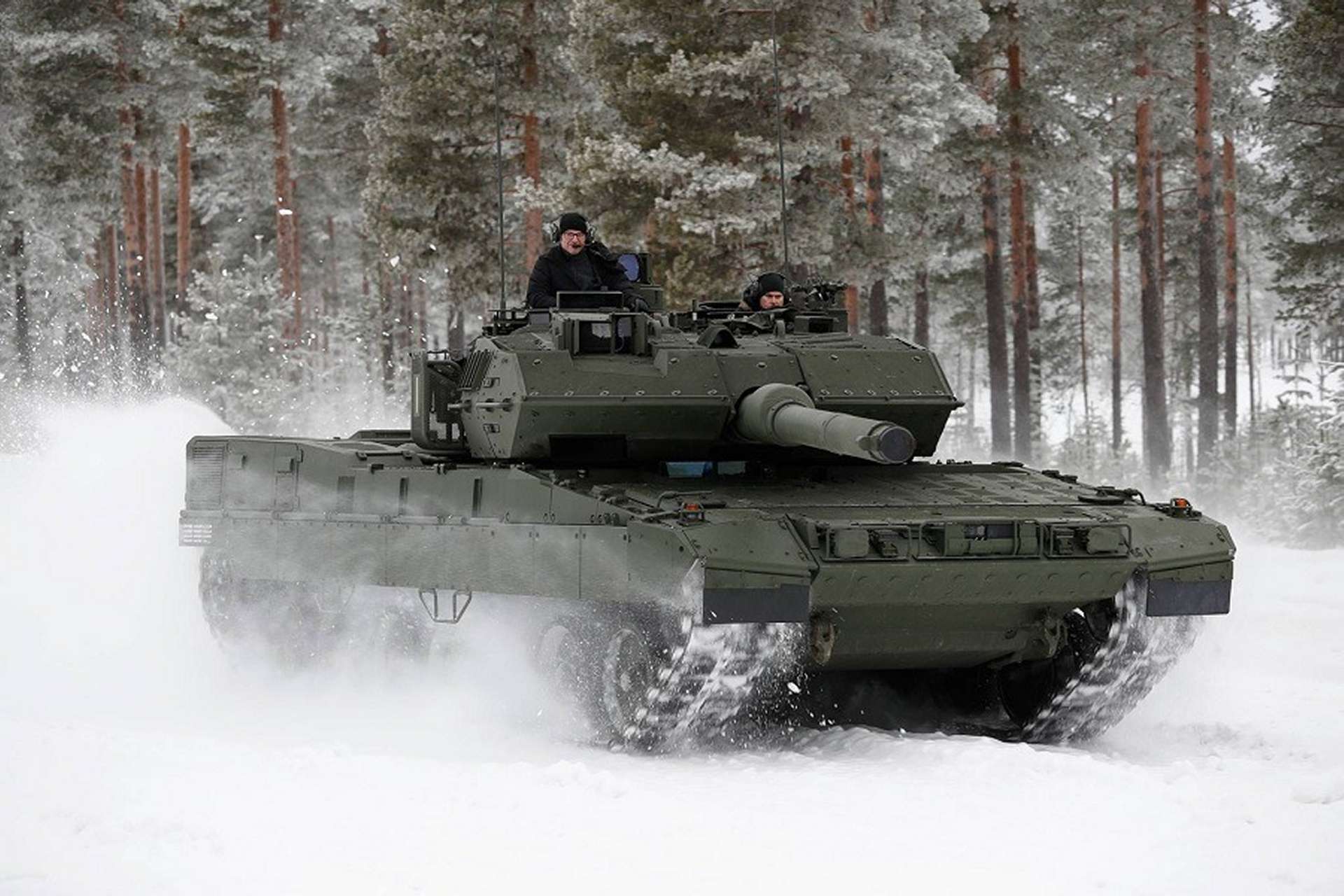
KNDS Leopard 2A7+ Main Battle Tank (Picture source: KNDS)
This project, which was shrouded in mystery until recently, is designed to serve as an interim battle tank between the already in-service Leopard 2A8 and the future MGCS. More alarmingly, this development also serves as a Plan B for Germany in case of failure of the Franco-German program, or even as a lever in future negotiations, thus confronting France with a fait accompli regarding the crucial decisions that remain to be made.
The recent progress announced in the MGCS program, supposed to mark an effective relaunch of this Franco-German initiative, could be overshadowed by this unilateral move by Germany. While Paris and Berlin had promised close collaboration to develop the next generation of European main battle tanks, the German approach could indicate a lack of confidence in the rapid materialization of the MGCS, or a desire to maintain strategic autonomy in the manufacture of its military equipment.
The Leopard 2AX is not just a response to a potential failure of the MGCS, but also represents a perhaps more pragmatic German view of risk management in such a complex and costly project. This development raises significant questions about the future of European military cooperation and the long-term viability of the Franco-German defense partnership.
The implications of this German Plan B could be significant, not only for the balance of power within the European Union but also for the dynamics of the European defense industry, often torn between cooperation and national competition.
As a reminder, the MGCS (Main Ground Combat System) program is a Franco-German initiative aimed at developing a new generation main battle tank to replace the currently in-service Leopard 2 and Leclerc tanks. Launched with the intent to strengthen European defense cooperation, the MGCS aims to integrate the latest advancements in armor technology, armament systems, sensors, and electronic warfare. The tank is planned to be highly modular, with enhanced survivability features, increased firepower, and extensive integration of information and communication systems, making the MGCS adaptable to various combat environments and capable of addressing future threats.
As for the future Leopard 2AX, it is envisioned as a substantial improvement over the Leopard 2A8, incorporating technologies and enhancements derived from recent battlefield experiences. This tank is expected to offer better protection with advanced active and passive protection systems, superior firepower with potentially new types of ammunition or an improved armament system, and enhanced capabilities in connectivity and digital command for better interoperability in multinational operations. The Leopard 2AX is designed to provide a technological and capability bridge between the current generations of tanks and the future MGCS, while offering Germany a robust and autonomous option in case of delays or failure of the Franco-German project.
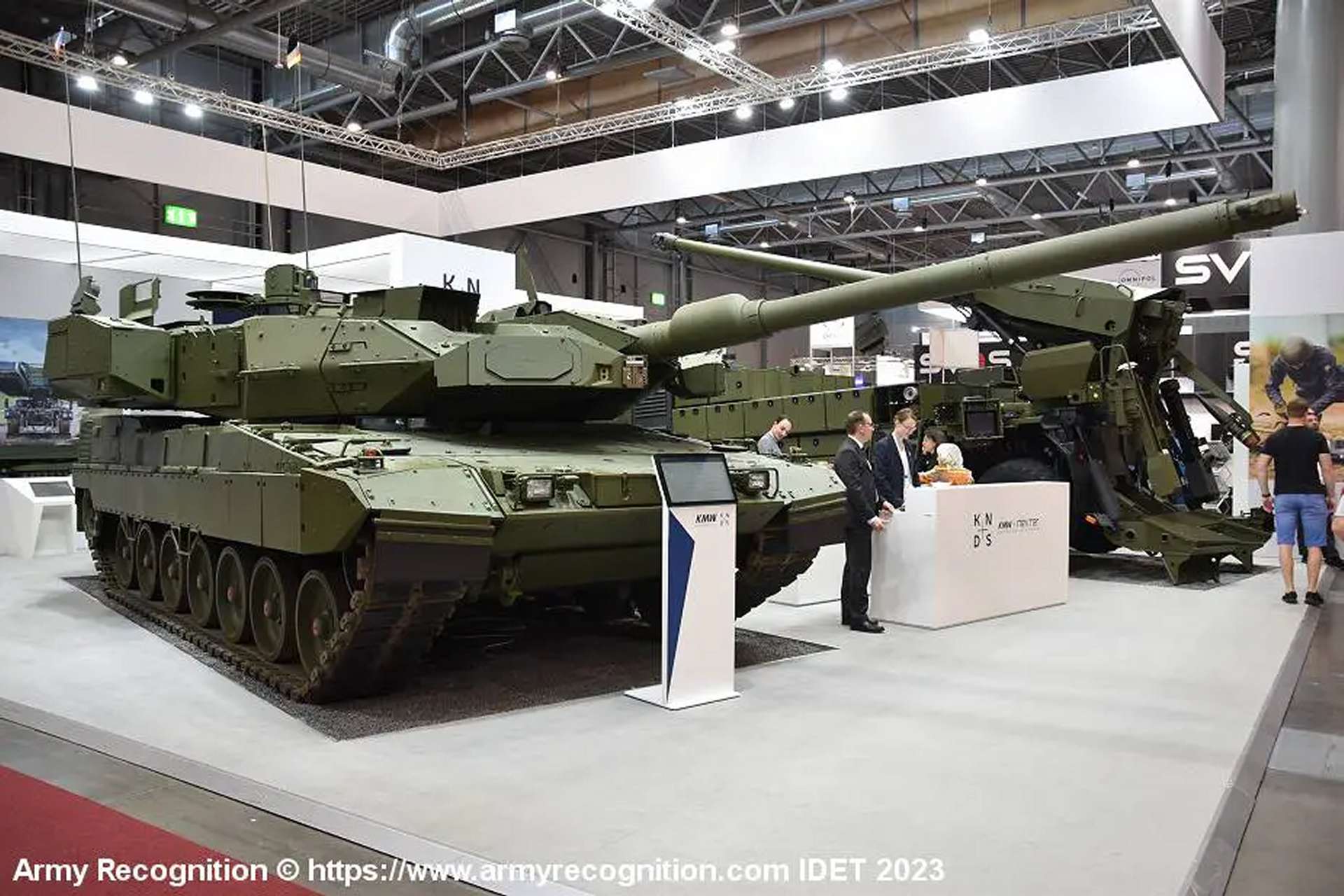
KNDS Leopard 2A8 Main Battle Tank (Picture source: Army Recognition)
- Details
- Written by: Administrator
- Category: 2024
- Hits: 6961
Breaking news
June 7, 2024, Bucharest, Romania – According to information published on June 7, 2024, by the "Romania-Insider" website, Romania is poised to procure 54 K9 self-propelled howitzers from South Korea. The procurement contract, valued at nearly USD 1 billion, marks a substantial investment in Romania's defense infrastructure. According to senior military sources, the deal includes the howitzers and 36 special ammunition carriers, spare pipes, ammunition, and other essential components.
Follow Army Recognition on Google News at this link
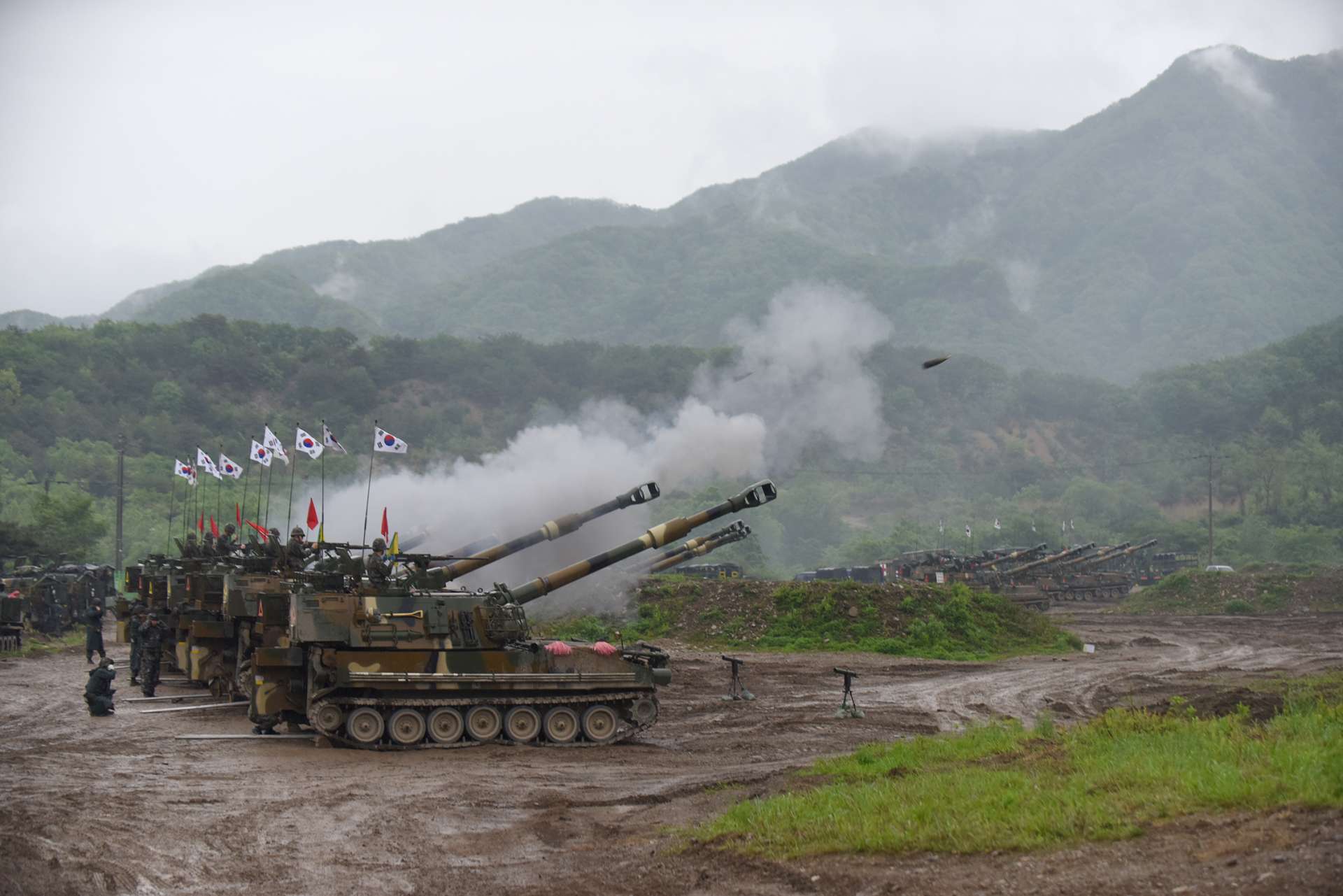
South Korean Soldiers from the 231st Field Artillery Battalion, 26th Mechanized Infantry Division Artillery, conduct live firing exercises with K9 howitzers during a joint artillery exercise with U.S. Soldiers. (Picture source: U.S. DoD)
The K9 self-propelled howitzer, manufactured by Hanwha Aerospace, is renowned for its advanced artillery capabilities and robust performance in various combat scenarios. This acquisition will significantly bolster Romania's artillery strength, enhancing its ability to respond to modern military threats.
South Korean Defense Minister Shin Won-Sik is scheduled to visit Romania next month to discuss further defense cooperation with local government authorities. His primary agenda will be to facilitate the signing of the procurement contract and ensure that the deal progresses smoothly. As stated by Hankyung, the South Korean government aims to finalize the contract within the first half of this year.
Minister Shin's visit underscores the strong defense ties between South Korea and Romania and highlights the strategic importance of this acquisition for both nations. The Romanian authorities, alongside representatives from Hanwha Aerospace, are expected to finalize the terms of the deal during his visit.
South Korea's defense industry has emerged as a global powerhouse in the past decade, driven by significant technological advancements and strategic partnerships. South Korean defense firms have excelled in developing and exporting advanced military equipment, gaining a reputation for reliability and innovation. The K9 Thunder self-propelled howitzer exemplifies this success, having been exported to numerous countries, including Turkey, Poland, Finland, and India. Its proven combat performance and technological superiority have solidified South Korea's position as a leading defense exporter.
The K9 Thunder boasts several technical features that make it a formidable asset on the battlefield. It is equipped with a 155mm/52 caliber gun, capable of firing various ammunition types, including high-explosive, smoke, and precision-guided projectiles. The howitzer can achieve a maximum firing range of up to 40 kilometers with rocket-assisted projectiles. Its advanced autoloader allows for a high rate of fire, delivering up to 6 rounds per minute. The K9 is powered by a 1,000 horsepower engine, providing a top speed of 67 km/h and a range of 480 kilometers. Its advanced fire control system includes automatic gun-laying and real-time data processing, enhancing accuracy and responsiveness in combat situations.
This procurement is part of Romania's broader strategy to modernize its military forces and enhance its defense readiness. The K9 howitzers, with their state-of-the-art technology and proven battlefield performance, will play a critical role in this modernization effort.
The collaboration between Romania and South Korea signifies a growing partnership in defense and technology, setting the stage for further cooperation in the future. This deal not only strengthens Romania's military capabilities but also reinforces the strategic alliance between the two nations.
- Details
- Written by: Halna du Fretay
- Category: 2024
- Hits: 6521
Breaking news
Elbit Systems, an Israeli defense electronics company, has unveiled the Rhino, a new mobile armored command vehicle designed to replace traditional deployed command posts. The Rhino offers a cutting-edge mobile Command and Control (C2) environment supporting integrated combat scenarios at various command levels, from field commanders to higher echelons.
Follow Army Recognition on Google News at this link
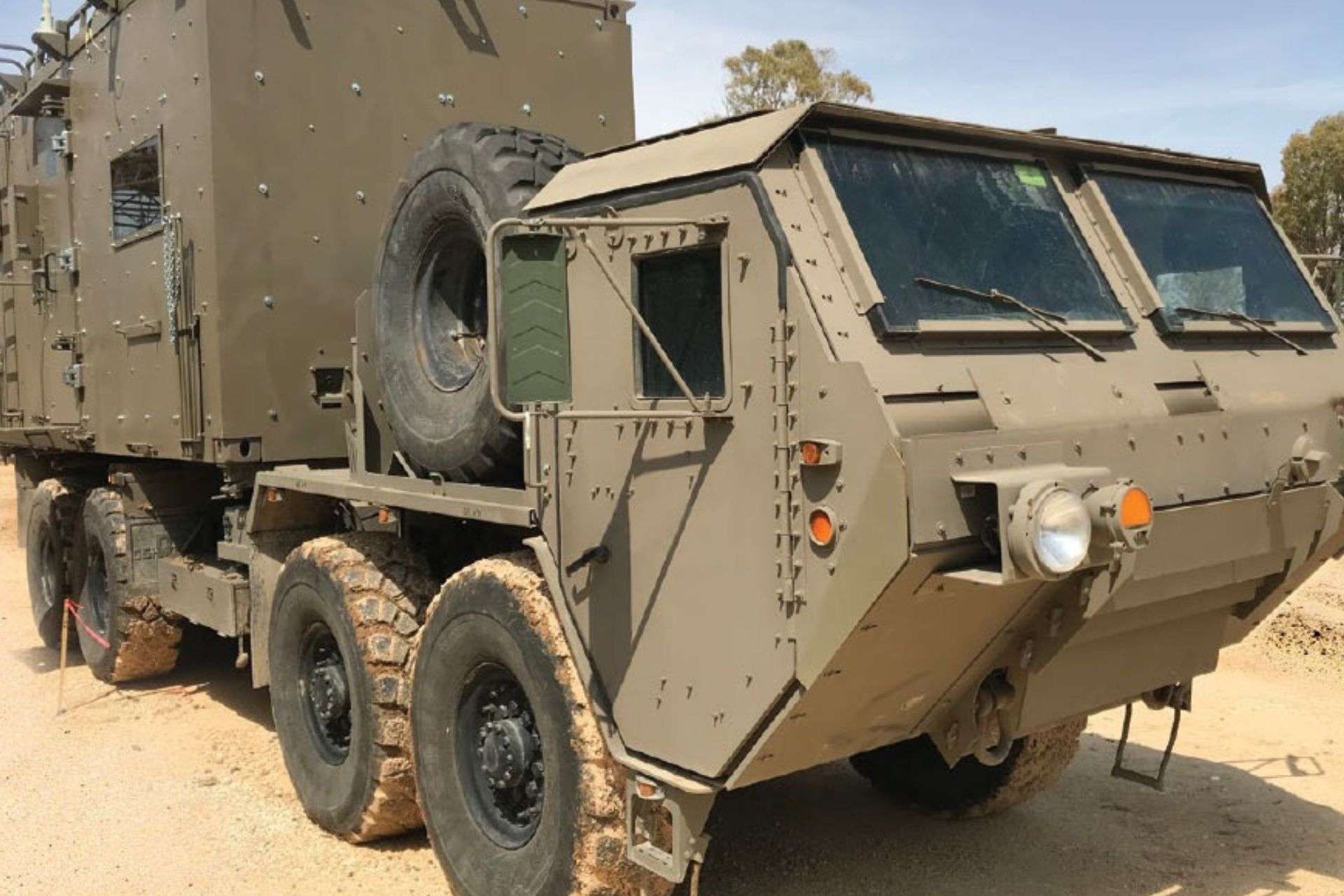
the Rhino can be equipped with armor compliant with STANAG Level 4, providing enhanced protection against missile strikes and other threats (Picture source: Elbit Systems)
Unlike conventional command setups, which rely on tents and basic tactical communications, the Rhino is a fully self-contained and independent platform. It allows commanders to issue real-time directives and adapt swiftly to threats and mission objectives. The Rhino is equipped with C4I workstations, including computers and comprehensive networking solutions, and features both satellite communications (SATCOM) and high-capacity tactical links for continuous video, voice, and data communication with field units and higher command levels. The Rhino can accommodate up to ten personnel and includes two commanders’ posts with space for four technicians.
This vehicle serves as an advanced command shelter capable of connecting with other units, thereby enhancing the network of mobile command options across the battlefield. This integration allows each vehicle to focus on specific tactical needs, whether logistical or combat-oriented, thereby streamlining command and communication processes. George, a spokesperson for Elbit Systems, highlighted the mobility of these command-and-control platforms significantly reduces their vulnerability to enemy ambushes compared to stationary headquarters, which are more prone to attacks.
Additionally, the Rhino can be equipped with armor compliant with STANAG Level 4, providing enhanced protection against missile strikes and other threats. A senior official from Elbit Systems' C4I Division emphasized the importance of robust, field-deployable communication and command platforms for higher levels of tactical command. The Rhino's expandable Command and Control Shelter offers exceptional protection and accommodates nearly 30 workstations equipped with advanced technology essential for managing wartime scenarios.
Elbit Systems' C2 shelters are notable for their rapid deployment capabilities and enhanced durability, offering significant advantages over the simpler tents previously used. The expandable C2 shelter features generator hookups, meeting rooms, war rooms, air conditioning, and NBC (nuclear, biological, and chemical) protection, as well as advanced communication systems that exceed the standards of typical field-deployed equipment.
The Swedish army has recently acquired Elbit Systems’ communication shelters as part of its digital overhaul, underscoring the growing demand for Elbit Systems’ technology within the C4I sector. George stated, "They are in the midst of a digital overhaul, necessitating a stable and powerful tactical communication infrastructure to support battlefield networking."
Read more: Israeli Firm Elbit Systems Unveils Rhino Armored Command Vehicle

- Details
- Written by: Vandenbosch
- Category: 2024
- Hits: 6438
Breaking news
Colonel Tek Sapta Jengkar Pamuji of the Indonesian Air Force, commander of Maintenance Depot (Depohar) 60, officially inaugurated the technical skills training program for the QW-3 and QW-19 missiles during a ceremony held at Iswahjudi Air Base, Magetan, on Wednesday, May 29, 2024. This event marks a strategic step in enhancing the technical capabilities of TNI AU personnel.
Follow Army Recognition on Google News at this link
The Qianwei-19 (QW-19) is the latest member of China’s “Qianwei” missile family. (Picture source: Chinese media)
In his speech, Colonel Tek Sapta Jengkar Pamuji emphasized that the training aims to improve the knowledge and skills of technical personnel in operating the QW-3 and QW-19 missiles. The program is designed to prepare technicians for increasingly complex maintenance challenges with ever-evolving technology, ensuring they are ready to face any situation.
Colonel Pamuji also highlighted the importance of making the most of this opportunity. He reminded participants that the additional knowledge and skills acquired are essential to support future missions. This is a golden opportunity to deepen essential knowledge for daily operations.
The Binterampil program is part of TNI AU’s (Indonesian Air Force) commitment to ensuring its personnel possess the necessary skills and expertise. With a deep understanding of the QW-3 and QW-19 missiles, technicians are expected to contribute to their tasks optimally, maintaining the availability and reliability of TNI AU’s defense equipment, which constitutes the backbone of Indonesia’s air defense.
The Qianwei-19 (QW-19) is the latest member of China’s “Qianwei” missile family. Specially developed to target cruise missiles and low-flying attack helicopters, the QW-19 uses dual-band infrared passive guidance to detect targets' tail flame and other heat sources, thus firmly locking them. This advanced model enhances the Qianwei-18, which itself was an evolution of the Qianwei-1, by increasing its depth capabilities.
The QW-19 boasts strong anti-jamming capabilities thanks to its composite "trigger + laser proximity" fuse and digital information processing technology. This allows the missile to explode upon contact or near the target, which is particularly effective against small targets such as cruise missiles and low-flying helicopters. Given that ultra-low altitude penetration tactics are common in modern warfare, the QW-19 proves crucial for field air defense forces.
Since its first public appearance at the Farnborough Air Show in 1994, the Qianwei series of missiles, especially the QW-19, has garnered significant attention for their interception capabilities, particularly against cruise missiles. These missiles offer a quick response of less than ten seconds, which is ideal for intercepting subsonic cruise missiles and other low-flying targets.
Although the QW-19 is similar in size and weight to the Qianwei-1, it incorporates many advanced technologies, such as a dual-band infrared seeker and anti-jamming technology. These features allow precise target detection and better resistance to interference. Digital electronic components replace older electromechanical analog components, making the missile lighter and improving its performance.
With a range of 500 to 5,000 meters and a maximum shooting altitude of 4,000 meters, the QW-19 is designed to effectively intercept low-flying targets like cruise missiles and armed helicopters. Its initial guidance system, similar to that of fiber-optic guided missiles, significantly enhances the missile's ability to quickly and effectively capture targets.
Read more: Indonesia Enhances Technical Skills with QW-3 and QW-19 Missile Training
- Details
- Written by: Triffaux
- Category: 2024
- Hits: 4855
Breaking news
The Australian Army is set to deploy the "Owl" loitering munition, an advanced electric-powered drone capable of covering nearly 200 kilometers or loitering in the air for 30 minutes with a lethal payload, by the end of this year.
Follow Army Recognition on Google News at this link
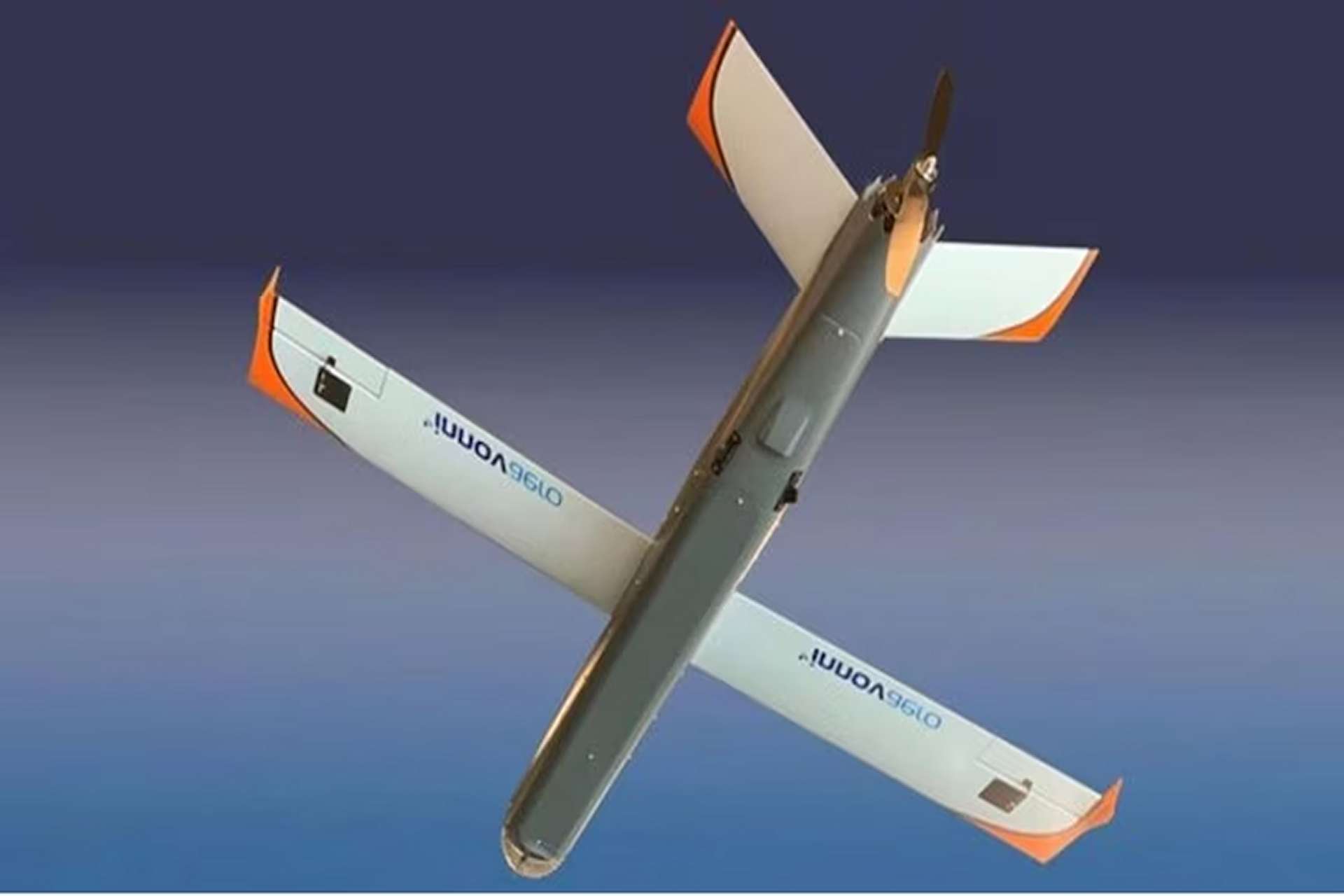
Innovaero Next-Gen "Owl" Loitering Munition (Picture source: Innovaero)
Developed by Western Australia-based Innovaero and its subsidiary Boeing Insitu Pacific, the Owl is currently undergoing testing with an unspecified special operations unit of the Australian Army. This one-way loitering munition (OWL) has been in development since 2022 and is designed to integrate with other drones acquired by the Australian Defence Force (ADF).
A government tender document reveals that Innovaero, partly owned by BAE Systems Australia, has secured over $5.3 million in defense contracts since May 2022 to design, develop, build, and test the device. The increasing importance of armed drones was highlighted by Russia's invasion of Ukraine, prompting criticism from military experts about Australia's urgency in acquiring such lethal technology.
A Defence spokesperson, while refusing to comment specifically on Innovaero's Owl, confirmed to ABC that "the loitering munition capability will be introduced this calendar year." In line with the National Defence Strategy and the Integrated Investment Program, the Defence Department continues to test maritime, land, and air platforms with both Australian and foreign suppliers to ensure the ADF can deploy the latest technologies and maximize its advantage.
The introduction of loitering munitions across most combat units of the Australian Army will be guided by the outcomes of these trials.
While the defense industry is pleased with the progress of Innovaero's Owl, it warns of significant delays in other critical innovation programs due to a lack of funding for advancing contracts. "The services have very little funding, so they cannot finance these small programs and meet the long-term needs of ships and aircraft," said a senior official to ABC, speaking anonymously.
It appears that a decision has been made to prioritize large, expensive, long-term projects—small, inexpensive, and immediate capabilities are not funded, added the industry source.
Read more: Australian Army to Introduce Next-Gen Innovaero Owl Loitering Munition
- Details
- Written by: Halna du Fretay
- Category: 2024
- Hits: 9988
Breaking news
According to the latest capability planning by the Bundeswehr, the German Army is expected to have a total of 13 artillery units at the corps, division, and brigade levels by 2035, as revealed by a response from the Ministry of Defense in early March 2024 to a parliamentary inquiry. However, a presentation on May 22, 2024, at the Future Artillery Conference in Paris indicated that the German Army actually plans to have only ten units. This discrepancy may be explained by the fact that the units mentioned by the ministry include Dutch artillery troops, which are deeply integrated into the German Army.
Follow Army Recognition on Google News at this link
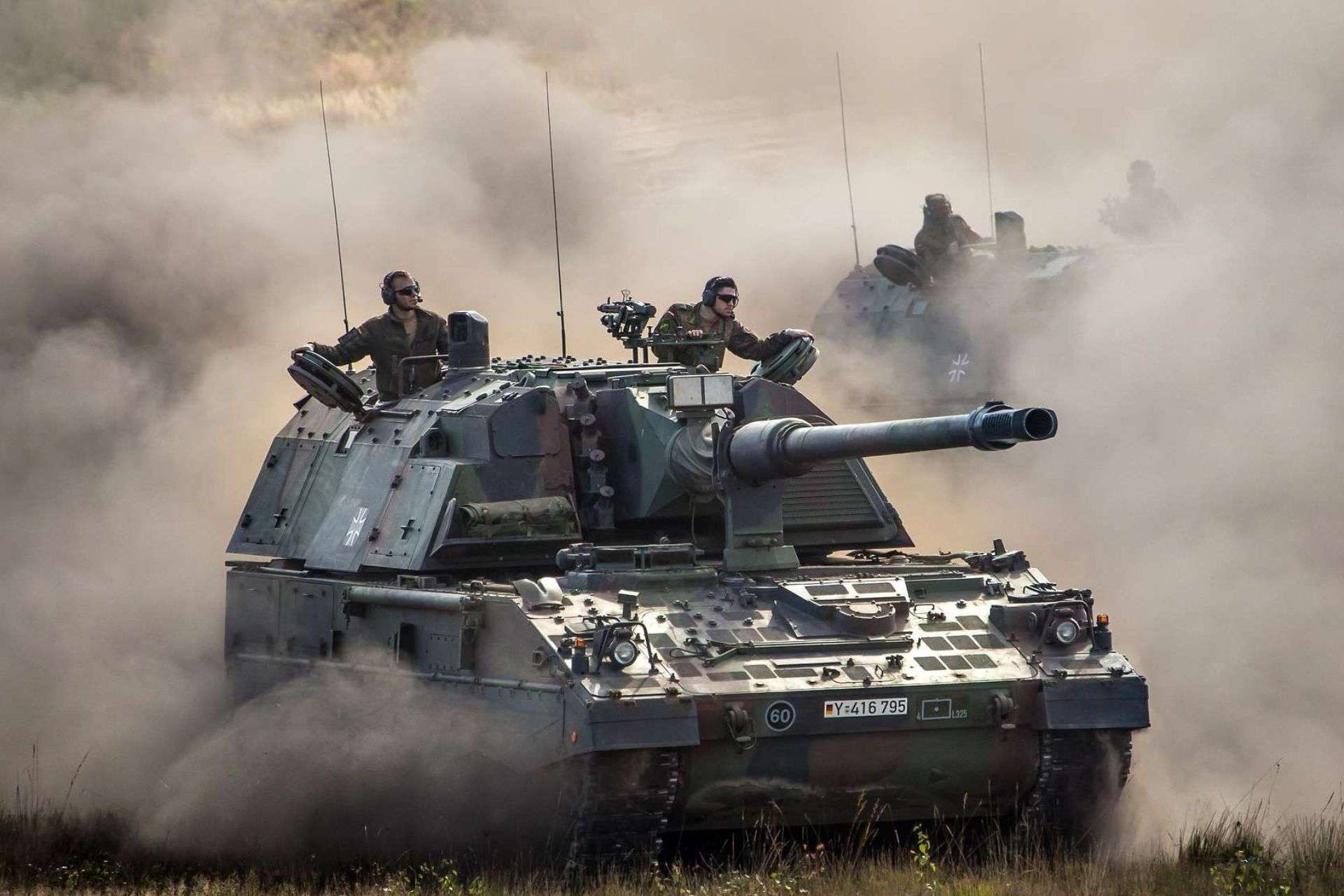
The Panzerhaubitze 2000, commonly known as the PzH 2000, is a highly advanced self-propelled howitzer developed jointly by the German firms Krauss-Maffei Wegmann (KMW) and Rheinmetall (Picture source: Bundeswehr)
The current plan for the Bundeswehr shows that the army will be equipped with one corps artillery battalion (missile artillery), two division artillery battalions (missiles and conventional artillery), as well as four heavy and three medium brigade artillery battalions (all equipped with conventional artillery). These units will play a crucial role in maintaining the operational readiness of the fleet, with personnel expected to be about 6,000 soldiers, which represents a significant increase from the current situation. In terms of armament, the current figures are 121 armored howitzers Panzerhaubitze 2000 and 36 missile artillery systems MARS II, but these numbers will increase to 289 tube artillery systems and 76 missile systems by 2035.
The Panzerhaubitze 2000, commonly known as the PzH 2000, is a highly advanced self-propelled howitzer developed jointly by the German firms Krauss-Maffei Wegmann (KMW) and Rheinmetall. Production of the PzH 2000 started in 1998, and it officially entered service with the German Army in 1999. This artillery system is recognized for its rapid rate of fire, able to dispatch three rounds in nine seconds, and a sustained rate of ten rounds per minute. The PzH 2000 has a maximum firing range of approximately 30 to 40 kilometers, depending on the ammunition used, and features an automated loading system and advanced fire control system, making it one of the most capable howitzers in its class.
The MARS II (Mittleres Artillerie Raketen System) is an upgraded version of the original MARS multiple-launch rocket system, adapted from the MLRS used by NATO. The MARS II system was introduced into the German Army to provide a more precise and longer-range capability than its predecessor. Equipped with GPS-guided rockets, it significantly enhances the accuracy of strikes. The system can launch rockets that reach targets up to 70 kilometers away, providing substantial fire support with its ability to saturate areas quickly.
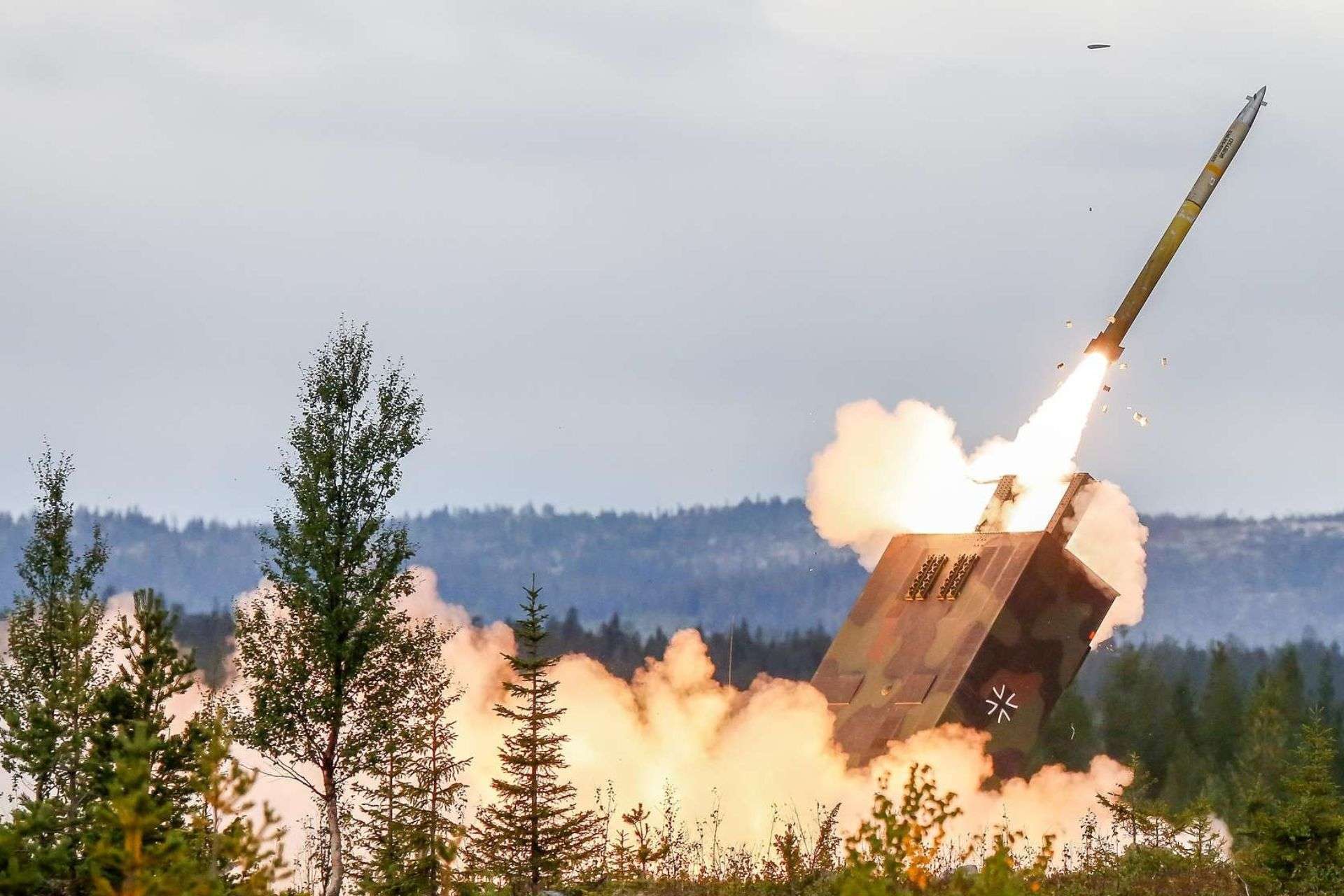
The missiles of the MARS II rocket launcher system have a range of up to 84 kilometers. (Picture source: Bundeswehr)
The specific capabilities of the units include a corps artillery battalion equipped with 36 missile systems for long-range operations, capable of reaching targets up to 300 km away. The division artillery battalions will be equipped for operations up to 150 km with a combination of missiles and tube artillery. These divisions will continue to use the Panzerhaubitze 2000 until the new wheeled howitzers are delivered, with a total requirement of 168 systems for the entire army.
As for the brigade artillery units, each will have three active batteries, primarily armed with nine howitzers each, although the medium-range units will use new wheeled howitzers RCH 155 and will not include a fire support battery, unlike the heavy brigades. The latter will continue to use the Panzerhaubitze 2000. The first RCH 155 systems are expected by 2029, although no contract has been signed to date.
The RCH 155 (Remote Controlled Howitzer 155 mm) is a newer development in artillery, featuring a fully automated, wheeled vehicle-mounted howitzer system designed for high mobility and rapid deployment. The RCH 155 is a modern solution intended to bridge the gap between traditional towed artillery and self-propelled howitzers. It is equipped with a fully automated loading system and a modern fire control system that allows it to execute missions with reduced crew requirements. The RCH 155, still in the procurement phase for the German Army as of the late 2020s, represents a shift towards more flexible and mobile artillery systems capable of supporting fast-paced, dynamic operations.
The peacetime personnel strength of these units varies, with about 420 people for the corps artillery battalions and 700 for the divisions, while the brigade battalions will have between 555 and 340 people, depending on the equipment and presence of fire support batteries.
In addition to the German Army's artillery, the mechanized divisions that include Dutch brigades will have additional capabilities. These brigades have their own artillery units that reflect similar structures to the German battalions, with equipment suited to specific ranges and missions.
The Dutch Army is also considering consolidating its missile artillery systems into a single regiment, which would represent the thirteenth group mentioned by the German Ministry of Defense. This would align Dutch forces with the planned expanded capabilities, including 46 howitzers and 20 PULS missile systems.
Read more: Insights into the Future Artillery Structure of the German Bundeswehr

- Details
- Written by: Administrator
- Category: 2024
- Hits: 9130
Breaking news
On June 6, 2024, Polish defense industry, WZL-1, a prominent Polish defense company, and Lockheed Martin, a leading American aerospace and defense corporation, announced the inauguration of the Patriot Advanced Capability-3 (PAC-3) Missile Segment Enhancement (MSE) launcher production line at the WZL-1 facility in Poland. This significant milestone marks a pivotal expansion in the global PAC-3 supply chain.
Follow Army Recognition on Google News at this link
The PAC-3 MSE Canister is a key components of the Patriot air defense missile system. (Picture source: Lockheed Martin)
WZL-1, or Wojskowe Zakłady Lotnicze Nr 1 S.A., is a prominent Polish aerospace and defense company specializing in the maintenance, repair, and modernization of military aircraft and aviation systems. Established to support Poland's defense needs, WZL-1 provides comprehensive services for both domestic and international clients, enhancing the operational readiness and longevity of various air defense platforms. The company is known for its advanced technological capabilities, skilled workforce, and strategic partnerships, contributing significantly to Poland's defense industry and broader aerospace sector.
The new production line, located at WZL-1's state-of-the-art facility, will bolster the production capabilities of the PAC-3 MSE, a highly advanced air defense missile system known for its precision and effectiveness in countering a wide range of airborne threats. The collaboration between WZL-1 and Lockheed Martin is poised to enhance Poland's defense capabilities while contributing to the global availability of the PAC-3 MSE system.
This strategic partnership not only reinforces the robust defense relationship between Poland and the United States but also underscores the increasing importance of international cooperation in the defense sector. The production line is expected to create numerous job opportunities and stimulate technological advancements within the Polish defense industry.
In 2018, Poland signed a deal worth approximately $4.75 billion with the United States to acquire the Patriot Advanced Capability-3 (PAC-3) Missile Segment Enhancement (MSE) systems. This acquisition is part of Poland's "Wisła" air defense program, aimed at modernizing its military infrastructure and improving its ability to counter airborne threats, including missiles and aircraft. The deal includes the delivery of launchers, radar systems, and associated command and control equipment, along with comprehensive training and logistical support. The integration of the Patriot system is a strategic move to bolster Poland's defense posture within NATO and enhance regional security.
The Patriot Advanced Capability-3 (PAC-3) Missile Segment Enhancement (MSE) is an advanced air defense missile system designed to intercept and destroy a variety of aerial threats, including ballistic missiles, cruise missiles, and aircraft. The PAC-3 MSE features a two-pulse solid rocket motor, providing greater range and altitude compared to previous Patriot missile versions. This enhancement allows the PAC-3 MSE to engage targets at extended distances, offering improved protection for larger areas. The missile's hit-to-kill technology ensures high precision by physically colliding with incoming threats, significantly increasing the likelihood of neutralizing the target before it can cause damage.
Combat capabilities of the PAC-3 MSE include its ability to track and engage multiple targets simultaneously through advanced radar and guidance systems. The system is integrated with the Patriot's ground-based radar and control units, which provide real-time data and targeting information. This integration enables rapid response to threats, with the system capable of launching multiple interceptors to counter saturation attacks. The PAC-3 MSE's agility and maneuverability, combined with its high-speed intercept capabilities, make it effective against a broad spectrum of modern threats, enhancing the defensive posture of any nation deploying it. Its deployment contributes significantly to the layered defense strategy, protecting critical infrastructure, military assets, and civilian populations from aerial attacks.
The recent relationship between Poland and the United States in terms of defense industry development has been characterized by close collaboration and strategic partnerships, significantly enhancing Poland's military capabilities. Key initiatives include Poland's acquisition of the Patriot missile defense system and the recent opening of the PAC-3 MSE launcher production line at the WZL-1 facility in collaboration with Lockheed Martin. These developments reflect a deepening defense cooperation, with the U.S. providing advanced technology, training, and support to modernize Poland's defense infrastructure. This partnership not only strengthens Poland's national security but also contributes to the broader defense posture of NATO, reinforcing the alliance's eastern flank.

- Details
- Written by: Vandenbosch
- Category: 2024
- Hits: 12239
Breaking news
The Czech government is set to approve an agreement for the joint acquisition of Leopard 2A8 tanks in the coming weeks, according to Defense Minister Jana Černochová (ODS). Negotiations are ongoing with Germany to purchase 77 tanks. This agreement is a preliminary step towards finalizing the purchase contract, which could be signed by the end of the year. The cost is expected to be similar to that of the CV90 infantry fighting vehicles, for which the Czech Republic paid 59.7 billion CZK for 264 units.
Follow Army Recognition on Google News at this link
The Czech government is set to approve an agreement for the joint acquisition of Leopard 2A8 Main Battle Tanks in the coming weeks. (Picture source: Open Source)
The government tasked Černochová with exploring the possibility of joining the German tender last May. "We have made progress on the Leopard 2A8 main battle tank acquisition project and plan to submit the joint procurement agreement for government approval in the coming weeks," stated Černochová. The agreement could be signed before the government recess, which typically occurs in mid-summer.
According to Černochová, the agreement will officially express the Czech Republic's interest in joining the tender. "This is not the final contract; we aim to finalize that by the end of 2024," she added. If the government approves the agreement, it will pave the way for the Czech Republic to maximize its participation in future industrial cooperation.
The cost of the tanks is expected to be comparable to that of the CV90 infantry fighting vehicles. "When I say it should be roughly the same price as the infantry fighting vehicles, I don't think I'll be wrong," said Černochová. The price will include both the anticipated expenditure for acquiring the tanks and inflationary exchange rate reserves.
Germany has donated 14 Leopard 2A4 tanks and one recovery vehicle to the Czech Republic over the past two years in recognition of its support for Ukraine. In February, Černochová informed the government about the possibility of another similar donation. Germany has also offered the Czech Republic the option to purchase an additional 14 Leopard 2A4 tanks and one recovery vehicle, bringing the total to 42 Leopard 2A4 tanks and three recovery vehicles.
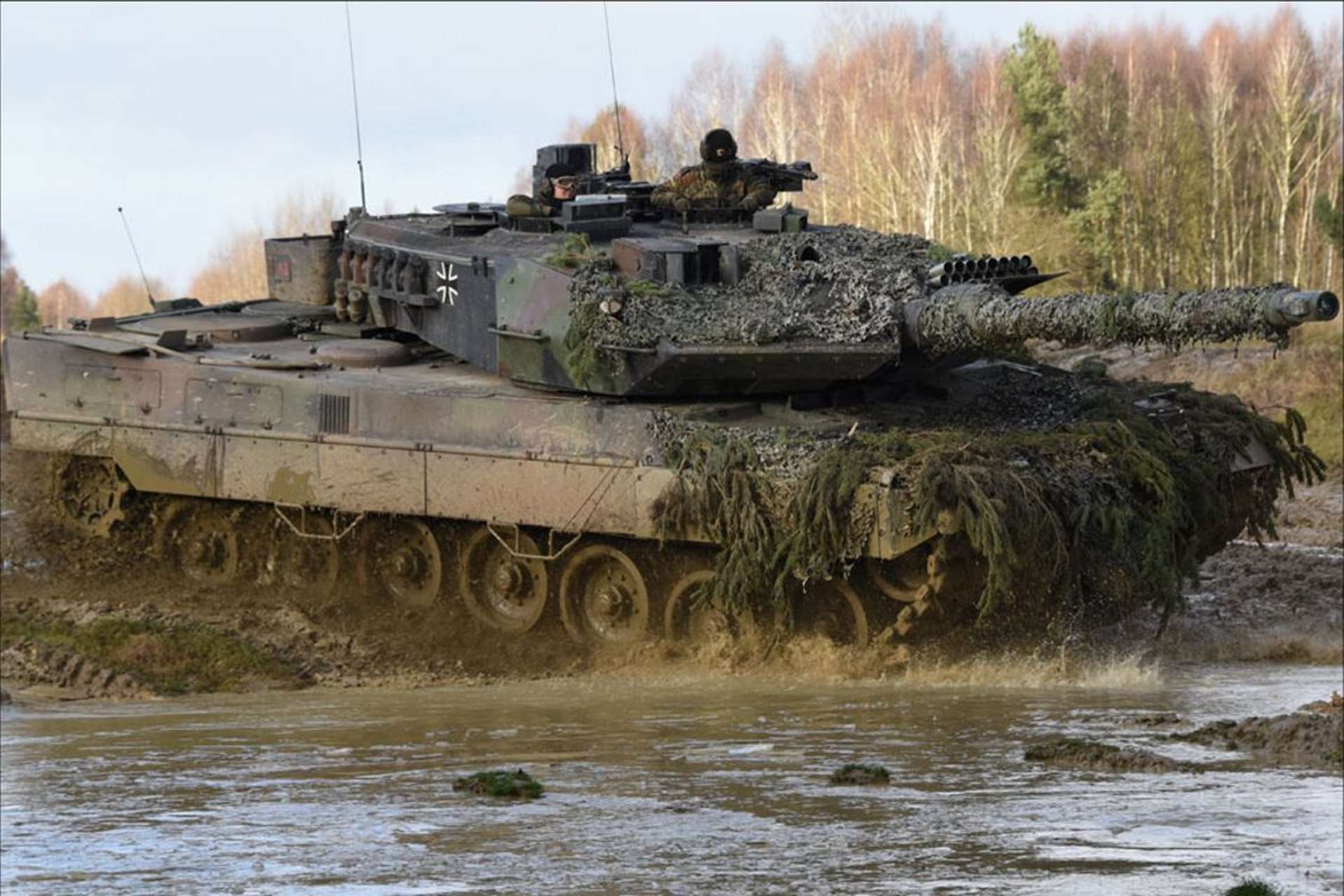
The Leopard 2A8 is a German modern battle tank equipped with powerful armament and advanced protection systems. ( Picture Source: KMW)
The Leopard 2A8 is a modern battle tank equipped with powerful armament and advanced protection systems. It features a 120 mm / L55 smoothbore cannon, a 7.62 mm coaxial machine gun, and a Trophy APS countermeasure launcher, providing significant destructive capability and effective defense against current threats such as anti-tank guided weapons (ATGW) and rocket-propelled grenades (RPG). This tank is used by countries like Germany and the Czech Republic.
Weighing between 65,000 and 67,000 kg, the Leopard 2A8 is a heavy vehicle designed in Germany, capable of reaching speeds of 70 km/h on the road. Its operational range is 450 km, making it effective for extended operations.
The tank is also equipped with various combat systems that enhance its battlefield efficiency. It includes a collective NRBC (nuclear, radiological, biological, and chemical) system, a power pack preheating system, a crew compartment heater, a fire extinguishing system, electric bilge pumps, a thermal imaging system, an auxiliary power unit, and a crew compartment cooling system. Additionally, it is equipped with a panoramic sight for the commander, improving battlefield surveillance and command capabilities.
The Leopard 2A8 can accommodate a crew of four and has impressive dimensions with a length of 7.7 meters, a width of 4.0 meters, and a height of 3.0 meters. These characteristics make it a robust and versatile battle tank, capable of meeting the demands of modern conflicts.
"In the future, our soldiers should have 77 of the new 2A8 tanks and 45 of the 2A4 tanks," stated Černochová. This would give the Czech Republic a total of 122 tanks, including recovery vehicles. Main battle tanks, along with infantry fighting vehicles, constitute a heavy brigade. The Czech Republic had previously committed to NATO to have a heavy brigade ready by 2026, a commitment it will not be able to meet.
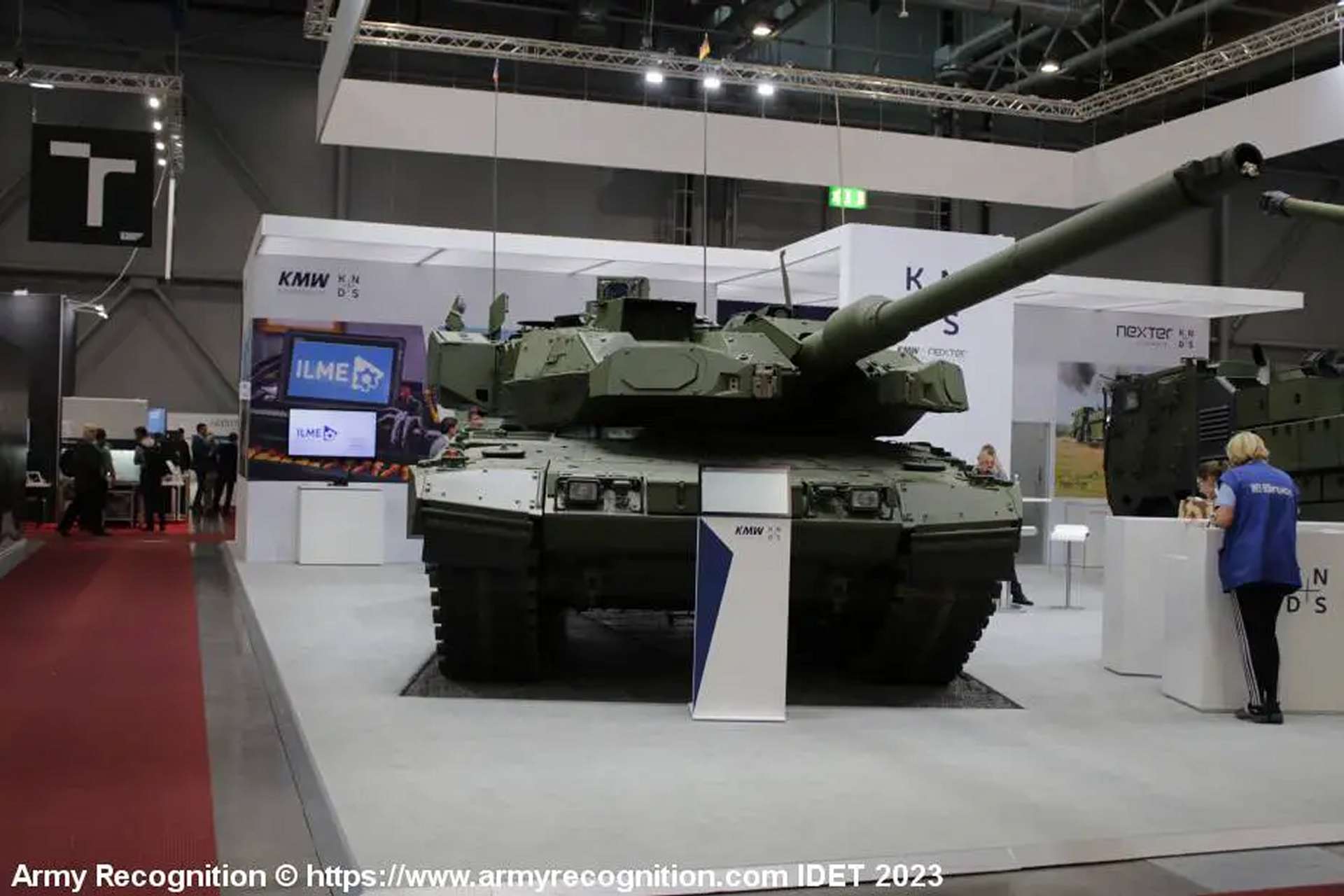
The Leopard 2A8 Main Battle Tank at IDET 2023. ( Picture Source: Army Recognition)
Read more: Czech Republic to Approve Purchase of 77 German Leopard 2A8 Tanks
- Details
- Written by: Triffaux
- Category: 2024
- Hits: 5555
Breaking news
Brazil is considering the acquisition of advanced Centauro II 8x8 armored vehicles, with a contract signing scheduled for the upcoming visit of Italian President Sergio Mattarella in July 2024. Senior Brazilian military officials recently traveled to Italy to review preparations for the delivery and evaluation of these vehicles.
Follow Army Recognition on Google News at this link
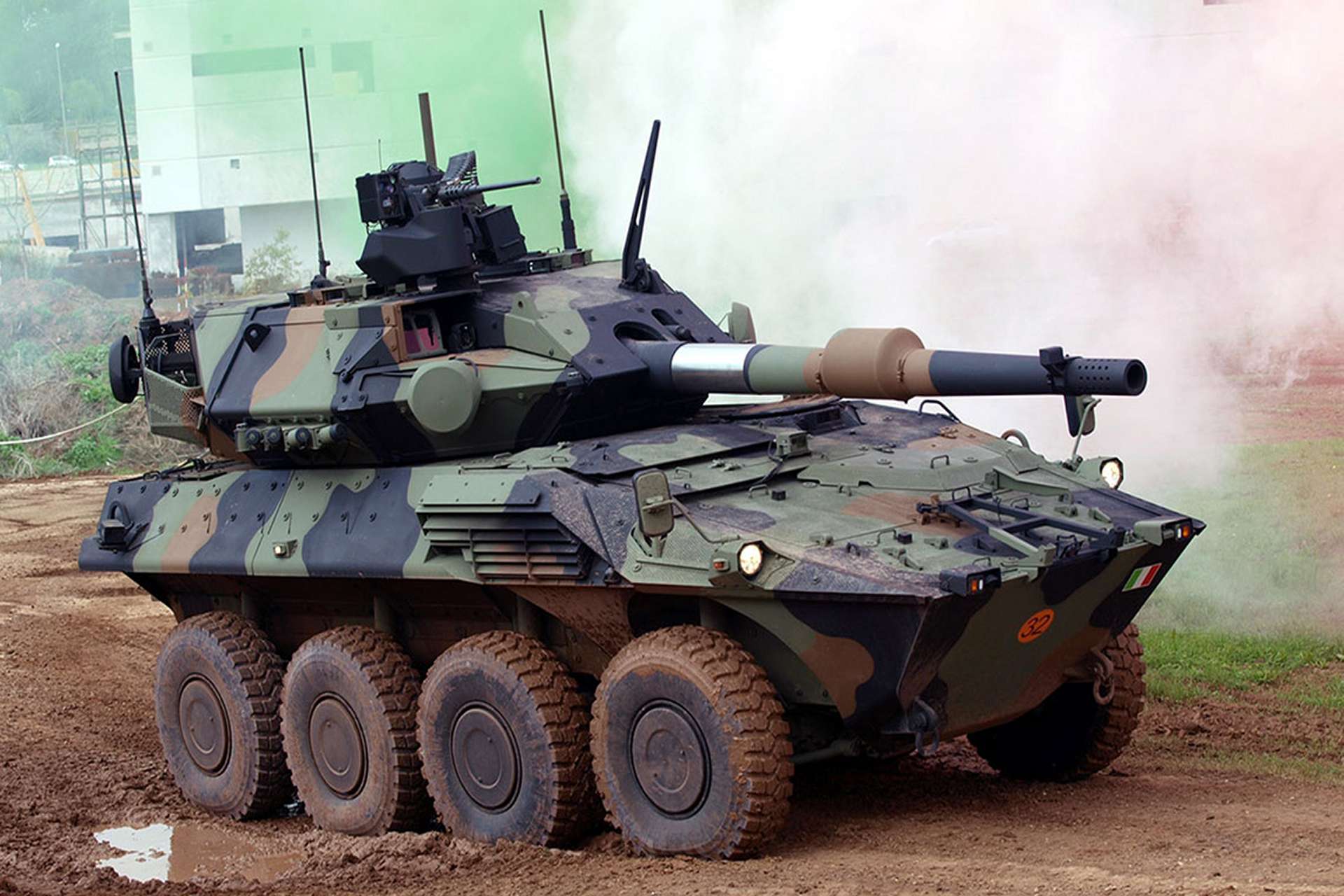
Iveco Centauro II 8X8 Armored Vehicle (Picture source: Iveco)
In late May and early June 2024, high-ranking officials from the Brazilian Army, including the Director of Manufacturing, Major General Tales Eduardo Areco Villela, and the head of the Army Evaluation Center, Brigadier General João Paulo Zago, visited Italy. There, they inspected the preparations related to the delivery and evaluation of two Centauro II units, which will first be tested at the Army Evaluation Center (CAEx) in Rio de Janeiro.
The Italian consortium CIO, comprising Leonardo, IDV, and Oto Melara, oversees the complete development of the Centauro II. This vehicle is noted for its powerful armament, advanced sensor systems, and adaptability to various environments, enhancing its appeal in the international defense market.
During the Italian Republic Day parade on June 2 in Rome, the Centauro II was prominently featured, underscoring its growing role in European defense strategies and its initial operational deployment in Bulgaria to enhance NATO's southern flank.
Brazil's decision to proceed with the purchase of 96 Centauro IIs, following an initial evaluation phase, demonstrates confidence in this technology. Moreover, the vehicle will undergo electromagnetic compatibility testing in Italy before being shipped to Brazil, ensuring seamless integration into the Brazilian armed forces.
This potential partnership between Brazil and Italy could not only enhance Brazilian military capabilities but also strengthen diplomatic and commercial ties between the two nations. Concurrently, the CIO Consortium continues discussions to expand its markets in Europe, Africa, and Asia, thus affirming the global reach and prestige of the Italian defense industry.
The Centauro II armored vehicle represents an important step over its predecessors, the renowned Centauro 105 and 120mm vehicles, which were the world's first 8x8 wheeled anti-tank vehicles equipped with a high-pressure gun.
Equipped with a high-tech third-generation 120mm / 45 caliber gun, the Centauro II includes an integrated muzzle brake and a semi-automatic loading system. It is capable of firing the latest 120mm NATO standard armor-piercing, fin-stabilized, discarding-sabot (APFSDS) rounds, as well as multi-purpose (MP) ammunition.
The vehicle's ammunition storage is comprehensive, accommodating 12 ready-to-fire rounds for the main gun, 1,000 rounds for the 7.62mm gun, 400 rounds for the 12.7mm gun, and 96 rounds for grenade launchers.
For enhanced defensive capabilities, the turret supports the installation of a Hitrole Light remote-controlled weapon station (RCWS), which can be outfitted with 7.62mm or 12.7mm caliber machine guns and 40mm automatic grenade launchers (AGLs), suitable for various operational scenarios beyond conventional warfare.
The Centauro II features a redesigned hull and turret that incorporate additional armor and technical upgrades, achieving AEP 55-level protection. This design protects the crew against direct fire, anti-tank mines, improvised explosive devices (IEDs), and the latest kinetic munitions.
For increased safety, the vehicle includes a dedicated anti-blast compartment for reserve ammunition and additional storage spaces. Its advanced onboard systems encompass nuclear, biological, and chemical (NBC) protection, advanced fire-fighting equipment, and anti-explosion mechanisms. Additionally, the vehicle is equipped with a laser warning system to alert the crew to potential threats.
Read more: Brazil Confirms Acquisition of Centauro II 8x8 Armored Vehicles from Italy
- Kalashnikov Presents Legionnaire Drone at Global Security 2024 Exhibition
- Breaking News: France to Supply Ukraine with Mirage 2000-5 Fighter Jets
- Germany to Boost IRIS-T Air Defense Missile Systems Production Amid Rising Demand and Ukraine War
- Poland Fortifies NATO Border Against Potential Russian Invasion