
- Details
- Written by: Jérôme Brahy
- Category: 2024
- Hits: 4994










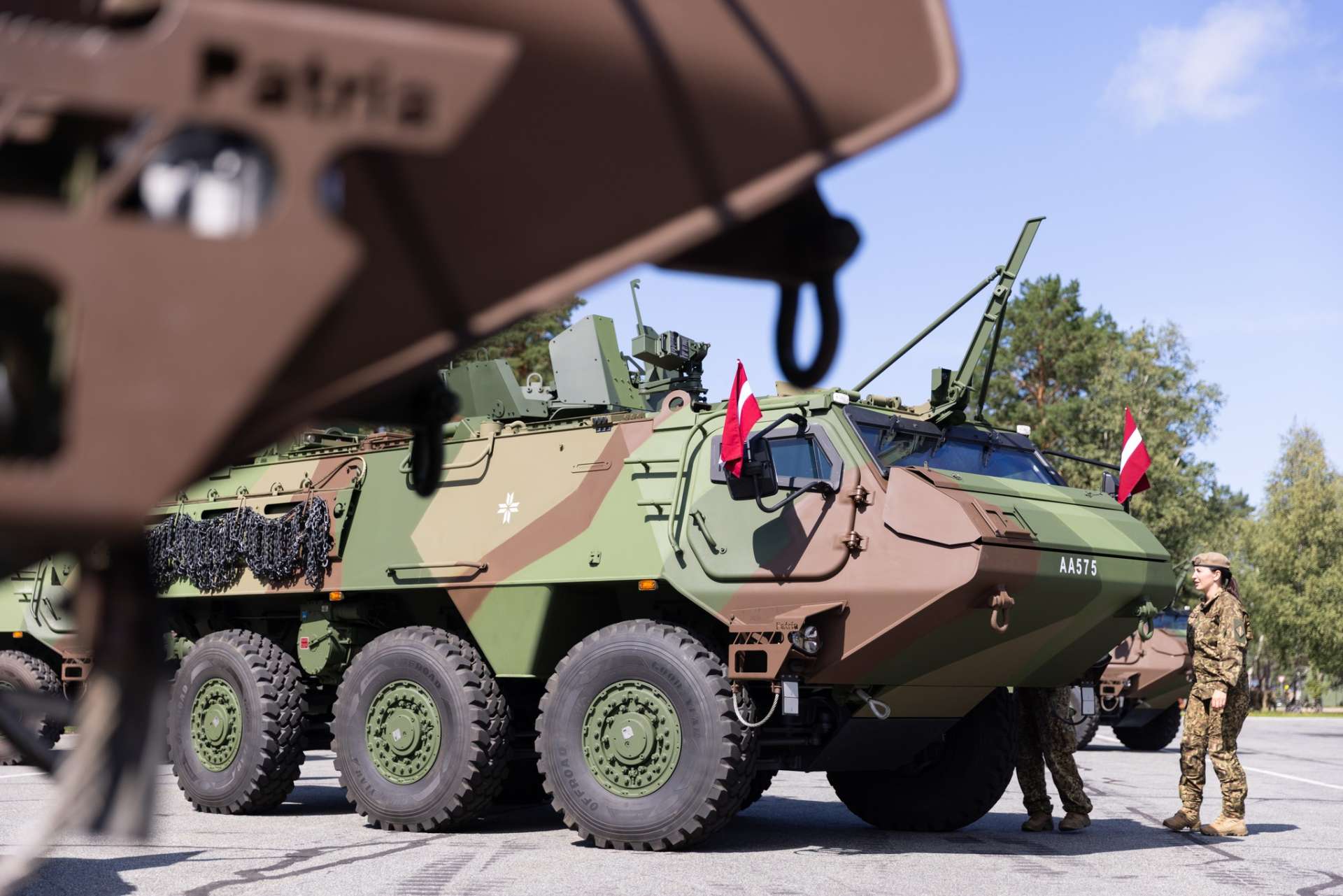
On August 5, 2024, the Latvian National Armed Forces received their first locally produced Patria 6x6 armored personnel carrier in a ceremony at the “Ādaži” military base. This event followed a contract signed in 2021 between the Latvian Ministry of Defence and Patria, which entails the delivery of more than 200 armored vehicles by 2029. The ceremony was attended by Minister of Defence Andris Sprūds, Chairman of the Board of Defence Partnership Latvia and Patria Latvia Uģis Romanovs, and Acting Commander of the Home Guard Colonel Gunārs Vizulis.
Follow Army Recognition on Google News at this link
The production facility in Valmiera, established by Defence Partnership Latvia (a joint venture formed in 2020 between Finnish defence company Patria and Latvian company Unitruck) plans to produce around thirty Patria 6x6 armored personnel carriers annually. (Picture source: Latvian MoD)
Romanovs noted that the delivery marks a significant milestone in Latvia's involvement in the multinational Common Armoured Vehicle System (CAVS) program. This program aims to enhance the combat capabilities of the National Armed Forces (NAF) and contribute to the Latvian defence industry and economy. The Valmiera plant, opened in May, focuses on producing these armored vehicles and other NAF capability development projects.
The production facility in Valmiera, established by Defence Partnership Latvia, a joint venture formed in 2020 between Finnish defence company Patria and Latvian company Unitruck, plans to produce around thirty Patria 6x6 armored personnel carriers annually. It is currently the only facility of its kind in the Baltics. Local production includes the manufacture of hulls by EMJ Metāls SIA, a Latvian company certified to produce these components independently. This local production is intended to shorten supply chains and reduce dependency on foreign components, ensuring a reliable supply of military equipment.
The agreement between Patria and SIA EMJ Metāls for vehicle parts manufacturing in Latvia, signed in November 2020, is an extension of the agreement signed between Latvia, Finland, and Patria in October 2020, which initiated research and development for a new family of Patria 6x6 wheeled armored personnel carriers. This collaboration involves local industry in the project, building a unified supply chain that supports Patria's activities. EMJ Metāls, the largest sheet metal processing company in the Baltics, has been a key player in this initiative, investing over 4 million euros in equipment and technologies over the past five years.
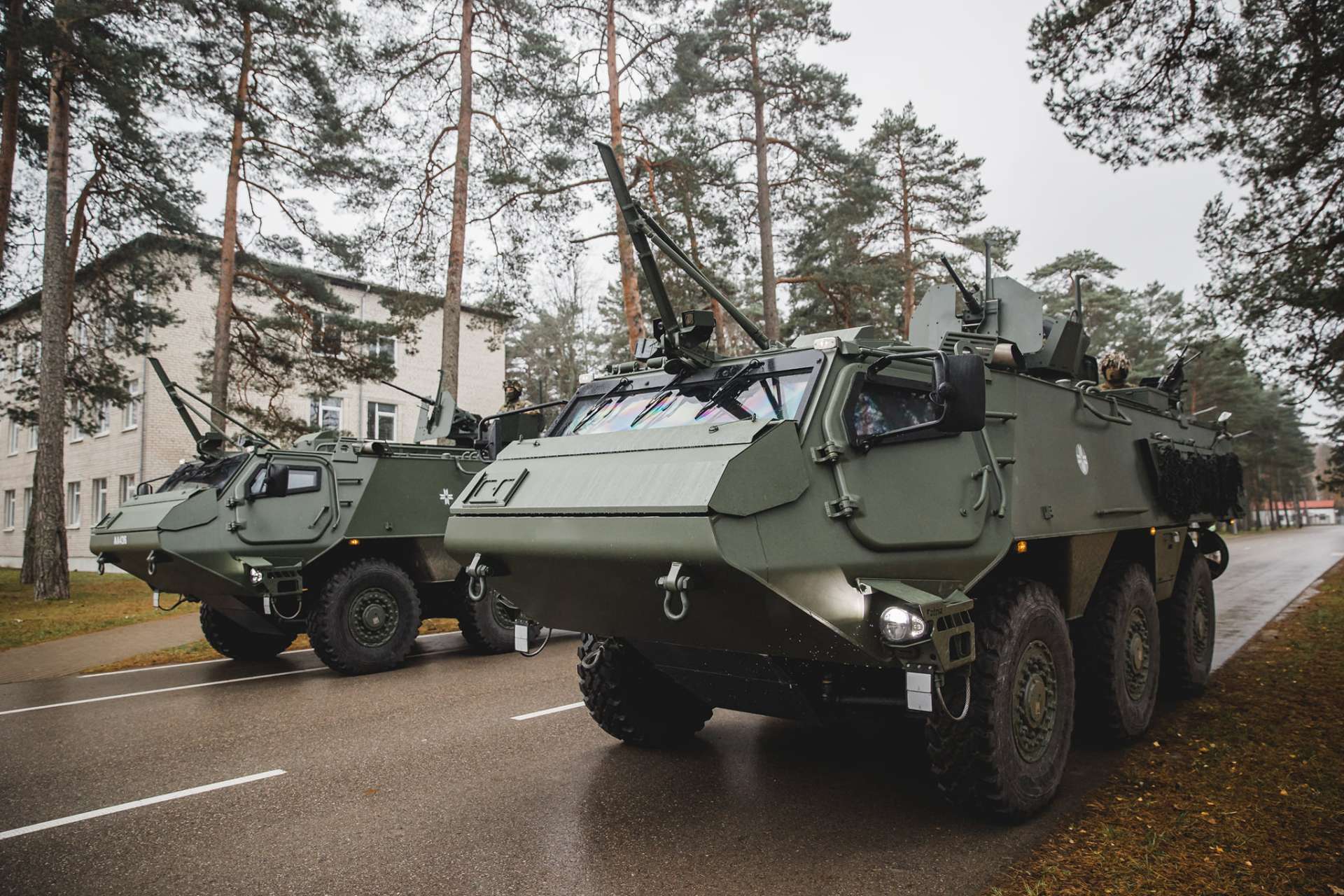
As part of the CAVS program, Latvia ordered over 200 APCs, with deliveries starting in 2021 and continuing until 2029. (Picture source: Latvian MoD)
The Common Armoured Vehicle System (CAVS) program is a collaborative effort involving Finland, Latvia, Sweden, and Germany, aimed at developing a 6x6 armored vehicle system based on the Patria 6x6 platform. Initiated in 2020 by Finland and Latvia, the program seeks to create a versatile vehicle for troop transportation and other military applications. Germany joined the program in 2023, gaining access to the product development results and the ability to co-define future mission requirements. The vehicles are operational in Latvia, Finland, and Sweden, with Patria receiving orders for nearly 700 vehicles and delivering about 200 so far.
As part of the CAVS program, Latvia ordered over 200 APCs, with deliveries starting in 2021 and continuing until 2029. The first four units were delivered in October 2021. To facilitate the long-term testing and movement of these vehicles, the Ministry of Defence has proposed amendments to the Road Traffic Law, allowing for testing at the Ādaži military training ground until regulatory adjustments are made. Despite legislative and logistical challenges, the delivery of Patria 6×6 APCs to the Latvian National Armed Forces remains on schedule. The Ministry of Defence, in collaboration with the National Armed Forces and other state institutions, continues to support the growth of Latvia’s military industry.

Fully amphibious, the Patria 6x6 can accommodate up to three crew members and ten dismounts, as well as achieving a maximum road speed of 100 km/h. (Picture source: Latvian MoD)
The Patria 6x6, which evolved from the XA-series 6x6 Pasi introduced in the 1980s, was launched at the Eurosatory 2018 International Defense and Security Exhibition. It was designed to meet modern battlefield demands for modularity, high performance, and cost-effectiveness. The vehicle features a truck-like chassis, all-wheel drive, and independent suspension, ensuring mobility and comfort in rough terrains. It measures 7.5 meters in length, 2.5 meters in height, and 2.9 meters in width, with a combat weight of up to 24 tonnes and a payload capacity of 8.5 tonnes. The vehicle can accommodate up to three crew members and ten dismounts, achieving a maximum road speed of 100 km/h with STANAG Level 4 protection.
The Patria 6x6 is versatile in terms of armament, capable of being equipped with various weapon systems, including a pintle-mounted 7.62 mm machine gun, a 105 mm or 120 mm cannon, and the Patria Nemo 120 mm mortar system, which offers both direct and indirect fire capabilities up to 10 km. Optional armaments include a 0.50 M2 HB heavy machine gun mounted on a roof-protected station, allowing the vehicle to perform roles from troop transport and reconnaissance to direct combat support.
Read more: Latvian Army receives first locally built Patria 6x6 APC
- Details
- Written by: Halna du Fretay
- Category: 2024
- Hits: 3212
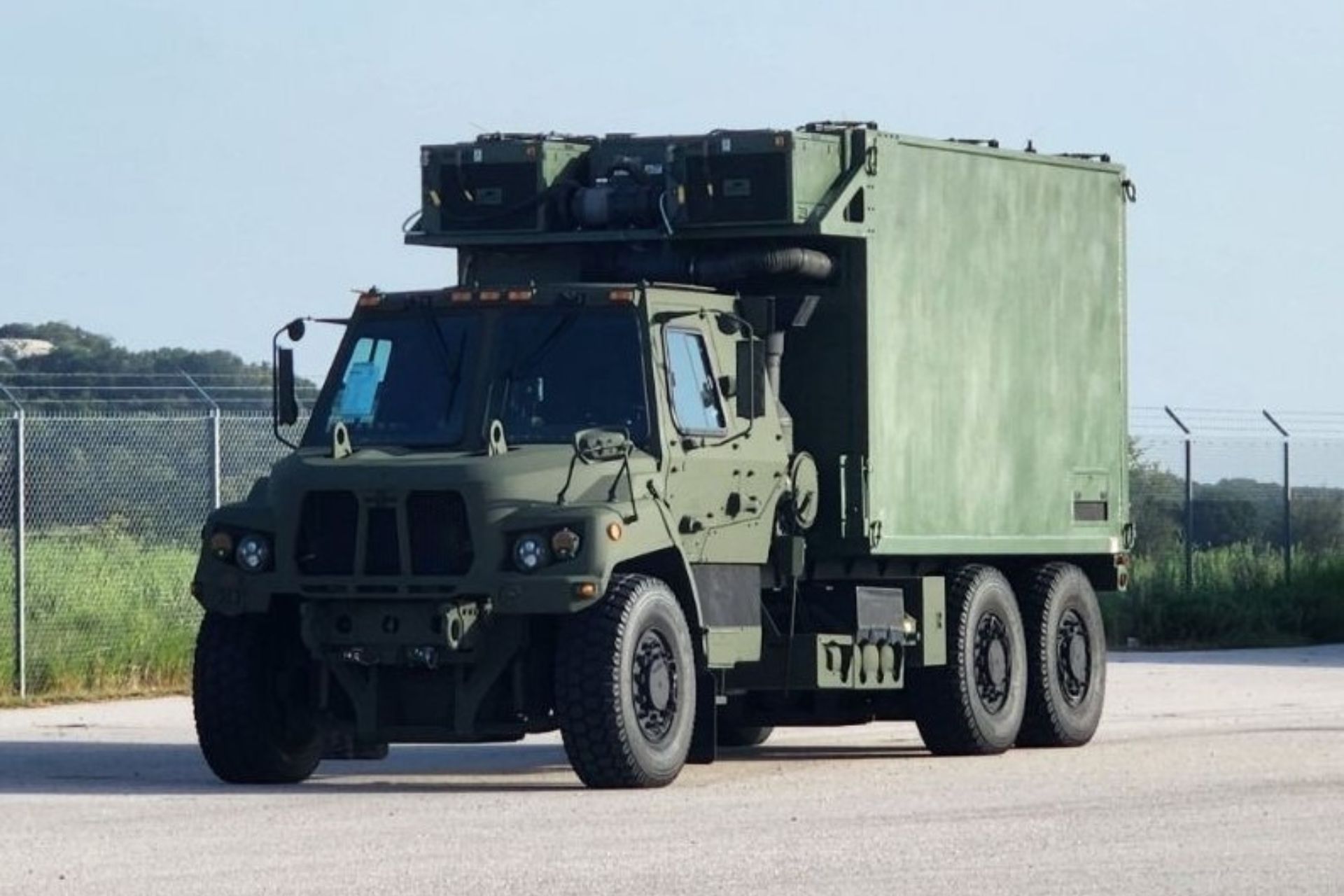
The U.S. Army has received its initial Tactical Intelligence Targeting Access Node (TITAN) ground station prototype at Joint Base Lewis-McChord (JBLM) in Washington. This advanced battle management system, powered by artificial intelligence and machine learning technologies, coordinates “sensor-to-shooter” data between weapons, warfighters, and the chain of command.
Follow Army Recognition on Google News at this link
The first Tactical Intelligence Targeting Access Node (Titan) prototype (Picture source: US Army)
Developed as part of the Pentagon’s broader initiative to employ next-generation intelligence, surveillance, and reconnaissance (ISR) solutions for multi-domain operations, TITAN aims to counter evolving threats effectively. A contract for the production of 10 TITAN prototypes was awarded to Palantir in March, highlighting the importance of this system in modern warfare.
Col. Chris Anderson, US Army Intelligence Systems and Analytics Project Manager, emphasized the significance of this development: “Delivering the first TITAN prototype to JBLM is a pivotal step in enhancing our warfighters’ capabilities. TITAN provides game-changing technologies that revolutionize how we collect, process, and disseminate intelligence across the battlefield, giving us a decisive edge.”
The Army indicated that the new TITAN prototype is the first of 10 platforms being developed for the program’s corresponding testing and evaluation processes. The information collected from these tests will be leveraged to further develop the system’s functions and ensure its operability once commissioned.
Additional reconfigurations to TITAN’s design process and extensive utility ceiling will be based on assessments in partnership with warfighters. “We are thrilled to move into the next phase of delivering these revolutionary capabilities to the Army,” Anderson said. “The feedback from our Soldiers will be invaluable in refining and enhancing the TITAN system to meet the demands of modern warfare.”
The US Army first announced it would choose the TITAN program’s prime contractor in December 2023. In November 2022, Northrop Grumman was selected as the Army’s partner for TITAN’s space configuration. Four months earlier, the US tapped Raytheon Technologies for the targeting solution’s 14-month pre-prototyping phase.
The evolution of this program could significantly enhance the Army’s capabilities, ensuring that it remains at the forefront of technological innovation in ISR and battle management systems. The continued development and refinement of TITAN will play a vital role in modern warfare, providing real-time intelligence and operational support across multiple domains.
Read more: US Army Delivers First TITAN Ground Station Prototype to JBLM
- Details
- Written by: Vandenbosch
- Category: 2024
- Hits: 6731
The Ministry of Defense of Ukraine (MODU) has officially codified and approved the "Djura" armored vehicle for military operations. Designed for tactical missions, this vehicle is now authorized for use in military units. This announcement was made public on the official website of the Ministry of Defense on August 2, 2024.
Follow Army Recognition on Google News at this link
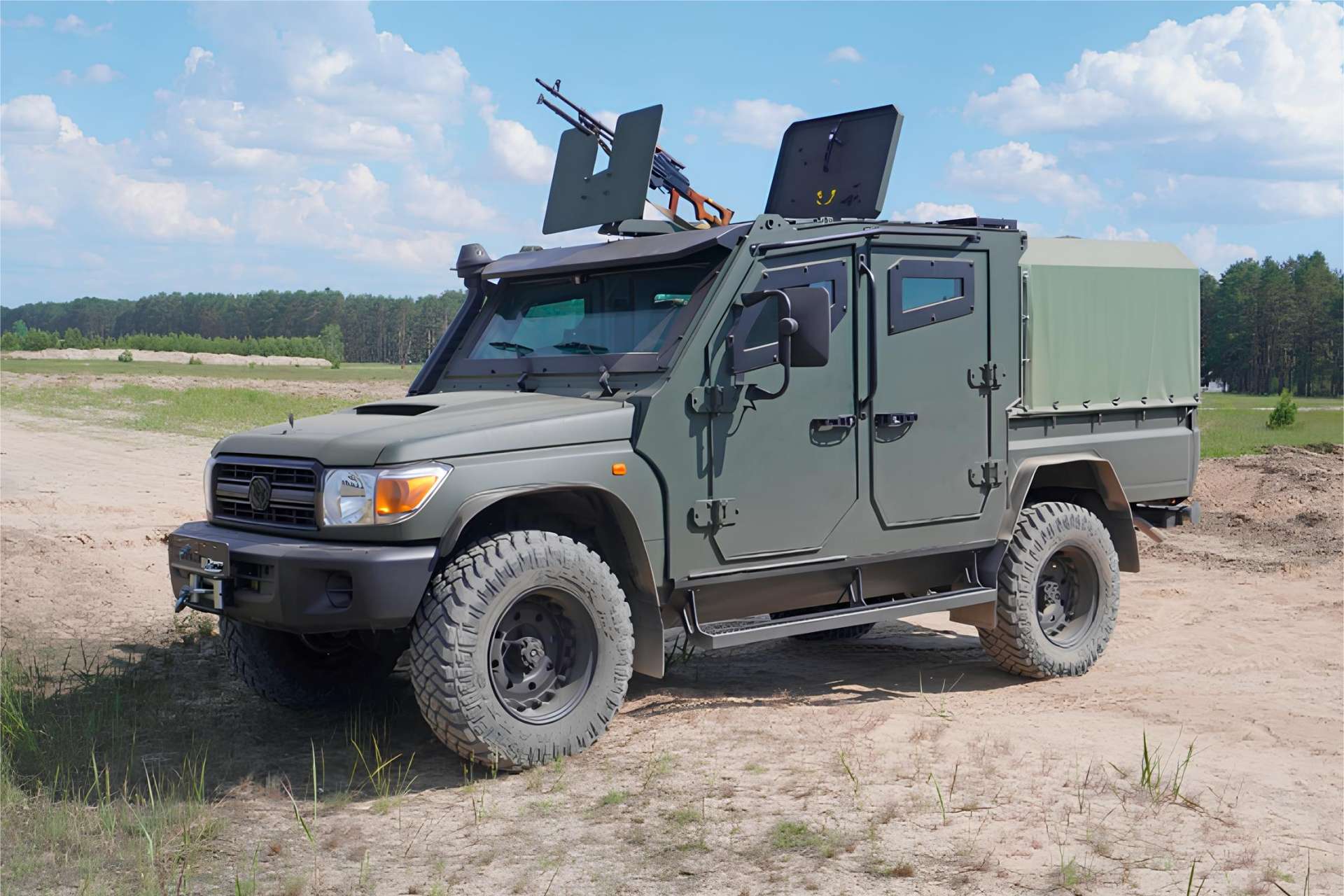
The "Djura" is a light utility armored vehicle developed by the Ukrainian company NVO "Praktyka", based on the Land Cruiser 70 chassis. (Picture source: Ukrainian MoD)
The "Djura" underwent a rapid 10-day codification process by the Directorate General for Armament and Military Equipment Life Cycle Support. This certification allows for the acquisition of these armored vehicles with public funds and their deployment within the Armed Forces.
The "Djura" is a light utility armored vehicle developed by the Ukrainian company NVO "Praktyka", based on the Land Cruiser 70 chassis. It is designed for low-risk tactical missions and is suitable for use by the police and Special Operations Forces due to its relatively light weight and compact dimensions, facilitating discreet operations.
The original Land Cruiser 70 chassis has been modified to include a specially developed armored capsule, providing PSZA-4 level protection, equivalent to STANAG 4569 level 1 standards. This capsule protects against 5.45 mm (7N10) caliber bullets and can withstand multiple grenade explosions under the wheels or body.
With an increased weight of up to 5 tons, the designers reinforced the dependent suspension and installed a new braking system to accommodate the added mass.
The vehicle is powered by a robust 200-horsepower diesel engine with 430 Nm of torque. According to the developers, this engine, used in the Land Cruiser 70, is highly reliable and features minimal electronics. Depending on customer requirements, the vehicle can be equipped with an automatic, semi-automatic, or manual transmission.
The "Djura" is armed with an open turret for a 7.62 caliber machine gun, complemented by a small armor shield. This reduction in protection is a compromise due to the vehicle's weight limitations.
The "Djura" is also equipped with a modern communication system and navigation aids, enhancing its operational effectiveness. During the test drive, it demonstrated impressive off-road capabilities and agility in various terrains, crucial for tactical missions. The vehicle’s design prioritizes both the safety of its occupants and the versatility needed for diverse military operations.
Additionally, at the end of July, the Ministry of Defense also codified the "Kozak-5MED" medical armored vehicle, another product of NVO "Praktyka".
Read more: Ukraine Approves Djura a New Armored Vehicle for Military Use Against Russia
- Details
- Written by: Administrator
- Category: 2024
- Hits: 12105
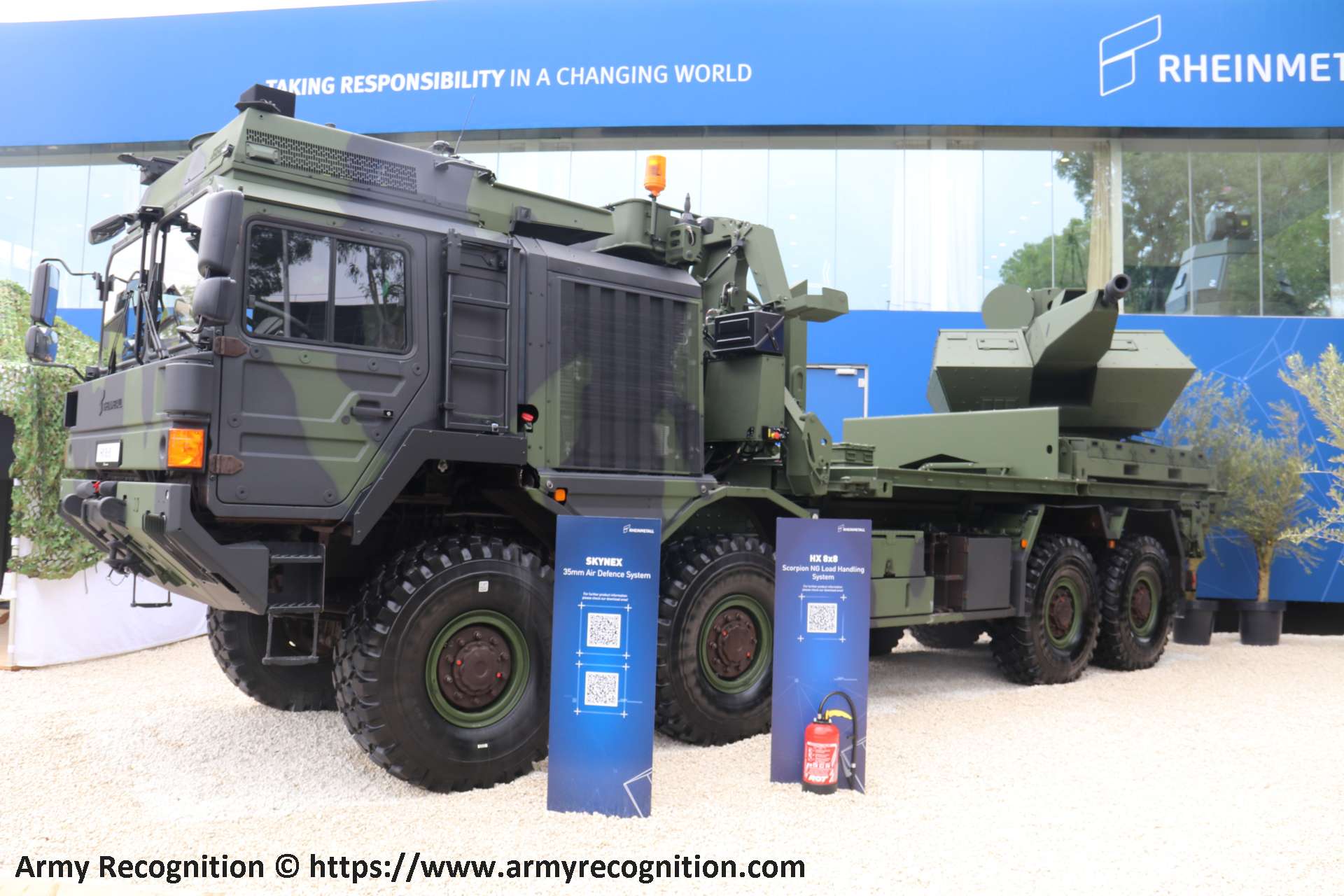
The delivery of the Rheinmetall Skynex air defense systems to Ukraine marks a significant enhancement of the Ukrainian military's capabilities, providing a crucial upgrade in its defense against modern aerial threats. The Skynex system offers cutting-edge technology and strategic advantages, making it invaluable to Ukraine's efforts to protect its airspace and critical infrastructure from Russian forces. This advanced air defense system enables Ukraine to effectively counter a range of airborne threats, from drones to missiles, thereby enhancing its overall security and operational effectiveness.
Follow Army Recognition on Google News at this link
At the heart of the Skynex Air Defense System's firepower is the Oerlikon Revolver Gun Mk3, a 35mm automatic cannon that utilizes programmable airburst ammunition (AHEAD) to deliver precise and effective strikes against aerial threats. (Picture source: Army Recognition Group)
On August 5, 2024, Ukrainian Western Air Command released images of a camouflaged and dismounted Oerlikon Revolver Gun Mk3, part of the two Skynex air defense systems supplied by Germany to Ukraine. According to the German Ministry of Defense, Germany has already delivered two Skynex air defense systems with ammunition to Ukraine. This strategic delivery highlights the commitment of Germany and Western allies to bolster Ukraine's defense capabilities in the ongoing conflict against Russian forces.
The Rheinmetall Skynex air defense system, developed by Rheinmetall Air Defence, is now in service with the Ukrainian Air Force. Its primary role is object air defense, focusing on protecting airfields and critical infrastructure due to its stationary nature, as per Militarnyi. This state-of-the-art system is designed to provide a robust and flexible solution to counter modern aerial threats. The core component of the Skynex system is the Oerlikon Revolver Gun Mk3, a 35mm automatic cannon renowned for its precision and rapid-fire capabilities. This cannon can engage a wide range of aerial targets, including drones, helicopters, low-flying aircraft, and even some types of missiles. The integration of advanced radar and optical targeting systems allows the Oerlikon Revolver Gun Mk3 to track and engage multiple targets simultaneously, providing a formidable defensive shield against airborne threats.
Each Skynex battery consists of four 35mm gun mounts, a control post, and a radar station. The radar is responsible for initial target detection and gun guidance. Additionally, each gun mount is equipped with its own radar station combined with an optical system, enhancing accuracy against small-sized targets. This multi-layered approach ensures that the Skynex system can respond to diverse threats with precision and efficiency.
The delivery of the Skynex system to Ukraine is a strategic response to the evolving nature of warfare in the region. Russian forces have been increasingly employing advanced drone technology, cruise missiles, and airstrikes to challenge Ukrainian defenses. The Skynex system's ability to detect, track, and neutralize these threats with high accuracy makes it a valuable asset for Ukraine. The system's radar and sensor technologies can operate in all weather conditions, ensuring continuous protection and real-time data to Ukrainian operators. This real-time capability is critical for quick decision-making and effective target engagement in a rapidly changing battlefield environment.
Furthermore, the Skynex system's modular architecture provides flexibility in deployment and integration with existing defense systems. It can be networked with other air defense assets, allowing for coordinated and layered defense strategies. This interoperability is crucial for maximizing the effectiveness of Ukraine's air defense network, ensuring that different systems work together seamlessly to provide comprehensive coverage.
In 2022, Rheinmetall announced the production of two Skynex batteries for an unnamed European country, requesting funding from the German Federal Government. Later, anonymous government sources told Handelsblatt that these two new air defense system batteries, valued at €182 million, were destined for Ukraine.
From a strategic perspective, the introduction of Skynex systems into the Ukrainian theater can alter the balance of power, especially in contested airspace. The ability to effectively neutralize drones and other aerial threats enhances Ukraine's ability to protect critical infrastructure, military installations, and civilian areas from aerial attacks. This capability is crucial for maintaining morale and resilience among Ukrainian forces and the civilian population, who have been subjected to continuous aerial bombardments.
Moreover, the Skynex system's ability to engage and destroy drones is particularly noteworthy. Drones have become a significant component of modern warfare, often used for reconnaissance, surveillance, and targeted strikes. The proliferation of drones in the conflict has posed significant challenges to traditional air defense systems. However, Skynex's advanced targeting capabilities and rapid response times make it well-suited to countering this threat, providing Ukraine with a strategic advantage.
The delivery of the Rheinmetall Skynex air defense systems to Ukraine will significantly enhance Ukraine's ability to defend against a wide range of aerial threats, particularly the increasing threat of drone attacks, which have become one of the most pressing challenges in the current conflict. The Skynex system's precision targeting and rapid response capabilities make it especially effective against drones, which are often used for reconnaissance, surveillance, and targeted strikes.
- Details
- Written by: Administrator
- Category: 2024
- Hits: 8620
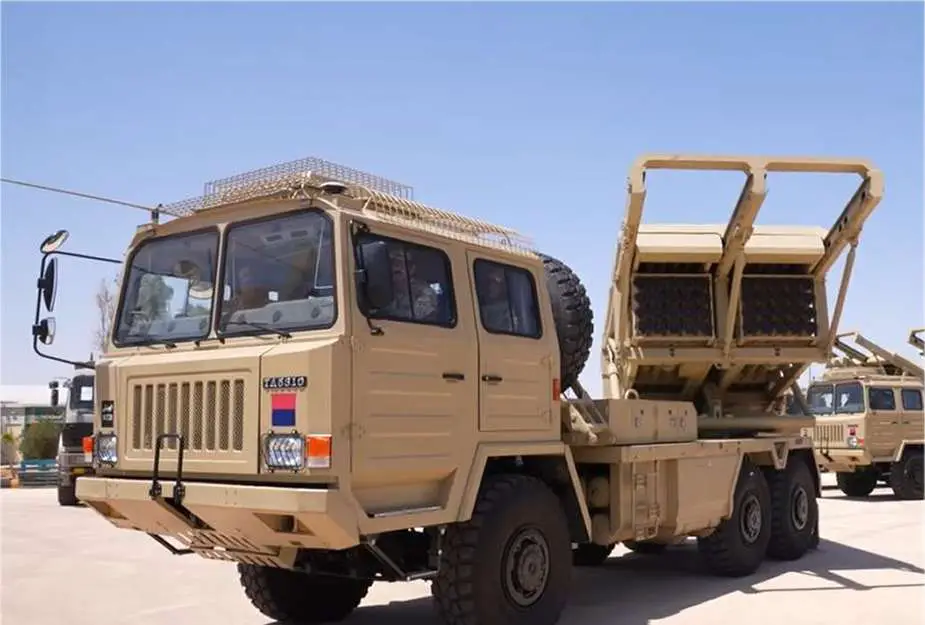
The recent revelation of Jordan's acquisition of the Chinese-made SR5 and SM-120 Multiple Launch Rocket Systems (MLRSs) has sparked interest and speculation about the evolving defense relationship between Jordan and China. Although there is no official information regarding the delivery of that type of MLRSs to Jordan by China, the Kingdom of Jordan's Royal Artillery Corps released a video on YouTube showcasing the SR5 and WM-120 MLRS. This sophisticated artillery system, developed by China North Industries Corporation (NORINCO), highlights the nation's ongoing efforts to modernize its military capabilities.
Follow Army Recognition on Google News at this link
In a recently released YouTube video, Jordan's Royal Artillery Corps showcases its newly acquired Chinese SR5 Multiple Launch Rocket System MLRS. (Picture source: Jordan Royal Artillery Corps video footage)
According to the SIPRI (Stockholm International Peace Research Institute) Arms Transfers Database, Jordan acquired four Chinese-made WM-80 Multiple Rocket Launcher Systems (MLRS) in 2010. In the recently released video, Jordan's military also unveiled its new acquisition of the WM-120, another advanced Chinese-made MLRS.
The WM-120 is a newly developed multi-barrel rocket launcher system by China. It is based on the WM-80 design but features several enhancements. The WM-120 has a launch tube diameter of 273 mm and uses solid fuel rockets. Its maximum range is 120 km, with a minimum range of 34 km. The system boasts a circular error probability of about 20 meters and is equipped with an inertial guidance device that integrates global positioning systems.
The SR5 MLRS is a highly advanced and versatile artillery platform known for its dual-caliber capability. It can launch both 122mm and 220mm rockets, offering flexibility and adaptability on the battlefield. This feature allows the system to be tailored to various combat scenarios, making it a valuable asset for Jordan's military. Mounted on a 6x6 wheeled chassis, the SR5 provides excellent mobility, allowing for rapid deployment and repositioning—an essential characteristic in modern warfare where speed and flexibility are crucial.
The system's advanced fire control technology enhances targeting accuracy and enables simultaneous rocket launches, thus significantly boosting the effectiveness of both offensive and defensive operations. With a range that extends up to 70 kilometers, the SR5 MLRS significantly enhances Jordan's artillery capabilities, providing a strategic advantage in the context of regional defense.
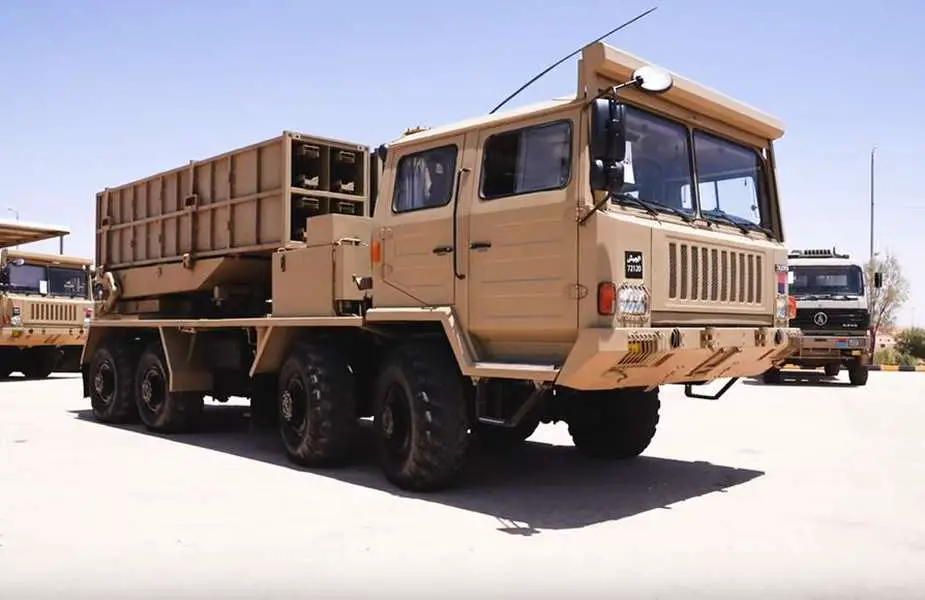
In the same video, the Jordan's Royal Artillery Corps also unveiled the acquisition of WM-120, another Chinese-made MLRS. (Picture source: Jordan's Royal Artillery Corps video footage)
This acquisition underscores the strengthening defense relationship between Jordan and China, marking a significant shift in Jordan's strategic defense policies. Traditionally, Jordan has relied heavily on Western military suppliers, particularly from the United States and Europe. However, in recent years, Jordan has strategically diversified its defense procurement, increasingly looking toward non-Western partners like China. This move is part of a broader strategy to enhance military capabilities amid regional instability and evolving security challenges.
Jordan and China's defense ties have been characterized by increased cooperation, including joint training exercises, technology transfers, and high-level military exchanges. These interactions are designed to foster mutual understanding and enhance the operational capabilities of both nations' armed forces. Jordan's strategic location in the Middle East positions it as a critical player in regional security dynamics. By acquiring advanced systems like the SR5 MLRS, Jordan aims to bolster its deterrence capabilities against potential threats, contributing to stability in a volatile region.
Moreover, China's role as a key defense supplier to Jordan underscores its growing influence in the Middle East. This move is part of China's broader strategy to expand its strategic footprint through defense cooperation and economic investments. The deepening military ties between China and Jordan highlight China's ambitions to increase its presence and influence in a region traditionally dominated by Western powers.
However, Jordan's pivot towards Chinese defense systems could raise concerns among its Western allies, particularly the United States, which has been a long-standing partner in military collaborations and aid. As Jordan diversifies its defense sources, it may need to carefully navigate its relationships with traditional allies to maintain a balanced and effective defense strategy.
The acquisition of the Chinese SR5 MLRS by Jordan marks a significant development in the nation's defense strategy and regional security dynamics. It reflects a broader trend of diversifying defense partnerships and enhancing military capabilities in response to evolving regional challenges. This move not only strengthens Jordan's defense posture but also signals a shift in the geopolitical landscape of the Middle East, where new alliances and strategic partnerships are shaping the future of regional security.
- Details
- Written by: Halna du Fretay
- Category: 2024
- Hits: 2601
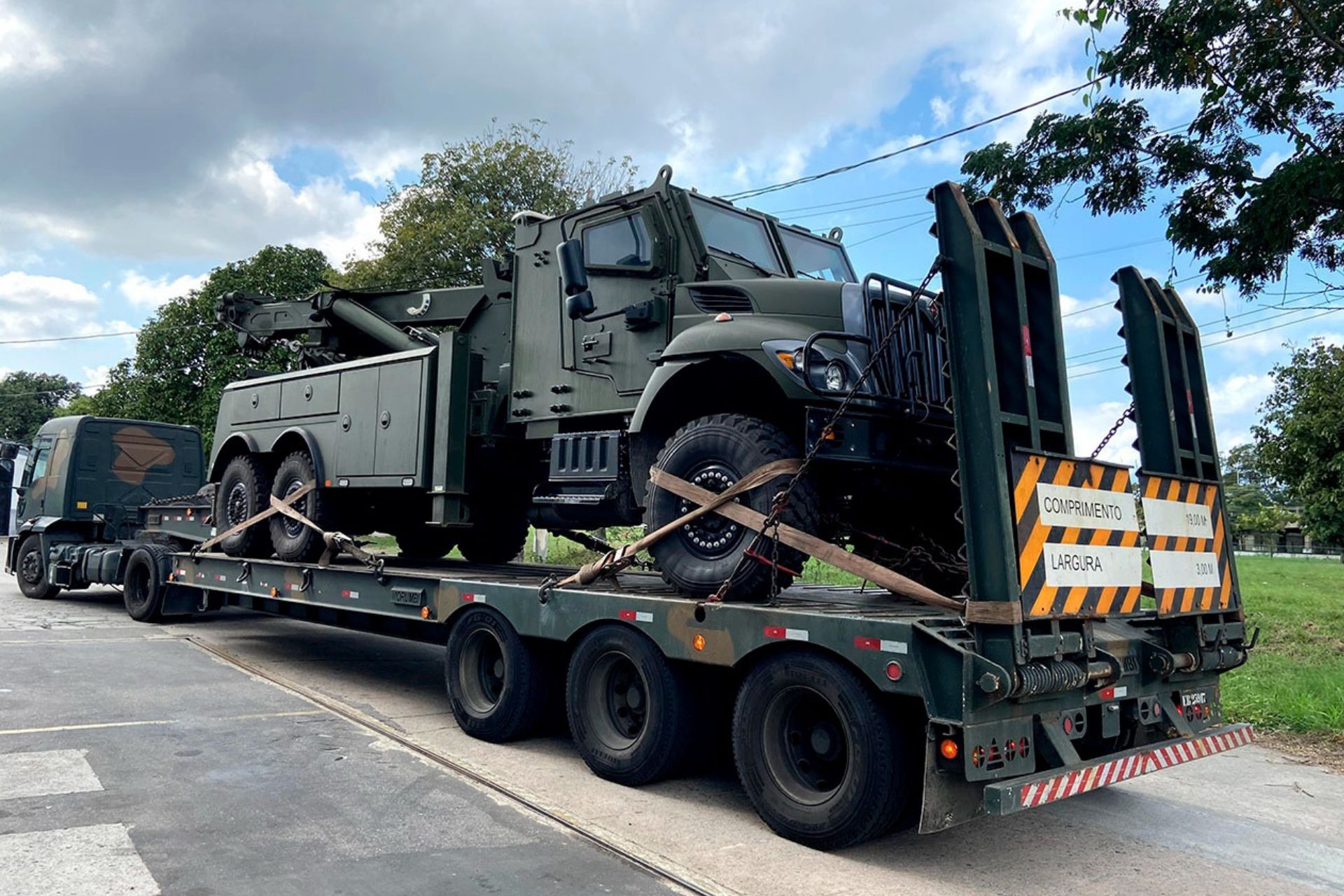
On July 30, 2024, the 25th Logistics Battalion-School (25º B Log-Es), located in Rio de Janeiro (RJ), Brazil, received a new special recovery armored vehicle (VBE Soc) 6X6 MaxxPro MRV-PK. This acquisition is part of the Brazilian Army's Strategic Program, the Armored Forces (Prg EE F Bld), aimed at strengthening logistical support for Guarani vehicles. In March 2023, the Brazilian Army had already acquired around 20 MaxxPro recovery vehicles.
Follow Army Recognition on Google News at this link
The MaxxPro MRV-PK unique recovery system includes a boom lift with a 60,000 lbs capacity and a drag winch with a 50,000 lbs capacity, making it highly adaptable for various recovery missions (Picture source: 25th Logistics Battalion-School)
The MaxxPro MRV-PK, introduced in 2012, is a 6x6 Mine-Resistant Ambush Protected (MRAP) vehicle developed by International Truck in the United States. This vehicle has various versions, including ambulance and recovery variants, like those acquired by Brazil. It has been proliferated in several countries, including Afghanistan, Egypt, and the United States.
The recent acquisition by the Brazilian Army is part of its strategic initiative to bolster logistical support for Guarani vehicles. The deployment of the MRV-PK to the 25th Logistics Battalion in Rio de Janeiro represents a significant enhancement of the unit's recovery and rescue capabilities.
This robust vehicle is equipped with a 450-horsepower Cummins ISL engine and an Allison 3000 5-speed automatic transmission, allowing it to handle difficult terrains with a 70% gradeability and a 30% side slope capacity. Its unique recovery system includes a boom lift with a 60,000 lbs capacity and a drag winch with a 50,000 lbs capacity, making it highly adaptable for various recovery missions.
The V-shaped hull design of the MaxxPro MRV-PK offers superior protection against ballistic arms fire, mine blasts, and improvised explosive devices (IEDs), ensuring the crew's safety during operations.
It is important to note that the 25º B Log-Es is responsible for the maintenance of 97 armored vehicles and over 1,700 non-armored vehicles. The arrival of this new special recovery vehicle will significantly strengthen the unit's logistical capabilities, contributing to better operational efficiency and a quicker response when needed.
By integrating this new armored vehicle into its equipment, the 25º B Log-Es demonstrates its ongoing commitment to improving logistical capacities and supporting military operations in the region, while meeting the growing needs for vehicle rescue and recovery.
Read more: Arrival of the VBE Soc 6X6 MaxxPro MRV-PK at Garrison in Brazil
Iran deploys Russian Murmansk-BN electronic warfare system to counter Israeli F-35I stealth fighters
- Details
- Written by: Jérôme Brahy
- Category: 2024
- Hits: 27683
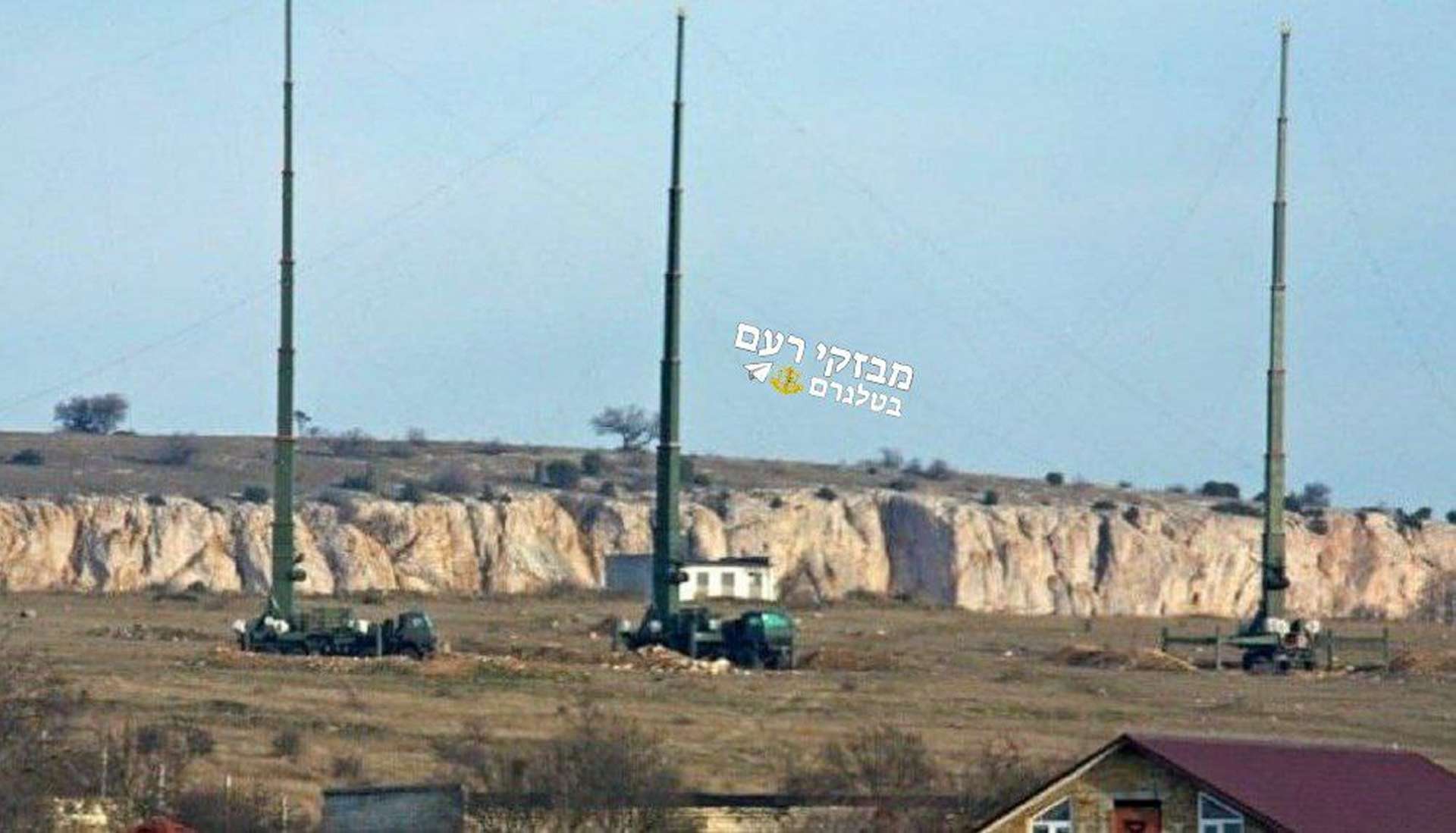
As reported by Ram Reports on August 3, 2024, Iran has recently installed several Russian long-range electronic warfare systems, including the Murmansk-BN, in strategic locations across the country. The Murmansk-BN system, one of Russia's most powerful jamming communication systems, can conduct radio reconnaissance, intercept, and suppress enemy signals throughout the short-wave range, with an operational reach of up to 5,000 to 8,000 kilometers. This installation comes amid rising tensions with Israel, following the assassination of Hamas Political Bureau Chief Ismail Haniyeh in Tehran.
Follow Army Recognition on Google News at this link
Iran has recently installed several Russian long-range electronic warfare systems, including the Murmansk-BN, one of Russia's most powerful jamming communication systems with an operational reach of up to 5,000 to 8,000 kilometers. (Picture source: Telegram/Ram Reports)
As of August 5, 2024, the situation between Iran and Israel is highly tense and volatile. The assassination of Hamas political leader Ismail Haniyeh in Tehran, which Israel is suspected of carrying out, has significantly escalated tensions. This event follows the killing of a Hezbollah military official in Beirut by Israeli forces. Tehran has threatened significant retaliation against Israel, along with its proxies such as Hezbollah, Hamas, and the Houthis, while Israel has warned of severe retaliatory measures against any such aggression.
On August 5, 2024, OSINTdefender reported that during a meeting with military and defense officials, Israeli Prime Minister Benjamin Netanyahu discussed a potential preemptive strike against Iran. Such a strike would only be authorized if there was definite intelligence confirming that Iran was about to launch an attack against Israel. Meanwhile, the White House is reportedly in the final stages of approving a shipment of 1,800 Mark-84 2,000lb bombs to Israel. This shipment had been withheld for months following the Israeli invasion of Rafah in southern Gaza. However, half of the shipment, consisting of 1,700 Mark-82 500lb bombs, had already received approval from the Biden Administration in early July. These munitions will be crucial for the Israeli Air Force if a full-scale war breaks out with Hezbollah or Iran.
The Israeli Defense Forces (IDF) remain on high alert, intercepting numerous rockets and drones launched from Lebanon by Hezbollah. Israel has conducted extensive operations in Yemen, Lebanon, and Gaza, targeting Iranian proxies such as the Houthis and Hamas. These operations are part of a broader Israeli strategy to disrupt and dismantle Iran's network of allies and proxies in the region, following a surprise attack on Israel on October 7, when thousands of Hamas militants breached the Gaza–Israel barrier and attacked Israeli civilian communities and military bases, resulting in the deaths of 1,139 Israelis and foreign nationals, including 815 civilians.
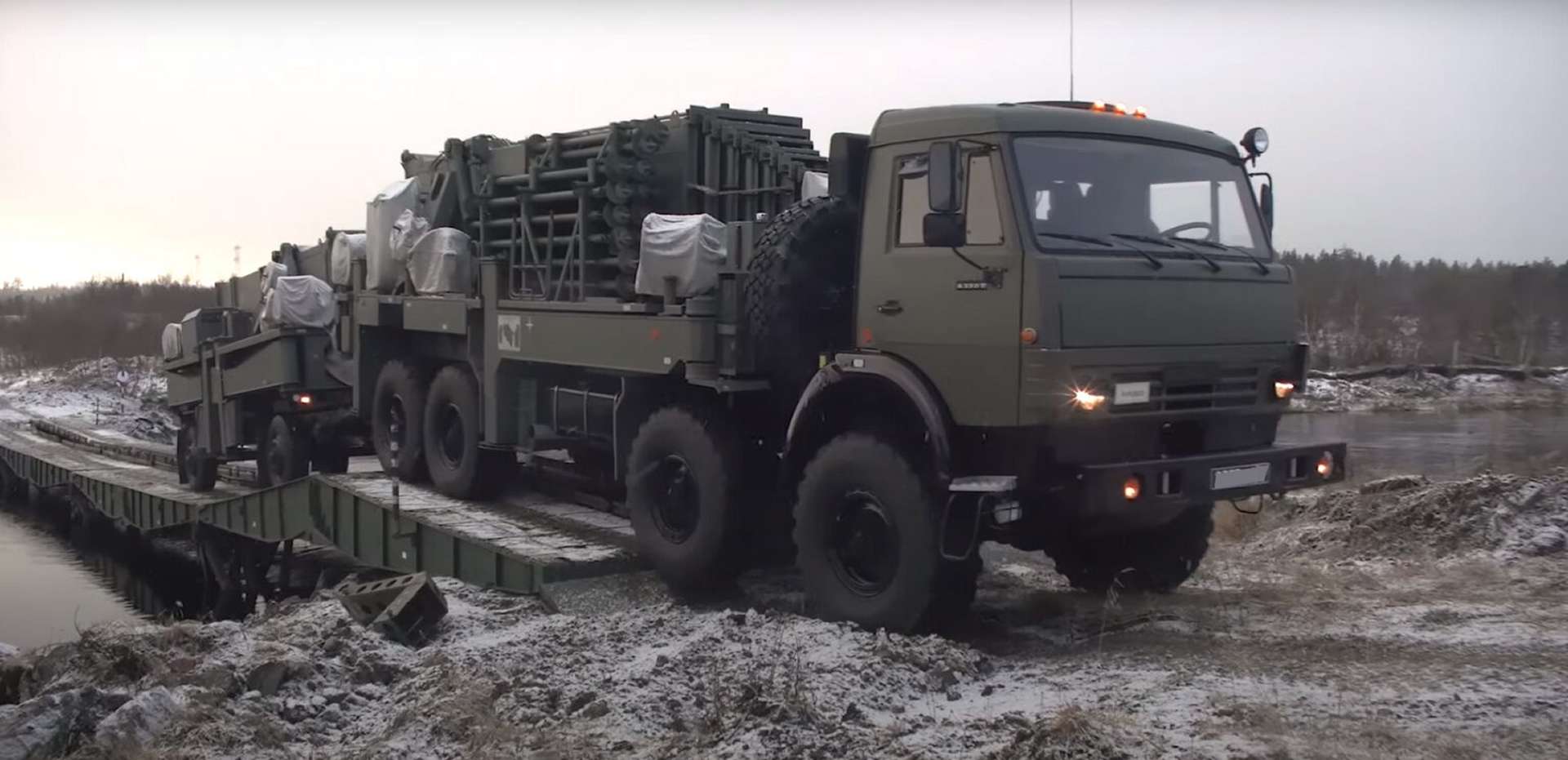
The Murmansk-BN electronic warfare system, which could be deployed in 72 hours, includes multiple vehicle-mounted antenna masts, using Kamaz trucks and trailers, each extending up to 32 meters, covering an area of 640,000 km². (Picture source: Russian MoD)
In response to the heightened tensions between Israel and Iran, several countries have urged their nationals to leave Lebanon, fearing a wider conflict. The US, the UK, Australia, France, Canada, South Korea, Saudi Arabia, Japan, Turkey, and Jordan have all issued advisories for their citizens to depart Lebanon. The situation has led to the cancellation or suspension of numerous flights at Beirut's only commercial airport.
Further escalations could lead to a more extensive regional conflict, drawing in various state and non-state actors aligned with either Iran or Israel. The international community, including the US and Arab states, is urging both sides to de-escalate, but so far, these calls have had little effect. The situation is aggravated by ongoing internal crises within both countries, which are influencing their aggressive postures.
The latest report about Iran's deployment of the Murmansk-BN system emerged after continuous flights of Russian transport aircraft between Russia and Iran were observed through flight tracking applications such as Flight Radar. These flights are suspected of transporting various unknown weapon systems to Iran. The Murmansk-BN system is not only the most powerful electronic warfare (EW) system in the Russian military but also one of the most advanced globally. It can jam and intercept enemy radio signals, GPS, communications, and satellite systems, rendering "smart" munitions and drone systems ineffective.
The Murmansk-BN is an electronic warfare system developed by the Russian company KRET, intended for long-range communications jamming. It was introduced into service in 2014 and is designed to disrupt NATO and U.S. high-frequency military satellite communications, with a jamming range of 5,000 to 8,000 km. The system includes multiple vehicle-mounted antenna masts, using Kamaz trucks and trailers, each extending up to 32 meters, covering an area of 640,000 km². The Murmansk-BN can intercept and suppress HF signals across the 3-30 MHz range, used by warships and aircraft. Deployment time is 72 hours, and it has impacted U.S. stealth fighter operations over the Black and Baltic Seas by interfering with their avionics. The system operates as part of a network-centric capability within the Russian EW command and control system.
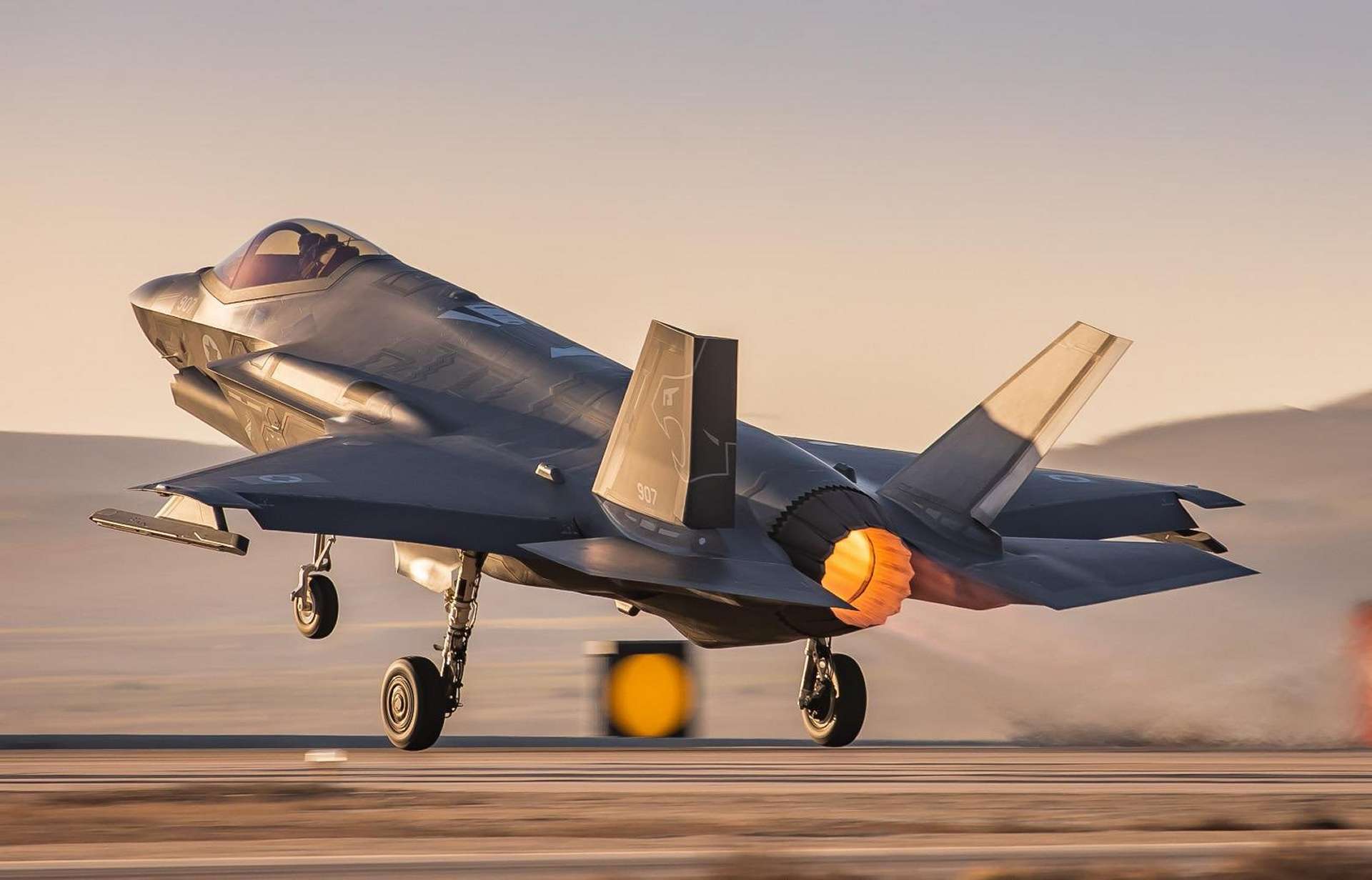
In the Israeli Air Force, the system could interfere with the communication between aircraft and ground control, as well as with the navigation systems of both manned and unmanned aerial vehicles (UAVs), including the F-35I Adir stealth fighter. (Picture source: Israeli Air Force)
The effectiveness of Russian electronic warfare systems has been a topic of considerable attention, especially in light of their use in the ongoing conflict in Ukraine. These systems have been credited with neutralizing modern Western military targets and causing significant disruptions to NATO operations. Reports indicate that NATO pilots have experienced loss of communication and severe headaches due to the high levels of radiation emitted by these EW systems. The West currently lacks effective countermeasures against these advanced Russian EW systems, which continue to be refined and improved based on combat experience.
For the Israeli military forces, including the Army, Air Force, and Navy, the presence of the Murmansk-BN could pose a significant threat in the case of a more extensive regional conflict. The system's ability to jam HF communications could severely impact the IDF's operational capabilities by disrupting command and control communications, particularly in field operations where reliance on HF radios is critical. This jamming could degrade the IDF's communication infrastructure across multiple branches, thereby potentially reducing operational effectiveness and coordination in military engagements.
In the Israeli Air Force, the system could interfere with the communication between aircraft and ground control, as well as with the navigation systems of both manned and unmanned aerial vehicles (UAVs). This interference could affect mission planning, targeting, and execution, potentially compromising air operations. Specific assets such as the F-35I Adir fighter jets, which use a range of communication systems including HF for mission-critical data exchange, and Hermes 900 UAVs, which rely on secure communication links for navigation, control, and data transmission, could be significantly impacted.
For the Israeli Navy, the Murmansk-BN's capabilities could disrupt ship-to-ship and ship-to-shore communications. This disruption would be particularly problematic for coordination during naval operations and for maintaining situational awareness. Additionally, the system could affect the electronic systems on board naval vessels, impacting navigation and other critical functions. Assets like the Sa’ar 5-class corvettes, which rely on HF communications for various operations, and Dolphin-class submarines, which communicate with command centers via HF signals when surfaced, could find their operational effectiveness impaired.

- Details
- Written by: Triffaux
- Category: 2024
- Hits: 4707
On August 2, 2024, Polska Grupa Zbrojeniowa announced via its Twitter account the delivery of a new batch of 14 light tactical vehicles (LPR - Lekkich Pojazdów Rozpoznawczych) from the Republic of Korea, transferred to Rosomak S.A. for modernization. These vehicles, manufactured by the South Korean company KIA, are an armored 4x4 version of the South Korean military KLTV. This delivery is part of a larger contract signed in 2023, providing for the supply of 400 vehicles to Poland.
Follow Army Recognition on Google News at this link
Polish LPR Light Tactical Vehicles from South Korea (Picture source: Polska Grupa Zbrojeniowa)
The LPRs are intended to replace older vehicles such as the UAZ-469 and Honker, as part of a modernization effort aimed at improving the mobility and efficiency of the Polish army with more modern and capable light tactical vehicles. The production of the LPRs will be gradually localized in Poland at Rosomak S.A., including the assembly and production of components by local companies, thereby increasing the localization of these vehicles.
Each LPR vehicle has armor protecting the cockpit in accordance with NATO's STANAG 4569 level 1 standard, offering protection against conventional ammunition fire. They are equipped with a 225-horsepower diesel engine with an 8-speed automatic transmission and can be configured with an open rotating turret allowing the mounting of heavy weapons or an automatic grenade launcher.
The total value of the purchase of the 400 armored vehicles is estimated at approximately 1.2 billion zlotys (around 292.3 million dollars), and these vehicles will complement the current fleet of armored vehicles such as the HMMWV, Cougar, and M-ATV. This ambitious program underscores Poland's commitment to strengthening its defense capabilities while supporting the local industry.
On August 14, 2023, the Polish Ministry of Defense had announced via its Twitter account its commitment to enhance its military capabilities by acquiring hundreds of Raycolt KIA 4X4 light tactical vehicles (KLTV). According to military authorities, a contract for the supply of nearly 400 of these vehicles had been officially approved. This acquisition, valued at approximately 300 million dollars, is planned to take place between 2024 and 2030.
The Raycolt Kia 4X4 Light Tactical Vehicle (KLTV) is a third-generation utility vehicle manufactured by Kia Motors in South Korea. It entered production in 2016 and has been utilized by the South Korean army since then. Initially developed in collaboration with the Ministry of Defense to address the needs of the South Korean armed forces, the KLTV boasts a modular design offering various configurations, including standard, long-wheelbase, armored, and armed versions.
The KLTV was first showcased at the International Defense Exhibition and Conference (IDEX) in 2015, held in Abu Dhabi, United Arab Emirates. It has been featured at numerous global defense exhibitions since then. Official production began in June 2016. The vehicle can accommodate up to four individuals in its four-door variant and is available in a single-cab option as well. It offers both standard and armored variants, with the latter incorporating features such as bulletproof windshields, composite panels, mine-protected flooring, and more.
The KLTV can be equipped with roof-mounted weaponry, ranging from 7.62mm or 12.7mm machine guns to automatic grenade launchers and anti-tank missiles. An energy generator can be added to power remote-controlled weapon systems and other electronic equipment. The purchased vehicles will undergo adaptations specific to the Polish market, including a modernized body to meet national requirements. Over time, Rosomak S.A. intends to gradually shift component production to Poland, involving the transfer of various technologies, including body manufacturing.
These acquired vehicles will feature bulletproof protection compliant with STANAG 4569 standards, a 225hp engine, and an independent suspension system. Additionally, they will be equipped with a roof-mounted rotating turret, capable of housing a machine gun or grenade launcher.
The KLTV is utilized by the South Korean armed forces and other nations such as Mali in peacekeeping and counterinsurgency operations. The vehicle's appearance in international defense exhibitions has attracted attention from countries like Pakistan and the Philippines due to its characteristics and versatility.
The KLTV's run-flat tire inserts allow it to travel up to 48 km at speeds of 48 km/h even with a damaged tire, ensuring continued mobility. It excels in challenging terrains, from cross-country to desert conditions, and can operate within temperature ranges of 32°C to 43°C.
The vehicle showcases impressive off-road capabilities, capable of handling depths of up to 76 cm, side slopes of up to 40%, and gradients of 60%. With a top speed of 130 km/h and a range of 600 km, it embodies both agility and endurance across various scenarios. Its adaptable design suits a range of tasks, including troop transportation, patrolling, command and control, reconnaissance, and logistics operations.
To date, according to the Stockholm International Peace Research Institute (SIPRI), Poland has taken significant steps to enhance its defense capabilities by concluding several strategic arms contracts. Among these, they have acquired K2 Black Panther battle tanks, K9 Thunder self-propelled howitzer systems, and K239 Chunmoo self-propelled howitzers. Lastly, in the aerial domain, Poland has invested in modernizing its fleet with FA-50 fighter aircraft.
Read more: South Korean Company KIA delivers Second Batch of LPR Light Tactical Vehicle to Poland
- Details
- Written by: Administrator
- Category: 2024
- Hits: 24893
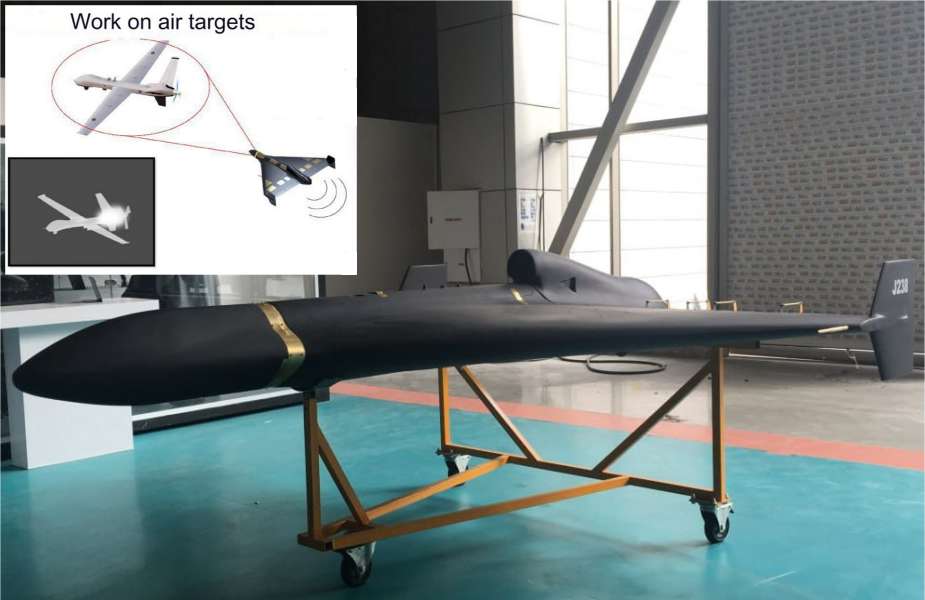
Recent leaked documents have revealed intriguing details about combat capabilities of the Iranian-made Shahed-238 drone, highlighting its advanced capabilities and current deployment in conflict zones. According to the leaked information published on the internet, this new drone is powered by a jet engine and possesses the ability to intercept air targets, including the US MQ-9 Reaper drone. This information aligns with open-source reports suggesting that the Shahed-238 is already being utilized by Russian forces in Ukraine.
Follow Army Recognition on Google News at this link
The Iranian Shahed-238 jet-powered drone, as revealed by leaked documents, is capable of intercepting US MQ-9 Reaper drones in flight. (Picture source: ISWNews)
In January 2024, Ukrainian media reported that a Shahed-238 kamikaze unmanned aerial vehicle (UAV) had been shot down in Ukraine. This information came from an influential military blogger within the country. However, there has been no official confirmation from the Ukrainian Air Force regarding this incident. In February 2024, Ukrainian analysts examined parts of the downed Shahed-238 jet drone to better understand its technology and capabilities.
The Shahed-238 suicide drone was first informally unveiled in October 2023, featured in the Parchamdar (Flagship) Documentary. This drone shares a similar platform and dimensions with the Shahed-136 but stands apart due to its propulsion system. Unlike the Shahed-136, which uses a piston engine, the Shahed-238 is equipped with a mini-turbojet engine.
This change in propulsion and engine design increases the drone's weight. While the piston engine MD550 or a similar engine used in the Shahed-136 weighs 17.59 kilograms, the Toloue-10 turbojet engine of the Shahed-238 weighs around 20.5 kilograms. The placement of the micro-turbojet engine within the airframe reduces space for carrying fuel, necessitating modifications to the upper part of the fuselage to accommodate the air intake. These changes further increase the drone's weight and reduce its fuel-carrying capacity. The fuel type has also been changed from gasoline to Jet-A to meet the new engine's requirements. These modifications, coupled with the increased speed, result in a reduction in the drone's endurance. Notably, the maximum takeoff weight has increased from 250 kilograms to 380 kilograms due to these changes.
The Shahed-238 drone has been showcased in three variants, each designed for specific missions. The basic and standard model serves general purposes, while a more advanced version is equipped with an imaging infrared (IIR) seeker in the nose. This variant is guided by inertial and satellite navigation to the target area and utilizes the seeker in the final dive phase to select and lock onto moving targets, significantly increasing accuracy. The other model, possibly equipped with a passive anti-radar seeker, targets enemy radar systems. It uses inertial and satellite guidance to approach the target area, where the anti-radar seeker detects radar signals, locks onto the enemy's radar systems or radio towers, and attacks them.
The leaked documents reveal that the Shahed-238, equipped with a thermal seeker, can attack both ground and air targets. The documents specifically highlight an instance where the Shahed-238, also known as the M-237, successfully locked onto a US MQ-9 Reaper drone, demonstrating its ability to target drones and other aerial threats effectively.
The technical specifications of the Shahed-238 drone underscore its advanced design. It is a suicide drone originating from Iran and was unveiled in 2023. With a length of 3.5 meters and a wingspan of 3 meters, the drone is powered by the Toloue-10 jet engine, allowing it to achieve speeds of up to 600 km/h and impact speeds exceeding 700 km/h. Its flight ceiling reaches 30,000 feet (approximately 9,144 meters), comparable to the Shahed-191 model, with a flight endurance of 2 hours. The guidance system combines GPS/INS and GNSS, and it can carry a 50 kg warhead. The drone's maximum take-off weight is 380 kg, and it can be launched from JATO or vehicle-assisted platforms. The drone lands using a parachute system.
The Iranian-made Shahed-238 drone represents a significant advancement in Iran's drone technology. Its capabilities and deployment in Ukraine highlight the growing importance of uncrewed aerial vehicles in modern warfare. The implications of this technology extend beyond its immediate use, raising concerns about the strategic dynamics of conflict zones and the necessity for robust countermeasures against such advanced drones
French Air Force deploys VL MICA air defense system for the first time to secure Paris 2024 Olympics
- Details
- Written by: Jérôme Brahy
- Category: 2024
- Hits: 8251
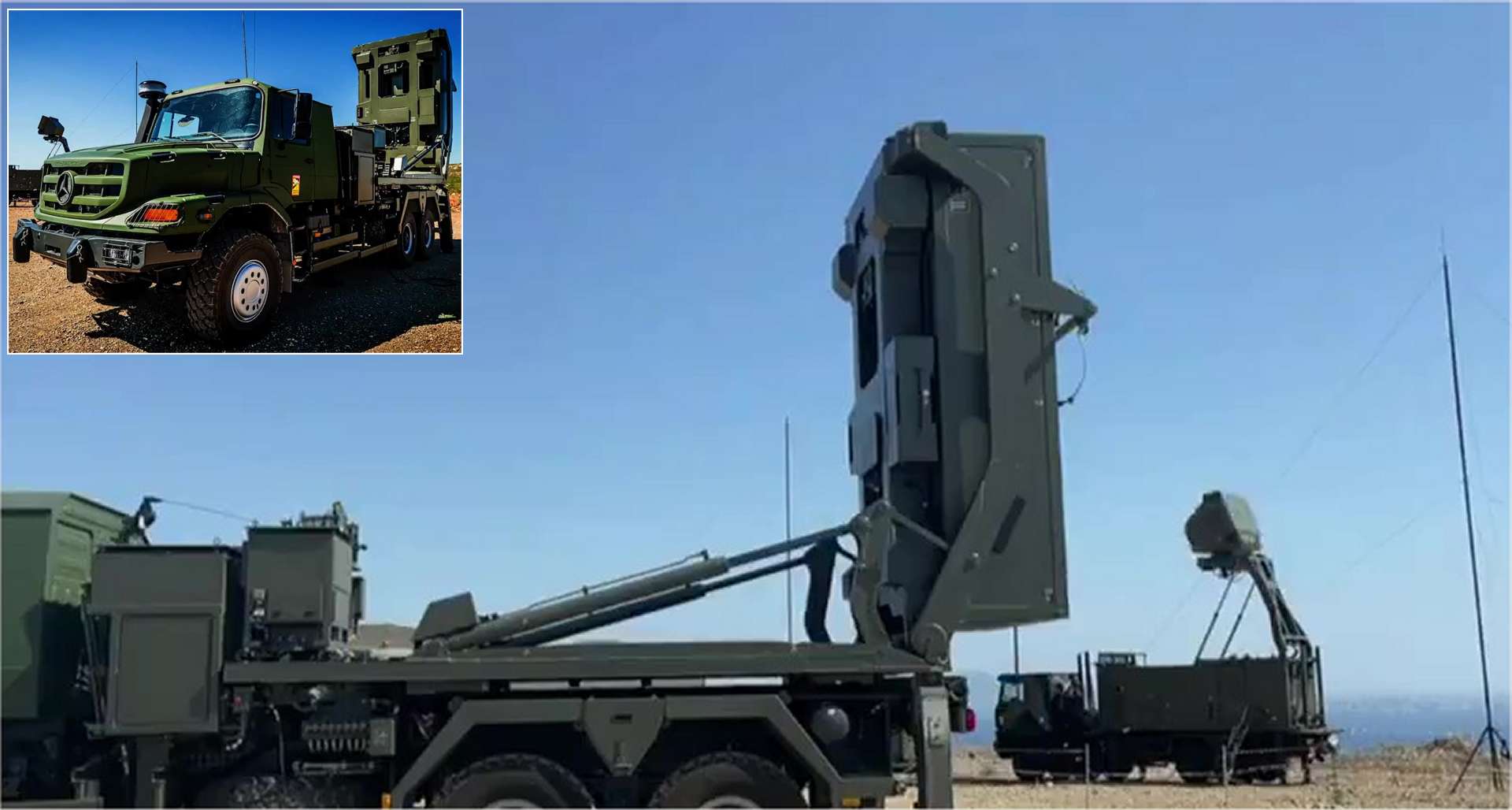
On August 2, 2024, BFM Marseille Provence reported that the French Air and Space Force has deployed the VL MICA air defense system for the first time operationally to secure the skies over Marseille during the Paris 2024 Olympic Games. This deployment aims to protect restricted zones from aerial threats and will remain in place until the end of the Olympic events. The system has been installed on the heights of Marseille since early July to safeguard key locations, including the marina hosting the sailing competitions.
Follow Army Recognition on Google News at this link
The VL MICA air defense system has been installed on the heights of Marseille since early July to safeguard key locations, including the marina hosting the sailing competitions. (Picture source: Twitter/BFM Marseille Provence and Armée de l'Air et de l'Espace/Stéphane Barrat)
General Stéphane Groën, the commander of the aerial security operations for the Olympics, stated that the VL MICA, deployed to secure areas where flying aircraft are prohibited during the Paris 2024 Olympic Games, could counter a 9/11-type threat targeting Marseille's city center or the Olympic venues. If a threat is identified as hostile, operators will receive orders to neutralize it. This system, in place since early July, will remain active until the end of the Olympic Games to protect the marina where the sailing events are held. This deployment marks the first operational use of such a system by the French Air and Space Force, happening under the name "Operation Sentinelle JOP 2024."
As further confirmed by MBDA on August 1, 2024, the needs of the armed forces during the Olympic and Paralympic Games include responding to DPSA (Dispositif Particulier de Surveillance Aérienne) requirements, a special air security arrangement implemented during major events in France. MBDA provided the armed forces with two VL MICA systems, acquired as part of the reactive acquisition force and delivered to the Air Force within thirteen months. This contract for the Paris Olympics represents a notable milestone for MBDA, marking the introduction of VL MICA in France in its land version and its first use by French forces.
As revealed on June 19, 2024, during Eurosatory 2024, the French Ministry of the Armed Forces confirmed the delivery of two MICA VL air defense systems to the French Air and Space Force. This announcement followed the January 2024 decision that 12 VL MICA systems would replace the Crotale NG systems by 2035. The first two MICA VL systems, which filled the gap left by the transfer of Crotale NG systems to Ukraine, were delivered before the summer of 2024 to enhance security for the upcoming Paris Olympic and Paralympic Games. This air defense system, a ground-based variant of the MICA missile, required integration efforts but benefited from its existing qualification and production status. The system, already known to the French Air and Space Force, allows interception of threats in all weather conditions, providing 360-degree coverage within a 20-kilometer radius and up to 9 kilometers in altitude.
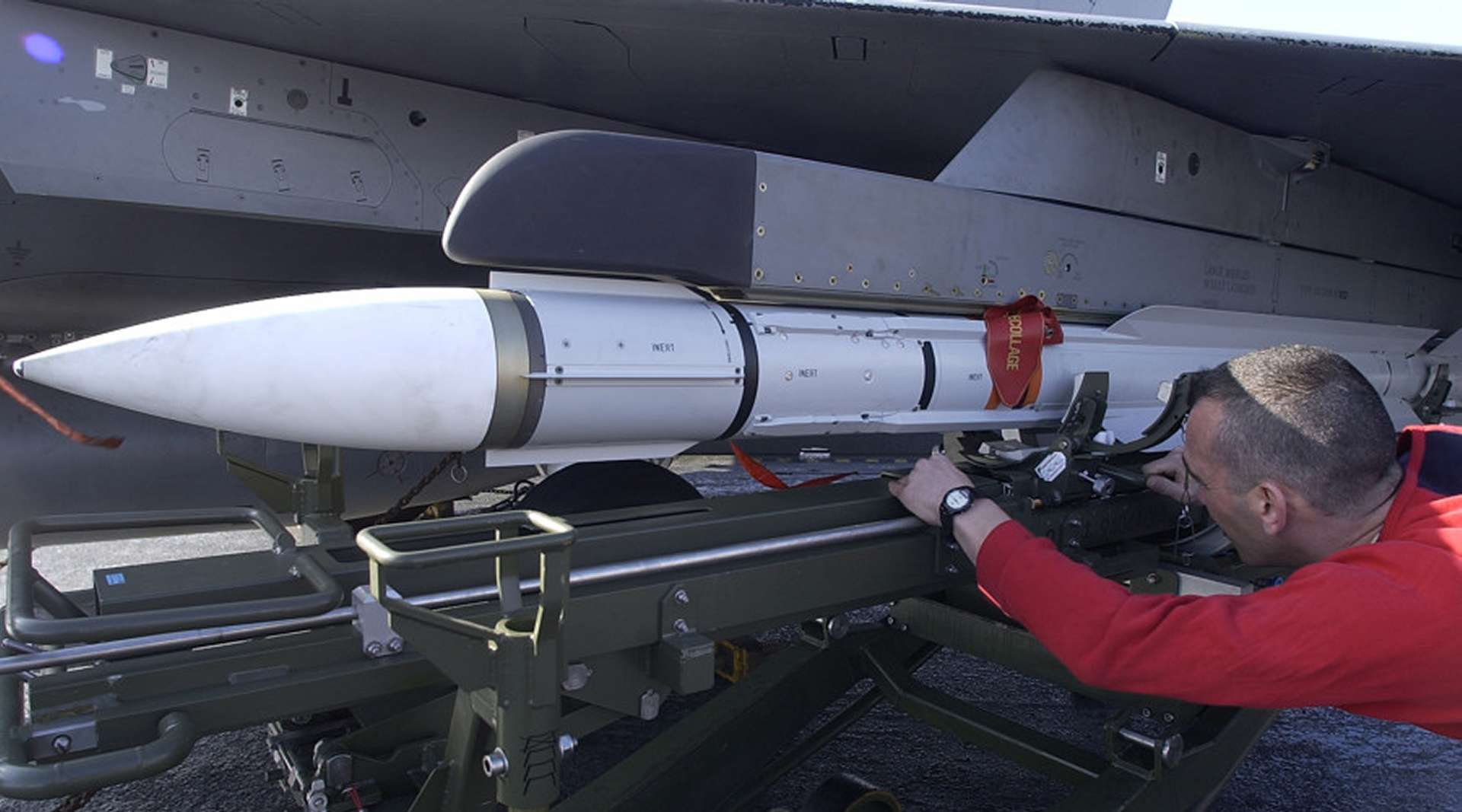
The VL MICA, introduced in 2010, is a ground and naval-based variant of the MICA missile, initially developed in 1996 by MBDA for French Rafale and Mirage 2000 fighters. (Picture source: MBDA)
This procurement of 12 VL MICA air defense systems aligns with a French National Assembly's report submitted on October 14, 2023. The 2024 finance bill proposed increasing the budget for Program 146, Equipment of the Forces, to €24.4 billion in commitments (a 3.7% increase) and €16.6 billion in payments (a 7.9% increase). This budget increase supports the armament programs initiated by the 2019-2025 Military Programming Law (LPM) and continues with the 2024-2030 LPM.
Under this framework, the 2024-2030 LPM allocates €5 billion to surface-to-air defense, funding various anti-aircraft weaponry programs. This funding aims to modernize and develop existing capacities, consolidating the stockpile of anti-aircraft missiles, and follows a war economy logic. The emphasis is on medium-range and low-layer ground-to-air defense. The DSABC program, launched in 2023, aims to renew and modernize short-range surface-to-air defense capabilities for the Army, Air and Space Force, and Navy. Priorities include renewing the short-range Crotale component for the Air and Space Force, creating a mobile and protected terrestrial maneuver support component for the Army, and ensuring the self-protection of second-tier ships for the Navy.
The initial phase of the DSABC program involves increasing the stock of Mistral missiles and acquiring two MICA surface-to-air missile systems. In 2024, an initial batch of Mistral missiles and the two VL MICA systems will be received. The budget for this increment is €702 million in commitments and €107 million in payments, with an additional €523 million in commitments expected in the following year. This investment aims to strengthen France's surface-to-air defense capabilities.
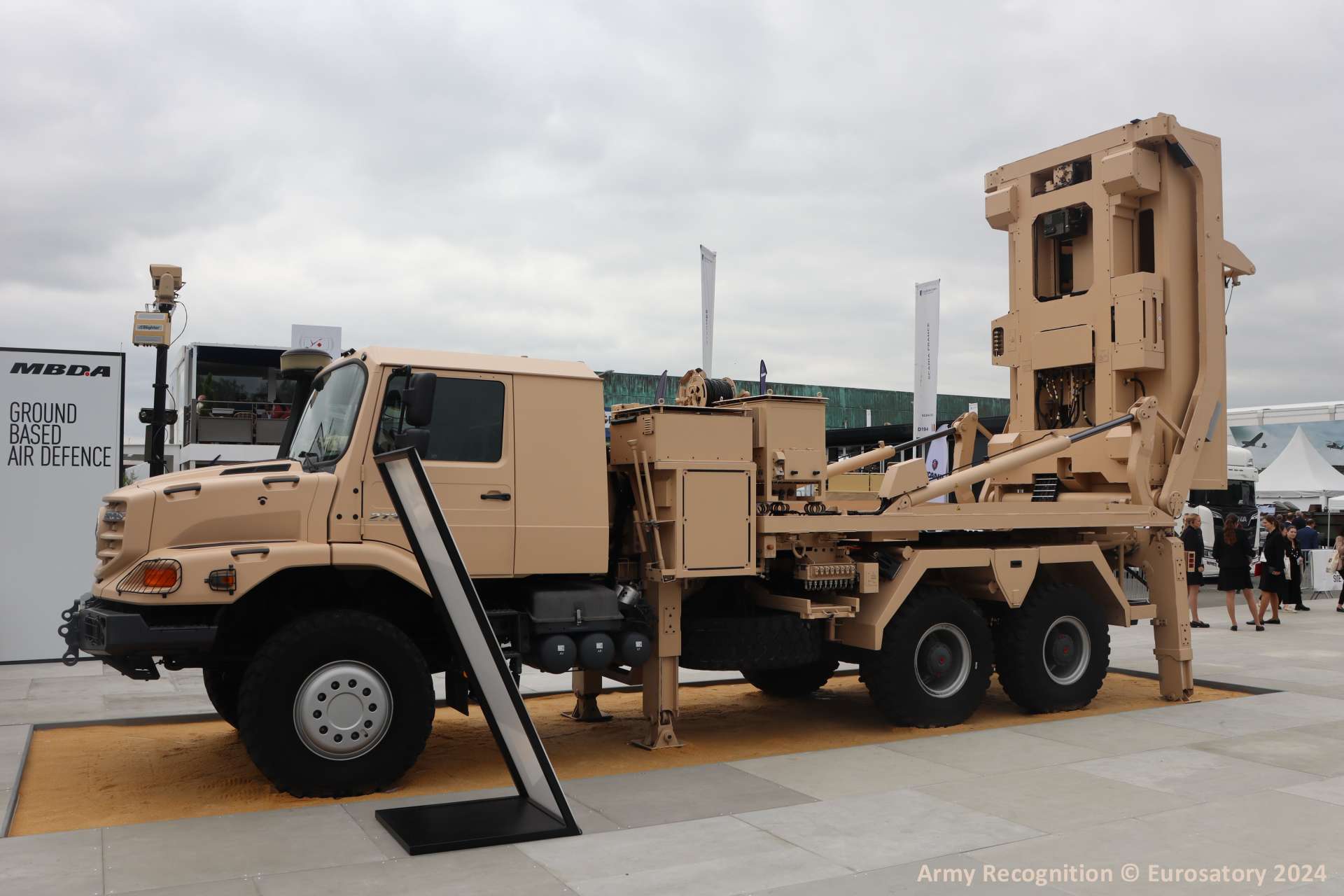
Recent developments include the VL MICA NG (New Generation), which extends the range to 40 kilometers with improved propulsion and more advanced seekers. (Picture source: Army Recognition)
The MICA (Missile d'Interception, de Combat et d'Auto-défense - Interception, Combat, and Self-protection Missile), developed by MBDA, is an anti-air multi-target, all-weather, fire-and-forget missile system designed for short and medium-range use by air platforms, ground units, and ships. Initially developed in 1996 for French Rafale and Mirage 2000 fighters, the MICA features dual seeker technology with infrared (IR) and radio frequency (RF) guidance, allowing it to engage various targets under different weather conditions. The fire-and-forget capability enables simultaneous engagement of multiple targets. The MICA system is utilized by several air forces, including those of France, UAE, Greece, and Taiwan.
The VL MICA, introduced in 2010, is a ground and naval-based variant of the MICA missile, providing short-range air defense. It retains the dual seeker technology, providing 360-degree coverage and a high rate of fire, with a two-second launch interval. The system can engage targets within a range of up to 20 kilometers and altitudes over 9 kilometers. Recent developments include the VL MICA NG (New Generation), which extends the range to 40 kilometers with improved propulsion and advanced seekers.
The VL MICA system is capable of engaging a wide range of aerial threats, including aircraft, helicopters, drones, and tactical and cruise missiles. In the French armed forces, each system comprises a Tactical Operations Center (TOC) connected to two vertical launchers, each equipped with four interceptor missiles, and a GM200 radar produced by Thales. The TOC houses all operational functions, including consoles for engagement coordination and tactical integration. The system is particularly effective against saturation attacks by low-signature targets such as guided bombs or missiles.
- Details
- Written by: Vandenbosch
- Category: 2024
- Hits: 8492
Russian forces have intercepted a Ukrainian BK-3OF, a highly explosive fragmentation charge mounted on an unmanned combat aerial vehicle (HE-Frag UCAV). This sophisticated weapon, part of Ukraine's advanced military arsenal, was intercepted during an operation.
Follow Army Recognition on Google News at this link
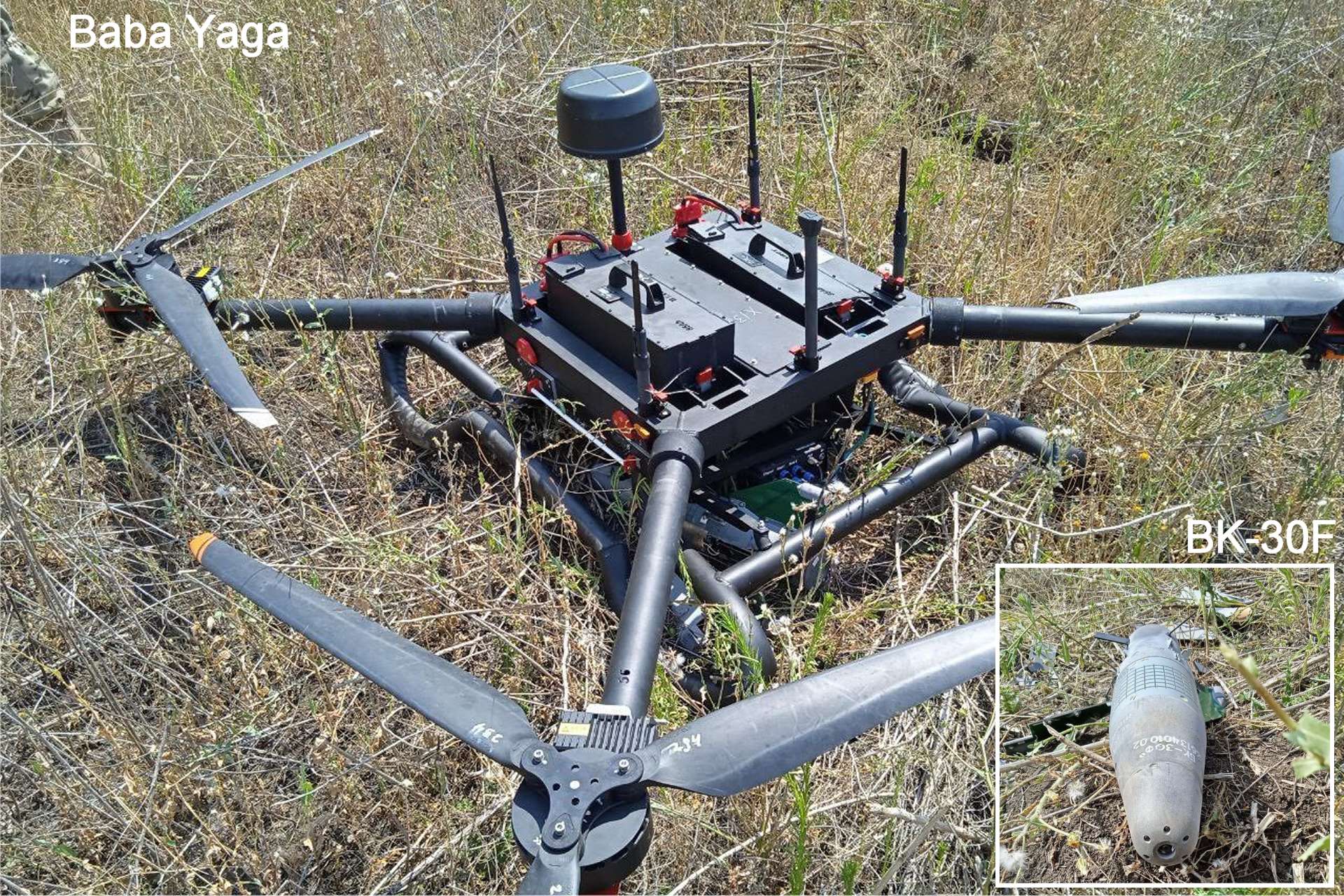
Ukrainian BK-3OF, a highly explosive fragmentation charge mounted on a Baba Yaga unmanned aerial vehicle. (Picture source: Social Media)
Images of a Baba Yaga captured by Russian forces have emerged on Telegram. They show the Baba Yaga adorned with largely intact antennas, as well as a very peculiar munition, equipped with a seeker head seemingly designed for laser guidance, although other possibilities exist, including an electro-optical type. The weapon is marked BK-30F in Cyrillic and appears to have a large fragmentation warhead section occupying the middle of its body.
The BK-3OF is an air-dropped guided bomb, designed for maximum efficiency in targeting infantry positions and lightly armored vehicles. It uses a highly explosive fragmentation warhead (HE-Frag), known for its effectiveness against personnel and lightly armored targets. The BK-3OF is a variant of the RK-3OF warhead, itself derived from the RK-3 Korsa missile – a laser beam-riding anti-tank guided missile (LBR ATGM) designed to penetrate heavy armor and fortified structures.
Pairing weapons like this with Baba Yaga drones makes sense. These unmanned craft are not cheap or disposable weapons like their first-person view (FPV) counterparts. They are industrial-grade systems often used for agricultural and commercial purposes. They cost tens of thousands of dollars each and can carry significant payloads over dozens of kilometers. Thus, while increasing their lethality is always important, enhancing their survivability is equally crucial.
The Baba Yaga, like other drones in the Ukrainian arsenal, is essential to their strategy of leveraging unmanned systems to conduct reconnaissance missions and precise strikes. These drones can hover over the battlefield, providing real-time intelligence and delivering munitions with great precision.
Ukraine has rapidly advanced its drone technology. Recently, a significant batch of 830 FPV drones equipped with various munitions, including HE-Frag warheads, was provided to Ukrainian forces by the Come Back Alive Foundation. These drones are designed to disrupt enemy infantry movements and destroy long-range targets, thereby enhancing the tactical capabilities of the Ukrainian army.
Moreover, the country's defense industry has actively developed other advanced systems, such as the Phoenix 03 Heavy and the RAM UAV, which offer capabilities like low observability, autonomous flight, and multi-role munitions.
Even if they are not equipped with rocket motors and are only used in free-fall mode, guided munitions would allow Baba Yaga drones to engage targets from much higher altitudes without having to stay directly above the target they are attacking. The drones can then continue to move during the engagement, significantly increasing their survivability.
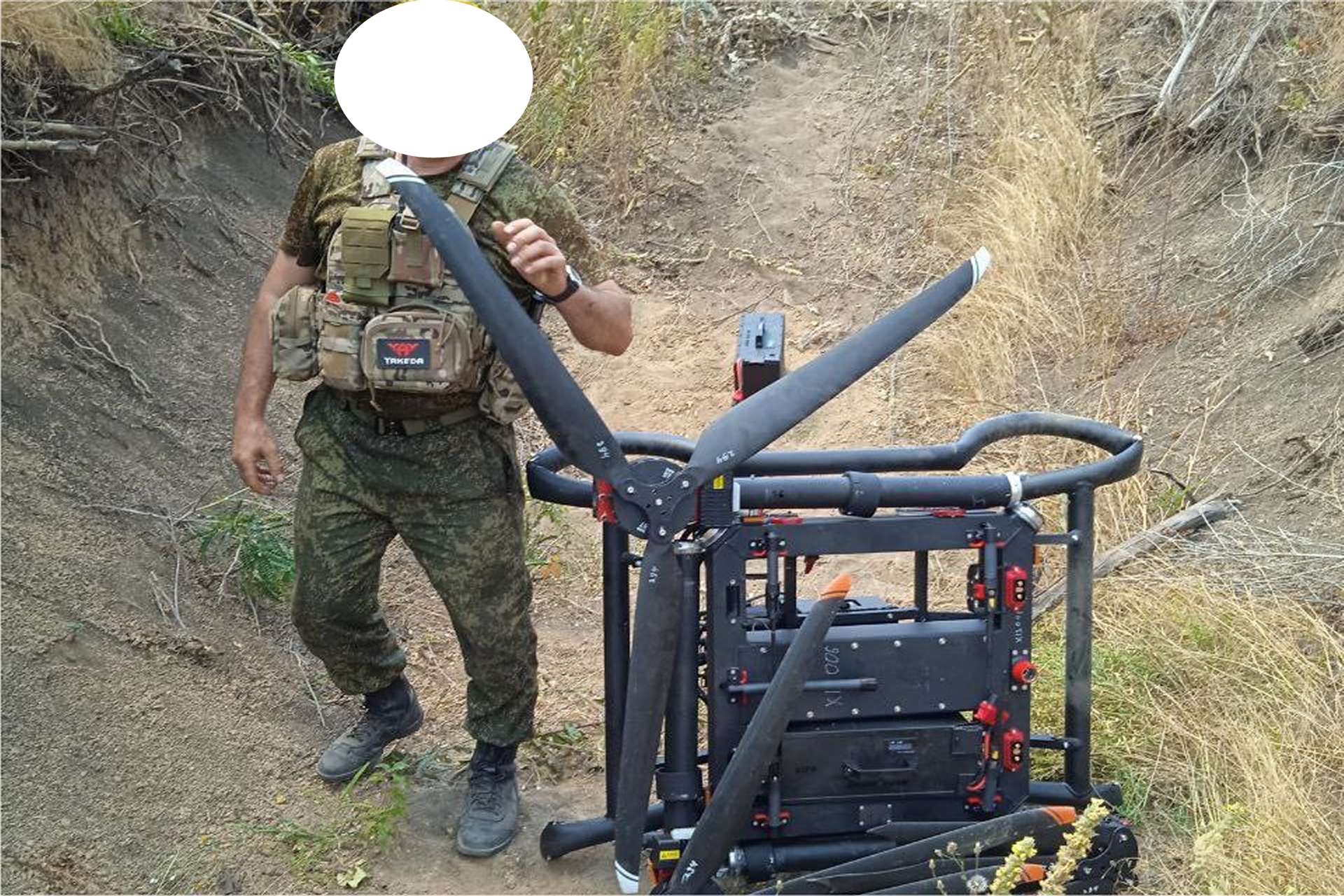
Image of the Ukrainian Baba Yaga captured by Russian forces. (Picture source: Social Media)
Read more: Russia Intercepts a BK-3OF Guided Bomb Mounted on a Ukrainian Baba Yaga Drone
- Details
- Written by: Halna du Fretay
- Category: 2024
- Hits: 16189
Tensions between Israel and Hezbollah have reached new heights with recent events. The Hamas attack on October 7, 2023, followed by the ongoing war in Gaza, has intensified confrontations in the region. On July 31, 2024, Israel conducted simultaneous raids in Tehran and Beirut, eliminating the Hamas leader and the Hezbollah military chief. These actions have highlighted the volatility of the situation and the imminent possibility of a coordinated response from Iran, Hezbollah, and Hamas. This article examines Hezbollah's arsenal, military capabilities, and the threat it poses to Israel. Follow Army Recognition on Google News at this link
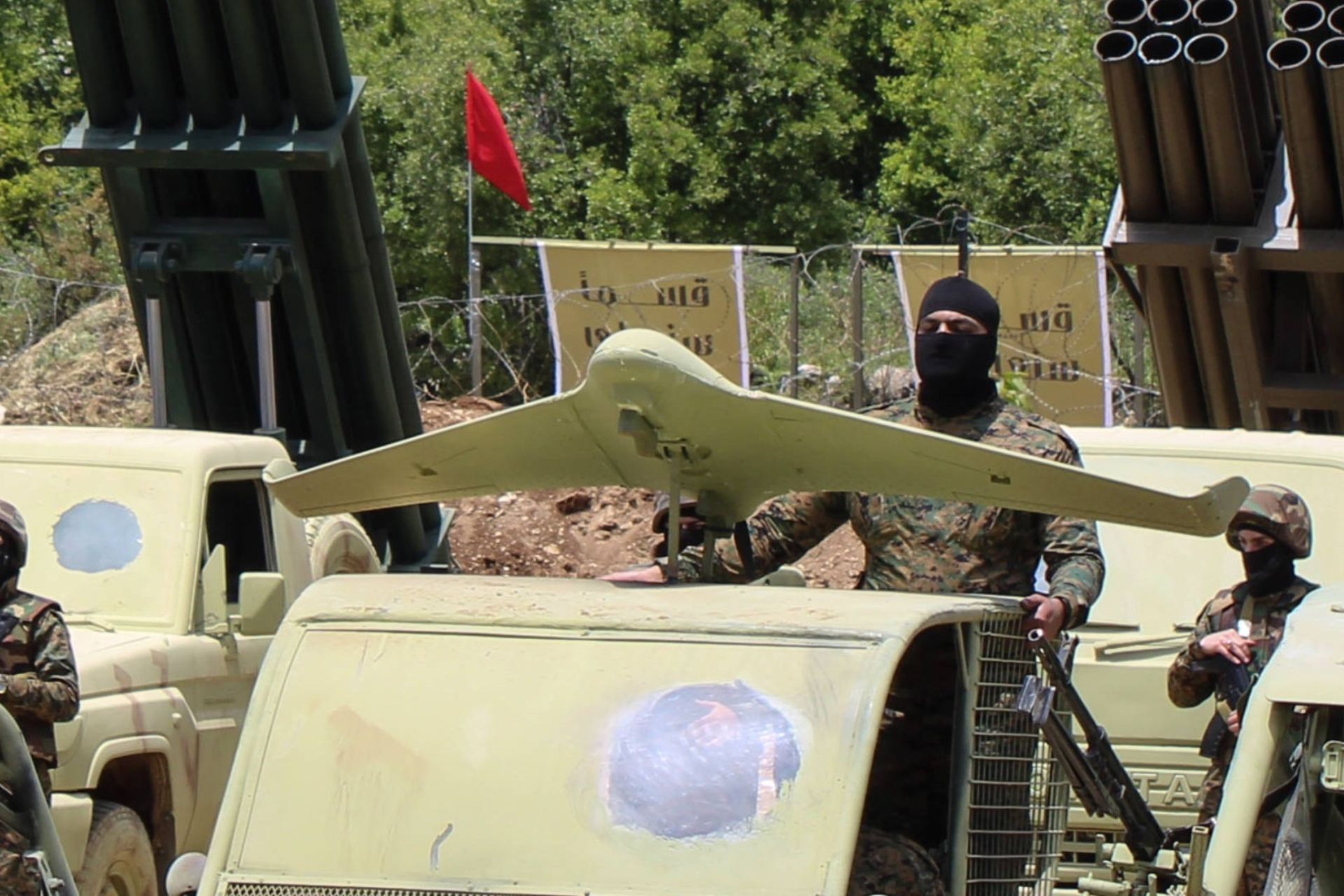
The fact that Hezbollah manufactures some of these drones locally reinforces their operational independence and their ability to carry out coordinated attacks with other types of weapon, even though most of them are Iranian. (Picture source: Hanna Davis)
Hezbollah, founded in 1982 in response to the Israeli invasion of Lebanon, has evolved into a major political and military force in Lebanon. Supported by Iran, Hezbollah aims to resist Israeli occupation and defend Shiite interests in the region. Since its inception, Hezbollah has been involved in numerous conflicts with Israel, most notably the 2006 war, which caused significant human and material losses on both sides. The recent escalation in tensions is rooted in this complex history of rivalry and confrontation.
Hezbollah's Arsenal: Details and Capabilities:
Missiles and Rockets
Hezbollah possesses an impressive arsenal of rockets and ballistic missiles, estimated between 120,000 and 200,000 units, including both unguided and guided weapons. Among the short-range rockets are the "Katyusha" (4-40 km) with explosive warheads of 6-20 kg, the Fajr-1 and its Type 63 derivatives (8-10 km) with 8 kg fragmentation charges, as well as the Burkan (10 km) and Falaq-1/2 (10-11 km) with explosive charges ranging from 50 to 120 kg. Long-range rockets include the Fajr-3 (43 km), Fajr-5 (75 km), and Raad-2/3 Uragan-type (60-70 km) with significant explosive capabilities. Hezbollah also has short-range ballistic missiles like the Zelzal-1/2 (125-210 km).
Their arsenal also includes intermediate-range ballistic missiles such as the Scud-B/C/D (300-500 km) with warheads of 600 to 985 kg, and short-range guided ballistic missiles like the Fateh-110/M-600 (250-300 km) with explosive charges of 450 to 500 kg. Iranian-made Falaq rockets can cause significant damage to targets near the Israeli border, such as Haifa. Long-range missiles like the Russian-origin Scuds can reach strategic targets in Israel, including Ben Gurion Airport and the Dimona nuclear plant. Advanced guidance systems provided by Iran have improved the accuracy of these missiles, increasing their battlefield effectiveness.
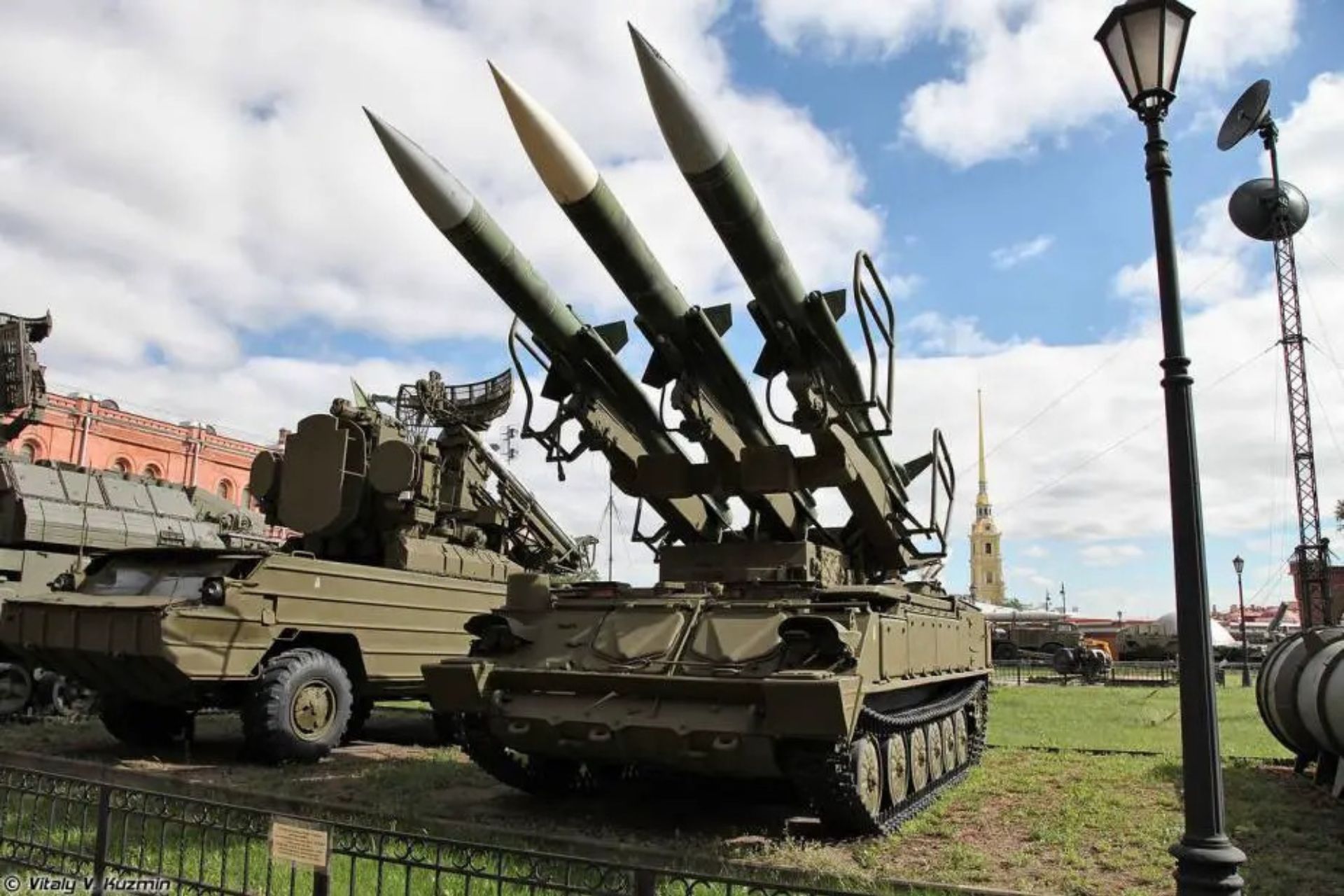
According to some analysts, Hezbollah may have acquired SA-6 air defenses (Picture source: Vitaly Kuzmin)
Drones
In recent months, Hezbollah has intensively used drones to monitor and attack Israeli positions, increasing its operational and autonomous capabilities. Iranian models like the Shahed 136, equipped with electro-optical and GPS guidance systems, enable precise strikes, posing a serious threat to Israeli infrastructure and forces. Iran supplies Hezbollah with a range of UAS (Unmanned Aerial Systems) for various roles. Multi-role drones include the Ayoub (Shahed-129) with a range of 2,000 km and 34 kg guided bombs, the Mirsad 2 (Mohajer 4) which can carry air-to-air missiles or unguided rockets with a range of 150 km, and the Karrar, capable of carrying 125-250 kg bombs or anti-ship missiles with a range of 1,000 km.
The Mirsad 1 (Ababil-T), used as a loitering munition, has a 40 kg explosive charge and a range of 120 km. For surveillance and reconnaissance missions, the Ma’arab (Qods Yasir) is equipped with electro-optical sensors and has a range of 200 km. Hezbollah's local manufacturing of some of these drones enhances their operational independence and their capability to conduct coordinated attacks with other types of weapons.
Anti-Aircraft and Anti-Ship Missiles
Hezbollah has a diverse arsenal of air defense and anti-ship missile systems. Their air defense systems include MANPADS (Man-Portable Air-Defense Systems) like the Misagh-1 and Misagh-2, with a range of 5 to 6 km and a 1.42 kg explosive charge, as well as SA-7 (9K32 Strela-2) and SA-16/18 (9K310 Igla-1/9K38 Igla) with respective ranges of 3.4 km and 0.5 km. For short-range surface-to-air missiles, Hezbollah uses the SA-8 (9K33 Osa) and SA-14 (9K34 Strela-3), with ranges of 10 km and 4.5 km. Medium-range systems include the SA-17 (9K40 Buk-M2) and SA-22 (Pantsyr-S1), capable of reaching targets up to 50 km and 20 km away.
Their arsenal also includes ZU-23 anti-aircraft guns with a range of 2.5 km, and surface-loitering munitions "358", with unspecified charge and range details. In terms of anti-ship missiles, Hezbollah possesses Russian Yakhont and Chinese Silkworm missiles, capable of targeting Israeli gas fields in the Mediterranean. An attack on these installations could severely disrupt Israel's energy supply. These defensive and offensive capabilities complicate Israeli air and naval operations, reducing their freedom of action in the region.
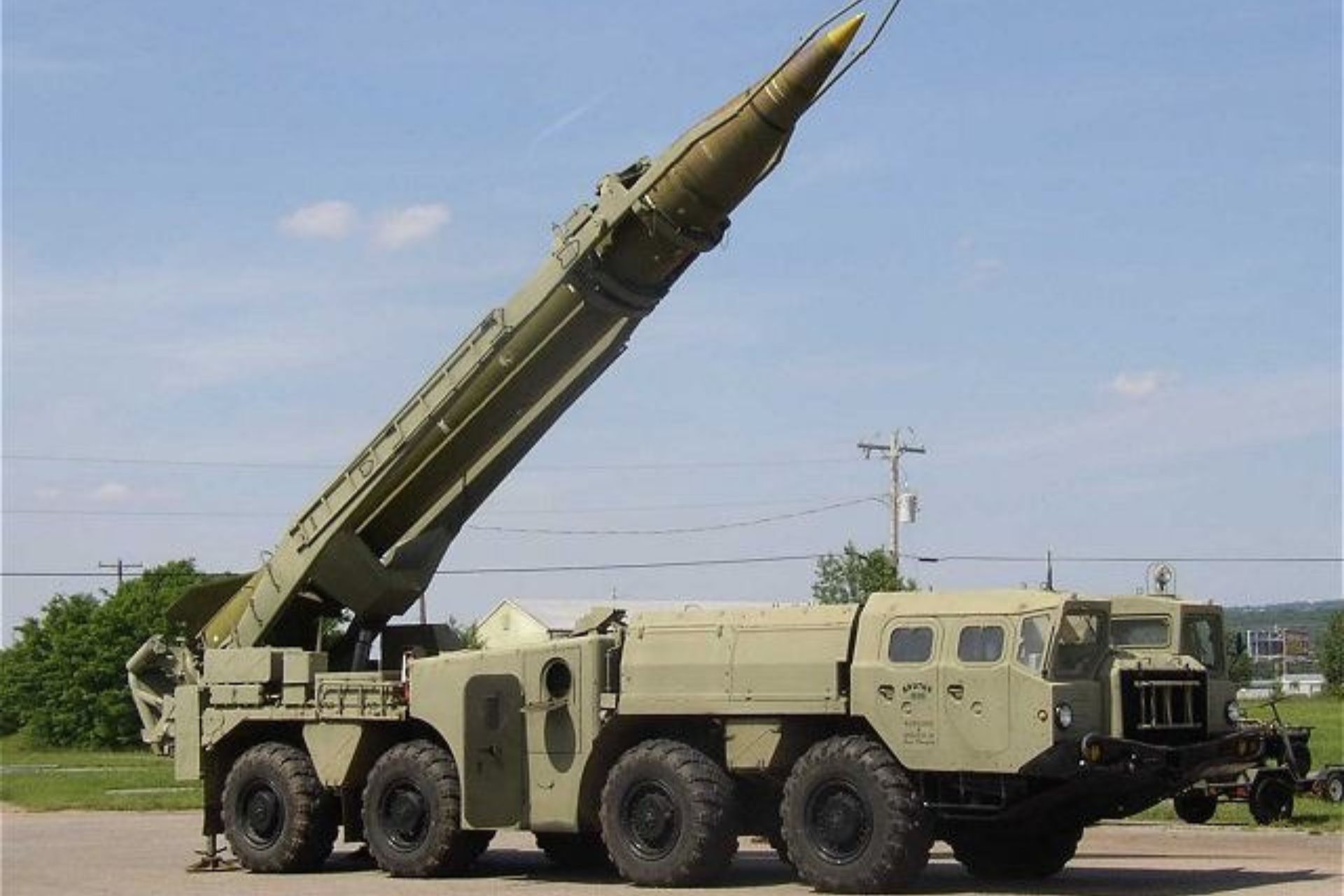
The Lebanese Hezbollah's Arsenal also includes intermediate-range ballistic missiles such as the Scud-B/C/D (300-500 km) with warheads of 600 to 985 kg (Picture source: Russian MoD)
Forces and Personnel
In 2021, Hassan Nasrallah, the Secretary General of Hezbollah, stated that Hezbollah had 100,000 fighters. Although this figure is realistic, it is not very certain and many specialists estimate that Hezbollah has approximately 45,000 fighters, including 20,000 full-time personnel. The al-Radouane unit is an elite force specializing in guerrilla operations and coordinated attacks. Hezbollah also maintains an extensive network of tunnels and trenches, primarily in southern Lebanon and the Bekaa Valley. These infrastructures allow discreet troop movements and secure storage of weapons and munitions, providing a strategic advantage in a prolonged conflict.
Hezbollah's arsenal represents a multidimensional threat to Israel. Missiles and rockets can target critical infrastructure and civilian areas, causing significant human and material losses. Drones enhance surveillance and precise strike capabilities, while anti-ship and air defense missiles complicate Israeli naval and aerial operations. In the event of escalation, Hezbollah could launch coordinated attacks with Hamas and pro-Iranian militias, increasing pressure on Israeli defenses.
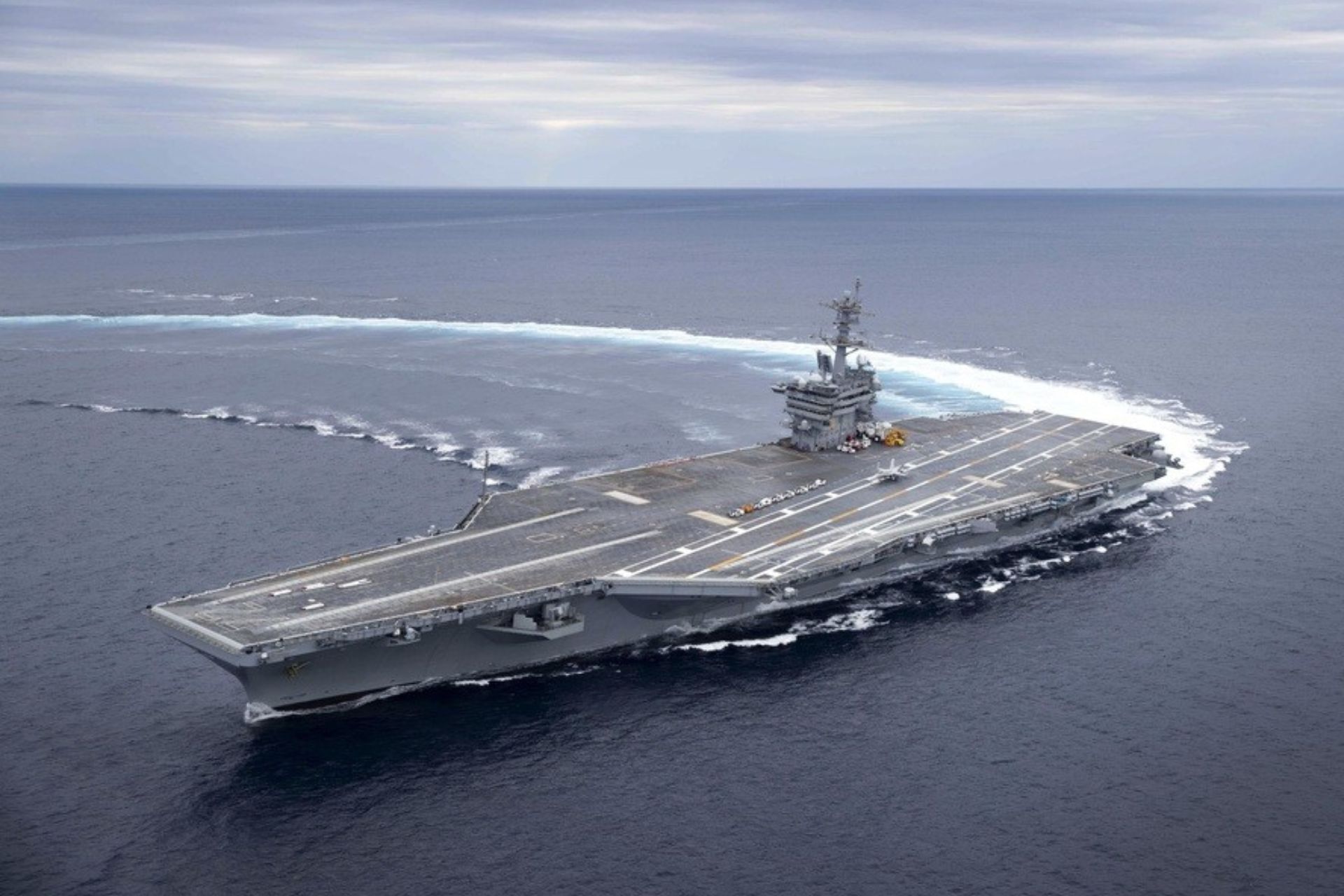
An additional American aircraft carrier, The USS Abraham Lincoln, will be deployed to the Middle East, joining the USS Theodore Roosevelt patrolling the Gulf of Oman. (Picture source: USS DoD)
Israel has advanced defense systems, such as the Iron Dome, to intercept rockets and missiles. However, the sheer number of projectiles could overwhelm these systems. In response to a major attack, Israel might rely on military support from the United States, which has already expressed its willingness to back its ally in case of conflict. An additional American aircraft carrier will be deployed to the Middle East, joining the USS Theodore Roosevelt patrolling the Gulf of Oman.
Hezbollah's arsenal and military capabilities pose a serious threat to Israel's security. The current tensions could trigger a major conflict with devastating consequences for the region. The coming days will be crucial in determining whether an escalation can be avoided or if the region will head towards direct confrontation. The response from Israel's enemies leaves little doubt. After the United States and Great Britain, France called on its citizens to leave Lebanon immediately on August 4, 2024.
Read more: Detailed Analysis of Hezbollah's Weapons: An Imminent Threat to Israel?
- Chaiseri Showcases 8x8 Armored Amphibious Vehicle for Thai Marines at Navy Research 2024
- Bulgaria Seeks to Acquire IRIS-T Missile Systems from Germany
- North Korea deploys 1,000 Hwasong-11D ballistic missiles against South Korea
- US Army Awards Major Contract to BAE Systems to Produce More M109A7 Paladin Howitzers and M992A3 Resupply Vehicles