
- Details
- Written by: Jérôme Brahy
- Category: 2024
- Hits: 4861




Breaking news






On June 10, 2024, NP Aerospace, a British company specializing in vehicle integration and armor manufacturing, announced the acquisition of select assets from Jankel Armouring Limited, which entered bankruptcy on February 27, 2024. This strategic acquisition, approved under the UK National Security and Investment Act (NSIA), includes Jankel Armouring’s intellectual property, patents, inventory, and existing contracts.
Follow Army Recognition on Google News at this link
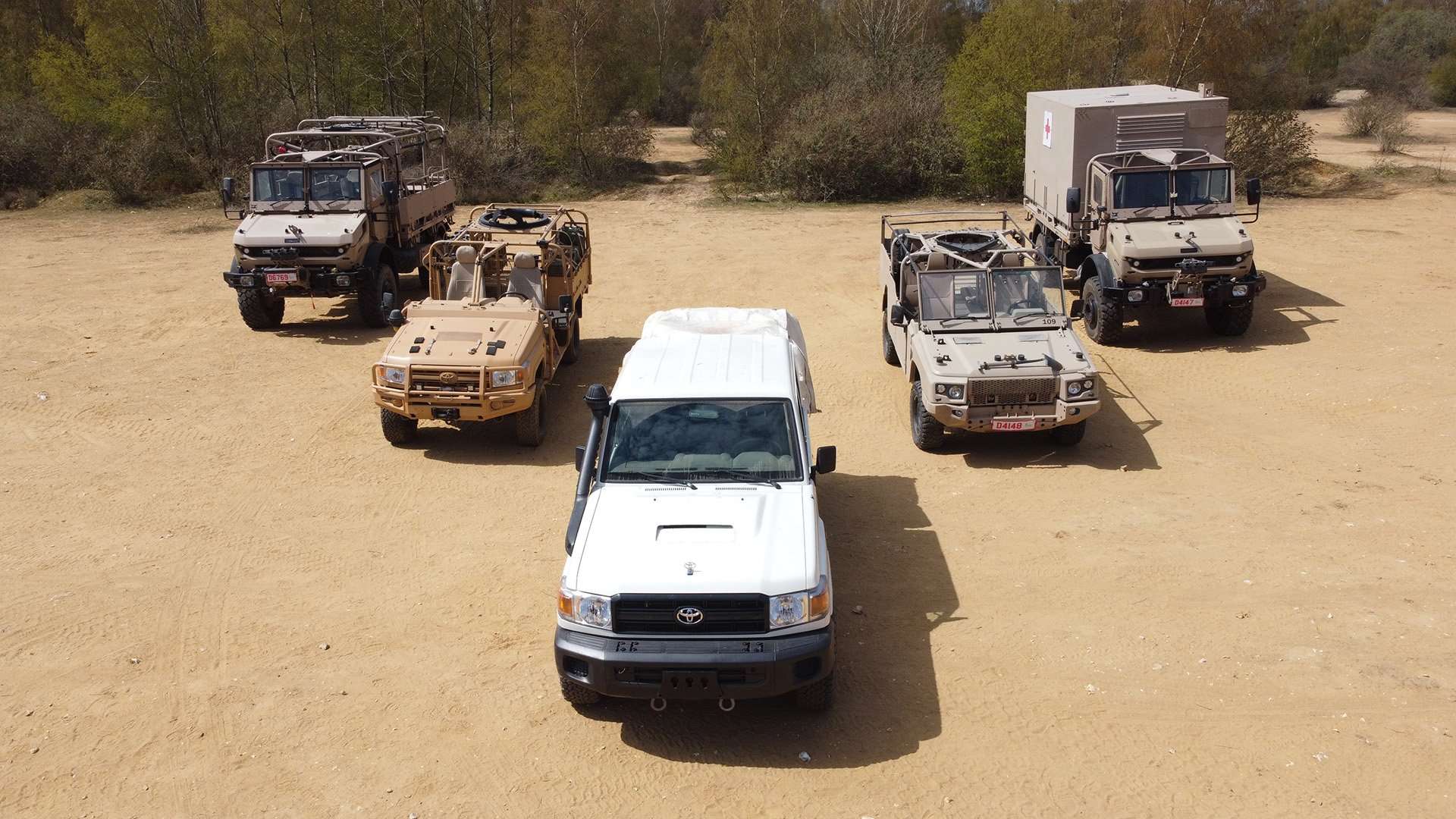
This strategic acquisition allows NP Aerospace to integrate Jankel's tactical vehicles, civilian armored vehicles (CAVs), armor technologies, seating systems, and through-life support services into its existing portfolio. (Picture source: NP Aerospace)
NP Aerospace is a manufacturer and integrator of advanced armor systems and composite structures. With over 90 years of experience, the British company specializes in producing high-strength, lightweight, and fatigue-resistant products using various materials. NP Aerospace’s portfolio includes ballistic helmets, body armor, vehicle protection systems, and advanced composites for multiple applications. The company serves military forces, law enforcement, and commercial sectors, providing solutions to enhance security and resilience in high-threat environments.
This strategic acquisition allows NP Aerospace to integrate Jankel's tactical vehicles, civilian armored vehicles (CAVs), armor technologies, seating systems, and through-life support services into its existing portfolio. Therefore, Jankel’s portfolio of tactical and civilian armored vehicles, along with their armor technologies and seating systems, now complements NP Aerospace’s existing offerings. This strengthens its position in the global defense market by enhancing its vehicle production capabilities and expanding its support services. Additionally, acquiring Jankel’s intellectual property and ongoing contracts enables NP Aerospace to offer a wider range of products, maintain continuity for Jankel's customers, such as the Belgian and UK Ministries of Defence, and leverage synergies to drive further growth.
James Kempston, CEO of NP Aerospace, stated that this acquisition represents a growth phase for the company and aims to add value through new business synergies. The immediate priority is to advance with existing customer contracts and deliver successful programs to a global customer base. This development is expected to support the defense industry by maintaining capability and supply while enhancing NP Aerospace’s global defense export line.
The acquisition is anticipated to create and sustain approximately 60-70 skilled jobs, with NP Aerospace retaining key talent from Jankel Armouring Limited, including pivotal engineers and critical executives. The transaction does not include any assets or formal relationships with the US-based Jankel business, including Jankel Tactical Systems, and does not entail any liabilities to former creditors. Mike Denny, Joint Administrator from Alvarez & Marsal Europe LLP, indicated that the sale of Jankel Armouring’s assets to NP Aerospace is expected to provide continuity for its customer base and create new opportunities for its skilled workforce. The business is anticipated to operate under NP Aerospace’s ownership.
Jankel Armouring Limited, a manufacturer of armored vehicles and protection systems, entered administration on February 27, 2024. The company faced significant financial challenges leading to its insolvency. Administrators from Alvarez & Marsal Europe LLP, specifically Michael Denny and Mark Firmin, were appointed to manage the process. The situation was a result of various pressures, including market conditions and financial strains, which necessitated the company's restructuring and eventual sale of its assets.
The bankruptcy of Jankel Armouring Limited significantly impacted the Belgian Army's Special Forces, particularly regarding their Light Tactical Transport Vehicle (LTTV) program. Jankel had been contracted to deliver 199 LTTVs to the Belgian Ministry of Defence (MoD) to replace their aging Unimog vehicles used by Special Operations Forces. The LTTVs were designed to be modular and configurable, featuring removable mission modules for various roles, including troop transport, logistics, and medical evacuation.
Due to the bankruptcy, the completion of the order became uncertain, raising concerns about the delivery and future support for these vehicles. Although the Belgian Army had already received part of the order, Jankel's financial instability threatened the fulfillment of the remaining vehicles, leaving 87 Unimog U5000-based Wolf LTTVs undelivered for the Belgian Special Operations Regiment. This situation required the Belgian Ministry of Defence to potentially seek alternative solutions or suppliers to ensure the continued operational capability of their special forces units. However, the acquisition by NP Aerospace offers a potential resolution to these issues, providing continuity and expertise to fulfill existing contracts and support ongoing defense programs.
Read more: NP Aerospace acquires Jankel Armouring assets following bankruptcy filing
- Details
- Written by: Jérôme Brahy
- Category: 2024
- Hits: 6124
Breaking news
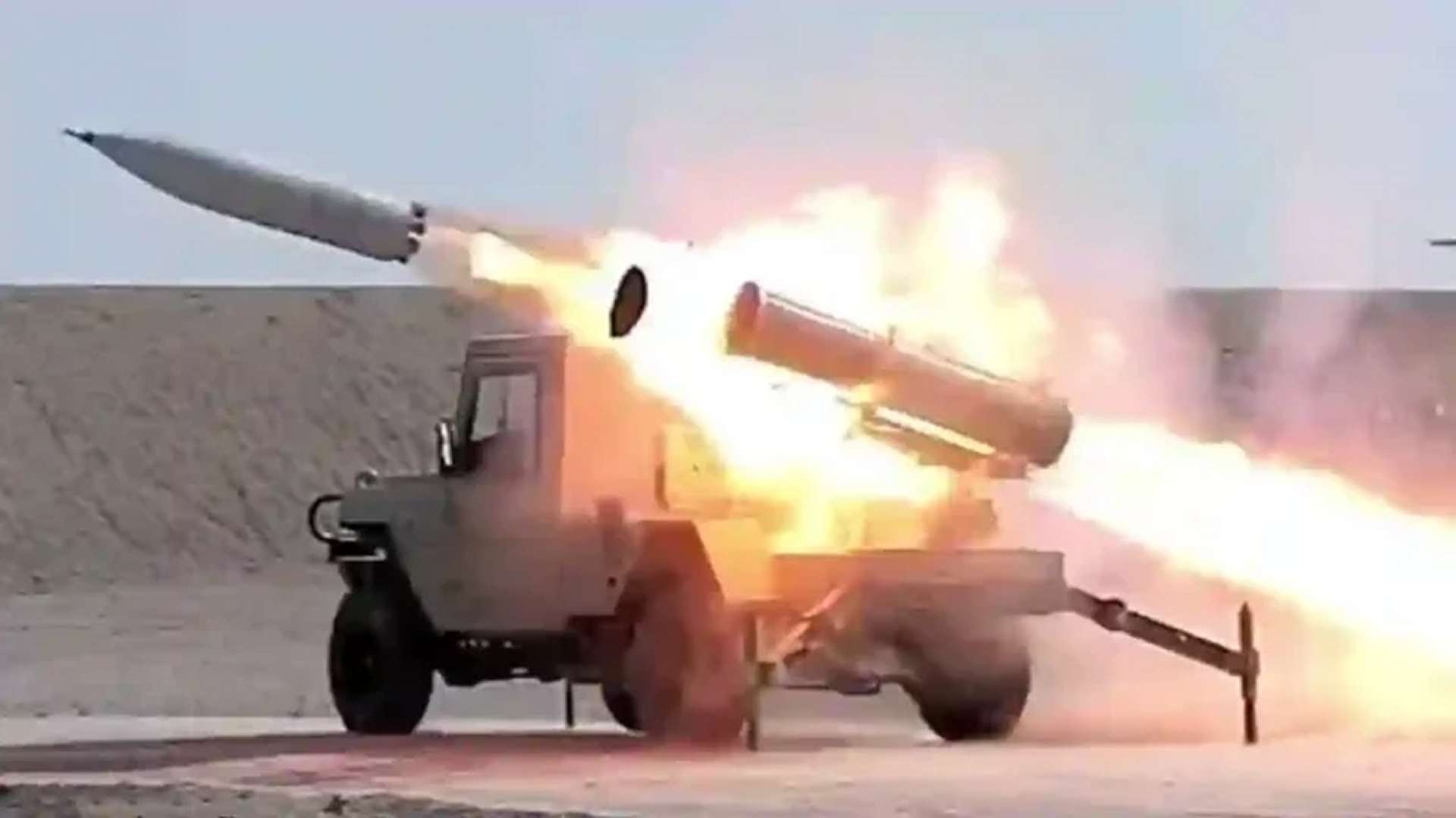
On June 8, 2024, the Lebanese armed group Hezbollah announced it had fired a salvo of Falaq-2 333 mm rockets at a military command center in northern Israel, marking the first known use of this type of rocket by Hezbollah, which had previously used the Falaq-1 on multiple occasions. The Falaq-2 is produced entirely within Iran, providing advantages such as resistance to jamming, significant destructive power, and an impact fuse with an arming mechanism.
Follow Army Recognition on Google News at this link
The Falaq-2 is produced entirely within Iran, providing advantages such as resistance to jamming, significant destructive power, and an impact fuse with an arming mechanism. (Picture source: Iranian MoD)
The Falaq-2 is an Iranian-made, second-generation unguided 333 mm rocket system developed in the 1990s by Shahid Bagheri Industries, part of the Aerospace Industries Organization. The 333 mm surface-to-surface rocket is launched from a single tube-type launcher mounted on a vehicle chassis, similar to those used for the Shahin-1 and Shahin-2 systems. The Falaq-2 has a maximum range of 10,800 meters and has been previously used in the Syrian civil war.
The Falaq-2 rocket is designed to target military and economic assets, including command centers, forts, fire support centers, traffic lines, communication centers, and naval vessels. The rocket is produced entirely within Iran, providing advantages such as resistance to jamming, significant destructive power, and an impact fuse with an arming mechanism.
In terms of specifications, the Falaq-2 has a fragmentation radius of 300 meters, a maximum speed of 440 meters per second, and a length of 1,823 mm. It has a warhead weight of 137 kg and uses a double-base solid propellant. The rocket is designed for ease of transportation, preparation, and use, compatible with conventional ground and sea equipment, and offers a long shelf life of up to 15 years in standard conditions.
Since the outbreak of the Hamas-Israel war on October 7, 2023, Hezbollah and the Israel Defense Forces (IDF) have engaged in significant cross-border hostilities. Hezbollah's rocket and missile attacks on Israeli positions along the northern border have been met with retaliatory artillery and airstrikes by the IDF targeting Hezbollah positions in southern Lebanon. This cycle of violence has become a regular occurrence, leading to numerous casualties and significant civilian displacement.
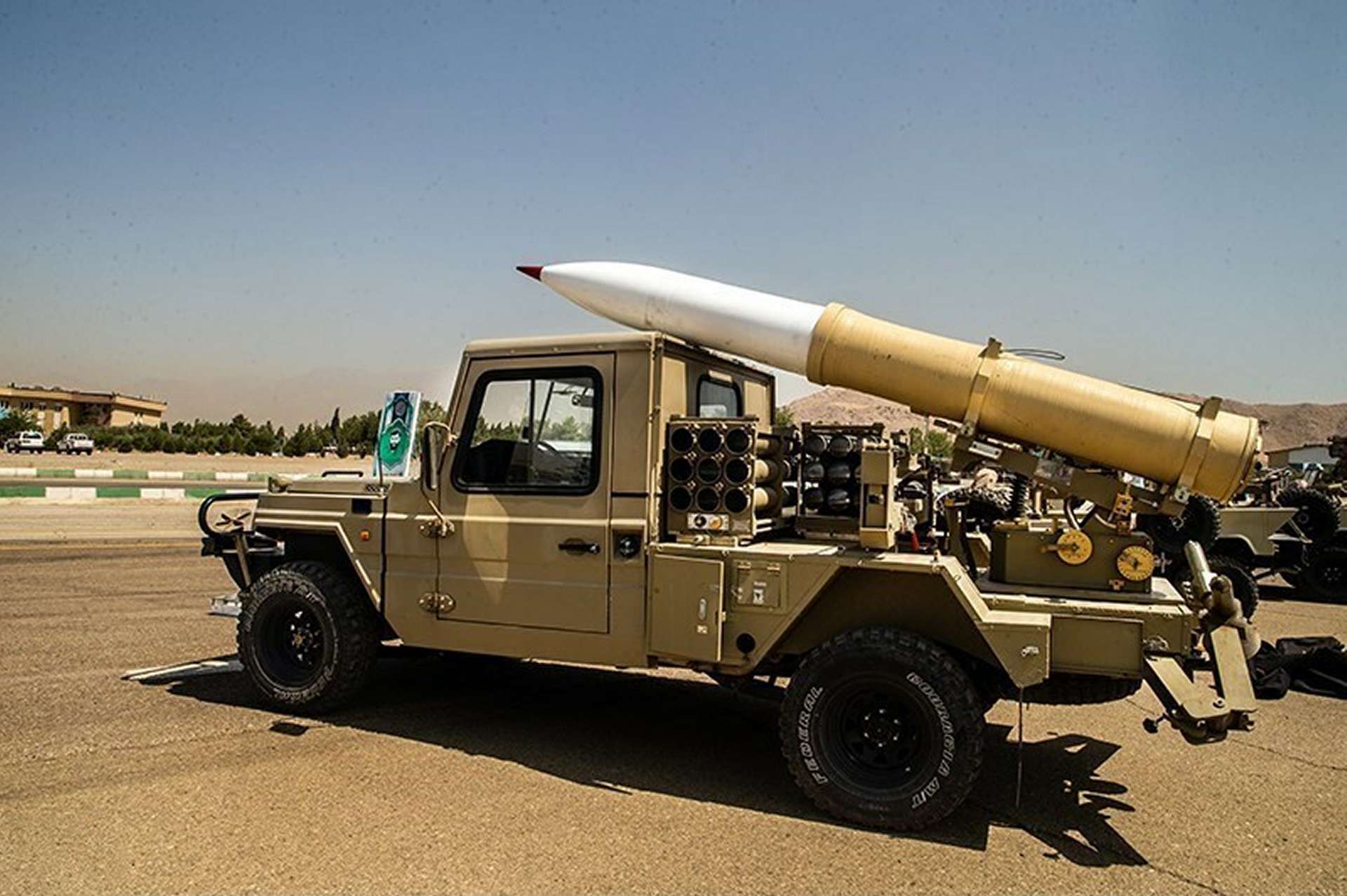
The 333 mm Falaq-2 surface-to-surface rocket is launched from a single tube-type launcher mounted on a vehicle chassis, similar to those used for the Shahin-1 and Shahin-2 systems. (Picture source: Wikimedia)
In October 2023, the conflict saw several intense clashes. On October 20, Hezbollah militants infiltrated the border into Shtula, prompting an Israeli airstrike that killed three of them. Other incidents involved missile and rocket attacks from Lebanon into northern Israel, to which the IDF responded with airstrikes and artillery fire. These confrontations have resulted in casualties on both sides and displaced approximately 96,000 Israelis from their homes.
The hostilities have continued into 2024, with Hezbollah sustaining its attacks on Israeli military positions, often in support of Hamas in Gaza. The IDF has carried out counterstrikes targeting Hezbollah operatives and positions in Lebanon. This has been the most severe escalation between the two sides since their 2006 war, causing considerable casualties, including over 80 Hezbollah fighters and multiple civilians on both sides. The ongoing violence has kept the region tense, with both sides preparing for the possibility of further escalation.
On June 3, 2024, Hezbollah launched multiple rocket and drone attacks targeting northern Israel, including the Golan Heights and the town of Hurfeish. These attacks resulted in injuries, substantial property damage, and large fires that burned over 2,400 acres of land. The IDF responded with airstrikes on Hezbollah positions in southern Lebanon, targeting infrastructure and key operatives involved in the group's military operations.
To prepare for potential escalation, the IDF conducted military exercises simulating multi-front conflict scenarios. On June 5, 2024, Israeli Defense Minister Yoav Gallant reviewed the conflict zones, emphasizing the IDF's continued actions against Hezbollah. The IDF also discovered and destroyed tunnels in Gaza used for smuggling and militant activities as part of broader efforts to address threats and enhance regional security. Despite ongoing hostilities, there are indications of possible diplomatic efforts to de-escalate the conflict. However, both sides maintain their military activities, with the IDF ready to proceed with operations to ensure security in northern Israel. The situation remains tense, with frequent exchanges of fire and ongoing military preparations.
- Details
- Written by: Vandenbosch
- Category: 2024
- Hits: 7864
Breaking news
On June 7, 2024, the Department of Defense (DoD) announced that the Biden administration would provide additional security assistance to meet Ukraine's critical needs. This latest tranche of equipment marks the fifty-ninth package supplied from DoD inventories since August 2021, underscoring the ongoing commitment of the United States to support Ukraine. This Presidential Drawdown Authority (PDA) package, valued at approximately $225 million, aims to enhance Ukraine's battlefield capabilities with a range of advanced military equipment.
Follow Army Recognition on Google News at this link
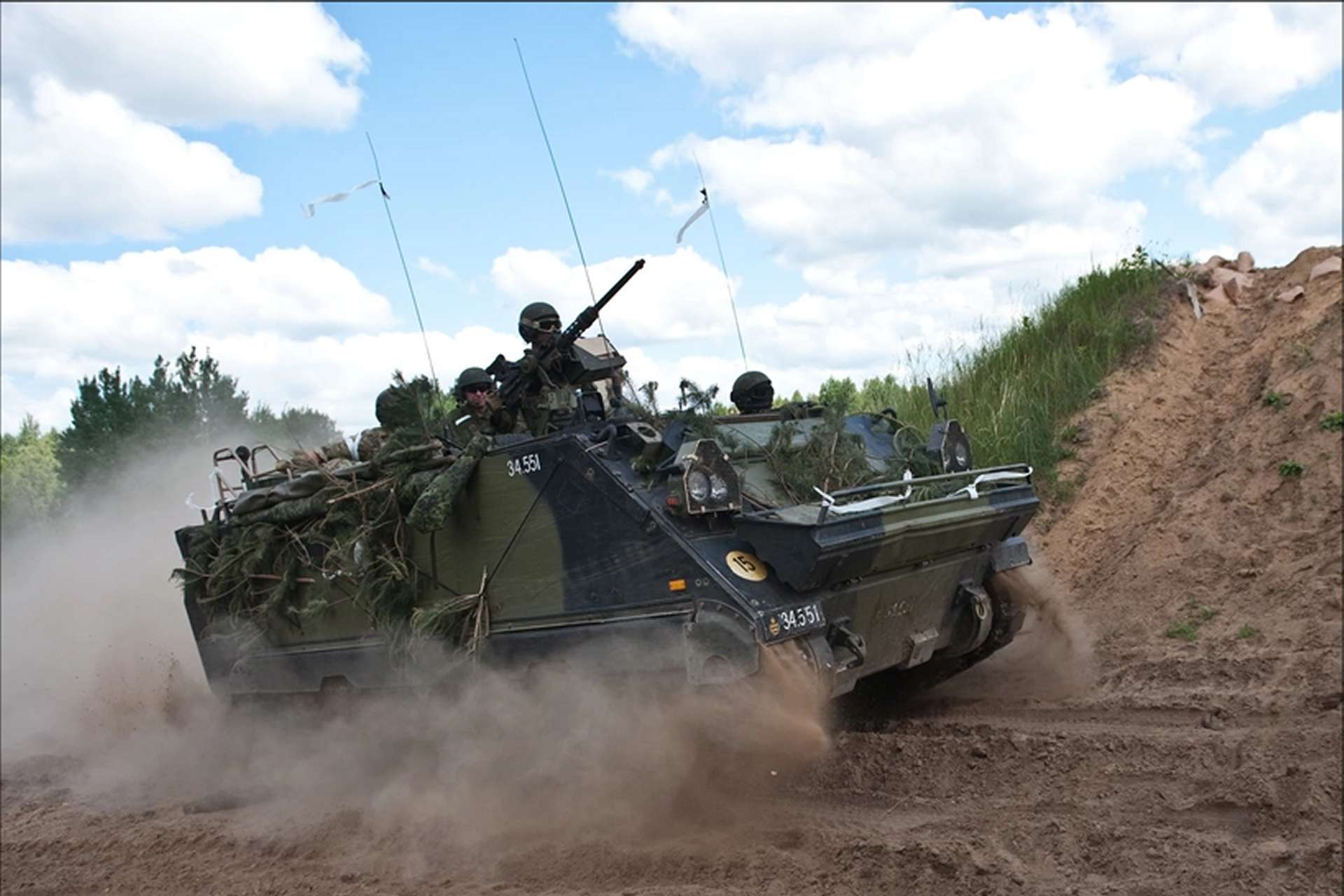
An M113 Armored Personnel Carrier during part of the field training exercise at Saber Strike 2014. (Picture source: US DoD)
The newly announced aid package includes a comprehensive array of defensive tools and systems designed to address Ukraine's immediate needs on the ground. Key components of the package include missiles for HAWK air defense systems, Stinger anti-aircraft missiles, and ammunition for High Mobility Artillery Rocket Systems (HIMARS). Additionally, the package features 155mm howitzers (with the exact type unspecified), various artillery rounds, and 81mm mortar systems to strengthen Ukraine's artillery capabilities.
To support ground operations, the package includes M113 armored personnel carriers, trailers for transporting heavy equipment, and coastal and riverine patrol boats. The inclusion of Tube-Launched, Optically-Tracked, Wire-Guided (TOW) missiles, Javelin and AT-4 anti-armor systems, as well as small arms ammunition and grenades, highlights the emphasis on enhancing Ukraine's anti-armor and infantry capabilities.
Furthermore, the package provides essential support equipment such as demolition munitions, night vision devices, and spare parts necessary for maintenance and operational sustainability. However, no precise figures were disclosed, so the exact quantities of these various materials being sent to Ukrainian forces remain unknown.
The M113 is an armored personnel carrier used by the US Army and other armed forces since 1960. Designed by FMC in the United States, it has been produced on a large scale with more than 85,000 units manufactured since 2001.
This vehicle can transport a crew of two and accommodate up to eleven additional passengers. With a length of 5.31 meters, a width of 2.69 meters, and a height of 1.86 meters, the M113 is compact enough to be maneuverable while offering robust protection to its occupants. In combat situations, its weight can reach up to 14,061 kg.
The M113's armor is made from laminated aluminum and magnesium alloy, providing 38mm thick protection inclined at 45° on the front glacis and 45mm at 90° on the sides of the hull. This armor design maximizes defense against projectiles while maintaining a relatively low weight. For armament, the M113 is equipped with a 12.7mm M2 machine gun as its primary weapon, although it does not have secondary armament.
In terms of mobility, the vehicle is powered by a Detroit Diesel 6V53T engine developing 275 horsepower, allowing it to reach a maximum speed of 66 km/h on the road and 5.8 km/h when traversing water. The M113 uses a torsion bar suspension system and has a power-to-weight ratio of 20.2 horsepower per ton. It has a range of 480 km, making it effective for extended battlefield deployments.
While the M113 is technically outdated, the United States has produced over 85,000 units, including 32,000 for the US Army. Considering the number of vehicles the United States could potentially send to Ukraine, this is indeed the M113's main strength.
The United States, in coordination with over 50 allied and partner nations, seems committed to ensuring that Ukraine's defenders receive the critical capabilities needed to combat Russian military advances, which was not necessarily assured given recent blockages within the US administration.
Read more: United States Announces Major New Assistance for Ukraine Including M113s
- Details
- Written by: Triffaux
- Category: 2024
- Hits: 4511
Breaking news
According to an article from a Spanish newspaper dated June 9, 2024, the National Police of Peru is preparing to enhance its arsenal with the acquisition of 56 armored 4x4 vehicles. This initiative, part of the Strategic Plan for Modernization and Capacity Strengthening for the period 2021-2024, aims to improve law enforcement's response to increasing security challenges.
Follow Army Recognition on Google News at this link
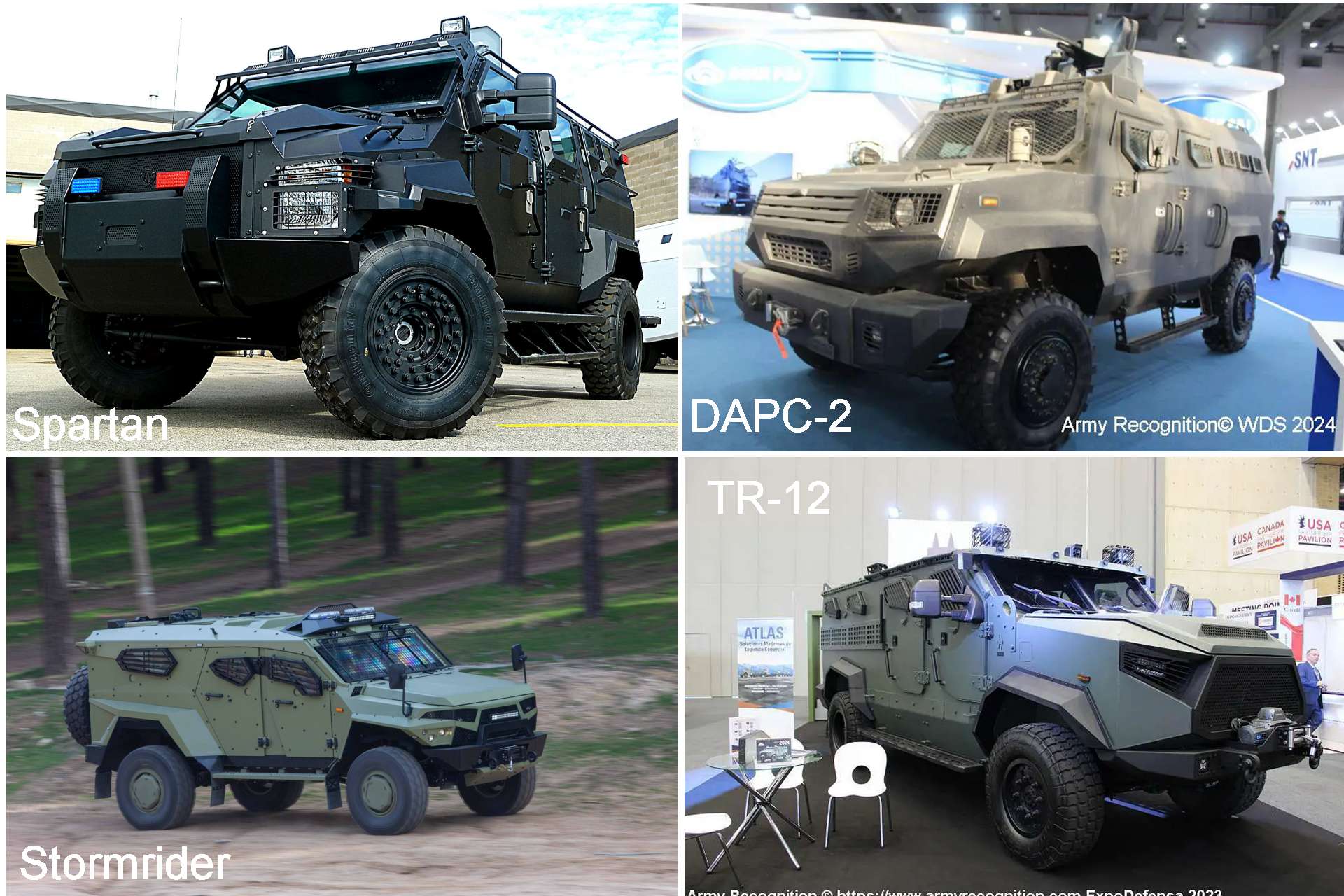
National Police of Peru is preparing to enhance its arsenal with the acquisition of 56 armored 4x4 MRAPs (Picture source: Army Recognition and KDIA and Streit Group)
The selection process, which had been halted, was recently restarted by the General Secretariat of the Ministry of the Interior, in accordance with Supreme Resolution No. 122-2021-IN dated December 15, 2021. The planned investment for these acquisitions amounts to about 199 million soles (approximately $53 million), including the purchase of fire trucks, a necessity since 2014.
The companies that have submitted valid offers include Armor International with the Hunter TR12 vehicle, Streit Group with the Spartan MAV, Daeji Precision Industries with the DAPC-2, Plasan Sasa with the Sandcat, and Gaia Behri with the Thunder vehicle.
The difficulty for suppliers to agree to establish a local assembly line, as required by the evaluation committee, means that the vehicles will be delivered directly to the port of Callao, despite the logistical challenges this may represent.
These new acquisitions should significantly increase the operational capabilities of the Peruvian police, enabling them to better manage emergency situations and maintain public order more effectively and securely.
Hunter 12
The Hunter TR-12 is a versatile 4x4 armored tactical vehicle, initially designed for the military forces but which has also found strong adoption by police and state security agencies. Manufactured by Armor International in Bogota, Colombia, this vehicle stands out for its ability to access difficult-to-reach areas, providing essential support in otherwise inaccessible places.
The Hunter TR-12 can be configured in several versions according to specific needs: troop transport, cargo transport, ambulance, riot control, and special operations. All configurations benefit from MRAP (Mine-Resistant Ambush Protected) type protection to resist mines and ambushes. The vehicle is equipped with 360-degree armor against rifle shots and a V-shaped undercarriage for explosive protection.
Among its features, it includes a rotating turret, nine reaction hatches, a double air conditioning system, a double smoke extractor, and thermal cameras for nighttime operations. Bomb-proof chairs and specific tactical lights further enhance its capabilities. These features, combined with the flexibility of its configurations and robust armor, make the Hunter TR-12 ideal for a wide variety of tactical missions and challenging terrains.
Spartan MAV
The Spartan-MAV is a 4x4 armored vehicle designed and built by the Canadian manufacturer Streit Group. The armored vehicle is intended to support military, police, and law enforcement missions. They will join another 177 Streit vehicles of various types including Warrior, Typhoon, and Spartans acquired in 2017 for the Nigerian Army to equip forces battling violent extremist groups in the region, Military Africa comments.
The Spartan 2-MAV offers excellent protection against both ballistic and blast threats with crew compartment protection of STANAG 2-level armoring in various applications ranging from a battlefield ambulance up to a fully armed direct-fire vehicle. Streit Group offers a wide range of extra added features that can be integrated into the vehicle during the manufacturing phase guaranteeing total compatibility which includes: smoke-grenade launchers, night-vision high-speed cameras, fully integrated intercom systems. Spartan 2 can be deployed for various missions. More than 1,000 vehicles are already tested in the field and proved their resistance and usability.
DAPC-2
The armored DAPC-2 vehicles, built on the robust Ford F550 chassis, are eminent examples of versatility and resilience in tactical transport. Compliant with NIJ 0108.01 and STANAG 4569 standards, these vehicles are capable of resisting impacts from 7.62x51 mm caliber bullets. They display a gross vehicle weight (GVW) of 12,000 kg and can accommodate up to 10 passengers. Equipped with all-terrain tires featuring run-flat systems, they offer exceptional maneuverability across various terrains.
In terms of defense, the DAPC-2 are equipped with nine weapon ports and a pivotable turret system, allowing crews to manage different types of armaments. Their design also includes detachable window grilles, adding an additional layer of protection, as well as a multi-tubular CS/CN gas grenade launcher positioned
Read more: Peru Launches Tender to Strengthen Security Forces with 4x4 MRAPs
- Details
- Written by: Jérôme Brahy
- Category: 2024
- Hits: 22703
Breaking news
According to Defence24 on June 10, 2024, the Panzerhaubitze 2000 (PzH 2000) 155mm self-propelled howitzer reentered production at KNDS Deutschland's facility in Kassel, Germany. This event marks the fourth production run for the PzH 2000, following new orders from the German Army and Ukraine. The first deliveries of PzH 2000 from this new production cycle are scheduled for mid-2025.
Follow Army Recognition on Google News at this link
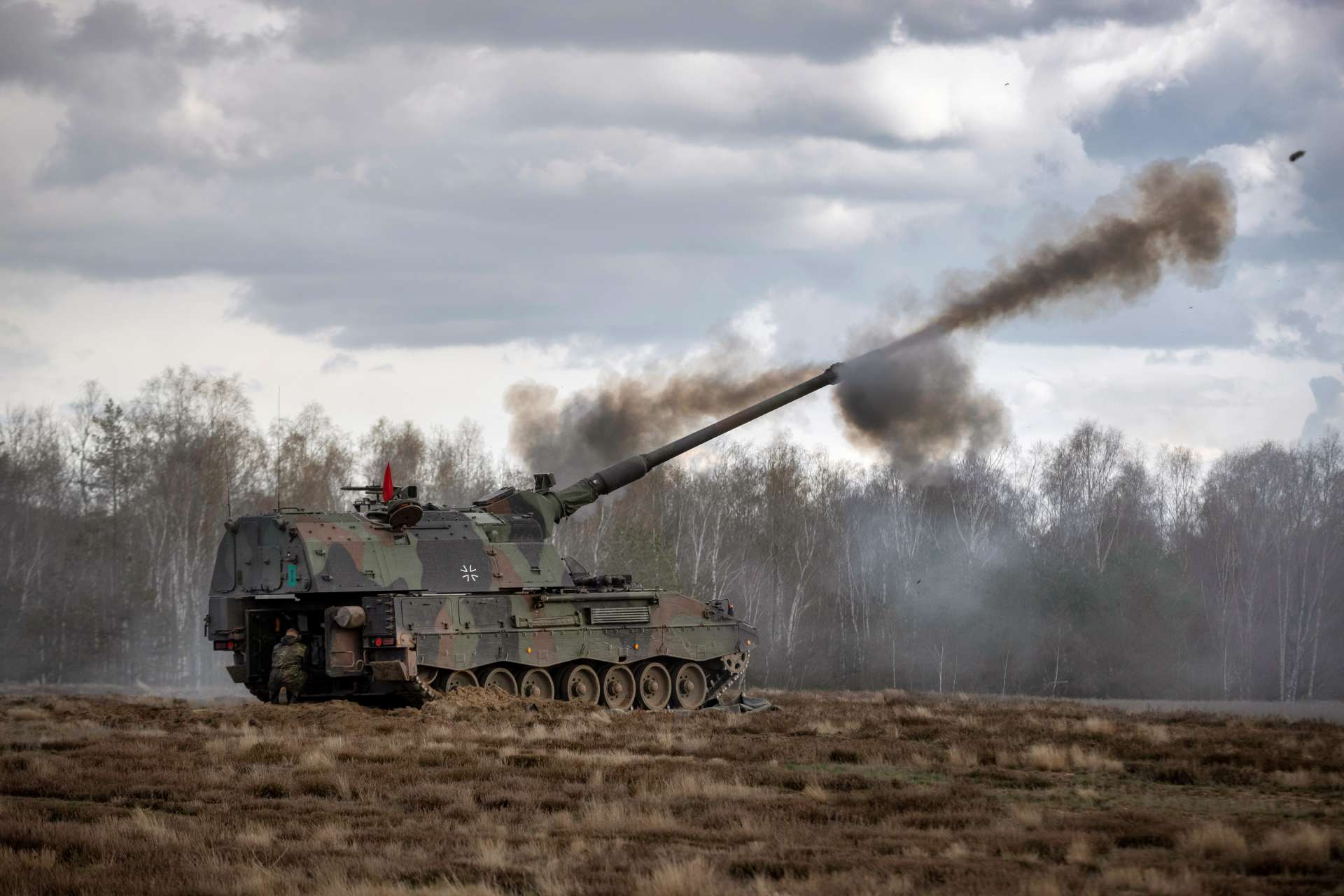
These new PzH 2000 are intended to replace the 14 units that were supplied to Ukraine from German Army stocks, supplemented by eight units from the Royal Netherlands Army. (Picture source: German MoD)
The PzH 2000, a 155mm/52 caliber tracked self-propelled howitzer, remains the only conventional tube artillery utilized by the German Army, and has seen deployment in both Afghanistan and Ukraine. The German Army has placed an order for 22 new systems, with an option for an additional six units, and there are considerations for further acquisitions. These new systems are intended to replace the 14 units that were supplied to Ukraine from German Army stocks, supplemented by eight units from the Royal Netherlands Army.
Anton M Achmueller, marketing manager for combat systems at KNDS Deutschland, reported at Defence IQ’s Future Artillery conference in Paris last month that no total losses of PzH 2000 units have occurred in Ukraine. Germany has initially committed to funding 18 new PzH 2000 units for Ukraine, with the possibility of future contracts raising the total to 100 units.
The chassis for these new PzH 2000 units will be supplied by Rheinmetall from its Kassel facility. The previous production run concluded in 2002, delivering 185 units to the German Army. Many of these remaining units are expected to undergo a mid-life upgrade (MLU) to replace obsolete subsystems and potentially include a fully automatic ammunition handling system, which could reduce the crew requirement by up to two personnel.
KNDS Deutschland has proposed several enhancements for both existing and new PzH 2000 units. These include a roof-mounted remote weapon station (RWS) armed with either a 7.62mm or 12.7mm machine gun, cameras for enhanced situational awareness, a crew climate control system for operation in all ambient temperatures installed on the front right side of the turret, and enhanced top-attack protection for the turret. Future developments may involve replacing the current 155mm/52 caliber Rheinmetall gun with a new L52A1 version made from stronger materials to handle higher firing pressures. Additionally, Rheinmetall is developing a 155mm L60 barrel to achieve longer ranges.
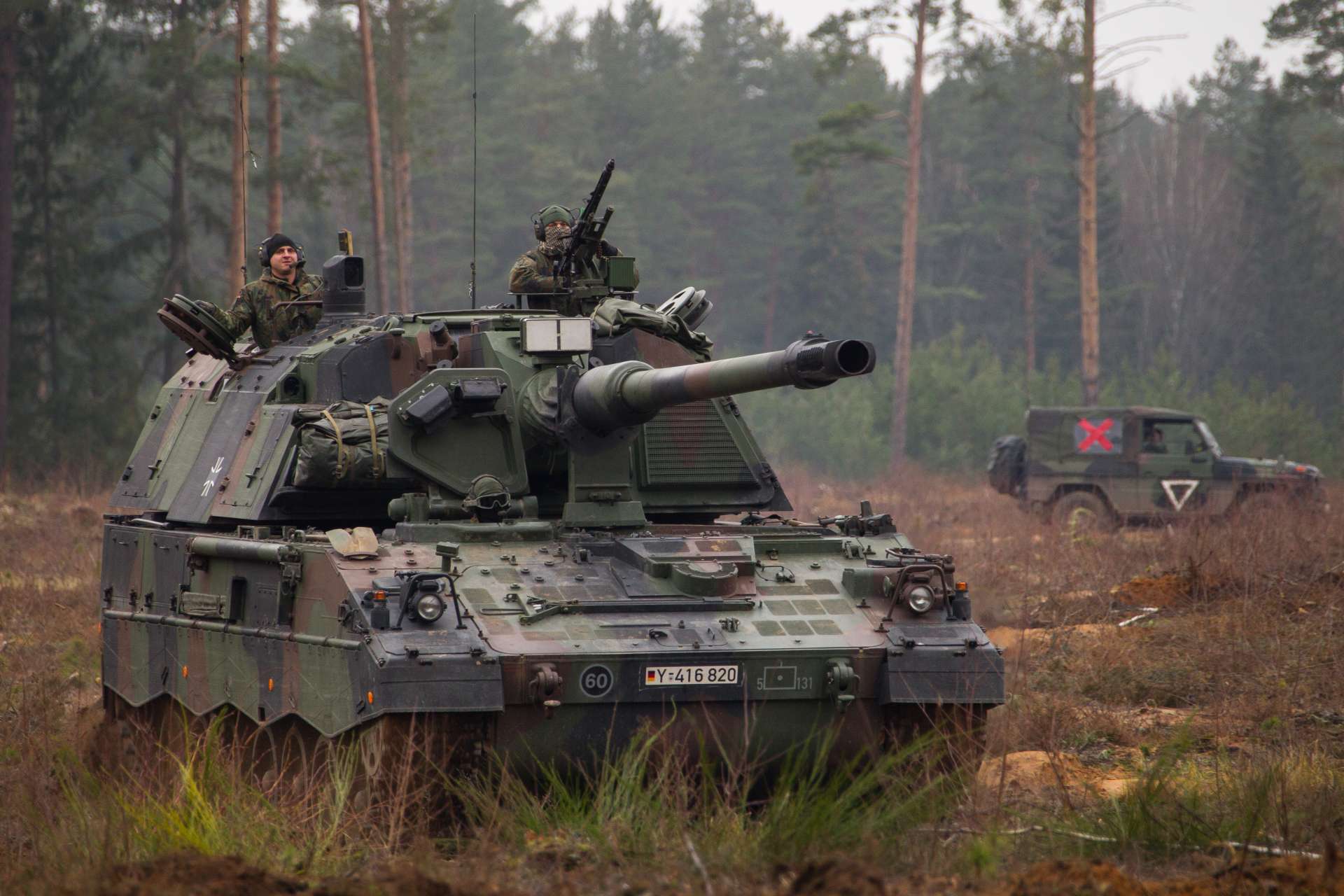
Initiated in the late 1980s, the PzH 2000 project aimed to create a modern artillery system for the German Army, which led to serial production beginning in 1996. (Picture source: German MoD)
Additionally, this reentry of production follows a recent contract secured by Rheinmetall to supply a European client with a three-digit number of L/52 gun barrel systems for the PzH 2000. Announced on 27 May 2024, this contract, valued at several hundred million euros, includes deliveries scheduled between 2024 and 2029. The current PzH 2000's 155mm L52 barrel can achieve varying ranges depending on the projectile used: 25km with an L15A1 high-explosive projectile, 30km with a DM111/DM120 projectile, and 54km with a South African Denel Munitions Velocity Enhanced Artillery Projectile (VLAP). This range can be extended to 60km with a Rheinmetall extended range charge and up to 80km with the Diehl/Leonardo Vulcano guided projectile.
Various countries have acquired the PzH 2000 over the years. Croatia sourced 12 units from German Army stocks. Germany initially received 185 new units, with 14 later sent to Ukraine. Hungary is set to receive 24 new units by late 2024. Greece and Italy have procured new units, with Italy’s units built under license by OtoMelara (now Leonardo). Lithuania received 21 units from German Army stocks, and the Netherlands acquired 57 new units, 14 of which were sent to Ukraine. Qatar purchased 24 new units.
Initiated in the late 1980s, the PzH 2000 project aimed to create a modern artillery system for the German Army, which led to serial production beginning in 1996. Developed by the German companies Krauss-Maffei Wegmann (KMW) and Rheinmetall Defence, the PzH 2000 was designed to replace the aging M109 howitzers, addressing the need for an updated system with enhanced capabilities.
In operational use, the PzH 2000 features a 155mm 52-caliber gun with a chromium-plated barrel and can fire up to ten rounds per minute. It achieves ranges of 30 to 40 kilometers with standard ammunition and up to 67 kilometers with range-enhanced shells. The PzH 2000 is equipped with an automatic shell loading system and a fire control computer, enabling it to engage targets quickly and relocate after firing. Powered by an MTU 881 diesel engine, the vehicle has a maximum speed of 60 km/h and a range of 420 kilometers. The design includes welded steel armor for protection against small arms fire and shell splinters, and it supports a five-member crew.
Read more: Germany restarts production of PzH 2000 155mm self-propelled howitzers
- Details
- Written by: V.Saint
- Category: 2024
- Hits: 4912
Breaking news
France has updated the list of materials provided to Ukraine since January 1, 2024, and announced a new aid package that is expected to arrive shortly. Indeed, France is attempting to position itself as a new leader in aid by taking a leadership role in the coalition for training Ukrainian soldiers in Ukraine. Simultaneously, numerous materials have been delivered since January 2024.
Follow Army Recognition on Google News at this link
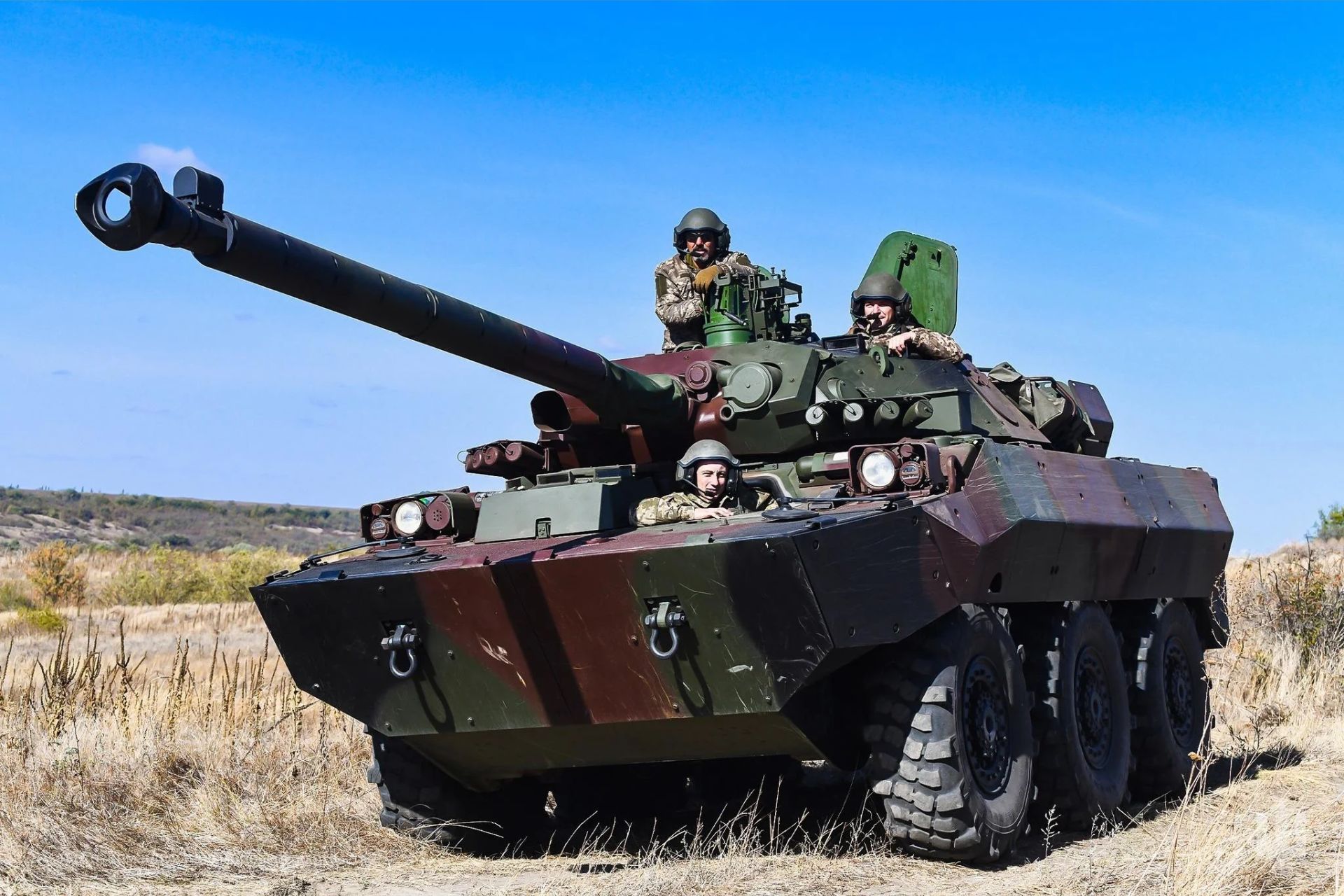
AMX 10 RC given to Ukraine during a training in west of Ukraine, 2023. (Picture source: Ukrainian MOD on Telegram)
Financial Aid
France has provided defense aid to Ukraine worth a total of €3.035 billion, and €2.1 billion have been transferred to the European Peace Facility, thus bringing the total military assistance to more than €5.135 billion. Additionally, France has facilitated the signing of a public-private contract between the company KNDS and the Ukrainian government to establish a munitions production plant directly in Ukraine. This project, discussed for many weeks, now seems to be seriously taking shape.
Material Aid
The updated list from the French Ministry of Armed Forces includes 34 VAB armored personnel carriers, developed by Renault and Saviem (284 units in total since February 2022).
The number of Zodiacs FUTURA boats delivered has increased by 19 (49 boats in total since 2022), providing Ukraine with significant amphibious capability for the southern front line.
Importantly, for the first time, 5 TRM 10,000 trucks have been delivered; these trucks are intended for logistics. Additionally, on the TRM platform adapted as fuel tankers, 5 more TRM 10,000 ACH have been delivered, bringing the total to 15.
This material aid includes ammunition of all calibers for infantry weapons (approximately 620,000), 105 mm shells for AMX10 RC: 1000 (10,000 since February 24, 2022), and 155 mm shells for Caesar and TRF1: approximately 16,500 (46,500 since February 24, 2022), which Ukraine critically needs. Added to these munitions are MK83 bombs and AASM conversion kits, based on the principle of American JDAMs, to transform dumb bombs into smart bombs capable of targeting and guiding themselves to pre-selected targets.
Aid to Come
Having announced the formation of an entire brigade in Ukraine within a very short time, comprising around 4,500 men, France has announced it will provide equipment, weapons, and ammunition to this so-called French brigade. It is important to note that Ukrainian brigades include all arms, meaning artillery and cavalry as well. The forthcoming support will consist of light weapons, ammunition, vehicles, and artillery systems.
This will be an opportunity to confront the doctrines of French forces and materials with the realities of modern warfare and thus draw serious conclusions about combat effectiveness.
Read more: France reveals amount of aid provided to Ukraine since January 2024
- Details
- Written by: Jérôme Brahy
- Category: 2024
- Hits: 8033
Breaking news
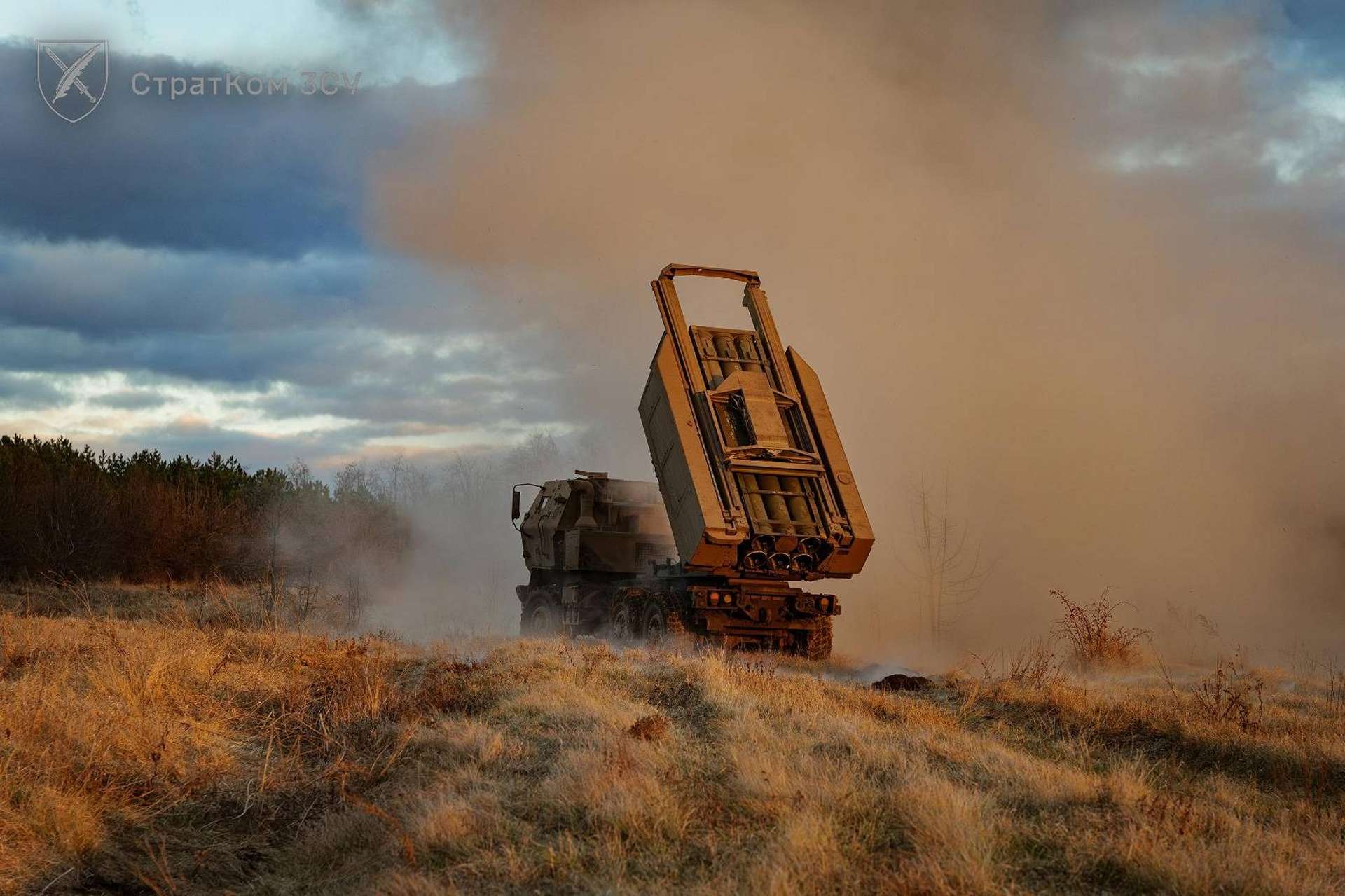
According to the Twitter account German Aid to Ukraine on May 31, 2024, the German Minister of Defence, Boris Pistorius, announced that three M142 HIMARS Multiple Launch Rocket Systems (MLRS), funded by Germany from US inventories, will be delivered to Ukraine in the coming days. This announcement follows a visit to Washington on May 9, 2024, where Minister Pistorius disclosed that Germany would finance the acquisition of three High Mobility Artillery Rocket Systems (HIMARS) from the United States for Ukraine.
Follow Army Recognition on Google News at this link
The M142 HIMARS can launch multiple types of munitions, including the Guided Multiple Launch Rocket System (GMLRS) and the Army Tactical Missile System (ATACMS), with a range of up to 300 kilometers depending on the munition type (Picture source: Ukrainian MoD)
These systems, sourced from the current stocks of the US armed forces, represent a substantial financial commitment by Germany, totaling $30 million after an expedited Foreign Military Sale (FMS) approval. The announcement on May 9 was made during discussions with US Defence Secretary Lloyd Austin and follows delays in the distribution of $61 billion in US aid to Ukraine, which was approved by Congress in April as part of a national security package. Germany's procurement of HIMARS rocket launcher systems is intended to assist Ukraine while awaiting the arrival of the approved US assistance.
Following this, on May 10, 2024, the US State Department announced the approval of a potential emergency Foreign Military Sale to the Government of Ukraine of High Mobility Artillery Rocket Systems and related logistics and program support elements for an estimated cost of $30 million. The Government of Ukraine has requested to purchase three HIMARS units, and this procurement will be financed by the Government of Germany on behalf of Ukraine.
As of May 10, 2024, the United States had already delivered 20 HIMARS to Ukraine and had pledged an additional 19. However, open sources reported that three of these systems had been compromised: one was confirmed destroyed, and two others were damaged, likely undergoing repairs. Germany's financing of three additional systems from US stocks could indicate an intention to replace these specific losses, thereby sustaining Ukrainian artillery capabilities in its defense efforts against the Russian invasion.
Before the Foreign Military Sale (FMS) approval, estimates were made by the Army Recognition editorial team for both domestic and export acquisitions could be made. For domestic purposes, the price of one HIMARS launcher and carrier was $4.4 million in 2023. Consequently, if Germany were able to negotiate the purchase at the same price as the US Army, the total cost for three launchers would be approximately $13.2 million, though this scenario seems unlikely. Additionally, each M31 GMLRS rocket was priced at $168,000 in 2023.
In the more plausible export scenario, the costs could have been significantly higher. One HIMARS launcher and carrier was priced between $19 and $20 million in fiscal year 2022, making the cost for three systems range from $57 million to $60 million. Furthermore, each M31ER GMLRS rocket for export was listed at $434,000. These figures reflect the added expenses associated with exporting systems, which can include logistics, administrative costs, and potentially integrated support and training services, but also signify that Germany managed to save up to 50% of the predicted export value for these three M142 HIMARS.
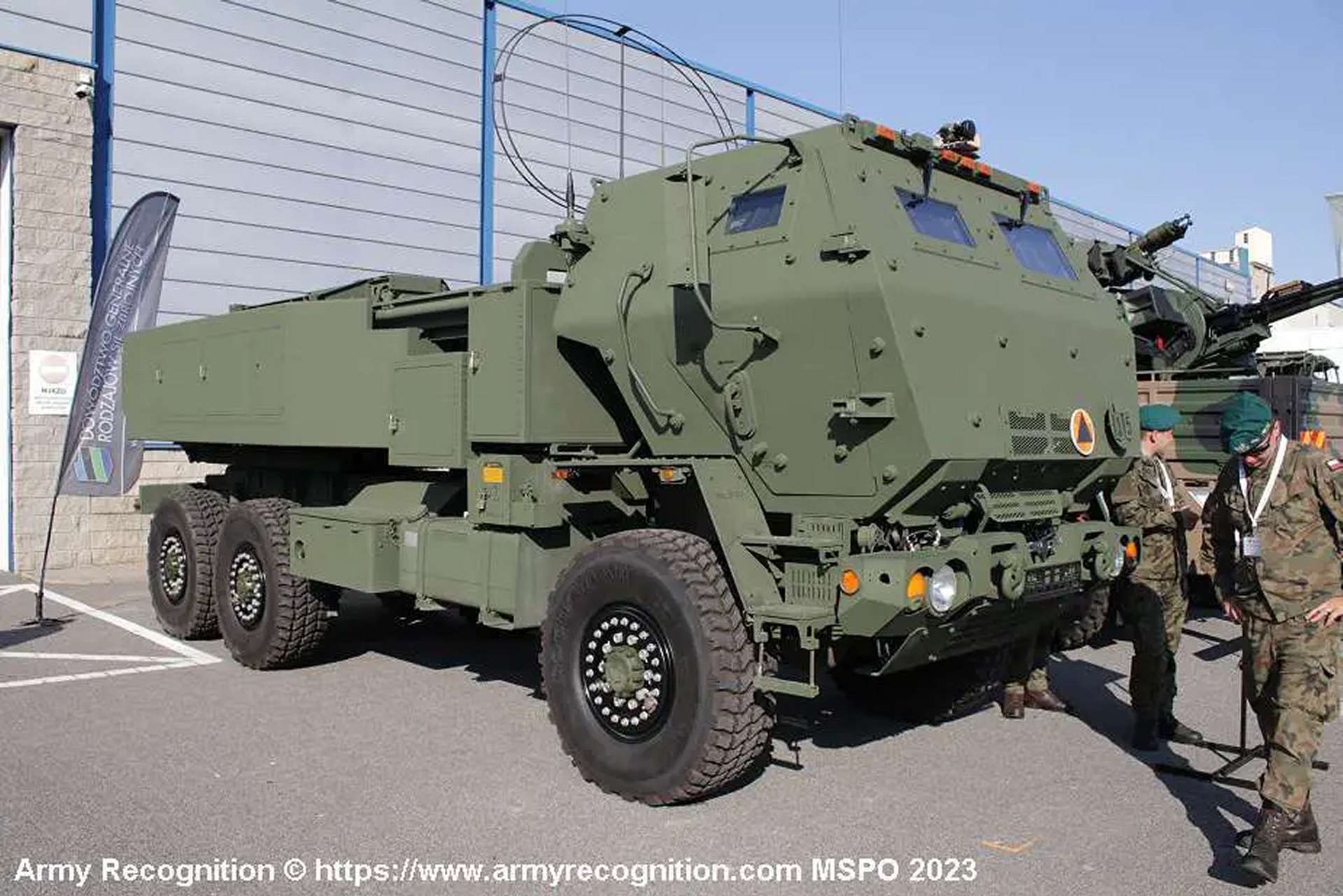
The HIMARS system's precision targeting capabilities, facilitated by its fire control system and GPS guidance, aim to minimize collateral damage while engaging targets effectively. (Picture source: Army Recognition)
The M142 High Mobility Artillery Rocket System (HIMARS) is a mobile artillery launcher developed by the United States, operational since 1998. It is based on a standard Army M1140 truck frame, enhancing its mobility. The system can launch multiple types of munitions, including the Guided Multiple Launch Rocket System (GMLRS) and the Army Tactical Missile System (ATACMS), with a range of up to 300 kilometers depending on the munition type. HIMARS carries either a six-pack of rockets or one missile, with the capability for quick reloading to maintain operational tempo in combat scenarios.
The HIMARS is notable for its rapid deployment capabilities, as it can be quickly moved and set up to launch and then relocate before it can be targeted by enemy fire. It is compatible with C-130 and larger aircraft for air transport, facilitating rapid redeployment across diverse operational environments. The system's precision targeting capabilities, facilitated by its fire control system and GPS guidance, aim to minimize collateral damage while engaging targets effectively.
The technology integrated into HIMARS includes an advanced fire control system and communications suite that integrates with various military platforms for coordinated operations. Its GPS guidance system enhances accuracy, thereby minimizing unintended damage and increasing strike effectiveness. Additionally, its capability to interface with advanced surveillance and reconnaissance systems allows for real-time targeting adjustments, further enhancing operational effectiveness.
For Ukraine, the introduction of HIMARS systems has played a significant role in the conflict with Russia. These systems have provided Ukrainian forces the ability to execute precise, long-range strikes on critical Russian positions and logistical networks, impacting the dynamics of military engagements. The precision and operational range of the American M142 HIMARS enables strategic targeting that conserves civilian areas and reduces risk to Ukrainian forces. The inclusion of these systems has also been a significant aspect of international military support for Ukraine.
Read more: Germany to deliver 3 American M142 HIMARS rocket systems to Ukraine in coming days
- Details
- Written by: Halna du Fretay
- Category: 2024
- Hits: 3348
Breaking news
Germany is considering the provision of a fourth Patriot air defense battery to Ukraine, according to a report by Bloomberg on June 7, which cited anonymous sources familiar with the matter. This contemplation arises as Kyiv intensifies its requests for enhanced air defense in response to escalating Russian attacks on Ukrainian civilian centers and infrastructure.
Follow Army Recognition on Google News at this link
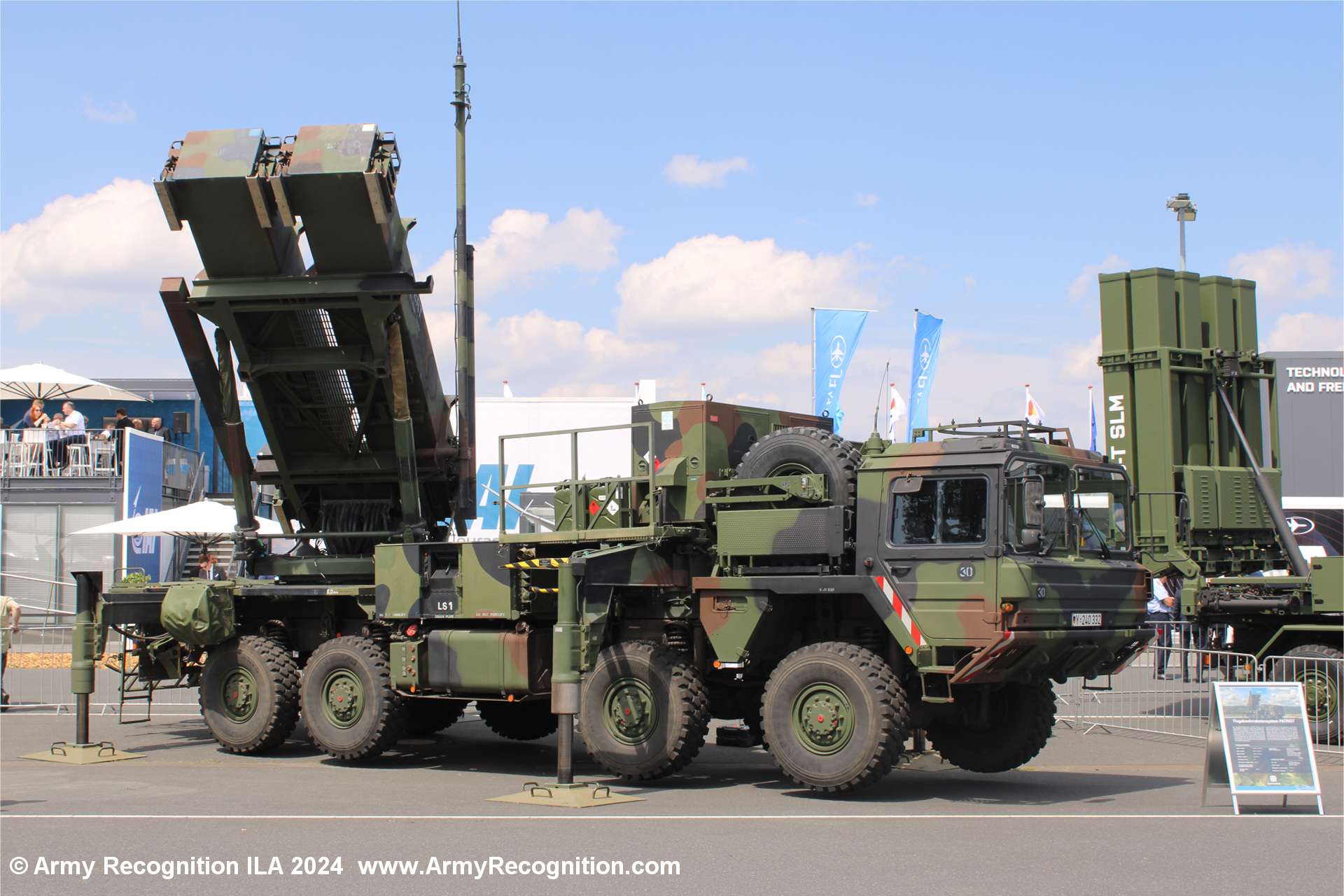
Germany incorporated the Patriot missile system into its arsenal in 1989, acknowledging its strategic defense utility against aerial threats. (Picture source: ArmyRecognition)
Although Berlin has not made a final decision regarding the delivery of this fourth battery, the administration of U.S. President Joe Biden is also reportedly planning to supply an additional battery to Ukraine. Furthermore, the Dutch Defense Ministry expressed a desire at the end of May to deliver another Patriot system to Kyiv soon, in cooperation with other countries.
Having initially been hesitant, Germany has become Ukraine's second-largest military supporter after the United States. However, Chancellor Olaf Scholz still shows reluctance to provide certain key capabilities, such as Taurus long-range missiles. Nevertheless, at the end of May, Berlin changed its stance on allowing Ukraine to use Western weapons to target Russian territories, specifically around the region of Kharkiv.
The Patriot missile system, known officially as MIM-104 Patriot, was developed by Raytheon and entered service in 1982. It was designed to counter a wide range of aerial threats, including aircraft, cruise, and ballistic missiles. The system uses advanced radar for target detection and tracking and an interceptor missile system to neutralize threats at various ranges. The Patriot system became globally recognized during the 1991 Gulf War when it was used to intercept incoming ballistic missiles.
Germany incorporated the Patriot missile system into its arsenal in 1989, acknowledging its strategic defense utility against aerial threats. Germany's deployment of the Patriot system also supports international defense missions, including providing these systems to allies like Ukraine to enhance their air defense capabilities against ongoing threats.
Berlin also plans to increase its military aid to Ukraine by an additional 3.8 billion euros (approximately 4.13 billion dollars) in 2024, according to a May 21 report by Reuters, which also cited anonymous sources. This new unit would complement the three Patriot batteries already transferred or promised to Ukraine by Germany.
Ukrainian President Volodymyr Zelensky and other officials have increasingly called for more support in air defense systems. Berlin is actively working to coordinate air defense capabilities among Ukraine's allies, with countries including the United States and Romania each considering sending a Patriot battery.
On May 31, German Foreign Minister Annalena Baerbock announced that Germany would provide Ukraine with another Patriot air defense system to strengthen its air defenses, as well as an additional 500 million euros in financial aid.
Germany Patriot system Ukraine, Bloomberg military aid, escalation Russian attacks Ukraine, U.S. Biden administration support Ukraine, Dutch Defense Ministry Patriot system, Berlin Taurus missiles, MIM-104 Patriot air defense, geopolitical tensions NATO, coordination air defense capabilities, Annalena Baerbock German support Ukraine.
Read more: Germany Considers Sending Fourth Patriot Air Defense System to Ukraine
- Details
- Written by: Triffaux
- Category: 2024
- Hits: 5259
Breaking news
According to an article from Military Africa dated June 9, 2024, Equipment Protective Applications International Limited (EPAIL), a Nigerian defense company, is set to deliver a new fleet of tactical armored vehicles to the Nigerian Army, thus enhancing its arsenal with locally produced advanced military technology. This follows a previous delivery of 20 units in May 2024, reflecting a sustained increase in the nation's capacity to supply high-tech military equipment.
Follow Army Recognition on Google News at this link
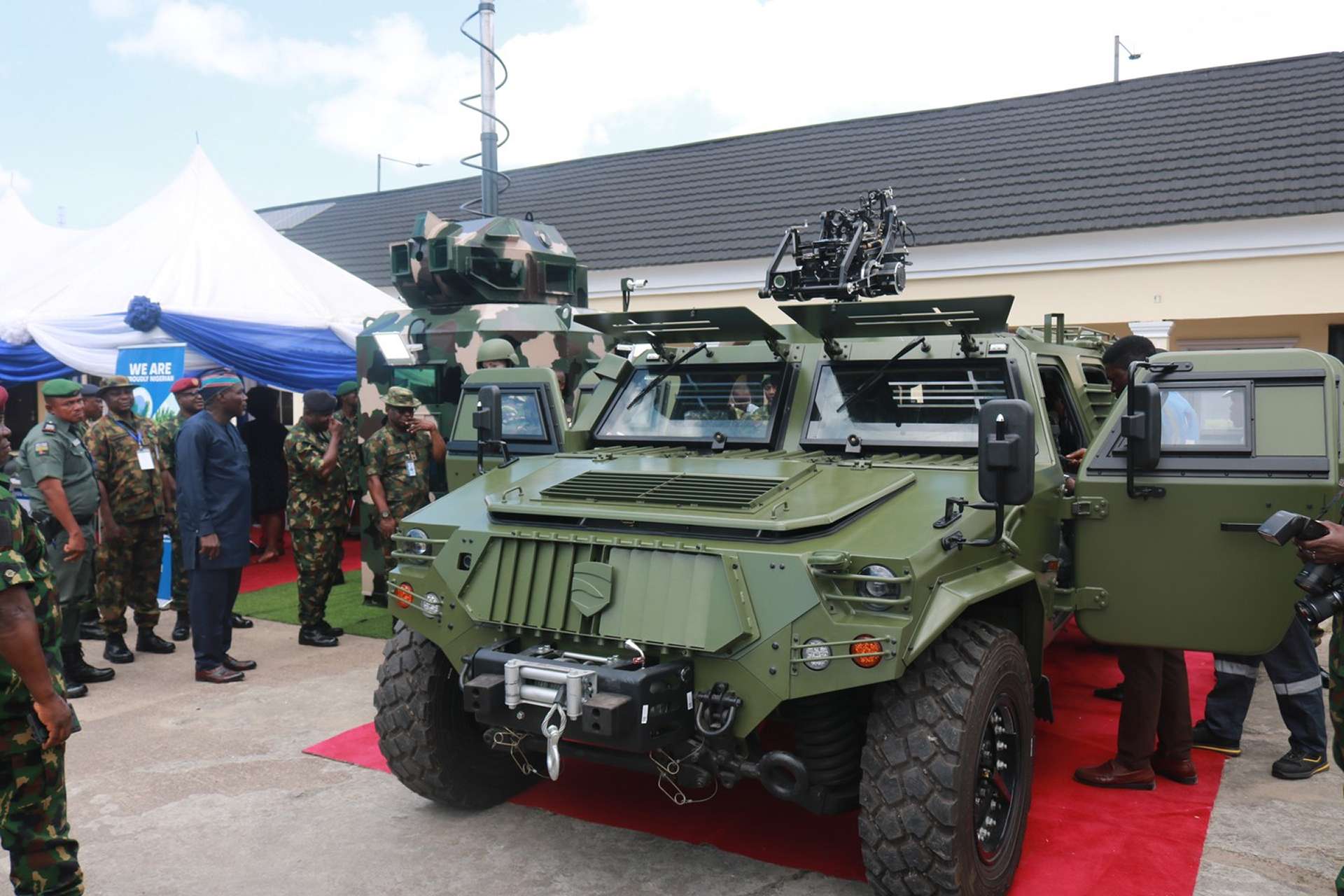
Epail Home-Made Dongfeng CSK-131 MRAP (Picture source: EPAIL)
These IFVs are upgraded versions of the Mengshi CSK-131 Dong Feng light armored vehicle, originally developed by the Chinese company Dongfeng. The Nigerian authorities acquired these vehicles for their capability to effectively detect and engage adversaries.
EPAIL's commitment extends beyond production to include training operators and providing post-sale services such as maintenance and repairs. The company, which had previously collaborated with the Nigerian government and the Defense Industries Corporation of Nigeria (DICON) for military equipment production, has begun mass production of these locally manufactured vehicles. This initiative is part of a broader Nigerian strategy to reduce reliance on foreign military supplies and strengthen national security by enhancing the army's operational readiness with locally produced technology. It should be noted that the design of these vehicles originates from China.
The Dongfeng CSK-131 is a light-protected vehicle developed by Dongfeng. This model is an evolution of its predecessor, the EQ2060, featuring a complete chassis overhaul, a new engine, and significant electronic improvements. It includes onboard computer systems with digital map software and Beidou satellite communication and positioning systems. To enhance night visibility, the vehicle is equipped with two night-vision cameras, one for the driver and one at the rear door.
In terms of dimensions and capacity, the CSK-131 is 5,100 mm long, 2,400 mm wide, and 2,000 mm high. Its total weight is 6,300 kg, with an empty weight of 3,700 kg. It has a payload capacity of 1,400 kg and a towing capacity of 2,000 kg.
The CSK-131 is available in several variants tailored to specific needs. For instance, the Command Post version, known as CSK-131 Command Post, features an advanced communication suite. The Armored Reconnaissance variant includes armaments such as a 12.7 mm machine gun and a 35 mm automatic grenade launcher, mounted on a remote weapons station. This version also comes equipped with electro-optical sensors and radar on a retractable mast, enabling it to conduct combat reconnaissance missions and provide fire support guidance for artillery. Another variant is equipped with four TL-4 fire-and-forget anti-tank missiles, making the CSK-131 capable of responding to various battlefield threats.
Vehicle production in Nigeria is part of the country's efforts to address various security challenges, including conflicts with Boko Haram and tensions between farmers and herders. By producing these vehicles on its own soil, Nigeria aims to achieve faster acquisition times, better maintenance capabilities, and a more adaptable military force, thereby enhancing its autonomy in national defense and reducing reliance on external sources during geopolitical uncertainty.
Read more: Nigeria Set to Receive New Batch of Home-Made Dongfeng CSK-131 MRAPs from EPAIL

- Details
- Written by: Vandenbosch
- Category: 2024
- Hits: 5276
Breaking news
At the military base of Aeroparque, the Argentine Air Force officially presented the first modernized Hughes 500D helicopter. This event also highlighted two advanced IA-63 Pampa III Block II trainers and the sixth Beechcraft TC-12B Huron. The ceremony took place on June 6, 2024. It was attended by the Argentine Minister of Defense, Luis Petri, accompanied by the Chief of the Joint Chiefs of Staff of the Armed Forces, Brigadier General Isaac, the Chief of the General Staff of the Air Force, Brigadier Major Mengo, as well as the heads of the Argentine Army and Navy.
Follow Army Recognition on Google News at this link
The Argentine Air Force officially presented the first modernized Hughes 500D helicopter. (Picture source: Argentinian MoD)
In 2023, the Argentine Air Force launched a program to update, standardize, and eliminate obsolescence in the Hughes 500D helicopters operated by the VII Air Brigade. Details of the project can be found in BAPIN 138018, which planned a direct investment of 82 million pesos for 2023 and 121 million for 2024. This initiative was first announced at the end of 2022 by the then Chief of the Air Force General Staff, now Chief of the Joint Chiefs of Staff of the Armed Forces, Brigadier General Xavier Isaac. He indicated that the cabin digitalization would be entirely carried out by technical personnel from the material areas of Rio Cuarto (ARMACUAR) and Quilmes (AMQ).
The Chief of the General Staff of the Argentine Air Force, Brigadier Major Fernando Luis Mengo, explained that the modernization of the Hughes-500 is the first initiative fully undertaken by the Air Force, bringing this system up to the operational standards of the 21st century. The process included complete digitization, allowing the helicopter to operate under more advanced visual conditions. Additionally, this modification received a military certification, a first for the Air Force.
Brigadier Major Mengo emphasized the work done by the Maintenance Group at the Quilmes Material Area, noting the completion of the first phase, which will culminate in the modernization of the entire Hughes-500 weapons system. The next phase will focus on the SA315B Lama helicopters of the IV Air Brigade, based in Mendoza.
The updates included a complete overhaul of the cabins of the light helicopters, meeting the requirements of the VII Air Brigade. The objective was to improve the visibility of flight parameters and optimize operational capacity with new avionics systems. The program involved installing new equipment such as two GDU 700 displays for flight information, two GTN 650TXi units to enhance communication and navigation, a new transponder, a radio altimeter, and an audio box with digital processing.
Regarding the presentation of IA-63 Pampa III Block II trainers, Brigadier Major Mengo indicated that the conversion of a Pampa II to a Pampa III will strengthen the squadron at the Rio Gallego base in the Tenth Air Brigade. This upgrade, along with a simulator provided by FADEA, will enable the Fighter School to train and prepare combat pilots to meet the needs of the 21st century, particularly in anticipation of the new F-16 weapons system.
Brigadier General Javier Julián Isaac, Chief of the Joint Chiefs of Staff, emphasized the broader impact of this modernization, which represents a fundamental qualitative leap for the Armed Forces. He also mentioned the tireless and quiet work of many men and women on projects that, while less publicized, are essential to military capabilities.
He brought attention to the expertise of the personnel, noting that simultaneously, work was being carried out on the B-200 in Rio Cuarto, while FAdeA continued the modernization of the Pampas. What stands out today is not just the finished product, but the immense effort and dedication behind it.
Read more: Argentina Unveils First Modernized Hughes 500 Helicopter for its Air Force
- Details
- Written by: Administrator
- Category: 2024
- Hits: 4838
Breaking news
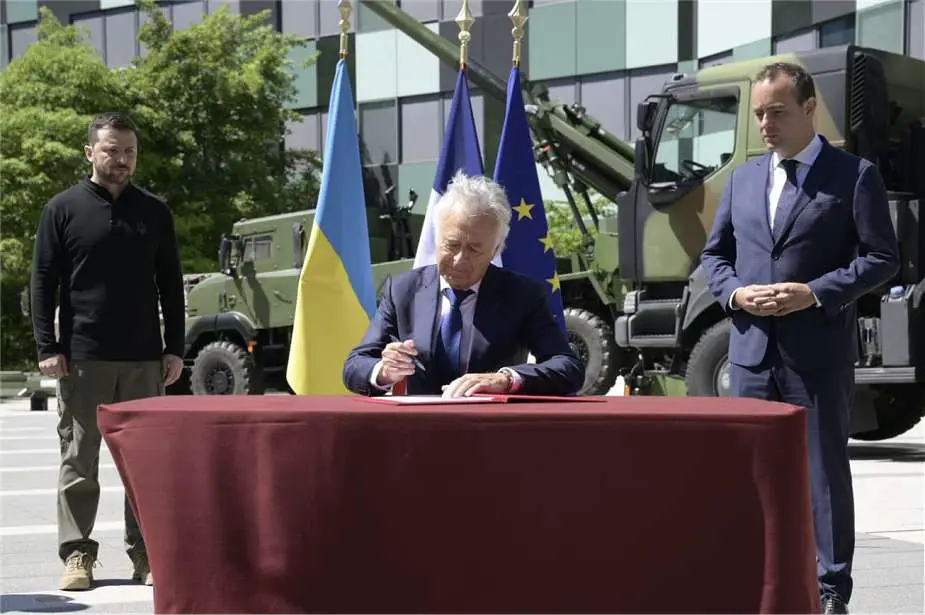
On June 7, 2024, French Defense Minister Sébastien Lecornu and Ukrainian President Volodymyr Zelensky, Philippe Petitcolin, chairman of the KNDS Defense Group, announced the formal creation of the subsidiary KNDS Ukraine. This strategic move underscores the deepening defense collaboration between France, Germany, and Ukraine.
Follow Army Recognition on Google News at this link
In the presence of French Defense Minister Sébastien Lecornu and Ukrainian President Volodymyr Zelensky, Philippe Petitcolin, chairman of the KNDS Group, officially signed the agreement to establish the subsidiary KNDS Ukraine LLC. (Picture source: KNDS)
KNDS, a leading European defense company renowned for producing artillery systems, battle tanks, and CAESAR guns, is set to enhance Ukraine's defense capabilities significantly. Establishing KNDS Ukraine will enable the production of advanced military equipment and ammunition directly on Ukrainian soil. This initiative aligns with commitments made by French and German Defense Ministers Sébastien Lecornu and Boris Pistorius in late March to bolster Ukraine's defense infrastructure amid ongoing regional tension
On June 7, 2024, France reiterated its unwavering support to Ukraine with a substantial increase in military aid. The French government has committed up to €3 billion in military assistance for 2024, as part of a new security cooperation agreement signed between French Defense Minister Sébastien Lecornu and Ukrainian President Volodymyr Zelensky. This comprehensive aid package, including the provision of modern military equipment, economic assistance, and measures to deter future aggression from Russia, is a testament to France's steadfast commitment to Ukraine's defense.
This decision builds on previous commitments. Since the beginning of Russia's full-scale invasion in February 2022, France has provided a total of over €3.8 billion in military aid to Ukraine. This includes direct support from the French government and contributions to the European Peace Facility.
France's support encompasses various forms of military assistance, including the supply of artillery systems, air defense equipment, armored vehicles, and training for Ukrainian soldiers. Notable deliveries include 30 Caesar self-propelled artillery systems, several air defense systems such as the Crotale NG and Mistral MANPADS, and AMX10-RC light reconnaissance anti-tank armored vehicles.
France's ongoing support is part of a broader European effort to bolster Ukraine's defense capabilities and ensure the country can effectively resist and recover from aggression.
KNDS (Krauss-Maffei Wegmann and Nexter Defense Systems) is a prominent European defense company formed through the merger of Germany's Krauss-Maffei Wegmann (KMW) and France's Nexter Systems. KNDS is recognized for its extensive expertise in the development, production, and support of advanced military vehicles and systems.
A core activity of KNDS is the design and manufacturing of a wide range of armored vehicles. This includes main battle tanks like the Leopard 2 and Leclerc, as well as infantry fighting vehicles (IFVs) such as the Boxer and VBCI. These vehicles are known for their advanced armor protection, mobility, and firepower capabilities, designed to operate in diverse combat environments.
In addition to armored vehicles, KNDS produces advanced artillery systems. Among the notable products are self-propelled howitzers like the CAESAR and PzH 2000. These artillery systems are highly regarded for their high mobility, accuracy, and rapid deployment capabilities, making them essential for modern military operations.
Furthermore, KNDS engages in the production of various other defense-related systems and equipment. This includes command and control systems, weapons stations, and ammunition. The company also offers comprehensive support services such as maintenance, training, and modernization programs to ensure the operational readiness and longevity of its products.
KNDS operates through several subdivisions, each focusing on specific areas of defense technology and services. KMW, based in Germany, primarily focuses on armored vehicles and related systems, with a strong emphasis on innovation in mobility, protection, and firepower. Nexter, based in France, specializes in artillery systems, ammunition, and armored vehicles, leveraging its long history and expertise in these areas to deliver high-quality, reliable solutions.
Additionally, KNDS is involved in collaborative projects and partnerships across Europe and beyond, contributing to the development of next-generation defense technologies. This includes participation in multinational defense initiatives and joint ventures aimed at enhancing interoperability and standardization among allied forces.
Overall, KNDS plays a critical role in equipping armed forces with state-of-the-art military technology, contributing to the defense capabilities of European and allied nations. The company's commitment to innovation, quality, and comprehensive support services ensures its continued relevance and leadership in the global defense industry.
- Details
- Written by: Administrator
- Category: 2024
- Hits: 12754
Breaking news
According to a report published by the Dutch news website "NOS" on June 7, 2024, the Netherlands will collaborate with Denmark and Sweden to manufacture CV90 Infantry Fighting Vehicles (IFVs) for Ukraine. This initiative involves an allocation of €400 million to a Swedish fund dedicated to producing these originally Swedish-designed vehicles.
Follow Army Recognition on Google News at this link
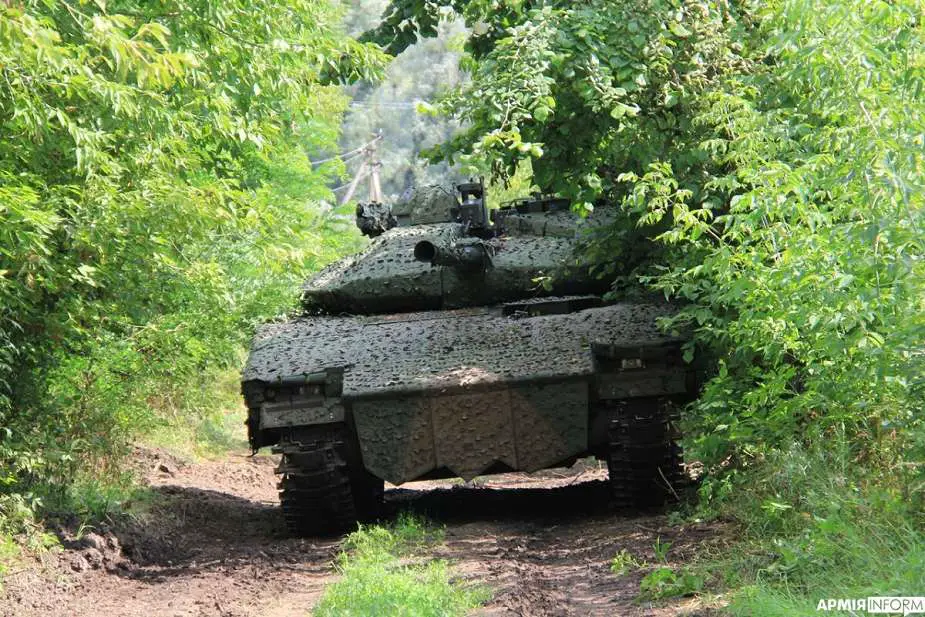
Swedish-donated CV9040 IFV Infantry Fighting Vehicle in service with the Ukrainian army. (Picture source: Wikimedia)
Sweden has delivered 50 CV90 infantry fighting vehicles (IFVs) to Ukraine. This donation was part of a larger package of military aid that also included other equipment, such as Archer artillery systems. The delivery of these CV90s was officially announced earlier in the year, and the vehicles have already been spotted on the battlefield in regions like Donetsk.
Additionally, on December 18, 2023, the defense ministers of Sweden and Denmark signed a joint declaration to send more CV90s to Ukraine. Denmark is contributing financially to this effort, with an initial commitment of DKK 1.8 billion (approximately $264 million).
The CV90 version delivered to Ukraine is primarily the CV9040 variant. It is armed with a 40mm Bofors L/70 autocannon, which delivers high firepower and is effective against both ground and air targets. This cannon, coupled with advanced fire control systems, ensures high accuracy and lethality in various combat scenarios. Additionally, the vehicle can be equipped with a coaxial machine gun and anti-tank guided missiles, enhancing its versatility and ability to engage a wide range of threats.
The CV9040 features robust armor that protects against small arms fire, shell splinters, and other battlefield threats. Its advanced mobility system, including a powerful engine and sophisticated suspension, allows it to navigate difficult terrains, maintaining speed and maneuverability easily. This combination of firepower, protection, and mobility makes the CV9040 a highly effective platform for modern mechanized infantry operations, capable of delivering and sustaining combat power in diverse operational environments.
Since Russia's invasion of Ukraine in February 2022, the Netherlands has played a crucial role in supporting Ukraine both militarily and humanitarian. The Dutch government has provided extensive military aid, amounting to over €2.63 billion, which includes weapons, training, equipment, and other supplies necessary for the Ukrainian armed forces. In 2023 alone, the Netherlands pledged €2.5 billion in aid, with nearly €2 billion allocated for military assistance. For 2024, an additional €1 billion was committed, bringing the total for that year to €3 billion. Furthermore, €3 billion has been earmarked for 2025.
The Netherlands has provided Ukraine with a variety of combat vehicles and weapons, including surface-to-air missile systems. In April 2023, the Netherlands delivered two Patriot launchers and missiles for the Patriot SAM launchers, with additional missiles pledged in October 2023. In November 2022, the Netherlands also supplied twelve AIM-120 AMRAAMs for NASAMS II.
In terms of anti-aircraft capabilities, the Netherlands committed to delivering 100 MR-2 mobile anti-aircraft guns, purchased from Czechia, and 20 Bofors 40L70s, which began arriving from March 2023 onwards.
For self-propelled artillery, eight 155mm PzH 2000s were provided in April 2022, with training completed by May 2022 and the artillery arriving in Ukraine from June 2022. An additional nine 155mm DITA self-propelled guns were announced in February 2024.
Regarding tanks, the Netherlands began delivering 45 T-72 Avengers from December 2022, which were purchased from the Czech company Excalibur Army, upgraded, and delivered directly to Ukraine. They also pledged 33 out of over 100 Leopard 1A5s and 7 out of 14 Leopard 2A4s, in cooperation with Germany and Denmark, respectively.
For armored fighting vehicles, Fenneks were delivered in February 2023. Armored personnel carriers (APCs) included over 196 YPR-765s delivered from May 2022 onwards, 28 Bandvagn BvS 10s delivered before March 2023, and 40 M113 APCs with remote weapon stations as part of a joint donation with Belgium and Luxembourg.
The Netherlands also provided engineering vehicles and equipment, including one Scanjack 3500 mine clearing system, three Bozena mine clearing systems, six mine rollers for BMP IFVs, nine mine plows, five Brückenlegepanzer Biber bridgelayers, six M3 amphibious bridging vehicles, 24 Bailey bridges, and 1000 portable mine-clearing charges delivered from 2023 onwards.
Additionally, the Netherlands delivered a total of 909 vehicles, including around 300 DAF YA-4442 and DAF YAZ-2300 trucks from November 2022 onwards, various ambulances, SUVs, lifting cranes, loaders, forklifts, side loaders, motorcycles, and six Toyota Landcruiser ambulances.
For heavy mortars, six 120mm MO-120-HBs were delivered in November 2022. In the category of man-portable air defense systems (MANPADS), the Netherlands supplied 50 FIM-92 Stinger launchers from March 2022 onwards and 200 Stinger missiles in April 2022.
Read more: Netherlands Joins Denmark and Sweden to Build CV90 Infantry Fighting Vehicles for Ukraine
- Thales From France Delivers Second CM200 Air Defence System to Ukraine
- Hyundai Rotem from South Korea Demonstrates K2 Tank in Romania Amid Procurement Talks
- Norwegian Military Chief Warns: NATO Has Two Years to Prepare for Russian Threat
- Germany Develops Next-Gen Leopard 2AX as Alternative to Joint MGCS Project and Existing Leopard 2A8 Tank