
- Details
- Written by: V.Saint
- Category: 2024
- Hits: 4762




Breaking news






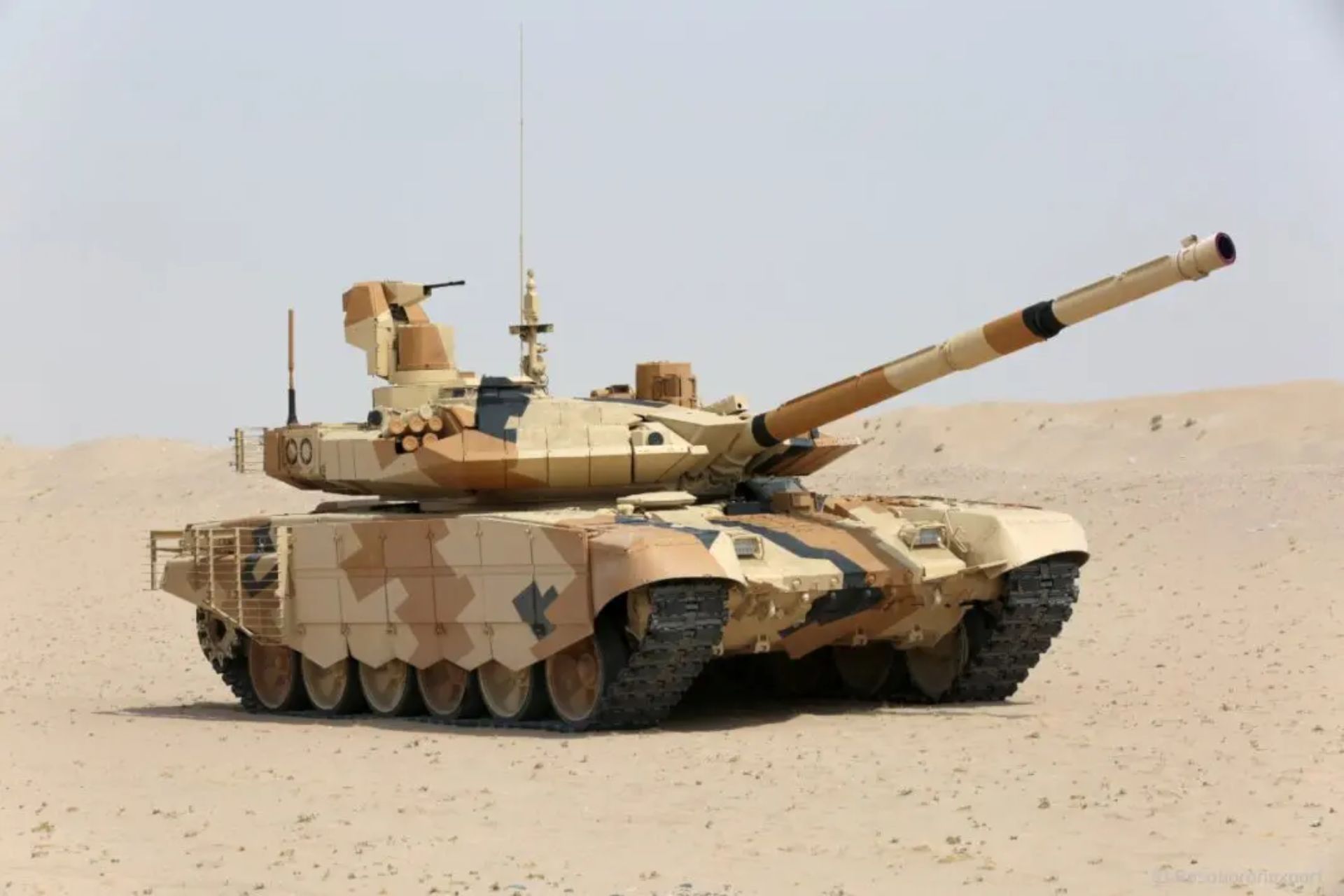
During a mid-May handover ceremony, the Indian Army incorporated a first batch of new locally manufactured and licensed T-90 MKIII tanks from Russia. The local company Armored Vehicles Nigam Limited (AVNL) delivered the first 10 units of the T-90 MKIII tanks, which are equivalent to the Russian T-90MS tank.
Follow Army Recognition on Google News at this link
T-90 MKIII in service of Indian Army (Picture source: Indian MOD )
This production took place under a licensing agreement with Russia, signed in November 2019, to locally manufacture these tanks. Later in 2020, the Indian Army decided to purchase an additional batch of 400 T-90S combat tanks. The remaining units of the T-90 MKIII tanks are expected to be delivered over the next five years. Unlike their Russian counterparts, the T-90 MKIII tanks are equipped with a new automatic target tracking system, a sighting system, and a digital ballistic computer.
The T-90MS, also known as the Tagil, is a modernized export version of the main battle tank T-90, developed by Uralvagonzavod. First presented in 2011, this variant was designed with significant improvements in protection, firepower, and combat control systems.
In terms of armament, the T-90MS is equipped with a 125 mm smoothbore main gun capable of firing traditional shells as well as guided missiles. It also has a coaxial machine gun and another mounted on the roof, typically a Kord 12.7 mm, providing effective close defense.
The protection of the T-90MS is enhanced by advanced composite armor and the latest generation of dynamic protection systems named "Relikt." These systems are among the most effective in countering anti-tank weapons. Additionally, the tank has an active protection system (APS) that detects and neutralizes incoming projectiles before they reach the armor.
The Indian version, the T-90 MKIII, is also equipped with a medium wave infrared (MWIR) sight developed jointly by the Indian Defence Research and Development Organization (DRDO) and Bharat Electronics Limited (BEL). It can detect targets up to 8 km away, day or night, thanks to thermal imaging and has a laser range finder (LRF) capable of targeting up to 5 km. With the ballistic software and LRF corrections, the T-90 commander can accurately detect, engage, and neutralize targets, as added by the Ministry of Defense.
Read more: Indian army receives first batch of Russian T90MKIII
- Details
- Written by: Jérôme Brahy
- Category: 2024
- Hits: 21086
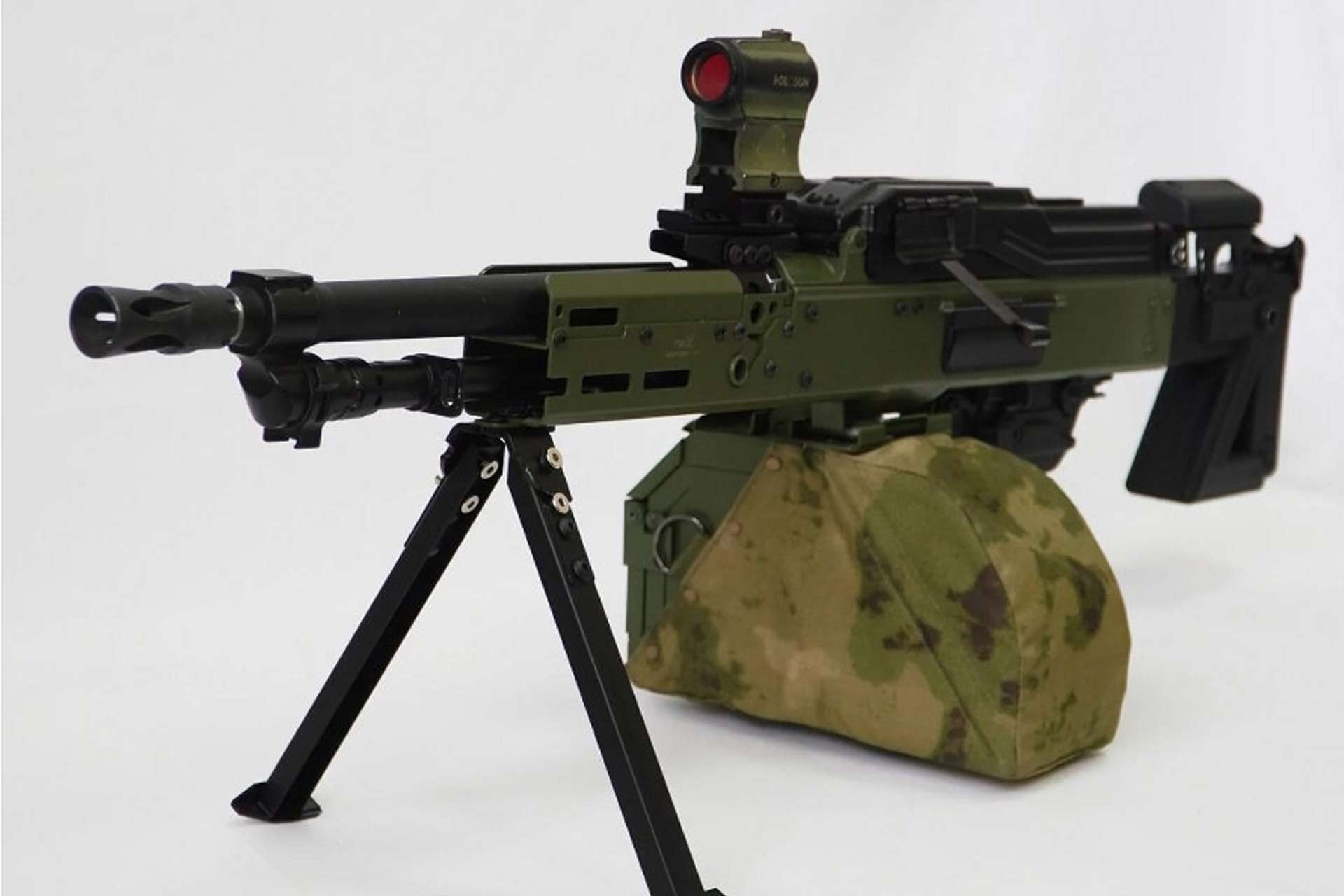
On June 13, 2024, several Russian media outlets reported that a new 7.62mm machine gun, designed by the Perm Design Bureau "Labi," is currently undergoing testing. Known as the PKZ, this machine gun may be deployed to the conflict zone in Ukraine to support Russian assault troops if the testing is successful. The PKZ's design aims to enhance operational effectiveness by enabling quick deployment and reducing the machine gun's profile.
Follow Army Recognition on Google News at this link
The PKZ 7.62mm machine gun is lighter and shorter than the PKM and Pecheneg models currently used by the Russian Army. (Picture source: Russian media)
The PKZ is based on the modernized variant of the Kalashnikov machine gun (PKM), the PKP Pecheneg. It is intended to provide a relatively light, compact, and powerful weapon for Russian assault units, specifically for operations such as storming buildings in dense urban environments, trench warfare, and securing vehicle convoys. One of the notable features of the PKZ is its compactness and reduced weight, making it 1.5 kg lighter than the PKM.
This new machine gun uses the standard 7.62x54mm cartridge of the Russian Army and is equipped with a 100-round box magazine. It measures 850 mm in length and weighs 7 kg without cartridges, making it lighter and shorter than the currently used PKM and Pecheneg models.
The PKM (Pulemyot Kalashnikova Modernizirovanny) is a Soviet-designed general-purpose machine gun, adopted in 1969. It operates on a gas-operated, long-stroke piston system and is chambered for the 7.62x54mmR cartridge. The PKM is designed to be lightweight and includes features such as a stamped steel receiver, quick-change barrel, and flash suppressor. It can be deployed in various roles, including infantry support and vehicle-mounted applications, with a rate of fire of 650-750 rounds per minute and an effective range of up to 1,100 meters. It has been widely used by armed forces around the world.
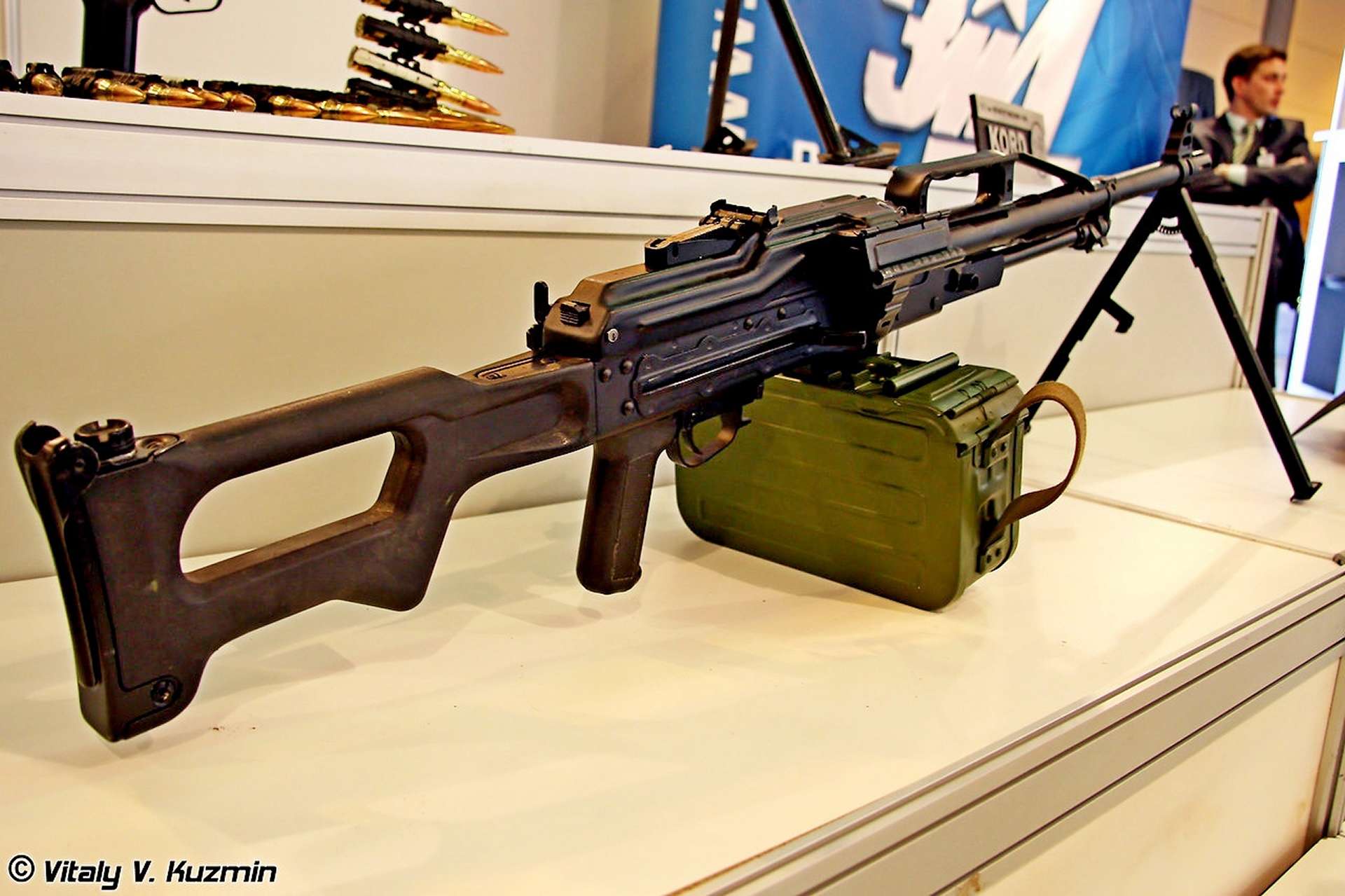
The PKP 'Pecheneg' is a modernized version of the PKM, which features a heavy, fixed barrel with a radial cooling sleeve that employs forced-air cooling, allowing for sustained fire without overheating. (Picture source: Vitaly Kuzmin)
The PKP 'Pecheneg' is a modernized version of the PKM, introduced in 2001. It features a heavy, fixed barrel with a radial cooling sleeve that employs forced-air cooling, similar to the World War I Lewis Gun. This design allows for sustained fire without overheating. The Pecheneg retains the 7.62x54mmR caliber and is fed from a non-disintegrating belt, with design modifications aimed at improving barrel life and cooling efficiency, making it suitable for intensive combat situations.
Chief designer Andrei Malkov noted that the technical specifications for the new machine gun included the requirement that it be easily concealable under an arm, covered with a raincoat, to avoid being targeted by enemies who often aim at machine gunners and snipers first. Additionally, the specifications require that a fighter can raise the PKZ with one hand and open fire immediately to enable faster deployment. However, more detailed information regarding its design features, reliability, and manufacturability is not available.
The future adoption of the PKZ for Russian military service remains uncertain. The Labi Design Bureau, founded by inventor Andrei Labi, has no prior experience in designing weapons, and the PKZ is its first small arms model. There is also no established production capacity for its manufacture, and given the challenges domestic designers face in getting their products adopted by the military, the likelihood of the PKZ being deployed in the near future is low.
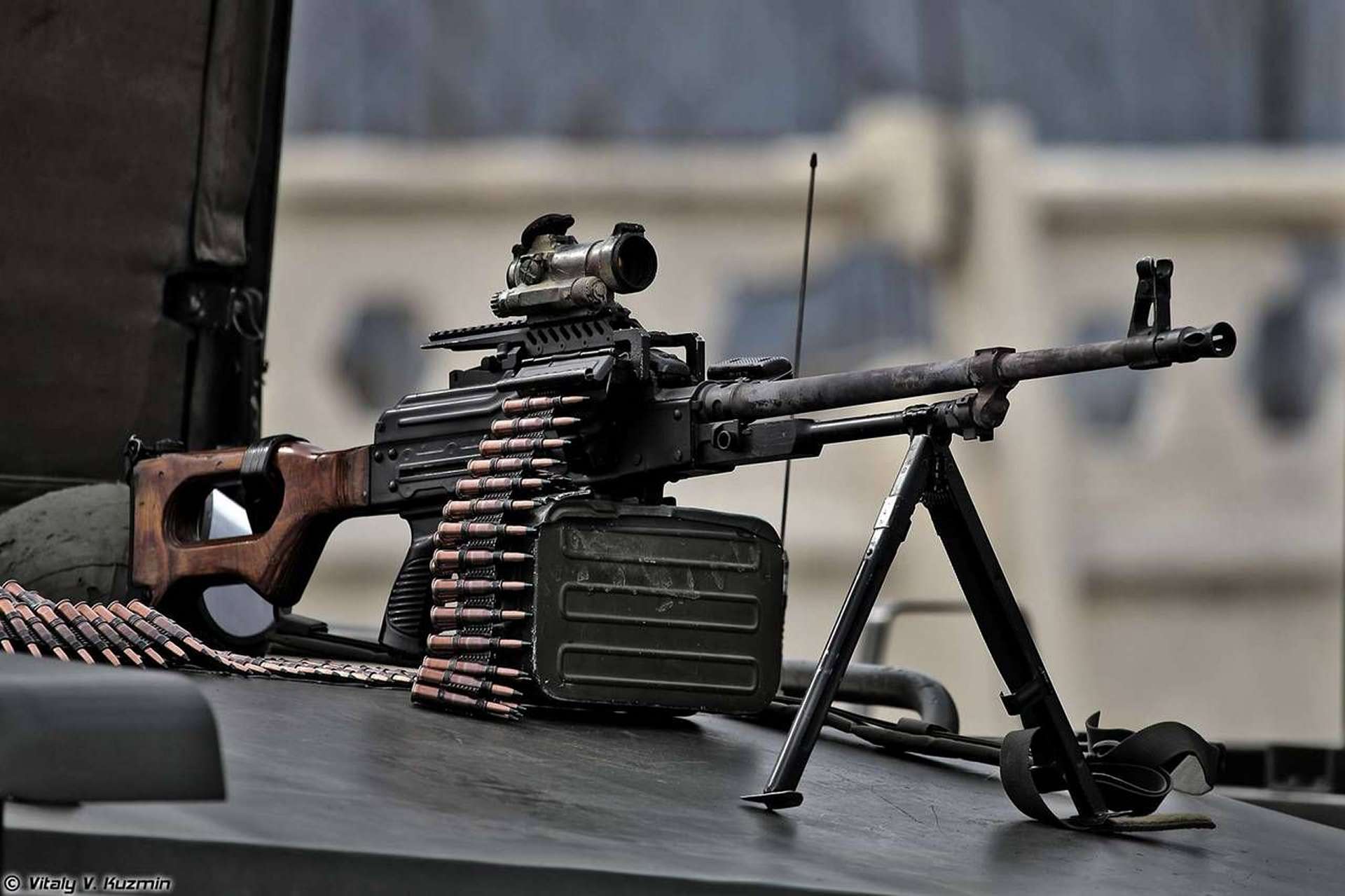
The PKM (Pulemyot Kalashnikova Modernizirovanny) is a Soviet-designed general-purpose machine gun, adopted in 1969, which operates on a gas-operated, long-stroke piston system and is chambered for the 7.62x54mmR cartridge. (Picture source: Vitaly Kuzmin)
Read more: Russia's new PKZ 7.62mm machine gun may replace the Soviet PKM in Ukraine
- Details
- Written by: Administrator
- Category: 2024
- Hits: 6099
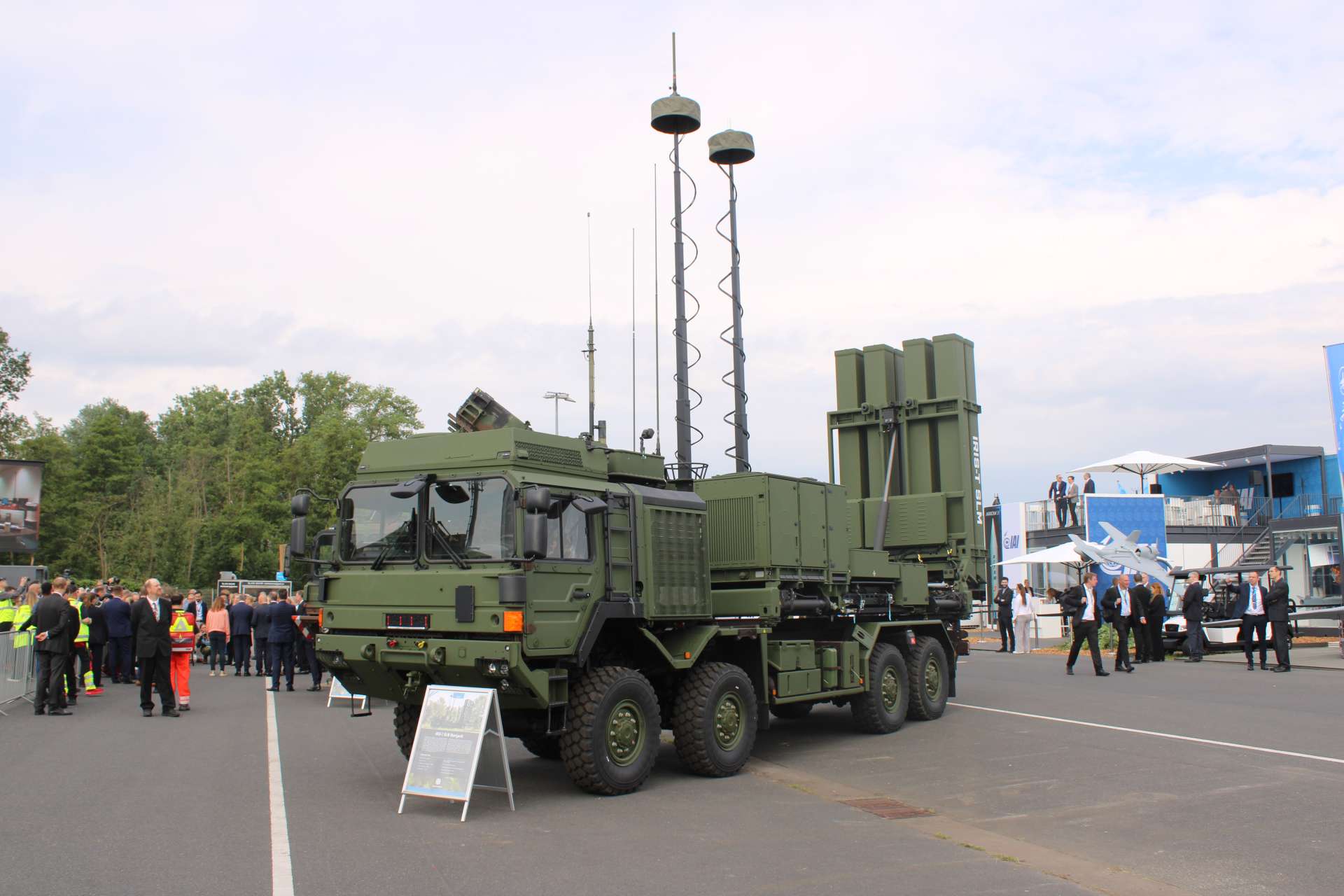
Berlin, Germany, June 14, 2024 – In a recent announcement, the German Ministry of Defense confirmed the delivery of two more IRIS-T air defense missile systems to Ukraine. This latest shipment includes one IRIS-T SLS and one IRIS-T SLM, bolstering Ukraine's defense capabilities amid ongoing hostilities. Before this, Germany had already supplied Ukraine with three IRIS-T SLM and one IRIS-T SLS systems, underscoring its continued military support.
Follow Army Recognition on Google News at this link
Transporter Erector Launcher (TEL) truck of German-made IRIS-T SLM air defense missile system. (Picture source: Army Recognition Group)
Since the beginning of the war in February 2022, international military assistance to Ukraine has been significant financially and in the diversity of military equipment provided. Germany has been a key contributor, committing millions of euros in military aid.
The IRIS-T SLS (Surface Launched Short-range) and IRIS-T SLM (Surface Launched Medium-range) are both advanced air defense missile systems developed by Germany, designed to counter different types of aerial threats with varying engagement capabilities.
The IRIS-T SLS is a short-range air defense system with an engagement range of approximately 10 kilometers and an altitude coverage of up to 5 kilometers. It is designed primarily to engage and destroy aircraft, helicopters, drones, and short-range missiles. This system is typically deployed to provide close-range defense for key assets or troop formations, offering protection against immediate aerial threats.
In contrast, the IRIS-T SLM is a medium-range air defense system with a significantly greater operational range, capable of engaging targets up to 40 kilometers away and at altitudes of up to 20 kilometers. The SLM can counter a wider variety of threats, including aircraft, helicopters, drones, cruise missiles, and ballistic missiles at longer distances. It is used to provide broader area defense, protecting larger zones and multiple assets simultaneously.
In summary, the main differences between the IRIS-T SLS and SLM systems lie in their engagement range and altitude, as well as the types of targets they are designed to counter. The SLS offers close-range protection against immediate threats, while the SLM provides extensive coverage against a broader range of threats at greater distances.
In addition to air defense systems, Germany has supplied Ukraine with a range of military hardware, including Gepard anti-aircraft air defense systems, PzH 2000 self-propelled howitzers, Leopard main battle tanks, Marder 1A3 IFVs (Infantry Fighting Vehicles) and multiple rocket launchers. Other NATO countries have also played a crucial role, with the United States leading in financial and equipment contributions. American support has included HIMARS rocket systems, M777 howitzers, Javelin anti-tank missiles, and extensive financial aid aimed at sustaining Ukraine’s defense efforts.
Since the onset of the Russian armed attack on Ukraine on February 24, 2022, Germany has delivered military equipment and combat vehicles from Federal Armed Forces stocks valued at approximately 5.2 billion euros, based on estimated replacement costs. Additionally, over 10,000 Ukrainian soldiers have undergone military training in Germany.
The European Union collectively has provided billions of euros in military aid, encompassing everything from small arms and ammunition to armored vehicles and training support. The UK, France, and other EU nations have consistently supplied advanced weaponry, intelligence support, and cyber defense assistance, enhancing Ukraine’s ability to counter the Russian offensive.
This international support highlights a unified commitment to Ukraine’s sovereignty and territorial integrity. The continuous flow of advanced military equipment and financial aid has been pivotal in bolstering Ukraine's defense infrastructure, enabling it to withstand and counter the aggression more effectively.
As the conflict persists, the latest delivery of IRIS-T systems from Germany significantly enhances Ukraine's air defense capabilities, providing critical protection against aerial threats. The sustained military aid from the international community remains a cornerstone of Ukraine’s resistance strategy, illustrating a robust alliance against the Russian invasion of Ukraine.
- Details
- Written by: V.Saint
- Category: 2024
- Hits: 3289
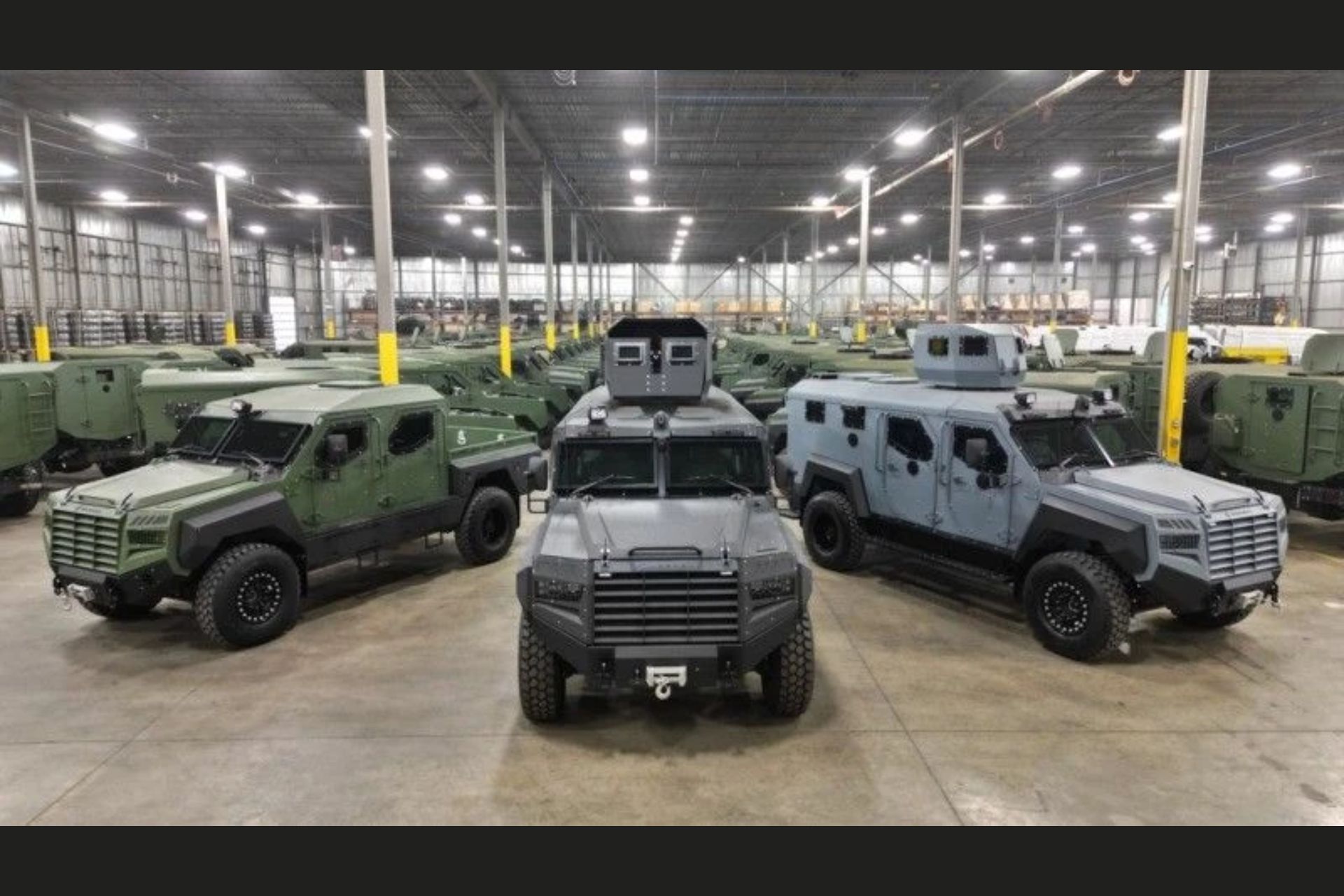
The Canadian company Roshel Smart Armored Vehicles produces, among other things, vehicles from the Senator family. In recent months, it has become famous for its significant and effective deliveries of armored troop transport vehicles to Ukraine
Follow Army Recognition on Google News at this link
Roshel senator Family, from left to right Roshel pickup, Roshel apc, Roshel Mrap (Picture source: Roshel)
The company plans to increase its production capacity by establishing a factory in Ukraine. It is also looking for another site in Europe. Poland could be such a starting point, which Roman Shimonov, CEO of Roshel Smart Armoured Vehicles, does not rule out.
Roshel has quickly become a leading company in the development, testing, and marketing of innovative products that have had a significant impact on the armored vehicle industry. The first revolutionary point was the armored bank vans, in which Roshel introduced pioneering technology allowing operational control from a central control room. This innovation resulted in a significant number of orders, leading to the distribution of thousands of these vehicles throughout North America.
Before the outbreak of the war in Ukraine, Roshel focused on creating unique, technologically advanced armored vehicles with increased survivability. With the outbreak of the war, Roshel significantly increased its production capacity to meet the needs of Ukraine.
The only significant change has been the pace of production, which has increased considerably to meet the growing demand. To date, Roshel has launched more than 1,100 Senator vehicles on the market and is committed to meeting the ongoing demand to protect as many Ukrainians as possible. Our mission is to ensure that every vehicle we produce meets the highest standards of safety and reliability and to continually develop to meet the new challenges our customers face.
In order to maintain its position in the delivery of armored vehicles, Roshel is open to various options, including opening a production plant in Poland, which will largely depend on the current demand. Poland is one of the preferred sites due to its strategic position in the automotive and defense markets. Additionally, Poland serves as a key gateway for deliveries to Ukraine, offering significant logistical advantages. Opening a production plant in Poland would enhance Roshel's ability to meet our customers' needs while supporting broader strategic goals in the region.

Roschel Mrap in service in Ukrainian armed forces (Picture source: Ukrainian armed forces Headquarter)
- Details
- Written by: V.Saint
- Category: 2024
- Hits: 3958
Russian companies have produced several variants of FPV "kamikaze" ground drones, designed to demolish defensive positions. The High Precision Complexes holding (part of Rostec) has developed the multifunctional robotic complexes Depesha and Buggy. Currently, these ground robots are undergoing extensive testing, including in Ukraine.
Follow Army Recognition on Google News at this link
The visual concept of Lyagushka UAV according to Rostec. (Picture source: Rostec)
One of the most important features of these robotic machines, besides their compactness and maneuverability, is their load capacity. For "Depatch," it's 150 kg; for "Buggy," it's 250 kg. This makes these robots reliable assistants for frontline fighters. The "depeshas" and "buggies" can quickly and quietly deliver supplies, ammunition, fuel to the front line, and even evacuate wounded soldiers.
The remotely controlled robots "Depesha" (developed by JSC "KBP") and "Buggy" (developed by VNII "Signal") in different versions can be used to destroy enemy personnel, fortifications such as casemates, bunkers, fortified firing posts, and strongholds. Moreover, the robotic systems can perform field mining tasks.
The Depesha robot is assembled on a tracked platform and is controlled by an operator using a joystick and an FPV headset. The "Buggy" robotic complex has a wheeled platform and is controlled using a joystick and a tablet. Both robots can be used as ground kamikaze drones to destroy enemy targets by exploding a charge that the robotic complex delivers to the target.

The visual concept of Depesha UAV according to Rostec. (Picture source: rostec)
The "Depesha" system is assembled on a tracked chassis and is controlled by the operator using a joystick and an FPV headset. The "Buggy" robotic system has a wheeled platform and is controlled using a joystick and a tablet.
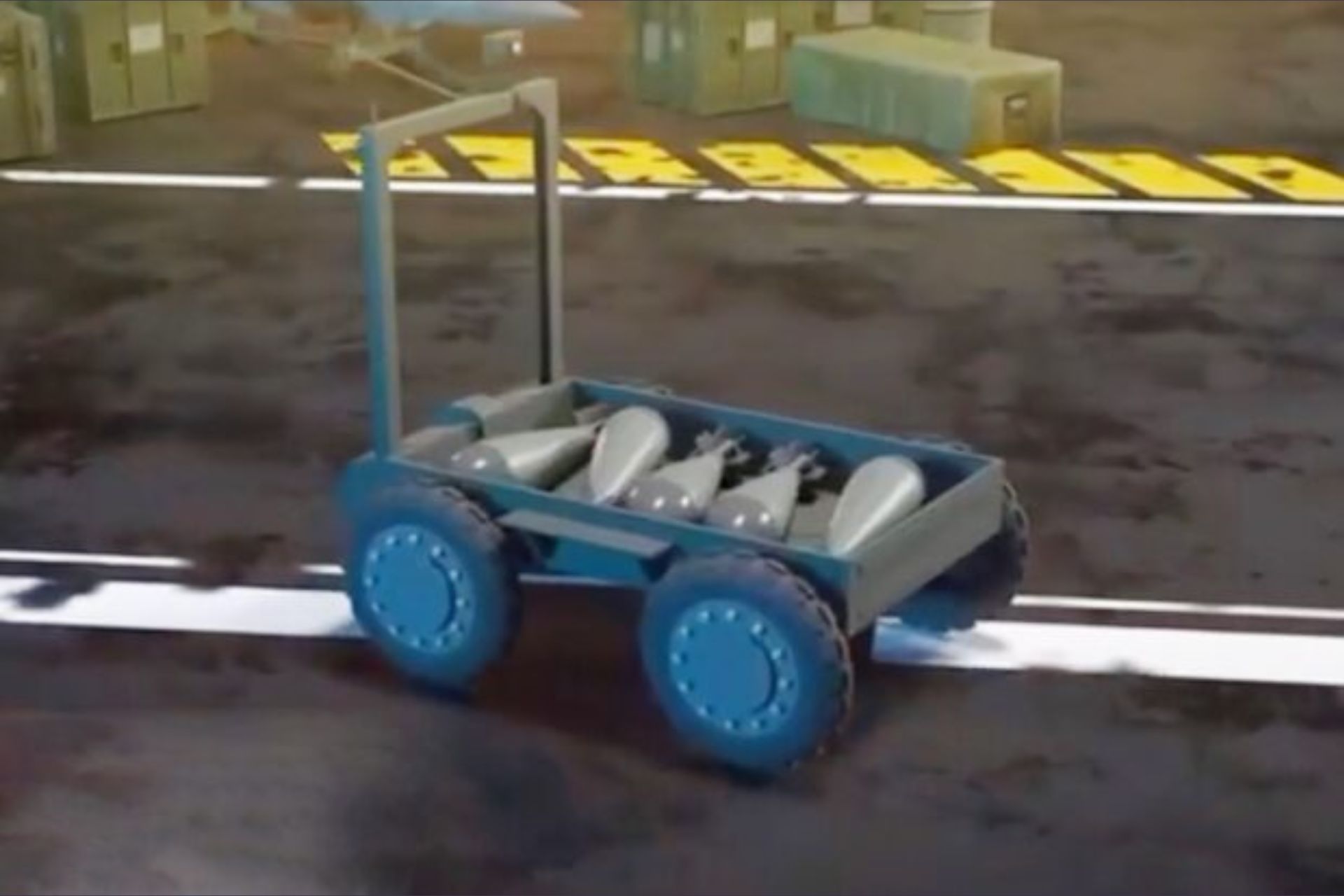
Furthermore, one of the defense companies has created the "Lyagushka" (Frog) ground drone, which is supposed to deliver explosives to the position. It moves at a speed of 20 km/h and is capable of carrying 30 kg of explosives.

The visual concept of Lyagushka UAV according to Rostec. (Picture source: rostec)
Explosives, in the form of mortar shells, are attached to the drone with mounting foam. "Lyagushka" is also controlled with an FPV headset. It should be noted that the operators of all these ground drones face poor visibility and therefore must be adjusted from an unmanned aerial vehicle.
Ukrainian intelligence was successfully captured with a reconnaissance UAV, initials and live test of Lyagushka UGV. This drone was tested on the Ukrainian position and successfully destroyed a machine gun nest.
Read more: Russia change war doctrine with a massive use of modernized goliath drones
- Details
- Written by: V.Saint
- Category: 2024
- Hits: 3472
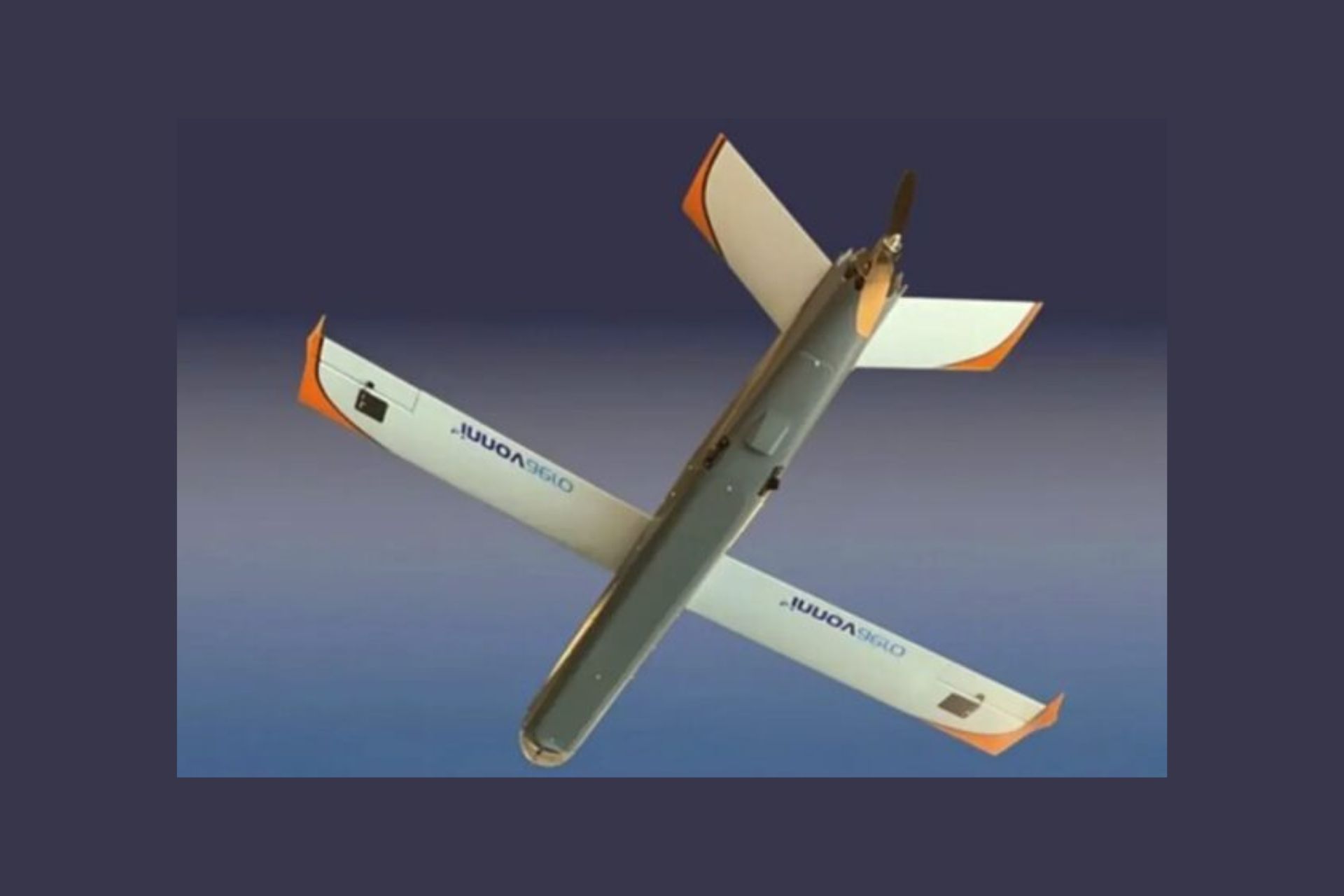
The Australian army is finally integrating a new electric-powered kamikaze drone, in development for over two years. Dubbed "Owl," the loitering munition can travel up to 200 kilometers (124 miles) and remain airborne for 30 minutes without recharging.
Follow Army Recognition on Google News at this link
Owl loitering munition in test phases (Picture source: Institu Pacific )
The One-Way Loitering (OWL) munition has been developed by Western Australia-based Innovaero and Insitu Pacific, a subsidiary of Boeing, and is currently being tested by an unspecified army special operations unit. Known simply as "the Owl," the unmanned aerial vehicle (UAV) has been in development with the army since 2022 and is designed to integrate with other drones acquired by the Australian Defense Forces.
Government tender documents reveal that developer Innovaero, partly owned by BAE Systems Australia, has been awarded more than $5.3 million in defense contracts since May 2022 to design, develop, build, and test the aircraft.
The growing importance of armed drone warfare was highlighted during Russia's invasion of Ukraine, with military experts criticizing Australia's lack of urgency in acquiring this lethal technology.
A Defense spokesperson declined to comment specifically on the Innovaero Owl but confirmed to ABC that a future loitering munition capability is expected to be introduced this calendar year.
Australian Defense continues its trials on maritime, land, and air platforms with Australian and foreign suppliers to ensure that the Australian Defense Forces can deploy the latest technologies and maximize their benefits.
For the moment, the fully electric loitering munition is in the testing phase, but these tests are crucial, as the doctrinal changes in the use of aerial weapons by the Australian forces will depend on the results of these tests. The introduction of loitering munitions in most of the Australian army's combat units will be determined by the outcomes of these tests.
Defense industry insiders are pleased with the progress of the Innovaero Owl project, but they warn that lengthy delays have been imposed on other so-called urgent innovation programs due to a lack of funding to advance contracts.
Read more: Australia presents OWL first National made loitering munition

Paris Hosts Prestigious Eurosatory 2024 International Defense Exhibition Opening Monday June 17 2024
- Details
- Written by: Administrator
- Category: 2024
- Hits: 2527
The world's premier international defense and security exhibition, Eurosatory 2024, opens its doors on Monday, June 17, 2024, in Paris. This highly anticipated event will showcase the latest advancements in land and airland defense, bringing together industry leaders, government officials, and military experts from around the globe. Army Recognition Group, as the Official News Online Report and Official Web TV, will provide unique coverage of the event with daily news and videos. Follow their comprehensive coverage at Army Recognition https://www.armyrecognition.com
Follow Army Recognition on Google News at this link
Follow all the latest information of Eurosatory 2024 with the daily coverage of Army Recognition's editorial team, featuring daily news and video.
Eurosatory 2024 promises to be an unparalleled platform for innovation and collaboration, featuring cutting-edge technologies and solutions that will shape the future of defense. With over 2,000 exhibitors from all over the world, attendees will have the opportunity to explore a diverse range of products and services, from armored vehicles and weaponry to cybersecurity and communication systems.
This year, Army Recognition Group takes pride in being the Official News Online Report and Official Web TV of Eurosatory. Renowned for their comprehensive and insightful coverage, Army Recognition Group will provide daily news updates and video reports directly from the exhibition floor. Their editorial team of defense experts and journalists will deliver in-depth analyses, interviews with key figures, and live demonstrations, ensuring that both attendees and global audiences remain informed about the latest developments.
In conjunction with Eurosatory 2024, Army Recognition Group is excited to introduce its new website, merging Army, Navy, and Air Recognition into Global Defense News. This unified platform aims to provide a comprehensive and streamlined source for all defense-related news and updates.
Eurosatory 2024 runs from June 17 to June 21, offering a unique opportunity for networking, knowledge exchange, and forging strategic partnerships. As the defense industry continues evolving, this exhibition is a testament to innovation, resilience, and international cooperation.
Stay tuned to Army Recognition Group for exclusive daily coverage and videos, bringing the essence of Eurosatory 2024 to your screens. For more information, visit our website and follow our social media channels.
- Details
- Written by: Administrator
- Category: 2024
- Hits: 4591
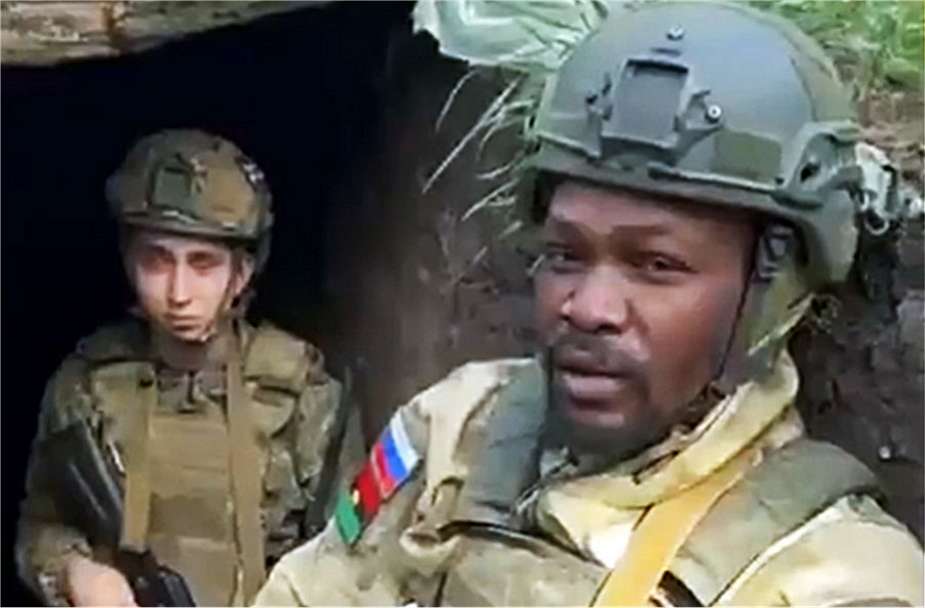
Recently, the British MoD (Ministry of Defense) Intelligence Services have reported a significant increase in Russia's efforts to recruit African mercenaries to bolster its military presence in Ukraine. According to Ukraine's Defence Intelligence (HUR), Russia's recruitment campaign is particularly focused on Central African countries, including Rwanda, Burundi, Congo, and Uganda.
Follow Army Recognition on Google News at this link
Russia intensifies recruitment of Africans, offering money and citizenship to replenish Russian forces deployed in Ukraine, Reports the UK Defense Ministry. (Picture source: Telegram Social Media)
These recruitment efforts are reportedly offering enticing incentives: a $2,000 sign-up bonus, a $2,200 monthly salary, health insurance, and the promise of a Russian passport for the recruits and their families. The campaign aims to compensate for Russia's substantial battlefield losses and support continued offensive operations across multiple fronts in Ukraine.
Russia has faced substantial losses in the ongoing conflict in Ukraine. As of early June 2024, reports indicate that Russia has lost approximately 515,000 military personnel since the beginning of the full-scale invasion in February 2022. This includes both killed and wounded soldiers. Over the past few days alone, Russian forces have lost around 1,280 soldiers and significant amounts of military equipment, including tanks and artillery systems.
The high casualty rate has resulted in severe morale issues among Russian troops. Intercepted communications reveal Russian soldiers expressing frustration over heavy casualties, lack of ammunition, and inadequate training. Some soldiers have reported severe conditions, with one describing the situation as worse than during World War II.
To mitigate these losses, Russia has intensified its recruitment efforts both domestically and internationally.
Domestically, Russia has struggled with the unpopularity of further mobilizations. Previous mobilizations led to significant labor shortages and an exodus of skilled professionals, including doctors and IT specialists, placing additional strain on the economy. Additionally, there are reports of Russian servicemen being forced to return to the front lines to avoid standing trial for refusal to fight.
Russia has turned to international recruitment to supplement its forces, particularly focusing on Central African countries such as Rwanda, Burundi, Congo, and Uganda. These efforts include offering attractive incentives such as a $2,000 sign-up bonus, a monthly salary of $2,200, health insurance, and the promise of Russian citizenship for the recruits and their families. This strategy is aimed at avoiding further domestic mobilizations and compensating for the significant losses on the battlefield.
The recruitment of African mercenaries is part of a broader strategy to sustain offensive operations and replace the dwindling pool of available Russian convicts previously used for recruitment. This approach underscores the challenges Russia faces in maintaining its military campaign without causing further domestic unrest.
The war in Ukraine continues to take a heavy toll on Russian forces, leading to significant casualties and necessitating expanded recruitment efforts both within Russia and abroad. As the conflict drags on, Russia's strategies to mitigate these losses will likely evolve, impacting both domestic and international dynamics.
- Details
- Written by: Administrator
- Category: 2024
- Hits: 4467
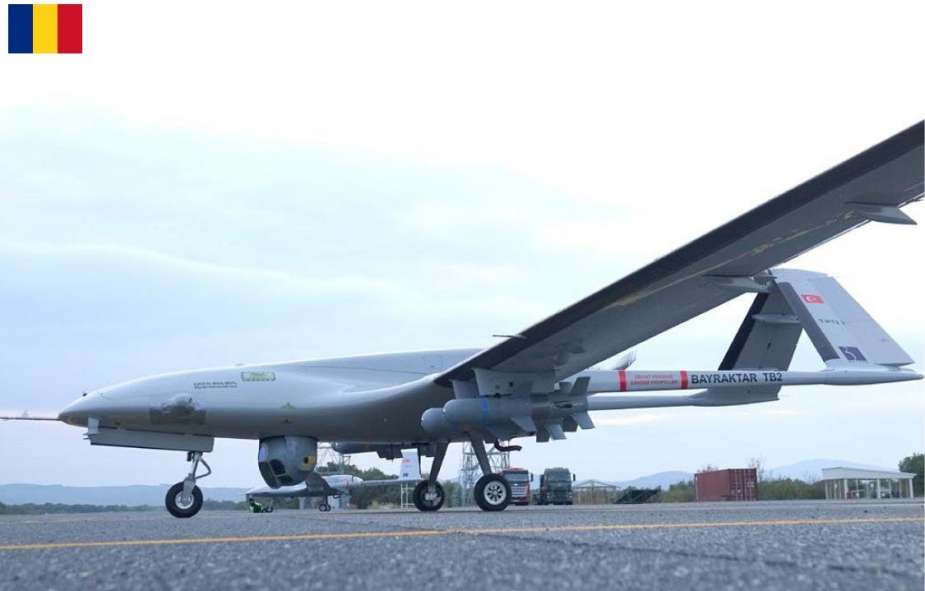
The Romanian army have initiated the qualitative and quantitative reception procedures for their first Turkish-made Bayraktar TB2 unmanned aircraft system, according to Defense Romania online defense magazine. This significant step marks the beginning of a new era in Romania's military capabilities, with the first training flights for Romanian pilots expected by the end of this month or the start of July. The Bayraktar TB2 aircraft, bearing the Romanian tricolor cockade on their wings, will officially be registered as Romanian state aircraft.
Follow Army Recognition on Google News at this link
In August 2022, the Romanian Ministry of National Defense sought parliamentary approval for the purchase of three Bayraktar TB2 unmanned aircraft systems (UAS) to equip the Romanian Land Forces. (Picture source: X Account Dacina Draco)
The introduction of Bayraktar TB2 unmanned aircraft systems (UAS) is a critical component of Romania's Army Transformation Program, set to be achieved by 2040. This acquisition aligns with the Capability Targets within the NATO defense planning process, bolstering Romania's strategic objectives.
In August 2022, the Romanian Ministry of National Defense sought parliamentary approval to purchase three Bayraktar TB2 UAS, each comprising six aircraft, totaling approximately $321 million. This package includes related munitions, initial logistical support, and specific training and education equipment. The purchase contract, signed in April 2023, outlined delivery dates in June 2024, September 2024, and January 2025.
Earlier this year, from February to June, the first batch of Romanian aeronautical personnel underwent training in Turkey. Simultaneously, the manufacturer conducted acceptance, testing, and reception activities for the technical equipment, ensuring readiness for deployment.
The Bayraktar TB2, developed by the Turkish company Baykar Makina, is a medium-altitude, long-endurance (MALE) unmanned combat aerial vehicle (UCAV). It is primarily designed for reconnaissance, surveillance, and precision strike missions, gaining prominence for its operational success in various conflict zones. The TB2's design features a composite structure, a monocoque fuselage, and a blended wing body, allowing a maximum takeoff weight of 650 kg and a payload capacity of 150 kg. It can carry four MAM laser-guided bombs or Roketsan Cirit missiles, effectively engaging diverse targets.
Equipped with advanced avionics, the TB2 includes an onboard avionic suite with a triple-redundant flight control system and a MIL-STD-1553B compliant interface. Its communication system supports encrypted data links for secure, long-range control, and real-time video transmission. With an endurance of approximately 27 hours and a maximum altitude of 27,000 feet, the TB2 is suitable for prolonged operations in varied environments. Its success has led to widespread export and adoption by several countries, solidifying its status as a reliable and versatile asset in modern warfare.
This acquisition marks a significant enhancement of Romania's defense capabilities, positioning the Romanian Army at the forefront of modern military technology.
Read more: Romanian Army Takes Reception of First Turkish-Made Bayraktar TB2 Aerial Drones

- Details
- Written by: Administrator
- Category: 2024
- Hits: 9170
Recent pictures shared on social media have revealed that the Mauritanian military has acquired Chinese-made Yitian-L short-range self-propelled air defense systems. The vehicle is armed with the TY-90 surface-to-air missiles, designed to intercept and destroy low-flying aircraft, helicopters, drones, and cruise missiles.
Follow Army Recognition on Google News at this link
Mauritanian army is now equipped with Chinese Yitian-L short-range mobile air defense systems (Picture source: Social Media)
The Yitian-L, customized for the Mauritanian Armed Forces and based on a 4x4 Dongfeng tactical vehicle, is an advanced air defense vehicle designed to intercept and neutralize various aerial threats. This version is armed with a sophisticated missile system, prominently featuring four TY-90 missile launchers. These launchers can fire missiles designed to target aircraft, helicopters, unmanned aerial vehicles (UAVs), and incoming missiles.
The Yitian-L's primary armament consists of four ready-to-fire TY-90 missiles housed in vertical launch containers. These missiles are renowned for their high speed, accuracy, and effective range and provide robust defense against fast-moving aerial threats.
The TY-90, also known as Tian Yan-90, is a Chinese air-to-air missile developed by China National Precision Machinery Import and Export Corporation (CPMIEC). Specifically designed for use on helicopters and unmanned aerial vehicles (UAVs), the TY-90 missile is notable for its compact size and specialized targeting capabilities.
The missile measures 1.86 meters in length and has a diameter of 0.09 meters, making it relatively small and lightweight at 20 kilograms. This compact form factor allows it to be easily integrated into a variety of aerial platforms without significantly impacting their performance or maneuverability.
Equipped with a solid-fuel rocket engine, the TY-90 offers reliable propulsion and consistent performance. It has an effective engagement range of up to 6 kilometers and can operate at altitudes ranging from 15 meters to 6,000 meters. Its design emphasizes efficiency and effectiveness in engaging air-to-air targets, providing an essential capability for modern aerial combat scenarios involving helicopters and UAVs.
The vehicle is also equipped with a highly advanced fire control system that enhances accuracy and response times. This system includes computerized targeting capabilities and supports direct and indirect fire, allowing the vehicle to engage targets in both line-of-sight and beyond-visual-range scenarios effectively. It also incorporates Identification Friend or Foe (IFF) technology, which ensures precise identification and engagement of enemy targets while avoiding friendly fire incidents.
A crucial component of Yitian-L's air defense capabilities is its radar system, which typically includes a 3D radar operating in the X-band. This radar can detect, track, and identify multiple targets simultaneously, providing real-time data to the fire control system for rapid and accurate missile launches.
Regarding protection, the Yitian-L is designed to safeguard its crew and maintain operational integrity in hostile environments. The vehicle features armor plating, Nuclear, Chemical, and Biological (NBC) protection systems, smoke grenade launchers, and an automatic fire extinguishing system.
Overall, the Yitian-L, with its advanced missile system, robust fire control and radar systems, and comprehensive protection measures, represents a formidable air defense asset for the Mauritanian Armed Forces, capable of defending against a wide range of aerial threats.
The acquisition of these systems enhances Mauritania's military capabilities, providing a robust air defense solution suitable for both mobile operations and stationary defense of critical assets. This move underscores Mauritania's commitment to modernizing its defense infrastructure amid evolving regional security challenges.
The Mauritanian Armed Forces, officially known as the Forces Armées de Mauritanie, comprise the Army, Navy, Air Force, and National Gendarmerie. With a focus on maintaining internal security and combating regional threats, Mauritania has invested in modernizing its military capabilities. The armed forces are primarily tasked with border security, counter-terrorism operations, and maintaining peace and order within the country. Their training and equipment reflect a blend of traditional military structure with a growing emphasis on rapid response and counter-insurgency capabilities.
Mauritania faces several security threats in its region, primarily from extremist groups and organized crime. The Sahel region, in particular, is plagued by the presence of militant Islamist groups such as Al-Qaeda in the Islamic Maghreb (AQIM) and affiliates of ISIS, which operate across porous borders and engage in smuggling, kidnapping, and terrorist attacks. Additionally, the country's vast and sparsely populated desert areas provide a challenging environment for effective border control, making it susceptible to illicit activities such as drug trafficking and human smuggling. The Mauritanian military's focus on enhancing its air defense and rapid response capabilities reflects its strategic priority to address these multifaceted security challenges and protect its sovereignty and stability in a volatile region.
Read more: Mauritanian Army Acquires Chinese-Made Yitian-L Air Defense Systems with TY-90 Missiles
- Details
- Written by: Halna du Fretay
- Category: 2024
- Hits: 5599
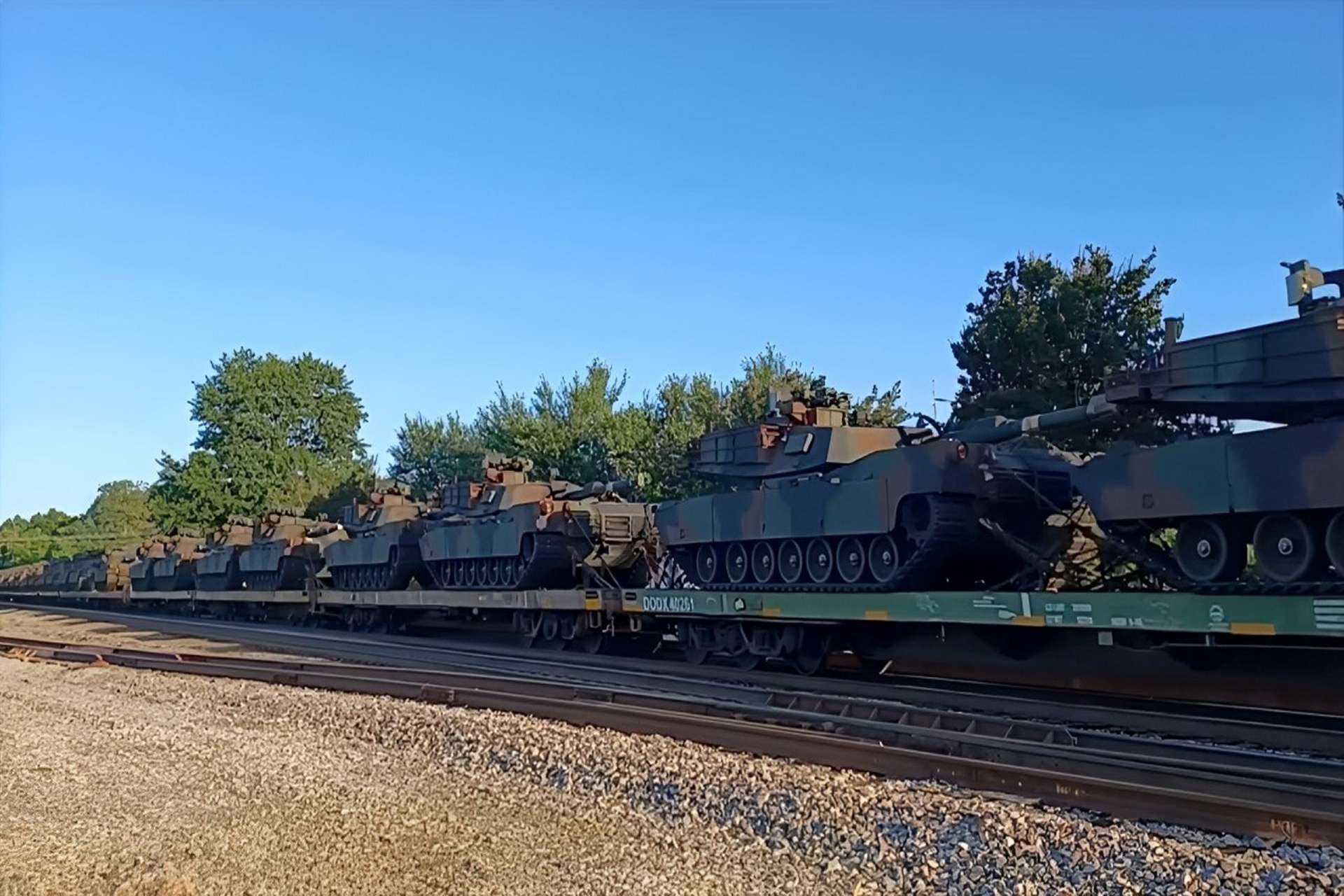
The Polish Army has recently received new shipments of US-manufactured Abrams main battle tanks, as shown by recently published photographs on the social media platform X. These images show the last batch of M1A1FEP (Firepower Enhancement Package) Abrams tanks in transit in southern Norfolk.
Follow Army Recognition on Google News at this link
Earlier this year, a shipment arrived at the Polish Port of Świnoujście on January 6, including an additional 29 M1A1 Abrams tanks and 79 Mine-Resistant Ambush-Protected (MRAP) All-Terrain Vehicles (M-ATVs) (Picture source: X channel @ronkainen7k15)
This batch consists of the final 47 tanks out of a total order of 116 M1A1FEPs destined for the Polish Army, significantly bolstering the arsenal of the 18th Mechanized Division. This development follows an announcement by Elżbieta Wawrzynkiewicz, President of WZM S.A., who confirmed in an interview with Radio Poznan that these tanks were scheduled for delivery by the end of June 2024.
Furthermore, the Polish Ministry of Defense has embarked on an even larger procurement venture, ordering a total of 336 Abrams main battle tanks, which include both the M1A1FEP and the more advanced M1A2SEPv3 (System Enhancement Package Version 3). The latter, having been in production for several months, is expected to begin arriving by the end of 2025, with deliveries continuing through late 2026. These acquisitions are part of Poland's strategic defense modernization, which also includes 38 M88A2 Armored Recovery Vehicles, 25 M1110 Assault Bridges, and 25 M1150 Assault Breacher Vehicles.
The M1A1FEP is a variant of the M1 Abrams main battle tank, upgraded to enhance its combat effectiveness and survivability. The upgrade includes improvements in firepower, armor, and electronics. The M1A1FEP was specifically tailored to meet the operational requirements of various armed forces, providing a significant upgrade over the standard M1A1 tanks. Production and enhancements typically occur as part of ongoing refurbishment and upgrade programs conducted by the U.S. Army and Marine Corps.
The M1A1FEP entered service in the early 2000s, with continuous upgrades and reconditioning to extend its service life and enhance capabilities. Although the exact number of M1A1FEP tanks in service is not widely publicized, they form a substantial part of the fleets where they have been deployed, including in international forces such as those of Morocco and now Poland. The tank features advanced armor protection including depleted uranium layers, a 120mm smoothbore gun capable of firing a variety of munitions, and improved targeting systems. Enhanced navigation and night vision capabilities are also standard, making it a formidable asset in a variety of combat scenarios.
Earlier this year, a shipment arrived at the Polish Port of Świnoujście on January 6, including an additional 29 M1A1 Abrams tanks and 79 Mine-Resistant Ambush-Protected (MRAP) All-Terrain Vehicles (M-ATVs). This followed another delivery in November 2023, which included 26 M1A1 tanks and nine M88A2 Hercules armored recovery vehicles. Poland had already received its first company of 14 M1A1 tanks at the Port of Szczecin in June 2023, highlighting a regular influx of armored units to bolster its military readiness.
The comprehensive nature of these agreements, which also include command vehicles, bridge-laying equipment, and logistics and training packages, reflects the complexity and scale of Poland's efforts to enhance its military infrastructure. This initiative not only strengthens Poland's defense posture but also its strategic partnership with the United States.
Read more: Poland Receives Last of 116 M1A1FEP Tanks in Major Defense Upgrade
- Details
- Written by: Halna du Fretay
- Category: 2024
- Hits: 4118
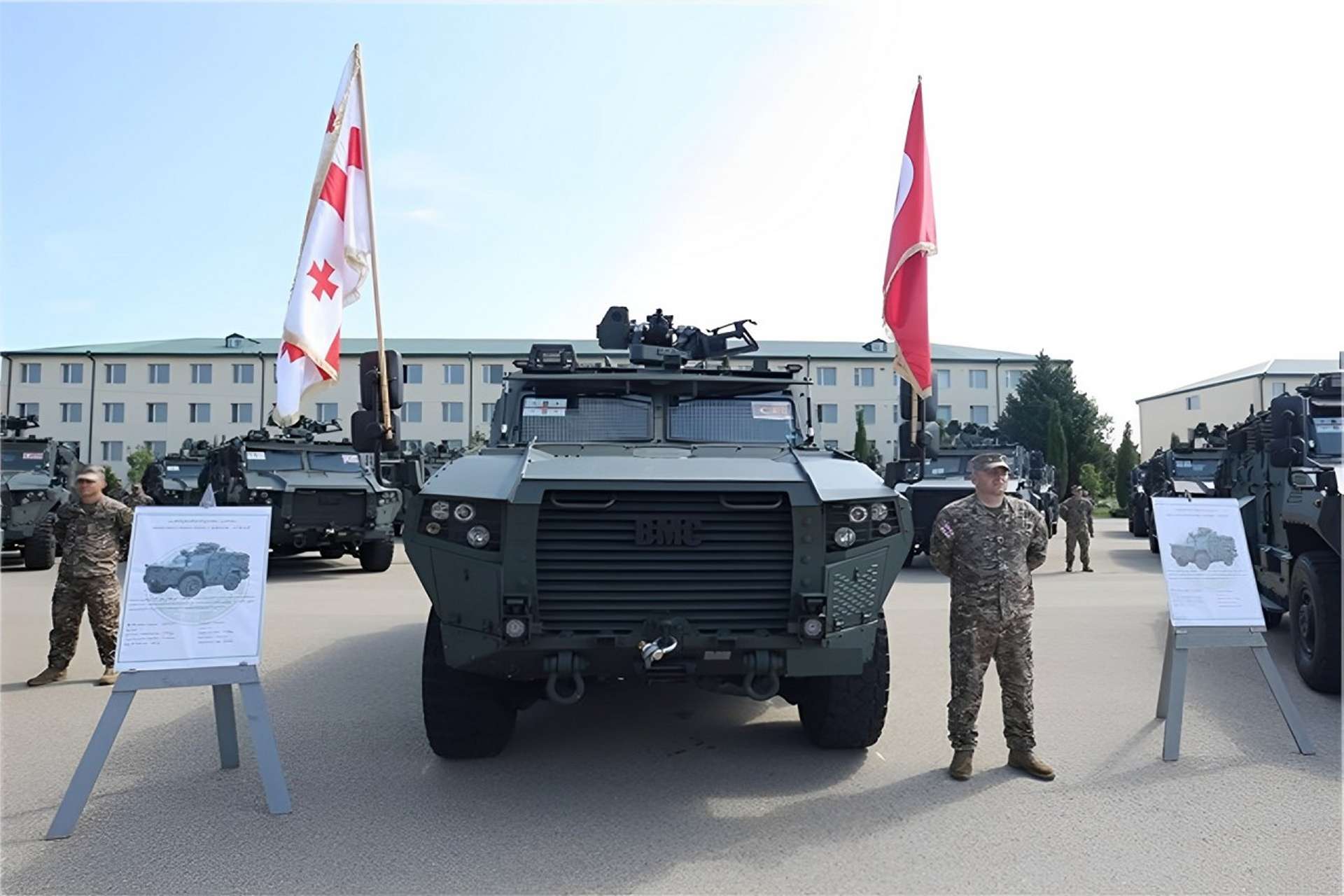
The Georgian Defense Forces (GDF) recently took delivery of 46 BMC Vuran multipurpose armored vehicles as reported by Georgian media on June 12, 2024. The event, held at an infantry brigade near Tbilisi in Vaziani, marked the fulfillment of a defense agreement between Georgia and Turkey established in 2022.
Follow Army Recognition on Google News at this link
The BMC Vuran is a mine-resistant ambush-protected (MRAP) vehicle renowned for its high level of protection against mines and ambush threats (Picture source: Georgian MoD)
The ceremony was attended by several prominent figures, including Turkish Ambassador to Georgia Ali Kaan Orbay, Georgian Deputy Defense Minister Sergo Janelidze, Brigadier General Irakli Chichinadze, ASFAT General Manager Behcet Karatas, among other officials.
During the ceremony, Ambassador Orbay addressed the media, emphasizing the Vuran vehicles as a testament to Turkey's commitment to supporting Georgia's security and integrity. He noted that up to 80% of the components and production of the Vuran are sourced within Turkey, showcasing the country's defense manufacturing capabilities. Orbay also expressed his hope for continued cooperation between the two nations across various sectors.
Deputy Defense Minister Janelidze highlighted the long-standing and successful defense cooperation between Turkey and Georgia, noting that the NATO-standard armored vehicles not only enhance Georgia's defensive capabilities but also strengthen bilateral ties between the two countries.
The BMC Vuran is a mine-resistant ambush protected (MRAP) vehicle renowned for its high level of protection against mines and ambush threats. The specific models delivered to Georgia are equipped with a light remote-controlled weapon station developed by the Israeli defense company RAFAEL, featuring a 40mm automatic grenade launcher that boosts their operational capabilities.
The Vuran 4x4, produced by BMC within the Tactical Wheeled Armored Vehicle group, is a multipurpose armored vehicle first introduced in the mid-2010s. Primarily serving in the Turkish armed forces, the Vuran has also been offered to various international clients, although exact numbers in service are not typically disclosed. Known for its robust design and versatility in different military and security roles, the Vuran 4x4 can carry up to 9 persons and offers a high level of protection and mobility.
It features a monocoque-type armored cabin with blast-deflecting windows, shock-absorbing seats, front and rear cameras, an automatic fire extinguishing system, Run-Flat tires with central tire inflation, and an optional remote-controlled automatic weapon station. Advanced subsystems include ASELSAN SARP Dual remote-controlled weapon stations, CBRN protection, jammers, smoke mortars, comprehensive fire extinguishing systems, and additional tactical enhancements such as hydraulic winches and cable cutting arms, further enhancing its operational effectiveness in various scenarios.
- French Army to replace French Eryx anti-tank missiles with Swedish NLAW by 2025
- Canada Delivers First Batch of ACVS Armored Vehicles to Ukraine
- Eurosatory 2024: Rheinmetall and Lockheed Martin's GMARS MLRS steps up as European competitor to M142 HIMARS
- Galvion's European Production Hub in Poland approaches completion