

- Details
- Written by: Jérôme Brahy
- Category: 2024
- Hits: 13232










On June 25, 2024, during a media event at Nantou, the Taiwanese Ministry of Defense (MoD) unveiled a new 105mm 8x8 tank destroyer, likely a precursor to the Clouded Leopard II infantry fighting vehicle. The D2 prototype underwent a braking test following straight-line acceleration at the Armament Bureau's maintenance center. This event underscored the vehicle's features, including a Hunter-Killer capability similar to that of the M1A2T tanks acquired from the United States, designed to enhance attack efficiency and enable continuous target engagement. The D3 model, an improved version, is expected to complete validation next year.
Follow Army Recognition on Google News at this link
This D2 prototype of a new 105mm 8x8 tank destroyer could likely be considered as a precursor to the Clouded Leopard II infantry fighting vehicle (Picture source: Taiwanese MoD)
The Clouded Leopard eight-wheeled armored vehicle, representing Taiwan's own Infantry Fighting Vehicle, includes several variants already in service. The 105mm wheeled tank destroyer is under development by Taiwan's Armament Bureau and the National Chung-Shan Institute of Science and Technology (NCSIST). Media representatives observed various performance tests at the manufacturing center in Nantou, including a 50% forward slope, a 30% side slope, a wave road surface, and high-speed braking, all of which were successfully completed.
The Taiwanese Army noted that the 105mm tank destroyer is still in the development phase. The Armament Bureau produced two prototypes (D1 and D2) between 2019 and 2023 in response to army requirements. Research and development assessments, finalized on February 2, 2023, included 42 tests such as "firing on the move," with 40 tests passing. Initial operational assessments, completed on August 18, 2023, covered 91 major and minor items, all meeting required standards.
Despite satisfactory test results, the Taiwanese army identified areas for improvement. The current prototype is 3.3 meters in height, but the army requires it to be under 3 meters, necessitating adjustments to the turret's internal layout. Consequently, the Ministry of National Defense approved funding for constructing a D3 prototype, with NCSIST handling turret development (NT$170 million, approximately $5,238,261.58) and the Armament Bureau responsible for the vehicle hull (NT$120 million, approximately $3,697,718.58), totaling approximately NT$290 million ($8,935,452.31). Production and validation of the D3 model are expected to be completed by 2025, incorporating 89% domestically produced parts.
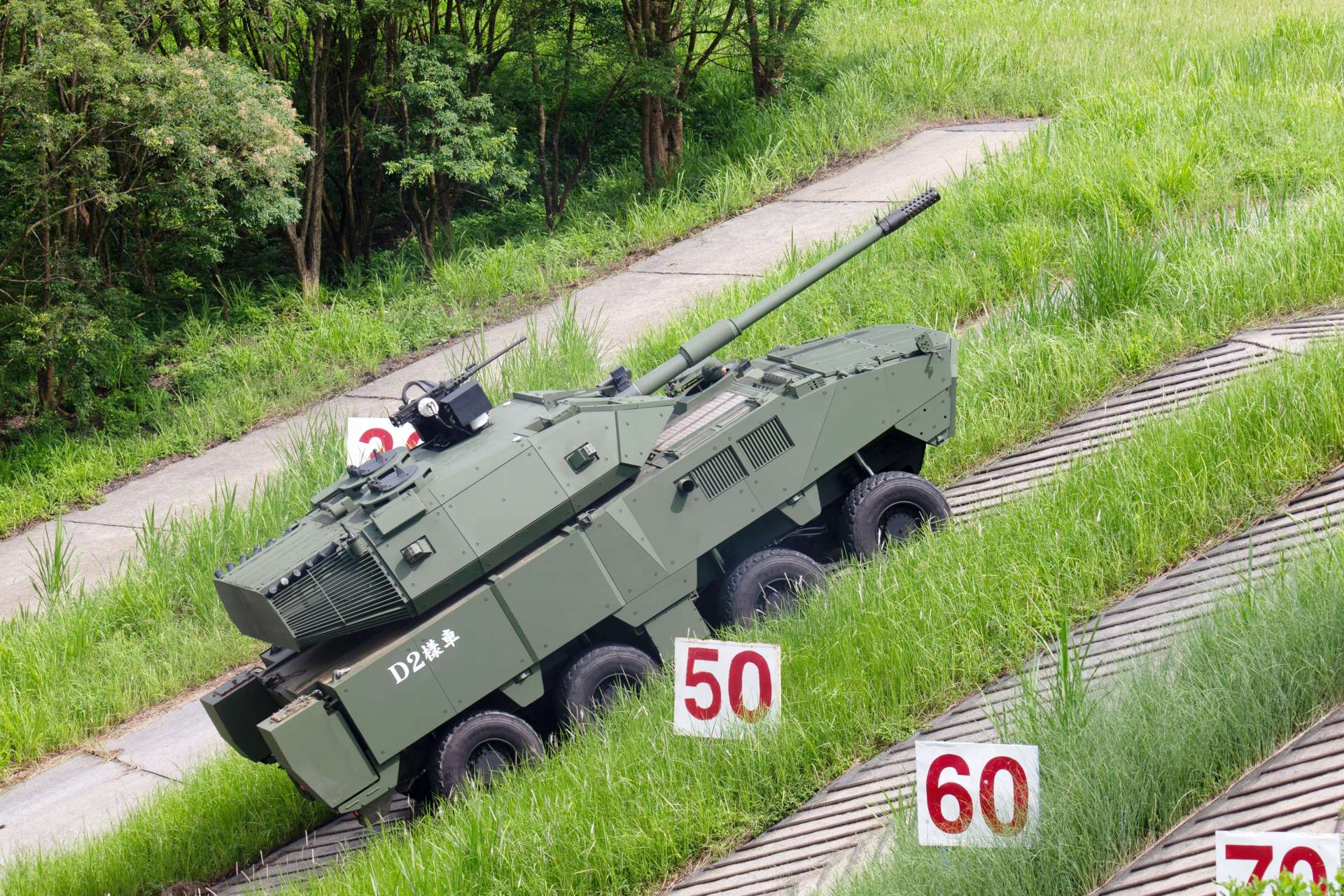
Performance tests at the manufacturing center in Nantou included a 50% forward slope, a 30% side slope, a wave road surface, and high-speed braking. (Picture source: Taiwanese MoD)
Military personnel highlighted that domestic capabilities now allow independent production of components from the barrel to the turret. The barrel caliber matches that of existing M60A3 and CM11 tanks, allowing ammunition interchangeability. A demonstration showed the vehicle's ability to penetrate a 500mm thick steel plate from 2,000 meters away using 105mm armor-piercing fin-stabilized discarding sabot (APFSDS) rounds. The D2 prototype's barrel has been tested with 400 rounds, with an expected lifespan of 800 to 1,000 rounds. As announced by Army Recognition on April 5, 2024, this variant of the future Clouded Leopard II features a coaxial 7.62mm machine gun and a remotely operated weapon station (RWS) with a 12.7mm machine gun. According to Taeopdong, this RWS could act as the commander's sight, allowing it to direct the main gun via the electro-optical (EO) sight of the RWS.
The D2 prototype includes design modifications intended to enhance protection against small-caliber munitions, 12.7mm rounds, and RPGs, along with improved situational awareness through LED headlights and exterior EO/IR cameras for all-round vision. It is expected that this vehicle retains the Caterpillar C9 engine from the Clouded Leopard I, with a power increase from 450hp to 600hp, as previously reported by Army Recognition.
NCSIST Engineering Deputy Director Colonel Lin Yan-Guang confirmed that the vehicle has a Hunter-Killer capability similar to the M1A2T tanks acquired from the U.S. This feature allows simultaneous engagement and continuous target acquisition. The M1A2 and M1A1 differ in that the older M1A1 requires the commander and gunner to view the same target, allowing the commander to resume searching only after engagement. In contrast, the M1A2 permits the commander to continue searching for new targets while the gunner engages the identified target.
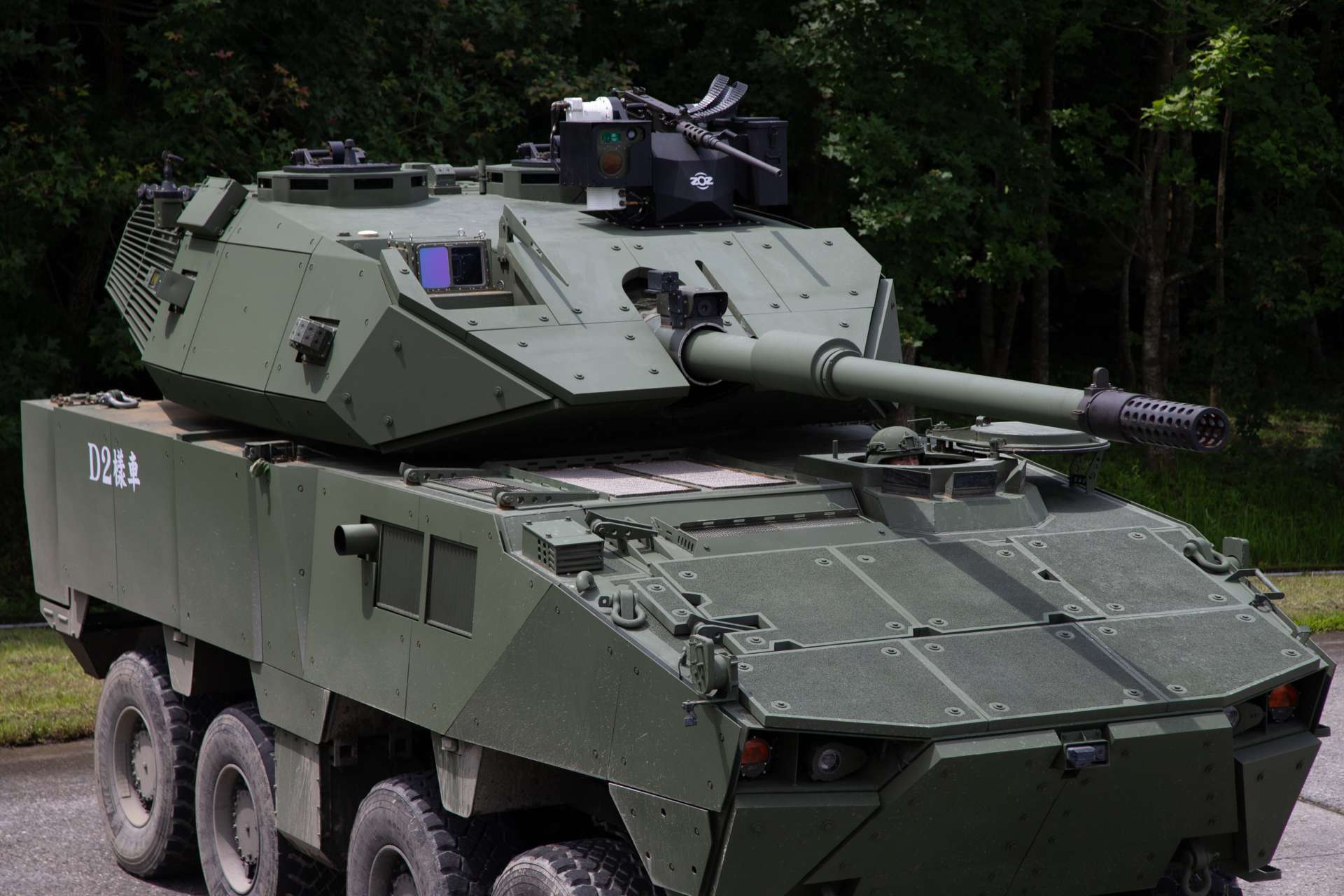
The remotely operated weapon station (RWS) could act as the commander's sight, allowing it to direct the main gun via the electro-optical sight of the RWS. (Picture source: Taiwanese MoD)
The Armament Bureau provided details on the vehicle's specifications: it can carry four personnel, achieve speeds exceeding 100 km/h, and its turret system, with dual-axis servo stabilization and six smoke grenade launchers on each side, enables firing on the move. The observation system supports all-weather operations, identifying vehicles at 2,000 meters and personnel at 1,200 meters. The manufacturing division includes the Armament Bureau 202 Factory (main contractor), NCSIST (turret system), and 209 Factory (chassis).
Military representatives stated that current tracked vehicles are unsuitable for coastal, beach, and riverine operations. The wheeled combat vehicle, with a maximum speed exceeding 100 km/h, offers greater mobility compared to tracked vehicles and is suitable for sand, riverine, and urban combat, meeting operational demands.
The domestically developed Clouded Leopard eight-wheeled armored vehicle series includes the CM-32, CM-33, and CM-34 variants, alongside the 105mm cannon-equipped battle cannon vehicle and the reconnaissance tactical wheeled vehicle currently under development. The CM-32 is equipped with a 40mm grenade launcher, similar to the CM-33, which features enhanced communication equipment. The CM-33 is the basic infantry fighting vehicle with a TS-96 remote weapon station, while the CM-34 is fitted with a 30mm MK44 chain gun acquired from U.S. company Orbital ATK. Although the 81mm mortar version has been completed, it is currently on hold due to lack of military demand.
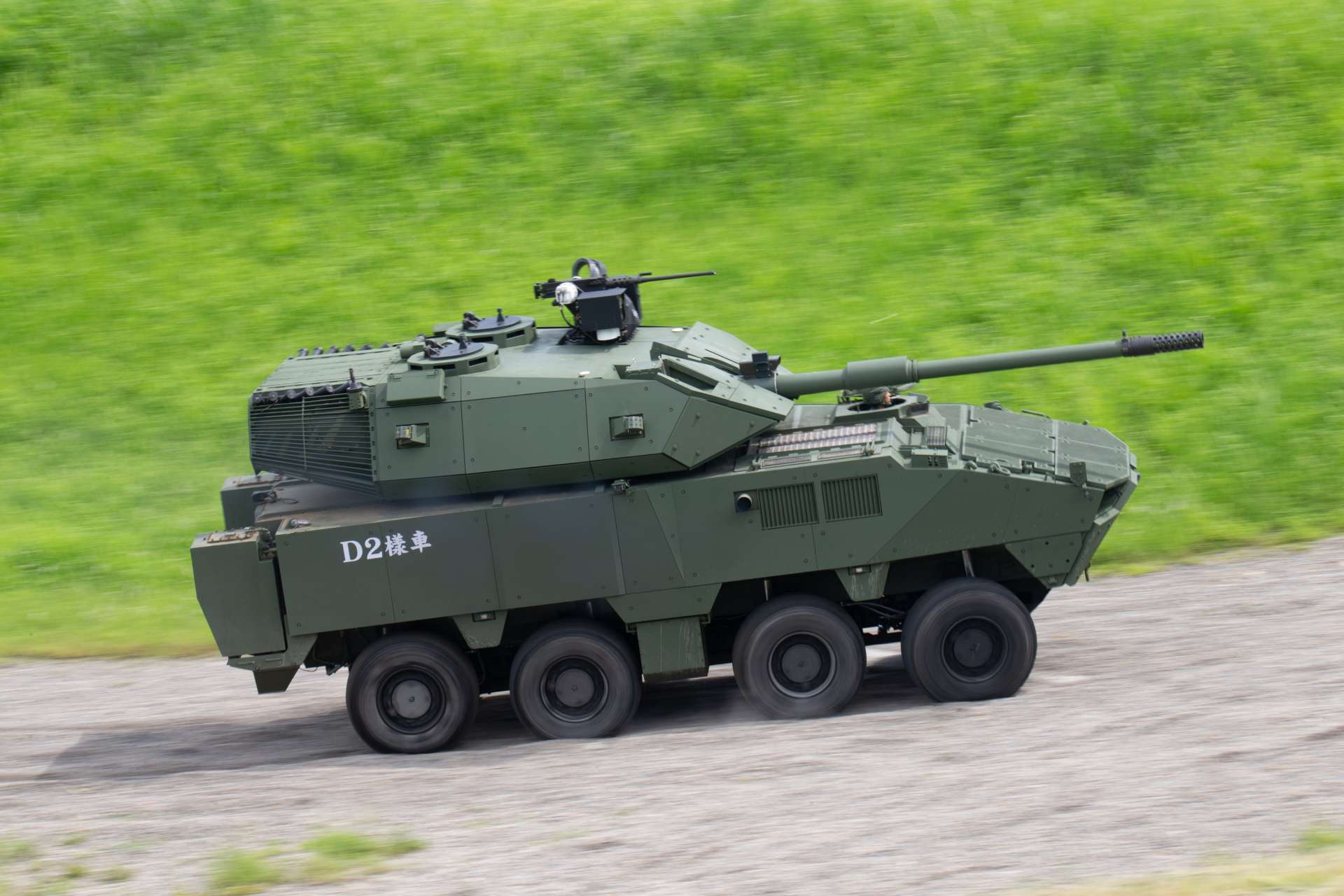
The D2 prototype includes design modifications intended to enhance protection against small-caliber munitions, 12.7mm rounds, and RPGs, along with improved situational awareness through LED headlights and exterior EO/IR cameras for all-round vision. (Picture source: Taiwanese MoD)
- Details
- Written by: Triffaux
- Category: 2024
- Hits: 5380
According to ANI News, India and the United States are advancing in their military cooperation with recent discussions about the co-production of Javelin anti-tank missiles on Indian soil. This initiative, revealed during a high-level visit by a U.S. delegation to India, is part of a broader effort to strengthen defense ties between the two nations.
Follow Army Recognition on Google News at this link
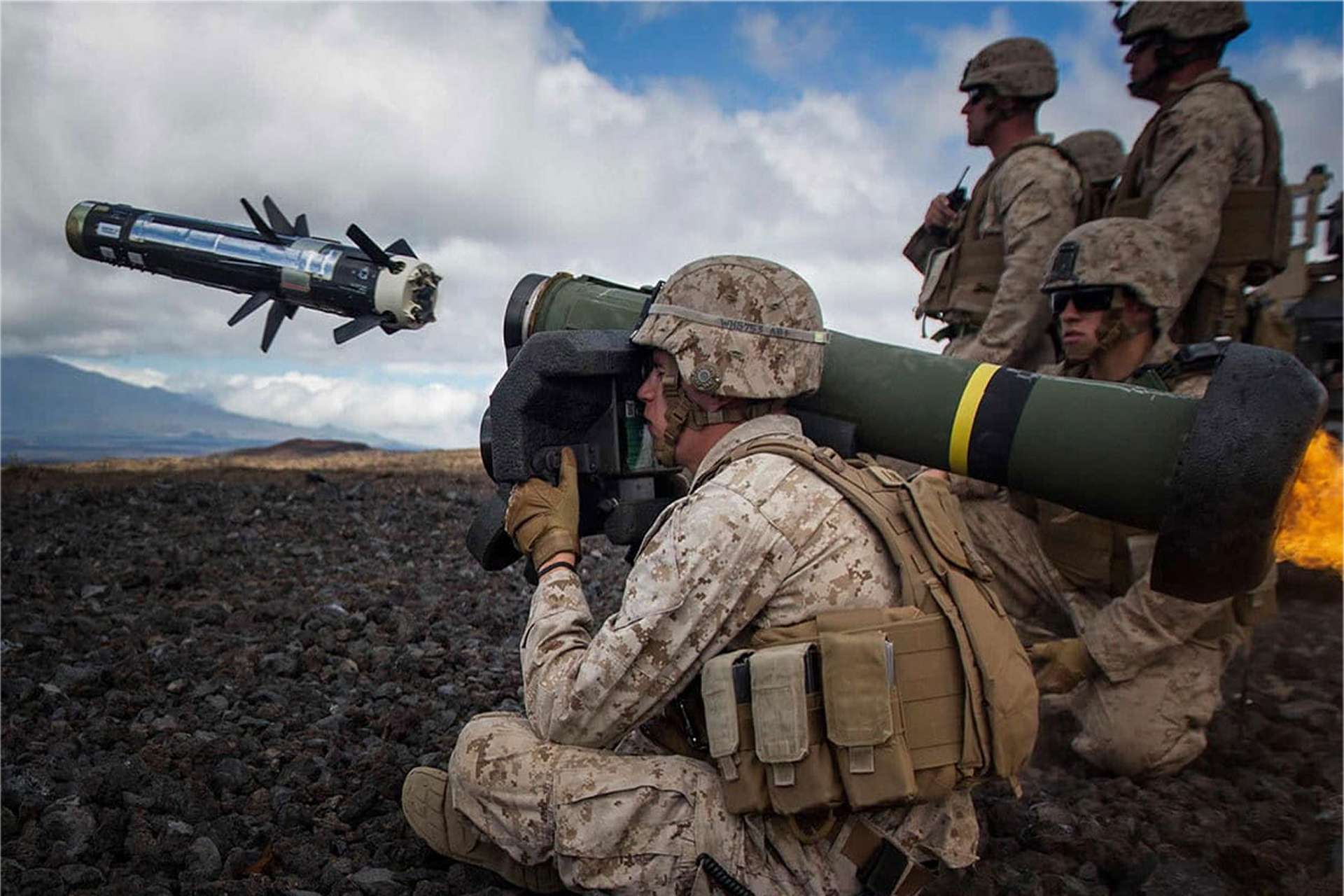
Raytheon Javelin anti-tank missile system (Picture source: Raytheon)
According to defense sources, the Indian Army urgently needs to equip itself with modern anti-tank guided missiles, particularly to replace emergency acquisitions of Israeli Spike missiles. Officials emphasize the importance of a sustainable solution through this collaboration, which could also support the local defense industry.
The project envisages the integration of advanced technologies and the establishment of local production that could not only meet the immediate needs of the Indian Army but also promote the country's technological independence in defense.
Discussions between the two countries are not new, but they are taking a more concrete turn with implementation plans that will soon be unveiled. "The Indian partner for the joint venture will be selected later," the sources indicated, noting that discussions are at a preliminary but promising stage.
The Javelin missile system, known for its precision and ability to destroy tanks from a shoulder launch, is developed jointly by Raytheon and Lockheed Martin. This system has been widely used by the U.S. armed forces and sold to several U.S. allies.
India's Defense Research and Development Organization also plans to conduct trials of its own man-portable anti-tank missile to complement and potentially integrate Javelin technologies into its future developments.
This partnership between India and the United States could mark a decisive turning point in the modernization of the Indian arsenal and strengthen strategic ties between the two powers in a region where security stakes are constantly evolving.
The Javelin is an infrared-guided anti-tank missile system used by the U.S. military and many other allied countries. Designed to destroy tanks and other armored targets from a shoulder-fired position, the Javelin is famous for its ability to lock onto its target before launch and its "fire-and-forget" capability, allowing the operator to take cover immediately after firing. The missile uses infrared guidance technology to ensure high accuracy, even in adverse weather conditions, and can strike a target in direct or top-attack mode for optimal armor penetration.
In Ukraine, the Javelin has been widely used during the conflict with Russia, where it has been praised for its effectiveness against tanks and armored vehicles. The missiles, partly supplied by the United States as part of its military support to Ukraine, have demonstrated their ability to change dynamics on the ground thanks to their portability and firepower. Ukrainian forces have used these systems to inflict significant losses on Russian armored vehicles, thus bolstering their defense against a numerically superior advance. It has even been nicknamed "St. Javelin" by Ukrainian forces.
Historically, the Javelin missile was developed in the 1980s and first deployed by the U.S. armed forces in the mid-1990s. It has been used in several conflicts, including in Iraq and Afghanistan, where it proved its worth by neutralizing fortified positions and enemy armored vehicles. Over the years, the Javelin has evolved with technological updates to enhance its range, accuracy, and ability to counter the advanced protection measures of modern tanks. Its reputation as an effective deterrent on the battlefield has made it a crucial element in the military arsenals of many countries.
The need to strengthen Indian anti-tank capabilities originates from the situation in the Ladakh Valley, a strategic region of Kashmir under Indian administration. This area has long been a point of friction between India and China, exacerbating tensions between these two great powers. Located in the imposing Western Himalayan range, the Ladakh Valley is crucial not only for its military implications but also for the natural resources it harbors.
Tensions in this region have deep historical roots, largely due to the poorly defined borders resulting from the Sino-Indian War of 1962. At that time, the two countries clashed over several sections of their over 3,000-kilometer-long border, including what India calls Aksai Chin, controlled by China but claimed by India. Subsequent agreements aimed at maintaining peace and demilitarizing contested areas have not always been respected, leading to sporadic clashes and diplomatic stalemates.
The escalation of tensions was particularly notable in 2020, when a violent clash occurred in the Ladakh region, resulting in casualties on both sides. This incident marked a significant escalation in border confrontations, leading to a massive military buildup by both nations. India and China have since attempted to negotiate through military and diplomatic talks, but progress has been slow, and both parties maintain an increased military presence in the region.
Read more: India Set to Produce Javelin Anti-Tank Missiles with US Agreement to Counter China

- Details
- Written by: Vandenbosch
- Category: 2024
- Hits: 3007
The Brazilian Air Force (FAB) has strengthened its aerial capabilities by acquiring Thales' Ground Master 200 Multi-mission All-in-one (GM200 MM/A) tactical air surveillance radars. This acquisition, facilitated by the Department of Airspace Control (DECEA) through the Airspace Control System Implementation Commission (CISCEA), is aimed at significantly improving Brazil's air surveillance and ground-based air defense (GBAD) operations. This announcement was made by Thales on June 17, 2024.
Follow Army Recognition on Google News at this link
The GM200 MM/A radar is distinguished by its tactical and mobile design. (Picture source: Thales)
The GM200 MM/A radar is distinguished by its tactical and mobile design, offering superior situational awareness for air surveillance as well as for GBAD operations up to Mid-Range Air Defence (MRAD). Equipped with Thales' unique 4D AESA dual-axis multi-beam technology, this radar provides unparalleled precision and extended range, capable of accurately detecting low, small, and slow targets, such as mini-drones.
Thales has a long-standing presence in Brazil, supported by its local subsidiary Omnisys, which will be responsible for all radar support and maintenance activities. This ensures the high availability and operational standards required by the Brazilian Air Force. Eric Huber, Vice President of Surface Radars at Thales, expressed pride in supporting Brazil’s air surveillance and sovereignty missions, emphasizing Thales' commitment to cutting-edge technology and premium local services.
The GM200 MM/A radars, designed for modern multi-mission air surveillance and GBAD missions, are among the most flexible on the market today. They provide radar operators with instant superior situational awareness and are equipped with next-generation 4D AESA dual-axis multi-beam technology, allowing flexibility in elevation and bearing. The software-defined radar is also ready for future upgrades to address evolving threats and changing operational doctrines.
The radars are highly transportable, fitting into a single autonomous 20-foot ISO standard container weighing less than 10 tons. They feature built-in lifting systems, enabling easy transport by road, rail, boat, helicopter, or tactical aircraft. Once on site, the radar can be deployed by just two people in under 15 minutes. The antenna, operating on an 8-meter mast with an integrated Power Generator Unit, can sustain over 24 hours of autonomous operation, ensuring uninterrupted missions. Additionally, the radar's cabin can integrate a Local Command and Control capability for up to two operators.
Major Brigadeiro Alexandre Arthur Massena Javoski, President of CISCEA, highlighted the significant contribution of the new GM200 MM/A radars to improving air navigation surveillance and security. He noted the high mobility and modern threat detection capabilities of these radars, reinforcing the Brazilian Air Force’s commitment to national sovereignty.
This acquisition consolidates Thales' position as a leader in the radar market in Brazil, adding to its existing installed base of over 100 Air Traffic Control (ATC) radars in the country. The integration of the GM200 MM/A radars within the 1st Communications and Control Group (1st GCC) underscores the ongoing collaboration between Thales and the Brazilian Air Force to enhance airspace protection.
The Ground Master 200 Multi-Mission (GM200 MM) family represents the latest in Thales’ medium-range ground radar technology, incorporating Thales’ 4D AESA dual-axis multi-beam technologies. With over 250 radars sold worldwide, the GM200 MM family is field-proven in more than 30 countries.
Thales’ 4D AESA radar family includes a scalable and upgradable antenna architecture, ensuring that the radars can evolve throughout their lifecycle to maintain operational capability against emerging threats. This family includes various models for different operational needs, from the GM200 MM to the Sea Fire and Ground Fire radars.
With this new acquisition, the Brazilian Air Force continues to modernize its capabilities, ensuring robust air defense and effective airspace control in response to contemporary threats.
Read more: Brazil Acquires Two GM200 MM/A Radars from Thales
- Details
- Written by: Halna du Fretay
- Category: 2024
- Hits: 2040
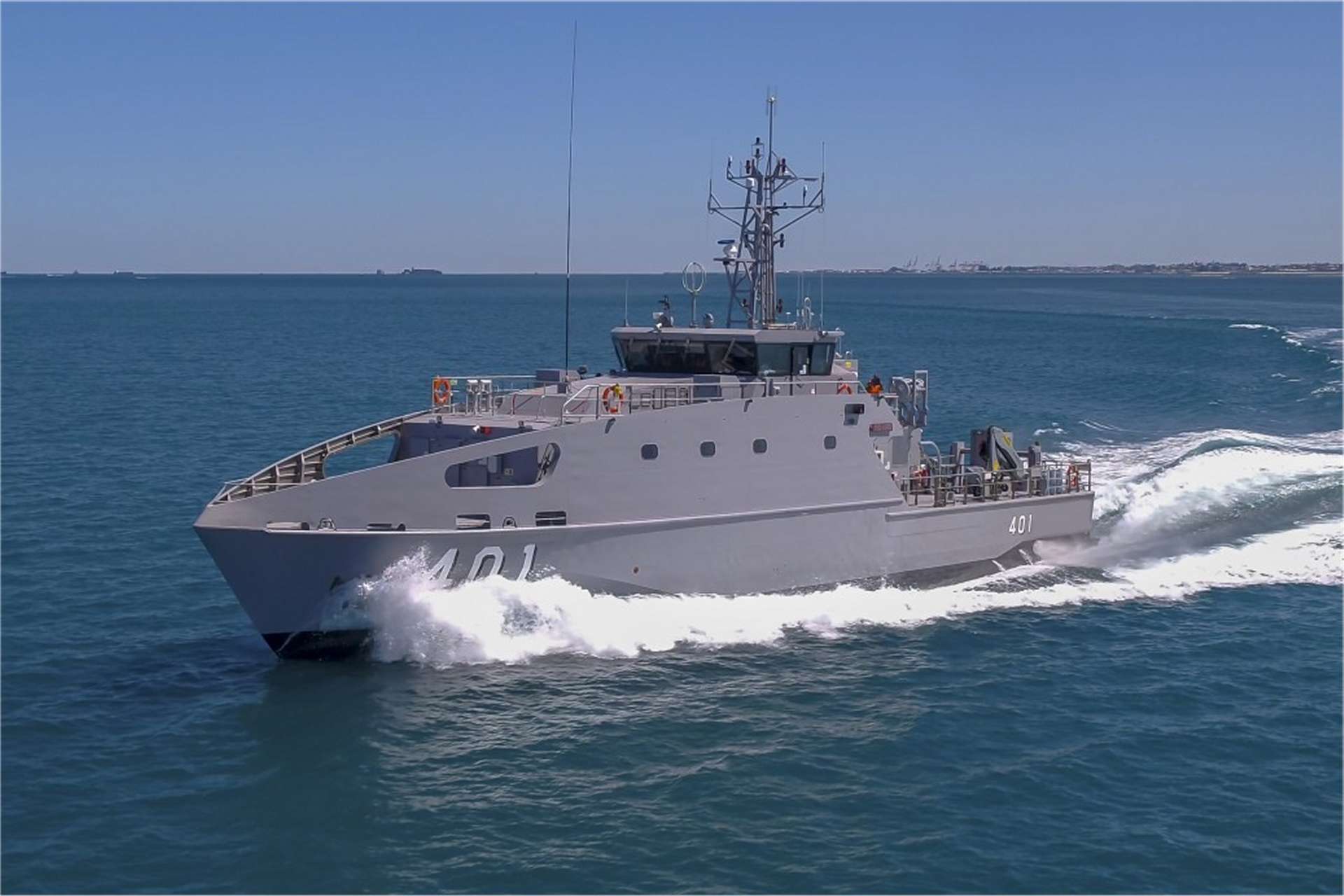
Australia is enhancing its Pacific maritime security program by adding two more Guardian-class patrol boats to its fleet. Announced by Austal Australia, this procurement is aligned with the ongoing Pacific Patrol Boat Replacement Project that began in 2016. Priced at approximately AUD 39 million, these new vessels are expected to be delivered by 2026, supplementing the 22 boats previously commissioned under this initiative.
Follow Army Recognition on Google News at this link
These Guardian-class boats are manufactured at the Henderson facility in Western Australia by Austal and are equipped with state-of-the-art features that enhance seaworthiness, amenities, and operational capabilities (Picture source: Austal)
Since 2018, 19 of the 22 vessels have been successfully delivered to twelve Pacific Island nations, as part of Australia’s efforts to boost the maritime security infrastructure of its regional neighbors.
These Guardian-class boats are manufactured at the Henderson facility in Western Australia by Austal and are equipped with state-of-the-art features that enhance seaworthiness, amenities, and operational capabilities. This includes an integrated RHIB stern launch and recovery system, which makes these boats faster and more versatile compared to the older Pacific-class patrol boats.
Paddy Gregg, CEO of Austal, highlighted the ongoing support from the Australian Department of Defence, which has facilitated the delivery of 19 Guardian-class boats out of a total of 30 since 2018. These vessels are designed to perform various tasks such as border patrols, regional policing, and search and rescue operations, effectively supporting the sovereign capabilities of Pacific Island nations.
This order not only reflects a continued commitment to the security of the Pacific region but also sustains the production line of a proven ship platform at Austal's Australian facilities.
With the contract now covering 24 vessels and a total project value of around AUD 400 million, Austal continues to support the operational readiness of these boats through its service center in Cairns, Queensland, equipped with a 1,200-tonne slipway and a mobile boat hoist, ensuring ongoing service support Australia has been actively strengthening its strategic presence in the Indo-Pacific region through various defense partnerships and initiatives, especially in the context of increasing geopolitical tensions.
A key element of this strategy is the AUKUS agreement between Australia, the United Kingdom, and the United States, established in 2021.
This partnership aims to enhance Australia's defense capabilities, particularly through the acquisition of nuclear-powered submarines, which represent a significant leap in technological advancement from its current fleet.
The AUKUS pact notably involves collaboration on several fronts beyond submarines, including cyber capabilities, artificial intelligence, and other advanced technologies, which are critical for addressing the challenges posed by strategic competition in the Indo-Pacific region. This trilateral effort underscores a shared commitment to maintaining a balance of power in the region, particularly in response to China's growing military capabilities and assertive foreign policy.
Additionally, Australia's engagement in this pact complements its existing network of defense collaborations, which include partnerships within the ASEAN framework, the Five Eyes intelligence alliance, and the Quad security dialogue, involving the United States, India, and Japan. These relationships are integral to Australia's strategy to promote a rules-based order in the Indo-Pacific, enhancing both security and economic stability in the region.
Read more: Australia Boosts Pacific Defense with Two New Guardian-Class Boats

- Details
- Written by: Jérôme Brahy
- Category: 2024
- Hits: 10749
As reported by Ronkainen on June 23, 2024, a freight train was spotted traveling through Oxnard, California, transporting a cargo of 27 M1A2 Abrams tanks. These tanks, en route to Port Hueneme, California, are the Australian version of the M1A2 SEPv3, designated for the Australian Army. They are identifiable by their unique AusCam camouflage and red kangaroo insignia. Additionally, the Australian M1A2 SEPv3s have raised antenna brackets on both rear sides of the turret, indicating potential compatibility with L3Harris antennas similar to the Polish variant of the M1A2.
Follow Army Recognition on Google News at this link
The Australian version of the M1A2 SEPv3 main battle tank is identifiable by its unique AusCam camouflage and red kangaroo insignia. (Picture source: Ronkainen)
This delivery is part of a Foreign Military Sale (FMS) approved on April 29, 2021, by the US State Department to the Government of Australia. This sale, valued at an estimated $1.685 billion, includes heavy armored combat systems produced using 160 M1A1 tank structures and hulls from stock. Specifically, the package comprises 75 M1A2 SEPv3 Abrams Main Battle Tanks and 53 Abrams-based armored engineering and support vehicles: 29 M1150 Assault Breacher Vehicles, 18 M1074 Joint Assault Bridges, and six M88A2 Hercules Combat Recovery Vehicles.
The M1A2 SEPv3 Abrams is the latest upgrade in the M1 Abrams Main Battle Tank series, incorporating several modern systems. It features increased power generation and distribution capabilities, enhanced communications and networking, a new Vehicle Health Management System (VHMS), and Line Replaceable Modules (LRMs) for improved maintenance. The tank also includes an Ammunition DataLink (ADL) for airburst rounds, improved counter-IED armor, a Next Generation Armor Package (NGAP), and an Auxiliary Power Unit (APU) to power electronics while stationary. Visually, it can be identified by a small exhaust at the left rear. Furthermore, the SEPv3 model has enhanced ballistic protection, including Explosive Reactive Armor (ERA) mountings and the Trophy Active Protection System (APS), which protects against incoming projectiles.
The M1A2 SEPv3 is armed with a 120mm M256 smoothbore cannon capable of firing advanced kinetic energy rounds and multi-purpose rounds, with an effective range of up to 4,000 meters. It also features a coaxially mounted 7.62mm M240 machine gun and a Common Remotely Operated Weapon Station (CROWS) with a 12.7mm machine gun. The tank's fire control system, which includes improved forward-looking infrared (IFLIR) sensors, enhances its target acquisition and engagement capabilities. For protection, it employs advanced composite armor and reactive armor, and can be fitted with slat armor. The Trophy APS further enhances its survivability by neutralizing incoming projectiles such as rockets and anti-tank guided missiles (ATGMs).
The propulsion system of the M1A2 SEPv3 includes a Honeywell AGT1500 gas turbine engine, which allows for a top speed of 67 kilometers per hour and an operational range of 426 kilometers. In terms of dimensions, the tank measures 9.7 meters in length, 3.7 meters in width, and 2.4 meters in height, with a combat weight of approximately 68 metric tons. The crew of the M1A2 SEPv3 comprises four personnel: a driver, commander, gunner, and loader.
The M1A2 SEPv3 has been procured by several countries through the Foreign Military Sales program. Poland, for instance, purchased 250 M1A2 SEPv3 Abrams Main Battle Tanks, along with counter-IED systems, recovery vehicles, and training equipment, in a deal worth around $6 billion. Romania also acquired 54 M1A2 SEPv3 tanks and other military vehicles in a transaction valued at $2.53 billion, aimed at enhancing its defense capabilities and supporting NATO operations. In addition to these countries, the Government of Bahrain recently requested to purchase 50 M1A2 SEPv3 Abrams Main Battle Tanks as part of a $2.2 billion FMS package, which includes various armored engineering and support vehicles.
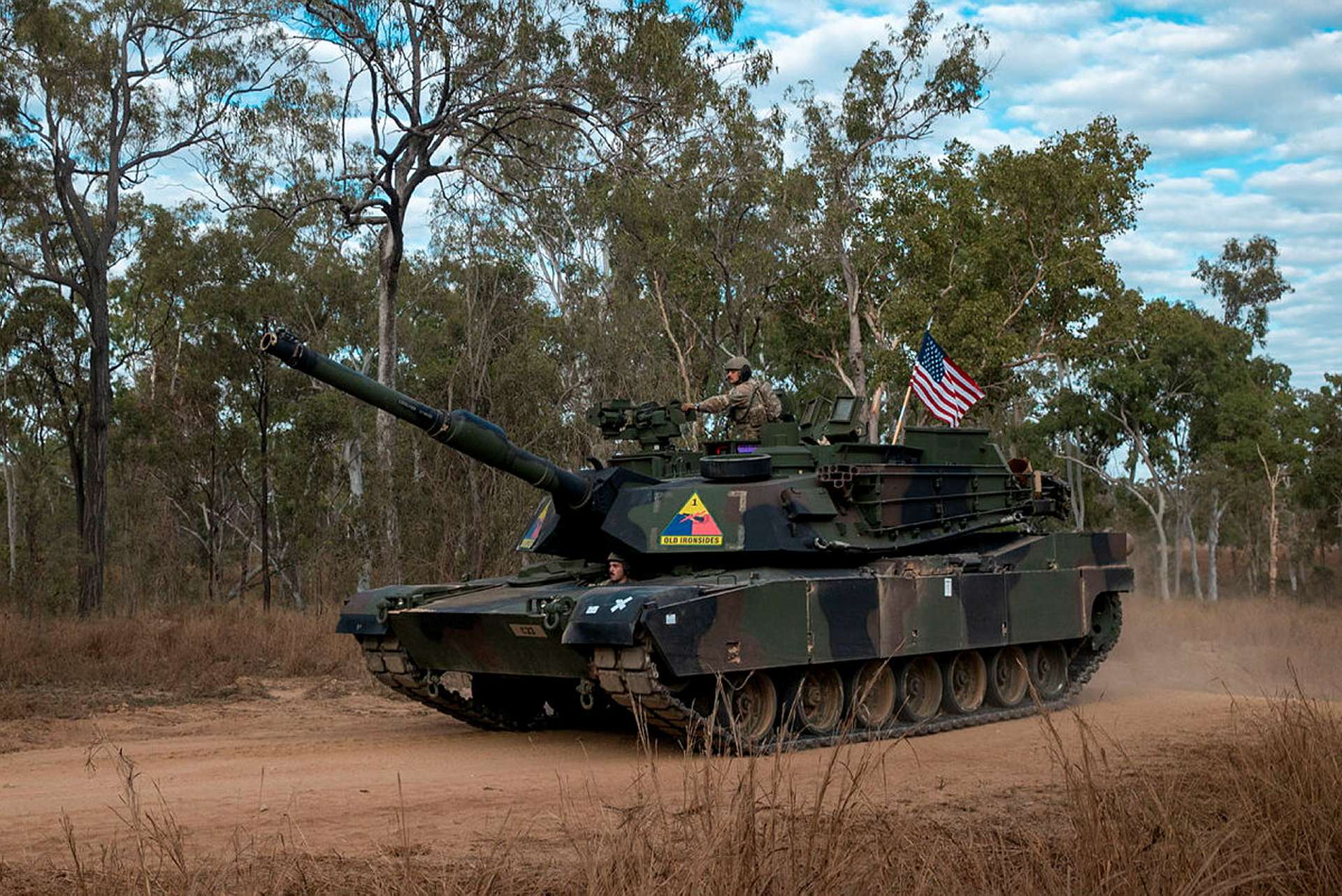
The M1A2 Abrams has already demonstrated its capabilities on Australian soil during Exercise Talisman Sabre 2023, thanks to the US Army. (Picture source: Australian MoD)
Read more: Australia to receive 27 new M1A2 SEPv3 Abrams tanks from the US
- Details
- Written by: Vandenbosch
- Category: 2024
- Hits: 10347
Ukraine has presented its latest kamikaze drone, the "Bulava," at the Eurosatory 2024 International Defense Exhibition in Paris. This drone, known as the Mace for export, is Ukraine's response to the Russian “Lancet” drone and highlights advancements in Ukraine's defense industry.
Follow Army Recognition on Google News at this link
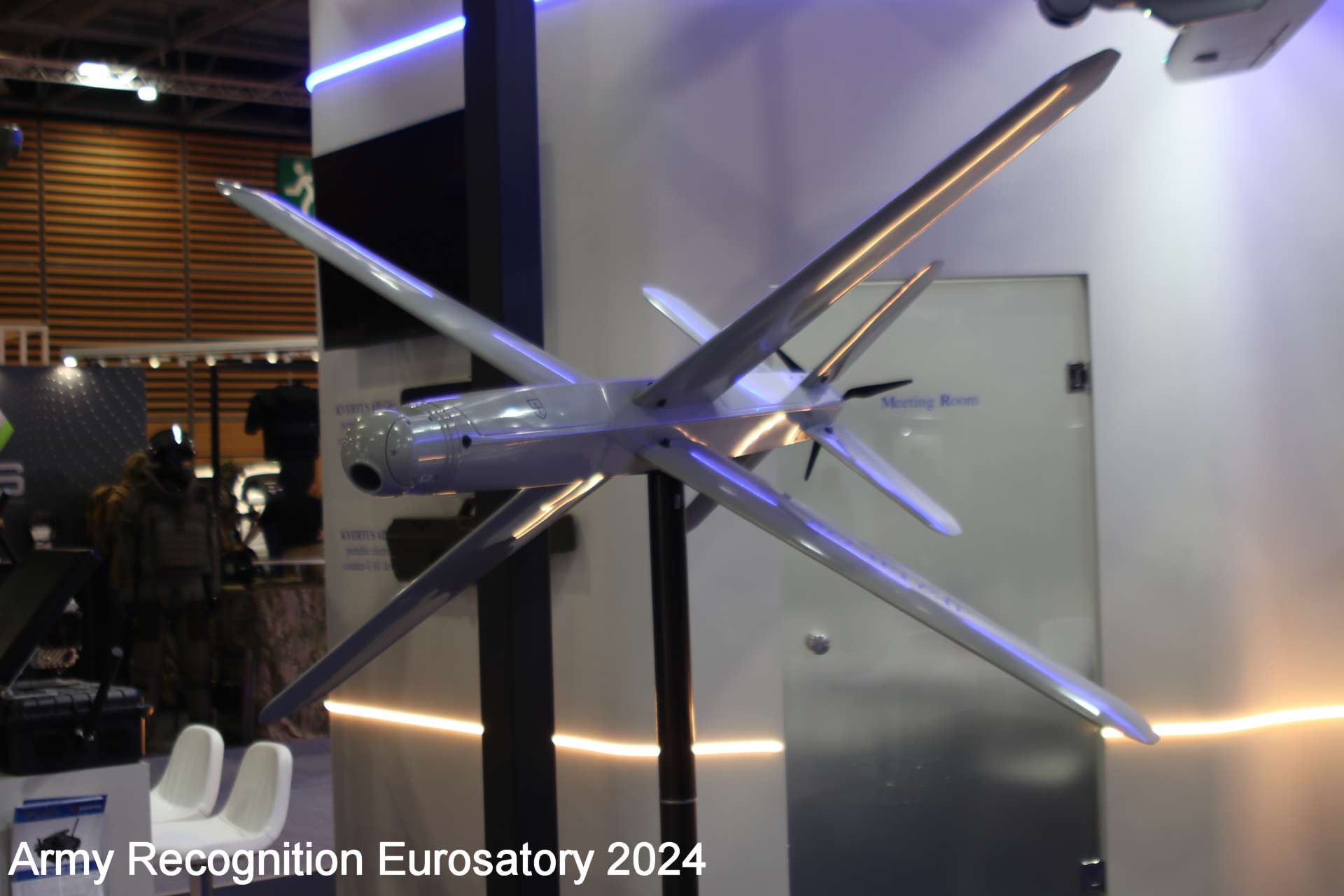
Developed by the Ukrainian Czech company UAC, the Bulava is notable for its X-shaped design. (Picture source: Army Recognition)
Developed by the Ukrainian Czech company UAC, the Bulava is notable for its X-shaped design and powerful 3.6 kg thermobaric warhead. This drone can strike targets up to 60 kilometers away. With a wingspan of 1.6 meters and a fuselage length of 1.5 meters, the Bulava weighs 11 kg and can reach a maximum flight altitude of 2000 meters. Powered by an electric motor, it can fly at a speed of 100 km/h and remain airborne for more than 50 minutes.
The Bulava is equipped with a communication module featuring an encrypted channel and a CRPA antenna, making it resistant to electronic warfare. It also uses MESH technology to transmit data via a relay drone, enhancing its battlefield effectiveness. The drone can be controlled directly by an operator or via satellite coordinates. Additionally, it can work in conjunction with another drone presented at Eurosatory 2024, the Leleka.
The Bulava is fitted with an optical station with day and night thermal imaging channels for targeting. Target detection and tracking can be performed by an operator or through a machine vision system, allowing for high-precision strikes even in low-visibility conditions.
The Bulava was one of the main attractions at Eurosatory 2024, showcasing Ukraine's capability to develop cutting-edge military drone technologies. This drone was developed for various missions such as target reconnaissance, precision strikes, and destroying ammunition depots and fortified points.
The Bulava's maneuverability is enhanced by its X-shaped tail, allowing it to attack targets from less protected angles. This design also provides great stability and precision during flight and attack maneuvers.
The development of the Bulava is part of a broader strategy of modernization and innovation in the Ukrainian armed forces. In addition to the Bulava, Ukraine also presented other innovations at the exhibition, such as the Magura V5 drone and the Raybird drone from Skyeton. These drones are designed to improve situational awareness on the battlefield and enhance long-range strike capabilities.
The operational results of the Bulava on the ground, especially in the ongoing conflict with Russia, have already demonstrated its effectiveness. Bulava drone units have been successfully used to destroy Russian military equipment, including S60 anti-aircraft artillery systems, T-72 tanks, and other armored vehicles, underscoring their game-changing capability in modern military operations.
Read more: Ukraine Unveils New Bulava Loitering Munition a Response to Russian Lancet Drone
- Details
- Written by: Administrator
- Category: 2024
- Hits: 11527
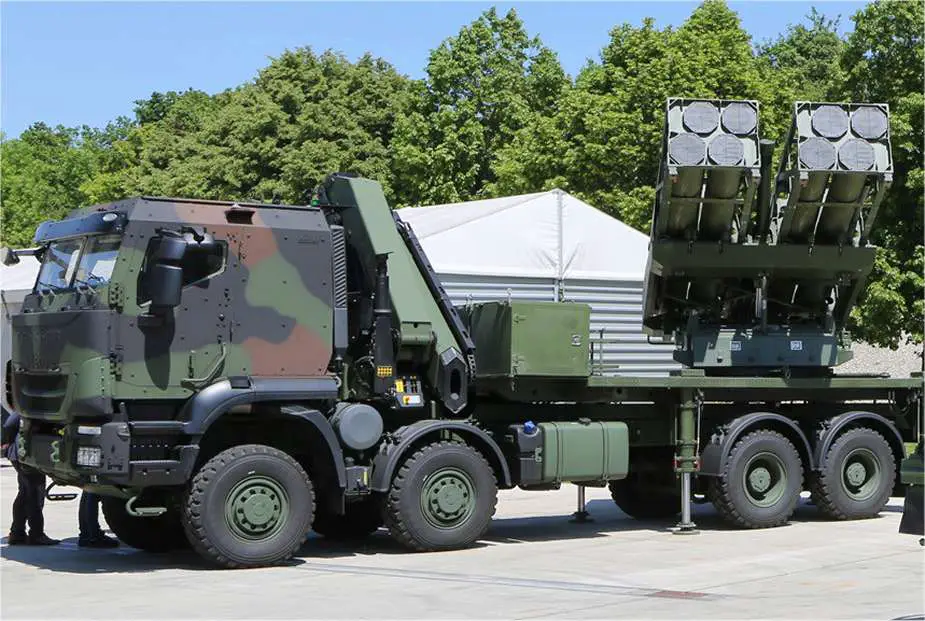
The French-German company KNDS is set to challenge the dominance of the American M142 HIMARS MLRS (Multiple Launch Rocket System) with the introduction of the EUROPULS GTF 8X8. This next-generation rocket and missile launcher system marks a major advancement in military technology, promising enhanced capabilities and strategic advantages for European forces.
Follow Army Recognition on Google News at this link
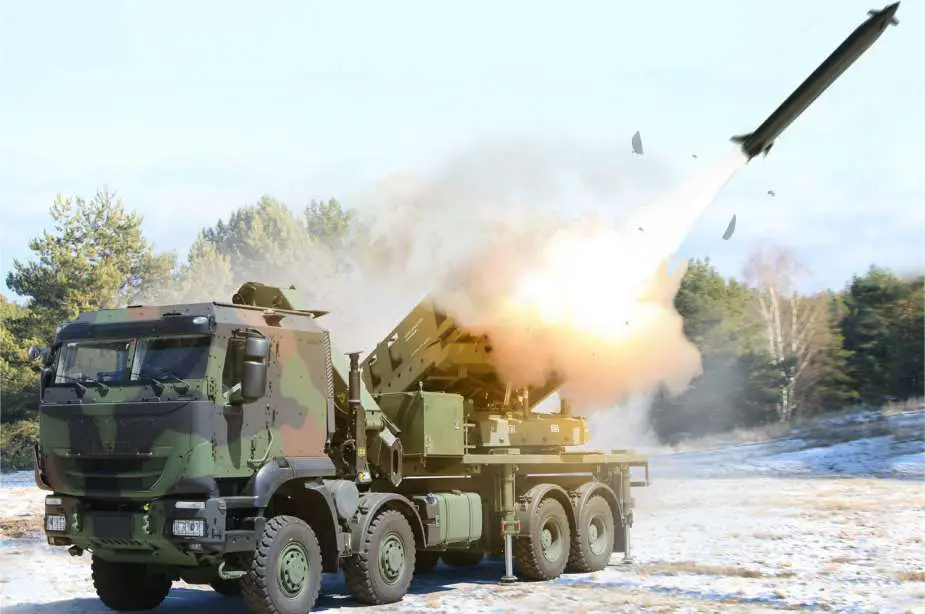
French-German defense company KNDS has developed a new generation of multi-caliber rocket/missile launchers. (Picture source: KNDS)
To enhance its market position and provide cutting-edge solutions in the defense sector, the EuroPULS GTF 8X8 designed and developed by the French-German defense company KNDS, is now available as a market-ready and fielded launcher platform. This state-of-the-art system promises unparalleled logistic support through a customer-selected mobility platform, offering the highest firepower flexibility with a diverse range of effectors, both legacy and future.
The EuroPULS is not just a powerful system, but also a safe and secure one. It boasts an impressive effective firing range of up to 300 km, making it one of the most potent systems in its category. The launcher is equipped with an autonomous re-supply capability featuring an on-board crane, ensuring sustained operations without the need for external support. Produced within a European base, the EuroPULS adheres to stringent European safety and security standards, guaranteeing high quality and reliability.
The EuroPULS integrates harmonized Human-Machine Interfaces (HMI) and training protocols, leveraging proven KNDS artillery systems. It is also highly mobile and air transportable, offering exceptional mobility.
Military units will benefit from a universal Fire Control System (FCS) that supports a wide range of munitions, including Elbit's ACCULAR with a range of up to 35 km, EXTRA up to 150 km, and PREDATOR HAWK up to 300 km. Additionally, the system can deploy Elbit's SkyStriker loitering munition.
The EuroPULS is not limited to a single platform. It is a versatile system, capable of integrating with various platforms, including BAE tracked vehicles, IVECO and Scania 8x8 wheeled platforms with cranes, and Tatra 6x6 wheeled platforms. It is also compatible with advanced missiles such as the Kongsberg NSM, with a firing range of up to 250 km, and the MBDA JFSM, with a range of up to 499 km. This adaptability makes the EuroPULS a flexible and customizable solution for defense needs.
The EuroPULS GTF 8X8 is designed with impressive technical specifications to ensure optimal performance in various combat scenarios. The system measures 10.50 meters in length, 2.55 meters in width, and 3.40 meters in height, with a combat weight of less than 38.0 tons. Powered by a 368 kW (500 HP) engine, the EuroPULS can reach a maximum speed of 90 km/h on roads and has a range exceeding 750 km.
The EuroPULS can integrate various effectors, subject to legal permissions, with an effective firing range of less than 300 km. It can accommodate a mix of European legacy and PULS rockets and is adaptable to future missiles. The launcher can fire at a rate of 12 rockets in approximately 60 seconds, engaging targets with an azimuth greater than 180°, allowing for three different fire directions.
Operated by a crew of three soldiers housed in a protected cabin, the EuroPULS provides a high level of protection tailored to customer specifications, ensuring both operational efficiency and crew safety in the field.
This combination of flexibility, firepower, and advanced support systems positions the EuroPULS as a formidable competitor in the global defense market, offering a robust solution for modern military forces.
The EuroPULS GTF 8X8 is a multi-caliber rocket/missile launcher system able to reach a land target at a range of up to 300 km. (Picture source KNDS)

- Details
- Written by: Halna du Fretay
- Category: 2024
- Hits: 9435
Over two years into the escalated conflict with Russia, the Ukrainian military has persistently strengthened its forces with T-64 tanks, showcasing a notable resilience in maintaining its military hardware despite substantial losses. In October last year, Ukraine formed the 150th Mechanized Brigade, a standard yet crucial addition to its approximately 100 ground force brigades.
Follow Army Recognition on Google News at this link
The modernized versions, such as the T-64BV, feature improved armor, advanced fire control systems, and better night fighting equipment (Picture source: Ukrainian Army)
This new brigade is notably equipped with updated T-64BV Obr. 2017 tanks, highlighting Ukraine's efforts to refurbish its stock of Cold War-era tanks. Originally produced between 1963 and 1987 by the Malyshev Factory in Kharkiv, these tanks were a significant part of the arsenal left by the Soviet army, which, upon withdrawing from Ukraine in 1991, left behind up to 3,000 T-64s.
The T-64 is a main battle tank originally developed and produced by the Soviet Union. It was designed as a more advanced counterpart to the T-62, featuring significant innovations in tank design such as composite armor, a compact engine, and an autoloader for its 125mm main gun, which reduced the crew needed to three. After the dissolution of the Soviet Union, Ukraine inherited a large number of these tanks.
Currently, Ukraine possesses a substantial fleet of T-64 tanks, which have been modernized over the years to enhance their capabilities. As of the latest updates, the exact number in active service is difficult to confirm due to ongoing military engagements and losses in conflicts, including the ongoing war with Russia starting in 2014. The modernized versions, such as the T-64BV, feature improved armor, advanced fire control systems, and better night fighting equipment. The T-64 has proven to be adaptable and remains a core component of Ukraine's armored forces, playing a significant role in their ground combat strategy. These tanks have been extensively used in the Donbas region, demonstrating their resilience and effectiveness in various combat scenarios.
Despite suffering damage in the early weeks of the expanded conflict in 2022, the Ukrainian industry adapted by dispersing its industrial equipment and setting up new workshops in less vulnerable cities. Additionally, agreements were made for the repair and modernization of the T-64s in Poland and the Czech Republic, thereby enhancing Ukraine's capacity to sustain its tank fleet despite combat losses estimated at around 300 T-64s.
It is noteworthy that so far, no T-64 has been sent to the Czech Republic for renovation, as the facilities in Ukraine and Poland appear sufficient to meet the current demand. This suggests that Ukraine has surplus infrastructure for the renovation of T-64s. However, each "new" T-64, being based on an old hull upgraded with modern optics and fire controls, indicates that this resource is potentially finite.
On average, Ukraine has lost about a hundred T-64s per year for nearly three years. If half of the T-64s left by the Soviets in the 1990s were recoverable, it would be feasible to repair and upgrade several more hundred tanks, thus providing Ukraine with sufficient capability for several more years of intense combat.
Similarly, Russia, which also largely relies on regenerating older tanks to replenish front-line losses, appears to have adequate resources to continue combat for several more years. Additionally, Ukraine has received nearly 700 tanks from its allies and is expected to receive about 300 more in the coming months. In the longer term, Ukraine is in discussions with a German company to establish local production of a German tank model.
For the time being, these hundreds of T-64s, remnants of the Cold War, will continue to deliver substantial firepower for Ukrainian brigades. Instead of engaging directly in tank-on-tank battles, these tanks are now used to deliver long-range barrages from concealed positions. This tactic involves using coordinates provided by drones to target and shell enemy positions from a distance, enhancing their effectiveness while minimizing the risk to the crews.
Similarly, Russia has also utilized its older tank models, such as the T-55, as indirect fire support rather than in direct combat roles. These tanks have been seen providing supporting fire from closed firing positions, which mimic the actions of traditional self-propelled artillery. This method of engagement reflects a strategic adaptation to the high attrition rates of more conventional artillery units and the overall depletion of military assets.
The use of these older tanks in artillery-like roles by both nations underscores a significant shift in modern armored warfare, where the versatility and adaptability of equipment are crucial to sustaining prolonged military engagements. This strategy also points to the broader implications of equipment shortages and the necessity to maximize the utility of available resources in prolonged conflicts.
Read more: Ukraine's T-64 Tank Reserves Poised to Sustain Years of Combat Matching Russia's Arsenal
- Details
- Written by: Triffaux
- Category: 2024
- Hits: 6219
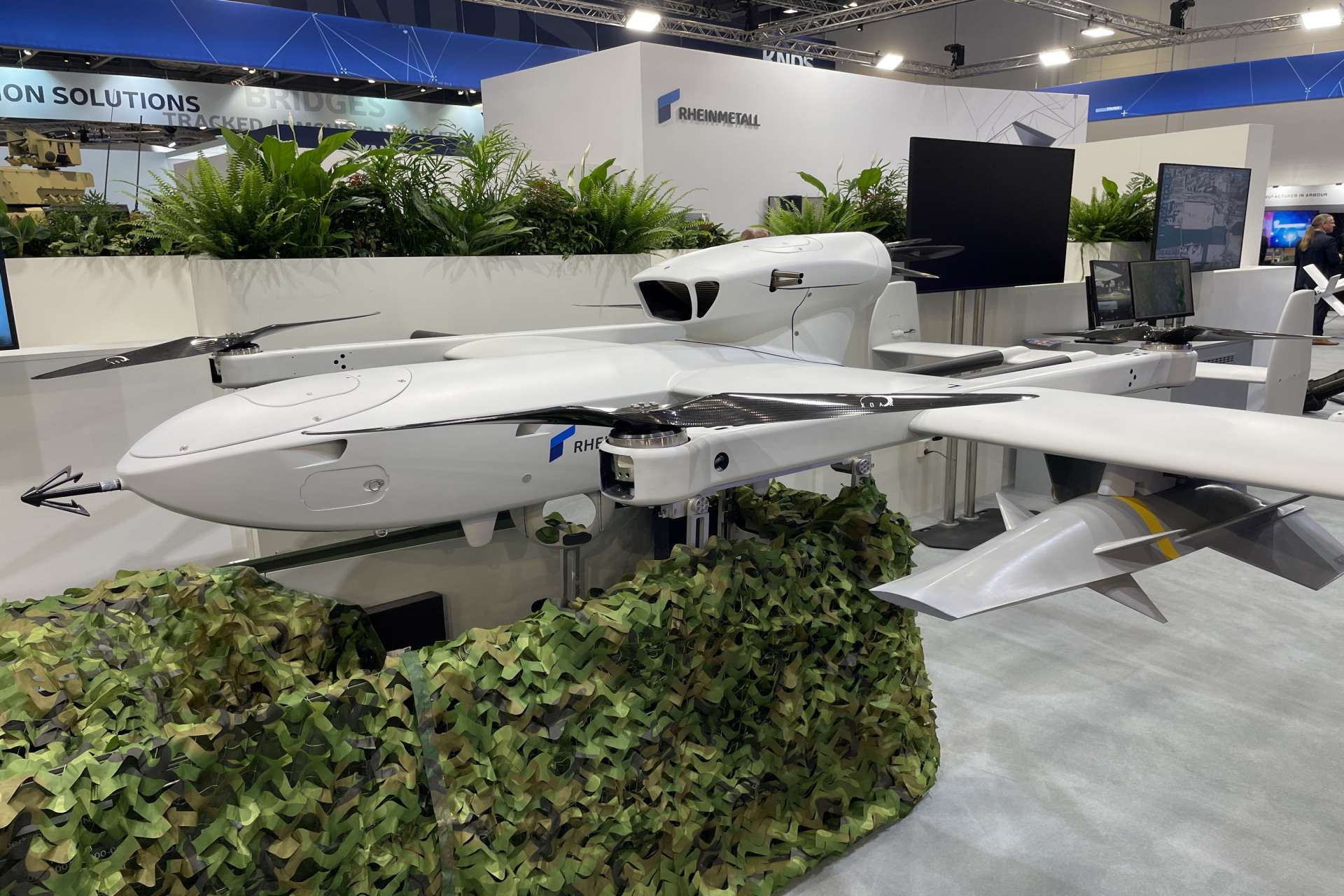
The LUNA NG (Luftgestützte Unbemannte Nahaufklärungsausstattung - Next Generation) by Rheinmetall, recently showcased at Eurosatory 2024, exemplifies the evolution of aerial reconnaissance systems. Developed from operational experiences in Ukraine, the LUNA NG is designed to deliver real-time reconnaissance crucial for effective command and control in contemporary conflicts. The acquisition of these advanced UAS is pivotal in enhancing ground troops' operational awareness and combat tactics, particularly in complex environments where real-time surveillance and reconnaissance are critical for effective engagement and threat management.
Follow Army Recognition on Google News at this link
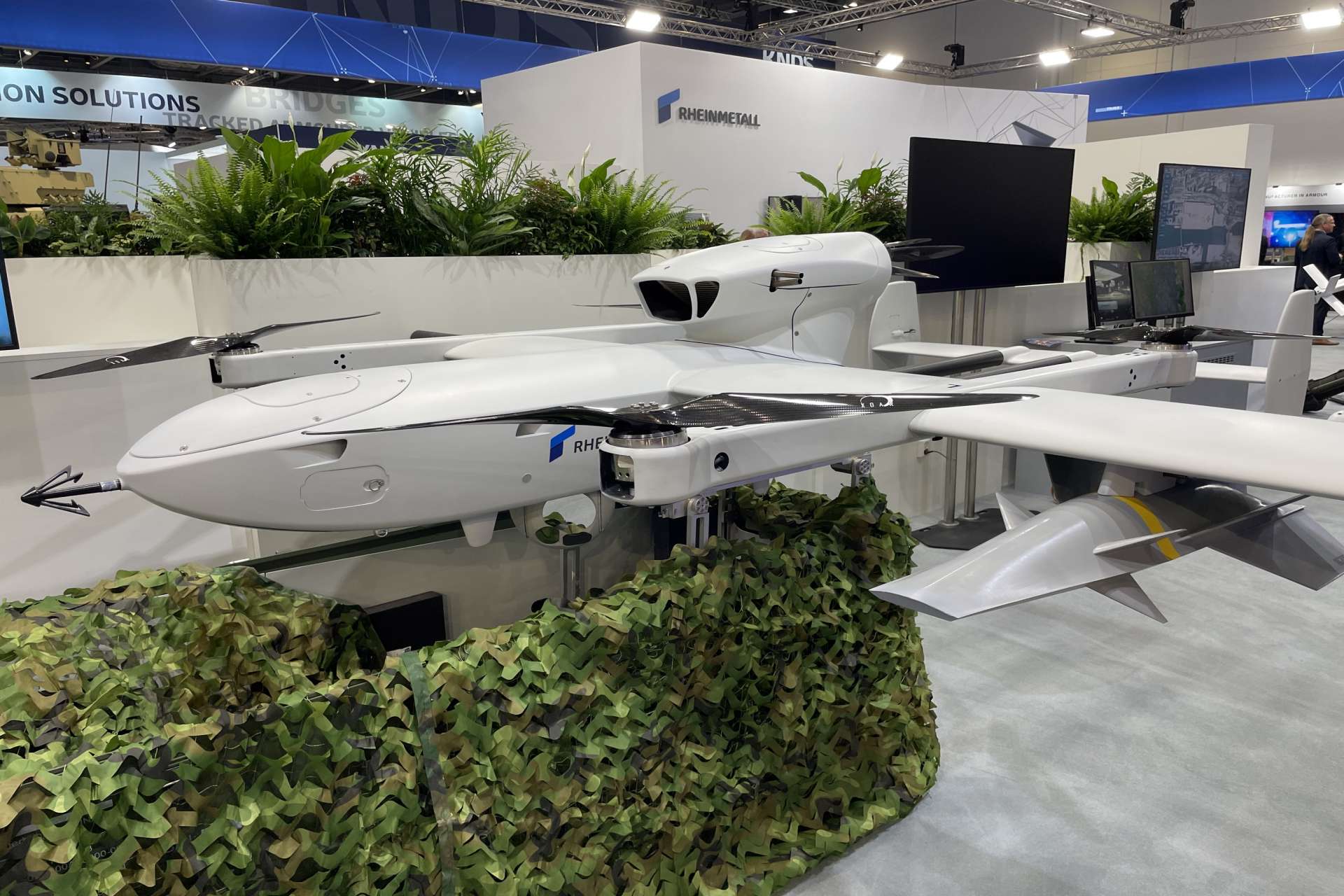
Rheinmetall's LUNA NG Reconnaissance Drone (Picture source: Rheinmetall)
In 2023, Rheinmetall delivered one of these drones to Ukraine on behalf of the German government to support its defense campaign. Recognized as one of the latest systems for unmanned aerial reconnaissance, the LUNA NG is capable of efficiently classifying and detecting objects. Its aerodynamic and ultra-light design allows the drone to conduct extended missions up to twelve hours. Additionally, the LUNA NG features vertical take-off and landing (VTOL) capabilities and can be equipped with glide bombs, demonstrating its versatility in various military applications.
The drone's fuselage is constructed from carbon fiber reinforced plastic (CFRP), ensuring durability and lightness. It boasts a long flight time and a data link range of up to 150 kilometers, which can be extended to around 500 kilometers with optional satellite communication (SatCom) equipment. With a payload capacity of 30 kg and two payload compartments, the LUNA NG serves as a multi-sensor platform suited for a range of operations from reconnaissance to armed tactical missions.
Since its introduction, the LUNA NG has proven to be a versatile tool in both military and civilian applications. It is notable for its low acoustic, thermal, and radar signatures during flight, contributing to its inconspicuous profile. The system requires minimal training due to its extensive automation and user-friendly mission planning and data analysis software. The modular design of the LUNA NG allows for customized payload configurations, supporting a wide array of equipment including electro-optical and infrared sensors, and communication relays. This adaptability, coupled with its robust construction and reliable flight characteristics, ensures that the LUNA NG remains a valuable asset for contemporary aerial surveillance needs.
This innovative system, already operational as part of the German government's aid to Ukraine, epitomizes the next level in unmanned surveillance technology. The deployment of the drone underscores a strategic enhancement in defense capabilities, providing critical support in Ukraine's ongoing defense efforts.
Feedback from the use of the LUNA NG in Ukraine highlights its strategic importance in real-time reconnaissance operations. Utilized to enhance the operational capability of Ukrainian forces, the LUNA NG is valued for its ability to provide precise and real-time reconnaissance data, which is crucial for battle damage assessments and target acquisition at the operational level.
In September 2023, Rheinmetall received a significant order from the Bundeswehr for the delivery of the LUNA NG system, which will be introduced into the German forces under the designation HUSAR. The order includes twelve production systems and one pilot system, with the first series system scheduled for delivery in the second quarter of 2025.
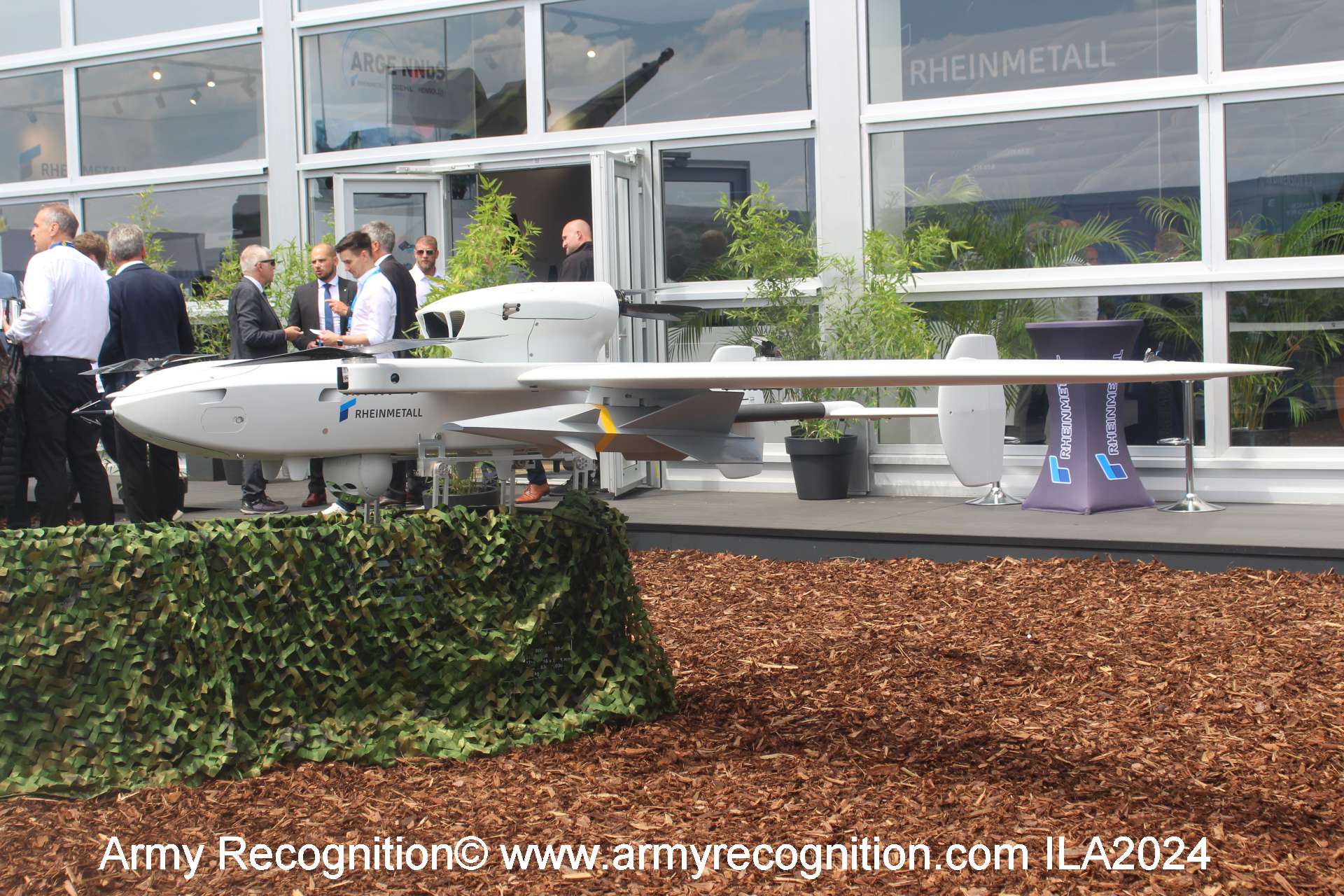
Rheinmetall's LUNA NG Reconnaissance Drone (Picture source: Army Recognition)
- Details
- Written by: V.Saint
- Category: 2024
- Hits: 7646
According to SPIEGEL, the phase-out of the G36 assault rifle will be delayed longer than initially planned. Based on internal documents from the Defense Minister Boris Pistorius (SPD), the so-called plan to gradually withdraw the standard weapon of the troops needs to be halted to ensure enough training material is available for the newly announced military service.
Follow Army Recognition on Google News at this link
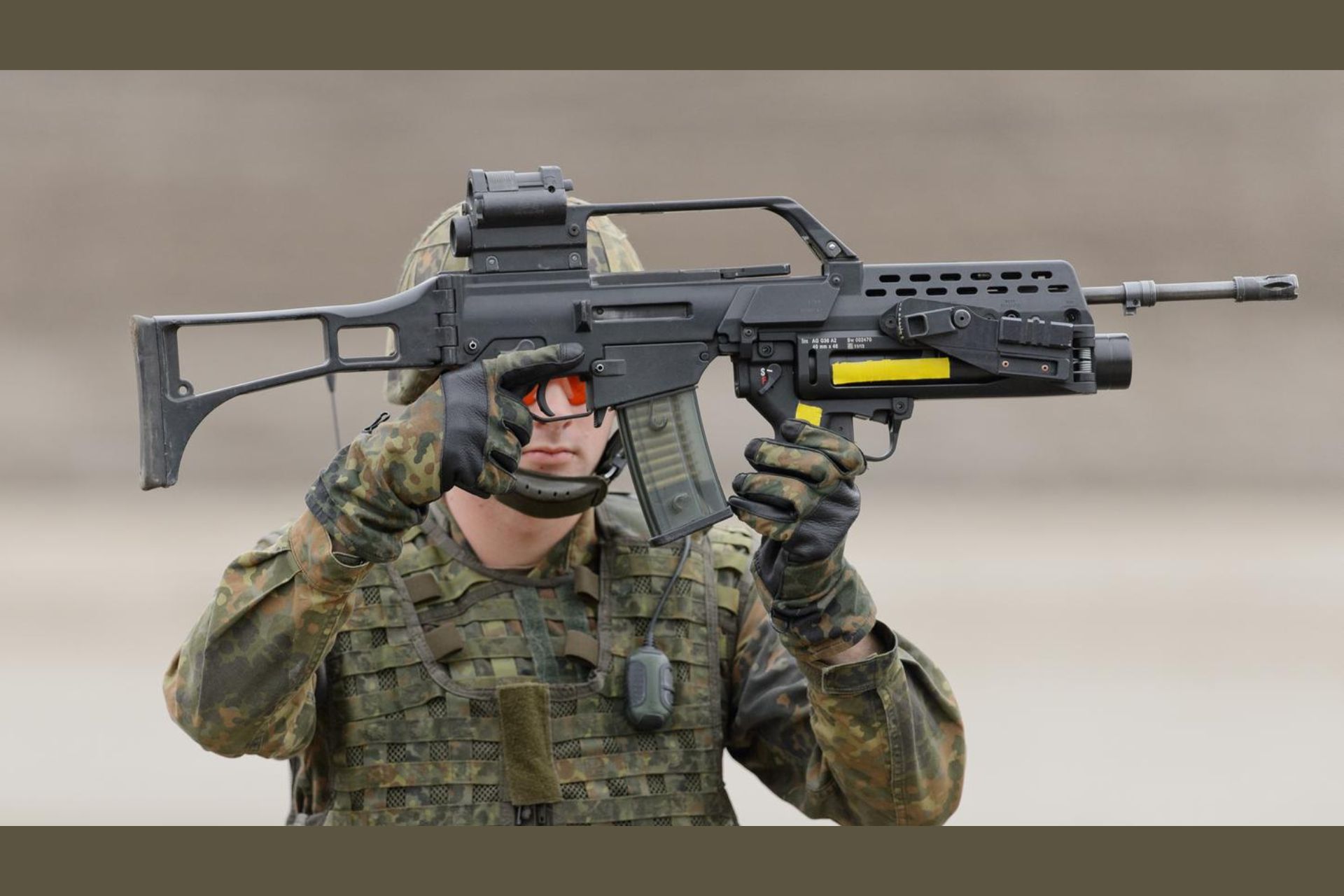
Bundeswehr Soldier showing G36 with 40mm launcher mounted (Picture source: DW)
Indeed, this newly announced military service will require the use of armament and does not coincide with the introduction of the new standard NATO assault rifle within the German forces.
This project change is explained by Minister of Defense Pistorius's considerations in favor of a new form of military service. With the recently presented reform, Pistorius aims to train about 5,000 more men and women in weapons handling by 2025 than previously, and this number is expected to increase progressively in the coming years. He also wishes to strengthen the training of internal security units, largely composed of reservists.
The G36, produced by Heckler & Koch, has been used by the Bundeswehr since the late 1990s. Due to precision issues with the weapon during intense combat, it was decided in 2021 to equip all Bundeswehr soldiers with the more modern G95 assault rifle from the same manufacturer. The first models of the new weapon are currently being tested by the troops. In total, the Bundeswehr has ordered about 118,000 units for 209 million euros.
The G95, also known as the HK416 A7, is a version specifically adapted for the Bundeswehr, the German army. Introduced in 2017, it represents a major evolution from its predecessors with several significant improvements in terms of performance and reliability. This 5.56 mm assault rifle is manufactured by Heckler & Koch and was designed to meet the rigorous demands of the German special forces, particularly the KSK (Kommando Spezialkräfte).
The G95 stands out with its gas piston system that improves reliability under extreme conditions, thereby reducing the need for frequent maintenance and increasing the weapon's durability. It features a retractable stock that can be adjusted to fit different users or combat situations. The rifle is also equipped with an intuitive user interface that allows for easy handling, even under stress. Additionally, it is compatible with a wide range of accessories thanks to its Picatinny rail, allowing for the addition of optical sights, tactical lights, and other essential combat equipment.
To ensure the necessary equipment for training, not only the G36 but also the Marder armored personnel carrier and the Fuchs armored transport vehicle must be adjusted later than initially planned.
Read more: Germany new rifle deliveries still pending because of political descision
- Details
- Written by: Vandenbosch
- Category: 2024
- Hits: 5853
In the constantly evolving world of military technology, Eurosatory stands as a crucial event to showcase the latest innovations in defense. This year, the spotlight is not only on the German KF-51U Panther, which we discussed in our first episode on Army Recognition but also on the French technological marvel, the Leclerc XLR, the subject of our third episode. In the third episode of our series on the future of main battle tanks, we explore the advanced features and capabilities of the Leclerc XLR, recently presented at Eurosatory 2024. The Leclerc XLR embodies advancements in firepower, protection, and digital integration, securing its place at the forefront of modern armored warfare. This is the evolution of the famous French main battle tank Leclerc.
Follow Army Recognition on Google News at this link
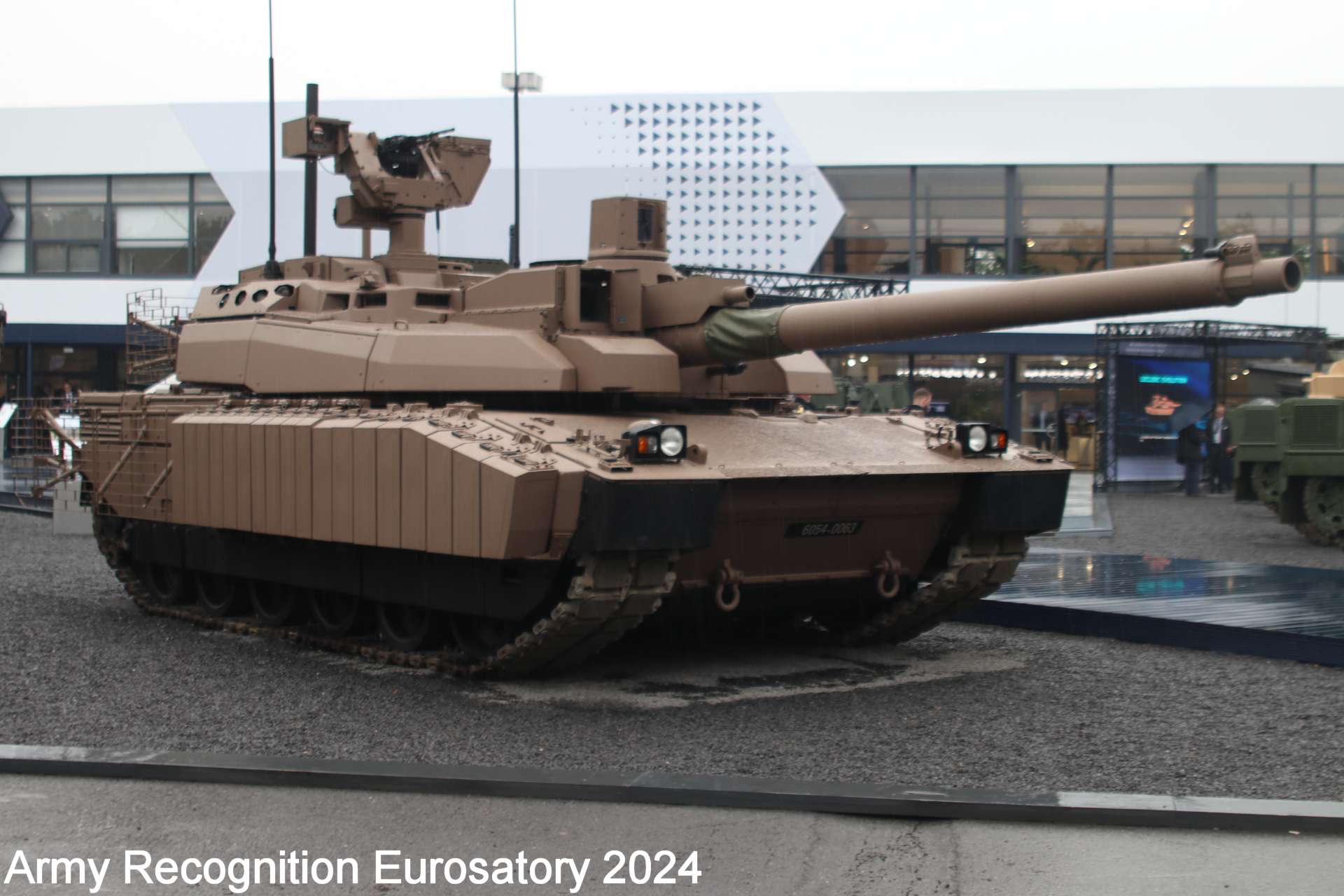
Photo of the French Leclerc XLR main battle tank on display at Eurosatory 2024, on the KNDS outdoor stand. (Picture source: Army Recognition)
The Leclerc XLR, a modernized version of the original Leclerc tank, represents the pinnacle of French engineering and military strategy. Developed by Nexter Systems, the XLR is a key component of France's SCORPION program, aimed at modernizing the French Army's armored forces to meet the demands of future combat scenarios. First announced in March 2015, the Leclerc XLR has undergone extensive upgrades to maintain its operational superiority into the 2040s. The French Army's 501st Tank Regiment recently received the first batch of these modernized tanks, marking a significant milestone in this ambitious modernization project.
One of the remarkable features of the Leclerc XLR is its formidable armament. It retains the powerful 120 mm 52-caliber smoothbore gun from Giat, designated CN 120-26. This main gun, equipped with a thermal sleeve and a compressed air system to expel propellant fumes, can fire APFSDS (Armour-Piercing Fin-Stabilized Discarding-Sabot) and HEAT (High-Explosive Anti-Tank) rounds, offering a lethal combination of speed and explosive power. The integration of new HE M3M explosive rounds further enhances its versatility, providing impact, delay, and airburst functions. Complementing the main gun, the XLR also features a 12.7 mm coaxial machine gun and a remotely operated 7.62 mm weapon station mounted on the turret roof.
Design and protection have also been significantly improved on the Leclerc XLR. The tank is now equipped with an advanced modular armor package, including additional passive armor on the front and sides of the hull and turret. A mesh armor protects the rear, providing enhanced defense against rocket-propelled grenades (RPGs). With a combat weight of 57,000 kg, the XLR maintains a balanced profile with dimensions designed for optimal battlefield performance: 9.87 meters in length (gun forward), 3.71 meters in width, and 2.53 meters in height.
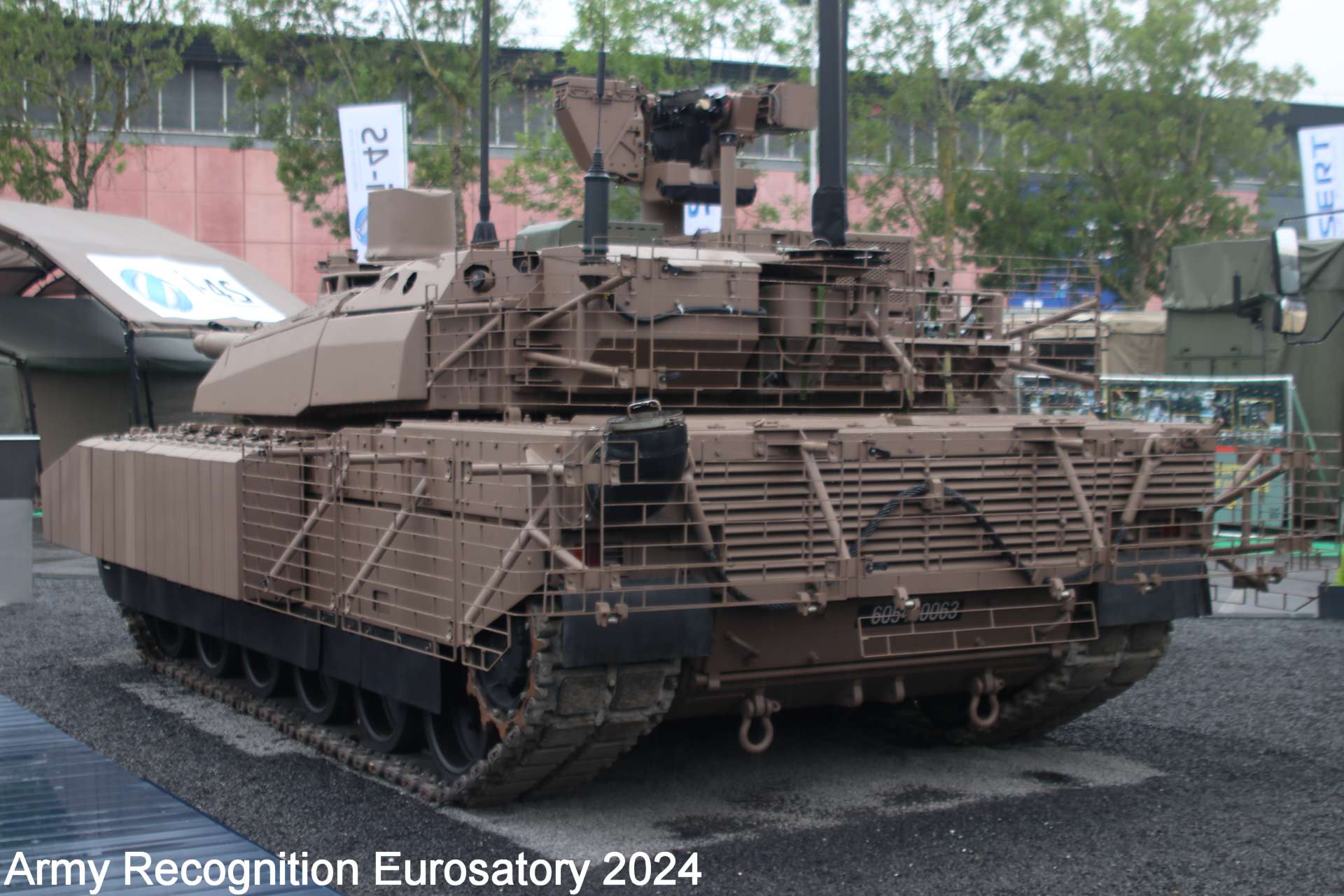
Rear view of the Leclerc XLR, showing the anti-rpg grids that can also help protect the tank from drone attacks. (Picture source: Army Recognition)
Mobility remains a cornerstone of the Leclerc XLR's design. It uses the SACM V8X-1500 Hyperbar diesel engine, delivering 1,500 horsepower, paired with a SESM ESM 500 automatic transmission. This configuration ensures a top road speed of 72 km/h and an off-road speed of 50 km/h, with a range of up to 615 km. The tank's suspension system, comprising six road wheels on each side, allows it to overcome vertical obstacles 1.25 meters high and cross trenches 3 meters wide, maintaining agility on various terrains.
The Leclerc XLR also highlights the importance of digital integration in modern warfare. It is equipped with an open electronic architecture and the new Contact tactical radio system, ensuring smooth communication and coordination on the battlefield. The SCORPION Information and Command System (SICS) enhances situational awareness, while the Barage anti-IED jammer and integrated laser warning system provide robust defensive capabilities. The tank's advanced thermal imaging and laser rangefinding equipment ensure targeting accuracy even in challenging conditions.
The Leclerc XLR, presented at Eurosatory 2024, incorporates several advanced protection measures against UAVs and drones, reflecting lessons from recent conflicts and evolving threats. One of the enhancements is the integration of a remotely controlled weapon station (RCWS). This system is particularly effective in self-defense against UAVs, allowing the Leclerc XLR to engage aerial threats efficiently.
The Leclerc XLR is an upgrade over the original Leclerc tank, incorporating modern advancements to enhance its combat effectiveness. While both tanks are equipped with a 120mm cannon, a 12.7mm coaxial machine gun, and a 7.62mm machine gun, the XLR introduces a remote weapon station, adding a layer of versatility and safety for the crew. In terms of armor, the XLR features welded steel construction with additional passive and wire cage armor, offering enhanced protection compared to the composite modular armor of the original Leclerc.
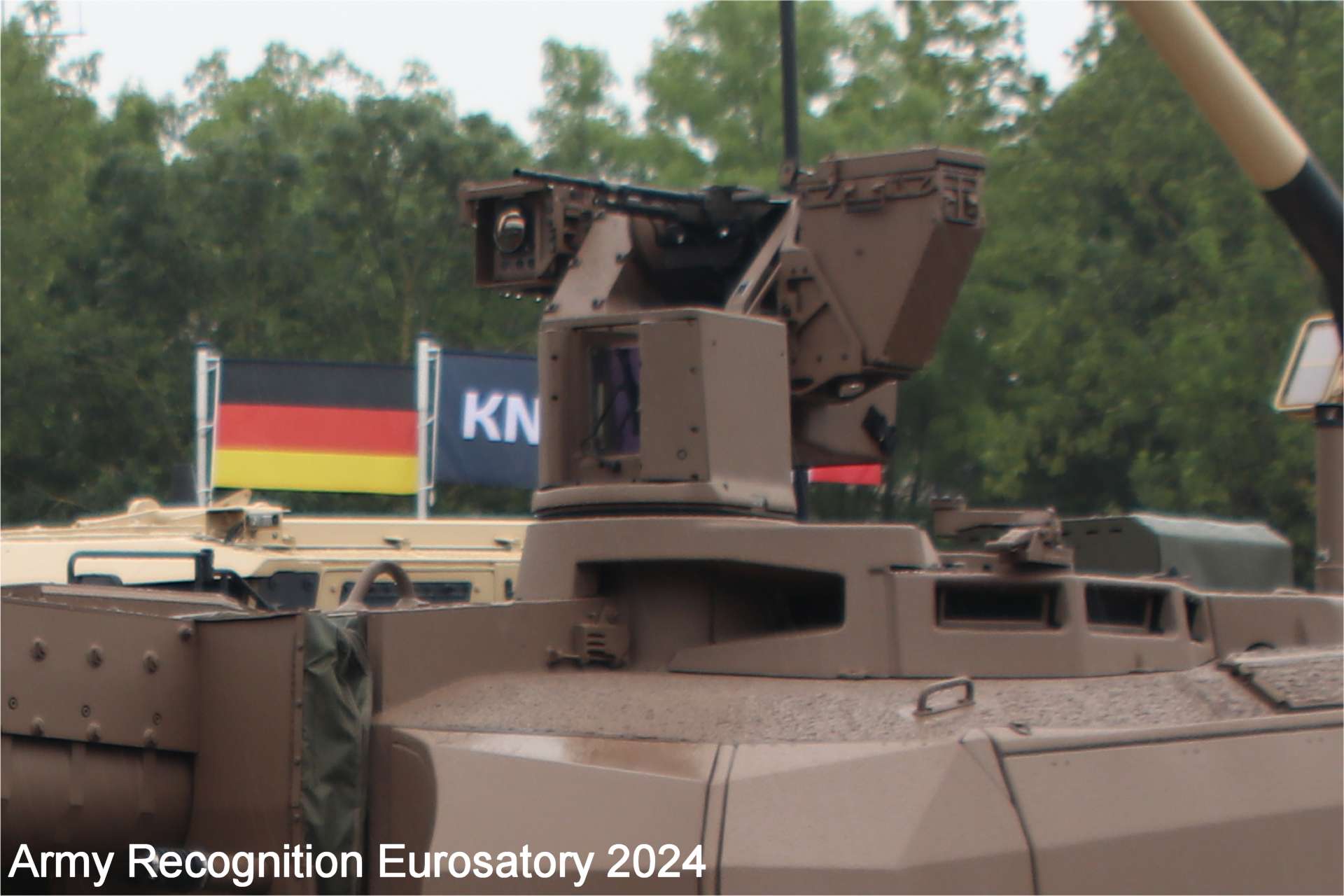
Remotely controlled weapon station (RCWS) on the Leclerc XLR at Eurosatory 2024. (Picture source: Army Recognition)
Moreover, the Leclerc XLR boasts superior electronic and communication systems, such as the Contact tactical radio system, laser warning systems coupled to Galix, and the Barage counter-IED jammer. These advancements, along with new man-machine interfaces and improved navigation systems, significantly enhance the operational capabilities and situational awareness of the crew. Additionally, the XLR's range is extended to 615 km, compared to the original Leclerc's 450-550 km, making it more suitable for prolonged missions. The XLR's enhancements position it as a more robust and versatile main battle tank, better suited for modern warfare challenges.
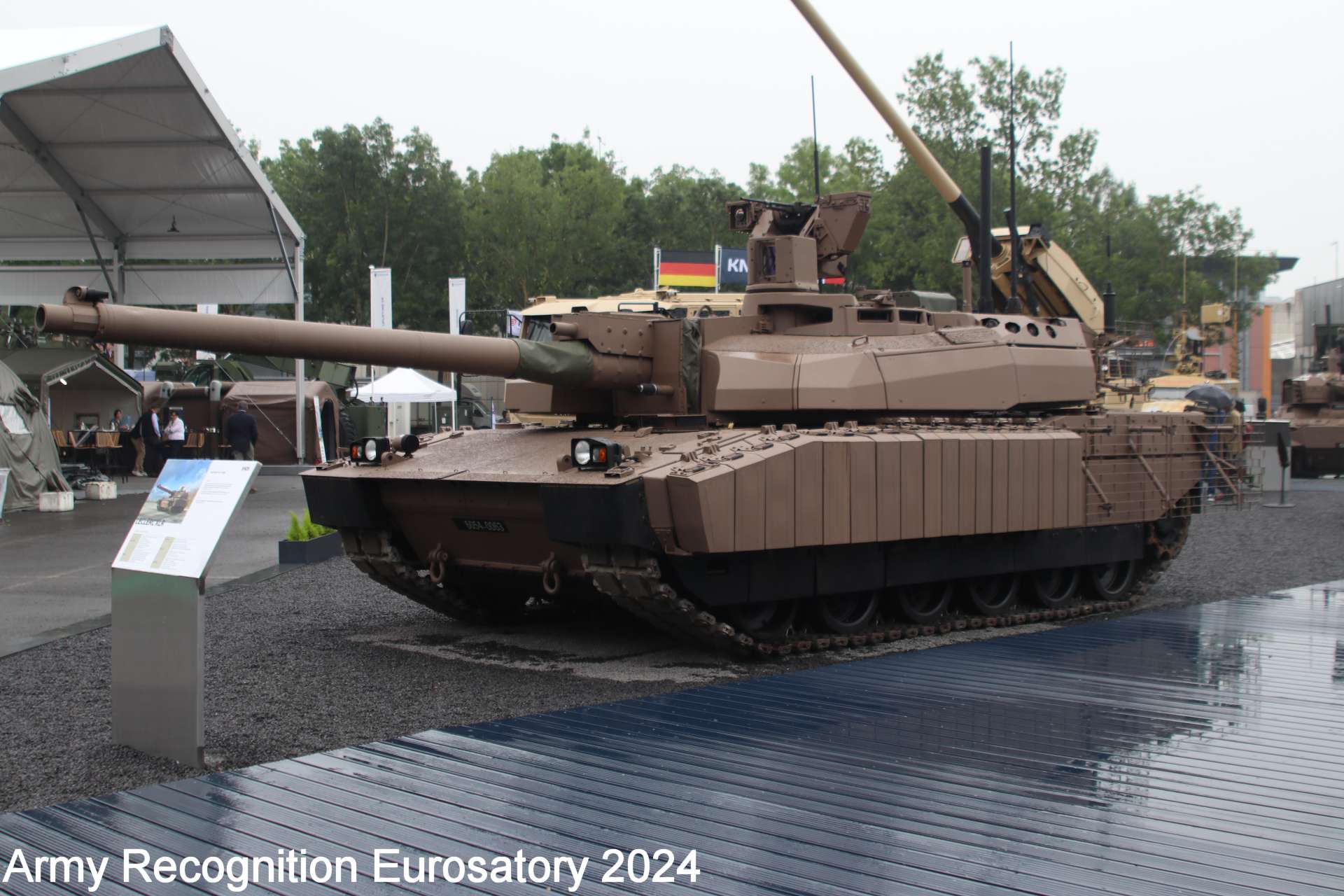
Leclerc XLR French Main Battle Tank. (Picture source: Army Recognition)
Read more: Futur of Main Battle Tanks: Episode 3 at Eurosatory - France's KNDS Leclerc XLR
- Details
- Written by: Halna du Fretay
- Category: 2024
- Hits: 3668
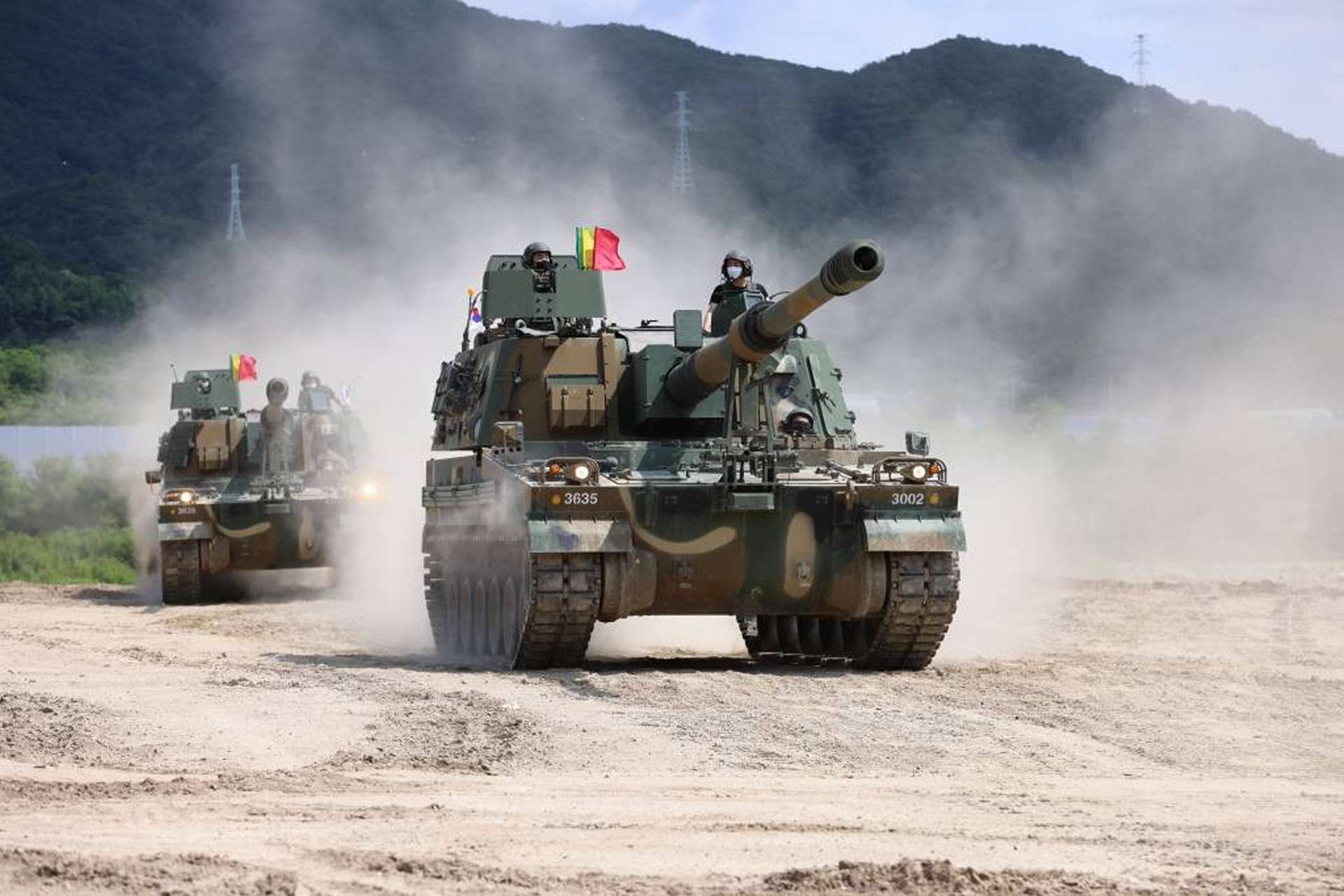
Romania has selected the South Korean K9 Thunder self-propelled howitzer, manufactured by Hanwha Defense, for its armed forces. This decision was announced by Romanian Defense Minister Angel Tîlvăr following a meeting with his South Korean counterpart, Won-sik Shin, on June 19th during an official visit. Romania plans to procure 54 of these self-propelled howitzers.
Follow Army Recognition on Google News at this link
The choice of the K9 Thunder reflects a trend among several European countries like Poland, Finland, Norway, and Estonia, which have customized versions of this platform to meet specific operational needs (Picture source: Hanwha)
Although the contract has not yet been formalized, this decision aligns with Romania's broader strategy to upgrade its military arsenal, which also includes replacing its aging T-85 Bison tanks. The details regarding technology transfer and local company involvement in the project remain unspecified at this stage.
The K9 Thunder, in service since 1999, is a highly mobile 155 mm artillery system capable of firing its first round within 30 seconds from a stationary position and executing a shoot-and-scoot tactic in under 60 seconds. With a standard ammunition range of approximately 40 kilometers, extendable to about 54 kilometers with rocket-assisted projectiles, the K9 boasts advanced fire control systems and an automatic loading mechanism, enhancing its battlefield efficacy. This versatility makes the K9 adaptable to various climates and terrains, contributing to its widespread adoption outside of South Korea.
Romania's interest in South Korean military technology extends beyond the K9 Thunder. A demonstration of the K2 Black Panther main battle tank, also produced by Hyundai Rotem, recently took place in Romania, showcasing the growing defense relationship between the two countries. The K2 Black Panther was also featured at the Black Sea Defense, Aerospace, and Security exhibition, further highlighting South Korean presence in the region.
The choice of the K9 Thunder reflects a trend among several European countries like Poland, Finland, Norway, and Estonia, which have customized versions of this platform to meet specific operational needs. Non-European countries such as Turkey, Egypt, India, and Australia also use this artillery system, which is known for its ability to incorporate local components due to the customization options provided by Hanwha Defense.
The total cost of Romania's proposed acquisition, including support vehicles, ammunition, crew training, and support team formation, is estimated at around 1 billion USD. It remains to be determined which version of the K9 Thunder will be delivered, especially since Hanwha Defense has recently introduced the K9A2 variant, which offers significant enhancements in terms of protection.
Read more: Romania Chooses South Korean K9 Thunder Howitzer for Military Upgrade
- Future of Main Battle Tanks: Episode 2 at Eurosatory - KNDS Unveils New Generation Leclerc Evolution MBT
- Romania Enhances Aerial Reconnaissance Capabilities with New Quantum Systems Vector Drone Purchase
- A new way of Arms dealing Sofema vision of weapons exportation
- Germany will buy hundred of Leopard 2A8 to equip foreign based brigade