
- Details
- Written by: V.Saint
- Category: 2024
- Hits: 5699










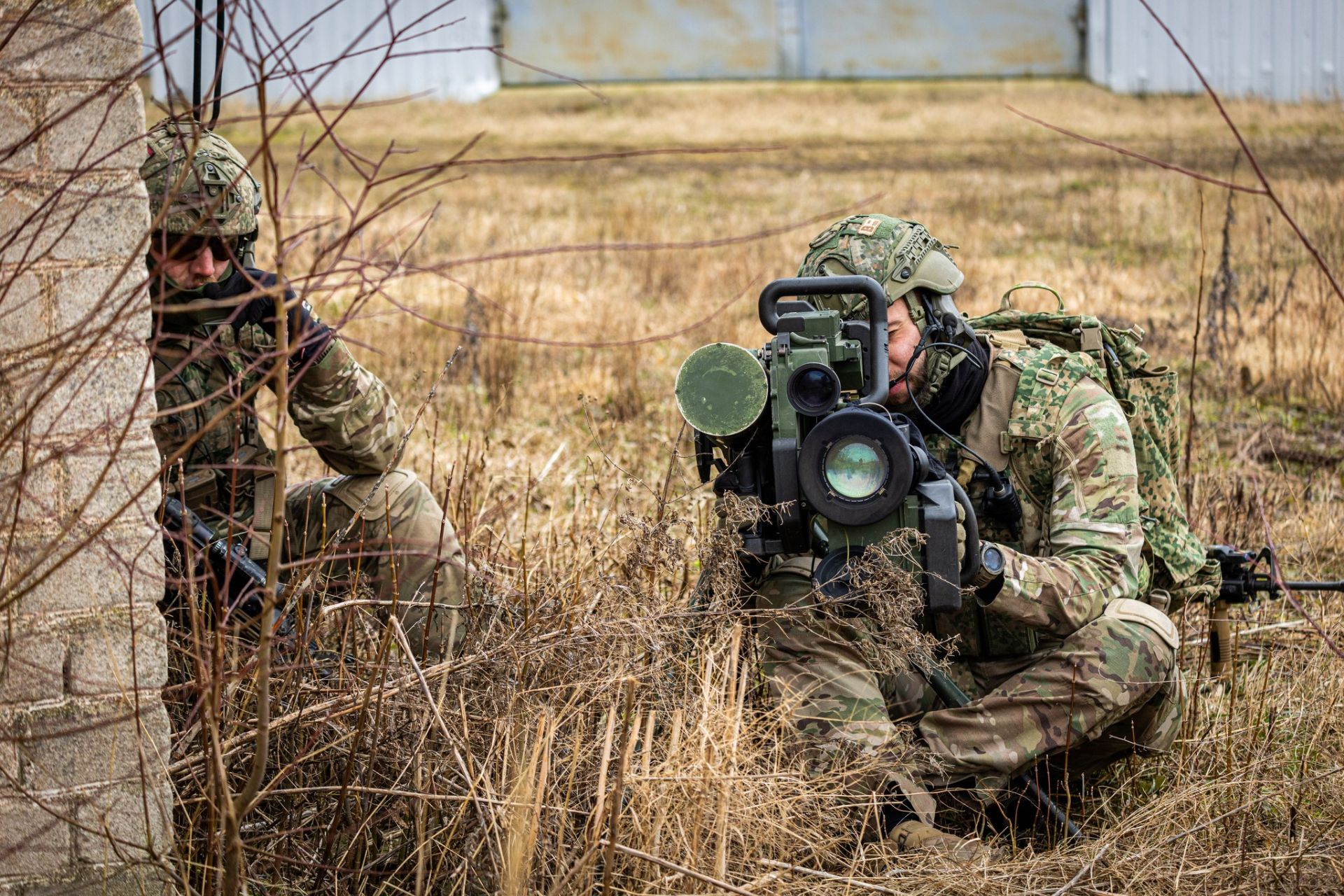
In the early 2000s, the Netherlands replaced their American-made M47 Dragon and TOW anti-tank missiles with a single system, the Spike, designed by the Israeli group Rafael Advanced Defense Systems. A total of 297 launchers and more than 2,400 missiles were acquired to meet the needs of the army and the marine infantry. However, over time, these Spike missiles have now become outdated or are close to it. This was highlighted by Gijs Tuinman, the Dutch State Secretary for Defense, in a letter addressed to the House of Representatives on September 2.
Follow Army Recognition on Google News at this link
Soldier of 43 Gemechaniseerde Brigade working with Spike missile, March 2024, (Picture source: 43 Gemechaniseerde Brigade)
The Dutch official explained, "The current system is reaching the end of its technical and operational lifespan after 25 years. As a result, it is experiencing increasing technical failures, and its maintenance is difficult. Moreover, the optical target detection and missile guidance systems are obsolete." He added that replacing this capability is "urgent, partly due to the deteriorating security situation in Europe." But also because delivery times must be considered. "Ordering later leads to delays and higher prices," Tuinman continued, emphasizing the need to place an order by October 31 at the latest.
The argument for a deadline to place an order was also made by the Danish Ministry of Defense when replacing the CAESAr systems given to Ukraine with ATMOS 2000 self-propelled howitzers from Elbit Systems. In fact, it is from the Israeli group that the Netherlands intends to procure new anti-tank missiles, specifically the Spike LR 2. These missiles "can neutralize enemy combat vehicles up to a distance of 5,000 meters. Additionally, they can engage targets without direct line of sight. These modernized anti-tank weapons are provided exclusively by Rafael," the Dutch Ministry of Defense stated in a press release.
The Spike missile is a family of anti-tank missiles developed by the Israeli company Rafael Advanced Defense Systems. The Spike is designed to be versatile, capable of being launched from various platforms, including infantry, armored vehicles, helicopters, and ships. It stands out for its multi-mode guidance capability, combining wire or fiber-optic guidance with an autonomous mode using an electro-optical sensor. This allows the Spike to adapt to combat conditions, offering high precision against stationary or moving targets at distances ranging from a few hundred meters to several kilometers. The Spike is available in several versions, each optimized for different ranges and missions, including the Spike SR (Short Range), Spike MR (Medium Range), Spike LR (Long Range), and Spike ER (Extended Range).
The Spike LR 2, one of the most recent versions, represents a significant improvement over its predecessors. This long-range missile (up to 5.5 km) is equipped with enhanced penetration capabilities, making it particularly effective against modern reactive armor. Additionally, it incorporates advanced target recognition and tracking systems, as well as the ability to update the mission in flight, allowing operators to adapt their attack based on battlefield developments. The Spike LR 2 is also designed to be interoperable with existing systems, making it an attractive choice for many armies worldwide, including the Netherlands.
Meanwhile, similar missiles are also available on the European market, notably the Akeron MP, offered by MBDA. This missile is the cornerstone of the European MARSEUS (Modular Architecture Solutions for EU States) project, which aims to develop a beyond-line-of-sight firing capability as part of a cooperation between France, Sweden, Belgium, and the Republic of Cyprus.
That said, the Netherlands' choice is not surprising, given that the Spike LR 2 has already been selected for the mid-life modernization (MLU) of some of the Dutch army's infantry fighting vehicles. Moreover, Tuinman highlighted the interoperability with other NATO countries equipped with it, starting with Germany, which also chose the missile developed by Elbit Systems for its MELLS project. As for financial aspects, the contract that the Dutch Ministry of Defense intends to sign should not exceed 250 million euros. If the order is placed before the end of October, deliveries could be completed by 2028.
Read more: Netherlands will order Spike LR 2 anti-tank missiles from Rafael
- Details
- Written by: Halna du Fretay
- Category: 2024
- Hits: 3698
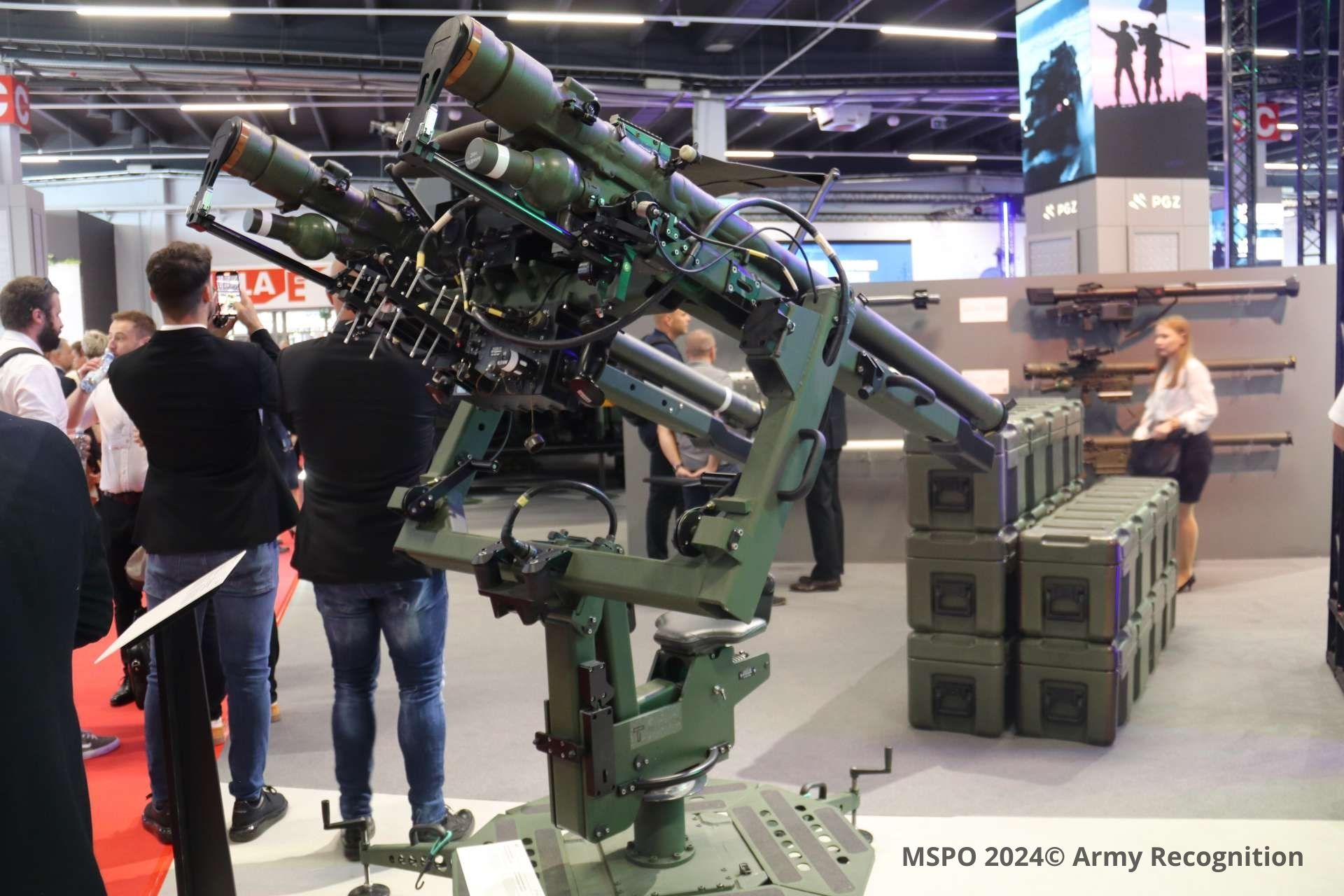
Presented at MSPO 2024, the KUSZA anti-aircraft system stands out as a solution to the rapidly evolving aerial threats. Developed to provide highly adaptable and maneuverable air defense, this system is designed to meet the demands of increasingly complex combat environments. Thanks to its modularity and ability to integrate with various types of vehicles, KUSZA redefines the standards for mobile air defense, offering armed forces a rapid and effective response to current aerial threats.
Follow Army Recognition on Google News at this link
The Kusza Mobile Anti-Aicraft System at MSPO 2024 (Picture source: ArmyRecognition)
In a context where recent conflicts, such as the one in Ukraine, have underscored the crucial importance of defending against drones and other aerial threats, KUSZA distinguishes itself with its ability to provide adaptable and highly maneuverable air defense. Equipped with "fire and forget" GROM MANPADS missiles, this system allows the operator to lock onto a target and fire without needing to guide the missile post-launch, reducing risks and improving combat efficiency.
What makes KUSZA particularly interesting is its modularity and flexibility of use. Initially based on the Polaris Ranger 6x6 vehicle, it can be mounted on various all-terrain vehicles like the Toyota Hilux or even on a stationary platform. This adaptability makes it ideal for a variety of operational scenarios, from rapid defense in rugged terrains to fixed installations for long-term defense.
KUSZA not only targets fighter jets and helicopters, but it is also designed to destroy drones (UAVs) and cruise missiles—a domain in which it particularly excels, as demonstrated by the performance of similar Polish systems on the ground in Ukraine. Additionally, with its integrated management, observation, and targeting system, coupled with thermal and daylight cameras, KUSZA can operate in all weather conditions, day or night, making it a valuable asset for armed forces.
This system has also demonstrated its rapid deployment capabilities. Able to transition from transport to combat position in less than 20 seconds, it has a threat response time of only 5 seconds, ensuring immediate and effective air defense.
As aerial threats continue to evolve, KUSZA positions itself as an indispensable solution for forces seeking to modernize their defense. By combining mobility, responsiveness, and adaptability, it redefines the standards of modern air defense. For experts and armed forces, KUSZA could well become the new reference standard for mobile protection against aerial threats.
Recently, a Russian drone flew over Polish territory for more than 30 minutes, raising serious concerns about air security in the region. Another incident occurred on August 26, when an unidentified flying object, likely a Shahed-type kamikaze drone, penetrated Polish airspace before disappearing. This incident adds to other violations, notably in March when a Russian missile remained in Polish airspace for 39 seconds, and the tragic November 2022 incident where a missile killed two civilians in Poland. Although this last missile was determined to be a Ukrainian anti-aircraft rocket, these events highlight the growing risks to national security.
In this context, the KUSZA anti-aircraft system, presented at MSPO 2024, becomes crucially important. KUSZA is one of the systems within the Polish military that can play a key role in strengthening Poland’s air defense. Its ability to react in seconds and be rapidly deployed on different platforms makes it a strategic asset for preventing and countering potential aerial incursions.
- Details
- Written by: Jérôme Brahy
- Category: 2024
- Hits: 7062
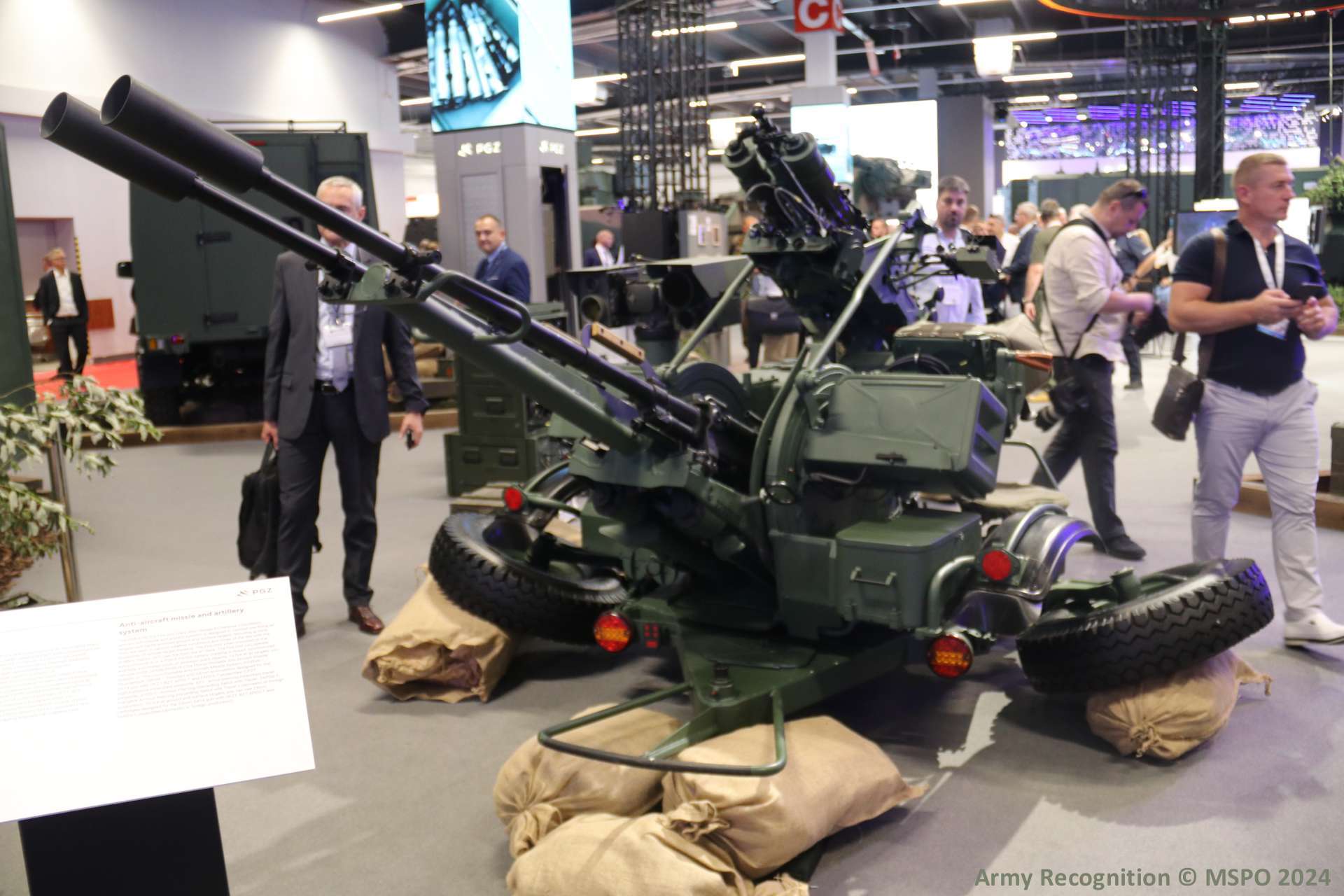
At the 32nd International Defence Industry Exhibition (MSPO 2024), held in Poland from September 3 to 6, 2024, Polska Grupa Zbrojeniowa (PGZ SA), a state-owned holding company overseeing various Polish defense industry firms, presented its PSR-A Pilica, a Very Short Range Air Defense (VSHORAD) system engineered to engage low-flying air targets and lightly armored ground and surface targets. The system is capable of operating from stationary positions under diverse weather conditions and at any time of day, with provisions for remote target tracking.
Follow Army Recognition on Google News at this link
The Pilica Fire Unit can be mounted on an Artillery Tractor (AT) and is designed to function either independently or as part of a PSR-A Pilica battery, which provides automated and synchronized protection around strategic sites. (Picture source: Army Recognition)
The Pilica Fire Unit can be mounted on an Artillery Tractor (AT) and has the capacity to fire directly from the AT deck. It is designed to function either independently or as part of a PSR-A Pilica battery, which provides automated and synchronized protection around strategic sites. The unit can engage air targets using PPZR GROM or PIORUN missiles and 23mm ammunition designed for the 2A14 gun, with projectile options including high-explosive incendiary (OFZT), armor-piercing incendiary tracer (BZT), Armour Piercing Discarding Sabot with Tracer (APDS-T), and Frangible Armour Piercing Discarding Sabot with Tracer (FAPDS-T). The same 23mm cartridges are employed for targeting ground and surface threats.
The development of the PSR-A Pilica system began in 2006 at the Military University of Technology in Poland. Between 2010 and 2013, the project received co-financing from the National Centre for Research and Development and was managed by a consortium consisting of the Military University of Technology, Zakłady Mechaniczne Tarnów, and Bumar-Labedy. The system's contractor is the PGZ-Pilica consortium, which includes PGZ companies such as PIT-Radwar, PCO, and Zakłady Mechaniczne Tarnów. Internal testing of the system was completed in 2015.
A contract was signed in November 2016, valued at PLN 746.16 million (€174.500.708,40), for the delivery of six PSR-A Pilica systems, each consisting of six command posts, 36 fire units, six radar stations, and 60 support vehicles. In 2018, an annex to the contract initiated serial production. In 2019 and 2020, field exercises were conducted to evaluate the system's operational effectiveness. By October 2020, the PSR-A Pilica had successfully passed its delivery and acceptance tests, clearing the way for deployment to the Polish Armed Forces.
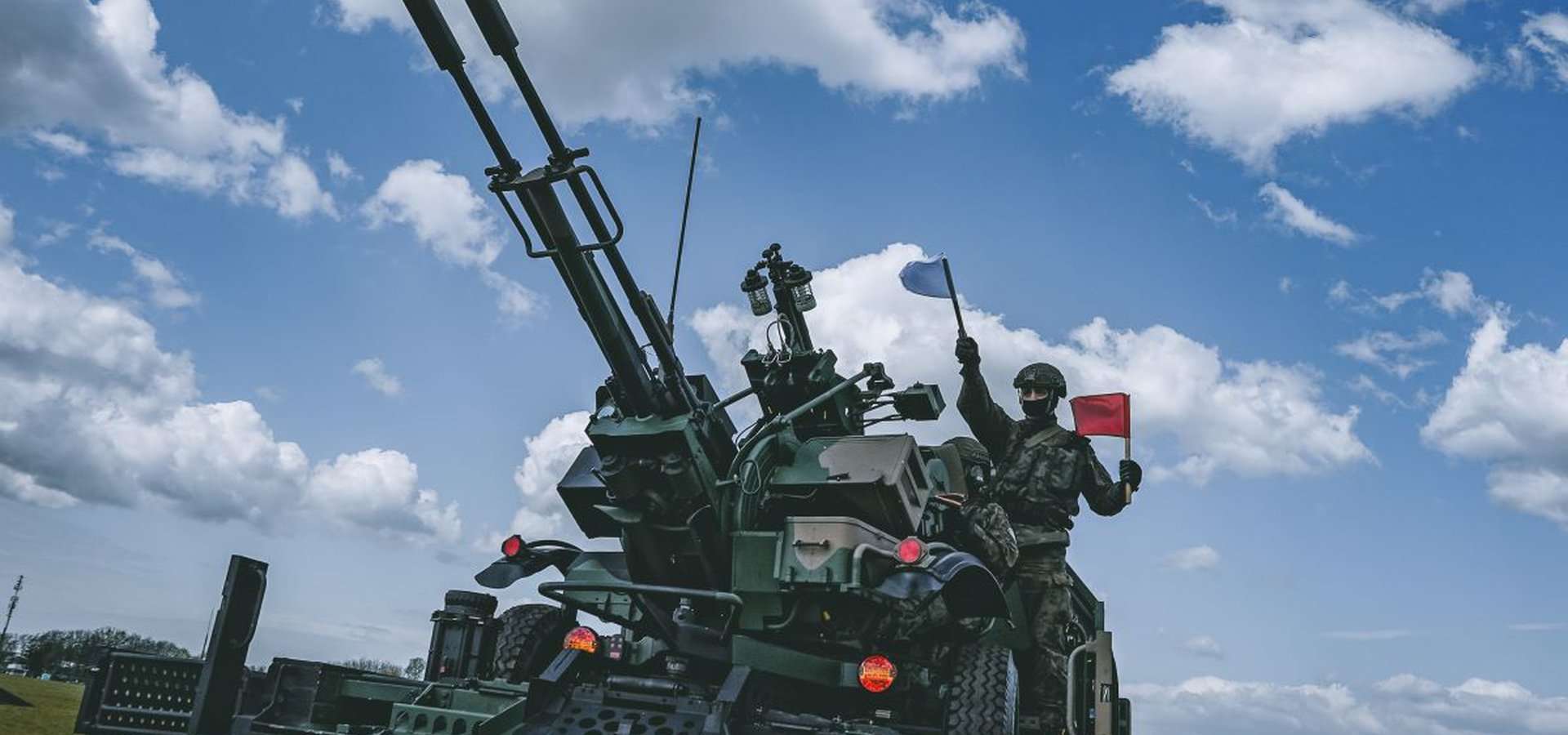
A contract was signed in November 2016, valued at €174.500.708, for the delivery of six PSR-A Pilica systems, each consisting of six command posts, 36 fire units, six radar stations, and 60 support vehicles. (Picture source: Polish MoD)
The first prototype of the six ordered units was delivered to the Polish Armed Forces in December 2020, where it was assigned to the 37th Air Defense Missile Squadron. The system's primary role is to provide airbase defense at low altitudes, supplementing existing missile systems. The first serial production unit was commissioned in March 2022, with subsequent deliveries completed by late 2022 and 2023.
The PSR-A Pilica is a Very Short Range Air Defense (VSHORAD) system forming the lowest tier of Poland’s air defense network. It is designed to counter unmanned aerial vehicles, helicopters, airplanes, and cruise missiles at ranges of up to 6,500 meters, and to offer localized protection for critical areas and assets. Its main armament is the ZUR-23-2SP Jodek missile and artillery set, which includes a double-barrel anti-aircraft gun with a theoretical rate of fire of 2,000 rounds per minute and an effective range of up to 3,000 meters. This armament is a modification of the 23mm ZU-23-2 gun, coupled with two PPZR GROM or PIORUN missile launchers, with ranges of up to 6.5 kilometers.
Each PSR-A Pilica battery comprises six fire units, each equipped with the ZUR-23-2SP Jodek set. Each unit has a GOS-1 optoelectronic head that features a thermal imaging camera, a TV camera, and a laser rangefinder, enabling independent operation in emergency situations. The system uses the KMW-1 Teja thermal imaging camera, produced by PCO. Additionally, the battery includes an automated command post mounted on a Jelcz 442.32 truck chassis, a three-coordinate radar (SRL-97) based on the IAI ELM-2106NG ADSR-3D Tactical Air Defense Radar by Israel Aerospace Industries, six artillery transport vehicles, two transport vehicles, and two ammunition vehicles, all using the Jelcz 442.32 chassis. The fire unit is also capable of engaging targets from the transport vehicle platform.
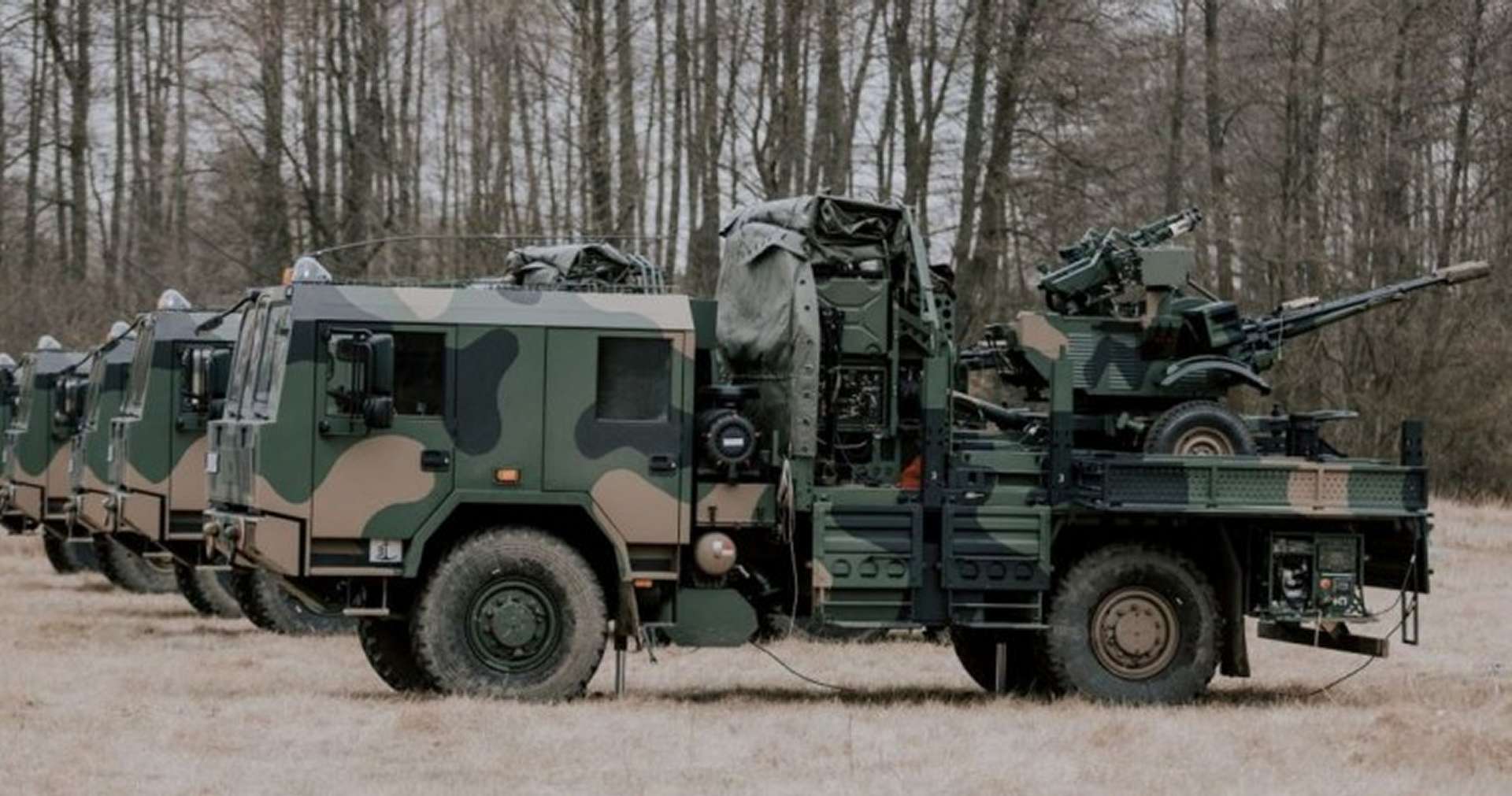
The Pilica Fire Unit can be mounted on an Artillery Tractor (AT), such as the Jelcz 442.32 4x4 military truck. (Picture source: PGZ)
The weapon control system is automated and includes a computerized guidance system that functions semi-automatically, engaging targets after operator confirmation. This system is integrated with a tracking system and an Identification Friend or Foe (IFF) system, which can automatically halt firing if the target is identified as friendly. The PSR-A Pilica also offers remote operation capability and has a manual operation mode for use during power failures.
The system's optoelectronic head, operating in both day and night modes, works independently of the main armament for observation, detection, and identification of targets. It serves as a component of the guidance system and provides data for the entire defense system. Each unit is also equipped with a laser warning receiver to enhance its situational awareness.
An agreement signed on October 4, 2022, outlines plans for an upgraded version of the system, known as "Pilica+." The enhanced configuration will include CAMM short-range missile launchers, Bystra radars, programmable ammunition, and systems designed to counter mini-class unmanned aerial vehicles. The contract covers the development of 21 systems, including upgrades of existing units to the new standard. The first enhanced "Pilica+" units are expected to be delivered in 2024.
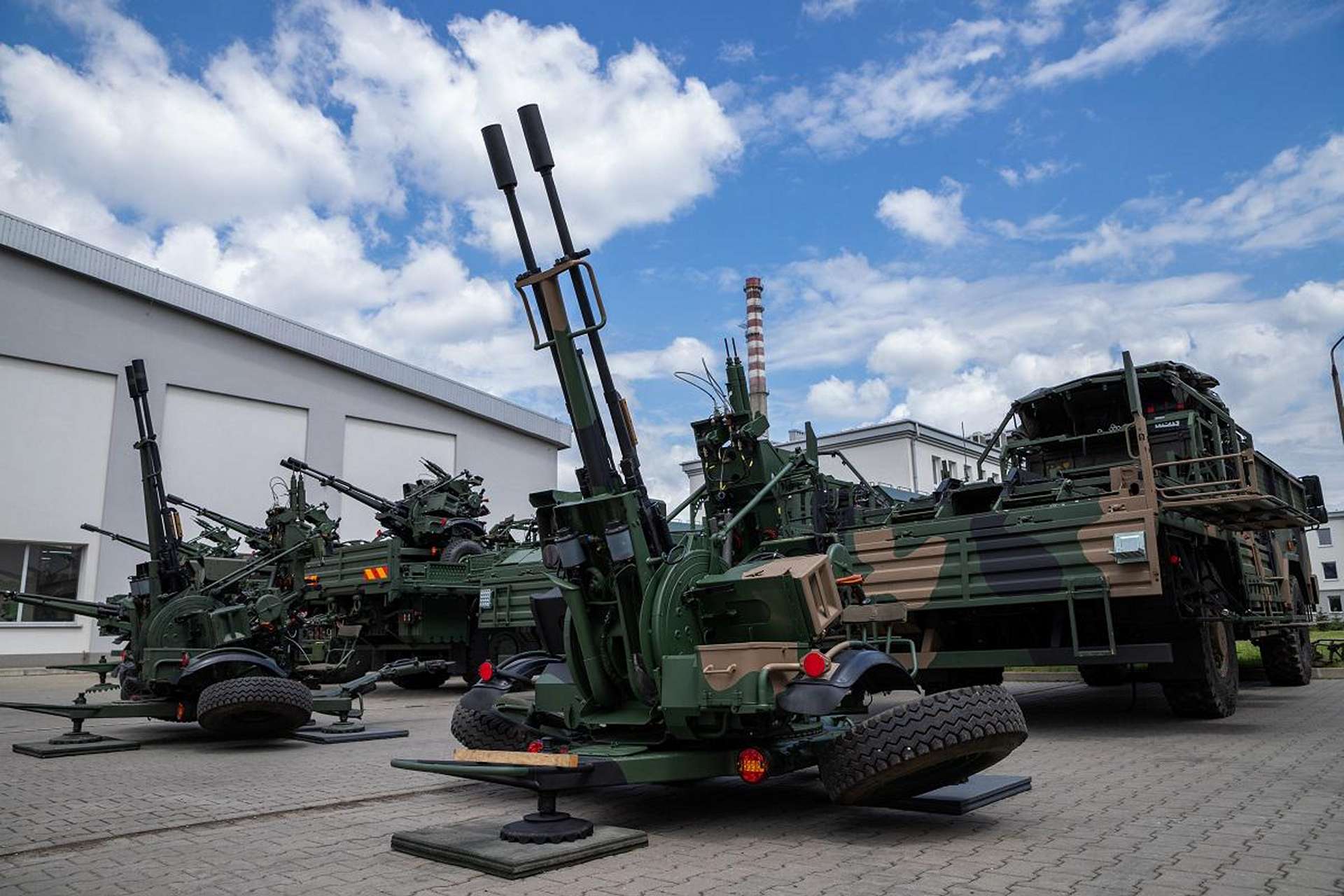
Each PSR-A Pilica battery comprises six fire units, each equipped with the ZUR-23-2SP Jodek set. Each unit has a GOS-1 optoelectronic head that features a thermal imaging camera, a TV camera, and a laser rangefinder, enabling independent operation in emergency situations. (Picture source: Polish MoD)
- Details
- Written by: Triffaux
- Category: 2024
- Hits: 12222
The ZSMU-1276 A3, developed by the Polish company Zakłady Mechaniczne Tarnów (ZMT), is a remotely controlled weapon system that enhances military operations by allowing for increased precision and efficiency during engagements. This system is currently showcased at the MSPO 2024 international defense industry expo in Poland.
Follow Army Recognition on Google News at this link
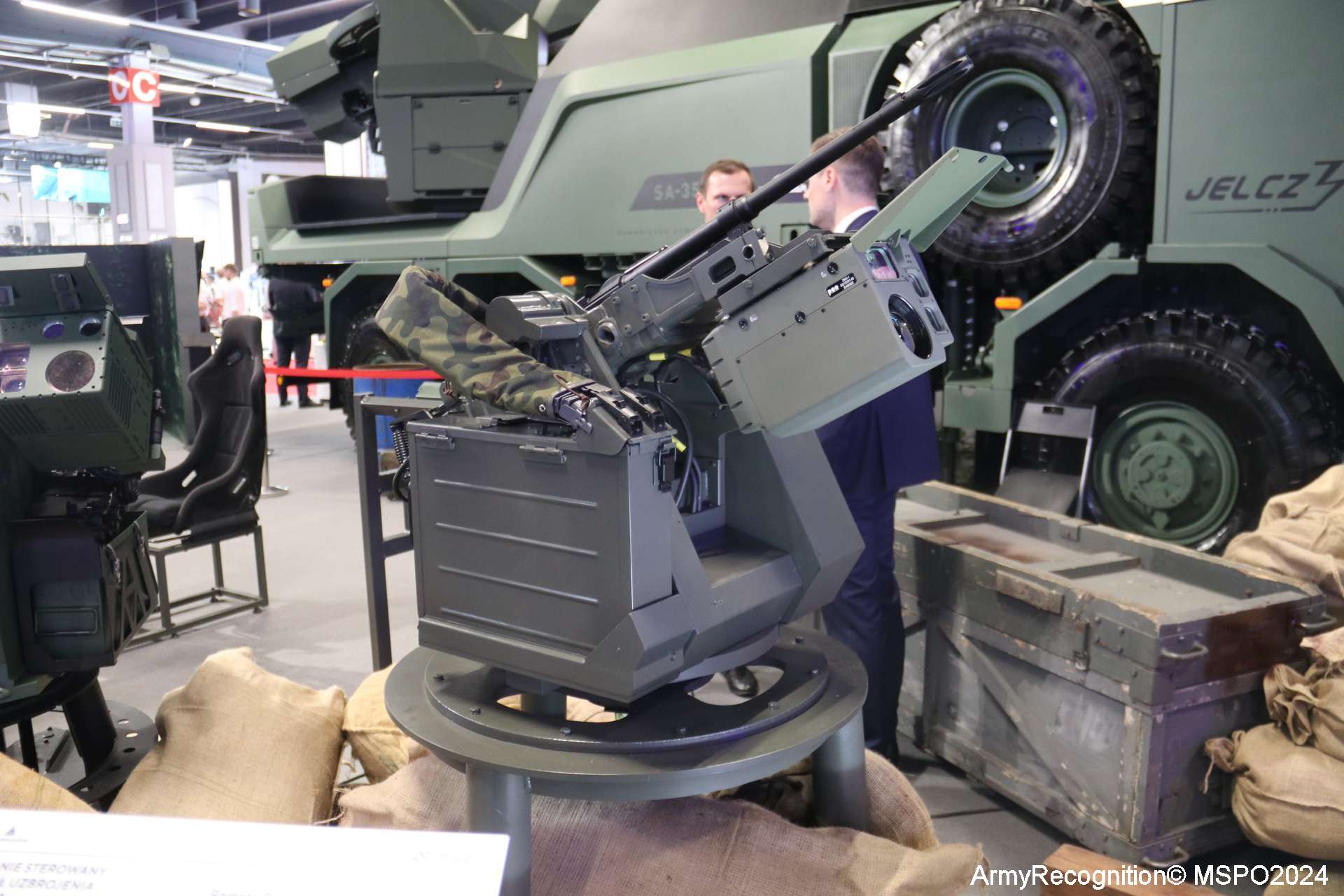
ZMT's ZSMU-1276 A3 Remote-Controlled Weapon (Picture source: Army Recognition)
Equipped with a 7.62 mm UKM-2000C machine gun, the ZSMU-1276 A3 is renowned for its reliability and powerful firing capability. Its extensive flexibility in firing positions enables effective support of ground units, capable of engaging lightly armored vehicles, stationary and moving targets at various speeds, and even low-altitude aerial targets under both daytime and nighttime conditions.
The operational versatility of the system is further enhanced by its fire control system, which facilitates rapid target acquisition and engagement. The turret can be operated remotely in standard mode, with a manual control option available in emergencies. Control is managed through a joystick and a monitor integrated with a keyboard and operator console, ensuring ease of use and security.
The ZSMU-1276 A3 module operates on a 27-volt DC current provided by the carrier vehicle. The system weighs approximately 164 kg with the machine gun and ready-to-use ammunition and has a firing range of up to 2000 meters with a storage capacity for 500 cartridges.
The dimensions of the module are 1160 mm in length, 730 mm in width, and 700 mm in height. The armament's elevation angle varies from -5° to +50°, and it can perform a full 360° azimuth rotation. The module allows for very precise firing guidance, with a minimum guidance speed of ≤ 1 mrad/s and can reach a maximum azimuth guidance speed of 2.8 rad/s.
The ZSMU-1276 A3 is currently integrated on various platforms such as the KTO ROSOMAK WRT (Technical Reconnaissance Vehicle) and the KTO ROSOMAK WPT (Technical Assistance Vehicle). Its compatibility with various carriers, including wheeled armored vehicles, off-road vehicles, specialized vehicles, and fixed or floating installations, makes it an extremely adaptable system for contemporary military operations.
Equipped with optoelectronic sensors including a daytime camera, a thermal camera, and a laser rangefinder, the ZSMU-1276 A3 meets stringent electromagnetic compatibility standards according to the NO-06-A200 norm. The incorporation of these advanced technologies not only enhances its operational capabilities but also ensures the safety of personnel by enabling remote operations away from direct threats. The MSPO 2024 expo provides an ideal showcase to demonstrate the effectiveness and tactical flexibility of this innovative system.
The remotely controlled weapon station ZSMU-1276 A3, developed by Zakłady Mechaniczne Tarnów S.A. (ZMT), has been specifically designed to address contemporary threats in modern warfare. Its capabilities are tailored for engaging a variety of targets including lightly armored vehicles, low-flying aircraft, and notably, unmanned aerial vehicles (drones). This versatility reflects the evolving nature of threats on modern battlefields where drones and other aerial devices have become commonplace.
One of the key aspects of the ZSMU-1276 A3 is its adaptability to different platforms. It can be mounted on a wide range of vehicle types, including wheeled armored vehicles, special wheeled and tracked vehicles, and even watercraft. This flexibility makes it a valuable asset for various military operations, providing substantial support and protection under diverse combat scenarios. The system is equipped with advanced optoelectronics, including a thermal imager and laser rangefinder, enhancing its performance during both day and night operations.
Moreover, the weapon station is designed to ensure the safety of its operators by allowing remote control from within the vehicle, minimizing the risk to human life. This feature is particularly beneficial in modern combat situations where threats can be engaged from a distance, reducing the exposure of military personnel to direct combat.
- Details
- Written by: Vandenbosch
- Category: 2024
- Hits: 3713
The MSPO 2024 exhibition, held in Kielce, Poland, from September 3 to 6, once again confirmed its status as a key event for the global defense industry. This 32nd edition brought together nearly 600 exhibitors from 32 countries, with significant participation from leading companies such as Hanwha, CNIM, and others, showcasing their latest technological innovations. One of the highlights of the event was the presentation of the "Protector," a new Ukrainian UGV (Unmanned Ground Vehicle).
Follow Army Recognition on Google News at this link
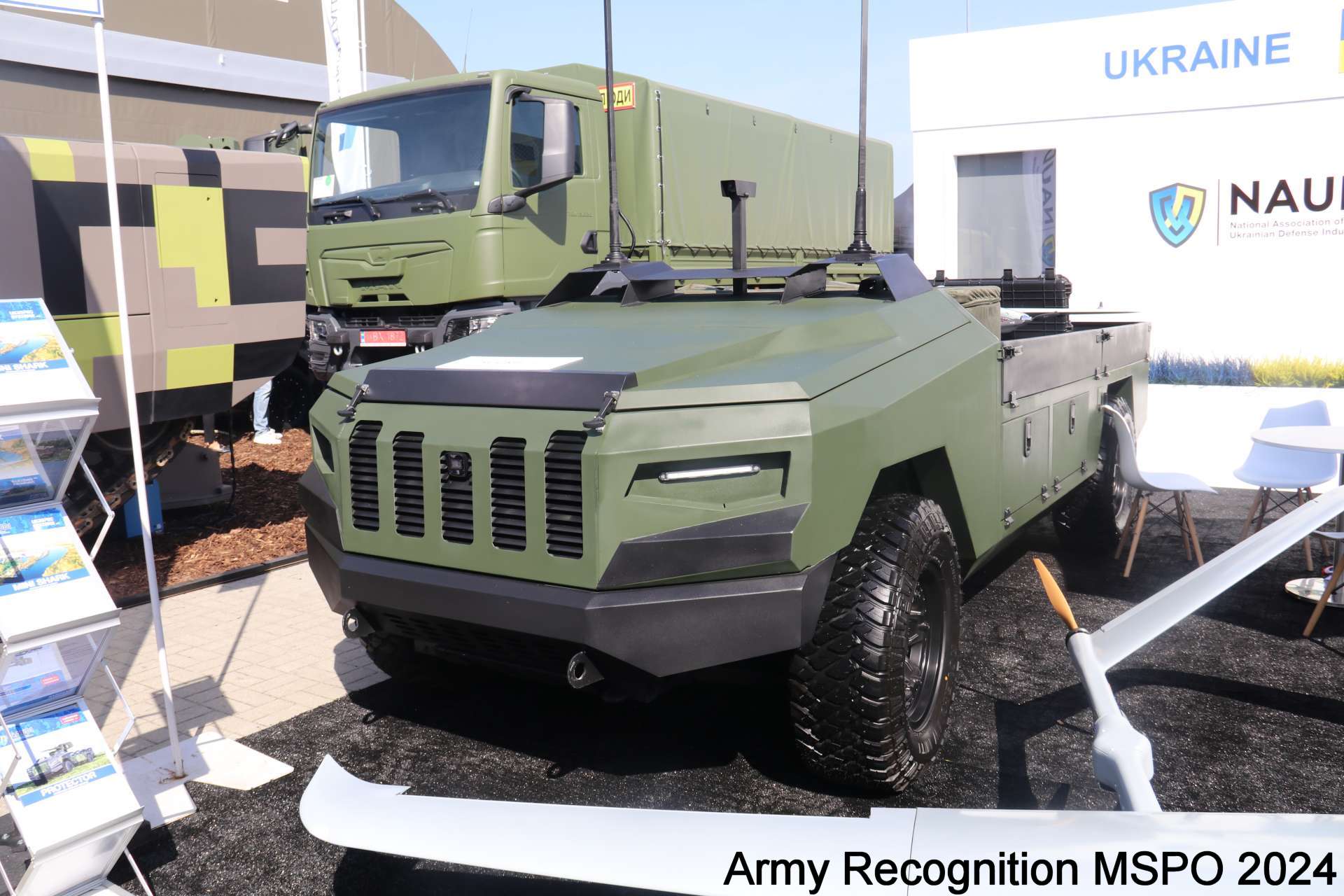
The Protector is a new Ukrainian Unmanned Ground Vehicle. (Picture source: Army Recognition)
Among the standout moments of the event, the presentation of the "Protector" UGV caught the attention of experts and visitors alike. Developed by Ukrainian Armor, this ground robot is designed to meet the needs of modern armed forces, particularly in asymmetric warfare contexts like the one Ukraine has faced in recent years against Russia. The "Protector" UGV is more than just a vehicle; it is a strategic ally intended to carry out the most dangerous missions while minimizing risks to soldiers.
The "Protector" stands out for its versatile capabilities, notably in the transportation and deployment of drones. This feature is crucial for missions such as demining or observation in enemy territory, where the vehicle can approach hazardous areas to safely launch aerial or ground drones. Additionally, the "Protector" is also equipped to ensure the supply of ammunition to the front lines, thus guaranteeing continuity in combat operations, even in hostile terrain.
This robot is not just a transporter; it can also play a crucial role in casualty evacuation, allowing for the rapid and safe transfer of soldiers to medical facilities. Another notable feature is the ability to integrate various weapon stations on the "Protector" platform, making it adaptable to a wide range of combat missions, from reconnaissance to direct engagement.
Technically, the "Protector" is equipped with a 190-horsepower diesel engine, allowing it to reach a maximum speed of 60 km/h. Its ballistic protection, compliant with STANAG 4569 level 1 standards, ensures adequate resistance against light threats on the battlefield. Additionally, its communication range, which can extend up to 15 km, guarantees effective control, even from a distance.
The "Protector" UGV was designed in direct response to the challenges faced on the ground by Ukrainian forces, making it a product deeply rooted in real war experience. Its development has incorporated lessons learned from recent conflicts, particularly in terms of reducing risks for human troops. This vehicle thus represents a significant advancement in automating the most perilous military missions, while enhancing operational safety.
Unmanned Ground Vehicles have not yet achieved the fame that their smaller cousins, the UAVs, have enjoyed, but some specialists are certain that they will be the next to step into the spotlight. In any case, the development of such systems continues, and we may soon see the "Protector" on the battlefield.
Read more: Ukrainian UGV Protector Aims to Redefine Battlefield Strategy at MSPO 2024
- Details
- Written by: Halna du Fretay
- Category: 2024
- Hits: 4094
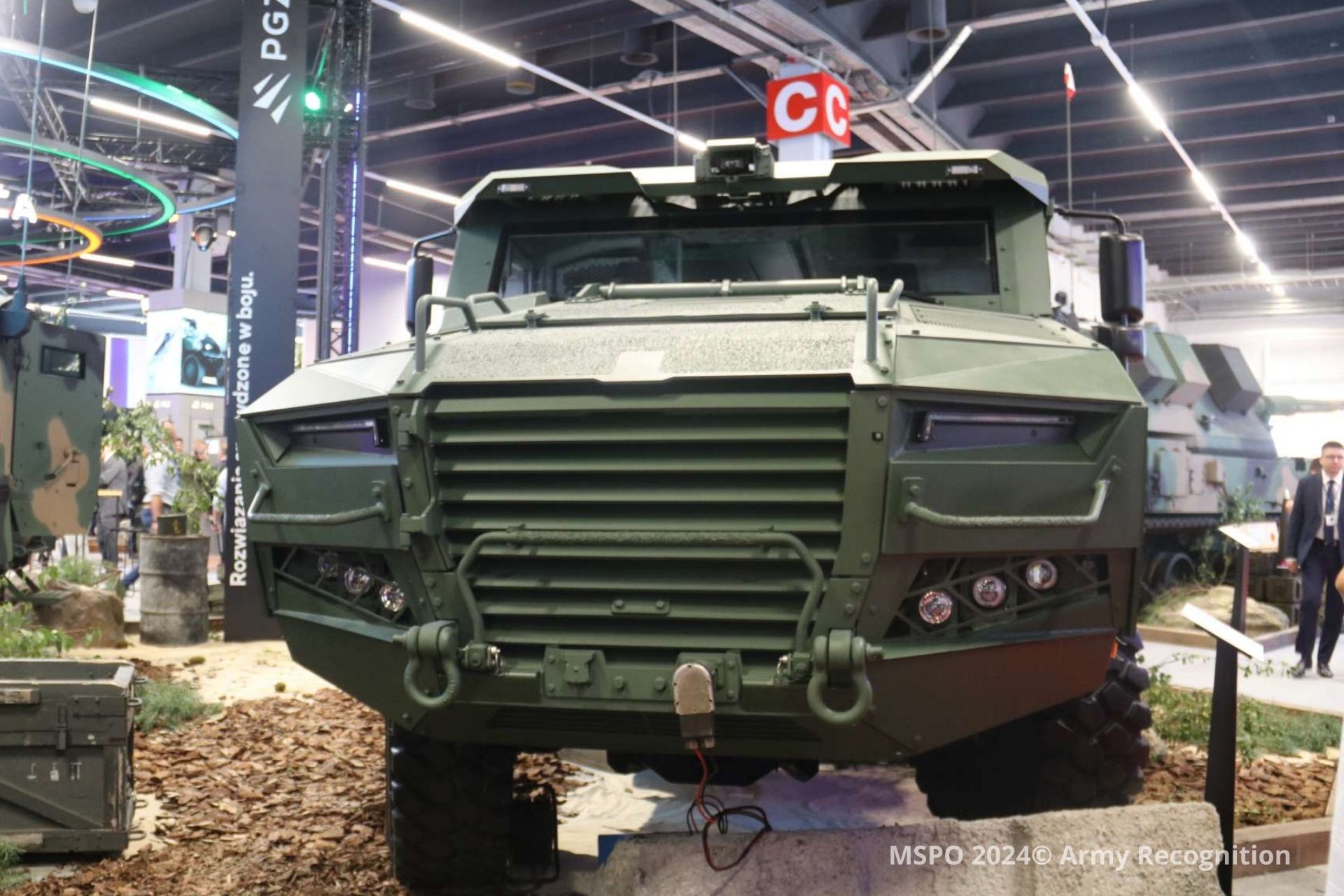
During the XXXII International Defense Industry Exhibition MSPO 2024, held at Targach Kielce from September 3 to 6, Huta Stalowa Wola (HSW), a member of the Polish Armaments Group (PGZ), unveiled the Heron 6x6 command vehicle, designed for artillery and missile forces at the battalion and division levels. This event marked an important milestone for the Heron 6x6, which had previously made its public debut at the 13th International Scientific Conference EKSPLOBALIS_2024, organized by the Military Institute of Armored and Automotive Technology (WITPiS) from May 27 to 29 in Jachranka, near Warsaw.
Follow Army Recognition on Google News at this link
The Heron 6x6 is based on the TADEAS 6x6 vehicle (Tatra Defence Armoured Solution), using the Tatra Force T815-7 chassis with the first and third steering axles(Picture source: ArmyRecognition)
Before its presentation at MSPO 2024, the Heron 6x6 participated in the experimental Field Experimentation Exercise (FEX-2024), held from May 20 to 24 at the Nowa Dęba Land Forces Training Center and the Lipa training area. This exercise aimed to test the technological solutions proposed by the defense industry within the Future Task Force (FTF) concept. The vehicle also took part in the military parade in Warsaw on August 15, during the celebration of Polish Armed Forces Day, serving as a command vehicle for the Homar-K (K239 Chunmoo) multiple rocket launchers.
The Heron 6x6 is the result of a collaboration between Huta Stalowa Wola SA and the Czech company Tatra Export, a member of Tatra Trucks and the Czechoslovak Group. This cooperation is similar to that which produced the Waran 4x4 tactical vehicle, already in service with the Polish Armed Forces in the Ottokar-Brzoza anti-tank destroyer and Gladius reconnaissance and strike drone systems. Additionally, the Polish industry has proposed a command version of the Waran and a drone combat system (BSL).
The Heron 6x6 is based on the TADEAS 6x6 vehicle (Tatra Defence Armoured Solution), using the Tatra Force T815-7 chassis with the first and third steering axles. The TADEAS chassis was also used by the Czechs to develop, in collaboration with the French group KNDS (then Nexter Systems), the Titus 6x6 mine-resistant vehicle, of which 62 units were ordered by the Czech government, with deliveries completed on July 2, 2024.
The base TADEAS 6x6 vehicle carries a crew of two and can accommodate an additional 11 soldiers. It can reach a maximum speed of 120 km/h on the road and has a driving range of 700 km. The vehicle offers ballistic protection at level 4 according to the STANAG 4569A standard and mine protection at level 4A/4B, equivalent to 150 kg of TNT. Its load capacity is 10 tons.
The Czechs offer different engine options: an air-cooled 8-cylinder Tatra diesel engine, available in several versions with power outputs ranging from 300 to 365 kW, or a liquid-cooled 6-cylinder Caterpillar engine, delivering power outputs from 395 to 447 kW. These engines are coupled with a six-speed automatic transmission. The crew's situational awareness is enhanced by an advanced management and communication system.
The acquisition of the Heron 6x6 command vehicle by the Polish Armed Forces is particularly relevant for artillery and missile forces, primarily due to its ability to enhance the coordination and management of field operations. This vehicle is designed to serve as a mobile command post, allowing battalion or division commanders to efficiently manage artillery and missile systems, such as HIMARS and multiple rocket launchers, while being protected against ballistic threats and mines.
The Heron 6x6, based on the robust Tatra 815-7 chassis, offers high mobility and excellent protection, which is essential for command missions in hostile environments. Additionally, it is equipped with advanced communication and data processing systems, facilitating real-time management of critical information and complex military operations. These characteristics make it a strategic asset for Polish forces, particularly in light of growing regional threats, such as the conflict in Ukraine.
Internationally, the Heron 6x6 could attract interest from other countries due to its robust design and versatility. The global market for armored vehicles, particularly those intended for command functions, is expanding, especially in countries looking to modernize their military capabilities. The vehicle also benefits from strong industrial partnerships between Poland and the Czech Republic, which enhances its competitiveness on the international market. The Heron 6x6's ability to adapt to various operational needs and integrate advanced technologies could make it attractive to other armies seeking to improve their field operation management.

- Details
- Written by: Jérôme Brahy
- Category: 2024
- Hits: 11096
At the 32nd International Defence Industry Exhibition (MSPO 2024), held in Poland from September 3 to 6, 2024, Hyundai Rotem, a South Korean defense manufacturer, presented the K2EX Black Panther Main Battle Tank (MBT) following its recent unveiling at ADEX 2023, as part of Hyundai Rotem's efforts to interest international customers. The Polish variant of the K2 Black Panther, the K2PL, is expected to share many features with this K2EX, also known as the "Export" model of the K2.
Follow Army Recognition on Google News at this link
The K2EX, along with other variants of the K2 Black Panther like the K2A1 and the Polish K2PL, can also be equipped with two optional jammers to enhance protection against drone attacks. (Picture source: Army Recognition)
The K2 Black Panther, designed and produced by Hyundai Rotem, has been in service with South Korea's armed forces since 2016. The tank, whose development began in 1995, has completed three mass production phases, with a fourth planned to fulfill the South Korean Army's requirement for 600 units. The K2 model incorporates various technologies, including advancements in armor protection, mobility, fire control, and firepower compared to its predecessor, the K1.
The K2EX Black Panther is designed to meet diverse requirements from global customers, featuring several advanced technologies and defensive systems. One of the tank's key features is the Drone Hunter XR anti-drone gun, mounted on the Remote-Controlled Weapon System (RCWS). This system, which is already in use by the South Korean Army, provides defense against aerial threats, such as hostile drones. Additionally, the K2EX includes a jamming device centrally positioned on the turret, intended to disrupt enemy communications and drone controls. The tank, along with its variants like the K2A1 and the Polish K2PL models, can also be equipped with two optional jammers to enhance protection against drone attacks.
The tank is equipped with the Korean Active Protection System (KAPS 2), developed by the Agency for Defense Development (ADD) and Hanwha Systems, formerly known as Hanwha Thales. KAPS 2 is designed to detect and neutralize incoming threats, such as anti-tank guided missiles (ATGMs) and rocket-propelled grenades, by using radar and infrared tracking data. The system works by firing interceptor grenades to destroy these threats and also deploys kinetic and smoke grenades. The arrangement of KAPS 2 components on the K2EX turret differs from the standard K2 model to enhance the tank's survivability on the battlefield.
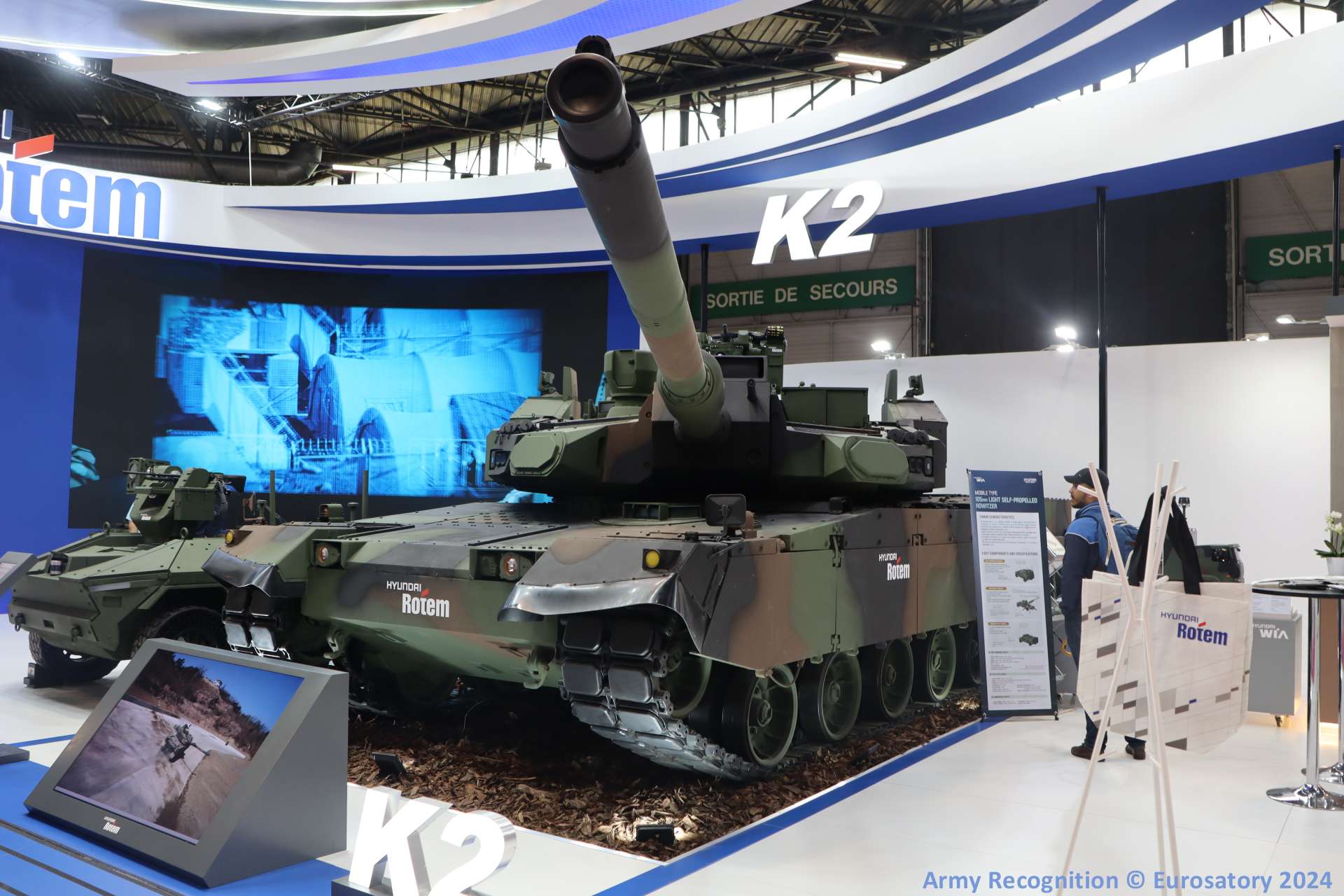
The tank's main armament consists of a 120mm smoothbore cannon with an automatic loading system, reducing the crew size to three and supporting a firing rate of up to 10 rounds per minute, with the capability for sustained fire for approximately three minutes. (Picture source: Army Recognition)
The K2EX has a three-person crew and a combat weight of 60 tons. It is powered by a 1,500-horsepower diesel engine, which allows it to reach a maximum speed of 68 km/h on paved roads and 50 km/h on unpaved terrain. The tank includes a fully automatic transmission, an In-arm Suspension Unit (ISU), and a dynamic track tension control system, which are designed to improve mobility. Its defensive features include composite armor, explosive reactive armor (ERA), the KAPS 2 active protection system, an anti-drone system, collective protection against nuclear, biological, and chemical (NBC) threats, and an automatic fire suppression system.
The K2EX also incorporates information-injected ammunition, which allows the crew to control the timing and characteristics of ammunition explosions. This capability is intended to offer flexibility in combat scenarios, enabling precise adjustments to how and when rounds detonate. The tank's main armament consists of a 120mm smoothbore cannon with an automatic loading system, reducing the crew size to three and supporting a firing rate of up to 10 rounds per minute, with the capability for sustained fire for approximately three minutes. The ammunition includes domestically produced tungsten Armor-Piercing Fin-Stabilized Discarding Sabot (APFSDS) kinetic energy penetrators and multipurpose High-Explosive Anti-Tank (HEAT) rounds, aimed at various targets.
The fire control system of the K2EX includes day and night optics, a two-axis stabilization digital fire control computer, and automatic target detection and tracking functions. The 120mm smoothbore gun is compatible with NATO ammunition, and the autoloading system accommodates 16 rounds, with storage capacity for up to 40 rounds. The tank's additional armaments include a 12.7mm remote-controlled weapon system and a 7.62mm coaxial machine gun. The K2EX integrates several operational systems, such as a battlefield management system, an auxiliary power unit, built-in test systems, and an embedded training system.
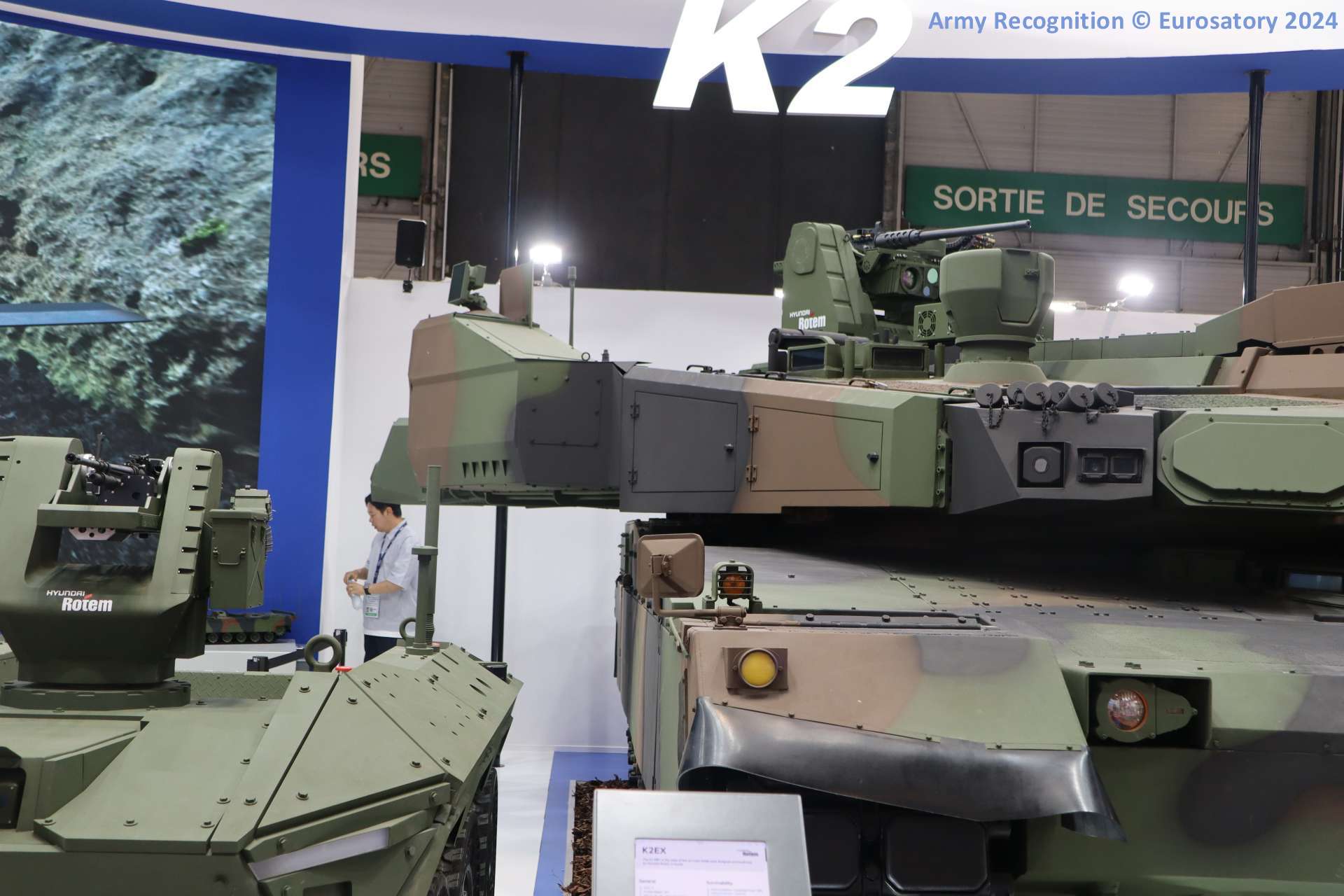
The K2EX is also equipped with the Korean Active Protection System (KAPS 2), a hard-kill APS designed to detect and neutralize incoming threats, including anti-tank guided missiles (ATGMs) and rocket-propelled grenades, by utilizing radar and infrared tracking data. (Picture source: Army Recognition)
The K2EX is further armed with a 7.62mm coaxial machine gun and a 12.7mm K-6 heavy machine gun, designed for engaging infantry and lightly armored targets. Its defense includes composite armor and an Active Defense System with explosive reactive armor blocks, providing resistance against anti-tank munitions. The tank also features a Missile Approach Warning System (MAWS) and uses Visual and Infrared Screening Smoke (VIRSS) grenades to obscure its position and disrupt enemy targeting.
The tank's situational awareness and targeting capabilities are supported by a 360-degree helmet-mounted sighting system for the commander and driver, using See-Through Armor (STA) augmented reality technology. This system, similar to the Israeli Elbit Systems' Iron Vision, allows crew members to "see through" the tank's armor, providing enhanced awareness of their surroundings.
The Polish variant, the K2PL, is expected to share many features with this new configuration. On August 5, 2024, South Korean news outlet MBC News reported the loading of another batch of K2 tanks, in the GF (Gap Filler) version, destined for Poland. These will join the 46 vehicles already delivered from an initial batch of 180 units ordered in 2022. According to the delivery schedule, Hyundai Rotem plans to deliver 56 vehicles to Poland in 2024. With 18 tanks already delivered earlier in the year, 38 more units are still expected.
The first batch of 10 tanks was delivered on December 9, 2022, followed by additional batches of 5, 7, and 6 units in March, May, and June 2023, respectively. The remaining 96 units are set for delivery by the end of 2025. These deliveries are part of an agreement signed on August 26, 2022, between the Armament Agency of the Polish Ministry of National Defense and Hyundai Rotem Company, valued at $3.37 billion. The agreement specifies that all 180 tanks will be delivered between 2022 and 2025.
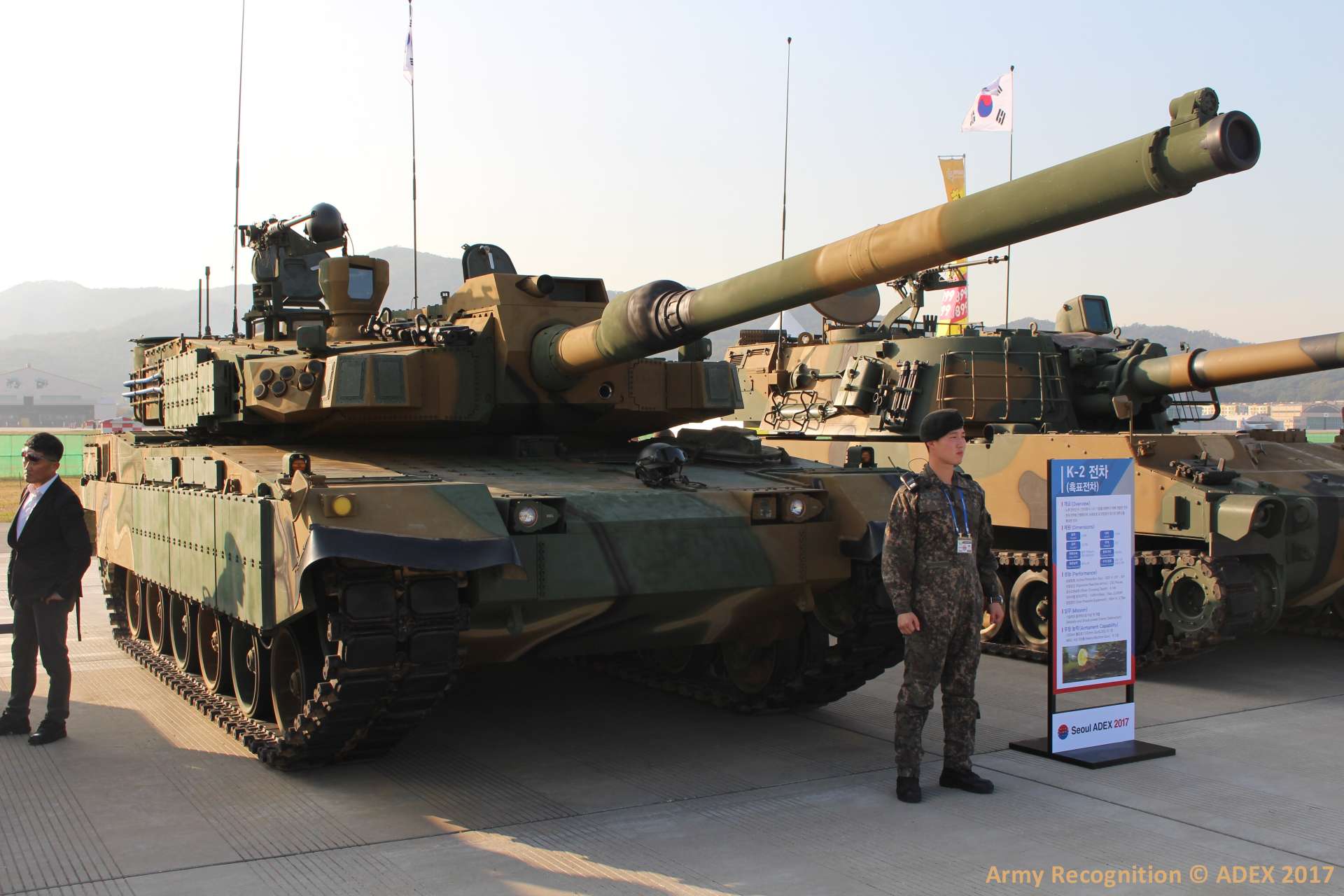
The K2 Black Panther, designed and produced by Hyundai Rotem, has been in service with South Korea's armed forces since 2016, and has completed three mass production phases, with a fourth planned to fulfill the South Korean Army's requirement for 600 units. (Picture source: Army Recognition)
Read more: MSPO 2024: Hyundai Rotem's K2EX tank paves the way for Polish K2PL configuration
- Details
- Written by: Administrator
- Category: 2024
- Hits: 3213
According to information reported by Reuters on September 3, 2024, the United States is close to finalizing an agreement to supply Ukraine with advanced long-range cruise missiles, a significant development in the ongoing conflict with Russia. The Biden administration is expected to announce the inclusion of Joint Air-to-Surface Standoff Missiles (JASSM) in a weapons package this autumn. However, the delivery of these missiles may be delayed by several months due to ongoing technical considerations.
Follow Army Recognition on Google News at this link
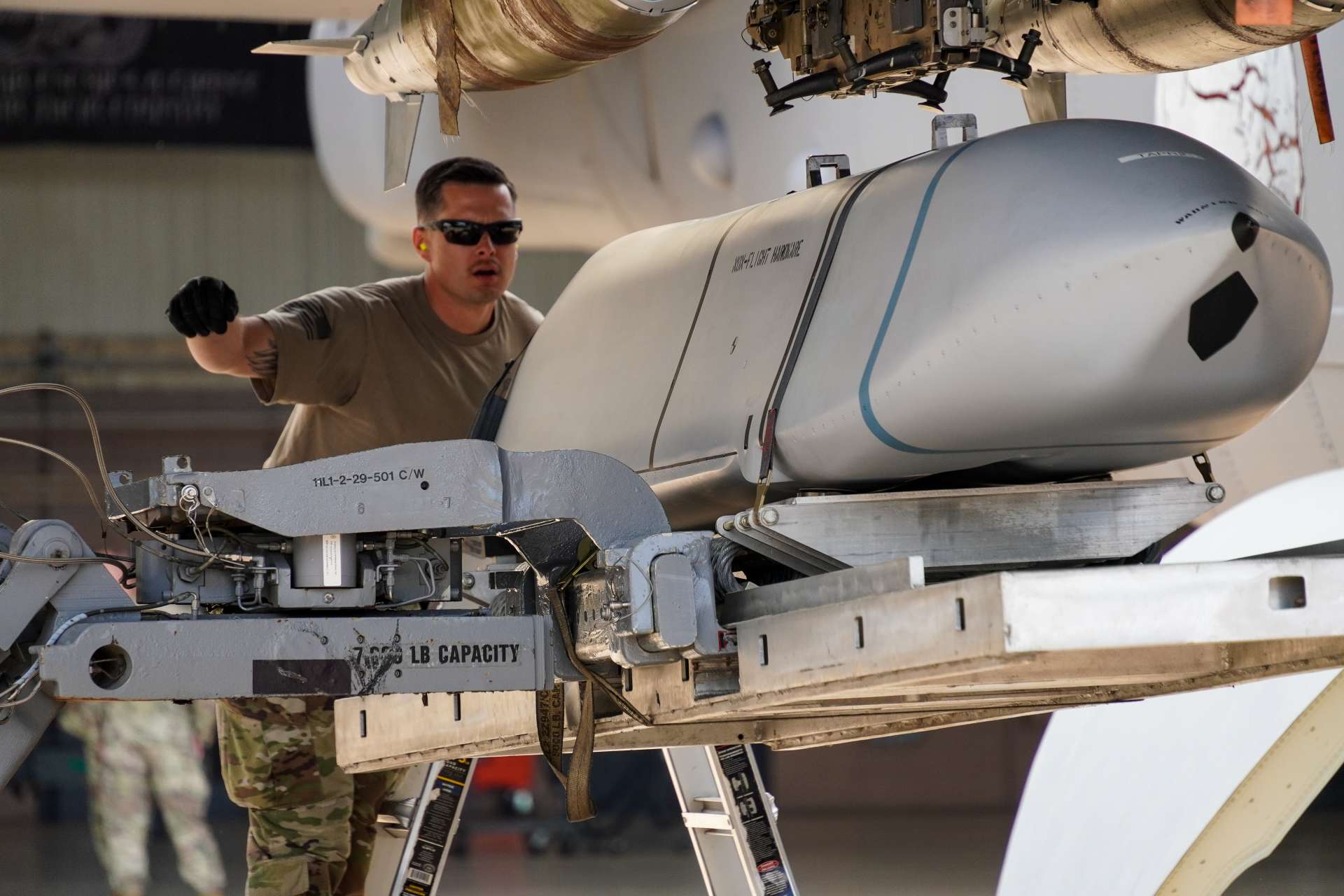
U.S. Air Force Staff Sgt. Seth Blackwood, 363rd Training Squadron Aircraft Armament instructor, directs the installation of an AGM-158 JASSM onto a B-52 during a Combat Capability Demonstration. (Picture source: U.S. DoD)
The Joint Air-to-Surface Standoff Missile (JASSM) is one of the most sophisticated and versatile weapons in the U.S. military's arsenal, developed to engage heavily defended, high-value targets at significant distances. Manufactured by Lockheed Martin, this missile was specifically designed to penetrate and destroy enemy fortifications while minimizing exposure to advanced air defense systems.
Developed in the 1990s and first entering service in the early 2000s, the JASSM was initially designed to meet the U.S. military's need for a long-range, precision-guided missile that could be launched from a variety of platforms, including strategic bombers like the B-1B Lancer and B-52 Stratofortress, as well as fighter aircraft like the F-16 Fighting Falcon and F-35 Lightning II. Over time, the missile has been continuously upgraded, with the latest variants offering extended range and improved targeting capabilities.
The JASSM features an advanced guidance system that combines GPS-aided inertial navigation with an imaging infrared seeker. This dual-mode guidance system enables the missile to autonomously identify and lock onto its target during the final phase of its flight, ensuring exceptional accuracy even in environments where GPS signals might be jammed or degraded.
Stealth is a key aspect of the JASSM's design. The missile's airframe is built with low-observable technology, reducing its radar cross-section and making it difficult for enemy radar systems to detect and track. This stealthy design is complemented by the missile's ability to fly at low altitudes, further evading radar detection and increasing its survivability against advanced air defense networks.
In terms of payload, the JASSM carries a 450 kg (1,000-pound) penetrating warhead, capable of inflicting devastating damage on hardened targets such as bunkers, command centers, and reinforced structures. Its blast-fragmentation warhead is designed to maximize damage to both the target and surrounding infrastructure, making it particularly effective against critical military assets.
The missile has a range of up to 370 km (about 230 miles), allowing it to be launched from well outside the range of most enemy air defenses. This long range, combined with its precision and stealth capabilities, makes the JASSM a formidable tool for conducting deep strikes into enemy territory.
For Ukraine, the introduction of the JASSM would represent a major enhancement of its military capabilities. The missile’s long range would allow Ukrainian forces to strike targets well within Russian-controlled territory, including areas that were previously considered safe from Ukrainian attacks. This could serve as a powerful deterrent against further Russian aggression and force Moscow to rethink its strategy in the ongoing war.
The deployment of JASSM missiles to Ukraine would pose a serious threat to Russian military operations. With the ability to disrupt supply lines, destroy key military assets, and potentially strike critical infrastructure within Russia, these missiles would complicate Russian efforts to sustain their military campaign. The prospect of such strikes could also have a psychological impact, potentially shifting the strategic balance of power and increasing pressure on the Russian government both domestically and internationally.
Despite the potential benefits, integrating JASSM missiles into Ukraine’s military arsenal is not without challenges. The U.S. is working through various technical issues that could delay the shipment, likely related to ensuring that Ukraine has the necessary platforms and infrastructure to deploy the missiles effectively. Additionally, there are concerns about the potential for escalation if these missiles are used to strike targets deep within Russian territory.
The delivery of such advanced weaponry to Ukraine is also likely to provoke a strong reaction from Moscow. Russia has consistently warned against the supply of long-range weapons to Ukraine, viewing it as a red line that could lead to a broader confrontation. The inclusion of the JASSM in Ukraine’s arsenal could therefore lead to a significant escalation in hostilities, with unpredictable consequences for the region.
The impending U.S. decision to supply Ukraine with JASSM missiles marks a pivotal moment in the conflict with Russia. While these missiles could provide Ukraine with a critical boost in its fight, their deployment also carries significant risks, potentially leading to heightened tensions and further escalation in the war.
Read more: Breaking News: US Nears Agreement to Supply Ukraine with JASSM Long-Range Cruise Missiles
- Details
- Written by: Halna du Fretay
- Category: 2024
- Hits: 2889
At the MSPO 2024 defense exhibition, Ukraine presents its development in its unmanned aerial systems (UAS) capabilities with the introduction of the GOR drone by Airlogix, designed for surveillance and real-time image transmission. This presentation underscores Ukraine's ongoing efforts to enhance its military technology, particularly in the field of drones, despite the ongoing conflict that has lasted for more than two years. Developed by leading Ukrainian defense industry experts, the GOR system is intended to improve battlefield surveillance, providing critical data and intelligence to ground forces.
Follow Army Recognition on Google News at this link
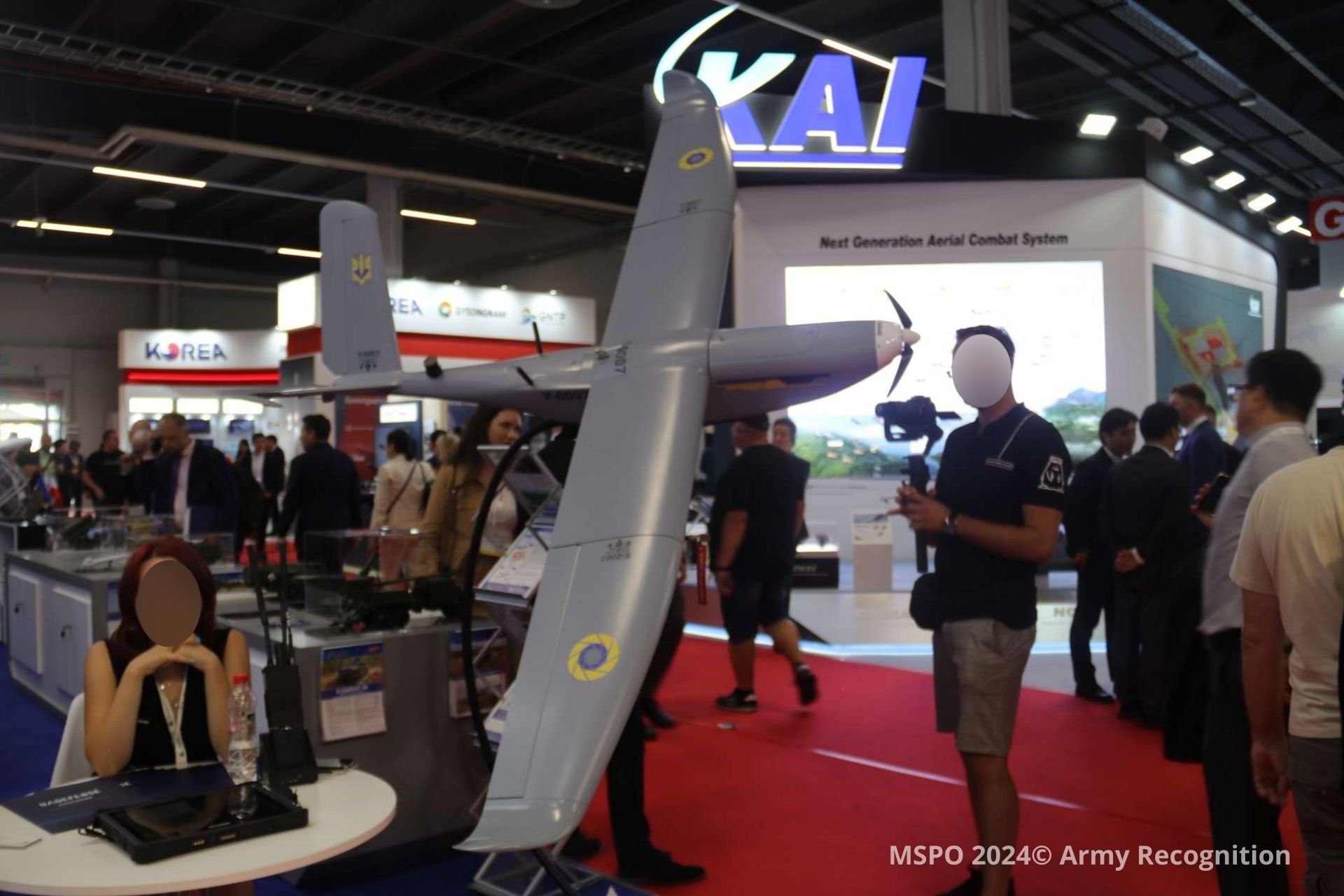
The drone operates at altitudes ranging from 800 to 3,500 meters and has a data transmission range of up to 40 kilometers (Picture source: ArmyRecognition)
The GOR drone is characterized by its robust performance and advanced technological features. It is capable of flying for up to four hours, covering distances of up to 260 kilometers, making it an essential tool for extended missions. The drone operates at altitudes ranging from 800 to 3,500 meters and has a data transmission range of up to 40 kilometers. Its electric propulsion system allows for a maximum speed of 108 km/h, while its compact design, with a wingspan of 2.6 meters, enables it to launch via catapult and land on its belly, enhancing its operational flexibility.
Designed to withstand electronic warfare, the GOR drone is equipped with features that ensure its reliability even in contested environments. This includes a backup navigation system that allows it to function effectively during GNSS jamming, as well as an advanced EO-IR camera system with an 80x zoom capability and digital stabilization. The communication system includes both a primary and backup channel, ensuring constant connectivity between the drone and the ground control station, which is crucial for real-time intelligence gathering and mission success.
The conflict in Ukraine has highlighted the growing importance of drones on the modern battlefield. Over the past two years, Ukrainian forces have extensively used drones, including kamikaze drones and FPV (first-person view) drones, to conduct strategic operations. While kamikaze drones are often used for direct attacks, surveillance drones like the GOR play an equally crucial role in reconnaissance missions. They allow military units to monitor enemy movements, identify targets, and anticipate threats without unnecessarily exposing ground troops. This capability is essential for gaining a strategic advantage, as it enables forces to plan and execute operations with a higher degree of precision.
The use of surveillance drones has become a cornerstone of modern military strategy, particularly in the context of the Ukrainian conflict. These drones provide real-time intelligence that is essential for decision-making on the battlefield. By identifying enemy positions and movements from a distance, they help to mitigate risks to human life while maximizing the effectiveness of military operations. The GOR drone, with its advanced features and proven reliability, exemplifies Ukraine's commitment to developing and deploying cutting-edge UAS technology in response to the demands of modern warfare.
Despite the challenges posed by the ongoing conflict, Ukrainian defense manufacturers continue to innovate, developing systems like the GOR drone that meet the evolving needs of modern warfare. As Ukraine expands its UAS offerings, it positions itself as a key player in the global defense industry, with the potential for wider adoption of its technologies by allied nations.

- Details
- Written by: Vandenbosch
- Category: 2024
- Hits: 6930
The MSPO 2024 exhibition, held in Kielce, Poland, was the stage for the presentation of the Piorun NG (New Generation), a modernized and enhanced version of the famous Polish portable air defense system (MANPADS). Manufactured by PGZ, the Piorun NG attracted the attention of international military experts due to its advanced capabilities and proven effectiveness on the battlefield, particularly in the context of the conflict in Ukraine.
Follow Army Recognition on Google News at this link
The Piorun NG is designed to destroy aircraft, helicopters, drones (UAVs), and cruise missiles. (Picture source: Army Recognition)
The Piorun NG is designed to destroy aircraft, helicopters, drones (UAVs), and cruise missiles. One of the notable features of this system is its proximity fuse, which allows it to destroy targets even when passing in close proximity, thereby increasing the likelihood of neutralizing the threat. This functionality is particularly useful against fast and maneuverable targets.
One of the major improvements of the Piorun NG compared to its predecessor is the integration of an additional day sight and a thermal sight. This combination enables operators to deploy the system effectively, even in nighttime or low-visibility conditions, thus increasing its versatility on the battlefield. The launcher has also been equipped with a new firing mechanism, capable of selecting the firing mode based on the type of target and weather conditions while integrating friend-or-foe identification and communication with optical and thermal sighting systems.
In terms of performance, the Piorun NG has a range of 400 to 6500 meters in distance and can engage targets at altitudes between 10 and 4000 meters. The missile, which flies at an average speed of 560 m/s, is equipped with a highly explosive fragmentation warhead (FRAG-HE), making it formidable against aerial threats.
The Piorun NG is not only a system in production but also in service with the Polish Armed Forces and has been exported to several countries. The system's performance in Ukraine has strengthened its reputation, where it has been widely used to shoot down various enemy aircraft, including helicopters and fighter jets.
The presentation of the Piorun NG at MSPO 2024 underscores Poland's ongoing commitment to modernizing its defense capabilities and addressing the growing needs of its armed forces and international partners, as well as Poland's desire to maintain local production of its weaponry. This system represents an advancement in MANPADS technology, combining technical innovations with proven operational experience, making it a preferred choice for armed forces seeking to enhance their air defense capabilities.
Read more: New Generation of Polish Piorun MANPADS On Show at MSPO 2024
- Details
- Written by: Triffaux
- Category: 2024
- Hits: 3165
Presented by the Polish company ZMT (Zakłady Mechaniczne Tarnów) at the MSPO 2024 expo in Poland, the ZSMU-A5 is a high-tech remote-controlled weapon station. Designed to enhance operational efficiency in a variety of combat environments, this platform is distinguished by its dual armament system capable of interchanging NATO and Russian weaponry.
Follow Army Recognition on Google News at this link
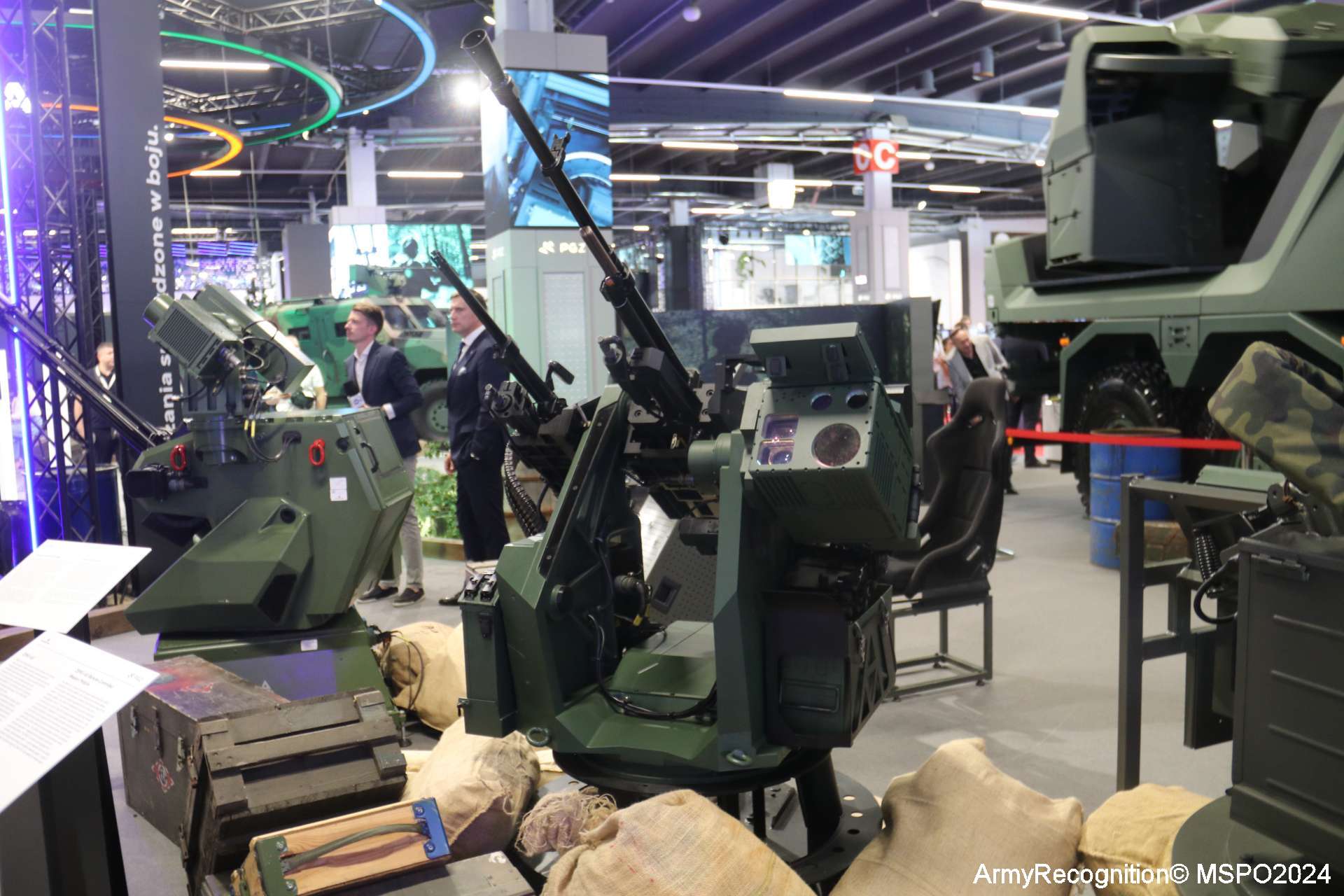
ZMT's ZSMU-A5 Remote-Controlled Weapon Module (Picture source: Army Recognition)
The ZSMU-A5 system, operable by a single user, offers significant flexibility with extensive traverse and elevation angles, allowing for effective targeting of enemy personnel, technical equipment, lightly armored vehicles, stationary targets, and low-altitude threats (such as micro-drones), at any time of day. The module is equipped with an integrated day/thermal camera and a laser rangefinder housed within a single compact module that includes an automatic cleaning system, enabling operations under all weather conditions and at any time.
A notable innovation of the ZSMU-A5 is its weapon stabilization module, which ensures exceptional firing precision, even when the carrier vehicle is moving rapidly or over rough terrain. This capability is crucial for maintaining consistent firing efficiency at speeds up to 60 km/h, thereby increasing responsiveness and effectiveness in combat situations.
A remarkable feature of the ZSMU-A5 is its ability to switch between NATO and Russian munition formats. Users can choose from several armament configurations, including a 12.5 mm machine gun, a 12.7 mm NSW UTIOS/WKM-Bm HMG, a 40 mm H&K automatic or semi-automatic grenade launcher, combined with a 7.62 mm UKM-2000C machine gun. This adaptability ensures an effective response across a broad range of operational scenarios.
Already integrated into the Waran armored vehicle, the ZSMU-A5 can be installed on various vehicles, ships, and static installations. The primary advantage of armament interchangeability is the ability to quickly adapt to diverse combat situations, allowing forces to select the most appropriate weapon without the need to replace the entire system.
The ZSMU-A5 weighs 303 kg and supports basic electrical operation or manual operation in emergency situations. Elevation angles range from -15° to +70°, and the azimuth is a full 360°. For operators, the system includes a weapon stabilization module and cameras that allow for firing even at speeds of 60 km/h on rough terrain.
The ZSMU-A5 system, known for its operational versatility and advanced targeting capabilities, marks an important step in modern warfare technology. Its ability to switch between NATO and Russian ammunition formats is particularly strategic, enabling forces to effectively utilize available resources, regardless of their origin. This feature is especially relevant in conflict zones like Ukraine, where the ability to use both types of ammunition can greatly simplify logistics and supply chains in a mixed-ammunition environment. As geopolitical tensions continue to evolve, the flexibility provided by systems like the ZSMU-A5 could redefine battlefield efficacy, making it a crucial asset for modern military operations.

- Details
- Written by: Halna du Fretay
- Category: 2024
- Hits: 3814
At the MSPO 2024 defense exhibition, a significant advancement in the artillery capabilities of the Polish Armed Forces was unveiled by Huta Stalowa Wola, a member of the Polish Armaments Group (PGZ), presenting a new dimension in combat support with the RAK M120G mortar system. This advanced system, based on the amphibious infantry fighting vehicle (IFV) BORSUK chassis, is designed to enhance the firepower and survivability of support companies operating at the battalion and brigade levels. Poland thereby offers new possibilities to potential future buyers of this vehicle.
Follow Army Recognition on Google News at this link
The Borsuk is equipped with a 120 mm self-propelled mortar turret system named RAK M120G at MSPO 2024 (Picture source: ArmyRecognition)
The Borsuk is equipped with a 120 mm self-propelled mortar turret system named RAK M120G, making it essential for providing indirect, semi-indirect, and direct fire support. The primary role of this system is to neutralize enemy forces, including infantry and tank units, at the battalion or company level across various tactical operations. It is also capable of engaging high-value targets such as command posts, reconnaissance units, electronic warfare assets, and fortified positions, ensuring comprehensive battlefield suppression.
A key feature of this model is its improved turret system, which includes a longer barrel—exceeding 30 inches—allowing for an increased rate of fire, now reaching up to 10-12 rounds per minute, a significant improvement from the previous 6-8 rounds per minute. This increase in firepower is complemented by a reorganization of the mortar crew arrangement, optimizing operational efficiency and reducing the number of personnel required.
The M120G chassis retains the amphibious capabilities of the original BORSUK platform, ensuring it maintains buoyancy and operational flexibility in various terrains. Additionally, the system's survivability is greatly enhanced through the integration of modern self-defense solutions, including an active defense system designed to protect both the vehicle and its crew from incoming threats.
The vehicle is equipped with a range of advanced technologies to ensure its effectiveness in the field. These include an omnidirectional observation system, inertial navigation coupled with GPS and the SAASM module, a robust ICT system that maintains secure communication across BLACK and RED zones, and a remotely controlled weapons module for increased engagement options. The vehicle is also equipped with comprehensive protection measures such as a fire protection and explosion suppression system, filtration and ventilation devices, and a direct fire sight equipped with a laser rangefinder. Furthermore, the M120G is armored to meet the stringent ballistic protection standards of the Polish Armed Forces, ensuring its resilience in hostile environments.
To date, the BORSUK is primarily used by the Polish Armed Forces. Poland has undertaken the modernization of its army by gradually integrating the BORSUK into its infantry units. Several hundred BORSUKs have been deployed, with plans to extend this deployment to equip more infantry brigades in the coming years.
Discussions are ongoing with other nations interested in acquiring the BORSUK, notably in Eastern Europe and the Balkans, looking to strengthen their defense capabilities with modern and reliable vehicles. In March 2024, South Korea also expressed interest in a possible purchase of the BORSUK, although no official announcement has been made since.
Read more: Poland Expands Its Borsuk IFV Offering with an M69 RAK M120 Mortar Turret at MSPO 2024
- Prominent Appearance for Rheinmetall's Leopard 2A4 Panther Upgrade Main Battle Tank at MSPO 2024 in Poland
- Spanish Guardia Civil equip its agents on missions abroad with new C-UAV systems.
- MSPO 2024: Hanwha's Arion-SMET 6x6 UGV steps into the global arena following US Defense endorsement
- Russia Seeks to Strengthen Its Presence in Africa and Middle East Through Egypt International Airshow 2024