
- Details
- Written by: Triffaux
- Category: 2024
- Hits: 2137










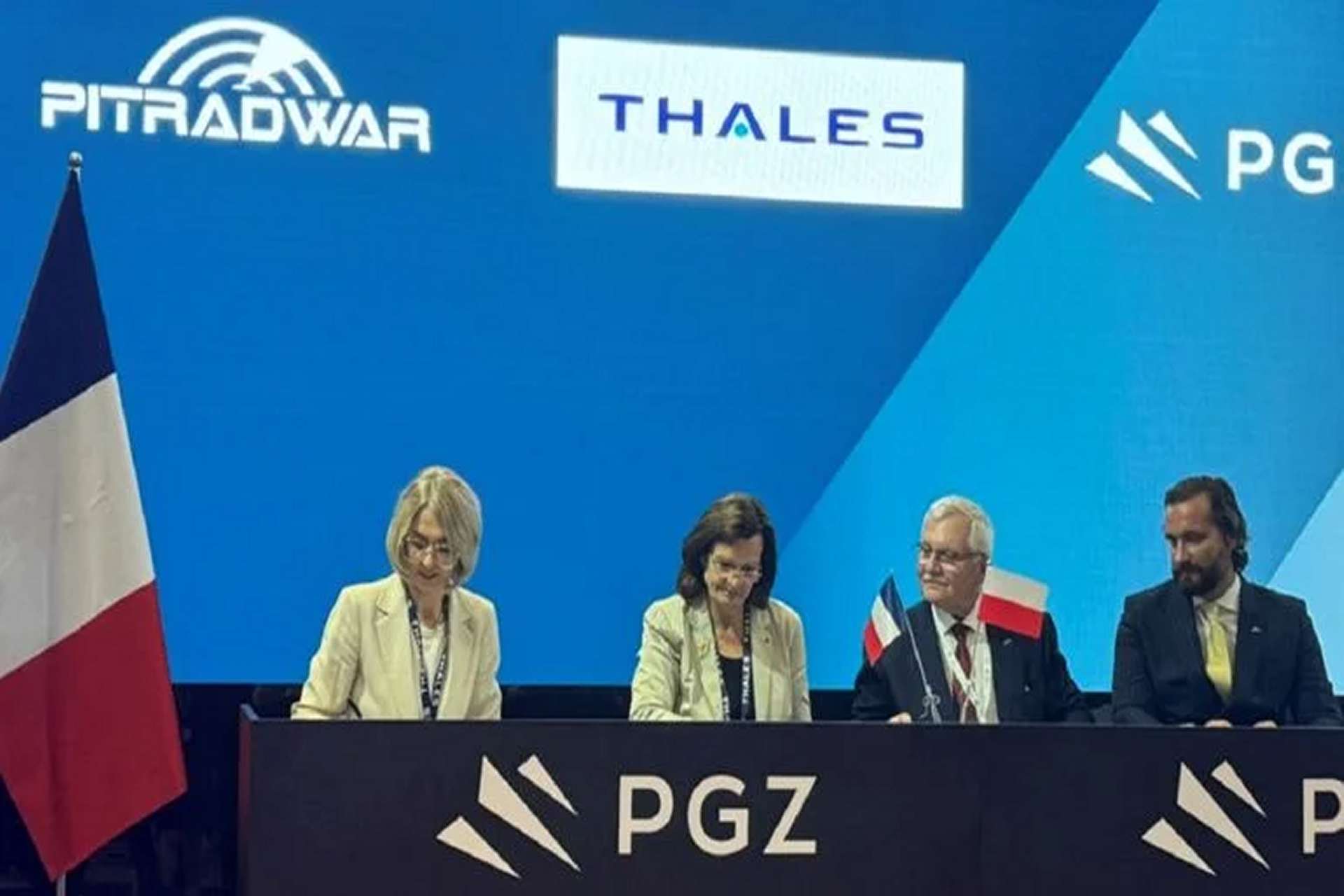
Thales, an international company in the defense sector, and Pit Radwar, a subsidiary of PGZ specializing in equipment for the Polish armed forces, signed a Memorandum of Understanding (MoU) on September 3, 2024, during the MSPO International Defense Industry Exhibition in Kielce, Poland.
Follow Army Recognition on Google News at this link
Thales and PGZ sign MOU to jointly develop radar technologies for both civil and military applications (Picture source: Thales)
The aim of this agreement is to jointly develop radar technologies for both civil and military applications. The two companies will combine their respective expertise in the radar field to offer high-performance solutions to their national and international clients.
Technical and Commercial Objectives: The partnership will allow for the exploration of technical, technological, and commercial activities to meet market needs. Thales and Pit Radwar aim to propose more efficient radar technologies, building on their past experience in this field.
Thales and Pit Radwar, two leaders in radar technology, offer several high-tech systems used in land and air applications. Among land-based radars, Thales' Ground Master 400 (GM400) is one of the most advanced. It is a long-range surveillance radar capable of detecting targets up to 515 km. Used for aerial surveillance and missile defense, it offers 3D detection capability with high precision. This radar is essential for national defense operations, providing extensive airspace coverage and early detection of threats.
For its part, Pit Radwar has developed the TRS-15, a mobile medium-range surveillance radar. Primarily used by the Polish armed forces, it allows the detection of aerial targets at distances of up to 240 km. It is also capable of tracking low-altitude targets, making it effective for monitoring drones and aircraft in complex environments. This radar is appreciated for its mobility and ability to operate in electronic warfare conditions.
In the field of airborne radars, Thales offers the RBE2 AESA, used on the Rafale fighter jet. This active electronically scanned array (AESA) radar provides detection and tracking capabilities for multiple targets, handling both air-to-air and air-to-ground missions. It is recognized for its flexibility and precision, even in intense jamming conditions.
Pit Radwar's expertise lies primarily in ground-based and maritime radar systems with capabilities for detecting and tracking aerial threats. While the company is not known for developing radar systems specifically for airborne platforms, its radar technologies play a key role in supporting air defense operations from the ground. For airborne radar development, Pit Radwar would likely collaborate with other defense firms like Thales. This collaboration would allow Pit Radwar to expand its technological reach into airborne radar systems, leveraging Thales' expertise in the field.

- Details
- Written by: Vandenbosch
- Category: 2024
- Hits: 6216
Under the leadership of Defense Minister Rajnath Singh, India has taken a step towards strengthening the operational capabilities of its armed forces. On September 4, 2024, the Defence Acquisition Council (DAC) granted Acceptance of Necessity (AoN) for ten major capital acquisition projects, totaling INR 1,44,716 crores, equivalent to $17.37 billion USD. Notably, 99% of these acquisitions will come from indigenous manufacturers, highlighting the government's commitment to self-reliance in defense under the "Buy (Indian)" and "Buy (Indian-Indigenously Designed Developed and Manufactured)" categories.
Follow Army Recognition on Google News at this link
Illustration of the next Indian tank, generated by an AI. (Picture source: Army Recognition)
One of the key highlights of the DAC's approval is the acquisition of Future Ready Combat Vehicles (FRCV) for the Indian Army. The FRCV represents the next generation of main battle tanks, featuring improved mobility, all-terrain adaptability, multi-layered protection systems, and precise firepower. Equipped with cutting-edge technology for real-time situational awareness, the FRCV is expected to significantly enhance the Indian Army's armored capabilities in both offensive and defensive operations.
In addition to the FRCV, the DAC approved the acquisition of Air Defence Fire Control Radars. These advanced radars will improve the army's ability to detect and track aerial threats while providing precise firing solutions. Another key component of the modernization plan is the approval of advanced repair teams (tracked), equipped with all-terrain mobility to conduct field repairs during mechanized operations. These vehicles, developed by Armoured Vehicles Nigam Limited, will support both mechanized infantry battalions and armored regiments, ensuring operational readiness in challenging environments.
The Indian Coast Guard (ICG) will also receive a significant boost with the approval of three key acquisition proposals. These include procuring Dornier-228 aircraft, Next Generation Fast Patrol Vessels (NGFPV), and Next Generation Offshore Patrol Vessels (NGOPV). The Dornier-228 aircraft, known for its versatility, will enhance the ICG's surveillance and patrolling capabilities. Meanwhile, the NGFPVs and NGOPVs, equipped with advanced technology, will enable the Coast Guard to conduct long-range maritime operations, search and rescue missions, and disaster relief efforts in challenging weather conditions.
These acquisitions aim to modernize India's defense forces while promoting domestic manufacturing capabilities under the "Atmanirbhar Bharat" (self-reliant India) initiative. As these projects progress, India's defense infrastructure is set to undergo substantial transformation, ensuring preparedness for future challenges on both land and sea.
Read more: India Approves $17 billion Worth of Army Modernisation Projects
- Details
- Written by: Halna du Fretay
- Category: 2024
- Hits: 3860
The Spanish Army has secured its first large-scale ammunition order for the new 8x8 Wheeled Combat Vehicle (VCR), known as the Dragon, as reported by InfoDefensa. The contract, valued at €4.2 million (including taxes), was awarded to the Spanish company Nammo Palencia, which is part of the Norwegian Nammo Group. The agreement involves supplying 30 mm ammunition for the Guardian 30 turret developed by Escribano Mechanical & Engineering, which is mounted on the Dragon vehicle.
Follow Army Recognition on Google News at this link
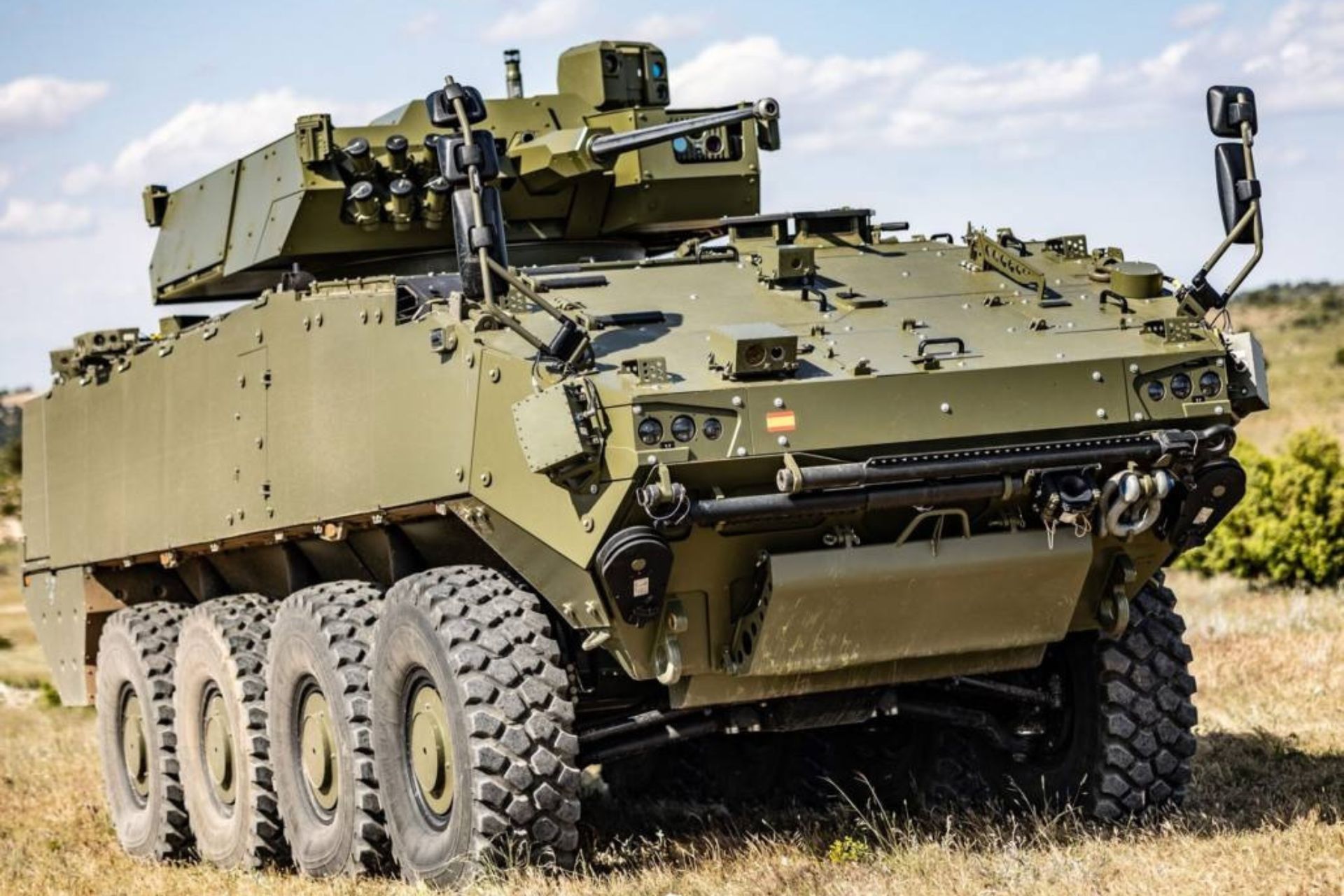
This contract marks a crucial step in preparing the Dragon for operational readiness, with the supply of 19,500 rounds of 30x173 mm ammunition in five different variants (Picture source: Tess Defense)
The VCR 8x8 Dragon is a family of wheeled armored vehicles designed for the Spanish Army to improve mobility, protection, and operational flexibility across a wide range of missions. Production began in the early 2020s, and the vehicle is being developed and manufactured by Tess Defence, a consortium composed of Santa Bárbara Sistemas, Indra, Sapa, and Escribano Mechanical & Engineering. The vehicle platform is equipped with advanced technologies and modular capabilities, allowing it to adapt to various combat scenarios, from peacekeeping operations to high-intensity conflicts.
The Dragon is equipped with advanced systems, including sensors and communication technologies, providing enhanced situational awareness. Its modular design allows for continuous upgrades, ensuring that it remains relevant in evolving combat environments. In terms of protection, the VCR 8x8 is designed to withstand modern threats, such as improvised explosive devices (IEDs) and ballistic attacks, making it a robust vehicle for counter-insurgency operations. The vehicle family includes six main variants: Infantry Fighting Vehicle (VCI), Cavalry Exploration Vehicle (VEC), Sapper Combat Vehicle (VCZ), Battalion Command Post Combat Vehicle (VCPC), Advanced Observer Combat Vehicle (VCOAV), and Recovery Vehicle (VREC).
The Dragon is armed with the Guardian 30 turret from Escribano, which is fitted with an MK44S 30 mm cannon capable of firing 30x173 mm rounds. It offers high mobility with an autonomy of over 48 hours, allowing it to operate effectively over long distances without additional logistical support. The vehicle’s versatility, combined with its protection and technological advances, makes it a key component of the Spanish Army's modernization efforts.
This contract marks a crucial step in preparing the Dragon for operational readiness, with the supply of 19,500 rounds of 30x173 mm ammunition in five different variants. These munitions are essential for the Dragon’s main weapon system, the MK44S cannon, and include armor-piercing projectiles and multipurpose incendiary rounds designed for specific operational scenarios, including underwater environments.
Deliveries are expected to be made under an agreement between Nammo Palencia and the Army's Logistic Support Command (MALE), with the contract extending through December 2025. This agreement represents a key milestone as Spain anticipates the first deliveries of the Dragon vehicles by the end of the year. However, the exact number of vehicles to be delivered in 2024 remains undisclosed. Tess Defence, the consortium responsible for producing the Dragon, will oversee the delivery process.
Read more: Spain Awards First Major Ammunition Contract for 8x8 Dragon VCR to Nammo Palencia
- Details
- Written by: Jérôme Brahy
- Category: 2024
- Hits: 3530
At MSPO 2024, the Finnish company NDR-Industries, also known as Northlight Defence and Rescue Industries, presented its latest product, the Havoc S-300 Gen3, a multipurpose unmanned ground vehicle (UGV) designed for a wide range of operational environments, from extreme cold to high heat. The company has gained attention in the global defense and rescue sectors for its work on hybrid unmanned ground and aerial vehicles that function effectively in war zones and areas affected by natural disasters.
Follow Army Recognition on Google News at this link
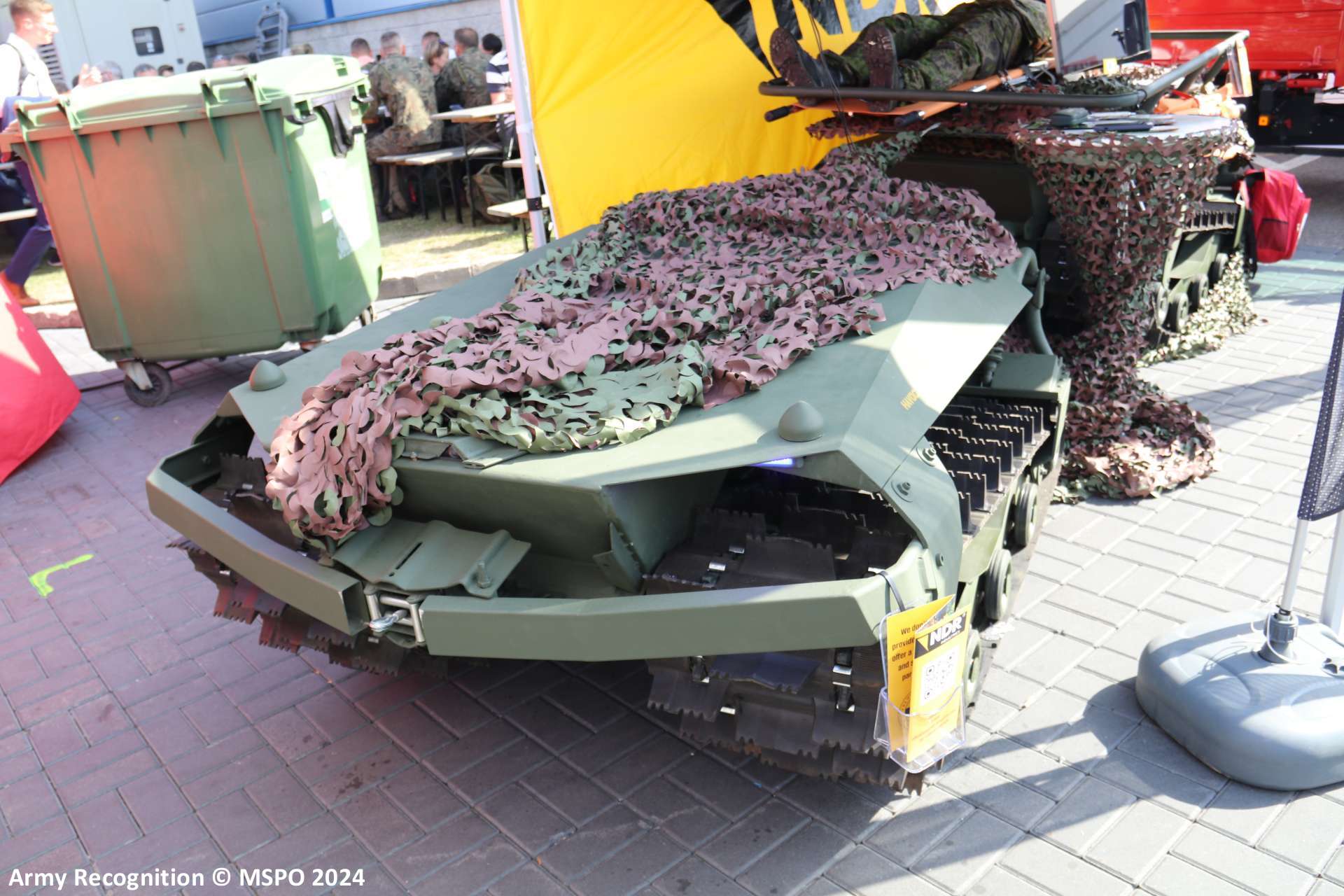
The Havoc S-300 Gen3 operates using a hybrid power unit that combines electric and diesel power, providing 4 to 16 hours of operation, depending on the mode of use. (Picture source: Army Recognition)
NDR-Industries emphasizes continuous development through information exchange and active participation in research and development. A key focus area for the company is hybrid and coreless power transition principles, specifically aimed at maintaining reliability and functionality in cold Arctic conditions and extreme weather. This approach involves exploring the use of renewable energy sources, integrating robotic technology, and applying precise quality control management to maintain consistent product standards. The company values close cooperation with its clients, who provide direct feedback on product functionality, helping to guide ongoing development.
The company's latest product, the Havoc S-300 Gen3, is a multipurpose UGV with a gross weight of 400 kg, a top speed of up to 80 km/h, and an adaptable ground clearance of 300-350 mm. The platform also features a track length of 1,730 mm, a height of 500 mm, and a width of 1,400 mm. It operates using a hybrid power unit that combines electric and diesel power, providing 4 to 16 hours of operation, depending on the mode of use. The design of the Havoc S-300 Gen3 focuses on delivering maneuverability and performance across various terrains and conditions.
A notable feature of the Havoc S-300 Gen3 is its compatibility with the Havoc trailer system, which enhances its power output and load capacity. When connected to the trailer, the vehicle's total power output can reach up to 900 horsepower, and its carrying capacity extends to 1.6 tons. The Havoc trailer system includes a 300-horsepower electric engine with its own battery pack and a built-in generator that charges the vehicle's batteries while in motion. This setup allows for up to 16 hours of operation before needing a recharge, providing extended range and functionality for transporting heavier loads.
The vehicle can also be equipped with CASEVAC (casualty evacuation) capsules, which can be installed on either the main vehicle or the trailer. These capsules are designed as independent units, featuring lighting, ventilation, and climate control systems adaptable to various weather conditions. They can be customized with ballistic-resistant materials up to a B-7 level and are engineered to minimize patient movement during transport, providing improved comfort and safety, especially in uneven terrain or situations where restricting movement is crucial.
The development of the Havoc S-300 Gen3 was influenced by specific requests from the defense sector. At a previous trade fair, a representative of a major defense manufacturer inquired whether NDR-Industries could create a vehicle capable of autonomously transporting severely wounded or deceased individuals from front-line positions without requiring additional personnel to enter dangerous zones. In response, NDR-Industries developed the Havoc S-300 Gen3, incorporating a stretcher system that allows a wounded person to be securely placed into a protective capsule, which offers protection against small arms fire during transport to medical personnel.
- Details
- Written by: Halna du Fretay
- Category: 2024
- Hits: 2215
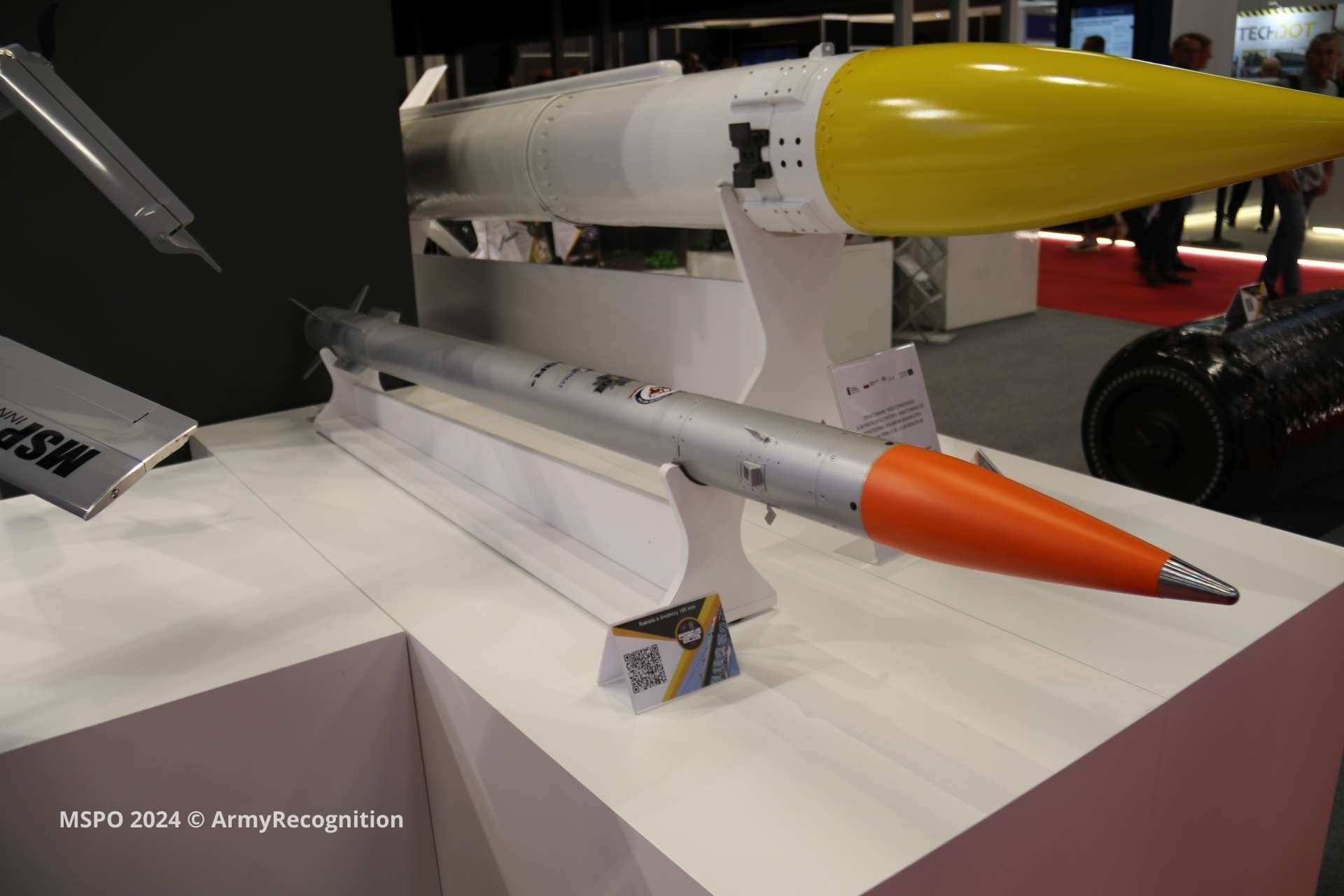
At MSPO 2024, the Wojskowy Instytut Techniczny Uzbrojenia (WITU), a key Polish defense research institute, presents the 105 mm diameter test rocket. This rocket is part of a broader initiative to advance crucial technologies for space missions. Serving as a testing platform for subsystems and algorithms, the rocket is a vital component in the development of a suborbital, three-stage rocket. The project's objective is to test and refine critical technologies to ensure the success of future space missions.
Follow Army Recognition on Google News at this link
This test rocket plays an essential role in refining technologies related to avionics, electronics, materials science, and software development (Picture source: ArmyRecognition)
The 105 mm rocket is made up of several key components, including a recovery head for post-flight retrieval, a propulsion engine, an electronics compartment with telemetry, inertial, and satellite navigation systems, and an onboard computer. Additionally, the rocket has an aerodynamic control system that provides stabilization and control during flight. Its design allows it to reach speeds of up to 650 m/s, ensuring high precision during maneuvers. The rocket is tested on a dedicated platform to evaluate system performance under various conditions, such as high G-forces and rapid maneuvers.
This test rocket plays an essential role in refining technologies related to avionics, electronics, materials science, and software development. The data gathered during these tests is crucial for validating ongoing research, simulations, and measurements, contributing to the development and scaling of future rocket systems. The project also involves multiple test flights, allowing for the refinement of procedures and the development of necessary ground infrastructure.
The project has received substantial support from the European Union, co-financed under the European Regional Development Fund and the Operational Program for Intelligent Development. It is being implemented as part of the Fast Track – Space Technologies competition, led by the National Centre for Research and Development.
Additionally, this rocket development is part of a larger scope of work from WITU, which includes research into rocket motors, propulsion systems, and guidance technologies. These advancements aim not only to boost Poland’s defense capabilities but also to position WITU as a leader in both civilian and military space applications. The successful tests of the rocket’s engine have already met key performance criteria, and the institution plans to extend the rocket’s potential for military use in the future
The manufacturer, WITU, plays a pivotal role in Poland’s military technology development. With the successful deployment of this test rocket, WITU is positioned to contribute significantly to future space missions and scalable missile systems. As defense technologies evolve, the proliferation of such advancements highlights the growing potential for both military and civilian applications in space exploration.
Read more: MSPO 2024: 105 mm Test Rocket Development to Strengthen Poland's Defense Capabilities
- Details
- Written by: Triffaux
- Category: 2024
- Hits: 3072
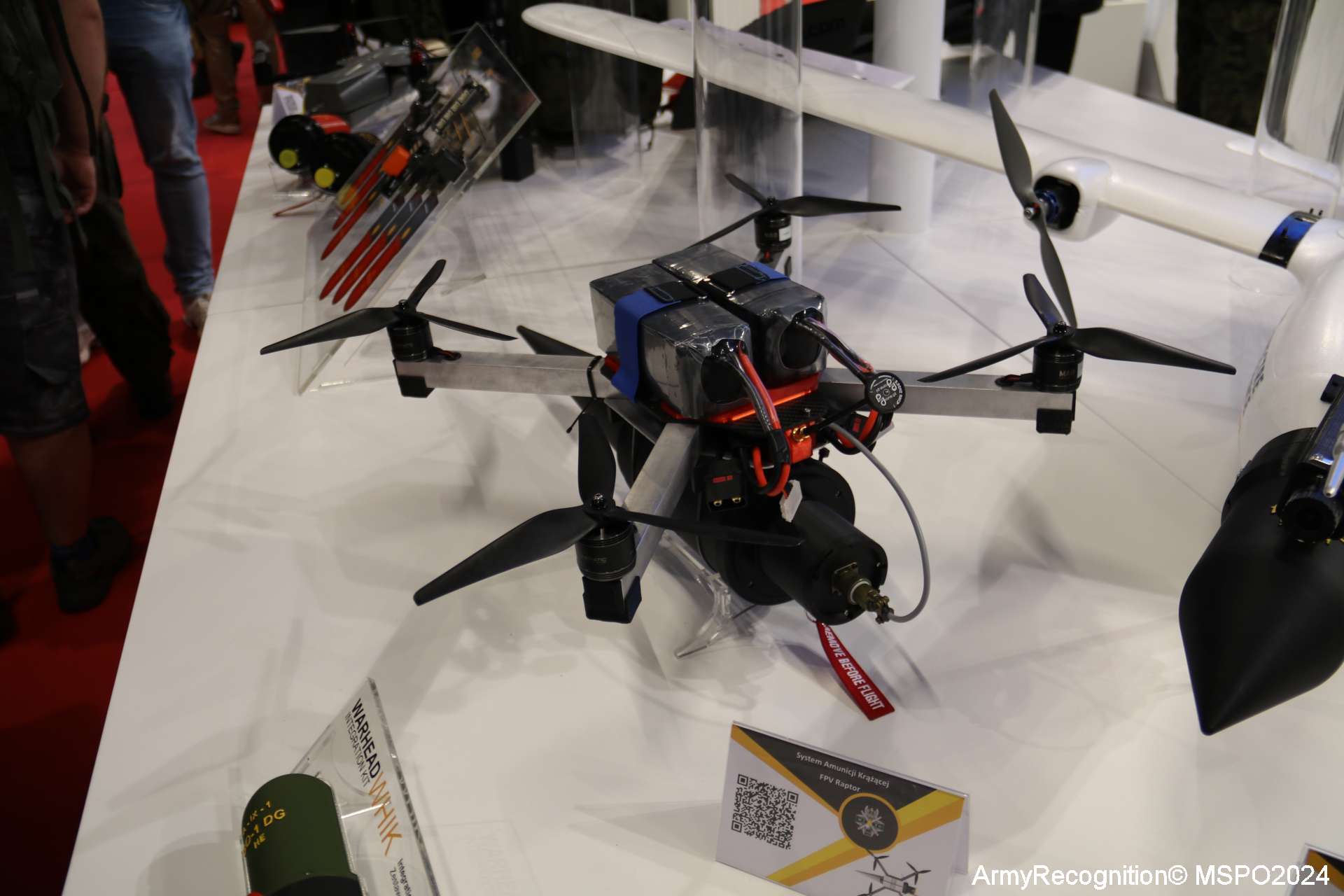
The FPV Raptor is a loitering munition system based on a vertical takeoff quadcopter platform, designed to carry combat payloads of up to 3.5 kg over a maximum distance of 20 km. Optimized for speed and production costs, the system utilizes an open infrastructure and components that can be replaced with civilian market solutions.
Follow Army Recognition on Google News at this link
Military Institute of Armament Technology (WITU) FPV Raptor Loitering Munition (Picture source: Army Recognition)
The FPV Raptor loitering munition showcased at MSPO 2024 was developed by WITU (Military Institute of Armament Technology). This system is designed for precision strikes and tactical support. The drone has dimensions of 635 x 635 x 87 mm, with a flight time of 20 minutes and a take-off weight of 7.4 kg. It can reach a maximum speed of 90 to 100 km/h and operate at altitudes up to 500 m. Its operational range is 20 km, and it can carry a maximum payload of 3.5 kg.
The FPV Raptor can be operated by a single soldier. It is equipped with a 1800TVL camera and uses configurable communications for telemetry in the 850-950 MHz range, along with digital video transmission in the 5.8 GHz band. This system stands out for its flexibility and low cost, leveraging civilian technologies adapted to military needs.
The Military Institute of Armament Technology (WITU) is a key research institute in Poland, dedicated to advancing defense technologies, including loitering munitions such as FPV drones. WITU's main objective is to modernize the Polish Armed Forces through scientific research, development, and testing of advanced weaponry. Their work in FPV loitering munitions focuses on integrating precision strike capabilities with enhanced autonomy for surveillance and combat missions. These systems aim to offer effective, cost-efficient solutions for modern warfare, leveraging high-tech technology in UAV armament and control systems.
WITU is actively engaged in developing solutions that integrate autonomous systems and AI to improve target acquisition and strike efficiency, particularly in FPV drones that allow real-time control and precision. These systems are critical in offering tactical advantages by reducing risks to soldiers while increasing operational efficiency. WITU's research aims to combine flexibility, affordability, and precision in these drones, making them suitable for both offensive and defensive missions. They are also focused on developing countermeasures to ensure that loitering munitions can operate in contested environments and resist enemy defenses.
Traditionally, loitering munitions have been fixed-wing UAVs due to their efficiency in gliding over long distances. However, quadcopters, with their vertical takeoff and landing capabilities, can also function as loitering munitions, especially in environments where flexibility, maneuverability, and vertical flight are more advantageous.
Quadcopters used as loitering munitions, like the FPV Raptor, combine the ability to hover, fly at lower speeds, and maintain a position over a target, which is useful for precision strikes. These systems often carry explosives and can loiter over an area for a period before being directed to strike a target. Although quadcopters typically have shorter ranges and flight times compared to fixed-wing loitering munitions, they excel in urban warfare, close support, and situations where agility and vertical flight are more important than long-range endurance.
Read more: Polish Military Institute of Technology Focuses on Low-Cost FPV Raptor Loitering Munition
- Details
- Written by: Vandenbosch
- Category: 2024
- Hits: 5862
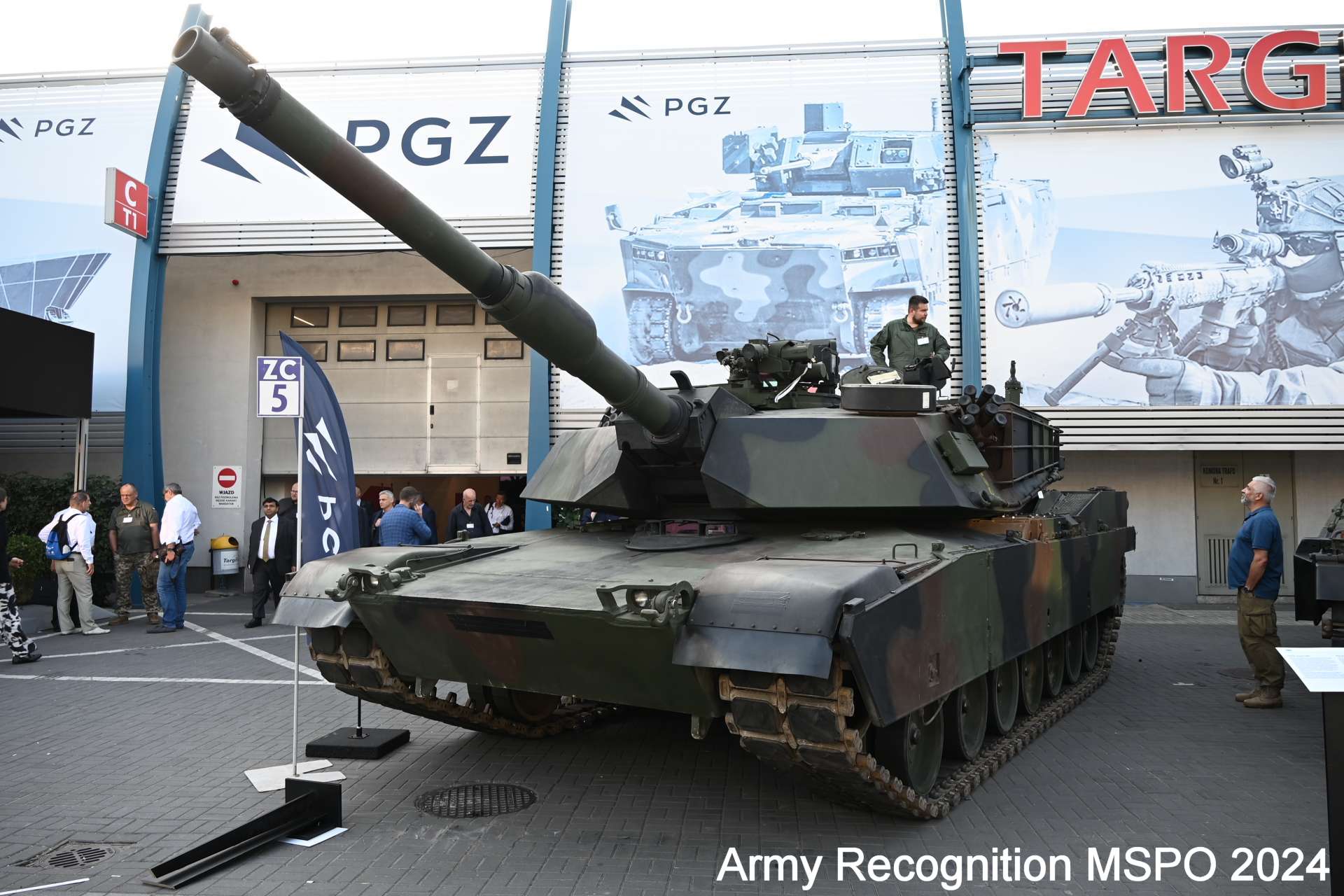
During the MSPO 2024 exhibition, the Abrams M1A1 Firepower Enhancement Package (FEP) attracted particular attention due to its strategic importance for the modernization of the Polish army. This iconic tank, originating from the U.S. arsenal, is being integrated into the Polish armed forces as part of an expanded cooperation with the United States.
Follow Army Recognition on Google News at this link
The M1A1 FEP represents an upgraded version of the Abrams tank. (Picture source: Army Recognition)
The acquisition of 116 M1A1 FEP tanks is part of a comprehensive $1.4 billion agreement signed between Poland and the U.S. government. This contract not only includes the delivery of the tanks but also extensive logistical and technical support, including recovery vehicles, mobile repair workshops, and training for Polish crews.
The M1A1 FEP represents an upgraded version of the Abrams tank, initially used by the U.S. Marine Corps. It stands out for its modernized targeting systems, including an integrated thermal camera, and enhanced armor protection, tailored to the specific needs of European theaters of operations. This model is equipped with the M256/L44 120mm smoothbore cannon, capable of firing high-precision ammunition. In terms of secondary armament, the M1A1 FEP is fitted with two 7.62mm machine guns and a 12.7mm heavy machine gun, making it a versatile and formidable combat platform on the modern battlefield.
One of the key aspects of this acquisition is the creation of an industrial partnership between General Dynamics Land Systems (GDLS) and Polska Grupa Zbrojeniowa (PGZ), which includes the establishment of a Regional Competence Center for Abrams tank maintenance in Poland. This center will not only serve to maintain Polish tanks but also units from the U.S. and NATO forces stationed in Europe. This initiative not only strengthens Poland's defense capabilities but also paves the way for future production and ongoing modernization of Abrams tanks in the region, thereby consolidating the technological and logistical independence of the Polish armed forces.
The importance of these tanks to the Polish army is undeniable, especially in a context where Soviet-designed tanks have been transferred to Ukraine. The M1A1 FEP, with its firepower and mobility, is designed to meet the demands of a modern battlefield, where rapid reaction and the ability to adapt to hostile environments are essential. In addition to the 116 M1A1 FEP tanks, Poland has also ordered 250 M1A2 SEPv3 tanks, the most advanced version of the Abrams, with deliveries expected between 2025 and 2026.
This acquisition marks a turning point for Poland, which seeks to strengthen its defense against potential threats from the East. Polish crews have already begun training with the assistance of the U.S. military, facilitating a quick transition to the use of this new equipment. Through this agreement, Poland positions itself as a key player in land defense within NATO, capable of projecting power through a fleet of state-of-the-art battle tanks.
The presentation of the Abrams M1A1 FEP at MSPO 2024 illustrates Poland’s commitment to modernizing its military arsenal and strengthening its defensive capabilities in close cooperation with the United States. These tanks will provide the Polish army with a decisive advantage on the battlefield, supported by a solid logistical infrastructure and a promising industrial partnership for the future of tank production in Europe.
Read more: Modernization of Polish Army Continues with Presentation of Abrams M1A1 FEP Tank
- Details
- Written by: Halna du Fretay
- Category: 2024
- Hits: 5342
The Swiss Federal Office for Defence Procurement (Armasuisse) has completed the practical testing phase of three shortlisted artillery systems as part of its evaluation for replacing current systems. These tests, conducted between January 2023 and June 2024, were carried out in collaboration with the defense industry and the Swiss Armed Forces, both in Switzerland and abroad. The goal was to verify whether the systems meet Switzerland's military requirements for a new artillery platform. The results will be analyzed in the coming months and compiled into an evaluation report that will inform the final decision on which system to acquire.
Follow Army Recognition on Google News at this link
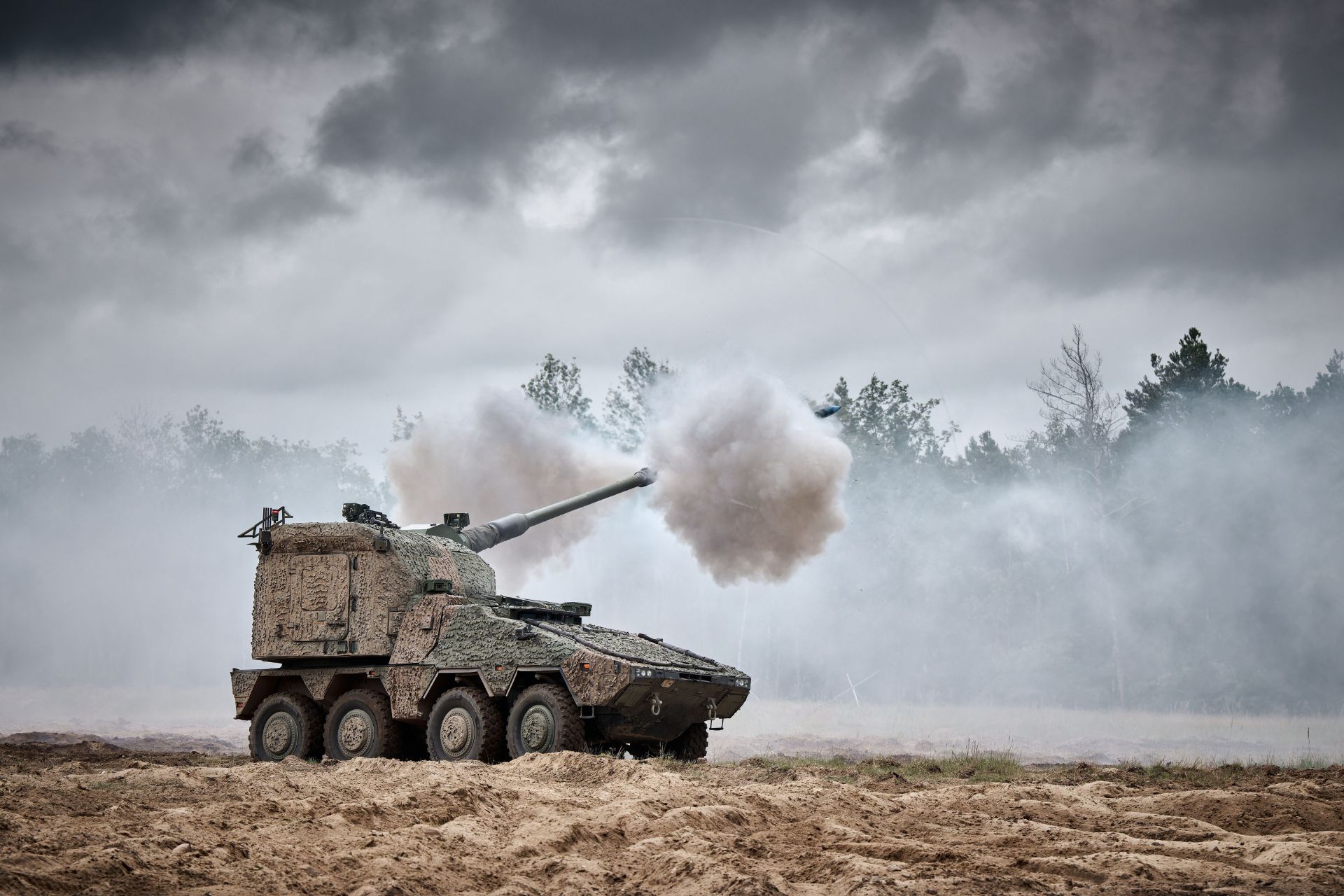
The three systems evaluated include the Archer self-propelled howitzer from BAE Systems Bofors in Sweden, mounted on a Rheinmetall HX truck platform, and two systems from KNDS Germany: the RCH 155 with a Boxer carrier platform and the AGM Artillery Gun Module mounted on a Piranha carrier platform (Picture source: Armasuisse)
The three systems evaluated include the Archer self-propelled howitzer from BAE Systems Bofors in Sweden, mounted on a Rheinmetall HX truck platform, and two systems from KNDS Germany: the RCH 155 with a Boxer carrier platform and the AGM Artillery Gun Module mounted on a Piranha carrier platform. These systems were selected after a preliminary evaluation, and the tests aimed to verify whether they meet the technical and operational goals of the project, particularly in terms of range, precision, and mobility. These capabilities are essential for ensuring that the Swiss Armed Forces maintain their indirect fire capability at medium operational distances.
The Archer self-propelled howitzer, produced by BAE Systems Bofors in Sweden, is mounted on a Rheinmetall HX truck platform. First entering service in the early 2010s, the Archer is designed for high mobility and rapid fire capabilities, with a 155mm cannon capable of firing shells up to 50 km using extended-range ammunition. It can fire up to eight rounds per minute and reposition quickly after each salvo. The Archer is primarily used by the Swedish Armed Forces, with additional systems ordered by Norway.
The RCH 155, produced by KNDS (Krauss-Maffei Wegmann and Nexter) in Germany, is mounted on the Boxer armored transport platform. It is designed to offer high mobility combined with substantial firepower, featuring a 155mm cannon capable of precise long-range firing, reaching up to 40 km. The Boxer platform’s modularity allows it to adapt to various combat environments, and its advanced armor provides protection against ballistic threats and explosions. Germany and the Netherlands already use the Boxer platform for other roles, and the RCH 155 is under evaluation to expand its user base.
The AGM Artillery Gun Module, also developed by KNDS, is mounted on a Piranha transport platform from General Dynamics. It is designed to provide 155mm firepower from a lighter and more mobile platform, distinguished by its ability to be integrated onto multiple carrier vehicles. With a range similar to other modern systems, it combines precision and rapid firing capability. The AGM is particularly appealing to countries looking to modernize their artillery with modular, lightweight systems. It is currently undergoing testing for potential adoption by European armed forces.
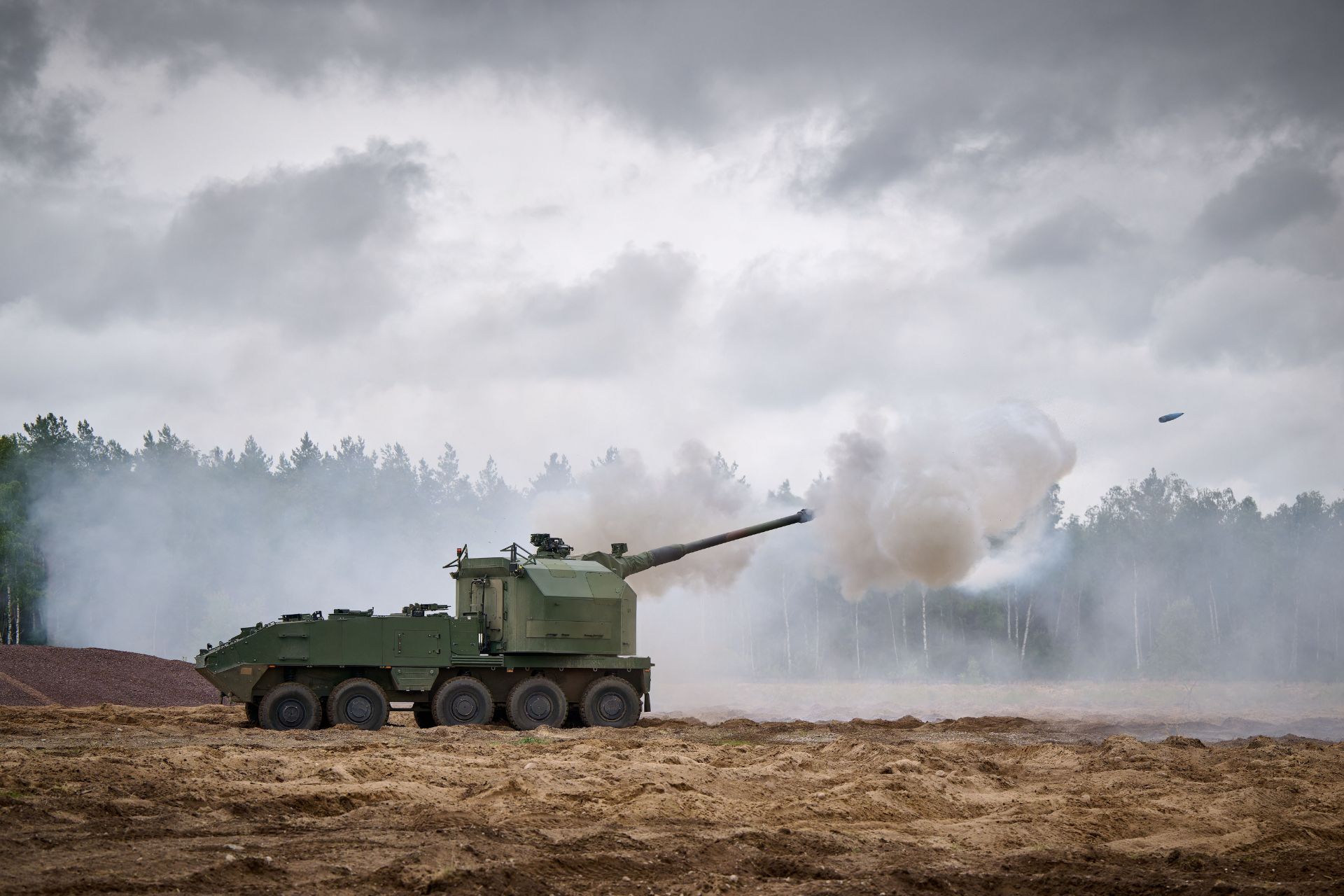
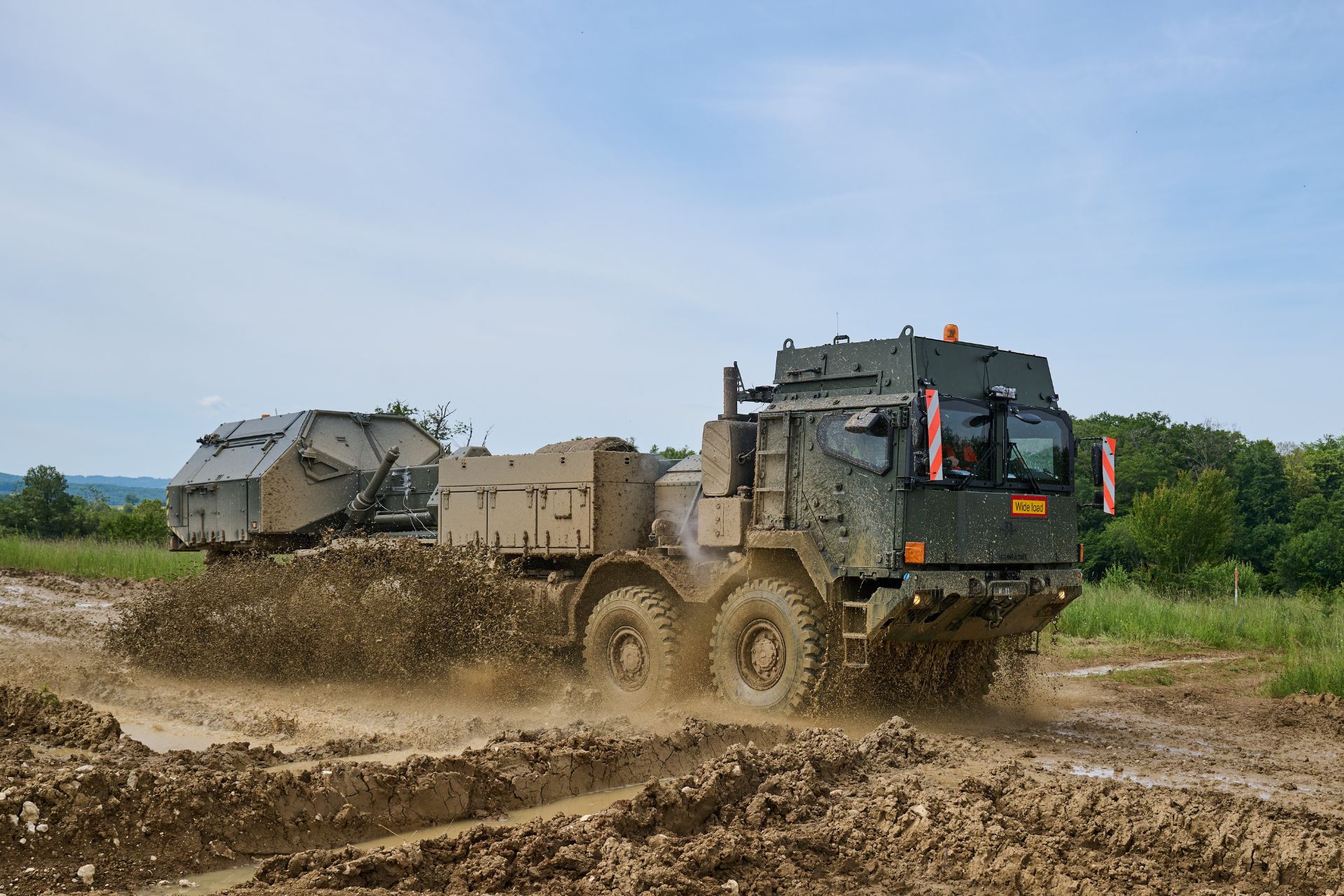
The evaluations included logistical tests, technical firing trials, mobility assessments, and troop trials with each prototype (Picture source: Armasuisse)
The evaluations included logistical tests, technical firing trials, mobility assessments, and troop trials with each prototype. The focus was on assessing the systems' ability to meet the Swiss Army's operational goals, including their adaptability to a militia-based army, and verifying the performance promised by the manufacturers. In parallel with the practical tests, official requests for offers have been submitted, covering contractual aspects, business terms, and life cycle costs. These offers, combined with the evaluation report, will form the basis for selecting the final system. Armasuisse plans to request procurement in one of the upcoming Armed Forces Dispatches.
The self-propelled howitzers currently in use in Switzerland, the M109s, date back to the 1960s and will soon reach the end of their operational life. The Artillery Weapons Platform and Weapons 2026 (Art WPWM 26) project aims to replace these aging systems with a modern artillery platform that ensures increased range, precision, and mobility. The goal is to maintain and develop the Swiss Armed Forces' ability to conduct indirect fire at medium operational distances, a key capability in the country's defense strategy for the coming years.
Read more: Archer, RCH 155, and AGM: Switzerland Prepares Future of Its Artillery
- Details
- Written by: Halna du Fretay
- Category: 2024
- Hits: 6515
At the 32nd edition of the International Defence Industry Exhibition (MSPO) in Kielce, Poland made a significant step in modernizing its military capabilities by signing a major agreement with General Dynamics Land Systems (GDLS). This partnership aims to enhance industrial cooperation surrounding the M1 Abrams tanks, which are gradually being integrated into the Polish Armed Forces. This agreement is part of a broader defense strategy, with plans to establish a Regional Competence Center for Abrams tanks in Poland. Follow Army Recognition on Google News at this link
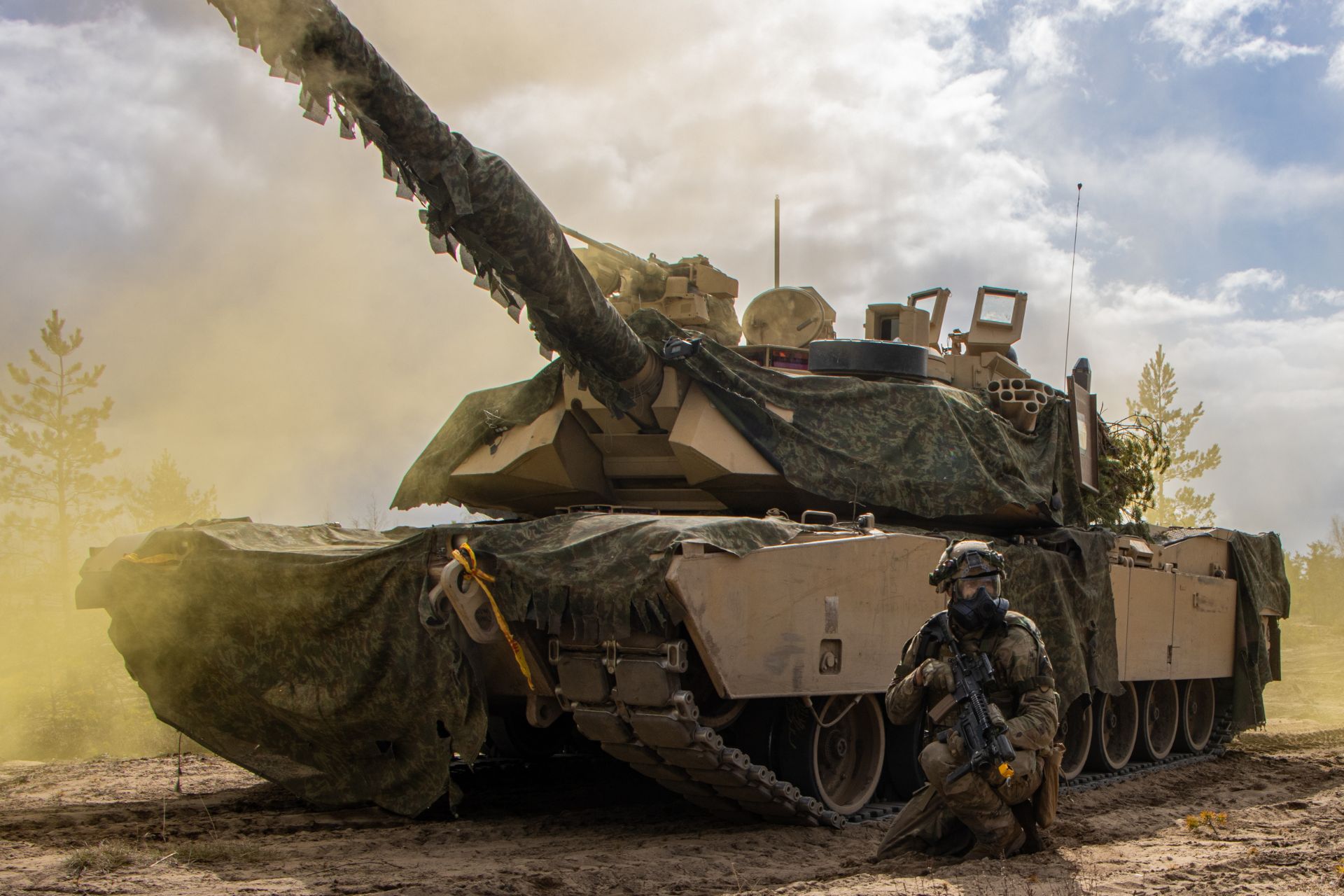
This partnership aims to enhance industrial cooperation surrounding the M1 Abrams tanks, which are gradually being integrated into the Polish Armed Forces. (Picture source: US DoD)
This center will enable comprehensive maintenance of these tanks for Polish, U.S., and NATO forces. In addition to technical support, the agreement also opens the door to potential joint production of M1 Abrams tanks in Poland, in collaboration with Polska Grupa Zbrojeniowa (PGZ).
The agreement goes beyond maintenance and logistics support, aiming to establish a broader cooperation framework, particularly regarding the full lifecycle of Abrams tanks, including spare parts management and maintenance of accompanying vehicles.
By developing these local competencies, Poland not only enhances its ability to maintain its own military vehicles but also positions itself as a key player in supporting NATO forces that operate Abrams tanks. In parallel, this cooperation could also pave the way for the joint production of these tanks on Polish soil, thus strengthening Poland's industrial capacity while integrating into international defense supply chains.
Currently, Poland has a diverse tank arsenal. Among the main models are the Leopard 2, a German battle tank. Poland owns two variants: the Leopard 2A4, acquired in the 2000s, and the more modern Leopard 2A5. Poland is currently working to modernize these tanks to the Leopard 2PL standard, with upgrades to armor and electronic systems.
In addition to the Leopards, the Polish forces also operate the PT-91 Twardy, a tank based on the Soviet T-72. Although older, the PT-91 has been upgraded with modern electronics and reinforced armor, making it a key component of Poland's armored fleet. The country also retains T-72 tanks inherited from the Warsaw Pact era, some of which have been modernized to meet current needs.
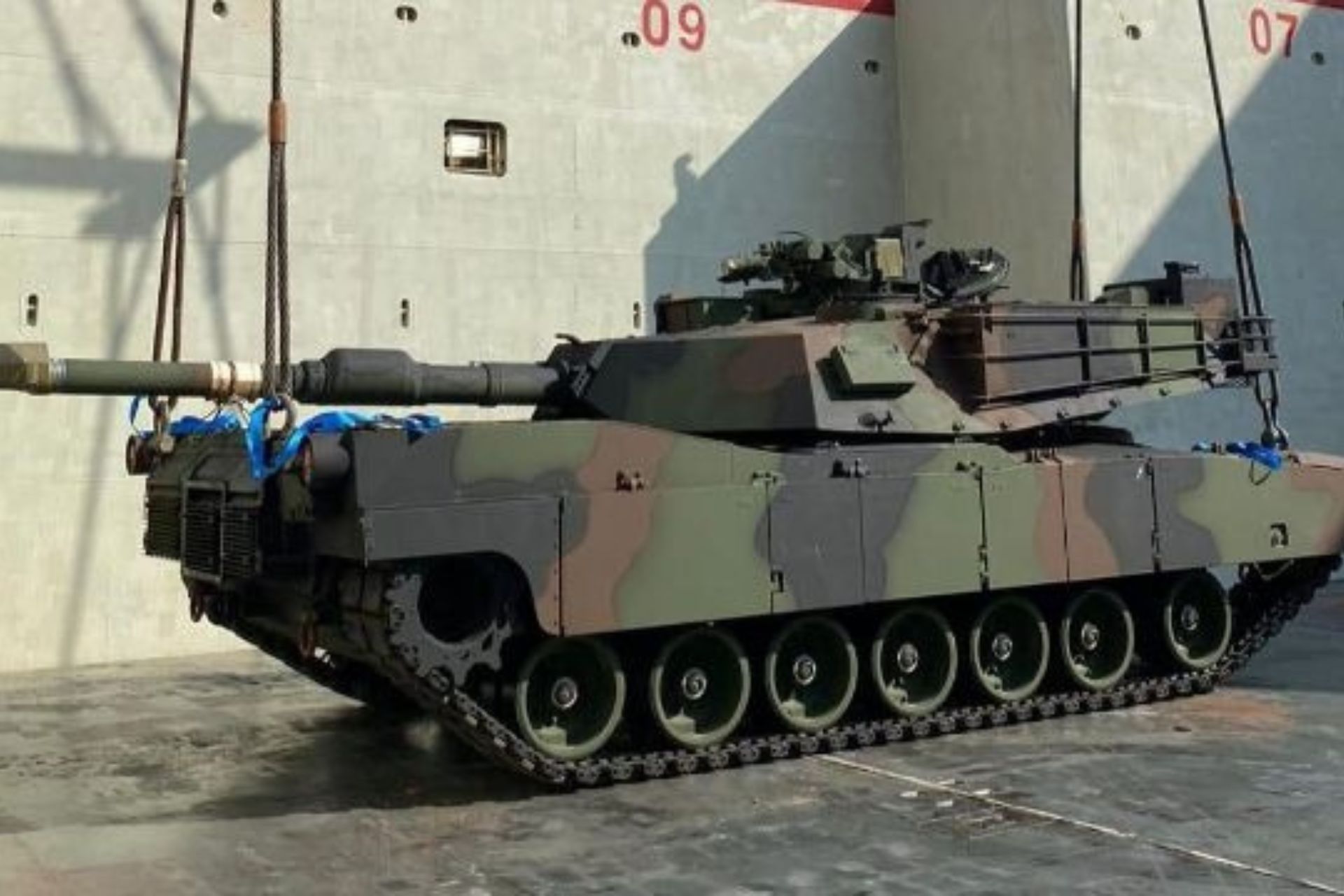
The last 47 M1A1 Abrams MBTs for the Polish Army arrived in Poland on 26 June 2024(Picture source: Polish Armament Agency)
In 2022, Poland took another step in modernizing its military by signing a contract to acquire M1A2 Abrams SEPv3 tanks, one of the most advanced versions of the well-known American battle tank. The M1A2 SEPv3 is equipped with a 120mm M256 smoothbore gun, capable of firing armor-piercing and explosive anti-tank rounds, along with a 12.7mm heavy machine gun and a 7.62mm coaxial machine gun.
This model features composite armor reinforced with depleted uranium plates and active protection systems against anti-tank missiles. Its 1,500-horsepower gas turbine engine allows the tank to reach speeds of up to 68 km/h with a range of 426 km. In terms of technology, the tank includes advanced combat management systems, modernized communication tools, and embedded diagnostics that facilitate maintenance. With these capabilities, the M1A2 SEPv3 significantly enhances the firepower and mobility of the Polish army while ensuring better protection for the crew.
The final batch of 47 M1A1 Abrams tanks, destined for the Polish forces, was delivered on June 26, 2024, marking the end of deliveries for this model. These tanks are part of a contract signed in 2022, which also included the delivery of support vehicles, ammunition, training, and logistical support. In parallel, the M1A2 SEPv3 tanks are now ready to be shipped to Poland following the completion of a contract in April 2022 for the purchase of 250 units of this model. The program also includes the training of Polish crews at the Abrams Academy, further strengthening defense cooperation between Poland and the United States.
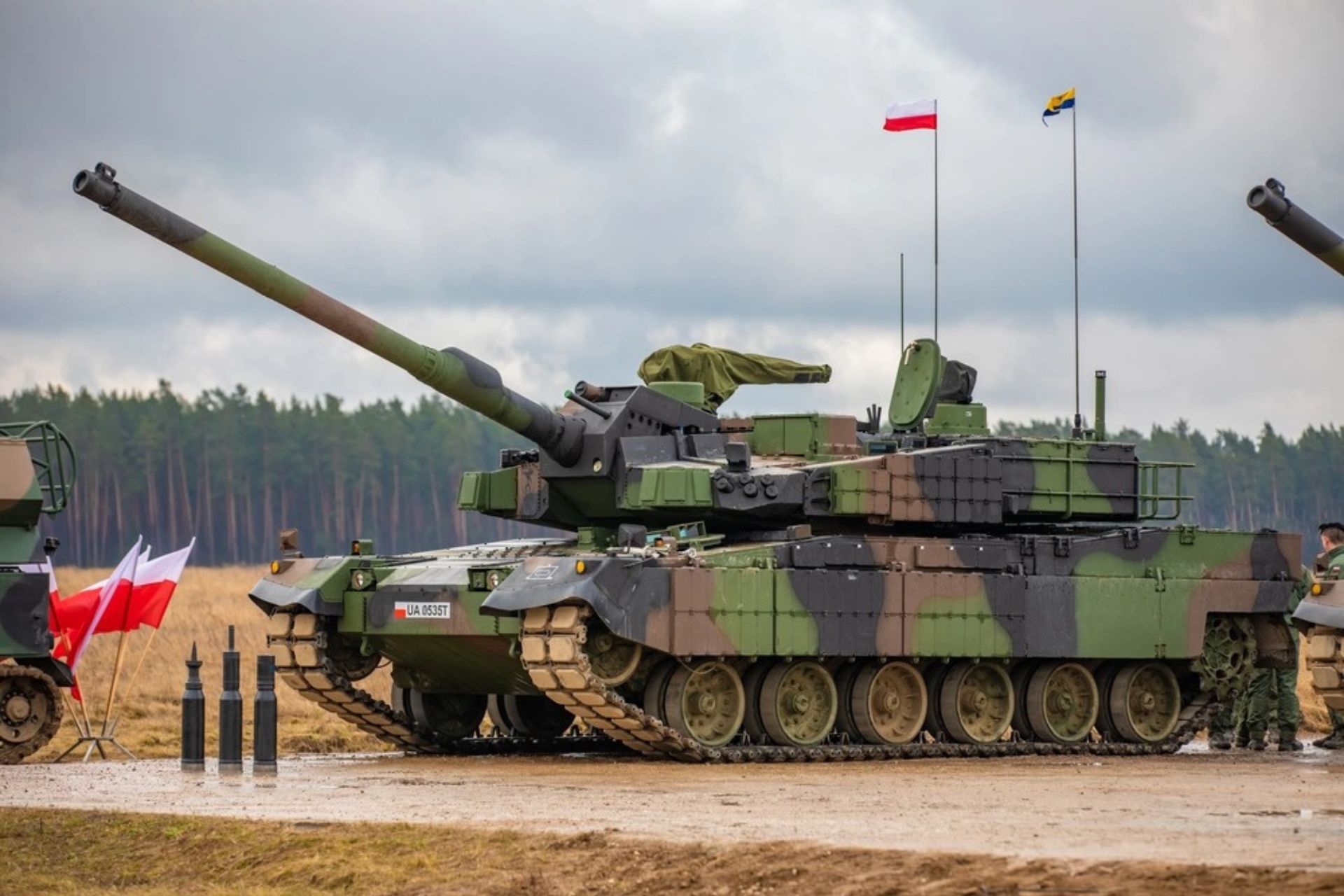
K2 Black Panther tank from the Ground Forces of Poland (Picture source: Polish Army)
In addition to its collaboration with the U.S., Poland also signed a major agreement in 2022 with South Korea for the acquisition of K2 Black Panther tanks. This model, developed by Hyundai Rotem, is known for its advanced combat capabilities. It is equipped with a 120mm gun, machine guns, and modern composite armor, along with an active protection system against anti-tank threats.
Thanks to its 1,500-horsepower diesel engine, the K2 can reach a top speed of 70 km/h with a range of 450 km. This partnership with South Korea also includes the local production of some tanks, under the K2PL variant, tailored to meet the specific needs of the Polish army. In June 2024, Polish Deputy Prime Minister Kosiniak-Kamysz and South Korean Defense Minister Shin Won-sik discussed the progress of this program, further solidifying defense ties between the two countries.
Poland plans to produce 180 K2 tanks on its territory, in line with the agreement signed with South Korea. This strategic commitment bolsters Poland’s industrial autonomy while strengthening its defense capabilities. This partnership also extends to the delivery of 212 K9A1 self-propelled howitzers, along with ammunition, training, and logistical support. The first deliveries of K2 tanks and K9 howitzers are scheduled for late 2024, with Polish soldiers set to begin training in South Korea as early as October of this year.
These multiple agreements clearly demonstrate Poland's intent to diversify its arms imports and develop partnerships with various countries, notably the U.S. and South Korea. Through these collaborations, Poland is not merely acquiring cutting-edge equipment but also engaging in local production, further strengthening its defense industry. In conclusion, these strategic initiatives allow Poland to enhance its military capabilities while affirming its role within NATO. The signed partnerships, whether with GDLS for the Abrams tanks or Hyundai Rotem for the K2 tanks, highlight Poland's determination to become a key player in the defense sector, relying on a robust industrial infrastructure and strengthening its international alliances.

- Details
- Written by: Halna du Fretay
- Category: 2024
- Hits: 2237
On September 4, 2024, Patria, a key player in the defense industry, announced its acquisition of an open-source data collection product and a related business from cybersecurity company WithSecure. This strategic initiative aims to enhance Patria’s capabilities in the cyber domain and is expected to support the company’s continued expansion in cybersecurity.
Follow Army Recognition on Google News at this link
The newly acquired product will be integrated into Patria’s existing portfolio, which already includes advanced tools such as the Patria CRAWLR system, a platform dedicated to the collection and analysis of open-source data (Picture source: Patria)
The financial terms of the deal were not disclosed, but it was confirmed that ten experts from WithSecure currently involved in this business area will join Patria’s team. As part of this acquisition, Patria plans to open a new office in Oulu, a city known for its expertise in the defense industry. This move will bolster Patria’s workforce and further develop its presence in the region.
The newly acquired product will be integrated into Patria’s existing portfolio, which already includes advanced tools such as the Patria CRAWLR system, a platform dedicated to the collection and analysis of open-source data. The company views this acquisition as a critical step toward strengthening its offerings to security-critical customers, particularly in developing reliable intelligence, surveillance, and command systems. Jussi Järvinen, Executive Vice President of Patria Finland, emphasized that the company’s growth strategy involves significant investment in product and cybersecurity service development, aimed at ensuring operational reliability and information security under all conditions.
Oulu, where Patria’s new office will be located, plays a crucial role in Finland’s defense industry landscape. Järvinen highlighted that the city offers a concentration of expertise in this sector and presents opportunities to expand Patria’s talent pool to meet both current and future needs. Patria is already familiar with the region through its subsidiary Senop, which has been operating there for some time.
The business transfer is expected to be finalized by October 1, 2024. The deal has received approval from the Finnish Ministry of Employment and the Economy (TEM), and Patria assured that it would not affect any existing customer commitments, employment contracts, or other obligations related to this business area.
Cybersecurity has become a fundamental pillar in the defense industry as the command, communication, and intelligence systems of armed forces become increasingly digitalized and interconnected. With the rise of cyber threats, whether from state actors or criminal groups, protecting critical infrastructure and sensitive data is essential. Defense companies such as Raytheon and Thales have recently bolstered their cybersecurity capabilities by acquiring specialized firms in the field.
For instance, Raytheon’s acquisition of Websense led to the creation of Forcepoint, a company that integrates traditional defense solutions with cybersecurity to protect military networks and critical civilian infrastructure. Similarly, Thales, through its acquisition of Gemalto, strengthened its expertise in digital security, particularly in authentication and identity management.
These acquisitions allow defense companies to develop comprehensive solutions, not only to protect their own systems but also to provide cybersecurity services to governments and military organizations, thereby solidifying their position in a market where data security has become a strategic priority.
Read more: Patria Expands Cyber Portfolio by Acquiring WithSecure’s Open-Source Data Collection Unit
- Details
- Written by: Halna du Fretay
- Category: 2024
- Hits: 4042
On September 2, 2024, the U.S. Army signed an agreement with Saab, the Swedish defense manufacturer, for an indefinite delivery of AT4 anti-armor weapon systems under an IDIQ (indefinite delivery, indefinite quantity) contract. This contract, valued at an estimated $494 million over the next five years, is part of the XM919 Individual Assault Munition (IAM) program, which aims to replace the U.S. Army's current range of light launchers, also designated as ‘XM919,’ including the M72, M136, and M141 models.
Follow Army Recognition on Google News at this link
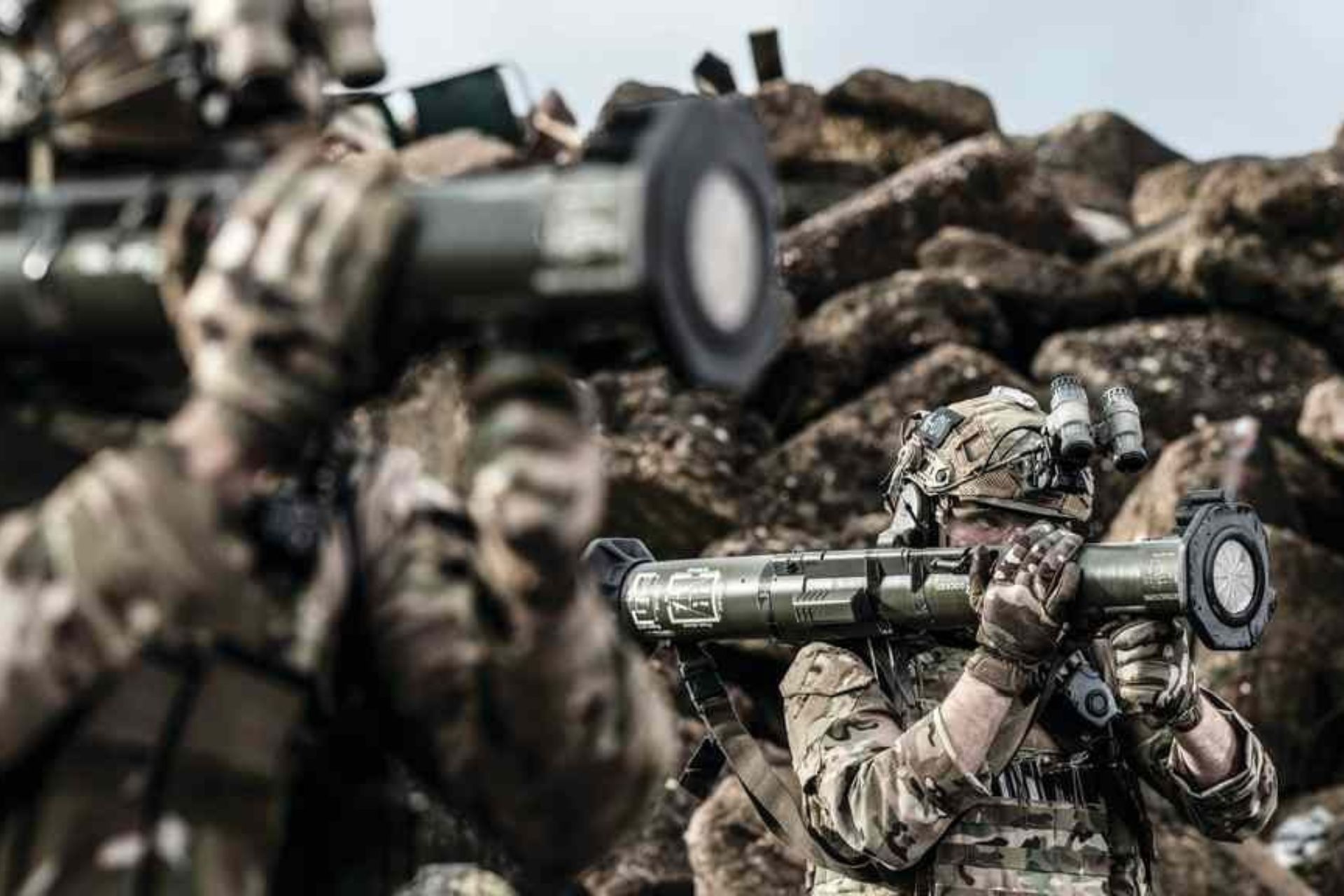
The AT4 system is used by U.S. forces to protect vital infrastructure, fixed defense points, and strategic depots (Picture source: Saab)
Saab's AT4 system, first used by the U.S. Army in 1985, is a lightweight, shoulder-launched anti-armor weapon with an 81-millimeter caliber. It is designed to give soldiers the ability to deliver direct fire against armored and protected targets. The model selected under this contract is the "Combined Space Tandem Warhead" (CS-TW), which offers a range of 200 kilometers, making it the version with the shortest range within the AT4 system family.
The U.S. Army's IAM program is focused on modernizing its capabilities while simplifying operations for its soldiers. Erik Smith, president and CEO of Saab in the U.S., highlighted that this new IAM solution “enhances capabilities, reduces combat burdens, and is specifically designed to meet the needs of U.S. customers.” Saab has taken a combat-proven system and optimized it further to meet modern requirements.
The AT4 system is used by U.S. forces to protect vital infrastructure, fixed defense points, and strategic depots. To date, Saab has delivered more than 700,000 AT4 systems to the U.S. armed forces. This system has also been adopted by numerous other countries, including Argentina, France, the United Kingdom, Sweden, Brazil, Denmark, Greece, and others. It is particularly valued for its ability to effectively neutralize lightly armored vehicles, fortified positions, and entrenched enemies.
As a shoulder-launched munition, the AT4 system increases the lethality and survivability of infantry units. It provides direct fire capability to neutralize enemy personnel in armored platforms or entrenched in bunkers, fortifications, caves, and masonry structures. Additionally, it allows for the suppression of enemy forces in lightly armored vehicles, making it a versatile and valuable tool on the modern battlefield.
The IAM program is crucial for the U.S. Army as it continues to adapt its forces to the changing realities of ground combat. The flexibility and effectiveness of the AT4 system make it an ideal response to the modern soldier's tactical needs, ensuring a smooth transition to more advanced technologies. The selection of the AT4 system underscores the U.S. Army's ongoing commitment to equipping its soldiers with the necessary tools to meet battlefield challenges while ensuring their safety and operational effectiveness.
Read more: US Army Selects Saab's AT4 Anti-Armor Weapons for Its IAM Program

- Details
- Written by: Halna du Fretay
- Category: 2024
- Hits: 3794
General Dynamics European Land Systems has announced the presentation of a new variant of its Pandur 6x6 Evo wheeled armored vehicle at the AirPower24 airshow, which will take place in Zeltweg, Styria, on September 6 and 7. This configuration combines a 30 mm Oerlikon cannon with Mistral surface-to-air missiles, demonstrating the versatility and modularity of this wheeled armored vehicle.
Follow Army Recognition on Google News at this link
A GDELS-Steyr Pandur PT24 armored fighting vehicle (AFV) equipped with the Skyranger 30 turret was photographed on 2 September 2024 (Picture source: GDELS)
The Pandur Evo equipped with the Skyranger 30 turret once again highlights the high modularity and multi-role capabilities of the Pandur concept. Used by the Austrian Armed Forces as a personnel carrier since 2018, the Pandur Evo fleet was expanded in February 2024 with an additional order of 225 vehicles in twelve different versions. In addition to the short-range air defense (SHORAD) system showcased in Zeltweg, other variants include the turreted mortar system recently exhibited at Eurosatory in Paris, as well as vehicles for medical evacuation, command and control, anti-tank, reconnaissance, electronic warfare, and engineering missions.
In this new mobile air defense version, the Pandur is equipped with the unmanned Skyranger 30 turret. Based on the proven Pandur platform, powered by a 455-horsepower engine, this turret is armed with a 30 mm x 173 revolver cannon capable of firing airburst ammunition, as well as launchers for two Mistral guided missiles.
A radar and an electro-optical sensor package, including TV and infrared cameras and a laser rangefinder, are integrated for surveillance and target tracking. The vehicle houses two control consoles for the weapon system and fire control computers. The Pandur SHORAD, with mobility equal to other Pandur variants, is particularly suited for protecting infantry convoys from both manned and unmanned aerial threats, contributing significantly to the Austrian Army’s “defend-the-defender” concept.
As the largest airshow in Europe and the biggest event of the year for the Austrian Armed Forces, AirPower24 provides an ideal setting for the presentation of this new variant. The organizers expect around 300,000 visitors and the participation of 200 civil and military aircraft from 20 countries. In addition to dynamic aerial displays, the program includes presentations of the Army’s land capabilities and an international exhibition of technologies and industries.
Read more: GDELS to Present Its Pandur Evo Variant with Skyranger 30 Turret in Austria
- Lithuania Speeds Up Deployment of Belgian FN MINIMI 7.62 MK3 Light Machine Guns to Face Russia
- South Korea to purchase 200 Polish-made Warmate loitering munitions for over $10 Million
- Aerial Dominance Redefined by ST-35 Silent Thunder and SR-1200 at MSPO 2024 in Poland
- Ukrainian Armored Technology partners with Türkiye to create Powerful Varta 2 4x4 Armored Personnel Carrier