
- Details
- Written by: V.Saint
- Category: 2024
- Hits: 3941










China has offered to provide additional military aid and training to African countries as it seeks to strengthen its security ties in the face of multiple challenges on the continent. President Xi Jinping made this offer—which includes 1 billion yuan ($140.5 million) in military aid and training for 6,000 soldiers and 1,000 police officers—during a speech marking the opening of the Forum on China-Africa Cooperation (FOCAC) summit on Thursday, September 5. Beijing will also invite 500 young military officers to China to participate in exercises and patrols with their African counterparts and assist in demining efforts, a major concern for some countries due to past and ongoing conflicts.
Follow Army Recognition on Google News at this link
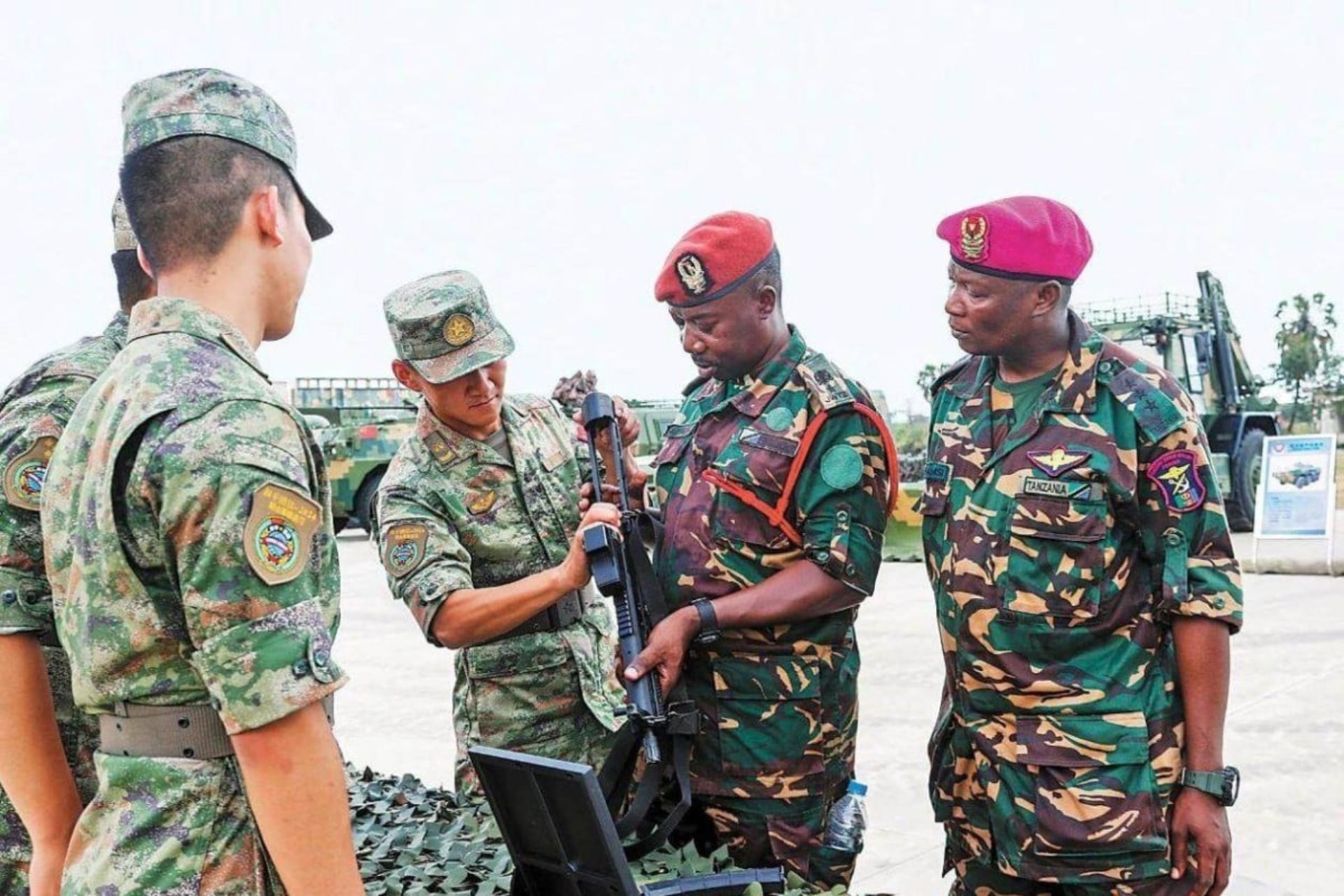
Soldiers of Chinese participating troops introduce their weapons and equipment to their Tanzanian counterparts.(Picture source: Chinese MoD)
Details of the package and the countries that will benefit have not yet been announced, but the commitment contained more specifics than the one made at a previous summit in 2021, which included an offer to participate in security projects and joint training exercises on counterterrorism and peacekeeping. However, unlike in 2021, Xi did not mention efforts to control the spread of small arms.
China has intensified its military engagement with African countries in recent years as it competes for influence with the United States. Last year, its military diplomacy ranked Africa second only to Southeast Asia in terms of the number of "high-level" meetings, according to the Asia Society Policy Institute think tank. In recent months, the People’s Liberation Army (PLA) has participated in a series of exercises with African countries, including an anti-terrorism exercise with Tanzania and Mozambique last month.
China also took part in a naval exercise with Russia and South Africa earlier this year, which drew particular scrutiny due to South Africa's role as a strategic partner of the United States. China has long been a major destination for African military training, including for hundreds of senior commanders trained in PLA institutions. It was also the largest supplier of arms to sub-Saharan Africa between 2019 and 2023, providing 19% of total arms imports and narrowly surpassing Russia, which had long held the top spot and accounted for 17% of imports during this period, according to the Stockholm International Peace Research Institute. In addition to small arms, China is a major supplier of equipment such as drones, tanks, and armored vehicles.
China's long-term focus on Africa means it does not view the continent solely as "a source of strategic resources," but it is also "trying to build political relationships and listen to the views and interests of African elites that were not a top priority for most Western countries." China's influence also has a security dimension, reflected in its military aid. Only now is the West seriously attempting to counter China’s influence by listening to Africa’s voice... The question is whether such efforts are too little, too late. China has provided some form of military aid to nearly every country on the continent as it seeks to strengthen ties and protect its economic interests.
At the end of August 2024, the PLA donated a new set of equipment—mainly howitzers and their accessories—to Benin, which has seen an increase in militant attacks as part of the broader Islamist insurgency across West Africa. Djibouti, in the Horn of Africa, is also home to China's first overseas naval base, and PLA warships regularly participate in anti-piracy patrols in the Gulf of Aden and waters off Somalia.
Military support to Africa could be part of Beijing’s use of the Belt and Road Initiative to gain greater control and presence in geostrategically important regions.
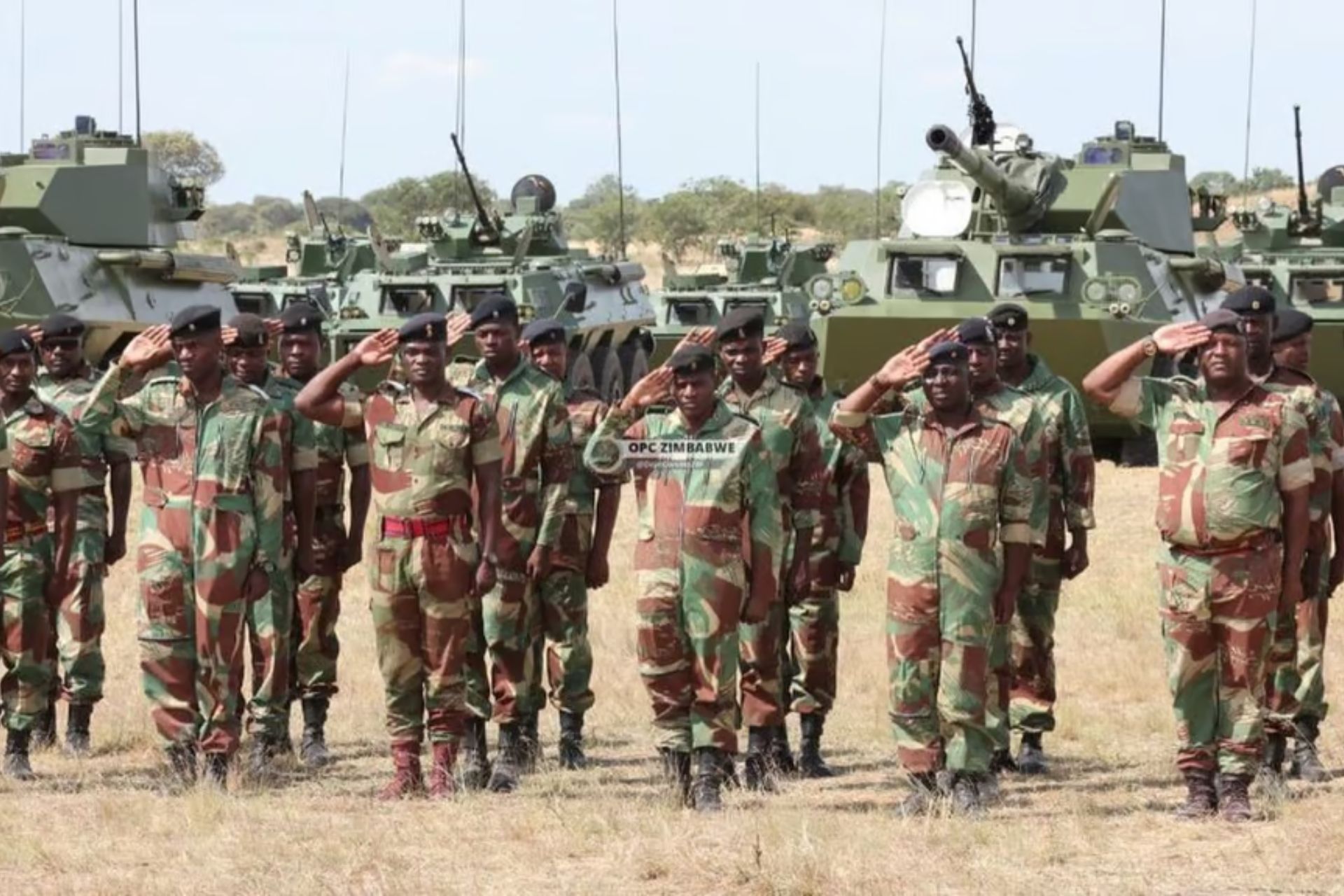
Zimbabwean troops pose in font of equipment supplied by China. ( Picture source: Zimbabwe’s Office of the President and Cabinet)
- Details
- Written by: Triffaux
- Category: 2024
- Hits: 4098
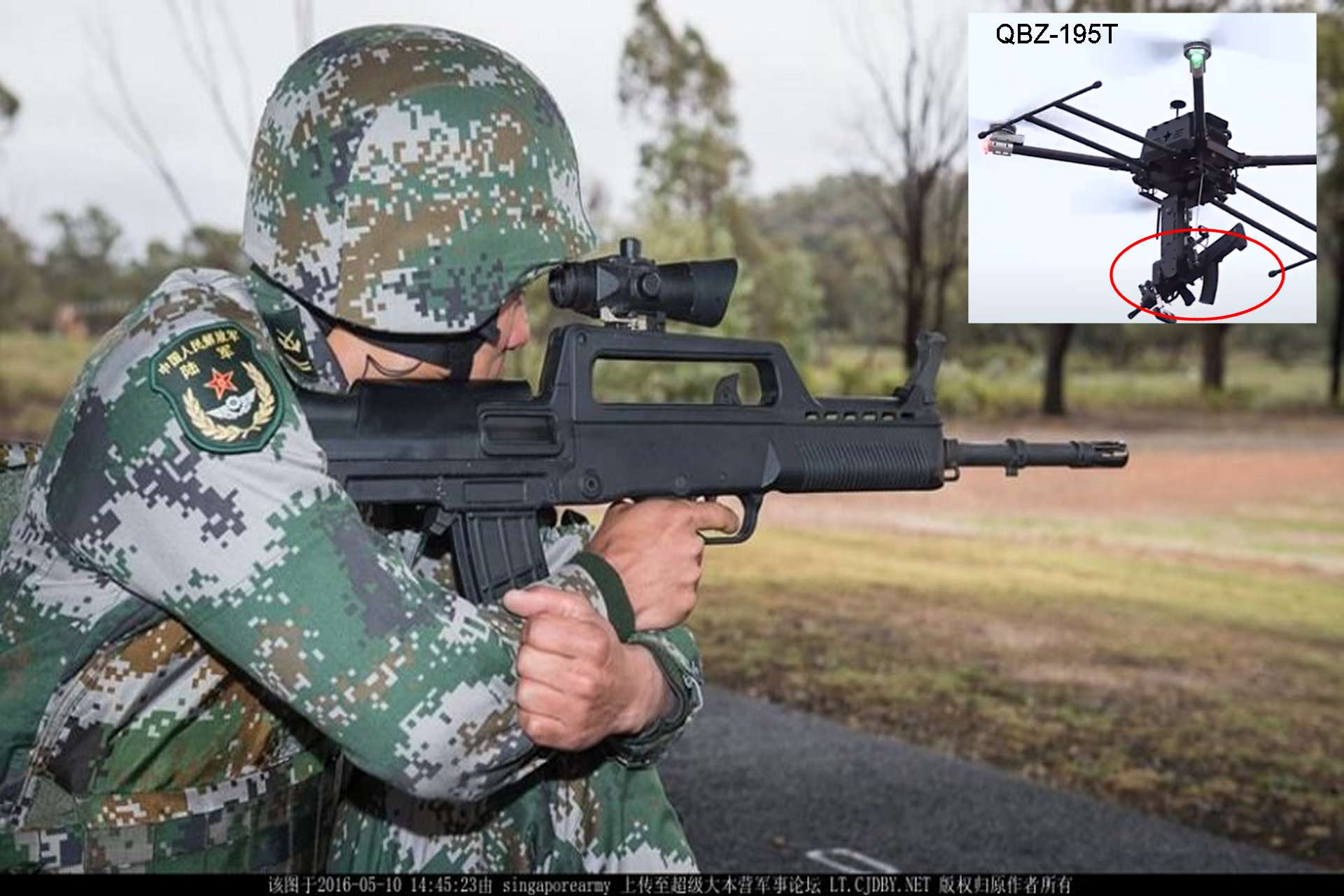
Recent reports on Chinese social media have unveiled an innovative use of FPV (first-person view) drones equipped with QBZ-95 assault rifles by the Chinese military. These drones are being used for targeted shooting, a tactic seemingly inspired by similar strategies seen in the conflict in Ukraine, where such drones were employed against enemy positions and armored vehicles.
Follow Army Recognition on Google News at this link
PLA soldier firing a NORINCO QBZ-95-1 assault rifle (Picture source: Yuki La)
This adaptation of FPV drones for combat represents an evolution in drone battlefield use, offering the ability to engage enemies from a distance while minimizing risks to operational forces. This significant advancement in modern military strategies combines drone technology with traditional armaments to enhance operational effectiveness.
The use of such systems is not yet widespread but is gaining popularity, especially in contexts where tactical surprise and reducing risks to combatants are priorities. Examples from Ukraine and now China suggest that this technology could become standard in future military doctrines worldwide.
The QBZ-95, part of the QBZ series developed by China's NORINCO, is chambered in the 5.8 mm DBP87 caliber, a standard unique to China, differing from the 5.56x45 mm NATO caliber used in many countries, including Thailand. This rifle model is designed for robust performance and is widely used by the Chinese armed forces due to its reliability and manageability.
The QBZ-95 is known for its bullpup design, which offers better maneuverability without compromising the barrel length essential for long-distance accuracy. The rifle features a fixed stock, fire selectors accessible from both sides, and a redesigned polymer magazine. These features aim to enhance operational efficiency for users in various combat scenarios, focusing on ease of use and rapid adaptability to changing field conditions.
Currently, teams from Uzbekistan, Belarus and Egypt have learnt to operate the QBZ-95 assault rifles together with the Russians. The NORINCO QBZ-95-1 assault rifle is a standard weapon of the Chinese People’s Liberation Army (PLA). It fires 5.8x42 mm cartridges. The QBZ-95-1 rifle will replace the Type-56 assault rifles (a modernized replica of the Kalashnikov AK/AKM assault rifle) in all arms and services of the Chinese People’s Liberation Army.
Read more: China Adopts FPV Drones Armed with QBZ-95 Assault Rifles
- Details
- Written by: Vandenbosch
- Category: 2024
- Hits: 2838
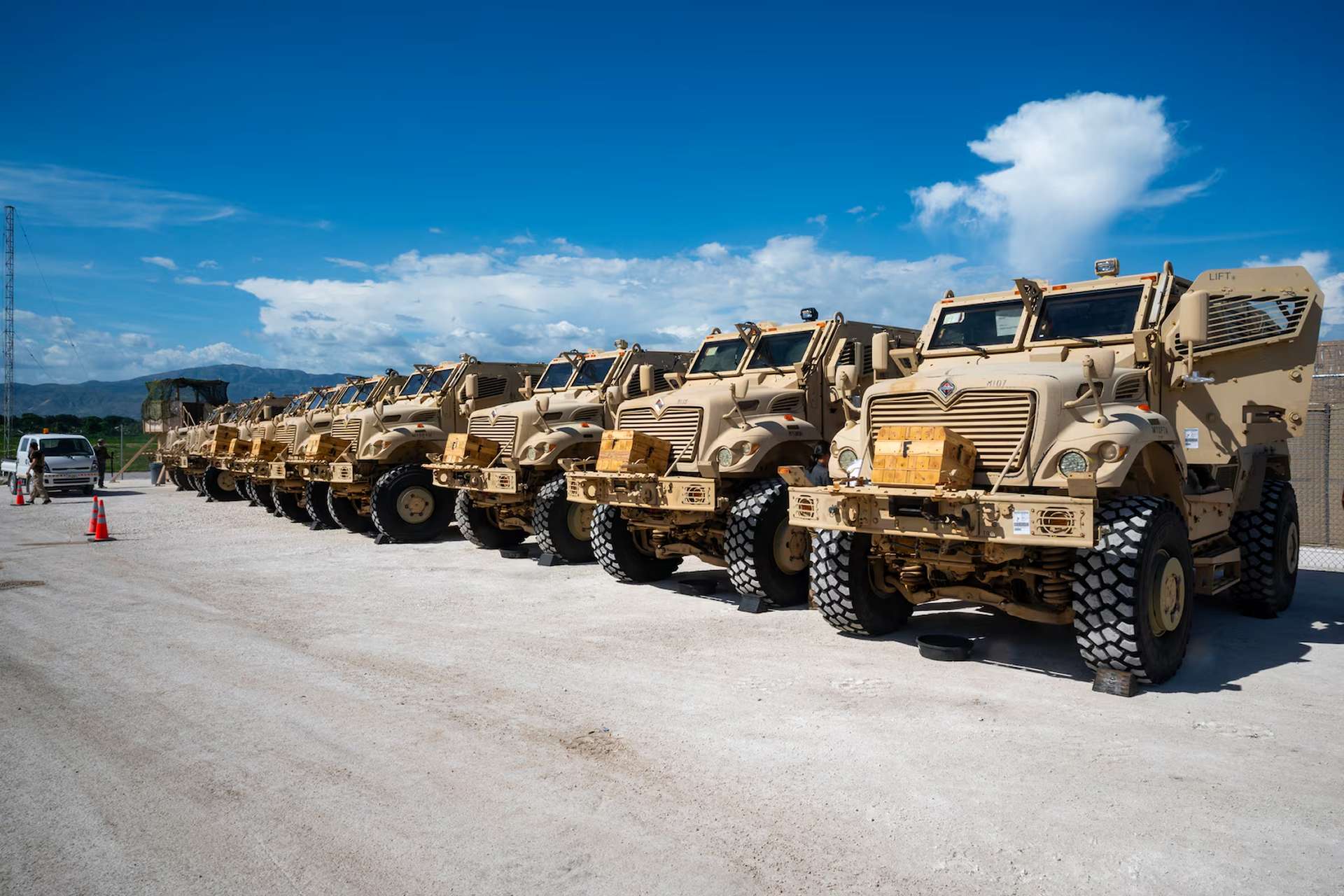
The deployment of nearly 20 armored military vehicles from the United States, specifically MaxxPro MRAPs, is expected to significantly enhance the ongoing efforts of the Multinational Security Support Mission (MSS) to combat heavily armed gangs in Haiti. These gangs have terrorized the capital, Port-au-Prince, for the past three years. Commander Godfrey Otunge, head of the Kenyan-led security force in Haiti, recently pledged that his contingent will remain determined in its mission until the violent gangs are either neutralized or driven out.
Follow Army Recognition on Google News at this link
The MaxxPro is a US MRAP armored vehicle. (Picture source: US DoD)
Haitian Prime Minister Garry Conille had previously expressed frustration over the worsening security crisis, which was exacerbated by the assassination of President Jovenel Moïse in July 2021. Conille voiced concerns about the lack of significant progress since the Kenyan forces' arrival, urging the international community to provide additional financial and military support to restore order.
However, Commander Otunge reassured Haitians, stating that the situation would soon improve. In a recent statement, he emphasized that the arrival of the armored vehicles would shift the balance of power. Some of these vehicles have already been used in operations targeting three gang-controlled slums: Delmas, Bel-Air, and Solino. Otunge confirmed that the new equipment would allow the security forces to better confront the gangs.
"Our commitment to decisively address the gang problem in Haiti has just begun," Otunge said. "Clearing operations are currently underway in Delmas, Bel-Air, Solino, and surrounding areas, with the aim of restoring normalcy. We thank the U.S. government for responding to our call for more equipment, which has enabled us to carry out sustained joint operations with the Haitian National Police (HNP). We must acknowledge that this process is long and requires collective efforts."
Otunge further detailed the MSS's strategy, noting that operations will continue on land, at sea, and in the air. "Our pacification efforts will be thorough, with street-to-street and house-to-house operations leaving no room for the gangs to continue their activities. We urge the gangs to lay down their arms and surrender to the authorities," Otunge warned.
The MaxxPro is an armored vehicle designed to offer exceptional protection against threats such as mines and improvised explosive devices (IEDs). Its armor is based on a V-shaped hull designed to deflect explosions from the ground, thereby increasing the safety of the crew in the event of an ambush or mine explosion. This design also provides effective protection against explosively formed penetrators (EFPs).
The vehicle can carry a crew of two along with four to six additional soldiers. While the base version is unarmed, it can be equipped with weapons such as a 7.62 mm or 12.7 mm machine gun mounted on the roof to enhance its offensive capabilities. In terms of dimensions, the MaxxPro measures 6.45 meters in length, 2.59 meters in width, and 3.04 meters in height, with a total weight of approximately 24 tons.
The MaxxPro comes equipped with a range of accessories to improve its performance in the field. It includes optional additional armor, NBC (nuclear, biological, chemical) protection, a hydraulic rear ramp for easier troop deployment, night vision equipment, and a front-mounted winch for recovery or obstacle situations. Additionally, it features a tire inflation system that allows for pressure adjustment based on the terrain.
In terms of performance, the MaxxPro can reach a maximum speed of 105 km/h on roads and has a range of 600 km, making it particularly suited for extended operations in conflict zones. The vehicle is primarily used by the U.S. military and was designed by BAE Systems, one of the world's largest defense companies.
In addition to tackling the security crisis, the interim Haitian administration is tasked with organizing general elections, scheduled for February 2026. However, Prime Minister Conille has warned that this timeline could be jeopardized unless the security situation improves significantly.
Read more: Arrival of US MaxxPro MRAP Armored Vehicles Boosts Anti-Gang Efforts in Haiti
- Details
- Written by: Halna du Fretay
- Category: 2024
- Hits: 3925
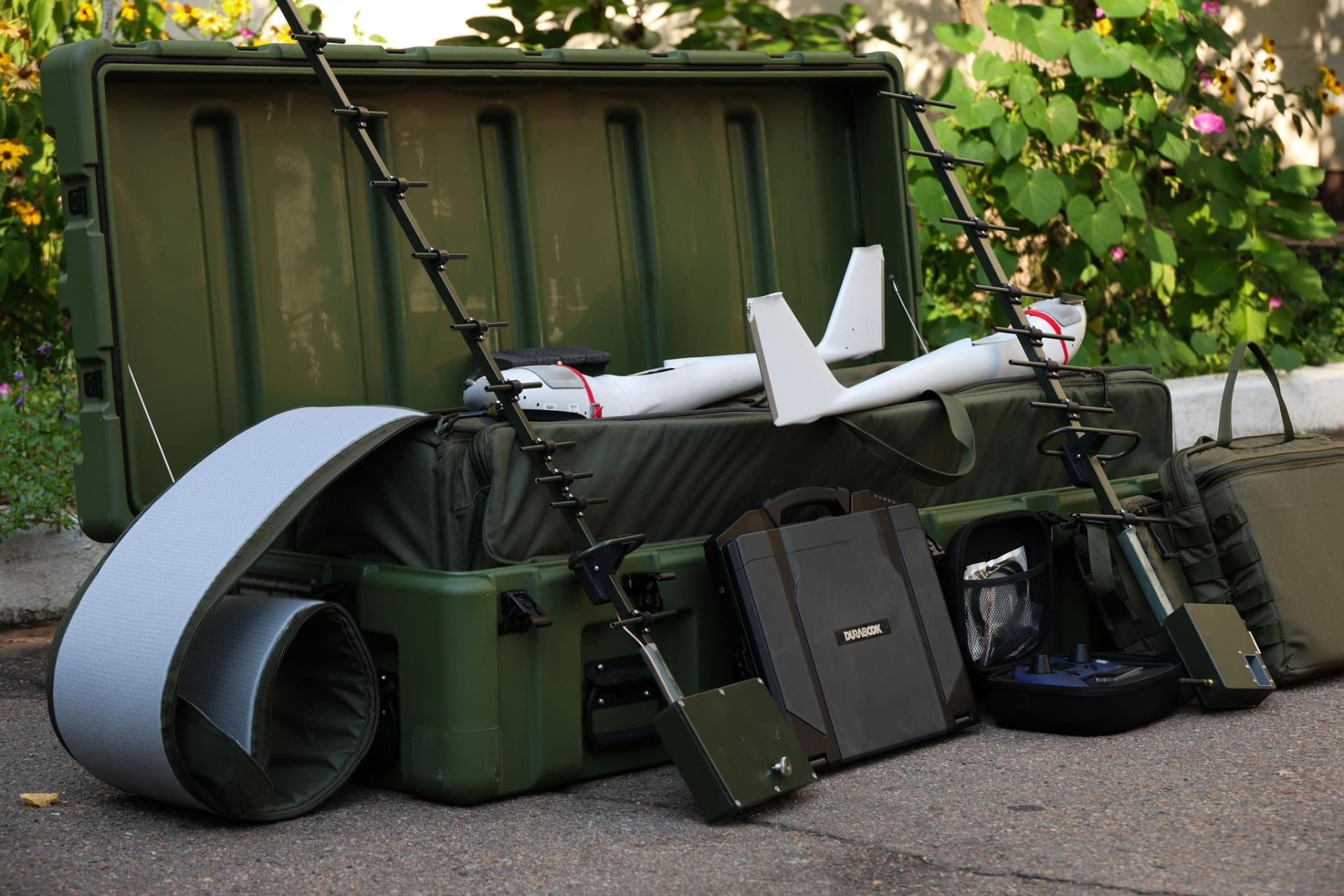
The Kyiv Regional Military Administration has officially handed over a Mara-2P unmanned aerial vehicle (UAV) to the Ukrainian Armed Forces, as confirmed by Ruslan Kravchenko, the head of the regional administration. Ukrainian soldiers chose this reconnaissance UAV for its operational effectiveness on the front lines in the ongoing conflict with Russia. The Mara-2P, having garnered positive reviews, has proven itself as a reliable asset in the field.
Follow Army Recognition on Google News at this link
Weighing approximately 2.5 kg, the Mara-2P features a low-noise electric motor and can conduct target identification and surveillance over a range of up to 25 km, both during the day and at night. (Picture source: Ukrainian MoD)
Capable of performing reconnaissance missions, the Mara-2P reaches high speeds and can remain airborne for up to 90 minutes, even at low altitudes and in adverse weather conditions, according to Kravchenko. The drone was acquired by the Civil Defense Department of Kyiv's regional state administration through a grant from the Skvyra community. Produced in Ukraine, the Mara UAV has been used on the front lines even prior to Russia's full-scale invasion.
Weighing approximately 2.5 kg, the Mara-2P features a low-noise electric motor and can conduct target identification and surveillance over a range of up to 25 km, both during the day and at night. The drone has a flight range of up to 100 km, a maximum speed of 100 km/h, and can operate at an altitude of up to 3,000 meters.
Its ability to withstand strong winds of up to 20 meters per second, combined with its low-altitude operational capabilities, makes it valuable for military missions. Additionally, the Mara-2P is designed to resist enemy electronic warfare systems, enhancing its effectiveness in operations behind enemy lines.
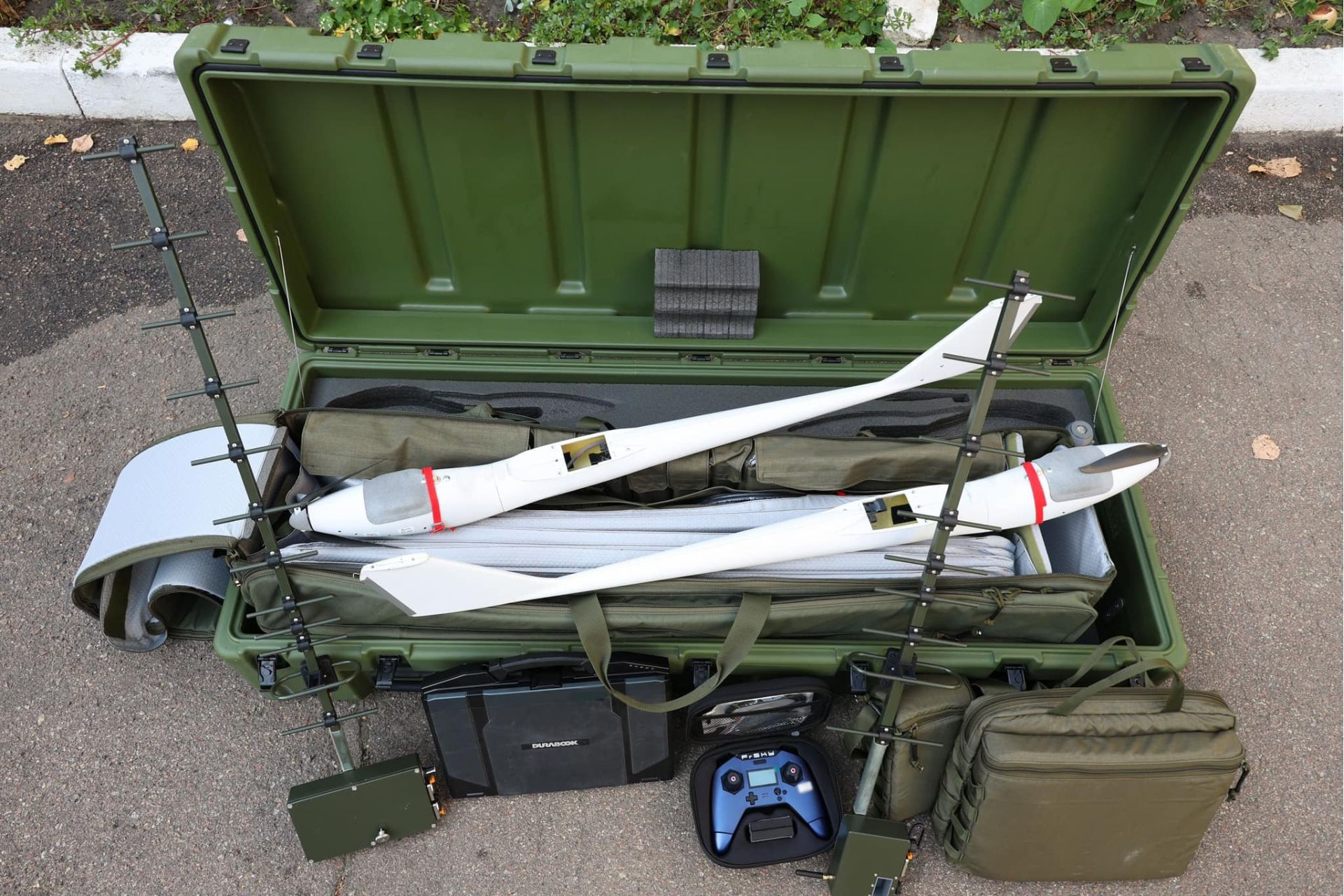
The Mara-2P has been successfully deployed in Ukraine's ongoing conflict with Russia, logging over 10,000 flight hours (Picture source: Ukrainian MoD)
The Mara-2P is a short-range reconnaissance UAV developed by MARA-DRONE, a Ukrainian military tech company. In use by the Ukrainian Armed Forces since 2016, it has been praised for its reconnaissance and surveillance missions. The Mara-2P is powered by an electric propulsion system, allowing it to cover distances up to 150 km, with a flight duration of 120 minutes.
It is optimized for rapid deployment and does not require specialized launch equipment. The drone’s modular payload system supports the integration of various sensors, enhancing its operational versatility. With a surveillance range of 50 km, it provides critical intelligence on enemy movements and infrastructure.
The Mara-2P has been successfully deployed in Ukraine's ongoing conflict with Russia, logging over 10,000 flight hours. It is endorsed by the Ukrainian Ministry of Defense for its resilience to enemy electronic warfare, which makes it particularly useful in contested airspaces. While primarily used in Ukraine, its battlefield success has garnered international attention, although there is no confirmed widespread use beyond Ukraine.
- Details
- Written by: Halna du Fretay
- Category: 2024
- Hits: 8830
On August 30, 2024, the Japanese Ministry of Defense (MoD) presented its largest budget request to date for Fiscal Year 2025, amounting to JPY 8.5389 trillion (€53.65 billion). This budget marks a significant increase in the modernization efforts of the Japan Ground Self-Defense Force (JGSDF), with a particular focus on a variety of armored vehicles.
Follow Army Recognition on Google News at this link
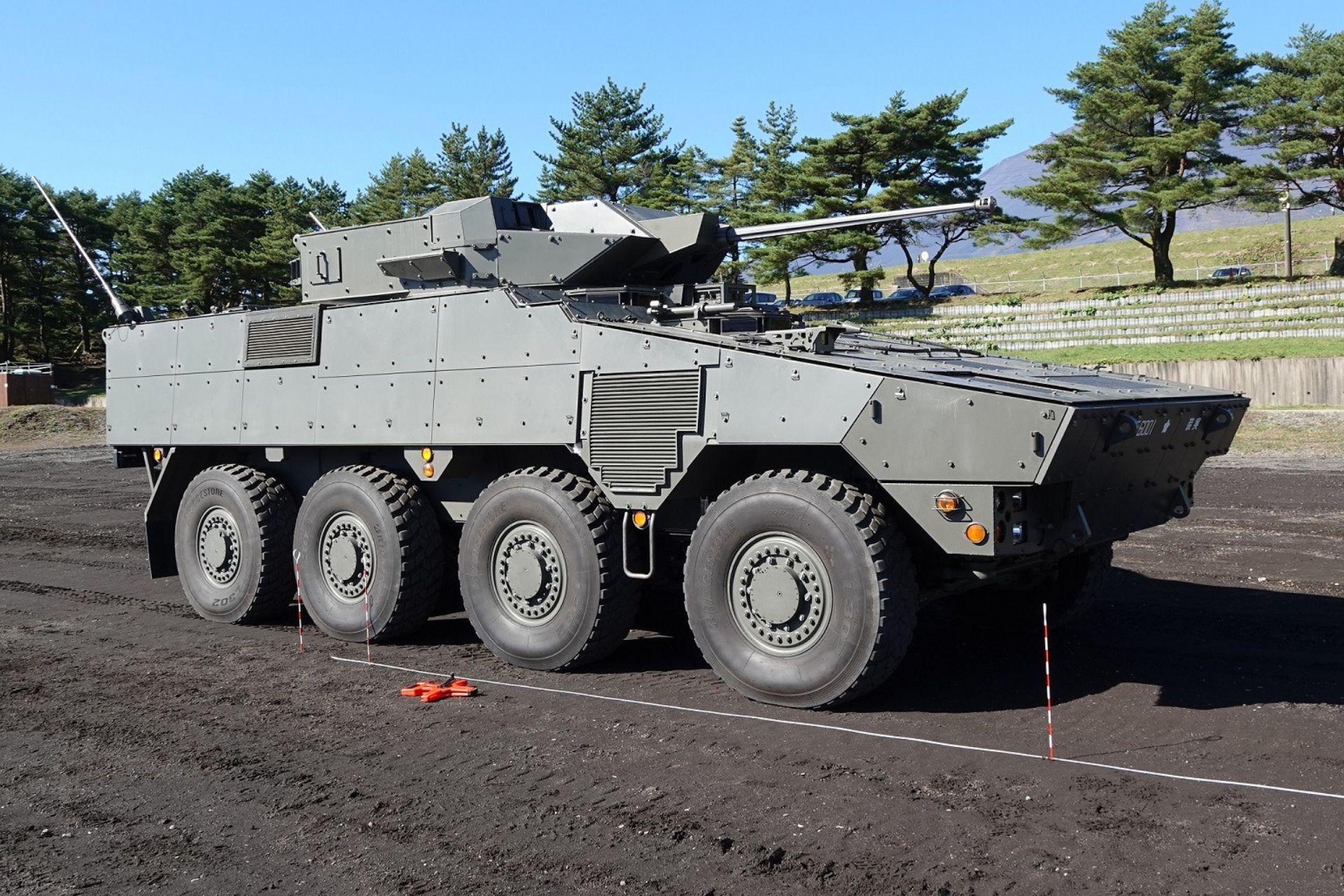
The Type 24 AWCV, measuring 8.1 meters long, 3.0 meters wide, and 2.9 meters high, is equipped with a remote-operated turret to reduce weight, featuring a Bushmaster Mk 44 30 mm cannon as its main weapon and a 7.62 mm Mk 52 coaxial chain gun (Picture source: JGSDF)
In this budget proposal, the JGSDF plans to acquire three types of Common Tactical Wheeled Vehicles (CTWV), developed by Mitsubishi Heavy Industries and based on the Type 16 Maneuver Combat Vehicle. Among these, two variants of the Type 24 CTWV are particularly notable: 18 examples of the infantry Armored Wheeled Combat Vehicle (AWCV) version, costing JPY 21.8 billion, and eight units of the Mobile 120 mm Self-Propelled Mortar (MM) version, priced at JPY 8.3 billion. Both variants will begin to be introduced this year.
For the first time, six examples of the reconnaissance variant have also been requested this year, at a cost of JPY 9 billion. These vehicles will be deployed starting next year, though their official designation has not yet been confirmed. It is likely they will be named the Type 25 Reconnaissance and Combat vehicle.
The Type 24 AWCV, with a crew of three, can carry eight soldiers. This vehicle, measuring 8.1 meters long, 3.0 meters wide, and 2.9 meters high, is equipped with a remote-operated turret to reduce weight, featuring a Bushmaster Mk 44 30 mm cannon as its main weapon and a 7.62 mm Mk 52 coaxial chain gun. The Type 24 MM, with a crew of five, measures 8.1 meters in length, 3.0 meters in width, and 2.7 meters in height, and is armed with a Thales 2R2M 120 mm mortar system.
The reconnaissance variant, with a crew of five, is 8.7 meters long, 3.0 meters wide, and 2.9 meters high. It features a manned turret, similar to the one on the Type 24 AWCV, armed with the same Bushmaster Mk 44 30 mm cannon and a 7.62 mm Mk 52 coaxial chain gun. For surveillance, it uses a simplified version of Elbit’s Multi-Sensor Reconnaissance and Surveillance System (MRSS).
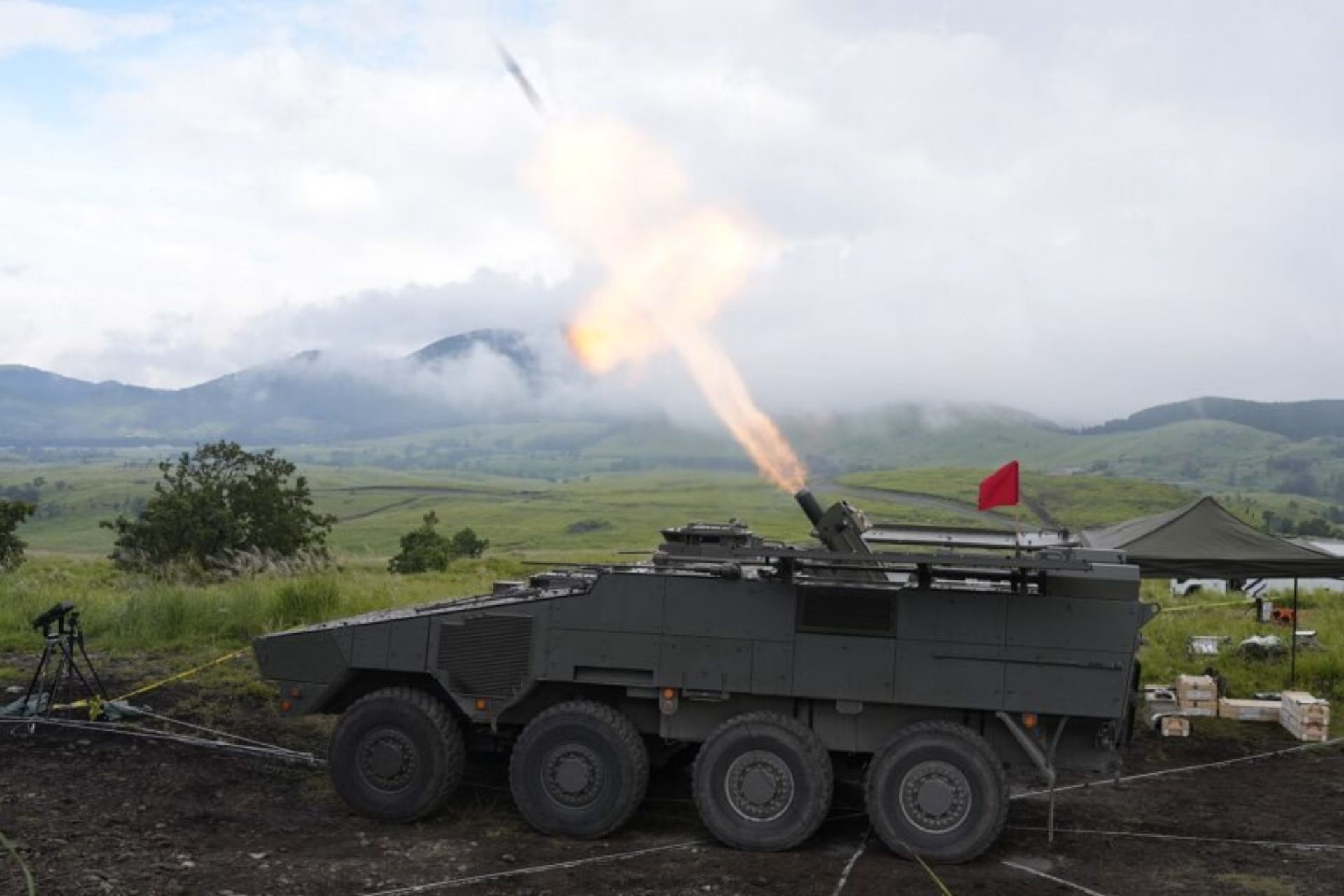
The Type 24 MM, with a crew of five, measures 8.1 meters in length, 3.0 meters in width, and 2.7 meters in height, and is armed with a Thales 2R2M 120 mm mortar system.(Picture source: JGSDF)
All three variants share a combat weight of around 26 tonnes and can reach a maximum speed of over 100 km/h. They will also utilize the 10TanK NetWork (10TKNW) system, employed by the Type 10 Main Battle Tanks and Type 16 Maneuver Combat Vehicles.
In total, it is expected that the JGSDF will acquire 150 Type 24 AWCVs, 100 Type 24 MMs, and 120 reconnaissance vehicles.
Additionally, the JGSDF has requested 28 Patria AMV XP 8×8 armored vehicles for JPY 22.5 billion, to replace the Type 96 8×8 armored personnel carriers. This acquisition, initiated in 2023, is planned to be conducted under license by Japan Steel Works. However, the Ministry of Finance (MoF) has expressed concerns about the slow pace of production and the high costs associated with local manufacturing. As a result, the MoF has capped the initial production cost for FY24 at JPY 15.8 billion, permitting this sum only for direct import purchases. Despite ongoing negotiations between the MoD and the MoF, a MoD official has confirmed that all AMV XPs purchased under the upcoming budget will be imported.
The JGSDF also plans to acquire 15 Type 16 Maneuver Combat Vehicles for JPY 15.6 billion, 14 Type 19 155 mm wheeled self-propelled howitzers for JPY 14 billion, and 12 Type 10 Main Battle Tanks for JPY 23.1 billion. Additionally, on June 28, 2024, the MoD’s Acquisition, Technology & Logistics Agency (ATLA) launched a request for information from companies regarding an upgrade program for the Type 10 Main Battle Tank.
Starting in 2025, the MoD will begin mothballing obsolete JGSDF equipment, such as older armored vehicles. A budget of JPY 700 million has been requested for the construction of storage facilities, and systems likely to be mothballed include the Type 74 and Type 90 Main Battle Tanks, as well as the M270 Multiple Launch Rocket Systems.
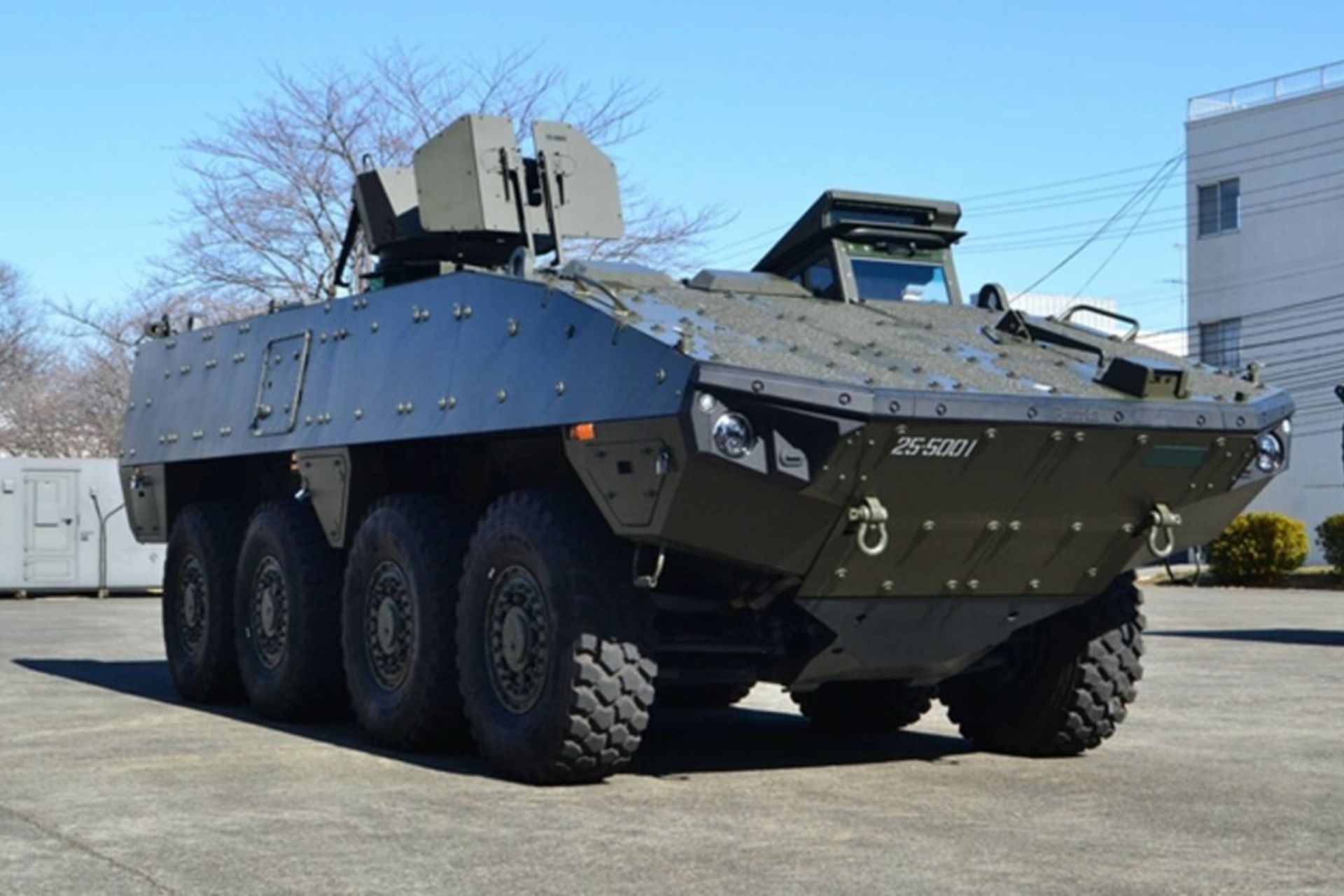
Additionally, the JGSDF has requested 28 Patria AMV XP 8×8 armored vehicles for JPY 22.5 billion, to replace the Type 96 8×8 armored personnel carriers (Picture source: JGSDF)
Read more: Record Budget for Japanese Defense: Focus on JGSDF Armored Vehicle Acquisitions in 2025
- Details
- Written by: V.Saint
- Category: 2024
- Hits: 2995
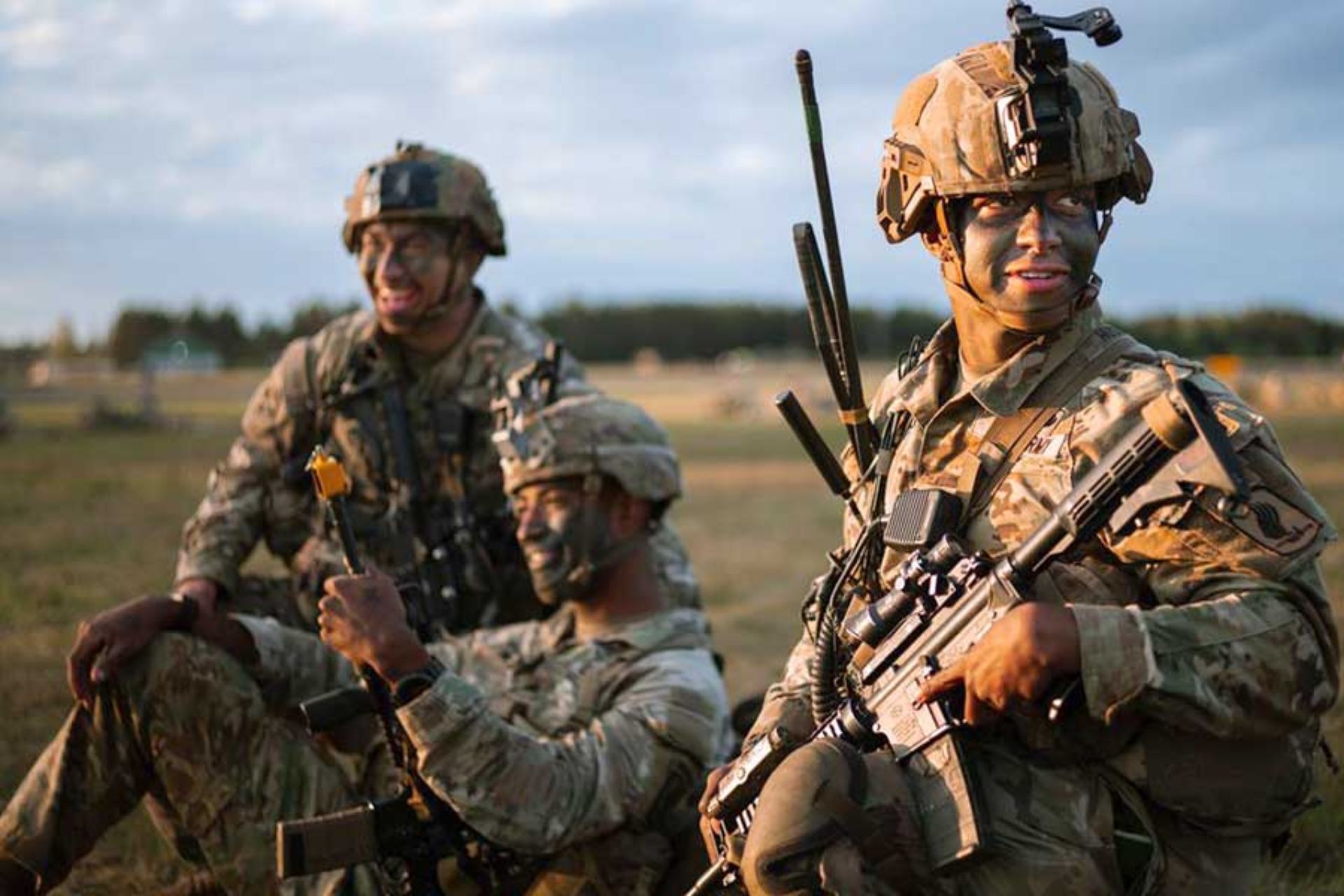
In an unprecedented display of strength and coordination since World War II, paratroopers from several NATO nations, including the United Kingdom, participated in Operation SWIFT RESPONSE 2024. This airborne exercise, which spanned several European countries including Estonia, Moldova, North Macedonia, Poland, Romania, and Sweden, took place last May and highlighted the rapid response capability and interoperability of allied forces.
Follow Army Recognition on Google News at this link
US Paratrooper during Swift response 2024 (Picture source: NATO communication service )
Operation SWIFT RESPONSE, led by the United States, is an annual exercise aimed at strengthening the airborne capabilities of NATO allies by simulating troop insertions behind potential enemy lines. This year's participating countries included France, Germany, Hungary, Italy, the Netherlands, Romania, Spain, and the United Kingdom, demonstrating an impressive range of military skills and techniques across the nations.
Airborne operations like those conducted during SWIFT RESPONSE require extremely precise timing and advanced skills from both pilots and paratroopers. These exercises allow for testing and refining rapid insertion techniques in hostile environments, a key strategic asset for NATO operations.
The difficulty and complexity of airborne missions require regular and intensive training. The SWIFT RESPONSE exercise thus provides a crucial platform for maintaining the operational effectiveness of the troops and for improving cooperation among the various allied armed forces. Repeating these maneuvers helps ensure that allied armies can operate in a synchronized and effective manner during real crises.
Images and videos captured during these jumps, particularly near Gothenburg in Sweden and Cluj-Napoca in Romania, were published by NATO on Friday, September 6, showcasing the grand scale and precision of this multinational exercise. This operation not only strengthened military ties among the participating nations but also sent a clear message about the speed and response strength that NATO can mobilize in response to potential threats.
The SWIFT RESPONSE exercise is an integral part of NATO's deterrence posture in the East and is part of a series of exercises taking place in the fall of 2024. These exercises aim to enhance the alliance's strength and interoperability capabilities of different armies to ensure easy and rapid intervention in terms of deterrence and military power.
Read more: NATO launches Swift Response 2024, biggest airbone ops since WW2
- Details
- Written by: V.Saint
- Category: 2024
- Hits: 7360
Russian anti-tank systems are set to receive a significant upgrade with the development of a new type of ammunition capable of destroying armored vehicles. The Tula Instrument Design Bureau (KBP), part of the High Precision Systems holding, is currently working on a lightweight guided missile, the 9M134, aimed at enhancing the capabilities of existing anti-tank systems.
Follow Army Recognition on Google News at this link
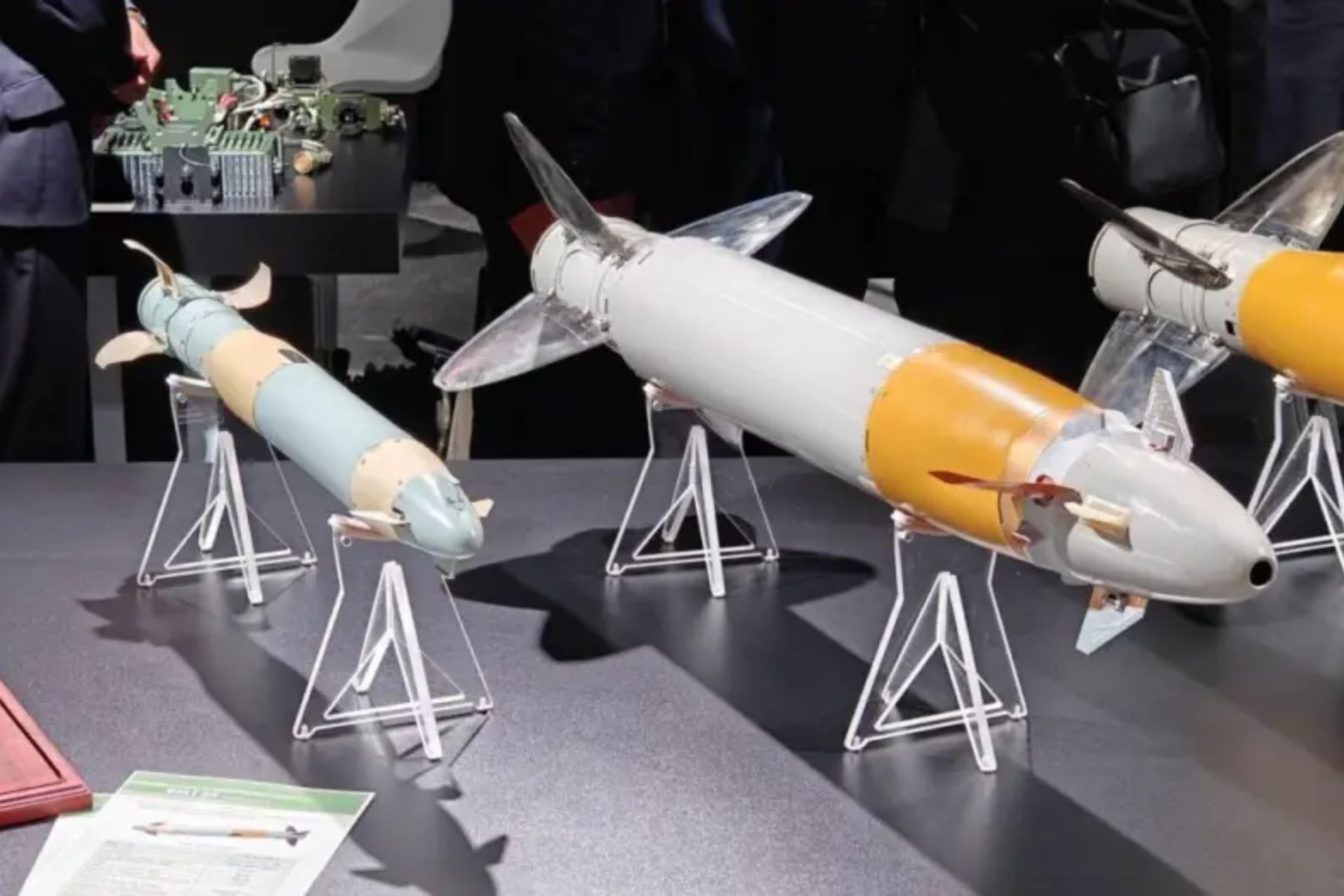
9M134 on the left of missile display during ARMY 2024 exhibition held in Moscow (Picture source: Russian journalist)
This new missile is distinguished by its lightness, weighing approximately four times less than the current missiles in the Kornet family. This weight reduction significantly increases the amount of ammunition a team can carry, thus improving the reactivity and mobility of anti-tank units in the field.
However, the 9M134 is not designed to target heavy armored vehicles. It is instead optimized for the destruction of medium-armored targets, including those equipped with reactive armor, as well as lightly armored or unarmored vehicles. This specificity makes it particularly suited to environments where mobility and discretion are prioritized.
Technically, the 9M134 missile can reach targets up to a distance of 3.5 kilometers. It is equipped with a tandem warhead and a noiseless guidance system, controlled by a laser beam. The warhead's penetration capacity is 250 mm, whether the target is equipped with dynamic protection or not. The missile, which measures 831 mm in length in its container, has a caliber of 82 mm. The total mass of the missile in its container is 6.5 kg, with 1.6 kg for the warhead alone.
While the exact stage of development of this missile is not clearly defined, the 9M134 was showcased at the Army-2024 forum, highlighting Russia's ongoing commitment to anti-tank defense innovation. This technological advancement could redefine the parameters of anti-tank engagement, offering increased flexibility without compromising the necessary firepower on the modern battlefield.
Read more: Russia Develops New Guided Missile 9M134 for Kornet Anti-Tank System

- Details
- Written by: V.Saint
- Category: 2024
- Hits: 3793
In a strategic move to modernize its arsenal, the Norwegian army has opted to acquire several hundred M107A1 precision rifles, produced by American Barrett Firearms Manufacturing. This decision underscores Norway's ongoing effort to enhance its defense capabilities in response to the challenges of modern combat.
Follow Army Recognition on Google News at this link
Barrett M107A1, chambered in .50 is here presented with Suppressor as bought by norwegian army (Picture source: Barrett)
The M107A1 rifle, renowned for its extreme accuracy, is capable of engaging targets at an impressive distance of 2,000 meters. This extended range is a significant tactical advantage on the battlefield, allowing Norwegian snipers to maintain a considerable edge over adversaries. Additionally, this weapon is equipped with a suppressor, a crucial addition that reduces the weapon's acoustic signature, thus facilitating covert and discreet operations.
Barrett's CEO, Bryan James, expressed his pride in continuing the partnership with the Norwegian armed forces. "We are honored to provide the M107A1, a rifle that embodies our commitment to precision, reliability, and innovation," he stated. According to him, this reinforced partnership with Norway demonstrates the trust placed in Barrett to equip the army with cutting-edge technology in terms of long-range firepower.
The M107A1 is intended to replace the aging 82A1 precision rifle, also manufactured by Barrett. Although effective, the 82A1 is now considered less suited to the contemporary demands of warfare. The new model is not only lighter, weighing 28.7 pounds compared to 32.7 for its predecessor, but also offers better range, surpassing the older variant by 200 meters.
The investment in the M107A1 is part of a broader initiative to modernize Norwegian military equipment. This modernization initiative reflects a determination to prepare the army for future conflict scenarios, where technology and distance play pivotal roles.
Financial details of the contract and delivery timelines have not been disclosed by the company, highlighting the sensitive nature of such agreements.
Read more: Norwegian Army Orders M107A1 Rifles from Barrett to modernize Sniper arsenal
- Details
- Written by: Halna du Fretay
- Category: 2024
- Hits: 4002
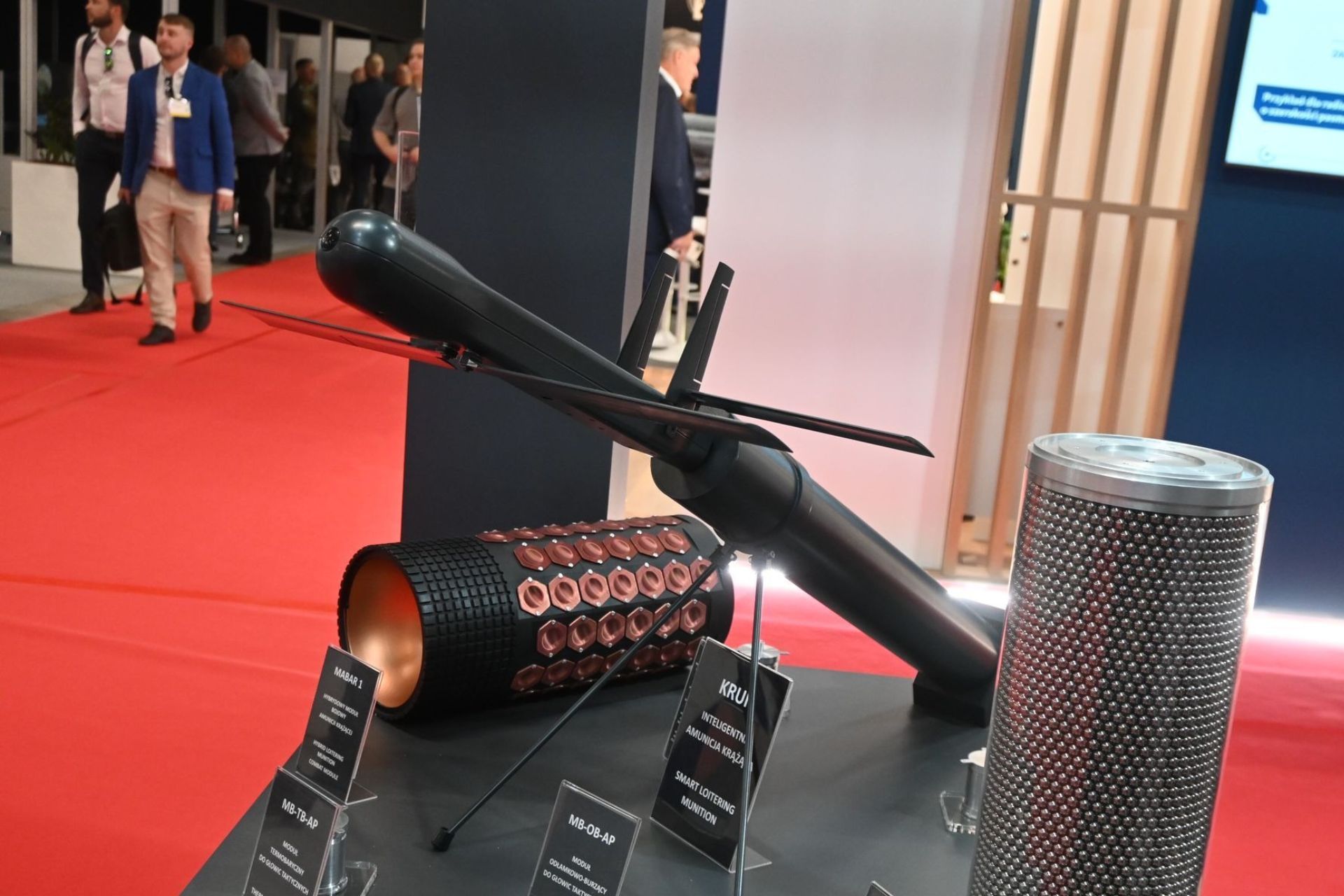
At the MSPO 2024 exhibition, the Polish company Jakusz showcased its latest innovation in loitering munitions: the KRUK Smart Loitering Munition. This system is designed to provide a cost-effective solution for high-precision strikes on the battlefield, with advanced capabilities set to transform the use of unmanned aerial vehicles in modern warfare. Developed with cutting-edge technology, the KRUK offers significant advantages to technologically advanced armies seeking to enhance their tactical operations and create asymmetry on the battlefield.
Follow Army Recognition on Google News at this link
The KRUK is designed for single-person operation, making it extremely mobile and practical for various military operations (Picture source: Jakusz)
The KRUK system operates at impressive speeds, reaching 120 km/h during cruising and 160 km/h when diving towards its target. It can function at altitudes of up to 5,000 meters (MSL) and 250 meters (AGL), with a flight endurance of approximately 10 minutes. Its range varies from 10 km with line-of-sight control to 20 km when loitering. The payload of the KRUK includes a 500g warhead, capable of carrying 180mm RHA armor-piercing munitions or anti-personnel explosives, making it highly adaptable to different combat scenarios. Weighing 1.5 kg in total, including the warhead, the system is lightweight enough for rapid deployment and versatile use on the battlefield. With the launch tube included, the total weight remains low at 3.5 kg, enhancing portability and ease of use.
Jakusz emphasizes the operational flexibility of the KRUK system. It is designed for single-person operation, making it extremely mobile and practical for various military operations. The reusable launch tube reduces logistical constraints, and it can be deployed in less than two minutes. Additionally, the KRUK features advanced technologies to track and engage targets, using intelligent decision-making algorithms during flight, as well as high-precision tracking systems to engage moving targets. Electro-optical cameras further support the high-precision engagement capabilities of this loitering munition, enabling operations with minimal collateral damage.
The KRUK system also integrates easily with various military platforms. Whether launched from land, sea, or air vehicles, it offers full scalability and seamless integration with existing cartridge systems. For military land vehicles, it connects to the Power Take-Off (PTO) system, allowing both manual and automatic loading of munitions onto its platform. The ground control station, integrated into the vehicle's mission computer, is designed to provide easy control of the KRUK system via a rugged touchscreen computer. This interface allows operators to set and modify flight programs even after launch, ensuring mission flexibility.
In addition to its versatile operational features, the KRUK system includes secure communication protocols to protect mission data. It can be remotely piloted or autonomously operated for engagements beyond the line of sight. The modular and scalable design ensures that the KRUK can evolve to meet the changing needs of military forces. The pneumatic launch tube allows the KRUK to loiter at low speeds for surveillance or engage targets at high speeds, depending on the mission requirements.
At the XXXII edition of the International Defense Industry Exhibition in Kielce, the consortium composed of FlyFocus, Metalexport-S (leader), the Air Force Institute of Technology, and Jakusz was awarded the DEFENDER prize for their STRIKER loitering munition system. In addition to this prestigious award, the consortium also received a special distinction from the Minister of Development and Technology for being the "Best Polish Armament Exporter."
During MSPO 2024, Jakusz also presented other innovative technologies. Among them was the AI Containerized Response Centre, a containerized response center using artificial intelligence techniques to support security and threat management systems. This solution represents a significant advancement in security and crisis management, thanks to the integration of intelligent models for rapid and effective responses.
Additionally, the company unveiled the TUMAK vehicle, a high-mobility rapid response EOD & CBRN vehicle equipped with a gas-tight explosion-proof container. This vehicle is designed for quick intervention in situations involving chemical, biological, radiological, and nuclear (CBRN) risks or explosive ordnance disposal (EOD), offering enhanced protection for operators in the field.
- Details
- Written by: Administrator
- Category: 2024
- Hits: 7811
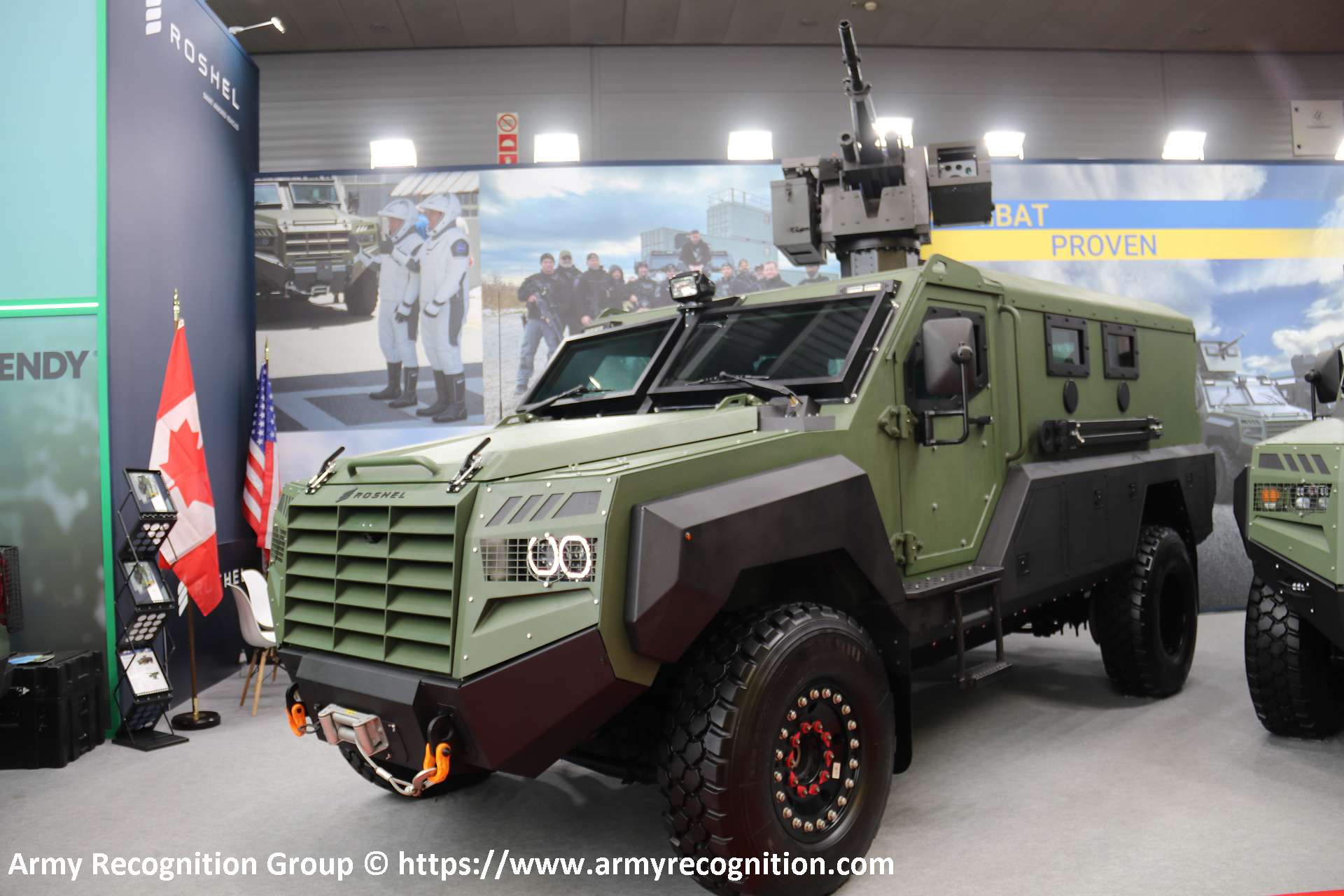
Canadian defense company Roshel has launched a new version of its Senator MRAP (Mine-Resistant Ambush Protected) vehicle, now armed with the Ukrainian Tavria 14.5 Remote Controlled Weapon System (RCWS). This upgrade positions the Senator MRAP as a next-generation armored personnel carrier (APC), offering an unmatched combination of protection, firepower, mobility, and interior design tailored for combat operations. The vehicle is now set to play an even more vital role in military and law enforcement missions globally, particularly in conflict zones like Ukraine, where Roshel has already delivered over 1,000 Senator vehicles to support the nation’s defense efforts.
Follow Army Recognition on Google News at this link
The Canadian Company Roshel unveils its new MRAP Mine Resistant Ambush Protected vehicle fitted with Ukrainian Remotely Operated Weapon Station Tavria - 14.5 machine gun during MSPO 2024, defense industry exhibition in Kielce, Poland. (Picture source: Army Recognition Group)
The integration of the Tavria 14.5 RCWS, a cutting-edge weapon system, significantly enhances the firepower of the Senator MRAP (Mine Resistant Ambush Protected) vehicle, making it a formidable platform for a wide range of combat scenarios. The 14.5 mm KPVT heavy machine gun, a lethal force over long distances, can engage lightly armored targets and neutralize enemy forces with precision. The system supports 200 rounds of ammunition and offers the option of mounting a 7.62 mm PKT machine gun, thereby expanding its versatility for different mission profiles. With a 360-degree rotation and elevation angles from -15° to +70°, the system provides extensive coverage. The weapon station is protected to STANAG 4569 Level 1 standards, ensuring robust defense against small arms fire. The system's automatic target tracking, gyroscopic stabilization, and computer-controlled firing are optimized for engaging targets while the vehicle is in motion, maintaining accuracy in dynamic combat situations.
The Senator MRAP is designed for maximum mobility in challenging environments. Powered by a 6.7L V8 turbo-diesel engine, the vehicle delivers the power to traverse rugged landscapes, steep inclines, and off-road terrains. Its 4x4 configuration and advanced independent suspension system allow the vehicle to maintain stability and maneuverability in various conditions, from desert sands to dense urban landscapes. With a top speed of over 100 km/h and the ability to ford water, the Senator MRAP ensures that crews can quickly reposition in combat or navigate through dangerous areas during critical missions.
The vehicle also includes run-flat tires, meaning that even in the event of tire damage from gunfire or shrapnel, the Senator MRAP can continue its mission without being immobilized. This feature is essential for ensuring the safety and operational continuity of the vehicle and its crew in high-risk environments.
Protection is at the heart of the Senator MRAP’s design. It offers STANAG 4569 Level 2 ballistic protection, meaning it can withstand hits from 7.62×39mm armor-piercing rounds and blast impacts from mines or IEDs (Improvised Explosive Devices) up to 6 kg. The V-shaped hull is specifically engineered to deflect the force of explosions away from the vehicle’s occupants, minimizing the risk of injury or death in ambush scenarios. The vehicle's design reduces the shock of blasts on its occupants, ensuring the crew remains safe even in hostile territory.
The armored vehicle can be further customized with additional protection features depending on mission requirements, including add-on armor kits and counter-IED systems, allowing for scalable protection based on threat levels.
Inside, the Senator MRAP is as well-thought-out as its external features. It can accommodate a crew of up to 12 personnel, including the driver, commander, and infantrymen. The spacious, ergonomically designed interior ensures that crew members and infantry can operate effectively in high-pressure situations. Each seat is designed with blast protection in mind, utilizing energy-absorbing materials that minimize the impact of explosions or vehicle collisions.
The interior of the Senator MRAP also includes state-of-the-art climate control systems, ensuring that the crew can operate comfortably in extreme conditions, from scorching deserts to freezing cold environments. It is designed with multiple access points, including rear doors and rooftop hatches, for quick deployment of infantry in critical scenarios. The vehicle also includes space for mission-specific equipment, allowing soldiers to carry essential gear and supplies for extended operations.
Furthermore, the advanced communication systems installed in the Senator MRAP allow for secure and effective coordination between the crew and command centers. These systems are integrated into the vehicle’s design, ensuring clear communication even in electronically contested or hostile environments.
With its unique blend of firepower, protection, mobility, and user-centric design, the Senator MRAP with the Tavria 14.5 RCWS is set to redefine the capabilities of armored personnel carriers in modern warfare. This vehicle provides superior protection for its occupants and ensures they have the firepower and technology needed to prevail in the most challenging combat scenarios.

- Details
- Written by: V.Saint
- Category: 2024
- Hits: 2589
The Commonwealth of Australia has recently awarded a contract to Polaris Australia for the supply of the DAGOR vehicle, an off-road and internally transportable tactical mobility platform. The contract, valued at approximately USD 14.6 million, includes the vehicles, mission accessories, technical manuals, spare parts and tool kits, as well as driver and technician training and ongoing support within Australia.
Follow Army Recognition on Google News at this link
Dagor vehicle on training field for demostration (Picture source: Polaris)
The DAGOR vehicles will be delivered to the Australian Defence Force in several variants to support joint missions globally. These four-wheel all-terrain vehicles will be configured in three different variants: a transport variant for enhanced tactical mobility and greater standoff; an expeditionary reconnaissance variant for continued agility and increased stealth in austere conditions; and a cargo variant with the rear seats replaced by a rear bed extension to increase combat load capacity.
"We are proud to provide this capability for Australian personnel. The DAGOR all-terrain vehicle will allow teams to move faster, carry more, and significantly reduce combat fatigue by navigating complex terrain otherwise covered on foot," said Michael Cannell, Government and Defense sales and operation manager at Polaris Australia. "Polaris Australia will also provide in-country sustainment, leveraging the global presence of Polaris as these vehicles deploy globally."
DAGOR is known for its optimal balance of rapid air transportability, payload capacity, and advanced mobility, positioning it as the most capable military platform in its class for off-road, rugged terrain. The chassis and suspension are engineered for off-road operation with a full payload of 1,814 kilograms (4,000 pounds). The vehicle utilizes a commercial off-the-shelf (COTS) driveline, controls, and components such as a diesel/JP8 engine chosen for its ideal mix of power, weight, and size. DAGOR can generate up to 4.4 kW of exportable power and is capable of carrying heavy weapons. Its weight and size allow for internal transport by various in-service aircraft, including CH-47, C-17, and C-130, and it is also certified for air drop and sling load.
"Collaboration within the global defense community is critical to mission success and equipment standardization facilitates interoperability among joint forces," said Nick Francis, vice president of Polaris Government and Defense. "Polaris military vehicles have become force multipliers for expeditionary forces by extending mission range while mitigating operator fatigue and increasing mission readiness and capability."
The unique design of DAGOR and the use of commercial components make it easy to operate, maintain, and sustain in combat operations. Allied forces that also have the DAGOR platform include U.S. forces, Canadian forces, and several European countries. Production of the DAGOR vehicles is underway, and deliveries will take place over the next two years. These vehicles will augment the existing Australian vehicle fleets, which include two other Polaris products: the MV850 and Sportsman 6x6 Big Boss ATVs.
Read more: Australia Awards Vehicle Contract to Polaris for DAGOR All-Terrain Vehicles

- Details
- Written by: Vandenbosch
- Category: 2024
- Hits: 19563
For several years, Poland has established itself as a military force to be reckoned with in Central and Eastern Europe, marking a transformation in its military capabilities. This rise in power has been particularly evident in the domain of battle tanks, with an ambitious strategy to modernize and strengthen its ground forces. As geopolitical tensions intensify along its borders, notably due to the war in Ukraine, Warsaw has taken decisive steps to secure its place among the most powerful armies on the continent. In the future, Poland could possess an extremely impressive tank fleet. With the planned acquisition of 1,000 South Korean-designed K2 Black Panthers, the purchase of 366 American M1 Abrams tanks (including 250 new and 116 used), as well as the 247 Leopard 2A5 and 2PL tanks currently in service, Poland could field a total of 1,613 tanks. This figure positions Warsaw at the forefront of European armored forces, confirming its ambition to become one of the continent's leading military powers in terms of ground forces.
Follow Army Recognition on Google News at this link
The K2 Black Panther is a main battle tank developed by South Korea, designed to be one of the most advanced in the world. (Picture source: Army Recognition)
One of the most remarkable initiatives in this modernization effort is the planned acquisition of 1,000 K2 Black Panther tanks of South Korean design. In fact, Poland could reach this number of tanks, consisting solely of K2 and Abrams models, as confirmed by a representative from the South Korean company Hyundai Rotem during the MSPO 2024 defense expo. The K2, renowned for its mobility, advanced protection, and powerful armament, is designed to adapt to varied terrains and modern threats while offering modularity that allows the Polish army to customize it according to its specific needs. This massive acquisition is part of a long-term plan making the K2 a central pillar of Poland's arsenal for decades to come.
In parallel, Poland has also strengthened its forces with the purchase of Abrams tanks from the United States. The M1A1 Abrams, considered one of the best-performing tanks in the world, complements the capabilities of the K2. With advanced armor systems and sophisticated electronics, it provides unmatched firepower and protection. The integration of these American tanks into the Polish army reflects the close ties between Warsaw and Washington, as well as Poland's determination to possess military equipment capable of competing with the best armies on the planet.
However, the modernization of Polish forces does not stop there. The army continues to operate and maintain, for now, its Leopard 2A5 and Leopard 2PL tanks, of German design, which have long been the backbone of its armored capabilities. While these models still offer solid performance, particularly the Leopard 2PL, which has been upgraded with active defense systems and enhanced firepower, they are gradually set to be replaced in the coming years.
Although Poland has not officially confirmed its intention to limit itself to two tank models, some sources suggest a strategy aimed at streamlining its armored forces around the Abrams and K2. This approach presents several major advantages. By reducing the number of models in its arsenal, the Polish army could significantly simplify logistics, making maintenance, repairs, and spare parts supply easier. Crew and technician training would also become more uniform, improving operational efficiency. Furthermore, by focusing on next-generation tanks like the Abrams and K2, Poland would benefit from the most advanced technologies, increasing its responsiveness to modern threats. This streamlining would also mark a break from older Soviet models, such as the T-72 and PT-91, which have been gradually phased out in favor of a more efficient and contemporary armored fleet.
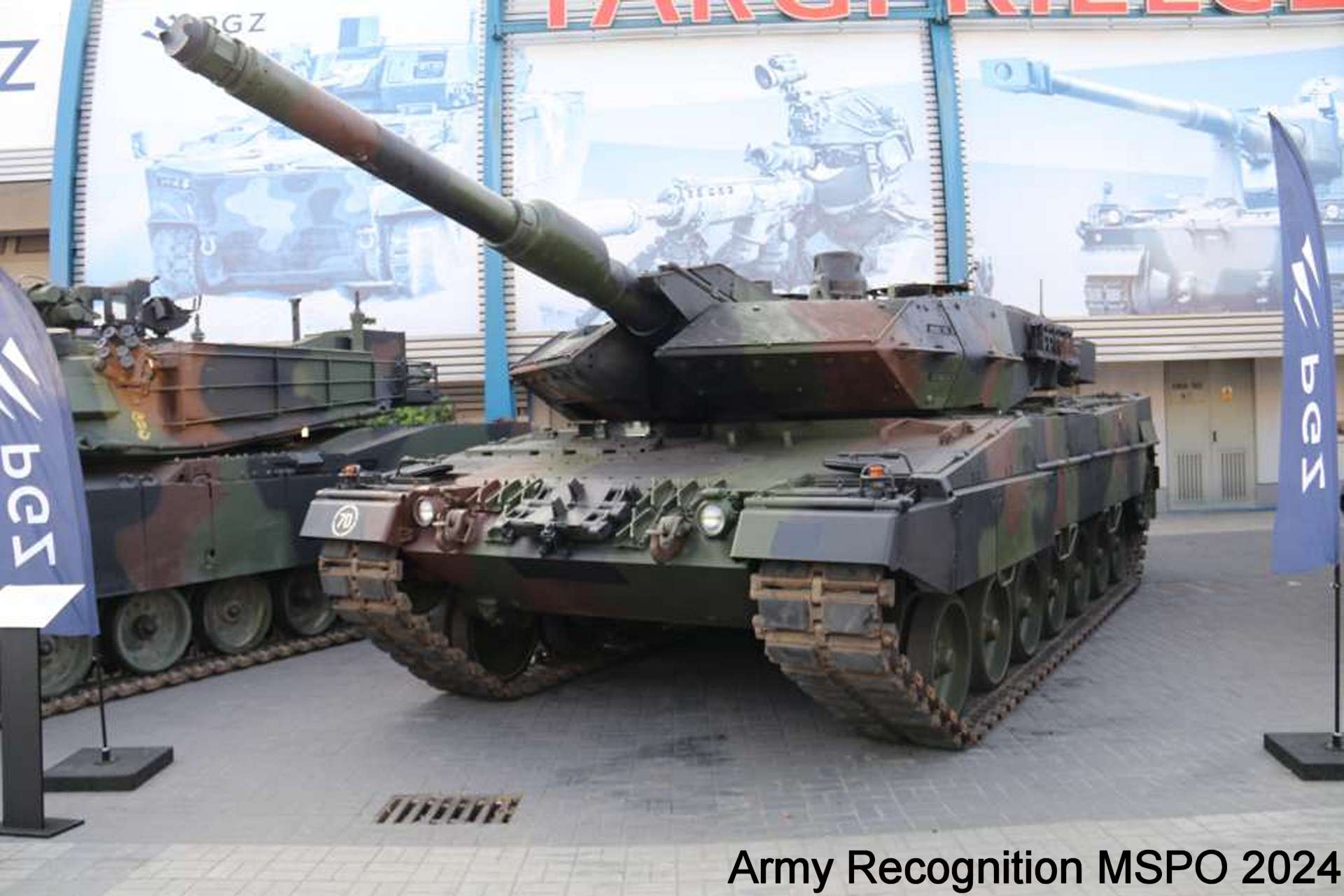
The Leopard 2A5 is a German main battle tank currently used by the Polish army. (Picture source: Army Recognition)
In comparison with other European forces, Poland now stands out as one of the most advanced armored powers. Historically, Germany and France have been considered the leaders in tank warfare in Europe, with fleets mainly consisting of Leopard 2 for Germany and Leclerc for France. Although these models remain at the cutting edge of technology, their numbers are limited compared to Poland’s ambitions. Germany, with around 300 Leopard 2 tanks in service, and France, with nearly 200 Leclerc tanks, do not match Poland’s volume. Poland, with its massive acquisitions of K2 and Abrams tanks, aims to build the largest tank fleet in Europe. Furthermore, other European countries, such as the United Kingdom with its Challenger 2 tanks or Italy with its Ariete tanks, maintain much smaller fleets. This contrast highlights Warsaw's determination to position itself as the undisputed leader in armored forces on the continent, both in terms of numbers and the modernity of its equipment.
The K2 Black Panther is a main battle tank developed by South Korea, designed to be one of the most advanced in the world. It is equipped with a 120 mm main gun capable of firing modern, high-velocity rounds, accompanied by a 7.62 mm coaxial machine gun and a 12.7 mm heavy machine gun, offering versatile firepower for various targets, whether on land or low-altitude aerial threats. Its protection relies on sophisticated composite armor, reinforced by explosive reactive armor (ERA) blocks, capable of neutralizing anti-tank projectiles and missiles. The K2 also integrates active protection systems, a cutting-edge technology that detects and intercepts threats before they reach the tank.
Weighing 55 tons, the K2 combines power and mobility. It can reach an impressive speed of 70 km/h, allowing it to maneuver quickly on the battlefield. Its operational range is 450 km, ensuring great autonomy during extended missions. In addition to its firepower and armor, the K2 is equipped with advanced systems such as thermal vision, an automatic fire suppression system, and nuclear, biological, and chemical (NBC) protection, ensuring crew safety in all circumstances. The crew of three – a commander, a gunner, and a driver – can operate the tank in varied environments, thanks notably to its fording capabilities and snorkel for amphibious operations.
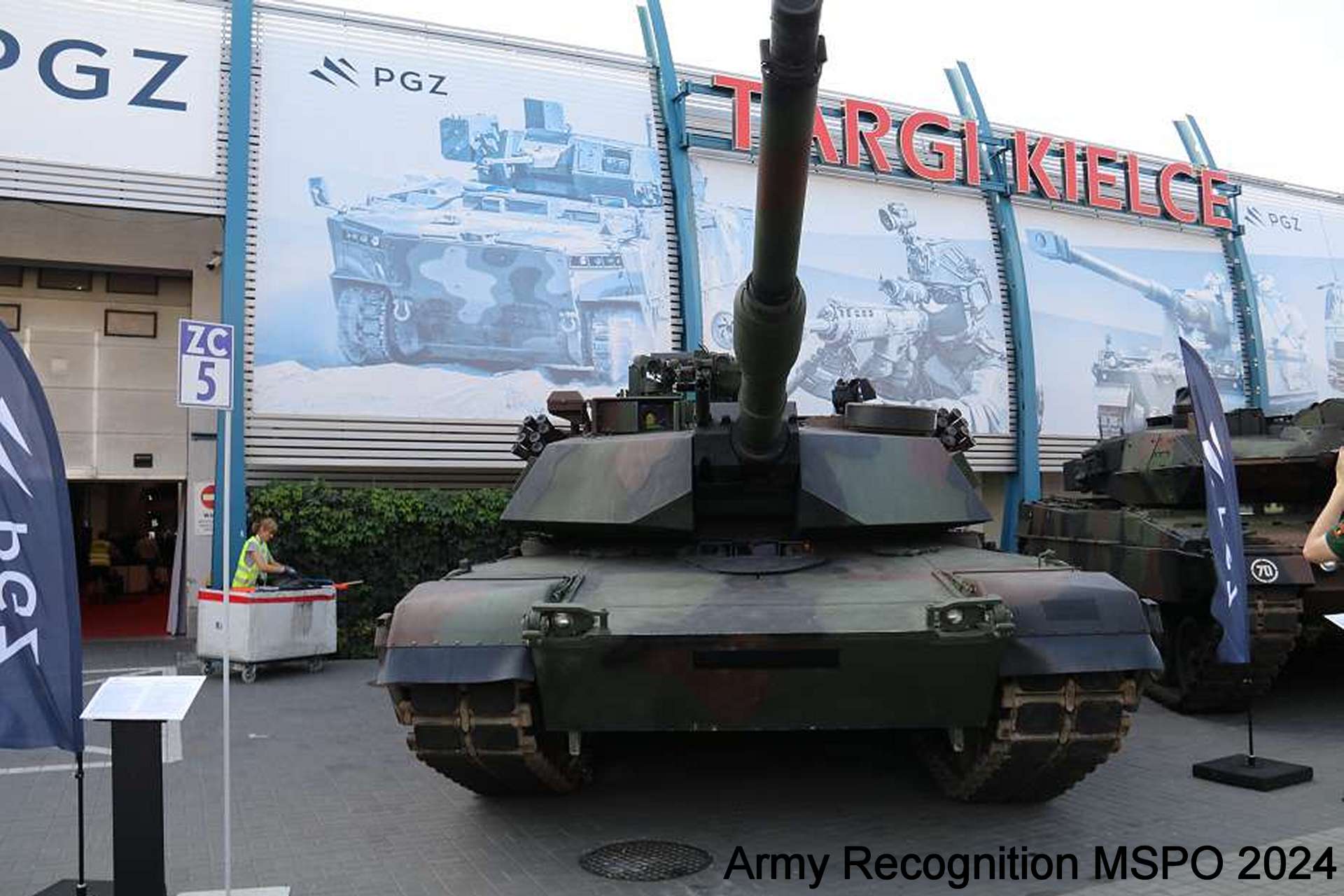
The M1A1 Abrams is an American main battle tank developed in the 1980s and remains in service in the Polish Army. (Picture source: Army Recognition)
The M1A1 Abrams, on the other hand, is an American main battle tank developed in the 1980s and remains in service in many armies worldwide. Equipped with a 120 mm M256 smoothbore gun, the M1A1 can fire a wide range of ammunition, including some with depleted uranium, making it a formidable weapon against enemy armored vehicles. It also features several machine guns: a 7.62 mm coaxial gun, a 7.62 mm gun mounted on the turret, and a 12.7 mm heavy machine gun, providing effective defensive coverage against infantry and light air targets.
This tank is protected by Chobham-type composite armor, reinforced with depleted uranium plates, making it extremely resistant to anti-tank projectiles and missiles. Its Honeywell AGT1500 gas turbine engine allows it to reach a maximum speed of 68 km/h, with a range of 426 km. In terms of mobility, the Abrams is capable of overcoming obstacles such as steep slopes and trenches and can also ford water up to 1.98 m deep after preparation.
The M1A1 features a series of advanced equipment, including a fire control system with a laser rangefinder, thermal night vision, and integrated NBC protection, similar to the K2. However, unlike the K2, the M1A1 requires a crew of four, including an additional loader due to its manual loading system. This tank has proven itself on the battlefield since its introduction into the U.S. Army and continues to evolve with modernized versions, ensuring its place in the armed forces of the United States and other partner nations.
Thus, Poland is making a significant leap forward, replacing its old armored vehicles with ultra-modern tanks capable of dominating the European battlefield. This rapid and deep modernization demonstrates Warsaw's commitment to ensuring its defense against growing threats from the east. By strengthening its armored capabilities, Poland is not only becoming a leading military player in Europe but also reaffirming its role as a leader in regional security and defense.
In a European context where armies are seeking to strengthen themselves in the face of geopolitical uncertainties, Poland positions itself as a model of preparedness and foresight, ensuring that its armored forces can meet future challenges.
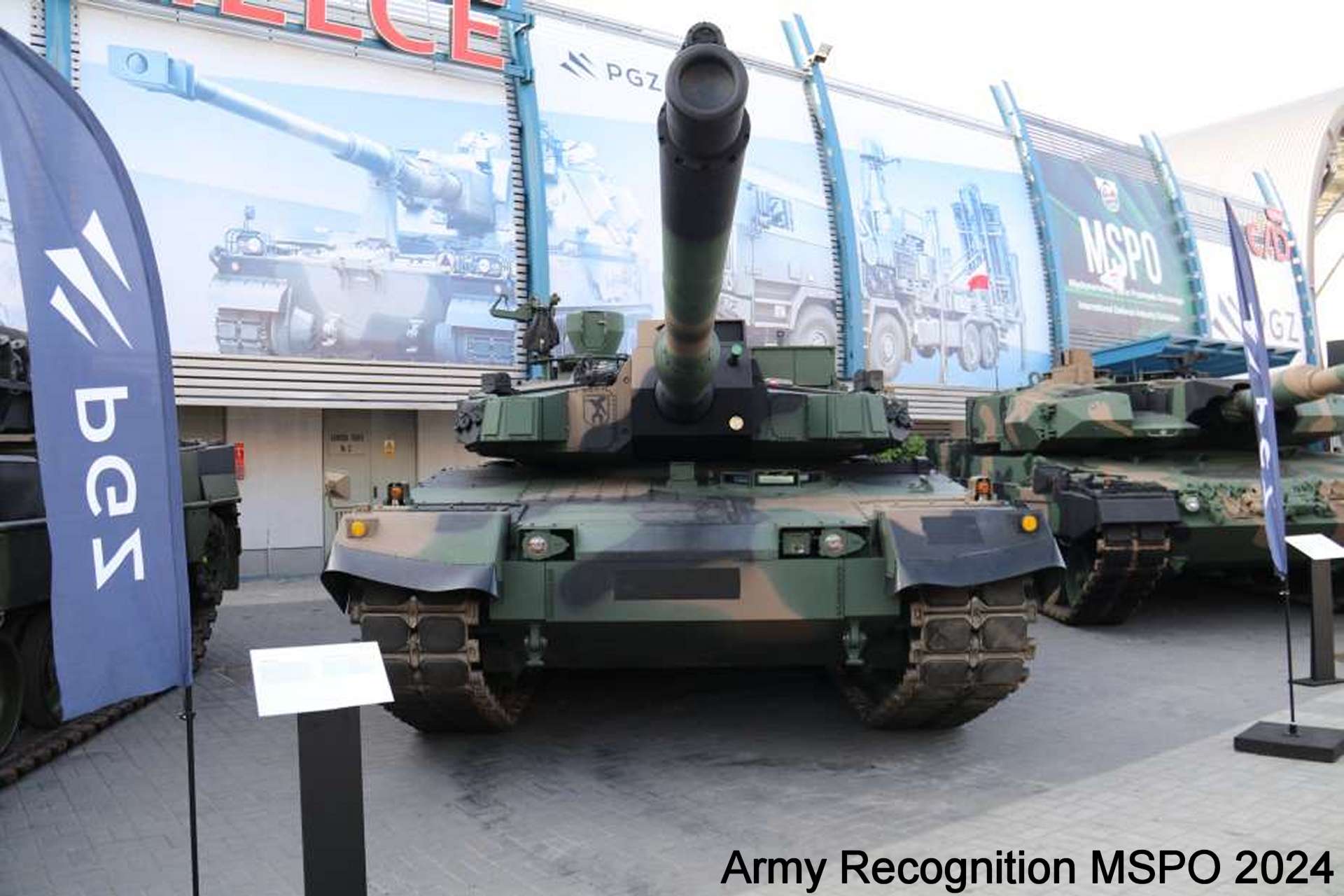
Poland could reach this number of tanks, consisting solely of K2 and Abrams models. (Picture source: Army Recognition)
Read more: Poland Emerges as Europe's Leading Main Battle Tank Power
- Israeli SIGMA 155mm 10x10 Self-Propelled Howitzer Could Be Deployed in Conflict with Hezbollah
- Tensions rising in East: Belarus reinforce borders with new fresh units
- Northrop Grumman's IVEWS Successfully Completes Testing on F-16 Jets Moving Toward Flight Integration
- BAE Systems Acquires Kirintec to Strengthen Its Cyber and Electronic Warfare Capabilities