
- Details
- Written by: Halna du Fretay
- Category: 2024
- Hits: 6292










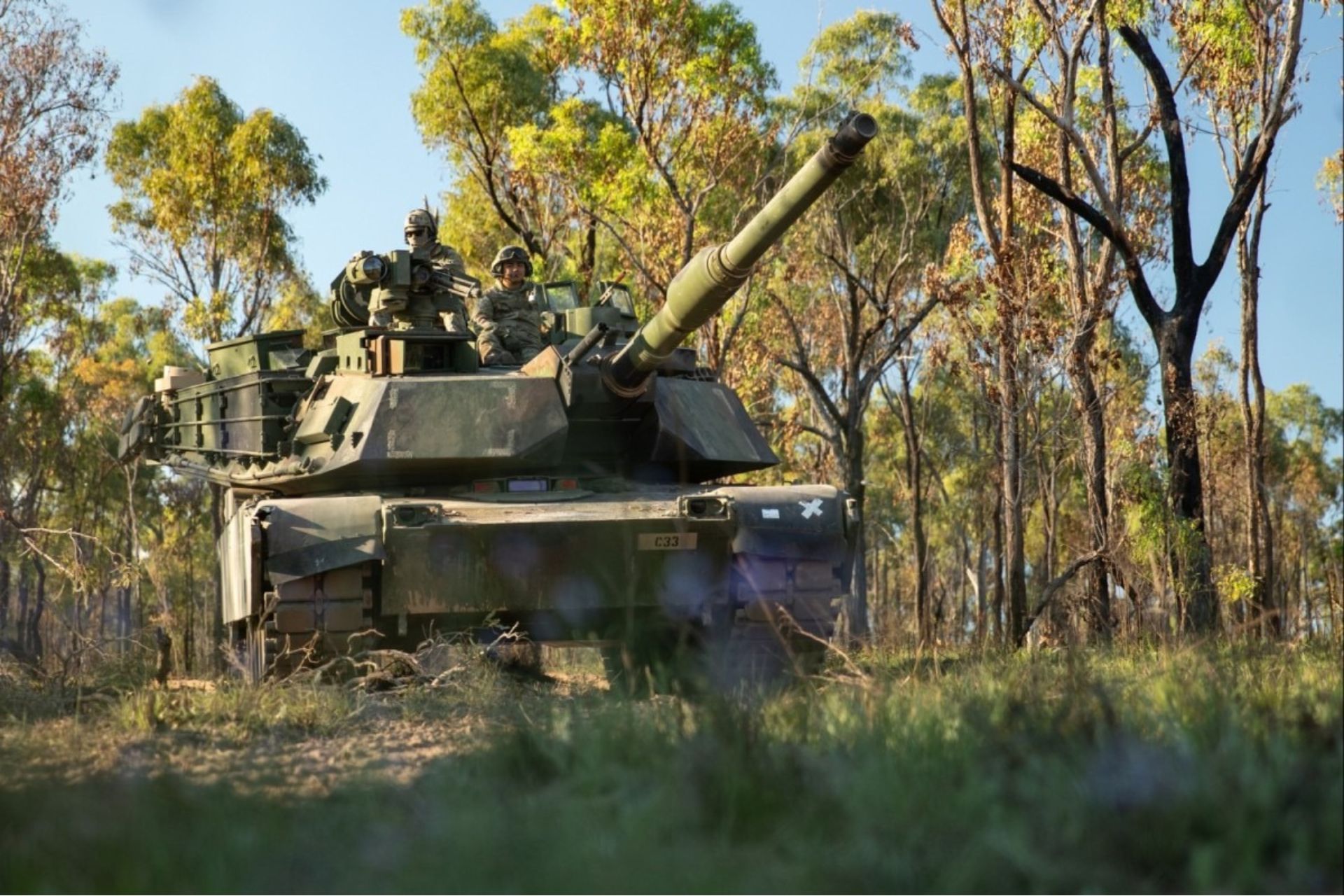
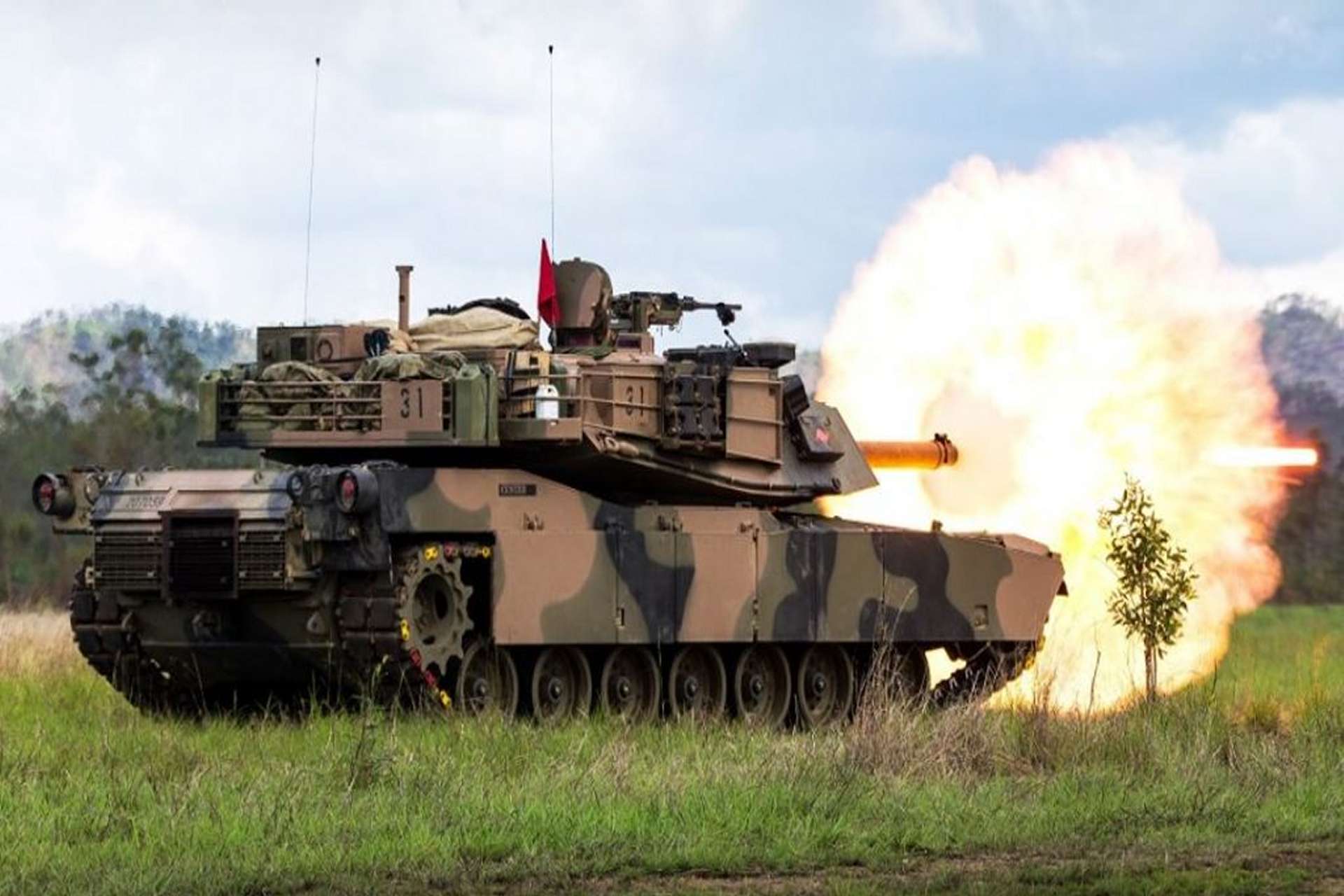
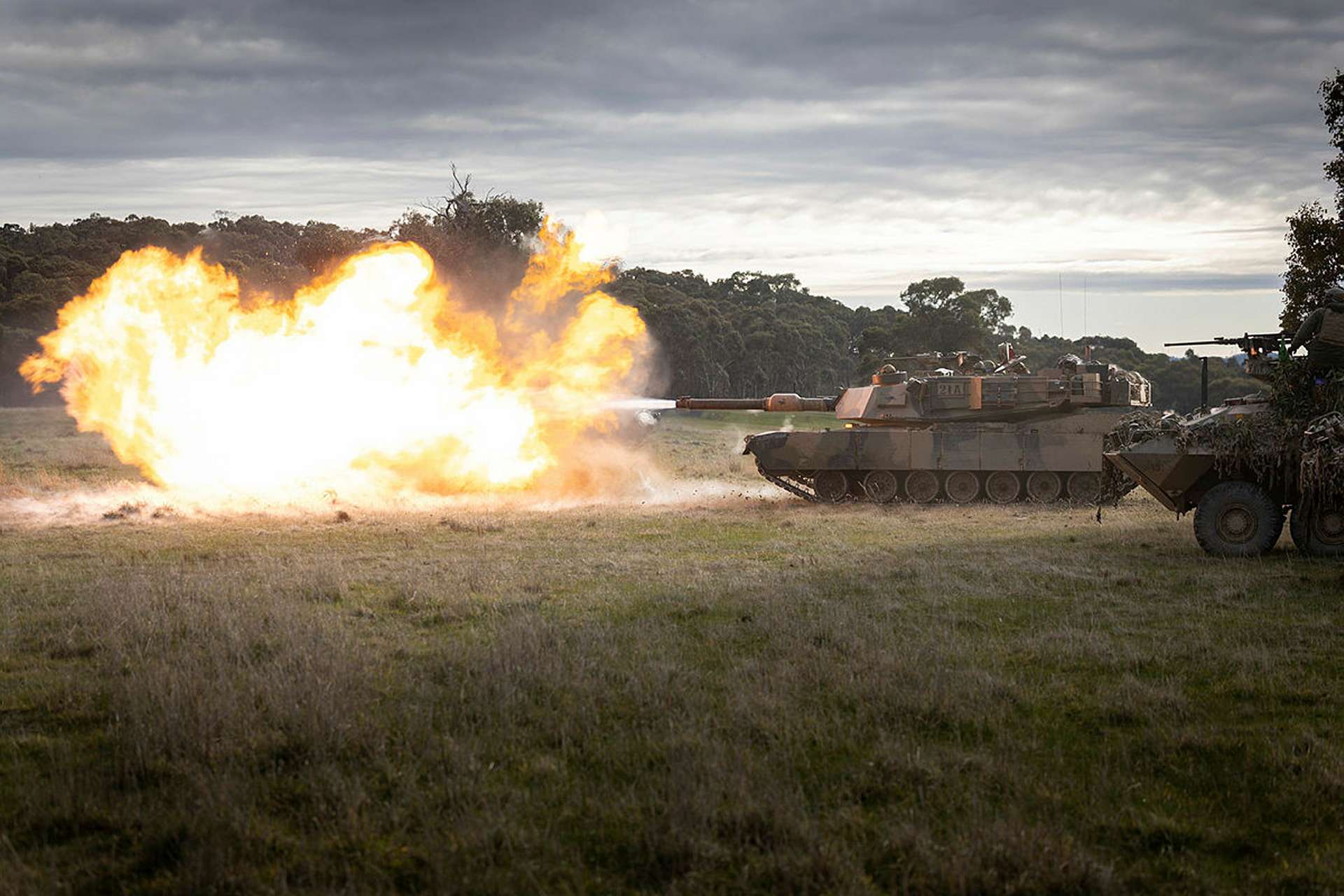
The Australian Army has officially delivered its first M1A2 SEP V3 main battle tanks, marking a significant step in the modernization of its armored capabilities. One of the new tanks, designated A27702, was displayed at the Land Forces 2024 exhibition in Melbourne, symbolizing the next phase of the country’s armored force upgrades. These tanks, which will replace the older M1A1 models retired from service in early September, represent a major technological advancement for the Australian Army.
Follow Army Recognition on Google News at this link
The 1st Armored Division brought M1A2 Abrams tanks to Australia for the first time to train alongside partners and allies during exercise Talisman Sabre 23 (Picture source: US Army)
The B Squadron of the 3rd/4th Cavalry Regiment, located at the School of Armour in the Puckapunyal Military Area, was the first unit to receive the M1A2 SEP V3 tanks. Preparations are underway to start conversion courses, which will train crews and maintenance personnel on this new platform. These courses will begin in the coming weeks, with soldiers from across the Australian Army participating in the training.
The 3rd Brigade, based in Townsville, will operate the majority of these new heavy armored vehicles. The brigade is set to receive its first M1A2 SEP V3s before the end of 2024, following a period of training and upgrades in Victoria. Last June, 27 Abrams tanks were seen on railcars headed to the Port of Hueneme in California. It is believed that they were shipped to Melbourne by cargo vessel and then transported by truck to the Joint Logistics Unit in Bandiana.
Australia currently operates 59 M1A1 Abrams tanks, acquired in 2007 to replace its older Leopard 1 tanks. As part of its armored force modernization program, Australia plans to purchase 75 new M1A2 SEP V3 tanks. These new models will provide significant improvements in protection, technology, and operational capabilities. This acquisition is part of a broader effort to enhance the Australian Army's defense capabilities.
The M1A2 SEP V3 is a modernized version of the U.S.-made main battle tank, featuring multiple upgrades in protection, mobility, and firepower. It is equipped with a 120 mm M256 main gun, a 7.62 mm coaxial machine gun, and a 12.7 mm heavy machine gun mounted on the turret. In terms of protection, the SEP V3 includes improved composite armor and can be fitted with the Trophy active protection system, designed to intercept threats like rockets and missiles. On the electronic side, the tank boasts advanced battlefield management systems, enhanced communication capabilities, optimized energy management, and embedded diagnostic systems for more efficient maintenance. These upgrades make the SEP V3 more resilient and better suited for modern combat environments.
General Dynamics Land Systems Australia will be responsible for the long-term maintenance of this fleet, which will also include 29 M1150 assault breacher vehicles, 17 M1074 joint assault bridges, and 19 M88A2 armored recovery vehicles. These vehicles will enhance Australia's deployable armored capabilities, ensuring their operational effectiveness and long-term readiness.
Read more: Australian Army Receives First M1A2 SEP V3 Tanks in Major Modernization Step
- Details
- Written by: Vandenbosch
- Category: 2024
- Hits: 9355
JSC Concern Kalashnikov has announced its plan to release the first large-scale batch of mass-dimensional mock-ups (MMG) of the AK-12 assault rifle (2018 model) to the civilian market. These replicas are intended for training and familiarization purposes and will soon be available for retail sale.
Follow Army Recognition on Google News at this link
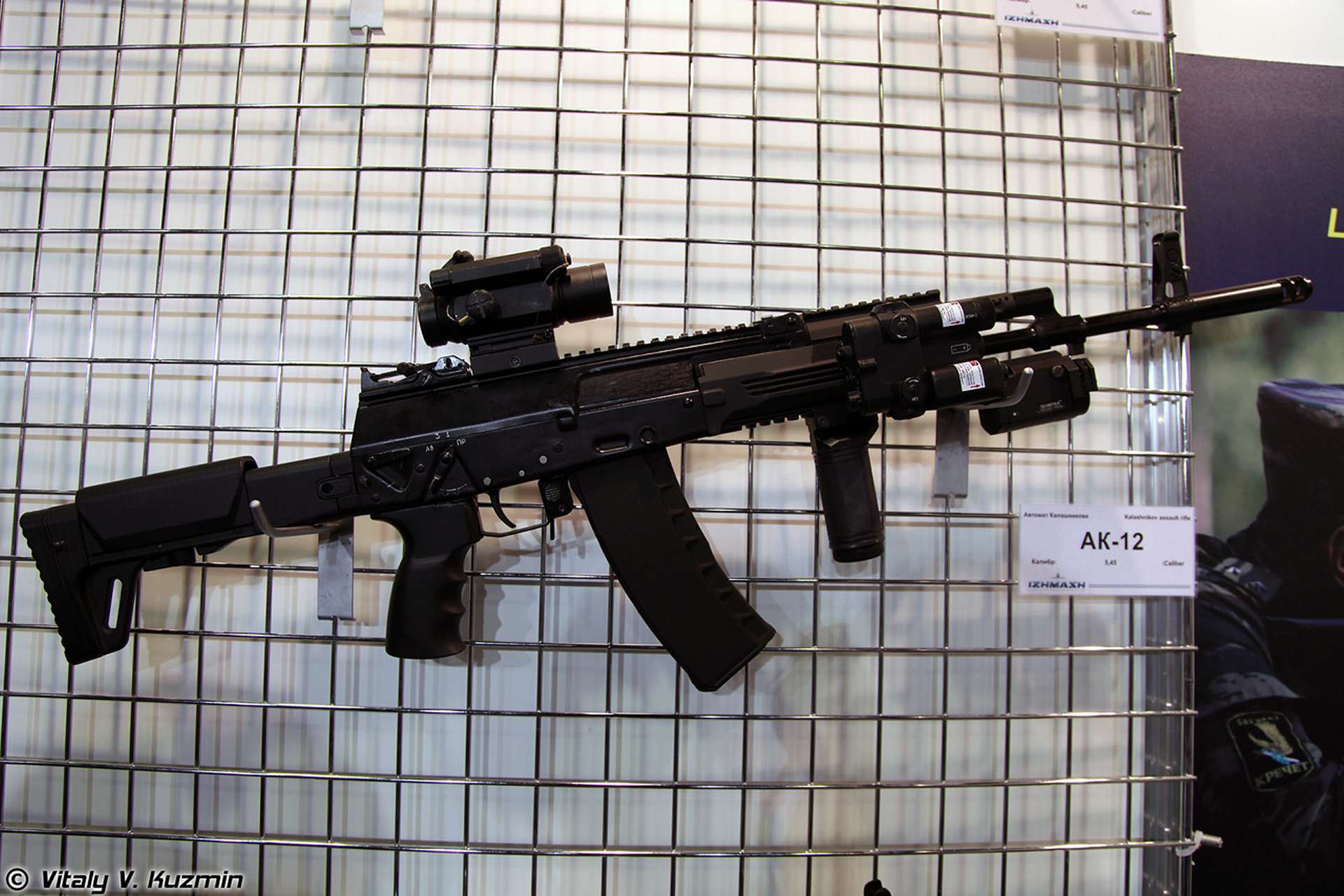
The AK-12 is a modern 5.45×39 mm assault rifle designed to meet the needs of the Russian armed forces. (Picture source: Vitaly Kuzmin)
The demand for the AK-12 MMG currently exceeds Kalashnikov's production capacity, as the company primarily focuses on fulfilling combat weapons contracts, which remains a priority. However, the production of these replicas will continue alongside the manufacturing of operational weapons.
The mass-dimensional mock-ups are detailed, life-sized replicas of the AK-12, identical to the original in terms of weight and dimensions. While they allow users to operate the safety, cock the trigger mechanism, and perform partial disassembly and reassembly, the MMGs are not functioning weapons and are safe to use without requiring a license for purchase.
This release aligns with broader educational initiatives in Russia. Following the implementation of a unified career guidance model in Russian schools, Kalashnikov has seen a surge in requests for these replicas for military-patriotic education programs aimed at teenagers. The MMGs allow students to learn about the design and handling of firearms, fostering interest in military service or careers in weapons design.
“We must reintroduce basic military training in schools,” said Alan Lushnikov, president of JSC Concern Kalashnikov, in a previous interview. “We need to ensure access to training weapons both in schools and outside. People must have the opportunity to acquire these skills, as they can be vital for survival on the battlefield.”
The AK-12 MMG replicas are expected to be available for retail sale in the fourth quarter of 2024.
The AK-12 is a modern 5.45×39 mm assault rifle designed to meet the needs of the Russian armed forces. Part of the renowned AK assault rifle series, the AK-12 was developed by Mikhail Kalashnikov, Vladimir Zlobin, and Sergey Urzhumcev. Introduced in 2018, it is manufactured by Kalashnikov Concern, the successor to Izhmash. The rifle has been used in several conflicts, including the Syrian Civil War and the Russo-Ukrainian War.
The AK-12 operates on a gas-operated mechanism with a long-stroke piston and a closed rotating bolt, ensuring robustness and reliability, hallmark traits of the AK series. It has a rate of fire of 700 rounds per minute and a muzzle velocity of 880 to 900 m/s, making it effective at a range of 440 meters. With an overall length of 922 mm, which reduces to 688 mm when the stock is folded, and a 415 mm barrel, the AK-12 offers great maneuverability and improved accuracy.
Several variants of the rifle exist, including the AK-15, which uses 7.62×39 mm ammunition, and the AK-19, designed to fire 5.56×45 mm NATO rounds. The AK-308, another version, is chambered for 7.62×51 mm NATO and offers an alternative for those seeking a battle rifle rather than an assault rifle. The carbine variants AK-12K and AK-15K are more compact versions of these models, while the RPK-16 serves as a light machine gun variant.
The AK-12 is equipped with a 30-round detachable magazine but can also accommodate larger 45-round magazines or even 95-round drums from the RPK-16. This flexibility, combined with the ability to mount various optics thanks to an integrated Picatinny rail, makes the rifle adaptable to different combat scenarios, enhancing its effectiveness on the battlefield.
Read more: Kalashnikov to Release Civilian Batch of AK-12 Mock-Ups for First Time
- Details
- Written by: Triffaux
- Category: 2024
- Hits: 2242
On September 10, 2024, Leonardo DRS, Inc. announced the early delivery of Command, Control, Communications, Computers, Cyber-Defense and Intelligence (C5I) systems for the Australian Army’s Heavy Armoured Capability Systems.
Follow Army Recognition on Google News at this link
Leonardo DRS delivers Command, Control, Communications, Computers, Cyber-Defense and Intelligence (C5I) systems to Australian Army
(Picture source: Leonardo DRS)
This advanced delivery equips the Australian Army's new armored vehicles with cutting-edge situational awareness technology, which is crucial for anticipating and responding to emerging threats in the Asia-Pacific region. These robust Battle Management Systems (BMS) are integrated into the main battle tanks M1A2Sepv3, the recovery vehicles M88A2, as well as the M1074 joint assault bridges and M1150 assault breacher vehicles.
Provided under the U.S. Government’s Foreign Military Sales program, this next-generation C5I equipment from Leonardo DRS has been specifically tailored to meet the unique requirements of the Australian Army. The technology, already in use by the U.S. Army, the Marine Corps, and UK combat vehicles, also ensures seamless network integration with U.S. forces and other coalition partners.
Bill Guyan, senior vice president and general manager of the Leonardo DRS Land Electronics business unit, emphasized the significance of this advancement: “We are very proud to support our close allies in the Australian Land Forces by providing our latest generation of proven C5I Battle Management System capabilities. In today’s complex threat environment, it is paramount that these critical capabilities are operational as soon as possible.”
With over 20 years of collaboration with the Australian Army, Leonardo DRS has reaffirmed its leadership position in supplying rugged platform computer systems, having deployed over 200,000 systems worldwide. The company continues to invest in the future of C5 technology, developing new generations of tactical computing systems and artificial intelligence processing solutions that will enhance sensor fusion, improve situational awareness, and reduce the cognitive load on commanders and their crews in multi-domain operations.
- Details
- Written by: Triffaux
- Category: 2024
- Hits: 8229
The Defense Technology Institute of Thailand (DTI) and the Royal Thai Army (RTA) conducted a series of tests and evaluations of the prototype of the D11A multi-purpose multiple rocket launcher from September 4 to 6, 2024. These tests, held at the Army’s Transportation Department’s vehicle training and testing range in Kanchanaburi Province, mark a crucial step in the development of this weapons system.
Follow Army Recognition on Google News at this link
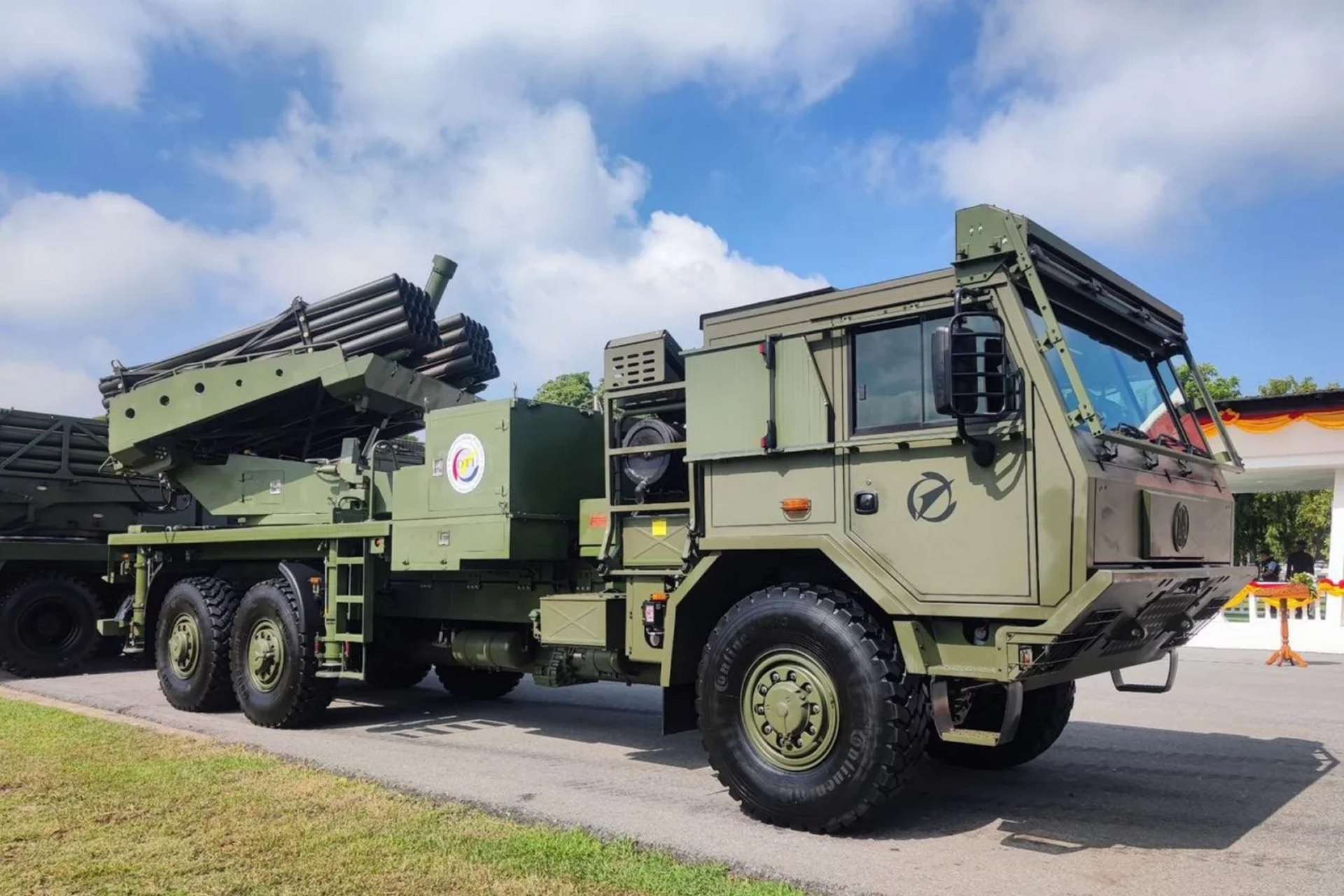
This modular launcher system supports a wide range of rockets, including unguided 122mm rockets such as the Russian GRAD, the Thai-developed DTI-2, and Chinese SHE-30 and SHE-40 rockets. (Picture source: Thailand's Defence Technology Institute)
The D11A is the result of a joint project between DTI and the RTA. It was delivered to the 711th Artillery Battalion, based at Fort Bhumibhol in Lopburi Province, on August 9, 2024. This multiple rocket launcher, mounted on a Tatra 6x6 truck of Czech design, is a Thai version of the Israeli PULS (Precise and Universal Launching System) developed by Elbit Systems. Capable of switching rocket pods in less than 10 minutes, it offers a firing range between 40 and 300 kilometers, with compatibility for Russian GRAD rockets as well as Chinese SHE-30 and SHE-40 models already in service with the Thai Army.
The tests conducted in September represent a significant milestone, which will be reviewed by the RTA's Evaluation Committee to determine the feasibility of serial production of the D11A. The next steps will include live-fire testing of surface-to-surface missiles at the Khao Phulon Artillery Range, also located in Lopburi Province. The initial trials will involve 122 mm Accular guided missiles, with an effective range of 40 km.
The D11A system is mounted on a 10-ton Tatra 6x6 truck chassis from the Czech Republic. This modular launcher system supports a wide range of rockets, including unguided 122mm rockets such as the Russian GRAD, the Thai-developed DTI-2, and Chinese SHE-30 and SHE-40 rockets. The system is designed for rapid pod changes—within 10 minutes—and offers performance similar to the GRAD in terms of speed and range. It is capable of firing both individual rounds and volleys, covering up to 3 hectares in a single volley of 40 rockets with high explosive fragmentation shells.
Additionally, the D11A can accommodate guided 122mm Accular missiles, which are set to undergo live-fire testing later in 2024 at the Khao Phulon Artillery Range. The Accular missiles, developed by Elbit Systems, offer an effective range of 40 kilometers with high accuracy, featuring a Circular Error Probable (CEP) of 10 meters.
In addition to the 122mm rocket trials, the D11A system will also be tested with 306mm EXTRA missiles, offering a range of 150 km, and 370mm Predator Hawk missiles, which can reach targets up to 300 km away. If successful, these tests would pave the way for local production of the launcher, significantly enhancing the Thai artillery’s capabilities.
The D11A project began in 2019 with a development contract worth USD 2.2 million awarded to Elbit Systems and was initially unveiled at the Defense & Security 2022 show in Bangkok. Despite delays caused by the COVID-19 pandemic, development resumed in early 2022. The system is designed to meet Thailand’s coastal artillery requirements and was developed in collaboration with the Royal Thai Navy’s Naval Research and Development Office.
As part of its effort to enhance its artillery capabilities, the Royal Thai Army recently approved the purchase of 563 SHE-30 rockets for 160 million baht (around USD 4.75 million) and 505 SHE-40 rockets for 151 million baht (around USD 4.5 million). These acquisitions from the Chinese arms company NORINCO aim to enhance the Army’s rocket stockpile, maximizing the D11A's potential with existing systems.
Elbit Systems, DTI’s Israeli partner for this project, has also proposed the integration of SkyStriker autonomous loitering munitions, which could be fired from the D11A. If this technology is adopted, it would provide the Royal Thai Army with enhanced precision strike capabilities and strategic flexibility, particularly in modern warfare environments where autonomous weapons systems play an increasingly important role.
The success of these ongoing trials could strengthen Thailand’s position as a developer of defense technologies, while diversifying the operational capabilities of its armed forces. The D11A project, with its multiple applications and munitions options, represents a significant advancement for Thai artillery and could open the door to future international defense collaborations.
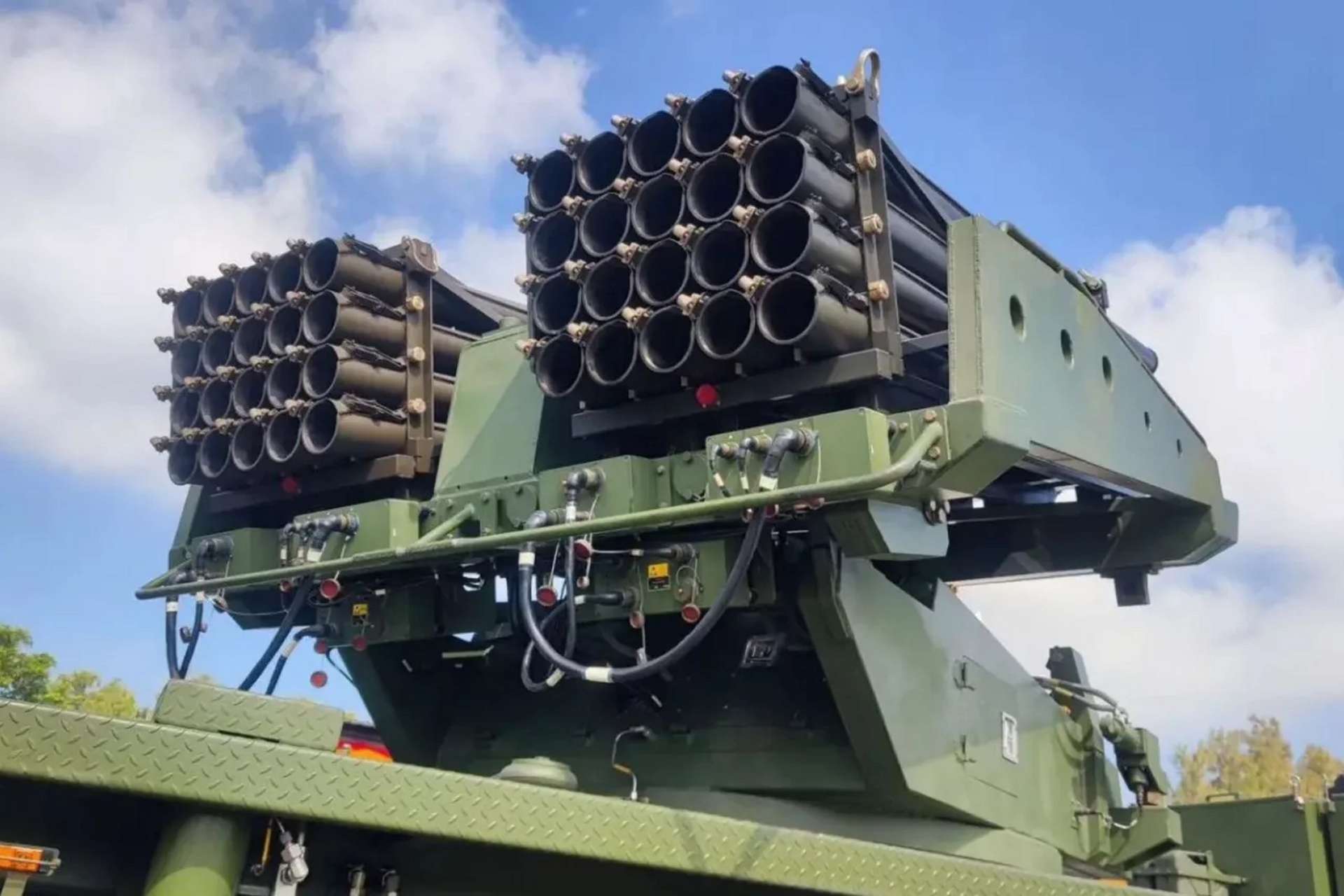
D11A Multi-purpose Multiple Rocket Launcher Vehicle (Picture source: Thailand's Defence Technology Institute)
Read more: Royal Thai Army Evaluates D11A MLRS Inspired by Israel's PULS System
- Details
- Written by: Jérôme Brahy
- Category: 2024
- Hits: 7063
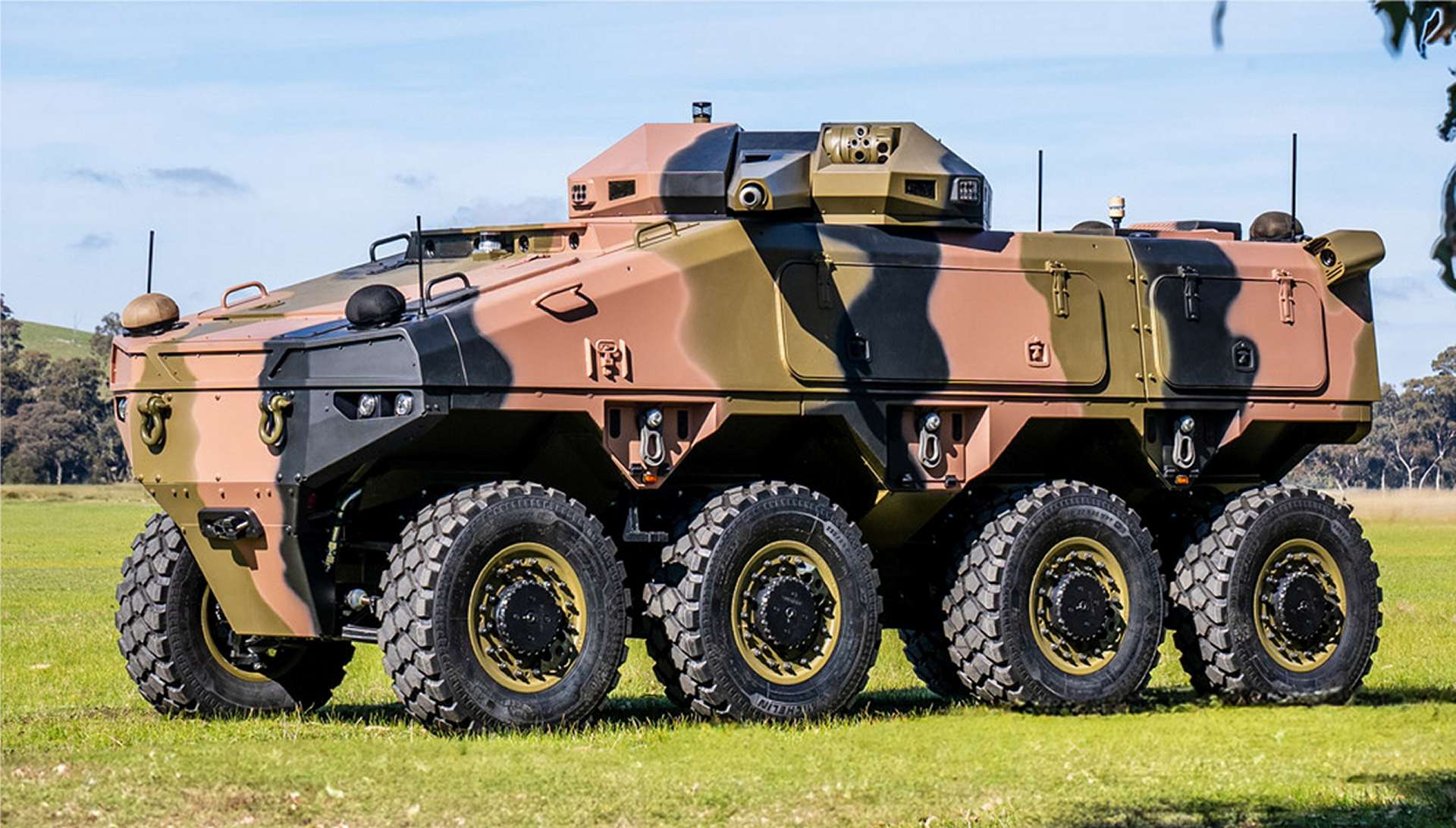
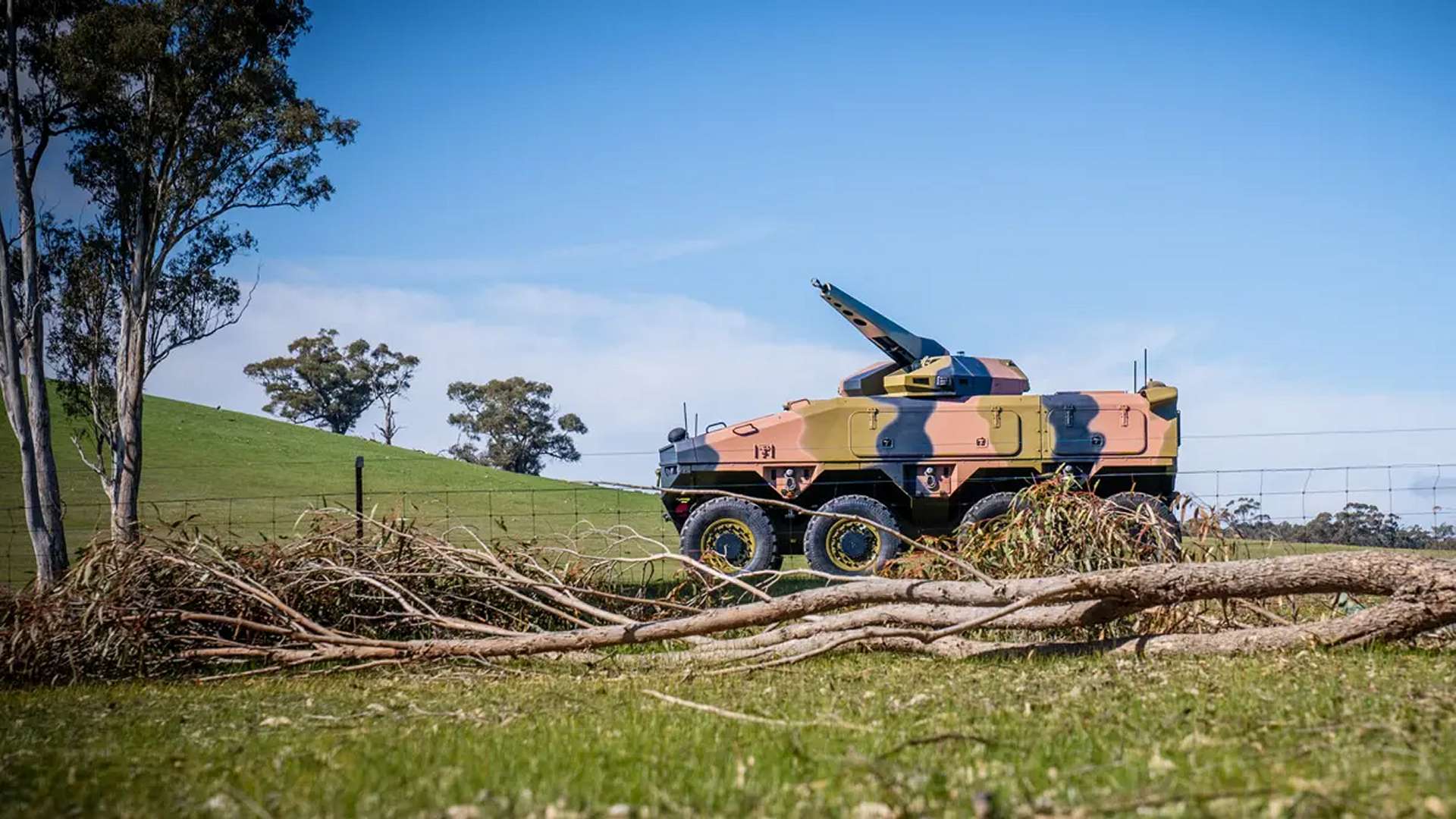
On September 11, 2024, BAE Systems Australia presented a new uncrewed ground vehicle (UGV) called the Autonomous Tactical Light Armour System (ATLAS) Collaborative Combat Variant (CCV) in Melbourne. This is the first vehicle of its kind developed in Australia. The ATLAS CCV was created in collaboration with several companies, including Supacat in the UK, Valhalla Turrets in Slovenia, and Australian manufacturer Marand. It is an 8x8 modular vehicle that integrates autonomous technology with existing armored vehicle systems.
Follow Army Recognition on Google News at this link
The ATLAS CCV is the first vehicle of its kind developed in Australia, equipped with an autonomous system that allows it to drive independently, avoid obstacles, plan routes, and make tactical decisions. (Picture source: BAE Systems Australia)
The ATLAS CCV is designed to operate autonomously in various combat environments, both on and off-road, and support crewed vehicles such as infantry fighting vehicles and main battle tanks, offering a cost-effective and flexible platform. It incorporates proven technologies to provide a lower-cost vehicle that can be configured for different missions and upgraded to counter emerging threats. At its core is an autonomous system that enables the vehicle to drive independently, avoid obstacles, plan routes, and make tactical decisions.
Andrew Gresham, Managing Director of Defence Delivery at BAE Systems Australia, described the ATLAS CCV as capable of handling tasks typically characterized as "dull, dirty, and dangerous" in combat environments. He noted that the vehicle would enhance the Australian Army's operations in various settings by improving maneuverability and responsiveness to both conventional and unconventional threats. Gresham also emphasized that this UGV marks a milestone as the first of its kind developed in Australia.
The ATLAS CCV is equipped with the 'VANTAGE' Automated Turret System (ATS), a medium-caliber turret designed specifically for uncrewed platforms. This turret includes a 'human-in-the-loop' targeting system, allowing for controlled engagement in combat situations. It is armed with an M242 Bushmaster 25mm chain gun, which has a range of up to 2,500 meters and is commonly used in various combat vehicles, such as the Bradley M2A2. The turret is low-profile to minimize exposure and adaptable for use on different platforms. It features a dual ammunition feed system and a capacity for 260 rounds, enabling it to sustain multiple engagements.
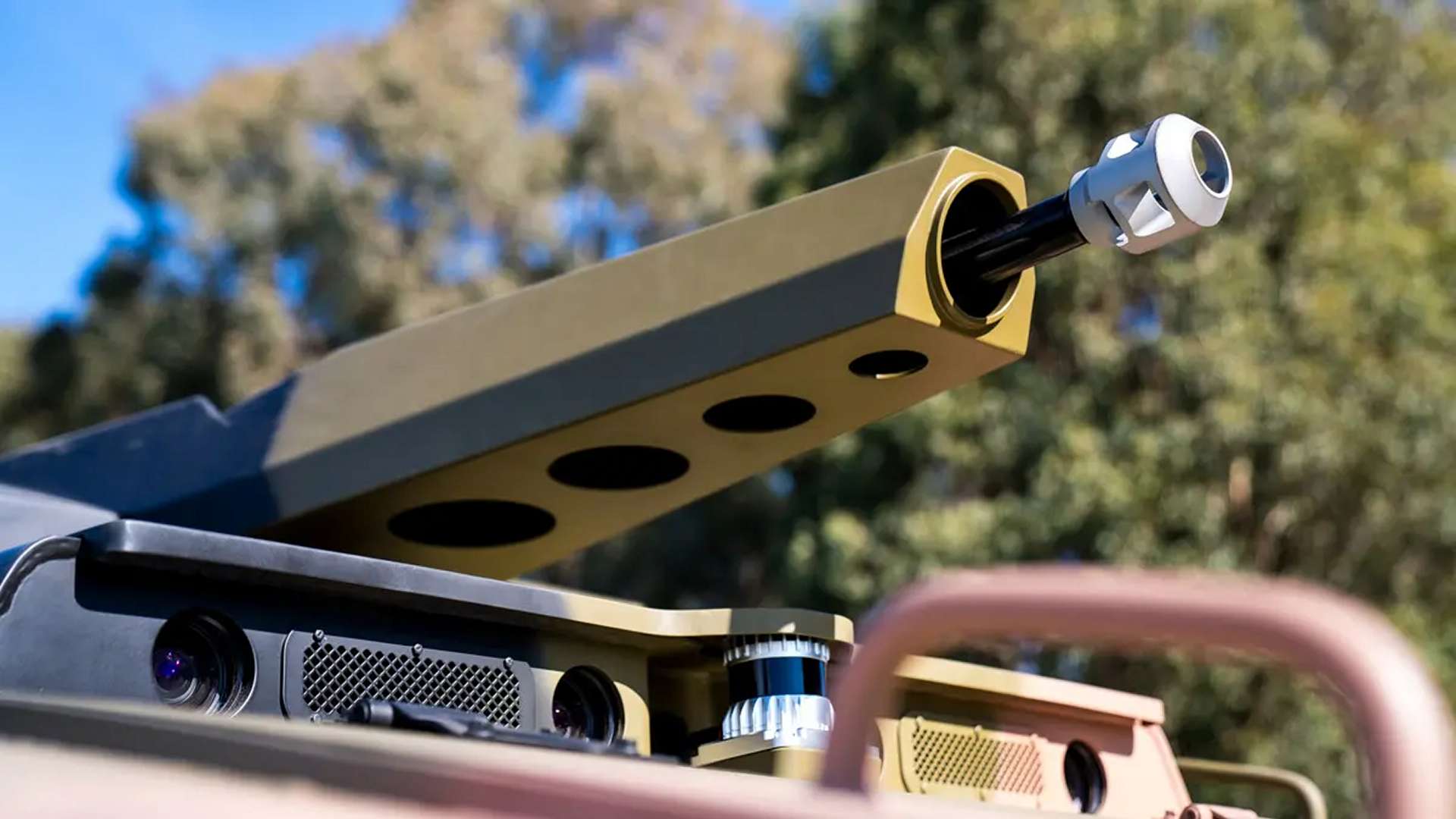
The ATLAS CCV is equipped with the 'VANTAGE' Automated Turret System (ATS), a medium-caliber turret designed specifically for uncrewed platforms armed with an M242 Bushmaster 25mm chain gun. (Picture source: BAE Systems Australia)
The ATLAS CCV is designed to fit into a standard 20-foot ISO container or flat rack, allowing for transport by fixed-wing aircraft or landing craft. Its modular configuration enables it to perform various combat roles, including counter-UAV operations and indirect fire support with a 120mm automated mortar system. Its advanced sensor suite includes a 360° multi-spectral automatic target detection, tracking, and classification system, with capabilities such as day cameras, thermal imaging, acoustic sensors, passive electronic warfare, stereo vision, and LIDAR. These sensors support a range of reconnaissance and surveillance tasks, allowing the ATLAS CCV to identify and track threats or provide overwatch or electronic surveillance.
The compact size and firepower of the ATLAS CCV make it a suitable companion for crewed combat vehicles, enabling it to maintain contact with both tracked and wheeled vehicles across various terrains and conditions. It is designed for roles such as flank security, target identification, engagement, reconnaissance, and direct fire support. Its autonomy system offers multiple operational modes, including tele-operation, "Follow Me" mode with obstacle avoidance, waypoint navigation, and goal-based mission planning. The vehicle can execute dynamic behaviors such as real-time user control, autonomous path following, and obstacle avoidance.
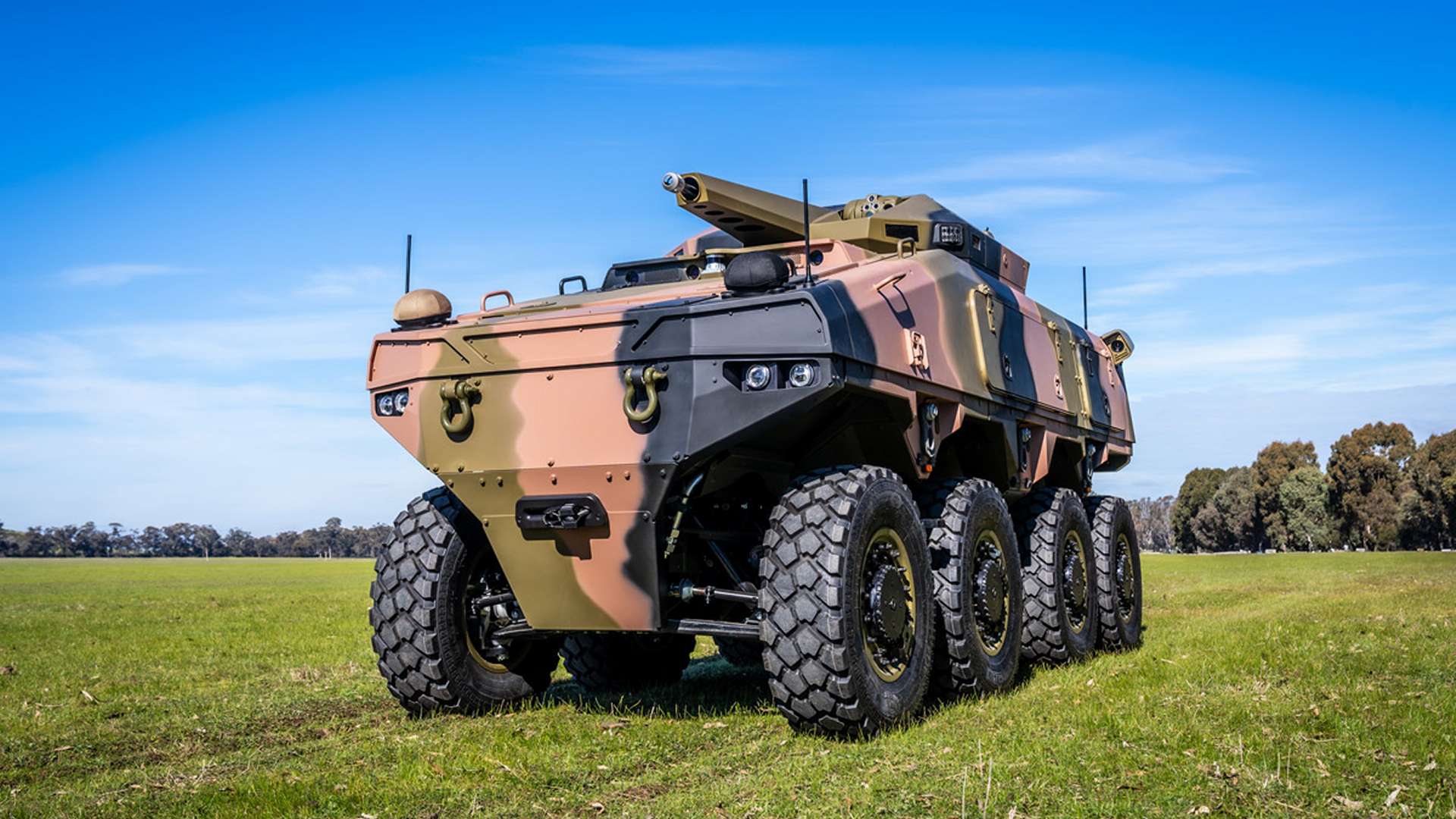
The ATLAS CCV is designed for roles such as flank security, target identification, engagement, reconnaissance, and direct fire support. (Picture source: BAE Systems Australia)
Built on a high-mobility chassis with a Supacat driveline, the ATLAS CCV shares commonality with the HMT family of vehicles. It is powered by a Cummins ISB 6-cylinder 6.7-liter diesel engine and an Allison 3000 automatic transmission, designed to meet various military mobility needs, including main battle tanks (MBTs), infantry fighting vehicles (IFVs), and combat reconnaissance vehicles (CRVs). The design includes an 8-wheel drive system, central tire inflation, run-flat inserts, all-axle steering, and crab-walk capability, allowing it to maneuver across complex terrains, including gap crossing, vertical steps, slopes, and tight turns.
The vehicle's survivability features include tailored protection options to reduce mass while safeguarding critical subsystems like its autonomy technology and ammunition storage. It can carry several tonnes of payload within its protected hull, including ammunition, fuel, rations, water, and mission-critical equipment, to support companion crewed platforms. Its modular design enables it to fulfill various combat and support roles, enhancing the lethality, coverage, and flexibility of traditional forces.
Additionally, the ATLAS CCV's architecture is built around an advanced autonomy system that integrates with its sensor suite and command and control systems, facilitating effective communication between crewed and uncrewed assets. This capability supports joint operations and formations based on shared mission data. The vehicle’s control systems include vehicle management, mission management, and payload management systems, providing a comprehensive framework for operational control.
Built on a high-mobility 8x8 chassis with a Supacat driveline, the ATLAS CCV shares commonality with the HMT family of vehicles. (Picture source: BAE Systems Australia)
The ATLAS CCV is designed to operate autonomously in various combat environments, both on and off-road, and support crewed vehicles such as infantry fighting vehicles and main battle tanks, offering a cost-effective and flexible platform. (Picture source: Australian MoD)
Read more: BAE Systems Australia pioneers the future of warfare with new ATLAS CCV UGV

- Details
- Written by: Halna du Fretay
- Category: 2024
- Hits: 3036
The Chilean Investigative Police (PDI) has initiated a weapons renewal program with the acquisition of 1,200 Glock Gen5 pistols in 9x19 mm caliber. The tender process, which began in July 2024, culminated in the signing of a contract with Importadora y Comercial Mir & Cruz SpA for a total value of $669,000. This move marks an effort to modernize the weapons used by the institution, ensuring better equipment for law enforcement.
Follow Army Recognition on Google News at this link
The contract involves the acquisition of 200 Glock G19 Gen5 FS pistols and 1,000 Glock G26 Gen5 FS pistols, both chambered in 9x19 mm caliber (Picture source: Glock)
The contract includes the purchase of 200 Glock G19 Gen5 FS pistols and 1,000 Glock G26 Gen5 FS pistols, both in 9x19 mm caliber. These firearms are intended to replace existing pistols that have reached the end of their operational life. The PDI emphasized the acquisition of equipment that meets strict safety, size, and ergonomic criteria, ensuring maximum compatibility between components to facilitate their use in emergency situations and to improve the logistics of spare parts.
The selected Glock pistols offer technical characteristics that meet the requirements of Chilean law enforcement in terms of handling and performance. The Model A, the Glock G19 Gen5 FS, is designed for male personnel with a magazine capacity of 15 rounds. The Model B, the Glock G26 Gen5 FS, was developed for female officers with a magazine capacity of 10 rounds, featuring ergonomics adapted for better grip. Additionally, the institution requested a variable number of spare components to facilitate maintenance and repairs, ranging from 32 to 38 pieces for each pistol model.
Importadora MC's offer was selected for meeting both the budgetary and technical requirements, earning an overall evaluation score of 98.5%. The company, representing Glock International SA, committed to delivering the pistols within 90 days of the order's issuance and acceptance. The contract also includes a 10-year technical warranty for the acquired firearms, as well as the provision of an armorer training course facilitated by Glock. This course will consist of theoretical and practical sessions lasting six to eight hours, with repeat sessions based on the number of participants. Certified armorers will be qualified for one year.
In addition to the pistols, each firearm will be supplied with a complete set of accessories, including a grip kit, steel night sights with tritium contrast points, two orange-colored magazines, a sport/combat holster and magazine pouch, a cleaning kit, a hard carrying case, and an instruction manual.
To further optimize logistics and ensure efficient maintenance, the PDI will also receive 200 additional magazines for each pistol model. For the Glock G19 Gen5 FS, these additional magazines will feature an extension, increasing the total capacity to 17 rounds of 9x19 mm caliber.
Along with the firearms and accessories, Glock will provide a comprehensive spare parts kit to ensure long-term maintenance of the pistols. This kit will include sets of springs, firing pin locking devices, ejectors, and other essential components. Additionally, the company will deliver a specialized toolset for armorers responsible for maintenance, including disassembly tools, gauges, and cleaning kits.
- Details
- Written by: V.Saint
- Category: 2024
- Hits: 4882
The United States Marine Corps plans to expand the combat capabilities of rifle units through the development and adoption of lightweight munitions. Several similar products are currently in development, and the first of these is ready for testing. Teledyne FLIR Defense is offering a drone called Rogue 1, which is currently being tested by the Marine Corps to allow for a comparison with its main competitors.
Follow Army Recognition on Google News at this link
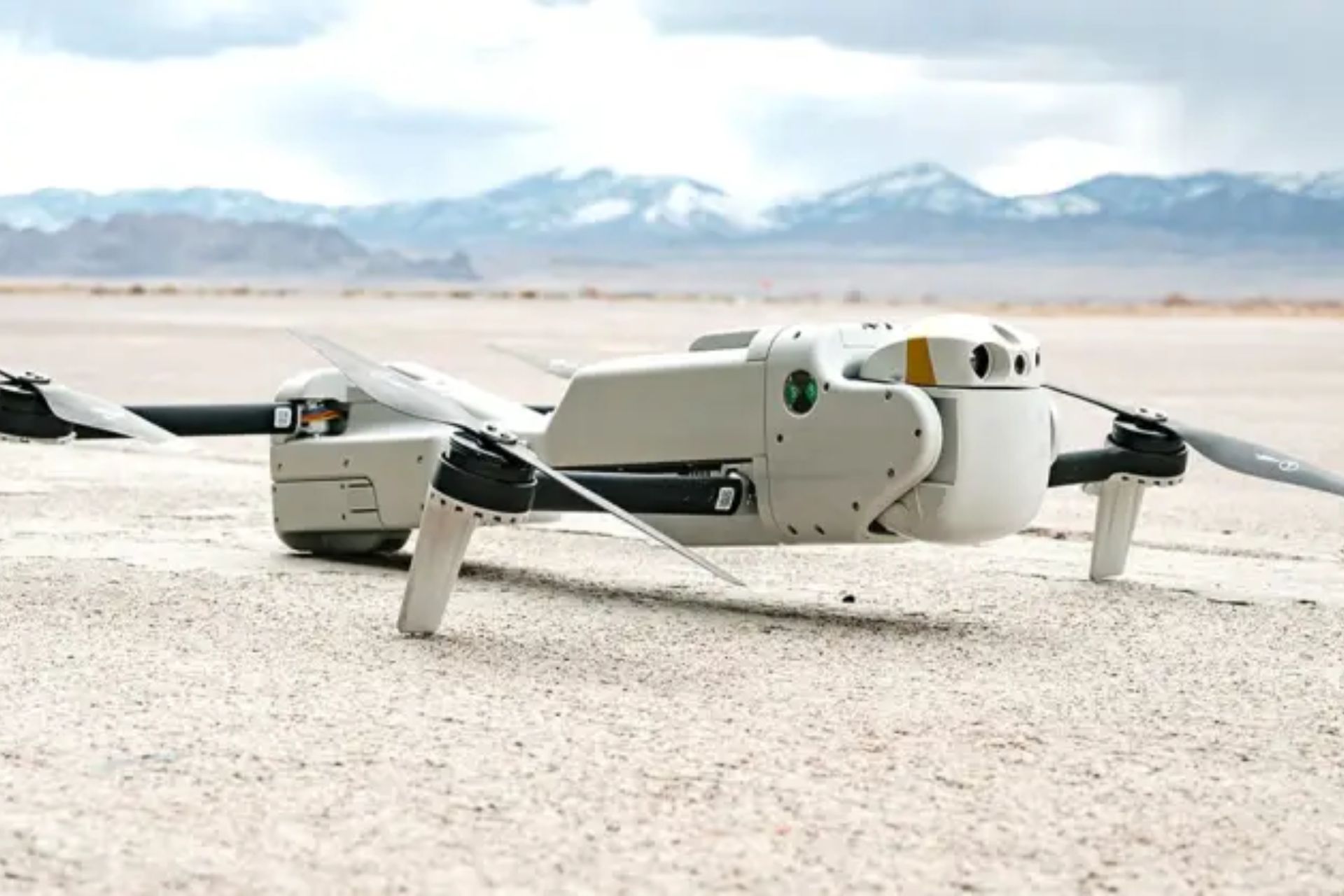
Rogue-1 ready for take off (Picture source: Teledyne FLIR)
The US Marine Corps has been interested in loitering munitions (LOA) for some time and has been evaluating available samples and proposals on the market. Additionally, not long ago, they decided to launch their own development programs for such weapons. As a result of this program, they aim to acquire a range of armored vehicles with different characteristics and capabilities to equip rifle units.
In September 2023, the OPF-L (Organic Precision Fires-Light) program was launched. Its objective is to develop a compact and lightweight drone suitable for mass production and use in modern combat. Commercial organizations with the necessary experience were invited to participate in the program. It was reported that the new program could take up to eight years in total. In the near future, they plan to develop a new technology and conduct initial tests in 2024. Over time, they plan to carry out various studies, address application issues, and so on. The project's budget is capped at $249 million for the entire manufacturing, testing, and commissioning process.
Teledyne FLIR Defense, AeroVironment, and Anduril Industries expressed interest in developing new munitions. Their preliminary designs received the necessary evaluation, and on April 11, 2024, the ILC System Command gave them the order to proceed with development. They were then required, if necessary, to complete the development of new nuclear warheads and produce equipment batches for testing. In April, the Marine Corps did not specify the cost of the contracts or their timelines. However, AeroVironment announced it would receive approximately $9 million. It is likely that the other two companies received similar contracts.
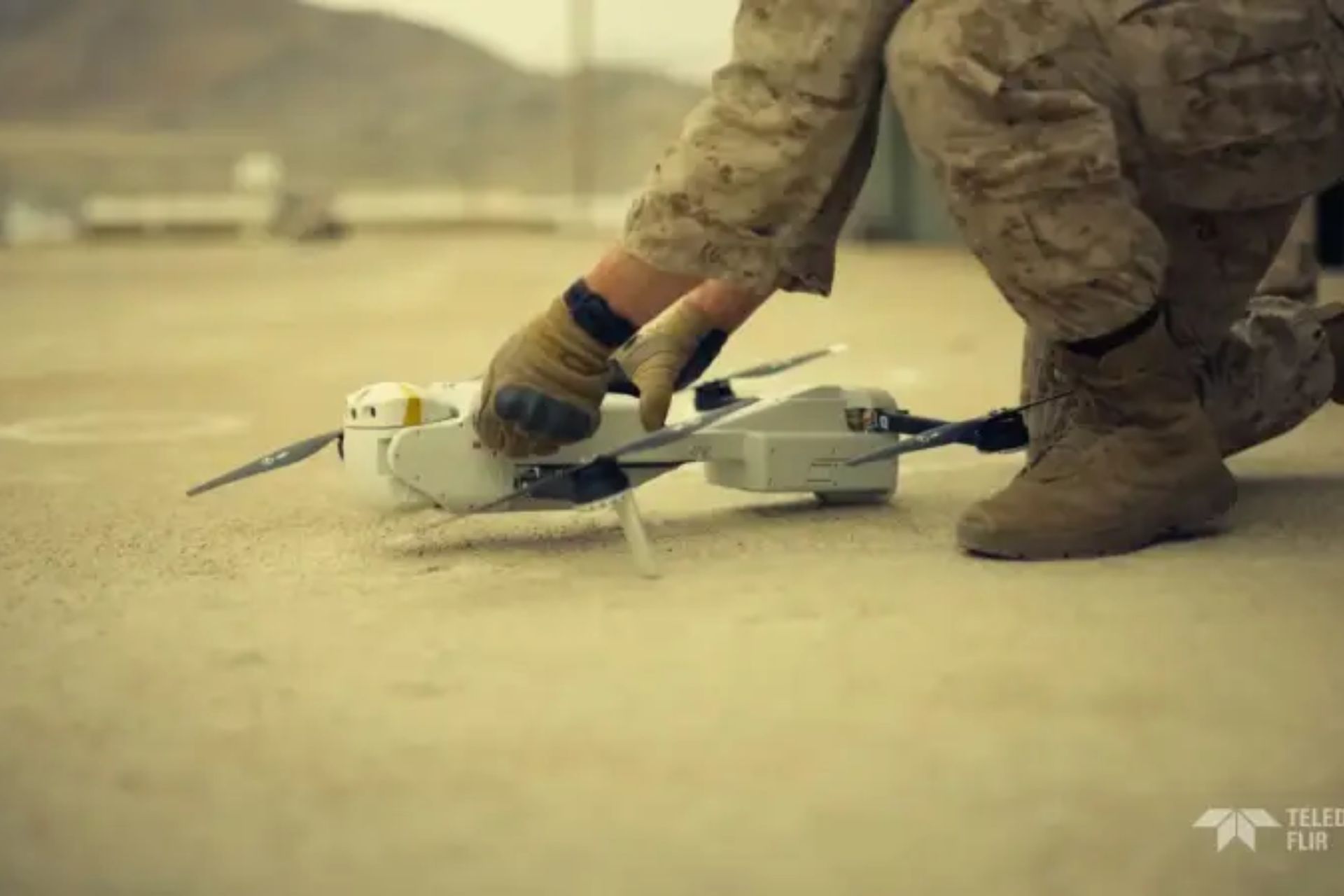
Flight preparation of Rogue-1 loitering munition ( Picture source: Teledyne FLIR)
Rogue-1
Teledyne FLIR Defence was the first to present the required sample. It did not develop the Rogue 1 drone from scratch but instead offered the Marine Corps a finished product developed in the recent past. This is the Rogue 1 drone, created at the beginning of this decade. In 2022, a batch of this equipment was purchased by the U.S. Special Operations Command for testing and evaluation. At the same time, Teledyne offered it to the Marine Corps, but it did not win the desired contract.
Teledyne’s loitering munition is called Rogue 1. The name also appears to reference one of the entries in the Star Wars film saga.
In early May, the SOF Week conference took place in the United States, dedicated to the development of special operations forces and other troops. During this event, Teledyne FLIR Defence introduced the Rogue 1 for the first time as part of the OPF-L program and revealed details of the contract with the Marine Corps. As expected, Teledyne gave a high rating to its product. Company representatives claim that the Rogue 1 fully meets the customer's tactical and technical requirements and has high combat potential. To support this, technical specifications are provided, and several important design features are mentioned.
Due to its small size, the drone can be used by foot operators. Deployment on all platforms and transport vehicles is also possible. With the help of interchangeable combat units, it can attack and destroy personnel, various structures, and armored vehicles. It is also said to have a "one-of-a-kind" fuse with a mechanical trigger, which will prevent the loss of the drone if a strike is canceled or in other circumstances, allowing the munition to be reused.
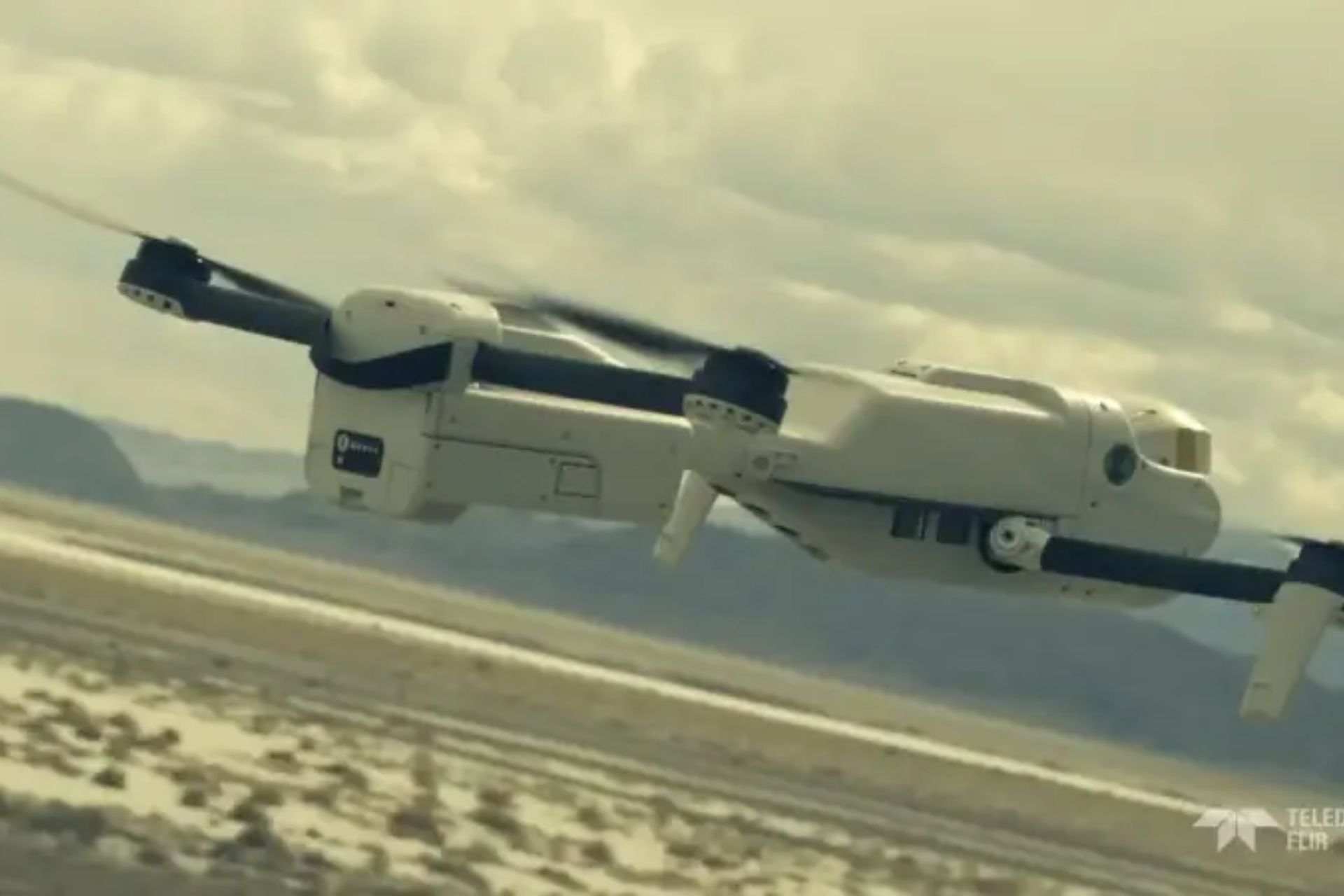
Rogue-1 loitering munition in flight during tests done by Teledyne ( Picture source: Teledyne FLIR)
Technical Specifications
The Rogue 1 UAV/loitering munition is built using a quadcopter design. At the same time, its architecture, layout, and onboard equipment reflect features associated with a specific set of tasks. The product has a length of about 500-600 mm and weighs approximately 4.5 kg, making it easy to transport by crew or any means of transport.
The main design element is an elongated fuselage of complex shape, made of plastic. It has a thick, box-shaped nose, probably housing control instruments. Through a thin bridge, this housing is connected to the rear compartment for a replaceable battery. The booms with propeller-motor groups are hinged on the sides of the fuselage. For transport, they fold along the fuselage. Once folded, the drone can be carried in a transport case adapted to soldier equipment.
Rogue 1 is equipped with four electric motors with retractable propellers. The motor specifications are not provided. Using such a power plant, the drone can reach speeds of around 110 km/h. The battery provides 30 minutes of flight time. In this case, the range of the system is determined by the communication equipment parameters and is limited to 9.6-10 km.
At the front of the loitering munition is a replaceable module with a compact electro-optical station and warhead. The device is equipped with a FLIR Boson 640+ station with day and thermal imaging channels. The video signal is transmitted in real-time to the operator's console, which allows for observation, target search, and aiming. It is not specified whether there is an automatic target-tracking function.
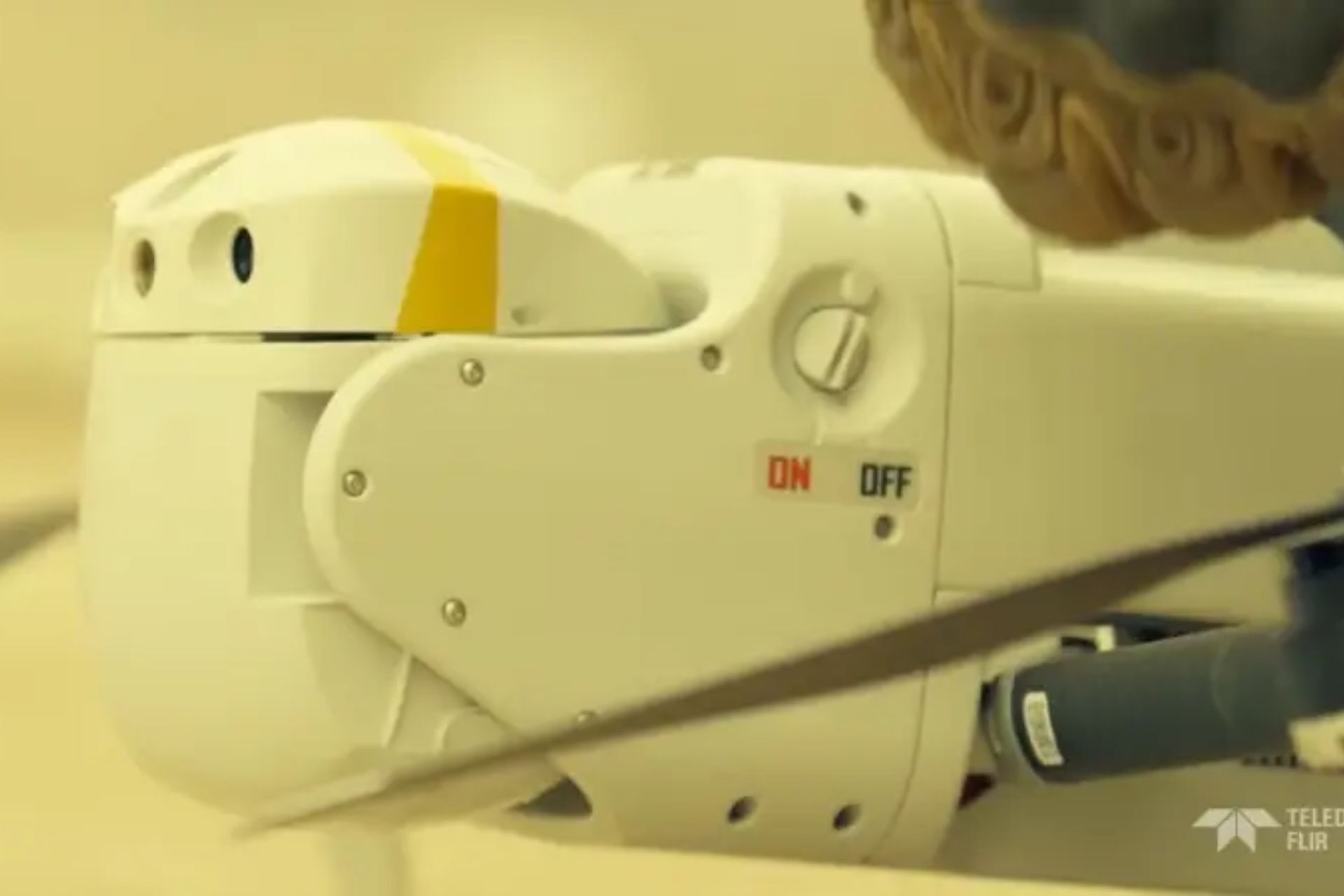
Rogue-1 main switch, activate warhead detonation or not ( Picture source : Teledyne FLIR)
Armament
A warhead is placed in the same casing as the EOS. There are three different types of warheads, with the primary one being a cumulative fragmentation charge weighing 454 g. High-explosive and inert warheads of similar mass have also been developed. The low mass and power are offset by the high precision of guidance, using a highly accurate EOS and a maneuverable aerial platform.
The warheads are equipped with a unique fuse that includes a mechanical trigger and an indicator. The fuse is manually controlled using a large, visible switch. It is claimed that such warhead equipment theoretically allows the recovery and reuse of a dropped warhead. The developers believe that this feature will simplify and reduce the cost of operator training while also optimizing the use of drones in combat.
An Uncertain Future for a Promising Drone
The Marine Corps and other branches of the U.S. military have long appreciated the concept of loitering munitions. They are now seeking the best examples of this class for future procurement and large-scale deployment in the armed forces. To this end, the Marines launched the OPF-L program last year, which is expected to increase the firepower capabilities of line units in the medium term.
As part of the OPF-L, Marine specialists will evaluate new loitering munitions from different manufacturers. One participant in the program is already known, and at least two more are expected soon. Testing will take place this year, after which the first conclusions will be drawn. It is still unknown which of the presented drones will be selected for service.
The prospects for Teledyne FLIR Defence’s Rogue 1 product are also still in question. This drone is involved in two Pentagon programs but has not yet moved beyond testing. It is likely that by 2025, further information will be revealed when the official contract is made public.
Read more: USMC to receive Teledyne Rogue 1 loitering munition to strengthen its deployed units
- Details
- Written by: Jérôme Brahy
- Category: 2024
- Hits: 2903
On September 3, 2024, Norway announced a new contribution to Ukraine, allocating NOK 570 million (€47.9 million) for drones and air defense systems. This effort is part of a broader initiative involving the United Kingdom, the Netherlands, Lithuania, and Norway. It is coordinated through the British-led International Fund for Ukraine (IFU), which facilitates the procurement of military equipment for Ukraine. Norway has contributed a total of NOK 1.8 billion (€151.2 million) to this fund since 2022, while other countries, including Denmark, Sweden, Australia, New Zealand, and Iceland, have brought the total commitment to over NOK 12.5 billion (€1.05 billion).
Follow Army Recognition on Google News at this link
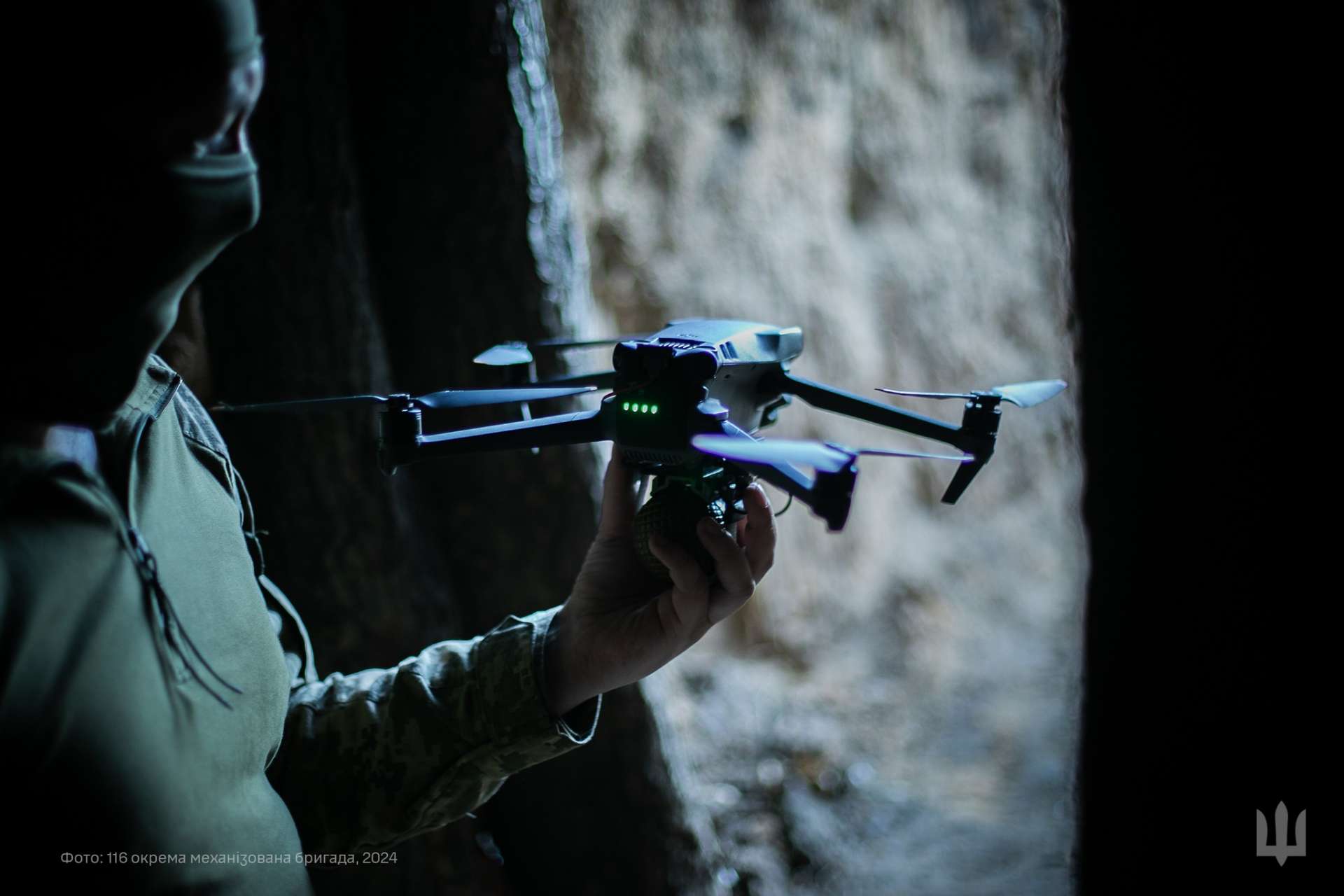
Norway already donated 850 Black Hornet Nano drones, jointly purchased with the UK, and 1,000 new drone kits to Ukraine, alongside 3 Aeryon SkyRanger R60s and 10 DJI Mavic 2/3s provided by Veteran Aid Ukraine. (Picture source: 116th Mechanized Brigade)
The Norwegian Minister of Defense, Bjørn Arild Gram, stated that Norway, together with other countries, would contribute what they could to meet Ukraine's urgent need for more military equipment in response to the Russian war of aggression. Norway's contributions through the IFU have included air defense systems, mine-clearing equipment, artillery ammunition, transport vehicles, engineering vehicles, pavers, spare parts, and equipment for maintaining Ukrainian platforms and small boats. The funding for these contributions comes from the Nansen program.
Norway's support for Ukraine is outlined in a multi-year program for 2023 to 2027, totaling NOK 75 billion (€6.3 billion), with an annual distribution of approximately NOK 15 billion (€1.26 billion). This assistance is intended to support both Ukraine and neighboring countries affected by the conflict, such as Moldova. For 2024, NOK 22 billion (€1.848 billion) has been allocated under the Nansen Support Programme, including NOK 8.5 billion (€714 million) for civilian and humanitarian support and NOK 13.5 billion (€1.134 billion) for military support.
Details of Norway's 2024 humanitarian and civilian support include NOK 2.55 billion (€214.2 million) for humanitarian aid, NOK 3 billion (€252 million) directed to Ukraine’s government administration through the World Bank's Ukraine Relief, Recovery, Reconstruction, and Reform Trust Fund, NOK 1.1 billion (€92.4 million) for securing electricity in Ukraine, and NOK 100 million (€8.4 million) allocated for nuclear safety measures via the Norwegian Radiation and Nuclear Safety Authority. Additionally, NOK 350 million (€29.4 million) is earmarked for Moldova, while NOK 70 million (€5.88 million) is set aside for a new grant scheme to support Ukrainian civil society organizations.
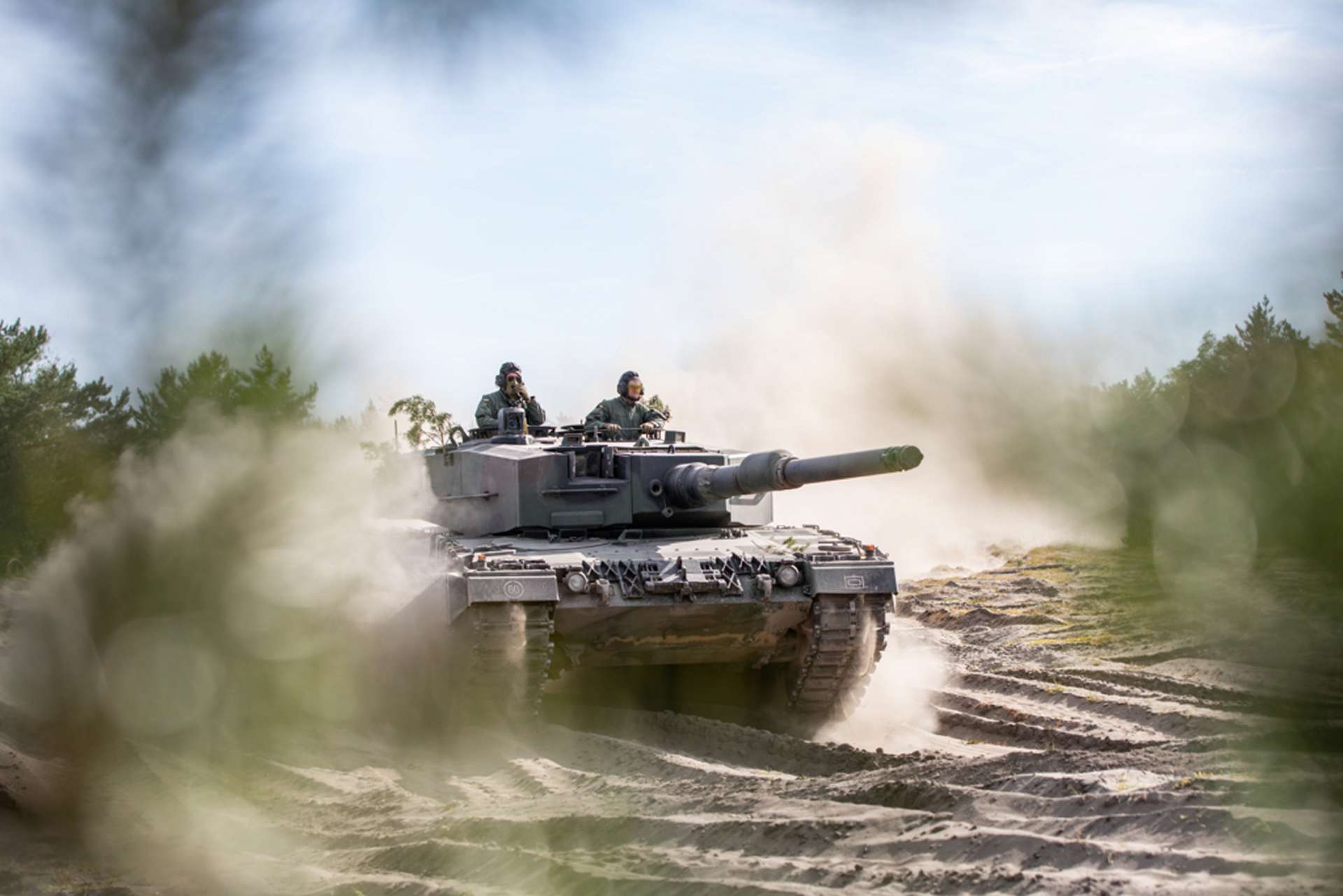
In 2023, Norway provided approximately NOK 19.9 billion (€1.671 billion) in total support to Ukraine, including the delivery of 8 Leopard 2A4 main battle tanks. (Picture source: Norwegian MoD)
In 2023, Norway provided approximately NOK 19.9 billion (€1.671 billion) in total support, including around NOK 8.9 billion (€747.6 million) for civilian and humanitarian aid and NOK 11 billion (€924 million) for military assistance. Civilian support was distributed through institutions such as the World Bank and the European Bank for Reconstruction and Development, while humanitarian aid was delivered via the United Nations, the Red Cross Movement, Norwegian humanitarian organizations, and the EU's Civil Protection Mechanism. Additionally, NOK 520 million (€43.68 million) was allocated for civilian aid to Moldova, and NOK 180 million (€15.12 million) supported Ukrainian refugees in Poland, Romania, and other European Economic Area countries.
The military support in 2023 included NOK 10 billion (€840 million) through the Nansen program and NOK 1 billion (€84 million) outside of it. The military aid provided by Norway includes NASAMS air defense systems valued at NOK 335 million (€28.14 million), various artillery systems, multiple launch rocket systems (MLRS), tanks, mine-clearing systems, and artillery hunting radars (Arthur), among other equipment. Norway also contributed to training programs for Ukrainian soldiers, including Explosive Ordnance Disposal training, and participated in various multinational efforts to enhance Ukraine's military capabilities.
In 2022, Norway provided NOK 10.7 billion (€898.8 million) to Ukraine, with civilian and humanitarian support totaling approximately NOK 6.3 billion (€529.2 million). This included NOK 2.6 billion (€218.4 million) through the United Nations, the Red Cross, Norwegian and international humanitarian organizations, and the EU's Civil Protection Mechanism. Additionally, Norway supported gas purchases for Ukraine, reconstruction efforts, and nuclear safety initiatives, and extended assistance to Ukrainian refugees in neighboring countries.
Norway's military support in 2022-2023 amounted to around NOK 4.4 billion (€369.6 million), with NOK 3 billion (€252 million) allocated for military equipment, training, and contributions to international funds managed by NATO, the EU, and the United Kingdom. This support included anti-tank weapons, artillery vehicles, missile systems, and other equipment, alongside training and logistical aid for Ukrainian forces. Norway also supported training for Ukrainian soldiers in Great Britain and contributed to the EU Military Assistance Mission for Ukraine.
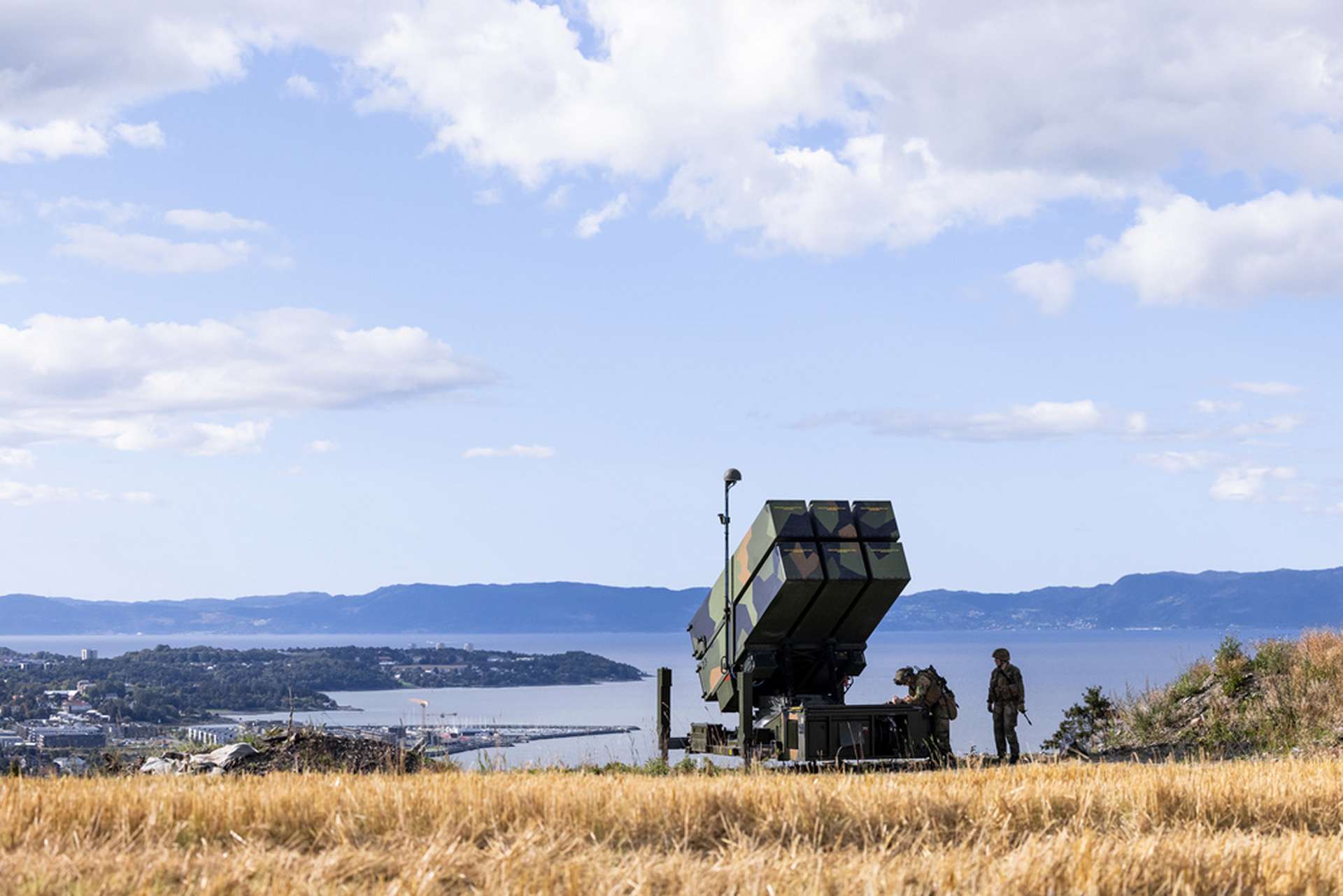
The military aid provided by Norway includes NASAMS air defense systems valued at NOK 335 million (€28.14 million), various artillery systems, multiple launch rocket systems (MLRS), tanks, mine-clearing systems, and artillery hunting radars (Arthur), among other equipment. (Picture source: Norwegian MoD)
Read more: Norway pledges €47.9 Million in drones and air defense systems for Ukraine

- Details
- Written by: Vandenbosch
- Category: 2024
- Hits: 2990
North Korea recently revealed a new 12-axle transporter-erector-launcher (TEL), marking a significant advancement in its military capabilities. This unveiling occurred during leader Kim Jong-un's visit to a defense industry factory, as shown in a photo published by North Korea’s official news agency KCNA on September 8, 2024.
Follow Army Recognition on Google News at this link
The new North Korean TEL model. (Picture source: North Korean Gov)
This new TEL model, larger than those previously observed, could potentially transport intercontinental ballistic missiles (ICBM) that are longer than current models, such as the Hwasong-17, which is carried by an 11-axle TEL. Experts speculate on the development of a new missile, possibly the Hwasong-18, due to this upgrade.
The 12-axle TEL raises concerns not only for its potential to carry a larger missile but also for the increased speed and stealth with which such weapons could be deployed in the field. An analysis by NK News confirmed that this launcher is larger than all previous North Korean models, reinforcing the hypothesis of a major modernization of the regime's ballistic capabilities.
In response to this news, Pentagon spokesperson Major General Pat Ryder stated that "North Korea often uses media to send messages of power." He added that the United States and its allies are closely monitoring these developments. However, it remains to be seen whether this new vehicle will be used in actual missile program improvements or if it is merely a show of force.
North Korea's military industry, under the direct supervision of Kim Jong-un, continues to focus on the scientific modernization of its military equipment. This unveiling is part of a series of announcements aimed at showcasing the country’s technological advancements in the field of nuclear and ballistic weapons.
The new 12-axle transporter-erector-launcher unveiled by North Korea is the largest model observed in the country to date. It is designed to transport larger intercontinental ballistic missiles, possibly exceeding the Hwasong-17 in size. The 12-axle configuration provides increased mobility, allowing for easier and faster missile deployment, which could complicate the detection and interception of such projectiles. This vehicle is likely intended for next-generation missiles, such as the Hwasong-18, raising concerns among neighboring countries due to the enhanced ballistic capabilities of North Korea, which threaten regions far beyond the Korean Peninsula.
With this new development, Pyongyang demonstrates its determination to strengthen its strategic capabilities as tensions in the region remain high, particularly in light of recent military exercises by the United States and South Korea. International observers will continue to closely monitor these developments, which could have significant implications for regional and global security.
- Details
- Written by: Administrator
- Category: 2024
- Hits: 3121
In a demonstration of military precision and readiness, the Serbian Special Forces recently conducted a multi-day tactical exercise, "Drina 2024," aimed at honing combat skills in mountainous terrain. The exercise brought together elite units, including the 72nd Special Operations Brigade, the 63rd Parachute Brigade, and the Special Purpose Military Police Detachment "Kobre." The operation, which emphasized the use of modern weapons and equipment, was designed to test and enhance the Serbian Special Forces' capabilities in real-world combat scenarios.
Follow Army Recognition on Google News at this link
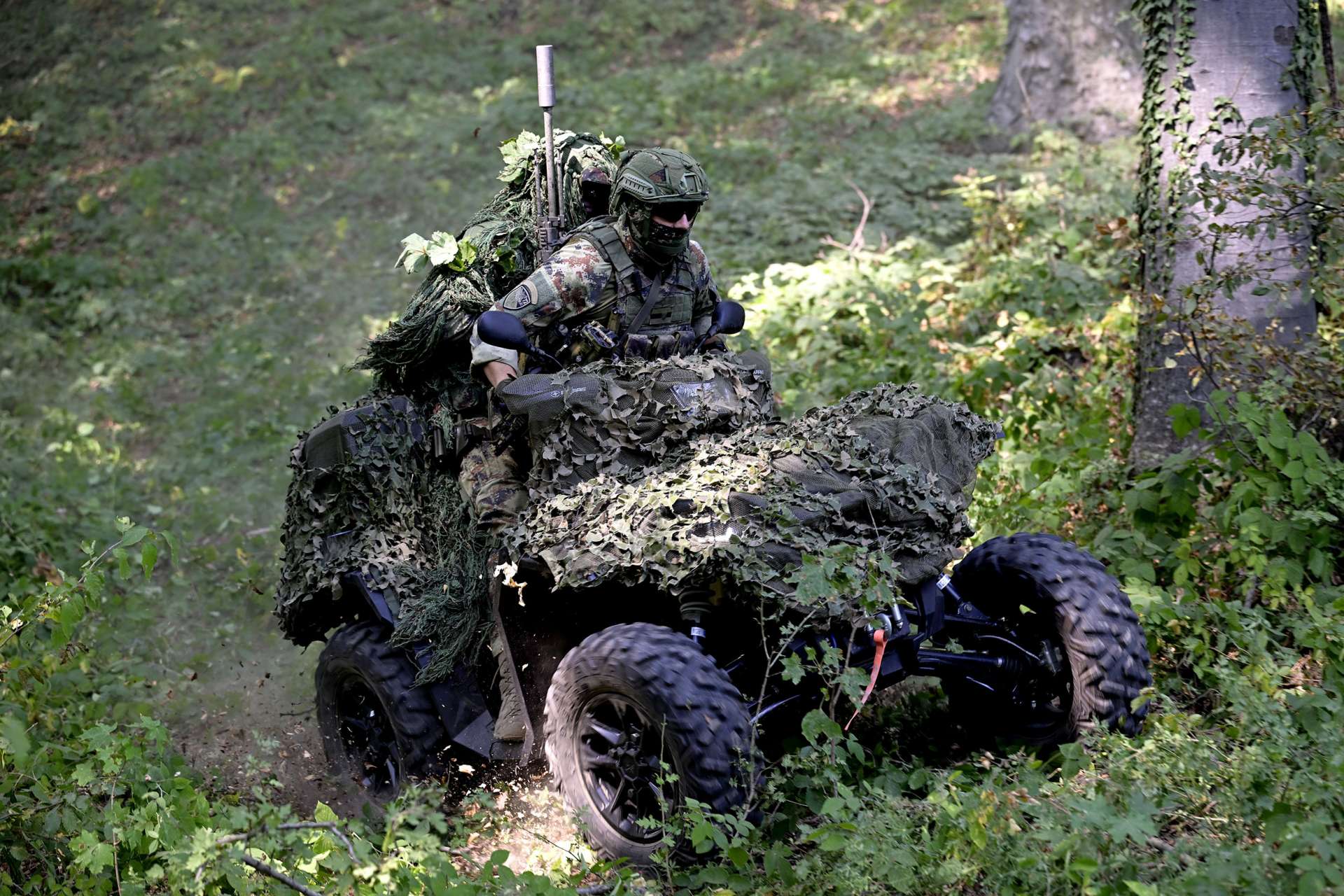
Serbian Special Forces during tactical exercise Drina 2024. (Picture source: Serbian MoD)
High-ranking Serbian officials attended the event, showcasing its national importance. Among them were the President of the Republic and Supreme Commander of the Serbian Armed Forces, Aleksandar Vučić, along with Minister of Defence Bratislav Gašić and Chief of the General Staff, General Milan Mojsilović. After observing the operation, President Vučić praised the special forces for their execution, stating, “The state is increasing and strengthening the capabilities of special forces by recruiting new personnel and acquiring new equipment and state-of-the-art weapons.”
The exercise began with aerial reconnaissance using unmanned aerial vehicles (UAVs) to gather intelligence on a simulated terrorist group operating in a remote, mountainous region. The UAVs provided real-time data, allowing the special forces to strategically blockade both a wider and narrower perimeter before engaging in combat.
One of the most impressive displays of stealth and coordination occurred when a team of commandos used bladed weapons to silently neutralize guards at the terrorist base. Shortly thereafter, the commandos encountered a terrorist patrol, which they swiftly eliminated using suppressed firearms.
The next phase of the operation showcased the precision of Serbian sniper teams, who took out key terrorist targets from hidden positions. At the same time, a remotely piloted unmanned platform, Miloš, was deployed to engage enemy structures and disrupt the terrorist network from a distance.
The exercise also tested the Special Forces’ ability to counteract escape attempts by the enemy. One group of terrorists, attempting to flee the blockade in a motor vehicle, was stopped by Kobre teams operating from an armored vehicle. The terrorists were arrested in a swift and effective operation, underscoring the versatility of Serbia’s armored units in such scenarios.
Following the engagement, Special Forces teams conducted a thorough search of the terrorist base and its surroundings. They discovered a cache of explosive ordnance, ammunition, and weapons hidden by the terrorists. This arsenal was safely destroyed, eliminating the risk of further terrorist activities in the area.
"Drina 2024" highlighted the Serbian military’s growing strength and operational readiness, demonstrating their ability to handle modern combat scenarios with advanced tactics and equipment. President Vučić’s remarks reinforced Serbia’s commitment to bolstering its military capabilities, particularly in special operations, through recruitment, training, and investment in cutting-edge technology.
Read more: Serbian Special Forces Conduct Tactical Exercise Drina 2024
- Details
- Written by: Jérôme Brahy
- Category: 2024
- Hits: 3351
On September 4, 2024, during the MSPO 2024 exhibition, the Spanish company Indra Sistemas signed a contract with Poland to deliver up to 15 transportable radar systems for military and dual air traffic control purposes. Facilitated by the Polish Armaments Agency, the agreement includes an initial order for eight systems, with an option for seven additional units to be delivered between 2025 and 2031. The contract is valued at approximately 1.1 billion PLN (€256.751 million) and is considered one of the largest defense radar contracts in Europe.
Follow Army Recognition on Google News at this link
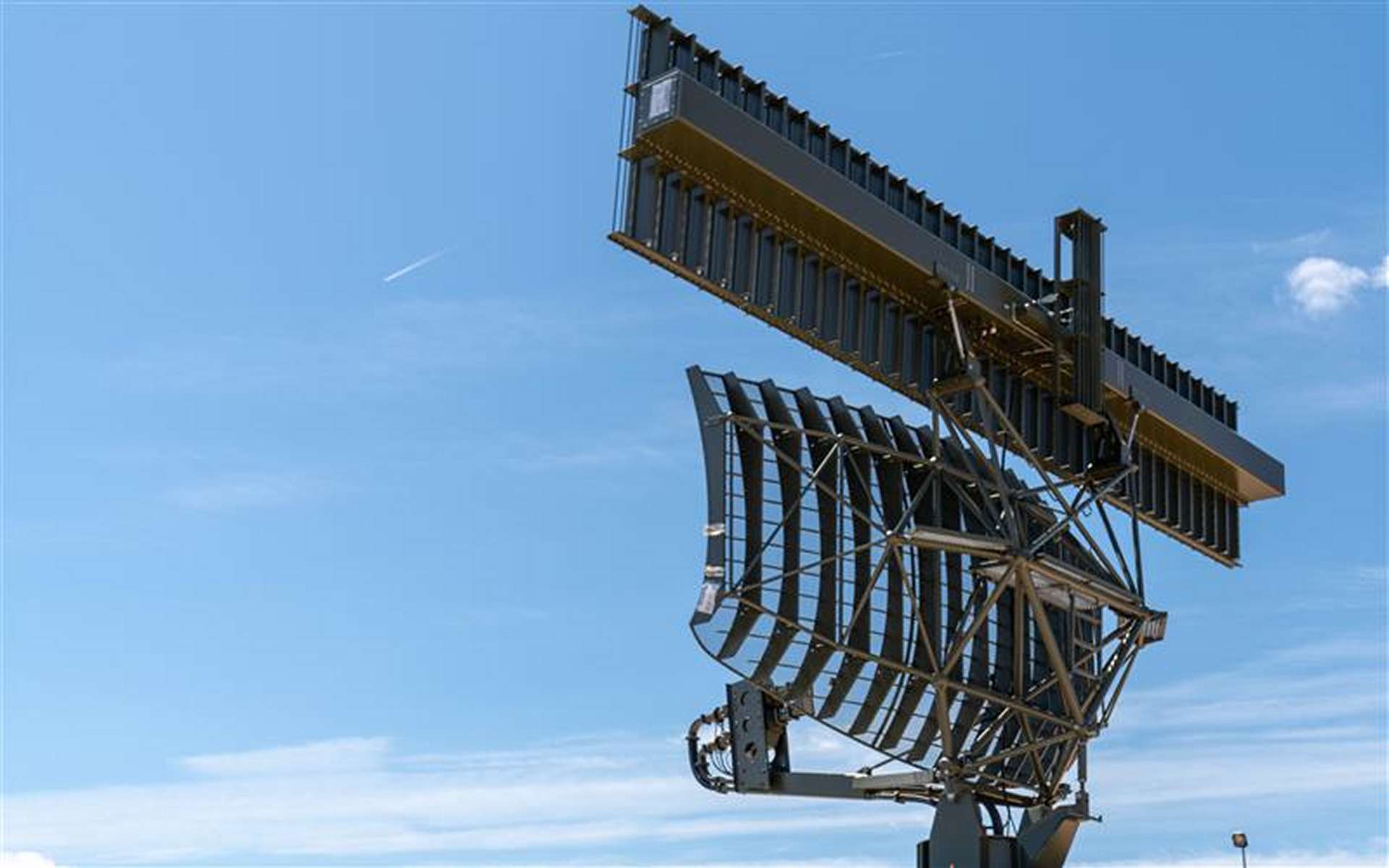
The agreement includes an initial order for eight systems, with an option for seven additional units to be delivered between 2025 and 2031. (Picture source: Indra Sistemas)
The new radar systems will replace the AVIA-W airfield control stations currently used by the Polish Air Force. The AVIA-W is an airport area control radar capable of detecting air objects, determining their flat coordinates, such as azimuth and distance, and providing electronic identification via the MARK XII system. It delivers information on the air situation in the airport area to radar information collection and processing systems like the TU-20L and WSA-10-3.
Designed to operate in challenging meteorological conditions, the AVIA-W has an instrumental range of 112 kilometers, a detection ceiling of 20,000 meters, an L-band operating frequency, and a rotation speed of 10 to 15 revolutions per minute, with an output power of 450 kW. Although effective, the system is being replaced to align with updated defense needs.
Indra's transportable radar systems are designed to meet the specific requirements of the Polish Air Force, offering the capability to determine the three-dimensional position and trajectory of aircraft under various conditions. They incorporate Identification Friend or Foe (IFF) technology to distinguish allied and own aircraft from other traffic, supporting secure air traffic management and improving surveillance and control in designated airspace sectors.
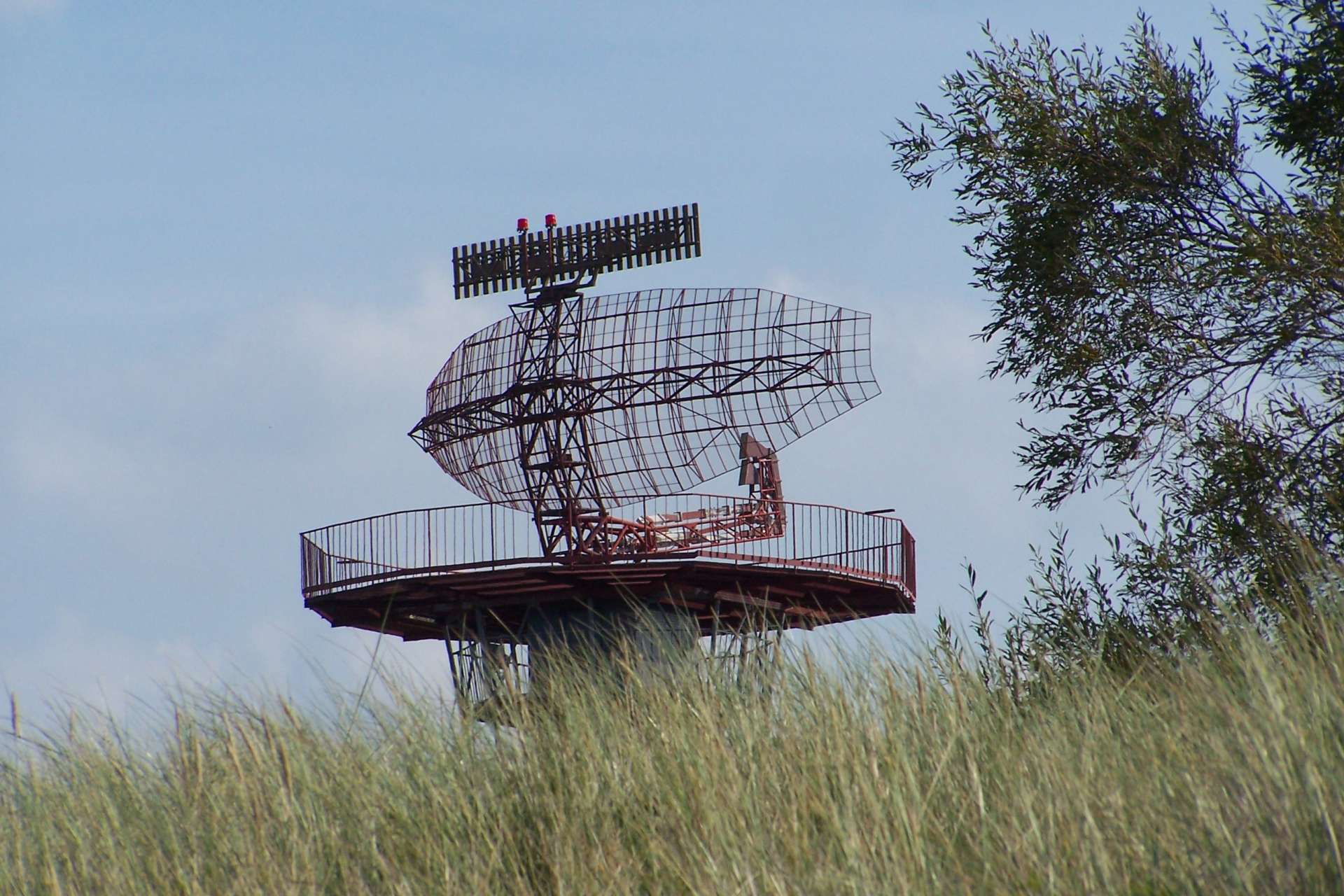
The AVIA-W has an instrumental range of 112 kilometers, a detection ceiling of 20,000 meters, an L-band operating frequency, and a rotation speed of 10 to 15 revolutions per minute. (Picture source: Wikimapia)
The radar technology is based on solid-state electronic components that enhance transmission and reception efficiency. The systems use digital signal processing to operate effectively in environments with potential interference from terrain, adverse weather, countermeasures, or reflections from wind turbines. Additionally, they feature a weather channel to help aircraft avoid adverse conditions. The radars are designed with redundancy to ensure high operational availability and have remote monitoring capabilities for continuous, unattended operation.
Under the contract, Indra will deliver the initial eight systems by 2028, with the possibility of delivering seven more by 2031 if the option for additional units is exercised. In addition to the radar systems, the contract includes constructing the necessary infrastructure, training Polish Armed Forces personnel, providing technical documentation, and supplying logistical support packages. The systems are transportable, allowing for flexible deployment as needed.
The radar systems are compatible with those of other allied air forces, a key consideration for coordinating multinational operations. Their dual-use capability makes them suitable for integration into civilian air traffic control systems, contributing to overall air safety across Poland. The radars comply with NATO standards, air navigation authorities, and information security protocols, which are essential for both military and civilian applications.
Read more: Spain to deliver 15 dual-use radar systems to Polish Air Force
- Details
- Written by: Halna du Fretay
- Category: 2024
- Hits: 4844
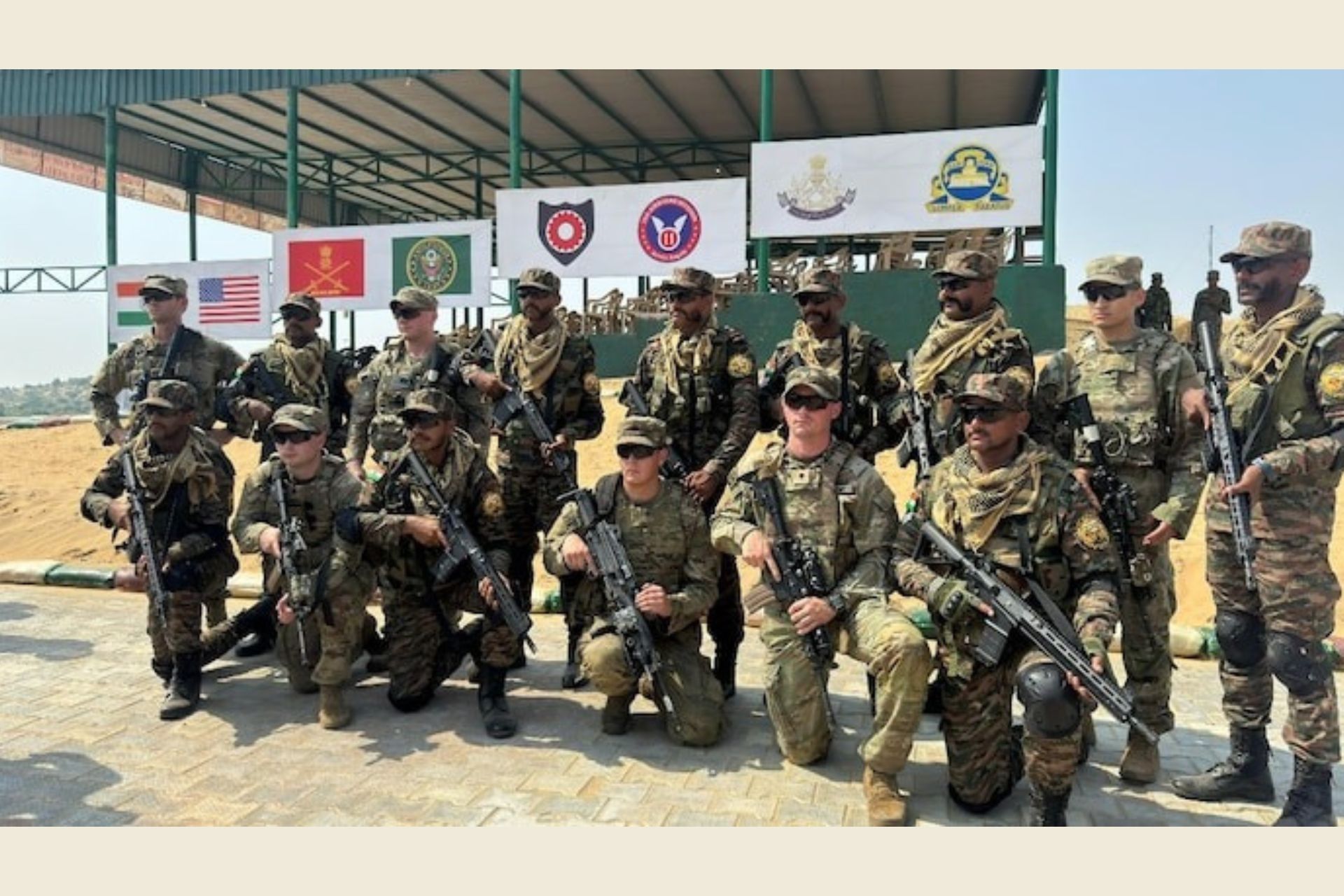
On September 9, 2024, India and the United States officially began their annual joint military exercise, "Yudh Abhyas 2024," at the Foreign Training Node in the Mahajan Field Firing Ranges, located in Rajasthan, India. This exercise, which will run until September 22, marks the 20th edition of military cooperation that began in 2004 and alternates between the two countries each year.
Follow Army Recognition on Google News at this link
Key tactical components include joint responses to simulated terrorist incidents, collaborative planning, and field exercises replicating real-world counterterrorism scenarios (Picture source: Indian MoD)
This year's edition features a significant expansion in both personnel and advanced equipment. The Indian contingent, comprising 600 soldiers from the Rajput Regiment and other supporting units, is joined by a similarly sized U.S. contingent from the 1-24 Battalion of the 11th Airborne Division, based in Alaska.
The primary objective of this joint exercise is to strengthen the counterterrorism capabilities of both nations, especially in unconventional warfare settings, in accordance with Chapter VII of the United Nations Charter. The exercise is focused on operations in a semi-desert environment, a setting ideal for refining rapid-response tactics.
Key tactical components include joint responses to simulated terrorist incidents, collaborative planning, and field exercises replicating real-world counterterrorism scenarios. Both countries will have the opportunity to exchange best practices in joint operations, enhancing interoperability, cooperation, and camaraderie between their respective forces.
This year's "Yudh Abhyas" exercise is part of a broader set of recent military collaborations between the two nations. In July 2024, Indian warships participated in an exercise with the U.S. aircraft carrier strike group Theodore Roosevelt in the Indian Ocean. Additionally, the combined armed forces of India and the United States conducted the "Tiger Triumph 2024" exercise, further emphasizing the growing importance of bilateral defense relations.
India practices a strategy of multi-alignment, which allows the country to diversify its alliances while maintaining autonomy in decision-making. In its defense relationship with the United States, this multi-alignment approach has enabled increased cooperation without compromising its ties with other global powers like Russia and China.
For example, India and the United States collaborate on several key defense projects, such as the COMCASA (Communications Compatibility and Security Agreement) signed in 2018, which allows for the secure exchange of sensitive communication technologies and equipment.
Additionally, the two nations collaborate within the framework of the Quad (Quadrilateral Security Dialogue), alongside Japan and Australia, reinforcing their strategic presence in the Indo-Pacific region.
In terms of military acquisitions, India has purchased U.S.-made systems, including Apache AH-64E and Chinook CH-47F helicopters, as well as C-130J Super Hercules and C-17 Globemaster III transport aircraft. The annual joint military exercise Yudh Abhyas, along with the Malabar naval exercise, underscores the deepening defense relations between the two countries, aiming to strengthen interoperability in counterterrorism and maritime security contexts.
- China offers increased military aid and training to Africa to strengthen its security ties
- China Adopts FPV Drones Armed with QBZ-95 Assault Rifles
- Arrival of US MaxxPro MRAP Armored Vehicles Boosts Anti-Gang Efforts in Haiti
- Mara-2P Drone Delivered to Ukrainian Armed Forces by Kyiv Regional Military Administration