
- Details
- Written by: Halna du Fretay
- Category: 2024
- Hits: 1622










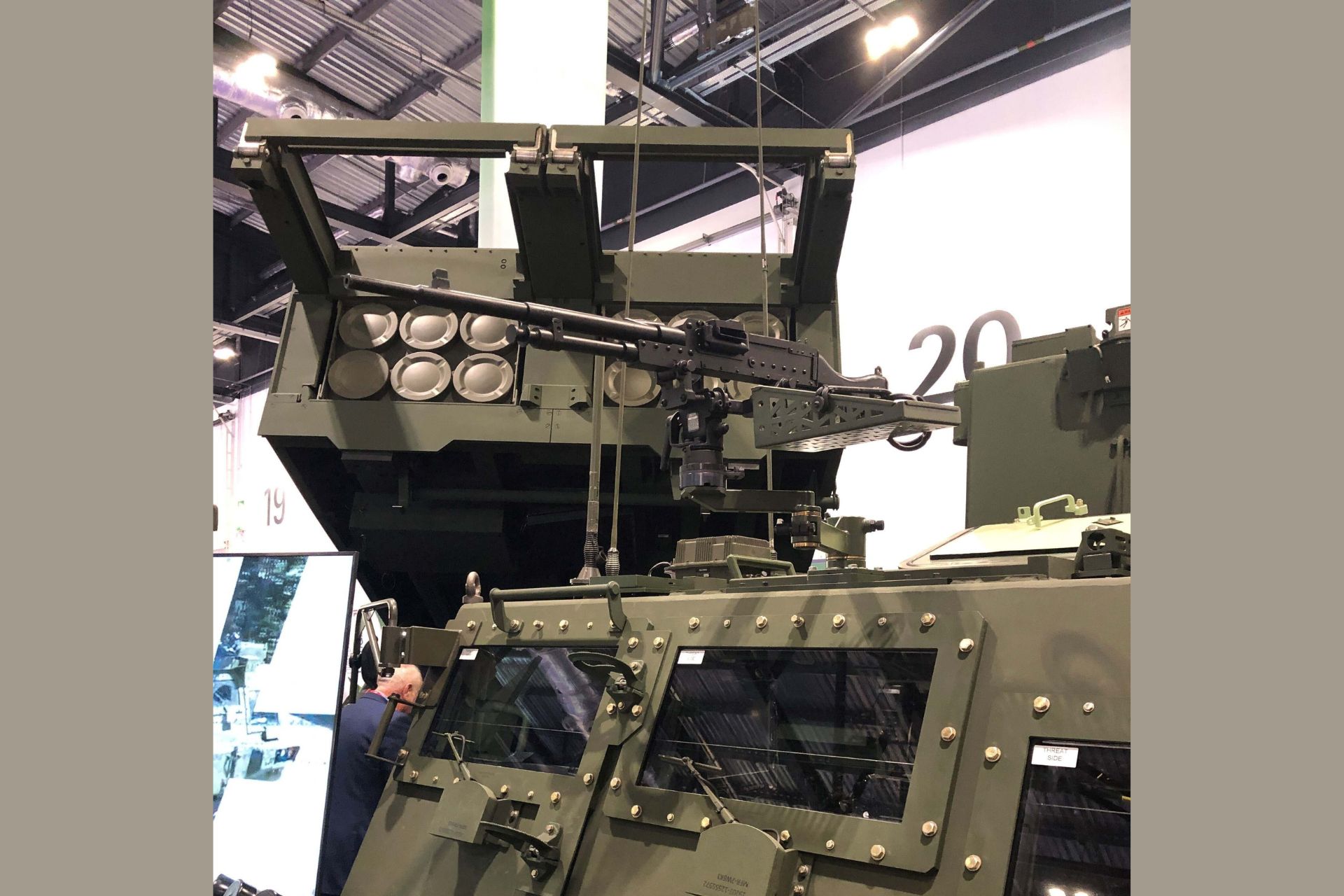
ISTEC Services Limited, a British company specializing in complex weapon integration solutions, has successfully delivered 65 weapon mounts for the British Army’s new MLRS A2 vehicles. This contract, placed through the NATO Support and Procurement Agency (NSPA), reflects ISTEC’s long-standing expertise in supporting military platforms across land, sea, and air operations.
Follow Army Recognition on Google News at this link
The MMG mounts are a critical enhancement, improving the defensive capabilities and battlefield resilience of these vehicles, allowing crews to better protect themselves in hostile environments. (Picture source: ISTEC)
With over 35 years of experience, ISTEC has been a key provider of weapon integration solutions for various crew-served weapons, including the General-Purpose Machine Gun (GPMG), Heavy Machine Gun (HMG), and Medium Machine Gun (MMG). Their pedigree includes the supply of Universal Gun Mounts (UGMs) for major military vehicles such as the WMIK, Mastiff, Viking, and Jackal, which were widely used in operations in Iraq and Afghanistan.
Following successful trials in 2023, ISTEC won a competitive tender in late 2023 to supply 65 sets of its double swing arm MMG mounts for the new MLRS A2 vehicles, procured by the UK Ministry of Defence. The MMG mounts are a critical enhancement, improving the defensive capabilities and battlefield resilience of these vehicles, allowing crews to better protect themselves in hostile environments. Notably, because the contract was managed by NSPA, these weapon mounts are available for other NATO member countries to procure as well.
ISTEC’s weapons integration solutions are designed with a focus on ease of use, robustness, and operational efficiency. The mounts provide optimal arcs of fire and range, adapted to the specific configurations of the vehicles on which they are installed. The company’s comprehensive support also ensures that maintenance requirements are minimized, with standardized parts reducing logistical strain. Additionally, ISTEC remains engaged throughout the lifecycle of the equipment, providing dynamic customer support.
Adrian Webster, ISTEC’s Operations Manager, expressed satisfaction with the project’s successful delivery, noting the company's extensive experience in this domain. He also hinted at future announcements regarding ISTEC’s continued support for the MLRS program, emphasizing their commitment to enhancing the UK’s defense capabilities.
Read more: ISTEC Delivers 65 Weapon Mounts for British Army's MLRS A2
- Details
- Written by: Halna du Fretay
- Category: 2024
- Hits: 9052
As relations between the Taliban regime and Russia continue to improve, the Taliban have expressed their intention to strengthen Afghanistan's air defenses using Russian equipment, according to Forbes. While Moscow has shown a willingness to arm groups like the Houthis in Yemen and Hezbollah in Lebanon with advanced missiles, it is unclear if Russia will be as willing to extend similar support to the current regime in Kabul.
Follow Army Recognition on Google News at this link
This request, which would have seemed unthinkable a few years ago, comes at a time of warming relations, highlighted by the Taliban’s invitation to the St. Petersburg forum in May (Picture source: Vitaly Kuzmin)
In 2023, less than two years after retaking Afghanistan following the chaotic U.S. withdrawal, the Taliban allocated the largest share of their national budget to defense, signaling their intent to develop air defense capabilities. In April of that year, Qari Fasihuddin Fitrat, a Taliban commander and army chief of staff, stated that "anti-aircraft missiles are a necessity for all countries," emphasizing that Afghanistan was doing its best to acquire such systems. However, he did not specify how the Taliban planned to obtain these weapons.
This desire for air defenses became more explicit during a recent interview with Russia's state-run Tass news agency on August 29, when General Sayed Abdul Basir Saberi, head of the logistics department for the Taliban-controlled Ministry of Defense, stated that Afghanistan intended to purchase Russian-made air defense equipment. He expressed the Taliban’s interest in acquiring advanced systems from Russia when international conditions permit, noting that Russia is, in his view, the most advanced country in air defense technology.
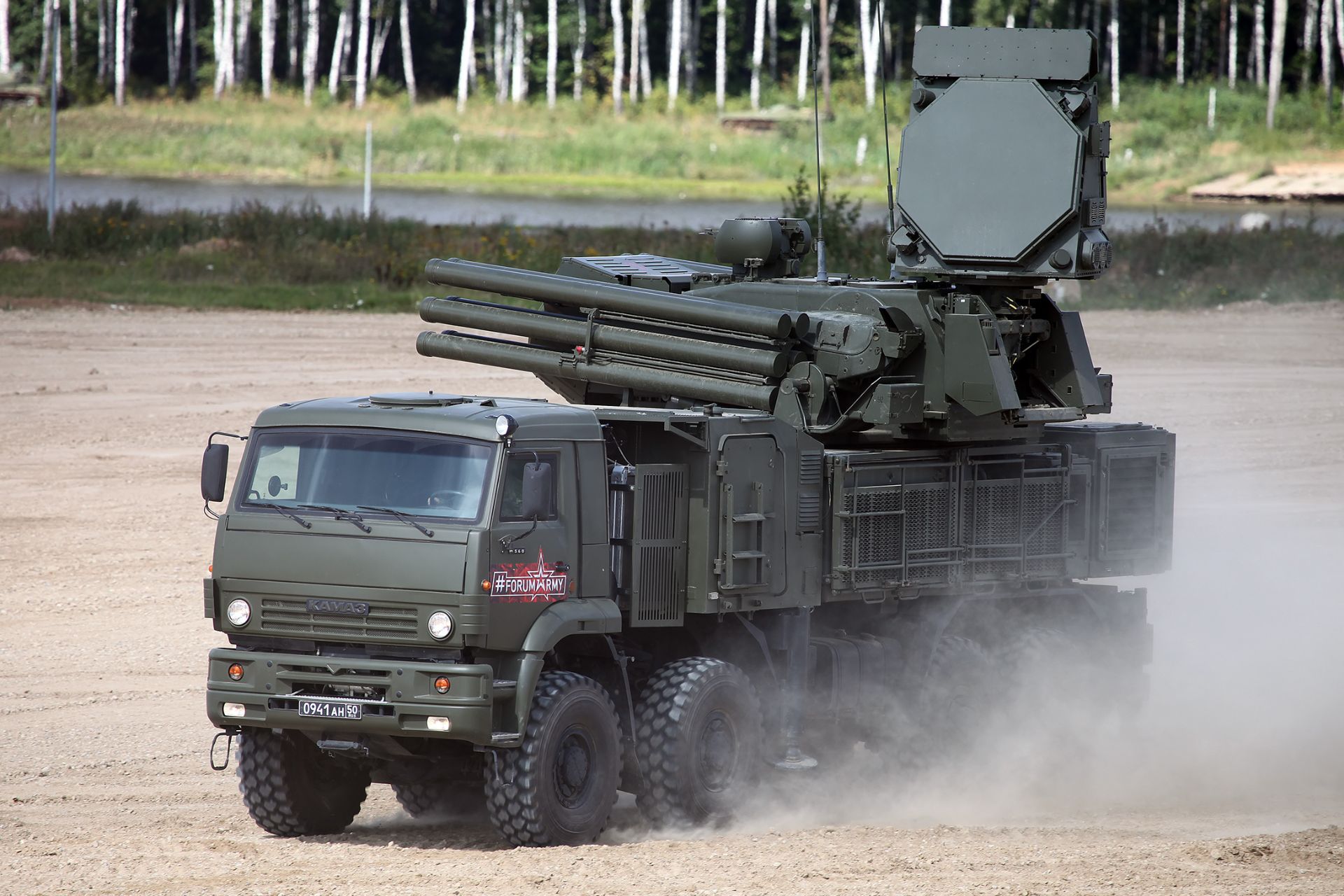
This request, which would have seemed unthinkable a few years ago, comes at a time of warming relations, highlighted by the Taliban’s invitation to the St. Petersburg forum in May. Saberi’s comments suggest the Taliban hope these growing ties could lead to weapons acquisitions. Russia has also recently demonstrated its willingness to provide advanced weaponry to non-state actors, such as arming the Houthis with anti-ship missiles and reportedly transferring a Pantsir-S1 air defense system to Hezbollah via Syria.
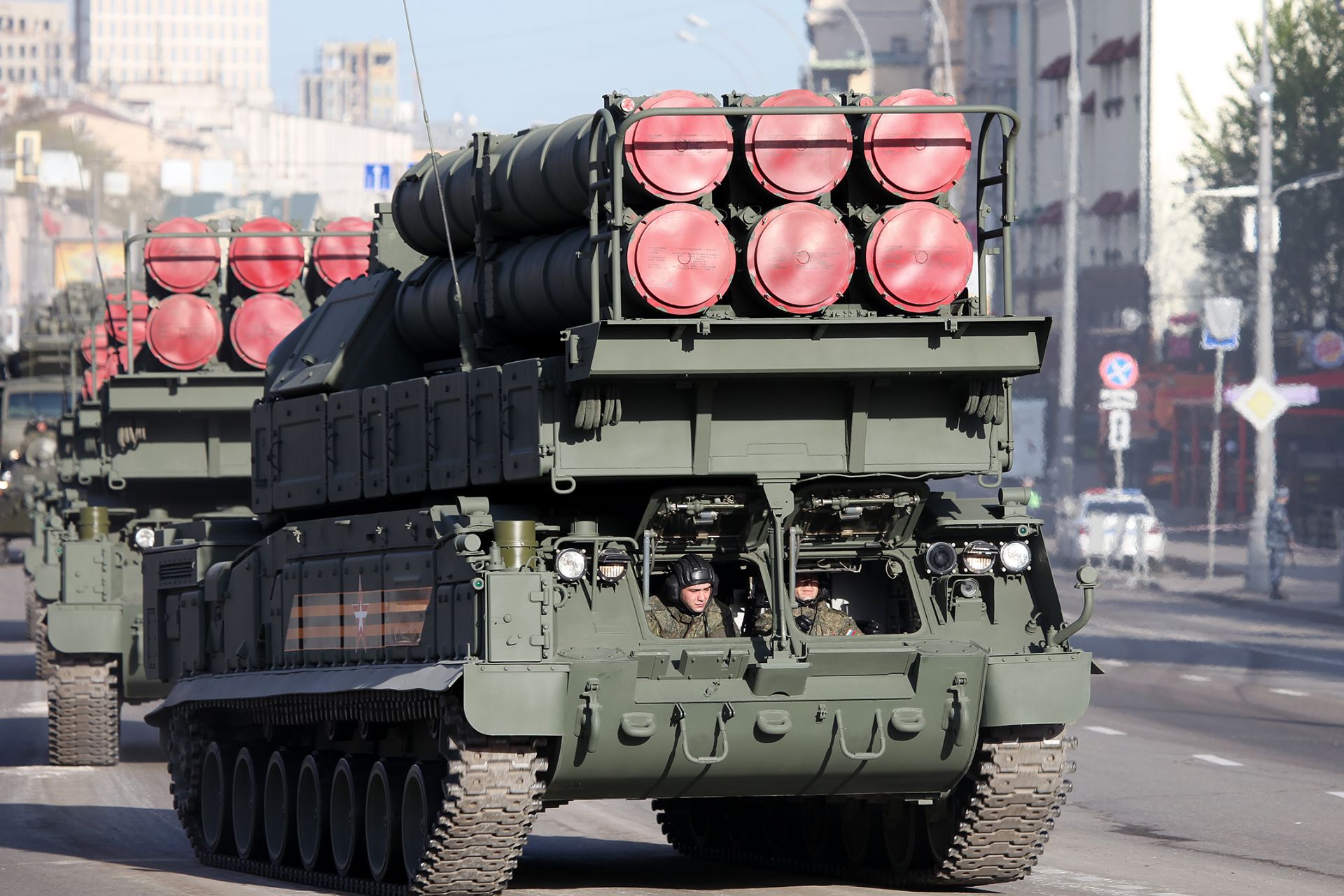
Any delivery of Pantsir systems, or short- to medium-range systems like the Buk and Tor, to the Taliban would likely raise concerns in the United States. Since the U.S. withdrawal from Afghanistan in August 2021, American forces have conducted "over-the-horizon" drone strikes on Afghan targets, including the elimination of Al-Qaeda leader Ayman al-Zawahiri in Kabul. The deployment of air defenses in Afghanistan could complicate such operations. In March 2024, the Taliban claimed that U.S. drones were patrolling and "violating" Afghan airspace.
Any delivery of Pantsir systems, or short- to medium-range systems like the Buk and Tor, to the Taliban would likely raise concerns in the United States (Picture source: Vitaly Kuzmin)
The Pantsir-S1, first produced in 2008, is a short- to medium-range anti-aircraft system developed by Russia. It entered service in 2012 and has been exported to several countries. Over 200 units are currently in service in Russia. The system combines radar-guided surface-to-air missiles with dual 30mm automatic cannons, providing mobile defense against aircraft, helicopters, drones, and precision-guided munitions, with a range of up to 20 km.
The Buk missile system, first developed in the 1970s, has seen modern versions such as the Buk-M2 and Buk-M3 enter production in 2008 and 2016, respectively. The Buk-M2 entered Russian service in 2008, followed by the Buk-M3 in 2016. Several hundred of these systems are in service in Russia and abroad. Designed for medium-range engagements, the Buk-M2 and M3 can intercept aircraft, cruise missiles, and ballistic missiles at ranges of up to 70 km (M2) and 100 km (M3), providing robust defense against a variety of aerial threats.
The Tor-M2 is a short-range air defense system that began production in the late 1980s, with the improved Tor-M2 variant entering production in 2008. It entered service with Russia in 2012, with several hundred units currently in operation, both in Russia and internationally. The Tor-M2 can intercept aircraft, helicopters, drones, and missiles at a range of up to 12 km, offering rapid and mobile protection for ground forces.
On the same day as Saberi’s interview, Iraqi forces shot down a Turkish Aksungur drone over Kirkuk, reportedly using a Pantsir-S1 system. Such incidents raise concerns that any air defense systems supplied by Russia to the Taliban could also pose a risk to civil aviation. Afghan airspace has become a major corridor for flights between Europe and Asia, and a growing number of commercial flights now transit through the region. The risk of a tragic accident, such as the accidental downing of a civilian aircraft, cannot be ruled out. In January 2020, Iran mistakenly shot down a Ukrainian airliner near Tehran using a Russian Tor missile during heightened tensions with the United States.
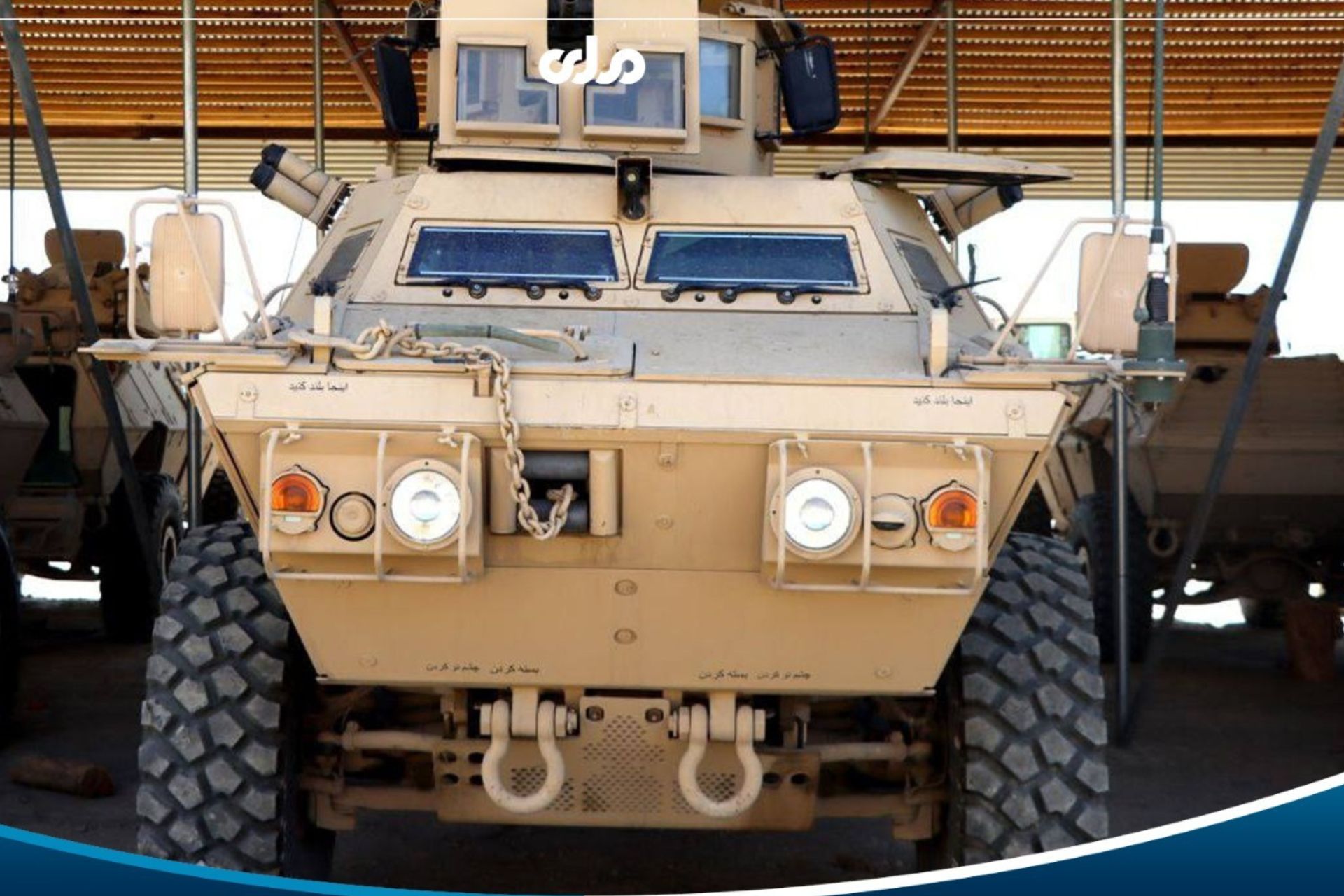
With the departure of the Americans and their takeover, the Taliban gained access to numerous military equipment. (Picture source: Taliban Army)
Despite these concerns, some analysts doubt that Russia is prepared to supply sophisticated weaponry to the Taliban in the near future. Pavel Luzin, a non-resident fellow with the Democratic Resilience Program at the Center for European Policy Analysis, described Saberi’s comments as “sweet talk” aimed at the Kremlin. While the Taliban may want advanced air defense systems, Luzin argues that they are not yet ready to acquire them.
He further noted that Russia, although historically willing to supply weapons free of charge to various global actors, is currently unable to export sophisticated air defense systems like the Pantsir or Tor due to the losses sustained in the Ukraine conflict, which has significantly weakened Russia’s military capacity.
Moreover, any air defense deal would require more than just equipment delivery; it would also necessitate training operators. The Taliban lack the technical expertise to operate such complex systems. Therefore, the presence of Buk or Pantsir systems in Afghanistan would likely mean that Russian military personnel were operating them, making any cooperation between Russia and the Taliban on air defense particularly complicated.
The relationship between Russia and Afghanistan, particularly with the Taliban, has been marked by a complex history. During the Soviet invasion of Afghanistan in the 1980s, the Taliban, then emerging from the ranks of the mujahideen, fought Soviet forces with support from the West, particularly the United States. After the Soviet withdrawal and the fall of the Moscow-backed government in 1992, Russia viewed the Taliban as a threat, especially due to their links to extremist groups in the Caucasus. However, since the Taliban took power in 2021, Russia has adopted a more pragmatic approach, maintaining diplomatic contacts with the group in an effort to stabilize the region and contain extremism.
Read more: Taliban Seek Russian Air Defense Systems: A Risky Scenario for Civil Aviation
- Details
- Written by: Administrator
- Category: 2024
- Hits: 2642
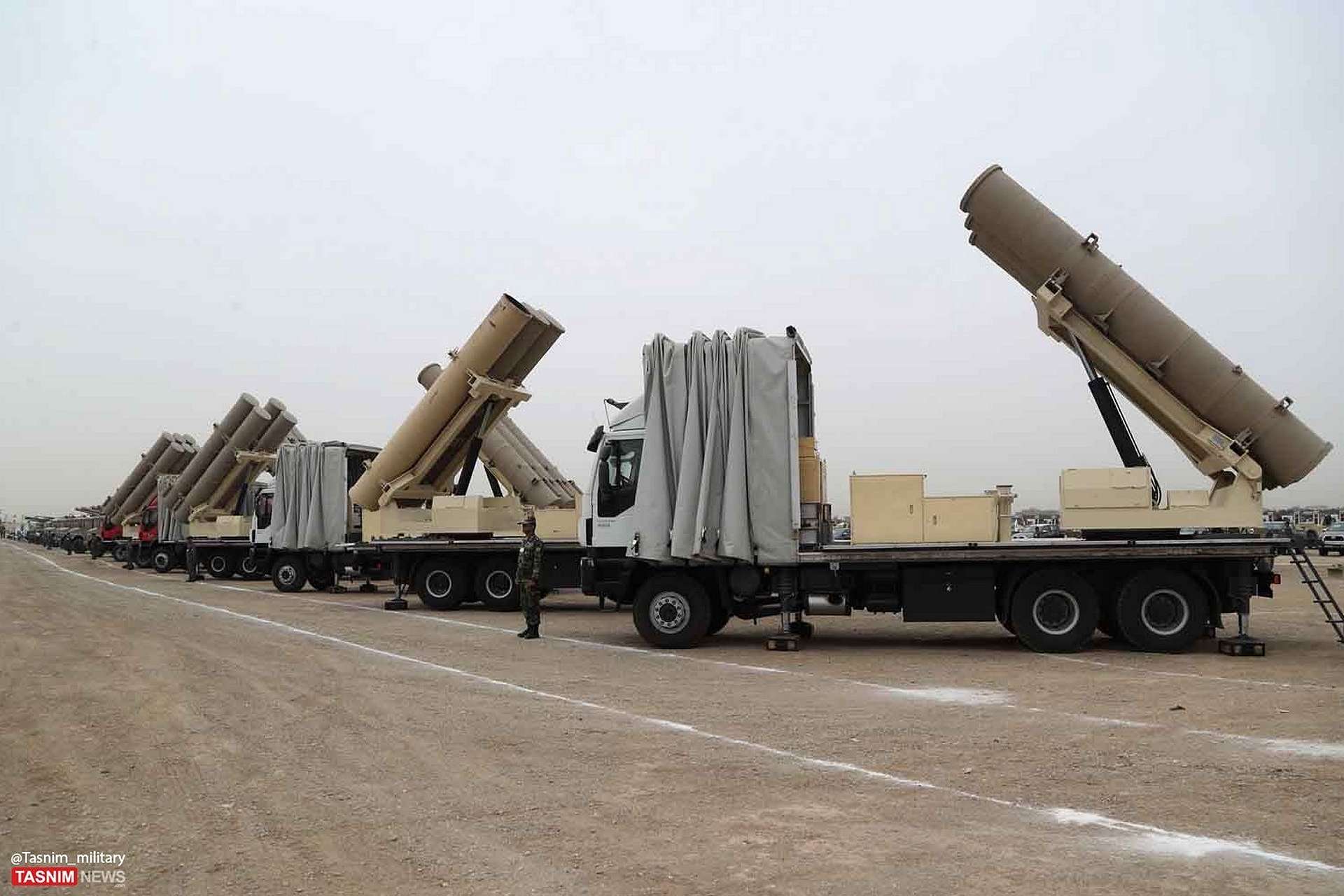
On September 10, 2024, the United States officially confirmed reports that Iran has transferred Fath 360 short-range ballistic missiles to Russia. According to Pentagon Press Secretary Air Force Maj. Gen. Pat Ryder, these missiles are likely to be deployed by Russia within the coming weeks, potentially exacerbating the devastation already caused by the ongoing war in Ukraine. Ryder emphasized that the U.S. is concerned about the increased threat these weapons pose to Ukrainian civilians.
Follow Army Recognition on Google News at this link
The Fath 360 is an Iranian-made short-range ballistic missile able to reach a range from 100 to 150 km. (Picture source: TASNIM Iranian press agency)
During a briefing, Pentagon Press Secretary Air Force Maj. Gen. Pat Ryder highlighted that the U.S. currently does not have an exact count of how many missiles have been delivered, but added that the situation remains under close scrutiny. The Fath 360 ballistic missiles, which boast precision targeting capabilities at close range, could significantly enhance Russia's ability to strike targets in Ukraine.
The Fath 360 is a close-range ballistic missile developed by Iran, known for its precision and mobility. It can deliver a payload with high accuracy over a range of approximately 100-150 kilometers, making it suitable for targeting enemy positions, infrastructure, and military assets. The missile is designed for rapid deployment and can be launched from mobile platforms, which enhances its operational flexibility on the battlefield. Its guidance system and solid-fuel propulsion allow for swift targeting, making it a potent asset for short-range strikes, particularly in areas with active combat zones.
Russia’s invasion of Ukraine, which began in February 2022, has led to an extensive international effort to support Ukraine militarily. Ryder stressed that since the start of the invasion, the U.S. and partner nations have prioritized air defense as a key component of their security assistance. This focus will continue, particularly in light of the new threat posed by the Iranian-supplied missiles.
"Since the beginning of the Russian invasion, support to Ukraine has focused on air defense, and that will continue," Ryder stated, adding that the U.S. remains committed to addressing the threat of both short-range and long-range missile attacks.
The U.S. has already committed over $55.9 billion in security assistance to Ukraine, with a significant portion allocated to air defense systems. The sophisticated equipment provided are Patriot air defense batteries, National Advanced Surface-to-Air Missile Systems (NASAMS), HAWK systems, Stinger anti-aircraft missiles, and Avenger air defense systems. These systems have been essential in protecting Ukrainian cities from Russian missile and drone strikes.
To enhance Ukraine’s defensive capabilities, the U.S. and its allies have been actively training Ukrainian forces on using these advanced systems. Additionally, the Ukrainian military has received training on other critical platforms, such as howitzers and F-16 Falcon aircraft, helping bolster their ability to repel Russian advances.
The transfer of Iranian Fath 360 ballistic missiles marks a new development in Iran’s support for Russia in the conflict. Ryder confirmed that the U.S. has evidence that "dozens" of Russian military personnel have been trained in Iran on how to operate the Fath 360 missile system. This collaboration further deepens the ties between Moscow and Tehran, raising concerns about the potential for increased Iranian involvement in the war.
The Fath 360 missiles, known for their accuracy and relatively short range, pose a distinct challenge for Ukraine’s air defense systems, which have thus far successfully countered many Russian aerial threats. The introduction of these new missiles may force Ukraine and its Western backers to recalibrate their defense strategies.
As tensions escalate, the U.S. and its allies are expected to continue increasing their military support to Ukraine. Ryder reassured that the U.S. is fully committed to countering the new missile threat posed by Russia’s acquisition of Iranian weapons. He reiterated that air defense will remain a top priority in upcoming support packages, signaling a continued international effort to protect Ukraine from further Russian aggression and the unwavering determination of the U.S. and its allies in this endeavor.
Read more: US Confirms Iran's Transfer of Fath 360 Ballistic Missiles to Russia for Use in Ukraine
- Details
- Written by: Vandenbosch
- Category: 2024
- Hits: 15709
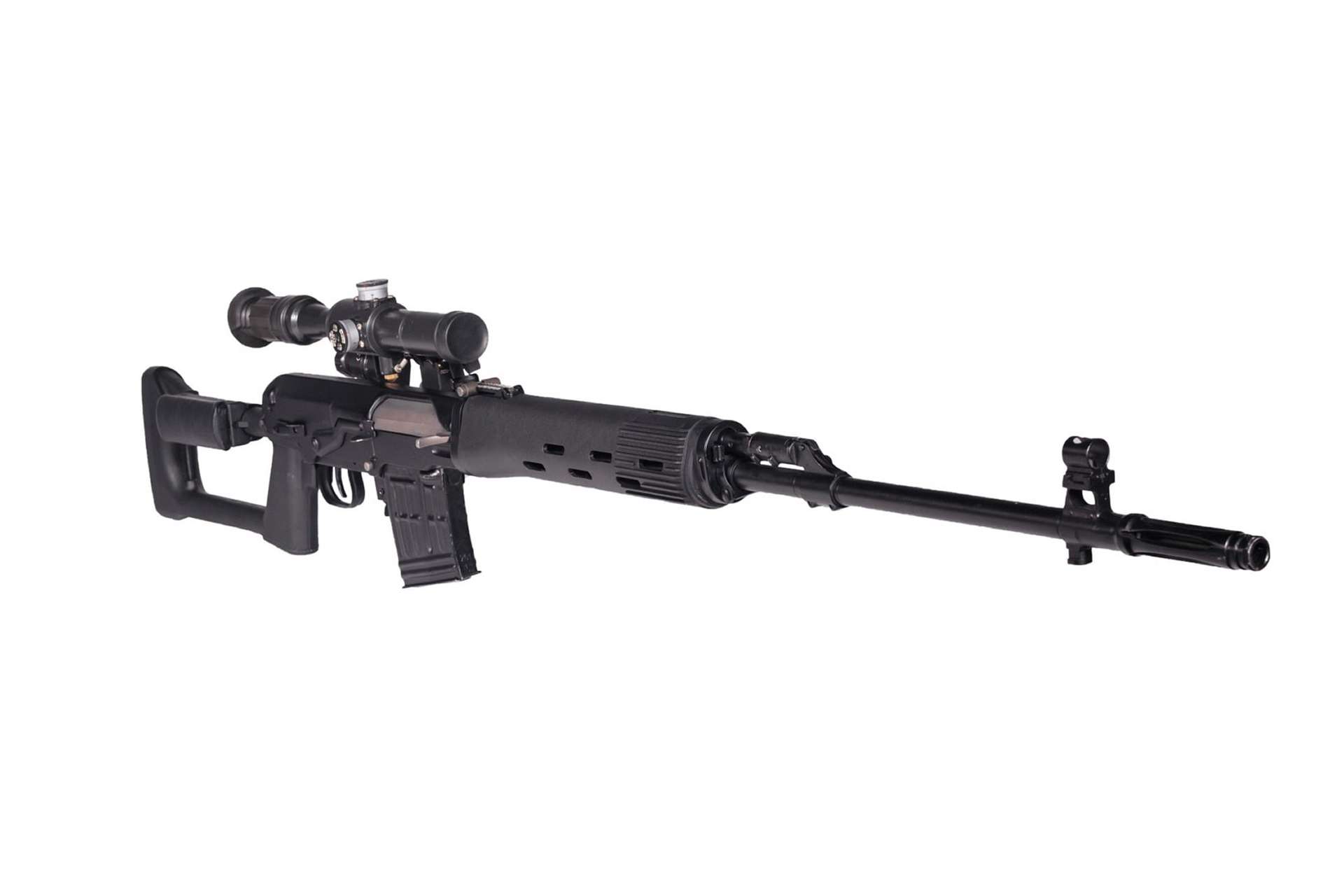
The Kalashnikov Concern, part of the Rostec State Corporation, is finalizing the delivery of 7.62 mm Dragunov sniper rifles (SVD) under the order planned for 2024. Looking ahead to 2025, production of this iconic rifle is expected to increase significantly, in line with newly signed contracts.
Follow Army Recognition on Google News at this link
The SVD is a semi-automatic precision rifle, designed by Evgeny Dragunov between 1958 and 1963 in the Soviet Union. (Picture source: Kalashnikov)
The SVD, initially developed by weapons designer Evgeny Fedorovich Dragunov between 1958 and 1963, entered serial production at the Izhevsk Machine-Building Plant (now Kalashnikov Concern JSC) in 1963. After more than six decades, it remains an essential asset for Russian security forces. Known for its reliability, the Dragunov sniper rifle is designed to effectively engage personnel and unarmored targets at distances of up to 1000 meters.
The rifle weighs around 4.3 kg, including the scope and empty magazine, making it relatively lightweight for its category. Depending on the variant, such as the SVDS or SVDM, its weight can vary, reaching up to 5.3 kg for the SVDM version. It measures 1,225 mm long, with a 620 mm barrel, providing good long-range accuracy. Some versions, such as the SVDS, feature a folding stock, reducing the weapon's overall length for easier transport and handling in more confined spaces.
The SVD fires 7.62×54mmR ammunition, a powerful cartridge widely used in Russian weapons, capable of maintaining an initial velocity of 830 m/s for the standard version. Its effective range is approximately 800 meters, making it an ideal precision rifle for engaging targets at medium to long distances. It is fed by a detachable 10-round magazine, allowing for semi-automatic fire.
The weapon is equipped with a PSO-1 telescopic sight, which has become emblematic of the SVD rifle. It can also be fitted with night vision devices such as the 1PN51 or 1PN58, as well as iron sights with an adjustable rear notch. The operating system is gas-operated with a rotating bolt, ensuring smooth and reliable semi-automatic fire in various combat conditions.
Alan Lushnikov, president of the Kalashnikov Concern, emphasized the continued relevance of the rifle: "The advantages of the Dragunov sniper rifle have been proven over decades of service. Its semi-automatic function, compact design, lightweight nature, and high accuracy make it an indispensable tool. Despite its age, the legendary SVD continues to perform effectively, including in the Special Military Operation (SMO) zone, where it plays a key role in combat missions."
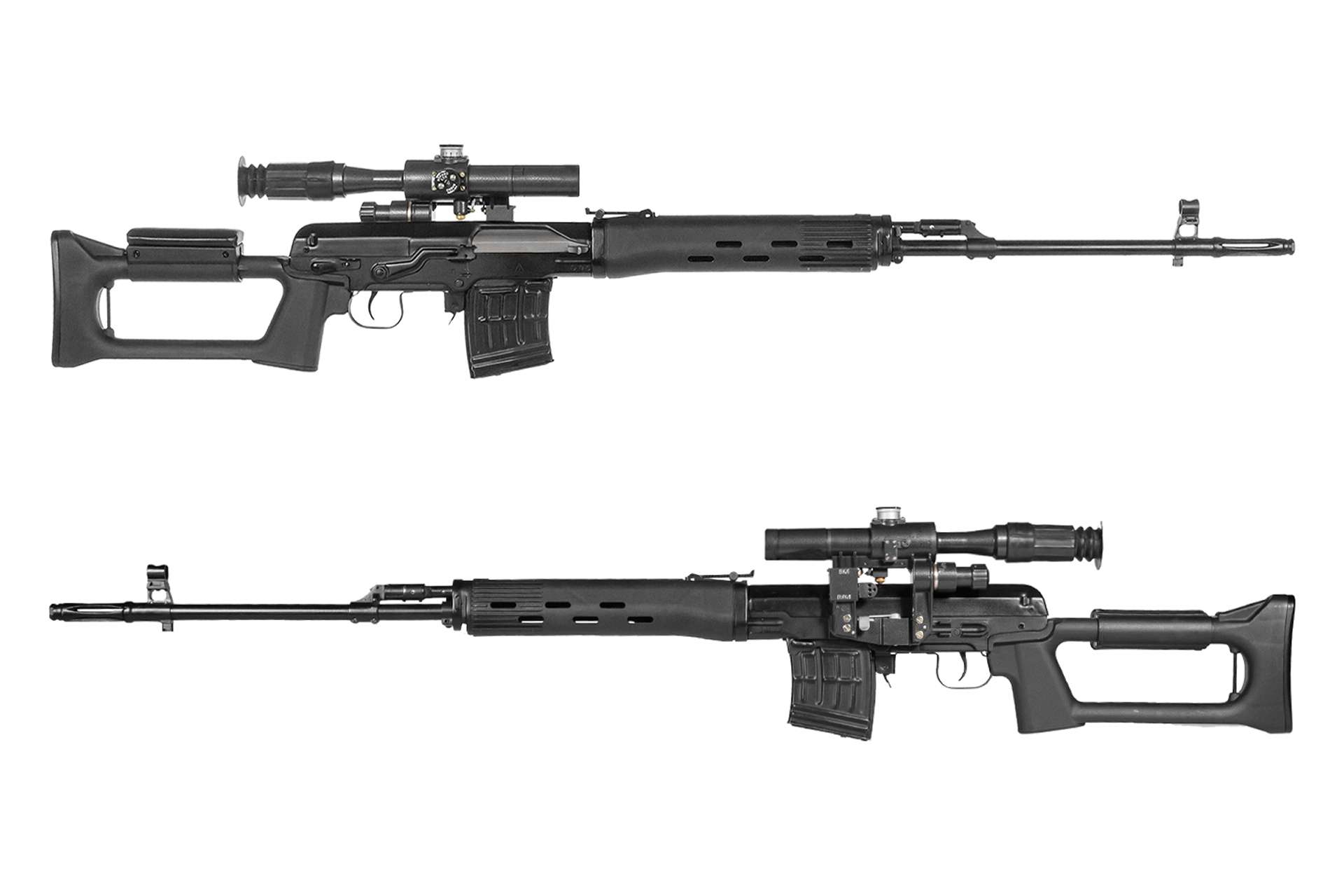
The Kalashnikov Concern is finalizing the delivery of 7.62 mm Dragunov sniper rifles under the order planned for 2024. (Picture source: Kalashnikov)
Read more: Russia Increases SVD Sniper Rifle Production and Delivers New Batch
- Details
- Written by: Jérôme Brahy
- Category: 2024
- Hits: 17536
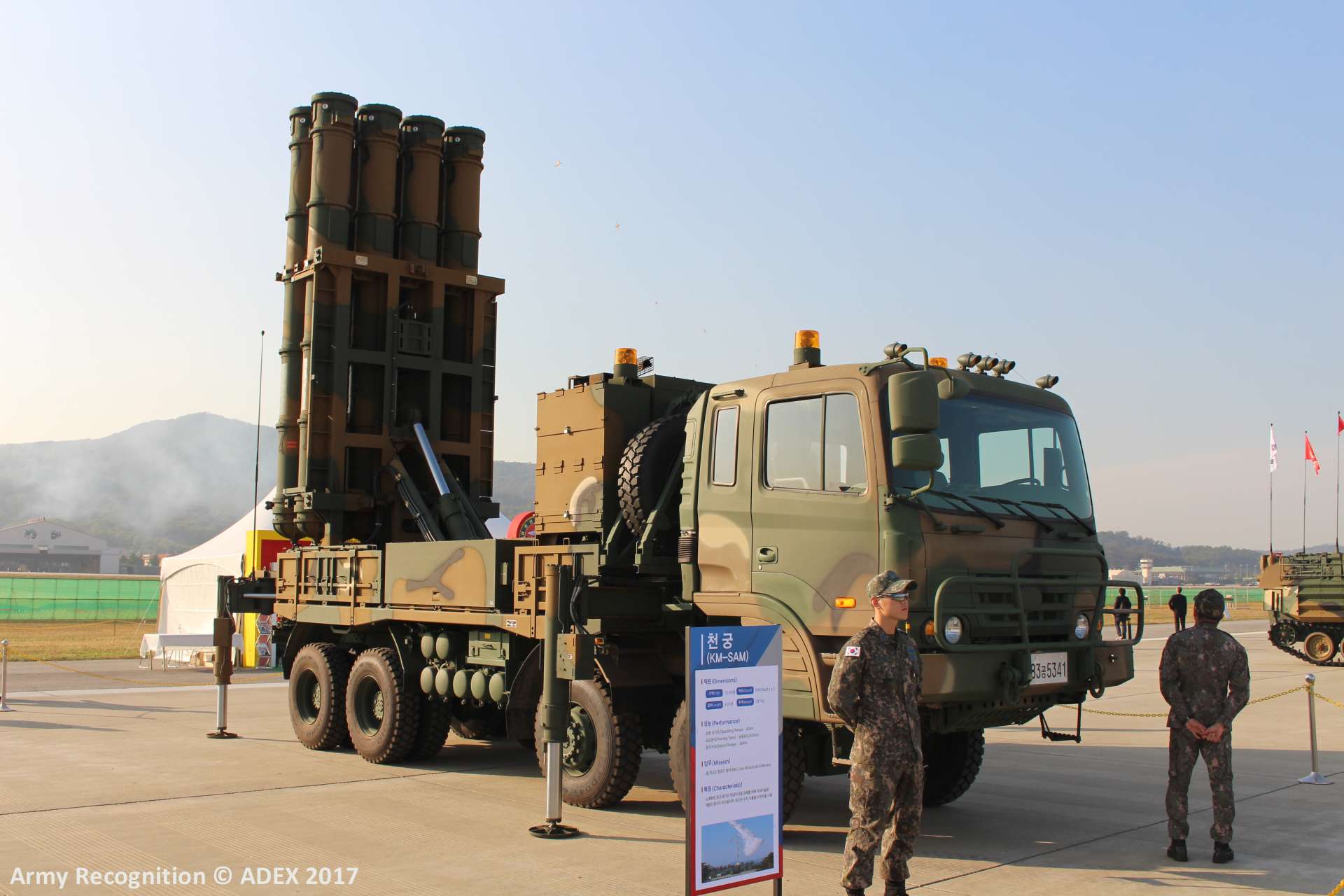
According to Defense Arabic on September 9, 2024, Iraqi Defense Minister Thabet Al-Abbasi announced that the contract for the South Korean Cheongung-II (M-SAM II) air defense missile system has been finalized and will be signed next week. According to Heo Baek-yoon, the contract involves eight batteries of this system, also known as the "Korean Patriot," and is expected to be worth around 3.5 trillion Korean won, or approximately $2.63 billion. This marks another step in expanding South Korea's defense exports in the Middle East, following previous deals with the United Arab Emirates (UAE) and Saudi Arabia.
Follow Army Recognition on Google News at this link
The KM-SAM is part of a multi-layered defense strategy, targeting both aircraft and ballistic missiles with guidance systems that combine inertial navigation, midcourse updates, and terminal active radar homing. (Picture source: Army Recognition)
Al-Abbasi also mentioned new agreements aimed at developing and upgrading the Iraqi army's artillery, including a contract for the French CAESAR 155mm self-propelled howitzer and plans to modernize the M1A1 Abrams tanks. He added that under Prime Minister Mohammed Shia al-Sudani, Iraq's approach to military procurement has shifted, with technical committees enabling flexible payment terms for weapons contracts spread over eight years to minimize the impact on the national budget.
Iraq has faced challenges in maintaining its Russian military equipment, such as the Mi-17 helicopters, which are critical for operations against the Islamic State. These helicopters are set to be replaced by 12 Airbus H225M Caracal helicopters. Due to these difficulties, Iraq is considering alternative suppliers, including the United States. However, the U.S. might be reluctant to provide advanced air defense systems, particularly if Iraq insists on the withdrawal of U.S.-led coalition forces. Additionally, there is domestic opposition in Iraq from Iran-backed factions against acquiring U.S. systems, especially if the deal involves air defenses for the autonomous Kurdistan region.
Iraq's interest in air defense systems follows its acquisition of medium-range Pantsir-S1 systems from Russia in 2014. In subsequent years, Iraqi officials expressed interest in potentially acquiring advanced S-300 or S-400 long-range missile systems from Russia. However, since the Russian invasion of Ukraine in February 2022, the reliability of Russian weapons and parts supplies has diminished, complicating Iraq's options.
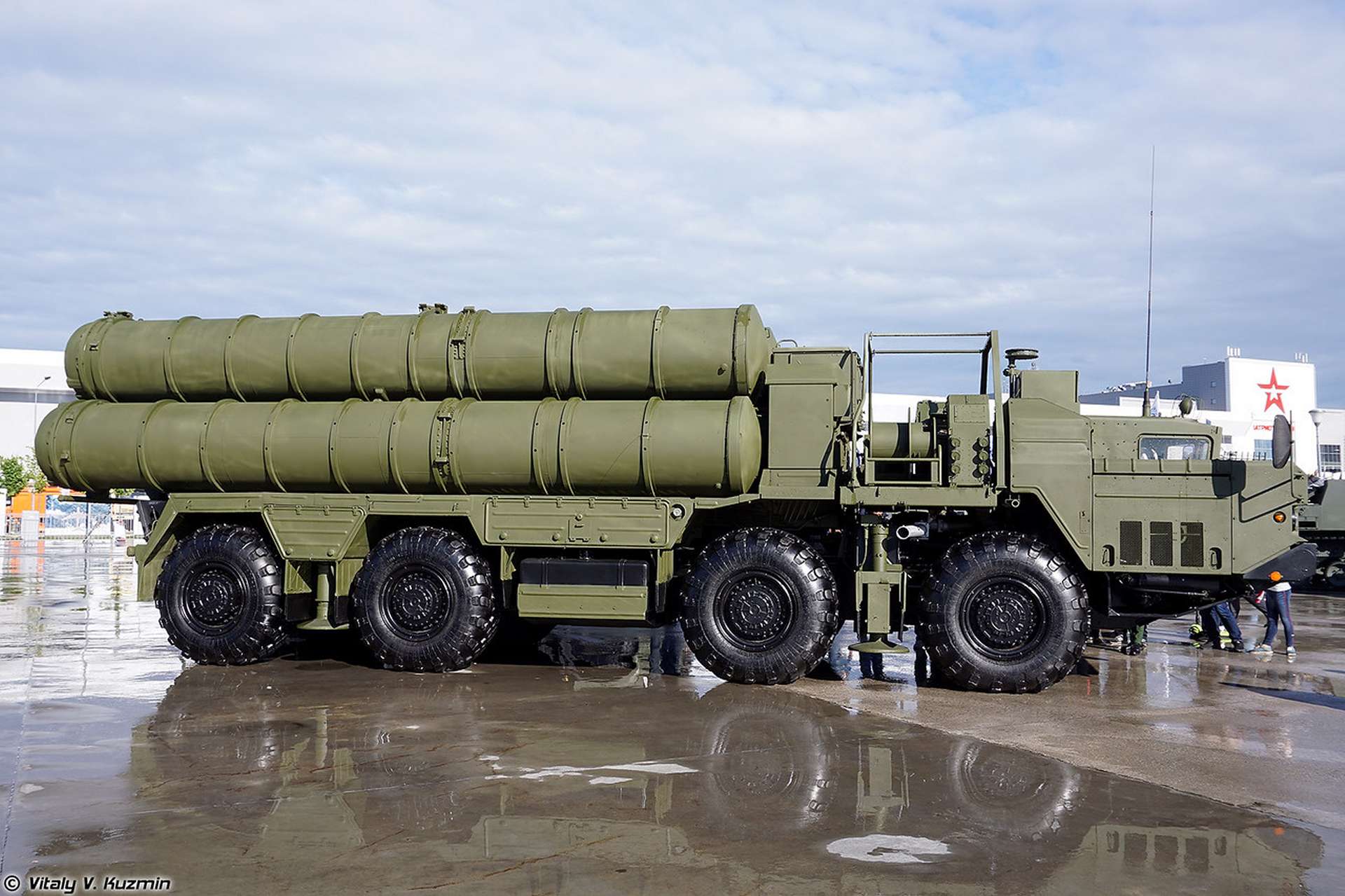
Since the Russian invasion of Ukraine in February 2022, the reliability of Russian weapons and parts supplies has diminished, complicating Iraq's options for new air defense systems. (Picture source: Vitaly Kuzmin)
Moreover, any significant purchase of Russian military equipment could expose Iraq to potential sanctions under the U.S. Countering America's Adversaries Through Sanctions Act (CAATSA), as happened with Turkey's purchase of S-400 systems.
France has already provided Iraq with long-range Thales Ground Master 403 (GM403) air surveillance radars and might be open to selling additional air defense systems. Potential options include French Mistral or Crotale short-range missiles, which could complement Iraq’s existing systems, or the longer-range SAMP/T system, which can counter ballistic and cruise missiles.
Iran has also expressed a willingness to support Iraq's air defense needs and proposed joint air defense drills with allied states. Iran has developed systems like the Bavar-373, which it claims is comparable to the Russian S-400. However, a decision by Iraq to procure Iranian systems could face opposition from the U.S., particularly if Iranian personnel are involved, which could complicate coalition air operations in future conflicts.
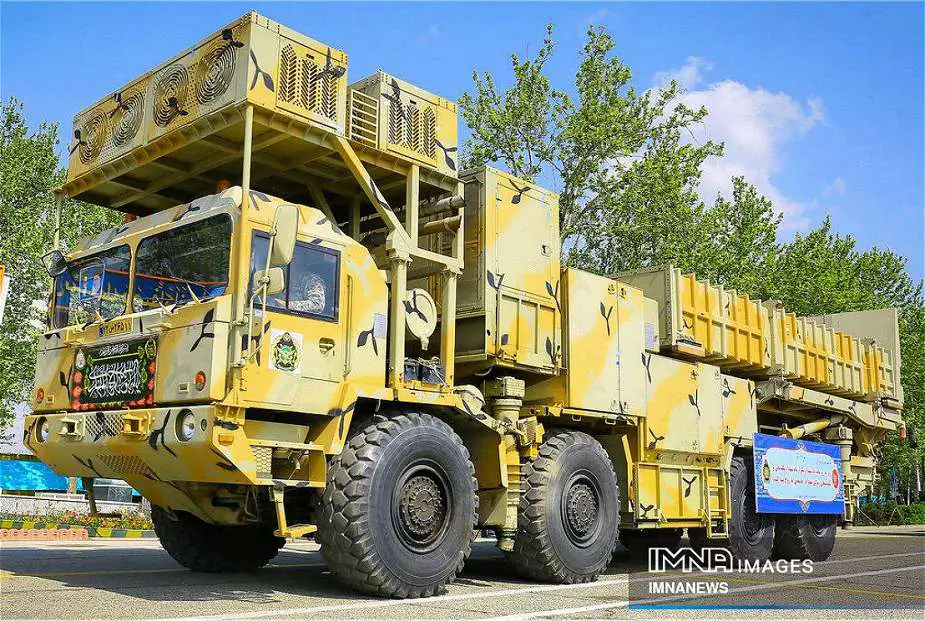
A decision by Iraq to procure Iranian air defense systems, such as the Bavar-373, could face opposition from the U.S., particularly if Iranian personnel are involved, which could complicate coalition air operations in future conflicts. (Picture source: IMNA News)
Previously, on June 2, 2024, it was reported that Iraq had requested to purchase eight batteries of the M-SAM II air and ballistic missile defense system for approximately $2.56 billion. Discussions for this deal began during the visit of Iraq's Defense Minister, Thabet Mohammed Al-Abbasi, to his South Korean counterpart on March 21, 2024, to discuss military cooperation. During this visit, the acquisition of the M-SAM II surface-to-air missile systems was a key topic, and negotiations have since continued towards finalizing a contract.
Reports indicate that the Iraqi side expressed interest in the prompt delivery of three M-SAM II batteries, to which South Korea responded by indicating that two batteries could be delivered first. A representative from South Korea's Defense Acquisition Program Administration (DAPA) confirmed that negotiations are in their final stages, with South Korean companies working to complete the remaining details.
The KM-SAM (Korean Medium-range Surface-to-Air Missile), also known as Cheolmae-2 or Cheongung, is a South Korean missile defense system developed by the Agency for Defense Development (ADD) in collaboration with Russia's Almaz-Antey and Fakel, incorporating technology from the 9M96 missile used in the Russian S-350E and S-400 systems. Development began in 2001, leading to the completion of Block-I missiles by 2011 and Block-II by 2017, with Block-III set to begin in 2024. Designed to replace the older MIM-23 Hawk batteries in South Korea's missile defense architecture, the KM-SAM is part of a multi-layered defense strategy, targeting both aircraft and ballistic missiles with guidance systems that combine inertial navigation, midcourse updates, and terminal active radar homing.
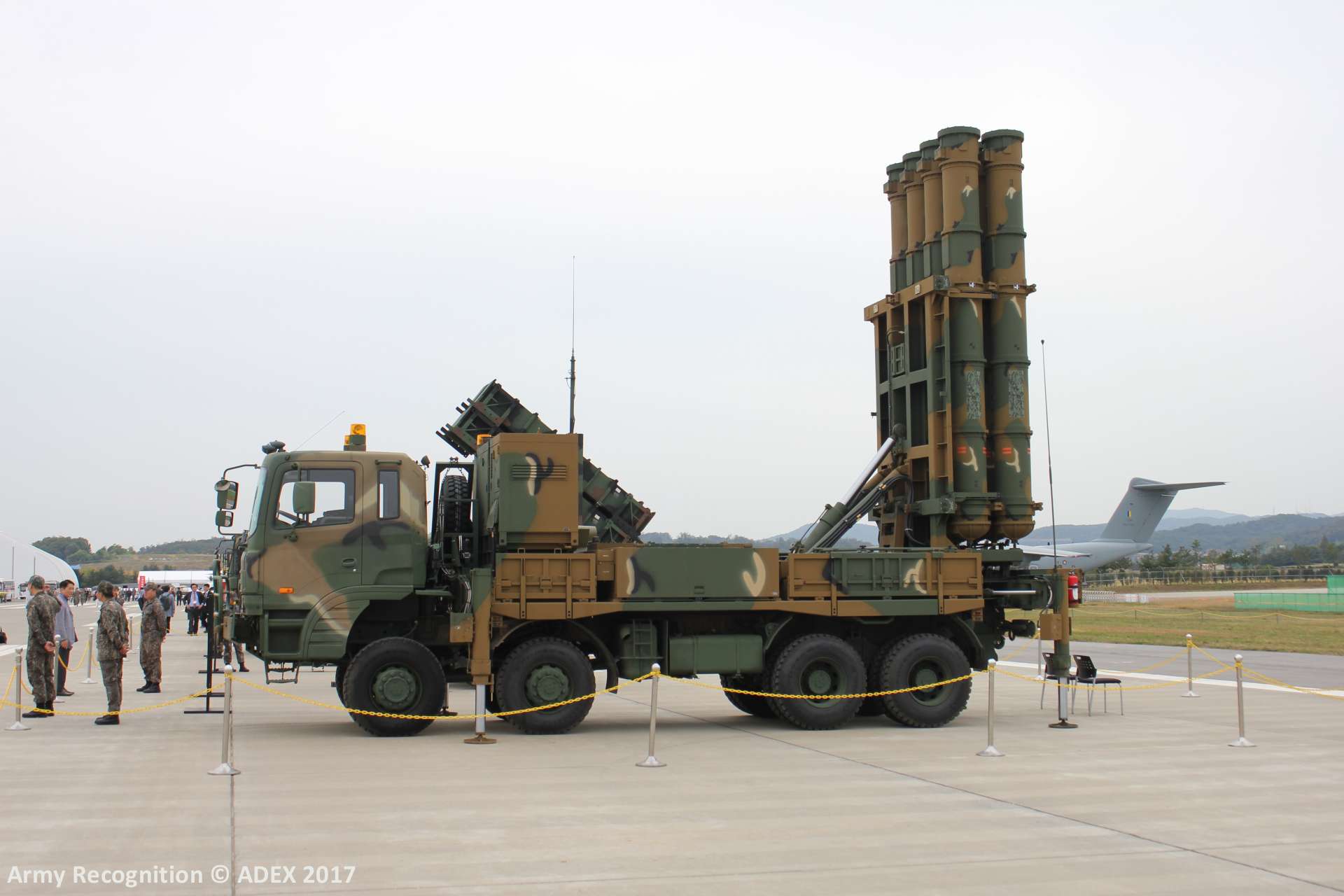
Development of the M-SAM began in 2001, incorporating technology from the 9M96 missile used in the Russian S-350E and S-400 systems. (Picture source: Army Recognition)
The KM-SAM has been deployed to intercept a range of aerial threats, including ballistic missiles. The Block-I version, which began deployment in 2016, has an operational range of 40 km and a flight ceiling of 15 km, while the Block-II version, in service since 2021, extends the range to 50 km and the ceiling to 20 km, reaching speeds up to Mach 5. The system can engage up to six targets simultaneously and includes countermeasures against electronic warfare. It was deployed following a series of operational tests, and its deployment near sensitive areas like the maritime border with North Korea highlights its role in South Korea's regional defense strategy.
The Republic of Korea Air Force currently operates 19 KM-SAM batteries, with six additional units on order. Internationally, the system has been purchased by Saudi Arabia, which ordered ten Block-II batteries in a deal valued at $3.2 billion, and by the United Arab Emirates, which ordered twelve batteries in a deal worth $3.5 billion. These transactions represent some of the largest defense export deals for South Korea and reflect an increasing interest in the KM-SAM system for air defense capabilities. The United Arab Emirates' acquisition will be partially produced domestically, illustrating collaborative production arrangements.
Read more: Iraq to purchase eight South Korean M-SAM air defense systems worth $2.63 billion
- Details
- Written by: Triffaux
- Category: 2024
- Hits: 11649
On September 12, 2024, the Mexican Army acquired 340 new Cobra 4 tactical vehicles, produced by Streit Group, to replace the Humvees that had been in use for several decades. This decision is part of a modernization program aimed at reducing the high operating and maintenance costs associated with vehicles that have been in service for more than 15 years.
Follow Army Recognition on Google News at this link
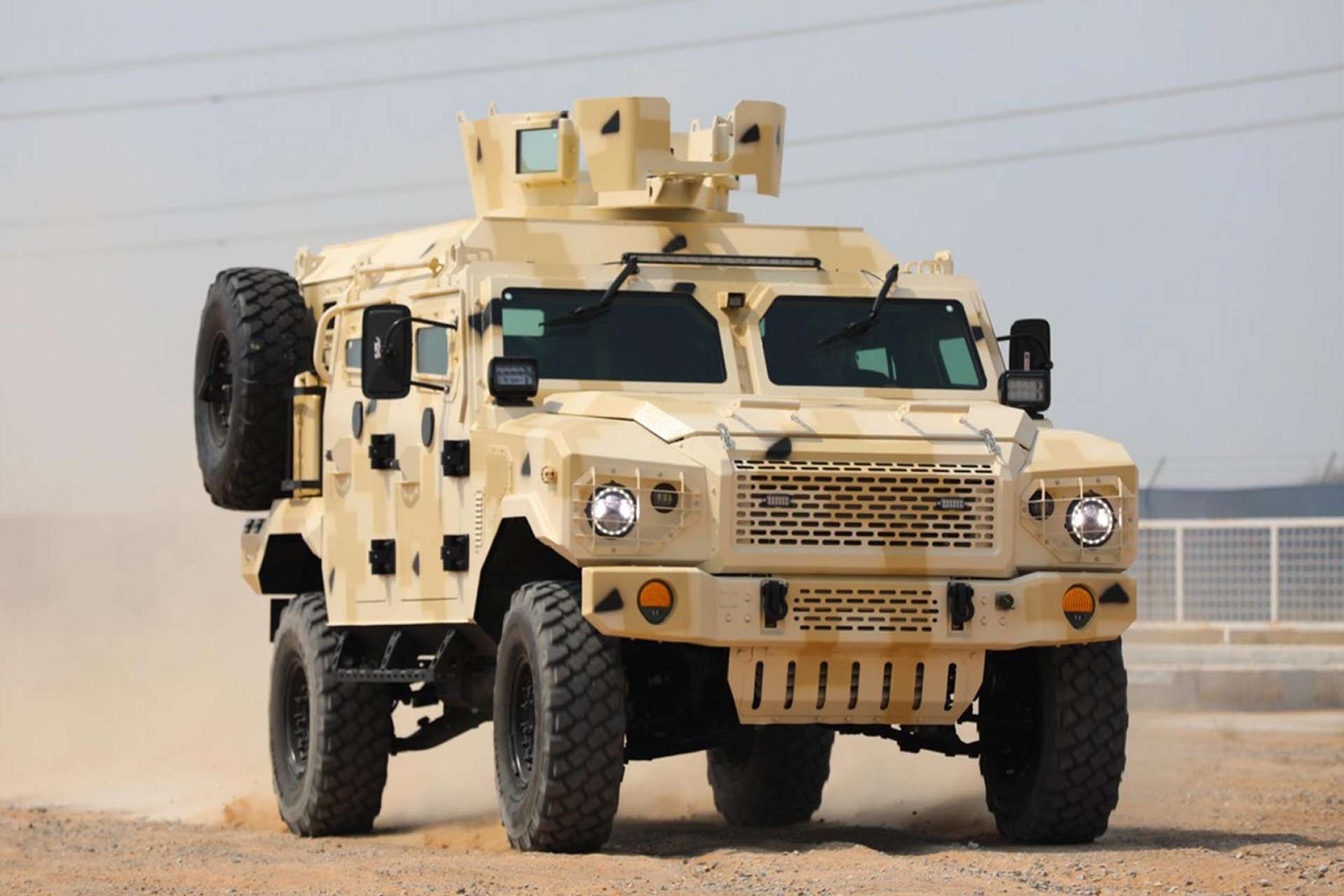
Streit Group Cobra 4 Light Armoured Multipurpose Vehicle (Picture source: Streit Group)
In 2023, the National Defense Secretariat (Sedena) submitted an investment program to the Secretariat of Finance and Public Credit (SHCP) titled "Replacement of Army and Air Force Vehicles with 15 Years or More of Service, Phase Two." This program includes a budget of $655 million to modernize part of the military fleet, with plans to acquire over 1,300 high-mobility 4x4 multi-purpose vehicles, more than 1,000 4x4 pickup trucks, and tractor trucks.
The Cobra 4 LAMV (Light Armoured Multipurpose Vehicle), chosen to replace the Humvees, was unveiled in February 2023 at the IDEX exhibition in Abu Dhabi. It is equipped with a 3-liter V6 diesel engine, automatic transmission, and can reach a top speed of 140 km/h. The vehicle offers ballistic protection up to Stanag 4569 Level 2 and can transport four passengers in its SUT (Special Utility Task) version or eight in its APC (Armoured Personnel Carrier) version.
The Cobra 4 is designed for a variety of missions, including patrols, law enforcement, and military operations. Its modular design allows for the addition of a 360° rotating turret and additional weaponry. These vehicles will be used for various tasks such as supporting civil authorities, deterrent patrols, armed escorts, and logistical missions.
The acquisition of these vehicles is aimed at replacing those in service for over 15 years, reducing operational costs, and improving territorial coverage across Mexico, especially in national security operations and support for law enforcement forces.
Cobra 4 LAMV
The Cobra 4, manufactured by Streit Group, is a versatile Light Armoured Multi-role Vehicle (LAMV) designed for modern military and law enforcement operations. It is powered by a 3-liter V6 diesel engine that delivers 225 horsepower, with an 80-liter fuel tank enabling extended operational periods. The vehicle is equally effective in urban missions and off-road operations, making it suitable for a wide range of scenarios from peacekeeping to special operations. Despite its relatively compact size, the Cobra 4 provides STANAG 4569 Level 2 ballistic protection, shielding it from 7.62 mm NATO rounds and artillery shell fragments.
The Cobra 4 can be configured for different missions, including troop transport (with space for four passengers in the Support Utility Truck version or eight in the Armoured Personnel Carrier version). It is equipped with a 360-degree rotating turret that can accommodate weapons up to 12.7 mm in caliber or a 40 mm automatic grenade launcher. Additionally, its modular design allows for both left-hand and right-hand driving configurations, providing great flexibility for deployment in various operational theaters.
- Details
- Written by: Halna du Fretay
- Category: 2024
- Hits: 2298
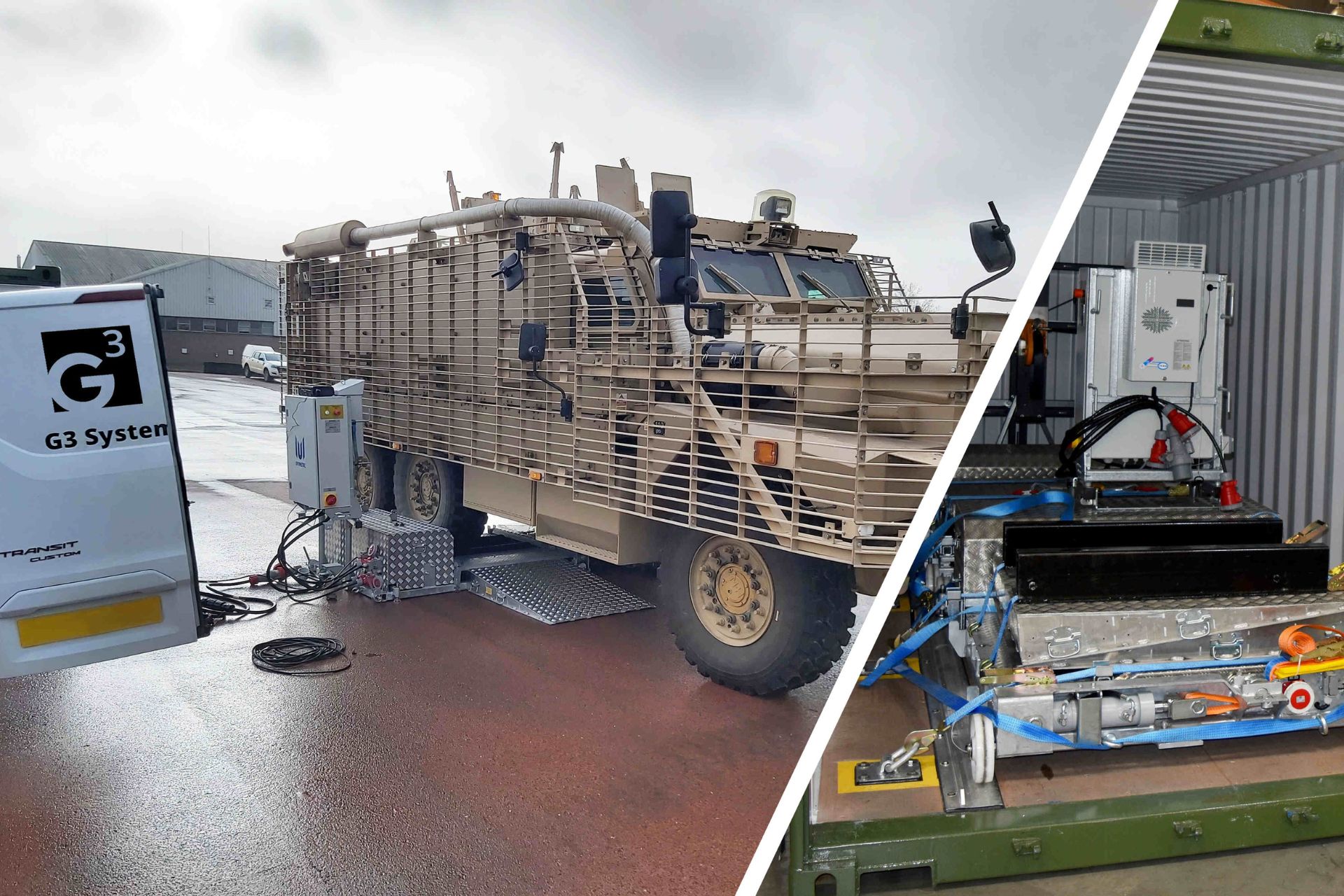
The UK Ministry of Defence (MoD) has awarded a new contract to G3 Systems Limited, a British company specializing in deployable solutions, for the supply of six additional Mobile Roller Brake Testing (MRBT) systems. These systems are crucial for testing the braking capabilities of military vehicles, forming part of the Ministry’s ongoing efforts to enhance operational infrastructure and ensure the safety of vehicles deployed on various missions.
Follow Army Recognition on Google News at this link
These containerized systems will meet current regulations, including compatibility with generic operational base architecture such as Field Electrical Power Supply (FEPS), and adhere to the stringent requirements of SIM 14 (Picture source: G3 Systems)
The contract was awarded by the MoD's Operational Infrastructure team under Project AMPHORA, building upon previous work completed by G3 Systems. In 2018, the company was initially tasked with delivering twelve MRBT systems.
The new contract, signed in June 2024, will see the delivery of six additional units by March 2025. These containerized systems will meet current regulations, including compatibility with generic operational base architecture such as Field Electrical Power Supply (FEPS), and adhere to the stringent requirements of SIM 14.
The MRBT systems will enable military personnel to test vehicles weighing up to 20 tons per axle under operational conditions, ensuring compliance with safety standards, even when deployed.
Designed to be operational within two hours and ready to move in less than one hour, these units require only two trained operators. They meet the standards set by the Driver and Vehicle Standards Agency (DVSA) for inspecting and maintaining braking systems in heavy vehicles, making them suitable for both commercial and military applications.
Nick Rose, Managing Director of G3 Systems, emphasized the significance of the contract, reflecting the Ministry of Defence’s commitment to utilizing industry expertise to maintain a reliable and secure military infrastructure.
- Details
- Written by: Administrator
- Category: 2024
- Hits: 3906
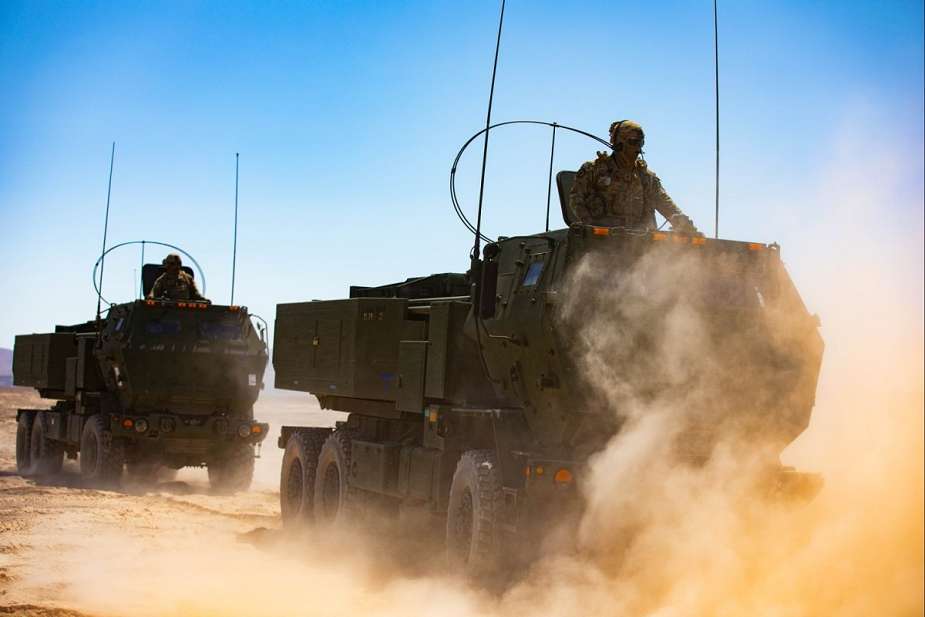
The United States Army deployed the M142 High Mobility Artillery Rocket System (HIMARS) to the U.S. Southern Command’s area of operations for the first time as part of the Southern Fenix 24 (SF24) military exercise. This multinational training, which took place in Chile from August 27 to September 6, 2024, involved over 600 troops from Chile, Argentina, and the United States, aiming to strengthen hemispheric cooperation and enhance interoperability for future multi-domain operations.
Follow Army Recognition on Google News at this link
U.S. Army M142 High Mobility Artillery Rocket Launcher Systems roll out to reconnoiter the launch zone during Southern Fenix 24 near Campo Militar Pozo Almonte, Chile, on Aug. 29, 2024. (Picture source: U.S. Army)
The Oklahoma-based "Steel Warriors" of the 1st Battalion, 14th Field Artillery Regiment (1-14 FAR) were deployed to Chile’s Atacama Desert in the Tacapacá region, bringing the formidable M142 HIMARS. This advanced rocket system, designed by Lockheed Martin, has proven its effectiveness in recent conflicts, including the 2022 Russian invasion of Ukraine. With a 70-84 km range when firing Guided Multiple Launch Rocket System (GMLRS) rockets and up to 300 km with Army Tactical Missile System (ATACMS), the HIMARS offers long-range precision strike capabilities. Its mobility, accuracy, and rapid redeployment abilities make it a valuable asset in modern combat operations.
The 1st Battalion, 14th Field Artillery Regiment (1-14 FAR) is a U.S. Army unit specializing in field artillery, providing long-range, precision fire support in combat operations. Known by their nickname, the "Steel Warriors," the 1-14 FAR is a part of the 75th Field Artillery Brigade, based at Fort Sill, Oklahoma. The battalion is equipped with advanced artillery systems, including the M142 High Mobility Artillery Rocket System (HIMARS), allowing for rapid deployment and highly accurate strikes on point and area targets.
During SF24, U.S. troops engaged in artillery training with the Chilean Army, deepening military ties and strengthening their ability to operate together in future joint missions. The 1-14 FAR U.S. soldiers were enthusiastic about showcasing the HIMARS' capabilities while building relationships with their Chilean counterparts. Lt. Col. Anthony Allen, battalion commander of the 1-14 FAR, emphasized the importance of this exercise, expressing optimism for continuing this collaboration. He noted that the operation is a key step in enhancing U.S.-Chilean military interoperability, vital for future multi-domain operations across the region.
The Southern Fenix 24 exercise not only highlights the tactical value of the HIMARS but also reinforces the strategic importance of cooperation between the U.S. and South American militaries. As hemispheric security challenges evolve, the ability to deploy and train with cutting-edge systems like HIMARS enhances readiness and strengthens regional alliances.
The presence of the U.S. Army in South America reflects a broader U.S. strategy to enhance regional security, support counter-narcotics operations, and strengthen military partnerships with allied nations. U.S. military involvement in the region is primarily coordinated through U.S. Southern Command (SOUTHCOM), which oversees operations and collaborations across Central and South America and the Caribbean. SOUTHCOM's mission includes fostering defense cooperation, promoting stability, and addressing regional threats like organized crime and natural disasters. The U.S. military often engages in joint training exercises, humanitarian aid efforts, and capacity-building initiatives with partner nations in the region to improve mutual readiness and foster stronger ties.
Regarding defense relations with Chile, the United States and Chile have a long-standing and robust military partnership. Chile is considered one of the U.S.'s most reliable defense partners in South America, with a history of collaboration that spans several decades. This relationship has been formalized through various defense agreements, including the Defense Cooperation Agreement, which facilitates joint training exercises, military education, and defense technology sharing. Chile is also a member of the State Partnership Program (SPP) through its connection with the Texas National Guard, further deepening military-to-military ties.
Both nations regularly participate in joint military exercises, such as Southern Fenix (SF) and Southern Star, to improve interoperability, enhance capabilities for multi-domain operations, and address shared security concerns. Chile's strategic location and its emphasis on modernizing its military make it a valuable defense partner for the U.S. in the South American region. This defense cooperation has also contributed to regional stability and has played a role in international peacekeeping operations where Chilean and U.S. forces have worked side by side.
Read more: US Deploys M142 HIMARS Rocket Launchers in Southern Command Area for First Time
- Details
- Written by: Administrator
- Category: 2024
- Hits: 5538
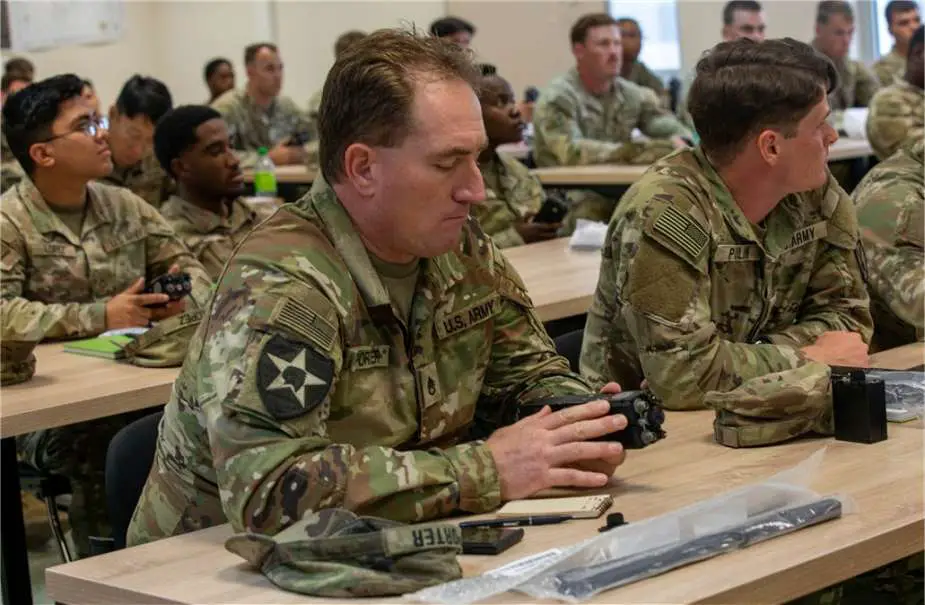
To modernize its combat capabilities, the U.S. Army hosted a two-day training event on August 28-29, 2024, focused on familiarizing Soldiers with new radio communication equipment. The training at Mihail Kogălniceanu Air Base in Romnaia is part of an ongoing push to ensure that troops are equipped with the most advanced tools necessary for success in modern warfare.
Follow Army Recognition on Google News at this link
U.S. Army Staff Sgt. Christopher Porter, an infantryman assigned to the 10th Mountain Division (Light Infantry), handles new radio equipment during a training exercise on AN/PRC 14 Delta and AN/PRC 170 radios at Mihail Kogălniceanu Airbase in Romania. (Picture source: U.S. Army)
Effective communication is vital for modern military armed forces, serving as the backbone of coordinated and successful operations. In today’s complex and dynamic battlefield, real-time data exchange and secure communication enable commanders to make informed decisions, issue orders swiftly, and synchronize movements across multiple units.
Advanced communication systems ensure seamless coordination between air, ground, and naval forces, allowing for precise targeting, logistics support, and timely responses to emerging threats. Furthermore, secure communication links protect sensitive information from interception by adversaries, ensuring operational security. In essence, communication technology in modern warfare enhances situational awareness, ensures operational efficiency, and provides a critical advantage in achieving mission objectives and maintaining superiority over adversaries.
U.S. soldiers participating in the event received hands-on training with the AN/PRC 14 Delta and AN/PRC 170, two advanced radios designed to improve operational efficiency and secure communication in the field.
The AN/PRC 14 Delta and AN/PRC 170 are advanced military radio systems designed to enhance battlefield communication. The AN/PRC 14 Delta is a lightweight, handheld radio known for its secure voice and data transmission capabilities, optimized for short-range communication in tactical environments. It features robust encryption, frequency hopping, and interference resistance, ensuring secure and reliable communication in contested areas. The AN/PRC 170, on the other hand, is a more versatile system that supports both line-of-sight (LOS) and beyond-line-of-sight (BLOS) communication, utilizing satellite and high-frequency (HF) bands for long-range operations. Both radios are designed to withstand harsh environments, featuring rugged construction and advanced troubleshooting capabilities, making them essential tools for modern combat operations.
The two-day course provided an in-depth, practical overview of both basic and advanced functionalities of the equipment. Soldiers learned everything from setting up secure communication links to troubleshooting and maintaining the radios in challenging environments. This hands-on training, led by expert defense contractors, aimed to instill confidence in Soldiers about their ability to rely on these systems during combat operations.
V Corps, the U.S. Army’s forward-deployed warfighting headquarters, continues to prioritize the modernization of its forces through initiatives like this. As part of its mission to remain combat-ready, V Corps focuses on closing capability gaps and keeping pace with technological advancements. By preparing Soldiers for the communications demands of both current and future missions, the U.S. Army reinforces its commitment to maintaining tactical superiority in an ever-evolving battlefield.
This training event represents just one facet of the U.S. Army’s relentless effort to stay ahead in the race for technological dominance in military operations, ensuring that U.S. forces are always prepared to face the challenges of tomorrow’s conflicts.
Read more: US Army Advances Combat Readiness with New Radio Communication Training

- Details
- Written by: Halna du Fretay
- Category: 2024
- Hits: 2504
Allen-Vanguard, a global leader in providing customized solutions to counter radio frequency (RF)-based terrorist threats, has announced a significant follow-on order for its SCORPION Electronic Countermeasure (ECM) systems, along with accessories and spare parts, from a NATO ally. This order follows an initial delivery of 68 systems earlier this year.
Follow Army Recognition on Google News at this link
This versatile ECM system can be man-portable, vehicle-mounted, or used to protect static locations from the threats posed by radio-controlled improvised explosive devices (R-CIEDs) and unmanned aerial systems (UAS) (Picture source: Allen-Vanguard)
The new order increases the number of SCORPION systems delivered by over 30%. This versatile ECM system can be man-portable, vehicle-mounted, or used to protect static locations from the threats posed by radio-controlled improvised explosive devices (R-CIEDs) and unmanned aerial systems (UAS). Both types of threats have been prevalent in recent conflicts in Europe and the Middle East. With its flexible, modular architecture, and a wide range of power options, antenna configurations, and transport systems, SCORPION is well-suited to various protection tasks.
SCORPION is a hybrid, full-spectrum system with extensive coverage of threat bands, providing broad usability. Combined with advanced technology, it offers a strong response to both current and future R-CIED and drone threats. Its modular design allows users to tailor it to their specific operational needs, enhancing their ability to respond to diverse situations in the field.
As with the previous order, Allen-Vanguard will provide support services, including Train the Trainer (T3) programs, to ensure end users are fully equipped and prepared to deploy this critical capability with operational autonomy. This training aligns with the company's philosophy of developing full sovereign capability for its clients, allowing them to train and evaluate their own personnel on SCORPION hardware, both now and in the future.
Allen-Vanguard’s Business Development Director, Stuart Wilson, emphasized that this new order, placed before the initial delivery had been fully deployed, demonstrates client confidence in the capabilities of the SCORPION system and the support provided by the company. Allen-Vanguard will continue to work closely with end users to ensure this essential protection capability is fully integrated and supported, delivering optimal protection for their troops.
This follow-on order strengthens Allen-Vanguard’s position in the electronic countermeasures market, offering advanced and modular protection solutions tailored to the evolving needs of armed forces operating in complex threat environments.
Read more: Allen-Vanguard Secures Major Order for SCORPION ECM Systems from NATO Ally
- Details
- Written by: Jérôme Brahy
- Category: 2024
- Hits: 10887
As reported by The Japan Times on September 7, 2024, the United States has shown interest in deploying a Mid-Range Capability (MRC) missile system to Japan for joint military exercises, according to U.S. Army Secretary Christine Wormuth. Wormuth mentioned during an event in Virginia earlier this week that discussions about deploying the Army’s Multi-Domain Task Force, which includes the MRC missile system known as the Typhon, were held during her visit to Japan last month.
Follow Army Recognition on Google News at this link
U.S. Army Secretary Christine Wormuth indicated that the U.S. has expressed interest in deploying the Multi-Domain Task Force, which is responsible for the Mid-Range Capability (MRC) missile system, in Japan. (Picture source: Lockheed Martin)
Wormuth stated, “I had a great visit to Japan, a great discussion with (Defense) Minister (Minoru) Kihara,” adding that the U.S. would be “very interested” in seeing the Multi-Domain Task Force operate out of Japan in future exercises. She also noted that the U.S. had expressed interest in this deployment to the Japanese Self-Defense Forces and emphasized that any such move would proceed “at the pace of the Japanese government.” The Typhon launcher, capable of firing Tomahawk cruise missiles with a range of 1,600 kilometers and SM-6 missiles, was deployed to the Indo-Pacific region for the first time in April for joint military exercises in the northern Philippines. This deployment is scheduled to conclude this month. It marks the first time the U.S. has sent ground-based intermediate-range missiles abroad since withdrawing from the 1987 Intermediate-Range Nuclear Forces Treaty in 2019.
The Intermediate-Range Nuclear Forces (INF) Treaty, signed on December 8, 1987, by the United States and the Soviet Union, required both nations to eliminate their nuclear and conventional ground-launched ballistic and cruise missiles with ranges between 500 and 5,500 kilometers. The treaty, signed by U.S. President Ronald Reagan and Soviet General Secretary Mikhail Gorbachev, came into effect on June 1, 1988, and led to the destruction of 2,692 missiles by May 1991. It did not apply to air- or sea-launched missiles and included provisions for on-site verification inspections over a ten-year period to ensure compliance.
On August 2, 2019, the United States formally withdrew from the INF Treaty, following an announcement by President Donald Trump in October 2018, citing Russian violations of the treaty, specifically the development and deployment of the Novator 9M729 (SSC-8) cruise missile. The Trump administration also argued that the treaty restricted the U.S. in countering China's growing missile capabilities, as China was not a party to the treaty. Russia suspended its participation in response to the U.S. withdrawal, leading to the treaty's expiration and the end of its regulatory framework on intermediate-range nuclear forces between the two countries.
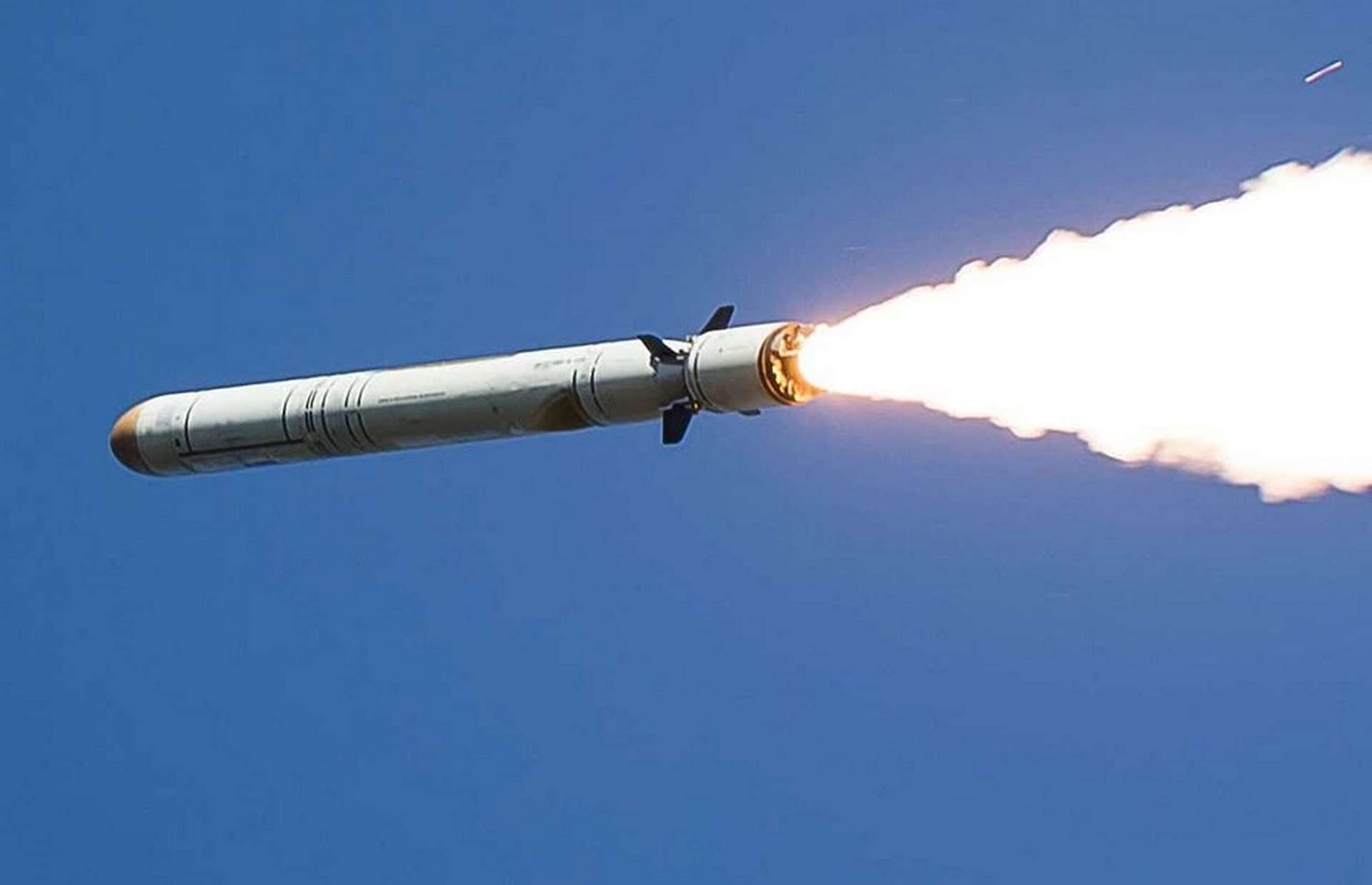
On September 2, 2015, Russia conducted another test of the Novator 9M729 (SSC-8) cruise missile, which the United States claims violates the 1987 INF Treaty. (Picture source: Russian MoD)
Japan has repeatedly denied rumors about hosting U.S. medium-range missiles, while public opinion in Japan remains a significant factor in these discussions. The Japanese Ministry of Defense recently clarified that the United States is not yet prepared to deploy such missiles in Japan. This statement came in response to a report by the Sankei newspaper, which suggested that the U.S. government had proposed deploying medium-range missiles, including hypersonic and Tomahawk missiles, on Japan's southern island of Kyushu. According to the Ministry, U.S. counterparts indicated it was too early to consider specific deployment sites for these new missile systems.
The potential deployment of U.S. missiles in Japan has been a matter of debate, with some analysts suggesting it could face public opposition due to concerns about Japan becoming a target for the People's Liberation Army Rocket Force. This branch of the Chinese military manages China's land-based ballistic, hypersonic, and cruise missile arsenal, both nuclear and conventional, which includes an estimated 1,900 ballistic missiles capable of reaching Japan. This factor has led to hesitation from Japanese authorities, who continue to prioritize national security while balancing diplomatic relations with both the United States and China.
A report from The Japan News noted that while there were considerations for deploying U.S. intermediate-range missiles along the "first island chain" from Japan to the Philippines, this was ultimately deemed unnecessary after Japan decided to develop its counterstrike capabilities. Japan’s national security strategy, approved in December, includes acquiring long-range missiles, such as U.S.-made Tomahawks and upgraded domestically produced Type-12 surface-to-ship missiles, allowing Japan to enhance its defensive capabilities without hosting additional U.S. missiles.
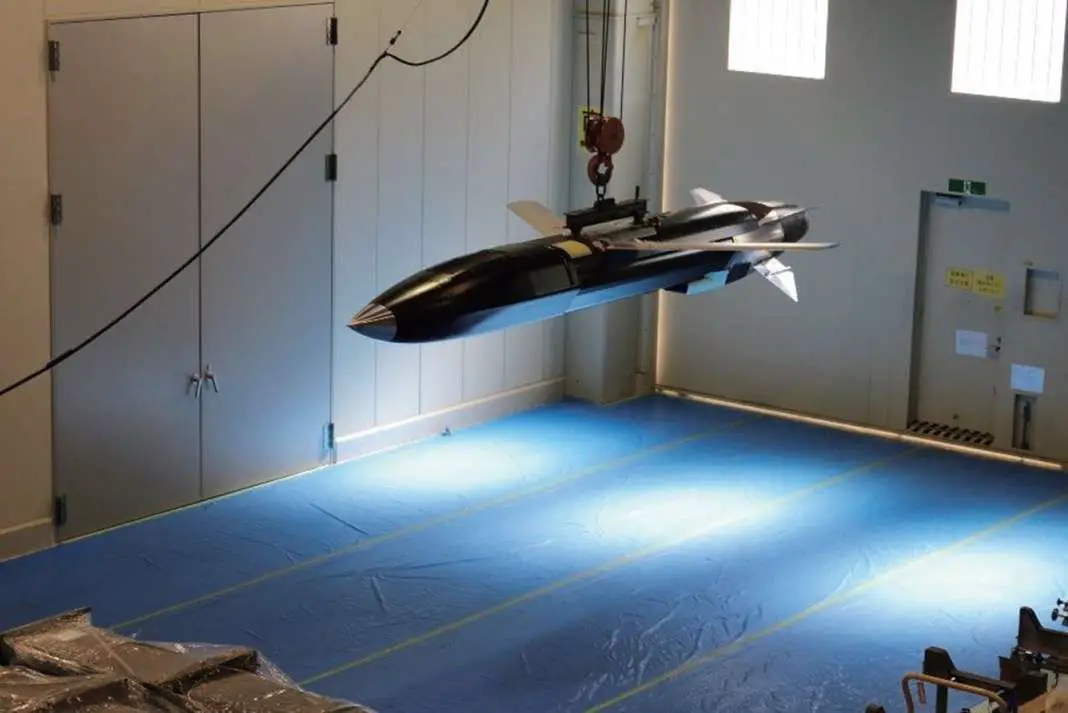
This new version of the Type 12 Surface-to-Ship Missile (SSM) aims to extend the missile's range from 200 kilometers to 900 kilometers initially, with a future target of 1,500 kilometers. (Picture source: Mitsubishi Heavy Industries)
Proponents of the potential deployment argue that it could deter Beijing, especially considering China's expanding military activities around Japan’s southwestern islands near Taiwan. The Typhon system, which includes both Tomahawk cruise missiles and SM-6 missiles, could extend the range of potential targets to areas such as Taiwan, parts of the South China Sea, and significant portions of mainland China. The U.S. military has suggested that deploying such systems is necessary to counterbalance China’s expanding missile capabilities, including ground-launched intermediate-range ballistic missiles that could reach the Nansei Islands and Taiwan.
China, meanwhile, has expressed strong opposition to the potential deployment of U.S. missile systems in the region, arguing that such actions could increase the risk of "misjudgment and miscalculation" and escalate regional tensions. When the U.S. previously deployed similar missile systems to the Philippines, China described the move as a "serious threat" to regional security and stability. The Chinese authorities have not yet officially commented on the possible deployment to Japan, but the reaction is expected to be similarly negative.
Despite Japan's official denials of plans to host such U.S. weapons, there are signs of potential consideration. Lt. Gen. Kazuo Sakai, the chief of staff of Japan’s Ground Self-Defense Force, recently visited the U.S. Joint Base Lewis-McChord in Washington state, where the Typhon system is stationed. Pictures of this visit, showing Sakai and his delegation near the missile system, have led to speculation about Japanese interest. However, Japanese authorities have not officially commented on any agreement or discussion about deploying the Typhon system, reflecting caution likely influenced by domestic concerns and the potential for a Chinese response.
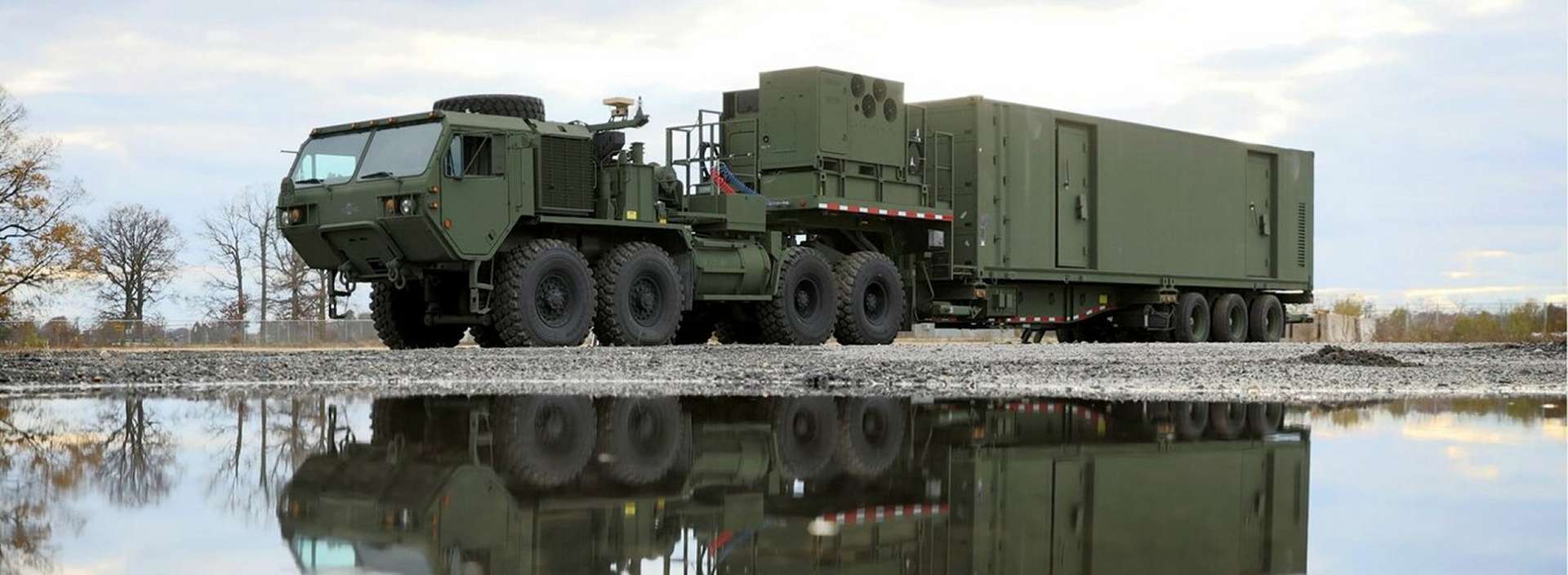
Developed as part of the Army's Long Range Precision Fires program, the Typhon missile system serves as a bridge between the Precision Strike Missile and the Long Range Hypersonic Weapon system. (Picture source: Lockheed Martin)
The U.S. has conducted multiple tests of the Typhon system, which includes four trailer-based launchers and supporting equipment capable of firing both Tomahawk and SM-6 missiles. The SM-6 missiles, described by the U.S. military as a key component in defending against highly maneuverable hypersonic threats, suggest that the Typhon system could be used against a range of targets, from conventional to hypersonic. This capability indicates the system could serve in diverse roles, including missile defense and ground strikes.
The Typhon Mid-Range Capability (MRC) missile system is a U.S. Army transporter erector launcher designed to deploy Standard SM-6 and Tomahawk missiles. Developed as part of the Army's Long Range Precision Fires program, it serves as a bridge between the Precision Strike Missile and the Long Range Hypersonic Weapon system. Initially known as the Strategic Mid-range Fires System (SMRF), the Typhon system has been in service since 2023 and is a modified version of the Mk 70 Mod 1 Payload Delivery System. The launcher is also compatible with the Patriot PAC-3 missile, incorporating specific modifications for Army use.
The Typhon launcher has been involved in several tests and operational deployments. In 2023, the U.S. Army launched both SM-6 and Tomahawk missiles from the system, confirming its capabilities. In April 2024, Typhon batteries were deployed to the Philippines for joint military exercises, extending its operational range over the Luzon Strait and the South China Sea, although it was not used in live-fire exercises. A second battery was activated in January 2024, and future deployments are planned in Germany beginning in 2026, with discussions of potential deployment to Japan as part of broader strategic initiatives.
The structure of a Typhon MRC battery includes four launchers, a battery operations center, and several support vehicles. Originally, the Army planned to develop four SMRF batteries, but adjustments have led to two batteries currently being assigned to the 1st Multi-Domain Task Force (MDTF) as of 2024. The FY 2025 budget includes $183 million for research and development and $233 million for procurement, covering additional Tactical Tomahawks, equipment, and operational centers, indicating ongoing investment in the system. The allocation of batteries may change based on strategic needs, allowing commanders flexibility to adjust deployment between MDTFs.
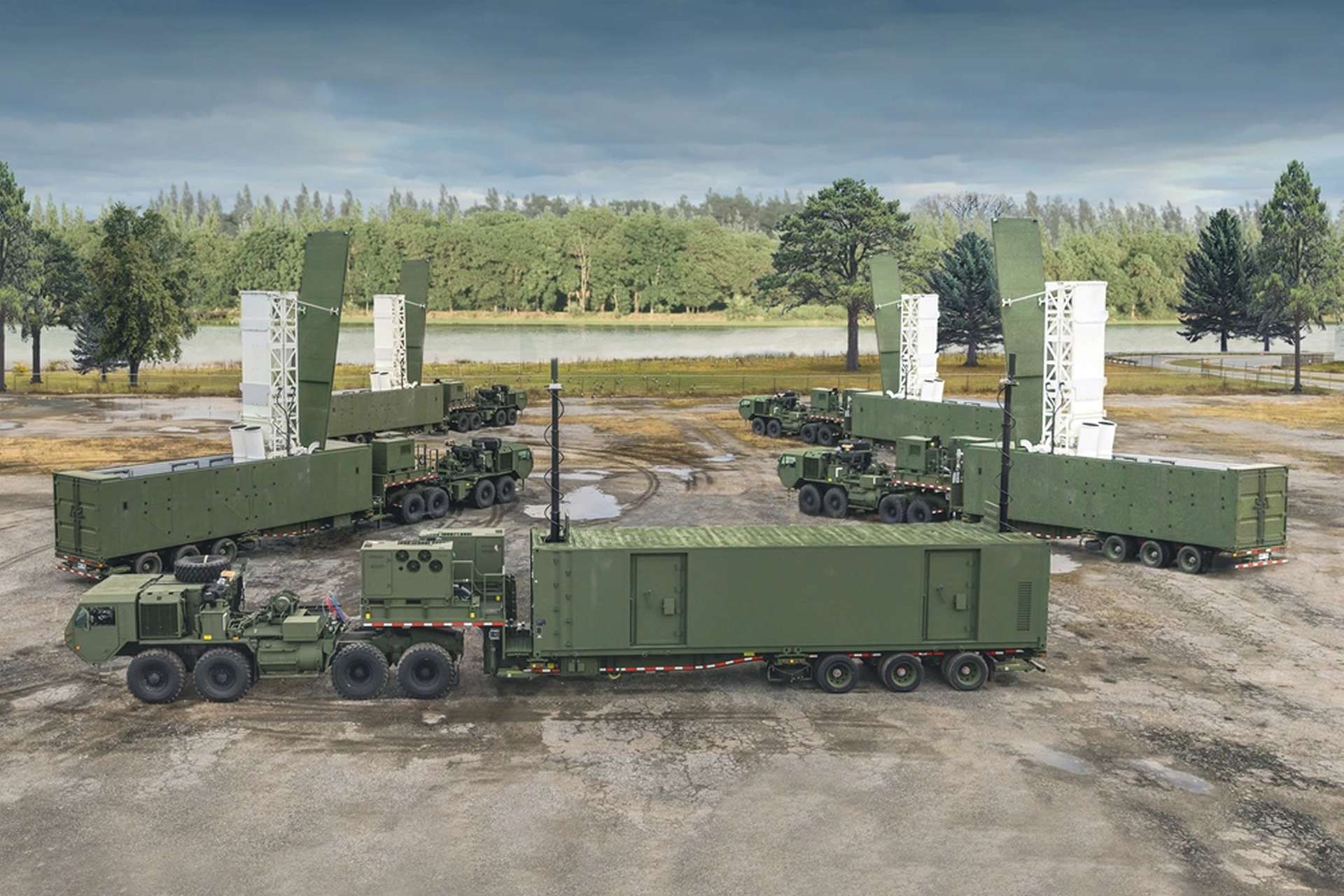
The U.S. has conducted multiple tests of the Typhon system, which includes four trailer-based launchers and supporting equipment capable of firing both Tomahawk and SM-6 missiles. (Picture source: US DoD)
Read more: US Army eyes deployment of Typhon mid-range missile system to Japan for joint exercises

- Details
- Written by: Triffaux
- Category: 2024
- Hits: 4050
On September 10, 2024, Oracle and Anduril Industries are joining forces to bring Anduril's open and extensible software platform, Lattice, to Oracle Cloud Infrastructure (OCI) and OCI Roving Edge Infrastructure worldwide. Anduril will also integrate its Menace hardware systems with OCI to enhance operations in connected and disconnected mobile command and control environments. Together, Oracle and Anduril will deliver secure mission capabilities globally, from the datacenter to the tactical edge, at all classification levels.
Oracle and Anduril Industries are joining forces to bring Anduril's open and extensible software platform, Lattice, to Oracle Cloud Infrastructure (OCI) and OCI Roving Edge Infrastructure worldwide. (Picture source: Anduril)
Anduril will deploy Lattice on Oracle Cloud's Isolated and National Security Regions, which are Oracle's air-gapped cloud infrastructure for mission-critical, classified defense, and intelligence workloads. Lattice will also be available across Oracle Cloud Regions, Oracle EU Sovereign Cloud, and Oracle Government Clouds in Australia, the United Kingdom, and the United States.
Tom Keane, Senior Vice President at Anduril, stated, "Our partnership with Oracle will provide greater global capabilities for our customers. Oracle Cloud offers the global infrastructure, price performance, and data sovereignty that mission customers need to deploy scalable, autonomous, and force-multiplying technology to the far edge."
Deploying Lattice across Oracle’s distributed cloud will enable warfighters to have real-time understanding, automated decision advantage, dynamic machine tasking, and human-on-the-loop automation. Anduril has also integrated OCI Roving Edge Infrastructure into the Menace family of expeditionary hardware C4 solutions. Running across Oracle’s distributed cloud, Menace will enable warfighters to deploy, manage, and operate mission applications in disrupted, disconnected, intermittent, and low-bandwidth environments.
Rand Waldron, Vice President at Oracle, said, "Our public sector and defense customers operate in the real world, where deployable hardware interacts with humans and creates effects in the most complex environments imaginable. Anduril’s Lattice on Oracle Cloud links those physical systems with the world’s best cloud services, data management, and AI infrastructure—on a hyperscale global network, across an airgap or in the field."
Oracle is the only hyperscaler capable of delivering AI and a full suite of more than 150 cloud services across dedicated, public, sovereign, and hybrid cloud environments, anywhere in the world, including air-gapped infrastructure on classified networks. With OCI’s sovereign and government cloud offerings, customers can meet regulatory, security, and performance requirements while benefiting fully from the cloud and AI. Anduril supports operations with the US Department of Defense, the US Department of Homeland Security, the Australian Defence Force, the UK Ministry of Defence, and other partners globally. Powered by Lattice, Anduril solutions provide integrated, persistent awareness, security, and command and control at the tactical edge across land, sea, and air.
- Australian Army Receives First M1A2 SEP V3 Tanks in Major Modernization Step
- Kalashnikov to Release Civilian Batch of AK-12 Mock-Ups for First Time
- Leonardo DRS Delivers Advanced C5I Systems to Australian Army's Heavy Tracked Combat Vehicles
- Royal Thai Army Evaluates D11A MLRS Inspired by Israel's PULS System