
- Details
- Written by: Triffaux
- Category: 2024
- Hits: 3918










The Argentine Army once again finds itself at a crossroads of unresolved decisions regarding the modernization of its Wheeled Armored Combat Vehicles (VCBR) fleet. The reequipment program, meant to incorporate new 8x8 vehicles, is stalled without concrete progress, while technical and strategic choices remain pending.
Follow Army Recognition on Google News at this link
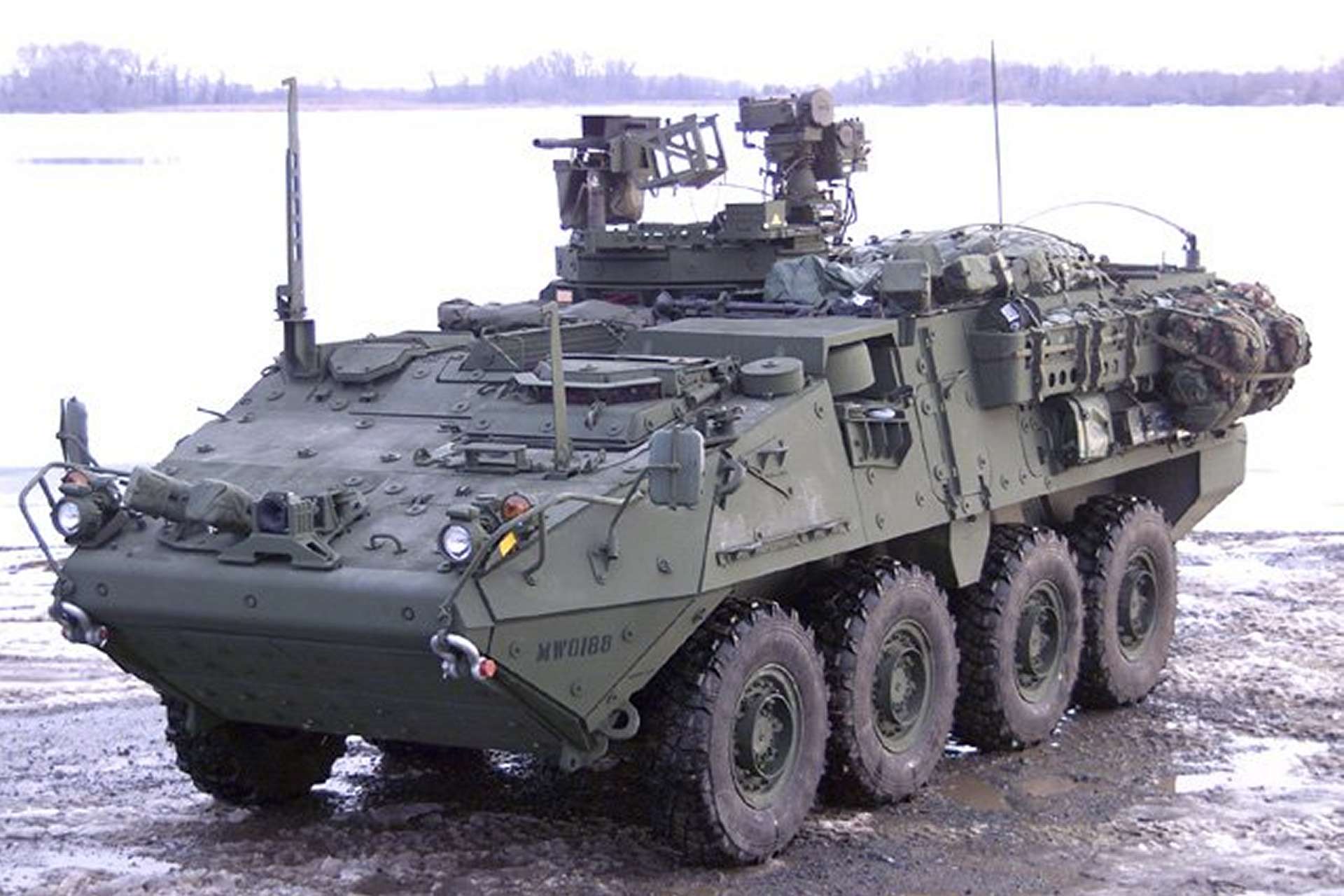
General Dynamics Land Systems M1126 Stryker Armored Personnel Carrier Vehicle (Picture source: Wikimedia)
For several years, the preferred option appears to be the NZLAV/M1126 Stryker, touted for various qualities suited to local needs. However, the absence of an official decision has prompted authorities to consider other alternatives, notably the Pandur II armored vehicle family. Initially developed in Austria by Steyr-Daimler-Puch, now a subsidiary of General Dynamic European Land Systems, and currently produced under license by Tatra Defence Vehicle in the Czech Republic, the Pandur II stands as a robust option, already deployed in several international armies.
The proposal to integrate the Pandur II is based on comprehensive feasibility studies, suggesting a possible adaptation to the specific requirements of Argentina. Concurrently, discussions about the Stryker remain predominant, despite concerns about the logistics and adaptability of older equipment that could complicate operational support in the long term.
Criticism is abundant, particularly regarding the viability of integrating used NZLAVs. Their condition and equipment, considered obsolete by some, raise concerns about their future effectiveness. Additionally, the logistical diversity between the LAV III platforms of the NZLAV and the Stryker poses an additional challenge.
This context of uncertainty is not isolated to the army. The entire Argentine armed forces face similar delays in several key reequipment programs, exacerbating capability gaps in the face of increasingly pressing national security challenges. In this climate of waiting and indecision, the future of the VCBR program remains uncertain, placing the Argentine Army in a delicate position facing regional and global challenges.

- Details
- Written by: Vandenbosch
- Category: 2024
- Hits: 2782
India and the Philippines continue to strengthen their bilateral defense relations with the recent announcement of a strategic partnership aimed at co-developing military equipment. This initiative was presented during the fifth meeting of the Joint Defense Cooperation Committee (JDCC) in Manila, where India's Defense Secretary, Giridhar Aramane, invited the Philippines to collaborate with India's defense industry for joint armament production.
Follow Army Recognition on Google News at this link
AI-generated image of the Indian and Philippine flags. (Picture source: Army Recognition)
This collaboration takes place against the backdrop of heightened geopolitical tensions in Southeast Asia, particularly due to China's aggressive claims in the South China Sea. The Philippines, directly affected by these tensions, is seeking to modernize its armed forces to protect its territorial sovereignty. The cooperation with India is thus seen as a significant strategic opportunity for Manila. Aramane emphasized the importance of both nations enhancing their defense production autonomy, aligning this vision with India’s "Aatmanirbhar Bharat" policy of self-reliance.
One of the most notable achievements of this cooperation is the delivery of three coastal batteries of BrahMos supersonic missiles to the Philippines. These missiles, with a range of 290 kilometers, significantly enhance the country's coastal defense capabilities and represent a concrete first step toward deeper collaboration in sophisticated armaments. The contract, signed in January 2022 for $375 million, reflects India's commitment to supporting the military modernization of the Philippines.
In addition to military exchanges, the partnership between India and the Philippines aims to establish stable supply chains within the defense industry. Philippine Undersecretary of Defense, Irineo Cruz Espino, emphasized the importance of long-term investments to build a national industry capable of meeting the needs of its military without excessive reliance on imports. The Philippines views India's experience in defense indigenization as a model to follow in achieving self-sufficiency.
Maritime security is also a key area of bilateral cooperation. Alongside the development and delivery of military equipment, India and the Philippines have implemented an information exchange system on commercial shipping as part of the White Shipping Information Exchange initiative. This mechanism allows for real-time tracking of commercial vessels, thereby enhancing maritime security in a region where tensions are particularly high.
The two nations have also expressed their willingness to strengthen cooperation within multilateral frameworks, including ASEAN and regional security forums such as the ASEAN Defence Ministers' Meeting-Plus. This multilateral collaboration is seen as essential for maintaining regional stability and countering growing threats in the Asia-Pacific region, particularly in response to China's maritime ambitions.
As India and the Philippines celebrate 75 years of diplomatic relations and 10 years of India's "Act East" policy, their defense cooperation marks a turning point in the military strategies of both nations. The joint development of military equipment, coupled with close collaboration on maritime security, strengthens the Philippines' defense capabilities while solidifying India’s role as a key security player in Southeast Asia. The partnership between the two countries could prove crucial for regional stability in the years to come.
- Details
- Written by: Administrator
- Category: 2024
- Hits: 3924
In August 2024, General Randy George, Chief of Staff of the United States Army, visited Soldiers of Echo Battery, Task Force Talon, 38th Air Defense Artillery Brigade, stationed in Guam, conducting a re-enlistment ceremony and evaluating key Terminal High Altitude Area Defense (THAAD) systems critical to the island's security.
Follow Army Recognition on Google News at this link
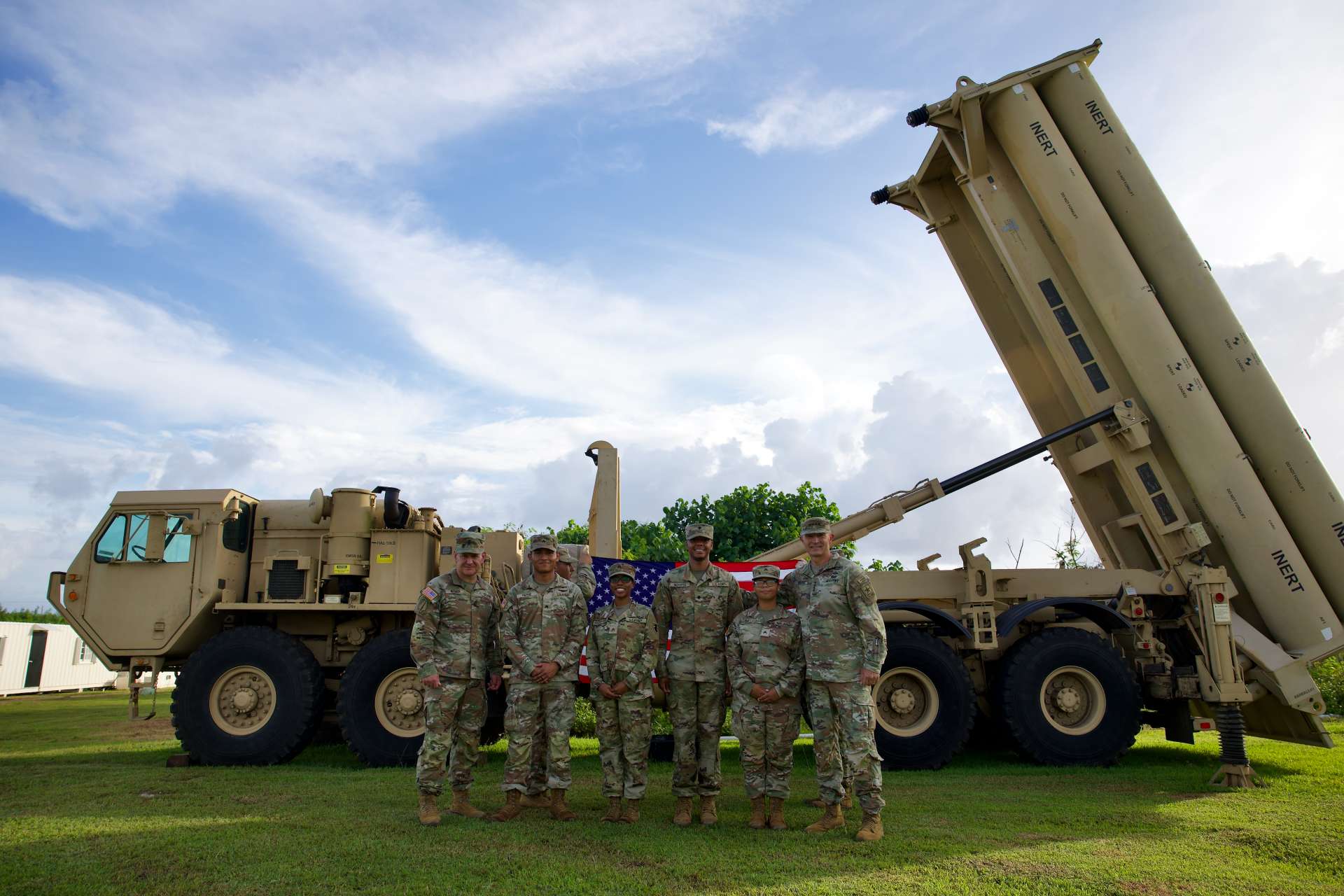
Gen. Randy George, Chief of Staff of the United States Army, poses with Soldiers assigned to Echo Battery, Task Force Talon, 38th Area Defense Artillery Brigade after conducting their re-enlistment in Guam on September 8, 2024. (Picture source: U.S. DoD)
During his visit, Gen. George administered the re-enlistment oath to a group of U.S. soldiers assigned to Echo Battery, recognizing their continued commitment to the U.S. Army and the defense of national interests. Echo Battery plays a pivotal role in Guam's strategic defense mission, specifically utilizing THAAD air defense systems to safeguard the island and the broader U.S. territories.
Gen. George took the opportunity to engage with the U.S. troops and observe firsthand the operation of the THAAD systems, which are deployed to intercept potential threats. He noted the significance of these systems in ensuring the protection of Guam from missile attacks, stating that their successful integration into the U.S. missile defense strategy is vital to maintaining peace and stability in the region.
The THAAD air defense missile system has an operational range of up to approximately 200 km(124 miles) for intercepting ballistic missiles. It can engage targets at altitudes ranging from 25 to 150 km(15 to 93 miles), allowing it to intercept missiles both inside and outside the Earth's atmosphere during their terminal phase. This high-altitude capability helps protect against both short- and medium-range missile threats, providing a critical layer of defense in areas like Guam and other key locations.
Guam, strategically located in the Pacific, has long been a critical outpost for U.S. military operations. As part of the Guam Defense mission, THAAD air defense systems are tasked with intercepting and neutralizing high-altitude threats before they can reach their intended targets. These systems provide the island with a shield against potential missile strikes, enhancing the overall deterrence posture of U.S. forces in the Indo-Pacific theater.
The visit comes at a time of heightened regional tensions and an increased emphasis on bolstering missile defense systems in the face of evolving global threats. Gen. George's assessment of the THAAD capabilities underscores the Army's commitment to maintaining a robust defense presence in the region.
Echo Battery's deployment of THAAD air defense systems is seen as a cornerstone of U.S. defense policy in the Pacific, particularly as adversaries continue to develop more sophisticated missile technologies. Gen. George's visit highlights the Army's focus on ensuring its soldiers are well-equipped and supported in their mission to defend both Guam and the United States.
In addition to reviewing defense operations, Gen. George met with the U.S. soldiers, expressing his gratitude for their service and dedication to the nation's defense. He emphasized the importance of their work not only in protecting U.S. territories but also in reinforcing America's military alliances and partnerships throughout the Indo-Pacific region, a role that makes every American proud.
The re-enlistment of U.S. soldiers during this visit serves as a testament to the U.S. Army's commitment to maintaining a highly trained and motivated force in one of the world's most geopolitically significant regions.
As the U.S. continues to modernize its defense infrastructure and adapt to new challenges, the efforts of U.S. soldiers like those in Echo Battery will remain central to safeguarding the security of Guam and the broader Pacific region.
Read more: US Army THAAD Air Defense in Guam protects US forces from East Asia missile threats
- Details
- Written by: Administrator
- Category: 2024
- Hits: 6675
The U.S. Army has awarded BAE Systems Land and Armaments a $121.4 million contract to produce M2A4 and M7A4 Bradley Fighting Vehicles. This contract modification will enable the procurement of additional armored vehicles, which are to be produced from legacy variants currently in the Army's inventory. The work will be carried out by BAE Systems at various locations, with the specific sites determined with each order.
Follow Army Recognition on Google News at this link
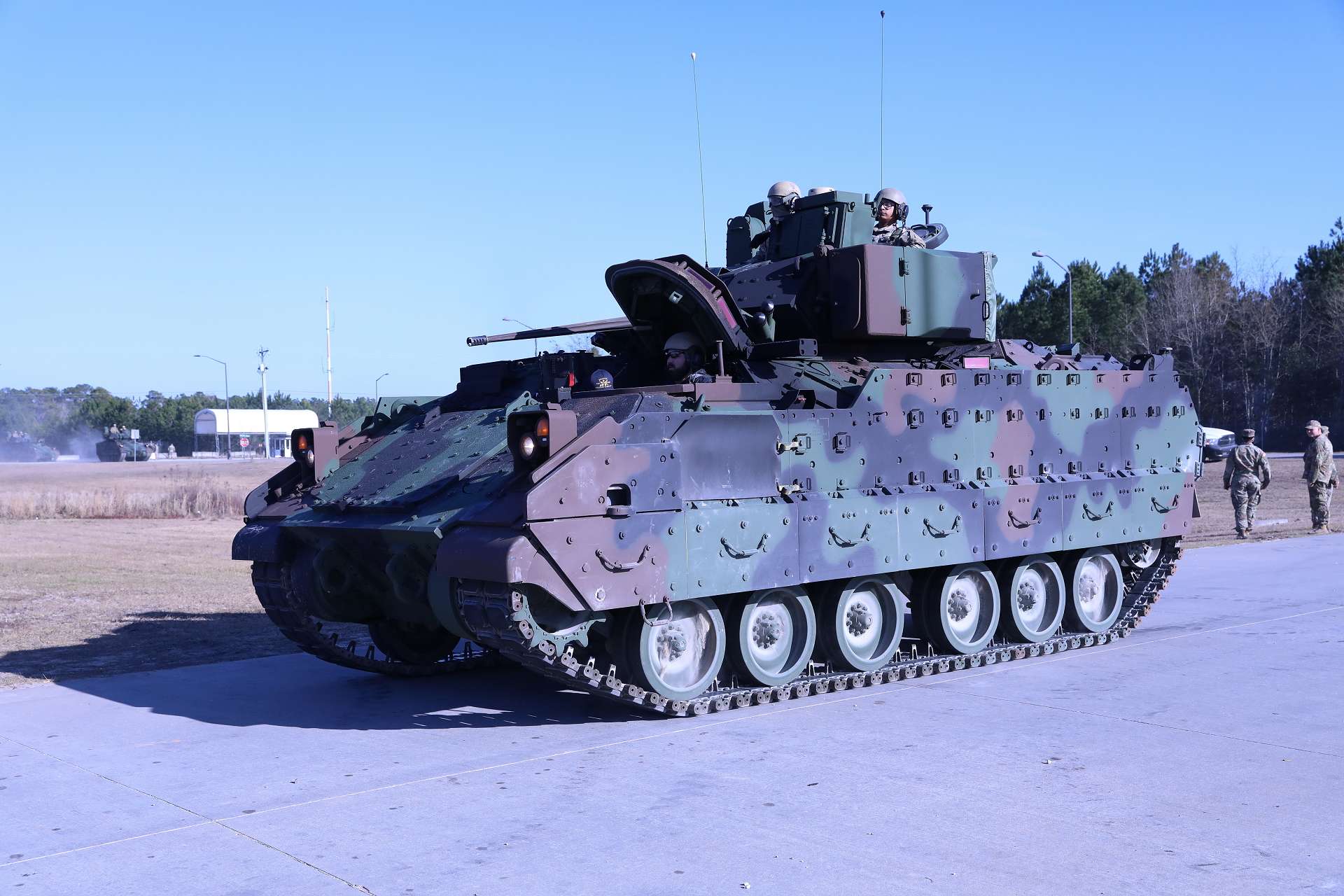
U.S. soldiers assigned to the "Hound Battalion," 3rd Battalion, 67th Armor Regiment, 2nd Armored Brigade Combat Team, 3rd Infantry Division, received the newly modernized M2A4 Bradley Fighting Vehicles at Fort Stewart in February 2022. (Picture source: U.S. DoD)
The production is expected to be completed by May 31, 2026, and will be managed by the Army Contracting Command based at Detroit Arsenal in Michigan. The award follows a contract modification granted to BAE Systems in 2023, valued at $128.7 million for producing these advanced armored vehicles.
The Bradley Fighting Vehicle (BFV) family, including the M2A4 and M7A4, is critical in providing mobility, protection, and firepower for U.S. ground forces. The M2A4 is an upgraded version of the original M2 Infantry Fighting Vehicle (IFV), which has been in service since the early 1980s. The M2A4 variant features significant improvements in powertrain and suspension, allowing the vehicle to carry heavier armor and accommodate advanced technological systems without sacrificing mobility.
The Bradley M2A4 is an upgraded version of the M2 Bradly Infantry Fighting Vehicle (IFV) with improvements in powertrain and suspension to handle increased armor and advanced technologies. It features enhanced armor for greater protection, improved survivability, and upgraded electronics for better communication, situational awareness, and targeting capabilities. These upgrades ensure the M2A4 remains effective in modern combat scenarios while maintaining the original role of transporting infantry and providing firepower.
Upgrades in the M2A4 version focus on improved survivability and situational awareness, including enhanced armor packages and advanced electronics for better communication and targeting capabilities. The M2A4 Bradley is designed to transport infantry troops while providing firepower and protection on the battlefield. It comes equipped with a 25mm M242 Bushmaster chain gun, TOW anti-tank missiles, and a coaxial M240C machine gun.
The Bradley M7A4 is an upgraded version of the standard M7 Fire Support Team (FIST) vehicle, designed to improve battlefield surveillance and target designation for artillery and air support. This variant includes power, mobility, and advanced electronics enhancements, similar to the M2A4, but with specialized systems for coordinating indirect fire and airstrikes. The M7A4 builds on the standard M7's capabilities by offering better protection, situational awareness, and communication tools, ensuring more effective support for forward observation teams in modern combat scenarios.
BAE Systems has a long history of producing and upgrading Bradley vehicles for the U.S. Army. In 2018, the company was awarded a $347.9 million contract for 473 units of the M2A4 and M7A4 variants, which helped modernize the Army’s armored vehicle fleet. These contracts are part of ongoing efforts to maintain the Bradley as a core asset within the Army's mechanized forces, ensuring it remains capable of meeting the demands of modern warfare.
The Bradley family of vehicles continues to be an essential part of U.S. Army operations, providing protection and firepower in various combat scenarios. With these new contracts, BAE Systems will further enhance the Army’s armored capabilities, ensuring that the vehicles are up to date with current technological and battlefield requirements.
As work progresses on the production of the M2A4 and M7A4 vehicles, the U.S. Army continues to evaluate the role of the Bradley in its future operations. Despite competition from newer platforms such as the Armored Multi-Purpose Vehicle (AMPV) and the Optionally Manned Fighting Vehicle (OMFV), the Bradley remains a critical component of the Army’s strategy. Its proven combat record and ongoing modernization efforts ensure that it will continue to be a force to be reckoned with in the future.
By completing this latest contract by 2026, the U.S. Army will be better equipped to meet future challenges and ensure that its forces remain at the forefront of modern mechanized warfare.
Read more: BAE Systems to produce more Bradley M2A4 IFVs and M2A7 Fire Support Vehicles for US Army
- Details
- Written by: Halna du Fretay
- Category: 2024
- Hits: 5289
On September 11, 2024, the Biden administration confirmed that Egypt would receive its full allocation of $1.3 billion in military aid, despite persistent concerns over the country’s human rights record. This marks the first time that the administration has granted this aid without withholding any portion, reflecting the increasing reliance of the U.S. on Egypt’s mediation efforts, particularly in the ongoing conflict between Israel and Hamas in Gaza.
Follow Army Recognition on Google News at this link
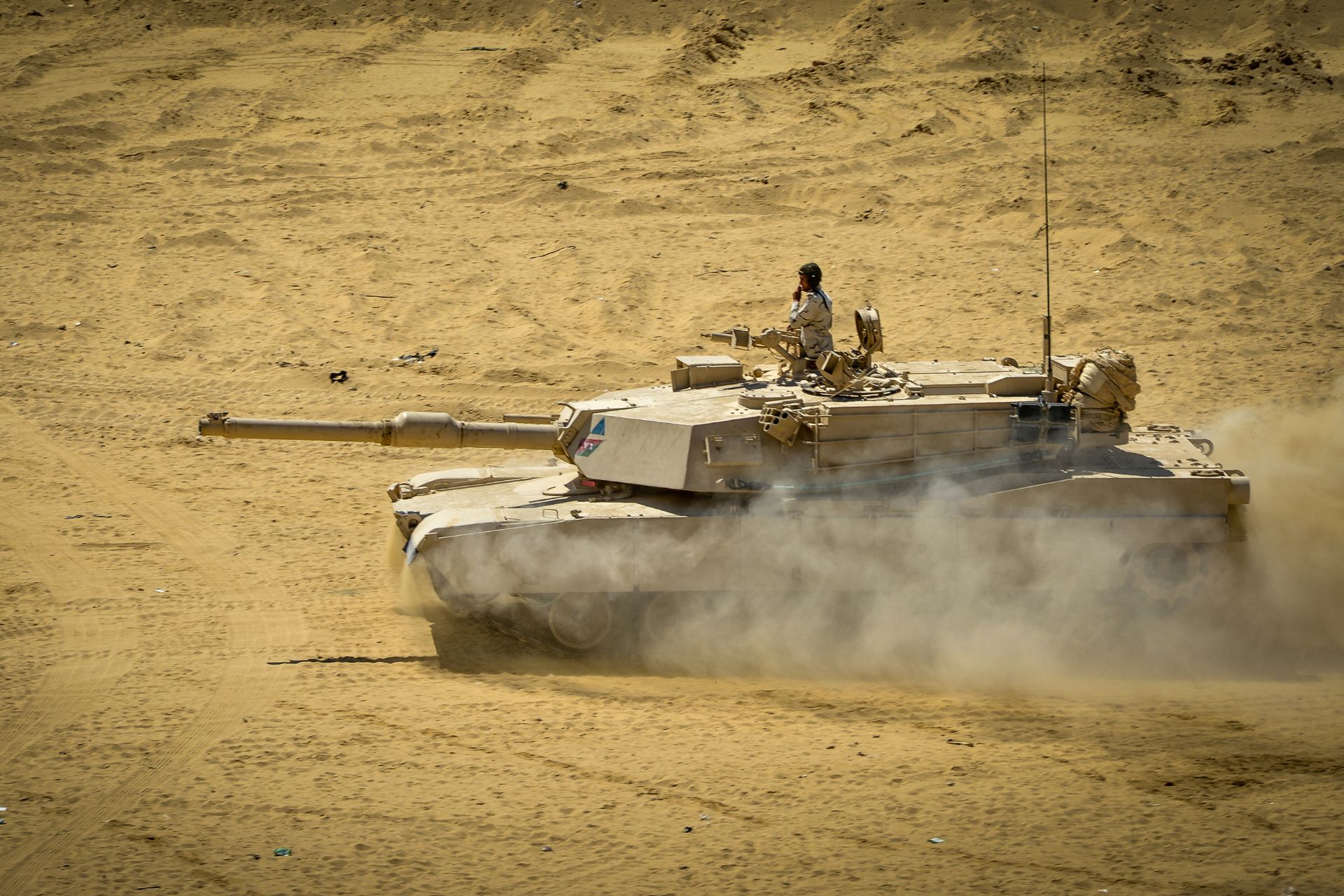
An Egyptian M1A1 Abrams tank participated in a field training exercise during Bright Star 2017 at Mohamed Naguib Military Base, alongside more than 200 U.S. service members as part of the bilateral U.S. Central Command exercise held from September 10 to 20, 2017. (Picture source: US DoD)
Of the $1.3 billion aid, $320 million is usually conditioned on Egypt's improvement in human rights, leading to partial withholdings in past years. However, Secretary of State Antony Blinken informed Congress that $225 million of this amount would be released, citing U.S. "national security interests." The U.S. government emphasized Egypt’s key role in regional peace efforts, especially in mediating ceasefire negotiations between Israel and Hamas and managing humanitarian aid to Palestinians in Gaza.
Despite this crucial diplomatic role, the Egyptian government, led by President Abdel Fattah al-Sisi, continues to face accusations of human rights abuses, including torture and arbitrary detentions. Some U.S. lawmakers, such as Senator Chris Murphy, criticized the waiver of human rights conditions, insisting that Egypt remains a repressive state. However, the State Department noted progress, such as the release of political prisoners and proposed reforms on pretrial detention, which led to the release of $95 million in previously withheld military aid.
For many years, the U.S. has played a central role in equipping Egypt’s military, providing advanced systems that enhance the operational readiness of Egypt’s armed forces. This annual military aid includes armored vehicles, combat helicopters, and sophisticated weaponry, thereby strengthening Egypt’s defense capabilities.
Among recent deliveries, armored personnel carriers such as the RG-33 and MaxxPro, delivered in 2016, have provided Egypt with enhanced mobility and protection against mines and improvised explosive devices (IEDs), critical in counterinsurgency operations in the Sinai. These vehicles are particularly suited for counter-insurgency missions, offering essential protection to troops.
The M1A1 Abrams tank, with 125 units delivered, is another key component of Egypt’s military arsenal. Considered one of the most powerful tanks in the world, it is equipped with a 120mm smoothbore gun and advanced composite armor. These tanks are supported by M88 armored recovery vehicles, which ensure that damaged tanks can be retrieved and returned to service, maintaining their operational availability.
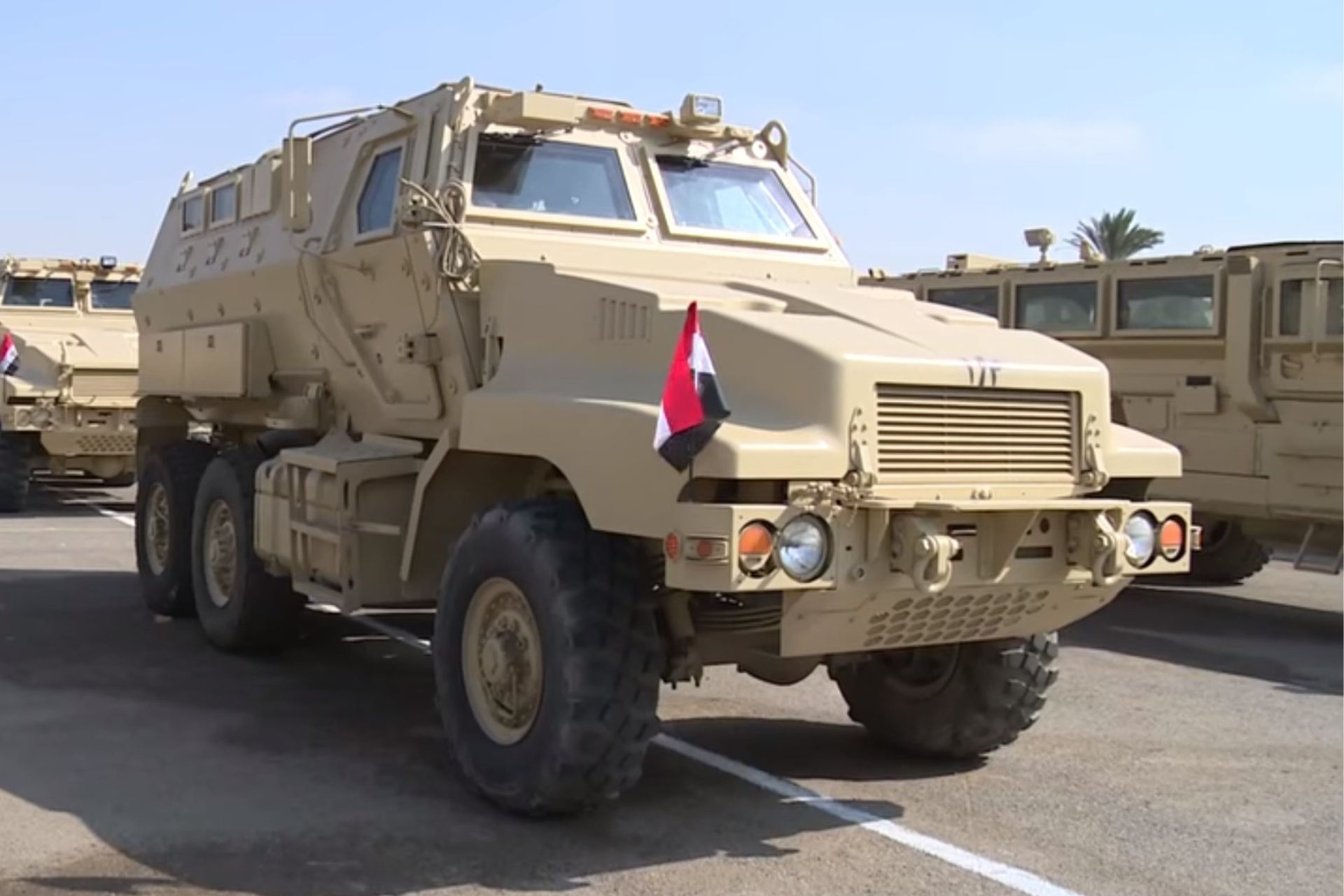
The United States delivered a batch of mine-resistant ambush-protected (MRAP) vehicles to the Egyptian military in 2016 (Picture source: Egyptian Army)
In the air domain, Egypt has received F-16C Block 50 fighter jets and AH-64D Apache Longbow helicopters, armed with AGM-114 Hellfire missiles, which are effective against armored vehicles. These aircraft play a crucial role in anti-terrorism operations in the Sinai, where Egypt combats various armed groups. On the naval front, Egypt has strengthened its fleet with Ambassador-IV corvettes and Swift-93 patrol vessels, vital for coastal defense in strategic areas such as the Mediterranean and the Red Sea. These ships, equipped with anti-ship missiles and advanced radar systems, provide crucial maritime protection for Egypt.
In the field of intelligence and reconnaissance, Egypt has received systems such as the SIGINT Beech-190 aircraft and DB-110 reconnaissance pods. These assets provide critical real-time intelligence capabilities, enhancing Egypt’s ability to monitor and respond to threats along its borders.
While the U.S. remains Egypt’s primary military supplier, the country has diversified its sources of armaments, strengthening ties with partners like China. This diversification allows Egypt to reduce its reliance on the U.S. while accessing alternative technologies. For instance, Egypt has acquired Wing Loong II drones from China, similar to the U.S. MQ-9 Reaper, which are used for both reconnaissance and strike missions. This strategy aims to ensure a robust and versatile military supply chain, enabling Egypt to address regional security challenges effectively.
Read more: US grants Egypt $1.3 Billion in Military Aid Boosting Defense Cooperation

- Details
- Written by: Triffaux
- Category: 2024
- Hits: 9367
On September 2, 2024, the Philippine Army reportedly decided, as shown in images from a blessing ceremony on social media, to recommission the light tank FV101 Scorpion, the CVR(T) Arayat, equipped with a low-pressure L23A1 76mm turret, previously withdrawn from service due to maintenance issues. This tank has recently been recommissioned after a comprehensive overhaul, signifying a revitalization of its capabilities within the Armored Division.
Follow Army Recognition on Google News at this link
Philippine Army's Scorpion FV101 CVRT Light Reconnaissance (Picture source: Philippines Social Media)
For reference, the Philippine Army had embarked on an ambitious project to modernize twelve of its aging Scorpion tanks, with a budget of $4.6 million. This project included replacing the gasoline engines with diesel engines to address the shortage of spare parts. This enhancement not only increased the reliability of the tanks but also made them more suitable for current operations, particularly in the conflict regions of Mindanao.
The "Arayat" is one of the few Scorpions to have survived a phase where many of its counterparts were declared out of service and cannibalized for their parts. The removed turrets had been adapted to Belgian M113A2 vehicles, modified by Israel's Elbit Systems. However, the recent decision to repair and reintegrate these tanks shows a notable change in military resource management.
Army officials have not disclosed the exact number of tanks that will be restored, but it appears that it will be a modest number. Moreover, it is noted that these reintegrated tanks will not benefit from the same advanced fire control systems found on the M113A2s. According to the Military Balance 2023, the Philippine Army still has six FV101 Scorpion light tanks to date. It is possible that the Arayat will be used for training and fire support purposes.
As a reminder, the Philippine Army has recently bolstered its arsenal with strategic additions, including the Sabrah light tank and the Guarani 6x6 armored vehicle. Introduced in 2024, the Sabrah light tank, based on the Ascod 2 and Pandur II 8x8 chassis, is the result of a collaboration between Israel's Elbit Systems and General Dynamics Land Systems, offering tracked and wheeled options. Equipped with an advanced turret with a 105mm cannon, the Sabrah aims to enhance the versatility and firepower of the armed forces in the face of regional threats. Indeed, the turret comes from the Matak program, developed in collaboration between Israel and the South African industry. This tank is specially designed to meet the demands of varied terrains and complex combat scenarios.
On the other hand, the Guarani 6x6, developed by Iveco Defence Vehicles and delivered for the first time in 2023, was selected for its superior mobility and protection performance. This armored vehicle excels in the secure transportation of troops, including in amphibious conditions, which is crucial for operations in the numerous archipelagos of the Philippines. The integration of the Guarani into the Philippine Army marks a significant step in the modernization of its troop transport vehicle fleet, thereby enhancing its ability to respond quickly and effectively to regional security challenges.
- Details
- Written by: Halna du Fretay
- Category: 2024
- Hits: 2170
The Digital Manufacturing Centre (DMC), a leader in additive manufacturing innovation, has partnered with NP Aerospace to provide advanced metal engineering solutions to the UK Ministry of Defence (MoD) as part of Project TAMPA. This initiative, sponsored by UK Strategic Command Defence Support, aims to explore and harness the benefits of additive manufacturing (3D printing) to improve the speed, quality, and flexibility of the UK's defence supply chain.
Follow Army Recognition on Google News at this link
DMC’s expertise in additive manufacturing, combined with its adherence to strict quality standards such as AS9100 certification and the Part Production Approval Process (PPAP), allows the company to push the boundaries of 3D printing in defence (Picture source: DMC)
NP Aerospace, recognized for its long history of supplying military vehicles and support services, has been working with the MoD for several years. In 2019, the company secured the PMETS contract to maintain the UK’s fleet of protected vehicles. Its role in defence has since expanded, with its selection under the £850 million Marine Systems Transformation program.
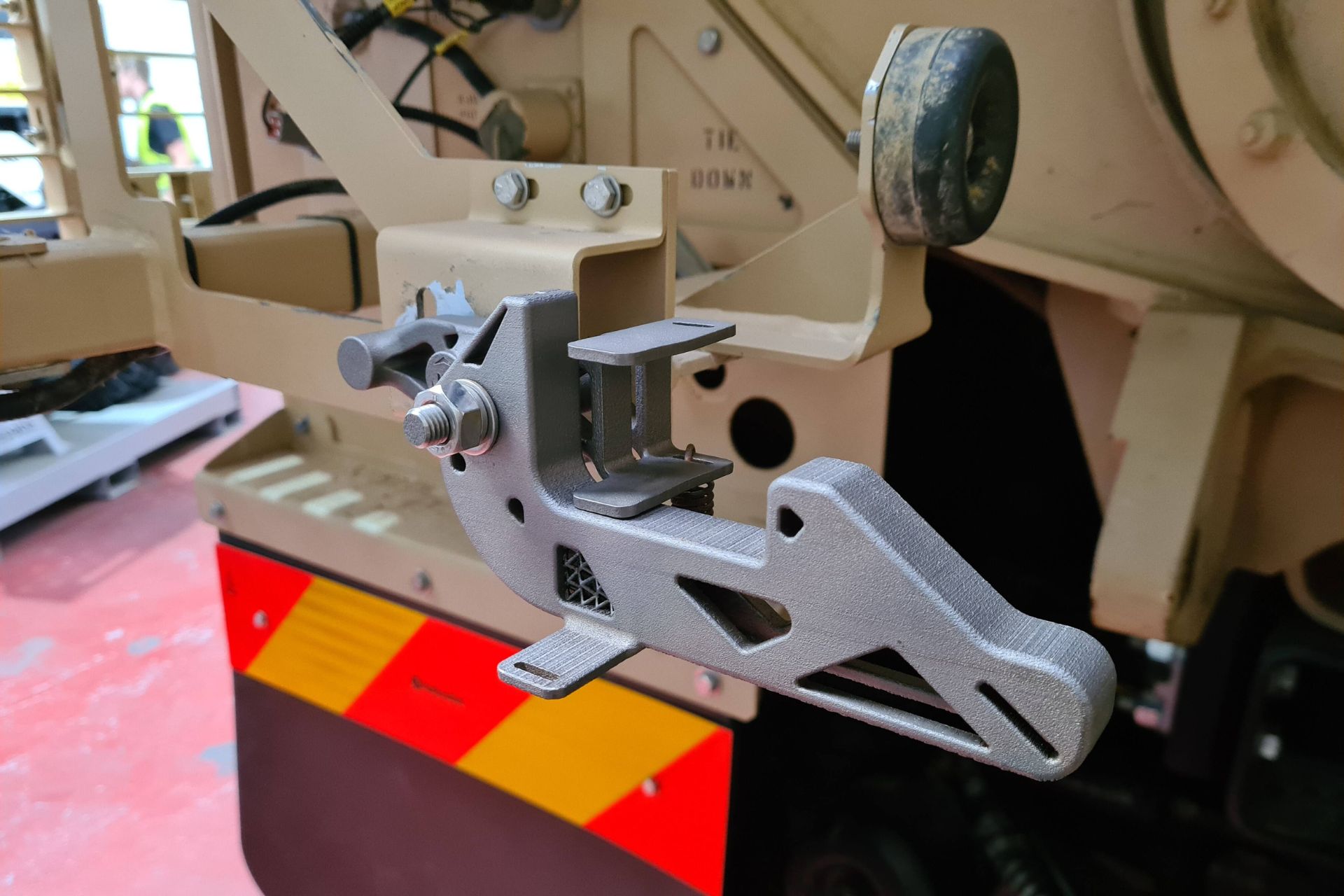
Through this collaboration, DMC and NP Aerospace are tackling complex defense challenges using a creative engineering approach. They are employing additive manufacturing to produce polymer and metal parts for critical platforms such as the Mastiff and Ridgback vehicles. Components like the rear step assembly and door latch have been rapidly manufactured using 3D printing to meet operational demands. These parts will be showcased on the Ridgback platform at the DVD exhibition in Millbrook.
DMC’s expertise in additive manufacturing, combined with its adherence to strict quality standards such as AS9100 certification and the Part Production Approval Process (PPAP), allows the company to push the boundaries of 3D printing in defense. Both firms are also exploring future possibilities, including the secure transfer of digital files to deployed 3D printing facilities to reduce delivery times for critical parts.
David Wilson, Director of Engineering at NP Aerospace, highlighted that Project TAMPA has enabled a deeper exploration of the benefits of additive manufacturing. Working alongside DMC, both companies have solved complex engineering issues while ensuring the quality and reliability essential to defence.
Kieron Salter, CEO of DMC, expressed pride in supporting NP Aerospace and the broader UK defense industry. Drawing on experience from sectors like Formula 1 and aerospace, Salter emphasized that DMC’s approach transcends traditional manufacturing, focusing on creative engineering solutions that lead to innovative production outcomes.
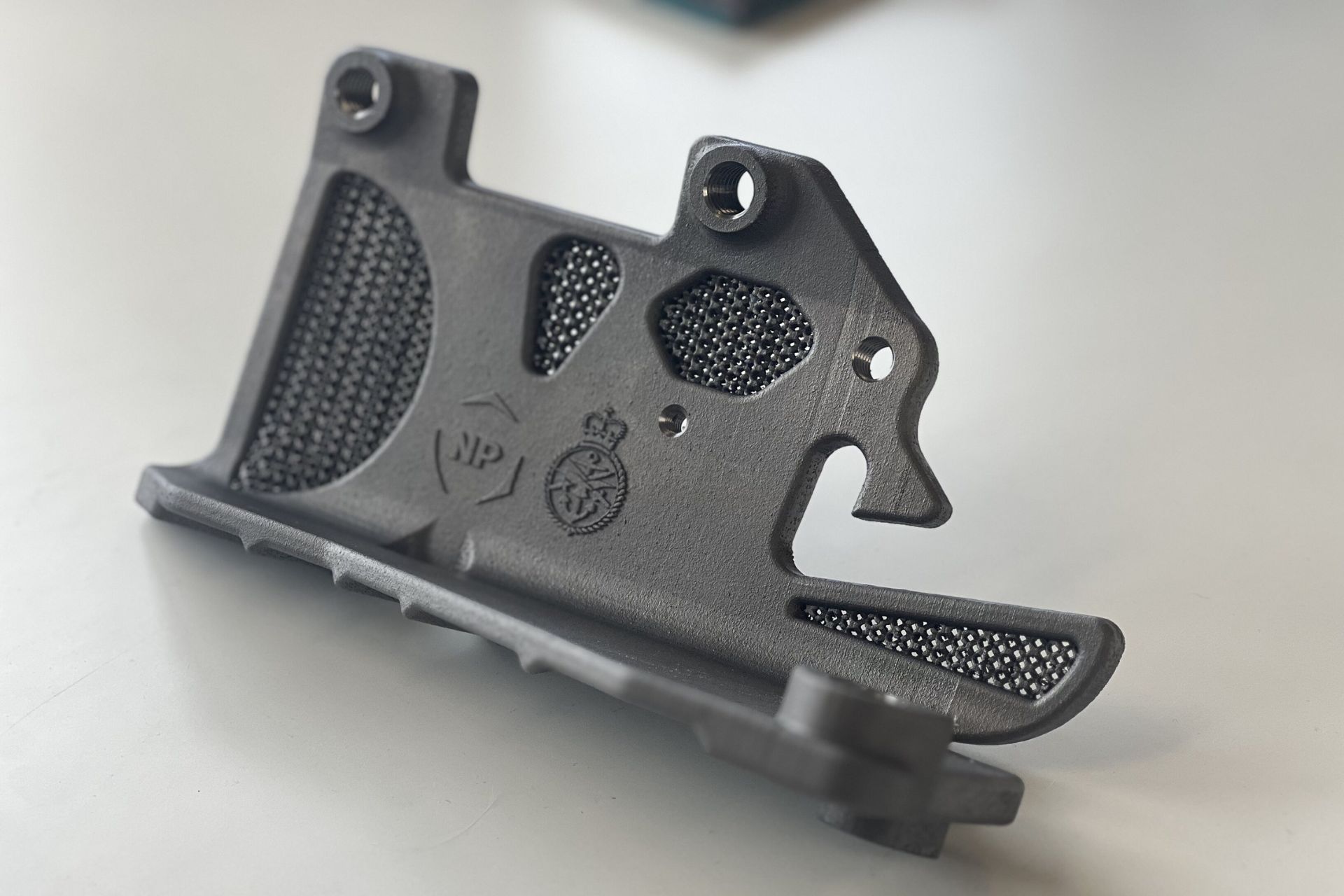
NP Aerospace, recognized for its long history of supplying military vehicles and support services, has been working with the UK MoD for several years (Picture source: NP Aerospace)
Read more: DMC and NP Aerospace Collaborate to Promote Additive Manufacturing in UK Defence
- Details
- Written by: Administrator
- Category: 2024
- Hits: 4704
Citing information published by "People's World" on September 11, 2024, Moscow claimed that the U.S. has given the green light for Ukraine to use long-range missiles against Russian targets. This development comes as part of a broader international effort to support Ukraine, with several European countries also backing Kyiv’s use of long-range weapons to strike Russian targets.
Follow Army Recognition on Google News at this link
A weapon Loader crew uploads a Joint Air-to-Surface Standoff Missile to an external pylon on a B-1B Lancer at Edwards Air Force Base. (Picture source: U.S. DoD)
On September 3, 2024, "Reuters" announced that the U.S. is nearly finalizing an agreement to supply Ukraine with Joint Air-to-Surface Standoff Missiles (JASSM), which can reach deep into Russian territory. These missiles are expected to be delivered to Ukraine as part of a weapons package by autumn. The move is seen as a significant escalation in the conflict, as Ukraine will now be able to strike further into Russian territory than ever before.
The Joint Air-to-Surface Standoff Missile (JASSM) is a long-range, precision-guided cruise missile developed by Lockheed Martin for the U.S. military. It is designed to be launched from aircraft and strike high-value, well-defended targets from a safe distance, reducing the risk to pilots. The missile is equipped with advanced stealth technology to evade enemy radar and has a range of up to 370 km (230 miles) in its basic version, with an extended-range variant (JASSM-ER) reaching over 900 km (560 miles). JASSM is used primarily by the U.S. Air Force and Navy and has been exported to several allied nations.
European nations have also signaled their approval for Ukraine to use their donated missile systems in strikes targeting Russian military assets. Several European countries, including the UK, France, and Germany, have provided Ukraine with long-range missile systems such as the British-supplied Storm Shadow and French SCALP-EG cruise missiles. These missiles, with ranges up to 300 kilometers, have already played a crucial role in Ukrainian strikes against Russian positions in occupied territories.
However, until now, the use of European-donated long-range missiles had been limited to Ukrainian targets within its own borders or occupied territories. According to *People’s World*, recent developments indicate a shift in policy, with Western countries softening their stance on allowing Ukraine to strike military targets deep inside Russia. The UK, in particular, has reportedly supported Ukraine’s right to defend itself, even if that means conducting offensive operations within Russian territory, as long as those strikes are aimed at military infrastructure.
This shift follows Russia's own aggressive actions, including Iran’s delivery of Fath 360 ballistic missiles to Moscow, which has heightened the sense of urgency among Ukraine's Western allies. The Iranian-Russian missile deal, cited by *People's World*, has been seen as a provocative step, further fueling the arms race in the region and prompting NATO allies to reevaluate their restrictions on Ukraine’s use of donated long-range weapons.
With the U.S. poised to provide the JASSM missiles and European nations indicating their support for Ukrainian strikes on Russian soil, Ukraine is now better equipped to launch offensive operations that reach far beyond the frontlines. This new phase in the war has raised concerns about a potential escalation in hostilities, as long-range strikes from both sides could destabilize not only Ukraine and Russia but also the broader region. The growing use of advanced Western missile systems, alongside Ukraine’s requests for more offensive capabilities, signals a new chapter in the conflict, one that could significantly shift the balance of power on the battlefield.
As the conflict intensifies i Ukraine, the international community watches closely, with fears that this increased missile activity could lead to unpredictable consequences, potentially drawing other nations deeper into the conflict. Western nations continue to walk a fine line between supporting Ukraine's defense and preventing a further escalation that could lead to direct confrontation with Russia
- Details
- Written by: Jérôme Brahy
- Category: 2024
- Hits: 6271
As reported by Lowyat.net on September 11, 2024, Malaysia will collaborate with China to establish an unmanned aerial vehicle (UAV) manufacturing facility in Malaysia. The facility is planned to be operational by 2025 and is expected to have a production capacity of around 3,000 UAVs annually. The agreement, signed between MARA Aerospace & Technologies Sdn Bhd and Honeycomb Aerospace Technologies, involves an investment of RM100 million (approximately $23.12 million), according to Deputy Prime Minister Datuk Seri Dr. Ahmad Zahid Hamidi.
Follow Army Recognition on Google News at this link
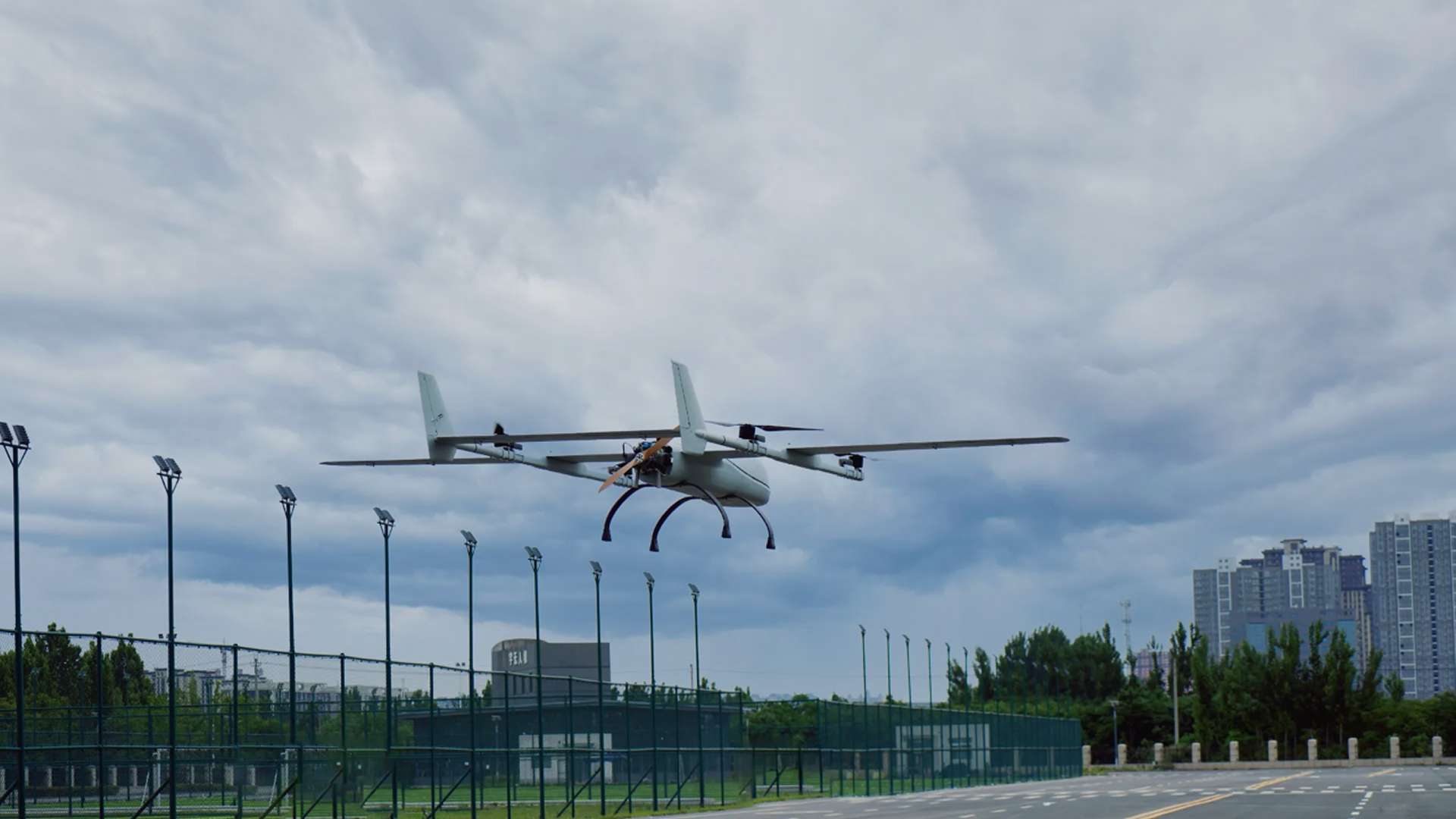
In the first phase, Honeycomb Aerospace will set up a UAV assembly plant at the UniKL Malaysian Institute of Aviation Technology campus in Sepang by October, with an expected production capacity of around 3,000 UAVs once fully operational. (Picture source: Honeycomb Aerospace)
The partnership between MARA Aerospace & Technologies Sdn Bhd and China’s Honeycomb Aerospace Technologies (Beijing) Co Ltd aims to facilitate the exchange of expertise and promote the local development of UAV technology. Zahid noted that this cooperation could provide significant opportunities for Malaysia's UAV industry and its technical and vocational education and training (TVET) sector.
An essential element of the partnership is the transfer of technology from China, which is expected to benefit Malaysian TVET students, particularly those at Universiti Kuala Lumpur (UniKL). Zahid stated that the skills and knowledge gained through this collaboration could enable students to build UAVs, potentially enhancing their capabilities in the growing field of UAVs.
The agreement, formalized through a Memorandum of Understanding (MoU) between MARA Aerospace & Technologies and Honeycomb Aerospace Technologies, includes a commitment from Honeycomb Aerospace to invest RM100 million (approximately $23.12 million) to establish a UAV manufacturing facility in Malaysia. The facility is planned to become operational in 2025. In the first phase, Honeycomb Aerospace will set up a UAV assembly plant at the UniKL Malaysian Institute of Aviation Technology campus in Sepang by October, with an expected production capacity of around 3,000 UAVs once fully operational.
Zahid explained that Honeycomb Aerospace’s decision to invest in Malaysia was driven by strong domestic and regional demand for UAVs. He mentioned that these UAVs could serve various purposes, such as enhancing border security with their ability to monitor areas within a 300-kilometer radius. Additionally, the UAVs could have applications in the agricultural sector, including tasks like seed planting and fertilization.
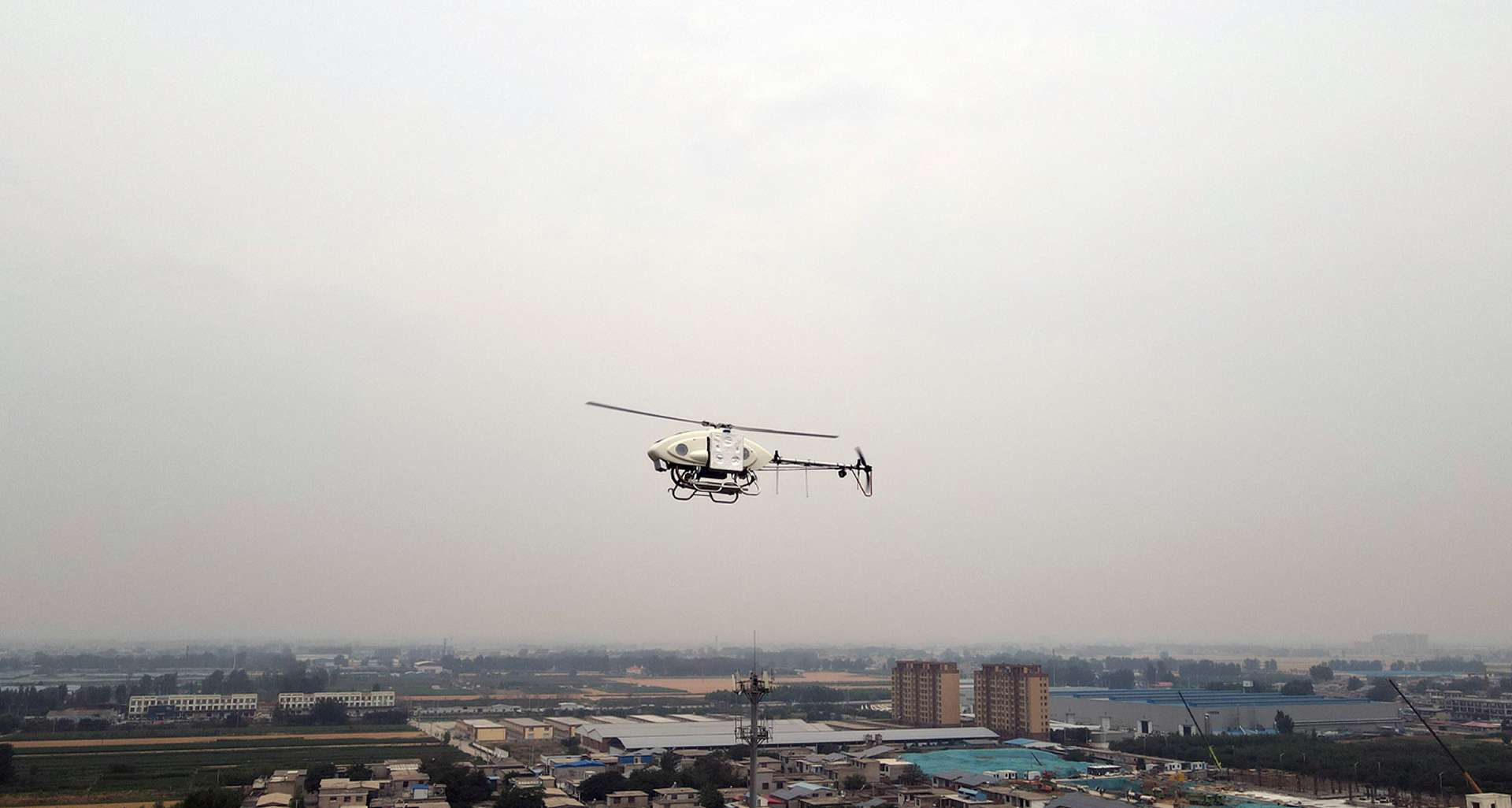
Honeycomb's portfolio extends to unmanned helicopters, such as the HC-245 and HC-235 models, which are used for a range of activities including aerial mapping, agriculture and forestry operations, maritime patrol, and military applications. (Picture source: Honeycomb Aerospace)
China’s Honeycomb Aerospace Technologies offers a range of UAV products designed for different applications. The company's multi-rotor UAVs include the HC-332E, designed for long endurance and efficiency, and the HC-342E, equipped for nuclear radiation monitoring. In the fixed-wing UAV category, Honeycomb Aerospace offers models like the HC-141, which has multiple task development capabilities, and the HC-140, known for high aerodynamic efficiency and easy assembly.
The company also provides vertical take-off and landing (VTOL) UAVs, including the HC-525, intended for forest inspections, and the HC-541, designed for emergency communication purposes. Their portfolio extends to unmanned helicopters, such as the HC-245 and HC-235 models, which are used for a range of activities including material delivery, aerial mapping, security supervision, scientific experiments, agriculture and forestry operations, disaster monitoring, maritime patrol, and military applications. These UAVs are designed to operate in challenging environments, such as low-altitude areas in mountainous regions and over sea surfaces, with features that enable beyond visual range operations and relay capabilities.
Honeycomb Aerospace also offers specialized systems, including a smart UAV command vehicle for aerial monitoring and a management platform, the HC-SMART, which functions as an intelligent drone control system. The company's broad range of UAV products and systems reflects its focus on diverse applications, from security and agriculture to disaster response and scientific research.
Read more: China to build UAV facility in Malaysia producing 3,000 drones annually
Latvia Pledges New Military Aid Package Including Armored Vehicles for Ukraine to Strengthen Defense
- Details
- Written by: Halna du Fretay
- Category: 2024
- Hits: 2382
On September 11, 2024, during the fourth Crimean Platform summit in Kyiv, Latvian Prime Minister Evika Siliņa announced a new military aid package for Ukraine. This announcement came after her meeting with Ukrainian Prime Minister Denys Shmyhal, who confirmed that the package would include armored personnel carriers. Though the exact details and financial value of the aid were not disclosed, the package reflects Latvia's consistent support for Ukraine's defense efforts since the start of the Russian invasion.
Follow Army Recognition on Google News at this link
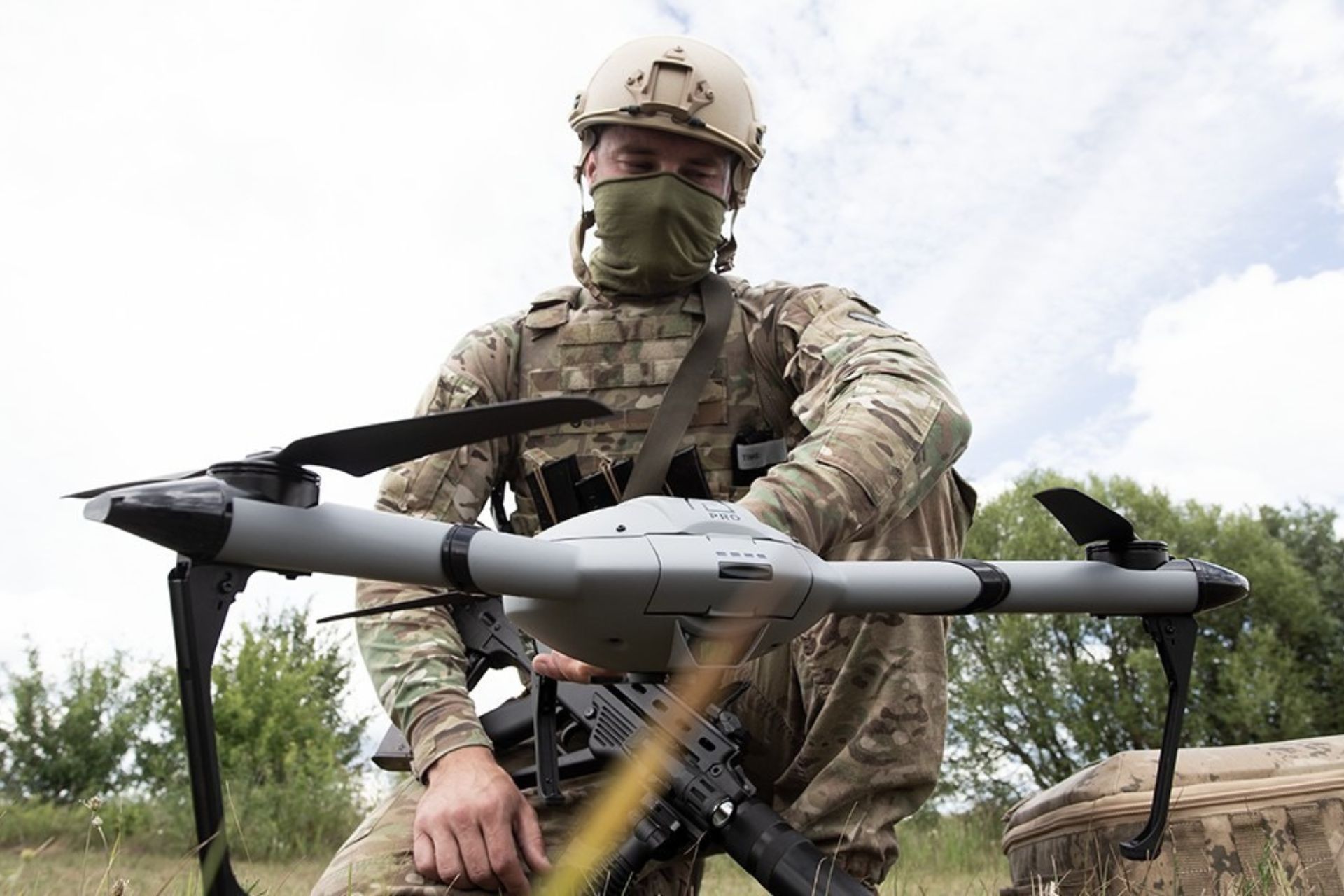
In October 2022, Latvian Atlas Dynamics supplied the Ukrainian military with futuristic drones, plans to start production in Ukraine (Picture source: Atlas Dynamics)
Latvia has been a steadfast ally of Ukraine, and this latest aid package further underscores that commitment. Both leaders also discussed strengthening cooperation between their defense industries to enhance military capabilities. Latvia has pledged to provide military aid equivalent to 0.25% of its GDP each year, with this year’s assistance amounting to €112 million.
In collaboration with the United Kingdom, Latvia co-leads a drone coalition aimed at supplying Ukraine with critical drone technology. Ukrainian Defense Minister Rustem Umerov confirmed that Latvia would deliver thousands of drones as part of this initiative.
Since the beginning of the war, Latvia’s total military aid to Ukraine has reached approximately €370 million, covering a wide array of equipment, including drones, helicopters, 155mm artillery shells, anti-tank weapons, and Stinger air defense systems, as well as radars and land vehicles.
As part of the latest package, Latvia is preparing to send M113 armored personnel carriers, known for their mobility and protection capabilities. Latvia has also committed to delivering Patria Armored Modular Vehicles (AMVs) to Ukraine in 2025, further enhancing Ukraine’s defense with versatile and highly protected vehicles for combat environments.
In 2024 alone, Latvia committed more than €200 million to Ukraine, with a significant portion directed toward military aid. The drone coalition, co-led by Latvia and the UK, aims to supply Ukraine with advanced drones and train its soldiers in their effective use.
Latvia's support for Ukraine is driven by both security and geopolitical concerns. As a Baltic nation bordering Russia, Latvia perceives Russia as a direct threat to its sovereignty, especially given its history under Soviet control until 1991. By supporting Ukraine, Latvia not only strengthens its own security but also contributes to NATO's collective defense. Latvia’s actions also reinforce European solidarity against the growing threats from the east.
- Details
- Written by: Vandenbosch
- Category: 2024
- Hits: 3345
According to Hartpunkt, at the 9th KSK Armament Symposium, General Dynamics European Land Systems (GDELS) revealed a new variant of the Pandur Evolution, designed for special forces missions. This marks the first public presentation of this specialized version of the Pandur Evolution, showcasing its advanced capabilities and potential applications.
Follow Army Recognition on Google News at this link
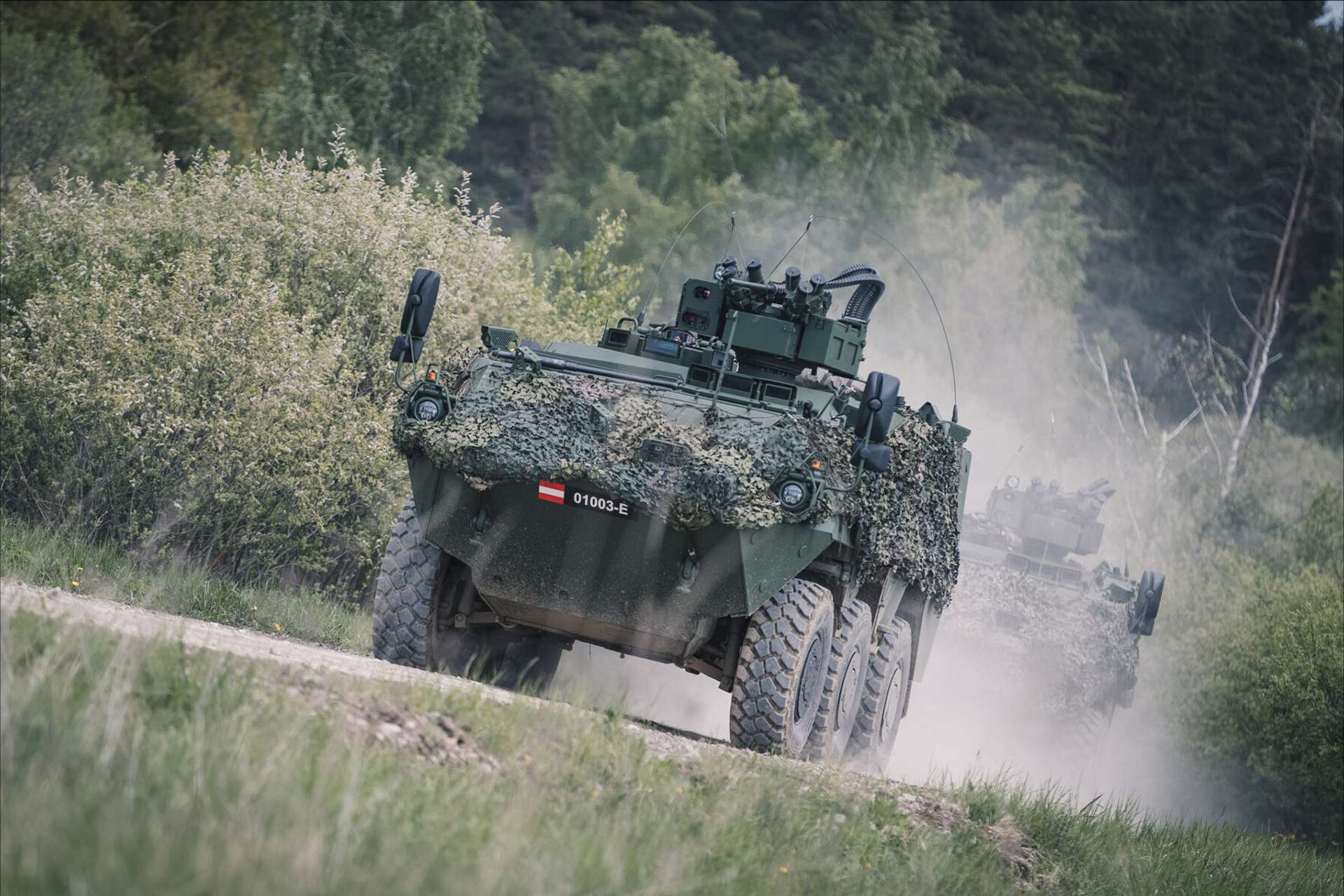
Illustration of the Pandur Evo 6x6, the version presented at KSK is equipped with an automated turret. (Picture source: Austrian MoD)
The vehicle on display is based on a modified 6×6 Pandur Evolution platform. It is equipped with a remotely operated weapon station featuring a 30mm autocannon, an anti-drone protection net, and several canisters for carrying and launching Switchblade 300 Block 20 loitering munitions. Despite the impressive presentation, GDELS representatives refused to provide detailed specifications, only offering limited information regarding the vehicle's weight and mobility.
The presented vehicle is described as a potential mission variant, which has not yet been selected by any customer. GDELS declined to comment on whether this vehicle could serve as a base for the Armored Ground Mobility System (AGMS) Heavy Platform Vehicle.
Although the special forces variant of the Pandur Evolution includes elements such as the weapon station and Switchblade canisters, these components appear to be more demonstrative than definitive equipment. Additionally, the size of the weapon station would hinder the vehicle’s air transportability, suggesting that this configuration will not be included in the final AGMS version.
Three major modifications distinguish the special forces variant of the Pandur from the standard version. The vehicle’s chassis has been significantly shortened at the rear, reducing its empty weight to less than 15 tons without mission equipment. Other visible changes include the presence of a ballistic driver's cabin and a modified engine cooling system. The total authorized weight of the vehicle is 19.5 tons, with a payload capacity of around 3 tons. The powertrain has not been modified, and the vehicle retains a Cummins ISLe 450 diesel engine with 335 kW and a ZF 6-speed automatic transmission.
The base vehicle’s dimensions (2.6 meters wide and 2.2 meters high) allow it to be transported by a C-130 aircraft. The basic armor of the Pandur vehicle family protects the crew from shrapnel, small arms fire, and mines. Although GDELS did not provide details on the armor of the special forces variant, it is likely equipped with additional armor from Rheinmetall Protection Systems and meets the ballistic protection standards of STANAG 4569, likely level 3 or higher.
Since the vehicle was presented in a closed configuration, no information could be obtained about the interior layout or combat space configuration. However, the presence of the ballistic driver's cabin and the modified engine cooling system, also found on previous AGMS versions of the Pandur used by USSOCOM, suggests that this vehicle is well-suited for special operations. The armored engine cooling system protects the engine while allowing the surface to be used for transporting material or mission equipment, and the ballistic driver's cabin allows the driver to maintain situational awareness even under enemy fire.
The AGMS vehicles currently in service, as seen in publicly available images, are equipped with numerous mission-specific modifications, such as remotely operated weapon stations, communication equipment, and sensors. This leads to the conclusion that the special forces version of the Pandur on display is likely only the base platform for future AGMS vehicles, with the final versions expected to include different equipment and armor tailored to specific missions.
Read more: GDELS Unveils Another Variant of Pandur Evolution for Special Forces
- Details
- Written by: Jérôme Brahy
- Category: 2024
- Hits: 3710
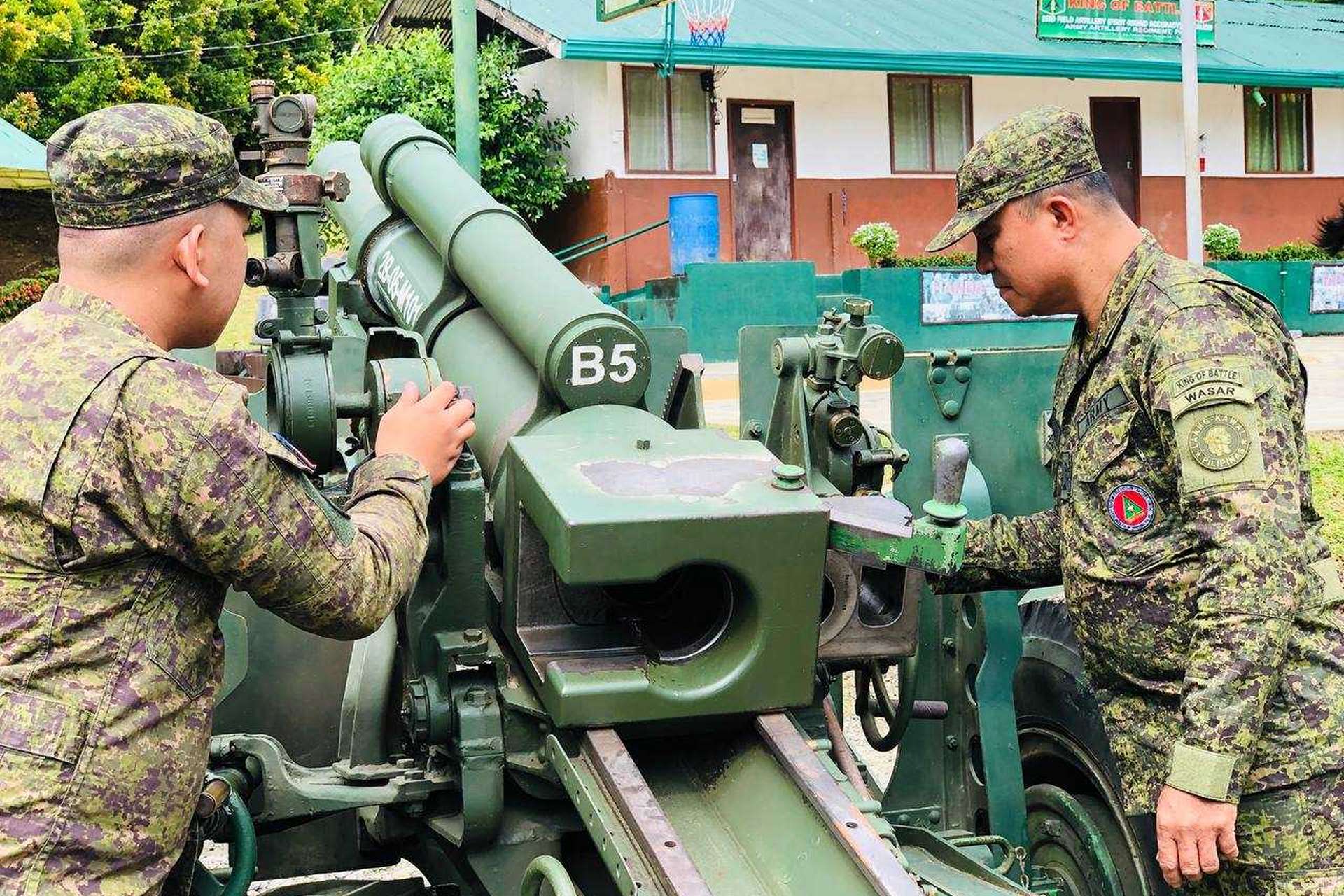
As reported by Manila Standard on September 11, 2024, the 1st Davao del Norte Ready Reserve Field Artillery Battery conducted its monthly formation and mustering on September 8, 2024, at the headquarters of the 2nd Field Artillery Battalion, Army Artillery Regiment, Philippine Army, in the Davao Region. The activity included training on the M101 105mm howitzer, which was the standard U.S. light field howitzer during World War II, focusing on familiarization with its parts, understanding the roles within the gunnery team, and performing gun drills.
Follow Army Recognition on Google News at this link
In the Philippines, the M101 105mm howitzer has been deployed against insurgent groups and was used in direct fire against Islamic militants during the Battle of Marawi in 2017. (Picture source: 2FABAARPA)
The training aimed to enhance the reservists' ability to operate the 105mm howitzer, a key artillery piece used by the Philippine Army. It provided practical experience in handling the equipment and ensured that each team member was proficient in their specific role. The exercise also involved gun drills to improve coordination and response times among team members.
The familiarization training is part of ongoing efforts to maintain the readiness of the reserve forces in Davao del Norte, ensuring they are capable of responding to potential threats as needed. This training serves as a foundation for future exercises and aims to enhance the overall competency of the reservists.
As of 2024, the Philippine Army possesses 204 M101, M102, and Model 56 pack 105mm towed howitzers. These artillery pieces are considered a significant component of the country's defense capabilities. Training activities, such as those conducted by the 1st Davao del Norte Ready Reserve Field Artillery Battery, align with the broader objective of maintaining the operational effectiveness of these resources and ensuring their availability for potential defense needs.
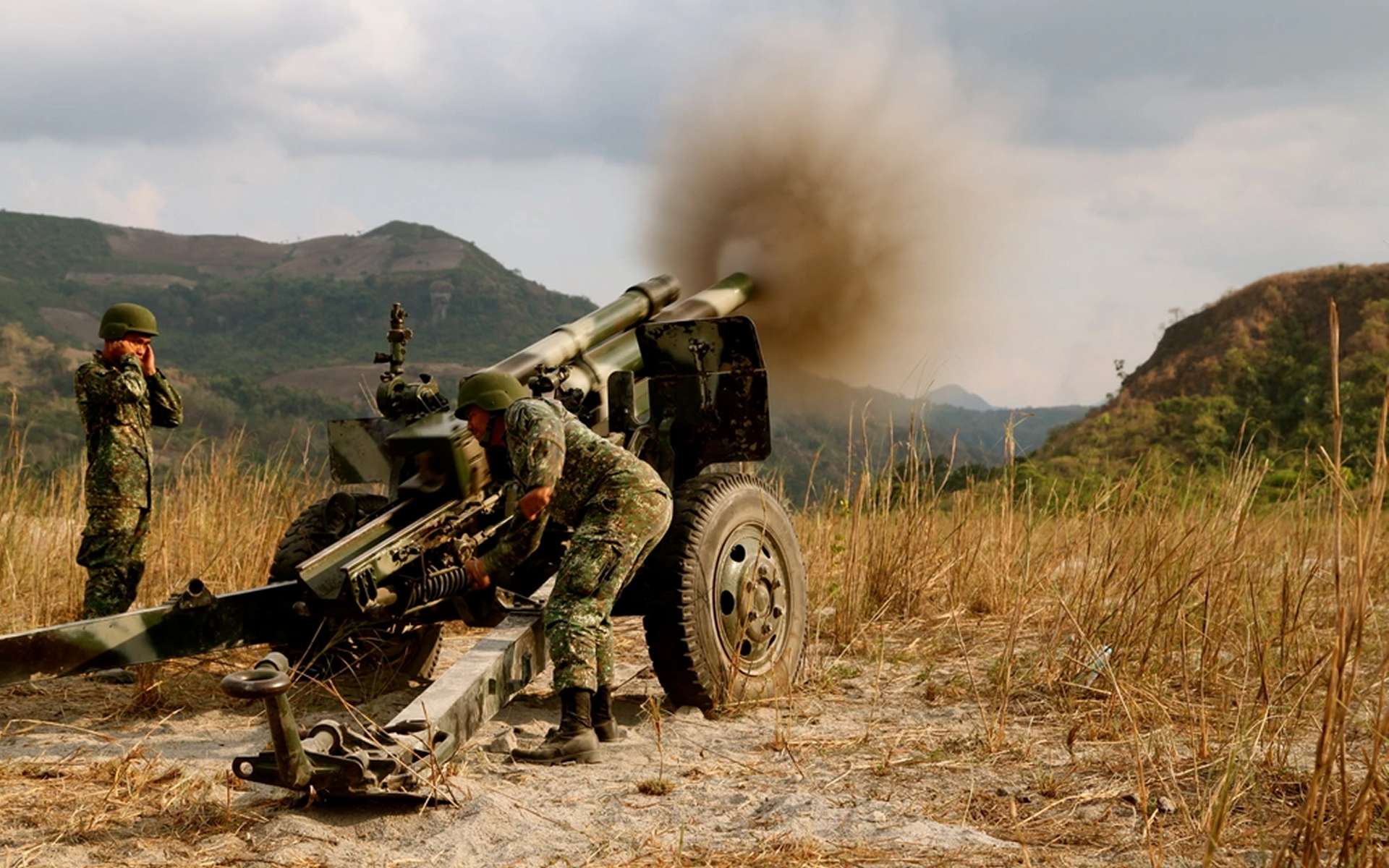
The M101 105mm howitzer, originally designated as the Howitzer M2A2 on Carriage M2A2, is a light artillery piece that fires 105mm high-explosive semi-fixed ammunition and has a maximum range of 11,270 meters. (Picture source: US DoD)
The M101 105mm howitzer, originally designated as the Howitzer M2A2 on Carriage M2A2, is a light artillery piece developed by the United States. It became the standard U.S. light field howitzer during World War II and was used extensively in both the European and Pacific theaters, as well as in the Korean War. Production of the M101 began in 1941 and continued until 1953, with over 10,200 units manufactured. It fires 105mm high-explosive semi-fixed ammunition and has a maximum range of 11,270 meters. Initially designed for towing by horses, the howitzer was later adapted for vehicle towing.
The development of the M101 began after World War I, with the U.S. Army Ordnance Department studying captured 105mm howitzers. Various design modifications were made over the years, leading to the standardization of the M2A1 variant by 1940. A modified M2A2 variant was standardized in 1953, incorporating a stronger breech ring and changes to the barrel's rifling to extend its service life. In 1960, the U.S. military revised its artillery designation system, renaming the M2A1 and M2A2 variants to M101 and M101A1. The M101A1 continued to be used during the Vietnam War and remained in service with other countries after being retired from the U.S. military.
The M101A1 is no longer in active service with the U.S. military but is still used by various countries, including the Philippines. In the Philippines, it has been deployed against insurgent groups and was used in direct fire against Islamic militants during the Battle of Marawi in 2017.