
- Details
- Written by: Administrator
- Category: 2024
- Hits: 5856










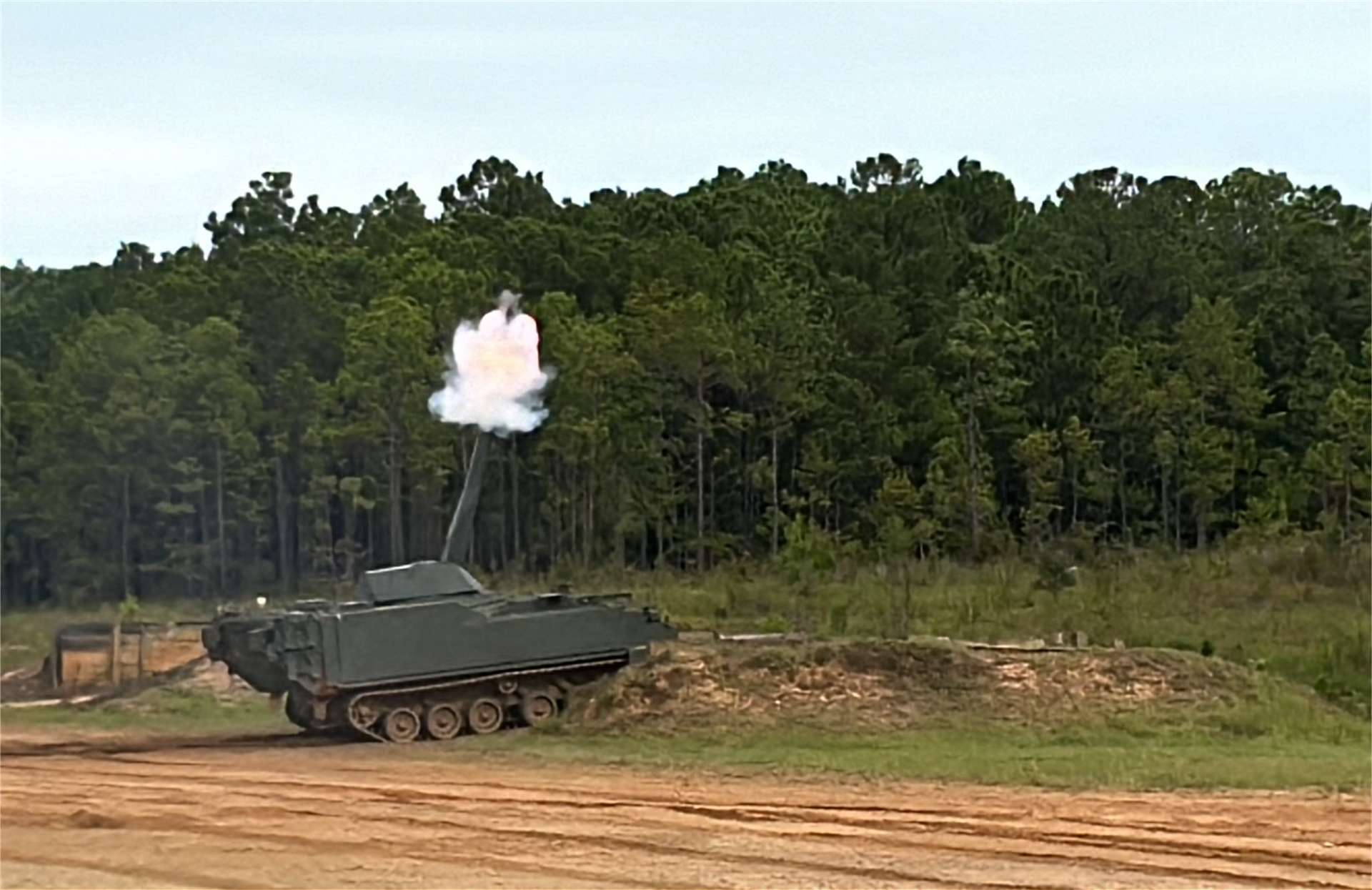
The cooperation between the U.S. Army and Finnish Company Patria Corporation reached a significant milestone this week at the Maneuver Warfighter Conference in Fort Moore, Georgia. On September 10, 2024, soldiers successfully demonstrated various fire missions using U.S.-manufactured mortar ammunition with the Patria NEMO 120 mm Turreted Mortar System. This advanced system was integrated into an American-made Armoured Multi-Purpose Vehicle (AMPV) and utilized the Fire Direction System (FCD), marking a key achievement in the collaborative efforts.
Follow Army Recognition on Google News at this link
U.S. soldiers conducted a live firing demonstration of the Patria NEMO 120mm mortar system mounted on AMPV new tracked armored vehicle of the U.S. army. (Picture source: Patria)
The Armored Multi-Purpose Vehicle (AMPV) is a tracked military vehicle developed for the U.S. Army to replace the aging M113 series. Designed for versatility, the AMPV serves multiple roles on the battlefield, offering enhanced protection, mobility, and modularity. It is built on a tracked chassis similar to the Bradley Fighting Vehicle, providing strong performance in various terrains and operational conditions.
BAE Systems manufactures the AMPV, which is designed to fulfill different mission types, including troop transport, logistical support, command operations, and medical services. Its configurations include a general-purpose transport variant, a mission command variant for mobile command centers, medical evacuation and treatment vehicles, and a mortar carrier capable of delivering indirect fire support.
The vehicle’s key strengths include improved armor protection against small arms, artillery fragments, and IEDs, ensuring better safety for soldiers. Its high mobility allows it to operate effectively alongside other armored units like the M1 Abrams and the M2 Bradley, making it a vital asset in modern warfare. The AMPV’s modular design, which enables it to adapt to different battlefield requirements, provides crucial flexibility and a sense of preparedness in various combat and support roles.
The U.S. Army is striving to enhance the capabilities of its Armored and Stryker Brigade Combat Teams by equipping them with rapid and precise indirect and direct fire solutions. These efforts aim to ensure that operating crews are well protected, while reducing their physical burdens and minimizing the effects of impulse noise and blast overpressure, thereby providing a sense of security to the soldiers.
Since 2020, Patria has conducted a turreted mortar feasibility study, including Foreign Comparative Testing (FCT) with the U.S. Army. This study focuses on Patria NEMO, a world-leading turreted mortar system renowned for its versatility and effectiveness in various combat scenarios.
Janne Räkköläinen, Senior Vice President for Market Area World at Patria, expressed enthusiasm over the progress made so far. "We are extremely pleased to witness the results of our successful cooperation with the U.S. Army and our industry partners. Given the global interest in Patria NEMO’s unique capabilities, we are excited to continue discussions with the U.S. regarding the next steps. Our goal is to eventually bring Patria NEMO to U.S. warfighters, significantly increasing their survivability, lethality, and maneuverability," said Räkköläinen.
The Patria NEMO 120 mm mortar system is a remote-controlled, turreted weapon that can conduct both direct and indirect fire missions, including while on the move. One of its key features is the Multiple Rounds Simultaneous Impact (MRSI) capability, allowing up to six rounds to hit a target simultaneously. In addition to its high level of protection, the NEMO system is designed to be light, compact, and easily adaptable to various platforms such as tracked vehicles, wheeled armored vehicles, and naval vessels.
Read more: US Soldiers Demonstrate Patria NEMO 120mm Mortar on New AMPV Armored Vehicle
- Details
- Written by: Administrator
- Category: 2024
- Hits: 24125
The U.S. Army is set to replace its ICVD Stryker Dragoon 8x8 armored vehicles with the new ICVVA1-30mm, an upgraded version of the original Stryker 8x8 armored vehicle, according to a report shared on the official LinkedIn account of PEO Ground Combat Systems on September 12, 2024. This development is part of a broader push by the U.S. Army to upgrade its mechanized units with advanced technology capable of meeting the demands of modern warfare.
Follow Army Recognition on Google News at this link
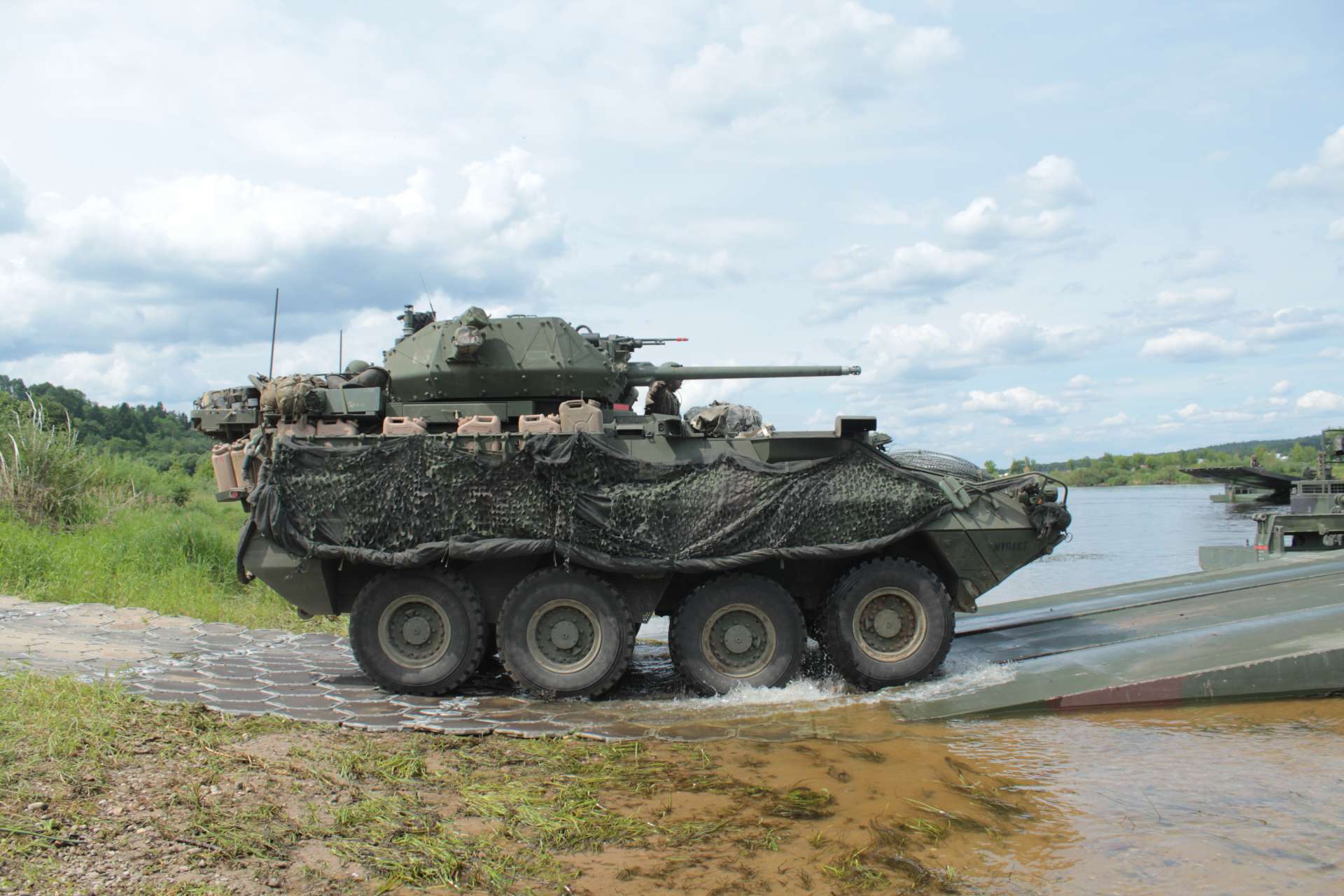
A 30mm Stryker Infantry Carrier Vehicle - Dragoon from the U.S. Army 4th Squadron, 2nd Cavalry Regiment boards a raft provided by the 130th German Engineer Battalion to cross the Neman River near Kaunas, Lithuania, on June 13, 2018.
(Picture source: U.S. DoD)
The Dragoon Stryker, officially known as the Infantry Carrier Vehicle-D (ICVD) "Dragoon," is a variant of the Stryker family of armored vehicles, developed by General Dynamics Land Systems. It was created in response to a need for increased firepower within the U.S. Army’s Stryker Brigade Combat Teams (SBCT). The Dragoon Stryker is equipped with a 30mm cannon to provide greater lethality and extended range than the original Stryker vehicles, primarily armed with lighter machine guns. The development of the Dragoon Stryker began in the mid-2010s as the Army recognized the need for better-equipped vehicles to counter potential adversaries with armored vehicles of their own.
The Dragoon Stryker entered service with the U.S. Army in 2018, marking a significant upgrade to the firepower capabilities of SBCT units. It was rapidly deployed to various brigades, becoming integral to the U.S. Army's mechanized forces. While effective in its role, advancements in technology and battlefield needs prompted the Army to look for further upgrades, leading to developing the ICVVA1-30mm, which will replace the Dragoon with more advanced systems and enhanced capabilities.
The ICVVA1-30mm, which will replace the old "Dragoon" Stryker variant, is designed to offer improved capabilities, including enhanced firepower and increased stand-off engagement distances. Integrating the 30mm Medium Caliber Weapon System (MCWS), a key upgrade from its predecessor’s armament is at the heart of these improvements. This new system allows troops to engage targets from further distances with greater precision and lethality, offering a significant tactical advantage in combat.
This modernization effort has been in the works for several years. In 2022, Oshkosh Defense, a subsidiary of Oshkosh Corporation, delivered the first upgraded Stryker Double-V Hull Infantry Carrier Vehicle (ICVVA1) to the U.S. Army. The delivery was part of a 269-platform contract that featured the 30mm MCWS. The origins of this upgrade trace back to June 2021, when the U.S. Army selected Oshkosh Defense, along with partners Pratt Miller Defense and Rafael Advanced Defense Systems, to integrate the 30mm MCWS onto the Stryker ICVVA1 platform.
Beyond the weaponry, the ICVVA1-30mm comes with significant enhancements in other critical areas. It features advanced day/night optics, vastly improving the vehicle’s capability to identify and engage targets in various lighting conditions. The upgraded platform also enhances situational awareness, providing troops with real-time, high-resolution data about their surroundings to improve decision-making in fast-moving combat scenarios.
The vehicle is built on the modern DVHA1 base chassis, providing numerous operational improvements, including increased horsepower for better mobility and durability in challenging environments. Additionally, the upgraded chassis has greater electrical power capacity, essential for supporting the vehicle's advanced electronics and systems, and an in-vehicle network that integrates seamlessly with other Army systems.
The U.S. Army’s Stryker Brigade Combat Teams (SBCT), which rely heavily on these vehicles for mechanized infantry operations, are highly anticipating the arrival of the ICVVA1-30 mm. The enhanced firepower, mobility, and advanced technology are expected to significantly boost battlefield effectiveness, enabling SBCT formations to stay ahead in an increasingly complex combat environment.
This upgrade is part of the U.S. Army’s broader effort to maintain technological superiority as global military forces continue to develop new capabilities. The ICVVA1-30mm, with its state-of-the-art systems and enhanced performance, will play a critical role in ensuring U.S. Army formations are prepared to meet future combat challenges.
With 269 of these platforms being delivered as part of the contract, the ICVVA1-30mm will soon become a cornerstone of the U.S. Army's armored vehicle fleet, ensuring that the force remains highly capable and ready for the next generation of conflict.
Read more: US Army to Roll Out New ICVVA1-30mm Armored Vehicle Replacing Stryker Dragoon
- Details
- Written by: Halna du Fretay
- Category: 2024
- Hits: 4852
South African private defense company Milkor has positioned the country among the top global producers of large uncrewed aerial vehicles (UAVs) with the development of the Milkor 380. This medium-altitude, long-endurance (MALE) UAV is the largest drone ever produced in South Africa, ensuring that the nation remains competitive in the global UAV market. Milkor fully financed the project and is currently manufacturing the first batch of these advanced UAVs.
Follow Army Recognition on Google News at this link
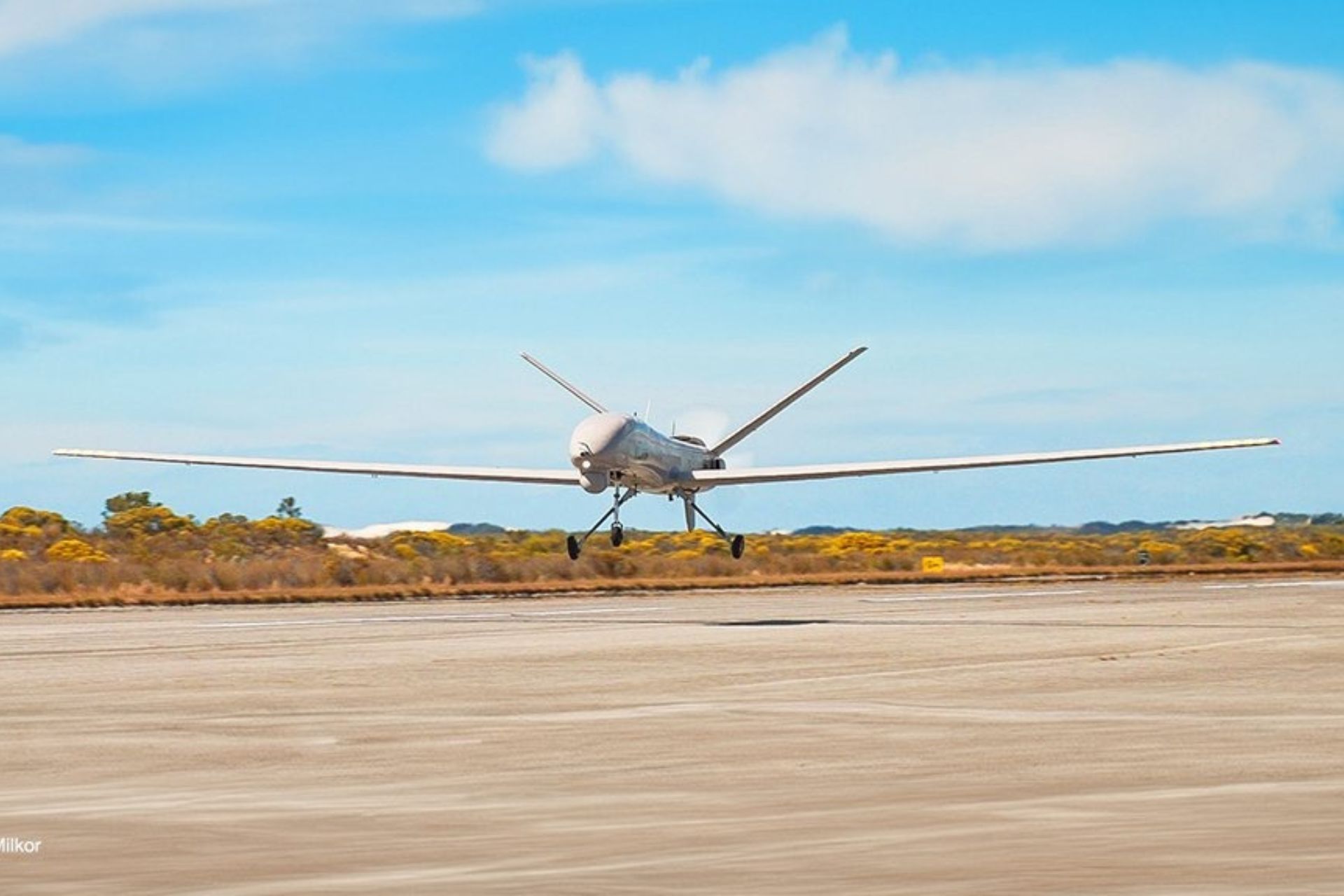
The Milkor 380 offers a high level of autonomy, although it remains under human supervision, with automatic take-off and landing capabilities (Picture source: Milkor)
Milkor’s marketing and communications director, Daniel du Plessis, highlights the growing demand for UAVs. Recognizing this market potential, the company began building a UAV design and production team from the ground up. Over the last five years, the team has grown to 350 employees, with 80% being engineers. The challenge was to develop nearly every component of the Milkor 380 in-house, from its airframe and avionics to its communications systems. However, the engine and payloads, such as sensors or weapon systems, are sourced externally.
The Milkor 380 offers a high level of autonomy, although it remains under human supervision, with automatic take-off and landing capabilities. It can operate within a 250-kilometer range via a ground-based control station but can be managed over much longer distances using satellite communications. This flexibility allows for a wide range of operational missions, including intelligence gathering, reconnaissance, maritime and border surveillance, as well as armed strike capabilities if necessary.
In terms of performance, the UAV has a range of over 2,000 kilometers and an endurance of 35 hours, with a fuel capacity of 515 kilograms and a payload limit of 220 kilograms. The aircraft’s speed can reach up to 250 kilometers per hour, with a cruising speed between 110 and 150 kilometers per hour. It can fly at altitudes of up to 30,000 feet, though its normal operating altitude is between 15,000 and 18,000 feet.
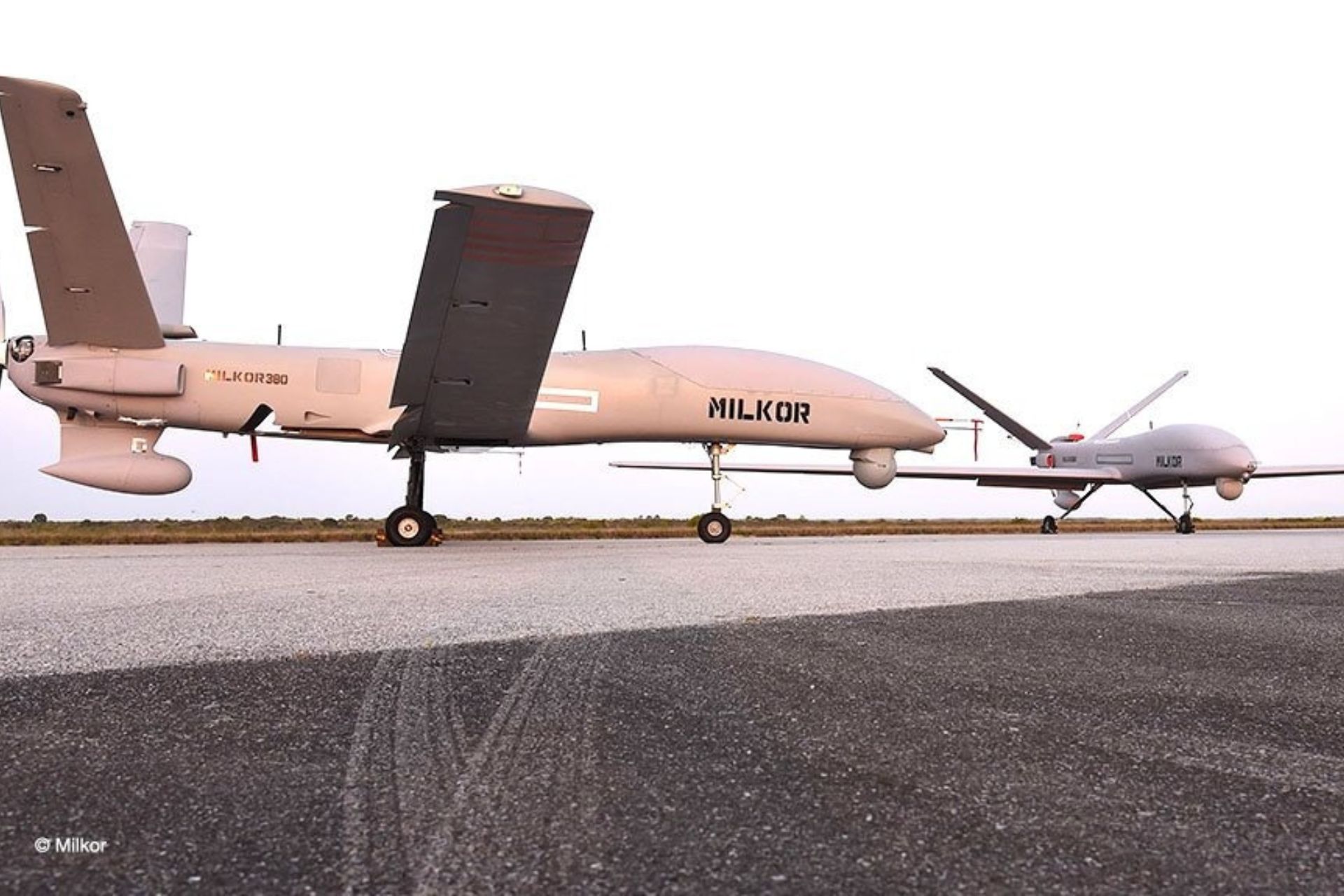
The Milkor 380 can be equipped with weapons for combat roles, its endurance and range are reduced when configured in this way (Picture source: Milkor)
Although the Milkor 380 can be equipped with weapons for combat roles, its endurance and range are reduced when configured in this way. Du Plessis also points out that, like other MALE UAVs, the Milkor 380 is vulnerable to modern shoulder-launched surface-to-air missiles and is not intended for high-intensity combat zones. Instead, it is most effective in support roles during low-intensity conflicts, which are common in parts of Africa. In such scenarios, the armed version of the UAV can provide essential air cover for ground forces.
The Milkor 380 will be showcased at the Africa Aerospace and Defence 2024 exhibition at Air Force Base Waterkloof, near Pretoria, where it has already generated substantial international interest, particularly from other African nations. According to Du Plessis, the UAV is designed to serve as a strategic national asset, demonstrating its importance to both South Africa’s defense capabilities and its standing in the global UAV market.
Read more: Milkor Keeps South Africa in Global UAV Race with Milkor 380
- Details
- Written by: Vandenbosch
- Category: 2024
- Hits: 5605
As part of its military support to Ukraine, Latvia plans to deliver a batch of Patria armored vehicles in 2025. This decision is in line with European countries' ongoing efforts to strengthen Ukraine's defense against the Russian invasion. Latvian Prime Minister Evika Siliņa recently confirmed this assistance during her visit to Kyiv in September 2024. This delivery is part of a military aid package valued at 40 million euros.
Follow Army Recognition on Google News at this link
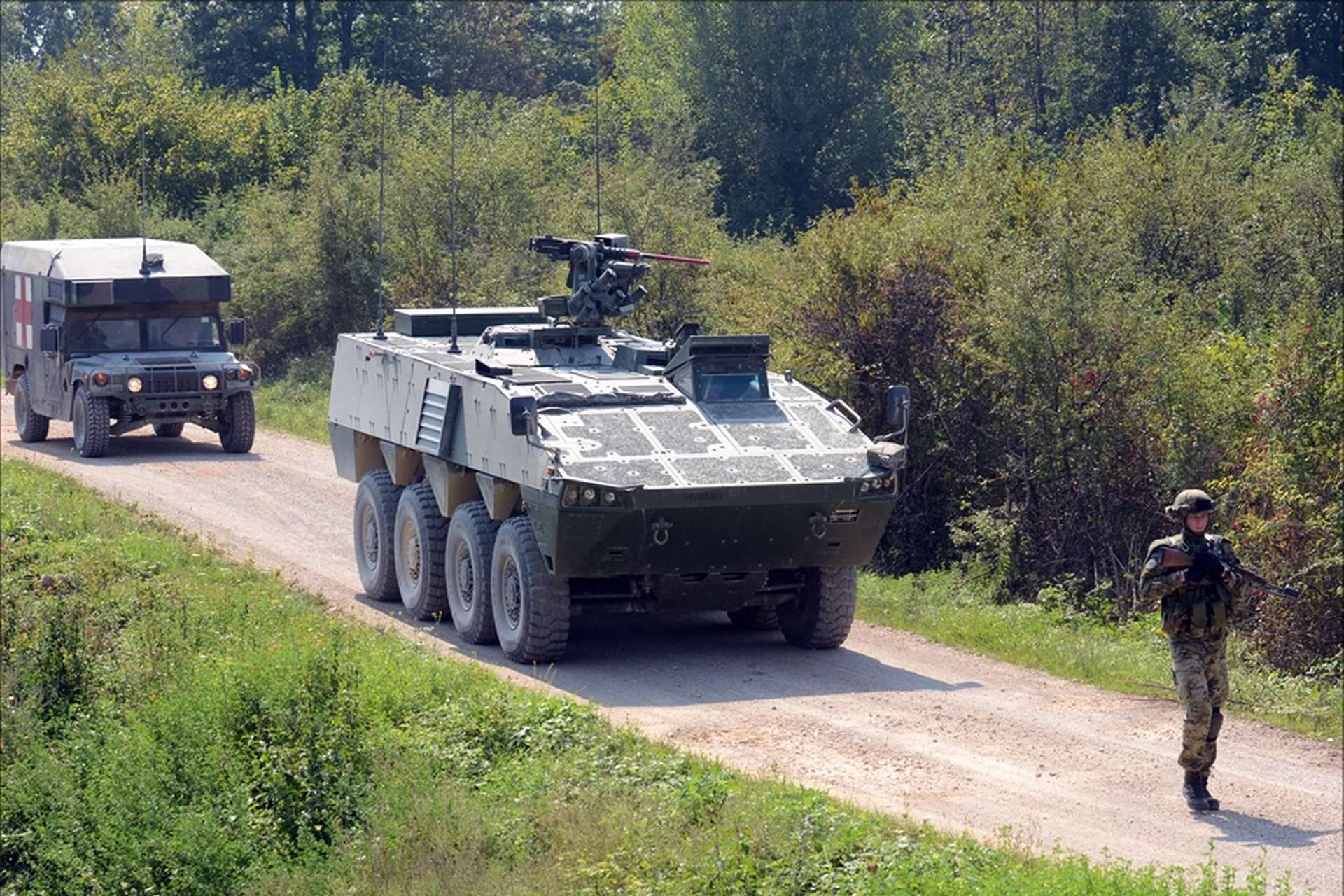
The Patria AMV is a Finnish armored vehicle known for its high modularity. (Picture source: US DoD)
The Latvian government has not yet specified the exact number of Patria armored vehicles to be sent. In addition to this delivery, Latvia also plans to train approximately 4,000 Ukrainian soldiers in 2025, while providing drones and other essential military equipment for the battlefield. This ambitious program reflects the country’s long-term commitment to supporting Ukraine, especially since Latvia has pledged to allocate 0.25% of its GDP per year for military aid to Ukraine, amounting to roughly 100 million euros annually.
The Patria AMV (Armored Modular Vehicle) is a Finnish armored vehicle known for its high modularity. Used by several armies worldwide, it can be configured for various missions such as troop transport, reconnaissance, fire support, and medical evacuation. The Patria can carry between 8 and 12 fully equipped soldiers, and its modern armor provides effective protection against mines, improvised explosive devices (IEDs), and small arms fire.
This armored vehicle is 7.7 meters long, 2.8 meters wide, and 2.3 meters high, with a combat weight ranging from 16 to 32 tons depending on the version. The AMV XP model, for example, can support up to 15 tons of payload, allowing for the integration of various weapon systems or equipment depending on tactical needs.
The Patria AMV is renowned for its enhanced protection. Its modular armor can be upgraded to reach level 4 of the STANAG 4569 standard, providing resistance against 30mm armor-piercing shells on the front. It is also equipped with protection systems against anti-tank mines and IEDs, capable of withstanding a 10kg explosive charge beneath its hull.
In terms of mobility, the Patria AMV is powered by a Scania diesel engine, with power ranging from 480 to 543 horsepower depending on the version. This engine, coupled with a hydropneumatic suspension, allows it to reach a top speed of 100 km/h on roads and cover a distance of 600 to 800 km without refueling. This range and its ability to operate in difficult terrains make it a highly sought-after vehicle for various operations in hostile environments.
Since the start of the Russian invasion, Latvia has intensified its military support to Ukraine. In addition to the Patria armored vehicles, the country has committed to providing drones and survival equipment, such as clothing and night vision systems. In August 2024, the Latvian government had already supplied 1,400 drones to Ukrainian forces, highlighting its crucial role in the technological war against Russia.
Latvia's commitment to supporting Ukraine extends to humanitarian contributions, particularly for Ukrainian civilians affected by the conflict. The Latvian government has also made efforts to support disaster-stricken areas such as the Chernihiv Oblast, providing generators and solar panels.
The delivery of Patria vehicles in 2025 is part of this long-term support strategy, aimed at strengthening Ukraine’s defense capabilities against Russian aggression, while underscoring the unwavering commitment of the Baltic states to regional security.
Read more: Latvia to Transfer Patria Armored Vehicles to Ukraine in 2025
- Details
- Written by: Administrator
- Category: 2024
- Hits: 10292
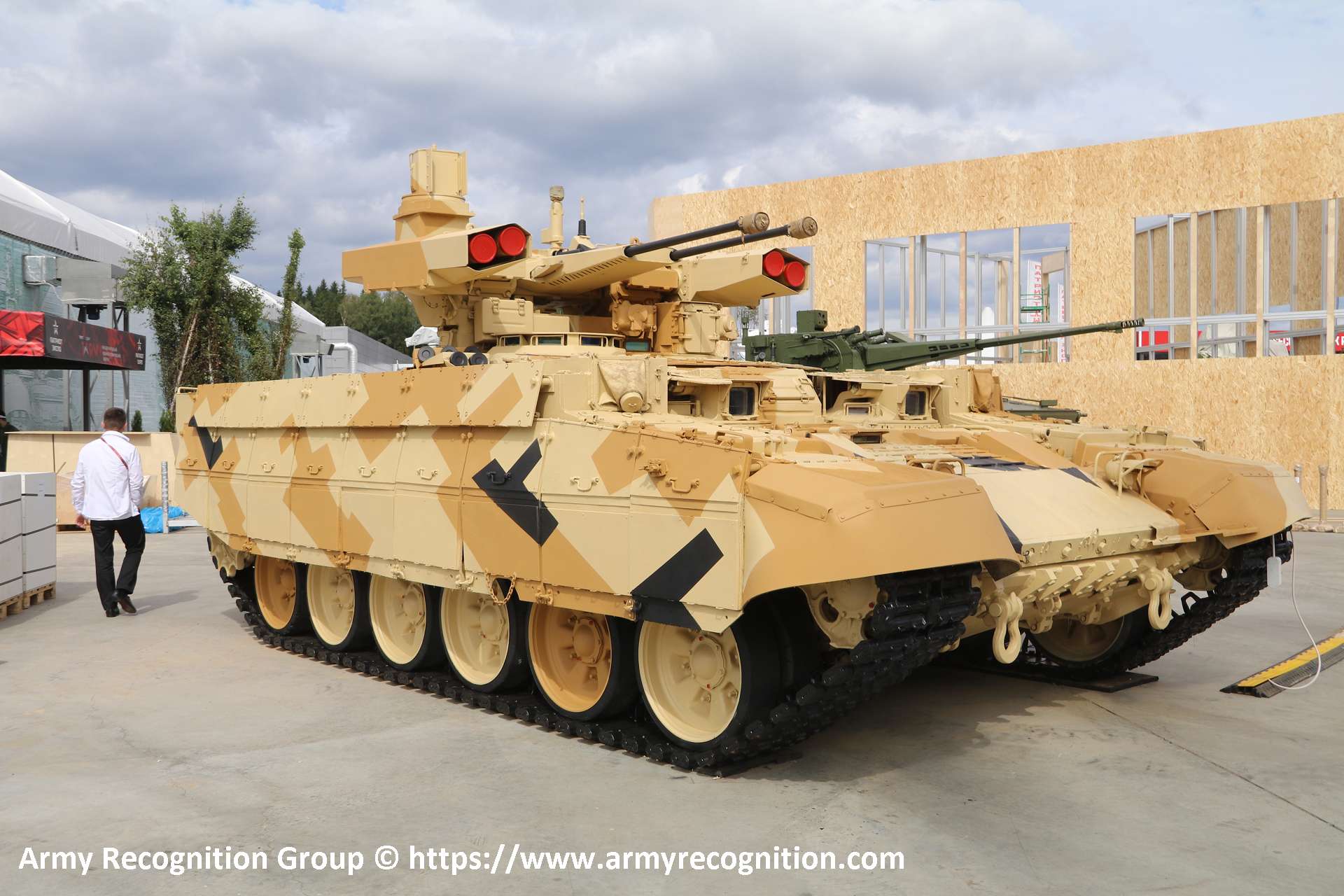
As reported by the Russian news website Vestnik-RM on September 12, 2024, the Russian army may deploy the latest generation of the BMPT-72 Terminator fire support vehicle on the battlefield in Ukraine. The BMPT used by Russian forces, commonly known as the BMPT Terminator model 2017, is an updated version of the BMPT-72 Terminator 2. Introduced into Russian service in the late 2010s, this model saw its first significant deployment for the invasion of Ukraine.
Follow Army Recognition on Google News at this link
The BMPT-72 Terminator 2 is the latest generation of Russian-made fire support vehicle in the BMPT family. (Picture source: Army Recognition Group)
The BMPT model 2017 shares the same chassis as the T-72 but includes various modernizations and enhancements over the earlier Terminator 2. It retains the core armament of two 30mm 2A42 autocannons, four 9M120 Ataka anti-tank guided missiles, and secondary weaponry like a 7.62mm PKTM machine gun and automatic grenade launchers. However, the 2017 model benefits from improved fire control systems and better protection, making it more effective in modern combat environments.
The deployment of the BMPT Terminator model 2017 in Ukraine is the vehicle's first significant combat test. Russian forces introduced the BMPT to bolster their tank units in complex combat situations, particularly in urban areas where tanks are vulnerable to ambushes, anti-tank guided missiles, and infantry armed with RPGs. The BMPT was seen as a vehicle that could bridge the gap between tank operations and infantry support, offering more protection and firepower to help secure Russian armored advances.
In Ukraine, the BMPT was deployed alongside T-72 series and T-90M tanks, primarily in urban and forested areas where tank units faced heavy resistance from Ukrainian forces. The BMPT's combination of autocannons, anti-tank missiles, machine guns, and grenade launchers made it highly effective in neutralizing infantry positions, engaging light armored vehicles, and providing suppressive fire for advancing tank units.
However, its actual performance in Ukraine has been met with mixed results. While the BMPT's firepower and armor were considered assets in specific engagements, there were reports that the vehicle was not used in large numbers or in an optimal role. One of the reasons for this is that the Russian military might not have fully integrated the BMPT into their combined arms strategy. Additionally, the conflict in Ukraine has shown that modern battlefield environments, especially in urban settings, are extremely lethal for armored vehicles, even with support vehicles like the BMPT present.
There have also been challenges with Russian logistics and the high intensity of combat, which have limited the BMPT's widespread use. Some analysts suggest that while the BMPT performed well in specific roles, it did not dramatically change the overall effectiveness of Russian armored units in Ukraine. Nevertheless, its deployment highlighted the importance of dedicated armored support vehicles in modern warfare, especially in urban or asymmetric environments where traditional tanks are vulnerable to mobile infantry and advanced anti-tank weapons.
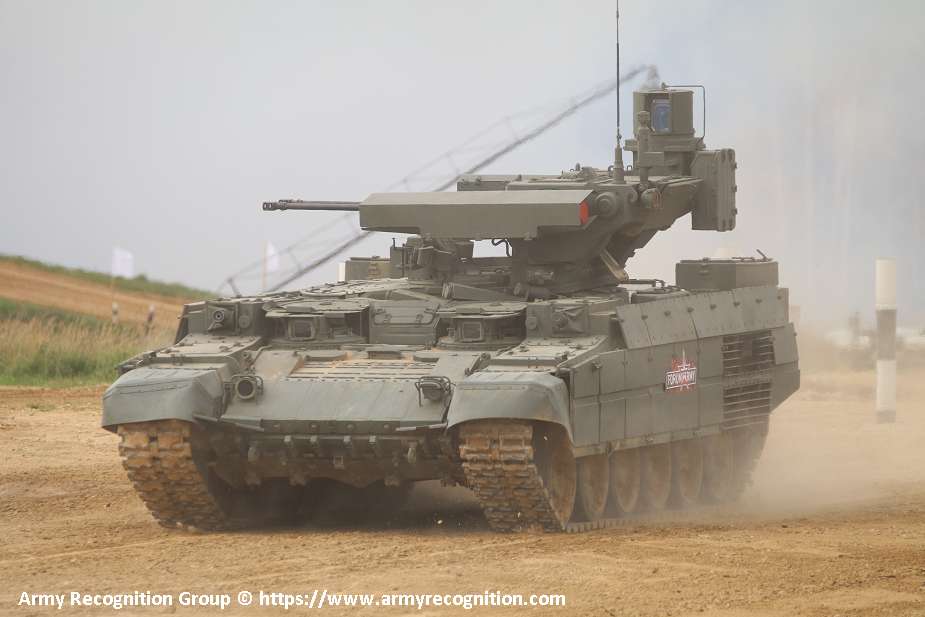
The BMPT Model 2017 is the current version in service with the Russian army and deployed in Ukraine. (Picture source Army Recognition Group)
The BMPT Terminator 1 and BMPT-72 Terminator 2 are both Russian armored vehicles designed to support tanks and infantry in challenging combat environments, but there are several differences between the two. The BMPT Terminator 1 is based on the T-90 tank chassis, while the BMPT-72 Terminator 2 uses the older T-72 chassis. This difference in platform allows the BMPT-72 to be more cost-effective for countries that have a surplus of T-72 tanks, enabling them to convert those older tanks into BMPTs.
In terms of weight, the BMPT Terminator 1, due to its T-90 base, is heavier, weighing around 48 tons. The BMPT-72 Terminator 2, being based on the T-72, is slightly lighter. The armament configurations of both models are largely the same, featuring a combination of 30mm cannons, anti-tank missile launchers, and machine guns, designed for anti-infantry and anti-armor roles.
The key distinction is the modernization and production flexibility of the BMPT-72, which was designed to be a more affordable upgrade solution by leveraging the widely available T-72 chassis, while the original BMPT Terminator 1 was a more specialized system built from the newer T-90 platform. Both vehicles serve a similar purpose in the battlefield, but the BMPT-72 provides a more versatile and budget-friendly option for militaries with a large inventory of older tanks.
The BMPT Terminator 1 and BMPT-72 Terminator 2 both have robust armor and powerful armament designed for urban warfare and supporting tanks, though there are differences between the two models. The Terminator 1, based on the T-90 chassis, benefits from the advanced armor of the T-90 tank, including Kontakt-5 explosive reactive armor (ERA), which provides protection against modern anti-tank projectiles and RPGs. This makes the Terminator 1 highly resistant to a variety of battlefield threats. The BMPT-72 Terminator 2, built on the older T-72 chassis, also has strong armor but does not come with the same advanced protection as standard. However, the BMPT-72 can be equipped with modern ERA upgrades to enhance its survivability.
In terms of armament, both vehicles are equipped with a formidable array of weapons designed to engage multiple types of targets, including infantry, light vehicles, and even aircraft. The BMPT Terminator 1 is armed with two 30mm 2A42 autocannons. These autocannons are capable of firing both armor-piercing and high-explosive rounds, making them versatile against various threats. Additionally, the Terminator 1 carries four 9M120 Ataka anti-tank guided missiles (ATGMs), which can penetrate heavy armor and engage tanks or bunkers from long distances.
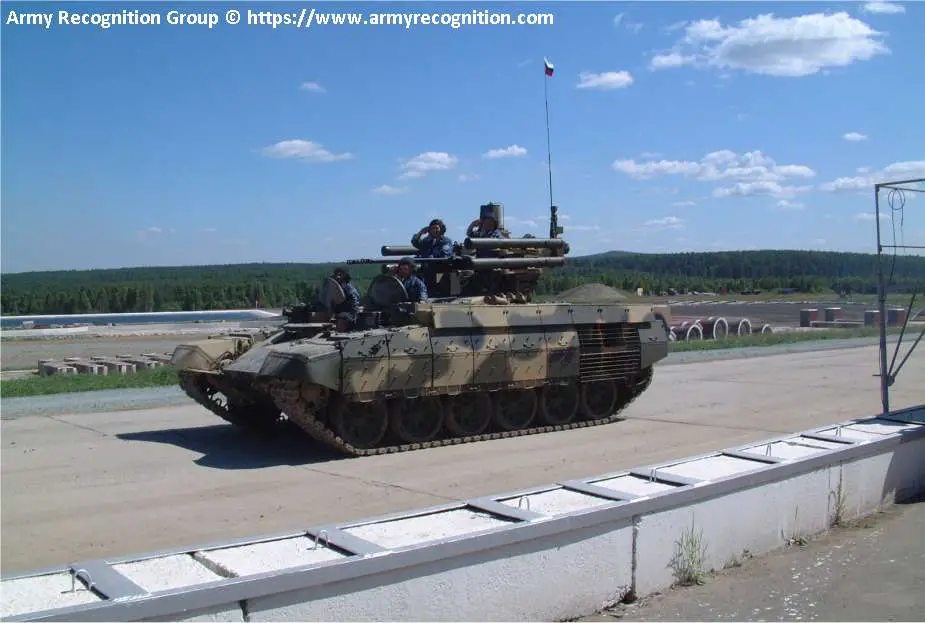
The BMPT Terminator 1 is the first version in the BMPT family. (Picture source army Recognition Group)
Read more: Exclusive: Russia Poised to Deploy Deadly BMPT-72 Terminator 2 Combat Vehicle in Ukraine

- Details
- Written by: Jérôme Brahy
- Category: 2024
- Hits: 15936
According to The Nziv Report on September 12, 2024, Yoav Turgeman, CEO of Rafael Advanced Defense Systems, announced that its Iron Beam High Energy Laser Weapon System (HELWS) will become operational with the Israel Defense Forces (IDF) next year. This 100kW system is intended to be a new component of Israel's air defense system, serving as the "final line of defense" against drones, rockets, and mortars. It is expected to enter active service by late 2025.
Follow Army Recognition on Google News at this link
The Iron Beam laser system is expected to be fully operational by the end of 2025, with plans to integrate it into the Iron Dome to allow for coordinated use of both missile interceptors and laser systems. (Picture source: Rafael)
According to Rafael, the Iron Beam system can focus a laser beam with up to 100 kilowatts of power on an aerial target, destroying it within seconds. Its effective range varies depending on factors such as laser power, weather conditions, and the type of target, and it is capable of addressing short- and medium-range threats up to 7 kilometers away. The Iron Beam system has undergone testing, including a series of tests conducted by the IDF in March 2022 that demonstrated its ability to intercept drones, mortars, and missiles.
One of the key attributes of the Iron Beam is its lower cost per shot compared to conventional missile interceptors. Each interception using the Iron Beam is estimated to cost up to $1,000, which is lower than the $40,000 to $50,000 cost per interception associated with the Tamir missiles used by the Iron Dome system. The system also has an unlimited magazine, allowing for continuous use without the need for reloads, and does not produce debris from intercepted threats, reducing the risk of collateral damage. These features are relevant in the context of the ongoing conflict, where Israel has faced a shortage of Iron Dome ammunition. The Gaza war has reportedly cost the Israeli economy over $67.3 billion, according to Israeli economists.
Turgeman also discussed the performance of Rafael’s Python 4 and Python 5 missiles, which have been used against drones and cruise missiles during recent Iranian attacks. He noted that the Python 4 missile, in service for four decades, continues to meet operational requirements. Rafael is also developing the "Skysonic" system, which is intended to provide a hypersonic interception capability against hypersonic missile threats.
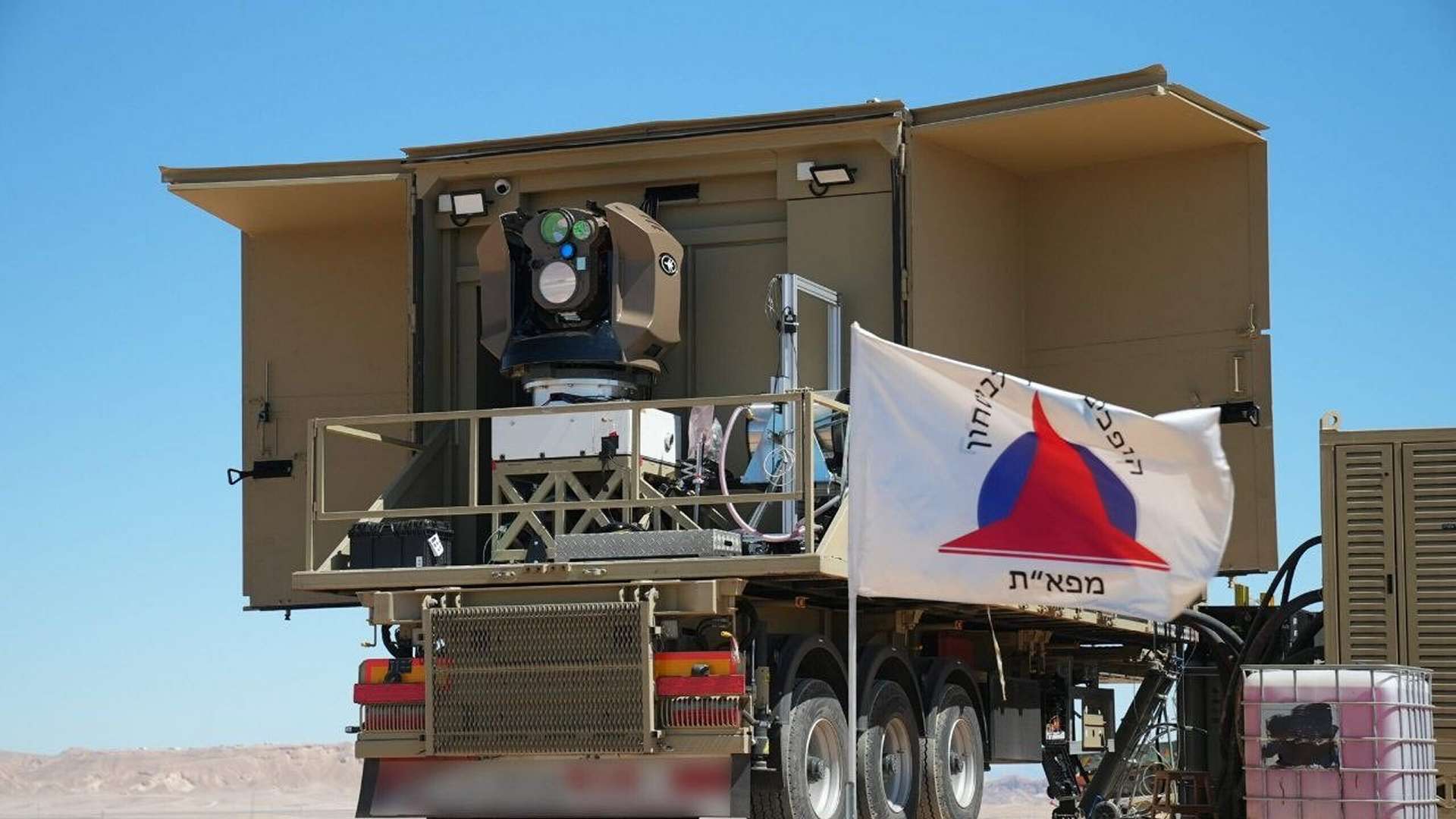
Each interception using the Iron Beam is estimated to cost up to $1,000, which is lower than the $40,000 to $50,000 cost per interception associated with the Tamir missiles used by the Iron Dome system. (Picture source: Rafael)
Rafael, which has been developing directed-energy systems for over 30 years, is working on enhancing the capabilities of the Iron Beam. In collaboration with Lockheed Martin, Rafael is developing a version of the Iron Beam that could reach power levels up to 300 kW by using multiple beams to engage several targets simultaneously. This development is primarily funded by the Israeli Ministry of Defense.
The Iron Beam, also known as "Magen Or" or "Shield of Light," is a 100kW High Energy Laser Weapon System first unveiled at the Singapore Airshow in February 2014. It is designed to intercept a variety of aerial threats using a directed-energy approach. The Iron Beam system uses a fiber laser to destroy short-range rockets, artillery, and mortar bombs, as well as unmanned aerial vehicles (UAVs). It operates by detecting and tracking airborne threats, either as a stand-alone system or as part of a broader air defense network.
Iron Beam is one component of Israel's integrated missile defense system, which also includes Arrow 2, Arrow 3, David's Sling, and Iron Dome systems. It is intended to complement these layers by providing a directed-energy option for intercepting threats that may not be effectively managed by other interceptors. A Naval Iron Beam variant is also being developed for use on ships to protect against drone swarms and anti-ship missiles. This version, which retains the same external dimensions as the ground-based system, is expected to be operational within four to five years and is planned for deployment on Israeli Navy vessels such as the Reshef-class corvette.
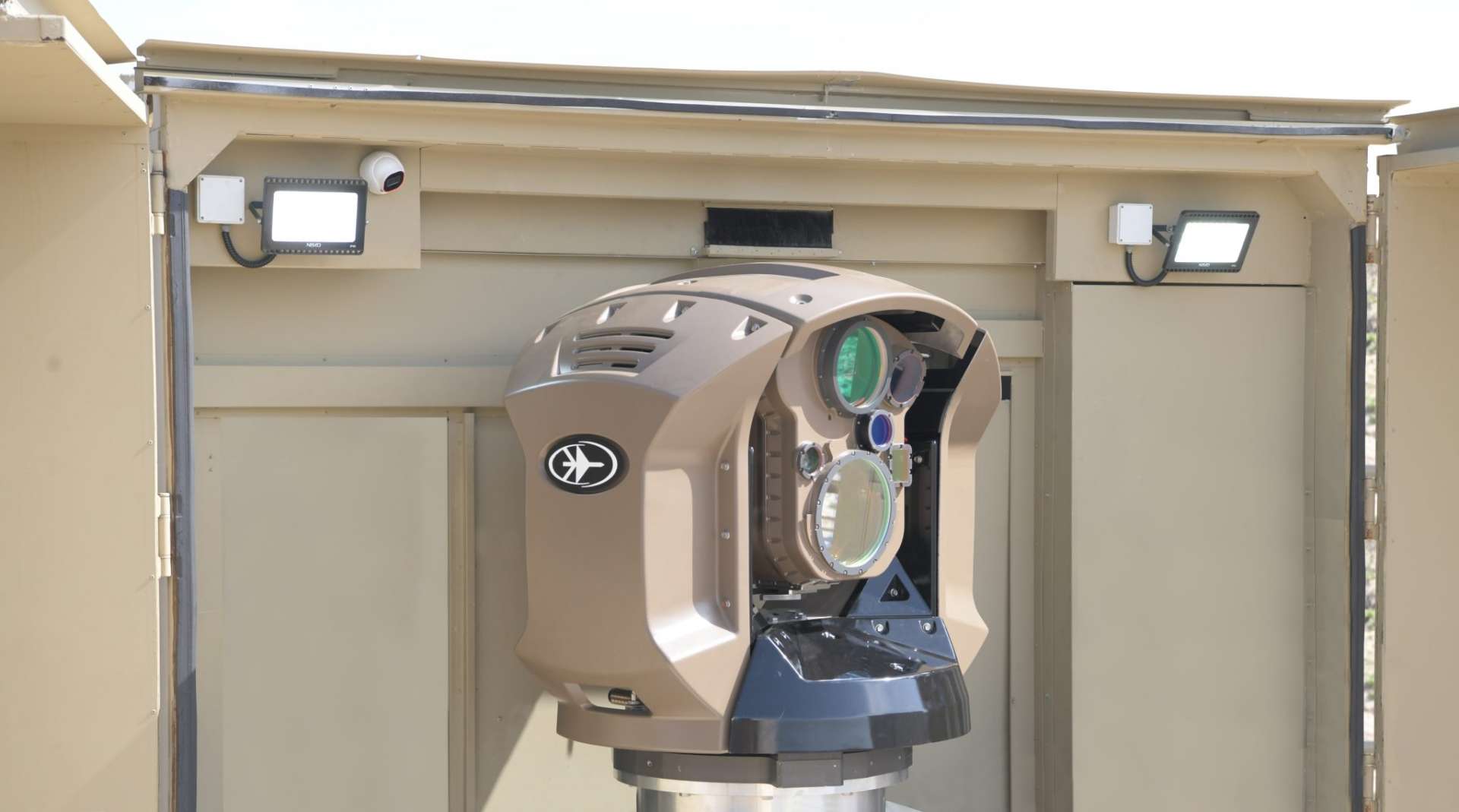
The Naval Iron Beam, which retains the same external dimensions as the ground-based system, is expected to be operational within four to five years and is planned for deployment on Israeli Navy vessels such as the Reshef-class corvette. (Picture source: Rafael)
Further developments have included efforts to create a mobile version of the Iron Beam system. However, weight and power supply considerations have led to a focus on integrating it with existing stationary platforms. The system's ability to achieve high precision over extended distances suggests potential applications in both military and civilian contexts, particularly in defending against slow-flying drones and other aerial threats that are more vulnerable to laser-based attacks.
In April 2022, experiments demonstrated the system's ability to intercept drones, rockets, mortar bombs, and antitank missiles. In response to operational needs, the Israeli Ministry of Defense announced plans to deploy the Iron Beam to Israel’s southern border with the Gaza Strip to test its effectiveness in real-world conditions, including during the 2023 Israel–Hamas war. The system is expected to be fully operational by the end of 2025, with plans to integrate it into the Iron Dome to allow for coordinated use of both missile interceptors and laser systems.
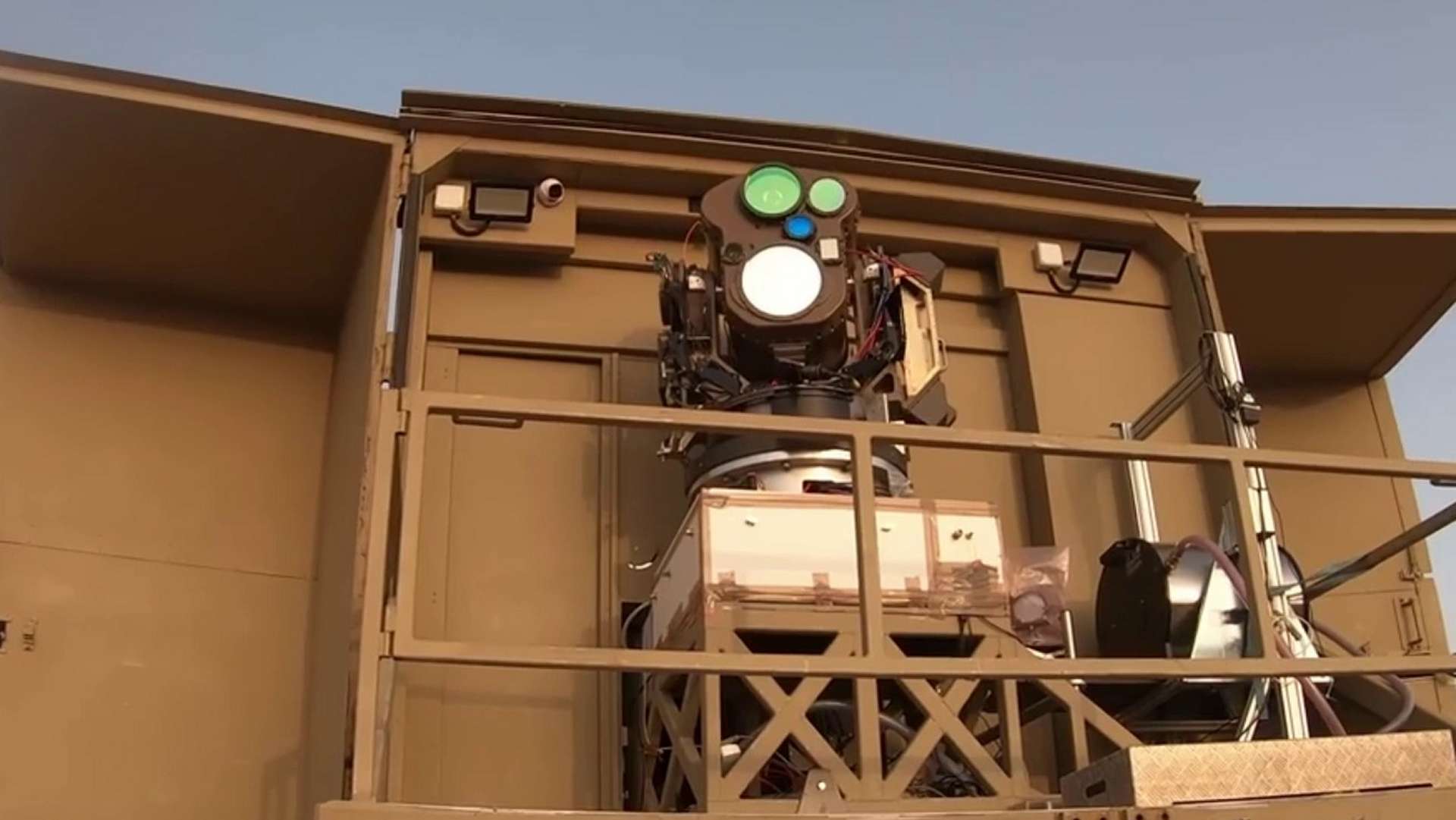
The system's fiber laser has the potential to reach a maximum effective range of up to 7 kilometers and is capable of neutralizing targets within seconds once the laser beam makes contact. (Picture source: Rafael)
The system's fiber laser has the potential to reach a maximum effective range of up to 7 kilometers and is capable of neutralizing targets within seconds once the laser beam makes contact. By 2023, advancements in the technology enabled the laser to achieve energy levels of 100 kW or more, with the beam's precision focused to the diameter of a coin at distances of up to 10 kilometers.
Despite its potential, the use of high-energy lasers like the Iron Beam or the British DragonFly has challenges. Atmospheric conditions such as clouds or rain can affect the beam's ability to reach its target, and the laser must remain focused on a moving target for several seconds to deliver sufficient energy to destroy it. This requirement can limit its effectiveness in countering multiple threats simultaneously, such as a barrage of rockets. Additionally, some targets could be shielded with materials resistant to laser attacks, which could reduce the system’s effectiveness.
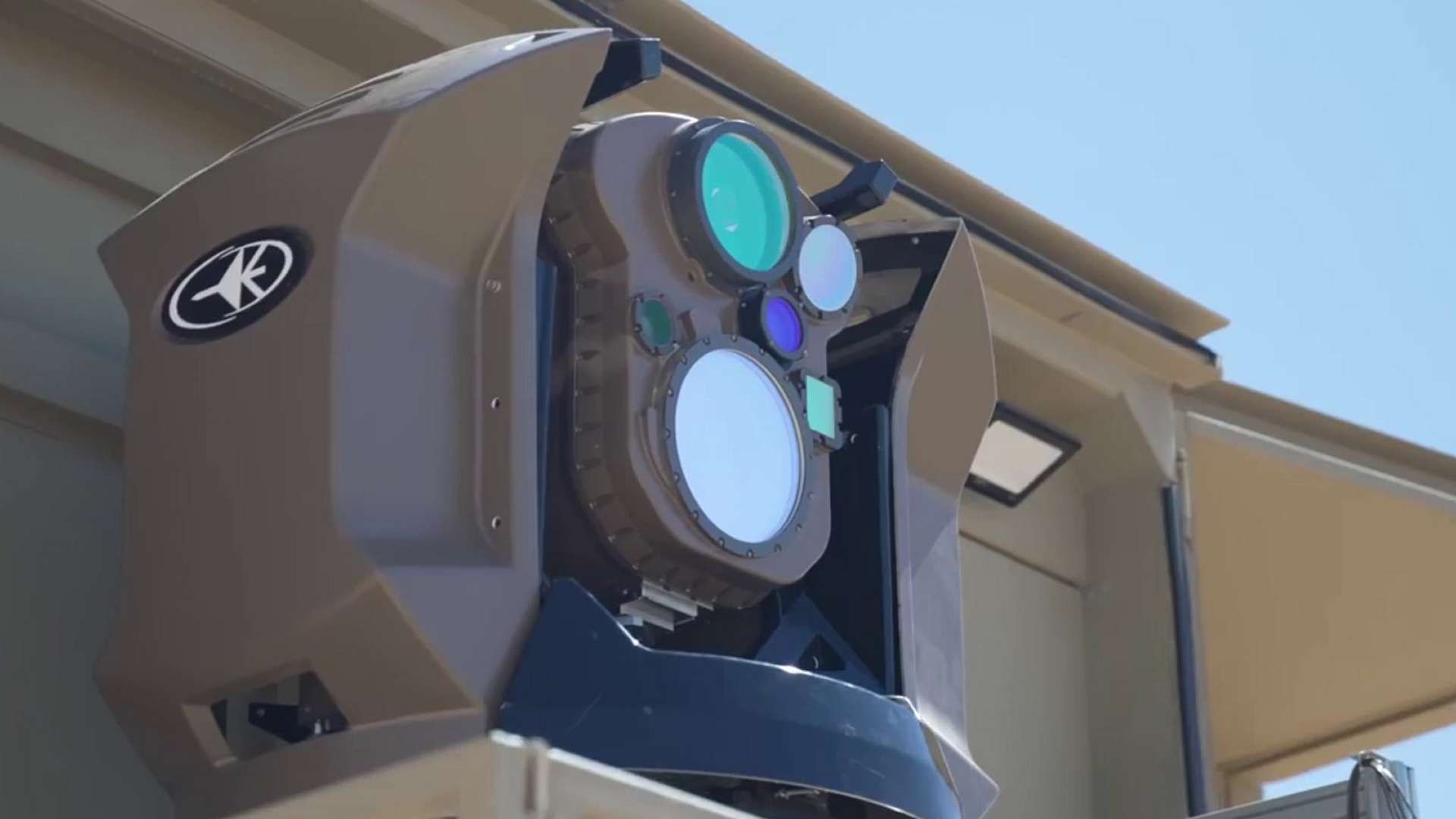
In collaboration with Lockheed Martin, Rafael is developing a version of the Iron Beam that could reach power levels up to 300 kW by using multiple beams to engage several targets simultaneously. (Picture source: Rafael)
Read more: Rafael CEO confirms deployment of Iron Beam laser weapon system by Israel in 2025
- Details
- Written by: Jérôme Brahy
- Category: 2024
- Hits: 8158
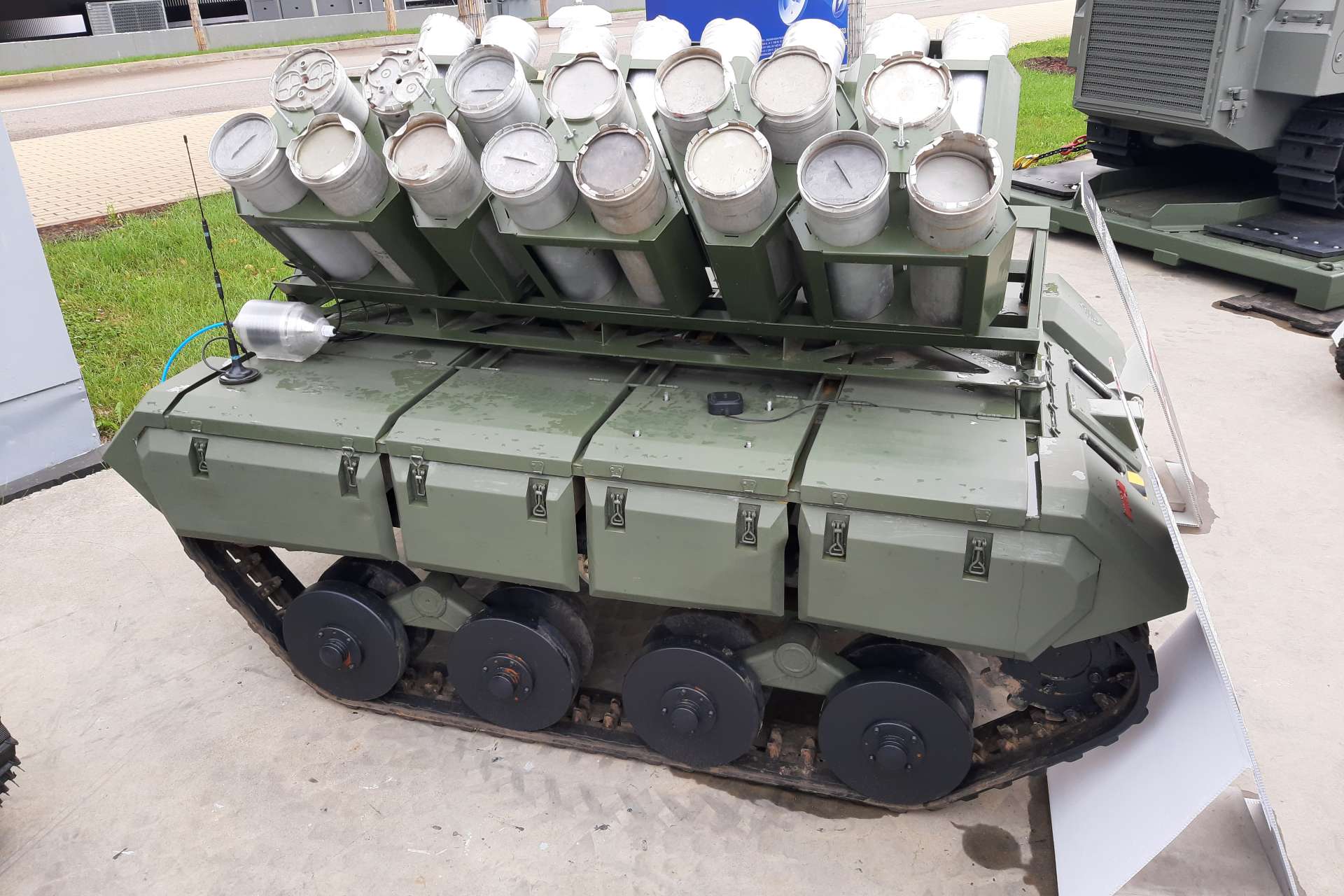
At the Army-2024 exhibition, the Russian Army presented the "Impulse-KPTM," a new unmanned ground vehicle (UGV) designed for mine-laying operations. This UGV is fitted with 30 launch barrels, each capable of housing various mine dispensers, allowing it to deploy up to 120 anti-tank and anti-personnel mines simultaneously to create different types of minefields. Additionally, the vehicle can tow various types of vehicles and trailers, enhancing its operational flexibility.
Follow Army Recognition on Google News at this link
The Impulse-KPTM can achieve a maximum speed of 10 kilometers per hour and can climb slopes with gradients of up to 25 degrees, powered by engines with a combined output of 20 kilowatts.(Picture source: Russian social media)
The Impulse-KPTM can reach a maximum speed of 10 kilometers per hour and is capable of climbing slopes with a gradient of up to 25 degrees. It can handle a maximum roll angle of 15 degrees, enabling it to traverse various terrains. The vehicle's launch barrels can accommodate mine dispensers such as the KPOM-3, KPTM-3, and KPTM-4. It is powered by engines with a combined output of 20 kilowatts, allowing for continuous operation of up to four hours. The vehicle has a total weight of 1,350 kilograms.
For communication, the Impulse-KPTM utilizes a radio control channel that can receive video information and transmit control signals over a line-of-sight distance of up to 1,000 meters in open terrain. For extended range operations, it can switch to an optical cable control channel, enabling communication over distances of up to 20,000 meters.
Among the mine types that the Impulse-KPTM can deploy is the KPOM-3, a Russian-designed mine dispenser that releases POM-3 anti-personnel mines. Each KPOM-3 dispenser contains four POM-3 mines, which are equipped with seismic sensors to detect vibrations, such as footsteps. The POM-3 mines measure 200 millimeters in height and 60 to 70 millimeters in diameter and weigh 1.3 kilograms. Upon activation, the POM-3 mine disperses approximately 1,850 fragments over an effective range of 8 to 13 meters. The dispenser is designed for remote deployment using systems like the Zemledeliye mine-laying vehicle. The POM-3 mines have a shelf life of 11 years and feature selective targeting mechanisms to reduce collateral damage.
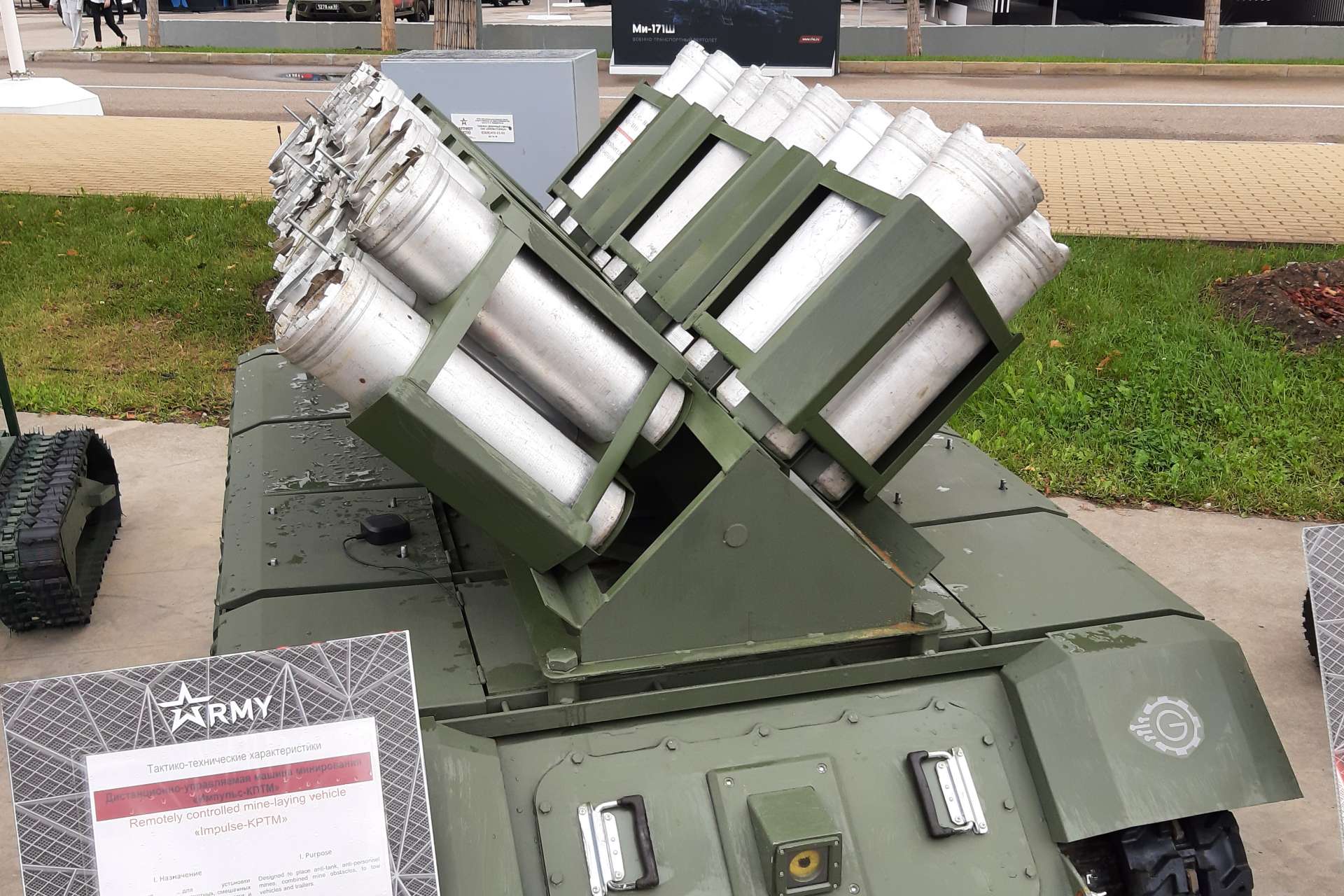
This UGV is fitted with 30 launch barrels, each capable of housing various mine dispensers, allowing it to deploy up to 120 anti-tank and anti-personnel mines simultaneously to create different types of minefields. (Picture source: Russian social media)
The KPTM-3 is another mine type deployed by the Impulse-KPTM. This Soviet-era mine dispenser deploys PTM-3 anti-tank mines, which utilize a shaped charge to penetrate vehicle armor and are equipped with a magnetic influence fuze activated by changes in the magnetic field. Each PTM-3 mine weighs 8.5 kilograms when fully assembled and contains 1.8 kilograms of TG-40 explosive, a mixture of RDX and TNT. These mines are designed for wide-area deployment using various platforms, including truck-mounted and helicopter-mounted systems. The PTM-3 mines are programmed to self-destruct 16 to 24 hours after deployment to minimize the long-term risks associated with unexploded ordnance.
The Impulse-KPTM can also deploy KPTM-4 mines, which are contained in a dispenser holding two PTM-4 anti-tank shaped charge mines. Each PTM-4 mine weighs 3.25 kilograms and contains 1.4 kilograms of TG-40 explosive. The dimensions of the PTM-4 mine are 350 millimeters in length, 110 millimeters in width, and 55 millimeters in height. The PTM-4 mine is triggered by a non-contact magnetic igniter, the VT-14, which detects the magnetic field generated by nearby vehicles. These mines can be set to self-destruct after 8, 12, 24, or 48 hours and are programmed to automatically deactivate after 120 days to reduce the risk of unexploded ordnance.
Read more: New Russian Impulse-KPTM UGV can scatter up to 120 anti-tank and anti-personnel mines

- Details
- Written by: Triffaux
- Category: 2024
- Hits: 4054
On September 11, 2024, Vantage Robotics, a renowned player in the UAV industry, introduced its latest innovation: the Trace nano drone. Specifically designed to meet the increasing demands of national security, public safety, and critical infrastructure inspection, this pocket-sized drone skillfully combines performance and accessibility.
Follow Army Recognition on Google News at this link
Vantage Robotics Trace Nano Drone (Picture source: Vantage Robotics )
The Trace model, enhancing Vantage's esteemed range, inherits the trust established by its predecessor, the Vesper, already listed on the DIU's Blue sUAS "Cleared" list, thus ensuring compliance with the strict security standards required for use by U.S. government agencies.
Weighing just 153 grams, Trace remains below the FAA’s weight threshold, simplifying its deployment across various contexts without compromising operational safety. Equipped with gimbal-stabilized visible and thermal cameras featuring an impressive 24x zoom, the drone can deliver clear images in both indoor and outdoor environments, making it ideal for a wide range of surveillance applications.
One of Trace's main innovations lies in its design focused on discreet operations. Thanks to its low noise signature, it becomes difficult to detect, a valuable feature for tactical reconnaissance operations. Easily portable in a pocket, it is intended for law enforcement, defense personnel, and infrastructure inspectors who require a compact yet powerful tool.
The development of Trace benefited from the expertise of leading partners, including branches of the U.S. Department of Defense (DoD), the Department of Homeland Security (DHS), and various law enforcement agencies. This collaboration has precisely tailored the drone to the most rigorous operational conditions, after four years of intensive testing.
The drone incorporates innovations such as the proprietary Poplar radio, which allows an operational range of up to 2 km, and a foldable airframe made of titanium and carbon fiber, providing robustness suitable for field missions. With a flight time of over 30 minutes, Trace sets a benchmark in its category.
Security is paramount with the Trace Nano, which is entirely designed, sourced, and built in the USA. It features AES-256 encryption for all communications and data storage, adheres to DoD “Blue” (pending) and NDAA compliance, and ensures data privacy with no remote data transmission capabilities.
Communication is robust over a 2 km line-of-sight (LOS) range and 500 meters in non-line-of-sight (NLOS) conditions with a 30dBi attenuation. It utilizes dual frequency bands—2.36 GHz military and 2.4 GHz ISM—with automatic channel hopping to maintain a stable connection. Compatible with multiple ground control systems (GCS), including QGC, ATAK, WMI, and RAC2, it integrates seamlessly into existing setups.
The drone's portability is enhanced with a quick 30-second deploy time and compact stowage via folding arms. The field case is IP67 waterproof, withstanding up to 90 kg of crush force and drops from one meter.
A 2-axis stabilized EO/IR gimbal enhances imaging capabilities, controlled from -90° to +70° in pitch. The high-resolution 48 MP EO camera features an f/1.8 autofocus lens, supported by a thermal imaging sensor for comprehensive situational awareness. It offers up to 25x digital zoom and can capture high-definition video in both 1080p and 4K resolutions, storing images as large as 8000 x 6000 pixels.
According to Tobin Fisher, CEO of Vantage Robotics, "After four years of continuous innovation and testing with our DoD and law enforcement partners, Trace stands out as the best ISR nano drone currently available on the market."
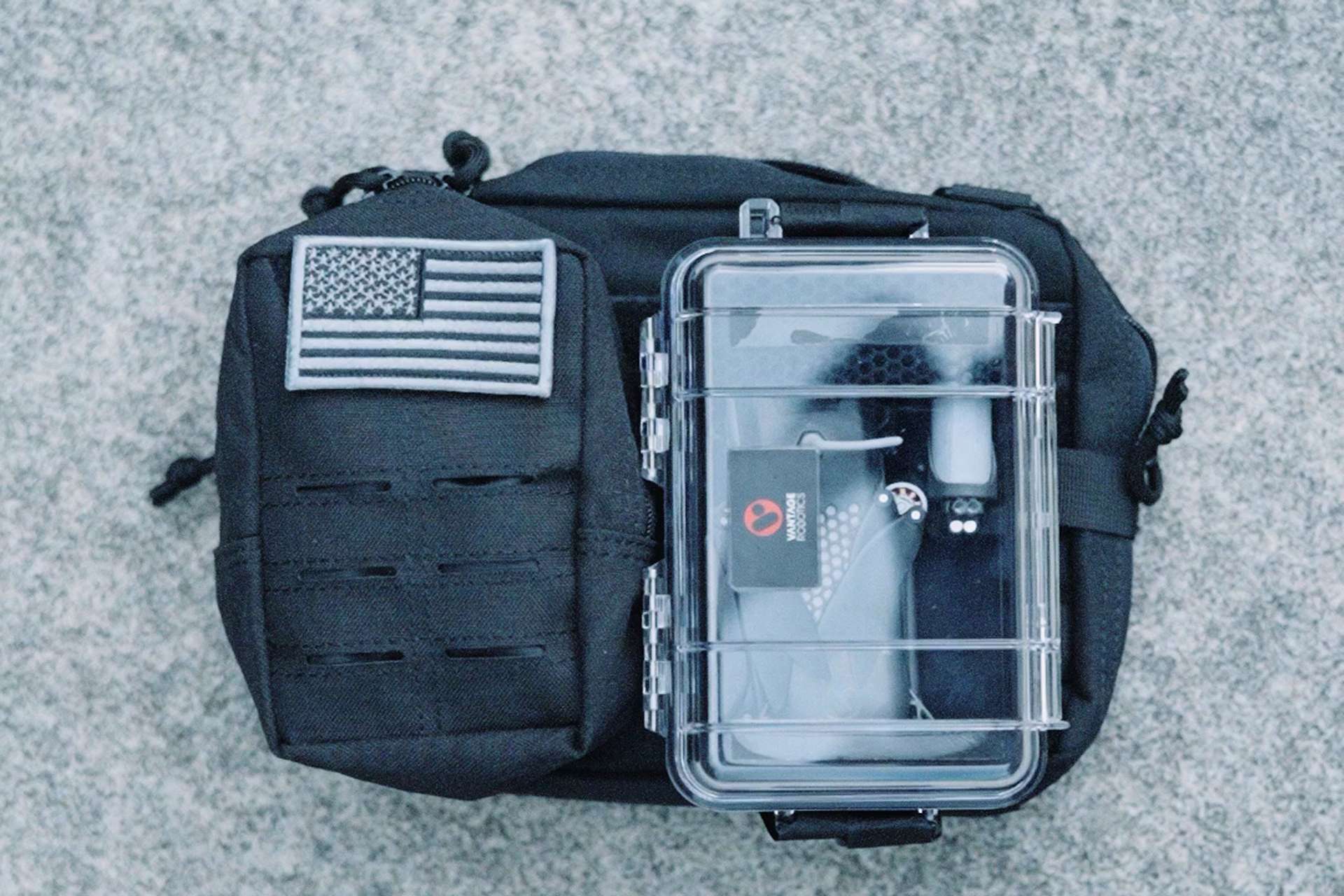
Vantage Robotics Trace Nano Drone (Picture source: Vantage Robotics )
- Details
- Written by: Vandenbosch
- Category: 2024
- Hits: 4166
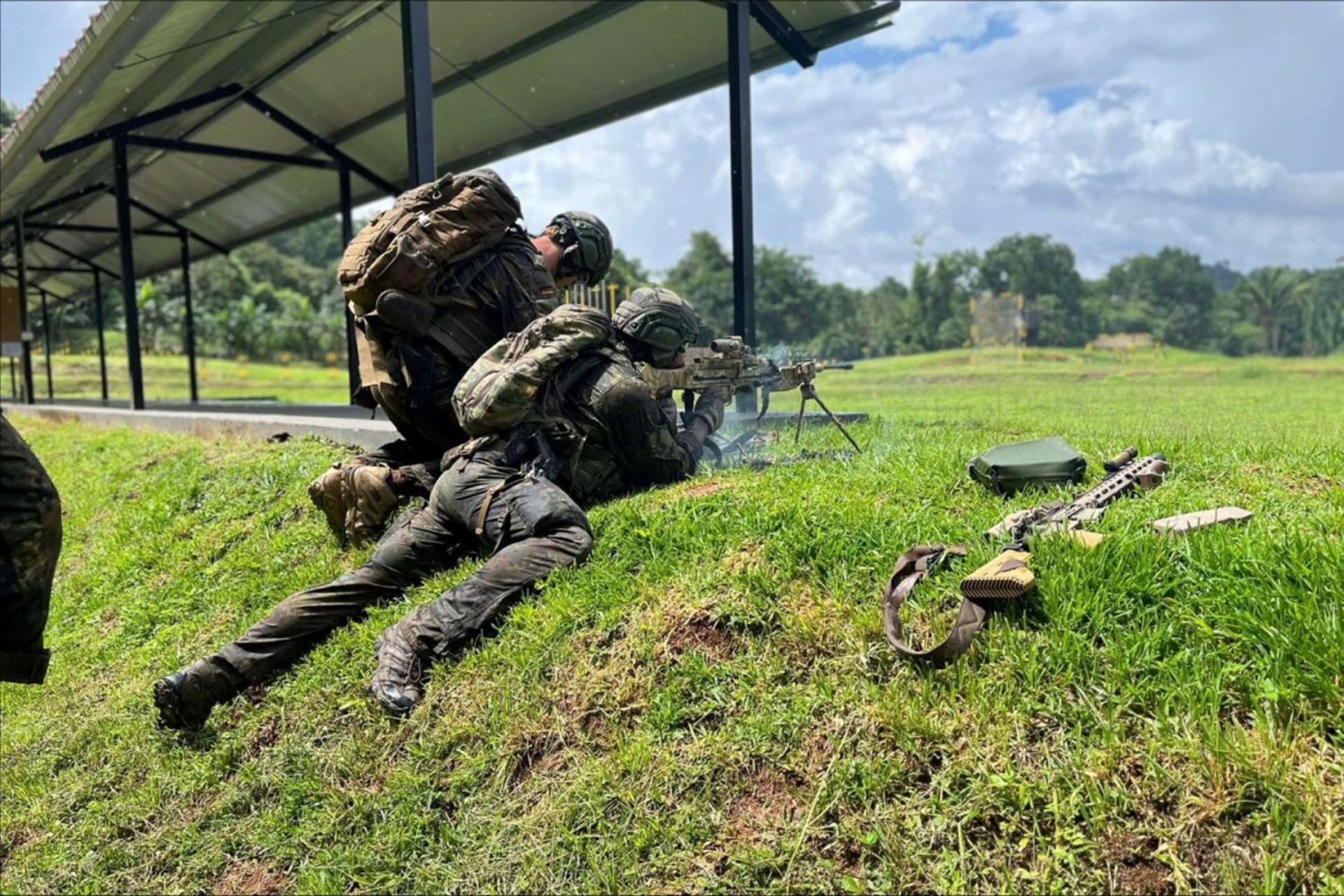
The German armed forces, known as the Bundeswehr, recently tested both variants of their new G95 assault rifle at a Panamanian center frequently used by the U.S. Army's Tropical Regions Test Center (TRTC). These tests are part of the Bundeswehr's ongoing efforts to evaluate its equipment in various extreme environments.
Follow Army Recognition on Google News at this link
The G95, based on Heckler & Koch’s HK416A8, comes in two versions: one with a 16.5-inch barrel and the other with a 14-inch barrel, both chambered for NATO 5.56mm ammunition. (Picture source: US DoD)
In addition to testing the G95 rifle, the Bundeswehr also took the opportunity to test its G22A2 sniper rifle, as well as the MG4 and MG5 machine guns. During the trials, 55 German soldiers navigated a muddy jungle trail, facing challenging conditions that included streams, dense vegetation, and thorny vines. This environment was designed to replicate the difficult conditions soldiers might encounter during real-world missions in tropical regions.
Sergeant Major Ernest Tretow of the Bundeswehr praised the quality of the jungle course, noting that the soldiers conducted live-fire exercises and tested night vision goggles. "The jungle trail and its tactical targets were excellent," he said. "We tested the new night vision goggles at night in the jungle and used the trail for live fire during the day."
The G95, based on Heckler & Koch’s HK416A8, comes in two versions: one with a 16.5-inch barrel and the other with a 14-inch barrel, both chambered for NATO 5.56mm ammunition. The Bundeswehr's version includes some modifications, notably to the grip, trigger guard, and cheek rest, compared to the civilian model.
The tropical tests in Panama are part of the Bundeswehr's ongoing evaluation efforts. Previous tests had been conducted in more temperate environments, such as in the Almeria region of Spain, where hot conditions last only a few weeks each year. The soldiers found that Panama's conditions better represented a true jungle environment, which they sought for more rigorous equipment evaluations.
The Bundeswehr had also tested weapons in Hawaii but felt that the subtropical conditions there did not fully reflect the extreme challenges of a true jungle. The humid, muddy conditions of Panama provided the ideal testing ground for their new equipment.
Sergeant Major Michael Diehl of the Bundeswehr expressed satisfaction with the test site and the support provided by the TRTC team. "The test site was exactly what we were looking for, and the support from the Tropical Regions Test Center team was outstanding," said Diehl. "We encountered no problems during the weapons testing."
The German military has long maintained a relationship with U.S. Army testing facilities. Ten years ago, they tested the MG5 machine gun at the Yuma Test Center, part of the U.S. Army's Yuma Proving Ground (YPG), under the supervision of the Army Test and Evaluation Center (ATEC). The broad range of testing environments offered by YPG—including desert, tropical, and arctic regions—has allowed for comprehensive evaluations of Bundeswehr equipment.
Colonel John Nelson, YPG commander, emphasized the importance of these collaborative efforts with NATO partners. "It was an excellent opportunity for security cooperation and support of our NATO partners to test their equipment in the challenging natural environment of the tropics," Nelson said. He also noted that the Bundeswehr plans to continue its testing program with evaluations scheduled at the Arctic Regions Test Center this winter.
With the success of this series of tests, further evaluations for the Bundeswehr are expected at YPG and its affiliated facilities in the future.
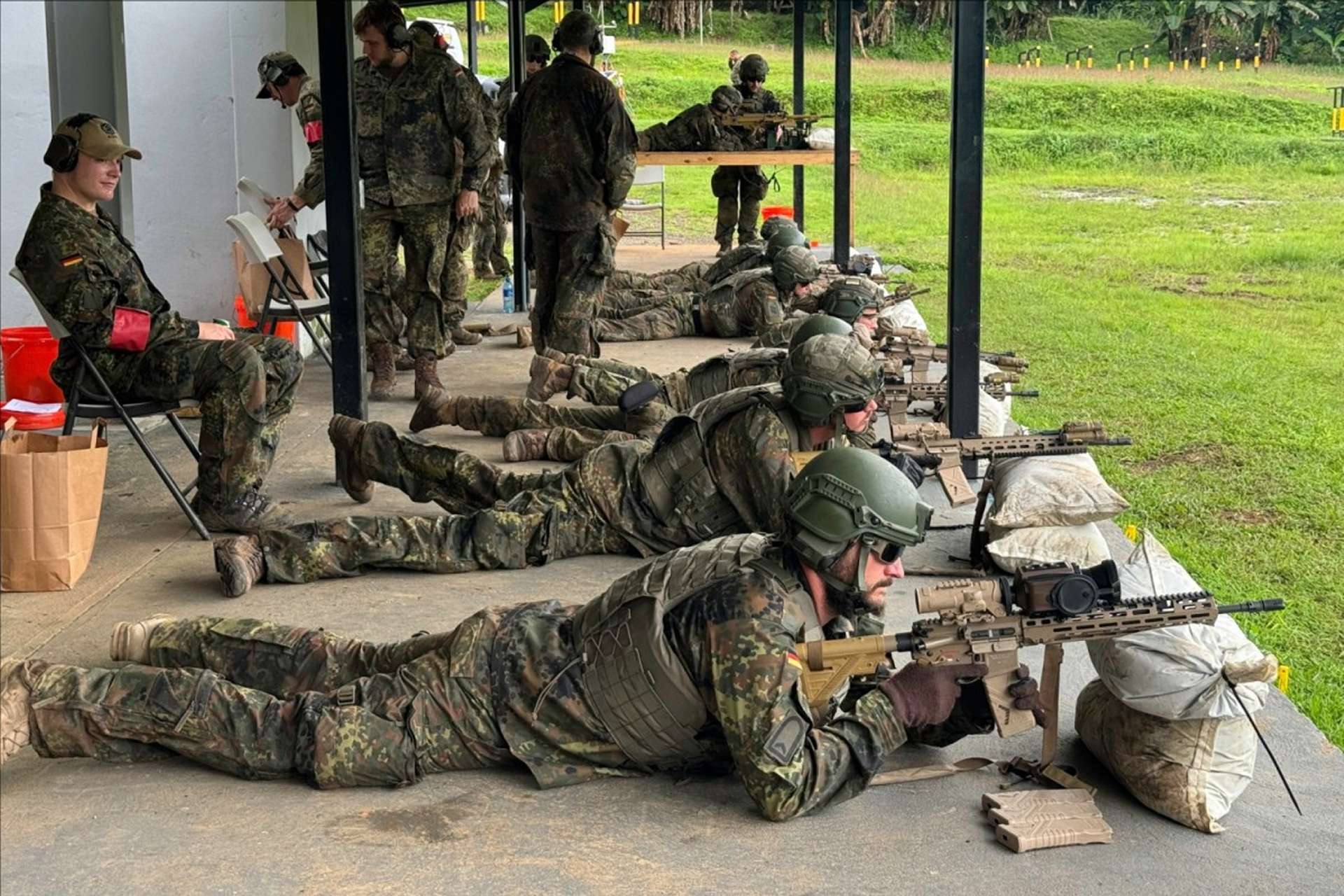
The Bundeswehr recently tested both variants of their new G95 assault rifle. (Picture source: US DoD)
Read more: Germany Tests G95 Rifles at US Army's Tropical Regions Test Center
- Details
- Written by: Vandenbosch
- Category: 2024
- Hits: 11855
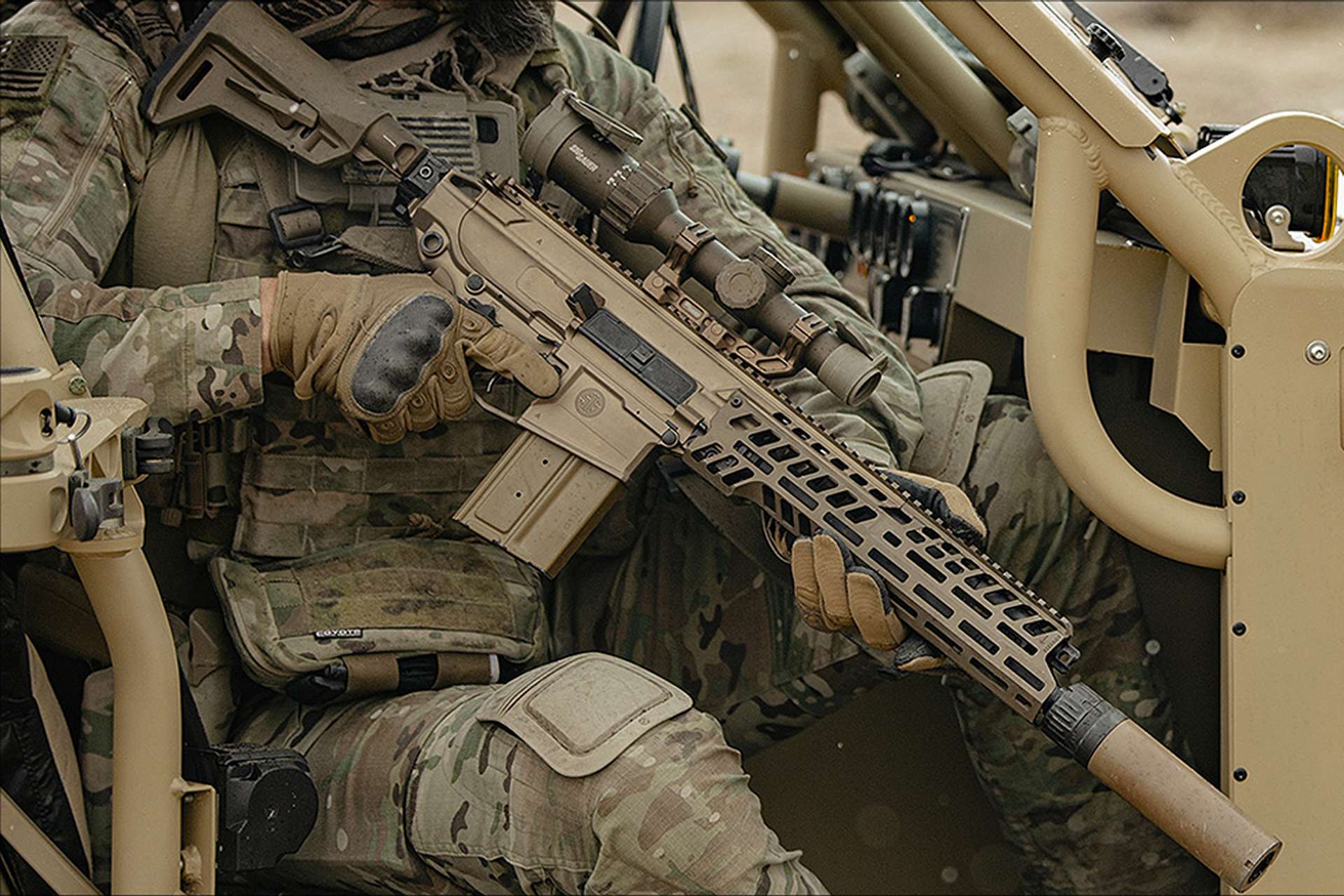
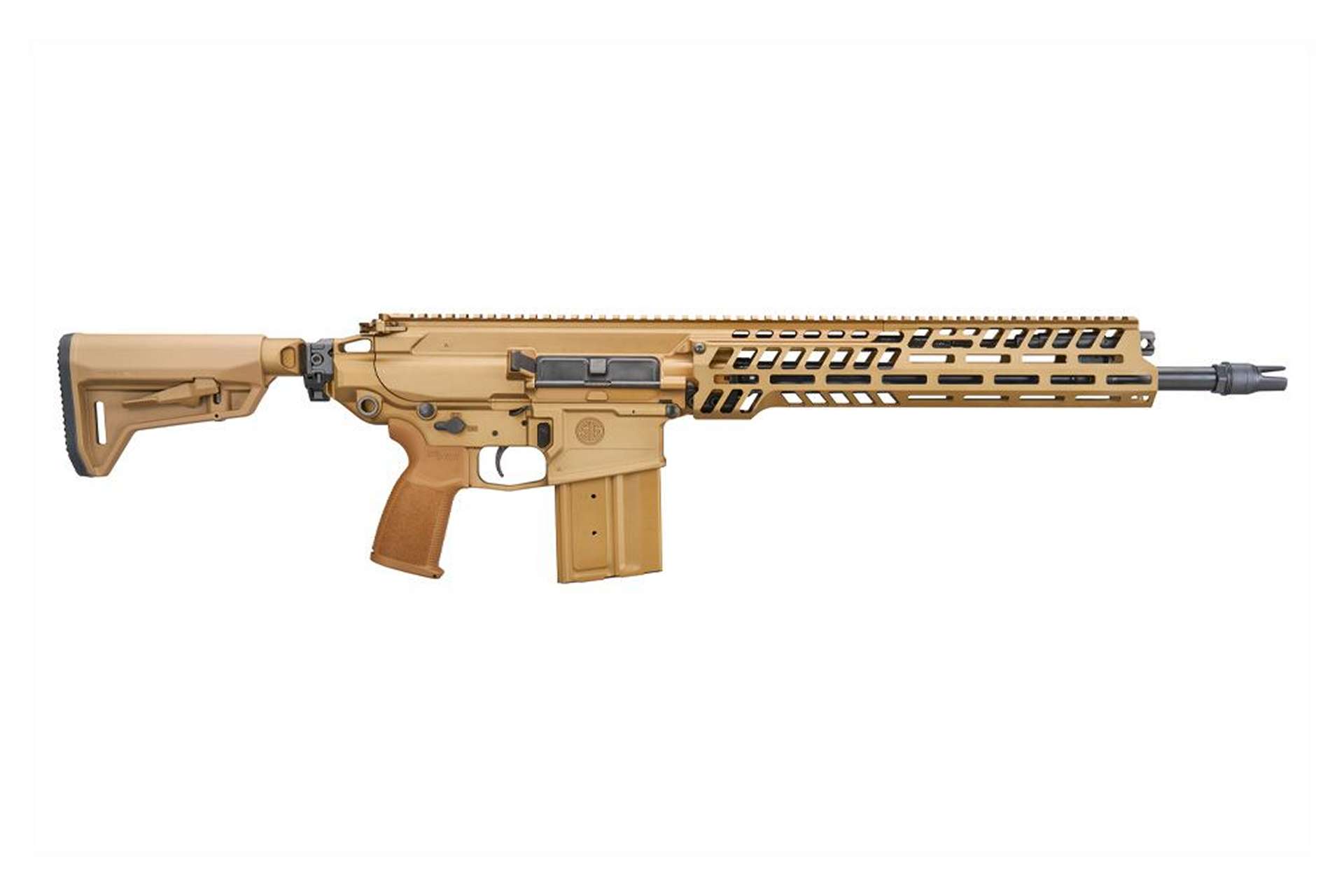
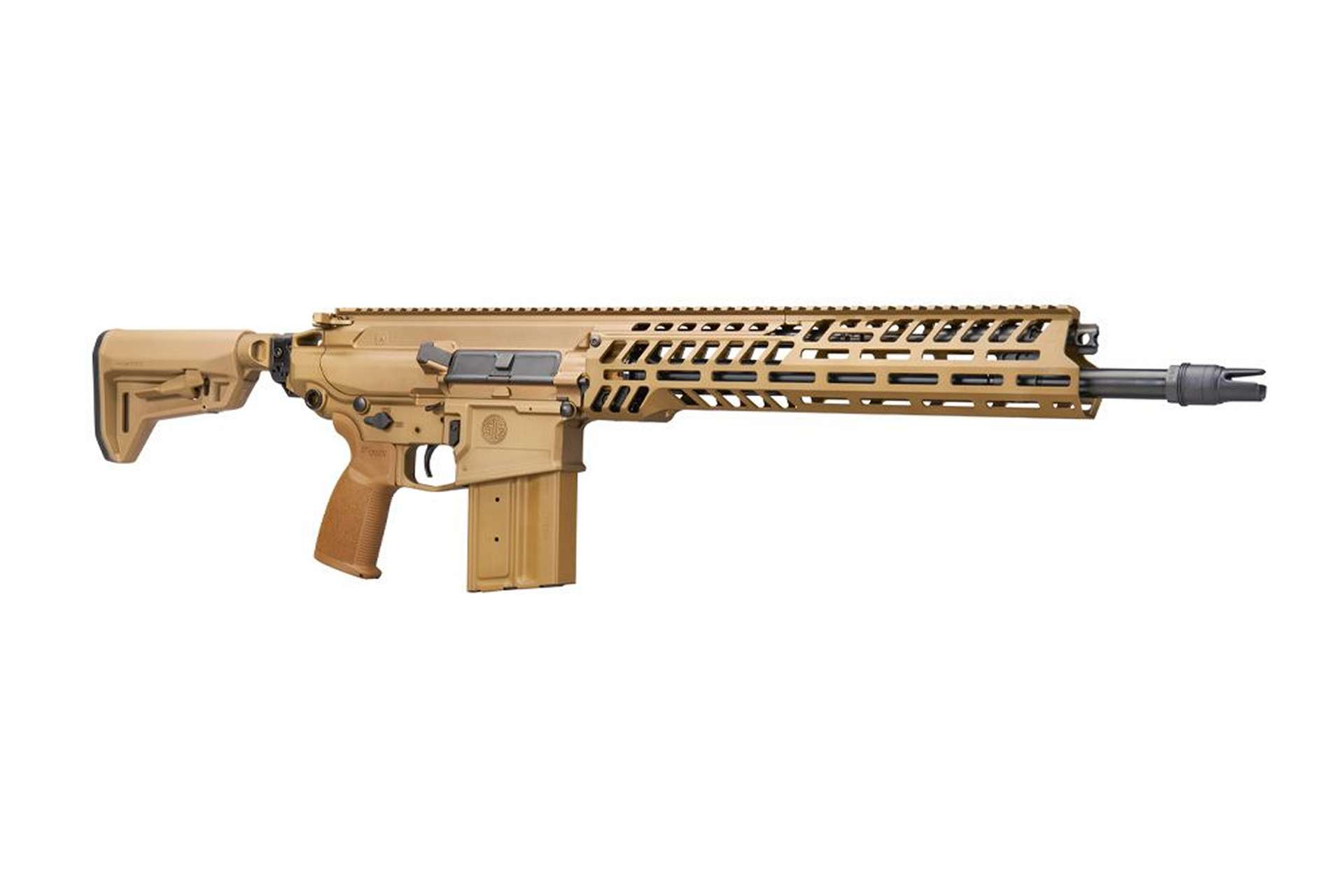
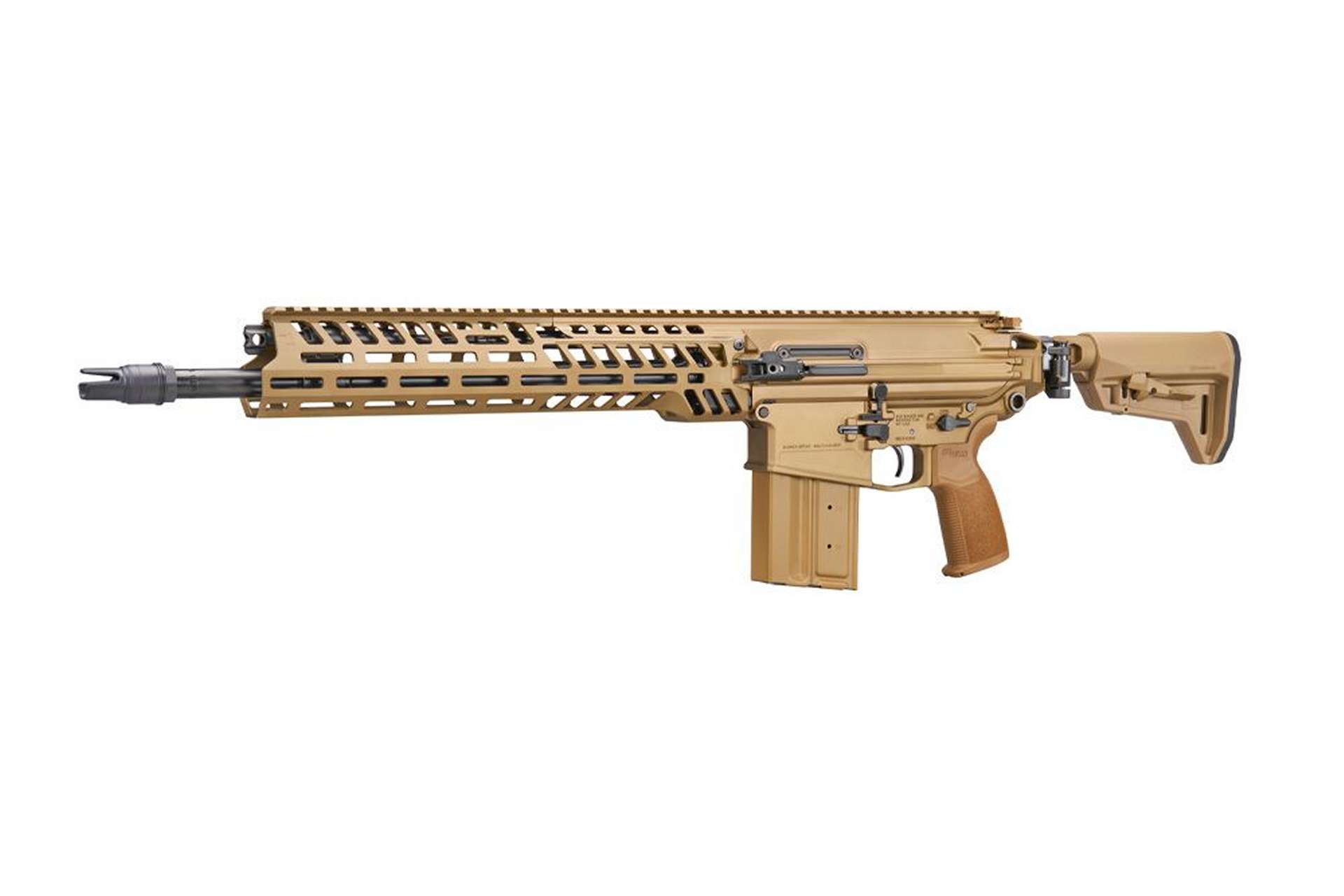
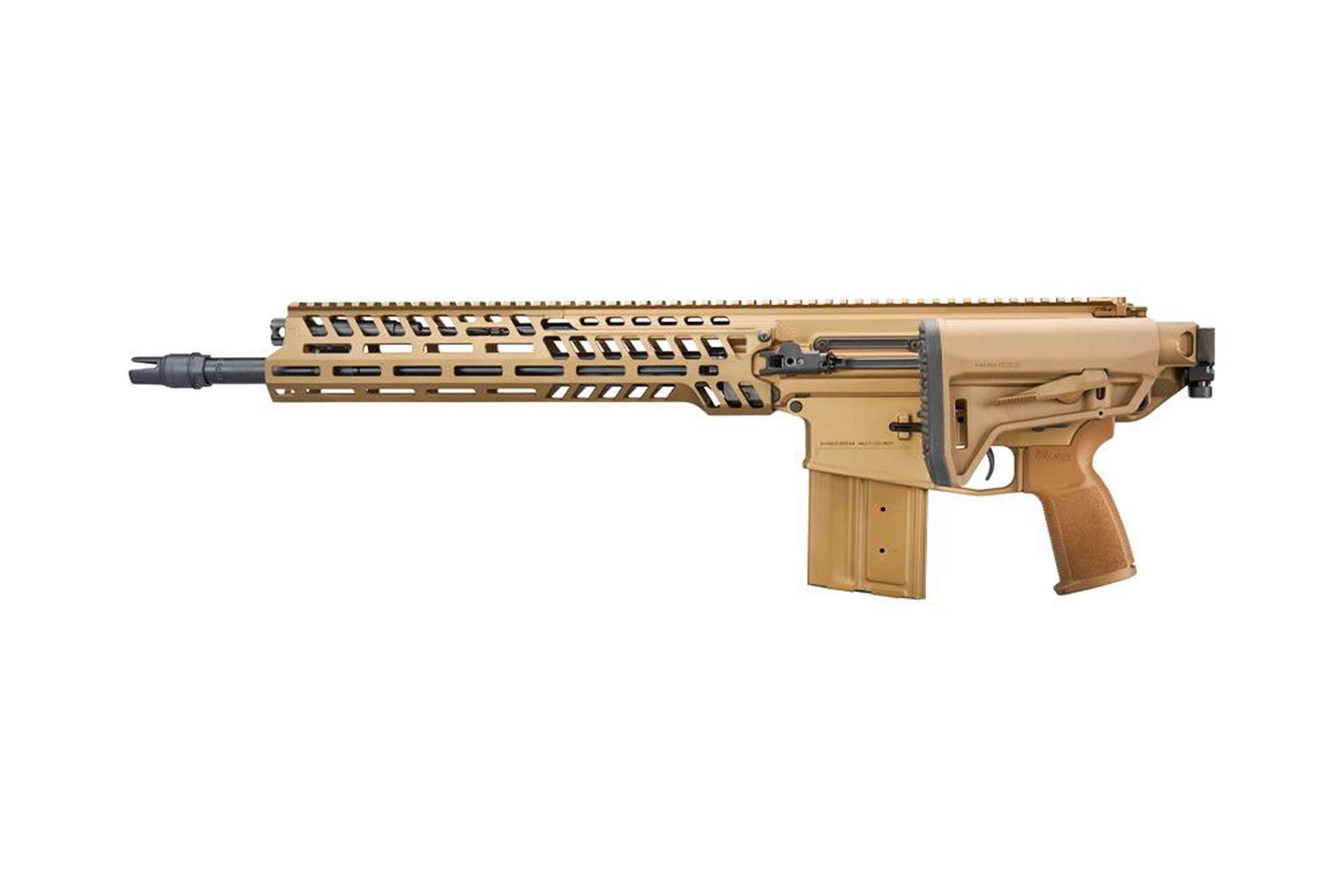
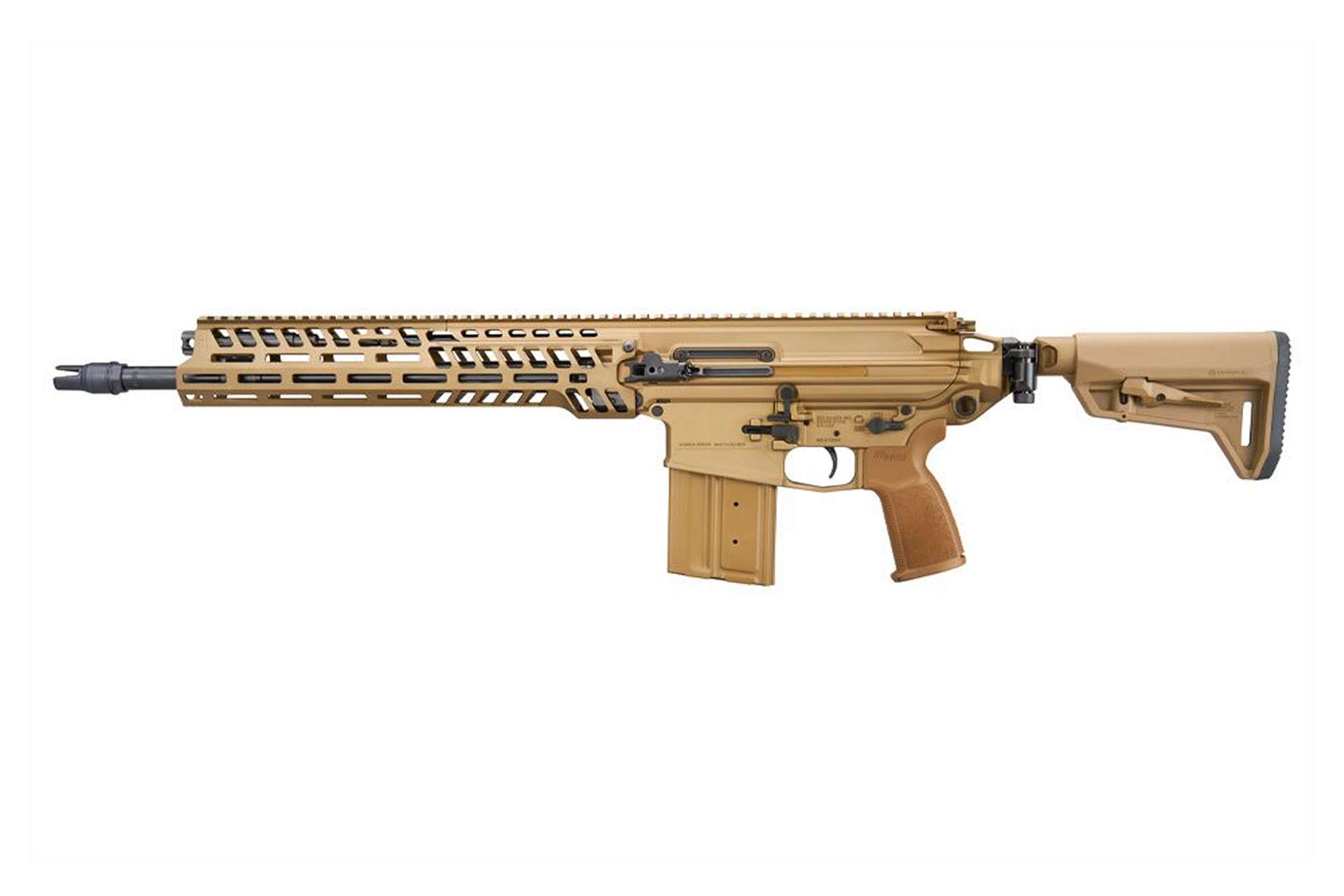
SIG Sauer has launched the MCX-SPEAR 6.8X51 rifle on the civilian market, marking the beginning of a new era in weaponry and ending the 30-year dominance of the M4. Developed by SIG Sauer as part of the Next Generation Squad Weapon (NGSW) program, this rifle is designed to meet the demands of modern combat, offering increased range, superior firepower, and unmatched modularity.
Follow Army Recognition on Google News at this link
The MCX-SPEAR 6.8X51 rifle. (Picture source: SIG Sauer)
The 6.8X51mm caliber, also known as .277 SIG FURY, is distinguished by its use of a hybrid three-component cartridge. This design combines a brass casing with a steel base, allowing the projectile to withstand extremely high internal pressures, reaching up to 80,000 PSI. This pressure level enables velocities of over 900 meters per second, even with a 40-centimeter barrel. This type of ammunition offers a flatter trajectory and greater on-target energy compared to traditional 5.56mm rounds, making the weapon ideal for long-range engagements.
The MCX-SPEAR is also designed to maximize the efficiency and comfort of soldiers. The rifle is fully ambidextrous, making it easy to use for both left- and right-handed shooters. Additionally, it offers quick conversion between different calibers, including 7.62x51mm NATO and 6.5 Creedmoor, thanks to a simple and fast barrel change. The rifle’s modularity allows it to be adapted to different types of missions, whether for close-quarters combat or long-distance engagements.
Notable technical features include a non-reciprocating charging handle, a free-floating M-LOK handguard, and a foldable, telescopic stock, facilitating the weapon’s transport and deployment in the field. The rifle is also equipped with an advanced gas system that reduces recoil and ensures optimal performance in extreme combat conditions.
This is the first time this cutting-edge technology, initially developed for the U.S. military, is available to the civilian market. The commercial variants of the MCX-SPEAR, available with barrel lengths of 33 and 40 centimeters, closely replicate the military version, with a few adjustments to comply with civilian regulations. These models, priced between $4,000 and $4,500, are already generating significant interest among firearm enthusiasts.
The rifle is also compatible with SIG Sauer’s NG68SPEAR-QD suppressor, significantly reducing noise and toxic emissions during firing, while minimizing the visual signature with a specially designed flash-hider.
In summary, the MCX-SPEAR 6.8X51 represents a true revolution in weaponry. Its innovative hybrid ammunition, modularity, and superior performance make it the new benchmark for armed forces and civilian shooters alike. As the U.S. Army begins to replace the M4 gradually, the MCX-SPEAR is set to become the weapon of the future, ready to redefine infantry standards for decades to come.
Read more: SIG Sauer Makes MCX-SPEAR 6.8X51 Rifle Available for Purchase
- Details
- Written by: Halna du Fretay
- Category: 2024
- Hits: 3069
Oshkosh Defense, LLC, a subsidiary of Oshkosh Corporation, announced it has received a direct commercial sale (DCS) order to supply Heavy Equipment Transporter (HET) A1 tractors and 635NL trailers to Optimum Vehicle Logistics, LLC, based in Milwaukee, Wisconsin. These systems will be deployed by the Royal Moroccan Armed Forces, supporting their ongoing modernization efforts.
Follow Army Recognition on Google News at this link
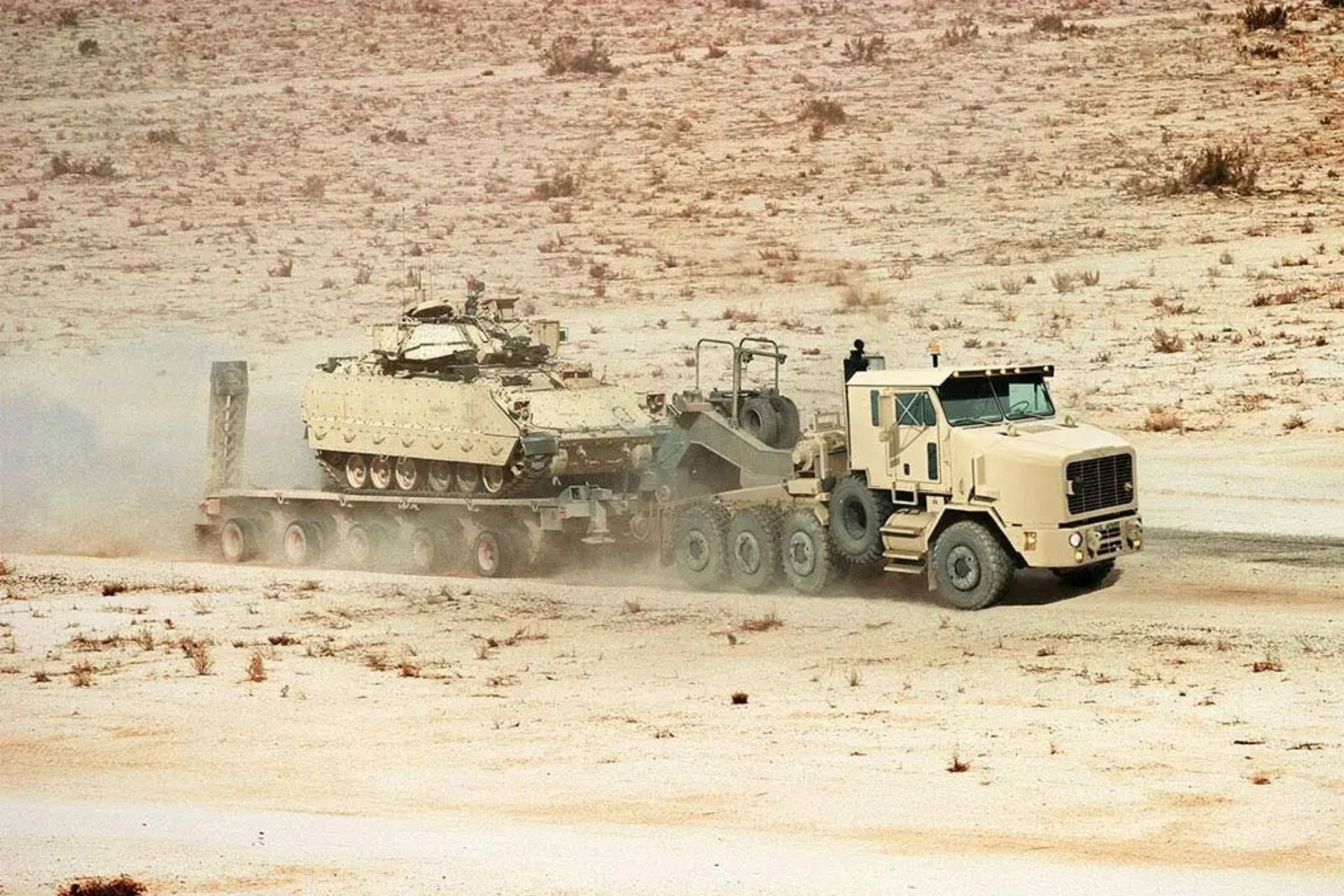
The HET A1 tractor is designed for the transport and evacuation of the heaviest equipment, such as tanks, armored vehicles, and recovery vehicles (Picture source: Oshkosh)
The Oshkosh Defense Heavy Equipment Transporter (HET) A1 is a specialized military vehicle designed for the rapid transport of mission-critical equipment, such as tanks, armored vehicles, and recovery vehicles. Oshkosh Defense has been producing and improving the HET for the U.S. Army since 1976.
With its robust engineering, the HET A1 is equipped with a 700-horsepower Caterpillar C18 engine and an Allison 4800SP transmission, providing the power and mobility necessary to navigate difficult terrains. It is equipped with two 55,000-pound winches and is capable of transporting oversized equipment, ensuring military assets can be moved quickly and efficiently in demanding conditions.
In service worldwide, the HET A1 offers exceptional mobility, durability, and protection. Its six-person cab is air-conditioned and complies with Long-Term Armor Strategy (LTAS) standards, ensuring maximum safety for personnel.
The Global HET A1, a 6×6 variant, complies with European road regulations and can carry a payload of 72 tons, making it suitable for transporting heavy combat vehicles and equipment across various terrains. While the exact number in service varies by country, it remains a key logistics asset for U.S. and allied military forces.
The HET A1 tractor is designed for the transport and evacuation of the heaviest equipment, such as tanks, armored vehicles, and recovery vehicles. This contract reinforces Oshkosh Defense's role in providing tactical vehicles and reflects the company's commitment to improving the capabilities of its international partners.
Pat Williams, Chief Programs Officer at Oshkosh Defense, expressed the company's satisfaction in collaborating with Optimum Vehicle Logistics, the exclusive distributor of this equipment in Morocco, to support the modernization efforts of the Moroccan fleet, particularly as part of the M1 Abrams modernization program.
The delivery of the HET A1 systems is scheduled for the summer of 2025. Oshkosh Defense remains a global leader in the design and maintenance of military vehicles, offering mobility systems and advanced technological solutions focused on mission success.
The company also ensures worldwide support throughout the life cycle of its products, setting the standard for fleet readiness and sustainability. Optimum Vehicle Logistics, with over a decade of experience with Oshkosh Defense, is well positioned to provide logistical support for this project, delivering U.S.-made vehicles and spare parts to armed forces worldwide.
Read more: US Oshkosh Defense Delivers HET A1 Tractors to Morocco
- Details
- Written by: Jérôme Brahy
- Category: 2024
- Hits: 9564
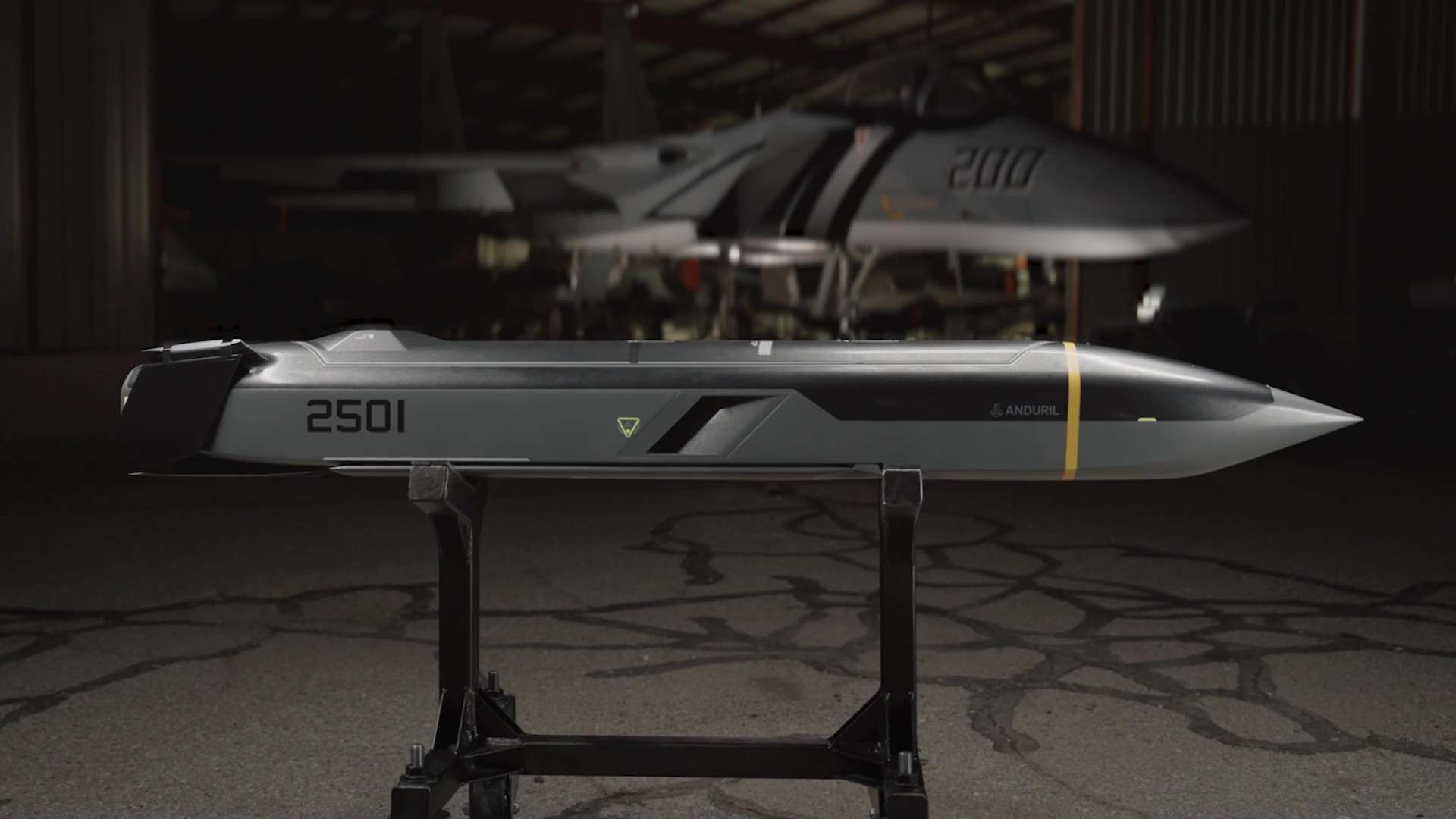
On September 12, 2024, the US company Anduril Industries presented the Barracuda family of air-breathing, software-defined expendable Autonomous Air Vehicles (AAVs). The Barracuda series includes three variants: Barracuda-100, Barracuda-250, and Barracuda-500, each compatible with various payloads and employment mechanisms to support a broad range of missions. In addition to these variants, the Barracuda-M configuration is specifically developed as a munition, intended to provide a more affordable and adaptable cruise missile capability compared to existing options.
Follow Army Recognition on Google News at this link
The Barracuda-250 variant has a range exceeding 370 kilometers when air-launched and over 278 kilometers when ground-launched, with a payload capacity of 16 kilograms. (Picture source: Anduril)
The Barracuda family aims to streamline the production process compared to current systems. This production approach is designed to require 50% less time, 95% fewer tools (with ten or fewer needed for assembly), and 50% fewer parts. These reductions in manufacturing complexity contribute to a per-unit cost that is approximately 30% lower than that of traditional missile systems.
The Barracuda's design incorporates commercially available components spread across six common subsystems, allowing assembly by a wider range of workers, including those from the automotive and consumer electronics sectors, rather than being limited to specialized defense manufacturing personnel. This strategy is intended to enhance supply chain resilience and decrease reliance on defense-specific production methods. Additionally, the production rates can be increased on demand to meet short-term surges, allowing for quicker assembly and the establishment of new production lines when necessary.
Each variant in the Barracuda family is equipped with autonomous capabilities and software-defined features, with configurations offering a range of over 926 kilometers, payload capacities exceeding 45 kilograms, the ability to handle up to 5 Gs of maneuverability, and more than 120 minutes of loitering time. The vehicles are powered by turbojet, air-breathing engines, which provide the required speed, maneuverability, and range for various strike missions, including direct, stand-in, or stand-off operations.
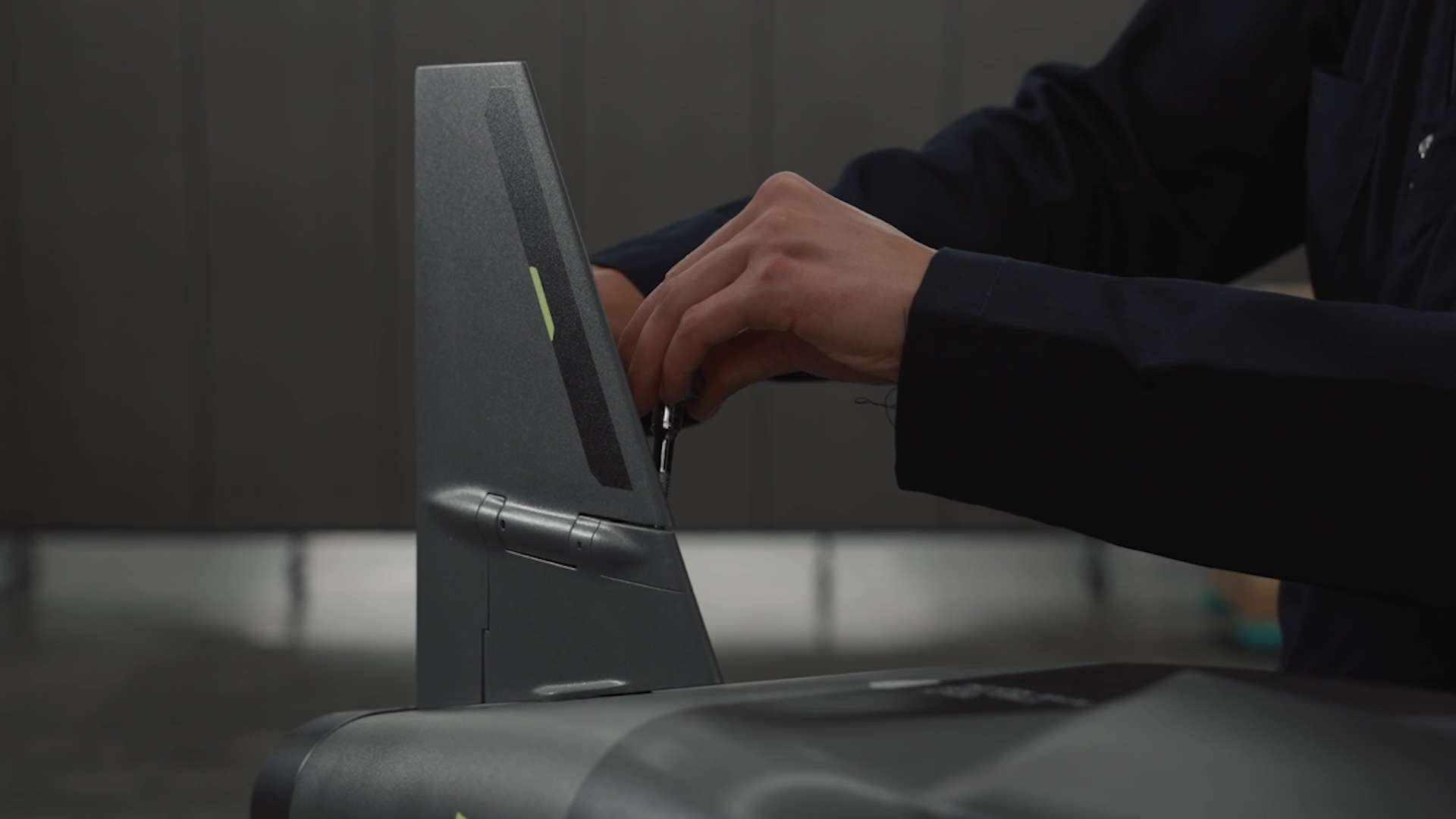
The production approach of the Barracuda Autonomous Air Vehicles (AAVs) is designed to require 50% less time, 95% fewer tools (with ten or fewer needed for assembly), and 50% fewer parts. (Picture source: Anduril)
The Barracuda's modular open systems architecture and common subsystems allow for the rapid integration and testing of new commercial sub-component technologies, enabling adjustments to its mission capabilities as needed. Designed as a platform defined by software and enabled by hardware, the Barracuda can be continuously updated to meet mission requirements, including functions like collaborative mission autonomy.
The Barracuda family consists of different models suited to various operational needs. The Barracuda-100 is a compact, modular variant designed for new ground or air-launched operational concepts for tactical forces. It is capable of both ground and air-launched operations, with a range of over 157 kilometers when launched from the air and more than 111 kilometers when launched from the ground. This model supports a payload of up to 16 kilograms, accommodating both kinetic and non-kinetic types. Potential launch platforms for the Barracuda-100 include rail-launch systems such as the AH-64 and AH-1Z, tail-launch systems like the C-130, and various ground-launch systems.
The Barracuda-250 variant is intended for more extensive operational use across different military forces, with support for multiple payloads, platforms, and operational concepts. It has a range exceeding 370 kilometers when air-launched and over 278 kilometers when ground-launched, with a payload capacity of 16 kilograms. The Barracuda-250 can be deployed from various air, ground, or maritime platforms, including the internal weapons bays of fifth-generation fighter aircraft like the F-35A/B/C and bombers, externally from fighters such as the F-15E, F-18E/F, and F-16, and from surface platforms like the Multiple Facet of Merit (MFOM) launchers and surface vessels.
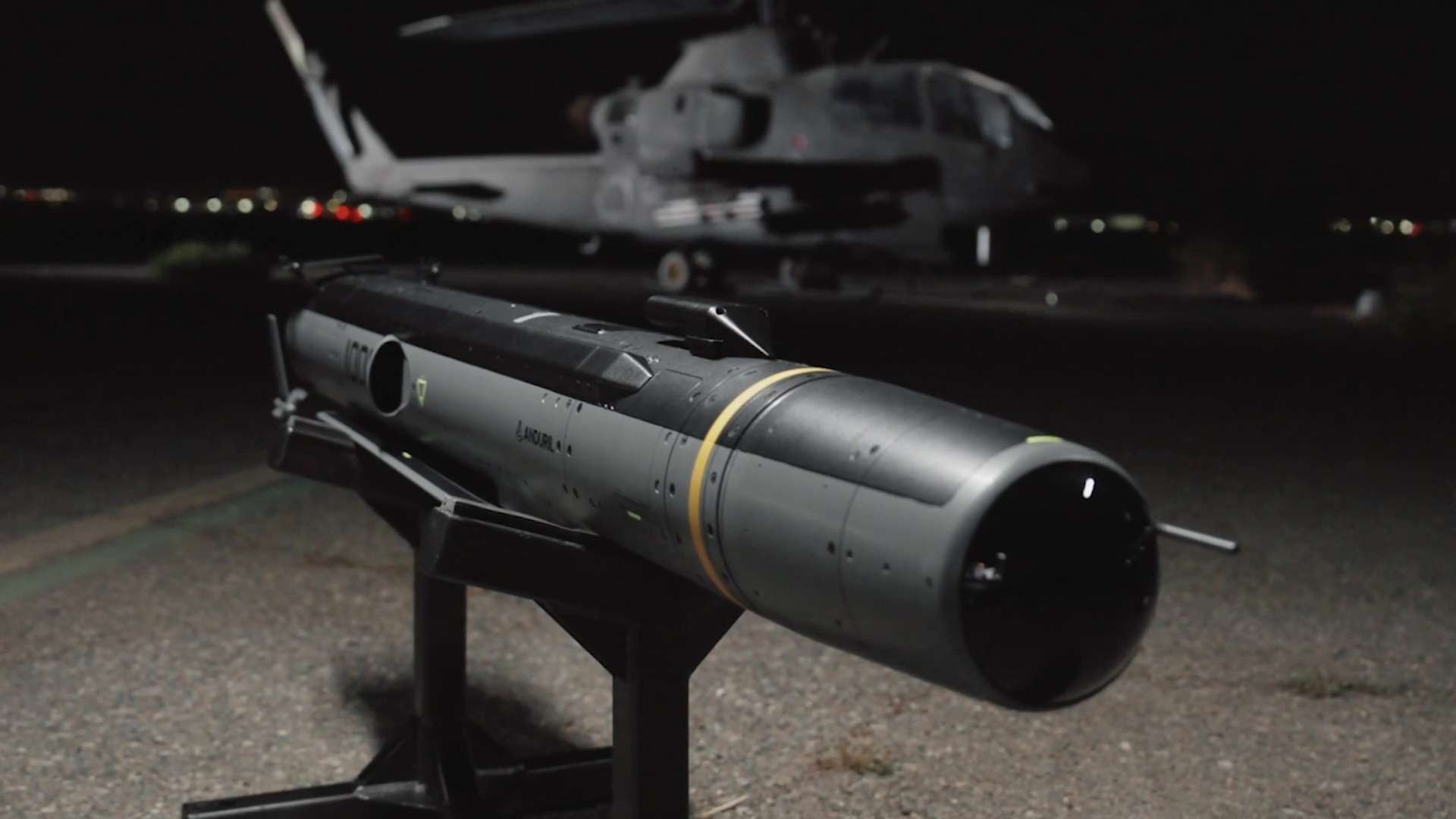
Potential launch platforms for the Barracuda-100 include rail-launch systems such as the AH-64 and AH-1Z, tail-launch systems like the C-130, and various ground-launch systems. (Picture source: Anduril)
The Barracuda-500 is the variant designed for long-range missions and high-volume production. It offers a range of over 926 kilometers when air-launched and can carry payloads exceeding 45 kilograms, including both kinetic and other payload types. Launch platforms for the Barracuda-500 include fighter aircraft such as the F-15E, F-18E/F, and F-16, as well as palletized systems like the Rapid Dragon, C-17, and C-130.
The performance of the Barracuda series is largely defined by its software capabilities, managed by Anduril’s Lattice for Mission Autonomy software. This software enables the Barracuda to perform autonomous and collaborative behaviors, which may be beneficial in contested environments. As a software-defined platform, the Barracuda’s performance and behavior can be updated quickly to meet changing mission requirements, in contrast to existing cruise missiles that require more extended periods for updates.
The Barracuda family is designed for flexible deployment across various air, ground, and maritime platforms, supporting multiple mission sets. The vehicles are compatible with the internal weapons bays of fifth-generation aircraft, external rails of fourth-generation fixed-wing and rotary-wing aircraft, MFOM launchers, Common Launch Tubes (CLTs), surface vessels, and can be palletized for deployment from airlift aircraft. This range of compatibility offers theater commanders multiple employment options.
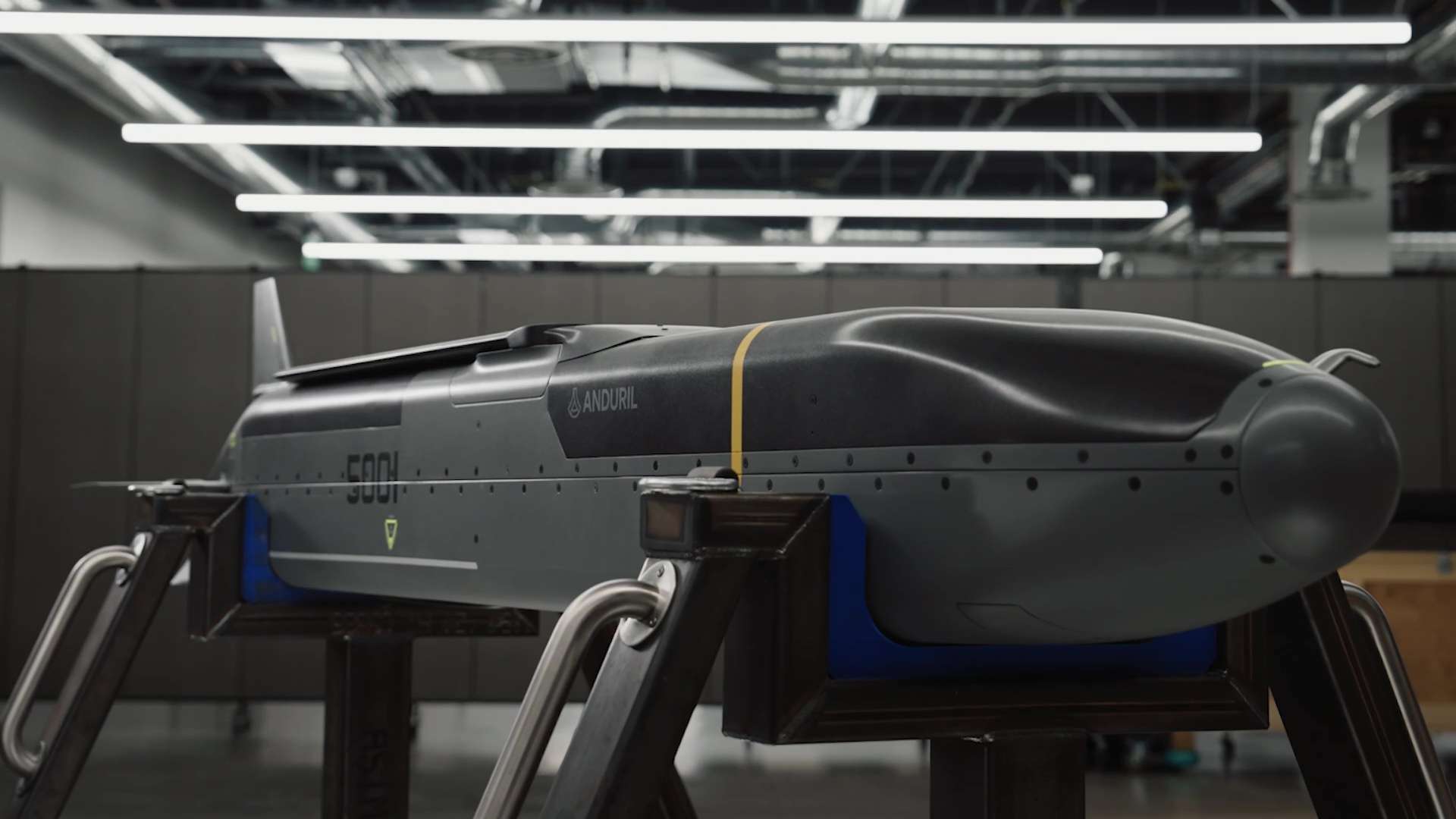
The Barracuda-500, designed for long-range missions, offers a range of over 926 kilometers when air-launched and can carry payloads exceeding 45 kilograms, including both kinetic and other payload types. (Picture source: Anduril)
Read more: Anduril's new Barracuda missiles target cost-efficiency in US autonomous operations
- Argentine Army Might Choose 8x8 M1126 Stryker as One of Its New Wheeled Armored Combat Vehicles
- India and Philippines Strengthen Military Cooperation with Joint Defense Equipment Development Partnership
- US Army THAAD Air Defense in Guam protects US forces from East Asia missile threats
- BAE Systems to produce more Bradley M2A4 IFVs and M2A7 Fire Support Vehicles for US Army