
- Details
- Written by: Triffaux
- Category: 2024
- Hits: 3552










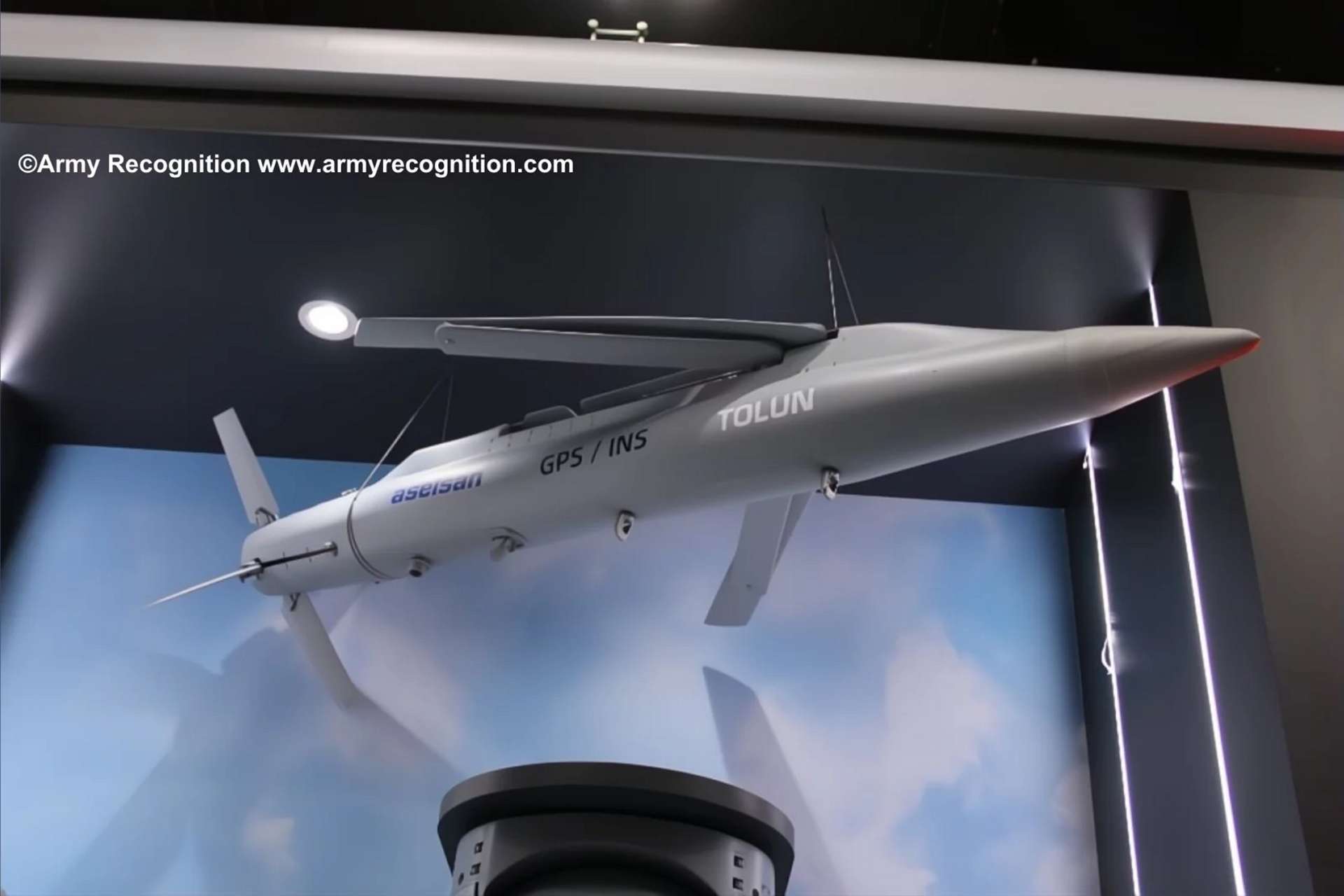
On September 25, 2024, the Turkish defense company ASELSAN made a significant impact at the Azerbaijan Defense Exhibition (ADEX) by signing several strategic agreements, including the sale of the ASELFLIR-500 systems (an electro-optical reconnaissance and targeting system) and TOLUN (an intelligent munition). These agreements strengthen the cooperation between Türkiye and Azerbaijan, now encompassing joint production and technology transfer in critical areas.
Follow Army Recognition on Google News at this link
Aselsan GPS/INS Guided Munition (Picture source: Army Recognition)
ASELSAN concluded major agreements with the Azerbaijani Ministry of Defense concerning communication systems and information security. Memorandums of understanding were also signed with the National Aerospace Agency of the Ministry of Defense Industry (MAKA) for electronic warfare, and with the Scientific Research Institute of the Ministry of Defense Industry (ETI) for the joint production of smart munitions in Azerbaijan. The sale of the ASELFLIR-500 and TOLUN systems, integrated on the AKINCI drone, was also finalized during the event, further enhancing Azerbaijan's defense capabilities.
On the first day of the exhibition, Azerbaijani President Ilham Aliyev visited ASELSAN's stand. The company presented the ASELFLIR-500, a next-generation electro-optical reconnaissance, surveillance, and targeting system for unmanned aerial vehicles (UAVs). This system was developed by ASELSAN in response to the Canadian embargo on drone cameras destined for Türkiye. For the first time at an international exhibition, the capabilities of the ASELFLIR-500 were demonstrated live.
In addition to the ASELFLIR-500, ASELSAN showcased a range of its most advanced technologies. Among these were TASMUS, a tactical field communication system; SAGER-100, a thermal sight for the KORNET-E guided anti-tank missile; ŞAHİN, a 40mm counter-drone weapon system; and MAR, a mobile search radar. The concept of the "Steel Dome" and its components were also unveiled, illustrating ASELSAN's advancements in air defense.
Ahmet Akyol, President and CEO of ASELSAN, stated: "As ASELSAN, we have been present in Azerbaijan for a long time with our first subsidiary, ASELSAN Baku, established 30 years ago, which strengthens our relations with our brotherly country. Reflecting these strong ties, we are now taking our partnership with the Azerbaijani defense industry to a new level, including joint production and technology transfer. We will continue our cooperation with the Azerbaijani defense industry in the coming years within the framework of the 'One Nation, Two States' approach.'"
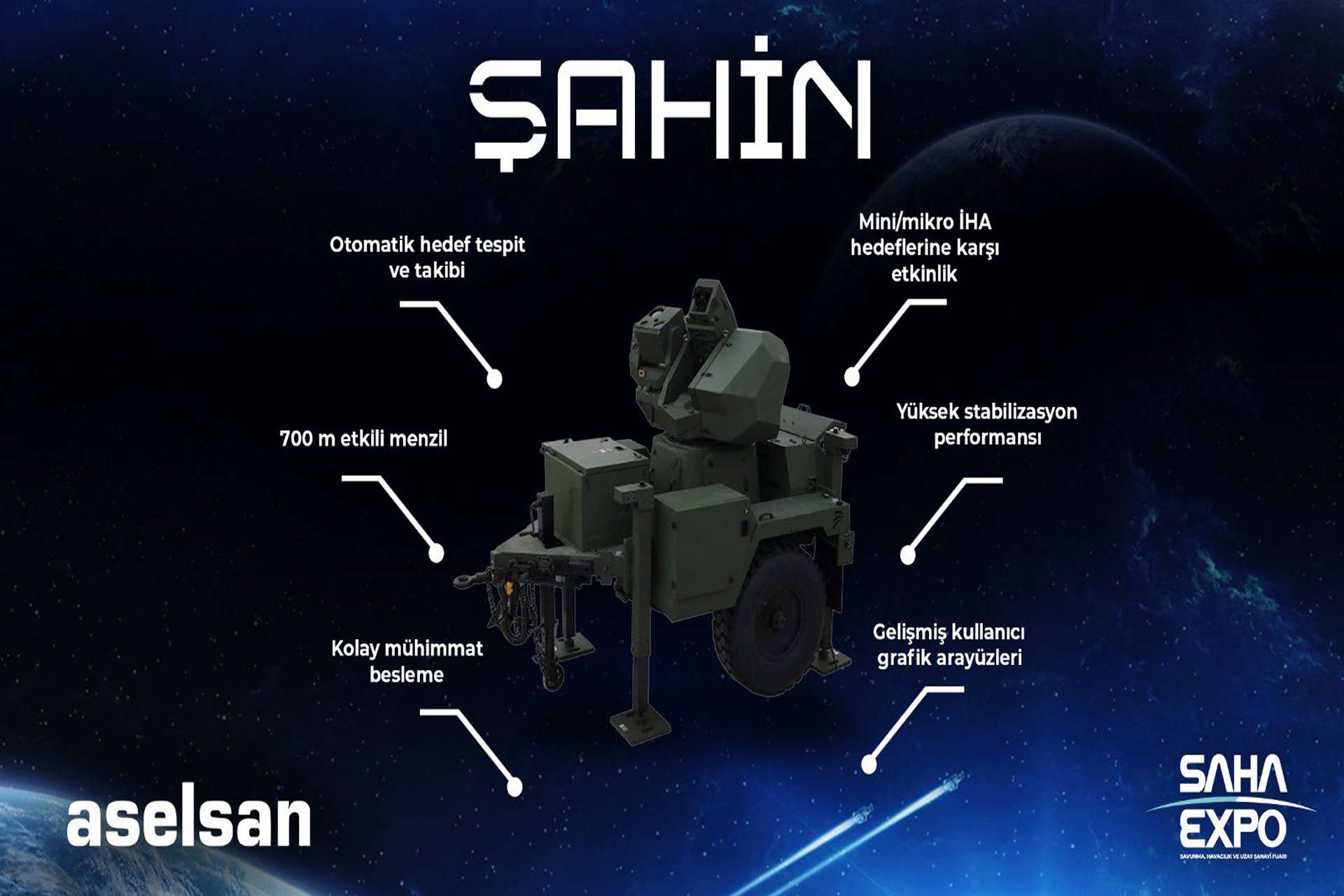
Aselsan Sahin 40mm counter-drone weapon system (Picture source: Aselsan)
Read more: Turkish Company ASELSAN Strengthens Military Cooperation with Azerbaijan at ADEX 2024

- Details
- Written by: Halna du Fretay
- Category: 2024
- Hits: 2503
On Tuesday, September 24, 2024, Egypt confirmed it had sent military aid to Somalia, demonstrating its support for the Horn of Africa nation, currently in conflict with Ethiopia over a breakaway territory. This aid comes in the midst of growing tensions between Somalia and Ethiopia, aggravated by the issue of Somaliland’s recognition, a region that seceded from Somalia three decades ago.
Follow Army Recognition on Google News at this link
This cooperation agreement followed a controversial proposal from landlocked Ethiopia, which planned to formally recognize Somaliland in exchange for access to a port and a military base on the Gulf of Aden (Picture source: Somalian MoD)
A shipment, that recently arrived in Mogadishu, is part of Egypt's commitment to support Somalia's efforts to ensure security and stability, combat terrorism, and maintain its sovereignty and unity, according to a brief statement released Monday by the Egyptian Ministry of Foreign Affairs.
Although the specifics of the military assistance were not disclosed, it was indicated that the aid aims to strengthen the Somali army's capabilities. This support is part of a military cooperation protocol signed between the two nations in August.
This cooperation agreement followed a controversial proposal from landlocked Ethiopia, which planned to formally recognize Somaliland in exchange for access to a port and a military base on the Gulf of Aden. Somalia, which still regards Somaliland as part of its territory, reacted angrily to this proposal, intensifying regional tensions.
In response to the announcement of Egyptian military aid, Somaliland's Ministry of Foreign Affairs expressed deep alarm over the transfer of weapons, stating that "the Mogadishu administration currently lacks the capacity to effectively manage or safeguard such a large cache of military equipment." This statement highlights concerns over Somalia's ability to handle military resources, given its ongoing struggles with insurgent groups and internal security challenges.

In August 2024, another shipment of weapons was delivered, along with a promise to provide training to Somali troops (Picture source: X channel Inside Africa)
This is not the first time Egypt has sent military aid to Somalia. In August, another shipment of weapons was delivered, along with a promise to provide training to Somali troops, as announced at the time by Somalia’s Foreign Minister.
This development is part of a broader context of rivalry between Egypt and Ethiopia. The two countries have been at odds for several years over the massive hydroelectric dam Ethiopia has constructed on the main tributary of the Nile River. Cairo has long expressed concerns that the dam's reservoir may disrupt the flow of its main source of fresh water, a crucial resource for Egypt.
Read more: Egypt Sends Military Aid to Somalia as Territorial Tensions with Ethiopia Persist

- Details
- Written by: Jérôme Brahy
- Category: 2024
- Hits: 12344
As reported by Viktor Murakhovsky on September 24, 2024, an unmanned tank incorporating artificial intelligence (AI) is being developed based on the T-72 platform as part of the "Shturm" experimental design project. This project is led by Uralvagonzavod (UVZ) under an experimental design commission from the Russian Ministry of Defense.
Follow Army Recognition on Google News at this link
The T-72 tank was chosen as the platform for the Shturm Remote-Controlled Tank (RTK) due to its cost-effectiveness, reliability, protection features, and mobility. (Picture source: Russian social media)
Murakhovsky, a retired colonel and editor-in-chief of "Arsenal of the Fatherland," stated that the T-72 tank was chosen as the platform for the Remote-Controlled Tank (RTK) due to its cost-effectiveness, reliability, protection features, and mobility. The selection of the T-72 aims to create a protected and maneuverable platform for integrating various weapons systems and control units, utilizing a tested and established chassis.
Development began before the conflict in Ukraine but has since accelerated. Army Recognition reported on September 10, 2023, that UVZ started testing the Shturm unmanned tank, built on the T-72B3 tank chassis, with intentions for deployment on the Ukrainian frontline. The testing program involves live-fire exercises against diverse target scenarios, emphasizing the use of the robot’s main armament (a 125mm 2A46 tank gun with a shortened barrel) and refining its autonomous operational capabilities.
The T-72 Remote-Controlled Tank (RTK) is equipped with weaponry that includes the RPO-2 "Shmel-M" flame rocket launcher, 30mm automatic cannons, and 220mm thermobaric unguided rockets from the TOS-1A Solntsepyok heavy flamethrower system. Additionally, an assault gun has been developed using the 2A46 125mm tank gun with a shortened barrel, representing the use of weapon systems previously tested for effectiveness on this platform.
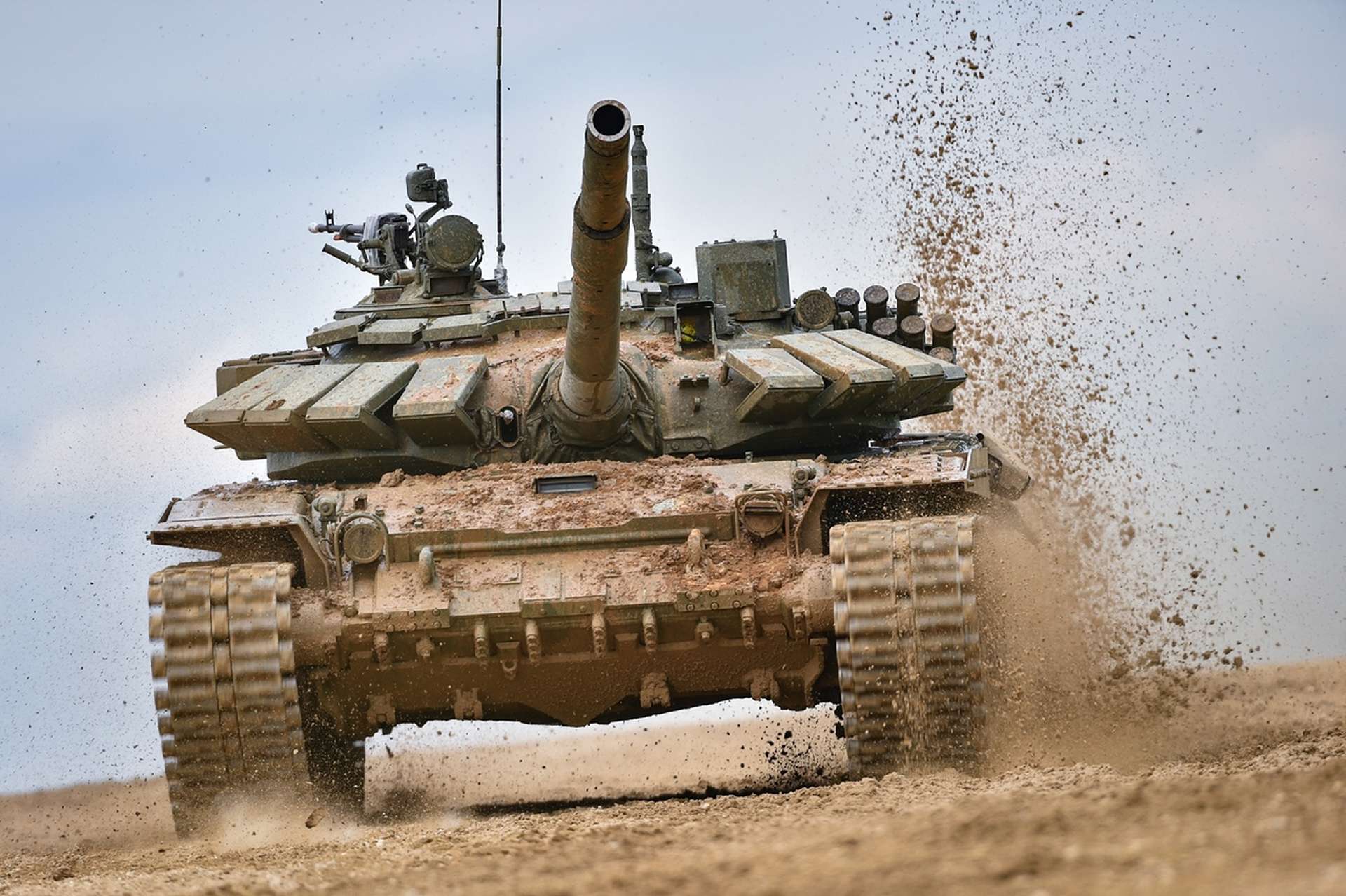
The testing program of the T-72 Shturm involves live-fire exercises against diverse target scenarios, emphasizing the use of the robot’s main armament and refining its autonomous operational capabilities. (Picture source: Russian social media)
The fire control system is based on technology already used in the T-90M and T-14 Armata tanks, with adaptations that incorporate intelligent elements enabling the tank to identify various target types and make autonomous firing decisions. This adaptation is designed to enhance the RTK’s capability to engage targets without direct human input.
The RTK’s control and movement systems combine components previously tested in other RTKs with new elements, facilitating automatic movement in formation, route planning, terrain evaluation, and obstacle navigation. The system employs sensors that operate across ultrasonic, visible, and infrared ranges, supported by a technical vision system and AI using trainable neural networks. This setup allows the RTK to assess its surroundings and respond accordingly.
Murakhovsky mentioned that these heavy-class robotic systems might become part of the standard equipment in Russian Ground Forces units, potentially forming "robotic" companies within larger formations, such as combined-arms regiments, which could contribute to their integration into military operations.
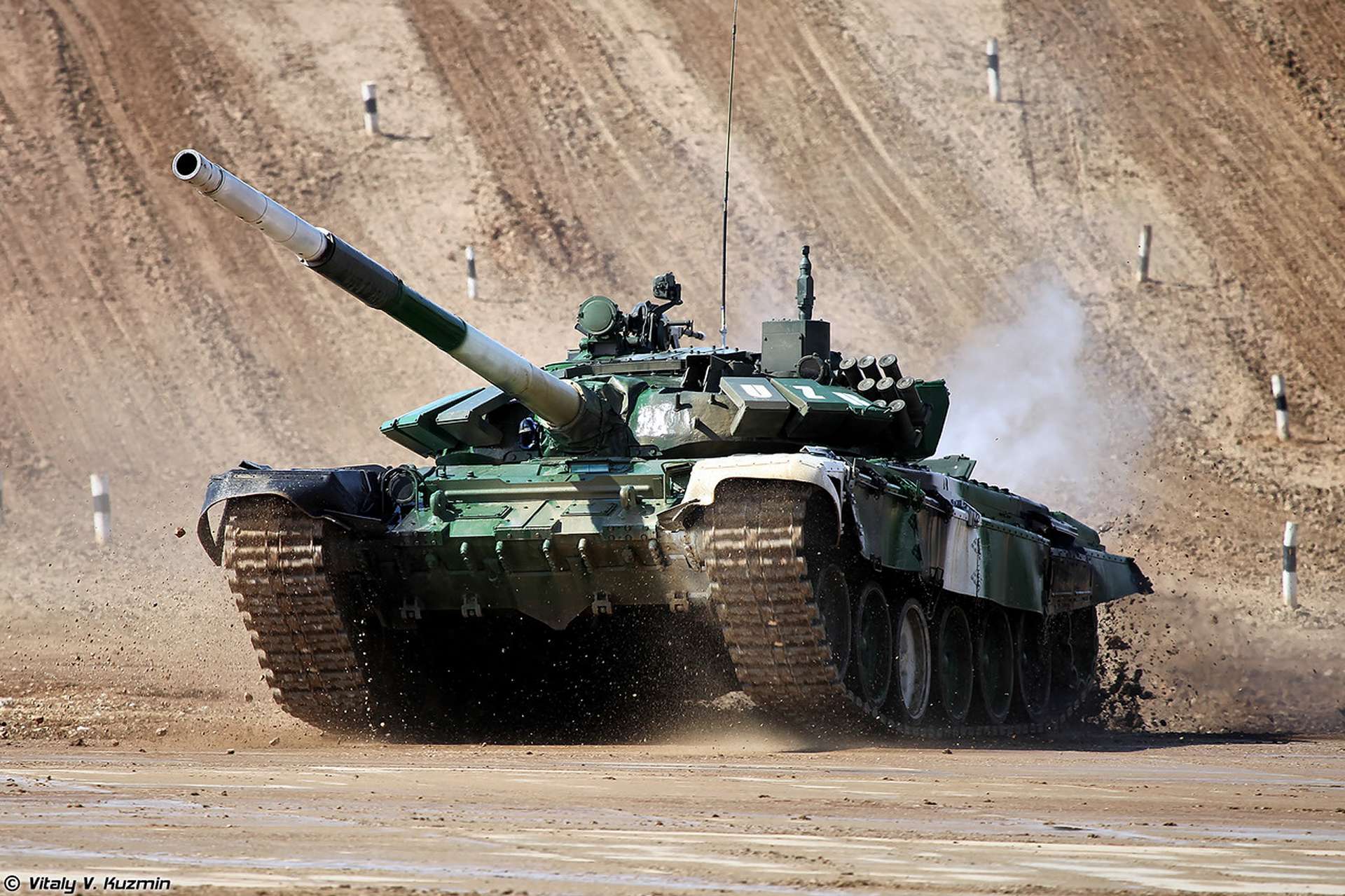
These unmanned T-72s might become part of the standard equipment in Russian Ground Forces units, potentially forming "robotic" companies within larger formations, such as combined-arms regiments. (Picture source: Vitaly Kuzmin)
Army Recognition previously reported that the Shturm project involves four combat vehicle types. The first variant is equipped with a 125mm gun with a shortened barrel, the second carries missiles or a rocket-propelled infantry flamethrower with a thermobaric "Shmel-M" warhead, the third is a robotic adaptation of the Terminator fire support vehicle fitted with two 30mm automatic cannons that launch thermobaric missiles instead of anti-tank missiles, and the fourth is an unmanned vehicle intended to operate alongside the TOS-1A "Solntsepek" thermobaric rocket launcher system.
The unmanned tanks feature sensors across ultrasonic, visible, and infrared spectrums that support automatic convoy movement, terrain assessment, and obstacle navigation. A comprehensive all-angle technical vision system, combined with AI based on trainable neural networks, allows these systems to evaluate situations and make operational decisions, ensuring the ability to navigate natural and engineered obstacles without direct human intervention.
Military expert Yuri Knutov commented that deploying T-72-based unmanned tanks could change operational dynamics for the Russian Armed Forces, as these vehicles can be remotely controlled, thereby reducing risks to personnel under enemy fire. Knutov noted that integrating such robots might necessitate adjustments in the use of tanks and heavy armored vehicles, particularly considering the observed effectiveness of anti-tank guided missiles in recent conflicts.
The use of unmanned tanks, including a captured Ukrainian T-72AMT now labeled "Vasya" by Russian forces, may lead to adjustments in traditional armored tactics, emphasizing strategic deployment and reducing personnel risks. Knutov observed that despite the presence of numerous armored vehicles, anti-tank guided missiles have been notably effective in neutralizing them during the Ukraine conflict. For effective combat operations, it might be more efficient to deploy armored vehicles strategically, such as in a "tank carousel" formation with three vehicles, rather than deploying larger numbers simultaneously.

Introduced in 2011, the T-72B3 is an updated version of the T-72B tank, achieving performance levels comparable to more modern tanks like the T-90A. (Picture source: Russian social media)
Introduced in 2011, the T-72B3 is an updated version of the T-72B tank, achieving performance levels comparable to more modern tanks like the T-90A. It is armed with a 125mm 2A46M-5 smoothbore gun capable of firing armor-piercing fin-stabilized discarding sabot (APFSDS) rounds, high-explosive anti-tank (HEAT) rounds, high-explosive fragmentation (HE-FRAG) rounds, and anti-tank guided missiles (ATGMs) up to a range of 5,000 meters. The main gun is paired with a coaxial 7.62mm PKT machine gun, and the tank is equipped with a roof-mounted 12.7mm NSV or "Kord" machine gun for anti-aircraft and ground target engagement. The T-72B3’s fire control system includes the “Sosna-U” multi-channel gunner sight, thermal imaging capabilities, and an automatic target tracking system, enabling engagement in various visibility conditions.
Visually, the T-72B3 retains the original hull and turret armor of the T-72B but is fitted with Relikt Explosive Reactive Armor (ERA) modules, offering coverage against certain armor-piercing and tandem warhead threats. The tank also features Kontakt-5 ERA in combination with its composite armor, along with smoke grenade launchers to provide concealment. It is equipped with systems for nuclear, biological, and chemical (NBC) protection, safeguarding the crew in contaminated areas.
The T-72B3 is powered by a V-84MS diesel engine, generating 840 horsepower, resulting in a maximum speed of around 60 km/h on roads and an operational speed of 35-45 km/h on rough terrain. With a total weight of approximately 45.6 tons, the tank has wide tracks that contribute to low ground pressure, improving its ability to navigate challenging terrain. The tank’s transmission and suspension systems are designed to support mobility and maneuverability in various conditions.
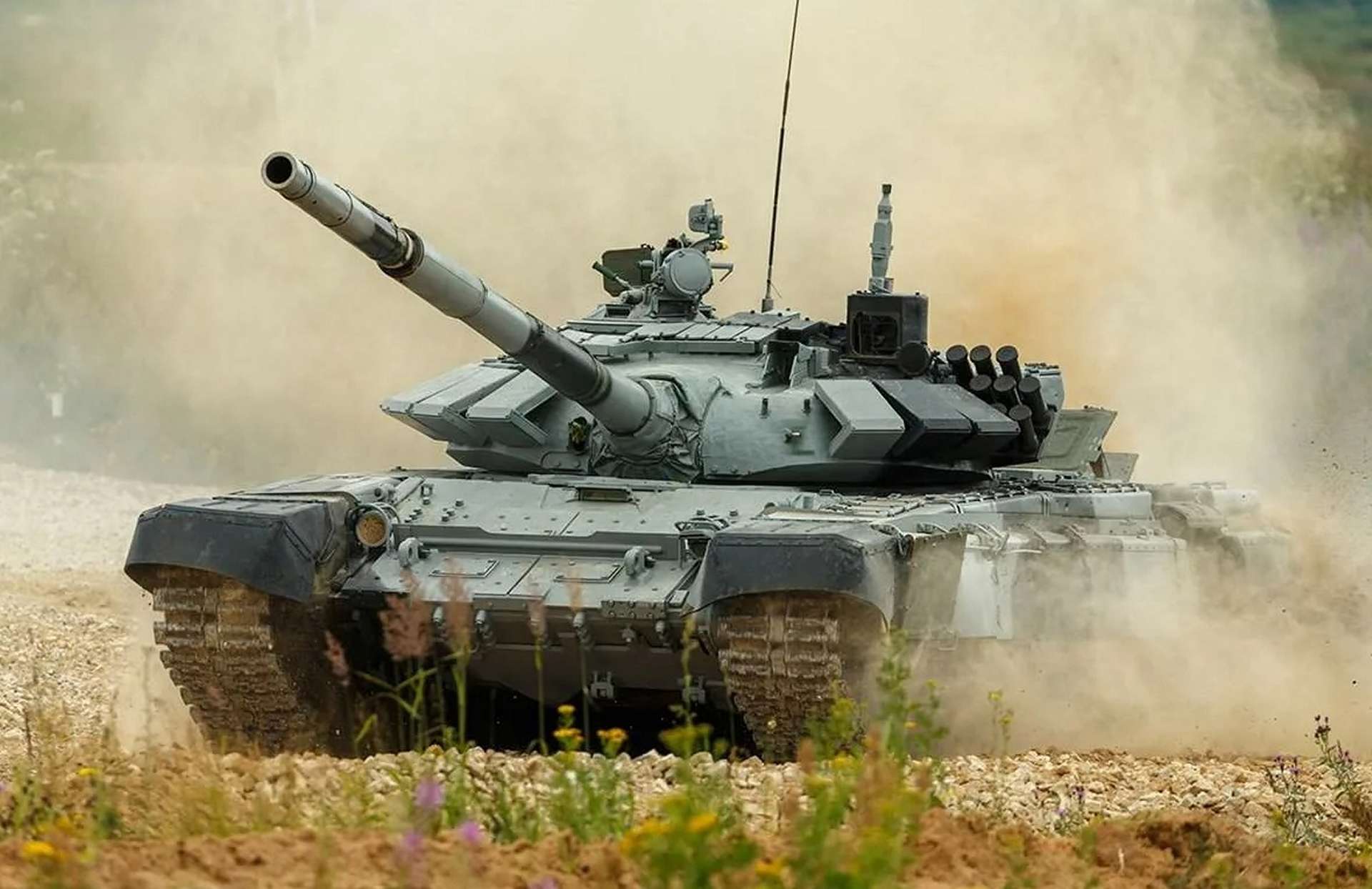
Visually, the T-72B3 retains the original hull and turret armor of the T-72B but is fitted with Relikt Explosive Reactive Armor (ERA) modules, offering coverage against certain armor-piercing and tandem warhead threats. (Picture source: Russian social media)
- Details
- Written by: Administrator
- Category: 2024
- Hits: 4196
Hezbollah, the Lebanese militant group, launched a surface-to-surface Qader 1 ballistic missile from southern Lebanon targeting central Israel early this morning. Hezbollah has claimed the missile was aimed at the Mossad Israeli intelligence services headquarters near Herzliya, a city just north of Tel Aviv.
Follow Army Recognition on Google News at this link
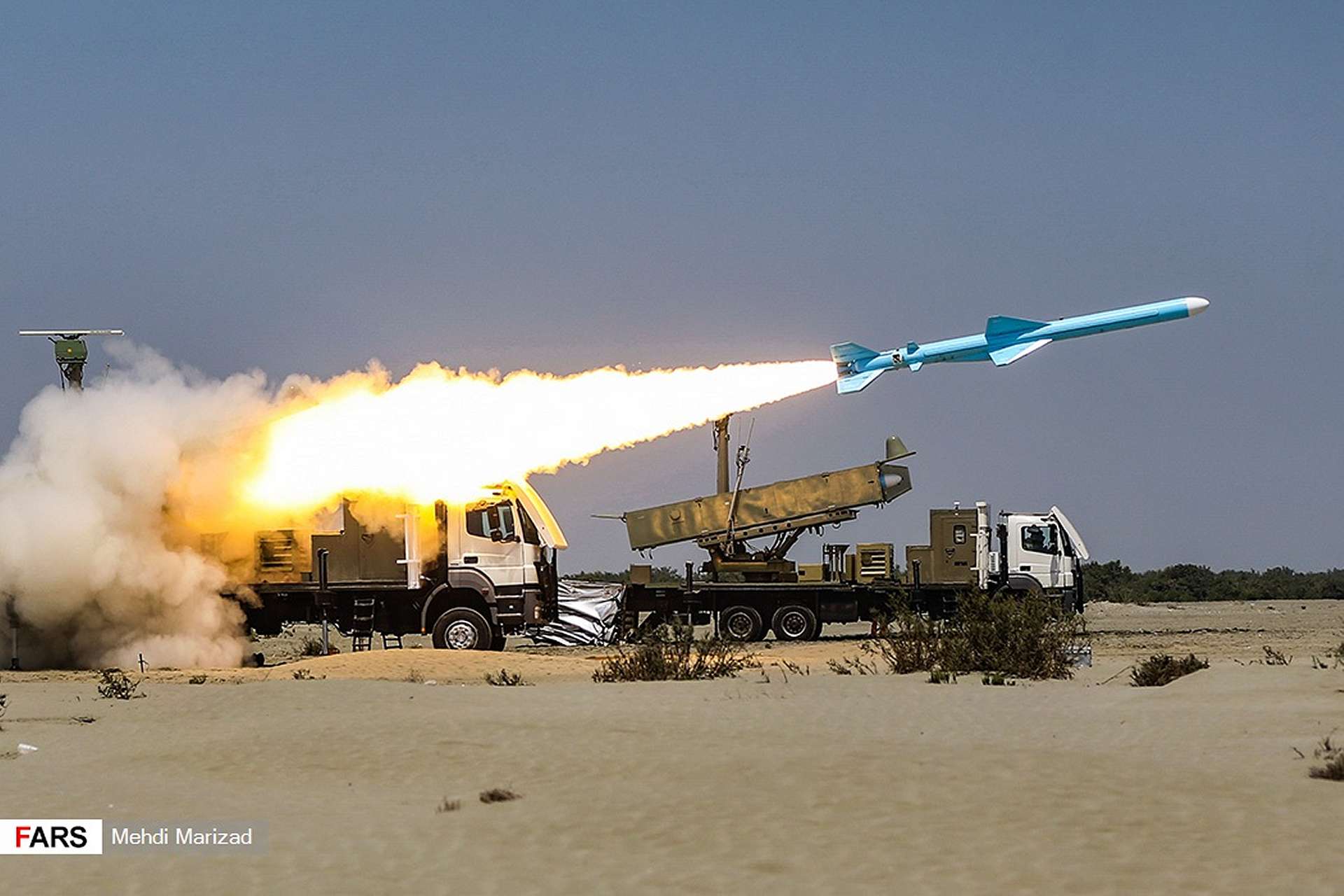
Archive image of a Qader missile being launched from a truck-mounted launcher during the Velayat-90 Naval Exercise. (Picture source: FARS Iranian Media)
The Qader 1 ballistic missile is a surface-to-surface missile developed by Iran and supplied to its regional allies, including Hezbollah. It is designed for medium-range attacks and is part of a family of Iranian missiles aimed at enhancing the military capabilities of non-state actors. The missile is known for its precision and ability to carry significant payloads, making it a potent weapon in regional conflicts. With an estimated range of 200 to 300 kilometers, the Qader 1 can strike deep into enemy territory, making it a strategic threat to areas such as Tel Aviv when deployed by groups like Hezbollah.
The missile, launched from Hezbollah-controlled territory in southern Lebanon, was intercepted by Israel’s David’s Sling air defense missile system, which is designed to protect against medium-range missile threats. The system successfully neutralized the missile in mid-air, preventing any damage or casualties in the densely populated area of Tel Aviv.
This marks one of the most brazen attacks by Hezbollah on Israeli territory in recent years, significantly raising the stakes in the already volatile Israel-Lebanon dynamic.
In response, the Israel Defense Forces (IDF) retaliated by targeting the Hezbollah missile launcher believed to be responsible for the attack. The launcher was located in Nafakhiyeh, a Hezbollah stronghold in southern Lebanon. Israeli fighter jets carried out precision airstrikes on the site, destroying the launcher and reportedly crippling Hezbollah’s immediate missile-launch capabilities in the region.
Israeli military officials have emphasized that this was a direct response to the attack and part of Israel’s broader strategy of deterrence against Hezbollah’s growing missile arsenal. Israel has long been concerned about Hezbollah’s increasingly sophisticated weaponry, much of which is believed to be supplied by Iran, and its ability to strike deep into Israeli territory.
This attack from Hezbollah marks a dramatic escalation in the ongoing hostilities between Israel and the militant group, which operates with significant autonomy within Lebanon. The incident also puts Lebanon, a country grappling with severe economic and political crises, at the center of yet another potentially devastating conflict.
Hezbollah’s decision to launch such a high-profile missile strike, targeting an intelligence installation in Israel’s heartland, signals a bold move by the group and could indicate increased Iranian influence on Hezbollah’s military strategy. Hezbollah, which wields considerable political and military power in Lebanon, has increasingly positioned itself as a key player in the region’s broader geopolitical struggles, particularly in the context of the Iran-Israel rivalry.
In Lebanon, political leaders are facing increasing pressure as Hezbollah’s actions threaten to drag the country into a broader military conflict. With Lebanon already dealing with an economic collapse, the country may struggle to cope with the fallout from an extended military confrontation with Israel.
As of now, both Israel and Hezbollah are closely watching the situation. The IDF continues to monitor Hezbollah's missile sites and its military infrastructure in Lebanon, and further retaliatory strikes could be launched depending on Hezbollah’s next moves.
Today’s events mark a dangerous turning point in the longstanding conflict between Israel and Hezbollah. With both sides now directly engaging in military actions, the potential for a broader conflict looms large.
- Details
- Written by: Halna du Fretay
- Category: 2024
- Hits: 13637
On Wednesday, September 25, China publicly acknowledged the successful launch of an intercontinental ballistic missile (ICBM) into the Pacific Ocean, an unprecedented event that raises international concerns. The missile, carrying a dummy warhead and likely a DF-41, was launched by the People's Liberation Army Rocket Force at 8:44 a.m. Beijing time. The Chinese Ministry of Defense emphasized that this test was part of routine annual exercises and was not directed against any particular country.
Follow Army Recognition on Google News at this link
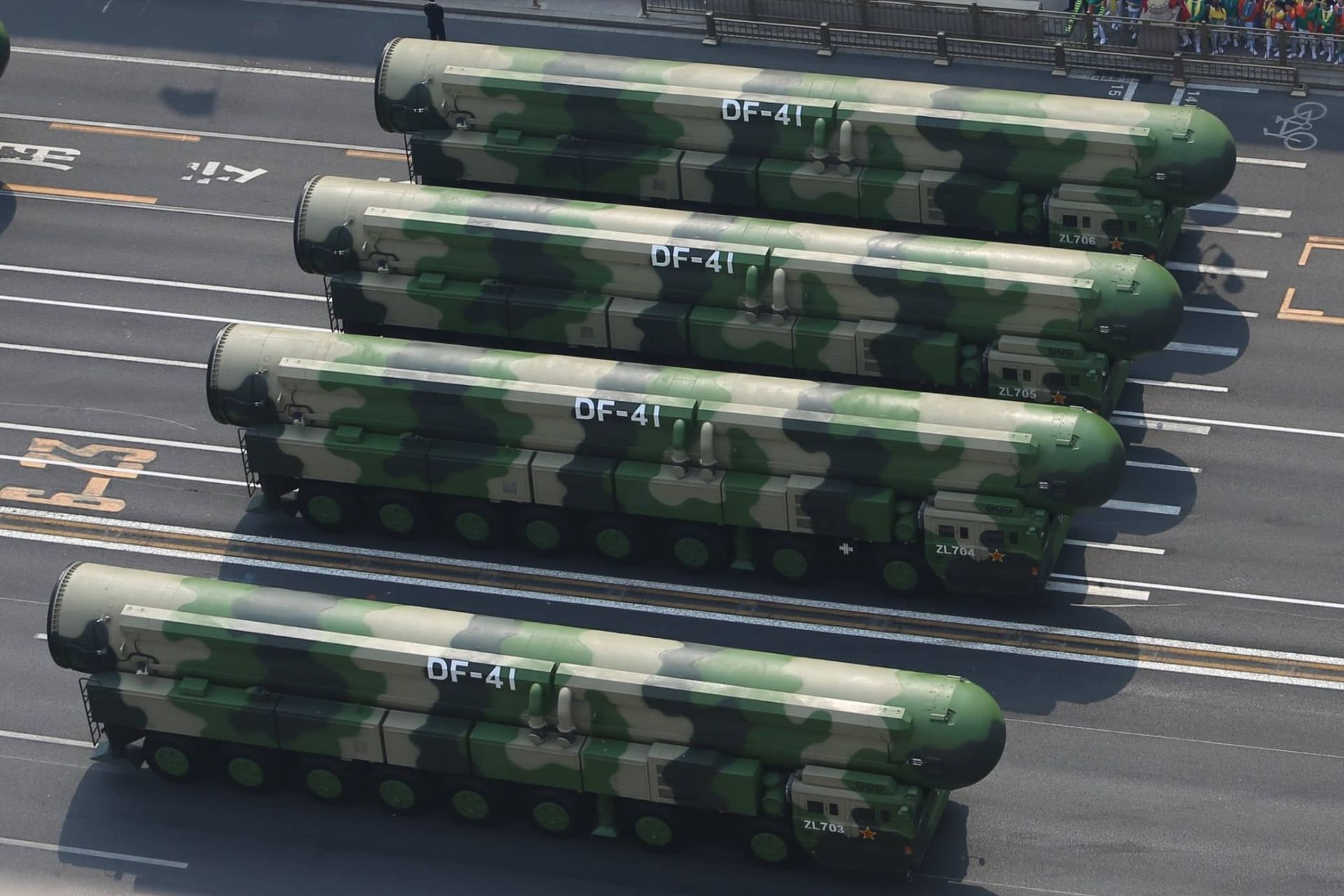
DF-41 ICBM TELs on parade, 2019 (Picture source: PLA)
The DF-41 (Dong Feng-41) is a Chinese ICBM known for its maximum range, estimated between 12,000 and 15,000 kilometers, making it China's longest-range missile. It is designed for mobile deployment on roads, railways, or from silos, offering significant flexibility. Powered by a three-stage solid-fuel engine, the missile can carry up to 10 independently targetable nuclear warheads (MIRVs), allowing it to strike multiple targets simultaneously. It uses an inertial guidance system with stellar or satellite updates and has an estimated circular error probable (CEP) of about 100 meters.
Developed by the China Academy of Launch Vehicle Technology (CALT), the DF-41 began testing in 2012, demonstrating its ability to carry MIRVs. It entered limited production in 2019, and 16 launchers were unveiled during China's 70th-anniversary parade. This missile is part of China's ongoing modernization of its nuclear deterrent capabilities, aiming to counter advancements in missile defense systems and maintain a credible retaliatory strike capacity.
Analysts point out that China usually conducts such tests within its own airspace, making this event particularly noteworthy. Ankit Panda, an expert at the Carnegie Endowment for International Peace, commented that this test could reflect China's nuclear modernization efforts, especially in response to improvements in U.S. missile defenses and enhanced surveillance systems.
According to the Ministry of Defense's statement, the missile "landed in predetermined maritime areas," confirming that the test had achieved its objectives. The ministry also indicated that the concerned countries had been notified in advance. This exercise aimed to test the weapon's performance as well as the training level of the troops involved. The last time China launched a full-range ICBM was during the DF-5 missile launch in May 1980.
In May 2023, a leak of U.S. intelligence revealed that China had successfully tested a new intermediate-range ballistic missile (IRBM) equipped with a hypersonic glide vehicle (HGV), designated as the DF-27. This missile, according to a classified U.S. intelligence report published in 2023, was reportedly tested on February 25 and traveled 2,100 kilometers in 12 minutes. Although the U.S. Department of Defense has not confirmed the authenticity of this report, it suggests that the DF-27 could have a range between 5,000 and 8,000 kilometers, capable of reaching targets as distant as Guam, Alaska, or parts of Australia.
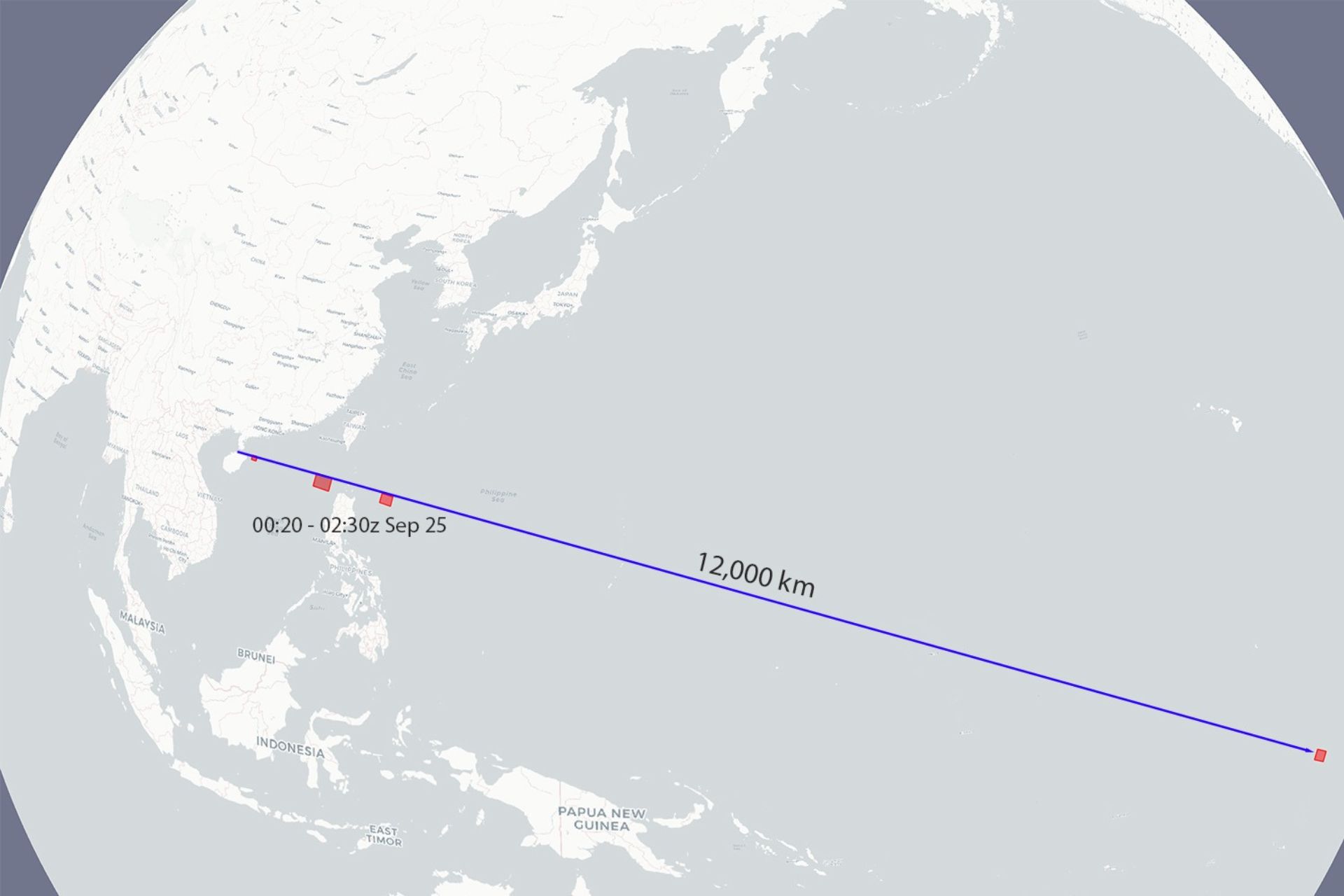
China conducted a test launch of an intercontinental ballistic missile (ICBM), likely the DF-41, capable of traveling approximately 12,000 kilometers (Picture source: Duan Dang)
This test illustrates China's strategic military modernization, which includes the expansion of its nuclear arsenal. In 2023, the Pentagon reported that China possessed more than 500 operational nuclear warheads, a number expected to exceed 1,000 by 2030. Meanwhile, China is constructing hundreds of silos for ground-based ICBMs. This increase in Chinese nuclear capabilities contrasts with the arsenals of the United States and Russia, each of which has over 1,700 deployed warheads.
Despite this buildup, China has reaffirmed its commitment to a "no first use" policy regarding nuclear weapons, with its arsenal under the exclusive control of the Central Military Commission led by President Xi Jinping. However, tensions remain high, particularly with Taiwan, which has reported an increase in Chinese military activities around the island. Taiwan's Ministry of Defense confirmed detecting 23 Chinese military aircraft operating near its territory on the same day as the missile test.
This test takes place in the context of intensified military activities in the Asia-Pacific region, where China and other regional actors like North Korea continue their missile tests. In September, North Korea launched several short-range ballistic missiles toward the Sea of Japan, further heightening regional tensions.
The People's Republic of China is building and deploying a sophisticated and modern missile arsenal, although this process remains shrouded in mystery due to Beijing's intentional ambiguity and refusal to adhere to arms control or transparency agreements. Chinese missiles play a central role in emerging anti-access/area denial (A2/AD) doctrines, combining ballistic and cruise missiles launched from air, land, and sea to target U.S. and allied military assets in the Asia-Pacific region. China is also developing several advanced capabilities, such as maneuverable anti-ship ballistic missiles, multiple independently targetable reentry vehicles (MIRVs), and hypersonic glide vehicles.
These combined trends threaten the survival of key elements of U.S. power projection, such as aircraft carriers and forward air bases. Additionally, China possesses a relatively small but developing contingent of nuclear intercontinental ballistic missiles capable of striking U.S. territory, as well as a growing fleet of nuclear-powered ballistic missile submarines.

- Details
- Written by: Vandenbosch
- Category: 2024
- Hits: 5809
Nurol Makina UK (NMS UK), a Turkish armored vehicle manufacturer Nurol Makina subsidiary, has officially opened its new production facility at Tachbrook Park, Leamington Spa. The announcement was made during the DVD2024 defense exhibition, which took place in Bedfordshire on September 18-19.
Follow Army Recognition on Google News at this link
The NMS-L 4x4 armored vehicle at DVD 2024. (Picture source: Army Recognition)
The establishment of this new facility aims to strengthen the UK’s defense supply chain and is expected to create up to 150 highly skilled jobs over the next three years. This investment is seen as a significant contribution to the UK defense industry, further enhancing the country’s manufacturing capabilities in this strategic sector.
Located on a 7.9-acre site in Warwickshire, this new facility will focus on producing protected patrol vehicles, destined for the UK defense market and international customers. The site will host various roles, including engineering, factory management, training, and after-sales services. The facility is expected to reach full operational capacity by 2024.
David Zevulun, UK country director at NMS UK, emphasized the strategic importance of this investment, stating: “Our new facility in Leamington Spa is essential to our ambition to become a key player in the British defense industry ecosystem, supporting a steady pipeline of UK-made armored vehicles.”
This investment has been welcomed by local officials, including Richard Parker, Mayor of the West Midlands. He highlighted the economic benefits that this new facility will bring to the region, stating: “This investment from NMS shows why our region continues to be at the heart of advanced manufacturing and exporting in the UK. Additionally, it will create 150 highly skilled jobs for the local population.”
The NMS-L is a lightweight 4x4 armored vehicle designed to offer superior protection against ballistic threats, mines, and improvised explosive devices (IEDs) according to NATO’s STANAG 4569 protection standards. This vehicle is built to operate in extreme environments, with an operating temperature range from -32°C to +55°C, making it deployable in various climates, from icy regions to desert areas. Its fully independent suspension system and central tire inflation system ensure excellent mobility across different terrains.
The NMS-L can accommodate up to five crew members, equipped with five-point seat belts for enhanced safety in case of impacts. It features four side doors and one rear door, facilitating quick access and egress for troops. The vehicle is distinguished by its impressive top speed of 150 km/h on paved roads and 120 km/h on unpaved roads while maintaining exceptional maneuverability with a turning radius of less than 8 meters.
Designed for reconnaissance, transport, or rapid response missions, the NMS-L is capable of overcoming various obstacles. It can cross trenches up to 0.9 meters, climb obstacles of 0.5 meters, and negotiate steep gradients of up to 70%, while remaining stable on lateral slopes of up to 40%. Its 0.9-meter fording depth allows it to traverse water bodies or flooded areas, increasing its versatility in difficult terrains.
The vehicle is equipped with a night vision system for the driver, featuring low-light intensity cameras at the front and rear, enabling excellent visibility even in low-light conditions. A 360° panoramic view system, provided by four cameras, offers full visibility around the vehicle, enhancing the crew’s situational awareness.
Safety is further reinforced by automatic fire suppression systems in the engine compartment and crew cabin, activated by optical sensors in case of fire detection. These systems can be triggered manually or automatically. The NMS-L is also equipped with external communication systems, including a microphone system for simple communication between the vehicle’s interior and exterior, as well as a smoke grenade launcher system with four launchers on each side.
With the opening of its new facility, Nurol Makina aims to strengthen its presence in the UK defense industry and support the production of advanced armored vehicles for the global market.
- Details
- Written by: Vandenbosch
- Category: 2024
- Hits: 4163
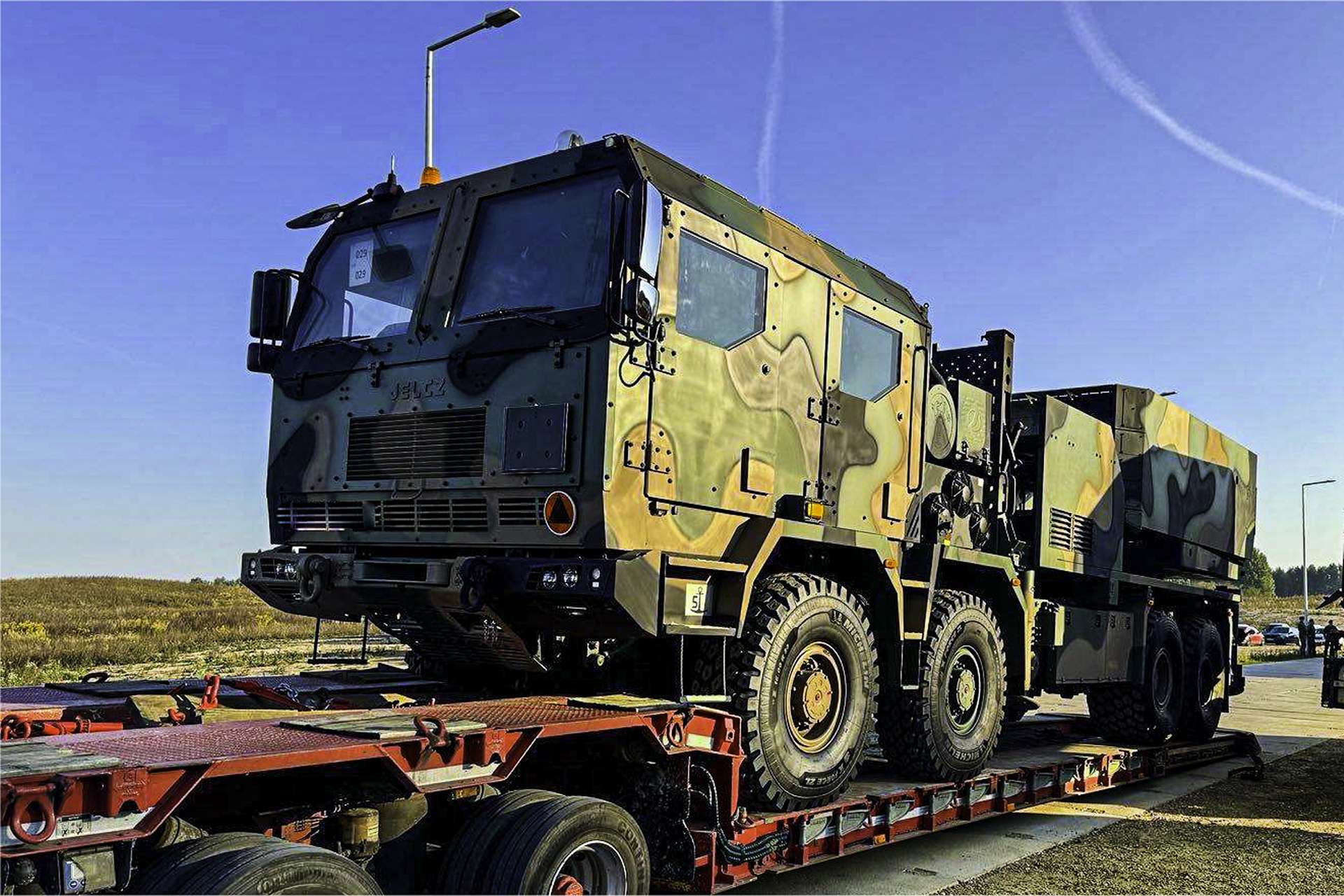
On September 23, 2024, the Polish Armed Forces received new Homar-K multiple rocket launchers, thus strengthening the 16th Mechanized Division, as announced on their X account. Currently, Poland has more than 22 of these rocket systems, with more units being assembled at the Huta Stalowa Wola factory.
Follow Army Recognition on Google News at this link
The Homar-K is a Polish adaptation of the K239 Chunmoo artillery rocket system. (Picture source: Polish MoD)
Initially, 212 units had been ordered, but this number increased to 290 after the signing of a second execution contract in April of this year. This contract includes the acquisition of CGR-080 rockets with a 239 mm caliber, having a range of 80 km, as well as short-range ballistic missiles (SRBM) CTM-290, capable of reaching targets up to 290 km away. A logistics and training package accompanies these acquisitions. It is also planned to integrate the Homar-K system with 122 mm unguided rockets, stored in transport and launch containers developed by WZL-2. Some launchers may be mounted on third-generation Jelcz chassis, presented at the latest MSPO.
The Homar-K is a Polish adaptation of the K239 Chunmoo artillery rocket system. The original Doosan 8x8 truck chassis with an armored cab has been replaced by a locally-produced Jelcz 8x8 chassis. Behind the crew compartment are two containers capable of carrying six guided rockets with a 239 mm caliber and a range of 80 km or one ballistic missile with a range of about 290 km. Efforts are also underway to integrate this system with 122 mm rockets used by systems such as the WR-40 Langusta and BM-21 Grad, as well as unguided rockets with 131/227 mm calibers. The development of new rockets, targeting ranges of 150 to 200 km, is also ongoing.
The Homar-K stands out for its versatility and firepower. Weighing 31 tons and measuring 9 meters long, 2.9 meters wide, and 3.3 meters high, it is designed to be operated by a crew of three. Powered by an HD Hyundai Infracore DV11K 450-horsepower diesel engine, it can reach a maximum speed of 80 km/h and has a range of 450 kilometers with a fuel capacity of 250 liters. The transmission system, provided by Allison Transmission, enhances its robustness, allowing it to adapt to difficult terrain.
The Homar-K can fire a wide range of rockets and ballistic missiles, with various calibers. Its armaments include unguided rockets with calibers of 131 mm, 230 mm, and 239 mm, as well as guided rockets of 400 mm, currently in development. It is also capable of launching CTM290 tactical ballistic missiles of 600 mm, with a maximum range of 290 km. These weapons are guided by a GPS-assisted navigation system, ensuring an accuracy of 15 meters for the CGR080 rockets and 2 meters for the CTM290 missiles.
The Homar-K system can fire six 239 mm rockets in 30 seconds, with an effective range of 80 km. It also has the potential to integrate future weapons systems, targeting ranges beyond 200 km for 400 mm rockets. The advanced armor made of steel, ceramics, and polymer composites, compliant with STANAG 4569 Level 2 protection standards, effectively shields the crew from ballistic threats and shrapnel.
Finally, the Homar-K is equipped with the Topaz Automated Fire Control System, which allows it to be integrated into the current fire control and battlefield management systems used by Polish artillery units. The launcher is also connected to the Fonet digital communication system. In the future, the Homar-K could be mounted on a new chassis, the Jelcz 883.5 truck.
Read more: Poland Receives New Homar-K Multiple Rocket Launchers for its Armed Forces
- Details
- Written by: Halna du Fretay
- Category: 2024
- Hits: 5653
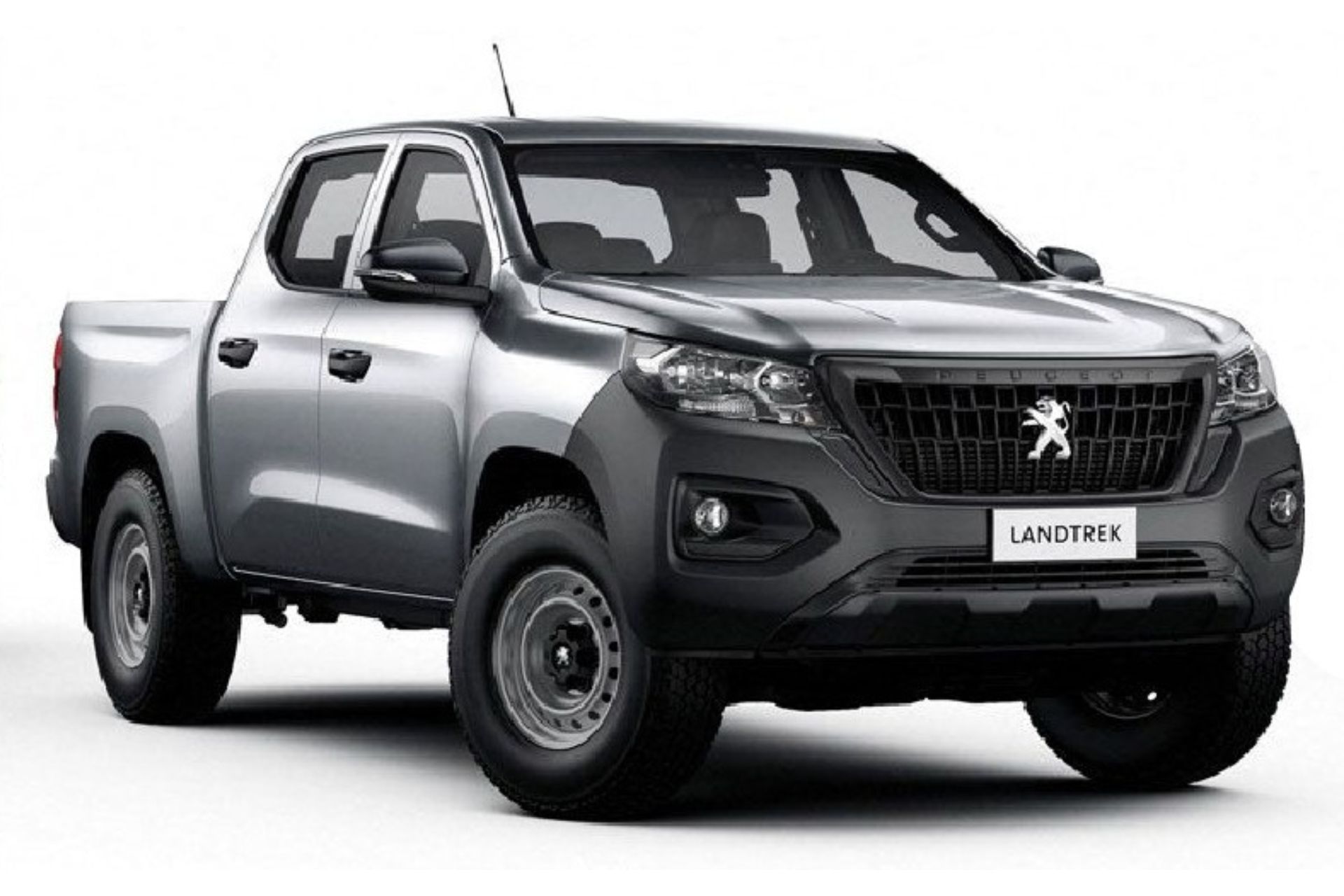
The Ejército de Tierra has officially confirmed the acquisition of 4,500 Peugeot Landtrek vehicles as part of its VMTT (Vehículo Militar Todoterreno Táctico) program. This contract, which will span over four years, marks a significant step in the renewal of the Spanish Army's fleet of military vehicles. These new vehicles are intended to replace the PS10 Anibal, purchased in 2004, which has never fully met the army's expectations.
Follow Army Recognition on Google News at this link
The Peugeot Landtrek is a versatile mid-size pickup truck designed for a variety of terrains and tasks (Picture source: Peugeot)
Two companies competed for this contract: Iturri, representing the Peugeot Landtrek, and TSD, which offered the Ford Ranger. In March 2024, the Army’s Logistics Support Command (MALE) had already expressed its preference for the Landtrek, a decision that was subsequently contested. TSD filed a legal appeal to challenge the procurement process. However, the Spanish court rejected TSD's appeal, allowing MALE to confirm the contract with Iturri, valued at 217 million euros.
The choice of the Peugeot Landtrek may surprise some observers, as the vehicle is based on the Kaicene F70, a pick-up truck designed by Chinese manufacturer Chang’an Automobile. Despite this partially non-French origin, the vehicle convinced Spanish authorities with its performance and suitability for the army's specific needs. It is important to note that these vehicles will not be used for combat missions. The Spanish Ministry of Defense clarified that they will be employed for "tactical tasks removed from combat-related activities," such as liaison missions within the national territory.
In addition to the Ejército de Tierra, other Spanish armed forces will benefit from this acquisition. Peugeot Landtreks will also be delivered to the Guardia Civil, the Ejército del Aire y del Espacio, and the Armada Española, as part of a broader modernization of unprotected military vehicles.
The Peugeot Landtrek is a versatile mid-size pickup truck designed for a variety of terrains and tasks, offering both 4x2 and 4x4 drive options. It is available with two main engine types: a 1.9L turbodiesel engine delivering 150 hp and 350 Nm of torque, and a 2.4L turbocharged petrol engine with 210 hp and 320 Nm of torque. Depending on the model, these engines are paired with either a 6-speed manual or automatic transmission.
The Landtrek is built for durability and can handle heavy-duty tasks, with a payload capacity exceeding 1 ton and a towing capacity up to 3 tons. Its off-road capabilities are supported by features such as Hill Descent Control and a rear differential lock, making it suitable for rough terrains. Depending on the version, the ground clearance ranges from 214 mm to 235 mm, providing the vehicle with excellent off-road performance.
This type of procurement echoes similar situations in other countries, such as France, where the selection of military vehicles has sometimes sparked debate.
For example, in 2015, the French Ministry of Defense faced criticism after announcing the acquisition of Ford Rangers to replace Peugeot P4s, instead of choosing vehicles offered by French brands such as Renault or Citroën. Similarly, the Gendarmerie faced controversy when it opted for the Seat Leon Cupra to replace the Megane RS within its rapid intervention teams. In both cases, the preference for non-French brands led to protests, with some officials arguing that the military and security forces should prioritize supporting the national industry.
These instances demonstrate that decisions regarding military equipment can raise complex issues involving performance, cost, and political or industrial considerations. In Spain's case, the choice of the Peugeot Landtrek, despite its partial Chinese origins, appears to be driven by the need to quickly and efficiently modernize the army’s fleet of off-road vehicles while adhering to strict budgetary constraints.
The acquisition of these 4,500 vehicles is part of a broader effort to modernize Spain’s military capabilities, addressing current operational needs while anticipating future challenges.
Read more: Spanish Army Confirms Acquisition of 4,500 Peugeot Landtrek for Non-Combat Missions
- Details
- Written by: Jérôme Brahy
- Category: 2024
- Hits: 4290
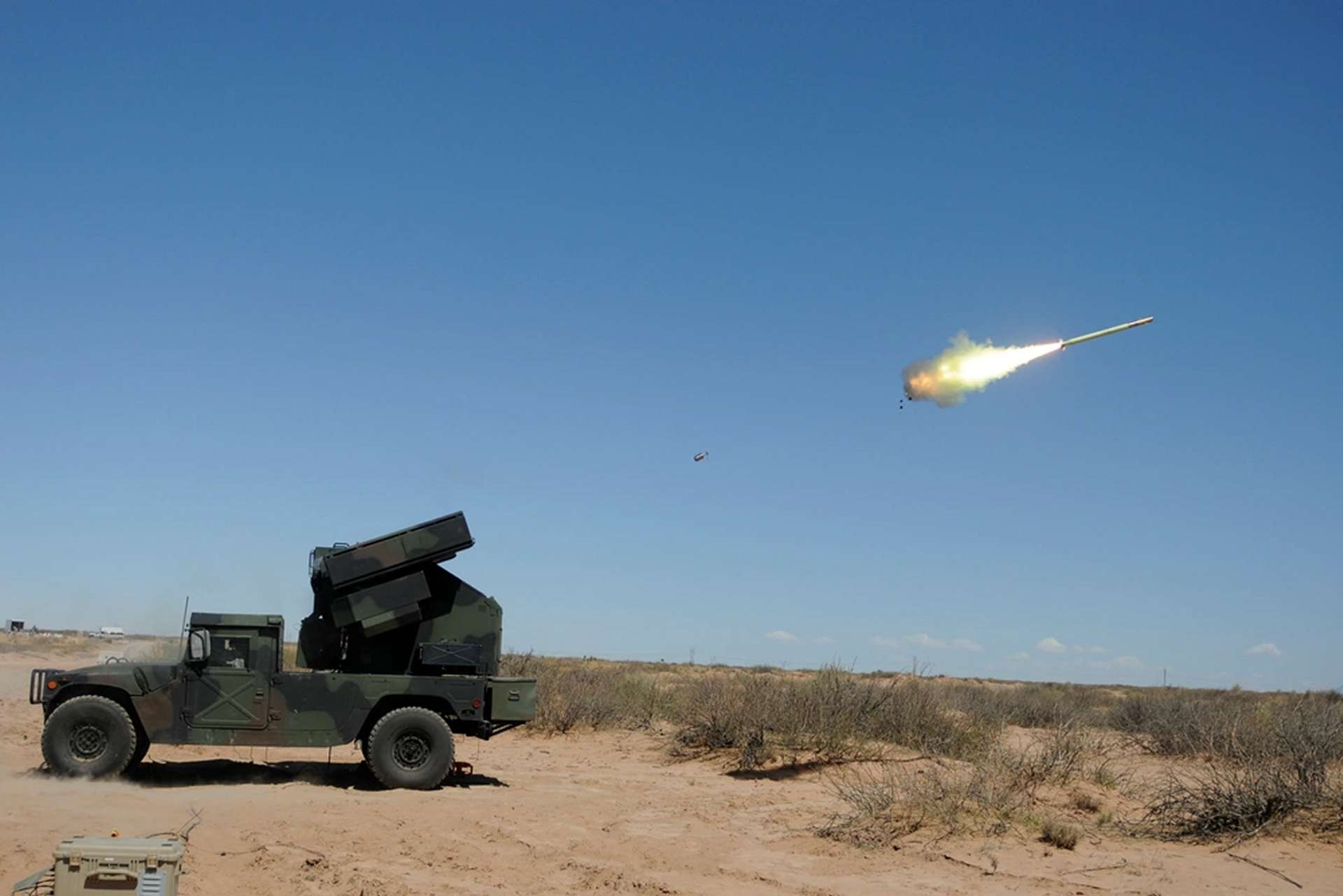
On September 24, 2024, the US Department of State approved a possible Foreign Military Sale to the Government of Egypt for Stinger missiles and related logistical and program support, with an estimated total cost of $740 million. Egypt intends to integrate the Stinger missiles with its current AN/TWQ-1 Avenger air defense systems, enhancing its ability to counter low-altitude aerial threats.
Follow Army Recognition on Google News at this link
Egypt intends to integrate the Stinger missiles with its current AN/TWQ-1 Avenger air defense systems, enhancing its ability to counter low-altitude aerial threats. (Picture source: US DoD)
Egypt has requested to purchase 720 Stinger surface-to-air missiles intended for vehicle-based deployment on its existing Avenger air defense systems. The request also includes 20 Product Verification Flight Test (PVFT) munitions. In addition to the missiles, the proposed sale encompasses non-Major Defense Equipment items such as spare and repair parts, testing equipment, and engineering, technical, and logistics support services provided by both U.S. government personnel and contractors.
The FIM-92 Stinger is an American man-portable air-defense system (MANPADS) that utilizes an infrared homing surface-to-air missile. In service since 1981, it is designed to engage low-altitude airborne targets, including fixed-wing aircraft, helicopters, and drones. The missile can be adapted for launch from various platforms, such as ground vehicles, helicopters, and unmanned aerial systems.
The Stinger missile weighs approximately 22 pounds (10.1 kg) and measures 5 feet (1.53 meters) in length, with a diameter of 2.8 inches (70 mm). When equipped with its launch tube and sight, the total system weight is about 35 pounds (15.7 kg). The missile has an effective firing range of up to 3 miles (4.83 km) and can reach speeds of Mach 2.2, which is roughly 1,500 miles per hour (2,440 feet per second). It employs a passive infrared seeker for guidance, homing in on the heat signatures emitted by target aircraft.
Several variants of the Stinger missile exist, including the FIM-92A Stinger Basic, the FIM-92B Stinger-Passive Optical Seeker Technique (POST), and the FIM-92C Stinger-Reprogrammable Microprocessor (RMP). These versions have incorporated enhancements such as improved resistance to countermeasures and the ability to update the missile's software to respond to evolving threats.
The Stinger has been utilized by the United States and 29 other countries and has seen deployment in various conflicts, such as the Falklands War, the Soviet–Afghan War, the Gulf War, and the Russo-Ukrainian War. Its adaptability allows it to be fired from multiple platforms, such as ground vehicles, helicopters, and even drones.
Read more: US approves potential $740 Million Stinger missile sale to Egypt
- Details
- Written by: Administrator
- Category: 2024
- Hits: 17872
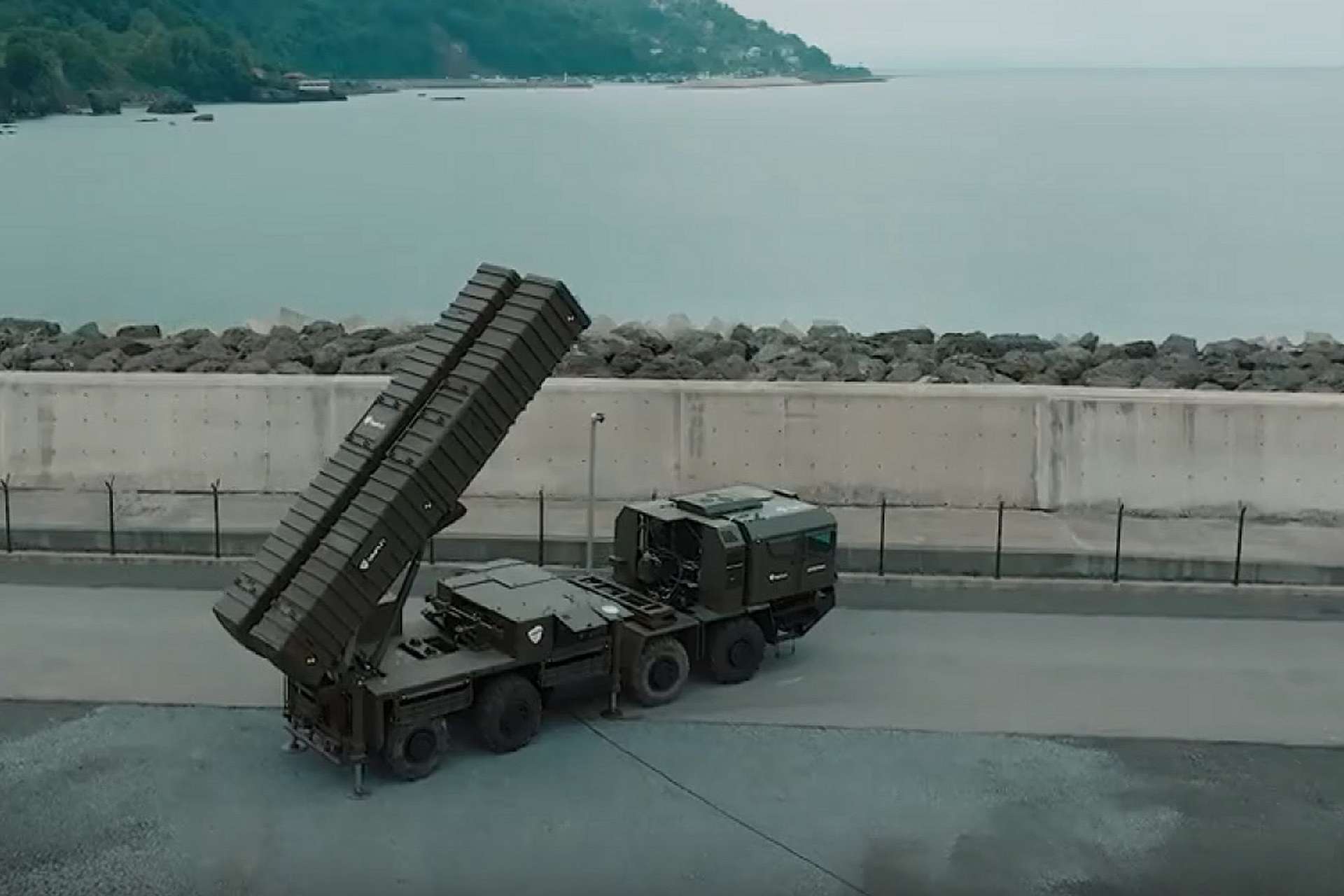
Roketsan, a leading Turkish defense company specializing in missile production, has started the development and testing of a hypersonic variant of its Tayfun Short-Range Ballistic Missile (SRBM). This news was revealed through a post on the X (formerly Twitter) account of "TurkishFacts4u" on September 24, 2024, marking a monumental achievement in Turkey’s growing missile capabilities.
Follow Army Recognition on Google News at this link
Türkiye test-fires domestic Tayfun Short-Range Ballistic Missile over Black Sea. (Picture source: Roketsan)
According to the information published, the new hypersonic missile variant can achieve speeds of Mach 5.5, which positions Turkey among an elite group of nations with hypersonic missile technology. Hypersonic missiles, defined by their ability to travel at speeds greater than Mach 5 (five times the speed of sound), are considered game-changers in modern warfare due to their unprecedented speed and maneuverability, making them highly difficult to detect and intercept.
Developing the hypersonic variant of the Tayfun missile underscores Turkey’s growing ambitions to enhance its strategic and defense capabilities. Traditionally, missile technology has been a key component of Turkey’s defense policy, and the addition of hypersonic capabilities represents a substantial boost to its deterrence and offensive potential.
The Tayfun missile, in its SRBM configuration, is known for its precision strike capabilities over short ranges, typically between 300 and 1,000 km. With the new hypersonic variant, the missile is expected to increase in speed and improve in terms of range and lethality. Roketsan has yet to release detailed specifications regarding the missile’s operational range, payload capacity, or any advanced features such as maneuvering capabilities or counter-defense evasion techniques.
Roketsan has been a cornerstone of Turkey’s missile technology advancements for several decades. Founded in 1988, the company has produced a wide array of missiles for air, land, and sea applications and has been instrumental in propelling Turkey towards self-sufficiency in defense technologies. This latest achievement with the hypersonic variant of the Tayfun SRBM demonstrates Roketsan’s growing prowess in high-tech weapons development.
The development of hypersonic missiles is part of a broader global arms race, as nations such as the United States, China, and Russia have all been investing heavily in this cutting-edge technology. Hypersonic missiles have the potential to bypass existing missile defense systems due to their extreme speed and agility, making them one of the most sought-after capabilities in military arsenals worldwide.
Turkey’s entry into this exclusive club of hypersonic missile producers signals a new era in its defense posture. The ability to deploy such advanced technology will likely enhance Turkey’s standing in regional security dynamics, particularly in the Mediterranean, the Middle East, and surrounding areas. The new missile’s potential range could provide Turkey with a strategic advantage, not only in terms of defense but also in terms of power projection capabilities across these regions.
With the successful development and testing of the hypersonic variant of the Tayfun SRBM, Turkey has not only enhanced its defense capabilities but also signaled its growing technological prowess in the global defense arena. As the world watches closely, Turkey's new hypersonic missile marks a key milestone in its ambition to become a leading military power in the 21st century.

- Details
- Written by: Administrator
- Category: 2024
- Hits: 5959
The French Air and Space Force announced on September 23, 2024, that both France and Italy are fast-tracking the development of the SAMP/T-NG (Sol-Air Moyenne Portée Terrestre - Nouvelle Génération), a state-of-the-art ground-to-air missile defense system. The accelerated progress reflects a broader initiative aimed at strengthening European air defense in the face of evolving global threats, particularly from ballistic and hypersonic missiles.
Follow Army Recognition on Google News at this link
The SAMP/T is an air defense missile system in service with Italian and French armed forces and Ukraine. (Picture source: Army Recognition Group)
The SAMP/T-NG system is set to be delivered to the French Air and Space Force starting in 2026. This advanced system is a new generation upgrade of the existing SAMP/T air defense platform, designed to address the growing complexity of aerial threats. It represents a leap forward in defensive technology, with enhanced capabilities to neutralize not only traditional airborne threats but also modern ballistic and hypersonic missiles, which pose a greater challenge due to their high speed and maneuverability.
The SAMP/T-NG system features advanced capabilities designed to address modern aerial threats. It integrates state-of-the-art radar and sensor technologies, allowing for the rapid detection and interception of various threats, including those moving at hypersonic speeds. The system has an impressive range, capable of engaging targets up to 150 km away and at altitudes exceeding 25 kilometers. This makes it highly effective at defending against incoming missile threats from both near and far.
Unlike its predecessors, the SAMP/T-NG is specifically developed to counter the advanced threat of ballistic and hypersonic missiles, which are more challenging due to their high speed and maneuverability. This capability places it at the forefront of protecting European airspace from next-generation missile systems.
The development of the SAMP/T-NG is a collaborative effort between France and Italy, continuing a long-standing partnership in defense technology. Both nations have been working closely through the Eurosam consortium, alongside key industry players like MBDA and Thales, who are major contributors to European missile defense systems.
The decision to accelerate the development of the SAMP/T-NG reflects broader concerns over the rapidly changing security landscape in Europe and the world. Hypersonic missile technology, being developed and deployed by global powers such as Russia and China, represents a formidable challenge to current air defense systems. These missiles, capable of flying at more than five times the speed of sound and altering their flight paths mid-course, are exceedingly difficult to track and intercept.
In response, European countries, led by France and Italy, are investing heavily in advanced defense technologies to safeguard the continent's airspace. The SAMP/T-NG system, once operational, will be a cornerstone of European air defense, forming part of a broader, integrated missile defense shield. This shield is designed to protect key military and civilian infrastructures, as well as bolster NATO’s collective security efforts.
The deployment of the SAMP/T-NG starting in 2026 marks a significant milestone in Europe's defense strategy. Once in service, the system will play a vital role in ensuring the security of European nations against both regional and global threats. France’s Air and Space Force has positioned this system as an integral part of its defense modernization program, reflecting the growing importance of missile defense capabilities in today’s geopolitical climate.
Additionally, the system’s interoperability with NATO's Integrated Air and Missile Defense (IAMD) network will strengthen joint defense efforts, allowing for coordinated responses to potential threats and increasing the collective security of member states.
As tensions continue to rise globally and missile technologies evolve, France and Italy’s investment in the SAMP/T-NG demonstrates their commitment to maintaining a robust and responsive defense posture in an increasingly uncertain world.
Read more: France to Receive New Generation of SAMP/T NG Air Defense Missile System by 2026
Hezbollah Uses Soviet Tu-143 Drones Converted into Cruise Missiles Amid Growing Conflict with Israel
- Details
- Written by: Halna du Fretay
- Category: 2024
- Hits: 3643
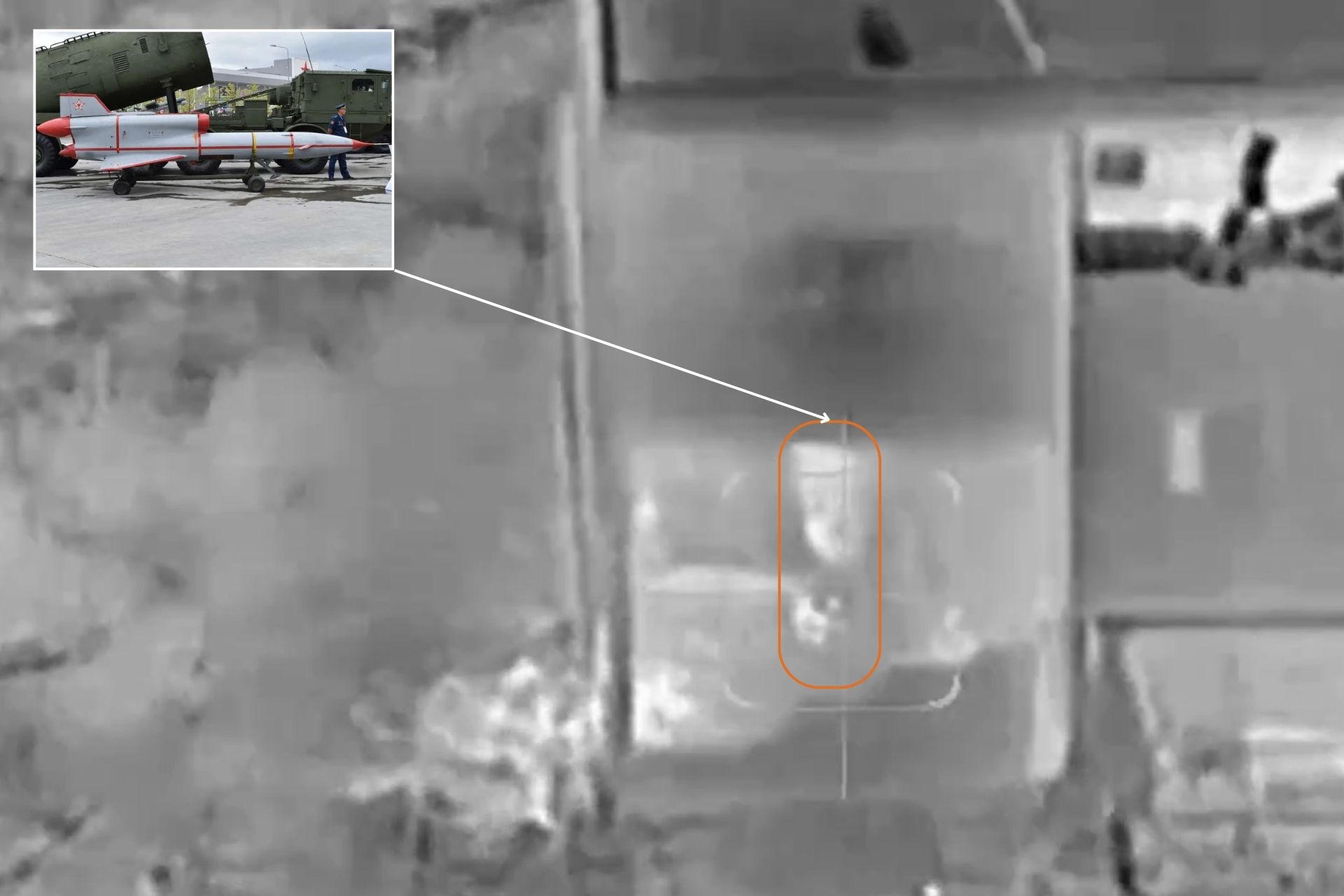
The conflict between Israel and Hezbollah, supported by Iran, has escalated significantly with Hezbollah’s use of Soviet-era Tu-143 drones, converted into cruise missiles. On September 23, 2024, the Israeli Defense Forces (IDF) released a video claiming to show an airstrike that occurred several weeks earlier, targeting a house in southern Lebanon containing what they referred to as a "DR-3 cruise missile" ready for launch. The DR-3 is another designation for the Soviet Tu-143 Reys reconnaissance drone. This conversion marks the first known appearance of these modified drones in Hezbollah’s arsenal.
Follow Army Recognition on Google News at this link
According to IDF spokesperson Rear Admiral Daniel Hagari, the missile was hidden inside a house, and Hezbollah had created a specific opening for its launch (Picture source: X Channel @manniefabian)
For months, tensions between Israel and Hezbollah have been on the rise, driven by a series of border incidents and inflammatory rhetoric from both sides. Hezbollah, which already possesses a large stockpile of missiles and rockets, views the introduction of the converted Tu-143 as a new offensive capability. Originally designed for reconnaissance, this drone has been adapted for long-range strikes, a tactic also used by Russia in its conflict with Ukraine.
The IDF used a photo of the Tu-143 to illustrate the missile they claimed to have destroyed before its launch. According to IDF spokesperson Rear Admiral Daniel Hagari, the missile was hidden inside a house, and Hezbollah had created a specific opening for its launch. "The terrorists created a designated opening for the missile launch. Here, you can see how we identified the terrorists preparing the missile for launch," Hagari explained. The IDF claimed that they precisely struck the missile and its infrastructure, eliminating the threat shortly before it could be fired.
The Tu-143 is independent of runways, using rocket assistance for launch from a rail on a trailer or launch vehicle. In its cruise missile form, it has an estimated range of around 200 kilometers and is capable of carrying a 272-kilogram warhead, allowing Hezbollah to target cities as far away as Tel Aviv and Jerusalem. However, the accuracy of these converted missiles remains uncertain unless substantial upgrades have been made to their guidance systems.
Israel has voiced concerns about Hezbollah’s use of civilian structures to hide and launch weapons, complicating counter-strike efforts and raising humanitarian concerns. The IDF claims to have destroyed additional weapons hidden within civilian homes and buildings in Lebanon. Hezbollah, on the other hand, claims to have an extensive underground network for launching its weapons, including multiple rocket launch systems.
The origin of these converted Tu-143 drones is not entirely clear. Russia had previously supplied some of these drones to the Assad regime in Syria, which is also supported by Hezbollah’s key ally, Iran. Additionally, Tehran has provided Moscow with ballistic missiles and drones as part of a growing military relationship between the two nations. It is possible that Hezbollah obtained these drones either via Syria or directly from Iran.
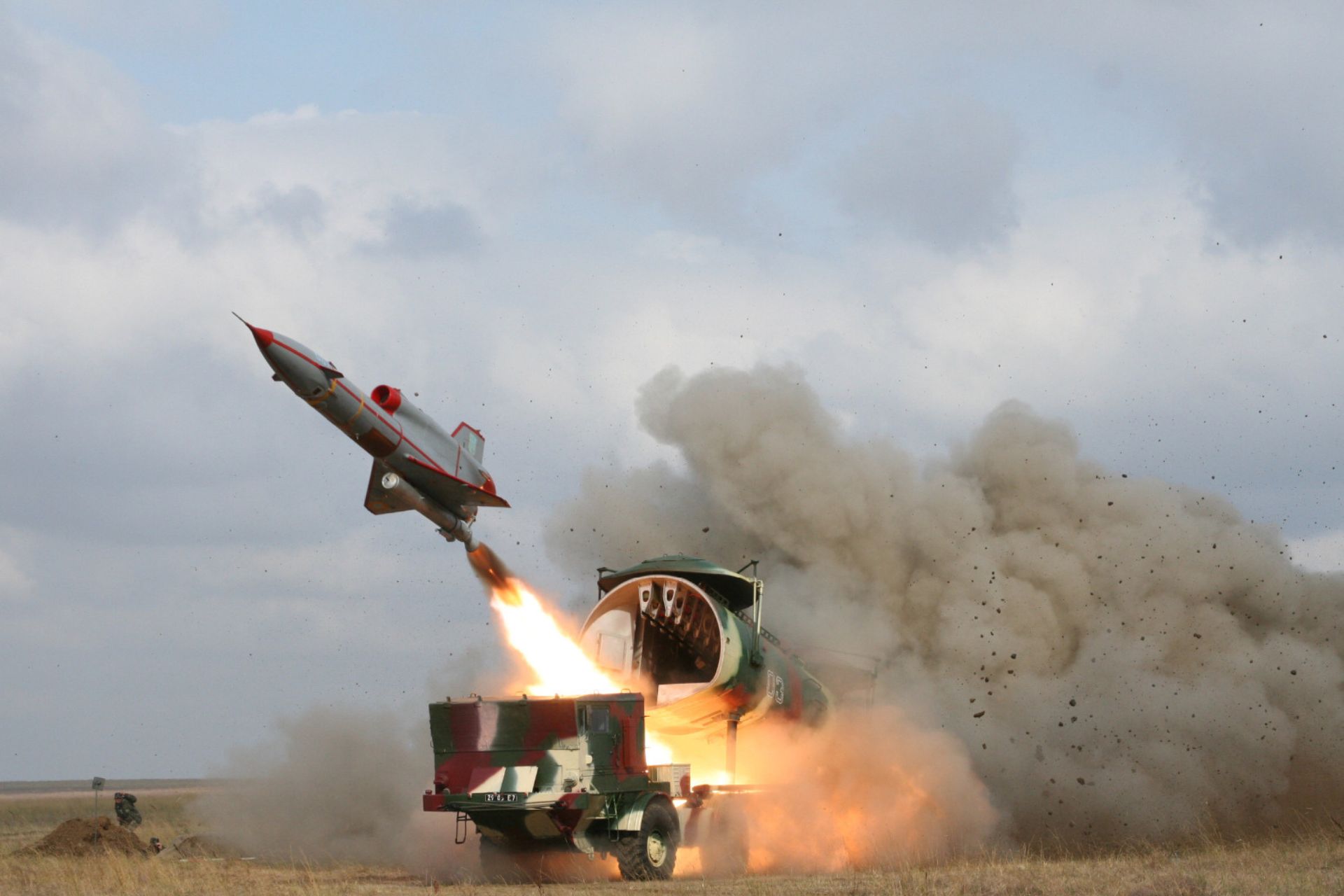
In its cruise missile form, the Tu-143 has an estimated range of around 200 kilometers and is capable of carrying a 272-kilogram warhead, allowing Hezbollah to target cities as far away as Tel Aviv and Jerusalem (Picture source: WikiCommun)
This escalation comes in the context of increased tensions following the surprise attack by Hamas on Israel on October 7, 2023. Hezbollah launched its most recent campaign of missile, rocket, and drone strikes against Israel the day after, and both sides have been trading fire almost daily since. Israel has conducted heavy bombardments of Lebanon for several days, with some analysts suggesting that a limited invasion might be considered to create a buffer zone, allowing thousands of residents in northern Israel to return to their homes.
Recent coordinated explosions targeting thousands of pagers and walkie-talkies used by Hezbollah in Lebanon have also contributed to the growing tensions. Hezbollah has attributed these explosions to Israel and vowed retaliation. Hassan Nasrallah, Hezbollah’s leader, has threatened Israel with "severe retribution and just punishment," claiming that the retaliation will occur "where it expects and where it does not."
In response to the escalating violence, the Pentagon announced on Monday that additional U.S. troops would be deployed to the region. Air Force Maj. Gen. Pat Ryder, the Pentagon’s spokesperson, did not provide specific details regarding the number of troops or their mission, citing operational security reasons.
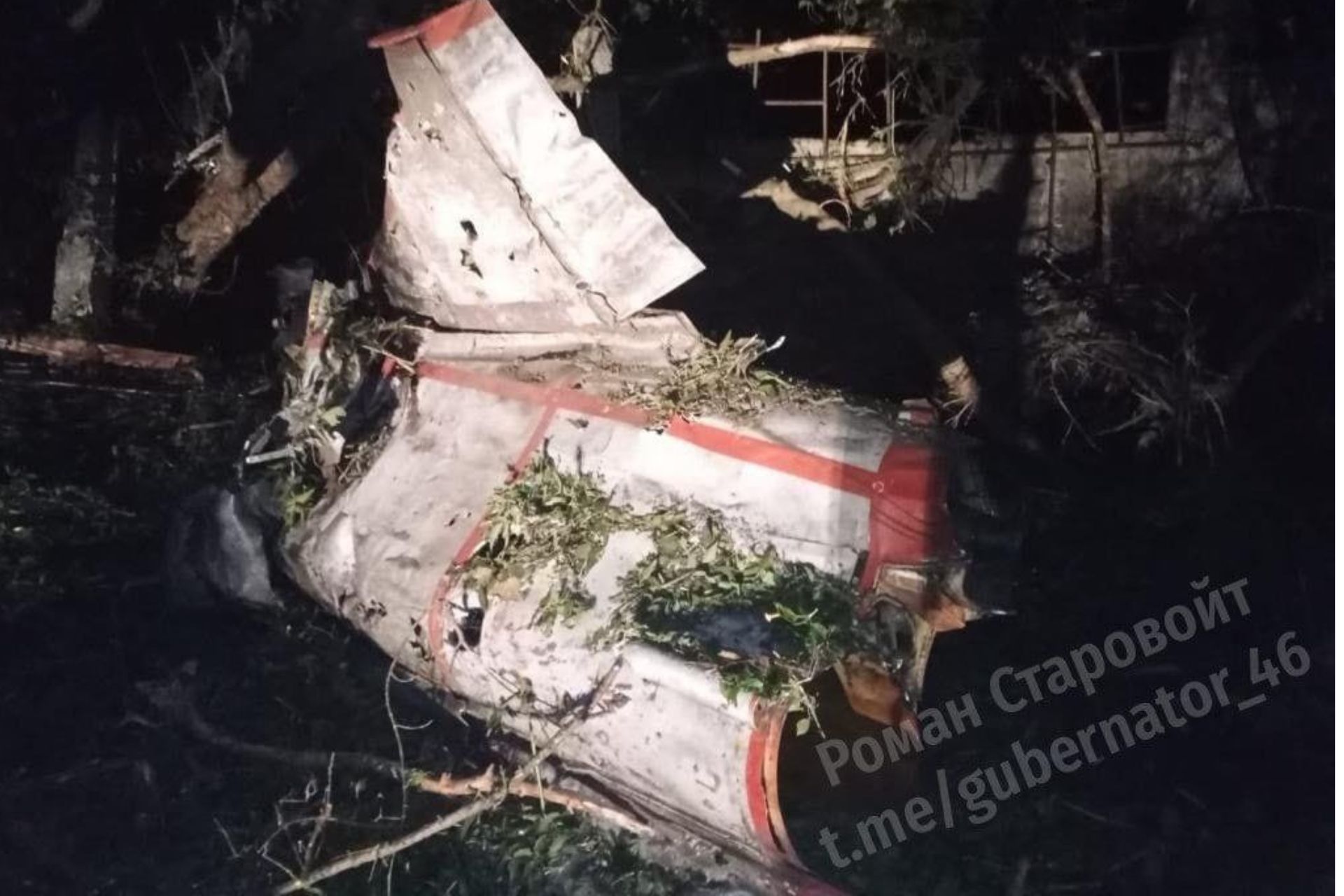
This drone was adapted for long-range strikes, a tactic also used in Ukraine by Russia, as shown by the debris found (Picture source: X Channel @COUPSURE )
The extent of Hezbollah’s converted jet drone arsenal remains unknown, as does whether these weapons have already been used. Unlike in Ukraine, no wreckage has yet been found confirming their use in Lebanon. This situation highlights the spread of improvised long-range strike tactics in current conflicts.
According to the IDF, Hezbollah’s known arsenal includes the following:
Hezbollah possesses the DR-3 missile (Tu-143), which has a range of several hundred kilometers, an explosive warhead weighing between 2 and 3 tons, and a missile weight of 300 kilograms. The group also has short-range attack drones, like the Model 107, which are used for surveillance and attack purposes. These drones have a range of 15-100 kilometers and carry a 1.5-kilogram warhead, capable of striking targets across Israel, particularly critical infrastructure, with the aid of advanced targeting systems.
Regarding rockets, Hezbollah has a large stockpile of short-range rockets, with a range of up to 50 kilometers and the ability to carry warheads of up to 100 kilograms. The group also has heavy rockets with a range of up to 15 kilometers, carrying warheads of up to 1,000 kilograms.
Finally, Hezbollah possesses long-range rockets capable of penetrating fortified targets, with a range of 50-200 kilometers and warheads weighing between 100 and 500 kilograms. This diverse arsenal represents a serious threat to Israel’s security.
- Escalation of Conflict Between Israel and Hezbollah: Northern Arrows Operation at Heart of Tensions
- British Army Deploys New Archer 8x8 Howitzers in the Field for the First Time
- Hanwha Aerospace unveils Chunmoo MRLS’ anti-ship ballistic missile capability at ADAS 2024
- KNDS Unveils Advanced Wheeled Infantry Fighting Vehicle Based on Boxer 8x8 Armored Vehicle