
- Details
- Written by: Vandenbosch
- Category: 2024
- Hits: 3808










On December 19, 2024, Lithuania’s Minister of National Defence, Dovilė Šakalienė, met with representatives from Swedish manufacturer BAE Systems Hägglunds to discuss the acquisition of CV-90 tracked armored vehicles (IFVs) and potential cooperation with Lithuania’s defense industry.
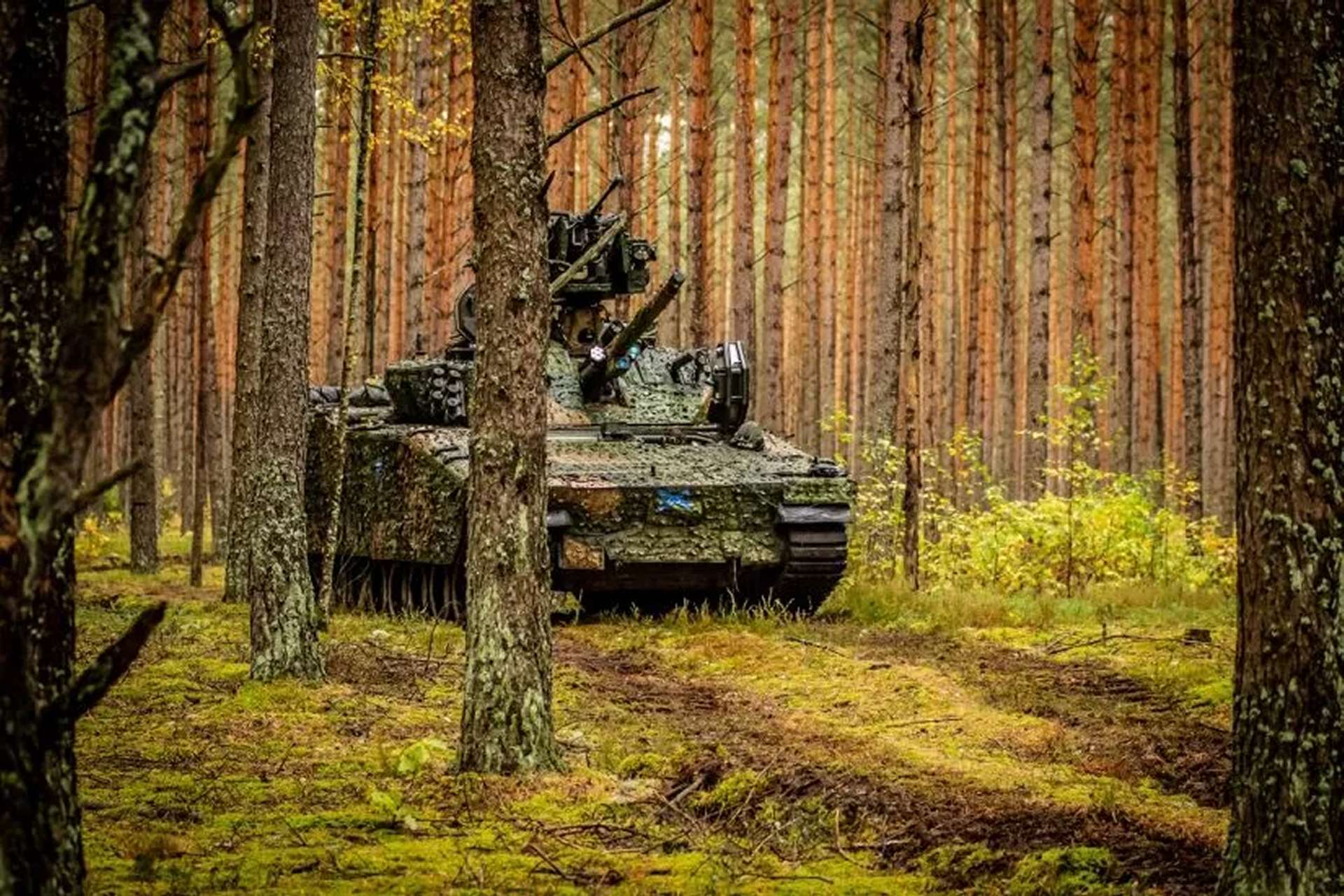
The CV-90 is a tracked infantry fighting vehicle designed to transport troops and provide fire support in conflict zones. (Picture source: Lithuanian MoD)
Minister Šakalienė emphasized the urgency of the acquisition process, highlighting the need for swift and effective implementation, as well as timely delivery of the IFVs, considering the current security climate. "Lithuania’s goal is to achieve full operational capability for its national division by 2030, and IFVs are an essential component of this effort," stated the minister following the meeting. She also stressed the country’s ambition to establish a long-term, sustainable industrial partnership with BAE Systems Hägglunds, integrating Lithuania into the supply chains of the CV-90 program while ensuring effective maintenance and servicing of these vehicles within the country.
Additionally, the Lithuanian government has recently increased the defense borrowing limit to EUR 800 million for 2025, signaling strong political and financial support for the acquisition and cooperation with the Swedish manufacturer. The minister assured the BAE Systems delegation that Lithuania would fully support the cooperation if the negotiations align with the country’s national interests.
The CV-90 is a tracked infantry fighting vehicle designed to transport troops and provide fire support in conflict zones. Entering service in 1983 and produced by BAE Systems in Sweden, it is highly regarded for its robustness and versatility in the field. The vehicle is designed to carry a crew of three, with the capacity to transport up to eight infantrymen, providing mobile and effective support during ground operations.
The CV-90 is equipped with features that make it particularly suitable for combat missions in various environments. It has a turret that can rotate 360°, offering high maneuverability and flexibility during engagements. Additionally, the weapon elevation ranges from -10° to +45°, enabling the vehicle to target effectively at different distances and heights. This capability is critical for quick responsiveness to changing threats on the battlefield.
The vehicle measures 6.47 meters in length, 3.19 meters in width, and 2.5 meters in height, with a total weight of 22,800 kg, allowing it to move with great agility while being sufficiently armored to survive in hostile environments. Although designed in Sweden, the CV-90 is used by several countries, including Denmark, Estonia, Finland, the Netherlands, Norway, Switzerland, and Ukraine, where it continues to play a key role in enhancing defense capabilities. Its combination of mobility, firepower, and protection makes it a central element in the armed forces of these nations.
Lithuania's Baltic neighbors, namely Estonia and Latvia, are actively pursuing modernization programs for their armies to strengthen their defense capabilities in response to the Russian threat. Estonia is focusing on acquiring new artillery systems and armored vehicles while investing in cyber capabilities and electronic warfare. Latvia, on the other hand, has invested in armored vehicles, particularly the CV90 IFVs, and has modernized its military equipment to improve its mobility and ability to handle asymmetric conflicts. In Lithuania, the modernization program includes the acquisition of tracked CV-90 armored vehicles as part of a partnership with Sweden and other Nordic countries. Comparatively, the three armies operate different IFV models, but the CV-90, used by both Lithuania and Latvia, is undoubtedly one of the most modern and well-equipped for complex combat missions. Estonia, however, uses the wheeled Pasi armored vehicle, which is less specialized than tracked models but remains effective for rapid mobility and deployment across varied terrains.
Lithuania is set to join Finland, Sweden, and Norway in the CV-90 acquisition program. However, the model and terms of industrial cooperation must be approved by all participating countries. The negotiations are expected to be completed by the end of 2025, marking the next step in strengthening Lithuania’s defense capabilities.
- Details
- Written by: Jérôme Brahy
- Category: 2024
- Hits: 5904
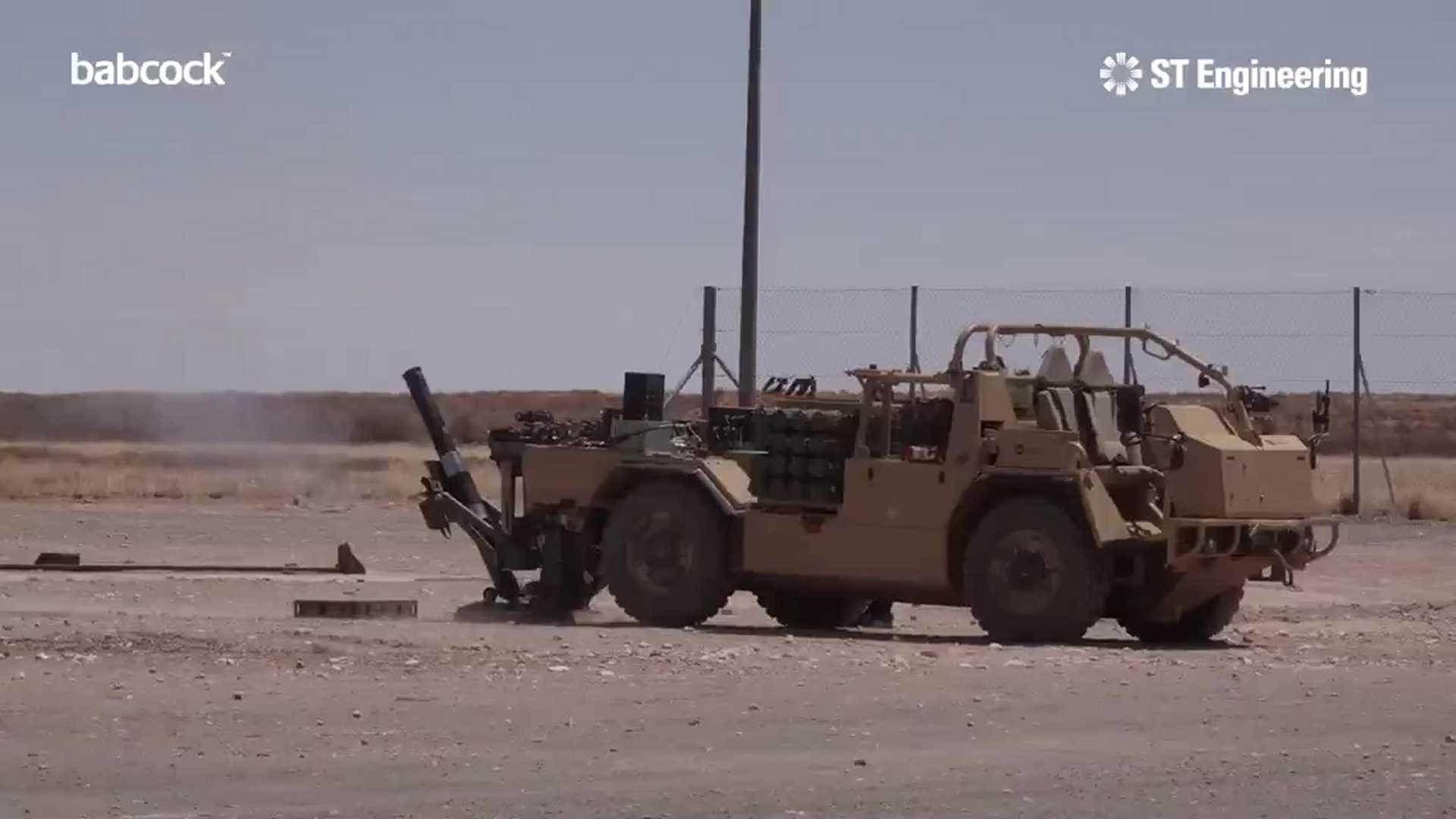
In December 2024, Babcock, in collaboration with ST Engineering and Supacat, conducted a firepower demonstration of the 120mm Ground Deployed Advanced Mortar System (GDAMS) mounted on the Supacat Jackal high-mobility transporter in South Africa’s Northern Cape. The demonstration was aimed at showcasing the system’s capabilities to potential UK customers, and the GDAMS fired conventional, smoke, and precision munitions, achieving a three-round grouping of 1.1 meters at a range of 5.5 kilometers.
Follow Army Recognition on Google News at this link
The 120mm GDAMS is adaptable to various vehicle platforms, including the Jackal, Coyote, and Foxhound, as well as lightweight commercial vehicles. (Picture source: Babcock and ST Engineering)
This event followed the official unveiling of the Ground Deployed Advanced Mortar System (GDAMS) at the Defence Vehicle Demonstration (DVD) 2024, held at Millbrook in September. Developed jointly by Babcock and ST Engineering, the 120mm GDAMS is a vehicle-mounted mortar system designed to address the UK Armed Forces’ requirements for modernized indirect fire solutions. Production is planned at Babcock’s Devonport facility in Plymouth, incorporating a UK supply chain. The project includes re-establishing domestic barrel manufacturing in partnership with Perfect Bore in Andover. If selected for the UK’s indirect fires program, it is expected to create 70 skilled roles locally and contribute economic benefits to the South-West region.
This new mortar system incorporates advanced fire control and targeting mechanisms that enable rapid adjustments and includes a patented blast diffuser to reduce noise exposure. It supports both drop-fire and lanyard-pull firing modes and can transition between deployment and stowage in 15 seconds. The 120mm GDAMS is adaptable to various vehicle platforms, including the Jackal, Coyote, and Foxhound, as well as lightweight commercial vehicles. Its platform-agnostic design ensures compatibility with existing systems and supports a range of munitions, including high explosive, illumination, infrared-illuminated, and smoke rounds. It also offers precision and extended range capabilities up to 9 kilometers. The system integrates digital fire control for quicker, more accurate targeting and mission execution while reducing human error.
The GDAMS’ lightweight and modular construction enables rapid deployment in high-tempo operations. Its blast diffuser minimizes noise and gas exposure, enhancing crew safety. The system can fire up to 15 rounds per minute for three minutes, with sustained operations at four rounds per minute. Additionally, GDAMS supports integration with 81mm barrels, further increasing its operational flexibility.
Production at Babcock’s Devonport facility, located in the South Devon Freeport Zone, is intended to support export opportunities and align with the UK’s Land Industrial Strategy. The collaboration combines Babcock’s production capabilities with ST Engineering’s expertise in mortar technology, ensuring the GDAMS is tailored to UK defense needs while remaining competitive internationally. The initiative also aims to upskill the local workforce through Babcock’s skills-based work academy program.
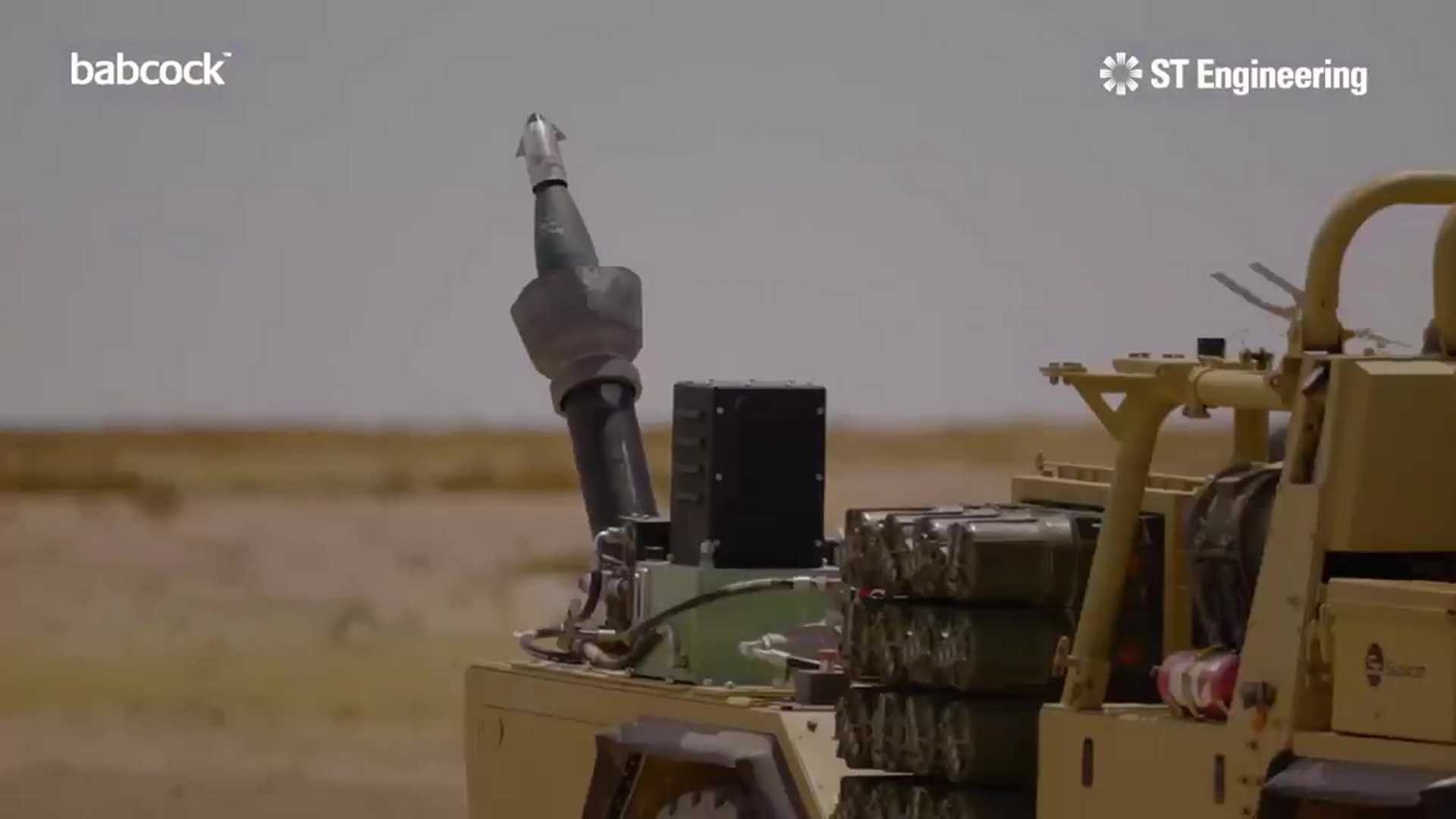
The Ground Deployed Advanced Mortar System (GDAMS) can fire up to 15 rounds per minute for three minutes, with sustained operations at four rounds per minute. (Picture source: Babcock and ST Engineering)
The Ground Deployed Advanced Mortar System (GDAMS) was initially presented by ST Engineering at the Defence and Security Equipment International (DSEI) 2023 event in London. The system’s design includes a hinged barrel that transitions to firing position in under 25 seconds, using a baseplate to absorb recoil forces. This feature allows integration on lightweight vehicles without significant strain. At DSEI, GDAMS was displayed on a commercial 4×4 vehicle, emphasizing its modularity and compatibility with both 120mm and 81mm barrels.
The GDAMS has undergone extensive testing and is aligned with the UK Ministry of Defence’s Land Mobility Programme. It is intended to replace the 105mm L118 Light Guns, offering lightweight, digitally integrated solutions for indirect fire. The system’s advanced fire control integrates with command-and-control systems, reducing sensor-to-shooter time and improving battlefield responsiveness. Its “shoot-and-scoot” capability allows rapid repositioning, minimizing exposure to counter-battery fire.
ST Engineering has highlighted the export potential of the GDAMS, identifying markets such as Saudi Arabia and other allied nations. The system’s features include AI integration and automation, making it suitable for modern military requirements. The collaboration between Babcock and ST Engineering ensures sovereign production and focuses on precision, modularity, and operational efficiency. GDAMS reflects broader trends in modular and digitally enabled mortar systems, aiming to meet the evolving needs of contemporary armed forces.
The system integrates with battalion battle management systems, reducing sensor-to-shooter time. During operation, actuators transition the mortar to its firing position, and the baseplate absorbs recoil forces. This design supports rapid deployment and a firing rate of 16 rounds per minute for three minutes. The system’s modular architecture accommodates manual, electronic, and smart fuzes, enhancing its flexibility for various mission profiles. The advanced blast diffuser improves safety, making GDAMS a practical choice for indirect fire in high-intensity environments.
By combining Babcock’s manufacturing expertise with ST Engineering’s technical knowledge, GDAMS is positioned as a next-generation solution for indirect fires. The system aligns with the UK’s defense strategies, offering a comprehensive approach to production, support, and training for both domestic and international users.

- Details
- Written by: Administrator
- Category: 2024
- Hits: 4705
On December 16, 2024, the Yemeni Armed Forces announced the launch of their advanced "Palestine 2" hypersonic ballistic missile, targeting the Yafa area near Tel Aviv in the occupied Palestinian territories. This strike, aimed at showing solidarity with Gaza amidst escalating regional tensions, marks a significant escalation in Yemen's role in the broader Middle Eastern conflict.
Follow Army Recognition on Google News at this link
Propaganda footage released by Yemen showcases the launch of the advanced 'Palestine 2' hypersonic missile. (Picture source: Yemen armed forces)
The "Palestine 2" hypersonic missile represents a technological milestone for Yemen’s military. Capable of speeds up to Mach 16 and a range of 2,150 kilometers, the missile utilizes a two-stage solid fuel system, making it highly efficient and reliable. Enhanced with advanced stealth technology and exceptional maneuverability, it poses a direct challenge to even the most advanced air defense systems, such as Israel’s Iron Dome. Yemen’s deployment of this weapon underscores its commitment to supporting the Palestinian cause, while highlighting its increasing alignment with Iran’s regional strategy.
Yemen’s involvement in the conflict against Israel is not limited to symbolic gestures but now extends to active military engagement. By launching the "Palestine 2" missile in support of Gaza, Yemen has positioned itself as a vital member of the regional resistance front. This alliance, supported by Iranian expertise and resources, includes actors such as Hamas and Hezbollah, all of whom share a common goal of challenging Israel’s dominance in the region. Yemen’s ability to deploy such advanced weaponry not only signals its growing military capabilities but also intensifies the pressure on Israel, forcing it to contend with threats from multiple directions.
For Israel, the arrival of hypersonic missile technology in the region represents a grave threat. Israel’s advanced missile defense systems—Iron Dome, David’s Sling, and Arrow—are designed to counter conventional missile threats. However, the unique characteristics of hypersonic missiles, including their extreme speed and ability to maneuver unpredictably, significantly reduce the effectiveness of these defenses. The "Palestine 2" missile’s capacity to evade interception makes critical infrastructure and population centers like Tel Aviv particularly vulnerable.
The psychological impact of this new threat cannot be overstated. Israel’s reputation for maintaining an impenetrable defense network has been a cornerstone of its security doctrine. Yemen's successful deployment of hypersonic technology undermines this perception, potentially eroding public confidence and emboldening adversaries. Furthermore, the threat of coordinated attacks involving Yemen, Hamas, and Hezbollah stretches Israel’s military resources, increasing the likelihood of defensive oversaturation and failure to address all threats effectively.
The risks extend far beyond Israel’s borders. The "Palestine 2" missile also introduces significant challenges for the United States and its allies, particularly naval forces operating in the region. Hypersonic missiles are a game-changer for maritime warfare, capable of targeting large and mobile assets such as aircraft carriers, destroyers, and amphibious ships. Unlike traditional ballistic missiles, hypersonic weapons combine extreme speed with unpredictable flight paths, rendering existing ship-based defenses, such as the Aegis Combat System, less effective. The potential for Yemen to target U.S. vessels not only threatens military operations but also undermines the perception of American dominance in the region.
In addition to naval assets, Yemen’s hypersonic capabilities threaten key maritime chokepoints, including the Bab el-Mandeb Strait and the Gulf of Aden. These waterways are critical for global commerce and military logistics. A strike or even the credible threat of disruption in these areas could have catastrophic economic consequences, affecting trade routes and energy supplies worldwide. U.S. allies in the Gulf Cooperation Council (GCC), including Saudi Arabia and the UAE, are also at significant risk. Their naval forces and offshore energy infrastructure remain particularly vulnerable, given their relatively limited defensive capabilities compared to those of the U.S. Navy.
On a broader scale, the emergence of hypersonic missile technology in Yemen reshapes the balance of power in the Middle East. Hypersonic missiles combine speed, precision, and maneuverability, making them extremely difficult to counter. Their deployment undermines traditional deterrence frameworks, heightens the risk of miscalculation, and complicates military planning for nations dependent on conventional defense systems. The proliferation of such technology to smaller states and non-state actors like Yemen, often through Iranian support, accelerates the destabilization of an already volatile region.
Yemen’s deployment of "Palestine 2" missile underscores its commitment to the Palestinian cause and its role in the broader anti-Israel alliance. Its use of advanced technology highlights a growing willingness to engage directly in regional conflicts, challenging Israel and its allies both strategically and militarily. For the United States and its partners, this development necessitates urgent investment in next-generation defensive technologies, such as directed-energy weapons, enhanced early-warning systems, and hypersonic interception capabilities.
As tensions in the Middle East continue to escalate, the strategic, economic, and military implications of Yemen’s actions are profound. By introducing hypersonic missiles into the theater, Yemen has reshaped the contours of conflict, setting a precedent that will likely influence regional and global security strategies for years to come.
- Details
- Written by: Vandenbosch
- Category: 2024
- Hits: 4348
As part of its efforts to enhance its long-range precision strike capabilities, the Taiwanese Army has adjusted its artillery modernization strategy, now focusing on acquiring the latest M109A7 Paladin self-propelled howitzers from the United States. This decision is part of the country's broader defense restructuring, which emphasizes asymmetric warfare and long-range systems.
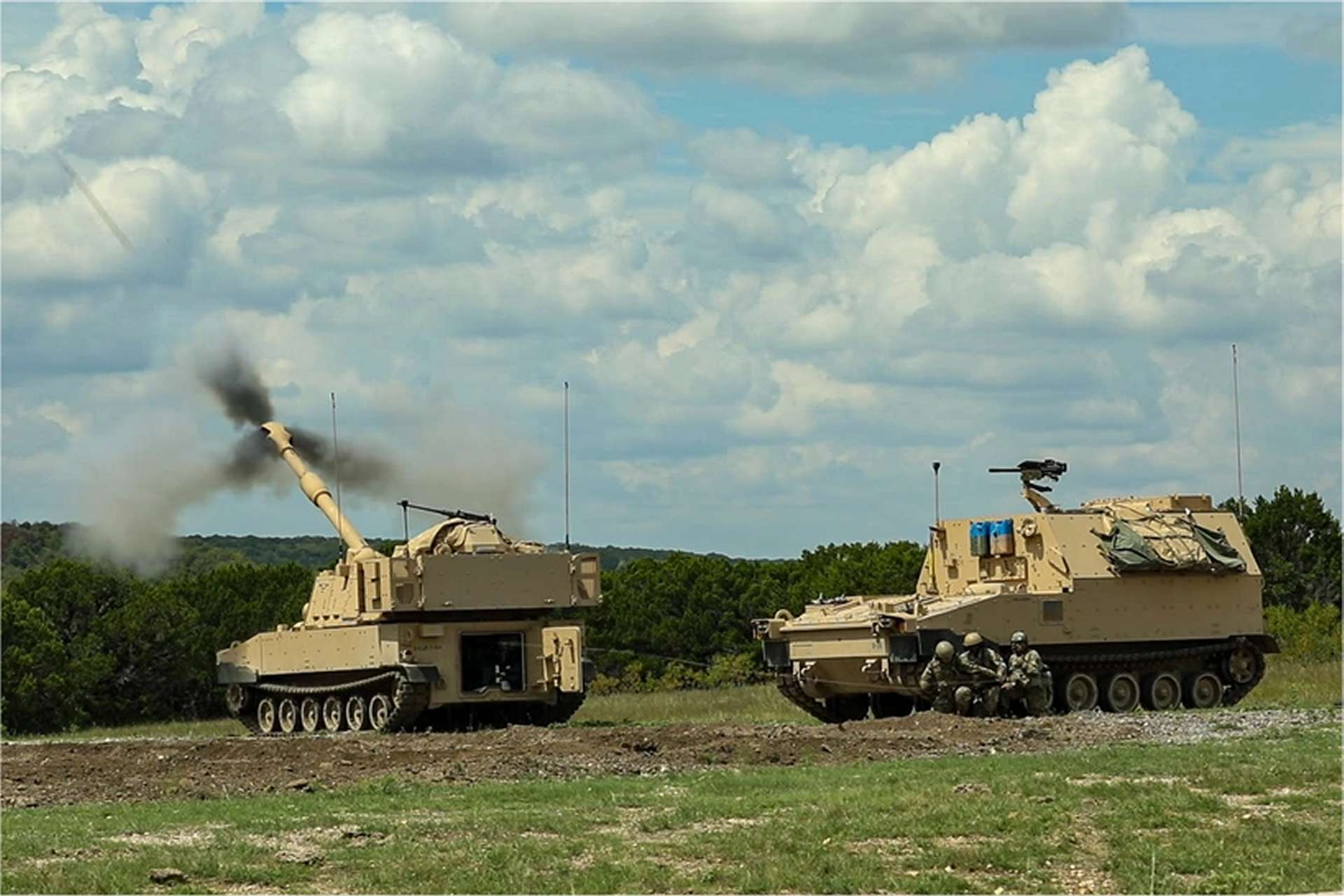
The M109A7 Paladin self-propelled howitzer is the latest model of the U.S. Army's artillery. (Picture source: US DoD)
The "Ruiting Project," which initially planned to purchase 40 M109A6 self-propelled howitzers for TWD 17.2 billion (560 million USD) between 2020 and 2024, has been reevaluated in light of evolving security concerns. Taiwan's shift in priority, aimed at countering China's military concentration along its southeastern coastline, has led to a greater focus on advanced strike capabilities.
Defense assessments conducted jointly with U.S. military officials highlighted the need to acquire HIMARS (High Mobility Artillery Rocket Systems) to strengthen long-range strike capabilities. As a result, Taiwan is expected to receive 29 HIMARS units under the "Honglei Project," with the first batch of 11 units already delivered to the island. The remaining 18 units are scheduled for delivery by the end of 2026, further enhancing Taiwan's strike range and precision.
In parallel with this acquisition, Taiwan has formalized its plans to procure the M109A7 Paladin self-propelled howitzers, the latest model of the U.S. Army's artillery, under the 2026 defense budget. This move follows the decommissioning of the M109A6, which Taiwan had initially planned to purchase, in favor of the more modern M109A7. By integrating Taiwan's order into U.S. production lines, costs are expected to be reduced, and delivery timelines optimized.
The M109A7 Paladin offers improvements over older artillery systems, featuring a redesigned chassis, enhanced electronics, and improved mobility, survivability, and firepower. These upgrades provide Taiwan with a more capable and efficient system to replace its aging M109A2 and A5 howitzers, which have been in service for over 30 years.
Taiwan's focus on acquiring advanced artillery and long-range precision strike systems aligns with its broader defense strategy, aimed at countering China's growing military capabilities. HIMARS systems, capable of striking targets up to 300 kilometers away, will play a crucial role in neutralizing Chinese military deployments and key infrastructure.
While the acquisition of M109A7 Paladins strengthens Taiwan's artillery capabilities, the priority given to HIMARS highlights the evolving nature of Taiwan's defense needs as it adapts to a rapidly changing geopolitical landscape. With tensions in the Taiwan Strait intensifying, this strategy reflects Taiwan's commitment to modernizing its forces with advanced, cost-effective systems capable of addressing both current and future threats.
The delivery of M109A7 Paladins is expected to begin after 2026, consolidating Taiwan's artillery capabilities as it integrates these systems alongside its growing HIMARS capabilities. This acquisition marks a critical step in Taiwan's efforts to enhance its defense posture and readiness against potential threats.
- Details
- Written by: Jérôme Brahy
- Category: 2024
- Hits: 9623
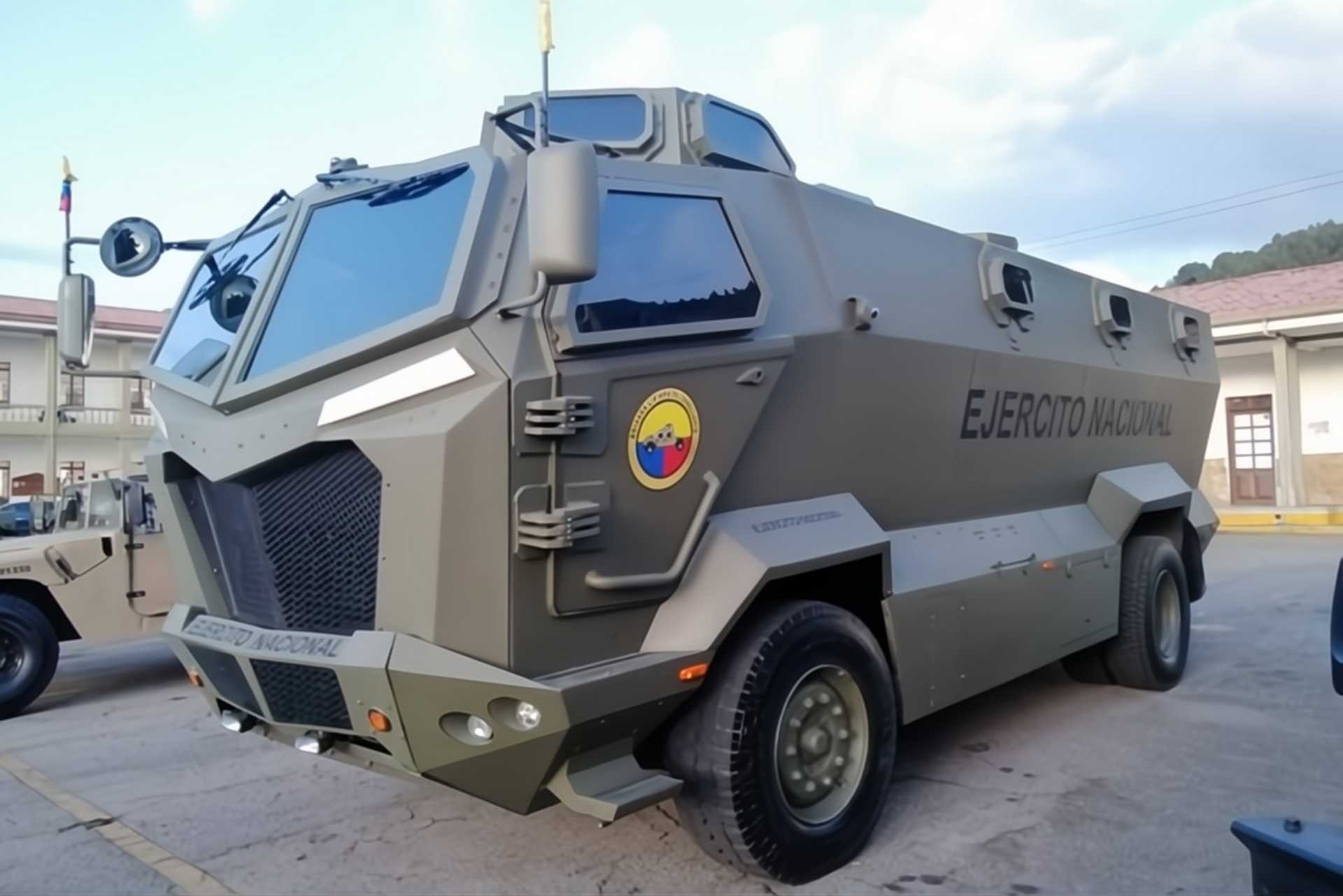
As reported by Infodefensa on December 17, 2024, the Colombian Army has begun a program to develop a self-propelled mortar variant of its domestically designed 4x4 armored personnel carrier, the Titán-C Trop. The decision is based on the vehicle’s performance in Operation Perseo, during which it was subjected to small-arms fire and rifle grenades. A prototype of the mortar-equipped version is planned for 2025, with testing to evaluate its operational functionality. The program aims to increase the vehicle’s ability to provide combined fire support through both direct and indirect fire.
Follow Army Recognition on Google News at this link
The Titán-C Trop is part of a broader armored vehicle development initiative that began in 2012 with the Titan project, launched by Colombia to replace commercially available troop carriers, such as the Chevrolet NPR. (Picture source: Wikimedia)
This new version of the Titán-C Trop APC will include a remote weapon station at the front for a Browning M2A2 QCB 12.7x99mm machine gun. It will also feature a modular system in the rear compartment for mounting 81mm mortars, such as the Thales TDA MO 81-61 C/L, Elbit Systems B-499, or ECIA L/65 81. These mortars, already in the Army’s inventory, are expected to provide effective indirect fire support with ranges exceeding 3,500 meters.
The Titán-C Trop is part of a broader armored vehicle development initiative that began in 2012 with the Titan A. The Titan project was launched to replace commercially available troop carriers, such as the Chevrolet NPR. Developed by Blindex SA under a contract from the Colombian Ministry of Defense, the Titan A underwent limited deployment before the project transitioned to a second phase, resulting in the Titan B. Between 2020 and 2021, four Titan B vehicles were produced with dual-layer BR6 ballistic armor, a V-shaped hull, and enhanced mobility systems. These vehicles demonstrated resilience during operations, particularly in Arauca, where they experienced over 70 documented attacks, including small-arms fire and grenades. The Titan series currently performs missions that include troop transport, logistics, patrols, and area control in various operational zones across Colombia.
The Titan-C Trop, the latest iteration, was developed by Integrated Defense Solutions (IDS) and Greit, who won a 2021 public tender for the platform's redesign. The current version incorporates a reduced wheelbase of 4.25 meters, 4x4 drive capability, reinforced axles, upgraded leaf springs, and an increased chassis height to improve off-road performance. With a maximum gross weight of 17,000 kilograms, the vehicle is powered by a 280-horsepower Isuzu 6HK1-TCS engine, providing a range of 600 kilometers and a power-to-weight ratio of 16.5 hp/ton. It can transport up to 23 individuals, including crew, and carry a payload of 3,500 kilograms.
The Titán-C is equipped with certified BR6 ballistic protection, a V-shaped hull for blast resistance, and Runflat tires for increased mobility. Its ballistic armor provides protection against small-arms fire, including 7.62x51mm ammunition at specific distances. The interior includes fire-retardant and waterproof materials, ergonomic seating for passengers, and provisions for weapon mounting, including FN Herstal M-249 and M-60E4 machine guns. Additionally, the platform features day and night cameras for 360-degree visibility and an integrated drone/UAV system for reconnaissance.
Operationally, the Titan series has been used in anti-insurgency and counterterrorism roles since the deployment of the Titan A. In 2023, the Colombian Army received five Titan-C units, bringing the total fleet to ten vehicles across all variants. A $230 million investment was subsequently announced to acquire 404 additional Titan-C vehicles, reflecting the platform’s role in addressing Colombia’s internal security challenges.
Several armored personnel carriers (APCs) globally are equipped with integrated mortar systems, providing indirect fire support similar to the Colombian Army’s planned upgrade of the Titán-C Trop. The French Griffon MEPAC includes a 120mm self-propelled mortar, designed for mobility and rapid deployment. Finland's Patria AMV XP can be configured with the Patria NEMO 120mm turreted mortar system, offering modular firepower. The U.S. Army employs mortar systems on platforms such as the M1064A3, based on the M113 APC, and the Stryker M1129/M1252, both using 120mm mortars. Additionally, Spain has delivered Alakran mortar systems, mounted on URO VAMTAC 4x4 tactical vehicles, to Ukraine for active operations. These vehicles reflect a global emphasis on equipping APCs with mortar systems to enhance operational flexibility and fire support capabilities.
The development of armored personnel carriers (APCs) equipped with integrated mortar systems is driven by the need for mobile and protected indirect fire support in modern military operations. These vehicles are designed to enable rapid deployment and immediate firing, improving responsiveness in dynamic combat environments. Integrating mortars into APCs minimizes the time required for movement and engagement while offering increased protection for operators against small-arms fire and shrapnel. This approach also enhances coordination and accuracy in artillery roles, reflecting a broader trend toward modular and multi-functional military platforms tailored for diverse battlefield requirements.
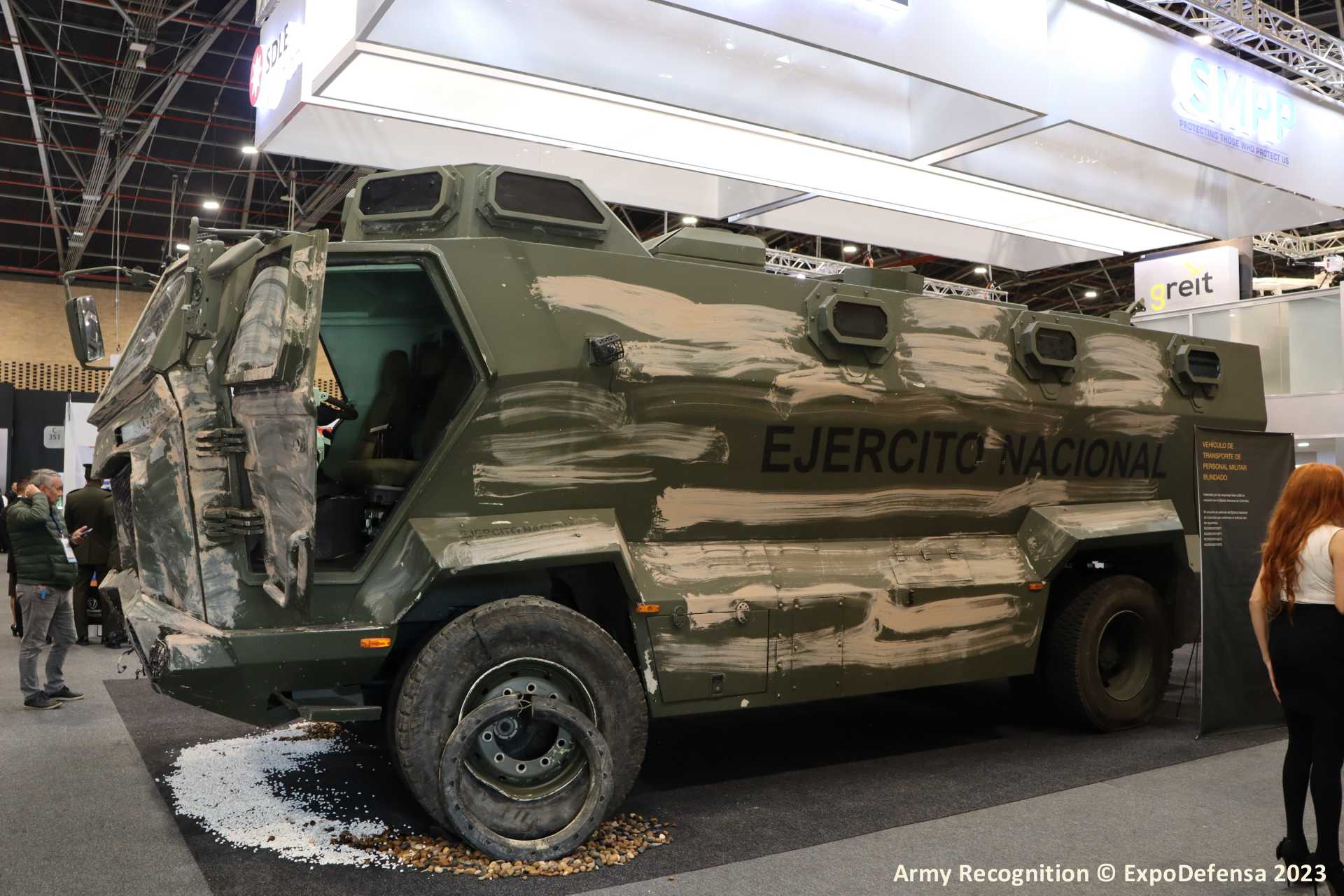
The decision to develop a new variant of the Titan is based on the vehicle’s performance during operations, particularly in Arauca, where they experienced over 70 documented attacks, including small-arms fire and grenades. (Picture source: Army Recognition)
Read more: Colombia to equip Titan-C APC with mortars to strengthen indirect fire capabilities
- Details
- Written by: Administrator
- Category: 2024
- Hits: 6277
In December 2024, American Company Kratos Defense & Security Solutions successfully conducted advanced flight tests of the XQ-58A Valkyrie unmanned combat aerial vehicle (UCAV) in collaboration with multiple U.S. defense entities. The United States Marine Corps (USMC) showcased the system's capability to integrate with crewed fighter aircraft and perform complex missions, marking a significant milestone in future combat operations.
Follow Army Recognition on Google News at this link
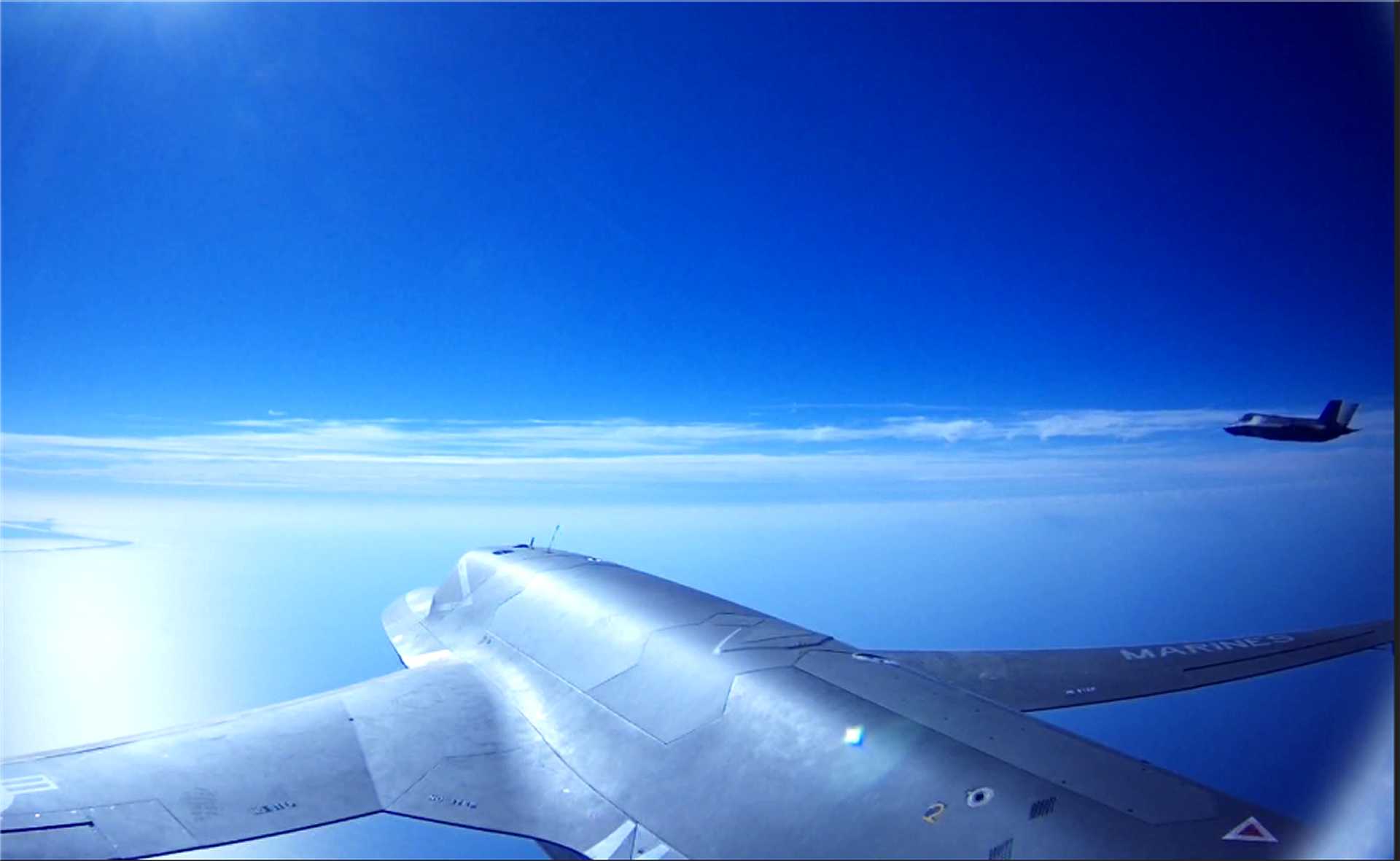
The XQ-58A Valkyrie is a stealthy, unmanned combat aerial vehicle (UCAV) designed by Kratos Defense to operate alongside crewed fighter jets. (Picture source: Kratos)
The exercise, conducted as part of Emerald Flag 2024, brought together various stakeholders, including Kratos, Northrop Grumman, Autonodyne, the United States Navy, the Air Force, and the Marine Corps. This multi-service and multi-domain training initiative highlighted Valkyrie’s ability to close a kill chain between manned and unmanned strike platforms in a realistic and challenging operational environment.
The XQ-58A Valkyrie, developed by the American Company Kratos Defense, is an unmanned combat aerial vehicle designed as an attritable, cost-effective force multiplier for manned fighter jets. As part of the loyal wingman concept, it enhances operational flexibility, mission survivability, and lethality of crewed aircraft. The Valkyrie features a low-observable profile to reduce radar detection, allowing it to operate in contested airspace, and its aerodynamic design minimizes radar cross-section while maintaining high performance. It leverages vehicle-level autonomy, enabling it to execute complex tasks like threat identification, navigation, and targeting without constant operator input. During Emerald Flag, the system autonomously exchanged relevant tactical data and responded to simulated threats while interacting with crewed and uncrewed platforms.
Another major feature is the Valkyrie’s tactical data link integration, which allows seamless data exchange with advanced networks. The system relayed targeting information between platforms during the test, significantly improving situational awareness for ground and airborne units. Additionally, it demonstrated the ability to be controlled through both airborne and ground control systems. During the flight, the XQ-58A transitioned control between these nodes, successfully showcasing its capacity to be supervised by a single operator managing multiple Valkyries simultaneously.
The UCAV’s modular design also allows for multiple payload configurations, including sensors, electronic warfare (EW) equipment, and precision strike munitions. Its onboard sensors played a critical role during the exercise, identifying and geolocating threats while simultaneously sharing targeting data with collaborating air and ground units.
The demonstration, held alongside four USMC F-35B Lightning II aircraft from Marine Fighter Attack Squadron 214 (VMFA-214) and two USAF F-15E/EX Strike Eagles from the 40th Flight Test Squadron, highlighted the Valkyrie’s ability to operate in a simulated high-threat environment. During the event, its onboard systems autonomously located enemy threats, enhancing the operational effectiveness of all participating platforms. A USMC aviator also actively controlled the XQ-58A during part of the mission, demonstrating its versatility in switching between airborne and ground control methods.
This exercise also marked the first instance where the U.S. Department of Defense (DoD) operated the XQ-58A Valkyrie using expeditionary control methods, further validating its utility for Marine Corps Expeditionary Advanced Base Operations (EABO) and Multi-Domain Operations (MDO). The Valkyrie proved its ability to integrate effectively into Marine Air-Ground Task Force (MAGTF) operations, supporting future mission requirements through precision targeting, enhanced survivability, and reduced operational risk to crewed platforms.
The tests were observed by Lt. Gen. Bradford Gering, USMC Deputy Commandant of Aviation, alongside representatives from the Marine Corps Warfighting Laboratory, Naval Air Systems Command (NAVAIR), and the Office of the Secretary of Defense. The success of this demonstration reflects the progress in the USMC’s Unmanned Aerial System Expeditionary (MUX) Tactical Aircraft (TACAIR) program and underscores the Valkyrie’s role in the Marine Corps’ future force structure.
The XQ-58A Valkyrie offers a cost-effective, attritable solution to complement high-value platforms like the F-35B. By enhancing precision targeting capabilities, supporting electronic warfare operations, and seamlessly integrating into joint operations, it provides a critical technological advantage for modern air combat. The system’s ability to operate autonomously, carry versatile payloads, and connect with existing tactical networks positions it as a vital asset for future combat scenarios.
The successful flight tests conducted during Emerald Flag 2024 represent a significant leap in the integration of crewed-uncrewed teaming. Kratos Defense continues to push the boundaries of unmanned aerial system development, ensuring the Valkyrie meets the evolving demands of the U.S. Marine Corps and joint forces. By complementing platforms like the F-35B and expanding the capabilities of the Marine Air-Ground Task Force, the XQ-58A Valkyrie remains at the forefront of innovation, ready to tackle the complex challenges of modern warfare.
- Details
- Written by: Administrator
- Category: 2024
- Hits: 3416
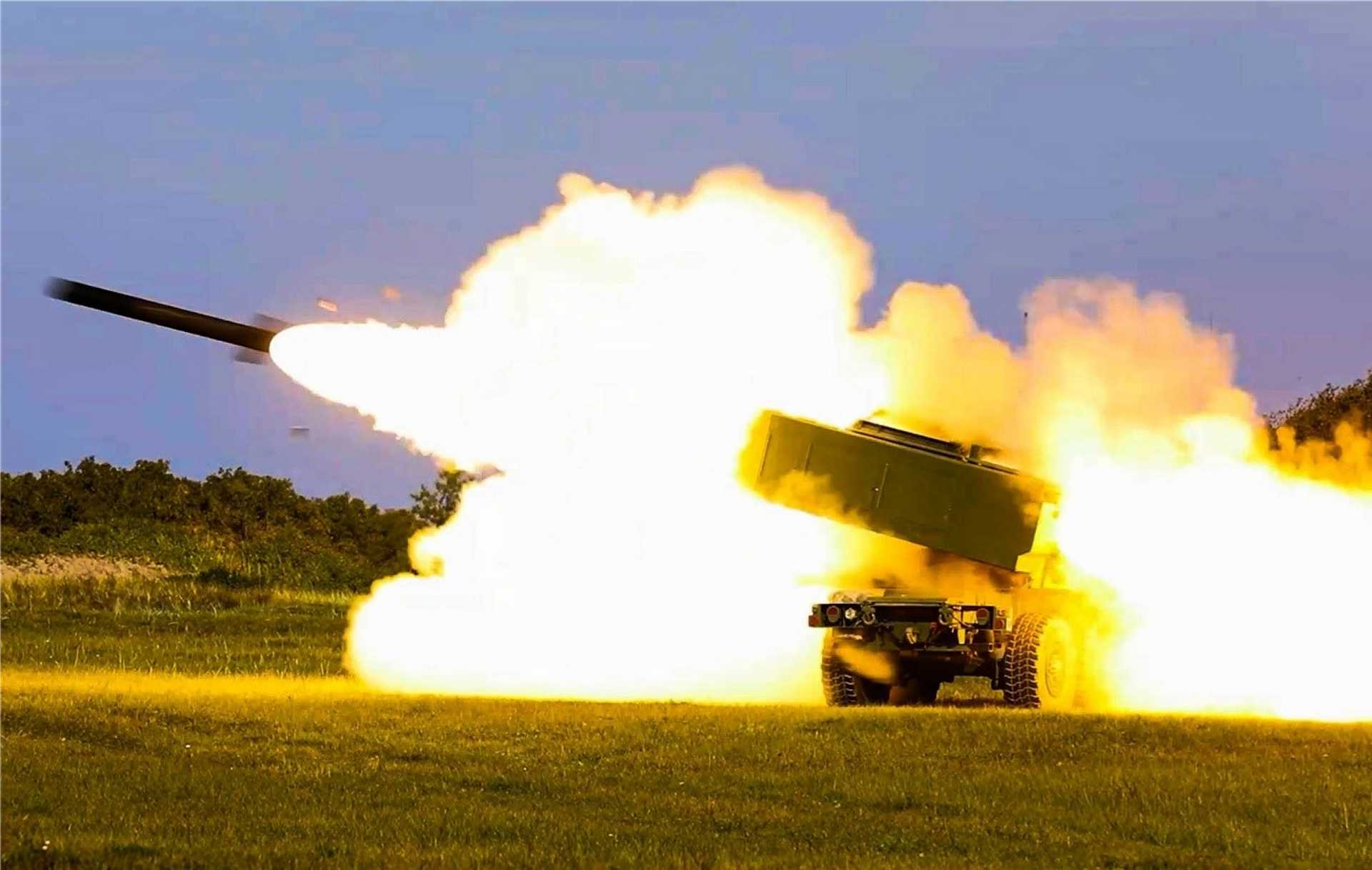
In November 2024, the U.S. Army V Corps significantly increased its warfighting capabilities with the rotational deployment of the 3rd Battalion, 321st Field Artillery Regiment (3-321 FAR) to Grafenwoehr, Germany. The unit, originating from Fort Liberty, North Carolina, brings the formidable High Mobility Artillery Rocket System (HIMARS) to bolster the firepower and flexibility of V Corps in the European theater.
Follow Army Recognition on Google News at this link
An M142 High Mobility Artillery Rocket System (HIMARS) attached to Baker Battery, 3rd Battalion, 321st Field Artillery Regiment, 18th Fires Brigade fires during a combined military exercise in Liepāja, Latvia. (Picture source: U.S. DoD)
The arrival of 3-321 FAR (321st Field Artillery Regiment) augments the existing indirect fire support capabilities of V Corps’ 41st Field Artillery Brigade, which is permanently stationed in Grafenwoehr and equipped with the M270A2 Multiple Launch Rocket System (MLRS). This combined presence integrates two of the U.S. Army’s most advanced rocket artillery systems, significantly enhancing readiness, firepower, and regional posture in support of NATO operations.
The HIMARS, a lighter and wheeled alternative to the tracked M270A2 MLRS, is renowned for its rapid deployability and operational flexibility. Capable of being transported by C-130 aircraft, HIMARS can swiftly respond to emerging threats, providing V Corps with enhanced mobility and precision strike capability. Its deployment to Europe demonstrates the U.S. Army’s ability to reinforce its forward-deployed forces with agile, rotational units that can adapt to dynamic operational requirements.
By combining the HIMARS of 3-321 FAR with the MLRS of the 41st Field Artillery Brigade, the U.S. Army integrates two complementary rocket artillery systems that can deliver long-range, precision firepower across a variety of terrains and operational scenarios. While the tracked M270A2 MLRS offers sustained firepower for extended engagements, the wheeled HIMARS provides faster maneuverability, ensuring versatile and rapid responses during modern combat operations.
The rotational deployment of the 3rd Battalion, 321st Field Artillery Regiment underscores the U.S. Army’s commitment to NATO allies and the collective defense of Europe. By integrating rotational forces into V Corps’ existing structure, the U.S. Army enhances its combat credibility, readiness, and deterrence posture across the European theater. This move highlights the Army’s emphasis on maintaining a strong, adaptable force in Europe to deter potential adversaries and reassure NATO allies. As tensions remain high in the region, the deployment of HIMARS serves as a visible demonstration of the United States’ unwavering commitment to regional security and stability.
The deployment of 3-321 FAR aligns with V Corps’ mission to provide ready and lethal forces in support of NATO and U.S. European Command objectives. Known as the “Victory Corps,” V Corps serves as the Army’s forward-deployed headquarters in Europe, coordinating combat-ready forces to deter aggression and respond to any contingency. By integrating advanced artillery units like the HIMARS-equipped 3-321 FAR, V Corps enhances its ability to conduct joint and multinational operations, solidifying its position as a cornerstone of NATO’s deterrence and defense strategy in the region.
The arrival of the 3rd Battalion, 321st Field Artillery Regiment in Grafenwoehr represents a significant boost to U.S. Army V Corps’ firepower and operational flexibility in Europe. By combining HIMARS with the existing MLRS capabilities of the 41st Field Artillery Brigade, the U.S. Army ensures a robust, adaptable, and credible force capable of meeting the challenges of the modern battlefield. This rotational deployment not only strengthens regional readiness but also reaffirms the United States’ enduring commitment to NATO and the security of Europe.
This development highlights the continued evolution of U.S. artillery capabilities in Europe and the importance of rotational deployments in maintaining a flexible and responsive force structure.
Read more: US Army V Corps Deploys HIMARS Rocket Launchers in Germany to Boost Firepower in Europe
- Details
- Written by: Jérôme Brahy
- Category: 2024
- Hits: 7284
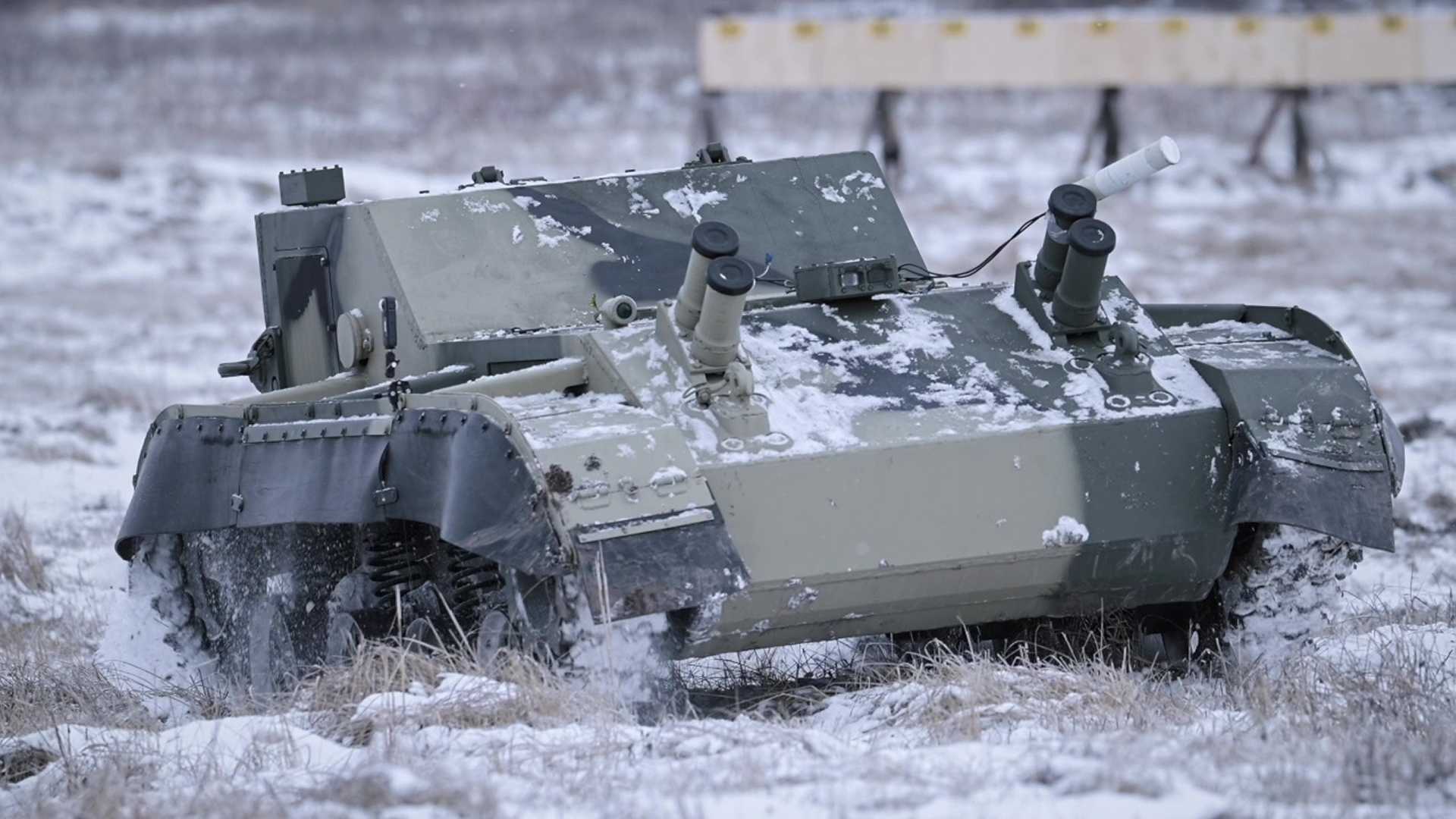
On December 16, 2024, the Russian holding company High-Precision Systems showcased the capabilities of its Depesha and Karakal ground robotic platforms, aimed at improving combat logistics in Ukraine. The event, reported by Rostec’s press service, took place at a designated testing ground. Both platforms were presented in multiple configurations to demonstrate their technical specifications and operational capabilities, reflecting efforts to enhance military efficiency in ongoing operations.
Follow Army Recognition on Google News at this link
Equipped with a video surveillance system featuring both television and thermal imaging cameras, the Karakal can operate during both day and night. (Picture source: Rostec)
The Depesha robotic platform was introduced in two versions: tracked and wheeled. The tracked Depesha features high cross-country mobility, compact dimensions, and can carry a load of up to 100 kilograms at speeds of up to 15 km/h. The platform is controlled through a joystick, with video feeds transmitted to VR glasses or a monitor on the operator's console. To ensure interference-resistant communication, the system can also use a fiber-optic wired communication line without compromising its core technical characteristics.
The wheeled Depesha was presented in two configurations: one fitted with a stretcher for casualty evacuation and another designed to transport supplies such as provisions, fuel, and equipment. Controlled via the Prometheus hardware and software complex, the wheeled version weighs 100 kilograms, can carry several times its own weight, and achieves speeds of up to 30 km/h. Both Depesha variants are currently undergoing tests, including trials in the area of the special military operation.
The Karakal robotic platform, developed at the Kurgan Machine-Building Plant, was also demonstrated. It is constructed from a special aluminum alloy, providing durability while maintaining relatively small dimensions. The Karakal can maneuver effectively in urban areas and operate in off-road conditions, including snow and mud. It has a load capacity of up to 500 kilograms and can reach a maximum speed of 15 km/h. The platform can transport equipment, deliver cargo, or carry additional modules based on operational needs. Equipped with a video surveillance system featuring both television and thermal imaging cameras, the Karakal can operate during both day and night.
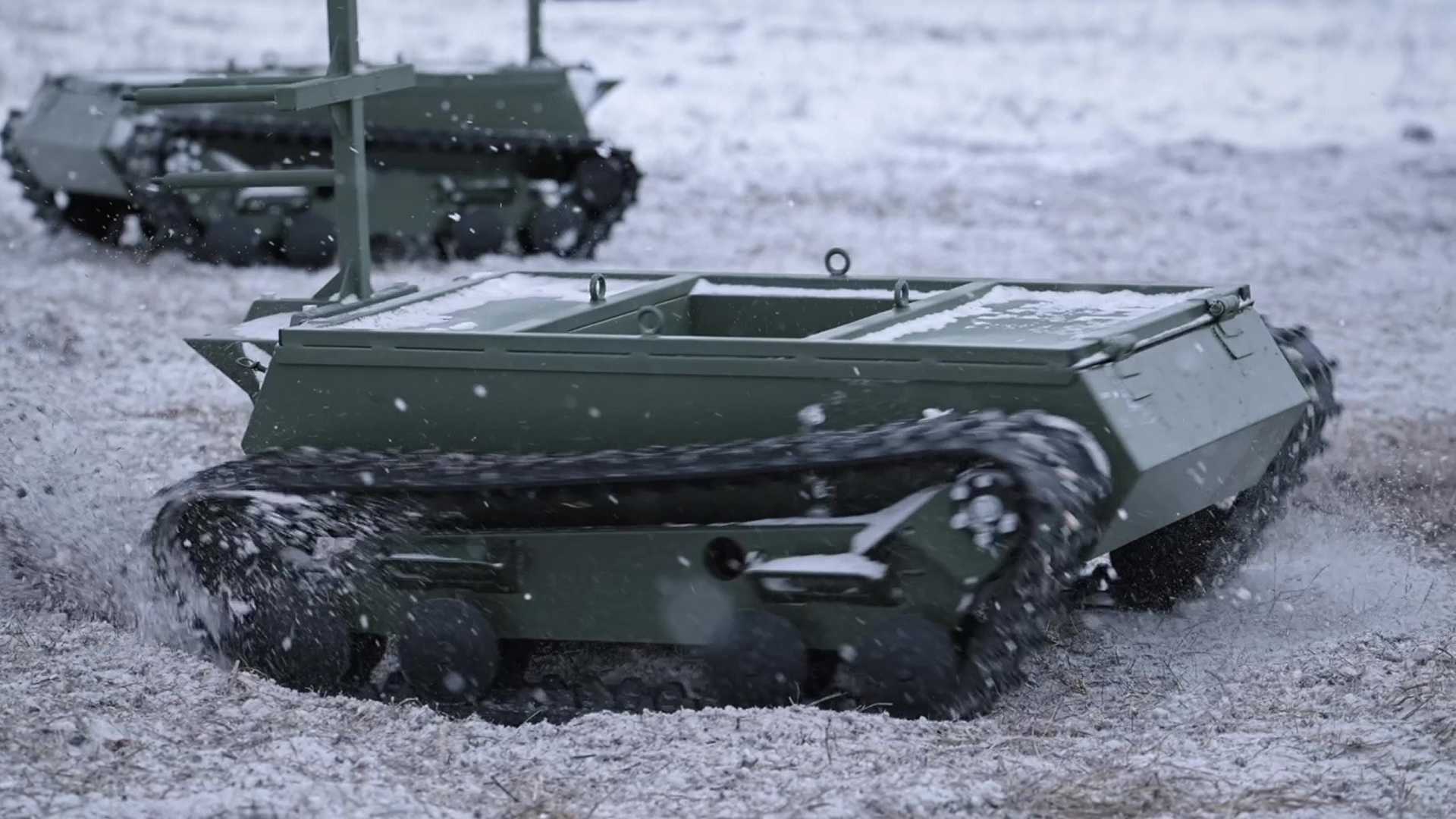
To ensure interference-resistant communication, the tracked Depesha system can also use a fiber-optic wired communication line without compromising its core technical characteristics. (Picture source: Rostec)
At the Army-2024 International Military-Technical Forum, the Karakal was presented with additional features. These included four grenade launchers capable of deploying aerosol smoke screens, enhancing its protective functions. The Karakal’s four-support tracked chassis was also demonstrated, highlighting its stability and mobility across various terrains. The platform is equipped with a remote control system that includes multiple cameras, a thermal imager, navigation tools, and a noise-resistant radio transmitter. It has an operational range of up to 150 kilometers and can be remotely controlled from a distance of up to two kilometers.
Rostec's presentation of the Karakal and Depesha robotic systems highlights ongoing efforts to integrate unmanned ground vehicles (UGVs) into military operations. The Karakal, a compact tracked platform, features a load capacity exceeding 500 kg and an operational range of up to 150 km. Its design enables maneuverability in urban environments where conventional vehicles face limitations. The Depesha, a multifunctional platform with a load capacity of 150 kg, is intended for tasks such as logistical support and combat-related missions. Both systems are remotely operated, enabling personnel to perform tasks from a safe distance and reducing direct exposure to risks in operational zones.
Both platforms are undergoing comprehensive trials, including testing in active operational areas, to assess their capabilities under combat conditions. The Karakal and Depesha are designed to fulfill logistical and tactical roles in various operational environments, reflecting a broader emphasis on developing robotic systems to support military tasks. By minimizing personnel involvement in high-risk scenarios, these systems aim to enhance operational effectiveness while addressing modern warfare requirements for autonomous and remotely operated technologies.
Read more: Russia tests Depesha and Karakal robotic platforms to improve combat logistics in Ukraine
- Details
- Written by: Vandenbosch
- Category: 2024
- Hits: 5307
On December 16, 2024, Lithuania officially confirmed the acquisition of 44 Leopard 2A8 main battle tanks, following the signing of a purchase agreement by the country’s newly appointed Defense Minister, Dovilė Šakalienė, during her first visit to Berlin. The confirmation was announced by German Defense Minister Boris Pistorius in a press statement, which emphasized the financial benefits of the joint purchase under the German framework contract with the tank’s manufacturer.
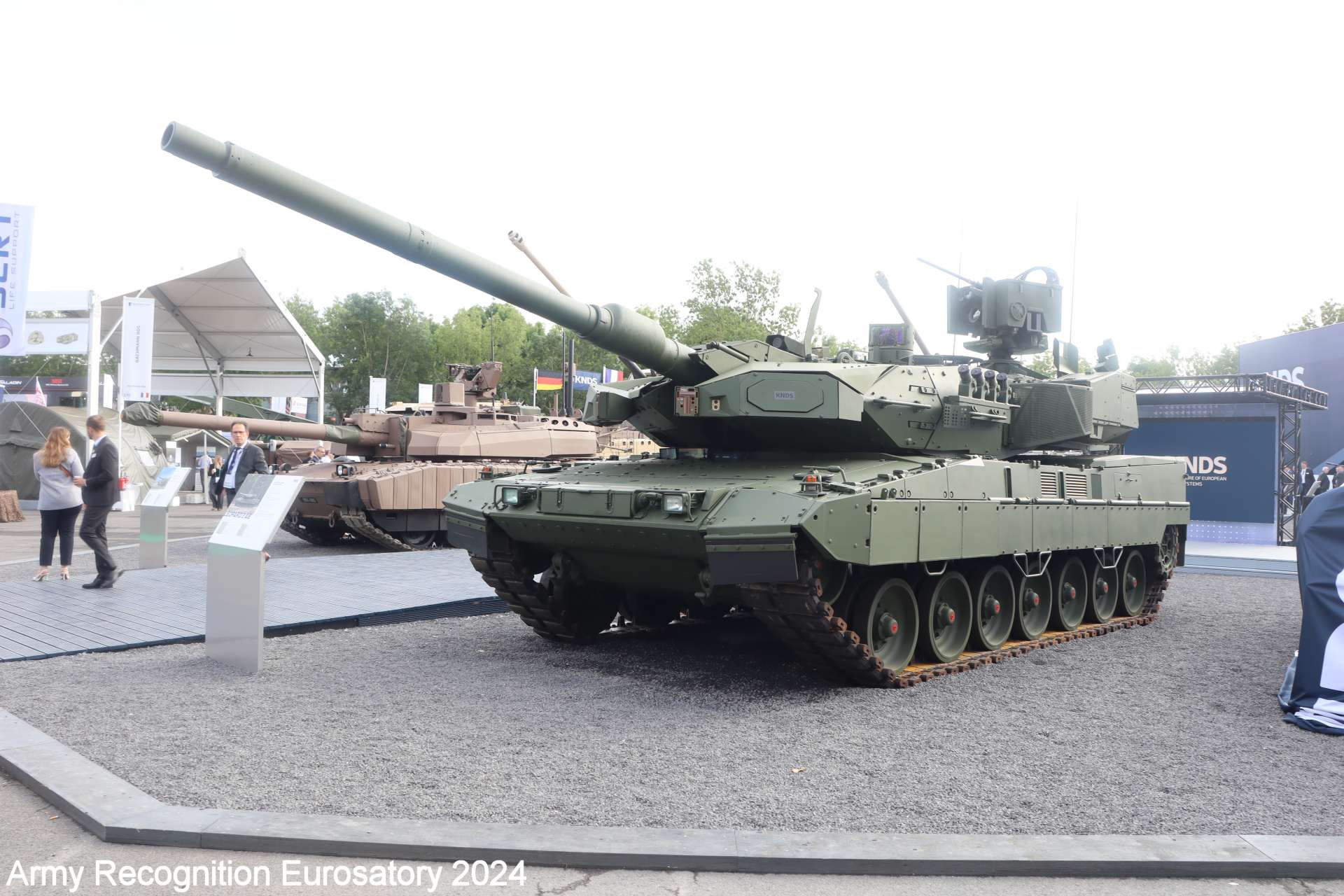
The Leopard 2A8 is a next-generation main battle tank. (Picture source: Army Recognition)
According to Minister Pistorius, this cooperative purchasing model will not only reduce acquisition costs but also facilitate joint maintenance of the tanks in the future. The Leopard 2 A8, a significantly upgraded version of its predecessors, has a combat weight of approximately 70 tons and is equipped with advanced technologies, making it an essential asset for Lithuania’s defense capabilities.
Minister Šakalienė, who has been in office for just one week, highlighted the importance of strengthening Lithuania’s defense posture, confirming that her government plans to increase defense spending by over 800 million euros next year. This allocation will allow Lithuania to invest in the new tanks earlier than expected, accelerating their acquisition and delivery. Šakalienė reaffirmed her country’s strong trust in Germany, expressing the desire to deepen bilateral relations regardless of the political context.
Furthermore, Šakalienė stated that Lithuania is focused on creating an attractive environment for the German forces stationed in the country as part of the Lithuania Brigade initiative. Germany plays a key role in this defense initiative, which aims to bolster NATO’s presence in the region.
Minister Pistorius also confirmed that the establishment of the Lithuania Brigade is progressing as planned. Currently, 150 personnel are stationed on-site, with plans to increase that number to 500 by the end of next year.
With the acquisition of 44 Leopard 2A8 main battle tanks, Lithuania is set to form a tank battalion, significantly enhancing its armored capabilities. This purchase will allow the country to establish a robust armored unit, strengthening its defensive posture and its ability to contribute to NATO operations. The Leopard 2A8, equipped with advanced protection systems and firepower, will provide Lithuania with a formidable force capable of responding to modern threats. This tank battalion is expected to play a critical role in Lithuania's defense strategy and its military collaboration with Germany and other NATO allies.
The Leopard 2A8 is a next-generation main battle tank, designed and manufactured in Germany. It represents an advanced version of the Leopard 2, with significant improvements in protection, performance, and equipment. Its main armament is a 120 mm L55 smoothbore gun, which provides it with significant firepower. Additionally, it is equipped with a 7.62 mm coaxial machine gun and the Trophy APS countermeasure system, which protects the tank from modern threats such as rocket-propelled grenades (RPGs) and anti-tank guided missiles (ATGMs). This active protection system enables the Leopard 2A8 to detect, intercept, and destroy threats before they reach the vehicle, significantly enhancing its survivability on the battlefield.
In terms of protection, the Leopard 2A8 is equipped with a new generation of both active and passive all-around armor. This armor is designed to offer protection against modern threats, including anti-tank guided weapons and rocket-propelled grenades. This enhanced defensive capability ensures that the Leopard 2A8 is more resilient to high-tech attacks, further solidifying its role as a key strike force in modern conflicts.
With a weight ranging between 65,000 and 67,000 kg, the Leopard 2A8 remains relatively mobile, reaching a maximum speed of 70 km/h on roads. Its operational range is 450 km, allowing it to conduct prolonged operations without the need for frequent refueling. The tank is equipped with several support systems to ensure the comfort and safety of its four-member crew. These include a collective NRBC (Nuclear, Radiological, Biological, Chemical) system, a preheating system for the engine, a crew compartment heater, an auxiliary power unit, and a crew compartment cooling system. These features guarantee optimal performance, even under extreme conditions.
The Leopard 2A8 measures 7.7 meters in length, 4.0 meters in width, and 3.0 meters in height. These dimensions provide good maneuverability while offering enough space for advanced technologies and integrated protection systems. This tank, used by Germany and the Czech Republic, is a major asset for modern armored forces, combining firepower, mobility, and cutting-edge protection.
Lithuania’s decision to purchase Leopard tanks was first announced by the National Defense Council in January. However, it was only now that the exact number, model, and acquisition details have been finalized.
Read more: Lithuania Confirms Purchase of 44 German Leopard 2A8 Battle Tanks to Create New Battalion
- Details
- Written by: Jérôme Brahy
- Category: 2024
- Hits: 7748
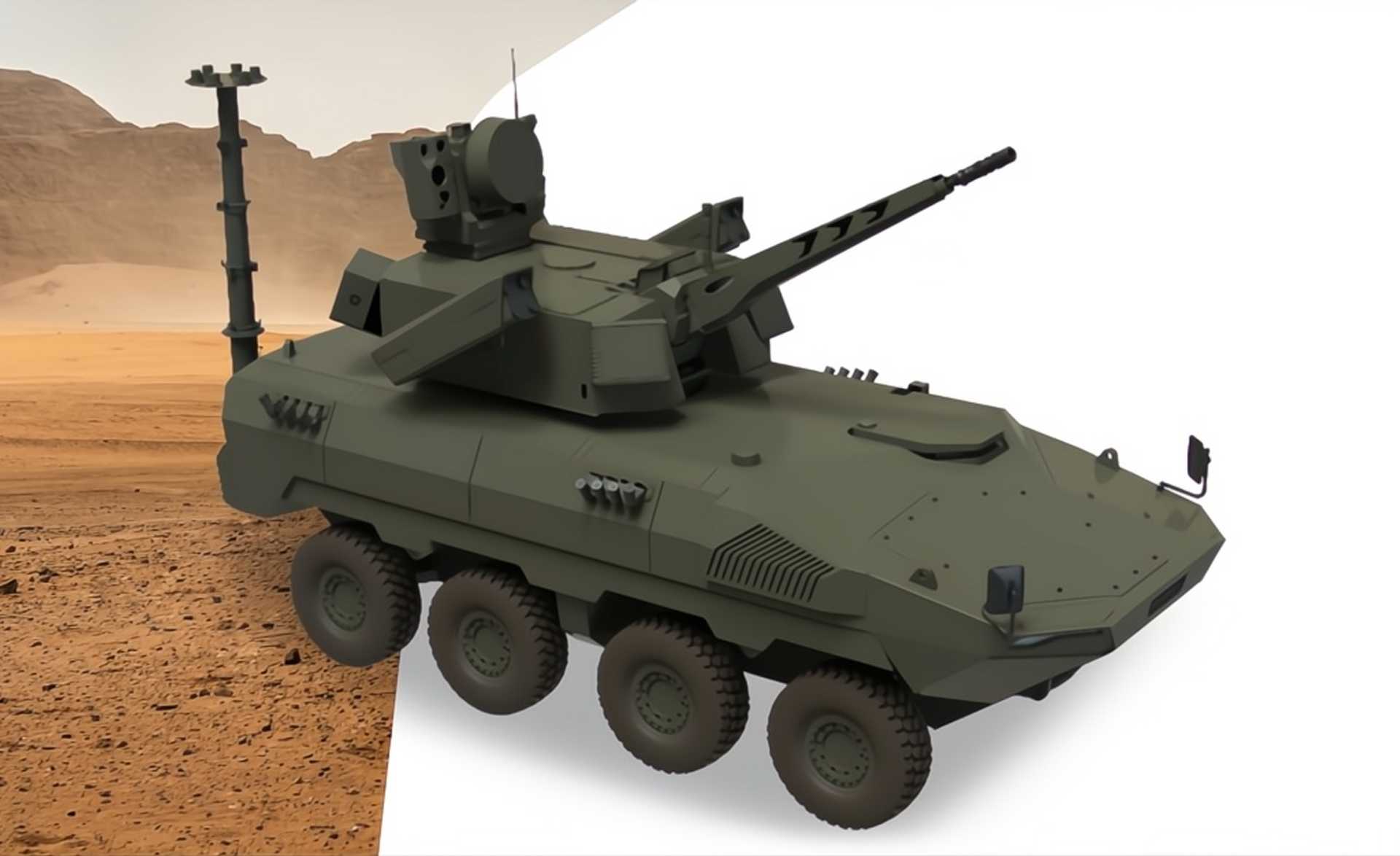
On December 6, 2024, the Turkish company Aselsan unveiled the Kalkan-050G, a new multifunctional air defense radar equipped with a two-axis AESA antenna operating in the S-band and offering a range of 25 km. Designed to detect aerial targets and ballistic munitions, it marks a step forward in close and medium-range air defense systems. Notably, brochure imagery introduces a new 8x8 air defense system, suggesting an evolution beyond initial expectations for a Korkut-2, possibly a competitor to the German Boxer Skyranger 35.
Follow Army Recognition on Google News at this link
Aselsan unveiled the concept of a new 8x8 air defense system, potentially armed with a 35mm autocannon and two missile launchers, making it a possible competitor of the German Boxer Skyranger 30 and Skyranger 35 systems. (Picture source: Aselsan)
Aselsan appears to have specifically developed the Kalkan-050G for this new 8x8 air defense system. The Kalkan-050G is a multifunctional air defense radar equipped with a two-axis Active Electronically Scanned Array (AESA) antenna operating in the S-band. It has a detection range of 25 kilometers and is designed to identify and track aerial targets, including fighter jets, helicopters, UAVs, and ballistic munitions. The radar features high-resolution target acquisition, automatic classification, and multi-target tracking. It integrates with Aselsan systems such as the AKREP 100-G and is compatible with next-generation armored platforms and layered air defense networks.
Imagery in the Kalkan-050G brochure introduces a new wheeled air defense system, distinct from the earlier Korkut self-propelled anti-aircraft gun system. Unlike the Korkut’s twin-barrel configuration, the new platform uses a single-barrel system. Its design resembles the German Skyranger system and may include MKE’s 35 mm Revolver cannon, currently under development. Expected modifications, such as updates to the KDC-002 turret and weapon systems, suggest performance improvements and efforts to address previous limitations.
The platform, informally referred to as a "Turkish Skyranger," is identified as an evolution of the earlier Korkut air defense system. It could incorporate a 3D AESA radar for target acquisition, two banks of four smoke grenade launchers for defensive measures, and modular weapon configurations. The system also highlights the potential integration of MKE’s 35 mm Revolver cannon. These updates reflect Türkiye's active development of new air defense systems to enhance national security and achieve self-reliance in defense technology. This effort is driven by the need to protect airspace from various aerial threats, including missiles, drones, and advanced aircraft, while reducing dependence on foreign defense systems. The development of indigenous air defense capabilities aims to address emerging security challenges and strengthen Türkiye's strategic autonomy.
Concrete examples of these developments include the Hisar-A and Hisar-O missile systems, which provide low and medium-altitude air defense against threats such as helicopters, fighter jets, and unmanned aerial vehicles. Additionally, Türkiye is working on the Siper long-range air defense system, designed to counter higher-altitude threats and enhance the country's layered air defense strategy. These systems reflect Türkiye's commitment to developing indigenous solutions to meet modern defense requirements.
The Korkut system, initially designed for low-altitude air defense, features twin 35 mm cannons with a combined rate of fire of 1,100 rounds per minute and an effective range of 4,000 meters. Mounted on an ACV-30 tracked vehicle, the system offers amphibious capabilities suitable for various terrains. In response to challenges such as high-speed targets and large-scale drone swarms, Aselsan has developed the Korkut 110/35S, a single-barrel 35 mm variant optimized for very low-altitude air and ground defense. Key additions include FPV jamming capabilities, Very Short Range Air Defense (VSHORAD) missiles, and an automatic linkless ammunition feed mechanism that enables switching between ammunition types within 15 seconds. The stabilized turret supports accurate firing while on the move, and fire control radars with electro-optical sensors provide automatic target tracking.
The Boxer Skyranger 35, developed by Rheinmetall, is a comparable short-range air defense system mounted on an 8×8 wheeled Boxer armored vehicle. It is equipped with a 35 mm revolver cannon that can fire up to 1,000 rounds per minute with an effective range of 4,000 meters. The system uses AHEAD airburst ammunition for improved effectiveness against drones and aerial targets. The Boxer Skyranger’s wheeled platform emphasizes on-road mobility, whereas the Korkut’s tracked chassis offers amphibious capabilities and superior off-road performance, although there is also a wheeled version. The Skyranger’s modular design also allows for future integration of guided missiles and high-energy lasers.
The advancements reflected in the Kalkan-050G radar and the "Turkish Skyranger" indicate efforts to adapt existing air defense systems to modern battlefield requirements. Key updates, including FPV jamming capabilities, VSHORAD missiles, and 3D AESA radar integration, provide increased versatility against loitering munitions, drones, and other aerial threats. These updates, combined with weapon system adjustments such as the integration of the MKE Revolver cannon, align with ongoing trends toward more adaptable and modular air defense solutions.
Read more: Türkiye develops new 8x8 air defense system to compete with German Boxer Skyranger 35
- Details
- Written by: Administrator
- Category: 2024
- Hits: 13496
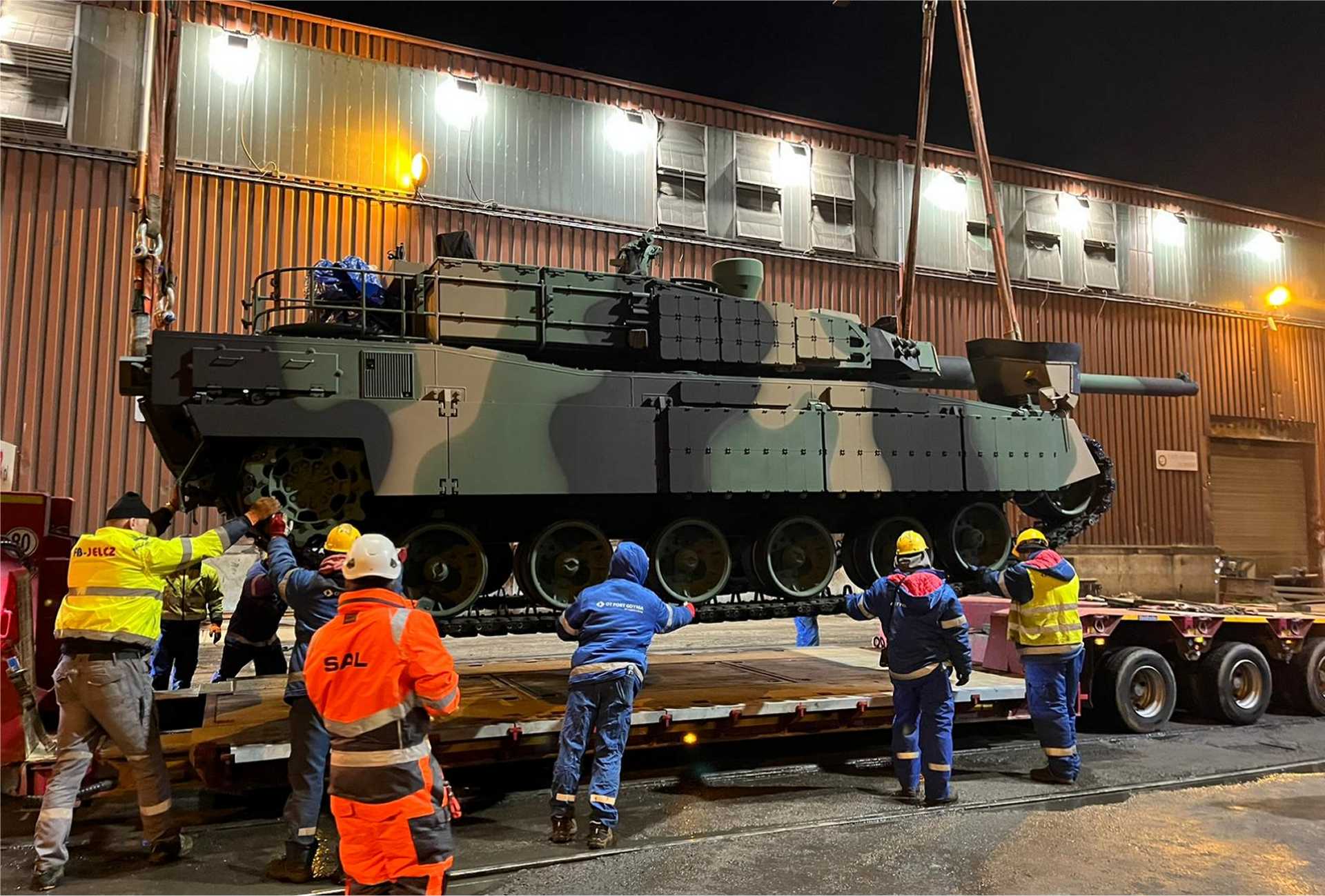
As of December 17, 2024, the Polish Armed Forces have received a total of 84 K2 Main Battle Tanks (MBTs) from South Korea, according to a statement from the Polish Minister of Defense. This delivery is part of a significant defense agreement signed in August 2022 with South Korea's Hyundai Rotem to procure 180 K2 tanks, valued at approximately $3.4 billion. Deliveries commenced in December 2022, when the first batch of 10 tanks arrived in Poland, and the agreement stipulates that all 180 tanks will be delivered by the end of 2025.
Follow Army Recognition on Google News at this link
Polish Armed Forces receive a new batch of K2 Black Panther Main Battle Tanks from South Korea, strengthening Poland's armored capabilities as part of its accelerated defense modernization program. (Picture source: Polish MoD)
The growing partnership between Poland and South Korea has become a cornerstone of Poland’s defense modernization program, particularly in response to escalating security concerns in Europe. The war in Ukraine and the increasing Russian military activity near NATO's eastern flank have accelerated Poland’s military acquisitions. With its advanced defense industry and capacity for rapid production and delivery, South Korea has become a key partner in fulfilling Poland’s urgent defense requirements. This collaboration highlights Poland’s strategic effort to strengthen its armed forces with technologically advanced and immediately available equipment.
In addition to the K2 tanks, Poland has also been bolstering its artillery and rocket capabilities with further acquisitions from South Korea. The Polish Army is receiving K9 155mm tracked self-propelled howitzers, with deliveries proceeding as planned, and the Homar-K Multiple Launch Rocket Systems (MLRS). The delivery schedule for the Homar-K systems has been accelerated, with the second batch—initially planned for next year—already delivered to Poland. These acquisitions are intended to modernize Poland’s artillery forces and enhance their ability to deliver precise and powerful fire support on the battlefield.
The K2 Black Panther MBT, developed by Hyundai Rotem, represents a major leap in Poland’s armored capabilities. It is one of the most advanced tanks in the world, equipped with a 120mm smoothbore gun featuring an autoloader that can fire up to 10 rounds per minute, even on the move. Its fire control system includes auto-target detection and tracking technology, ensuring unmatched accuracy and lethality. The K2 also features advanced composite armor and active protection systems, giving it superior survivability on the modern battlefield. Mobility is another key advantage of the K2, as its 1,500-horsepower engine and advanced suspension allow it to maneuver effectively across difficult terrain. These capabilities ensure the K2 tanks will significantly strengthen Poland’s ability to counter heavily armored adversaries.
Poland’s accelerated procurement of South Korean equipment is part of its broader defense modernization program aimed at responding to the growing threat posed by Russia and ensuring regional stability. Poland has prioritized rapid acquisitions of advanced military platforms to increase its combat readiness. In addition to equipment sourced from South Korea, Poland has also made significant purchases from the United States, including 250 M1A2 SEPv3 Abrams tanks and 32 F-35 Lightning II stealth fighters. Furthermore, Poland is planning domestic production of a modified version of the K2, called the K2PL, starting in 2026. This initiative not only enhances Poland’s defense industrial base but also ensures the long-term sustainment and support of its new armored fleet.
The defense cooperation between Poland and South Korea marks a significant shift in Poland’s strategic priorities. By turning to South Korea, Poland has been able to acquire modern military equipment on an accelerated timeline, addressing immediate security concerns while strengthening bilateral ties. The partnership demonstrates South Korea’s growing influence as a global defense supplier and highlights Poland’s resolve to modernize its military forces in response to the evolving security landscape in Eastern Europe.
Poland’s investments in platforms such as the K2 tanks, K9 howitzers, and Homar-K MLRS systems underscore its commitment to maintaining a robust and modern military capable of deterring aggression. As the war in Ukraine continues and Russia remains a threat, Poland is positioning itself as a leading military power on NATO’s eastern flank. This comprehensive modernization effort, supported by reliable partners like South Korea, reinforces Poland’s role as a key contributor to regional security and NATO’s collective defense.

- Details
- Written by: Vandenbosch
- Category: 2024
- Hits: 5299
An upgraded version of the ARMA 6×6 armored vehicle, which could be intended for the Estonian armed forces, has been spotted in Türkiye. The vehicle, manufactured by the Turkish defense company Otokar, features several design modifications aimed at enhancing its operational capabilities, specifically tailored to meet Estonia’s defense needs.
The upgraded ARMA 6×6 is a modular and highly adaptable platform, perfectly suited to a range of military operations, including combat and reconnaissance missions. (Picture source: Social Media)
According to Ahmet Alemdar, a renowned Turkish defense journalist, one of the most notable changes in this upgraded version of the ARMA vehicle is the redesigned headlight system. Alemdar also pointed out that other adjustments have been made to the vehicle’s equipment. These modifications are seen as essential to aligning the vehicle’s specifications with the unique requirements of the Estonian military.
Estonia’s plans to acquire modern armored vehicles were officially announced in 2022. This order, worth €200 million ($210 million), includes the purchase of 230 armored vehicles from Turkish contractors. The acquisition consists of two distinct vehicle types: the Otokar ARMA 6×6 armored personnel carrier and the NMS 4×4 vehicle from Nurol Makina. The order is evenly split between the two variants, with deliveries expected to begin in the second half of 2024, and the full order scheduled for completion by 2025.
The upgraded ARMA 6×6 is a modular and highly adaptable platform, perfectly suited to a range of military operations, including combat and reconnaissance missions. While the specific details of the upgrades remain confidential, analysts believe they could include advanced communication systems, enhanced protection against threats, and improved situational awareness, thus reinforcing Estonia’s strategic defense objectives.
The delivery of these upgraded armored vehicles represents an important step in Estonia’s broader military modernization effort, driven by increasing security concerns in the Baltic region. These new vehicles will play a crucial role in enhancing Estonia’s mobility and combat capability.
Moreover, this deal highlights the strengthening of defense ties between Estonia and Turkey. As Turkey continues to expand its defense export portfolio, this collaboration underscores Turkey’s rising stature as a key global supplier of advanced military technologies.
As deliveries of the upgraded ARMA vehicles begin in 2024, they will become an integral part of Estonia’s evolving military landscape, helping the country address emerging security challenges in Europe and bolster its defense capabilities in the face of growing regional threats.
Read more: Upgraded ARMA 6×6 Armored Vehicle Spotted in Türkiye Likely Heading to Estonia
- Argentine Prepares To Field First 10 VC TAM 2C-A2 Main Battle Tanks
- Poland Boosts Its Intelligence Capabilities with Acquisition of 3 US MQ-9B SkyGuardian Aerial Drones
- US Army in Germany Fields New M270A2 Rocket Launchers with ER-GMLRS Capable of Reaching 150 km
- BAE Systems Australia Achieves First Flight of STRIX Unmanned Aerial Vehicle