
- Details
- Written by: Vandenbosch
- Category: 2024
- Hits: 2274










At the 2024 edition of the Association of the United States Army (AUSA), held from October 14 to 16 in Washington, DC, Galvion, a leader in power management solutions and head protection systems, announced new orders from the U.S. Department of Defense (DoD) for its MAX-8 Mission Adaptive Charging Station and Squad Power Manager (SPM) solutions. These power management devices, branded under Nerv Centr, were selected as part of the System Modernization Program (SMP) within the Joint Program Executive Office for Chemical, Biological, Radiological, and Nuclear Defense (JPEO-CBRND) for the Dismounted Reconnaissance Sets, Kits, and Outfits (DRSKO) Program.
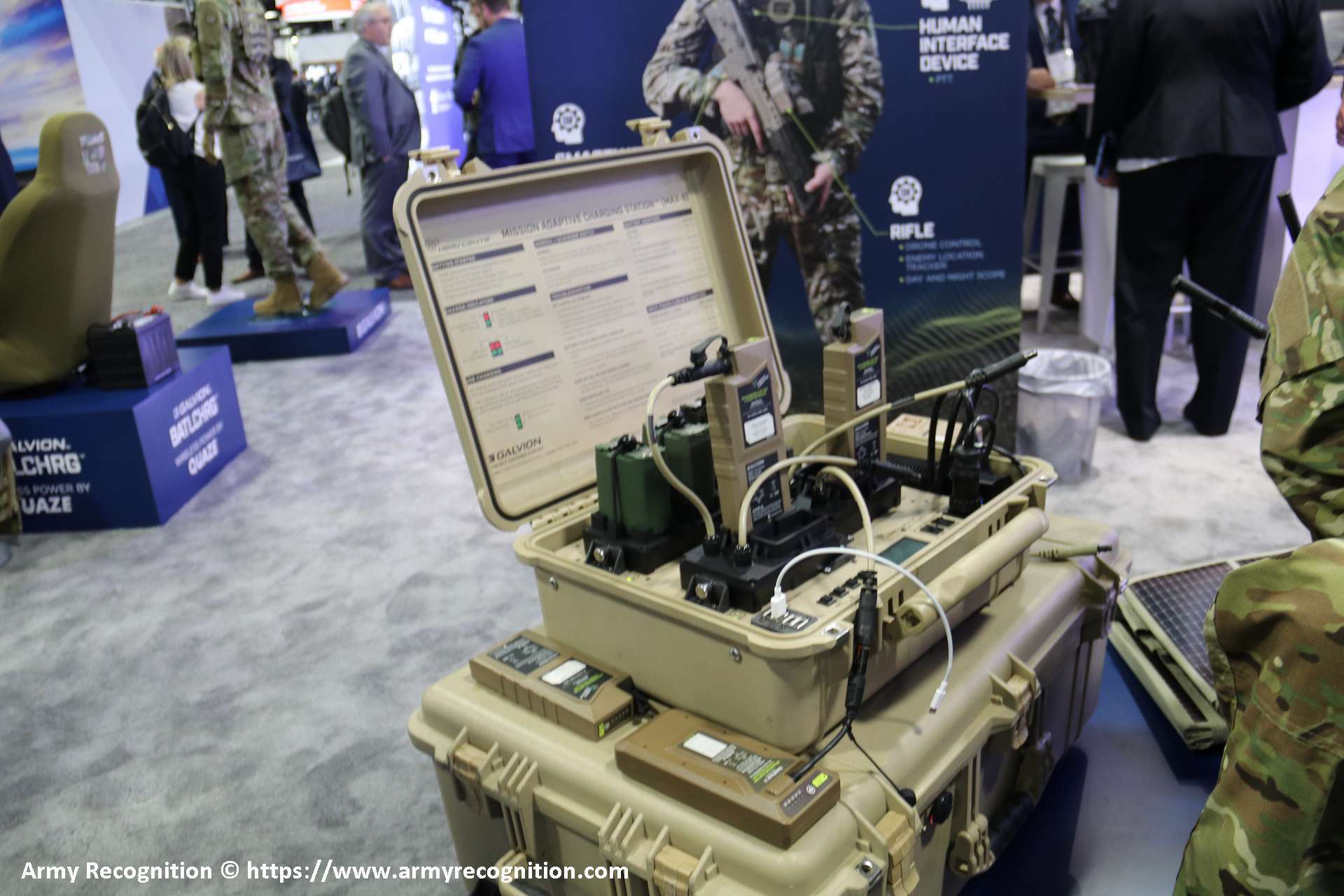
SPM and MAX-8 systems are intended for the National Guard and the U.S. Army. (Picture source: Army Recognition)
The initial orders cover 124 combined SPM and MAX-8 systems intended for the National Guard and the U.S. Army. These systems, set for delivery starting in late 2024, meet power management needs for DRSKO kits, a crucial set of equipment enabling missions in CBRND (chemical, biological, radiological, and nuclear defense) environments. Additional orders are expected as more funds become available to meet the specific requirements of other military branches, such as the U.S. Air Force and Marine Corps.
Galvion's Nerv Centr Squad Power Manager stands out for its compact size and its capacity to collect and manage energy from various sources. Using intelligent cables, the system can capture, distribute, and convert energy into a compatible format to power essential mission-critical equipment and devices. This system supports multiple power sources, including military batteries, AC and DC currents, solar energy, and vehicles equipped with NATO-standard plugs.
The Nerv Centr MAX-8, also unveiled at AUSA 2024, is a portable charging station designed to withstand the toughest operational conditions. It can draw power from various sources, including AC, solar, and vehicles, and can simultaneously recharge multiple battery types without requiring adjustments. Featuring intelligent capabilities, such as automatic source analysis, the station optimizes charging rates to reduce recharge time and ensure maximum availability.
Galvion CEO Todd Stirtzinger stated, "We are proud to provide CBRND forces with customized solutions that will improve power management efficiency for their DRSKO kits. Our systems, deployed across multiple U.S. units, contribute to reinforcing essential capabilities to protect soldiers and the nation." He added, "Our priority is to maximize operational efficiency for our users. Our solutions reduce logistical burden by minimizing the need for additional batteries while ensuring that all equipment is powered and ready in the most austere environments."
Galvion's presence at AUSA 2024 highlights the importance of its advanced energy solutions for the U.S. DoD. The growing demand for systems like the SPM and MAX-8 demonstrates their relevance in modern field operations, where effective energy management and fast charging are critical operational advantages for troops.
Read more: US Army Orders Galvion Charging Stations and Power Management Systems
- Details
- Written by: Jérôme Brahy
- Category: 2024
- Hits: 4073
At the 2024 Association of the United States Army (AUSA) Annual Meeting and Exposition, taking place from October 14–17 in Washington, DC, Moog Inc.'s Defense Division, in partnership with American Rheinmetall Vehicles (ARV), is presenting the Flexible Mission Platform (FMP) integrated onto the Small Multipurpose Equipment Transport (S-MET) robotic vehicle. This integration marks the first time the FMP system has been mounted on the S-MET, showcasing the platform’s capabilities and modularity.
Follow Army Recognition on Google News at this link
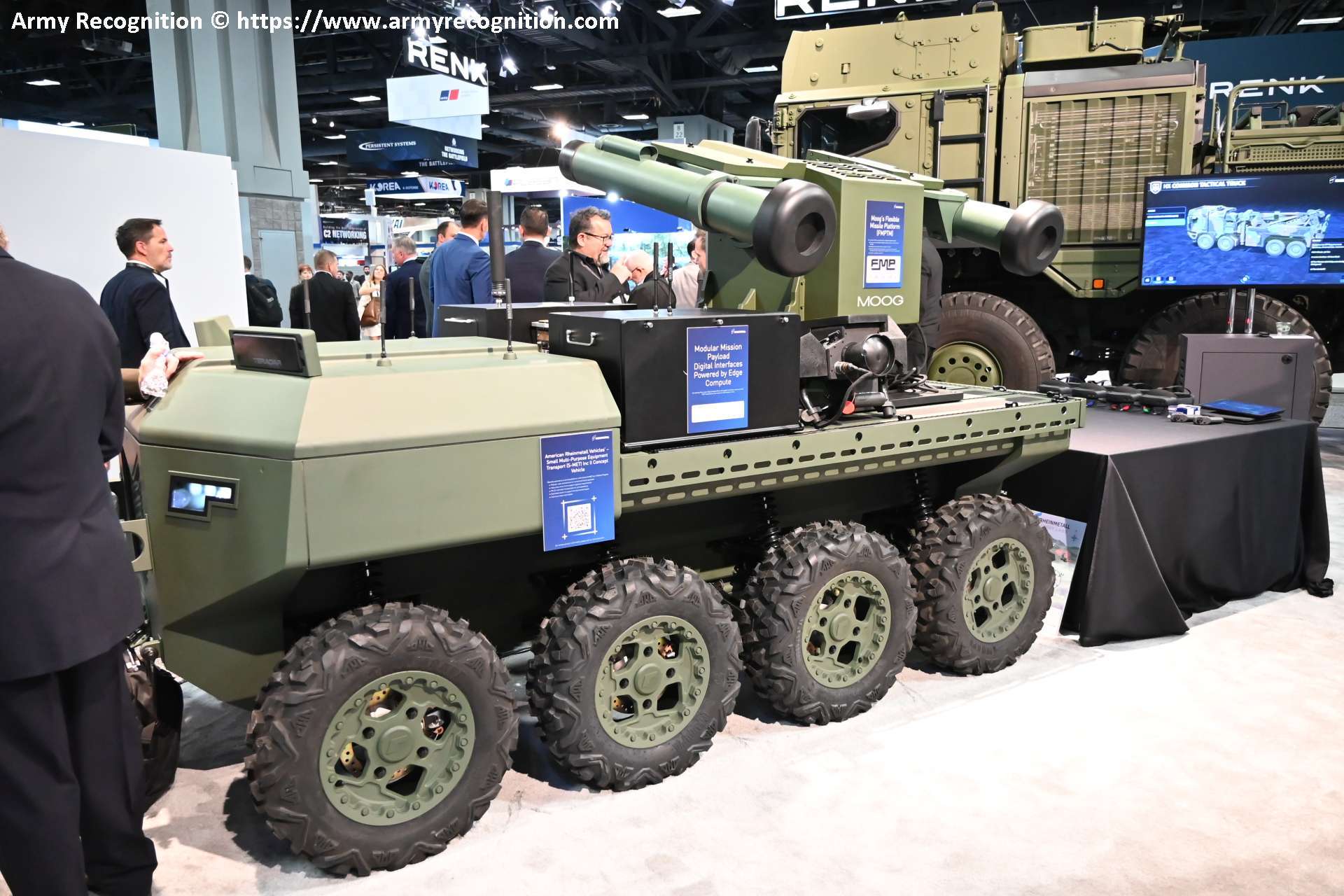
Moog’s booth showcases another FMP system, where missile launchers are rotated daily to exhibit various combinations of anti-armor and counter-unmanned aerial system (c-UAS) launchers on the platform’s pedestal. (Picture source: Army Recognition)
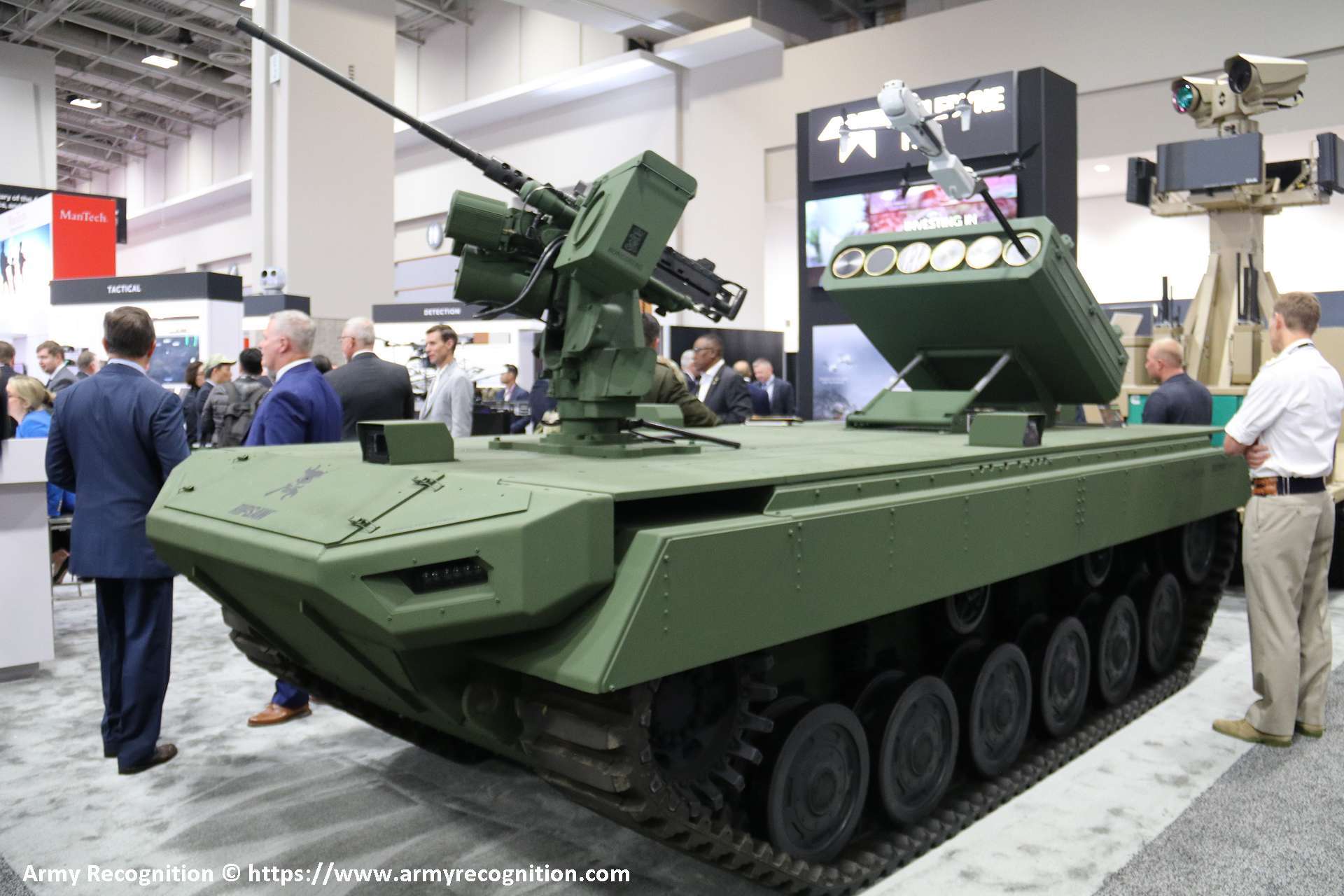
The FMP is designed as a payload-, mission-, and platform-agnostic solution, allowing users to configure it with various weapons, sensors, or other mission packages suitable for land vehicles, containers, trailers, and even surface ships. At the exhibit, American Rheinmetall Vehicles and Textron Systems unveiled their jointly developed prototype, featuring the FMP equipped with Javelin and Coyote launchers for the U.S. Army’s Small Multi-Purpose Equipment Transport (S-MET) Increment II program.
This program aims to provide the Army with up to 2,195 autonomous ground vehicles by 2027 to enhance logistics support for combat operations. Under the contract, American Rheinmetall Vehicles will deliver eight prototypes in 2025 for testing and evaluation, competing against another contractor’s prototypes before a final selection is made.
Chris Haag, Senior Director of Business Development at American Rheinmetall Vehicles, emphasized the importance of the FMP and S-MET integration as a demonstration of collaboration. Meanwhile, Moog’s booth showcases another FMP system, where missile launchers are rotated daily to exhibit various combinations of anti-armor and counter-unmanned aerial system (c-UAS) launchers on the platform’s pedestal. Furthermore, the Flexible Mission Platform (FMP) has been nominated for the AUSA National Partner Best New Product Award for 2024. According to Jason Weiss, Land Systems Director at Moog, this presentation is intended to demonstrate the FMP's capacity to support different mission needs for U.S. and allied forces.
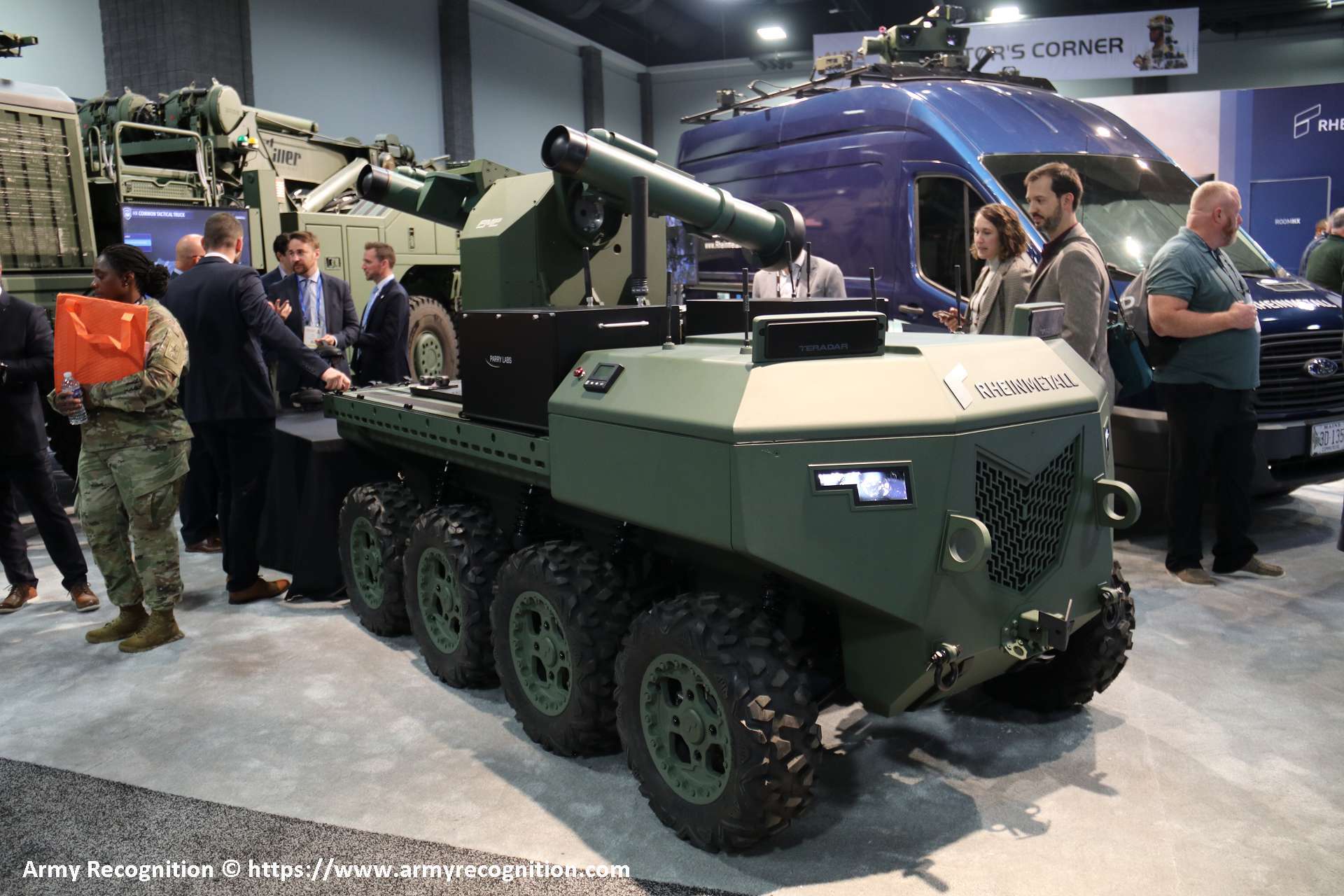
At AUSA 2024, American Rheinmetall Vehicles and Textron Systems unveiled their jointly developed S-MET prototype, featuring the FMP equipped with Javelin and Coyote launchers. (Picture source: Army Recognition)
Constructed with Moog’s established military motion control technology, the FMP system is available in both pedestal and yoke configurations, with options for high-performance stabilization, a slip ring for high-speed power and data transmission, and weapon stores management capabilities supporting missile firing. The system is designed with customer-specified payload capacities and includes a hinged reloading mechanism for efficient missile replenishment. Engineered to reduce inertia, the FMP’s stabilization system supports accurate firing on the move. Key specifications include 360-degree continuous rotation with optional slip rings, an elevation range of -10 to +30 degrees, and an approximate weight of 350 kg (excluding missile launchers).
The FMP platform includes features tailored for quick reconfiguration to meet air-defense and anti-armor mission requirements. Alongside the FMP, Moog’s exhibit includes various defense technologies, such as the Reconfigurable Integrated Weapons Platform (RIwP), Control Actuation Systems (CAS) for missile steering, the Portable Weapon Management System (PWMS), and Moog’s avionics systems. The Moog booth also showcases rotary solutions with slip rings, motion control, and media conversion capabilities. Additionally, Moog displays its contributions to the Future Long-Range Assault Aircraft (FLRAA) program with products like actuation systems, flight control computers, and components for active feel and trim control.
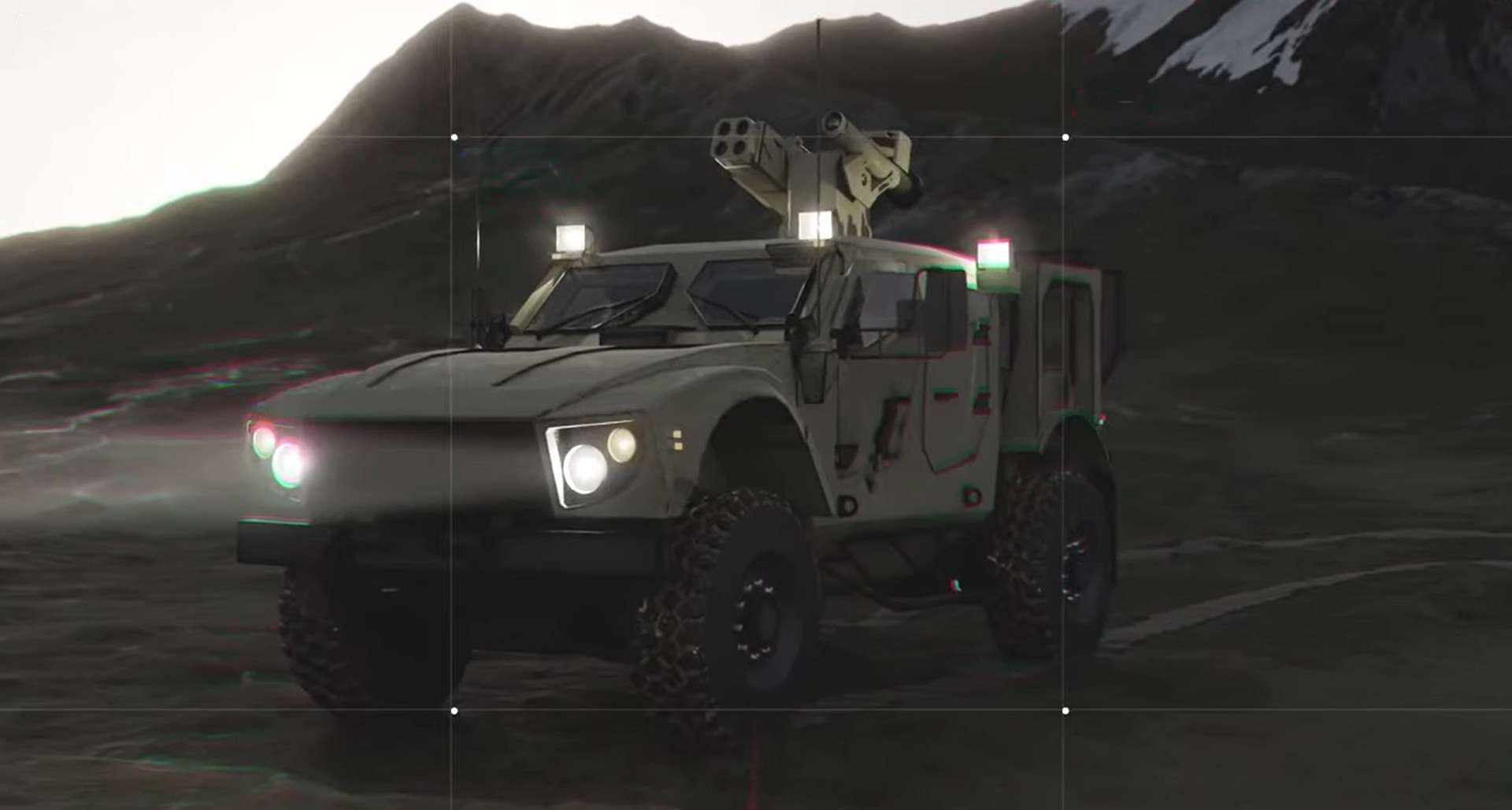
The FMP’s design accommodates various configurations across different platforms, such as light and medium-protected vehicles, robotic vehicles, surface ships, and containerized platforms. (Picture source: Moog)
For users seeking versatile configurations, the FMP system offers platform options, including a multi-channel rotary joint for rapid data transfer, protective covers for ingress protection, and a stabilization system to support moving operations. Moog’s Weapon Stores Management System (SMS), available with the FMP, is a third-generation modular system integrating with vehicle sensors and mission management systems. SMS components include customizable electronic flight and multi-function displays, a weapon control panel, and an enhanced stores interface unit. The SMS configuration is designed to enable missile hosting, supporting efficient integration and providing users with a tailored fire-control solution. The SMS system offers flexibility for users across air, land, and maritime applications and is compatible with potential future mission upgrades.
The FMP’s design accommodates various configurations across different platforms, such as light and medium-protected vehicles, robotic vehicles, surface ships, and containerized platforms. Both pedestal and yoke FMP configurations support different operational environments, featuring options for azimuth travel locks, mounting surfaces, and sighting system compatibility. Detailed specifications for the FMP include a 28 VDC power supply (meeting MIL-STD-1275D requirements), traverse and elevation speeds of 1 rad/sec and 0.5 rad/sec, respectively, and acceleration capabilities of 1.7 rad/sec² in traverse and 3 rad/sec² in elevation.
- Details
- Written by: Triffaux
- Category: 2024
- Hits: 3326
WaveAerospace is presenting its logistics system, the Mule, an unmanned aerial vehicle (UAV) designed for autonomous cargo transport in challenging environments, at the AUSA 2024 show, held from October 9 to 11 in Washington, D.C. This drone model, engineered for logistics missions in contested zones, stands out for its endurance and durability, making it suitable for operations in complex terrains. The event, organized by the Association of the United States Army, showcases leading innovations in defense for U.S. and international armed forces.
Follow Army Recognition on Google News at this link
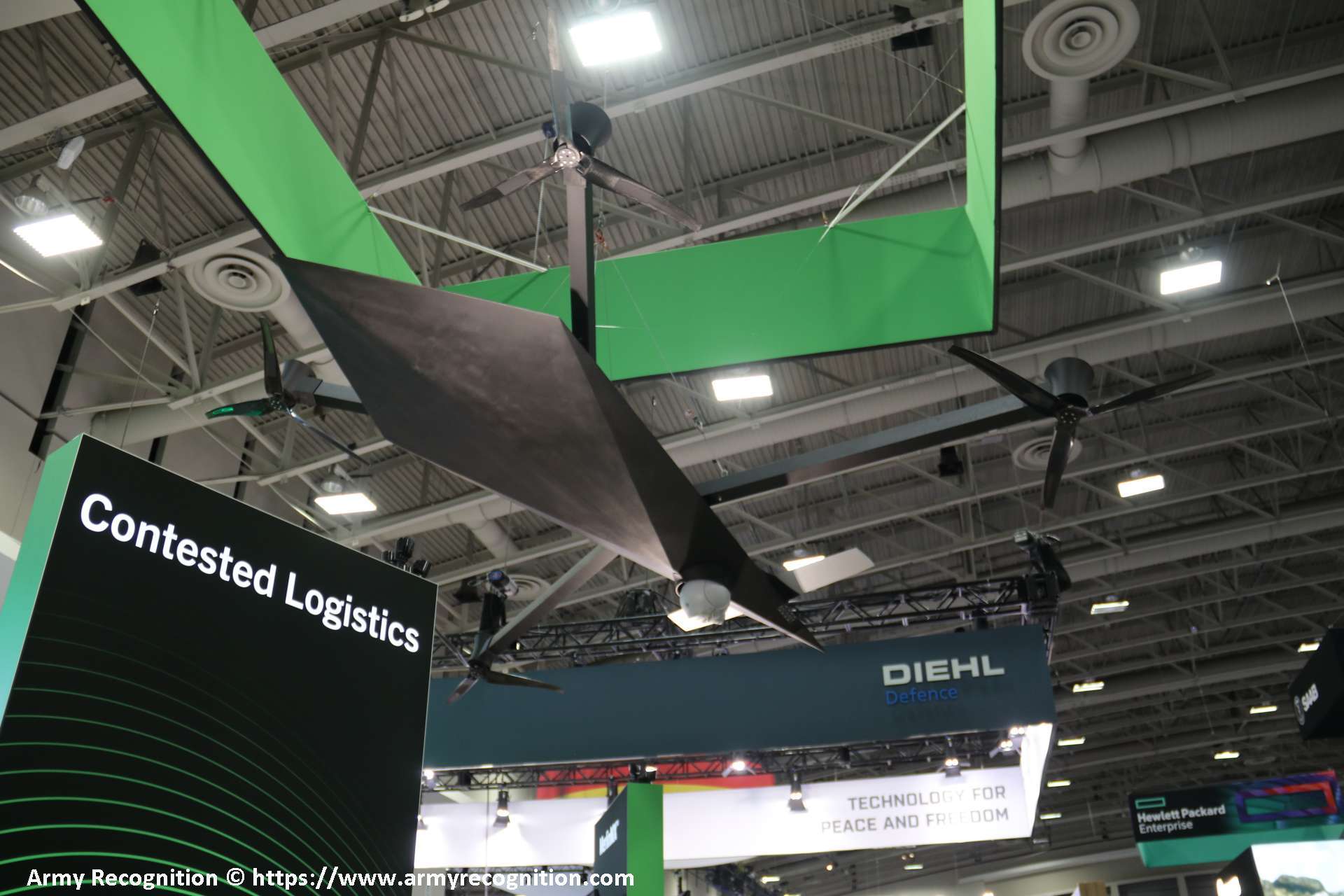
WaveAerospace High-Altitude Autonomous Aerial Cargo Transport System (Picture source: Army Recognition)
The WaveAerospace Mule is a versatile logistics unmanned aerial vehicle specifically designed for demanding environments. Created to transport cargo in difficult terrains, this UAV embodies resilience and adaptability, ensuring effective and reliable goods transport across complex geographic areas. With an optimized design, the Mule operates efficiently in diverse environments, whether at sea, along coastlines, or in mountainous terrain. Its ability to navigate challenging conditions makes it a robust and indispensable solution for logistics missions in contested zones.
The Mule is a Multi-Mission, Utility, Logistics, & Expedition (M.U.L.E.) aircraft with vertical takeoff and landing (VTOL) capabilities, uniquely suited for heavy transport. It offers a flight endurance of up to four hours, withstands winds of 50 knots (57 mph or 25.7 m/s), and cruises at speeds between 50 and 70 knots (57-80 mph or 25-36 m/s). These attributes make the Mule ideal for a variety of missions, including cargo delivery, emergency response, ship-to-ship operations, reconnaissance, and long-duration surveillance. Its JP-8/electric hybrid system, self-recharging with heavy fuels or liquid propane, ensures operational autonomy without the need for additional charging equipment.
With a 4-meter wingspan and a maximum takeoff weight of 181 kg (400 lb), the Mule can carry payloads exceeding 40 kg (100 lb class). Designed to fly at altitudes up to 2,500 meters (8,200 feet) and operating within temperatures from -17°C to 50°C (0°F-122°F), its pre-balanced carbon fiber propellers allow optimal performance, even under harsh weather conditions, enhancing its versatility.
The Mule’s advanced capabilities include four hours of endurance in zero visibility and high ocean conditions, radar with accelerometer compensation, and inertial guidance for precise navigation in rough seas. Its 100 kW electrical system and 20 kW APU provide 30 minutes of power without the APU running, while its battery power enables discreet takeoffs, landings, and approaches. Equipped with terrain tracking, optical recognition, and fully encrypted communication, the Mule is well-protected from external interference.
The Mule is available in multiple variants to meet mission-specific needs. The Logistics Mule can be outfitted with EO/IR payloads and additional camera options upon request. The ISR Mule supports intelligence, surveillance, and reconnaissance missions, while the High Altitude Logistics Mule and High Altitude ISR Mule are designed for operations at higher altitudes.
WaveAerospace developed the Mule in response to increasing logistics needs in difficult, contested areas, particularly for military, humanitarian, and security operations. With rising conflicts in geographically challenging environments, often inaccessible by conventional means, WaveAerospace sought to meet the challenges of mobility and material transport in hostile terrain. Advances in technology, along with increasingly complex requirements from military forces and relief organizations, have driven the need for versatile aerial solutions capable of autonomous missions in extreme weather and terrain. The Mule’s endurance, wind resistance, and operational flexibility in high seas or altitude make it a strategic solution where traditional logistical infrastructure is limited or absent.
Many military forces are turning to unmanned aerial systems (UAS) to improve logistics in complex environments. The U.S. Marine Corps, for example, used the Kaman K-MAX in Afghanistan from 2012 to 2013. This autonomous heavy-lift helicopter enabled resupply of remote outposts, circumventing risks associated with ground routes in hostile areas. With high load capacity and autonomous landing capabilities, the K-MAX has demonstrated the value of drones in logistical missions where infrastructure is limited and threats are high.
The U.S. Navy has also experimented with the Blue Water UAS program, using tilt-rotor drones for logistics between ships. Designed for essential component transport over long distances, these drones reduce dependence on helicopters and can operate autonomously even in challenging conditions. The Orca model by Traverse Aero is another example of a logistics drone for challenging environments. Capable of transporting palletized loads and operating where traditional vehicles are inefficient, the Orca integrates advanced AI systems, allowing navigation in GPS- or communication-compromised settings.
- Details
- Written by: Halna du Fretay
- Category: 2024
- Hits: 3773
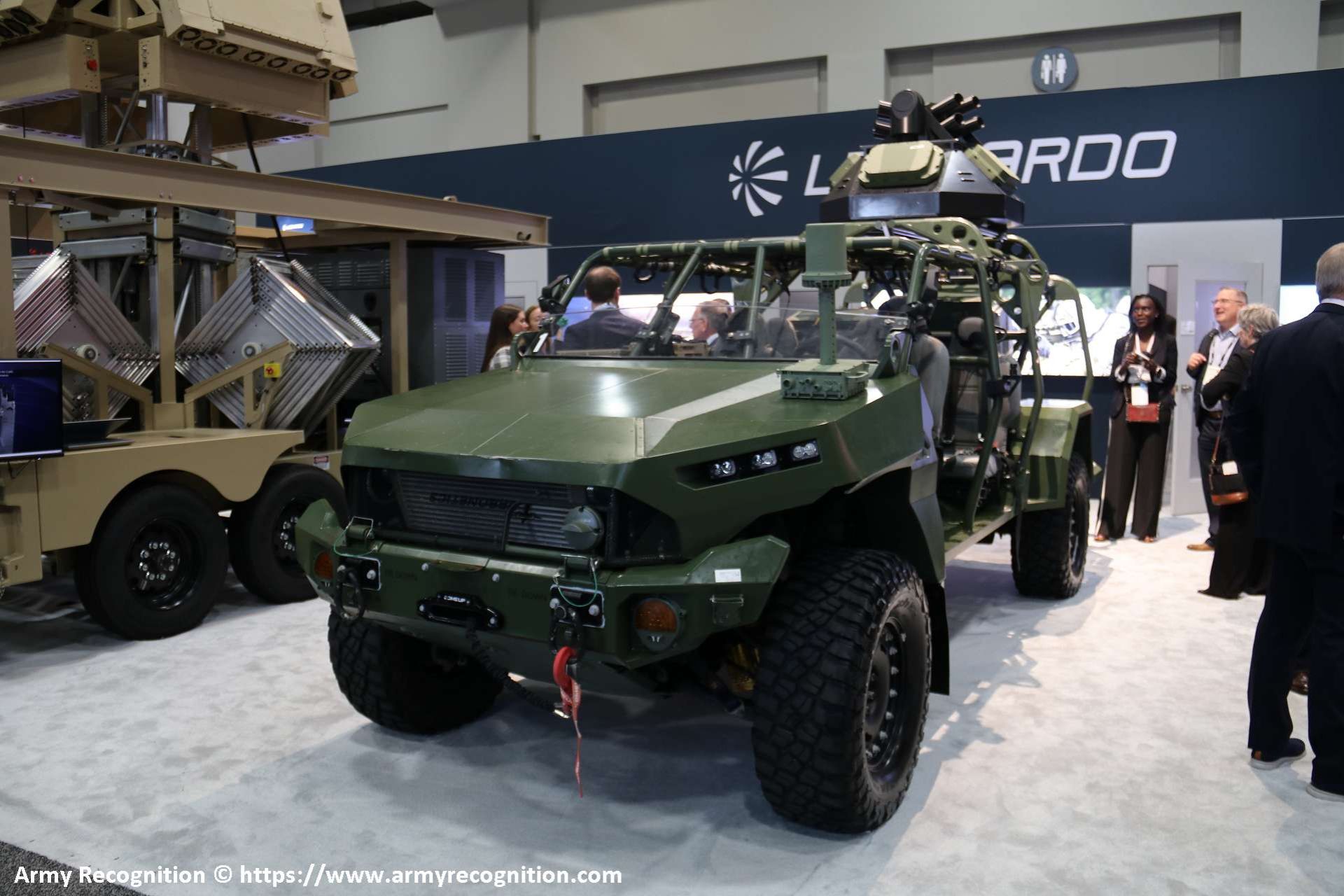
At the annual AUSA 2024 exhibition in Washington D.C., Leonardo DRS unveiled its new advanced protection module, a semi-autonomous threat detection system designed to enhance vehicle protection against loitering munitions and aerial threats. At the core of this solution lies the advanced hemispheric surveillance radar, known as the aCHR, which serves as a multi-mission asset capable of addressing a broad range of operational threats through precise detection and rapid threat classification.
The aCHR radar system, central to this module, operates with high Doppler resolution, facilitating accurate and swift detection of potential threats (Picture source: Army Recognition)
The protection module is designed for optimized modularity, featuring a compact size, weight, and power (SWaP) profile that enables seamless integration across both armed and unarmed vehicles. This flexibility allows the system to adapt to diverse defensive scenarios with minimal adjustments, making it compatible with mission profiles such as Counter-Unmanned Aircraft Systems (C-UAS), Vehicle Protection Systems (VPS), and Short-Range Air Defense (SHORAD). The radar's multi-sensor cueing capability streamlines workflow for operators, who benefit from AI-enhanced tracking and threat classification, reducing the operational load and enhancing real-time situational awareness.
The aCHR radar system, central to this module, operates with high Doppler resolution, facilitating accurate and swift detection of potential threats. Its internal processing capabilities allow it to manage hundreds of targets simultaneously using Track While Search technology, making it particularly suitable for multi-target environments. This technology enables operators to maintain full awareness and response readiness without requiring an additional cooling system, thanks to the radar's passive cooling design, which simplifies integration and reduces vehicle impact, even on lighter, unarmored platforms.
The integrated AI and machine learning algorithms in the protection module play a critical role in threat detection and classification, processing radar data to identify immediate threats and presenting them to the operator as needed. The radar system’s adaptability also supports on-the-move performance, even at highway speeds, enhancing the operator's capacity to respond to threats in dynamic operational environments. The module also incorporates advanced electronic counter-countermeasure (ECCM) capabilities, maintaining its functionality even against adversarial attempts to disrupt radar operations.
The open architecture design of this modular radar system enables the integration of multiple sensors, optimizing detection and response to threats through simplified communication protocols and collaborative sensor cueing. This versatility is complemented by adaptive beamforming, allowing the radar to adjust in real-time to specific mission requirements, whether in open field operations or urban environments with prevalent short-range, high-speed threats.
In addition to its adaptable design, the protection module offers a complete set of protective measures, including Counter Rocket, Artillery, and Mortar (CRAM) capabilities with point-of-origin and point-of-impact designations. By incorporating precise location tracking, this system strengthens the operator's capacity to proactively address incoming threats and rapidly deploy appropriate countermeasures. Leonardo DRS positions the protection module as a viable solution for a range of military applications, combining sophisticated radar and AI functions to enhance combat effectiveness and vehicle survivability.
With the aCHR radar, Leonardo DRS provides a high-performance solution, positioning itself as a competitive option for vehicle protection needs across global markets. As military forces worldwide seek to improve tactical capabilities against diverse aerial and loitering threats, the proliferation of the protection module could signify a major advancement in modern defense strategies, offering adaptable, state-of-the-art solutions to a rapidly evolving defense landscape.
.
- Details
- Written by: Vandenbosch
- Category: 2024
- Hits: 6483
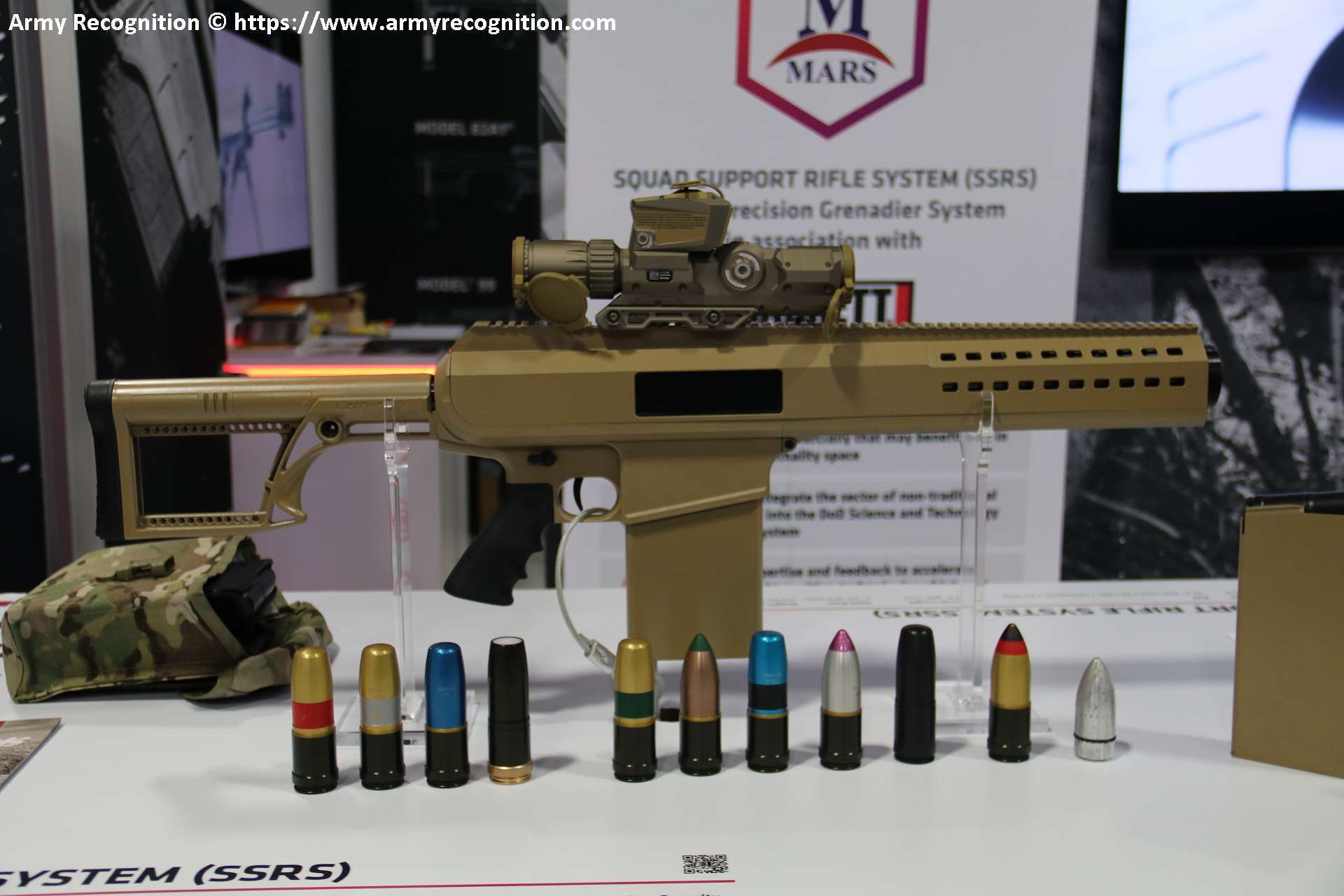
Barrett Firearms Manufacturing Inc., renowned for its expertise in precision weaponry, introduced its new Squad Support Rifle System (SSRS) at the 2024 Association of the United States Army (AUSA) event. This presentation marks Barrett's latest contribution to the U.S. Army's Precision Grenadier System (PGS) program, aimed at enhancing soldiers' firepower and versatility on the battlefield.
The SSRS aims to meet the requirements of the U.S. Army’s PGS program. (Picture source: Army Recognition)
Developed in collaboration with MARS Inc., a tech company specializing in soldier lethality systems and a finalist in the U.S. Army's xTechSoldier Lethality competition, the SSRS represents a significant advancement in combat support weaponry. This partnership highlights Barrett's commitment to providing cutting-edge solutions for U.S. and allied forces, emphasizing counter-defilade capabilities and the ability to neutralize threats from unmanned aerial systems (UAS) and isolated enemy positions.
Michael Merino, President of MARS Inc., expressed his enthusiasm for the collaboration: “We are thrilled to work with Barrett, the world’s most renowned soldier weapons manufacturer, to develop our 30mm Support Rifle System as part of the U.S. Army’s PGS program,” he stated. “Together, we’re creating a solution that will significantly enhance soldiers' ability to engage a wide range of battlefield threats.”
The SSRS aims to meet the requirements of the U.S. Army’s PGS program, with the official call for proposals expected for the 2026 fiscal year. Positioned as a key addition to Barrett’s expanding arsenal, the SSRS combines advanced technologies designed to optimize both lethality and soldier safety. Bryan James, CEO of Barrett, highlighted the importance of this development, stating: “The SSRS is a crucial part of our expanded product line, offering new capabilities that strengthen the effectiveness of allied forces on the battlefield.”
The PGS initiative was officially launched at an industry event at Picatinny Arsenal last August, underscoring the Army’s intent to revolutionize soldier weapons systems. With its advanced design and multi-mission capabilities, Barrett's SSRS is expected to play a vital role in this rapidly evolving landscape. AUSA attendees were encouraged to visit Barrett’s booth (#3615) to take a closer look at the MARS xTech demonstration model and learn more about Barrett’s vision for soldier lethality.
This collaboration between Barrett and MARS Inc. illustrates the potential of industry partnerships to drive innovation in military technology, positioning the SSRS as a promising solution for the future needs of the U.S. Army.
Read more: Discover Barrett’s Revolutionary SSRS for Enhanced US Army Firepower
- Details
- Written by: Jérôme Brahy
- Category: 2024
- Hits: 27889
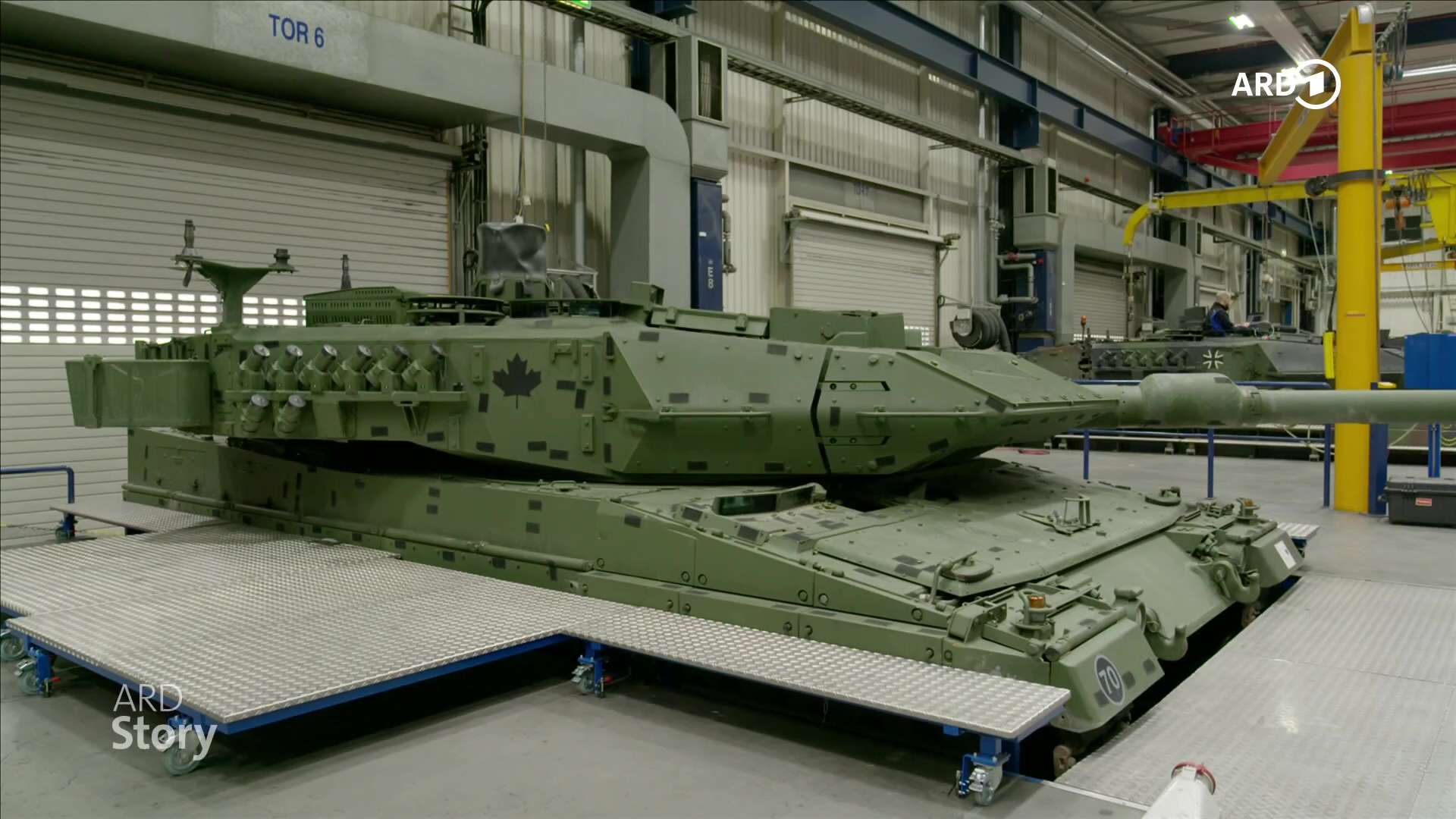
As noted by Jeff2146 on October 15, 2024, the German television network ARD 1 recently aired footage believed to show the first public appearance of Canada’s Leopard 2A6M C2 tanks during a tour of Krauss-Maffei Wegmann (KMW) facilities. The Leopard 2A6M C2 CAN is an upgraded Canadian variant of the German Leopard 2A6 main battle tank, created by converting 20 Leopard 2A6M tanks under a $76 million contract with KMW. This overhaul includes upgrades to optics, fire control systems, and user interfaces, replacing outdated analog technology with modern components to improve their operational lifespan.
Follow Army Recognition on Google News at this link
The Leopard 2A6M C2 CAN overhaul includes upgrades to optics, fire control systems, and user interfaces, replacing outdated analog technology with modern components to improve the operational lifespan of the Leopard 2A6M CAN. (Picture source: ARD 1)
In February 2023, Canadian Defence Minister Anita Anand stated that Canada plans to replace the Leopard 2 tanks sent to Ukraine, though specific timelines for these acquisitions have not been disclosed. Meanwhile, Canada is preparing to upgrade its remaining Leopard 2 tanks through a Leopard Long Term Support Contract (LTSC), which aims to keep the fleet operational until 2035.
Department of National Defence spokesperson Jessica Lamirande explained that the LTSC will include maintenance, upgrades, supply chain management, and technical support. At that time, the contract was estimated between $730 million and $1.09 billion, or approximately $44 million to $64 million per year. Canada released an Advanced Contract Award Notice in August 2022, awarding KMW a sole-source position for the LTSC, with a formal contract published on September 13, 2024, valued at $710,732,013.98.
The LTSC encompasses various Leopard 2 models within Canada’s military, including main battle tanks like the 2A4 CAN, 2A4M CAN, 2A6M CAN, and 2A6M C2 CAN, as well as Leopard 2 ARV CAN armored recovery vehicles, Leopard 2 AEV CAN engineering vehicles, and specialized equipment such as the Mine Clearing Roller System (MCRS), Track Width Mine Plow (TWMP), dozer blades, add-on armor, and slat armor.
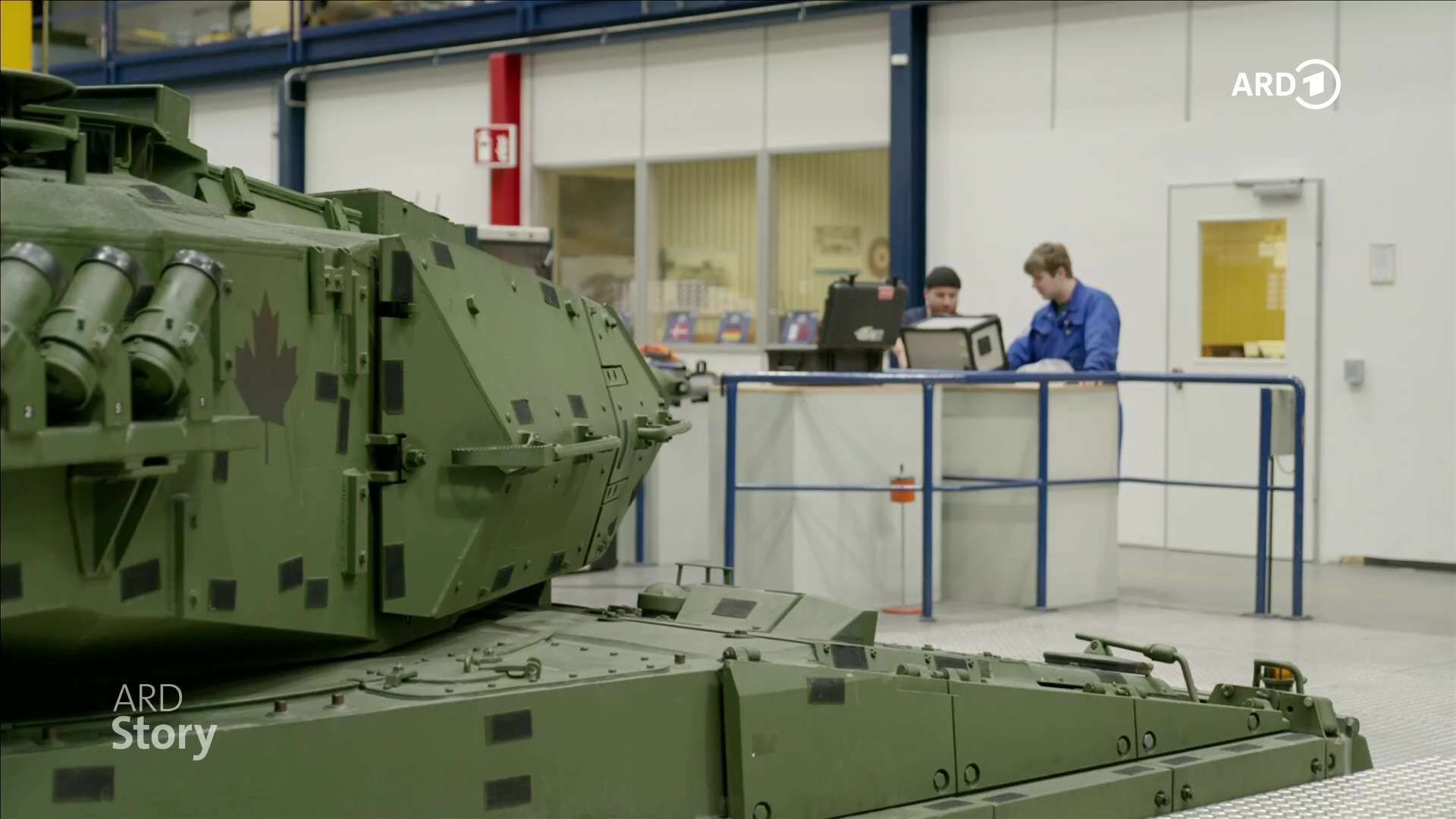
Canada is preparing to upgrade its remaining Leopard 2 tanks through a Leopard Long Term Support Contract (LTSC), which aims to keep the fleet operational until 2035. (Picture source: ARD 1)
Maintenance responsibilities will involve systems integration, engineering, configuration and obsolescence management, depot-level inspections, and spare parts supply. The contract also specifies the provision of technical and field service representatives, who will provide in-depth support and guidance for the maintenance processes.
Additionally, Canada awarded KMW a separate contract worth $76 million in June 2022 to repair, overhaul, and convert 20 Leopard 2A6M tanks to align with the 2A4M configuration. The modifications include updating optics, fire control systems, and user interfaces with more modern components, as the existing analog technology is considered obsolete.
According to available information, the first conversion was completed and accepted by Canada in 2022, establishing a reference model for the rest of the fleet. Conversion work on the remaining 19 tanks began at FFG Canada’s Bathurst facility in spring 2023, with completion expected by the end of 2025. These upgraded tanks will be designated as Leopard 2A6M C2 CAN.
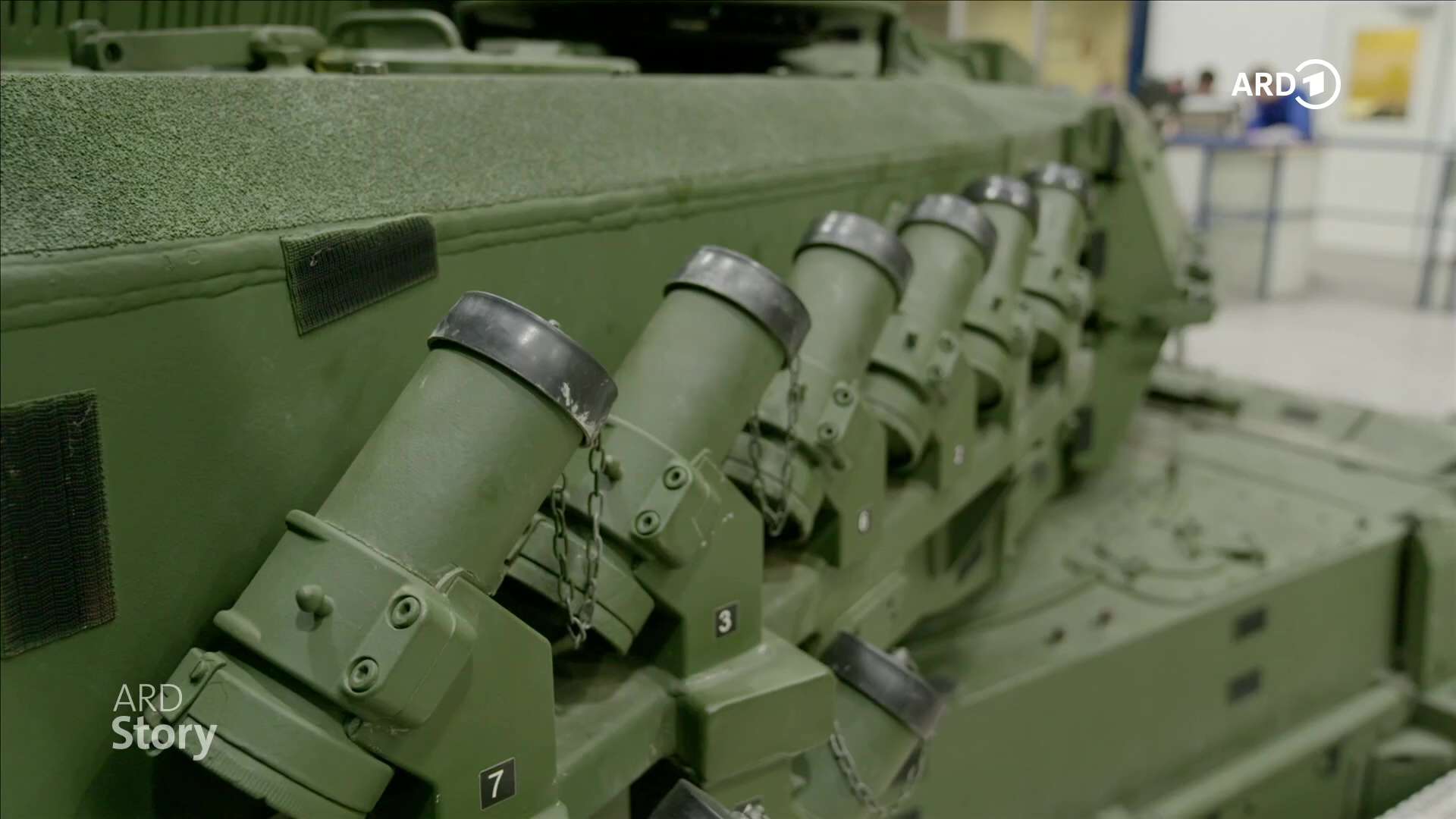
The LTSC encompasses various Leopard 2 models within Canada’s military, including main battle tanks like the 2A4 CAN, 2A4M CAN, 2A6M CAN, and 2A6M C2 CAN, as well as Leopard 2 ARV CAN armored recovery vehicles and Leopard 2 AEV CAN engineering vehicles. (Picture source: ARD 1)
As reported by Army Recognition in October 2023, modernization efforts for the Leopard 2 fleet are under consideration, with Army Lt. Col. Chloeann Summerfield indicating that further upgrades will cost over $620 million. These enhancements may include improvements to protection, surveillance, target acquisition, firepower, and mobility. Canada expects to issue a request for industry bids by 2028, with the first upgraded tanks anticipated to be operational by 2030. This modernization aims to align Canadian Leopard 2 configurations with those of NATO allies to enhance interoperability.
Financial considerations are a significant factor in the Canadian government’s plans for its tank fleet. Canada’s defense budget is already allocated toward major projects, such as the procurement of F-35 fighter jets, surface combatant ships, and P-8 patrol aircraft, limiting available funds for new tank acquisitions. Although the government announced plans to replace the tanks sent to Ukraine, no further information has been released, and financial constraints may delay this process. Canadian defense analyst Martin Shadwick has highlighted that Canada’s approach to tanks has varied over time, noting that a 2003 decision to retire the Leopard fleet was reversed in favor of lighter vehicles, only to be reinstated when tanks were deployed in Afghanistan. The future of Canada’s tank fleet remains uncertain, and it is unclear whether Canada will acquire new tanks in the immediate future.
To address maintenance needs, Canada has increased the use of contracted Field Service Representatives (FSRs) from KMW since 2018, allowing for specialized technician support at Army facilities across the country. Additionally, adjustments to the training and management of Canadian technicians are intended to strengthen maintenance capabilities and ensure sufficient technical support during periods of increased demand. The Canadian Army has emphasized that these changes are part of broader efforts to maintain the operational readiness of the Leopard 2 fleet, with the LTSC anticipated to play a critical role in sustaining the tanks until their projected end-of-service date in 2035.
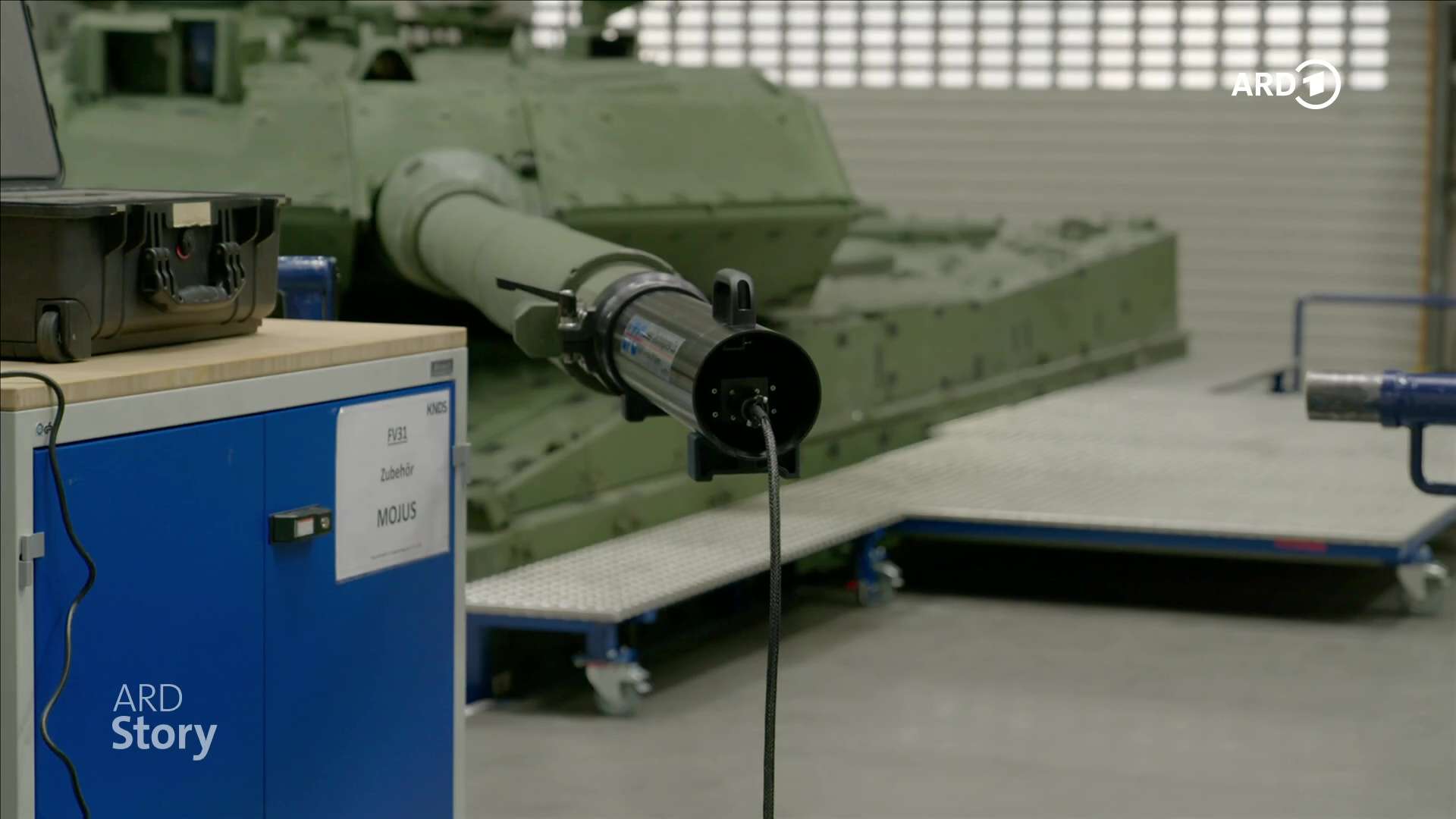
The Leopard 2A6M CAN C2 seems to retain the weaponry of the Leopard 2A6M CAN, which is armed with a Rheinmetall L55 120mm smoothbore gun and two 7.62mm machine guns. (Picture source: ARD 1)
Currently, Canada operates 74 Leopard 2 Main Battle Tanks (MBTs) in three main variants: 34 Leopard 2A4 tanks designated for training, 20 upgraded Leopard 2A4M tanks, and 20 Leopard 2A6M tanks. Additionally, 52 older Leopard 1C2 tanks remain in storage. In addition to these tanks, the Canadian Army has around 30 recovery and engineering vehicles, including 5 Buffalo Armoured Engineering Vehicles (AEVs) and 18 Wisent 2 vehicles, as well as 12 BPz-3 Büffel Armoured Recovery Vehicles (ARVs). With 8 tanks donated to Ukraine and 15 Leopard 2A4 tanks now deployed to Eastern Europe as part of NATO’s bolstered presence since the onset of the Ukraine conflict, questions have arisen about the readiness and condition of Canada’s remaining tanks.
National Defence spokesperson Dan Le Bouthillier emphasized that Leopard 2 tanks, like other heavy vehicles, require extensive maintenance and inspections. On average, these tanks spend about 30% of their time in maintenance, which includes scheduled inspections. In response to reports that Canada was allegedly cannibalizing certain tanks to maintain others, Le Bouthillier clarified that such practices are only permitted under specific and urgent circumstances, with authorization from local commanders. He noted that no Leopard 2 tanks have been permanently decommissioned to support other units.
Canada's defense policy contends with limited defense spending and a complex security environment. In 2023, the defense budget was about 1.38% of GDP, below NATO’s 2% target. However, Canada ranks seventh in NATO for absolute defense spending, with some modest increases in outlays planned. Plans include doubling its NATO Enhanced Presence Battlegroup in Latvia by 2026 and committing more than $1.8 billion in military aid to Ukraine, along with continuing training under Operation Unifier.
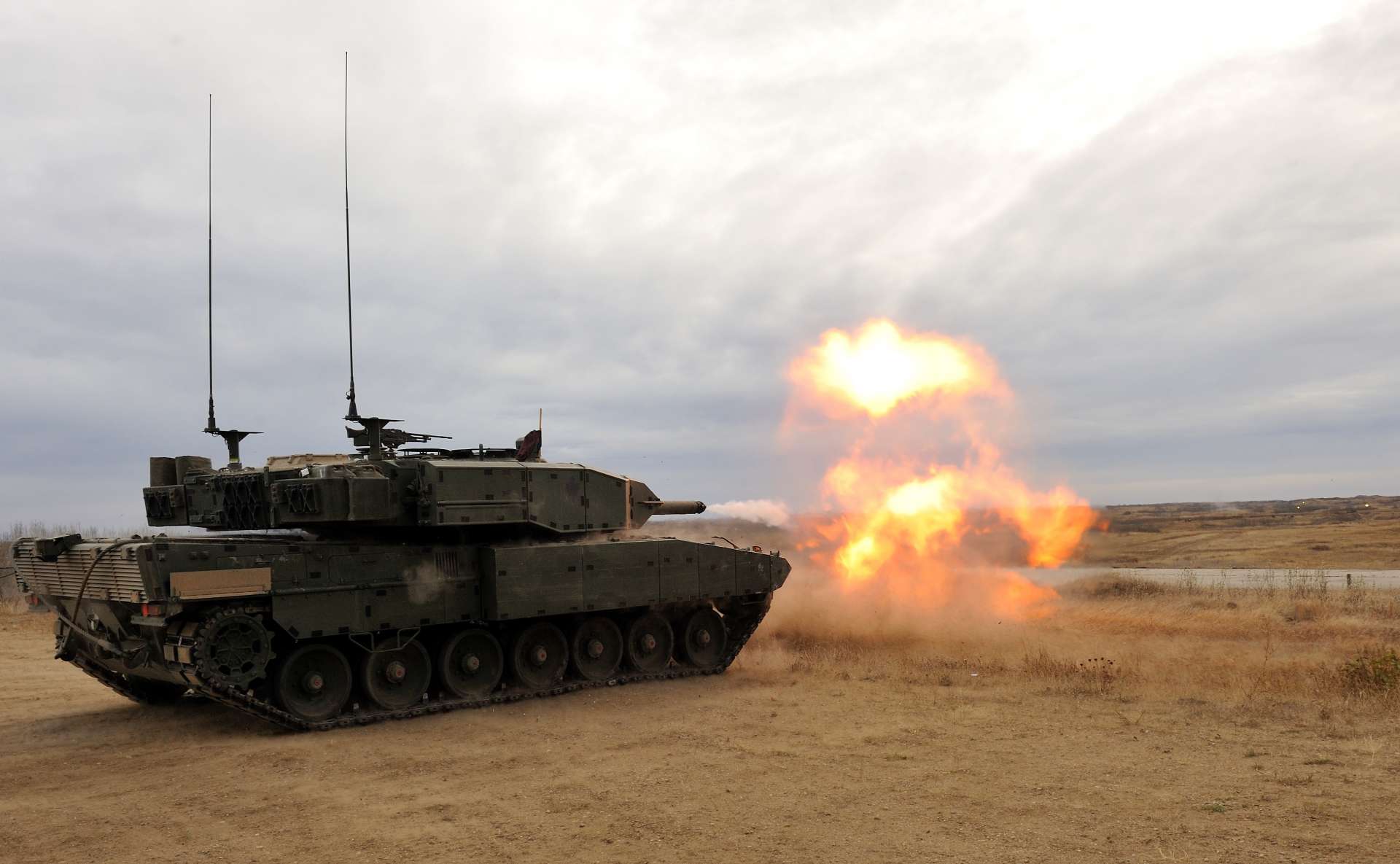
Currently, Canada operates 34 Leopard 2A4 tanks designated for training, 20 upgraded Leopard 2A4M tanks, and 20 Leopard 2A6M tanks. (Picture source: Canadian MoD)
The Leopard 2A6M CAN is a Canadian version of the German Leopard 2A6 main battle tank, deployed in 2007 to address operational needs in Afghanistan. Canada initially assessed its Leopard C2 tanks but determined that they were insufficient for the region's conditions, particularly due to a lack of air conditioning, which impacted crew performance. Consequently, Canada arranged for the German Bundeswehr to loan twenty Leopard 2A6 tanks, which were then modified by KMW to include mine protection and other adjustments to meet Canadian Army requirements. This deployment aimed to enhance vehicle protection and provide a more suitable platform for Canadian forces in Afghanistan's demanding operational environment.
The Leopard 2A6M CAN includes several modifications unique to this variant. Enhancements consist of a mine protection package to reinforce the tank's underside, specific communications and anti-IED jamming equipment mounted on the turret, and stand-off slat armor for additional defense. An air conditioning unit and cooling vests were later added to reduce heat strain on the crew, alongside Saab Barracuda camouflage mats to decrease heat absorption by 50 percent. The initial twenty tanks were on loan from Germany, configured with MG3 machine guns, while subsequent tanks, procured from the Netherlands, were integrated with C6 GPMGs for consistency with Canadian forces. Upon returning to Canada in 2011, features like ECM boxes and slat armor were removed, yet the Canadian Army retained and continues to modify these tanks.
In terms of specifications, the Leopard 2A6M CAN is equipped with a 1,500-horsepower MTU diesel engine and RENK transmission, enabling a top speed of 68 km/h and a range of 550 km on roads. It is armed with a Rheinmetall L55 120mm smoothbore gun, with a wide range of elevation, and two 7.62mm machine guns. The tank, weighing 62.3 tons in combat, can traverse obstacles up to 1.1 meters high and 3 meters wide. Other features include modular and composite armor, NBC protection, and options for additional modular armor. These characteristics contribute to the tank’s operational capabilities in various combat scenarios.
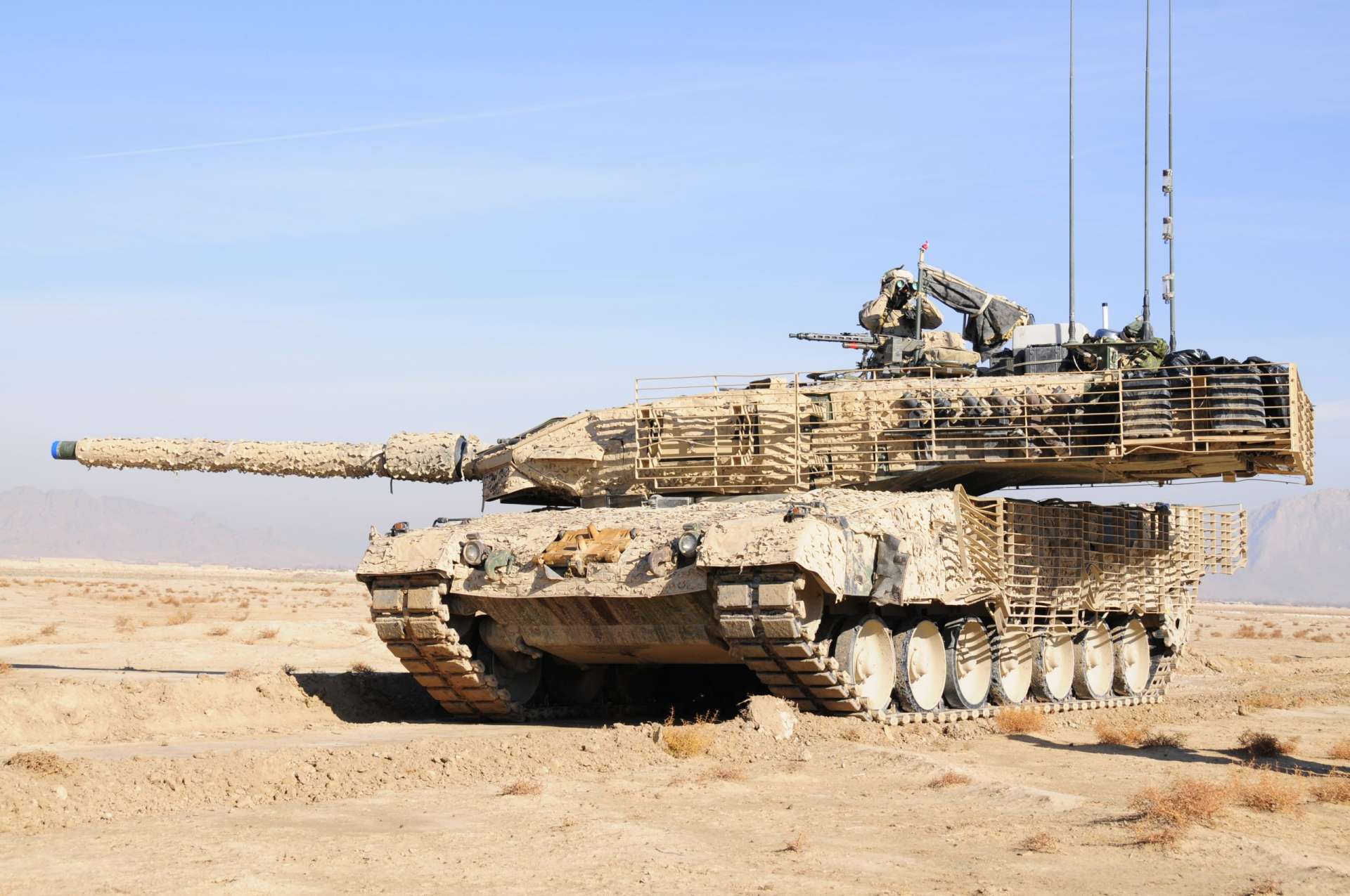
The Leopard 2A6M CAN is a Canadian version of the German Leopard 2A6 main battle tank, deployed in 2007 to address operational needs in Afghanistan. (Picture source: Canadian MoD)
Read more: What’s new in Canada’s upgraded Leopard 2A6MC2 Main Battle Tank?
- Details
- Written by: Triffaux
- Category: 2024
- Hits: 4379
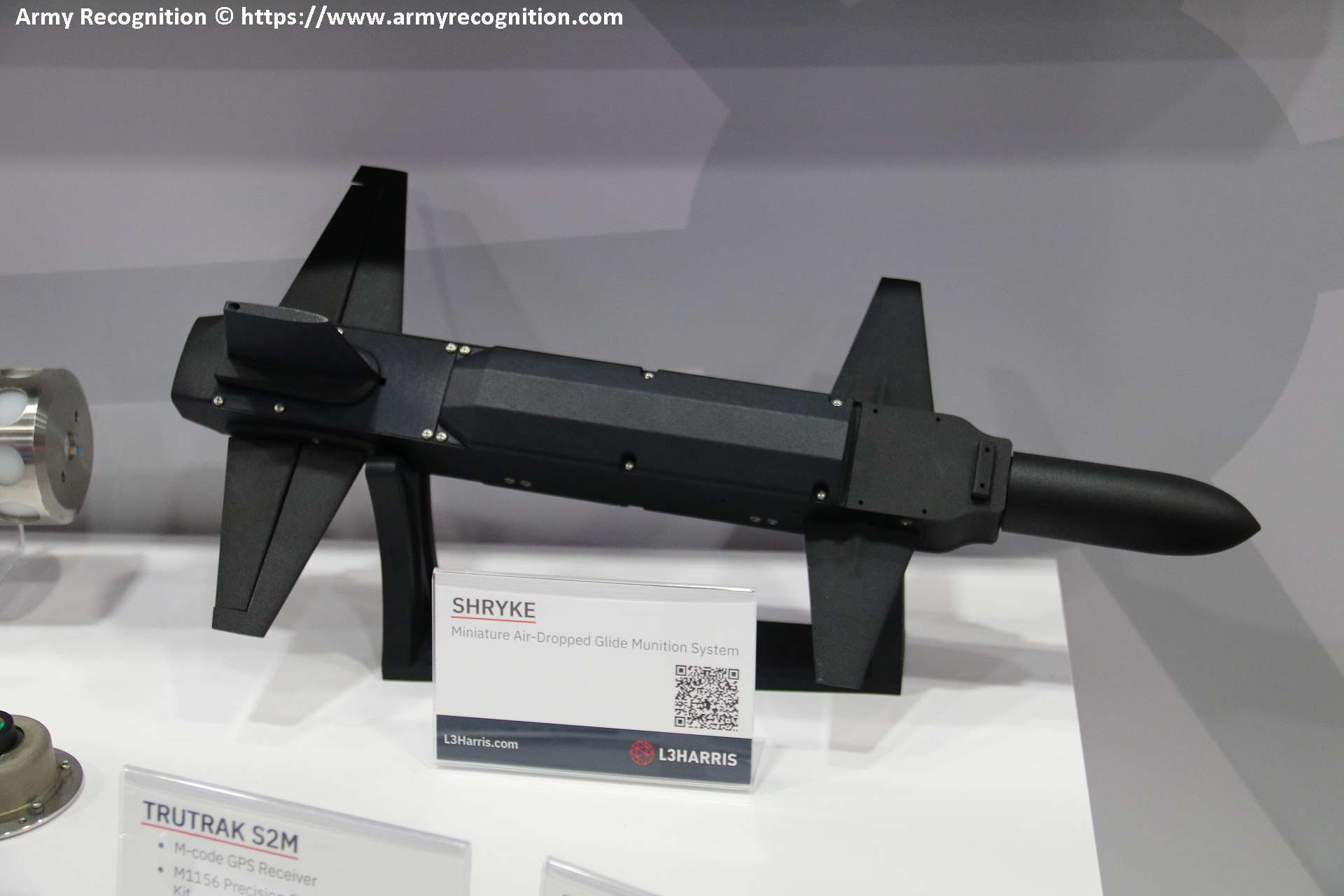
The American company L3Harris Technologies is currently showcasing its SHRYKE miniature Air Dropped Glide Munition System, a precision strike solution, at the AUSA 2024 exhibition, a major event dedicated to the defense industry, held from October 9 to 11, 2024, at the Walter E. Washington Convention Center in Washington, D.C. This annual event, organized by the Association of the United States Army (AUSA), attracts thousands of participants each year who come to explore the latest technological innovations in the defense sector.
Follow Army Recognition on Google News at this link
SHRYKE Miniature Air-Dropped Glide Munition System (Picture source: Army Recognition)
The SHRYKE system, designed by L3Harris, represents an innovative and versatile precision strike solution, developed for seamless integration onto various unmanned platforms. With its multi-mission capabilities and modular specifications, SHRYKE is designed to provide targeted strike options tailored to the requirements of each operation. As a miniature Air Dropped Glide Munition System, the projectile launcher stands out for its light weight, at under 16 pounds, and compact dimensions, which facilitate integration. Measuring less than 35 inches in length, 10 inches in width, and 22 inches in height, this system is ideal for missions requiring high maneuverability.
SHRYKE can operate using an integrated lithium-polymer battery or be powered directly by the UAV platform carrying it. The power system is calibrated to supply a voltage of 14 to 40 volts and a maximum power of 20 watts, thus ensuring optimal performance in all operational conditions. In terms of lethality, this system offers a modular warhead that can be quickly adapted to mission objectives, whether for anti-personnel or anti-material operations. The modularity of the warhead, combined with proximity and impact sensors, enables SHRYKE to achieve maximum strike effectiveness depending on the target type.
SHRYKE's performance is enhanced by a GPS guidance system capable of achieving an accuracy of ± 6.5 feet, a particularly notable feature given its compatibility with the military M-Code, ensuring increased security and resilience against interference. The maximum release altitude is 5,000 feet Above Ground Level (AGL), while the launch range can reach up to 3,000 feet with a glide ratio of 1:1 at this altitude. These technical specifications enable SHRYKE to cover a large area and adapt to the specific requirements of each mission.
The integration and control of SHRYKE are also designed to be straightforward and efficient. The system is managed through dedicated control software, accessible from a Shryke workstation via Ethernet connection. Additionally, a semi-active laser (SAL) seeker integration is currently under development, with availability expected in the fourth quarter of 2024. This future enhancement will provide increased accuracy and added versatility for strike missions.
In terms of safety, SHRYKE includes an electronic safe and arming device compliant with MIL-STD-1316 standards, offering unmatched reliability with a premature arming probability of less than 1 in 1,000,000. This safety system, inspired by traditional bomb systems, also ensures that the UAV can return to base safely if targets are not engaged, providing risk-free return capability for operators.
Finally, SHRYKE offers several bomb rack mounting options, providing notable flexibility in deployment scenarios. L3Harris has developed modular bomb racks that easily adapt to various UAV platforms, allowing for rapid mounting and broad inter-platform compatibility. A 4-in-1 bomb rack further allows for multiple independent and simultaneous strikes, enhancing targeting options for complex missions.
With its advanced specifications, the SHRYKE miniature Air Dropped Glide Munition System stands out as a modular, secure, precision strike solution ready to meet current and future strategic needs. In addition to its strike capabilities, SHRYKE complies with international export regulations, adhering to ITAR and EAR standards for non-controlled information.
Read more: L3Harris Innovates with its New SHRYKE Miniature Air-Dropped Glide Munition System
- Details
- Written by: Halna du Fretay
- Category: 2024
- Hits: 4558
As global deterrence demands continue to evolve, Lockheed Martin is ramping up the production of critical defense systems to ensure international security and stability. Amid rising tensions and the urgent need for rapid-response capabilities, the defense giant has increased production rates on key equipment, including the Javelin, HIMARS, GMLRS, and PAC-3 MSE, across its U.S.-based facilities. This expanded output aims to support swift and effective responses to potential crises while bolstering the resilience and durability of the defense industrial base.
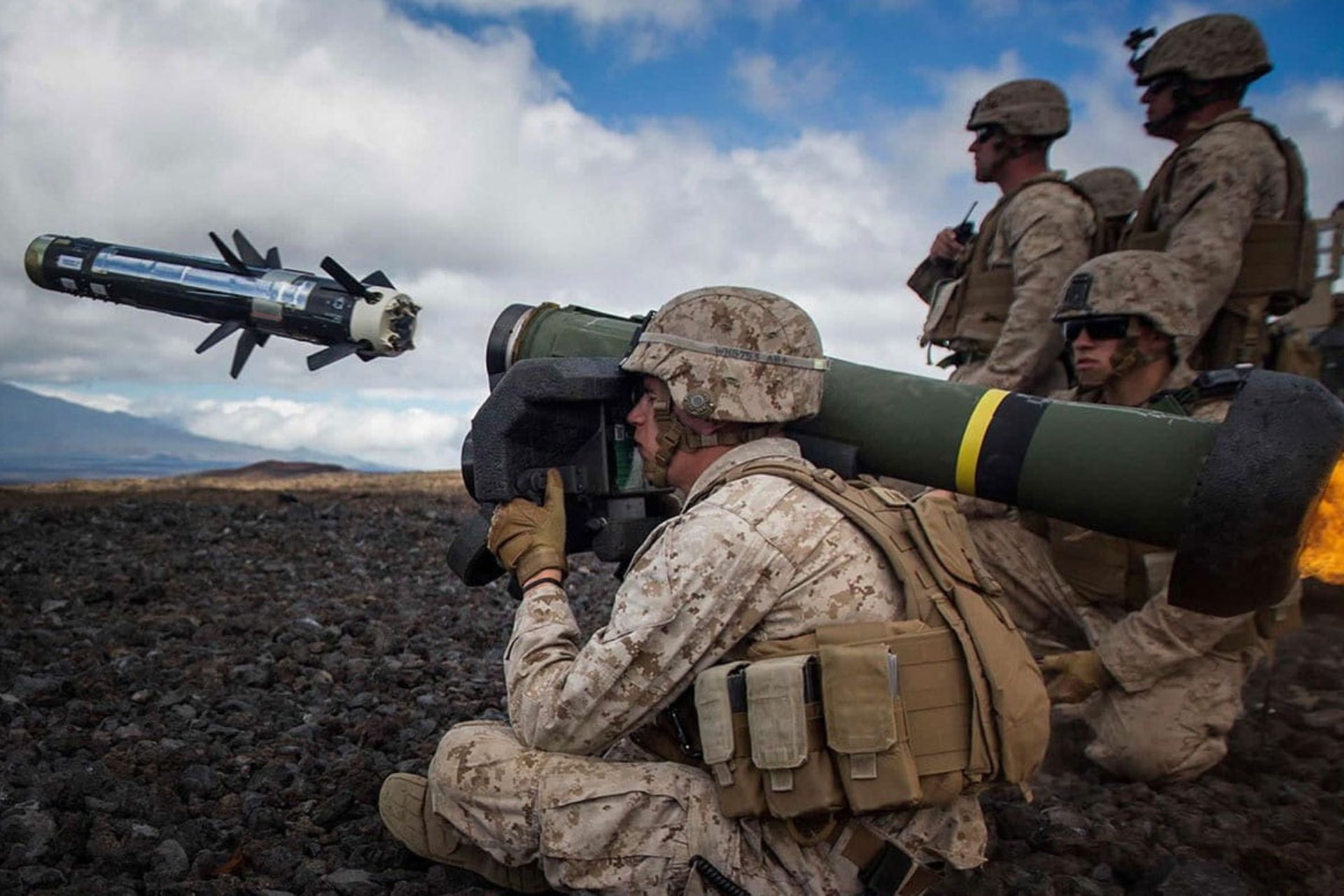
To reach a production capacity of 3,960 Javelins per year by late 2026, Lockheed Martin must ensure sufficient test stations are in place on the production floor. (Picture source: Lockheed Martin)
Tim Cahill, president of Lockheed Martin Missiles and Fire Control, emphasized the significance of this proactive approach: “By integrating advanced processes and tools into our production lines, we are ensuring the delivery of essential capabilities against emerging threats across all domains.” This vision aligns with Lockheed Martin's 21st Century Security strategy, which includes supply chain diversification, anti-fragility measures, and reduced compliance burdens for small and medium-sized businesses.
Through extensive digital transformation, Lockheed Martin has launched the 1LMX program, its largest internal initiative to date, focused on reengineering processes to drive efficiency and production optimization. This includes implementing robotics, factory simulations, and long-lead procurement investments to cut missile production times, increase production capacity, and sustain manufacturing excellence.
Javelin, a premier shoulder-fired anti-armor system, is experiencing an unprecedented production scale-up. Used by the U.S. Army and over 25 allied nations, Lockheed Martin, in collaboration with the Javelin Joint Venture (JJV) and Javelin Project Office, is working to accelerate deliveries. To reach an annual production target of 3,960 units by the end of 2026, the company is installing new testing stations at its Pike County, Alabama, and Ocala, Florida facilities.
These stations, essential for quality verification during final assembly, are designed to increase production line efficiency through real-time automation and performance monitoring capabilities. Simultaneously, Lockheed Martin is expanding supplier capacity to support this production increase, with the goal of achieving full production capability by 2026.
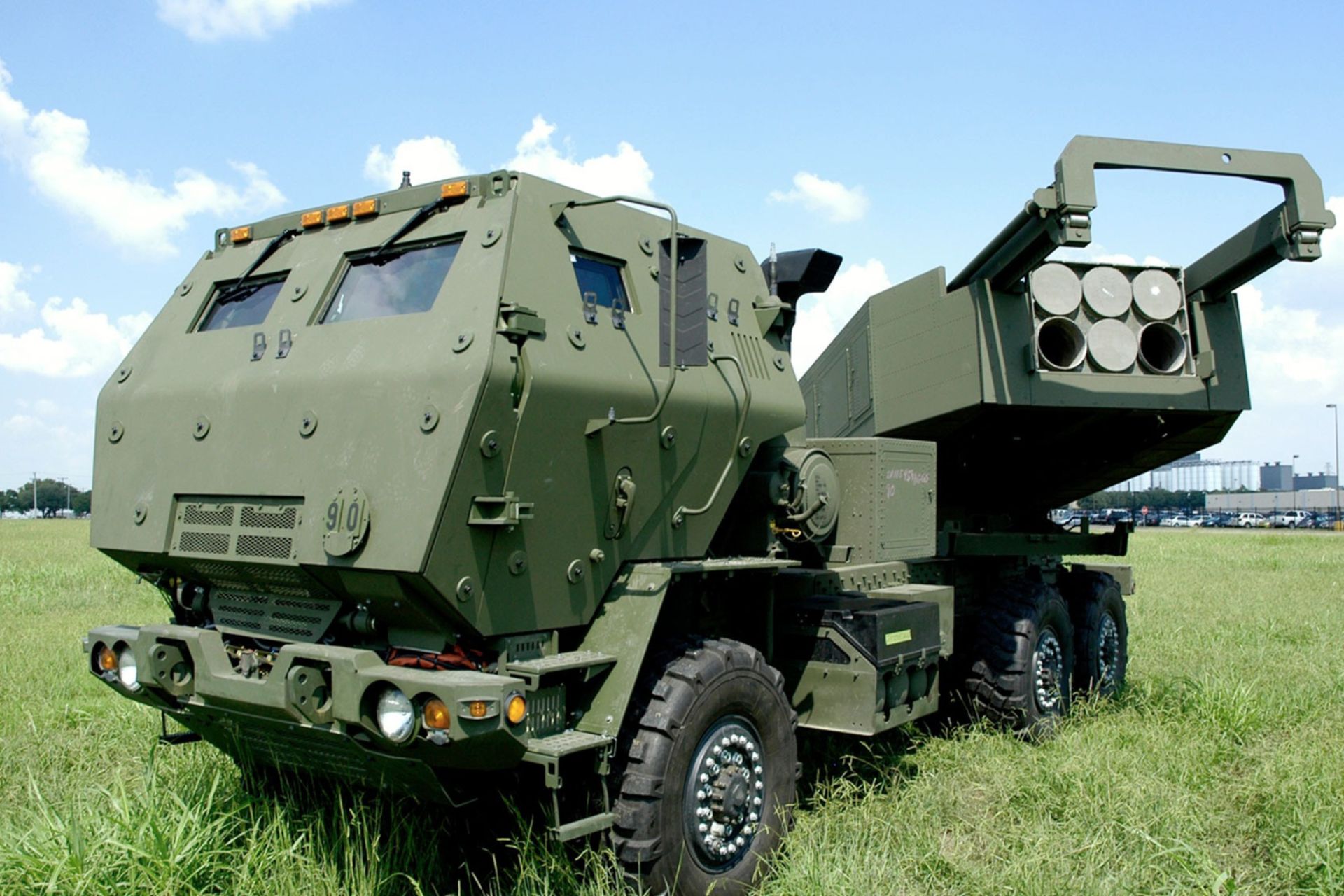
Lockheed Martin is enhancing HIMARS capabilities to ensure extended range and interoperability with more than 20 coalition partners (Picture source: Lockheed Martin )
In the air defense sector, Lockheed Martin’s PAC-3 Missile Segment Enhancement (MSE) provides advanced protection against ballistic, cruise, and hypersonic missiles, as well as aircraft. Responding to rising global demand, Lockheed Martin is expanding PAC-3 MSE production capacity to deliver 650 units annually, working closely with suppliers to ensure subcomponent production meets this increased output. New testing tools and equipment are being deployed to maintain agile production.
An 85,000-square-foot facility expansion in Camden, Arkansas, completed in 2022, has already bolstered production, and the PAC-3 team expects to reach a record production rate of over 500 units in 2024, underscoring Lockheed Martin's commitment to supporting its partners in addressing evolving threats.
Long-range precision strike capabilities, embodied by the HIMARS system, remain crucial for deterring and responding rapidly to threats. HIMARS production has grown from 48 to 60 units annually, with the target of reaching 96 units per year by the end of 2024.
This increase is made possible through expanded tooling and close collaboration with suppliers to reduce manufacturing lead times. Earlier this year, the U.S. Army awarded contracts valued up to $2.8 billion for additional launchers and associated equipment, providing ongoing support for fiscal years 2025 through 2028. Lockheed Martin continues to upgrade HIMARS capabilities, ensuring range and interoperability with over 20 coalition partners.
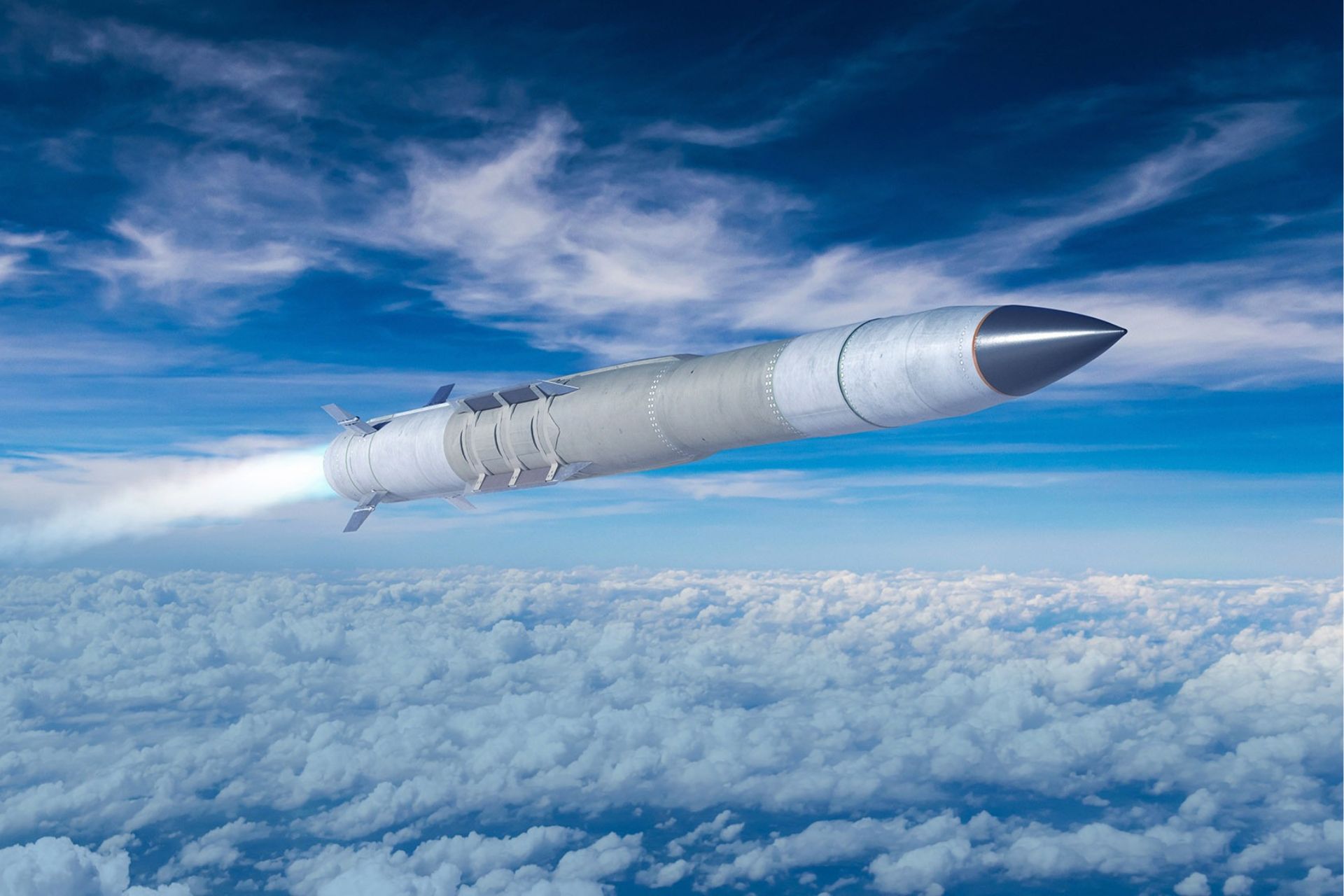
Lockheed Martin is collaborating with suppliers to increase subcomponent production, ensuring the PAC-3 supply chain can support an annual rate of 650 PAC-3 MSEs (Picture source: Lockheed Martin)
GMLRS, another precision fires system, has supported defense efforts for over 40 years and continues to meet complex threats with 21st-century security solutions. Production of these rockets has been increased, and the 75,000th unit was recently delivered to the U.S. Army under contracts valued up to $4.8 billion.
GMLRS comes in two variants: the unitary warhead for precise targets, and the Alternative Warhead (AW), designed for area targets without leaving unexploded ordnance. The extended-range version, ER GMLRS, doubles the current range from 70 km to 150 km, providing greater operational flexibility. Lockheed Martin aims to achieve an annual production capacity of 14,000 units by 2025, addressing rising demand for this strategic, accurate, and cost-effective rocket.
Lockheed Martin's expanded production of Javelin, PAC-3 MSE, HIMARS, and GMLRS underscores its commitment to providing robust deterrent solutions for the future. Through strengthened supplier partnerships, digital transformation investments, and the integration of innovative technologies, the company meets growing global security challenges with proven, scalable capabilities.
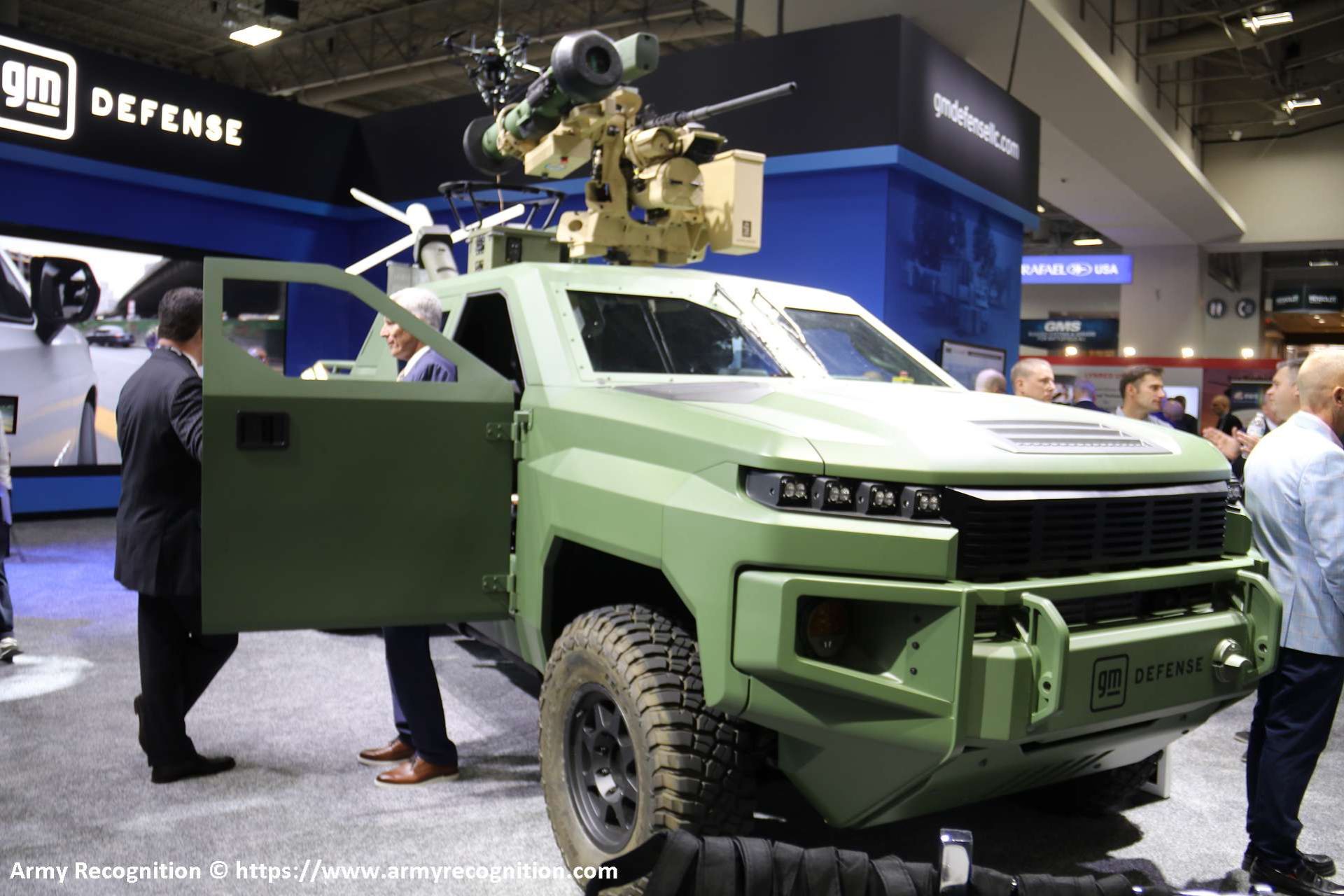
GM Defense Highlights Stealth Capabilities with New Next Gen Tactical Vehicle Prototype at AUSA 2024
- Details
- Written by: Halna du Fretay
- Category: 2024
- Hits: 4238
GM Defense, a subsidiary of General Motors, unveils its "Next Gen" tactical vehicle at the 2024 edition of AUSA. This prototype combines technology and durability to support modern military operations. Designed to enable silent driving and discreet surveillance, this vehicle facilitates stealthy entry and exit in high-threat areas, while also providing exportable power for mission systems and high-energy-demand equipment.
GM Defense showcases a heavily armed, next-generation tactical vehicle at AUSA 2024 (Picture source: Army Recognition)
Displayed from October 14 to 16 at the Walter E. Washington Convention Center in Washington, D.C., the Next Gen is based on the Chevrolet Silverado 2500HD ZR2 and GMC Sierra 2500 HD AT4X models, equipped with a 2.8-liter Duramax Turbo diesel engine paired with a 12-module battery system.
The "Next Gen" prototype stands out for its hybrid propulsion system, reducing fuel requirements and allowing it to utilize existing JP8 fuel infrastructure, which minimizes logistical constraints. The combination of the Duramax engine and Ultium battery enables operation in "Silent Drive" and "Silent Watch" modes, lowering acoustic and thermal signatures and making the vehicle harder to detect. These features support various military sensors and equipment, while extending mission range and duration with an autonomy exceeding 300 miles, essential for prolonged operations.
This military vehicle is designed to meet current and future requirements, with adaptable features that make it autonomy-ready, whether operated manually or unmanned. It is also capable of receiving additional armor, meeting the needs of multi-role missions and diverse operational situations. The design accommodates up to six passengers, with seat configurations in two-, four-, or six-seat options, providing flexibility for different mission types. The Next Gen can be adapted for specific roles, including ambulance, reconnaissance, command and control support, and counter-unmanned aerial systems operations.
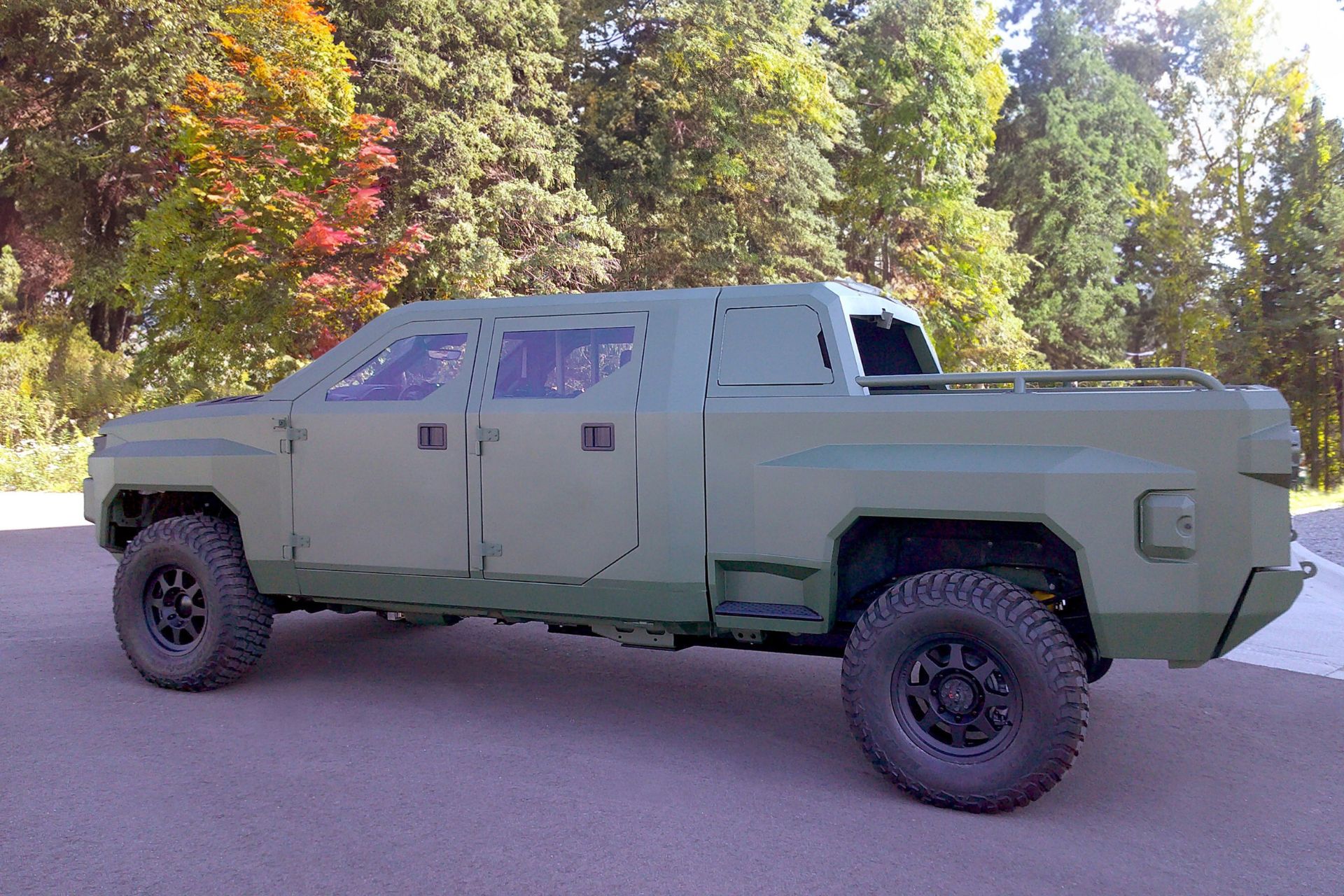
The "Next Gen" prototype stands out for its hybrid propulsion system, reducing fuel requirements and allowing it to utilize existing JP8 fuel infrastructure, which minimizes logistical constraints (Picture source: GM Defense)
GM Defense's commitment to safety and performance is evident through the various protection features of the Next Gen. The vehicle includes active and passive safety systems, such as rollover protection, anti-lock brakes, electronic stability control, and a 360-degree camera for enhanced situational awareness. Additionally, safety options like four- and five-point harnesses improve crew protection in hostile environments.
The "Next Gen" represents a strategic development for armed forces by integrating proven commercial GM technologies to provide a mobility solution suited to military needs. The capability to generate on-site power and offer extended autonomy reflects GM Defense’s intent to support armed forces in maintaining technological superiority. Significant investments by GM in research and development have produced an innovative tactical vehicle, immediately operational and adaptable to evolving battlefield conditions.
The Next Gen prototype exemplifies GM Defense’s commitment to innovation in defense, with its potential for deployment reinforced by GM's global supply chain, enabling broad logistical and technical support. By delivering advanced mobility solutions, GM Defense positions itself as a key player in the evolution of modern tactical vehicles, able to provide armed forces with vehicles tailored to the challenges of current and future conflicts.
- Details
- Written by: Vandenbosch
- Category: 2024
- Hits: 4867
At the AUSA 2024 exhibition in the United States, Teledyne FLIR showcased the Rogue 1, a next-generation combat drone system designed to meet the complex demands of the modern battlefield. This small vertical takeoff and landing (VTOL) unmanned aerial system (sUAS) is intended to provide armed forces with precision strike capabilities against armored and unarmored targets, whether stationary or moving, as well as against ground-based threats. Notably, it was presented mounted on an unmanned ground vehicle (UGV) system, enhancing its operational range and versatility.
The Rogue 1 was presented mounted on an unmanned ground vehicle at AUSA2024. (Picture source: Army Recognition)
The Rogue 1 stands out for its optional lethality and rapid deployment capabilities. Equipped with an advanced fuzing system and a unique mechanical interrupt, this device allows Rogue 1 to be recovered and reused when targets are disengaged or the mission is aborted. This feature brings unprecedented flexibility and cost efficiency to operations, enhancing the system’s adaptability in response to fast-changing tactical situations.
One of the significant advancements in Rogue 1 lies in its integration with Teledyne FLIR's cutting-edge sensor technologies. Outfitted with FLIR’s Boson® 640+ electro-optical and thermal cameras, the drone performs reconnaissance and surveillance missions daily and night, with an extended range. Its gimballed sensor system and a lethal payload allow for unparalleled targeting precision. Depending on the mission, operators can select from various types of charges: an Explosively Formed Penetrator (EFP), a forward-fragmenting charge, or a non-lethal training charge, making Rogue 1 adaptable to diverse engagement scenarios.
In terms of performance, the Rogue 1 impresses with a 30-minute flight time, top speeds exceeding 113 km/h (70 mph), and an operational range of over 10 km. It is designed to function in demanding combat environments, including areas with limited communication or GPS signals. Its capability to operate beyond the range of traditional weapon systems while minimizing collateral damage makes it a significant asset on the battlefield.
Dr. JihFen Lei, Executive Vice President and General Manager of Teledyne FLIR Defense, stated, “The new Rogue 1 offers combatants the versatility, survivability, and lethality required on the modern battlefield. With its unique ability to be recovered and reused, this innovative platform provides military forces greater economy and flexibility. The Rogue 1 builds on our decades of expertise in drone technology and complements our global unmanned aerial systems portfolio.”
Rogue 1 garnered strong interest among AUSA attendees, and Teledyne FLIR confirmed its selection in April by the United States Marine Corps for an Indefinite Delivery/Indefinite Quantity (ID/IQ) contract under the Organic Precision Fires-Light (OPF-L) program, with a potential value of $249 million. Under this contract, 127 Rogue 1 systems will be delivered to the Marines this summer, providing them with a new precision strike capability. Additionally, in 2022, Teledyne FLIR had already supplied the first Rogue 1 systems to the United States Special Operations Command under the Ground Organic Precision Strike Systems (GOPSS) program and continues additional deliveries.
Thus, Rogue 1 represents a comprehensive and versatile solution, ready to redefine precision strike and reconnaissance capabilities in military operations, combining modularity, recovery, and adaptability on the battlefield.
Read more: Teledyne Presents Rogue 1 New Unmanned Aerial Vehicle Already Drawing Interest in US
- Details
- Written by: Jérôme Brahy
- Category: 2024
- Hits: 9083
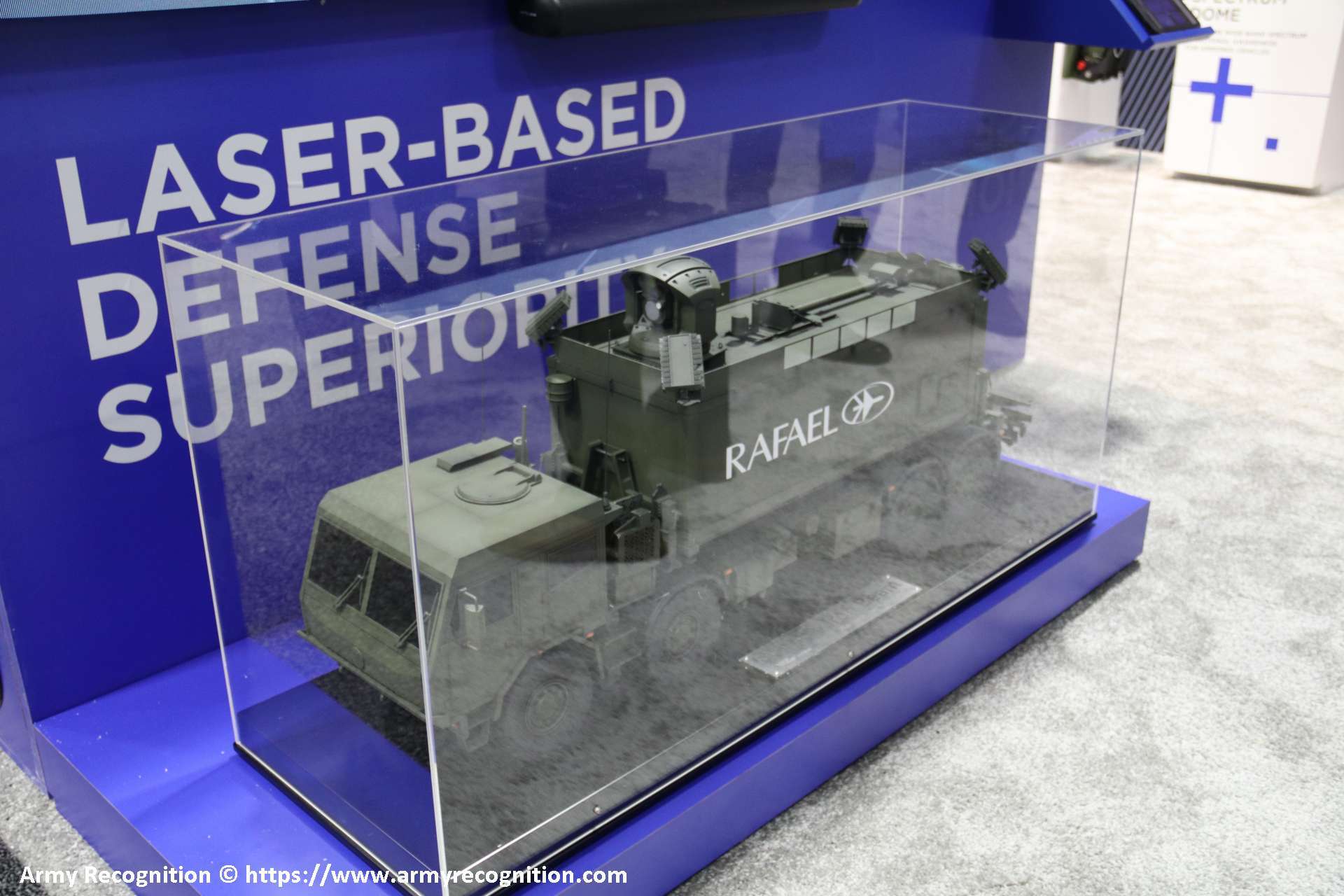
At the AUSA 2024 exhibition, the Israeli company Rafael Advanced Defense Systems introduced a new version of its Iron Beam High Energy Laser Weapon System (HELWS), mounted on a Tatra T815-7 8x8 truck chassis. Expected to be operational by late 2025, this 100kW system aims to provide a cost-effective component of Israel's air defense by countering drones, rockets, and mortars.
Follow Army Recognition on Google News at this link
To date, the Iron Beam family includes multiple versions under development, such as a 100kW variant, this 50kW mobile truck-mounted Iron Beam-Mobile (Iron Beam-M), and a lighter 10kW system, Lite Beam, designed for larger infantry vehicles. (Picture source: Army Recognition)
To date, the Iron Beam family includes multiple versions under development, such as the 50kW mobile truck-mounted Iron Beam-Mobile (Iron Beam-M), expected to complete its 18-month development phase by late 2025, and a lighter 10kW system, Lite Beam, designed for larger infantry vehicles and anticipated to be operational within two years.
On September 12, 2024, Yoav Turgeman, CEO of Rafael, confirmed that the Iron Beam would be deployed by the Israel Defense Forces (IDF) in 2025. This laser system will integrate with the Iron Dome, allowing coordination between missile interceptors and the laser-based system. According to Rafael, the Iron Beam can direct up to 100 kilowatts of laser power at aerial targets, destroying them in seconds. The effective range of the system, which can handle short- and medium-range threats, is up to 7 kilometers, depending on weather conditions and the type of target. The system has undergone tests, including those conducted by the IDF in 2022, demonstrating its ability to intercept drones, mortar bombs, and missiles.
One notable aspect of the Iron Beam system is its lower cost per interception compared to traditional missile systems. Each use of the Iron Beam is estimated to cost up to $1,000, significantly less than the $40,000 to $50,000 per interception for the Tamir missiles used in the Iron Dome. The system also has an unlimited firing capacity, requiring no reloads, and reduces the potential for collateral damage by not producing debris from intercepted threats. This is particularly relevant in light of ongoing military engagements, where Israel has faced a shortage of Iron Dome missiles, and the economic impact of the Gaza conflict has exceeded $67.3 billion, according to Israeli economists.
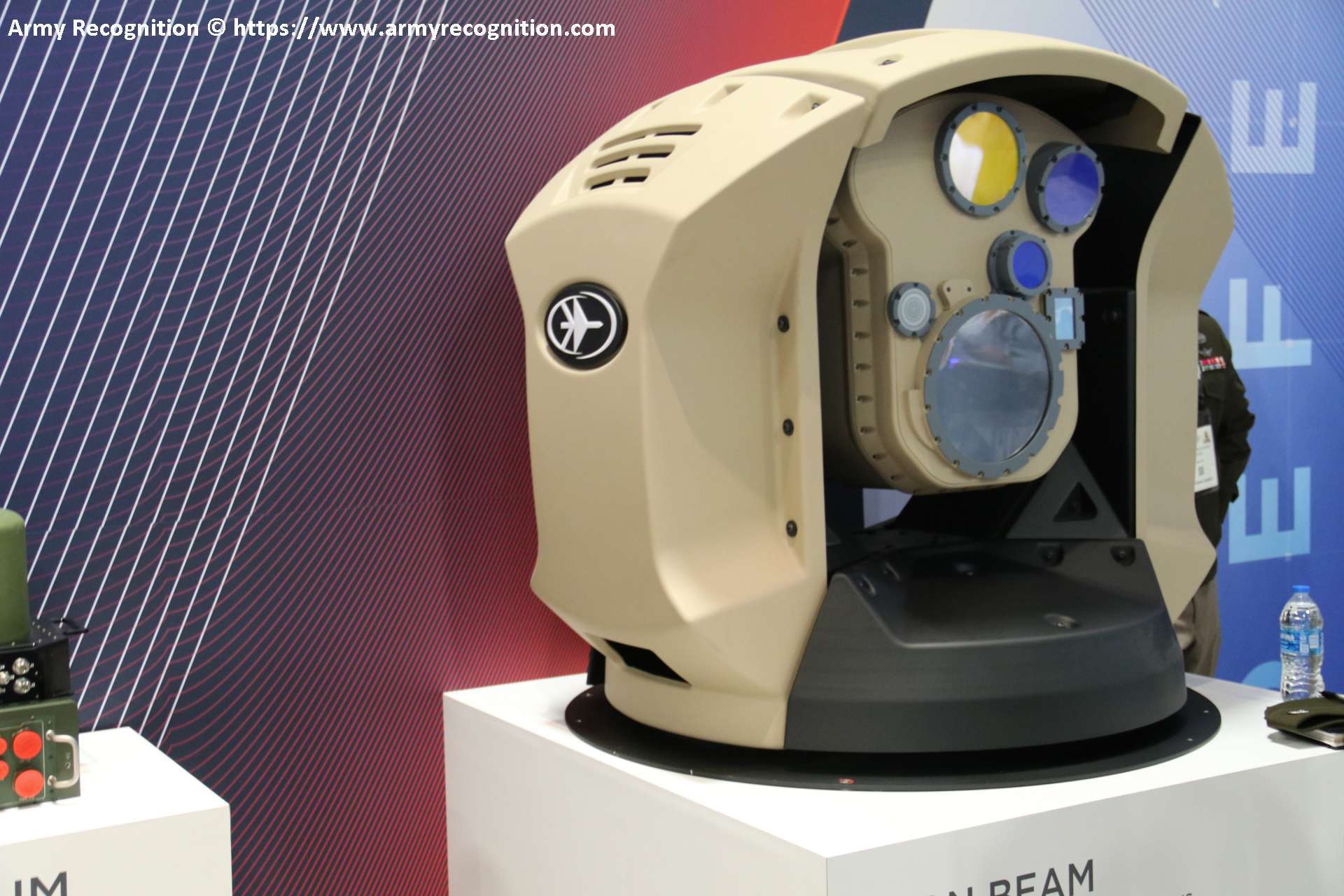
Each use of the Iron Beam is estimated to cost up to $1,000, significantly less than the $40,000 to $50,000 per interception for the Tamir missiles used in the Iron Dome. (Picture source: Army Recognition)
Turgeman also highlighted the effectiveness of Rafael's Python 4 and Python 5 missiles, which have countered drones and cruise missiles during recent Iranian attacks. While the Python 4 missile has been in service for several decades, Rafael continues to develop the "Skysonic" system, aimed at providing hypersonic interception capabilities.
Rafael has been working on directed-energy systems for over 30 years. In collaboration with Lockheed Martin, it is developing an enhanced version of the Iron Beam, which could achieve power levels up to 300 kW by using multiple beams to engage several targets simultaneously. This development is funded by the Israeli Ministry of Defense. At AUSA 2024, Rafael confirmed that the 100kW version is entering production, with fielding expected by the end of next year.
The Iron Beam, also known as "Magen Or" or "Shield of Light," was first revealed at the Singapore Airshow in 2014. The system uses fiber laser technology to intercept various aerial threats, including short-range rockets, artillery, mortar bombs, and unmanned aerial vehicles (UAVs). It can function as a stand-alone system or as part of a larger air defense network. The Iron Beam is part of Israel's broader missile defense strategy, complementing systems such as Arrow 2, Arrow 3, David's Sling, and Iron Dome. A naval version is also under development for Israeli Navy ships, such as the Reshef-class corvette, with operational readiness expected within four to five years.
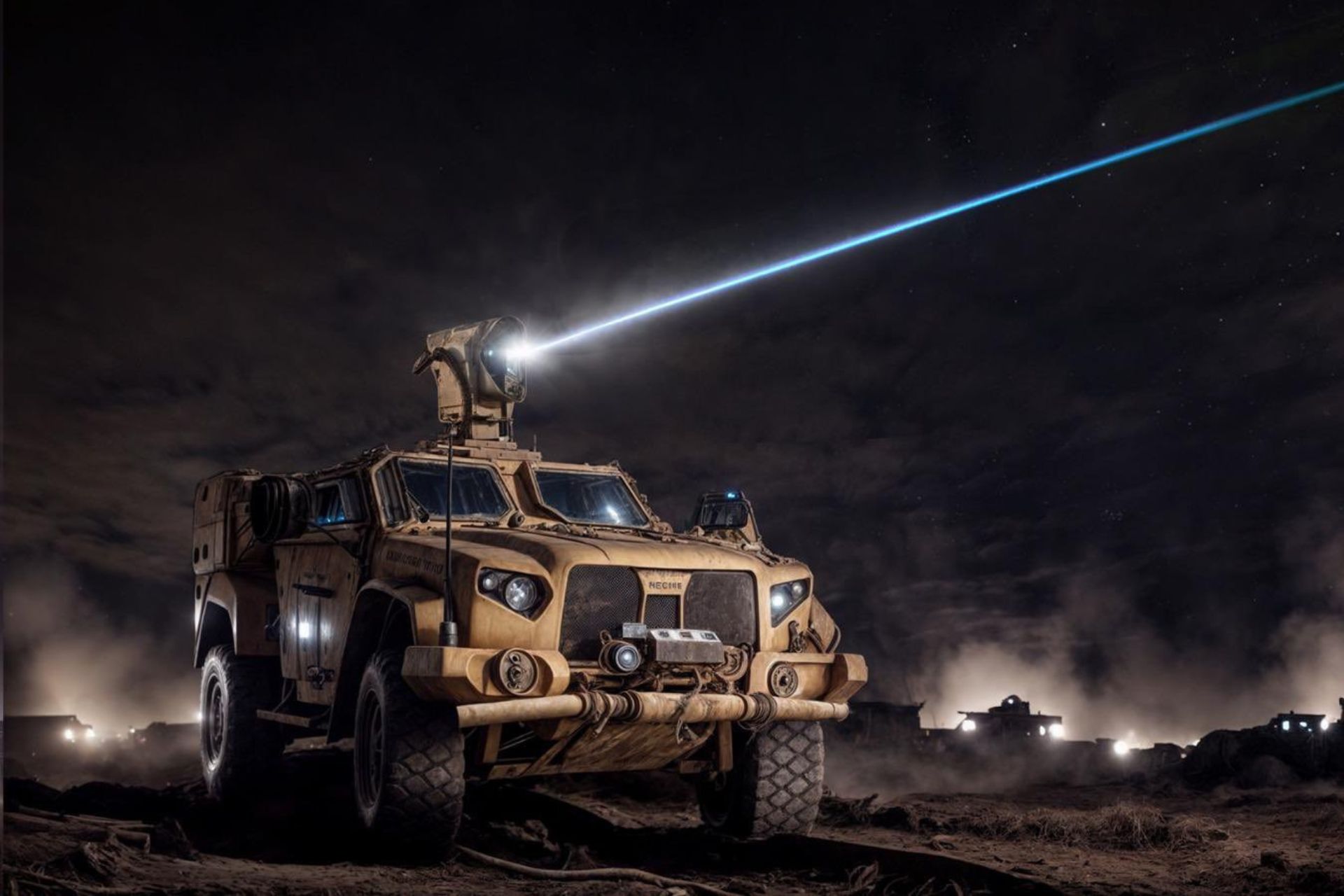
Rafael is also developing the smaller Lite Beam system, which is compatible with the Joint Light Tactical Vehicle (JLTV) and the Boxer Infantry Fighting Vehicle. (Picture source: Rafael)
Rafael is also developing mobile variants of the Iron Beam, including the Iron Beam-Mobile and Lite Beam systems, aimed at providing flexible coverage for NATO and similar forces in dynamic operations. These smaller systems can move with ground forces, ensuring localized air defense in fast-paced maneuvers. Additionally, the company promotes compatibility with the US Joint Light Tactical Vehicles and the Boxer Infantry Fighting Vehicle/Armored Personnel Carrier, expanding its potential utility in coalition contexts.
In April 2022, tests confirmed the Iron Beam's ability to intercept drones, rockets, mortar bombs, and antitank missiles. Following these trials, the Israeli Ministry of Defense announced plans to deploy the system to Israel's southern border with the Gaza Strip, where it could be tested in active conflict scenarios, including during the 2023 Israel–Hamas conflict. The system is expected to reach full operational capacity by the end of 2025, with coordinated defense using both missile interceptors and laser technology. Moreover, Rafael, in collaboration with Lockheed Martin, continues to enhance the Iron Beam's capabilities, with future developments expected to enable it to reach higher power levels and engage multiple threats simultaneously.
The Iron Beam's fiber laser system can achieve a maximum effective range of up to 7 kilometers, neutralizing targets within seconds of contact. By 2023, the technology had advanced to a point where the laser could deliver energy levels exceeding 100 kW, with the beam focused to the diameter of a coin at distances of up to 10 kilometers. However, the effectiveness of high-energy lasers like the Iron Beam can be influenced by atmospheric conditions such as rain or clouds, which may limit the laser's ability to hit its target. The system also requires sustained focus on a moving target for several seconds to deliver enough energy to destroy it, which could reduce its effectiveness against multiple simultaneous threats, such as rocket barrages. In addition, certain targets may be equipped with materials designed to resist laser attacks, further limiting the system’s effectiveness.
Read more: Rafael expands Iron Beam laser family with new mobile variant on Tatra chassis
- Details
- Written by: Administrator
- Category: 2024
- Hits: 4364
On October 15, 2024, American Company Leonardo DRS, announced a new contract with General Dynamics Land Systems (GDLS) to deliver additional Mission Equipment Packages (MEP) for the SGT Stout Maneuver Short Range Air Defense (M-SHORAD) Stryker vehicles. Valued at over $77 million, this contract will see Leonardo DRS responsible for the assembly, integration, and testing of the MEP systems.
Follow Army Recognition on Google News at this link
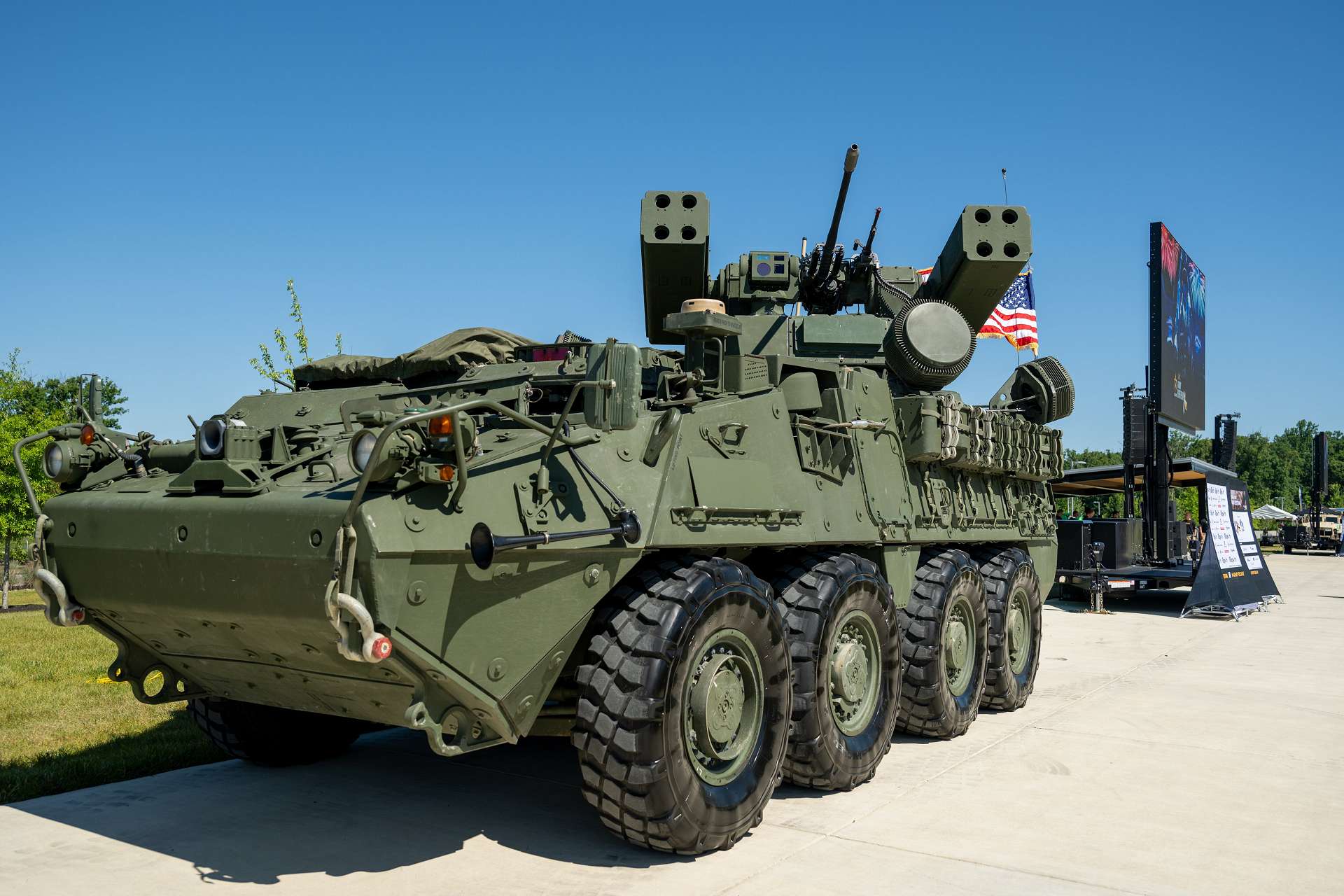
U.S. Army Sgt. Stout M-SHORAD air defense Stryker combat vehicle. (Picture source: U.S. DoD)
The SGT Stout M-SHORAD is a cutting-edge air defense variant of the Stryker armored vehicle, designed to bolster the U.S. Army's capability to counter aerial threats. Equipped with the integrated MEP, this vehicle enables soldiers to detect, identify, track, and neutralize various airborne threats, including Group 3 unmanned aerial systems (UAS), rotary-wing (helicopters), and fixed-wing aircraft. The SGT Stout M-SHORAD is specifically tailored for maneuverable air defense, providing on-the-move protection for U.S. forces on the battlefield.
The SGT Stout M-SHORAD vehicle is equipped with a suite of advanced armaments specifically designed to counter various aerial threats. Mounted on the Stryker platform, the vehicle combines kinetic and electronic warfare systems, providing a versatile and comprehensive air defense solution. Its primary weapon is the 30mm XM914 Chain Gun, capable of engaging and destroying aerial targets such as drones, helicopters, and low-flying aircraft. The gun is also effective against lightly armored ground targets, offering a dual-purpose capability.
Additionally, the SGT Stout M-SHORAD is equipped with a launcher that can fire up to four FIM-92 Stinger missiles. These heat-seeking missiles are designed to intercept and destroy aircraft, helicopters, and drones at short ranges, making them ideal for rapid response to immediate threats. In some configurations, the vehicle can also be fitted with Longbow Hellfire missiles, allowing it to engage more heavily armored targets, including enemy tanks, and low and slow-moving aircraft.
The AN/VPS-2 Multi-Mission Hemispheric Radar (MHR) supports the weapon systems. This radar provides 360-degree coverage to detect, track, and target multiple aerial threats. This radar system integrates seamlessly with the vehicle's armaments to ensure accurate and timely engagements. The SGT Stout is outfitted with electronic warfare systems that can jam or disrupt enemy communications and drone control signals, offering a non-kinetic option to neutralize threats.
The new contract comes at a time when three Division Air Defense Battalions have already been equipped with this vital capability, reflecting the U.S. Army's urgency to enhance its air defense systems. This urgency has been driven by the increased use of manned and unmanned aircraft in conflicts across the Middle East and Ukraine, emphasizing the importance of quickly and efficiently fielding such systems.
Aaron Hankins, Senior Vice President and General Manager of the Leonardo DRS Land Systems business unit, underscored the importance of rapid deployment, stating, "The use of manned and unmanned aircraft in current conflicts in the Middle East and Ukraine reinforces the need to field this capability to U.S. Army divisions as quickly as possible. We are proud to continue to answer the call with our partner General Dynamics Land Systems. Fielding air defense systems is very important as air threats become increasingly more capable."
The SGT Stout M-SHORAD vehicle represents a strategic asset for the U.S. Army, capable of offering short-range air defense (SHORAD) solutions to protect ground units. Designed to operate on the Stryker platform, the vehicle integrates advanced radar, sensors, and weapon systems to provide a robust shield against low-flying threats, ensuring enhanced situational awareness and force protection on the battlefield.
Leonardo DRS’s role in integrating the MEPs highlights the company’s extensive experience in merging complex technologies within accelerated acquisition programs. Their expertise extends across various domains, supporting force protection, computer networking, C5I (Command, Control, Communications, Computers, Combat Systems, and Intelligence), as well as naval power and propulsion systems.
As aerial threats continue to evolve, the SGT Stout M-SHORAD Stryker will play a critical role in ensuring that U.S. Army divisions are prepared to meet and neutralize emerging threats. This latest contract signifies continued collaboration between Leonardo DRS and General Dynamics Land Systems to provide state-of-the-art defense solutions that address modern warfare needs.
- US Flyer Defense & Tekne to Manufacture Flyer 72-HD Tactical Vehicles for Italian Army and NATO Allies
- Oshkosh Defense to Deliver First ROGUE-Fires Anti-Ship Missile System to US Marine Corps by 2025
- BAE Systems Promotes Archer at AUSA 2024 as Future Wheeled Self-Propelled Howitzer for US Army
- American Rheinmetall and Textron could produce up to 2,195 S-MET UGVs for US Army by 2027