
- Details
- Written by: Triffaux
- Category: 2024
- Hits: 7870










On October 16, 2024, Red Cat Holdings, Inc., a company specializing in drone technology, announced that it had secured a $1 million contract from the United States Army Communications-Electronics Command (CECOM) for its Edge 130 Blue drones. This contract marks a big step for the company, representing a closer collaboration with the U.S. Army. The contract was awarded through Noble, a major global logistical and operational support provider for the U.S. Army and civilian government agencies, with procurement coordinated by the Defense Logistics Agency (DLA) on behalf of CECOM.
Follow Army Recognition on Google News at this link
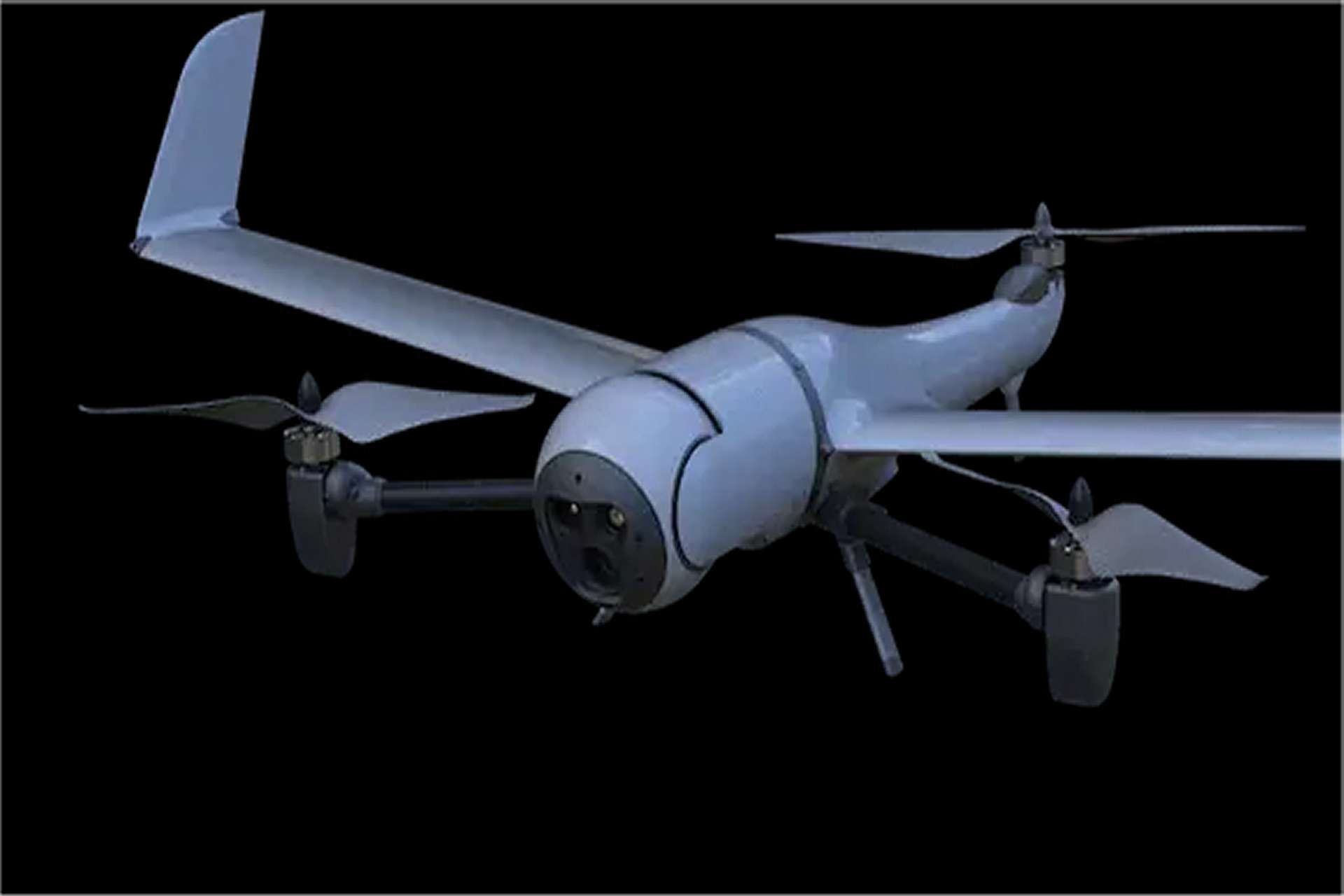
Red Cat Edge 130 Blue drone (Picture source: Red Cat)
The Edge 130 Blue, a military-grade unmanned aerial system (UAS), was specifically designed for government and military use, focusing on long-range mapping, inspection, surveillance, and reconnaissance missions. It is part of Red Cat's growing portfolio of advanced drone systems, which integrate cutting-edge robotic hardware and sophisticated software for military, government, and commercial operations.
Red Cat's recent acquisition of FlightWave in September 2024, a leader in vertical take-off and landing (VTOL) drones and sensor solutions, was crucial in securing this contract. FlightWave’s flagship drone, the Edge 130 Blue, is now fully integrated into Red Cat's portfolio of low-cost, portable unmanned reconnaissance and precision strike systems. This acquisition has strengthened Red Cat’s ability to offer versatile and advanced solutions to the U.S. Army.
FlightWave’s Edge 130 Blue is particularly well-suited for maritime and littoral operations due to its size, lightweight design, and vertical take-off and landing capabilities. Additionally, FlightWave's recent Tactical Funding Increase (TACFI) award will accelerate the development and enhancement of the Edge 130 Blue, making it an even more powerful tool for the U.S. Army.
The Edge 130 Blue UAS is a tricopter designed for quick deployment and operational efficiency in the field. Weighing only 1200 grams, it can be assembled and hand-launched by a single user in just one minute. With a flight time of over 60 minutes in forward mode, it is an endurance leader among drones approved under the Blue UAS program.
This capability allows the drone to capture high-accuracy aerial imagery with medium-range autonomy, making it indispensable for intelligence, surveillance, and reconnaissance (ISR) missions. The drone's lightweight and portable nature, combined with its advanced sensor technology, ensures that it can deliver real-time intelligence and situational awareness to ground forces in various operational environments.
The Edge 130 Blue is certified under the Blue UAS program, a U.S. government initiative aimed at ensuring that military drones meet the highest standards of cybersecurity, safety, and operational capability. This certification further underscores the drone's reliability and effectiveness in military applications.
By securing this contract, Red Cat has demonstrated its commitment to supporting the U.S. Army’s modernization strategy, which aims to transform the forces into a combat-ready, multi-domain entity capable of operating on land, in the air, at sea, in space, and in cyberspace. As Jeff Thompson, CEO of Red Cat, noted: “We are committed to supporting the U.S. Army’s modernization strategy and transformation into a multi-domain force where small, portable unmanned aerial systems like the Edge 130 play an increasing role in conducting intelligence, maneuver, and strike activities across multiple battlefield formations.”
The U.S. Army’s focus on C5ISR (Command, Control, Communications, Computers, Cyber, Intelligence, Surveillance, and Reconnaissance) systems is at the core of this modernization effort. These systems are essential for enabling full-spectrum combat operations, providing commanders with the tools they need to conduct integrated and agile operations. The Edge 130 Blue, with its rapid deployment and advanced ISR capabilities, fits perfectly into this strategic vision.
The $1 million contract awarded by the U.S. Army Communications-Electronics Command for Red Cat’s Edge 130 Blue drones represents a major step forward for both Red Cat Holdings and the U.S. Army. As military operations increasingly rely on advanced, portable UAS for ISR and strike missions, the Edge 130 Blue is set to become a vital asset in the U.S. Army’s arsenal. With ongoing support from the Defense Logistics Agency and the integration of FlightWave’s expertise, Red Cat is poised to play a critical role in the U.S. Army’s modernization strategies and its multi-domain combat operations.

- Details
- Written by: Halna du Fretay
- Category: 2024
- Hits: 2849
The 2024 edition of SAHA EXPO, one of the largest international fairs dedicated to the defense, aerospace, and space industries, will take place from October 22 to 26 at the Istanbul Expo Center. This major event, showcasing Türkiye’s technological and industrial potential, will bring together over 1,200 exhibitors from around the world. Army Recognition will be present throughout the event as the Online Show Daily and Official Web TV, providing comprehensive coverage of new developments and major announcements.
The 2024 edition of SAHA EXPO, set to take place in Istanbul from October 22 to 26, will cover 90,000 square meters, marking a 50% increase in size compared to the previous edition (Picture source: SAHA Expo)
The defense and aerospace industry is a constantly evolving ecosystem shaped by unique dynamics. In an era of rapid technological advancements, defense concepts and security approaches are undergoing significant transformations. Countries that invest in these new technologies and integrate them into their military capabilities not only strengthen their power but also build a robust economic structure through exports. The pandemic has shown that defense spending remains crucial for national security and geopolitical strategy, even during global crises.
Possessing cutting-edge, innovative technologies provides undeniable military and economic advantages. Recent regional conflicts have demonstrated the critical importance of national defense capabilities and the necessity of technological innovation. Türkiye, in particular, has made significant strides toward achieving full autonomy in the defense and aerospace sectors. Through a policy of nationalization, the country has significantly reduced its external dependence, becoming a producer of high technology. Over the past two decades, the Turkish defense industry has undergone a radical transformation, producing drones, warships, and numerous technologies that have garnered global interest. These advancements not only meet the needs of Türkiye’s national security forces but also position the country competitively on the international market.
Global defense spending has reached $2.4 trillion, even during complex periods such as the pandemic, with a 5.4% increase over the last 22 years. Conflicts, particularly in Ukraine, have been a major driver of this growth. The United States, China, Russia, India, and the United Kingdom account for 75% of these expenditures, widening the gap with other nations. Türkiye, for its part, has successfully increased its defense and aerospace industry revenue while reducing costs through nationalization and localization policies.
The nationalization movement has enabled Türkiye to become a competitive player on the global stage. In 2002, the turnover of the Turkish defense industry was around $1 billion. By 2023, it had reached $12 billion, with exports also seeing a significant rise. The export target for 2024 is to surpass $6 billion, up from $5.5 billion in 2023.
SAHA Istanbul, a major civilian actor in this transformation, was founded in 2015 with the mission to improve the technological and sectoral competencies of its members. It supports the development of critical technologies and strengthens the sector's international competitiveness by promoting cooperation among companies. In just nine years, SAHA Istanbul has grown from 27 members to over 1,200 companies, primarily SMEs, operating in 52 different fields across 49 cities and collaborating with 29 universities and numerous institutions. SAHA Istanbul is now Europe’s largest industrial cluster, with the mission of strengthening Türkiye’s defense ecosystem.
The 2024 edition of SAHA EXPO, set to take place in Istanbul from October 22 to 26, will cover 90,000 square meters, marking a 50% increase in size compared to the previous edition. This event serves as an international platform to showcase Türkiye’s production capabilities in the defense and aerospace sectors, along with its independent production capacity. Numerous technological innovations in defense, aerospace, maritime, and space industries will be unveiled for the first time.
This year, SAHA EXPO aims to establish new collaborations and sign agreements that will further boost Türkiye’s defense industry exports. Special focus is placed on SMEs, which form the backbone of the aerospace industry, by supporting their development and export efforts. The exhibition brings together local industrialists, defense and aerospace companies, and international trade delegations, facilitating product marketing and the creation of new partnerships.
Since its inception, SAHA EXPO has expanded from 10,000 m² to 90,000 m² and now hosts more than 1,200 companies worldwide. In 2024, the exhibition expects over 150,000 visitors, 500 official and trade delegations, and more than 150 product launches.
Among the novelties, panels and conferences will be held, bringing together industry professionals to discuss the latest innovations. Special attention will be given to FPV drones, whose use on battlefields has recently transformed the course of conflicts. Additionally, for the first time, Turkish-made warships and autonomous naval vehicles will be exhibited in the ports of Sarayburnu and Ataköy, offering a unique showcase of Türkiye’s naval capabilities.
Sectoral pavilions dedicated to areas such as cybersecurity, artificial intelligence, and space will allow small businesses to exhibit their products and explore new business opportunities. A “Space Pavilion” will also be featured for the first time, promoting Turkish technologies related to space as part of the National Space Program.
Army Recognition will provide full coverage throughout the event as Online Show Daily and Official Web TV, with articles available on our website and video content on our YouTube channel.
Read more: SAHA EXPO 2024: International Defense and Aerospace Exhibition Set to Begin in Istanbul
- Details
- Written by: Halna du Fretay
- Category: 2024
- Hits: 2901
On October 21, 2024, U.S. Secretary of Defense Lloyd Austin announced during his visit to Ukraine that the Terminal High Altitude Area Defense (THAAD) missile system was now in place, though he did not confirm if it was fully operational. This system was deployed to Israel on September 25, 2024, in response to recent escalations between Israel and Iran. The deployment followed Iran’s launch of approximately 200 ballistic missiles toward Israel earlier in October, an event seen as retaliation for Israeli strikes on Hezbollah leaders in Lebanon and the death of a Hamas leader in Tehran.
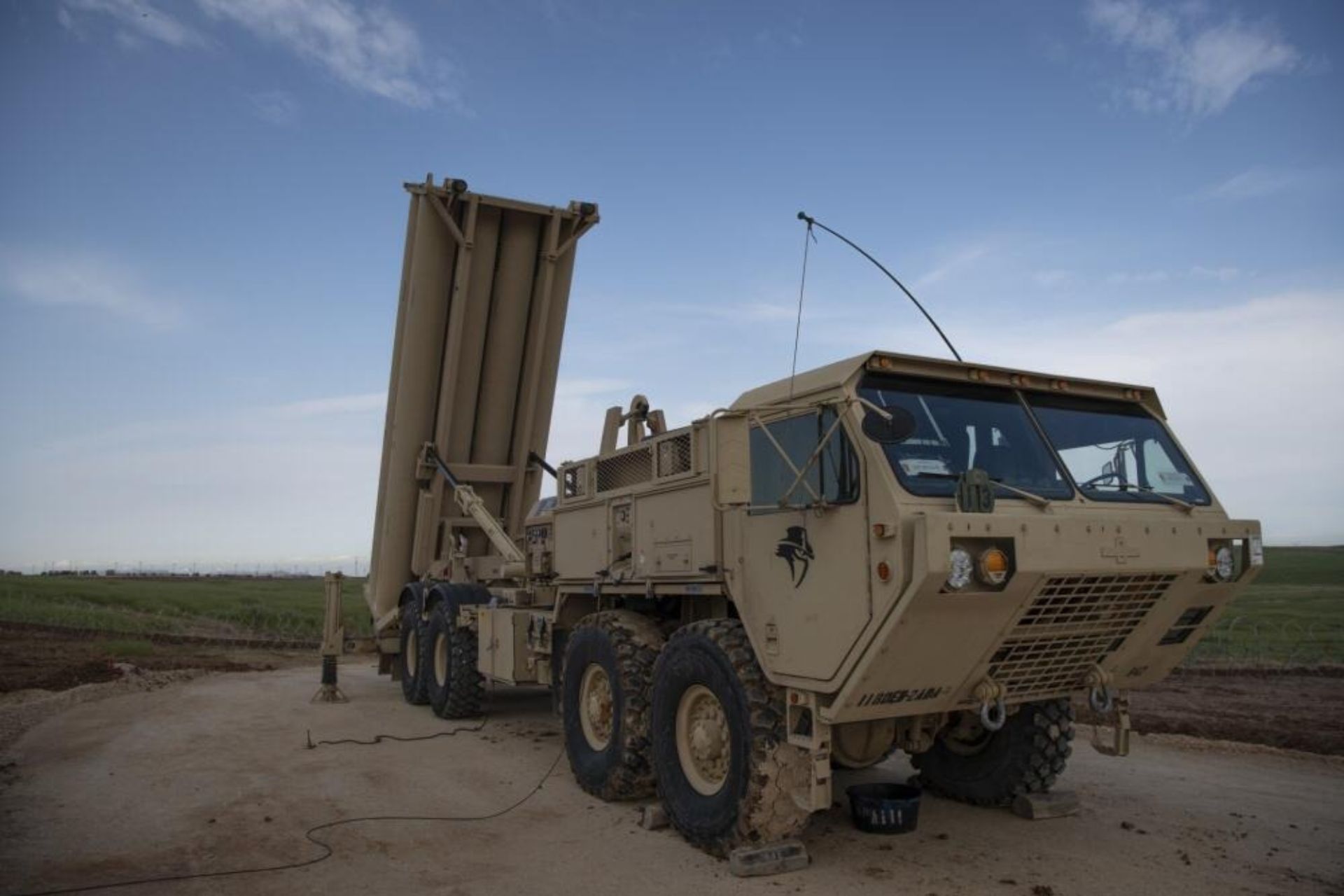
The US military deploys a THAAD missile defense system in Israel, in March 2019 (Picture source: US DoD)
The THAAD system, a key component of the U.S. military's layered air defense network, has now been positioned in Israel to enhance the country’s already strong missile defense capabilities. According to Austin, the system is "in place" and can be quickly made operational, though specific details on its current readiness were not provided. THAAD adds an important layer to Israel’s defense system, complementing existing systems like the Patriot by covering larger areas and intercepting threats at ranges of up to 200 kilometers.
The THAAD (Terminal High Altitude Area Defense) missile system is designed to intercept and destroy short-, medium-, and long-range ballistic missiles at altitudes of up to 150 km and ranges between 150 and 200 km. It is a transportable ground-based system equipped with eight missiles, an AN/TPY-2 radar for target detection, and a control and communication center to manage operations. THAAD uses hit-to-kill technology, where the missile's kinetic energy neutralizes incoming warheads either within or outside the atmosphere.
Developed by Lockheed Martin, THAAD was first deployed in 2008. Several U.S. allies, including Saudi Arabia, the United Arab Emirates, and more recently Germany and Japan, have acquired or integrated THAAD into their air defense systems. With its high mobility and ability to intercept at high altitudes, THAAD plays a critical role in protecting military forces, infrastructure, and civilian populations from ballistic missile threats.
Israeli sources indicate that the system is already operational, with up to three batteries in use. These reports come amid rising concerns about potential Iranian retaliation, which could prompt an Israeli military response. While the scope of future Israeli strikes remains unclear, Austin emphasized the importance of de-escalating tensions while continuing to meet Israel’s defense needs. He also noted that the U.S. is diplomatically working to reduce tensions between Iran and Israel, though any military actions would ultimately be Israel’s decision.
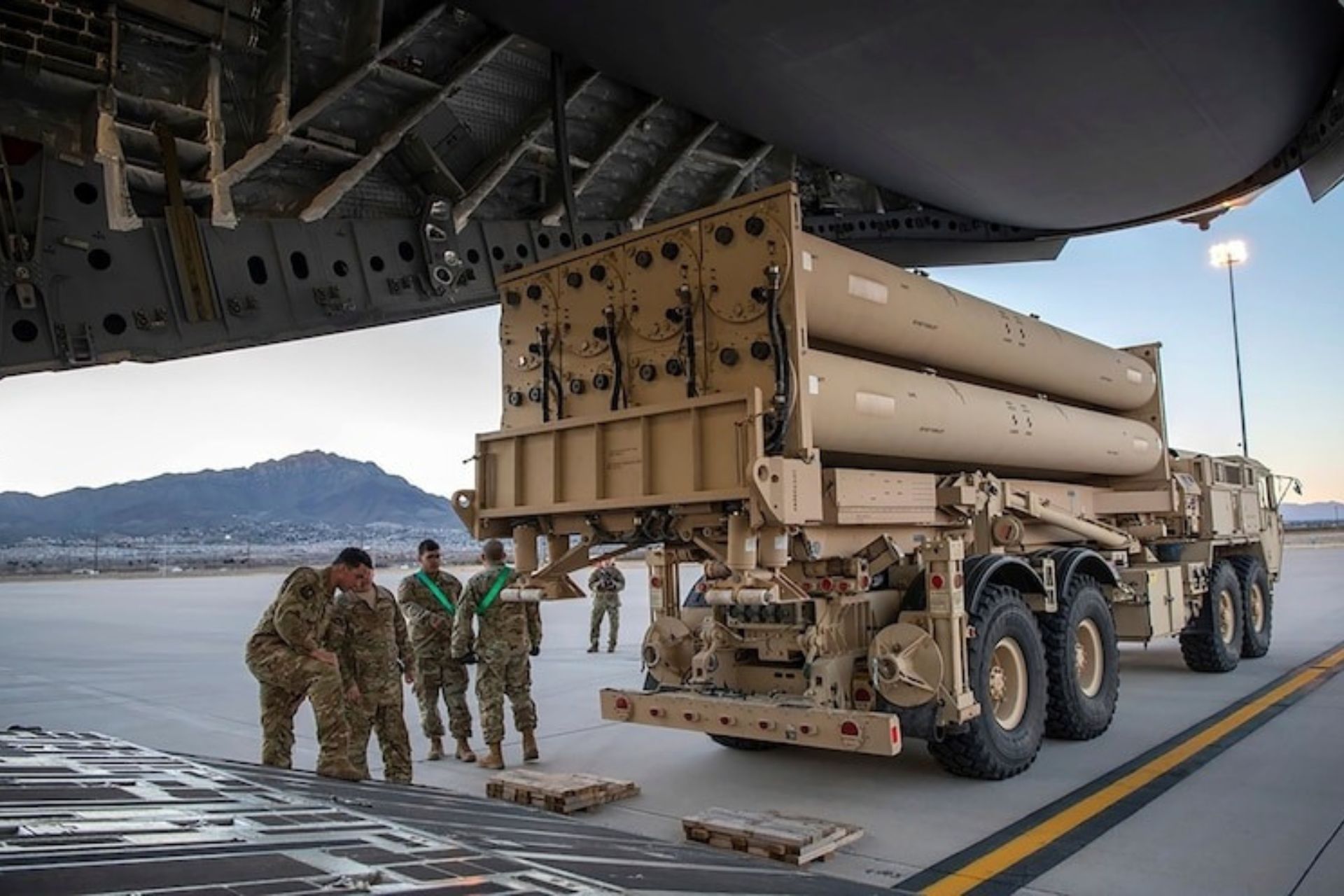
US Air Force shows a US Army Terminal High Altitude Area Defense at Fort Bliss, Texas, on Feb. 23, 2019 (Picture source: US DoD)
The Pentagon had previously confirmed the arrival of an advance team and essential components needed to operate the THAAD system in Israel, with additional personnel and equipment arriving in the days following. This deployment involves approximately 100 U.S. personnel, putting American forces on the ground in Israel and deepening U.S. involvement in the region. The deployment of THAAD signals a significant shift as the U.S. moves from a supportive role to a more active defense posture, potentially placing American forces at greater risk should hostilities intensify.
Developed in the 1990s and operational since 2008, this missile defense system includes truck-mounted launchers, radar systems, and fire control components. Each battery consists of six launchers, each equipped with eight interceptors. THAAD is specifically designed to intercept and destroy short-, medium-, and long-range ballistic missiles at high altitudes, providing a critical defense layer against Iranian missile threats.
The deployment of THAAD to Israel demonstrates the continued U.S. commitment to Israel’s defense, particularly in light of the growing missile threats from Iran. The Pentagon has confirmed that the THAAD system will soon be fully operational and capable of defending Israeli airspace. Despite the complexity of the situation, the U.S. continues to prioritize diplomatic efforts aimed at reducing tensions while maintaining a robust defense posture in the region.
This development also coincides with a warning from U.S. Secretary of State Antony Blinken and Defense Secretary Lloyd Austin to Israeli officials, urging them to improve humanitarian conditions in Gaza. The U.S. has made clear that continued military support will depend on significant efforts to address the humanitarian crisis, and Israel has since facilitated the entry of aid trucks into Gaza.
Read more: US Says THAAD Anti-Missile System is Now in Place in Israel
- Details
- Written by: Halna du Fretay
- Category: 2024
- Hits: 8345
On September 25, 2024, China's Ministry of National Defense announced that the People's Liberation Army Rocket Force (PLARF) had conducted a test launch of an intercontinental ballistic missile (ICBM) into the South Pacific. This exercise, described as part of China's annual training plan, drew attention due to its unusual launch site: Hainan Island. The missile, a DF-31AG, traveled an estimated 11,700 km before landing in the Pacific, marking the first time since 1980 that China has targeted this area during an ICBM test. The last such event involved a DF-5 missile launched from the Jiuquan Satellite Launch Center.
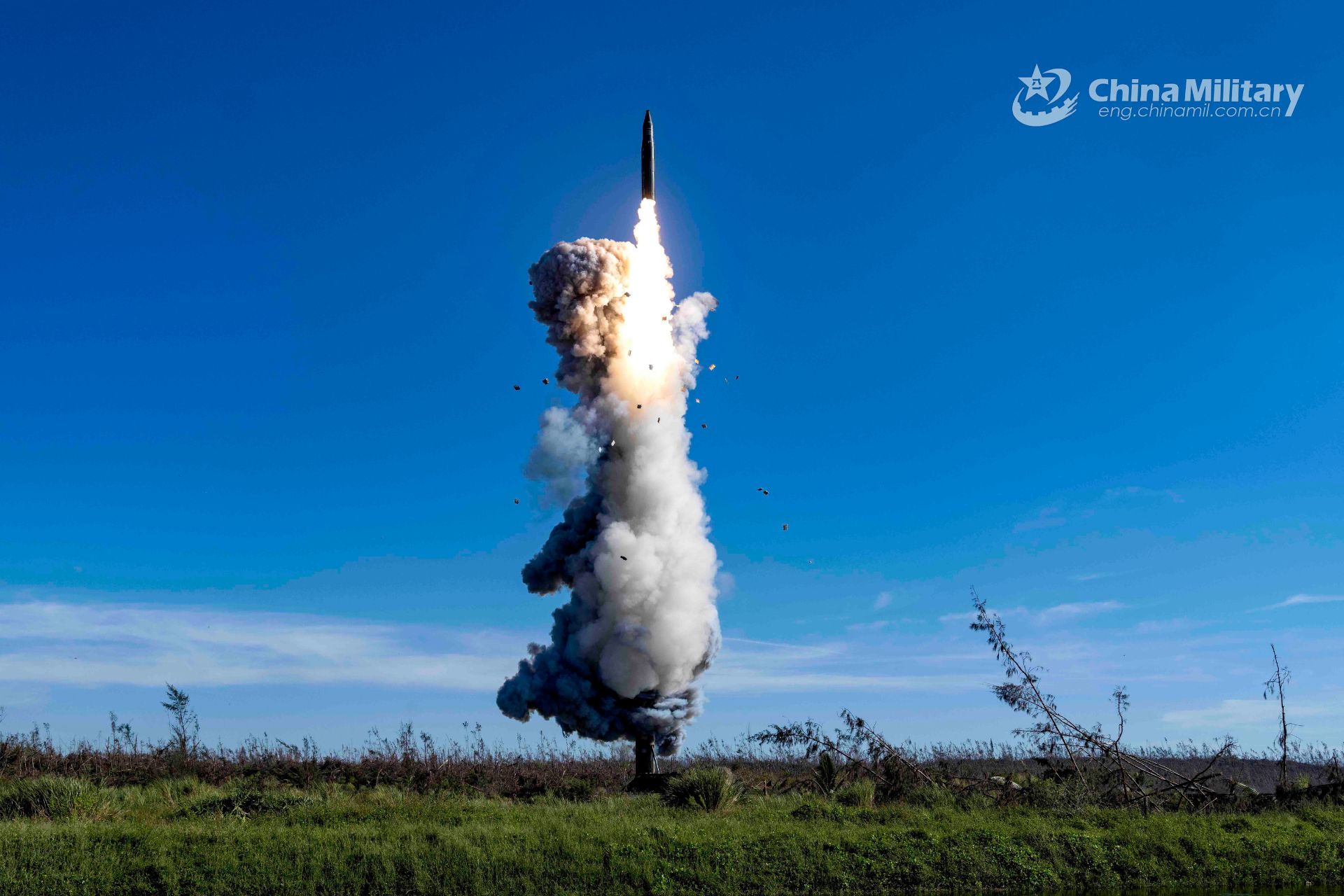
An image of the DF-31AG launch was released by the Chinese People's Liberation Army on September 25, 2024 (Picture source: PLA)
The launch has sparked discussions regarding China’s nuclear posture and its advancing military modernization. Navigation warnings and trajectory calculations quickly identified that the missile had been fired from northeast Hainan Island, a location not typically used for ICBM launches and lacking a permanent ICBM brigade. This unusual choice suggests that China used a mobile launcher for the test, likely a DF-31AG, as confirmed by images released shortly after the event. The DF-31AG is a modernized version of the DF-31, China’s first solid-fuel ICBM, introduced in 2017 to replace earlier models. The DF-31AG is mounted on an eight-axle mobile transporter, which offers improved maneuverability and requires less logistical support than previous versions.
The Dong Feng 31 (DF-31), also known as CSS-9 according to NATO classification, is a mobile, long-range ICBM developed by China. This three-stage missile, powered by solid fuel, was designed in the 1980s as a successor to the DF-4. First unveiled during China's National Day Parade in 1999, the DF-31 is housed in a large container mounted on an eight-wheeled trailer, providing significant operational flexibility. With an estimated range of 8,000 to 11,700 kilometers, it can strike targets across much of the continental United States, giving China a second-strike nuclear capability that is difficult to counter. The missile's accuracy is estimated at around 150 meters for mobile launches and 100 meters for silo-based launches.
The DF-31 can carry a single 1-megaton nuclear warhead or multiple independently targetable reentry vehicles (MIRVs), capable of delivering three to four warheads with yields ranging from 20 to 150 kilotons. It uses an inertial navigation system coupled with stellar and GPS updates to improve precision. In terms of mobility, the missile is transported on HY4430 trailers towed by off-road trucks designed to operate in rugged conditions. The DF-31 remains a central component of China's nuclear deterrent, offering rapid strike capabilities and an extended range, making it difficult to neutralize.
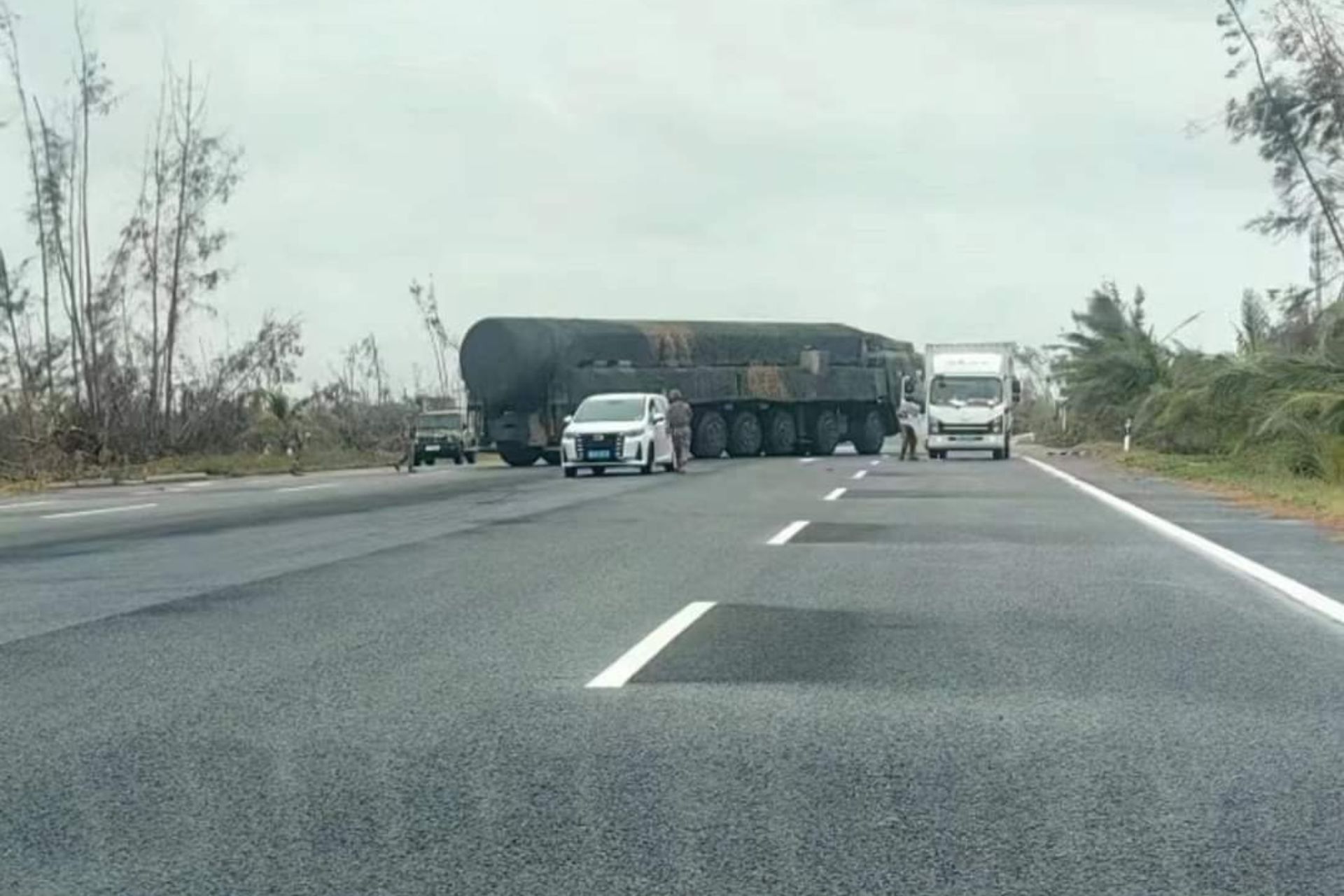
An image of the DF-31AG missile driving on Hainan Island shortly after the launch (Picture source: X Channel @Resonant_News)
The DF-31AG used a cold-launch method, where the missile is ejected from its canister using compressed gas before its engine ignites. This method makes it more challenging to geolocate the exact launch site, as there are no burn marks left on the ground. This test is significant for China, which has not conducted an ICBM test in the Pacific for over four decades, typically opting for high-apogee tests within its own borders.
The missile was likely transported from the Shaoyang brigade, about 800 km from Hainan, via rail and sea before being driven to the final launch site. Analysis of images and videos identified a probable launch area near Wenchang, on Hainan Island, which appears to be part of a newly developed military training zone, reinforcing the strategic importance of this location for future observations.
The decision to launch an ICBM from Hainan could serve multiple purposes, such as allowing a full-range test without debris fallout or overflight of other countries. This test may also be part of a broader PLARF strategy to restore credibility following internal issues such as corruption scandals and leadership changes. Furthermore, by conducting this test as part of a military drill rather than a technological development program, China may be aiming to demonstrate combat readiness while reinforcing its status as a global nuclear power.
The Pentagon confirmed it had received prior notice of the launch, which could set a precedent for future risk-reduction communications. It remains to be seen whether China will continue conducting such tests outside its borders and whether it will maintain this policy of pre-launch notifications to relevant states.
Read more: Chinese DF-31AG Intercontinental Ballistic Missile Launched from Hainan Island
- Details
- Written by: Administrator
- Category: 2024
- Hits: 3447
Credible reports have emerged indicating that North Korea’s Hwasong-9 medium-range ballistic missiles have been deployed against Ukrainian targets. According to an update shared on X (formerly Twitter) by Chuck Pfarrer, a former U.S. Navy SEAL Team Six leader and renowned military analyst, these North Korean missiles have been used on Ukrainian territory since November of last year.
Follow Army Recognition on Google News at this link
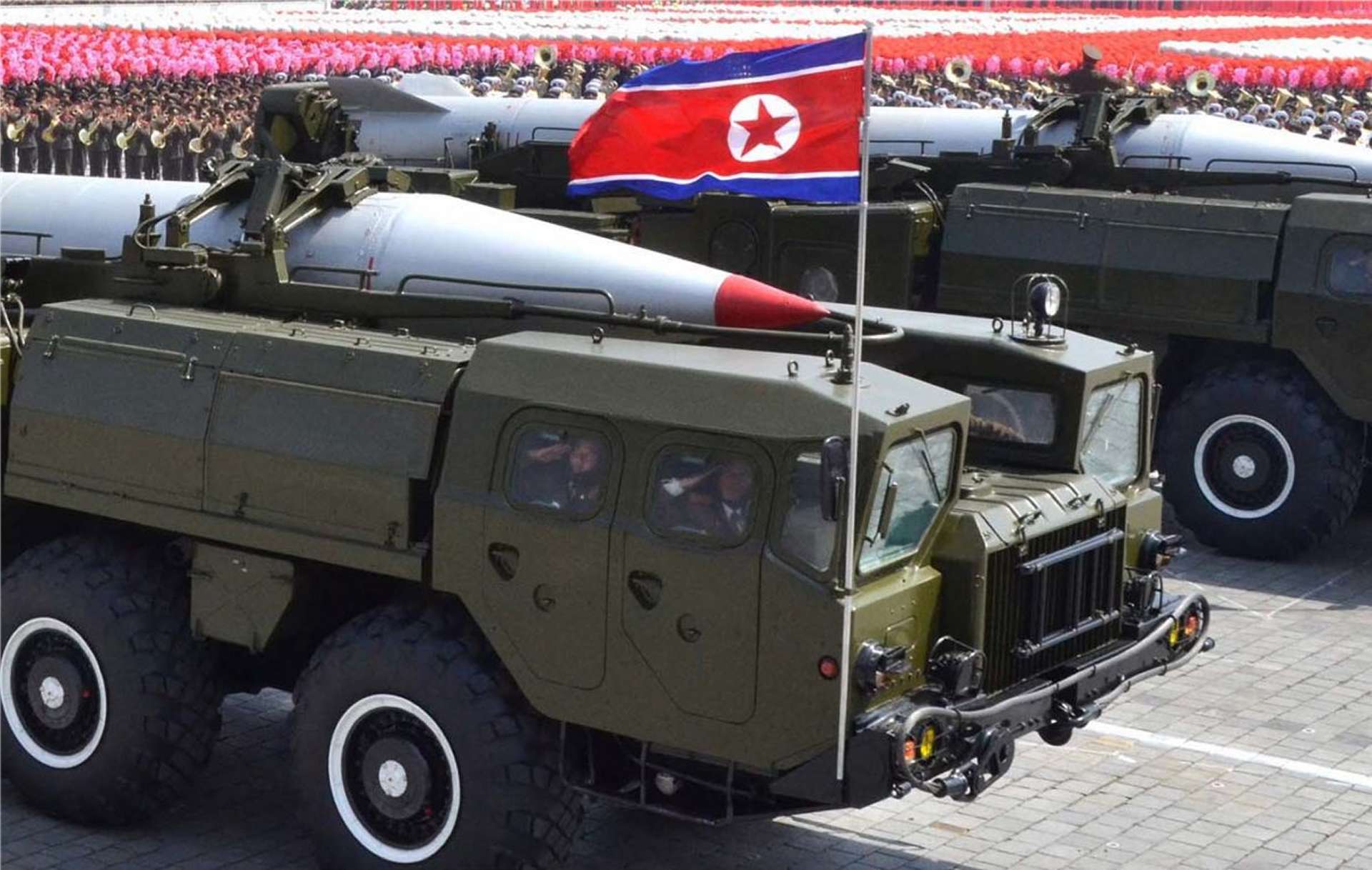
The Hwasong-9 is a medium-range ballistic missile developed by North Korea based on the Hwasong-6 (Scud-C) design. It is a mobile, surface-to-surface missile capable of striking targets up to 500-700 kilometers away . (Picture source: MDAA website)
Pfarrer's report highlights the potential deepening of military cooperation between North Korea and Russia, with North Korea's provision of strategic missile support representing a notable escalation. North Korea's Hwasong-9 missiles are a critical component of its ballistic missile arsenal, developed indigenously from the earlier Hwasong-6, which is itself a variant of the Soviet-era Scud-C missile.
The Hwasong-9 is a mobile, surface-to-surface missile (SSM) capable of carrying conventional or nuclear warheads. It was designed to improve on the Hwasong-6, which North Korea has had in its inventory for several decades. The Hwasong-9 has an estimated range of around 500-700 kilometers, allowing it to strike targets within short to medium distances.
The missile's mobility and versatility are key attributes, as it is mounted on a transport erector launcher (TEL), allowing for rapid repositioning and surprise launches. This development demonstrates North Korea’s long-standing strategy of adapting foreign technology, like the Scud-C, to suit its own military needs and ambitions. It also raises significant concerns about the ongoing transfer of military technologies between countries like Russia, Iran, and North Korea.
North Korea has played a significant role in supplying munitions for Russia’s war effort in Ukraine, reportedly providing about half of the large-caliber ammunition used on the battlefield in 2024. Ukrainian sources indicate that over 2 million rounds of ammunition were supplied, alongside KN-23 ballistic missiles, which were utilized in dozens of strikes across Ukraine during the winter of 2023-2024. In May 2024, the Pentagon’s Defense Intelligence Agency confirmed through debris analysis that Russia was indeed deploying North Korean missiles, following a summit between Kim Jong Un and Vladimir Putin in September 2023.
The deployment of the Hwasong-9 against Ukraine marks the first clear instance of North Korea’s military involvement in the conflict. The specific targets struck by these missiles remain unclear, but such an involvement suggests a growing alignment between Russia and North Korea, particularly in military terms. This alliance has been developing since the start of the war, with Russia reportedly seeking North Korean arms and ammunition to bolster its military supplies, strained by more than a year and a half of intense fighting in Ukraine.
For Ukraine, the addition of a new type of ballistic missile to the conflict adds another layer of complexity to its defense strategy. Ukraine has largely relied on air defense systems provided by Western allies to intercept Russian missile strikes. However, the inclusion of North Korean systems, such as the Hwasong-9, will likely force Ukraine to adapt further, as it is unfamiliar with North Korean missile technology.
Read more: North Korean Hwasong-9 Ballistic Missiles Reportedly Used By Russia To Target Ukraine
- Details
- Written by: Administrator
- Category: 2024
- Hits: 6879
The South Korean defense company Hanwha Defense has introduced a new generation of wheeled self-propelled howitzers tailored for the U.S. Army, merging the K9A2 turret with an American Mack Defense military truck chassis. This proposal comes as part of the U.S. Army's Next Generation Howitzer (NGH) program, aimed at modernizing its artillery capabilities following the cancellation of the Extended Range Cannon Artillery (ERCA) program.
Follow Army Recognition on Google News at this link
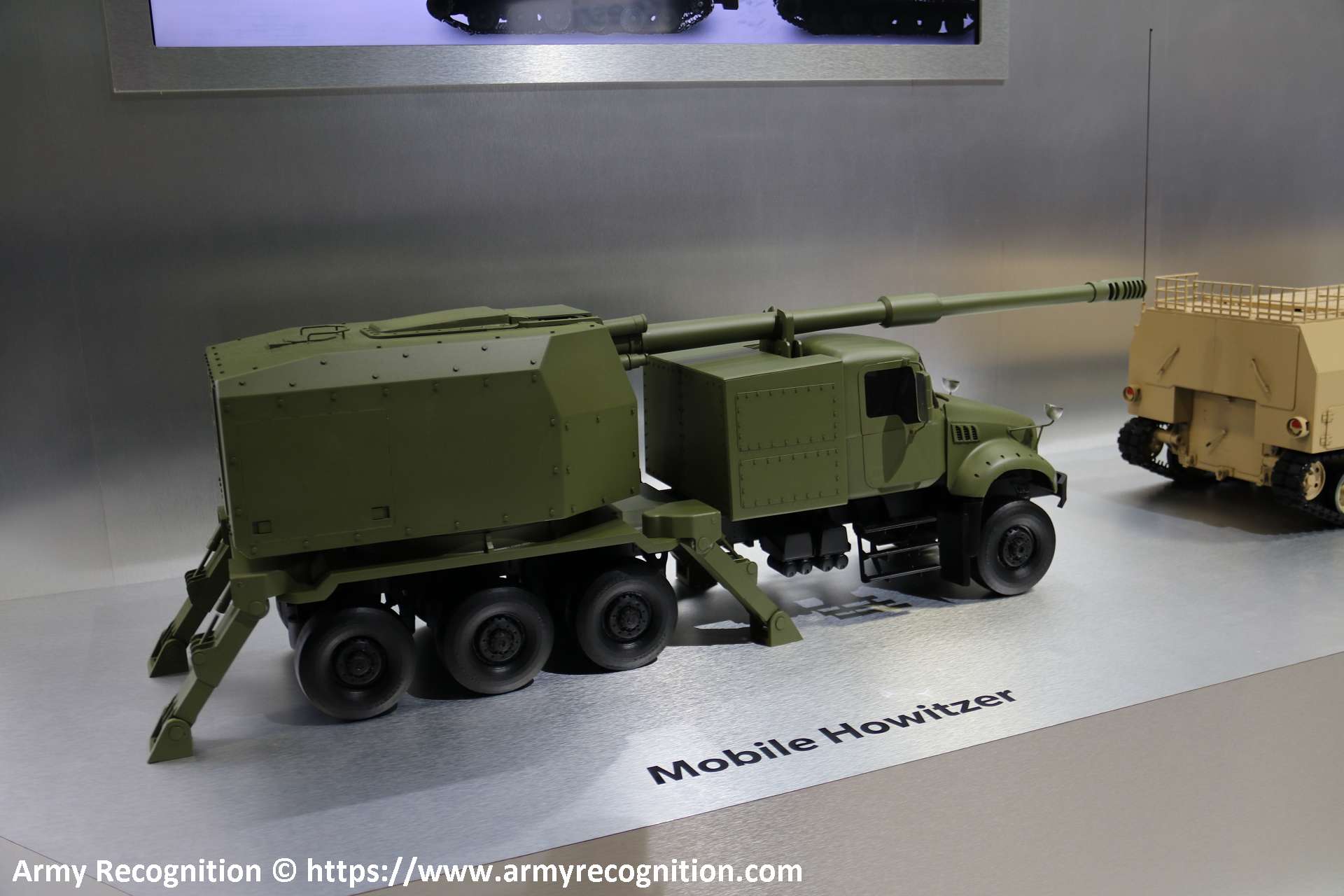
At AUSA 2024, Hanwha Defense showcased a scale model of its new wheeled self-propelled howitzer, featuring the K9A2 turret mounted on an American Mack Defense truck chassis. (Picture source: Army Recognition Group)
The U.S. Army, which has been working on enhancing its artillery systems, is planning a competition to evaluate various mobile artillery platforms. The NGH (Next Generation Howitzer) program is the U.S. Army's fourth major attempt to develop an advanced self-propelled howitzer with extended range and greater mobility. The decision to initiate this new competition follows a 2023 study focused on artillery modernization, with a strong emphasis on more autonomous, longer-range, and highly mobile artillery solutions. The study was completed in March 2024 and recommended focusing on systems that improve mobility, survivability, and firepower for future battlefield conditions.
The U.S. Army needs a new self-propelled howitzer to modernize its artillery capabilities and address the limitations of its current systems. The M109 Paladin, which has been in service since the 1960s, is becoming outdated despite upgrades. Modern battlefield requirements demand longer-range, more precise, and highly mobile artillery to engage targets effectively while minimizing risk to troops. A new howitzer would extend the Army's reach and improve firepower, which is crucial in environments where precision strikes and strategic fire support are essential.
The interest in wheeled self-propelled howitzers stems from their superior mobility compared to tracked versions. Wheeled howitzers can move more quickly on roads and rough terrain, allowing for faster repositioning and response times, a critical factor in modern, fast-paced military operations. They are also easier and cheaper to maintain, providing logistical advantages. With automation reducing crew sizes and increasing efficiency, a wheeled self-propelled howitzer offers the U.S. Army the versatility and mobility needed for future combat scenarios, where speed, range, and survivability are key to success.
The design of the new Hanwha mobile artillery system will be based on an American Mack Defense military truck chassis, with a crew cab at the front and the K9A2 turret mounted at the rear.
The new Hanwha self-propelled howitzer will have a rate of fire of 9 rounds per minute and a burst fire rate of 3 rounds in 15 seconds. The truck artillery system can carry 30 rounds of 155mm ammunition and 192 charges. It will be able to be ready to fire in less than 30 seconds.
Hanwha's proposed system leverages the K9A2 turret, a next-generation version of South Korea's K9 Thunder self-propelled howitzer, renowned for its 155mm/52-caliber gun capable of firing up to 10 rounds per minute. The system is designed for efficiency and automation, reducing the crew size from five to just two or three. Its combat weight of less than 39 tons allows easy transport by C-17 military aircraft, making it a highly mobile asset for rapid deployment.
The K9A2 turret offers significant firepower, with a range of 40 km using conventional ammunition and up to 50 km with extended-range projectiles such as the U.S.-made M982 Excalibur precision-guided rounds. Advanced automation, including a fully automatic turret and autoloading system, enhances the howitzer's sustained fire capability, while its upgraded design improves protection and efficiency on the battlefield.
The new wheeled howitzer from Hanwha is expected to compete against other systems as part of the U.S. Army's plan to replace its aging fleet of M109 Paladin tracked howitzers. These self-propelled artillery systems have been in service since the 1960s. As the U.S. Army seeks to upgrade its artillery, Hanwha's offering promises improved mobility, crew survivability, and firepower—key factors for future combat scenarios that will challenge artillery units through 2040 and beyond.
- Details
- Written by: Administrator
- Category: 2024
- Hits: 6036
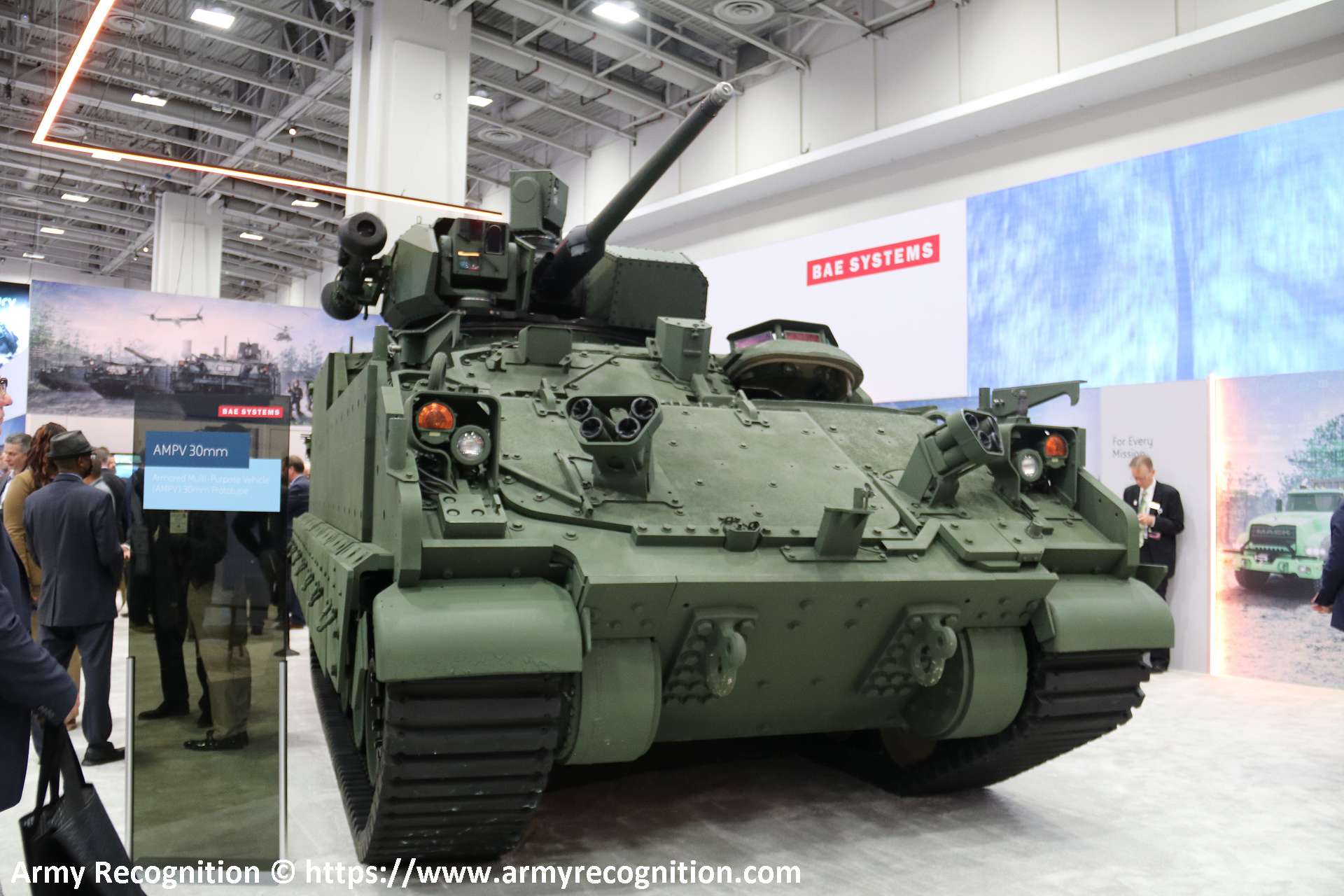
At the AUSA 2024 exhibition and conference in Washington, D.C., BAE Systems introduced a new version of its Armored Multi-Purpose Vehicle (AMPV), now featuring the KONGSBERG Medium Caliber Turret (MCT). The AMPV tracked armored vehicle that replaced the long-serving M113 Armored Personnel Carrier (APC) in the U.S. Army, showcases the evolving modernization efforts to meet the dynamic demands of modern battlefields. The newly unveiled variant is armed with a 30mm automatic cannon, providing enhanced firepower and versatility for the U.S. Army.
Follow Army Recognition on Google News at this link
At AUSA 2024, BAE Systems unveiled a new variant of its Armored Multi-Purpose Vehicle (AMPV), featuring a Kongsberg turret equipped with a powerful 30mm automatic cannon, showcasing enhanced firepower and adaptability for modern battlefields. (Picture source: Army Recognition Group)
The KONGSBERG Medium Caliber Turret is a lightweight, remote-controlled system chosen by the U.S. Marine Corps for its 30mm Amphibious Combat Vehicle (ACV) program. Its inclusion on the AMPV (Armored Multi-Purpose Vehicle) further solidifies the turret's role as a critical component of next-generation armored vehicles for U.S. forces. The MCT offers greater flexibility and firepower while maintaining a compact profile that ensures mobility and ease of integration across various platforms.
The 30mm cannon provides the AMPV with significant firepower, capable of engaging infantry, light vehicles, and drones, thus expanding its operational capabilities. This weapon system, combined with the vehicle's advanced electronics and armor protection, ensures that it can effectively support a wide range of missions, from troop transport and reconnaissance to direct fire support in active combat zones.
BAE Systems' decision to integrate the 30mm cannon turret on the AMPV is part of a broader strategy to provide cost-effective, flexible solutions to the U.S. Army. By using the AMPV hull as a platform, the U.S. Army can deploy a family of vehicles capable of adapting to different mission sets, while reducing logistical challenges and long-term costs associated with maintaining diverse vehicle fleets.
During the unveiling, BAE Systems highlighted the AMPV's modular design, which offers room for future upgrades and reconfigurations. This feature is critical as the U.S. Army looks to future-proof its armored vehicle fleet, ensuring they remain adaptable to warfare's evolving nature. From advanced sensor packages to unmanned systems integration, the AMPV hull can be tailored to meet the unpredictable needs of tomorrow's battlefields.
The modern battlefield is characterized by rapidly evolving threats, including advanced anti-armor systems, unmanned aerial vehicles (UAVs), and cyber warfare. BAE Systems' latest iteration of the AMPV, armed with the 30mm cannon turret, is designed to meet these challenges head-on. The turret's remote operation capabilities also enhance the vehicle’s survivability, allowing Soldiers to engage threats from within the safety of the vehicle's armored hull.
The unveiling of the upgraded AMPV variant at AUSA 2024 underscores BAE Systems' commitment to delivering cutting-edge solutions that enhance the U.S. Army's operational effectiveness. With the integration of the KONGSBERG Medium Caliber Turret and its 30mm automatic cannon, the AMPV provides a flexible, adaptable platform ready for both current and future battlefield challenges.
This new variant reflects the Army’s broader modernization efforts, enabling it to maintain readiness and address emerging threats in an increasingly complex global security landscape. As BAE Systems continues to refine and enhance the AMPV family, the U.S. Army is better equipped to face the unpredictable challenges of modern warfare for decades.
Read more: AUSA 2024: BAE Systems Unveils New AMPV Variant Fitted with KONGSBERG 30mm Cannon Turret
- Details
- Written by: Administrator
- Category: 2024
- Hits: 5016
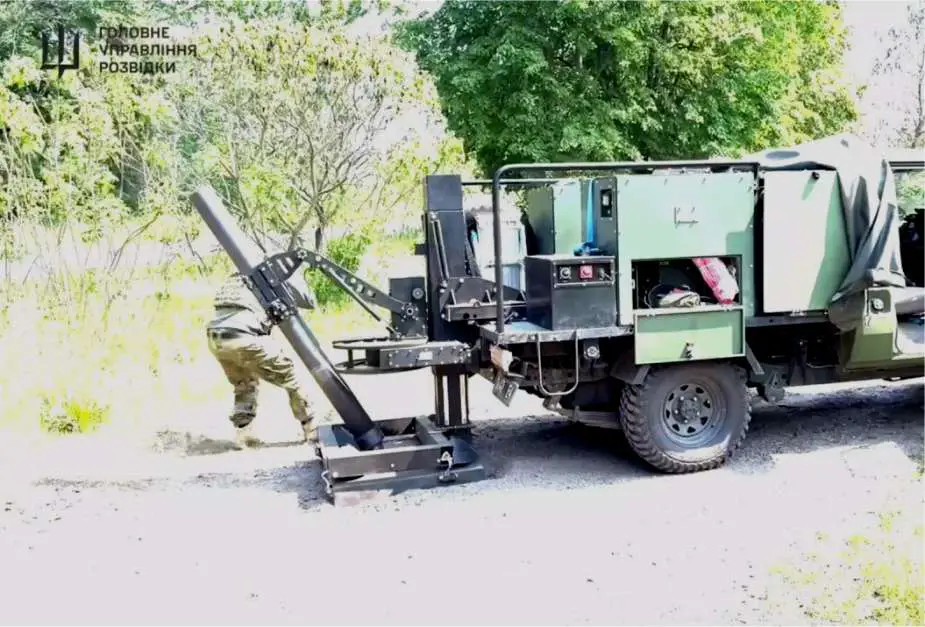
According to a picture released on the X Account of B-AREV, the Ukrainian armed forces have begun utilizing the U.S.-made Scorpion mobile mortar unit in their ongoing military operations. This advanced system, mounted on Toyota Land Cruisers, has already made an appearance in training videos released in October 2023, and shortly after, elite soldiers from Ukraine’s Kraken Special Forces unit demonstrated its use in combat.
Follow Army Recognition on Google News at this link
A video released by the Ukrainian armed forces showcases the deployment of the U.S.-made Scorpion Light mobile mortar system mounted on a Toyota light tactical vehicle. (Picture source: Video footage Ukrainian armed forces)
The Scorpion Light is an advanced mobile mortar system developed by the Spanish Company Milanion NTGS and marketed by Global Ordnance, a U.S.-based company. Its design is tailored for "shoot and scoot" operations, allowing forces to fire mortars and relocate quickly before enemy counter-fire can strike. This highly mobile system provides artillery fire support to infantry units and is ideal for fast-paced combat environments like those seen in the ongoing conflict in Ukraine. The Alakran is notable for its low-recoil system, making it possible to fire mortars without causing significant shock to the vehicle, thereby preserving mobility and stability.
The Spanish Alakran mortar system offers impressive firing range capabilities depending on the mortar used. When equipped with an 81mm mortar, the system can achieve a firing range of up to 6 kilometers (3.7 miles). However, when utilizing the larger 120mm mortar, the Alakran can provide a maximum firing range of up to 8.2 kilometers (5.1 miles), offering significant long-range artillery support for infantry units in the field.
Equipped with a computerized, fully digital fire control system, the Alakran allows for precise target acquisition and rapid firing, further enhancing its efficiency in the field. The system’s digital automation significantly reduces the time between identifying a target and opening fire. It offers a maximum firing range that can vary depending on the type of mortar used, with the 120mm variant providing particularly long-range capabilities.
This mobile mortar system can be armed with either 81mm or 120mm mortars, providing flexibility depending on mission requirements. One of its key advantages is its ability to fire eight rounds in under two minutes, allowing Ukrainian forces to deliver rapid firepower and quickly evade enemy detection. Additionally, the system boasts a fast deployment time, with its firing position being ready in less than 30 seconds, offering a crucial advantage in high-intensity combat scenarios.
Another standout feature of the Alakran is its platform-agnostic nature, meaning it can be mounted on various vehicles. While Ukraine has opted for Toyota Land Cruisers to maximize mobility, the system can also be installed on armored personnel carriers or even specialized vehicles used by airborne or special forces units.
Integrating the Scorpion Light mobile mortar unit into Ukraine's military could be a significant strategic asset, particularly as the conflict evolves. The flexibility, speed, and precision of the system align with the needs of Ukrainian forces, who often operate in environments where enemy artillery fire poses a significant threat. By allowing rapid redeployment after firing, the Scorpion improves the units' survivability and effectiveness.

Breaking News: North Korean Soldiers in Russia Receive Russian Gear for Future Deployment in Ukraine
- Details
- Written by: Administrator
- Category: 2024
- Hits: 3538
Recent video reports have emerged suggesting that North Korea has deployed thousands of soldiers to Russia's Far East, potentially preparing them for involvement in the ongoing conflict in Ukraine. Videos circulating on social media and messaging platforms purportedly show North Korean soldiers being equipped with Russian military gear and training alongside Russian forces. One such video, published on Telegram, has been geolocated to the garrison of the 127th Motor Rifle Division in Sergeevka, approximately 130 kilometers north of Vladivostok. The footage appears to depict North Korean troops engaging in training exercises, fueling speculation about their potential deployment to Ukraine.
Follow Army Recognition on Google News at this link
North Korean soldiers in Russia are seen receiving Russian individual military gear, reportedly in preparation for future deployment in Ukraine. (Picture source: Telegram Video)
According to South Korean intelligence sources cited by Yonhap News Agency, an estimated 12,000 North Korean soldiers, including special forces units, are currently in Russia. These troops have reportedly formed four combat brigades and are undergoing intensive training in Eastern Russia. The training is said to encompass a range of combat skills suited for the conflict in Ukraine, including urban warfare tactics, reconnaissance operations, and the handling of Russian military equipment. The soldiers are reportedly acclimating to the operational environment they might face in Ukraine, including familiarization with the terrain and climate conditions.
North Korea maintains one of the world's largest standing armies. The Korean People's Army (KPA) is estimated to have approximately 1.2 million active-duty personnel as of 2023. This sizable force is complemented by a reserve component that could bring the total number of military personnel to over 6 million, including paramilitary organizations and reserves. The KPA comprises ground forces, navy, air force, strategic rocket forces, and special operations forces. The ground forces alone account for most active-duty personnel, with around 950,000 soldiers. North Korea's military strategy emphasizes large numbers of infantry and artillery units, fortified defenses, and the capability to conduct asymmetric warfare.
Military analysts note that North Korean troops are known for their rigorous training and discipline. Their potential involvement could bring a new dimension to the conflict, given their experience in asymmetric warfare and special operations. Including special forces units suggests an emphasis on operations requiring specialized skills, such as sabotage, infiltration, and close-quarters combat. Deploying 12,000 troops represents a fraction of North Korea's military manpower but could have strategic implications depending on their roles and integration with Russian forces.
The international community has expressed concern over these developments. South Korean officials have highlighted the potential destabilizing effects on regional security. "We are closely monitoring the situation," a spokesperson for South Korea's Ministry of National Defense stated. "The deployment of North Korean troops abroad, especially in a conflict zone, is a serious matter." The United States and European nations have also reacted cautiously. A spokesperson for the U.S. State Department commented, "Any involvement of North Korean forces in the Ukraine conflict would be deeply concerning and would represent a significant escalation."
If the reports are accurate, the deployment of North Korean soldiers to Russia could have significant implications. The addition of North Korean troops could bolster Russian capabilities in Ukraine, potentially impacting the balance of power on the ground. This move could also signify a deepening alliance between Russia, North Korea, and potentially other nations, complicating diplomatic efforts to resolve the conflict. The international community may need to reassess security strategies in light of new alliances that are forming that challenge existing geopolitical norms.
Despite the circulating reports, there has been no official confirmation from Russian or North Korean authorities regarding the presence or intended deployment of North Korean soldiers. Experts urge caution in interpreting these reports without verified information. "While these reports are alarming, it's important to approach them with a critical eye," said Dr. Emily Carter, a senior analyst at the International Institute for Strategic Studies. "We need concrete evidence before drawing conclusions about North Korea's involvement."
As the situation develops, the international community watches closely for further evidence and official statements. The potential involvement of North Korean forces in Ukraine adds a complex layer to the conflict, with far-reaching implications for international relations and global security.
- Details
- Written by: Triffaux
- Category: 2024
- Hits: 10835
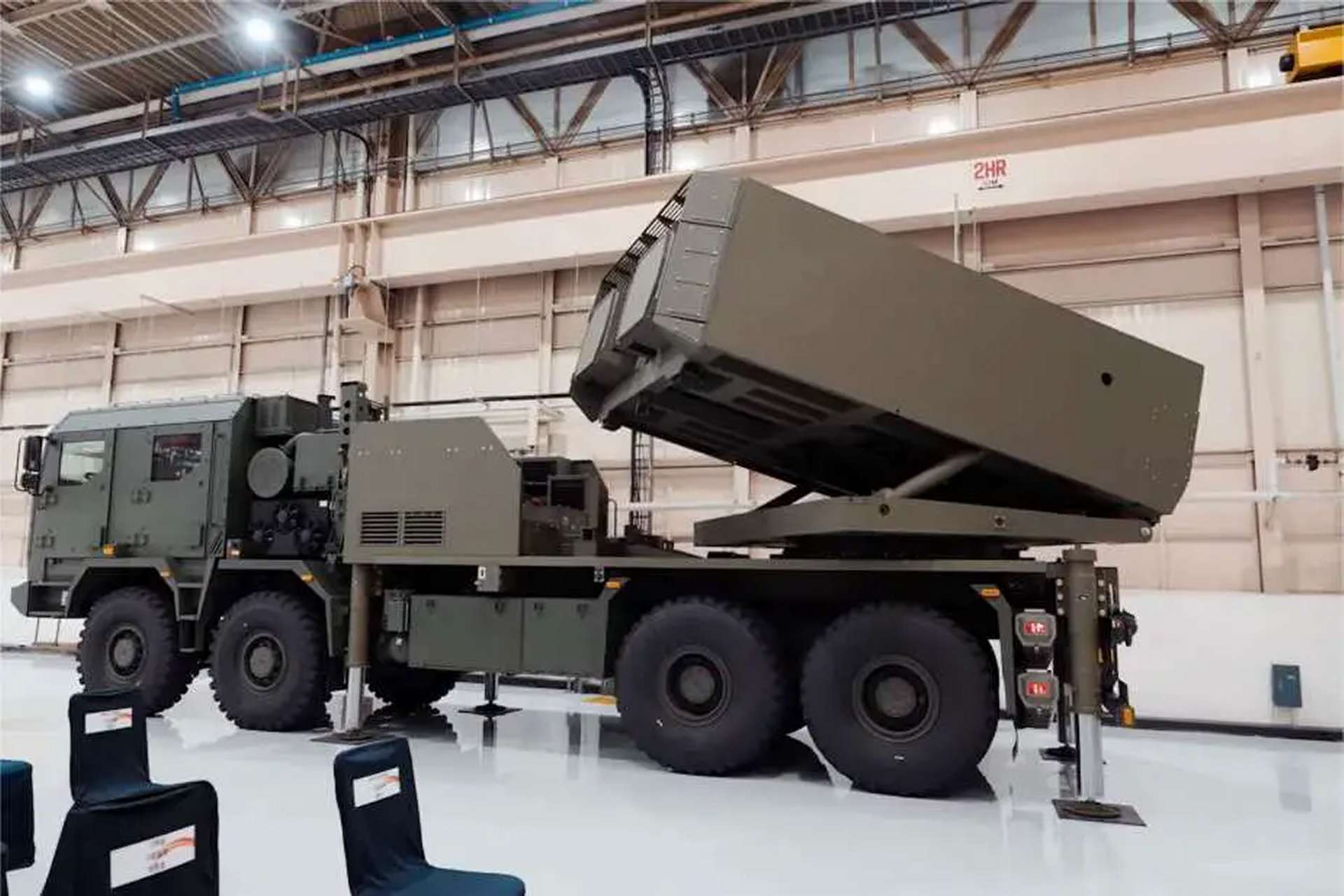
On October 7, 2024, Poland received four Homar-K launchers as part of an order for 218 modules signed in 2022. This delivery is part of Poland's ongoing modernization of its artillery systems, developed in cooperation with international partners. The Polish Armed Forces are set to receive eight additional modules by the end of the year, reflecting the continued progress in integrating these systems into the country's artillery units.
Follow Army Recognition on Google News at this link
Polish Homar-K Chunmoo Multiple Rocket Launcher (Picture source: Hanwha Defense)
The Homar-K is a Polish adaptation of the K239 Chunmoo multiple launch rocket system, originally designed by South Korea. This Polish version is distinguished by its integration on a Jelcz 8x8 chassis, replacing the original South Korean Doosan chassis, reflecting Poland's intent to localize the production of its military equipment. The Homar-K modules are integrated at the Huta Stalowa Wola (HSW) factory, with production becoming increasingly localized. In fact, under a second contract signed in April 2024, 72 new modules are to be delivered, 60 of which will be fully constructed in Poland.
This local adaptation extends beyond just the chassis. The Homar-K launchers are capable of firing a wide range of rockets and ballistic missiles. Among these weapons are the guided CGR-080 rockets with a 239 mm caliber and a range of 80 km, and the short-range ballistic missiles (SRBM) CTM-290, capable of hitting targets up to 290 km away. These rocket systems benefit from a GPS-assisted navigation system, ensuring an accuracy of around 15 meters for the CGR-080 and only 2 meters for the CTM-290. The versatility of the Homar-K is further enhanced by its ability to integrate unguided 122 mm rockets, commonly used with systems like the WR-40 Langusta or the BM-21 Grad.
One of the major strengths of the Homar-K is its firepower. Each launcher can fire six 239 mm rockets in 30 seconds, providing formidable area saturation capabilities. Additionally, developments are underway to integrate new rockets with ranges of up to 200 km, or even more for 400 mm rockets, which are currently in development.
The technical specifications of the Homar-K make it particularly effective on the battlefield. Weighing 31 tons, this system is 9 meters long, 2.9 meters wide, and 3.3 meters tall. It is powered by a 450-horsepower HD Hyundai Infracore DV11K diesel engine, allowing it to reach a maximum speed of 80 km/h with a range of 450 km. With a transmission system provided by Allison Transmission, the Homar-K is capable of maneuvering across difficult terrains, enhancing its operational flexibility. The crew, consisting of three personnel, is protected by armor compliant with STANAG 4569 Level 2 standards, using a combination of steel, ceramics, and polymer composites to resist ballistic threats and shrapnel.
The modernization of Polish artillery through the acquisition of systems like the Homar-K is part of a broader strategy to replace aging equipment inherited from the Soviet era. In October 2022, the Polish Armaments Agency signed an agreement with Hanwha Aerospace for the purchase of 288 K239 Chunmoo launchers, with the first modules being integrated in Poland. This ambitious program continues with the signing of a new agreement in April 2024, which includes the delivery of 72 additional launchers by 2029, bringing the total number of launchers to 290 units.
At the same time, cooperation between Poland and South Korea also extends to the production of munitions. In 2024, during the KADEX International Defense Exhibition, WB Group, a Polish company, and Hanwha Aerospace signed an agreement to establish a joint venture for the local production of CGR-080 rockets, intended for the Homar-K. This initiative highlights the importance for Poland to achieve strategic autonomy in its munitions production while strengthening its ties with its South Korean partners.
The delivery on October 7 included four Homar-K launchers from an order of 218 modules signed in 2022. In total, the Korean side has produced and delivered 42 units (one of which, mounted on a Jelcz chassis, remained in Korea for testing), providing the 1st Artillery Regiment and the 18th Artillery Brigade with equipment already integrated at HSW. Eight additional modules are expected to be delivered this year. These deliveries position the Polish army as one of the most modern in Europe in terms of artillery capabilities.
- Details
- Written by: Halna du Fretay
- Category: 2024
- Hits: 3132
The war in Ukraine continues to shift the military balance in Europe, prompting NATO to intensify its response. On October 17, 2024, Britain officially announced its participation in a program for developing long-range missiles alongside Germany, France, Poland, and other European partners. This initiative aims to address a gap in military stockpiles highlighted by the conflict in Ukraine, where the use of long-range missiles has become strategically important.
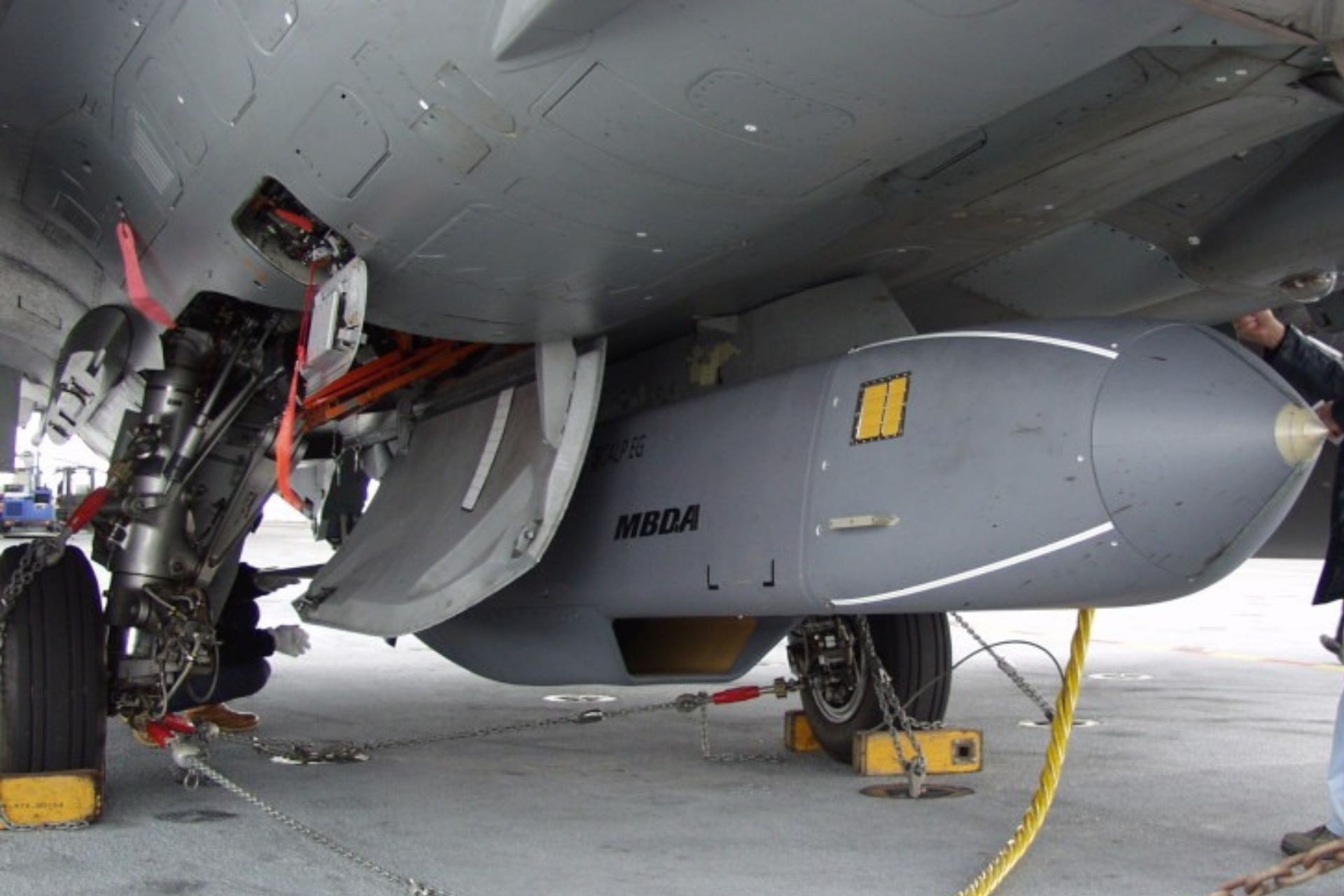
Since Russia invaded Ukraine in 2022, missiles with ranges of several hundred kilometers have seen renewed importance. (Picture source: MBDA)
British Defense Secretary John Healey confirmed this commitment during a meeting with his NATO counterparts in Brussels. He explained that the UK is formally joining the long-range missile development program, which is intended to improve the integration of European air defense systems, enhancing their collective effectiveness. According to Healey, these missiles will provide capabilities far beyond those currently available to participating nations, in line with NATO's broader goal of strengthening deterrence and protecting Europe.
At the NATO summit in Washington in July, France, Germany, Italy, and Poland had already signed a letter of intent to collaborate on developing missiles with a range of more than 500 kilometers. Military sources at the time indicated that the goal was to create a new land-based cruise missile with a range between 1,000 and 2,000 kilometers to meet NATO's deterrence requirements. Britain's participation underscores the importance of the program as Europe seeks to protect itself against external threats, particularly from Russia.
As part of this cooperation, the United States and Germany also announced that starting in 2026, they will temporarily deploy U.S. long-range missiles on German soil, including SM-6, Tomahawk missiles, and developmental hypersonic weapons. This deployment, criticized by Moscow as a "very serious threat" to Russian national security, is seen as a temporary measure until Europe develops its own long-range missiles.
Since Russia's invasion of Ukraine in 2022, missiles with ranges of several hundred kilometers have seen renewed importance. Moscow has increased cross-border strikes, while Kyiv has responded by targeting sites within Russian territory. Existing European stocks of cruise missiles, such as Britain's Storm Shadow, France's Scalp, and Germany's Taurus, which have a range of around 500 kilometers, have become critical in addressing these escalating threats.
Alongside the missile development program, Healey also confirmed that Britain is ready to quickly deploy troops to Estonia, if necessary, to bolster NATO's eastern flank against the Russian threat. The UK has already prepared thousands of troops for rapid deployment to strengthen security along the Russian border. This additional military commitment reflects Britain's intention to play a key role in European defense at a time when tensions with Moscow remain high.
Read more: Britain Joins European Cooperation for Long-Range Missile Development
- Details
- Written by: Vandenbosch
- Category: 2024
- Hits: 7566
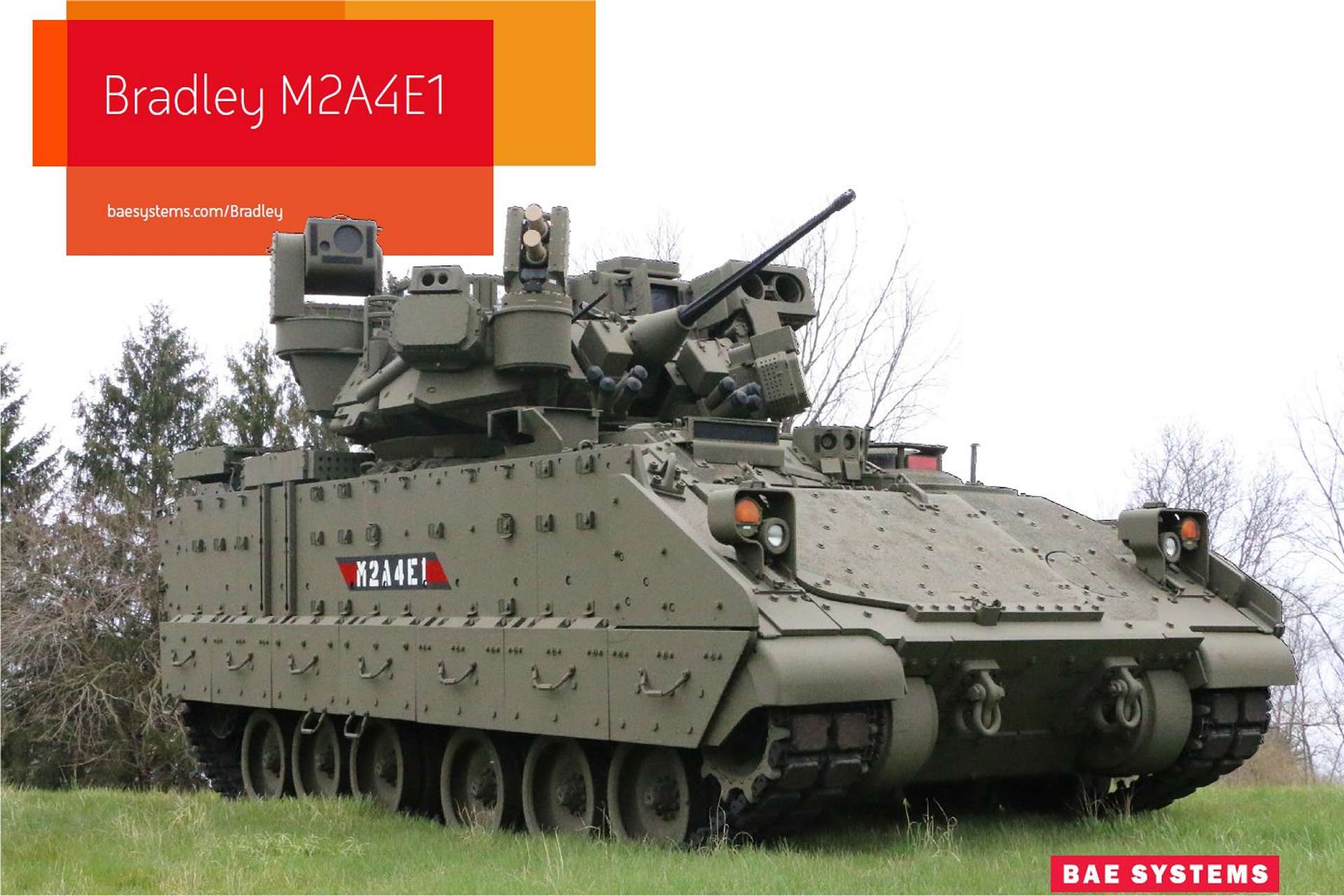
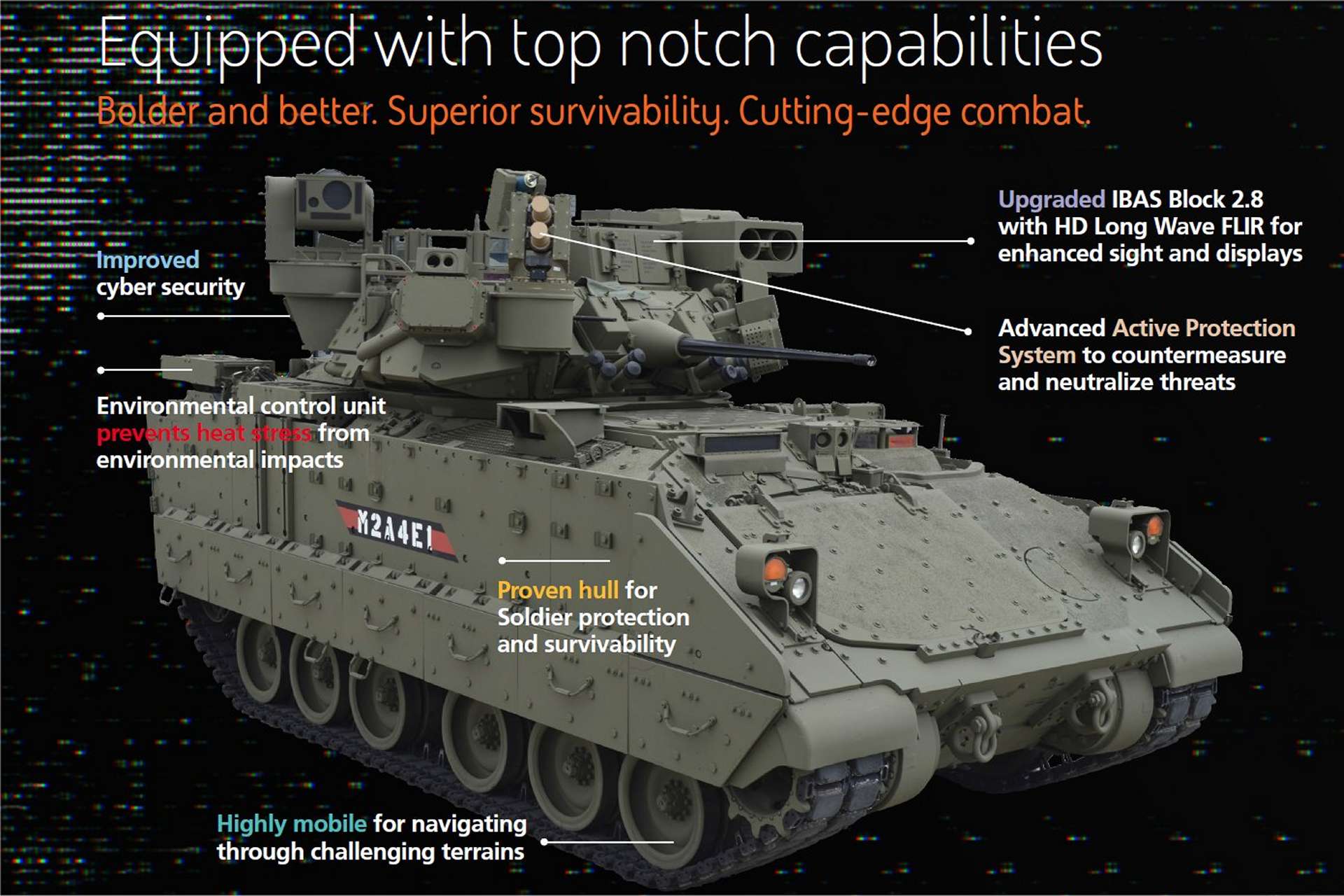
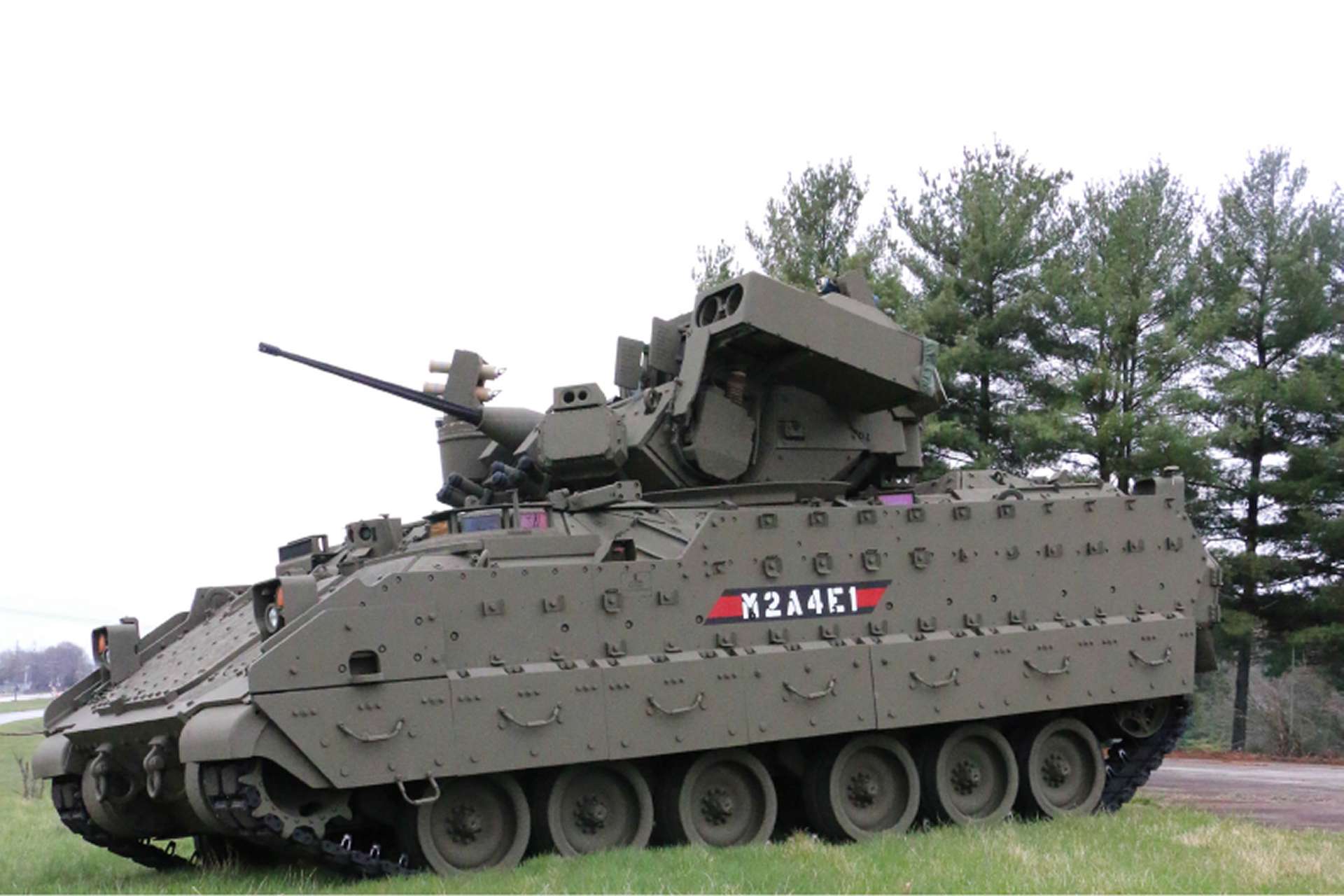
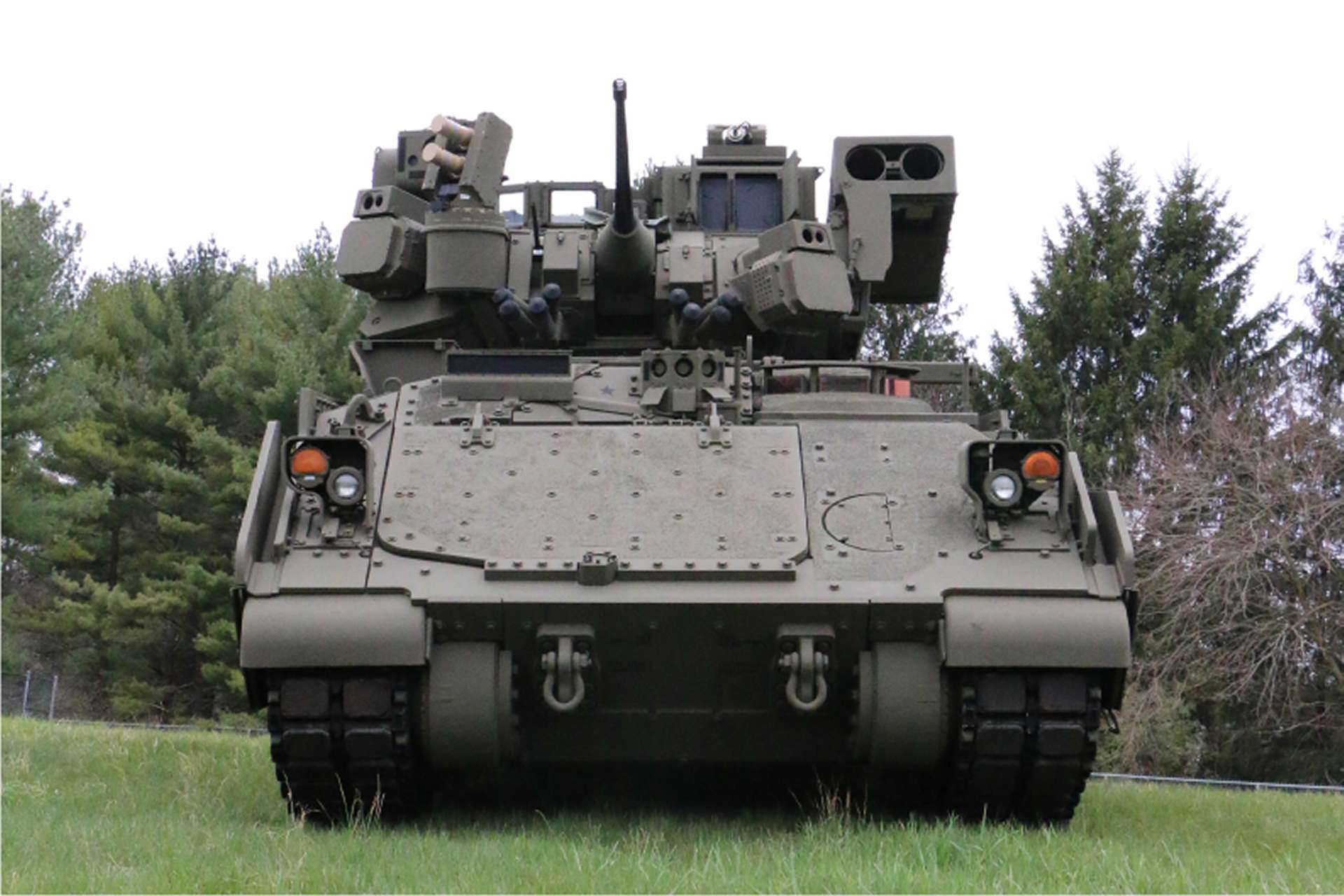
BAE Systems has recently revealed more details about its latest infantry fighting vehicle, the M2A4E1 Bradley. This model features a series of technological upgrades that significantly enhance its survivability, protection, and combat capabilities, placing it among the most advanced armored vehicles in its category.
The M2A4E1 Bradley Infantry Fighting Vehicle. (Picture source: BAE Systems)
Among the key innovations, the M2A4E1 is equipped with the Iron Fist Light Decoupled (IF-LD) Active Protection System, developed by Elbit Systems. This system is designed to intercept and neutralize threats, such as anti-tank rockets and missiles, before they can reach the vehicle. The addition of this active protection system addresses the growing need for defense against modern attacks that use guided munitions or sophisticated anti-tank systems.
Additionally, the IBAS Block 2.8 represents another key upgrade. This enhanced acquisition system for the Bradley, equipped with a high-definition long-wave FLIR (Forward-Looking Infrared) camera, gives the gunner the ability to detect and engage targets both day and night, even in low-visibility conditions. This improved detection capability significantly boosts the Bradley's effectiveness on the battlefield, particularly in environments where asymmetric warfare demands rapid and precise responses.
The chassis of the M2A4E1 remains true to its reputation for robustness and soldier protection, but it benefits from several upgrades to increase mobility in difficult terrains, while also offering improved protection against mines and improvised explosive devices (IEDs). The vehicle is equipped with an environmental control system, designed to prevent crew heat stress in extreme climatic conditions, ensuring better operational endurance.
In terms of cybersecurity, enhancements have been made to strengthen protection against cyber threats, a critical area in modern conflicts where command and control systems are often targeted.
Finally, the M2A4E1 is designed to be highly mobile, capable of navigating complex terrains, while ensuring optimal protection and survivability. This vehicle offers a balance between mobility, firepower, and protection, making it essential for modern military operations, where flexibility and rapid response are paramount.
In conclusion, the M2A4E1 Bradley Fighting Vehicle marks a significant advancement in the modernization of armored combat vehicles, integrating cutting-edge technologies to respond to current and future battlefield threats. BAE Systems continues to strengthen its position as a leader in developing robust and innovative defense solutions.
-
BAE Systems Unveils More Details On Its Latest M 2 A 4 E 1 Bradley Infantry Fighting Vehicle 002
-
BAE Systems Unveils More Details On Its Latest M 2 A 4 E 1 Bradley Infantry Fighting Vehicle 003
-
BAE Systems Unveils More Details On Its Latest M 2 A 4 E 1 Bradley Infantry Fighting Vehicle 004
Read more: BAE Systems Unveils More Details on Its Latest M2A4E1 Bradley Infantry Fighting Vehicle
- Kawasaki Heavy Industries Plans to Test Its Japanese Tomahawk SSM in 2027
- RTX Demonstrates Launched Effects Autonomy at US Army’s EDGE Exercise
- American Rheinmetall and GDLS Advance in Development of XM30 Future Replacement for US Army's Bradley IFV
- 100 Oshkosh Defense Stryker MCWS 30mm Medium Caliber Weapon Systems in Service with US Army